
वालीनाथ मंदिर
सजोद, ता. अंकलेश्वर, जि. भरूच
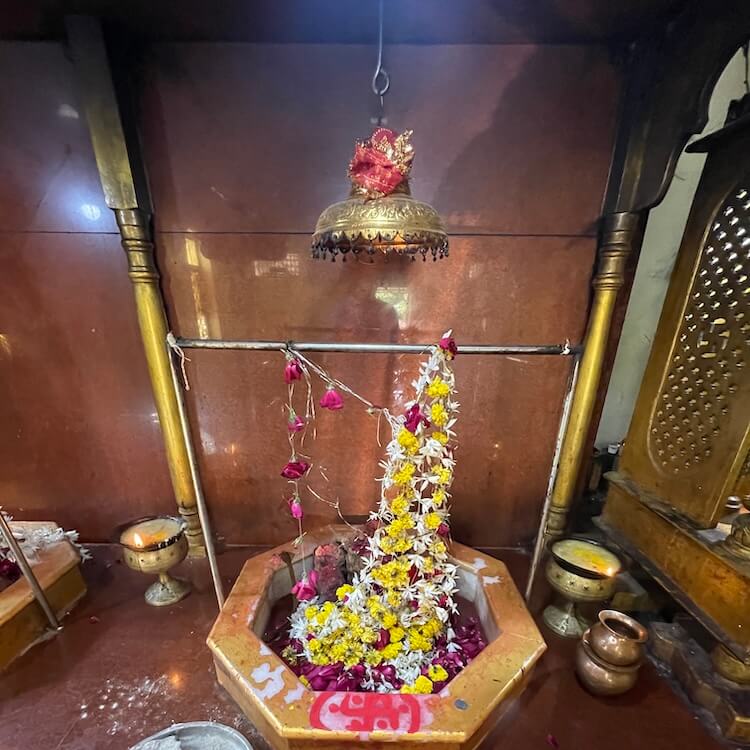 वलीनाथ महादेव मंदिर, जे हिंदू धर्मातील शैव आणि वैष्णव पंथांच्या समन्वयाचे एक प्रगाढ प्रतीक मानले जाते, ते अंकलेश्वरजवळील साजोद या प्राचीन गावात स्थित आहे. वलीनाथ महादेव हे रबारी समाज आणि गुजरातभरातील इतर अनेक हिंदू समुदायांचे आराध्य दैवत आहेत. पौराणिक कथांनुसार, वलीनाथ महादेव हे भगवान शिवांचे असे रूप दर्शवतात ज्यांनी आपल्या कानात ‘बाली’ (कुंडले) परिधान केली आहेत. ही दंतकथा श्रीकृष्णांच्या रासलीलेशी अतूटपणे जोडलेली आहे. साजोद येथील मंदिरात, वलीनाथ महादेवांच्या शिवलिंगासोबतच श्रीकृष्णांची मूर्ती देखील स्थापित केलेली आहे.
महादेवाच्या या विशिष्ट रूपाशी संबंधित पौराणिक कथा अशी आहे की, मगध सम्राट जरासंध हा कंसाचा सासरा होता. त्याने श्रीकृष्णाच्या मथुरेवर अठरा वेळा आक्रमण केले होते. या वारंवार होणाऱ्या आक्रमणांमुळे त्रस्त होऊन, श्रीकृष्ण सर्व यादवांसह द्वारकेला निघून गेले. तिथे स्थायिक झाल्यानंतर, श्रीकृष्ण अनेकदा द्वारकेच्या आसपासच्या प्रदेशात फिरत असत. 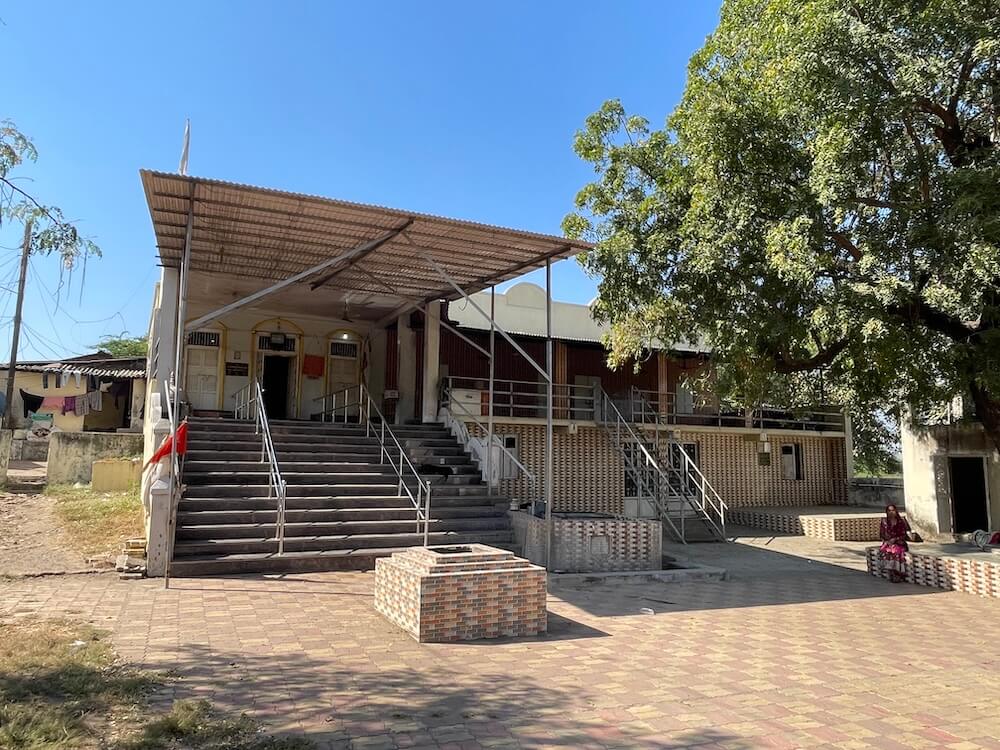 अशाच एका प्रसंगी, त्यांनी गोपी आणि गोपाळांसह वनात प्रवेश केला आणि रासलीलेला सुरुवात केली. त्या वेळी, महादेवही आपल्या शिवगणांसह तिथे वास्तव्यास होते. श्रीकृष्णाची रासलीला पाहून, महादेवांच्या मनात त्यात सहभागी होण्याची तीव्र इच्छा निर्माण झाली. मात्र, बाहेरील व्यक्तींना या नृत्यात सामील होण्यास सक्त मनाई होती. म्हणून महादेवांनी गोपीचे रूप धारण केले आणि रासलीलेत प्रवेश केला. तरीही, श्रीकृष्णांनी त्या वेशातही महादेवांना ओळखले.
रासलीलेत साक्षात महादेवांना नृत्य करताना पाहून, श्रीकृष्णांनी त्यांना साष्टांग नमस्कार केला आणि म्हटले, ‘हे महादेवा, आपण देवांचे देव आहात. सर्वजण आपली उपासना करतात. आपण येथे आलात हे आमचे अहोभाग्य आहे. रासलीलेत सहभागी होण्यापासून आपल्याला रोखण्याचे धाडस कोणाचे होईल? कृपया,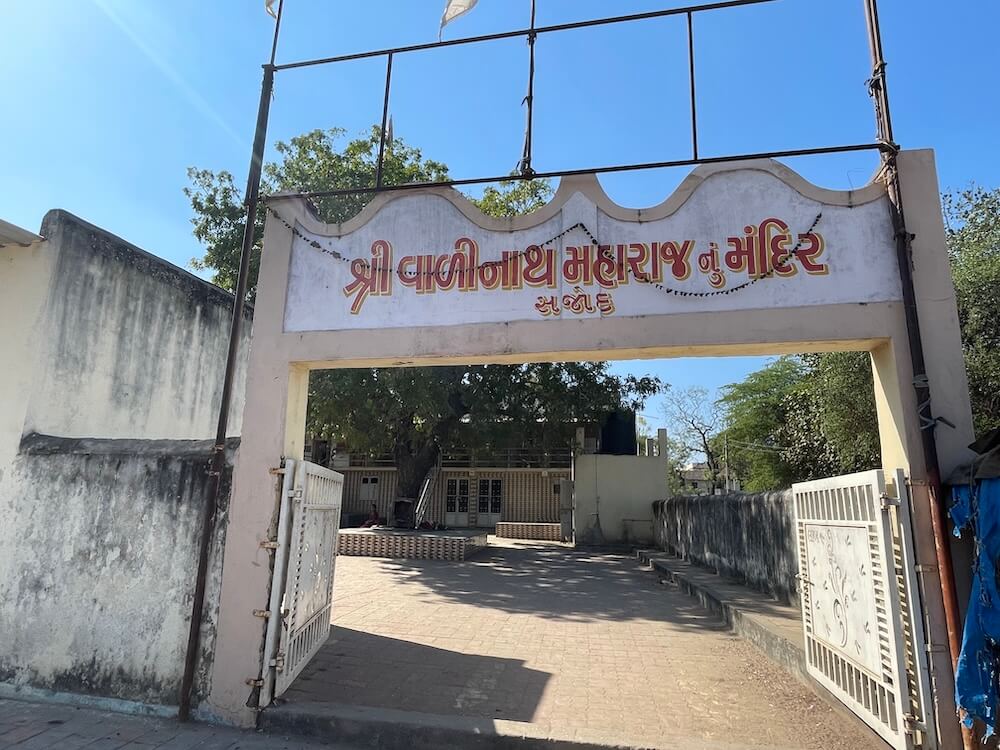 ‘आपल्या मूळ दिव्य रूपात दर्शन देऊन आम्हाला धन्य करा.’ श्रीकृष्णाची ही विनंती ऐकून महादेवांनी आपल्या खऱ्या रूपात दर्शन दिले. त्यानंतर, श्रीकृष्णांनी त्या ठिकाणी महादेवांच्या मूर्तीची प्रतिष्ठापना केली. गोपीचे रूप धारण केले असताना महादेवांनी कानात ‘बाली’ (बाळी) घातली होती, म्हणून श्रीकृष्णांनी त्यांना ‘वालीनाथ’ हे नाव दिले. असे म्हटले जाते की, श्रीकृष्णांनी स्थापन केलेले मूळ वालीनाथ महादेव मंदिर गुजरातमध्ये मेहसाणा जवळील तरभ गावात स्थित आहे. सोमनाथनंतर गुजरातमध्ये महादेवांना समर्पित असलेले हे सर्वात मोठे मंदिर आहे. फेब्रुवारी २०२४ मध्ये, पंतप्रधान नरेंद्र मोदी यांच्या हस्ते जीर्णोद्धारित वालीनाथ महादेव मंदिराची प्राणप्रतिष्ठा करण्यात आली. याव्यतिरिक्त, गुजरातमध्ये इतर अनेक ठिकाणी महादेवांची वालीनाथ या नावाने पूजा केली जाते, ज्यापैकी एक साजोद येथे स्थित आहे.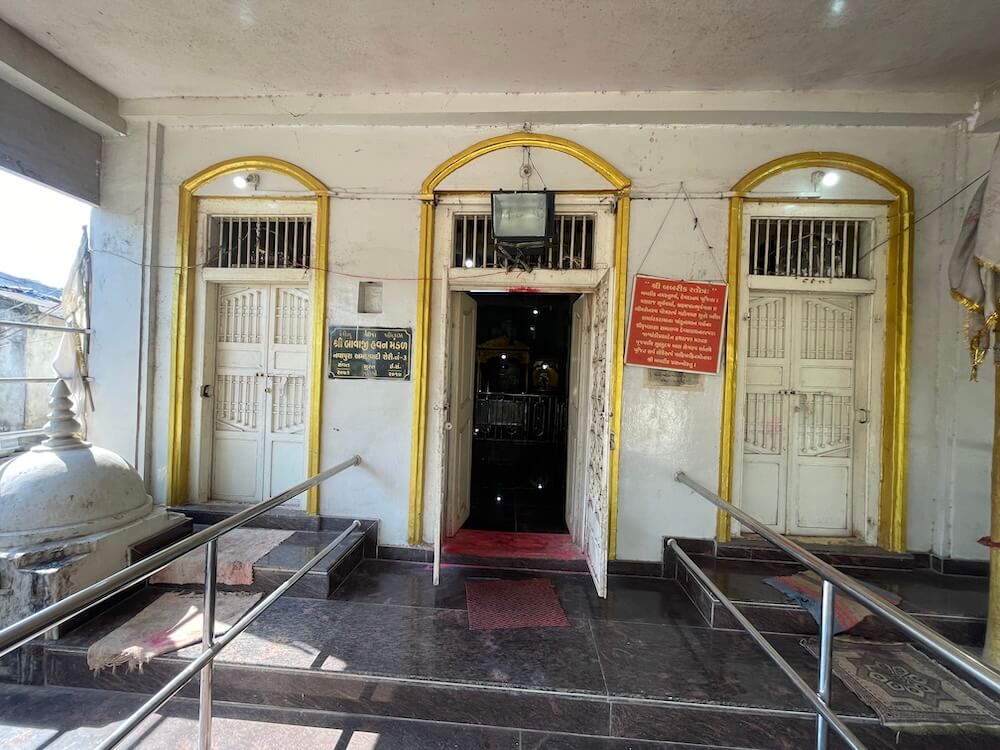
एम. आर. मुजुमदार यांच्या ‘हिस्टोरिकल अँड कल्चरल क्रोनोलॉजी ऑफ गुजरात’ (१९६०) या पुस्तकानुसार, जे महाराजा सयाजीराव युनिव्हर्सिटी ऑफ बडोदा द्वारे प्रकाशित झाले आहे, सजोद हे नाव ऐतिहासिक काळात ‘सौज्ञपद्रा’ असावे असे मानले जाते. भरूच (भृगुकच्छ) हे चाहमान (चौहान) वंशाच्या राजा भर्तृवद्ध द्वितीय यांची राजधानी होती, ज्यांचे राज्य इसवी सन ७३८ ते ७५६ पर्यंत होते. या काळात त्यांनी अक्रुरेश्वर (अंकलेश्वर) प्रदेशातील अनेक गावे विविध गोत्रांच्या ब्राह्मणांना दान केली होती. या अनुदानात समाविष्ट असलेल्या गावांपैकी सौज्ञपद्रा हे एक गाव होते. भरूच जिल्ह्याच्या अधिकृत संकेतस्थळावर नमूद केल्यानुसार, सजोद हे ऋषी च्यवन यांचा आश्रम असलेले ठिकाण होते. पौराणिक कथांनुसार, ‘च्यवनप्राश’ या औषधी मिश्रणाचे निर्माते ऋषी च्यवन, 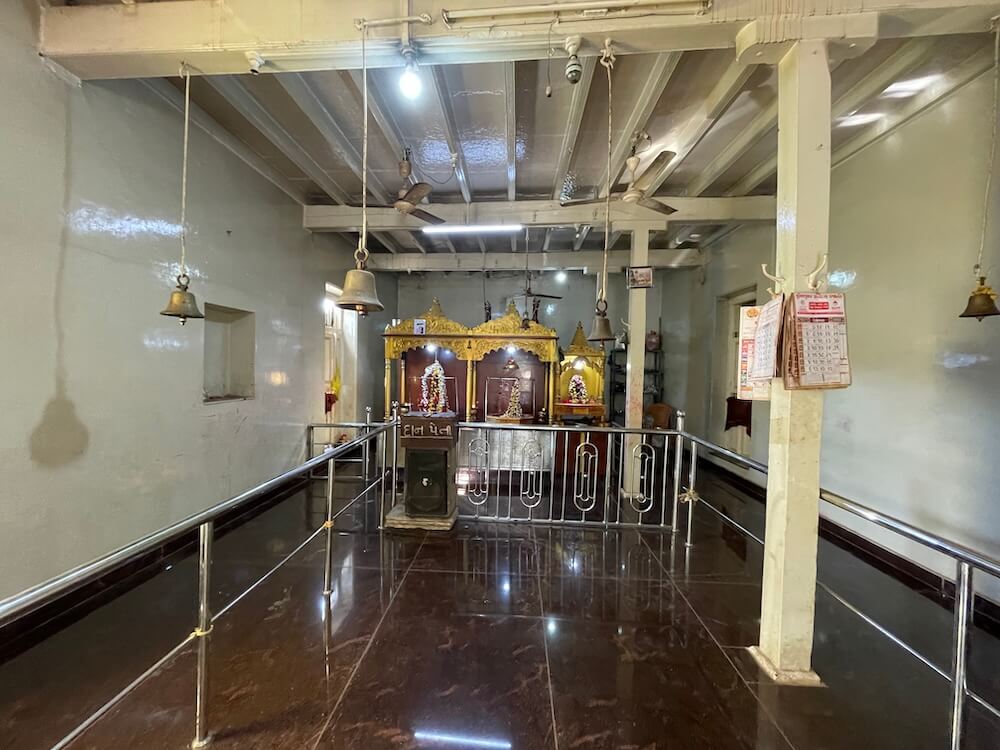 हे ऋषी भृगूंचे पुत्र होते, जे भृगुकच्छ किंवा भरूचचे संस्थापक होते. अशा प्रकारे, वळीनाथ महादेव मंदिर हे अत्यंत पौराणिक आणि ऐतिहासिक महत्त्व असलेल्या ठिकाणी स्थित आहे.
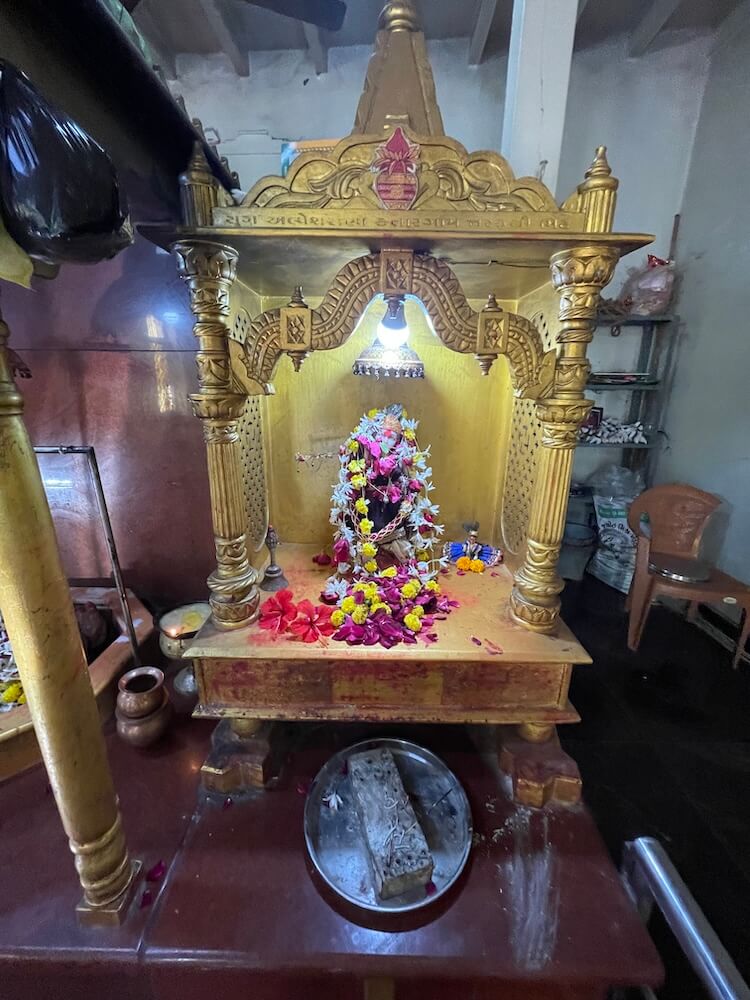
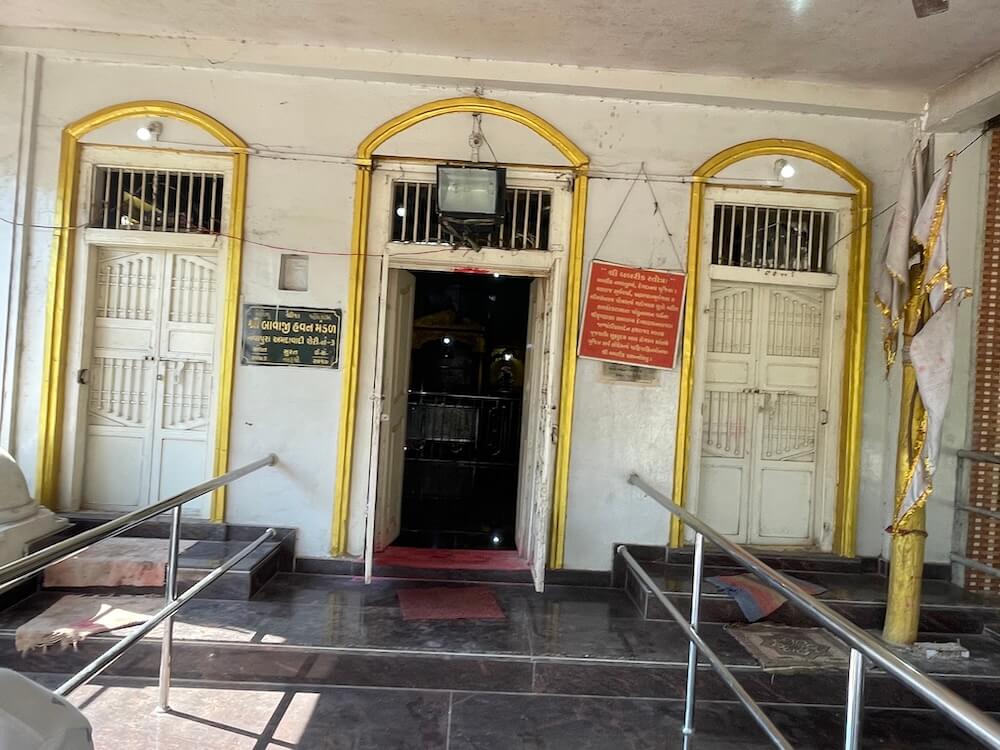
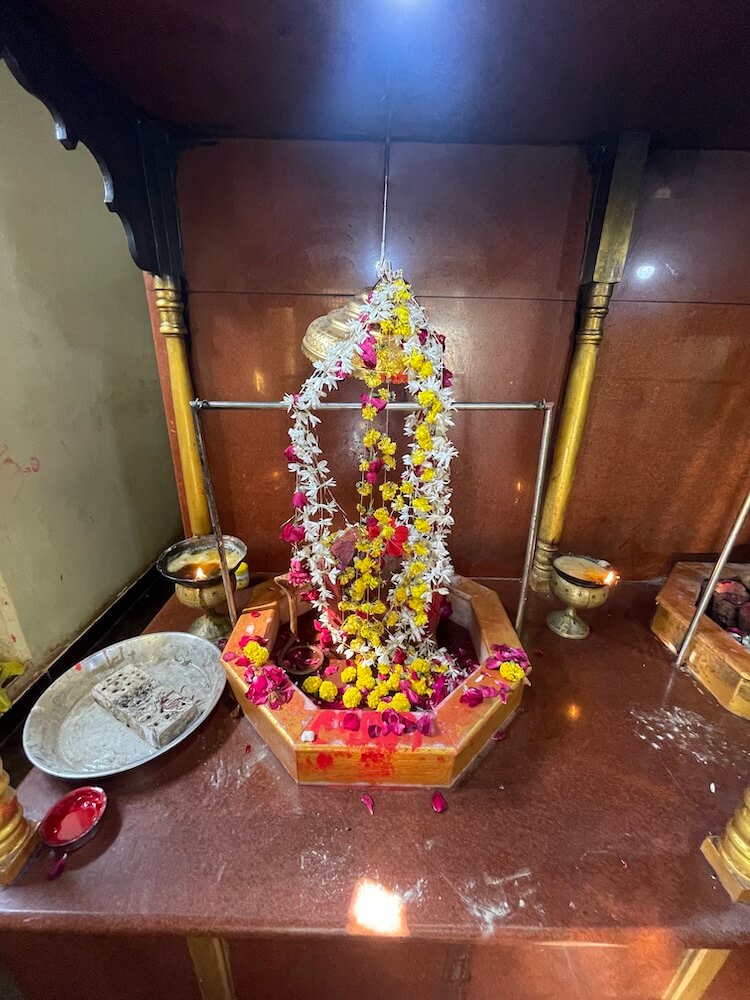
हे मंदिर गावाच्या एका बाजूला असलेल्या विस्तीर्ण अंगणात वसलेले आहे. या अंगणात प्रवेश करण्यासाठी संरक्षक भिंतीमध्ये एक कमानदार प्रवेशद्वार आहे. अंगणाच्या उजव्या बाजूला एक प्राचीन कडुलिंबाचे झाड असून, त्याच्याभोवती दगडांचा मोठा चौथरा बांधलेला आहे. काही अंतरावर संगमरवरी फरशांनी बनवलेला एक चौरस यज्ञकुंड आहे. समोरच आधुनिक वास्तुशैलीत बांधलेली दोन मजली मंदिर इमारत आहे. मंदिरात जाण्यासाठी तेरा रुंद पायऱ्या आहेत. भाविकांना सावली मिळावी म्हणून या पायऱ्यांवर पत्र्याचे शेड उभारले आहे. मंदिराच्या रचनेत एक लहान ओवरी (व्हरांडा) आहे, 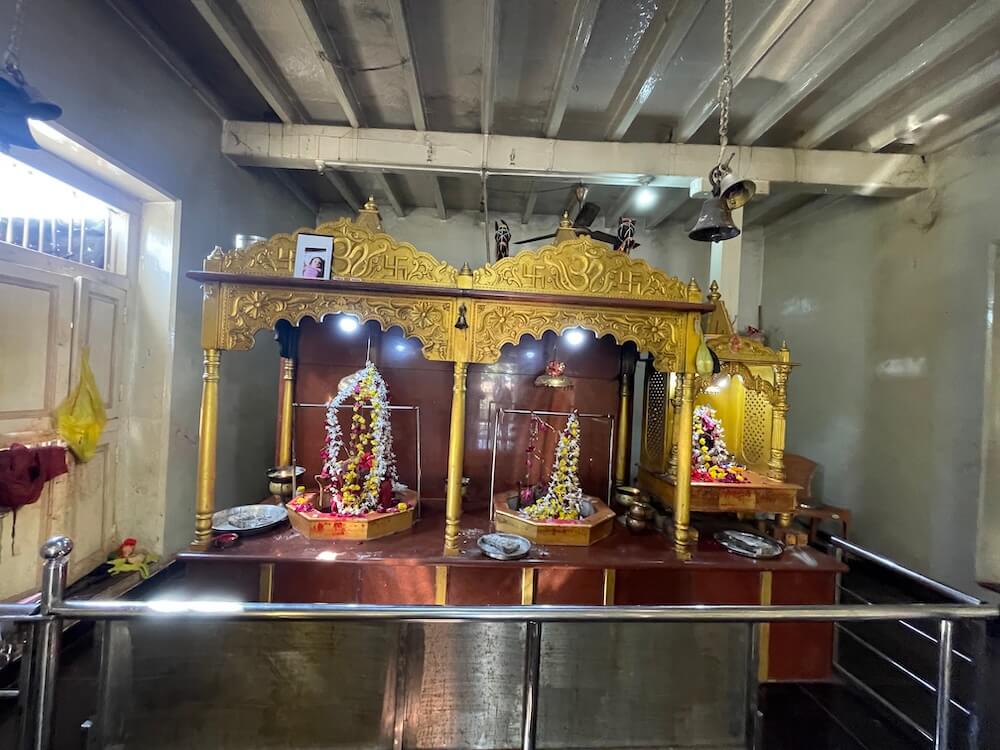 एक सभामंडप आणि उंच चौथऱ्यावर स्थापित केलेली एक सुवर्ण मखर. मंदिराच्या ओसरीच्या डाव्या बाजूला असलेल्या एका कोनाड्यात ग्रामदेवतांचे प्रतिनिधित्व करणारे दगड ठेवलेले आहेत. उजव्या बाजूला लाकडी ध्वजस्तंभ उभा आहे. संगमरवरी फरशी असलेल्या सभामंडपात, भिंतींच्या कडेने दर्शनासाठी मार्ग आहे. समोरच्या भागात, एका उंच संगमरवरी चौथऱ्यावर दोन मोठ्या सुशोभित चौकटींमध्ये दोन शिवपिंडी आहेत. या मूर्तींभोवती शालुंकेसारखा अष्टकोनी कठडा आहे, जो पितळेने मढवलेला आहे. उजव्या चौकटीतील पिंडीमध्ये एक मोठा दगडी शिवलिंग आहे, तर डाव्या बाजूच्या पिंडीमध्ये गोलाकार दगडांच्या स्वरूपात लिंगे आहेत. दोन्ही मूर्तींवर पितळेची छत्री आहे. या सुशोभित चौकटींच्या शेजारी एक सुवर्ण मंदिर आहे, जिथे वस्त्रे, दागिने आणि फुलांच्या माळांनी सुंदर सजवलेली श्रीकृष्णाची संगमरवरी मूर्ती प्रतिष्ठित आहे.
मंदिराच्या लगत व्यवस्थापन कार्यालये आणि इतर कक्ष आहेत, तर खालच्या मजल्यावर एक मोठे सभागृह बांधण्यात आले आहे. या मंदिरात दररोज वलीनाथ महादेव आणि श्रीकृष्णाची विधीवत पूजा केली जाते. इतर विविध उत्सवांसोबतच महाशिवरात्री आणि श्रीकृष्ण जन्माष्टमी येथे मोठ्या उत्साहात साजरी केली जाते.
उपयुक्त माहिती
- अंकलेश्वरपासून १५ किमी अंतरावर
- भरूचपासून २१ कि.मी. अंतरावर
- अंकलेश्वर आणि भरूच शहरातून एस.टी. (राज्य परिवहन) बस सुविधा उपलब्ध आहे.
- खाजगी वाहने मंदिरापर्यंत जाऊ शकतात.
- परिसरात निवास आणि न्याहारीची सोय उपलब्ध आहे.
Valinath Temple
Sajod, Tal. Ankleshwar, Dist. Bharuch
The temple of Valinath Mahadev, regarded as a profound symbol of the synthesis between the Shaiva and Vaishnava sects of Hinduism, is situated in the ancient village of Sajod near Ankleshwar. Valinath Mahadev is the presiding deity of the Rabari community and many other Hindu communities across Gujarat. According to mythological lore, Valinath Mahadev represents the form of Lord Shiva wearing a Bali (earring) in his ear. This legend is inextricably linked with the Raas Leela (divine dance) of Shri Krishna. In the temple at Sajod, an idol of Shri Krishna is enshrined alongside the Shivaling of Valinath Mahadev.
The mythological legend regarding this particular form of Mahadev narrates that the Magadh Emperor Jarasandha was the father-in-law of Kansa. He attacked Shri Krishna’s Mathura eighteen times. Harassed by these repeated onslaughts, Shri Krishna departed for Dwarka with all the Yadavas. After establishing himself there, Shri Krishna would often wander through the regions surrounding Dwarka. On one such occasion, he entered a forest accompanied by the Gopis (cowherd maidens) and Gopas (cowherd boys) and commenced the Raas Leela. At that time, Mahadev was also residing there with his Shivaganas. Upon witnessing Shri Krishna’s Raas Leela, Mahadev felt a deep desire to participate. However, outsiders were strictly forbidden from joining the dance. Hence Mahadev assumed the form of a Gopi and entered the Raas Leela. Nevertheless, Shri Krishna recognised Mahadev even in that disguise.
Seeing Mahadev himself dancing in the Raas Leela, Shri Krishna prostrated before him and said, ‘O Mahadev, you are the God of Gods. Everyone worships you. It is a matter of immense fortune that you have come here. Who would dare forbid you from participating in the Raas Leela? Pray, bless us by appearing in your original divine form.’ Upon hearing Shri Krishna’s plea, Mahadev manifested in his true form. Subsequently, Shri Krishna consecrated an idol of Mahadev at that spot. Since Mahadev had worn a Bali in his ear while disguised as a Gopi, Krishna bestowed upon him the name Valinath. It is said that the original Valinath Mahadev temple established by Shri Krishna is located in Tarabh village near Mehsana in Gujarat. This temple is the largest shrine dedicated to Mahadev in Gujarat after Somnath. In February 2024, the Pran Pratishtha (consecration ceremony) of the restored Valinath Mahadev temple was performed by Prime Minister Narendra Modi. Furthermore, Mahadev is worshipped under the name Valinath at several other locations across Gujarat, one of which is situated at Sajod.
As per M. R. Majmudar’s book ‘Historical And Cultural Chronology Of Gujarat’ (1960), published by the Maharaja Sayajirao University of Baroda, the name Sajod is believed to have been ‘Saujnapadra’ in historical times. Bharuch (Bhrigukacch) was the capital of King Bhartrvaddha II of the Cahamana (Chauhan) dynasty, whose reign lasted from 738 to 756 AD. During this period, he donated several villages in the Akrureshwar (Ankleshwar) region to Brahmins of various Gotras (lineages). Saujnapadra was among the villages included in these grants. The official website of the Bharuch district mentions that Sajod was the site of the hermitage of Sage Chyavana. Mythological accounts state that Sage Chyavana, the creator of the medicinal formulation ‘Chyavanprash’, was the son of Sage Bhrigu, the founder of Bhrigukacch or Bharuch. Thus, the Valinath Mahadev temple is located at a site of great mythological and historical significance.
The temple is nestled within a spacious courtyard on one side of the village. Entrance to this courtyard is through an archway set into the compound wall. To the right of the courtyard stands an ancient neem tree, surrounded by a large stone platform. A short distance away lies a square Yagyakunda (sacrificial fire pit) finished with marble tiles. Directly ahead is the two-storey temple building, constructed in a modern architectural style. Thirteen wide steps lead up to the temple. They are covered by a corrugated metal shed to provide shade for devotees. The temple structure consists of a small Ovari (verandah), a Sabhamandapa (assembly hall) and a golden Makhar (ornamental frame) set upon a high pedestal. In a niche on the left of the temple’s verandah, stones representing village deities are placed. A wooden flagstaff stands to the right. Within the marble-floored assembly hall, a passage for Darshan (sacred viewing) runs along the walls. At the front, two large ornamental frames on a high marble pedestal house two Shivpinds. These icons are surrounded by an octagonal railing similar to a Shalunka (pedestal), which is encased in brass. The Pind in the right frame holds a large stone Shivalinga, while the one on the left contains Lingas in the form of rounded stones. Both icons are sheltered by brass canopies. Beside these ornamental frames is a golden shrine where a marble idol of Shri Krishna, beautifully adorned with garments, ornaments and flower garlands, is consecrated.
Adjacent to the temple are the management offices and other chambers, while a large hall has been constructed on the lower floor. Ritual worship of Valinath Mahadev and Shri Krishna is performed daily in this temple. Along with various other festivals, Mahashivratri and Krishna Janmashtami are celebrated here with great enthusiasm.
Useful Information
- 15 km away from Ankleshwar
- 21 km away from Bharuch
- ST (State Transport) bus facility available from Ankleshwar & Bharuch City
- Private vehicles can reach up to the temple
- Accommodation and breakfast facilities are available in the vicinity
वालीनाथ मंदिर
सजोद, तहसील अंकलेश्वर, जिला भरूच
हिंदू धर्म के शैव और वैष्णव संप्रदायों के बीच समन्वय के गहरे प्रतीक के रूप में माना जाने वाला वालीनाथ महादेव का मंदिर अंकलेश्वर के निकट सजोद नामक प्राचीन गाँव में स्थित है। वालीनाथ महादेव रबारी समुदाय और गुजरात भर के कई अन्य हिंदू समुदायों के आराध्य देव हैं। पौराणिक कथाओं के अनुसार, वालीनाथ महादेव भगवान शिव के उस रूप का प्रतिनिधित्व करते हैं जिन्होंने अपने कान में बाली धारण की है। यह किंवदंती श्री कृष्ण की रासलीला से अटूट रूप से जुड़ी हुई है। सजोद स्थित मंदिर में, वालीनाथ महादेव के शिवलिंग के साथ-साथ श्री कृष्ण की एक प्रतिमा भी स्थापित है।
महादेव के इस विशेष रूप से संबंधित पौराणिक कथा के अनुसार, मगध सम्राट जरासंध कंस का ससुर था। उसने श्री कृष्ण की मथुरा पर अठारह बार आक्रमण किया। इन बार-बार के हमलों से परेशान होकर, श्री कृष्ण सभी यदुवंशियों के साथ द्वारका चले गए। वहाँ स्थापित होने के बाद, श्री कृष्ण अक्सर द्वारका के आसपास के क्षेत्रों में भ्रमण किया करते थे। ऐसी ही एक घटना में, वे गोपियों और गोप बालकों के साथ एक वन में प्रविष्ट हुए और रासलीला आरंभ की। उस समय, महादेव भी अपने शिवगणों के साथ वहीं निवास कर रहे थे। श्री कृष्ण की रासलीला देखकर महादेव के मन में भी उसमें सम्मिलित होने की तीव्र इच्छा जाग्रत हुई। हालाँकि, रासलीला में बाहरी लोगों का प्रवेश पूर्णतः वर्जित था। इसलिए महादेव ने गोपी का रूप धारण किया और रासलीला में प्रवेश किया। फिर भी, श्री कृष्ण ने उस वेश में भी महादेव को पहचान लिया।
रासलीला में स्वयं महादेव को नृत्य करते देख, श्री कृष्ण ने उनके समक्ष दंडवत प्रणाम किया और कहा, ‘हे महादेव, आप देवों के देव हैं। हर कोई आपकी पूजा करता है। यह अत्यंत सौभाग्य की बात है कि आप यहाँ पधारे हैं। आपको रासलीला में भाग लेने से रोकने का साहस कौन कर सकता है? कृपया, अपने मूल दिव्य स्वरूप में प्रकट होकर हमें आशीर्वाद दें।’ श्री कृष्ण की प्रार्थना सुनकर, महादेव अपने वास्तविक स्वरूप में प्रकट हुए। तत्पश्चात, श्री कृष्ण ने उस स्थान पर महादेव की एक प्रतिमा प्रतिष्ठित की। चूँकि महादेव ने गोपी का वेश धारण करते समय अपने कान में बाली पहनी थी, इसलिए कृष्ण ने उन्हें वालीनाथ नाम प्रदान किया। ऐसा कहा जाता है कि श्री कृष्ण द्वारा स्थापित मूल वालीनाथ महादेव मंदिर गुजरात के मेहसाणा के निकट तरभ गाँव में स्थित है। सोमनाथ के बाद गुजरात में महादेव को समर्पित यह सबसे बड़ा तीर्थ है। फरवरी २०२४ में, प्रधान मंत्री नरेंद्र मोदी द्वारा जीर्णोद्धार किए गए वालीनाथ महादेव मंदिर की प्राण प्रतिष्ठा संपन्न हुई। इसके अतिरिक्त, गुजरात में कई अन्य स्थानों पर महादेव की पूजा वालीनाथ नाम से की जाती है, जिनमें से एक सजोद में स्थित है।
महाराजा सयाजीराव विश्वविद्यालय, बड़ौदा द्वारा प्रकाशित एम. आर. मजूमदार की पुस्तक ‘हिस्टोरिकल एंड कल्चरल क्रोनोलॉजी ऑफ गुजरात’ (१९६०) के अनुसार, सजोद का नाम ऐतिहासिक काल में ‘सौज्ञपादरा’ माना जाता है। भरूच (भृगुकच्छ) चाहमान (चौहान) राजवंश के राजा भर्तृवद्ध द्वितीय की राजधानी थी, जिनका शासनकाल ७३८ से ७५६ ईस्वी तक रहा। इस अवधि के दौरान, उन्होंने अक्रूरेश्वर (अंकलेश्वर) क्षेत्र के कई गाँवों को विभिन्न गोत्रों के ब्राह्मणों को दान में दिए थे। सौज्ञपादरा उन गाँवों में से एक था जो इन अनुदानों में शामिल थे। भरूच जिले की आधिकारिक वेबसाइट उल्लेख करती है कि सजोद ऋषि च्यवन के आश्रम का स्थल था। पौराणिक वृत्तांतों के अनुसार, ऋषि च्यवन, जो औषधीय मिश्रण ‘च्यवनप्राश’ के निर्माता थे, भृगुकच्छ या भरूच के संस्थापक ऋषि भृगु के पुत्र थे। इस प्रकार, वालीनाथ महादेव मंदिर महान पौराणिक और ऐतिहासिक महत्व के स्थल पर स्थित है।
यह मंदिर गाँव के एक ओर एक विशाल प्रांगण में स्थित है। इस प्रांगण में प्रवेश परिसर की दीवार में बने एक मेहराबदार द्वार से होता है। प्रांगण के दाईं ओर एक प्राचीन नीम का पेड़ है, जो एक बड़े पत्थर के चबूतरे से घिरा हुआ है। कुछ ही दूरी पर संगमरमर की टाइलों से बना एक वर्गाकार यज्ञकुंड है। ठीक सामने दो मंजिला मंदिर भवन है, जो आधुनिक स्थापत्य शैली में निर्मित है। मंदिर तक जाने के लिए तेरह चौड़ी सीढ़ियाँ हैं। भक्तों को छाया प्रदान करने के लिए इन्हें नालीदार धातु की छत से ढका गया है। मंदिर की संरचना में एक छोटी ओवरी (बरामदा), एक सभामंडप और ऊंचे चबूतरे पर स्थापित एक सुनहरा मखर (सजावटी ढांचा) शामिल है। मंदिर के बरामदे के बाईं ओर एक आला में ग्राम देवताओं का प्रतिनिधित्व करने वाले पत्थर रखे गए हैं। दाईं ओर एक लकड़ी का ध्वजदंड स्थित है। संगमरमर के फर्श वाले सभामंडप के भीतर, दीवारों के साथ-साथ दर्शन के लिए एक मार्ग बना हुआ है। सामने, ऊंचे संगमरमर के चबूतरे पर दो बड़े सजावटी ढांचे में दो शिवपिंड स्थित हैं। ये प्रतीक एक अष्टकोणीय रेलिंग से घिरे हैं जो शालुंका (आधार) के समान है, जिसे पीतल से मढ़ा गया है। दाईं ओर के ढांचे में एक बड़ा पत्थर का शिवलिंग है, जबकि बाईं ओर वाले में गोल पत्थरों के रूप में लिंग हैं। दोनों प्रतीक पीतल की छतरियों से ढके हुए हैं। इन सजावटी ढांचों के बगल में एक सुनहरा गर्भगृह है जहाँ श्री कृष्ण की संगमरमर की प्रतिमा स्थापित है, जो वस्त्रों, आभूषणों और फूलों की मालाओं से सुसज्जित है।
मंदिर के निकट प्रबंधन कार्यालय और अन्य कक्ष हैं, जबकि निचले तल पर एक बड़ा हॉल बनाया गया है। इस मंदिर में प्रतिदिन वालीनाथ महादेव और श्री कृष्ण की नित्य पूजा-अर्चना की जाती है। अन्य विभिन्न त्योहारों के साथ-साथ यहाँ महाशिवरात्रि और कृष्ण जन्माष्टमी बड़े उत्साह के साथ मनाई जाती है।
उपयोगी जानकारी
- अंकलेश्वर से १५ किमी दूर
- भरूच से २१ किमी दूर
- अंकलेश्वर और भरूच शहर से एसटी (राज्य परिवहन) बस सुविधा उपलब्ध
- निजी वाहन मंदिर तक पहुँच सकते हैं
- आसपास आवास और नाश्ते की सुविधा उपलब्ध है
વાલીનાથ મંદિર
સજોદ, તા. અંકલેશ્વર, જિ. ભરૂચ
હિન્દુ ધર્મના શૈવ અને વૈષ્ણવ સંપ્રદાયોના સમન્વયના ગહન પ્રતીક સમાન વાલીનાથ મહાદેવનું મંદિર અંકલેશ્વર નજીક આવેલા સજોદ નામના પ્રાચીન ગામમાં આવેલું છે. વાલીનાથ મહાદેવ રબારી સમાજ અને ગુજરાતભરના અન્ય ઘણા હિન્દુ સમુદાયોના આરાધ્ય દેવ છે. પૌરાણિક કથાઓ અનુસાર, વાલીનાથ મહાદેવ ભગવાન શિવના એ સ્વરૂપનું પ્રતિનિધિત્વ કરે છે જેમણે કાનમાં બાલી (કુંડળ) ધારણ કરેલા છે. આ દંતકથા શ્રીકૃષ્ણની રાસલીલા સાથે અતૂટ રીતે જોડાયેલી છે. સજોદના મંદિરમાં વાલીનાથ મહાદેવના શિવલિંગની સાથે શ્રીકૃષ્ણની મૂર્તિ પણ સ્થાપિત છે.
મહાદેવના આ વિશિષ્ટ સ્વરૂપ અંગેની પૌરાણિક કથા એવી છે કે મગધના સમ્રાટ જરાસંધ કંસના સસરા હતા. તેમણે શ્રીકૃષ્ણની મથુરા પર અઢાર વખત આક્રમણ કર્યું હતું. આ વારંવારના આક્રમણોથી ત્રસ્ત થઈને શ્રીકૃષ્ણ તમામ યાદવો સાથે દ્વારકા ગયા હતા. ત્યાં સ્થાયી થયા પછી, શ્રીકૃષ્ણ અવારનવાર દ્વારકાની આસપાસના વિસ્તારોમાં ભ્રમણ કરતા હતા. આવી જ એક ઘટના દરમિયાન, તેઓ ગોપીઓ અને ગોપાલકો સાથે જંગલમાં ગયા અને રાસલીલા શરૂ કરી. તે સમયે મહાદેવ પણ તેમના શિવગણો સાથે ત્યાં બિરાજમાન હતા. શ્રીકૃષ્ણની રાસલીલા નિહાળીને મહાદેવને તેમાં ભાગ લેવાની તીવ્ર ઈચ્છા થઈ. જોકે, રાસલીલામાં બહારના વ્યક્તિઓને પ્રવેશવાની સખત મનાઈ હતી. તેથી મહાદેવે ગોપીનું સ્વરૂપ ધારણ કર્યું અને રાસલીલામાં પ્રવેશ કર્યો. તેમ છતાં, શ્રીકૃષ્ણે આ વેશમાં પણ મહાદેવને ઓળખી લીધા.
રાસલીલામાં સ્વયં મહાદેવને નૃત્ય કરતા જોઈને શ્રીકૃષ્ણે તેમને પ્રણામ કર્યા અને કહ્યું, ‘હે મહાદેવ, આપ દેવોના દેવ છો. દરેક વ્યક્તિ તમારી પૂજા કરે છે. તે અત્યંત સૌભાગ્યની વાત છે કે તમે અહીં પધાર્યા છો. તમને રાસલીલામાં ભાગ લેતા રોકવાની હિંમત કોણ કરી શકે? કૃપા કરીને, તમારા મૂળ દિવ્ય સ્વરૂપમાં પ્રગટ થઈને અમને આશીર્વાદ આપો.’ શ્રીકૃષ્ણની વિનંતી સાંભળીને મહાદેવ તેમના સાચા સ્વરૂપમાં પ્રગટ થયા. ત્યારબાદ, શ્રીકૃષ્ણે તે સ્થળે મહાદેવની મૂર્તિની સ્થાપના કરી. મહાદેવે ગોપીના વેશમાં કાનમાં બાલી પહેરી હોવાથી કૃષ્ણે તેમને ‘વાલીનાથ’ નામ આપ્યું. એવું કહેવાય છે કે શ્રીકૃષ્ણ દ્વારા સ્થાપિત મૂળ વાલીનાથ મહાદેવનું મંદિર ગુજરાતના મહેસાણા નજીક આવેલા તરાભ ગામમાં આવેલું છે. સોમનાથ પછી ગુજરાતમાં મહાદેવને સમર્પિત આ સૌથી મોટું મંદિર છે. ફેબ્રુઆરી ૨૦૨૪ માં, વડાપ્રધાન નરેન્દ્ર મોદી દ્વારા જીર્ણોદ્ધાર પામેલા વાલીનાથ મહાદેવ મંદિરની પ્રાણ પ્રતિષ્ઠા કરવામાં આવી હતી. વધુમાં, ગુજરાતમાં અન્ય ઘણી જગ્યાએ મહાદેવની વાલીનાથ તરીકે પૂજા થાય છે, જેમાંથી એક સજોદ ખાતે આવેલું છે.
મહારાજા સયાજીરાવ યુનિવર્સિટી ઓફ બરોડા દ્વારા પ્રકાશિત એમ. આર. મજમુદારના પુસ્તક ‘હિસ્ટોરિકલ એન્ડ કલ્ચરલ ક્રોનોલોજી ઓફ ગુજરાત’ (૧૯૬૦) મુજબ, સજોદ નામ ઐતિહાસિક સમયમાં ‘સૌજ્ઞપાદ્ર’ હોવાનું માનવામાં આવે છે. ભરૂચ (ભૃગુકચ્છ) એ ચાહમાન (ચૌહાણ) વંશના રાજા ભર્તૃવૃદ્ધ બીજાની રાજધાની હતી, જેમનું શાસન ઈ.સ. ૭૩૮ થી ૭૫૬ સુધી ચાલ્યું હતું. આ સમયગાળા દરમિયાન, તેમણે અક્રુરેશ્વર (અંકલેશ્વર) પ્રદેશના અનેક ગામો વિવિધ ગોત્રના બ્રાહ્મણોને દાનમાં આપ્યા હતા. આ અનુદાનમાં સમાવિષ્ટ ગામોમાં સૌજ્ઞપાદ્રનો પણ સમાવેશ થતો હતો. ભરૂચ જિલ્લાની સત્તાવાર વેબસાઈટ જણાવે છે કે સજોદ એ ઋષિ ચ્યવનનો આશ્રમ હતો. પૌરાણિક અહેવાલો જણાવે છે કે ‘ચ્યવનપ્રાશ’ ઔષધિના રચયિતા ઋષિ ચ્યવન, ભૃગુકચ્છ અથવા ભરૂચના સ્થાપક ઋષિ ભૃગુના પુત્ર હતા. આમ, વાલીનાથ મહાદેવ મંદિર અત્યંત પૌરાણિક અને ઐતિહાસિક મહત્વ ધરાવતા સ્થળે આવેલું છે.
મંદિર ગામની એક બાજુએ વિશાળ આંગણામાં આવેલું છે. આ આંગણામાં પ્રવેશ કમ્પાઉન્ડની દીવાલમાં બનેલા કમાન દ્વારા થાય છે. આંગણાની જમણી બાજુએ એક પ્રાચીન લીમડાનું વૃક્ષ છે, જેની આસપાસ મોટો પથ્થરનો ઓટલો છે. થોડે દૂર માર્બલની ટાઇલ્સથી બનેલો ચોરસ યજ્ઞકુંડ આવેલો છે. સીધા આગળ આધુનિક સ્થાપત્ય શૈલીમાં બનેલું બે માળનું મંદિર છે. મંદિરમાં જવા માટે તેર પહોળા પગથિયાં છે. ભક્તોને છાંયડો મળે તે માટે તેના પર પતરાંની શેડ બનાવવામાં આવી છે. મંદિરના માળખામાં એક નાની ઓસરી, એક સભામંડપ અને ઊંચા પાયા પર સ્થાપિત સુવર્ણ મખરનો સમાવેશ થાય છે. મંદિરની ઓસરીની ડાબી બાજુએ બનેલી એક દેવડીમાં ગ્રામ દેવતાઓના પથ્થરો સ્થાપિત છે. જમણી બાજુએ લાકડાનો ધ્વજદંડ છે. આરસના ભોંયતળિયાવાળા સભામંડપમાં, દીવાલોની સાથે દર્શન માટેનો માર્ગ છે. આગળના ભાગમાં, ઊંચા આરસના પાયા પર બે મોટા સુવર્ણ મખરમાં બે શિવપિંડ બિરાજમાન છે. આ મૂર્તિઓ શાલુન્કા (જલાધારી) જેવી અષ્ટકોણીય રેલિંગથી ઘેરાયેલી છે, જે પિત્તળથી મઢેલી છે. જમણી બાજુના મખરમાં મોટું પથ્થરનું શિવલિંગ છે, જ્યારે ડાબી બાજુના મખરમાં ગોળાકાર પથ્થરના સ્વરૂપમાં લિંગ છે. બંને મૂર્તિઓ પિત્તળના છત્ર નીચે સુરક્ષિત છે. આ મખરોની બાજુમાં એક સુવર્ણ મંદિર છે જ્યાં શ્રીકૃષ્ણની આરસની મૂર્તિ સ્થાપિત છે, જે વસ્ત્રો, આભૂષણો અને ફૂલોના હારથી સુંદર રીતે શણગારવામાં આવી છે.
મંદિરની બાજુમાં વહીવટી કચેરીઓ અને અન્ય ઓરડાઓ છે, જ્યારે નીચેના માળે એક મોટો હોલ બનાવવામાં આવ્યો છે. આ મંદિરમાં દરરોજ વાલીનાથ મહાદેવ અને શ્રીકૃષ્ણની વિધિવત પૂજા કરવામાં આવે છે. અન્ય વિવિધ તહેવારોની સાથે અહીં મહાશિવરાત્રી અને કૃષ્ણ જન્માષ્ટમી ખૂબ જ ઉત્સાહથી ઉજવવામાં આવે છે.
ઉપયોગી માહિતી
- અંકલેશ્વરથી ૧૫ કિમી દૂર
- ભરૂચથી ૨૧ કિમી દૂર
- અંકલેશ્વર અને ભરૂચ શહેરથી એસટી (ST) બસની સુવિધા ઉપલબ્ધ છે
- ખાનગી વાહનો મંદિર સુધી પહોંચી શકે છે
- આસપાસમાં રહેવાની અને નાસ્તાની સુવિધા ઉપલબ્ધ છે
வலிநாதர் திருக்கோயில்
சஜோத், தாலுகா அங்கலேஷ்வர், மாவட்டம் பருச்
இந்து மதத்தின் சைவ மற்றும் வைணவப் பிரிவுகளுக்கிடையிலான ஒருங்கிணைப்பின் ஆழமான அடையாளமாகக் கருதப்படும் வாலிநாத் மகாதேவ் கோயில், அங்கலேஷ்வருக்கு அருகில் உள்ள சஜோத் என்ற பழமையான கிராமத்தில் அமைந்துள்ளது. வாலிநாத் மகாதேவ், ரபாரி சமூகம் மற்றும் குஜராத் முழுவதும் உள்ள பல இந்து சமூகங்களின் குலதெய்வமாக விளங்குகிறார். புராணக் கதைகளின்படி, வாலிநாத் மகாதேவ் தனது காதில் பாலி (காதணி) அணிந்திருக்கும் சிவபெருமானின் வடிவத்தைக் குறிக்கிறார். இந்த ஐதீகம் ஸ்ரீ கிருஷ்ணரின் ராஸ் லீலையுடன் (தெய்வீக நடனம்) பிரிக்க முடியாதபடி பிணைக்கப்பட்டுள்ளது. சஜோத்தில் உள்ள இக்கோயிலில், வாலிநாத் மகாதேவின் சிவலிங்கத்துடன் ஸ்ரீ கிருஷ்ணரின் சிலையும் பிரதிஷ்டை செய்யப்பட்டுள்ளது.
மகாதேவரின் இந்த குறிப்பிட்ட வடிவம் குறித்த புராணக் கதை என்னவென்றால், மகத நாட்டு மன்னன் ஜராசந்தன் கம்சனின் மாமனார் ஆவார். அவர் ஸ்ரீ கிருஷ்ணரின் மதுராவின் மீது பதினெட்டு முறை தாக்குதல் நடத்தினார். இத்தகைய தொடர் தாக்குதல்களால் துன்புற்ற ஸ்ரீ கிருஷ்ணர், அனைத்து யாதவர்களுடன் துவாரகைக்குச் சென்றார். அங்கு தங்களை நிலைநிறுத்திக் கொண்ட பிறகு, ஸ்ரீ கிருஷ்ணர் அடிக்கடி துவாரகையைச் சுற்றியுள்ள பகுதிகளில் உலா வருவார். அத்தகைய ஒரு தருணத்தில், அவர் கோபியர்கள் மற்றும் கோபர்களுடன் (இடையர் சிறுவர்கள்) காட்டிற்குள் சென்று ராசலீலையைத் தொடங்கினார். அந்த நேரத்தில், மகாதேவரும் தனது சிவகணங்களுடன் அங்கேயே வசித்து வந்தார். ஸ்ரீ கிருஷ்ணரின் ராசலீலையைக் கண்ட மகாதேவர், அதில் பங்கேற்க ஆழ்ந்த விருப்பம் கொண்டார். இருப்பினும், வெளியாட்கள் நடனத்தில் சேருவதற்குத் தடை விதிக்கப்பட்டிருந்தது. எனவே, மகாதேவர் ஒரு கோபிகையின் வடிவத்தை ஏற்று ராசலீலைக்குள் நுழைந்தார். இருப்பினும், அந்த மாறுவேடத்திலும் ஸ்ரீ கிருஷ்ணர் மகாதேவரை அடையாளம் கண்டுகொண்டார்.
ராசலீலையில் சிவபெருமான் நேரில் நடனமாடுவதைக் கண்ட ஸ்ரீகிருஷ்ணர், அவருக்குச் சாஷ்டாங்கமாக நமஸ்காரம் செய்து, ‘ஓ மகாதேவா, தேவாதி தேவனே, அனைவரும் உம்மையே வணங்குகின்றனர். நீர் இங்கு எழுந்தருளியது எங்களின் பெரும் பாக்கியம். ராசலீலையில் பங்கேற்பதிலிருந்து உம்மைத் தடுக்கும் துணிச்சல் யாருக்கு உண்டு? வேண்டுகிறேன், ‘தங்கள் உண்மையான தெய்வீக வடிவத்தில் எங்களுக்குக் காட்சி தந்து அருள வேண்டும்’ என்று ஸ்ரீ கிருஷ்ணர் வேண்டிக்கொண்டார். ஸ்ரீ கிருஷ்ணரின் வேண்டுகோளை ஏற்று, மகாதேவர் தனது உண்மையான வடிவத்தில் காட்சியளித்தார். அதனைத் தொடர்ந்து, ஸ்ரீ கிருஷ்ணர் அந்த இடத்தில் மகாதேவரின் விக்கிரகத்தைப் பிரதிஷ்டை செய்தார். மகாதேவர் கோபிகையின் வேடத்தில் இருந்தபோது காதில் ‘பாலி’ (காதணி) அணிந்திருந்ததால், கிருஷ்ணர் அவருக்கு ‘வாலிநாத்’ என்ற திருநாமத்தைச் சூட்டினார். ஸ்ரீ கிருஷ்ணரால் நிறுவப்பட்ட அசல் வாலிநாத் மகாதேவர் கோயில், குஜராத்தின் மெஹ்சானா அருகே உள்ள தாராப் கிராமத்தில் அமைந்துள்ளதாகக் கூறப்படுகிறது. சோமநாதருக்கு அடுத்தபடியாக குஜராத்தில் மகாதேவருக்காக அமைந்துள்ள மிகப்பெரிய ஆலயம் இதுவாகும். பிப்ரவரி ௨௦௨௪-ஆம் ஆண்டில், புனரமைக்கப்பட்ட வாலிநாத் மகாதேவர் கோயிலின் கும்பாபிஷேகப் பெருவிழா (பிராண பிரதிஷ்டை) பிரதமர் நரேந்திர மோடியால் நடத்தி வைக்கப்பட்டது. மேலும், குஜராத்தின் பல இடங்களில் மகாதேவர் வாலிநாத் என்ற பெயரிலேயே வழிபடப்படுகிறார்; அவற்றில் ஒன்று சஜோத் என்ற இடத்தில் அமைந்துள்ளது.
மகாராஜா சாயாஜிராவ் பரோடா பல்கலைக்கழகத்தால் வெளியிடப்பட்ட எம். ஆர். மஜும்தாரின் ‘ஹிஸ்டாரிக்கல் அண்ட் கல்ச்சுரல் குரோனாலஜி ஆஃப் குஜராத்’ (௧௯௬௦) புத்தகத்தின்படி, சஜோத் என்ற பெயர் வரலாற்று காலங்களில் ‘சௌஜ்னபத்ரா’ என்று அழைக்கப்பட்டதாகக் கருதப்படுகிறது. சஹமான (சௌகான்) வம்சத்தைச் சேர்ந்த மன்னர் பர்த்ருவத்தா ௨-ன் தலைநகராக பருச் (ப்ருகுகச்) விளங்கியது, இவரது ஆட்சி கி.பி. ௭௩௮ முதல் ௭௫௬ வரை நீடித்தது. இக்காலகட்டத்தில், அவர் அக்ரூரேஷ்வர் (அங்க்லேஷ்வர்) பகுதியில் உள்ள பல கிராமங்களை பல்வேறு கோத்திரங்களைச் சேர்ந்த பிராமணர்களுக்கு தானமாக வழங்கினார். இந்த தானங்களில் சௌஜ்னபத்ராவும் அடங்கும். பருச் மாவட்டத்தின் அதிகாரப்பூர்வ இணையதளம், சஜோத் என்பது சியவன முனிவரின் ஆசிரமம் இருந்த இடம் என்று குறிப்பிடுகிறது. ‘சியவனப்ராஷ்’ என்ற மருத்துவக் கலவையை உருவாக்கிய சியவன முனிவர், புராணக் கணக்குகளின்படி, பிருகுகச்ச அல்லது பருச் நகரை நிறுவிய பிருகு முனிவரின் புதல்வர் ஆவார். எனவே, வாலிநாத் மகாதேவ் கோயில் மிகுந்த புராண மற்றும் வரலாற்று முக்கியத்துவம் வாய்ந்த இடத்தில் அமைந்துள்ளது.
இந்தக் கோயில் கிராமத்தின் ஒரு பக்கத்தில் விசாலமான முற்றத்திற்குள் அமைந்துள்ளது. இந்த முற்றத்திற்குள் நுழைவதற்கு மதில் சுவரில் ஒரு வளைவு அமைக்கப்பட்டுள்ளது. முற்றத்தின் வலதுபுறத்தில் ஒரு பழமையான வேப்பமரம் உள்ளது, அதைச் சுற்றி பெரிய கல் மேடை அமைக்கப்பட்டுள்ளது. சிறிது தொலைவில் பளிங்குக் கற்களால் பதிக்கப்பட்ட சதுர வடிவிலான யாககுண்டம் உள்ளது. நேராக முன்னால் நவீன கட்டடக்கலை பாணியில் கட்டப்பட்ட இரண்டு அடுக்குக் கோயில் கட்டிடம் உள்ளது. கோயிலுக்குச் செல்ல பதிமூன்று அகலமான படிகள் உள்ளன. பக்தர்களுக்கு நிழல் தருவதற்காக இந்தப் படிகள் நெளிவு தகடு கூரையால் மூடப்பட்டுள்ளன. கோயில் அமைப்பு ஒரு சிறிய ஓவரி (திண்ணை) பகுதியைக் கொண்டுள்ளது, ஒரு சபாமண்டபம் மற்றும் உயர்ந்த பீடத்தின் மீது அமைக்கப்பட்ட ஒரு தங்க மகரம் (அலங்காரச் சட்டகம்) உள்ளன. ஆலயத்தின் வராந்தாவின் இடதுபுறம் உள்ள ஒரு மாடத்தில், கிராம தேவதைகளைக் குறிக்கும் கற்கள் வைக்கப்பட்டுள்ளன. வலதுபுறத்தில் ஒரு மரத்தாலான கொடிமரம் உள்ளது. பளிங்குத் தரை கொண்ட சபாமண்டபத்திற்குள், சுவரைச் சுற்றி தரிசனத்திற்கான வழிப்பாதை அமைந்துள்ளது. முன்புறத்தில், உயர்ந்த பளிங்கு பீடத்தின் மீதுள்ள இரண்டு பெரிய அலங்காரச் சட்டகங்களில் இரண்டு சிவலிங்கங்கள் பிரதிஷ்டை செய்யப்பட்டுள்ளன. இந்தத் திருமேனிகள், பித்தளையால் மூடப்பட்ட சாளங்கியைப் போன்ற எண்கோண வடிவிலான வேலியால் சூழப்பட்டுள்ளன. வலதுபுறச் சட்டகத்தில் உள்ள பீடத்தில் பெரிய கல் சிவலிங்கம் உள்ளது, இடதுபுறத்தில் உள்ளதில் உருண்டையான கற்கள் வடிவிலான லிங்கங்கள் உள்ளன. இரண்டு திருமேனிகளும் பித்தளைக் குடைகளால் பாதுகாக்கப்படுகின்றன. இந்த அலங்காரச் சட்டகங்களுக்கு அருகில் ஒரு தங்கச் சன்னதி உள்ளது, அதில் ஆடைகள், ஆபரணங்கள் மற்றும் மலர் மாலைகளால் அழகாக அலங்கரிக்கப்பட்ட ஸ்ரீ கிருஷ்ணரின் பளிங்குச் சிலை பிரதிஷ்டை செய்யப்பட்டுள்ளது.
கோயிலுக்கு அருகிலேயே நிர்வாக அலுவலகங்களும் பிற அறைகளும் அமைந்துள்ளன, அதே சமயம் கீழ் தளத்தில் ஒரு பெரிய மண்டபம் கட்டப்பட்டுள்ளது. இந்தத் கோயிலில் வளிநாத் மகாதேவ் மற்றும் ஸ்ரீ கிருஷ்ணருக்கு தினசரி வழிபாடுகள் நடைபெறுகின்றன. பல்வேறு திருவிழாக்களுடன், மகாசிவராத்திரி மற்றும் கிருஷ்ண ஜெயந்தி ஆகியவை இங்கு மிகுந்த உற்சாகத்துடன் கொண்டாடப்படுகின்றன.
பயனுள்ள தகவல்கள்
- அங்க்லேஷ்வரிலிருந்து ௧௫ கி.மீ தொலைவில்
- பரூச்சிலிருந்து ௨௧ கி.மீ தொலைவில்
- அங்க்லேஷ்வர் மற்றும் பருச் நகரங்களிலிருந்து அரசுப் போக்குவரத்துக் கழக (ST) பேருந்து வசதி உள்ளது.
- சொந்த வாகனங்கள் கோயில் வரை செல்லலாம்.
- கோயிலின் அருகிலேயே தங்குமிடம் மற்றும் காலை உணவு வசதிகள் உள்ளன.
వాలినాథ్ ఆలయం
సజోద్, తాలూకా అంక్లేశ్వర్, జిల్లా భరూచ్
హిందూ ధర్మంలోని శైవ మరియు వైష్ణవ సంప్రదాయాల సమ్మేళనానికి ప్రతీకగా భావించే వాలీనాథ్ మహాదేవ ఆలయం, అంక్లేశ్వర్ సమీపంలోని పురాతన గ్రామమైన సజోద్లో ఉంది. వాలీనాథ్ మహాదేవుడు రబారీ సమాజంతో పాటు గుజరాత్ అంతటా ఉన్న అనేక ఇతర హిందూ సమాజాలకు ఆరాధ్య దైవం. పౌరాణిక గాథల ప్రకారం, వాలీనాథ్ మహాదేవుడు తన చెవిలో బాలి (పోగు) ధరించిన శివుని రూపానికి ప్రతీక. ఈ పురాణ గాథ శ్రీకృష్ణుని రాసలీలతో విడదీయలేని విధంగా ముడిపడి ఉంది. సజోద్లోని ఈ ఆలయంలో, వాలీనాథ్ మహాదేవుని శివలింగంతో పాటు శ్రీకృష్ణుని విగ్రహం కూడా ప్రతిష్ఠించబడింది.
మహాదేవుని ఈ విశిష్ట రూపానికి సంబంధించిన పౌరాణిక గాథ ప్రకారం, మగధ చక్రవర్తి జరాసంధుడు కంసునికి మామ. అతను శ్రీకృష్ణుని మధురపై పద్దెనిమిది సార్లు దండెత్తాడు. ఈ నిరంతర దాడులతో విసిగిపోయిన శ్రీకృష్ణుడు, యాదవులందరితో కలిసి ద్వారకకు తరలివెళ్ళాడు. అక్కడ స్థిరపడిన తర్వాత, శ్రీకృష్ణుడు తరచుగా ద్వారక చుట్టుపక్కల ప్రాంతాలలో సంచరిస్తూ ఉండేవారు. అటువంటి ఒక సందర్భంలో, ఆయన గోపికలు మరియు గోపాలులతో కలిసి అడవిలోకి ప్రవేశించి రాసలీలను ప్రారంభించారు. ఆ సమయంలో, మహాదేవుడు కూడా తన శివగణాలతో కలిసి అక్కడే నివసిస్తున్నారు. శ్రీకృష్ణుని రాసలీలను చూసిన మహాదేవునికి, అందులో పాల్గొనాలనే గాఢమైన కోరిక కలిగింది. అయితే, బయటి వ్యక్తులకు ఆ నృత్యంలో పాల్గొనడానికి కఠినమైన నిషేధం ఉండేది. అందువల్ల మహాదేవుడు ఒక గోపిక రూపం ధరించి రాసలీలలోకి ప్రవేశించారు. అయినప్పటికీ, శ్రీకృష్ణుడు ఆ వేషధారణలో ఉన్న మహాదేవుని కూడా గుర్తించారు.
రాసలీలలో సాక్షాత్తు మహాదేవుడే నృత్యం చేయడం చూసి, శ్రీకృష్ణుడు ఆయనకు సాష్టాంగ నమస్కారం చేసి ఇలా అన్నాడు, ‘ఓ మహాదేవా, మీరు దేవాదిదేవులు. అందరూ మిమ్మల్ని ఆరాధిస్తారు. మీరు ఇక్కడికి రావడం మా అదృష్టం. రాసలీలలో పాల్గొనకుండా మిమ్మల్ని ఎవరైనా అడ్డుకోగలరా? దయచేసి, ‘మీ అసలైన దివ్య రూపంలో దర్శనమిచ్చి మమ్మల్ని అనుగ్రహించండి’ అని శ్రీకృష్ణుడు వేడుకోగా, మహాదేవుడు తన నిజ స్వరూపంతో సాక్షాత్కరించాడు. ఆ తర్వాత, శ్రీకృష్ణుడు ఆ ప్రదేశంలో మహాదేవుని విగ్రహాన్ని ప్రతిష్టించాడు. గోపిక వేషంలో ఉన్నప్పుడు మహాదేవుడు తన చెవిలో ‘బలి’ (పోగు) ధరించినందున, కృష్ణుడు ఆయనకు ‘వాలినాథ్’ అనే నామకరణం చేశాడు. శ్రీకృష్ణుడు ప్రతిష్టించిన అసలైన వాలినాథ్ మహాదేవుని ఆలయం గుజరాత్లోని మెహసానా సమీపంలోని తారభ గ్రామంలో ఉందని చెబుతారు. సోమనాథ్ తర్వాత గుజరాత్లో మహాదేవునికి అంకితం చేయబడిన అతిపెద్ద ఆలయం ఇదే. ౨౦౨౪ ఫిబ్రవరిలో, పునరుద్ధరించబడిన వాలినాథ్ మహాదేవుని ఆలయ ప్రాణ ప్రతిష్టా మహోత్సవం ప్రధాన మంత్రి నరేంద్ర మోదీ చేతుల మీదుగా జరిగింది. అంతేకాకుండా, గుజరాత్ అంతటా మరికొన్ని చోట్ల మహాదేవుడు వాలినాథ్ పేరుతో పూజలందుకుంటున్నాడు, అందులో ఒకటి సాజోద్లో ఉంది.
మహారాజా సయాజీరావు విశ్వవిద్యాలయం, బరోడా ప్రచురించిన ఎం. ఆర్. మజుందార్ రాసిన ‘హిస్టారికల్ అండ్ కల్చరల్ క్రోనాలజీ ఆఫ్ గుజరాత్’ (౧౯౬౦) గ్రంథం ప్రకారం, సజోద్ అనే పేరు చారిత్రక కాలంలో ‘సౌజ్ఞాపద్ర’గా పిలువబడేదని నమ్ముతారు. భరూచ్ (భృగుకచ్ఛ) చాహమాన (చౌహాన్) వంశానికి చెందిన భర్తృవద్ధుడు ౨ రాజు యొక్క రాజధానిగా ఉండేది, ఆయన పాలన క్రీ.శ. ౭౩౮ నుండి ౭౫౬ వరకు కొనసాగింది. ఈ కాలంలో, ఆయన అక్రూరేశ్వర్ (అంక్లేశ్వర్) ప్రాంతంలోని అనేక గ్రామాలను వివిధ గోత్రాలకు చెందిన బ్రాహ్మణులకు దానంగా ఇచ్చారు. ఈ దానాలలో సౌజ్ఞాపద్ర గ్రామం కూడా ఒకటి. భరూచ్ జిల్లా అధికారిక వెబ్సైట్ ప్రకారం, సజోద్ చ్యవన మహర్షి ఆశ్రమం ఉన్న ప్రదేశమని పేర్కొనబడింది. పురాణ గాథల ప్రకారం, ‘చ్యవనప్రాశ’ అనే ఔషధ మిశ్రమాన్ని సృష్టించిన చ్యవన మహర్షి, ఈయన భృగు మహర్షి కుమారుడు, భృగుకచ్ఛ లేదా భరూచ్ నగర స్థాపకుడు. అందువల్ల, వాలీనాథ్ మహాదేవ్ ఆలయం గొప్ప పౌరాణిక మరియు చారిత్రక ప్రాముఖ్యత కలిగిన ప్రదేశంలో ఉంది.
ఈ ఆలయం గ్రామానికి ఒక వైపున విశాలమైన ప్రాంగణంలో నెలకొని ఉంది. ఈ ప్రాంగణంలోకి ప్రవేశించడానికి ప్రహరీ గోడకు ఒక తోరణ ద్వారం ఉంది. ప్రాంగణానికి కుడివైపున ఒక పురాతన వేపచెట్టు ఉంది, దీని చుట్టూ పెద్ద రాతి వేదిక నిర్మించబడింది. కొంచెం దూరంలో పాలరాతి పలకలతో నిర్మించిన చతురస్రాకారపు యజ్ఞకుండం ఉంది. సరిగ్గా ముందు భాగంలో ఆధునిక నిర్మాణ శైలిలో నిర్మించిన రెండు అంతస్తుల ఆలయ భవనం ఉంది. ఆలయానికి చేరుకోవడానికి పదమూడు వెడల్పైన మెట్లు ఉన్నాయి. భక్తులకు నీడ కల్పించడానికి ఈ మెట్లపై రేకుల షెడ్డును ఏర్పాటు చేశారు. ఆలయ నిర్మాణం ఒక చిన్న ఓవరి (అరుగు)ని కలిగి ఉంది, ఒక సభామండపం మరియు ఎత్తైన పీఠంపై అమర్చిన బంగారు మకర తోరణం ఉన్నాయి. ఆలయ వరండాకు ఎడమ వైపున ఉన్న ఒక గూడులో గ్రామ దేవతలను సూచించే రాళ్లను ప్రతిష్టించారు. కుడి వైపున ఒక చెక్క ధ్వజస్తంభం ఉంది. పాలరాతి నేల కలిగిన సభామండపంలో, గోడల వెంబడి దర్శనం కోసం ఒక మార్గం ఉంది. ముందు భాగంలో, ఎత్తైన పాలరాతి పీఠంపై ఉన్న రెండు పెద్ద అలంకారిక చట్రాలలో రెండు శివపిండాలు ఉన్నాయి. ఈ విగ్రహాల చుట్టూ శాలుంకా (పీఠం) వంటి అష్టభుజి ఆకారపు కంచె ఉంది, ఇది ఇత్తడితో కప్పబడి ఉంటుంది. కుడి వైపు చట్రంలోని పిండంలో పెద్ద రాతి శివలింగం ఉండగా, ఎడమ వైపున గుండ్రని రాళ్ల రూపంలో ఉన్న లింగాలు ఉన్నాయి. రెండు విగ్రహాలకు ఇత్తడి గొడుగులు రక్షణగా ఉన్నాయి. ఈ అలంకారిక చట్రాల పక్కనే ఒక బంగారు మందిరం ఉంది, అక్కడ వస్త్రాలు, ఆభరణాలు మరియు పూలమాలలతో అందంగా అలంకరించబడిన శ్రీకృష్ణుని పాలరాతి విగ్రహం ప్రతిష్టించబడింది.
ఆలయానికి ఆనుకొని నిర్వహణ కార్యాలయాలు మరియు ఇతర గదులు ఉన్నాయి, అలాగే కింది అంతస్తులో ఒక పెద్ద హాలును నిర్మించారు. ఈ ఆలయంలో వాలినాథ్ మహాదేవ్ మరియు శ్రీకృష్ణ భగవానులకు ప్రతిరోజూ నిత్య పూజలు నిర్వహిస్తారు. ఇతర వివిధ పండుగలతో పాటు, మహాశివరాత్రి మరియు కృష్ణ జన్మాష్టమి వేడుకలను ఇక్కడ ఎంతో ఉత్సాహంగా జరుపుకుంటారు.
ఉపయోగకరమైన సమాచారం
- అంక్లేశ్వర్ నుండి ౧౫ కిలోమీటర్ల దూరంలో
- భరూచ్ నుండి ౨౧ కిలోమీటర్ల దూరంలో
- అంక్లేశ్వర్ మరియు భరూచ్ నగరం నుండి జి.ఎస్.ఆర్.టి.సి (GSRTC) బస్సు సౌకర్యం కలదు.
- ప్రైవేటు వాహనాలు ఆలయం వరకు వెళ్ళగలవు.
- సమీపంలో వసతి మరియు అల్పాహార సౌకర్యాలు అందుబాటులో ఉన్నాయి.
വലിനാഥ് ക്ഷേത്രം
സജോദ്, താലൂക്ക് അങ്കലേശ്വർ, ജില്ല ഭറൂച്ച്
ഹൈന്ദവ മതത്തിലെ ശൈവ, വൈഷ്ണവ വിഭാഗങ്ങൾ തമ്മിലുള്ള സമന്വയത്തിന്റെ അഗാധമായ പ്രതീകമായി കണക്കാക്കപ്പെടുന്ന വലിനാഥ് മഹാദേവ ക്ഷേത്രം, അങ്കലേശ്വറിന് സമീപമുള്ള പുരാതന ഗ്രാമമായ സജോദിലാണ് സ്ഥിതി ചെയ്യുന്നത്. ഗുജറാത്തിലെ റബാരി സമുദായത്തിന്റെയും മറ്റ് നിരവധി ഹൈന്ദവ സമുദായങ്ങളുടെയും ആരാധനാമൂർത്തിയാണ് വലിനാഥ് മഹാദേവൻ. പുരാണ കഥകളനുസരിച്ച്, ചെവിയിൽ ബാലി (കമ്മൽ) ധരിച്ച ഭഗവാൻ ശിവന്റെ രൂപത്തെയാണ് വലിനാഥ് മഹാദേവൻ പ്രതിനിധീകരിക്കുന്നത്. ഈ ഐതിഹ്യം ശ്രീകൃഷ്ണന്റെ രാസലീലയുമായി അഭേദ്യമായി ബന്ധപ്പെട്ടിരിക്കുന്നു. സജോദിലെ ക്ഷേത്രത്തിൽ, വലിനാഥ് മഹാദേവന്റെ ശിവലിംഗത്തോടൊപ്പം ശ്രീകൃഷ്ണന്റെ വിഗ്രഹവും പ്രതിഷ്ഠിച്ചിട്ടുണ്ട്.
മഹാദേവന്റെ ഈ പ്രത്യേക രൂപത്തെക്കുറിച്ചുള്ള ഐതിഹ്യം പറയുന്നത്, മഗധ ചക്രവർത്തിയായ ജരാസന്ധൻ കംസന്റെ അമ്മായിയപ്പനായിരുന്നു എന്നാണ്. അദ്ദേഹം പതിനെട്ടു തവണ ശ്രീകൃഷ്ണന്റെ മഥുരയെ ആക്രമിച്ചു. ഈ തുടർച്ചയായ ആക്രമണങ്ങളിൽ മനംനൊന്ത്, ശ്രീകൃഷ്ണൻ എല്ലാ യാദവരുമായി ദ്വാരകയിലേക്ക് പുറപ്പെട്ടു. അവിടെ സ്ഥിരതാമസമാക്കിയ ശേഷം, ശ്രീകൃഷ്ണൻ പലപ്പോഴും ദ്വാരകയ്ക്ക് ചുറ്റുമുള്ള പ്രദേശങ്ങളിൽ സഞ്ചരിക്കാറുണ്ടായിരുന്നു. അത്തരമൊരു അവസരത്തിൽ, ഗോപികമാരോടും ഗോപാലന്മാരോടും ഒപ്പം അദ്ദേഹം ഒരു വനത്തിൽ പ്രവേശിച്ച് രാസലീല ആരംഭിച്ചു. ആ സമയത്ത്, മഹാദേവനും തന്റെ ശിവഗണങ്ങളോടൊപ്പം അവിടെ വസിക്കുന്നുണ്ടായിരുന്നു. ശ്രീകൃഷ്ണന്റെ രാസലീല കണ്ടപ്പോൾ, അതിൽ പങ്കുചേരാൻ മഹാദേവന് അഗാധമായ ആഗ്രഹം തോന്നി. എന്നാൽ, പുറത്തുനിന്നുള്ളവർക്ക് നൃത്തത്തിൽ ചേരുന്നതിന് കർശനമായ വിലക്കുണ്ടായിരുന്നു. അതിനാൽ മഹാദേവൻ ഒരു ഗോപികയുടെ രൂപം സ്വീകരിച്ച് രാസലീലയിൽ പ്രവേശിച്ചു. എന്നിരുന്നാലും, ആ വേഷത്തിലും മഹാദേവനെ ശ്രീകൃഷ്ണൻ തിരിച്ചറിഞ്ഞു.
രാസലീലയിൽ നൃത്തം ചെയ്യുന്ന മഹാദേവനെ കണ്ടപ്പോൾ, ശ്രീകൃഷ്ണൻ അദ്ദേഹത്തിന് മുന്നിൽ സാഷ്ടാംഗം പ്രണമിച്ചു പറഞ്ഞു, ‘ഹേ മഹാദേവാ, അങ്ങ് ദേവാധിദേവനാണ്. എല്ലാവരും അങ്ങയെ ആരാധിക്കുന്നു. അങ്ങ് ഇവിടെ വന്നത് വലിയ ഭാഗ്യമാണ്. രാസലീലയിൽ പങ്കുചേരുന്നതിൽ നിന്ന് ആർക്കാണ് അങ്ങയെ തടയാൻ കഴിയുക? ദയവായി, അങ്ങയുടെ യഥാർത്ഥ ദിവ്യരൂപത്തിൽ പ്രത്യക്ഷപ്പെട്ട് ഞങ്ങളെ അനുഗ്രഹിക്കണമേ.’ ശ്രീകൃഷ്ണന്റെ അപേക്ഷ കേട്ട മഹാദേവൻ തന്റെ യഥാർത്ഥ രൂപത്തിൽ പ്രത്യക്ഷപ്പെട്ടു. തുടർന്ന്, ശ്രീകൃഷ്ണൻ ആ സ്ഥലത്ത് മഹാദേവന്റെ ഒരു വിഗ്രഹം പ്രതിഷ്ഠിച്ചു. ഗോപികയായി വേഷം മാറിയപ്പോൾ മഹാദേവൻ ചെവിയിൽ ബാലി ധരിച്ചിരുന്നതിനാൽ, കൃഷ്ണൻ അദ്ദേഹത്തിന് വലിനാഥ് എന്ന നാമം നൽകി. ശ്രീകൃഷ്ണൻ സ്ഥാപിച്ച യഥാർത്ഥ വലിനാഥ് മഹാദേവ ക്ഷേത്രം ഗുജറാത്തിലെ മെഹ്സാനയ്ക്ക് സമീപമുള്ള താരഭ് ഗ്രാമത്തിലാണെന്ന് പറയപ്പെടുന്നു. സോമനാഥിന് ശേഷം ഗുജറാത്തിലെ മഹാദേവന് സമർപ്പിച്ചിരിക്കുന്ന ഏറ്റവും വലിയ ക്ഷേത്രമാണിത്. ൨൦൨൪ ഫെബ്രുവരിയിൽ, പുനരുദ്ധരിച്ച വലിനാഥ് മഹാദേവ ക്ഷേത്രത്തിന്റെ പ്രാണപ്രതിഷ്ഠാ ചടങ്ങ് പ്രധാനമന്ത്രി നരേന്ദ്ര മോദി നിർവഹിച്ചു. കൂടാതെ, ഗുജറാത്തിലെ മറ്റ് പല സ്ഥലങ്ങളിലും മഹാദേവനെ വലിനാഥ് എന്ന പേരിൽ ആരാധിക്കുന്നുണ്ട്, അതിലൊന്നാണ് സജോദിൽ സ്ഥിതി ചെയ്യുന്നത്.
മഹാരാജ സയാജിറാവു യൂണിവേഴ്സിറ്റി ഓഫ് ബറോഡ പ്രസിദ്ധീകരിച്ച എം. ആർ. മജുംദാറിന്റെ ‘ഹിസ്റ്റോറിക്കൽ ആൻഡ് കൾച്ചറൽ ക്രോണോളജി ഓഫ് ഗുജറാത്ത്’ (൧൯൬൦) എന്ന പുസ്തകമനുസരിച്ച്, സജോദ് എന്ന പേര് ചരിത്രകാലത്ത് ‘സൗജ്ഞപാദ്ര’ എന്നായിരുന്നുവെന്ന് വിശ്വസിക്കപ്പെടുന്നു. ൭൩൮ മുതൽ ൭൫൬ വരെ ഭരിച്ചിരുന്ന ചഹമാന (ചൗഹാൻ) രാജവംശത്തിലെ ഭർതൃവദ്ധ രണ്ടാമൻ രാജാവിന്റെ തലസ്ഥാനമായിരുന്നു ഭറൂച്ച് (ഭൃഗുക്കച്ച്). ഈ കാലയളവിൽ, അക്രൂരശ്വർ (അങ്കലേശ്വർ) പ്രദേശത്തെ നിരവധി ഗ്രാമങ്ങൾ അദ്ദേഹം വിവിധ ഗോത്രങ്ങളിലെ ബ്രാഹ്മണർക്ക് ദാനം ചെയ്തു. ഈ ദാനങ്ങളിൽ ഉൾപ്പെട്ട ഗ്രാമങ്ങളിൽ ഒന്നായിരുന്നു സൗജ്ഞപാദ്ര. ഭറൂച്ച് ജില്ലാ ഔദ്യോഗിക വെബ്സൈറ്റിൽ സജോദ് ച്യവന മഹർഷിയുടെ ആശ്രമം സ്ഥിതി ചെയ്തിരുന്ന സ്ഥലമാണെന്ന് പരാമർശിക്കുന്നു. ‘ച്യവനപ്രാശം’ എന്ന ഔഷധക്കൂട്ടുകാരുടെ സ്രഷ്ടാവായ ച്യവന മഹർഷി, ഭൃഗുക്കച്ച് അഥവാ ഭറൂച്ചിന്റെ സ്ഥാപകനായ ഭൃഗു മഹർഷിയുടെ പുത്രനായിരുന്നുവെന്ന് പുരാണങ്ങൾ വ്യക്തമാക്കുന്നു. അങ്ങനെ, വലിനാഥ് മഹാദേവ ക്ഷേത്രം വലിയ പൗരാണികവും ചരിത്രപരവുമായ പ്രാധാന്യമുള്ള ഒരിടത്താണ് സ്ഥിതി ചെയ്യുന്നത്.
ഗ്രാമത്തിന്റെ ഒരു വശത്തായി വിശാലമായ മുറ്റത്താണ് ക്ഷേത്രം സ്ഥിതി ചെയ്യുന്നത്. കോമ്പൗണ്ട് ഭിത്തിയിൽ സ്ഥാപിച്ചിട്ടുള്ള കവാടത്തിലൂടെയാണ് ഈ മുറ്റത്തേക്ക് പ്രവേശിക്കുന്നത്. മുറ്റത്തിന്റെ വലതുവശത്ത് ഒരു വലിയ കൽത്തറയാൽ ചുറ്റപ്പെട്ട പുരാതനമായ ഒരു വേപ്പ് മരം നിൽക്കുന്നു. അല്പം അകലെയായി മാർബിൾ ടൈലുകൾ പതിച്ച ചതുരാകൃതിയിലുള്ള യജ്ഞകുണ്ഡം കാണാം. നേരെ മുന്നിലായി ആധുനിക വാസ്തുവിദ്യാ ശൈലിയിൽ നിർമ്മിച്ച ഇരുനില ക്ഷേത്ര കെട്ടിടമുണ്ട്. പതിമൂന്ന് വീതിയേറിയ പടികൾ കയറി വേണം ക്ഷേത്രത്തിലെത്താൻ. ഭക്തർക്ക് തണലേകുന്നതിനായി ഇതിനു മുകളിൽ ഒരു കോറഗേറ്റഡ് മെറ്റൽ ഷെഡ് നിർമ്മിച്ചിട്ടുണ്ട്. ക്ഷേത്ര ഘടനയിൽ ഒരു ചെറിയ ഓവരി (വരാന്ത), ഒരു സഭാമണ്ഡപം, ഉയർന്ന പീഠത്തിൽ സ്ഥാപിച്ചിട്ടുള്ള സ്വർണ്ണ മഖർ (അലങ്കാര ചട്ടക്കൂട്) എന്നിവ ഉൾപ്പെടുന്നു. ക്ഷേത്ര വരാന്തയുടെ ഇടതുവശത്തുള്ള ഒരു മാളികയിൽ ഗ്രാമദേവതകളെ പ്രതിനിധീകരിക്കുന്ന കല്ലുകൾ സ്ഥാപിച്ചിട്ടുണ്ട്. വലതുവശത്ത് ഒരു മരക്കൊടിമരം നിൽക്കുന്നു. മാർബിൾ പാകിയ സഭാമണ്ഡപത്തിനുള്ളിൽ, ഭിത്തികളിലൂടെ ദർശനത്തിനായി ഒരു പാതയുണ്ട്. മുൻവശത്ത്, ഉയർന്ന മാർബിൾ പീഠത്തിലുള്ള രണ്ട് വലിയ അലങ്കാര ചട്ടക്കൂടുകളിൽ രണ്ട് ശിവപിണ്ഡങ്ങൾ പ്രതിഷ്ഠിച്ചിരിക്കുന്നു. ഈ വിഗ്രഹങ്ങൾക്ക് ചുറ്റും പിച്ചളയിൽ പൊതിഞ്ഞ, ശാലുങ്കയ്ക്ക് (പീഠം) സമാനമായ അഷ്ടഭുജാകൃതിയിലുള്ള റെയിലിംഗ് ഉണ്ട്. വലതുവശത്തെ ചട്ടക്കൂടിലെ പിണ്ഡത്തിൽ വലിയൊരു കൽ ശിവലിംഗമുണ്ട്, ഇടതുവശത്തുള്ളതിൽ ഉരുണ്ട കല്ലുകളുടെ രൂപത്തിലുള്ള ലിംഗങ്ങളുണ്ട്. രണ്ട് വിഗ്രഹങ്ങൾക്കും പിച്ചള മേൽക്കൂരകളുണ്ട്. ഈ അലങ്കാര ചട്ടക്കൂടുകൾക്ക് സമീപം വസ്ത്രങ്ങളും ആഭരണങ്ങളും പൂമാലകളും കൊണ്ട് മനോഹരമായി അലങ്കരിച്ച ശ്രീകൃഷ്ണന്റെ മാർബിൾ വിഗ്രഹം പ്രതിഷ്ഠിച്ചിട്ടുള്ള ഒരു സ്വർണ്ണ ശ്രീകോവിലുണ്ട്.
ക്ഷേത്രത്തോട് ചേർന്ന് മാനേജ്മെന്റ് ഓഫീസുകളും മറ്റ് മുറികളും ഉണ്ട്, താഴത്തെ നിലയിൽ വലിയൊരു ഹാൾ നിർമ്മിച്ചിട്ടുണ്ട്. ഈ ക്ഷേത്രത്തിൽ വലിനാഥ് മഹാദേവന്റെയും ശ്രീകൃഷ്ണന്റെയും നിത്യപൂജകൾ നടക്കുന്നു. മറ്റ് വിവിധ ഉത്സവങ്ങൾക്കൊപ്പം, മഹാശിവരാത്രിയും ശ്രീകൃഷ്ണ ജന്മാഷ്ടമിയും ഇവിടെ വലിയ ആവേശത്തോടെ ആഘോഷിക്കുന്നു.
ഉപയോഗപ്രദമായ വിവരങ്ങൾ
- അങ്കലേശ്വറിൽ നിന്ന് ൧൫ കി.മീ അകലെ
- ഭറൂച്ചിൽ നിന്ന് ൨൧ കി.മീ അകലെ
- അങ്കലേശ്വർ, ഭറൂച്ച് നഗരങ്ങളിൽ നിന്ന് എസ്.ടി (സ്റ്റേറ്റ് ട്രാൻസ്പോർട്ട്) ബസ് സൗകര്യം ലഭ്യമാണ്
- സ്വകാര്യ വാഹനങ്ങൾക്ക് ക്ഷേത്രം വരെ എത്തിച്ചേരാം
- പരിസരത്ത് താമസ സൗകര്യവും പ്രഭാതഭക്ഷണ സൗകര്യങ്ങളും ലഭ്യമാണ്
ವಾಲಿನಾಥ ದೇವಾಲಯ
ಸಜೋದ, ತಾ. ಅಂಕಲೇಶ್ವರ, ಜಿ. ಭರೂಚ
ಹಿಂದೂ ಧರ್ಮದ ಶೈವ ಮತ್ತು ವೈಷ್ಣವ ಪಂಥಗಳ ಸಮನ್ವಯದ ಆಳವಾದ ಸಂಕೇತವೆಂದು ಪರಿಗಣಿಸಲ್ಪಟ್ಟ ವಾಲಿನಾಥ ಮಹಾದೇವನ ದೇವಾಲಯವು ಅಂಕಲೇಶ್ವರದ ಸಮೀಪವಿರುವ ಸಜೋದ ಎಂಬ ಪ್ರಾಚೀನ ಗ್ರಾಮದಲ್ಲಿದೆ. ವಾಲಿನಾಥ ಮಹಾದೇವನು ರಬಾರಿ ಸಮುದಾಯ ಮತ್ತು ಗುಜರಾತ್ನಾದ್ಯಂತ ಇರುವ ಅನೇಕ ಇತರ ಹಿಂದೂ ಸಮುದಾಯಗಳ ಆರಾಧ್ಯ ದೈವವಾಗಿದ್ದಾನೆ. ಪೌರಾಣಿಕ ಕಥೆಗಳ ಪ್ರಕಾರ, ವಾಲಿನಾಥ ಮಹಾದೇವನು ತನ್ನ ಕಿವಿಯಲ್ಲಿ ಬಾಲಿಯನ್ನು (ಕಿವಿಯೋಲೆ) ಧರಿಸಿರುವ ಶಿವನ ರೂಪವನ್ನು ಪ್ರತಿನಿಧಿಸುತ್ತಾನೆ. ಈ ದಂತಕಥೆಯು ಶ್ರೀಕೃಷ್ಣನ ರಾಸಲೀಲೆಯೊಂದಿಗೆ ಅವಿನಾಭಾವ ಸಂಬಂಧವನ್ನು ಹೊಂದಿದೆ. ಸಜೋದದ ದೇವಾಲಯದಲ್ಲಿ, ವಾಲಿನಾಥ ಮಹಾದೇವನ ಶಿವಲಿಂಗದ ಪಕ್ಕದಲ್ಲಿ ಶ್ರೀಕೃಷ್ಣನ ವಿಗ್ರಹವನ್ನು ಪ್ರತಿಷ್ಠಾಪಿಸಲಾಗಿದೆ.
ಮಹಾದೇವನ ಈ ನಿರ್ದಿಷ್ಟ ರೂಪಕ್ಕೆ ಸಂಬಂಧಿಸಿದ ಪೌರಾಣಿಕ ಕಥೆಯು ಹೀಗೆ ಹೇಳುತ್ತದೆ: ಮಗಧದ ಚಕ್ರವರ್ತಿ ಜರಾಸಂಧನು ಕಂಸನ ಮಾವನಾಗಿದ್ದನು. ಅವನು ಶ್ರೀಕೃಷ್ಣನ ಮಥುರೆಯ ಮೇಲೆ ಹದಿನೆಂಟು ಬಾರಿ ದಾಳಿ ಮಾಡಿದನು. ಈ ಪುನರಾವರ್ತಿತ ದಾಳಿಗಳಿಂದ ತೊಂದರೆಗೀಡಾದ ಶ್ರೀಕೃಷ್ಣನು ಎಲ್ಲಾ ಯಾದವರೊಂದಿಗೆ ದ್ವಾರಕೆಗೆ ತೆರಳಿದನು. ಅಲ್ಲಿ ನೆಲೆಸಿದ ನಂತರ, ಶ್ರೀಕೃಷ್ಣನು ಆಗಾಗ್ಗೆ ದ್ವಾರಕೆಯ ಸುತ್ತಮುತ್ತಲಿನ ಪ್ರದೇಶಗಳಲ್ಲಿ ಸಂಚರಿಸುತ್ತಿದ್ದನು. ಅಂತಹ ಒಂದು ಸಂದರ್ಭದಲ್ಲಿ, ಅವನು ಗೋಪಿಯರು ಮತ್ತು ಗೋಪಾಲಕರೊಂದಿಗೆ ಕಾಡಿಗೆ ಪ್ರವೇಶಿಸಿ ರಾಸಲೀಲೆಯನ್ನು ಪ್ರಾರಂಭಿಸಿದನು. ಆ ಸಮಯದಲ್ಲಿ, ಮಹಾದೇವನು ತನ್ನ ಶಿವಗಣಗಳೊಂದಿಗೆ ಅಲ್ಲಿಯೇ ಇದ್ದನು. ಶ್ರೀಕೃಷ್ಣನ ರಾಸಲೀಲೆಯನ್ನು ಕಂಡ ಮಹಾದೇವನಿಗೆ ಅದರಲ್ಲಿ ಭಾಗವಹಿಸಲು ತೀವ್ರ ಬಯಕೆಯಾಯಿತು. ಆದರೆ, ಹೊರಗಿನವರಿಗೆ ನೃತ್ಯದಲ್ಲಿ ಭಾಗವಹಿಸಲು ಕಟ್ಟುನಿಟ್ಟಾದ ನಿಷೇಧವಿತ್ತು. ಆದ್ದರಿಂದ ಮಹಾದೇವನು ಗೋಪಿಯ ರೂಪವನ್ನು ಧರಿಸಿ ರಾಸಲೀಲೆಯಲ್ಲಿ ಪ್ರವೇಶಿಸಿದನು. ಆದರೂ, ಶ್ರೀಕೃಷ್ಣನು ಆ ವೇಷದಲ್ಲಿದ್ದರೂ ಮಹಾದೇವನನ್ನು ಗುರುತಿಸಿದನು.
ರಾಸಲೀಲೆಯಲ್ಲಿ ಮಹಾದೇವನೇ ನರ್ತಿಸುತ್ತಿರುವುದನ್ನು ಕಂಡು, ಶ್ರೀಕೃಷ್ಣನು ಅವನಿಗೆ ಸಾಷ್ಟಾಂಗ ನಮಸ್ಕಾರ ಮಾಡಿ ಹೀಗೆಂದನು, ‘ಓ ಮಹಾದೇವ, ನೀನು ದೇವರಿಗೆಲ್ಲಾ ದೇವನು. ಎಲ್ಲರೂ ನಿನ್ನನ್ನು ಪೂಜಿಸುತ್ತಾರೆ. ನೀನು ಇಲ್ಲಿಗೆ ಬಂದಿರುವುದು ನಮ್ಮ ಮಹಾಭಾಗ್ಯ. ರಾಸಲೀಲೆಯಲ್ಲಿ ಭಾಗವಹಿಸದಂತೆ ನಿನ್ನನ್ನು ತಡೆಯುವ ಧೈರ್ಯ ಯಾರಿಗಿದೆ? ದಯವಿಟ್ಟು, ನಿನ್ನ ಮೂಲ ದಿವ್ಯ ರೂಪದಲ್ಲಿ ಕಾಣಿಸಿಕೊಳ್ಳುವ ಮೂಲಕ ನಮ್ಮನ್ನು ಆಶೀರ್ವದಿಸು.’ ಶ್ರೀಕೃಷ್ಣನ ಪ್ರಾರ್ಥನೆಯನ್ನು ಕೇಳಿದ ಮಹಾದೇವನು ತನ್ನ ನಿಜರೂಪದಲ್ಲಿ ಪ್ರತ್ಯಕ್ಷನಾದನು. ತದನಂತರ, ಶ್ರೀಕೃಷ್ಣನು ಆ ಸ್ಥಳದಲ್ಲಿ ಮಹಾದೇವನ ವಿಗ್ರಹವನ್ನು ಪ್ರತಿಷ್ಠಾಪಿಸಿದನು. ಮಹಾದೇವನು ಗೋಪಿಯ ವೇಷದಲ್ಲಿದ್ದಾಗ ಕಿವಿಯಲ್ಲಿ ಬಾಲಿಯನ್ನು ಧರಿಸಿದ್ದರಿಂದ, ಕೃಷ್ಣನು ಅವನಿಗೆ ವಾಲಿನಾಥ ಎಂಬ ಹೆಸರನ್ನು ನೀಡಿದನು. ಶ್ರೀಕೃಷ್ಣನು ಸ್ಥಾಪಿಸಿದ ಮೂಲ ವಾಲಿನಾಥ ಮಹಾದೇವ ದೇವಾಲಯವು ಗುಜರಾತ್ನ ಮೆಹ್ಸಾನಾ ಸಮೀಪದ ತಾರಭ ಗ್ರಾಮದಲ್ಲಿದೆ ಎಂದು ಹೇಳಲಾಗುತ್ತದೆ. ಸೋಮನಾಥದ ನಂತರ ಗುಜರಾತ್ನಲ್ಲಿ ಮಹಾದೇವನಿಗೆ ಸಮರ್ಪಿತವಾದ ಅತಿದೊಡ್ಡ ದೇವಾಲಯ ಇದಾಗಿದೆ. ೨೦೨೪ರ ಫೆಬ್ರವರಿಯಲ್ಲಿ, ಜೀರ್ಣೋದ್ಧಾರಗೊಂಡ ವಾಲಿನಾಥ ಮಹಾದೇವ ದೇವಾಲಯದ ಪ್ರಾಣ ಪ್ರತಿಷ್ಠಾಪನೆಯನ್ನು ಪ್ರಧಾನ ಮಂತ್ರಿ ನರೇಂದ್ರ ಮೋದಿಯವರು ನೆರವೇರಿಸಿದರು. ಇದಲ್ಲದೆ, ಗುಜರಾತ್ನಾದ್ಯಂತ ಹಲವು ಕಡೆಗಳಲ್ಲಿ ಮಹಾದೇವನನ್ನು ವಾಲಿನಾಥ ಎಂಬ ಹೆಸರಿನಿಂದ ಪೂಜಿಸಲಾಗುತ್ತದೆ, ಅದರಲ್ಲಿ ಸಜೋದವೂ ಒಂದು.
ಬರೋಡಾದ ಮಹಾರಾಜ ಸಯಾಜಿರಾವ್ ವಿಶ್ವವಿದ್ಯಾಲಯವು ಪ್ರಕಟಿಸಿದ ಎಂ. ಆರ್. ಮಜುಂದಾರ್ ಅವರ ‘ಹಿಸ್ಟಾರಿಕಲ್ ಅಂಡ್ ಕಲ್ಚರಲ್ ಕ್ರೋನಾಲಜಿ ಆಫ್ ಗುಜರಾತ್’ (೧೯೬೦) ಪುಸ್ತಕದ ಪ್ರಕಾರ, ಸಜೋದ ಎಂಬ ಹೆಸರು ಐತಿಹಾಸಿಕ ಕಾಲದಲ್ಲಿ ‘ಸೌಜ್ಞಾಪಾದ್ರ’ ಎಂದು ಕರೆಯಲ್ಪಡುತ್ತಿತ್ತು ಎಂದು ನಂಬಲಾಗಿದೆ. ಭರೂಚ (ಭೃಗುಕಚ್ಛ) ಚಾಹಮಾನ (ಚೌಹಾಣ್) ರಾಜವಂಶದ ರಾಜ ಭರ್ತೃವೃದ್ಧ II ನ ರಾಜಧಾನಿಯಾಗಿತ್ತು, ಅವನ ಆಳ್ವಿಕೆಯು ಕ್ರಿ.ಶ. ೭೩೮ ರಿಂದ ೭೫೬ ರವರೆಗೆ ಇತ್ತು. ಈ ಅವಧಿಯಲ್ಲಿ, ಅವನು ಅಕ್ರೂರೇಶ್ವರ (ಅಂಕಲೇಶ್ವರ) ಪ್ರದೇಶದ ಹಲವಾರು ಗ್ರಾಮಗಳನ್ನು ವಿವಿಧ ಗೋತ್ರಗಳ ಬ್ರಾಹ್ಮಣರಿಗೆ ದಾನ ಮಾಡಿದನು. ಸೌಜ್ಞಾಪಾದ್ರವು ಈ ದಾನಗಳಲ್ಲಿ ಒಳಗೊಂಡಿದ್ದ ಗ್ರಾಮಗಳಲ್ಲಿ ಒಂದಾಗಿತ್ತು. ಭರೂಚ ಜಿಲ್ಲೆಯ ಅಧಿಕೃತ ವೆಬ್ಸೈಟ್ ಸಜೋದವು ಚ್ಯವನ ಮಹರ್ಷಿಗಳ ಆಶ್ರಮವಾಗಿದ್ದ ಸ್ಥಳವೆಂದು ಉಲ್ಲೇಖಿಸುತ್ತದೆ. ‘ಚ್ಯವನಪ್ರಾಶ’ ಎಂಬ ಔಷಧೀಯ ಮಿಶ್ರಣದ ಸೃಷ್ಟಿಕರ್ತರಾದ ಚ್ಯವನ ಮಹರ್ಷಿಗಳು, ಭೃಗುಕಚ್ಛ ಅಥವಾ ಭರೂಚದ ಸ್ಥಾಪಕರಾದ ಭೃಗು ಮಹರ್ಷಿಗಳ ಪುತ್ರರು ಎಂದು ಪೌರಾಣಿಕ ವರದಿಗಳು ತಿಳಿಸುತ್ತವೆ. ಹೀಗಾಗಿ, ವಾಲಿನಾಥ ಮಹಾದೇವ ದೇವಾಲಯವು ಮಹಾನ್ ಪೌರಾಣಿಕ ಮತ್ತು ಐತಿಹಾಸಿಕ ಮಹತ್ವವನ್ನು ಹೊಂದಿರುವ ಸ್ಥಳದಲ್ಲಿದೆ.
ದೇವಾಲಯವು ಗ್ರಾಮದ ಒಂದು ಬದಿಯಲ್ಲಿ ವಿಶಾಲವಾದ ಅಂಗಳದಲ್ಲಿ ನೆಲೆಸಿದೆ. ಈ ಅಂಗಳಕ್ಕೆ ಪ್ರವೇಶವು ಕಾಂಪೌಂಡ್ ಗೋಡೆಯಲ್ಲಿರುವ ಕಮಾನು ದ್ವಾರದ ಮೂಲಕವಾಗಿದೆ. ಅಂಗಳದ ಬಲಕ್ಕೆ ಒಂದು ಪ್ರಾಚೀನ ಬೇವಿನ ಮರವಿದ್ದು, ಅದರ ಸುತ್ತಲೂ ದೊಡ್ಡ ಕಲ್ಲಿನ ವೇದಿಕೆಯಿದೆ. ಸ್ವಲ್ಪ ದೂರದಲ್ಲಿ ಅಮೃತಶಿಲೆಯ ಅಂಚುಗಳಿಂದ ನಿರ್ಮಿಸಲಾದ ಚೌಕಾಕಾರದ ಯಜ್ಞಕುಂಡವಿದೆ. ನೇರವಾಗಿ ಮುಂದೆ ಆಧುನಿಕ ವಾಸ್ತುಶಿಲ್ಪ ಶೈಲಿಯಲ್ಲಿ ನಿರ್ಮಿಸಲಾದ ಎರಡು ಅಂತಸ್ತಿನ ದೇವಾಲಯದ ಕಟ್ಟಡವಿದೆ. ಹದಿಮೂರು ಅಗಲವಾದ ಮೆಟ್ಟಿಲುಗಳು ದೇವಾಲಯಕ್ಕೆ ದಾರಿ ಮಾಡಿಕೊಡುತ್ತವೆ. ಭಕ್ತರಿಗೆ ನೆರಳು ನೀಡಲು ಅವುಗಳನ್ನು ಸುಕ್ಕುಗಟ್ಟಿದ ಲೋಹದ ಮೇಲ್ಛಾವಣಿಯಿಂದ ಮುಚ್ಚಲಾಗಿದೆ. ದೇವಾಲಯದ ರಚನೆಯು ಒಂದು ಸಣ್ಣ ಓವರಿ (ಒಳಾಂಗಣ), ಒಂದು ಸಭಾಮಂಟಪ ಮತ್ತು ಎತ್ತರದ ಪೀಠದ ಮೇಲೆ ಸ್ಥಾಪಿಸಲಾದ ಚಿನ್ನದ ಮಖರವನ್ನು (ಅಲಂಕಾರಿಕ ಚೌಕಟ್ಟು) ಒಳಗೊಂಡಿದೆ. ದೇವಾಲಯದ ಓವರಿಯ ಎಡಭಾಗದಲ್ಲಿರುವ ಗೂಡಿನಲ್ಲಿ, ಗ್ರಾಮ ದೇವತೆಗಳನ್ನು ಪ್ರತಿನಿಧಿಸುವ ಕಲ್ಲುಗಳನ್ನು ಇರಿಸಲಾಗಿದೆ. ಬಲಭಾಗದಲ್ಲಿ ಮರದ ಧ್ವಜಸ್ತಂಭವಿದೆ. ಅಮೃತಶಿಲೆಯ ನೆಲಹಾಸಿನ ಸಭಾಮಂಟಪದೊಳಗೆ, ಗೋಡೆಗಳ ಉದ್ದಕ್ಕೂ ದರ್ಶನಕ್ಕಾಗಿ ಹಾದಿಯಿದೆ. ಮುಂಭಾಗದಲ್ಲಿ, ಎತ್ತರದ ಅಮೃತಶಿಲೆಯ ಪೀಠದ ಮೇಲೆ ಎರಡು ದೊಡ್ಡ ಅಲಂಕಾರಿಕ ಚೌಕಟ್ಟುಗಳು ಎರಡು ಶಿವಪಿಂಡಗಳನ್ನು ಹೊಂದಿವೆ. ಈ ವಿಗ್ರಹಗಳು ಶಾಲುಂಕದಂತೆಯೇ ಅಷ್ಟಭುಜಾಕೃತಿಯ ರೇಲಿಂಗ್ನಿಂದ ಸುತ್ತುವರೆದಿದ್ದು, ಅದನ್ನು ಹಿತ್ತಾಳೆಯಿಂದ ಮುಚ್ಚಲಾಗಿದೆ. ಬಲ ಚೌಕಟ್ಟಿನಲ್ಲಿರುವ ಪಿಂಡವು ದೊಡ್ಡ ಕಲ್ಲಿನ ಶಿವಲಿಂಗವನ್ನು ಹೊಂದಿದೆ, ಆದರೆ ಎಡಭಾಗದಲ್ಲಿರುವ ಪಿಂಡವು ದುಂಡಗಿನ ಕಲ್ಲುಗಳ ರೂಪದಲ್ಲಿ ಲಿಂಗಗಳನ್ನು ಹೊಂದಿದೆ. ಎರಡೂ ವಿಗ್ರಹಗಳು ಹಿತ್ತಾಳೆಯ ಮೇಲ್ಛಾವಣಿಯಿಂದ ಆವೃತವಾಗಿವೆ. ಈ ಅಲಂಕಾರಿಕ ಚೌಕಟ್ಟುಗಳ ಪಕ್ಕದಲ್ಲಿ ಚಿನ್ನದ ದೇವಾಲಯವಿದ್ದು, ಅಲ್ಲಿ ವಸ್ತ್ರಗಳು, ಆಭರಣಗಳು ಮತ್ತು ಹೂವಿನ ಹಾರಗಳಿಂದ ಸುಂದರವಾಗಿ ಅಲಂಕರಿಸಲ್ಪಟ್ಟ ಶ್ರೀಕೃಷ್ಣನ ಅಮೃತಶಿಲೆಯ ವಿಗ್ರಹವನ್ನು ಪ್ರತಿಷ್ಠಾಪಿಸಲಾಗಿದೆ.
ದೇವಾಲಯದ ಪಕ್ಕದಲ್ಲಿ ಆಡಳಿತ ಕಚೇರಿಗಳು ಮತ್ತು ಇತರ ಕೊಠಡಿಗಳಿವೆ, ಮತ್ತು ಕೆಳಗಿನ ಮಹಡಿಯಲ್ಲಿ ದೊಡ್ಡ ಸಭಾಂಗಣವನ್ನು ನಿರ್ಮಿಸಲಾಗಿದೆ. ಈ ದೇವಾಲಯದಲ್ಲಿ ವಾಲಿನಾಥ ಮಹಾದೇವ ಮತ್ತು ಶ್ರೀಕೃಷ್ಣನಿಗೆ ಪ್ರತಿದಿನ ಧಾರ್ಮಿಕ ಪೂಜೆಗಳನ್ನು ನಡೆಸಲಾಗುತ್ತದೆ. ಇತರ ವಿವಿಧ ಹಬ್ಬಗಳ ಜೊತೆಗೆ, ಮಹಾಶಿವರಾತ್ರಿ ಮತ್ತು ಕೃಷ್ಣ ಜನ್ಮಾಷ್ಟಮಿಯನ್ನು ಇಲ್ಲಿ ಬಹಳ ಉತ್ಸಾಹದಿಂದ ಆಚರಿಸಲಾಗುತ್ತದೆ.
ಉಪಯುಕ್ತ ಮಾಹಿತಿ
- ಅಂಕಲೇಶ್ವರದಿಂದ ೧೫ ಕಿ.ಮೀ ದೂರದಲ್ಲಿದೆ
- ಭರೂಚದಿಂದ ೨೧ ಕಿ.ಮೀ ದೂರದಲ್ಲಿದೆ
- ಅಂಕಲೇಶ್ವರ ಮತ್ತು ಭರೂಚ ನಗರದಿಂದ ಎಸ್ಟಿ (ರಾಜ್ಯ ಸಾರಿಗೆ) ಬಸ್ ಸೌಲಭ್ಯ ಲಭ್ಯವಿದೆ
- ಖಾಸಗಿ ವಾಹನಗಳು ದೇವಾಲಯದವರೆಗೆ ತಲುಪಬಹುದು
- ಸಮೀಪದಲ್ಲಿ ವಸತಿ ಮತ್ತು ಉಪಹಾರ ಸೌಲಭ್ಯಗಳು ಲಭ್ಯವಿವೆ
বালিনাথ মন্দির
সাজোদ, তালুকা অঙ্কলেশ্বর, জেলা ভড়ুচ
হিন্দুধর্মের শৈব ও বৈষ্ণব সম্প্রদায়ের সমন্বয়ের এক গভীর প্রতীক হিসেবে বিবেচিত বালিনাথ মহাদেবের মন্দিরটি অঙ্কলেশ্বরের নিকটবর্তী প্রাচীন গ্রাম সাজোদ-এ অবস্থিত। বালিনাথ মহাদেব রাবারি সম্প্রদায় এবং গুজরাট জুড়ে আরও অনেক হিন্দু সম্প্রদায়ের আরাধ্য দেবতা। পৌরাণিক কাহিনী অনুসারে, বালিনাথ মহাদেব হলেন ভগবান শিবের সেই রূপ, যিনি তাঁর কানে ‘বালি’ (কুণ্ডল) ধারণ করেন। এই কিংবদন্তিটি শ্রীকৃষ্ণের রাসলীলার সাথে অবিচ্ছেদ্যভাবে জড়িত। সাজোদের মন্দিরে বালিনাথ মহাদেবের শিবলিঙ্গের পাশাপাশি শ্রীকৃষ্ণের একটি বিগ্রহ প্রতিষ্ঠিত রয়েছে।
মহাদেবের এই বিশেষ রূপটি সম্পর্কে পৌরাণিক কাহিনীতে বর্ণিত আছে যে, মগধ সম্রাট জরাসন্ধ ছিলেন কংসের শ্বশুর। তিনি আঠারো বার শ্রীকৃষ্ণের মথুরা আক্রমণ করেছিলেন। এই ক্রমাগত আক্রমণে অতিষ্ঠ হয়ে শ্রীকৃষ্ণ সমস্ত যাদবদের নিয়ে দ্বারকায় চলে যান। সেখানে নিজেকে প্রতিষ্ঠিত করার পর, শ্রীকৃষ্ণ প্রায়শই দ্বারকার আশেপাশের অঞ্চলে ঘুরে বেড়াতেন। এমনই এক সময়ে, তিনি গোপী ও গোপালকদের সাথে নিয়ে বনে প্রবেশ করেন এবং রাসলীলা শুরু করেন। সেই সময়ে মহাদেবও তাঁর শিবগণদের নিয়ে সেখানে অবস্থান করছিলেন। শ্রীকৃষ্ণের রাসলীলা দেখে মহাদেবের মনে তা দেখার প্রবল ইচ্ছা জাগে। কিন্তু রাসলীলায় বহিরাগতদের প্রবেশ কঠোরভাবে নিষিদ্ধ ছিল। তাই মহাদেব একজন গোপীর রূপ ধারণ করে রাসলীলায় প্রবেশ করেন। তবুও, শ্রীকৃষ্ণ সেই ছদ্মবেশেও মহাদেবকে চিনতে পেরেছিলেন।
রাসলীলায় স্বয়ং মহাদেবকে নৃত্য করতে দেখে শ্রীকৃষ্ণ তাঁর সামনে সাষ্টাঙ্গে প্রণাম করে বললেন, ‘হে মহাদেব, আপনি দেবতাদের দেবতা। সবাই আপনার পূজা করে। আপনি এখানে এসেছেন, এটি আমাদের পরম সৌভাগ্য। কে আপনাকে রাসলীলায় অংশগ্রহণ করা থেকে বাধা দেওয়ার সাহস করবে? কৃপা করে, আপনার আসল দিব্য রূপ ধারণ করে আমাদের আশীর্বাদ করুন।’ শ্রীকৃষ্ণের প্রার্থনা শুনে মহাদেব তাঁর প্রকৃত রূপে আবির্ভূত হলেন। পরবর্তীতে, শ্রীকৃষ্ণ সেই স্থানে মহাদেবের একটি বিগ্রহ প্রতিষ্ঠা করেন। যেহেতু মহাদেব গোপীর ছদ্মবেশে থাকার সময় কানে বালি পরেছিলেন, তাই কৃষ্ণ তাঁকে ‘বালিনাথ’ নামে ভূষিত করেন। কথিত আছে যে, শ্রীকৃষ্ণ কর্তৃক প্রতিষ্ঠিত মূল বালিনাথ মহাদেব মন্দিরটি গুজরাটের মেহসানার নিকটবর্তী তারাভ গ্রামে অবস্থিত। সোমনাথের পর গুজরাটে মহাদেবকে উৎসর্গীকৃত এটিই বৃহত্তম মন্দির। ২০২৪ সালের ফেব্রুয়ারি মাসে, প্রধানমন্ত্রী নরেন্দ্র মোদী পুনর্নির্মিত বালিনাথ মহাদেব মন্দিরের প্রাণ প্রতিষ্ঠা করেন। তাছাড়া, গুজরাটের আরও বেশ কয়েকটি স্থানে মহাদেবকে বালিনাথ নামে পূজা করা হয়, যার মধ্যে একটি সাজোদ-এ অবস্থিত।
মহারাজা সায়াজিরাও ইউনিভার্সিটি অফ বরোদা থেকে প্রকাশিত এম. আর. মজুমদার-এর ‘হিস্টোরিক্যাল অ্যান্ড কালচারাল ক্রোনোলজি অফ গুজরাট’ (১৯৬০) বই অনুসারে, সাজোদ নামটি ঐতিহাসিক সময়ে ‘সৌজ্ঞপদ্র’ ছিল বলে মনে করা হয়। ভড়ুচ (ভৃগুকচ্ছ) ছিল চাহমান (চৌহান) রাজবংশের রাজা ভর্তৃবড্ড দ্বিতীয়-এর রাজধানী, যার রাজত্বকাল ছিল ৭৮৩ থেকে ৭৫৬ খ্রিস্টাব্দ পর্যন্ত। এই সময়ে, তিনি অক্রুরেশ্বর (অঙ্কলেশ্বর) অঞ্চলের বেশ কয়েকটি গ্রাম বিভিন্ন গোত্রের ব্রাহ্মণদের দান করেছিলেন। এই অনুদানের অন্তর্ভুক্ত গ্রামগুলোর মধ্যে সৌজ্ঞপদ্র অন্যতম ছিল। ভড়ুচ জেলার অফিসিয়াল ওয়েবসাইটে উল্লেখ আছে যে, সাজোদ ছিল ঋষি চ্যবনের আশ্রমের স্থান। পৌরাণিক কাহিনী অনুসারে, ঋষি চ্যবন, যিনি আয়ুর্বেদিক ওষুধ ‘চ্যবনপ্রাশ’-এর স্রষ্টা, তিনি ছিলেন ভৃগুকচ্ছ বা ভড়ুচের প্রতিষ্ঠাতা ঋষি ভৃগুর পুত্র। সুতরাং, বালিনাথ মহাদেব মন্দিরটি অত্যন্ত পৌরাণিক ও ঐতিহাসিক তাৎপর্যপূর্ণ স্থানে অবস্থিত।
মন্দিরটি গ্রামের এক প্রান্তে একটি প্রশস্ত প্রাঙ্গণের মধ্যে অবস্থিত। এই প্রাঙ্গণে প্রবেশের জন্য প্রাচীরের মধ্যে একটি তোরণ রয়েছে। প্রাঙ্গণের ডানদিকে একটি প্রাচীন নিম গাছ রয়েছে, যা একটি বড় পাথরের বেদীতে ঘেরা। অল্প দূরেই মার্বেল টাইলস দিয়ে বাঁধানো একটি বর্গাকার যজ্ঞকুণ্ড রয়েছে। ঠিক সামনেই আধুনিক স্থাপত্য শৈলীতে নির্মিত দোতলা মন্দির ভবনটি অবস্থিত। মন্দিরে ওঠার জন্য তেরোটি প্রশস্ত সিঁড়ি রয়েছে। ভক্তদের ছায়া প্রদানের জন্য সিঁড়িগুলো ঢেউখেলানো ধাতব শেড দ্বারা আচ্ছাদিত। মন্দির কাঠামোটিতে একটি ছোট ওভারি (বারান্দা), একটি সভামণ্ডপ এবং একটি উঁচু বেদীর উপর স্থাপিত একটি সোনালী মখর (শোভাময় ফ্রেম) রয়েছে। মন্দিরের বারান্দার বাম দিকের একটি কুলুঙ্গিতে গ্রাম্য দেবতাদের প্রতিনিধিত্বকারী পাথর রাখা হয়েছে। ডানদিকে একটি কাঠের ধ্বজস্তম্ভ রয়েছে। মার্বেল মেঝেযুক্ত সভামণ্ডপের ভেতরে, দেয়াল বরাবর দর্শনের জন্য একটি পথ রয়েছে। সামনের দিকে, একটি উঁচু মার্বেল বেদীর উপর দুটি বড় শোভাময় ফ্রেমে দুটি শিবপিণ্ড রয়েছে। এই প্রতিমাগুলো একটি অষ্টভুজাকার রেলিং দ্বারা পরিবেষ্টিত, যা শালুঙ্কার মতো এবং পিতল দিয়ে মোড়ানো। ডানদিকের ফ্রেমের পিণ্ডে একটি বড় পাথরের শিবলিঙ্গ রয়েছে, আর বামদিকেরটিতে গোলাকার পাথরের লিঙ্গ রয়েছে। উভয় প্রতিমাই পিতলের ছাউনি দ্বারা সুরক্ষিত। এই শোভাময় ফ্রেমগুলোর পাশে একটি সোনালী মন্দির রয়েছে যেখানে শ্রীকৃষ্ণের একটি মার্বেল বিগ্রহ বস্ত্র, অলঙ্কার এবং ফুলের মালা দিয়ে সুন্দরভাবে সজ্জিত করে প্রতিষ্ঠিত করা হয়েছে।
মন্দিরের সংলগ্ন স্থানে ব্যবস্থাপনা অফিস এবং অন্যান্য কক্ষ রয়েছে, আর নিচের তলায় একটি বড় হলঘর তৈরি করা হয়েছে। এই মন্দিরে প্রতিদিন বালিনাথ মহাদেব এবং শ্রীকৃষ্ণের নিত্য পূজা অনুষ্ঠিত হয়। অন্যান্য বিভিন্ন উৎসবের পাশাপাশি এখানে মহাশিবরাত্রি এবং কৃষ্ণ জন্মাষ্টমী অত্যন্ত উৎসাহের সাথে পালিত হয়।
প্রয়োজনীয় তথ্য
- অঙ্কলেশ্বর থেকে ১৫ কিমি দূরে
- ভড়ুচ থেকে ২১ কিমি দূরে
- অঙ্কলেশ্বর ও ভড়ুচ শহর থেকে এসটি (স্টেট ট্রান্সপোর্ট) বাস পরিষেবা উপলব্ধ
- ব্যক্তিগত যানবাহন সরাসরি মন্দির পর্যন্ত পৌঁছাতে পারে
- আশেপাশে থাকার এবং প্রাতঃরাশের সুবিধা উপলব্ধ
ਵਾਲੀਨਾਥ ਮੰਦਰ
ਸਜੋਦ, ਤਾਲੁਕਾ ਅੰਕਲੇਸ਼ਵਰ, ਜ਼ਿਲ੍ਹਾ ਭਰੂਚ
ਵਾਲੀਨਾਥ ਮਹਾਦੇਵ ਦਾ ਮੰਦਰ, ਜਿਸ ਨੂੰ ਹਿੰਦੂ ਧਰਮ ਦੇ ਸ਼ੈਵ ਅਤੇ ਵੈਸ਼ਨਵ ਸੰਪਰਦਾਵਾਂ ਵਿਚਕਾਰ ਤਾਲਮੇਲ ਦਾ ਇੱਕ ਡੂੰਘਾ ਪ੍ਰਤੀਕ ਮੰਨਿਆ ਜਾਂਦਾ ਹੈ, ਅੰਕਲੇਸ਼ਵਰ ਦੇ ਨੇੜੇ ਸਜੋਦ ਦੇ ਪ੍ਰਾਚੀਨ ਪਿੰਡ ਵਿੱਚ ਸਥਿਤ ਹੈ। ਵਾਲੀਨਾਥ ਮਹਾਦੇਵ ਰਬਾਰੀ ਭਾਈਚਾਰੇ ਅਤੇ ਗੁਜਰਾਤ ਭਰ ਦੇ ਕਈ ਹੋਰ ਹਿੰਦੂ ਭਾਈਚਾਰਿਆਂ ਦੇ ਅਰਾਧਯ ਦੇਵ ਹਨ। ਪੌਰਾਣਿਕ ਕਥਾਵਾਂ ਦੇ ਅਨੁਸਾਰ, ਵਾਲੀਨਾਥ ਮਹਾਦੇਵ ਭਗਵਾਨ ਸ਼ਿਵ ਦੇ ਉਸ ਰੂਪ ਨੂੰ ਦਰਸਾਉਂਦੇ ਹਨ ਜਿਨ੍ਹਾਂ ਨੇ ਆਪਣੇ ਕੰਨ ਵਿੱਚ ਬਾਲੀ (ਕੁੰਡਲ) ਧਾਰਨ ਕੀਤੀ ਹੋਈ ਹੈ। ਇਹ ਕਥਾ ਸ਼੍ਰੀ ਕ੍ਰਿਸ਼ਨ ਦੀ ਰਾਸ ਲੀਲਾ ਨਾਲ ਅਟੁੱਟ ਰੂਪ ਵਿੱਚ ਜੁੜੀ ਹੋਈ ਹੈ। ਸਜੋਦ ਦੇ ਮੰਦਰ ਵਿੱਚ, ਵਾਲੀਨਾਥ ਮਹਾਦੇਵ ਦੇ ਸ਼ਿਵਲਿੰਗ ਦੇ ਨਾਲ ਸ਼੍ਰੀ ਕ੍ਰਿਸ਼ਨ ਦੀ ਮੂਰਤੀ ਸਥਾਪਿਤ ਹੈ।
ਮਹਾਦੇਵ ਦੇ ਇਸ ਵਿਸ਼ੇਸ਼ ਰੂਪ ਬਾਰੇ ਪੌਰਾਣਿਕ ਕਥਾ ਦੱਸਦੀ ਹੈ ਕਿ ਮਗਧ ਸਮਰਾਟ ਜਰਾਸੰਧ ਕੰਸ ਦਾ ਸਹੁਰਾ ਸੀ। ਉਸਨੇ ਸ਼੍ਰੀ ਕ੍ਰਿਸ਼ਨ ਦੀ ਮਥੁਰਾ ਉੱਤੇ ਅਠਾਰਾਂ ਵਾਰ ਹਮਲਾ ਕੀਤਾ। ਇਨ੍ਹਾਂ ਵਾਰ-ਵਾਰ ਹੋਣ ਵਾਲੇ ਹਮਲਿਆਂ ਤੋਂ ਪਰੇਸ਼ਾਨ ਹੋ ਕੇ, ਸ਼੍ਰੀ ਕ੍ਰਿਸ਼ਨ ਸਾਰੇ ਯਾਦਵਾਂ ਦੇ ਨਾਲ ਦਵਾਰਕਾ ਚਲੇ ਗਏ। ਉੱਥੇ ਸਥਾਪਿਤ ਹੋਣ ਤੋਂ ਬਾਅਦ, ਸ਼੍ਰੀ ਕ੍ਰਿਸ਼ਨ ਅਕਸਰ ਦਵਾਰਕਾ ਦੇ ਆਲੇ-ਦੁਆਲੇ ਦੇ ਖੇਤਰਾਂ ਵਿੱਚ ਘੁੰਮਦੇ ਰਹਿੰਦੇ ਸਨ। ਅਜਿਹੇ ਹੀ ਇੱਕ ਮੌਕੇ ‘ਤੇ, ਉਹ ਗੋਪੀਆਂ ਅਤੇ ਗੋਪਾਂ ਦੇ ਨਾਲ ਇੱਕ ਜੰਗਲ ਵਿੱਚ ਦਾਖਲ ਹੋਏ ਅਤੇ ਰਾਸ ਲੀਲਾ ਸ਼ੁਰੂ ਕੀਤੀ। ਉਸ ਸਮੇਂ, ਮਹਾਦੇਵ ਵੀ ਆਪਣੇ ਸ਼ਿਵਗਣਾਂ ਨਾਲ ਉੱਥੇ ਨਿਵਾਸ ਕਰ ਰਹੇ ਸਨ। ਸ਼੍ਰੀ ਕ੍ਰਿਸ਼ਨ ਦੀ ਰਾਸ ਲੀਲਾ ਨੂੰ ਦੇਖ ਕੇ, ਮਹਾਦੇਵ ਦੇ ਮਨ ਵਿੱਚ ਭਾਗ ਲੈਣ ਦੀ ਡੂੰਘੀ ਇੱਛਾ ਜਾਗੀ। ਹਾਲਾਂਕਿ, ਬਾਹਰੀ ਲੋਕਾਂ ਨੂੰ ਨਾਚ ਵਿੱਚ ਸ਼ਾਮਲ ਹੋਣ ਦੀ ਸਖ਼ਤ ਮਨਾਹੀ ਸੀ। ਇਸ ਲਈ ਮਹਾਦੇਵ ਨੇ ਇੱਕ ਗੋਪੀ ਦਾ ਰੂਪ ਧਾਰਨ ਕੀਤਾ ਅਤੇ ਰਾਸ ਲੀਲਾ ਵਿੱਚ ਪ੍ਰਵੇਸ਼ ਕੀਤਾ। ਫਿਰ ਵੀ, ਸ਼੍ਰੀ ਕ੍ਰਿਸ਼ਨ ਨੇ ਉਸ ਭੇਸ ਵਿੱਚ ਵੀ ਮਹਾਦੇਵ ਨੂੰ ਪਛਾਣ ਲਿਆ।
ਰਾਸ ਲੀਲਾ ਵਿੱਚ ਮਹਾਦੇਵ ਨੂੰ ਖੁਦ ਨੱਚਦੇ ਦੇਖ ਕੇ, ਸ਼੍ਰੀ ਕ੍ਰਿਸ਼ਨ ਨੇ ਉਨ੍ਹਾਂ ਅੱਗੇ ਮੱਥਾ ਟੇਕਿਆ ਅਤੇ ਕਿਹਾ, ‘ਹੇ ਮਹਾਦੇਵ, ਤੁਸੀਂ ਦੇਵਤਿਆਂ ਦੇ ਦੇਵਤਾ ਹੋ। ਹਰ ਕੋਈ ਤੁਹਾਡੀ ਪੂਜਾ ਕਰਦਾ ਹੈ। ਇਹ ਬਹੁਤ ਵੱਡੀ ਕਿਸਮਤ ਦੀ ਗੱਲ ਹੈ ਕਿ ਤੁਸੀਂ ਇੱਥੇ ਆਏ ਹੋ। ਤੁਹਾਨੂੰ ਰਾਸ ਲੀਲਾ ਵਿੱਚ ਭਾਗ ਲੈਣ ਤੋਂ ਰੋਕਣ ਦੀ ਹਿੰਮਤ ਕੌਣ ਕਰ ਸਕਦਾ ਹੈ? ਕਿਰਪਾ ਕਰਕੇ, ਸਾਨੂੰ ਆਪਣੇ ਅਸਲ ਬ੍ਰਹਮ ਰੂਪ ਵਿੱਚ ਪ੍ਰਗਟ ਹੋ ਕੇ ਆਸ਼ੀਰਵਾਦ ਦਿਓ।’ ਸ਼੍ਰੀ ਕ੍ਰਿਸ਼ਨ ਦੀ ਬੇਨਤੀ ਸੁਣ ਕੇ, ਮਹਾਦੇਵ ਆਪਣੇ ਅਸਲ ਰੂਪ ਵਿੱਚ ਪ੍ਰਗਟ ਹੋਏ। ਬਾਅਦ ਵਿੱਚ, ਸ਼੍ਰੀ ਕ੍ਰਿਸ਼ਨ ਨੇ ਉਸ ਸਥਾਨ ‘ਤੇ ਮਹਾਦੇਵ ਦੀ ਇੱਕ ਮੂਰਤੀ ਸਥਾਪਿਤ ਕੀਤੀ। ਕਿਉਂਕਿ ਮਹਾਦੇਵ ਨੇ ਗੋਪੀ ਦੇ ਭੇਸ ਵਿੱਚ ਆਪਣੇ ਕੰਨ ਵਿੱਚ ਬਾਲੀ ਪਾਈ ਹੋਈ ਸੀ, ਇਸ ਲਈ ਕ੍ਰਿਸ਼ਨ ਨੇ ਉਨ੍ਹਾਂ ਨੂੰ ਵਾਲੀਨਾਥ ਦਾ ਨਾਮ ਦਿੱਤਾ। ਕਿਹਾ ਜਾਂਦਾ ਹੈ ਕਿ ਸ਼੍ਰੀ ਕ੍ਰਿਸ਼ਨ ਦੁਆਰਾ ਸਥਾਪਿਤ ਅਸਲ ਵਾਲੀਨਾਥ ਮਹਾਦੇਵ ਮੰਦਰ ਗੁਜਰਾਤ ਵਿੱਚ ਮਹਿਸਾਣਾ ਦੇ ਨੇੜੇ ਤਾਰਭ ਪਿੰਡ ਵਿੱਚ ਸਥਿਤ ਹੈ। ਇਹ ਮੰਦਰ ਸੋਮਨਾਥ ਤੋਂ ਬਾਅਦ ਗੁਜਰਾਤ ਵਿੱਚ ਮਹਾਦੇਵ ਨੂੰ ਸਮਰਪਿਤ ਸਭ ਤੋਂ ਵੱਡਾ ਮੰਦਰ ਹੈ। ਫਰਵਰੀ ੨੦੨੪ ਵਿੱਚ, ਪ੍ਰਧਾਨ ਮੰਤਰੀ ਨਰਿੰਦਰ ਮੋਦੀ ਦੁਆਰਾ ਜੀਰੋਧਾਰ ਕੀਤੇ ਗਏ ਵਾਲੀਨਾਥ ਮਹਾਦੇਵ ਮੰਦਰ ਦੀ ਪ੍ਰਾਣ ਪ੍ਰਤਿਸ਼ਠਾ ਕੀਤੀ ਗਈ ਸੀ। ਇਸ ਤੋਂ ਇਲਾਵਾ, ਮਹਾਦੇਵ ਨੂੰ ਗੁਜਰਾਤ ਵਿੱਚ ਕਈ ਹੋਰ ਥਾਵਾਂ ‘ਤੇ ਵਾਲੀਨਾਥ ਦੇ ਨਾਮ ਨਾਲ ਪੂਜਿਆ ਜਾਂਦਾ ਹੈ, ਜਿਨ੍ਹਾਂ ਵਿੱਚੋਂ ਇੱਕ ਸਜੋਦ ਵਿਖੇ ਸਥਿਤ ਹੈ।
ਮਹਾਰਾਜਾ ਸਯਾਜੀਰਾਓ ਯੂਨੀਵਰਸਿਟੀ ਆਫ ਬੜੌਦਾ ਦੁਆਰਾ ਪ੍ਰਕਾਸ਼ਿਤ ਐਮ. ਆਰ. ਮਜੂਮਦਾਰ ਦੀ ਕਿਤਾਬ ‘ਹਿਸਟੋਰਿਕਲ ਐਂਡ ਕਲਚਰਲ ਕ੍ਰੋਨੋਲੋਜੀ ਆਫ ਗੁਜਰਾਤ’ (੧੯੬੦) ਦੇ ਅਨੁਸਾਰ, ਸਜੋਦ ਨਾਮ ਨੂੰ ਇਤਿਹਾਸਕ ਸਮੇਂ ਵਿੱਚ ‘ਸੌਜਨਾਪਦਰਾ’ ਮੰਨਿਆ ਜਾਂਦਾ ਹੈ। ਭਰੂਚ (ਭ੍ਰਿਗੁਕੱਛ) ਚਾਹਮਾਨ (ਚੌਹਾਨ) ਖ਼ਾਨਦਾਨ ਦੇ ਰਾਜਾ ਭਰਤ੍ਰਵੱਧ ਦੂਜੇ ਦੀ ਰਾਜਧਾਨੀ ਸੀ, ਜਿਨ੍ਹਾਂ ਦਾ ਰਾਜ ੭੩੮ ਤੋਂ ੭੫੬ ਈਸਵੀ ਤੱਕ ਰਿਹਾ। ਇਸ ਸਮੇਂ ਦੌਰਾਨ, ਉਨ੍ਹਾਂ ਨੇ ਅਕਰੂਰੇਸ਼ਵਰ (ਅੰਕਲੇਸ਼ਵਰ) ਖੇਤਰ ਵਿੱਚ ਕਈ ਪਿੰਡ ਵੱਖ-ਵੱਖ ਗੋਤਰਾਂ ਦੇ ਬ੍ਰਾਹਮਣਾਂ ਨੂੰ ਦਾਨ ਕੀਤੇ। ਸੌਜਨਾਪਦਰਾ ਇਨ੍ਹਾਂ ਦਾਨਾਂ ਵਿੱਚ ਸ਼ਾਮਲ ਪਿੰਡਾਂ ਵਿੱਚੋਂ ਇੱਕ ਸੀ। ਭਰੂਚ ਜ਼ਿਲ੍ਹੇ ਦੀ ਅਧਿਕਾਰਤ ਵੈੱਬਸਾਈਟ ਦੱਸਦੀ ਹੈ ਕਿ ਸਜੋਦ ਰਿਸ਼ੀ ਚਯਵਨ ਦਾ ਆਸ਼ਰਮ ਸੀ। ਪੌਰਾਣਿਕ ਬਿਰਤਾਂਤ ਦੱਸਦੇ ਹਨ ਕਿ ਰਿਸ਼ੀ ਚਯਵਨ, ਜੋ ਕਿ ਚਯਵਨਪ੍ਰਾਸ਼ ਨਾਮਕ ਦਵਾਈ ਦੇ ਨਿਰਮਾਤਾ ਸਨ, ਭ੍ਰਿਗੁਕੱਛ ਜਾਂ ਭਰੂਚ ਦੇ ਸੰਸਥਾਪਕ ਰਿਸ਼ੀ ਭ੍ਰਿਗੂ ਦੇ ਪੁੱਤਰ ਸਨ। ਇਸ ਤਰ੍ਹਾਂ, ਵਾਲੀਨਾਥ ਮਹਾਦੇਵ ਮੰਦਰ ਬਹੁਤ ਵੱਡੀ ਪੌਰਾਣਿਕ ਅਤੇ ਇਤਿਹਾਸਕ ਮਹੱਤਤਾ ਵਾਲੀ ਜਗ੍ਹਾ ‘ਤੇ ਸਥਿਤ ਹੈ।
ਮੰਦਰ ਪਿੰਡ ਦੇ ਇੱਕ ਪਾਸੇ ਇੱਕ ਵਿਸ਼ਾਲ ਵਿਹੜੇ ਵਿੱਚ ਸਥਿਤ ਹੈ। ਇਸ ਵਿਹੜੇ ਵਿੱਚ ਦਾਖਲਾ ਕੰਪਾਊਂਡ ਦੀ ਕੰਧ ਵਿੱਚ ਬਣੇ ਇੱਕ ਦਰਵਾਜ਼ੇ ਰਾਹੀਂ ਹੁੰਦਾ ਹੈ। ਵਿਹੜੇ ਦੇ ਸੱਜੇ ਪਾਸੇ ਇੱਕ ਪ੍ਰਾਚੀਨ ਨਿੰਮ ਦਾ ਰੁੱਖ ਹੈ, ਜੋ ਇੱਕ ਵੱਡੇ ਪੱਥਰ ਦੇ ਚਬੂਤਰੇ ਨਾਲ ਘਿਰਿਆ ਹੋਇਆ ਹੈ। ਥੋੜ੍ਹੀ ਦੂਰੀ ‘ਤੇ ਸੰਗਮਰਮਰ ਦੀਆਂ ਟਾਈਲਾਂ ਨਾਲ ਬਣਿਆ ਇੱਕ ਵਰਗਾਕਾਰ ਯੱਗਕੁੰਡ ਹੈ। ਬਿਲਕੁਲ ਸਾਹਮਣੇ ਦੋ ਮੰਜ਼ਿਲਾ ਮੰਦਰ ਦੀ ਇਮਾਰਤ ਹੈ, ਜੋ ਆਧੁਨਿਕ ਆਰਕੀਟੈਕਚਰ ਸ਼ੈਲੀ ਵਿੱਚ ਬਣੀ ਹੈ। ਮੰਦਰ ਤੱਕ ਜਾਣ ਲਈ ਤੇਰ੍ਹਾਂ ਚੌੜੀਆਂ ਪੌੜੀਆਂ ਹਨ। ਸ਼ਰਧਾਲੂਆਂ ਨੂੰ ਛਾਂ ਪ੍ਰਦਾਨ ਕਰਨ ਲਈ ਇਨ੍ਹਾਂ ਉੱਤੇ ਇੱਕ ਧਾਤੂ ਦੀ ਸ਼ੈੱਡ ਪਾਈ ਗਈ ਹੈ। ਮੰਦਰ ਦੇ ਢਾਂਚੇ ਵਿੱਚ ਇੱਕ ਛੋਟੀ ਓਵਰੀ (ਵਰਾਂਡਾ), ਇੱਕ ਸਭਾਮੰਡਪ ਅਤੇ ਇੱਕ ਉੱਚੇ ਚਬੂਤਰੇ ‘ਤੇ ਰੱਖਿਆ ਇੱਕ ਸੁਨਹਿਰੀ ਮੱਖਰ (ਸਜਾਵਟੀ ਫਰੇਮ) ਸ਼ਾਮਲ ਹੈ। ਮੰਦਰ ਦੇ ਵਰਾਂਡੇ ਦੇ ਖੱਬੇ ਪਾਸੇ ਇੱਕ ਖਾਂਚੇ ਵਿੱਚ ਪਿੰਡ ਦੇ ਦੇਵਤਿਆਂ ਨੂੰ ਦਰਸਾਉਂਦੇ ਪੱਥਰ ਰੱਖੇ ਗਏ ਹਨ। ਸੱਜੇ ਪਾਸੇ ਇੱਕ ਲੱਕੜ ਦਾ ਝੰਡਾ ਲੱਗਾ ਹੋਇਆ ਹੈ। ਸੰਗਮਰਮਰ ਦੇ ਫਰਸ਼ ਵਾਲੇ ਸਭਾਮੰਡਪ ਦੇ ਅੰਦਰ, ਕੰਧਾਂ ਦੇ ਨਾਲ-ਨਾਲ ਦਰਸ਼ਨ ਲਈ ਇੱਕ ਰਸਤਾ ਬਣਿਆ ਹੋਇਆ ਹੈ। ਸਾਹਮਣੇ, ਇੱਕ ਉੱਚੇ ਸੰਗਮਰਮਰ ਦੇ ਚਬੂਤਰੇ ‘ਤੇ ਦੋ ਵੱਡੇ ਸਜਾਵਟੀ ਫਰੇਮਾਂ ਵਿੱਚ ਦੋ ਸ਼ਿਵਪਿੰਡ ਸਥਾਪਿਤ ਹਨ। ਇਹ ਮੂਰਤੀਆਂ ਇੱਕ ਅੱਠਭੁਜੀ ਰੇਲਿੰਗ ਨਾਲ ਘਿਰੀਆਂ ਹੋਈਆਂ ਹਨ ਜੋ ਸ਼ਾਲੁੰਕਾ (ਪੀੜ੍ਹੀ) ਵਰਗੀ ਹੈ, ਜੋ ਪਿੱਤਲ ਨਾਲ ਮੜ੍ਹੀ ਹੋਈ ਹੈ। ਸੱਜੇ ਫਰੇਮ ਵਿੱਚ ਪਿੰਡ ਵਿੱਚ ਇੱਕ ਵੱਡਾ ਪੱਥਰ ਦਾ ਸ਼ਿਵਲਿੰਗ ਹੈ, ਜਦੋਂ ਕਿ ਖੱਬੇ ਪਾਸੇ ਵਾਲੇ ਵਿੱਚ ਗੋਲ ਪੱਥਰਾਂ ਦੇ ਰੂਪ ਵਿੱਚ ਲਿੰਗ ਹਨ। ਦੋਵੇਂ ਮੂਰਤੀਆਂ ਪਿੱਤਲ ਦੀਆਂ ਛਤਰੀਆਂ ਹੇਠ ਹਨ। ਇਨ੍ਹਾਂ ਸਜਾਵਟੀ ਫਰੇਮਾਂ ਦੇ ਨਾਲ ਇੱਕ ਸੁਨਹਿਰੀ ਮੰਦਰ ਹੈ ਜਿੱਥੇ ਸ਼੍ਰੀ ਕ੍ਰਿਸ਼ਨ ਦੀ ਸੰਗਮਰਮਰ ਦੀ ਮੂਰਤੀ, ਜੋ ਕਿ ਵਸਤਰਾਂ, ਗਹਿਣਿਆਂ ਅਤੇ ਫੁੱਲਾਂ ਦੇ ਹਾਰਾਂ ਨਾਲ ਸੁੰਦਰਤਾ ਨਾਲ ਸਜਾਈ ਗਈ ਹੈ, ਸਥਾਪਿਤ ਹੈ।
ਮੰਦਰ ਦੇ ਨਾਲ ਪ੍ਰਬੰਧਕੀ ਦਫ਼ਤਰ ਅਤੇ ਹੋਰ ਕਮਰੇ ਹਨ, ਜਦੋਂ ਕਿ ਹੇਠਲੀ ਮੰਜ਼ਿਲ ‘ਤੇ ਇੱਕ ਵੱਡਾ ਹਾਲ ਬਣਾਇਆ ਗਿਆ ਹੈ। ਇਸ ਮੰਦਰ ਵਿੱਚ ਵਾਲੀਨਾਥ ਮਹਾਦੇਵ ਅਤੇ ਸ਼੍ਰੀ ਕ੍ਰਿਸ਼ਨ ਦੀ ਰੋਜ਼ਾਨਾ ਰੀਤੀ-ਰਿਵਾਜਾਂ ਨਾਲ ਪੂਜਾ ਕੀਤੀ ਜਾਂਦੀ ਹੈ। ਹੋਰ ਕਈ ਤਿਉਹਾਰਾਂ ਦੇ ਨਾਲ-ਨਾਲ ਮਹਾਸ਼ਿਵਰਾਤਰੀ ਅਤੇ ਸ਼੍ਰੀ ਕ੍ਰਿਸ਼ਨ ਜਨਮ ਅਸ਼ਟਮੀ ਇੱਥੇ ਬੜੇ ਉਤਸ਼ਾਹ ਨਾਲ ਮਨਾਈ ਜਾਂਦੀ ਹੈ।
ਉਪਯੋਗੀ ਜਾਣਕਾਰੀ
- ਅੰਕਲੇਸ਼ਵਰ ਤੋਂ ੧੫ ਕਿਲੋਮੀਟਰ ਦੂਰ
- ਭਰੂਚ ਤੋਂ ੨੧ ਕਿਲੋਮੀਟਰ ਦੂਰ
- ਅੰਕਲੇਸ਼ਵਰ ਅਤੇ ਭਰੂਚ ਸ਼ਹਿਰ ਤੋਂ ਐਸ.ਟੀ. (ਸਟੇਟ ਟਰਾਂਸਪੋਰਟ) ਬੱਸ ਸਹੂਲਤ ਉਪਲਬਧ ਹੈ
- ਨਿੱਜੀ ਵਾਹਨ ਮੰਦਰ ਤੱਕ ਪਹੁੰਚ ਸਕਦੇ ਹਨ
- ਨੇੜਲੇ ਇਲਾਕੇ ਵਿੱਚ ਰਿਹਾਇਸ਼ ਅਤੇ ਨਾਸ਼ਤੇ ਦੀਆਂ ਸਹੂਲਤਾਂ ਉਪਲਬਧ ਹਨ
मंदिरे
Temples
मंदिर
મંદિરો
கோவில்கள்
దేవాలయాలు
ക്ഷേത്രങ്ങൾ
ದೇವಾಲಯಗಳು
মন্দিরসমূহ
ਮੰਦਿਰ
-
भीमनाथ महादेव मंदिर लिंबळी, ता. सोजित्रा, जि. आनंद
अधिक माहितीBhimnath Mahadev Temple Limbali, Tal. Sojitra, Dist. Anand
View Detailsभीमनाथ महादेव मंदिर लिम्बाली, ताल. सोजित्रा, जिला. आनंद
विवरण देखेंભીમનાથ મહાદેવ મંદિર લીંબલી, તા. સોજીત્રા, જિ. આણંદ
વિગત જુઓபீம்நாத் மஹாதேவ் கோவில், லிம்பாலி, தாலுகா. சோஜித்ரா, மாவட்டம். ஆனந்த்
விவரங்களைக் காண்கభీమ్నాథ్ మహాదేవ్ మందిరం లింబాలి, తాలూకా సోజిత్ర, జిల్లా ఆనంద్
వివరాలను చూడండిഭീംനാഥ് മഹാദേവ ക്ഷേത്രം, ലിംബാലി, താലൂക്ക്. സോജിത്ര, ജില്ല. ആനന്ദ്
വിശദാംശങ്ങൾ കാണുകಭೀಮನಾಥ ಮಹಾದೇವ ಮಂದಿರ, ಲಿಂಬಾಲಿ, ತಾ. ಸೋಜಿತ್ರ, ಜಿ. ಆನಂದ
ವಿವರಗಳನ್ನು ವೀಕ್ಷಿಸಿভীমনাথ মহাদেব মন্দির, লিম্বালি, তাং- সোজিত্রা, জি- আনন্দ
বিস্তারিত দেখুনਭੀਮਨਾਥ ਮਹਾਦੇਵ ਮੰਦਿਰ ਲਿੰਬਲੀ, ਤਾਲੁਕਾ ਸੋਜਿਤਰਾ, ਜ਼ਿਲ੍ਹਾ ਆਨੰਦ
ਵੇਰਵੇ ਦੇਖੋ -
मेलडी माता मंदिर मालताज, ता. सोजित्रा, जि. आनंद
अधिक माहितीMeldi Mata Temple Malataj, Tal. Sojitra, Dist. Anand
View Detailsमेलडी माता मंदिर मालताज, ताल. सोजित्रा, जिला. आनंद
विवरण देखेंમેલડી માતા મંદિર માલતાજ, તા. સોજીત્રા, જિ. આણંદ
વિગત જુઓமேல்டி மாதா கோயில், மாலதாஜ், தாலுகா: சோஜித்ரா, மாவட்டம்: ஆனந்த்
விவரங்களைக் காண்கమేల్డి మాతా ఆలయం, మాలతాజ్, తాలూకా: సోజిత్ర్రా, జిల్లా: ఆనంద్
వివరాలను చూడండిമേൽഡി മാതാ ക്ഷേത്രം, മാലതാജ്, താലൂക്ക്: സോജിത്ര, ജില്ല: ആനന്ദ്
വിശദാംശങ്ങൾ കാണുകಮೇಲ್ಡಿ ಮಾತಾ ದೇವಸ್ಥಾನ ಮಲತಾಜ್, ತಾ. ಸೋಜಿತ್ರಾ, ಜಿ. ಆನಂದ್
ವಿವರಗಳನ್ನು ವೀಕ್ಷಿಸಿমেলডি মাতা মন্দির মালাতাজ, তালুকা সোজিদ্রা, জেলা আনন্দ
বিস্তারিত দেখুনਮੇਲਡੀ ਮਾਤਾ ਮੰਦਿਰ ਮਾਲਾਤਜ, ਤਾਲੁਕਾ ਸੋਜਿਤ੍ਰਾ, ਜ਼ਿਲ੍ਹਾ ਆਨੰਦ
ਵੇਰਵੇ ਦੇਖੋ -
चंद्रमौलेश्वर महादेव मंदिर उमरेठ, ता. उमरेठ, जि. आनंद
अधिक माहितीChandramouleshwar Mahadev Temple Umreth, Tal. Umreth, Dist. Anand
View Detailsचंद्रमौलेश्वर महादेव मंदिर उमरेठ, तहसील उमरेठ, जिला आनंद
विवरण देखेंચંદ્રમૌલેશ્વર મહાદેવ મંદિર ઉમરેઠ, તા. ઉમરેઠ, જિ. આણંદ
વિગત જુઓசந்திரமௌலீஸ்வரர் மகாதேவர் கோவில், உம்ரேத், தாலுகா. உம்ரேத், மாவட்டம். ஆனந்த்
விவரங்களைக் காண்கచంద్రమౌళేశ్వర్ మహాదేవ్ మందిరం ఉమ్రేత్, తా. ఉమ్రేత్, జి. ఆనంద్
వివరాలను చూడండిചന്ദ്രമൗലേശ്വർ മഹാദേവ ക്ഷേത്രം ഉംറേത്ത്, താലൂക്ക്. ഉംറേത്ത്, ജില്ല. ആനന്ദ്
വിശദാംശങ്ങൾ കാണുകಚಂದ್ರಮೌಳೇಶ್ವರ ಮಹಾದೇವ ಮಂದಿರ ಉಮ್ರೇಠ್, ತಾ. ಉಮ್ರೇಠ್, ಜಿ. ಆನಂದ್
ವಿವರಗಳನ್ನು ವೀಕ್ಷಿಸಿচন্দ্রমাউলেশ্বর মহাদেব মন্দির উমরেঠ, তা. উমরেঠ, জি. আনন্দ
বিস্তারিত দেখুনਚੰਦਰਮੌਲੇਸ਼ਵਰ ਮਹਾਦੇਵ ਮੰਦਿਰ ਉਮਰੇਠ, ਤਾਲੁਕਾ ਉਮਰੇਠ, ਜ਼ਿਲ੍ਹਾ ਆਨੰਦ
ਵੇਰਵੇ ਦੇਖੋ