
वालीनाथ महादेव मंदिर
तरब, ता. विसनगर, जि. मेहसाणा
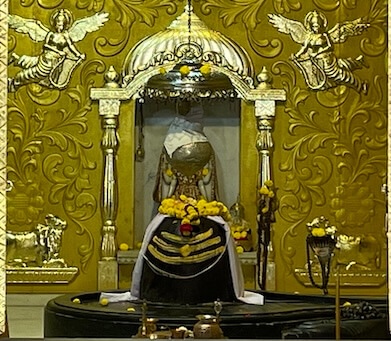 तरब गावात स्थित असलेले भव्य वालीनाथ महादेव मंदिर हे सोमनाथ मंदिरापाठोपाठ गुजरातचे दुसरे सर्वात मोठे मंदिर मानले जाते, ज्यामुळे याला ‘उत्तर गुजरातचे सोमनाथ’ असे गौरवास्पद नाव मिळाले आहे. या पवित्र स्थानाचे एक वैशिष्ट्य म्हणजे येथे भाविक केवळ पवित्र शिवलिंगाचेच नव्हे, तर भोलेनाथांच्या ‘स्वमुख’ प्रतिमेचेही दर्शन घेऊ शकतात – ही देवाची स्वयंभू मूर्ती आहे. सुमारे १.४५ लाख चौरस फूट परिसरात मारू-गुर्जर वास्तुशैलीत बांधलेल्या या नूतन मंदिरात पाचशे किलो वजनाचे महाकाय शिवलिंग स्थापित आहे. हे मंदिर रबारी समाजासाठी श्रद्धेचे सर्वोच्च आणि अत्यंत पवित्र स्थान आहे, ज्यांची संख्या उत्तर गुजरातमध्ये सुमारे ७० लाख आहे.
या मंदिराची उत्पत्ती महाभारतातील पौराणिक कथेमध्ये दडलेली आहे. 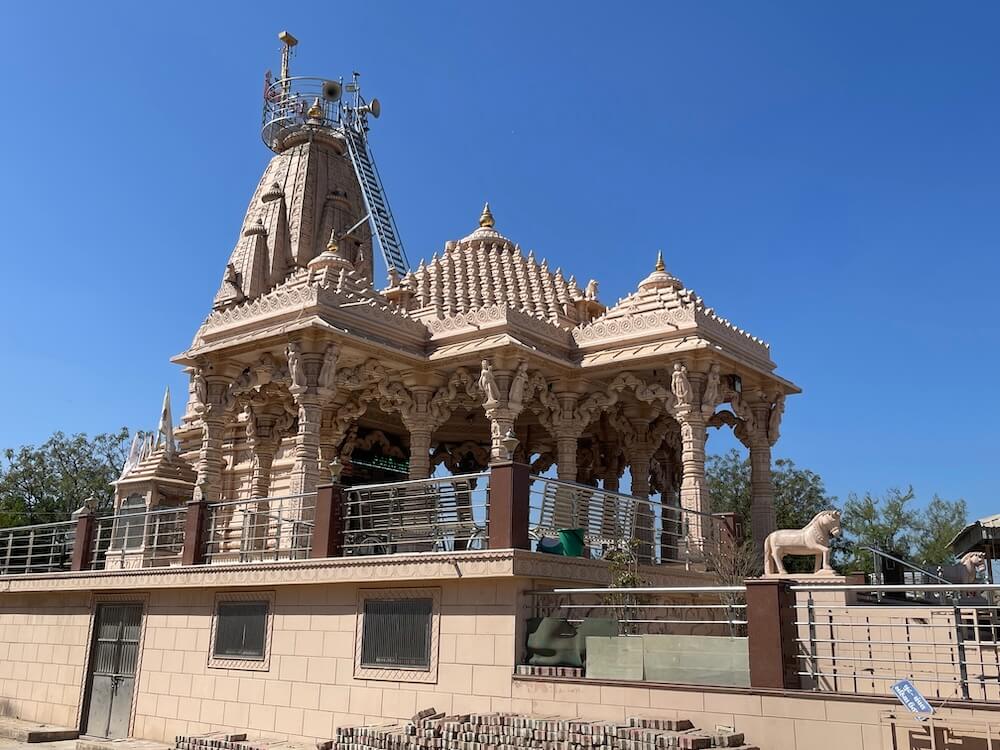 असे म्हटले जाते की, जेव्हा भगवान श्रीकृष्णांनी द्वारकेत वास्तव्य केले, तेव्हा ते ‘दर्भवन’ – उत्तर गुजरातचा वनप्रदेश, जिथे आज वालीनाथ मंदिर स्थित आहे – तिथे भटकत होते. अशाच एका प्रसंगी, ते गोपी आणि गोपाळांसह जंगलात गेले आणि त्यांनी रासलीला सुरू केली. त्यावेळी महादेवही आपल्या शिवगणांसह तिथे वास्तव्यास होते. श्रीकृष्णांची रासलीला पाहून महादेवांना त्यात सहभागी होण्याची तीव्र इच्छा झाली. परंतु, बाहेरील व्यक्तींना या नृत्यात सामील होण्यास सक्त मनाई होती. म्हणून महादेवांनी गोपीचे रूप धारण केले आणि ते रासलीलेत सामील झाले. तरीही, श्रीकृष्णांनी त्या वेशातही महादेवांना ओळखले.
रासलीलेत स्वतः महादेवाला नाचताना पाहून श्रीकृष्णांनी त्यांना साष्टांग दंडवत घातले आणि म्हटले, ‘हे महादेवा, तुम्ही देवांचे देव आहात. सर्वजण तुमची पूजा करतात. 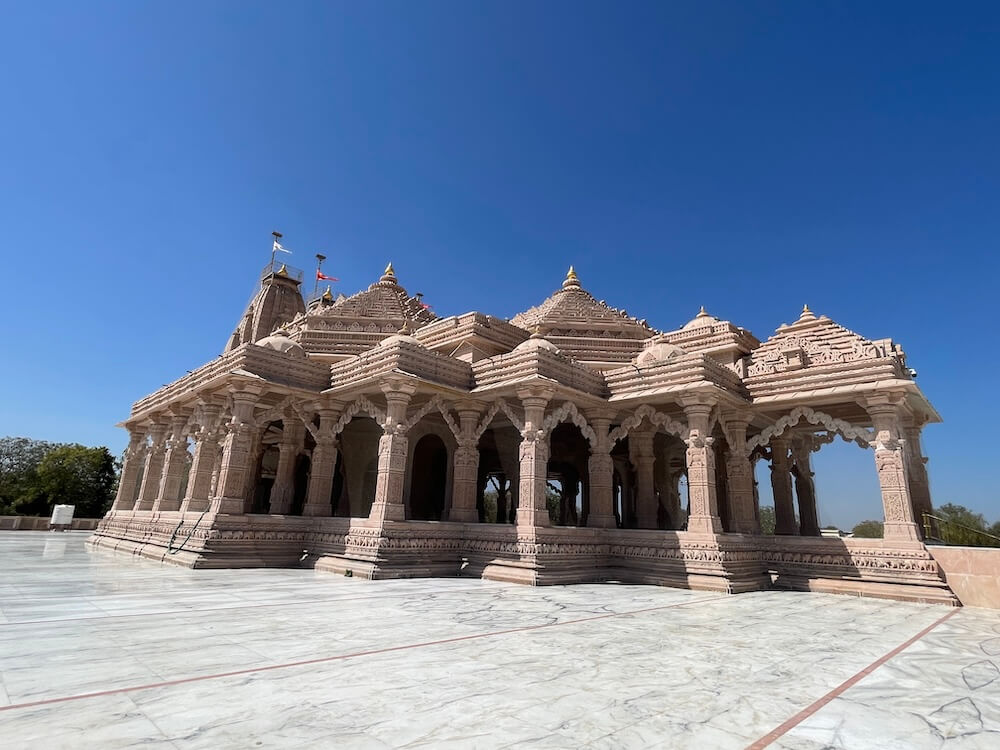 तुम्ही इथे आलात हे आमचे मोठे भाग्य आहे. तुम्हाला रासलीलेत सहभागी होण्यापासून रोखण्याची कोणाची हिंमत आहे? कृपया आम्हाला तुमच्या मूळ दिव्य रूपात दर्शन देऊन आशीर्वाद द्या.’ श्रीकृष्णांची विनंती ऐकून महादेवांनी आपल्या खऱ्या रूपात दर्शन दिले. त्यानंतर, श्रीकृष्णांनी त्या ठिकाणी महादेवांच्या मूर्तीची प्रतिष्ठापना केली. महादेवांनी गोपीच्या वेशात असताना कानात ‘बाली’ (कुंडले) घातली होती, म्हणून कृष्णांनी त्यांना ‘वालीनाथ’ हे नाव दिले. अशा प्रकारे या ठिकाणी वालीनाथ महादेवांची आदिपूजा सुरू झाली.
दंतकथेनुसार, हे मंदिर अनेक शतके जमिनीखाली गाडलेले होते. सुमारे ९०० वर्षांपूर्वी, तालभान मोयदाव नावाच्या रबारी समाजातील एका व्यक्तीने दर्भवन जंगलाजवळ रूपेन नदीच्या काठी आपल्या गुरांना चरण्यासाठी नेले होते. 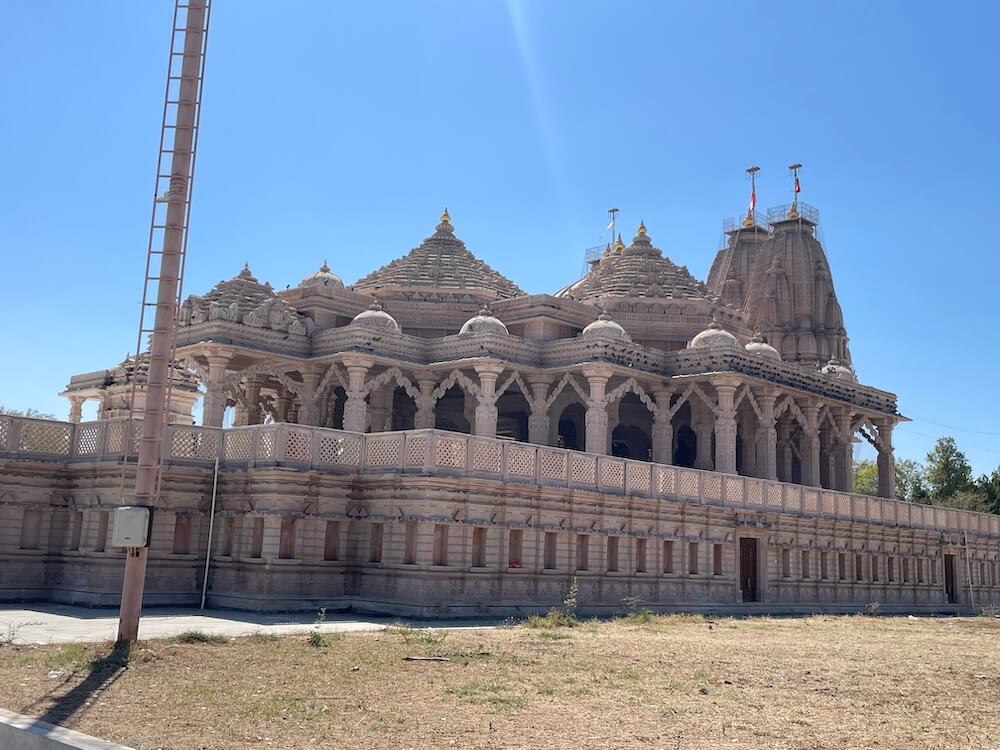 एका झाडाखाली विश्रांती घेत असताना, त्यांना मंदिराच्या अस्तित्वाबाबत एक दिव्य दृष्टांत झाला. त्यानंतर त्यांनी वीरमगिरी बापू नावाच्या ऋषींचा शोध घेऊन त्यांना हा दृष्टांत सांगितला. उत्खननानंतर प्राचीन वालीनाथ मंदिराचे अवशेष आणि देवाची मूर्ती सापडली. तालभान रबारी यांनी विधिवत मूर्तीची पुन:प्रतिष्ठापना केली आणि वीरमगिरी बापू वालीनाथ ‘गादी’चे पहिले महंत बनले. ‘वालीनाथ महादेव मंदिर ट्रस्ट’च्या अधिकृत नोंदीनुसार, ही परंपरा आजही चौदावे उत्तराधिकारी जयरामगिरी बापू यांच्या मार्गदर्शनाखाली सुरू आहे.
या पवित्र ‘दर्भ’ वनाचा उल्लेख पद्मनाभ लिखित मध्ययुगीन ग्रंथ ‘कान्हडदे प्रबंध’मध्येही आढळतो. 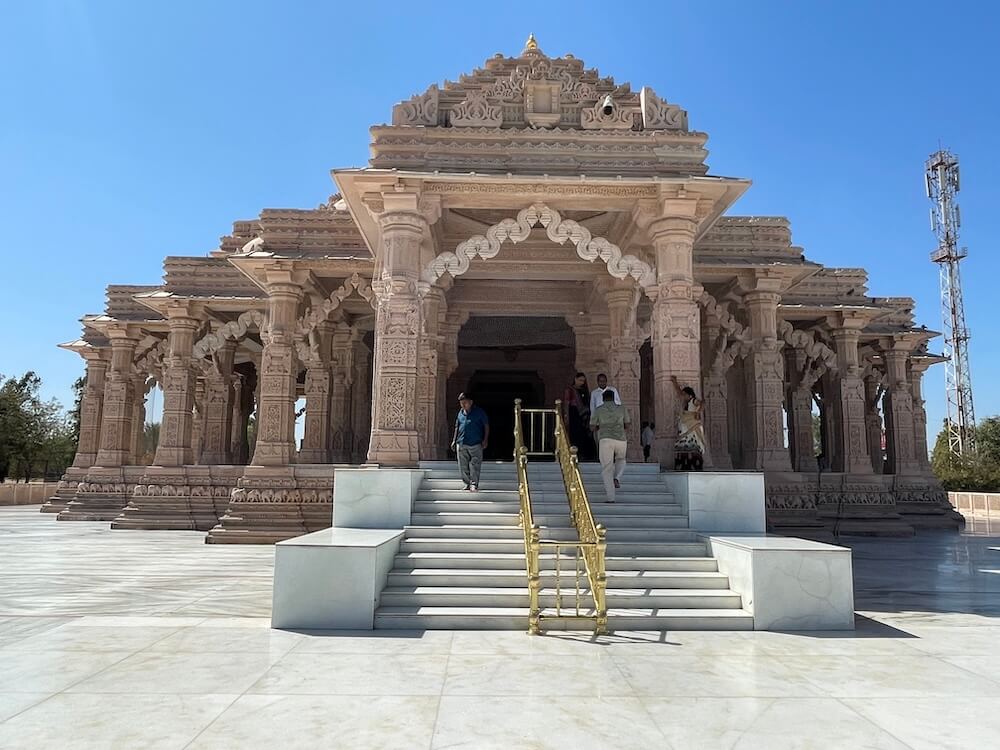 भारतातील तेरा दशनामी आखाड्यांमध्ये वालीनाथ आखाड्याला अत्यंत महत्त्वाचे स्थान असून कुंभमेळ्यादरम्यान त्यांना ‘शाही स्नान’ आणि विशेष सन्मानाचा मान दिला जातो. रबारी समाजाव्यतिरिक्त, हे मंदिर विविध पार्श्वभूमीच्या भक्तांच्या श्रद्धेचे केंद्र आहे. या परिसरात अनेक ऋषींच्या ‘संजीवन समाधी’ असल्याचे मानले जाते. प्राचीन काळी अनेक मुस्लिम बांधवही महादेवांचा मोठा आदर करत असत, ज्याचा सर्वात मोठा पुरावा म्हणजे नाथीबाईंची समाधी. नाथीबाई नावाची एक तरुण मुस्लिम मुलगी, जिच्या मनात गाढ श्रद्धा होती, तिने वयाच्या अवघ्या बाराव्या वर्षी या मंदिरात ‘जिवंत समाधी’ घेतली आणि तिचे स्मारक आजही भक्तीचे स्थान आहे.
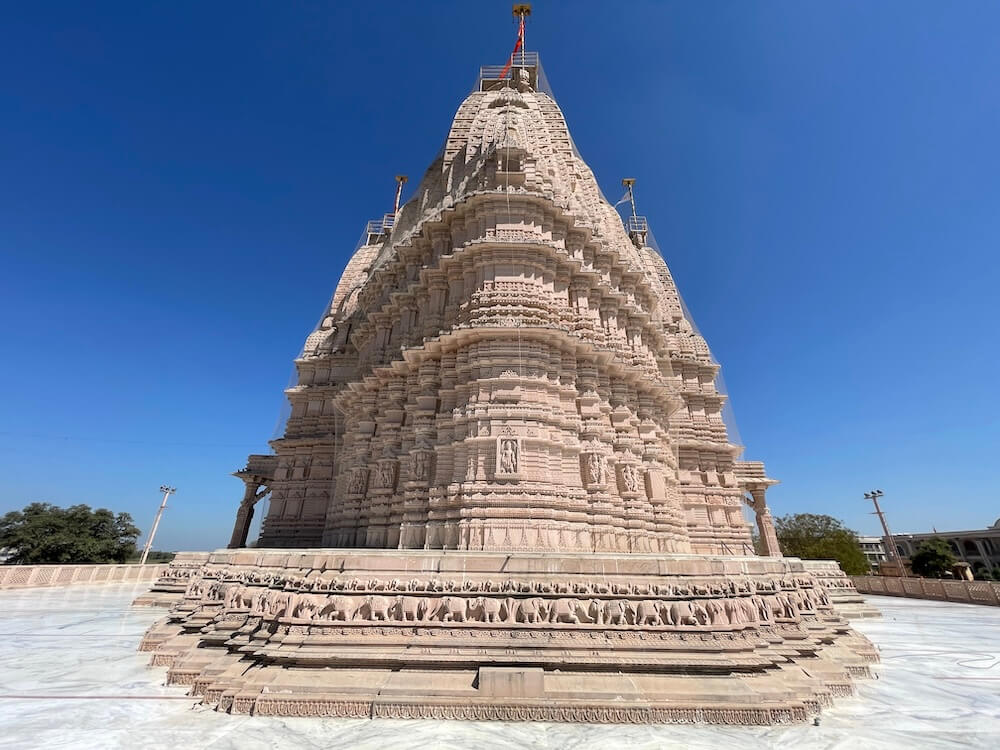
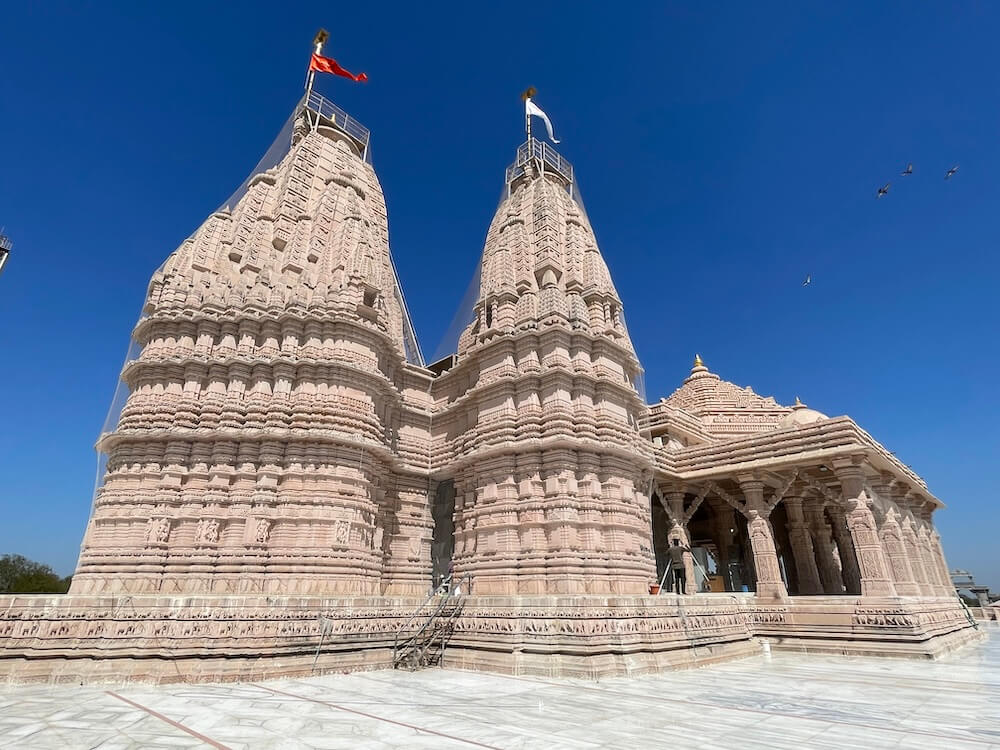
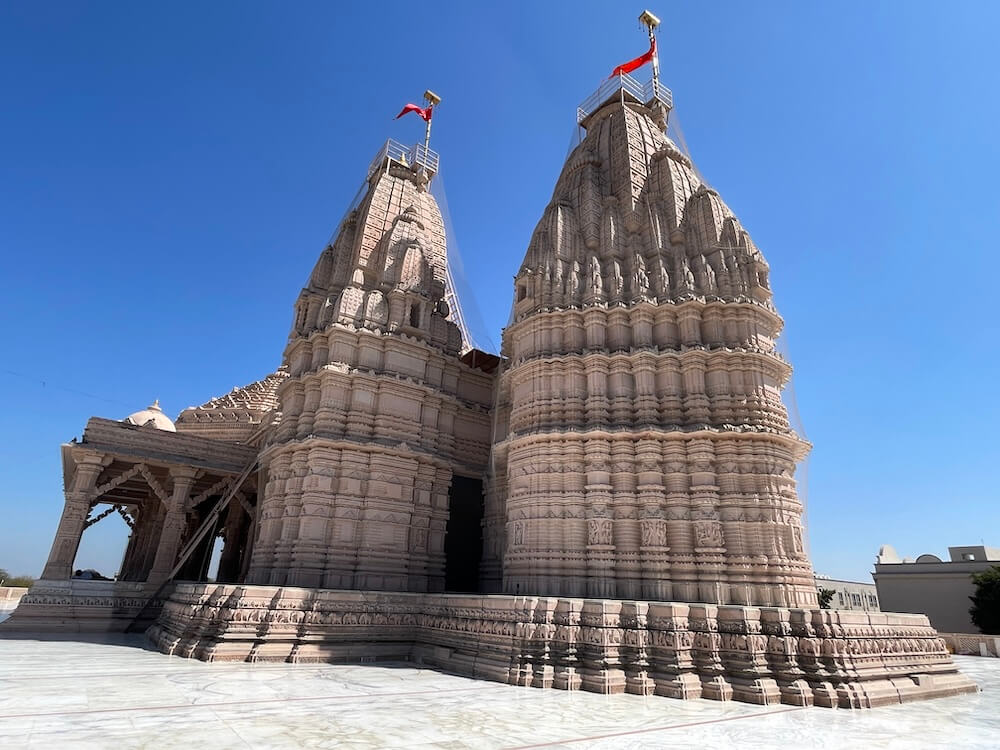
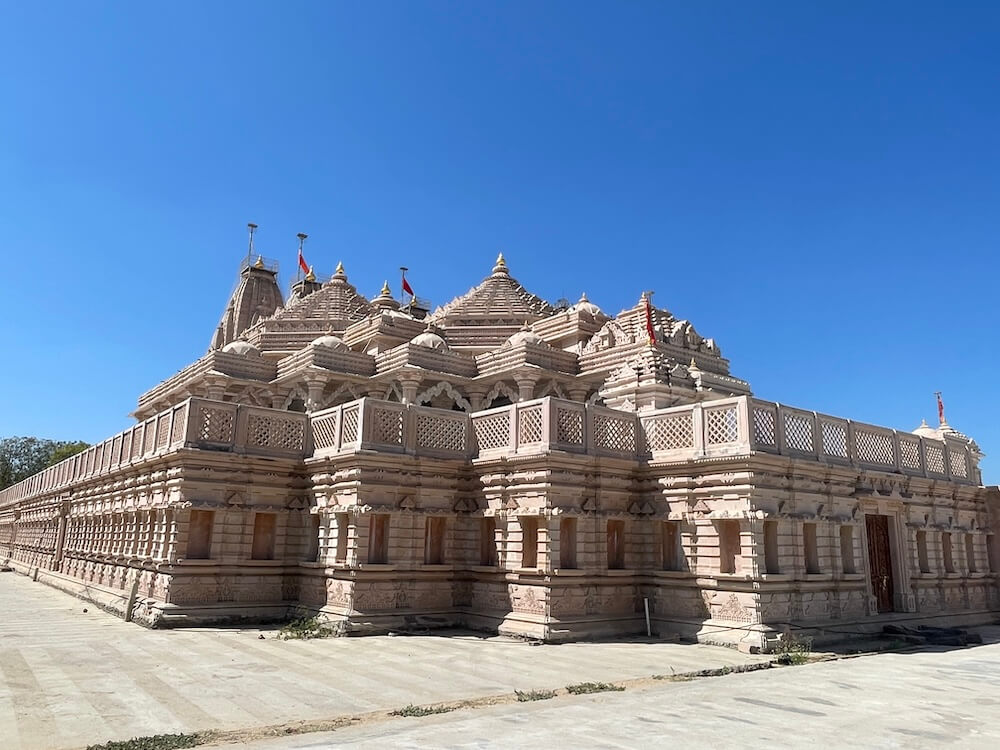
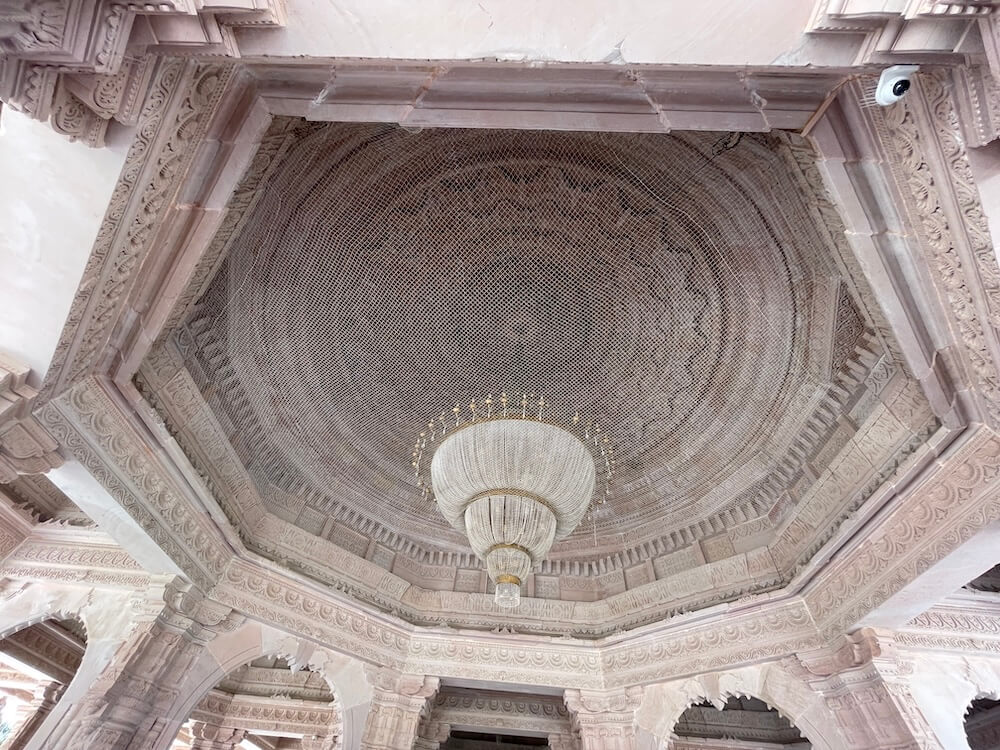
 मारू-गुर्जर शैलीत डिझाइन केलेले हे मंदिर सुमारे १०१ फूट उंच, २६५ फूट लांब आणि १६५ फूट रुंद आहे. याच्या बांधकामासाठी राजस्थानमधील बन्सी पहाडपूर येथील १.४५ लाख घनफूट गुलाबी दगडाचा वापर करण्यात आला आहे. राजस्थान आणि ओडिशामधील कुशल कारागिरांनी चौदा वर्षे अथक परिश्रम करून या वास्तुकलेचा चमत्कार घडवला. २२ फेब्रुवारी २०२४ रोजी भारताचे पंतप्रधान नरेंद्र मोदी यांच्या हस्ते भव्य प्राणप्रतिष्ठा सोहळा पार पडला. या कार्यक्रमादरम्यान, पंतप्रधानांनी सुवर्ण शिखरावर विधी केले आणि ५०० किलो वजनाच्या महाकाय शिवलिंगाची प्रतिष्ठापना केली. या प्रसंगी आठवडाभर चालणारा ‘अतिरुद्र’ महायज्ञ आयोजित करण्यात आला होता, ज्याला देशभरातील पंधरा हजार मान्यवर आणि पाच लाख भाविक उपस्थित होते. हे महाकाय शिवलिंग स्थापित करण्यापूर्वी, ते बारा ज्योतिर्लिंगे आणि चार पवित्र ‘धामांच्या’ ठिकाणी अभिषेक करण्यासाठी नेण्यात आले होते. भाविकांची अशी श्रद्धा आहे की, या शिवलिंगाचे दर्शन घेतल्याने बारा ज्योतिर्लिंगांच्या दर्शनाचे आध्यात्मिक पुण्य आणि चार धाम यात्रेचे फळ प्राप्त होते.
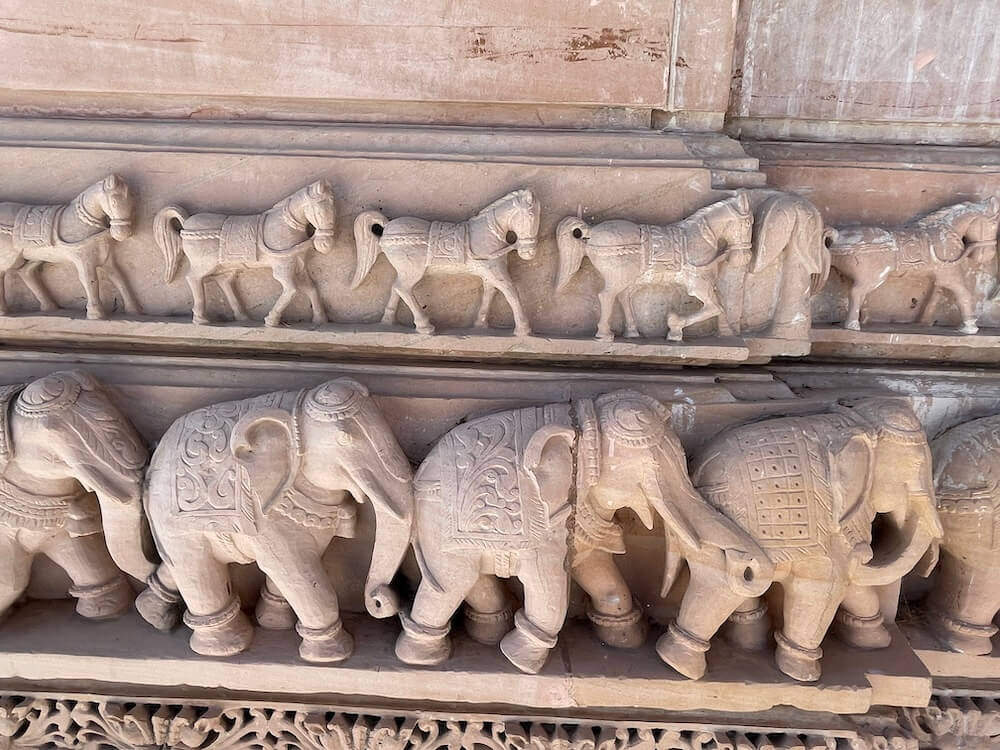
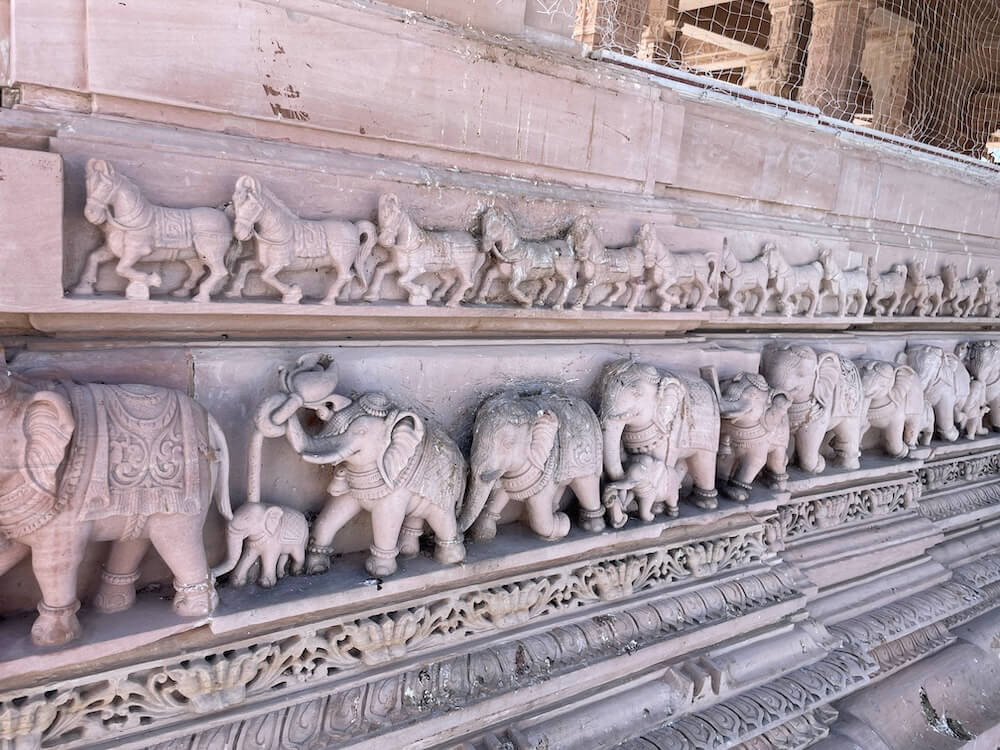
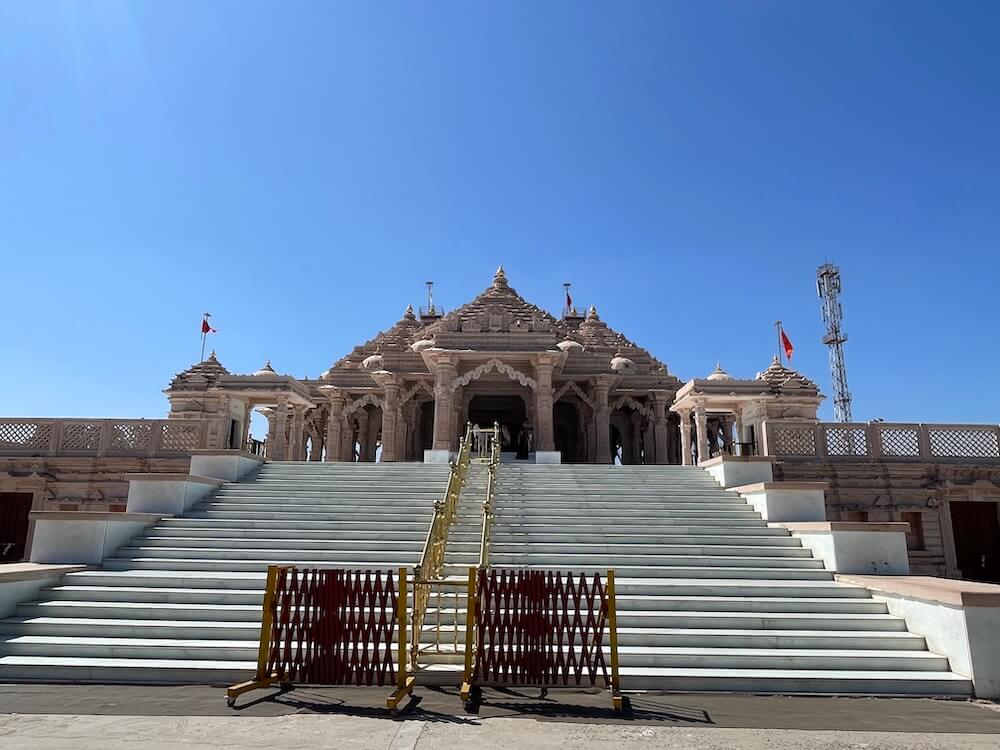
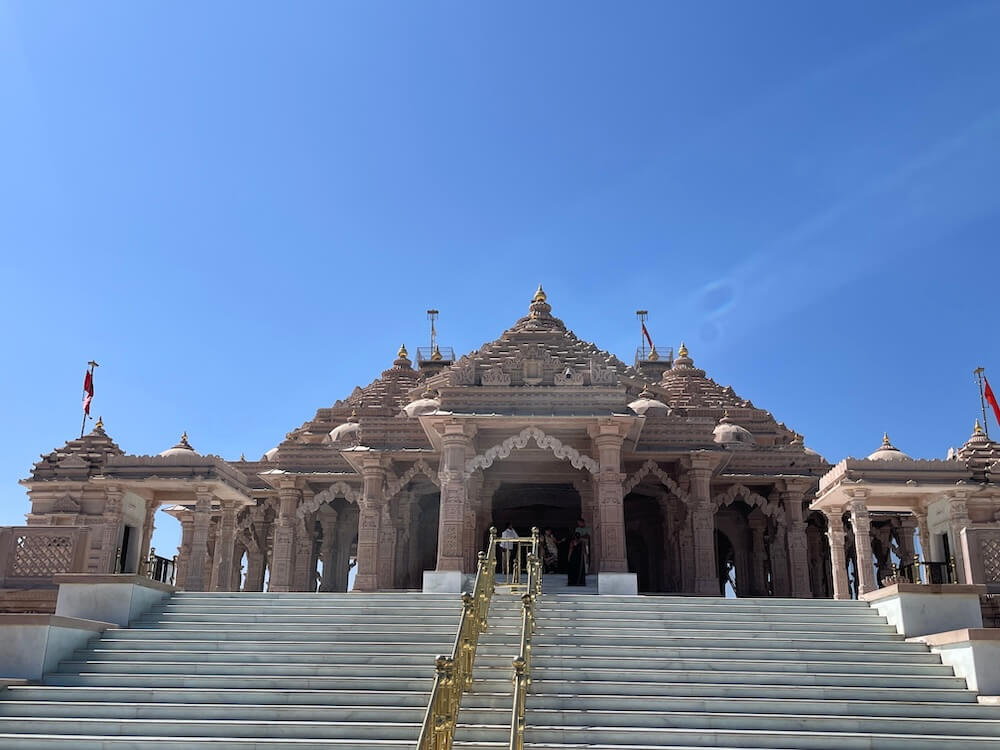
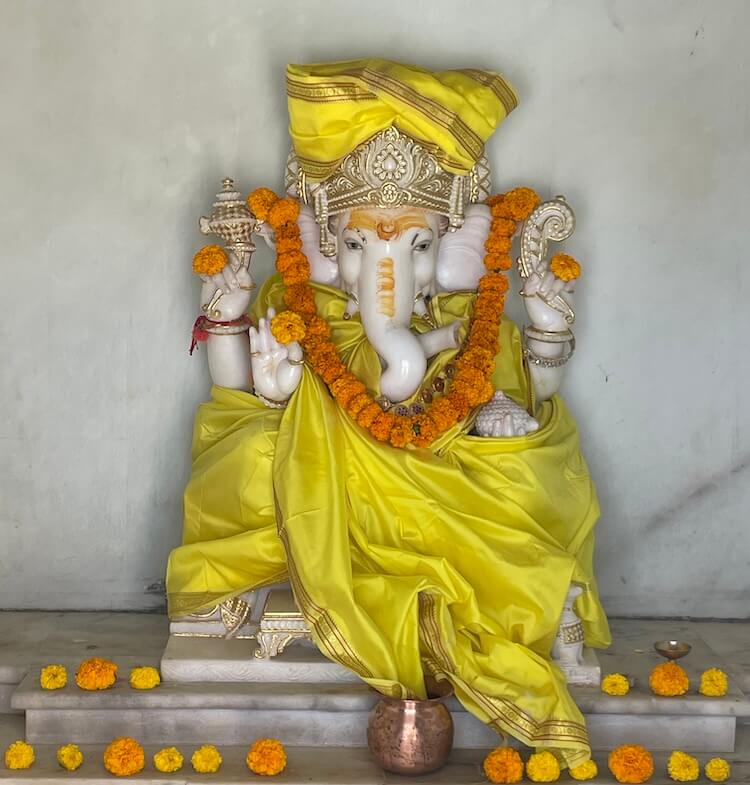
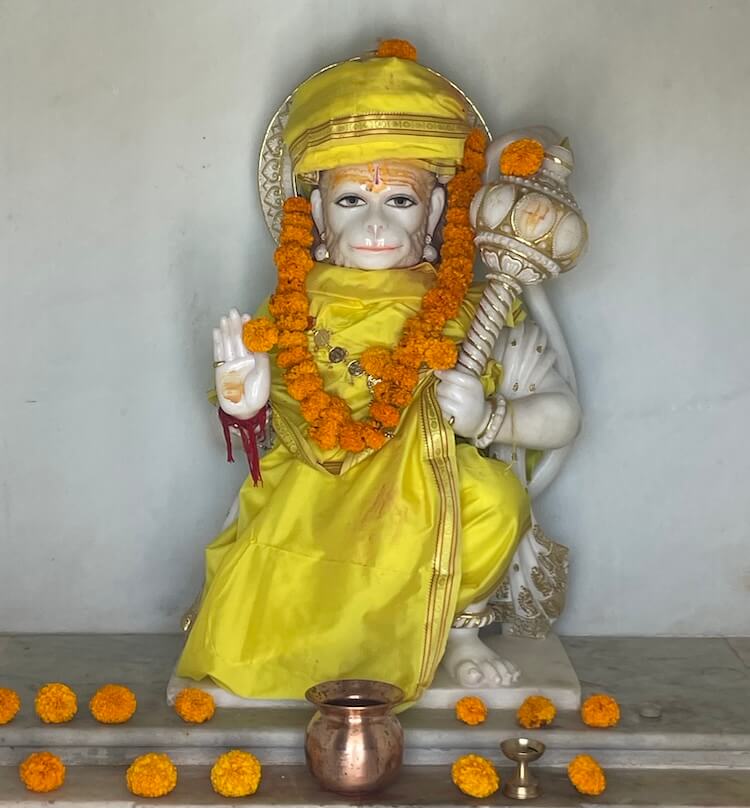
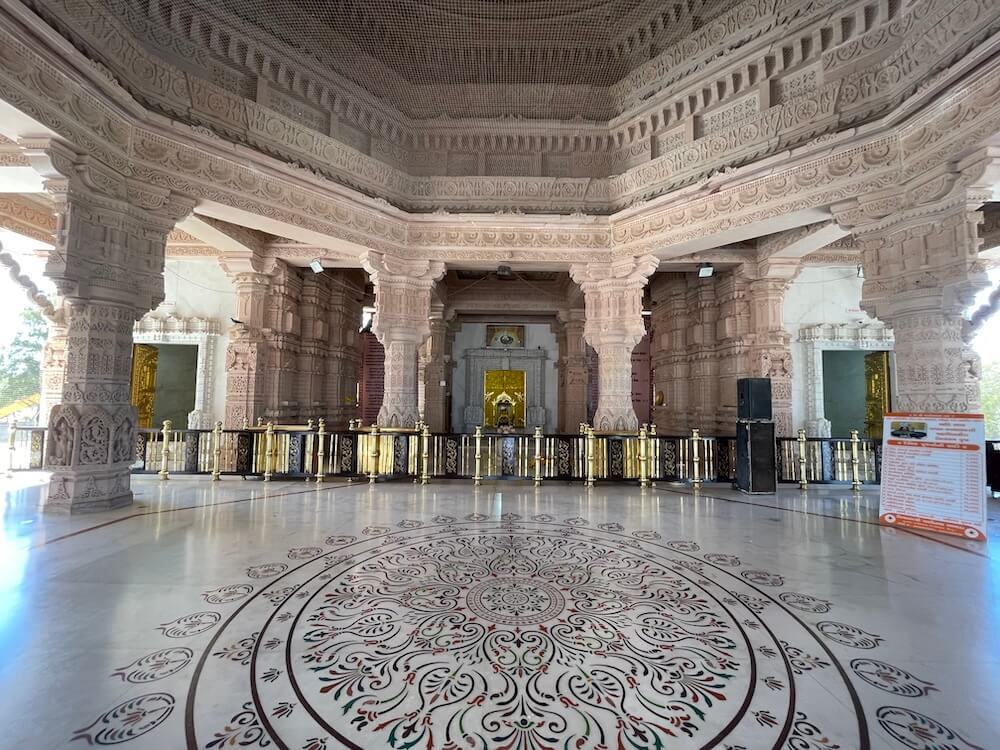
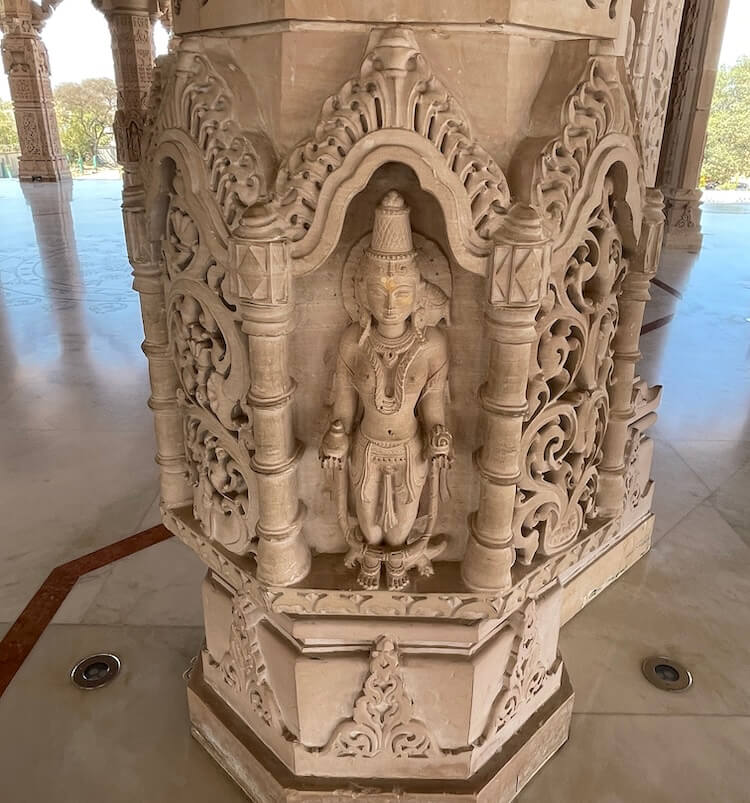
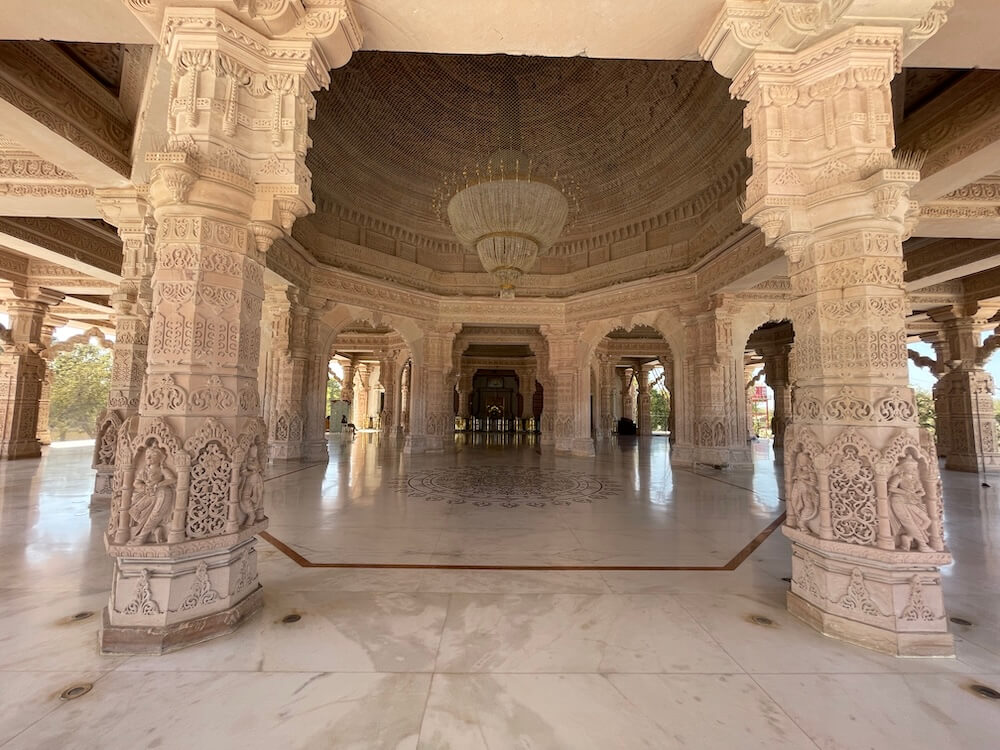 मंदिराचा परिसर विस्तीर्ण आहे; प्रवेशद्वारातून आत शिरताच भव्य अंगण आणि सुंदर बागा तुमचे स्वागत करतात. एकवीस पायऱ्या चढून गेल्यावर एका उंच चौथऱ्यावर मंदिराचे पुढचे अंगण आहे. या स्तरावर, मुख्य मंदिराच्या समोर भगवान गणेश आणि भगवान हनुमान यांची स्वतंत्र मंदिरे आहेत, ज्यामध्ये पांढऱ्या संगमरवरात कोरलेल्या शांत मूर्ती विराजमान आहेत. आणखी बारा पायऱ्या चढून गेल्यावर उंच पायावर स्थित असलेल्या वलीनाथ महादेव मंदिराचा ‘मुखमंडप’ लागतो. मंदिराच्या वास्तुरचनेत तीन प्रवेशद्वार, एक ‘उपमंडप’, एक ‘सभामंडप’, एक ‘अंतराळ’ आणि तीन ‘गर्भगृहे’ आहेत, जी अडुसष्ठ भव्य खांबांवर आधारलेली आहेत. हे खांब विविध पौराणिक कथा दर्शविणाऱ्या उत्कृष्ट कोरीव कामांनी सुशोभित केलेले आहेत.
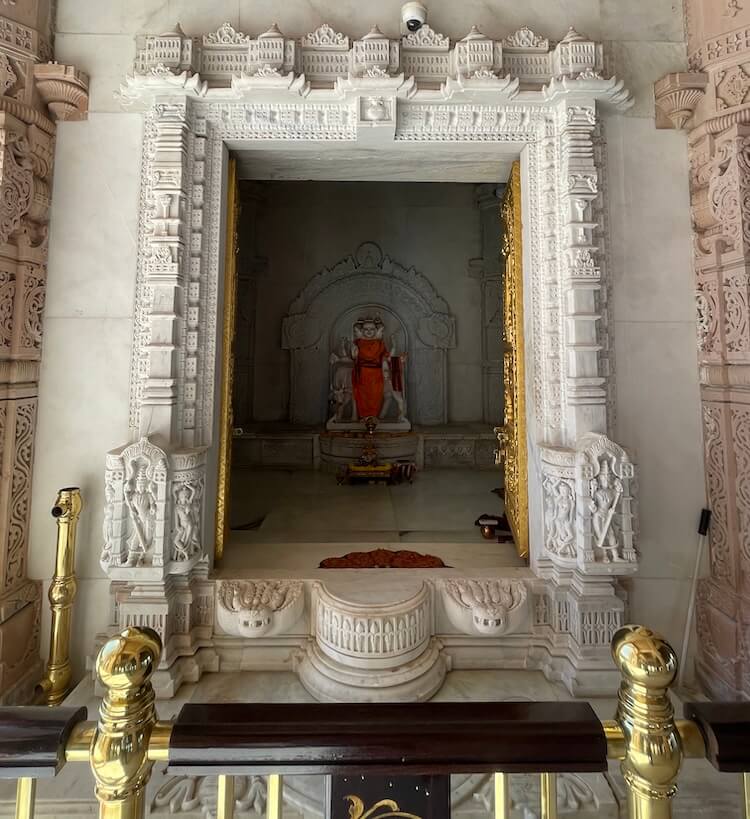
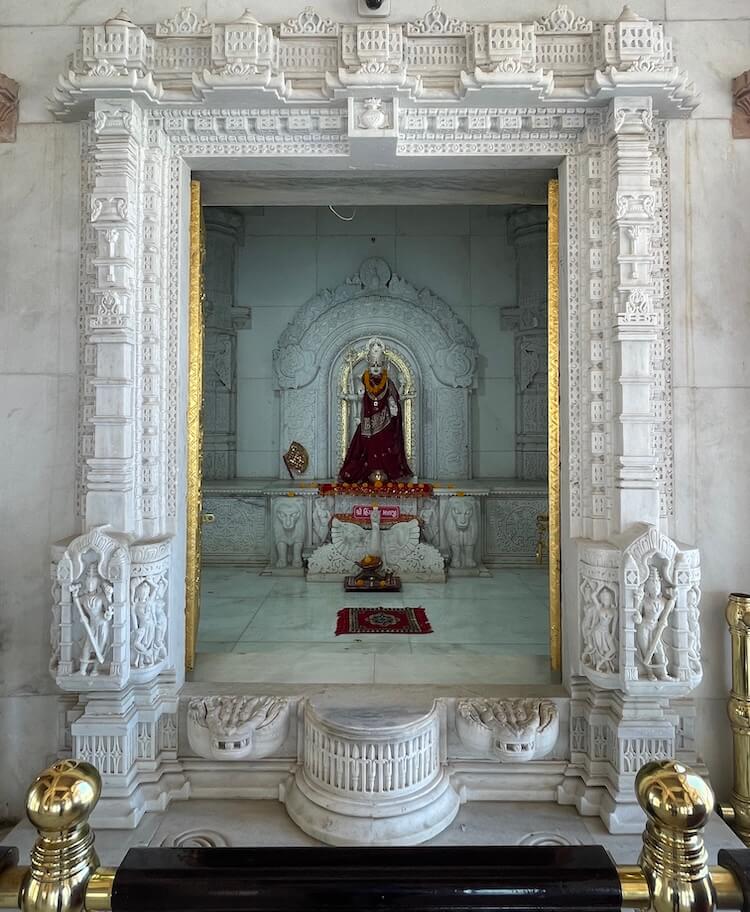
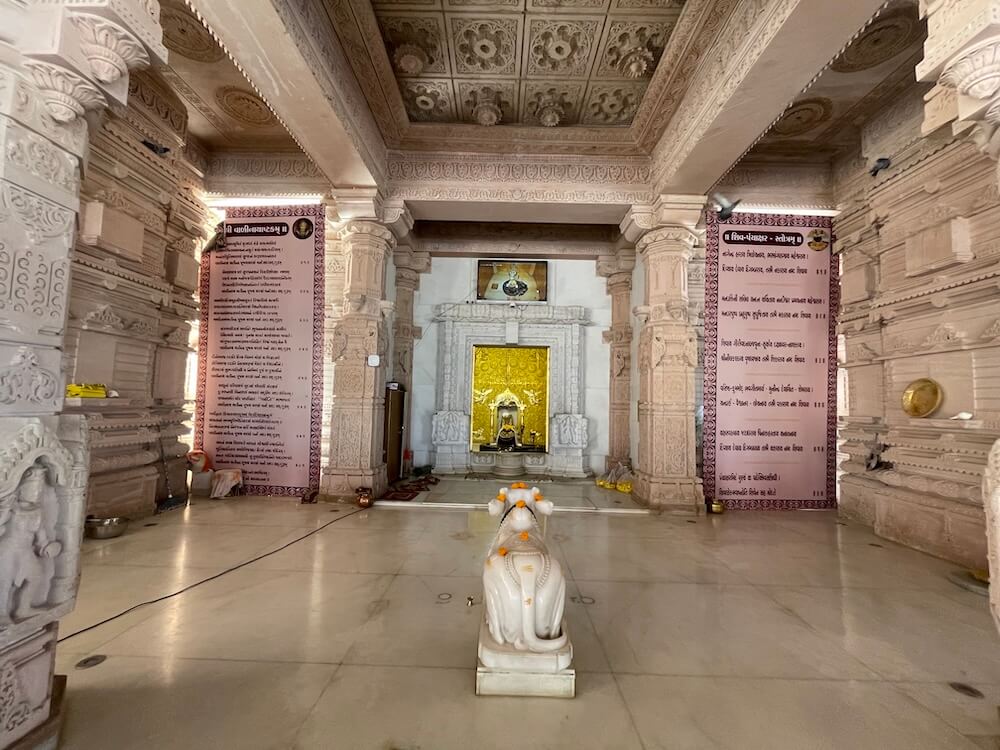 मुख्य गर्भगृहाच्या समोर असलेल्या अंतराळात, एक संगमरवरी नंदी अखंड भक्तीत बसलेला आहे. गर्भगृहाचे प्रवेशद्वार द्वारपाल, ‘कीर्तिमुख’ आणि उंबरठ्यावर असलेल्या नक्षीदार ‘तोरणाने’ सजवलेले आहे. मध्यवर्ती गर्भगृहातील विशाल शिवलिंगाच्या मागे माता पार्वती विराजमान आहे, तर शेजारील दोन गर्भगृहात भगवान दत्तात्रेय आणि हिंगलाज माता यांची प्रतिष्ठापना केलेली आहे. मुख्य गर्भगृहाच्या भिंतींवर बारा ज्योतिर्लिंगांचे तपशीलवार कोरीव काम केलेले आहे. मंदिरावर तीन नक्षीदार शिखरे आहेत, ज्यापैकी मध्यवर्ती शिखर १०१ फूट उंच असून त्यावर सुवर्ण कळस आहे. जुन्या मंदिर परिसरात वलीनाथ महादेवांची मूळ मूर्ती, ‘अखंड धूनी’ आणि गुरूंचे आसन आजही अस्तित्वात आहे. तिथे चामुंडा माता आणि गणेशाची मंदिरेही आहेत, ज्यांच्या मूर्ती स्वयंभू मानल्या जातात.
 मंदिराच्या दिनदर्शिकेत अनेक सण साजरे केले जातात, ज्यामध्ये माघ वद्य चतुर्दशीला येणारी महाशिवरात्री सर्वात महत्त्वाची आहे. या प्रसंगी पाच दिवसांची भव्य जत्रा भरते, ज्यामध्ये शेकडो रबारी भाविक पारंपरिक वेशभूषेत भजन-कीर्तनात सहभागी होतात. आषाढ पौर्णिमेला साजरा होणारा गुरुपौर्णिमा उत्सव हा आणखी एक महत्त्वाचा कार्यक्रम आहे, जिथे हजारो शिष्य महंतांचे आशीर्वाद घेण्यासाठी एकत्र येतात. याव्यतिरिक्त, श्रावण महिन्यात दर सोमवारी जलाभिषेक केला जातो आणि चैत्र नवरात्री दरम्यान हिंगलाज माता मंदिरात हवन केले जाते. भाविकांच्या सोयीसाठी, मंदिरात सुसज्ज भक्तनिवास आणि भोजनशाळा उपलब्ध आहे. मंदिर दर्शनासाठी दररोज सकाळी ६:०० ते रात्री ९:०० पर्यंत खुले असते.
उपयुक्त माहिती
- विसनगरपासून १३ किमी आणि मेहसाणापासून २९ किमी अंतरावर स्थित आहे.
- विसनगर शहरातून GSRTC बस सेवा उपलब्ध आहे.
- खाजगी वाहनांसाठी मंदिराची स्वतंत्र पार्किंग व्यवस्था उपलब्ध आहे.
- परिसरात राहण्याची आणि नाश्त्याची सोय उपलब्ध आहे.
- संपर्क – मंदिर कार्यालय, दूरध्वनी – ०२७६५-२८१२२८, मोबाईल: ९४२७०५११०१, ९९०९९७११०१.
Valinath Mahadev Temple
Tarb, Tal. Visnagar, Dist. Mehsana
The magnificent Valinath Mahadev Temple, situated in the village of Tarb, holds the distinction of being the second-largest shrine in Gujarat after the Somnath Temple, earning it the revered title of the ‘Somnath of North Gujarat’. A singular feature of this sanctuary is that devotees may behold not only the sacred Shivalinga but also the ‘Swamukh’ image of Bholenath – a self-manifested (Swayambhu) idol of the Lord in His physical form. Constructed in the exquisite Maru-Gurjara architectural style across an expansive area of approximately 1.45 lakh square feet, the newly erected temple enshrines a colossal Shivalinga weighing five hundred kilograms. It stands as the most hallowed and supreme seat of faith for the Rabari community, which numbers nearly seventy lakh across North Gujarat.
The origins of the temple are steeped in a mythological narrative from the Mahabharata. It is said that when Lord Krishna took up residence in Dwarka, He wandered through the ‘Darbhavan’ – the forested region of North Gujarat, where the Valinath temple now stands. On one such occasion, he entered a forest accompanied by the Gopis (cowherd maidens) and Gopas (cowherd boys) and commenced the Raas Leela. At that time, Mahadev was also residing there with his Shivaganas. Upon witnessing Shri Krishna’s Raas Leela, Mahadev felt a deep desire to participate. However, outsiders were strictly forbidden from joining the dance. Hence Mahadev assumed the form of a Gopi and entered the Raas Leela. Nevertheless, Shri Krishna recognised Mahadev even in that disguise.
Seeing Mahadev himself dancing in the Raas Leela, Shri Krishna prostrated before him and said, ‘O Mahadev, you are the God of Gods. Everyone worships you. It is a matter of immense fortune that you have come here. Who would dare forbid you from participating in the Raas Leela? Pray, bless us by appearing in your original divine form.’ Upon hearing Shri Krishna’s plea, Mahadev manifested in his true form. Subsequently, Shri Krishna consecrated an idol of Mahadev at that spot. Since Mahadev had worn a Bali in his ear while disguised as a Gopi, Krishna bestowed upon him the name Valinath. Thus began the primordial worship of Valinath Mahadev at this location.
Legend further recounts that the temple remained buried beneath the earth for several centuries. Approximately 900 years ago, a member of the Rabari community named Talbhan Moydav brought his cattle to graze along the banks of the Rupen River near the Darbhavan forest. While resting beneath a tree, he received a divine vision regarding the temple’s existence. He subsequently sought out a sage named Veeramgiri Bapu to share this revelation. Excavations at the site unearthed the ruins of the ancient Valinath temple and the idol of the deity. Talbhan Rabari ceremoniously re-consecrated the idol and Sage Veeramgiri Bapu became the first Mahant (chief priest) of the Valinath ‘Gadi’ (spiritual seat). According to the official records of the ‘Valinath Mahadev Temple Trust’, the lineage continues today under the stewardship of the fourteenth successor, Jayramgiri Bapu.
References to this sacred ‘Darbh’ forest are also found in the celebrated medieval text ‘Kanhadade Prabandh’, authored by Padmanabha. Amongst the thirteen Dashnami Akhadas of India, the Valinath Akhada occupies a position of paramount importance, being accorded the honour of the ‘Shahi Snan’ (royal bath) and special distinctions during the Kumbh Mela. Beyond the Rabari community, the temple commands immense devotion from followers of diverse backgrounds. The precincts are said to house the ‘Sanjivan Samadhis’ (shrines of living entombment) of numerous sages. In antiquity, many from the Muslim community also held Mahadev in high regard, the most striking evidence of which is the Samadhi of Nathibai. A young Muslim girl of profound faith, Nathibai, took ‘Jivant Samadhi’ (spiritual entombment while alive) at the tender age of twelve within this temple and her memorial remains a site of devout worship to this day.
Designed in the Maru-Gurjara style, the temple stands approximately 101 feet tall, with a length of 265 feet and a width of 165 feet. Its construction utilised 1.45 lakh cubic feet of pink stone sourced from Bansi Paharpur in Rajasthan. Skilled artisans from Rajasthan and Odisha laboured tirelessly for fourteen years to bring this architectural marvel to fruition. On 22nd February 2024, the Prime Minister of India, Narendra Modi, presided over the grand consecration ceremony (Pran Pratishtha). During the event, the Prime Minister performed rituals at the golden spire (Shikhara) and consecrated the massive 500-kilogram Shivalinga. A week-long ‘Atirudra’ Mahayagna was organised to mark the occasion, attended by fifteen thousand eminent guests and five lakh devotees from across the nation. Prior to its installation, this colossal Shivalinga was taken to the twelve Jyotirlingas and the four sacred ‘Dhams’ for ritual anointing. Devotees believe that beholding this Shivalinga confers the spiritual merit of visiting all twelve Jyotirlingas and the fruits of the Char Dham pilgrimage.
The temple complex is vast; upon entering the gates, one is greeted by a magnificent courtyard and beautifully landscaped gardens. Climbing twenty-one steps leads to an elevated plinth where the front courtyard of the temple is situated. On this level, separate shrines dedicated to Lord Ganesha and Lord Hanuman stand before the main temple, housing serene idols carved from white marble. Ascending a further twelve steps brings one to the ‘Mukhmandap’ (entrance porch) of the Valinath Mahadev Temple, situated on a high foundation. The architectural layout comprises three entrance porches, an ‘Upmandap’, a ‘Sabhamandap’ (assembly hall), an ‘Antarala’ (vestibule) and three sanctum sanctorums (Garbhagrihas), supported by sixty-eight majestic pillars. These pillars are adorned with exquisite carvings depicting various mythological tales.
Within the vestibule facing the main sanctum, a marble Nandi sits in eternal devotion. The entrance to the sanctum is decorated with carvings of doorkeepers (Dwarpalas), the ‘Kirtimukha’ motif and an ornate ‘Toran’ (archway) on the lintel. Behind the massive Shivalinga in the central sanctum resides Mata Parvati, while the two adjacent sanctums enshrine Lord Dattatreya and Hinglaj Mata. The walls of the primary sanctum feature intricate carvings detailing the twelve Jyotirlingas. The temple is crowned by three ornate spires, with the central spire rising to 101 feet and bearing a golden finial (Kalasha). The old temple complex continues to house the original idol of Valinath Mahadev, the ‘Akhand Dhuni’ (perpetual sacred fire) and the Guru’s seat. Shrines for Chamunda Mata and Ganesha are also located there, with their idols regarded as self-manifested.
The temple calendar is punctuated by numerous festivals, the foremost being Mahashivratri, observed on Magh Vad Chaturdashi. This occasion is marked by a grand five-day fair, during which hundreds of Rabari devotees assemble in traditional attire to participate in devotional singing (Bhajans). Gurupurnima, celebrated on the full moon of Ashadh, is another significant event where thousands of disciples gather to seek the blessings of the Mahant. Additionally, special water anointments (Jalabhisheka) are performed every Monday during the month of Shravan and ritual fire ceremonies (Havan) take place at the Hinglaj Mata temple during Chaitra Navratri. For the convenience of pilgrims, the temple provides well-equipped guest houses (Bhaktiniwas) and a dining hall (Bhojanshala). The temple remains open for ‘Darshan’ daily from 6:00 am until 9:00 pm.
Useful Information
- Located 13 km from Visnagar and 29 km from Mehsana.
- GSRTC bus services are available from Visnagar city.
- Private vehicles have access to the temple’s dedicated parking area.
- Accommodation and breakfast facilities are available in the vicinity.
- Contact – Temple Office, Tel. – 02765-281228, Mobile: 9427051101, 9909971101.
वालीनाथ महादेव मंदिर
तरब, तहसील विसनगर, जिला मेहसाणा
तरब गाँव में स्थित भव्य वालीनाथ महादेव मंदिर को सोमनाथ मंदिर के बाद गुजरात का दूसरा सबसे बड़ा तीर्थ होने का गौरव प्राप्त है, जिसके कारण इसे ‘उत्तर गुजरात का सोमनाथ’ कहा जाता है। इस पावन धाम की एक अनूठी विशेषता यह है कि यहाँ भक्त न केवल पवित्र शिवलिंग के दर्शन कर सकते हैं, बल्कि भोलेनाथ के ‘स्वमुख’ स्वरूप यानी भगवान की साक्षात स्वयंभू प्रतिमा के भी दर्शन कर सकते हैं। लगभग १.४५ लाख वर्ग फुट के विशाल क्षेत्र में मारु-गुर्जर वास्तुकला शैली में निर्मित इस नवनिर्मित मंदिर में पाँच सौ किलोग्राम वजनी एक विशाल शिवलिंग स्थापित है। यह मंदिर रबारी समुदाय के लिए आस्था का सबसे पवित्र और सर्वोच्च केंद्र है, जिनकी संख्या उत्तर गुजरात में लगभग सत्तर लाख है।
मंदिर की उत्पत्ति महाभारत की एक पौराणिक कथा से जुड़ी है। कहा जाता है कि जब भगवान श्रीकृष्ण द्वारका में निवास करते थे, तब वे ‘दर्भवन’ – उत्तर गुजरात का वह वन क्षेत्र जहाँ आज वालीनाथ मंदिर स्थित है – में विचरण करते थे। एक बार वे गोपियों और गोप बालकों के साथ वन में आए और रासलीला आरंभ की। उस समय महादेव भी अपने शिवगणों के साथ वहीं निवास कर रहे थे। श्रीकृष्ण की रासलीला देखकर महादेव के मन में भी उसमें सम्मिलित होने की तीव्र इच्छा हुई। चूँकि रासलीला में बाहरी व्यक्तियों का प्रवेश वर्जित था, इसलिए महादेव ने गोपी का रूप धारण किया और रासलीला में प्रवेश किया। फिर भी, श्रीकृष्ण ने उस वेश में भी महादेव को पहचान लिया।
रासलीला में स्वयं महादेव को नृत्य करते देख श्रीकृष्ण ने उनके समक्ष नतमस्तक होकर कहा, ‘हे महादेव, आप देवों के देव हैं। सभी आपकी पूजा करते हैं। आपका यहाँ आना हमारे लिए परम सौभाग्य की बात है। आपको रासलीला में भाग लेने से रोकने का साहस कौन कर सकता है? कृपया अपने मूल दिव्य स्वरूप में प्रकट होकर हमें आशीर्वाद दें।’ श्रीकृष्ण की प्रार्थना सुनकर महादेव अपने वास्तविक स्वरूप में प्रकट हुए। तत्पश्चात, श्रीकृष्ण ने उस स्थान पर महादेव की एक प्रतिमा स्थापित की। चूँकि महादेव ने गोपी का वेश धारण करते समय अपने कान में ‘बाली’ पहनी थी, इसलिए श्रीकृष्ण ने उन्हें ‘वालीनाथ’ नाम दिया। इस प्रकार इस स्थान पर वालीनाथ महादेव की आदि पूजा का आरंभ हुआ।
लोककथाओं के अनुसार, यह मंदिर कई शताब्दियों तक पृथ्वी के नीचे दबा रहा। लगभग ९०० वर्ष पूर्व, तलभान मोयदाव नामक रबारी समुदाय के एक व्यक्ति अपने पशुओं को चराने के लिए दर्भवन वन के निकट रूपेन नदी के तट पर ले गए। एक वृक्ष के नीचे विश्राम करते समय उन्हें मंदिर के अस्तित्व के बारे में दिव्य दर्शन प्राप्त हुआ। उन्होंने इस रहस्य को साझा करने के लिए वीरमगिरी बापू नामक एक संत से संपर्क किया। खुदाई के दौरान प्राचीन वालीनाथ मंदिर के अवशेष और महादेव की प्रतिमा प्राप्त हुई। तलभान रबारी ने विधि-विधान से प्रतिमा को पुनः प्रतिष्ठित किया और संत वीरमगिरी बापू वालीनाथ ‘गादी’ के प्रथम महंत बने। ‘वालीनाथ महादेव मंदिर ट्रस्ट’ के आधिकारिक रिकॉर्ड के अनुसार, यह परंपरा आज चौदहवें उत्तराधिकारी जयरामगिरी बापू के मार्गदर्शन में निरंतर जारी है।
इस पवित्र ‘दर्भ’ वन का उल्लेख पद्मनाभ द्वारा रचित मध्यकालीन ग्रंथ ‘कान्हड़दे प्रबंध’ में भी मिलता है। भारत के तेरह दशनामी अखाड़ों में वालीनाथ अखाड़े का अत्यंत महत्वपूर्ण स्थान है, जिसे कुंभ मेले के दौरान ‘शाही स्नान’ और विशेष सम्मान प्राप्त है। रबारी समुदाय के अलावा, यह मंदिर विभिन्न पृष्ठभूमि के भक्तों की गहरी आस्था का केंद्र है। माना जाता है कि इस परिसर में अनेक संतों की ‘संजीवन समाधियाँ’ स्थित हैं। प्राचीन काल में, मुस्लिम समुदाय के लोग भी महादेव के प्रति अपार श्रद्धा रखते थे, जिसका सबसे बड़ा प्रमाण नाथीबाई की समाधि है। गहरी आस्था रखने वाली एक युवा मुस्लिम कन्या, नाथीबाई ने बारह वर्ष की अल्पायु में ही इस मंदिर में ‘जीवंत समाधि’ ली थी और उनकी स्मृति आज भी श्रद्धा का केंद्र बनी हुई है।
मारु-गुर्जर शैली में निर्मित यह मंदिर लगभग १०१ फुट ऊँचा है, जिसकी लंबाई २६५ फुट और चौड़ाई १६५ फुट है। इसके निर्माण में राजस्थान के बंसी पहाड़पुर से लाए गए १.४५ लाख घन फुट गुलाबी पत्थरों का उपयोग किया गया है। राजस्थान और ओडिशा के कुशल कारीगरों ने चौदह वर्षों तक अथक परिश्रम करके इस वास्तुकला के चमत्कार को साकार किया। २२ फरवरी २०२४ को भारत के प्रधानमंत्री नरेंद्र मोदी ने भव्य प्राण प्रतिष्ठा समारोह की अध्यक्षता की। इस अवसर पर प्रधानमंत्री ने स्वर्ण शिखर पर अनुष्ठान किए और ५०० किलोग्राम के विशाल शिवलिंग की प्राण प्रतिष्ठा की। इस अवसर पर सप्ताह भर चलने वाले ‘अतिरुद्र’ महायज्ञ का आयोजन किया गया, जिसमें देश भर से पंद्रह हजार प्रबुद्ध अतिथि और पाँच लाख भक्त सम्मिलित हुए। स्थापना से पूर्व, इस विशाल शिवलिंग को अभिषेक के लिए बारह ज्योतिर्लिंगों और चार पवित्र ‘धामों’ के दर्शन कराए गए थे। भक्तों का विश्वास है कि इस शिवलिंग के दर्शन मात्र से बारह ज्योतिर्लिंगों के दर्शन का आध्यात्मिक पुण्य और चार धाम यात्रा का फल प्राप्त होता है।
मंदिर परिसर अत्यंत विशाल है; प्रवेश द्वारों से अंदर आते ही, एक भव्य प्रांगण और सुंदर ढंग से सजाए गए बगीचे भक्तों का स्वागत करते हैं। इक्कीस सीढ़ियाँ चढ़ने पर एक ऊंचे चबूतरे तक पहुँचा जाता है, जहाँ मंदिर का अग्र प्रांगण स्थित है। इस स्तर पर, मुख्य मंदिर के सामने भगवान गणेश और भगवान हनुमान को समर्पित अलग-अलग मंदिर हैं, जिनमें सफेद संगमरमर से तराशी गई शांत मूर्तियाँ विराजमान हैं। और बारह सीढ़ियाँ चढ़ने पर एक ऊँची नींव पर स्थित वालीनाथ महादेव मंदिर के ‘मुखमंडप’ (प्रवेश द्वार) तक पहुँचा जाता है। स्थापत्य लेआउट में तीन प्रवेश द्वार, एक ‘उपमंडप’, एक ‘सभामंडप’ (सभा भवन), एक ‘अंतराल’ (गर्भगृह के आगे का भाग) और तीन गर्भगृह शामिल हैं, जो अड़सठ भव्य स्तंभों पर टिके हैं। ये स्तंभ विभिन्न पौराणिक कथाओं को दर्शाने वाली उत्कृष्ट नक्काशी से सुसज्जित हैं।
मुख्य गर्भगृह के सामने वाले अंतराल में, एक संगमरमर का नंदी शाश्वत भक्ति में विराजमान है। गर्भगृह का प्रवेश द्वार द्वारपालों की नक्काशी, ‘कीर्तिमुख’ आकृति और लिंटेल पर एक अलंकृत ‘तोरण’ से सजाया गया है। केंद्रीय गर्भगृह में विशाल शिवलिंग के पीछे माता पार्वती विराजमान हैं, जबकि दो निकटवर्ती गर्भगृहों में भगवान दत्तात्रेय और हिंगलाज माता प्रतिष्ठित हैं। प्राथमिक गर्भगृह की दीवारों पर बारह ज्योतिर्लिंगों का विवरण देने वाली जटिल नक्काशी की गई है। मंदिर तीन अलंकृत शिखरों से सुशोभित है, जिसमें केंद्रीय शिखर १०१ फीट ऊँचा है और उस पर एक स्वर्ण कलश स्थित है। पुराने मंदिर परिसर में आज भी वालीनाथ महादेव की मूल मूर्ति, ‘अखंड धूनी’ और गुरु की गद्दी स्थित है। वहाँ चामुंडा माता और गणेश जी के मंदिर भी स्थित हैं, जिनकी मूर्तियों को स्वयंभू माना जाता है।
मंदिर का कैलेंडर अनेक त्योहारों से भरा रहता है, जिनमें सबसे प्रमुख माघ वद चतुर्दशी को मनाया जाने वाला महाशिवरात्रि है। यह अवसर पाँच दिवसीय भव्य मेले द्वारा चिह्नित किया जाता है, जिसके दौरान सैकड़ों रबारी भक्त पारंपरिक वेशभूषा में भजन-कीर्तन में भाग लेने के लिए एकत्रित होते हैं। आषाढ़ की पूर्णिमा पर मनाया जाने वाला गुरुपूर्णिमा एक अन्य महत्वपूर्ण कार्यक्रम है, जहाँ हजारों शिष्य महंत का आशीर्वाद लेने के लिए एकत्र होते हैं। इसके अतिरिक्त, श्रावण मास के दौरान प्रत्येक सोमवार को विशेष जलाभिषेक किया जाता है और चैत्र नवरात्रि के दौरान हिंगलाज माता मंदिर में हवन का आयोजन होता है। तीर्थयात्रियों की सुविधा के लिए, मंदिर में सुसज्जित अतिथि गृह (भक्तिनिवास) और एक भोजनालय की व्यवस्था है। मंदिर प्रतिदिन सुबह ६:०० बजे से रात ९:०० बजे तक ‘दर्शन’ के लिए खुला रहता है।
उपयोगी जानकारी
- विसनगर से १३ किमी और मेहसाणा से २९ किमी की दूरी पर स्थित है।
- विसनगर शहर से GSRTC बस सेवाएँ उपलब्ध हैं।
- निजी वाहनों के लिए मंदिर के समर्पित पार्किंग क्षेत्र तक पहुँच उपलब्ध है।
- आसपास के क्षेत्र में आवास और नाश्ते की सुविधा उपलब्ध है।
- संपर्क – मंदिर कार्यालय, दूरभाष – ०२७६५-२८१२२८, मोबाइल: ९४२७०५११०१, ९९०९९७११०१।
વાલીનાથ મહાદેવ મંદિર
તરભ, તા. વિસનગર, જિ. મહેસાણા
તરભ ગામમાં આવેલું ભવ્ય વાલીનાથ મહાદેવ મંદિર સોમનાથ મંદિર પછી ગુજરાતનું બીજા નંબરનું સૌથી મોટું મંદિર હોવાનું ગૌરવ ધરાવે છે, જેના કારણે તેને ‘ઉત્તર ગુજરાતના સોમનાથ’ તરીકેનું પવિત્ર બિરુદ મળ્યું છે. આ પવિત્ર સ્થાનની એક વિશેષતા એ છે કે ભક્તો અહીં માત્ર પવિત્ર શિવલિંગના જ નહીં, પરંતુ ભોળાનાથના ‘સ્વમુખ’ સ્વરૂપના પણ દર્શન કરી શકે છે – જે ભગવાનની સાક્ષાત્ સ્વયંભૂ મૂર્તિ છે. આશરે ૧,૪૫,૦૦૦ ચોરસ ફૂટના વિશાળ વિસ્તારમાં મારુ-ગુર્જર સ્થાપત્ય શૈલીમાં નિર્મિત આ નવનિર્મિત મંદિરમાં પાંચસો કિલોગ્રામ વજન ધરાવતું વિશાળ શિવલિંગ સ્થાપિત કરવામાં આવ્યું છે. આ મંદિર ઉત્તર ગુજરાતમાં વસતા લગભગ સિત્તેર લાખ રબારી સમાજ માટે શ્રદ્ધાનું સર્વોચ્ચ અને સૌથી પવિત્ર કેન્દ્ર છે.
મંદિરના મૂળ મહાભારતની પૌરાણિક કથા સાથે જોડાયેલા છે. કહેવાય છે કે જ્યારે ભગવાન શ્રીકૃષ્ણ દ્વારકામાં નિવાસ કરતા હતા, ત્યારે તેઓ ઉત્તર ગુજરાતના ‘દર્ભવન’ નામના જંગલ વિસ્તારમાં ભ્રમણ કરતા હતા, જ્યાં અત્યારે વાલીનાથ મંદિર આવેલું છે. એકવાર તેઓ ગોપીઓ અને ગોપાલકો સાથે જંગલમાં ગયા અને રાસલીલા શરૂ કરી. તે સમયે મહાદેવ પણ પોતાના શિવગણો સાથે ત્યાં બિરાજમાન હતા. શ્રીકૃષ્ણની રાસલીલા જોઈને મહાદેવને પણ તેમાં ભાગ લેવાની તીવ્ર ઈચ્છા થઈ. પરંતુ, બહારના કોઈ પણ વ્યક્તિને આ નૃત્યમાં જોડાવાની સખત મનાઈ હતી. તેથી મહાદેવે ગોપીનું સ્વરૂપ ધારણ કર્યું અને રાસલીલામાં પ્રવેશ કર્યો. તેમ છતાં, શ્રીકૃષ્ણે તે વેશમાં પણ મહાદેવને ઓળખી લીધા.
રાસલીલામાં મહાદેવને નૃત્ય કરતા જોઈને શ્રીકૃષ્ણે તેમને પ્રણામ કર્યા અને કહ્યું, ‘હે મહાદેવ, આપ દેવોના દેવ છો. સૌ કોઈ આપની પૂજા કરે છે. આપનું અહીં પધારવું એ અમારું પરમ સૌભાગ્ય છે. આપને રાસલીલામાં ભાગ લેતા કોણ રોકી શકે? કૃપા કરીને આપના મૂળ દિવ્ય સ્વરૂપમાં પ્રગટ થઈ અમને આશીર્વાદ આપો.’ શ્રીકૃષ્ણની વિનંતી સાંભળીને મહાદેવ તેમના સાચા સ્વરૂપમાં પ્રગટ થયા. ત્યારબાદ શ્રીકૃષ્ણે તે સ્થળે મહાદેવની મૂર્તિની સ્થાપના કરી. મહાદેવે ગોપીના વેશમાં કાનમાં ‘બલી’ (કુંડળ) પહેરી હતી, તેથી કૃષ્ણે તેમને ‘વાલીનાથ’ નામ આપ્યું. આમ, આ સ્થળે વાલીનાથ મહાદેવની આદિ પૂજા શરૂ થઈ.
લોકવાયકા મુજબ આ મંદિર અનેક સદીઓ સુધી જમીનમાં દટાયેલું રહ્યું હતું. આશરે ૯૦૦ વર્ષ પહેલાં, તલભણ મોયદવ નામના એક રબારી સમાજના વ્યક્તિ દર્ભવન જંગલ પાસે રૂપેણ નદીના કિનારે પોતાના પશુઓને ચરાવવા લાવ્યા હતા. એક વૃક્ષ નીચે આરામ કરતી વખતે તેમને મંદિરના અસ્તિત્વ વિશે દિવ્ય સંકેત મળ્યો. ત્યારબાદ તેમણે વીરમગિરી બાપુ નામના સંતને મળીને આ રહસ્ય જણાવ્યું. ખોદકામ દરમિયાન પ્રાચીન વાલીનાથ મંદિરના અવશેષો અને દેવની મૂર્તિ મળી આવી. તલભણ રબારીએ વિધિવત રીતે મૂર્તિની પુનઃસ્થાપના કરી અને સંત વીરમગિરી બાપુ વાલીનાથ ‘ગાદી’ના પ્રથમ મહંત બન્યા. ‘વાલીનાથ મહાદેવ મંદિર ટ્રસ્ટ’ના સત્તાવાર રેકોર્ડ મુજબ, આ પરંપરા આજે ચૌદમા ઉત્તરાધિકારી જયરામગિરી બાપુના માર્ગદર્શન હેઠળ ચાલુ છે.
આ પવિત્ર ‘દર્ભ’ જંગલનો ઉલ્લેખ પદ્મનાભ દ્વારા રચિત મધ્યકાલીન ગ્રંથ ‘કાન્હડદે પ્રબંધ’માં પણ જોવા મળે છે. ભારતના તેર દશનામી અખાડાઓમાં વાલીનાથ અખાડાનું સ્થાન અત્યંત મહત્વનું છે, જેને કુંભ મેળા દરમિયાન ‘શાહી સ્નાન’ અને વિશેષ સન્માન પ્રાપ્ત છે. રબારી સમાજ ઉપરાંત, આ મંદિર વિવિધ પૃષ્ઠભૂમિના ભક્તોમાં અપાર શ્રદ્ધા ધરાવે છે. મંદિર પરિસરમાં અનેક સંતોની ‘સંજીવન સમાધિઓ’ હોવાનું મનાય છે. પ્રાચીન કાળમાં મુસ્લિમ સમાજના લોકો પણ મહાદેવ પ્રત્યે ખૂબ આદર ધરાવતા હતા, જેનું સૌથી મોટું પ્રમાણ નાથીબાઈની સમાધિ છે. નાથીબાઈ નામની એક નાની મુસ્લિમ બાળકીએ બાર વર્ષની નાની વયે આ મંદિરમાં ‘જીવંત સમાધિ’ લીધી હતી અને તેમનું સ્મારક આજે પણ ભક્તિનું સ્થળ છે.
મારુ-ગુર્જર શૈલીમાં નિર્મિત આ મંદિર આશરે ૧૦૧ ફૂટ ઊંચું છે, જેની લંબાઈ ૨૬૫ ફૂટ અને પહોળાઈ ૧૬૫ ફૂટ છે. તેના નિર્માણમાં રાજસ્થાનના બંસી પહાડપુરના ૧.૪૫ લાખ ઘન ફૂટ ગુલાબી પથ્થરનો ઉપયોગ કરવામાં આવ્યો છે. રાજસ્થાન અને ઓડિશાના કુશળ કારીગરોએ આ સ્થાપત્ય અજાયબીને સાકાર કરવા માટે ચૌદ વર્ષ સુધી અથાક પરિશ્રમ કર્યો હતો. ૨૨ ફેબ્રુઆરી ૨૦૨૪ના રોજ ભારતના વડાપ્રધાન નરેન્દ્ર મોદીના હસ્તે ભવ્ય પ્રાણ પ્રતિષ્ઠા મહોત્સવ સંપન્ન થયો હતો. આ પ્રસંગે વડાપ્રધાને સુવર્ણ શિખર પર વિધિ કરી અને ૫૦૦ કિલોગ્રામના વિશાળ શિવલિંગની સ્થાપના કરી હતી. આ પ્રસંગે એક સપ્તાહ સુધી ‘અતિરુદ્ર’ મહાયજ્ઞનું આયોજન કરવામાં આવ્યું હતું, જેમાં દેશભરમાંથી પંદર હજાર પ્રતિષ્ઠિત મહેમાનો અને પાંચ લાખ ભક્તોએ ભાગ લીધો હતો. સ્થાપના પહેલાં, આ વિશાળ શિવલિંગને બાર જ્યોતિર્લિંગો અને ચાર પવિત્ર ‘ધામો’ની યાત્રા કરાવીને અભિષેક કરવામાં આવ્યો હતો. ભક્તો માને છે કે આ શિવલિંગના દર્શન કરવાથી બારેય જ્યોતિર્લિંગોની મુલાકાત અને ચાર ધામની યાત્રાનું પુણ્ય પ્રાપ્ત થાય છે.
મંદિર પરિસર વિશાળ છે; પ્રવેશદ્વારમાં પ્રવેશતા જ એક ભવ્ય આંગણું અને સુંદર રીતે તૈયાર કરેલા બગીચાઓ ભક્તોનું સ્વાગત કરે છે. એકવીસ પગથિયાં ચઢીને એક ઊંચા પ્લિન્થ (ચબૂતરા) પર પહોંચાય છે, જ્યાં મંદિરનું આગળનું આંગણું આવેલું છે. આ સ્તરે, મુખ્ય મંદિરની સામે ભગવાન ગણેશ અને ભગવાન હનુમાનજીના અલગ-અલગ મંદિરો આવેલા છે, જેમાં સફેદ આરસપહાણમાંથી કોતરેલી શાંત મૂર્તિઓ બિરાજમાન છે. વધુ બાર પગથિયાં ચઢતા ઊંચા પાયા પર સ્થિત વાળીનાથ મહાદેવ મંદિરના ‘મુખમંડપ’ (પ્રવેશ પોર્ચ) સુધી પહોંચાય છે. સ્થાપત્યની રચનામાં ત્રણ પ્રવેશ પોર્ચ, એક ‘ઉપમંડપ’, એક ‘સભામંડપ’, એક ‘અંતરાલ’ અને ત્રણ ગર્ભગૃહનો સમાવેશ થાય છે, જે અડસઠ ભવ્ય સ્તંભો પર આધારિત છે. આ સ્તંભો વિવિધ પૌરાણિક કથાઓને દર્શાવતી ઉત્કૃષ્ટ કોતરણીથી સુશોભિત છે.
મુખ્ય ગર્ભગૃહની સામેના અંતરાલમાં, એક આરસપહાણના નંદી અનંત ભક્તિમાં બિરાજમાન છે. ગર્ભગૃહનો પ્રવેશદ્વાર દ્વારપાળોની કોતરણી, ‘કીર્તિમુખ’ મોટિફ અને લિન્ટલ પર એક સુશોભિત ‘તોરણ’થી શણગારેલો છે. મધ્ય ગર્ભગૃહમાં વિશાળ શિવલિંગની પાછળ માતા પાર્વતી બિરાજમાન છે, જ્યારે બાજુના બે ગર્ભગૃહમાં ભગવાન દત્તાત્રેય અને હિંગળાજ માતાની સ્થાપના કરવામાં આવી છે. પ્રાથમિક ગર્ભગૃહની દિવાલો પર બાર જ્યોતિર્લિંગોની વિગતવાર જટિલ કોતરણી કરવામાં આવી છે. મંદિર ત્રણ સુશોભિત શિખરોથી સુશોભિત છે, જેમાં મધ્યનું શિખર ૧૦૧ ફૂટ ઊંચું છે અને તેના પર સુવર્ણ કળશ બિરાજમાન છે. જૂના મંદિર પરિસરમાં વાળીનાથ મહાદેવની મૂળ મૂર્તિ, ‘અખંડ ધૂણી’ અને ગુરુની ગાદી આજે પણ સ્થિત છે. ચામુંડા માતા અને ગણેશજીના મંદિરો પણ ત્યાં આવેલા છે, જેની મૂર્તિઓ સ્વયંભૂ માનવામાં આવે છે.
મંદિરના કેલેન્ડરમાં અનેક તહેવારો ઉજવાય છે, જેમાં સૌથી મુખ્ય મહાશિવરાત્રી છે, જે માઘ વદ ચતુર્દશીએ ઉજવવામાં આવે છે. આ પ્રસંગે પાંચ દિવસનો ભવ્ય મેળો ભરાય છે, જે દરમિયાન સેંકડો રબારી ભક્તો પરંપરાગત પોશાકમાં ભજન-કીર્તનમાં ભાગ લેવા માટે એકઠા થાય છે. અષાઢી પૂનમના દિવસે ઉજવાતી ગુરુપૂર્ણિમા એ અન્ય એક મહત્વપૂર્ણ ઉત્સવ છે, જ્યાં હજારો શિષ્યો મહંતના આશીર્વાદ મેળવવા માટે એકત્રિત થાય છે. આ ઉપરાંત, શ્રાવણ મહિના દરમિયાન દર સોમવારે વિશેષ જલાભિષેક કરવામાં આવે છે અને ચૈત્ર નવરાત્રી દરમિયાન હિંગળાજ માતાના મંદિરે હવન કરવામાં આવે છે. યાત્રાળુઓની સુવિધા માટે, મંદિર દ્વારા સુસજ્જ ભક્તિનિવાસ અને ભોજનશાળાની વ્યવસ્થા કરવામાં આવી છે. મંદિર દરરોજ સવારે ૬:૦૦ થી રાત્રે ૯:૦૦ વાગ્યા સુધી ‘દર્શન’ માટે ખુલ્લું રહે છે.
ઉપયોગી માહિતી
- વિસનગરથી ૧૩ કિમી અને મહેસાણાથી ૨૯ કિમી દૂર આવેલું છે.
- વિસનગર શહેરથી GSRTC બસ સેવાઓ ઉપલબ્ધ છે.
- ખાનગી વાહનો માટે મંદિરના સમર્પિત પાર્કિંગ વિસ્તારમાં પ્રવેશની સુવિધા છે.
- આસપાસના વિસ્તારમાં રહેવા અને નાસ્તાની સુવિધાઓ ઉપલબ્ધ છે.
- સંપર્ક – મંદિર કાર્યાલય, ટેલિફોન – ૦૨૭૬૫-૨૮૧૨૨૮, મોબાઈલ: ૯૪૨૭૦૫૧૧૦૧, ૯૯૦૯૯૭૧૧૦૧.
வாலிநாத் மகாதேவ் கோயில்
தார்ப், தாலுகா விஸ்நகர், மாவட்டம் மெஹ்சானா
தார்ப் கிராமத்தில் அமைந்துள்ள பிரம்மாண்டமான வாலிநாத் மகாதேவ் கோயில், சோமநாதர் கோயிலுக்கு அடுத்தபடியாக குஜராத்தின் இரண்டாவது மிகப்பெரிய ஆலயமாகத் திகழ்கிறது. இது ‘வட குஜராத்தின் சோமநாதர்’ என்ற போற்றுதலுக்குரிய பட்டத்தைப் பெற்றுள்ளது. இந்த ஆலயத்தின் தனிச்சிறப்பு என்னவென்றால், பக்தர்கள் புனிதமான சிவலிங்கத்தை மட்டுமல்லாமல், போலாநாத்தின் ‘சுவமுக’ திருவுருவத்தையும் தரிசிக்கலாம் – இது இறைவனின் சுயம்புவான (தானாகத் தோன்றிய) திருவுருவமாகும். சுமார் ௧.௪௫ லட்சம் சதுர அடி பரப்பளவில், நேர்த்தியான மரு-குர்ஜரா கட்டடக்கலை பாணியில் கட்டப்பட்டுள்ள இந்த புதிய கோயிலில், ஐந்நூறு கிலோ எடையுள்ள பிரம்மாண்டமான சிவலிங்கம் பிரதிஷ்டை செய்யப்பட்டுள்ளது. வட குஜராத் முழுவதும் சுமார் எழுபது லட்சம் மக்கள் தொகையைக் கொண்ட ரபாரி சமூகத்தினரின் மிகப்புனிதமான மற்றும் முதன்மையான நம்பிக்கைத் தலமாக இது விளங்குகிறது.
இக்கோயிலின் தோற்றம் மகாபாரதத்தின் புராணக் கதைகளுடன் பின்னிப் பிணைந்துள்ளது. பகவான் கிருஷ்ணர் துவாரகையில் வசித்தபோது, வாலிநாத் கோயில் தற்போது அமைந்துள்ள வட குஜராத்தின் ‘தர்பாவன்’ என்ற வனப்பகுதியில் சுற்றித் திரிந்ததாகக் கூறப்படுகிறது. ஒருமுறை, அவர் கோபியர்கள் மற்றும் கோபர்களுடன் காட்டிற்குள் சென்று ‘ராஸ் லீலாவை’ தொடங்கினார். அந்த நேரத்தில், மகாதேவரும் தனது சிவகணங்களுடன் அங்கு தங்கியிருந்தார். ஸ்ரீ கிருஷ்ணரின் ராஸ் லீலாவைக் கண்ட மகாதேவர், அதில் பங்கேற்க ஆழ்ந்த விருப்பம் கொண்டார். இருப்பினும், நடனத்தில் வெளியாட்கள் பங்கேற்கக் கடுமையான தடை இருந்தது. எனவே, மகாதேவர் ஒரு கோபிகையின் வடிவத்தை ஏற்று ராஸ் லீலாவில் நுழைந்தார். இருப்பினும், அந்த வேடத்திலும் ஸ்ரீ கிருஷ்ணர் மகாதேவரை அடையாளம் கண்டுகொண்டார்.
ராஸ் லீலாவில் மகாதேவரே நடனமாடுவதைக் கண்ட ஸ்ரீ கிருஷ்ணர், அவர் முன் சாஷ்டாங்கமாக விழுந்து வணங்கி, ‘ஓ மகாதேவா, நீங்களே தேவாதி தேவன். அனைவரும் உங்களையே வணங்குகிறார்கள். நீங்கள் இங்கு வந்தது பெரும் பாக்கியம். ராஸ் லீலாவில் பங்கேற்பதிலிருந்து உங்களைத் தடுக்க யாருக்குத் துணிச்சல் உண்டு? தயவுசெய்து உங்கள் உண்மையான தெய்வீக வடிவத்தில் தோன்றி எங்களை ஆசீர்வதியுங்கள்’ என்று வேண்டினார். ஸ்ரீ கிருஷ்ணரின் வேண்டுகோளைக் கேட்ட மகாதேவர், தனது உண்மையான வடிவத்தில் காட்சியளித்தார். அதன் பிறகு, ஸ்ரீ கிருஷ்ணர் அந்த இடத்தில் மகாதேவரின் சிலையை பிரதிஷ்டை செய்தார். மகாதேவர் கோபிகை வேடத்தில் இருந்தபோது காதில் ‘பாலி’ (காதணி) அணிந்திருந்ததால், கிருஷ்ணர் அவருக்கு வாலிநாத் என்ற பெயரைச் சூட்டினார். இவ்வாறு இந்த இடத்தில் வாலிநாத் மகாதேவரின் ஆதி வழிபாடு தொடங்கியது.
இக்கோயில் பல நூற்றாண்டுகளாக பூமிக்கு அடியில் புதைந்திருந்ததாகக் கூறப்படுகிறது. சுமார் ௯௦௦ ஆண்டுகளுக்கு முன்பு, தல்பான் மோய்தாவ் என்ற ரபாரி சமூகத்தைச் சேர்ந்தவர், தர்பாவன் வனத்திற்கு அருகில் உள்ள ரூபென் நதிக்கரையில் தனது கால்நடைகளை மேய்ச்சலுக்கு அழைத்துச் சென்றார். ஒரு மரத்தடியில் ஓய்வெடுத்துக் கொண்டிருந்தபோது, கோயிலின் இருப்பு குறித்த தெய்வீகக் காட்சியை அவர் கண்டார். பின்னர், இந்த வெளிப்பாட்டைப் பகிர்ந்து கொள்ள வீரம் கிரி பாபு என்ற முனிவரை அணுகினார். அந்த இடத்தில் அகழ்வாராய்ச்சி செய்ததில் பழங்கால வாலிநாத் கோயிலின் இடிபாடுகளும், இறைவனின் சிலையும் கண்டெடுக்கப்பட்டன. தல்பான் ரபாரி அந்தச் சிலையை முறைப்படி மீண்டும் பிரதிஷ்டை செய்தார், மேலும் வீரம் கிரி பாபு வாலிநாத் ‘கடியின்’ (ஆன்மீக இருக்கை) முதல் மஹந்தாக (தலைமை பூசாரி) ஆனார். ‘வாலிநாத் மகாதேவ் கோயில் அறக்கட்டளையின்’ அதிகாரப்பூர்வ பதிவுகளின்படி, இந்த வம்சம் இன்று பதினான்காவது வாரிசான ஜெயராம் கிரி பாபுவின் வழிகாட்டுதலின் கீழ் தொடர்கிறது.
இந்த புனிதமான ‘தர்ப்’ வனத்தைப் பற்றிய குறிப்புகள் பத்மநாபனால் இயற்றப்பட்ட புகழ்பெற்ற இடைக்கால நூலான ‘கன்ஹடாடே பிரபந்தத்திலும்’ காணப்படுகின்றன. இந்தியாவின் பதின்மூன்று தஷ்நாமி அகாதாக்களில், வாலிநாத் அகாதா மிக முக்கிய இடத்தைப் பெற்றுள்ளது, கும்பமேளாவின் போது ‘ஷாஹி ஸ்னான்’ (ராஜ குளியல்) மற்றும் சிறப்பு கௌரவங்களைப் பெறுகிறது. ரபாரி சமூகத்தைத் தாண்டி, பல்வேறு பின்னணிகளைக் கொண்ட பக்தர்களும் இக்கோயிலின் மீது மிகுந்த பக்தி கொண்டுள்ளனர். இக்கோயில் வளாகத்தில் பல முனிவர்களின் ‘சஞ்சீவன் சமாதிகள்’ (உயிருடன் சமாதி அடைந்தவர்களின் நினைவிடங்கள்) இருப்பதாகக் கூறப்படுகிறது. பழங்காலத்தில், முஸ்லிம் சமூகத்தைச் சேர்ந்த பலரும் மகாதேவரை உயர்வாகக் கருதினர், இதற்கு நாதிபாய் சமாதி மிகச்சிறந்த சான்றாகும். ஆழ்ந்த நம்பிக்கையுள்ள நாதிபாய் என்ற இளம் முஸ்லிம் பெண், பன்னிரண்டாவது வயதில் இக்கோயிலுக்குள் ‘ஜீவந்த் சமாதி’ (உயிருடன் ஆன்மீக சமாதி) அடைந்தார், அவரது நினைவிடம் இன்றும் பக்தியுடன் வழிபடப்படும் இடமாக உள்ளது.
மரு-குர்ஜரா பாணியில் வடிவமைக்கப்பட்ட இக்கோயில் சுமார் ௧௦௧ அடி உயரமும், ௨௬௫ அடி நீளமும், ௧௬௫ அடி அகலமும் கொண்டது. இதன் கட்டுமானத்திற்கு ராஜஸ்தானின் பன்சி பஹார்பூரில் இருந்து கொண்டு வரப்பட்ட ௧.௪௫ லட்சம் கன அடி இளஞ்சிவப்பு நிறக் கற்கள் பயன்படுத்தப்பட்டன. ராஜஸ்தான் மற்றும் ஒடிசாவைச் சேர்ந்த திறமையான கைவினைஞர்கள், இந்த கட்டடக்கலை அதிசயத்தை உருவாக்க பதினான்கு ஆண்டுகள் அயராது உழைத்தனர். ௨௨ பிப்ரவரி ௨௦௨௪ அன்று, இந்தியப் பிரதமர் நரேந்திர மோடி பிரம்மாண்டமான கும்பாபிஷேக விழாவிற்கு (பிராண பிரதிஷ்டை) தலைமை தாங்கினார். இந்நிகழ்ச்சியின் போது, பிரதமர் தங்கக் கோபுரத்தின் (சிகரம்) மீது சடங்குகளைச் செய்து, ௫௦௦ கிலோ எடையுள்ள பிரம்மாண்டமான சிவலிங்கத்தைப் பிரதிஷ்டை செய்தார். இந்த நிகழ்வைக் குறிக்கும் வகையில் ஒரு வாரம் நீடித்த ‘அதிரুদ্র’ மஹாயாகம் ஏற்பாடு செய்யப்பட்டது, இதில் பதினைந்தாயிரம் முக்கிய விருந்தினர்களும், நாடு முழுவதிலுமிருந்து ஐந்து லட்சம் பக்தர்களும் கலந்து கொண்டனர். பிரதிஷ்டை செய்வதற்கு முன்பு, இந்த பிரம்மாண்டமான சிவலிங்கம் பன்னிரண்டு ஜோதிர்லிங்கங்கள் மற்றும் நான்கு புனித ‘தாம்களுக்கு’ கொண்டு செல்லப்பட்டு புனித நீராட்டப்பட்டது. இந்த சிவலிங்கத்தைத் தரிசிப்பது பன்னிரண்டு ஜோதிர்லிங்கங்களையும் தரிசித்த ஆன்மீகப் பலனையும், சார் தாம் யாத்திரையின் பலன்களையும் தரும் என்று பக்தர்கள் நம்புகின்றனர்.
கோயில் வளாகம் மிகவும் விசாலமானது; நுழைவாயிலைக் கடந்தவுடன், பிரம்மாண்டமான முற்றம் மற்றும் அழகாக வடிவமைக்கப்பட்ட பூங்காக்கள் பக்தர்களை வரவேற்கின்றன. இருபத்தியொரு படிகளைக் கடந்து சென்றால், கோயிலின் முன் முற்றம் அமைந்துள்ள உயர்ந்த தளத்தை அடையலாம். இந்தத் தளத்தில், முதன்மைக் கோயிலுக்கு முன்னால் விநாயகப் பெருமானுக்கும், அனுமன் பெருமானுக்கும் தனித்தனி சன்னதிகள் உள்ளன; அங்கு வெண் பளிங்குக் கல்லால் செதுக்கப்பட்ட அமைதியான சிலைகள் பிரதிஷ்டை செய்யப்பட்டுள்ளன. மேலும் பன்னிரண்டு படிகள் ஏறிச் சென்றால், உயரமான அடித்தளத்தில் அமைந்துள்ள வாலிநாத் மகாதேவ் கோயிலின் ‘முகமண்டபத்தை’ அடையலாம். இதன் கட்டடக்கலை அமைப்பில் மூன்று நுழைவு மண்டபங்கள், ஒரு ‘உபமண்டபம்’, ஒரு ‘சபாமண்டபம்’, ஒரு ‘அந்தராளம்’ மற்றும் அறுபத்தியெட்டு கம்பீரமான தூண்களால் தாங்கப்படும் மூன்று கருவறைகள் (கர்ப்பகிரகங்கள்) உள்ளன. இந்தத் தூண்கள் பல்வேறு புராணக் கதைகளை விளக்கும் நேர்த்தியான சிற்பங்களால் அலங்கரிக்கப்பட்டுள்ளன.
முதன்மைக் கருவறையை நோக்கியுள்ள அந்தராளத்தில், நந்தி தேவர் நித்திய பக்தியுடன் வீற்றிருக்கிறார். கருவறையின் நுழைவாயில் துவாரபாலகர்களின் சிற்பங்கள், ‘கீர்த்திமுக’ உருவம் மற்றும் கதவின் மேல் பகுதியில் அலங்காரமான ‘தோரணத்தால்’ அழகுபடுத்தப்பட்டுள்ளது. மையக் கருவறையில் உள்ள பிரம்மாண்டமான சிவலிங்கத்திற்குப் பின்னால் அன்னை பார்வதி தேவி வீற்றிருக்கிறார், அதே சமயம் அருகிலுள்ள இரண்டு கருவறைகளில் தத்தாத்ரேய பகவானும், ஹிங்லாஜ் மாதாவும் அருள்பாலிக்கின்றனர். முதன்மைக் கருவறையின் சுவர்களில் பன்னிரண்டு ஜோதிர்லிங்கங்களை விவரிக்கும் நுணுக்கமான சிற்பங்கள் செதுக்கப்பட்டுள்ளன. கோயிலின் உச்சியில் மூன்று அலங்கார கோபுரங்கள் உள்ளன, அதில் மையக் கோபுரம் 101 அடி உயரத்தில் எழுப்பப்பட்டு, தங்கக் கலசத்துடன் திகழ்கிறது. பழைய கோயில் வளாகத்தில் வாலிநாத் மகாதேவரின் மூல விக்கிரகம், ‘அகண்ட துணி’ (எப்போதும் எரியும் புனிதத் தீ) மற்றும் குருவின் பீடம் ஆகியவை இன்றும் பாதுகாக்கப்படுகின்றன. சாமுண்டா மாதா மற்றும் விநாயகருக்கான சன்னதிகளும் அங்கு அமைந்துள்ளன; அவற்றின் சிலைகள் சுயம்புவாகக் கருதப்படுகின்றன.
கோயில் நாட்காட்டியில் பல திருவிழாக்கள் சிறப்பிடம் பெறுகின்றன, அவற்றில் முதன்மையானது மாக் வத் சதுர்த்தசியன்று கொண்டாடப்படும் மகா சிவராத்திரி ஆகும். இந்த நிகழ்வு ஐந்து நாள் திருவிழாவாகக் கொண்டாடப்படுகிறது, அப்போது நூற்றுக்கணக்கான ரபாரி இன பக்தர்கள் பாரம்பரிய உடையில் ஒன்றுகூடி பஜனைகளில் பங்கேற்கின்றனர். ஆஷாட மாத பௌர்ணமியன்று கொண்டாடப்படும் குருபூர்ணிமா மற்றொரு முக்கியமான நிகழ்வாகும், இதில் ஆயிரக்கணக்கான சீடர்கள் மகாந்தின் ஆசிகளைப் பெறக் கூடுகின்றனர். கூடுதலாக, சிராவண மாதத்தில் ஒவ்வொரு திங்கட்கிழமையும் சிறப்பு ஜலாபிஷேகங்கள் நடைபெறுகின்றன மற்றும் சைத்ர நவராத்திரியின் போது ஹிங்லாஜ் மாதா கோயிலில் ஹோமங்கள் நடத்தப்படுகின்றன. பக்தர்களின் வசதிக்காக, கோயிலில் நன்கு வசதி செய்யப்பட்ட தங்கும் விடுதிகள் (பக்திநிவாஸ்) மற்றும் உணவகம் (போஜனசாலா) உள்ளன. கோயில் தினமும் காலை 6:00 மணி முதல் இரவு 9:00 மணி வரை ‘தரிசனத்திற்காக’ திறந்திருக்கும்.
பயனுள்ள தகவல்கள்
- விஸ்நகரிலிருந்து 13 கி.மீ மற்றும் மெஹ்சானாவிலிருந்து 29 கி.மீ தொலைவில் அமைந்துள்ளது.
- விஸ்நகர் நகரிலிருந்து GSRTC பேருந்து வசதிகள் உள்ளன.
- சொந்த வாகனங்களில் வருபவர்களுக்குக் கோயிலின் பிரத்யேக வாகன நிறுத்துமிடம் உள்ளது.
- அருகிலேயே தங்குமிடம் மற்றும் காலை உணவு வசதிகள் உள்ளன.
- தொடர்பு – கோயில் அலுவலகம், தொலைபேசி – 02765-281228, அலைபேசி: 9427051101, 9909971101.
వాలీనాథ్ మహాదేవ ఆలయం
తర్బ్, తాలూకా విస్నగర్, జిల్లా మెహసానా
సోమనాథ్ ఆలయం తర్వాత గుజరాత్లో రెండవ అతిపెద్ద పుణ్యక్షేత్రంగా గుర్తింపు పొందిన తర్బ్ గ్రామంలోని అద్భుతమైన వాలీనాథ్ మహాదేవ ఆలయం, ‘ఉత్తర గుజరాత్ సోమనాథ్’గా భక్తులచే గౌరవించబడుతోంది. ఈ పవిత్ర క్షేత్రం యొక్క ప్రత్యేకత ఏమిటంటే, భక్తులు ఇక్కడ కేవలం పవిత్ర శివలింగాన్నే కాకుండా, భోళానాథుని ‘స్వముఖ’ ప్రతిమను – అంటే సాక్షాత్తు పరమేశ్వరుని భౌతిక రూపంలో వెలసిన స్వయంభూ విగ్రహాన్ని దర్శించుకోవచ్చు. సుమారు ౧.౪౫ లక్షల చదరపు అడుగుల విస్తీర్ణంలో అత్యంత సుందరమైన మారు-గుర్జర వాస్తుశైలిలో నిర్మించబడిన ఈ నూతన ఆలయంలో, ఐదు వందల కిలోగ్రాముల బరువున్న భారీ శివలింగం ప్రతిష్ఠించబడింది. ఉత్తర గుజరాత్ అంతటా సుమారు డెబ్బై లక్షల జనాభా కలిగిన రబారీ సమాజానికి ఇది అత్యంత పవిత్రమైన మరియు ప్రధానమైన విశ్వాస కేంద్రంగా నిలుస్తోంది.
ఈ ఆలయ మూలాలు మహాభారత కాలపు పౌరాణిక గాథలతో ముడిపడి ఉన్నాయి. శ్రీకృష్ణుడు ద్వారకలో నివసిస్తున్నప్పుడు, ఆయన ఉత్తర గుజరాత్లోని ‘దర్భావన్’ అనే అటవీ ప్రాంతంలో సంచరించేవారని, అక్కడ ప్రస్తుతం వాలీనాథ్ ఆలయం ఉందని చెబుతారు. ఒకసారి ఆయన గోపికలు మరియు గోపబాలురతో కలిసి అడవిలోకి ప్రవేశించి రాసలీలను ప్రారంభించారు. ఆ సమయంలో, మహాదేవుడు కూడా తన శివగణాలతో అక్కడే ఉన్నారు. శ్రీకృష్ణుని రాసలీలను చూసిన మహాదేవుడు, అందులో పాల్గొనాలనే గాఢమైన కోరికను కలిగి ఉన్నారు. అయితే, ఆ నృత్యంలో బయటి వారికి ప్రవేశం లేకపోవడంతో, మహాదేవుడు గోపికా వేషధారణలో రాసలీలలో ప్రవేశించారు. అయినప్పటికీ, శ్రీకృష్ణుడు ఆ వేషంలో ఉన్న మహాదేవుడిని గుర్తించారు.
రాసలీలలో నృత్యం చేస్తున్న మహాదేవుడిని చూసి, శ్రీకృష్ణుడు ఆయనకు సాష్టాంగ నమస్కారం చేసి, ‘ఓ మహాదేవా, మీరు దేవాదిదేవులు. అందరూ మిమ్మల్ని ఆరాధిస్తారు. మీరు ఇక్కడికి రావడం మా అదృష్టం. రాసలీలలో పాల్గొనకుండా మిమ్మల్ని ఎవరు అడ్డుకోగలరు? దయచేసి మీ అసలు దివ్య రూపంలో దర్శనమిచ్చి మమ్మల్ని ఆశీర్వదించండి’ అని వేడుకున్నారు. శ్రీకృష్ణుని ప్రార్థనను విన్న మహాదేవుడు తన నిజరూపంలో ప్రత్యక్షమయ్యారు. ఆ తర్వాత, శ్రీకృష్ణుడు ఆ ప్రదేశంలో మహాదేవుని విగ్రహాన్ని ప్రతిష్ఠించారు. మహాదేవుడు గోపికా వేషంలో ఉన్నప్పుడు చెవికి ‘బాలి’ (పోగు) ధరించినందున, కృష్ణుడు ఆయనకు వాలీనాథ్ అని నామకరణం చేశారు. అలా ఈ ప్రదేశంలో వాలీనాథ్ మహాదేవుని ప్రాచీన ఆరాధన ప్రారంభమైంది.
ఈ ఆలయం అనేక శతాబ్దాల పాటు భూగర్భంలో ఉండిపోయిందని పురాణాలు చెబుతున్నాయి. సుమారు ౯౦౦ ఏళ్ల క్రితం, తల్భాన్ మోయ్దావ్ అనే రబారీ సమాజానికి చెందిన వ్యక్తి తన పశువులను దర్భావన్ అడవి సమీపంలోని రూపేన్ నది ఒడ్డున మేపుతుండేవారు. ఒక చెట్టు కింద విశ్రాంతి తీసుకుంటున్నప్పుడు, ఆయనకు ఆలయం ఉన్నట్లుగా ఒక దివ్య దర్శనం కలిగింది. ఆ తర్వాత ఆయన వీరంగిరి బాపు అనే సాధువును కలిసి ఈ విషయాన్ని పంచుకున్నారు. అక్కడ జరిపిన తవ్వకాల్లో ప్రాచీన వాలీనాథ్ ఆలయ శిథిలాలు మరియు దైవ విగ్రహం బయటపడ్డాయి. తల్భాన్ రబారీ ఆ విగ్రహాన్ని శాస్త్రోక్తంగా పునఃప్రతిష్ఠించారు మరియు వీరంగిరి బాపు వాలీనాథ్ ‘గద్దె’ (ఆధ్యాత్మిక పీఠం)కి మొదటి మహంత్గా బాధ్యతలు స్వీకరించారు. ‘వాలీనాథ్ మహాదేవ ఆలయ ట్రస్ట్’ అధికారిక రికార్డుల ప్రకారం, ఈ పరంపర నేడు పద్నాలుగవ వారసుడైన జయరాంగిరి బాపు ఆధ్వర్యంలో కొనసాగుతోంది.
ఈ పవిత్ర ‘దర్భ’ అడవి గురించి పద్మనాభుడు రచించిన మధ్యయుగ ప్రసిద్ధ గ్రంథం ‘కన్హడదే ప్రబంధ’లో కూడా ప్రస్తావన ఉంది. భారతదేశంలోని పదమూడు దశనామి అఖారాలలో, వాలీనాథ్ అఖారా అత్యంత ప్రాముఖ్యతను కలిగి ఉంది, కుంభమేళా సమయంలో దీనికి ‘షాహి స్నానం’ మరియు ప్రత్యేక గౌరవాలు లభిస్తాయి. రబారీ సమాజమే కాకుండా, వివిధ వర్గాల భక్తులు ఈ ఆలయాన్ని ఎంతో భక్తితో ఆరాధిస్తారు. ఈ ప్రాంగణంలో అనేకమంది సాధువుల ‘సంజీవన సమాధులు’ ఉన్నాయని చెబుతారు. పురాతన కాలంలో, ముస్లిం సమాజానికి చెందిన వారు కూడా మహాదేవుని పట్ల ఎంతో గౌరవం కలిగి ఉండేవారు, దీనికి నిదర్శనంగా నాథీబాయి సమాధిని చెప్పుకోవచ్చు. గాఢమైన భక్తి కలిగిన నాథీబాయి అనే ముస్లిం బాలిక, పన్నెండేళ్ల చిన్న వయసులోనే ఈ ఆలయంలో ‘జీవంత సమాధి’ పొందింది, ఆమె స్మారక చిహ్నం నేటికీ భక్తితో పూజించబడుతోంది.
మారు-గుర్జర శైలిలో రూపొందించబడిన ఈ ఆలయం సుమారు ౧౦౧ అడుగుల ఎత్తు, ౨౬౫ అడుగుల పొడవు మరియు ౧౬౫ అడుగుల వెడల్పుతో ఉంది. దీని నిర్మాణానికి రాజస్థాన్లోని బన్సీ పహార్పూర్ నుండి తెప్పించిన ౧.౪౫ లక్షల ఘనపుటడుగుల గులాబీ రంగు రాళ్లను ఉపయోగించారు. రాజస్థాన్ మరియు ఒడిశాకు చెందిన నైపుణ్యం కలిగిన కళాకారులు పద్నాలుగు సంవత్సరాల పాటు శ్రమించి ఈ అద్భుత కట్టడాన్ని పూర్తి చేశారు. ౨౨ ఫిబ్రవరి ౨౦౨౪న, భారత ప్రధాన మంత్రి నరేంద్ర మోదీ ఈ ఆలయ మహా కుంభాభిషేకం (ప్రాణ ప్రతిష్ఠ) కార్యక్రమాన్ని నిర్వహించారు. ఈ సందర్భంగా, ప్రధాన మంత్రి బంగారు శిఖరం వద్ద పూజలు చేసి, ౫౦౦ కిలోల భారీ శివలింగాన్ని ప్రతిష్ఠించారు. ఈ వేడుకను పురస్కరించుకుని వారం రోజుల పాటు ‘అతిరుద్ర’ మహాయజ్ఞం నిర్వహించగా, దేశవ్యాప్తంగా ౧౫ వేల మంది ప్రముఖులు మరియు ౫ లక్షల మంది భక్తులు పాల్గొన్నారు. ప్రతిష్ఠకు ముందు, ఈ భారీ శివలింగాన్ని పన్నెండు జ్యోతిర్లింగాలు మరియు నాలుగు పవిత్ర ‘ధామాలకు’ తీసుకెళ్లి అభిషేకాలు నిర్వహించారు. ఈ శివలింగాన్ని దర్శించుకోవడం వల్ల పన్నెండు జ్యోతిర్లింగాలను సందర్శించిన ఆధ్యాత్మిక పుణ్యం మరియు చార్ ధామ్ యాత్ర ఫలాలు లభిస్తాయని భక్తుల ప్రగాఢ విశ్వాసం.
ఈ దేవాలయ ప్రాంగణం చాలా విశాలమైనది; ప్రవేశ ద్వారాల గుండా లోపలికి రాగానే, అద్భుతమైన ప్రాంగణం మరియు అందంగా తీర్చిదిద్దిన ఉద్యానవనాలు భక్తులకు స్వాగతం పలుకుతాయి. ఇరవై ఒక్క మెట్లు ఎక్కిన తర్వాత, దేవాలయ ముందు ప్రాంగణం ఉన్న ఎత్తైన వేదిక చేరుకోవచ్చు. ఈ స్థాయిలో, ప్రధాన దేవాలయానికి ముందు వినాయక స్వామి మరియు హనుమంత స్వామికి ప్రత్యేక ఆలయాలు ఉన్నాయి, వీటిలో తెల్లని పాలరాతితో చెక్కబడిన ప్రశాంతమైన విగ్రహాలు కొలువై ఉన్నాయి. మరో పన్నెండు మెట్లు ఎక్కితే, ఎత్తైన పునాదిపై ఉన్న వాలినాథ్ మహాదేవ్ దేవాలయ ‘ముఖమండపం’ చేరుకోవచ్చు. దీని నిర్మాణ శైలిలో మూడు ప్రవేశ మండపాలు, ఒక ‘ఉపమండపం’, ఒక ‘సభామండపం’, ఒక ‘అంతరాళం’ మరియు అరవై ఎనిమిది గంభీరమైన స్తంభాల మద్దతుతో మూడు గర్భాలయాలు ఉన్నాయి. ఈ స్తంభాలు వివిధ పౌరాణిక గాథలను ప్రతిబింబించే అద్భుతమైన శిల్పకళతో అలంకరించబడి ఉన్నాయి.
ప్రధాన గర్భాలయానికి ఎదురుగా ఉన్న అంతరాళంలో, నందీశ్వరుడు శాశ్వత భక్తితో కొలువై ఉంటాడు. గర్భాలయ ప్రవేశ ద్వారం ద్వారపాలకులు, ‘కీర్తిముఖ’ ఆకృతి మరియు తోరణంతో అలంకరించబడి ఉంటుంది. మధ్య గర్భాలయంలోని భారీ శివలింగం వెనుక మాతా పార్వతీ దేవి కొలువై ఉండగా, పక్కనే ఉన్న రెండు గర్భాలయాల్లో దత్తాత్రేయ స్వామి మరియు హింగ్లాజ్ మాతా విగ్రహాలు ప్రతిష్ఠించబడ్డాయి. ప్రధాన గర్భాలయ గోడలపై పన్నెండు జ్యోతిర్లింగాల విశేషాలను తెలిపే సున్నితమైన శిల్పకళ ఉంది. ఈ దేవాలయం మూడు అలంకారప్రాయమైన శిఖరాలతో విరాజిల్లుతోంది, మధ్య శిఖరం ౧౦౧ అడుగుల ఎత్తు కలిగి, బంగారు కలశంతో ప్రకాశిస్తోంది. పాత దేవాలయ ప్రాంగణంలో వాలినాథ్ మహాదేవుని అసలు విగ్రహం, ‘అఖండ ధుని’ మరియు గురువుల పీఠం ఇప్పటికీ ఉన్నాయి. అక్కడ చాముండా మాతా మరియు వినాయక స్వామికి కూడా ఆలయాలు ఉన్నాయి, వీటి విగ్రహాలు స్వయంభూగా పరిగణించబడతాయి.
దేవాలయ క్యాలెండర్లో అనేక పండుగలు జరుగుతాయి, వాటిలో మాఘ వద చతుర్దశి నాడు జరుపుకునే మహాశివరాత్రి అత్యంత ముఖ్యమైనది. ఈ సందర్భంగా ఐదు రోజుల పాటు ఘనంగా జాతర జరుగుతుంది, దీనిలో వందలాది మంది రబారీ భక్తులు సాంప్రదాయ దుస్తులలో పాల్గొని భజనలు చేస్తారు. ఆషాఢ పౌర్ణమి నాడు జరుపుకునే గురుపూర్ణిమ మరో ముఖ్యమైన వేడుక, దీనికి వేలాది మంది శిష్యులు మహంత్ ఆశీస్సులు పొందడానికి తరలివస్తారు. అదనంగా, శ్రావణ మాసంలో ప్రతి సోమవారం ప్రత్యేక జలాభిషేకాలు మరియు చైత్ర నవరాత్రుల సమయంలో హింగ్లాజ్ మాతా దేవాలయంలో హోమాలు నిర్వహిస్తారు. భక్తుల సౌకర్యార్థం, దేవాలయం చక్కటి వసతి గృహాలు (భక్తనివాస్) మరియు భోజనశాలను అందిస్తోంది. దేవాలయం ప్రతిరోజూ ఉదయం ౬:౦౦ గంటల నుండి రాత్రి ౯:౦౦ గంటల వరకు దర్శనార్థం తెరిచి ఉంటుంది.
ఉపయోగకరమైన సమాచారం
- విస్నగర్ నుండి ౧౩ కి.మీ మరియు మెహసానా నుండి ౨౯ కి.మీ దూరంలో ఉంది.
- విస్నగర్ నగరం నుండి GSRTC బస్సు సౌకర్యాలు అందుబాటులో ఉన్నాయి.
- సొంత వాహనాల్లో వచ్చేవారికి దేవాలయం ప్రత్యేక పార్కింగ్ ప్రాంతాన్ని కేటాయించింది.
- సమీపంలో వసతి మరియు అల్పాహార సౌకర్యాలు అందుబాటులో ఉన్నాయి.
- సంప్రదించండి – దేవాలయ కార్యాలయం, ఫోన్ – ౦౨౭౬౫-౨౮౧౨౨౮, మొబైల్: ౯౪౨౭౦౫౧౧౦౧, ౯౯౦౯౯౭౧౧౦౧.
വലിനാഥ് മഹാദേവ ക്ഷേത്രം
തർബ്, താലൂക്ക് വിസ്നഗർ, ജില്ല മെഹ്സാന
തർബ് ഗ്രാമത്തിൽ സ്ഥിതി ചെയ്യുന്ന മനോഹരമായ വലിനാഥ് മഹാദേവ ക്ഷേത്രം, സോമനാഥ ക്ഷേത്രത്തിന് ശേഷം ഗുജറാത്തിലെ രണ്ടാമത്തെ വലിയ ആരാധനാലയം എന്ന ബഹുമതിക്ക് അർഹമാണ്. ‘ഉത്തര ഗുജറാത്തിന്റെ സോമനാഥ്’ എന്ന വിശേഷണവും ഈ ക്ഷേത്രത്തിനുണ്ട്. ഭക്തർക്ക് വിശുദ്ധ ശിവലിംഗത്തെ മാത്രമല്ല, ഭോലേനാഥിന്റെ ‘സ്വമുഖ്’ പ്രതിമയെയും – അതായത് ഭഗവാന്റെ ഭൗതിക രൂപത്തിലുള്ള സ്വയംഭൂ വിഗ്രഹം – ദർശിക്കാൻ സാധിക്കുന്നു എന്നതാണ് ഈ ക്ഷേത്രത്തിന്റെ സവിശേഷത. ഏകദേശം ൧.൪൫ ലക്ഷം ചതുരശ്ര അടി വിസ്തൃതിയിൽ മരു-ഗുർജര വാസ്തുവിദ്യാ ശൈലിയിൽ നിർമ്മിച്ച ഈ പുതിയ ക്ഷേത്രത്തിൽ അഞ്ഞൂറ് കിലോഗ്രാം ഭാരമുള്ള കൂറ്റൻ ശിവലിംഗം പ്രതിഷ്ഠിച്ചിരിക്കുന്നു. ഉത്തര ഗുജറാത്തിലുടനീളം ഏകദേശം എഴുപത് ലക്ഷത്തോളം വരുന്ന റബാരി സമുദായത്തിന്റെ ഏറ്റവും പവിത്രവും പരമോന്നതവുമായ വിശ്വാസ കേന്ദ്രമാണിത്.
മഹാഭാരതത്തിലെ പുരാണ കഥകളിലാണ് ഈ ക്ഷേത്രത്തിന്റെ ഉത്ഭവം വേരൂന്നിയിരിക്കുന്നത്. ഭഗവാൻ ശ്രീകൃഷ്ണൻ ദ്വാരകയിൽ താമസമാക്കിയപ്പോൾ, വലിനാഥ് ക്ഷേത്രം ഇപ്പോൾ സ്ഥിതി ചെയ്യുന്ന ഉത്തര ഗുജറാത്തിലെ ‘ദർഭാവൻ’ എന്ന വനപ്രദേശത്തിലൂടെ സഞ്ചരിക്കുമായിരുന്നു എന്ന് പറയപ്പെടുന്നു. ഒരിക്കൽ, ഗോപികമാർക്കും ഗോപാലന്മാർക്കുമൊപ്പം അദ്ദേഹം വനത്തിൽ പ്രവേശിച്ച് രാസലീല ആരംഭിച്ചു. ആ സമയത്ത് മഹാദേവനും തന്റെ ശിവഗണങ്ങളോടൊപ്പം അവിടെ വസിക്കുന്നുണ്ടായിരുന്നു. ശ്രീകൃഷ്ണന്റെ രാസലീല കണ്ടപ്പോൾ മഹാദേവന് അതിൽ പങ്കെടുക്കാൻ അതിയായ ആഗ്രഹം തോന്നി. എന്നാൽ, പുറത്തുനിന്നുള്ളവർക്ക് നൃത്തത്തിൽ ചേരാൻ കർശനമായ വിലക്കുണ്ടായിരുന്നു. അതിനാൽ മഹാദേവൻ ഒരു ഗോപികയുടെ വേഷം ധരിച്ച് രാസലീലയിൽ പ്രവേശിച്ചു. എന്നിരുന്നാലും, ആ വേഷത്തിലും മഹാദേവനെ ശ്രീകൃഷ്ണൻ തിരിച്ചറിഞ്ഞു.
രാസലീലയിൽ നൃത്തം ചെയ്യുന്ന മഹാദേവനെ കണ്ടപ്പോൾ, ശ്രീകൃഷ്ണൻ അദ്ദേഹത്തിന് മുന്നിൽ സാഷ്ടാംഗം പ്രണമിക്കുകയും ഇങ്ങനെ പറയുകയും ചെയ്തു, ‘ഓ മഹാദേവാ, അങ്ങ് ദേവാധിദേവനാണ്. എല്ലാവരും അങ്ങയെ ആരാധിക്കുന്നു. അങ്ങ് ഇവിടെ വന്നത് വലിയൊരു ഭാഗ്യമാണ്. രാസലീലയിൽ പങ്കെടുക്കുന്നതിൽ നിന്ന് അങ്ങയെ തടയാൻ ആർക്കാണ് ധൈര്യമുണ്ടാവുക? ദയവായി അങ്ങയുടെ യഥാർത്ഥ ദിവ്യരൂപത്തിൽ പ്രത്യക്ഷപ്പെട്ട് ഞങ്ങളെ അനുഗ്രഹിക്കേണമേ.’ ശ്രീകൃഷ്ണന്റെ അപേക്ഷ കേട്ട മഹാദേവൻ തന്റെ യഥാർത്ഥ രൂപത്തിൽ പ്രത്യക്ഷപ്പെട്ടു. തുടർന്ന്, ശ്രീകൃഷ്ണൻ ആ സ്ഥലത്ത് മഹാദേവന്റെ ഒരു വിഗ്രഹം പ്രതിഷ്ഠിച്ചു. ഗോപികയുടെ വേഷത്തിൽ മഹാദേവൻ ചെവിയിൽ ഒരു ‘ബാലി’ (കമ്മൽ) ധരിച്ചിരുന്നതിനാൽ, കൃഷ്ണൻ അദ്ദേഹത്തിന് വലിനാഥ് എന്ന് നാമകരണം ചെയ്തു. അങ്ങനെയാണ് ഈ സ്ഥലത്ത് വലിനാഥ് മഹാദേവന്റെ ആദിമ ആരാധന ആരംഭിച്ചത്.
നൂറ്റാണ്ടുകളോളം ഈ ക്ഷേത്രം ഭൂമിക്കടിയിൽ മറഞ്ഞുകിടക്കുകയായിരുന്നുവെന്ന് ഐതിഹ്യങ്ങൾ പറയുന്നു. ഏകദേശം ൯൦൦ വർഷങ്ങൾക്ക് മുമ്പ്, തൽഭാൻ മോയ്ദവ് എന്ന റബാരി സമുദായ അംഗം ദർഭാവൻ വനത്തിന് സമീപമുള്ള രൂപൻ നദിക്കരയിൽ തന്റെ കന്നുകാലികളെ മേയ്ക്കാൻ കൊണ്ടുവന്നു. ഒരു മരച്ചുവട്ടിൽ വിശ്രമിക്കുമ്പോൾ, ക്ഷേത്രത്തിന്റെ അസ്തിത്വത്തെക്കുറിച്ച് അദ്ദേഹത്തിന് ഒരു ദിവ്യദർശനം ലഭിച്ചു. തുടർന്ന് ഈ വെളിപാട് പങ്കുവെക്കാൻ അദ്ദേഹം വീരംഗിരി ബാപ്പു എന്ന സന്യാസിയെ സമീപിച്ചു. സ്ഥലത്ത് നടത്തിയ ഖനനത്തിൽ പുരാതന വലിനാഥ് ക്ഷേത്രത്തിന്റെ അവശിഷ്ടങ്ങളും ദേവന്റെ വിഗ്രഹവും കണ്ടെടുത്തു. തൽഭാൻ റബാരി വിഗ്രഹം പുനഃപ്രതിഷ്ഠിക്കുകയും വീരംഗിരി ബാപ്പു വലിനാഥ് ‘ഗദി’യുടെ (ആത്മീയ പീഠം) ആദ്യത്തെ മഹന്ത് (മുഖ്യ പുരോഹിതൻ) ആകുകയും ചെയ്തു. ‘വലിനാഥ് മഹാദേവ ക്ഷേത്ര ട്രസ്റ്റിന്റെ’ ഔദ്യോഗിക രേഖകൾ പ്രകാരം, പതിനാലാമത്തെ പിൻഗാമിയായ ജയറാംഗിരി ബാപ്പുവിന്റെ നേതൃത്വത്തിൽ ഈ പരമ്പര ഇന്നും തുടരുന്നു.
പത്മനാഭൻ രചിച്ച മധ്യകാല കൃതിയായ ‘കാൻഹദാദേ പ്രബന്ധ’ത്തിലും ഈ വിശുദ്ധ ‘ദർഭ’ വനത്തെക്കുറിച്ചുള്ള പരാമർശങ്ങളുണ്ട്. ഇന്ത്യയിലെ പതിമൂന്ന് ദശനാമി അഖാഡകളിൽ, വലിനാഥ് അഖാഡയ്ക്ക് അതീവ പ്രാധാന്യമുണ്ട്, കുംഭമേളയിൽ ‘ഷാഹി സ്നാനത്തിനും’ പ്രത്യേക ബഹുമതികൾക്കും അർഹതയുള്ള ഒന്നാണിത്. റബാരി സമുദായത്തിന് പുറമെ, വിവിധ പശ്ചാത്തലങ്ങളിൽ നിന്നുള്ള ഭക്തർക്ക് ഈ ക്ഷേത്രം വലിയ ഭക്തിയാണ് നൽകുന്നത്. നിരവധി സന്യാസിമാരുടെ ‘സഞ്ജീവനി സമാധികൾ’ ഈ പരിസരത്തുണ്ടെന്ന് പറയപ്പെടുന്നു. പുരാതന കാലത്ത്, മുസ്ലീം സമുദായത്തിൽപ്പെട്ട പലരും മഹാദേവനെ വളരെ ആദരവോടെ കണ്ടിരുന്നു, ഇതിന് ഏറ്റവും വലിയ തെളിവാണ് നാഥിബായിയുടെ സമാധി. അഗാധമായ വിശ്വാസമുള്ള നാഥിബായി എന്ന യുവതി, പന്ത്രണ്ടാം വയസ്സിൽ ഈ ക്ഷേത്രത്തിനുള്ളിൽ ‘ജീവന്ത് സമാധി’ സ്വീകരിച്ചു, അവളുടെ സ്മാരകം ഇന്നും ഭക്തിപൂർവ്വം ആരാധിക്കപ്പെടുന്ന ഒരു സ്ഥലമായി തുടരുന്നു.
മരു-ഗുർജര ശൈലിയിൽ രൂപകൽപ്പന ചെയ്ത ഈ ക്ഷേത്രത്തിന് ഏകദേശം ൧൦൧ അടി ഉയരവും, ൨൬൫ അടി നീളവും, ൧൬൫ അടി വീതിയുമുണ്ട്. രാജസ്ഥാനിലെ ബൻസി പഹാർപൂരിൽ നിന്ന് കൊണ്ടുവന്ന ൧.൪൫ ലക്ഷം ക്യുബിക് അടി പിങ്ക് കല്ലുകളാണ് ഇതിന്റെ നിർമ്മാണത്തിനായി ഉപയോഗിച്ചത്. രാജസ്ഥാനിൽ നിന്നും ഒഡീഷയിൽ നിന്നുമുള്ള വിദഗ്ധരായ ശില്പികൾ പതിനാല് വർഷം അക്ഷീണം പരിശ്രമിച്ചാണ് ഈ വാസ്തുവിദ്യാ വിസ്മയം പൂർത്തിയാക്കിയത്. ൨൦൨൪ ഫെബ്രുവരി ൨൨-ന്, ഇന്ത്യയുടെ പ്രധാനമന്ത്രി നരേന്ദ്ര മോദി ഗംഭീരമായ പ്രതിഷ്ഠാ ചടങ്ങിന് (പ്രാണ പ്രതിഷ്ഠ) നേതൃത്വം നൽകി. ചടങ്ങിൽ, പ്രധാനമന്ത്രി സ്വർണ്ണ ഗോപുരത്തിൽ (ശിഖരം) പൂജകൾ നടത്തുകയും ൫൦൦ കിലോഗ്രാം ഭാരമുള്ള കൂറ്റൻ ശിവലിംഗം പ്രതിഷ്ഠിക്കുകയും ചെയ്തു. ഈ അവസരത്തിൽ ഒരാഴ്ച നീണ്ടുനിന്ന ‘അതിരുദ്ര’ മഹായാഗം സംഘടിപ്പിച്ചു, അതിൽ രാജ്യത്തുടനീളമുള്ള പതിനയ്യായിരം പ്രമുഖ അതിഥികളും അഞ്ച് ലക്ഷം ഭക്തരും പങ്കെടുത്തു. പ്രതിഷ്ഠയ്ക്ക് മുമ്പ്, ഈ കൂറ്റൻ ശിവലിംഗം പന്ത്രണ്ട് ജ്യോതിർലിംഗങ്ങളിലും നാല് വിശുദ്ധ ‘ധാമുകളിലും’ കൊണ്ടുപോയി അഭിഷേകം നടത്തിയിരുന്നു. ഈ ശിവലിംഗത്തെ ദർശിക്കുന്നത് പന്ത്രണ്ട് ജ്യോതിർലിംഗങ്ങളും സന്ദർശിച്ചതിന്റെ ആത്മീയ പുണ്യവും ചാർ ധാം തീർത്ഥയാത്രയുടെ ഫലവും നൽകുമെന്ന് ഭക്തർ വിശ്വസിക്കുന്നു.
ക്ഷേത്ര സമുച്ചയം വളരെ വിശാലമാണ്; കവാടത്തിലൂടെ പ്രവേശിക്കുമ്പോൾ തന്നെ മനോഹരമായ ഒരു മുറ്റവും ഭംഗിയായി പരിപാലിക്കുന്ന ഉദ്യാനങ്ങളും ഭക്തരെ സ്വാഗതം ചെയ്യുന്നു. ഇരുപത്തിയൊന്ന് പടികൾ കയറിയാൽ ക്ഷേത്രത്തിന്റെ മുൻവശത്തെ മുറ്റം സ്ഥിതി ചെയ്യുന്ന ഉയർന്ന തറയിലെത്താം. ഈ തലത്തിൽ, പ്രധാന ക്ഷേത്രത്തിന് മുൻപിലായി ഭഗവാൻ ഗണപതിക്കും ഭഗവാൻ ഹനുമാനും സമർപ്പിച്ചിരിക്കുന്ന പ്രത്യേക ശ്രീകോവിലുകൾ ഉണ്ട്; വെണ്ണക്കല്ലിൽ കൊത്തിയെടുത്ത ശാന്തമായ വിഗ്രഹങ്ങളാണ് ഇവിടെയുള്ളത്. വീണ്ടും പന്ത്രണ്ട് പടികൾ കൂടി കയറിയാൽ ഉയർന്ന അടിത്തറയിൽ സ്ഥിതി ചെയ്യുന്ന വാലിനാഥ് മഹാദേവ ക്ഷേത്രത്തിന്റെ ‘മുഖമണ്ഡപത്തിൽ’ എത്തിച്ചേരാം. മൂന്ന് പ്രവേശന കവാടങ്ങൾ, ഒരു ‘ഉപമണ്ഡപം’, ഒരു ‘സഭാമണ്ഡപം’, ഒരു ‘അന്തരാള’ (മുഖമണ്ഡപം), മൂന്ന് ഗർഭഗൃഹങ്ങൾ എന്നിവ ഉൾക്കൊള്ളുന്നതാണ് ഈ ക്ഷേത്രത്തിന്റെ വാസ്തുവിദ്യാ ഘടന; അറുപത്തിയെട്ട് ഗാംഭീര്യമുള്ള തൂണുകളാണ് ഇതിനെ താങ്ങിനിർത്തുന്നത്. വിവിധ പുരാണ കഥകൾ വിവരിക്കുന്ന അതിമനോഹരമായ കൊത്തുപണികളാൽ ഈ തൂണുകൾ അലങ്കരിച്ചിരിക്കുന്നു.
പ്രധാന ഗർഭഗൃഹത്തിന് അഭിമുഖമായി നിൽക്കുന്ന അന്തരാളത്തിൽ, നിത്യമായ ഭക്തിയോടെ ഒരു നന്ദി വിഗ്രഹം പ്രതിഷ്ഠിച്ചിരിക്കുന്നു. ശ്രീകോവിലിന്റെ പ്രവേശന കവാടം ദ്വാരപാലകരുടെ കൊത്തുപണികൾ, ‘കീർത്തിമുഖം’ രൂപകല്പന, കട്ടിളപ്പടിയിലെ അലങ്കാരപ്പണികളോടുകൂടിയ ‘തോരണം’ എന്നിവയാൽ മനോഹരമാക്കിയിരിക്കുന്നു. മധ്യഭാഗത്തെ ഗർഭഗൃഹത്തിലെ ബൃഹത്തായ ശിവലിംഗത്തിന് പിന്നിലായി മാതാ പാർവതി കുടികൊള്ളുന്നു, അതേസമയം ഇരുവശങ്ങളിലുമുള്ള ശ്രീകോവിലുകളിൽ ഭഗവാൻ ദത്തాత్రേയനെയും ഹിംഗ്ലാജ് മാതാവിനെയും പ്രതിഷ്ഠിച്ചിരിക്കുന്നു. പ്രധാന ശ്രീകോവിലിന്റെ ചുവരുകളിൽ പന്ത്രണ്ട് ജ്യോതിർലിംഗങ്ങളെക്കുറിച്ചുള്ള സങ്കീർണ്ണമായ കൊത്തുപണികൾ കാണാം. മൂന്ന് അലങ്കാര ഗോപുരങ്ങൾ ക്ഷേത്രത്തിന് മകുടം ചാർത്തുന്നു; മധ്യഭാഗത്തെ ഗോപുരം ൧൦൧ അടി ഉയരത്തിൽ സ്ഥിതി ചെയ്യുകയും സ്വർണ്ണനിർമ്മിതമായ ഒരു കലശം വഹിക്കുകയും ചെയ്യുന്നു. പഴയ ക്ഷേത്ര സമുച്ചയത്തിൽ വാലിനാഥ് മഹാദേവന്റെ മൂലവിഗ്രഹവും, ‘അഖണ്ഡ ധുനി’യും (നിത്യമായ വിശുദ്ധ അഗ്നി), ഗുരുവിന്റെ പീഠവും ഇപ്പോഴും നിലനിർത്തിപ്പോരുന്നു. ചാമുണ്ഡ മാതാവിനും ഗണപതിക്കും വേണ്ടിയുള്ള ശ്രീകോവിലുകളും അവിടെയുണ്ട്; ഇവരുടെ വിഗ്രഹങ്ങൾ സ്വയംഭൂവാണെന്ന് വിശ്വസിക്കപ്പെടുന്നു.
മാഘ വദ ചതുർദശിയിൽ ആചരിക്കുന്ന മഹാശിവരാത്രിയാണ് ക്ഷേത്രത്തിലെ പ്രധാന ഉത്സവം. അഞ്ച് ദിവസം നീണ്ടുനിൽക്കുന്ന ഈ വലിയ മേളയിൽ, നൂറുകണക്കിന് റബാരി ഭക്തർ പരമ്പരാഗത വേഷവിധാനങ്ങളോടെ ഒത്തുചേരുകയും ഭജനകളിൽ പങ്കുചേരുകയും ചെയ്യുന്നു. ആഷാഢ മാസത്തിലെ പൗർണ്ണമി നാളിൽ ആഘോഷിക്കുന്ന ഗുരുപൂർണ്ണിമയാണ് മറ്റൊരു പ്രധാന വിശേഷം; ആയിരക്കണക്കിന് ശിഷ്യന്മാർ മഹന്തിന്റെ അനുഗ്രഹം തേടി ഇവിടെ ഒത്തുചേരുന്നു. കൂടാതെ, ശ്രാവണ മാസത്തിലെ എല്ലാ തിങ്കളാഴ്ചകളിലും പ്രത്യേക ജലാഭിഷേകവും, ചൈത്ര നവരാത്രി നാളുകളിൽ ഹിംഗ്ലാജ് മാതാ ക്ഷേത്രത്തിൽ ഹവനവും നടക്കുന്നു. തീർത്ഥാടകരുടെ സൗകര്യാർത്ഥം, ക്ഷേത്രം സുസജ്ജമായ അതിഥി മന്ദിരങ്ങളും (ഭക്തിനിവാസ്), ഭക്ഷണശാലയും ഒരുക്കിയിട്ടുണ്ട്. ക്ഷേത്രം ദിവസവും രാവിലെ ൬:൦൦ മുതൽ രാത്രി ൯:൦൦ വരെ ദർശനത്തിനായി തുറന്നിരിക്കും.
ഉപയോഗപ്രദമായ വിവരങ്ങൾ
- വിസ്നഗറിൽ നിന്ന് ൧൩ കി.മീ അകലെയും മെഹ്സാനയിൽ നിന്ന് ൨൯ കി.മീ അകലെയും സ്ഥിതി ചെയ്യുന്നു.
- വിസ്നഗർ നഗരത്തിൽ നിന്ന് ജി.എസ്.ആർ.ടി.സി (GSRTC) ബസ് സർവീസുകൾ ലഭ്യമാണ്.
- സ്വകാര്യ വാഹനങ്ങൾക്ക് ക്ഷേത്രത്തിന്റെ പ്രത്യേക പാർക്കിംഗ് ഏരിയയിൽ പ്രവേശനമുണ്ട്.
- പരിസരപ്രദേശങ്ങളിൽ താമസ സൗകര്യങ്ങളും പ്രഭാതഭക്ഷണ സൗകര്യങ്ങളും ലഭ്യമാണ്.
- ബന്ധപ്പെടുക – ക്ഷേത്ര ഓഫീസ്, ഫോൺ – ൦൨൭൬൫-൨൮൧൨൨൮, മൊബൈൽ: ൯൪൨൭൦൫൧൧൦൧, ൯൯൦൯൯൭൧൧൦൧.
ವಲಿನಾಥ ಮಹಾದೇವ ದೇವಸ್ಥಾನ
ತರ್ಬ್, ತಾಲ್ಲೂಕು: ವಿಸ್ನಗರ್, ಜಿಲ್ಲೆ: ಮೆಹ್ಸಾನ
ತರ್ಬ್ ಗ್ರಾಮದಲ್ಲಿ ನೆಲೆಗೊಂಡಿರುವ ಭವ್ಯವಾದ ವಲಿನಾಥ ಮಹಾದೇವ ದೇವಸ್ಥಾನವು, ಸೋಮನಾಥ ದೇವಸ್ಥಾನದ ನಂತರ ಗುಜರಾತ್ನ ಎರಡನೇ ಅತಿದೊಡ್ಡ ದೇವಾಲಯ ಎಂಬ ಹೆಗ್ಗಳಿಕೆಯನ್ನು ಪಡೆದಿದೆ. ಇದು ‘ಉತ್ತರ ಗುಜರಾತ್ನ ಸೋಮನಾಥ’ ಎಂಬ ಪವಿತ್ರ ಬಿರುದನ್ನು ಗಳಿಸಿದೆ. ಈ ದೇವಾಲಯದ ಒಂದು ವಿಶೇಷತೆಯೆಂದರೆ, ಭಕ್ತರು ಇಲ್ಲಿ ಪವಿತ್ರ ಶಿವಲಿಂಗವನ್ನು ಮಾತ್ರವಲ್ಲದೆ, ಭೋಲೆನಾಥನ ‘ಸ್ವಮುಖ’ ಪ್ರತಿಮೆಯನ್ನು – ಅಂದರೆ ಭಗವಂತನ ಸಾಕ್ಷಾತ್ ಭೌತಿಕ ರೂಪದ ಸ್ವಯಂಭೂ ವಿಗ್ರಹವನ್ನು ದರ್ಶನ ಮಾಡಬಹುದು. ಸುಮಾರು ೧.೪೫ ಲಕ್ಷ ಚದರ ಅಡಿಗಳಷ್ಟು ವಿಶಾಲವಾದ ಪ್ರದೇಶದಲ್ಲಿ ಮರು-ಗುರ್ಜರ ವಾಸ್ತುಶಿಲ್ಪ ಶೈಲಿಯಲ್ಲಿ ನಿರ್ಮಿಸಲಾದ ಈ ಹೊಸ ದೇವಾಲಯದಲ್ಲಿ, ಐನೂರು ಕಿಲೋಗ್ರಾಂ ತೂಕದ ಬೃಹತ್ ಶಿವಲಿಂಗವನ್ನು ಪ್ರತಿಷ್ಠಾಪಿಸಲಾಗಿದೆ. ಇದು ಉತ್ತರ ಗುಜರಾತ್ನಾದ್ಯಂತ ಸುಮಾರು എഴുപತ್ತು ಲಕ್ಷ ಜನಸಂಖ್ಯೆಯನ್ನು ಹೊಂದಿರುವ ರಬಾರಿ ಸಮುದಾಯದ ಅತ್ಯಂತ ಪವಿತ್ರ ಮತ್ತು ಸರ್ವೋಚ್ಚ ಶ್ರದ್ಧಾ ಕೇಂದ್ರವಾಗಿದೆ.
ಈ ದೇವಾಲಯದ ಮೂಲವು ಮಹಾಭಾರತದ ಪೌರಾಣಿಕ ಕಥೆಯೊಂದಿಗೆ ಬೆಸೆದುಕೊಂಡಿದೆ. ಭಗವಾನ್ ಶ್ರೀಕೃಷ್ಣನು ದ್ವಾರಕೆಯಲ್ಲಿ ನೆಲೆಸಿದಾಗ, ಅವನು ‘ದರ್ಭಾವನ’ದ ಮೂಲಕ ಸಂಚರಿಸುತ್ತಿದ್ದನು – ಇದು ಉತ್ತರ ಗುಜರಾತ್ನ ಅರಣ್ಯ ಪ್ರದೇಶವಾಗಿದ್ದು, ಅಲ್ಲಿಯೇ ಇಂದು ವಲಿನಾಥ ದೇವಸ್ಥಾನವಿದೆ. ಒಮ್ಮೆ ಅವನು ಗೋಪಿಯರು ಮತ್ತು ಗೋಪಾಲಕರೊಂದಿಗೆ ಕಾಡಿಗೆ ಪ್ರವೇಶಿಸಿ ರಾಸಲೀಲೆಯನ್ನು ಪ್ರಾರಂಭಿಸಿದನು. ಆ ಸಮಯದಲ್ಲಿ ಮಹಾದೇವನು ತನ್ನ ಶಿವಗಣಗಳೊಂದಿಗೆ ಅಲ್ಲಿಯೇ ವಾಸಿಸುತ್ತಿದ್ದನು. ಶ್ರೀಕೃಷ್ಣನ ರಾಸಲೀಲೆಯನ್ನು ಕಂಡ ಮಹಾದೇವನಿಗೆ ಅದರಲ್ಲಿ ಭಾಗವಹಿಸುವ ತೀವ್ರ ಬಯಕೆ ಉಂಟಾಯಿತು. ಆದರೆ, ಹೊರಗಿನವರಿಗೆ ನೃತ್ಯದಲ್ಲಿ ಭಾಗವಹಿಸಲು ಕಟ್ಟುನಿಟ್ಟಾದ ನಿಷೇಧವಿತ್ತು. ಆದ್ದರಿಂದ ಮಹಾದೇವನು ಗೋಪಿಯ ರೂಪವನ್ನು ಧರಿಸಿ ರಾಸಲೀಲೆಯನ್ನು ಪ್ರವೇಶಿಸಿದನು. ಆದರೂ, ಶ್ರೀಕೃಷ್ಣನು ಆ ವೇಷದಲ್ಲಿದ್ದ ಮಹಾದೇವನನ್ನು ಗುರುತಿಸಿದನು.
ರಾಸಲೀಲೆಯಲ್ಲಿ ಮಹಾದೇವನೇ ನೃತ್ಯ ಮಾಡುತ್ತಿರುವುದನ್ನು ಕಂಡು, ಶ್ರೀಕೃಷ್ಣನು ಅವನಿಗೆ ಸಾಷ್ಟಾಂಗ ನಮಸ್ಕಾರ ಮಾಡಿ, ‘ಓ ಮಹಾದೇವ, ನೀನು ದೇವತೆಗಳಿಗೂ ದೇವನು. ಎಲ್ಲರೂ ನಿನ್ನನ್ನು ಪೂಜಿಸುತ್ತಾರೆ. ನೀನು ಇಲ್ಲಿಗೆ ಬಂದಿರುವುದು ನಮ್ಮ ಮಹಾಭಾಗ್ಯ. ರಾಸಲೀಲೆಯಲ್ಲಿ ಭಾಗವಹಿಸದಂತೆ ನಿನ್ನನ್ನು ತಡೆಯುವ ಧೈರ್ಯ ಯಾರಿಗಿದೆ? ದಯವಿಟ್ಟು ನಿನ್ನ ಮೂಲ ದಿವ್ಯ ರೂಪದಲ್ಲಿ ಕಾಣಿಸಿಕೊಳ್ಳುವ ಮೂಲಕ ನಮ್ಮನ್ನು ಆಶೀರ್ವದಿಸು’ ಎಂದು ಪ್ರಾರ್ಥಿಸಿದನು. ಶ್ರೀಕೃಷ್ಣನ ಪ್ರಾರ್ಥನೆಯನ್ನು ಕೇಳಿ, ಮಹಾದೇವನು ತನ್ನ ನಿಜ ರೂಪದಲ್ಲಿ ಪ್ರತ್ಯಕ್ಷನಾದನು. ತದನಂತರ, ಶ್ರೀಕೃಷ್ಣನು ಆ ಸ್ಥಳದಲ್ಲಿ ಮಹಾದೇವನ ವಿಗ್ರಹವನ್ನು ಪ್ರತಿಷ್ಠಾಪಿಸಿದನು. ಮಹಾದೇವನು ಗೋಪಿಯ ವೇಷದಲ್ಲಿದ್ದಾಗ ತನ್ನ ಕಿವಿಯಲ್ಲಿ ‘ಬಾಲಿ’ (ಒಲೆ) ಧರಿಸಿದ್ದರಿಂದ, ಕೃಷ್ಣನು ಅವನಿಗೆ ವಲಿನಾಥ ಎಂದು ಹೆಸರಿಟ್ಟನು. ಹೀಗೆ ಈ ಸ್ಥಳದಲ್ಲಿ ವಲಿನಾಥ ಮಹಾದೇವನ ಆದಿ ಪೂಜೆ ಪ್ರಾರಂಭವಾಯಿತು.
ದಂತಕಥೆಯ ಪ್ರಕಾರ, ಈ ದೇವಾಲಯವು ಹಲವು ಶತಮಾನಗಳ ಕಾಲ ಭೂಮಿಯ ಅಡಿಯಲ್ಲಿ ಹೂತುಹೋಗಿತ್ತು. ಸುಮಾರು ೯೦೦ ವರ್ಷಗಳ ಹಿಂದೆ, ತಲ್ಭಾನ್ ಮೊಯ್ದವ್ ಎಂಬ ರಬಾರಿ ಸಮುದಾಯದ ವ್ಯಕ್ತಿಯೊಬ್ಬನು ದರ್ಭಾವನ ಅರಣ್ಯದ ಸಮೀಪವಿರುವ ರೂಪೇಣ ನದಿಯ ದಡದಲ್ಲಿ ತನ್ನ ಜಾನುವಾರುಗಳನ್ನು ಮೇಯಿಸಲು ಕರೆತಂದಿದ್ದನು. ಮರದ ಕೆಳಗೆ ವಿಶ್ರಮಿಸುತ್ತಿದ್ದಾಗ, ಅವನಿಗೆ ದೇವಾಲಯದ ಅಸ್ತಿತ್ವದ ಬಗ್ಗೆ ದಿವ್ಯ ದರ್ಶನವಾಯಿತು. ನಂತರ ಅವನು ಈ ವಿಷಯವನ್ನು ಹಂಚಿಕೊಳ್ಳಲು ವೀರಂಗಿರಿ ಬಾಪು ಎಂಬ ಋಷಿಯನ್ನು ಭೇಟಿಯಾದನು. ಆ ಸ್ಥಳದಲ್ಲಿ ನಡೆಸಿದ ಉತ್ಖನನದಲ್ಲಿ ಪ್ರಾಚೀನ ವಲಿನಾಥ ದೇವಾಲಯದ ಅವಶೇಷಗಳು ಮತ್ತು ದೇವತೆಯ ವಿಗ್ರಹ ಪತ್ತೆಯಾಯಿತು. ತಲ್ಭಾನ್ ರಬಾರಿಯು ವಿಗ್ರಹವನ್ನು ವಿಧ್ಯುಕ್ತವಾಗಿ ಮರು-ಪ್ರತಿಷ್ಠಾಪಿಸಿದರು ಮತ್ತು ವೀರಂಗಿರಿ ಬಾಪು ಅವರು ವಲಿನಾಥ ‘ಗಾದಿ’ಯ ಮೊದಲ ಮಹಂತರಾದರು. ‘ವಲಿನಾಥ ಮಹಾದೇವ ದೇವಸ್ಥಾನ ಟ್ರಸ್ಟ್’ನ ಅಧಿಕೃತ ದಾಖಲೆಗಳ ಪ್ರಕಾರ, ಈ ಪರಂಪರೆಯು ಇಂದು ಹದಿನಾಲ್ಕನೇ ಉತ್ತರಾಧಿಕಾರಿಯಾದ ಜಯರಾಮಗಿರಿ ಬಾಪು ಅವರ ಮಾರ್ಗದರ್ಶನದಲ್ಲಿ ಮುಂದುವರಿಯುತ್ತಿದೆ.
ಈ ಪವಿತ್ರ ‘ದರ್ಭ’ ಅರಣ್ಯದ ಉಲ್ಲೇಖವು ಪದ್ಮನಾಭ ಬರೆದ ಮಧ್ಯಕಾಲೀನ ಕೃತಿ ‘ಕನ್ಹಡದೆ ಪ್ರಬಂಧ’ದಲ್ಲೂ ಕಂಡುಬರುತ್ತದೆ. ಭಾರತದ ಹದಿಮೂರು ದಶನಾಮಿ ಅಖಾಡಗಳಲ್ಲಿ, ವಲಿನಾಥ ಅಖಾಡವು ಅತ್ಯಂತ ಮಹತ್ವದ ಸ್ಥಾನವನ್ನು ಹೊಂದಿದೆ ಮತ್ತು ಕುಂಭಮೇಳದ ಸಮಯದಲ್ಲಿ ‘ಶಾಹಿ ಸ್ನಾನ’ ಹಾಗೂ ವಿಶೇಷ ಗೌರವಗಳನ್ನು ಪಡೆಯುತ್ತದೆ. ರಬಾರಿ ಸಮುದಾಯದ ಹೊರತಾಗಿ, ವಿವಿಧ ಹಿನ್ನೆಲೆಯ ಭಕ್ತರು ಈ ದೇವಾಲಯದ ಬಗ್ಗೆ ಅಪಾರ ಭಕ್ತಿಯನ್ನು ಹೊಂದಿದ್ದಾರೆ. ಈ ಆವರಣದಲ್ಲಿ ಅನೇಕ ಋಷಿಗಳ ‘ಸಂಜೀವನ ಸಮಾಧಿ’ಗಳಿವೆ ಎಂದು ಹೇಳಲಾಗುತ್ತದೆ. ಪ್ರಾಚೀನ ಕಾಲದಲ್ಲಿ, ಮುಸ್ಲಿಂ ಸಮುದಾಯದ ಅನೇಕರು ಸಹ ಮಹಾದೇವನನ್ನು ಗೌರವಿಸುತ್ತಿದ್ದರು, ಇದಕ್ಕೆ ನಥಿಬಾಯಿಯ ಸಮಾಧಿಯೇ ಅತ್ಯಂತ ಪ್ರಬಲ ಸಾಕ್ಷಿಯಾಗಿದೆ. ನಥಿಬಾಯಿ ಎಂಬ ಆಳವಾದ ನಂಬಿಕೆಯುಳ್ಳ ಯುವ ಮುಸ್ಲಿಂ ಹುಡುಗಿ, ಹನ್ನೆರಡನೇ ವಯಸ್ಸಿನಲ್ಲಿ ಈ ದೇವಾಲಯದಲ್ಲಿ ‘ಜೀವಂತ ಸಮಾಧಿ’ ಪಡೆದಳು ಮತ್ತು ಅವಳ ಸ್ಮಾರಕವು ಇಂದಿಗೂ ಭಕ್ತರ ಪೂಜಾ ಸ್ಥಳವಾಗಿ ಉಳಿದಿದೆ.
ಮರು-ಗುರ್ಜರ ಶೈಲಿಯಲ್ಲಿ ವಿನ್ಯಾಸಗೊಳಿಸಲಾದ ಈ ದೇವಾಲಯವು ಸುಮಾರು ೧೦೧ ಅಡಿ ಎತ್ತರವಿದ್ದು, ೨೬೫ ಅಡಿ ಉದ್ದ ಮತ್ತು ೧೬೫ ಅಡಿ ಅಗಲವಿದೆ. ಇದರ ನಿರ್ಮಾಣಕ್ಕೆ ರಾಜಸ್ಥಾನದ ಬನ್ಸಿ ಪಹಾರ್ಪುರದಿಂದ ತರಲಾದ ೧.೪೫ ಲಕ್ಷ ಘನ ಅಡಿ ಗುಲಾಬಿ ಬಣ್ಣದ ಕಲ್ಲನ್ನು ಬಳಸಲಾಗಿದೆ. ರಾಜಸ್ಥಾನ ಮತ್ತು ಒಡಿಶಾದ ನುರಿತ ಕುಶಲಕರ್ಮಿಗಳು ಹದಿನಾಲ್ಕು ವರ್ಷಗಳ ಕಾಲ ಶ್ರಮಿಸಿ ಈ ವಾಸ್ತುಶಿಲ್ಪದ ಅದ್ಭುತವನ್ನು ಸಾಕಾರಗೊಳಿಸಿದರು. ೨೦೨೪ರ ಫೆಬ್ರವರಿ ೨೨ರಂದು, ಭಾರತದ ಪ್ರಧಾನ ಮಂತ್ರಿ ನರೇಂದ್ರ ಮೋದಿಯವರು ಭವ್ಯವಾದ ಪ್ರಾಣ ಪ್ರತಿಷ್ಠಾಪನಾ ಸಮಾರಂಭದ ಅಧ್ಯಕ್ಷತೆ ವಹಿಸಿದ್ದರು. ಈ ಸಂದರ್ಭದಲ್ಲಿ, ಪ್ರಧಾನ ಮಂತ್ರಿಯವರು ಚಿನ್ನದ ಶಿಖರದಲ್ಲಿ ವಿಧಿವಿಧಾನಗಳನ್ನು ನೆರವೇರಿಸಿ, ೫೦೦ ಕಿಲೋಗ್ರಾಂ ತೂಕದ ಬೃಹತ್ ಶಿವಲಿಂಗವನ್ನು ಪ್ರತಿಷ್ಠಾಪಿಸಿದರು. ಈ ಕಾರ್ಯಕ್ರಮದ ಅಂಗವಾಗಿ ಒಂದು ವಾರಗಳ ಕಾಲ ‘ಅತಿರುದ್ರ’ ಮಹಾಯಾಗವನ್ನು ಆಯೋಜಿಸಲಾಗಿತ್ತು, ಇದರಲ್ಲಿ ದೇಶಾದ್ಯಂತದ ಹದಿನೈದು ಸಾವಿರ ಗಣ್ಯರು ಮತ್ತು ಐದು ಲಕ್ಷ ಭಕ್ತರು ಭಾಗವಹಿಸಿದ್ದರು. ಈ ಬೃಹತ್ ಶಿವಲಿಂಗವನ್ನು ಪ್ರತಿಷ್ಠಾಪಿಸುವ ಮೊದಲು, ಅದನ್ನು ಹನ್ನೆರಡು ಜ್ಯೋತಿರ್ಲಿಂಗಗಳು ಮತ್ತು ನಾಲ್ಕು ಪವಿತ್ರ ‘ಧಾಮ’ಗಳಿಗೆ ಕೊಂಡೊಯ್ದು ಅಭಿಷೇಕ ಮಾಡಲಾಗಿತ್ತು. ಈ ಶಿವಲಿಂಗವನ್ನು ದರ್ಶನ ಮಾಡುವುದರಿಂದ ಹನ್ನೆರಡು ಜ್ಯೋತಿರ್ಲಿಂಗಗಳನ್ನು ಸಂದರ್ಶಿಸಿದ ಆಧ್ಯಾತ್ಮಿಕ ಪುಣ್ಯ ಮತ್ತು ಚಾರ್ ಧಾಮ್ ಯಾತ್ರೆಯ ಫಲ ಸಿಗುತ್ತದೆ ಎಂದು ಭಕ್ತರು ನಂಬುತ್ತಾರೆ.
ದೇವಾಲಯದ ಸಂಕೀರ್ಣವು ವಿಶಾಲವಾಗಿದೆ; ದ್ವಾರವನ್ನು ಪ್ರವೇಶಿಸುತ್ತಿದ್ದಂತೆಯೇ, ಭವ್ಯವಾದ ಅಂಗಳ ಮತ್ತು ಸುಂದರವಾಗಿ ವಿನ್ಯಾಸಗೊಳಿಸಲಾದ ಉದ್ಯಾನವನಗಳು ಸ್ವಾಗತಿಸುತ್ತವೆ. ಇಪ್ಪತ್ತೊಂದು ಮೆಟ್ಟಿಲುಗಳನ್ನು ಹತ್ತಿದರೆ ಎತ್ತರದ ವೇದಿಕೆ ಸಿಗುತ್ತದೆ, ಅಲ್ಲಿ ದೇವಾಲಯದ ಮುಂಭಾಗದ ಅಂಗಳವಿದೆ. ಈ ಹಂತದಲ್ಲಿ, ಮುಖ್ಯ ದೇವಾಲಯದ ಮುಂದೆ ಭಗವಾನ್ ಗಣೇಶ ಮತ್ತು ಭಗವಾನ್ ಹನುಮಂತನಿಗೆ ಮೀಸಲಾದ ಪ್ರತ್ಯೇಕ ದೇವಾಲಯಗಳಿವೆ, ಅಲ್ಲಿ ಬಿಳಿ ಅಮೃತಶಿಲೆಯಿಂದ ಕೆತ್ತಲಾದ ಶಾಂತಿಯುತ ವಿಗ್ರಹಗಳಿವೆ. ಮತ್ತಷ್ಟು ಹನ್ನೆರಡು ಮೆಟ್ಟಿಲುಗಳನ್ನು ಏರಿದರೆ, ಎತ್ತರದ ಅಡಿಪಾಯದ ಮೇಲೆ ಸ್ಥಿತವಾಗಿರುವ ವಾಲಿನಾಥ ಮಹಾದೇವ ದೇವಾಲಯದ ‘ಮುಖಮಂಟಪ’ಕ್ಕೆ ತಲುಪಬಹುದು. ವಾಸ್ತುಶಿಲ್ಪದ ವಿನ್ಯಾಸವು ಮೂರು ಪ್ರವೇಶ ಮಂಟಪಗಳು, ಒಂದು ‘ಉಪಮಂಟಪ’, ಒಂದು ‘ಸಭಾಮಂಟಪ’, ಒಂದು ‘ಅಂತರಾಳ’ ಮತ್ತು ಅರವತ್ತೆಂಟು ಭವ್ಯವಾದ ಕಂಬಗಳಿಂದ ಬೆಂಬಲಿತವಾದ ಮೂರು ಗರ್ಭಗೃಹಗಳನ್ನು ಒಳಗೊಂಡಿದೆ. ಈ ಕಂಬಗಳು ವಿವಿಧ ಪೌರಾಣಿಕ ಕಥೆಗಳನ್ನು ಚಿತ್ರಿಸುವ ಸೊಗಸಾದ ಕೆತ್ತನೆಗಳಿಂದ ಅಲಂಕೃತವಾಗಿವೆ.
ಮುಖ್ಯ ಗರ್ಭಗೃಹದ ಎದುರಿನ ಅಂತರಾಳದಲ್ಲಿ, ಅಮೃತಶಿಲೆಯ ನಂದಿಯು ಶಾಶ್ವತ ಭಕ್ತಿಯಲ್ಲಿ ಕುಳಿತಿದೆ. ಗರ್ಭಗೃಹದ ಪ್ರವೇಶದ್ವಾರವು ದ್ವಾರಪಾಲಕರ ಕೆತ್ತನೆಗಳು, ‘ಕೀರ್ತಿಮುಖ’ ಲಾಂಛನ ಮತ್ತು ಮೇಲ್ಭಾಗದಲ್ಲಿ ಅಲಂಕೃತವಾದ ‘ತೋರಣ’ದಿಂದ ಶೋಭಿಸುತ್ತಿದೆ. ಕೇಂದ್ರ ಗರ್ಭಗೃಹದಲ್ಲಿರುವ ಬೃಹತ್ ಶಿವಲಿಂಗದ ಹಿಂದೆ ಮಾತಾ ಪಾರ್ವತಿಯು ನೆಲೆಸಿದ್ದಾಳೆ, ಮತ್ತು ಪಕ್ಕದ ಎರಡು ಗರ್ಭಗೃಹಗಳಲ್ಲಿ ಭಗವಾನ್ ದತ್ತಾತ್ರೇಯ ಮತ್ತು ಹಿಂಗ್ಲಾಜ್ ಮಾತಾ ಪ್ರತಿಷ್ಠಾಪಿತರಾಗಿದ್ದಾರೆ. ಪ್ರಾಥಮಿಕ ಗರ್ಭಗೃಹದ ಗೋಡೆಗಳು ಹನ್ನೆರಡು ಜ್ಯೋತಿರ್ಲಿಂಗಗಳನ್ನು ವಿವರಿಸುವ ಸಂಕೀರ್ಣ ಕೆತ್ತನೆಗಳನ್ನು ಹೊಂದಿವೆ. ದೇವಾಲಯವು ಮೂರು ಅಲಂಕೃತ ಶಿಖರಗಳಿಂದ ಕಿರೀಟಧಾರಿಯಾಗಿದೆ, ಕೇಂದ್ರ ಶಿಖರವು ೧೦೧ ಅಡಿ ಎತ್ತರಕ್ಕೆ ಏರುತ್ತದೆ ಮತ್ತು ಚಿನ್ನದ ಕಲಶವನ್ನು ಹೊಂದಿದೆ. ಹಳೆಯ ದೇವಾಲಯದ ಸಂಕೀರ್ಣದಲ್ಲಿ ವಾಲಿನಾಥ ಮಹಾದೇವನ ಮೂಲ ವಿಗ್ರಹ, ‘ಅಖಂಡ ಧೂಣಿ’ ಮತ್ತು ಗುರುವಿನ ಪೀಠವು ಇಂದಿಗೂ ಇವೆ. ಚಾಮುಂಡಾ ಮಾತಾ ಮತ್ತು ಗಣೇಶನ ದೇವಾಲಯಗಳು ಸಹ ಅಲ್ಲಿವೆ, ಅವರ ವಿಗ್ರಹಗಳನ್ನು ಸ್ವಯಂಭೂ ಎಂದು ಪರಿಗಣಿಸಲಾಗಿದೆ.
ದೇವಾಲಯದ ಕ್ಯಾಲೆಂಡರ್ ಅನೇಕ ಹಬ್ಬಗಳಿಂದ ಕೂಡಿದೆ, ಅವುಗಳಲ್ಲಿ ಮಾಘ ವದ ಚತುರ್ದಶಿಯಂದು ಆಚರಿಸಲಾಗುವ ಮಹಾಶಿವರಾತ್ರಿಯು ಪ್ರಮುಖವಾದುದು. ಈ ಸಂದರ್ಭದಲ್ಲಿ ಐದು ದಿನಗಳ ಭವ್ಯ ಜಾತ್ರೆಯನ್ನು ನಡೆಸಲಾಗುತ್ತದೆ, ಈ ಸಮಯದಲ್ಲಿ ನೂರಾರು ರಬಾರಿ ಭಕ್ತರು ಸಾಂಪ್ರದಾಯಿಕ ಉಡುಗೆ ತೊಟ್ಟು ಭಜನೆಯಲ್ಲಿ ಪಾಲ್ಗೊಳ್ಳುತ್ತಾರೆ. ಆಷಾಢ ಪೂರ್ಣಿಮೆಯಂದು ಆಚರಿಸಲಾಗುವ ಗುರುಪೂರ್ಣಿಮೆಯು ಮತ್ತೊಂದು ಮಹತ್ವದ ಕಾರ್ಯಕ್ರಮವಾಗಿದ್ದು, ಸಾವಿರಾರು ಶಿಷ್ಯರು ಮಹಂತರ ಆಶೀರ್ವಾದ ಪಡೆಯಲು ಇಲ್ಲಿ ಸೇರುತ್ತಾರೆ. ಹೆಚ್ಚುವರಿಯಾಗಿ, ಶ್ರಾವಣ ಮಾಸದ ಪ್ರತಿ ಸೋಮವಾರದಂದು ವಿಶೇಷ ಜಲಾಭಿಷೇಕವನ್ನು ಮಾಡಲಾಗುತ್ತದೆ ಮತ್ತು ಚೈತ್ರ ನವರಾತ್ರಿಯ ಸಮಯದಲ್ಲಿ ಹಿಂಗ್ಲಾಜ್ ಮಾತಾ ದೇವಾಲಯದಲ್ಲಿ ಹವನಗಳನ್ನು ನಡೆಸಲಾಗುತ್ತದೆ. ಯಾತ್ರಾರ್ಥಿಗಳ ಅನುಕೂಲಕ್ಕಾಗಿ, ದೇವಾಲಯವು ಸುಸಜ್ಜಿತ ಅತಿಥಿ ಗೃಹಗಳನ್ನು (ಭಕ್ತಿನಿವಾಸ) ಮತ್ತು ಭೋಜನಶಾಲೆಯನ್ನು ಒದಗಿಸುತ್ತದೆ. ದೇವಾಲಯವು ಪ್ರತಿದಿನ ಬೆಳಿಗ್ಗೆ ೬:೦೦ ರಿಂದ ರಾತ್ರಿ ೯:೦೦ ರವರೆಗೆ ದರ್ಶನಕ್ಕಾಗಿ ತೆರೆದಿರುತ್ತದೆ.
ಉಪಯುಕ್ತ ಮಾಹಿತಿ
- ವಿಸ್ನಗರದಿಂದ ೧೩ ಕಿ.ಮೀ ಮತ್ತು ಮೆಹಸಾನಾದಿಂದ ೨೯ ಕಿ.ಮೀ ದೂರದಲ್ಲಿದೆ.
- ವಿಸ್ನಗರ ನಗರದಿಂದ GSRTC ಬಸ್ ಸೇವೆಗಳು ಲಭ್ಯವಿವೆ.
- ಖಾಸಗಿ ವಾಹನಗಳಿಗೆ ದೇವಾಲಯದ ಮೀಸಲಾದ ಪಾರ್ಕಿಂಗ್ ಪ್ರದೇಶಕ್ಕೆ ಪ್ರವೇಶವಿದೆ.
- ಸುತ್ತಮುತ್ತಲಿನ ಪ್ರದೇಶದಲ್ಲಿ ವಸತಿ ಮತ್ತು ಉಪಹಾರ ಸೌಲಭ್ಯಗಳು ಲಭ್ಯವಿವೆ.
- ಸಂಪರ್ಕ – ದೇವಾಲಯದ ಕಚೇರಿ, ದೂರವಾಣಿ – ೦೨೭೬೫-೨೮೧೨೨೮, ಮೊಬೈಲ್: ೯೪೨೭೦೫೧೧೦೧, ೯೯೦೯೯೭೧೧೦೧.
বালীনাথ মহাদেব মন্দির
তারব, তালুকা: বিসনগর, জেলা: মেহসানা
তারব গ্রামে অবস্থিত এই মহিমান্বিত বালীনাথ মহাদেব মন্দিরটি সোমনাথ মন্দিরের পর গুজরাটের দ্বিতীয় বৃহত্তম তীর্থস্থান হিসেবে পরিচিত, যার ফলে এটি ‘উত্তর গুজরাটের সোমনাথ’ হিসেবে সম্মানিত। এই পবিত্র স্থানের একটি অনন্য বৈশিষ্ট্য হলো, ভক্তরা এখানে কেবল পবিত্র শিবলিঙ্গই নয়, বরং ভোলেনাথের ‘স্বমুখ’ প্রতিমাও দর্শন করতে পারেন—যা প্রভুর নিজের শারীরিক রূপের এক স্বয়ম্ভূ বিগ্রহ। প্রায় ১.৪৫ লক্ষ বর্গফুট এলাকা জুড়ে মারু-গুর্জর স্থাপত্যশৈলীতে নির্মিত এই নতুন মন্দিরটিতে পাঁচশো কিলোগ্রাম ওজনের এক বিশাল শিবলিঙ্গ প্রতিষ্ঠিত রয়েছে। এটি রাবারি সম্প্রদায়ের জন্য পরম শ্রদ্ধার ও শ্রেষ্ঠ আস্থার কেন্দ্র, যাদের জনসংখ্যা উত্তর গুজরাট জুড়ে প্রায় সত্তর লক্ষ।
মন্দিরটির উৎপত্তি মহাভারতের এক পৌরাণিক কাহিনীর সাথে গভীরভাবে জড়িত। কথিত আছে যে, ভগবান শ্রীকৃষ্ণ যখন দ্বারকায় বসবাস শুরু করেন, তখন তিনি ‘দর্ভবন’—অর্থাৎ উত্তর গুজরাটের সেই বনাঞ্চলে ভ্রমণ করতেন, যেখানে বর্তমানে বালীনাথ মন্দিরটি অবস্থিত। এমন এক সময়ে, তিনি গোপী ও গোপালকদের সাথে নিয়ে বনে প্রবেশ করেন এবং রাসলীলা শুরু করেন। সেই সময় মহাদেবও তাঁর শিবগণদের সাথে সেখানে অবস্থান করছিলেন। শ্রীকৃষ্ণের রাসলীলা দেখে মহাদেব তাতে অংশগ্রহণের জন্য গভীর ইচ্ছা প্রকাশ করেন। কিন্তু, বহিরাগতদের সেই নৃত্যে অংশগ্রহণের কঠোর নিষেধাজ্ঞা ছিল। তাই মহাদেব এক গোপীর রূপ ধারণ করে রাসলীলায় প্রবেশ করেন। তবুও, শ্রীকৃষ্ণ সেই ছদ্মবেশেও মহাদেবকে চিনতে পেরেছিলেন।
রাসলীলায় স্বয়ং মহাদেবকে নৃত্য করতে দেখে শ্রীকৃষ্ণ তাঁর সামনে দণ্ডবৎ প্রণাম করে বললেন, ‘হে মহাদেব, আপনি দেবতাদের দেবতা। সবাই আপনার উপাসনা করে। আপনি এখানে এসেছেন, এটি অত্যন্ত সৌভাগ্যের বিষয়। আপনাকে রাসলীলায় অংশগ্রহণ করা থেকে বাধা দেওয়ার সাহস কার আছে? দয়া করে আপনার মূল দিব্য রূপ ধারণ করে আমাদের আশীর্বাদ করুন।’ শ্রীকৃষ্ণের এই প্রার্থনা শুনে মহাদেব তাঁর প্রকৃত রূপে আবির্ভূত হন। পরবর্তীতে, শ্রীকৃষ্ণ সেই স্থানে মহাদেবের একটি প্রতিমা প্রতিষ্ঠা করেন। যেহেতু মহাদেব গোপীর ছদ্মবেশে থাকার সময় কানে ‘বালী’ (কুণ্ডল) পরেছিলেন, তাই কৃষ্ণ তাঁকে ‘বালীনাথ’ নাম প্রদান করেন। এভাবেই এই স্থানে বালীনাথ মহাদেবের আদি উপাসনা শুরু হয়।
লোকশ্রুতি অনুযায়ী, মন্দিরটি বহু শতাব্দী ধরে মাটির নিচে চাপা পড়ে ছিল। প্রায় ৯০০ বছর আগে, তালভন মোয়দাভ নামে রাবারি সম্প্রদায়ের এক ব্যক্তি দর্ভবন বনের কাছে রূপেন নদীর তীরে তাঁর গবাদি পশু চরাতে নিয়ে যান। একটি গাছের নিচে বিশ্রাম নেওয়ার সময় তিনি মন্দিরটির অস্তিত্ব সম্পর্কে এক দিব্য দর্শন লাভ করেন। পরবর্তীতে তিনি এই প্রত্যাদেশের কথা জানানোর জন্য বীরমগিরি বাপু নামে এক ঋষির সন্ধান করেন। সেই স্থানে খননকার্য চালিয়ে প্রাচীন বালীনাথ মন্দিরের ধ্বংসাবশেষ ও দেবতার প্রতিমা উদ্ধার করা হয়। তালভন রাবারি আনুষ্ঠানিকভাবে প্রতিমাটি পুনরায় প্রতিষ্ঠা করেন এবং ঋষি বীরমগিরি বাপু বালীনাথ ‘গাদী’র (আধ্যাত্মিক আসন) প্রথম মহন্ত হন। ‘বালীনাথ মহাদেব মন্দির ট্রাস্ট’-এর সরকারি নথি অনুযায়ী, এই ধারা আজও চতুর্দশ উত্তরাধিকারী জয়রামগিরি বাপুর তত্ত্বাবধানে অব্যাহত রয়েছে।
পদ্মনাভ রচিত মধ্যযুগীয় বিখ্যাত গ্রন্থ ‘কন্হড়দে প্রবন্ধ’-এ এই পবিত্র ‘দর্ভ’ বনের উল্লেখ পাওয়া যায়। ভারতের তেরোটি দশনামি আখড়ার মধ্যে বালীনাথ আখড়া অত্যন্ত গুরুত্বপূর্ণ স্থান অধিকার করে আছে এবং কুম্ভ মেলায় ‘শাহী স্নান’ ও বিশেষ সম্মানের অধিকারী। রাবারি সম্প্রদায়ের বাইরেও, বিভিন্ন পটভূমির ভক্তদের কাছে এই মন্দিরটি গভীর ভক্তির কেন্দ্র। মন্দির চত্বরে বহু ঋষির ‘সঞ্জীবন সমাধি’ রয়েছে বলে বিশ্বাস করা হয়। প্রাচীনকালে মুসলিম সম্প্রদায়ের অনেকেই মহাদেবকে অত্যন্ত শ্রদ্ধার চোখে দেখতেন, যার সবচেয়ে বড় প্রমাণ হলো নাথীবাইয়ের সমাধি। গভীর বিশ্বাসী এক তরুণী মুসলিম কন্যা নাথীবাই বারো বছর বয়সে এই মন্দিরের ভেতরেই ‘জীবন্ত সমাধি’ নিয়েছিলেন এবং তাঁর স্মৃতিস্তম্ভ আজও ভক্তিভরে পূজিত হয়।
মারু-গুর্জর শৈলীতে নকশাকৃত এই মন্দিরটি প্রায় ১০১ ফুট উঁচু, ২৬৫ ফুট দীর্ঘ এবং ১৬৫ ফুট প্রশস্ত। এর নির্মাণে রাজস্থানের বংশী পাহাড়পুর থেকে আনা ১.৪৫ লক্ষ ঘনফুট গোলাপি পাথর ব্যবহার করা হয়েছে। রাজস্থান ও ওড়িশার দক্ষ কারিগররা চৌদ্দ বছর ধরে অক্লান্ত পরিশ্রম করে এই স্থাপত্য বিস্ময়কে বাস্তবে রূপ দিয়েছেন। ২০২৪ সালের ২২শে ফেব্রুয়ারি, ভারতের প্রধানমন্ত্রী নরেন্দ্র মোদী এই মন্দিরের মহা প্রাণপ্রতিষ্ঠা অনুষ্ঠানে সভাপতিত্ব করেন। অনুষ্ঠানের সময় প্রধানমন্ত্রী স্বর্ণ শিখরে আচার-অনুষ্ঠান সম্পন্ন করেন এবং ৫০০ কিলোগ্রাম ওজনের বিশাল শিবলিঙ্গটি প্রতিষ্ঠা করেন। এই উপলক্ষ্যে সপ্তাহব্যাপী ‘অতিরুদ্র’ মহাযজ্ঞের আয়োজন করা হয়েছিল, যেখানে সারা দেশ থেকে পনেরো হাজার বিশিষ্ট অতিথি এবং পাঁচ লক্ষ ভক্ত অংশগ্রহণ করেছিলেন। প্রতিষ্ঠার পূর্বে, এই বিশাল শিবলিঙ্গটিকে বারোটি জ্যোতির্লিঙ্গ এবং চারটি পবিত্র ‘ধাম’-এ নিয়ে গিয়ে পবিত্র অভিষেক করা হয়েছিল। ভক্তদের বিশ্বাস, এই শিবলিঙ্গ দর্শন করলে বারোটি জ্যোতির্লিঙ্গ দর্শনের আধ্যাত্মিক পুণ্য এবং চার ধাম তীর্থযাত্রার ফল লাভ হয়।
মন্দির চত্বরটি অত্যন্ত বিশাল; প্রবেশদ্বার দিয়ে ভেতরে প্রবেশ করতেই এক মনোরম প্রাঙ্গণ এবং সুন্দরভাবে সাজানো বাগান দর্শনার্থীদের স্বাগত জানায়। একুশটি সিঁড়ি বেয়ে উপরে উঠলে একটি উঁচু ভিত্তিভূমি পাওয়া যায়, যেখানে মন্দিরের সামনের প্রাঙ্গণটি অবস্থিত। এই স্তরে, মূল মন্দিরের সামনে ভগবান গণেশ এবং ভগবান হনুমানের পৃথক মন্দির রয়েছে, যেখানে সাদা মার্বেল পাথরে খোদাই করা শান্ত মূর্তিগুলি বিরাজমান। আরও বারোটি সিঁড়ি অতিক্রম করলে উচ্চ ভিত্তির ওপর অবস্থিত বলিনাথ মহাদেব মন্দিরের ‘মুখমণ্ডপ’-এ পৌঁছানো যায়। মন্দিরের স্থাপত্য বিন্যাসে তিনটি প্রবেশ পথ, একটি ‘উপমণ্ডপ’, একটি ‘সভামণ্ডপ’, একটি ‘অন্তরালা’ এবং তিনটি গর্ভগৃহ রয়েছে, যা আটষট্টিটি সুদৃশ্য স্তম্ভের ওপর দাঁড়িয়ে আছে। এই স্তম্ভগুলি বিভিন্ন পৌরাণিক কাহিনী চিত্রিত চমৎকার খোদাইকর্ম দ্বারা সুশোভিত।
মূল গর্ভগৃহের অভিমুখী অন্তরালায়, মার্বেল পাথরের নন্দী চিরন্তন ভক্তিভরে বসে আছেন। গর্ভগৃহের প্রবেশপথটি দ্বারপালদের খোদাইকর্ম, ‘কীর্তিমুখ’ মোটিফ এবং লিন্টেলের ওপর একটি সুসজ্জিত ‘তোরণ’ দ্বারা অলঙ্কৃত। কেন্দ্রীয় গর্ভগৃহের বিশাল শিবলিঙ্গের পেছনে মাতা পার্বতী বিরাজমান, অন্যদিকে পার্শ্ববর্তী দুটি গর্ভগৃহে ভগবান দত্তাত্রেয় এবং হিংলাজ মাতা অধিষ্ঠিত। প্রধান গর্ভগৃহের দেওয়ালে বারোটি জ্যোতির্লিঙ্গের বিস্তারিত সূক্ষ্ম খোদাইকর্ম রয়েছে। মন্দিরটি তিনটি সুসজ্জিত শিখর দ্বারা মুকুটশোভিত, যার কেন্দ্রীয় শিখরটি ১০১ ফুট উঁচু এবং এর চূড়ায় একটি স্বর্ণখচিত কলস রয়েছে। পুরনো মন্দির চত্বরে বলিনাথ মহাদেবের মূল মূর্তি, ‘অখণ্ড ধুনী’ এবং গুরুর আসন আজও বিদ্যমান। সেখানে চামুণ্ডা মাতা এবং গণেশের মন্দিরও রয়েছে, যাদের মূর্তিগুলি স্বয়ম্ভূ বলে গণ্য করা হয়।
মন্দিরের পঞ্জিকায় অসংখ্য উৎসবের উল্লেখ রয়েছে, যার মধ্যে সর্বপ্রধান হলো মাঘ বড চতুর্দশীতে পালিত মহাশিবরাত্রি। এই উপলক্ষ্যে পাঁচ দিনব্যাপী এক বিশাল মেলার আয়োজন করা হয়, যেখানে শত শত রাবারি ভক্ত ঐতিহ্যবাহী পোশাকে সমবেত হয়ে ভজনে অংশগ্রহণ করেন। আষাঢ় মাসের পূর্ণিমা তিথিতে পালিত গুরুপূর্ণিমা আরেকটি গুরুত্বপূর্ণ উৎসব, যেখানে হাজার হাজার শিষ্য মহন্তের আশীর্বাদ লাভের জন্য সমবেত হন। এছাড়া, শ্রাবণ মাসের প্রতি সোমবার বিশেষ জলাভিষেক এবং চৈত্র নবরাত্রির সময় হিংলাজ মাতা মন্দিরে যজ্ঞ অনুষ্ঠিত হয়। তীর্থযাত্রীদের সুবিধার জন্য মন্দিরে সুসজ্জিত অতিথি নিবাস (ভক্তি নিবাস) এবং একটি ভোজনশালা রয়েছে। মন্দিরটি প্রতিদিন সকাল ৬:০০টা থেকে রাত ৯:০০টা পর্যন্ত দর্শনের জন্য খোলা থাকে।
প্রয়োজনীয় তথ্য
- বিসনগর থেকে ১৩ কিমি এবং মেহসানা থেকে ২৯ কিমি দূরে অবস্থিত।
- বিসনগর শহর থেকে GSRTC বাস পরিষেবা পাওয়া যায়।
- ব্যক্তিগত যানবাহনের জন্য মন্দিরের নির্ধারিত পার্কিং এলাকা রয়েছে।
- আশেপাশে আবাসন এবং প্রাতঃরাশের সুবিধা উপলব্ধ।
- যোগাযোগ – মন্দির কার্যালয়, টেলিফোন – ০২৭৬৫-২৮১২২৮, মোবাইল: ৯৪২৭০৫১১০১, ৯৯০৯৯৭১১০১।
ਵਾਲੀਨਾਥ ਮਹਾਦੇਵ ਮੰਦਰ
ਤਰਬ, ਤਾਲੁਕਾ ਵਿਸਨਗਰ, ਜ਼ਿਲ੍ਹਾ ਮੇਹਸਾਣਾ
ਤਰਬ ਪਿੰਡ ਵਿੱਚ ਸਥਿਤ ਸ਼ਾਨਦਾਰ ਵਾਲੀਨਾਥ ਮਹਾਦੇਵ ਮੰਦਰ, ਸੋਮਨਾਥ ਮੰਦਰ ਤੋਂ ਬਾਅਦ ਗੁਜਰਾਤ ਦਾ ਦੂਜਾ ਸਭ ਤੋਂ ਵੱਡਾ ਧਾਰਮਿਕ ਅਸਥਾਨ ਹੋਣ ਦਾ ਮਾਣ ਰੱਖਦਾ ਹੈ, ਜਿਸ ਕਰਕੇ ਇਸਨੂੰ ‘ਉੱਤਰੀ ਗੁਜਰਾਤ ਦਾ ਸੋਮਨਾਥ’ ਕਿਹਾ ਜਾਂਦਾ ਹੈ। ਇਸ ਪਵਿੱਤਰ ਅਸਥਾਨ ਦੀ ਇੱਕ ਵਿਲੱਖਣ ਵਿਸ਼ੇਸ਼ਤਾ ਇਹ ਹੈ ਕਿ ਸ਼ਰਧਾਲੂ ਇੱਥੇ ਨਾ ਸਿਰਫ਼ ਪਵਿੱਤਰ ਸ਼ਿਵਲਿੰਗ ਦੇ ਦਰਸ਼ਨ ਕਰ ਸਕਦੇ ਹਨ, ਸਗੋਂ ਭੋਲੇਨਾਥ ਦੇ ‘ਸਵਰੂਪ’ – ਭਗਵਾਨ ਦੇ ਆਪਣੇ ਭੌਤਿਕ ਰੂਪ ਵਿੱਚ ਪ੍ਰਗਟ ਹੋਏ (ਸਵੈਯੰਭੂ) ਵਿਗ੍ਰਹਿ ਦੇ ਵੀ ਦਰਸ਼ਨ ਕਰ ਸਕਦੇ ਹਨ। ਲਗਭਗ ੧,੪੫,੦੦੦ ਵਰਗ ਫੁੱਟ ਦੇ ਵਿਸ਼ਾਲ ਖੇਤਰ ਵਿੱਚ ਮਾਰੂ-ਗੁਰਜਰ ਵਾਸਤੂਕਲਾ ਸ਼ੈਲੀ ਵਿੱਚ ਬਣਿਆ ਇਹ ਨਵਾਂ ਮੰਦਰ ਪੰਜ ਸੌ ਕਿਲੋਗ੍ਰਾਮ ਵਜ਼ਨੀ ਇੱਕ ਵਿਸ਼ਾਲ ਸ਼ਿਵਲਿੰਗ ਨੂੰ ਸੁਸ਼ੋਭਿਤ ਕਰਦਾ ਹੈ। ਇਹ ਰਬਾਰੀ ਭਾਈਚਾਰੇ ਲਈ, ਜਿਸਦੀ ਗਿਣਤੀ ਉੱਤਰੀ ਗੁਜਰਾਤ ਵਿੱਚ ਲਗਭਗ ਸੱਤਰ ਲੱਖ ਹੈ, ਸ਼ਰਧਾ ਦਾ ਸਭ ਤੋਂ ਪਵਿੱਤਰ ਅਤੇ ਸਰਵਉੱਚ ਕੇਂਦਰ ਹੈ।
ਮੰਦਰ ਦੀ ਉਤਪਤੀ ਮਹਾਂਭਾਰਤ ਦੀਆਂ ਪੌਰਾਣਿਕ ਕਥਾਵਾਂ ਨਾਲ ਜੁੜੀ ਹੋਈ ਹੈ। ਕਿਹਾ ਜਾਂਦਾ ਹੈ ਕਿ ਜਦੋਂ ਭਗਵਾਨ ਕ੍ਰਿਸ਼ਨ ਦਵਾਰਕਾ ਵਿੱਚ ਰਹਿਣ ਲੱਗੇ, ਤਾਂ ਉਹ ਉੱਤਰੀ ਗੁਜਰਾਤ ਦੇ ‘ਦਰਭਵਨ’ ਨਾਮਕ ਜੰਗਲੀ ਖੇਤਰ ਵਿੱਚ ਘੁੰਮਦੇ ਸਨ, ਜਿੱਥੇ ਅੱਜ ਵਾਲੀਨਾਥ ਮੰਦਰ ਸਥਿਤ ਹੈ। ਇੱਕ ਵਾਰ ਉਹ ਗੋਪੀਆਂ ਅਤੇ ਗੋਪਾਲਕਾਂ ਨਾਲ ਜੰਗਲ ਵਿੱਚ ਗਏ ਅਤੇ ਰਾਸ ਲੀਲਾ ਸ਼ੁਰੂ ਕੀਤੀ। ਉਸ ਸਮੇਂ ਮਹਾਦੇਵ ਵੀ ਆਪਣੇ ਸ਼ਿਵਗਣਾਂ ਨਾਲ ਉੱਥੇ ਹੀ ਨਿਵਾਸ ਕਰ ਰਹੇ ਸਨ। ਸ਼੍ਰੀ ਕ੍ਰਿਸ਼ਨ ਦੀ ਰਾਸ ਲੀਲਾ ਦੇਖ ਕੇ ਮਹਾਦੇਵ ਦੇ ਮਨ ਵਿੱਚ ਵੀ ਇਸ ਵਿੱਚ ਸ਼ਾਮਲ ਹੋਣ ਦੀ ਤੀਬਰ ਇੱਛਾ ਜਾਗੀ। ਪਰ, ਬਾਹਰੀ ਵਿਅਕਤੀਆਂ ਨੂੰ ਨਾਚ ਵਿੱਚ ਸ਼ਾਮਲ ਹੋਣ ਦੀ ਸਖ਼ਤ ਮਨਾਹੀ ਸੀ। ਇਸ ਲਈ ਮਹਾਦੇਵ ਨੇ ਇੱਕ ਗੋਪੀ ਦਾ ਰੂਪ ਧਾਰਿਆ ਅਤੇ ਰਾਸ ਲੀਲਾ ਵਿੱਚ ਦਾਖਲ ਹੋਏ। ਫਿਰ ਵੀ, ਸ਼੍ਰੀ ਕ੍ਰਿਸ਼ਨ ਨੇ ਮਹਾਦੇਵ ਨੂੰ ਉਸ ਭੇਸ ਵਿੱਚ ਵੀ ਪਛਾਣ ਲਿਆ।
ਮਹਾਦੇਵ ਨੂੰ ਰਾਸ ਲੀਲਾ ਵਿੱਚ ਨੱਚਦੇ ਦੇਖ ਕੇ ਸ਼੍ਰੀ ਕ੍ਰਿਸ਼ਨ ਨੇ ਉਨ੍ਹਾਂ ਅੱਗੇ ਮੱਥਾ ਟੇਕਿਆ ਅਤੇ ਕਿਹਾ, ‘ਹੇ ਮਹਾਦੇਵ, ਤੁਸੀਂ ਦੇਵਤਿਆਂ ਦੇ ਦੇਵਤਾ ਹੋ। ਹਰ ਕੋਈ ਤੁਹਾਡੀ ਪੂਜਾ ਕਰਦਾ ਹੈ। ਇਹ ਬਹੁਤ ਵੱਡੇ ਭਾਗਾਂ ਦੀ ਗੱਲ ਹੈ ਕਿ ਤੁਸੀਂ ਇੱਥੇ ਆਏ ਹੋ। ਤੁਹਾਨੂੰ ਰਾਸ ਲੀਲਾ ਵਿੱਚ ਸ਼ਾਮਲ ਹੋਣ ਤੋਂ ਰੋਕਣ ਦੀ ਹਿੰਮਤ ਕਿਸਦੀ ਹੈ? ਕਿਰਪਾ ਕਰਕੇ ਸਾਨੂੰ ਆਪਣੇ ਅਸਲ ਬ੍ਰਹਮ ਰੂਪ ਵਿੱਚ ਦਰਸ਼ਨ ਦੇ ਕੇ ਨਿਹਾਲ ਕਰੋ।’ ਸ਼੍ਰੀ ਕ੍ਰਿਸ਼ਨ ਦੀ ਬੇਨਤੀ ਸੁਣ ਕੇ ਮਹਾਦੇਵ ਆਪਣੇ ਅਸਲ ਰੂਪ ਵਿੱਚ ਪ੍ਰਗਟ ਹੋਏ। ਇਸ ਤੋਂ ਬਾਅਦ, ਸ਼੍ਰੀ ਕ੍ਰਿਸ਼ਨ ਨੇ ਉਸ ਸਥਾਨ ‘ਤੇ ਮਹਾਦੇਵ ਦੇ ਇੱਕ ਵਿਗ੍ਰਹਿ ਦੀ ਸਥਾਪਨਾ ਕੀਤੀ। ਕਿਉਂਕਿ ਮਹਾਦੇਵ ਨੇ ਗੋਪੀ ਦੇ ਭੇਸ ਵਿੱਚ ਆਪਣੇ ਕੰਨ ਵਿੱਚ ‘ਬਾਲੀ’ ਪਾਈ ਹੋਈ ਸੀ, ਇਸ ਲਈ ਕ੍ਰਿਸ਼ਨ ਨੇ ਉਨ੍ਹਾਂ ਨੂੰ ‘ਵਾਲੀਨਾਥ’ ਨਾਮ ਦਿੱਤਾ। ਇਸ ਤਰ੍ਹਾਂ ਇਸ ਸਥਾਨ ‘ਤੇ ਵਾਲੀਨਾਥ ਮਹਾਦੇਵ ਦੀ ਮੁੱਢਲੀ ਪੂਜਾ ਸ਼ੁਰੂ ਹੋਈ।
ਪ੍ਰਚਲਿਤ ਕਥਾਵਾਂ ਅਨੁਸਾਰ ਇਹ ਮੰਦਰ ਕਈ ਸਦੀਆਂ ਤੱਕ ਧਰਤੀ ਹੇਠ ਦੱਬਿਆ ਰਿਹਾ। ਲਗਭਗ ੯੦੦ ਸਾਲ ਪਹਿਲਾਂ, ਰਬਾਰੀ ਭਾਈਚਾਰੇ ਦੇ ਇੱਕ ਵਿਅਕਤੀ ਤਲਭਾਨ ਮੋਇਦਾਵ ਨੇ ਦਰਭਵਨ ਜੰਗਲ ਦੇ ਨੇੜੇ ਰੂਪੇਨ ਨਦੀ ਦੇ ਕੰਢੇ ਆਪਣੇ ਪਸ਼ੂ ਚਰਾਉਣ ਲਈ ਲਿਆਂਦੇ। ਇੱਕ ਦਰੱਖਤ ਹੇਠ ਆਰਾਮ ਕਰਦੇ ਸਮੇਂ, ਉਨ੍ਹਾਂ ਨੂੰ ਮੰਦਰ ਦੀ ਹੋਂਦ ਬਾਰੇ ਇੱਕ ਬ੍ਰਹਮ ਦਰਸ਼ਨ ਹੋਇਆ। ਇਸ ਤੋਂ ਬਾਅਦ ਉਨ੍ਹਾਂ ਨੇ ਵੀਰਮਗਿਰੀ ਬਾਪੂ ਨਾਮ ਦੇ ਇੱਕ ਸੰਤ ਨੂੰ ਲੱਭ ਕੇ ਇਹ ਖੁਲਾਸਾ ਸਾਂਝਾ ਕੀਤਾ। ਖੁਦਾਈ ਦੌਰਾਨ ਪ੍ਰਾਚੀਨ ਵਾਲੀਨਾਥ ਮੰਦਰ ਦੇ ਅਵਸ਼ੇਸ਼ ਅਤੇ ਦੇਵਤੇ ਦਾ ਵਿਗ੍ਰਹਿ ਮਿਲਿਆ। ਤਲਭਾਨ ਰਬਾਰੀ ਨੇ ਰਸਮੀ ਤੌਰ ‘ਤੇ ਵਿਗ੍ਰਹਿ ਨੂੰ ਮੁੜ ਸਥਾਪਿਤ ਕੀਤਾ ਅਤੇ ਸੰਤ ਵੀਰਮਗਿਰੀ ਬਾਪੂ ਵਾਲੀਨਾਥ ‘ਗੱਦੀ’ ਦੇ ਪਹਿਲੇ ਮਹੰਤ ਬਣੇ। ‘ਵਾਲੀਨਾਥ ਮਹਾਦੇਵ ਮੰਦਰ ਟਰੱਸਟ’ ਦੇ ਅਧਿਕਾਰਤ ਰਿਕਾਰਡਾਂ ਅਨੁਸਾਰ, ਇਹ ਪਰੰਪਰਾ ਅੱਜ ਚੌਦਵੇਂ ਉੱਤਰਾਧਿਕਾਰੀ ਜੈਰਾਮਗਿਰੀ ਬਾਪੂ ਦੀ ਅਗਵਾਈ ਵਿੱਚ ਜਾਰੀ ਹੈ।
ਇਸ ਪਵਿੱਤਰ ‘ਦਰਭ’ ਜੰਗਲ ਦਾ ਜ਼ਿਕਰ ਪਦਮਨਾਭ ਦੁਆਰਾ ਲਿਖਤ ਮੱਧਕਾਲੀ ਗ੍ਰੰਥ ‘ਕਨ੍ਹੜਦੇ ਪ੍ਰਬੰਧ’ ਵਿੱਚ ਵੀ ਮਿਲਦਾ ਹੈ। ਭਾਰਤ ਦੇ ਤੇਰ੍ਹਾਂ ਦਸਨਾਮੀ ਅਖਾੜਿਆਂ ਵਿੱਚੋਂ, ਵਾਲੀਨਾਥ ਅਖਾੜਾ ਬਹੁਤ ਮਹੱਤਵਪੂਰਨ ਸਥਾਨ ਰੱਖਦਾ ਹੈ, ਜਿਸਨੂੰ ਕੁੰਭ ਮੇਲੇ ਦੌਰਾਨ ‘ਸ਼ਾਹੀ ਇਸ਼ਨਾਨ’ ਅਤੇ ਵਿਸ਼ੇਸ਼ ਸਨਮਾਨ ਪ੍ਰਾਪਤ ਹਨ। ਰਬਾਰੀ ਭਾਈਚਾਰੇ ਤੋਂ ਇਲਾਵਾ, ਇਹ ਮੰਦਰ ਵੱਖ-ਵੱਖ ਪਿਛੋਕੜ ਵਾਲੇ ਸ਼ਰਧਾਲੂਆਂ ਦੀ ਅਥਾਹ ਸ਼ਰਧਾ ਦਾ ਕੇਂਦਰ ਹੈ। ਮੰਨਿਆ ਜਾਂਦਾ ਹੈ ਕਿ ਇਸ ਅਹਾਤੇ ਵਿੱਚ ਕਈ ਸੰਤਾਂ ਦੀਆਂ ‘ਸੰਜੀਵਨ ਸਮਾਧੀਆਂ’ ਸਥਿਤ ਹਨ। ਪ੍ਰਾਚੀਨ ਕਾਲ ਵਿੱਚ, ਮੁਸਲਿਮ ਭਾਈਚਾਰੇ ਦੇ ਕਈ ਲੋਕ ਵੀ ਮਹਾਦੇਵ ਦਾ ਬਹੁਤ ਸਤਿਕਾਰ ਕਰਦੇ ਸਨ, ਜਿਸਦਾ ਸਭ ਤੋਂ ਵੱਡਾ ਸਬੂਤ ਨਾਥੀਬਾਈ ਦੀ ਸਮਾਧੀ ਹੈ। ਡੂੰਘੀ ਸ਼ਰਧਾ ਵਾਲੀ ਇੱਕ ਮੁਸਲਿਮ ਲੜਕੀ, ਨਾਥੀਬਾਈ ਨੇ ਬਾਰਾਂ ਸਾਲ ਦੀ ਕੋਮਲ ਉਮਰ ਵਿੱਚ ਇਸ ਮੰਦਰ ਵਿੱਚ ‘ਜੀਵੰਤ ਸਮਾਧੀ’ ਲਈ ਸੀ ਅਤੇ ਉਨ੍ਹਾਂ ਦੀ ਸਮਾਧੀ ਅੱਜ ਵੀ ਸ਼ਰਧਾ ਦਾ ਕੇਂਦਰ ਹੈ।
ਮਾਰੂ-ਗੁਰਜਰ ਸ਼ੈਲੀ ਵਿੱਚ ਬਣਿਆ ਇਹ ਮੰਦਰ ਲਗਭਗ ੧੦੧ ਫੁੱਟ ਉੱਚਾ ਹੈ, ਜਿਸਦੀ ਲੰਬਾਈ ੨੬੫ ਫੁੱਟ ਅਤੇ ਚੌੜਾਈ ੧੬੫ ਫੁੱਟ ਹੈ। ਇਸਦੀ ਉਸਾਰੀ ਵਿੱਚ ਰਾਜਸਥਾਨ ਦੇ ਬੰਸੀ ਪਹਾੜਪੁਰ ਤੋਂ ਲਿਆਂਦੇ ਗਏ ੧.੪੫ ਲੱਖ ਘਣ ਫੁੱਟ ਗੁਲਾਬੀ ਪੱਥਰ ਦੀ ਵਰਤੋਂ ਕੀਤੀ ਗਈ ਹੈ। ਰਾਜਸਥਾਨ ਅਤੇ ਓਡੀਸ਼ਾ ਦੇ ਕੁਸ਼ਲ ਕਾਰੀਗਰਾਂ ਨੇ ਇਸ ਵਾਸਤੂਕਲਾ ਦੇ ਅਜੂਬੇ ਨੂੰ ਸਾਕਾਰ ਕਰਨ ਲਈ ਚੌਦਾਂ ਸਾਲਾਂ ਤੱਕ ਅਣਥੱਕ ਮਿਹਨਤ ਕੀਤੀ। ੨੨ ਫਰਵਰੀ ੨੦੨੪ ਨੂੰ, ਭਾਰਤ ਦੇ ਪ੍ਰਧਾਨ ਮੰਤਰੀ ਨਰਿੰਦਰ ਮੋਦੀ ਨੇ ਵਿਸ਼ਾਲ ਪ੍ਰਾਣ ਪ੍ਰਤਿਸ਼ਠਾ ਸਮਾਰੋਹ ਦੀ ਪ੍ਰਧਾਨਗੀ ਕੀਤੀ। ਇਸ ਸਮਾਗਮ ਦੌਰਾਨ, ਪ੍ਰਧਾਨ ਮੰਤਰੀ ਨੇ ਸੁਨਹਿਰੀ ਸਿਖਰ ‘ਤੇ ਰਸਮਾਂ ਨਿਭਾਈਆਂ ਅਤੇ ੫੦੦ ਕਿਲੋਗ੍ਰਾਮ ਦੇ ਵਿਸ਼ਾਲ ਸ਼ਿਵਲਿੰਗ ਦੀ ਸਥਾਪਨਾ ਕੀਤੀ। ਇਸ ਮੌਕੇ ‘ਤੇ ਇੱਕ ਹਫ਼ਤਾ ਚੱਲਣ ਵਾਲਾ ‘ਅਤਿ ਰੁਦਰ’ ਮਹਾਯੱਗ ਆਯੋਜਿਤ ਕੀਤਾ ਗਿਆ, ਜਿਸ ਵਿੱਚ ਦੇਸ਼ ਭਰ ਤੋਂ ਪੰਦਰਾਂ ਹਜ਼ਾਰ ਉੱਘੇ ਮਹਿਮਾਨ ਅਤੇ ਪੰਜ ਲੱਖ ਸ਼ਰਧਾਲੂ ਸ਼ਾਮਲ ਹੋਏ। ਸਥਾਪਨਾ ਤੋਂ ਪਹਿਲਾਂ, ਇਸ ਵਿਸ਼ਾਲ ਸ਼ਿਵਲਿੰਗ ਨੂੰ ਰਸਮੀ ਇਸ਼ਨਾਨ ਲਈ ਬਾਰਾਂ ਜੋਤਿਰਲਿੰਗਾਂ ਅਤੇ ਚਾਰ ਪਵਿੱਤਰ ‘ਧਾਮਾਂ’ ਦੀ ਯਾਤਰਾ ਕਰਵਾਈ ਗਈ ਸੀ। ਸ਼ਰਧਾਲੂਆਂ ਦਾ ਮੰਨਣਾ ਹੈ ਕਿ ਇਸ ਸ਼ਿਵਲਿੰਗ ਦੇ ਦਰਸ਼ਨ ਕਰਨ ਨਾਲ ਬਾਰਾਂ ਜੋਤਿਰਲਿੰਗਾਂ ਦੇ ਦਰਸ਼ਨਾਂ ਦਾ ਅਧਿਆਤਮਿਕ ਫਲ ਅਤੇ ਚਾਰ ਧਾਮ ਯਾਤਰਾ ਦਾ ਪੁੰਨ ਪ੍ਰਾਪਤ ਹੁੰਦਾ ਹੈ।
ਮੰਦਰ ਦਾ ਕੰਪਲੈਕਸ ਬਹੁਤ ਵਿਸ਼ਾਲ ਹੈ; ਗੇਟਾਂ ਵਿੱਚ ਦਾਖਲ ਹੁੰਦਿਆਂ ਹੀ, ਇੱਕ ਸ਼ਾਨਦਾਰ ਵਿਹੜਾ ਅਤੇ ਸੁੰਦਰ ਬਾਗ-ਬਗੀਚੇ ਸਵਾਗਤ ਕਰਦੇ ਹਨ। ਇਕੀ ਪੌੜੀਆਂ ਚੜ੍ਹ ਕੇ ਇੱਕ ਉੱਚੇ ਪਲੇਟਫਾਰਮ ਤੱਕ ਪਹੁੰਚਿਆ ਜਾਂਦਾ ਹੈ ਜਿੱਥੇ ਮੰਦਰ ਦਾ ਸਾਹਮਣੇ ਵਾਲਾ ਵਿਹੜਾ ਸਥਿਤ ਹੈ। ਇਸ ਪੱਧਰ ‘ਤੇ, ਭਗਵਾਨ ਗਣੇਸ਼ ਅਤੇ ਭਗਵਾਨ ਹਨੂੰਮਾਨ ਨੂੰ ਸਮਰਪਿਤ ਵੱਖਰੇ ਮੰਦਰ ਮੁੱਖ ਮੰਦਰ ਦੇ ਸਾਹਮਣੇ ਸਥਿਤ ਹਨ, ਜਿਨ੍ਹਾਂ ਵਿੱਚ ਚਿੱਟੇ ਸੰਗਮਰਮਰ ਨਾਲ ਬਣੀਆਂ ਸ਼ਾਂਤ ਮੂਰਤੀਆਂ ਸੁਸ਼ੋਭਿਤ ਹਨ। ਹੋਰ ਬਾਰਾਂ ਪੌੜੀਆਂ ਚੜ੍ਹ ਕੇ ਵਲੀਨਾਥ ਮਹਾਦੇਵ ਮੰਦਰ ਦੇ ‘ਮੁੱਖਮੰਡਪ’ (ਪ੍ਰਵੇਸ਼ ਦੁਆਰ) ਤੱਕ ਪਹੁੰਚਿਆ ਜਾਂਦਾ ਹੈ, ਜੋ ਇੱਕ ਉੱਚੀ ਨੀਂਹ ‘ਤੇ ਸਥਿਤ ਹੈ। ਇਸ ਦੀ ਆਰਕੀਟੈਕਚਰਲ ਬਣਤਰ ਵਿੱਚ ਤਿੰਨ ਪ੍ਰਵੇਸ਼ ਦੁਆਰ, ਇੱਕ ‘ਉਪਮੰਡਪ’, ਇੱਕ ‘ਸਭਾਮੰਡਪ’ (ਅਸੈਂਬਲੀ ਹਾਲ), ਇੱਕ ‘ਅੰਤਰਾਲਾ’ (ਵੈਸਟੀਬਿਊਲ) ਅਤੇ ਤਿੰਨ ਗਰਭਗ੍ਰਹਿ ਸ਼ਾਮਲ ਹਨ, ਜੋ ਅਠਾਹਠ ਸ਼ਾਨਦਾਰ ਥੰਮ੍ਹਾਂ ‘ਤੇ ਟਿਕੇ ਹੋਏ ਹਨ। ਇਹ ਥੰਮ੍ਹ ਵੱਖ-ਵੱਖ ਪੌਰਾਣਿਕ ਕਥਾਵਾਂ ਨੂੰ ਦਰਸਾਉਂਦੀਆਂ ਨੱਕਾਸ਼ੀ ਨਾਲ ਸਜੇ ਹੋਏ ਹਨ।
ਮੁੱਖ ਗਰਭਗ੍ਰਹਿ ਦੇ ਸਾਹਮਣੇ ਵਾਲੇ ਵੈਸਟੀਬਿਊਲ ਵਿੱਚ, ਇੱਕ ਸੰਗਮਰਮਰ ਦਾ ਨੰਦੀ ਸਦੀਵੀ ਭਗਤੀ ਵਿੱਚ ਬਿਰਾਜਮਾਨ ਹੈ। ਗਰਭਗ੍ਰਹਿ ਦੇ ਪ੍ਰਵੇਸ਼ ਦੁਆਰ ਨੂੰ ਦਰਬਾਨਾਂ (ਦਵਾਰਪਾਲਾਂ), ‘ਕੀਰਤੀਮੁਖ’ ਦੇ ਚਿੰਨ੍ਹ ਅਤੇ ਲਿੰਟਲ ‘ਤੇ ਇੱਕ ਸਜਾਵਟੀ ‘ਤੋਰਣ’ (ਆਰਚਵੇ) ਨਾਲ ਸਜਾਇਆ ਗਿਆ ਹੈ। ਕੇਂਦਰੀ ਗਰਭਗ੍ਰਹਿ ਵਿੱਚ ਵਿਸ਼ਾਲ ਸ਼ਿਵਲਿੰਗ ਦੇ ਪਿੱਛੇ ਮਾਤਾ ਪਾਰਵਤੀ ਬਿਰਾਜਮਾਨ ਹਨ, ਜਦੋਂ ਕਿ ਦੋ ਨਾਲ ਲੱਗਦੇ ਗਰਭਗ੍ਰਹਿਆਂ ਵਿੱਚ ਭਗਵਾਨ ਦੱਤਾਤ੍ਰੇਯ ਅਤੇ ਹਿੰਗਲਾਜ ਮਾਤਾ ਦੀਆਂ ਮੂਰਤੀਆਂ ਸਥਾਪਿਤ ਹਨ। ਪ੍ਰਾਇਮਰੀ ਗਰਭਗ੍ਰਹਿ ਦੀਆਂ ਕੰਧਾਂ ‘ਤੇ ਬਾਰਾਂ ਜੋਤਿਰਲਿੰਗਾਂ ਦਾ ਵਿਸਤ੍ਰਿਤ ਵਰਣਨ ਕਰਨ ਵਾਲੀ ਬਾਰੀਕ ਨੱਕਾਸ਼ੀ ਕੀਤੀ ਗਈ ਹੈ। ਮੰਦਰ ਦੇ ਉੱਪਰ ਤਿੰਨ ਸਜਾਵਟੀ ਸਿਖਰ ਹਨ, ਜਿਨ੍ਹਾਂ ਵਿੱਚੋਂ ਕੇਂਦਰੀ ਸਿਖਰ ੧੦੧ ਫੁੱਟ ਉੱਚਾ ਹੈ ਅਤੇ ਇਸ ‘ਤੇ ਸੁਨਹਿਰੀ ਕਲਸ਼ ਸੁਸ਼ੋਭਿਤ ਹੈ। ਪੁਰਾਣੇ ਮੰਦਰ ਕੰਪਲੈਕਸ ਵਿੱਚ ਅਜੇ ਵੀ ਵਲੀਨਾਥ ਮਹਾਦੇਵ ਦੀ ਅਸਲ ਮੂਰਤੀ, ‘ਅਖੰਡ ਧੂਣੀ’ (ਸਦੀਵੀ ਪਵਿੱਤਰ ਅਗਨੀ) ਅਤੇ ਗੁਰੂ ਦਾ ਆਸਣ ਮੌਜੂਦ ਹੈ। ਚਾਮੁੰਡਾ ਮਾਤਾ ਅਤੇ ਗਣੇਸ਼ ਲਈ ਵੀ ਉੱਥੇ ਮੰਦਰ ਸਥਿਤ ਹਨ, ਜਿਨ੍ਹਾਂ ਦੀਆਂ ਮੂਰਤੀਆਂ ਨੂੰ ਸਵੈ-ਪ੍ਰਗਟ ਮੰਨਿਆ ਜਾਂਦਾ ਹੈ।
ਮੰਦਰ ਦੇ ਕੈਲੰਡਰ ਵਿੱਚ ਕਈ ਤਿਉਹਾਰ ਮਨਾਏ ਜਾਂਦੇ ਹਨ, ਜਿਨ੍ਹਾਂ ਵਿੱਚੋਂ ਸਭ ਤੋਂ ਪ੍ਰਮੁੱਖ ਮਹਾਸ਼ਿਵਰਾਤਰੀ ਹੈ, ਜੋ ਮਾਘ ਵਦ ਚਤੁਰਦਸ਼ੀ ਨੂੰ ਮਨਾਈ ਜਾਂਦੀ ਹੈ। ਇਸ ਮੌਕੇ ‘ਤੇ ਪੰਜ ਦਿਨਾਂ ਦਾ ਵਿਸ਼ਾਲ ਮੇਲਾ ਲੱਗਦਾ ਹੈ, ਜਿਸ ਦੌਰਾਨ ਸੈਂਕੜੇ ਰਬਾਰੀ ਸ਼ਰਧਾਲੂ ਰਵਾਇਤੀ ਪਹਿਰਾਵੇ ਵਿੱਚ ਭਜਨ-ਕੀਰਤਨ ਵਿੱਚ ਸ਼ਾਮਲ ਹੋਣ ਲਈ ਇਕੱਠੇ ਹੁੰਦੇ ਹਨ। ਗੁਰੂ ਪੂਰਨਿਮਾ, ਜੋ ਆਸ਼ਾੜ ਦੀ ਪੂਰਨਮਾਸ਼ੀ ਨੂੰ ਮਨਾਈ ਜਾਂਦੀ ਹੈ, ਇੱਕ ਹੋਰ ਮਹੱਤਵਪੂਰਨ ਸਮਾਗਮ ਹੈ ਜਿੱਥੇ ਹਜ਼ਾਰਾਂ ਸ਼ਰਧਾਲੂ ਮਹੰਤ ਜੀ ਦਾ ਆਸ਼ੀਰਵਾਦ ਲੈਣ ਲਈ ਇਕੱਠੇ ਹੁੰਦੇ ਹਨ। ਇਸ ਤੋਂ ਇਲਾਵਾ, ਸ਼ਰਾਵਣ ਮਹੀਨੇ ਦੌਰਾਨ ਹਰ ਸੋਮਵਾਰ ਨੂੰ ਵਿਸ਼ੇਸ਼ ਜਲਾਭਿਸ਼ੇਕ ਕੀਤੇ ਜਾਂਦੇ ਹਨ ਅਤੇ ਚੈਤਰ ਨਵਰਾਤਰੀ ਦੌਰਾਨ ਹਿੰਗਲਾਜ ਮਾਤਾ ਮੰਦਰ ਵਿੱਚ ਹਵਨ ਕੀਤੇ ਜਾਂਦੇ ਹਨ। ਸ਼ਰਧਾਲੂਆਂ ਦੀ ਸਹੂਲਤ ਲਈ, ਮੰਦਰ ਵਿੱਚ ਚੰਗੀ ਤਰ੍ਹਾਂ ਨਾਲ ਲੈਸ ਗੈਸਟ ਹਾਊਸ (ਭਗਤੀ ਨਿਵਾਸ) ਅਤੇ ਇੱਕ ਭੋਜਨਸ਼ਾਲਾ ਉਪਲਬਧ ਹੈ। ਮੰਦਰ ‘ਦਰਸ਼ਨ’ ਲਈ ਰੋਜ਼ਾਨਾ ਸਵੇਰੇ ੬:੦੦ ਵਜੇ ਤੋਂ ਰਾਤ ੯:੦੦ ਵਜੇ ਤੱਕ ਖੁੱਲ੍ਹਾ ਰਹਿੰਦਾ ਹੈ।
ਉਪਯੋਗੀ ਜਾਣਕਾਰੀ
- ਵਿਸਨਗਰ ਤੋਂ ੧੩ ਕਿਲੋਮੀਟਰ ਅਤੇ ਮਹਿਸਾਣਾ ਤੋਂ ੨੯ ਕਿਲੋਮੀਟਰ ਦੀ ਦੂਰੀ ‘ਤੇ ਸਥਿਤ ਹੈ।
- ਵਿਸਨਗਰ ਸ਼ਹਿਰ ਤੋਂ GSRTC ਬੱਸ ਸੇਵਾਵਾਂ ਉਪਲਬਧ ਹਨ।
- ਨਿੱਜੀ ਵਾਹਨਾਂ ਲਈ ਮੰਦਰ ਦੇ ਸਮਰਪਿਤ ਪਾਰਕਿੰਗ ਖੇਤਰ ਤੱਕ ਪਹੁੰਚ ਹੈ।
- ਨੇੜਲੇ ਇਲਾਕੇ ਵਿੱਚ ਰਿਹਾਇਸ਼ ਅਤੇ ਨਾਸ਼ਤੇ ਦੀਆਂ ਸਹੂਲਤਾਂ ਉਪਲਬਧ ਹਨ।
- ਸੰਪਰਕ – ਮੰਦਰ ਦਫ਼ਤਰ, ਟੈਲੀਫੋਨ – ੦੨੭੬੫-੨੮੧੨੨੮, ਮੋਬਾਈਲ: ੯੪੨੭੦੫੧੧੦੧, ੯੯੦੯੯੭੧੧੦੧।
मंदिरे
Temples
मंदिर
મંદિરો
கோவில்கள்
దేవాలయాలు
ക്ഷേത്രങ്ങൾ
ದೇವಾಲಯಗಳು
মন্দিরসমূহ
ਮੰਦਿਰ
-
वैजनाथ महादेव मंदिर महादेवपुरा (गावडा), ता. विजापूर, जि. मेहसाणा
अधिक माहितीVaijnath Mahadev Temple Mahadevpura (Gavada), Tal. Vijapur, Dist. Mehsana
View Detailsवैजनाथ महादेव मंदिर महादेवपुरा (गावड़ा), ताल. विजापुर, जिला. मेहसाणा
विवरण देखेंવૈજનાથ મહાદેવ મંદિર, મહાદેવપુરા (ગવાડા), તા. વિજાપુર, જિ. મહેસાણા
વિગત જુઓவைஜநாத் மஹாதேவ் கோயில், மஹாதேவ்புரா (கவாடா), தாலுகா விஜய்பூர், மாவட்டம் மெஹ்சானா
விவரங்களைக் காண்கవైజనాథ్ మహాదేవ్ దేవాలయం, మహాదేవపుర (గావాడ), తాలూకా: విజాపూర్, జిల్లా: మెహసానా
వివరాలను చూడండిവൈജനാഥ് മഹാദേവ് ക്ഷേത്രം, മഹാദേവ്പുര (ഗാവഡ), താലൂക്ക്: വിജാപൂർ, ജില്ല: മെഹ്സാന
വിശദാംശങ്ങൾ കാണുകವೈಜನಾಥ ಮಹಾದೇವ ದೇವಸ್ಥಾನ, ಮಹಾದೇವಪುರ (ಗವಾಡ), ತಾಲ್ಲೂಕು: ವಿಜಾಪುರ, ಜಿಲ್ಲೆ: ಮೆಹಸಾಣಾ
ವಿವರಗಳನ್ನು ವೀಕ್ಷಿಸಿবৈজনাথ মহাদেব মন্দির, মহাদেবপুরা (গাওয়াড়া), তালুকা: বিজাপুর, জেলা: মেহসানা
বিস্তারিত দেখুনਵੈਜਨਾਥ ਮਹਾਦੇਵ ਮੰਦਰ, ਮਹਾਦੇਵਪੁਰਾ (ਗਵਾੜਾ), ਤਾਲੁਕਾ ਵਿਜਾਪੁਰ, ਜ਼ਿਲ੍ਹਾ ਮਹਿਸਾਣਾ
ਵੇਰਵੇ ਦੇਖੋ -
वैजनाथ महादेव मंदिर सोखडा, तालुका विजापूर, जिल्हा मेहसाणा
अधिक माहितीVaijanath Mahadev Temple Sokhada, Taluka Vijapur, District Mehsana
View Detailsवैजनाथ महादेव मंदिर सोखाडा, तालुका विजापुर, जिला मेहसाणा
विवरण देखेंવૈજનાથ મહાદેવ મંદિર, સોખડા, તાલુકો વિજાપુર, જિલ્લો મહેસાણા
વિગત જુઓவைஜநாத் மஹாதேவ் கோயில், சோகடா, தாலுகா விஜயபூர், மாவட்டம் மெஹ்சானா
விவரங்களைக் காண்கవైజనాథ మహాదేవ దేవాలయం, సోఖడ, తాలూకా విజాపూర్, జిల్లా మెహసానా
వివరాలను చూడండిവൈജനാഥ് മഹാദേവ് ക്ഷേത്രം, സൊഖഡ, താലൂക്ക് വിജാപൂർ, ജില്ല മെഹ്സാന
വിശദാംശങ്ങൾ കാണുകವೈಜನಾಥ ಮಹಾದೇವ ದೇವಾಲಯ, ಸೋಖಡ, ತಾಲೂಕು ವಿಜಾಪುರ, ಜಿಲ್ಲೆ ಮೆಹಸಾಣಾ
ವಿವರಗಳನ್ನು ವೀಕ್ಷಿಸಿবৈজনাথ মহাদেব মন্দির, সোখাদা, তালুকা বিজাপুর, জেলা মেহসানা
বিস্তারিত দেখুনਵੈਜਨਾਥ ਮਹਾਦੇਵ ਮੰਦਰ ਸੋਖੜਾ, ਤਾਲੁਕਾ ਵਿਜਾਪੁਰ, ਜ਼ਿਲ੍ਹਾ ਮਹਿਸਾਣਾ
ਵੇਰਵੇ ਦੇਖੋ -
काशी विश्वनाथ महादेव मंदिर मेहसाणा, जि. मेहसाणा
अधिक माहितीKashi Vishwanath Mahadev Temple Mehsana, Dist. Mehsana
View Detailsकाशी विश्वनाथ महादेव मंदिर मेहसाणा, जिला. मेहसाणा
विवरण देखेंકાશી વિશ્વનાથ મહાદેવ મંદિર મહેસાણા, જિ. મહેસાણા
વિગત જુઓகாசி விஸ்வநாத மகாதேவ் கோவில், மெஹ்சானா, மாவட்டம் மெஹ்சானா
விவரங்களைக் காண்கకాశీ విశ్వనాథ మహాదేవ దేవాలయం, మెహసానా, జిల్లా మెహసానా
వివరాలను చూడండిകാശി വിശ്വനാഥ മഹാദേവ ക്ഷേത്രം, മെഹ്സാന, ജില്ലാ മെഹ്സാന
വിശദാംശങ്ങൾ കാണുകಕಾಶೀ ವಿಶ್ವನಾಥ ಮಹಾದೇವ ದೇವಸ್ಥಾನ, ಮೆಹಸಾಣಾ, ಜಿಲ್ಲೆ: ಮೆಹಸಾಣಾ
ವಿವರಗಳನ್ನು ವೀಕ್ಷಿಸಿকাশী বিশ্বনাথ মহাদেব মন্দির, মেহসানা, জেলা মেহসানা
বিস্তারিত দেখুনਕਾਸ਼ੀ ਵਿਸ਼ਵਨਾਥ ਮਹਾਦੇਵ ਮੰਦਰ ਮੇਹਸਾਣਾ, ਜ਼ਿਲ੍ਹਾ ਮੇਹਸਾਣਾ
ਵੇਰਵੇ ਦੇਖੋ