
उत्कंठेश्वर महादेव मंदिर
फुलजीना मुवाडा, ता. कपडवंज, जि. खेडा
 गुजरातच्या खेडा जिल्ह्यातील कपडवंज हा तालुका आपल्या गौरवशाली ऐतिहासिक वारशासाठी प्रसिद्ध आहे. अकराव्या शतकात सोळंकी (चालुक्य) राजा सिद्धराज जयसिंह यांच्या राजवटीत येथे अनेक वास्तुकलेचे उत्कृष्ट नमुने साकारले गेले, ज्यामध्ये ‘कुंडवाव’ – एक आयताकृती बारव – आणि तिचे वैशिष्ट्यपूर्ण तोरण यांचा समावेश आहे. कपडवंज प्रदेशातील वात्रक नदीच्या (जिला कश्यपगंगा असेही म्हणतात) काठी, अंतरसुबा गावाजवळ प्राचीन उत्कंठेश्वर महादेव मंदिर वसलेले आहे. सुमारे दोन हजार वर्षांचा इतिहास असलेले हे मंदिर ‘उंटाडिया महादेव’ म्हणूनही लोकप्रिय आहे. वार्षिक जत्रेदरम्यान वात्रक नदीच्या पात्रात होणाऱ्या पारंपारिक उंट सफारीमुळे या मंदिराला हे नाव पडले असावे, अशी सर्वत्र धारणा आहे.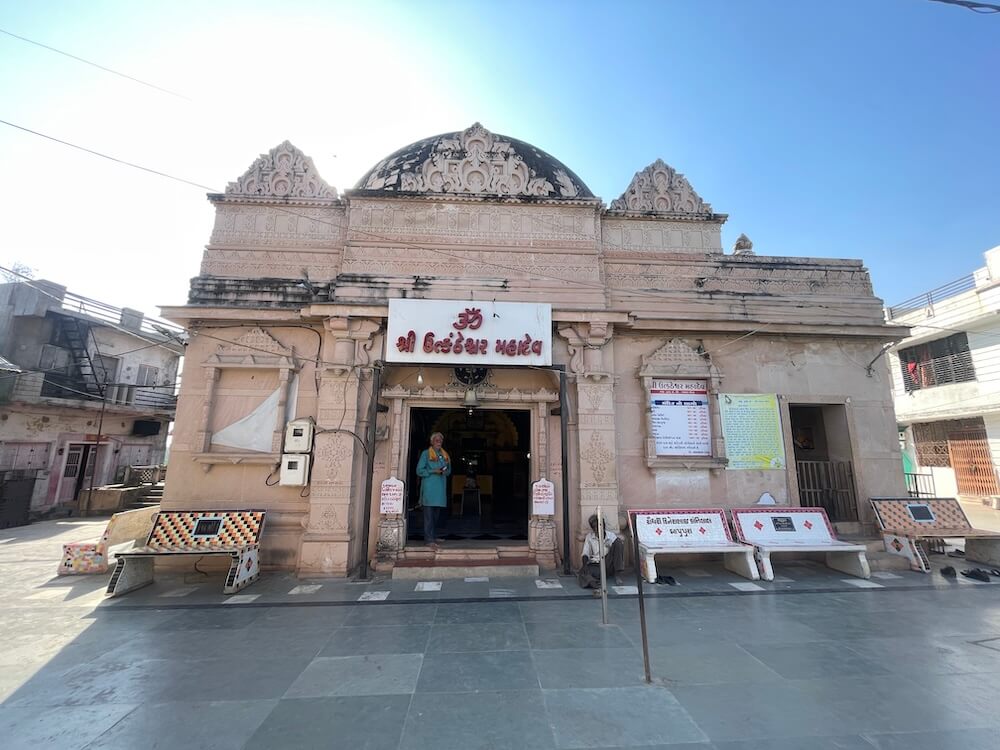
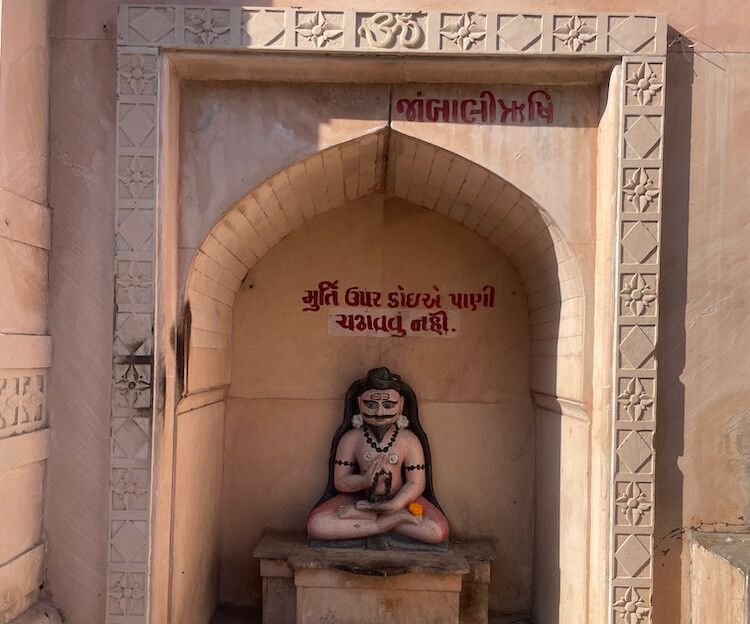
या मंदिराशी संबंधित पौराणिक कथेनुसार, हा प्रदेश एकेकाळी जाबाली ऋषींची ‘तपोभूमी’ होता. भगवान शिवाला प्रसन्न करण्यासाठी जाबाली ऋषींनी याच ठिकाणी कठोर तपश्चर्या केली होती. त्यांच्या अढळ भक्तीने प्रसन्न होऊन भगवान शिव त्यांच्यासमोर शिवलिंगाच्या रूपात प्रकट झाले आणि त्यांनी येथे कायमस्वरूपी वास्तव्य करण्याचे मान्य केले. असे सांगितले जाते की, एकदा जाबाली ऋषींनी धार्मिक सभेसाठी अनेक थोर ऋषीमुनींना आमंत्रित केले होते. भोजनाच्या वेळी, आलेल्या संतांनी केवळ आश्रमाच्या परिसरात पिकवलेले धान्यच ग्रहण करण्याचा आग्रह धरला. आपल्या आध्यात्मिक शक्तीने जाबाली ऋषींनी त्यांची इच्छा पूर्ण केली, ही घटना उपस्थित लोकांच्या कुतूहलाचा किंवा ‘उत्कंठेचा’ विषय ठरली, आणि त्यावरूनच ‘उत्कंठेश्वर’ हे नाव पडले. 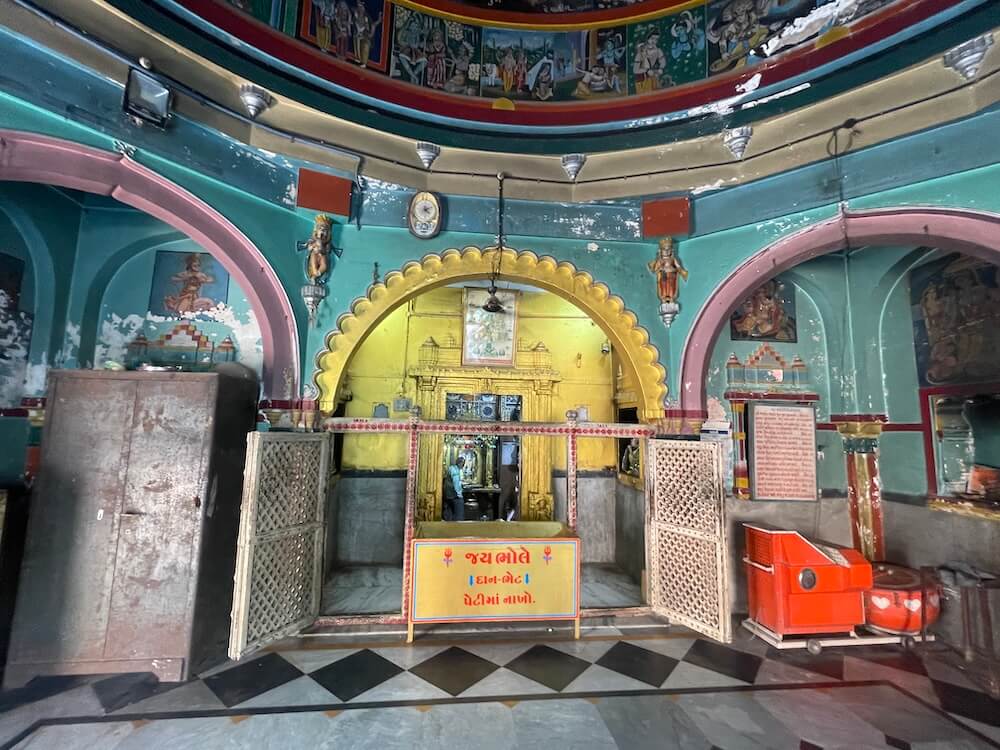 आणखी एका परंपरेनुसार, सभेत उपस्थित असलेल्या एका ऋषींनी भगवान शिवाचे ‘दर्शन’ घेतल्याशिवाय अन्न ग्रहण न करण्याचा संकल्प केला होता. ऋषींनी प्रार्थना केली आणि त्याच क्षणी एक शिवलिंग प्रकट झाले, ज्यावेळी लोकांची उत्सुकता शिगेला पोहोचली होती.
आणखी एका दंतकथेनुसार, हे ठिकाण सप्तर्षींपैकी एक असलेल्या गौतम ऋषींचा आश्रम असल्याचे मानले जाते. त्यांचे शिष्य सत्यपाल यांनी काशी विश्वेश्वरासाठी हजार वर्षांची तपश्चर्या केली होती असे म्हटले जाते. देवाच्या आशीर्वादाने, सत्यपाल यांनी महादेवाला मानवजातीच्या कल्याणासाठी येथे काशी विश्वेश्वराच्या रूपात राहण्याची विनंती केली. त्याच क्षणी, भगवान विश्वेश्वराच्या कंठातून एक दिव्य प्रकाश बाहेर पडला आणि तो जमिनीखालील शिवलिंगात विलीन झाला; हेच ते पवित्र उत्कंठेश्वर शिवलिंग होय.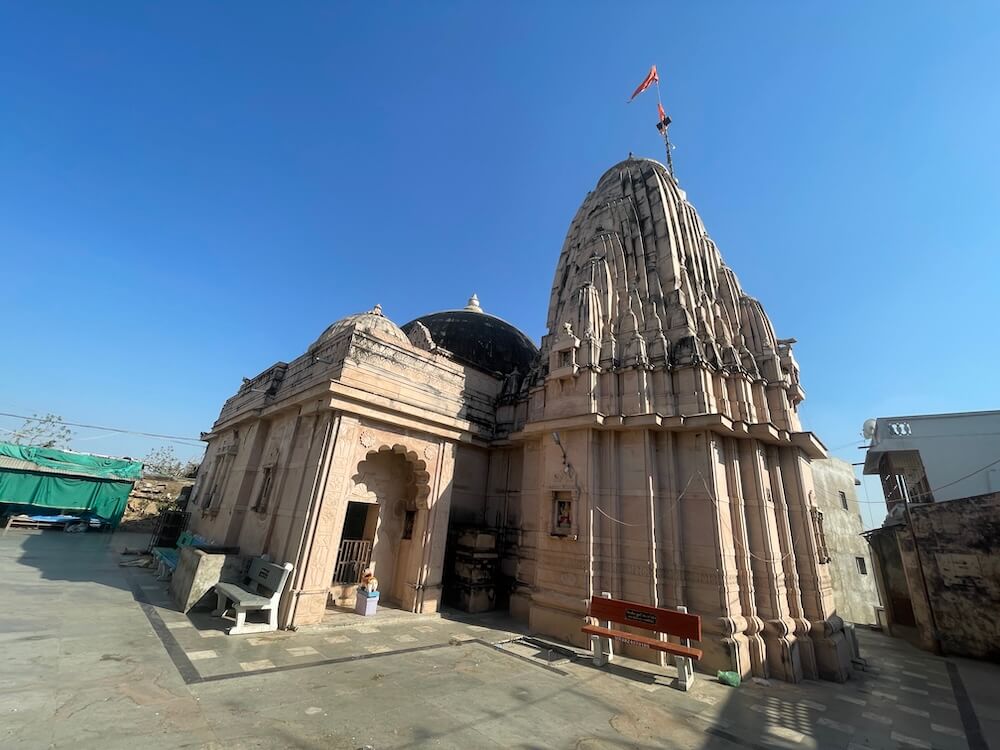
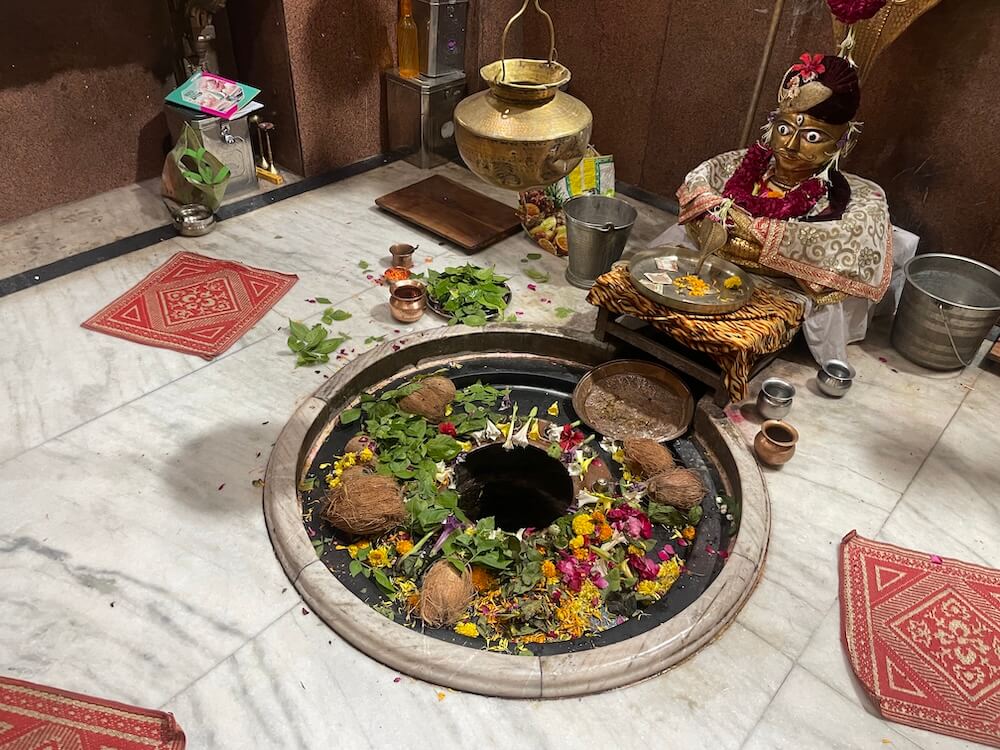
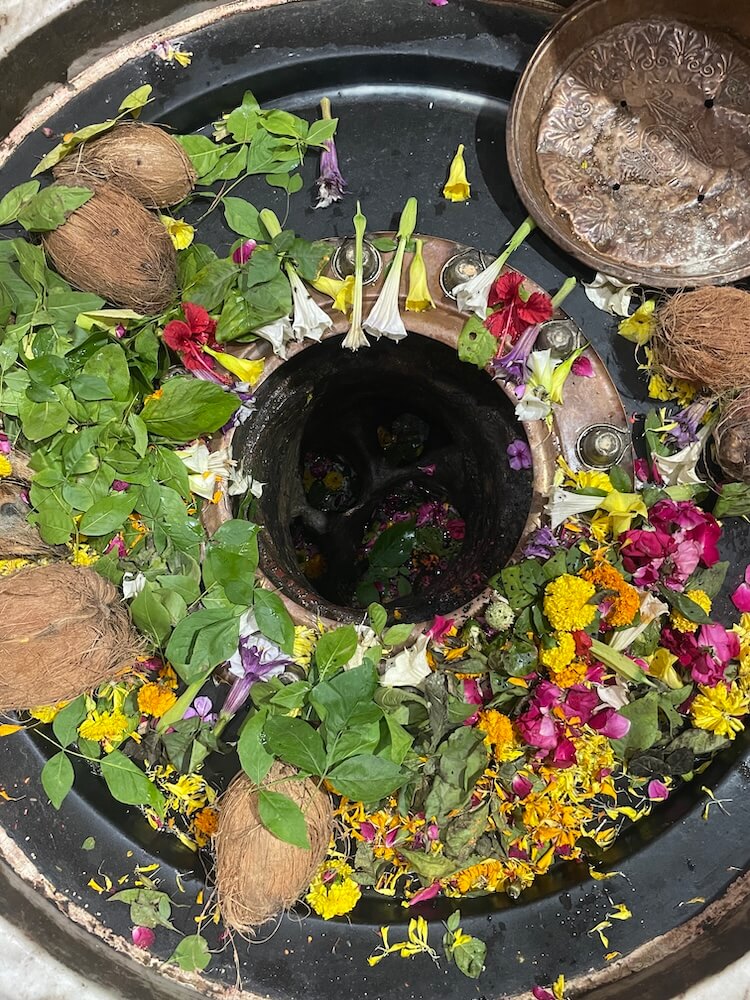
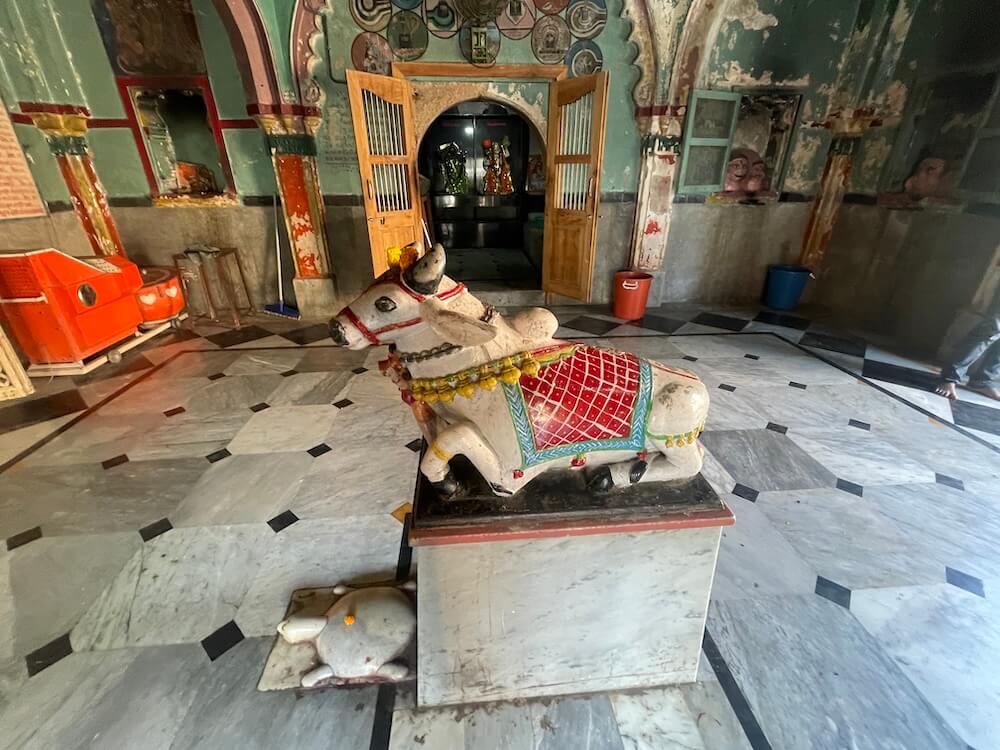
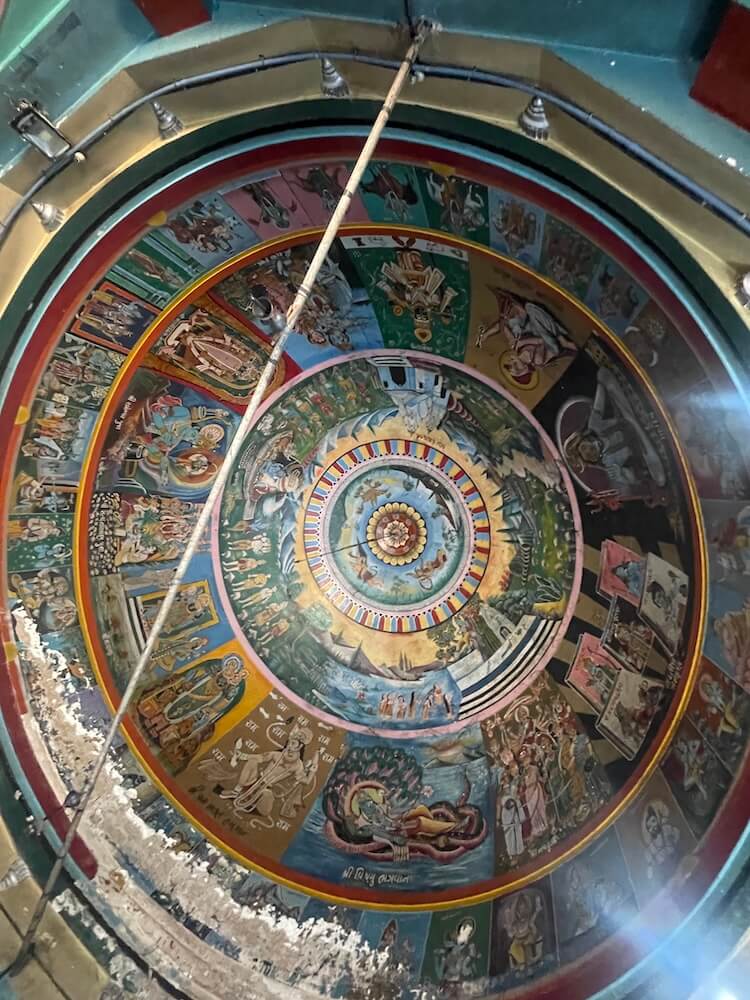
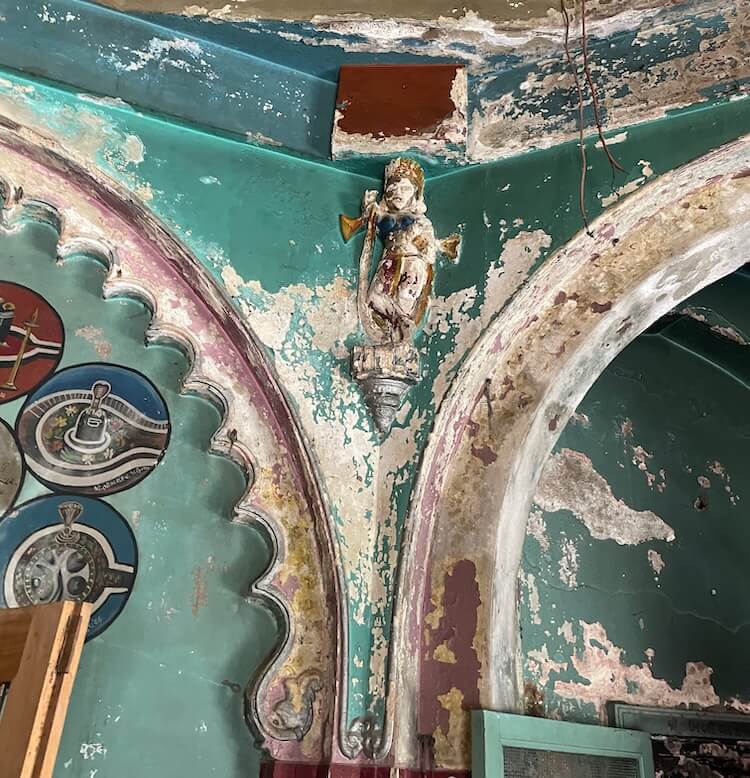
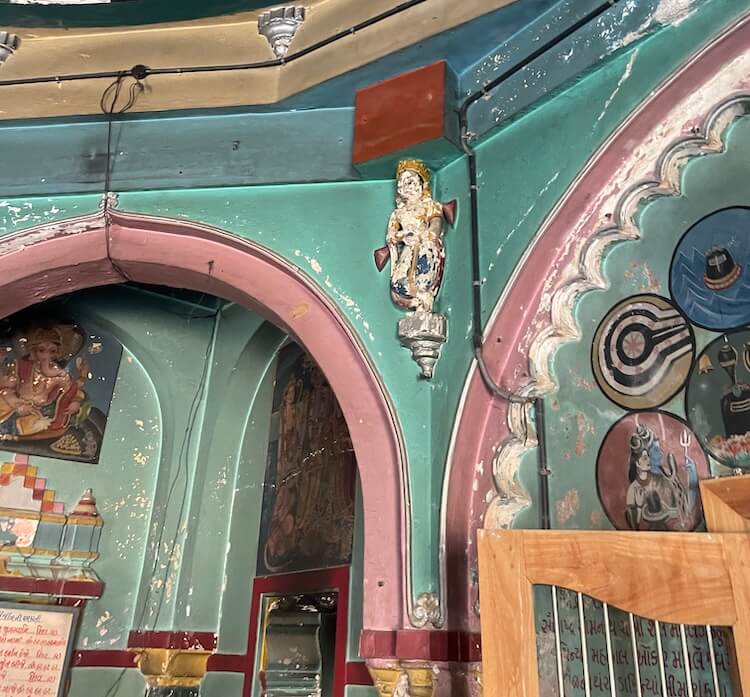
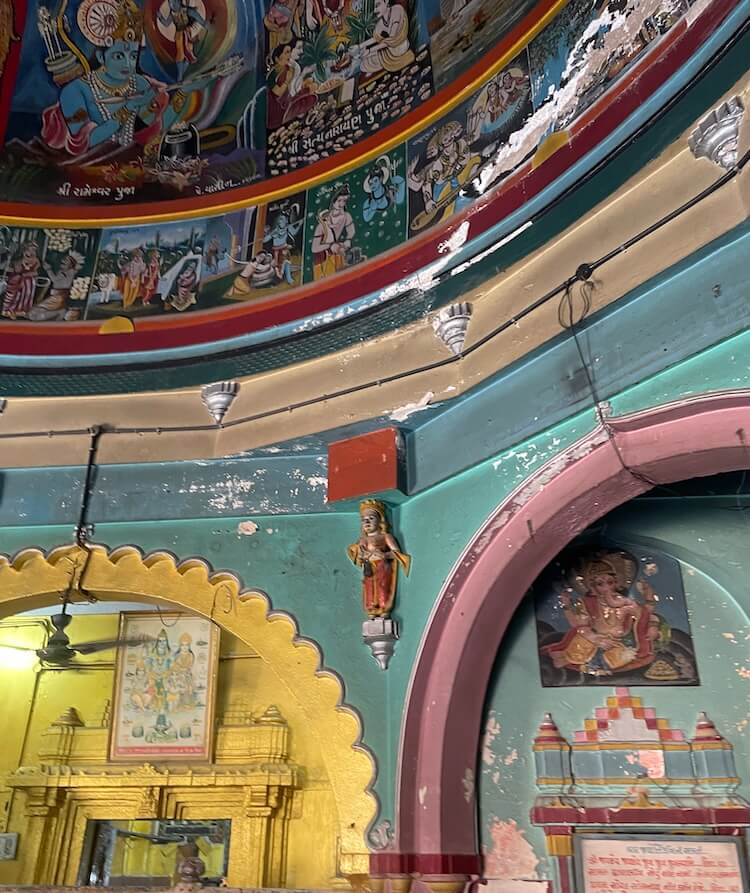
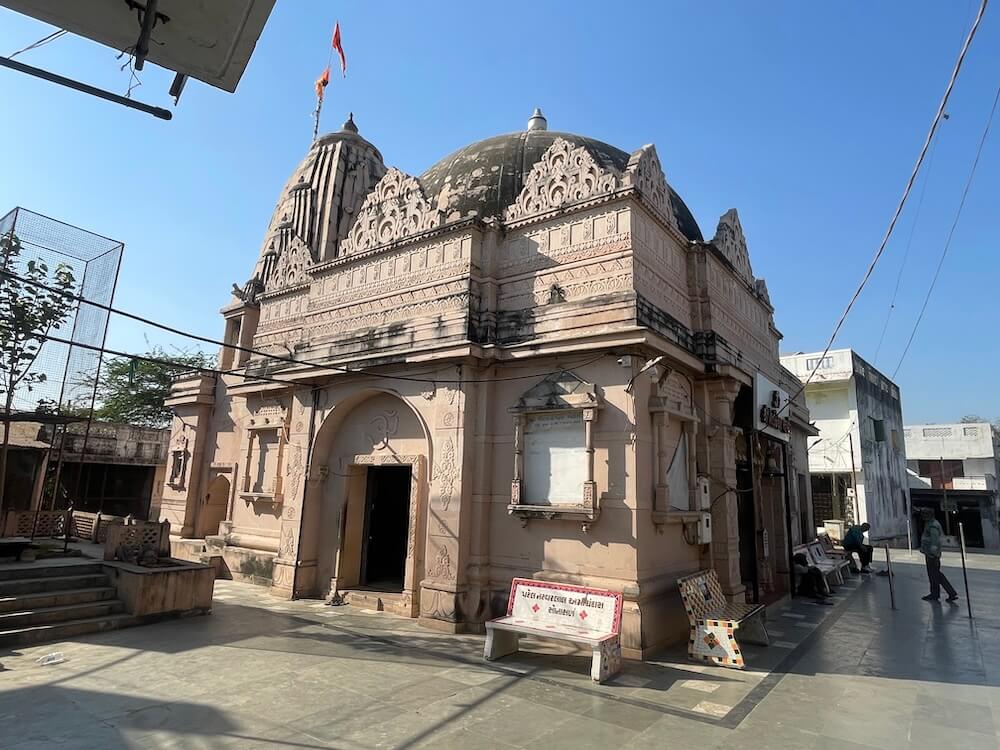
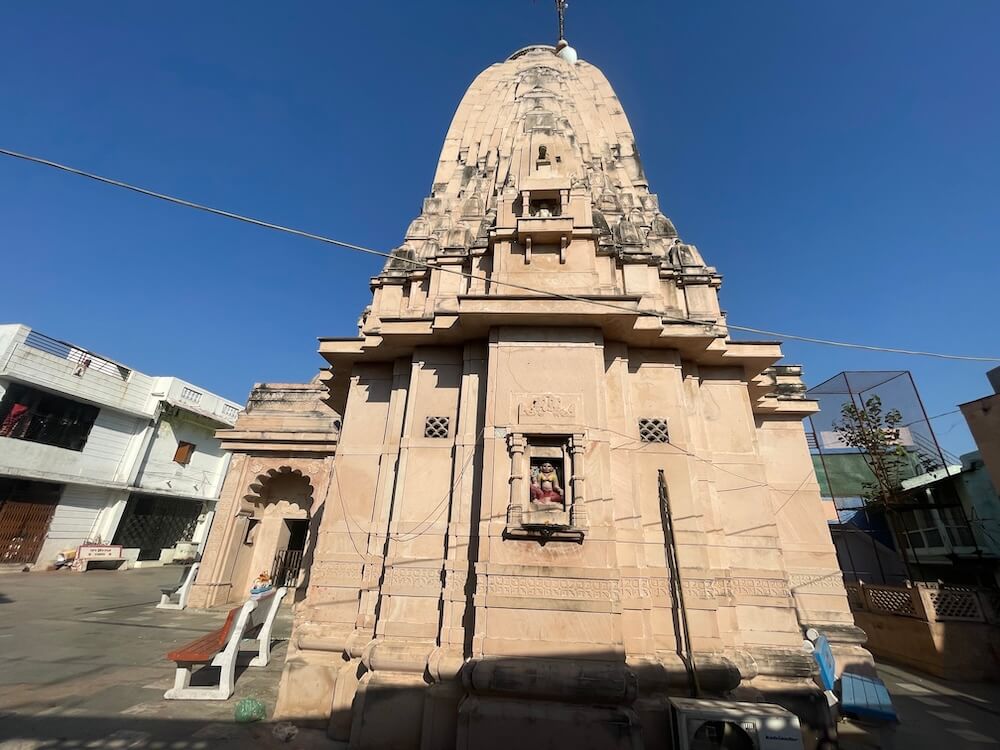
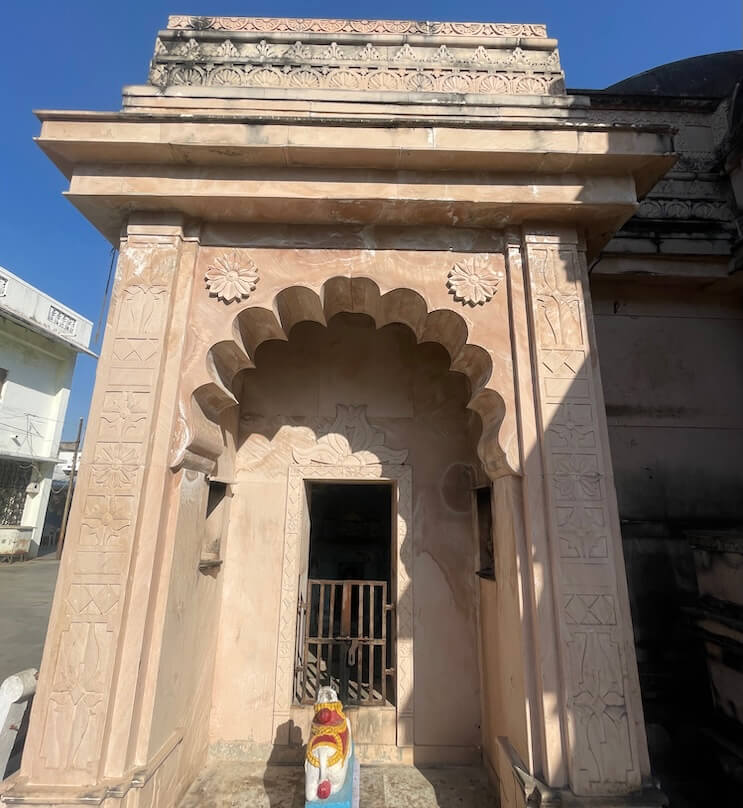
मंदिराचे मुख्य प्रवेशद्वार कोरीव कामांनी सुशोभित केलेले आहे. अर्धवर्तुळाकार कमानीच्या दोन्ही बाजूंना नक्षीदार कोनाडे असलेले खांब आहेत. सभामंडपाच्या छतावर तीन मजली घुमट रचना आहे, ज्यावर गणेश, हनुमान, ब्रह्मा, विष्णू आणि महेश तसेच पौराणिक कथांमधील भगवान शिवाच्या विविध रूपांची चित्रे कोरलेली आहेत. सभामंडप कोरीव खांबांवर आधारलेल्या कमानींच्या गॅलरींनी बनलेला आहे, ज्यामध्ये विविध देवतांच्या लहान मूर्ती स्थापित आहेत. सभागृहातील उंच चौथऱ्यावर नंदी आणि कासवाची मूर्ती भक्तीभावाने विराजमान आहे. गर्भगृहाच्या प्रवेशद्वारावरील खांबांच्या तळाशी ‘द्वारपालांच्या’ मूर्ती कोरलेल्या आहेत. गर्भगृहाच्या मध्यभागी एक मोठा ‘शालुंका’ आहे, जिथे बाहेर आलेले लिंग नसून,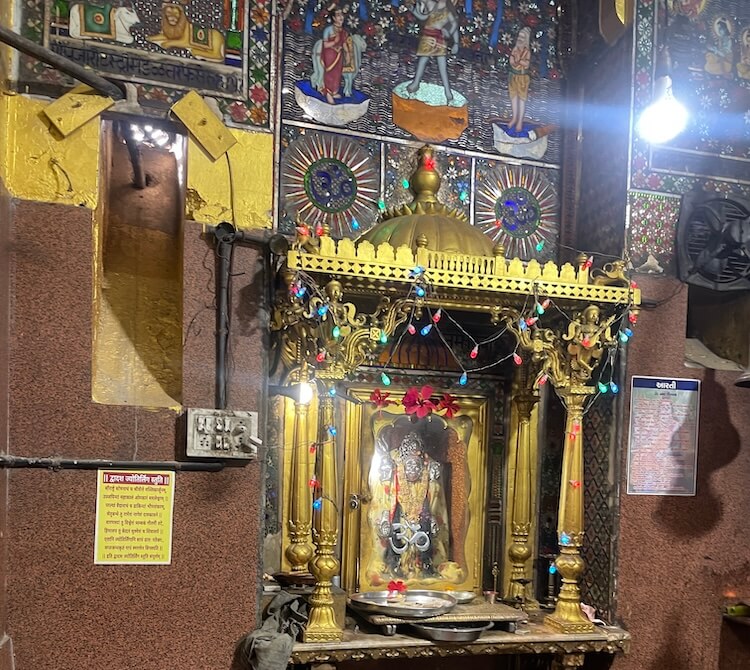 जमिनीमध्ये एक गोलाकार, खोल खळगा आहे. हे गोलाकार शिवलिंग ‘स्वयंभू’ मानले जाते. या मंदिराचे एक वैशिष्ट्य म्हणजे शिवलिंगावर अर्पण केलेले पाणी आणि दूध एका गुप्त भूमिगत प्रणालीद्वारे थेट वात्रक नदीत वाहून जाते. शिवलिंगाच्या बाजूला एक धातूचा मुखवटा आहे आणि मागे सुवर्णपीठावर देवी पार्वतीचे आसन आहे. मंदिराच्या बाहेरील भिंती देखील कोनाडे आणि कोरीव कामांनी सुशोभित आहेत. मंदिराच्या संरचनेवर दोन शिखरे आहेत: मुख्य शिखर नागर वास्तुकलेचे आहे, तर सभामंडपावर घुमटाकार छप्पर आहे.
हे मंदिर नदीच्या काठावरील एका टेकडीवर (‘टिंबा’) वसलेले आहे. मंदिराच्या परिसरात पूजेचे साहित्य मिळणारी दुकाने आहेत. मंदिराच्या एका प्रवेशद्वारातून वात्रक नदीकडे जाणारा एक रुंद जिना आहे, ज्यामध्ये एकूण १०८ पायऱ्या आहेत. अनेक भाविक देवाचे आशीर्वाद घेण्यापूर्वी नदीत पवित्र स्नान करतात. पर्यटकांसाठी नदीकाठी उंट सफारीची सोय उपलब्ध आहे. भाविकांच्या निवासासाठी मंदिर परिसरात ‘भक्तनिवास’ उपलब्ध आहे. महाशिवरात्रीच्या वेळी येथे मोठी जत्रा भरते, ज्यामध्ये हजारो भाविक सहभागी होतात. श्रावण महिन्यातील सोमवारीही येथे भाविकांची मोठी गर्दी असते. याशिवाय, अनेक कुटुंबे विशेषतः ‘बाबरी’ (मुलाचे पहिले जावळ काढणे) विधीसाठी येथे येतात. हे मंदिर दर्शनासाठी दररोज सकाळी ६.०० ते रात्री ८.०० पर्यंत खुले असते, तर सकाळी ६.०० आणि संध्याकाळी ७.०० वाजता ‘आरती’ केली जाते.
उपयुक्त माहिती
- कपडवंज बस स्थानकापासून १९ किमी आणि खेडापासून ६८ किमी अंतरावर स्थित
- जिल्ह्यातील अनेक शहरांतून कपडवंजसाठी GSRTC बस सेवा उपलब्ध
- खाजगी वाहने मंदिराच्या पार्किंग क्षेत्रापर्यंत पोहोचू शकतात
- परिसरात निवास आणि नाश्त्याची सोय उपलब्ध आहे
- संपर्क – मंदिर कार्यालय, मोबाईल: ९९७९६१०१६
Utkantheshwar Mahadev Temple
Phuljina Muvada, Tal. Kapadvanj, Dist. Kheda
Kapadvanj, a taluka within the Kheda district of Gujarat, is renowned for its illustrious historical heritage. During the eleventh century, under the reign of the Solanki (Chaulukya) King Siddharaj Jaisinh, several architectural masterpieces were conceived here, including the ‘Kundvav’—a rectangular stepwell—and its distinctive ceremonial arches (‘Torans’). Nestled upon the banks of the Vatrak River (also known as the Kashyapganga) in this Kapadvanj region, near the village of Antarsuba, lies the ancient shrine of Utkantheshwar Mahadev. Boasting a history of approximately two thousand years, this temple is also popularly known as ‘Untadia Mahadev’. It is widely believed that the shrine earned this sobriquet due to the traditional camel (‘Unt’) rides that take place within the bed of the Vatrak River during the annual fairs.
According to the mythological lore associated with this temple, this region was once the ‘Tapobhumi’ (land of penance) of Sage Jabali. In his quest to propitiate Lord Shiva, Sage Jabali performed rigorous austerities at this very site. Pleased by his unwavering devotion, Lord Shiva manifested before him in the form of a Shivalinga and consented to reside here eternally. It is recounted that Sage Jabali once summoned several eminent ascetics for a religious assembly. During the meal, the visiting saints insisted on consuming only grain grown within the precincts of the hermitage. Through his spiritual prowess, Sage Jabali fulfilled their desire, an event that significantly piqued the curiosity or ‘Utkantha’ of those present, thus leading to the name ‘Utkantheshwar’. Another tradition holds that an ascetic attending the council vowed not to eat until he had received the ‘Darshan’ of Lord Shiva. The Sage offered prayers and a Shivalinga manifested instantaneously, a moment when the anticipation of the crowd reached its zenith.
Yet another legend identifies this site as the hermitage of Sage Gautama, one of the seven celestial seers (‘Saptarishi’). His disciple, Satyapal, is said to have performed a thousand-year penance dedicated to Kashi Vishweshwar. Graced by the Lord’s blessing, Satyapal entreated Mahadev to reside here in the form of Kashi Vishweshwar for the welfare of mankind. At that moment, a divine radiance emanated from the throat (‘Kanth’) of Lord Vishweshwar and merged into the subterranean Shivalinga; this is the sacred Utkantheshwar Shivalinga.
The temple’s principal entrance is adorned with intricate carvings. Flanking the semi-circular arch are decorative pillars featuring ornate niches. The ceiling of the assembly hall (‘Sabhamandap’) boasts a three-tiered domed structure, embellished with paintings depicting Ganesha, Hanuman, Brahma, Vishnu and Mahesh, as well as various manifestations of Lord Shiva from mythological chronicles. The ‘Sabhamandap’ consists of arched galleries supported by carved columns, within which small idols of various deities are enshrined. Upon an elevated pedestal in the hall, an idol of Nandi and a tortoise are seated in veneration. The pillars at the entrance of the sanctum sanctorum (‘Garbhagriha’) are carved with figures of ‘Dwarpalas’ (gatekeepers) at their base. In the heart of the sanctum lies a large ‘Shalunka’, where, instead of a protruding Linga, there is a circular, deep indentation in the ground. This circular Shivalinga is considered ‘Swayambhu’ (self-manifested). A unique feature of this shrine is that the water and milk offered upon the Shivalinga flow through a concealed subterranean system directly into the Vatrak River. Beside the Shivalinga rests a metallic mask and behind it lies the seat of Goddess Parvati, set against a golden pedestal. The exterior walls of the temple are likewise adorned with niches and carvings. The structure is crowned by two spires : the principal spire is in the Nagara architectural style, while the assembly hall is topped with a domed roof.
The temple is perched upon a hillock (‘Timba’) overlooking the river. The precincts are lined with shops offering ritual items. From one of the temple gateways, a broad staircase leads down to the Vatrak River, comprising a total of 108 steps. Many devotees perform ceremonial ablutions in the river before seeking the Lord’s blessings. For visitors, camel rides are available along the riverbank. A ‘Bhaktaniwas’ (rest house) is provided within the temple premises for the accommodation of pilgrims. A grand fair is held here during Mahashivratra, attracting thousands of pilgrims. The Mondays of the holy month of Shravan also witness a significant concourse of devotees. Furthermore, many families visit the shrine specifically for the ‘Babari’ (the ritual first tonsure of a child). The temple is open for ‘Darshan’ daily from 6.00 am to 8.00 pm, with the ‘Aarti’ performed at 6.00 am and 7.00 pm.
Useful Information
- Located at 19 km from Kapadvanj Bus Station and 68 km from Kheda
- GSRTC bus services available to Kapadvanj from several cities in the district
- Private vehicles can reach the temple parking area
- Accommodation and breakfast facilities are available in the vicinity
- Contact – Temple Office, Mob: 997961016
उत्कंठेश्वर महादेव मंदिर
फुलजीना मुवाडा, ता. कपडवंज, जि. खेडा
गुजरात के खेडा जिले में स्थित कपडवंज तालुका अपनी गौरवशाली ऐतिहासिक विरासत के लिए प्रसिद्ध है। ग्यारहवीं शताब्दी के दौरान, सोलंकी (चालुक्य) राजा सिद्धराज जयसिंह के शासनकाल में, यहाँ कई स्थापत्य उत्कृष्ट कृतियों की परिकल्पना की गई थी, जिसमें ‘कुंडवाव’—एक आयताकार बावड़ी—और इसके विशिष्ट औपचारिक तोरण शामिल हैं। कपडवंज क्षेत्र में वत्रक नदी (जिसे कश्यपगंगा के नाम से भी जाना जाता है) के तट पर, अंतरसुबा गाँव के पास, उत्कंठेश्वर महादेव का प्राचीन मंदिर स्थित है। लगभग दो हजार वर्षों के इतिहास वाला यह मंदिर ‘उंटडिया महादेव’ के नाम से भी लोकप्रिय है। ऐसा व्यापक रूप से माना जाता है कि मंदिर को यह उपनाम वार्षिक मेलों के दौरान वत्रक नदी के तल में होने वाली पारंपरिक ऊँट (उंट) की सवारी के कारण मिला है।
इस मंदिर से जुड़ी पौराणिक कथाओं के अनुसार, यह क्षेत्र कभी ऋषि जाबालि की ‘तपोभूमि’ हुआ करता था। भगवान शिव को प्रसन्न करने के लिए, ऋषि जाबालि ने इसी स्थान पर कठोर तपस्या की थी। उनकी अटूट भक्ति से प्रसन्न होकर, भगवान शिव उनके समक्ष शिवलिंग के रूप में प्रकट हुए और सदैव यहीं निवास करने का वचन दिया। ऐसा कहा जाता है कि एक बार ऋषि जाबालि ने एक धार्मिक सभा के लिए कई प्रख्यात तपस्वियों को आमंत्रित किया था। भोजन के दौरान, आने वाले संतों ने केवल आश्रम के परिसर में उगाई गई उपज को ही ग्रहण करने का आग्रह किया। अपनी आध्यात्मिक शक्ति से, ऋषि जाबालि ने उनकी इच्छा पूरी की, यह एक ऐसी घटना थी जिसने उपस्थित लोगों की जिज्ञासा या ‘उत्कंठा’ को काफी बढ़ा दिया, जिससे इसका नाम ‘उत्कंठेश्वर’ पड़ा। एक अन्य परंपरा के अनुसार, सभा में भाग लेने वाले एक तपस्वी ने तब तक भोजन न करने का संकल्प लिया जब तक उन्हें भगवान शिव के ‘दर्शन’ प्राप्त नहीं हो जाते। ऋषि ने प्रार्थना की और तत्काल एक शिवलिंग प्रकट हुआ, वह क्षण जब भीड़ की उत्सुकता अपने चरम पर थी।
एक और किंवदंती इस स्थान को सप्तऋषियों में से एक, ऋषि गौतम का आश्रम बताती है। कहा जाता है कि उनके शिष्य सत्यपाल ने काशी विश्वेश्वर को समर्पित हजार वर्षों की तपस्या की थी। प्रभु के आशीर्वाद से अनुग्रहित होकर, सत्यपाल ने महादेव से मानव कल्याण के लिए काशी विश्वेश्वर के रूप में यहाँ निवास करने का अनुरोध किया। उसी क्षण, भगवान विश्वेश्वर के कंठ से एक दिव्य आभा निकली और भूमिगत शिवलिंग में विलीन हो गई; यही पवित्र उत्कंठेश्वर शिवलिंग है।
मंदिर का मुख्य प्रवेश द्वार जटिल नक्काशी से सुसज्जित है। अर्ध-वृत्ताकार तोरण के दोनों ओर अलंकृत कोष्ठकों वाले सजावटी स्तंभ हैं। सभा मंडप की छत तीन-स्तरीय गुंबददार संरचना है, जो गणेश, हनुमान, ब्रह्मा, विष्णु और महेश के चित्रों के साथ-साथ पौराणिक कथाओं से भगवान शिव के विभिन्न रूपों को दर्शाती है। सभा मंडप में नक्काशीदार स्तंभों द्वारा समर्थित मेहराबदार दीर्घाएँ हैं, जिनके भीतर विभिन्न देवताओं की छोटी मूर्तियाँ स्थापित हैं। हॉल में एक ऊँचे चबूतरे पर नंदी और कछुए की मूर्ति श्रद्धापूर्वक विराजमान है। गर्भगृह के प्रवेश द्वार के स्तंभों के आधार पर ‘द्वारपालों’ की आकृतियाँ उकेरी गई हैं। गर्भगृह के केंद्र में एक बड़ा ‘शालुंका’ है, जहाँ बाहर निकले हुए लिंग के बजाय, जमीन में एक गोलाकार, गहरा गड्ढा है। इस गोलाकार शिवलिंग को ‘स्वयंभू’ माना जाता है। इस मंदिर की एक अनूठी विशेषता यह है कि शिवलिंग पर अर्पित जल और दूध एक गुप्त भूमिगत प्रणाली के माध्यम से सीधे वत्रक नदी में प्रवाहित होते हैं। शिवलिंग के बगल में एक धातु का मुखौटा है और इसके पीछे देवी पार्वती का आसन है, जो एक स्वर्ण पीठिका पर स्थित है। मंदिर की बाहरी दीवारें भी कोष्ठकों और नक्काशी से सुसज्जित हैं। संरचना के ऊपर दो शिखर हैं: मुख्य शिखर नागर स्थापत्य शैली में है, जबकि सभा मंडप गुंबददार छत से ढका हुआ है।
मंदिर नदी के ऊपर एक टीले (‘टिंबा’) पर स्थित है। परिसर में पूजा सामग्री की दुकानें हैं। मंदिर के एक द्वार से, एक चौड़ी सीढ़ी नीचे वत्रक नदी की ओर जाती है, जिसमें कुल १०८ सीढ़ियाँ हैं। कई भक्त प्रभु का आशीर्वाद लेने से पहले नदी में औपचारिक स्नान करते हैं। आगंतुकों के लिए, नदी के तट पर ऊँट की सवारी उपलब्ध है। तीर्थयात्रियों के ठहरने के लिए मंदिर परिसर में एक ‘भक्तनिवास’ (विश्राम गृह) की व्यवस्था है। महाशिवरात्रि के दौरान यहाँ एक भव्य मेला आयोजित किया जाता है, जिसमें हजारों तीर्थयात्री आते हैं। पवित्र श्रावण मास के सोमवार को भी भक्तों की भारी भीड़ देखी जाती है। इसके अलावा, कई परिवार विशेष रूप से ‘बाबरी’ (बच्चे का पहला मुंडन संस्कार) के लिए मंदिर आते हैं। मंदिर प्रतिदिन सुबह ६.०० बजे से रात ८.०० बजे तक ‘दर्शन’ के लिए खुला रहता है, जिसमें आरती सुबह ६.०० बजे और शाम ७.०० बजे होती है।
उपयोगी जानकारी
- कपडवंज बस स्टेशन से १९ किमी और खेडा से ६८ किमी दूर स्थित
- जिले के कई शहरों से कपडवंज के लिए GSRTC बस सेवाएँ उपलब्ध हैं
- निजी वाहन मंदिर के पार्किंग क्षेत्र तक पहुँच सकते हैं
- आसपास के क्षेत्र में आवास और नाश्ते की सुविधा उपलब्ध है
- संपर्क – मंदिर कार्यालय, मो.: ९९७९६१०१६
ઉત્કંઠેશ્વર મહાદેવ મંદિર
ફૂલજીના મુવાડા, તા. કપડવંજ, જિ. ખેડા
ગુજરાતના ખેડા જિલ્લામાં આવેલ કપડવંજ તાલુકો તેના ભવ્ય ઐતિહાસિક વારસા માટે જાણીતો છે. અગિયારમી સદીમાં સોલંકી (ચૌલુક્ય) રાજા સિદ્ધરાજ જયસિંહના શાસનકાળ દરમિયાન, અહીં અનેક સ્થાપત્ય કલાના નમૂનાઓનું નિર્માણ થયું હતું, જેમાં ‘કુંડવાવ’ – એક લંબચોરસ વાવ – અને તેના વિશિષ્ટ તોરણોનો સમાવેશ થાય છે. કપડવંજ વિસ્તારમાં અંતરસુબા ગામ નજીક વાત્રક નદી (જેને કાશ્યપગંગા તરીકે પણ ઓળખવામાં આવે છે) ના કિનારે પ્રાચીન ઉત્કંઠેશ્વર મહાદેવનું મંદિર આવેલું છે. આશરે બે હજાર વર્ષનો ઇતિહાસ ધરાવતું આ મંદિર ‘ઊંટડિયા મહાદેવ’ તરીકે પણ લોકપ્રિય છે. એવી માન્યતા છે કે વાર્ષિક મેળાઓ દરમિયાન વાત્રક નદીના પટમાં થતી ઊંટની સવારીને કારણે આ મંદિરને આ નામ મળ્યું છે.
આ મંદિર સાથે જોડાયેલી પૌરાણિક કથા અનુસાર, આ પ્રદેશ એક સમયે જબાલી ઋષિની ‘તપોભૂમિ’ હતી. ભગવાન શિવને પ્રસન્ન કરવા માટે જબાલી ઋષિએ આ જ સ્થળે કઠોર તપસ્યા કરી હતી. તેમની અડગ ભક્તિથી પ્રસન્ન થઈને ભગવાન શિવે શિવલિંગ સ્વરૂપે તેમને દર્શન આપ્યા હતા અને અહીં કાયમ માટે બિરાજમાન થવાનું વચન આપ્યું હતું. કહેવાય છે કે એકવાર જબાલી ઋષિએ ધાર્મિક સભા માટે અનેક વિદ્વાન ઋષિઓને આમંત્રિત કર્યા હતા. ભોજન સમયે, આવેલા સંતોએ આગ્રહ કર્યો કે તેઓ માત્ર આશ્રમની સીમમાં ઉગાડવામાં આવેલું અનાજ જ ગ્રહણ કરશે. પોતાની આધ્યાત્મિક શક્તિથી જબાલી ઋષિએ તેમની ઈચ્છા પૂર્ણ કરી, જે ઘટનાએ ઉપસ્થિત લોકોમાં ભારે કુતૂહલ અથવા ‘ઉત્કંઠા’ જગાડી, જેના કારણે આ સ્થળ ‘ઉત્કંઠેશ્વર’ તરીકે ઓળખાયું. અન્ય એક પરંપરા મુજબ, સભામાં ઉપસ્થિત એક ઋષિએ ભગવાન શિવના ‘દર્શન’ ન થાય ત્યાં સુધી અન્નનો ત્યાગ કરવાનો સંકલ્પ કર્યો હતો. ઋષિએ પ્રાર્થના કરી અને તત્કાલ શિવલિંગ પ્રગટ થયું, જે ક્ષણે ભક્તોની ઉત્કંઠા ચરમસીમાએ પહોંચી હતી.
એક અન્ય દંતકથા આ સ્થળને સપ્તર્ષિઓમાંના એક એવા ગૌતમ ઋષિનો આશ્રમ ગણાવે છે. તેમના શિષ્ય સત્યપાલે કાશી વિશ્વેશ્વરને સમર્પિત એક હજાર વર્ષનું તપ કર્યું હોવાનું કહેવાય છે. ભગવાનના આશીર્વાદથી પ્રસન્ન થઈને સત્યપાલે માનવ કલ્યાણ માટે મહાદેવને કાશી વિશ્વેશ્વર સ્વરૂપે અહીં બિરાજમાન થવા વિનંતી કરી હતી. તે ક્ષણે, ભગવાન વિશ્વેશ્વરના કંઠમાંથી દિવ્ય તેજ નીકળીને ભૂગર્ભ શિવલિંગમાં વિલીન થયું; આ જ પવિત્ર ઉત્કંઠેશ્વર શિવલિંગ છે.
મંદિરનો મુખ્ય પ્રવેશદ્વાર ઝીણવટભરી કોતરણીથી સુશોભિત છે. અર્ધવર્તુળાકાર કમાનની બંને બાજુએ સુશોભિત થાંભલાઓ અને કોતરણીવાળા ખાંચા છે. સભામંડપની છત ત્રણ સ્તરના ગુંબજ જેવી છે, જેમાં ગણેશ, હનુમાન, બ્રહ્મા, વિષ્ણુ અને મહેશ તેમજ પૌરાણિક કથાઓમાંથી ભગવાન શિવના વિવિધ સ્વરૂપોના ચિત્રો અંકિત છે. સભામંડપમાં કોતરણીવાળા સ્તંભો પર આધારિત કમાનવાળી ગેલેરીઓ છે, જેમાં વિવિધ દેવી-દેવતાઓની નાની મૂર્તિઓ સ્થાપિત છે. સભાખંડમાં ઉંચા પીઠિકા પર નંદી અને કાચબાની મૂર્તિઓ બિરાજમાન છે. ગર્ભગૃહના પ્રવેશદ્વાર પરના સ્તંભોના પાયામાં ‘દ્વારપાળો’ની મૂર્તિઓ કોતરેલી છે. ગર્ભગૃહના મધ્યમાં એક મોટી ‘શાલુન્કા’ છે, જ્યાં બહાર નીકળતા લિંગને બદલે જમીનમાં એક ગોળાકાર, ઊંડો ખાડો છે. આ ગોળાકાર શિવલિંગને ‘સ્વયંભૂ’ માનવામાં આવે છે. આ મંદિરની એક વિશેષતા એ છે કે શિવલિંગ પર ચડાવવામાં આવતું જળ અને દૂધ ભૂગર્ભ નળીઓ દ્વારા સીધું વાત્રક નદીમાં વહી જાય છે. શિવલિંગની બાજુમાં એક ધાતુનો મુખવટો છે અને તેની પાછળ સુવર્ણ પીઠિકા પર માતા પાર્વતીનું આસન છે. મંદિરની બહારની દીવાલો પણ ખાંચા અને કોતરણીથી સુશોભિત છે. મંદિરના બે શિખરો છે: મુખ્ય શિખર નાગર સ્થાપત્ય શૈલીમાં છે, જ્યારે સભામંડપ ગુંબજ આકારની છત ધરાવે છે.
મંદિર નદીના કિનારે આવેલા એક ટેકરા (‘ટીંબા’) પર સ્થિત છે. મંદિરના પરિસરમાં પૂજા સામગ્રીની દુકાનો આવેલી છે. મંદિરના એક પ્રવેશદ્વારથી વાત્રક નદી સુધી જવા માટે ૧૦૮ પગથિયાં ધરાવતી વિશાળ સીડી છે. ઘણા ભક્તો ભગવાનના આશીર્વાદ લેતા પહેલા નદીમાં સ્નાન કરે છે. મુલાકાતીઓ માટે નદી કિનારે ઊંટની સવારી ઉપલબ્ધ છે. યાત્રાળુઓના રહેવા માટે મંદિર પરિસરમાં ‘ભક્તનિવાસ’ની સુવિધા છે. મહાશિવરાત્રિ દરમિયાન અહીં ભવ્ય મેળો ભરાય છે, જેમાં હજારો યાત્રાળુઓ આવે છે. શ્રાવણ મહિનાના સોમવારે પણ ભક્તોની મોટી ભીડ જોવા મળે છે. આ ઉપરાંત, ઘણા પરિવારો ખાસ કરીને બાળકની ‘બાવરી’ (જડુલા) વિધિ માટે અહીં આવે છે. મંદિર દર્શન માટે દરરોજ સવારે ૬:૦૦ થી રાત્રે ૮:૦૦ વાગ્યા સુધી ખુલ્લું રહે છે, જેમાં સવારે ૬:૦૦ અને સાંજે ૭:૦૦ વાગ્યે આરતી થાય છે.
ઉપયોગી માહિતી
- કપડવંજ બસ સ્ટેશનથી ૧૯ કિ.મી. અને ખેડાથી ૬૮ કિ.મી. દૂર આવેલું છે
- જિલ્લાના અનેક શહેરોમાંથી કપડવંજ માટે GSRTC બસ સેવા ઉપલબ્ધ છે
- ખાનગી વાહનો મંદિરના પાર્કિંગ વિસ્તાર સુધી પહોંચી શકે છે
- નજીકમાં રહેવા અને નાસ્તાની સુવિધા ઉપલબ્ધ છે
- સંપર્ક – મંદિર કાર્યાલય, મોબાઈલ: ૯૯૭૯૬૧૦૧૬
உத்கண்டேஷ்வர் மகாதேவ் கோவில்
புல்ஜினா முவாடா, தாலுகா கபத்வஞ்ச், மாவட்டம் கேடா
குஜராத்தின் கேடா மாவட்டத்தில் உள்ள கபத்வஞ்ச் தாலுகா, அதன் புகழ்பெற்ற வரலாற்று பாரம்பரியத்திற்காக அறியப்படுகிறது. பதினொன்றாம் நூற்றாண்டில், சோலங்கி (சௌலுக்கிய) மன்னர் சித்தராஜ் ஜெய்சிங் ஆட்சியின் போது, செவ்வக வடிவ படிக்கிணறான ‘குண்ட்வாவ்’ மற்றும் அதன் தனித்துவமான அலங்கார வளைவுகள் (‘தோரணங்கள்’) உள்ளிட்ட பல கட்டடக்கலை அதிசயங்கள் இங்கு உருவாக்கப்பட்டன. கபத்வஞ்ச் பகுதியில் உள்ள வத்ராக் ஆற்றின் (காஷ்யபகங்கா என்றும் அழைக்கப்படுகிறது) கரையில், அந்தர்சுபா கிராமத்திற்கு அருகில், உத்கண்டேஷ்வர் மகாதேவின் பழமையான ஆலயம் அமைந்துள்ளது. சுமார் இரண்டாயிரம் ஆண்டு கால வரலாற்றைக் கொண்ட இக்கோவில், ‘உண்டாடியா மகாதேவ்’ என்றும் பிரபலமாக அழைக்கப்படுகிறது. வருடாந்திர திருவிழாக்களின் போது வத்ராக் ஆற்றின் படுகையில் நடைபெறும் பாரம்பரிய ஒட்டக (‘உண்ட்’) சவாரிகளாலேயே இந்த ஆலயம் இப்பெயரைப் பெற்றது என்று பரவலாக நம்பப்படுகிறது.
இக்கோவிலுடன் தொடர்புடைய புராணக் கதைகளின்படி, இப்பகுதி ஒரு காலத்தில் ஜபாலி முனிவரின் ‘தபோபூமி’யாக இருந்தது. சிவபெருமானை மகிழ்விக்க, ஜபாலி முனிவர் இந்த இடத்திலேயே கடுமையான தவத்தை மேற்கொண்டார். அவரது அசைக்க முடியாத பக்தியால் மகிழ்ந்த சிவபெருமான், அவருக்கு சிவலிங்க வடிவில் காட்சியளித்து, இங்கேயே நிரந்தரமாக வீற்றிருக்க ஒப்புக்கொண்டார். ஜபாலி முனிவர் ஒருமுறை பல சிறந்த முனிவர்களை ஒரு மதக் கூட்டத்திற்கு அழைத்ததாகக் கூறப்படுகிறது. உணவின் போது, வருகை தந்த முனிவர்கள் ஆசிரமத்தின் எல்லைக்குள் விளைந்த தானியங்களை மட்டுமே உண்பதாகக் கூறினர். தனது ஆன்மீக சக்தியால், ஜபாலி முனிவர் அவர்களின் விருப்பத்தை நிறைவேற்றினார். இந்த நிகழ்வு அங்கிருந்தவர்களின் ஆர்வத்தை அல்லது ‘உத்கண்டையை’ பெரிதும் தூண்டியது, இதனால் ‘உத்கண்டேஷ்வர்’ என்ற பெயர் உருவானது. மற்றொரு மரபின்படி, சபையில் கலந்துகொண்ட ஒரு முனிவர், சிவபெருமானின் ‘தரிசனம்’ பெறும் வரை உண்ணாவிரதம் இருப்பதாக சபதம் செய்தார். முனிவர் பிரார்த்தனை செய்தவுடன், ஒரு சிவலிங்கம் உடனடியாகத் தோன்றியது; அந்த தருணத்தில் கூடியிருந்தவர்களின் எதிர்பார்ப்பு உச்சத்தை அடைந்தது.
மற்றொரு புராணக்கதை, இந்த இடத்தை சப்தரிஷிகளில் ஒருவரான கௌதம முனிவரின் ஆசிரமம் என்று அடையாளம் காட்டுகிறது. அவரது சீடர் சத்யபால், காசி விஸ்வேஸ்வரருக்கு அர்ப்பணித்து ஆயிரம் ஆண்டுகள் தவம் செய்ததாகக் கூறப்படுகிறது. இறைவனின் அருளால், சத்யபால் மனிதகுலத்தின் நலனுக்காக காசி விஸ்வேஸ்வரர் வடிவில் இங்கேயே வீற்றிருக்குமாறு மகாதேவரை வேண்டிக்கொண்டார். அந்த தருணத்தில், விஸ்வேஸ்வரரின் தொண்டையிலிருந்து (‘கந்த்’) ஒரு தெய்வீக ஒளி வெளிப்பட்டு, பூமிக்கு அடியில் இருந்த சிவலிங்கத்தில் கலந்தது; இதுவே புனிதமான உத்கண்டேஷ்வர் சிவலிங்கம் ஆகும்.
கோவிலின் பிரதான நுழைவாயில் நுணுக்கமான வேலைப்பாடுகளால் அலங்கரிக்கப்பட்டுள்ளது. அரைவட்ட வளைவின் இருபுறமும் அலங்கார வளைவுகளுடன் கூடிய தூண்கள் உள்ளன. சபா மண்டபத்தின் கூரையானது மூன்று அடுக்கு குவிமாட அமைப்பைக் கொண்டுள்ளது, இதில் கணேசர், அனுமன், பிரம்மா, விஷ்ணு மற்றும் மகேசன் ஆகியோரின் ஓவியங்களும், புராணக் கதைகளில் வரும் சிவபெருமானின் பல்வேறு வடிவங்களும் சித்தரிக்கப்பட்டுள்ளன. சபா மண்டபத்தில் செதுக்கப்பட்ட தூண்களால் தாங்கப்படும் வளைவு தாழ்வாரங்கள் உள்ளன, அவற்றில் பல்வேறு தெய்வங்களின் சிறிய சிலைகள் நிறுவப்பட்டுள்ளன. மண்டபத்தில் உள்ள உயர்ந்த பீடத்தில், நந்தி மற்றும் ஆமையின் சிலைகள் வணக்கத்துடன் அமர்ந்திருக்கின்றன. கருவறையின் (‘கர்ப்பகிரகம்’) நுழைவாயிலில் உள்ள தூண்களின் அடிப்பகுதியில் ‘துவாரபாலகர்களின்’ உருவங்கள் செதுக்கப்பட்டுள்ளன. கருவறையின் மையப்பகுதியில் ஒரு பெரிய ‘சலுங்கா’ உள்ளது, அங்கு லிங்கம் வெளிப்படையாக இல்லாமல், தரையில் வட்ட வடிவமான, ஆழமான பள்ளம் உள்ளது. இந்த வட்ட வடிவ சிவலிங்கம் ‘சுயம்பு’வாகக் கருதப்படுகிறது. இந்த ஆலயத்தின் தனித்துவமான அம்சம் என்னவென்றால், சிவலிங்கத்தின் மீது சமர்ப்பிக்கப்படும் நீர் மற்றும் பால், நிலத்தடி அமைப்பு வழியாக நேரடியாக வத்ராக் ஆற்றில் கலக்கிறது. சிவலிங்கத்திற்கு அருகில் ஒரு உலோக முகமூடியும், அதன் பின்னால் தங்க பீடத்தில் அன்னை பார்வதியின் இருக்கையும் உள்ளன. கோவிலின் வெளிப்புறச் சுவர்களும் வளைவுகள் மற்றும் வேலைப்பாடுகளால் அலங்கரிக்கப்பட்டுள்ளன. இக்கட்டமைப்பின் உச்சியில் இரண்டு கோபுரங்கள் உள்ளன: பிரதான கோபுரம் நாகர கட்டடக்கலை பாணியிலும், சபா மண்டபத்தின் மீது குவிமாட கூரையும் உள்ளன.
கோவில் ஆற்றைப் பார்த்தவாறு ஒரு சிறிய குன்றின் (‘திம்பா’) மீது அமைந்துள்ளது. கோவிலைச் சுற்றியுள்ள பகுதிகளில் வழிபாட்டுப் பொருட்களை விற்கும் கடைகள் உள்ளன. கோவிலின் ஒரு நுழைவாயிலிலிருந்து, வத்ராக் ஆற்றுக்குச் செல்லும் அகலமான படிக்கட்டுகள் உள்ளன, இதில் மொத்தம் ௧௦௮ படிகள் உள்ளன. பல பக்தர்கள் இறைவனின் ஆசீர்வாதத்தைப் பெறுவதற்கு முன்பு ஆற்றில் புனித நீராடுகிறார்கள். பார்வையாளர்களுக்காக, ஆற்றங்கரையில் ஒட்டக சவாரிகள் கிடைக்கின்றன. யாத்ரீகர்களின் தங்குமிடத்திற்காக கோவில் வளாகத்திற்குள் ‘பக்தநிவாஸ்’ வசதி செய்யப்பட்டுள்ளது. மகாசிவராத்திரியின் போது இங்கு பிரம்மாண்டமான திருவிழா நடைபெறுகிறது, இது ஆயிரக்கணக்கான யாத்ரீகர்களை ஈர்க்கிறது. புனிதமான சிராவண மாதத்தின் திங்கட்கிழமைகளிலும் பக்தர்கள் கூட்டம் அதிகமாக இருக்கும். மேலும், பல குடும்பங்கள் ‘பாபரி’ (குழந்தையின் முதல் மொட்டை போடும் சடங்கு) செய்வதற்காகவே இந்த ஆலயத்திற்கு வருகிறார்கள். கோவில் தினமும் காலை ௬.௦௦ மணி முதல் இரவு ௮.௦௦ மணி வரை ‘தரிசனத்திற்காக’ திறந்திருக்கும், காலை ௬.௦௦ மணி மற்றும் இரவு ௭.௦௦ மணிக்கு ‘ஆரத்தி’ நடைபெறும்.
பயனுள்ள தகவல்கள்
- கபத்வஞ்ச் பேருந்து நிலையத்திலிருந்து ௧௯ கி.மீ மற்றும் கேடாவிலிருந்து ௬௮ கி.மீ தொலைவில் அமைந்துள்ளது
- மாவட்டத்தில் உள்ள பல நகரங்களிலிருந்து கபத்வஞ்சிற்கு GSRTC பேருந்து சேவைகள் உள்ளன
- தனியார் வாகனங்கள் கோவில் வாகன நிறுத்துமிடம் வரை செல்லலாம்
- அருகிலேயே தங்குமிடம் மற்றும் காலை உணவு வசதிகள் உள்ளன
- தொடர்பு – கோவில் அலுவலகம், அலைபேசி: ௯௯௭௯௬௧௦௧௬
ఉత్కంఠేశ్వర్ మహాదేవ్ ఆలయం
ఫుల్జీనా మువాడ, తా. కపద్వంజ్, జి. ఖేడా
గుజరాత్లోని ఖేడా జిల్లాలో ఉన్న కపద్వంజ్ తాలూకా తన అద్భుతమైన చారిత్రక వారసత్వానికి ప్రసిద్ధి చెందింది. పదకొండవ శతాబ్దంలో సోలంకి (చాళుక్య) రాజు సిద్ధరాజ్ జైసింహ పాలనలో, ఇక్కడ అనేక నిర్మాణ అద్భుతాలు రూపుదిద్దుకున్నాయి, వాటిలో దీర్ఘచతురస్రాకార మెట్ల బావి అయిన ‘కుండ్ వావ్’ మరియు దాని ప్రత్యేకమైన తోరణాలు ఉన్నాయి. కపద్వంజ్ ప్రాంతంలోని వత్రాక్ నది (దీనిని కాశ్యపగంగ అని కూడా పిలుస్తారు) ఒడ్డున, అంతర్సుబ గ్రామానికి సమీపంలో పురాతన ఉత్కంఠేశ్వర్ మహాదేవ్ ఆలయం ఉంది. సుమారు రెండు వేల సంవత్సరాల చరిత్ర కలిగిన ఈ ఆలయాన్ని ‘ఉంటాడియా మహాదేవ్’ అని కూడా పిలుస్తారు. వార్షిక జాతరల సమయంలో వత్రాక్ నది గర్భంలో జరిగే సాంప్రదాయ ఒంటె (‘ఉంట్’) స్వారీలు కారణంగానే ఈ ఆలయానికి ఆ పేరు వచ్చిందని ప్రజలు నమ్ముతారు.
ఈ ఆలయానికి సంబంధించిన పురాణాల ప్రకారం, ఈ ప్రాంతం ఒకప్పుడు జబాలి మహర్షి యొక్క ‘తపోభూమి’. పరమశివుని ప్రసన్నం చేసుకోవడానికి జబాలి మహర్షి ఈ ప్రదేశంలోనే కఠినమైన తపస్సు చేశారు. ఆయన అచంచల భక్తికి మెచ్చిన పరమశివుడు శివలింగ రూపంలో ఆయనకు సాక్షాత్కరించి, ఇక్కడే శాశ్వతంగా కొలువై ఉండటానికి అంగీకరించారు. ఒకసారి జబాలి మహర్షి ఒక ధార్మిక సభ కోసం అనేకమంది గొప్ప మునులను ఆహ్వానించారని చెబుతారు. భోజన సమయంలో, వచ్చిన మునులు ఆశ్రమ ప్రాంగణంలో పండిన ధాన్యాన్ని మాత్రమే భుజిస్తామని పట్టుబట్టారు. తన ఆధ్యాత్మిక శక్తితో జబాలి మహర్షి వారి కోరికను నెరవేర్చారు. ఈ సంఘటన అక్కడ ఉన్నవారిలో గొప్ప కుతూహలాన్ని లేదా ‘ఉత్కంఠ’ను కలిగించింది, తద్వారా ఈ క్షేత్రానికి ‘ఉత్కంఠేశ్వర్’ అనే పేరు వచ్చింది. మరొక సంప్రదాయం ప్రకారం, సభకు హాజరైన ఒక ముని పరమశివుని ‘దర్శనం’ పొందే వరకు ఆహారం తీసుకోనని ప్రతిజ్ఞ చేశారు. మహర్షి ప్రార్థించగా, వెంటనే ఒక శివలింగం ఆవిర్భవించింది, ఆ సమయంలో భక్తుల నిరీక్షణ పరాకాష్టకు చేరుకుంది.
మరొక పురాణం ప్రకారం, ఈ ప్రదేశం సప్తర్షులలో ఒకరైన గౌతమ మహర్షి ఆశ్రమం. ఆయన శిష్యుడైన సత్యపాల్, కాశీ విశ్వేశ్వరుని కోసం వెయ్యి సంవత్సరాల తపస్సు చేశారని చెబుతారు. స్వామి అనుగ్రహంతో, సత్యపాల్ మానవాళి సంక్షేమం కోసం పరమశివుడిని కాశీ విశ్వేశ్వరుని రూపంలో ఇక్కడే కొలువై ఉండమని వేడుకున్నారు. ఆ క్షణంలో, విశ్వేశ్వరుని కంఠం నుండి ఒక దివ్య కాంతి ఉద్భవించి భూగర్భ శివలింగంలో విలీనమైంది; అదే పవిత్రమైన ఉత్కంఠేశ్వర్ శివలింగం.
ఆలయ ప్రధాన ద్వారం క్లిష్టమైన శిల్పకళతో అలంకరించబడి ఉంటుంది. అర్ధచంద్రాకార తోరణానికి ఇరువైపులా అలంకారప్రాయమైన గూళ్లు కలిగిన స్తంభాలు ఉన్నాయి. సభా మండపం పైకప్పు మూడు అంతస్తుల గోపుర నిర్మాణాన్ని కలిగి ఉంది, దీనిపై గణేశుడు, హనుమంతుడు, బ్రహ్మ, విష్ణువు మరియు మహేశ్వరుని చిత్రాలతో పాటు పురాణ గాథలలోని శివుని వివిధ రూపాలు చిత్రించబడ్డాయి. సభా మండపంలో చెక్కబడిన స్తంభాల మద్దతుతో తోరణాల గ్యాలరీలు ఉన్నాయి, వీటిలో వివిధ దేవతల చిన్న విగ్రహాలు ప్రతిష్టించబడ్డాయి. హాలులోని ఎత్తైన పీఠంపై నంది విగ్రహం మరియు తాబేలు భక్తితో కూర్చుని ఉంటాయి. గర్భాలయం ప్రవేశ ద్వారం వద్ద ఉన్న స్తంభాల అడుగుభాగంలో ‘ద్వారపాలకులు’ చెక్కబడి ఉన్నారు. గర్భాలయం మధ్యలో ఒక పెద్ద ‘శాలుంఖ’ ఉంది, అక్కడ బయటకు పొడుచుకు వచ్చిన లింగం కాకుండా, భూమిలో గుండ్రని, లోతైన గుంత ఉంది. ఈ వృత్తాకార శివలింగాన్ని ‘స్వయంభూ’గా పరిగణిస్తారు. ఈ ఆలయం యొక్క ప్రత్యేకత ఏమిటంటే, శివలింగంపై సమర్పించే నీరు మరియు పాలు భూగర్భ వ్యవస్థ ద్వారా నేరుగా వత్రాక్ నదిలోకి ప్రవహిస్తాయి. శివలింగం పక్కన లోహపు ముఖచిత్రం మరియు దాని వెనుక బంగారు పీఠంపై పార్వతీ దేవి ఆసనం ఉంది. ఆలయ బాహ్య గోడలు కూడా గూళ్లు మరియు శిల్పాలతో అలంకరించబడి ఉంటాయి. ఈ నిర్మాణం రెండు శిఖరాలను కలిగి ఉంది: ప్రధాన శిఖరం నగరా నిర్మాణ శైలిలో ఉండగా, సభా మండపం గోపుర ఆకారపు పైకప్పును కలిగి ఉంది.
ఈ ఆలయం నదికి అభిముఖంగా ఉన్న ఒక చిన్న కొండపై (‘టింబా’) ఉంది. ఆలయ ప్రాంగణంలో పూజా సామాగ్రిని విక్రయించే దుకాణాలు ఉన్నాయి. ఆలయ ద్వారాలలో ఒకదాని నుండి, వత్రాక్ నదికి వెళ్లేందుకు ౧౦౮ మెట్లతో కూడిన విశాలమైన మెట్ల మార్గం ఉంది. చాలా మంది భక్తులు స్వామి ఆశీస్సులు పొందే ముందు నదిలో పవిత్ర స్నానాలు ఆచరిస్తారు. సందర్శకుల కోసం నది ఒడ్డున ఒంటె స్వారీలు అందుబాటులో ఉన్నాయి. యాత్రికుల బస కోసం ఆలయ ప్రాంగణంలో ‘భక్తనివాస్’ సౌకర్యం ఉంది. మహాశివరాత్రి సందర్భంగా ఇక్కడ భారీ జాతర జరుగుతుంది, దీనికి వేలాది మంది యాత్రికులు తరలివస్తారు. శ్రావణ మాసంలోని సోమవారాల్లో కూడా భక్తుల రద్దీ ఎక్కువగా ఉంటుంది. అంతేకాకుండా, చాలా కుటుంబాలు తమ పిల్లల ‘బబరి’ (మొదటి కేశఖండన) కోసం ప్రత్యేకంగా ఈ ఆలయాన్ని సందర్శిస్తారు. ఆలయం ప్రతిరోజూ ఉదయం ౬.౦౦ గంటల నుండి రాత్రి ౮.౦౦ గంటల వరకు దర్శనానికి తెరిచి ఉంటుంది, ఉదయం ౬.౦౦ గంటలకు మరియు రాత్రి ౭.౦౦ గంటలకు ‘ఆరతి’ నిర్వహిస్తారు.
ఉపయోగకరమైన సమాచారం
- కపద్వంజ్ బస్ స్టేషన్ నుండి ౧౯ కి.మీ మరియు ఖేడా నుండి ౬౮ కి.మీ దూరంలో ఉంది
- జిల్లాలోని అనేక నగరాల నుండి కపద్వంజ్ వరకు GSRTC బస్సు సేవలు అందుబాటులో ఉన్నాయి
- సొంత వాహనాలు ఆలయ పార్కింగ్ ప్రాంతం వరకు చేరుకోవచ్చు
- సమీపంలో వసతి మరియు అల్పాహార సౌకర్యాలు అందుబాటులో ఉన్నాయి
- సంప్రదించండి – ఆలయ కార్యాలయం, మొబైల్: ౯౯౭౯౬౧౦౧౬
ഉത്കണ്ഠേശ്വർ മഹാദേവ് ക്ഷേത്രം
ഫുൽജിന മുവാഡ, താലൂക്ക് കപഡ്വഞ്ച്, ജില്ല ഖേഡ
ഗുജറാത്തിലെ ഖേഡ ജില്ലയിലെ ഒരു താലൂക്കായ കപഡ്വഞ്ച് അതിന്റെ ഉജ്ജ്വലമായ ചരിത്ര പൈതൃകത്തിന് പേരുകേട്ടതാണ്. പതിനൊന്നാം നൂറ്റാണ്ടിൽ സോളങ്കി (ചൗളൂക്യ) രാജാവായിരുന്ന സിദ്ധരാജ് ജയ്സിംഗിന്റെ ഭരണകാലത്ത്, ചതുരാകൃതിയിലുള്ള പടവുകളുള്ള കിണറായ ‘കുണ്ഡ്വാവ്’, അതിന്റെ സവിശേഷമായ അലങ്കാര കവാടങ്ങൾ (‘തോരണങ്ങൾ’) എന്നിവയുൾപ്പെടെ നിരവധി വാസ്തുവിദ്യാ വിസ്മയങ്ങൾ ഇവിടെ നിർമ്മിക്കപ്പെട്ടു. കപഡ്വഞ്ച് മേഖലയിലെ വത്രക് നദിയുടെ (കാശ്യപഗംഗ എന്നും അറിയപ്പെടുന്നു) തീരത്ത്, അന്തർസുബ ഗ്രാമത്തിന് സമീപമാണ് പുരാതനമായ ഉത്കണ്ഠേശ്വർ മഹാദേവ് ക്ഷേത്രം സ്ഥിതി ചെയ്യുന്നത്. ഏകദേശം രണ്ടായിരം വർഷത്തെ ചരിത്രമുള്ള ഈ ക്ഷേത്രം ‘ഉണ്ടാഡിയ മഹാദേവ്’ എന്നും അറിയപ്പെടുന്നു. വാർഷിക മേളകളോടനുബന്ധിച്ച് വത്രക് നദീതീരത്ത് നടക്കുന്ന പരമ്പരാഗത ഒട്ടക സവാരികൾ (‘ഉണ്ട്’) കാരണമാണ് ക്ഷേത്രത്തിന് ഈ പേര് ലഭിച്ചതെന്ന് വിശ്വസിക്കപ്പെടുന്നു.
ഈ ക്ഷേത്രവുമായി ബന്ധപ്പെട്ട ഐതിഹ്യങ്ങൾ പ്രകാരം, ഈ പ്രദേശം ഒരിക്കൽ ജബാലി മഹർഷിയുടെ ‘തപോഭൂമി’ ആയിരുന്നു. ഭഗവാൻ ശിവനെ പ്രീതിപ്പെടുത്തുന്നതിനായി ജബാലി മഹർഷി ഈ സ്ഥലത്ത് കഠിനമായ തപസ്സ് അനുഷ്ഠിച്ചു. അദ്ദേഹത്തിന്റെ അചഞ്ചലമായ ഭക്തിയിൽ സംപ്രീതനായ ഭഗവാൻ ശിവൻ ശിവലിംഗ രൂപത്തിൽ അദ്ദേഹത്തിന് മുന്നിൽ പ്രത്യക്ഷപ്പെടുകയും ഇവിടെ ശാശ്വതമായി കുടികൊള്ളാമെന്ന് സമ്മതിക്കുകയും ചെയ്തു. ഒരിക്കൽ ജബാലി മഹർഷി ഒരു മതപരമായ സമ്മേളനത്തിനായി നിരവധി പ്രമുഖ സന്യാസിമാരെ വിളിച്ചുകൂട്ടിയതായി പറയപ്പെടുന്നു. ഭക്ഷണസമയത്ത്, സന്ദർശകരായ സന്യാസിമാർ ആശ്രമ പരിസരത്ത് വളരുന്ന ധാന്യങ്ങൾ മാത്രം കഴിക്കണമെന്ന് നിർബന്ധം പിടിച്ചു. തന്റെ ആത്മീയ ശക്തിയാൽ ജബാലി മഹർഷി അവരുടെ ആഗ്രഹം നിറവേറ്റി. ഈ സംഭവം അവിടെയുണ്ടായിരുന്നവരുടെ ജിജ്ഞാസയെ അല്ലെങ്കിൽ ‘ഉത്കണ്ഠ’യെ വളരെയധികം വർദ്ധിപ്പിച്ചു, അങ്ങനെയാണ് ‘ഉത്കണ്ഠേശ്വർ’ എന്ന പേര് വന്നത്. സമ്മേളനത്തിൽ പങ്കെടുത്ത ഒരു സന്യാസി ഭഗവാൻ ശിവന്റെ ‘ദർശനം’ ലഭിക്കുന്നത് വരെ ഭക്ഷണം കഴിക്കില്ലെന്ന് വ്രതമെടുത്തു എന്ന് മറ്റൊരു ഐതിഹ്യം പറയുന്നു. മഹർഷി പ്രാർത്ഥനകൾ നടത്തിയപ്പോൾ ഉടൻ തന്നെ ഒരു ശിവലിംഗം പ്രത്യക്ഷപ്പെട്ടു, ആ നിമിഷം ജനക്കൂട്ടത്തിന്റെ ആകാംക്ഷ അതിന്റെ ഉച്ചസ്ഥായിയിലെത്തി.
സപ്തർഷികളിൽ ഒരാളായ ഗൗതമ മഹർഷിയുടെ ആശ്രമമാണ് ഈ സ്ഥലമെന്ന് മറ്റൊരു ഐതിഹ്യം പറയുന്നു. അദ്ദേഹത്തിന്റെ ശിഷ്യനായ സത്യപാൽ, കാശി വിശ്വേശ്വരന് വേണ്ടി ആയിരം വർഷത്തെ തപസ്സ് അനുഷ്ഠിച്ചതായി പറയപ്പെടുന്നു. ഭഗവാന്റെ അനുഗ്രഹത്താൽ, മാനവരാശിയുടെ ക്ഷേമത്തിനായി കാശി വിശ്വേശ്വരന്റെ രൂപത്തിൽ ഇവിടെ വസിക്കണമെന്ന് സത്യപാൽ മഹാദേവനോട് അപേക്ഷിച്ചു. ആ നിമിഷം, ഭഗവാൻ വിശ്വേശ്വരന്റെ കണ്ഠത്തിൽ നിന്ന് ഒരു ദിവ്യപ്രകാശം പുറപ്പെടുകയും ഭൂഗർഭ ശിവലിംഗത്തിൽ ലയിക്കുകയും ചെയ്തു; ഇതാണ് പുണ്യമായ ഉത്കണ്ഠേശ്വർ ശിവലിംഗം.
ക്ഷേത്രത്തിന്റെ പ്രധാന കവാടം സങ്കീർണ്ണമായ കൊത്തുപണികളാൽ അലങ്കരിച്ചിരിക്കുന്നു. അർദ്ധവൃത്താകൃതിയിലുള്ള കവാടത്തിന് ഇരുവശത്തും അലങ്കാര മാടങ്ങളോട് കൂടിയ സ്തംഭങ്ങളുണ്ട്. സഭാ മണ്ഡപത്തിന്റെ മേൽക്കൂരയിൽ മൂന്ന് തട്ടുകളുള്ള താഴികക്കുടം ഉണ്ട്, അതിൽ ഗണപതി, ഹനുമാൻ, ബ്രഹ്മാവ്, വിഷ്ണു, മഹേശ്വരൻ എന്നിവരുടെയും പുരാണങ്ങളിലെ ഭഗവാൻ ശിവന്റെ വിവിധ രൂപങ്ങളുടെയും ചിത്രങ്ങൾ ആലേഖനം ചെയ്തിരിക്കുന്നു. കൊത്തുപണികളുള്ള സ്തംഭങ്ങളാൽ താങ്ങപ്പെടുന്ന കമാനങ്ങളുള്ള ഗാലറികൾ സഭാ മണ്ഡപത്തിലുണ്ട്, അതിനുള്ളിൽ വിവിധ ദേവതകളുടെ ചെറിയ വിഗ്രഹങ്ങൾ പ്രതിഷ്ഠിച്ചിരിക്കുന്നു. മണ്ഡപത്തിലെ ഉയർന്നുനിൽക്കുന്ന പീഠത്തിൽ നന്ദിയുടെയും ആമയുടെയും വിഗ്രഹങ്ങൾ പ്രതിഷ്ഠിച്ചിരിക്കുന്നു. ഗർഭഗൃഹത്തിന്റെ പ്രവേശന കവാടത്തിലെ സ്തംഭങ്ങളുടെ അടിഭാഗത്ത് ‘ദ്വാരപാലകരുടെ’ രൂപങ്ങൾ കൊത്തിവെച്ചിട്ടുണ്ട്. ഗർഭഗൃഹത്തിന്റെ മധ്യഭാഗത്ത് വലിയൊരു ‘ശലുങ്ക’ ഉണ്ട്, അവിടെ പുറത്തേക്ക് തള്ളിനിൽക്കുന്ന ലിംഗത്തിന് പകരം ഭൂമിയിൽ വൃത്താകൃതിയിലുള്ള ആഴത്തിലുള്ള കുഴിയാണുള്ളത്. ഈ വൃത്താകൃതിയിലുള്ള ശിവലിംഗം ‘സ്വയംഭൂ’ ആയി കണക്കാക്കപ്പെടുന്നു. ഈ ക്ഷേത്രത്തിന്റെ ഒരു പ്രത്യേകത, ശിവലിംഗത്തിൽ അർപ്പിക്കുന്ന വെള്ളവും പാലും ഭൂഗർഭ സംവിധാനത്തിലൂടെ നേരിട്ട് വത്രക് നദിയിലേക്ക് ഒഴുകുന്നു എന്നതാണ്. ശിവലിംഗത്തിന് സമീപം ഒരു ലോഹ മുഖംമൂടിയും അതിന് പിന്നിൽ സ്വർണ്ണ പീഠത്തിൽ പ്രതിഷ്ഠിച്ച പാർവ്വതീ ദേവിയുടെ ഇരിപ്പിടവുമുണ്ട്. ക്ഷേത്രത്തിന്റെ പുറംചുവരുകളും മാടങ്ങളും കൊത്തുപണികളാൽ അലങ്കരിച്ചിരിക്കുന്നു. ക്ഷേത്രത്തിന് രണ്ട് ഗോപുരങ്ങളുണ്ട്: പ്രധാന ഗോപുരം നഗര വാസ്തുവിദ്യാ ശൈലിയിലുള്ളതാണ്, സഭാ മണ്ഡപത്തിന് താഴികക്കുടം ആകൃതിയിലുള്ള മേൽക്കൂരയുണ്ട്.
നദിക്ക് അഭിമുഖമായി ഒരു ചെറിയ കുന്നിൻ മുകളിലാണ് (‘ടിംബ’) ക്ഷേത്രം സ്ഥിതി ചെയ്യുന്നത്. ക്ഷേത്ര പരിസരത്ത് പൂജാദ്രവ്യങ്ങൾ വിൽക്കുന്ന കടകളുണ്ട്. ക്ഷേത്ര കവാടങ്ങളിൽ ഒന്നിൽ നിന്ന് വത്രക് നദിയിലേക്ക് താഴേക്ക് പോകുന്ന വിശാലമായ പടവുകളുണ്ട്, ആകെ ൧൦൮ പടികളാണുള്ളത്. ഭഗവാന്റെ അനുഗ്രഹം തേടുന്നതിന് മുമ്പ് പല ഭക്തരും നദിയിൽ സ്നാനം ചെയ്യുന്നു. സന്ദർശകർക്കായി നദീതീരത്ത് ഒട്ടക സവാരി ലഭ്യമാണ്. തീർത്ഥാടകരുടെ താമസത്തിനായി ക്ഷേത്ര പരിസരത്ത് ‘ഭക്തനിവാസ്’ സൗകര്യം ഒരുക്കിയിട്ടുണ്ട്. മഹാശിവരാത്രി ദിനത്തിൽ ഇവിടെ വലിയൊരു മേള നടക്കാറുണ്ട്, ഇത് ആയിരക്കണക്കിന് തീർത്ഥാടകരെ ആകർഷിക്കുന്നു. ശ്രാവണ മാസത്തിലെ തിങ്കളാഴ്ചകളിലും വലിയൊരു ഭക്തജനത്തിരക്ക് അനുഭവപ്പെടാറുണ്ട്. കൂടാതെ, പല കുടുംബങ്ങളും കുട്ടികളുടെ ആദ്യ മുടി മുറിക്കൽ ചടങ്ങിനായുള്ള (‘ബാബാരി’) പ്രത്യേക പ്രാർത്ഥനകൾക്കായി ഇവിടെ വരുന്നു. ക്ഷേത്രം ദിവസവും രാവിലെ ൬.൦൦ മുതൽ രാത്രി ൮.൦൦ വരെ ദർശനത്തിനായി തുറന്നിരിക്കും, രാവിലെ ൬.൦൦-നും വൈകുന്നേരം ൭.൦൦-നും ‘ആരതി’ നടക്കുന്നു.
ഉപയോഗപ്രദമായ വിവരങ്ങൾ
- കപഡ്വഞ്ച് ബസ് സ്റ്റേഷനിൽ നിന്ന് ൧൯ കി.മീ അകലെയും ഖേഡയിൽ നിന്ന് ൬൮ കി.മീ അകലെയും സ്ഥിതി ചെയ്യുന്നു
- ജില്ലയിലെ പല നഗരങ്ങളിൽ നിന്നും കപഡ്വഞ്ചിലേക്ക് GSRTC ബസ് സർവീസുകൾ ലഭ്യമാണ്
- സ്വകാര്യ വാഹനങ്ങൾക്ക് ക്ഷേത്ര പാർക്കിംഗ് ഏരിയ വരെ എത്താം
- പരിസരത്ത് താമസ സൗകര്യവും പ്രഭാതഭക്ഷണ സൗകര്യങ്ങളും ലഭ്യമാണ്
- ബന്ധപ്പെടുക – ക്ഷേത്ര ഓഫീസ്, മൊബൈൽ: ൯൯൭൯൬൧൦൧൬
ಉತ್ಕಂಟೇಶ್ವರ ಮಹಾದೇವ ದೇವಾಲಯ
ಫುಲ್ಜಿನಾ ಮುವಾಡ, ತಾ. ಕಪಡವಂಜ್, ಜಿ. ಖೇಡಾ
ಗುಜರಾತ್ನ ಖೇಡಾ ಜಿಲ್ಲೆಯ ಕಪಡವಂಜ್ ತಾಲೂಕು ತನ್ನ ಭವ್ಯ ಐತಿಹಾಸಿಕ ಪರಂಪರೆಗೆ ಹೆಸರುವಾಸಿಯಾಗಿದೆ. ಹನ್ನೊಂದನೇ ಶತಮಾನದಲ್ಲಿ ಸೋಲಂಕಿ (ಚಾಲುಕ್ಯ) ರಾಜ ಸಿದ್ಧರಾಜ ಜಯಸಿಂಹನ ಆಳ್ವಿಕೆಯಲ್ಲಿ, ಇಲ್ಲಿ ಅನೇಕ ವಾಸ್ತುಶಿಲ್ಪದ ಅದ್ಭುತಗಳನ್ನು ನಿರ್ಮಿಸಲಾಯಿತು. ಇವುಗಳಲ್ಲಿ ಆಯತಾಕಾರದ ಮೆಟ್ಟಿಲುಬಾವಿ ‘ಕುಂಡ್ವಾವ್’ ಮತ್ತು ಅದರ ವಿಶಿಷ್ಟವಾದ ಕಮಾನುಗಳು (‘ತೋರಣಗಳು’) ಸೇರಿವೆ. ಕಪಡವಂಜ್ ಪ್ರದೇಶದಲ್ಲಿನ ವತ್ರಕ್ ನದಿಯ (ಇದನ್ನು ಕಶ್ಯಪಗಂಗಾ ಎಂದೂ ಕರೆಯುತ್ತಾರೆ) ದಡದಲ್ಲಿ, ಅಂತರಸುಬಾ ಗ್ರಾಮದ ಸಮೀಪದಲ್ಲಿ ಪ್ರಾಚೀನ ಉತ್ಕಂಟೇಶ್ವರ ಮಹಾದೇವನ ದೇವಾಲಯವಿದೆ. ಸುಮಾರು ಎರಡು ಸಾವಿರ ವರ್ಷಗಳ ಇತಿಹಾಸವನ್ನು ಹೊಂದಿರುವ ಈ ದೇವಾಲಯವನ್ನು ‘ಉಂಟಾಡಿಯಾ ಮಹಾದೇವ’ ಎಂದೂ ಜನಪ್ರಿಯವಾಗಿ ಕರೆಯುತ್ತಾರೆ. ವಾರ್ಷಿಕ ಜಾತ್ರೆಯ ಸಮಯದಲ್ಲಿ ವತ್ರಕ್ ನದಿಯ ಪಾತ್ರದಲ್ಲಿ ನಡೆಯುವ ಸಾಂಪ್ರದಾಯಿಕ ಒಂಟೆ (‘ಉಂಟ್’) ಸವಾರಿಯಿಂದಾಗಿ ಈ ದೇವಾಲಯಕ್ಕೆ ಈ ಹೆಸರು ಬಂದಿದೆ ಎಂದು ನಂಬಲಾಗಿದೆ.
ಈ ದೇವಾಲಯಕ್ಕೆ ಸಂಬಂಧಿಸಿದ ಪೌರಾಣಿಕ ಕಥೆಗಳ ಪ್ರಕಾರ, ಈ ಪ್ರದೇಶವು ಒಮ್ಮೆ ಜಬಾಲಿ ಮುನಿಗಳ ‘ತಪೋಭೂಮಿ’ಯಾಗಿತ್ತು. ಭಗವಾನ್ ಶಿವನನ್ನು ಮೆಚ್ಚಿಸಲು ಜಬಾಲಿ ಮುನಿಗಳು ಇದೇ ಸ್ಥಳದಲ್ಲಿ ಕಠಿಣ ತಪಸ್ಸು ಮಾಡಿದರು. ಅವರ ಅಚಲ ಭಕ್ತಿಗೆ ಮೆಚ್ಚಿದ ಶಿವನು ಅವರಿಗೆ ಶಿವಲಿಂಗದ ರೂಪದಲ್ಲಿ ದರ್ಶನ ನೀಡಿ, ಇಲ್ಲಿ ಶಾಶ್ವತವಾಗಿ ನೆಲೆಸಲು ಒಪ್ಪಿಕೊಂಡನು. ಒಮ್ಮೆ ಜಬಾಲಿ ಮುನಿಗಳು ಧಾರ್ಮಿಕ ಸಭೆಗಾಗಿ ಅನೇಕ ಶ್ರೇಷ್ಠ ಋಷಿಗಳನ್ನು ಆಹ್ವಾನಿಸಿದ್ದರು ಎಂದು ಹೇಳಲಾಗುತ್ತದೆ. ಊಟದ ಸಮಯದಲ್ಲಿ, ಆಗಮಿಸಿದ ಸಂತರು ಆಶ್ರಮದ ಆವರಣದಲ್ಲಿ ಬೆಳೆದ ಧಾನ್ಯವನ್ನು ಮಾತ್ರ ಸೇವಿಸುವುದಾಗಿ ಪಟ್ಟು ಹಿಡಿದರು. ತಮ್ಮ ಆಧ್ಯಾತ್ಮಿಕ ಶಕ್ತಿಯಿಂದ ಜಬಾಲಿ ಮುನಿಗಳು ಅವರ ಬಯಕೆಯನ್ನು ಪೂರೈಸಿದರು. ಈ ಘಟನೆಯು ಅಲ್ಲಿ ನೆರೆದಿದ್ದವರಲ್ಲಿ ಕುತೂಹಲ ಅಥವಾ ‘ಉತ್ಕಂಠೆ’ಯನ್ನು ಉಂಟುಮಾಡಿತು, ಹೀಗಾಗಿ ಈ ಸ್ಥಳಕ್ಕೆ ‘ಉತ್ಕಂಟೇಶ್ವರ’ ಎಂಬ ಹೆಸರು ಬಂದಿತು. ಮತ್ತೊಂದು ಸಂಪ್ರದಾಯದ ಪ್ರಕಾರ, ಸಭೆಗೆ ಬಂದಿದ್ದ ಒಬ್ಬ ಋಷಿಯು ಶಿವನ ‘ದರ್ಶನ’ ಪಡೆಯುವವರೆಗೆ ಆಹಾರ ಸೇವಿಸುವುದಿಲ್ಲ ಎಂದು ಪ್ರತಿಜ್ಞೆ ಮಾಡಿದರು. ಮುನಿಗಳು ಪ್ರಾರ್ಥನೆ ಸಲ್ಲಿಸಿದಾಗ ತಕ್ಷಣವೇ ಶಿವಲಿಂಗವು ಆವಿರ್ಭವಿಸಿತು, ಆ ಕ್ಷಣದಲ್ಲಿ ಭಕ್ತರ ನಿರೀಕ್ಷೆಯು ಉತ್ತುಂಗಕ್ಕೇರಿತು.
ಮತ್ತೊಂದು ದಂತಕಥೆಯು ಈ ಸ್ಥಳವನ್ನು ಸಪ್ತರ್ಷಿಗಳಲ್ಲಿ ಒಬ್ಬರಾದ ಗೌತಮ ಮುನಿಗಳ ಆಶ್ರಮ ಎಂದು ಗುರುತಿಸುತ್ತದೆ. ಅವರ ಶಿಷ್ಯ ಸತ್ಯಪಾಲನು ಕಾಶೀ ವಿಶ್ವೇಶ್ವರನಿಗೆ ಅರ್ಪಿತವಾಗಿ ಸಾವಿರ ವರ್ಷಗಳ ತಪಸ್ಸು ಮಾಡಿದನೆಂದು ಹೇಳಲಾಗುತ್ತದೆ. ಭಗವಂತನ ಅನುಗ್ರಹದಿಂದ ಸತ್ಯಪಾಲನು ಮಾನವಕುಲದ ಕಲ್ಯಾಣಕ್ಕಾಗಿ ಮಹಾದೇವನನ್ನು ಕಾಶೀ ವಿಶ್ವೇಶ್ವರನ ರೂಪದಲ್ಲಿ ಇಲ್ಲಿ ನೆಲೆಸುವಂತೆ ಪ್ರಾರ್ಥಿಸಿದನು. ಆ ಕ್ಷಣದಲ್ಲಿ, ಭಗವಾನ್ ವಿಶ್ವೇಶ್ವರನ ಕಂಠದಿಂದ ದೈವಿಕ ಪ್ರಭೆಯು ಹೊರಹೊಮ್ಮಿ ಭೂಗತ ಶಿವಲಿಂಗದಲ್ಲಿ ವಿಲೀನಗೊಂಡಿತು; ಇದೇ ಪವಿತ್ರ ಉತ್ಕಂಟೇಶ್ವರ ಶಿವಲಿಂಗ.
ದೇವಾಲಯದ ಮುಖ್ಯ ದ್ವಾರವು ಸಂಕೀರ್ಣವಾದ ಕೆತ್ತನೆಗಳಿಂದ ಅಲಂಕೃತವಾಗಿದೆ. ಅರ್ಧವೃತ್ತಾಕಾರದ ಕಮಾನುಗಳ ಪಕ್ಕದಲ್ಲಿ ಸುಂದರವಾದ ಗೂಡುಗಳನ್ನು ಹೊಂದಿರುವ ಕಂಬಗಳಿವೆ. ಸಭಾಮಂಟಪದ ಮೇಲ್ಛಾವಣಿಯು ಮೂರು ಹಂತದ ಗುಮ್ಮಟದ ರಚನೆಯನ್ನು ಹೊಂದಿದೆ, ಇದರಲ್ಲಿ ಗಣೇಶ, ಹನುಮಂತ, ಬ್ರಹ್ಮ, ವಿಷ್ಣು ಮತ್ತು ಮಹೇಶನ ಚಿತ್ರಗಳು ಹಾಗೂ ಪೌರಾಣಿಕ ಕಥೆಗಳ ಶಿವನ ವಿವಿಧ ರೂಪಗಳನ್ನು ಚಿತ್ರಿಸಲಾಗಿದೆ. ಸಭಾಮಂಟಪವು ಕೆತ್ತಿದ ಕಂಬಗಳಿಂದ ಬೆಂಬಲಿತವಾದ ಕಮಾನು ಗ್ಯಾಲರಿಗಳನ್ನು ಹೊಂದಿದೆ, ಅದರೊಳಗೆ ವಿವಿಧ ದೇವತೆಗಳ ಸಣ್ಣ ವಿಗ್ರಹಗಳನ್ನು ಪ್ರತಿಷ್ಠಾಪಿಸಲಾಗಿದೆ. ಸಭಾಂಗಣದ ಎತ್ತರದ ಪೀಠದ ಮೇಲೆ ನಂದಿ ಮತ್ತು ಆಮೆಯ ವಿಗ್ರಹಗಳು ಭಕ್ತಿಯಿಂದ ಕುಳಿತಿವೆ. ಗರ್ಭಗುಡಿಯ ಪ್ರವೇಶದ್ವಾರದ ಕಂಬಗಳ ಬುಡದಲ್ಲಿ ‘ದ್ವಾರಪಾಲಕರ’ ಚಿತ್ರಗಳನ್ನು ಕೆತ್ತಲಾಗಿದೆ. ಗರ್ಭಗುಡಿಯ ಮಧ್ಯದಲ್ಲಿ ದೊಡ್ಡ ‘ಶಾಲುಂಕ’ ಇದೆ, ಅಲ್ಲಿ ಲಿಂಗವು ಹೊರಚಾಚುವ ಬದಲು, ನೆಲದಲ್ಲಿ ವೃತ್ತಾಕಾರದ ಆಳವಾದ ಹಳ್ಳವಿದೆ. ಈ ವೃತ್ತಾಕಾರದ ಶಿವಲಿಂಗವನ್ನು ‘ಸ್ವಯಂಭೂ’ ಎಂದು ಪರಿಗಣಿಸಲಾಗುತ್ತದೆ. ಈ ದೇವಾಲಯದ ಒಂದು ವಿಶಿಷ್ಟ ಲಕ್ಷಣವೆಂದರೆ ಶಿವಲಿಂಗಕ್ಕೆ ಅರ್ಪಿಸುವ ನೀರು ಮತ್ತು ಹಾಲು ಭೂಗತ ವ್ಯವಸ್ಥೆಯ ಮೂಲಕ ನೇರವಾಗಿ ವತ್ರಕ್ ನದಿಗೆ ಹರಿಯುತ್ತದೆ. ಶಿವಲಿಂಗದ ಪಕ್ಕದಲ್ಲಿ ಲೋಹದ ಮುಖವಾಡವಿದ್ದು, ಅದರ ಹಿಂದೆ ಚಿನ್ನದ ಪೀಠದ ಮೇಲೆ ಪಾರ್ವತಿ ದೇವಿಯ ಆಸನವಿದೆ. ದೇವಾಲಯದ ಹೊರಗೋಡೆಗಳು ಸಹ ಗೂಡುಗಳು ಮತ್ತು ಕೆತ್ತನೆಗಳಿಂದ ಅಲಂಕೃತವಾಗಿವೆ. ದೇವಾಲಯದ ರಚನೆಯು ಎರಡು ಶಿಖರಗಳನ್ನು ಹೊಂದಿದೆ: ಮುಖ್ಯ ಶಿಖರವು ನಾಗರ ವಾಸ್ತುಶೈಲಿಯಲ್ಲಿದೆ, ಆದರೆ ಸಭಾಮಂಟಪವು ಗುಮ್ಮಟಾಕಾರದ ಛಾವಣಿಯನ್ನು ಹೊಂದಿದೆ.
ದೇವಾಲಯವು ನದಿಯ ಮೇಲಿರುವ ಒಂದು ಸಣ್ಣ ಗುಡ್ಡದ (‘ಟಿಂಬಾ’) ಮೇಲೆ ನೆಲೆಸಿದೆ. ದೇವಾಲಯದ ಆವರಣದಲ್ಲಿ ಪೂಜಾ ಸಾಮಗ್ರಿಗಳನ್ನು ಮಾರಾಟ ಮಾಡುವ ಅಂಗಡಿಗಳಿವೆ. ದೇವಾಲಯದ ಒಂದು ದ್ವಾರದಿಂದ ವತ್ರಕ್ ನದಿಗೆ ಇಳಿಯಲು ವಿಶಾಲವಾದ ಮೆಟ್ಟಿಲುಗಳಿವೆ, ಇದು ಒಟ್ಟು ೧೦೮ ಮೆಟ್ಟಿಲುಗಳನ್ನು ಒಳಗೊಂಡಿದೆ. ಅನೇಕ ಭಕ್ತರು ಭಗವಂತನ ಆಶೀರ್ವಾದ ಪಡೆಯುವ ಮೊದಲು ನದಿಯಲ್ಲಿ ಪವಿತ್ರ ಸ್ನಾನ ಮಾಡುತ್ತಾರೆ. ಭಕ್ತರಿಗಾಗಿ ನದಿಯ ದಡದಲ್ಲಿ ಒಂಟೆ ಸವಾರಿಯ ಸೌಲಭ್ಯವಿದೆ. ಯಾತ್ರಿಕರ ವಸತಿಗಾಗಿ ದೇವಾಲಯದ ಆವರಣದಲ್ಲಿ ‘ಭಕ್ತನಿವಾಸ’ವನ್ನು ಒದಗಿಸಲಾಗಿದೆ. ಮಹಾಶಿವರಾತ್ರಿಯಂದು ಇಲ್ಲಿ ಭವ್ಯವಾದ ಜಾತ್ರೆ ನಡೆಯುತ್ತದೆ, ಇದು ಸಾವಿರಾರು ಯಾತ್ರಿಕರನ್ನು ಆಕರ್ಷಿಸುತ್ತದೆ. ಪವಿತ್ರ ಶ್ರಾವಣ ಮಾಸದ ಸೋಮವಾರಗಳಂದು ಸಹ ಭಕ್ತರ ದೊಡ್ಡ ಸಮೂಹವು ಇಲ್ಲಿ ಸೇರುತ್ತದೆ. ಇದಲ್ಲದೆ, ಅನೇಕ ಕುಟುಂಬಗಳು ವಿಶೇಷವಾಗಿ ‘ಬಬರಿ’ (ಮಗುವಿನ ಮೊದಲ ಮುಂಡನ ಸಂಸ್ಕಾರ) ಗಾಗಿ ದೇವಾಲಯಕ್ಕೆ ಭೇಟಿ ನೀಡುತ್ತಾರೆ. ದೇವಾಲಯವು ಪ್ರತಿದಿನ ಬೆಳಿಗ್ಗೆ ೬.೦೦ ರಿಂದ ರಾತ್ರಿ ೮.೦೦ ರವರೆಗೆ ‘ದರ್ಶನ’ಕ್ಕಾಗಿ ತೆರೆದಿರುತ್ತದೆ, ಬೆಳಿಗ್ಗೆ ೬.೦೦ ಕ್ಕೆ ಮತ್ತು ಸಂಜೆ ೭.೦೦ ಕ್ಕೆ ‘ಆರತಿ’ ನಡೆಯುತ್ತದೆ.
ಉಪಯುಕ್ತ ಮಾಹಿತಿ
- ಕಪಡವಂಜ್ ಬಸ್ ನಿಲ್ದಾಣದಿಂದ ೧೯ ಕಿ.ಮೀ ಮತ್ತು ಖೇಡಾದಿಂದ ೬೮ ಕಿ.ಮೀ ದೂರದಲ್ಲಿದೆ
- ಜಿಲ್ಲೆಯ ಹಲವು ನಗರಗಳಿಂದ ಕಪಡವಂಜ್ಗೆ GSRTC ಬಸ್ ಸೇವೆಗಳು ಲಭ್ಯವಿವೆ
- ಖಾಸಗಿ ವಾಹನಗಳು ದೇವಾಲಯದ ಪಾರ್ಕಿಂಗ್ ಪ್ರದೇಶವನ್ನು ತಲುಪಬಹುದು
- ಸಮೀಪದಲ್ಲಿ ವಸತಿ ಮತ್ತು ಉಪಾಹಾರ ಸೌಲಭ್ಯಗಳು ಲಭ್ಯವಿವೆ
- ಸಂಪರ್ಕ – ದೇವಾಲಯದ ಕಚೇರಿ, ಮೊಬೈಲ್: ೯೯೭೯೬೧೦೧೬
উৎকন্ঠেশ্বর মহাদেব মন্দির
ফুলজিনা মুভাদা, তালুকা: কপালবঞ্জ, জেলা: খেদা
গুজরাটের খেদা জেলার অন্তর্গত কপালবঞ্জ তার গৌরবময় ঐতিহাসিক ঐতিহ্যের জন্য বিখ্যাত। একাদশ শতাব্দীতে সোলাঙ্কি (চালুক্য) রাজা সিদ্ধরাজ জয়সিংহের শাসনামলে এখানে বেশ কিছু স্থাপত্যশৈলীর নিদর্শন তৈরি হয়েছিল, যার মধ্যে রয়েছে ‘কুন্ডভাব’—একটি আয়তাকার ধাপযুক্ত কূপ—এবং এর স্বতন্ত্র আনুষ্ঠানিক তোরণসমূহ। কপালবঞ্জ অঞ্চলের অন্তর্গত অন্তরসুবা গ্রামের কাছে বাত্রক নদীর (যা কাশপগঙ্গা নামেও পরিচিত) তীরে অবস্থিত প্রাচীন উৎকন্ঠেশ্বর মহাদেব মন্দির। প্রায় দুই হাজার বছরের ইতিহাসের অধিকারী এই মন্দিরটি ‘উন্টাডিয়া মহাদেব’ নামেও জনপ্রিয়। প্রচলিত বিশ্বাস অনুযায়ী, বার্ষিক মেলার সময় বাত্রক নদীর তলদেশে ঐতিহ্যবাহী উটের (‘উঁট’) পিঠে চড়ার প্রথা থেকেই এই নামটির উৎপত্তি হয়েছে।
এই মন্দিরের সাথে জড়িত পৌরাণিক কাহিনী অনুসারে, এই অঞ্চলটি একসময় ঋষি জাবালির ‘তপোভূমি’ ছিল। ভগবান শিবকে প্রসন্ন করার জন্য ঋষি জাবালি এই স্থানেই কঠোর তপস্যা করেছিলেন। তাঁর অটল ভক্তি দেখে ভগবান শিব শিবলিঙ্গ রূপে তাঁর সামনে আবির্ভূত হন এবং চিরকাল এখানে অবস্থান করার প্রতিশ্রুতি দেন। কথিত আছে, ঋষি জাবালি একবার এক ধর্মীয় সভার জন্য বেশ কয়েকজন বিশিষ্ট সাধুকে আমন্ত্রণ জানিয়েছিলেন। ভোজনের সময়, আগত সাধুরা শুধুমাত্র আশ্রমের সীমানার মধ্যে উৎপাদিত শস্য গ্রহণের ইচ্ছা প্রকাশ করেন। ঋষি জাবালি তাঁর আধ্যাত্মিক শক্তির মাধ্যমে তাঁদের ইচ্ছা পূরণ করেছিলেন, যা উপস্থিত সকলের মধ্যে কৌতূহল বা ‘উৎকন্ঠা’ জাগিয়ে তুলেছিল, আর এভাবেই নাম হয় ‘উৎকন্ঠেশ্বর’। অন্য একটি প্রথা অনুযায়ী, সভায় উপস্থিত এক সাধু প্রতিজ্ঞা করেছিলেন যে ভগবান শিবের ‘দর্শন’ না পাওয়া পর্যন্ত তিনি অন্ন গ্রহণ করবেন না। ঋষি প্রার্থনা করলে তাৎক্ষণিকভাবে একটি শিবলিঙ্গ আবির্ভূত হয়, সেই মুহূর্তে ভক্তদের প্রতীক্ষা চরমে পৌঁছেছিল।
আরেকটি কিংবদন্তি অনুসারে, এই স্থানটি সপ্তর্ষিদের অন্যতম ঋষি গৌতমের আশ্রম ছিল। কথিত আছে, তাঁর শিষ্য সত্যপাল কাশী বিশ্বেশ্বরের উদ্দেশ্যে এক হাজার বছর ধরে তপস্যা করেছিলেন। প্রভুর আশীর্বাদে ধন্য হয়ে সত্যপাল মহাদেবকে মানবজাতির কল্যাণের জন্য কাশী বিশ্বেশ্বর রূপে এখানে অবস্থান করার অনুরোধ জানান। সেই মুহূর্তে, ভগবান বিশ্বেশ্বরের কণ্ঠ থেকে এক দিব্য জ্যোতি নির্গত হয়ে ভূগর্ভস্থ শিবলিঙ্গে বিলীন হয়ে যায়; এটিই পবিত্র উৎকন্ঠেশ্বর শিবলিঙ্গ।
মন্দিরের প্রধান প্রবেশদ্বারটি সূক্ষ্ম কারুকার্যে সজ্জিত। অর্ধবৃত্তাকার তোরণের দুই পাশে অলঙ্কৃত কুলুঙ্গিযুক্ত স্তম্ভ রয়েছে। সভামণ্ডপের ছাদটি তিন স্তর বিশিষ্ট গম্বুজাকৃতির, যেখানে গণেশ, হনুমান, ব্রহ্মা, বিষ্ণু ও মহেশ এবং পৌরাণিক কাহিনী থেকে ভগবান শিবের বিভিন্ন রূপের চিত্রকর্ম খোদাই করা আছে। সভামণ্ডপে খোদাই করা স্তম্ভের ওপর ভিত্তি করে তৈরি খিলানযুক্ত গ্যালারি রয়েছে, যার মধ্যে বিভিন্ন দেবদেবীর ছোট ছোট মূর্তি প্রতিষ্ঠিত। হলের একটি উঁচু বেদিতে নন্দী ও কচ্ছপের মূর্তি ভক্তিভরে বসে আছে। গর্ভগৃহের প্রবেশদ্বারের স্তম্ভগুলোর গোড়ায় ‘দ্বারপালদের’ মূর্তি খোদাই করা আছে। গর্ভগৃহের কেন্দ্রে একটি বড় ‘শালুঙ্কা’ রয়েছে, যেখানে কোনো উঁচু লিঙ্গ নেই, বরং মাটিতে একটি গোলাকার, গভীর গর্ত রয়েছে। এই গোলাকার শিবলিঙ্গটিকে ‘স্বয়ম্ভু’ বলে মনে করা হয়। এই মন্দিরের একটি অনন্য বৈশিষ্ট্য হলো, শিবলিঙ্গের ওপর অর্পিত জল ও দুধ একটি গোপন ভূগর্ভস্থ ব্যবস্থার মাধ্যমে সরাসরি বাত্রক নদীতে প্রবাহিত হয়। শিবলিঙ্গের পাশে একটি ধাতব মুখোশ এবং তার পেছনে দেবী পার্বতীর আসন রয়েছে, যা একটি সোনালী বেদির ওপর স্থাপিত। মন্দিরের বাইরের দেয়ালগুলোও কুলুঙ্গি ও কারুকার্যে সজ্জিত। মন্দিরের কাঠামোটি দুটি শিখর দ্বারা মুকুটশোভিত: প্রধান শিখরটি নাগর স্থাপত্যশৈলীর এবং সভামণ্ডপের ওপরে গম্বুজাকৃতির ছাদ রয়েছে।
মন্দিরটি নদীর দিকে মুখ করা একটি ছোট পাহাড়ের (‘টিম্বা’) ওপর অবস্থিত। মন্দিরের প্রাঙ্গণে পূজার সামগ্রী বিক্রির দোকান রয়েছে। মন্দিরের একটি প্রবেশদ্বার থেকে একটি প্রশস্ত সিঁড়ি বাত্রক নদীর দিকে নেমে গেছে, যাতে মোট ১০৮টি ধাপ রয়েছে। অনেক ভক্ত প্রভুর আশীর্বাদ নেওয়ার আগে নদীতে পবিত্র স্নান সম্পন্ন করেন। দর্শনার্থীদের জন্য নদীর তীরে উটের পিঠে চড়ার ব্যবস্থা রয়েছে। তীর্থযাত্রীদের থাকার জন্য মন্দির প্রাঙ্গণে একটি ‘ভক্তনিবাস’ রয়েছে। মহাশিবরাত্রির সময় এখানে একটি বিশাল মেলা অনুষ্ঠিত হয়, যেখানে হাজার হাজার তীর্থযাত্রী সমাগম হয়। পবিত্র শ্রাবণ মাসের সোমবারগুলোতেও ভক্তদের ব্যাপক ভিড় দেখা যায়। এছাড়া, অনেক পরিবার বিশেষ করে ‘বাবরি’ (শিশুর প্রথম চুল ফেলার আচার) অনুষ্ঠানের জন্য এই মন্দিরে আসেন। মন্দিরটি প্রতিদিন সকাল ৬.০০টা থেকে রাত ৮.০০টা পর্যন্ত দর্শনের জন্য খোলা থাকে, সকাল ৬.০০টা এবং সন্ধ্যা ৭.০০টায় ‘আরতি’ অনুষ্ঠিত হয়।
প্রয়োজনীয় তথ্য
- কপালবঞ্জ বাস স্টেশন থেকে ১৯ কিমি এবং খেদা থেকে ৬৮ কিমি দূরে অবস্থিত
- জেলার বিভিন্ন শহর থেকে কপালবঞ্জ পর্যন্ত GSRTC বাস পরিষেবা উপলব্ধ
- ব্যক্তিগত যানবাহন মন্দিরের পার্কিং এলাকা পর্যন্ত পৌঁছাতে পারে
- কাছাকাছি এলাকায় থাকার ও প্রাতঃরাশের সুবিধা রয়েছে
- যোগাযোগ – মন্দির অফিস, মোবাইল: ৯৯৭৯৬১০১০৬
ਉਤਕੰਠੇਸ਼ਵਰ ਮਹਾਦੇਵ ਮੰਦਰ
ਫੂਲਜੀਨਾ ਮੁਵਾੜਾ, ਤਾਲੁਕਾ ਕਪੜਵੰਜ, ਜ਼ਿਲ੍ਹਾ ਖੇੜਾ
ਗੁਜਰਾਤ ਦੇ ਖੇੜਾ ਜ਼ਿਲ੍ਹੇ ਵਿੱਚ ਸਥਿਤ ਕਪੜਵੰਜ ਤਾਲੁਕਾ ਆਪਣੀ ਸ਼ਾਨਦਾਰ ਇਤਿਹਾਸਕ ਵਿਰਾਸਤ ਲਈ ਮਸ਼ਹੂਰ ਹੈ। ਗਿਆਰ੍ਹਵੀਂ ਸਦੀ ਵਿੱਚ, ਸੋਲੰਕੀ (ਚੌਲੁਕਯ) ਰਾਜਾ ਸਿੱਧਰਾਜ ਜੈਸਿੰਘ ਦੇ ਸ਼ਾਸਨਕਾਲ ਦੌਰਾਨ, ਇੱਥੇ ਕਈ ਆਰਕੀਟੈਕਚਰਲ ਮਾਸਟਰਪੀਸ ਤਿਆਰ ਕੀਤੇ ਗਏ ਸਨ, ਜਿਨ੍ਹਾਂ ਵਿੱਚ ‘ਕੁੰਡਵਾਵ’—ਇੱਕ ਆਇਤਾਕਾਰ ਪੌੜੀਦਾਰ ਖੂਹ—ਅਤੇ ਇਸਦੇ ਵਿਲੱਖਣ ਰਸਮੀ ਤੋਰਨ ਸ਼ਾਮਲ ਹਨ। ਕਪੜਵੰਜ ਖੇਤਰ ਵਿੱਚ ਵਾਤਰਕ ਨਦੀ (ਜਿਸਨੂੰ ਕਸ਼ਯਪਗੰਗਾ ਵੀ ਕਿਹਾ ਜਾਂਦਾ ਹੈ) ਦੇ ਕੰਢੇ ‘ਤੇ, ਅੰਤਰਸੁਬਾ ਪਿੰਡ ਦੇ ਨੇੜੇ, ਉਤਕੰਠੇਸ਼ਵਰ ਮਹਾਦੇਵ ਦਾ ਪ੍ਰਾਚੀਨ ਮੰਦਰ ਸਥਿਤ ਹੈ। ਲਗਭਗ ਦੋ ਹਜ਼ਾਰ ਸਾਲਾਂ ਦੇ ਇਤਿਹਾਸ ਵਾਲਾ ਇਹ ਮੰਦਰ ‘ਉੰਟਾਡੀਆ ਮਹਾਦੇਵ’ ਵਜੋਂ ਵੀ ਜਾਣਿਆ ਜਾਂਦਾ ਹੈ। ਇਹ ਮੰਨਿਆ ਜਾਂਦਾ ਹੈ ਕਿ ਸਾਲਾਨਾ ਮੇਲਿਆਂ ਦੌਰਾਨ ਵਾਤਰਕ ਨਦੀ ਦੇ ਤਲ ਵਿੱਚ ਕੀਤੀਆਂ ਜਾਣ ਵਾਲੀਆਂ ਰਵਾਇਤੀ ਊਠਾਂ (‘ਉੰਟ’) ਦੀਆਂ ਸਵਾਰੀਆਂ ਕਾਰਨ ਇਸ ਮੰਦਰ ਨੂੰ ਇਹ ਨਾਮ ਮਿਲਿਆ ਹੈ।
ਇਸ ਮੰਦਰ ਨਾਲ ਜੁੜੀਆਂ ਪੌਰਾਣਿਕ ਕਥਾਵਾਂ ਅਨੁਸਾਰ, ਇਹ ਖੇਤਰ ਕਦੇ ਰਿਸ਼ੀ ਜਾਬਾਲੀ ਦੀ ‘ਤਪੋਭੂਮੀ’ ਸੀ। ਭਗਵਾਨ ਸ਼ਿਵ ਨੂੰ ਪ੍ਰਸੰਨ ਕਰਨ ਲਈ, ਰਿਸ਼ੀ ਜਾਬਾਲੀ ਨੇ ਇਸੇ ਸਥਾਨ ‘ਤੇ ਕਠੋਰ ਤਪੱਸਿਆ ਕੀਤੀ ਸੀ। ਉਨ੍ਹਾਂ ਦੀ ਅਟੱਲ ਭਗਤੀ ਤੋਂ ਖੁਸ਼ ਹੋ ਕੇ, ਭਗਵਾਨ ਸ਼ਿਵ ਸ਼ਿਵਲਿੰਗ ਦੇ ਰੂਪ ਵਿੱਚ ਉਨ੍ਹਾਂ ਦੇ ਸਾਹਮਣੇ ਪ੍ਰਗਟ ਹੋਏ ਅਤੇ ਇੱਥੇ ਸਦੀਵੀ ਨਿਵਾਸ ਕਰਨ ਲਈ ਸਹਿਮਤ ਹੋ ਗਏ। ਕਿਹਾ ਜਾਂਦਾ ਹੈ ਕਿ ਰਿਸ਼ੀ ਜਾਬਾਲੀ ਨੇ ਇੱਕ ਵਾਰ ਇੱਕ ਧਾਰਮਿਕ ਸਭਾ ਲਈ ਕਈ ਉੱਘੇ ਸੰਤਾਂ ਨੂੰ ਬੁਲਾਇਆ ਸੀ। ਭੋਜਨ ਦੇ ਦੌਰਾਨ, ਆਏ ਹੋਏ ਸੰਤਾਂ ਨੇ ਸਿਰਫ਼ ਆਸ਼ਰਮ ਦੀ ਸੀਮਾ ਵਿੱਚ ਉਗਾਏ ਗਏ ਅਨਾਜ ਨੂੰ ਹੀ ਖਾਣ ‘ਤੇ ਜ਼ੋਰ ਦਿੱਤਾ। ਆਪਣੀ ਅਧਿਆਤਮਿਕ ਸ਼ਕਤੀ ਨਾਲ, ਰਿਸ਼ੀ ਜਾਬਾਲੀ ਨੇ ਉਨ੍ਹਾਂ ਦੀ ਇੱਛਾ ਪੂਰੀ ਕੀਤੀ, ਇੱਕ ਅਜਿਹੀ ਘਟਨਾ ਜਿਸਨੇ ਉੱਥੇ ਮੌਜੂਦ ਲੋਕਾਂ ਵਿੱਚ ਉਤਸੁਕਤਾ ਜਾਂ ‘ਉਤਕੰਠਾ’ ਪੈਦਾ ਕੀਤੀ, ਜਿਸ ਕਾਰਨ ਇਸਦਾ ਨਾਮ ‘ਉਤਕੰਠੇਸ਼ਵਰ’ ਪਿਆ। ਇੱਕ ਹੋਰ ਪਰੰਪਰਾ ਅਨੁਸਾਰ, ਸਭਾ ਵਿੱਚ ਸ਼ਾਮਲ ਇੱਕ ਸੰਤ ਨੇ ਪ੍ਰਣ ਲਿਆ ਸੀ ਕਿ ਉਹ ਉਦੋਂ ਤੱਕ ਕੁਝ ਨਹੀਂ ਖਾਣਗੇ ਜਦੋਂ ਤੱਕ ਉਨ੍ਹਾਂ ਨੂੰ ਭਗਵਾਨ ਸ਼ਿਵ ਦੇ ‘ਦਰਸ਼ਨ’ ਨਹੀਂ ਹੋ ਜਾਂਦੇ। ਰਿਸ਼ੀ ਨੇ ਪ੍ਰਾਰਥਨਾ ਕੀਤੀ ਅਤੇ ਤੁਰੰਤ ਇੱਕ ਸ਼ਿਵਲਿੰਗ ਪ੍ਰਗਟ ਹੋਇਆ, ਜਿਸ ਸਮੇਂ ਭੀੜ ਦੀ ਉਤਸੁਕਤਾ ਆਪਣੇ ਸਿਖਰ ‘ਤੇ ਸੀ।
ਇੱਕ ਹੋਰ ਕਥਾ ਇਸ ਸਥਾਨ ਨੂੰ ਸਪਤ ਰਿਸ਼ੀਆਂ ਵਿੱਚੋਂ ਇੱਕ, ਰਿਸ਼ੀ ਗੌਤਮ ਦਾ ਆਸ਼ਰਮ ਮੰਨਦੀ ਹੈ। ਕਿਹਾ ਜਾਂਦਾ ਹੈ ਕਿ ਉਨ੍ਹਾਂ ਦੇ ਚੇਲੇ, ਸਤਿਆਪਾਲ ਨੇ ਕਾਸ਼ੀ ਵਿਸ਼ਵੇਸ਼ਵਰ ਨੂੰ ਸਮਰਪਿਤ ਇੱਕ ਹਜ਼ਾਰ ਸਾਲ ਦੀ ਤਪੱਸਿਆ ਕੀਤੀ ਸੀ। ਪ੍ਰਭੂ ਦੇ ਆਸ਼ੀਰਵਾਦ ਨਾਲ, ਸਤਿਆਪਾਲ ਨੇ ਮਹਾਦੇਵ ਨੂੰ ਮਨੁੱਖਜਾਤੀ ਦੇ ਭਲੇ ਲਈ ਕਾਸ਼ੀ ਵਿਸ਼ਵੇਸ਼ਵਰ ਦੇ ਰੂਪ ਵਿੱਚ ਇੱਥੇ ਨਿਵਾਸ ਕਰਨ ਦੀ ਬੇਨਤੀ ਕੀਤੀ। ਉਸੇ ਪਲ, ਭਗਵਾਨ ਵਿਸ਼ਵੇਸ਼ਵਰ ਦੇ ਗਲੇ (‘ਕੰਠ’) ਵਿੱਚੋਂ ਇੱਕ ਬ੍ਰਹਮ ਰੌਸ਼ਨੀ ਨਿਕਲੀ ਅਤੇ ਜ਼ਮੀਨਦੋਜ਼ ਸ਼ਿਵਲਿੰਗ ਵਿੱਚ ਸਮਾ ਗਈ; ਇਹ ਪਵਿੱਤਰ ਉਤਕੰਠੇਸ਼ਵਰ ਸ਼ਿਵਲਿੰਗ ਹੈ।
ਮੰਦਰ ਦਾ ਮੁੱਖ ਪ੍ਰਵੇਸ਼ ਦੁਆਰ ਗੁੰਝਲਦਾਰ ਨੱਕਾਸ਼ੀ ਨਾਲ ਸਜਿਆ ਹੋਇਆ ਹੈ। ਅਰਧ-ਗੋਲਾਕਾਰ ਤੋਰਨ ਦੇ ਦੋਵੇਂ ਪਾਸੇ ਸਜਾਵਟੀ ਥੰਮ੍ਹ ਹਨ ਜਿਨ੍ਹਾਂ ਵਿੱਚ ਸੁੰਦਰ ਖਾਨੇ ਬਣੇ ਹੋਏ ਹਨ। ਸਭਾ ਮੰਡਪ ਦੀ ਛੱਤ ‘ਤੇ ਤਿੰਨ-ਪੱਧਰੀ ਗੁੰਬਦਦਾਰ ਬਣਤਰ ਹੈ, ਜੋ ਗਣੇਸ਼, ਹਨੂੰਮਾਨ, ਬ੍ਰਹਮਾ, ਵਿਸ਼ਨੂੰ ਅਤੇ ਮਹੇਸ਼ ਦੇ ਨਾਲ-ਨਾਲ ਪੌਰਾਣਿਕ ਗ੍ਰੰਥਾਂ ਤੋਂ ਭਗਵਾਨ ਸ਼ਿਵ ਦੇ ਵੱਖ-ਵੱਖ ਰੂਪਾਂ ਨੂੰ ਦਰਸਾਉਂਦੀਆਂ ਪੇਂਟਿੰਗਾਂ ਨਾਲ ਸਜਾਈ ਗਈ ਹੈ। ‘ਸਭਾ ਮੰਡਪ’ ਵਿੱਚ ਨੱਕਾਸ਼ੀਦਾਰ ਥੰਮ੍ਹਾਂ ਦੁਆਰਾ ਸਮਰਥਿਤ ਕਮਾਨਦਾਰ ਗੈਲਰੀਆਂ ਹਨ, ਜਿਨ੍ਹਾਂ ਦੇ ਅੰਦਰ ਵੱਖ-ਵੱਖ ਦੇਵੀ-ਦੇਵਤਿਆਂ ਦੀਆਂ ਛੋਟੀਆਂ ਮੂਰਤੀਆਂ ਸਥਾਪਿਤ ਹਨ। ਹਾਲ ਵਿੱਚ ਇੱਕ ਉੱਚੇ ਚਬੂਤਰੇ ‘ਤੇ, ਨੰਦੀ ਅਤੇ ਇੱਕ ਕੱਛੂ ਦੀ ਮੂਰਤੀ ਸ਼ਰਧਾ ਨਾਲ ਬਿਰਾਜਮਾਨ ਹੈ। ਗਰਭਗ੍ਰਹਿ ਦੇ ਪ੍ਰਵੇਸ਼ ਦੁਆਰ ‘ਤੇ ਥੰਮ੍ਹਾਂ ਦੇ ਅਧਾਰ ‘ਤੇ ‘ਦਵਾਰਪਾਲਾਂ’ ਦੀਆਂ ਮੂਰਤੀਆਂ ਉੱਕਰੀਆਂ ਹੋਈਆਂ ਹਨ। ਗਰਭਗ੍ਰਹਿ ਦੇ ਕੇਂਦਰ ਵਿੱਚ ਇੱਕ ਵੱਡੀ ‘ਸ਼ਾਲੁੰਕਾ’ ਹੈ, ਜਿੱਥੇ ਬਾਹਰ ਨਿਕਲੇ ਹੋਏ ਲਿੰਗ ਦੀ ਬਜਾਏ, ਜ਼ਮੀਨ ਵਿੱਚ ਇੱਕ ਗੋਲਾਕਾਰ, ਡੂੰਘਾ ਟੋਆ ਹੈ। ਇਸ ਗੋਲਾਕਾਰ ਸ਼ਿਵਲਿੰਗ ਨੂੰ ‘ਸਵਯੰਭੂ’ (ਸਵੈ-ਪ੍ਰਗਟ) ਮੰਨਿਆ ਜਾਂਦਾ ਹੈ। ਇਸ ਮੰਦਰ ਦੀ ਇੱਕ ਵਿਲੱਖਣ ਵਿਸ਼ੇਸ਼ਤਾ ਇਹ ਹੈ ਕਿ ਸ਼ਿਵਲਿੰਗ ‘ਤੇ ਚੜ੍ਹਾਇਆ ਗਿਆ ਪਾਣੀ ਅਤੇ ਦੁੱਧ ਇੱਕ ਗੁਪਤ ਭੂਮੀਗਤ ਪ੍ਰਣਾਲੀ ਰਾਹੀਂ ਸਿੱਧਾ ਵਾਤਰਕ ਨਦੀ ਵਿੱਚ ਵਗ ਜਾਂਦਾ ਹੈ। ਸ਼ਿਵਲਿੰਗ ਦੇ ਕੋਲ ਇੱਕ ਧਾਤੂ ਦਾ ਮੁਖੌਟਾ ਰੱਖਿਆ ਹੋਇਆ ਹੈ ਅਤੇ ਇਸਦੇ ਪਿੱਛੇ ਦੇਵੀ ਪਾਰਵਤੀ ਦਾ ਆਸਣ ਹੈ, ਜੋ ਇੱਕ ਸੁਨਹਿਰੀ ਚਬੂਤਰੇ ‘ਤੇ ਸਥਿਤ ਹੈ। ਮੰਦਰ ਦੀਆਂ ਬਾਹਰੀ ਕੰਧਾਂ ਵੀ ਖਾਨਿਆਂ ਅਤੇ ਨੱਕਾਸ਼ੀ ਨਾਲ ਸਜੀਆਂ ਹੋਈਆਂ ਹਨ। ਢਾਂਚੇ ਦੇ ਸਿਖਰ ‘ਤੇ ਦੋ ਸਿਖਰ ਹਨ: ਮੁੱਖ ਸਿਖਰ ਨਗਰ ਆਰਕੀਟੈਕਚਰ ਸ਼ੈਲੀ ਵਿੱਚ ਹੈ, ਜਦੋਂ ਕਿ ਸਭਾ ਮੰਡਪ ਇੱਕ ਗੁੰਬਦਦਾਰ ਛੱਤ ਨਾਲ ਢੱਕਿਆ ਹੋਇਆ ਹੈ।
ਮੰਦਰ ਨਦੀ ਦੇ ਉੱਪਰ ਇੱਕ ਛੋਟੀ ਪਹਾੜੀ (‘ਟਿੰਬਾ’) ‘ਤੇ ਸਥਿਤ ਹੈ। ਮੰਦਰ ਦੇ ਆਲੇ-ਦੁਆਲੇ ਪੂਜਾ ਸਮੱਗਰੀ ਵੇਚਣ ਵਾਲੀਆਂ ਦੁਕਾਨਾਂ ਹਨ। ਮੰਦਰ ਦੇ ਇੱਕ ਗੇਟ ਤੋਂ, ਇੱਕ ਚੌੜੀ ਪੌੜੀ ਵਾਤਰਕ ਨਦੀ ਵੱਲ ਜਾਂਦੀ ਹੈ, ਜਿਸ ਵਿੱਚ ਕੁੱਲ ੧੦੮ ਪੌੜੀਆਂ ਹਨ। ਬਹੁਤ ਸਾਰੇ ਸ਼ਰਧਾਲੂ ਪ੍ਰਭੂ ਦਾ ਆਸ਼ੀਰਵਾਦ ਲੈਣ ਤੋਂ ਪਹਿਲਾਂ ਨਦੀ ਵਿੱਚ ਰਸਮੀ ਇਸ਼ਨਾਨ ਕਰਦੇ ਹਨ। ਸੈਲਾਨੀਆਂ ਲਈ, ਨਦੀ ਦੇ ਕੰਢੇ ਊਠਾਂ ਦੀ ਸਵਾਰੀ ਉਪਲਬਧ ਹੈ। ਸ਼ਰਧਾਲੂਆਂ ਦੇ ਰਹਿਣ ਲਈ ਮੰਦਰ ਦੇ ਅਹਾਤੇ ਵਿੱਚ ਇੱਕ ‘ਭਗਤ ਨਿਵਾਸ’ (ਰੈਸਟ ਹਾਊਸ) ਦੀ ਸਹੂਲਤ ਹੈ। ਮਹਾਸ਼ਿਵਰਾਤਰੀ ਦੌਰਾਨ ਇੱਥੇ ਇੱਕ ਵਿਸ਼ਾਲ ਮੇਲਾ ਲੱਗਦਾ ਹੈ, ਜਿਸ ਵਿੱਚ ਹਜ਼ਾਰਾਂ ਸ਼ਰਧਾਲੂ ਸ਼ਾਮਲ ਹੁੰਦੇ ਹਨ। ਪਵਿੱਤਰ ਮਹੀਨੇ ਸ਼ਰਾਵਣ ਦੇ ਸੋਮਵਾਰਾਂ ਨੂੰ ਵੀ ਸ਼ਰਧਾਲੂਆਂ ਦੀ ਭਾਰੀ ਭੀੜ ਦੇਖਣ ਨੂੰ ਮਿਲਦੀ ਹੈ। ਇਸ ਤੋਂ ਇਲਾਵਾ, ਬਹੁਤ ਸਾਰੇ ਪਰਿਵਾਰ ਖਾਸ ਤੌਰ ‘ਤੇ ‘ਬਾਬਰੀ’ (ਬੱਚੇ ਦੇ ਪਹਿਲੇ ਵਾਲ ਉਤਾਰਨ ਦੀ ਰਸਮ) ਲਈ ਮੰਦਰ ਆਉਂਦੇ ਹਨ। ਮੰਦਰ ‘ਦਰਸ਼ਨ’ ਲਈ ਰੋਜ਼ਾਨਾ ਸਵੇਰੇ ੬.੦੦ ਵਜੇ ਤੋਂ ਰਾਤ ੮.੦੦ ਵਜੇ ਤੱਕ ਖੁੱਲ੍ਹਾ ਰਹਿੰਦਾ ਹੈ, ਜਿਸ ਵਿੱਚ ‘ਆਰਤੀ’ ਸਵੇਰੇ ੬.੦੦ ਵਜੇ ਅਤੇ ਸ਼ਾਮ ੭.੦੦ ਵਜੇ ਕੀਤੀ ਜਾਂਦੀ ਹੈ।
ਉਪਯੋਗੀ ਜਾਣਕਾਰੀ
- ਕਪੜਵੰਜ ਬੱਸ ਸਟੇਸ਼ਨ ਤੋਂ ੧੯ ਕਿਲੋਮੀਟਰ ਅਤੇ ਖੇੜਾ ਤੋਂ ੬੮ ਕਿਲੋਮੀਟਰ ਦੀ ਦੂਰੀ ‘ਤੇ ਸਥਿਤ
- ਜ਼ਿਲ੍ਹੇ ਦੇ ਕਈ ਸ਼ਹਿਰਾਂ ਤੋਂ ਕਪੜਵੰਜ ਲਈ GSRTC ਬੱਸ ਸੇਵਾਵਾਂ ਉਪਲਬਧ ਹਨ
- ਨਿੱਜੀ ਵਾਹਨ ਮੰਦਰ ਦੀ ਪਾਰਕਿੰਗ ਤੱਕ ਪਹੁੰਚ ਸਕਦੇ ਹਨ
- ਨੇੜਲੇ ਇਲਾਕੇ ਵਿੱਚ ਰਿਹਾਇਸ਼ ਅਤੇ ਨਾਸ਼ਤੇ ਦੀਆਂ ਸਹੂਲਤਾਂ ਉਪਲਬਧ ਹਨ
- ਸੰਪਰਕ – ਮੰਦਰ ਦਫ਼ਤਰ, ਮੋਬਾਈਲ: ੯੯੭੯੬੧੦੧੬
मंदिरे
Temples
मंदिर
મંદિરો
கோவில்கள்
దేవాలయాలు
ക്ഷേത്രങ്ങൾ
ದೇವಾಲಯಗಳು
মন্দিরসমূহ
ਮੰਦਿਰ
-
भूमपुरा हनुमान मंदिर भूमापुरा, मोडज, ता. महेमदावाद, जि. खेडा
अधिक माहितीBhumapura Hanuman Temple Bhumapura, Modaj, Tal. Mahemdavad, Dist. Kheda
View Detailsभूमापुरा हनुमान मंदिर भूमापुरा, मोडाज, ताल. महेमदावाद, जिला. खेड़ा
विवरण देखेंભૂમાપુરા હનુમાન મંદિર ભૂમાપુરા, મોડજ, તા. મહેમદાવાદ, જિ. ખેડા
વિગત જુઓபூமபுரா ஹனுமான் கோவில், பூமபுரா, மோடாஜ், தாலுகா. மஹேமதாபாத், மாவட்டம். கேடா
விவரங்களைக் காண்கభూమపుర హనుమాన్ మందిరం, భూమపుర, మోడజ్, తాలూకా: మహేమదాబాద్, జిల్లా: ఖేడా
వివరాలను చూడండిഭൂമപുര ഹനുമാൻ ക്ഷേത്രം ഭൂമപുര, മോഡജ്, താലൂക്ക്. മഹ്മദാബാദ്, ജില്ല. ഖേദ
വിശദാംശങ്ങൾ കാണുകಭೂಮಪುರ ಹನುಮಾನ್ ಮಂದಿರ ಭೂಮಪುರ, ಮೊಡಜ್, ತಾ. ಮೆಹಮದಾಬಾದ್, ಜಿ. ಖೇಡಾ
ವಿವರಗಳನ್ನು ವೀಕ್ಷಿಸಿভূমাপুরা হনুমান মন্দির ভূমাপুরা, মোদাজ, তাং- মেহেমদাবাদ, জি- খেড়া
বিস্তারিত দেখুনਭੂਮਾਪੁਰਾ ਹਨੂੰਮਾਨ ਮੰਦਿਰ ਭੂਮਾਪੁਰਾ, ਮੋਡਜ, ਤਾ. ਮਹੇਮਦਾਵਾਦ, ਜ਼ਿ. ਖੇੜਾ
ਵੇਰਵੇ ਦੇਖੋ -
भाथीजी महाराज मंदिर फागवेल, ता. कापडवंज, जि. खेडा
अधिक माहितीBhathiji Maharaj Temple Phagvel, Tal. Kapadvanj, Dist. Kheda
View Detailsभथीजी महाराज मंदिर फागवेल, ताल. कपडवंज, जिला. खेड़ा
विवरण देखेंભાથીજી મહારાજ મંદિર ફાગવેલ, તા. કપડવંજ, જિ. ખેડા
વિગત જુઓபத்திஜி மகராஜ் கோயில், பாக்வேல், தாலுக்கா. கபத்வஞ்ச், மாவட்டம். கேதா
விவரங்களைக் காண்கభథిజీ మహారాజ్ మందిర్ ఫగ్వెల్, తాలూకా కపద్వంజ్, జిల్లా ఖేడా
వివరాలను చూడండిഭാഥിജി മഹാരാജ് ക്ഷേത്രം, ഫഗ്വേൽ, താലൂക്ക് കപഡ്വഞ്ച്, ജില്ല ഖേദ
വിശദാംശങ്ങൾ കാണുകಭಾಥಿಜಿ ಮಹಾರಾಜ್ ಮಂದಿರ ಫಾಗ್ವೇಲ್, ತಾ. ಕಪಡ್ವಂಜ್, ಜಿ. ಖೇಡಾ
ವಿವರಗಳನ್ನು ವೀಕ್ಷಿಸಿভাথিজি মহারাজ মন্দির, ফাগভেল, তাং. কাপডবঞ্জ, জেলা. খেড়া
বিস্তারিত দেখুনਭਾਥੀਜੀ ਮਹਾਰਾਜ ਮੰਦਿਰ ਫਾਗਵੇਲ, ਤਾਲੁਕਾ ਕਪਡਵੰਜ, ਜ਼ਿਲ੍ਹਾ ਖੇੜਾ
ਵੇਰਵੇ ਦੇਖੋ -
केदारेश्वर महादेव मंदिर महादेवपुरा, ता. कठालाल, जि. खेडा
अधिक माहितीKedareswar Mahadev Temple Mahadevpura, Tal. Kathlal, Dist. Kheda
View Detailsकेदारेश्वर महादेव मंदिर महादेवपुरा, ताल. कठलाल, जिला. खेड़ा
विवरण देखेंકેદારેશ્વર મહાદેવ મંદિર, મહાદેવપુરા, તા. કઠલાલ, જિ. ખેડા
વિગત જુઓகேதாரேஸ்வர மகாதேவ் கோவில், மகாதேவ்புரா, தாலுகா கத்லால், மாவட்டம் கேடா
விவரங்களைக் காண்கకేదారేశ్వర మహాదేవ దేవాలయం, మహాదేవపుర, తా. కత్లాల్, జి. ఖేడా
వివరాలను చూడండిകേദാരേശ്വർ മഹാദേവ് ക്ഷേത്രം, മഹാദേവ്പുര, താലൂക്ക്: കത്ലാൽ, ജില്ല: ഖേഡ
വിശദാംശങ്ങൾ കാണുകಕೇದಾರೇಶ್ವರ ಮಹಾದೇವ ದೇವಸ್ಥಾನ, ಮಹಾದೇವಪುರ, ತಾ|| ಕಠಲಾಲ್, ಜಿ|| ಖೇಡಾ
ವಿವರಗಳನ್ನು ವೀಕ್ಷಿಸಿকেদারেশ্বর মহাদেব মন্দির, মহাদেবপুরা, তালুকা কাঠলাল, জেলা খেড়া
বিস্তারিত দেখুনਕੇਦਾਰੇਸ਼ਵਰ ਮਹਾਦੇਵ ਮੰਦਿਰ, ਮਹਾਦੇਵਪੁਰਾ, ਤਾਲੁਕਾ ਕਠਲਾਲ, ਜ਼ਿਲ੍ਹਾ ਖੇੜਾ
ਵੇਰਵੇ ਦੇਖੋ