
उमिया माता मंदिर
राधनपूर बायपास रोड, पांचोट, ता./जि. मेहसाणा
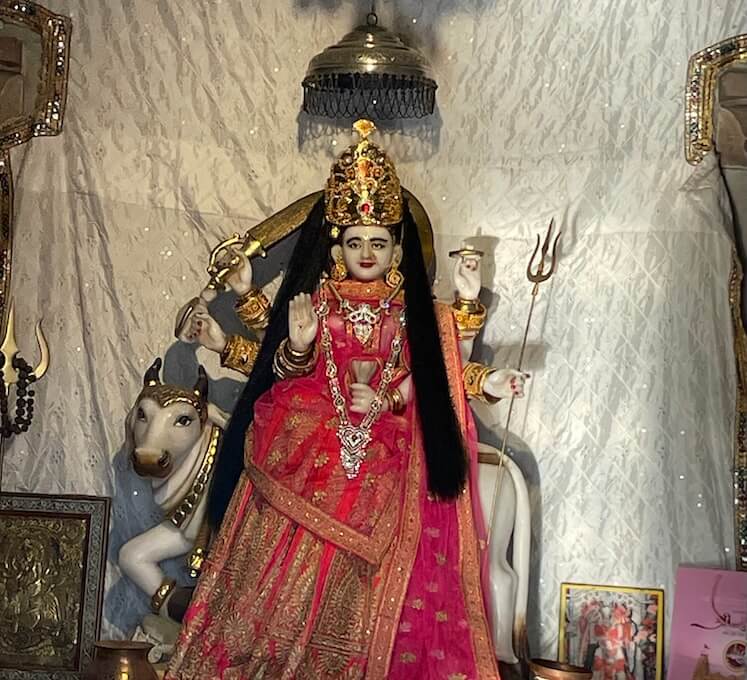 उमिया माता यांना आदिशक्ती, विश्वाची निर्माती आणि भक्तांचे रक्षण करणारी देवता म्हणून पूजले जाते. त्यांना देवी पार्वतीचे साक्षात रूप मानले जाते. उमिया माता ही गुजरातमधील ‘कडवा पाटीदार’ समाजाची ‘कुलदेवी’ आहे. पांचोट येथील त्यांचे मंदिर हे एक आध्यात्मिक केंद्र असून ते हजारो भाविकांना आकर्षित करते. शहरीकरण आणि प्रशासकीय बदलांमुळे पांचोटचा काही भाग मेहसाणा महानगरपालिकेत समाविष्ट झाला असला, तरी या परिसराने आपली प्रबळ धार्मिक ओळख जपून ठेवली आहे. जन्म, विवाह किंवा नवीन व्यवसाय यांसारख्या प्रसंगांपूर्वी, स्थानिक रहिवासी देवीचे शुभ ‘दर्शन’ घेण्याला प्राधान्य देतात.
पाटीदार समाजाचे मुख्य उमिया माता मंदिर उंझा येथे असून ते इसवी सन पूर्व १५६ मधील आहे. याउलट, पांचोट येथील मंदिर हे एक आधुनिक धार्मिक केंद्र असून ते स्थानिक ग्रामस्थांच्या सामूहिक योगदानातून उभारले गेले आहे. पांचोटमध्ये जीवदया पाळण्याची प्रबळ परंपरा आहे. 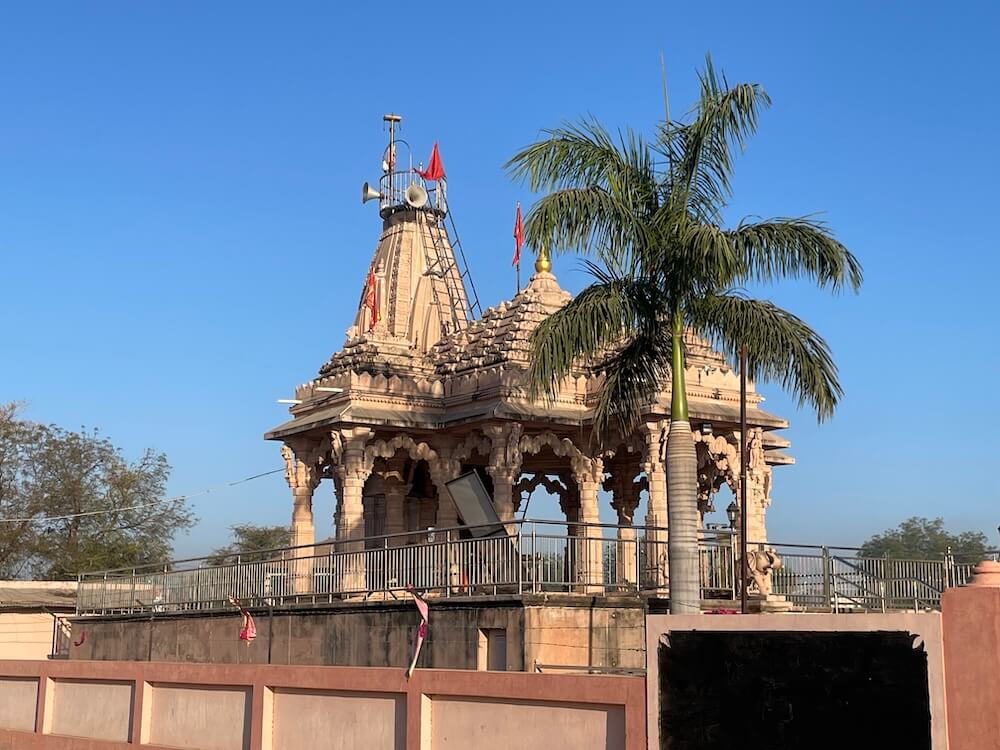 सुमारे सत्तर ते ऐंशी वर्षांपूर्वी, पाटीदार शेतकऱ्यांनी ‘माढ नी पाती कुटारिया ट्रस्ट’ची स्थापना केली. या ट्रस्टच्या मालकीच्या जमिनीतून मिळणारे उत्पन्न आजही गावातील भटक्या कुत्र्यांच्या देखभालीसाठी वापरले जाते. ज्या ग्रामस्थांनी या कार्याला पाठिंबा दिला, त्यांनीच सुमारे सात-आठ दशकांपूर्वी त्यांच्या कुलदेवीच्या मंदिराची पायाभरणी केली. जसा गाव विस्तारला, तसे मंदिराचे अनेकदा नूतनीकरण करण्यात आले.
पाटीदार समाजाच्या धार्मिक तत्त्वांमध्ये उमिया मातेचे स्थान सर्वोच्च आहे. ‘उमा’ म्हणजे देवी पार्वती आणि हिंदू मान्यतेनुसार, देवी सरस्वती, लक्ष्मी आणि काली यांना उमिया मातेचीच विविध रूपे मानले जाते. समाजाची अशी श्रद्धा आहे की, जेव्हा भगवान शिव आणि उमा देवी राक्षसांचा वध करण्यासाठी सरस्वती नदीच्या काठी आले, 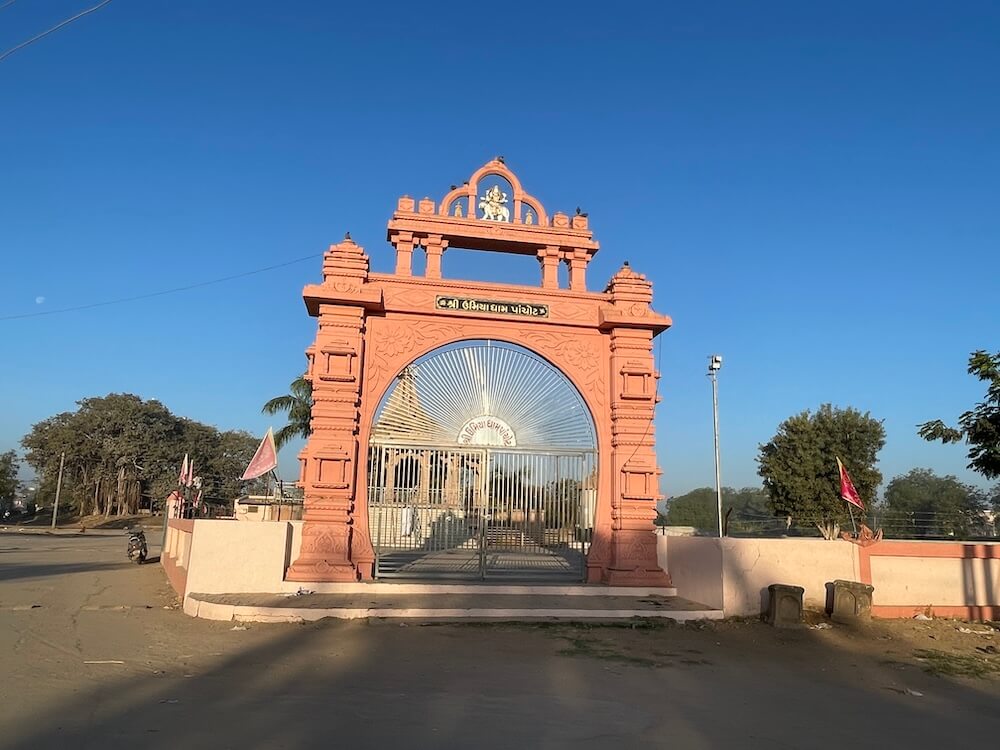 तेव्हा उमा देवीने मातीच्या बावन्न मूर्ती घडवल्या, ज्यामध्ये शिवाने प्राण फुंकले. या मूर्तींपासूनच कडवा पाटीदार समाजाची उत्पत्ती झाली. या मंदिरात दर्शन घेतल्याने जीवनातील सर्व अडथळे दूर होतात आणि कुटुंबाला आर्थिक व मानसिक स्थैर्य लाभते, अशी भाविकांची दृढ श्रद्धा आहे.
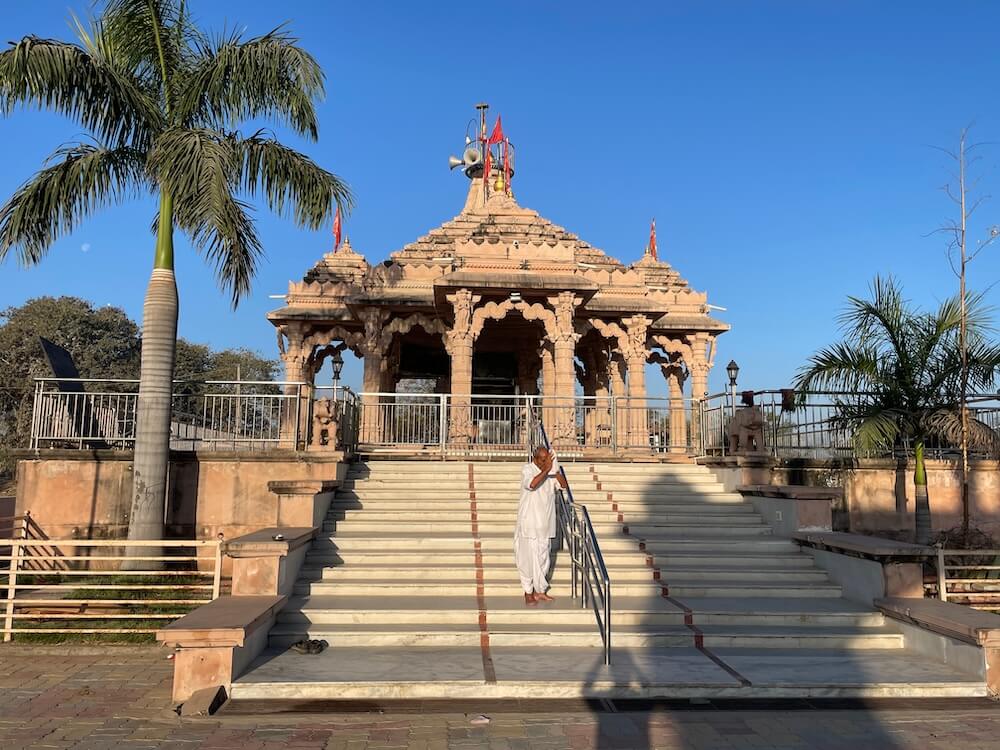
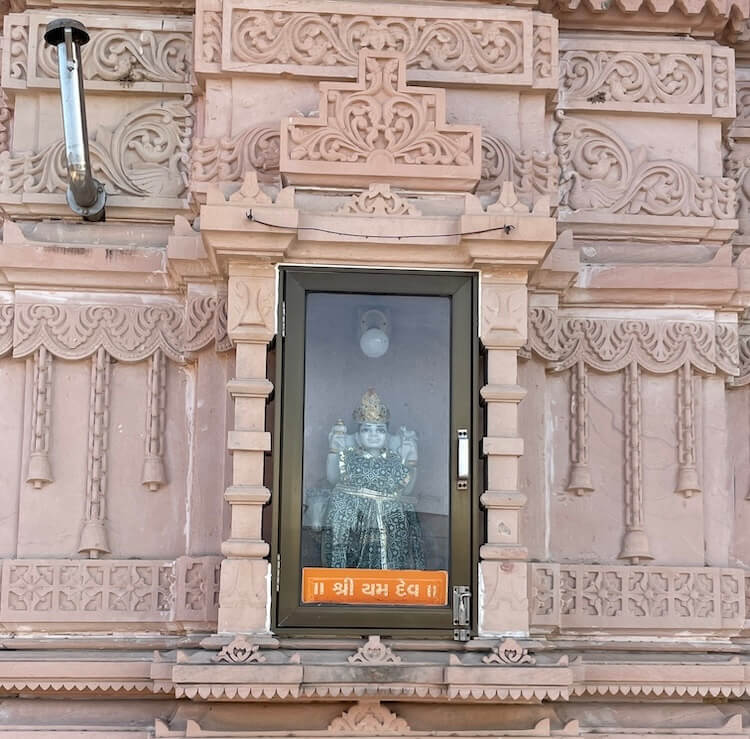
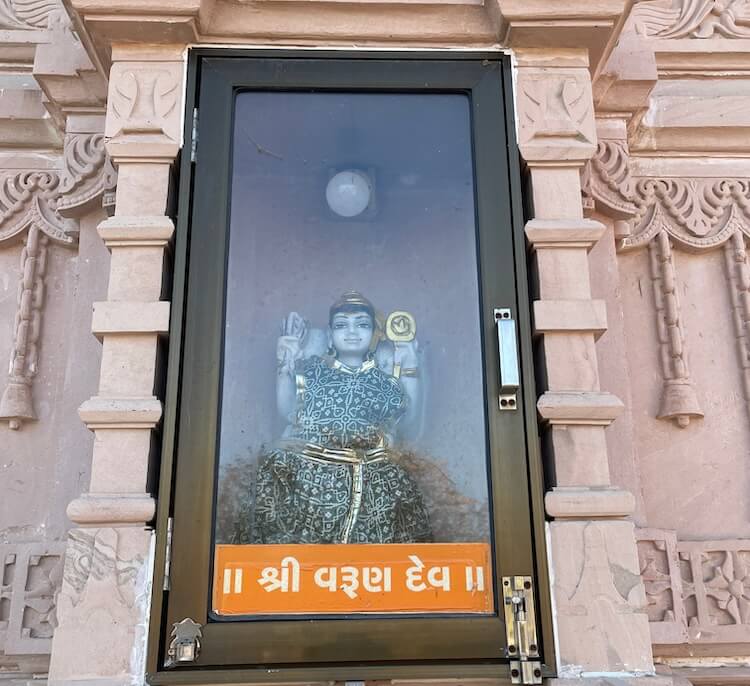
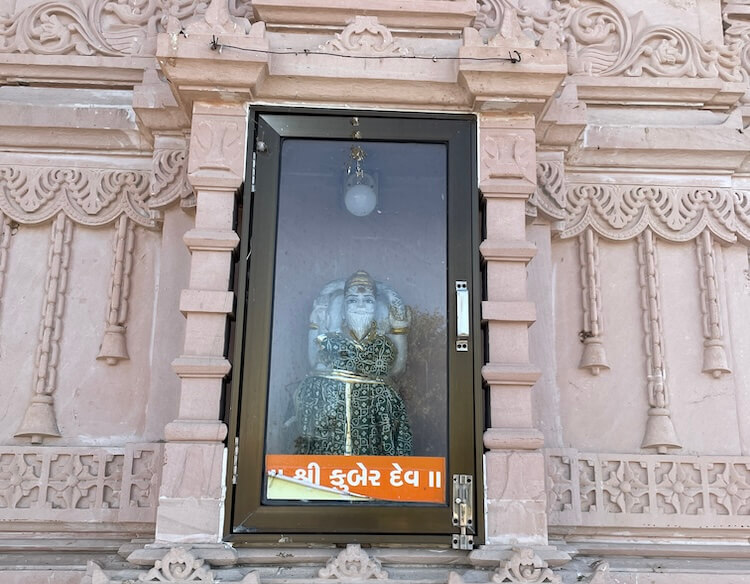
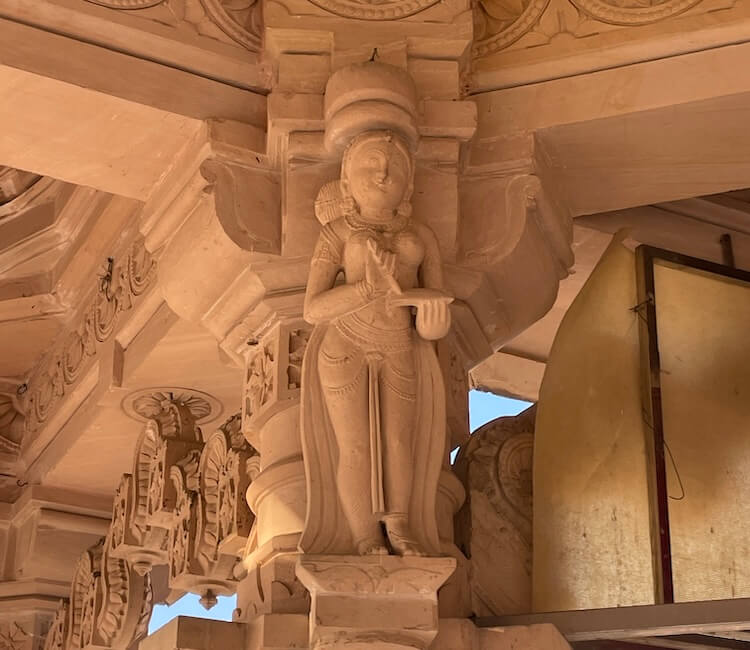
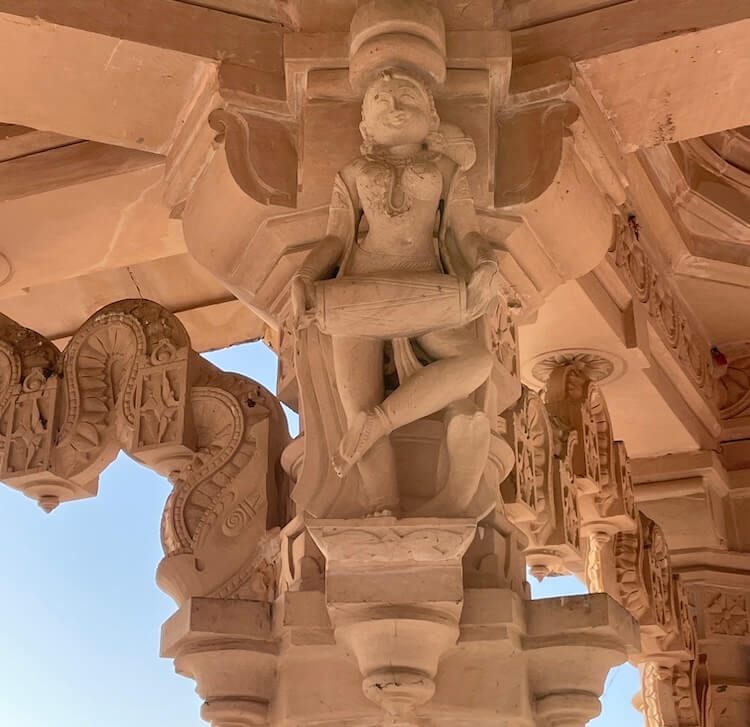
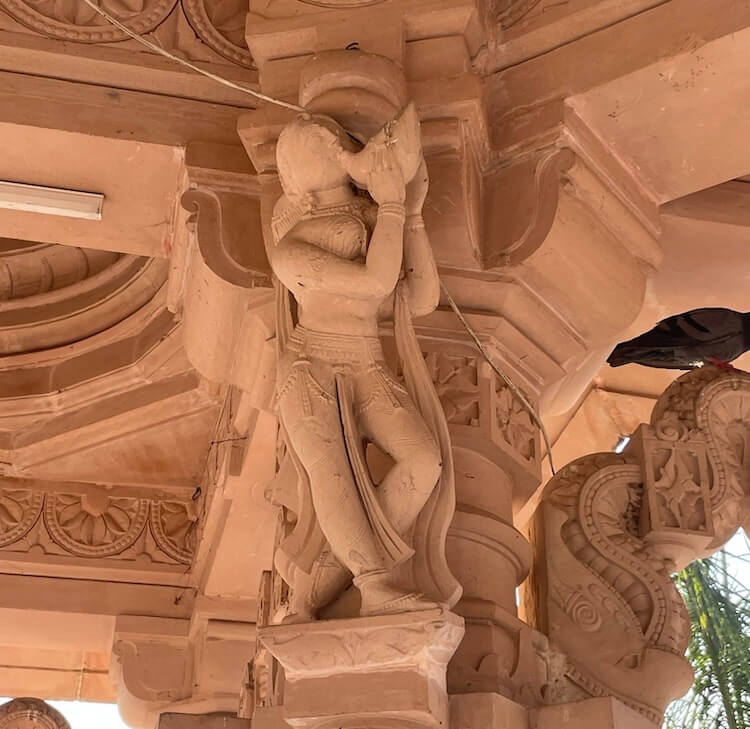
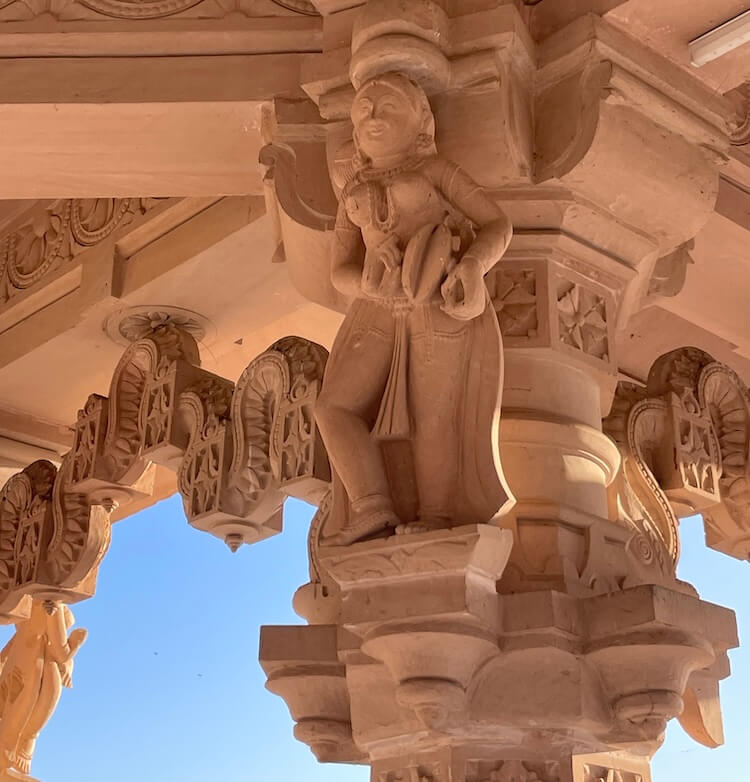
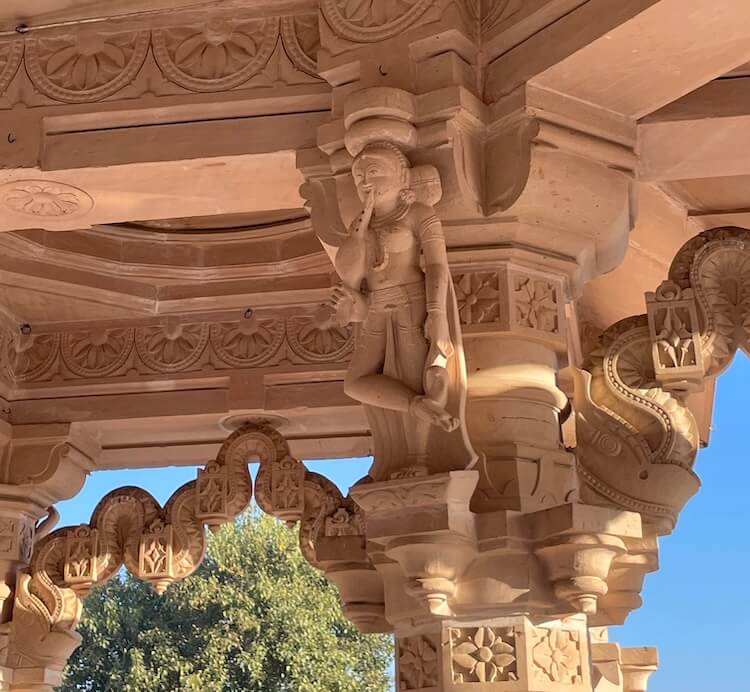
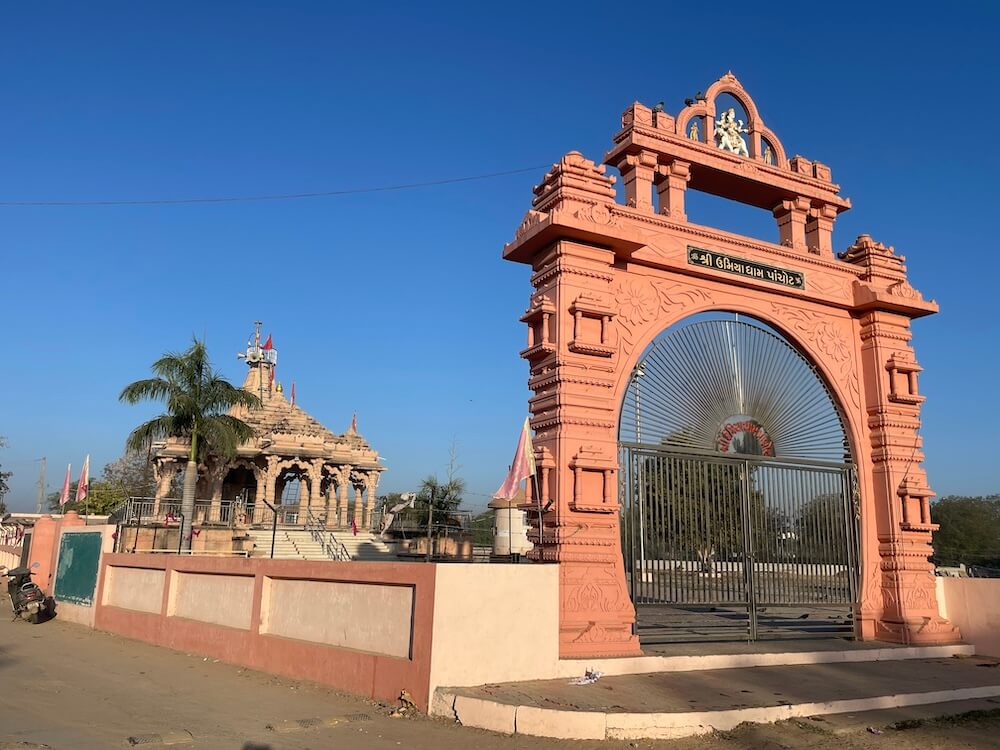
उत्तर आणि पश्चिम भारतात ‘नगर’ शैलीतील मंदिरे प्रामुख्याने आढळत असली, तरी पांचोट येथील मंदिर पूर्णपणे प्राचीन शास्त्रीय नियमांवर आधारित नाही. हे मंदिर आधुनिक वास्तुशिल्प तंत्रांचा वापर करून बांधले गेले आहे. मंदिराच्या भव्य प्रांगणात प्रवेश करण्यासाठी सभोवतालच्या तटबंदीमध्ये एक कोरीव प्रवेशद्वार आहे. या प्रांगणात भाविकांसाठी ठिकठिकाणी बसण्याची व्यवस्था केली आहे. 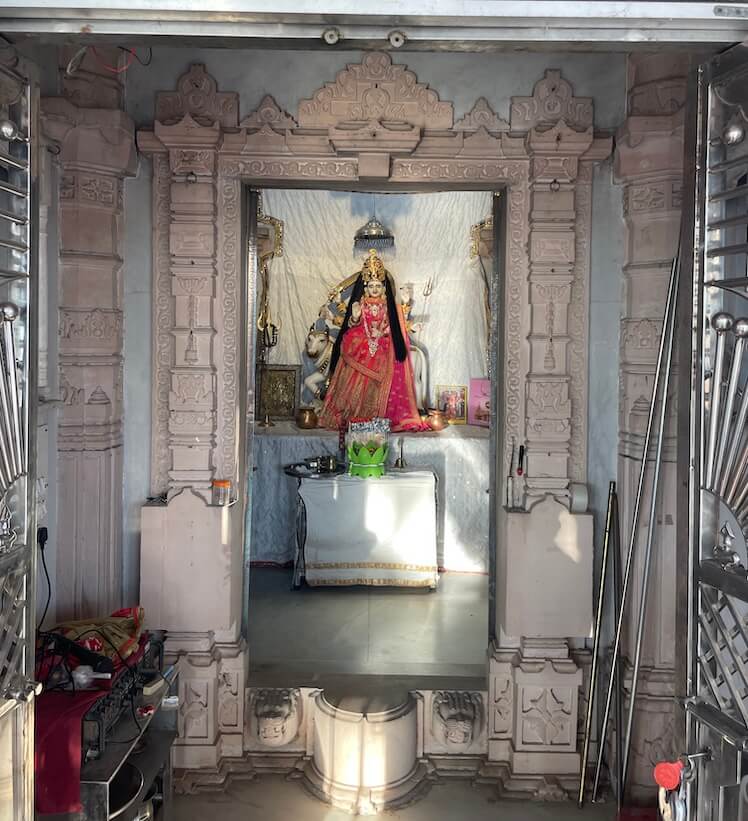 मंदिर परिसराच्या मध्यभागी अत्यंत भव्यपणे उभे आहे. याच्या बांधकामात गुलाबी ‘आरस’ (संगमरवर) दगडाचा वापर करण्यात आला आहे. पंधरा पायऱ्या चढून उंच ‘जगती’वर गेल्यावर ‘मुखमंडप’ (प्रवेश द्वार) लागतो. पायऱ्यांच्या दोन्ही बाजूंना ‘गजराज’ (हत्ती) यांच्या मूर्ती आहेत. मंदिराच्या वास्तुरचनेत प्रवेश मंडप, तीन उप-मंडप, ‘सभामंडप’, ‘अंतराळ’ आणि ‘गर्भगृह’ यांचा समावेश आहे. प्रवेश मंडप आणि सभामंडप अर्ध-खुले आहेत. सभामंडपातील कोरीव खांबांच्या वरच्या भागात नृत्य आणि संगीत मुद्रांमधील ‘सुरसुंदरी’ कोरलेल्या आहेत. ‘अंतराळ’मध्ये भिंतींवरील कोनाड्यांमध्ये भगवान गणेश आणि इतर देवतांच्या मूर्ती आहेत. गर्भगृहाच्या दरवाजाची चौकट अद्वितीय आणि सूक्ष्म कारागिरीने नटलेली आहे. गर्भगृहाच्या आत, बैलावर आरूढ असलेली उमिया मातेची शुभ्र संगमरवरी मूर्ती एका उंच ‘वज्रपीठा’वर विराजमान आहे. विविध वस्त्रे आणि दागिन्यांनी सजलेल्या देवीच्या मस्तकावर एक सुंदर मुकुट आहे. गर्भगृहाच्या बाहेरील भिंतींवरील कोनाड्यांमध्ये वरुण, कुबेर आणि यम यांच्या मूर्ती आहेत. गर्भगृहावर मुख्य ‘उरुशृंग’ शैलीचे शिखर असून, त्याभोवती लहान प्रतिकृती आहेत.
 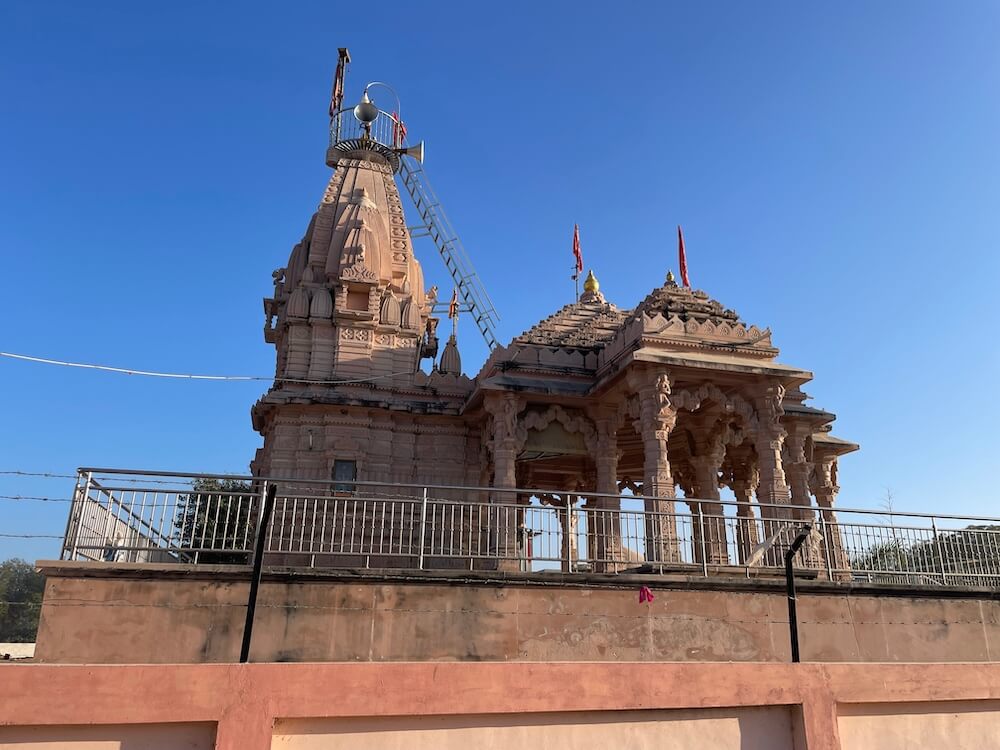 तीन प्रवेश मंडप आणि सभामंडपावर तुलनेने लहान, वरच्या दिशेला निमुळती होत जाणारी चौकोनी शिखरे आहेत.
वर्षभर अनेक सण आणि उत्सव साजरे केले जातात, ज्यामध्ये समाजाचा सक्रिय सहभाग असतो. चैत्र आणि अश्विन महिन्यात साजरा होणारा नवरात्री उत्सव सर्वात महत्त्वाचा असतो, ज्या दरम्यान लोक देवीच्या प्रतिमेभोवती ‘गरबा’ खेळतात. दुर्गाष्टमीला विशेष ‘हवन’ आयोजित केला जातो. फाल्गुन महिन्यात होळीच्या दिवशी ‘होलिका दहन’ केले जाते आणि त्यानंतर रंगांचा उत्सव साजरा होतो. दिवाळीत मंदिर दिव्यांनी उजळून निघते. नवीन वर्षाच्या पहिल्या दिवशी, ‘बेस्तु वरस’ला व्यापारी त्यांच्या चोपड्यांचे पूजन करून देवीचा आशीर्वाद घेतात. ग्रामीण शेतीवर आधारित समाज असल्याने, कृतज्ञता व्यक्त करण्यासाठी दरवर्षी नवीन पिकाचा पहिला हिस्सा देवीला अर्पण केला जातो.
उपयुक्त माहिती
- मेहसाणापासून १३ किमी अंतरावर स्थित
- राज्यातील विविध शहरांतून मेहसाणापर्यंत राज्य परिवहन (GSRTC) बस सेवा उपलब्ध आहे. मेहसाणापासून मंदिरापर्यंत GSRTC बसेस आणि खाजगी वाहन सेवा उपलब्ध आहेत.
- खाजगी वाहनांना थेट मंदिर परिसरात प्रवेश मिळतो.
- जवळच राहण्याची आणि नाश्त्याची सोय उपलब्ध आहे.
- संपर्क – मंदिर कार्यालय, मोबाईल: ९७२६८९५८१६
Umiya Mata Temple
Radhanpur Bypass Road, Panchot, Tal/Dist. Mehsana
Umiya Mata is revered as the primordial energy, the creator of the universe and the protector of her devotees. She is regarded as the manifest form of Goddess Parvati. Umiya Mata is the ‘Kuldevi’ or ancestral tutelary goddess of Gujarat’s ‘Kadva Patidar’ community. Her temple in Panchot is a spiritual sanctuary attracting thousands of pilgrims. While urbanisation and administrative changes have integrated parts of Panchot into the Mehsana Municipal Corporation, the area has maintained its strong religious identity. Before events such as a birth, wedding, or new business, residents make it a priority to seek the goddess’s auspicious ‘darshan’.
The principal Umiya Mata temple of the Patidar community at Unjha dates back to 156 BC. In contrast, the temple at Panchot is a modern religious centre, built through the collective contributions of the local villagers. Panchot has a strong tradition of compassion for living beings. Around seventy to eighty years ago, Patidar farmers established the ‘Madh Ni Pati Kutaria Trust’. Income from lands held by this trust still supports the care of the village’s stray dogs. The same villagers who supported this cause laid the foundation stone of the Panchot temple for their patron goddess about seven or eight decades ago. As the village grew, the temple was renovated several times.
Umiya Mata holds the supreme position within the religious tenets of the Patidar community. ‘Uma’ signifies Goddess Parvati and according to Hindu beliefs, Goddesses Saraswati, Lakshmi and Kali are regarded as various incarnations of Umiya Mata herself. It is the cherished belief of the community that when Lord Shiva and Uma Devi arrived at the banks of the Saraswati River to slay the demons, Uma Devi fashioned fifty-two clay idols, into which Shiva breathed life. From these idols, the Kadva Patidar community was born. Devotees remain convinced that seeking blessings at this temple removes all impediments from life and bestows financial and mental stability upon the family.
Although temples in the ‘Nagar’ style are predominantly found across Northern and Western India, the temple at Panchot is not based strictly on ancient classical canons. It has been constructed using modern architectural techniques. One enters the expansive temple courtyard through an ornate gateway set in the surrounding ramparts. Seating arrangements are provided within this courtyard for pilgrims at various intervals. The temple stands majestically at the centre of the precinct. Pink ‘Aras’ (marble) stone has been used in its construction. One enters the ‘Mukhamandapa’ (entrance porch) by ascending fifteen steps to a high ‘Jagati’ or plinth. On either side of the stairway are sculptures of ‘Gajaraj’ (elephants). The architectural layout includes the entrance porch, three subsidiary pavilions, a ‘Sabhamandap’ (assembly hall), the ‘Antarala’ (vestibule) and the ‘Garbhagriha’ (sanctum sanctorum). The entrance pavilions and assembly hall are semi-open. The upper sections of the carved pillars in the assembly hall depict ‘Surasundaris’ (celestial maidens) in dance and musical poses. Within the ‘Antarala’, idols of Lord Ganesha and other deities reside in niches carved into the walls. The sanctum sanctorum’s doorframe features unique, intricate craftsmanship. Inside the sanctum, the pristine white marble idol of Umiya Mata, seated upon a bull, is enshrined on a high ‘Vajrapitha’ (pedestal). The Goddess, adorned in various garments and ornaments, wears a beautiful crown. In the exterior wall niches of the sanctum are idols of Varuna, Kubera and Yama. The sanctum is crowned by a primary ‘Urushringa’ style spire, surrounded on all sides by smaller replicas. The three entrance pavilions and the assembly hall feature relatively smaller, square spires that taper towards the top.
Numerous festivals and celebrations occur throughout the year and involve active community participation. The most significant is the Navratri festival, celebrated in the months of Chaitra and Ashvin, during which people perform ‘Garba’ around the image of the Goddess. On Durgashtami, a special ‘Havan’ (sacrificial fire ritual) is organised. In the month of Phalgun, ‘Holika Dahan’ is performed on Holi, followed by the festival of colours. During Diwali, the temple is decorated with lamps. On ‘Bestu Varas’, the first day of the New Year, merchants worship their account books and seek the Goddess’s blessings. As a community rooted in rural agriculture, members offer the first harvest each year to the Goddess as an expression of gratitude.
Useful Information
- Located at 13 km from Mehsana
- State Transport (GSRTC) bus services are available from several cities across the state to Mehsana.* GSRTC buses and private vehicle services are available from Mehsana to the temple.
- Private vehicles have direct access to the temple premises.
- Accommodation and breakfast options are available nearby.
- Contact – Temple Office, Mobile: 9726895816
उमिया माता मंदिर
राधनपुर बाईपास रोड, पंचोट, तहसील/जिला मेहसाणा
उमिया माता को आदि शक्ति, ब्रह्मांड की रचयिता और अपने भक्तों की रक्षक के रूप में पूजा जाता है। उन्हें देवी पार्वती का साक्षात स्वरूप माना जाता है। उमिया माता गुजरात के ‘कड़वा पाटीदार’ समुदाय की ‘कुलदेवी’ हैं। पंचोट स्थित उनका मंदिर एक आध्यात्मिक आश्रय स्थल है, जो हजारों तीर्थयात्रियों को आकर्षित करता है। यद्यपि शहरीकरण और प्रशासनिक परिवर्तनों ने पंचोट के कुछ हिस्सों को मेहसाणा नगर निगम में एकीकृत कर दिया है, फिर भी इस क्षेत्र ने अपनी मजबूत धार्मिक पहचान बनाए रखी है। जन्म, विवाह या किसी नए व्यवसाय जैसे कार्यक्रमों से पहले, निवासी देवी के शुभ ‘दर्शन’ प्राप्त करने को प्राथमिकता देते हैं।
पाटीदार समुदाय का मुख्य उमिया माता मंदिर ऊंझा में स्थित है, जो १५६ ईसा पूर्व का है। इसके विपरीत, पंचोट का मंदिर एक आधुनिक धार्मिक केंद्र है, जिसे स्थानीय ग्रामीणों के सामूहिक योगदान से बनाया गया है। पंचोट में जीव-दया की एक मजबूत परंपरा है। लगभग सत्तर से अस्सी वर्ष पहले, पाटीदार किसानों ने ‘मढ़ नी पाती कुतारिया ट्रस्ट’ की स्थापना की थी। इस ट्रस्ट के पास मौजूद भूमि से प्राप्त आय आज भी गाँव के आवारा कुत्तों की देखभाल में मदद करती है। जिन ग्रामीणों ने इस कार्य का समर्थन किया, उन्होंने ही लगभग सात या आठ दशक पहले अपनी कुलदेवी के लिए पंचोट मंदिर की आधारशिला रखी थी। जैसे-जैसे गाँव का विस्तार हुआ, मंदिर का कई बार जीर्णोद्धार किया गया।
पाटीदार समुदाय के धार्मिक सिद्धांतों में उमिया माता का सर्वोच्च स्थान है। ‘उमा’ का अर्थ देवी पार्वती है और हिंदू मान्यताओं के अनुसार, देवी सरस्वती, लक्ष्मी और काली को स्वयं उमिया माता का ही विभिन्न अवतार माना जाता है। समुदाय की यह गहरी मान्यता है कि जब भगवान शिव और उमा देवी राक्षसों का वध करने के लिए सरस्वती नदी के तट पर पहुँचे, तब उमा देवी ने मिट्टी की बावन मूर्तियाँ बनाईं, जिनमें शिव ने प्राण फूँके। इन्हीं मूर्तियों से कड़वा पाटीदार समुदाय का जन्म हुआ। भक्तों का दृढ़ विश्वास है कि इस मंदिर में आशीर्वाद लेने से जीवन की सभी बाधाएँ दूर होती हैं और परिवार को आर्थिक एवं मानसिक स्थिरता प्राप्त होती है।
यद्यपि ‘नगर’ शैली के मंदिर मुख्य रूप से उत्तर और पश्चिम भारत में पाए जाते हैं, लेकिन पंचोट का मंदिर पूरी तरह से प्राचीन शास्त्रीय नियमों पर आधारित नहीं है। इसे आधुनिक स्थापत्य तकनीकों का उपयोग करके बनाया गया है। विशाल मंदिर प्रांगण में प्रवेश चारों ओर की प्राचीर में बने एक अलंकृत द्वार से होता है। इस प्रांगण में तीर्थयात्रियों के बैठने के लिए समय-समय पर व्यवस्था की गई है। मंदिर परिसर के केंद्र में भव्यता के साथ खड़ा है। इसके निर्माण में गुलाबी ‘अरास’ (संगमरमर) पत्थर का उपयोग किया गया है। ‘मुखमंडप’ (प्रवेश द्वार) में प्रवेश करने के लिए पंद्रह सीढ़ियाँ चढ़कर एक ऊँची ‘जगती’ या चबूतरे पर जाना पड़ता है। सीढ़ियों के दोनों ओर ‘गजराज’ (हाथी) की मूर्तियाँ हैं। स्थापत्य लेआउट में प्रवेश द्वार, तीन सहायक मंडप, एक ‘सभामंडप’ (सभा भवन), ‘अंतराल’ (गर्भगृह के आगे का भाग) और ‘गर्भगृह’ शामिल हैं। प्रवेश मंडप और सभा भवन अर्ध-खुले हैं। सभा भवन के नक्काशीदार स्तंभों के ऊपरी हिस्सों में नृत्य और संगीत की मुद्राओं में ‘सुरसुंदरियों’ को दर्शाया गया है। ‘अंतराल’ के भीतर, दीवारों में बनी कोठरियों में भगवान गणेश और अन्य देवी-देवताओं की मूर्तियाँ विराजमान हैं। गर्भगृह के द्वार पर अद्वितीय, जटिल शिल्पकारी की गई है। गर्भगृह के अंदर, बैल पर सवार उमिया माता की शुद्ध सफेद संगमरमर की मूर्ति एक ऊँची ‘वज्रपीठ’ (वेदी) पर स्थापित है। विभिन्न वस्त्रों और आभूषणों से सुसज्जित देवी ने एक सुंदर मुकुट धारण किया है। गर्भगृह की बाहरी दीवार की कोठरियों में वरुण, कुबेर और यम की मूर्तियाँ हैं। गर्भगृह के ऊपर एक मुख्य ‘उरुशृंग’ शैली का शिखर है, जो चारों ओर से छोटे प्रतिरूपों से घिरा हुआ है। तीनों प्रवेश मंडपों और सभा भवन में अपेक्षाकृत छोटे, वर्गाकार शिखर हैं जो ऊपर की ओर संकीर्ण होते जाते हैं।
पूरे वर्ष अनेक त्योहार और उत्सव मनाए जाते हैं जिनमें समुदाय की सक्रिय भागीदारी होती है। सबसे महत्वपूर्ण नवरात्रि का त्योहार है, जो चैत्र और आश्विन के महीनों में मनाया जाता है, जिसके दौरान लोग देवी की प्रतिमा के चारों ओर ‘गरबा’ करते हैं। दुर्गाष्टमी पर एक विशेष ‘हवन’ (यज्ञ) का आयोजन किया जाता है। फाल्गुन महीने में होली पर ‘होलिका दहन’ किया जाता है, जिसके बाद रंगों का त्योहार मनाया जाता है। दिवाली के दौरान मंदिर को दीपों से सजाया जाता है। ‘बेस्तु वरस’ यानी नए साल के पहले दिन, व्यापारी अपनी बही-खातों की पूजा करते हैं और देवी का आशीर्वाद लेते हैं। ग्रामीण कृषि से जुड़े समुदाय के रूप में, सदस्य कृतज्ञता के प्रतीक के रूप में हर साल पहली फसल देवी को अर्पित करते हैं।
उपयोगी जानकारी
- मेहसाणा से १३ किमी की दूरी पर स्थित
- राज्य के कई शहरों से मेहसाणा के लिए राज्य परिवहन (GSRTC) बस सेवाएँ उपलब्ध हैं।* मेहसाणा से मंदिर तक GSRTC बसें और निजी वाहन सेवाएँ उपलब्ध हैं।
- निजी वाहनों की मंदिर परिसर तक सीधी पहुँच है।
- पास में आवास और नाश्ते के विकल्प उपलब्ध हैं।
- संपर्क – मंदिर कार्यालय, मोबाइल: ९७२६८९५८१६
ઉમિયા માતા મંદિર
રાધનપુર બાયપાસ રોડ, પંચોટ, તા./જિ. મહેસાણા
ઉમિયા માતાને આદ્યશક્તિ, બ્રહ્માંડના સર્જક અને તેમના ભક્તોના રક્ષક તરીકે પૂજવામાં આવે છે. તેમને દેવી પાર્વતીનું પ્રગટ સ્વરૂપ માનવામાં આવે છે. ઉમિયા માતા ગુજરાતના ‘કડવા પાટીદાર’ સમુદાયના ‘કુલદેવી’ છે. પંચોટમાં આવેલું તેમનું મંદિર હજારો યાત્રાળુઓને આકર્ષતું એક આધ્યાત્મિક અભયારણ્ય છે. શહેરીકરણ અને વહીવટી ફેરફારોને કારણે પંચોટના કેટલાક ભાગો મહેસાણા મહાનગરપાલિકામાં ભળી ગયા હોવા છતાં, આ વિસ્તાર તેની મજબૂત ધાર્મિક ઓળખ જાળવી રાખી છે. જન્મ, લગ્ન અથવા નવા વ્યવસાય જેવા પ્રસંગો પહેલાં, રહેવાસીઓ દેવીના શુભ ‘દર્શન’ લેવાને અગ્રતા આપે છે.
પાટીદાર સમુદાયનું મુખ્ય ઉમિયા માતા મંદિર ઊંઝા ખાતે આવેલું છે જે ઈ.સ. પૂર્વે ૧૫૬નું છે. તેની સરખામણીમાં, પંચોટનું મંદિર સ્થાનિક ગ્રામજનોના સામૂહિક યોગદાનથી બનેલું એક આધુનિક ધાર્મિક કેન્દ્ર છે. પંચોટમાં જીવમાત્ર પ્રત્યે કરુણાની મજબૂત પરંપરા છે. આશરે સિત્તેરથી એંસી વર્ષ પહેલાં, પાટીદાર ખેડૂતોએ ‘માઢની પાટી કુતારિયા ટ્રસ્ટ’ની સ્થાપના કરી હતી. આ ટ્રસ્ટની માલિકીની જમીનમાંથી મળતી આવક આજે પણ ગામના રખડતા કૂતરાઓની સંભાળ માટે વપરાય છે. જે ગ્રામજનોએ આ કાર્યને ટેકો આપ્યો હતો, તેમણે જ આશરે સાત કે આઠ દાયકા પહેલાં તેમની કુળદેવી માટે પંચોટ મંદિરનો શિલાન્યાસ કર્યો હતો. જેમ જેમ ગામનો વિકાસ થયો, તેમ તેમ મંદિરનું અનેકવાર નવીનીકરણ કરવામાં આવ્યું.
પાટીદાર સમુદાયના ધાર્મિક સિદ્ધાંતોમાં ઉમિયા માતા સર્વોચ્ચ સ્થાન ધરાવે છે. ‘ઉમા’ એટલે દેવી પાર્વતી અને હિન્દુ માન્યતાઓ અનુસાર, દેવી સરસ્વતી, લક્ષ્મી અને કાલીને ઉમિયા માતાના જ વિવિધ અવતારો માનવામાં આવે છે. સમુદાયની એવી શ્રદ્ધા છે કે જ્યારે ભગવાન શિવ અને ઉમા દેવી રાક્ષસોનો વધ કરવા માટે સરસ્વતી નદીના કિનારે આવ્યા હતા, ત્યારે ઉમા દેવીએ માટીની બાવન મૂર્તિઓ બનાવી હતી, જેમાં શિવે પ્રાણ ફૂંક્યા હતા. આ મૂર્તિઓમાંથી જ કડવા પાટીદાર સમુદાયનો જન્મ થયો હતો. ભક્તોને દ્રઢ વિશ્વાસ છે કે આ મંદિરમાં આશીર્વાદ લેવાથી જીવનના તમામ અવરોધો દૂર થાય છે અને પરિવારને આર્થિક તથા માનસિક સ્થિરતા પ્રાપ્ત થાય છે.
જોકે ઉત્તર અને પશ્ચિમ ભારતમાં ‘નાગર’ શૈલીના મંદિરો મુખ્યત્વે જોવા મળે છે, પરંતુ પંચોટનું મંદિર પ્રાચીન શાસ્ત્રીય નિયમો પર આધારિત નથી. તેનું નિર્માણ આધુનિક સ્થાપત્ય તકનીકોનો ઉપયોગ કરીને કરવામાં આવ્યું છે. મંદિરના વિશાળ પ્રાંગણમાં પ્રવેશવા માટે આસપાસની દીવાલોમાં બનેલા ભવ્ય પ્રવેશદ્વારનો ઉપયોગ થાય છે. આ પ્રાંગણમાં યાત્રાળુઓ માટે સમયાંતરે બેસવાની વ્યવસ્થા કરવામાં આવી છે. મંદિર પરિસરની મધ્યમાં ભવ્ય રીતે બિરાજમાન છે. તેના નિર્માણમાં ગુલાબી ‘આરસ’ પથ્થરનો ઉપયોગ કરવામાં આવ્યો છે. પંદર પગથિયાં ચઢીને ઊંચી ‘જગતી’ પર ‘મુખમંડપ’માં પ્રવેશ કરી શકાય છે. સીડીની બંને બાજુએ ‘ગજરાજ’ (હાથીઓ) ની શિલ્પકૃતિઓ છે. સ્થાપત્ય લેઆઉટમાં પ્રવેશ પોર્ચ, ત્રણ ગૌણ મંડપ, ‘સભામંડપ’, ‘અંતરાલ’ અને ‘ગર્ભગૃહ’નો સમાવેશ થાય છે. પ્રવેશ મંડપ અને સભામંડપ અર્ધ-ખુલ્લા છે. સભામંડપના કોતરેલા સ્તંભોના ઉપરના ભાગોમાં નૃત્ય અને સંગીતની મુદ્રાઓમાં ‘સુરસુંદરીઓ’ દર્શાવવામાં આવી છે. ‘અંતરાલ’ની અંદર, દીવાલોમાં કોતરેલા ખાંચાઓમાં ભગવાન ગણેશ અને અન્ય દેવી-દેવતાઓની મૂર્તિઓ બિરાજમાન છે. ગર્ભગૃહના દરવાજાની ફ્રેમ અદભૂત અને જટિલ કારીગરી ધરાવે છે. ગર્ભગૃહની અંદર, બળદ પર સવાર ઉમિયા માતાની શુદ્ધ સફેદ આરસની મૂર્તિ ઊંચી ‘વજ્રપીઠ’ પર સ્થાપિત છે. વિવિધ વસ્ત્રો અને આભૂષણોથી સજ્જ દેવીએ સુંદર મુગટ ધારણ કર્યો છે. ગર્ભગૃહની બહારની દીવાલના ખાંચાઓમાં વરુણ, કુબેર અને યમની મૂર્તિઓ છે. ગર્ભગૃહની ઉપર મુખ્ય ‘ઉરુશૃંગ’ શૈલીનું શિખર છે, જે ચારે બાજુથી નાના શિખરોથી ઘેરાયેલું છે. ત્રણેય પ્રવેશ મંડપ અને સભામંડપ પર પ્રમાણમાં નાના, ચોરસ શિખરો છે જે ઉપરની તરફ સાંકડા થાય છે.
આખા વર્ષ દરમિયાન અનેક ઉત્સવો અને ઉજવણીઓ થાય છે જેમાં સમુદાયની સક્રિય ભાગીદારી હોય છે. સૌથી મહત્વનો નવરાત્રિનો તહેવાર છે, જે ચૈત્ર અને આસો મહિનામાં ઉજવવામાં આવે છે, જે દરમિયાન લોકો દેવીની છબીની આસપાસ ‘ગરબા’ રમે છે. દુર્ગાષ્ટમી પર વિશેષ ‘હવન’નું આયોજન કરવામાં આવે છે. ફાગણ મહિનામાં હોળી પર ‘હોલિકા દહન’ કરવામાં આવે છે, ત્યારબાદ રંગોનો તહેવાર ઉજવાય છે. દિવાળી દરમિયાન મંદિરને દીવાઓથી શણગારવામાં આવે છે. નવા વર્ષના પ્રથમ દિવસે ‘બેસતું વર્ષ’ પર, વેપારીઓ તેમના ચોપડાનું પૂજન કરે છે અને દેવીના આશીર્વાદ મેળવે છે. ગ્રામીણ ખેતી સાથે જોડાયેલા સમુદાય તરીકે, સભ્યો કૃતજ્ઞતા વ્યક્ત કરવા માટે દર વર્ષે પ્રથમ પાક દેવીને અર્પણ કરે છે.
ઉપયોગી માહિતી
- મહેસાણાથી ૧૩ કિમી દૂર આવેલું છે
- રાજ્યના વિવિધ શહેરોમાંથી મહેસાણા સુધી GSRTC બસ સેવાઓ ઉપલબ્ધ છે. મહેસાણાથી મંદિર સુધી GSRTC બસો અને ખાનગી વાહન સેવાઓ ઉપલબ્ધ છે.
- ખાનગી વાહનો સીધા મંદિર પરિસરમાં જઈ શકે છે.
- નજીકમાં રહેવા અને નાસ્તાની સુવિધાઓ ઉપલબ્ધ છે.
- સંપર્ક – મંદિર કાર્યાલય, મોબાઈલ: ૯૭૨૬૮૯૫૮૧૬
உமியா மாதா கோயில்
ராதன்ப்பூர் பைபாஸ் சாலை, பஞ்சோட், தாலுகா/மாவட்டம் மெஹ்சானா
உமியா மாதா பிரபஞ்சத்தின் ஆதி சக்தியாகவும், படைப்பாளராகவும், தன் பக்தர்களைக் காப்பவராகவும் போற்றப்படுகிறார். இவர் அன்னை பார்வதியின் வெளிப்பாடாகக் கருதப்படுகிறார். குஜராத்தின் ‘கட்வா படிதார்’ சமூகத்தின் குலதெய்வமாக உமியா மாதா விளங்குகிறார். பஞ்சோட்டில் உள்ள இவரது கோயில் ஆயிரக்கணக்கான பக்தர்களை ஈர்க்கும் ஒரு ஆன்மீகத் தலமாகும். நகரமயமாக்கல் மற்றும் நிர்வாக மாற்றங்களால் பஞ்சோட்டின் சில பகுதிகள் மெஹ்சானா மாநகராட்சியுடன் இணைக்கப்பட்டிருந்தாலும், இப்பகுதி தனது வலுவான மத அடையாளத்தைத் தக்கவைத்துக் கொண்டுள்ளது. பிறப்பு, திருமணம் அல்லது புதிய தொழில் போன்ற நிகழ்வுகளுக்கு முன்னதாக, மக்கள் அன்னையின் மங்களகரமான ‘தரிசனத்தைப்’ பெறுவதை முதன்மையாகக் கொள்கின்றனர்.
படிதார் சமூகத்தின் முதன்மையான உமியா மாதா கோயில் உஞ்சாவில் உள்ளது, இது கி.மு. ௧௫௬-ஆம் ஆண்டைச் சேர்ந்தது. இதற்கு மாறாக, பஞ்சோட்டில் உள்ள கோயில் உள்ளூர் கிராம மக்களின் கூட்டு பங்களிப்பால் கட்டப்பட்ட ஒரு நவீன மத மையமாகும். பஞ்சோட் உயிரினங்களிடம் கருணை காட்டும் வலுவான பாரம்பரியத்தைக் கொண்டுள்ளது. சுமார் எழுபது முதல் எண்பது ஆண்டுகளுக்கு முன்பு, படிதார் விவசாயிகள் ‘மத் நி பதி குதாரியா அறக்கட்டளையை’ நிறுவினர். இந்த அறக்கட்டளையின் நிலங்களிலிருந்து கிடைக்கும் வருமானம் இன்றும் கிராமத்தின் தெருநாய்களைப் பராமரிக்க உதவுகிறது. இந்த நோக்கத்திற்கு ஆதரவளித்த அதே கிராம மக்கள் தான், சுமார் ஏழு அல்லது எட்டு தசாப்தங்களுக்கு முன்பு தங்கள் குலதெய்வத்திற்கான பஞ்சோட் கோயிலின் அடிக்கல்லை நாட்டினர். கிராமம் வளர்ச்சியடைந்தபோது, கோயில் பலமுறை புதுப்பிக்கப்பட்டது.
படிதார் சமூகத்தின் மதக் கோட்பாடுகளில் உமியா மாதா உயர்ந்த இடத்தில் உள்ளார். ‘உமா’ என்பது அன்னை பார்வதியைக் குறிக்கிறது. இந்து நம்பிக்கைகளின்படி, சரஸ்வதி, லட்சுமி மற்றும் காளி ஆகிய தேவியர்கள் உமியா மாதாவின் பல்வேறு அவதாரங்களாகக் கருதப்படுகிறார்கள். சிவபெருமானும் உமா தேவியும் அரக்கர்களை அழிக்க சரஸ்வதி நதிக்கரைக்கு வந்தபோது, உமா தேவி ஐம்பத்திரண்டு களிமண் சிலைகளை உருவாக்கினார், அவற்றுக்குச் சிவன் உயிர் கொடுத்தார் என்பது சமூகத்தின் ஆழமான நம்பிக்கையாகும். இந்தச் சிலைகளிலிருந்தே கட்வா படிதார் சமூகம் உருவானது. இக்கோயிலில் வழிபாடு செய்வது வாழ்க்கையில் உள்ள அனைத்து தடைகளையும் நீக்கி, குடும்பத்திற்கு நிதி மற்றும் மன அமைதியைத் தரும் என்று பக்தர்கள் உறுதியாக நம்புகின்றனர்.
வட மற்றும் மேற்கு இந்தியாவில் ‘நகர்’ பாணி கோயில்கள் அதிகமாகக் காணப்பட்டாலும், பஞ்சோட்டில் உள்ள கோயில் பழங்கால மரபுவழி விதிகளின்படி கட்டப்படவில்லை. இது நவீன கட்டிடக்கலை நுட்பங்களைப் பயன்படுத்தி கட்டப்பட்டுள்ளது. கோயிலைச் சுற்றியுள்ள மதில்களில் அமைக்கப்பட்டுள்ள அலங்கார நுழைவாயில் வழியாக விசாலமான கோயில் வளாகத்திற்குள் நுழையலாம். இந்த வளாகத்தில் பக்தர்களுக்காக ஆங்காங்கே அமரும் வசதிகள் செய்யப்பட்டுள்ளன. கோயில் வளாகத்தின் மையப்பகுதியில் கம்பீரமாக அமைந்துள்ளது. இதன் கட்டுமானத்திற்கு இளஞ்சிவப்பு நிற ‘அராஸ்’ (பளிங்கு) கற்கள் பயன்படுத்தப்பட்டுள்ளன. பதினைந்து படிகள் ஏறி உயர்ந்த ‘ஜகதி’ அல்லது அடித்தளத்தின் மீதுள்ள ‘முகமண்டபத்திற்குள்’ நுழையலாம். படிக்கட்டுகளின் இருபுறமும் ‘கஜராஜ்’ (யானைகள்) சிலைகள் உள்ளன. கட்டிடக்கலை அமைப்பில் நுழைவு மண்டபம், மூன்று துணை மண்டபங்கள், ஒரு ‘சபாமண்டபம்’, ‘அந்தராளம்’ (முன் மண்டபம்) மற்றும் ‘கருவறை’ ஆகியவை அடங்கும். நுழைவு மண்டபங்களும் சபாமண்டபமும் அரை-திறந்த நிலையில் உள்ளன. சபாமண்டபத்தில் உள்ள செதுக்கப்பட்ட தூண்களின் மேல் பகுதிகளில் நடனம் மற்றும் இசை பாவனைகளில் ‘சுரசுந்தரிகள்’ (வானுலக மங்கையர்) சித்தரிக்கப்பட்டுள்ளனர். ‘அந்தராளத்திற்குள்’, சுவர்களில் செதுக்கப்பட்ட மாடங்களில் விநாயகப் பெருமான் மற்றும் பிற தெய்வங்களின் சிலைகள் உள்ளன. கருவறையின் கதவு நிலை தனித்துவமான, நுணுக்கமான வேலைப்பாடுகளைக் கொண்டுள்ளது. கருவறைக்குள், காளையின் மீது அமர்ந்திருக்கும் உமியா மாதாவின் தூய வெள்ளை பளிங்கு சிலை உயர்ந்த ‘வஜ்ரபீடத்தின்’ மீது பிரதிஷ்டை செய்யப்பட்டுள்ளது. பல்வேறு ஆடைகள் மற்றும் ஆபரணங்களால் அலங்கரிக்கப்பட்ட அன்னை, அழகான கிரீடத்தை அணிந்துள்ளார். கருவறையின் வெளிப்புறச் சுவர் மாடங்களில் வருணன், குபேரன் மற்றும் எமன் ஆகியோரின் சிலைகள் உள்ளன. கருவறையின் மேல் முதன்மையான ‘உருஷ்ரிங்கா’ பாணி கோபுரம் உள்ளது, அதைச் சுற்றி சிறிய கோபுரங்கள் அமைந்துள்ளன. மூன்று நுழைவு மண்டபங்கள் மற்றும் சபாமண்டபத்தில் மேல்பகுதி நோக்கிச் குறுகும் சிறிய சதுர வடிவ கோபுரங்கள் உள்ளன.
ஆண்டு முழுவதும் பல திருவிழாக்கள் மற்றும் கொண்டாட்டங்கள் சமூகத்தின் தீவிர பங்கேற்புடன் நடைபெறுகின்றன. இதில் மிக முக்கியமானது சைத்ரா மற்றும் ஆஸ்வின் மாதங்களில் கொண்டாடப்படும் நவராத்திரி திருவிழா ஆகும், அப்போது மக்கள் அன்னையின் உருவத்தைச் சுற்றி ‘கர்பா’ ஆடுகின்றனர். துர்காஷ்டமியன்று சிறப்பு ‘ஹவனம்’ (வேள்வி) ஏற்பாடு செய்யப்படுகிறது. பால்குன் மாதத்தில் ஹோலியன்று ‘ஹோலிகா தஹன்’ நடைபெறுகிறது, அதைத் தொடர்ந்து வண்ணங்களின் திருவிழா கொண்டாடப்படுகிறது. தீபாவளியின் போது கோயில் விளக்குகளால் அலங்கரிக்கப்படுகிறது. புத்தாண்டு தினமான ‘பெஸ்து வராஸ்’ அன்று, வணிகர்கள் தங்கள் கணக்குப் புத்தகங்களை வைத்து வழிபட்டு அன்னையின் ஆசியைப் பெறுகின்றனர். கிராமப்புற விவசாயத்தை வேராகக் கொண்ட சமூகம் என்பதால், உறுப்பினர்கள் ஒவ்வொரு ஆண்டும் முதல் அறுவடையை நன்றியுணர்வின் அடையாளமாக அன்னைக்கு அர்ப்பணிக்கின்றனர்.
பயனுள்ள தகவல்கள்
- மெஹ்சானாவிலிருந்து ௧௩ கி.மீ தொலைவில் அமைந்துள்ளது
- மாநிலத்தின் பல்வேறு நகரங்களிலிருந்து மெஹ்சானாவுக்கு மாநிலப் போக்குவரத்து (GSRTC) பேருந்து சேவைகள் உள்ளன.* மெஹ்சானாவிலிருந்து கோயிலுக்கு GSRTC பேருந்துகள் மற்றும் தனியார் வாகன சேவைகள் கிடைக்கின்றன.
- தனியார் வாகனங்கள் கோயில் வளாகத்திற்கு நேரடியாகச் செல்லலாம்.
- அருகில் தங்குமிடம் மற்றும் காலை உணவு வசதிகள் உள்ளன.
- தொடர்பு – கோயில் அலுவலகம், அலைபேசி: ௯௭௨௬௮௯௫௮௧௬
ఉమియా మాతా దేవాలయం
రాధన్పూర్ బైపాస్ రోడ్, పంచోట్, తాలూకా/జిల్లా మెహసానా
ఉమియా మాత విశ్వానికి మూలాధార శక్తిగా, సృష్టికర్తగా మరియు తన భక్తులను రక్షించే దైవంగా పూజలందుకుంటున్నారు. ఆమెను పార్వతీ దేవి యొక్క సాక్షాత్కార స్వరూపంగా భావిస్తారు. ఉమియా మాత గుజరాత్లోని ‘కడ్వా పటీదార్’ సమాజానికి ‘కులదేవి’గా ఆరాధించబడుతున్నారు. పంచోత్లో ఉన్న ఆమె ఆలయం వేలాది మంది భక్తులను ఆకర్షించే ఒక ఆధ్యాత్మిక క్షేత్రం. పట్టణీకరణ మరియు పరిపాలనా మార్పుల కారణంగా పంచోత్లోని కొన్ని ప్రాంతాలు మెహసానా మున్సిపల్ కార్పొరేషన్లో విలీనమైనప్పటికీ, ఈ ప్రాంతం తన బలమైన మతపరమైన గుర్తింపును కాపాడుకుంది. శిశు జననం, వివాహం లేదా కొత్త వ్యాపారం వంటి శుభకార్యాలకు ముందు, స్థానికులు అమ్మవారిని దర్శించుకుని ఆశీస్సులు పొందడాన్ని అత్యంత ప్రాధాన్యతగా భావిస్తారు.
పాటిదార్ సమాజానికి చెందిన ఉంఝాలోని ప్రధాన ఉమియా మాత ఆలయం క్రీస్తుపూర్వం ౧౫౬ నాటిది. దీనికి భిన్నంగా, పంచోట్లోని ఆలయం స్థానిక గ్రామస్థుల సామూహిక విరాళాలతో నిర్మించబడిన ఒక ఆధునిక ఆధ్యాత్మిక కేంద్రం. పంచోట్లో జీవకారుణ్యం పట్ల బలమైన సంప్రదాయం ఉంది. సుమారు డెబ్బై నుండి ఎనభై ఏళ్ల క్రితం, పాటిదార్ రైతులు ‘మాధ్ ని పాటి కుటారియా ట్రస్ట్’ను స్థాపించారు. ఈ ట్రస్ట్ ఆధీనంలో ఉన్న భూముల నుండి వచ్చే ఆదాయం ఇప్పటికీ గ్రామంలోని వీధి కుక్కల సంరక్షణకు తోడ్పడుతోంది. ఈ కార్యానికి మద్దతు ఇచ్చిన గ్రామస్థులే సుమారు ఏడు లేదా ఎనిమిది దశాబ్దాల క్రితం తమ ఆరాధ్య దైవం కోసం పంచోట్ ఆలయానికి పునాది రాయి వేశారు. గ్రామం విస్తరిస్తున్న కొద్దీ, ఆలయం పలుమార్లు పునర్నిర్మించబడింది.
పాటిదార్ సమాజం యొక్క మతపరమైన సిద్ధాంతాలలో ఉమియా మాత అత్యున్నత స్థానాన్ని కలిగి ఉన్నారు. ‘ఉమ’ అంటే పార్వతీ దేవి అని అర్థం మరియు హిందూ విశ్వాసాల ప్రకారం, సరస్వతీ, లక్ష్మీ మరియు కాళీ దేవీలను ఉమియా మాత యొక్క వివిధ అవతారాలుగా పరిగణిస్తారు. శివ భగవానుడు మరియు ఉమా దేవి రాక్షసులను సంహరించడానికి సరస్వతీ నది ఒడ్డుకు చేరుకున్నప్పుడు, ఉమాదేవి యాభై రెండు మట్టి విగ్రహాలను రూపొందించగా, వాటిలో శివుడు ప్రాణం పోశాడు. ఈ విగ్రహాల నుండే కడ్వా పాటిదార్ సమాజం ఉద్భవించింది. ఈ ఆలయంలో ఆశీస్సులు పొందడం వల్ల జీవితంలోని అడ్డంకులన్నీ తొలగిపోతాయని, కుటుంబానికి ఆర్థిక మరియు మానసిక స్థిరత్వం లభిస్తుందని భక్తులు ప్రగాఢంగా విశ్వసిస్తారు.
‘నాగర్’ శైలికి చెందిన దేవాలయాలు ప్రధానంగా ఉత్తర మరియు పశ్చిమ భారతదేశమంతటా కనిపిస్తున్నప్పటికీ, పంచోత్ లోని దేవాలయం ప్రాచీన శాస్త్రీయ నియమాలకు అనుగుణంగా నిర్మించబడలేదు. ఇది ఆధునిక నిర్మాణ పద్ధతులను ఉపయోగించి నిర్మించబడింది. చుట్టూ ఉన్న ప్రాకారాలలో ఏర్పాటు చేసిన అలంకారప్రాయమైన ద్వారం గుండా భక్తులు విశాలమైన దేవాలయ ప్రాంగణంలోకి ప్రవేశిస్తారు. ఈ ప్రాంగణంలో యాత్రికుల కోసం వివిధ చోట్ల కూర్చునేందుకు వసతులు కల్పించబడ్డాయి. ఈ ఆలయం ప్రాంగణం మధ్యలో అత్యంత వైభవంగా విరాజిల్లుతోంది. దీని నిర్మాణంలో గులాబీ రంగు ‘అరాస్’ (మార్బుల్) రాయిని ఉపయోగించారు. పదిహేను మెట్లు ఎక్కి ఎత్తైన ‘జగతి’ లేదా అధిష్టానంపైకి చేరుకోవడం ద్వారా ‘ముఖమండపం’ (ప్రవేశ ద్వారం) లోకి ప్రవేశిస్తారు. మెట్ల మార్గానికి ఇరువైపులా ‘గజరాజు’ (ఏనుగుల) శిల్పాలు ఉన్నాయి. ఈ ఆలయ నిర్మాణ శైలిలో ప్రవేశ మండపం, మూడు అనుబంధ మండపాలు, ‘సభామండపం’, ‘అంతరాళం’ మరియు ‘గర్భగృహం’ ఉన్నాయి. ప్రవేశ మండపాలు మరియు సభామండపం పాక్షికంగా తెరిచి ఉంటాయి. సభామండపంలోని చెక్కబడిన స్తంభాల పైభాగంలో నృత్యం మరియు సంగీత భంగిమల్లో ఉన్న ‘సురసుందరి’ల (దేవకన్యల) శిల్పాలు ఉన్నాయి. ‘అంతరాళం’ లోపల, గోడలకు చెక్కబడిన గూళ్లలో గణేశుడు మరియు ఇతర దేవతా విగ్రహాలు ఉన్నాయి. గర్భగృహం యొక్క ద్వారబంధం ప్రత్యేకమైన, సున్నితమైన శిల్పకళతో అలరారుతోంది. గర్భాలయంలో, ఎద్దుపై ఆసీనులై ఉన్న ఉమియా మాత యొక్క స్వచ్ఛమైన తెల్లని పాలరాతి విగ్రహం ఎత్తైన ‘వజ్రపీఠం’పై ప్రతిష్ఠించబడింది. వివిధ రకాల వస్త్రాలు మరియు ఆభరణాలతో అలంకరించబడిన అమ్మవారు అందమైన కిరీటాన్ని ధరించి ఉంటారు. గర్భాలయం వెలుపలి గోడల గూళ్లలో వరుణుడు, కుబేరుడు మరియు యముడి విగ్రహాలు ఉన్నాయి. గర్భాలయం పైన ప్రధానమైన ‘ఉరుశృంగ’ శైలి శిఖరం ఉంది, దీని చుట్టూ అన్ని వైపులా చిన్న చిన్న ప్రతిరూపాలు ఉన్నాయి. మూడు ప్రవేశ మండపాలు మరియు సభా మండపం పైన పైకి వెళ్లే కొద్దీ క్రమంగా సన్నబడే చిన్నపాటి చతురస్రాకారపు గోపురాలు ఉన్నాయి.
సంవత్సరం పొడవునా అనేక పండుగలు మరియు వేడుకలు జరుగుతుంటాయి, వీటిలో సమాజం చురుకుగా పాల్గొంటుంది. వీటిలో అత్యంత ముఖ్యమైనది నవరాత్రి ఉత్సవం; ఇది చైత్ర మరియు ఆశ్వయుజ మాసాలలో జరుపుకుంటారు. ఈ సమయంలో భక్తులు అమ్మవారి విగ్రహం చుట్టూ ‘గర్భా’ నృత్యం చేస్తారు. దుర్గాష్టమి రోజున ప్రత్యేకంగా ‘హవనం’ (యజ్ఞం) నిర్వహిస్తారు. ఫాల్గుణ మాసంలో హోలీ పండుగ సందర్భంగా ‘హోలికా దహనం’ నిర్వహిస్తారు, ఆ మరుసటి రోజు రంగుల పండుగను జరుపుకుంటారు. దీపావళి సమయంలో ఆలయాన్ని దీపాలతో అలంకరిస్తారు. నూతన సంవత్సర మొదటి రోజైన ‘బేస్తు వరస్’ (గుజరాతీ నూతన సంవత్సరం) నాడు, వ్యాపారులు తమ ఖాతా పుస్తకాలను పూజించి, అమ్మవారి ఆశీస్సులు పొందుతారు. గ్రామీణ వ్యవసాయ మూలాలు కలిగిన సమాజంగా, సభ్యులు ప్రతి ఏటా తమ మొదటి పంటను కృతజ్ఞతాపూర్వకంగా అమ్మవారికి సమర్పిస్తారు.
ఉపయోగకరమైన సమాచారం
- మెహసానా నుండి ౧౩ కిలోమీటర్ల దూరంలో ఉంది
- రాష్ట్రంలోని వివిధ నగరాల నుండి మెహసానాకు రాష్ట్ర రవాణా (GSRTC) బస్సు సౌకర్యాలు అందుబాటులో ఉన్నాయి.* మెహసానా నుండి ఆలయానికి GSRTC బస్సులు మరియు ప్రైవేట్ వాహన సౌకర్యాలు అందుబాటులో ఉన్నాయి.
- ప్రైవేటు వాహనాలకు ఆలయ ప్రాంగణం వరకు నేరుగా ప్రవేశం ఉంది.
- సమీపంలో వసతి మరియు అల్పాహార సౌకర్యాలు అందుబాటులో ఉన్నాయి.
- సంప్రదించండి – ఆలయ కార్యాలయం, మొబైల్: ౯౭౨౬౮౯౫౮౧౬
ഉമിയ മാതാ ക്ഷേത്രം
രാധൻപുർ ബൈപാസ് റോഡ്, പഞ്ചോട്ട്, താലൂക്ക്/ജില്ല മെഹ്സാന
ഉമിയ മാതാവിനെ പ്രപഞ്ചത്തിന്റെ ആദിശക്തിയായും, സൃഷ്ടാവായും, ഭക്തരുടെ സംരക്ഷകയായും ആരാധിക്കുന്നു. പാർവ്വതീ ദേവിയുടെ സാക്ഷാത് രൂപമായാണ് അവിടുത്തെ കണക്കാക്കുന്നത്. ഗുജറാത്തിലെ ‘കടവ പാട്ടിദാർ’ സമുദായത്തിന്റെ ‘കുലദേവി’ അഥവാ പരമ്പരാഗത കുലദൈവമാണ് ഉമിയ മാതാവ്. പഞ്ചോട്ടിലെ അവിടുത്തെ ക്ഷേത്രം ആയിരക്കണക്കിന് തീർത്ഥാടകരെ ആകർഷിക്കുന്ന ഒരു ആത്മീയ സങ്കേതമാണ്. നഗരവൽക്കരണവും ഭരണപരമായ മാറ്റങ്ങളും പഞ്ചോട്ടിന്റെ ചില ഭാഗങ്ങളെ മെഹ്സാന മുനിസിപ്പൽ കോർപ്പറേഷനിൽ ലയിപ്പിച്ചുവെങ്കിലും, ഈ പ്രദേശം അതിന്റെ ശക്തമായ മതപരമായ സ്വത്വം നിലനിർത്തിയിട്ടുണ്ട്. ജനനം, വിവാഹം, അല്ലെങ്കിൽ പുതിയ ബിസിനസ്സ് തുടങ്ങിയ വിശേഷാവസരങ്ങൾക്ക് മുൻപായി, ദേവിയുടെ മംഗളകരമായ ‘ദർശനം’ തേടുന്നത് ഇവിടുത്തെ നിവാസികൾ ഒരു പ്രധാന കാര്യമായി കരുതുന്നു.
പാട്ടിദാർ സമുദായത്തിന്റെ പ്രധാന ഉമിയ മാതാ ക്ഷേത്രം ഉൻഝയിലാണുള്ളത്, ഇതിന് ബി.സി. ൧൫൬-ന്റെ പഴക്കമുണ്ട്. ഇതിൽ നിന്ന് വ്യത്യസ്തമായി, പഞ്ചോട്ടിലെ ക്ഷേത്രം പ്രാദേശിക ഗ്രാമീണരുടെ കൂട്ടായ സംഭാവനകളാൽ നിർമ്മിക്കപ്പെട്ട ഒരു ആധുനിക മതകേന്ദ്രമാണ്. ജീവജാലങ്ങളോട് കരുണ കാണിക്കുന്ന ശക്തമായ പാരമ്പര്യം പഞ്ചോട്ടിനുണ്ട്. ഏകദേശം എഴുപത് മുതൽ എൺപത് വർഷങ്ങൾക്ക് മുൻപ്, പാട്ടിദാർ കർഷകർ ‘മധ് നി പതി കുടാരിയ ട്രസ്റ്റ്’ സ്ഥാപിച്ചു. ഈ ട്രസ്റ്റിന്റെ ഉടമസ്ഥതയിലുള്ള ഭൂമിയിൽ നിന്നുള്ള വരുമാനം ഇന്നും ഗ്രാമത്തിലെ തെരുവുനായ്ക്കളുടെ പരിപാലനത്തിനായി ഉപയോഗിക്കുന്നു. ഈ ഉദ്യമത്തെ പിന്തുണച്ച അതേ ഗ്രാമീണരാണ് ഏഴ് അല്ലെങ്കിൽ എട്ട് പതിറ്റാണ്ടുകൾക്ക് മുൻപ് തങ്ങളുടെ കുലദേവതയ്ക്കായി പഞ്ചോട്ട് ക്ഷേത്രത്തിന് തറക്കല്ലിട്ടത്. ഗ്രാമം വളർന്നതോടെ ക്ഷേത്രം പലതവണ നവീകരിക്കപ്പെട്ടു.
പാട്ടിദാർ സമുദായത്തിന്റെ മതപരമായ തത്വങ്ങളിൽ ഉമിയ മാതാവിന് പരമോന്നത സ്ഥാനമാണുള്ളത്. ‘ഉമ’ എന്നത് പാർവ്വതീ ദേവിയെ സൂചിപ്പിക്കുന്നു, കൂടാതെ ഹൈന്ദവ വിശ്വാസമനുസരിച്ച് സരസ്വതി, ലക്ഷ്മി, കാളി എന്നീ ദേവിമാരെ ഉമിയ മാതാവിന്റെ തന്നെ വിവിധ അവതാരങ്ങളായി കണക്കാക്കുന്നു. ഭഗവാൻ ശിവനും ഉമാദേവിയും അസുരന്മാരെ വധിക്കാനായി സരസ്വതീ നദിക്കരയിൽ എത്തിയപ്പോൾ, ഉമാദേവി അമ്പത്തിരണ്ട് മൺരൂപങ്ങൾ നിർമ്മിക്കുകയും, അതിൽ ശിവൻ ജീവൻ പകരുകയും ചെയ്തുവെന്നാണ് സമുദായത്തിന്റെ അടിയുറച്ച വിശ്വാസം. ഈ രൂപങ്ങളിൽ നിന്നാണ് കടവ പാട്ടിദാർ സമുദായം ഉണ്ടായത്. ഈ ക്ഷേത്രത്തിൽ പ്രാർത്ഥിക്കുന്നത് ജീവിതത്തിലെ എല്ലാ തടസ്സങ്ങളും നീക്കുമെന്നും കുടുംബത്തിന് സാമ്പത്തികവും മാനസികവുമായ സ്ഥിരത നൽകുമെന്നും ഭക്തർ വിശ്വസിക്കുന്നു.
വടക്കേ ഇന്ത്യയിലും പടിഞ്ഞാറൻ ഇന്ത്യയിലും ‘നഗര’ ശൈലിയിലുള്ള ക്ഷേത്രങ്ങൾ ധാരാളമായി കാണപ്പെടുന്നുണ്ടെങ്കിലും, പഞ്ചോട്ടിലെ ക്ഷേത്രം പുരാതന ശാസ്ത്രങ്ങളെ കർശനമായി പിന്തുടരുന്നതല്ല. ആധുനിക വാസ്തുവിദ്യാ സാങ്കേതിക വിദ്യകൾ ഉപയോഗിച്ചാണ് ഇത് നിർമ്മിച്ചിരിക്കുന്നത്. ചുറ്റുമുള്ള മതിലുകളിലെ മനോഹരമായ കവാടത്തിലൂടെയാണ് വിശാലമായ ക്ഷേത്രമുറ്റത്തേക്ക് പ്രവേശിക്കുന്നത്. തീർത്ഥാടകർക്കായി ഈ മുറ്റത്ത് വിവിധ ഇടവേളകളിൽ ഇരിപ്പിടങ്ങൾ ഒരുക്കിയിട്ടുണ്ട്. ക്ഷേത്ര സമുച്ചയത്തിന്റെ മധ്യഭാഗത്തായി ക്ഷേത്രം ഗാംഭീര്യത്തോടെ നിലകൊള്ളുന്നു. ഇതിന്റെ നിർമ്മാണത്തിന് പിങ്ക് നിറത്തിലുള്ള ‘അരാസ്’ (മാർബിൾ) കല്ലാണ് ഉപയോഗിച്ചിരിക്കുന്നത്. പതിനഞ്ച് പടികൾ കയറി ഉയർന്ന ‘ജഗതി’ അഥവാ പീഠത്തിലേക്ക് എത്തുമ്പോൾ ‘മുഖമണ്ഡപത്തിൽ’ (പ്രവേശന കവാടം) പ്രവേശിക്കാം. പടവുകളുടെ ഇരുവശത്തും ‘ഗജരാജ’ (ആനകൾ) ശില്പങ്ങളുണ്ട്. പ്രവേശന മണ്ഡപം, മൂന്ന് ഉപമണ്ഡപങ്ങൾ, ‘സഭാമണ്ഡപം’ (അസംബ്ലി ഹാൾ), ‘അന്തരാള’ (അകത്തളം), ‘ഗർഭഗൃഹം’ എന്നിവ വാസ്തുവിദ്യാ ഘടനയിൽ ഉൾപ്പെടുന്നു. പ്രവേശന മണ്ഡപങ്ങളും സഭാമണ്ഡപവും ഭാഗികമായി തുറന്നതാണ്. സഭാമണ്ഡപത്തിലെ കൊത്തുപണികളുള്ള തൂണുകളുടെ മുകൾഭാഗത്ത് നൃത്തം ചെയ്യുന്നതും സംഗീതോപകരണങ്ങൾ വായിക്കുന്നതുമായ ‘സുരസുന്ദരിമാരെ’ ചിത്രീകരിച്ചിരിക്കുന്നു. ‘അന്തരാളയ്ക്കുള്ളിൽ’, ഭിത്തികളിൽ കൊത്തിയെടുത്ത അറകളിൽ ഗണപതി ഭഗവാന്റെയും മറ്റ് ദേവതകളുടെയും വിഗ്രഹങ്ങളുണ്ട്. ഗർഭഗൃഹത്തിന്റെ വാതിൽപ്പടി സവിശേഷവും സങ്കീർണ്ണവുമായ കരകൗശലത്താൽ നിർമ്മിതമാണ്. ഗർഭഗൃഹത്തിനുള്ളിൽ, കാളപ്പുറത്തിരിക്കുന്ന ഉമിയ മാതാവിന്റെ ശുദ്ധമായ വെളുത്ത മാർബിൾ വിഗ്രഹം ഉയർന്ന ‘വജ്രപീഠത്തിൽ’ പ്രതിഷ്ഠിച്ചിരിക്കുന്നു. വിവിധ വസ്ത്രങ്ങളും ആഭരണങ്ങളും അണിഞ്ഞ ദേവിക്ക് മനോഹരമായ ഒരു കിരീടമുണ്ട്. ഗർഭഗൃഹത്തിന്റെ പുറം ഭിത്തിയിലെ അറകളിൽ വരുണൻ, കുബേരൻ, യമൻ എന്നിവരുടെ വിഗ്രഹങ്ങളുണ്ട്. ഗർഭഗൃഹത്തിന് മുകളിൽ പ്രധാന ‘ഉരുശൃംഗ’ ശൈലിയിലുള്ള ഗോപുരവും, അതിന് ചുറ്റും ചെറിയ ഗോപുരങ്ങളുടെ മാതൃകകളുമുണ്ട്. മൂന്ന് പ്രവേശന മണ്ഡപങ്ങളിലും സഭാമണ്ഡപത്തിലും മുകളിലേക്ക് കൂർത്ത ചെറിയ ചതുര ഗോപുരങ്ങളുണ്ട്.
വർഷം മുഴുവനും നിരവധി ഉത്സവങ്ങളും ആഘോഷങ്ങളും നടക്കാറുണ്ട്, ഇതിൽ സമൂഹം സജീവമായി പങ്കെടുക്കുന്നു. ഏറ്റവും പ്രധാനപ്പെട്ടത് ചൈത്ര, അശ്വിൻ മാസങ്ങളിൽ ആഘോഷിക്കുന്ന നവരാത്രി ഉത്സവമാണ്, ഈ സമയത്ത് ആളുകൾ ദേവിയുടെ ചിത്രത്തിന് ചുറ്റും ‘ഗർബ’ നൃത്തം ചെയ്യുന്നു. ദുർഗ്ഗാഷ്ടമി നാളിൽ പ്രത്യേക ‘ഹവനം’ സംഘടിപ്പിക്കാറുണ്ട്. ഫാൽഗുന മാസത്തിൽ ഹോളിക്ക് ‘ഹോലിക ദഹനം’ നടത്തുന്നു, തുടർന്ന് വർണ്ണങ്ങളുടെ ഉത്സവവും ആഘോഷിക്കുന്നു. ദീപാവലി സമയത്ത് ക്ഷേത്രം വിളക്കുകളാൽ അലങ്കരിക്കപ്പെടുന്നു. പുതുവർഷത്തിന്റെ ആദ്യ ദിവസമായ ‘ബേസ്തു വാരസ്’ ദിനത്തിൽ, വ്യാപാരികൾ തങ്ങളുടെ കണക്കുപുസ്തകങ്ങൾ പൂജിക്കുകയും ദേവിയുടെ അനുഗ്രഹം തേടുകയും ചെയ്യുന്നു. ഗ്രാമീണ കാർഷിക പശ്ചാത്തലമുള്ള സമുദായമായതിനാൽ, അംഗങ്ങൾ ഓരോ വർഷവും തങ്ങളുടെ ആദ്യ വിളവെടുപ്പ് നന്ദിസൂചകമായി ദേവിക്ക് സമർപ്പിക്കുന്നു.
ഉപയോഗപ്രദമായ വിവരങ്ങൾ
- മെഹ്സാനയിൽ നിന്ന് ൧൩ കി.മീ അകലെ സ്ഥിതി ചെയ്യുന്നു
- സംസ്ഥാനത്തുടനീളമുള്ള പല നഗരങ്ങളിൽ നിന്നും മെഹ്സാനയിലേക്ക് GSRTC ബസ് സർവീസുകൾ ലഭ്യമാണ്.* മെഹ്സാനയിൽ നിന്ന് ക്ഷേത്രത്തിലേക്ക് GSRTC ബസുകളും സ്വകാര്യ വാഹന സൗകര്യങ്ങളും ലഭ്യമാണ്.
- സ്വകാര്യ വാഹനങ്ങൾക്ക് ക്ഷേത്ര പരിസരത്തേക്ക് നേരിട്ട് പ്രവേശിക്കാം.
- സമീപത്ത് താമസ സൗകര്യങ്ങളും പ്രഭാതഭക്ഷണ സൗകര്യങ്ങളും ലഭ്യമാണ്.
- ബന്ധപ്പെടുക – ക്ഷേത്ര ഓഫീസ്, മൊബൈൽ: ൯൭൨൬൮൯൫൮൧൬
ಉಮಿಯಾ ಮಾತಾ ದೇವಸ್ಥಾನ
ರಾಧನ್ಪುರ ಬೈಪಾಸ್ ರಸ್ತೆ, ಪಂಚೋಟ್, ತಾಲ್ಲೂಕು/ಜಿಲ್ಲೆ ಮೆಹಸಾણા
ಉಮಿಯಾ ಮಾತೆ ಆದಿಶಕ್ತಿಯಾಗಿ, ವಿಶ್ವದ ಸೃಷ್ಟಿಕರ್ತೆಯಾಗಿ ಮತ್ತು ತನ್ನ ಭಕ್ತರ ರಕ್ಷಕಿಯಾಗಿ ಪೂಜಿಸಲ್ಪಡುತ್ತಾಳೆ. ಆಕೆಯನ್ನು ದೇವತೆ ಪಾರ್ವತಿಯ ಸಾಕ್ಷಾತ್ ಸ್ವರೂಪವೆಂದು ಪರಿಗಣಿಸಲಾಗಿದೆ. ಉಮಿಯಾ ಮಾತೆ ಗುಜರಾತಿನ ‘ಕಡ್ವಾ ಪಾಟಿದಾರ್’ ಸಮುದಾಯದ ‘ಕುಲದೇವಿ’ಯಾಗಿದ್ದಾಳೆ. ಪಂಚೋಟ್ನಲ್ಲಿರುವ ಆಕೆಯ ದೇವಾಲಯವು ಸಾವಿರಾರು ಯಾತ್ರಾರ್ಥಿಗಳನ್ನು ಆಕರ್ಷಿಸುವ ಒಂದು ಆಧ್ಯಾತ್ಮಿಕ ತಾಣವಾಗಿದೆ. ನಗರೀಕರಣ ಮತ್ತು ಆಡಳಿತಾತ್ಮಕ ಬದಲಾವಣೆಗಳು ಪಂಚೋಟ್ನ ಕೆಲವು ಭಾಗಗಳನ್ನು ಮೆಹಸಾನಾ ಮಹಾನಗರ ಪಾಲಿಕೆಯಲ್ಲಿ ವಿಲೀನಗೊಳಿಸಿದ್ದರೂ, ಈ ಪ್ರದೇಶವು ತನ್ನ ಬಲವಾದ ಧಾರ್ಮಿಕ ಗುರುತನ್ನು ಉಳಿಸಿಕೊಂಡಿದೆ. ಜನನ, ವಿವಾಹ ಅಥವಾ ಹೊಸ ವ್ಯವಹಾರದಂತಹ ಶುಭ ಕಾರ್ಯಗಳಿಗೆ ಮುನ್ನ, ನಿವಾಸಿಗಳು ದೇವಿಯ ಮಂಗಳಕರ ‘ದರ್ಶನ’ ಪಡೆಯುವುದಕ್ಕೆ ಮೊದಲ ಆದ್ಯತೆ ನೀಡುತ್ತಾರೆ.
ಉಂಜಾದಲ್ಲಿರುವ ಪಾಟಿದಾರ್ ಸಮುದಾಯದ ಪ್ರಮುಖ ಉಮಿಯಾ ಮಾತಾ ದೇವಾಲಯವು ಕ್ರಿ.ಪೂ. ೧೫೬ ರಷ್ಟು ಹಳೆಯದಾಗಿದೆ. ಇದಕ್ಕೆ ವ್ಯತಿರಿಕ್ತವಾಗಿ, ಪಂಚೋಟ್ನಲ್ಲಿರುವ ದೇವಾಲಯವು ಸ್ಥಳೀಯ ಗ್ರಾಮಸ್ಥರ ಸಾಮೂಹಿಕ ಕೊಡುಗೆಗಳಿಂದ ನಿರ್ಮಿಸಲ್ಪಟ್ಟ ಆಧುನಿಕ ಧಾರ್ಮಿಕ ಕೇಂದ್ರವಾಗಿದೆ. ಪಂಚೋಟ್ನಲ್ಲಿ ಜೀವಿಗಳ ಬಗ್ಗೆ ಕರುಣೆ ತೋರುವ ಬಲವಾದ ಸಂಪ್ರದಾಯವಿದೆ. ಸುಮಾರು ಎಪ್ಪತ್ತರಿಂದ ಎಂಬತ್ತು ವರ್ಷಗಳ ಹಿಂದೆ, ಪಾಟಿದಾರ್ ರೈತರು ‘ಮಧ್ ನಿ ಪತಿ ಕುಟಾರಿಯಾ ಟ್ರಸ್ಟ್’ ಅನ್ನು ಸ್ಥಾಪಿಸಿದರು. ಈ ಟ್ರಸ್ಟ್ನ ಒಡೆತನದ ಭೂಮಿಯಿಂದ ಬರುವ ಆದಾಯವು ಇಂದಿಗೂ ಗ್ರಾಮದ ಬೀದಿ ನಾಯಿಗಳ ಪೋಷಣೆಗೆ ನೆರವಾಗುತ್ತಿದೆ. ಇದೇ ಕಾರ್ಯಕ್ಕೆ ಬೆಂಬಲ ನೀಡಿದ ಗ್ರಾಮಸ್ಥರೇ ಸುಮಾರು ಏಳು ಅಥವಾ ಎಂಟು ದಶಕಗಳ ಹಿಂದೆ ತಮ್ಮ ಆರಾಧ್ಯ ದೇವತೆಗಾಗಿ ಪಂಚೋಟ್ ದೇವಾಲಯದ ಅಡಿಪಾಯವನ್ನು ಹಾಕಿದರು. ಗ್ರಾಮವು ಬೆಳೆದಂತೆ, ದೇವಾಲಯವನ್ನು ಹಲವು ಬಾರಿ ನವೀಕರಿಸಲಾಯಿತು.
ಪಾಟಿದಾರ ಸಮುದಾಯದ ಧಾರ್ಮಿಕ ಸಿದ್ಧಾಂತಗಳಲ್ಲಿ ಉಮಿಯಾ ಮಾತೆ ಅತ್ಯುನ್ನತ ಸ್ಥಾನವನ್ನು ಹೊಂದಿದ್ದಾರೆ. ‘ಉಮಾ’ ಎಂದರೆ ಪಾರ್ವತೀ ದೇವಿ ಎಂದು ಅರ್ಥ ಮತ್ತು ಹಿಂದೂ ನಂಬಿಕೆಗಳ ಪ್ರಕಾರ, ಸರಸ್ವತಿ, ಲಕ್ಷ್ಮಿ ಮತ್ತು ಕಾಳಿ ದೇವಿಯರನ್ನು ಉಮಿಯಾ ಮಾತೆಯ ವಿವಿಧ ಅವತಾರಗಳೆಂದೇ ಪರಿಗಣಿಸಲಾಗುತ್ತದೆ. ಶಿವ ಮತ್ತು ಉಮಾ ದೇವಿ ರಾಕ್ಷಸರನ್ನು ಸಂಹರಿಸಲು ಸರಸ್ವತಿ ನದಿಯ ದಡಕ್ಕೆ ಆಗಮಿಸಿದಾಗ, ಉಮಾ ದೇವಿಯು ಐವತ್ತೆರಡು ಮಣ್ಣಿನ ವಿಗ್ರಹಗಳನ್ನು ರೂಪಿಸಿದಳು, ಅವುಗಳಿಗೆ ಶಿವನು ಜೀವ ತುಂಬಿದನು. ಈ ವಿಗ್ರಹಗಳಿಂದಲೇ ಕಡವ ಪಾಟಿದಾರ್ ಸಮುದಾಯವು ಉಗಮಿಸಿತು. ಈ ದೇವಾಲಯದಲ್ಲಿ ಆಶೀರ್ವಾದವನ್ನು ಪಡೆಯುವುದರಿಂದ ಜೀವನದ ಎಲ್ಲಾ ಅಡೆತಡೆಗಳು ನಿವಾರಣೆಯಾಗುತ್ತವೆ ಮತ್ತು ಕುಟುಂಬಕ್ಕೆ ಆರ್ಥಿಕ ಹಾಗೂ ಮಾನಸಿಕ ಸ್ಥಿರತೆ ಲಭಿಸುತ್ತದೆ ಎಂಬುದು ಭಕ್ತರ ದೃಢ ನಂಬಿಕೆಯಾಗಿದೆ.
‘ನಗರ’ ಶೈಲಿಯ ದೇವಾಲಯಗಳು ಪ್ರಧಾನವಾಗಿ ಉತ್ತರ ಮತ್ತು ಪಶ್ಚಿಮ ಭಾರತದಾದ್ಯಂತ ಕಂಡುಬರುತ್ತವೆಯಾದರೂ, ಪಂಚೋಟ್ನಲ್ಲಿರುವ ದೇವಾಲಯವು ಪ್ರಾಚೀನ ಶಾಸ್ತ್ರೀಯ ನಿಯಮಗಳನ್ನು ಕಟ್ಟುನಿಟ್ಟಾಗಿ ಆಧರಿಸಿಲ್ಲ. ಇದನ್ನು ಆಧುನಿಕ ವಾಸ್ತುಶಿಲ್ಪ ತಂತ್ರಗಳನ್ನು ಬಳಸಿ ನಿರ್ಮಿಸಲಾಗಿದೆ. ಸುತ್ತುವರೆದಿರುವ ಕೋಟೆ ಗೋಡೆಗಳಲ್ಲಿ ನಿರ್ಮಿಸಲಾದ ಸುಂದರವಾದ ಪ್ರವೇಶ ದ್ವಾರದ ಮೂಲಕ ವಿಶಾಲವಾದ ದೇವಾಲಯದ ಅಂಗಳವನ್ನು ಪ್ರವೇಶಿಸಬಹುದು. ಈ ಅಂಗಳದಲ್ಲಿ ಯಾತ್ರಾರ್ಥಿಗಳಿಗಾಗಿ ವಿವಿಧ ಕಡೆಗಳಲ್ಲಿ ಕುಳಿತುಕೊಳ್ಳುವ ವ್ಯವಸ್ಥೆಯನ್ನು ಕಲ್ಪಿಸಲಾಗಿದೆ. ಈ ದೇವಾಲಯವು ಆವರಣದ ಮಧ್ಯಭಾಗದಲ್ಲಿ ಭವ್ಯವಾಗಿ ನಿಂತಿದೆ. ಇದರ ನಿರ್ಮಾಣದಲ್ಲಿ ಗುಲಾಬಿ ಬಣ್ಣದ ‘ಅರಸ್’ (ಅಲಂಕೃತ ಅಮೃತಶಿಲೆ) ಕಲ್ಲನ್ನು ಬಳಸಲಾಗಿದೆ. ಹದಿನೈದು ಮೆಟ್ಟಿಲುಗಳನ್ನು ಏರಿ ಎತ್ತರದ ‘ಜಗತಿ’ ಅಥವಾ ಅಧಿಷ್ಠಾನವನ್ನು ಪ್ರವೇಶಿಸಿದರೆ ‘ಮುಖಮಂಟಪ’ ಸಿಗುತ್ತದೆ. ಮೆಟ್ಟಿಲುಗಳ ಎರಡೂ ಬದಿಗಳಲ್ಲಿ ‘ಗಜರಾಜ’ (ಆನೆ) ಗಳ ಶಿಲ್ಪಗಳಿವೆ. ವಾಸ್ತುಶಿಲ್ಪದ ವಿನ್ಯಾಸವು ಪ್ರವೇಶ ಮಂಟಪ, ಮೂರು ಉಪ ಮಂಟಪಗಳು, ‘ಸಭಾಮಂಟಪ’, ‘ಅಂತರಾಳ’ ಮತ್ತು ‘ಗರ್ಭಗೃಹ’ವನ್ನು ಒಳಗೊಂಡಿದೆ. ಪ್ರವೇಶ ಮಂಟಪಗಳು ಮತ್ತು ಸಭಾಮಂಟಪವು ಅರೆ-ತೆರೆದ ಸ್ಥಿತಿಯಲ್ಲಿವೆ. ಸಭಾಮಂಟಪದ ಕೆತ್ತನೆಯ ಕಂಬಗಳ ಮೇಲ್ಭಾಗದಲ್ಲಿ ನೃತ್ಯ ಮತ್ತು ಸಂಗೀತ ಭಂಗಿಗಳಲ್ಲಿರುವ ‘ಸುರಸುಂದರಿ’ಯರ ಚಿತ್ರಣವಿದೆ. ‘ಅಂತರಾಳ’ದ ಒಳಗಿನ ಗೋಡೆಗಳಲ್ಲಿ ಕೆತ್ತಲಾದ ಗೂಡುಗಳಲ್ಲಿ ಭಗವಾನ್ ಗಣೇಶ ಮತ್ತು ಇತರ ದೇವತೆಗಳ ವಿಗ್ರಹಗಳಿವೆ. ಗರ್ಭಗೃಹದ ಬಾಗಿಲಿನ ಚೌಕಟ್ಟು ವಿಶಿಷ್ಟವಾದ ಮತ್ತು ಸಂಕೀರ್ಣವಾದ ಕರಕುಶಲತೆಯನ್ನು ಹೊಂದಿದೆ. ಗರ್ಭಗೃಹದ ಒಳಗೆ, ವೃಷಭದ ಮೇಲೆ ಕುಳಿತಿರುವ ಉಮಿಯಾ ಮಾತೆಯ ಶುದ್ಧ ಬಿಳಿ ಅಮೃತಶಿಲೆಯ ವಿಗ್ರಹವನ್ನು ಎತ್ತರದ ‘ವಜ್ರಪೀಠ’ದ ಮೇಲೆ ಪ್ರತಿಷ್ಠಾಪಿಸಲಾಗಿದೆ. ವಿವಿಧ ವಸ್ತ್ರ ಮತ್ತು ಆಭರಣಗಳಿಂದ ಅಲಂಕೃತಳಾದ ದೇವಿಯು ಸುಂದರವಾದ ಕಿರೀಟವನ್ನು ಧರಿಸಿದ್ದಾಳೆ. ಗರ್ಭಗೃಹದ ಹೊರಗೋಡೆಯ ಗೂಡುಗಳಲ್ಲಿ ವರುಣ, ಕುಬೇರ ಮತ್ತು ಯಮನ ವಿಗ್ರಹಗಳಿವೆ. ಗರ್ಭಗೃಹದ ಮೇಲ್ಭಾಗದಲ್ಲಿ ಮುಖ್ಯ ‘ಉರುಶೃಂಗ’ ಶೈಲಿಯ ಶಿಖರವಿದ್ದು, ಅದರ ಸುತ್ತಲೂ ಸಣ್ಣ ಗಾತ್ರದ ಪ್ರತಿಕೃತಿಗಳಿವೆ. ಮೂರು ಪ್ರವೇಶ ಮಂಟಪಗಳು ಮತ್ತು ಸಭಾಂಗಣವು ತುದಿಗಳ ಕಡೆಗೆ ಕಿರಿದಾಗುತ್ತಾ ಹೋಗುವ ತುಲನಾತ್ಮಕವಾಗಿ ಚಿಕ್ಕದಾದ, ಚೌಕಾಕಾರದ ಗೋಪುರಗಳನ್ನು ಹೊಂದಿವೆ.
ವರ್ಷವಿಡೀ ಅನೇಕ ಹಬ್ಬಗಳು ಮತ್ತು ಸಂಭ್ರಮಗಳು ನಡೆಯುತ್ತವೆ, ಇದರಲ್ಲಿ ಸಮುದಾಯದವರು ಸಕ್ರಿಯವಾಗಿ ಪಾಲ್ಗೊಳ್ಳುತ್ತಾರೆ. ಇವುಗಳಲ್ಲಿ ಅತ್ಯಂತ ಮಹತ್ವದ ಹಬ್ಬವೆಂದರೆ ನವರಾತ್ರಿ; ಇದನ್ನು ಚೈತ್ರ ಮತ್ತು ಆಶ್ವಯುಜ ಮಾಸಗಳಲ್ಲಿ ಆಚರಿಸಲಾಗುತ್ತದೆ. ಈ ಸಮಯದಲ್ಲಿ ಭಕ್ತರು ದೇವಿಯ ಮೂರ್ತಿಯ ಸುತ್ತ ‘ಗರ್ಬಾ’ ನೃತ್ಯವನ್ನು ಪ್ರದರ್ಶಿಸುತ್ತಾರೆ. ದುರ್ಗಾಷ್ಟಮಿಯಂದು ವಿಶೇಷವಾದ ‘ಹವನ’ವನ್ನು (ಯಜ್ಞ) ಆಯೋಜಿಸಲಾಗುತ್ತದೆ. ಫಾಲ್ಗುಣ ಮಾಸದಲ್ಲಿ ಹೋಳಿಯಂದು ‘ಹೋಲಿಕಾ ದಹನ’ವನ್ನು ನೆರವೇರಿಸಿ, ನಂತರ ಬಣ್ಣಗಳ ಹಬ್ಬವನ್ನು ಆಚರಿಸಲಾಗುತ್ತದೆ. ದೀಪಾವಳಿಯ ಸಮಯದಲ್ಲಿ ದೇವಾಲಯವನ್ನು ದೀಪಗಳಿಂದ ಅಲಂಕರಿಸಲಾಗುತ್ತದೆ. ಹೊಸ ವರ್ಷದ ಮೊದಲ ದಿನವಾದ ‘ಬೆಸ್ತು ವರಸ್’ (ವರ್ಷದ ಆರಂಭ) ದಂದು, ವ್ಯಾಪಾರಿಗಳು ತಮ್ಮ ಲೆಕ್ಕಪತ್ರದ ಪುಸ್ತಕಗಳನ್ನು ಪೂಜಿಸಿ ದೇವಿಯ ಆಶೀರ್ವಾದವನ್ನು ಪಡೆಯುತ್ತಾರೆ. ಗ್ರಾಮೀಣ ಕೃಷಿ ಮೂಲದ ಸಮುದಾಯವಾಗಿರುವುದರಿಂದ, ಸದಸ್ಯರು ಪ್ರತಿ ವರ್ಷದ ಮೊದಲ ಫಸಲನ್ನು ಕೃತಜ್ಞತೆಯ ಸಂಕೇತವಾಗಿ ದೇವಿಗೆ ಅರ್ಪಿಸುತ್ತಾರೆ.
ಉಪಯುಕ್ತ ಮಾಹಿತಿ
- ಮೆಹಸಾಣದಿಂದ ೧೩ ಕಿ.ಮೀ ದೂರದಲ್ಲಿದೆ
- ರಾಜ್ಯದ ವಿವಿಧ ನಗರಗಳಿಂದ ಮೆಹಸಾನಾಗೆ ರಾಜ್ಯ ಸಾರಿಗೆ (GSRTC) ಬಸ್ ಸೇವೆಗಳು ಲಭ್ಯವಿವೆ.* ಮೆಹಸಾನಾದಿಂದ ದೇವಸ್ಥಾನಕ್ಕೆ GSRTC ಬಸ್ಗಳು ಮತ್ತು ಖಾಸಗಿ ವಾಹನ ಸೇವೆಗಳು ಲಭ್ಯವಿವೆ.
- ಖಾಸಗಿ ವಾಹನಗಳಿಗೆ ದೇವಸ್ಥಾನದ ಆವರಣದವರೆಗೆ ನೇರ ಪ್ರವೇಶವಿರುತ್ತದೆ.
- ಸಮೀಪದಲ್ಲಿ ವಸತಿ ಮತ್ತು ಉಪಹಾರದ ಸೌಲಭ್ಯಗಳು ಲಭ್ಯವಿವೆ.
- ಸಂಪರ್ಕಿಸಿ – ದೇವಾಲಯದ ಕಚೇರಿ, ಮೊಬೈಲ್: ೯೭೨೬೮೯೫೮೧೬
উমিয়া মাতা মন্দির
রাধনপুর বাইপাস রোড, পাঞ্চোট, তালুকা/জেলা মেহসানা
উমিয়া মাতাকে আদি শক্তি, মহাবিশ্বের স্রষ্টা এবং তাঁর ভক্তদের রক্ষাকর্ত্রী হিসেবে পূজা করা হয়। তাঁকে দেবী পার্বতীর সাকার রূপ হিসেবে গণ্য করা হয়। উমিয়া মাতা হলেন গুজরাটের ‘কড়বা পাটিদার’ সম্প্রদায়ের ‘কুলদেবী’ বা বংশগত রক্ষাকর্ত্রী দেবী। পাঞ্চোটে অবস্থিত তাঁর মন্দিরটি একটি আধ্যাত্মিক আশ্রয়স্থল, যা হাজার হাজার তীর্থযাত্রীকে আকর্ষণ করে। যদিও নগরায়ণ এবং প্রশাসনিক পরিবর্তনের ফলে পাঞ্চোটের কিছু অংশ মেহসানা মিউনিসিপ্যাল কর্পোরেশনের অন্তর্ভুক্ত হয়েছে, তবুও এই অঞ্চলটি তার শক্তিশালী ধর্মীয় পরিচয় বজায় রেখেছে। সন্তান জন্ম, বিবাহ বা নতুন ব্যবসার মতো যেকোনো শুভ অনুষ্ঠানের আগে, স্থানীয় বাসিন্দারা দেবীর শুভ ‘দর্শন’ লাভ করাকে অগ্রাধিকার দেন।
পাটিদার সম্প্রদায়ের প্রধান উমিয়া মাতা মন্দিরটি উঞ্জাতে অবস্থিত, যার ইতিহাস ১৫৬ খ্রিস্টপূর্বাব্দ পর্যন্ত বিস্তৃত। এর বিপরীতে, পাঞ্চোটের মন্দিরটি একটি আধুনিক ধর্মীয় কেন্দ্র, যা স্থানীয় গ্রামবাসীদের সম্মিলিত অবদানে নির্মিত হয়েছে। পাঞ্চোটে জীবজন্তুর প্রতি করুণার এক শক্তিশালী ঐতিহ্য রয়েছে। প্রায় সত্তর থেকে আশি বছর আগে, পাটিদার কৃষকরা ‘মাধ নি পাটি কুটরিয়া ট্রাস্ট’ প্রতিষ্ঠা করেছিলেন। এই ট্রাস্টের মালিকানাধীন জমির আয় এখনও গ্রামের পথকুকুরদের দেখাশোনার কাজে ব্যবহৃত হয়। যে গ্রামবাসীরা এই মহৎ কাজে সমর্থন জুগিয়েছিলেন, তাঁরাই প্রায় সাত বা আট দশক আগে তাঁদের কুলদেবীর জন্য পাঞ্চোট মন্দিরের ভিত্তিপ্রস্তর স্থাপন করেছিলেন। গ্রাম বৃদ্ধির সাথে সাথে মন্দিরটি বেশ কয়েকবার সংস্কার করা হয়েছে।
পাটিদার সম্প্রদায়ের ধর্মীয় বিশ্বাসে উমিয়া মাতা সর্বোচ্চ স্থানে অধিষ্ঠিত। ‘উমা’ শব্দের অর্থ দেবী পার্বতী এবং হিন্দু বিশ্বাস অনুযায়ী, দেবী সরস্বতী, লক্ষ্মী এবং কালীকে উমিয়া মাতারই বিভিন্ন অবতার হিসেবে গণ্য করা হয়। সম্প্রদায়ের মানুষের দৃঢ় বিশ্বাস যে, যখন ভগবান শিব এবং উমা দেবী অসুরদের বিনাশ করার জন্য সরস্বতী নদীর তীরে এসেছিলেন, তখন উমা দেবী বাষট্টিটি মাটির মূর্তি তৈরি করেছিলেন, যার মধ্যে শিব প্রাণ প্রতিষ্ঠা করেছিলেন। এই মূর্তিগুলো থেকেই কড়বা পাটিদার সম্প্রদায়ের উৎপত্তি। ভক্তদের দৃঢ় বিশ্বাস যে, এই মন্দিরে আশীর্বাদ গ্রহণ করলে জীবনের সমস্ত বাধা দূর হয় এবং পরিবারে আর্থিক ও মানসিক স্থিতিশীলতা আসে।
যদিও উত্তর ও পশ্চিম ভারতে ‘নাগর’ শৈলীর মন্দির বেশি দেখা যায়, পাঞ্চোটের মন্দিরটি কঠোরভাবে প্রাচীন শাস্ত্রীয় নিয়মের ওপর ভিত্তি করে নির্মিত নয়। এটি আধুনিক স্থাপত্য কৌশল ব্যবহার করে তৈরি করা হয়েছে। মন্দিরের চারপাশের প্রাচীরের একটি সুসজ্জিত প্রবেশদ্বার দিয়ে বিশাল মন্দির প্রাঙ্গণে প্রবেশ করতে হয়। এই প্রাঙ্গণে তীর্থযাত্রীদের বসার জন্য বিভিন্ন স্থানে ব্যবস্থা রয়েছে। মন্দিরটি প্রাঙ্গণের কেন্দ্রে মহিমান্বিতভাবে দাঁড়িয়ে আছে। এর নির্মাণে গোলাপি ‘আরাস’ (মার্বেল) পাথর ব্যবহার করা হয়েছে। পনেরোটি সিঁড়ি বেয়ে উচ্চ ‘জগতি’ বা বেদীতে উঠলে ‘মুখমণ্ডপ’ (প্রবেশ পথ) পাওয়া যায়। সিঁড়ির দুই পাশে ‘গজরাজ’ (হাতি)-এর ভাস্কর্য রয়েছে। স্থাপত্য বিন্যাসের মধ্যে রয়েছে প্রবেশ পথ, তিনটি উপ-মণ্ডপ, একটি ‘সভামণ্ডপ’ (সমাবেশ হল), ‘অন্তরালা’ (গর্ভগৃহের সামনের অংশ) এবং ‘গর্ভগৃহ’। প্রবেশ মণ্ডপ এবং সমাবেশ হলটি আধা-খোলা। সমাবেশ হলের খোদাই করা স্তম্ভের উপরের অংশে নৃত্য ও বাদ্যরত ‘সুরসুন্দরী’দের চিত্র ফুটে উঠেছে। ‘অন্তরালা’-এর মধ্যে দেওয়ালে খোদাই করা কুলুঙ্গিতে ভগবান গণেশ এবং অন্যান্য দেব-দেবীর মূর্তি রয়েছে। গর্ভগৃহের দরজার কাঠামোতে অনন্য এবং জটিল কারুকার্য রয়েছে। গর্ভগৃহের ভেতরে, একটি উচ্চ ‘বজ্রপীঠ’-এর ওপর ষাঁড়ের ওপর উপবিষ্ট উমিয়া মাতার পবিত্র সাদা মার্বেলের মূর্তি প্রতিষ্ঠিত। বিভিন্ন বস্ত্র ও অলঙ্কারে ভূষিতা দেবীর মাথায় একটি সুন্দর মুকুট রয়েছে। গর্ভগৃহের বাইরের দেওয়ালের কুলুঙ্গিতে বরুণ, কুবের এবং যমের মূর্তি রয়েছে। গর্ভগৃহের ওপরে একটি প্রধান ‘উরুশৃঙ্গ’ শৈলীর শিখর রয়েছে, যা চারপাশ থেকে ছোট ছোট প্রতিকৃতি দ্বারা পরিবেষ্টিত। তিনটি প্রবেশ মণ্ডপ এবং সমাবেশ হলে অপেক্ষাকৃত ছোট, বর্গাকার শিখর রয়েছে যা উপরের দিকে সরু হয়ে গেছে।
সারা বছর ধরে অসংখ্য উৎসব ও উদযাপন অনুষ্ঠিত হয় এবং এতে সম্প্রদায়ের সক্রিয় অংশগ্রহণ থাকে। সবচেয়ে গুরুত্বপূর্ণ হলো চৈত্র ও আশ্বিন মাসে পালিত নবরাত্রি উৎসব, যার সময় মানুষ দেবীর প্রতিমূর্তির চারপাশে ‘গরবা’ পরিবেশন করে। দুর্গাস অষ্টমীতে একটি বিশেষ ‘হবন’ (যজ্ঞ) আয়োজন করা হয়। ফাল্গুন মাসে হোলির সময় ‘হোলিকা দহন’ করা হয়, যার পরে রঙের উৎসব পালিত হয়। দীপাবলির সময় মন্দিরটি প্রদীপের আলোয় সাজানো হয়। নতুন বছরের প্রথম দিন ‘বেস্তু বরস’-এ ব্যবসায়ীরা তাঁদের হিসাবের খাতা পূজা করেন এবং দেবীর আশীর্বাদ প্রার্থনা করেন। গ্রামীণ কৃষিনির্ভর সম্প্রদায় হিসেবে, সদস্যরা প্রতি বছর কৃতজ্ঞতাস্বরূপ প্রথম ফসল দেবীর চরণে নিবেদন করেন।
প্রয়োজনীয় তথ্য
- মেহসানা থেকে ১৩ কিমি দূরে অবস্থিত
- রাজ্যের বিভিন্ন শহর থেকে মেহসানা পর্যন্ত রাজ্য পরিবহন (GSRTC) বাস পরিষেবা উপলব্ধ।* মেহসানা থেকে মন্দিরে যাওয়ার জন্য GSRTC বাস এবং ব্যক্তিগত যানবাহন পরিষেবা পাওয়া যায়।
- ব্যক্তিগত যানবাহন সরাসরি মন্দির প্রাঙ্গণ পর্যন্ত যেতে পারে।
- কাছাকাছি থাকার এবং প্রাতঃরাশের ব্যবস্থা রয়েছে।
- যোগাযোগ – মন্দির অফিস, মোবাইল: ৯৭২৬৮৯৫৮১৬
ਉਮਿਆ ਮਾਤਾ ਮੰਦਰ
ਰਾਧਨਪੁਰ ਬਾਈਪਾਸ ਰੋਡ, ਪੰਚੋਟ, ਤਾਲੁਕਾ/ਜ਼ਿਲ੍ਹਾ ਮਹਿਸਾਣਾ
ਉਮਿਆ ਮਾਤਾ ਨੂੰ ਆਦਿ ਸ਼ਕਤੀ, ਬ੍ਰਹਿਮੰਡ ਦੀ ਰਚਨਾਹਾਰ ਅਤੇ ਆਪਣੇ ਭਗਤਾਂ ਦੀ ਰੱਖਿਅਕ ਵਜੋਂ ਪੂਜਿਆ ਜਾਂਦਾ ਹੈ। ਉਨ੍ਹਾਂ ਨੂੰ ਦੇਵੀ ਪਾਰਵਤੀ ਦਾ ਸਾਕਾਰ ਰੂਪ ਮੰਨਿਆ ਜਾਂਦਾ ਹੈ। ਉਮਿਆ ਮਾਤਾ ਗੁਜਰਾਤ ਦੇ ‘ਕੜਵਾ ਪਾਟੀਦਾਰ’ ਭਾਈਚਾਰੇ ਦੀ ‘ਕੁਲਦੇਵੀ’ ਹਨ। ਪੰਚੋਟ ਵਿਖੇ ਸਥਿਤ ਉਨ੍ਹਾਂ ਦਾ ਮੰਦਰ ਇੱਕ ਅਧਿਆਤਮਿਕ ਪਵਿੱਤਰ ਸਥਾਨ ਹੈ ਜੋ ਹਜ਼ਾਰਾਂ ਸ਼ਰਧਾਲੂਆਂ ਨੂੰ ਆਕਰਸ਼ਿਤ ਕਰਦਾ ਹੈ। ਭਾਵੇਂ ਸ਼ਹਿਰੀਕਰਨ ਅਤੇ ਪ੍ਰਸ਼ਾਸਨਿਕ ਤਬਦੀਲੀਆਂ ਨੇ ਪੰਚੋਟ ਦੇ ਕੁਝ ਹਿੱਸਿਆਂ ਨੂੰ ਮਹਿਸਾਣਾ ਨਗਰ ਨਿਗਮ ਵਿੱਚ ਸ਼ਾਮਲ ਕਰ ਲਿਆ ਹੈ, ਪਰ ਇਸ ਖੇਤਰ ਨੇ ਆਪਣੀ ਮਜ਼ਬੂਤ ਧਾਰਮਿਕ ਪਛਾਣ ਨੂੰ ਕਾਇਮ ਰੱਖਿਆ ਹੈ। ਜਨਮ, ਵਿਆਹ ਜਾਂ ਨਵੇਂ ਕਾਰੋਬਾਰ ਵਰਗੇ ਸਮਾਗਮਾਂ ਤੋਂ ਪਹਿਲਾਂ, ਵਸਨੀਕ ਦੇਵੀ ਦੇ ਸ਼ੁਭ ‘ਦਰਸ਼ਨ’ ਕਰਨ ਨੂੰ ਪਹਿਲ ਦਿੰਦੇ ਹਨ।
ਪਾਟੀਦਾਰ ਭਾਈਚਾਰੇ ਦਾ ਮੁੱਖ ਉਮਿਆ ਮਾਤਾ ਮੰਦਰ ਉਂਝਾ ਵਿਖੇ ਹੈ, ਜੋ ੧੫੬ ਈਸਾ ਪੂਰਵ ਦਾ ਹੈ। ਇਸ ਦੇ ਉਲਟ, ਪੰਚੋਟ ਦਾ ਮੰਦਰ ਇੱਕ ਆਧੁਨਿਕ ਧਾਰਮਿਕ ਕੇਂਦਰ ਹੈ, ਜਿਸਦਾ ਨਿਰਮਾਣ ਸਥਾਨਕ ਪਿੰਡ ਵਾਸੀਆਂ ਦੇ ਸਮੂਹਿਕ ਯੋਗਦਾਨ ਨਾਲ ਹੋਇਆ ਹੈ। ਪੰਚੋਟ ਵਿੱਚ ਜੀਵਾਂ ਪ੍ਰਤੀ ਦਇਆ ਦੀ ਇੱਕ ਮਜ਼ਬੂਤ ਪਰੰਪਰਾ ਹੈ। ਲਗਭਗ ੭੦ ਤੋਂ ੮੦ ਸਾਲ ਪਹਿਲਾਂ, ਪਾਟੀਦਾਰ ਕਿਸਾਨਾਂ ਨੇ ‘ਮਧ ਨੀ ਪਾਟੀ ਕੁਟਾਰੀਆ ਟਰੱਸਟ’ ਦੀ ਸਥਾਪਨਾ ਕੀਤੀ ਸੀ। ਇਸ ਟਰੱਸਟ ਕੋਲ ਮੌਜੂਦ ਜ਼ਮੀਨਾਂ ਤੋਂ ਹੋਣ ਵਾਲੀ ਆਮਦਨ ਅੱਜ ਵੀ ਪਿੰਡ ਦੇ ਅਵਾਰਾ ਕੁੱਤਿਆਂ ਦੀ ਦੇਖਭਾਲ ਵਿੱਚ ਸਹਾਇਤਾ ਕਰਦੀ ਹੈ। ਜਿਨ੍ਹਾਂ ਪਿੰਡ ਵਾਸੀਆਂ ਨੇ ਇਸ ਕਾਰਜ ਵਿੱਚ ਸਹਿਯੋਗ ਦਿੱਤਾ ਸੀ, ਉਨ੍ਹਾਂ ਨੇ ਹੀ ਲਗਭਗ ੭ ਜਾਂ ੮ ਦਹਾਕੇ ਪਹਿਲਾਂ ਆਪਣੀ ਕੁਲਦੇਵੀ ਦੇ ਮੰਦਰ ਦਾ ਨੀਂਹ ਪੱਥਰ ਰੱਖਿਆ ਸੀ। ਜਿਵੇਂ-ਜਿਵੇਂ ਪਿੰਡ ਦਾ ਵਿਕਾਸ ਹੋਇਆ, ਮੰਦਰ ਦਾ ਕਈ ਵਾਰ ਨਵੀਨੀਕਰਨ ਕੀਤਾ ਗਿਆ।
ਉਮਿਆ ਮਾਤਾ ਪਾਟੀਦਾਰ ਭਾਈਚਾਰੇ ਦੇ ਧਾਰਮਿਕ ਸਿਧਾਂਤਾਂ ਵਿੱਚ ਸਰਵਉੱਚ ਸਥਾਨ ਰੱਖਦੇ ਹਨ। ‘ਉਮਾ’ ਦਾ ਅਰਥ ਦੇਵੀ ਪਾਰਵਤੀ ਹੈ ਅਤੇ ਹਿੰਦੂ ਮਾਨਤਾਵਾਂ ਅਨੁਸਾਰ, ਦੇਵੀ ਸਰਸਵਤੀ, ਲਕਸ਼ਮੀ ਅਤੇ ਕਾਲੀ ਨੂੰ ਉਮਿਆ ਮਾਤਾ ਦੇ ਹੀ ਵੱਖ-ਵੱਖ ਅਵਤਾਰ ਮੰਨਿਆ ਜਾਂਦਾ ਹੈ। ਭਾਈਚਾਰੇ ਦੀ ਇਹ ਪੱਕੀ ਸ਼ਰਧਾ ਹੈ ਕਿ ਜਦੋਂ ਭਗਵਾਨ ਸ਼ਿਵ ਅਤੇ ਉਮਾ ਦੇਵੀ ਰਾਖਸ਼ਾਂ ਦਾ ਨਾਸ਼ ਕਰਨ ਲਈ ਸਰਸਵਤੀ ਨਦੀ ਦੇ ਕੰਢੇ ਪਹੁੰਚੇ, ਤਾਂ ਉਮਾ ਦੇਵੀ ਨੇ ਮਿੱਟੀ ਦੀਆਂ ੫੨ ਮੂਰਤੀਆਂ ਬਣਾਈਆਂ, ਜਿਨ੍ਹਾਂ ਵਿੱਚ ਸ਼ਿਵ ਨੇ ਜੀਵਨ ਦਾ ਸੰਚਾਰ ਕੀਤਾ। ਇਨ੍ਹਾਂ ਮੂਰਤੀਆਂ ਤੋਂ ਹੀ ਕੜਵਾ ਪਾਟੀਦਾਰ ਭਾਈਚਾਰੇ ਦਾ ਜਨਮ ਹੋਇਆ। ਸ਼ਰਧਾਲੂਆਂ ਦਾ ਪੱਕਾ ਵਿਸ਼ਵਾਸ ਹੈ ਕਿ ਇਸ ਮੰਦਰ ਵਿੱਚ ਅਸ਼ੀਰਵਾਦ ਲੈਣ ਨਾਲ ਜੀਵਨ ਦੀਆਂ ਸਾਰੀਆਂ ਰੁਕਾਵਟਾਂ ਦੂਰ ਹੁੰਦੀਆਂ ਹਨ ਅਤੇ ਪਰਿਵਾਰ ਨੂੰ ਆਰਥਿਕ ਅਤੇ ਮਾਨਸਿਕ ਸਥਿਰਤਾ ਪ੍ਰਾਪਤ ਹੁੰਦੀ ਹੈ।
ਹਾਲਾਂਕਿ ‘ਨਾਗਰ’ ਸ਼ੈਲੀ ਦੇ ਮੰਦਰ ਮੁੱਖ ਤੌਰ ‘ਤੇ ਉੱਤਰੀ ਅਤੇ ਪੱਛਮੀ ਭਾਰਤ ਵਿੱਚ ਪਾਏ ਜਾਂਦੇ ਹਨ, ਪਰ ਪੰਚੋਟ ਦਾ ਮੰਦਰ ਸਖਤੀ ਨਾਲ ਪ੍ਰਾਚੀਨ ਸ਼ਾਸਤਰੀ ਨਿਯਮਾਂ ‘ਤੇ ਅਧਾਰਤ ਨਹੀਂ ਹੈ। ਇਸ ਨੂੰ ਆਧੁਨਿਕ ਆਰਕੀਟੈਕਚਰ ਤਕਨੀਕਾਂ ਦੀ ਵਰਤੋਂ ਕਰਕੇ ਬਣਾਇਆ ਗਿਆ ਹੈ। ਵਿਸ਼ਾਲ ਮੰਦਰ ਦੇ ਵਿਹੜੇ ਵਿੱਚ ਆਲੇ-ਦੁਆਲੇ ਦੀਆਂ ਕੰਧਾਂ ਵਿੱਚ ਬਣੇ ਇੱਕ ਸਜਾਵਟੀ ਗੇਟ ਰਾਹੀਂ ਦਾਖਲ ਹੋਇਆ ਜਾਂਦਾ ਹੈ। ਇਸ ਵਿਹੜੇ ਵਿੱਚ ਸ਼ਰਧਾਲੂਆਂ ਲਈ ਸਮੇਂ-ਸਮੇਂ ‘ਤੇ ਬੈਠਣ ਦਾ ਪ੍ਰਬੰਧ ਕੀਤਾ ਗਿਆ ਹੈ। ਮੰਦਰ ਕੰਪਲੈਕਸ ਦੇ ਕੇਂਦਰ ਵਿੱਚ ਸ਼ਾਨਦਾਰ ਢੰਗ ਨਾਲ ਸਥਿਤ ਹੈ। ਇਸ ਦੇ ਨਿਰਮਾਣ ਵਿੱਚ ਗੁਲਾਬੀ ‘ਅਰਾਸ’ (ਸੰਗਮਰਮਰ) ਪੱਥਰ ਦੀ ਵਰਤੋਂ ਕੀਤੀ ਗਈ ਹੈ। ੧੫ ਪੌੜੀਆਂ ਚੜ੍ਹ ਕੇ ਇੱਕ ਉੱਚੀ ‘ਜਗਤੀ’ ਜਾਂ ਪਲਿੰਥ ‘ਤੇ ‘ਮੁਖਮੰਡਪ’ (ਪ੍ਰਵੇਸ਼ ਦੁਆਰ) ਵਿੱਚ ਦਾਖਲ ਹੋਇਆ ਜਾਂਦਾ ਹੈ। ਪੌੜੀਆਂ ਦੇ ਦੋਵਾਂ ਪਾਸੇ ‘ਗਜਰਾਜ’ (ਹਾਥੀਆਂ) ਦੀਆਂ ਮੂਰਤੀਆਂ ਹਨ। ਆਰਕੀਟੈਕਚਰਲ ਖਾਕੇ ਵਿੱਚ ਪ੍ਰਵੇਸ਼ ਦੁਆਰ, ਤਿੰਨ ਸਹਾਇਕ ਮੰਡਪ, ਇੱਕ ‘ਸਭਾਮੰਡਪ’ (ਅਸੈਂਬਲੀ ਹਾਲ), ‘ਅੰਤਰਾਲ’ (ਵੈਸਟੀਬਿਊਲ) ਅਤੇ ‘ਗਰਭਗ੍ਰਹਿ’ (ਮੁੱਖ ਗਰਭਗ੍ਰਹਿ) ਸ਼ਾਮਲ ਹਨ। ਪ੍ਰਵੇਸ਼ ਮੰਡਪ ਅਤੇ ਅਸੈਂਬਲੀ ਹਾਲ ਅਰਧ-ਖੁੱਲ੍ਹੇ ਹਨ। ਅਸੈਂਬਲੀ ਹਾਲ ਵਿੱਚ ਉੱਕਰੇ ਹੋਏ ਥੰਮ੍ਹਾਂ ਦੇ ਉਪਰਲੇ ਹਿੱਸਿਆਂ ਵਿੱਚ ਨਾਚ ਅਤੇ ਸੰਗੀਤਕ ਮੁਦਰਾਵਾਂ ਵਿੱਚ ‘ਸੁਰਸੁੰਦਰੀਆਂ’ (ਅਪਸਰਾਵਾਂ) ਨੂੰ ਦਰਸਾਇਆ ਗਿਆ ਹੈ। ‘ਅੰਤਰਾਲ’ ਦੇ ਅੰਦਰ, ਕੰਧਾਂ ਵਿੱਚ ਉੱਕਰੀਆਂ ਹੋਈਆਂ ਖੂਬਸੂਰਤ ਥਾਵਾਂ ਵਿੱਚ ਭਗਵਾਨ ਗਣੇਸ਼ ਅਤੇ ਹੋਰ ਦੇਵੀ-ਦੇਵਤਿਆਂ ਦੀਆਂ ਮੂਰਤੀਆਂ ਹਨ। ਗਰਭਗ੍ਰਹਿ ਦੇ ਦਰਵਾਜ਼ੇ ਦੇ ਫਰੇਮ ਵਿੱਚ ਵਿਲੱਖਣ ਅਤੇ ਗੁੰਝਲਦਾਰ ਕਾਰੀਗਰੀ ਹੈ। ਗਰਭਗ੍ਰਹਿ ਦੇ ਅੰਦਰ, ਇੱਕ ਉੱਚੀ ‘ਵਜਰਪੀਠ’ (ਪੈਡਸਟਲ) ‘ਤੇ ਬੈਠੀ ਉਮਿਆ ਮਾਤਾ ਦੀ ਸ਼ੁੱਧ ਚਿੱਟੇ ਸੰਗਮਰਮਰ ਦੀ ਮੂਰਤੀ ਸਥਾਪਿਤ ਹੈ, ਜੋ ਇੱਕ ਬਲਦ ‘ਤੇ ਸਵਾਰ ਹੈ। ਵੱਖ-ਵੱਖ ਵਸਤਰਾਂ ਅਤੇ ਗਹਿਣਿਆਂ ਨਾਲ ਸਜੇ ਹੋਏ ਦੇਵੀ ਨੇ ਇੱਕ ਸੁੰਦਰ ਮੁਕਟ ਪਹਿਨਿਆ ਹੋਇਆ ਹੈ। ਗਰਭਗ੍ਰਹਿ ਦੀਆਂ ਬਾਹਰੀ ਕੰਧਾਂ ਵਿੱਚ ਵਰੁਣ, ਕੁਬੇਰ ਅਤੇ ਯਮ ਦੀਆਂ ਮੂਰਤੀਆਂ ਹਨ। ਗਰਭਗ੍ਰਹਿ ਦੇ ਉੱਪਰ ਇੱਕ ਮੁੱਖ ‘ਉਰੂਸ਼੍ਰਿੰਗ’ ਸ਼ੈਲੀ ਦਾ ਸਿਖਰ ਹੈ, ਜੋ ਚਾਰੇ ਪਾਸੇ ਛੋਟੇ ਪ੍ਰਤੀਰੂਪਾਂ ਨਾਲ ਘਿਰਿਆ ਹੋਇਆ ਹੈ। ਤਿੰਨ ਪ੍ਰਵੇਸ਼ ਮੰਡਪਾਂ ਅਤੇ ਅਸੈਂਬਲੀ ਹਾਲ ਵਿੱਚ ਮੁਕਾਬਲਤਨ ਛੋਟੇ, ਵਰਗਾਕਾਰ ਸਿਖਰ ਹਨ ਜੋ ਉੱਪਰ ਵੱਲ ਨੂੰ ਤੰਗ ਹੁੰਦੇ ਜਾਂਦੇ ਹਨ।
ਸਾਲ ਭਰ ਵਿੱਚ ਕਈ ਤਿਉਹਾਰ ਅਤੇ ਸਮਾਗਮ ਹੁੰਦੇ ਹਨ ਜਿਨ੍ਹਾਂ ਵਿੱਚ ਭਾਈਚਾਰੇ ਦੀ ਸਰਗਰਮ ਭਾਗੀਦਾਰੀ ਹੁੰਦੀ ਹੈ। ਸਭ ਤੋਂ ਮਹੱਤਵਪੂਰਨ ਨਵਰਾਤਰੀ ਦਾ ਤਿਉਹਾਰ ਹੈ, ਜੋ ਚੈਤਰ ਅਤੇ ਅਸ਼ਵਿਨ ਦੇ ਮਹੀਨਿਆਂ ਵਿੱਚ ਮਨਾਇਆ ਜਾਂਦਾ ਹੈ, ਜਿਸ ਦੌਰਾਨ ਲੋਕ ਦੇਵੀ ਦੀ ਤਸਵੀਰ ਦੇ ਆਲੇ-ਦੁਆਲੇ ‘ਗਰਬਾ’ ਕਰਦੇ ਹਨ। ਦੁਰਗਾਸ਼ਟਮੀ ‘ਤੇ ਇੱਕ ਵਿਸ਼ੇਸ਼ ‘ਹਵਨ’ (ਬਲੀਦਾਨ ਅਗਨੀ ਰਸਮ) ਦਾ ਆਯੋਜਨ ਕੀਤਾ ਜਾਂਦਾ ਹੈ। ਫੱਗਣ ਦੇ ਮਹੀਨੇ ਵਿੱਚ ਹੋਲੀ ‘ਤੇ ‘ਹੋਲਿਕਾ ਦਹਨ’ ਕੀਤਾ ਜਾਂਦਾ ਹੈ, ਜਿਸ ਤੋਂ ਬਾਅਦ ਰੰਗਾਂ ਦਾ ਤਿਉਹਾਰ ਮਨਾਇਆ ਜਾਂਦਾ ਹੈ। ਦੀਵਾਲੀ ਦੌਰਾਨ ਮੰਦਰ ਨੂੰ ਦੀਵਿਆਂ ਨਾਲ ਸਜਾਇਆ ਜਾਂਦਾ ਹੈ। ਨਵੇਂ ਸਾਲ ਦੇ ਪਹਿਲੇ ਦਿਨ ‘ਬੇਸਤੂ ਵਰਸ’ ‘ਤੇ, ਵਪਾਰੀ ਆਪਣੀਆਂ ਖਾਤਾ ਬਹੀਆਂ ਦੀ ਪੂਜਾ ਕਰਦੇ ਹਨ ਅਤੇ ਦੇਵੀ ਦਾ ਅਸ਼ੀਰਵਾਦ ਲੈਂਦੇ ਹਨ। ਪੇਂਡੂ ਖੇਤੀ ਨਾਲ ਜੁੜੇ ਭਾਈਚਾਰੇ ਵਜੋਂ, ਮੈਂਬਰ ਹਰ ਸਾਲ ਆਪਣੀ ਪਹਿਲੀ ਫਸਲ ਦੇਵੀ ਨੂੰ ਸ਼ੁਕਰਾਨੇ ਵਜੋਂ ਭੇਟ ਕਰਦੇ ਹਨ।
ਉਪਯੋਗੀ ਜਾਣਕਾਰੀ
- ਮਹਿਸਾਣਾ ਤੋਂ ੧੩ ਕਿਲੋਮੀਟਰ ਦੀ ਦੂਰੀ ‘ਤੇ ਸਥਿਤ
- ਰਾਜ ਭਰ ਦੇ ਕਈ ਸ਼ਹਿਰਾਂ ਤੋਂ ਮਹਿਸਾਣਾ ਲਈ ਸਟੇਟ ਟਰਾਂਸਪੋਰਟ (GSRTC) ਬੱਸ ਸੇਵਾਵਾਂ ਉਪਲਬਧ ਹਨ।* ਮਹਿਸਾਣਾ ਤੋਂ ਮੰਦਰ ਤੱਕ GSRTC ਬੱਸਾਂ ਅਤੇ ਨਿੱਜੀ ਵਾਹਨ ਸੇਵਾਵਾਂ ਉਪਲਬਧ ਹਨ।
- ਨਿੱਜੀ ਵਾਹਨਾਂ ਦੀ ਮੰਦਰ ਦੇ ਅਹਾਤੇ ਤੱਕ ਸਿੱਧੀ ਪਹੁੰਚ ਹੈ।
- ਨੇੜੇ ਹੀ ਰਿਹਾਇਸ਼ ਅਤੇ ਨਾਸ਼ਤੇ ਦੇ ਵਿਕਲਪ ਉਪਲਬਧ ਹਨ।
- ਸੰਪਰਕ – ਮੰਦਰ ਦਫ਼ਤਰ, ਮੋਬਾਈਲ: ੯੭੨੬੮੯੫੮੧੬
मंदिरे
Temples
मंदिर
મંદિરો
கோவில்கள்
దేవాలయాలు
ക്ഷേത്രങ്ങൾ
ದೇವಾಲಯಗಳು
মন্দিরসমূহ
ਮੰਦਿਰ
-
वैजनाथ महादेव मंदिर महादेवपुरा (गावडा), ता. विजापूर, जि. मेहसाणा
अधिक माहितीVaijnath Mahadev Temple Mahadevpura (Gavada), Tal. Vijapur, Dist. Mehsana
View Detailsवैजनाथ महादेव मंदिर महादेवपुरा (गावड़ा), ताल. विजापुर, जिला. मेहसाणा
विवरण देखेंવૈજનાથ મહાદેવ મંદિર, મહાદેવપુરા (ગવાડા), તા. વિજાપુર, જિ. મહેસાણા
વિગત જુઓவைஜநாத் மஹாதேவ் கோயில், மஹாதேவ்புரா (கவாடா), தாலுகா விஜய்பூர், மாவட்டம் மெஹ்சானா
விவரங்களைக் காண்கవైజనాథ్ మహాదేవ్ దేవాలయం, మహాదేవపుర (గావాడ), తాలూకా: విజాపూర్, జిల్లా: మెహసానా
వివరాలను చూడండిവൈജനാഥ് മഹാദേവ് ക്ഷേത്രം, മഹാദേവ്പുര (ഗാവഡ), താലൂക്ക്: വിജാപൂർ, ജില്ല: മെഹ്സാന
വിശദാംശങ്ങൾ കാണുകವೈಜನಾಥ ಮಹಾದೇವ ದೇವಸ್ಥಾನ, ಮಹಾದೇವಪುರ (ಗವಾಡ), ತಾಲ್ಲೂಕು: ವಿಜಾಪುರ, ಜಿಲ್ಲೆ: ಮೆಹಸಾಣಾ
ವಿವರಗಳನ್ನು ವೀಕ್ಷಿಸಿবৈজনাথ মহাদেব মন্দির, মহাদেবপুরা (গাওয়াড়া), তালুকা: বিজাপুর, জেলা: মেহসানা
বিস্তারিত দেখুনਵੈਜਨਾਥ ਮਹਾਦੇਵ ਮੰਦਰ, ਮਹਾਦੇਵਪੁਰਾ (ਗਵਾੜਾ), ਤਾਲੁਕਾ ਵਿਜਾਪੁਰ, ਜ਼ਿਲ੍ਹਾ ਮਹਿਸਾਣਾ
ਵੇਰਵੇ ਦੇਖੋ -
वैजनाथ महादेव मंदिर सोखडा, तालुका विजापूर, जिल्हा मेहसाणा
अधिक माहितीVaijanath Mahadev Temple Sokhada, Taluka Vijapur, District Mehsana
View Detailsवैजनाथ महादेव मंदिर सोखाडा, तालुका विजापुर, जिला मेहसाणा
विवरण देखेंવૈજનાથ મહાદેવ મંદિર, સોખડા, તાલુકો વિજાપુર, જિલ્લો મહેસાણા
વિગત જુઓவைஜநாத் மஹாதேவ் கோயில், சோகடா, தாலுகா விஜயபூர், மாவட்டம் மெஹ்சானா
விவரங்களைக் காண்கవైజనాథ మహాదేవ దేవాలయం, సోఖడ, తాలూకా విజాపూర్, జిల్లా మెహసానా
వివరాలను చూడండిവൈജനാഥ് മഹാദേവ് ക്ഷേത്രം, സൊഖഡ, താലൂക്ക് വിജാപൂർ, ജില്ല മെഹ്സാന
വിശദാംശങ്ങൾ കാണുകವೈಜನಾಥ ಮಹಾದೇವ ದೇವಾಲಯ, ಸೋಖಡ, ತಾಲೂಕು ವಿಜಾಪುರ, ಜಿಲ್ಲೆ ಮೆಹಸಾಣಾ
ವಿವರಗಳನ್ನು ವೀಕ್ಷಿಸಿবৈজনাথ মহাদেব মন্দির, সোখাদা, তালুকা বিজাপুর, জেলা মেহসানা
বিস্তারিত দেখুনਵੈਜਨਾਥ ਮਹਾਦੇਵ ਮੰਦਰ ਸੋਖੜਾ, ਤਾਲੁਕਾ ਵਿਜਾਪੁਰ, ਜ਼ਿਲ੍ਹਾ ਮਹਿਸਾਣਾ
ਵੇਰਵੇ ਦੇਖੋ -
काशी विश्वनाथ महादेव मंदिर मेहसाणा, जि. मेहसाणा
अधिक माहितीKashi Vishwanath Mahadev Temple Mehsana, Dist. Mehsana
View Detailsकाशी विश्वनाथ महादेव मंदिर मेहसाणा, जिला. मेहसाणा
विवरण देखेंકાશી વિશ્વનાથ મહાદેવ મંદિર મહેસાણા, જિ. મહેસાણા
વિગત જુઓகாசி விஸ்வநாத மகாதேவ் கோவில், மெஹ்சானா, மாவட்டம் மெஹ்சானா
விவரங்களைக் காண்கకాశీ విశ్వనాథ మహాదేవ దేవాలయం, మెహసానా, జిల్లా మెహసానా
వివరాలను చూడండిകാശി വിശ്വനാഥ മഹാദേവ ക്ഷേത്രം, മെഹ്സാന, ജില്ലാ മെഹ്സാന
വിശദാംശങ്ങൾ കാണുകಕಾಶೀ ವಿಶ್ವನಾಥ ಮಹಾದೇವ ದೇವಸ್ಥಾನ, ಮೆಹಸಾಣಾ, ಜಿಲ್ಲೆ: ಮೆಹಸಾಣಾ
ವಿವರಗಳನ್ನು ವೀಕ್ಷಿಸಿকাশী বিশ্বনাথ মহাদেব মন্দির, মেহসানা, জেলা মেহসানা
বিস্তারিত দেখুনਕਾਸ਼ੀ ਵਿਸ਼ਵਨਾਥ ਮਹਾਦੇਵ ਮੰਦਰ ਮੇਹਸਾਣਾ, ਜ਼ਿਲ੍ਹਾ ਮੇਹਸਾਣਾ
ਵੇਰਵੇ ਦੇਖੋ