
उंझेश्वर महादेव आणि अंबाजी माता मंदिर
पाटन रोड, उंझा, ता. उंझा, जि. मेहसाणा
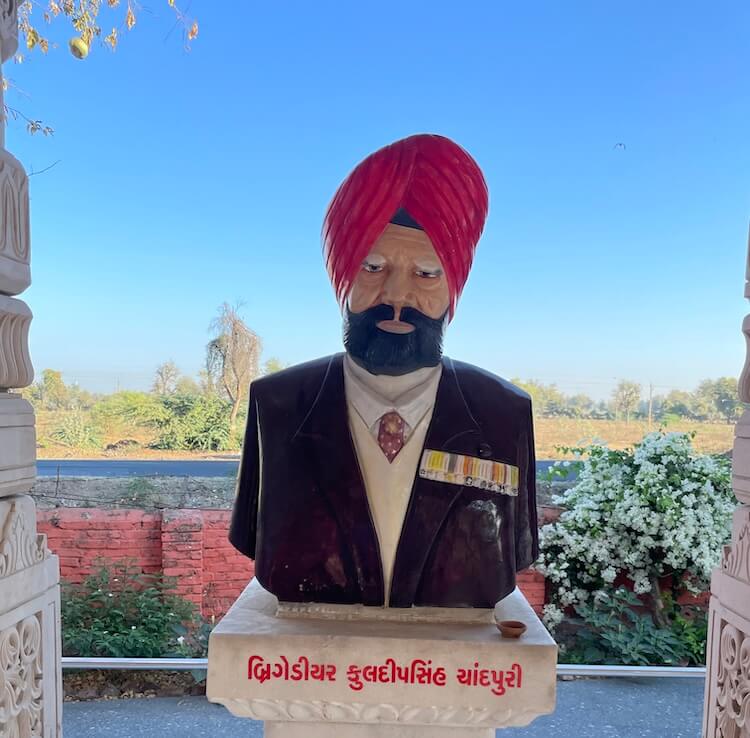
 प्राचीन संस्कृती आणि इतिहासाने समृद्ध असलेले उंझा शहर, उंझेश्वर महादेव आणि अंबाजी माता यांच्या अतिशय सुंदर मंदिरांचे निवासस्थान आहे. भगवान उंझेश्वर महादेव हे उंझाचे ग्रामदैवत म्हणून पूजले जातात. पौराणिक शास्त्रानुसार, माता अंबा हे उमा-पार्वतीचेच एक रूप आहे. ही देवी संपूर्ण गुजरात आणि राजस्थानमध्ये अंबाजी म्हणून अत्यंत लोकप्रिय आहे. त्यांचे मुख्य स्थान गुजरातमध्ये गब्बर पर्वतावर स्थित आहे आणि त्याच देवीची पवित्र मूर्ती या मंदिरात विराजमान आहे. हे मंदिर उंझा आणि आसपासच्या परिसरातील असंख्य भाविकांसाठी श्रद्धेचे केंद्र आहे. या पवित्र स्थळाचे एक वैशिष्ट्य म्हणजे भारताचे रक्षण करताना बलिदान दिलेल्या शूर सैनिकांच्या स्मृतींचे जतन, ज्यांना येथे पुतळ्यांच्या रूपात सन्मानित करण्यात आले आहे.
 ‘मार्कंडेय पुराणा’तील ‘देवी महात्म्या’च्या सातव्या खंडानुसार, शुंभ आणि निशुंभ या राक्षसांनी भगवान इंद्राकडून तिन्ही लोकांचे राज्य जिंकले होते. यावर उपाय म्हणून, देवांनी आदिशक्ती भगवती देवीकडे संरक्षणासाठी प्रार्थना केली. जेव्हा ती त्यांचे म्हणणे ऐकत होती, तेव्हा माता पार्वती तिथे प्रकट झाली आणि तिच्या शरीरातून अंबा देवीचा उगम झाला. शुंभ आणि निशुंभाने अंबिकेला पकडण्यासाठी चंड आणि मुंड या आपल्या सेवकांना पाठवले. तेव्हा माता अंबाच्या शरीरातून प्रकट झालेल्या कालीने राक्षसांचा संहार केला. कालीने चंड आणि मुंडाचा वध केल्यामुळे, भगवती देवीने तिला ‘चामुंडा’ हे नाव दिले. देवीची अंबिका आणि चामुंडा अशा विविध रूपांत पूजा केली जाते. बनासकांठा जिल्ह्यातील गब्बर पर्वतावरील अंबाजी मातेचे मंदिर हे एक्कावन्न शक्तीपीठांपैकी एक मानले जाते. ‘तंत्र चूड़ामणी’ ग्रंथात उल्लेख असल्याप्रमाणे,
  देवीला येथे ‘अरासुरी अंबाजी माता’ म्हणूनही ओळखले जाते. उमा-पार्वतीच्या या मंदिराच्या शेजारीच स्वामी सच्चिदानंदजी परमहंस यांच्या प्रेरणेने स्थापित उंझेश्वर महादेव मंदिर आहे.
प्राचीन काळी उमापूर म्हणून ओळखल्या जाणाऱ्या उंझाचा इतिहास सुमारे १,८७० वर्षांचा आहे. मेहसाणा जिल्हा गॅझेटियरमधील नोंदीनुसार, माळव्याचे महाराज व्रजपालजी यांनी इसवी सन १५६ मध्ये उंझाची स्थापना केली असे मानले जाते. आणखी एका दंतकथेनुसार, व्रजपाल सिंग हे उत्तर प्रदेश आणि बिहारच्या सध्याच्या सीमेवर असलेल्या माधवती शहराचे राजे होते. महतच्या राजा चंद्रसेनकडून पराभूत झाल्यानंतर, ते गुजरातच्या उंझा भागात आले. येथे, इसवी सन १५५ मध्ये त्यांनी एक भव्य ‘यज्ञ’ केला आणि त्यानंतर इसवी सन १५६ मध्ये उमिया माता मंदिराची स्थापना केली. 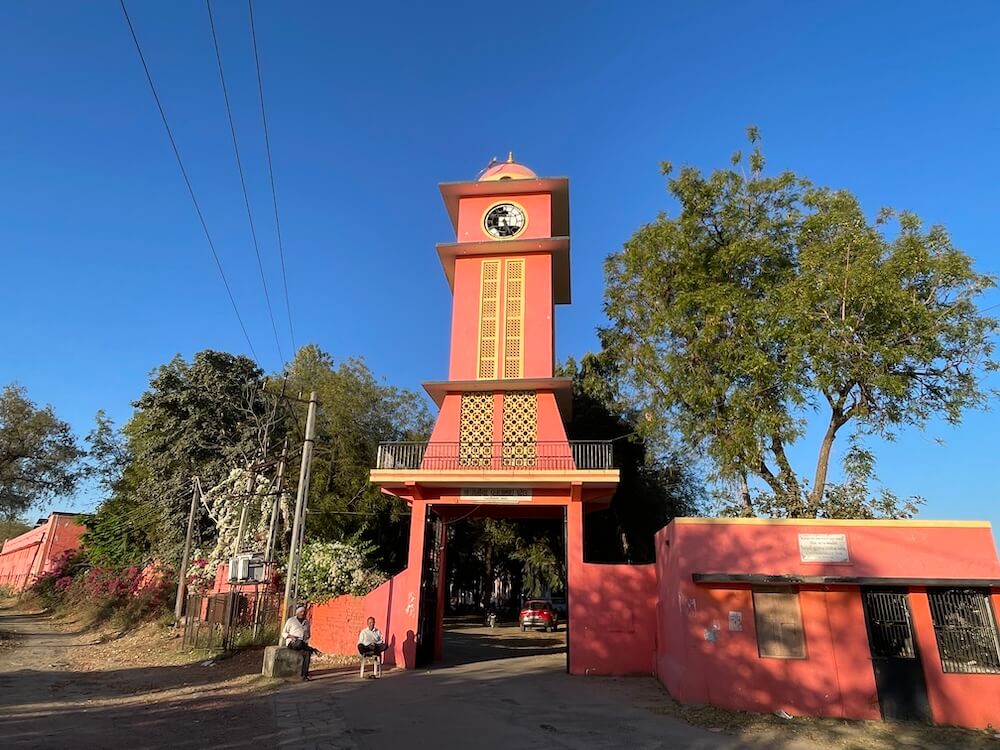 उमिया माता ही कडवा पाटीदार समाजाची कुलदेवी आहे. उंझाचा इतिहास चालुक्य सम्राट सिद्धराज जयसिंह (इसवी सन १०९४ ते ११४३) यांच्याशीही जोडलेला आहे. गॅझेटियरमध्ये नमूद आहे की, सिद्धराज जयसिंह माळव्याच्या मोहिमेवरून परतताना काही काळ उंझा येथे वास्तव्यास होते. त्यांची आई, मीनलदेवी, लग्नापूर्वी गावचे प्रमुख हिमला यांच्या घरी आश्रयाला होत्या. बाराव्या शतकात, सिद्धराजच्या काळात, उंझा हे गुजरात मधील एक समृद्ध गाव होते. आधुनिक काळात, हे शहर आयुर्वेदिक औषधांच्या, विशेषतः इसबगोलच्या उत्पादनासाठी प्रसिद्ध आहे.
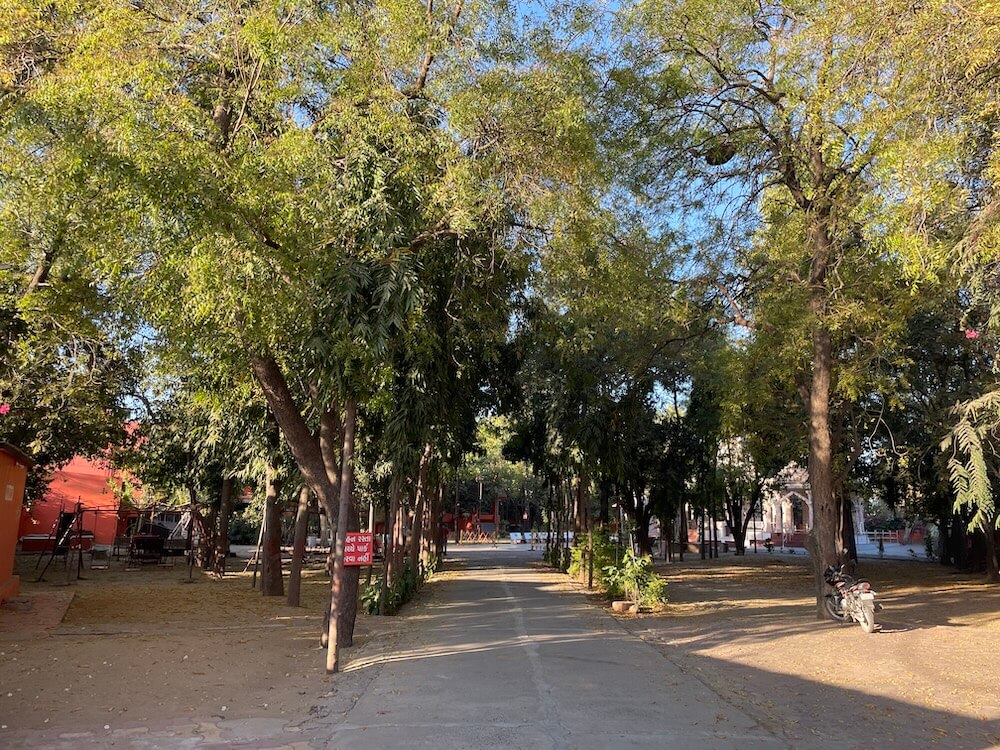
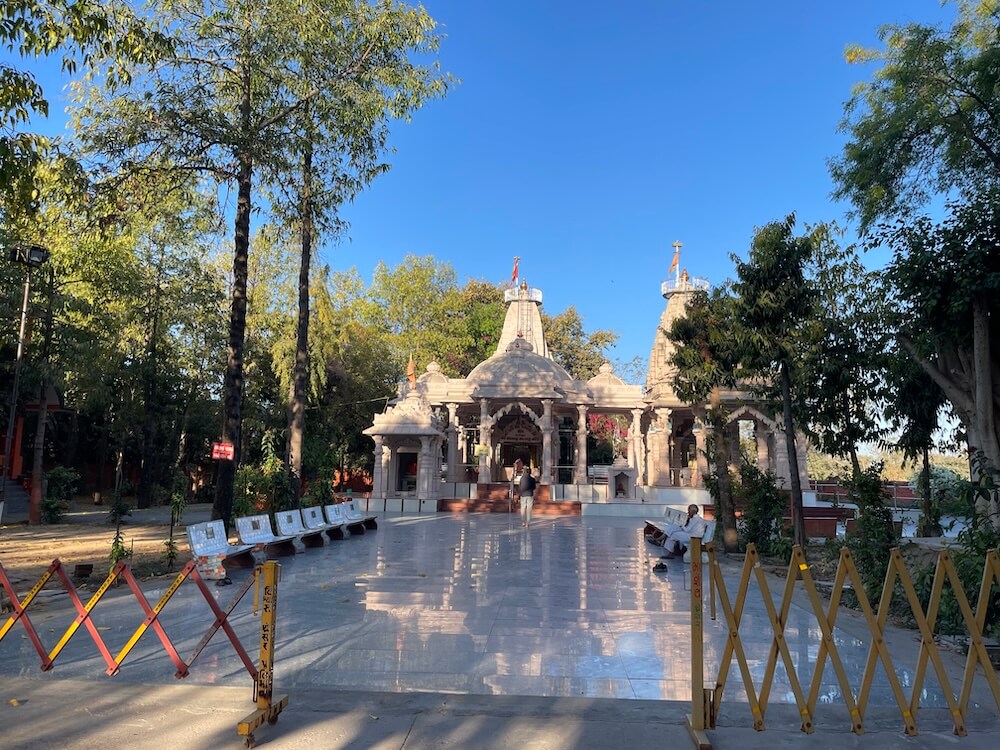
शहराच्या बाहेरील बाजूस असलेल्या मंदिराच्या तटबंदीमध्ये एक भव्य आणि सुंदर प्रवेशद्वार आहे. या प्रवेशद्वाराच्या वर एक उंच घड्याळाचा मनोरा आहे. मनोऱ्याच्या सर्वात वरच्या भागात एक गोलाकार घड्याळ बसवलेले असून त्यावर एक लहान घुमट आहे. 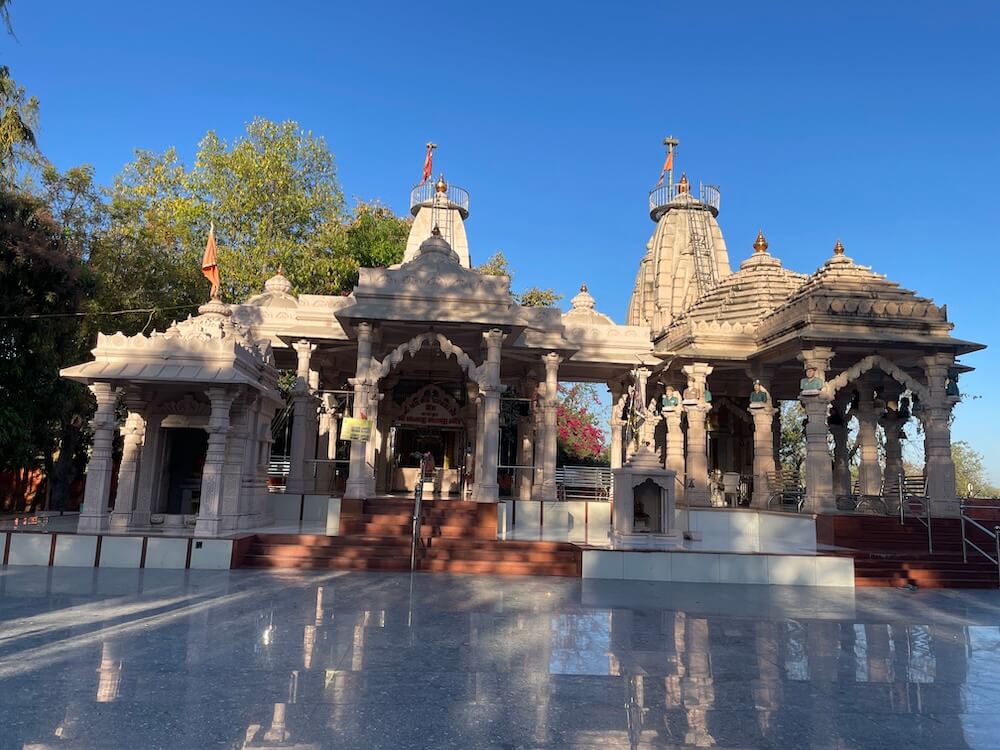 मनोऱ्याच्या मध्यभागी नक्षीदार जाळीचे काम आहे. हे कमानीदार प्रवेशद्वार मंदिराच्या अंगणात घेऊन जाते. प्रवेशद्वारापासून मुख्य मंदिरापर्यंत काँक्रीटचा रस्ता आहे, ज्याच्या दोन्ही बाजूंना असलेली झाडे शांत आणि निसर्गरम्य वातावरण निर्माण करतात. हे प्रशस्त बाह्य अंगण मंदिरासमोरील पक्क्या अंगणात पोहोचते, जिथे भाविकांच्या सोयीसाठी अनेक बाके ठेवलेली आहेत.
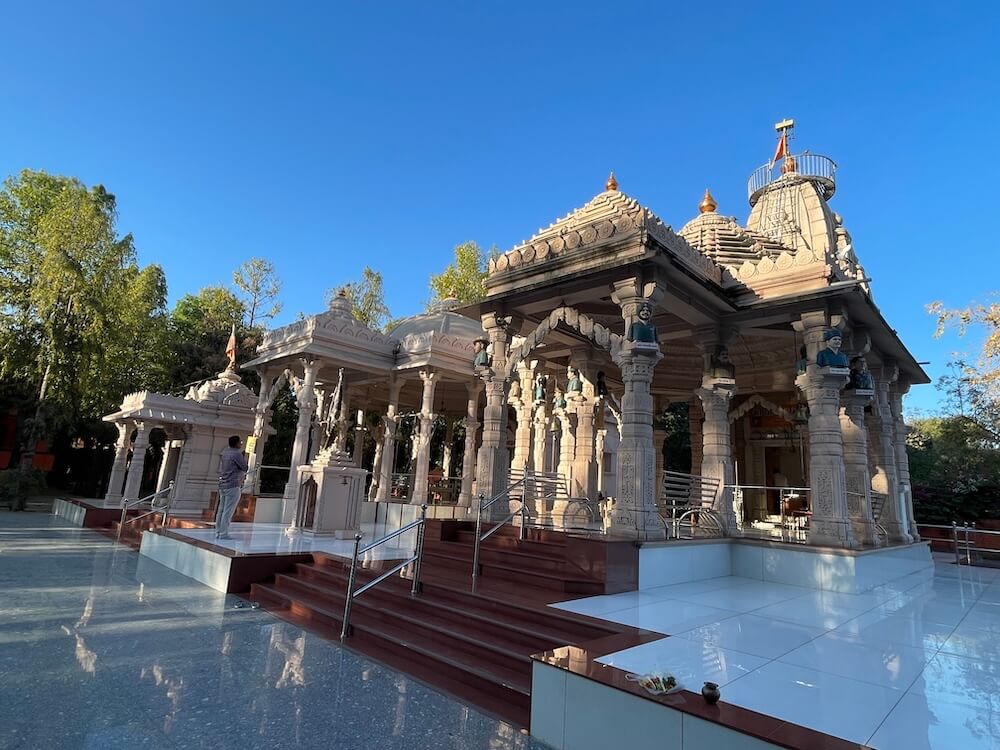
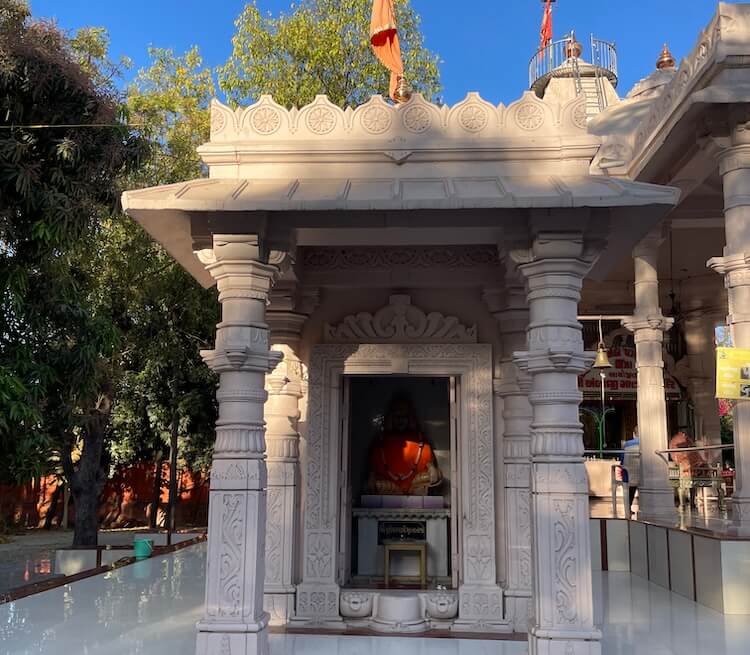
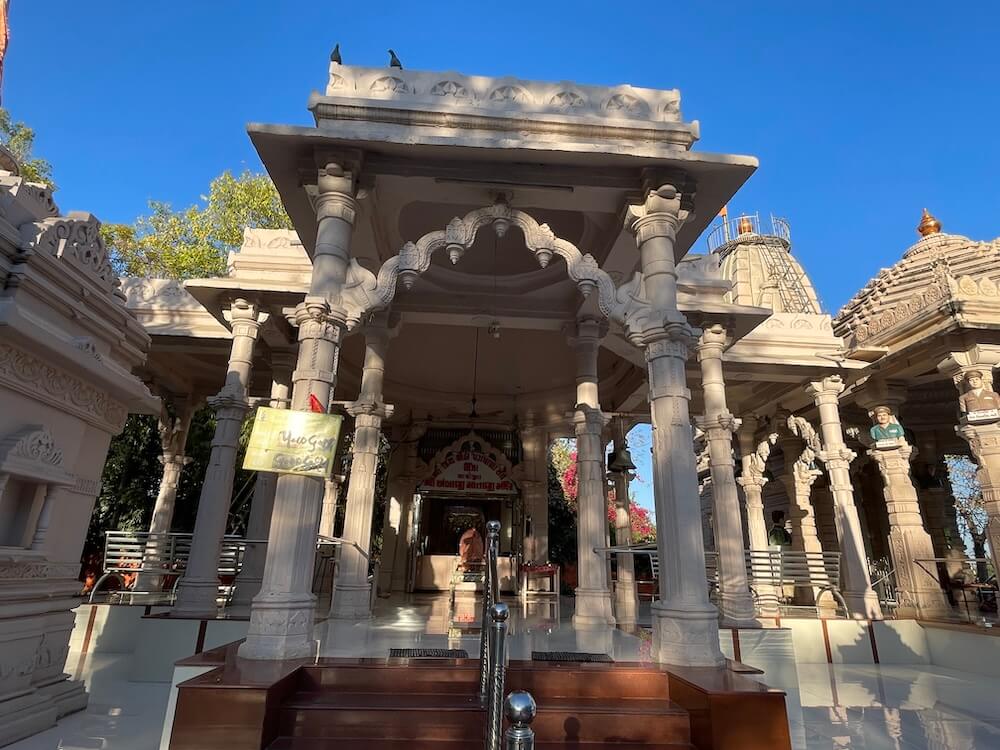
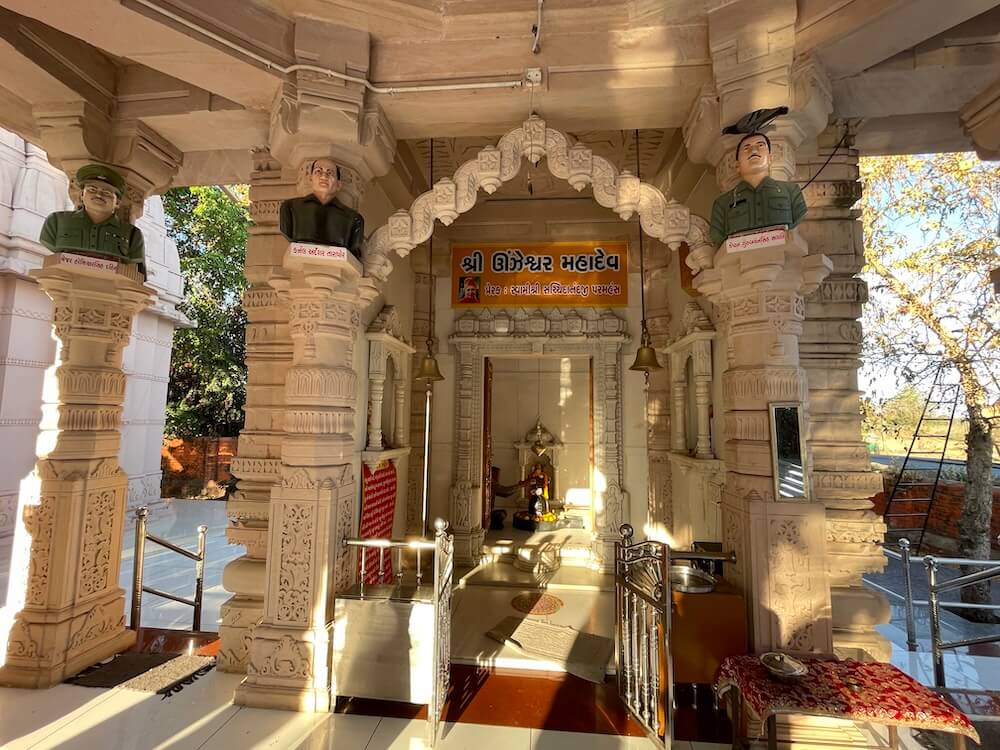
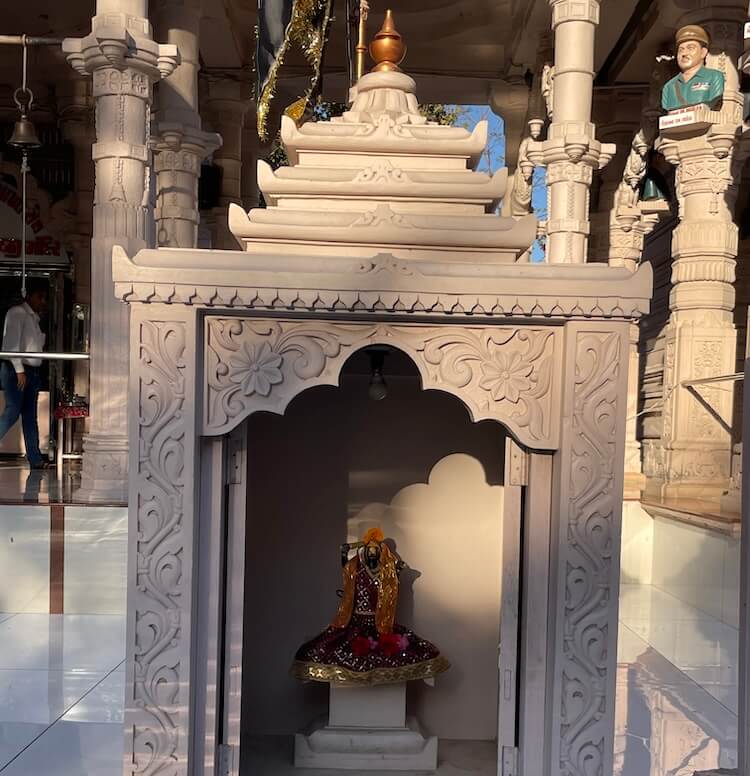
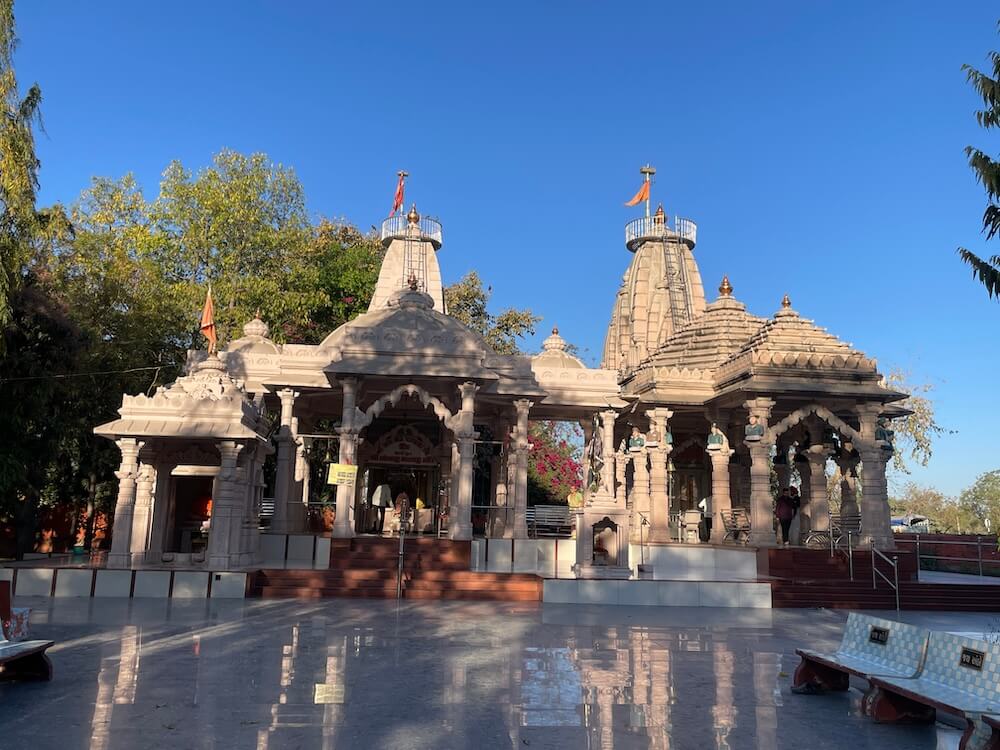
एका उंच चौथऱ्यावर (जगती) उंझेश्वर महादेव आणि अंबाजी माता ही दोन मंदिरे शेजारी-शेजारी स्थित आहेत. चौथऱ्यावर जाणाऱ्या पायऱ्यांच्या बाजूला गुरुदेव स्वामी मुक्तानंदजी यांची मूर्ती असलेले एक छोटे मंदिर आहे. येथून सात पायऱ्या चढून ‘मुखमंडपात’ प्रवेश केला जातो. दोन्ही मंदिरे पारंपारिक रचनेनुसार असून त्यात मंडप, ‘सभामंडप’, ‘अंतराळ’ आणि ‘गर्भगृह’ यांचा समावेश आहे.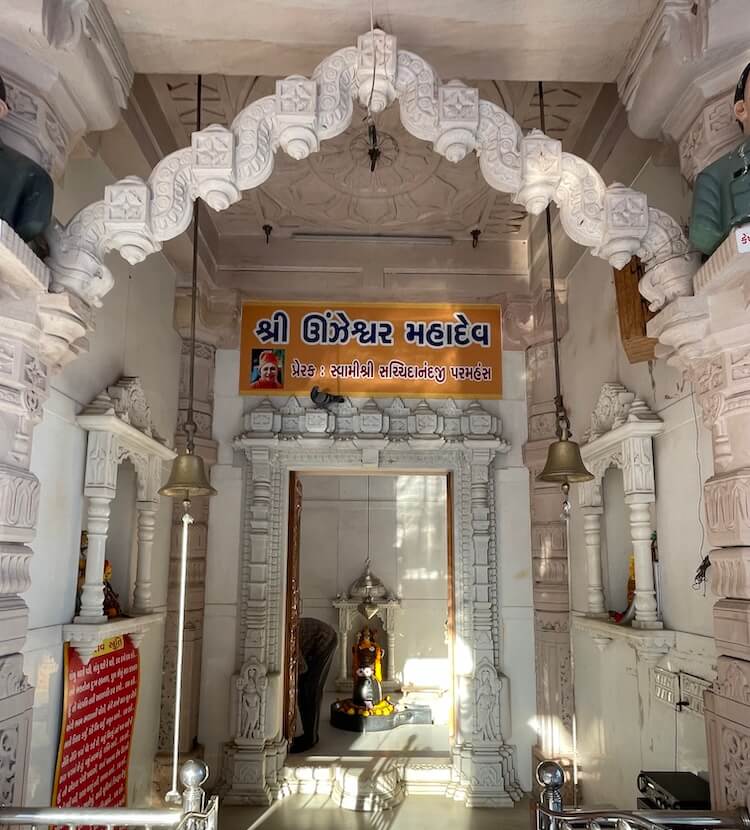 प्रवेशमंडप आणि सभामंडप अर्ध-खुले आहेत, ज्यामध्ये कोरीव खांब आणि सुंदर कमानी आहेत. उंझेश्वर महादेव सभामंडपाच्या मध्यभागी, एका चबुतऱ्यावर पांढऱ्या संगमरवरी नंदी आणि कासव ठेवलेले आहेत.
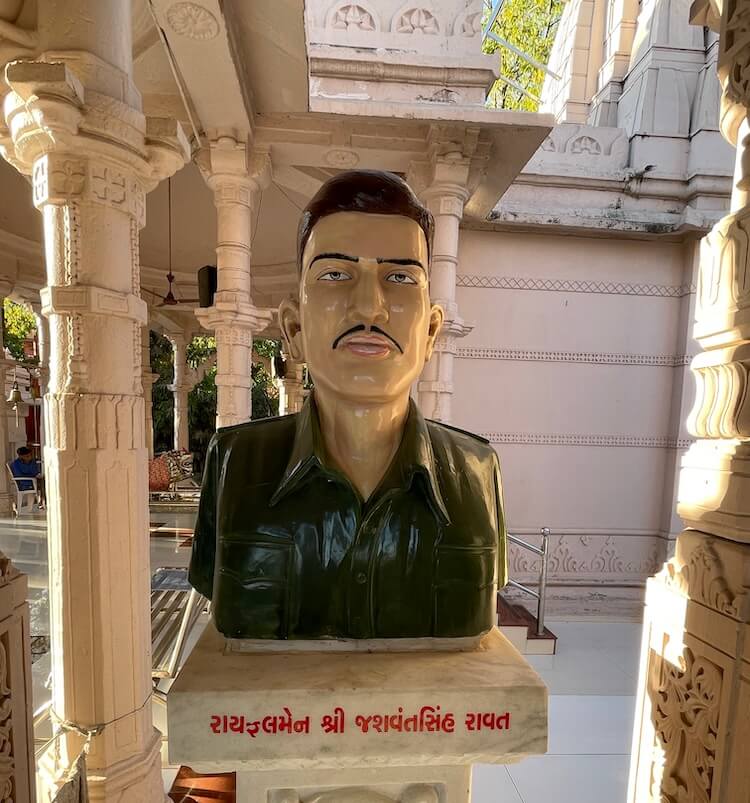
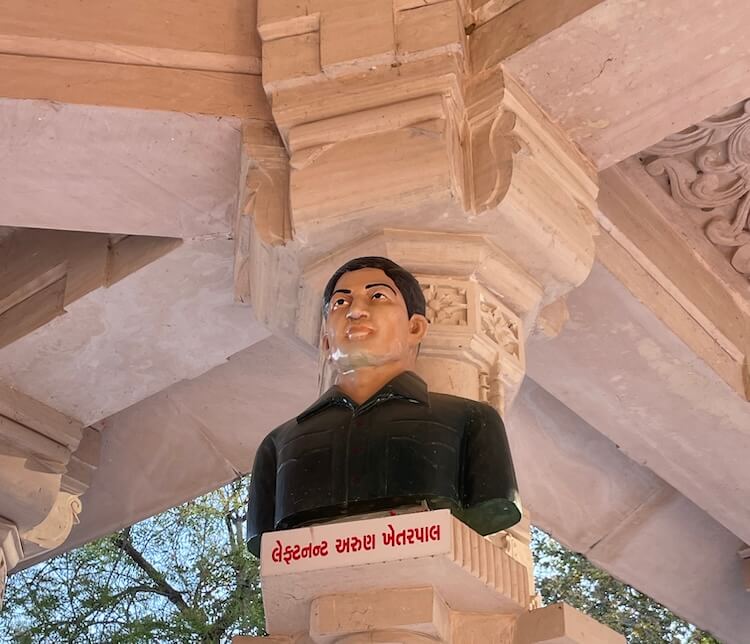
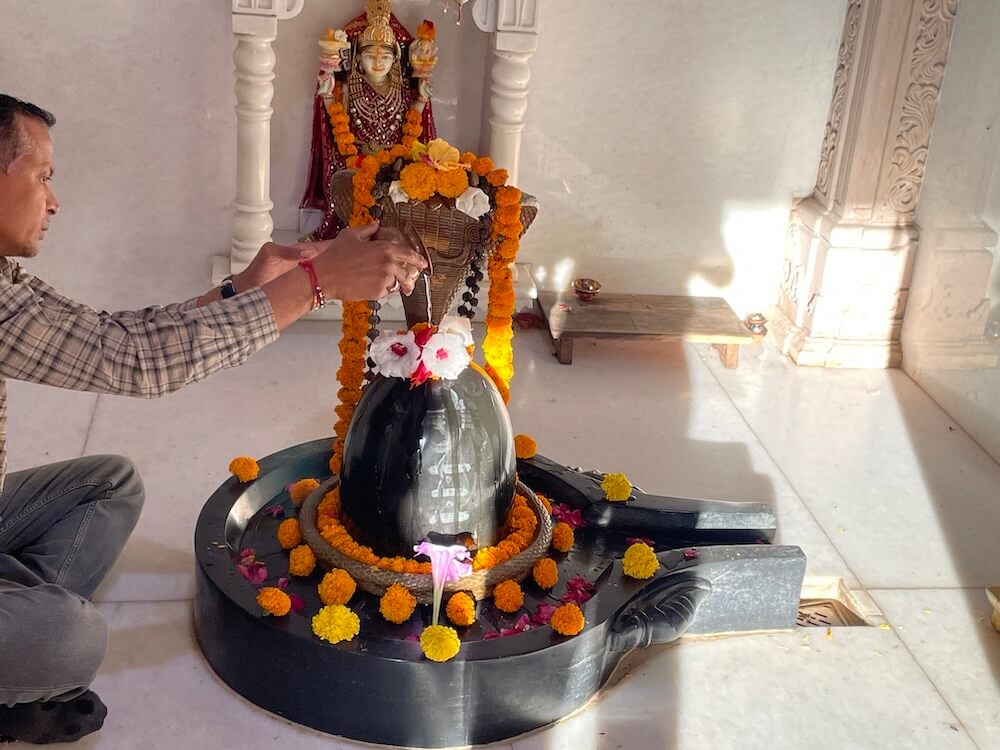
या मंदिराचे वैशिष्ट्य म्हणजे सभामंडपाच्या खांबांवर दिसणारा भक्ती आणि देशभक्तीचा दुर्मिळ संगम. प्रत्येक खांब भारतीय सैन्यातील त्या शूर पुत्रांच्या पुतळ्यांनी सुशोभित केलेला आहे, ज्यांनी अतुलनीय शौर्य दाखवून देशासाठी सर्वोच्च बलिदान दिले. यामध्ये लेफ्टनंट अरुण खेत्रपाल, नायब सुभेदार बाना सिंग, रायफलमन जसवंत सिंग रावत आणि लान्स नाईक करम सिंग यांचा समावेश आहे. याव्यतिरिक्त, स्वतंत्र भारतातील परमवीर चक्राचे पहिले मानकरी मेजर सोमनाथ शर्मा, कारगिल युद्धाचे नायक ग्रेनेडियर योगेंद्र सिंग यादव, मेजर होशियार सिंग दहिया, कर्नल अर्देशिर तारापोर आणि कॅप्टन गुरबचन सिंग सालारिया यांचे पुतळेही येथे आहेत. गर्भगृहाच्या कोरीव दरवाजांच्या तळाशी ‘द्वारपाल’ कोरलेले आहेत. गर्भगृहाच्या आत, जमिनीच्या मध्यभागी शिवलिंग स्थापित आहे आणि मागील भिंतीवरील कोनाड्यात माता पार्वतीची सुंदर मूर्ती विराजमान आहे.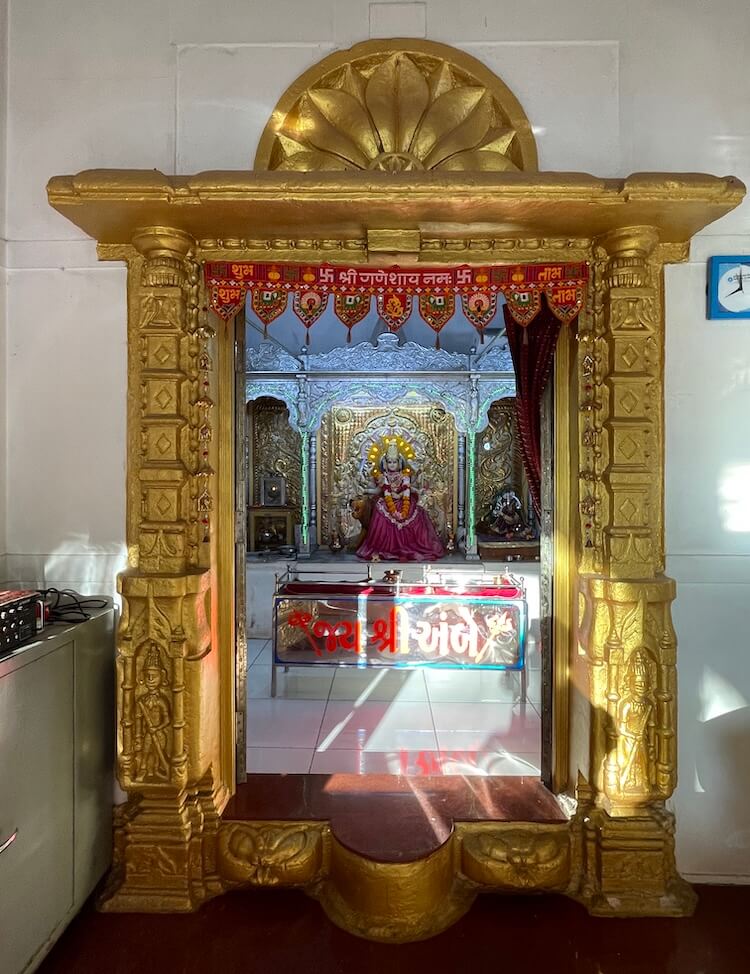
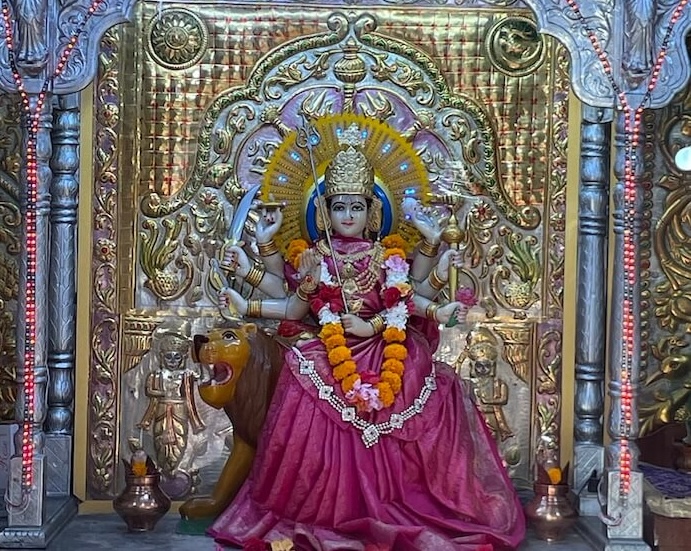
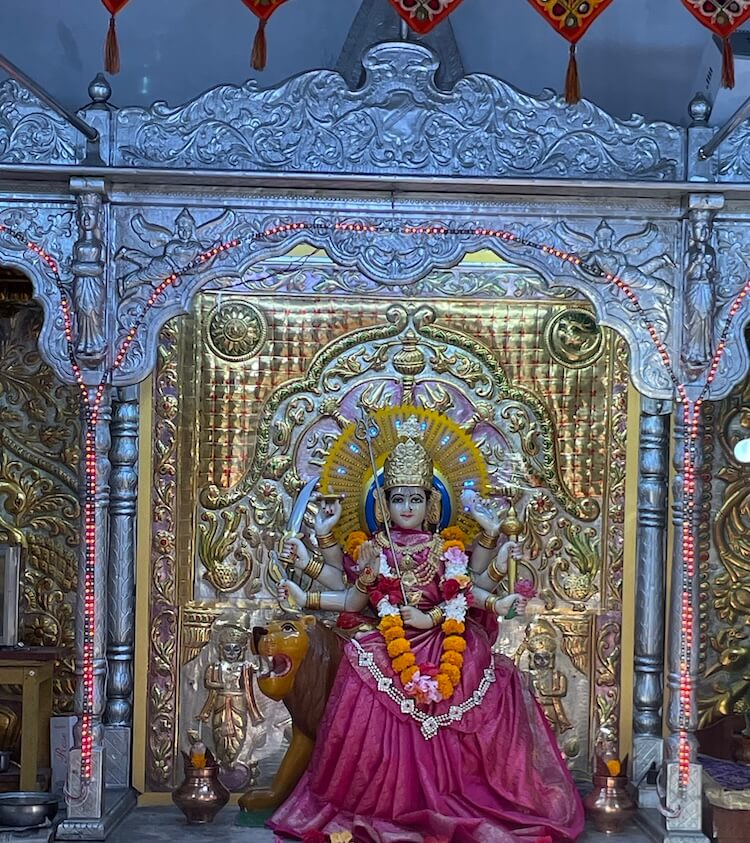
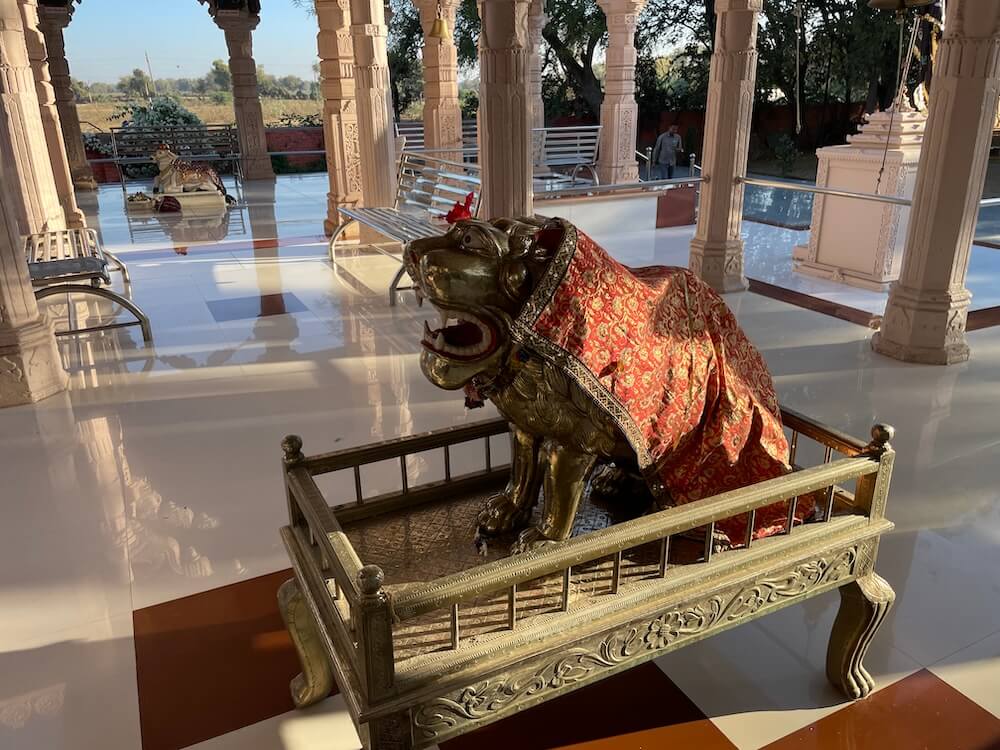
अंबाजी माता मंदिराच्या सभामंडपात देवीचे वाहन असलेला पितळी सिंह मध्यभागी विराजमान आहे. गर्भगृहाच्या दरवाजाची रचना उंझेश्वर महादेव मंदिराच्या रचनेशी मिळतीजुळती आहे. गर्भगृहाच्या आत, सिंहावर आरूढ असलेली माता अंबा यांची मूर्ती एका नक्षीदार धातूच्या ‘मखरात’ विराजमान आहे. अष्टभुजा देवीने विविध शस्त्रे, शंख आणि कमळ धारण केले असून, एक हात ‘अभय मुद्रेत’ आहे. मूर्तीच्या मागील बाजूस अतिशय सुंदर कोरीव काम केलेले आहे. दोन्ही मंदिरांच्या प्रवेशद्वारांवर आणि सभामंडपांवर चौकोनी, निमुळती होत जाणारी शिखरे आहेत, तर गर्भगृहावर ‘उरुशृंग’ शैलीतील शिखरे आहेत.
अंबाजी माता आणि उंझेश्वर महादेव या दोन्ही मंदिरांत दररोज पहाटे ५:०० वाजता नित्य पूजा (आरती) केली जाते. अंबाजी माता मंदिरात सायंकाळी ५:०० वाजता आणि उंझेश्वर महादेव मंदिरात सायंकाळी ५:१५ वाजता संध्याकाळची प्रार्थना केली जाते. शारदीय नवरात्री आणि महाशिवरात्री यांसारखे सण, तसेच इतर धार्मिक प्रसंग मोठ्या उत्साहात साजरे केले जातात. सोमवारी आणि मंगळवारी मंदिरात भाविकांची मोठी गर्दी असते. परिसरातील सद्गुरु मुक्तानंदजी सत्संग हॉलमध्ये प्रवचनांसह विविध धार्मिक कार्यक्रम आयोजित केले जातात. येथे ‘सच्चिदानंद संस्कार धाम’ (सच्चिदानंद सेवा समाज ट्रस्ट) द्वारे अनाथालय आणि वृद्धाश्रम चालवले जातात, जे ‘शौर्य हेच परम कर्तव्य’ आणि ‘सेवा हेच परम कर्तव्य’ या ब्रीदवाक्यांनुसार कार्य करतात.
उपयुक्त माहिती
- उंझा बस स्थानकापासून २.५ किमी आणि मेहसाणापासून २८ किमी अंतरावर स्थित
- उंझा येथून GSRTC आणि खाजगी वाहनांची सुविधा उपलब्ध
- खाजगी वाहने मंदिरापर्यंत जाऊ शकतात
- परिसरात राहण्याची आणि नाश्त्याची सोय उपलब्ध
Unjheshwar Mahadev and Ambaji Mata Temple
Patan Road, Unjha, Tal. Unjha, Dist. Mehsana
The town of Unjha, deeply entwined with ancient culture and history, is home to the exquisite temples of Unjheshwar Mahadev and Ambaji Mata. Lord Unjheshwar Mahadev is revered as the patron deity of Unjha. According to mythological scriptures, Mother Amba is an incarnation of Uma-Parvati. This goddess is immensely popular as Ambaji across Gujarat and Rajasthan. Her primary abode is situated atop Mount Gabbar in Gujarat and a sacred idol of the same deity resides within this temple. It serves as a sanctuary of faith for countless devotees from Unjha and the surrounding regions. A unique feature of this hallowed site is the preservation of the memory of brave soldiers who fought to protect India, honoured here in the form of statues.
According to the seventh khanda of the ‘Devi Mahatmya’ in the ‘Markandeya Purana’, the demons Shumbha and Nishumbha conquered the kingdom of the three worlds from Lord Indra. In response, the gods beseeched the primordial power, Goddess Bhagwati, for protection. Whilst she was listening to their prayers, Goddess Parvati arrived and from her physical form, Goddess Amba emerged. Shumbha and Nishumbha sent their servants, Chanda and Munda, to capture Ambika. It was then that Kali, manifesting from Mother Amba’s body, vanquished the demons. Since Kali destroyed Chanda and Munda, Goddess Bhagwati bestowed upon her the name Chamunda. The goddess is worshipped in various forms, including Ambika and Chamunda. The shrine of Ambaji Mata on Mount Gabbar in the Banaskantha district is considered one of the fifty-one Shakti Peethas. Mentioned in the text ‘Tantra Chudamani’, the goddess is also known here as ‘Arasuri Ambaji Mata’. Adjacent to this shrine of Uma-Parvati stands the Unjheshwar Mahadev Temple, established under the inspiration of Swami Sachchidanandji Paramhansa.
Known in antiquity as Umapur, Unjha has a history spanning approximately 1,870 years. According to records in the Mehsana District Gazetteer, Maharaja Vrajpalji of Malwa is said to have founded Unjha in 156 AD. Another legend suggests that Vrajpal Singh was the King of Madhavati, a city on the present-day border of Uttar Pradesh and Bihar. After being defeated by King Chandrasen of Mahet, he arrived in the Unjha region of Gujarat. Here, in 155 AD, he performed a grand ‘yagna’ and subsequently established the temple of Umiya Mata in 156 AD. Umiya Mata is the tutelary deity of the Kadva Patidar community. The history of Unjha is also linked to the Chalukya Emperor Siddharaj Jaysinh (1094 to 1143 AD). The Gazetteer notes that Siddharaj Jaysinh resided in Unjha for a period whilst returning from his campaign in Malwa. His mother, Minaldevi, had sought refuge at the village head’s residence, Himala’s, prior to her marriage. During the twelfth century, in the era of Siddharaj, Unjha was a prosperous village in Gujarat. In modern times, the town is renowned for the production of Ayurvedic medicines, particularly Psyllium Husk (Isabgol).
A magnificent and beautiful gateway is set into the fortifications surrounding the temple on the outskirts of the town. Atop this entrance stands a tall clock tower. A circular clock is fixed to the uppermost section of the tower, crowned by a small dome. The middle section of the tower features intricate latticework. This arched gateway leads into the temple courtyard. A concrete path stretches from the entrance to the main shrine, flanked by trees that lend a tranquil, picturesque atmosphere. This spacious outer court leads to a paved courtyard in front of the temple, where numerous benches are provided for devotees’ comfort.
Situated upon a raised plinth (Jagati) are the two adjacent temples of Unjheshwar Mahadev and Ambaji Mata. Beside the steps leading to the plinth, there is a small shrine housing the idol of Gurudev Swami Muktanandji. From here, one ascends seven steps to enter the ‘Mukhamandapa’ (entrance porch). Both temples follow a traditional layout comprising a porch, a ‘Sabhamandapa’ (assembly hall), an ‘Antarala’ (vestibule) and a ‘Garbhagriha’ (sanctum sanctorum). The entrance porches and assembly halls are semi-open, with carved pillars connected by graceful cusped arches. At the centre of the Unjheshwar Mahadev assembly hall, a white marble Nandi and a turtle are placed upon a pedestal.
The uniqueness of this temple lies in the rare convergence of devotion and patriotism displayed upon the pillars of the assembly hall. Each pillar is adorned with the statues of the brave sons of the Indian Army who displayed incomparable valour and made the ultimate sacrifice for the nation. These include Lieutenant Arun Khetarpal, Naib Subedar Bana Singh, Rifleman Jaswant Singh Rawat and Lance Naik Karam Singh. Furthermore, statues of Major Somnath Sharma, the first recipient of the Param Vir Chakra in independent India, Kargil war hero Grenadier Yogendra Singh Yadav, Major Hoshiar Singh Dahiya, Colonel Ardeshir Tarapore and Captain Gurbachan Singh Salaria are also present. The ornate doorframes of the sanctum feature carved ‘Dvarapalas’ (gatekeepers) at the base. Within the sanctum, a Shiva Lingam is positioned centrally on the floor, with a beautiful idol of Mother Parvati placed in a niche on the rear wall.
In the assembly hall of the Ambaji Mata temple, a brass lion, the goddess’s vehicle, stands at the centre. The design of the sanctum’s doorframe mirrors that of the Unjheshwar Mahadev temple. Inside the sanctum, an idol of Mother Amba, mounted upon a lion, resides within an intricately carved metallic ‘makhar’ (ornate frame). The eight-armed goddess holds various weapons, a conch and a lotus, with one hand held in the ‘Abhaya Mudra’ (gesture of blessing). Exquisite carvings adorn the back of the idol. Both temples feature square, tapering spires over the porches and assembly halls, whilst the sanctums are crowned with ‘Urushringa’ style spires.
Ritual prayers (Aarti) are performed daily at 5:00 am in both the Ambaji Mata and Unjheshwar Mahadev temples. Evening prayers are held at 5:00 pm at the Ambaji Mata temple and at 5:15 pm at the Unjheshwar Mahadev temple. Festivals such as Sharadiya Navratri and Mahashivratri, along with other religious occasions, are celebrated with great fervour. The temple sees a significant influx of devotees on Mondays and Tuesdays. Various religious programmes, including discourses, are held in the Sadguru Muktanandji Satsang Hall within the premises. An orphanage and old age home are also managed here by the ‘Sachchidanand Sanskar Dham’ (Sachchidanand Seva Samaj Trust), which operates under the mottos ‘Bravery is the Supreme Duty’ and ‘Service is the Supreme Duty’.
Useful Information
- Located 2.5 km from Unjha Bus Station and 28 km from Mehsana
- GSRTC and private vehicle facilities available from Unjha
- Private vehicles can reach up to the temple.
- Accommodation and breakfast facilities available in the vicinity
ऊंझेश्वर महादेव और अंबाजी माता मंदिर
पाटन रोड, ऊंझा, तहसील ऊंझा, जिला मेहसाणा
प्राचीन संस्कृति और इतिहास में गहराई से रचे-बसे ऊंझा नगर में ऊंझेश्वर महादेव और अंबाजी माता के भव्य मंदिर स्थित हैं। भगवान ऊंझेश्वर महादेव को ऊंझा का अधिष्ठाता देव माना जाता है। पौराणिक ग्रंथों के अनुसार, माता अंबा उमा-पार्वती का ही अवतार हैं। यह देवी संपूर्ण गुजरात और राजस्थान में अंबाजी के रूप में अत्यंत लोकप्रिय हैं। उनका मुख्य धाम गुजरात में गब्बर पर्वत के शिखर पर स्थित है और इसी मंदिर में उन्हीं देवी की पवित्र प्रतिमा विराजमान है। यह मंदिर ऊंझा और आसपास के क्षेत्रों के असंख्य भक्तों के लिए आस्था का केंद्र है। इस पावन स्थल की एक अनूठी विशेषता भारत की रक्षा के लिए लड़ने वाले वीर सैनिकों की स्मृति का संरक्षण है, जिन्हें यहाँ मूर्तियों के रूप में सम्मानित किया गया है।
‘मार्कंडेय पुराण’ के ‘देवी माहात्म्य’ के सातवें खंड के अनुसार, शुंभ और निशुंभ नामक राक्षसों ने इंद्र देव से तीनों लोकों का राज्य छीन लिया था। इसके उत्तर में, देवताओं ने आदि शक्ति, देवी भगवती से रक्षा की प्रार्थना की। जब वे प्रार्थना सुन रही थीं, तब देवी पार्वती वहां आईं और उनके भौतिक स्वरूप से देवी अंबा प्रकट हुईं। शुंभ और निशुंभ ने अंबिका को पकड़ने के लिए अपने सेवकों, चंड और मुंड को भेजा। तब माता अंबा के शरीर से प्रकट हुई काली ने राक्षसों का वध किया। चूंकि काली ने चंड और मुंड का विनाश किया था, इसलिए देवी भगवती ने उन्हें चामुंडा नाम दिया। देवी की पूजा अंबिका और चामुंडा सहित विभिन्न रूपों में की जाती है। बनासकांठा जिले में गब्बर पर्वत पर स्थित अंबाजी माता के मंदिर को इक्यावन शक्तिपीठों में से एक माना जाता है। ‘तंत्र चूड़ामणि’ ग्रंथ में वर्णित, देवी को यहाँ ‘अरासुरी अंबाजी माता’ के नाम से भी जाना जाता है। उमा-पार्वती के इस मंदिर के निकट ही ऊंझेश्वर महादेव मंदिर स्थित है, जिसकी स्थापना स्वामी सच्चिदानंदजी परमहंस की प्रेरणा से हुई थी।
प्राचीन काल में उमापुर के नाम से विख्यात, ऊंझा का इतिहास लगभग १,८७० वर्ष पुराना है। मेहसाणा जिला गजेटियर के अभिलेखों के अनुसार, मालवा के महाराजा व्रजपालजी ने १५६ ईस्वी में ऊंझा की स्थापना की थी। एक अन्य किंवदंती के अनुसार, व्रजपाल सिंह उत्तर प्रदेश और बिहार की वर्तमान सीमा पर स्थित माधवती नगर के राजा थे। महेत के राजा चंद्रसेन से पराजित होने के बाद, वे गुजरात के ऊंझा क्षेत्र में आए। यहाँ, १५५ ईस्वी में उन्होंने एक भव्य ‘यज्ञ’ किया और तत्पश्चात १५६ ईस्वी में उमिया माता के मंदिर की स्थापना की। उमिया माता कडवा पाटीदार समुदाय की कुलदेवी हैं। ऊंझा का इतिहास चालुक्य सम्राट सिद्धराज जयसिंह (१०९४ से ११४३ ईस्वी) से भी जुड़ा है। गजेटियर में उल्लेख है कि सिद्धराज जयसिंह मालवा अभियान से लौटते समय कुछ समय के लिए ऊंझा में रुके थे। उनकी माता, मीनलदेवी ने विवाह से पूर्व गांव के मुखिया हिमाला के निवास पर शरण ली थी। बारहवीं शताब्दी में, सिद्धराज के युग में, ऊंझा गुजरात का एक समृद्ध गांव था। आधुनिक समय में, यह नगर आयुर्वेदिक औषधियों, विशेष रूप से इसबगोल के उत्पादन के लिए प्रसिद्ध है।
नगर की बाहरी सीमा पर मंदिर के चारों ओर बनी किलेबंदी में एक भव्य और सुंदर प्रवेश द्वार बना हुआ है। इस प्रवेश द्वार के ऊपर एक ऊंचा क्लॉक टावर स्थित है। टावर के सबसे ऊपरी हिस्से में एक गोलाकार घड़ी लगी है, जिसके ऊपर एक छोटा गुंबद है। टावर के मध्य भाग में बारीक जाली का काम किया गया है। यह मेहराबदार प्रवेश द्वार मंदिर के प्रांगण की ओर जाता है। प्रवेश द्वार से मुख्य मंदिर तक एक पक्का मार्ग बना है, जिसके दोनों ओर लगे वृक्ष एक शांत और सुरम्य वातावरण प्रदान करते हैं। यह विशाल बाहरी प्रांगण मंदिर के सामने एक पक्के आंगन की ओर ले जाता है, जहाँ भक्तों के आराम के लिए अनेक बेंचें लगाई गई हैं।
एक ऊंचे चबूतरे (जगती) पर ऊंझेश्वर महादेव और अंबाजी माता के दो निकटवर्ती मंदिर स्थित हैं। चबूतरे की ओर जाने वाली सीढ़ियों के बगल में एक छोटा मंदिर है, जिसमें गुरुदेव स्वामी मुक्तानंदजी की प्रतिमा स्थापित है। यहाँ से, सात सीढ़ियां चढ़कर ‘मुखमंडप’ (प्रवेश द्वार) में प्रवेश किया जाता है। दोनों मंदिर एक पारंपरिक विन्यास का पालन करते हैं जिसमें एक मंडप, एक ‘सभामंडप’, एक ‘अंतराल’ और एक ‘गर्भगृह’ शामिल है। प्रवेश द्वार और सभामंडप अर्ध-खुले हैं, जिनमें सुंदर मेहराबों से जुड़े नक्काशीदार स्तंभ हैं। ऊंझेश्वर महादेव सभामंडप के केंद्र में, एक चबूतरे पर सफेद संगमरमर के नंदी और कछुआ रखे गए हैं।
इस मंदिर की विशिष्टता सभामंडप के स्तंभों पर प्रदर्शित भक्ति और देशभक्ति के दुर्लभ संगम में निहित है। प्रत्येक स्तंभ भारतीय सेना के उन वीर सपूतों की मूर्तियों से सुसज्जित है जिन्होंने अतुलनीय वीरता का प्रदर्शन किया और राष्ट्र के लिए सर्वोच्च बलिदान दिया। इनमें लेफ्टिनेंट अरुण खेत्रपाल, नायब सूबेदार बाना सिंह, राइफलमैन जसवंत सिंह रावत और लांस नायक करम सिंह शामिल हैं। इसके अतिरिक्त, स्वतंत्र भारत में परमवीर चक्र के प्रथम प्राप्तकर्ता मेजर सोमनाथ शर्मा, कारगिल युद्ध के नायक ग्रेनेडियर योगेंद्र सिंह यादव, मेजर होशियार सिंह दहिया, कर्नल अर्देशिर तारापोर और कैप्टन गुरबचन सिंह सलारिया की मूर्तियां भी यहाँ मौजूद हैं। गर्भगृह के अलंकृत द्वार के आधार पर नक्काशीदार ‘द्वारपाल’ बने हैं। गर्भगृह के भीतर, फर्श पर केंद्र में एक शिवलिंग स्थित है, और पिछली दीवार पर बने एक आला में माता पार्वती की सुंदर प्रतिमा स्थापित है।
अम्बाजी माता मंदिर के सभा मंडप में, देवी का वाहन पीतल का सिंह केंद्र में स्थित है। गर्भगृह के द्वार का डिज़ाइन उंझेश्वर महादेव मंदिर के द्वार के समान है। गर्भगृह के भीतर, सिंह पर सवार माता अम्बा की प्रतिमा एक अत्यंत नक्काशीदार धातु के ‘मखर’ (अलंकृत फ्रेम) में विराजमान है। अष्टभुजी देवी ने विभिन्न शस्त्र, शंख और कमल धारण किए हुए हैं, और एक हाथ ‘अभय मुद्रा’ (आशीर्वाद की मुद्रा) में है। प्रतिमा के पीछे के भाग पर उत्कृष्ट नक्काशी की गई है। दोनों मंदिरों के प्रवेश द्वारों और सभा मंडपों के ऊपर वर्गाकार, पतले शिखर हैं, जबकि गर्भगृह ‘उरुशृंग’ शैली के शिखरों से सुशोभित हैं।
अम्बाजी माता और उंझेश्वर महादेव दोनों मंदिरों में प्रतिदिन प्रातः ५:०० बजे आरती की जाती है। संध्या आरती अम्बाजी माता मंदिर में शाम ५:०० बजे और उंझेश्वर महादेव मंदिर में शाम ५:१५ बजे होती है। शारदीय नवरात्रि और महाशिवरात्रि जैसे त्योहारों के साथ-साथ अन्य धार्मिक अवसरों को भी बड़े उत्साह के साथ मनाया जाता है। सोमवार और मंगलवार को मंदिर में भक्तों की भारी भीड़ उमड़ती है। परिसर के भीतर स्थित सद्गुरु मुक्तानंदजी सत्संग हॉल में प्रवचन सहित विभिन्न धार्मिक कार्यक्रम आयोजित किए जाते हैं। यहाँ ‘सच्चिदानंद संस्कार धाम’ (सच्चिदानंद सेवा समाज ट्रस्ट) द्वारा एक अनाथालय और वृद्धाश्रम का संचालन भी किया जाता है, जो ‘वीरता ही परम कर्तव्य है’ और ‘सेवा ही परम धर्म है’ के आदर्श वाक्यों पर कार्य करता है।
उपयोगी जानकारी
- उंझा बस स्टेशन से २.५ कि.मी. और मेहसाणा से २८ कि.मी. की दूरी पर स्थित
- उंझा से GSRTC और निजी वाहन सुविधा उपलब्ध
- निजी वाहन मंदिर तक पहुँच सकते हैं।
- आसपास आवास और नाश्ते की सुविधा उपलब्ध
ઊંઝેશ્વર મહાદેવ અને અંબાજી માતા મંદિર
પાટણ રોડ, ઊંઝા, તા. ઊંઝા, જિ. મહેસાણા
પ્રાચીન સંસ્કૃતિ અને ઇતિહાસ સાથે ઊંડાણપૂર્વક જોડાયેલું ઊંઝા નગર, ઊંઝેશ્વર મહાદેવ અને અંબાજી માતાના ભવ્ય મંદિરોનું નિવાસસ્થાન છે. ભગવાન ઊંઝેશ્વર મહાદેવને ઊંઝાના અધિષ્ઠાતા દેવ તરીકે પૂજવામાં આવે છે. પૌરાણિક ગ્રંથો અનુસાર, માતા અંબા એ ઉમા-પાર્વતીનો અવતાર છે. આ દેવી સમગ્ર ગુજરાત અને રાજસ્થાનમાં અંબાજી તરીકે અત્યંત લોકપ્રિય છે. તેમનું મુખ્ય ધામ ગુજરાતમાં ગબ્બર પર્વતની ટોચ પર આવેલું છે અને આ મંદિરમાં તે જ દેવીની પવિત્ર મૂર્તિ બિરાજમાન છે. આ મંદિર ઊંઝા અને આસપાસના વિસ્તારોના અસંખ્ય ભક્તો માટે શ્રદ્ધાનું કેન્દ્ર છે. આ પવિત્ર સ્થળની એક અનોખી વિશેષતા એ છે કે અહીં ભારતની રક્ષા માટે લડનારા બહાદુર સૈનિકોની સ્મૃતિને મૂર્તિઓના સ્વરૂપમાં સન્માન આપવામાં આવ્યું છે.
‘માર્કન્ડેય પુરાણ’ના ‘દેવી મહાત્મ્ય’ના સાતમા ખંડ અનુસાર, શુમ્ભ અને નિશુમ્ભ નામના દાનવોએ ભગવાન ઇન્દ્ર પાસેથી ત્રિલોકનું રાજ્ય જીતી લીધું હતું. તેના જવાબમાં, દેવતાઓએ આદ્યશક્તિ, દેવી ભગવતીને રક્ષણ માટે પ્રાર્થના કરી. જ્યારે તેઓ તેમની પ્રાર્થના સાંભળી રહ્યા હતા, ત્યારે દેવી પાર્વતી ત્યાં પધાર્યા અને તેમના ભૌતિક સ્વરૂપમાંથી દેવી અંબા પ્રગટ થયા. શુમ્ભ અને નિશુમ્ભે અંબિકાને પકડવા માટે તેમના સેવકો ચંડ અને મુંડને મોકલ્યા. ત્યારે જ માતા અંબાના શરીરમાંથી પ્રગટ થયેલી કાલીએ દાનવોનો સંહાર કર્યો. કાલીએ ચંડ અને મુંડનો નાશ કર્યો હોવાથી, દેવી ભગવતીએ તેમને ચામુંડા નામ આપ્યું. દેવીને અંબિકા અને ચામુંડા સહિત વિવિધ સ્વરૂપોમાં પૂજવામાં આવે છે. બનાસકાંઠા જિલ્લામાં ગબ્બર પર્વત પર આવેલું અંબાજી માતાનું મંદિર એકાવન શક્તિપીઠોમાંનું એક માનવામાં આવે છે. ‘તંત્ર ચૂડામણી’ ગ્રંથમાં ઉલ્લેખિત, દેવી અહીં ‘આરાસુરી અંબાજી માતા’ તરીકે પણ ઓળખાય છે. ઉમા-પાર્વતીના આ મંદિરની બાજુમાં સ્વામી સચ્ચિદાનંદજી પરમહંસની પ્રેરણાથી સ્થાપિત ઊંઝેશ્વર મહાદેવનું મંદિર આવેલું છે.
પ્રાચીનકાળમાં ઉમાપુર તરીકે જાણીતું, ઊંઝા અંદાજે ૧,૮૭૦ વર્ષનો ઇતિહાસ ધરાવે છે. મહેસાણા જિલ્લા ગેઝેટિયરના રેકોર્ડ મુજબ, માળવાના મહારાજા વ્રજપાલજીએ ઈ.સ. ૧૫૬માં ઊંઝાની સ્થાપના કરી હોવાનું કહેવાય છે. અન્ય એક દંતકથા સૂચવે છે કે વ્રજપાલ સિંહ માધવતીના રાજા હતા, જે શહેર હાલના ઉત્તર પ્રદેશ અને બિહારની સરહદ પર આવેલું છે. મહેતના રાજા ચંદ્રસેન દ્વારા પરાજિત થયા પછી, તેઓ ગુજરાતના ઊંઝા વિસ્તારમાં આવ્યા. અહીં, ઈ.સ. ૧૫૫માં, તેમણે એક ભવ્ય ‘યજ્ઞ’ કર્યો અને ત્યારબાદ ઈ.સ. ૧૫૬માં ઉમિયા માતાના મંદિરની સ્થાપના કરી. ઉમિયા માતા કડવા પાટીદાર સમુદાયના કુળદેવી છે. ઊંઝાનો ઇતિહાસ ચાલુક્ય સમ્રાટ સિદ્ધરાજ જયસિંહ (ઈ.સ. ૧૦૯૪ થી ૧૧૪૩) સાથે પણ જોડાયેલો છે. ગેઝેટિયરમાં નોંધ્યું છે કે સિદ્ધરાજ જયસિંહ માળવાના અભિયાનમાંથી પરત ફરતી વખતે થોડો સમય ઊંઝામાં રહ્યા હતા. તેમની માતા, મીનળદેવીએ તેમના લગ્ન પહેલા ગામના મુખી હિમાલાના નિવાસસ્થાને આશરો લીધો હતો. બારમી સદીમાં, સિદ્ધરાજના યુગમાં, ઊંઝા ગુજરાતનું એક સમૃદ્ધ ગામ હતું. આધુનિક સમયમાં, આ નગર આયુર્વેદિક દવાઓના ઉત્પાદન માટે, ખાસ કરીને ઈસબગુલ માટે જાણીતું છે.
નગરની બહારની બાજુએ મંદિરની આસપાસના કિલ્લામાં એક ભવ્ય અને સુંદર પ્રવેશદ્વાર બનાવવામાં આવ્યું છે. આ પ્રવેશદ્વારની ટોચ પર એક ઊંચો ક્લોક ટાવર છે. ટાવરના સૌથી ઉપરના ભાગમાં એક ગોળાકાર ઘડિયાળ લગાવેલી છે, જેની ઉપર એક નાનો ગુંબજ છે. ટાવરના મધ્ય ભાગમાં જટિલ જાળીકામ જોવા મળે છે. આ કમાનવાળું પ્રવેશદ્વાર મંદિરના ચોકમાં લઈ જાય છે. પ્રવેશદ્વારથી મુખ્ય મંદિર સુધી એક કોંક્રિટનો રસ્તો જાય છે, જેની બંને બાજુએ આવેલા વૃક્ષો શાંત અને મનોહર વાતાવરણ પ્રદાન કરે છે. આ વિશાળ બાહ્ય ચોક મંદિરની સામેના પાકા ચોકમાં લઈ જાય છે, જ્યાં ભક્તોની સુવિધા માટે અનેક બેન્ચો મૂકવામાં આવી છે.
ઊંચા પ્લિન્થ (જગતી) પર ઊંઝેશ્વર મહાદેવ અને અંબાજી માતાના બે બાજુ-બાજુમાં આવેલા મંદિરો છે. પ્લિન્થ તરફ દોરી જતી સીડીઓની બાજુમાં, ગુરુદેવ સ્વામી મુક્તાનંદજીની મૂર્તિ ધરાવતું એક નાનું મંદિર છે. અહીંથી, ‘મુખમંડપ’ (પ્રવેશ પોર્ચ) માં પ્રવેશવા માટે સાત પગથિયાં ચઢવા પડે છે. બંને મંદિરો પરંપરાગત લેઆઉટને અનુસરે છે જેમાં પોર્ચ, ‘સભામંડપ’, ‘અંતરાલ’ અને ‘ગર્ભગૃહ’નો સમાવેશ થાય છે. પ્રવેશ પોર્ચ અને સભામંડપો અર્ધ-ખુલ્લા છે, જેમાં સુંદર કમાનવાળા સ્તંભો જોડાયેલા છે. ઊંઝેશ્વર મહાદેવના સભામંડપની મધ્યમાં, એક સફેદ આરસના નંદી અને કાચબાને એક પીઠિકા પર મૂકવામાં આવ્યા છે.
આ મંદિરની વિશિષ્ટતા સભામંડપના સ્તંભો પર પ્રદર્શિત ભક્તિ અને દેશભક્તિના દુર્લભ સંગમમાં રહેલી છે. દરેક સ્તંભ ભારતીય સેનાના એવા બહાદુર પુત્રોની મૂર્તિઓથી સુશોભિત છે જેમણે અતુલ્ય પરાક્રમ દર્શાવ્યું અને રાષ્ટ્ર માટે સર્વોચ્ચ બલિદાન આપ્યું. જેમાં લેફ્ટનન્ટ અરુણ ખેતરપાલ, નાયબ સુબેદાર બાના સિંહ, રાઈફલમેન જસવંત સિંહ રાવત અને લાન્સ નાઈક કરમ સિંહનો સમાવેશ થાય છે. વધુમાં, સ્વતંત્ર ભારતના પ્રથમ પરમવીર ચક્ર વિજેતા મેજર સોમનાથ શર્મા, કારગિલ યુદ્ધના હીરો ગ્રેનેડિયર યોગેન્દ્ર સિંહ યાદવ, મેજર હોશિયાર સિંહ દહિયા, કર્નલ અર્દેશિર તારાપોર અને કેપ્ટન ગુરબચન સિંહ સલારિયાની મૂર્તિઓ પણ અહીં હાજર છે. ગર્ભગૃહના સુશોભિત દરવાજાના પાયામાં કોતરેલા ‘દ્વારપાળો’ છે. ગર્ભગૃહની અંદર, ફ્લોર પર મધ્યમાં એક શિવલિંગ સ્થાપિત છે, અને પાછળની દીવાલ પર એક ખાંચામાં માતા પાર્વતીની સુંદર મૂર્તિ મૂકવામાં આવી છે.
અંબાજી માતા મંદિરના સભામંડપમાં, દેવીનું વાહન એવો પિત્તળનો સિંહ મધ્યમાં બિરાજમાન છે. ગર્ભગૃહના દરવાજાની ફ્રેમની રચના ઊંઝાેશ્વર મહાદેવ મંદિર જેવી જ છે. ગર્ભગૃહની અંદર, સિંહ પર સવાર માતા અંબાની મૂર્તિ એક અત્યંત ઝીણવટભરી કોતરણીવાળી ધાતુની ‘મખર’ (સુશોભિત ફ્રેમ) માં બિરાજમાન છે. આઠ ભુજાઓ ધરાવતી દેવીએ વિવિધ શસ્ત્રો, શંખ અને કમળ ધારણ કરેલા છે, અને એક હાથ ‘અભય મુદ્રા’ (આશીર્વાદની મુદ્રા) માં છે. મૂર્તિની પાછળના ભાગમાં સુંદર કોતરણી કરવામાં આવી છે. બંને મંદિરોના પ્રવેશદ્વાર અને સભામંડપ પર ચોરસ, સાંકડા થતા શિખરો છે, જ્યારે ગર્ભગૃહ પર ‘ઉરુશૃંગ’ શૈલીના શિખરો શોભે છે.
અંબાજી માતા અને ઊંઝાેશ્વર મહાદેવ બંને મંદિરોમાં દરરોજ સવારે ૫:૦૦ વાગ્યે આરતી કરવામાં આવે છે. અંબાજી માતા મંદિરમાં સાંજે ૫:૦૦ વાગ્યે અને ઊંઝાેશ્વર મહાદેવ મંદિરમાં સાંજે ૫:૧૫ વાગ્યે સંધ્યા આરતી થાય છે. શરદીય નવરાત્રિ અને મહાશિવરાત્રિ જેવા તહેવારો, અન્ય ધાર્મિક પ્રસંગોની સાથે ખૂબ જ ઉત્સાહપૂર્વક ઉજવવામાં આવે છે. સોમવાર અને મંગળવારે મંદિરમાં ભક્તોની મોટી ભીડ જોવા મળે છે. પરિસરમાં આવેલા સદ્ગુરુ મુક્તાનંદજી સત્સંગ હોલમાં પ્રવચનો સહિતના વિવિધ ધાર્મિક કાર્યક્રમો યોજાય છે. અહીં ‘સચ્ચિદાનંદ સંસ્કાર ધામ’ (સચ્ચિદાનંદ સેવા સમાજ ટ્રસ્ટ) દ્વારા અનાથાશ્રમ અને વૃદ્ધાશ્રમનું સંચાલન પણ કરવામાં આવે છે, જે ‘શૌર્ય એ જ પરમ ધર્મ’ અને ‘સેવા એ જ પરમ ધર્મ’ ના સૂત્ર હેઠળ કાર્યરત છે.
ઉપયોગી માહિતી
- ઊંઝા બસ સ્ટેશનથી ૨.૫ કિમી અને મહેસાણાથી ૨૮ કિમી દૂર આવેલું છે.
- ઊંઝાથી GSRTC અને ખાનગી વાહનની સુવિધા ઉપલબ્ધ છે.
- ખાનગી વાહનો મંદિર સુધી પહોંચી શકે છે.
- આસપાસના વિસ્તારમાં રહેવા અને નાસ્તાની સુવિધા ઉપલબ્ધ છે.
உஞ்சேஸ்வர மகாதேவ் மற்றும் அம்பாஜி மாதா கோயில்
படான் சாலை, உஞ்சா, தாலுகா உஞ்சா, மாவட்டம் மெஹ்சானா
பண்டைய கலாச்சாரம் மற்றும் வரலாற்றோடு ஆழமாகப் பின்னிப் பிணைந்துள்ள உஞ்சா நகரம், உஞ்சேஸ்வர மகாதேவ் மற்றும் அம்பாஜி மாதா ஆகியோரின் அற்புதமான கோயில்களுக்கு இருப்பிடமாகத் திகழ்கிறது. உஞ்சேஸ்வர மகாதேவ், உஞ்சாவின் காவல் தெய்வமாக வணங்கப்படுகிறார். புராணங்களின்படி, அன்னை அம்பா, உமா-பார்வதியின் அவதாரமாவார். இந்தத் தேவி குஜராத் மற்றும் ராஜஸ்தான் முழுவதும் அம்பாஜி என்று மிகவும் பிரபலமாக வழிபடப்படுகிறார். குஜராத்தில் உள்ள கப்பர் மலையின் உச்சியில் அன்னையின் முதன்மைத் தலம் அமைந்துள்ளது, மேலும் அதே தேவியின் புனிதமான சிலை இந்தக் கோயிலுக்குள்ளும் பிரதிஷ்டை செய்யப்பட்டுள்ளது. இது உஞ்சா மற்றும் சுற்றியுள்ள பகுதிகளைச் சேர்ந்த எண்ணற்ற பக்தர்களுக்கு ஒரு நம்பிக்கையின் புகலிடமாக விளங்குகிறது. இந்த புனிதத் தலத்தின் தனித்துவமான அம்சம் என்னவென்றால், இந்தியாவைப் பாதுகாக்கப் போராடிய வீரத் தியாகிகளின் நினைவைப் போற்றும் வகையில், அவர்களின் சிலைகள் இங்கு நிறுவப்பட்டுள்ளன.
‘மார்க்கண்டேய புராணத்தில்’ உள்ள ‘தேவி மகாத்மியத்தின்’ ஏழாவது காண்டத்தின்படி, சும்பன் மற்றும் நிசும்பன் ஆகிய அரக்கர்கள் இந்திரனிடமிருந்து முப்பரிமாண உலகத்தின் ஆட்சியைப் பறித்தனர். இதற்குப் பதிலடியாக, தேவர்கள் ஆதிசக்தியான பகவதி தேவியிடம் பாதுகாப்பு வேண்டி வேண்டினர். அவர்கள் பிரார்த்தனை செய்துகொண்டிருந்தபோது, பார்வதி தேவி அங்கு தோன்றினார், அவரது திருமேனியிலிருந்து அம்பா தேவி வெளிப்பட்டார். சும்பனும் நிசும்பனும் அம்பிகையைப் பிடிப்பதற்காகத் தங்கள் சேவகர்களான சண்டன் மற்றும் முண்டனை அனுப்பினர். அப்போதுதான் அன்னை அம்பாவின் உடலிலிருந்து காளி வெளிப்பட்டு அந்த அரக்கர்களை அழித்தார். காளி சண்டனையும் முண்டனையும் அழித்ததால், பகவதி தேவி அவருக்கு சாமுண்டா என்ற பெயரைச் சூட்டினார். தேவி அம்பிகா மற்றும் சாமுண்டா உள்ளிட்ட பல்வேறு வடிவங்களில் வழிபடப்படுகிறார். பனஸ்கந்தா மாவட்டத்தில் உள்ள கப்பர் மலையில் உள்ள அம்பாஜி மாதா கோயில் ஐம்பத்தொன்று சக்தி பீடங்களில் ஒன்றாகக் கருதப்படுகிறது. ‘தந்திர சூடாமணி’ நூலில் குறிப்பிடப்பட்டுள்ளபடி, தேவி இங்கு ‘அரசூரி அம்பாஜி மாதா’ என்றும் அழைக்கப்படுகிறார். உமா-பார்வதியின் இந்தத் தலத்திற்கு அருகில், சுவாமி சச்சிதானந்தஜி பரமஹம்சரின் தூண்டுதலால் நிறுவப்பட்ட உஞ்சேஸ்வர மகாதேவ் கோயில் அமைந்துள்ளது.
பழங்காலத்தில் உமாபூர் என்று அழைக்கப்பட்ட உஞ்சா, சுமார் ௧,௮௭௦ ஆண்டுகால வரலாற்றைக் கொண்டுள்ளது. மெஹ்சானா மாவட்ட அரசிதழின் பதிவுகளின்படி, மால்வாவின் மகாராஜா வ்ரஜ்பால்ஜி கி.பி. ௧௫௬-இல் உஞ்சாவை நிறுவியதாகக் கூறப்படுகிறது. மற்றொரு கதையின்படி, வ்ரஜ்பால் சிங் தற்போதைய உத்தரப் பிரதேசம் மற்றும் பீகார் எல்லையில் உள்ள மாதவதி நகரத்தின் மன்னராக இருந்தார். மஹேத் மன்னர் சந்திரசேனனிடம் தோல்வியடைந்த பிறகு, அவர் குஜராத்தின் உஞ்சா பகுதிக்கு வந்தார். இங்கு, கி.பி. ௧௫௫-இல், அவர் ஒரு பிரம்மாண்டமான ‘யாகத்தை’ நடத்தினார், அதைத் தொடர்ந்து கி.பி. ௧௫௬-இல் உமியா மாதா கோயிலை நிறுவினார். உமியா மாதா கத்வா படிதார் சமூகத்தின் குலதெய்வமாவார். உஞ்சாவின் வரலாறு சாளுக்கிய சக்கரவர்த்தி சித்தராஜ் ஜெய்சிங்குடன் (கி.பி. ௧௦௯௪ முதல் ௧௧௪௩ வரை) தொடர்புடையது. சித்தராஜ் ஜெய்சிங் மால்வா போரிலிருந்து திரும்பும்போது சிறிது காலம் உஞ்சாவில் தங்கியிருந்ததாக அரசிதழ் குறிப்பிடுகிறது. அவரது தாயார் மீனல்தேவி, தனது திருமணத்திற்கு முன்பு கிராமத் தலைவரான ஹிமாலாவின் இல்லத்தில் தஞ்சம் புகுந்திருந்தார். பன்னிரண்டாம் நூற்றாண்டில், சித்தராஜின் காலத்தில், உஞ்சா குஜராத்தின் ஒரு வளமான கிராமமாக இருந்தது. நவீன காலத்தில், இந்த நகரம் ஆயுர்வேத மருந்துகள், குறிப்பாக இஸ்பாகுல் (Psyllium Husk) தயாரிப்பிற்குப் பெயர் பெற்றது.
நகரத்தின் புறநகரில் உள்ள கோயிலைச் சுற்றியுள்ள கோட்டையில் ஒரு பிரம்மாண்டமான மற்றும் அழகான நுழைவாயில் அமைக்கப்பட்டுள்ளது. இந்த நுழைவாயிலின் உச்சியில் ஒரு உயரமான கடிகார கோபுரம் உள்ளது. கோபுரத்தின் மேல் பகுதியில் ஒரு வட்ட வடிவ கடிகாரம் பொருத்தப்பட்டு, அதன் உச்சியில் ஒரு சிறிய குவிமாடம் உள்ளது. கோபுரத்தின் நடுப்பகுதி சிக்கலான வேலைப்பாடுகளைக் கொண்டுள்ளது. இந்த வளைவு நுழைவாயில் கோயில் முற்றத்திற்கு இட்டுச் செல்கிறது. நுழைவாயிலிலிருந்து பிரதான சன்னதி வரை கான்கிரீட் பாதை நீண்டுள்ளது, அதன் இருபுறமும் உள்ள மரங்கள் அமைதியான மற்றும் அழகான சூழலை வழங்குகின்றன. இந்த விசாலமான வெளிமுற்றம் கோயிலுக்கு முன்னால் உள்ள நடைபாதை முற்றத்திற்கு இட்டுச் செல்கிறது, அங்கு பக்தர்களின் வசதிக்காக ஏராளமான இருக்கைகள் அமைக்கப்பட்டுள்ளன.
உயர்ந்த மேடையின் (ஜகதி) மீது உஞ்சேஸ்வர மகாதேவ் மற்றும் அம்பாஜி மாதா ஆகிய இரு கோயில்களும் அருகருகே அமைந்துள்ளன. மேடைக்குச் செல்லும் படிகளுக்கு அருகில், குருதேவ் சுவாமி முக்தானந்தஜியின் சிலை கொண்ட ஒரு சிறிய சன்னதி உள்ளது. இங்கிருந்து, ‘முகமண்டபத்திற்கு’ (நுழைவு மண்டபம்) நுழைய ஏழு படிகள் ஏற வேண்டும். இரண்டு கோயில்களும் மண்டபம், ‘சபாமண்டபம்’ (சபை மண்டபம்), ‘அந்தராளம்’ (முன் மண்டபம்) மற்றும் ‘கருவறை’ ஆகியவற்றை உள்ளடக்கிய பாரம்பரிய அமைப்பைப் பின்பற்றுகின்றன. நுழைவு மண்டபங்களும் சபை மண்டபங்களும் அரை-திறந்த நிலையில் உள்ளன, செதுக்கப்பட்ட தூண்கள் அழகான வளைவுகளால் இணைக்கப்பட்டுள்ளன. உஞ்சேஸ்வர மகாதேவ் சபை மண்டபத்தின் மையத்தில், ஒரு பீடத்தின் மீது வெள்ளை பளிங்கு நந்தி மற்றும் ஆமை வைக்கப்பட்டுள்ளன.
இந்தக் கோயிலின் தனித்துவம் சபை மண்டபத்தின் தூண்களில் வெளிப்படும் பக்தி மற்றும் தேசபக்தியின் அபூர்வ சங்கமத்தில் உள்ளது. ஒவ்வொரு தூணும் இந்திய ராணுவத்தின் வீர புதல்வர்களின் சிலைகளால் அலங்கரிக்கப்பட்டுள்ளது, அவர்கள் இணையற்ற வீரத்தை வெளிப்படுத்தி நாட்டிற்காகத் தங்கள் இன்னுயிரைத் தியாகம் செய்தனர். அவர்களில் லெப்டினன்ட் அருண் கேத்ர்பால், நாயப் சுபேதார் பனா சிங், ரைஃபிள்மேன் ஜஸ்வந்த் சிங் ராவத் மற்றும் லான்ஸ் நாயக் கரம் சிங் ஆகியோர் அடங்குவர். மேலும், சுதந்திர இந்தியாவின் முதல் பரம் வீர் சக்ரா விருது பெற்ற மேஜர் சோமநாத் சர்மா, கார்கில் போர் வீரர் கிரெனேடியர் யோகேந்திர சிங் யாதவ், மேஜர் ஹோஷியார் சிங் தஹியா, கர்னல் அர்தேஷிர் தாராபூர் மற்றும் கேப்டன் குர்பச்சன் சிங் சலாரியா ஆகியோரின் சிலைகளும் உள்ளன. கருவறையின் அலங்கார கதவு நிலைகளில் அடிப்பகுதியில் செதுக்கப்பட்ட ‘துவாரபாலகர்கள்’ உள்ளனர். கருவறைக்குள், தரைப்பகுதியில் ஒரு சிவலிங்கம் மையமாக வைக்கப்பட்டுள்ளது, மேலும் பின்புறச் சுவரில் உள்ள ஒரு மாடத்தில் அன்னை பார்வதியின் அழகான சிலை உள்ளது.
அம்பாஜி மாதா ஆலயத்தின் சபை மண்டபத்தின் மையப்பகுதியில், அன்னையின் வாகனமான பித்தளையிலான சிங்கம் அமைந்துள்ளது. கருவறையின் கதவு நிலையின் வடிவமைப்பு, உஞ்சேஸ்வர மகாதேவ் ஆலயத்தின் வடிவமைப்பைப் போலவே உள்ளது. கருவறைக்குள், சிங்கத்தின் மீது அமர்ந்திருக்கும் அன்னை அம்பா, நுணுக்கமாக செதுக்கப்பட்ட உலோகத்தாலான ‘மகர்’ (அலங்காரச் சட்டகம்) உள்ளே எழுந்தருளியுள்ளார். எட்டு கரங்களைக் கொண்ட அன்னை, பல்வேறு ஆயுதங்கள், சங்கு மற்றும் தாமரையைத் தாங்கியுள்ளார்; ஒரு கரம் ‘அபய முத்திரை’ (ஆசி வழங்கும் பாவனை) காட்டியபடி உள்ளது. சிலைக்குப் பின்னால் நேர்த்தியான செதுக்கல்கள் அலங்கரிக்கின்றன. இரண்டு ஆலயங்களிலும் முகப்பு மற்றும் சபை மண்டபங்களின் மேல் சதுர வடிவிலான, கூர்மையடையும் கோபுரங்கள் உள்ளன, அதே சமயம் கருவறைகளின் மேல் ‘உருஷ்ரிங்கா’ பாணி கோபுரங்கள் அமைந்துள்ளன.
அம்பாஜி மாதா மற்றும் உஞ்சேஸ்வர மகாதேவ் ஆகிய இரண்டு ஆலயங்களிலும் தினமும் காலை ௫:௦௦ மணிக்கு ஆரத்தி நடைபெறுகிறது. மாலை நேர வழிபாடுகள் அம்பாஜி மாதா ஆலயத்தில் மாலை ௫:௦௦ மணிக்கும், உஞ்சேஸ்வர மகாதேவ் ஆலயத்தில் மாலை ௫:௧௫ மணிக்கும் நடைபெறுகின்றன. சாரதிய நவராத்திரி மற்றும் மகாசிவராத்திரி போன்ற திருவிழாக்கள் மற்றும் பிற சமய நிகழ்வுகள் மிகுந்த உற்சாகத்துடன் கொண்டாடப்படுகின்றன. திங்கள் மற்றும் செவ்வாய்க்கிழமைகளில் ஆலயத்திற்கு வரும் பக்தர்களின் வருகை அதிகமாக இருக்கும். வளாகத்திற்குள் உள்ள சத்குரு முக்தானந்தஜி சத்சங்க மண்டபத்தில் சொற்பொழிவுகள் உள்ளிட்ட பல்வேறு சமய நிகழ்ச்சிகள் நடத்தப்படுகின்றன. ‘வீரம் உயர்ந்த கடமை’ மற்றும் ‘சேவை உயர்ந்த கடமை’ ஆகிய கொள்கைகளின் கீழ் செயல்படும் ‘சச்சிதானந்த சம்ஸ்கார் தாம்’ (சச்சிதானந்த சேவா சமாஜ் அறக்கட்டளை) மூலம் இங்கு அனாதை இல்லம் மற்றும் முதியோர் இல்லம் ஆகியவை நிர்வகிக்கப்படுகின்றன.
பயனுள்ள தகவல்கள்
- உஞ்சா பேருந்து நிலையத்திலிருந்து ௨.௫ கி.மீ தொலைவிலும், மெஹ்சானாவிலிருந்து ௨௮ கி.மீ தொலைவிலும் அமைந்துள்ளது
- உஞ்சாவிலிருந்து GSRTC மற்றும் தனியார் வாகன வசதிகள் உள்ளன
- தனியார் வாகனங்கள் ஆலயம் வரை செல்ல முடியும்
- அருகில் தங்குமிடம் மற்றும் காலை உணவு வசதிகள் உள்ளன
ఉంఝేశ్వర్ మహాదేవ్ మరియు అంబాజీ మాతా దేవాలయం
పటాన్ రోడ్, ఉంఝా, తాలూకా ఉంఝా, జిల్లా మెహసానా
ప్రాచీన సంస్కృతి మరియు చరిత్రతో లోతుగా ముడిపడి ఉన్న ఉంఝా పట్టణం, ఉంఝేశ్వర్ మహాదేవ్ మరియు అంబాజీ మాతల అద్భుతమైన దేవాలయాలకు నిలయం. ఉంఝేశ్వర్ మహాదేవుడు ఉంఝా పట్టణానికి ఆరాధ్య దైవంగా పూజలందుకుంటున్నారు. పౌరాణిక గ్రంథాల ప్రకారం, మాతా అంబ ఉమా-పార్వతి యొక్క అవతారం. ఈ దేవి గుజరాత్ మరియు రాజస్థాన్ అంతటా అంబాజీగా ఎంతో ప్రసిద్ధి చెందారు. ఆమె ప్రధాన నివాసం గుజరాత్లోని గబ్బర్ పర్వతంపై ఉంది మరియు అదే దేవి యొక్క పవిత్ర విగ్రహం ఈ దేవాలయంలో కొలువై ఉంది. ఇది ఉంఝా మరియు పరిసర ప్రాంతాల నుండి వచ్చే అసంఖ్యాక భక్తులకు విశ్వాస కేంద్రంగా ఉంది. ఈ పవిత్ర క్షేత్రం యొక్క ప్రత్యేకత ఏమిటంటే, భారతదేశాన్ని రక్షించడానికి పోరాడిన వీర సైనికుల జ్ఞాపకార్థం ఇక్కడ విగ్రహాల రూపంలో వారిని గౌరవించడం.
‘మార్కండేయ పురాణం’లోని ‘దేవీ మహాత్మ్యం’ ఏడవ ఖండం ప్రకారం, శుంభ మరియు నిశుంభ అనే రాక్షసులు ఇంద్రుని నుండి ముల్లోకాల రాజ్యాన్ని జయించారు. దానికి ప్రతిస్పందనగా, దేవతలు తమ రక్షణ కోసం ఆదిశక్తి అయిన భగవతిని ప్రార్థించారు. వారు ప్రార్థనలు చేస్తున్నప్పుడు, పార్వతీ దేవి అక్కడకు రాగా, ఆమె భౌతిక రూపం నుండి అంబా దేవి ఉద్భవించింది. శుంభ మరియు నిశుంభులు అంబికను బంధించడానికి చండ మరియు ముండ అనే తమ సేవకులను పంపారు. అప్పుడే మాతా అంబ శరీరం నుండి కాళీ ఉద్భవించి, ఆ రాక్షసులను సంహరించింది. కాళీ చండ మరియు ముండలను సంహరించినందున, భగవతి ఆమెకు చాముండ అనే పేరును ప్రసాదించింది. ఈ దేవి అంబిక మరియు చాముండ వంటి వివిధ రూపాల్లో పూజలందుకుంటున్నారు. బనస్కాంత జిల్లాలోని గబ్బర్ పర్వతంపై ఉన్న అంబాజీ మాతా ఆలయం యాభై ఒకటి శక్తి పీఠాలలో ఒకటిగా పరిగణించబడుతుంది. ‘తంత్ర చూడామణి’ గ్రంథంలో పేర్కొన్నట్లుగా, ఈ దేవిని ఇక్కడ ‘అరాసురి అంబాజీ మాత’ అని కూడా పిలుస్తారు. ఉమా-పార్వతుల ఈ ఆలయానికి ఆనుకుని స్వామి సచ్చిదానందజీ పరమహంస ప్రేరణతో స్థాపించబడిన ఉంఝేశ్వర్ మహాదేవ్ దేవాలయం ఉంది.
పురాతన కాలంలో ఉమాపురంగా పిలువబడే ఉంఝాకు సుమారు ౧,౮౭౦ సంవత్సరాల చరిత్ర ఉంది. మెహసానా జిల్లా గెజిటీర్ రికార్డుల ప్రకారం, మాల్వాకు చెందిన మహారాజా వ్రజపాల్జీ ౧౫౬వ సంవత్సరంలో ఉంఝాను స్థాపించారని చెప్పబడింది. మరొక కథనం ప్రకారం, వ్రజపాల్ సింగ్ ప్రస్తుత ఉత్తరప్రదేశ్ మరియు బీహార్ సరిహద్దులో ఉన్న మాధవతి నగరానికి రాజు. మహేత్ రాజు చంద్రసేనుడి చేతిలో ఓడిపోయిన తర్వాత, ఆయన గుజరాత్లోని ఉంఝా ప్రాంతానికి చేరుకున్నారు. ఇక్కడ, ౧౫౫వ సంవత్సరంలో, ఆయన ఒక గొప్ప ‘యాగం’ నిర్వహించి, తదనంతరం ౧౫౬వ సంవత్సరంలో ఉమియా మాతా దేవాలయాన్ని స్థాపించారు. ఉమియా మాత కడ్వా పాటిదార్ సమాజానికి కులదైవం. ఉంఝా చరిత్ర చాళుక్య చక్రవర్తి సిద్ధరాజ్ జయసింహ (౧౦౯౪ నుండి ౧౧౪౩వ సంవత్సరం వరకు)తో కూడా ముడిపడి ఉంది. సిద్ధరాజ్ జయసింహ మాల్వా దండయాత్ర నుండి తిరిగి వస్తున్నప్పుడు కొంతకాలం ఉంఝాలో నివసించారని గెజిటీర్ పేర్కొంది. ఆయన తల్లి మీనల్దేవి, తన వివాహానికి ముందు గ్రామ పెద్ద అయిన హిమాలా నివాసంలో ఆశ్రయం పొందారు. పన్నెండవ శతాబ్దంలో, సిద్ధరాజ్ కాలంలో, ఉంఝా గుజరాత్లో ఒక సంపన్నమైన గ్రామంగా ఉండేది. ఆధునిక కాలంలో, ఈ పట్టణం ఆయుర్వేద మందుల తయారీకి, ముఖ్యంగా ఇసాబ్గోల్ (సైలియం హస్క్)కు ప్రసిద్ధి చెందింది.
పట్టణ శివార్లలోని దేవాలయం చుట్టూ ఉన్న కోట గోడలలో ఒక అద్భుతమైన మరియు అందమైన ప్రవేశ ద్వారం ఉంది. ఈ ప్రవేశ ద్వారం పైన ఒక ఎత్తైన గడియారపు గోపురం ఉంది. గోపురం పైభాగంలో ఒక చిన్న గోపురంతో కూడిన వృత్తాకార గడియారం అమర్చబడి ఉంది. గోపురం మధ్య భాగంలో సున్నితమైన జాలీ పనితనం ఉంది. ఈ తోరణ ద్వారం దేవాలయ ప్రాంగణంలోకి దారితీస్తుంది. ప్రవేశ ద్వారం నుండి ప్రధాన ఆలయం వరకు కాంక్రీటు మార్గం ఉంది, దీనికి ఇరువైపులా ఉన్న చెట్లు ప్రశాంతమైన, సుందరమైన వాతావరణాన్ని కలిగిస్తాయి. ఈ విశాలమైన బాహ్య ప్రాంగణం దేవాలయం ముందు ఉన్న పలకలతో చేసిన ప్రాంగణానికి దారితీస్తుంది, అక్కడ భక్తుల సౌకర్యం కోసం అనేక బెంచీలు ఏర్పాటు చేయబడ్డాయి.
ఎత్తైన వేదిక (జగతి)పై ఉంఝేశ్వర్ మహాదేవ్ మరియు అంబాజీ మాతల రెండు పక్కపక్కనే ఉన్న దేవాలయాలు ఉన్నాయి. వేదికపైకి వెళ్లే మెట్ల పక్కన, గురుదేవ్ స్వామి ముక్తానందజీ విగ్రహం ఉన్న ఒక చిన్న ఆలయం ఉంది. ఇక్కడి నుండి, ‘ముఖమండపం’ (ప్రవేశ ద్వారం)లోకి ప్రవేశించడానికి ఏడు మెట్లు ఎక్కాలి. రెండు దేవాలయాలు ఒక మండపం, ఒక ‘సభామండపం’, ఒక ‘అంతరాళం’ మరియు ఒక ‘గర్భాలయం’ కలిగిన సాంప్రదాయ నిర్మాణాన్ని అనుసరిస్తాయి. ప్రవేశ మండపాలు మరియు సభామండపాలు పాక్షికంగా తెరిచి ఉండి, అందమైన తోరణాలతో అనుసంధానించబడిన చెక్కబడిన స్తంభాలను కలిగి ఉంటాయి. ఉంఝేశ్వర్ మహాదేవ్ సభామండపం మధ్యలో, ఒక పీఠంపై తెల్లని పాలరాతి నంది మరియు తాబేలు ఉంచబడ్డాయి.
ఈ దేవాలయం యొక్క ప్రత్యేకత సభామండపం స్తంభాలపై ప్రదర్శించబడిన భక్తి మరియు దేశభక్తి యొక్క అరుదైన కలయికలో ఉంది. ప్రతి స్తంభం అసాధారణమైన శౌర్యాన్ని ప్రదర్శించి, దేశం కోసం తమ ప్రాణాలను అర్పించిన భారత సైన్యంలోని వీర పుత్రుల విగ్రహాలతో అలంకరించబడింది. వీరిలో లెఫ్టినెంట్ అరుణ్ ఖేతర్పాల్, నాయబ్ సుబేదార్ బనా సింగ్, రైఫిల్ మ్యాన్ జశ్వంత్ సింగ్ రావత్ మరియు లాన్స్ నాయక్ కరం సింగ్ ఉన్నారు. అంతేకాకుండా, స్వతంత్ర భారతదేశంలో మొదటి పరమవీర చక్ర గ్రహీత మేజర్ సోమనాథ్ శర్మ, కార్గిల్ యుద్ధ వీరుడు గ్రెనేడియర్ యోగేంద్ర సింగ్ యాదవ్, మేజర్ హోషియార్ సింగ్ దహియా, కల్నల్ అర్దేశిర్ తారాపూర్ మరియు కెప్టెన్ గుర్బచన్ సింగ్ సలేరియా విగ్రహాలు కూడా ఉన్నాయి. గర్భాలయపు అలంకరించబడిన ద్వారబంధాల అడుగుభాగంలో చెక్కబడిన ‘ద్వారపాలకులు’ ఉన్నారు. గర్భాలయంలో, నేలపై మధ్యలో శివలింగం ఉంది, మరియు వెనుక గోడపై ఉన్న గూడులో మాతా పార్వతీ దేవి యొక్క అందమైన విగ్రహం ఉంది.
అంబాజీ మాతా ఆలయ సభా మండపంలో, అమ్మవారి వాహనమైన ఇత్తడి సింహం మధ్యలో ఉంటుంది. గర్భాలయం యొక్క ద్వారబంధం రూపకల్పన ఉంఝేశ్వర్ మహాదేవ్ ఆలయ శైలిని పోలి ఉంటుంది. గర్భాలయంలో, సింహవాహిని అయిన అంబా మాత విగ్రహం అత్యంత సుందరంగా చెక్కబడిన లోహపు ‘మకర’ (అలంకరించబడిన ఫ్రేమ్) లో కొలువై ఉంటుంది. అష్టభుజాలు కలిగిన అమ్మవారు వివిధ ఆయుధాలను, శంఖాన్ని మరియు పద్మాన్ని ధరించి, ఒక హస్తంతో ‘అభయ ముద్ర’ను ప్రదర్శిస్తున్నారు. విగ్రహం వెనుక భాగంలో అద్భుతమైన శిల్పకళా నైపుణ్యం కనిపిస్తుంది. రెండు ఆలయాల్లోనూ ప్రవేశ ద్వారాలు మరియు సభా మండపాలపై చతురస్రాకారపు, పైకి సన్నబడే శిఖరాలు ఉన్నాయి, గర్భాలయాలు ‘ఉరుశృంగ’ శైలి శిఖరాలతో అలంకరించబడి ఉన్నాయి.
అంబాజీ మాతా మరియు ఉంఝేశ్వర్ మహాదేవ్ ఆలయాల్లో ప్రతిరోజూ ఉదయం ౫:౦౦ గంటలకు నిత్య పూజలు (ఆరతి) నిర్వహిస్తారు. సాయంత్రం ప్రార్థనలు అంబాజీ మాతా ఆలయంలో సాయంత్రం ౫:౦౦ గంటలకు మరియు ఉంఝేశ్వర్ మహాదేవ్ ఆలయంలో సాయంత్రం ౫:౧౫ గంటలకు జరుగుతాయి. శరన్నవరాత్రులు మరియు మహాశివరాత్రి వంటి పండుగలు, ఇతర మతపరమైన సందర్భాలు ఎంతో భక్తిశ్రద్ధలతో జరుపుకుంటారు. సోమ మరియు మంగళవారాల్లో భక్తుల రద్దీ ఎక్కువగా ఉంటుంది. ప్రాంగణంలోని సద్గురు ముక్తానందజీ సత్సంగ్ హాల్లో ప్రవచనాలతో సహా వివిధ మతపరమైన కార్యక్రమాలు నిర్వహిస్తారు. ‘సచ్చిదానంద సంస్కార ధామ్’ (సచ్చిదానంద సేవా సమాజ్ ట్రస్ట్) ఆధ్వర్యంలో ఇక్కడ అనాథాశ్రమం మరియు వృద్ధాశ్రమం నిర్వహించబడుతున్నాయి, ఇవి ‘ధైర్యమే పరమ ధర్మం’ మరియు ‘సేవయే పరమ ధర్మం’ అనే నినాదాలతో పనిచేస్తున్నాయి.
ఉపయోగకరమైన సమాచారం
- ఉంఝా బస్ స్టేషన్ నుండి ౨.౫ కి.మీ మరియు మెహసానా నుండి ౨౮ కి.మీ దూరంలో ఉంది
- ఉంఝా నుండి GSRTC మరియు ప్రైవేట్ వాహన సౌకర్యాలు అందుబాటులో ఉన్నాయి
- ప్రైవేట్ వాహనాలు ఆలయం వరకు చేరుకోవచ్చు
- పరిసర ప్రాంతాల్లో వసతి మరియు అల్పాహార సౌకర్యాలు అందుబాటులో ఉన్నాయి
ഉഞ്ചേശ്വർ മഹാദേവ്, അംബാജി മാതാ ക്ഷേത്രം
പട്ടാൻ റോഡ്, ഉഞ്ച, താലൂക്ക് ഉഞ്ച, ജില്ല മെഹ്സാന
പുരാതന സംസ്കാരവും ചരിത്രവും ഇഴചേർന്നു കിടക്കുന്ന ഉഞ്ച നഗരം, ഉഞ്ചേശ്വർ മഹാദേവിന്റെയും അംബാജി മാതാവിന്റെയും മനോഹരമായ ക്ഷേത്രങ്ങൾക്ക് ആസ്ഥാനമാണ്. ഉഞ്ചയുടെ രക്ഷാധികാരി ദേവനായി ഉഞ്ചേശ്വർ മഹാദേവിനെ ആരാധിക്കുന്നു. പുരാണ ഗ്രന്ഥങ്ങൾ പ്രകാരം, മാതാ അംബ ഉമാ-പാർവതിയുടെ അവതാരമാണ്. ഗുജറാത്തിലും രാജസ്ഥാനിലും ഈ ദേവി അംബാജി എന്ന പേരിൽ അത്യന്തം പ്രശസ്തയാണ്. ഗുജറാത്തിലെ ഗബ്ബാർ മലമുകളിലാണ് അവിടുത്തെ പ്രധാന വാസസ്ഥലം, ഈ ക്ഷേത്രത്തിനുള്ളിലും ദേവിയുടെ പവിത്രമായ വിഗ്രഹം പ്രതിഷ്ഠിച്ചിരിക്കുന്നു. ഉഞ്ചയിലെയും പരിസരപ്രദേശങ്ങളിലെയും അനേകം ഭക്തർക്ക് ഇതൊരു വിശ്വാസ കേന്ദ്രമാണ്. ഇന്ത്യയെ സംരക്ഷിക്കാൻ പോരാടിയ ധീര സൈനികരുടെ ഓർമ്മയ്ക്കായി ഇവിടെ സ്ഥാപിച്ചിട്ടുള്ള പ്രതിമകൾ ഈ പുണ്യസ്ഥലത്തിന്റെ സവിശേഷതയാണ്.
‘മാർക്കണ്ഡേയ പുരാണ’ത്തിലെ ‘ദേവീ മാഹാത്മ്യ’ത്തിന്റെ ഏഴാം ഖണ്ഡം അനുസരിച്ച്, ശുംഭൻ, നിശുംഭൻ എന്നീ അസുരന്മാർ ഇന്ദ്രനിൽ നിന്ന് മൂന്നു ലോകങ്ങളുടെയും അധികാരം പിടിച്ചെടുത്തു. ഇതിനെത്തുടർന്ന്, ദേവന്മാർ ആദിപരാശക്തിയായ ഭഗവതി ദേവിയോട് സംരക്ഷണത്തിനായി പ്രാർത്ഥിച്ചു. അവർ പ്രാർത്ഥന കേൾക്കുമ്പോൾ പാർവതി ദേവി അവിടെയെത്തുകയും, ആ രൂപത്തിൽ നിന്ന് അംബാ ദേവി ഉത്ഭവിക്കുകയും ചെയ്തു. അംബികയെ പിടികൂടാൻ ശുംഭനും നിശുംഭനും ചണ്ഡൻ, മുണ്ഡൻ എന്നീ സേവകരെ അയച്ചു. അപ്പോൾ അംബാ മാതാവിന്റെ ശരീരത്തിൽ നിന്ന് കാളി ഉത്ഭവിച്ച് ആ അസുരന്മാരെ വധിച്ചു. കാളി ചണ്ഡനെയും മുണ്ഡനെയും വധിച്ചതിനാൽ ഭഗവതി അവൾക്ക് ചാമുണ്ഡ എന്ന നാമം നൽകി. അംബിക, ചാമുണ്ഡ തുടങ്ങിയ വിവിധ രൂപങ്ങളിൽ ദേവിയെ ആരാധിക്കുന്നു. ബനസ്കന്ത ജില്ലയിലെ ഗബ്ബാർ മലയിലുള്ള അംബാജി മാതാവിന്റെ ക്ഷേത്രം അൻപത്തിയൊന്ന് ശക്തിപീഠങ്ങളിൽ ഒന്നായി കണക്കാക്കപ്പെടുന്നു. ‘തന്ത്ര ചൂഡാമണി’ എന്ന ഗ്രന്ഥത്തിൽ പരാമർശിച്ചിരിക്കുന്നതുപോലെ, ദേവി ഇവിടെ ‘അരാസുരി അംബാജി മാതാ’ എന്നും അറിയപ്പെടുന്നു. ഉമാ-പാർവതിയുടെ ഈ ക്ഷേത്രത്തിന് സമീപത്തായി സ്വാമി സച്ചിദാനന്ദജി പരമഹംസന്റെ പ്രചോദനത്താൽ സ്ഥാപിതമായ ഉഞ്ചേശ്വർ മഹാദേവ ക്ഷേത്രം സ്ഥിതി ചെയ്യുന്നു.
പുരാതന കാലത്ത് ഉമാപുരം എന്നറിയപ്പെട്ടിരുന്ന ഉഞ്ചയ്ക്ക് ഏകദേശം ൧,൮൭൦ വർഷത്തെ ചരിത്രമുണ്ട്. മെഹ്സാന ജില്ലാ ഗസറ്റിയർ രേഖകൾ പ്രകാരം, മാൾവയിലെ മഹാരാജാ വ്രജ്പാൽജി ക്രിസ്തുവർഷം ൧൫൬-ൽ ഉഞ്ച സ്ഥാപിച്ചു എന്ന് പറയപ്പെടുന്നു. മറ്റൊരു ഐതിഹ്യമനുസരിച്ച്, ഇന്നത്തെ ഉത്തർപ്രദേശ്-ബീഹാർ അതിർത്തിയിലുള്ള മാധാവതി എന്ന നഗരത്തിലെ രാജാവായിരുന്നു വ്രജ്പാൽ സിംഗ്. മഹേത്തിലെ രാജാവായ ചന്ദ്രസേനനോട് പരാജയപ്പെട്ട ശേഷം അദ്ദേഹം ഗുജറാത്തിലെ ഉഞ്ച മേഖലയിൽ എത്തി. ഇവിടെ, ക്രിസ്തുവർഷം ൧൫൫-ൽ അദ്ദേഹം ഒരു വലിയ ‘യജ്ഞം’ നടത്തുകയും തുടർന്ന് ൧൫൬-ൽ ഉമിയ മാതാ ക്ഷേത്രം സ്ഥാപിക്കുകയും ചെയ്തു. കഡ്വ പാട്ടിദാർ സമുദായത്തിന്റെ കുലദൈവമാണ് ഉമിയ മാതാ. ഉഞ്ചയുടെ ചരിത്രം ചാലൂക്യ ചക്രവർത്തി സിദ്ധരാജ് ജയസിംഹനുമായും (ക്രിസ്തുവർഷം ൧൦൯൪ മുതൽ ൧൧൪൩ വരെ) ബന്ധപ്പെട്ടിരിക്കുന്നു. മാൾവയിലെ പടയോട്ടം കഴിഞ്ഞ് മടങ്ങുന്ന വഴി സിദ്ധരാജ് ജയസിംഹൻ ഉഞ്ചയിൽ താമസിച്ചിരുന്നതായി ഗസറ്റിയറിൽ രേഖപ്പെടുത്തിയിട്ടുണ്ട്. അദ്ദേഹത്തിന്റെ മാതാവായ മീനൽദേവി വിവാഹത്തിന് മുൻപ് ഗ്രാമത്തലവനായ ഹിമാലയുടെ വസതിയിൽ അഭയം പ്രാപിച്ചിരുന്നു. പന്ത്രണ്ടാം നൂറ്റാണ്ടിൽ, സിദ്ധരാജിന്റെ കാലഘട്ടത്തിൽ, ഉഞ്ച ഗുജറാത്തിലെ ഒരു സമ്പന്നമായ ഗ്രാമമായിരുന്നു. ആധുനിക കാലത്ത്, ആയുർവേദ മരുന്നുകളുടെ, പ്രത്യേകിച്ച് ഇസബ്ഗോൾ (Psyllium Husk) ഉൽപ്പാദനത്തിന് ഈ നഗരം പ്രശസ്തമാണ്.
നഗരത്തിന്റെ പ്രാന്തപ്രദേശത്തുള്ള ക്ഷേത്രത്തെ ചുറ്റിയുള്ള മതിലിൽ മനോഹരമായ ഒരു കവാടം നിർമ്മിച്ചിരിക്കുന്നു. ഈ പ്രവേശന കവാടത്തിന് മുകളിൽ ഉയരമുള്ള ഒരു ക്ലോക്ക് ടവർ സ്ഥിതി ചെയ്യുന്നു. ടവറിന്റെ ഏറ്റവും മുകൾഭാഗത്ത് ഒരു വൃത്താകൃതിയിലുള്ള ക്ലോക്ക് ഘടിപ്പിച്ചിരിക്കുന്നു, അതിനു മുകളിൽ ചെറിയൊരു താഴികക്കുടവുമുണ്ട്. ടവറിന്റെ മധ്യഭാഗത്ത് സങ്കീർണ്ണമായ കൊത്തുപണികളുണ്ട്. ഈ കമാനമുള്ള കവാടം ക്ഷേത്ര മുറ്റത്തേക്ക് നയിക്കുന്നു. പ്രവേശന കവാടത്തിൽ നിന്ന് പ്രധാന ക്ഷേത്രത്തിലേക്ക് കോൺക്രീറ്റ് പാതയുണ്ട്, അതിന് ഇരുവശവും മരങ്ങൾ നിൽക്കുന്നത് ശാന്തവും മനോഹരവുമായ അന്തരീക്ഷം നൽകുന്നു. ഈ വിശാലമായ പുറംമുറ്റം ക്ഷേത്രത്തിന് മുന്നിലുള്ള പാകിയ മുറ്റത്തേക്ക് നയിക്കുന്നു, അവിടെ ഭക്തർക്ക് വിശ്രമിക്കാൻ ധാരാളം ഇരിപ്പിടങ്ങൾ ഒരുക്കിയിട്ടുണ്ട്.
ഉയർത്തിയ തറയിൽ (ജഗതി) ഉഞ്ചേശ്വർ മഹാദേവന്റെയും അംബാജി മാതാവിന്റെയും രണ്ട് ക്ഷേത്രങ്ങൾ അടുത്തടുത്തായി സ്ഥിതി ചെയ്യുന്നു. തറയിലേക്ക് കയറുന്ന പടികൾക്ക് സമീപം ഗുരുദേവ് സ്വാമി മുക്താനന്ദജിയുടെ വിഗ്രഹം പ്രതിഷ്ഠിച്ച ഒരു ചെറിയ ക്ഷേത്രമുണ്ട്. ഇവിടെ നിന്ന് ഏഴ് പടികൾ കയറി ‘മുഖമണ്ഡപ’ത്തിലേക്ക് പ്രവേശിക്കാം. രണ്ട് ക്ഷേത്രങ്ങളും മണ്ഡപം, ‘സഭാമണ്ഡപം’ (അസംബ്ലി ഹാൾ), ‘അന്തരാള’ (വെസ്റ്റിബ്യൂൾ), ‘ഗർഭഗൃഹം’ (സന്നിധി) എന്നിവ ഉൾപ്പെടുന്ന പരമ്പരാഗത ശൈലിയിലാണ് നിർമ്മിച്ചിരിക്കുന്നത്. പ്രവേശന കവാടങ്ങളും സഭാമണ്ഡപങ്ങളും ഭാഗികമായി തുറന്നവയാണ്, കൊത്തുപണികളുള്ള തൂണുകൾ മനോഹരമായ കമാനങ്ങളാൽ ബന്ധിപ്പിച്ചിരിക്കുന്നു. ഉഞ്ചേശ്വർ മഹാദേവ സഭാമണ്ഡപത്തിന്റെ മധ്യഭാഗത്ത്, ഒരു പീഠത്തിന് മുകളിൽ വെളുത്ത മാർബിളിൽ തീർത്ത നന്ദിയും ആമയും സ്ഥാപിച്ചിരിക്കുന്നു.
ഈ ക്ഷേത്രത്തിന്റെ സവിശേഷത സഭാമണ്ഡപത്തിലെ തൂണുകളിൽ പ്രകടമാകുന്ന ഭക്തിയുടെയും ദേശസ്നേഹത്തിന്റെയും അപൂർവ്വ സംഗമമാണ്. ഓരോ തൂണും രാജ്യത്തിനായി അത്യുജ്ജ്വലമായ വീരത്വം പ്രകടിപ്പിക്കുകയും പരമോന്നത ബലിദാനം നൽകുകയും ചെയ്ത ഇന്ത്യൻ സൈന്യത്തിലെ ധീരപുത്രന്മാരുടെ പ്രതിമകളാൽ അലങ്കരിച്ചിരിക്കുന്നു. ലഫ്റ്റനന്റ് അരുൺ ഖേതർപാൽ, നായിബ് സുബേദാർ ബന സിംഗ്, റൈഫിൾമാൻ ജസ്വന്ത് സിംഗ് റാവത്ത്, ലാൻസ് നായിക് കരം സിംഗ് എന്നിവർ ഇതിൽ ഉൾപ്പെടുന്നു. കൂടാതെ, സ്വതന്ത്ര ഇന്ത്യയിലെ ആദ്യത്തെ പരമവീര ചക്ര ജേതാവായ മേജർ സോമനാഥ് ശർമ്മ, കാർഗിൽ യുദ്ധവീരൻ ഗ്രനേഡിയർ യോഗേന്ദ്ര സിംഗ് യാദവ്, മേജർ ഹോഷിയാർ സിംഗ് ദഹിയ, കേണൽ അർദേശിർ താരാപോർ, ക്യാപ്റ്റൻ ഗുർബച്ചൻ സിംഗ് സലാരിയ എന്നിവരുടെ പ്രതിമകളും ഇവിടെയുണ്ട്. ഗർഭഗൃഹത്തിന്റെ അലങ്കരിച്ച വാതിലുകൾക്ക് താഴെയായി കൊത്തിയെടുത്ത ‘ദ്വാരപാലകന്മാരുണ്ട്’. ഗർഭഗൃഹത്തിനുള്ളിൽ, തറയുടെ മധ്യഭാഗത്തായി ശിവലിംഗം പ്രതിഷ്ഠിച്ചിരിക്കുന്നു, പിൻവശത്തെ ഭിത്തിയിലെ ഒരു മാളികയിൽ പാർവതി മാതാവിന്റെ മനോഹരമായ വിഗ്രഹവും സ്ഥാപിച്ചിരിക്കുന്നു.
അംബാജി മാതാ ക്ഷേത്രത്തിലെ സഭാ മണ്ഡപത്തിന്റെ മധ്യഭാഗത്തായി ദേവിയുടെ വാഹനമായ പിച്ചളയിൽ നിർമ്മിച്ച സിംഹം സ്ഥിതി ചെയ്യുന്നു. ഗർഭഗൃഹത്തിന്റെ കവാടത്തിന്റെ രൂപകല്പന ഉഞ്ചേശ്വർ മഹാദേവ ക്ഷേത്രത്തിന്റേതിന് സമാനമാണ്. ഗർഭഗൃഹത്തിനുള്ളിൽ, സങ്കീർണ്ണമായ കൊത്തുപണികളുള്ള ലോഹനിർമ്മിതമായ ‘മഖാർ’ (അലങ്കരിച്ച ചട്ടക്കൂട്) ഉള്ളിൽ സിംഹാസനസ്ഥയായ അംബാ മാതാവിന്റെ വിഗ്രഹം പ്രതിഷ്ഠിച്ചിരിക്കുന്നു. എട്ടു കൈകളുള്ള ദേവി വിവിധ ആയുധങ്ങളും ശംഖും താമരയും ധരിച്ചിരിക്കുന്നു, ഒരു കൈ ‘അഭയമുദ്ര’യിൽ (അനുഗ്രഹിക്കുന്ന ഭാവം) സ്ഥിതി ചെയ്യുന്നു. വിഗ്രഹത്തിന്റെ പിൻഭാഗം അതിമനോഹരമായ കൊത്തുപണികളാൽ അലങ്കരിച്ചിരിക്കുന്നു. രണ്ട് ക്ഷേത്രങ്ങളിലും മുഖപ്പുകൾക്കും സഭാ മണ്ഡപങ്ങൾക്കും മുകളിൽ ചതുരാകൃതിയിലുള്ളതും കൂർത്തതുമായ ഗോപുരങ്ങളാണുള്ളത്, അതേസമയം ഗർഭഗൃഹങ്ങൾ ‘ഉരുശൃംഗ’ ശൈലിയിലുള്ള ഗോപുരങ്ങളാൽ അലങ്കരിച്ചിരിക്കുന്നു.
അംബാജി മാതാ, ഉഞ്ചേശ്വർ മഹാദേവ ക്ഷേത്രങ്ങളിൽ ദിവസവും രാവിലെ ൫:൦൦-ന് ആരതി നടക്കുന്നു. വൈകുന്നേരത്തെ പ്രാർത്ഥനകൾ അംബാജി മാതാ ക്ഷേത്രത്തിൽ വൈകുന്നേരം ൫:൦൦-നും ഉഞ്ചേശ്വർ മഹാദേവ ക്ഷേത്രത്തിൽ ൫:൧൫-നും നടക്കുന്നു. ശരദീയ നവരാത്രി, മഹാശിവരാത്രി തുടങ്ങിയ ഉത്സവങ്ങളും മറ്റ് മതപരമായ വിശേഷദിവസങ്ങളും വലിയ ഭക്തിസാന്ദ്രമായി ആഘോഷിക്കപ്പെടുന്നു. തിങ്കൾ, ചൊവ്വ ദിവസങ്ങളിൽ ക്ഷേത്രത്തിൽ ഭക്തജനങ്ങളുടെ വലിയ തിരക്ക് അനുഭവപ്പെടുന്നു. സമുച്ചയത്തിനുള്ളിലുള്ള സദ്ഗുരു മുക്താാനന്ദ്ജി സത്സംഗ് ഹാളിൽ പ്രഭാഷണങ്ങൾ ഉൾപ്പെടെയുള്ള വിവിധ മതപരമായ പരിപാടികൾ നടക്കുന്നു. ‘ധീരതയാണ് പരമമായ കടമ’, ‘സേവനമാണ് പരമമായ കടമ’ എന്നീ ആപ്തവാക്യങ്ങളോടെ പ്രവർത്തിക്കുന്ന ‘സച്ചിദാനന്ദ് സംസ്കാർ ധാം’ (സച്ചിദാനന്ദ് സേവാ സമാജ് ട്രസ്റ്റ്) ഇവിടെ ഒരു അനാഥാലയവും വൃദ്ധസദനവും നടത്തുന്നു.
ഉപയോഗപ്രദമായ വിവരങ്ങൾ
- ഉഞ്ച ബസ് സ്റ്റേഷനിൽ നിന്ന് ൨.൫ കിലോമീറ്ററും മെഹ്സാനയിൽ നിന്ന് ൨൮ കിലോമീറ്ററും അകലെ സ്ഥിതി ചെയ്യുന്നു
- ഉഞ്ചയിൽ നിന്ന് GSRTC-യുടെയും സ്വകാര്യ വാഹനങ്ങളുടെയും സൗകര്യം ലഭ്യമാണ്
- സ്വകാര്യ വാഹനങ്ങൾക്ക് ക്ഷേത്രം വരെ എത്തിച്ചേരാം
- പരിസരത്ത് താമസ സൗകര്യവും പ്രഭാതഭക്ഷണ സൗകര്യവും ലഭ്യമാണ്
ಉಂಜೇಶ್ವರ ಮಹಾದೇವ ಮತ್ತು ಅಂಬಾಜಿ ಮಾತಾ ದೇವಸ್ಥಾನ
ಪಠಾಣ್ ರಸ್ತೆ, ಉಂಜಾ, ತಾಲ್ಲೂಕು: ಉಂಜಾ, ಜಿಲ್ಲೆ: ಮೆಹಸಾಣ
ಪ್ರಾಚೀನ ಸಂಸ್ಕೃತಿ ಮತ್ತು ಇತಿಹಾಸದೊಂದಿಗೆ ಆಳವಾಗಿ ಬೆಸೆದುಕೊಂಡಿರುವ ಉಂಜಾ ಪಟ್ಟಣವು ಉಂಜೇಶ್ವರ ಮಹಾದೇವ ಮತ್ತು ಅಂಬಾಜಿ ಮಾತಾ ದೇವಸ್ಥಾನಗಳ ಸುಂದರ ತಾಣವಾಗಿದೆ. ಭಗವಾನ್ ಉಂಜೇಶ್ವರ ಮಹಾದೇವನನ್ನು ಉಂಜಾದ ಆರಾಧ್ಯ ದೈವವೆಂದು ಪೂಜಿಸಲಾಗುತ್ತದೆ. ಪೌರಾಣಿಕ ಗ್ರಂಥಗಳ ಪ್ರಕಾರ, ಅಂಬಾ ಮಾತೆಯು ಉಮಾ-ಪಾರ್ವತಿಯ ಅವತಾರವಾಗಿದ್ದಾಳೆ. ಈ ದೇವಿಯು ಗುಜರಾತ್ ಮತ್ತು ರಾಜಸ್ಥಾನದಾದ್ಯಂತ ಅಂಬಾಜಿ ಎಂದು ಅತ್ಯಂತ ಜನಪ್ರಿಯಳಾಗಿದ್ದಾಳೆ. ಆಕೆಯ ಮೂಲ ನೆಲೆ ಗುಜರಾತ್ನ ಗಬ್ಬರ್ ಪರ್ವತದ ಮೇಲಿದೆ ಮತ್ತು ಅದೇ ದೇವತೆಯ ಪವಿತ್ರ ವಿಗ್ರಹವು ಈ ದೇವಸ್ಥಾನದಲ್ಲಿ ನೆಲೆಸಿದೆ. ಇದು ಉಂಜಾ ಮತ್ತು ಸುತ್ತಮುತ್ತಲಿನ ಪ್ರದೇಶಗಳ ಅಸಂಖ್ಯಾತ ಭಕ್ತರಿಗೆ ನಂಬಿಕೆಯ ತಾಣವಾಗಿದೆ. ಈ ಪವಿತ್ರ ಸ್ಥಳದ ಒಂದು ವಿಶಿಷ್ಟ ಲಕ್ಷಣವೆಂದರೆ, ಭಾರತವನ್ನು ರಕ್ಷಿಸಲು ಹೋರಾಡಿದ ವೀರ ಸೈನಿಕರ ಸ್ಮರಣೆಯನ್ನು ಇಲ್ಲಿ ಪ್ರತಿಮೆಗಳ ರೂಪದಲ್ಲಿ ಗೌರವಿಸಲಾಗುತ್ತದೆ.
‘ಮಾರ್ಕಂಡೇಯ ಪುರಾಣ’ದ ‘ದೇವಿ ಮಾಹಾತ್ಮ್ಯ’ದ ಏಳನೇ ಖಂಡದ ಪ್ರಕಾರ, ಶುಂಭ ಮತ್ತು ನಿಶುಂಭ ಎಂಬ ರಾಕ್ಷಸರು ಇಂದ್ರನಿಂದ ಮೂರು ಲೋಕಗಳ ರಾಜ್ಯವನ್ನು ಗೆದ್ದುಕೊಂಡರು. ಇದಕ್ಕೆ ಪ್ರತಿಯಾಗಿ, ದೇವತೆಗಳು ರಕ್ಷಣೆಗಾಗಿ ಆದಿಶಕ್ತಿಯಾದ ಭಗವತಿ ದೇವಿಯನ್ನು ಪ್ರಾರ್ಥಿಸಿದರು. ಅವರು ಪ್ರಾರ್ಥಿಸುತ್ತಿದ್ದಾಗ, ಪಾರ್ವತಿ ದೇವಿ ಆಗಮಿಸಿದಳು ಮತ್ತು ಅವಳ ಭೌತಿಕ ರೂಪದಿಂದ ಅಂಬಾ ದೇವಿ ಉದ್ಭವಿಸಿದಳು. ಶುಂಭ ಮತ್ತು ನಿಶುಂಭರು ಅಂಬಿಕೆಯನ್ನು ಸೆರೆಹಿಡಿಯಲು ಚಂಡ ಮತ್ತು ಮುಂಡ ಎಂಬ ತಮ್ಮ ಸೇವಕರನ್ನು ಕಳುಹಿಸಿದರು. ಆಗ ಅಂಬಾ ಮಾತೆಯ ದೇಹದಿಂದ ಪ್ರಕಟಗೊಂಡ ಕಾಳಿಯು ರಾಕ್ಷಸರನ್ನು ಸಂಹರಿಸಿದಳು. ಕಾಳಿಯು ಚಂಡ ಮತ್ತು ಮುಂಡರನ್ನು ಸಂಹರಿಸಿದ್ದರಿಂದ, ಭಗವತಿ ದೇವಿಯು ಅವಳಿಗೆ ಚಾಮುಂಡಾ ಎಂಬ ಹೆಸರನ್ನು ನೀಡಿದಳು. ದೇವಿಯನ್ನು ಅಂಬಿಕಾ ಮತ್ತು ಚಾಮುಂಡಾ ಸೇರಿದಂತೆ ವಿವಿಧ ರೂಪಗಳಲ್ಲಿ ಪೂಜಿಸಲಾಗುತ್ತದೆ. ಬನಸ್ಕಾಂತ ಜಿಲ್ಲೆಯ ಗಬ್ಬರ್ ಪರ್ವತದಲ್ಲಿರುವ ಅಂಬಾಜಿ ಮಾತಾ ದೇವಸ್ಥಾನವನ್ನು ಐವತ್ತೊಂದು ಶಕ್ತಿಪೀಠಗಳಲ್ಲಿ ಒಂದೆಂದು ಪರಿಗಣಿಸಲಾಗಿದೆ. ‘ತಂತ್ರ ಚೂಡಾಮಣಿ’ ಗ್ರಂಥದಲ್ಲಿ ಉಲ್ಲೇಖಿಸಿರುವಂತೆ, ದೇವಿಯನ್ನು ಇಲ್ಲಿ ‘ಅರಸುರಿ ಅಂಬಾಜಿ ಮಾತಾ’ ಎಂದೂ ಕರೆಯುತ್ತಾರೆ. ಉಮಾ-ಪಾರ್ವತಿಯ ಈ ದೇವಾಲಯದ ಪಕ್ಕದಲ್ಲಿ ಸ್ವಾಮಿ ಸಚ್ಚಿದಾನಂದಜಿ ಪರಮಹಂಸರ ಪ್ರೇರಣೆಯಿಂದ ಸ್ಥಾಪಿಸಲಾದ ಉಂಜೇಶ್ವರ ಮಹಾದೇವ ದೇವಸ್ಥಾನವಿದೆ.
ಪ್ರಾಚೀನ ಕಾಲದಲ್ಲಿ ಉಮಾಪುರ ಎಂದು ಕರೆಯಲ್ಪಡುವ ಉಂಜಾವು ಸುಮಾರು ೧,೮೭೦ ವರ್ಷಗಳ ಇತಿಹಾಸವನ್ನು ಹೊಂದಿದೆ. ಮೆಹಸಾಣ ಜಿಲ್ಲೆಯ ಗೆಜೆಟಿಯರ್ ದಾಖಲೆಗಳ ಪ್ರಕಾರ, ಮಾಳವದ ಮಹಾರಾಜ ವ್ರಜಪಾಲ್ಜಿ ಅವರು ಕ್ರಿ.ಶ. ೧೫೬ರಲ್ಲಿ ಉಂಜಾವನ್ನು ಸ್ಥಾಪಿಸಿದರು ಎಂದು ಹೇಳಲಾಗುತ್ತದೆ. ಮತ್ತೊಂದು ದಂತಕಥೆಯ ಪ್ರಕಾರ, ವ್ರಜಪಾಲ್ ಸಿಂಗ್ ಅವರು ಇಂದಿನ ಉತ್ತರ ಪ್ರದೇಶ ಮತ್ತು ಬಿಹಾರದ ಗಡಿಯಲ್ಲಿರುವ ಮಾಧವತಿ ನಗರದ ರಾಜರಾಗಿದ್ದರು. ಮಾಹೆತ್ನ ರಾಜ ಚಂದ್ರಸೇನನಿಂದ ಸೋಲಿಸಲ್ಪಟ್ಟ ನಂತರ, ಅವರು ಗುಜರಾತ್ನ ಉಂಜಾ ಪ್ರದೇಶಕ್ಕೆ ಬಂದರು. ಇಲ್ಲಿ, ಕ್ರಿ.ಶ. ೧೫೫ರಲ್ಲಿ ಅವರು ಭವ್ಯವಾದ ‘ಯಜ್ಞ’ವನ್ನು ನೆರವೇರಿಸಿದರು ಮತ್ತು ತರುವಾಯ ಕ್ರಿ.ಶ. ೧೫೬ರಲ್ಲಿ ಉಮಿಯಾ ಮಾತಾ ದೇವಸ್ಥಾನವನ್ನು ಸ್ಥಾಪಿಸಿದರು. ಉಮಿಯಾ ಮಾತೆಯು ಕಡ್ವಾ ಪಾಟಿದಾರ್ ಸಮುದಾಯದ ಕುಲದೇವತೆಯಾಗಿದ್ದಾಳೆ. ಉಂಜಾದ ಇತಿಹಾಸವು ಚಾಲುಕ್ಯ ಚಕ್ರವರ್ತಿ ಸಿದ್ಧರಾಜ ಜಯಸಿಂಹನ (ಕ್ರಿ.ಶ. ೧೦೯೪ ರಿಂದ ೧೧೪೩) ಕಾಲಕ್ಕೂ ಸಂಬಂಧಿಸಿದೆ. ಸಿದ್ಧರಾಜ ಜಯಸಿಂಹನು ಮಾಳವದ ಅಭಿಯಾನದಿಂದ ಹಿಂದಿರುಗುವಾಗ ಉಂಜಾದಲ್ಲಿ ಸ್ವಲ್ಪ ಕಾಲ ಉಳಿದುಕೊಂಡಿದ್ದನೆಂದು ಗೆಜೆಟಿಯರ್ ತಿಳಿಸುತ್ತದೆ. ಅವನ ತಾಯಿ ಮಿನಲ್ದೇವಿ, ತನ್ನ ವಿವಾಹಕ್ಕೆ ಮುಂಚಿತವಾಗಿ ಗ್ರಾಮದ ಮುಖ್ಯಸ್ಥ ಹಿಮಾಲನ ನಿವಾಸದಲ್ಲಿ ಆಶ್ರಯ ಪಡೆದಿದ್ದಳು. ಹನ್ನೆರಡನೇ ಶತಮಾನದಲ್ಲಿ, ಸಿದ್ಧರಾಜರ ಯುಗದಲ್ಲಿ, ಉಂಜಾ ಗುಜರಾತ್ನ ಸಮೃದ್ಧ ಗ್ರಾಮವಾಗಿತ್ತು. ಆಧುನಿಕ ಕಾಲದಲ್ಲಿ, ಈ ಪಟ್ಟಣವು ಆಯುರ್ವೇದ ಔಷಧಿಗಳ ಉತ್ಪಾದನೆಗೆ, ವಿಶೇಷವಾಗಿ ಸೈಲಿಯಂ ಹಸ್ಕ್ (ಇಸಬ್ಗೋಲ್) ಗೆ ಹೆಸರುವಾಸಿಯಾಗಿದೆ.
ಪಟ್ಟಣದ ಹೊರವಲಯದಲ್ಲಿರುವ ದೇವಸ್ಥಾನದ ಸುತ್ತಲಿನ ಕೋಟೆಯಲ್ಲಿ ಭವ್ಯವಾದ ಮತ್ತು ಸುಂದರವಾದ ಪ್ರವೇಶ ದ್ವಾರವಿದೆ. ಈ ಪ್ರವೇಶ ದ್ವಾರದ ಮೇಲೆ ಎತ್ತರದ ಗಡಿಯಾರ ಗೋಪುರವಿದೆ. ಗೋಪುರದ ಮೇಲ್ಭಾಗದಲ್ಲಿ ವೃತ್ತಾಕಾರದ ಗಡಿಯಾರವನ್ನು ಅಳವಡಿಸಲಾಗಿದ್ದು, ಅದರ ಮೇಲೆ ಸಣ್ಣ ಗುಮ್ಮಟವಿದೆ. ಗೋಪುರದ ಮಧ್ಯಭಾಗವು ಸಂಕೀರ್ಣವಾದ ಜಾಲರಿ ಕೆಲಸವನ್ನು ಹೊಂದಿದೆ. ಈ ಕಮಾನು ದ್ವಾರವು ದೇವಸ್ಥಾನದ ಅಂಗಳಕ್ಕೆ ದಾರಿ ಮಾಡಿಕೊಡುತ್ತದೆ. ಪ್ರವೇಶ ದ್ವಾರದಿಂದ ಮುಖ್ಯ ದೇವಾಲಯದವರೆಗೆ ಕಾಂಕ್ರೀಟ್ ಹಾದಿಯಿದೆ, ಇದರ ಇಕ್ಕೆಲಗಳಲ್ಲಿರುವ ಮರಗಳು ಶಾಂತಿಯುತ ಮತ್ತು ಸುಂದರ ವಾತಾವರಣವನ್ನು ಸೃಷ್ಟಿಸುತ್ತವೆ. ಈ ವಿಶಾಲವಾದ ಹೊರ ಅಂಗಳವು ದೇವಸ್ಥಾನದ ಮುಂದಿರುವ ಕಲ್ಲಿನ ಅಂಗಳಕ್ಕೆ ಕೊಂಡೊಯ್ಯುತ್ತದೆ, ಅಲ್ಲಿ ಭಕ್ತರ ಅನುಕೂಲಕ್ಕಾಗಿ ಅನೇಕ ಬೆಂಚುಗಳನ್ನು ಒದಗಿಸಲಾಗಿದೆ.
ಎತ್ತರದ ವೇದಿಕೆಯ (ಜಗತಿ) ಮೇಲೆ ಉಂಜೇಶ್ವರ ಮಹಾದೇವ ಮತ್ತು ಅಂಬಾಜಿ ಮಾತಾ ದೇವಸ್ಥಾನಗಳು ಪಕ್ಕಪಕ್ಕದಲ್ಲಿವೆ. ವೇದಿಕೆಗೆ ಹೋಗುವ ಮೆಟ್ಟಿಲುಗಳ ಪಕ್ಕದಲ್ಲಿ, ಗುರುದೇವ ಸ್ವಾಮಿ ಮುಕ್ತಾನಂದಜಿಯವರ ವಿಗ್ರಹವಿರುವ ಸಣ್ಣ ದೇವಾಲಯವಿದೆ. ಇಲ್ಲಿಂದ, ‘ಮುಖಮಂಟಪ’ವನ್ನು ಪ್ರವೇಶಿಸಲು ಏಳು ಮೆಟ್ಟಿಲುಗಳನ್ನು ಏರಬೇಕು. ಎರಡೂ ದೇವಸ್ಥಾನಗಳು ಮಂಟಪ, ‘ಸಭಾಮಂಟಪ’, ‘ಅಂತರಾಳ’ ಮತ್ತು ‘ಗರ್ಭಗೃಹ’ವನ್ನು ಒಳಗೊಂಡಿರುವ ಸಾಂಪ್ರದಾಯಿಕ ವಿನ್ಯಾಸವನ್ನು ಅನುಸರಿಸುತ್ತವೆ. ಪ್ರವೇಶ ಮಂಟಪಗಳು ಮತ್ತು ಸಭಾಮಂಟಪಗಳು ಅರೆ-ತೆರೆದಿದ್ದು, ಸುಂದರವಾದ ಕಮಾನುಗಳಿಂದ ಸಂಪರ್ಕಿಸಲ್ಪಟ್ಟ ಕೆತ್ತನೆಯ ಕಂಬಗಳನ್ನು ಹೊಂದಿವೆ. ಉಂಜೇಶ್ವರ ಮಹಾದೇವ ಸಭಾಮಂಟಪದ ಮಧ್ಯಭಾಗದಲ್ಲಿ, ಬಿಳಿ ಅಮೃತಶಿಲೆಯ ನಂದಿ ಮತ್ತು ಆಮೆಯನ್ನು ಪೀಠದ ಮೇಲೆ ಇರಿಸಲಾಗಿದೆ.
ಈ ದೇವಸ್ಥಾನದ ವಿಶಿಷ್ಟತೆಯೆಂದರೆ ಸಭಾಮಂಟಪದ ಕಂಬಗಳ ಮೇಲೆ ಪ್ರದರ್ಶಿಸಲಾದ ಭಕ್ತಿ ಮತ್ತು ದೇಶಭಕ್ತಿಯ ಅಪರೂಪದ ಸಂಗಮ. ಪ್ರತಿಯೊಂದು ಕಂಬವು ಭಾರತೀಯ ಸೇನೆಯ ವೀರ ಪುತ್ರರ ಪ್ರತಿಮೆಗಳಿಂದ ಅಲಂಕರಿಸಲ್ಪಟ್ಟಿದೆ, ಅವರು ಅಪ್ರತಿಮ ಶೌರ್ಯವನ್ನು ಪ್ರದರ್ಶಿಸಿ ದೇಶಕ್ಕಾಗಿ ತಮ್ಮ ಪ್ರಾಣವನ್ನು ಅರ್ಪಿಸಿದ್ದಾರೆ. ಇವರಲ್ಲಿ ಲೆಫ್ಟಿನೆಂಟ್ ಅರುಣ್ ಖೇತರ್ಪಾಲ್, ನಾಯಬ್ ಸುಬೇದಾರ್ ಬಾನಾ ಸಿಂಗ್, ರೈಫಲ್ಮ್ಯಾನ್ ಜಸ್ವಂತ್ ಸಿಂಗ್ ರಾವತ್ ಮತ್ತು ಲ್ಯಾನ್ಸ್ ನಾಯಕ್ ಕರಮ್ ಸಿಂಗ್ ಸೇರಿದ್ದಾರೆ. ಇದಲ್ಲದೆ, ಸ್ವತಂತ್ರ ಭಾರತದ ಮೊದಲ ಪರಮವೀರ ಚಕ್ರ ಪುರಸ್ಕೃತ ಮೇಜರ್ ಸೋಮನಾಥ್ ಶರ್ಮಾ, ಕಾರ್ಗಿಲ್ ಯುದ್ಧದ ವೀರ ಗ್ರೆನೇಡಿಯರ್ ಯೋಗೇಂದ್ರ ಸಿಂಗ್ ಯಾದವ್, ಮೇಜರ್ ಹೋಷಿಯಾರ್ ಸಿಂಗ್ ದಹಿಯಾ, ಕರ್ನಲ್ ಅರ್ದೇಶಿರ್ ತಾರಾಪೋರ್ ಮತ್ತು ಕ್ಯಾಪ್ಟನ್ ಗುರ್ಬಚನ್ ಸಿಂಗ್ ಸಲಾರಿಯಾ ಅವರ ಪ್ರತಿಮೆಗಳೂ ಇಲ್ಲಿವೆ. ಗರ್ಭಗೃಹದ ಅಲಂಕೃತ ಬಾಗಿಲುಗಳ ಬುಡದಲ್ಲಿ ಕೆತ್ತಿದ ‘ದ್ವಾರಪಾಲಕ’ರಿದ್ದಾರೆ. ಗರ್ಭಗೃಹದ ಒಳಗೆ, ನೆಲದ ಮಧ್ಯಭಾಗದಲ್ಲಿ ಶಿವಲಿಂಗವನ್ನು ಸ್ಥಾಪಿಸಲಾಗಿದ್ದು, ಹಿಂಭಾಗದ ಗೋಡೆಯ ಗೂಡಿನಲ್ಲಿ ಪಾರ್ವತಿ ದೇವಿಯ ಸುಂದರ ವಿಗ್ರಹವನ್ನು ಇರಿಸಲಾಗಿದೆ.
ಅಂಬಾಜಿ ಮಾತಾ ದೇವಸ್ಥಾನದ ಸಭಾಂಗಣದ ಮಧ್ಯಭಾಗದಲ್ಲಿ ದೇವಿಯ ವಾಹನವಾದ ಹಿತ್ತಾಳೆಯ ಸಿಂಹವಿದೆ. ಗರ್ಭಗುಡಿಯ ಬಾಗಿಲಿನ ಚೌಕಟ್ಟಿನ ವಿನ್ಯಾಸವು ಉಂಜೇಶ್ವರ ಮಹಾದೇವ ದೇವಸ್ಥಾನದ ವಿನ್ಯಾಸವನ್ನು ಹೋಲುತ್ತದೆ. ಗರ್ಭಗುಡಿಯ ಒಳಗೆ, ಸಿಂಹದ ಮೇಲೆ ಕುಳಿತಿರುವ ಅಂಬಾ ಮಾತೆಯ ವಿಗ್ರಹವು ಸಂಕೀರ್ಣವಾಗಿ ಕೆತ್ತಲಾದ ಲೋಹದ ‘ಮಖರ’ದ (ಅಲಂಕಾರಿಕ ಚೌಕಟ್ಟು) ಒಳಗೆ ನೆಲೆಸಿದೆ. ಅಷ್ಟಭುಜದ ದೇವಿಯು ವಿವಿಧ ಆಯುಧಗಳು, ಶಂಖ ಮತ್ತು ಕಮಲವನ್ನು ಹಿಡಿದಿದ್ದು, ಒಂದು ಕೈ ‘ಅಭಯ ಮುದ್ರೆ’ಯಲ್ಲಿದೆ. ವಿಗ್ರಹದ ಹಿಂಭಾಗದಲ್ಲಿ ಅತ್ಯುತ್ತಮ ಕೆತ್ತನೆಗಳಿವೆ. ಎರಡೂ ದೇವಸ್ಥಾನಗಳ ಮುಖಮಂಟಪ ಮತ್ತು ಸಭಾಂಗಣಗಳ ಮೇಲೆ ಚೌಕಾಕಾರದ, ತುದಿಯ ಕಡೆಗೆ ಕಿರಿದಾಗುವ ಶಿಖರಗಳಿವೆ, ಆದರೆ ಗರ್ಭಗುಡಿಗಳು ‘ಉರುಶೃಂಗ’ ಶೈಲಿಯ ಶಿಖರಗಳಿಂದ ಕೂಡಿವೆ.
ಅಂಬಾಜಿ ಮಾತಾ ಮತ್ತು ಉಂಜೇಶ್ವರ ಮಹಾದೇವ ದೇವಸ್ಥಾನಗಳಲ್ಲಿ ಪ್ರತಿದಿನ ಬೆಳಿಗ್ಗೆ ೫:೦೦ ಗಂಟೆಗೆ ಆರತಿ ನೆರವೇರುತ್ತದೆ. ಸಂಜೆ ಪ್ರಾರ್ಥನೆಯು ಅಂಬಾಜಿ ಮಾತಾ ದೇವಸ್ಥಾನದಲ್ಲಿ ಸಂಜೆ ೫:೦೦ ಗಂಟೆಗೆ ಮತ್ತು ಉಂಜೇಶ್ವರ ಮಹಾದೇವ ದೇವಸ್ಥಾನದಲ್ಲಿ ಸಂಜೆ ೫:೧೫ ಗಂಟೆಗೆ ನಡೆಯುತ್ತದೆ. ಶರನ್ನವರಾತ್ರಿ ಮತ್ತು ಮಹಾಶಿವರಾತ್ರಿಯಂತಹ ಹಬ್ಬಗಳು ಹಾಗೂ ಇತರ ಧಾರ್ಮಿಕ ಸಂದರ್ಭಗಳನ್ನು ಅತ್ಯಂತ ಭಕ್ತಿಯಿಂದ ಆಚರಿಸಲಾಗುತ್ತದೆ. ಸೋಮವಾರ ಮತ್ತು ಮಂಗಳವಾರದಂದು ದೇವಸ್ಥಾನಕ್ಕೆ ಭಕ್ತರ ದಂಡು ಹೆಚ್ಚಿನ ಸಂಖ್ಯೆಯಲ್ಲಿ ಬರುತ್ತದೆ. ಆವರಣದಲ್ಲಿರುವ ಸದ್ಗುರು ಮುಕ್ತಾನಂದಜಿ ಸತ್ಸಂಗ ಭವನದಲ್ಲಿ ಪ್ರವಚನಗಳು ಸೇರಿದಂತೆ ವಿವಿಧ ಧಾರ್ಮಿಕ ಕಾರ್ಯಕ್ರಮಗಳನ್ನು ನಡೆಸಲಾಗುತ್ತದೆ. ‘ಸಚ್ಚಿದಾನಂದ ಸಂಸ್ಕಾರ ಧಾಮ’ (ಸಚ್ಚಿದಾನಂದ ಸೇವಾ ಸಮಾಜ ಟ್ರಸ್ಟ್) ವತಿಯಿಂದ ಇಲ್ಲಿ ಅನಾಥಾಶ್ರಮ ಮತ್ತು ವೃದ್ಧಾಶ್ರಮವನ್ನು ನಿರ್ವಹಿಸಲಾಗುತ್ತಿದೆ, ಇದು ‘ಶೌರ್ಯವೇ ಪರಮ ಧರ್ಮ’ ಮತ್ತು ‘ಸೇವೆಯೇ ಪರಮ ಧರ್ಮ’ ಎಂಬ ಧ್ಯೇಯವಾಕ್ಯಗಳ ಅಡಿಯಲ್ಲಿ ಕಾರ್ಯನಿರ್ವಹಿಸುತ್ತದೆ.
ಉಪಯುಕ್ತ ಮಾಹಿತಿ
- ಉಂಜಾ ಬಸ್ ನಿಲ್ದಾಣದಿಂದ ೨.೫ ಕಿ.ಮೀ ಮತ್ತು ಮೆಹಸಾಣದಿಂದ ೨೮ ಕಿ.ಮೀ ದೂರದಲ್ಲಿದೆ.
- ಉಂಜಾದಿಂದ GSRTC ಮತ್ತು ಖಾಸಗಿ ವಾಹನಗಳ ಸೌಲಭ್ಯ ಲಭ್ಯವಿದೆ.
- ಖಾಸಗಿ ವಾಹನಗಳು ದೇವಸ್ಥಾನದವರೆಗೆ ತಲುಪಬಹುದು.
- ಹತ್ತಿರದಲ್ಲಿ ವಸತಿ ಮತ್ತು ಉಪಹಾರದ ಸೌಲಭ್ಯಗಳು ಲಭ್ಯವಿವೆ.
উঞ্জেশ্বর মহাদেব এবং অম্বাজী মাতা মন্দির
পটন রোড, উঞ্জা, তালুকা উঞ্জা, জেলা মেহসানা
প্রাচীন সংস্কৃতি ও ইতিহাসে গভীরভাবে প্রোথিত উঞ্জা শহরটি উঞ্জেশ্বর মহাদেব এবং অম্বাজী মাতার চমৎকার মন্দিরগুলোর আবাসস্থল। ভগবান উঞ্জেশ্বর মহাদেবকে উঞ্জার অধিষ্ঠাত্রী দেবতা হিসেবে পূজা করা হয়। পৌরাণিক শাস্ত্র অনুসারে, মা অম্বা হলেন উমা-পার্বতীর অবতার। এই দেবী গুজরাট ও রাজস্থান জুড়ে অম্বাজী নামে অত্যন্ত জনপ্রিয়। তাঁর প্রধান আবাস গুজরাটের গব্বর পর্বতের চূড়ায় অবস্থিত এবং এই মন্দিরের অভ্যন্তরে একই দেবীর একটি পবিত্র বিগ্রহ বিরাজমান। এটি উঞ্জা এবং পার্শ্ববর্তী অঞ্চলের অগণিত ভক্তদের জন্য বিশ্বাসের এক আশ্রয়স্থল। এই পবিত্র স্থানের একটি অনন্য বৈশিষ্ট্য হলো ভারতের সুরক্ষায় লড়াই করা সাহসী সৈন্যদের স্মৃতির সংরক্ষণ, যাদের এখানে মূর্তির মাধ্যমে সম্মানিত করা হয়েছে।
‘মার্কণ্ডেয় পুরাণ’-এর ‘দেবী মাহাত্ম্য’-এর সপ্তম খণ্ড অনুসারে, শুম্ভ ও নিশুম্ভ নামক অসুরেরা ভগবান ইন্দ্রের কাছ থেকে ত্রিভুবনের রাজ্য জয় করেছিল। এর প্রতিক্রিয়ায়, দেবতারা আদি শক্তি দেবী ভগবতীকে সুরক্ষার জন্য প্রার্থনা করেছিলেন। যখন তিনি তাঁদের প্রার্থনা শুনছিলেন, তখন দেবী পার্বতী সেখানে উপস্থিত হন এবং তাঁর শারীরিক রূপ থেকে দেবী অম্বার উদ্ভব হয়। শুম্ভ ও নিশুম্ভ অম্বিকাকে বন্দী করার জন্য তাদের ভৃত্য চণ্ড ও মুণ্ডকে পাঠিয়েছিল। তখনই মা অম্বার শরীর থেকে আবির্ভূত হয়ে কালী সেই অসুরদের বিনাশ করেন। যেহেতু কালী চণ্ড ও মুণ্ডকে ধ্বংস করেছিলেন, তাই দেবী ভগবতী তাঁকে চামুণ্ডা নাম প্রদান করেন। দেবীকে অম্বিকা এবং চামুণ্ডাসহ বিভিন্ন রূপে পূজা করা হয়। বনসকাঁথা জেলার গব্বর পর্বতে অম্বাজী মাতার মন্দিরকে একান্নটি শক্তিপীঠের একটি হিসেবে গণ্য করা হয়। ‘তন্ত্র চূড়ামণি’ গ্রন্থে উল্লিখিত, এই দেবী এখানে ‘আরাসুরি অম্বাজী মাতা’ নামেও পরিচিত। উমা-পার্বতীর এই মন্দিরের পাশেই স্বামী সচ্চিদানন্দজি পরমহংসের অনুপ্রেরণায় প্রতিষ্ঠিত উঞ্জেশ্বর মহাদেব মন্দির অবস্থিত।
প্রাচীনকালে উমাপুরী নামে পরিচিত উঞ্জার ইতিহাস প্রায় ১,৮৭০ বছরের পুরনো। মেহসানা জেলা গেজেটিয়ারের নথি অনুযায়ী, মালবের মহারাজা ব্রজপালজি ১৫৬ খ্রিস্টাব্দে উঞ্জা প্রতিষ্ঠা করেছিলেন বলে জানা যায়। অন্য একটি কিংবদন্তি অনুসারে, ব্রজপাল সিং ছিলেন বর্তমান উত্তরপ্রদেশ ও বিহারের সীমান্তে অবস্থিত মাধবতী শহরের রাজা। মেহসানা জেলার মাহেতের রাজা চন্দ্রসেনের কাছে পরাজিত হওয়ার পর তিনি গুজরাটের উঞ্জা অঞ্চলে আসেন। এখানে ১৫৫ খ্রিস্টাব্দে তিনি একটি বিশাল ‘যজ্ঞ’ সম্পাদন করেন এবং পরবর্তীতে ১৫৬ খ্রিস্টাব্দে উমিয়া মাতার মন্দির প্রতিষ্ঠা করেন। উমিয়া মাতা কড়বা পাটিদার সম্প্রদায়ের কুলদেবী। উঞ্জার ইতিহাসের সাথে চালুক্য সম্রাট সিদ্ধরাজ জয়সিংহের (১০৯৪ থেকে ১১৪৩ খ্রিস্টাব্দ) নামও যুক্ত। গেজেটিয়ারে উল্লেখ আছে যে, সিদ্ধরাজ জয়সিংহ মালব অভিযান থেকে ফেরার পথে কিছু সময়ের জন্য উঞ্জায় অবস্থান করেছিলেন। তাঁর মা মিনালদেবী বিবাহের পূর্বে গ্রামের প্রধান হিমালার বাসভবনে আশ্রয় নিয়েছিলেন। দ্বাদশ শতাব্দীতে সিদ্ধরাজের যুগে উঞ্জা ছিল গুজরাটের একটি সমৃদ্ধ গ্রাম। আধুনিক যুগে এই শহরটি আয়ুর্বেদিক ওষুধ, বিশেষ করে ইসবগুলের উৎপাদনের জন্য বিখ্যাত।
শহরের উপকণ্ঠে মন্দিরকে ঘিরে থাকা প্রাচীরের মধ্যে একটি চমৎকার ও সুন্দর প্রবেশদ্বার রয়েছে। এই প্রবেশদ্বারের উপরে একটি উঁচু ঘড়ির মিনার দাঁড়িয়ে আছে। মিনারের সর্বোচ্চ অংশে একটি গোলাকার ঘড়ি লাগানো আছে, যার উপরে একটি ছোট গম্বুজ রয়েছে। মিনারের মধ্যভাগে সূক্ষ্ম জালি কাজ রয়েছে। এই খিলানযুক্ত প্রবেশদ্বারটি মন্দিরের প্রাঙ্গণে নিয়ে যায়। প্রবেশদ্বার থেকে প্রধান মন্দির পর্যন্ত একটি কংক্রিটের পথ চলে গেছে, যার দুই পাশে থাকা গাছপালা এক শান্ত ও মনোরম পরিবেশ তৈরি করেছে। এই প্রশস্ত বাইরের প্রাঙ্গণটি মন্দিরের সামনের বাঁধানো চত্বরে গিয়ে মিশেছে, যেখানে ভক্তদের আরামের জন্য অসংখ্য বেঞ্চের ব্যবস্থা রয়েছে।
একটি উঁচু বেদীর (জগতি) ওপর উঞ্জেশ্বর মহাদেব এবং অম্বাজী মাতার দুটি পাশাপাশি মন্দির অবস্থিত। বেদীতে ওঠার সিঁড়ির পাশে একটি ছোট মন্দির রয়েছে যেখানে গুরুদেব স্বামী মুক্তানন্দজির বিগ্রহ প্রতিষ্ঠিত। এখান থেকে সাতটি সিঁড়ি বেয়ে ‘মুখমণ্ডপ’-এ (প্রবেশ বারান্দা) প্রবেশ করতে হয়। উভয় মন্দিরই একটি বারান্দা, ‘সভামণ্ডপ’ (মিলনায়তন), ‘অন্তরালা’ (প্রবেশ পথ) এবং ‘গর্ভগৃহ’ নিয়ে গঠিত ঐতিহ্যবাহী স্থাপত্য অনুসরণ করে। প্রবেশ বারান্দা এবং সভামণ্ডপগুলো আধা-খোলা, যেখানে খোদাই করা স্তম্ভগুলো সুন্দর খিলান দ্বারা সংযুক্ত। উঞ্জেশ্বর মহাদেব সভামণ্ডপের কেন্দ্রে একটি বেদীর ওপর সাদা মার্বেলের নন্দী এবং কচ্ছপ স্থাপন করা হয়েছে।
এই মন্দিরের অনন্যতা নিহিত রয়েছে সভামণ্ডপের স্তম্ভগুলোতে প্রদর্শিত ভক্তি ও দেশপ্রেমের বিরল মিলনে। প্রতিটি স্তম্ভ ভারতীয় সেনাবাহিনীর সেই সাহসী সন্তানদের মূর্তিতে সজ্জিত, যারা অতুলনীয় বীরত্ব প্রদর্শন করে দেশের জন্য সর্বোচ্চ আত্মত্যাগ করেছেন। এঁদের মধ্যে রয়েছেন লেফটেন্যান্ট অরুণ খেতরপাল, নায়েব সুবেদার বানা সিং, রাইফেলম্যান যশবন্ত সিং রাওয়াত এবং ল্যান্স নায়েক করম সিং। এছাড়াও, স্বাধীন ভারতের প্রথম পরমবীর চক্র প্রাপক মেজর সোমনাথ শর্মা, কার্গিল যুদ্ধের বীর গ্রেনেডিয়ার যোগেন্দ্র সিং যাদব, মেজর হোশিয়ার সিং দাহিয়া, কর্নেল আরদেশির তারাপুর এবং ক্যাপ্টেন গুরবচন সিং সালারিয়ার মূর্তিও এখানে রয়েছে। গর্ভগৃহের অলঙ্কৃত দরজার কাঠামোর গোড়ায় খোদাই করা ‘দ্বারপাল’ রয়েছে। গর্ভগৃহের ভেতরে মেঝের কেন্দ্রে একটি শিবলিঙ্গ স্থাপিত এবং পিছনের দেয়ালে একটি কুলুঙ্গিতে মা পার্বতীর সুন্দর বিগ্রহ রাখা আছে।
অম্বাজী মাতা মন্দিরের সভামণ্ডপের কেন্দ্রে দেবীর বাহন একটি পিতলের সিংহ অবস্থিত। গর্ভগৃহের দরজার নকশা উন্ঝেশ্বর মহাদেব মন্দিরের অনুরূপ। গর্ভগৃহের ভেতরে, সিংহবাহিনী মা অম্বার মূর্তিটি একটি সূক্ষ্ম কারুকার্যখচিত ধাতব ‘মখর’ (অলঙ্কৃত কাঠামো)-এর মধ্যে বিরাজমান। অষ্টভুজা দেবী বিভিন্ন অস্ত্র, শঙ্খ এবং পদ্ম ধারণ করে আছেন, যার একটি হাত ‘অভয় মুদ্রা’ (আশীর্বাদের ভঙ্গি)-তে রয়েছে। মূর্তির পিছনের দিকটি চমৎকার খোদাই করা কারুকার্য দ্বারা সুশোভিত। উভয় মন্দিরের বারান্দা এবং সভামণ্ডপের উপরে বর্গাকার, ক্রমশ সরু হয়ে যাওয়া চূড়া রয়েছে, অন্যদিকে গর্ভগৃহগুলি ‘উরুশৃঙ্গ’ শৈলীর চূড়া দ্বারা মুকুটশোভিত।
অম্বাজী মাতা এবং উন্ঝেশ্বর মহাদেব উভয় মন্দিরেই প্রতিদিন ভোর ৫:০০ টায় আরতি অনুষ্ঠিত হয়। অম্বাজী মাতা মন্দিরে সন্ধ্যা ৫:০০ টায় এবং উন্ঝেশ্বর মহাদেব মন্দিরে সন্ধ্যা ৫:১৫ মিনিটে সান্ধ্য প্রার্থনা অনুষ্ঠিত হয়। শারদীয়া নবরাত্রি এবং মহাশিবরাত্রির মতো উৎসবগুলি, অন্যান্য ধর্মীয় অনুষ্ঠানের পাশাপাশি অত্যন্ত উদ্দীপনার সাথে পালিত হয়। সোমবার এবং মঙ্গলবার মন্দিরে ভক্তদের উল্লেখযোগ্য সমাগম হয়। প্রাঙ্গণের মধ্যে অবস্থিত সদগুরু মুক্তানন্দজী সৎসঙ্গ হলে ধর্মীয় আলোচনা সহ বিভিন্ন ধর্মীয় অনুষ্ঠান আয়োজিত হয়। এখানে ‘সচ্চিদানন্দ সংস্কার ধাম’ (সচ্চিদানন্দ সেবা সমাজ ট্রাস্ট)-এর দ্বারা একটি অনাথ আশ্রম এবং বৃদ্ধাশ্রমও পরিচালিত হয়, যা ‘বীরত্বই পরম ধর্ম’ এবং ‘সেবাই পরম ধর্ম’ মূলমন্ত্রে কাজ করে।
প্রয়োজনীয় তথ্য
- উন্ঝা বাস স্টেশন থেকে ২.৫ কিমি এবং মেহসানা থেকে ২৮ কিমি দূরে অবস্থিত।
- উন্ঝা থেকে জিএসআরটিসি (GSRTC) এবং ব্যক্তিগত যানবাহনের সুবিধা উপলব্ধ।
- ব্যক্তিগত যানবাহন সরাসরি মন্দির পর্যন্ত পৌঁছাতে পারে।
- নিকটবর্তী এলাকায় আবাসন এবং প্রাতঃরাশের সুবিধা উপলব্ধ।
ਊਂਝੇਸ਼ਵਰ ਮਹਾਦੇਵ ਅਤੇ ਅੰਬਾਜੀ ਮਾਤਾ ਮੰਦਰ
ਪਾਟਨ ਰੋਡ, ਊਂਝਾ, ਤਾਲੁਕਾ ਊਂਝਾ, ਜ਼ਿਲ੍ਹਾ ਮੇਹਸਾਣਾ
ਪ੍ਰਾਚੀਨ ਸੱਭਿਆਚਾਰ ਅਤੇ ਇਤਿਹਾਸ ਨਾਲ ਡੂੰਘਾਈ ਨਾਲ ਜੁੜਿਆ ਊਂਝਾ ਸ਼ਹਿਰ, ਊਂਝੇਸ਼ਵਰ ਮਹਾਦੇਵ ਅਤੇ ਅੰਬਾਜੀ ਮਾਤਾ ਦੇ ਸ਼ਾਨਦਾਰ ਮੰਦਰਾਂ ਦਾ ਘਰ ਹੈ। ਭਗਵਾਨ ਊਂਝੇਸ਼ਵਰ ਮਹਾਦੇਵ ਨੂੰ ਊਂਝਾ ਦੇ ਇਸ਼ਟ ਦੇਵ ਵਜੋਂ ਪੂਜਿਆ ਜਾਂਦਾ ਹੈ। ਪੌਰਾਣਿਕ ਗ੍ਰੰਥਾਂ ਅਨੁਸਾਰ, ਮਾਂ ਅੰਬਾ ਉਮਾ-ਪਾਰਵਤੀ ਦਾ ਹੀ ਇੱਕ ਅਵਤਾਰ ਹਨ। ਇਹ ਦੇਵੀ ਗੁਜਰਾਤ ਅਤੇ ਰਾਜਸਥਾਨ ਵਿੱਚ ਅੰਬਾਜੀ ਵਜੋਂ ਬੇਹੱਦ ਪ੍ਰਸਿੱਧ ਹਨ। ਉਨ੍ਹਾਂ ਦਾ ਮੁੱਖ ਨਿਵਾਸ ਗੁਜਰਾਤ ਵਿੱਚ ਗੱਬਰ ਪਰਬਤ ਦੇ ਸਿਖਰ ‘ਤੇ ਸਥਿਤ ਹੈ ਅਤੇ ਇਸੇ ਦੇਵੀ ਦੀ ਇੱਕ ਪਵਿੱਤਰ ਮੂਰਤੀ ਇਸ ਮੰਦਰ ਵਿੱਚ ਵੀ ਵਿਰਾਜਮਾਨ ਹੈ। ਇਹ ਊਂਝਾ ਅਤੇ ਆਸ-ਪਾਸ ਦੇ ਖੇਤਰਾਂ ਦੇ ਅਣਗਿਣਤ ਸ਼ਰਧਾਲੂਆਂ ਲਈ ਆਸਥਾ ਦਾ ਇੱਕ ਕੇਂਦਰ ਹੈ। ਇਸ ਪਵਿੱਤਰ ਸਥਾਨ ਦੀ ਇੱਕ ਵਿਲੱਖਣ ਵਿਸ਼ੇਸ਼ਤਾ ਭਾਰਤ ਦੀ ਰੱਖਿਆ ਲਈ ਲੜਨ ਵਾਲੇ ਬਹਾਦਰ ਸੈਨਿਕਾਂ ਦੀ ਯਾਦ ਨੂੰ ਸੰਭਾਲਣਾ ਹੈ, ਜਿਨ੍ਹਾਂ ਨੂੰ ਇੱਥੇ ਮੂਰਤੀਆਂ ਦੇ ਰੂਪ ਵਿੱਚ ਸਨਮਾਨਿਤ ਕੀਤਾ ਗਿਆ ਹੈ।
‘ਮਾਰਕੰਡੇਯ ਪੁਰਾਣ’ ਵਿੱਚ ‘ਦੇਵੀ ਮਹਾਤਮਯ’ ਦੇ ਸੱਤਵੇਂ ਖੰਡ ਅਨੁਸਾਰ, ਦੈਂਤ ਸ਼ੁੰਭ ਅਤੇ ਨਿਸ਼ੁੰਭ ਨੇ ਭਗਵਾਨ ਇੰਦਰ ਤੋਂ ਤਿੰਨਾਂ ਲੋਕਾਂ ਦਾ ਰਾਜ ਖੋਹ ਲਿਆ ਸੀ। ਇਸ ਦੇ ਜਵਾਬ ਵਿੱਚ, ਦੇਵਤਿਆਂ ਨੇ ਆਦਿ ਸ਼ਕਤੀ, ਦੇਵੀ ਭਗਵਤੀ ਅੱਗੇ ਰੱਖਿਆ ਲਈ ਪ੍ਰਾਰਥਨਾ ਕੀਤੀ। ਜਦੋਂ ਉਹ ਉਨ੍ਹਾਂ ਦੀਆਂ ਪ੍ਰਾਰਥਨਾਵਾਂ ਸੁਣ ਰਹੇ ਸਨ, ਦੇਵੀ ਪਾਰਵਤੀ ਉੱਥੇ ਪਹੁੰਚੇ ਅਤੇ ਉਨ੍ਹਾਂ ਦੇ ਸਰੀਰਕ ਰੂਪ ਵਿੱਚੋਂ ਦੇਵੀ ਅੰਬਾ ਪ੍ਰਗਟ ਹੋਏ। ਸ਼ੁੰਭ ਅਤੇ ਨਿਸ਼ੁੰਭ ਨੇ ਅੰਬਿਕਾ ਨੂੰ ਫੜਨ ਲਈ ਆਪਣੇ ਸੇਵਕਾਂ, ਚੰਡ ਅਤੇ ਮੁੰਡ ਨੂੰ ਭੇਜਿਆ। ਤਦ ਮਾਂ ਅੰਬਾ ਦੇ ਸਰੀਰ ਵਿੱਚੋਂ ਪ੍ਰਗਟ ਹੋਈ ਕਾਲੀ ਨੇ ਦੈਂਤਾਂ ਦਾ ਨਾਸ਼ ਕੀਤਾ। ਕਿਉਂਕਿ ਕਾਲੀ ਨੇ ਚੰਡ ਅਤੇ ਮੁੰਡ ਦਾ ਵਧ ਕੀਤਾ ਸੀ, ਇਸ ਲਈ ਦੇਵੀ ਭਗਵਤੀ ਨੇ ਉਨ੍ਹਾਂ ਨੂੰ ਚਾਮੁੰਡਾ ਦਾ ਨਾਮ ਦਿੱਤਾ। ਦੇਵੀ ਨੂੰ ਅੰਬਿਕਾ ਅਤੇ ਚਾਮੁੰਡਾ ਸਮੇਤ ਕਈ ਰੂਪਾਂ ਵਿੱਚ ਪੂਜਿਆ ਜਾਂਦਾ ਹੈ। ਬਨਾਸਕਾਂਠਾ ਜ਼ਿਲ੍ਹੇ ਵਿੱਚ ਗੱਬਰ ਪਰਬਤ ‘ਤੇ ਸਥਿਤ ਅੰਬਾਜੀ ਮਾਤਾ ਦੇ ਮੰਦਰ ਨੂੰ ਇਕਵੰਜਾ ਸ਼ਕਤੀ ਪੀਠਾਂ ਵਿੱਚੋਂ ਇੱਕ ਮੰਨਿਆ ਜਾਂਦਾ ਹੈ। ‘ਤੰਤਰ ਚੂੜਾਮਣੀ’ ਗ੍ਰੰਥ ਵਿੱਚ ਜ਼ਿਕਰ ਹੈ ਕਿ ਦੇਵੀ ਨੂੰ ਇੱਥੇ ‘ਅਰਾਸੁਰੀ ਅੰਬਾਜੀ ਮਾਤਾ’ ਵਜੋਂ ਵੀ ਜਾਣਿਆ ਜਾਂਦਾ ਹੈ। ਉਮਾ-ਪਾਰਵਤੀ ਦੇ ਇਸ ਮੰਦਰ ਦੇ ਨਾਲ ਹੀ ਊਂਝੇਸ਼ਵਰ ਮਹਾਦੇਵ ਮੰਦਰ ਸਥਿਤ ਹੈ, ਜਿਸ ਦੀ ਸਥਾਪਨਾ ਸਵਾਮੀ ਸੱਚਿਦਾਨੰਦਜੀ ਪਰਮਹੰਸ ਦੀ ਪ੍ਰੇਰਨਾ ਨਾਲ ਕੀਤੀ ਗਈ ਸੀ।
ਪ੍ਰਾਚੀਨ ਕਾਲ ਵਿੱਚ ਉਮਾਪੁਰ ਵਜੋਂ ਜਾਣਿਆ ਜਾਂਦਾ, ਊਂਝਾ ਦਾ ਇਤਿਹਾਸ ਲਗਭਗ ੧,੮੭੦ ਸਾਲ ਪੁਰਾਣਾ ਹੈ। ਮੇਹਸਾਣਾ ਜ਼ਿਲ੍ਹਾ ਗਜ਼ਟੀਅਰ ਦੇ ਰਿਕਾਰਡ ਅਨੁਸਾਰ, ਕਿਹਾ ਜਾਂਦਾ ਹੈ ਕਿ ਮਾਲਵਾ ਦੇ ਮਹਾਰਾਜਾ ਵ੍ਰਜਪਾਲਜੀ ਨੇ ੧੫੬ ਈਸਵੀ ਵਿੱਚ ਊਂਝਾ ਦੀ ਸਥਾਪਨਾ ਕੀਤੀ ਸੀ। ਇੱਕ ਹੋਰ ਕਥਾ ਸੁਝਾਉਂਦੀ ਹੈ ਕਿ ਵ੍ਰਜਪਾਲ ਸਿੰਘ ਮਾਧਵਤੀ ਦੇ ਰਾਜਾ ਸਨ, ਜੋ ਅੱਜ ਦੇ ਉੱਤਰ ਪ੍ਰਦੇਸ਼ ਅਤੇ ਬਿਹਾਰ ਦੀ ਸਰਹੱਦ ‘ਤੇ ਸਥਿਤ ਇੱਕ ਸ਼ਹਿਰ ਸੀ। ਮਹੇਤ ਦੇ ਰਾਜਾ ਚੰਦਰਸੇਨ ਤੋਂ ਹਾਰਨ ਤੋਂ ਬਾਅਦ, ਉਹ ਗੁਜਰਾਤ ਦੇ ਊਂਝਾ ਖੇਤਰ ਵਿੱਚ ਆ ਗਏ। ਇੱਥੇ, ੧੫੫ ਈਸਵੀ ਵਿੱਚ, ਉਨ੍ਹਾਂ ਨੇ ਇੱਕ ਵਿਸ਼ਾਲ ‘ਯੱਗ’ ਕੀਤਾ ਅਤੇ ਬਾਅਦ ਵਿੱਚ ੧੫੬ ਈਸਵੀ ਵਿੱਚ ਉਮਿਆ ਮਾਤਾ ਦੇ ਮੰਦਰ ਦੀ ਸਥਾਪਨਾ ਕੀਤੀ। ਉਮਿਆ ਮਾਤਾ ਕੜਵਾ ਪਾਟੀਦਾਰ ਭਾਈਚਾਰੇ ਦੀ ਕੁਲਦੇਵੀ ਹਨ। ਊਂਝਾ ਦਾ ਇਤਿਹਾਸ ਚਾਲੂਕਿਆ ਸਮਰਾਟ ਸਿੱਧਰਾਜ ਜੈਸਿੰਘ (੧੦੯੪ ਤੋਂ ੧੧੪੩ ਈਸਵੀ) ਨਾਲ ਵੀ ਜੁੜਿਆ ਹੋਇਆ ਹੈ। ਗਜ਼ਟੀਅਰ ਨੋਟ ਕਰਦਾ ਹੈ ਕਿ ਸਿੱਧਰਾਜ ਜੈਸਿੰਘ ਮਾਲਵਾ ਦੀ ਆਪਣੀ ਮੁਹਿੰਮ ਤੋਂ ਵਾਪਸ ਆਉਂਦੇ ਸਮੇਂ ਕੁਝ ਸਮੇਂ ਲਈ ਊਂਝਾ ਵਿੱਚ ਰਹੇ ਸਨ। ਉਨ੍ਹਾਂ ਦੀ ਮਾਤਾ, ਮੀਨਲਦੇਵੀ ਨੇ ਆਪਣੇ ਵਿਆਹ ਤੋਂ ਪਹਿਲਾਂ ਪਿੰਡ ਦੇ ਮੁਖੀ ਹਿਮਾਲਾ ਦੇ ਨਿਵਾਸ ‘ਤੇ ਸ਼ਰਨ ਲਈ ਸੀ। ਬਾਰ੍ਹਵੀਂ ਸਦੀ ਵਿੱਚ, ਸਿੱਧਰਾਜ ਦੇ ਯੁੱਗ ਵਿੱਚ, ਊਂਝਾ ਗੁਜਰਾਤ ਦਾ ਇੱਕ ਖੁਸ਼ਹਾਲ ਪਿੰਡ ਸੀ। ਆਧੁਨਿਕ ਸਮੇਂ ਵਿੱਚ, ਇਹ ਸ਼ਹਿਰ ਆਯੁਰਵੈਦਿਕ ਦਵਾਈਆਂ, ਖਾਸ ਕਰਕੇ ਇਸਬਗੋਲ ਦੇ ਉਤਪਾਦਨ ਲਈ ਮਸ਼ਹੂਰ ਹੈ।
ਸ਼ਹਿਰ ਦੇ ਬਾਹਰਵਾਰ ਮੰਦਰ ਦੇ ਆਲੇ-ਦੁਆਲੇ ਦੀਆਂ ਕੰਧਾਂ ਵਿੱਚ ਇੱਕ ਸ਼ਾਨਦਾਰ ਅਤੇ ਸੁੰਦਰ ਪ੍ਰਵੇਸ਼ ਦੁਆਰ ਬਣਿਆ ਹੋਇਆ ਹੈ। ਇਸ ਪ੍ਰਵੇਸ਼ ਦੁਆਰ ਦੇ ਉੱਪਰ ਇੱਕ ਉੱਚਾ ਘੜੀ ਟਾਵਰ ਹੈ। ਟਾਵਰ ਦੇ ਸਭ ਤੋਂ ਉੱਪਰਲੇ ਹਿੱਸੇ ਵਿੱਚ ਇੱਕ ਗੋਲਾਕਾਰ ਘੜੀ ਲੱਗੀ ਹੋਈ ਹੈ, ਜਿਸ ਦੇ ਉੱਪਰ ਇੱਕ ਛੋਟਾ ਗੁੰਬਦ ਹੈ। ਟਾਵਰ ਦੇ ਵਿਚਕਾਰਲੇ ਹਿੱਸੇ ਵਿੱਚ ਬਰੀਕ ਜਾਲੀ ਦਾ ਕੰਮ ਹੈ। ਇਹ ਕਮਾਨਦਾਰ ਪ੍ਰਵੇਸ਼ ਦੁਆਰ ਮੰਦਰ ਦੇ ਵਿਹੜੇ ਵੱਲ ਜਾਂਦਾ ਹੈ। ਪ੍ਰਵੇਸ਼ ਦੁਆਰ ਤੋਂ ਮੁੱਖ ਮੰਦਰ ਤੱਕ ਇੱਕ ਕੰਕਰੀਟ ਦਾ ਰਸਤਾ ਜਾਂਦਾ ਹੈ, ਜਿਸ ਦੇ ਦੋਵੇਂ ਪਾਸੇ ਰੁੱਖ ਹਨ ਜੋ ਇੱਕ ਸ਼ਾਂਤ ਅਤੇ ਸੁੰਦਰ ਮਾਹੌਲ ਪ੍ਰਦਾਨ ਕਰਦੇ ਹਨ। ਇਹ ਵਿਸ਼ਾਲ ਬਾਹਰੀ ਵਿਹੜਾ ਮੰਦਰ ਦੇ ਸਾਹਮਣੇ ਇੱਕ ਪੱਕੇ ਵਿਹੜੇ ਵੱਲ ਲੈ ਜਾਂਦਾ ਹੈ, ਜਿੱਥੇ ਸ਼ਰਧਾਲੂਆਂ ਦੇ ਆਰਾਮ ਲਈ ਕਈ ਬੈਂਚ ਲਗਾਏ ਗਏ ਹਨ।
ਇੱਕ ਉੱਚੇ ਚਬੂਤਰੇ (ਜਗਤੀ) ‘ਤੇ ਊਂਝੇਸ਼ਵਰ ਮਹਾਦੇਵ ਅਤੇ ਅੰਬਾਜੀ ਮਾਤਾ ਦੇ ਦੋ ਨਾਲ ਲੱਗਦੇ ਮੰਦਰ ਸਥਿਤ ਹਨ। ਚਬੂਤਰੇ ਵੱਲ ਜਾਣ ਵਾਲੀਆਂ ਪੌੜੀਆਂ ਦੇ ਕੋਲ, ਇੱਕ ਛੋਟਾ ਮੰਦਰ ਹੈ ਜਿਸ ਵਿੱਚ ਗੁਰੂਦੇਵ ਸਵਾਮੀ ਮੁਕਤਾਨੰਦਜੀ ਦੀ ਮੂਰਤੀ ਹੈ। ਇੱਥੋਂ, ‘ਮੁਖਮੰਡਪ’ (ਪ੍ਰਵੇਸ਼ ਪੋਰਚ) ਵਿੱਚ ਦਾਖਲ ਹੋਣ ਲਈ ਸੱਤ ਪੌੜੀਆਂ ਚੜ੍ਹਨੀਆਂ ਪੈਂਦੀਆਂ ਹਨ। ਦੋਵੇਂ ਮੰਦਰ ਇੱਕ ਰਵਾਇਤੀ ਖਾਕਾ ਅਪਣਾਉਂਦੇ ਹਨ ਜਿਸ ਵਿੱਚ ਇੱਕ ਪੋਰਚ, ਇੱਕ ‘ਸਭਾਮੰਡਪ’ (ਅਸੈਂਬਲੀ ਹਾਲ), ਇੱਕ ‘ਅੰਤਰਾਲ’ (ਵੈਸਟੀਬਿਊਲ) ਅਤੇ ਇੱਕ ‘ਗਰਭਗ੍ਰਹਿ’ ਸ਼ਾਮਲ ਹੈ। ਪ੍ਰਵੇਸ਼ ਪੋਰਚ ਅਤੇ ਅਸੈਂਬਲੀ ਹਾਲ ਅਰਧ-ਖੁੱਲ੍ਹੇ ਹਨ, ਜਿਨ੍ਹਾਂ ਵਿੱਚ ਨੱਕਾਸ਼ੀਦਾਰ ਥੰਮ੍ਹ ਹਨ ਜੋ ਸੁੰਦਰ ਕਮਾਨਾਂ ਨਾਲ ਜੁੜੇ ਹੋਏ ਹਨ। ਊਂਝੇਸ਼ਵਰ ਮਹਾਦੇਵ ਅਸੈਂਬਲੀ ਹਾਲ ਦੇ ਕੇਂਦਰ ਵਿੱਚ, ਇੱਕ ਚਿੱਟੇ ਸੰਗਮਰਮਰ ਦਾ ਨੰਦੀ ਅਤੇ ਇੱਕ ਕੱਛੂ ਇੱਕ ਚਬੂਤਰੇ ‘ਤੇ ਰੱਖੇ ਗਏ ਹਨ।
ਇਸ ਮੰਦਰ ਦੀ ਵਿਲੱਖਣਤਾ ਅਸੈਂਬਲੀ ਹਾਲ ਦੇ ਥੰਮ੍ਹਾਂ ‘ਤੇ ਪ੍ਰਦਰਸ਼ਿਤ ਭਗਤੀ ਅਤੇ ਦੇਸ਼ ਭਗਤੀ ਦੇ ਦੁਰਲੱਭ ਮੇਲ ਵਿੱਚ ਹੈ। ਹਰ ਥੰਮ੍ਹ ਭਾਰਤੀ ਫੌਜ ਦੇ ਉਨ੍ਹਾਂ ਬਹਾਦਰ ਪੁੱਤਰਾਂ ਦੀਆਂ ਮੂਰਤੀਆਂ ਨਾਲ ਸਜਿਆ ਹੋਇਆ ਹੈ ਜਿਨ੍ਹਾਂ ਨੇ ਅਤੁੱਟ ਬਹਾਦਰੀ ਦਿਖਾਈ ਅਤੇ ਦੇਸ਼ ਲਈ ਸਰਵਉੱਚ ਕੁਰਬਾਨੀ ਦਿੱਤੀ। ਇਨ੍ਹਾਂ ਵਿੱਚ ਲੈਫਟੀਨੈਂਟ ਅਰੁਣ ਖੇਤਰਪਾਲ, ਨਾਇਬ ਸੂਬੇਦਾਰ ਬਾਣਾ ਸਿੰਘ, ਰਾਈਫਲਮੈਨ ਜਸਵੰਤ ਸਿੰਘ ਰਾਵਤ ਅਤੇ ਲਾਂਸ ਨਾਇਕ ਕਰਮ ਸਿੰਘ ਸ਼ਾਮਲ ਹਨ। ਇਸ ਤੋਂ ਇਲਾਵਾ, ਆਜ਼ਾਦ ਭਾਰਤ ਵਿੱਚ ਪਰਮਵੀਰ ਚੱਕਰ ਦੇ ਪਹਿਲੇ ਪ੍ਰਾਪਤਕਰਤਾ ਮੇਜਰ ਸੋਮਨਾਥ ਸ਼ਰਮਾ, ਕਾਰਗਿਲ ਯੁੱਧ ਦੇ ਹੀਰੋ ਗ੍ਰੇਨੇਡੀਅਰ ਯੋਗੇਂਦਰ ਸਿੰਘ ਯਾਦਵ, ਮੇਜਰ ਹੋਸ਼ਿਆਰ ਸਿੰਘ ਦਾਹੀਆ, ਕਰਨਲ ਅਰਦੇਸ਼ੀਰ ਤਾਰਾਪੋਰ ਅਤੇ ਕੈਪਟਨ ਗੁਰਬਚਨ ਸਿੰਘ ਸਲਾਰੀਆ ਦੀਆਂ ਮੂਰਤੀਆਂ ਵੀ ਮੌਜੂਦ ਹਨ। ਗਰਭਗ੍ਰਹਿ ਦੇ ਸਜਾਵਟੀ ਦਰਵਾਜ਼ਿਆਂ ਦੇ ਹੇਠਲੇ ਹਿੱਸੇ ਵਿੱਚ ਨੱਕਾਸ਼ੀਦਾਰ ‘ਦਵਾਰਪਾਲ’ ਬਣੇ ਹੋਏ ਹਨ। ਗਰਭਗ੍ਰਹਿ ਦੇ ਅੰਦਰ, ਇੱਕ ਸ਼ਿਵਲਿੰਗ ਫਰਸ਼ ‘ਤੇ ਕੇਂਦਰੀ ਤੌਰ ‘ਤੇ ਸਥਿਤ ਹੈ, ਅਤੇ ਪਿਛਲੀ ਕੰਧ ‘ਤੇ ਇੱਕ ਖਾਕੇ ਵਿੱਚ ਮਾਂ ਪਾਰਵਤੀ ਦੀ ਇੱਕ ਸੁੰਦਰ ਮੂਰਤੀ ਰੱਖੀ ਗਈ ਹੈ।
ਅੰਬਾਜੀ ਮਾਤਾ ਮੰਦਰ ਦੇ ਸਭਾ ਮੰਡਪ ਵਿੱਚ, ਦੇਵੀ ਦਾ ਵਾਹਨ, ਇੱਕ ਪਿੱਤਲ ਦਾ ਸ਼ੇਰ, ਕੇਂਦਰ ਵਿੱਚ ਸਥਿਤ ਹੈ। ਗਰਭ-ਗ੍ਰਹਿ ਦੇ ਦਰਵਾਜ਼ੇ ਦਾ ਡਿਜ਼ਾਈਨ ਉਂਝੇਸ਼ਵਰ ਮਹਾਦੇਵ ਮੰਦਰ ਦੇ ਦਰਵਾਜ਼ੇ ਨਾਲ ਮੇਲ ਖਾਂਦਾ ਹੈ। ਗਰਭ-ਗ੍ਰਹਿ ਦੇ ਅੰਦਰ, ਸ਼ੇਰ ਉੱਤੇ ਸਵਾਰ ਮਾਂ ਅੰਬਾ ਦੀ ਮੂਰਤੀ ਇੱਕ ਬਾਰੀਕੀ ਨਾਲ ਉੱਕਰੇ ਹੋਏ ਧਾਤੂ ਦੇ ‘ਮਖਰ’ (ਸਜਾਵਟੀ ਫਰੇਮ) ਵਿੱਚ ਬਿਰਾਜਮਾਨ ਹੈ। ਅੱਠ ਭੁਜਾਵਾਂ ਵਾਲੀ ਦੇਵੀ ਨੇ ਕਈ ਤਰ੍ਹਾਂ ਦੇ ਸ਼ਸਤਰ, ਇੱਕ ਸ਼ੰਖ ਅਤੇ ਇੱਕ ਕਮਲ ਫੜਿਆ ਹੋਇਆ ਹੈ, ਅਤੇ ਇੱਕ ਹੱਥ ‘ਅਭੈ ਮੁਦਰਾ’ (ਆਸ਼ੀਰਵਾਦ ਦੀ ਮੁਦਰਾ) ਵਿੱਚ ਹੈ। ਮੂਰਤੀ ਦੇ ਪਿਛਲੇ ਪਾਸੇ ਬਹੁਤ ਹੀ ਸੁੰਦਰ ਨੱਕਾਸ਼ੀ ਕੀਤੀ ਗਈ ਹੈ। ਦੋਵਾਂ ਮੰਦਰਾਂ ਦੇ ਪੋਰਚਾਂ ਅਤੇ ਸਭਾ ਮੰਡਪਾਂ ਉੱਤੇ ਵਰਗਾਕਾਰ, ਤਿੱਖੇ ਸਿਖਰ ਬਣੇ ਹੋਏ ਹਨ, ਜਦੋਂ ਕਿ ਗਰਭ-ਗ੍ਰਹਿ ‘ਉਰੂਸ਼੍ਰਿੰਗਾ’ ਸ਼ੈਲੀ ਦੇ ਸਿਖਰਾਂ ਨਾਲ ਸੁਸ਼ੋਭਿਤ ਹਨ।
ਅੰਬਾਜੀ ਮਾਤਾ ਅਤੇ ਉਂਝੇਸ਼ਵਰ ਮਹਾਦੇਵ ਦੋਵਾਂ ਮੰਦਰਾਂ ਵਿੱਚ ਰੋਜ਼ਾਨਾ ਸਵੇਰੇ ੫:੦੦ ਵਜੇ ਆਰਤੀ ਕੀਤੀ ਜਾਂਦੀ ਹੈ। ਸ਼ਾਮ ਦੀ ਪ੍ਰਾਰਥਨਾ ਅੰਬਾਜੀ ਮਾਤਾ ਮੰਦਰ ਵਿੱਚ ਸ਼ਾਮ ੫:੦੦ ਵਜੇ ਅਤੇ ਉਂਝੇਸ਼ਵਰ ਮਹਾਦੇਵ ਮੰਦਰ ਵਿੱਚ ਸ਼ਾਮ ੫:੧੫ ਵਜੇ ਹੁੰਦੀ ਹੈ। ਸ਼ਰਦੀਆ ਨਵਰਾਤਰੀ ਅਤੇ ਮਹਾਸ਼ਿਵਰਾਤਰੀ ਵਰਗੇ ਤਿਉਹਾਰ, ਹੋਰ ਧਾਰਮਿਕ ਮੌਕਿਆਂ ਦੇ ਨਾਲ, ਬਹੁਤ ਉਤਸ਼ਾਹ ਨਾਲ ਮਨਾਏ ਜਾਂਦੇ ਹਨ। ਸੋਮਵਾਰ ਅਤੇ ਮੰਗਲਵਾਰ ਨੂੰ ਮੰਦਰ ਵਿੱਚ ਸ਼ਰਧਾਲੂਆਂ ਦੀ ਭਾਰੀ ਭੀੜ ਹੁੰਦੀ ਹੈ। ਅਹਾਤੇ ਦੇ ਅੰਦਰ ਸਦਗੁਰੂ ਮੁਕਤਾਨੰਦਜੀ ਸਤਿਸੰਗ ਹਾਲ ਵਿੱਚ ਵੱਖ-ਵੱਖ ਧਾਰਮਿਕ ਪ੍ਰੋਗਰਾਮ, ਜਿਵੇਂ ਕਿ ਪ੍ਰਵਚਨ, ਆਯੋਜਿਤ ਕੀਤੇ ਜਾਂਦੇ ਹਨ। ਇੱਥੇ ਇੱਕ ਅਨਾਥ ਆਸ਼ਰਮ ਅਤੇ ਬਿਰਧ ਆਸ਼ਰਮ ਦਾ ਪ੍ਰਬੰਧ ਵੀ ‘ਸੱਚਿਦਾਨੰਦ ਸੰਸਕਾਰ ਧਾਮ’ (ਸੱਚਿਦਾਨੰਦ ਸੇਵਾ ਸਮਾਜ ਟਰੱਸਟ) ਦੁਆਰਾ ਕੀਤਾ ਜਾਂਦਾ ਹੈ, ਜੋ ‘ਬਹਾਦਰੀ ਹੀ ਸਰਵਉੱਚ ਕਰਤੱਵ ਹੈ’ ਅਤੇ ‘ਸੇਵਾ ਹੀ ਸਰਵਉੱਚ ਕਰਤੱਵ ਹੈ’ ਦੇ ਆਦਰਸ਼ਾਂ ਅਧੀਨ ਕੰਮ ਕਰਦਾ ਹੈ।
ਉਪਯੋਗੀ ਜਾਣਕਾਰੀ
- ਉਂਝਾ ਬੱਸ ਸਟੇਸ਼ਨ ਤੋਂ ੨.੫ ਕਿਲੋਮੀਟਰ ਅਤੇ ਮਹਿਸਾਣਾ ਤੋਂ ੨੮ ਕਿਲੋਮੀਟਰ ਦੀ ਦੂਰੀ ‘ਤੇ ਸਥਿਤ
- ਉਂਝਾ ਤੋਂ GSRTC ਅਤੇ ਨਿੱਜੀ ਵਾਹਨਾਂ ਦੀਆਂ ਸਹੂਲਤਾਂ ਉਪਲਬਧ
- ਨਿੱਜੀ ਵਾਹਨ ਮੰਦਰ ਤੱਕ ਪਹੁੰਚ ਸਕਦੇ ਹਨ।
- ਨੇੜੇ-ਤੇੜੇ ਰਿਹਾਇਸ਼ ਅਤੇ ਨਾਸ਼ਤੇ ਦੀਆਂ ਸਹੂਲਤਾਂ ਉਪਲਬਧ ਹਨ।
मंदिरे
Temples
मंदिर
મંદિરો
கோவில்கள்
దేవాలయాలు
ക്ഷേത്രങ്ങൾ
ದೇವಾಲಯಗಳು
মন্দিরসমূহ
ਮੰਦਿਰ
-
वैजनाथ महादेव मंदिर महादेवपुरा (गावडा), ता. विजापूर, जि. मेहसाणा
अधिक माहितीVaijnath Mahadev Temple Mahadevpura (Gavada), Tal. Vijapur, Dist. Mehsana
View Detailsवैजनाथ महादेव मंदिर महादेवपुरा (गावड़ा), ताल. विजापुर, जिला. मेहसाणा
विवरण देखेंવૈજનાથ મહાદેવ મંદિર, મહાદેવપુરા (ગવાડા), તા. વિજાપુર, જિ. મહેસાણા
વિગત જુઓவைஜநாத் மஹாதேவ் கோயில், மஹாதேவ்புரா (கவாடா), தாலுகா விஜய்பூர், மாவட்டம் மெஹ்சானா
விவரங்களைக் காண்கవైజనాథ్ మహాదేవ్ దేవాలయం, మహాదేవపుర (గావాడ), తాలూకా: విజాపూర్, జిల్లా: మెహసానా
వివరాలను చూడండిവൈജനാഥ് മഹാദേവ് ക്ഷേത്രം, മഹാദേവ്പുര (ഗാവഡ), താലൂക്ക്: വിജാപൂർ, ജില്ല: മെഹ്സാന
വിശദാംശങ്ങൾ കാണുകವೈಜನಾಥ ಮಹಾದೇವ ದೇವಸ್ಥಾನ, ಮಹಾದೇವಪುರ (ಗವಾಡ), ತಾಲ್ಲೂಕು: ವಿಜಾಪುರ, ಜಿಲ್ಲೆ: ಮೆಹಸಾಣಾ
ವಿವರಗಳನ್ನು ವೀಕ್ಷಿಸಿবৈজনাথ মহাদেব মন্দির, মহাদেবপুরা (গাওয়াড়া), তালুকা: বিজাপুর, জেলা: মেহসানা
বিস্তারিত দেখুনਵੈਜਨਾਥ ਮਹਾਦੇਵ ਮੰਦਰ, ਮਹਾਦੇਵਪੁਰਾ (ਗਵਾੜਾ), ਤਾਲੁਕਾ ਵਿਜਾਪੁਰ, ਜ਼ਿਲ੍ਹਾ ਮਹਿਸਾਣਾ
ਵੇਰਵੇ ਦੇਖੋ -
वैजनाथ महादेव मंदिर सोखडा, तालुका विजापूर, जिल्हा मेहसाणा
अधिक माहितीVaijanath Mahadev Temple Sokhada, Taluka Vijapur, District Mehsana
View Detailsवैजनाथ महादेव मंदिर सोखाडा, तालुका विजापुर, जिला मेहसाणा
विवरण देखेंવૈજનાથ મહાદેવ મંદિર, સોખડા, તાલુકો વિજાપુર, જિલ્લો મહેસાણા
વિગત જુઓவைஜநாத் மஹாதேவ் கோயில், சோகடா, தாலுகா விஜயபூர், மாவட்டம் மெஹ்சானா
விவரங்களைக் காண்கవైజనాథ మహాదేవ దేవాలయం, సోఖడ, తాలూకా విజాపూర్, జిల్లా మెహసానా
వివరాలను చూడండిവൈജനാഥ് മഹാദേവ് ക്ഷേത്രം, സൊഖഡ, താലൂക്ക് വിജാപൂർ, ജില്ല മെഹ്സാന
വിശദാംശങ്ങൾ കാണുകವೈಜನಾಥ ಮಹಾದೇವ ದೇವಾಲಯ, ಸೋಖಡ, ತಾಲೂಕು ವಿಜಾಪುರ, ಜಿಲ್ಲೆ ಮೆಹಸಾಣಾ
ವಿವರಗಳನ್ನು ವೀಕ್ಷಿಸಿবৈজনাথ মহাদেব মন্দির, সোখাদা, তালুকা বিজাপুর, জেলা মেহসানা
বিস্তারিত দেখুনਵੈਜਨਾਥ ਮਹਾਦੇਵ ਮੰਦਰ ਸੋਖੜਾ, ਤਾਲੁਕਾ ਵਿਜਾਪੁਰ, ਜ਼ਿਲ੍ਹਾ ਮਹਿਸਾਣਾ
ਵੇਰਵੇ ਦੇਖੋ -
काशी विश्वनाथ महादेव मंदिर मेहसाणा, जि. मेहसाणा
अधिक माहितीKashi Vishwanath Mahadev Temple Mehsana, Dist. Mehsana
View Detailsकाशी विश्वनाथ महादेव मंदिर मेहसाणा, जिला. मेहसाणा
विवरण देखेंકાશી વિશ્વનાથ મહાદેવ મંદિર મહેસાણા, જિ. મહેસાણા
વિગત જુઓகாசி விஸ்வநாத மகாதேவ் கோவில், மெஹ்சானா, மாவட்டம் மெஹ்சானா
விவரங்களைக் காண்கకాశీ విశ్వనాథ మహాదేవ దేవాలయం, మెహసానా, జిల్లా మెహసానా
వివరాలను చూడండిകാശി വിശ്വനാഥ മഹാദേവ ക്ഷേത്രം, മെഹ്സാന, ജില്ലാ മെഹ്സാന
വിശദാംശങ്ങൾ കാണുകಕಾಶೀ ವಿಶ್ವನಾಥ ಮಹಾದೇವ ದೇವಸ್ಥಾನ, ಮೆಹಸಾಣಾ, ಜಿಲ್ಲೆ: ಮೆಹಸಾಣಾ
ವಿವರಗಳನ್ನು ವೀಕ್ಷಿಸಿকাশী বিশ্বনাথ মহাদেব মন্দির, মেহসানা, জেলা মেহসানা
বিস্তারিত দেখুনਕਾਸ਼ੀ ਵਿਸ਼ਵਨਾਥ ਮਹਾਦੇਵ ਮੰਦਰ ਮੇਹਸਾਣਾ, ਜ਼ਿਲ੍ਹਾ ਮੇਹਸਾਣਾ
ਵੇਰਵੇ ਦੇਖੋ