
सावगिरी महाराज मंदिर / तीर्थधाम
दादियासन, ता./जि. मेहसाणा
Savagiri Maharaj Temple / Teerthdham
Dediyasan, Tal./Dist. Mehsana
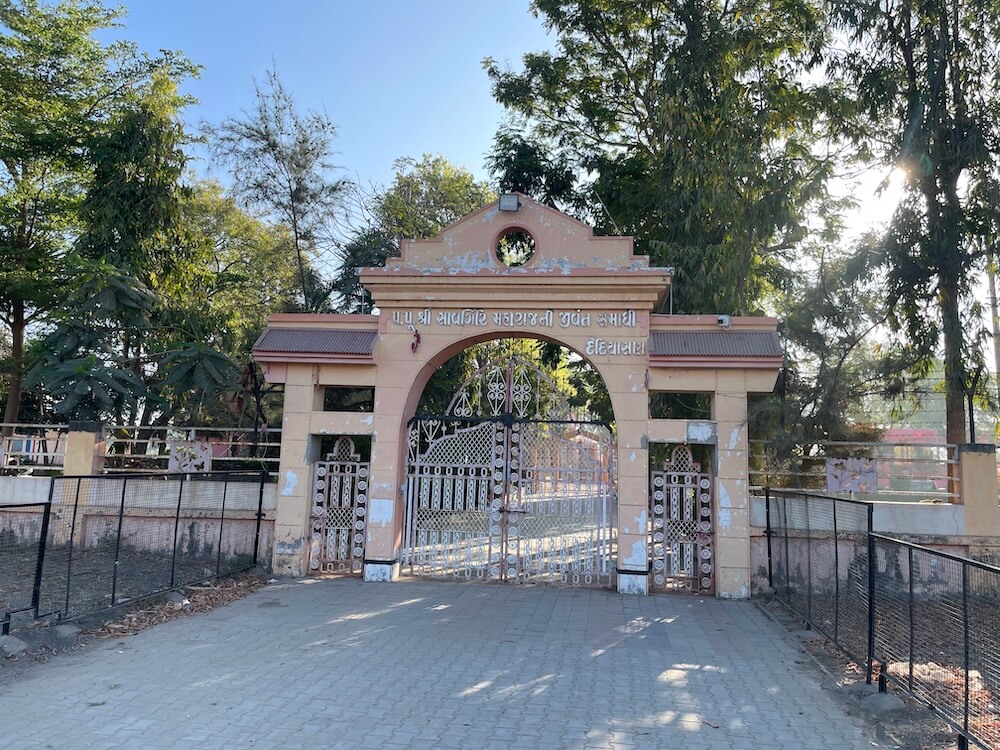
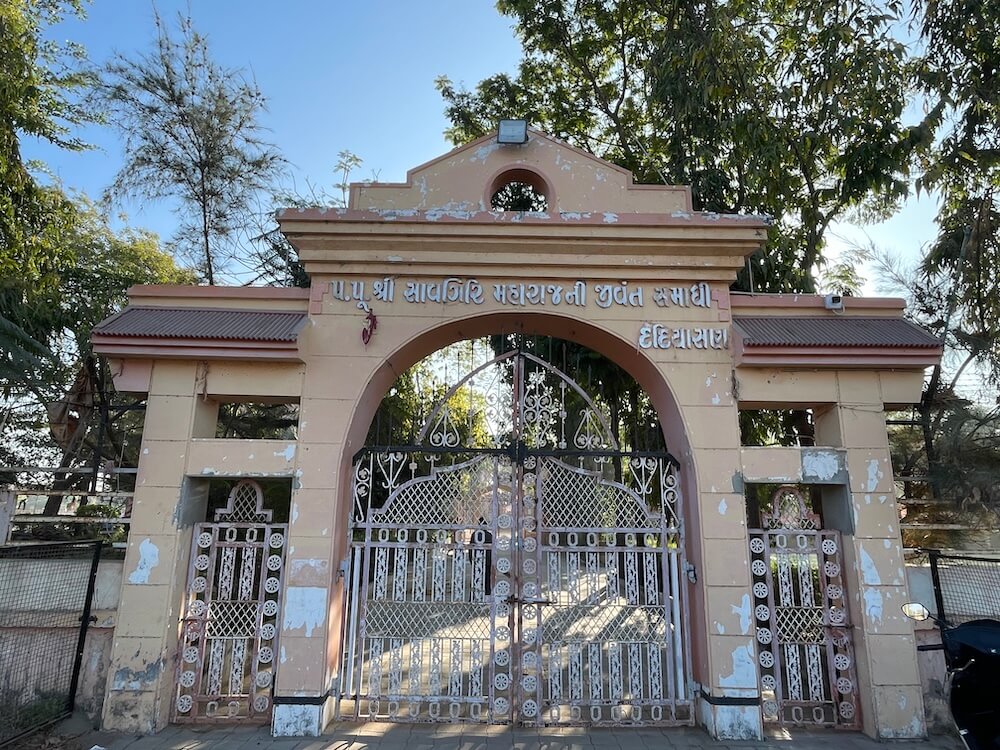
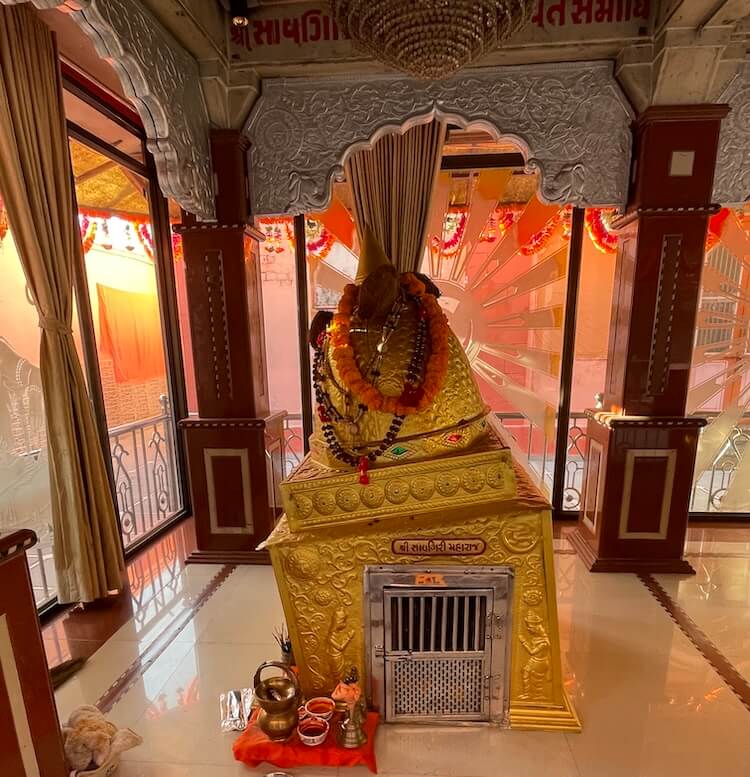 Since time immemorial, the land of India has served as the ‘karmabhoomi’ for saints, sages and spiritual ascetics. Upon this hallowed soil, numerous holy figures have, through their transcendent deeds, illuminated a new path of existence for the common folk. A radiant and tangible manifestation of this sublime spiritual heritage is found in the Mehsana district of Gujarat. The village of Dediyasan, situated on the outskirts of Mehsana city, has today become a vibrant sanctuary of faith and mental equanimity for thousands of devotees. The presence of the ‘Shri Savagiri Maharaj Jeevat Samadhi Teerthdham’ has bestowed a spiritual halo upon this hamlet.
Shri Savagiri Maharaj is revered as a pre-eminent and ‘Siddha’ (perfected) soul of this region. From childhood, he was steeped in devotion and renunciation. He felt no yearning for worldly pleasures and stayed immersed in ‘bhajans’, ‘kirtans’ and ‘satsangs’. He is believed to have been a steadfast devotee of Lord Shiva, enjoying Mahadev’s direct grace. 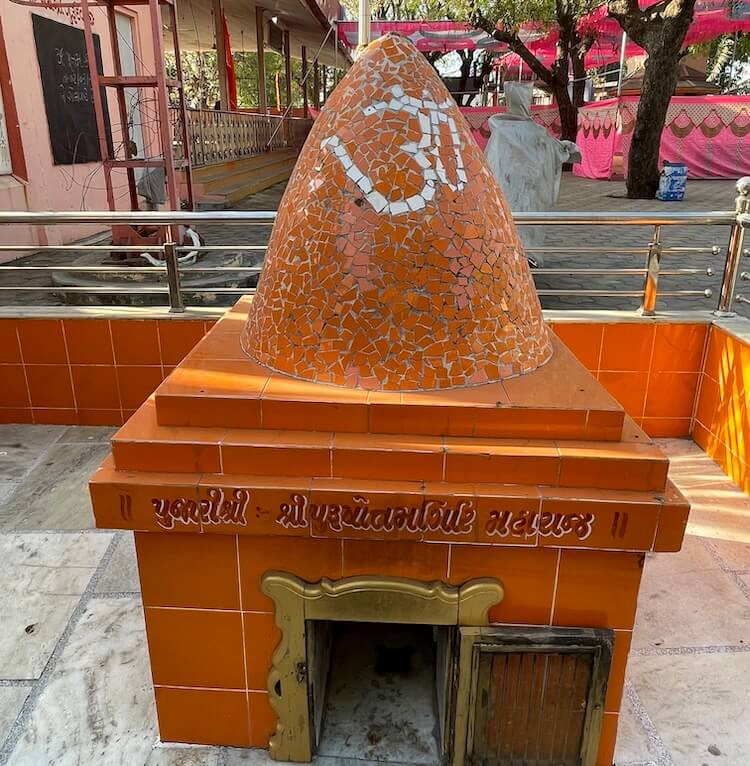 Inspired by his ascetic spirit, he decided at a young age to take ‘Jeevat Samadhi’ (entering a conscious state while alive to leave the mortal coil). He chose to do so in a cemetery reserved for ascetics. According to the Hindu calendar, he entered this state on Magh Vadya Ekadashi, merging his form into the five eternal elements.
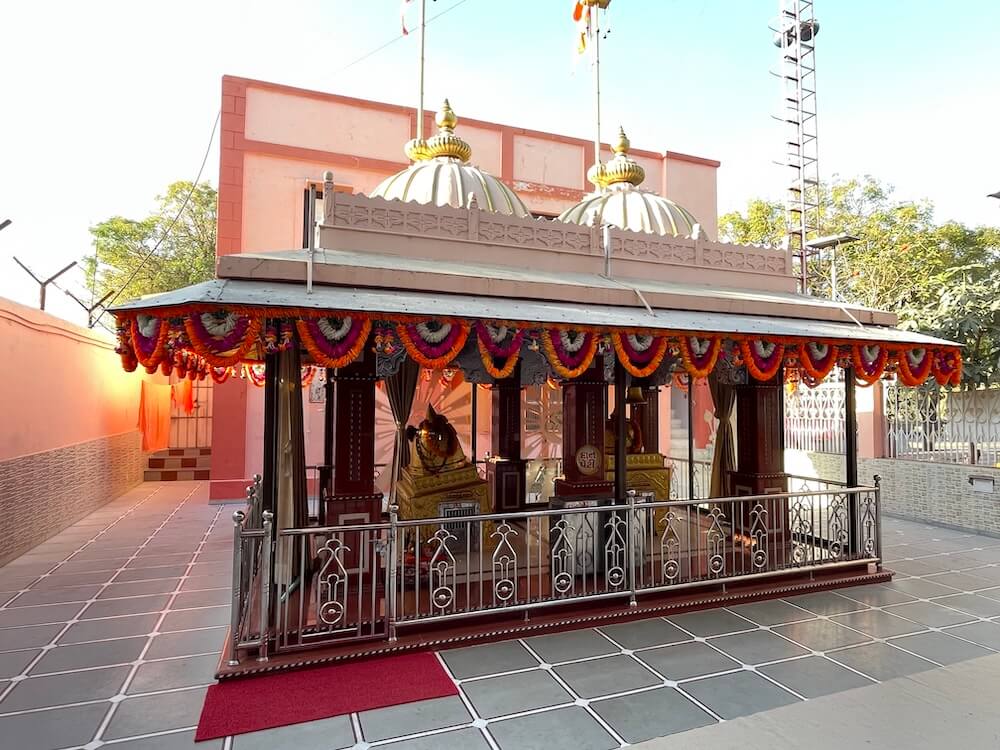
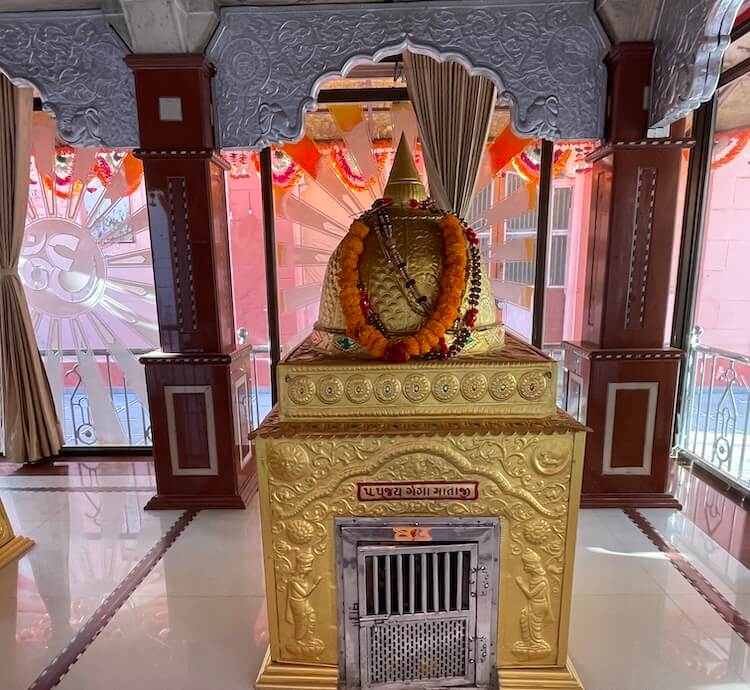
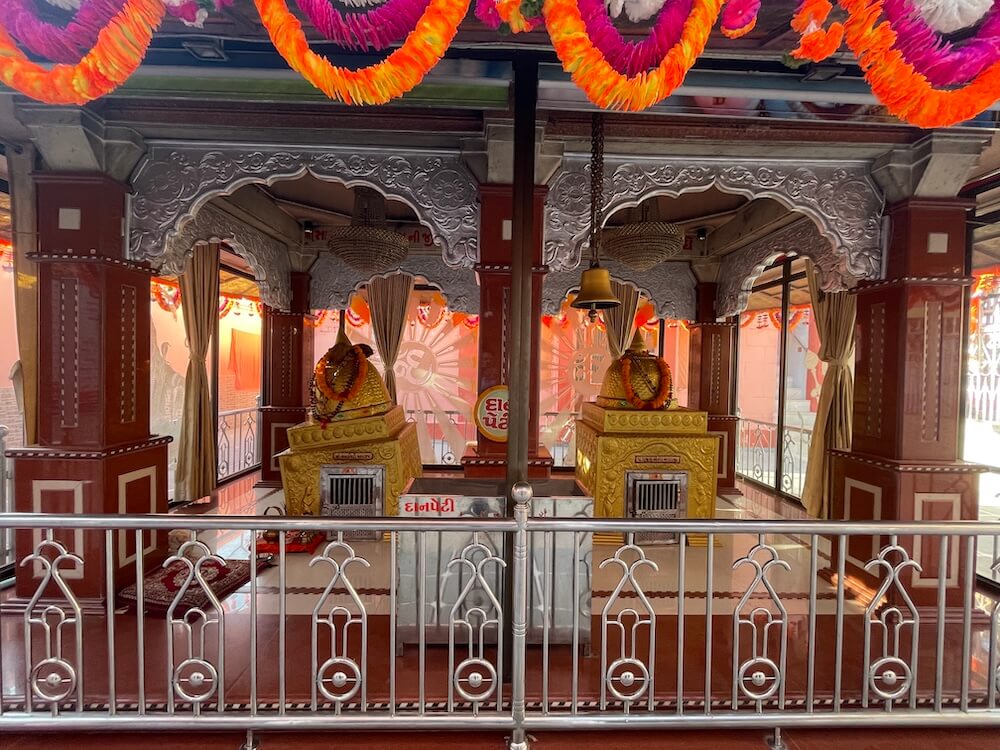
Several legends are entwined with the Maharaj’s act of taking ‘samadhi’. Before entering his final meditative state, the Maharaj had foretold the villagers that the temple to be erected over his resting place would lean towards the east or the ‘Ugamani’ direction. Remarkably, the temple remains inclined towards the east to this day. Furthermore, it is said that the ‘mishri’ (rock sugar) ‘prasad’ distributed by his own hands prior to his ‘samadhi’ sufficed for the entire gathering without ever being exhausted – a miracle regarded as a symbol of his inexhaustible devotion. Within the precincts of the main temple, alongside the Maharaj’s ‘samadhi’, lies the ‘samadhi’ of his mother, Shri Gangamata. Adjacent to this site is the ancient Shri Dudheshwar Mahadev Temple.
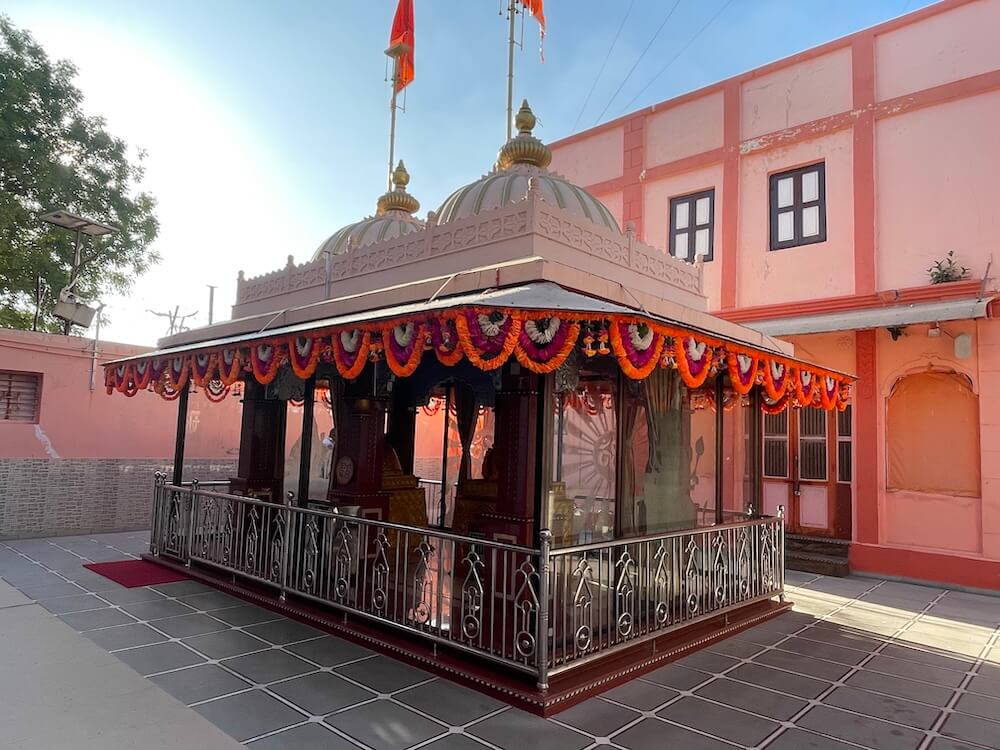
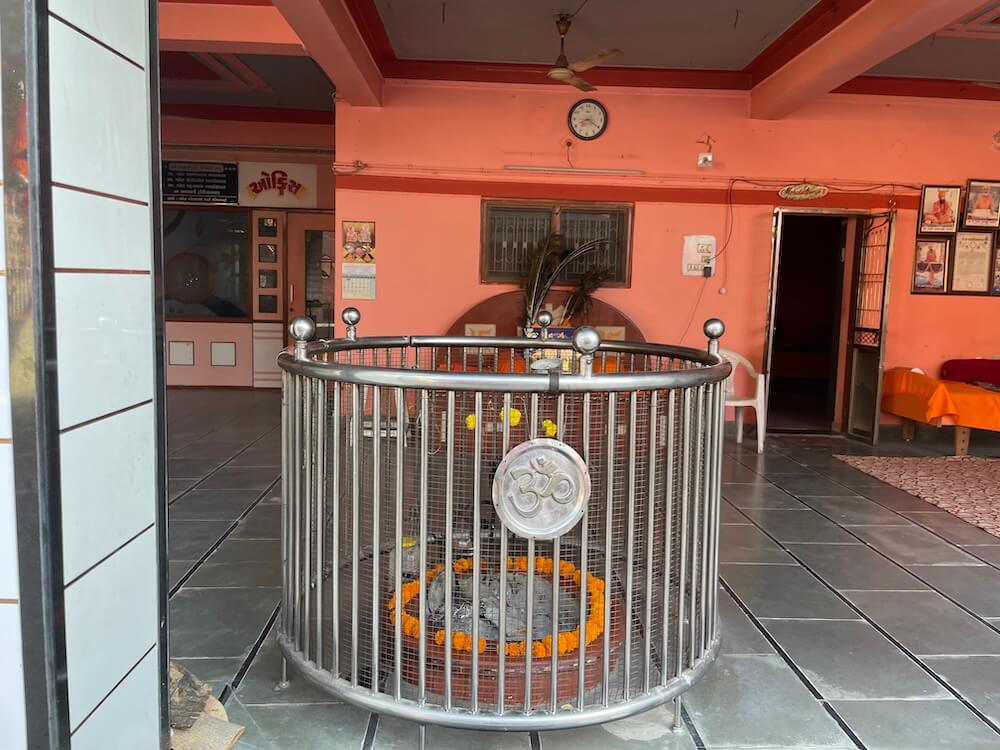 Over time, this site has evolved from a mere memorial shrine into a sophisticated ‘Teerthdham’ or pilgrimage centre. The temple’s construction reflects an exquisite harmony between modern and traditional architectural styles. The edifice is expansive and scientifically designed, featuring a grand ‘Mukhamandapa’ (entrance porch), a vast ‘Sabhamandapa’ (assembly hall) to accommodate devotees and the ‘Garbhagriha’ (sanctum sanctorum) where the Maharaj’s principal ‘samadhi’ is located. Within this sanctum, an eternal flame burns day and night before the ‘samadhi’. Devotees maintain an unshakable belief that this flame bears witness to the Maharaj’s immortality and the light of his wisdom. In recent years, through the generous contributions of philanthropic individuals and the faithful,
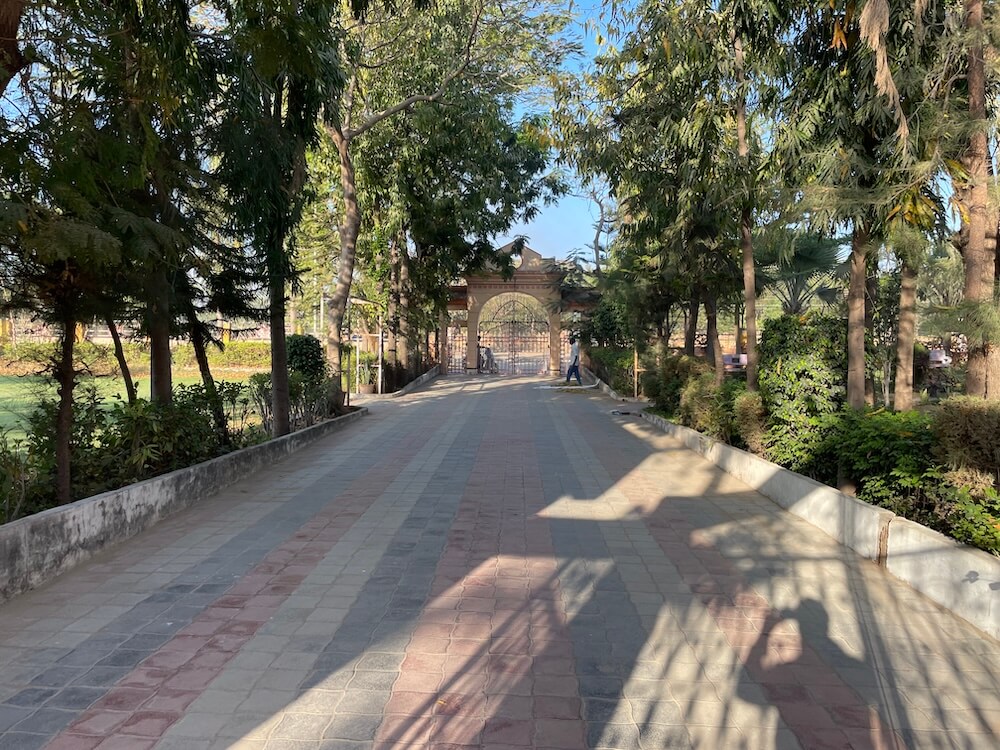
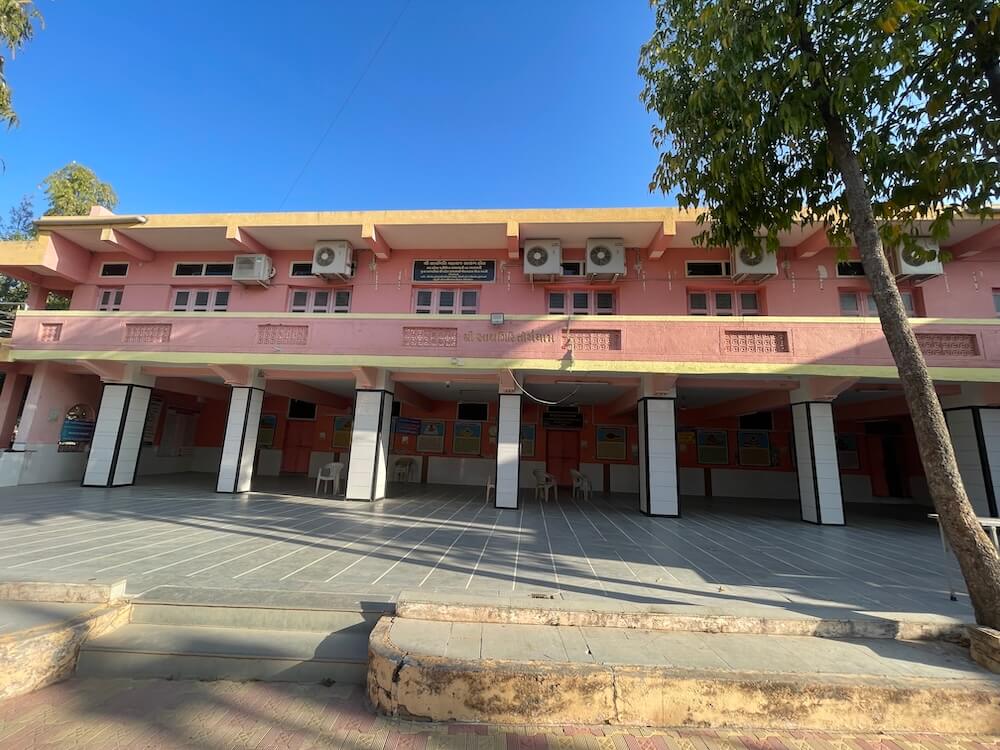
 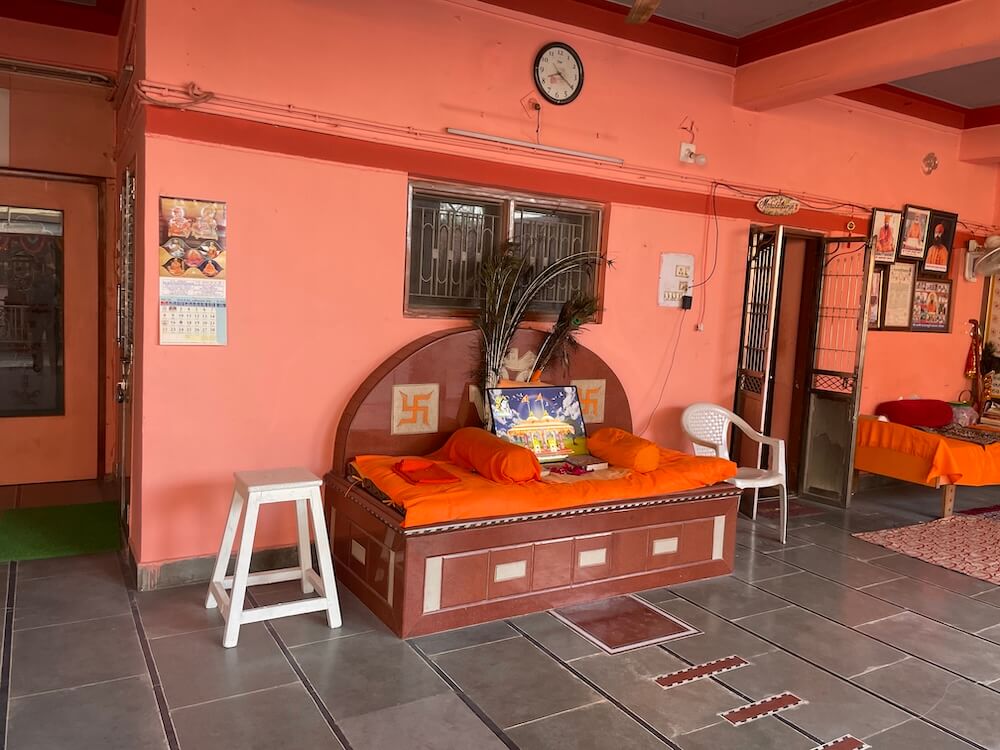 this pilgrimage site has undergone comprehensive development, transforming into a well-equipped destination for travellers. The temple complex now features an air-conditioned ‘Satsang’ hall, a separate and spacious ‘Yagnamandapa’ for religious rituals, a secure children’s playground and a beautifully landscaped garden.
Various religious festivals are celebrated at this ‘Teerthdham’ with immense fervour. Among these, the ‘Shri Savagiri Maharaj Punyatithi Mahotsav’ is the most significant event. This festival is celebrated with great pomp every year over two days, specifically on Magh Vadya Dashami and Ekadashi. Thousands of devotees, sadhus and saints from across the district and the state make a point of attending. In addition to this primary festival, the ‘Patotsav’ of Shri Dudheshwar Mahadev on Vasant Panchami, as well as Mahashivratra, Guru Purnima, the various observances of the month of Shravan and the ‘Garba’ during Navratra, are all celebrated in a traditional manner. Every Thursday and on the full moon day of every month, the ‘Teerthdham’ witnesses a large influx of devotees. Notably, on every Purnima, a free community kitchen or ‘Annakshetra’ is organised to provide ‘bhojan prasad’ to the countless pilgrims who arrive for the Maharaj’s ‘darshan’. Devotees may seek blessings at the ‘samadhi’ daily between 5:00 am and 1:00 pm and from 3:00 pm to 9:30 pm.
Useful Information
- Located at 5 km from Mehsana.
- GSRTC bus services connect Mehsana with several cities across the state.
- GSRTC and private vehicle services are available from Mehsana.
- Private vehicles can reach the temple directly.
- Accommodation and breakfast facilities are available in the vicinity.
- Contact – Shantibhai Patel, Mobile – 9824719221; Prahladbhai Patel, Mob: 9913161511.
सवगिरि महाराज मंदिर/तीर्थधाम
देदियासन, ताल./जिला. मेहसाणा
मंदिरे
Temples
मंदिर
-
वैजनाथ महादेव मंदिर महादेवपुरा (गावडा), ता. विजापूर, जि. मेहसाणा
अधिक माहितीVaijnath Mahadev Temple Mahadevpura (Gavada), Tal. Vijapur, Dist. Mehsana
View Detailsवैजनाथ महादेव मंदिर महादेवपुरा (गावड़ा), ताल. विजापुर, जिला. मेहसाणा
विवरण देखें -
वैजनाथ महादेव मंदिर सोखडा, तालुका विजापूर, जिल्हा मेहसाणा
अधिक माहितीVaijanath Mahadev Temple Sokhada, Taluka Vijapur, District Mehsana
View Detailsवैजनाथ महादेव मंदिर सोखाडा, तालुका विजापुर, जिला मेहसाणा
विवरण देखें -
काशी विश्वनाथ महादेव मंदिर मेहसाणा, जि. मेहसाणा
अधिक माहितीKashi Vishwanath Mahadev Temple Mehsana, Dist. Mehsana
View Detailsकाशी विश्वनाथ महादेव मंदिर मेहसाणा, जिला. मेहसाणा
विवरण देखें