
Jaleshwar Mahadev Temple
Kada Darwaza, Visnagar, Tal. Visnagar, Dist. Mehsana
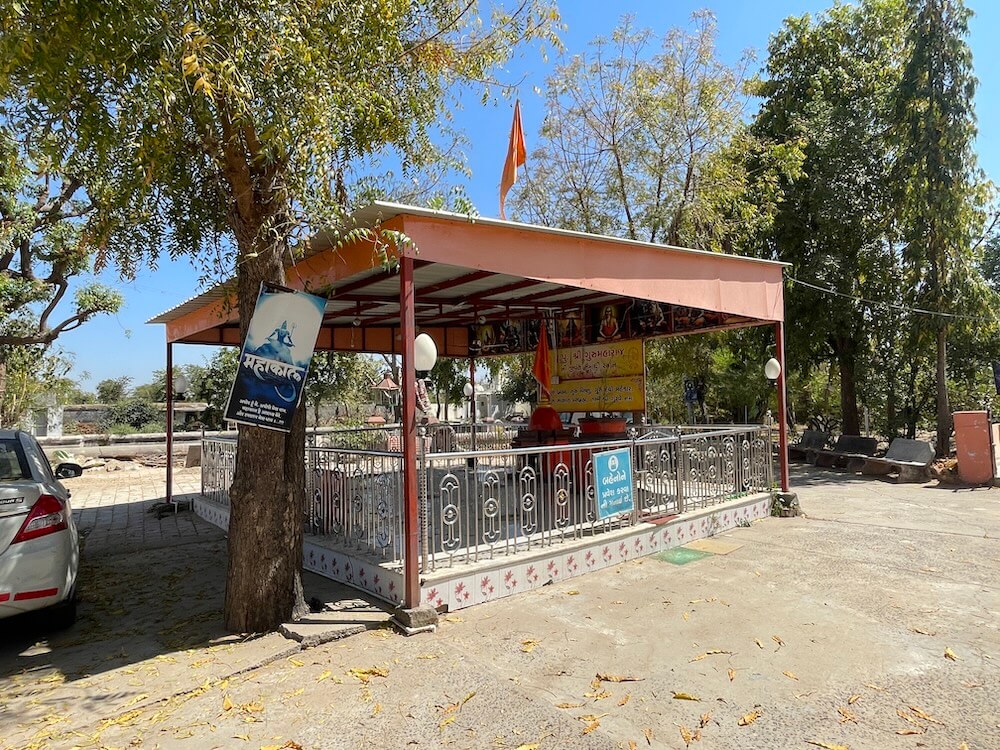
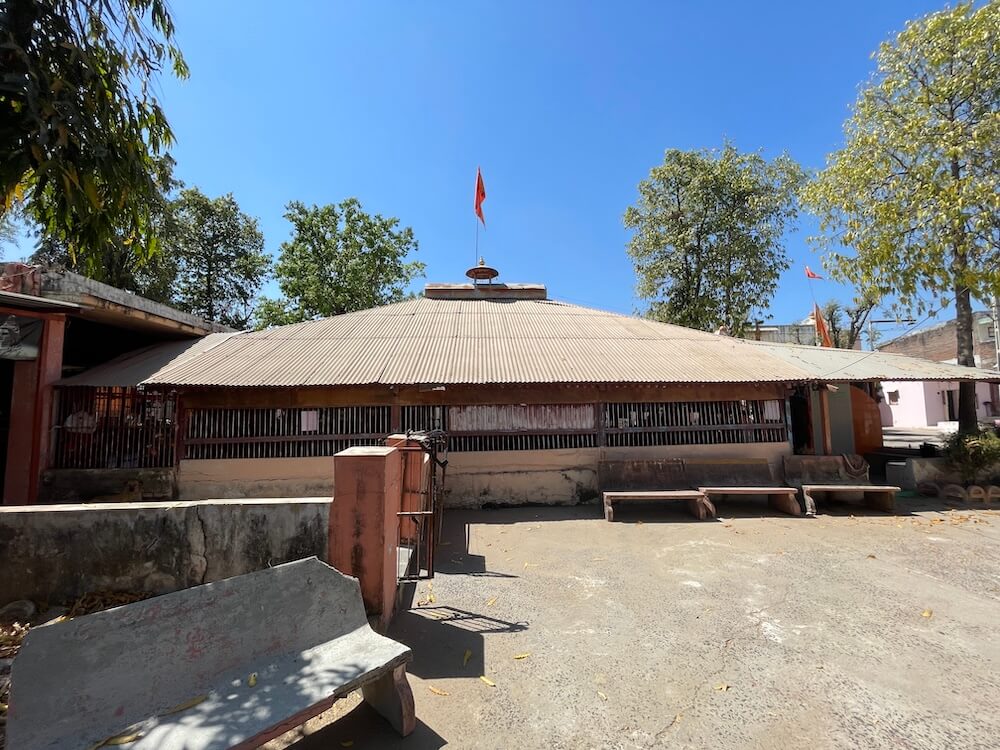
 In the city of Visnagar, widely acknowledged as the cultural and historical heart of the Mehsana district, the Jaleshwar Mahadev Temple stands as a site of immense renown. This sacred shrine is situated near the boundary of Kada village, in close proximity to the Vijay Para (Vijaypura) locality. Owing to its location on the periphery of Kada, the temple is frequently referred to by the faithful as ‘Kada Jaleshwar’. The urban layout of Visnagar is deeply rooted in its historical fortifications and gateway structures. Among these, the ‘Kada Darwaza’ serves as a primary geographical landmark situated near the temple. Alongside architectural marvels such as the ‘Teen Darwaza’, the ‘Heera Vav’ (stepwell) and the ‘Delia’ lake, the Jaleshwar Mahadev Temple remains a significant centre of attraction for visitors and pilgrims alike.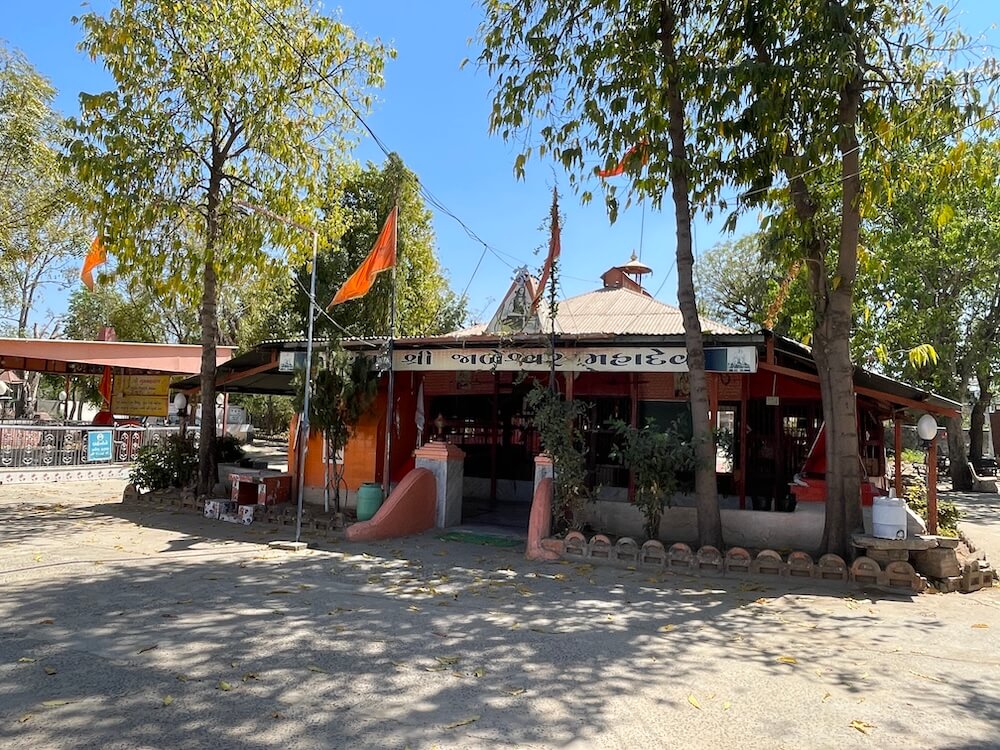
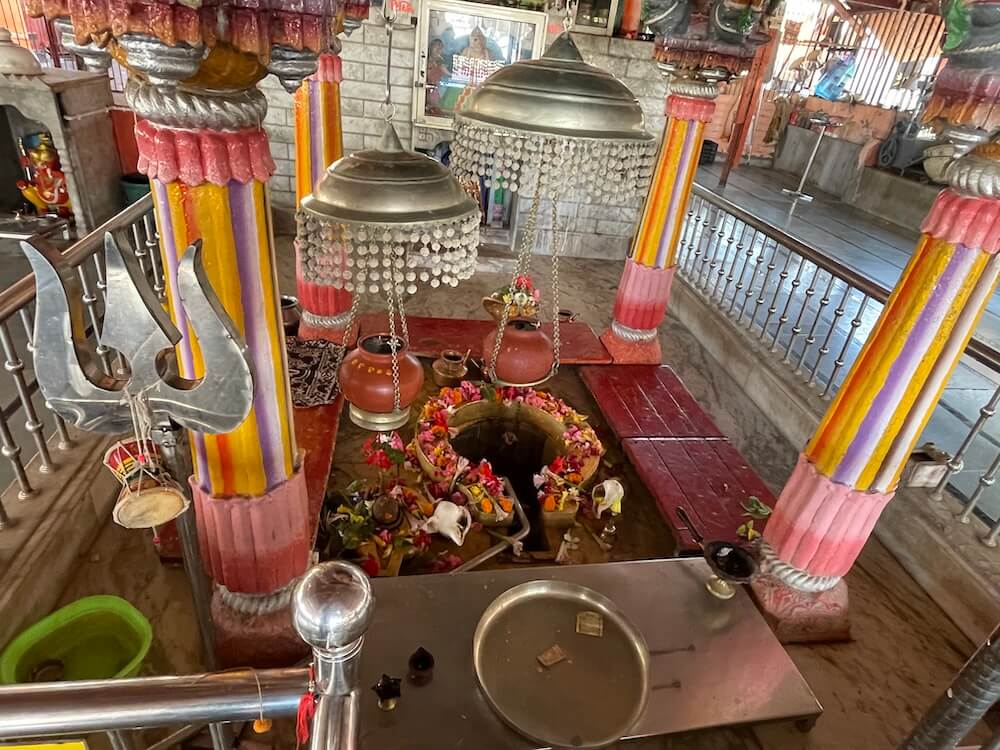
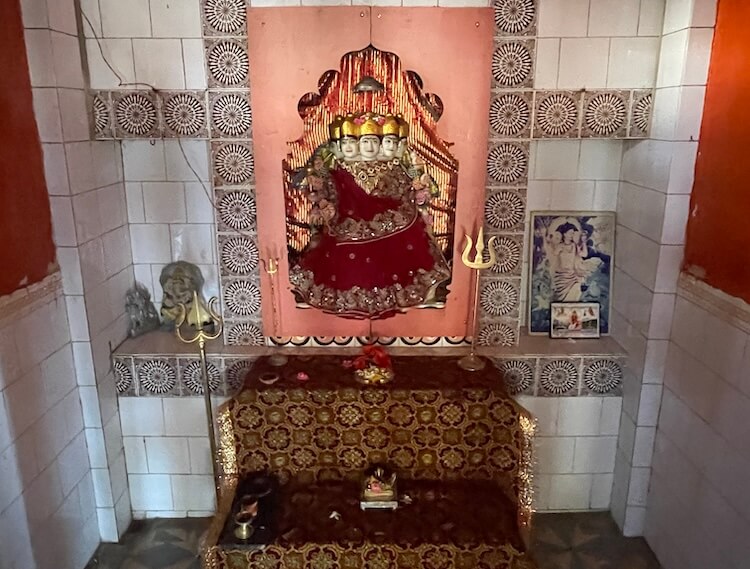
Local lore regarding the origin of the temple suggests that approximately eight hundred years ago, this region was covered in dense thickets where cowherds would bring their kine to graze. It is said that one particular cow would spontaneously offer her milk beneath a tamarind tree. Upon discovering this extraordinary occurrence, the villagers undertook excavations at the site and unearthed a Shivalinga. As the digging proceeded deeper, the sacred stone appeared to recede further into the earth. In this divine process, five other self-manifested (Swayambhu) Shivalingas were discovered within the pedestal (Shalunka) of the primary deity. These five lingas are revered as symbols of the ‘Panchamahabhutas’ – the five primordial elements : Ether, Air, Water, Fire and Earth.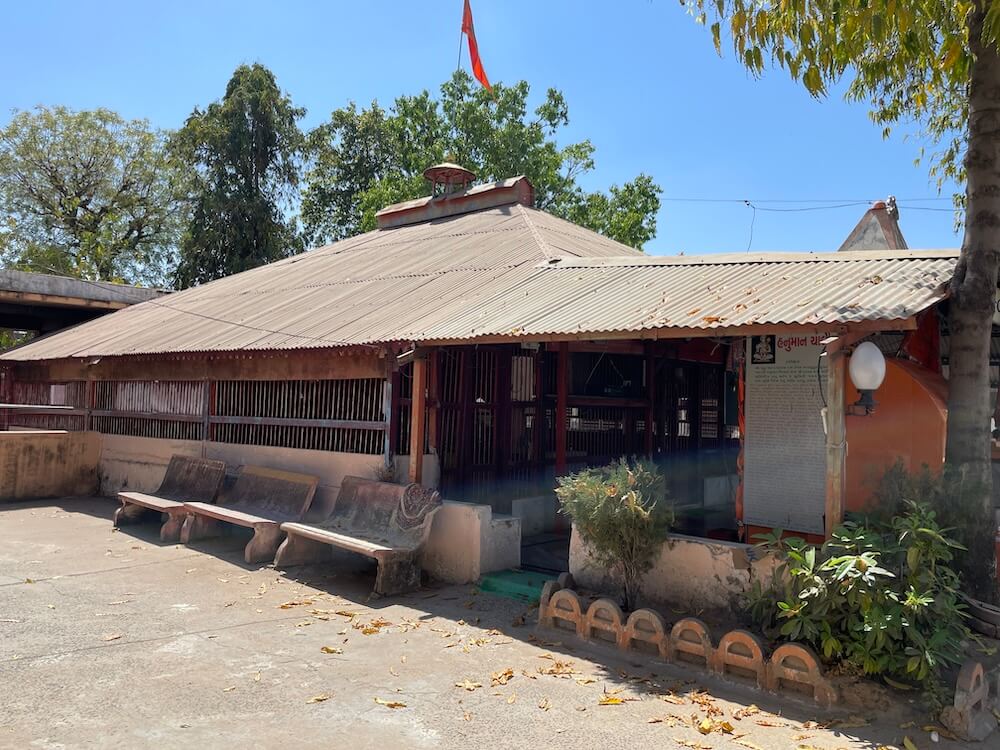 As a dense thicket is termed ‘Jaal’ in Gujarati and as the Lord manifested from within such foliage, the deity came to be known as ‘Jaleshwar Mahadev’.
The mythological significance of the Jaleshwar Mahadev Temple is intertwined with the various manifestations of Shiva described in the Shiva Purana. The name ‘Jaleshwar’ further connotes the divine essence of water. There exists an ancient tradition of consecrating Shiva in locales blessed with water bodies or reservoirs, a tradition to which this temple, situated near the Delia lake, bears silent testimony. The residents of Visnagar harbour a steadfast belief that Jaleshwar Mahadev is the city’s eternal guardian, shielding it from all calamities.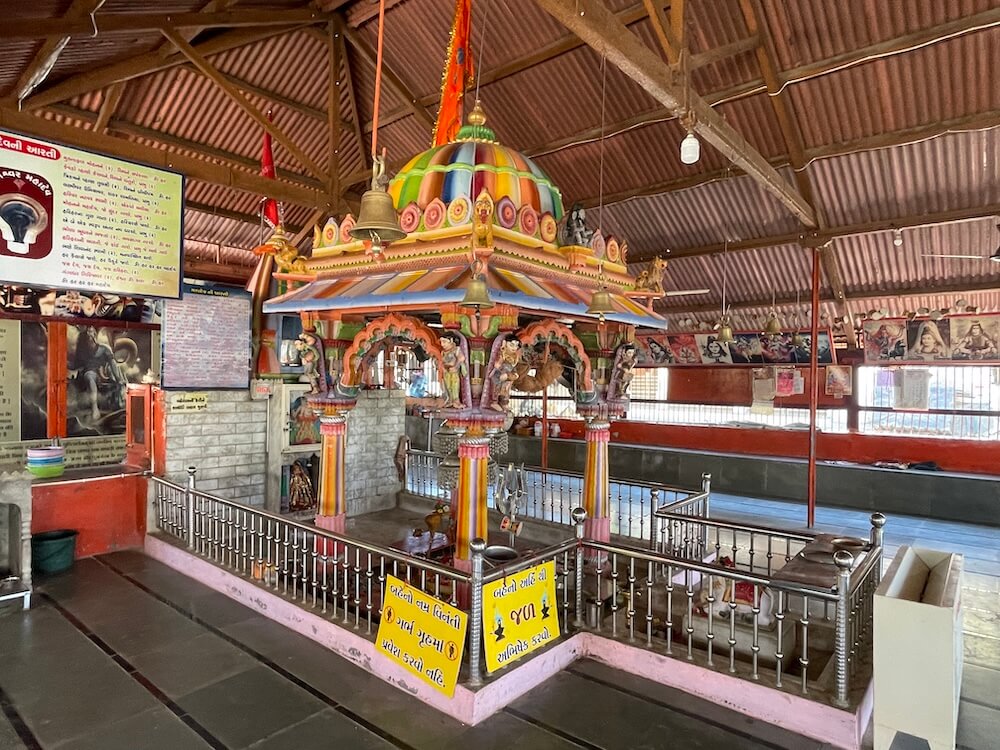
The history of Visnagar is intimately linked with the spiritual legacy of this temple. The city, according to some historians, was founded on the auspicious occasion of ‘Akshaya Tritiya’ in Vikram Samvat 1010 (953 AD) by King Visaldev Chauhan of the Ajmer dynasty, but some attribute its foundation to Visaldev, the Vaghela prince, in 1243-1261 AD. Mehsana District Gazetteer states that according to bardic traditions ‘Visaldev Mandaleshvar of Chandravati, the Vaghela, founded or rather repaired the town of Visalnagar’ (Visnagar). During the Gaekwad era, the city gained prominence for its advanced craftsmanship and became known as ‘Tamranagari’ (the Copper City) due to the ‘Kansada’ (Kansara) artisans who fashioned exquisite copper vessels. 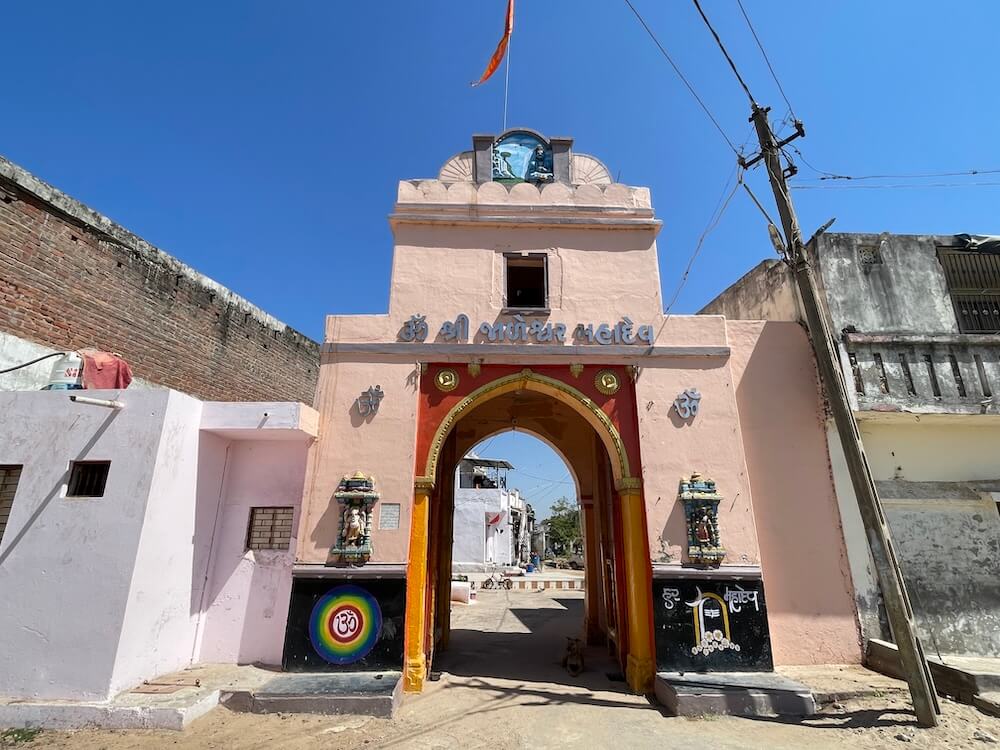 The Kansada community maintains an unwavering devotion to Jaleshwar Mahadev, traditionally commencing their business ventures and observing festive rituals within these hallowed precincts.
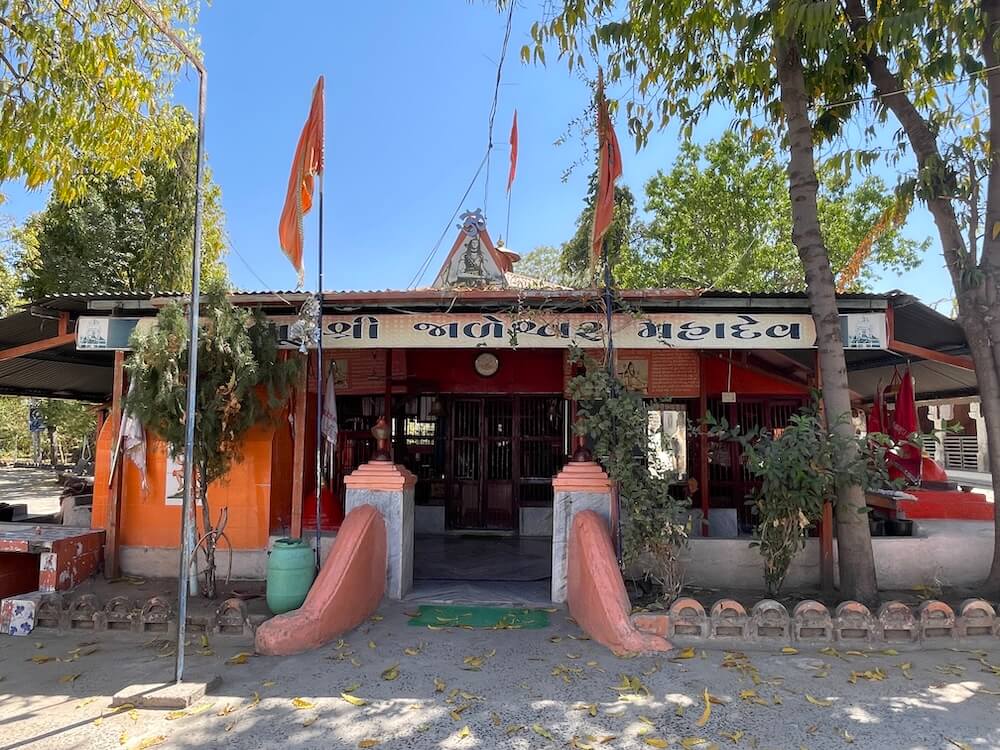
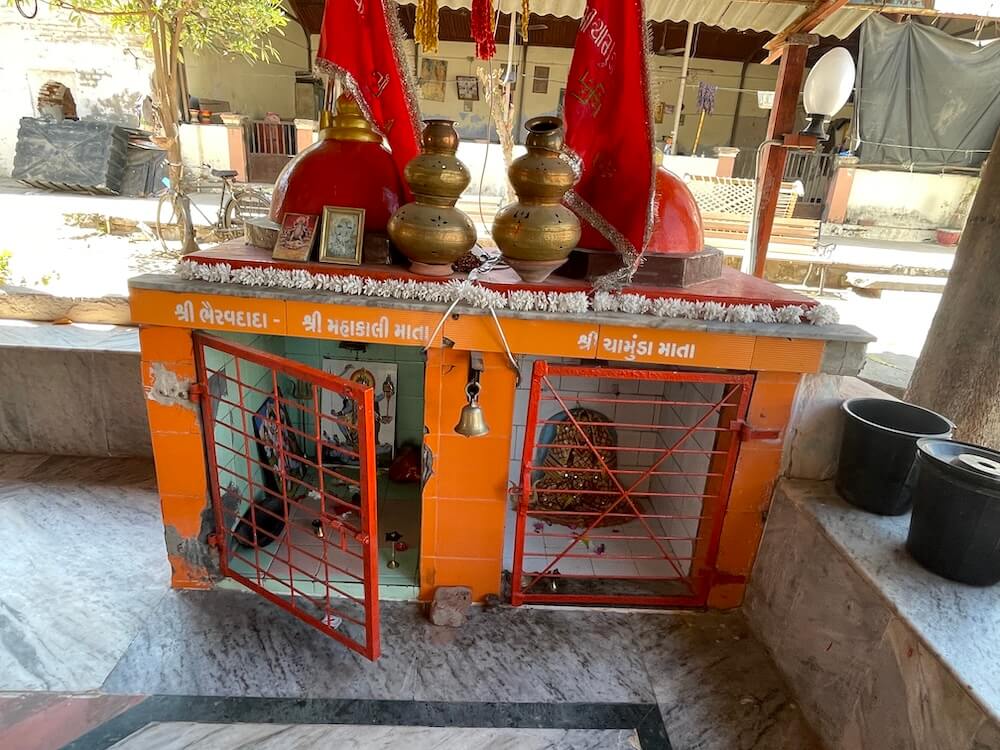
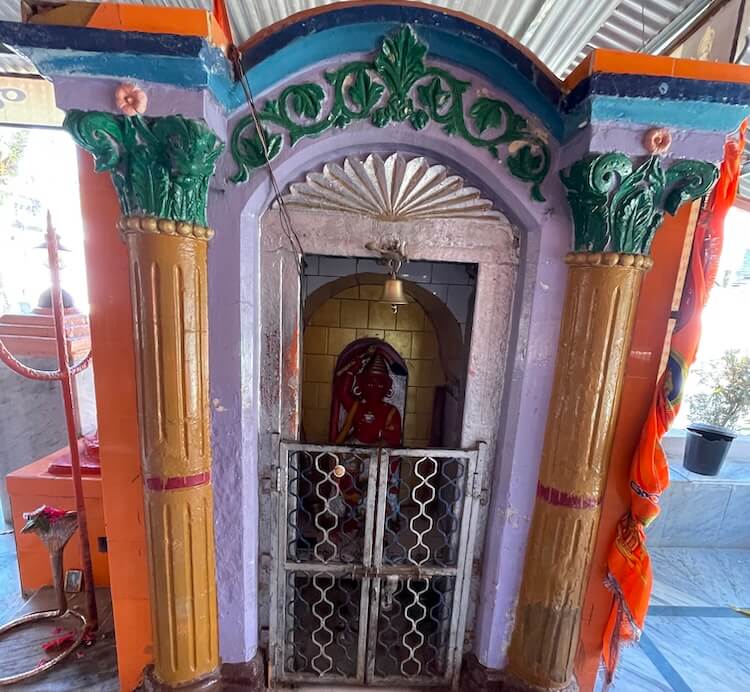
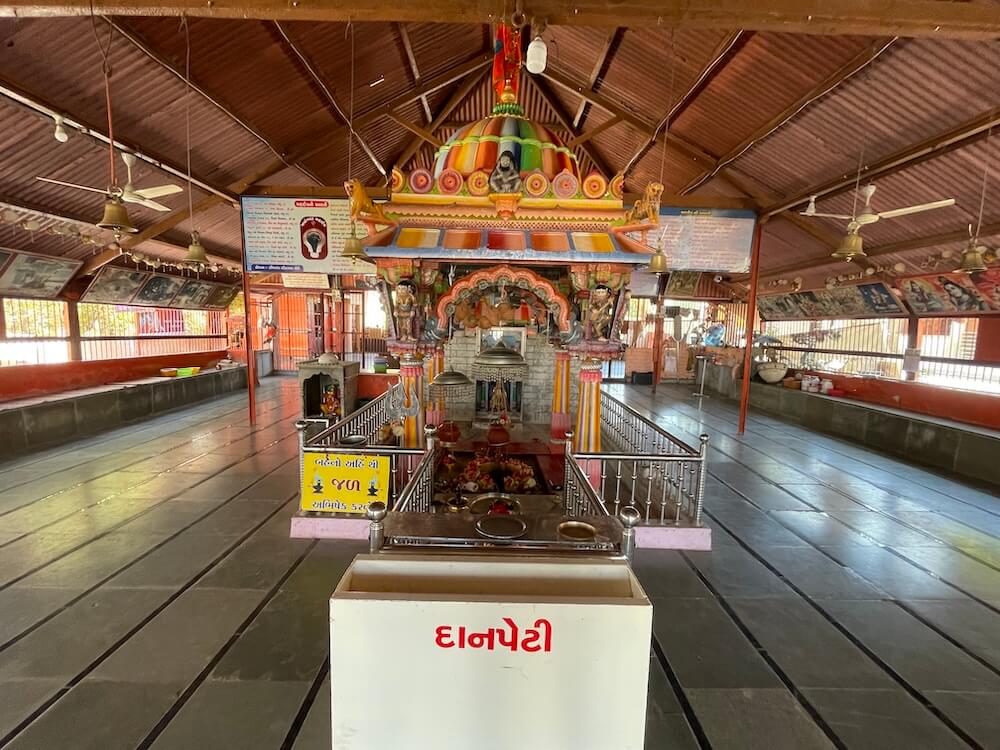
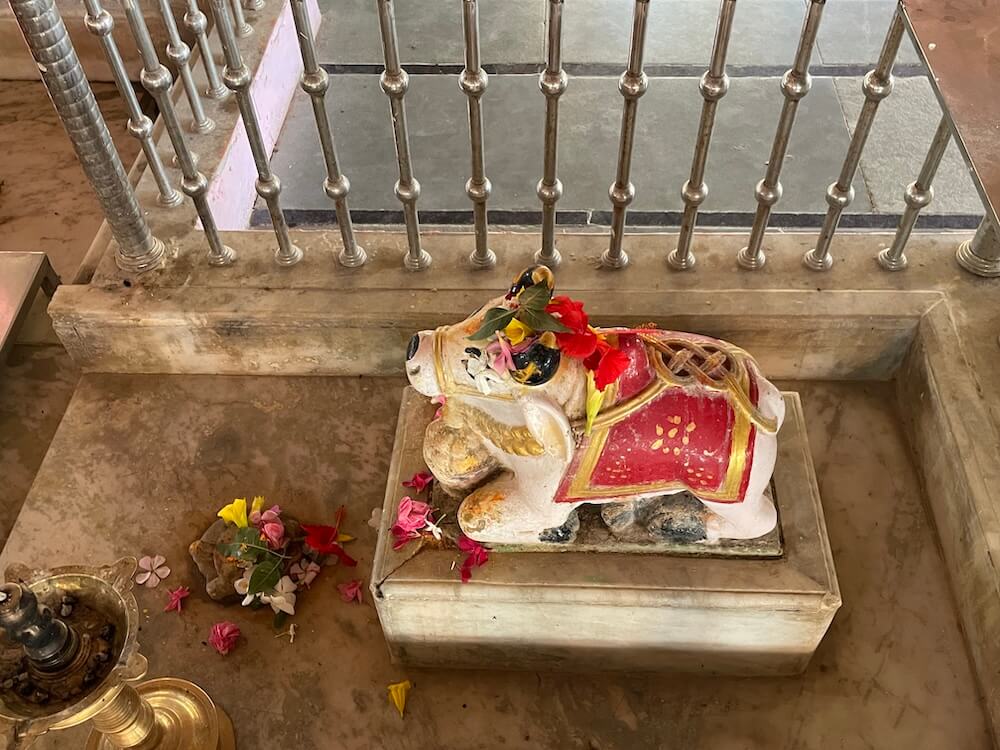
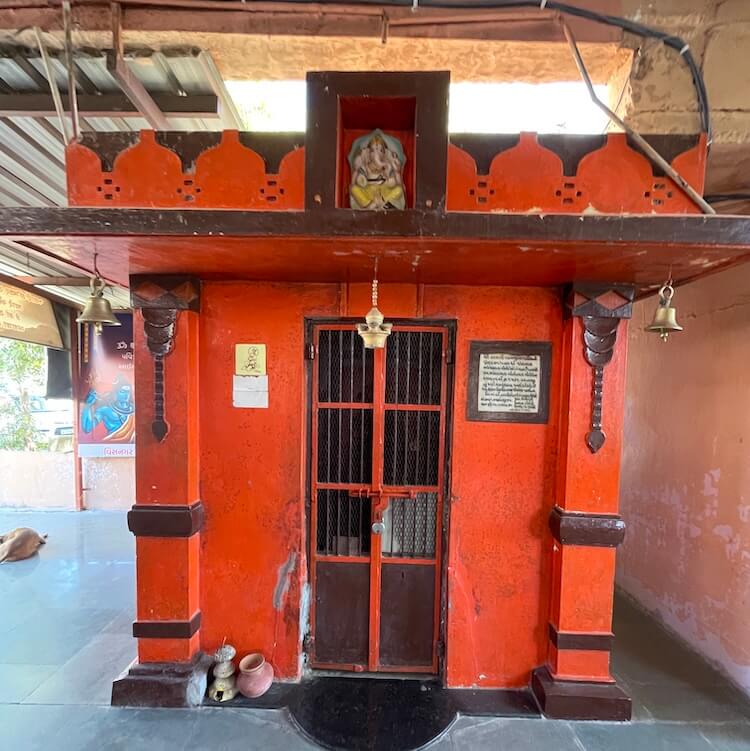
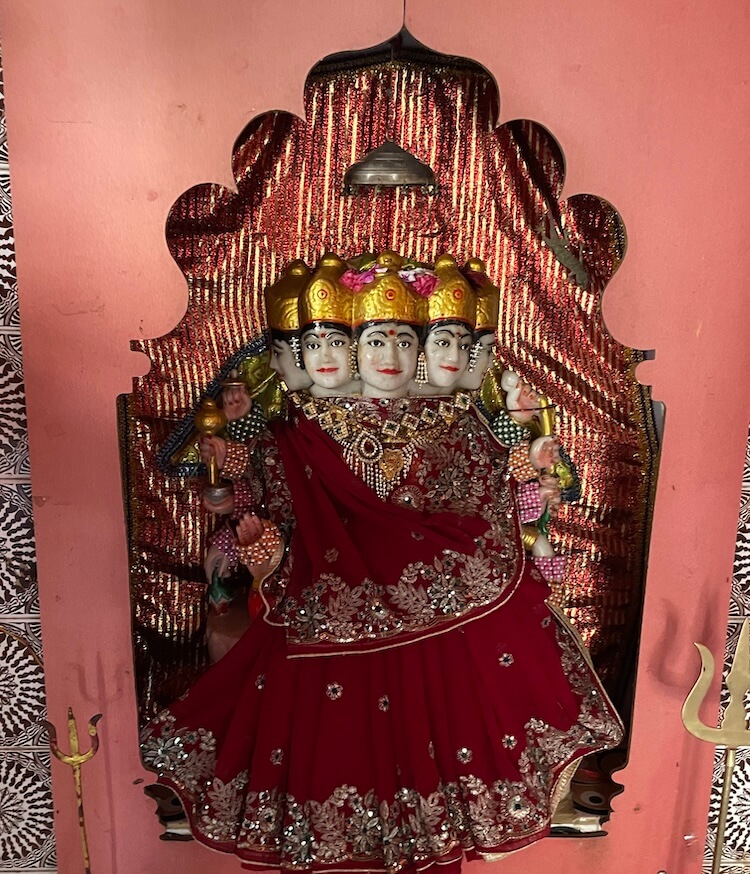
The temple architecture bears the distinctive influence of the Solanki dynasty. A statue of Nandi, the sacred bull, is installed upon the stone-carved grand portal of the temple. Upon passing through this entrance, one enters a spacious courtyard enveloped by verdant trees, at the heart of which sits the primary shrine of Jaleshwar Mahadev. The temple features a sprawling assembly hall (Sabhamandap) covered with a metal roof, adorned with pictorial representations of the twelve ‘Jyotirlingas’. Before approaching the sanctum sanctorum, devotees encounter the idols of Bhairava, Mahakali, Chamunda Mata and Hanuman. 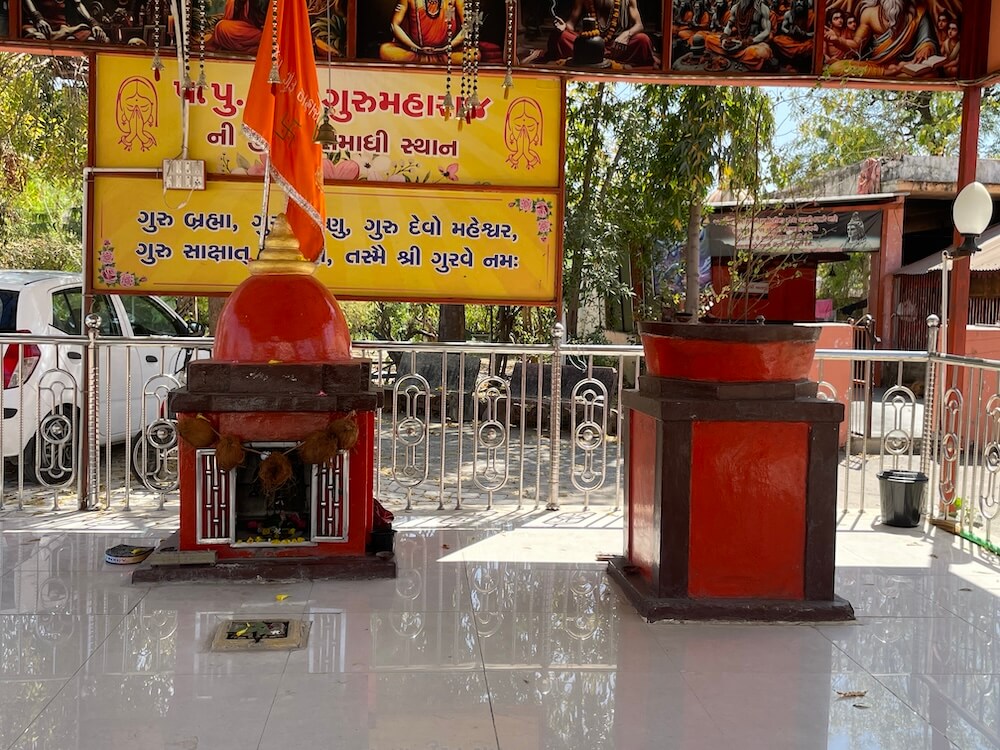 The central Shivalinga is enshrined in a somewhat recessed space and is adorned with a silver mask, typically veiled beneath a layer of ‘Bel’ leaves. The water and milk offered during the ritual anointing (Abhisheka) are absorbed directly into the earth. Adjacent to the rear wall of the pedestal are the idols of Ganesha, Parvati and Shiva, while a separate shrine for Mother Parvati is located below. The sanctum is crowned by a domed spire. Within the complex, there are also smaller shrines dedicated to Gayatri Mata, Ganesha and Dattatreya, where an eternal flame (Akhand Jyot) is kept perpetually alight.
The temple grounds house the ‘Sanjivan Samadhis’ (shrines of living entombment) of seven sages. Nearby lies an ancient ‘Kund’ (sacred tank), believed to have been built by ascetics for ritual worship. Steps have been provided on all four sides to facilitate descent into this tank.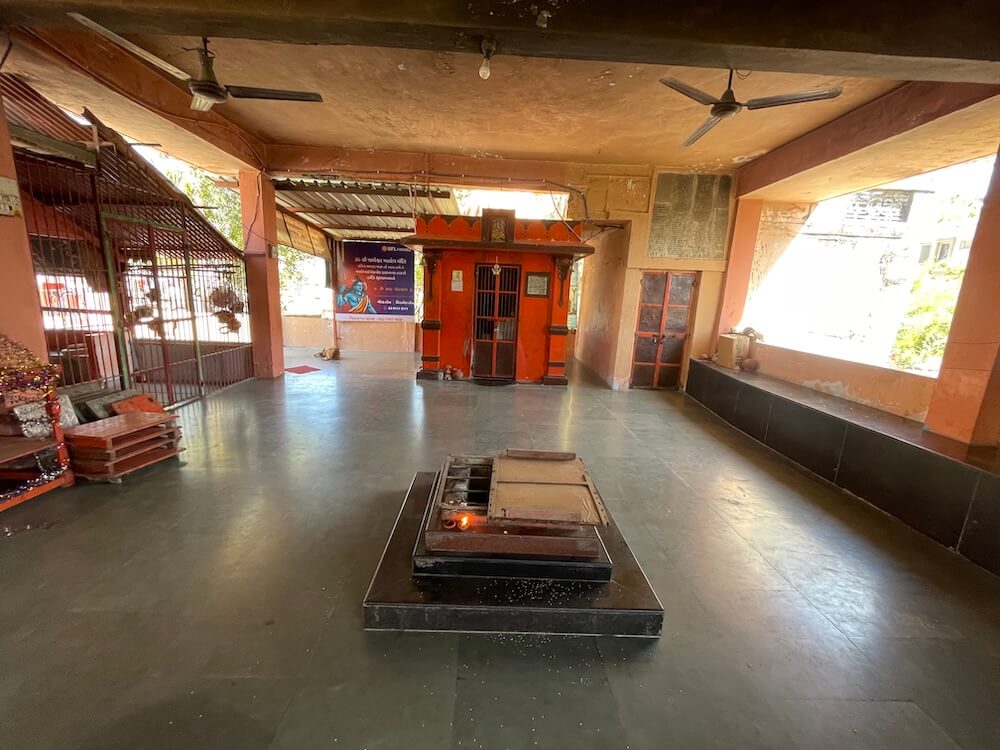
During the holy month of Shravan, the temple becomes a bustling hive of devotion. Every Monday, thousands of devotees form long queues from the early hours of dawn to perform ‘Jalabhisheka’. On the day of ‘Shravan Amavasya’, a grand procession (Shobhayatra) is taken out from the temple through the village. This circumambulation of the town concludes in the evening upon the procession’s return to the temple. Notably, a large fair is held here on the occasion of Janmashtami. Although this marks the birth of Lord Krishna, the rural tradition in Gujarat of holding fairs at Mahadev temples on this day is faithfully preserved in Visnagar. For Mahashivratri, the temple is exquisitely decorated with flowers and lamps. This festival features special prayers conducted across the four ‘Praharas’ (hours) of the night, accompanied by hymns (Bhajans) and spiritual discourses (Kirtans) performed by local groups. The temple is open for ‘Darshan’ daily from 6 am to 1 pm and from 3 pm to 9:30 pm, with ‘Aarti’ performed every morning and evening.
Useful Information
- Located at 3 km from the Visnagar Bus Station and 27 km from Mehsana.
- GSRTC bus services are available to Visnagar from various towns across the district.
- Private vehicles can access the temple premises.
- Accommodation and breakfast facilities are available in the vicinity.
जलेश्वर महादेव मंदिर
कड़ा दरवाजा, विसनगर, ताल। विसनगर, जिला. मेहसाणा
मंदिरे
Temples
मंदिर
-
वैजनाथ महादेव मंदिर महादेवपुरा (गावडा), ता. विजापूर, जि. मेहसाणा
अधिक माहितीVaijnath Mahadev Temple Mahadevpura (Gavada), Tal. Vijapur, Dist. Mehsana
View Detailsवैजनाथ महादेव मंदिर महादेवपुरा (गावड़ा), ताल. विजापुर, जिला. मेहसाणा
विवरण देखें -
वैजनाथ महादेव मंदिर सोखडा, तालुका विजापूर, जिल्हा मेहसाणा
अधिक माहितीVaijanath Mahadev Temple Sokhada, Taluka Vijapur, District Mehsana
View Detailsवैजनाथ महादेव मंदिर सोखाडा, तालुका विजापुर, जिला मेहसाणा
विवरण देखें -
काशी विश्वनाथ महादेव मंदिर मेहसाणा, जि. मेहसाणा
अधिक माहितीKashi Vishwanath Mahadev Temple Mehsana, Dist. Mehsana
View Detailsकाशी विश्वनाथ महादेव मंदिर मेहसाणा, जिला. मेहसाणा
विवरण देखें