
तोरणवाली माता मंदिर
पिळाजीगंज, मेहसाणा शहर, जिल्हा मेहसाणा
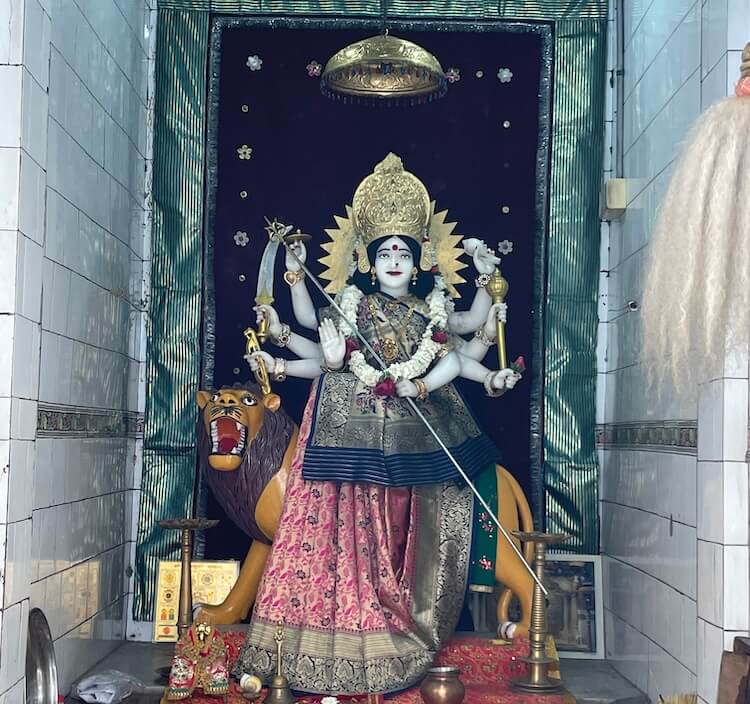 तोरणवाली माता ही प्राचीन आणि ऐतिहासिकदृष्ट्या वैभवशाली अशा मेहसाणा शहराची ‘ग्रामदेवी’ म्हणून सर्वत्र ओळखली जाते. राजपूत वंशाचे वंशज मेहसाजी (मेसाजी) चावडा यांनी १३५८ (विक्रम संवत १४१४) मध्ये भाद्रपद शुद्ध दशमीच्या शुभ मुहूर्तावर जगदंबा देवीच्या मूर्तीची प्रतिष्ठापना करून या शहराची स्थापना केली. मेहसाजी चावडा यांनी सात नारळांचे ‘तोरण’ बांधून शहराची स्थापना केली होती, म्हणून हे मंदिर ‘तोरणवाली माता मंदिर’ म्हणून प्रसिद्ध झाले. खरं तर, ‘मेहसाणा’ हे नाव मेहसाजी चावडा यांच्या नावावरूनच पडले आहे. त्यांनी शहराच्या विकासाची जबाबदारी बारोट आणि ब्रह्मभट्ट समाजावर सोपवली होती. परिणामी, या देवीची बारोट समाजाची ‘कुलदेवता’ म्हणूनही पूजा केली जाते.
मेहसाणा शहराचा इतिहास प्राचीन पौराणिक संदर्भांनी समृद्ध आहे. अनर्तपूरचा प्रदेश, 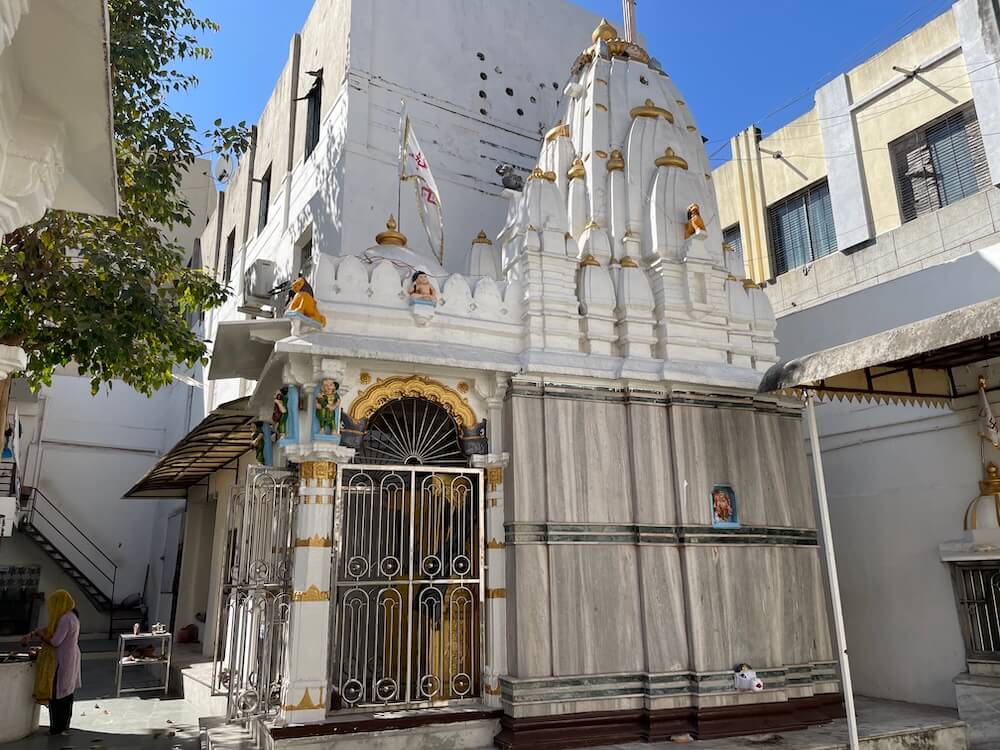 ‘स्कंद पुराण’ आणि ‘धर्मारण्य पुराण’ मध्ये उल्लेख असलेले, हे ठिकाण मौर्य, चावडा, चालुक्य, सोळंकी, मुघल आणि गायकवाड यांसारख्या अनेक पराक्रमी राजवटींचे साक्षीदार राहिले आहे. मेहसाजी चावडा यांनी वसवलेल्या या नगराची महती आणि तोरणवाली मातेवरील अढळ श्रद्धा, कवी जयसिंह बारोट (ब्रह्मभट्ट) यांच्या काव्यात अजरामर झाली आहे. पुढे, १९०२ मध्ये, वडोदराच्या गायकवाड राजवटीत, प्रशासकीय सोयीसाठी उत्तर विभागाची प्रशासकीय राजधानी येथे हलवण्यात आली, ज्यामुळे मेहसाण्याला आधुनिक महत्त्व प्राप्त झाले. नगराच्या संरक्षणासाठी वेशीवर ‘शक्ती’ देवतेची स्थापना करण्याच्या राजपूत परंपरेतून या देवीची प्रतिष्ठापना झाली. स्थानिक लोकश्रद्धेनुसार, ही ग्रामदेवता शहराचे बाह्य संकटांपासून रक्षण करते. बारोट समुदायासोबतच,
  शहरातील अनेक कुटुंबांनी त्यांना आपली कुलदेवता म्हणून स्वीकारले आहे. आजही, स्थानिक भक्त लग्नासारख्या शुभ प्रसंगी किंवा कुटुंबात नवीन बाळाचा जन्म झाल्यावर देवीचा आशीर्वाद घेण्याची परंपरा निष्ठेने जपतात.
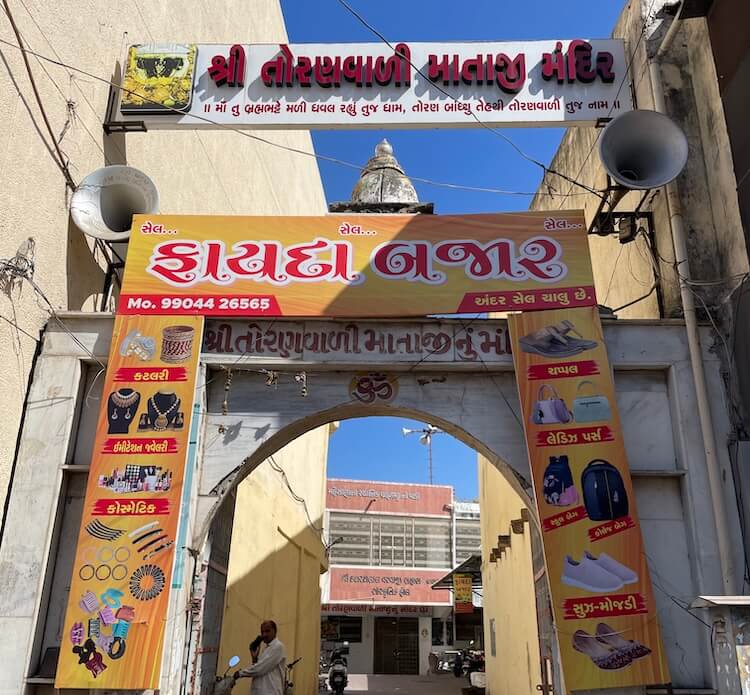
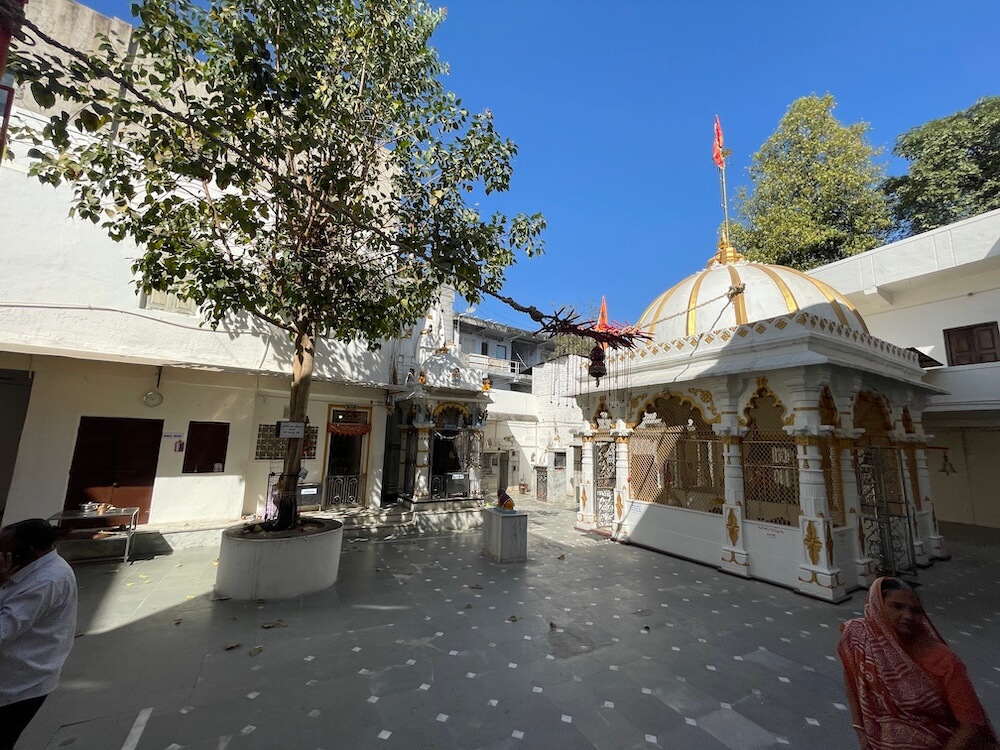
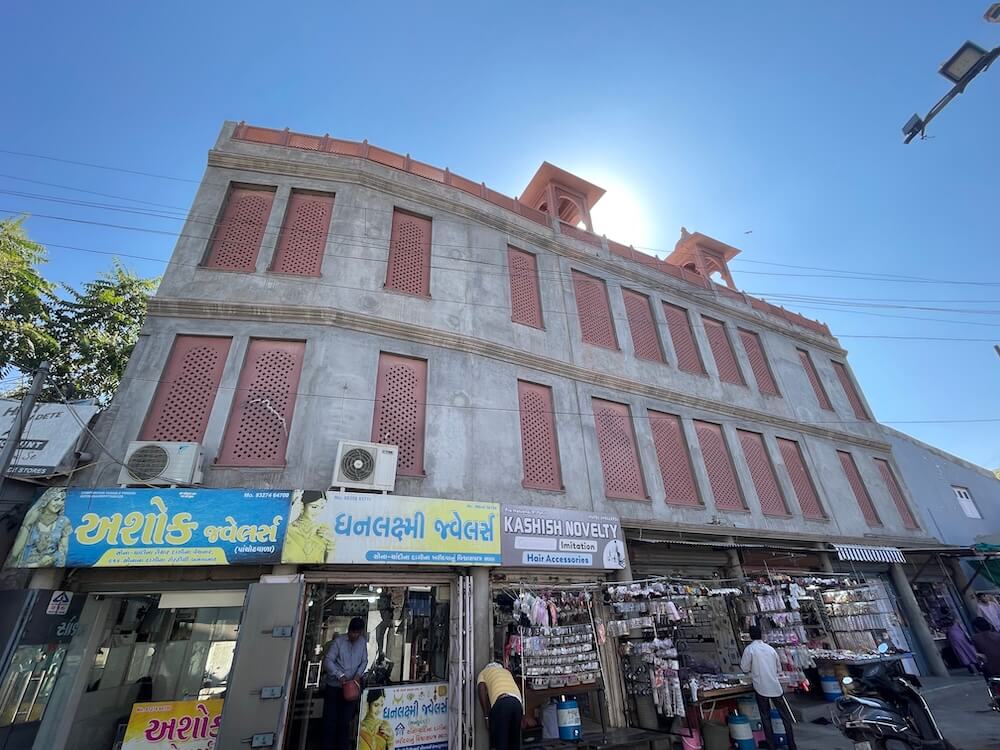
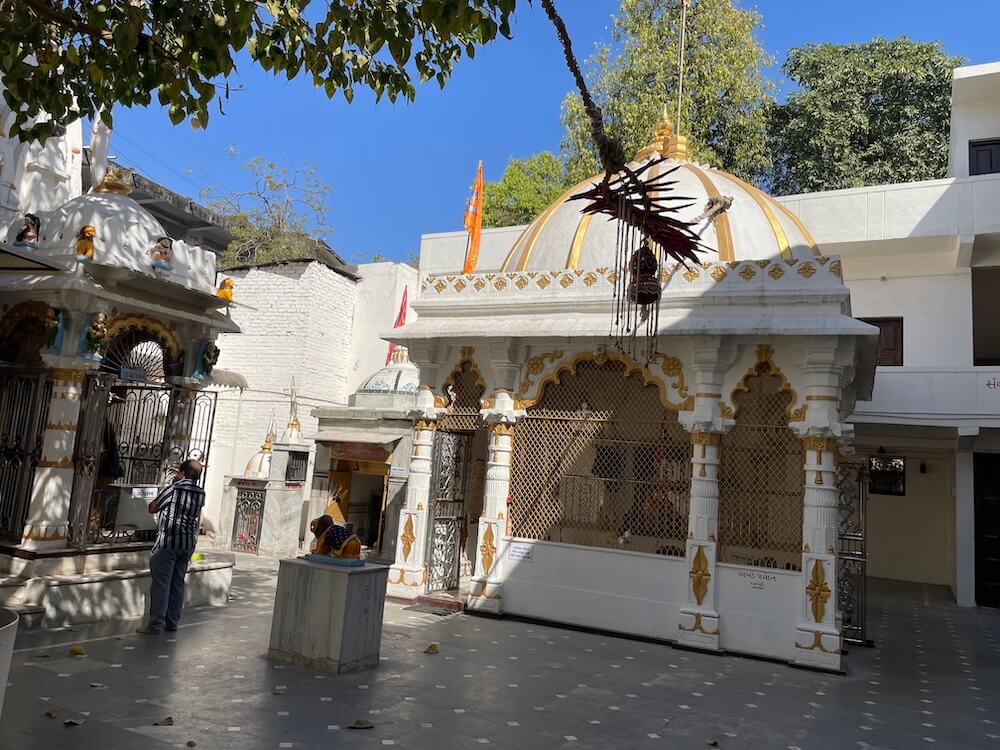
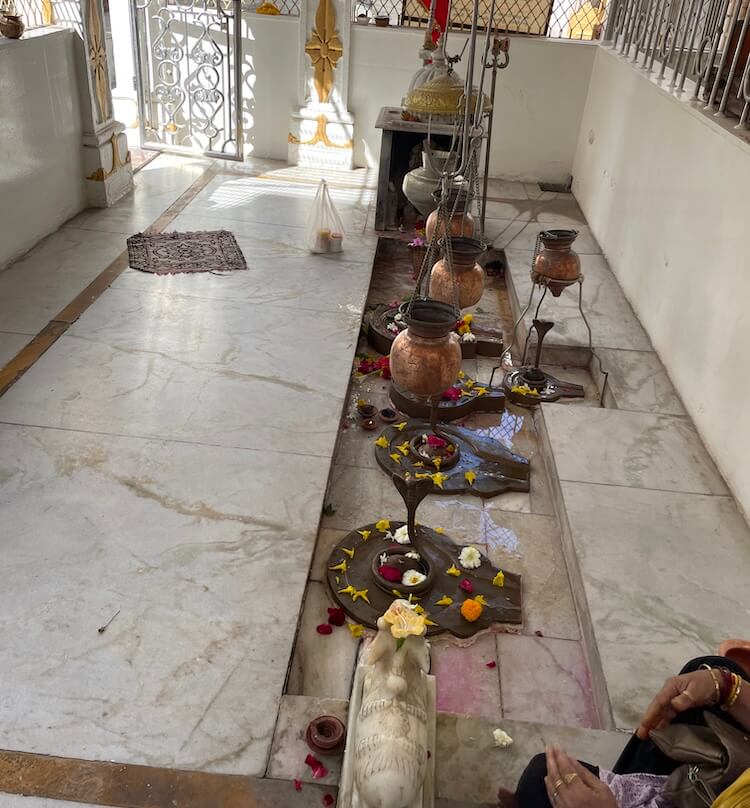
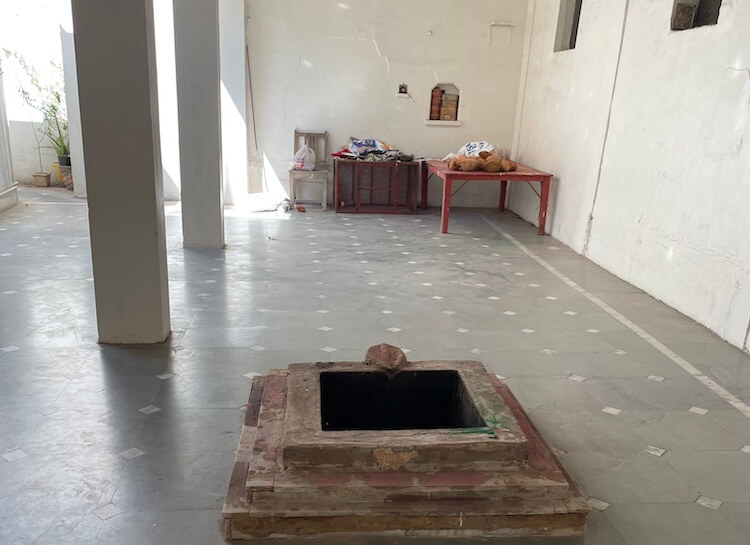
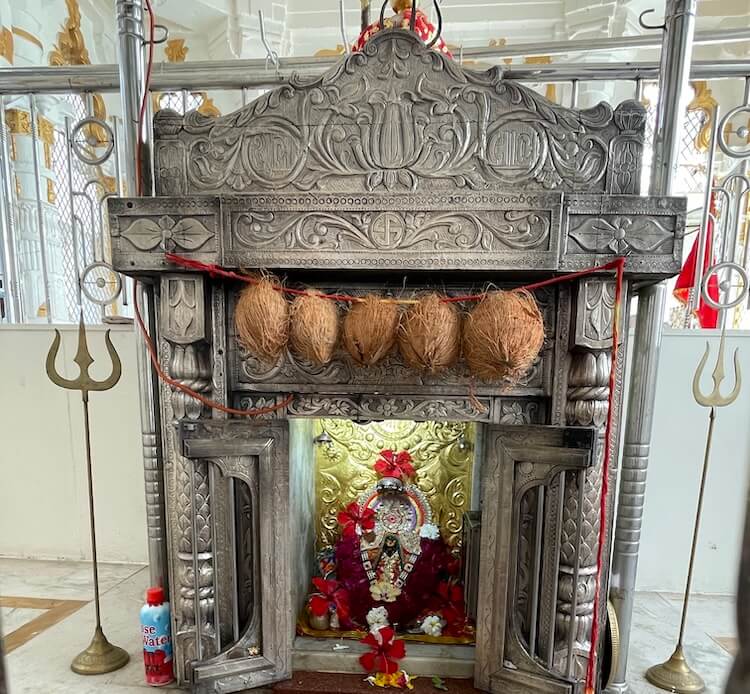
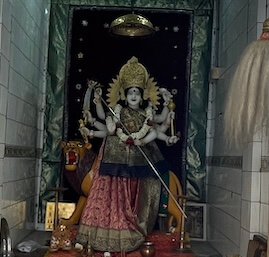
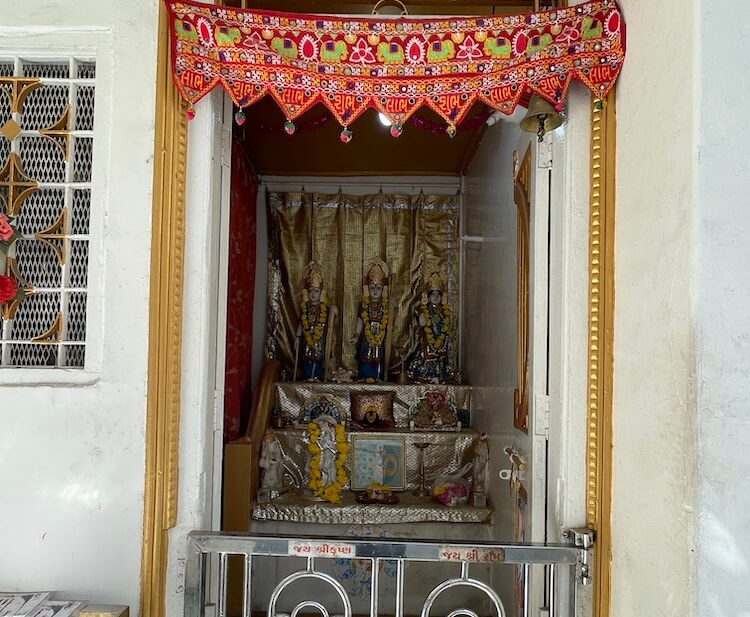
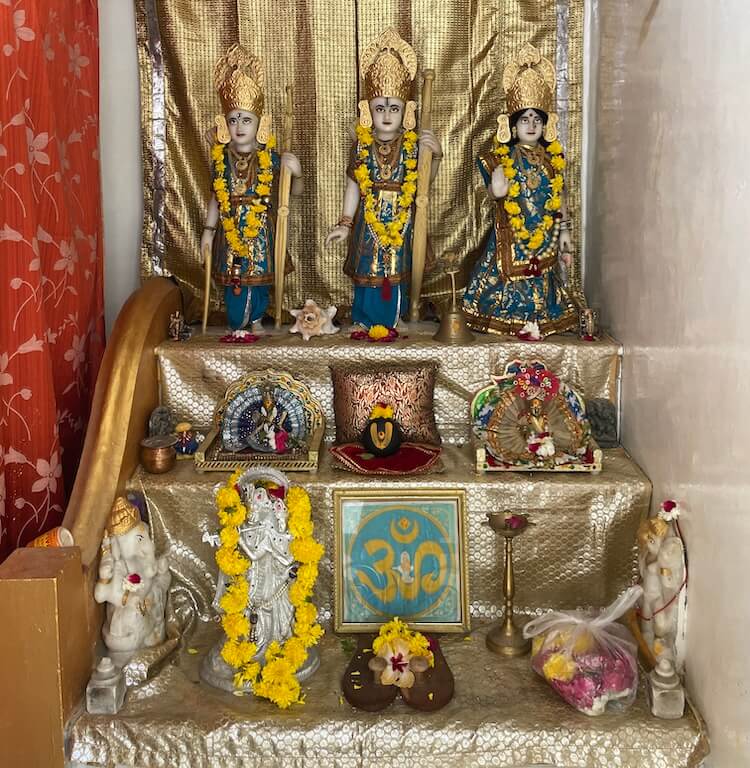
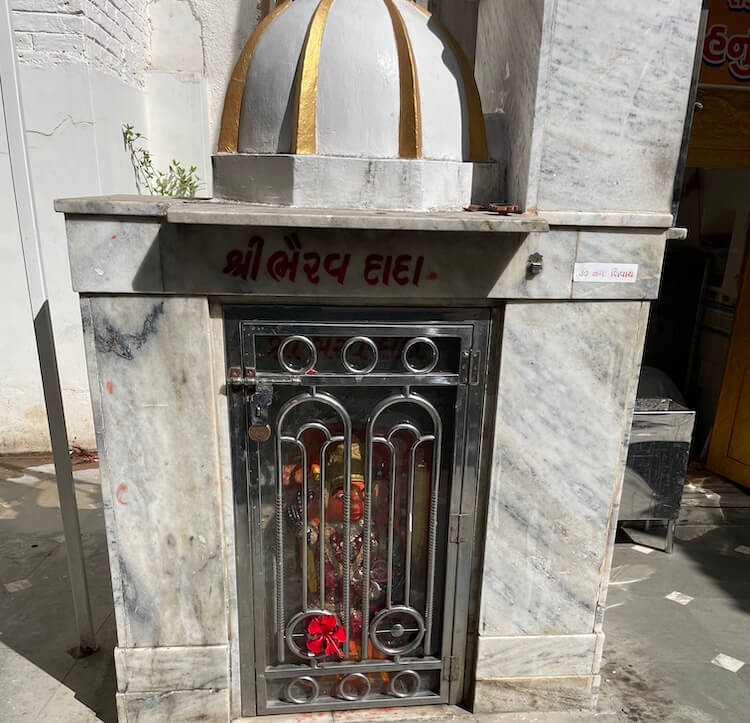
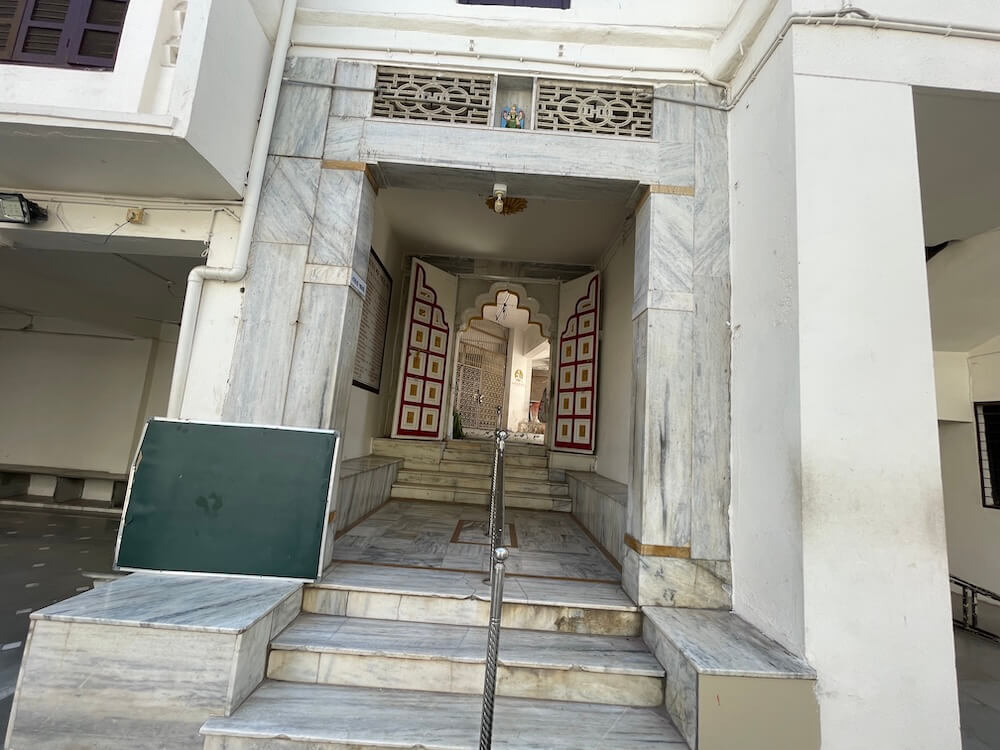
हे भव्य मंदिर मेहसाणा येथील गजबजलेल्या ‘तोरणवाली बाजार’ परिसरात स्थित आहे. मंदिराच्या प्रवेशद्वारातून आत प्रवेश केल्यावर, आपण प्रांगणात पोहोचतो. काही पावले पुढे गेल्यावर, ‘महाद्वार’ लागते, ज्याच्या दोन्ही बाजूंना हत्तींच्या (‘गजराज’) मूर्ती कोरलेल्या आहेत. प्रांगणाच्या मध्यभागी तोरणवाली मातेचे मंदिर उभे आहे. संगमरवरी फरसबंदी असलेल्या प्रवेशद्वाराच्या पायथ्याशी ‘कीर्तिमुख’ कोरलेले आहेत आणि दोन्ही बाजूंना ‘द्वारपालांच्या’ मूर्ती विराजमान आहेत. मंदिराच्या भिंतींच्या वरच्या भागात नक्षीदार जाळीचे काम केलेले आहे. मुख्य गर्भगृहामध्ये, ‘शालिग्राम’ शिळेतून कोरलेली आणि हत्तीवर आरूढ असलेली देवीची अलौकिक मूर्ती आहे. 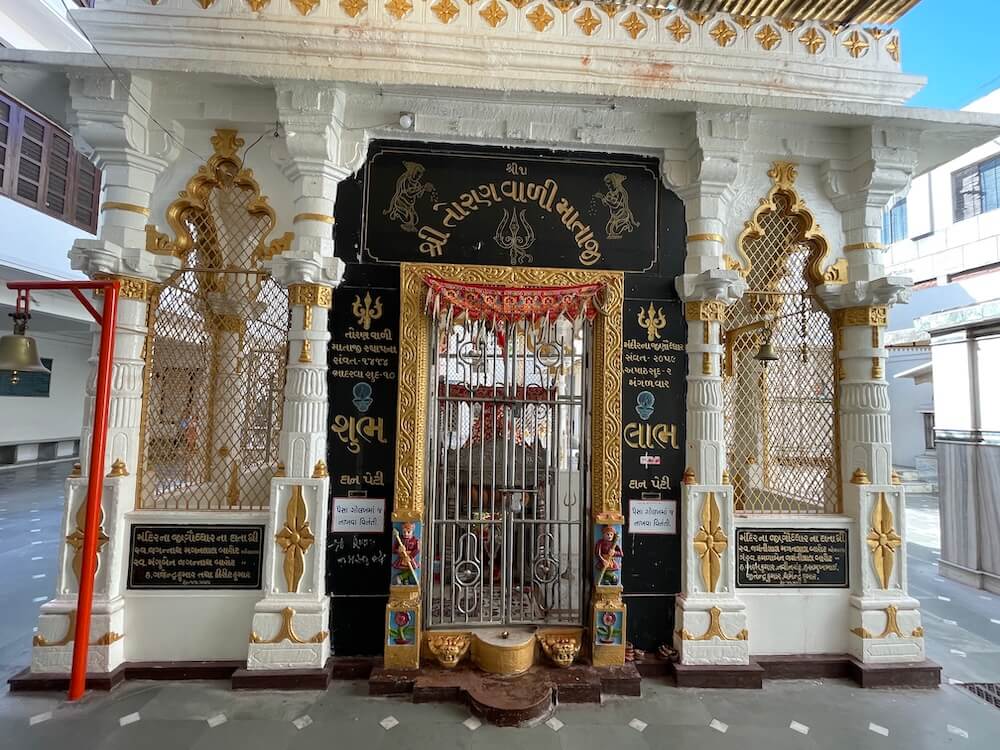 एका अत्यंत सुंदररीत्या घडवलेल्या मंडपात विराजमान आहेत. या मंडपावर परंपरेनुसार नारळांचे एक ‘तोरण’ बांधले जाते. मूर्तीच्या प्राणप्रतिष्ठेच्या दिवसापासून मंदिरात एक अखंड ज्योत तेवत आहे. मंदिराच्या शिखरावर एक घुमटाकार कळस आहे आणि प्रांगणात संतोषी माता, हनुमान, भैरव आणि राम-लक्ष्मण-सीता यांची स्वतंत्र मंदिरे तसेच एक शिवालय देखील आहे. प्रांगणातील एका निश्चित ठिकाणी विधिवत ‘तोरण’ बांधले जाते आणि होळीनंतर (गुढीपाडव्याच्या सुमारास) दरवर्षी जुने तोरण बदलून नवीन तोरण लावण्याची परंपरा अत्यंत निष्ठेने पाळली जाते.
मंदिरात वर्षभर अनेक उत्सव साजरे केले जातात. अश्विन महिन्यात येणारा नवरात्रोत्सव हा सर्वात महत्त्वाचा उत्सव मानला जातो.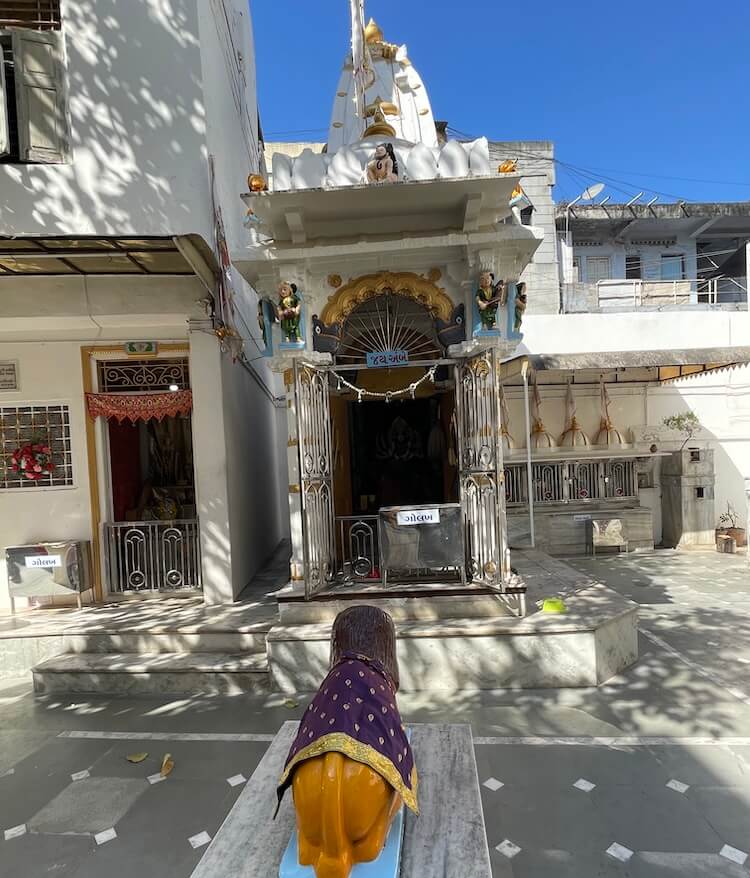 उत्सवाची सुरुवात अश्विन शुद्ध प्रतिपदेपासून होते. या नऊ दिवसांच्या उत्सवात, देवीच्या नऊ वेगवेगळ्या रूपांची स्वतंत्र दैनंदिन विधींनी पूजा केली जाते. पहिल्या तीन रात्री देवीची दुर्गा रूपात पूजा केली जाते. त्यानंतरच्या तीन रात्री, संपत्तीची देवता लक्ष्मीचे आवाहन केले जाते. शेवटच्या तीन रात्री ज्ञानाची देवता सरस्वतीची उपासना केली जाते. नवरात्री दरम्यान, संपूर्ण मंदिर फुले आणि दिव्यांनी सजवले जाते. रात्रीच्या वेळी मंदिर परिसरात आणि संपूर्ण शहरात पारंपारिक गरबा आणि दांडिया रास नृत्याचे आयोजन केले जाते, ज्यामध्ये स्थानिक नागरिक मोठ्या संख्येने पारंपारिक वेशभूषा परिधान करून सहभागी होतात. हा उत्सव अश्विन महिन्याच्या दहाव्या दिवशी, दसऱ्याला (विजयादशमी) संपन्न होतो. दिवाळी दरम्यान, मंदिर दिव्यांच्या आरासने सजवले जाते. व्यापारी दिवाळीच्या (लक्ष्मीपूजन) शुभ प्रसंगी आपल्या नवीन वहीखात्यांचे पूजन करण्यासाठी मंदिरात येतात, या परंपरेला ‘चोपडा पूजन’ असे म्हणतात. होळी आणि दसऱ्याच्या वेळी विशेष धार्मिक विधीही केले जातात. इतिहासकार जयसिंह बारोट यांच्या ऐतिहासिक नोंदीनुसार, मेहसाजी चावडा यांनी भाद्रपद शुद्ध दशमीला या शहराची स्थापना केली होती. या ऐतिहासिक घटनेच्या स्मरणार्थ, दरवर्षी या तारखेला मंदिरात एक विशेष जत्रा भरते, ज्यामध्ये आसपासच्या अनेक गावांतील नागरिक देवीच्या ‘दर्शना’साठी येतात.
उपयुक्त माहिती
- मेहसाणा बस स्थानकापासून २ कि.मी. अंतरावर स्थित आहे.
- जीएसआरटीसी (GSRTC) बस सेवा मेहसाणाला राज्यातील विविध शहरांशी जोडतात.
- खाजगी वाहने थेट मंदिरापर्यंत जाऊ शकतात.
- मंदिराच्या परिसरात राहण्यासाठी आणि न्याहारीसाठी अनेक उत्तम पर्याय उपलब्ध आहेत.
- संपर्क – मंदिर कार्यालय, दूरध्वनी – ०२७६२-२२२६७७
Toranwali Mata Temple
Pilaji Ganj, Mehsana City, Dist. Mehsana
Toranwali Mata is universally recognised as the ‘Gramdevi’ or presiding village deity, of the ancient and historically illustrious city of Mehesana. Mehsaji (Mesaji) Chavda, a scion of the Rajput dynasty, founded this city in 1358 AD (Vikram Samvat 1414) on the auspicious occasion of Bhadrapad Shuddha Dashami by consecrating the idol of Goddess Jagdamba. The temple attained renown as the ‘Toranwali Mata Temple’ because Mehsaji Chavda established the city by binding a ‘toran’ (festoon) consisting of seven coconuts. Indeed, the city itself derives its name, ‘Mehsana’, from Mehsaji Chavda. He entrusted the responsibility of the city’s development to the Barot and Brahmabhatt communities. Consequently, the Goddess is also worshipped as the ‘Kuldevta’ (ancestral deity) of the Barot community.
The history of Mehsana city is enriched by ancient mythological references. The region of Anartapur, mentioned in the ‘Skanda Purana’ and the ‘Dharmaranya Purana’, subsequently witnessed many valiant regimes, including those of the Mauryas, Chavdas, Chalukyas, Solankis, Mughals and Gaekwads. The glory of this township established by Mehsaji Chavda, along with the profound faith in Toranwali Mata, has been immortalised in the verses of the poet Jaisinh Barot (Brahmabhatt). Later, in 1902, under the Gaekwad regime of Vadodara, the administrative capital of the northern division was shifted here for logistical convenience, bestowing modern significance upon Mehsana. The installation of the Goddess emerged from the Rajput tradition of establishing a ‘Shakti’ deity at the city gates for the protection of the settlement. According to local folk belief, this village deity safeguards the city from external calamities. Alongside the Barot community, numerous families in the city have embraced her as their ancestral deity. To this day, local devotees steadfastly preserve the tradition of seeking the Goddess’s blessings on auspicious occasions such as weddings or births within the family.
This grand temple is situated in the bustling ‘Toranwali Bazar’ area of Mehesana. Upon entering through the temple gateway, one arrives at the courtyard. A few paces further, one encounters the ‘Mahadwara’ (grand portal), flanked on either side by sculptures of elephants (‘Gajaraj’). The temple of Toranwali Mata stands at the centre of the courtyard. At the base of the marble-paved entrance, ‘Kirtimukhas’ (auspicious lion faces) are carved, with idols of ‘Dwarpalas’ (gatekeepers) stationed on either side. The upper sections of the temple walls feature intricate latticework. Within the principal sanctum, an ethereal idol of the Goddess, carved from ‘Shaligram’ stone and mounted upon an elephant, resides within an exquisitely crafted pavilion. A ‘toran’ of coconuts is traditionally bound across this pavilion. An eternal flame has remained lit in the temple since the day of the idol’s consecration. The temple is crowned by a domed spire and the courtyard also houses separate shrines for Santoshi Mata, Hanuman, Bhairav and Ram-Lakshman-Sita, as well as a Shivalaya. A ‘toran’ is ceremoniously bound at a designated spot in the courtyard and the tradition of replacing the old festoon with a new one every year after Holi (around the time of Gudi Padwa) is meticulously maintained.
Numerous festivals are celebrated at the temple throughout the year. The Navratra festival, falling in the month of Ashvin, is considered the most significant celebration. The festivities commence on the first day (Pratipada) of the bright fortnight of Ashvin. During this nine-day festival, each of the nine distinct forms of the Goddess is worshipped with independent daily rituals. For the first three nights, the Goddess is worshipped in her Durga form. During the subsequent three nights, Lakshmi, the goddess of wealth, is invoked. For the final three nights, Saraswati, the goddess of knowledge, is venerated. During Navratri, the entire temple is adorned with flowers and lamps. Traditional Garba and Dandiya Raas dances are organised within the temple precincts and across the city at night, with local residents participating in large numbers and donning traditional attire. The festival concludes on Dussehra, the tenth day of Ashvin (Vijayadashami). During Diwali, the temple is decorated with an array of lamps. Merchants visit the temple on the auspicious occasion of Diwali (Lakshmi Pujan) to seek blessings for their new account books, a tradition known as ‘Chopda Pujan’. Special religious rites are also performed during Holi and Dussehra. Drawing on the historical records of historian Jaisinh Barot, Mehsaji Chavda founded the city on Bhadrapad Shuddha Dashami. To commemorate this historical event, a special fair is organised at the temple every year on this date, attracting citizens from numerous surrounding villages who arrive for the Goddess’s ‘darshan’.
Useful Information
- Located at 2 km from Mehsana Bus Station.
- GSRTC bus services connect Mehsana with several cities across the state.
- Private vehicles can travel directly to the temple.
- Numerous accommodation and breakfast options are available in the vicinity.
- Contact – Temple Office, Telephone – 02762-222677
तोरणवाली माता मंदिर
पिळाजी गंज, मेहसाणा शहर, जिला मेहसाणा
तोरणवाली माता को सर्वमान्य रूप से ऐतिहासिक और गौरवशाली प्राचीन शहर मेहसाणा की ‘ग्रामदेवी’ के रूप में पूजा जाता है। राजपूत राजवंश के वंशज मेहसाजी (मेसाजी) चावड़ा ने इस शहर की स्थापना १३५८ ईस्वी (विक्रम संवत १४१४) में भाद्रपद शुद्ध दशमी के शुभ अवसर पर देवी जगदंबा की मूर्ति की प्राण-प्रतिष्ठा करके की थी। यह मंदिर ‘तोरणवाली माता मंदिर’ के नाम से प्रसिद्ध हुआ क्योंकि मेहसाजी चावड़ा ने सात नारियलों का ‘तोरण’ बांधकर इस शहर की स्थापना की थी। वास्तव में, ‘मेहसाणा’ शहर का नाम भी मेहसाजी चावड़ा के नाम पर ही पड़ा है। उन्होंने शहर के विकास का दायित्व बारोट और ब्रह्मभट्ट समुदायों को सौंपा था। परिणामस्वरूप, देवी को बारोट समुदाय की ‘कुलदेवी’ के रूप में भी पूजा जाता है।
मेहसाणा शहर का इतिहास प्राचीन पौराणिक संदर्भों से समृद्ध है। ‘स्कंद पुराण’ और ‘धर्मारण्य पुराण’ में वर्णित अनर्तपुर क्षेत्र ने बाद में मौर्य, चावड़ा, चालुक्य, सोलंकी, मुगल और गायकवाड़ जैसे कई वीर शासकों का शासन देखा। मेहसाजी चावड़ा द्वारा स्थापित इस नगर की महिमा और तोरणवाली माता के प्रति अटूट श्रद्धा को कवि जयसिंह बारोट (ब्रह्मभट्ट) के छंदों में अमर कर दिया गया है। बाद में, १९०२ में वड़ोदरा के गायकवाड़ शासन के दौरान, प्रशासनिक सुविधा के लिए उत्तरी संभाग की राजधानी को यहाँ स्थानांतरित कर दिया गया, जिससे मेहसाणा को आधुनिक महत्व प्राप्त हुआ। देवी की स्थापना बस्ती की सुरक्षा के लिए शहर के द्वारों पर ‘शक्ति’ देवी को स्थापित करने की राजपूत परंपरा से हुई थी। स्थानीय लोक मान्यताओं के अनुसार, यह ग्रामदेवी शहर को बाहरी आपदाओं से सुरक्षित रखती हैं। बारोट समुदाय के साथ-साथ शहर के अनेक परिवारों ने उन्हें अपनी कुलदेवी के रूप में अपनाया है। आज भी, स्थानीय भक्त परिवार में विवाह या जन्म जैसे शुभ अवसरों पर देवी का आशीर्वाद लेने की परंपरा का निष्ठापूर्वक पालन करते हैं।
यह भव्य मंदिर मेहसाणा के व्यस्त ‘तोरणवाली बाजार’ क्षेत्र में स्थित है। मंदिर के प्रवेश द्वार से अंदर जाने पर आंगन आता है। कुछ कदम आगे बढ़ने पर ‘महाद्वार’ मिलता है, जिसके दोनों ओर हाथियों (‘गजराज’) की मूर्तियाँ बनी हैं। तोरणवाली माता का मंदिर आंगन के केंद्र में स्थित है। संगमरमर से बने प्रवेश द्वार के आधार पर ‘कीर्तिमुख’ उकेरे गए हैं, और दोनों ओर ‘द्वारपालों’ की मूर्तियाँ स्थित हैं। मंदिर की दीवारों के ऊपरी हिस्सों में बारीक जाली का काम किया गया है। मुख्य गर्भगृह में, शालिग्राम पत्थर से निर्मित और हाथी पर सवार देवी की अलौकिक मूर्ति एक सुंदर मंडप में विराजमान है। इस मंडप पर पारंपरिक रूप से नारियलों का एक ‘तोरण’ बंधा रहता है। मूर्ति की प्राण-प्रतिष्ठा के दिन से ही मंदिर में एक अखंड ज्योति प्रज्वलित है। मंदिर के शिखर पर एक गुंबद है और आंगन में संतोषी माता, हनुमान, भैरव और राम-लक्ष्मण-सीता के अलग-अलग मंदिर तथा एक शिवालय भी स्थित है। आंगन में एक निर्धारित स्थान पर विधिपूर्वक ‘तोरण’ बांधा जाता है और होली के बाद (गुड़ी पड़वा के आसपास) हर साल पुराने तोरण को नए से बदलने की परंपरा का सावधानीपूर्वक पालन किया जाता है।
मंदिर में वर्ष भर अनेक उत्सव मनाए जाते हैं। आश्विन मास में आने वाला नवरात्र उत्सव सबसे महत्वपूर्ण माना जाता है। उत्सव आश्विन शुक्ल पक्ष के पहले दिन (प्रतिपदा) से शुरू होता है। इस नौ दिवसीय त्योहार के दौरान, देवी के नौ अलग-अलग रूपों में से प्रत्येक की दैनिक स्वतंत्र पूजा की जाती है। पहली तीन रातों तक देवी की दुर्गा के रूप में पूजा की जाती है। अगली तीन रातों के दौरान, धन की देवी लक्ष्मी का आह्वान किया जाता है। अंतिम तीन रातों के लिए, ज्ञान की देवी सरस्वती की पूजा की जाती है। नवरात्रि के दौरान पूरा मंदिर फूलों और दीपों से सजाया जाता है। मंदिर परिसर और पूरे शहर में रात में पारंपरिक गरबा और डांडिया रास का आयोजन किया जाता है, जिसमें स्थानीय निवासी पारंपरिक वेशभूषा पहनकर बड़ी संख्या में भाग लेते हैं। उत्सव आश्विन के दसवें दिन (विजयादशमी) दशहरा पर संपन्न होता है। दीपावली के दौरान मंदिर को दीपों की कतारों से सजाया जाता है। व्यापारी दीपावली (लक्ष्मी पूजन) के शुभ अवसर पर अपने नए बही-खातों के लिए आशीर्वाद लेने मंदिर आते हैं, जिसे ‘चोपड़ा पूजन’ कहा जाता है। होली और दशहरा के दौरान भी विशेष धार्मिक अनुष्ठान किए जाते हैं। इतिहासकार जयसिंह बारोट के ऐतिहासिक अभिलेखों के अनुसार, मेहसाजी चावड़ा ने भाद्रपद शुद्ध दशमी को शहर की स्थापना की थी। इस ऐतिहासिक घटना के उपलक्ष्य में, हर साल इस तिथि पर मंदिर में एक विशेष मेले का आयोजन किया जाता है, जिसमें आसपास के अनेक गांवों से नागरिक देवी के ‘दर्शन’ के लिए आते हैं।
उपयोगी जानकारी
- मेहसाणा बस स्टेशन से २ किमी की दूरी पर स्थित है।
- GSRTC बस सेवाएं मेहसाणा को राज्य भर के कई शहरों से जोड़ती हैं।
- निजी वाहनों से सीधे मंदिर तक पहुँचा जा सकता है।
- आसपास आवास और नाश्ते के अनेक विकल्प उपलब्ध हैं।
- संपर्क – मंदिर कार्यालय, टेलीफोन – ०२७६२-२२२६७७
તોરણવાળી માતા મંદિર
પિલાજી ગંજ, મહેસાણા શહેર, જિલ્લો મહેસાણા
તોરણવાળી માતા મહેસાણાના પ્રાચીન અને ઐતિહાસિક રીતે પ્રસિદ્ધ શહેરના ‘ગ્રામદેવી’ તરીકે સર્વત્ર સ્વીકૃત છે. રાજપૂત વંશના વંશજ મેહસાજી (મેસાજી) ચાવડાએ ઈ.સ. ૧૩૫૮ (વિક્રમ સંવત ૧૪૧૪) માં ભાદરવા સુદ દશમના શુભ દિવસે જગદંબા માતાની મૂર્તિની સ્થાપના કરીને આ શહેર વસાવ્યું હતું. મેહસાજી ચાવડાએ સાત નાળિયેરનું ‘તોરણ’ બાંધીને શહેરની સ્થાપના કરી હોવાથી આ મંદિર ‘તોરણવાળી માતા મંદિર’ તરીકે ખ્યાતિ પામ્યું. વાસ્તવમાં, ‘મહેસાણા’ નામ પણ મેહસાજી ચાવડાના નામ પરથી જ પડ્યું છે. તેમણે શહેરના વિકાસની જવાબદારી બારોટ અને બ્રહ્મભટ્ટ સમુદાયને સોંપી હતી. પરિણામે, માતાજીને બારોટ સમુદાયના ‘કુલદેવી’ તરીકે પણ પૂજવામાં આવે છે.
મહેસાણા શહેરનો ઇતિહાસ પ્રાચીન પૌરાણિક સંદર્ભોથી સમૃદ્ધ છે. ‘સ્કંદ પુરાણ’ અને ‘ધર્મારણ્ય પુરાણ’માં ઉલ્લેખિત અનર્તપુરનો પ્રદેશ, ત્યારબાદ મૌર્ય, ચાવડા, ચાલુક્ય, સોલંકી, મુઘલ અને ગાયકવાડ જેવા અનેક શૂરવીર શાસનોનો સાક્ષી રહ્યો છે. મેહસાજી ચાવડા દ્વારા સ્થાપિત આ નગરની ગરિમા અને તોરણવાળી માતા પ્રત્યેની અગાધ શ્રદ્ધા કવિ જયસિંહ બારોટ (બ્રહ્મભટ્ટ) ના પદોમાં અમર થઈ ગઈ છે. ત્યારબાદ, ૧૯૦૨માં વડોદરાના ગાયકવાડ શાસન હેઠળ, વહીવટી સુવિધા માટે ઉત્તર વિભાગની વહીવટી રાજધાની અહીં ખસેડવામાં આવી, જેનાથી મહેસાણાને આધુનિક મહત્વ પ્રાપ્ત થયું. માતાજીની સ્થાપના વસાહતના રક્ષણ માટે શહેરના દરવાજા પર ‘શક્તિ’ દેવીને સ્થાપિત કરવાની રાજપૂત પરંપરામાંથી ઉદભવી છે. સ્થાનિક લોકવાયકા મુજબ, આ ગ્રામદેવી શહેરનું બાહ્ય આફતોથી રક્ષણ કરે છે. બારોટ સમુદાયની સાથે, શહેરના અનેક પરિવારોએ તેમને પોતાના કુળદેવી તરીકે સ્વીકાર્યા છે. આજદિન સુધી, સ્થાનિક ભક્તો લગ્ન કે પરિવારમાં બાળકના જન્મ જેવા શુભ પ્રસંગોએ માતાજીના આશીર્વાદ લેવાની પરંપરાને નિષ્ઠાપૂર્વક જાળવી રાખે છે.
આ ભવ્ય મંદિર મહેસાણાના ધમધમતા ‘તોરણવાળી બજાર’ વિસ્તારમાં આવેલું છે. મંદિરના પ્રવેશદ્વારથી પ્રવેશતા જ આંગણું આવે છે. થોડે આગળ વધતા ‘મહાદ્વાર’ આવે છે, જેની બંને બાજુએ હાથીઓની (‘ગજરાજ’) મૂર્તિઓ છે. તોરણવાળી માતાનું મંદિર આંગણાની મધ્યમાં આવેલું છે. આરસપહાણના પ્રવેશદ્વારના પાયા પર ‘કીર્તિમુખ’ કોતરેલા છે અને બંને બાજુએ ‘દ્વારપાળ’ની મૂર્તિઓ બિરાજમાન છે. મંદિરની દીવાલોના ઉપરના ભાગમાં ઝીણવટભર્યું જાળીકામ છે. મુખ્ય ગર્ભગૃહમાં, ‘શાલિગ્રામ’ પથ્થરમાંથી કોતરેલી અને હાથી પર સવાર માતાજીની દિવ્ય મૂર્તિ અત્યંત સુંદર રીતે બનાવેલા મંડપમાં બિરાજમાન છે. આ મંડપ પર પરંપરાગત રીતે નાળિયેરનું ‘તોરણ’ બાંધવામાં આવે છે. મૂર્તિની સ્થાપનાના દિવસથી મંદિરમાં અખંડ જ્યોત પ્રજ્વલિત છે. મંદિર પર ગુંબજ આકારનું શિખર છે અને આંગણામાં સંતોષી માતા, હનુમાનજી, ભૈરવ અને રામ-લક્ષ્મણ-સીતાના અલગ મંદિરો તેમજ એક શિવાલય પણ છે. આંગણામાં નિર્ધારિત જગ્યાએ વિધિવત તોરણ બાંધવામાં આવે છે અને હોળી પછી (ગુડી પડવા આસપાસ) દર વર્ષે જૂના તોરણને બદલે નવું તોરણ બાંધવાની પરંપરાનું ઝીણવટપૂર્વક પાલન કરવામાં આવે છે.
મંદિરમાં વર્ષ દરમિયાન અનેક ઉત્સવો ઉજવવામાં આવે છે. આસો મહિનામાં આવતો નવરાત્રિનો ઉત્સવ સૌથી મહત્વનો મનાય છે. ઉત્સવની શરૂઆત આસો સુદ એકમ (પ્રતિપદા) થી થાય છે. નવ દિવસના આ ઉત્સવ દરમિયાન, માતાજીના નવ અલગ-અલગ સ્વરૂપોની સ્વતંત્ર દૈનિક પૂજા કરવામાં આવે છે. પ્રથમ ત્રણ રાત્રિ દરમિયાન માતાજીની દુર્ગા સ્વરૂપે પૂજા થાય છે. ત્યારબાદની ત્રણ રાત્રિ દરમિયાન ધનની દેવી લક્ષ્મીનું આહ્વાન કરવામાં આવે છે. અંતિમ ત્રણ રાત્રિ દરમિયાન જ્ઞાનની દેવી સરસ્વતીની આરાધના કરવામાં આવે છે. નવરાત્રિ દરમિયાન આખું મંદિર ફૂલો અને દીવાઓથી શણગારવામાં આવે છે. રાત્રિના સમયે મંદિરના પરિસરમાં અને સમગ્ર શહેરમાં પરંપરાગત ગરબા અને દાંડિયા રાસનું આયોજન કરવામાં આવે છે, જેમાં સ્થાનિક રહેવાસીઓ પરંપરાગત વસ્ત્રો પહેરીને મોટી સંખ્યામાં ભાગ લે છે. ઉત્સવ આસો સુદ દશમ (વિજયાદશમી) એટલે કે દશેરાના દિવસે પૂર્ણ થાય છે. દિવાળી દરમિયાન મંદિરને દીવાઓની હારમાળાથી શણગારવામાં આવે છે. વેપારીઓ દિવાળીના શુભ અવસરે (લક્ષ્મી પૂજન) નવા ચોપડાના આશીર્વાદ લેવા માટે મંદિરે આવે છે, જેને ‘ચોપડા પૂજન’ તરીકે ઓળખવામાં આવે છે. હોળી અને દશેરા દરમિયાન પણ વિશેષ ધાર્મિક વિધિઓ કરવામાં આવે છે. ઇતિહાસકાર જયસિંહ બારોટના ઐતિહાસિક રેકોર્ડ મુજબ, મેહસાજી ચાવડાએ ભાદરવા સુદ દશમના દિવસે શહેરની સ્થાપના કરી હતી. આ ઐતિહાસિક ઘટનાની યાદમાં દર વર્ષે આ તારીખે મંદિરમાં વિશેષ મેળો ભરાય છે, જેમાં આસપાસના અનેક ગામોના નાગરિકો માતાજીના ‘દર્શન’ માટે આવે છે.
ઉપયોગી માહિતી
- મહેસાણા બસ સ્ટેશનથી ૨ કિમી દૂર આવેલું છે.
- GSRTC બસ સેવાઓ મહેસાણાને રાજ્યના અનેક શહેરો સાથે જોડે છે.
- ખાનગી વાહનો દ્વારા સીધા મંદિર સુધી પહોંચી શકાય છે.
- આસપાસમાં રહેવા અને નાસ્તાની ઘણી સુવિધાઓ ઉપલબ્ધ છે.
- સંપર્ક – મંદિર કાર્યાલય, ટેલિફોન – ૦૨૭૬૨-૨૨૨૬૭૭
தோரன்வாலி மாதா கோயில்
பிலாஜி கஞ்ச், மெஹ்சானா நகரம், மாவட்டம் மெஹ்சானா
தோரன்வாலி மாதா, பழமையான மற்றும் வரலாற்றுச் சிறப்புமிக்க மெஹ்சானா நகரத்தின் ‘கிராமதேவி’ அல்லது காவல் தெய்வமாக உலகளவில் போற்றப்படுகிறார். ராஜபுத்திர வம்சத்தைச் சேர்ந்த மெஹ்சாஜி (மேசாஜி) சாவ்டா, கி.பி. ௧௩௫௮ (விக்ரம் சம்வத் ௧௪௧௪) ஆம் ஆண்டு, பத்ரபத சுக்ல தசமி என்ற சுப தினத்தில், ஜகதம்பா தேவியின் திருவுருவச் சிலையை பிரதிஷ்டை செய்து இந்த நகரத்தை நிறுவினார். மெஹ்சாஜி சாவ்டா ஏழு தேங்காய்களைக் கொண்ட ஒரு ‘தோரணத்தை’ கட்டி நகரத்தை உருவாக்கியதால், இந்த ஆலயம் ‘தோரன்வாலி மாதா ஆலயம்’ என்று புகழ்பெற்றது. உண்மையில், ‘மெஹ்சானா’ என்ற நகரத்தின் பெயரே மெஹ்சாஜி சாவ்டாவின் பெயரிலிருந்து உருவானது. அவர் நகரத்தின் வளர்ச்சிப் பொறுப்பை பாரோட் மற்றும் பிரம்மபட் சமூகத்தினரிடம் ஒப்படைத்தார். இதன் விளைவாக, இந்த தேவி பாரோட் சமூகத்தின் ‘குலதெய்வமாகவும்’ வழிபடப்படுகிறார்.
மெஹ்சானா நகரத்தின் வரலாறு பழங்கால புராணக் குறிப்புகளால் செழுமைப்படுத்தப்பட்டுள்ளது. ஆனர்த்தபுரம் பிராந்தியம், ‘ஸ்கந்த புராணம்’ மற்றும் ‘தர்மாரண்ய புராணம்’ ஆகியவற்றில் குறிப்பிடப்பட்டுள்ள இந்த ஊர், மௌரியர்கள், சாவ்ராக்கள், சாளுக்கியர்கள், சோலங்கிகள், முகலாயர்கள் மற்றும் கெயிக்வாட்கள் உள்ளிட்ட பல வீரமிக்க ஆட்சிகளைக் கண்டுள்ளது. மெஹ்ஸாஜி சாவ்ராவால் நிறுவப்பட்ட இந்த நகரின் பெருமையும், தோரன்வாலி மாதா மீதுள்ள ஆழ்ந்த நம்பிக்கையும் கவிஞர் ஜெய்சிங் பாரோட் (பிரம்மபட்) அவர்களின் பாடல்களில் அழியாத புகழ்பெற்றுள்ளன. பின்னர், ௧௯௧௨-ஆம் ஆண்டில், வதோதராவின் கெயிக்வாட் ஆட்சியின் கீழ், நிர்வாக வசதிக்காக வடக்கு மண்டலத்தின் நிர்வாகத் தலைநகரம் இங்கு மாற்றப்பட்டது, இது மெஹ்ஸானாவிற்கு நவீன முக்கியத்துவத்தை அளித்தது. நகரின் பாதுகாப்பிற்காக நகர வாயில்களில் ஒரு ‘சக்தி’ தெய்வத்தை நிறுவும் ராஜபுத்திர மரபிலிருந்து இந்த தேவியின் பிரதிஷ்டை உருவானது. உள்ளூர் நாட்டுப்புற நம்பிக்கையின்படி, இந்த கிராம தேவதை நகரத்தை வெளிப்புற பேரிடர்களிலிருந்து பாதுகாக்கிறது. பாரோட் சமூகத்துடன் இணைந்து, நகரத்திலுள்ள பல குடும்பங்கள் இவரைத் தங்கள் குலதெய்வமாக ஏற்றுக்கொண்டுள்ளனர். இன்றும், உள்ளூர் பக்தர்கள் தங்கள் குடும்பத்தில் நடைபெறும் திருமணம் அல்லது குழந்தை பிறப்பு போன்ற சுப நிகழ்ச்சிகளின் போது, அன்னையின் ஆசியைப் பெறும் மரபினை உறுதியுடன் கடைப்பிடித்து வருகின்றனர்.
இந்த பிரம்மாண்டமான ஆலயம் மெஹ்சானாவின் பரபரப்பான ‘தோரன்வாலி பஜார்’ பகுதியில் அமைந்துள்ளது. ஆலயத்தின் நுழைவாயில் வழியாக உள்ளே சென்றால், ஒரு முற்றத்தை அடையலாம். இன்னும் சில அடிகள் முன்னேறினால், இருபுறமும் யானைகளின் (‘கஜராஜ்’) சிற்பங்கள் சூழப்பட்ட ‘மகாத்வாரம்’ (பிரதான நுழைவு வாயில்) காட்சியளிக்கும். முற்றத்தின் மையப்பகுதியில் தோரன்வாலி மாதா ஆலயம் அமைந்துள்ளது. பளிங்குக் கற்கள் பதிக்கப்பட்ட நுழைவாயிலின் அடிப்பகுதியில், ‘கீர்த்திமுகங்கள்’ (மங்களகரமான சிங்க முகங்கள்) செதுக்கப்பட்டுள்ளன, மேலும் இருபுறமும் ‘துவாரபாலகர்களின்’ (காவலர்கள்) சிலைகள் நிறுவப்பட்டுள்ளன. ஆலயச் சுவர்களின் மேல் பகுதிகளில் நுணுக்கமான ஜன்னல் வேலைப்பாடுகள் உள்ளன. பிரதான கருவறைக்குள், ‘சாளக்கிராம’ கல்லால் செதுக்கப்பட்டு, யானையின் மீது அமர்ந்திருக்கும் அன்னையின் தெய்வீகத் திருவுருவம், அழகிய வேலைப்பாடுகளுடன் கூடிய மண்டபத்தில் எழுந்தருளியுள்ளார். இந்த மண்டபத்தின் குறுக்கே தேங்காய்களால் ஆன ‘தோரணம்’ பாரம்பரியமாக கட்டப்படுகிறது. விக்கிரகம் பிரதிஷ்டை செய்யப்பட்ட நாளிலிருந்து, இக்கோயிலில் அணையாத தீபம் தொடர்ந்து எரிந்து கொண்டிருக்கிறது. இக்கோயில் குவிமாடம் கொண்ட கோபுரத்தால் அலங்கரிக்கப்பட்டுள்ளது. மேலும், கோயில் வளாகத்தில் சந்தோஷி மாதா, அனுமன், பைரவர் மற்றும் ராம்-லக்ஷ்மண்-சீதா ஆகியோருக்கான தனித்தனி சன்னதிகளும், ஒரு சிவாலயமும் அமைந்துள்ளன. கோயில் வளாகத்தில் உள்ள ஒரு குறிப்பிட்ட இடத்தில் ‘தோரணம்’ சடங்கு முறைப்படி கட்டப்படுகிறது. ஹோலி பண்டிகைக்குப் பிறகு (குடி பத்வாவிற்கு அருகில்) ஒவ்வொரு ஆண்டும் பழைய தோரணத்தை அகற்றிவிட்டு புதிய தோரணத்தை மாற்றும் பாரம்பரியம் மிகத் துல்லியமாகப் பின்பற்றப்படுகிறது.
ஆண்டு முழுவதும் இக்கோயிலில் எண்ணற்ற திருவிழாக்கள் கொண்டாடப்படுகின்றன. அஸ்வின் மாதத்தில் வரும் நவராத்திரி திருவிழா, மிக முக்கியமான விழாவாகக் கருதப்படுகிறது. ஆஸ்வின் மாதத்தின் வளர்பிறையின் முதல் நாளில் (பிரதிபா) விழாக்கள் தொடங்குகின்றன. ஒன்பது நாட்கள் நடைபெறும் இந்த விழாவின் போது, அன்னையின் ஒன்பது தனித்துவமான வடிவங்களும் தனித்தனி தினசரி வழிபாடுகளுடன் பூஜிக்கப்படுகின்றன. முதல் மூன்று இரவுகளில், அன்னை துர்கா தேவியாக வழிபடப்படுகிறாள். அடுத்த மூன்று இரவுகளில், செல்வத்தின் தெய்வமான லட்சுமி தேவிக்கு வழிபாடு நடைபெறுகிறது. இறுதி மூன்று இரவுகளில், ஞானத்தின் தெய்வமான சரஸ்வதி தேவி போற்றப்படுகிறாள். நவராத்திரியின் போது, முழு கோயிலும் மலர்களாலும் விளக்குகளாலும் அலங்கரிக்கப்படுகிறது. பாரம்பரியமான கர்பா மற்றும் தாண்டியா ராஸ் நடனங்கள் கோயில் வளாகத்திற்குள்ளும், நகரம் முழுவதும் இரவில் ஏற்பாடு செய்யப்படுகின்றன, இதில் உள்ளூர் மக்கள் பாரம்பரிய உடைகளை அணிந்து பெருமளவில் பங்கேற்கின்றனர். ஆஸ்வின் மாதத்தின் பத்தாவது நாளான தசரா (விஜயதசமி) அன்று விழா நிறைவடைகிறது. தீபாவளியின் போது, கோயில் வரிசையான விளக்குகளால் அலங்கரிக்கப்படுகிறது. தீபாவளி (லட்சுமி பூஜை) என்ற மங்களகரமான நாளில், வணிகர்கள் தங்கள் புதிய கணக்கு புத்தகங்களுக்கு ஆசி பெற கோயிலுக்கு வருகை தருகின்றனர், இந்த பாரம்பரியம் ‘சோப்டா பூஜை’ என்று அழைக்கப்படுகிறது. ஹோலி மற்றும் தசரா பண்டிகைகளின் போதும் சிறப்பு மத சடங்குகள் செய்யப்படுகின்றன. வரலாற்றாசிரியர் ஜெய்சிங் பாரோட்டின் வரலாற்று ஆவணங்களின்படி, மெஹ்ஸாஜி சாவ்டா பாத்ரபத சுத்த தசமி அன்று இந்நகரை நிறுவினார். இந்த வரலாற்று நிகழ்வை நினைவுகூரும் வகையில், ஒவ்வொரு ஆண்டும் இந்த தேதியில் கோயிலில் ஒரு சிறப்பு திருவிழா ஏற்பாடு செய்யப்படுகிறது, இது சுற்றியுள்ள பல கிராமங்களில் இருந்து வரும் மக்களை அன்னையின் ‘தரிசனத்திற்காக’ ஈர்க்கிறது.
பயனுள்ள தகவல்கள்
- மெஹ்சானா பேருந்து நிலையத்திலிருந்து ௨ கி.மீ தொலைவில் அமைந்துள்ளது.
- ஜி.எஸ்.ஆர்.டி.சி (GSRTC) பேருந்து சேவைகள் மெஹ்சானாவை மாநிலம் முழுவதும் உள்ள பல்வேறு நகரங்களுடன் இணைக்கின்றன.
- சொந்த வாகனங்களில் நேரடியாகக் கோவிலுக்குச் செல்லலாம்.
- கோயிலின் அருகாமையில் தங்குவதற்கும் காலை உணவு உண்பதற்கும் பல வசதிகள் உள்ளன.
- தொடர்புக்கு – கோயில் அலுவலகம், தொலைபேசி – ௦௨௭௬௨-௨௨௨௬௭௭
తోరణవాలి మాతా ఆలయం
పిలాజీ గంజ్, మెహసానా నగరం, జిల్లా మెహసానా
తోరణవాలి మాత పురాతన మరియు చారిత్రాత్మకమైన మెహసానా నగరానికి ‘గ్రామదేవత’గా విశ్వవ్యాప్తంగా గుర్తింపు పొందారు. రాజపుత్ర వంశానికి చెందిన మెహసాజీ (మేసాజీ) చావడా, ౧౩౫౮వ సంవత్సరంలో (విక్రమ సంవత్సరం ౧౪౧౪) భాద్రపద శుద్ధ దశమి అనే శుభ దినాన జగదంబ మాత విగ్రహాన్ని ప్రతిష్టించి ఈ నగరాన్ని స్థాపించారు. మెహసాజీ చావడా ఏడు కొబ్బరికాయలతో కూడిన ‘తోరణాన్ని’ కట్టి నగరాన్ని స్థాపించినందున, ఈ ఆలయం ‘తోరణవాలి మాత ఆలయం’గా ప్రసిద్ధి చెందింది. నిజానికి, ‘మెహసానా’ అనే పేరు మెహసాజీ చావడా పేరు నుండే ఉద్భవించింది. ఆయన నగర అభివృద్ధి బాధ్యతను బారోట్ మరియు బ్రహ్మభట్ వర్గాలకు అప్పగించారు. తత్ఫలితంగా, ఈ అమ్మవారు బారోట్ వర్గీయులకు ‘కులదేవత’గా కూడా పూజలందుకుంటున్నారు.
మెహసానా నగర చరిత్ర పురాతన పౌరాణిక ప్రస్తావనలతో సుసంపన్నమైంది. అనర్తపుర ప్రాంతం, ‘స్కంద పురాణం’ మరియు ‘ధర్మారణ్య పురాణం’లో పేర్కొనబడిన ఈ ప్రాంతం, తదనంతరం మౌర్యులు, చావ్డాలు, చాళుక్యులు, సోలంకీలు, మొఘలులు మరియు గైక్వాడ్లతో సహా అనేక వీరోచిత పాలనలను చూసింది. మెహసాజీ చావ్డా స్థాపించిన ఈ పట్టణ వైభవం, తోరణవాలి మాతపై ఉన్న గాఢమైన విశ్వాసంతో కలిసి, కవి జైసింహ్ బారోట్ (బ్రహ్మభట్) పద్యాలలో చిరస్థాయిగా నిలిచిపోయింది. ఆ తర్వాత, ౧౯౦౨లో, వడోదర గైక్వాడ్ పాలనలో, పరిపాలనా సౌలభ్యం కోసం ఉత్తర విభాగపు పరిపాలనా రాజధానిని ఇక్కడికి మార్చారు, ఇది మెహసానాకు ఆధునిక ప్రాముఖ్యతను చేకూర్చింది. నగర రక్షణ కోసం నగర ద్వారాల వద్ద ‘శక్తి’ దేవతను ప్రతిష్టించే రాజపుత్ర సంప్రదాయం నుండి ఈ దేవత ఆవిర్భవించింది. స్థానిక జానపద నమ్మకం ప్రకారం, ఈ గ్రామ దేవత నగరాన్ని బాహ్య విపత్తుల నుండి కాపాడుతుంది. బారోట్ సమాజంతో పాటు, నగరంలోని అనేక కుటుంబాలు ఆమెను తమ కులదైవంగా స్వీకరించాయి. నేటికీ, స్థానిక భక్తులు వివాహాలు లేదా కుటుంబంలో శిశువుల జననం వంటి శుభ సందర్భాలలో అమ్మవారి ఆశీస్సులు పొందే సంప్రదాయాన్ని నిష్ఠగా పాటిస్తున్నారు.
ఈ అద్భుతమైన ఆలయం మెహసానాలోని రద్దీగా ఉండే ‘తోరణవాలి బజార్’ ప్రాంతంలో ఉంది. ఆలయ ప్రవేశ ద్వారం గుండా లోపలికి వెళ్లగానే, ప్రాంగణం కనిపిస్తుంది. మరికొన్ని అడుగులు ముందుకు వేస్తే, ‘మహాద్వారం’ ఎదురవుతుంది, దీనికి ఇరువైపులా ఏనుగుల (‘గజరాజు’) శిల్పాలు చెక్కబడి ఉన్నాయి. ప్రాంగణం మధ్యలో తోరణవాలి మాత ఆలయం ఉంది. పాలరాతితో నిర్మించిన ప్రవేశ మార్గం అడుగుభాగంలో ‘కీర్తిముఖాలు’ (శుభప్రదమైన సింహ ముఖాలు) చెక్కబడి ఉన్నాయి, వాటికి ఇరువైపులా ‘ద్వారపాలకులు’ కొలువై ఉన్నారు. ఆలయ గోడల పైభాగంలో సున్నితమైన జాలీ పనితనం కనిపిస్తుంది. ప్రధాన గర్భాలయంలో, ‘శాలిగ్రామ’ శిలతో చెక్కబడి, ఏనుగుపై ఆసీనులై ఉన్న అమ్మవారి దివ్యమైన విగ్రహం, అత్యంత సుందరంగా చెక్కబడిన మండపంలో దైవం కొలువై ఉంటారు. ఈ మండపానికి అడ్డంగా కొబ్బరికాయలతో కూడిన ‘తోరణాన్ని’ సంప్రదాయబద్ధంగా కడతారు. విగ్రహ ప్రతిష్ఠ జరిగిన నాటి నుండి ఆలయంలో నిత్య దీపం వెలుగుతూనే ఉంది. ఆలయ శిఖరం గుమ్మట ఆకారంలో ఉంటుంది. ప్రాంగణంలో సంతోషీ మాత, హనుమంతుడు, భైరవుడు మరియు రామ-లక్ష్మణ-సీతలకు ప్రత్యేక ఆలయాలతో పాటు ఒక శివాలయం కూడా ఉన్నాయి. ప్రాంగణంలోని నిర్ణీత ప్రదేశంలో ఒక ‘తోరణాన్ని’ వేడుకగా కడతారు. ప్రతి సంవత్సరం హోలీ పండుగ తర్వాత (గుడి పడ్వా సమయానికి) పాత తోరణాన్ని తొలగించి, కొత్త దానిని కట్టే సంప్రదాయాన్ని అత్యంత నిష్ఠతో పాటిస్తారు.
సంవత్సరం పొడవునా ఈ ఆలయంలో అనేక పండుగలు ఘనంగా నిర్వహించబడతాయి. అశ్వయుజ మాసంలో వచ్చే నవరాత్రి ఉత్సవం అత్యంత విశిష్టమైన పండుగగా పరిగణించబడుతుంది. ఆశ్వయుజ శుద్ధ పాడ్యమి రోజున ఉత్సవాలు ప్రారంభమవుతాయి. తొమ్మిది రోజుల పాటు సాగే ఈ పండుగలో, అమ్మవారి తొమ్మిది విభిన్న రూపాలను ప్రతిరోజూ ప్రత్యేక పూజా కార్యక్రమాలతో ఆరాధిస్తారు. మొదటి మూడు రాత్రులు అమ్మవారిని దుర్గాదేవి రూపంలో పూజిస్తారు. తర్వాతి మూడు రాత్రులు సంపదకు అధిదేవత అయిన లక్ష్మీదేవిని ఆవాహన చేస్తారు. చివరి మూడు రాత్రులు జ్ఞానానికి అధిదేవత అయిన సరస్వతీ దేవిని భక్తిశ్రద్ధలతో కొలుస్తారు. నవరాత్రుల సమయంలో ఆలయం మొత్తం పూలతో, దీపాలతో అలంకరించబడుతుంది. ఆలయ ప్రాంగణంలో మరియు నగరం అంతటా రాత్రివేళల్లో సాంప్రదాయ గర్భా, దాండియా రాస్ నృత్యాలను నిర్వహిస్తారు; స్థానిక ప్రజలు సాంప్రదాయ దుస్తులను ధరించి వీటిలో పెద్ద సంఖ్యలో పాల్గొంటారు. ఆశ్వయుజ మాసపు పదవ రోజున (విజయదశమి) దసరా పండుగతో ఈ ఉత్సవాలు ముగుస్తాయి. దీపావళి సమయంలో ఆలయం అనేక దీపాలతో వెలిగిపోతుంది. దీపావళి (లక్ష్మీ పూజ) పర్వదినాన వ్యాపారులు తమ కొత్త ఖాతా పుస్తకాలకు ఆశీస్సులు పొందడానికి ఆలయాన్ని సందర్శిస్తారు, ఈ సంప్రదాయాన్ని ‘చోపడా పూజ’ అని పిలుస్తారు. హోలీ మరియు దసరా పండుగల సమయంలో కూడా ప్రత్యేక మతపరమైన ఆచారాలను నిర్వహిస్తారు. చరిత్రకారుడు జైసింహ్ బారోట్ చారిత్రక ఆధారాల ప్రకారం, మెహసాజీ చావ్డా భాద్రపద శుద్ధ దశమి నాడు ఈ నగరాన్ని స్థాపించారు. ఈ చారిత్రక సంఘటనను స్మరించుకుంటూ, ప్రతి సంవత్సరం ఈ తేదీన ఆలయంలో ప్రత్యేక జాతరను నిర్వహిస్తారు, దీనికి చుట్టుపక్కల అనేక గ్రామాల నుండి ప్రజలు అమ్మవారి ‘దర్శనం’ కోసం తరలివస్తారు.
ఉపయోగకరమైన సమాచారం
- మెహసానా బస్ స్టేషన్ నుండి ౨ కిలోమీటర్ల దూరంలో ఉంది.
- జిఎస్ఆర్టిసి (GSRTC) బస్సు సేవలు మెహసానాను రాష్ట్రవ్యాప్తంగా ఉన్న అనేక నగరాలతో అనుసంధానిస్తున్నాయి.
- సొంత వాహనాలు నేరుగా ఆలయం వరకు వెళ్లవచ్చు.
- ఆలయ పరిసర ప్రాంతాలలో బస చేయడానికి మరియు అల్పాహారానికి అనేక వసతులు అందుబాటులో ఉన్నాయి.
- సంప్రదించండి – దేవాలయ కార్యాలయం, దూరవాణి – ౦౨౭౬౨-౨౨౨౬౭౭
തോരണവാലി മാതാ ക്ഷേത്രം
പിലാജി ഗഞ്ച്, മെഹ്സാന സിറ്റി, ജില്ലാ മെഹ്സാന
തോരണവാലി മാതാവ് പുരാതനവും ചരിത്രപരമായി പ്രശസ്തവുമായ മെഹ്സാന നഗരത്തിന്റെ ‘ഗ്രാമദേവി’ അഥവാ അധിഷ്ഠാന ദേവതയായി സാർവത്രികമായി അംഗീകരിക്കപ്പെട്ടിരിക്കുന്നു. രജപുത്ര വംശജനായ മെഹ്സാജി (മേസാജി) ചാവഡ, ൧൲൳൮-ൽ (വിക്രം സംവത് ൧൲൧൪) ഭാദ്രപദ ശുക്ല ദശമി എന്ന ശുഭദിനത്തിൽ ജഗദംബാ ദേവിയുടെ വിഗ്രഹം പ്രതിഷ്ഠിച്ചുകൊണ്ടാണ് ഈ നഗരം സ്ഥാപിച്ചത്. ഏഴ് തേങ്ങകൾ കോർത്ത ഒരു ‘തോരണം’ കെട്ടി മെഹ്സാജി ചാവഡ നഗരം സ്ഥാപിച്ചതിനാലാണ് ഈ ക്ഷേത്രം ‘തോരണവാലി മാതാ ക്ഷേത്രം’ എന്ന പേരിൽ പ്രശസ്തിയാർജ്ജിച്ചത്. മെഹ്സാജി ചാവഡയുടെ പേരിൽ നിന്നാണ് ‘മെഹ്സാന’ എന്ന നഗരനാമം ഉത്ഭവിച്ചത്. നഗരത്തിന്റെ വികസനത്തിന്റെ ഉത്തരവാദിത്തം അദ്ദേഹം ബാരോട്ട്, ബ്രഹ്മഭട്ട് സമുദായങ്ങളെയാണ് ഏൽപ്പിച്ചത്. തൽഫലമായി, ബാരോട്ട് സമുദായത്തിന്റെ ‘കുലദേവത’യായും ഈ ദേവി ആരാധിക്കപ്പെടുന്നു.
മെഹ്സാന നഗരത്തിന്റെ ചരിത്രം പുരാതനമായ ഐതിഹ്യങ്ങളാൽ സമ്പന്നമാണ്. അനർത്തപുരം പ്രദേശം, ‘സ്കന്ദ പുരാണ’ത്തിലും ‘ധർമ്മാരണ്യ പുരാണ’ത്തിലും പരാമർശിക്കപ്പെട്ടിട്ടുള്ള ഈ പ്രദേശം, മൗര്യന്മാർ, ചാവഡകൾ, ചാലൂക്യർ, സോളങ്കികൾ, മുഗളന്മാർ, ഗെയ്ക്വാഡുകൾ എന്നിവരുൾപ്പെടെയുള്ള പല വീര ഭരണകൂടങ്ങൾക്കും സാക്ഷ്യം വഹിച്ചിട്ടുണ്ട്. മെഹ്സാജി ചാവഡ സ്ഥാപിച്ച ഈ നഗരത്തിന്റെ പ്രതാപവും, തോരണവാലി മാതാവിനോടുള്ള അഗാധമായ വിശ്വാസവും കവി ജയ്സിംഗ് ബാരോട്ടിന്റെ (ബ്രഹ്മഭട്ട്) വരികളിൽ അനശ്വരമാക്കപ്പെട്ടിരിക്കുന്നു. പിന്നീട്, ൧൯൦൨-ൽ വഡോദരയിലെ ഗെയ്ക്വാഡ് ഭരണത്തിന് കീഴിൽ, ഭരണപരമായ സൗകര്യങ്ങൾക്കായി വടക്കൻ ഡിവിഷന്റെ ഭരണതലസ്ഥാനം ഇവിടേക്ക് മാറ്റുകയും, അത് മെഹ്സാനയ്ക്ക് ആധുനിക പ്രാധാന്യം നൽകുകയും ചെയ്തു. നഗരത്തിന്റെ സംരക്ഷണത്തിനായി കവാടങ്ങളിൽ ഒരു ‘ശക്തി’ ദേവതയെ പ്രതിഷ്ഠിക്കുന്ന രജപുത്ര പാരമ്പര്യത്തിൽ നിന്നാണ് ഈ ദേവിയുടെ പ്രതിഷ്ഠ ഉണ്ടായത്. പ്രാദേശിക നാടോടി വിശ്വാസമനുസരിച്ച്, ഈ ഗ്രാമദേവത പുറമേ നിന്നുള്ള വിപത്തുകളിൽ നിന്ന് നഗരത്തെ സംരക്ഷിക്കുന്നു. ബാരോട്ട് സമുദായത്തോടൊപ്പം, നഗരത്തിലെ അനേകം കുടുംബങ്ങൾ അവളെ തങ്ങളുടെ കുലദൈവമായി സ്വീകരിച്ചിരിക്കുന്നു. വിവാഹം, കുഞ്ഞുങ്ങളുടെ ജനനം തുടങ്ങിയ കുടുംബത്തിലെ മംഗളകരമായ അവസരങ്ങളിൽ ദേവിയുടെ അനുഗ്രഹം തേടുന്ന പാരമ്പര്യം ഇന്നും പ്രാദേശിക ഭക്തർ അചഞ്ചലമായി കാത്തുസൂക്ഷിക്കുന്നു.
ഈ ബൃഹത്തായ ക്ഷേത്രം മെഹ്സാനയിലെ തിരക്കേറിയ ‘തോരണവാലി ബസാർ’ പ്രദേശത്താണ് സ്ഥിതി ചെയ്യുന്നത്. ക്ഷേത്ര കവാടത്തിലൂടെ പ്രവേശിക്കുമ്പോൾ, ഒരാൾ മുറ്റത്തെത്തുന്നു. കുറച്ചുകൂടി മുന്നോട്ട് നടക്കുമ്പോൾ, ഇരുവശത്തും ആനകളുടെ (‘ഗജരാജ’) ശില്പങ്ങളാൽ അലങ്കരിച്ച ‘മഹാദ്വാരം’ കാണാം. മുറ്റത്തിന്റെ മധ്യഭാഗത്തായി തോരണവാലി മാതാവിന്റെ ക്ഷേത്രം സ്ഥിതി ചെയ്യുന്നു. മാർബിൾ പാകിയ പ്രവേശന കവാടത്തിന്റെ അടിത്തറയിൽ ‘കീർത്തിമുഖങ്ങൾ’ കൊത്തിവെച്ചിട്ടുണ്ട്, ഇരുവശത്തുമായി ‘ദ്വാരപാലകരുടെ’ വിഗ്രഹങ്ങളും സ്ഥാപിച്ചിരിക്കുന്നു. ക്ഷേത്ര ഭിത്തികളുടെ മുകൾഭാഗങ്ങളിൽ സങ്കീർണ്ണമായ ലാറ്റിസ് വർക്കുകൾ കാണാം. പ്രധാന ഗർഭഗൃഹത്തിനുള്ളിൽ, ‘ശാലിഗ്രാമ’ ശിലയിൽ കൊത്തിയെടുത്തതും ആനപ്പുറത്ത് ഇരിക്കുന്നതുമായ ദേവിയുടെ അതിമനോഹരമായ വിഗ്രഹം, അതിമനോഹരമായി നിർമ്മിച്ച ഒരു മണ്ഡപത്തിനുള്ളിലാണ് അവിടുത്തെ വാസം. ഈ മണ്ഡപത്തിന് കുറുകെ തേങ്ങകൾ കൊണ്ടുള്ള ഒരു ‘തോരണം’ പരമ്പരാഗതമായി കെട്ടാറുണ്ട്. വിഗ്രഹ പ്രതിഷ്ഠാ ദിവസം മുതൽ ക്ഷേത്രത്തിൽ ഒരു അണയാവിളക്ക് തെളിഞ്ഞുനിൽക്കുന്നുണ്ട്. ക്ഷേത്രത്തിന് മുകളിൽ താഴികക്കുടത്തോടുകൂടിയ ഒരു ഗോപുരമുണ്ട്. കൂടാതെ, സന്തോഷി മാതാവ്, ഹനുമാൻ, ഭൈരവൻ, രാമ-ലക്ഷ്മണ-സീത എന്നിവർക്കായി പ്രത്യേകം ശ്രീകോവിലുകളും ഒരു ശിവാലയവും ഈ അങ്കണത്തിലുണ്ട്. അങ്കണത്തിലെ നിശ്ചിത സ്ഥാനത്ത് ആചാരപൂർവ്വം ഒരു ‘തോരണം’ കെട്ടാറുണ്ട്. ഹോളിക്ക് ശേഷം (ഗുഡി പഡ്വയോടനുബന്ധിച്ച്) ഓരോ വർഷവും പഴയ തോരണം മാറ്റി പുതിയത് കെട്ടുന്ന രീതി കൃത്യമായി പാലിച്ചുവരുന്നു.
വർഷത്തിലുടനീളം നിരവധി ഉത്സവങ്ങൾ ഈ ക്ഷേത്രത്തിൽ ആഘോഷിക്കപ്പെടുന്നു. അശ്വിന മാസത്തിൽ വരുന്ന നവരാത്രി ഉത്സവം ഏറ്റവും പ്രധാനപ്പെട്ട ആഘോഷമായി കണക്കാക്കപ്പെടുന്നു. ആശ്വിന മാസത്തിലെ ശുക്ലപക്ഷത്തിലെ പ്രഥമ തിഥിയിൽ ആഘോഷങ്ങൾ ആരംഭിക്കുന്നു. ഒൻപത് ദിവസം നീണ്ടുനിൽക്കുന്ന ഈ ഉത്സവകാലത്ത്, ദേവിയുടെ ഒൻപത് വ്യത്യസ്ത രൂപങ്ങളെയും പ്രത്യേക നിത്യപൂജകളോടെ ആരാധിക്കുന്നു. ആദ്യത്തെ മൂന്ന് രാത്രികളിൽ ദേവിയെ ദുർഗ്ഗാദേവിയായി ആരാധിക്കുന്നു. തുടർന്നുള്ള മൂന്ന് രാത്രികളിൽ ഐശ്വര്യദായിനിയായ ലക്ഷ്മീദേവിയെ പ്രാർത്ഥിക്കുന്നു. അവസാനത്തെ മൂന്ന് രാത്രികളിൽ വിദ്യയുടെ ദേവതയായ സരസ്വതീദേവിയെ വണങ്ങുന്നു. നവരാത്രി കാലത്ത് ക്ഷേത്രം മുഴുവൻ പുഷ്പങ്ങളാലും ദീപങ്ങളാലും അലങ്കരിക്കുന്നു. പരമ്പരാഗത ഗർബ, ദാണ്ഡിയ രാസ് നൃത്തങ്ങൾ ക്ഷേത്രപരിസരത്തും നഗരത്തിലുടനീളവും രാത്രിയിൽ സംഘടിപ്പിക്കാറുണ്ട്. ഇതിൽ പ്രാദേശികവാസികൾ പരമ്പരാഗത വേഷം ധരിച്ച് വൻതോതിൽ പങ്കുചേരുന്നു. ആശ്വിന മാസത്തിലെ പത്താം ദിവസമായ ദസറയിൽ (വിജയദശമി) ഉത്സവം സമാപിക്കുന്നു. ദീപാവലി നാളുകളിൽ ക്ഷേത്രം ദീപാലംകൃതമാക്കുന്നു. ദീപാവലി (ലക്ഷ്മി പൂജ) എന്ന പുണ്യദിനത്തിൽ വ്യാപാരികൾ തങ്ങളുടെ പുതിയ കണക്കുപുസ്തകങ്ങൾക്ക് അനുഗ്രഹം തേടി ക്ഷേത്രത്തിലെത്തുന്നു. ഈ ചടങ്ങ് ‘ചോപ്ഡ പൂജ’ എന്നറിയപ്പെടുന്നു. ഹോളി, ദസറ എന്നീ വിശേഷദിവസങ്ങളിലും പ്രത്യേക പൂജകൾ നടത്താറുണ്ട്. ചരിത്രകാരനായ ജയ്സിംഗ് ബാരോട്ടിന്റെ രേഖകൾ പ്രകാരം, ഭദ്രപദ ശുക്ല ദശമി നാളിലാണ് മെഹ്സാജി ചാവ്ഡ ഈ നഗരം സ്ഥാപിച്ചത്. ഈ ചരിത്രസംഭവത്തിന്റെ സ്മരണയ്ക്കായി എല്ലാ വർഷവും ഈ തീയതിയിൽ ക്ഷേത്രത്തിൽ പ്രത്യേക മേള സംഘടിപ്പിക്കാറുണ്ട്. ദേവിയുടെ ദർശനത്തിനായി ചുറ്റുമുള്ള നിരവധി ഗ്രാമങ്ങളിൽ നിന്ന് ജനങ്ങൾ ഇവിടെ എത്തിച്ചേരുന്നു.
അത്യാവശ്യ വിവരങ്ങൾ
- മെഹ്സാന ബസ് സ്റ്റേഷനിൽ നിന്ന് ൨ കിലോമീറ്റർ അകലെ സ്ഥിതി ചെയ്യുന്നു.
- GSRTC ബസ് സർവീസുകൾ മെഹ്സാനയെ സംസ്ഥാനത്തുടനീളമുള്ള വിവിധ നഗരങ്ങളുമായി ബന്ധിപ്പിക്കുന്നു.
- സ്വകാര്യ വാഹനങ്ങൾക്ക് ക്ഷേത്രത്തിലേക്ക് നേരിട്ട് യാത്ര ചെയ്യാവുന്നതാണ്.
- ക്ഷേത്രപരിസരത്ത് താമസിക്കുന്നതിനും പ്രഭാതഭക്ഷണത്തിനുമുള്ള നിരവധി സൗകര്യങ്ങൾ ലഭ്യമാണ്.
- ബന്ധപ്പെടുക – ക്ഷേത്ര കാര്യാലയം, ടെലിഫോൺ – ൦൨൭൬൨-൨൨൨൬൭൭
ತೋರಣವಾಲಿ ಮಾತಾ ದೇವಾಲಯ
ಪಿಲಾಜಿ ಗಂಜ್, ಮೆಹ್ಸಾಣ ನಗರ, ಜಿಲ್ಲೆ ಮೆಹ್ಸಾಣ
ತೋರಣವಾಲಿ ಮಾತೆಯು ಐತಿಹಾಸಿಕವಾಗಿ ಪ್ರಸಿದ್ಧವಾದ ಮೆಹಸಾನ ನಗರದ ‘ಗ್ರಾಮದೇವತೆ’ ಎಂದು ಸಾರ್ವತ್ರಿಕವಾಗಿ ಮಾನ್ಯತೆ ಪಡೆದಿದ್ದಾಳೆ. ರಜಪೂತ ವಂಶದ ಮೆಹಸಾಜಿ (ಮೆಸಾಜಿ) ಚಾವ್ಡಾ ಅವರು ಕ್ರಿ.ಶ. ೧೩೫೮ (ವಿಕ್ರಮ ಸಂವತ್ ೧೪೧೪) ರಲ್ಲಿ ಭಾದ್ರಪದ ಶುದ್ಧ ದಶಮಿಯ ಶುಭ ಸಂದರ್ಭದಲ್ಲಿ ಜಗದಾಂಬಾ ದೇವಿಯ ವಿಗ್ರಹವನ್ನು ಪ್ರತಿಷ್ಠಾಪಿಸುವ ಮೂಲಕ ಈ ನಗರವನ್ನು ಸ್ಥಾಪಿಸಿದರು. ಮೆಹಸಾಜಿ ಚಾವ್ಡಾ ಅವರು ಏಳು ತೆಂಗಿನಕಾಯಿಗಳ ‘ತೋರಣ’ವನ್ನು ಕಟ್ಟಿ ನಗರವನ್ನು ಸ್ಥಾಪಿಸಿದ್ದರಿಂದ ಈ ದೇವಾಲಯವು ‘ತೋರಣವಾಲಿ ಮಾತಾ ದೇವಾಲಯ’ ಎಂದು ಪ್ರಸಿದ್ಧಿ ಪಡೆಯಿತು. ವಾಸ್ತವವಾಗಿ, ಮೆಹಸಾಜಿ ಚಾವ್ಡಾ ಅವರ ಹೆಸರಿನಿಂದಲೇ ಈ ನಗರಕ್ಕೆ ‘ಮೆಹಸಾನ’ ಎಂಬ ಹೆಸರು ಬಂದಿದೆ. ಅವರು ನಗರದ ಅಭಿವೃದ್ಧಿಯ ಜವಾಬ್ದಾರಿಯನ್ನು ಬಾರೋಟ್ ಮತ್ತು ಬ್ರಹ್ಮಭಟ್ಟ ಸಮುದಾಯಗಳಿಗೆ ವಹಿಸಿಕೊಟ್ಟರು. ಪರಿಣಾಮವಾಗಿ, ದೇವಿಯನ್ನು ಬಾರೋಟ್ ಸಮುದಾಯದ ‘ಕುಲದೇವತೆ’ಯಾಗಿಯೂ ಪೂಜಿಸಲಾಗುತ್ತದೆ.
ಮೆಹಸಾಣ ನಗರದ ಇತಿಹಾಸವು ಪ್ರಾಚೀನ ಪೌರಾಣಿಕ ಉಲ್ಲೇಖಗಳಿಂದ ಸಮೃದ್ಧವಾಗಿದೆ. ಅನರ್ತಪುರದ ಪ್ರದೇಶವು, ‘ಸ್ಕಂದ ಪುರಾಣ’ ಮತ್ತು ‘ಧರ್ಮಾರಣ್ಯ ಪುರಾಣ’ಗಳಲ್ಲಿ ಉಲ್ಲೇಖಿಸಲ್ಪಟ್ಟಿರುವ ಈ ಸ್ಥಳವು, ಮೌರ್ಯರು, ಚાવಡರು, ಚಾಲುಕ್ಯರು, ಸೋಲಂಕಿಗಳು, ಮೊಘಲರು ಮತ್ತು ಗಾಯಕ್ವಾಡ್ರು ಸೇರಿದಂತೆ ಅನೇಕ ಶೌರ್ಯಯುತ ಆಳ್ವಿಕೆಗಳಿಗೆ ಸಾಕ್ಷಿಯಾಗಿದೆ. ಮೆಹಸಾಜಿ ಚಾವಡರಿಂದ ಸ್ಥಾಪಿಸಲ್ಪಟ್ಟ ಈ ಪಟ್ಟಣದ ವೈಭವ ಮತ್ತು ತೋರಣವಾಲಿ ಮಾತೆಯ ಮೇಲಿನ ಗಾಢವಾದ ಭಕ್ತಿಯು ಕವಿ ಜೈಸಿಂಹ ಬારોಟ್ (ಬ್ರಹ್ಮಭಟ್ಟ) ಅವರ ಪದ್ಯಗಳಲ್ಲಿ ಅಮರವಾಗಿದೆ. ತರುವಾಯ, ೧೯೦೨ರಲ್ಲಿ ವಡೋದರದ ಗಾಯಕ್ವಾಡ್ ಆಳ್ವಿಕೆಯ ಅಡಿಯಲ್ಲಿ, ಆಡಳಿತಾತ್ಮಕ ಅನುಕೂಲಕ್ಕಾಗಿ ಉತ್ತರ ವಿಭಾಗದ ಆಡಳಿತ ರಾಜಧಾನಿಯನ್ನು ಇಲ್ಲಿಗೆ ಸ್ಥಳಾಂತರಿಸಲಾಯಿತು, ಇದು ಮೆಹಸಾನಾಗೆ ಆಧುನಿಕ ಮಹತ್ವವನ್ನು ತಂದುಕೊಟ್ಟಿತು. ನಗರದ ರಕ್ಷಣೆಗಾಗಿ ನಗರದ ದ್ವಾರಗಳಲ್ಲಿ ‘ಶಕ್ತಿ’ ದೇವತೆಯನ್ನು ಸ್ಥಾಪಿಸುವ ರಜಪೂತ ಸಂಪ್ರದಾಯದಿಂದ ದೇವಿಯ ಪ್ರತಿಷ್ಠಾಪನೆಯು ಉದ್ಭವಿಸಿತು. ಸ್ಥಳೀಯ ಜಾನಪದ ನಂಬಿಕೆಯ ಪ್ರಕಾರ, ಈ ಗ್ರಾಮ ದೇವತೆಯು ನಗರವನ್ನು ಬಾಹ್ಯ ವಿಪತ್ತುಗಳಿಂದ ರಕ್ಷಿಸುತ್ತದೆ. ಬારોಟ್ ಸಮುದಾಯದ ಜೊತೆಗೆ, ನಗರದ ಅನೇಕ ಕುಟುಂಬಗಳು ಆಕೆಯನ್ನು ತಮ್ಮ ಕುಲದೇವತೆಯಾಗಿ ಸ್ವೀಕರಿಸಿವೆ. ಇಂದಿಗೂ, ಸ್ಥಳೀಯ ಭಕ್ತರು ಕುಟುಂಬದಲ್ಲಿ ನಡೆಯುವ ಮದುವೆ ಅಥವಾ ಮಗುವಿನ ಜನನದಂತಹ ಶುಭ ಸಂದರ್ಭಗಳಲ್ಲಿ ದೇವಿಯ ಆಶೀರ್ವಾದವನ್ನು ಪಡೆಯುವ ಸಂಪ್ರದಾಯವನ್ನು ದೃಢವಾಗಿ ಪಾಲಿಸಿಕೊಂಡು ಬರುತ್ತಿದ್ದಾರೆ.
ಈ ಭವ್ಯ ದೇವಾಲಯವು ಮೆಹಸಾನಾದ ಗಿಜಿಗುಡುವ ‘ತೋರಣವಾಲಿ ಬಜಾರ್’ ಪ್ರದೇಶದಲ್ಲಿ ನೆಲೆಗೊಂಡಿದೆ. ದೇವಾಲಯದ ಪ್ರವೇಶ ದ್ವಾರದ ಮೂಲಕ ಒಳಗೆ ಪ್ರವೇಶಿಸುತ್ತಿದ್ದಂತೆಯೇ, ಅಂಗಳವು ಗೋಚರಿಸುತ್ತದೆ. ಇನ್ನೂ ಕೆಲವು ಹೆಜ್ಜೆಗಳನ್ನು ಮುಂದಿಟ್ಟರೆ, ‘ಮಹಾದ್ವಾರ’ವು ಎದುರಾಗುತ್ತದೆ, ಇದರ ಎರಡೂ ಬದಿಗಳಲ್ಲಿ ಆನೆಗಳ (‘ಗಜರಾಜ’) ಶಿಲ್ಪಗಳನ್ನು ಕೆತ್ತಲಾಗಿದೆ. ಅಂಗಳದ ಮಧ್ಯಭಾಗದಲ್ಲಿ ತೋರಣವಾಲಿ ಮಾತೆಯ ದೇವಾಲಯವು ಸ್ಥಿತವಾಗಿದೆ. ಅಮೃತಶಿಲೆಯಿಂದ ನಿರ್ಮಿತವಾದ ಪ್ರವೇಶದ್ವಾರದ ತಳಭಾಗದಲ್ಲಿ ‘ಕೀರ್ತಿಮುಖ’ಗಳನ್ನು (ಶುಭಕರವಾದ ಸಿಂಹದ ಮುಖಗಳು) ಕೆತ್ತಲಾಗಿದ್ದು, ದ್ವಾರದ ಎರಡೂ ಬದಿಗಳಲ್ಲಿ ‘ದ್ವಾರಪಾಲಕ’ರ ವಿಗ್ರಹಗಳನ್ನು ಪ್ರತಿಷ್ಠಾಪಿಸಲಾಗಿದೆ. ದೇವಾಲಯದ ಗೋಡೆಗಳ ಮೇಲ್ಭಾಗದಲ್ಲಿ ಅತ್ಯಂತ ಸೂಕ್ಷ್ಮವಾದ ಜಾಲಂಧ್ರದ ಕೆತ್ತನೆಗಳಿವೆ. ಮುಖ್ಯ ಗರ್ಭಗುಡಿಯ ಒಳಗೆ, ‘ಶಾಲಿಗ್ರಾಮ’ ಶಿಲೆಯಿಂದ ಕೆತ್ತಲಾದ ಮತ್ತು ಆನೆಯ ಮೇಲೆ ಕುಳಿತಿರುವ ದೇವಿಯ ದಿವ್ಯ ವಿಗ್ರಹವು, ಅತ್ಯಂತ ಸುಂದರವಾಗಿ ಕೆತ್ತಲಾದ ಮಂಟಪದೊಳಗೆ ದೇವತೆಯು ನೆಲೆಸಿದ್ದಾರೆ. ಈ ಮಂಟಪಕ್ಕೆ ಸಾಂಪ್ರದಾಯಿಕವಾಗಿ ತೆಂಗಿನಕಾಯಿಗಳ ‘ತೋರಣ’ವನ್ನು ಕಟ್ಟಲಾಗುತ್ತದೆ. ವಿಗ್ರಹದ ಪ್ರತಿಷ್ಠಾಪನೆಯ ದಿನದಿಂದಲೂ ಈ ದೇವಾಲಯದಲ್ಲಿ ಅಖಂಡ ಜ್ಯೋತಿಯು ನಿರಂತರವಾಗಿ ಬೆಳಗುತ್ತಿದೆ. ದೇವಾಲಯದ ಶಿಖರವು ಗುಮ್ಮಟಾಕಾರದಲ್ಲಿದೆ ಮತ್ತು ದೇವಾಲಯದ ಅಂಗಳದಲ್ಲಿ ಸಂತೋಷಿ ಮಾತೆ, ಹನುಮಂತ, ಭೈರವ ಮತ್ತು ರಾಮ-ಲಕ್ಷ್ಮಣ-ಸೀತೆ ಹಾಗೂ ಶಿವನಿಗೆ ಪ್ರತ್ಯೇಕ ಸನ್ನಿಧಿಗಳಿವೆ. ಅಂಗಳದಲ್ಲಿ ನಿಗದಿಪಡಿಸಿದ ಸ್ಥಳದಲ್ಲಿ ವಿಧ್ಯುಕ್ತವಾಗಿ ‘ತೋರಣ’ವನ್ನು ಕಟ್ಟಲಾಗುತ್ತದೆ ಮತ್ತು ಪ್ರತಿ ವರ್ಷ ಹೋಳಿಯ ನಂತರ (ಗುಡಿ ಪಡ್ವದ ಸಮಯದ ಸುಮಾರಿಗೆ) ಹಳೆಯ ತೋರಣವನ್ನು ತೆಗೆದು ಹೊಸದನ್ನು ಕಟ್ಟುವ ಸಂಪ್ರದಾಯವನ್ನು ಅತ್ಯಂತ ಶ್ರದ್ಧೆಯಿಂದ ಪಾಲಿಸಲಾಗುತ್ತದೆ.
ವರ್ಷವಿಡೀ ದೇವಸ್ಥಾನದಲ್ಲಿ ಹಲವಾರು ಹಬ್ಬಗಳನ್ನು ಆಚರಿಸಲಾಗುತ್ತದೆ. ಆಶ್ವಯುಜ ಮಾಸದಲ್ಲಿ ಬರುವ ನವರಾತ್ರಿ ಹಬ್ಬವನ್ನು ಅತ್ಯಂತ ಮಹತ್ವದ ಆಚರಣೆಯೆಂದು ಪರಿಗಣಿಸಲಾಗಿದೆ. ಉತ್ಸವಗಳು ಆಶ್ವಯುಜ ಮಾಸದ ಶುಕ್ಲ ಪಕ್ಷದ ಮೊದಲ ದಿನದಂದು (ಪ್ರತಿಪದ) ಪ್ರಾರಂಭವಾಗುತ್ತವೆ. ಈ ಒಂಬತ್ತು ದಿನಗಳ ಹಬ್ಬದ ಅವಧಿಯಲ್ಲಿ, ದೇವಿಯ ಒಂಬತ್ತು ವಿಭಿನ್ನ ರೂಪಗಳನ್ನು ಪ್ರತ್ಯೇಕ ದೈನಂದಿನ ವಿಧಿವಿಧಾನಗಳೊಂದಿಗೆ ಪೂಜಿಸಲಾಗುತ್ತದೆ. ಮೊದಲ ಮೂರು ರಾತ್ರಿಗಳಲ್ಲಿ, ದೇವಿಯನ್ನು ದುರ್ಗಾ ರೂಪದಲ್ಲಿ ಪೂಜಿಸಲಾಗುತ್ತದೆ. ನಂತರದ ಮೂರು ರಾತ್ರಿಗಳಲ್ಲಿ, ಸಂಪತ್ತಿನ ದೇವತೆಯಾದ ಲಕ್ಷ್ಮಿಯನ್ನು ಆವಾಹಿಸಲಾಗುತ್ತದೆ. ಅಂತಿಮ ಮೂರು ರಾತ್ರಿಗಳಲ್ಲಿ, ಜ್ಞಾನದ ದೇವತೆಯಾದ ಸರಸ್ವತಿಯನ್ನು ಆರಾಧಿಸಲಾಗುತ್ತದೆ. ನವರಾತ್ರಿಯ ಸಮಯದಲ್ಲಿ, ಇಡೀ ದೇವಾಲಯವನ್ನು ಹೂವುಗಳು ಮತ್ತು ದೀಪಗಳಿಂದ ಅಲಂಕರಿಸಲಾಗುತ್ತದೆ. ದೇವಾಲಯದ ಆವರಣದಲ್ಲಿ ಮತ್ತು ನಗರದಾದ್ಯಂತ ರಾತ್ರಿಯಲ್ಲಿ ಸಾಂಪ್ರದಾಯಿಕ ಗರ್ಬಾ ಮತ್ತು ದಾಂಡಿಯಾ ರಾಸ್ ನೃತ್ಯಗಳನ್ನು ಆಯೋಜಿಸಲಾಗುತ್ತದೆ, ಇದರಲ್ಲಿ ಸ್ಥಳೀಯ ನಿವಾಸಿಗಳು ಹೆಚ್ಚಿನ ಸಂಖ್ಯೆಯಲ್ಲಿ ಪಾಲ್ಗೊಂಡು ಸಾಂಪ್ರದಾಯಿಕ ಉಡುಪುಗಳನ್ನು ಧರಿಸುತ್ತಾರೆ. ಆಶ್ವಯುಜ ಮಾಸದ ಹತ್ತನೇ ದಿನವಾದ ದಸರಾದಂದು (ವಿಜಯದಶಮಿ) ಹಬ್ಬವು ಸಮಾಪ್ತಿಯಾಗುತ್ತದೆ. ದೀಪಾವಳಿಯ ಸಮಯದಲ್ಲಿ, ದೇವಾಲಯವನ್ನು ದೀಪಗಳ ಸಾಲಿನಿಂದ ಅಲಂಕರಿಸಲಾಗುತ್ತದೆ. ವ್ಯಾಪಾರಿಗಳು ದೀಪಾವಳಿಯ (ಲಕ್ಷ್ಮೀ ಪೂಜೆ) ಶುಭ ಸಂದರ್ಭದಲ್ಲಿ ತಮ್ಮ ಹೊಸ ಲೆಕ್ಕಪತ್ರ ಪುಸ್ತಕಗಳಿಗೆ ಆಶೀರ್ವಾದ ಪಡೆಯಲು ದೇವಾಲಯಕ್ಕೆ ಭೇಟಿ ನೀಡುತ್ತಾರೆ, ಈ ಸಂಪ್ರದಾಯವನ್ನು ‘ಚೋಪ್ದಾ ಪೂಜೆ’ ಎಂದು ಕರೆಯಲಾಗುತ್ತದೆ. ಹೋಳಿ ಮತ್ತು ದಸರಾದ ಸಂದರ್ಭದಲ್ಲಿ ವಿಶೇಷ ಧಾರ್ಮಿಕ ವಿಧಿಗಳನ್ನು ಸಹ ನಡೆಸಲಾಗುತ್ತದೆ. ಇತಿಹಾಸಕಾರ ಜೈಸಿನ್ಹ್ ಬಾರೋಟ್ ಅವರ ಐತಿಹಾಸಿಕ ದಾಖಲೆಗಳ ಪ್ರಕಾರ, ಮೆಹಸಾಜಿ ಚಾವ್ಡಾ ಅವರು ಭಾದ್ರಪದ ಶುದ್ಧ ದಶಮಿಯಂದು ನಗರವನ್ನು ಸ್ಥಾಪಿಸಿದರು. ಈ ಐತಿಹಾಸಿಕ ಘಟನೆಯ ನೆನಪಿಗಾಗಿ, ಪ್ರತಿ ವರ್ಷ ಈ ದಿನಾಂಕದಂದು ದೇವಾಲಯದಲ್ಲಿ ವಿಶೇಷ ಜಾತ್ರೆಯನ್ನು ಆಯೋಜಿಸಲಾಗುತ್ತದೆ, ಇದು ಸುತ್ತಮುತ್ತಲಿನ ಅನೇಕ ಹಳ್ಳಿಗಳ ನಾಗರಿಕರನ್ನು ಆಕರ್ಷಿಸುತ್ತದೆ, ಅವರು ದೇವಿಯ ‘ದರ್ಶನ’ಕ್ಕಾಗಿ ಆಗಮಿಸುತ್ತಾರೆ.
ಉಪಯುಕ್ತ ಮಾಹಿತಿ
- ಮೆಹಸಾಣಾ ಬಸ್ ನಿಲ್ದಾಣದಿಂದ ೨ ಕಿ.ಮೀ. ದೂರದಲ್ಲಿದೆ.
- ಜಿಎಸ್ಆರ್ಟಿಸಿ (GSRTC) ಬಸ್ ಸೇವೆಗಳು ಮೆಹಸಾನಾವನ್ನು ರಾಜ್ಯದಾದ್ಯಂತ ಇರುವ ಹಲವು ನಗರಗಳೊಂದಿಗೆ ಸಂಪರ್ಕಿಸುತ್ತವೆ.
- ಖಾಸಗಿ ವಾಹನಗಳು ನೇರವಾಗಿ ದೇವಸ್ಥಾನದವರೆಗೆ ಸಂಚರಿಸಬಹುದು.
- ದೇವಾಲಯದ ಸಮೀಪದಲ್ಲಿ ವಸತಿ ಮತ್ತು ಉಪಹಾರಕ್ಕಾಗಿ ಅನೇಕ ಆಯ್ಕೆಗಳು ಲಭ್ಯವಿವೆ.
- ಸಂಪರ್ಕ – ದೇವಾಲಯದ ಕಚೇರಿ, ದೂರವಾಣಿ – ೦೨೭೬೨-೨೨೨೬೭೭
তোরণওয়ালী মাতা মন্দির
পিলাজি গঞ্জ, মেহসানা শহর, জেলা মেহসানা
তোরনওয়ালি মাতা প্রাচীন এবং ঐতিহাসিকভাবে বিখ্যাত মেহসানা শহরের ‘গ্রামদেবী’ বা অধিষ্ঠাত্রী দেবী হিসেবে সর্বজনস্বীকৃত। রাজপুত বংশের উত্তরসূরি মেহসাজি (মেসাজি) চাউদা ১৩৫৮ খ্রিস্টাব্দে (বিক্রম সংবৎ ১৪১৪) ভাদ্রপদ শুদ্ধ দশমীর শুভক্ষণে দেবী জগদম্বার মূর্তি প্রতিষ্ঠার মাধ্যমে এই শহরটি স্থাপন করেছিলেন। এই মন্দিরটি ‘তোরনওয়ালি মাতা মন্দির’ হিসেবে খ্যাতি লাভ করে, কারণ মেহসাজি চাউদা সাতটি নারকেল দিয়ে একটি ‘তোরন’ (মঙ্গল তোরণ) বেঁধে শহরটি প্রতিষ্ঠা করেছিলেন। প্রকৃতপক্ষে, মেহসাজি চাউদার নাম থেকেই শহরটির নাম হয়েছে ‘মেহসানা’। তিনি শহরের উন্নয়নের দায়িত্ব বারোট এবং ব্রহ্মভট্ট সম্প্রদায়ের ওপর ন্যস্ত করেছিলেন। ফলস্বরূপ, দেবী বারোট সম্প্রদায়ের ‘কুলদেবী’ হিসেবেও পূজিতা হন।
মেহসানা শহরের ইতিহাস প্রাচীন পৌরাণিক উল্লেখ দ্বারা সমৃদ্ধ। অনর্তপুর অঞ্চল, ‘স্কন্দ পুরাণ’ এবং ‘ধর্মারণ্য পুরাণ’-এ উল্লিখিত, এই স্থানটি পরবর্তীকালে মৌর্য, চাউড়া, চালুক্য, সোলাঙ্কি, মুঘল এবং গায়কোয়াড় সহ অনেক বীর শাসনামলের সাক্ষী থেকেছে। মেহসাজি চাউড়া কর্তৃক প্রতিষ্ঠিত এই জনপদের গৌরব, এবং তোরণওয়ালী মাতার প্রতি গভীর বিশ্বাস, কবি জয়সিংহ বারোট (ব্রহ্মভট্ট)-এর কবিতায় অমর হয়ে আছে। পরবর্তীতে, ১৯০২ সালে, বডোদরার গায়কোয়াড় শাসনামলে, প্রশাসনিক সুবিধার জন্য উত্তর বিভাগের প্রশাসনিক রাজধানী এখানে স্থানান্তরিত করা হয়, যা মেহসানাকে আধুনিক গুরুত্ব প্রদান করে। জনবসতির সুরক্ষার জন্য শহরের প্রবেশদ্বারে একজন ‘শক্তি’ দেবীকে স্থাপন করার রাজপুত ঐতিহ্য থেকেই এই দেবীর প্রতিষ্ঠা হয়েছে। স্থানীয় লোকবিশ্বাস অনুযায়ী, এই গ্রামদেবী শহরকে বাহ্যিক বিপদ থেকে রক্ষা করেন। বারোট সম্প্রদায়ের পাশাপাশি, শহরের অসংখ্য পরিবার তাঁকে তাঁদের কুলদেবী হিসেবে গ্রহণ করেছেন। আজও স্থানীয় ভক্তরা পরিবারের কোনো শুভ অনুষ্ঠান যেমন বিবাহ বা সন্তানের জন্মের সময় দেবীর আশীর্বাদ নেওয়ার ঐতিহ্য নিষ্ঠার সঙ্গে পালন করে আসছেন।
এই সুবিশাল মন্দিরটি মেহসানার ব্যস্ত ‘তোরনওয়ালি বাজার’ এলাকায় অবস্থিত। মন্দিরের প্রবেশদ্বার দিয়ে ভেতরে প্রবেশ করলেই আঙিনায় পৌঁছানো যায়। আরও কয়েক পা এগিয়ে গেলে ‘মহাদ্ধার’ (প্রধান প্রবেশপথ) চোখে পড়ে, যার উভয় পাশে হাতির (‘গজরাজ’) ভাস্কর্য রয়েছে। আঙিনার ঠিক মাঝখানে তোরনওয়ালি মাতার মন্দিরটি অবস্থিত। মার্বেল পাথরে বাঁধানো প্রবেশপথের পাদদেশে ‘কীর্তিমুখ’ (শুভ সিংহমুখ) খোদাই করা আছে এবং দুই পাশে ‘দ্বারপাল’-এর মূর্তি দণ্ডায়মান। মন্দিরের দেয়ালের উপরের অংশে সূক্ষ্ম জালি কাজ রয়েছে। গর্ভগৃহের ভেতরে, ‘শালগ্রাম’ শিলা থেকে খোদাই করা দেবীর এক দিব্য মূর্তি হস্তীসনা অবস্থায় বিরাজমান, একটি চমৎকার কারুকার্যখচিত মণ্ডপের মধ্যে অধিষ্ঠিত। এই মণ্ডপের ওপর প্রথাগতভাবে নারকেলের একটি ‘তোরণ’ বাঁধা থাকে। বিগ্রহ প্রতিষ্ঠার দিন থেকে মন্দিরে একটি অখণ্ড জ্যোতি নিরন্তর প্রজ্বলিত রয়েছে। মন্দিরটির চূড়ায় একটি গম্বুজাকৃতি শিখর রয়েছে এবং প্রাঙ্গণে সন্তোষী মাতা, হনুমান, ভৈরব ও রাম-লক্ষ্মণ-সীতার জন্য পৃথক মন্দির এবং একটি শিবালয় রয়েছে। প্রাঙ্গণের একটি নির্দিষ্ট স্থানে আনুষ্ঠানিকভাবে একটি ‘তোরণ’ বাঁধা হয় এবং প্রতি বছর হোলির পর (গুড়ি পড়োয়ার কাছাকাছি সময়ে) পুরনো তোরণটি বদলে নতুন তোরণ বাঁধার প্রথাটি অত্যন্ত নিষ্ঠার সাথে পালন করা হয়।
মন্দিরে সারা বছর ধরে অসংখ্য উৎসব উদযাপিত হয়। আশ্বিন মাসে অনুষ্ঠিত নবরাত্রি উৎসবকে সবচেয়ে তাৎপর্যপূর্ণ উৎসব হিসেবে গণ্য করা হয়। আশ্বিন মাসের শুক্লপক্ষের প্রথম দিন (প্রতিপদ) থেকে উৎসবের সূচনা হয়। নয় দিনব্যাপী এই উৎসবে দেবীর নয়টি ভিন্ন রূপের প্রত্যেকটির পূজা স্বতন্ত্র দৈনিক আচার-অনুষ্ঠানের মাধ্যমে সম্পন্ন হয়। প্রথম তিন রাত্রি দেবী দুর্গারূপে পূজিতা হন। পরবর্তী তিন রাত্রি ধনদেবী লক্ষ্মীর আবাহন করা হয়। শেষ তিন রাত্রি জ্ঞানদেবী সরস্বতীর আরাধনা করা হয়। নবরাত্রির সময় পুরো মন্দির ফুল ও প্রদীপ দিয়ে সুসজ্জিত করা হয়। মন্দিরের প্রাঙ্গণে এবং সারা শহর জুড়ে রাতে ঐতিহ্যবাহী গরবা ও ডান্ডিয়া রাস নাচের আয়োজন করা হয়, যেখানে স্থানীয় বাসিন্দারা বিপুল সংখ্যায় ঐতিহ্যবাহী পোশাক পরিধান করে অংশগ্রহণ করেন। আশ্বিন মাসের দশম দিনে (বিজয়া দশমী) দশেরার মাধ্যমে এই উৎসব সমাপ্ত হয়। দীপাবলির সময় মন্দিরটি অসংখ্য প্রদীপ দিয়ে সাজানো হয়। দীপাবলির (লক্ষ্মীপূজন) শুভক্ষণে ব্যবসায়ীরা তাদের নতুন হিসাবের খাতা বা ‘চোপড়া পূজন’ প্রথা পালনের জন্য আশীর্বাদ নিতে মন্দিরে আসেন। হোলি ও দশেরার সময়ও বিশেষ ধর্মীয় আচার-অনুষ্ঠান পালিত হয়। ইতিহাসবিদ জয়সিংহ বারোটের ঐতিহাসিক নথিপত্র অনুযায়ী, মেহসাজি চাউড়া ভাদ্রপদ শুক্ল দশমীতে এই শহরটি প্রতিষ্ঠা করেছিলেন। এই ঐতিহাসিক ঘটনাকে স্মরণীয় করে রাখতে প্রতি বছর এই তারিখে মন্দিরে একটি বিশেষ মেলার আয়োজন করা হয়, যেখানে আশেপাশের বহু গ্রাম থেকে নাগরিকরা দেবীর ‘দর্শন’ লাভের জন্য সমবেত হন।
প্রয়োজনীয় তথ্য
- মেহসানা বাস স্টেশন থেকে ২ কিমি দূরে অবস্থিত।
- জিএসআরটিসি (GSRTC) বাস পরিষেবা মেহসানাকে রাজ্যের বিভিন্ন শহরের সাথে সংযুক্ত করে।
- ব্যক্তিগত যানবাহন সরাসরি মন্দিরে পৌঁছাতে পারে।
- মন্দিরের আশেপাশে থাকার এবং প্রাতঃরাশের জন্য অসংখ্য ব্যবস্থা উপলব্ধ রয়েছে।
- যোগাযোগ – মন্দির কার্যালয়, টেলিফোন – ০২৭৬২-২২২৬৭৭
ਤੋਰਨਵਾਲੀ ਮਾਤਾ ਮੰਦਰ
ਪਿਲਾਜੀ ਗੰਜ, ਮਹਿਸਾਣਾ ਸ਼ਹਿਰ, ਜ਼ਿਲ੍ਹਾ ਮਹਿਸਾਣਾ
ਤੋਰਣਵਾਲੀ ਮਾਤਾ ਨੂੰ ਸਰਵਵਿਆਪਕ ਤੌਰ ‘ਤੇ ਪ੍ਰਾਚੀਨ ਅਤੇ ਇਤਿਹਾਸਕ ਤੌਰ ‘ਤੇ ਮਸ਼ਹੂਰ ਸ਼ਹਿਰ ਮੇਹਸਾਣਾ ਦੀ ‘ਗ੍ਰਾਮਦੇਵੀ’ ਵਜੋਂ ਜਾਣਿਆ ਜਾਂਦਾ ਹੈ। ਰਾਜਪੂਤ ਵੰਸ਼ ਦੇ ਵਾਰਸ ਮੇਹਸਾਜੀ (ਮੇਸਾਜੀ) ਚਾਵੜਾ ਨੇ ੧੩੫੮ ਈਸਵੀ (ਵਿਕ੍ਰਮ ਸੰਵਤ ੧੪੧੪) ਵਿੱਚ ਭਾਦਰਪਦ ਸ਼ੁੱਧ ਦਸ਼ਮੀ ਦੇ ਸ਼ੁਭ ਦਿਹਾੜੇ ‘ਤੇ ਮਾਂ ਜਗਦੰਬਾ ਦੀ ਮੂਰਤੀ ਦੀ ਸਥਾਪਨਾ ਕਰਕੇ ਇਸ ਸ਼ਹਿਰ ਦੀ ਨੀਂਹ ਰੱਖੀ ਸੀ। ਇਹ ਮੰਦਰ ‘ਤੋਰਣਵਾਲੀ ਮਾਤਾ ਮੰਦਰ’ ਵਜੋਂ ਪ੍ਰਸਿੱਧੀ ਪ੍ਰਾਪਤ ਕਰ ਗਿਆ ਕਿਉਂਕਿ ਮੇਹਸਾਜੀ ਚਾਵੜਾ ਨੇ ਸੱਤ ਨਾਰੀਅਲਾਂ ਦਾ ‘ਤੋਰਣ’ ਬੰਨ੍ਹ ਕੇ ਸ਼ਹਿਰ ਦੀ ਸਥਾਪਨਾ ਕੀਤੀ ਸੀ। ਦਰਅਸਲ, ਸ਼ਹਿਰ ਦਾ ਨਾਮ ‘ਮੇਹਸਾਣਾ’ ਵੀ ਮੇਹਸਾਜੀ ਚਾਵੜਾ ਦੇ ਨਾਮ ਤੋਂ ਹੀ ਪਿਆ ਹੈ। ਉਨ੍ਹਾਂ ਨੇ ਸ਼ਹਿਰ ਦੇ ਵਿਕਾਸ ਦੀ ਜ਼ਿੰਮੇਵਾਰੀ ਬਾਰੋਟ ਅਤੇ ਬ੍ਰਹਮਭੱਟ ਭਾਈਚਾਰਿਆਂ ਨੂੰ ਸੌਂਪੀ ਸੀ। ਨਤੀਜੇ ਵਜੋਂ, ਮਾਤਾ ਜੀ ਨੂੰ ਬਾਰੋਟ ਭਾਈਚਾਰੇ ਦੀ ‘ਕੁਲਦੇਵੀ’ ਵਜੋਂ ਵੀ ਪੂਜਿਆ ਜਾਂਦਾ ਹੈ।
ਮਹਿਸਾਣਾ ਸ਼ਹਿਰ ਦਾ ਇਤਿਹਾਸ ਪ੍ਰਾਚੀਨ ਪੌਰਾਣਿਕ ਹਵਾਲਿਆਂ ਨਾਲ ਭਰਪੂਰ ਹੈ। ਅਨਰਤਪੁਰ ਦਾ ਖੇਤਰ, ‘ਸਕੰਦ ਪੁਰਾਣ’ ਅਤੇ ‘ਧਰਮਾਰਣਯ ਪੁਰਾਣ’ ਵਿੱਚ ਵਰਣਿਤ, ਇਹ ਨਗਰ ਮੌਰੀਆ, ਚਾਵੜਾ, ਚਾਲੂਕਯ, ਸੋਲੰਕੀ, ਮੁਗਲ ਅਤੇ ਗਾਇਕਵਾੜ ਸਮੇਤ ਕਈ ਬਹਾਦਰ ਰਾਜਵੰਸ਼ਾਂ ਦਾ ਗਵਾਹ ਰਿਹਾ ਹੈ। ਮਹਿਸਾਜੀ ਚਾਵੜਾ ਦੁਆਰਾ ਸਥਾਪਿਤ ਇਸ ਨਗਰ ਦੀ ਮਹਿਮਾ ਅਤੇ ਤੋਰਨਵਾਲੀ ਮਾਤਾ ਪ੍ਰਤੀ ਡੂੰਘੀ ਸ਼ਰਧਾ ਨੂੰ ਕਵੀ ਜੈਸਿੰਘ ਬਾਰੋਟ (ਬ੍ਰਹਮਭੱਟ) ਦੀਆਂ ਰਚਨਾਵਾਂ ਵਿੱਚ ਅਮਰ ਕੀਤਾ ਗਿਆ ਹੈ। ਬਾਅਦ ਵਿੱਚ, ੧੯੦੨ ਵਿੱਚ, ਵਡੋਦਰਾ ਦੇ ਗਾਇਕਵਾੜ ਸ਼ਾਸਨ ਅਧੀਨ, ਪ੍ਰਬੰਧਕੀ ਸਹੂਲਤ ਲਈ ਉੱਤਰੀ ਡਿਵੀਜ਼ਨ ਦੀ ਰਾਜਧਾਨੀ ਨੂੰ ਇੱਥੇ ਤਬਦੀਲ ਕਰ ਦਿੱਤਾ ਗਿਆ, ਜਿਸ ਨਾਲ ਮਹਿਸਾਣਾ ਨੂੰ ਆਧੁਨਿਕ ਮਹੱਤਵ ਪ੍ਰਾਪਤ ਹੋਇਆ। ਦੇਵੀ ਦੀ ਸਥਾਪਨਾ ਸ਼ਹਿਰ ਦੀ ਸੁਰੱਖਿਆ ਲਈ ਸ਼ਹਿਰ ਦੇ ਦਰਵਾਜ਼ਿਆਂ ‘ਤੇ ‘ਸ਼ਕਤੀ’ ਦੇਵੀ ਨੂੰ ਸਥਾਪਿਤ ਕਰਨ ਦੀ ਰਾਜਪੂਤ ਪਰੰਪਰਾ ਵਿੱਚੋਂ ਉਭਰੀ ਹੈ। ਸਥਾਨਕ ਲੋਕ ਮਾਨਤਾਵਾਂ ਅਨੁਸਾਰ, ਇਹ ਗ੍ਰਾਮ ਦੇਵੀ ਸ਼ਹਿਰ ਨੂੰ ਬਾਹਰੀ ਆਫ਼ਤਾਂ ਤੋਂ ਬਚਾਉਂਦੀ ਹੈ। ਬਾਰੋਟ ਭਾਈਚਾਰੇ ਦੇ ਨਾਲ-ਨਾਲ, ਸ਼ਹਿਰ ਦੇ ਬਹੁਤ ਸਾਰੇ ਪਰਿਵਾਰਾਂ ਨੇ ਉਨ੍ਹਾਂ ਨੂੰ ਆਪਣੀ ਕੁਲਦੇਵੀ ਵਜੋਂ ਅਪਣਾਇਆ ਹੈ। ਅੱਜ ਵੀ, ਸਥਾਨਕ ਸ਼ਰਧਾਲੂ ਪਰਿਵਾਰ ਵਿੱਚ ਵਿਆਹ ਜਾਂ ਬੱਚੇ ਦੇ ਜਨਮ ਵਰਗੇ ਸ਼ੁਭ ਮੌਕਿਆਂ ‘ਤੇ ਦੇਵੀ ਦਾ ਆਸ਼ੀਰਵਾਦ ਲੈਣ ਦੀ ਪਰੰਪਰਾ ਨੂੰ ਪੂਰੀ ਨਿਸ਼ਠਾ ਨਾਲ ਨਿਭਾਉਂਦੇ ਹਨ।
ਇਹ ਵਿਸ਼ਾਲ ਮੰਦਰ ਮੇਹਸਾਣਾ ਦੇ ਭੀੜ-ਭੜੱਕੇ ਵਾਲੇ ‘ਤੋਰਣਵਾਲੀ ਬਾਜ਼ਾਰ’ ਖੇਤਰ ਵਿੱਚ ਸਥਿਤ ਹੈ। ਮੰਦਰ ਦੇ ਪ੍ਰਵੇਸ਼ ਦੁਆਰ ਤੋਂ ਅੰਦਰ ਦਾਖਲ ਹੁੰਦਿਆਂ ਹੀ, ਇੱਕ ਵਿਹੜੇ ਵਿੱਚ ਪਹੁੰਚਿਆ ਜਾਂਦਾ ਹੈ। ਕੁਝ ਕਦਮ ਅੱਗੇ ਵਧਣ ‘ਤੇ, ‘ਮਹਾਦੁਆਰ’ (ਵਿਸ਼ਾਲ ਪ੍ਰਵੇਸ਼ ਦੁਆਰ) ਦੇ ਦਰਸ਼ਨ ਹੁੰਦੇ ਹਨ, ਜਿਸ ਦੇ ਦੋਵਾਂ ਪਾਸਿਆਂ ‘ਤੇ ਹਾਥੀਆਂ (‘ਗਜਰਾਜ’) ਦੀਆਂ ਮੂਰਤੀਆਂ ਸੁਸ਼ੋਭਿਤ ਹਨ। ਤੋਰਣਵਾਲੀ ਮਾਤਾ ਦਾ ਮੰਦਰ ਵਿਹੜੇ ਦੇ ਕੇਂਦਰ ਵਿੱਚ ਸਥਿਤ ਹੈ। ਸੰਗਮਰਮਰ ਨਾਲ ਬਣੇ ਪ੍ਰਵੇਸ਼ ਦੁਆਰ ਦੇ ਅਧਾਰ ‘ਤੇ, ‘ਕੀਰਤੀਮੁਖ’ (ਸ਼ੁਭ ਸ਼ੇਰ ਦੇ ਚਿਹਰੇ) ਉੱਕਰੇ ਹੋਏ ਹਨ, ਅਤੇ ਦੋਵਾਂ ਪਾਸਿਆਂ ‘ਤੇ ‘ਦਵਾਰਪਾਲਾਂ’ (ਦਰਬਾਨਾਂ) ਦੀਆਂ ਮੂਰਤੀਆਂ ਤਾਇਨਾਤ ਹਨ। ਮੰਦਰ ਦੀਆਂ ਕੰਧਾਂ ਦੇ ਉਪਰਲੇ ਹਿੱਸਿਆਂ ਵਿੱਚ ਬਾਰੀਕ ਜਾਲੀ ਦਾ ਕੰਮ ਕੀਤਾ ਗਿਆ ਹੈ। ਮੁੱਖ ਗਰਭ-ਗ੍ਰਹਿ ਦੇ ਅੰਦਰ, ਦੇਵੀ ਦੀ ਇੱਕ ਅਲੌਕਿਕ ਮੂਰਤੀ ਹੈ, ਜੋ ‘ਸ਼ਾਲੀਗ੍ਰਾਮ’ ਪੱਥਰ ਤੋਂ ਉੱਕਰੀ ਗਈ ਹੈ ਅਤੇ ਇੱਕ ਹਾਥੀ ‘ਤੇ ਸਵਾਰ ਹੈ, ਇੱਕ ਬਹੁਤ ਹੀ ਸੁੰਦਰ ਢੰਗ ਨਾਲ ਬਣਾਏ ਗਏ ਮੰਡਪ ਵਿੱਚ ਵਿਰਾਜਮਾਨ ਹਨ। ਇਸ ਮੰਡਪ ਦੇ ਉੱਪਰ ਰਵਾਇਤੀ ਤੌਰ ‘ਤੇ ਨਾਰੀਅਲਾਂ ਦਾ ਇੱਕ ‘ਤੋਰਨ’ ਬੰਨ੍ਹਿਆ ਜਾਂਦਾ ਹੈ। ਮੂਰਤੀ ਦੀ ਸਥਾਪਨਾ ਦੇ ਦਿਨ ਤੋਂ ਹੀ ਮੰਦਰ ਵਿੱਚ ਇੱਕ ਅਖੰਡ ਜੋਤ ਜਗ ਰਹੀ ਹੈ। ਮੰਦਰ ਦੇ ਸਿਖਰ ‘ਤੇ ਇੱਕ ਗੁੰਬਦਦਾਰ ਸਿਖਰ ਹੈ ਅਤੇ ਵਿਹੜੇ ਵਿੱਚ ਸੰਤੋਸ਼ੀ ਮਾਤਾ, ਹਨੂੰਮਾਨ, ਭੈਰਵ ਅਤੇ ਰਾਮ-ਲਕਸ਼ਮਣ-ਸੀਤਾ ਦੇ ਵੱਖਰੇ ਮੰਦਰਾਂ ਦੇ ਨਾਲ-ਨਾਲ ਇੱਕ ਸ਼ਿਵਾਲਿਆ ਵੀ ਸਥਿਤ ਹੈ। ਵਿਹੜੇ ਵਿੱਚ ਇੱਕ ਨਿਸ਼ਚਿਤ ਸਥਾਨ ‘ਤੇ ਰਸਮੀ ਤੌਰ ‘ਤੇ ਇੱਕ ‘ਤੋਰਨ’ ਬੰਨ੍ਹਿਆ ਜਾਂਦਾ ਹੈ ਅਤੇ ਹੋਲੀ ਤੋਂ ਬਾਅਦ (ਗੁੜੀ ਪੜਵਾ ਦੇ ਸਮੇਂ ਦੇ ਆਸ-ਪਾਸ) ਹਰ ਸਾਲ ਪੁਰਾਣੀ ਲੜੀ ਨੂੰ ਨਵੀਂ ਨਾਲ ਬਦਲਣ ਦੀ ਪਰੰਪਰਾ ਨੂੰ ਬਹੁਤ ਹੀ ਸੁਚੱਜੇ ਢੰਗ ਨਾਲ ਨਿਭਾਇਆ ਜਾਂਦਾ ਹੈ।
ਮੰਦਰ ਵਿੱਚ ਸਾਲ ਭਰ ਕਈ ਤਿਉਹਾਰ ਮਨਾਏ ਜਾਂਦੇ ਹਨ। ਅਸ਼ਵਿਨ ਮਹੀਨੇ ਵਿੱਚ ਆਉਣ ਵਾਲਾ ਨਵਰਾਤ੍ਰੀ ਦਾ ਤਿਉਹਾਰ ਸਭ ਤੋਂ ਮਹੱਤਵਪੂਰਨ ਉਤਸਵ ਮੰਨਿਆ ਜਾਂਦਾ ਹੈ। ਇਹ ਉਤਸਵ ਅਸ਼ਵਿਨ ਮਹੀਨੇ ਦੇ ਸ਼ੁਕਲ ਪੱਖ ਦੀ ਪਹਿਲੀ ਤਿੱਥ (ਪ੍ਰਤਿਪਦਾ) ਤੋਂ ਸ਼ੁਰੂ ਹੁੰਦਾ ਹੈ। ਇਸ ਨੌਂ ਦਿਨਾਂ ਦੇ ਤਿਉਹਾਰ ਦੌਰਾਨ, ਦੇਵੀ ਦੇ ਨੌਂ ਵੱਖ-ਵੱਖ ਰੂਪਾਂ ਵਿੱਚੋਂ ਹਰੇਕ ਦੀ ਸੁਤੰਤਰ ਰੋਜ਼ਾਨਾ ਰੀਤੀ-ਰਿਵਾਜਾਂ ਨਾਲ ਪੂਜਾ ਕੀਤੀ ਜਾਂਦੀ ਹੈ। ਪਹਿਲੀਆਂ ਤਿੰਨ ਰਾਤਾਂ ਲਈ, ਦੇਵੀ ਦੀ ਪੂਜਾ ਉਨ੍ਹਾਂ ਦੇ ਦੁਰਗਾ ਰੂਪ ਵਿੱਚ ਕੀਤੀ ਜਾਂਦੀ ਹੈ। ਅਗਲੀਆਂ ਤਿੰਨ ਰਾਤਾਂ ਦੌਰਾਨ, ਧਨ ਦੀ ਦੇਵੀ ਲਕਸ਼ਮੀ ਦਾ ਆਵਾਹਨ ਕੀਤਾ ਜਾਂਦਾ ਹੈ। ਅੰਤਿਮ ਤਿੰਨ ਰਾਤਾਂ ਲਈ, ਗਿਆਨ ਦੀ ਦੇਵੀ ਸਰਸਵਤੀ ਦੀ ਉਪਾਸਨਾ ਕੀਤੀ ਜਾਂਦੀ ਹੈ। ਨਰਾਤਿਆਂ ਦੌਰਾਨ, ਪੂਰੇ ਮੰਦਰ ਨੂੰ ਫੁੱਲਾਂ ਅਤੇ ਦੀਵਿਆਂ ਨਾਲ ਸਜਾਇਆ ਜਾਂਦਾ ਹੈ। ਮੰਦਰ ਦੇ ਅਹਾਤੇ ਵਿੱਚ ਅਤੇ ਰਾਤ ਨੂੰ ਪੂਰੇ ਸ਼ਹਿਰ ਵਿੱਚ ਰਵਾਇਤੀ ਗਰਬਾ ਅਤੇ ਡਾਂਡੀਆ ਰਾਸ ਨਾਚਾਂ ਦਾ ਆਯੋਜਨ ਕੀਤਾ ਜਾਂਦਾ ਹੈ, ਜਿਸ ਵਿੱਚ ਸਥਾਨਕ ਨਿਵਾਸੀ ਵੱਡੀ ਗਿਣਤੀ ਵਿੱਚ ਭਾਗ ਲੈਂਦੇ ਹਨ ਅਤੇ ਰਵਾਇਤੀ ਪਹਿਰਾਵਾ ਪਹਿਨਦੇ ਹਨ। ਇਹ ਤਿਉਹਾਰ ਅਸ਼ਵਿਨ ਦੇ ਦਸਵੇਂ ਦਿਨ (ਵਿਜਯਾਦਸ਼ਮੀ) ਯਾਨੀ ਦੁਸਹਿਰੇ ‘ਤੇ ਸਮਾਪਤ ਹੁੰਦਾ ਹੈ। ਦੀਵਾਲੀ ਦੌਰਾਨ, ਮੰਦਰ ਨੂੰ ਕਈ ਤਰ੍ਹਾਂ ਦੇ ਦੀਵਿਆਂ ਨਾਲ ਸਜਾਇਆ ਜਾਂਦਾ ਹੈ। ਵਪਾਰੀ ਦੀਵਾਲੀ (ਲਕਸ਼ਮੀ ਪੂਜਨ) ਦੇ ਸ਼ੁਭ ਮੌਕੇ ‘ਤੇ ਆਪਣੀਆਂ ਨਵੀਆਂ ਖਾਤਾ ਬਹੀਆਂ ਲਈ ਆਸ਼ੀਰਵਾਦ ਲੈਣ ਵਾਸਤੇ ਮੰਦਰ ਆਉਂਦੇ ਹਨ, ਜਿਸ ਪਰੰਪਰਾ ਨੂੰ ‘ਚੋਪੜਾ ਪੂਜਨ’ ਕਿਹਾ ਜਾਂਦਾ ਹੈ। ਹੋਲੀ ਅਤੇ ਦੁਸਹਿਰੇ ਦੌਰਾਨ ਵੀ ਵਿਸ਼ੇਸ਼ ਧਾਰਮਿਕ ਰਸਮਾਂ ਨਿਭਾਈਆਂ ਜਾਂਦੀਆਂ ਹਨ। ਇਤਿਹਾਸਕਾਰ ਜੈਸਿੰਘ ਬਾਰੋਟ ਦੇ ਇਤਿਹਾਸਕ ਰਿਕਾਰਡਾਂ ਦੇ ਅਨੁਸਾਰ, ਮੇਹਸਾਜੀ ਚਾਵੜਾ ਨੇ ਭਾਦਰਪਦ ਸ਼ੁੱਧ ਦਸ਼ਮੀ ਨੂੰ ਸ਼ਹਿਰ ਦੀ ਸਥਾਪਨਾ ਕੀਤੀ ਸੀ। ਇਸ ਇਤਿਹਾਸਕ ਘਟਨਾ ਦੀ ਯਾਦ ਵਿੱਚ, ਹਰ ਸਾਲ ਇਸ ਤਿੱਥ ‘ਤੇ ਮੰਦਰ ਵਿੱਚ ਇੱਕ ਵਿਸ਼ੇਸ਼ ਮੇਲੇ ਦਾ ਆਯੋਜਨ ਕੀਤਾ ਜਾਂਦਾ ਹੈ, ਜਿਸ ਵਿੱਚ ਆਸ-ਪਾਸ ਦੇ ਕਈ ਪਿੰਡਾਂ ਦੇ ਨਾਗਰਿਕ ਦੇਵੀ ਦੇ ‘ਦਰਸ਼ਨ’ ਲਈ ਪਹੁੰਚਦੇ ਹਨ।
ਲਾਹੇਵੰਦੀ ਜਾਣਕਾਰੀ
- ਮਹਿਸਾਣਾ ਬੱਸ ਸਟੇਸ਼ਨ ਤੋਂ ੨ ਕਿਲੋਮੀਟਰ ਦੀ ਦੂਰੀ ‘ਤੇ ਸਥਿਤ ਹੈ।
- GSRTC ਬੱਸ ਸੇਵਾਵਾਂ ਮਹਿਸਾਣਾ ਨੂੰ ਰਾਜ ਭਰ ਦੇ ਕਈ ਸ਼ਹਿਰਾਂ ਨਾਲ ਜੋੜਦੀਆਂ ਹਨ।
- ਨਿੱਜੀ ਵਾਹਨ ਸਿੱਧੇ ਮੰਦਰ ਤੱਕ ਜਾ ਸਕਦੇ ਹਨ।
- ਮੰਦਰ ਦੇ ਨੇੜੇ-ਤੇੜੇ ਰਹਿਣ ਅਤੇ ਨਾਸ਼ਤੇ ਲਈ ਕਈ ਵਿਕਲਪ ਉਪਲਬਧ ਹਨ।
- ਸੰਪਰਕ – ਮੰਦਰ ਦਫ਼ਤਰ, ਟੈਲੀਫੋਨ – ૦૨૭૬૨-૨૨૨૬૭૭
मंदिरे
Temples
मंदिर
મંદિરો
கோவில்கள்
దేవాలయాలు
ക്ഷേത്രങ്ങൾ
ದೇವಾಲಯಗಳು
মন্দিরসমূহ
ਮੰਦਿਰ
-
वैजनाथ महादेव मंदिर महादेवपुरा (गावडा), ता. विजापूर, जि. मेहसाणा
अधिक माहितीVaijnath Mahadev Temple Mahadevpura (Gavada), Tal. Vijapur, Dist. Mehsana
View Detailsवैजनाथ महादेव मंदिर महादेवपुरा (गावड़ा), ताल. विजापुर, जिला. मेहसाणा
विवरण देखेंવૈજનાથ મહાદેવ મંદિર, મહાદેવપુરા (ગવાડા), તા. વિજાપુર, જિ. મહેસાણા
વિગત જુઓவைஜநாத் மஹாதேவ் கோயில், மஹாதேவ்புரா (கவாடா), தாலுகா விஜய்பூர், மாவட்டம் மெஹ்சானா
விவரங்களைக் காண்கవైజనాథ్ మహాదేవ్ దేవాలయం, మహాదేవపుర (గావాడ), తాలూకా: విజాపూర్, జిల్లా: మెహసానా
వివరాలను చూడండిവൈജനാഥ് മഹാദേവ് ക്ഷേത്രം, മഹാദേവ്പുര (ഗാവഡ), താലൂക്ക്: വിജാപൂർ, ജില്ല: മെഹ്സാന
വിശദാംശങ്ങൾ കാണുകವೈಜನಾಥ ಮಹಾದೇವ ದೇವಸ್ಥಾನ, ಮಹಾದೇವಪುರ (ಗವಾಡ), ತಾಲ್ಲೂಕು: ವಿಜಾಪುರ, ಜಿಲ್ಲೆ: ಮೆಹಸಾಣಾ
ವಿವರಗಳನ್ನು ವೀಕ್ಷಿಸಿবৈজনাথ মহাদেব মন্দির, মহাদেবপুরা (গাওয়াড়া), তালুকা: বিজাপুর, জেলা: মেহসানা
বিস্তারিত দেখুনਵੈਜਨਾਥ ਮਹਾਦੇਵ ਮੰਦਰ, ਮਹਾਦੇਵਪੁਰਾ (ਗਵਾੜਾ), ਤਾਲੁਕਾ ਵਿਜਾਪੁਰ, ਜ਼ਿਲ੍ਹਾ ਮਹਿਸਾਣਾ
ਵੇਰਵੇ ਦੇਖੋ -
वैजनाथ महादेव मंदिर सोखडा, तालुका विजापूर, जिल्हा मेहसाणा
अधिक माहितीVaijanath Mahadev Temple Sokhada, Taluka Vijapur, District Mehsana
View Detailsवैजनाथ महादेव मंदिर सोखाडा, तालुका विजापुर, जिला मेहसाणा
विवरण देखेंવૈજનાથ મહાદેવ મંદિર, સોખડા, તાલુકો વિજાપુર, જિલ્લો મહેસાણા
વિગત જુઓவைஜநாத் மஹாதேவ் கோயில், சோகடா, தாலுகா விஜயபூர், மாவட்டம் மெஹ்சானா
விவரங்களைக் காண்கవైజనాథ మహాదేవ దేవాలయం, సోఖడ, తాలూకా విజాపూర్, జిల్లా మెహసానా
వివరాలను చూడండిവൈജനാഥ് മഹാദേവ് ക്ഷേത്രം, സൊഖഡ, താലൂക്ക് വിജാപൂർ, ജില്ല മെഹ്സാന
വിശദാംശങ്ങൾ കാണുകವೈಜನಾಥ ಮಹಾದೇವ ದೇವಾಲಯ, ಸೋಖಡ, ತಾಲೂಕು ವಿಜಾಪುರ, ಜಿಲ್ಲೆ ಮೆಹಸಾಣಾ
ವಿವರಗಳನ್ನು ವೀಕ್ಷಿಸಿবৈজনাথ মহাদেব মন্দির, সোখাদা, তালুকা বিজাপুর, জেলা মেহসানা
বিস্তারিত দেখুনਵੈਜਨਾਥ ਮਹਾਦੇਵ ਮੰਦਰ ਸੋਖੜਾ, ਤਾਲੁਕਾ ਵਿਜਾਪੁਰ, ਜ਼ਿਲ੍ਹਾ ਮਹਿਸਾਣਾ
ਵੇਰਵੇ ਦੇਖੋ -
काशी विश्वनाथ महादेव मंदिर मेहसाणा, जि. मेहसाणा
अधिक माहितीKashi Vishwanath Mahadev Temple Mehsana, Dist. Mehsana
View Detailsकाशी विश्वनाथ महादेव मंदिर मेहसाणा, जिला. मेहसाणा
विवरण देखेंકાશી વિશ્વનાથ મહાદેવ મંદિર મહેસાણા, જિ. મહેસાણા
વિગત જુઓகாசி விஸ்வநாத மகாதேவ் கோவில், மெஹ்சானா, மாவட்டம் மெஹ்சானா
விவரங்களைக் காண்கకాశీ విశ్వనాథ మహాదేవ దేవాలయం, మెహసానా, జిల్లా మెహసానా
వివరాలను చూడండిകാശി വിശ്വനാഥ മഹാദേവ ക്ഷേത്രം, മെഹ്സാന, ജില്ലാ മെഹ്സാന
വിശദാംശങ്ങൾ കാണുകಕಾಶೀ ವಿಶ್ವನಾಥ ಮಹಾದೇವ ದೇವಸ್ಥಾನ, ಮೆಹಸಾಣಾ, ಜಿಲ್ಲೆ: ಮೆಹಸಾಣಾ
ವಿವರಗಳನ್ನು ವೀಕ್ಷಿಸಿকাশী বিশ্বনাথ মহাদেব মন্দির, মেহসানা, জেলা মেহসানা
বিস্তারিত দেখুনਕਾਸ਼ੀ ਵਿਸ਼ਵਨਾਥ ਮਹਾਦੇਵ ਮੰਦਰ ਮੇਹਸਾਣਾ, ਜ਼ਿਲ੍ਹਾ ਮੇਹਸਾਣਾ
ਵੇਰਵੇ ਦੇਖੋ