
महाकाली माता मंदिर
उमरेचा, ता. सातलसाना, जि. मेहसाणा
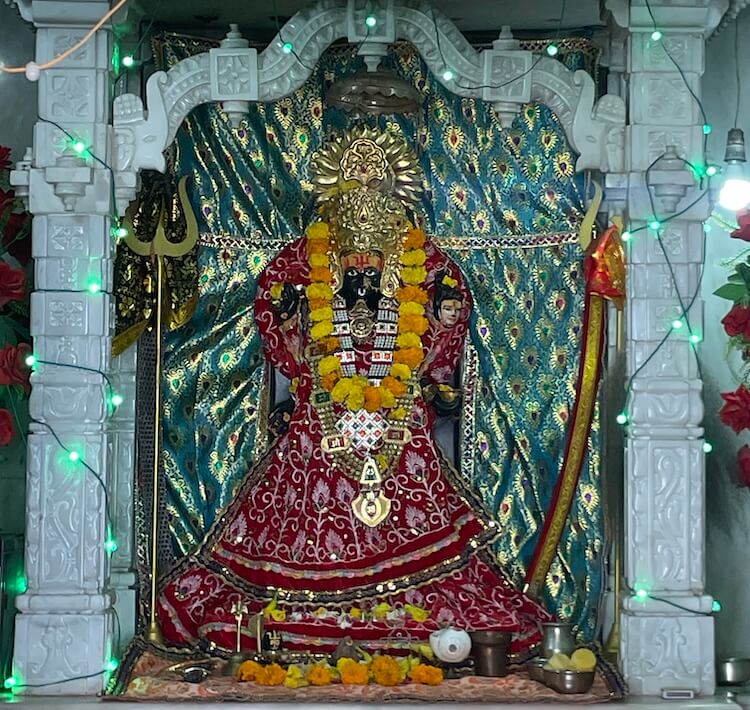 ‘देवी माहात्म्य’नुसार, आदिशक्ती भगवतीने ‘तमोगुणापासून’ निर्माण केलेली महाकाली ही जितकी संहारक आहे, तितकीच ती विश्वाची माता आणि पालनपोषण करणारीही आहे. माता महाकालीचे एक श्रद्धास्थान आणि प्राचीन पीठ सातलसाना तालुक्यातील उमरेचा आणि भातवास गावाजवळ एका उंच डोंगरावर वसलेले आहे. पावागड येथील प्रसिद्ध महाकाली शक्तीपिठाची प्रचिती देणारे हे ठिकाणही एका उंच शिखरावर वसले असल्यामुळे, या क्षेत्राला प्रेमाने ‘मिनी पावागड’ म्हटले जाते. हे ठिकाण केवळ धार्मिक महत्त्वच बाळगून नाही, तर निसर्गरम्य परिसर आणि आल्हाददायक हवामानामुळे, शांततेच्या शोधात असलेल्या भाविकांसाठी आणि पर्यटकांसाठी एक आवडते ठिकाण बनले आहे.
पंचमहाल जिल्ह्यातील पावागड हे मध्ययुगीन काळातील प्रसिद्ध ध्रुपद गायक बैजू बावारा (बैजनाथ) यांचे जन्मस्थान मानले जाते. 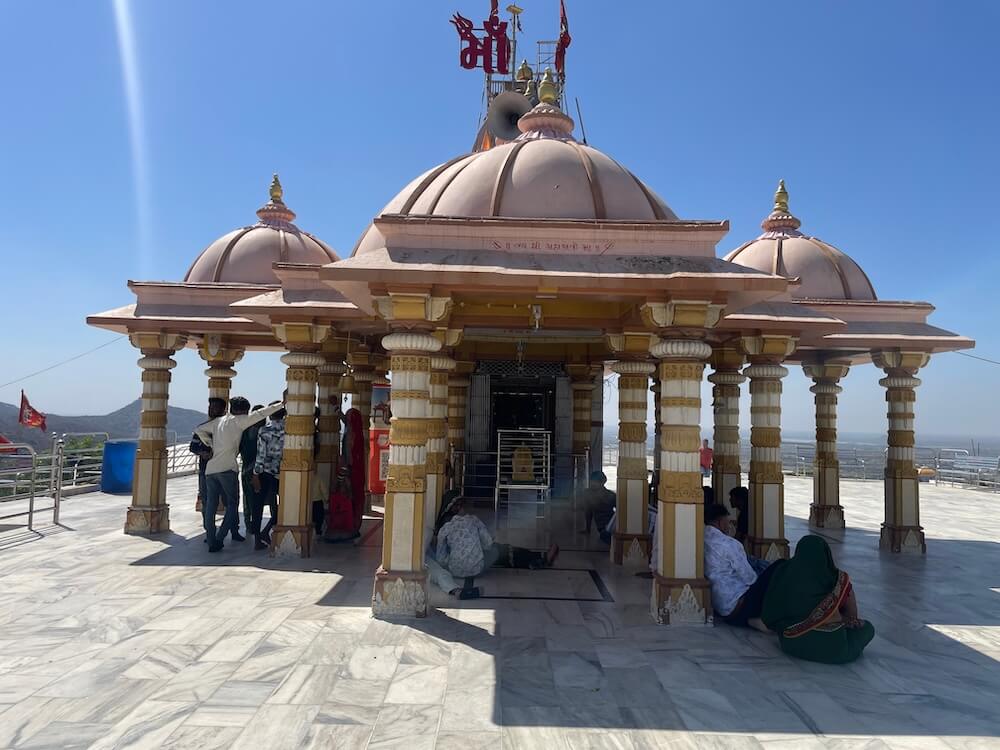 येथे माता महाकालीचे प्राचीन मंदिर आहे. पावन श्रद्धेनुसार, या ठिकाणी देवी सतीचा उजवा अंगठा (काही स्थानिक आख्यायिकांमध्ये छातीचा उल्लेखही आढळतो) पडला होता, ज्यामुळे या ठिकाणाला एकावन्न शक्तीपिठांमध्ये स्थान मिळाले आहे. पौराणिक कथांनुसार, ऋषी विश्वामित्रांनी येथे माता कालीच्या मूर्तीची प्रतिष्ठापना केली होती. पावागड येथील देवीची मूर्ती तांत्रिक विधींनी पूजली जाते. पावागडाचे आणखी एक महत्त्वाचे वैशिष्ट्य म्हणजे जैन मान्यता, ज्यानुसार भगवान रामाचे पुत्र लव आणि कुश यांनी या पवित्र स्थळी ‘मोक्ष’ प्राप्त केला होता. उमरेचा येथील महाकाली ही पावागडच्या देवीचेच रूप मानली जाते आणि असे म्हटले जाते की, देवी प्राचीन काळापासून या डोंगरावर विराजमान आहे.
ग्रॅनाइट दगडखाणींसाठी प्रसिद्ध असलेल्या या डोंगराळ प्रदेशात वसलेली उमरेचा, भातवास, हिंमतपुरा आणि नवा ओराडा ही गावे माता महाकालीच्या संरक्षणाखाली आहेत. 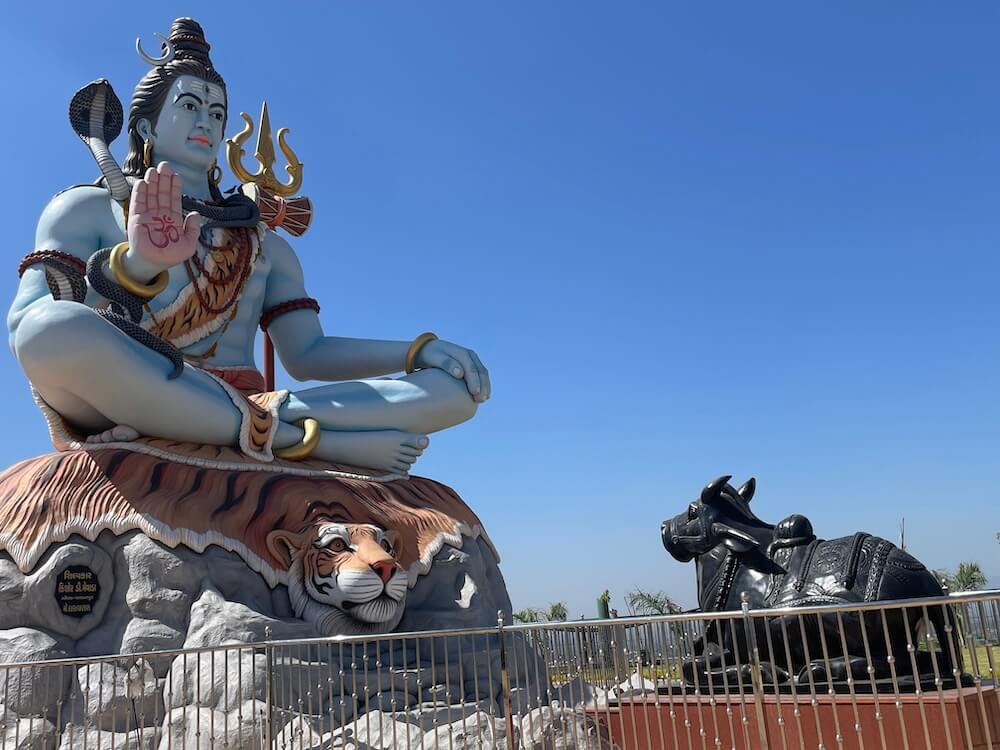 भारताच्या स्वातंत्र्यकाळादरम्यान, गावकऱ्यांनी आपल्या देवीसाठी एका भव्य मंदिराची सामूहिक कल्पना केली. त्यानुसार, १९४८ इसवी सनात मंदिराचे बांधकाम सुरू झाले. संवत २०१९ (१९६३ इसवी सन) मधील आश्विन वद्य पंचमीच्या शुभ दिवशी मूर्तीची प्राणप्रतिष्ठा करण्यात आली. अलीकडील नूतनीकरणानंतर, या मंदिराने आपले सध्याचे भव्य स्वरूप धारण केले आहे.
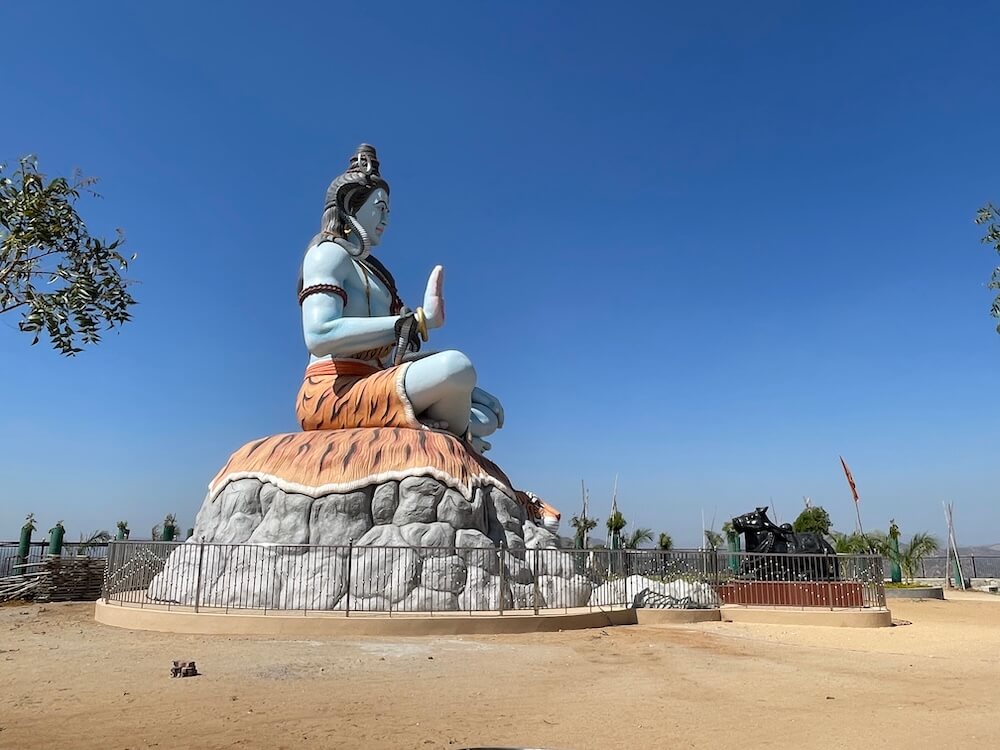
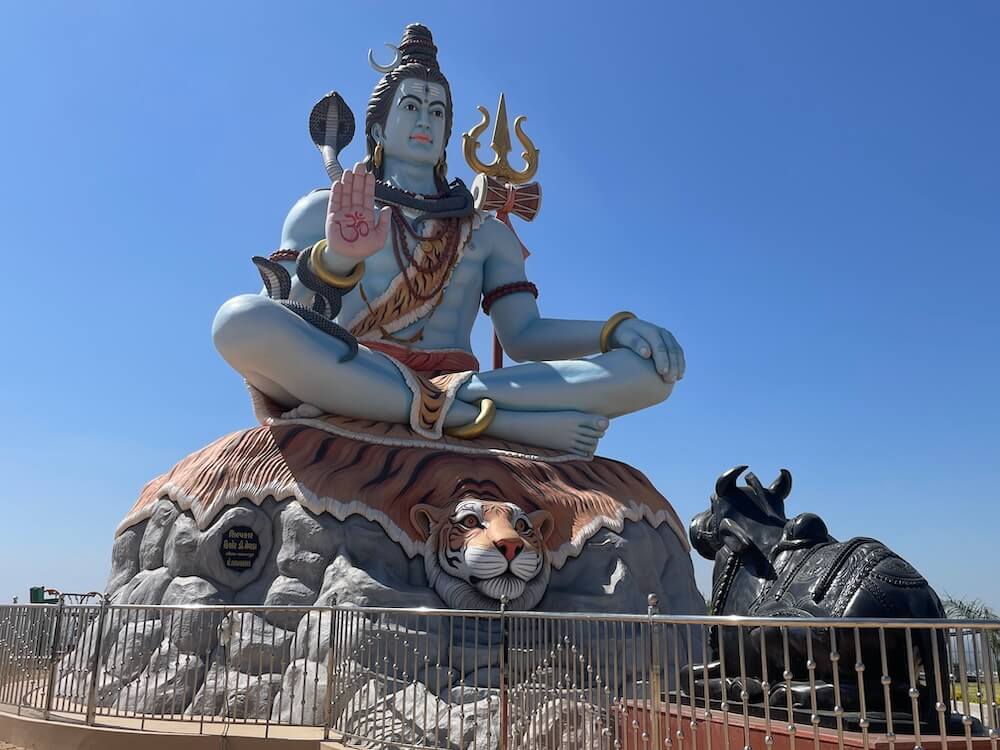
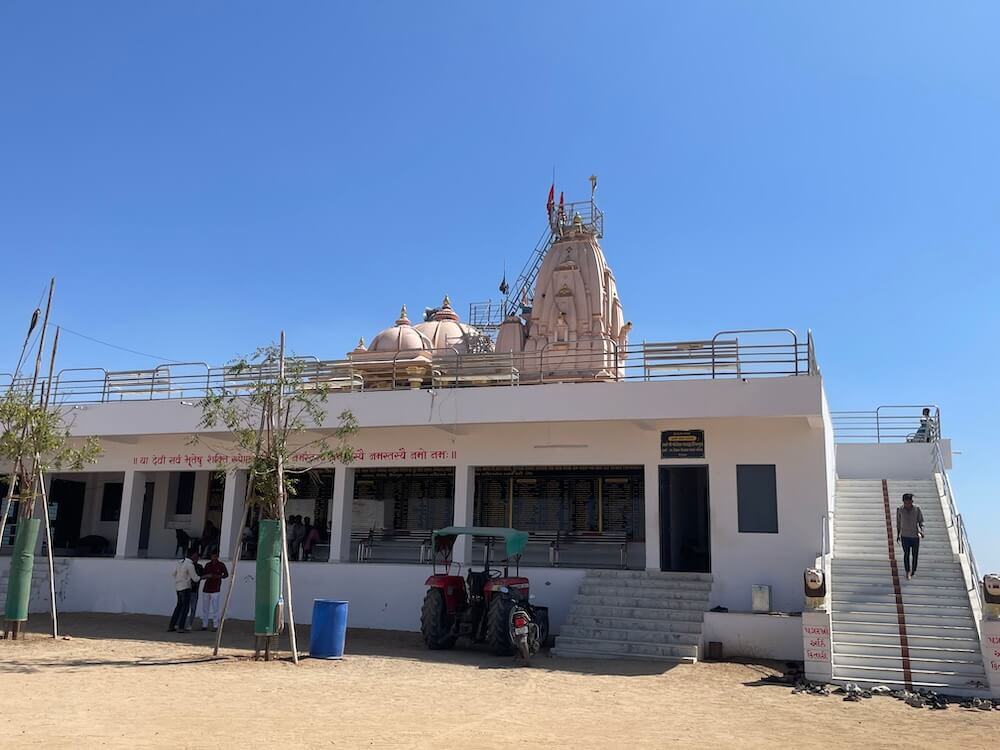
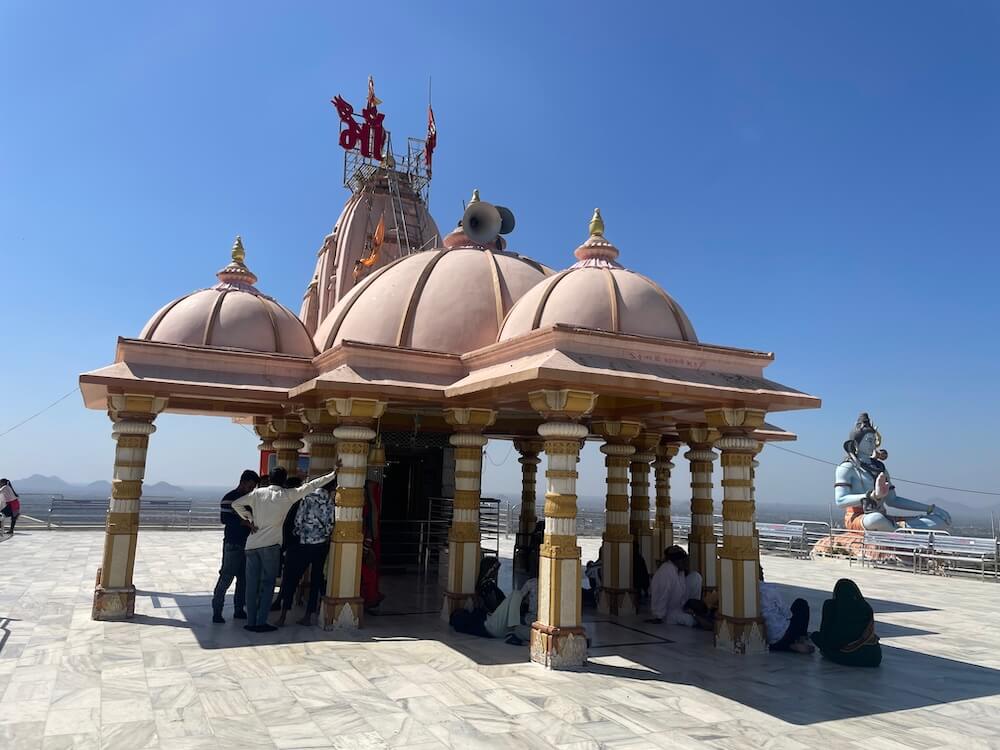
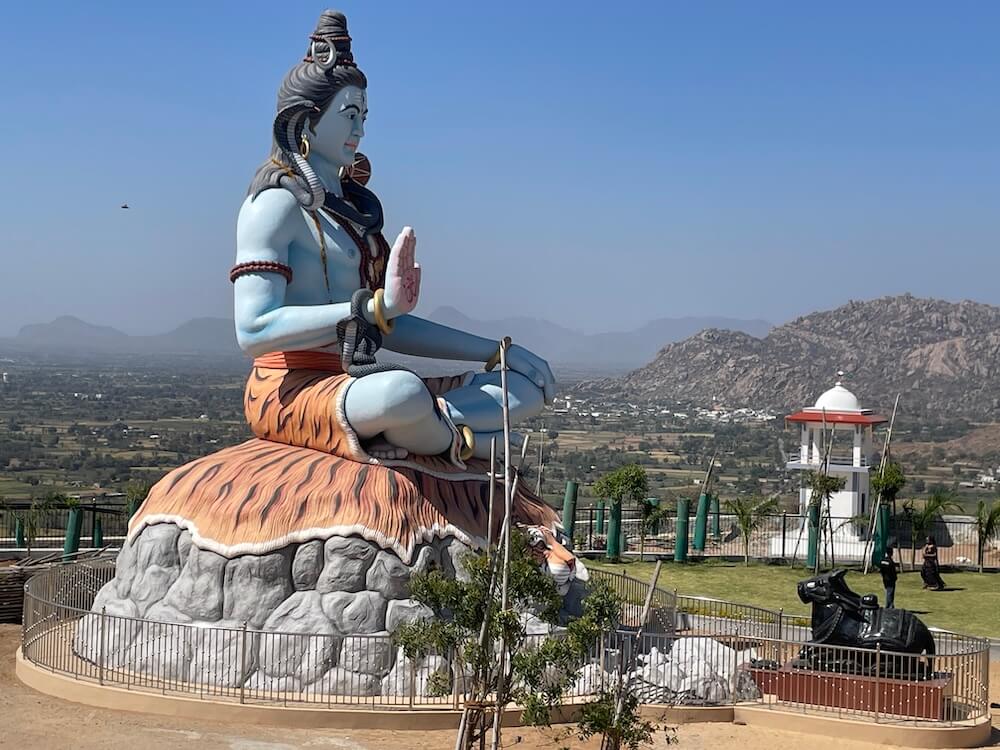
एका उंच डोंगरावर वसलेल्या या मंदिरापर्यंत पोहोचण्यासाठी पायऱ्यांचा मार्ग आहे. आता एका नव्याने बांधलेल्या डांबरी रस्त्यामुळे वाहने थेट मंदिराच्या पार्किंगच्या क्षेत्रापर्यंत पोहोचू शकतात. विस्तीर्ण प्रांगणात, वाघाच्या कातड्यावर विराजमान असलेल्या एका एकोणपन्नास-फुटी (येथे ५१ फूट) भगवान महादेवांच्या मूर्तीसमोर, एका चौथऱ्यावर नंदीची भव्य मूर्ती विराजमान आहे. या महाकाय मूर्तीच्या मागे त्रिशूल आणि डमरू उभे आहेत. 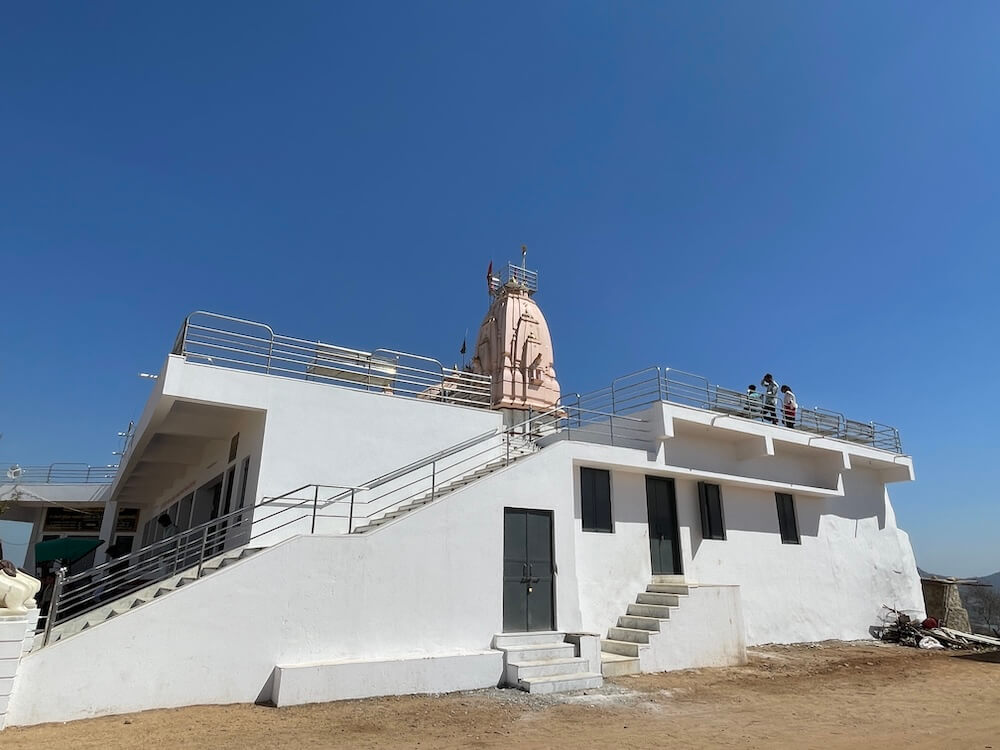 प्रांगणातून सुमारे चोवीस-पंचवीस पायऱ्या चढून दोन मजली मंदिर वास्तूत पोहोचता येते. पहिल्या मजल्यावर सभामंडप आहे, तर मुख्य मंदिर दुसऱ्या मजल्यावरील खुल्या मंडपाच्या मध्यभागी स्थित आहे.
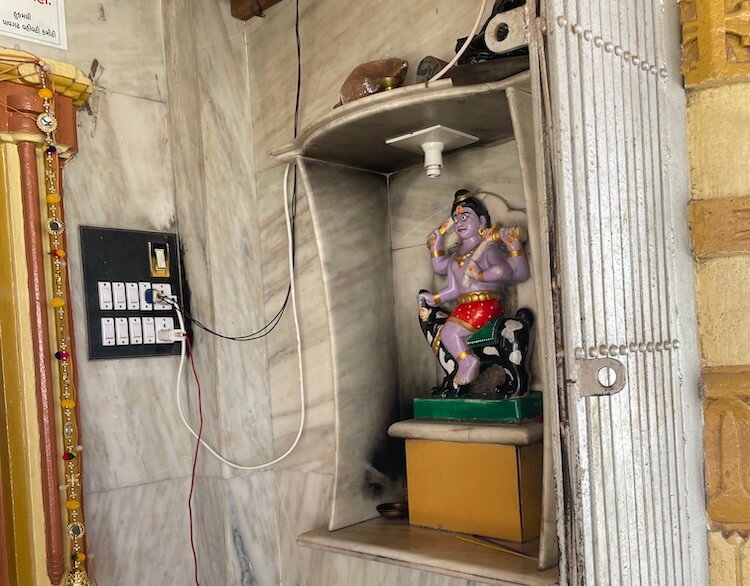
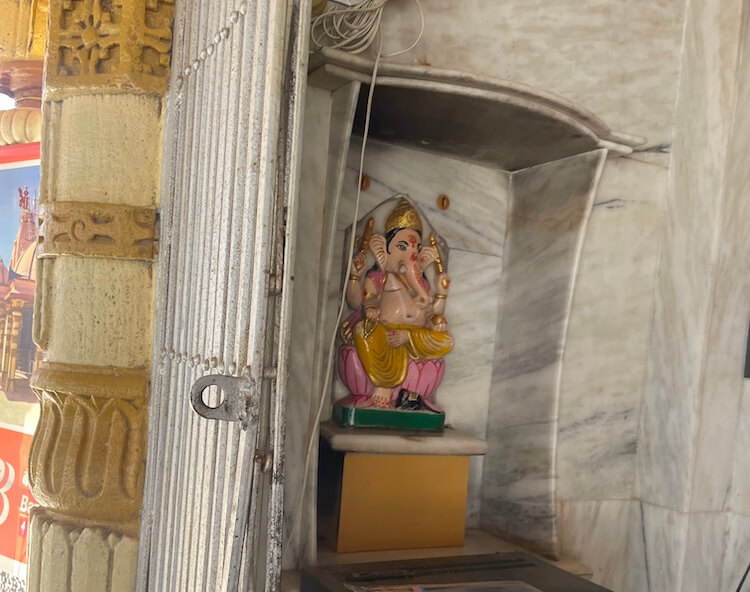
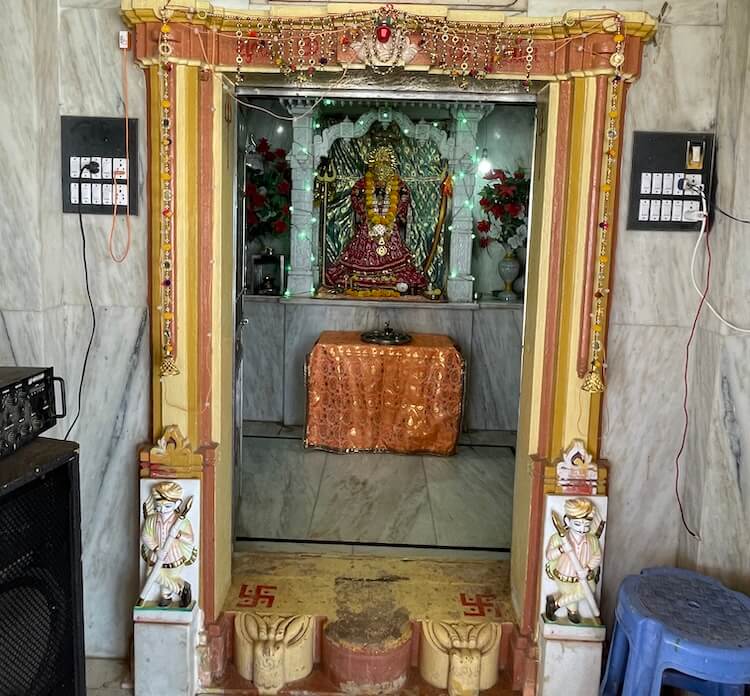
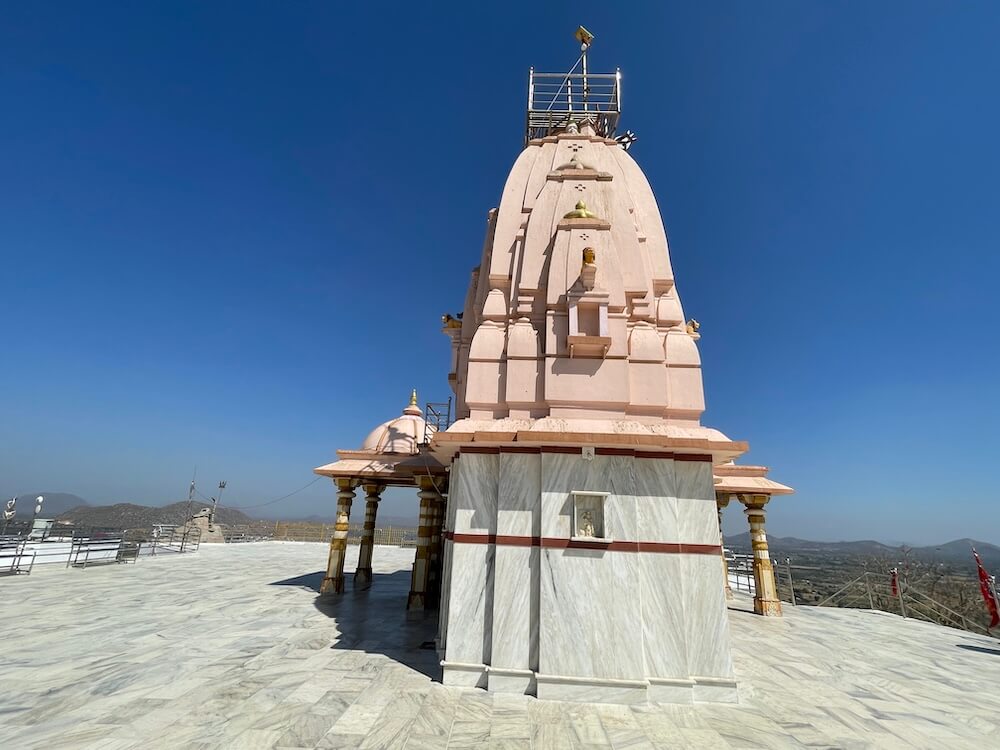
या मंदिराच्या वास्तुकलेमध्ये तीन दर्शन मंडप, एक सभामंडप, अंतराल आणि एक गर्भगृह यांचा समावेश आहे. दर्शन मंडप आणि सभामंडप दोन्ही अर्ध-खुले असून, त्यांच्या खांबांवर उत्कृष्ट नक्षीकाम केलेले आहे. अंतराळाच्या समोरील भिंतीवरील देवड्यांमध्ये भैरव आणि गणपतीच्या मूर्ती विराजमान आहेत. गर्भग ज़्यादाचे सुशोभित द्वारउपर पायाशी द्वारपाल आणि ललाटबिंबावर गणपतीचे चित्र कोरलेले आहे. 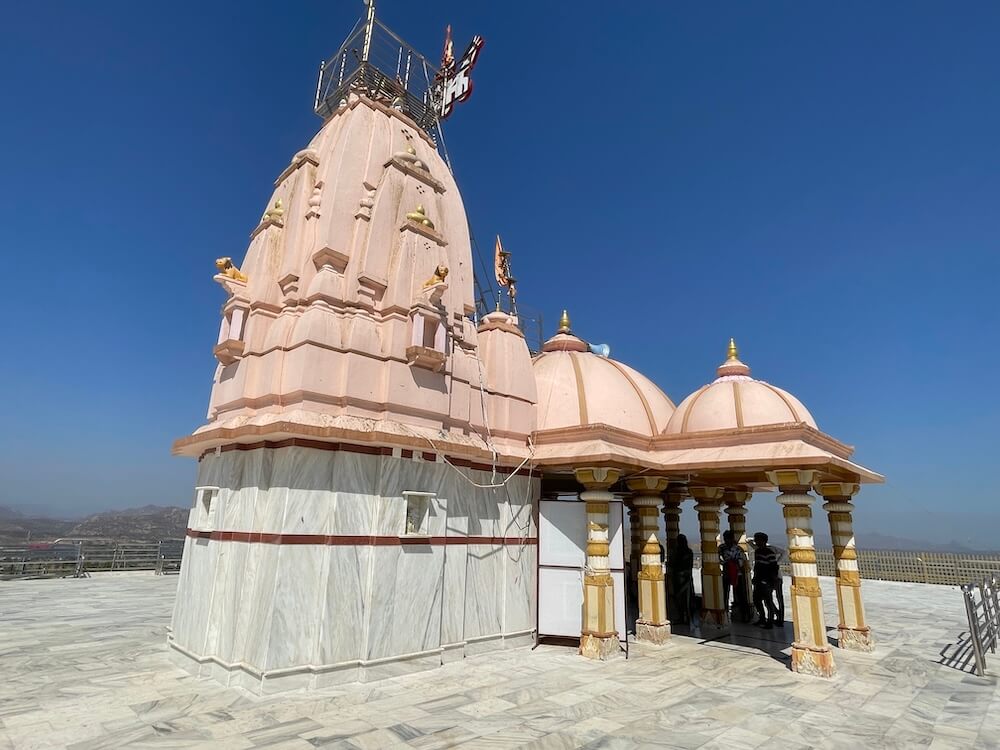 गर्भगृहात पांढऱ्या संगमरवरी कोरीव वितानाखाली (कॅनॉपी) काळ्या पाषाणाची देवीची मूर्ती विराजमान आहे. सुंदर वस्त्र आणि दागिन्यांनी नटलेली देवी सुंदर मुकुट धारण करते. तिच्या उजव्या हातात त्रिशूल आणि डाव्या हातात तलवार आहे. तिन्ही दर्शन मंडपांवर आणि सभामंडपावर घुमटाकार शिखरे आहेत, तर अंतराळावर एक लहान शिखर आहे. गर्भगृहावरील मुख्य शिखर ‘नगर’ शैलीत बांधलेले असून ते उंच आणि सडपातळ आहे. या मुख्य शिखराभोवती सर्व बाजूंनी शिखरांच्या अनेक लहान प्रतिकृती (उरुशृंगे) आणि सिंहांच्या मूर्ती आहेत.
दरवर्षी आश्विन वद्य पंचमीला मंदिराचा स्थापना दिवस अत्यंत उत्साहात साजरा केला जातो. चैत्र शुद्ध अष्टमीनिमित्त येथे एका भव्य मेळ्याचे आयोजन केले जाते. रविवार आणि मंगळवारी देवीचे आशीर्वाद घेण्यासाठी येणाऱ्या भाविकांची संख्या वाढते आणि नवरात्रोत्सवादरम्यान मंदिरात भाविकांची प्रचंड गर्दी होते. भगवान शंकराच्या भव्य मूर्तीमुळे महाशिवरात्रीलाही येथे मोठ्या प्रमाणावर भाविक येतात. भाविकांना दररोज सकाळी सहापासून रात्री आठ वाजेपर्यंत ‘दर्शन’ घेता येईल.
उपयुक्त माहिती
- सातलसानापासून १५ किलोमीटर आणि मेहसाणापासून ७८ किलोमीटर अंतरावर स्थित
- सातलसाना ते भातवाससाठी जी.एस.आर.टी.सी. (GSRTC) बस सेवा उपलब्ध
- खाजगी वाहने थेट मंदिरापर्यंत पोहोचू शकतात
- तात्काळ परिसरात राहण्याची किंवा अल्पोपहाराची सोय उपलब्ध नाही
Mahakali Mata Temple
Umrecha, Tal. Satlasana, Dist. Mehsana
According to the ‘Devi Mahatmya’, Mahakali, brought forth from the ‘Tamo-guna’ (the quality of darkness and destruction) by the primordial energy Adimaya Bhagwati, is as much the universal mother and nurturer as she is the destroyer. A venerable and ancient seat of this Mother Mahakali is situated atop a lofty hill near the villages of Umrecha and Bhatvas in the Satlasana taluka. In an echo of the renowned Shakti Peetha of Mahakali at Pavagadh, the deity here is also enshrined upon a high eminence, leading the site to be affectionately termed ‘Mini Pavagadh’. The site offers more than just religious significance. Surrounded by scenic landscapes and marked by a cool, refreshing climate, it has become a favored destination for both pilgrims and tourists seeking a quieter retreat.
Pavagadh, in the Panchmahal district, is traditionally regarded as the birthplace of the famed medieval Dhrupad singer Baiju Bawra (also known as Baijnath). It houses an ancient temple of Goddess Mahakali. Sacred belief holds that the right big toe of Goddess Sati fell at this location (though some local lore also mentions the chest), thus giving it a place among the fifty-one Shakti Peethas. Mythological legends recount that the sage Vishwamitra consecrated the idol of Mother Kali here. The deity’s idol at Pavagadh is worshipped through tantric rites. Another significant aspect of Pavagadh is the Jain belief, that Luv and Kush, the sons of Lord Ram, attained ‘Moksha’ (liberation) at this holy site. The Mahakali at Umrecha is considered a manifestation of the Pavagadh deity and it is said that the Goddess has graced this hill since antiquity.
Goddess Mahakali is the presiding deity of the villages of Umrecha, Bhatvas, Himmatpura and Nava Orada, all nestled within this hilly region renowned for granite quarrying. During the era of India’s independence, the villagers collectively envisioned a grand temple for their Goddess. Consequently, the construction of the temple commenced in 1948 AD. On the auspicious day of Ashvin Vadya Panchami, Samvat 2019 (1963 AD), the idol was ceremoniously consecrated. Following a recent restoration, the temple has attained its current magnificent form.
The temple, perched upon a high hill, is accessible via a stepped pathway. A newly constructed metalled road now permits vehicles to reach the temple’s parking area directly. In the expansive courtyard, a grand idol of Nandi rests upon a pedestal, facing a fifty-one-foot-tall statue of Lord Mahadev seated upon a tiger-skin. Behind this colossal figure stand the trident (‘Trishula’) and the ‘Damru’ (drum). From the courtyard, one ascends approximately twenty-five steps to reach the two-storeyed temple structure. While the first floor comprises a hall, the temple itself is situated in the centre of an open pavilion on the second floor.
The architectural layout consists of three ‘Darshan Mandapas’ (viewing porches), a ‘Sabha Mandapa’ (assembly hall), an ‘Antarala’ (vestibule) and a ‘Garbhagriha’ (sanctum sanctorum). Both the viewing porches and the assembly hall are semi-open, featuring pillars adorned with delicate carvings. In the niches on the front wall of the vestibule reside the idols of Bhairava and Ganesha. The ornate doorframes of the sanctum feature ‘Dvarapalas’ (gatekeepers) at the base and an image of Ganpati at the ‘Lalatabimba’ (the central point of the lintel). Enshrined within the sanctum, inside a white marble carved canopy, is the idol of the Goddess fashioned from black stone. Bedecked in fine raiment and jewellery, the Goddess wears a splendid crown. She holds a trident in her right hand and a sword in her left. Domed spires crown all three viewing porches and the assembly hall, while a smaller spire rests above the vestibule. The primary spire over the sanctum is built in the ‘Nagara’ style – tall and tapering elegantly. This main spire is surrounded on all sides by multiple smaller replicas of the spire (‘Urushringas’) and sculptures of lions.
Each year, the temple’s foundation day is celebrated with great fervour on Ashvin Vadya Panchami. A grand fair is held at this location on Chaitra Shuddha Ashtami. The number of devotees seeking the Goddess’s blessings increases significantly on Sundays and Tuesdays and the temple witnesses a vast congregation during the Navratri festival. Due to the presence of the magnificent statue of Lord Shiva, the site also attracts a large multitude of worshippers on Mahashivratri. Devotees may seek ‘Darshan’ daily from six in the morning until eight in the evening.
Useful Information
- Located at 15 km from Satlasana and 78 km from Mehsana
- GSRTC bus service available from Satlasana to Bhatvas
- Private vehicles can reach up to the temple
- No accommodation or breakfast facilities available in the immediate vicinity
महाकाली माता मंदिर
उमरेचा, तालुका सतलासन, जिला महसाणा
‘देवी माहात्म्य’ के अनुसार, आदिशक्ति आद्या भगवती के ‘तमोगुण’ से प्रकट हुईं महाकाली जितनी संहारक हैं, उतनी ही जगत की जननी और पालनहार भी हैं। माँ महाकाली का यह प्राचीन और वंदनीय धाम सतलासन तालुका के उमरेचा और भाटवास गाँवों के पास एक ऊँची पहाड़ी पर स्थित है। पावागढ़ के प्रसिद्ध महाकाली शक्तिपीठ की ही तरह यहाँ भी देवी एक ऊँचे शिखर पर विराजमान हैं, जिसके कारण इस पवित्र स्थल को स्नेहवश ‘मिनी पावागढ़’ भी कहा जाता है। यह स्थल केवल धार्मिक महत्व ही नहीं रखता, बल्कि सुरम्य प्राकृतिक दृश्यों से घिरा हुआ और ठंडे, सुहावने वातावरण से युक्त होने के कारण शांत एकांत की तलाश करने वाले तीर्थयात्रियों और पर्यटकों के लिए एक पसंदीदा गंतव्य बन गया है।
पंचमहाल जिले में स्थित पावागढ़ को पारंपरिक रूप से मध्यकालीन प्रसिद्ध ध्रुपद गायक बैजू बावरा (जिन्हें बैजनाथ भी कहा जाता है) की जन्मस्थली माना जाता है। यहाँ माता महाकाली का एक प्राचीन मंदिर है। ऐसी पवित्र मान्यता है कि इसी स्थान पर देवी सती का दाहिना बड़ा अँगूठा गिरा था (हालांकि कुछ स्थानीय लोककथाओं में वक्षस्थल का उल्लेख भी मिलता है), जिससे इसे इक्यावन शक्तिपीठों में स्थान प्राप्त हुआ है। पौराणिक कथाओं के अनुसार, महर्षि विश्वामित्र ने यहीं माता काली की मूर्ति की प्राण-प्रतिष्ठा की थी। पावागढ़ में देवी की मूर्ति की पूजा तांत्रिक अनुष्ठानों के माध्यम से की जाती है। पावागढ़ का एक अन्य महत्वपूर्ण पहलू जैन मान्यता से जुड़ा है, जिसके अनुसार भगवान राम के पुत्रों लव और कुश ने इस पवित्र स्थल पर ‘मोक्ष’ प्राप्त किया था। उमरेचा की महाकाली को पावागढ़ की देवी का ही स्वरूप माना जाता है और ऐसा कहा जाता है कि देवी प्राचीन काल से ही इस पहाड़ी पर विराजमान हैं।
ग्रेनाइट उत्खनन के लिए प्रसिद्ध इस पहाड़ी क्षेत्र में बसे उमरेचा, भाटवास, हिम्मतपुरा और नवा ओराडा गाँवों की आराध्य देवी माँ महाकाली हैं। भारत की स्वतंत्रता के काल में, ग्रामीणों ने मिलकर अपनी देवी के लिए एक भव्य मंदिर की परिकल्पना की थी। परिणामस्वरूप, १९४८ ईस्वी में मंदिर का निर्माण कार्य आरंभ हुआ। संवत २०१९ (१९६३ ईस्वी) की आश्विन वदी पंचमी के शुभ दिन पर मूर्ति की विधि-विधान से प्राण-प्रतिष्ठा की गई। हाल ही में हुए जीर्णोद्धार के बाद, इस मंदिर ने अपना वर्तमान भव्य रूप प्राप्त किया है।
ऊँची पहाड़ी पर स्थित इस मंदिर तक सीढ़ीनुमा मार्ग से पहुँचा जा सकता है। अब एक नवनिर्मित पक्की सड़क के माध्यम से वाहन सीधे मंदिर के पार्किंग क्षेत्र तक पहुँच सकते हैं। विशाल प्रांगण में, एक ऊँचे चबूतरे पर नंदी की एक भव्य प्रतिमा स्थापित है, जिसके सामने बाघ की खाल पर आसीन भगवान महादेव की इक्यावन फीट ऊँची विशाल प्रतिमा सुशोभित है। इस विराट प्रतिमा के पीछे त्रिशूल और डमरू सुविस्थित हैं। प्रांगण से लगभग पच्चीस सीढ़ियाँ चढ़कर दो मंजिला मंदिर संरचना तक पहुँचा जाता है। जहाँ पहली मंजिल पर एक सभाकक्ष है, वहीं मंदिर स्वयं दूसरी मंजिल पर एक खुले मंडप के केंद्र में स्थित है।
मंदिर की वास्तुकला में तीन दर्शन मंडप, एक सभा मंडप, एक अंतराल और एक गर्भगृह शामिल हैं। दर्शन मंडप और सभा मंडप दोनों अर्ध-खुले हैं, जिन पर सुंदर नक्काशी से अलंकृत खंभे सुशोभित हैं। अंतराल की सामने की दीवार के आलों में भैरव और गणेश की मूर्तियाँ विराजमान हैं। गर्भगृह के अलंकृत द्वार-स्तंभों के आधार पर द्वारपाल और ललाटबिंब (चौखट का केंद्रीय बिंदु) पर गणपति की प्रतिमा सुशोभित है। गर्भगृह के भीतर, सफेद संगमरमर से तराशे गए मंडप के अंतर्गत काले पत्थर से बनी देवी की प्रतिमा विराजमान है। सुंदर वस्त्रों और आभूषणों से सुसज्जित, माता ने एक भव्य मुकुट धारण किया हुआ है। उनके दाहिने हाथ में त्रिशूल और बाएं हाथ में तलवार है। तीनों दर्शन मंडपों और सभा मंडप के ऊपर गुंबददार शिखर हैं, जबकि अंतराल के ऊपर एक छोटा शिखर है। गर्भगृह के ऊपर का मुख्य शिखर ‘नागर’ शैली में बना है – जो ऊँचा और सुंदर रूप से पतला होता गया है। इस मुख्य शिखर के चारों ओर छोटे शिखरों के कई लघु रूप (‘उरुश्रृंग’) और सिंहों की मूर्तियाँ सुशोभित हैं।
प्रत्येक वर्ष आश्विन वदी पंचमी को मंदिर का स्थापना दिवस अत्यंत उत्साह के साथ मनाया जाता है। चैत्र शुक्ला अष्टमी के दिन इस स्थान पर एक भव्य मेले का आयोजन किया जाता है। रविवार और मंगलवार को देवी का आशीर्वाद पाने वाले भक्तों की संख्या में काफी वृद्धि होती है और नवरात्रि उत्सव के दौरान मंदिर में भारी जनसमूह उमड़ता है। भगवान शिव की भव्य प्रतिमा की उपस्थिति के कारण, यह स्थल महाशिवरात्रि के अवसर पर भी बड़ी संख्या में श्रद्धालुओं को आकर्षित करता है। भक्तगण प्रतिदिन सुबह छह बजे से रात आठ बजे तक ‘दर्शन’ का लाभ ले सकते हैं।
उपयोगी जानकारी
- सतलासन से १५ किमी और महसाणा से ७८ किमी की दूरी पर स्थित
- सतलासन से भाटवास के लिए जी.एस.आर.टी.सी. (GSRTC) बस सेवा उपलब्ध
- निजी वाहन मंदिर तक पहुँच सकते हैं
- निकटतम परिसर में आवास या अल्पाहार की कोई सुविधा उपलब्ध नहीं है
મહાકાળી માતા મંદિર
ઉમરેચા, તા. સતલાસણા, જી. મહેસાણા
‘દેવી મહાત્મ્ય’ અનુસાર, આદિમયા ભગવતી દ્વારા ‘તમો-ગુણ’ (અંધકાર અને સંહારનો ગુણ) માંથી પ્રગટ થયેલ મહાકાળી, જેટલી સંહારક છે તેટલી જ જગતજનની માતા અને પાલનહાર પણ છે. આ માતા મહાકાળીનું એક પૂજનીય અને પ્રાચીન સ્થાનક સતલાસણા તાલુકાના ઉમરેચા અને ભાટવાસ ગામો નજીક એક ઊંચી ટેકરીની ટોચ પર આવેલું છે. પાવગઢ ખાતેના મહાકાળીના પ્રખ્યાત શક્તિપીઠની જેમ જ, અહીં પણ દેવી એક ઊંચાઈ પર બિરાજમાન છે, જેના કારણે આ સ્થળને પ્રેમથી ‘મિની પાવગઢ’ કહેવામાં આવે છે. આ સ્થળ માત્ર ધાર્મિક મહત્વ જ નથી ધરાવતું. મનોહર કુદરતી દ્રશ્યોથી ઘેરાયેલું અને ઠંડા તથા આહલાદક વાતાવરણથી યુક્ત આ સ્થળ, શાંતિપૂર્ણ યાત્રા ઈચ્છતા શ્રદ્ધાળુઓ અને પ્રવાસીઓ બંને માટે એક પ્રિય સ્થળ બની ગયું છે.
પંચમહાલ જિલ્લામાં આવેલ પાવગઢ પરંપરાગત રીતે મધ્યયુગીન સમયના પ્રખ્યાત ધ્રુપદ ગાયક બેજુ બાવરા (જેમને બૈજનાથ તરીકે પણ ઓળખવામાં આવે છે) નું જન્મસ્થળ માનવામાં આવે છે. અહીં મહાકાળી માતાનું એક પ્રાચીન મંદિર આવેલું છે. પવિત્ર માન્યતા અનુસાર, આ સ્થાન પર માતા સતીનો જમણો અંગૂઠો પડ્યો હતો (જો કે કેટલીક સ્થાનિક લોકકથાઓમાં છાતી પડ્યાનો ઉલ્લેખ પણ મળે છે), જેના કારણે તેને એકાવન શક્તિપીઠોમાં સ્થાન પ્રાપ્ત થયું છે. પૌરાણિક કથાઓ અનુસાર ઋષિ વિશ્વમિત્રએ અહીં માતા કાળીની મૂર્તિની પ્રતિષ્ઠા કરી હતી. પાવગઢ ખાતે બિરાજમાન દેવીની મૂર્તિની પૂજા તાંત્રિક વિધિઓ દ્વારા કરવામાં આવે છે. પાવગઢનું અન્ય એક મહત્વપૂર્ણ પાસું જૈન માન્યતા સાથે જોડાયેલું છે, જેના અનુસાર ભગવાન રામના પુત્રો લવ અને કુશએ આ પવિત્ર સ્થળે ‘મોક્ષ’ પ્રાપ્ત કર્યો હતો. ઉમરેચાની મહાકાળીને પાવગઢના દેવીનું જ સ્વરૂપ માનવામાં આવે છે અને એવું કહેવાય છે કે માતાજી પ્રાચીન સમયથી આ ડુંગર પર બિરાજમાન છે.
ગ્રેનાઈટની ખાણકામ માટે જાણીતા આ પહાડી પ્રદેશમાં વસેલા ઉમરેચા, ભટવાસ, હિંમતપુરા અને નવા ઓરડા ગામોના અધિષ્ઠાત્રી દેવી માતા મહાકાળી છે. ભારતની સ્વતંત્રતાના સમયગાળા દરમિયાન, ગામના લોકોએ સામૂહિક રીતે પોતાની દેવી માટે એક ભવ્ય મંદિરની પરિકલ્પના કરી હતી. પરિણામે, ઈ.સ. ૧૯૪૮ માં મંદિરનું નિર્માણ કાર્ય શરૂ થયું. સંવત ૨૦૧૯ (ઈ.સ. ૧૯૬૩) ના આશ્વિન વદ પાંચમના પવિત્ર દિવસે, મૂર્તિની વિધિવત પ્રાણપ્રતિષ્ઠા કરવામાં આવી હતી. તાજેતરના જીર્ણોદ્ધાર બાદ, મંદિર તેનું વર્તમાન ભવ્ય સ્વરૂપ પામ્યું છે.
ઊંચી ટેકરી પર વસેલા આ મંદિરે જવા માટે પગથિયાંનો રસ્તો છે. હવે એક નવા બનેલા ડામર રોડ દ્વારા વાહનો સીધા મંદિરના પાર્કિંગ વિસ્તાર સુધી પહોંચી શકે છે. વિશાળ પ્રાંગણમાં, નંદીની એક ભવ્ય મૂર્તિ પીઠિકા પર બિરાજમાન છે, જે વાઘના ચર્મ પર આસનસ્થ ભગવાન મહાદેવની એકાવન ફૂટ ઊંચી પ્રતિમાની સામે છે. આ વિશાળ પ્રતિમાની પાછળ ત્રિશૂળ અને ડમરુ શોભાયમાન છે. આંગણામાંથી, બે માળની મંદિરની રચના સુધી પહોંચવા માટે અંદાજે પચીસ પગથિયાં ચઢવા પડે છે. જ્યારે પ્રથમ માળમાં એક સભાખંડ છે, ત્યારે મુખ્ય મંદિર બીજા માળ પર ખુલ્લા મંડપની મધ્યમાં આવેલું છે.
આ સ્થાપત્ય રચનામાં ત્રણ ‘દર્શન મંડપ’ (દર્શન પોર્ચ), એક ‘સભા મંડપ’, એક ‘અંતરાલ’ (વેસ્ટિબ્યુલ) અને એક ‘ગર્ભગૃહ’ (મુખ્ય પવિત્ર સ્થળ)નો સમાવેશ થાય છે. દર્શન મંડપ અને સભા મંડપ બંને અર્ધ-खुલ્લા છે, જેમાં નાજુક નકશીકામથી સજ્જ સ્તંભો છે. અંતરાલની આગળની દીવાલના માળખામાં ભૈરવ અને ગણેશની મૂર્તિઓ બિરાજમાન છે. ગર્ભગૃહના સુશોભિત દરવાજાના પાયા પર ‘દ્વારપાળ’ અને ‘લલાટબિંબ’ (ઉંબરાનું કેન્દ્રીય બિંદુ) પર ગણપતિની છબી જોવા મળે છે. ગર્ભગૃહની અંદર, સફેદ આરસપહાણની કોતરણીવાળી છત્રછાયામાં, કાળા પથ્થરમાંથી બનેલી દેવીની પ્રતિમા પ્રતિષ્ઠિત છે. ઉત્તમ વસ્ત્રો અને આભૂષણોથી સજ્જ, દેવીએ એક ભવ્ય મુકુટ ધારણ કર્યો છે. તે તેમના જમણા હાથમાં ત્રિશૂળ અને ડાબા હાથમાં તલવાર ધારણ કરે છે. ત્રણેય દર્શન મંડપો અને સભાખંડ પર ગુંબજાકાર શિખરો શોભી રહ્યા છે, જ્યારે અંતરાલ ઉપર એક નાનું શિખર છે. ગર્ભગૃહની ઉપરનું મુખ્ય શિખર ‘નાગર’ શૈલીમાં નિર્મિત છે – ઊંચું અને ભવ્ય રીતે ઢળતું. આ મુખ્ય શિખરની ચારે બાજુ શિખરની અનેક નાની પ્રતિકૃતિઓ (‘ઉરુશૃંગ’) અને સિંહની શિલ્પકૃતિઓથી ઘેરાયેલું છે.
દર વર્ષે આશવિન વદ પાંચમના દિવસે મંદિરનો સ્થાપના દિવસ ખૂબ જ ઉત્સાહ અને ભક્તિભાવથી ઉજવવામાં આવે છે. ચૈત્ર સુદ આઠમના રોજ આ સ્થળે એક ભવ્ય મેળો ભરાય છે. માતાજીના આશીર્વાદ મેળવવા માટે આવતા ભક્તોની સંખ્યા રવિવાર અને મંગળવારે નોંધપાત્ર રીતે વધે છે અને નવરાત્રી ઉત્સવ દરમિયાન મંદિરમાં ભક્તોની વિશાળ ભીડ જોવા મળે છે. ભગવાન શિવજીની ભવ્ય પ્રતિનિધિ વિભૂતિ/મૂર્તિની ઉપસ્થિતિના કારણે મહાશિવરાત્રી પર પણ આ સ્થળ પર મોટી સંખ્યામાં શ્રદ્ધાળુઓ ઉમટી પડે છે. ભક્તો સવારે છ વાગ્યાથી રાત્રે આઠ વાગ્યા સુધી દરરોજ ‘દર્શન’નો લાભ લઈ શકે છે.
ઉપયોગી માહિતી
- સatlasanaથી ૧૫ કિમી અને મહેસાણાથી ૭૮ કિમીના અંતરે આવેલું છે
- સતલાસણાથી ભાટવાસ સુધી GSRTC બસ સેવા ઉપલબ્ધ છે
- ખાનગી વાહનો મંદિર સુધી પહોંચી શકે છે
- આસપાસના વિસ્તારમાં કોઈ રહેવાની કે નાસ્તાની સુવિધા ઉપલબ્ધ નથી
மகாகாளி மாதா கோவில்
உமரேச்சா, தாலுக்கா. சட்லாசனா, மாவட்டம். மெகசானா
‘தேவி மகாத்மியம்’ நூலின்படி, ஆதிமயா பகவதியால் ‘தம-குணம்’ (இருள் மற்றும் அழிவுக்கான குணம்) மூலம் தோற்றுவிக்கப்பட்ட மகாகாளி, அழிப்பவர் மட்டுமல்லாமல் அகிலத்தின் தாயாகவும் பேணி வளர்ப்பவராகவும் திகழ்கிறார். சட்லாசனா தாலுக்காவில் உள்ள உமரேச்சா மற்றும் பட்வாஸ் கிராமங்களுக்கு அருகில் உள்ள ஒரு உயர்ந்த மலையின் உச்சியில் அன்னை மகாகாளிக்குரிய போற்றுதலுக்குரிய பழமையான திருத்தலம் அமைந்துள்ளது. பாவாகாட்டில் உள்ள புகழ்பெற்ற மகாகாளி சக்தி பீடத்தைப் போலவே, இங்கும் அன்னை ஒரு உயர்ந்த மேட்டின் மீது அமர்ந்து அருள்புரிவதால், இத்தலம் அன்போடு ‘மினி பாவாகாட்’ என்று அழைக்கப்படுகிறது. இத்தலம் ஆன்மீக முக்கியத்துவத்தைத் தாண்டி பல சிறப்புகளைக் கொண்டுள்ளது. இயற்கை எழில் கொஞ்சும் சூழலாலும், குளிர்ந்த புத்துணர்ச்சியூட்டும் பருவநிலையாலும் சூழப்பட்டுள்ள இத்தலம், அமைதியான முறையில் ஓய்வெடுக்க விரும்பும் பக்தர்களுக்கும் சுற்றுலாப் பயணிகளுக்கும் விருப்பமான இடமாக மாறியுள்ளது.
பஞ்சமகால் மாவட்டத்தில் உள்ள பாவாகாட், புகழ்பெற்ற இடைக்கால துருபத் பாடகரான பைஜு பவரா (பைஜநாத் என்றும் அழைக்கப்படுபவர்) பிறந்த இடமாகக் கருதப்படுகிறது. இங்கு அன்னை மகாகாளியின் பழமையான கோவில் அமைந்துள்ளது. அன்னை சதியின் வலது பெருவிரல் இவ்விடத்தில் விழுந்ததாக (சில உள்ளூர் தொன்மங்கள் மார்பகம் என்றும் குறிப்பிடுகின்றன) புனிதமான நம்பிக்கை நிலவுகிறது, இதனால் இது ஐம்பத்து ஒரு சக்தி பீடங்களில் ஒன்றாகத் திகழ்கிறது. முனிவர் விஸ்வாமித்திரர் இங்குதான் காளி அன்னையின் சிலையைப் பிரதிஷ்டை செய்ததாகப் புராண இதிகாசங்கள் கூறுகின்றன. பாவாகாட்டில் உள்ள அன்னையின் திருவுருவம் தாந்திரீக முறைகளின்படி வழிபடப்படுகிறது. பாவாகாட்டின் மற்றொரு முக்கியமான சிறப்பு என்னவென்றால், இராமபிரானின் குமாரர்களான லவரும் குசரும் இந்தப் புனிதத் தலத்தில்தான் ‘மோட்சம்’ (விடுதலை) அடைந்தனர் என்று சமணர்கள் நம்புகின்றனர். உமரேச்சாவில் உள்ள மகாகாளி, பாவாகாட் தெய்வத்தின் ஒரு வடிவமாகக் கருதப்படுகிறாள், மேலும் அன்னை இத்தலத்தில் நெடுங்காலமாக உறைந்து அருள்புரிந்து வருவதாகக் கூறப்படுகிறது.
கிரானைட் கல் குவாரிகளுக்குப் பெயர்பட்ட இந்தப் পাহைப்பிராந்தியத்தில் அமைந்துள்ள உமரேச்சா, பட்வாஸ், ஹிம்மத்புரா மற்றும் நவா ஒராடா ஆகிய கிராமங்களின் காக்கும் தெய்வமாக அன்னை மகாகாளி திகழ்கிறாள். இந்தியாவின் சுதந்திர காலத்தில், கிராம மக்கள் தங்கள் அன்னமைக்காக ஒரு பிரம்மாண்டமான கோவிலைக் கூட்டாகக் கற்பனை செய்தனர். அதன்படி, z௵கூ.௰௯௪௮ zஆம் ஆண்டு கோவிலின் திருப்பணிகள் தொடங்கின. சம்வத் z௵௨௦௰௯ zஆம் ஆண்டின் (z௵கூ.௰௯௬௩ zஆம் ஆண்டு) அஸ்வின் வத்யா பஞ்சமி என்னும் சுபநாளில் அன்னை சிலை விமரிசையாகப் பிரதிஷ்டை செய்யப்பட்டது. சமீபத்திய திருப்பணிகளுக்குப் பிறகு, கோவில் அதன் தற்போதைய பிரம்மாண்டமான வடிவத்தைப் பெற்றுள்ளது.
உயரமான மலையின் மேல் அமைந்துள்ள இக்கோவிலுக்குச் செல்ல படிகட்டுகள் அமைக்கப்பட்டுள்ளன. தற்போது புதிதாக அமைக்கப்பட்டுள்ள தார்ச் சாலை மூலம் வாகனங்கள் நேரடியாகக் கோவிலின் வாகன நிறுத்துமிடம் வரை செல்ல முடியும். பரந்து விரிந்திருக்கும் பிரகாரத்தில், புலித்தோலின் மீது அமர்ந்திருக்கும் z௵-௧ z அடி உயர மகாதேவர் சிலைக்கு எதிரே, ஒரு பீடத்தின் மீது நந்தியின் பிரம்மாண்டமான சிலை அமைந்துள்ளது. இந்த பிரம்மாண்ட உருவத்தின் பின்னால் திரிசூலமும் உடுக்கையும் (டமறு) காணப்படுகின்றன. பிரகாரத்திலிருந்து சுமார் இருபத்தைந்து படிகள் ஏறினால் இரண்டு மாடித் திருத்தல அமைப்பைக் காணலாம். முதல் தளம் ஒரு மண்டபத்தைக் கொண்டுள்ள நிலையில், கருவூலக் கோவில் இரண்டாம் தளத்தில் உள்ள திறந்தவெளி மண்டபத்தின் நடுவே அமைந்துள்ளது.
இக்கோவிலின் அமைப்பு மூன்று தரிசன மண்டபங்கள், ஒரு சபா மண்டபம், ஒரு அந்தராளம் (இடைவழி) மற்றும் ஒரு கருவறை ஆகியவற்றைக் கொண்டுள்ளது. தரிசன மண்டபங்களும் சபா மண்டபமும் அரை திறந்த நிலையில் உள்ளன, மேலும் இவற்றின் தூண்கள் நேர்த்தியான சிற்ப வேலைப்பாடுகளுடன் அலங்கரிக்கப்பட்டுள்ளன. இடைவழியின் முன்பக்கச் சுவரில் உள்ள மாடங்களில் பைரவர் மற்றும் விநாயகர் சிலைகள் வீற்றிருக்கின்றன. கருவறையின் நேர்த்தியான கதவு நிலைகளில் அடிவாரத்தில் துவாரபாலகர்களும், உத்தரத்தில் (லதாபிம்பத்தில்) கணபதி திருவுருவமும் அமைந்துள்ளன. கருவறையின் உள்ளே, வெண்பளிப்புக் கல்லால் செதுக்கப்பட்ட விதானத்தின் கீழ், கருங்கல்லால் ஆன அன்னையின் திருவுருவம் பிரதிஷ்டை செய்யப்பட்டுள்ளது. நேர்த்தியான ஆடைகளும் அணிகலன்களும் அணிவிக்கப்பட்டுள்ள அன்னை, கண்கவர் மகுடம் சூடியுள்ளார். அவள் தன் வலது கையில் திரிசூலத்தையும் இடது கையில் வாளையும் ஏந்தியுள்ளாள். மூன்று தரிசன மண்டபங்கள் மற்றும் சபா மண்டபத்தின் மீது குவிமாடக் கோபுரங்களும், இடைவழியின் மீது சிறிய கோபுரமும் அமைந்துள்ளன. கருவறையின் மீதான முதன்மைக் கோபுரம் ‘நகரா’ பாணியில் உயரமாக மெருகேறி எழிலாகக் கட்டப்பட்டுள்ளது. இம்முதன்மைக்கோபுரம் அனைத்துப் பக்கங்களிலும் சிறிய கோபுரங்களின் பிரதிகளாலும் (உருசிருங்கங்கள்) மற்றும் சிம்மச் சிற்பங்களாலும் சூழப்பட்டுள்ளது.
ஒவ்வொரு ஆண்டும் அஸ்வின் வத்யா பஞ்சமி அன்று கோவிலின் ஸ்தாபன நாள் மிகுந்த உற்சாகத்துடன் கொண்டாடப்படுகிறது. சைத்ர சுத்த அஷ்டமி அன்று இவ்விடத்தில் பிரம்மாண்டமான திருவிழா நடைபெறுகிறது. அன்னையின் அருளைப் பெற விரும்பும் பக்தர்களின் கூட்டம் ஞாயிறு மற்றும் செவ்வாய்க்கிழமைகளில் கணிசமாக அதிகரிக்கிறது, மேலும் நவராத்திரி திருவிழாவின் போது கோவிலில் பக்தர்கள் பெருந்திரளாகக் கூடுகிறார்கள். பிரம்மாண்டமான சிவபெருமான் சிலை அமைந்துள்ளதால், மகாசிவராத்திரியன்று ஏராளமான பக்தர்கள் இங்கு வந்து வழிபடுகின்றனர். பக்தர்கள் தினமும் காலை ஆறு மணி முதல் இரவு எட்டு மணி வரை ‘தரிசனம்’ செய்யலாம்.
பயனுள்ள தகவல்கள்
- சட்லாசனாவிலிருந்து z௵-௧௫ z கி.மீ தொலைவிலும், மெகசானாவிலிருந்து z௵-_௮ z கி.மீ தொலைவிலும் அமைந்துள்ளது
- சட்லாசனாவிலிருந்து பட்வாஸுக்கு ஜி.எஸ்.ஆர்.டி.சி (GSRTC) பேருந்து வசதி உள்ளது
- தனிப்பட்ட வாகனங்கள் கோவில் வரை செல்ல முடியும்
- அருகிலுள்ள பகுதியில் தங்குமிடம் அல்லது சிற்றுண்டி வசதிகள் இல்லை
మహాకాళీ మాత ఆలయం
ఉమ్రెచా, తా. సత్లాసనా, జి. మెహసానా
‘దేవీ మహాత్మ్యం’ ప్రకారం, ఆదిమ శక్తియైన ఆదిమాయ భగవతి యొక్క ‘తమో-గుణం’ (చీకటి మరియు వినాశనానికి ప్రతీక అయిన గుణం) నుండి ఉద్భవించిన మహాకాళి, సంహారకురాలే కాకుండా విశ్వజనీనమైన తల్లి మరియు పోషకురాలు కూడా. సట్లసణ తాలూకాలోని ఉమ్రేచ మరియు భట్వాస్ గ్రామాల సమీపంలో ఉన్న ఒక ఎత్తైన కొండపై ఈ తల్లి మహాకాళి యొక్క పూజ్యమైన మరియు పురాతనమైన దివ్యక్షేత్రం వెలసి ఉంది. పావగఢ్లోని ప్రసిద్ధ మహాకాళి శక్తిపీఠాన్ని తలపించే విధంగా, ఇక్కడ కూడా అమ్మవారు ఒక ఎత్తైన కొండపై కొలువై ఉండటం వల్ల, ఈ స్థలాన్ని ఎంతో ప్రేమగా ‘మినీ పావగఢ్’ అని పిలుస్తారు. ఈ క్షేత్రం కేవలం ధార్మిక ప్రాముఖ్యతను మాత్రమే కాకుండా, సుందరమైన ప్రకృతి దృశ్యాలతో, ఆహ్లాదకరమైన మరియు చల్లని వాతావరణంతో నిండి ఉంది. ప్రశాంతమైన వాతావరణాన్ని కోరుకునే యాత్రికులకు మరియు పర్యాటకులకు ఇది ఎంతో ఇష్టమైన గమ్యస్థానంగా మారింది.
పంచమహల్ జిల్లాలోని పావగఢ్, ప్రసిద్ధ మధ్యయుగ ధ్రూపద్ గాయకుడు బైజు బావ్రా (బైజ్ నాథ్ అని కూడా పిలుస్తారు) జన్మస్థలంగా సాంప్రదాయకంగా పరిగణించబడుతుంది. ఇది మహాకాళి అమ్మవారి ప్రాచీన ఆలయాన్ని కలిగి ఉంది. సతీదేవి యొక్క కుడి పాదపు బొటనవేలు ఈ ప్రదేశంలో పడిందని (అయినప్పటికీ కొన్ని స్థానిక కథనాలు రొమ్ము భాగం అని కూడా పేర్కొంటాయి) పవిత్ర నమ్మకం ఉంది, తద్వారా ఇది యాభై ఒకటి శక్తి పీఠాలలో ఒక స్థానాన్ని సంపాదించుకుంది. విశ్వామిత్ర మహర్షి ఇక్కడ కాళీ Mata విగ్రహాన్ని ప్రతిష్టించారని పౌరాణిక గాథలు వివరిస్తున్నాయి. పావగఢ్లోని దైవ విగ్రహం తాంత్రిక పూజా విధానాల ద్వారా పూజించబడుతుంది. పావగఢ్ యొక్క మరొక ముఖ్యమైన విశేషం ఏమిటంటే, శ్రీరాముని కుమారులైన లవ కుశులు ఈ పవిత్ర ప్రదేశంలో ‘మోక్షం’ (విముక్తి) పొందారని జైన నమ్మకం. ఉమ్రేచాలోని మహాకాళిని పావగఢ్ దేవత యొక్క రూపంగా భావిస్తారు మరియు అమ్మవారు పురాతన కాలం నుండి ఈ కొండను అనుగ్రహించారని చెప్పబడుతుంది.
గ్రానైట్ క్వారీలకు ప్రసిద్ధి చెందిన ఈ కొండ ప్రాంతంలో నెలకొన్న ఉమ్రేచా, భత్వాస్, హిమ్మత్పురా మరియు నవా ఓరాడా గ్రామాల అధిష్టాన దైవం మహాకాళి అమ్మవారు. భారతదేశ స్వాతంత్ర్య సమర కాలంలో, గ్రామస్థులందరూ కలిసి తమ గ్రామ దేవత కోసం ఒక భవ్యమైన ఆలయాన్ని నిర్మించాలని సంకల్పించారు. ఫలితంగా, ౧౯౪౮ వ సంవత్సరంలో ఆలయ నిర్మాణం ప్రారంభమైంది. విక్రమ సంవత్సరం _౨౦౧౯, ఆశ్వయుజ బహుళ పంచమి శుభదినాన (౧౯౬౩ AD), విగ్రహ ప్రతిష్ఠా మహోత్సవం అత్యంత వైభవంగా జరిగింది. ఇటీవల జరిగిన పునరుద్ధరణ పనుల తరువాత, ఈ ఆలయం ప్రస్తుత అద్భుతమైన రూపాన్ని సంతరించుకుంది.
ఎత్తైన కొండపై వెలసిన ఈ ఆలయానికి మెట్ల మార్గం ద్వారా చేరుకోవచ్చు. ఇప్పుడు కొత్తగా నిర్మించిన తారు రోడ్డు ద్వారా వాహనాలు నేరుగా ఆలయ పార్కింగ్ స్థలం వరకు వెళ్లవచ్చు. విశాలమైన ప్రాంగణంలో, పులిచర్మంపై ఆసీనులై ఉన్న యాభై ఒక్క అడుగుల ఎత్తైన శ్రీ మహాదేవుని విగ్రహానికి అభిముఖంగా, పీఠంపై నందీశ్వరుని భవ్యమైన విగ్రహం కొలువై ఉంది. ఈ మహా విగ్రహం వెనుక త్రిశూలం మరియు ఢమరుకం ఉన్నాయి. ప్రాంగణం నుండి, రెండు అంతస్తుల ఆలయ నిర్మాణాన్ని చేరుకోవడానికి సుమారు ఇరవై ఐదు మెట్లు ఎక్కవలసి ఉంటుంది. మొదటి అంతస్తులో ఒక మండపం ఉండగా, ఆలయం స్వయంగా రెండవ అంతస్తులోని బహిరంగ మంటపం మధ్యలో ఉంది.
ఈ ఆలయ వాస్తుశిల్ప రూపకల్పనలో మూడు ‘దర్శన మండపాలు’ (వీక్షణ మండపాలు), ఒక ‘సభా మండపం’ (సమావేశ మందిరం), ఒక ‘అంతరాళం’ (ముగమండపం) మరియు ‘గర్భగ్రిహ’ (గర్భాలయం) ఉన్నాయి. వీక్షణ మండపాలు మరియు సమావేశ మందిరం రెండూ అర్ధ-తెరిచి ఉండి, సున్నితమైన చెక్కడాలతో అలంకరించబడిన స్తంభాలను కలిగి ఉన్నాయి. అంతరాళం ముందు గోడపై ఉన్న గూళ్లలో భైరవుడు మరియు గమేశ్వరుడి విగ్రహాలు కొలువై ఉన్నాయి. గర్భాలయం యొక్క అలంకరించబడిన ద్వారబంధాల అడుగుభాగంలో ‘ద్వారపాలకులు’ మరియు ద్వారబంధం యొక్క కేంద్ర బిందువు అయిన ‘లలాటబింబం’ వద్ద గణపతి ప్రతిమ కనిపిస్తాయి. గర్భగుడిలో, తెల్లటి పాలరాతితో చెక్కిన మేకప్ కింద, నల్లటి రాతితో తయారు చేసిన అమ్మవారి విగ్రహం ప్రతిష్ఠించబడి ఉంది. దివ్యమైన వస్త్రాలు మరియు ఆభరణాలతో అలంకృతమైన అమ్మవారు అత్యంత అందమైన కిరీటాన్ని ధరించి ఉన్నారు. ఆమె తన కుడి చేతిలో త్రిశూలాన్ని, ఎడమ చేతిలో కత్తిని ధరించి ఉన్నారు. మూడు దర్శన మండపాలు మరియు సభా మందిరంపై గుమ్మట ఆకారపు శిఖరాలు ఉండగా, అంతరాలయం పైన ఒక చిన్న శిఖరం ఉంది. గర్భగుడిపై ఉన్న ప్రధాన శిఖరం ‘నాగర’ శైలిలో ఎత్తైనదిగా మరియు అందంగా సన్నగా ఉంటుంది. ఈ ప్రధాన శిఖరం చుట్టూ అన్ని వైపులా చిన్న శిఖరాల యొక్క అనేక ప్రతిరూపాలు (‘ఉరుశృంగాలు’) మరియు సింహాల శిల్పాలు ఉన్నాయి.
ప్రతి సంవత్సరం ఆశ్వయుజ బహుళ పంచమి నాడు ఆలయ ప్రతిష్ఠా దినోత్సవాన్ని అత్యంత వైభవంగా నిర్వహిస్తారు. చైత్ర శుద్ధ అష్టమి రోజున ఇక్కడ ఒక గొప్ప జాతర జరుగుతుంది. అమ్మవారి ఆశీసులను కోరే భక్తుల సంఖ్య ఆదివారాలు మరియు మంగళవారాల్లో గణనీయంగా పెరుగుతుంది మరియు నవరాత్రి ఉత్సవాల సమయంలో ఆలయం భక్తులతో కిటకిటలాడుతుంది. పరమ శివుని అద్భుతమైన విగ్రహం ఉండటం వల్ల, మహాశివరాత్రి రోజున కూడా ఈ క్షేత్రం భారీ సంఖ్యలో భక్తులను ఆకర్షిస్తుంది. భక్తులు ప్రతిరోజూ ఉదయం ఆరు గంటల నుండి రాత్రి ఎనిమిది గంటల వరకు ‘దర్శనం’ చేసుకోవచ్చు.
ఉపయోగకరమైన సమాచారం
- సత్లాసణ నుండి ౧౫ కి.మీ. మరియు మెహసాణా నుండి ౭౮ కి.మీ. దూరంలో ఉంది
- సత్లాసన నుండి భత్వాస్ వరకు జి.యస్.ఆర్.టి.సి. (GSRTC) బస్సు సౌకర్యం కలదు
- ప్రైవేట్ వాహనాలు ఆలయం వరకు వెళ్ళగలవు
- సమీప ప్రాంతంలో వసతి లేదా అల్పాహార సౌకర్యాలు అందుబాటులో లేవు
മഹാകാളി മാതാ ക്ഷേത്രം
ഉംരേച, താലൂക്ക്: സത്ലാസണ, ജില്ല: മെഹ്സാന
‘ദേവി മാഹാത്മ്യം’ അനുസരിച്ച്, ആദിമായ ഭഗവതിയുടെ ‘തമോഗുണത്തിൽ’ നിന്നും ഉത്ഭവിച്ച മഹാകാളി സംഹാരമൂർത്തി മാത്രമല്ല, സർവ്വവ്യാപിയായ ജഗൻമാതാവും പരിപാലികയുമാണ്. സത്ലാസണ താലൂക്കിലെ ഉംരേച, ഭട്വാസ് എന്നീ ഗ്രാമങ്ങൾക്ക് സമീപമുള്ള ഉയരമുള്ള ഒരു മലമുകളിലാണ് മഹാകാളിയുടെ ഈ പുരാതനവും പവിത്രവുമായ ഇരിപ്പിടം സ്ഥിതി ചെയ്യുന്നത്. പാവഗഢിലെ പ്രശസ്തമായ മഹാകാളി ശക്തിപീഠത്തെ ഓർമ്മിപ്പിക്കുന്ന രീതിയിൽ, ഇവിടത്തെ പ്രതിഷ്ഠയും ഉയർന്ന മലമുകളിലാണ് സ്ഥിതി ചെയ്യുന്നത്. അതുകൊണ്ടുതന്നെ ഈ സ്ഥലം ‘മിനി പാവഗഢ്’ എന്ന് സ്നേഹത്തോടെ വിശേഷിപ്പിക്കപ്പെടുന്നു. ഈ സ്ഥലം മതപരമായ പ്രാധാന്യത്തിനപ്പുറം അനുഭവവേദ്യമായ പലതും നൽകുന്നു. പ്രകൃതിരമണീയമായ കാഴ്ചകളാൽ ചുറ്റപ്പെട്ടതും കുളിർമയാർന്ന അന്തരീക്ഷവുമുള്ള ഇവിടം, ശാന്തമായ ഒരു സങ്കേതം തേടിയെത്തുന്ന തീർത്ഥാടകരുടെയും വിനോദസഞ്ചാരികളുടെയും പ്രിയപ്പെട്ട ഇടമായി മാറിയിരിക്കുന്നു.
പഞ്ചമഹൽ ജില്ലയിലെ പാവഗഢ്, മധ്യകാലഘട്ടത്തിലെ പ്രശസ്തനായ ധ്രുപദ് ഗായകൻ ബൈജു ബാവ്രയുടെ (ബൈജുനാഥ് എന്നും അറിയപ്പെടുന്നു) ജന്മസ്ഥലമായി പരമ്പരാഗതമായി കണക്കാക്കപ്പെടുന്നു. ഇവിടെ ദേവി മഹാകാളിയുടെ ഒരു പുരാതന ക്ഷേത്രമുണ്ട്. സതീദേവിയുടെ വലത്തെ കാൽപാദത്തിന്റെ പെരുவிரൽ പതിഞ്ഞത് ഈ സ്ഥലത്താണെന്ന് (ചില പ്രാദേശിക ഐതിഹ്യങ്ങളിൽ നെഞ്ചെന്നും പരാമർശിക്കപ്പെടുന്നുണ്ട്) വിശ്വസിക്കപ്പെടുന്നു, അങ്ങനെ ഇത് അമ്പത്തിയൊന്ന് ശക്തിപീഠങ്ങളിൽ ഒന്നായി മാറി. കശ്യപമഹർഷിയോ വിശ്വാമിത്ര മഹർഷിയോ ഇവിടെ കാളീമാതാവിന്റെ വിഗ്രഹം പ്രതിഷ്ഠിച്ചതായി പുരാതന ഐതിഹ്യങ്ങൾ പറയുന്നു. പാവഗഢിലെ ദേവി വിഗ്രഹം താന്ത്രിക വിധികൾ പ്രകാരമാണ് പൂജിക്കപ്പെടുന്നത്. രാമന്റെ പുത്രന്മാരായ ലവനും കുശനും ഈ പുണ്യസ്ഥലത്ത് വെച്ചാണ് ‘മോക്ഷം’ പ്രാപിച്ചത് എന്ന ജൈന വിശ്വാസമാണ് പാവഗഢിന്റെ മറ്റൊരു പ്രധാന പ്രത്യേകത. ഉംരേചയിലെ മഹാകാളി പാവഗഢിലെ ദേവിയുടെ ഭാവമായി കണക്കാക്കപ്പെടുന്നു, കൂടാതെ പണ്ടുമുതലേ ദേവി ഈ മലനിരകളിൽ വാണരുളുന്നു എന്ന് പറയപ്പെടുന്നു.
ഗ്രാനൈറ്റ് ക്വാറികൾക്ക് പേരുകേട്ട ഈ മലയോര പ്രദേശത്ത് സ്ഥിതി ചെയ്യുന്ന ഉംരേച, ഭട്വാസ്, ഹിമ്മത്പുര, നവ ഓറാട എന്നീ ഗ്രാമങ്ങളുടെ പരദേവതയാണ് മഹാകാളി മാതാവ്. ഇന്ത്യയുടെ സ്വാതന്ത്ര്യസമര കാലത്ത്, ഗ്രാമവാസികൾ തങ്ങളുടെ ദേവിക്കായി ഒരു വലിയ ക്ഷേത്രം കൂട്ടായി വിഭാവനം ചെയ്തു. തുടർന്ന്, 1948 എ.ഡി.-യിൽ ക്ഷേത്ര നിർമ്മാണ പ്രവർത്തനങ്ങൾ ആരംഭിച്ചു. സംവത് 2019 ലെ (1963 എ.ഡി.) ആശ്വിന വദ്യ പഞ്ചമി എന്ന പുണ്യദിനത്തിൽ വിഗ്രഹം വിധിപ്രകാരം പ്രതിഷ്ഠിച്ചു. സമീപകാലത്തെ നവീകരണത്തിന് ശേഷം, ക്ഷേത്രം ഇന്നത്തെ മനോഹരമായ രൂപം കൈവരിച്ചു.
ഉയർന്ന മലമുകളിൽ സ്ഥിതി ചെയ്യുന്ന ക്ഷേത്രത്തിലേക്ക് പടവുകളിലൂടെ എത്തിച്ചേരാം. വാഹനങ്ങൾക്ക് നേരിട്ട് ക്ഷേത്രത്തിന്റെ പാർക്കിംഗ് ഏരിയയിൽ എത്തിച്ചേരുന്നതിനായി പുതിയൊരു ടാറിട്ട റോഡ് ഇപ്പോൾ നിർമ്മിച്ചിട്ടുണ്ട്. വിശാലമായ അങ്കണത്തിൽ, ഒരു പീഠത്തിന് മുകളിൽ നന്ദിയുടെ വലിയൊരു വിഗ്രഹം സ്ഥിതി ചെയ്യുന്നു. കടുവയുടെ തോലിൽ ഇരിക്കുന്ന അമ്പത്തിയൊന്നു അടി ഉയരമുള്ള മഹാദേവന്റെ പ്രതിമയ്ക്ക് അഭിമുഖമായാണ് ഇത് സ്ഥിതി ചെയ്യുന്നത്. ഈ വലിയ രൂപത്തിന് പിന്നിൽ ‘ത്രിശൂലവും’ ‘ഡമരുവും’ നിലകൊള്ളുന്നു. അങ്കണത്തിൽ നിന്ന് ഏകദേശം ഇരുപത്തിയഞ്ച് പടവുകൾ കയറിയാൽ രണ്ട് നിലകളുള്ള ക്ഷേത്ര ഘടനയിലെത്തിച്ചേരാം. ഒന്നാം നില ഒരു ഹാൾ ആണെങ്കിൽ, ക്ഷേത്രം സ്ഥിതി ചെയ്യുന്നത് രണ്ടാം നിലയിലെ തുറന്ന മണ്ഡപത്തിന്റെ മധ്യഭാഗത്താണ്.
മൂന്ന് ദർശന മണ്ഡപങ്ങൾ, ഒരു സഭാ മണ്ഡപങ്ങൾ, ഒരു അന്തരാളം, ഒരു ഗർഭഗൃഹം എന്നിവയാണ് ഈ വാസ്തുവിദ്യാ ഘടനയിലുള്ളത്. ദർശന മണ്ഡപങ്ങളും സഭാ മണ്ഡപവും അർദ്ധ-തുറന്ന രീതിയിലുള്ളവയാണ്, കൂടാതെ അതിമനോഹരമായ കൊത്തുപണികളാൽ അലങ്കരിച്ച തൂണുകളും ഇവയിലുണ്ട്. അന്തരാളത്തിന്റെ മുൻവശത്തെ ഭിത്തിയിലെ മാളങ്ങളിൽ ഭൈരവന്റെയും ഗണേശന്റെയും വിഗ്രഹങ്ങൾ സ്ഥിതി ചെയ്യുന്നു. ഗർഭഗൃഹത്തിന്റെ മനോഹരമായ വാതിൽക്കട്ടികളിൽ അടിഭാഗത്തായി ‘ദ്വാരപാലകന്മാരും’ ഉത്തരാംഗത്തിന്റെ മധ്യഭാഗത്തായി ഗണപതിയുടെ രൂപവും കൊത്തിവെച്ചിരിക്കുന്നു. ഗർഭഗൃഹത്തിനുള്ളിൽ, വെളുത്ത മാർബിളിൽ കൊത്തിയെടുത്ത മേൽക്കൂരയ്ക്ക് താഴെ, കറുത്ത കല്ലിൽ തീർത്ത ദേവിയുടെ വിഗ്രഹം പ്രതിഷ്ഠിച്ചിരിക്കുന്നു. വിലകൂടിയ വസ്ത്രങ്ങളും ആഭരണങ്ങളും അണിഞ്ഞ്, മനോഹരമായ ഒരു കിരീടം ദേവി ധരിച്ചിരിക്കുന്നു. വലതു കയ്യിൽ ത്രിശൂലവും ഇടതു കയ്യിൽ വാളും ദേവി പിടിച്ചിരിക്കുന്നു. മൂന്ന് ദർശന മണ്ഡപങ്ങളുടെയും സഭാ മണ്ഡപത്തിന്റെയും മുകളിൽ താഴികക്കുടങ്ങളോടു കൂടിയ ഗോപുരങ്ങളും, അന്തരാളത്തിന് മുകളിൽ ചെറിയൊരു ഗോപുരവും സ്ഥിതി ചെയ്യുന്നു. ഗർഭഗൃഹത്തിന് മുകളിലുള്ള പ്രധാന ഗോപുരം ‘നാഗര’ ശൈലിയിലാണ് നിർമ്മിച്ചിരിക്കുന്നത് – ഉയരമുള്ളതും മനോഹരമായി കൂർത്തതുമാണ് ഇത്. ഈ പ്രധാന ഗോപുരത്തിന് ചുറ്റും നിരവധി ചെറിയ ഗോപുരങ്ങളുടെ മാതൃകകളും (‘ഉരുശൃംഗങ്ങൾ’) സിംഹങ്ങളുടെ ശില്പങ്ങളും സ്ഥിതി ചെയ്യുന്നു.
എല്ലാ വർഷവും ആശ്വിന വദ്യ പഞ്ചമി ദിനത്തിൽ ക്ഷേത്രത്തിന്റെ പ്രതിഷ്ഠാ ദിനം വലിയ ആഘോഷത്തോടെ കൊണ്ടാടുന്നു. ചൈത്ര ശുദ്ധ അഷ്ടമി നാളിൽ ഇവിടെ ഒരു വലിയ മേള നടക്കാറുണ്ട്. ഞായറാഴ്ചകളിലും ചൊവ്വാഴ്ചകളിലും ദേവിയുടെ അനുഗ്രഹം തേടിയെത്തുന്ന ഭക്തരുടെ എണ്ണം ഗണ്യമായി വർദ്ധിക്കാറുണ്ട്, കൂടാതെ നവരാത്രി ഉത്സവ കാലത്ത് ക്ഷേത്രത്തിൽ വൻ ജനത്തിരക്കാണ് അനുഭവപ്പെടാറുള്ളത്. ശിവന്റെ മനോഹരമായ പ്രതിമ ഇവിടെയുള്ളതുകൊണ്ട്, മഹാശിവരാത്രി നാളിലും വൻതോതിൽ ഭക്തജനങ്ങൾ ഇവിടേക്ക് എത്തിച്ചേരുന്നു. ഭക്തർക്ക് രാവിലെ ആറു മുതൽ രാത്രി എട്ടു മണിവരെ ദിവസവും ‘ദർശനം’ നടത്താവുന്നതാണ്.
ആവശ്യമായ വിവരങ്ങൾ
- സത്ലാസണയിൽ നിന്നും 15 കിലോമീറ്റർ അകലെയും മെഹ്സാനയിൽ നിന്നും 78 കിലോമീറ്റർ അകലെയും സ്ഥിതി ചെയ്യുന്നു
- സത്ലാസണയിൽ നിന്നും ഭട്വാസിലേക്ക് ജി.എസ്.ആർ.ടി.സി. (GSRTC) ബസ് സർവീസ് ലഭ്യമാണ്
- സ്വകാര്യ വാഹനങ്ങൾക്ക് ക്ഷേത്രത്തിന്റെ അടുക്കൽ വരെ എത്തിച്ചേരാം
- ക്ഷേത്ര പരിസരത്ത് താമസ സൗകര്യങ്ങളോ ഭക്ഷണ സൗകര്യങ്ങളോ ലഭ്യമല്ല
ಮಹಾಕಾಳಿ ಮಾತಾ ದೇವಾಲಯ
உம்ரேசா, ತಾ. ಸತ್ಲಾಸಣ, ಜಿ. ಮೆಹ್ಸಾಣ
‘ದೇವಿ ಮಹಾತ್ಮ್ಯ’ದ ಪ್ರಕಾರ, ಆದಿಮಾಯಾ ಭಗವತಿಯಿಂದ ‘ತಮೋ-ಗುಣ’ದಿಂದ (ಕತ್ತಲೆ ಮತ್ತು ವಿನಾಶದ ಗುಣ) ಉದ್ಭವಿಸಿದ ಮಹಾಕಾಳಿಯು ವಿನಾಶಕಿಯಷ್ಟೇ ವಿಶ್ವದ ಮಾತೆಯೂ ಮತ್ತು ಪೋಷಕಳೂ ಆಗಿದ್ದಾಳೆ. ಸತ್ಲಾಸಣ ತಾಲ್ಲೂಕಿನ ಉಮ್ರೇಚಾ ಮತ್ತು ಭಟ್ವಾಸ ಗ್ರಾಮಗಳ ಬಳಿ ಇರುವ ಎತ್ತರದ ಬೆಟ್ಟದ ಮೇಲೆ ಈ ಮಾತಾ ಮಹಾಕಾಳಿಯ ಪೂಜ್ಯ ಮತ್ತು ಪ್ರಾಚೀನ ಪೀಠವು ನೆಲೆಗೊಂಡಿದೆ. ಪಾವಗಡದ ಪ್ರಸಿದ್ಧ ಮಹಾಕಾಳಿಯ ಶಕ್ತಿಪೀಠದ ಪ್ರತಿಧ್ವನಿಯಂತೆ, ಇಲ್ಲಿಯೂ ದೇವಿಯನ್ನು ಎತ್ತರದ ಸ್ಥಳದಲ್ಲಿ ಪ್ರತಿಷ್ಠಾಪಿಸಲಾಗಿದೆ, ಇದರಿಂದಾಗಿ ಈ ಸ್ಥಳವನ್ನು ಪ್ರೀತಿಯಿಂದ ‘ಮಿನಿ ಪಾವಗಡ’ ಎಂದು ಕರೆಯಲಾಗುತ್ತದೆ. ಈ ಸ್ಥಳವು ಕೇವಲ ಧಾರ್ಮಿಕ ಮಹತ್ವಕ್ಕಿಂತ ಹೆಚ್ಚಿನದನ್ನು ನೀಡುತ್ತದೆ. ರಮಣೀಯ ಭೂದೃಶ್ಯಗಳಿಂದ ಸುತ್ತುವರೆದಿರುವ ಮತ್ತು ತಂಪಾದ, ಆಹ್ಲಾದಕರ ವಾತಾವರಣದಿಂದ ಕೂಡಿರುವ ಇದು, ಶಾಂತಿಯುತವಾದ ವಿಶ್ರಾಂತಿಯನ್ನು ಬಯಸುವ ಯಾತ್ರಿಕರು ಮತ್ತು ಪ್ರವಾಸಿಗರಿಗೆ ಮೆಚ್ಚಿನ ತಾಣವಾಗಿದೆ.
ಪಂಚಮಹಲ್ ಜಿಲ್ಲೆಯಲ್ಲಿರುವ ಪಾವಗಢವು, ಪ್ರಸಿದ್ಧ ಮಧ್ಯಯುಗದ ಧ್ರುಪದ್ ಗಾಯಕ ಬೈಜು ಬಾವ್ರಾ (ಬೈಜನಾಥ್ ಎಂದೂ ಕರೆಯಲ್ಪಡುವವರು) ಅವರ ಜನ್ಮಸ್ಥಳವೆಂದು ಸಾಂಪ್ರದಾಯಿಕವಾಗಿ ಪರಿಗಣಿಸಲ್ಪಟ್ಟಿದೆ. ಇದು ಮಹಾಕಾಳಿ ದೇವಿಯ ಪ್ರಾಚೀನ ದೇವಸ್ಥಾನವನ್ನು ಹೊಂದಿದೆ. ಪವಿತ್ರ ನಂಬಿಕೆಯ ಪ್ರಕಾರ, ಸತಿದೇವಿಯ ಬಲಗಾಲಿನ ಹೆಬ್ಬೆರಳು ಈ ಸ್ಥಳದಲ್ಲಿ ಬಿದ್ದಿತು (ಆದರೂ ಕೆಲವು ಸ್ಥಳೀಯ ಪುರಾಣಗಳು ಎದೆಯ ಭಾಗವೆಂದೂ ಉಲ್ಲೇಖಿಸುತ್ತವೆ), ಇದರಿಂದಾಗಿ ಇದು ಐವತ್ತೊಂದು ಶಕ್ತಿ ಪೀಠಗಳಲ್ಲಿ ಒಂದೆಂಬ ಸ್ಥಾನವನ್ನು ಪಡೆದುಕೊಂಡಿದೆ. ವಿಶ್ವಮಿತ್ರ ಮಹರ್ಷಿಗಳು ಇಲ್ಲಿ ತಾಯಿ ಕಾಳಿಯ ವಿಗ್ರಹವನ್ನು ಪ್ರತಿಷ್ಠಾಪಿಸಿದರು ಎಂದು ಪೌರಾಣಿಕ ಕಥೆಗಳು ತಿಳಿಸುತ್ತವೆ. ಪಾವಗಡದಲ್ಲಿರುವ ದೇವಿಯ ವಿಗ್ರಹವನ್ನು ತಾಂತ್ರಿಕ ಆಚರಣೆಗಳ ಮೂಲಕ ಪೂಜಿಸಲಾಗುತ್ತದೆ. ಪಾವಗಡದ ಮತ್ತೊಂದು ಪ್ರಮುಖ ಅಂಶವೆಂದರೆ, ಶ್ರೀರಾಮನ ಪುತ್ರರಾದ ಲವ ಮತ್ತು ಕುಶರು ಈ ಪವಿತ್ರ ಸ್ಥಳದಲ್ಲಿ ‘ಮೋಕ್ಷ’ (ಮುಕ್ತಿ) ಪಡೆದರು ಎಂಬ ಜೈನ ನಂಬಿಕೆ. ಉಮ್ರೇಚಾದಲ್ಲಿರುವ ಮಹಾಕಾಳಿಯನ್ನು ಪಾವಗಡದ ದೇವಿಯ ಸ್ವರೂಪವೆಂದು ಪರಿಗಣಿಸಲಾಗಿದೆ ಮತ್ತು ದೇವಿಯು ಪ್ರಾಚೀನ ಕಾಲದಿಂದಲೂ ಈ ಬೆಟ್ಟದಲ್ಲಿ ನೆಲೆಸಿ ಅನುಗ್ರಹಿಸುತ್ತಿದ್ದಾಳೆ ಎಂದು ಹೇಳಲಾಗುತ್ತದೆ.
ಗ್ರಾನೈಟ್ ಕ್ವಾರಿಗಳಿಗೆ (ಕಲ್ಲುಗಣಿಗಾರಿಕೆಗೆ) ಹೆಸರುವಾಸಿಯಾಗಿರುವ ಈ ಗುಡ್ಡಗಾಡು ಪ್ರದೇಶದಲ್ಲಿ ನೆಲೆಗೊಂಡಿರುವ ಉಮ್ರೆಚಾ, ಭಟ್ವಾಸ್, ಹಿಮ್ಮತ್ಪುರ ಮತ್ತು ನವಾ ಒರಡಾ ಹಳ್ಳಿಗಳ ಆರಾಧ್ಯ ದೇವತೆಯು ಮಹಾಕಾಳಿ ಮಾತೆ. ಭಾರತದ ಸ್ವಾತಂತ್ರ್ಯದ ಕಾಲಘಟ್ಟದಲ್ಲಿ, ಗ್ರಾಮಸ್ಥರು ತಮ್ಮ ದೇವತೆಗಾಗಿ ಒಂದು ಭವ್ಯವಾದ ದೇವಸ್ಥಾನವನ್ನು ನಿರ್ಮಿಸಲು ಸಾಮೂಹಿಕವಾಗಿ ಕನಸು ಕಂಡರು. ಇದರ ಪರಿಣಾಮವಾಗಿ, ಕ್ರಿ.ಶ. ೧೯೪೮ ರಲ್ಲಿ ದೇವಸ್ಥಾನದ ನಿರ್ಮಾಣ ಕಾರ್ಯವು ಪ್ರಾರಂಭವಾಯಿತು. ಸಂವತ್ ೨೦೧೯ ರ ಆಶ್ವಿನ್ ವದ್ಯ ಪಂಚಮಿಯ (ಕ್ರಿ.ಶ. ೧೯೬೩) ಪವಿತ್ರ ದಿನದಂದು, ಮೂರ್ತಿಯನ್ನು ವಿಧ್ಯುಕ್ತವಾಗಿ ಪ್ರತಿಷ್ಠಾಪಿಸಲಾಯಿತು. ಇತ್ತೀಚಿನ ಜೀರ್ಣೋದ್ಧಾರದ ನಂತರ, ಈ ದೇವಸ್ಥಾನವು ತನ್ನ ಈಗಿನ ಭವ್ಯವಾದ ರೂಪವನ್ನು ಪಡೆದುಕೊಂಡಿದೆ.
ಉನ್ನತವಾದ ಬೆಟ್ಟದ ಮೇಲೆ ನೆಲೆಗೊಂಡಿರುವ ಈ ದೇವಸ್ಥಾನಕ್ಕೆ ಮೆಟ್ಟಿಲುಗಳ ಹಾದಿಯ ಮೂಲಕ ತಲುಪಬಹುದು. ಈಗ ಹೊಸದಾಗಿ ನಿರ್ಮಿಸಲಾದ ಡಾಂಬರು ರಸ್ತೆಯು ವಾಹನಗಳು ನೇರವಾಗಿ ದೇವಸ್ಥಾನದ ವಾಹನ ನಿಲುಗಡೆ ಪ್ರದೇಶವನ್ನು ತಲುಪಲು ಅನುವು ಮಾಡಿಕೊಡುತ್ತದೆ. ವಿಶಾಲವಾದ ಪ್ರಾಂಗಣದಲ್ಲಿ, ಹುಲಿಯ ಚರ್ಮದ ಮೇಲೆ ಆಸೀನರಾಗಿರುವ ಐವತ್ತೊಂದು ಅಡಿ ಎತ್ತರದ ಭಗವಾನ್ ಮಹಾದೇವನ ವಿಗ್ರಹದ ಕಡೆಗೆ ಮುಖಮಾಡಿರುವ ನಂದಿಯ ಭವ್ಯವಾದ ವಿಗ್ರಹವು ಪೀಠದ ಮೇಲೆ ನೆಲೆಗೊಂಡಿದೆ. ಈ ದೈತ್ಯಾಕಾರದ ಮೂರ್ತಿಯ ಹಿಂದೆ ತ್ರಿಶೂಲ ಮತ್ತು ಡಮರು ಇವೆ. ಪ್ರಾಂಗಣದಿಂದ, ದ್ವಿತೀಯ ಮಹಡಿಯ ದೇವಸ್ಥಾನದ ರಚನೆಯನ್ನು ತಲುಪಲು ಸರಿಸುಮಾರು ಇಪ್ಪತ್ತೈದು ಮೆಟ್ಟಿಲುಗಳನ್ನು ಹತ್ತಿಹೋಗಬೇಕು. ಮೊದಲ ಮಹಡಿಯು ಒಂದು ಸಭಾಗೃಹವನ್ನು ಹೊಂದಿದ್ದರೆ, ದೇವಸ್ಥಾನವು ಸ್ವತಃ ಎರಡನೇ ಮಹಡಿಯಲ್ಲಿರುವ ತೆರೆದ ಮಂಟಪದ ಮಧ್ಯಭಾಗದಲ್ಲಿದೆ.
ವಾಸ್ತುಶಿಲ್ಪದ ವಿನ್ಯಾಸವು ಮೂರು ‘ದರ್ಶನ ಮಂಟಪಗಳು’, ಒಂದು ‘ಸಭಾ ಮಂಟಪ’, ಒಂದು ‘ಅಂತರಾಳ’ ಮತ್ತು ಒಂದು ‘ಗರ್ಭಗುಡಿ’ಯನ್ನು ಹೊಂದಿದೆ. ದರ್ಶನ ಮಂಟಪಗಳು ಮತ್ತು ಸಭಾ ಮಂಟಪ ಎರಡೂ ಅರ್ಧ-ತೆರೆದಿದ್ದು, ಸೂಕ್ಷ್ಮ ಕೆತ್ತನೆಗಳಿಂದ ಅಲಂಕರಿಸಲ್ಪಟ್ಟ ಕಂಬಗಳನ್ನು ಹೊಂದಿವೆ. ಅಂತರಾಳದ ಮುಂಭಾಗದ ಗೋಡೆಯ ಗೂಡುಗಳಲ್ಲಿ ಭೈರವ ಮತ್ತು ಗಣೇಶನ ಮೂರ್ತಿಗಳು ನೆಲೆಗೊಂಡಿವೆ. ಗರ್ಭಗುಡಿಯ ಅಲಂಕಾರಿಕ ದ್ವಾರಬಂಧದ ತಳಭಾಗದಲ್ಲಿ ‘ದ್ವಾರಪಾಲಕರು’ ಮತ್ತು ಬಾಗಿಲಿನ ಚೌಕಟ್ಟಿನ ಮಧ್ಯಭಾಗದಲ್ಲಿ (‘ಲಲಾಟಬಿಂಬ’) ಗಣಪತಿಯ ಬಿಂಬವಿದೆ. ಗರ್ಭಗುಡಿಯೊಳಗೆ, ಬಿಳಿ ಮಾರ್ಬಲ್ ಕಲ್ಲಿನಿಂದ ಕೆತ್ತಿದ ಮೇಲ್ಕಟ್ಟಿನ ಅಡಿಯಲ್ಲಿ, ಕಪ್ಪು ಶಿಲೆಯಿಂದ ನಿರ್ಮಿಸಲಾದ ದೇವಿಯ ವಿಗ್ರಹವು ಪ್ರತಿಷ್ಠಾಪಿಸಲ್ಪಟ್ಟಿದೆ. ಉತ್ತಮವಾದ ವಸ್ತ್ರಗಳು ಮತ್ತು ಆಭರಣಗಳಿಂದ ಅಲಂಕೃತಗೊಂಡಿರುವ ದೇವಿಯು ಸುಂದರವಾದ ಕಿರೀಟವನ್ನು ಧರಿಸಿದ್ದಾಳೆ. ಅವಳು ತನ್ನ ಬಲಗೈಯಲ್ಲಿ ತ್ರಿಶೂಲವನ್ನು ಮತ್ತು ಎಡಗೈಯಲ್ಲಿ ಕತ್ತಿಯನ್ನು ಹಿಡಿದಿದ್ದಾಳೆ. ಮೂರು ದರ್ಶನ ಮಂಟಪಗಳು ಮತ್ತು ಸಭಾಂಗಣದ ಮೇಲೂ ಗುಮ್ಮಟಾಕಾರದ ಶಿಖರಗಳಿವೆ, ಹಾಗೂ ಅಂತರಾಳದ ಮೇಲೆ ಒಂದು ಸಣ್ಣ ಶಿಖರವಿರುತ್ತದೆ. ಗರ್ಭಗುಡಿಯ ಮೇಲಿನ ಮುಖ್ಯ ಶಿಖರವು ‘ನಾಗರ’ ಶೈಲಿಯಲ್ಲಿ ನಿರ್ಮಿಸಲ್ಪಟ್ಟಿದೆ – ಎತ್ತರವಾದ ಮತ್ತು ಆಕರ್ಷಕವಾಗಿ ಕಿರಿದಾಗುತ್ತಾ ಹೋಗುವಂತಹದ್ದು. ಈ ಮುಖ್ಯ ಶಿಖರದ ಸುತ್ತಲೂ ಎಲ್ಲಾ ಕಡೆಗಳಲ್ಲಿ ಸಣ್ಣ ಶಿಖರದ ಅನೇಕ ಪ್ರತಿಕೃತಿಗಳು (‘ಉರುಶೃಂಗಗಳು’) ಮತ್ತು ಸಿಂಹಗಳ ಶಿಲ್ಪಗಳು ಇವೆ.
ಪ್ರತಿ ವರ್ಷ ಈ ದೇವಸ್ಥಾನದ ಪ್ರತಿಷ್ಠಾಪನಾ ದಿನವನ್ನು ಅಶ್ವಿನ್ ವದ್ಯಾ ಪಂಚಮಿಯಂದು ಅತ್ಯಂತ ಭಕ್ತಿ ಮತ್ತು ಉತ್ಸಾಹದಿಂದ ಆಚರಿಸಲಾಗುತ್ತದೆ. ಚೈತ್ರ ಶುದ್ಧ ಅಷ್ಟಮಿಯಂದು ಇಲ್ಲಿಯ ಸ್ಥಳದಲ್ಲಿ ಒಂದು ಭವ್ಯವಾದ ಜಾತ್ರೆಯನ್ನು ನಡೆಸಲಾಗುತ್ತದೆ. ಭಗವತಿಯ ಆಶೀರ್ವಾದವನ್ನು ಪಡೆಯಲು ಬಯಸುವ ಭಕ್ತರ ಸಂಖ್ಯೆಯು ಭಾನುವಾರ ಮತ್ತು ಮಂಗಳವಾರದಂದು ಗಣನೀಯವಾಗಿ ಹೆಚ್ಚಾಗುತ್ತದೆ ಹಾಗೂ ನವರತ್ಮಿ ಉತ್ಸವದ ಸಮಯದಲ್ಲಿ ದೇವಸ್ಥಾನದಲ್ಲಿ ಅಪಾರ ಸಂಖ್ಯೆಯ ಭಕ್ತರು ಸೇರುತ್ತಾರೆ. ಭಗವಾನ್ ಶಿವನ ಭವ್ಯವಾದ ವಿಗ್ರಹವಿರುವುದರಿಂದ, ಮಹಾಶಿವರಾತ್ರಿಯಂದು ಸಹ ಈ ಸ್ಥಳವು ದೊಡ್ಡ ಸಂಖ್ಯೆಯ ಭಕ್ತರನ್ನು ಆಕರ್ಷಿಸುತ್ತದೆ. ಭಕ್ತರು ಪ್ರತಿದಿನ ಬೆಳಿಗ್ಗೆ ಆರು ಗಂಟೆಯಿಂದ ಸಂಜೆ ಎಂಟು ಗಂಟೆಯವರೆಗೆ ‘ದರ್ಶನ’ ಪಡೆಯಬಹುದು.
ಉಪಯುಕ್ತ ಮಾಹಿತಿ
- ಸತ್ಲಾಸಣದಿಂದ ೧೫ ಕಿ.ಮೀ. ಮತ್ತು ಮೆಹಸಾಣಾದಿಂದ ೭೮ ಕಿ.ಮೀ. ದೂರದಲ್ಲಿದೆ
- ಸತ್ಲಾಸಣಾದಿಂದ ಭಟ್ವಾಸ್ಗೆ ಜಿ.ಎಸ್.ಆರ್.ಟಿ.ಸಿ. (GSRTC) ಬಸ್ ಸೇವೆ ಲಭ್ಯವಿದೆ
- ಖಾಸಗಿ ವಾಹನಗಳು ದೇವಸ್ಥಾನದವರೆಗೆ ತಲುಪಬಹುದು
- ತತ್ಕ್ಷಣದ ಸಮೀಪದಲ್ಲಿ ಯಾವುದೇ ವಸತಿ ಅಥವಾ ಉಪಾಹಾರದ ಸೌಲಭ್ಯಗಳು ಲಭ್ಯವಿಲ್ಲ
মহাকালী মাতা মন্দির
উমরেশা, তালুকা: সাতলাসন, জেলা: মেহসানা
‘দেবীমাহাত্ম্য’ অনুসারে, আদিশক্তি আদিমায়া ভগবতী কর্তৃক ‘তমো-গুণ’ (অন্ধকার ও ধ্বংসের গুণ) থেকে উদ্ভূত মহাকালী যেমন ধ্বংসকর্ত্রী, তেমনই তিনি বিশ্বজননী ও প্রতিপালিকা। এই মাতা মহাকালের এক প্রাচীন ও পূজনীয় পীঠ সাতলাসন তালুকার উমরেশা ও ভাটভাস গ্রামের কাছাকাছি এক উচ্চ পাহাড়ের চূড়ায় অবস্থিত। পাবগড়ের বিখ্যাত মহাকালী শক্তিপীঠের আদলে, এখানের দেবিতো এক উচ্চ ভূমিতে প্রতিষ্ঠিত, যার ফলে এই স্থানটিকে সস্নেহে ‘মিনি পাবগড়’ বলা হয়। এই স্থানটিতে কেবল ধর্মীয় মাহাত্ম্যই নেই। মনোরম প্রাকৃতিক দৃশ্যে ঘেরা এবং শীতল ও মনোরম জলবায়ুতে পূর্ণ হওয়ায়, এটি তীর্থযাত্রী এবং শান্ত ও নির্জন জায়গা খোঁজকারী পর্যটকদের উভয়ের জন্যই এক প্রিয় গন্তব্যে পরিণত হয়েছে।
পঞ্চমহল জেলার পাবগড় ঐতিহ্যগতভাবে বিখ্যাত মধ্যযুগীয় ধ্রুপদ গায়ক বৈজু বাওরা (যিনি বৈজনাথ নামেও পরিচিত)-র জন্মস্থান হিসেবে বিবেচিত হয়। এখানে দেবী মহাকালীর একটি প্রাচীন মন্দির রয়েছে। পবিত্র বিশ্বাসের মতে, এই স্থানে দেবী সতীর ডান পায়ের বড় আঙুল খসে পড়েছিল (যদিও কিছু স্থানীয় লোককথা অনুসারে বুক পড়ার কথাও বলা হয়), যা একে একান্নটি শক্তিপীঠের মধ্যে একটি স্থান দিয়েছে। পৌরাণিক উপকথায় বর্ণিত আছে যে, ঋষি বিশ্বামিত্র এখানে মাতা কালীর মূর্তি প্রতিষ্ঠা করেছিলেন। পাবগড়ে দেবীর মূর্তি তান্ত্রিক মতে পূজিত হয়। পাবগড়ের আরেকটি উল্লেখযোগ্য দিক হলো জৈন বিশ্বাস, যে ভগবান রামের পুত্র লব ও কুশ এই পবিত্র স্থানে ‘মোক্ষ’ (মুক্তি) লাভ করেছিলেন। উমরেশার মহাকালীকে পাবগড়ের দেবীর রূপ বলেই মনে করা হয় এবং বলা হয় যে দেবী প্রাচীনকাল থেকেই এই পাহাড়টিকে অলংকৃত করে রেখেছেন।
গ্রানাইট উত্তোলনের জন্য পরিচিত এই পাহাড়ি অঞ্চলের মধ্যে অবস্থিত উমরেশা, ভাটভাস, হিম্মতপুরা এবং নবা ওড়া গ্রামের অধিষ্ঠাত্রী দেবী হলেন মহাকালী মাতা। ভারতের স্বাধীনতা সংগ্রামের যুগে, গ্রামবাসীরা সম্মিলিতভাবে তাদের দেবীর জন্য একটি বিশাল মন্দিরের স্বপ্ন দেখেছিলেন। ফলস্বরূপ, ১৯৪৮ খ্রিস্টাব্দে মন্দিরটির নির্মাণকাজ শুরু হয়। বিক্রম সংবৎ ২০১৯ (১৯৬৩ খ্রিস্টাব্দ)-এর আশ্বিন কৃষ্ণ পঞ্চমী তিথিতে অত্যন্ত জাঁকজমক ও আচার-অনুষ্ঠানের মাধ্যমে মূর্তিটি প্রতিষ্ঠিত হয়। সাম্প্রতিক এক সংস্কারের পর, মন্দিরটি তার বর্তমান সুদৃশ্য রূপ লাভ করেছে।
উচ্চ পাহাড়ের চূড়ায় অবস্থিত এই মন্দিরে পৌঁছানোর জন্য সিঁড়ি দিয়ে ওঠার পথ রয়েছে। তবে বর্তমানে একটি নবনির্মিত পাকা রাস্তার মাধ্যমে সরাসরি মন্দিরের পার্কিং চত্বরে গাড়ি নিয়ে পৌঁছানো যায়। প্রশস্ত প্রাঙ্গণে একটি বেদীর ওপর নন্দীর একটি বিশাল মূর্তি রয়েছে, যা ব্যাঘ্রচর্মের ওপর উপবিষ্ট একান্ন ফুট উঁচু দেবাদিদেব মহাদেবের মূর্তির দিকে মুখ করে রয়েছে। এই বিশাল মূর্তির পেছনে রয়েছে ত্রিশূল এবং ডমরু। প্রাঙ্গণ থেকে প্রায় পঁচিশটি সিঁড়ি বেয়ে দুই তলা বিশিষ্ট মন্দির চত্বরে পৌঁছানো যায়। এর প্রথম তলায় একটি হলঘর রয়েছে এবং মূল মন্দিরটি দ্বিতীয় তলার একটি উন্মুক্ত মণ্ডপের মাঝখানে অবস্থিত।
এর স্থাপত্য নকশায় রয়েছে তিনটি দর্শন মণ্ডপ, একটি সভা মণ্ডপ, একটি অন্তরাল এবং একটি গর্ভগৃহ। দর্শন মণ্ডপ এবং সভা মণ্ডপ উভয়ই আংশিক উন্মুক্ত এবং এগুলিতে সূক্ষ্ম খোদাই করা স্তম্ভ রয়েছে। অন্তরালের সামনের দেওয়ালের কুলুঙ্গিতে ভৈরব ও গণেশের মূর্তি রয়েছে। গর্ভগৃহের আলংকারিক দরজার চৌকাঠে নিচে দ্বারপাল এবং ললাটবিম্বে (কপাটের মাথার কেন্দ্রীয় অংশ) গণপতির মূর্তি খোদাই করা আছে। গর্ভগৃহের ভেতরে শ্বেতপাথরের খোদাই করা চন্দ্রাতপের নিচে কালো পাথরে তৈরি দেবীর মূর্তি বিরাজমান। সুন্দর পোশাক ও গয়না পরিহিতা দেবী এক চোখ ধাঁধানো মুকুট পরে আছেন। তাঁর ডান হাতে রয়েছে ত্রিশূল এবং বাম হাতে তলোয়ার। তিনটি দর্শন মণ্ডপ এবং সভা মণ্ডপের ওপর গম্বুজাকৃতির চূড়া রয়েছে এবং অন্তরালের ওপর একটি ছোট চূড়া রয়েছে। গর্ভগৃহের ওপর প্রধান চূড়াটি ‘নাগরা’ শৈলীতে নির্মিত—উঁচু ও অত্যন্ত সুন্দরভাবে ক্রমশ সরু হয়ে গেছে। এই প্রধান চূড়াটির চারপাশ জুড়ে রয়েছে বহু ছোট আকারের প্রতিলিপি চূড়া (‘উরুশৃঙ্গ’) এবং সিংহের ভাস্কর্য।
প্রতি বছর আশ্বিন কৃষ্ণ পঞ্চমীতে অত্যন্ত উৎসাহ ও উদ্দীপনার সাথে মন্দিরের প্রতিষ্ঠা দিবস উদযাপিত হয়। চৈত্র শুক্ল অষ্টমীতে এই স্থানে একটি বিশাল মেলা বসে। রবি ও মঙ্গলবার দেবীর আশীর্বাদ প্রার্থীর সংখ্যা উল্লেখযোগ্যভাবে বৃদ্ধি পায় এবং নবরাত্রি উৎসবে মন্দিরে প্রচুর ভক্ত সমাগম ঘটে। মহাদেবের এক বিশাল মূর্তির উপস্থিতির কারণে, মহাশিরাত্রির দিনও এখানে বহু ভক্তের ভিড় জমে। ভক্তরা প্রতিদিন সকাল ছটা থেকে রাত আটটা পর্যন্ত ‘দর্শন’ লাভ করতে পারেন।
প্রয়োজনীয় তথ্য
- সাতলাসন থেকে ১৫ কিমি এবং মেহসানা থেকে ৭৮ কিমি দূরে অবস্থিত
- সাতলাসন থেকে ভাটভাস পর্যন্ত জিএসআরটিসি (GSRTC) বাস পরিষেবা উপলব্ধ
- ব্যক্তিগত যানবাহন সরাসরি মন্দির পর্যন্ত যেতে পারে
- নিকটবর্তী এলাকায় কোনো থাকার বা জলখাবারের সুবিধা নেই
ਮਹਾਕਾਲੀ ਮਾਤਾ ਮੰਦਿਰ
ਉਮਰੇਚਾ, ਤਾਲੁਕਾ ਸਤਲਾਸਣਾ, ਜ਼ਿਲ੍ਹਾ ਮੇਹਸਾਣਾ
‘ਦੇਵੀ ਮਹਾਤਮਿਆ’ ਅਨੁਸਾਰ, ਆਦਿ ਮਾਇਆ ਭਗਵਤੀ ਦੁਆਰਾ ‘ਤਮੋ-ਗੁਣ’ (ਅੰਧਕਾਰ ਅਤੇ ਵਿਨਾਸ਼ ਦਾ ਗੁਣ) ਵਿੱਚੋਂ ਪ੍ਰਗਟ ਕੀਤੀ ਗਈ ਮਹਾਕਾਲੀ, ਜਿੰਨੀ ਵਿਸ਼ਵ ਮਾਤਾ ਅਤੇ ਪਾਲਣਹਾਰ ਹੈ, ਉੱਨੀ ਹੀ ਸੰਹਾਰਕ ਵੀ ਹੈ। ਮਾਤਾ ਮਹਾਕਾਲੀ ਦਾ ਇਹ ਸ਼ਰਧਾਯੋਗ ਅਤੇ ਪ੍ਰਾਚੀਨ ਅਸਥਾਨ ਸਤਲਾਸਣਾ ਤਾਲੁਕਾ ਵਿੱਚ ਉਮਰੇਚਾ ਅਤੇ ਭਟਵਾਸ ਪਿੰਡਾਂ ਨੇੜੇ ਇੱਕ ਉੱਚੀ ਪਹਾੜੀ ਦੀ ਚੋਟੀ ਉੱਤੇ ਸਥਿਤ ਹੈ। ਪਾਵਗੜ੍ਹ ਵਿਖੇ ਮਹਾਕਾਲੀ ਦੇ ਪ੍ਰਸਿੱਧ ਸ਼ਕਤੀ ਪੀਠ ਦੀ ਤਰਜ਼ ‘ਤੇ, ਇੱਥੇ ਵੀ ਦੇਵੀ ਨੂੰ ਇੱਕ ਉੱਚੀ ਟੇਕ ‘ਤੇ ਬਿਰਾਜਮਾਨ ਕੀਤਾ ਗਿਆ ਹੈ, ਜਿਸ ਕਾਰਨ ਇਸ ਅਸਥਾਨ ਨੂੰ ਪਿਆਰ ਨਾਲ ‘ਮਿੰਨੀ ਪਾਵਗੜ੍ਹ’ ਕਿਹਾ ਜਾਂਦਾ ਹੈ। ਇਹ ਅਸਥਾਨ ਸਿਰਫ਼ ਧਾਰਮਿਕ ਮਹੱਤਵ ਤੋਂ ਵੱਧ ਪ੍ਰਦਾਨ ਕਰਦਾ ਹੈ। ਮਨਮੋਹਕ ਕੁਦਰਤੀ ਨਜ਼ਾਰਿਆਂ ਨਾਲ ਘਿਰਿਆ ਅਤੇ ਠੰਢੇ, ਤਾਜ਼ਗੀ ਭਰੇ ਮੌਸਮ ਨਾਲ ਸ਼ਿੰਗਾਰਿਆ ਇਹ ਸਥਾਨ ਸ਼ਰਧਾਲੂਆਂ ਅਤੇ ਸੈਲਾਨੀਆਂ ਦੋਵਾਂ ਲਈ ਇੱਕ ਸ਼ਾਂਤਮਈ ਪਨਾਹਗਾਹ ਬਣ ਗਿਆ ਹੈ ਜੋ ਸ਼ਾਂਤ ਇਕੱੰਤ ਦੀ ਭਾਲ ਵਿੱਚ ਹਨ।
ਪੰਚਮਾਹਲ ਜ਼ਿਲ੍ਹੇ ਵਿੱਚ ਸਥਿਤ ਪਾਵਗੜ੍ਹ ਨੂੰ ਰਵਾਇਤੀ ਤੌਰ ‘ਤੇ ਮੱਧਕਾਲੀਨ ਪ੍ਰਸਿੱਧ ਧ্রुपਦ ਗਾਇਕ ਬੈਜੂ ਬਾਵਰਾ (ਜਿਸ ਨੂੰ ਬੈਜਨਾਥ ਵੀ ਕਿਹਾ ਜਾਂਦਾ ਹੈ) ਦਾ ਜਨਮ ਸਥਾਨ ਮੰਨਿਆ ਜਾਂਦਾ ਹੈ। ਇੱਥੇ ਦੇਵੀ ਮਹਾਕਾਲੀ ਦਾ ਇੱਕ ਪ੍ਰਾਚੀਨ ਮੰਦਿਰ ਹੈ। ਪਵਿੱਤਰ ਵਿਸ਼ਵਾਸ ਹੈ ਕਿ ਇਸ ਸਥਾਨ ‘ਤੇ ਦੇਵੀ ਸਤੀ ਦਾ ਸੱਜਾ ਵੱਡਾ ਅੰਗੂਠਾ ਡਿੱਗਿਆ ਸੀ (ਹਾਲਾਂਕਿ ਕੁਝ ਸਥਾਨਕ ਲੋਕ-ਕਥਾਵਾਂ ਛਾਤੀ ਦਾ ਜ਼ਿਕਰ ਵੀ ਕਰਦੀਆਂ ਹਨ), ਇਸ ਤਰ੍ਹਾਂ ਇਸ ਨੂੰ ਇਕਾਹੰਜਾ ਸ਼ਕਤੀ ਪੀਠਾਂ ਵਿੱਚੋਂ ਇੱਕ ਸਥਾਨ ਮਿਲਿਆ ਹੈ। ਪੁਰਾਣਕ ਕਥਾਵਾਂ ਦੱਸਦੀਆਂ ਹਨ ਕਿ ਰਿਸ਼ੀ ਵਿਸ਼ਵਾਮਿਤਰ ਨੇ ਇੱਥੇ ਮਾਂ ਕਾਲੀ ਦੀ ਮੂਰਤੀ ਦੀ ਪ੍ਰਤਿਸ਼ਠਾ ਕੀਤੀ ਸੀ। ਪਾਵਗੜ੍ਹ ਵਿਖੇ ਦੇਵੀ ਦੀ ਮੂਰਤੀ ਦੀ ਪੂਜਾ ਤੰਤਰ ਵਿਧੀਆਂ ਰਾਹੀਂ ਕੀਤੀ ਜਾਂਦੀ ਹੈ। ਪਾਵਗੜ੍ਹ ਦਾ ਇੱਕ ਹੋਰ ਮਹੱਤਵਪੂਰਨ ਪਹਿਲੂ ਜੈਨ ਵਿਸ਼ਵਾਸ ਹੈ, ਕਿ ਭਗਵਾਨ ਰਾਮ ਦੇ ਪੁੱਤਰਾਂ ਲਵ ਅਤੇ ਕੁਸ਼ ਨੇ ਇਸ ਪਵਿੱਤਰ ਅਸਥਾਨ ‘ਤੇ ‘ਮੋਕਸ਼’ (ਮੁਕਤੀ) ਪ੍ਰਾਪਤ ਕੀਤਾ ਸੀ। ਉਮਰੇਚਾ ਵਿਖੇ ਮਹਾਕਾਲੀ ਨੂੰ ਪਾਵਗੜ੍ਹ ਦੀ ਦੇਵੀ ਦਾ ਹੀ ਇੱਕ ਸਰੂਪ ਮੰਨਿਆ ਜਾਂਦਾ ਹੈ ਅਤੇ ਕਿਹਾ ਜਾਂਦਾ ਹੈ ਕਿ ਦੇਵੀ ਪ੍ਰਾਚੀਨ ਸਮੇਂ ਤੋਂ ਇਸ ਪਹਾੜੀ ‘ਤੇ ਵਿਰਾਜਮਾਨ ਹਨ।
ਦੇਵੀ ਮਹਾਕਾਲੀ ਉਮਰੇਚਾ, ਭਟਵਾਸ, ਹਿੰਮਤਪੁਰਾ ਅਤੇ ਨਵਾ ਓਰਡਾ ਪਿੰਡਾਂ ਦੀ ਪ੍ਰਧਾਨ ਦੇਵੀ ਹੈ, ਇਹ ਸਾਰੇ ਗ੍ਰੇਨਾਈਟ ਖਣਨ ਲਈ ਪ੍ਰਸਿੱਧ ਇਸ ਪਹਾੜੀ ਖੇਤਰ ਵਿੱਚ ਵੱਸੇ ਹੋਏ ਹਨ। ਭਾਰਤ ਦੀ ਆਜ਼ਾਦੀ ਦੇ ਯੁੱਗ ਦੌਰਾਨ, ਪਿੰਡ ਵਾਸੀਆਂ ਨੇ ਸਮੂਹਿਕ ਤੌਰ ‘ਤੇ ਆਪਣੀ ਦੇਵੀ ਲਈ ਇੱਕ ਭਵਯ ਮੰਦਿਰ ਦੀ ਕਲਪਨਾ ਕੀਤੀ ਸੀ। ਨਤੀਜੇ ਵਜੋਂ, ੧੯੪੮ ਈਸਵੀ ਵਿੱਚ ਮੰਦਿਰ ਦਾ ਨਿਰਮਾਣ ਸ਼ੁਰੂ ਹੋਇਆ। ਅਸ਼ਵਿਨ ਵਦਿਆ ਪੰਚਮੀ, ਸੰਵਤ ੨੦੧੯ (੧੯६੩ ਈਸਵੀ) ਦੇ ਸ਼ੁਭ ਦਿਨ ‘ਤੇ, ਮੂਰਤੀ ਦੀ ਪਵਿੱਤਰ ਪ੍ਰਤਿਸ਼ਠਾ ਕੀਤੀ ਗਈ ਸੀ। ਹਾਲ ਹੀ ਵਿੱਚ ਕੀਤੀ ਗਈ ਮੁਰੰਮਤ ਤੋਂ ਬਾਅਦ, ਮੰਦਿਰ ਨੇ ਆਪਣਾ ਮੌਜੂਦਾ ਸ਼ਾਨਦਾਰ ਰੂਪ ਪ੍ਰਾਪਤ ਕਰ ਲਿਆ ਹੈ।
ਉੱਚੀ ਪਹਾੜੀ ‘ਤੇ ਸਥਿਤ ਇਸ ਮੰਦਿਰ ਤੱਕ ਪੌੜੀਆਂ ਵਾਲੇ ਰਸਤੇ ਰਾਹੀਂ ਪਹੁੰਚਿਆ ਜਾਂਦਾ ਹੈ। ਇੱਕ ਨਵੇਂ ਬਣੇ ਪੱਕੇ ਰਸਤੇ ਰਾਹੀਂ ਹੁਣ ਵਾਹਨ ਸਿੱਧੇ ਮੰਦਿਰ ਦੇ ਪਾਰਕਿੰਗ ਖੇਤਰ ਤੱਕ ਪਹੁੰਚ ਸਕਦੇ ਹਨ। ਵਿਸ਼ਾਲ ਵਿਹੜੇ ਵਿੱਚ, ਇੱਕ ਚੌਂਕੀ ਉੱਤੇ ਨੰਦੀ ਦੀ ਇੱਕ ਵਿਸ਼ਾਲ ਮੂਰਤੀ ਸੁਸ਼ੋਭਿਤ ਹੈ, ਜੋ ਸ਼ੇਰ ਦੀ ਖੱਲ ਉੱਤੇ ਬਿਰਾਜਮਾਨ ਭਗਵਾਨ ਮਹਾਦੇਵ ਦੀ ਇਕਾਹੰਜਾ-ਫੁੱਟ ਉੱਚੀ ਮੂਰਤੀ ਵੱਲ ਮੁਖ ਕਰ ਕੇ ਬੈਠੀ ਹੈ। ਇਸ ਵਿਸ਼ਾਲ ਮੂਰਤੀ ਦੇ ਪਿੱਛੇ ਤ੍ਰਿਸ਼ੂਲ ਅਤੇ ਡਮਰੂ ਖੜ੍ਹੇ ਹਨ। ਵਿਹੜੇ ਤੋਂ, ਦੋ ਮੰਜ਼ਿਲਾ ਮੰਦਿਰ ਦੀ ਬਣਤਰ ਤੱਕ ਪਹੁੰਚਣ ਲਈ ਲਗਭਗ ਪੱਚੀ ਪੌੜੀਆਂ ਚੜ੍ਹਨੀਆਂ ਪੈਂਦੀਆਂ ਹਨ। ਜਦੋਂ ਕਿ ਪਹਿਲੀ ਮੰਜ਼ਿਲ ਵਿੱਚ ਇੱਕ ਹਾਲ ਸ਼ਾਮਲ ਹੈ, ਮੰਦਿਰ ਖ਼ੁਦ ਦੂਜੀ ਮੰਜ਼ਿਲ ‘ਤੇ ਇੱਕ ਖੁੱਲ੍ਹੇ ਮੰਡਪ ਦੇ ਕੇਂਦਰ ਵਿੱਚ ਸਥਿਤ ਹੈ।
ਆਰਕੀਟੈਕਚਰਲ ਖਾਕਾ ਤਿੰਨ ‘ਦਰਸ਼ਨ ਮੰਡਪਾਂ’ (ਦੇਖਣ ਵਾਲੇ ਬਰਾਂਡੇ), ਇੱਕ ‘ਸਭਾ ਮੰਡਪ’ (ਅਸੈਂਬਲੀ ਹਾਲ), ਇੱਕ ‘ਅੰਤਰਾੜਾ’ (ਵੈਸਟੀਬਿਊਲ) ਅਤੇ ਇੱਕ ‘ਗਰਭਗ੍ਰਹਿ’ (ਪਵਿੱਤਰ ਗਰਭ-ਗ੍ਰਹਿ) ਨਾਲ ਬਣਿਆ ਹੈ। ਦਰਸ਼ਨ ਮੰਡਪ ਅਤੇ ਸਭਾ ਮੰਡਪ ਦੋਵੇਂ ਅੱਧ-ਖੁੱਲ੍ਹੇ ਹਨ, ਜਿਨ੍ਹਾਂ ਵਿੱਚ ਨਾਜ਼ੁਕ ਨੱਕਾਸ਼ੀ ਨਾਲ ਸਜਾਏ ਹੋਏ ਥੰਮ੍ਹ ਹਨ। ਵੈਸਟੀਬਿਊਲ ਦੀ ਅਗਲੀ ਕੰਧ ਦੇ ਆਲ੍ਹਣੇ ਵਿੱਚ ਭੈਰਵ ਅਤੇ ਗਣੇਸ਼ ਦੀਆਂ ਮੂਰਤੀਆਂ ਬਿਰਾਜਮਾਨ ਹਨ। ਗਰਭ-ਗ੍ਰਹਿ ਦੇ ਸ਼ਾਨਦਾਰ ਦਰਵਾਜ਼ਿਆਂ ਦੇ ਆਧਾਰ ਉੱਤੇ ‘ਦਵਾਰਪਾਲ’ (ਦਰਵਾਜ਼ੇ ਦੇ ਪਹਿਰੇਦਾਰ) ਅਤੇ ‘ਲਲਾਟਬਿੰਬ’ (ਲਿੰਟਲ ਦਾ ਕੇਂਦਰੀ ਬਿੰਦੂ) ਉੱਤੇ ਗਣਪਤੀ ਦੀ ਤਸਵੀਰ ਸੁਸ਼ੋਭਿਤ ਹੈ। ਗਰਭ-ਗ੍ਰਹਿ ਦੇ ਅੰਦਰ, ਸਫ਼ੈਦ ਸੰਗਮਰਮਰ ਦੀ ਨੱਕਾਸ਼ੀਦਾਰ ਛੱਤ ਹੇਠਾਂ, ਕਾਲੇ ਪੱਥਰ ਦੀ ਬਣੀ ਦੇਵੀ ਦੀ ਮੂਰਤੀ ਸੁਸ਼ੋਭਿਤ ਹੈ। ਵਧੀਆ ਪੁਸ਼ਾਕਾਂ ਅਤੇ ਗਹਿਣਿਆਂ ਨਾਲ ਸਜੀ ਦੇਵੀ ਨੇ ਇੱਕ ਸ਼ਾਨਦਾਰ ਮੁਕਟ ਪਹਿਨਿਆ ਹੋਇਆ ਹੈ। ਉਹ ਆਪਣੇ ਸੱਜੇ ਹੱਥ ਵਿੱਚ ਤ੍ਰਿਸ਼ੂਲ ਅਤੇ ਖੱਬੇ ਹੱਥ ਵਿੱਚ ਤਲਵਾਰ ਫੜੀ ਹੋਈ ਹੈ। ਸਾਰੇ ਤਿੰਨਾਂ ਦਰਸ਼ਨ ਮੰਡਪਾਂ ਅਤੇ ਸਭਾ ਮੰਡਪ ਉੱਤੇ ਗੁੰਬਦਕਾਰ ਸਿਖਰ ਸੁਸ਼ੋਭਿਤ ਹਨ, ਜਦੋਂ ਕਿ ਵੈਸਟੀਬਿਊਲ ਦੇ ਉੱਤੇ ਇੱਕ ਛੋਟਾ ਸਿਖਰ ਹੈ। ਗਰਭ-ਗ੍ਰਹਿ ਉੱਤੇ ਮੁੱਖ ਸਿਖਰ ‘ਨਾਗਰ’ ਸ਼ੈਲੀ ਵਿੱਚ ਬਣਿਆ ਹੈ – ਉੱਚਾ ਅਤੇ ਸ਼ਾਨਦਾਰ ਢੰਗ ਨਾਲ ਤੰਗ ਹੁੰਦਾ ਹੋਇਆ। ਇਸ ਮੁੱਖ ਸਿਖਰ ਦੇ ਚਾਰੇ ਪਾਸੇ ਸਿਖਰ ਦੇ ਕਈ ਛੋਟੇ ਰੂਪ (‘ਉਰੂਸ਼੍ਰਿੰਗ’) ਅਤੇ ਸ਼ੇਰਾਂ ਦੀਆਂ ਮੂਰਤੀਆਂ ਘਿਰੇ ਹੋਏ ਹਨ।
ਹਰ ਸਾਲ, ਅਸ਼ਵਿਨ ਵਦਿਆ ਪੰਚਮੀ ਨੂੰ ਮੰਦਿਰ ਦਾ ਸਥਾਪਨਾ ਦਿਵਸ ਬਹੁਤ ਜੋਸ਼ ਅਤੇ ਉਤਸ਼ਾਹ ਨਾਲ ਮਨਾਇਆ ਜਾਂਦਾ ਹੈ। ਚੈਤ੍ਰ ਸ਼ੁੱਧ ਅਸ਼ਟਮੀ ਨੂੰ ਇਸ ਸਥਾਨ ‘ਤੇ ਇੱਕ ਵਿਸ਼ਾਲ ਮੇਲਾ ਲੱਗਦਾ ਹੈ। ਦੇਵੀ ਦਾ ਆਸ਼ੀਰਵਾਦ ਮੰਗਣ ਵਾਲੇ ਸ਼ਰਧਾਲੂਆਂ ਦੀ ਗਿਣਤੀ ਐਤਵਾਰ ਅਤੇ ਮੰਗਲਵਾਰ ਨੂੰ ਕਾਫ਼ੀ ਵਧ ਜਾਂਦੀ ਹੈ ਅਤੇ ਨਵਰਾਤ੍ਰੀ ਤਿਉਹਾਰ ਦੌਰਾਨ ਮੰਦਿਰ ਵਿੱਚ ਭਾਰੀ ਭੀੜ ਇਕੱਠੀ ਹੁੰਦੀ ਹੈ। ਭਗਵਾਨ ਸ਼ਿਵ ਦੀ ਸ਼ਾਨਦਾਰ ਮੂਰਤੀ ਦੀ ਮੌਜੂਦਗੀ ਕਾਰਨ, ਇਹ ਸਥਾਨ ਮਹਾਸ਼ਿਵਰਾਤ੍ਰੀ ‘ਤੇ ਵੀ ਸ਼ਰਧਾਲੂਆਂ ਦੀ ਭਾਰੀ ਭੀੜ ਨੂੰ ਆਕਰਸ਼ਿਤ ਕਰਦਾ ਹੈ। ਸ਼ਰਧਾਲੂ ਰੋਜ਼ਾਨਾ ਸਵੇਰੇ ਛੇ ਵਜੇ ਤੋਂ ਸ਼ਾਮ ਦੇ ਅੱਠ ਵਜੇ ਤੱਕ ‘ਦਰਸ਼ਨ’ ਕਰ ਸਕਦੇ ਹਨ।
ਲਾਭਦਾਇਕ ਜਾਣਕਾਰੀ
- ਸਤਲਾਸਣਾ ਤੋਂ ੧੫ ਕਿਲੋਮੀਟਰ ਅਤੇ ਮੇਹਸਾਣਾ ਤੋਂ ੭੮ ਕਿਲੋਮੀਟਰ ਦੀ ਦੂਰੀ ‘ਤੇ ਸਥਿਤ ਹੈ
- ਸਤਲਾਸਣਾ ਤੋਂ ਭਟਵਾਸ ਤੱਕ ਜੀ.ਐੱਸ.ਆਰ.ਟੀ.ਸੀ. ਬੱਸ ਸੇਵਾ ਉਪਲਬਧ ਹੈ
- ਨਿੱਜੀ ਵਾਹਨ ਮੰਦਿਰ ਤੱਕ ਸਿੱਧੇ ਪਹੁੰਚ ਸਕਦੇ ਹਨ
- ਆਸ-ਪਾਸ ਦੇ ਖੇਤਰ ਵਿੱਚ ਰੁਕਣ ਜਾਂ ਨਾਸ਼ਤੇ ਦੀ ਕੋਈ ਸੁਵਿਧਾ ਉਪਲਬਧ ਨਹੀਂ ਹੈ
मंदिरे
Temples
मंदिर
-
वैजनाथ महादेव मंदिर महादेवपुरा (गावडा), ता. विजापूर, जि. मेहसाणा
अधिक माहितीVaijnath Mahadev Temple Mahadevpura (Gavada), Tal. Vijapur, Dist. Mehsana
View Detailsवैजनाथ महादेव मंदिर महादेवपुरा (गावड़ा), ताल. विजापुर, जिला. मेहसाणा
विवरण देखें -
वैजनाथ महादेव मंदिर सोखडा, तालुका विजापूर, जिल्हा मेहसाणा
अधिक माहितीVaijanath Mahadev Temple Sokhada, Taluka Vijapur, District Mehsana
View Detailsवैजनाथ महादेव मंदिर सोखाडा, तालुका विजापुर, जिला मेहसाणा
विवरण देखें -
काशी विश्वनाथ महादेव मंदिर मेहसाणा, जि. मेहसाणा
अधिक माहितीKashi Vishwanath Mahadev Temple Mehsana, Dist. Mehsana
View Detailsकाशी विश्वनाथ महादेव मंदिर मेहसाणा, जिला. मेहसाणा
विवरण देखें