
नीलकंठ महादेव मंदिर
नागलपूर, मेहसाणा, जिल्हा मेहसाणा
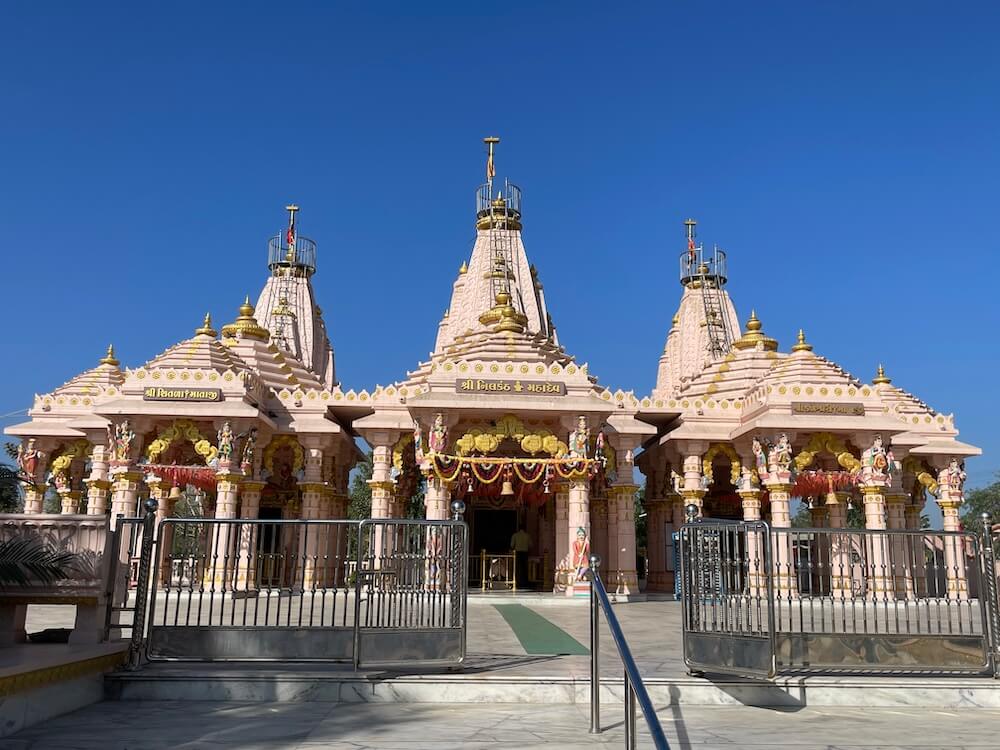
 पौराणिक आणि ऐतिहासिक वारशाने समृद्ध असलेल्या मेहसाणा प्रदेशातील नागलपूर परिसरात वसलेले नीलकंठ महादेव मंदिर हे एक अत्यंत ‘जागृत’ श्रद्धास्थान आहे. हे भव्य शिवमंदिर एकेकाळी ‘अनर्त’ म्हणून ओळखल्या जाणाऱ्या भूमीवर स्थित आहे, ज्या प्रदेशाने सोळंकी आणि गायकवाड राजवटींच्या अमिट खुणा आजही जपून ठेवल्या आहेत. ‘नागर’ वास्तुकलेत अत्यंत कुशलतेने बांधलेल्या या भव्य संकुलात नीलकंठ महादेव, शीतला माता आणि काणेश्वरी माता यांची स्वतंत्र गर्भगृहे आहेत.
प्राचीन काळी मेहसाणा प्रदेश ‘अनर्त’ म्हणून प्रसिद्ध होता.
शर्याती राजाच्या ताब्यातील प्रदेशाला अनर्त म्हटले जात असे आणि त्याची राजधानी कुशस्थळीचे नामकरण द्वारका असे करण्यात आले होते. नंतरच्या काळात, अनर्त हे नाव उत्तर गुजरातसाठी वापरले जाऊ लागले. याची राजधानी आनंदपूर, जी अनर्तपूर म्हणूनही ओळखली जात असे, ती आजचे वडनगर आहे. महाक्षत्रप रुद्रदामन यांच्या जुनागड शिलालेखात, जो शक संवत ७२ म्हणजेच इसवी सन १५० चा आहे, या प्रदेशाचा उल्लेख अनर्त असा आढळतो. 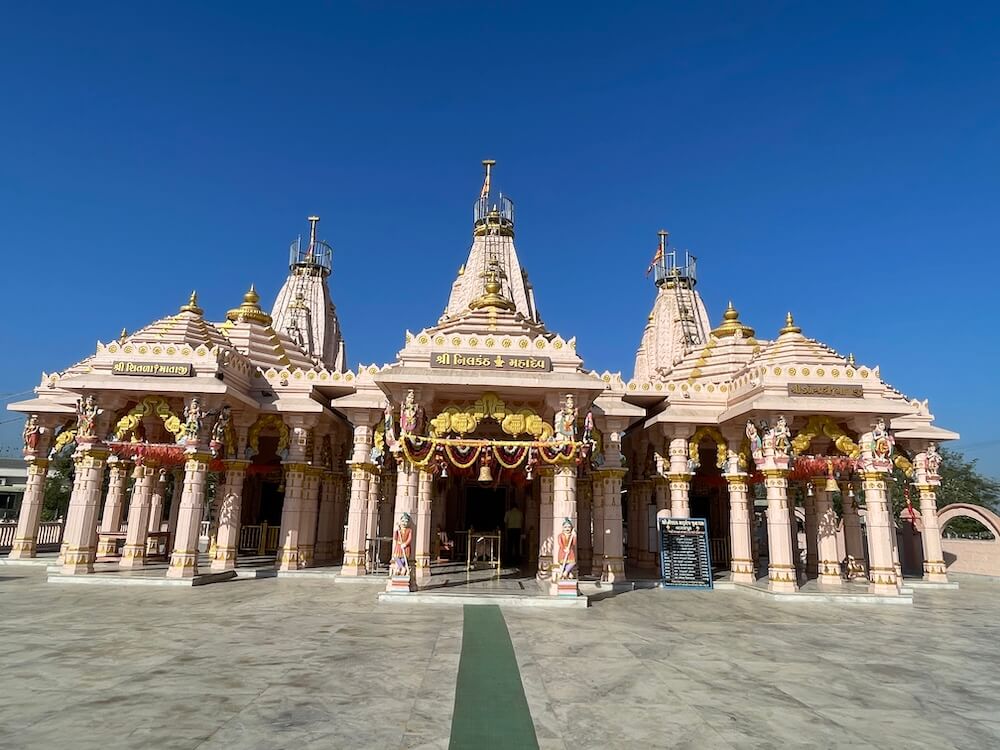 असे म्हटले जाते की, शर्याती हा वैवस्वत मनूच्या दहा पुत्रांपैकी एक होता. शर्यातीला अनर्त नावाचा मुलगा आणि सुकन्या नावाची मुलगी होती. ‘स्कंद पुराण’ आणि ‘भागवत पुराण’ मध्ये या प्रदेशाचे अनेक उल्लेख आढळतात. ऐतिहासिक नोंदींनुसार, मेहसाणावर मौर्य, गुप्त, इंडो-ग्रीक, पश्चिम क्षत्रप आणि चावडा राजवटींनी क्रमाने राज्य केले. इसवी सन ६९६ मध्ये सोळंकी वंशाच्या लोकांनी चावडा राजपूत राजावर हल्ला केल्यानंतर, या प्रदेशावर सोळंकी राजवटीची सत्ता प्रस्थापित झाली. तथापि, चावडा राजपूतांच्या वंशजांनी कालांतराने आपले साम्राज्य पुन्हा मिळवले. नोंदींनुसार, या राजपूत कुळातील वारसदार मेहसाजी (मेसाजी) चावडा यांनी विक्रम संवत १४१४ (इसवी सन १३५८) मध्ये भाद्रपद शुद्ध दशमीच्या दिवशी तोरणवाली मातेची मूर्ती प्रतिष्ठित करून आणि शहराचे ‘तोरण’ बांधून मेहसाणा शहराची स्थापना केली.
  अठराव्या शतकापासून ते १९४७ मधील भारतीय स्वातंत्र्यापर्यंत, उत्तर गुजरातचा हा संपूर्ण पट्टा बडोदा संस्थानाच्या गायकवाडांच्या अधिपत्याखाली होता. स्वातंत्र्यानंतर, १९६० मध्ये राज्याची पुनर्रचना होईपर्यंत मेहसाणा सुरुवातीला मुंबई प्रांताचा भाग होता.
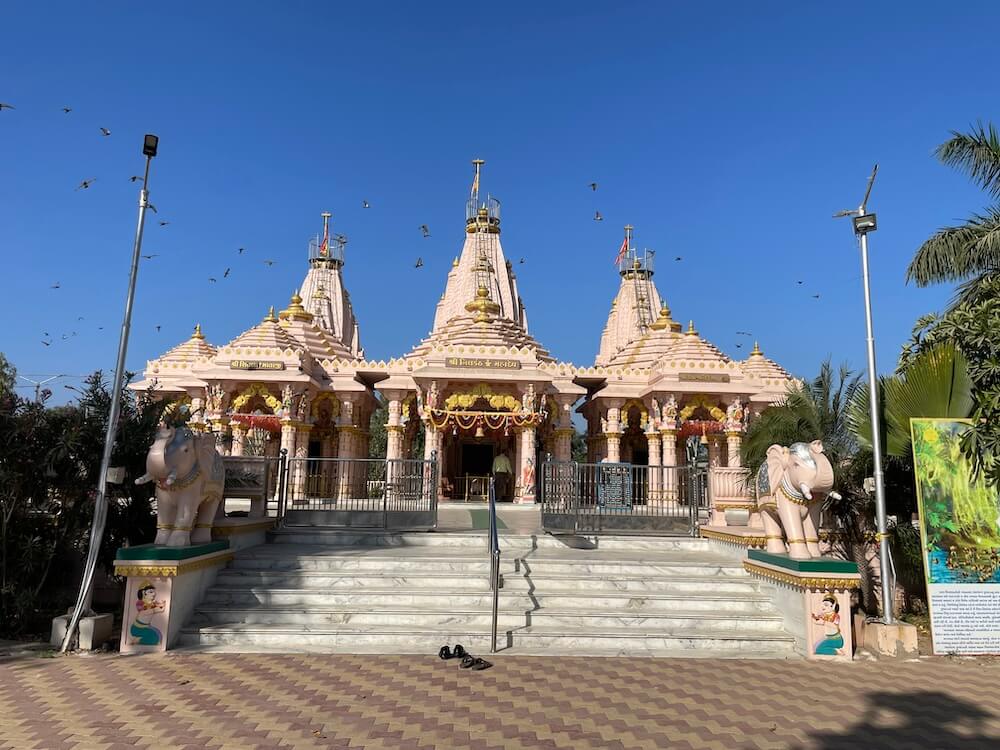
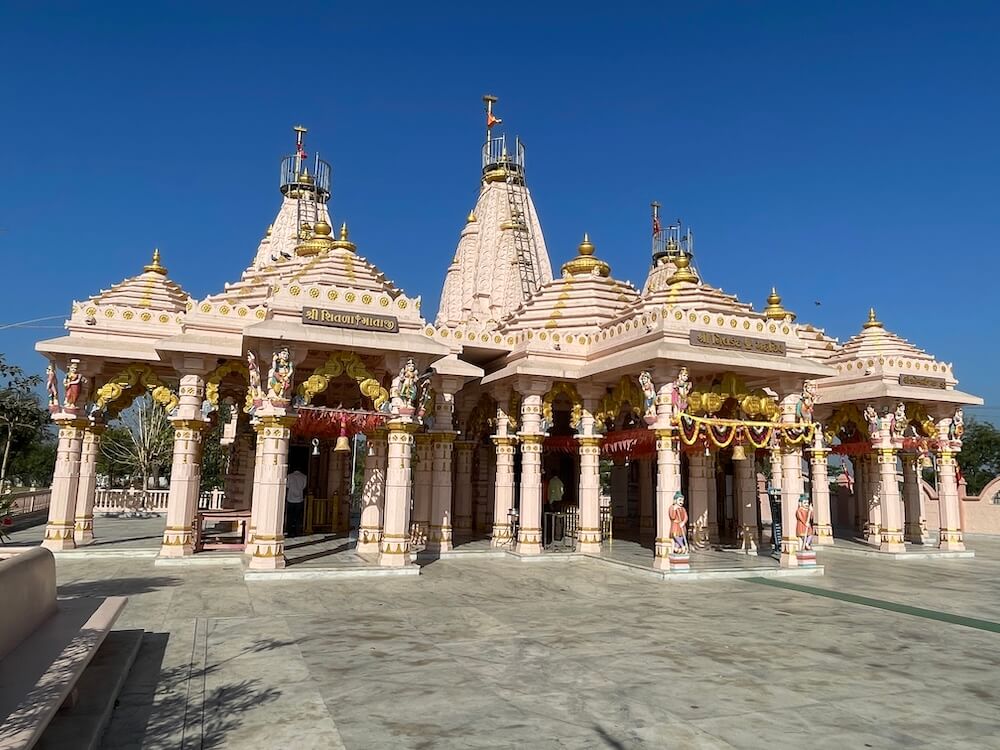
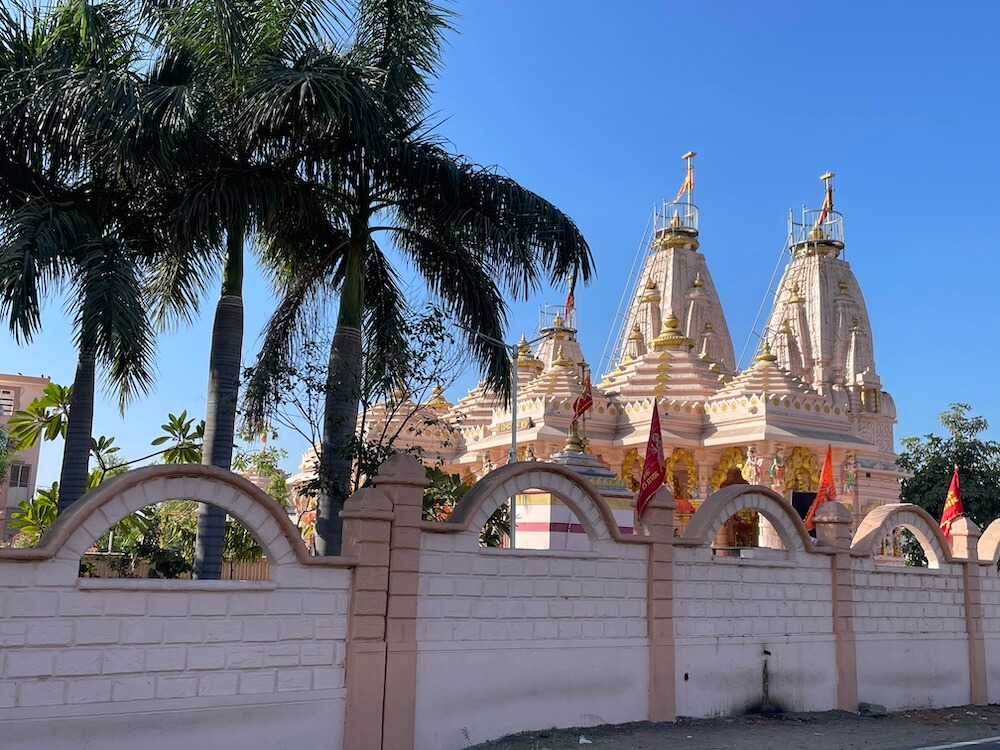
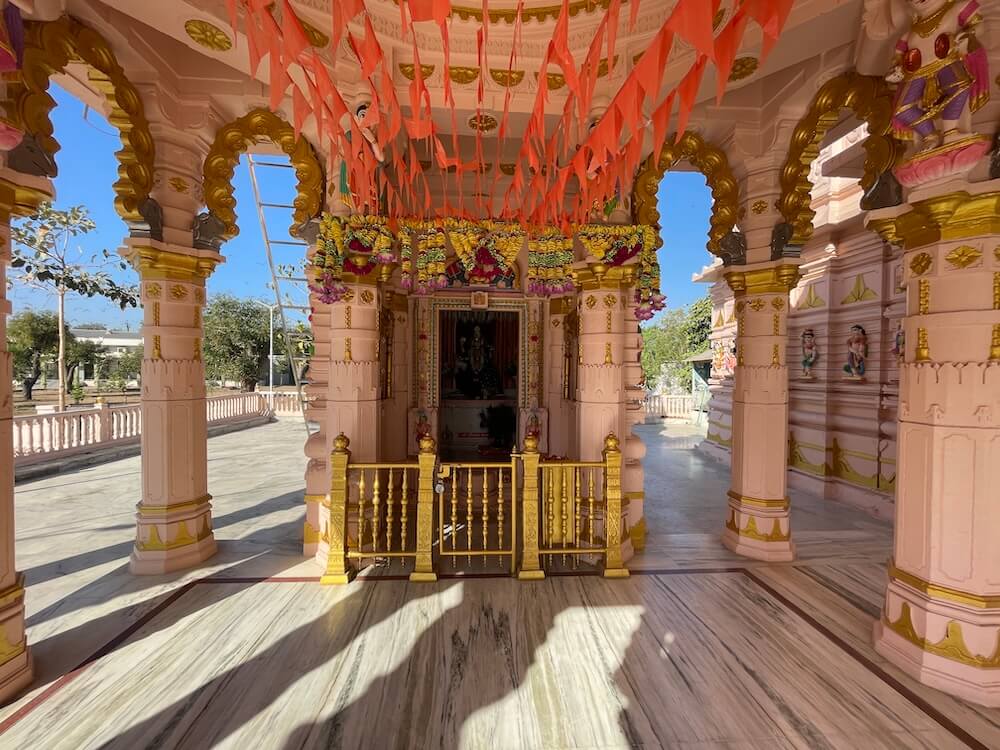
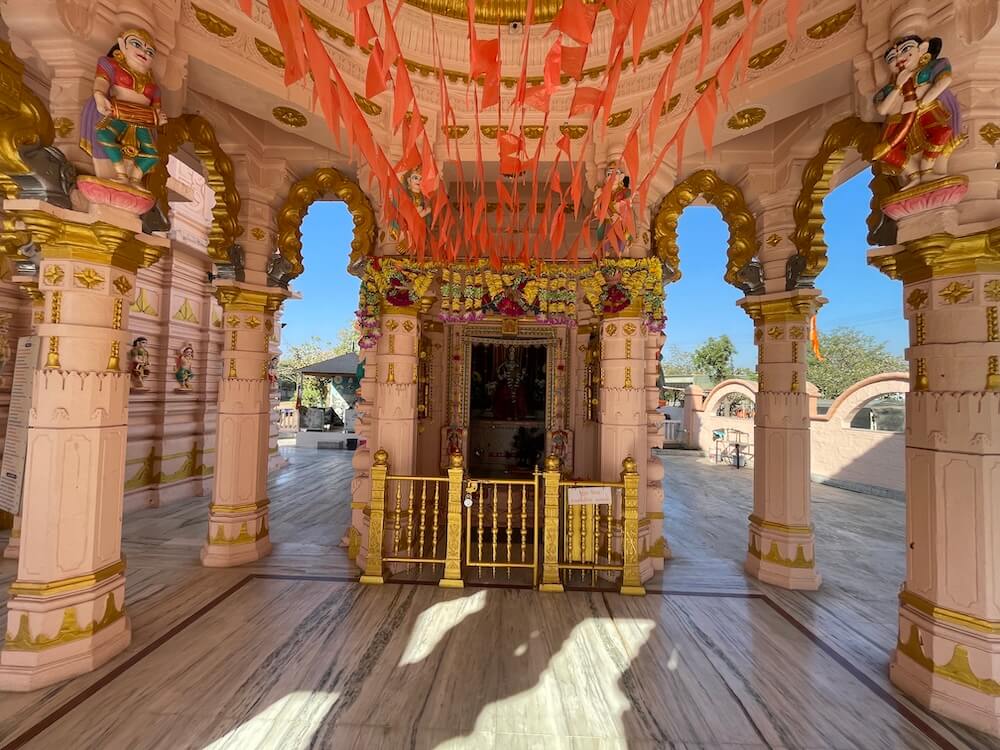
या ऐतिहासिक शहराच्या नागलपूर भागात सुंदर नीलकंठ महादेव मंदिर उभे आहे. मंदिर संकुल अगाध शांतता आणि प्रसन्नतेने नटलेले आहे. चारही बाजूंनी तटबंदीने वेढलेल्या या मंदिराच्या मुख्य प्रवेशद्वारावर भगवान शिवांची मध्यवर्ती मूर्ती आणि त्यांच्या बाजूला नंदीच्या प्रतिमा कोरलेल्या आहेत. हे प्रवेशद्वार एका प्रशस्त अंगणात उघडते, ज्याच्या मध्यभागी उंच चौथऱ्यावर नीलकंठ महादेव मंदिराची आकर्षक ‘नागर’ शैलीतील वास्तू उभी आहे. 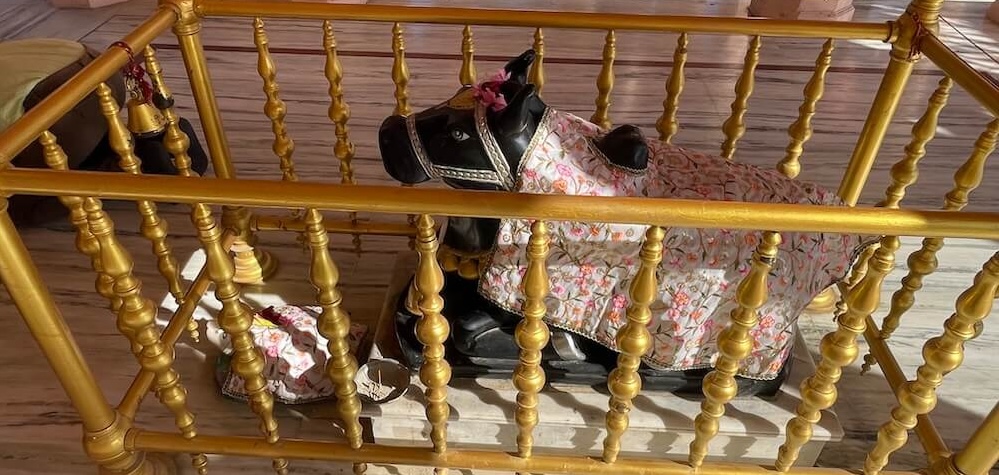 या रचनेत नीलकंठ महादेव, शीतला माता आणि काणेश्वरी माता यांच्यासाठी स्वतंत्र गर्भगृहे असून, समोर ‘मुखमंडप’ आणि ‘सभामंडप’ आहेत.
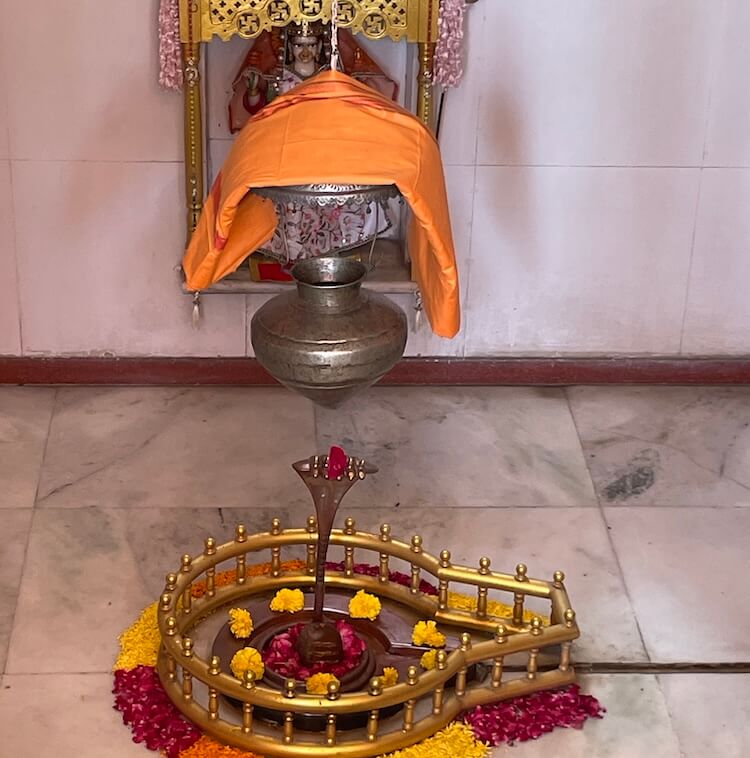
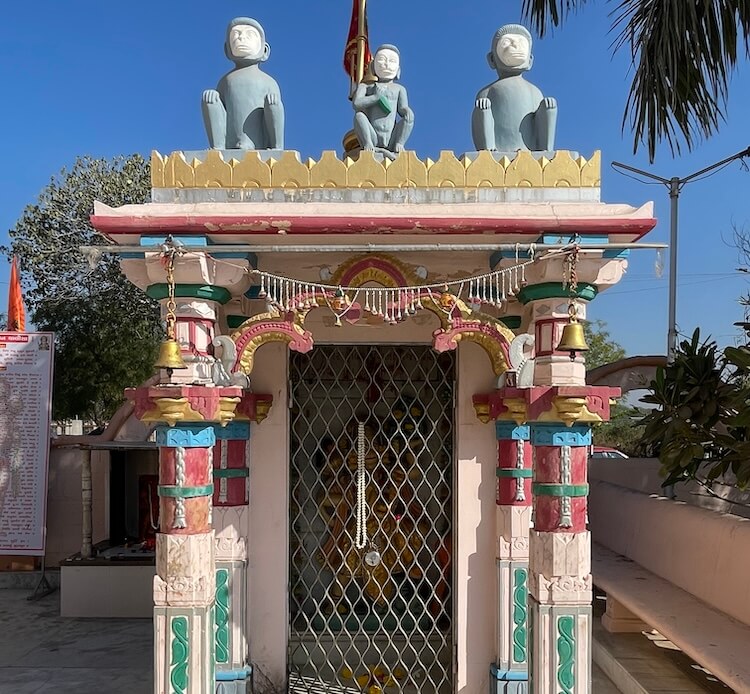
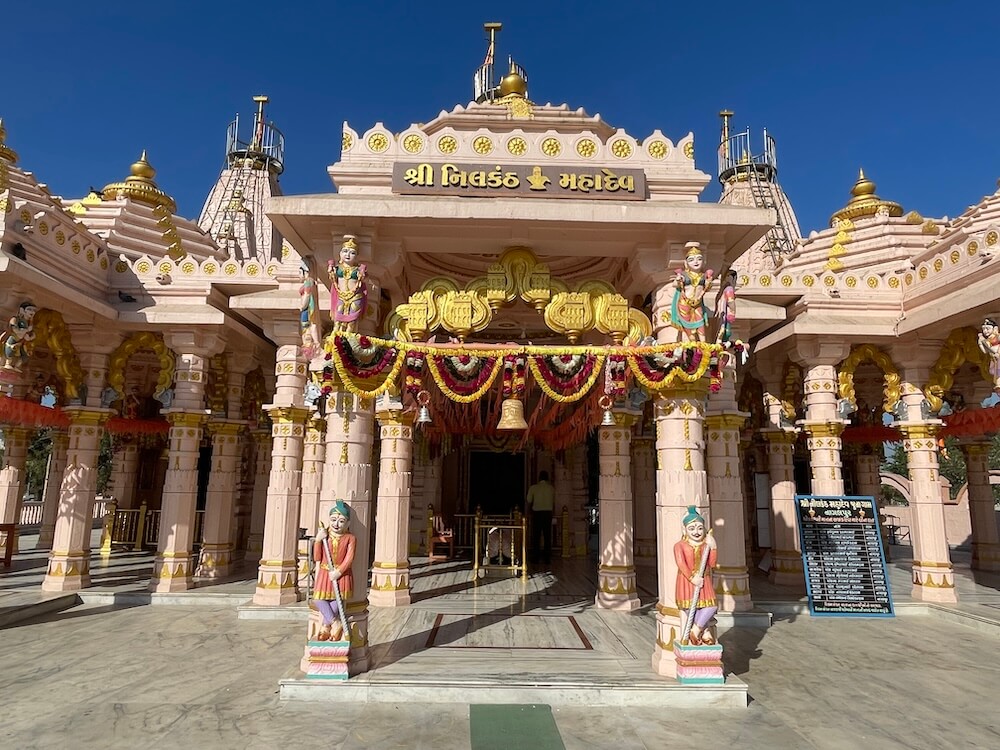
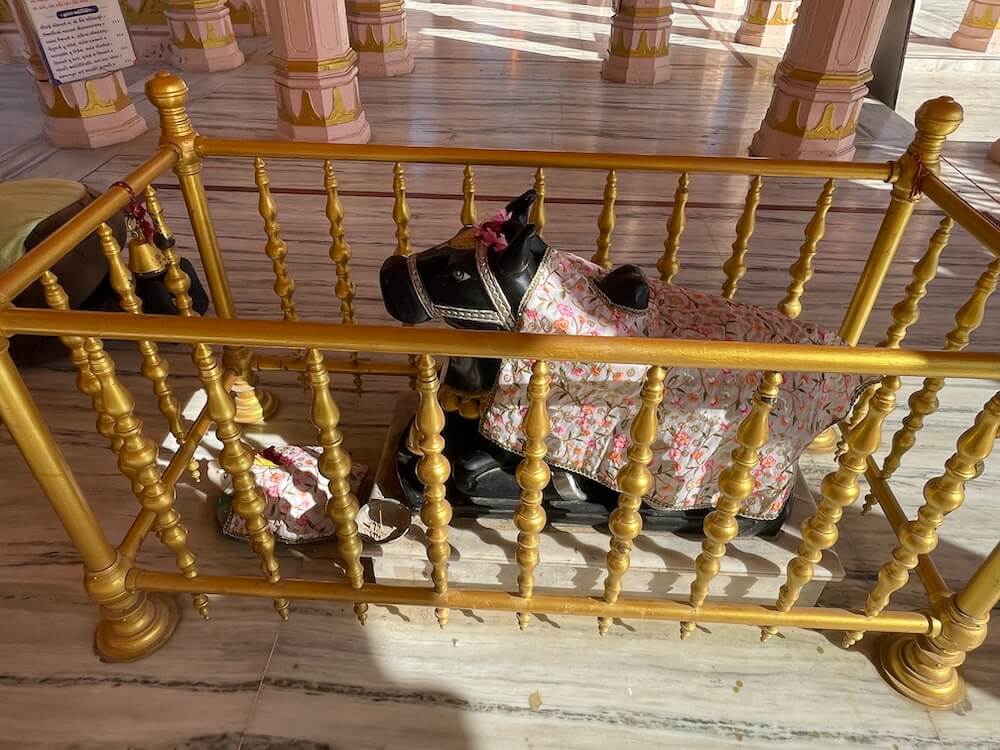
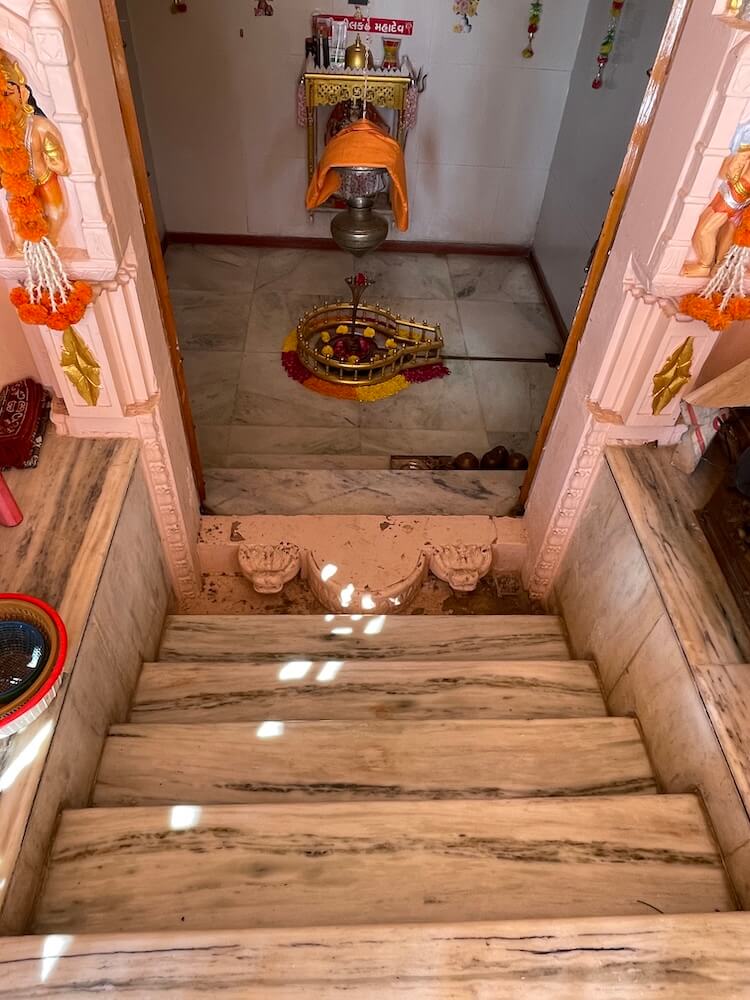
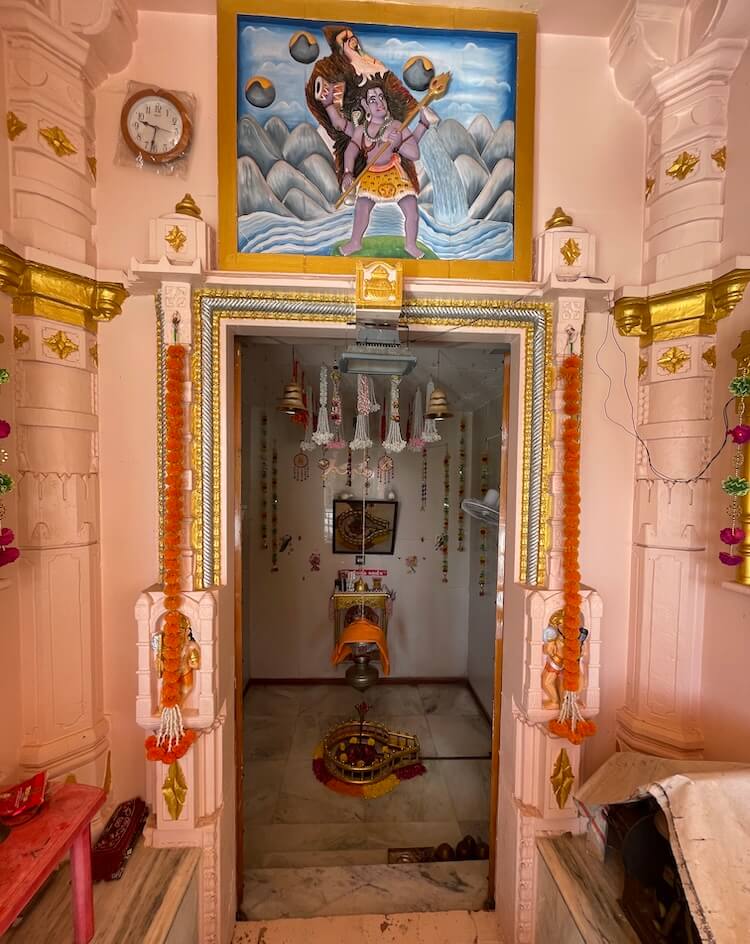
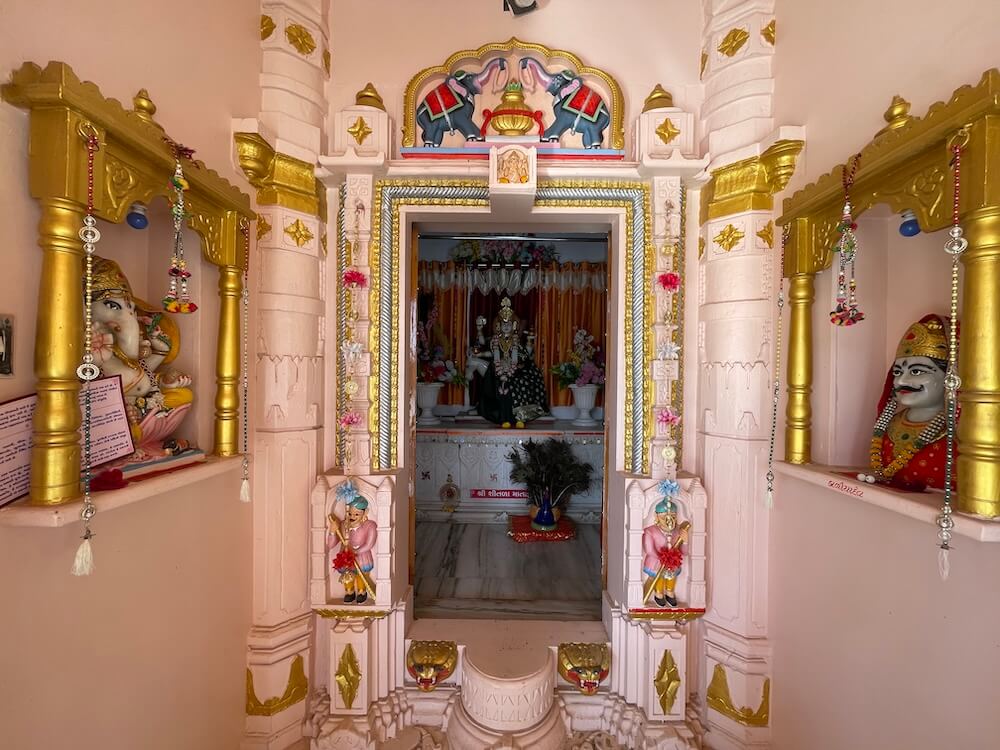
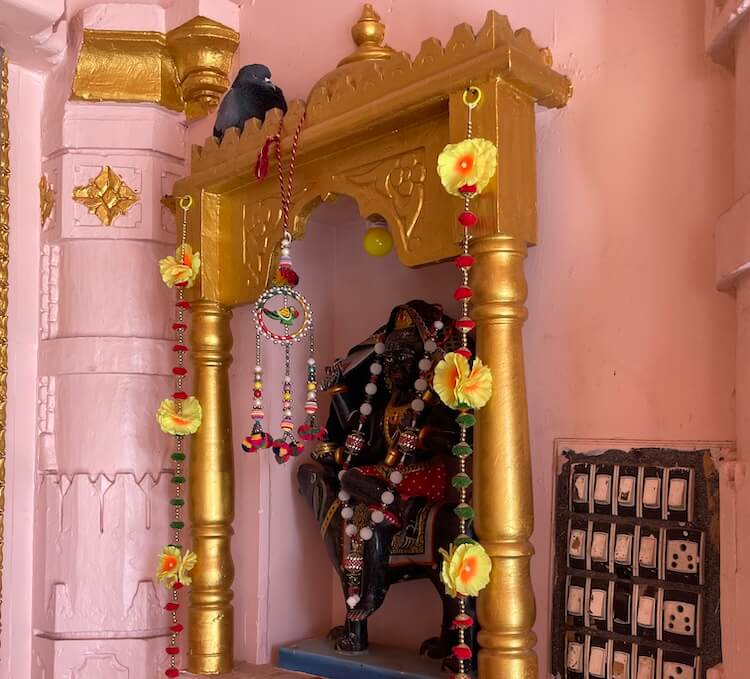
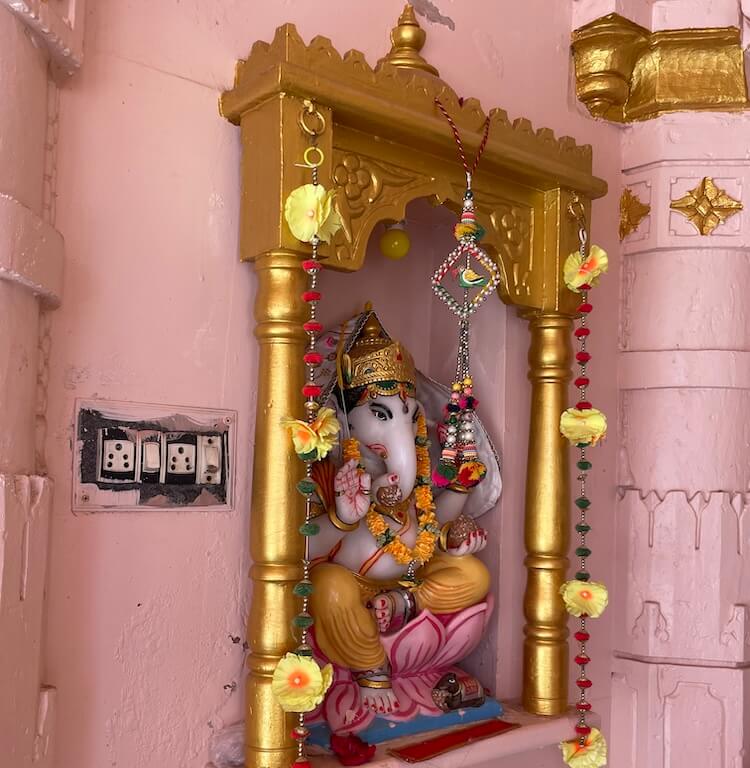
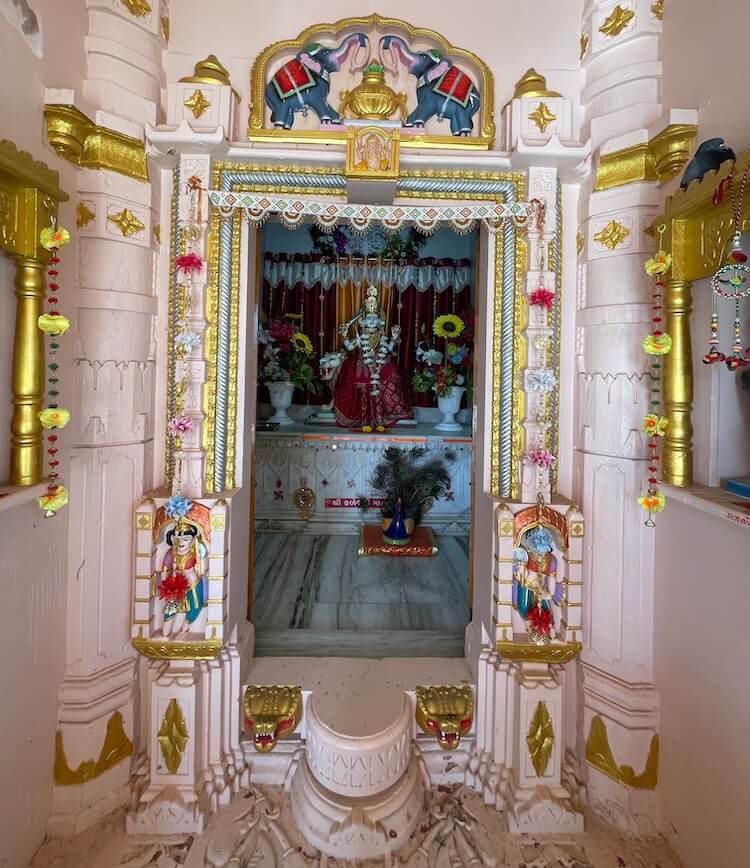
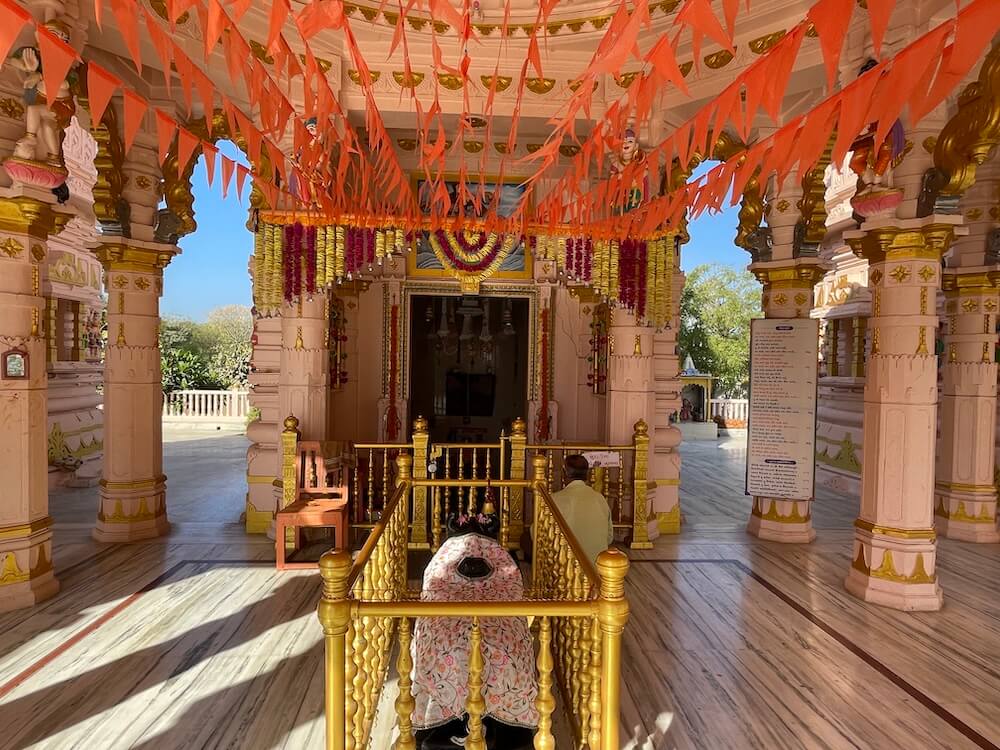
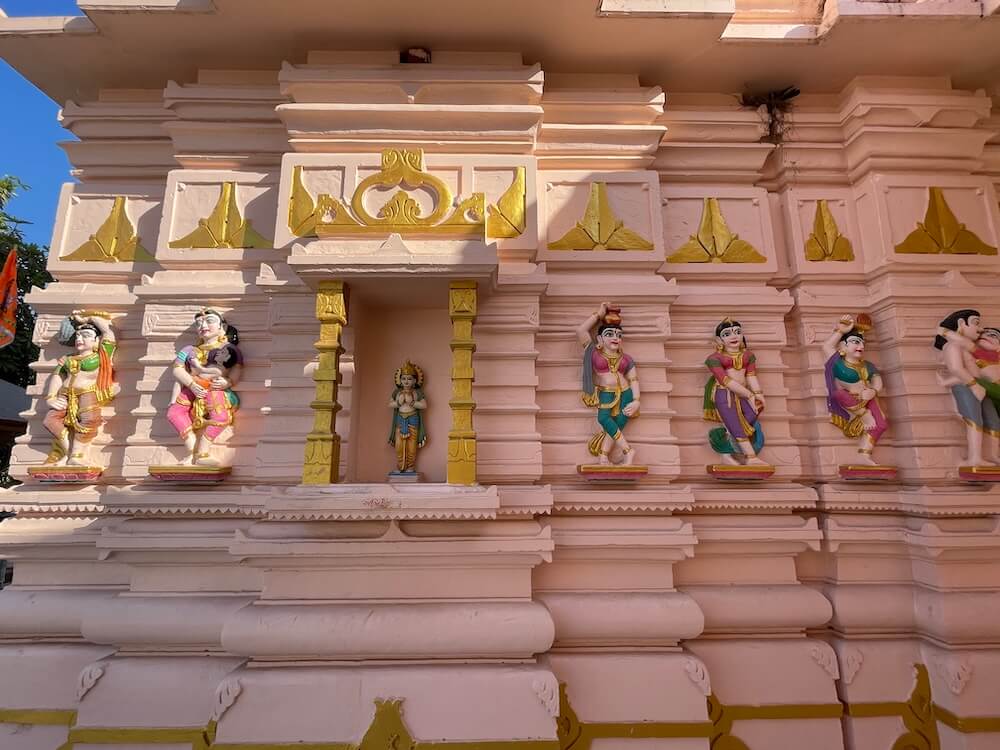
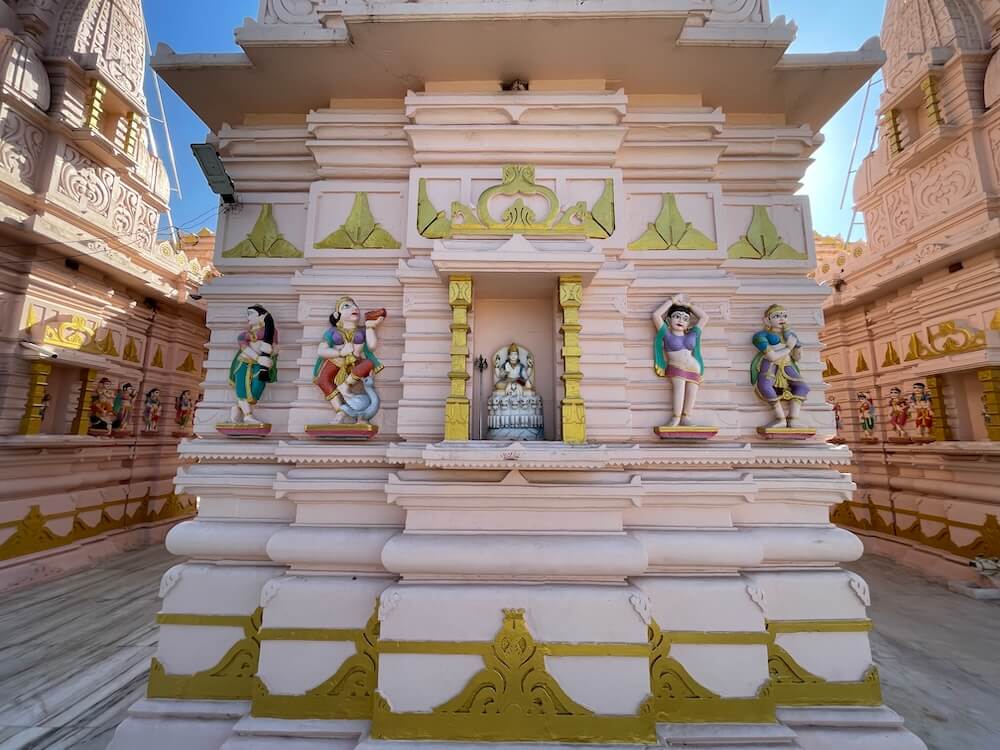
प्रवेशद्वाराच्या खांबांवर ‘द्वारपाल’ आणि ‘सुरसुंदरी’ (अप्सरा) कोरलेल्या आहेत. मंदिराची रचना पारंपरिक असून त्यात प्रवेशद्वार, सभामंडप, ‘अंतराळ’ आणि ‘गर्भगृह’ यांचा समावेश आहे. मंडप आणि सभामंडप अर्ध-खुले आहेत. 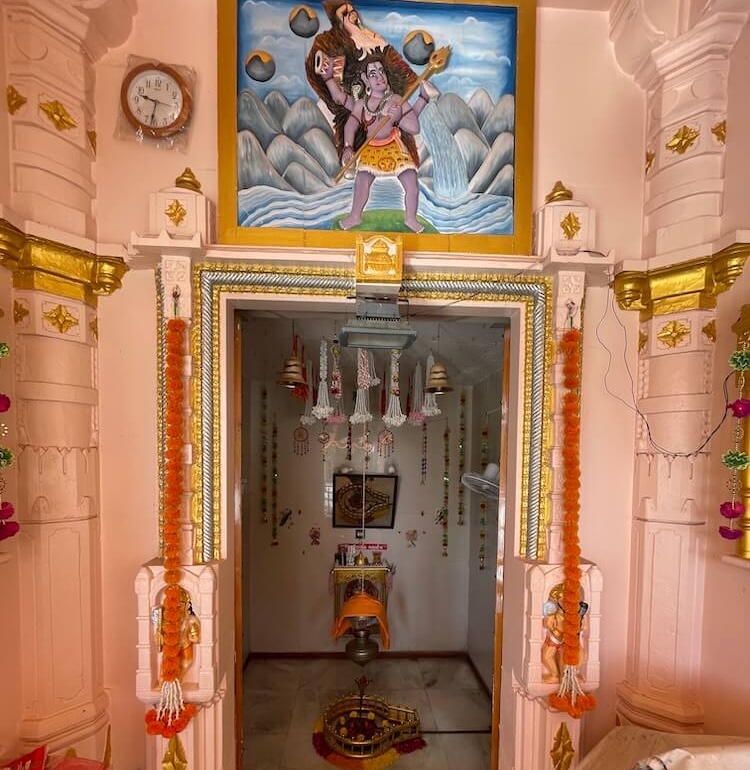 सभामंडपाच्या आत, गर्भगृहाच्या दिशेने तोंड करून एका चौथऱ्यावर काळ्या संगमरवरी नंदी विराजमान आहे आणि त्याच्या समोर कासवाची मूर्ती आहे. अंतराळाच्या भिंतींमधील कोनाड्यांमध्ये गणेश आणि हनुमानाच्या मूर्ती आहेत. अंतराळातून सात ते आठ पायऱ्या उतरून गर्भगृहात प्रवेश केला जातो. गर्भगृहाच्या उंबरठ्यावर मध्यभागी गणेश असून, दरवाजाच्या खांबांवर द्वारपाल आणि तळाशी ‘कीर्तिमुख’ कोरलेले आहेत. गर्भगृहाच्या मध्यभागी नीलकंठ महादेव शिवलिंग असून त्यावर सर्पाचा फणा आहे. देवावर सतत जलाभिषेक व्हावा यासाठी वरच्या बाजूला चांदीची ‘गलंतिका’ (पाणी थेंब थेंब पडणारे पात्र) टांगलेली आहे. गर्भगृहाच्या मागील भिंतीवरील कोनाड्यात माता पार्वतीची मूर्ती आहे.
येथे नित्यनियमाने धार्मिक पूजा केली जाते, ज्यासाठी स्थानिक भाविकांची मोठी गर्दी होते. महाशिवरात्रीला आणि श्रावण महिन्यातील प्रत्येक सोमवारी, भाविक शिवलिंगावर बेल अर्पण करण्यासाठी आणि जलाभिषेक करण्यासाठी गर्दी करतात. सण-उत्सवांच्या काळात देवाला आकर्षक फुलांनी सजवले जाते. हे मंदिर लघुरुद्र यज्ञ आणि गणेश यज्ञासारख्या विविध धार्मिक विधींचे केंद्रही आहे.
उपयुक्त माहिती
- मेहसाणा बस स्थानकापासून ४ किमी अंतरावर स्थित.
- GSRTC बस सेवा मेहसाणाला राज्यातील अनेक शहरांशी जोडते.
- मेहसाणा येथून GSRTC बसेस आणि खाजगी वाहन सेवा उपलब्ध आहेत.
- खाजगी वाहने थेट मंदिराच्या पार्किंगपर्यंत जाऊ शकतात.
- परिसरात राहण्याची आणि नाश्त्याची उत्तम सोय उपलब्ध आहे.
- संपर्क – मंदिर कार्यालय, मोबाईल – ९८२५०३५०८०.
Neelkanth Mahadev Temple
Nagalpur, Mehsana, Dist. Mehsana
Nestled within the Nagalpur precinct of the Mehesana – a region endowed with a profound mythological and historical legacy – the Neelkanth Mahadev Temple stands as a highly ‘jagrut’ (spiritually awakened) sanctuary of faith. This elegant Shiva temple resides in a land once known as ‘Anarta’, a territory that still preserves the indelible footprints of the Solanki and Gaekwad dynasties. Masterfully constructed in the ‘Nagar’ architectural style, this grand complex houses individual sanctums for Neelkanth Mahadev, Shitala Mata and Kaneshwari Mata.
In antiquity, the Mehsana region was renowned as ‘Anarta’.
The territory held by the Sharyati was called Anarta and its capital, Kushasthali, was renamed Dvaraka. In later times, the name Anarta was applied to North Gujarat. Its capital, Anandapura, was also known as Anarttapura, which is represented by modern Vadnagar. References to this region as Anarta occurs in the Junagadh Rock-Inscription of Mahaksatrapa Rudradaman, dated Saka 72 corresponding to 150 A.D. It is said that the Sharyati was one of the ten sons of Vaivasvata Manu. Sharyati had a son called Anarta and a daughter called Sukanya. References to this region abound in the ‘Skanda Purana’ and the ‘Bhagavata Purana’. Historical chronicles indicate that Mehsana was successively governed by the Maurya, Gupta, Indo-Greek, the Western Kshatrap and Chavda dynasties. Following an assault on the Chavda Rajput ruler by members of the Solanki lineage in 696 AD, the Solanki dynasty established its dominion over the region. However, descendants of the Chavda Rajputs eventually reclaimed their empire. Records suggest that Mehsaji (Mesaji) Chavda, an heir to this Rajput clan, founded the city of Mehsana on the day of Bhadrapad Shuddha Dashami in Vikram Samvat 1414 (1358 AD) by ceremoniously installing the idol of Toranwali Mata and binding the city’s ‘toran’ (festoon). From the eighteenth century until Indian Independence in 1947, this entire northern swathe of Gujarat remained under the suzerainty of the Gaekwads of the Baroda State. Post-independence, Mehsana was initially part of the Bombay Province until the state’s bifurcation in 1960.
Within the Nagalpur area of this historic city stands the beautiful Neelkanth Mahadev Temple. The temple complex exudes a profound serenity and grace. Enclosed by a compound wall on all four sides, the ornate main entrance features a central figure of Lord Shiva flanked by sculptures of Nandi. This portal opens into a spacious courtyard, at the center of which rises the striking ‘Nagar’ style edifice of the Neelkanth Mahadev Temple, elevated upon a high plinth. The structure comprises separate sanctums for Neelkanth Mahadev, Shitala Mata and Kaneshwari Mata, fronted by a ‘Mukhamandapa’ (entrance porch) and a ‘Sabhamandapa’ (assembly hall).
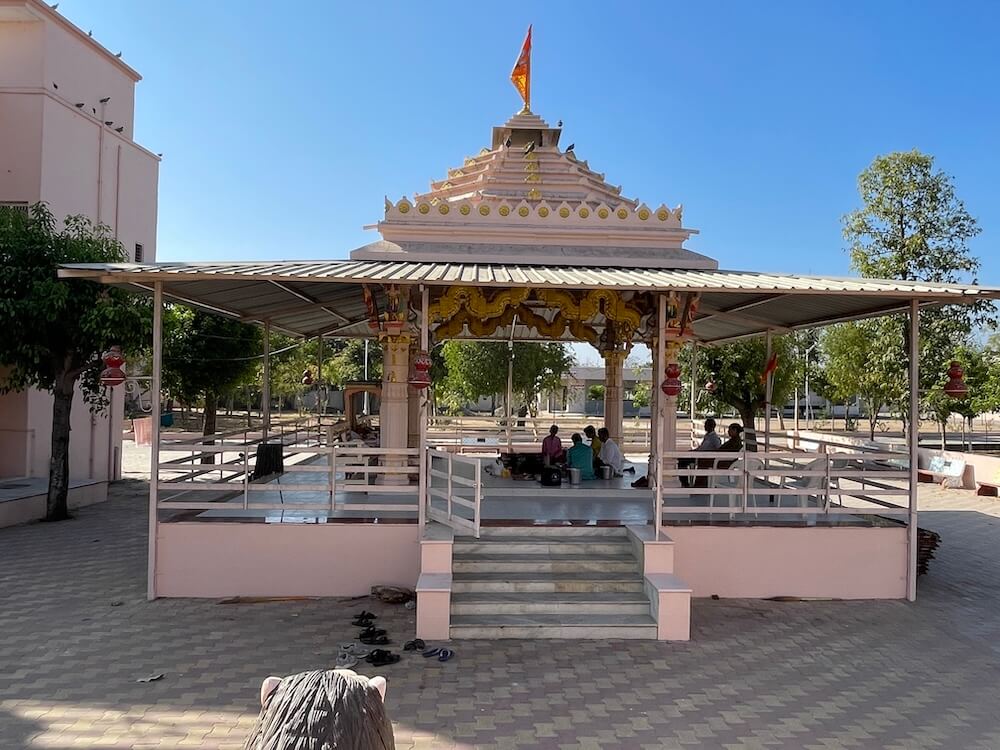
The pillars of the entrance porch are graced by ‘Dwarpalas’ (gatekeepers) and ‘Surasundaris’ (celestial maidens). The temple follows a traditional layout consisting of the entrance porch, an assembly hall, an ‘Antarala’ (vestibule) and the ‘Garbhagriha’ (sanctum sanctorum). Both the porch and the assembly hall are designed in a semi-open fashion. Within the assembly hall, a black marble Nandi sits upon a pedestal facing the sanctum, preceded by a sculpture of a tortoise. Niches within the walls of the vestibule enshrine idols of Ganesha and Hanuman. From the vestibule, one descends seven to eight steps into the recessed sanctum. The lintel of the sanctum doorway features Ganesha at its center, while the doorposts are adorned with gatekeepers and ‘Kirtimukhas’ (glorious lion faces) at the base. At the heart of the sanctum lies the Neelkanth Mahadev Shivalinga, sheltered by a serpent’s canopy. A silver ‘galantika’ (dripping vessel) suspended above ensures a continuous ‘abhishek’ of water upon the deity. A niche in the rear wall of the sanctum houses an idol of Mother Parvati.
Ritual worship is performed here with steadfast regularity, drawing a multitude of local devotees. On Mahashivratri and every Monday of the holy month of Shravan, the faithful throng the shrine to offer ‘Bel’ leaves and perform ‘abhishek’ upon the Shivalinga. During festivals, the deity is adorned with elaborate floral arrangements. The temple also serves as a venue for various religious rites, including the Laghurudra Yag and Ganesh Yag.
Useful Information
- Located at 4 km from Mehesana Bus Station.
- GSRTC bus services connect Mehesana to several cities across the state.
- GSRTC buses and private vehicle services are available from Mehesana.
- Private vehicles can travel directly to the temple car park.
- Numerous accommodation and breakfast options are available in the vicinity.
- Contact – Temple Office, Mobile – 9825035080.
नीलकंठ महादेव मंदिर
नागलपुर, मेहसाणा, जिला मेहसाणा
पौराणिक और ऐतिहासिक विरासत से समृद्ध क्षेत्र, मेहसाणा के नागलपुर परिसर में स्थित, नीलकंठ महादेव मंदिर आस्था का एक अत्यंत ‘जागृत’ केंद्र है। यह सुंदर शिव मंदिर उस भूमि पर स्थित है जिसे कभी ‘आनर्त’ के नाम से जाना जाता था, एक ऐसा क्षेत्र जो आज भी सोलंकी और गायकवाड़ राजवंशों के अमिट पदचिह्नों को संजोए हुए है। ‘नागर’ वास्तुकला शैली में निर्मित, इस भव्य परिसर में नीलकंठ महादेव, शीतला माता और काणेश्वरी माता के लिए अलग-अलग गर्भगृह स्थित हैं।
प्राचीन काल में, मेहसाणा क्षेत्र ‘आनर्त’ के रूप में प्रसिद्ध था।
शर्याति द्वारा शासित क्षेत्र को आनर्त कहा जाता था और इसकी राजधानी कुशस्थली का नाम बदलकर द्वारका कर दिया गया था। बाद के समय में, आनर्त नाम उत्तर गुजरात के लिए प्रयुक्त होने लगा। इसकी राजधानी आनंदपुर, जिसे आनर्तपुर के नाम से भी जाना जाता था, आज के वडनगर का प्रतिनिधित्व करती है। महाक्षत्रप रुद्रदामन के जूनागढ़ शिलालेख में, जो शक संवत ७२ यानी १५० ईस्वी का है, इस क्षेत्र का उल्लेख आनर्त के रूप में मिलता है। कहा जाता है कि शर्याति वैवस्वत मनु के दस पुत्रों में से एक थे। शर्याति के एक पुत्र का नाम आनर्त और एक पुत्री का नाम सुकन्या था। ‘स्कंद पुराण’ और ‘भागवत पुराण’ में इस क्षेत्र के संदर्भ प्रचुर मात्रा में मिलते हैं। ऐतिहासिक वृत्तांत बताते हैं कि मेहसाणा पर मौर्य, गुप्त, इंडो-ग्रीक, पश्चिमी क्षत्रप और चावड़ा राजवंशों ने क्रमिक रूप से शासन किया। ६९६ ईस्वी में सोलंकी वंश के सदस्यों द्वारा चावड़ा राजपूत शासक पर आक्रमण के बाद, सोलंकी राजवंश ने इस क्षेत्र पर अपना प्रभुत्व स्थापित किया। हालाँकि, चावड़ा राजपूतों के वंशजों ने अंततः अपना साम्राज्य पुनः प्राप्त कर लिया। अभिलेखों से पता चलता है कि इस राजपूत कुल के उत्तराधिकारी मेहसाजी (मेसाजी) चावड़ा ने विक्रम संवत १४१४ (१३५८ ईस्वी) में भाद्रपद शुद्ध दशमी के दिन तोरणवाली माता की मूर्ति की स्थापना करके और शहर का ‘तोरण’ बांधकर मेहसाणा शहर की नींव रखी थी। अठारहवीं शताब्दी से लेकर १९४७ में भारतीय स्वतंत्रता तक, गुजरात का यह पूरा उत्तरी भाग बड़ौदा राज्य के गायकवाड़ों के आधिपत्य में रहा। स्वतंत्रता के बाद, १९६० में राज्य के विभाजन तक मेहसाणा बॉम्बे प्रांत का हिस्सा था।
इस ऐतिहासिक शहर के नागलपुर क्षेत्र में सुंदर नीलकंठ महादेव मंदिर स्थित है। मंदिर परिसर अगाध शांति और दिव्यता का अनुभव कराता है। चारों ओर से चारदीवारी से घिरे इस मंदिर के अलंकृत मुख्य प्रवेश द्वार पर नंदी की मूर्तियों के साथ भगवान शिव की केंद्रीय प्रतिमा विराजमान है। यह द्वार एक विशाल प्रांगण में खुलता है, जिसके केंद्र में ऊंचे चबूतरे पर नीलकंठ महादेव मंदिर का आकर्षक ‘नागर’ शैली का शिखर स्थित है। इस संरचना में नीलकंठ महादेव, शीतला माता और काणेश्वरी माता के लिए अलग-अलग गर्भगृह हैं, जिनके आगे एक ‘मुखमंडप’ (प्रवेश द्वार) और एक ‘सभामंडप’ (सभा भवन) बना हुआ है।
प्रवेश द्वार के स्तंभ ‘द्वारपालों’ और ‘सुरसुंदरियों’ (स्वर्गीय अप्सराओं) से सुशोभित हैं। मंदिर एक पारंपरिक लेआउट का पालन करता है जिसमें प्रवेश द्वार, सभा भवन, ‘अंतराल’ (गर्भगृह के आगे का भाग) और ‘गर्भगृह’ शामिल हैं। प्रवेश द्वार और सभा भवन दोनों को अर्ध-खुली शैली में डिज़ाइन किया गया है। सभा भवन के भीतर, गर्भगृह के सामने एक चबूतरे पर काले संगमरमर का नंदी विराजमान है, जिसके आगे कछुए की मूर्ति है। अंतराल की दीवारों में बने आला में गणेश और हनुमान की मूर्तियाँ स्थापित हैं। अंतराल से, सात से आठ सीढ़ियाँ नीचे उतरकर गर्भगृह में प्रवेश किया जाता है। गर्भगृह के द्वार के ऊपरी भाग के केंद्र में गणेश जी विराजमान हैं, जबकि द्वार के खंभों पर द्वारपाल और आधार पर ‘कीर्तिमुख’ अंकित हैं। गर्भगृह के केंद्र में नीलकंठ महादेव शिवलिंग है, जो सर्प के फन के नीचे स्थित है। ऊपर लटकी हुई चांदी की ‘गलंतिका’ (जल पात्र) देवता पर निरंतर जल ‘अभिषेक’ सुनिश्चित करती है। गर्भगृह की पिछली दीवार में बने एक आला में माता पार्वती की मूर्ति स्थापित है।
यहाँ नियमित रूप से विधि-विधान से पूजा की जाती है, जिससे बड़ी संख्या में स्थानीय भक्त आकर्षित होते हैं। महाशिवरात्रि और पवित्र श्रावण मास के प्रत्येक सोमवार को, भक्त शिवलिंग पर बेलपत्र अर्पित करने और ‘अभिषेक’ करने के लिए उमड़ पड़ते हैं। त्योहारों के दौरान, देवता को सुंदर फूलों से सजाया जाता है। यह मंदिर लघु रुद्र यज्ञ और गणेश यज्ञ सहित विभिन्न धार्मिक अनुष्ठानों के लिए भी एक स्थल के रूप में कार्य करता है।
उपयोगी जानकारी
- मेहसाणा बस स्टेशन से ४ किमी की दूरी पर स्थित है।
- GSRTC बस सेवाएँ मेहसाणा को राज्य भर के कई शहरों से जोड़ती हैं।
- मेहसाणा से GSRTC बसें और निजी वाहन सेवाएँ उपलब्ध हैं।
- निजी वाहन सीधे मंदिर की पार्किंग तक जा सकते हैं।
- आसपास के क्षेत्र में ठहरने और नाश्ते के अनेक विकल्प उपलब्ध हैं।
- संपर्क – मंदिर कार्यालय, मोबाइल – ९८२५०३५०८०।
નીલકંઠ મહાદેવ મંદિર
નાગલપુર, મહેસાણા, જિલ્લો મહેસાણા
પૌરાણિક અને ઐતિહાસિક વારસાથી સમૃદ્ધ એવા મહેસાણાના નાગલપુર વિસ્તારમાં આવેલું નીલકંઠ મહાદેવ મંદિર એક અત્યંત ‘જાગૃત’ શ્રદ્ધાસ્થાન તરીકે શોભે છે. આ ભવ્ય શિવ મંદિર એવી ભૂમિ પર સ્થિત છે જે એક સમયે ‘આનર્ત’ તરીકે ઓળખાતી હતી, જે પ્રદેશ આજે પણ સોલંકી અને ગાયકવાડ વંશના અવિસ્મરણીય પદચિહ્નોને સાચવી રહ્યો છે. ‘નાગર’ સ્થાપત્ય શૈલીમાં નિર્મિત આ વિશાળ સંકુલમાં નીલકંઠ મહાદેવ, શીતળા માતા અને કાણેશ્વરી માતાના અલગ-અલગ ગર્ભગૃહ આવેલા છે.
પ્રાચીન કાળમાં, મહેસાણા પ્રદેશ ‘આનર્ત’ તરીકે પ્રખ્યાત હતો.
શર્યાતિ દ્વારા શાસિત પ્રદેશને આનર્ત કહેવામાં આવતું હતું અને તેની રાજધાની કુશસ્થલીનું નામ બદલીને દ્વારકા રાખવામાં આવ્યું હતું. પાછળના સમયમાં, આનર્ત નામ ઉત્તર ગુજરાત માટે વપરાવા લાગ્યું. તેની રાજધાની આનંદપુર, જે આનર્તપુર તરીકે પણ જાણીતી હતી, તે આધુનિક વડનગરનું પ્રતિનિધિત્વ કરે છે. મહાક્ષત્રપ રુદ્રદામનના જૂનાગઢ શિલાલેખમાં, જે શક સંવત ૭૨ એટલે કે ઈ.સ. ૧૫૦ ના સમયનો છે, તેમાં આ પ્રદેશનો આનર્ત તરીકે ઉલ્લેખ જોવા મળે છે. એવું કહેવાય છે કે શર્યાતિ વૈવસ્વત મનુના દસ પુત્રોમાંના એક હતા. શર્યાતિને આનર્ત નામનો પુત્ર અને સુકન્યા નામની પુત્રી હતી. ‘સ્કંદ પુરાણ’ અને ‘ભાગવત પુરાણ’માં આ પ્રદેશના અસંખ્ય ઉલ્લેખો જોવા મળે છે. ઐતિહાસિક દસ્તાવેજો દર્શાવે છે કે મહેસાણા પર મૌર્ય, ગુપ્ત, ઈન્ડો-ગ્રીક, પશ્ચિમ ક્ષત્રપ અને ચાવડા વંશનું ક્રમિક શાસન રહ્યું હતું. ઈ.સ. ૬૯૬ માં સોલંકી વંશના સભ્યો દ્વારા ચાવડા રાજપૂત શાસક પરના આક્રમણ બાદ, સોલંકી વંશે આ પ્રદેશ પર પોતાનું વર્ચસ્વ સ્થાપિત કર્યું. જોકે, ચાવડા રાજપૂતોના વંશજોએ અંતે તેમનું સામ્રાજ્ય પાછું મેળવ્યું હતું. નોંધો સૂચવે છે કે આ રાજપૂત કુળના વારસદાર મેસાજી (મેસાજી) ચાવડાએ વિક્રમ સંવત ૧૪૧૪ (ઈ.સ. ૧૩૫૮) માં ભાદરવા સુદ દશમના દિવસે તોરણવાળી માતાની મૂર્તિની વિધિવત સ્થાપના કરીને અને શહેરનું ‘તોરણ’ બાંધીને મહેસાણા શહેરની સ્થાપના કરી હતી. અઢારમી સદીથી લઈને ૧૯૪૭ માં ભારતની આઝાદી સુધી, ગુજરાતનો આ સમગ્ર ઉત્તરીય પટ્ટો વડોદરા રાજ્યના ગાયકવાડોના આધિપત્ય હેઠળ રહ્યો હતો. સ્વતંત્રતા પછી, ૧૯૬૦ માં રાજ્યના વિભાજન સુધી મહેસાણા બોમ્બે પ્રાંતનો ભાગ હતું.
આ ઐતિહાસિક શહેરના નાગલપુર વિસ્તારમાં સુંદર નીલકંઠ મહાદેવ મંદિર આવેલું છે. મંદિરનું સંકુલ અત્યંત શાંતિ અને દિવ્યતાનો અનુભવ કરાવે છે. ચારે બાજુથી સંકુલની દીવાલથી ઘેરાયેલા આ મંદિરના અલંકૃત મુખ્ય પ્રવેશદ્વાર પર ભગવાન શિવની મધ્યવર્તી પ્રતિમા છે, જેની બંને બાજુ નંદીની શિલ્પકૃતિઓ છે. આ દ્વાર એક વિશાળ આંગણામાં ખુલે છે, જેની મધ્યમાં ઊંચી પીઠિકા પર નીલકંઠ મહાદેવ મંદિરનું આકર્ષક ‘નાગર’ શૈલીનું શિખરબદ્ધ માળખું શોભે છે. આ સંરચનામાં નીલકંઠ મહાદેવ, શીતળા માતા અને કાણેશ્વરી માતા માટે અલગ-અલગ ગર્ભગૃહ છે, જેની આગળ ‘મુખમંડપ’ અને ‘સભામંડપ’ આવેલા છે.
પ્રવેશદ્વારના સ્તંભો ‘દ્વારપાલ’ અને ‘સુરસુંદરીઓ’ની મૂર્તિઓથી સુશોભિત છે. મંદિર પરંપરાગત લેઆઉટને અનુસરે છે જેમાં પ્રવેશદ્વાર, સભામંડપ, ‘અંતરાલ’ અને ‘ગર્ભગૃહ’નો સમાવેશ થાય છે. મંડપ અને સભામંડપ બંને અર્ધ-ખુલ્લી શૈલીમાં ડિઝાઇન કરવામાં આવ્યા છે. સભામંડપની અંદર, ગર્ભગૃહની સામે એક પીઠિકા પર કાળા આરસનો નંદી બિરાજમાન છે, જેની આગળ કાચબાની શિલ્પકૃતિ છે. અંતરાલની દીવાલોમાં બનેલી દેવડીઓમાં ગણેશ અને હનુમાનજીની મૂર્તિઓ સ્થાપિત છે. અંતરાલમાંથી સાતથી આઠ પગથિયાં નીચે ઉતરીને ગર્ભગૃહમાં પ્રવેશાય છે. ગર્ભગૃહના પ્રવેશદ્વારના ઉંબરા પર મધ્યમાં ગણેશજી છે, જ્યારે દરવાજાના સ્તંભોના પાયામાં દ્વારપાલ અને ‘કીર્તિમુખ’ કોતરેલા છે. ગર્ભગૃહના ગર્ભમાં નીલકંઠ મહાદેવ શિવલિંગ બિરાજમાન છે, જે નાગના ફણની છત્રછાયા હેઠળ છે. ઉપર લટકાવેલી ચાંદીની ‘ગલંતિકા’ દ્વારા દેવતા પર સતત જળનો ‘અભિષેક’ થાય છે. ગર્ભગૃહની પાછળની દીવાલમાં આવેલી દેવડીમાં માતા પાર્વતીની મૂર્તિ સ્થાપિત છે.
અહીં નિયમિતપણે પૂજા-અર્ચના કરવામાં આવે છે, જે સ્થાનિક ભક્તોને આકર્ષે છે. મહાશિવરાત્રી અને શ્રાવણ મહિનાના દરેક સોમવારે, ભક્તો શિવલિંગ પર ‘બિલ્વપત્ર’ અર્પણ કરવા અને ‘અભિષેક’ કરવા માટે ઉમટી પડે છે. તહેવારો દરમિયાન, દેવતાને સુંદર ફૂલોથી શણગારવામાં આવે છે. આ મંદિર લઘુરુદ્ર યજ્ઞ અને ગણેશ યજ્ઞ જેવા વિવિધ ધાર્મિક વિધિઓ માટે પણ એક સ્થળ તરીકે સેવા આપે છે.
ઉપયોગી માહિતી
- મહેસાણા બસ સ્ટેશનથી ૪ કિમીના અંતરે આવેલું છે.
- GSRTC બસ સેવાઓ મહેસાણાને રાજ્યભરના અનેક શહેરો સાથે જોડે છે.
- મહેસાણાથી GSRTC બસો અને ખાનગી વાહન સેવાઓ ઉપલબ્ધ છે.
- ખાનગી વાહનો સીધા મંદિરના પાર્કિંગ સુધી જઈ શકે છે.
- આસપાસમાં રહેવા અને નાસ્તાની ઘણી સુવિધાઓ ઉપલબ્ધ છે.
- સંપર્ક – મંદિર કાર્યાલય, મોબાઈલ – ૯૮૨૫૦૩૫૦૮૦.
நீலகண்ட மகாதேவர் கோவில்
நாகல்பூர், மெஹ்சானா, மாவட்டம் மெஹ்சானா
ஆழ்ந்த புராண மற்றும் வரலாற்றுப் பின்னணியைக் கொண்ட மெஹ்சானா பிராந்தியத்தின் நாகல்பூர் பகுதியில் அமைந்துள்ள நீலகண்ட மகாதேவர் கோவில், மிகுந்த ‘ஜாக்ருத்’ (ஆன்மீக ரீதியாக விழித்தெழுந்த) புனிதத் தலமாகத் திகழ்கிறது. இந்த நேர்த்தியான சிவபெருமான் கோவில், ஒரு காலத்தில் ‘அனர்த்தா’ என்று அழைக்கப்பட்ட நிலப்பரப்பில் அமைந்துள்ளது; இப்பகுதி சோலங்கி மற்றும் கெய்க்வாட் வம்சங்களின் அழியாத தடயங்களைத் தன்னுள் கொண்டுள்ளது. ‘நாகர்’ கட்டிடக்கலை பாணியில் நேர்த்தியாகக் கட்டப்பட்டுள்ள இந்த பிரம்மாண்டமான வளாகத்தில், நீலகண்ட மகாதேவர், சீதளா மாதா மற்றும் கணேஸ்வரி மாதா ஆகியோருக்குத் தனித்தனி கருவறைகள் உள்ளன.
பழங்காலத்தில், மெஹ்சானா பிராந்தியம் ‘அனர்த்தா’ என்று புகழப்பட்டது.
ஷர்யாதி மன்னர் ஆட்சி செய்த பகுதி அனர்த்தா என்று அழைக்கப்பட்டது, அதன் தலைநகரான குஷஸ்தலி பிற்காலத்தில் துவாரகை என்று பெயர் மாற்றம் பெற்றது. பிற்காலங்களில், அனர்த்தா என்ற பெயர் வடக்கு குஜராத்தைக் குறிக்கப் பயன்படுத்தப்பட்டது. அதன் தலைநகரான ஆனந்தபுரா, அனர்த்தாபுரா என்றும் அழைக்கப்பட்டது, இதுவே தற்கால வடநகரைக் குறிக்கிறது. கி.பி. ௧௫௦-க்கு இணையான சகா ஆண்டு ௭௨-ஐச் சேர்ந்த மகாசத்ரப ருத்ரதாமனின் ஜூனாகத் கல்வெட்டில் இப்பகுதி அனர்த்தா என்று குறிப்பிடப்பட்டுள்ளது. வைவஸ்வத மனுவின் பத்து புதல்வர்களில் ஷர்யாதி ஒருவர் என்று கூறப்படுகிறது. ஷர்யாதிக்கு அனர்த்தா என்ற மகனும், சுகன்யா என்ற மகளும் இருந்தனர். ‘ஸ்கந்த புராணம்’ மற்றும் ‘பாகவத புராணம்’ ஆகியவற்றில் இப்பகுதியைப் பற்றிய குறிப்புகள் ஏராளமாகக் காணப்படுகின்றன. மெஹ்சானா மௌரியர், குப்தர், இந்தோ-கிரேக்கர், மேற்கு சத்ரபதிகள் மற்றும் சாவ்டா வம்சங்களால் தொடர்ச்சியாக ஆளப்பட்டதாக வரலாற்றுச் சான்றுகள் தெரிவிக்கின்றன. கி.பி. ௬௯௬-இல் சாவ்டா ராஜபுத்திர ஆட்சியாளர் மீது சோலங்கி வம்சத்தினர் தாக்குதல் நடத்தியதைத் தொடர்ந்து, சோலங்கி வம்சம் இப்பகுதியில் தனது ஆதிக்கத்தை நிலைநாட்டியது. இருப்பினும், சாவ்டா ராஜபுத்திரர்களின் வாரிசுகள் இறுதியில் தங்கள் சாம்ராஜ்யத்தை மீட்டெடுத்தனர். விக்ரம் சம்வத் ௧௪௧௪ (கி.பி. ௧௩௫௮) ஆண்டு, பத்ரபத சுக்ல தசமி அன்று, இந்த ராஜபுத்திர குலத்தின் வாரிசான மெஹ்சாஜி (மெசாஜி) சாவ்டா, தோரன்வாலி மாதாவின் சிலையை நிறுவி, நகரத்தின் ‘தோரணத்தை’ கட்டி மெஹ்சானா நகரத்தை உருவாக்கியதாகப் பதிவுகள் தெரிவிக்கின்றன. பதினெட்டாம் நூற்றாண்டு முதல் ௧௯౪௭-இல் இந்திய சுதந்திரம் பெறும் வரை, குஜராத்தின் இந்த முழு வடக்கு பகுதியும் பரோடா சமஸ்தானத்தின் கெய்க்வாட்களின் ஆதிக்கத்தின் கீழ் இருந்தது. சுதந்திரத்திற்குப் பிறகு, ௧௯௬௦-இல் மாநிலம் பிரிக்கப்படும் வரை மெஹ்சானா பம்பாய் மாகாணத்தின் ஒரு பகுதியாக இருந்தது.
இந்த வரலாற்றுச் சிறப்புமிக்க நகரத்தின் நாகல்பூர் பகுதியில் அழகான நீலகண்ட மகாதேவர் கோவில் அமைந்துள்ளது. கோவில் வளாகம் ஆழ்ந்த அமைதியையும் அருளையும் வெளிப்படுத்துகிறது. நான்கு பக்கங்களிலும் மதில் சுவர்களால் சூழப்பட்ட இந்த கோவிலின் அலங்காரமான பிரதான நுழைவாயிலில், நந்தி சிலைகளால் சூழப்பட்ட சிவபெருமானின் மைய உருவம் உள்ளது. இந்த நுழைவாயில் ஒரு விசாலமான முற்றத்திற்கு இட்டுச் செல்கிறது, அதன் மையத்தில் உயர்ந்த அடித்தளத்தின் மீது நீலகண்ட மகாதேவர் கோவிலின் கண்கவர் ‘நாகர்’ பாணி கோபுரம் உயர்ந்து நிற்கிறது. இந்த அமைப்பில் நீலகண்ட மகாதேவர், சீதளா மாதா மற்றும் கணேஸ்வரி மாதா ஆகியோருக்கான தனித்தனி கருவறைகள் உள்ளன, அவற்றின் முன்னால் ‘முகமண்டபம்’ (நுழைவு மண்டபம்) மற்றும் ‘சபாமண்டபம்’ (சபை மண்டபம்) உள்ளன.
நுழைவு மண்டபத்தின் தூண்கள் ‘துவாரபாலகர்கள்’ மற்றும் ‘சுரசுந்தரிகள்’ (தேவ கன்னிகைகள்) சிலைகளால் அலங்கரிக்கப்பட்டுள்ளன. இக்கோவில் நுழைவு மண்டபம், சபை மண்டபம், ‘அந்தராளம்’ (முன் மண்டபம்) மற்றும் ‘கருவறை’ ஆகியவற்றை உள்ளடக்கிய பாரம்பரிய அமைப்பைப் பின்பற்றுகிறது. மண்டபமும் சபை மண்டபமும் அரை-திறந்த நிலையில் வடிவமைக்கப்பட்டுள்ளன. சபை மண்டபத்திற்குள், கருவறையை நோக்கியவாறு பீடத்தின் மீது கருப்பு பளிங்கு நந்தி அமர்ந்துள்ளது, அதற்கு முன்னால் ஆமை சிலை உள்ளது. அந்தராளத்தின் சுவர்களில் உள்ள மாடங்களில் விநாயகர் மற்றும் அனுமன் சிலைகள் பிரதிஷ்டை செய்யப்பட்டுள்ளன. அந்தராளத்திலிருந்து ஏழு முதல் எட்டு படிகள் கீழே இறங்கினால் கருவறையை அடையலாம். கருவறை வாசலின் மேல் பகுதியில் விநாயகர் வீற்றிருக்க, கதவு நிலைகளின் அடியில் துவாரபாலகர்களும் ‘கீர்த்திமுகங்களும்’ செதுக்கப்பட்டுள்ளன. கருவறையின் மையப்பகுதியில் நீலகண்ட மகாதேவர் சிவலிங்கம் நாகத்தின் குடையின் கீழ் அமைந்துள்ளது. மேலே தொங்கவிடப்பட்டுள்ள வெள்ளி ‘கலந்திகா’ (நீர் சொட்டும் பாத்திரம்) மூலம் இறைவனுக்குத் தொடர்ந்து ‘அபிஷேகம்’ நடைபெறுகிறது. கருவறையின் பின்புறச் சுவரில் உள்ள ஒரு மாடத்தில் பார்வதி தேவியின் சிலை உள்ளது.
இங்கு தினசரி வழிபாடுகள் தவறாமல் நடைபெறுகின்றன, இது உள்ளூர் பக்தர்களைப் பெருமளவில் ஈர்க்கிறது. மகாசிவராத்திரி மற்றும் புனிதமான சிராவண மாதத்தின் ஒவ்வொரு திங்கட்கிழமையிலும், பக்தர்கள் திரளாக வந்து சிவலிங்கத்திற்கு ‘வில்வ’ இலைகளைச் சமர்ப்பித்து ‘அபிஷேகம்’ செய்கின்றனர். திருவிழாக் காலங்களில், இறைவன் மலர் அலங்காரங்களால் சிறப்பிக்கப்படுகிறார். இக்கோவில் லகுருத்ர யாகம் மற்றும் கணேஷ் யாகம் போன்ற பல்வேறு மதச் சடங்குகளுக்கான இடமாகவும் விளங்குகிறது.
பயனுள்ள தகவல்கள்
- மெஹ்சானா பேருந்து நிலையத்திலிருந்து ౪ கி.மீ தொலைவில் அமைந்துள்ளது.
- GSRTC பேருந்து சேவைகள் மெஹ்சானாவை மாநிலம் முழுவதும் உள்ள பல நகரங்களுடன் இணைக்கின்றன.
- மெஹ்சானாவிலிருந்து GSRTC பேருந்துகள் மற்றும் தனியார் வாகன சேவைகள் கிடைக்கின்றன.
- தனியார் வாகனங்கள் நேரடியாகக் கோவில் வாகன நிறுத்துமிடம் வரை செல்லலாம்.
- அருகிலேயே ஏராளமான தங்குமிடங்கள் மற்றும் காலை உணவு வசதிகள் உள்ளன.
- தொடர்பு – கோவில் அலுவலகம், அலைபேசி – ௯௮௨௫௦௩௫௦௮௦.
నీలకంఠ మహాదేవ దేవాలయం
నాగల్పూర్, మెహసానా, జిల్లా మెహసానా
గాఢమైన పౌరాణిక మరియు చారిత్రక వారసత్వం కలిగిన మెహసానా ప్రాంతంలోని నాగల్పూర్ పరిధిలో వెలసిన నీలకంఠ మహాదేవ దేవాలయం అత్యంత ‘జాగృత’మైన విశ్వాస కేంద్రంగా నిలుస్తోంది. ఒకప్పుడు ‘అనర్థ’ అని పిలువబడే, సోలంకి మరియు గైక్వాడ్ వంశాల చెరగని ముద్రలను కలిగి ఉన్న భూమిలో ఈ సుందరమైన శివాలయం కొలువై ఉంది. ‘నాగర’ నిర్మాణ శైలిలో అద్భుతంగా నిర్మించబడిన ఈ బృహత్తర సముదాయంలో నీలకంఠ మహాదేవుడు, శీతల మాత మరియు కనేశ్వరి మాతలకు ప్రత్యేక గర్భాలయాలు ఉన్నాయి.
ప్రాచీన కాలంలో మెహసానా ప్రాంతం ‘అనర్థ’గా ప్రసిద్ధి చెందింది.
శర్యాతి పాలించిన భూభాగాన్ని అనర్థ అని పిలిచేవారు మరియు దాని రాజధాని కుశస్థలిని ద్వారకగా మార్చారు. తరువాతి కాలంలో, అనర్థ అనే పేరు ఉత్తర గుజరాతీకి వర్తించింది. దీని రాజధాని ఆనందపురను అనర్థపుర అని కూడా పిలిచేవారు, ఇది నేటి వద్నగర్గా ప్రాతినిధ్యం వహిస్తోంది. శక సంవత్సరం ౭౨, అంటే క్రీ.శ. ౧౫౦కి చెందిన మహాక్షత్రప రుద్రదాముని జునాగఢ్ శిలాశాసనంలో ఈ ప్రాంతాన్ని అనర్థగా పేర్కొనడం జరిగింది. వైవస్వత మనువు యొక్క పదిమంది కుమారులలో శర్యాతి ఒకడని చెబుతారు. శర్యాతికి అనర్థ అనే కుమారుడు మరియు సుకన్య అనే కుమార్తె ఉండేవారు. ‘స్కంద పురాణం’ మరియు ‘భాగవత పురాణం’లలో ఈ ప్రాంతం గురించి అనేక ప్రస్తావనలు ఉన్నాయి. మెహసానాను మౌర్య, గుప్త, ఇండో-గ్రీక్, పశ్చిమ క్షత్రప మరియు చావ్డా వంశాలు వరుసగా పాలించాయని చారిత్రక ఆధారాలు చెబుతున్నాయి. క్రీ.శ. ౬౯౬లో సోలంకి వంశీయులు చావ్డా రాజపుత్ర పాలకుడిపై దాడి చేసిన తర్వాత, ఈ ప్రాంతంపై సోలంకి వంశం ఆధిపత్యాన్ని స్థాపించింది. అయితే, చావ్డా రాజపుత్రుల వారసులు చివరికి తమ సామ్రాజ్యాన్ని తిరిగి పొందారు. విక్రమ సంవత్సరం ౧౪౧౪ (క్రీ.శ. ౧౩౫౮) భాద్రపద శుద్ధ దశమి రోజున ఈ రాజపుత్ర వంశానికి చెందిన వారసుడైన మెహసాజీ (మెసాజీ) చావ్డా, తోరణ్వాలి మాత విగ్రహాన్ని ప్రతిష్ఠించి, నగరానికి ‘తోరణం’ కట్టి మెహసానా నగరాన్ని స్థాపించారని రికార్డులు సూచిస్తున్నాయి. పద్దెనిమిదవ శతాబ్దం నుండి ౧౯౪౭లో భారత స్వాతంత్ర్యం వచ్చే వరకు, గుజరాత్లోని ఈ ఉత్తర ప్రాంతమంతా బరోడా సంస్థానానికి చెందిన గైక్వాడ్ల పాలనలో ఉంది. స్వాతంత్ర్యానంతరం, ౧౯౬౦లో రాష్ట్ర విభజన జరిగే వరకు మెహసానా బొంబాయి ప్రావిన్స్లో భాగంగా ఉండేది.
ఈ చారిత్రక నగరంలోని నాగల్పూర్ ప్రాంతంలో అందమైన నీలకంఠ మహాదేవ దేవాలయం ఉంది. ఆలయ సముదాయం గాఢమైన ప్రశాంతతను మరియు సౌందర్యాన్ని కలిగి ఉంటుంది. నాలుగు వైపులా ప్రహరీ గోడతో ఆవరించబడి, అలంకరించబడిన ప్రధాన ద్వారం వద్ద నంది విగ్రహాలతో కూడిన శివుని ప్రతిమ ఉంటుంది. ఈ ద్వారం ద్వారా విశాలమైన ప్రాంగణంలోకి ప్రవేశించవచ్చు, దీని మధ్యలో ఎత్తైన వేదికపై నీలకంఠ మహాదేవ దేవాలయం ‘నాగర’ శైలిలో అద్భుతంగా కనిపిస్తుంది. ఈ నిర్మాణంలో నీలకంఠ మహాదేవుడు, శీతల మాత మరియు కనేశ్వరి మాతలకు ప్రత్యేక గర్భాలయాలు ఉన్నాయి, వీటి ముందు ‘ముఖమండపం’ (ప్రవేశ ద్వారం) మరియు ‘సభామండపం’ (సభా భవనం) ఉన్నాయి.
ప్రవేశ ద్వారం వద్ద ఉన్న స్తంభాలు ‘ద్వారపాలకులు’ మరియు ‘సురసుందరి’ శిల్పాలతో అలంకరించబడి ఉంటాయి. ఈ ఆలయం ప్రవేశ ద్వారం, సభా మండపం, ‘అంతరాళం’ మరియు ‘గర్భగృహం’ అనే సాంప్రదాయ నిర్మాణ శైలిని అనుసరిస్తుంది. ప్రవేశ ద్వారం మరియు సభా మండపం రెండూ పాక్షికంగా తెరిచిన శైలిలో రూపొందించబడ్డాయి. సభా మండపంలో, గర్భాలయం వైపు చూస్తున్న పీఠంపై నల్లని పాలరాతి నంది ఉంది, దీనికి ముందు తాబేలు శిల్పం ఉంటుంది. అంతరాళ గోడలలోని గూళ్లలో గణేశుడు మరియు హనుమంతుని విగ్రహాలు ప్రతిష్ఠించబడ్డాయి. అంతరాళం నుండి ఏడు నుండి ఎనిమిది మెట్లు దిగితే గర్భాలయం చేరుకోవచ్చు. గర్భాలయ ద్వారం పైన మధ్యలో గణేశుడు ఉంటాడు, ద్వారబంధాల వద్ద ద్వారపాలకులు మరియు అడుగుభాగంలో ‘కీర్తిముఖాలు’ అలంకరించబడి ఉంటాయి. గర్భాలయం మధ్యలో పాము పడగ నీడలో నీలకంఠ మహాదేవ శివలింగం ఉంటుంది. పైన వేలాడదీసిన వెండి ‘గళంతిక’ (నీటి పాత్ర) ద్వారా శివునికి నిరంతరం జలాభిషేకం జరుగుతుంది. గర్భాలయ వెనుక గోడలోని ఒక గూడులో పార్వతీ మాత విగ్రహం ఉంటుంది.
ఇక్కడ నిత్య పూజలు క్రమం తప్పకుండా జరుగుతాయి, దీనికి స్థానిక భక్తులు పెద్ద సంఖ్యలో హాజరవుతారు. మహాశివరాత్రి మరియు శ్రావణ మాసంలోని ప్రతి సోమవారం, భక్తులు శివలింగానికి ‘బిల్వ’ పత్రాలను సమర్పించి అభిషేకం చేస్తారు. పండుగ సమయాల్లో దేవుడిని రకరకాల పూలతో అలంకరిస్తారు. ఈ ఆలయం లఘురుద్ర యాగం మరియు గణేశ యాగం వంటి వివిధ మతపరమైన కార్యక్రమాలకు వేదికగా కూడా ఉంటుంది.
ఉపయోగకరమైన సమాచారం
- మెహసానా బస్ స్టేషన్ నుండి ౪ కి.మీ దూరంలో ఉంది.
- GSRTC బస్సు సేవలు మెహసానాను రాష్ట్రంలోని అనేక నగరాలతో కలుపుతాయి.
- మెహసానా నుండి GSRTC బస్సులు మరియు ప్రైవేట్ వాహన సేవలు అందుబాటులో ఉన్నాయి.
- ప్రైవేట్ వాహనాలు నేరుగా ఆలయ పార్కింగ్ స్థలం వరకు వెళ్ళవచ్చు.
- సమీపంలో అనేక వసతి మరియు అల్పాహార సౌకర్యాలు అందుబాటులో ఉన్నాయి.
- సంప్రదించండి – ఆలయ కార్యాలయం, మొబైల్ – ౯౮౨౫౦౩౫౦౮౦.
നീലകണ്ഠ മഹാദേവ ക്ഷേത്രം
നാഗൽപൂർ, മെഹ്സാന, മെഹ്സാന ജില്ല
പുരാണപരവും ചരിത്രപരവുമായ അഗാധമായ പാരമ്പര്യമുള്ള മെഹ്സാനയിലെ നാഗൽപൂർ പ്രദേശത്ത് സ്ഥിതി ചെയ്യുന്ന നീലകണ്ഠ മഹാദേവ ക്ഷേത്രം അതീവ ചൈതന്യവത്തായ ഒരു വിശ്വാസ കേന്ദ്രമാണ്. സോളങ്കി, ഗെയ്ക്വാദ് രാജവംശങ്ങളുടെ മായാത്ത കാൽപ്പാടുകൾ ഇന്നും സൂക്ഷിക്കുന്ന, പണ്ട് ‘അനാർത്ത’ എന്നറിയപ്പെട്ടിരുന്ന ഭൂമിയിലാണ് ഈ മനോഹരമായ ശിവക്ഷേത്രം സ്ഥിതി ചെയ്യുന്നത്. ‘നഗര’ വാസ്തുവിദ്യാ ശൈലിയിൽ അതിമനോഹരമായി നിർമ്മിച്ചിരിക്കുന്ന ഈ ബൃഹത്തായ സമുച്ചയത്തിൽ നീലകണ്ഠ മഹാദേവൻ, ശീതളാ മാതാവ്, കണേശ്വരി മാതാവ് എന്നിവർക്കായി പ്രത്യേക ശ്രീകോവിലുകളുണ്ട്.
പുരാതന കാലത്ത് മെഹ്സാന പ്രദേശം ‘അനാർത്ത’ എന്ന പേരിലാണ് അറിയപ്പെട്ടിരുന്നത്.
ശര്യതി ഭരിച്ചിരുന്ന പ്രദേശം അനാർത്ത എന്ന് വിളിക്കപ്പെട്ടു, അതിന്റെ തലസ്ഥാനമായ കുശസ്ഥലി പിന്നീട് ദ്വാരക എന്ന് പുനർനാമകരണം ചെയ്യപ്പെട്ടു. പിൽക്കാലത്ത്, വടക്കൻ ഗുജറാത്തിനെ അനാർത്ത എന്ന് വിളിക്കാൻ തുടങ്ങി. ഇതിന്റെ തലസ്ഥാനമായ ആനന്ദപുരം, അനാർത്തപുരം എന്നും അറിയപ്പെട്ടിരുന്നു, ഇത് ഇന്നത്തെ വഡ്നഗറിനെ പ്രതിനിധീകരിക്കുന്നു. ശകവർഷം ൭൨-ൽ (ക്രിസ്തുവർഷം ൧൫൦) രേഖപ്പെടുത്തിയ മഹാക്ഷത്രപ രുദ്രദാമാന്റെ ജുനാഗഡ് ശിലാശാസനത്തിൽ ഈ പ്രദേശത്തെ അനാർത്ത എന്ന് പരാമർശിക്കുന്നുണ്ട്. വൈവസ്വത മനുവിന്റെ പത്ത് പുത്രന്മാരിൽ ഒരാളായിരുന്നു ശര്യതി എന്ന് പറയപ്പെടുന്നു. ശര്യതിക്ക് അനാർത്ത എന്നൊരു മകനും സുകന്യ എന്നൊരു മകളുമുണ്ടായിരുന്നു. ‘സ്കന്ദ പുരാണ’ത്തിലും ‘ഭാഗവത പുരാണ’ത്തിലും ഈ പ്രദേശത്തെക്കുറിച്ചുള്ള പരാമർശങ്ങൾ ധാരാളമുണ്ട്. മൗര്യ, ഗുപ്ത, ഇന്തോ-ഗ്രീക്ക്, പടിഞ്ഞാറൻ ക്ഷത്രപ, ചാവഡ രാജവംശങ്ങൾ തുടർച്ചയായി മെഹ്സാന ഭരിച്ചിരുന്നതായി ചരിത്രരേഖകൾ സൂചിപ്പിക്കുന്നു. ക്രിസ്തുവർഷം ൬൯൬-ൽ സോളങ്കി വംശജർ ചാവഡ രജപുത്ര ഭരണാധികാരിയെ ആക്രമിച്ചതിനെത്തുടർന്ന്, സോളങ്കി രാജവംശം ഈ പ്രദേശത്ത് ആധിപത്യം സ്ഥാപിച്ചു. എന്നിരുന്നാലും, ചാവഡ രജപുത്രരുടെ പിൻഗാമികൾ ഒടുവിൽ അവരുടെ സാമ്രാജ്യം തിരിച്ചുപിടിച്ചു. വിക്രം സംവത് ൧൪൧൪ (ക്രിസ്തുവർഷം ൧൩൫൮) ഭദ്രപദ ശുക്ല ദശമി നാളിൽ, ഈ രജപുത്ര വംശത്തിന്റെ അവകാശിയായ മെഹ്സാജി (മെസാജി) ചാവഡ, തോരണവാലി മാതാവിന്റെ വിഗ്രഹം പ്രതിഷ്ഠിക്കുകയും നഗരത്തിന്റെ ‘തോരണം’ കെട്ടുകയും ചെയ്തുകൊണ്ട് മെഹ്സാന നഗരം സ്ഥാപിച്ചുവെന്ന് രേഖകൾ സൂചിപ്പിക്കുന്നു. പതിനെട്ടാം നൂറ്റാണ്ട് മുതൽ ൧൯൪൭-ലെ ഇന്ത്യൻ സ്വാതന്ത്ര്യം വരെ, ഗുജറാത്തിന്റെ ഈ വടക്കൻ പ്രദേശം മുഴുവൻ ബറോഡ സ്റ്റേറ്റിലെ ഗെയ്ക്വാദുമാരുടെ ഭരണത്തിൻ കീഴിലായിരുന്നു. സ്വാതന്ത്ര്യാനന്തരം, ൧൯൬൦-ൽ സംസ്ഥാനം വിഭജിക്കപ്പെടുന്നത് വരെ മെഹ്സാന ബോംബെ പ്രവിശ്യയുടെ ഭാഗമായിരുന്നു.
ഈ ചരിത്ര നഗരത്തിലെ നാഗൽപൂർ പ്രദേശത്താണ് മനോഹരമായ നീലകണ്ഠ മഹാദേവ ക്ഷേത്രം സ്ഥിതി ചെയ്യുന്നത്. ക്ഷേത്ര സമുച്ചയം അഗാധമായ ശാന്തതയും ഭക്തിയും പ്രസരിപ്പിക്കുന്നു. നാലുഭാഗവും മതിലുകളാൽ ചുറ്റപ്പെട്ട ക്ഷേത്രത്തിന്റെ പ്രധാന കവാടത്തിൽ നന്ദിയുടെ ശില്പങ്ങളാൽ ചുറ്റപ്പെട്ട ശിവന്റെ മനോഹരമായ രൂപമുണ്ട്. ഈ കവാടം വിശാലമായ ഒരു മുറ്റത്തേക്ക് തുറക്കുന്നു, അതിനു മധ്യഭാഗത്തായി ഉയർന്ന തറയിൽ ‘നഗര’ ശൈലിയിലുള്ള നീലകണ്ഠ മഹാദേവ ക്ഷേത്രം തലയുയർത്തി നിൽക്കുന്നു. നീലകണ്ഠ മഹാദേവൻ, ശീതളാ മാതാവ്, കണേശ്വരി മാതാവ് എന്നിവർക്കായി പ്രത്യേക ശ്രീകോവിലുകൾ ഈ ഘടനയിലുണ്ട്. ഇതിന് മുൻപിലായി ഒരു മുഖമണ്ഡപവും സഭാമണ്ഡപവുമുണ്ട്.
പ്രവേശന കവാടത്തിലെ തൂണുകൾ ദ്വാരപാലകന്മാരുടെയും സുരസുന്ദരിമാരുടെയും ശില്പങ്ങളാൽ അലങ്കരിച്ചിരിക്കുന്നു. പ്രവേശന മണ്ഡപം, സഭാമണ്ഡപം, അന്തരാളം, ഗർഭഗൃഹം എന്നിവ ഉൾപ്പെടുന്ന പരമ്പരാഗത ശൈലിയാണ് ക്ഷേത്രത്തിന്റേത്. മണ്ഡപവും സഭാമണ്ഡപവും അർദ്ധ-തുറന്ന രീതിയിലാണ് രൂപകൽപ്പന ചെയ്തിരിക്കുന്നത്. സഭാമണ്ഡപത്തിനുള്ളിൽ, ശ്രീകോവിലിന് അഭിമുഖമായി ഒരു പീഠത്തിൽ കറുത്ത മാർബിളിൽ തീർത്ത നന്ദി പ്രതിഷ്ഠിച്ചിരിക്കുന്നു, അതിനു മുൻപിലായി ഒരു ആമയുടെ ശില്പവുമുണ്ട്. അന്തരാളത്തിലെ ഭിത്തികളിലെ മാളികകളിൽ ഗണപതിയുടെയും ഹനുമാന്റെയും വിഗ്രഹങ്ങൾ പ്രതിഷ്ഠിച്ചിരിക്കുന്നു. അന്തരാളത്തിൽ നിന്ന് ഏഴോ എട്ടോ പടികൾ ഇറങ്ങിയാൽ താഴ്ന്ന നിലയിലുള്ള ശ്രീകോവിലിൽ എത്താം. ശ്രീകോവിൽ വാതിലിന്റെ മുകൾഭാഗത്ത് മധ്യത്തിലായി ഗണപതിയെയും, വാതിലിന്റെ വശങ്ങളിൽ താഴെയായി ദ്വാരപാലകന്മാരെയും കീർത്തിമുഖങ്ങളെയും കൊത്തിവെച്ചിരിക്കുന്നു. ശ്രീകോവിലിന്റെ മധ്യഭാഗത്തായി സർപ്പത്തിന്റെ കുടക്കീഴിൽ നീലകണ്ഠ മഹാദേവ ശിവലിംഗം സ്ഥിതി ചെയ്യുന്നു. ഇതിനു മുകളിൽ തൂക്കിയിട്ടിരിക്കുന്ന വെള്ളി ഗളന്തികയിലൂടെ ശിവലിംഗത്തിൽ നിരന്തരമായ ജലാഭിഷേകം നടക്കുന്നു. ശ്രീകോവിലിന്റെ പിൻഭാഗത്തെ ഭിത്തിയിലെ ഒരു മാളികയിൽ പാർവ്വതീ ദേവിയുടെ വിഗ്രഹവുമുണ്ട്.
ഇവിടെ നിഷ്ഠയോടെയുള്ള പൂജകൾ കൃത്യമായി നടക്കുന്നു, ഇത് നിരവധി പ്രാദേശിക ഭക്തരെ ആകർഷിക്കുന്നു. മഹാശിവരാത്രി ദിനങ്ങളിലും ശ്രാവണ മാസത്തിലെ എല്ലാ തിങ്കളാഴ്ചകളിലും ഭക്തർ കൂവളത്തിലകൾ അർപ്പിക്കാനും ശിവലിംഗത്തിൽ അഭിഷേകം ചെയ്യാനും ക്ഷേത്രത്തിൽ തടിച്ചുകൂടുന്നു. വിശേഷ ദിവസങ്ങളിൽ ദേവനെ മനോഹരമായ പുഷ്പാലങ്കാരങ്ങളാൽ അലങ്കരിക്കുന്നു. ലഘുരുദ്ര യാഗം, ഗണപതി യാഗം തുടങ്ങിയ വിവിധ മതപരമായ ചടങ്ങുകൾക്കും ഈ ക്ഷേത്രം വേദിയാകുന്നു.
ഉപയോഗപ്രദമായ വിവരങ്ങൾ
- മെഹ്സാന ബസ് സ്റ്റേഷനിൽ നിന്ന് ൪ കിലോമീറ്റർ അകലെ സ്ഥിതി ചെയ്യുന്നു.
- GSRTC ബസ് സർവീസുകൾ മെഹ്സാനയെ സംസ്ഥാനത്തെ വിവിധ നഗരങ്ങളുമായി ബന്ധിപ്പിക്കുന്നു.
- മെഹ്സാനയിൽ നിന്ന് GSRTC ബസുകളും സ്വകാര്യ വാഹന സൗകര്യങ്ങളും ലഭ്യമാണ്.
- സ്വകാര്യ വാഹനങ്ങളിൽ നേരിട്ട് ക്ഷേത്രത്തിന്റെ പാർക്കിംഗ് സ്ഥലത്ത് എത്താം.
- പരിസരത്ത് താമസത്തിനും ഭക്ഷണത്തിനുമുള്ള നിരവധി സൗകര്യങ്ങൾ ലഭ്യമാണ്.
- ബന്ധപ്പെടുക – ക്ഷേത്രം ഓഫീസ്, മൊബൈൽ – ൯൮൨൫൦൩൫൦൮൦.
ನೀಲಕಂಠ ಮಹಾದೇವ ದೇವಾಲಯ
ನಾಗಲ್ಪುರ, ಮೆಹಸಾಣ, ಜಿಲ್ಲೆ ಮೆಹಸಾಣ
ಪೌರಾಣಿಕ ಮತ್ತು ಐತಿಹಾಸಿಕ ಪರಂಪರೆಯಿಂದ ಶ್ರೀಮಂತವಾಗಿರುವ ಮೆಹಸಾಣದ ನಾಗಲ್ಪುರ ಪ್ರದೇಶದಲ್ಲಿ ನೆಲೆಸಿರುವ ನೀಲಕಂಠ ಮಹಾದೇವ ದೇವಾಲಯವು ಅತ್ಯಂತ ‘ಜಾಗೃತ’ ಶ್ರದ್ಧಾಕೇಂದ್ರವಾಗಿ ನಿಂತಿದೆ. ಈ ಸುಂದರ ಶಿವ ದೇವಾಲಯವು ಹಿಂದೆ ‘ಅನರ್ತ’ ಎಂದು ಕರೆಯಲ್ಪಡುತ್ತಿದ್ದ ಭೂಮಿಯಲ್ಲಿದೆ; ಈ ಪ್ರದೇಶವು ಸೋಲಂಕಿ ಮತ್ತು ಗಾಯಕ್ವಾಡ್ ರಾಜವಂಶಗಳ ಅಳಿಸಲಾಗದ ಹೆಜ್ಜೆಗುರುತುಗಳನ್ನು ಇಂದಿಗೂ ಸಂರಕ್ಷಿಸಿದೆ. ‘ನಗರ’ ವಾಸ್ತುಶಿಲ್ಪ ಶೈಲಿಯಲ್ಲಿ ಭವ್ಯವಾಗಿ ನಿರ್ಮಿಸಲಾದ ಈ ದೇವಾಲಯದ ಸಂಕೀರ್ಣದಲ್ಲಿ ನೀಲಕಂಠ ಮಹಾದೇವ, ಶೀತಲಾ ಮಾತೆ ಮತ್ತು ಕಣೇಶ್ವರಿ ಮಾತೆಗಾಗಿ ಪ್ರತ್ಯೇಕ ಗರ್ಭಗುಡಿಗಳಿವೆ.
ಪ್ರಾಚೀನ ಕಾಲದಲ್ಲಿ, ಮೆಹಸಾಣ ಪ್ರದೇಶವು ‘ಅನರ್ತ’ ಎಂದು ಪ್ರಸಿದ್ಧವಾಗಿತ್ತು.
ಶರ್ಯಾತಿಯು ಆಳುತ್ತಿದ್ದ ಪ್ರದೇಶವನ್ನು ಅನರ್ತ ಎಂದು ಕರೆಯಲಾಗುತ್ತಿತ್ತು ಮತ್ತು ಅದರ ರಾಜಧಾನಿ ಕುಶಸ್ಥಳಿಯನ್ನು ದ್ವಾರಕಾ ಎಂದು ಮರುನಾಮಕರಣ ಮಾಡಲಾಯಿತು. ನಂತರದ ಕಾಲದಲ್ಲಿ, ಅನರ್ತ ಎಂಬ ಹೆಸರು ಉತ್ತರ ಗುಜರಾತ್ಗೆ ಅನ್ವಯಿಸಿತು. ಇದರ ರಾಜಧಾನಿ ಆನಂದಪುರವನ್ನು ಅನರ್ತಪುರ ಎಂದೂ ಕರೆಯಲಾಗುತ್ತಿತ್ತು, ಇದು ಇಂದಿನ ವಡ್ನಗರವನ್ನು ಪ್ರತಿನಿಧಿಸುತ್ತದೆ. ಮಹಾಕ್ಷತ್ರಪ ರುದ್ರದಮನನ ಜುನಾಗಢ ಶಿಲಾಶಾಸನದಲ್ಲಿ (ಶಕ ೭೨, ಅಂದರೆ ಕ್ರಿ.ಶ. ೧೫೦) ಈ ಪ್ರದೇಶವನ್ನು ಅನರ್ತ ಎಂದು ಉಲ್ಲೇಖಿಸಲಾಗಿದೆ. ಶರ್ಯಾತಿಯು ವೈವಸ್ವತ ಮನುವಿನ ಹತ್ತು ಪುತ್ರರಲ್ಲಿ ಒಬ್ಬನೆಂದು ಹೇಳಲಾಗುತ್ತದೆ. ಶರ್ಯಾತಿಗೆ ಅನರ್ತ ಎಂಬ ಮಗ ಮತ್ತು ಸುಕನ್ಯಾ ಎಂಬ ಮಗಳಿದ್ದಳು. ‘ಸ್ಕಂದ ಪುರಾಣ’ ಮತ್ತು ‘ಭಾಗವತ ಪುರಾಣ’ಗಳಲ್ಲಿ ಈ ಪ್ರದೇಶದ ಉಲ್ಲೇಖಗಳು ಹೇರಳವಾಗಿವೆ. ಐತಿಹಾಸಿಕ ದಾಖಲೆಗಳ ಪ್ರಕಾರ, ಮೆಹಸಾಣವನ್ನು ಮೌರ್ಯ, ಗುಪ್ತ, ಇಂಡೋ-ಗ್ರೀಕ್, ಪಶ್ಚಿಮ ಕ್ಷತ್ರಪ ಮತ್ತು ಚಾವ್ಡಾ ರಾಜವಂಶಗಳು ಅನುಕ್ರಮವಾಗಿ ಆಳಿದವು. ಕ್ರಿ.ಶ. ೬೯೬ರಲ್ಲಿ ಸೋಲಂಕಿ ವಂಶದವರು ಚಾವ್ಡಾ ರಜಪೂತ ಆಡಳಿತಗಾರನ ಮೇಲೆ ದಾಳಿ ಮಾಡಿದ ನಂತರ, ಸೋಲಂಕಿ ರಾಜವಂಶವು ಈ ಪ್ರದೇಶದ ಮೇಲೆ ತನ್ನ ಪ್ರಭುತ್ವವನ್ನು ಸ್ಥಾಪಿಸಿತು. ಆದಾಗ್ಯೂ, ಚಾವ್ಡಾ ರಜಪೂತರ ವಂಶಸ್ಥರು ಅಂತಿಮವಾಗಿ ತಮ್ಮ ಸಾಮ್ರಾಜ್ಯವನ್ನು ಮರಳಿ ಪಡೆದರು. ವಿಕ್ರಮ ಸಂವತ್ ೧೪೧೪ರ (ಕ್ರಿ.ಶ. ೧೩೫೮) ಭಾದ್ರಪದ ಶುದ್ಧ ದಶಮಿಯಂದು ಈ ರಜಪೂತ ಕುಲದ ಉತ್ತರಾಧಿಕಾರಿಯಾದ ಮೆಹಸಾಜಿ (ಮೆಸಾಜಿ) ಚಾವ್ಡಾ ಅವರು ತೋರಣವಾಲಿ ಮಾತೆಯ ವಿಗ್ರಹವನ್ನು ಪ್ರತಿಷ್ಠಾಪಿಸಿ ಮತ್ತು ನಗರದ ‘ತೋರಣ’ವನ್ನು ಕಟ್ಟುವ ಮೂಲಕ ಮೆಹಸಾಣ ನಗರವನ್ನು ಸ್ಥಾಪಿಸಿದರು ಎಂದು ದಾಖಲೆಗಳು ಸೂಚಿಸುತ್ತವೆ. ಹದಿನೆಂಟನೇ ಶತಮಾನದಿಂದ ೧೯೪೭ರಲ್ಲಿ ಭಾರತಕ್ಕೆ ಸ್ವಾತಂತ್ರ್ಯ ಬರುವವರೆಗೆ, ಗುಜರಾತ್ನ ಈ ಸಂಪೂರ್ಣ ಉತ್ತರ ಭಾಗವು ಬರೋಡಾ ಸಂಸ್ಥಾನದ ಗಾಯಕ್ವಾಡ್ಗಳ ಆಳ್ವಿಕೆಯಲ್ಲಿತ್ತು. ಸ್ವಾತಂತ್ರ್ಯದ ನಂತರ, ೧೯೬೦ರಲ್ಲಿ ರಾಜ್ಯದ ವಿಭಜನೆಯಾಗುವವರೆಗೆ ಮೆಹಸಾಣವು ಬಾಂಬೆ ಪ್ರಾಂತ್ಯದ ಭಾಗವಾಗಿತ್ತು.
ಈ ಐತಿಹಾಸಿಕ ನಗರದ ನಾಗಲ್ಪುರ ಪ್ರದೇಶದಲ್ಲಿ ಸುಂದರವಾದ ನೀಲಕಂಠ ಮಹಾದೇವ ದೇವಾಲಯವಿದೆ. ದೇವಾಲಯದ ಸಂಕೀರ್ಣವು ಗಾಢವಾದ ಶಾಂತಿ ಮತ್ತು ಅನುಗ್ರಹವನ್ನು ಹೊರಸೂಸುತ್ತದೆ. ನಾಲ್ಕು ಕಡೆಗಳಲ್ಲಿ ಕಾಂಪೌಂಡ್ ಗೋಡೆಯಿಂದ ಸುತ್ತುವರೆದಿರುವ ಈ ದೇವಾಲಯದ ಅಲಂಕೃತ ಮುಖ್ಯ ದ್ವಾರದಲ್ಲಿ ಶಿವನ ಕೇಂದ್ರ ಪ್ರತಿಮೆ ಮತ್ತು ಅದರ ಪಕ್ಕದಲ್ಲಿ ನಂದಿಯ ಶಿಲ್ಪಗಳಿವೆ. ಈ ದ್ವಾರವು ವಿಶಾಲವಾದ ಅಂಗಳಕ್ಕೆ ತೆರೆದುಕೊಳ್ಳುತ್ತದೆ, ಅದರ ಮಧ್ಯದಲ್ಲಿ ಎತ್ತರದ ಜಗಲಿಯ ಮೇಲೆ ನೀಲಕಂಠ ಮಹಾದೇವ ದೇವಾಲಯದ ಆಕರ್ಷಕ ‘ನಗರ’ ಶೈಲಿಯ ರಚನೆಯು ಎದ್ದು ಕಾಣುತ್ತದೆ. ಈ ರಚನೆಯು ನೀಲಕಂಠ ಮಹಾದೇವ, ಶೀತಲಾ ಮಾತೆ ಮತ್ತು ಕಣೇಶ್ವರಿ ಮಾತೆಗಾಗಿ ಪ್ರತ್ಯೇಕ ಗರ್ಭಗುಡಿಗಳನ್ನು ಹೊಂದಿದ್ದು, ಮುಂಭಾಗದಲ್ಲಿ ‘ಮುಖಮಂಟಪ’ ಮತ್ತು ‘ಸಭಾಮಂಟಪ’ಗಳಿವೆ.
ಪ್ರವೇಶ ಮಂಟಪದ ಕಂಬಗಳನ್ನು ‘ದ್ವಾರಪಾಲಕರು’ ಮತ್ತು ‘ಸುರಸುಂದರಿಯರು’ ಅಲಂಕರಿಸಿದ್ದಾರೆ. ದೇವಾಲಯವು ಪ್ರವೇಶ ಮಂಟಪ, ಸಭಾಮಂಟಪ, ‘ಅಂತರಾಳ’ ಮತ್ತು ‘ಗರ್ಭಗೃಹ’ವನ್ನು ಒಳಗೊಂಡ ಸಾಂಪ್ರದಾಯಿಕ ವಿನ್ಯಾಸವನ್ನು ಅನುಸರಿಸುತ್ತದೆ. ಮಂಟಪ ಮತ್ತು ಸಭಾಮಂಟಪ ಎರಡೂ ಅರೆ-ತೆರೆದ ಶೈಲಿಯಲ್ಲಿ ವಿನ್ಯಾಸಗೊಂಡಿವೆ. ಸಭಾಮಂಟಪದ ಒಳಗೆ, ಗರ್ಭಗುಡಿಯ ಕಡೆಗೆ ಮುಖ ಮಾಡಿ ಪೀಠದ ಮೇಲೆ ಕಪ್ಪು ಅಮೃತಶಿಲೆಯ ನಂದಿ ಕುಳಿತಿದೆ, ಅದರ ಮುಂದೆ ಆಮೆಯ ಶಿಲ್ಪವಿದೆ. ಅಂತರಾಳದ ಗೋಡೆಗಳಲ್ಲಿರುವ ಗೂಡುಗಳಲ್ಲಿ ಗಣೇಶ ಮತ್ತು ಹನುಮಂತನ ವಿಗ್ರಹಗಳನ್ನು ಪ್ರತಿಷ್ಠಾಪಿಸಲಾಗಿದೆ. ಅಂತರಾಳದಿಂದ ಏಳು-ಎಂಟು ಮೆಟ್ಟಿಲುಗಳ ಮೂಲಕ ಕೆಳಗಿಳಿದು ಗರ್ಭಗುಡಿಯನ್ನು ಪ್ರವೇಶಿಸಬಹುದು. ಗರ್ಭಗುಡಿಯ ದ್ವಾರದ ಮೇಲ್ಭಾಗದಲ್ಲಿ ಗಣೇಶನಿದ್ದು, ಬಾಗಿಲಿನ ಕಂಬಗಳ ಬುಡದಲ್ಲಿ ದ್ವಾರಪಾಲಕರು ಮತ್ತು ‘ಕೀರ್ತಿಮುಖ’ಗಳನ್ನು ಕೆತ್ತಲಾಗಿದೆ. ಗರ್ಭಗುಡಿಯ ಮಧ್ಯದಲ್ಲಿ ಸರ್ಪದ ಕವಚದಡಿಯಲ್ಲಿ ನೀಲಕಂಠ ಮಹಾದೇವ ಶಿವಲಿಂಗವಿದೆ. ದೇವರಿಗೆ ನಿರಂತರವಾಗಿ ಜಲಾಭಿಷೇಕವಾಗುವಂತೆ ಮೇಲೆ ಬೆಳ್ಳಿಯ ‘ಗಲಂತಿಕಾ’ವನ್ನು ನೇತುಹಾಕಲಾಗಿದೆ. ಗರ್ಭಗುಡಿಯ ಹಿಂಭಾಗದ ಗೋಡೆಯಲ್ಲಿರುವ ಗೂಡಿನಲ್ಲಿ ಪಾರ್ವತಿ ಮಾತೆಯ ವಿಗ್ರಹವಿದೆ.
ಇಲ್ಲಿ ನಿತ್ಯವೂ ನಿಯಮಿತವಾಗಿ ಪೂಜಾ ಕೈಂಕರ್ಯಗಳು ನಡೆಯುತ್ತವೆ, ಇದು ಸ್ಥಳೀಯ ಭಕ್ತರನ್ನು ಆಕರ್ಷಿಸುತ್ತದೆ. ಮಹಾಶಿವರಾತ್ರಿ ಮತ್ತು ಶ್ರಾವಣ ಮಾಸದ ಪ್ರತಿ ಸೋಮವಾರದಂದು, ಭಕ್ತರು ಶಿವಲಿಂಗಕ್ಕೆ ಬಿಲ್ವಪತ್ರೆ ಅರ್ಪಿಸಲು ಮತ್ತು ಅಭಿಷೇಕ ಮಾಡಲು ದೇವಾಲಯಕ್ಕೆ ಆಗಮಿಸುತ್ತಾರೆ. ಹಬ್ಬದ ದಿನಗಳಲ್ಲಿ ದೇವರಿಗೆ ವಿಶೇಷ ಹೂವಿನ ಅಲಂಕಾರಗಳನ್ನು ಮಾಡಲಾಗುತ್ತದೆ. ಈ ದೇವಾಲಯವು ಲಘುರುದ್ರ ಯಾಗ ಮತ್ತು ಗಣೇಶ ಯಾಗದಂತಹ ವಿವಿಧ ಧಾರ್ಮಿಕ ವಿಧಿಗಳಿಗೆ ವೇದಿಕೆಯಾಗಿದೆ.
ಉಪಯುಕ್ತ ಮಾಹಿತಿ
- ಮೆಹಸಾಣ ಬಸ್ ನಿಲ್ದಾಣದಿಂದ ೪ ಕಿ.ಮೀ ದೂರದಲ್ಲಿದೆ.
- GSRTC ಬಸ್ ಸೇವೆಗಳು ಮೆಹಸಾಣವನ್ನು ರಾಜ್ಯದಾದ್ಯಂತ ಹಲವು ನಗರಗಳೊಂದಿಗೆ ಸಂಪರ್ಕಿಸುತ್ತವೆ.
- ಮೆಹಸಾಣದಿಂದ GSRTC ಬಸ್ಗಳು ಮತ್ತು ಖಾಸಗಿ ವಾಹನ ಸೌಲಭ್ಯಗಳು ಲಭ್ಯವಿವೆ.
- ಖಾಸಗಿ ವಾಹನಗಳು ನೇರವಾಗಿ ದೇವಾಲಯದ ವಾಹನ ನಿಲುಗಡೆ ಪ್ರದೇಶಕ್ಕೆ ತಲುಪಬಹುದು.
- ಸುತ್ತಮುತ್ತಲಿನ ಪ್ರದೇಶದಲ್ಲಿ ವಸತಿ ಮತ್ತು ಉಪಾಹಾರಕ್ಕಾಗಿ ಅನೇಕ ಆಯ್ಕೆಗಳಿವೆ.
- ಸಂಪರ್ಕ – ದೇವಾಲಯದ ಕಚೇರಿ, ಮೊಬೈಲ್ – ೯೮೨೫೦೩೫೦೮೦.
নীলকণ্ঠ মহাদেব মন্দির
নাগালপুর, মেহসানা, জেলা মেহসানা
গভীর পৌরাণিক ও ঐতিহাসিক ঐতিহ্যে সমৃদ্ধ মেহসানার নাগালপুর এলাকায় অবস্থিত নীলকণ্ঠ মহাদেব মন্দিরটি বিশ্বাসের এক অত্যন্ত ‘জাগ্রত’ তীর্থস্থান। শিবের এই সুন্দর মন্দিরটি এমন এক ভূমিতে অবস্থিত যা একসময় ‘আনর্ত’ নামে পরিচিত ছিল, যে অঞ্চলটি আজও সোলাঙ্কি ও গায়কোয়াড় রাজবংশের অমোচনীয় পদচিহ্ন বহন করে চলেছে। ‘নাগর’ স্থাপত্য শৈলীতে নিপুণভাবে নির্মিত এই বিশাল মন্দির চত্বরে নীলকণ্ঠ মহাদেব, শীতলা মাতা এবং কনেশ্বরী মাতার পৃথক গর্ভগৃহ রয়েছে।
প্রাচীনকালে মেহসানা অঞ্চল ‘আনর্ত’ নামে খ্যাত ছিল।
শার্যাতির শাসনাধীন অঞ্চলটি আনর্ত নামে পরিচিত ছিল এবং এর রাজধানী কুশস্থলীর নাম পরিবর্তন করে দ্বারকা রাখা হয়। পরবর্তীকালে, আনর্ত নামটি উত্তর গুজরাটের ক্ষেত্রে প্রযোজ্য হয়। এর রাজধানী আনন্দপুর, যা আনর্তপুর নামেও পরিচিত ছিল, তা বর্তমান ভাদনগর হিসেবে চিহ্নিত। ১৫০ খ্রিস্টাব্দের শক ৭২ অব্দের মহাক্ষত্রপ রুদ্রদামনের জুনাগড় শিলালিপিতে এই অঞ্চলটিকে আনর্ত হিসেবে উল্লেখ করা হয়েছে। কথিত আছে যে, শার্যাতি ছিলেন বৈবস্বত মনুর দশ পুত্রের অন্যতম। শার্যাতির এক পুত্র ছিল যার নাম আনর্ত এবং এক কন্যা ছিল যার নাম সুকন্যা। ‘স্কন্দ পুরাণ’ ও ‘ভাগবত পুরাণ’-এ এই অঞ্চলের প্রচুর উল্লেখ পাওয়া যায়। ঐতিহাসিক নথিপত্র অনুযায়ী, মেহসানা পর্যায়ক্রমে মৌর্য, গুপ্ত, ইন্দো-গ্রিক, পশ্চিমী ক্ষত্রপ এবং চাবদা রাজবংশের শাসনাধীন ছিল। ৬৯৬ খ্রিস্টাব্দে সোলাঙ্কি বংশের সদস্যদের দ্বারা চাবদা রাজপুত শাসকের ওপর আক্রমণের পর, সোলাঙ্কি রাজবংশ এই অঞ্চলে তাদের আধিপত্য প্রতিষ্ঠা করে। তবে, চাবদা রাজপুতদের বংশধররা শেষ পর্যন্ত তাদের সাম্রাজ্য পুনরুদ্ধার করে। নথিপত্র অনুযায়ী, এই রাজপুত বংশের উত্তরাধিকারী মেহসাজি (মেসাজি) চাবদা, বিক্রম সংবৎ ১৪১৪-এর (১৩৫৮ খ্রিস্টাব্দ) ভাদ্রপদ শুদ্ধ দশমীর দিনে তোরণওয়ালি মাতার মূর্তি স্থাপন এবং শহরের ‘তোরণ’ বাঁধার মাধ্যমে মেহসানা শহর প্রতিষ্ঠা করেন। অষ্টাদশ শতাব্দী থেকে ১৯৪৭ সালে ভারতের স্বাধীনতা পর্যন্ত, গুজরাটের এই পুরো উত্তরাঞ্চল বরোদা রাজ্যের গায়কোয়াড়দের শাসনাধীন ছিল। স্বাধীনতার পর, ১৯৬০ সালে রাজ্য বিভাজনের আগে পর্যন্ত মেহসানা বোম্বে প্রদেশের অংশ ছিল।
এই ঐতিহাসিক শহরের নাগালপুর এলাকায় সুন্দর নীলকণ্ঠ মহাদেব মন্দিরটি অবস্থিত। মন্দির চত্বরটি গভীর প্রশান্তি ও মাধুর্যে পূর্ণ। চারদিক প্রাচীর দ্বারা ঘেরা এই মন্দিরের সুসজ্জিত প্রধান প্রবেশদ্বারে নন্দীর ভাস্কর্যসহ ভগবান শিবের একটি কেন্দ্রীয় মূর্তি রয়েছে। এই প্রবেশপথটি একটি প্রশস্ত প্রাঙ্গণে উন্মুক্ত হয়, যার কেন্দ্রে উচ্চ বেদীর ওপর নীলকণ্ঠ মহাদেব মন্দিরের চমৎকার ‘নাগর’ শৈলীর স্থাপত্যটি দণ্ডায়মান। এই কাঠামোটিতে নীলকণ্ঠ মহাদেব, শীতলা মাতা ও কনেশ্বরী মাতার জন্য পৃথক গর্ভগৃহ রয়েছে, যার সামনে একটি ‘মুখমণ্ডপ’ (প্রবেশ বারান্দা) ও একটি ‘সভামণ্ডপ’ (মিলনায়তন) রয়েছে।
প্রবেশ বারান্দার স্তম্ভগুলি ‘দ্বারপাল’ ও ‘সুরসুন্দরী’ (স্বর্গীয় অপ্সরা) দ্বারা সুশোভিত। মন্দিরটি প্রথাগত বিন্যাস অনুসরণ করে, যার মধ্যে রয়েছে প্রবেশ বারান্দা, একটি সভামণ্ডপ, একটি ‘অন্তরাল’ (প্রবেশ পথ) এবং ‘গর্ভগৃহ’। বারান্দা ও সভামণ্ডপ উভয়ই আধা-খোলা নকশায় তৈরি। সভামণ্ডপের ভেতরে, গর্ভগৃহের দিকে মুখ করে একটি বেদীর ওপর কালো মার্বেলের নন্দী বসে আছে, যার সামনে একটি কচ্ছপের ভাস্কর্য রয়েছে। অন্তরালের দেয়ালের কুলুঙ্গিতে গণেশ ও হনুমানের মূর্তি প্রতিষ্ঠিত। অন্তরাল থেকে সাত-আটটি ধাপ নেমে গর্ভগৃহে প্রবেশ করতে হয়। গর্ভগৃহের দরজার উপরের অংশে কেন্দ্রে গণেশ রয়েছেন, আর দরজার খুঁটিগুলি নিচে দ্বারপাল ও ‘কীর্তিমুখ’ দ্বারা অলঙ্কৃত। গর্ভগৃহের হৃদয়ে নীলকণ্ঠ মহাদেব শিবলিঙ্গ অবস্থিত, যা একটি সর্পছত্র দ্বারা আবৃত। উপরে ঝোলানো একটি রূপার ‘গলন্তিকা’ (জল ঝরার পাত্র) দেবতার ওপর নিরন্তর জল ‘অভিষেক’ নিশ্চিত করে। গর্ভগৃহের পিছনের দেয়ালের একটি কুলুঙ্গিতে মাতা পার্বতীর মূর্তি রয়েছে।
এখানে নিয়মিত নিষ্ঠার সাথে পূজা-অর্চনা করা হয়, যা স্থানীয় ভক্তদের ভিড় টানে। মহাশিবরাত্রি এবং পবিত্র শ্রাবণ মাসের প্রতি সোমবার ভক্তরা বেলপাতা অর্পণ করতে এবং শিবলিঙ্গে ‘অভিষেক’ করতে মন্দিরে ভিড় জমান। উৎসবের সময় দেবতাকে সুদৃশ্য ফুলের সাজে সাজানো হয়। মন্দিরটি লঘুরুদ্র যজ্ঞ ও গণেশ যজ্ঞসহ বিভিন্ন ধর্মীয় অনুষ্ঠানের কেন্দ্রস্থল হিসেবেও কাজ করে।
প্রয়োজনীয় তথ্য
- মেহসানা বাস স্টেশন থেকে ৪ কিমি দূরে অবস্থিত।
- GSRTC বাস পরিষেবা মেহসানাকে রাজ্যের বিভিন্ন শহরের সাথে সংযুক্ত করে।
- মেহসানা থেকে GSRTC বাস ও ব্যক্তিগত যানবাহন পরিষেবা পাওয়া যায়।
- ব্যক্তিগত যানবাহন সরাসরি মন্দিরের গাড়ি পার্কিং পর্যন্ত যেতে পারে।
- আশেপাশে থাকার ও সকালের নাস্তার প্রচুর ব্যবস্থা রয়েছে।
- যোগাযোগ – মন্দির অফিস, মোবাইল – ৯৮২৫০৩৫০৮০।
ਨੀਲਕੰਠ ਮਹਾਦੇਵ ਮੰਦਰ
ਨਾਗਲਪੁਰ, ਮਹਿਸਾਣਾ, ਜ਼ਿਲ੍ਹਾ ਮਹਿਸਾਣਾ
ਮਹਿਸਾਣਾ ਦੇ ਨਾਗਲਪੁਰ ਇਲਾਕੇ ਵਿੱਚ ਸਥਿਤ – ਇੱਕ ਅਜਿਹਾ ਖੇਤਰ ਜੋ ਡੂੰਘੀ ਪੌਰਾਣਿਕ ਅਤੇ ਇਤਿਹਾਸਕ ਵਿਰਾਸਤ ਨਾਲ ਭਰਪੂਰ ਹੈ – ਨੀਲਕੰਠ ਮਹਾਦੇਵ ਮੰਦਰ ਆਸਥਾ ਦੇ ਇੱਕ ਬਹੁਤ ਹੀ ‘ਜਾਗ੍ਰਿਤ’ (ਅਧਿਆਤਮਿਕ ਤੌਰ ‘ਤੇ ਜਾਗ੍ਰਿਤ) ਸਥਾਨ ਵਜੋਂ ਖੜ੍ਹਾ ਹੈ। ਇਹ ਸੁੰਦਰ ਸ਼ਿਵ ਮੰਦਰ ਉਸ ਧਰਤੀ ‘ਤੇ ਸਥਿਤ ਹੈ ਜਿਸਨੂੰ ਕਦੇ ‘ਅਨਰਤ’ ਵਜੋਂ ਜਾਣਿਆ ਜਾਂਦਾ ਸੀ, ਇੱਕ ਅਜਿਹਾ ਖੇਤਰ ਜੋ ਅਜੇ ਵੀ ਸੋਲੰਕੀ ਅਤੇ ਗਾਇਕਵਾੜ ਖ਼ਾਨਦਾਨਾਂ ਦੇ ਅਮਿੱਟ ਨਿਸ਼ਾਨਾਂ ਨੂੰ ਸੰਭਾਲ ਕੇ ਰੱਖਦਾ ਹੈ। ‘ਨਾਗਰ’ ਵਾਸਤੂਕਲਾ ਸ਼ੈਲੀ ਵਿੱਚ ਮਾਹਿਰਤਾ ਨਾਲ ਬਣਾਇਆ ਗਿਆ ਇਹ ਵਿਸ਼ਾਲ ਕੰਪਲੈਕਸ ਨੀਲਕੰਠ ਮਹਾਦੇਵ, ਸ਼ੀਤਲਾ ਮਾਤਾ ਅਤੇ ਕਾਨੇਸ਼ਵਰੀ ਮਾਤਾ ਲਈ ਵੱਖ-ਵੱਖ ਗਰਭ-ਗ੍ਰਹਿ ਰੱਖਦਾ ਹੈ।
ਪ੍ਰਾਚੀਨ ਕਾਲ ਵਿੱਚ, ਮਹਿਸਾਣਾ ਖੇਤਰ ‘ਅਨਰਤ’ ਵਜੋਂ ਮਸ਼ਹੂਰ ਸੀ।
ਸ਼ਰਯਾਤੀ ਦੁਆਰਾ ਸ਼ਾਸਿਤ ਖੇਤਰ ਨੂੰ ਅਨਰਤ ਕਿਹਾ ਜਾਂਦਾ ਸੀ ਅਤੇ ਇਸਦੀ ਰਾਜਧਾਨੀ, ਕੁਸ਼ਸਥਲੀ ਦਾ ਨਾਮ ਬਦਲ ਕੇ ਦਵਾਰਕਾ ਰੱਖਿਆ ਗਿਆ ਸੀ। ਬਾਅਦ ਦੇ ਸਮੇਂ ਵਿੱਚ, ਅਨਰਤ ਨਾਮ ਉੱਤਰੀ ਗੁਜਰਾਤ ਲਈ ਵਰਤਿਆ ਜਾਣ ਲੱਗਾ। ਇਸਦੀ ਰਾਜਧਾਨੀ, ਆਨੰਦਪੁਰਾ ਨੂੰ ਅਨਰਤਪੁਰਾ ਵੀ ਕਿਹਾ ਜਾਂਦਾ ਸੀ, ਜੋ ਆਧੁਨਿਕ ਵਡਨਗਰ ਦੁਆਰਾ ਦਰਸਾਇਆ ਗਿਆ ਹੈ। ਇਸ ਖੇਤਰ ਦਾ ਅਨਰਤ ਵਜੋਂ ਹਵਾਲਾ ਮਹਾਕਸ਼ਤਰਪ ਰੁਦਰਦਾਮਨ ਦੇ ਜੂਨਾਗੜ੍ਹ ਚੱਟਾਨ-ਲੇਖ ਵਿੱਚ ਮਿਲਦਾ ਹੈ, ਜੋ ਕਿ ਸਾਕਾ ੭੨, ਯਾਨੀ ੧੫੦ ਈਸਵੀ ਦਾ ਹੈ। ਕਿਹਾ ਜਾਂਦਾ ਹੈ ਕਿ ਸ਼ਰਯਾਤੀ ਵੈਵਸਵਤ ਮਨੂ ਦੇ ਦਸ ਪੁੱਤਰਾਂ ਵਿੱਚੋਂ ਇੱਕ ਸੀ। ਸ਼ਰਯਾਤੀ ਦਾ ਇੱਕ ਪੁੱਤਰ ਅਨਰਤ ਅਤੇ ਇੱਕ ਧੀ ਸੁਕੰਨਿਆ ਸੀ। ਇਸ ਖੇਤਰ ਦੇ ਹਵਾਲੇ ‘ਸਕੰਦ ਪੁਰਾਣ’ ਅਤੇ ‘ਭਾਗਵਤ ਪੁਰਾਣ’ ਵਿੱਚ ਭਰਪੂਰ ਮਿਲਦੇ ਹਨ। ਇਤਿਹਾਸਕ ਰਿਕਾਰਡ ਦਰਸਾਉਂਦੇ ਹਨ ਕਿ ਮਹਿਸਾਣਾ ਉੱਤੇ ਮੌਰਿਆ, ਗੁਪਤ, ਇੰਡੋ-ਗ੍ਰੀਕ, ਪੱਛਮੀ ਕਸ਼ਤਰਪ ਅਤੇ ਚਾਵੜਾ ਖ਼ਾਨਦਾਨਾਂ ਨੇ ਲਗਾਤਾਰ ਰਾਜ ਕੀਤਾ। ੬੯੬ ਈਸਵੀ ਵਿੱਚ ਸੋਲੰਕੀ ਵੰਸ਼ ਦੇ ਮੈਂਬਰਾਂ ਦੁਆਰਾ ਚਾਵੜਾ ਰਾਜਪੂਤ ਸ਼ਾਸਕ ਉੱਤੇ ਹਮਲੇ ਤੋਂ ਬਾਅਦ, ਸੋਲੰਕੀ ਖ਼ਾਨਦਾਨ ਨੇ ਇਸ ਖੇਤਰ ਉੱਤੇ ਆਪਣਾ ਅਧਿਕਾਰ ਸਥਾਪਿਤ ਕਰ ਲਿਆ। ਹਾਲਾਂਕਿ, ਚਾਵੜਾ ਰਾਜਪੂਤਾਂ ਦੇ ਵੰਸ਼ਜਾਂ ਨੇ ਅੰਤ ਵਿੱਚ ਆਪਣਾ ਸਾਮਰਾਜ ਵਾਪਸ ਪ੍ਰਾਪਤ ਕਰ ਲਿਆ। ਰਿਕਾਰਡ ਸੁਝਾਅ ਦਿੰਦੇ ਹਨ ਕਿ ਇਸ ਰਾਜਪੂਤ ਕਬੀਲੇ ਦੇ ਵਾਰਸ ਮਹਿਸਾਜੀ (ਮੇਸਾਜੀ) ਚਾਵੜਾ ਨੇ ਵਿਕਰਮ ਸੰਵਤ ੧੪੧੪ (੧੩੫੮ ਈਸਵੀ) ਵਿੱਚ ਭਾਦਰਪਦ ਸ਼ੁੱਧ ਦਸ਼ਮੀ ਦੇ ਦਿਨ ਤੋਰਨਵਾਲੀ ਮਾਤਾ ਦੀ ਮੂਰਤੀ ਸਥਾਪਿਤ ਕਰਕੇ ਅਤੇ ਸ਼ਹਿਰ ਦਾ ‘ਤੋਰਨ’ ਬੰਨ੍ਹ ਕੇ ਮਹਿਸਾਣਾ ਸ਼ਹਿਰ ਦੀ ਨੀਂਹ ਰੱਖੀ ਸੀ। ਅਠਾਰਵੀਂ ਸਦੀ ਤੋਂ ਲੈ ਕੇ ੧੯੪੭ ਵਿੱਚ ਭਾਰਤੀ ਆਜ਼ਾਦੀ ਤੱਕ, ਗੁਜਰਾਤ ਦਾ ਇਹ ਪੂਰਾ ਉੱਤਰੀ ਹਿੱਸਾ ਬੜੌਦਾ ਰਿਆਸਤ ਦੇ ਗਾਇਕਵਾੜਾਂ ਦੇ ਅਧੀਨ ਰਿਹਾ। ਆਜ਼ਾਦੀ ਤੋਂ ਬਾਅਦ, ੧੯੬੦ ਵਿੱਚ ਰਾਜ ਦੇ ਵੰਡ ਹੋਣ ਤੱਕ ਮਹਿਸਾਣਾ ਸ਼ੁਰੂ ਵਿੱਚ ਬੰਬਈ ਪ੍ਰਾਂਤ ਦਾ ਹਿੱਸਾ ਸੀ।
ਇਸ ਇਤਿਹਾਸਕ ਸ਼ਹਿਰ ਦੇ ਨਾਗਲਪੁਰ ਖੇਤਰ ਵਿੱਚ ਸੁੰਦਰ ਨੀਲਕੰਠ ਮਹਾਦੇਵ ਮੰਦਰ ਸਥਿਤ ਹੈ। ਮੰਦਰ ਕੰਪਲੈਕਸ ਡੂੰਘੀ ਸ਼ਾਂਤੀ ਅਤੇ ਕਿਰਪਾ ਨਾਲ ਭਰਪੂਰ ਹੈ। ਚਾਰੇ ਪਾਸੇ ਇੱਕ ਕੰਧ ਨਾਲ ਘਿਰਿਆ ਹੋਇਆ, ਇਸਦਾ ਸ਼ਾਨਦਾਰ ਮੁੱਖ ਪ੍ਰਵੇਸ਼ ਦੁਆਰ ਹੈ ਜਿਸ ਵਿੱਚ ਨੰਦੀ ਦੀਆਂ ਮੂਰਤੀਆਂ ਦੇ ਨਾਲ ਭਗਵਾਨ ਸ਼ਿਵ ਦੀ ਕੇਂਦਰੀ ਮੂਰਤੀ ਹੈ। ਇਹ ਦੁਆਰ ਇੱਕ ਵਿਸ਼ਾਲ ਵਿਹੜੇ ਵਿੱਚ ਖੁੱਲ੍ਹਦਾ ਹੈ, ਜਿਸਦੇ ਕੇਂਦਰ ਵਿੱਚ ਨੀਲਕੰਠ ਮਹਾਦੇਵ ਮੰਦਰ ਦੀ ਸ਼ਾਨਦਾਰ ‘ਨਾਗਰ’ ਸ਼ੈਲੀ ਦੀ ਇਮਾਰਤ ਇੱਕ ਉੱਚੀ ਚਬੂਤਰੇ ਉੱਤੇ ਖੜ੍ਹੀ ਹੈ। ਇਸ ਢਾਂਚੇ ਵਿੱਚ ਨੀਲਕੰਠ ਮਹਾਦੇਵ, ਸ਼ੀਤਲਾ ਮਾਤਾ ਅਤੇ ਕਾਨੇਸ਼ਵਰੀ ਮਾਤਾ ਲਈ ਵੱਖਰੇ ਗਰਭ-ਗ੍ਰਹਿ ਹਨ, ਜਿਨ੍ਹਾਂ ਦੇ ਸਾਹਮਣੇ ਇੱਕ ‘ਮੁੱਖ ਮੰਡਪ’ (ਪ੍ਰਵੇਸ਼ ਪੋਰਚ) ਅਤੇ ਇੱਕ ‘ਸਭਾ ਮੰਡਪ’ (ਅਸੈਂਬਲੀ ਹਾਲ) ਹੈ।
ਪ੍ਰਵੇਸ਼ ਪੋਰਚ ਦੇ ਥੰਮ੍ਹ ‘ਦਵਾਰਪਾਲਾਂ’ ਅਤੇ ‘ਸੁਰਸੁੰਦਰੀਆਂ’ (ਸਵਰਗੀ ਅਪਸਰਾਵਾਂ) ਦੁਆਰਾ ਸ਼ਿੰਗਾਰੇ ਗਏ ਹਨ। ਮੰਦਰ ਇੱਕ ਰਵਾਇਤੀ ਖਾਕਾ ਅਪਣਾਉਂਦਾ ਹੈ ਜਿਸ ਵਿੱਚ ਪ੍ਰਵੇਸ਼ ਪੋਰਚ, ਇੱਕ ਸਭਾ ਮੰਡਪ, ਇੱਕ ‘ਅੰਤਰਾਲ’ (ਵੈਸਟੀਬਿਊਲ) ਅਤੇ ‘ਗਰਭ-ਗ੍ਰਹਿ’ (ਮੁੱਖ ਗਰਭ-ਗ੍ਰਹਿ) ਸ਼ਾਮਲ ਹਨ। ਪੋਰਚ ਅਤੇ ਸਭਾ ਮੰਡਪ ਦੋਵੇਂ ਅਰਧ-ਖੁੱਲ੍ਹੇ ਡਿਜ਼ਾਈਨ ਵਿੱਚ ਬਣਾਏ ਗਏ ਹਨ। ਸਭਾ ਮੰਡਪ ਦੇ ਅੰਦਰ, ਇੱਕ ਕਾਲੇ ਸੰਗਮਰਮਰ ਦਾ ਨੰਦੀ ਇੱਕ ਚਬੂਤਰੇ ਉੱਤੇ ਗਰਭ-ਗ੍ਰਹਿ ਵੱਲ ਮੂੰਹ ਕਰਕੇ ਬੈਠਾ ਹੈ, ਜਿਸਦੇ ਅੱਗੇ ਇੱਕ ਕੱਛੂ ਦੀ ਮੂਰਤੀ ਹੈ। ਅੰਤਰਾਲ ਦੀਆਂ ਕੰਧਾਂ ਵਿੱਚ ਬਣੇ ਖਾਨਿਆਂ ਵਿੱਚ ਗਣੇਸ਼ ਅਤੇ ਹਨੂੰਮਾਨ ਦੀਆਂ ਮੂਰਤੀਆਂ ਸਥਾਪਿਤ ਹਨ। ਅੰਤਰਾਲ ਤੋਂ, ਕੋਈ ਵੀ ਸੱਤ ਤੋਂ ਅੱਠ ਪੌੜੀਆਂ ਹੇਠਾਂ ਉਤਰ ਕੇ ਗਰਭ-ਗ੍ਰਹਿ ਵਿੱਚ ਦਾਖਲ ਹੁੰਦਾ ਹੈ। ਗਰਭ-ਗ੍ਰਹਿ ਦੇ ਦਰਵਾਜ਼ੇ ਦੇ ਉੱਪਰਲੇ ਹਿੱਸੇ ਵਿੱਚ ਕੇਂਦਰ ਵਿੱਚ ਗਣੇਸ਼ ਹਨ, ਜਦੋਂ ਕਿ ਦਰਵਾਜ਼ੇ ਦੇ ਥੰਮ੍ਹ ਦਵਾਰਪਾਲਾਂ ਅਤੇ ਅਧਾਰ ‘ਤੇ ‘ਕੀਰਤੀਮੁਖਾਂ’ ਨਾਲ ਸਜੇ ਹੋਏ ਹਨ। ਗਰਭ-ਗ੍ਰਹਿ ਦੇ ਕੇਂਦਰ ਵਿੱਚ ਨੀਲਕੰਠ ਮਹਾਦੇਵ ਸ਼ਿਵਲਿੰਗ ਹੈ, ਜੋ ਇੱਕ ਸੱਪ ਦੇ ਫਣ ਹੇਠ ਸੁਰੱਖਿਅਤ ਹੈ। ਉੱਪਰ ਲਟਕਿਆ ਇੱਕ ਚਾਂਦੀ ਦਾ ‘ਗਲੰਤਿਕਾ’ (ਪਾਣੀ ਡਿੱਗਣ ਵਾਲਾ ਪਾਤਰ) ਦੇਵਤੇ ਉੱਤੇ ਨਿਰੰਤਰ ਜਲ ‘ਅਭਿਸ਼ੇਕ’ ਨੂੰ ਯਕੀਨੀ ਬਣਾਉਂਦਾ ਹੈ। ਗਰਭ-ਗ੍ਰਹਿ ਦੀ ਪਿਛਲੀ ਕੰਧ ਵਿੱਚ ਇੱਕ ਖਾਨੇ ਵਿੱਚ ਮਾਤਾ ਪਾਰਵਤੀ ਦੀ ਮੂਰਤੀ ਹੈ।
ਇੱਥੇ ਨਿਯਮਤ ਤੌਰ ‘ਤੇ ਰਸਮੀ ਪੂਜਾ ਕੀਤੀ ਜਾਂਦੀ ਹੈ, ਜੋ ਬਹੁਤ ਸਾਰੇ ਸਥਾਨਕ ਸ਼ਰਧਾਲੂਆਂ ਨੂੰ ਆਕਰਸ਼ਿਤ ਕਰਦੀ ਹੈ। ਮਹਾਸ਼ਿਵਰਾਤਰੀ ਅਤੇ ਪਵਿੱਤਰ ਮਹੀਨੇ ਸ਼ਰਾਵਣ ਦੇ ਹਰ ਸੋਮਵਾਰ ਨੂੰ, ਸ਼ਰਧਾਲੂ ਸ਼ਿਵਲਿੰਗ ‘ਤੇ ‘ਬੇਲ’ ਦੇ ਪੱਤੇ ਚੜ੍ਹਾਉਣ ਅਤੇ ‘ਅਭਿਸ਼ੇਕ’ ਕਰਨ ਲਈ ਮੰਦਰ ਵਿੱਚ ਇਕੱਠੇ ਹੁੰਦੇ ਹਨ। ਤਿਉਹਾਰਾਂ ਦੌਰਾਨ, ਦੇਵਤੇ ਨੂੰ ਸੁੰਦਰ ਫੁੱਲਾਂ ਨਾਲ ਸਜਾਇਆ ਜਾਂਦਾ ਹੈ। ਮੰਦਰ ਲਘੂਰੁਦ੍ਰ ਯੱਗ ਅਤੇ ਗਣੇਸ਼ ਯੱਗ ਸਮੇਤ ਵੱਖ-ਵੱਖ ਧਾਰਮਿਕ ਰੀਤੀ-ਰਿਵਾਜਾਂ ਲਈ ਇੱਕ ਸਥਾਨ ਵਜੋਂ ਵੀ ਕੰਮ ਕਰਦਾ ਹੈ।
ਉਪਯੋਗੀ ਜਾਣਕਾਰੀ
- ਮਹਿਸਾਣਾ ਬੱਸ ਸਟੇਸ਼ਨ ਤੋਂ ੪ ਕਿਲੋਮੀਟਰ ਦੀ ਦੂਰੀ ‘ਤੇ ਸਥਿਤ ਹੈ।
- GSRTC ਬੱਸ ਸੇਵਾਵਾਂ ਮਹਿਸਾਣਾ ਨੂੰ ਰਾਜ ਭਰ ਦੇ ਕਈ ਸ਼ਹਿਰਾਂ ਨਾਲ ਜੋੜਦੀਆਂ ਹਨ।
- ਮਹਿਸਾਣਾ ਤੋਂ GSRTC ਬੱਸਾਂ ਅਤੇ ਨਿੱਜੀ ਵਾਹਨ ਸੇਵਾਵਾਂ ਉਪਲਬਧ ਹਨ।
- ਨਿੱਜੀ ਵਾਹਨ ਸਿੱਧੇ ਮੰਦਰ ਦੀ ਪਾਰਕਿੰਗ ਤੱਕ ਜਾ ਸਕਦੇ ਹਨ।
- ਆਸ-ਪਾਸ ਰਹਿਣ ਅਤੇ ਨਾਸ਼ਤੇ ਦੇ ਕਈ ਵਿਕਲਪ ਉਪਲਬਧ ਹਨ।
- ਸੰਪਰਕ – ਮੰਦਰ ਦਫ਼ਤਰ, ਮੋਬਾਈਲ – ੯੮੨੫੦੩੫੦੮੦.
मंदिरे
Temples
मंदिर
-
वैजनाथ महादेव मंदिर महादेवपुरा (गावडा), ता. विजापूर, जि. मेहसाणा
अधिक माहितीVaijnath Mahadev Temple Mahadevpura (Gavada), Tal. Vijapur, Dist. Mehsana
View Detailsवैजनाथ महादेव मंदिर महादेवपुरा (गावड़ा), ताल. विजापुर, जिला. मेहसाणा
विवरण देखें -
वैजनाथ महादेव मंदिर सोखडा, तालुका विजापूर, जिल्हा मेहसाणा
अधिक माहितीVaijanath Mahadev Temple Sokhada, Taluka Vijapur, District Mehsana
View Detailsवैजनाथ महादेव मंदिर सोखाडा, तालुका विजापुर, जिला मेहसाणा
विवरण देखें -
काशी विश्वनाथ महादेव मंदिर मेहसाणा, जि. मेहसाणा
अधिक माहितीKashi Vishwanath Mahadev Temple Mehsana, Dist. Mehsana
View Detailsकाशी विश्वनाथ महादेव मंदिर मेहसाणा, जिला. मेहसाणा
विवरण देखें