
मनोरंजन पार्श्वनाथ जैन तीर्थ
चोकसी बाजार, मेहसाणा, जिल्हा मेहसाणा
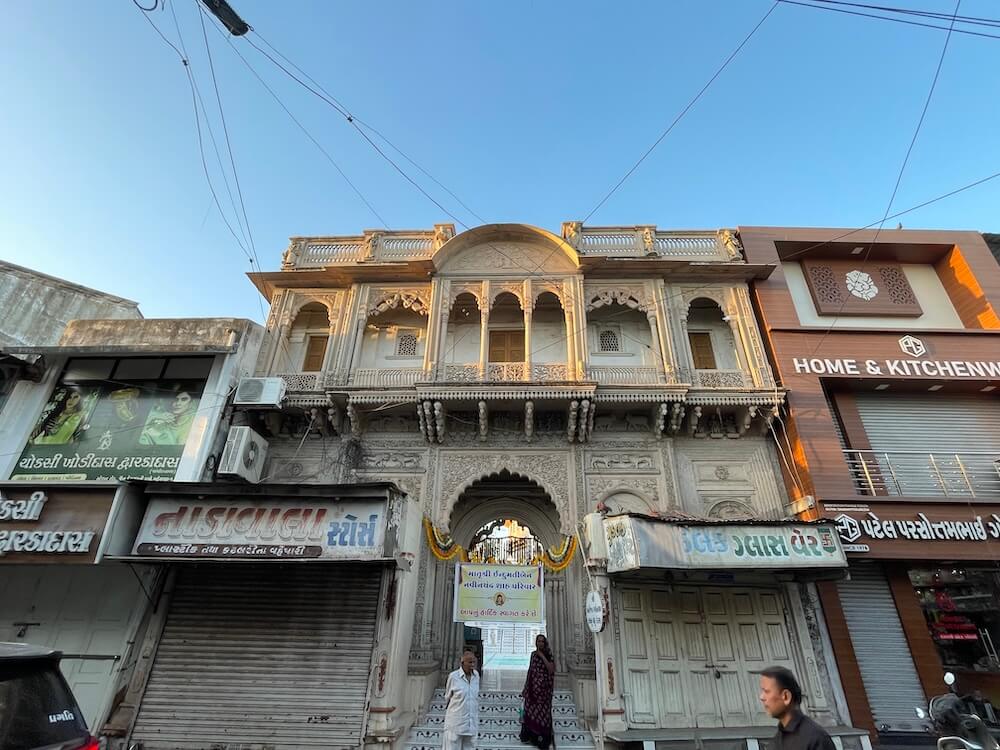
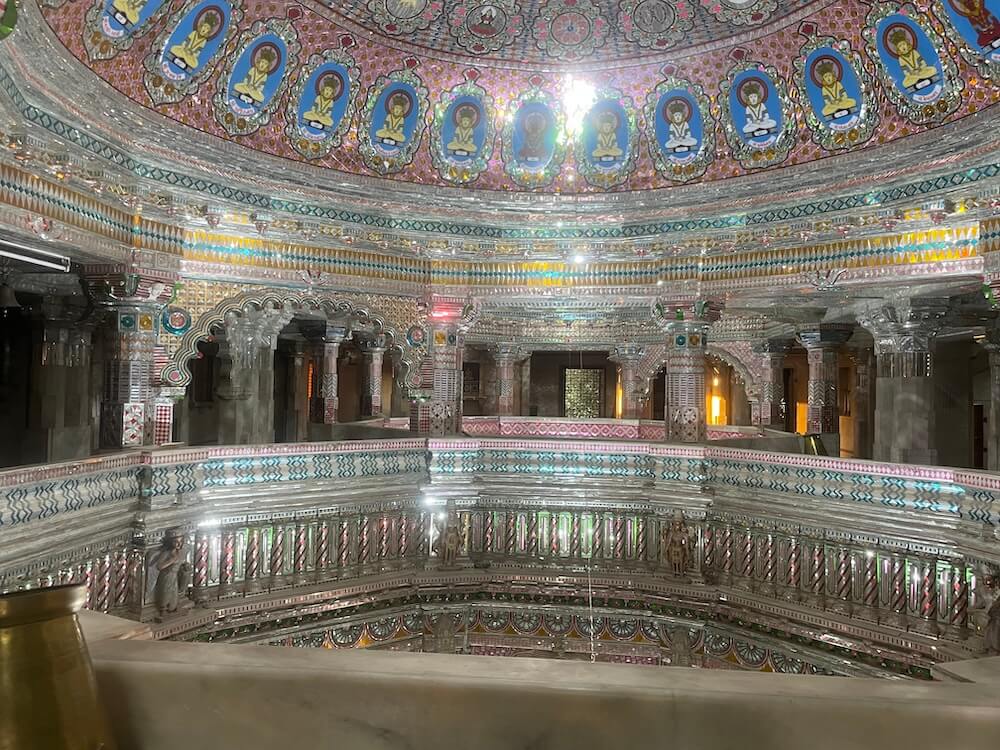
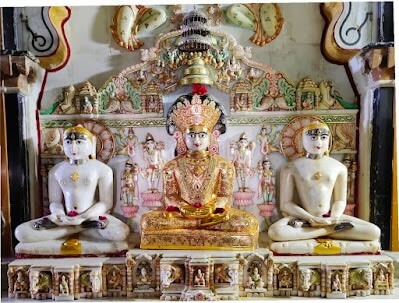 मेहसाणा शहरातील गजबजलेल्या चोकसी बाजार परिसरात स्थित, मनोरंजन पार्श्वनाथ जैन तीर्थ हे या प्रदेशातील सर्वात प्राचीन आणि ऐतिहासिकदृष्ट्या महत्त्वपूर्ण मंदिरांपैकी एक आहे. श्वेतांबर मूर्तिपूजक परंपरेतील २३ वे तीर्थंकर भगवान पार्श्वनाथ यांना समर्पित हे मंदिर ‘मनोरंजन पार्श्वनाथ बडा जैन देरासर’ म्हणून सर्वत्र प्रसिद्ध आहे. विविध भूभागांवर भगवान पार्श्वनाथ यांना समर्पित १०८ प्रमुख तीर्थांमध्ये या मंदिराला मानाचे स्थान आहे. या पवित्र वास्तूचे एक अद्वितीय वैशिष्ट्य म्हणजे आतील भागात केलेले उत्कृष्ट आणि विस्तृत ‘काचेचे काम’ (मिरर वर्क), जे भाविकांसाठी एक दिव्य वातावरण निर्माण करते.
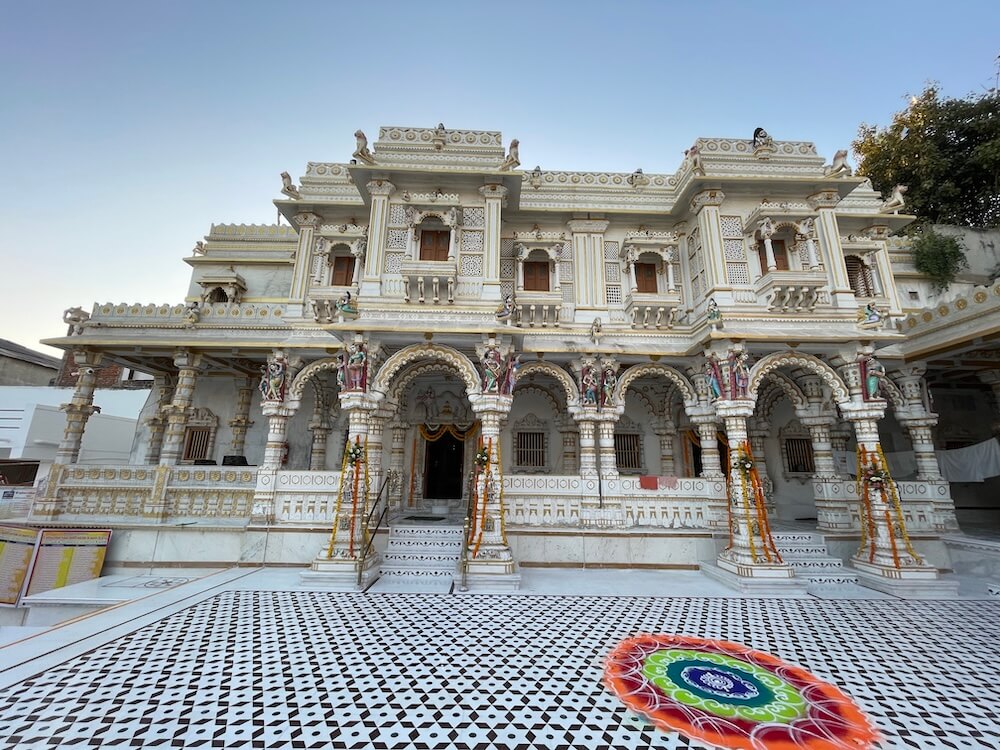 प्राचीन जैन शास्त्रानुसार, येथे विराजमान असलेली भगवान पार्श्वनाथ यांची शांत पांढऱ्या पाषाणाची मूर्ती मौर्य सम्राट संप्रति (राज्यकाळ २२४-२१५ ख्रिस्तपूर्व) यांच्या गौरवशाली युगातील आहे. एक हृदयस्पर्शी दंतकथा या मंदिराला मेहसाणा शहराचे संस्थापक मेसाजी (मेसाजी) चावडा यांच्याशी जोडते. अपार संपत्ती आणि सत्ता असूनही, मेसाजी यांना अपत्य नसल्याचे मोठे दुःख होते. आध्यात्मिक शांतीच्या शोधात, त्यांनी एका आदरणीय जैन आचार्यांचा सल्ला घेतला आणि याच मूर्तीसमोर मनापासून प्रार्थना केली. त्यांच्या भक्तीचे फळ म्हणून त्यांना पुत्ररत्न प्राप्त झाले. कृतज्ञतेने आणि अपार आनंदाने भारावलेल्या मेसाजींनी या देवतेचे नाव ‘मनोरंजन पार्श्वनाथ’ ठेवले – ज्याचा अर्थ असा की, जे प्रभू आत्म्याला ‘मनोरंजन’ म्हणजेच आनंद आणि शांती प्रदान करतात. ऐतिहासिक दंतकथांनुसार, मेसाजी चावडा यांनी तोरणवाली माता यांच्या विधीवत स्थापनेनंतर, भाद्रपद महिन्याच्या शुद्ध पक्षातील १० व्या शुभ दिवशी १३५८ ख्रिस्तकाळात मेहसाणा शहराची स्थापना केली.
  एका अन्य ऐतिहासिक दंतकथेनुसार, हे शहर विक्रम संवत १३७५ (१३१९ ख्रिस्तकाळ) च्या भाद्रपद शुद्ध १० रोजी वसविण्यात आले होते.
या प्रदेशाचा ऐतिहासिक पट शहरापेक्षाही अधिक प्राचीन आहे. पौराणिक काळात, हा प्रदेश ‘आनर्त’ म्हणून ओळखला जात असे. दंतकथेनुसार, वैवस्वत मनूच्या दहा पुत्रांपैकी एक असलेल्या शर्यातीचा पुत्र आनर्त याने काठियावाड प्रदेशात ‘आनर्त नगरी’ वसवली होती, ज्याची राजधानी वडनगर होती. या पवित्र भूमीचे उल्लेख ‘स्कंद पुराण’ आणि ‘भृगु पुराण’ मध्ये आढळतात. शतकानुशतके या भूमीवर गुप्त, मौर्य आणि चावडा राजवटींचे शासन होते. ६९६ ख्रिस्तकाळाच्या सुमारास, चावडा राजपूत राजांचा पराभव करून सोळंकी राजवटीने काही काळ सत्ता काबीज केली होती, जरी चावडा वंशाच्या वारसांनी कालांतराने आपला वारसा पुन्हा मिळवला.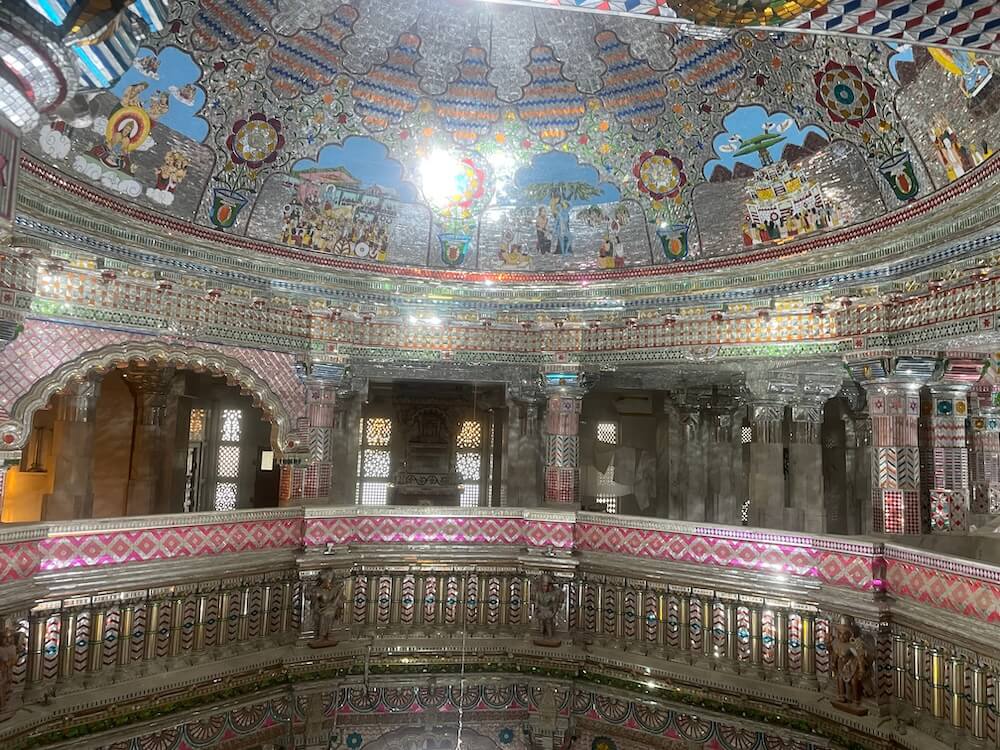
या तीर्थाचे आध्यात्मिक महत्त्व १५ व्या शतकातील मेघकवी यांनी रचलेल्या ‘तीर्थमाला’ सारख्या साहित्यिक कृतींमध्ये, तसेच ‘श्री शंखेश्वर पार्श्वनाथ छंद’, ‘पार्श्वनाथ चैत्यपरिपाटी’ आणि ‘श्री १०८ नामगर्भित पार्श्वनाथ स्तवन’ सारख्या प्राचीन ग्रंथांमध्ये अधोरेखित केले आहे. याशिवाय, १५९९ ख्रिस्तकाळात कवी नयसुंदर यांनी रचलेल्या ‘श्री शंखेश्वर पार्श्वनाथ’ स्तोत्रात मेहसाणा येथील पार्श्वनाथांच्या प्रभावाचा उल्लेख आढळतो.
स्थापत्य सौंदर्याच्या बाबतीत, या जिनालयाची रचना पारंपारिक ‘हवेली’ किंवा भव्य वाड्याच्या रचनेचे प्रतिबिंब दर्शवते. मूळ देरासरात, भगवान पार्श्वनाथ यांची मूर्ती पश्चिमाभिमुख होती, कारण त्या काळी शहराचा विस्तार त्या दिशेला केंद्रित होता. 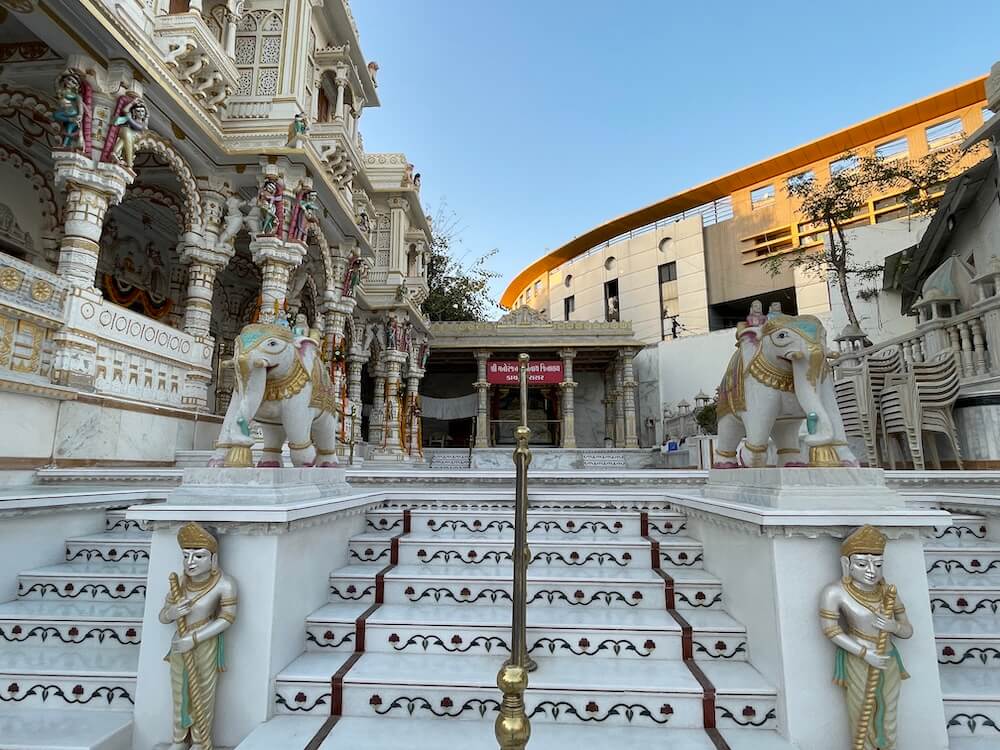 तथापि, जसा आधुनिक शहराचा विकास पूर्वेकडे झाला, तसे मूर्तीचे तोंड पूर्वेकडे वळवण्यात आले, जेणेकरून शास्त्रातील या नियमाचे पालन होईल की देवतेची पाठ शहराकडे नसावी. ऐतिहासिकदृष्ट्या, मेहसाणामध्ये कल्याण पार्श्वनाथ यांचेही मंदिर होते, परंतु १४ व्या आणि १५ व्या शतकातील आक्रमणांपासून मूर्तीचे रक्षण करण्यासाठी ती विसनगरमधील एका मंदिरात हलवण्यात आली. पूर्वी, मनोरंजन पार्श्वनाथ आणि भगवान सुमतिनाथ यांची पूजा स्वतंत्र मंदिरात केली जात असे. तथापि, १८६४ ख्रिस्तकाळात एका भव्य दुमजली मंदिराची निर्मिती करण्यात आली आणि माघ महिन्याच्या शुद्ध पक्षातील १० व्या दिवशी दोन्ही मूर्तींची विधीवत स्थापना करण्यात आली.
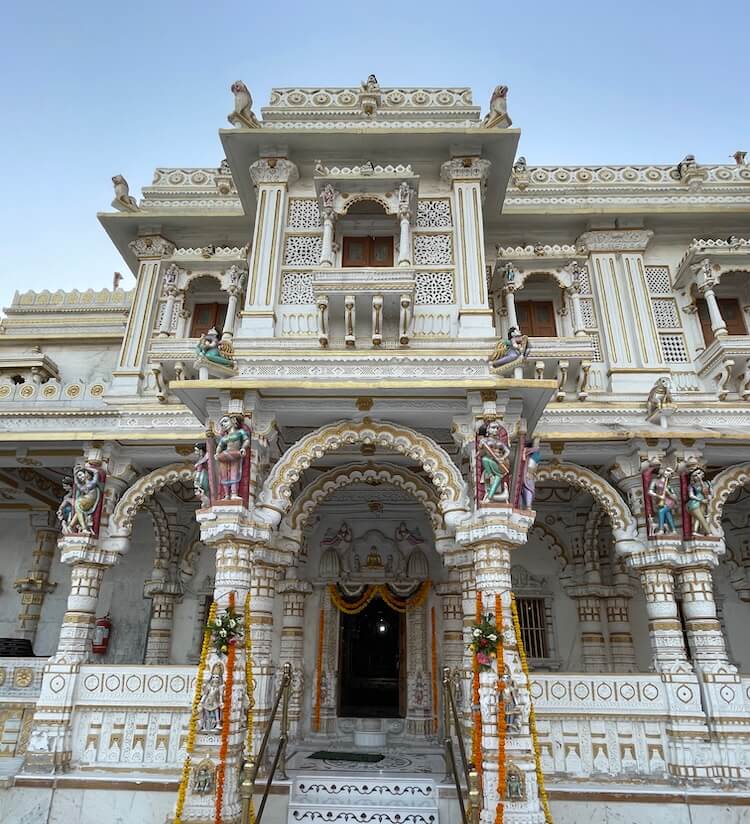
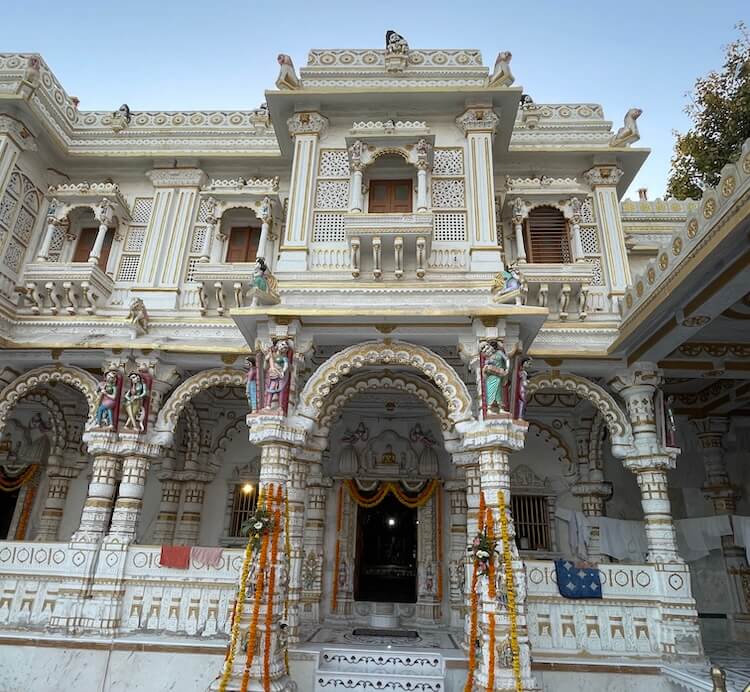
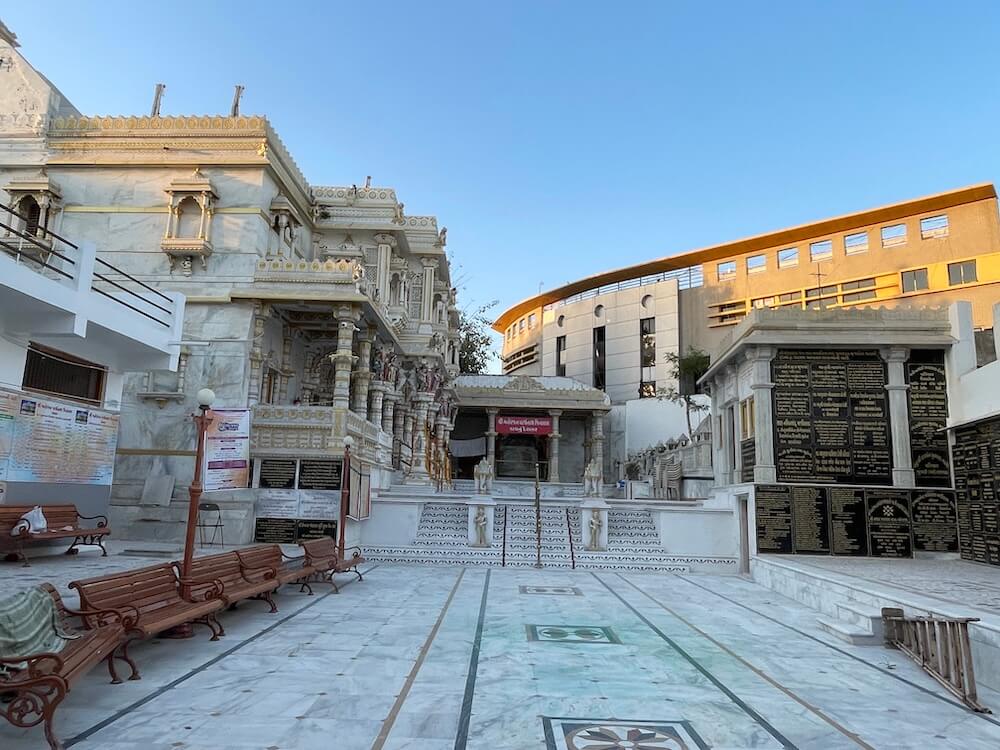
कमानी असलेल्या मुख्य प्रवेशद्वारातून आत प्रवेश केल्यावर, अभ्यागतांचे स्वागत एका विस्तीर्ण अंगणाद्वारे होते. पायऱ्या चढून गेल्यावर मुख्य गर्भगृह लागते, ज्याच्या दोन्ही बाजूंना द्वारपाल आणि भव्य हत्तींच्या सुंदर कोरीव मूर्ती आहेत. मंदिराच्या दर्शनी भागातील खांब कमानींनी जोडलेले असून त्यावर गुंतागुंतीचे कोरीव काम आणि ‘सुरसुंदरी’ (दिव्य अप्सरा) यांच्या प्रतिमा आहेत. ‘रंगमंडपाच्या’ प्रवेशद्वाराच्या वरच्या बाजूला ध्यानस्थ ‘पद्मासन’ मुद्रेतील तीर्थंकरांची मध्यवर्ती मूर्ती विराजमान आहे. 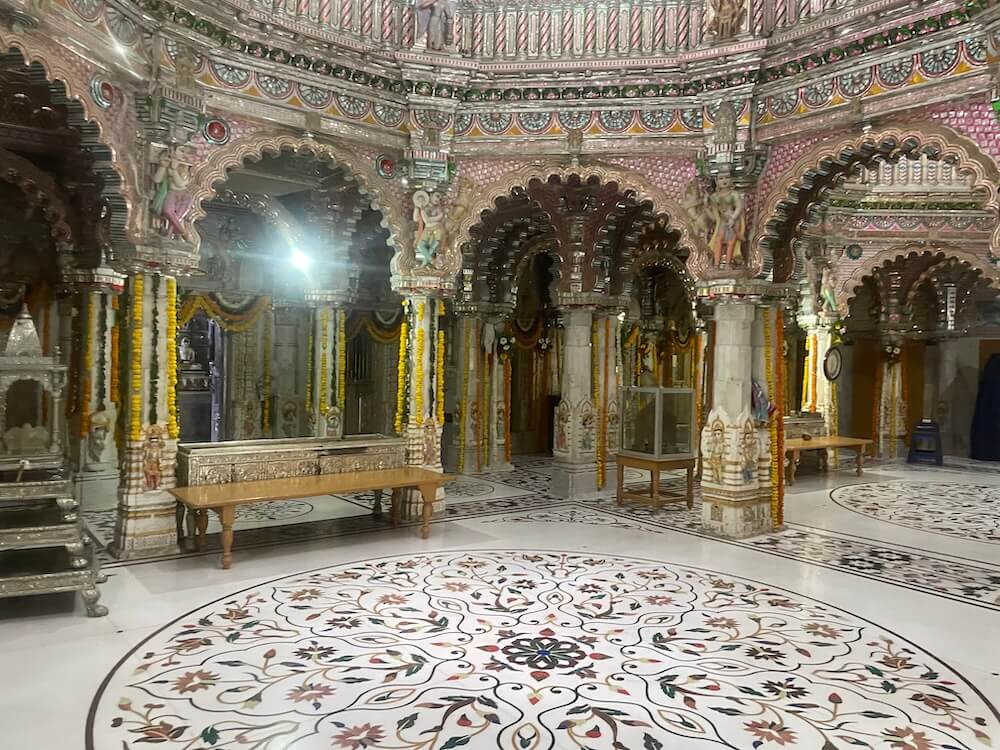 भव्य रंगमंडपातील खांबही कमानींनी जोडलेले असून त्यांच्या तळाशी विविध शिल्पे कोरलेली आहेत. मंदिराच्या रचनेत तीन रंगमंडपांचा समावेश असून आतील भागात भव्य काचेचे काम केलेले आहे. मुख्य ‘गर्भगृहात’ भगवान पार्श्वनाथ यांची पांढऱ्या पाषाणाची ध्यानस्थ मूर्ती विराजमान आहे. या मध्यवर्ती मूर्तीच्या दोन्ही बाजूंना इतर तीर्थंकरांच्या आसनस्थ मूर्ती आहेत. मंदिरात भगवान सुमतिनाथ, भगवान नेमिनाथ आणि भगवान वासुपूज्य स्वामी यांच्याही प्रतिमा आहेत. मुख्य देवतेच्या शेजारी, हत्तीवर स्वार असलेल्या माता मरुदेवी यांची प्रतिमा आणि तीर्थंकरांच्या जन्मापूर्वी मातेने पाहिलेल्या चौदा स्वप्नांचे चित्रण आढळते. मंदिराच्या वरच्या मजल्यावर देवी सरस्वतीच्या अतिशय नाजूक मूर्तीसह इतरही अनेक मूर्ती आहेत.
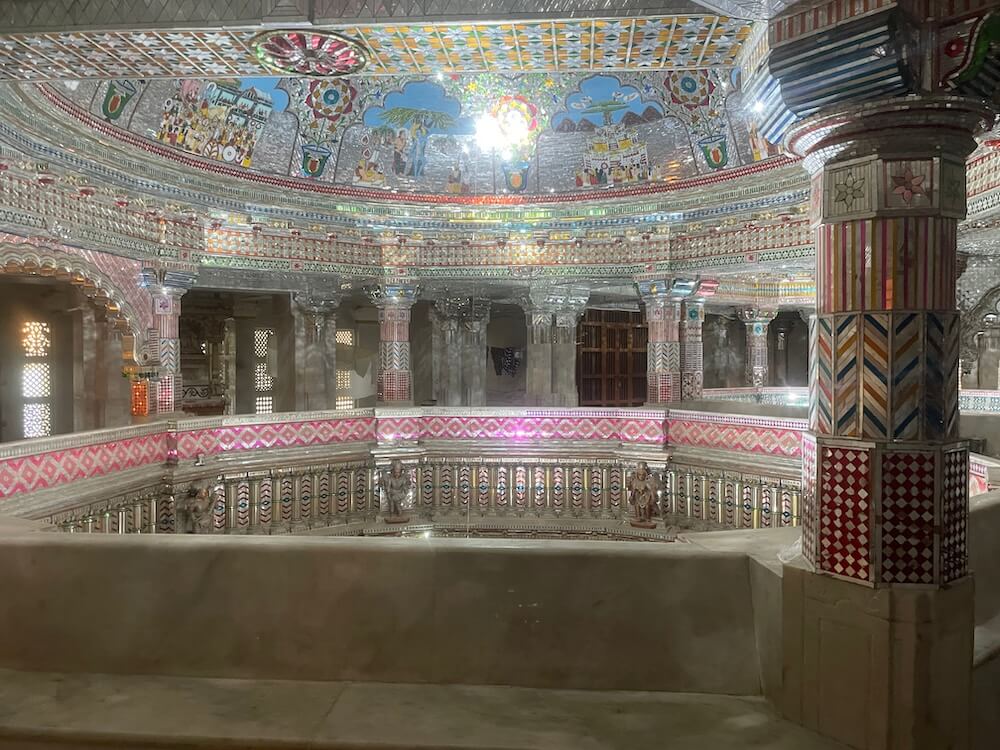 सुमारे दोन दशकांपूर्वी, आतील भागाचे सौंदर्य वाढवण्यासाठी मुंबईहून विशेष कारागीर बोलावून हे गुंतागुंतीचे काचेचे काम पूर्ण करण्यात आले.
दूरवरून येणाऱ्या तीर्थयात्रींच्या सोयीसाठी, तीर्थक्षेत्रात ‘धर्मशाळा’ उपलब्ध आहे आणि ‘भोजनशाळे’मध्ये सात्त्विक, शुद्ध शाकाहारी भोजनाची व्यवस्था आहे. मंदिर परिसरात ‘श्रीमद् यशोविजयजी जैन संस्कृत पाठशाळा’ ही शैक्षणिक संस्था आहे, जिची स्थापना ऑक्टोबर १८९७ मध्ये योगनिष्ठ श्री बुद्धिसागर सूरीश्वरजी यांनी केली होती. ही शाळा जैन तत्त्वज्ञानासोबतच संस्कृत आणि प्राकृत भाषेचे शिक्षण देते. हे ऐतिहासिक स्थळ मोठ्या संख्येने जैन भाविक आणि पर्यटकांना आकर्षित करते. वर्षभर मंदिरात ‘पर्युषण पर्व’, ‘कार्तिक आणि चैत्र पौर्णिमा’, मार्गशीर्ष वद्य दशमीला ‘पार्श्वनाथ जन्म कल्याणक’ आणि ‘ज्ञान पंचमी’ यांसारखे उत्सव साजरे केले जातात, तसेच वार्षिक ध्वजारोहण सोहळाही पार पडतो. भाविक दररोज सकाळी ७:०० ते दुपारी १२:०० आणि संध्याकाळी ५:०० ते रात्री ८:०० या वेळेत दर्शन घेऊ शकतात.
उपयुक्त माहिती
- मेहसाणा बस स्थानकापासून २.५ किमी अंतरावर स्थित
- राज्यातील अनेक शहरांतून मेहसाणापर्यंत जी.एस.आर.टी.सी. (GSRTC) बस सेवा उपलब्ध आहे.
- खाजगी वाहने थेट मंदिरापर्यंत पोहोचू शकतात.
- परिसरात राहण्यासाठी आणि नाश्त्यासाठी अनेक पर्याय उपलब्ध आहेत.
- संपर्क – मंदिर कार्यालय, दूरध्वनी – ०२७६२-२२१ २५३
Manoranjan Parshvanath Jain Tirtha
Chokshi Bazar, Mehsana, Dist. Mehsana
Situated within the bustling Chokshi Bazar area of Mehsana city, the Manoranjan Parshvanath Jain Tirtha stands as one of the most ancient and historically significant shrines in the region. Dedicated to Lord Parshvanath, the 23rd Tirthankara of the Shwetambar Murtipujak tradition, this temple is widely renowned as the ‘Manoranjan Parshvanath Bada Jain Derasar’ (The Great Temple). It holds an esteemed place among the 108 pre-eminent pilgrimages dedicated to Lord Parshvanath across various lands. A singular hallmark of this sacred edifice is the exquisite and extensive ‘mirror work’ that adorns its interiors, creating a celestial ambience for the devout.
According to ancient Jain scriptures, the serene white stone idol of Lord Parshvanath enshrined here dates back to the glorious epoch of the Mauryan Emperor Samprati (r. 224–215 BCE). A poignant legend connects the temple to Mehsaji (Mesaji) Chavda, the illustrious founder of Mehsana city. Despite possessing vast wealth and sovereignty, Mehsaji was deeply aggrieved by his lack of progeny. Seeking spiritual solace, he followed the counsel of a venerable Jain Acharya and engaged in fervent, heartfelt prayers before this very idol. His devotion was soon rewarded with the birth of a son. Overwhelmed with gratitude and immense joy, Mehsaji named the deity ‘Manoranjan Parshvanath’ – signifying the Lord who bestows ‘Manoranjan’ or delight and peace upon the soul. Historical legend attest that Mehsaji Chavda established Mehsana city in 1358 CE, on the auspicious tenth day of the bright half of the month of Bhadrapada, after the ritual installation of Toranwali Mata. According to another historical legend the town was founded on Bhadrapad Sud 10 of the Vikram Samvat 1375 (1319 CE).
The historical tapestry of this region is even more ancient than the city itself. In Puranic times, this territory was identified as ‘Anarta’. Legend dictates that Anarta, the son of Sharyati (one of the ten sons of Vaivasvata Manu), founded ‘Anartanagari’ in the Kathiawar region, with Vadnagar serving as its capital. References to this hallowed land are found in the ‘Skanda Purana’ and the ‘Bhrigu Purana’. Over the centuries, this land was governed by the Gupta, Mauryan and Chavda dynasties. Around 696 CE, the Solanki dynasty briefly claimed power after defeating the Chavda Rajput monarchs, though the heirs of the Chavda lineage eventually reclaimed their heritage.
The spiritual eminence of this Tirtha is underscored in 15th-century literary works such as the ‘Tirthamala’ composed by Meghakavi, as well as in ancient texts like ‘Shri Shankheshwar Parshvanath Chand’, ‘Parshvanath Chaityaparipati’ and ‘Shri 108 Namgarbhit Parshvanath Stavan’. Furthermore, the influence of the Parshvanath of Mehsana is mentioned in the ‘Shri Shankheshwar Parshvanath’ verses composed by the poet Nayasundar in 1599 CE.
Regarding its architectural splendour, the design of this Jinalaya mirrors the structural elegance of a traditional ‘Haveli’ or a stately manor. In the original Derasar, the idol of Lord Parshvanath faced westward, as the city’s expansion was then concentrated in that direction. However, as the modern city developed towards the east, the idol was reoriented to face eastward, adhering to the scriptural precept that a deity’s back should not be turned toward the township. Historically, Mehsana also housed the temple of Kalyan Parshvanath, but to safeguard the idol from 14th and 15th-century invasions, it was relocated to a temple in Visnagar. Previously, Manoranjan Parshvanath and Lord Sumatinath were worshipped in separate shrines. However, in 1864 CE, a magnificent two-storeyed temple was constructed and both idols were ceremoniously installed on the tenth day of the bright half of Magh.
Upon entering through the arched main gateway, visitors are greeted by a vast courtyard. A flight of stairs leads to the main sanctum, flanked by finely sculpted figures of gatekeepers and majestic elephants. The pillars of the temple’s facade are embellished with scalloped arches, featuring intricate carvings and images of ‘Sursundaris’ (celestial beauties). Above the entrance to the ‘Rangamandapa’ (assembly hall) sits a central figure of a Tirthankara in the meditative ‘Padmasana’ posture. The columns within the grand assembly hall are likewise connected by arches and adorned with various sculptures at their base. The temple’s layout incorporates three assembly halls, with the interiors showcasing opulent glasswork. The primary ‘Garbhagriha’ (sanctum sanctorum) enshrines the white stone idol of Lord Parshvanath in deep meditation. This central figure is flanked by idols of other Tirthankaras in similar seated postures. The temple also houses images of Lord Sumatinath, Lord Neminath and Lord Vasupujya Swami. Adjacent to the principal deity, one finds a representation of Mata Marudevi mounted upon an elephant, along with depictions of the fourteen auspicious dreams seen by the mother of a Tirthankara before birth. The upper floor of the temple houses additional idols, including a delicately crafted image of Goddess Saraswati. Approximately two decades ago, master craftsmen were specially commissioned from Mumbai to execute the intricate glasswork that beautifies the interior.
For the convenience of pilgrims travelling from afar, the Tirtha provides a ‘Dharamshala’ (guest house) and the ‘Bhojanshala’ (refectory) serves wholesome, pure vegetarian meals. Within the temple precincts is the ‘Shrimad Yashovijayji Jain Sanskrit Pathshala’, an educational institution founded in October 1897 by Yoganishtha Shri Buddhisagar Surishwarji. The school imparts education in Sanskrit and Prakrit, alongside instruction in Jain philosophy. This historic site draws a vast number of Jain devotees and tourists alike. Throughout the year, the temple celebrates festivals such as ‘Paryushan Parva’, ‘Kartik and Chaitra Purnima’, ‘Parshvanath Janma Kalyanak’ on the tenth day of the dark half of Margashirsha and ‘Gyan Panchami’, in addition to the annual flag-hoisting ceremony. Devotees may visit daily between 7:00 am and 12:00 pm and 5:00 pm and 8:00 pm.
Useful Information
- Located 2.5 km from Mehsana Bus Station
- GSRTC bus services operate from numerous cities across the state to Mehsana.
- Private vehicles can reach the temple directly.
- Numerous accommodation and breakfast options are available in the vicinity.
- Contact – Temple Office, Tel. – 02762-221 253
मनोरंजन पार्श्वनाथ जैन तीर्थ
चोकसी बाजार, मेहसाणा, जिला मेहसाणा
मेहसाणा शहर के व्यस्त चोकसी बाजार क्षेत्र में स्थित, मनोरंजन पार्श्वनाथ जैन तीर्थ इस क्षेत्र के सबसे प्राचीन और ऐतिहासिक रूप से महत्वपूर्ण मंदिरों में से एक है। श्वेतांबर मूर्तिपूजक परंपरा के २३वें तीर्थंकर भगवान पार्श्वनाथ को समर्पित, यह मंदिर ‘मनोरंजन पार्श्वनाथ बड़ा जैन देरासर’ के रूप में व्यापक रूप से प्रसिद्ध है। भगवान पार्श्वनाथ को समर्पित विभिन्न क्षेत्रों के १०८ प्रमुख तीर्थों में इसका एक प्रतिष्ठित स्थान है। इस पवित्र भवन की एक अनूठी विशेषता इसके आंतरिक भाग को सुशोभित करने वाला उत्कृष्ट और व्यापक ‘कांच का काम’ है, जो भक्तों के लिए एक दिव्य वातावरण का निर्माण करता है।
प्राचीन जैन शास्त्रों के अनुसार, यहाँ स्थापित भगवान पार्श्वनाथ की शांत श्वेत पाषाण प्रतिमा मौर्य सम्राट संप्रति (शासनकाल २२४–२१५ ईसा पूर्व) के गौरवशाली युग की है। एक मार्मिक किंवदंती इस मंदिर को मेहसाणा शहर के यशस्वी संस्थापक मेहसाजी (मेसाजी) चावड़ा से जोड़ती है। अपार धन और संप्रभुता होने के बावजूद, मेहसाजी अपनी संतानहीनता से गहरे दुखी थे। आध्यात्मिक शांति की तलाश में, उन्होंने एक आदरणीय जैन आचार्य के परामर्श का पालन किया और इसी प्रतिमा के समक्ष भावपूर्ण प्रार्थना की। उनकी भक्ति का फल उन्हें पुत्र रत्न की प्राप्ति के रूप में मिला। कृतज्ञता और अपार आनंद से अभिभूत होकर, मेहसाजी ने देवता का नाम ‘मनोरंजन पार्श्वनाथ’ रखा – जिसका अर्थ है वह प्रभु जो आत्मा को ‘मनोरंजन’ या आनंद और शांति प्रदान करते हैं। ऐतिहासिक किंवदंतियाँ प्रमाणित करती हैं कि मेहसाजी चावड़ा ने तोरणवाली माता की विधिवत स्थापना के बाद, भाद्रपद मास के शुक्ल पक्ष की शुभ दशमी तिथि को १३५८ ईस्वी में मेहसाणा शहर की स्थापना की थी। एक अन्य ऐतिहासिक किंवदंती के अनुसार, यह नगर विक्रम संवत १३७५ (१३१९ ईस्वी) की भाद्रपद सुद १० को बसाया गया था।
इस क्षेत्र का ऐतिहासिक ताना-बाना स्वयं शहर से भी अधिक प्राचीन है। पौराणिक काल में, इस क्षेत्र को ‘आनर्त’ के रूप में पहचाना जाता था। किंवदंती है कि वैवस्वत मनु के दस पुत्रों में से एक, शर्याति के पुत्र आनर्त ने काठियावाड़ क्षेत्र में ‘आनर्त नगरी’ की स्थापना की थी, जिसकी राजधानी वडनगर थी। इस पावन भूमि के संदर्भ ‘स्कंद पुराण’ और ‘भृगु पुराण’ में मिलते हैं। सदियों तक, इस भूमि पर गुप्त, मौर्य और चावड़ा राजवंशों का शासन रहा। लगभग ६९६ ईस्वी के आसपास, चावड़ा राजपूत राजाओं को हराने के बाद सोलंकी राजवंश ने थोड़े समय के लिए सत्ता पर दावा किया, हालाँकि चावड़ा वंश के उत्तराधिकारियों ने अंततः अपनी विरासत को पुनः प्राप्त कर लिया।
इस तीर्थ की आध्यात्मिक महत्ता का उल्लेख १५वीं शताब्दी के साहित्यिक कार्यों जैसे मेघकवि द्वारा रचित ‘तीर्थमाला’, साथ ही ‘श्री शंखेश्वर पार्श्वनाथ छंद’, ‘पार्श्वनाथ चैत्यपरिपाटी’ और ‘श्री १०८ नामगर्भित पार्श्वनाथ स्तवन’ जैसे प्राचीन ग्रंथों में मिलता है। इसके अलावा, मेहसाणा के पार्श्वनाथ का प्रभाव १५९९ ईस्वी में कवि नयसुंदर द्वारा रचित ‘श्री शंखेश्वर पार्श्वनाथ’ के छंदों में भी वर्णित है।
इसकी स्थापत्य भव्यता के संबंध में, इस जिनालय का डिज़ाइन एक पारंपरिक ‘हवेली’ की संरचनात्मक सुंदरता को दर्शाता है। मूल देरासर में, भगवान पार्श्वनाथ की प्रतिमा पश्चिम की ओर मुख किए हुए थी, क्योंकि उस समय शहर का विस्तार उसी दिशा में केंद्रित था। हालाँकि, जैसे-जैसे आधुनिक शहर पूर्व की ओर विकसित हुआ, प्रतिमा को पूर्व की ओर मुख करके पुनः स्थापित किया गया, इस शास्त्रोक्त नियम का पालन करते हुए कि देवता की पीठ नगर की ओर नहीं होनी चाहिए। ऐतिहासिक रूप से, मेहसाणा में कल्याण पार्श्वनाथ का मंदिर भी था, लेकिन १४वीं और १५वीं शताब्दी के आक्रमणों से प्रतिमा की सुरक्षा के लिए, इसे विसनगर के एक मंदिर में स्थानांतरित कर दिया गया था। पहले, मनोरंजन पार्श्वनाथ और भगवान सुमतिनाथ की पूजा अलग-अलग मंदिरों में की जाती थी। हालाँकि, १८६४ ईस्वी में, एक भव्य दो मंजिला मंदिर का निर्माण किया गया और माघ शुक्ल दशमी को दोनों प्रतिमाओं को विधिवत स्थापित किया गया।
मुख्य द्वार से प्रवेश करने पर, आगंतुकों का स्वागत एक विशाल प्रांगण द्वारा किया जाता है। सीढ़ियाँ मुख्य गर्भगृह की ओर ले जाती हैं, जिसके दोनों ओर द्वारपालों और राजसी हाथियों की बारीक नक्काशीदार मूर्तियाँ हैं। मंदिर के अग्रभाग के स्तंभों को मेहराबों से सजाया गया है, जिसमें जटिल नक्काशी और ‘सुरसुंदरियों’ (स्वर्गीय अप्सराओं) के चित्र हैं। ‘रंगमंडप’ (सभा भवन) के प्रवेश द्वार के ऊपर ध्यानमग्न ‘पद्मासन’ मुद्रा में तीर्थंकर की एक केंद्रीय प्रतिमा स्थित है। भव्य सभा भवन के भीतर के स्तंभ भी मेहराबों से जुड़े हुए हैं और उनके आधार पर विभिन्न मूर्तियाँ सुशोभित हैं। मंदिर के लेआउट में तीन सभा भवन शामिल हैं, जिनके आंतरिक भाग में भव्य कांच का काम किया गया है। मुख्य ‘गर्भगृह’ में भगवान पार्श्वनाथ की श्वेत पाषाण प्रतिमा ध्यानमग्न अवस्था में विराजमान है। यह केंद्रीय प्रतिमा अन्य तीर्थंकरों की समान बैठी हुई मुद्राओं वाली मूर्तियों से घिरी हुई है। मंदिर में भगवान सुमतिनाथ, भगवान नेमिनाथ और भगवान वासुपूज्य स्वामी की प्रतिमाएँ भी हैं। मुख्य देवता के निकट, हाथी पर सवार माता मरुदेवी की एक प्रतिमा है, साथ ही जन्म से पूर्व तीर्थंकर की माता द्वारा देखे गए चौदह स्वप्नों का चित्रण भी है। मंदिर की ऊपरी मंजिल पर अन्य प्रतिमाएँ हैं, जिनमें देवी सरस्वती की अत्यंत सुंदर प्रतिमा भी शामिल है। लगभग दो दशक पहले, आंतरिक सज्जा को सुशोभित करने वाले जटिल कांच के काम को पूरा करने के लिए विशेष रूप से मुंबई से कुशल कारीगरों को बुलाया गया था।
दूर-दराज से आने वाले तीर्थयात्रियों की सुविधा के लिए, तीर्थ में एक ‘धर्मशाला’ उपलब्ध है और ‘भोजनशाला’ में सात्विक, शुद्ध शाकाहारी भोजन परोसा जाता है। मंदिर परिसर के भीतर ‘श्रीमद् यशोविजयजी जैन संस्कृत पाठशाला’ स्थित है, जो एक शैक्षणिक संस्थान है जिसकी स्थापना अक्टूबर १८९७ में योगनिष्ठ श्री बुद्धिसागर सूरीश्वरजी द्वारा की गई थी। यह विद्यालय जैन दर्शन के साथ-साथ संस्कृत और प्राकृत भाषा में शिक्षा प्रदान करता है। यह ऐतिहासिक स्थल बड़ी संख्या में जैन श्रद्धालुओं और पर्यटकों को आकर्षित करता है। पूरे वर्ष मंदिर में ‘पर्युषण पर्व’, ‘कार्तिक और चैत्र पूर्णिमा’, मार्गशीर्ष कृष्ण पक्ष की दशमी को ‘पार्श्वनाथ जन्म कल्याणक’ और ‘ज्ञान पंचमी’ जैसे त्योहार मनाए जाते हैं, साथ ही वार्षिक ध्वजारोहण समारोह भी आयोजित किया जाता है। श्रद्धालु प्रतिदिन सुबह ७:०० बजे से दोपहर १२:०० बजे तक और शाम ५:०० बजे से रात ८:०० बजे तक दर्शन कर सकते हैं।
उपयोगी जानकारी
- मेहसाणा बस स्टेशन से २.५ कि.मी. की दूरी पर स्थित
- राज्य भर के अनेक शहरों से मेहसाणा के लिए जीएसआरटीसी (GSRTC) बस सेवाएँ उपलब्ध हैं।
- निजी वाहनों द्वारा सीधे मंदिर तक पहुँचा जा सकता है।
- आसपास ठहरने और नाश्ते के अनेक विकल्प उपलब्ध हैं।
- संपर्क – मंदिर कार्यालय, दूरभाष – ०२७६२-२२१ २५३
મનોરંજન પાર્શ્વનાથ જૈન તીર્થ
ચોકસી બજાર, મહેસાણા, જિલ્લો મહેસાણા
મહેસાણા શહેરના ધમધમતા ચોકસી બજાર વિસ્તારમાં આવેલું મનોરંજન પાર્શ્વનાથ જૈન તીર્થ આ પ્રદેશના સૌથી પ્રાચીન અને ઐતિહાસિક રીતે મહત્વપૂર્ણ મંદિરોમાંનું એક છે. શ્વેતાંબર મૂર્તિપૂજક પરંપરાના ૨૩મા તીર્થંકર ભગવાન પાર્શ્વનાથને સમર્પિત આ મંદિર ‘મનોરંજન પાર્શ્વનાથ મોટા જૈન દેરાસર’ તરીકે વ્યાપકપણે પ્રખ્યાત છે. વિવિધ ભૂમિઓ પર ભગવાન પાર્શ્વનાથને સમર્પિત ૧૦૮ અતિશય ક્ષેત્રોમાં આ મંદિરનું સ્થાન અત્યંત આદરણીય છે. આ પવિત્ર સ્થાપત્યની એક અનોખી વિશેષતા તેના આંતરિક ભાગમાં કરવામાં આવેલું અદભૂત અને વિશાળ ‘કાચનું કામ’ (મિરર વર્ક) છે, જે શ્રદ્ધાળુઓ માટે દિવ્ય વાતાવરણનું સર્જન કરે છે.
પ્રાચીન જૈન શાસ્ત્રો અનુસાર, અહીં બિરાજમાન ભગવાન પાર્શ્વનાથની શાંત શ્વેત પાષાણની પ્રતિમા મૌર્ય સમ્રાટ સંપ્રતિ (શાસનકાળ: ૨૨૪–૨૧૫ ઈ.સ. પૂર્વે) ના ગૌરવશાળી યુગની છે. એક ભાવુક દંતકથા આ મંદિરને મહેસાણા શહેરના સ્થાપક મેસાજી (મેસાજી) ચાવડા સાથે જોડે છે. અપાર સંપત્તિ અને સત્તા હોવા છતાં, મેસાજી સંતાન ન હોવાને કારણે ખૂબ જ દુઃખી હતા. આધ્યાત્મિક શાંતિની શોધમાં, તેમણે એક વંદનીય જૈન આચાર્યની સલાહ લીધી અને આ મૂર્તિ સમક્ષ અત્યંત ભક્તિભાવથી પ્રાર્થના કરી. તેમની ભક્તિનું ફળ તેમને પુત્રના જન્મ સાથે મળ્યું. કૃતજ્ઞતા અને અપાર આનંદથી ભરાઈ ગયેલા મેસાજીએ આ દેવતાનું નામ ‘મનોરંજન પાર્શ્વનાથ’ રાખ્યું – જેનો અર્થ છે કે જે ભગવાન આત્માને ‘મનોરંજન’ એટલે કે આનંદ અને શાંતિ આપે છે. ઐતિહાસિક દંતકથા મુજબ મેસાજી ચાવડાએ તોરણવાળી માતાની સ્થાપના કર્યા બાદ, ભાદરવા સુદ દસમના શુભ દિવસે ૧૩૫૮ ઈ.સ.માં મહેસાણા શહેરની સ્થાપના કરી હતી. અન્ય એક ઐતિહાસિક દંતકથા અનુસાર આ નગરની સ્થાપના વિક્રમ સંવત ૧૩૭૫ (૧૩૧૯ ઈ.સ.) ના ભાદરવા સુદ ૧૦ ના રોજ કરવામાં આવી હતી.
આ પ્રદેશનો ઐતિહાસિક વારસો શહેર કરતાં પણ વધુ પ્રાચીન છે. પુરાણકાળમાં, આ પ્રદેશ ‘આનર્ત’ તરીકે ઓળખાતો હતો. દંતકથા મુજબ, વૈવસ્વત મનુના દસ પુત્રોમાંના એક, શર્યાતિના પુત્ર આનર્તે કાઠિયાવાડ પ્રદેશમાં ‘આનર્તનગરી’ની સ્થાપના કરી હતી, જેની રાજધાની વડનગર હતી. આ પવિત્ર ભૂમિના સંદર્ભો ‘સ્કંદ પુરાણ’ અને ‘ભૃગુ પુરાણ’માં જોવા મળે છે. સદીઓ દરમિયાન, આ ભૂમિ પર ગુપ્ત, મૌર્ય અને ચાવડા વંશનું શાસન રહ્યું હતું. આશરે ૬૯૬ ઈ.સ.માં, ચાવડા રાજપૂત રાજાઓને હરાવ્યા પછી સોલંકી વંશે ટૂંકા સમય માટે સત્તા મેળવી હતી, જોકે અંતે ચાવડા વંશના વારસદારોએ તેમનો વારસો પાછો મેળવ્યો હતો.
આ તીર્થની આધ્યાત્મિક મહત્તા ૧૫મી સદીના સાહિત્યિક ગ્રંથો જેવા કે મેઘકવિ દ્વારા રચિત ‘તીર્થમાળા’, તેમજ ‘શ્રી શંખેશ્વર પાર્શ્વનાથ છંદ’, ‘પાર્શ્વનાથ ચૈત્યપરિપાટી’ અને ‘શ્રી ૧૦૮ નામગર્ભિત પાર્શ્વનાથ સ્તવન’ જેવા પ્રાચીન ગ્રંથોમાં વર્ણવવામાં આવી છે. વધુમાં, ૧૫૯૯ ઈ.સ.માં કવિ નયાસુંદર દ્વારા રચિત ‘શ્રી શંખેશ્વર પાર્શ્વનાથ’ના પદોમાં મહેસાણાના પાર્શ્વનાથના પ્રભાવનો ઉલ્લેખ છે.
તેના સ્થાપત્ય વૈભવની વાત કરીએ તો, આ જિનાલયની રચના પરંપરાગત ‘હવેલી’ જેવી ભવ્યતા ધરાવે છે. મૂળ દેરાસરમાં, ભગવાન પાર્શ્વનાથની મૂર્તિ પશ્ચિમ તરફ મુખ રાખીને બિરાજમાન હતી, કારણ કે તે સમયે શહેરનો વિકાસ તે દિશામાં કેન્દ્રિત હતો. જોકે, જેમ જેમ આધુનિક શહેરનો વિકાસ પૂર્વ તરફ થયો, તેમ તેમ શાસ્ત્રીય નિયમ મુજબ કે દેવતાની પીઠ નગર તરફ ન હોવી જોઈએ, તે ધ્યાનમાં રાખીને મૂર્તિનું મુખ પૂર્વ તરફ કરવામાં આવ્યું. ઐતિહાસિક રીતે, મહેસાણામાં કલ્યાણ પાર્શ્વનાથનું મંદિર પણ હતું, પરંતુ ૧૪મી અને ૧૫મી સદીના આક્રમણોથી મૂર્તિને સુરક્ષિત રાખવા માટે તેને વિસનગરના મંદિરમાં સ્થાનાંતરિત કરવામાં આવી હતી. અગાઉ, મનોરંજન પાર્શ્વનાથ અને ભગવાન સુમતિનાથની પૂજા અલગ-અલગ મંદિરોમાં થતી હતી. જોકે, ૧૮૬૪ ઈ.સ.માં એક ભવ્ય બે માળનું મંદિર બનાવવામાં આવ્યું અને મહા સુદ દસમના દિવસે બંને મૂર્તિઓની વિધિવત સ્થાપના કરવામાં આવી.
મુખ્ય પ્રવેશદ્વારથી પ્રવેશતા જ મુલાકાતીઓનું સ્વાગત એક વિશાળ ચોગાન દ્વારા થાય છે. સીડીઓ મુખ્ય ગર્ભગૃહ તરફ દોરી જાય છે, જેની બંને બાજુએ દ્વારપાળો અને ભવ્ય હાથીઓની સુંદર કોતરણી કરેલી મૂર્તિઓ છે. મંદિરના અગ્રભાગના સ્તંભો કમાનદાર છે, જેમાં જટિલ કોતરણી અને ‘સુરસુંદરીઓ’ (સ્વર્ગીય સુંદરીઓ) ના ચિત્રો છે. ‘રંગમંડપ’ના પ્રવેશદ્વારની ઉપર ધ્યાનસ્થ ‘પદ્માસન’ મુદ્રામાં તીર્થંકરની મધ્યસ્થ મૂર્તિ બિરાજમાન છે. ભવ્ય સભામંડપના સ્તંભો પણ કમાનો દ્વારા જોડાયેલા છે અને તેના પાયા પર વિવિધ શિલ્પોથી સુશોભિત છે. મંદિરના લેઆઉટમાં ત્રણ સભામંડપનો સમાવેશ થાય છે, જેમાં આંતરિક ભાગમાં ભવ્ય કાચનું કામ જોવા મળે છે. મુખ્ય ‘ગર્ભગૃહ’માં ભગવાન પાર્શ્વનાથની શ્વેત પાષાણની મૂર્તિ ધ્યાનમાં બિરાજમાન છે. આ મધ્યસ્થ મૂર્તિની આસપાસ અન્ય તીર્થંકરોની સમાન બેઠક મુદ્રામાં મૂર્તિઓ છે. મંદિરમાં ભગવાન સુમતિનાથ, ભગવાન નેમિનાથ અને ભગવાન વાસુપૂજ્ય સ્વામીની પ્રતિમાઓ પણ છે. મુખ્ય દેવતાની બાજુમાં, હાથી પર સવાર માતા મરુદેવીની પ્રતિમા તેમજ તીર્થંકરના જન્મ પહેલાં માતા દ્વારા જોવામાં આવેલા ચૌદ સ્વપ્નોના ચિત્રો જોવા મળે છે. મંદિરના ઉપરના માળે અન્ય મૂર્તિઓ છે, જેમાં દેવી સરસ્વતીની અત્યંત ઝીણવટભરી મૂર્તિનો સમાવેશ થાય છે. આશરે બે દાયકા પહેલા, આંતરિક ભાગને સુંદર બનાવવા માટે મુંબઈથી ખાસ કારીગરોને બોલાવીને જટિલ કાચનું કામ કરાવવામાં આવ્યું હતું.
દૂર-દૂરથી આવતા યાત્રાળુઓની સુવિધા માટે, તીર્થમાં ‘ધર્મશાળા’ની વ્યવસ્થા છે અને ‘ભોજનશાળા’માં પૌષ્ટિક, શુદ્ધ શાકાહારી ભોજન પીરસવામાં આવે છે. મંદિરના પરિસરમાં ‘શ્રીમદ યશોવિજયજી જૈન સંસ્કૃત પાઠશાળા’ આવેલી છે, જે એક શૈક્ષણિક સંસ્થા છે, જેની સ્થાપના ઓક્ટોબર ૧૮૯૭માં યોગનિષ્ઠ શ્રી બુદ્ધિસાગર સૂરીશ્વરજી દ્વારા કરવામાં આવી હતી. આ શાળામાં જૈન દર્શનના શિક્ષણની સાથે સંસ્કૃત અને પ્રાકૃત ભાષાનું શિક્ષણ આપવામાં આવે છે. આ ઐતિહાસિક સ્થળ મોટી સંખ્યામાં જૈન શ્રદ્ધાળુઓ અને પ્રવાસીઓને આકર્ષે છે. સમગ્ર વર્ષ દરમિયાન, મંદિરમાં વાર્ષિક ધ્વજારોહણ સમારોહ ઉપરાંત ‘પર્યુષણ પર્વ’, ‘કાર્તિક અને ચૈત્ર પૂર્ણિમા’, માગશર વદ દશમના દિવસે ‘પાર્શ્વનાથ જન્મ કલ્યાણક’ અને ‘જ્ઞાન પંચમી’ જેવા તહેવારો ઉજવવામાં આવે છે. શ્રદ્ધાળુઓ દરરોજ સવારે ૭:૦૦ થી ૧૨:૦૦ અને સાંજે ૫:૦૦ થી ૮:૦૦ વાગ્યા સુધી દર્શન કરી શકે છે.
ઉપયોગી માહિતી
- મહેસાણા બસ સ્ટેશનથી ૨.૫ કિમી દૂર સ્થિત
- રાજ્યભરના અનેક શહેરોમાંથી મહેસાણા માટે GSRTC બસ સેવાઓ ઉપલબ્ધ છે.
- ખાનગી વાહનો સીધા મંદિર સુધી પહોંચી શકે છે.
- આસપાસમાં રહેવા અને નાસ્તા માટેના અનેક વિકલ્પો ઉપલબ્ધ છે.
- સંપર્ક – મંદિર કાર્યાલય, ટેલિફોન – ૦૨૭૬૨-૨૨૧ ૨૫૩
மனோரஞ்சன் பார்சுவநாத ஜைன தீர்த்தம்
சொக்சி பஜார், மெஹ்சானா, மெஹ்சானா மாவட்டம்
மெஹ்சானா நகரின் பரபரப்பான சொக்சி பஜார் பகுதியில் அமைந்துள்ள மனோரஞ்சன் பார்சுவநாத ஜைன தீர்த்தம், இப்பகுதியின் மிகத் தொன்மையான மற்றும் வரலாற்று முக்கியத்துவம் வாய்ந்த ஆலயங்களில் ஒன்றாகத் திகழ்கிறது. சுவேதாம்பர மூர்த்திபூஜக் மரபின் ௨௩-வது தீர்த்தங்கரரான பகவான் பார்சுவநாதருக்கு அர்ப்பணிக்கப்பட்ட இந்த ஆலயம், ‘மனோரஞ்சன் பார்சுவநாத படா ஜைன தேராசர்’ (பெரிய ஆலயம்) என்று பரவலாக அறியப்படுகிறது. பல்வேறு நிலப்பரப்புகளில் பகவான் பார்சுவநாதருக்கு அர்ப்பணிக்கப்பட்ட ௧௦௮ முதன்மையான தீர்த்தங்களில் இதுவும் ஒரு உயர்வான இடத்தைப் பெற்றுள்ளது. இந்த புனித ஆலயத்தின் தனித்துவமான சிறப்பம்சம், அதன் உட்புறத்தை அலங்கரிக்கும் நேர்த்தியான மற்றும் விரிவான ‘கண்ணாடி வேலைப்பாடுகள்’ ஆகும், இவை பக்தர்களுக்கு ஒரு தெய்வீக உணர்வை வழங்குகின்றன.
பண்டைய ஜைன நூல்களின்படி, இங்கு பிரதிஷ்டை செய்யப்பட்டுள்ள பகவான் பார்சுவநாதரின் அமைதியான வெண்மை நிறக் கல் சிலை, மௌரியப் பேரரசர் சம்ப்ராதியின் (ஆட்சி காலம்: கி.மு. ௨௨௪–௨௧௫) புகழ்பெற்ற காலத்தைச் சேர்ந்தது. மெஹ்சானா நகரை உருவாக்கிய மெஹ்சாஜி (மேசாஜி) சாவ்ராவுடன் இந்த ஆலயம் ஒரு நெகிழ்ச்சியான வரலாற்றைக் கொண்டுள்ளது. பெரும் செல்வமும் அதிகாரமும் பெற்றிருந்த போதிலும், மெஹ்சாஜி தனக்கு வாரிசு இல்லாததால் மிகுந்த மனவேதனை அடைந்திருந்தார். ஆன்மீக அமைதியை நாடி, ஒரு பெரிய ஜைன ஆச்சாரியாரின் அறிவுரைப்படி, அவர் இந்த சிலைக்கு முன்னால் தீவிரமான மற்றும் மனப்பூர்வமான பிரார்த்தனைகளை மேற்கொண்டார். அவரது பக்திக்கு பலனாக அவருக்கு ஒரு மகன் பிறந்தார். நன்றியுணர்விலும் அளவற்ற மகிழ்ச்சியிலும் திளைத்த மெஹ்சாஜி, அந்த இறைவனுக்கு ‘மனோரஞ்சன் பார்சுவநாதர்’ என்று பெயரிட்டார் – அதாவது ஆன்மாவிற்கு ‘மனோரஞ்சன்’ அல்லது மகிழ்ச்சியையும் அமைதியையும் அருளும் இறைவன் என்று பொருள். வரலாற்று மரபின்படி, தோரன்வாலி மாதாவின் பிரதிஷ்டைக்குப் பிறகு, பத்ரபத மாதத்தின் வளர்பிறையின் பத்தாம் நாளில், கி.பி. ௧௩௫௮-இல் மெஹ்சாஜி சாவ்ரா மெஹ்சானா நகரை நிறுவினார். மற்றொரு வரலாற்று மரபின்படி, இந்த நகரம் விக்ரம் சம்வத் ௧௩௭௫ (கி.பி. ௧௩௧௯) பத்ரபத சுத் ௧௦ அன்று நிறுவப்பட்டது.
இப்பகுதியின் வரலாற்றுப் பின்னணி நகரத்தை விடவும் பழமையானது. புராண காலத்தில், இந்த நிலப்பரப்பு ‘அனர்த்தா’ என்று அழைக்கப்பட்டது. வைவஸ்வத மனுவின் பத்து புதல்வர்களில் ஒருவரான சர்யதியின் மகன் அனர்த்தா, கத்தியவார் பகுதியில் ‘அனர்த்தநகரியை’ நிறுவியதாகவும், வத்நகர் அதன் தலைநகராக இருந்ததாகவும் புராணங்கள் கூறுகின்றன. இந்த புனித நிலத்தைப் பற்றிய குறிப்புகள் ‘ஸ்கந்த புராணம்’ மற்றும் ‘ப்ரிகு புராணம்’ ஆகியவற்றில் காணப்படுகின்றன. பல நூற்றாண்டுகளாக, இந்த நிலம் குப்தர், மௌரியர் மற்றும் சாவ்ரா வம்சங்களால் ஆளப்பட்டது. கி.பி. ௬௯௬-வாக்கில், சாவ்ரா ராஜபுத்திர மன்னர்களைத் தோற்கடித்த பிறகு சோலங்கி வம்சம் சிறிது காலம் அதிகாரத்தைக் கைப்பற்றியது, இருப்பினும் சாவ்ரா வம்சத்தின் வாரிசுகள் இறுதியில் தங்கள் பாரம்பரியத்தை மீட்டெடுத்தனர்.
இந்த தீர்த்தத்தின் ஆன்மீக மேன்மை, மேககவி இயற்றிய ‘தீர்த்தமாலா’ போன்ற ௧௫-ஆம் நூற்றாண்டு இலக்கியங்களிலும், ‘ஸ்ரீ சங்கீஸ்வர பார்சுவநாத சந்த்’, ‘பார்சுவநாத சைத்யபரிபாடி’ மற்றும் ‘ஸ்ரீ ௧௦௮ நாம்கர்பித் பார்சுவநாத ஸ்தவன்’ போன்ற பண்டைய நூல்களிலும் வலியுறுத்தப்பட்டுள்ளது. மேலும், கி.பி. ௧௫௯௯-இல் கவிஞர் நயசுந்தரால் இயற்றப்பட்ட ‘ஸ்ரீ சங்கீஸ்வர பார்சுவநாதர்’ பாடல்களில் மெஹ்சானா பார்சுவநாதரின் தாக்கம் குறிப்பிடப்பட்டுள்ளது.
இதன் கட்டடக்கலை சிறப்பைப் பொறுத்தவரை, இந்த ஜினாலயத்தின் வடிவமைப்பு ஒரு பாரம்பரிய ‘ஹவேலி’ அல்லது கம்பீரமான மாளிகையின் நேர்த்தியைப் பிரதிபலிக்கிறது. அசல் தேராசரில், பகவான் பார்சுவநாதரின் சிலை மேற்கு நோக்கி இருந்தது, ஏனெனில் நகரத்தின் விரிவாக்கம் அப்போது அந்த திசையிலேயே இருந்தது. இருப்பினும், நவீன நகரம் கிழக்கு நோக்கி வளர்ந்ததால், இறைவனின் முதுகுப்பகுதி நகரத்தை நோக்கி இருக்கக்கூடாது என்ற சாஸ்திர விதிப்படி, சிலை கிழக்கு நோக்கி மாற்றப்பட்டது. வரலாற்று ரீதியாக, மெஹ்சானாவில் கல்யாண் பார்சுவநாதர் கோயிலும் இருந்தது, ஆனால் ௧௪ மற்றும் ௧௫-ஆம் நூற்றாண்டு படையெடுப்புகளிலிருந்து சிலையை பாதுகாக்க, அது விஸ்நகரில் உள்ள ஒரு கோவிலுக்கு மாற்றப்பட்டது. முன்னதாக, மனோரஞ்சன் பார்சுவநாதரும் பகவான் சுமதிநாதரும் தனித்தனி ஆலயங்களில் வழிபடப்பட்டனர். இருப்பினும், கி.பி. ௧௮௬௪-இல், ஒரு பிரம்மாண்டமான இருமாடி கோவில் கட்டப்பட்டு, மாக் மாதத்தின் வளர்பிறையின் பத்தாம் நாளில் இரண்டு சிலைகளும் முறைப்படி பிரதிஷ்டை செய்யப்பட்டன.
வளைவு போன்ற பிரதான நுழைவாயில் வழியாக உள்ளே நுழையும் பார்வையாளர்களை ஒரு விசாலமான முற்றம் வரவேற்கிறது. படிக்கட்டுகள் வழியாக பிரதான கருவறையை அடையலாம், அங்கு வாயிற்காவலர்கள் மற்றும் கம்பீரமான யானைகளின் நேர்த்தியான சிற்பங்கள் உள்ளன. கோவிலின் முகப்பில் உள்ள தூண்கள், நுணுக்கமான வேலைப்பாடுகள் மற்றும் ‘சுர்சுந்தரிகளின்’ (தேவதைகள்) உருவங்களைக் கொண்ட வளைவுகளால் அலங்கரிக்கப்பட்டுள்ளன. ‘ரங்கமண்டபத்தின்’ (சபை மண்டபம்) நுழைவாயிலுக்கு மேலே, தியான நிலையில் உள்ள தீர்த்தங்கரரின் மைய உருவம் ‘பத்மாசனத்தில்’ அமர்ந்துள்ளது. பிரம்மாண்டமான சபை மண்டபத்தில் உள்ள தூண்களும் வளைவுகளால் இணைக்கப்பட்டு, அவற்றின் அடிப்பகுதியில் பல்வேறு சிற்பங்களால் அலங்கரிக்கப்பட்டுள்ளன. கோவிலின் அமைப்பில் மூன்று சபை மண்டபங்கள் உள்ளன, உட்புறங்கள் கண்கவர் கண்ணாடி வேலைப்பாடுகளைக் கொண்டுள்ளன. பிரதான ‘கர்ப்பகிரகத்தில்’ பகவான் பார்சுவநாதரின் வெண்மை நிறக் கல் சிலை ஆழ்ந்த தியான நிலையில் உள்ளது. இந்த மைய உருவத்தின் இருபுறமும் அமர்ந்த நிலையில் உள்ள பிற தீர்த்தங்கரர்களின் சிலைகள் உள்ளன. இந்த கோவிலில் பகவான் சுமதிநாதர், பகவான் நேமிநாதர் மற்றும் பகவான் வாசபூஜ்ய சுவாமி ஆகியோரின் சிலைகளும் உள்ளன. முதன்மை தெய்வத்திற்கு அருகில், யானை மீது அமர்ந்திருக்கும் மாதா மருதேவியின் உருவமும், ஒரு தீர்த்தங்கரர் பிறப்பதற்கு முன் அவரது தாயார் கண்ட பதினான்கு மங்கலக் கனவுகளின் சித்தரிப்புகளும் உள்ளன. கோவிலின் மேல் தளத்தில், கலைநயத்துடன் செதுக்கப்பட்ட சரஸ்வதி தேவியின் சிலை உட்பட கூடுதல் சிலைகள் உள்ளன. சுமார் இருபது ஆண்டுகளுக்கு முன்பு, உட்புறத்தை அழகாக்கும் நுணுக்கமான கண்ணாடி வேலைப்பாடுகளைச் செய்ய மும்பையிலிருந்து பிரத்யேகமாக கைவினைஞர்கள் வரவழைக்கப்பட்டனர்.
தொலைதூரத்திலிருந்து வரும் யாத்ரீகர்களின் வசதிக்காக, இந்தத் தீர்த்தத்தில் ‘தர்மசாலா’ (தங்கும் விடுதி) வசதி உள்ளது. மேலும், ‘போஜனசாலா’ (உணவகம்) தூய்மையான, சத்தான சைவ உணவுகளை வழங்குகிறது. கோயில் வளாகத்திற்குள், யோகநிஷ்ட ஸ்ரீ புத்திசாகர் சூரிஷ்வர்ஜியால் ௧௮௯௭-ஆம் ஆண்டு அக்டோபர் மாதம் நிறுவப்பட்ட ‘ஸ்ரீமத் யசோவிஜயஜி சமண சமஸ்கிருத பாடசாலை’ என்ற கல்வி நிறுவனம் அமைந்துள்ளது. இப்பள்ளியில் சமண தத்துவத்துடன் சமஸ்கிருதம் மற்றும் பிராகிருத மொழிகளில் கல்வி கற்பிக்கப்படுகிறது. இந்த வரலாற்றுச் சிறப்புமிக்க தலம் ஏராளமான சமண பக்தர்களையும் சுற்றுலாப் பயணிகளையும் ஈர்க்கிறது. ஆண்டு முழுவதும், வருடாந்திர கொடியேற்ற விழாவுடன், ‘பர்யுஷண் பர்வா’, ‘கார்த்திகை மற்றும் சைத்ர பௌர்ணமி’, மார்கசீர்ஷ மாதத்தின் தேய்பிறை பத்தாம் நாளில் ‘பார்ஸ்வநாத ஜன்ம கல்யாணக்’ மற்றும் ‘ஞான பஞ்சமி’ போன்ற பண்டிகைகள் இங்கு கொண்டாடப்படுகின்றன. பக்தர்கள் தினமும் காலை ௭:௦௦ மணி முதல் மதியம் ௧௨:௦௦ மணி வரையிலும், மாலை ௫:௦௦ மணி முதல் இரவு ௮:௦௦ மணி வரையிலும் தரிசனம் செய்யலாம்.
பயனுள்ள தகவல்கள்
- மெஹ்சானா பேருந்து நிலையத்திலிருந்து ௨.௫ கி.மீ தொலைவில் அமைந்துள்ளது
- மாநிலத்தின் பல்வேறு நகரங்களிலிருந்து மெஹ்சானாவிற்கு ஜி.எஸ்.ஆர்.டி.சி (GSRTC) பேருந்து சேவைகள் இயக்கப்படுகின்றன
- தனியார் வாகனங்கள் மூலம் நேரடியாகக் கோயிலை அடையலாம்
- அருகிலேயே தங்குவதற்கும் காலை உணவு உண்பதற்கும் பல வசதிகள் உள்ளன
- தொடர்பு – கோயில் அலுவலகம், தொலைபேசி – ௦௨௭௬௨-௨௨௧ ௨௫௩
మనోరంజన్ పార్శ్వనాథ్ జైన్ తీర్థం
చోక్సీ బజార్, మెహసానా, జిల్లా మెహసానా
మెహసానా నగరంలోని రద్దీగా ఉండే చోక్సీ బజార్ ప్రాంతంలో ఉన్న మనోరంజన్ పార్శ్వనాథ్ జైన్ తీర్థం, ఈ ప్రాంతంలోని అత్యంత పురాతనమైన మరియు చారిత్రక ప్రాముఖ్యత కలిగిన పుణ్యక్షేత్రాలలో ఒకటిగా నిలుస్తుంది. శ్వేతాంబర మూర్తిపూజక సంప్రదాయానికి చెందిన ౨౩వ తీర్థంకరుడైన భగవాన్ పార్శ్వనాథునికి అంకితం చేయబడిన ఈ ఆలయం, ‘మనోరంజన్ పార్శ్వనాథ్ బడా జైన్ దేరాసర్’ (గొప్ప ఆలయం)గా విస్తృతంగా ప్రసిద్ధి చెందింది. వివిధ ప్రాంతాలలో భగవాన్ పార్శ్వనాథునికి అంకితం చేయబడిన ౧౦౮ అత్యున్నత తీర్థాలలో ఇది గౌరవప్రదమైన స్థానాన్ని కలిగి ఉంది. ఈ పవిత్ర కట్టడం యొక్క ఒక ప్రత్యేకత ఏమిటంటే, దీని అంతర్భాగాలను అలంకరించే అద్భుతమైన మరియు విస్తృతమైన ‘అద్దాల పనితనం’, ఇది భక్తుల కోసం ఒక దివ్యమైన వాతావరణాన్ని సృష్టిస్తుంది.
పురాతన జైన్ గ్రంథాల ప్రకారం, ఇక్కడ ప్రతిష్ఠించబడిన భగవాన్ పార్శ్వనాథుని ప్రశాంతమైన తెల్లని రాతి విగ్రహం మౌర్య చక్రవర్తి సంప్రతి (క్రీ.పూ. ౨౨౪–౨౧౫) కాలం నాటిది. మెహసానా నగర స్థాపకుడైన మెహసాజీ (మేసాజీ) చావడాతో ఈ ఆలయానికి ఒక హృదయ విదారకమైన పురాణగాథ ముడిపడి ఉంది. అపారమైన సంపద మరియు అధికారం ఉన్నప్పటికీ, సంతానం లేకపోవడంతో మెహసాజీ తీవ్ర మనోవేదనకు గురయ్యారు. ఆధ్యాత్మిక శాంతి కోసం, ఆయన ఒక గౌరవనీయమైన జైన్ ఆచార్యుల సలహాను అనుసరించి, ఈ విగ్రహం ముందు భక్తిశ్రద్ధలతో ప్రార్థనలు చేశారు. ఆయన భక్తికి ఫలితంగా త్వరలోనే ఒక కుమారుడు జన్మించాడు. కృతజ్ఞతతో మరియు అపారమైన ఆనందంతో, మెహసాజీ ఆ దైవానికి ‘మనోరంజన్ పార్శ్వనాథ్’ అని పేరు పెట్టారు – అంటే ఆత్మకు ‘మనోరంజనం’ లేదా ఆనందాన్ని మరియు శాంతిని ప్రసాదించే ప్రభువు అని అర్థం. తోరణవాలి మాతను ప్రతిష్ఠించిన తర్వాత, భాద్రపద శుక్ల పక్షంలోని శుభప్రదమైన పదవ రోజున, క్రీ.శ. ౧౩౫౮లో మెహసాజీ చావడా మెహసానా నగరాన్ని స్థాపించారని చారిత్రక గాథలు చెబుతున్నాయి. మరొక చారిత్రక గాథ ప్రకారం, విక్రమ సంవత్సరం ౧౩౭౫ (క్రీ.శ. ౧౩౧౯) భాద్రపద శుద్ధ ౧౦న ఈ పట్టణం స్థాపించబడింది.
ఈ ప్రాంతం యొక్క చారిత్రక నేపథ్యం నగరం కంటే పురాతనమైనది. పురాణ కాలంలో, ఈ భూభాగాన్ని ‘ఆనర్థ’ అని పిలిచేవారు. వైవస్వత మనువు యొక్క పదిమంది కుమారులలో ఒకరైన శర్యాతి కుమారుడు ఆనర్థ, కతియవార్ ప్రాంతంలో ‘ఆనర్థనగరి’ని స్థాపించాడని, వడ్నగర్ దాని రాజధానిగా ఉండేదని పురాణాలు చెబుతున్నాయి. ఈ పవిత్ర భూమి గురించి ‘స్కంద పురాణం’ మరియు ‘భృగు పురాణం’లలో ప్రస్తావనలు ఉన్నాయి. శతాబ్దాలుగా, ఈ భూమిని గుప్త, మౌర్య మరియు చావడా రాజవంశాలు పాలించాయి. క్రీ.శ. ౬౯౬ ప్రాంతంలో, చావడా రాజపుత్ర రాజులను ఓడించిన తర్వాత సోలంకి రాజవంశం క్లుప్తంగా అధికారాన్ని చేపట్టింది, అయితే చివరికి చావడా వంశ వారసులు తమ వారసత్వాన్ని తిరిగి పొందారు.
ఈ తీర్థం యొక్క ఆధ్యాత్మిక గొప్పతనం మేఘకవి రచించిన ‘తీర్థమాల’ వంటి ౧౫వ శతాబ్దపు సాహిత్య రచనలలో, అలాగే ‘శ్రీ శంఖేశ్వర్ పార్శ్వనాథ్ ఛంద్’, ‘పార్శ్వనాథ్ చైత్యపరిపాటి’ మరియు ‘శ్రీ ౧౦౮ నామగర్భిత పార్శ్వనాథ్ స్తవన్’ వంటి పురాతన గ్రంథాలలో నొక్కి చెప్పబడింది. అంతేకాకుండా, క్రీ.శ. ౧౫౯౯లో కవి నాయసుందర్ రచించిన ‘శ్రీ శంఖేశ్వర్ పార్శ్వనాథ్’ శ్లోకాలలో మెహసానా పార్శ్వనాథుని ప్రభావం గురించి ప్రస్తావించబడింది.
దీని నిర్మాణ వైభవం విషయానికి వస్తే, ఈ జినాలయ రూపకల్పన సాంప్రదాయ ‘హవేలీ’ లేదా రాజభవనం యొక్క నిర్మాణ శైలిని పోలి ఉంటుంది. అసలు దేరాసర్లో, భగవాన్ పార్శ్వనాథుని విగ్రహం పడమర వైపు చూస్తూ ఉండేది, ఎందుకంటే అప్పట్లో నగర విస్తరణ ఆ దిశలోనే ఉండేది. అయితే, ఆధునిక నగరం తూర్పు వైపు అభివృద్ధి చెందడంతో, దైవం యొక్క వీపు పట్టణం వైపు ఉండకూడదనే శాస్త్ర నియమాన్ని అనుసరించి, విగ్రహాన్ని తూర్పు వైపునకు మార్చారు. చారిత్రకంగా, మెహసానాలో కళ్యాణ్ పార్శ్వనాథ్ ఆలయం కూడా ఉండేది, కానీ ౧౪ మరియు ౧౫వ శతాబ్దపు దాడుల నుండి విగ్రహాన్ని రక్షించడానికి, దానిని విస్నగర్లోని ఒక ఆలయానికి తరలించారు. గతంలో, మనోరంజన్ పార్శ్వనాథ్ మరియు భగవాన్ సుమతినాథులను వేర్వేరు మందిరాలలో పూజించేవారు. అయితే, క్రీ.శ. ౧౮౬౪లో, ఒక అద్భుతమైన రెండు అంతస్తుల ఆలయాన్ని నిర్మించి, మాఘ శుక్ల పక్షంలోని పదవ రోజున రెండు విగ్రహాలను శాస్త్రోక్తంగా ప్రతిష్ఠించారు.
ప్రధాన ద్వారం గుండా లోపలికి ప్రవేశించగానే, సందర్శకులకు విశాలమైన ప్రాంగణం కనిపిస్తుంది. మెట్లు ప్రధాన గర్భాలయం వైపు దారితీస్తాయి, దీనికి ఇరువైపులా ద్వారపాలకులు మరియు గంభీరమైన ఏనుగుల శిల్పాలు ఉంటాయి. ఆలయ ముఖద్వారం వద్ద ఉన్న స్తంభాలు క్లిష్టమైన చెక్కడాలు మరియు ‘సురసుందరిల’ (దివ్య సౌందర్యవతులు) చిత్రాలతో కూడిన తోరణాలతో అలంకరించబడి ఉంటాయి. ‘రంగమండపం’ (సమావేశ మందిరం) ప్రవేశ ద్వారం పైన ధ్యాన ముద్రలో ఉన్న తీర్థంకరుని కేంద్ర విగ్రహం ఉంటుంది. గొప్ప సమావేశ మందిరంలోని స్తంభాలు కూడా తోరణాలతో అనుసంధానించబడి, వాటి అడుగుభాగంలో వివిధ శిల్పాలతో అలంకరించబడి ఉంటాయి. ఆలయ నిర్మాణంలో మూడు సమావేశ మందిరాలు ఉన్నాయి, వీటి అంతర్భాగాలలో అద్భుతమైన అద్దాల పనితనం కనిపిస్తుంది. ప్రధాన ‘గర్భాలయంలో’ భగవాన్ పార్శ్వనాథుని తెల్లని రాతి విగ్రహం గాఢ ధ్యానంలో ఉంటుంది. ఈ కేంద్ర విగ్రహానికి ఇరువైపులా ఇతర తీర్థంకరుల విగ్రహాలు అదే విధమైన ఆసీన భంగిమలో ఉంటాయి. ఈ ఆలయంలో భగవాన్ సుమతినాథ్, భగవాన్ నేమినాథ్ మరియు భగవాన్ వాసుపూజ్య స్వామి విగ్రహాలు కూడా ఉన్నాయి. ప్రధాన దైవానికి పక్కనే, ఏనుగుపై ఉన్న మాతా మరుదేవి ప్రతిమతో పాటు, తీర్థంకరుని తల్లి పుట్టుకకు ముందు చూసిన పద్నాలుగు శుభప్రదమైన కలల చిత్రణలు కనిపిస్తాయి. ఆలయం పై అంతస్తులో సరస్వతీ దేవి యొక్క సున్నితమైన ప్రతిమతో సహా మరికొన్ని విగ్రహాలు ఉన్నాయి. సుమారు రెండు దశాబ్దాల క్రితం, అంతర్భాగాన్ని అందంగా తీర్చిదిద్దే క్లిష్టమైన అద్దాల పనితనం కోసం ముంబై నుండి ప్రత్యేకంగా నిపుణులైన కళాకారులను పిలిపించారు.
దూర ప్రాంతాల నుండి వచ్చే యాత్రికుల సౌకర్యార్థం, ఈ తీర్థంలో ‘ధర్మశాల’ (అతిథి గృహం) అందుబాటులో ఉంది మరియు ‘భోజనశాల’లో సాత్వికమైన, స్వచ్ఛమైన శాకాహార భోజనం వడ్డించబడుతుంది. ఆలయ ప్రాంగణంలోనే ‘శ్రీమద్ యశోవిజయజీ జైన సంస్కృత పాఠశాల’ ఉంది. ఇది యోగనిష్ఠ శ్రీ బుద్ధిసాగర్ సూరీశ్వర్జీ గారిచే ౧౮౯౭ అక్టోబర్ నెలలో స్థాపించబడిన విద్యా సంస్థ. ఈ పాఠశాలలో జైన తత్వశాస్త్రంతో పాటు సంస్కృత మరియు ప్రాకృత భాషలలో విద్యను బోధిస్తారు. ఈ చారిత్రక ప్రదేశం జైన భక్తులను మరియు పర్యాటకులను విశేషంగా ఆకర్షిస్తుంది. ఏడాది పొడవునా, ఈ ఆలయంలో ‘పర్యుషణ పర్వ’, ‘కార్తీక మరియు చైత్ర పూర్ణిమ’, మార్గశిర కృష్ణ పక్ష దశమి నాడు ‘పార్శ్వనాథ జన్మ కల్యాణక్’ మరియు ‘జ్ఞాన పంచమి’ వంటి పండుగలతో పాటు వార్షిక ధ్వజారోహణ వేడుకలను ఘనంగా నిర్వహిస్తారు. భక్తులు ప్రతిరోజూ ఉదయం ౭:౦౦ నుండి ౧౨:౦౦ గంటల వరకు మరియు సాయంత్రం ౫:౦౦ నుండి ౮:౦౦ గంటల వరకు దర్శించుకోవచ్చు.
ఉపయోగకరమైన సమాచారం
- మెహసానా బస్ స్టేషన్ నుండి ౨.౫ కి.మీ దూరంలో ఉంది
- రాష్ట్రంలోని అనేక నగరాల నుండి మెహసానాకు జి.ఎస్.ఆర్.టి.సి (GSRTC) బస్సు సౌకర్యాలు అందుబాటులో ఉన్నాయి.
- సొంత వాహనాల్లో నేరుగా ఆలయానికి చేరుకోవచ్చు.
- ఆలయ పరిసరాల్లో అనేక వసతి మరియు అల్పాహార సౌకర్యాలు అందుబాటులో ఉన్నాయి.
- సంప్రదించండి – ఆలయ కార్యాలయం, ఫోన్ – ౦౨౭౬౨-౨౨౧ ౨౫౩
മനോരഞ്ജൻ പാർശ്വനാഥ് ജൈന തീർത്ഥം
ചോക്സി ബസാർ, മെഹ്സാന, മെഹ്സാന ജില്ല
മെഹ്സാന നഗരത്തിലെ തിരക്കേറിയ ചോക്സി ബസാർ പ്രദേശത്ത് സ്ഥിതി ചെയ്യുന്ന മനോരഞ്ജൻ പാർശ്വനാഥ് ജൈന തീർത്ഥം ഈ മേഖലയിലെ ഏറ്റവും പുരാതനവും ചരിത്രപരമായി പ്രാധാന്യമുള്ളതുമായ ആരാധനാലയങ്ങളിൽ ഒന്നാണ്. ശ്വേതാംബര മൂർത്തിപൂജക് പാരമ്പര്യത്തിലെ ൨൩-ാമത് തീർത്ഥങ്കരനായ ഭഗവാൻ പാർശ്വനാഥിനായി സമർപ്പിച്ചിരിക്കുന്ന ഈ ക്ഷേത്രം ‘മനോരഞ്ജൻ പാർശ്വനാഥ് ബഡാ ജൈന ദേരാസർ’ (മഹത്തായ ക്ഷേത്രം) എന്ന പേരിൽ വ്യാപകമായി അറിയപ്പെടുന്നു. വിവിധ ദേശങ്ങളിലായി ഭഗവാൻ പാർശ്വനാഥിനായി സമർപ്പിച്ചിട്ടുള്ള ൧൦൮ പ്രധാന തീർത്ഥാടന കേന്ദ്രങ്ങളിൽ ഇതിന് ഉന്നതമായ സ്ഥാനമുണ്ട്. ഈ പുണ്യക്ഷേത്രത്തിന്റെ സവിശേഷമായ ഒരു അടയാളം അതിന്റെ ഉൾഭാഗത്തെ അലങ്കരിക്കുന്ന അതിമനോഹരവും വിപുലവുമായ ‘കണ്ണാടിപ്പണികൾ’ ആണ്, ഇത് ഭക്തർക്ക് ഒരു ദിവ്യമായ അന്തരീക്ഷം പ്രദാനം ചെയ്യുന്നു.
പുരാതന ജൈന ഗ്രന്ഥങ്ങൾ അനുസരിച്ച്, ഇവിടെ പ്രതിഷ്ഠിച്ചിരിക്കുന്ന ഭഗവാൻ പാർശ്വനാഥിന്റെ ശാന്തമായ വെളുത്ത ശിലാവിഗ്രഹം മൗര്യ ചക്രവർത്തിയായ സംപ്രതിയുടെ (ഭരണകാലം: ൨൨൪–൨൧൫ ബി.സി.ഇ) മഹത്തായ കാലഘട്ടത്തിലേതാണ്. മെഹ്സാന നഗരത്തിന്റെ സ്ഥാപകനായ മെഹ്സാജി (മെസാജി) ചാവ്ഡയുമായി ഈ ക്ഷേത്രത്തിന് ഹൃദയസ്പർശിയായ ഒരു ഐതിഹ്യമുണ്ട്. അപാരമായ സമ്പത്തും അധികാരവും ഉണ്ടായിരുന്നിട്ടും, സന്താനഭാഗ്യമില്ലാത്തതിൽ മെഹ്സാജി അതീവ ദുഃഖിതനായിരുന്നു. ആത്മീയ സമാധാനം തേടി, അദ്ദേഹം ഒരു മുതിർന്ന ജൈന ആചാര്യന്റെ ഉപദേശം സ്വീകരിക്കുകയും ഈ വിഗ്രഹത്തിന് മുന്നിൽ തീവ്രവും ഹൃദയംഗമവുമായ പ്രാർത്ഥനകൾ നടത്തുകയും ചെയ്തു. അദ്ദേഹത്തിന്റെ ഭക്തിക്ക് ഫലമായി ഒരു പുത്രൻ ജനിച്ചു. കൃതജ്ഞതയാലും അളവറ്റ സന്തോഷത്താലും നിറഞ്ഞ മെഹ്സാജി, ആത്മാവിന് ‘മനോരഞ്ജനം’ അഥവാ സന്തോഷവും സമാധാനവും നൽകുന്ന ഭഗവാൻ എന്ന അർത്ഥത്തിൽ ഈ ദേവന് ‘മനോരഞ്ജൻ പാർശ്വനാഥ്’ എന്ന് നാമകരണം ചെയ്തു. തോരൻവാലി മാതാവിന്റെ പ്രതിഷ്ഠയ്ക്ക് ശേഷം, ഭദ്രപദ മാസത്തിലെ ശുക്ലപക്ഷത്തിലെ പത്താം നാളിൽ മെഹ്സാജി ചാവ്ഡ മെഹ്സാന നഗരം സ്ഥാപിച്ചു എന്ന് ചരിത്ര ഐതിഹ്യങ്ങൾ സാക്ഷ്യപ്പെടുത്തുന്നു. മറ്റൊരു ചരിത്ര ഐതിഹ്യം അനുസരിച്ച്, വിക്രം സംവത് ൧൩൭൫-ലെ (൧൩൧൯ സി.ഇ) ഭദ്രപദ സുദ് ൧൦-നാണ് ഈ നഗരം സ്ഥാപിതമായത്.
ഈ പ്രദേശത്തിന്റെ ചരിത്രപരമായ പശ്ചാത്തലം നഗരത്തേക്കാൾ പുരാതനമാണ്. പുരാണകാലത്ത് ഈ പ്രദേശം ‘അനാർത്ത’ എന്നറിയപ്പെട്ടിരുന്നു. വൈവസ്വത മനുവിന്റെ പത്ത് പുത്രന്മാരിൽ ഒരാളായ ശര്യതിയുടെ പുത്രൻ അനാർത്ത, കത്തിയവാർ മേഖലയിൽ ‘അനാർത്തനഗരി’ സ്ഥാപിച്ചുവെന്നും വഡ്നഗർ അതിന്റെ തലസ്ഥാനമായിരുന്നുവെന്നും ഐതിഹ്യം പറയുന്നു. ഈ പുണ്യഭൂമിയെക്കുറിച്ചുള്ള പരാമർശങ്ങൾ ‘സ്കന്ദ പുരാണ’ത്തിലും ‘ഭൃഗു പുരാണ’ത്തിലും കാണാം. നൂറ്റാണ്ടുകളായി ഈ ഭൂമി ഗുപ്ത, മൗര്യ, ചാവ്ഡ രാജവംശങ്ങൾ ഭരിച്ചു. ൬൯൬ സി.ഇ-യോടടുത്ത്, ചാവ്ഡ രജപുത്ര രാജാക്കന്മാരെ പരാജയപ്പെടുത്തിയ ശേഷം സോളങ്കി രാജവംശം അധികാരം പിടിച്ചെടുത്തു, എങ്കിലും കാലക്രമേണ ചാവ്ഡ വംശജർ അവരുടെ പൈതൃകം വീണ്ടെടുത്തു.
ഈ തീർത്ഥത്തിന്റെ ആത്മീയ ഔന്നത്യം ൧൫-ാം നൂറ്റാണ്ടിലെ മേഘകവി രചിച്ച ‘തീർത്ഥമാല’, കൂടാതെ ‘ശ്രീ ശംഖേശ്വർ പാർശ്വനാഥ് ചന്ദ്’, ‘പാർശ്വനാഥ് ചൈത്യപരിപാടി’, ‘ശ്രീ ൧൦൮ നാംഗർഭിത് പാർശ്വനാഥ് സ്തവൻ’ തുടങ്ങിയ പുരാതന ഗ്രന്ഥങ്ങളിലും എടുത്തുപറയുന്നു. കൂടാതെ, ൧൫൯൯ സി.ഇ-യിൽ കവി നയസുന്ദർ രചിച്ച ‘ശ്രീ ശംഖേശ്വർ പാർശ്വനാഥ്’ വരികളിൽ മെഹ്സാനയിലെ പാർശ്വനാഥിന്റെ സ്വാധീനത്തെക്കുറിച്ച് പരാമർശിക്കുന്നുണ്ട്.
വാസ്തുവിദ്യാപരമായ പ്രൗഢിയെ സംബന്ധിച്ചിടത്തോളം, ഈ ജിനാലയത്തിന്റെ രൂപകല്പന ഒരു പരമ്പരാഗത ‘ഹവേലി’യുടെയോ അല്ലെങ്കിൽ പ്രൗഢമായ ഒരു മാളികയുടെയോ ഘടനാപരമായ ചാരുതയെ പ്രതിഫലിപ്പിക്കുന്നു. യഥാർത്ഥ ദേരാസറിൽ, നഗരത്തിന്റെ വികസനം അക്കാലത്ത് പടിഞ്ഞാറ് ഭാഗത്തായതിനാൽ ഭഗവാൻ പാർശ്വനാഥിന്റെ വിഗ്രഹം പടിഞ്ഞാറോട്ട് അഭിമുഖമായാണ് സ്ഥാപിച്ചിരുന്നത്. എന്നാൽ, ആധുനിക നഗരം കിഴക്കോട്ട് വികസിച്ചതോടെ, നഗരത്തിന് നേരെ ദേവന്റെ പുറംഭാഗം വരാൻ പാടില്ല എന്ന ശാസ്ത്രീയ തത്വം പാലിച്ച് വിഗ്രഹം കിഴക്കോട്ട് അഭിമുഖമായി പുനഃസ്ഥാപിച്ചു. ചരിത്രപരമായി, മെഹ്സാനയിൽ കല്യാൺ പാർശ്വനാഥിന്റെ ക്ഷേത്രവും ഉണ്ടായിരുന്നു, എന്നാൽ ൧൪, ൧൫ നൂറ്റാണ്ടുകളിലെ അധിനിവേശങ്ങളിൽ നിന്ന് വിഗ്രഹത്തെ സംരക്ഷിക്കുന്നതിനായി അത് വിസ്നഗറിലെ ഒരു ക്ഷേത്രത്തിലേക്ക് മാറ്റി. മുമ്പ്, മനോരഞ്ജൻ പാർശ്വനാഥനെയും ഭഗവാൻ സുമതിനാഥിനെയും വെവ്വേറെ ക്ഷേത്രങ്ങളിലാണ് ആരാധിച്ചിരുന്നത്. എന്നാൽ, ൧൮൬൪ സി.ഇ-യിൽ, ഒരു മനോഹരമായ ഇരുനില ക്ഷേത്രം നിർമ്മിക്കുകയും മാഘ മാസത്തിലെ ശുക്ലപക്ഷത്തിലെ പത്താം നാളിൽ രണ്ട് വിഗ്രഹങ്ങളും ആചാരപൂർവ്വം പ്രതിഷ്ഠിക്കുകയും ചെയ്തു.
കമാനങ്ങളുള്ള പ്രധാന കവാടത്തിലൂടെ പ്രവേശിക്കുമ്പോൾ, സന്ദർശകരെ സ്വാഗതം ചെയ്യുന്നത് വിശാലമായ ഒരു മുറ്റമാണ്. പടികൾ കയറി പ്രധാന ഗർഭഗൃഹത്തിലേക്ക് എത്താം, ഇതിന്റെ ഇരുവശത്തും ദ്വാരപാലകരുടെയും ഗംഭീരമായ ആനകളുടെയും ശില്പങ്ങൾ കൊത്തിവെച്ചിട്ടുണ്ട്. ക്ഷേത്രത്തിന്റെ മുൻഭാഗത്തെ തൂണുകൾ അലങ്കരിച്ചിരിക്കുന്നത് കൊത്തുപണികളോടുകൂടിയ കമാനങ്ങളും ‘സുർസുന്ദരി’കളുടെ (സ്വർഗ്ഗീയ സുന്ദരികൾ) ചിത്രങ്ങളും കൊണ്ടാണ്. ‘രംഗമണ്ഡപ’ത്തിന്റെ (അസംബ്ലി ഹാൾ) പ്രവേശന കവാടത്തിന് മുകളിൽ ധ്യാനനിരതമായ ‘പത്മാസന’ത്തിൽ ഇരിക്കുന്ന തീർത്ഥങ്കരന്റെ കേന്ദ്രരൂപം കാണാം. വലിയ അസംബ്ലി ഹാളിലെ തൂണുകൾ കമാനങ്ങളാൽ ബന്ധിപ്പിച്ചിരിക്കുന്നു, കൂടാതെ അവയുടെ അടിഭാഗത്ത് വിവിധ ശില്പങ്ങളും കൊത്തിവെച്ചിട്ടുണ്ട്. ക്ഷേത്രത്തിന്റെ ഘടനയിൽ മൂന്ന് അസംബ്ലി ഹാളുകൾ ഉൾപ്പെടുന്നു, ഉൾഭാഗം അതിമനോഹരമായ ഗ്ലാസ് വർക്കുകളാൽ അലങ്കരിച്ചിരിക്കുന്നു. പ്രധാന ‘ഗർഭഗൃഹ’ത്തിൽ ഭഗവാൻ പാർശ്വനാഥിന്റെ വെളുത്ത ശിലാവിഗ്രഹം ധ്യാനനിരതനായി പ്രതിഷ്ഠിച്ചിരിക്കുന്നു. ഈ കേന്ദ്രരൂപത്തിന് ഇരുവശത്തുമായി ഇതേപോലെ ഇരിക്കുന്ന മറ്റ് തീർത്ഥങ്കരന്മാരുടെ വിഗ്രഹങ്ങളുമുണ്ട്. ഭഗവാൻ സുമതിനാഥ്, ഭഗവാൻ നേമിനാഥ്, ഭഗവാൻ വാസുപൂജ്യ സ്വാമി എന്നിവരുടെ വിഗ്രഹങ്ങളും ഈ ക്ഷേത്രത്തിലുണ്ട്. പ്രധാന ദേവന് സമീപം, ആനപ്പുറത്തിരിക്കുന്ന മാതാ മരുദേവിയുടെ രൂപവും, തീർത്ഥങ്കരന്റെ ജനനത്തിന് മുമ്പ് മാതാവ് കണ്ട പതിനാല് ശുഭസ്വപ്നങ്ങളുടെ ചിത്രീകരണവും കാണാം. ക്ഷേത്രത്തിന്റെ മുകൾനിലയിൽ സരസ്വതി ദേവിയുടെ അതിമനോഹരമായ വിഗ്രഹം ഉൾപ്പെടെയുള്ള മറ്റ് വിഗ്രഹങ്ങളും ഉണ്ട്. ഏകദേശം രണ്ട് പതിറ്റാണ്ടുകൾക്ക് മുമ്പ്, ഉൾഭാഗം അലങ്കരിക്കുന്ന സങ്കീർണ്ണമായ ഗ്ലാസ് വർക്കുകൾ ചെയ്യുന്നതിനായി മുംബൈയിൽ നിന്ന് വിദഗ്ദ്ധരായ ശില്പികളെ പ്രത്യേകം നിയോഗിച്ചിരുന്നു.
ദൂരസ്ഥലങ്ങളിൽ നിന്ന് എത്തുന്ന തീർത്ഥാടകരുടെ സൗകര്യാർത്ഥം, തീർത്ഥത്തിൽ ഒരു ‘ധർമ്മശാല’ (ഗസ്റ്റ് ഹൗസ്) പ്രവർത്തിക്കുന്നുണ്ട്. കൂടാതെ, ‘ഭോജനശാലയിൽ’ (ഭക്ഷണശാല) പോഷകസമൃദ്ധവും ശുദ്ധവുമായ സസ്യാഹാരം ലഭ്യമാണ്. ക്ഷേത്രപരിസരത്ത് യോഗനിഷ്ഠ ശ്രീ ബുദ്ധിസാഗർ സൂരീശ്വർജി ൧൮൯൭ ഒക്ടോബറിൽ സ്ഥാപിച്ച ‘ശ്രീമദ് യശോവിജയജി ജൈന സംസ്കൃത പാഠശാല’ എന്ന വിദ്യാഭ്യാസ സ്ഥാപനം സ്ഥിതി ചെയ്യുന്നു. ജൈന ദർശനത്തോടൊപ്പം സംസ്കൃതത്തിലും പ്രാകൃതത്തിലും ഈ വിദ്യാലയം വിദ്യാഭ്യാസം നൽകുന്നു. ഈ ചരിത്രപ്രസിദ്ധമായ സ്ഥലം ധാരാളം ജൈന ഭക്തരെയും വിനോദസഞ്ചാരികളെയും ആകർഷിക്കുന്നു. വർഷം മുഴുവനും, വാർഷിക കൊടിയേറ്റം കൂടാതെ ‘പര്യൂഷൺ പർവ്’, ‘കാർത്തിക്, ചൈത്ര പൂർണ്ണിമ’, മാർഗ്ഗശീർഷ മാസത്തിലെ കൃഷ്ണപക്ഷത്തിലെ പത്താം നാളിൽ ‘പാർശ്വനാഥ ജന്മ കല്യാണക്’, ‘ജ്ഞാന പഞ്ചമി’ തുടങ്ങിയ ഉത്സവങ്ങൾ ക്ഷേത്രത്തിൽ ആഘോഷിക്കുന്നു. ഭക്തർക്ക് ദിവസവും രാവിലെ ൭:൦൦ മുതൽ ൧൨:൦൦ വരെയും വൈകുന്നേരം ൫:൦൦ മുതൽ ൮:൦൦ വരെയും ദർശനം നടത്താം.
ഉപയോഗപ്രദമായ വിവരങ്ങൾ
- മെഹ്സാന ബസ് സ്റ്റേഷനിൽ നിന്ന് ൨.൫ കി.മീ അകലെ സ്ഥിതി ചെയ്യുന്നു
- സംസ്ഥാനത്തുടനീളമുള്ള നിരവധി നഗരങ്ങളിൽ നിന്ന് മെഹ്സാനയിലേക്ക് ജി.എസ്.ആർ.ടി.സി (GSRTC) ബസ് സർവീസുകൾ ലഭ്യമാണ്.
- സ്വകാര്യ വാഹനങ്ങളിൽ നേരിട്ട് ക്ഷേത്രത്തിൽ എത്തിച്ചേരാം.
- പരിസരത്ത് താമസത്തിനും പ്രഭാതഭക്ഷണത്തിനുമുള്ള നിരവധി സൗകര്യങ്ങൾ ലഭ്യമാണ്.
- ബന്ധപ്പെടുക – ക്ഷേത്ര ഓഫീസ്, ഫോൺ – ൦൨൭൬൨-൨൨൧ ൨൫൩
ಮನೋರಂಜನ್ ಪಾರ್ಶ್ವನಾಥ ಜೈನ ತೀರ್ಥ
ಚೋಕ್ಸಿ ಬಜಾರ್, ಮೆಹಸಾನಾ, ಜಿಲ್ಲೆ ಮೆಹಸಾನಾ
ಮೆಹಸಾನಾ ನಗರದ ಗಿಜಿಗುಡುವ ಚೋಕ್ಸಿ ಬಜಾರ್ ಪ್ರದೇಶದಲ್ಲಿ ನೆಲೆಗೊಂಡಿರುವ ಮನೋರಂಜನ್ ಪಾರ್ಶ್ವನಾಥ ಜೈನ ತೀರ್ಥವು ಈ ಪ್ರದೇಶದ ಅತ್ಯಂತ ಪ್ರಾಚೀನ ಮತ್ತು ಐತಿಹಾಸಿಕವಾಗಿ ಮಹತ್ವದ ದೇವಾಲಯಗಳಲ್ಲಿ ಒಂದಾಗಿದೆ. ಶ್ವೇತಾಂಬರ ಮೂರ್ತಿಪೂಜಕ ಸಂಪ್ರದಾಯದ ೨೩ನೇ ತೀರ್ಥಂಕರರಾದ ಭಗವಾನ್ ಪಾರ್ಶ್ವನಾಥರಿಗೆ ಸಮರ್ಪಿತವಾದ ಈ ದೇವಾಲಯವು ‘ಮನೋರಂಜನ್ ಪಾರ್ಶ್ವನಾಥ ಬಡಾ ಜೈನ್ ದೇರಾಸರ್’ (ದೊಡ್ಡ ದೇವಾಲಯ) ಎಂದೇ ಪ್ರಖ್ಯಾತವಾಗಿದೆ. ವಿವಿಧ ಭೂಭಾಗಗಳಲ್ಲಿರುವ ಭಗವಾನ್ ಪಾರ್ಶ್ವನಾಥರಿಗೆ ಸಮರ್ಪಿತವಾದ ೧೦೮ ಪ್ರಮುಖ ತೀರ್ಥಕ್ಷೇತ್ರಗಳಲ್ಲಿ ಇದು ಗೌರವಾನ್ವಿತ ಸ್ಥಾನವನ್ನು ಹೊಂದಿದೆ. ಈ ಪವಿತ್ರ ಕಟ್ಟಡದ ಒಂದು ವಿಶಿಷ್ಟ ಲಕ್ಷಣವೆಂದರೆ ಅದರ ಒಳಾಂಗಣವನ್ನು ಅಲಂಕರಿಸುವ ಅತ್ಯಾಕರ್ಷಕ ಮತ್ತು ವಿಸ್ತಾರವಾದ ‘ಕನ್ನಡಿ ಕೆಲಸ’ (ಮಿರರ್ ವರ್ಕ್), ಇದು ಭಕ್ತರಿಗೆ ದಿವ್ಯ ಅನುಭೂತಿಯನ್ನು ನೀಡುತ್ತದೆ.
ಪ್ರಾಚೀನ ಜೈನ ಧರ್ಮಗ್ರಂಥಗಳ ಪ್ರಕಾರ, ಇಲ್ಲಿ ಪ್ರತಿಷ್ಠಾಪಿಸಲಾದ ಭಗವಾನ್ ಪಾರ್ಶ್ವನಾಥರ ಶಾಂತಿಯುತ ಬಿಳಿ ಕಲ್ಲಿನ ವಿಗ್ರಹವು ಮೌರ್ಯ ಚಕ್ರವರ್ತಿ ಸಂಪ್ರತಿಯ (ಆಳ್ವಿಕೆ ೨೨೪–೨೧೫ ಕ್ರಿ.ಪೂ.) ವೈಭವದ ಕಾಲಕ್ಕೆ ಸೇರಿದ್ದಾಗಿದೆ. ಮೆಹಸಾನಾ ನಗರದ ಸ್ಥಾಪಕರಾದ ಮೆಹಸಾಜಿ (ಮೆಸಾಜಿ) ಚಾವ್ಡಾ ಅವರೊಂದಿಗೆ ಈ ದೇವಾಲಯಕ್ಕೆ ಸಂಬಂಧಿಸಿದ ಒಂದು ಭಾವುಕ ದಂತಕಥೆಯಿದೆ. ಅಪಾರ ಸಂಪತ್ತು ಮತ್ತು ಅಧಿಕಾರವಿದ್ದರೂ, ಸಂತಾನವಿಲ್ಲದ ಕಾರಣ ಮೆಹಸಾಜಿ ತೀವ್ರ ದುಃಖಿತರಾಗಿದ್ದರು. ಆಧ್ಯಾತ್ಮಿಕ ಶಾಂತಿಯನ್ನು ಹುಡುಕುತ್ತಾ, ಅವರು ಒಬ್ಬ ಗೌರವಾನ್ವಿತ ಜೈನ ಆಚಾರ್ಯರ ಸಲಹೆಯನ್ನು ಪಡೆದು, ಇದೇ ವಿಗ್ರಹದ ಮುಂದೆ ಭಕ್ತಿಯಿಂದ ಪ್ರಾರ್ಥನೆ ಸಲ್ಲಿಸಿದರು. ಅವರ ಭಕ್ತಿಗೆ ಫಲವಾಗಿ ಅವರಿಗೆ ಪುತ್ರ ಜನನವಾಯಿತು. ಕೃತಜ್ಞತೆ ಮತ್ತು ಅಪಾರ ಸಂತೋಷದಿಂದ ಮೆಹಸಾಜಿ ಆ ದೇವರಿಗೆ ‘ಮನೋರಂಜನ್ ಪಾರ್ಶ್ವನಾಥ’ ಎಂದು ಹೆಸರಿಟ್ಟರು – ಅಂದರೆ ಆತ್ಮಕ್ಕೆ ‘ಮನೋರಂಜನೆ’ ಅಥವಾ ಸಂತೋಷ ಮತ್ತು ಶಾಂತಿಯನ್ನು ನೀಡುವ ದೇವರು ಎಂದು ಅರ್ಥ. ಐತಿಹಾಸಿಕ ದಂತಕಥೆಯ ಪ್ರಕಾರ, ತೋರಣವಾಲಿ ಮಾತಾ ಪ್ರತಿಷ್ಠಾಪನೆಯ ನಂತರ, ಭಾದ್ರಪದ ಮಾಸದ ಶುಕ್ಲ ಪಕ್ಷದ ಹತ್ತನೇ ದಿನದಂದು ಮೆಹಸಾಜಿ ಚಾವ್ಡಾ ಅವರು ೧೩೫೮ ಕ್ರಿ.ಶ.ದಲ್ಲಿ ಮೆಹಸಾನಾ ನಗರವನ್ನು ಸ್ಥಾಪಿಸಿದರು. ಮತ್ತೊಂದು ಐತಿಹಾಸಿಕ ದಂತಕಥೆಯ ಪ್ರಕಾರ, ಈ ಪಟ್ಟಣವು ವಿಕ್ರಮ ಸಂವತ್ ೧೩೭೫ (೧೩೧೯ ಕ್ರಿ.ಶ.) ರ ಭಾದ್ರಪದ ಸುದ ೧೦ ರಂದು ಸ್ಥಾಪನೆಯಾಯಿತು.
ಈ ಪ್ರದೇಶದ ಐತಿಹಾಸಿಕ ಹಿನ್ನೆಲೆಯು ನಗರಕ್ಕಿಂತಲೂ ಹೆಚ್ಚು ಪ್ರಾಚೀನವಾದುದು. ಪುರಾಣ ಕಾಲದಲ್ಲಿ, ಈ ಪ್ರದೇಶವನ್ನು ‘ಆನರ್ತ’ ಎಂದು ಕರೆಯಲಾಗುತ್ತಿತ್ತು. ವೈವಸ್ವತ ಮನುವಿನ ಹತ್ತು ಪುತ್ರರಲ್ಲಿ ಒಬ್ಬರಾದ ಶರ್ಯತಿಯ ಮಗನಾದ ಆನರ್ತನು ಕಥಿಯಾವಾರ್ ಪ್ರದೇಶದಲ್ಲಿ ‘ಆನರ್ತನಗರಿ’ಯನ್ನು ಸ್ಥಾಪಿಸಿದನು ಮತ್ತು ವಡ್ನಗರವು ಅದರ ರಾಜಧಾನಿಯಾಗಿತ್ತು ಎಂದು ದಂತಕಥೆಗಳು ಹೇಳುತ್ತವೆ. ಈ ಪವಿತ್ರ ಭೂಮಿಯ ಉಲ್ಲೇಖಗಳು ‘ಸ್ಕಂದ ಪುರಾಣ’ ಮತ್ತು ‘ಭೃಗು ಪುರಾಣ’ಗಳಲ್ಲಿ ಕಂಡುಬರುತ್ತವೆ. ಶತಮಾನಗಳ ಕಾಲ ಈ ಭೂಮಿಯನ್ನು ಗುಪ್ತ, ಮೌರ್ಯ ಮತ್ತು ಚಾವ್ಡಾ ರಾಜವಂಶಗಳು ಆಳಿದವು. ಸುಮಾರು ೬೯೬ ಕ್ರಿ.ಶ.ದಲ್ಲಿ, ಚಾವ್ಡಾ ರಜಪೂತ ರಾಜರನ್ನು ಸೋಲಿಸಿದ ನಂತರ ಸೋಲಂಕಿ ರಾಜವಂಶವು ಅಧಿಕಾರವನ್ನು ವಶಪಡಿಸಿಕೊಂಡಿತು, ಆದರೂ ಚಾವ್ಡಾ ವಂಶಸ್ಥರು ಅಂತಿಮವಾಗಿ ತಮ್ಮ ಪರಂಪರೆಯನ್ನು ಮರಳಿ ಪಡೆದರು.
ಈ ತೀರ್ಥಕ್ಷೇತ್ರದ ಆಧ್ಯಾತ್ಮಿಕ ಮಹತ್ವವನ್ನು ಮೇಘಕವಿ ರಚಿಸಿದ ‘ತೀರ್ಥಮಾಲಾ’ದಂತಹ ೧೫ನೇ ಶತಮಾನದ ಸಾಹಿತ್ಯ ಕೃತಿಗಳಲ್ಲಿ, ಹಾಗೆಯೇ ‘ಶ್ರೀ ಶಂಖೇಶ್ವರ ಪಾರ್ಶ್ವನಾಥ ಚಂದ್’, ‘ಪಾರ್ಶ್ವನಾಥ ಚೈತ್ಯಪರಿಪಾಟಿ’ ಮತ್ತು ‘ಶ್ರೀ ೧೦೮ ನಾಮಗರ್ಭಿತ ಪಾರ್ಶ್ವನಾಥ ಸ್ತವನ’ ಮುಂತಾದ ಪ್ರಾಚೀನ ಗ್ರಂಥಗಳಲ್ಲಿ ಕಾಣಬಹುದು. ಇದಲ್ಲದೆ, ೧೫೯೯ ಕ್ರಿ.ಶ.ದಲ್ಲಿ ಕವಿ ನಯಸುಂದರರು ರಚಿಸಿದ ‘ಶ್ರೀ ಶಂಖೇಶ್ವರ ಪಾರ್ಶ್ವನಾಥ’ ಪದ್ಯಗಳಲ್ಲಿ ಮೆಹಸಾನಾದ ಪಾರ್ಶ್ವನಾಥರ ಪ್ರಭಾವವನ್ನು ಉಲ್ಲೇಖಿಸಲಾಗಿದೆ.
ಇದರ ವಾಸ್ತುಶಿಲ್ಪದ ವೈಭವದ ವಿಷಯಕ್ಕೆ ಬಂದರೆ, ಈ ಜಿನಾಲಯದ ವಿನ್ಯಾಸವು ಸಾಂಪ್ರದಾಯಿಕ ‘ಹವೇಲಿ’ ಅಥವಾ ಭವ್ಯವಾದ ಅರಮನೆಯ ರಚನೆಯನ್ನು ಹೋಲುತ್ತದೆ. ಮೂಲ ದೇರಾಸರ್ನಲ್ಲಿ, ಭಗವಾನ್ ಪಾರ್ಶ್ವನಾಥರ ವಿಗ್ರಹವು ಪಶ್ಚಿಮಕ್ಕೆ ಮುಖ ಮಾಡಿತ್ತು, ಏಕೆಂದರೆ ಅಂದು ನಗರದ ಬೆಳವಣಿಗೆ ಆ ದಿಕ್ಕಿನಲ್ಲಿ ಕೇಂದ್ರೀಕೃತವಾಗಿತ್ತು. ಆದಾಗ್ಯೂ, ಆಧುನಿಕ ನಗರವು ಪೂರ್ವದ ಕಡೆಗೆ ಅಭಿವೃದ್ಧಿ ಹೊಂದಿದಂತೆ, ದೇವರ ಬೆನ್ನು ಊರಿನ ಕಡೆಗೆ ಇರಬಾರದು ಎಂಬ ಧರ್ಮಗ್ರಂಥದ ನಿಯಮದಂತೆ ವಿಗ್ರಹವನ್ನು ಪೂರ್ವಕ್ಕೆ ಮುಖ ಮಾಡುವಂತೆ ಮರುಹೊಂದಿಸಲಾಯಿತು. ಐತಿಹಾಸಿಕವಾಗಿ, ಮೆಹಸಾನಾದಲ್ಲಿ ಕಲ್ಯಾಣ ಪಾರ್ಶ್ವನಾಥ ದೇವಾಲಯವೂ ಇತ್ತು, ಆದರೆ ೧೪ ಮತ್ತು ೧೫ನೇ ಶತಮಾನದ ಆಕ್ರಮಣಗಳಿಂದ ವಿಗ್ರಹವನ್ನು ರಕ್ಷಿಸಲು, ಅದನ್ನು ವಿಸ್ನಗರದ ದೇವಾಲಯಕ್ಕೆ ಸ್ಥಳಾಂತರಿಸಲಾಯಿತು. ಹಿಂದೆ, ಮನೋರಂಜನ್ ಪಾರ್ಶ್ವನಾಥ ಮತ್ತು ಭಗವಾನ್ ಸುದಿನಾಥರನ್ನು ಪ್ರತ್ಯೇಕ ದೇವಾಲಯಗಳಲ್ಲಿ ಪೂಜಿಸಲಾಗುತ್ತಿತ್ತು. ಆದರೆ, ೧೮೬೪ ಕ್ರಿ.ಶ.ದಲ್ಲಿ ಭವ್ಯವಾದ ಎರಡು ಅಂತಸ್ತಿನ ದೇವಾಲಯವನ್ನು ನಿರ್ಮಿಸಲಾಯಿತು ಮತ್ತು ಮಾಘ ಮಾಸದ ಶುಕ್ಲ ಪಕ್ಷದ ಹತ್ತನೇ ದಿನದಂದು ಎರಡೂ ವಿಗ್ರಹಗಳನ್ನು ವಿಧ್ಯುಕ್ತವಾಗಿ ಪ್ರತಿಷ್ಠಾಪಿಸಲಾಯಿತು.
ಕಮಾನುಳ್ಳ ಮುಖ್ಯ ದ್ವಾರದ ಮೂಲಕ ಪ್ರವೇಶಿಸಿದಾಗ, ಭಕ್ತರಿಗೆ ವಿಶಾಲವಾದ ಅಂಗಳವು ಸ್ವಾಗತಿಸುತ್ತದೆ. ಮೆಟ್ಟಿಲುಗಳು ಮುಖ್ಯ ಗರ್ಭಗುಡಿಯತ್ತ ಕೊಂಡೊಯ್ಯುತ್ತವೆ, ಅಲ್ಲಿ ದ್ವಾರಪಾಲಕರು ಮತ್ತು ಭವ್ಯವಾದ ಆನೆಗಳ ಸುಂದರ ಕೆತ್ತನೆಗಳಿವೆ. ದೇವಾಲಯದ ಮುಂಭಾಗದ ಕಂಬಗಳು ಸಂಕೀರ್ಣವಾದ ಕೆತ್ತನೆಗಳು ಮತ್ತು ‘ಸುರಸುಂದರಿಯರ’ ಚಿತ್ರಗಳನ್ನು ಹೊಂದಿರುವ ಕಮಾನುಗಳಿಂದ ಅಲಂಕೃತವಾಗಿವೆ. ‘ರಂಗಮಂಟಪ’ದ ಪ್ರವೇಶದ್ವಾರದ ಮೇಲೆ ಧ್ಯಾನಸ್ಥ ‘ಪದ್ಮಾಸನ’ ಭಂಗಿಯಲ್ಲಿರುವ ತೀರ್ಥಂಕರರ ಕೇಂದ್ರ ಮೂರ್ತಿಯಿದೆ. ಭವ್ಯ ಸಭಾಂಗಣದೊಳಗಿನ ಕಂಬಗಳು ಕಮಾನುಗಳಿಂದ ಸಂಪರ್ಕಿಸಲ್ಪಟ್ಟಿವೆ ಮತ್ತು ಅವುಗಳ ತಳಭಾಗದಲ್ಲಿ ವಿವಿಧ ಶಿಲ್ಪಗಳಿಂದ ಅಲಂಕರಿಸಲ್ಪಟ್ಟಿವೆ. ದೇವಾಲಯದ ವಿನ್ಯಾಸವು ಮೂರು ಸಭಾಂಗಣಗಳನ್ನು ಒಳಗೊಂಡಿದೆ, ಒಳಾಂಗಣವು ಶ್ರೀಮಂತ ಗಾಜಿನ ಕೆಲಸಗಳನ್ನು ಪ್ರದರ್ಶಿಸುತ್ತದೆ. ಮುಖ್ಯ ‘ಗರ್ಭಗೃಹ’ದಲ್ಲಿ ಭಗವಾನ್ ಪಾರ್ಶ್ವನಾಥರ ಬಿಳಿ ಕಲ್ಲಿನ ವಿಗ್ರಹವು ಗಾಢ ಧ್ಯಾನದಲ್ಲಿ ನೆಲೆಸಿದೆ. ಈ ಕೇಂದ್ರ ಮೂರ್ತಿಯ ಪಕ್ಕದಲ್ಲಿ ಇದೇ ರೀತಿಯ ಆಸನ ಭಂಗಿಯಲ್ಲಿರುವ ಇತರ ತೀರ್ಥಂಕರರ ವಿಗ್ರಹಗಳಿವೆ. ದೇವಾಲಯದಲ್ಲಿ ಭಗವಾನ್ ಸುದಿನಾಥ, ಭಗವಾನ್ ನೇಮಿನಾಥ ಮತ್ತು ಭಗವಾನ್ ವಾಸುಪೂಜ್ಯ ಸ್ವಾಮಿಯವರ ಚಿತ್ರಗಳೂ ಇವೆ. ಮುಖ್ಯ ದೇವತೆಯ ಪಕ್ಕದಲ್ಲಿ, ಆನೆಯ ಮೇಲೆ ಸವಾರಿ ಮಾಡುತ್ತಿರುವ ಮಾತಾ ಮರುದೇವಿ ಅವರ ಪ್ರತಿರೂಪ ಮತ್ತು ತೀರ್ಥಂಕರರ ಜನನಕ್ಕೂ ಮುನ್ನ ತಾಯಿಯು ಕಂಡ ಹದಿನಾಲ್ಕು ಮಂಗಳಕರ ಕನಸುಗಳ ಚಿತ್ರಣಗಳಿವೆ. ದೇವಾಲಯದ ಮೇಲಿನ ಮಹಡಿಯಲ್ಲಿ ಸರಸ್ವತಿ ದೇವಿಯ ಸೂಕ್ಷ್ಮವಾಗಿ ಕೆತ್ತಿದ ಚಿತ್ರ ಸೇರಿದಂತೆ ಹೆಚ್ಚುವರಿ ವಿಗ್ರಹಗಳಿವೆ. ಸುಮಾರು ಎರಡು ದಶಕಗಳ ಹಿಂದೆ, ಒಳಾಂಗಣವನ್ನು ಸುಂದರಗೊಳಿಸುವ ಸಂಕೀರ್ಣವಾದ ಗಾಜಿನ ಕೆಲಸವನ್ನು ಮಾಡಲು ಮುಂಬೈನಿಂದ ವಿಶೇಷವಾಗಿ ನುರಿತ ಕುಶಲಕರ್ಮಿಗಳನ್ನು ಕರೆಸಲಾಗಿತ್ತು.
ದೂರದ ಪ್ರದೇಶಗಳಿಂದ ಬರುವ ಯಾತ್ರಾರ್ಥಿಗಳ ಅನುಕೂಲಕ್ಕಾಗಿ, ತೀರ್ಥಕ್ಷೇತ್ರವು ‘ಧರ್ಮಶಾಲೆ’ಯನ್ನು ಒದಗಿಸಿದೆ ಮತ್ತು ‘ಭೋಜನಶಾಲೆ’ಯಲ್ಲಿ ಸಾತ್ವಿಕ, ಶುದ್ಧ ಸಸ್ಯಾಹಾರಿ ಭೋಜನವನ್ನು ಬಡಿಸಲಾಗುತ್ತದೆ. ದೇವಾಲಯದ ಆವರಣದಲ್ಲಿ ‘ಶ್ರೀಮದ್ ಯಶೋವಿಜಯಜಿ ಜೈನ ಸಂಸ್ಕೃತ ಪಾಠಶಾಲೆ’ ಇದೆ. ಇದು ಯೋಗನಿಷ್ಠ ಶ್ರೀ ಬುದ್ಧಿಸಾಗರ ಸೂರೀಶ್ವರಜಿಯವರಿಂದ ೧೮೯೭ರ ಅಕ್ಟೋಬರ್ನಲ್ಲಿ ಸ್ಥಾಪಿಸಲ್ಪಟ್ಟ ಶಿಕ್ಷಣ ಸಂಸ್ಥೆಯಾಗಿದೆ. ಈ ಶಾಲೆಯು ಜೈನ ದರ್ಶನದ ಜೊತೆಗೆ ಸಂಸ್ಕೃತ ಮತ್ತು ಪ್ರಾಕೃತ ಭಾಷೆಗಳಲ್ಲಿ ಶಿಕ್ಷಣವನ್ನು ನೀಡುತ್ತದೆ. ಈ ಐತಿಹಾಸಿಕ ತಾಣವು ಅಪಾರ ಸಂಖ್ಯೆಯ ಜೈನ ಭಕ್ತರನ್ನು ಮತ್ತು ಪ್ರವಾಸಿಗರನ್ನು ಆಕರ್ಷಿಸುತ್ತದೆ. ವರ್ಷವಿಡೀ ದೇವಾಲಯದಲ್ಲಿ ‘ಪರ್ಯೂಷಣ ಪರ್ವ’, ‘ಕಾರ್ತಿಕ ಮತ್ತು ಚೈತ್ರ ಪೂರ್ಣಿಮೆ’, ಮಾರ್ಗಶೀರ್ಷ ಕೃಷ್ಣ ಪಕ್ಷದ ಹತ್ತನೇ ದಿನದಂದು ‘ಪಾರ್ಶ್ವನಾಥ ಜನ್ಮ ಕಲ್ಯಾಣಕ’ ಮತ್ತು ‘ಜ್ಞಾನ ಪಂಚಮಿ’ ಮುಂತಾದ ಹಬ್ಬಗಳನ್ನು ಆಚರಿಸಲಾಗುತ್ತದೆ. ಇದರೊಂದಿಗೆ ವಾರ್ಷಿಕ ಧ್ವಜಾರೋಹಣ ಸಮಾರಂಭವನ್ನೂ ನಡೆಸಲಾಗುತ್ತದೆ. ಭಕ್ತರು ಪ್ರತಿದಿನ ಬೆಳಿಗ್ಗೆ ೭:೦೦ ರಿಂದ ೧೨:೦೦ ರವರೆಗೆ ಮತ್ತು ಸಂಜೆ ೫:೦೦ ರಿಂದ ೮:೦೦ ರವರೆಗೆ ಭೇಟಿ ನೀಡಬಹುದು.
ಉಪಯುಕ್ತ ಮಾಹಿತಿ
- ಮೆಹ್ಸಾನಾ ಬಸ್ ನಿಲ್ದಾಣದಿಂದ ೨.೫ ಕಿ.ಮೀ ದೂರದಲ್ಲಿದೆ
- ರಾಜ್ಯದ ಅನೇಕ ನಗರಗಳಿಂದ ಮೆಹ್ಸಾನಾಗೆ ಜಿಎಸ್ಆರ್ಟಿಸಿ (GSRTC) ಬಸ್ ಸೇವೆಗಳು ಲಭ್ಯವಿವೆ.
- ಖಾಸಗಿ ವಾಹನಗಳು ನೇರವಾಗಿ ದೇವಾಲಯವನ್ನು ತಲುಪಬಹುದು.
- ದೇವಾಲಯದ ಸಮೀಪದಲ್ಲಿ ಅನೇಕ ವಸತಿ ಮತ್ತು ಉಪಾಹಾರ ಸೌಲಭ್ಯಗಳು ಲಭ್ಯವಿವೆ.
- ಸಂಪರ್ಕಿಸಿ – ದೇವಾಲಯದ ಕಚೇರಿ, ದೂರವಾಣಿ – ೦೨೭೬೨-೨೨೧ ೨೫೩
মনোরঞ্জন পার্শ্বনাথ জৈন তীর্থ
চোকসি বাজার, মেহসানা, জেলা মেহসানা
মেহসানা শহরের ব্যস্ত চোকসি বাজারের অভ্যন্তরে অবস্থিত মনোরঞ্জন পার্শ্বনাথ জৈন তীর্থ এই অঞ্চলের অন্যতম প্রাচীন এবং ঐতিহাসিকভাবে তাৎপর্যপূর্ণ মন্দির হিসেবে দাঁড়িয়ে আছে। শ্বেতাম্বর মূর্তিপূজক ঐতিহ্যের ২৩তম তীর্থঙ্কর ভগবান পার্শ্বনাথকে উৎসর্গীকৃত এই মন্দিরটি ‘মনোরঞ্জন পার্শ্বনাথ বড়া জৈন দেরাসর’ (বৃহৎ মন্দির) নামে ব্যাপকভাবে পরিচিত। বিভিন্ন ভূখণ্ডে ভগবান পার্শ্বনাথকে উৎসর্গীকৃত ১০৮টি প্রধান তীর্থস্থানের মধ্যে এটি একটি অত্যন্ত সম্মানিত স্থান। এই পবিত্র স্থাপত্যের একটি অনন্য বৈশিষ্ট্য হলো এর অভ্যন্তরভাগ জুড়ে থাকা চমৎকার ও বিস্তৃত ‘কাঁচের কাজ’, যা ভক্তদের জন্য এক স্বর্গীয় পরিবেশ সৃষ্টি করে।
প্রাচীন জৈন শাস্ত্র অনুসারে, এখানে প্রতিষ্ঠিত ভগবান পার্শ্বনাথের শান্ত শ্বেতপাথরের মূর্তিটি মৌর্য সম্রাট সম্প্রীতির (রাজত্বকাল ২২৪–২১৫ খ্রিস্টপূর্বাব্দ) গৌরবময় যুগের। একটি মর্মস্পর্শী কিংবদন্তি এই মন্দিরটিকে মেহসানা শহরের বিখ্যাত প্রতিষ্ঠাতা মেহসাজি (মেসাজি) চাভড়ার সাথে সংযুক্ত করে। প্রচুর ধন-সম্পদ ও সার্বভৌমত্বের অধিকারী হওয়া সত্ত্বেও, মেহসাজি নিঃসন্তান হওয়ার কারণে গভীরভাবে শোকাহত ছিলেন। আধ্যাত্মিক শান্তির সন্ধানে, তিনি একজন শ্রদ্ধেয় জৈন আচার্যের পরামর্শ গ্রহণ করেন এবং এই মূর্তির সামনে আন্তরিক ও ভক্তিপূর্ণ প্রার্থনা করেন। শীঘ্রই তাঁর ভক্তি পুত্রসন্তান লাভের মাধ্যমে পুরস্কৃত হয়। কৃতজ্ঞতা ও অসীম আনন্দে অভিভূত হয়ে মেহসাজি এই দেবতার নাম রাখেন ‘মনোরঞ্জন পার্শ্বনাথ’ — যার অর্থ হলো সেই প্রভু যিনি আত্মার জন্য ‘মনোরঞ্জন’ বা আনন্দ ও শান্তি প্রদান করেন। ঐতিহাসিক কিংবদন্তি অনুসারে, মেহসাজি চাভড়া ১৩৫৮ খ্রিস্টাব্দে ভাদ্রপদ মাসের শুক্লপক্ষের দশমীর শুভ তিথিতে তোরণওয়ালি মাতার আচারিক প্রতিষ্ঠার পর মেহসানা শহরটি স্থাপন করেন। অন্য একটি ঐতিহাসিক কিংবদন্তি অনুসারে, এই শহরটি বিক্রম সংবৎ ১৩৭৫ (১৩১৯ খ্রিস্টাব্দ)-এর ভাদ্রপদ সুদী ১০ তারিখে প্রতিষ্ঠিত হয়েছিল।
এই অঞ্চলের ঐতিহাসিক পটভূমি শহরটির চেয়েও প্রাচীন। পৌরাণিক যুগে, এই ভূখণ্ডটি ‘আনর্ত’ নামে পরিচিত ছিল। কিংবদন্তি অনুযায়ী, বৈবস্বত মনুর দশ পুত্রের অন্যতম শর্যাতির পুত্র আনর্ত, কাঠিয়াওয়াড় অঞ্চলে ‘আনর্তনগরী’ প্রতিষ্ঠা করেছিলেন এবং ভাদনগর ছিল এর রাজধানী। এই পবিত্র ভূমির উল্লেখ ‘স্কন্দ পুরাণ’ এবং ‘ভৃগু পুরাণ’-এ পাওয়া যায়। শতাব্দীর পর শতাব্দী ধরে, এই ভূমি গুপ্ত, মৌর্য এবং চাভড়া রাজবংশ দ্বারা শাসিত হয়েছে। ৬৯৬ খ্রিস্টাব্দের দিকে, চাভড়া রাজপুত রাজাদের পরাজিত করার পর সোলাঙ্কি রাজবংশ সংক্ষিপ্ত সময়ের জন্য ক্ষমতা দখল করে, যদিও চাভড়া বংশের উত্তরাধিকারীরা শেষ পর্যন্ত তাদের ঐতিহ্য পুনরুদ্ধার করেছিলেন।
এই তীর্থের আধ্যাত্মিক মহিমা ১৫শ শতাব্দীর সাহিত্যকর্ম যেমন মেঘাকবি রচিত ‘তীর্থমালা’, এবং ‘শ্রী শঙ্খেশ্বর পার্শ্বনাথ ছন্দ’, ‘পার্শ্বনাথ চৈত্যপরিপাটি’ ও ‘শ্রী ১০৮ নামগর্ভিত পার্শ্বনাথ স্তবন’-এর মতো প্রাচীন গ্রন্থে বর্ণিত হয়েছে। এছাড়া, ১৫৯৯ খ্রিস্টাব্দে কবি নয়াসুন্দর রচিত ‘শ্রী শঙ্খেশ্বর পার্শ্বনাথ’ স্তোত্রে মেহসানার পার্শ্বনাথের প্রভাবের উল্লেখ রয়েছে।
স্থাপত্যশৈলীর দিক থেকে, এই জিনালয়ের নকশা একটি ঐতিহ্যবাহী ‘হাবেলি’ বা রাজকীয় প্রাসাদের কাঠামোগত কমনীয়তাকে প্রতিফলিত করে। মূল দেরাসরে, ভগবান পার্শ্বনাথের মূর্তিটি পশ্চিমমুখী ছিল, কারণ সেই সময় শহরের বিস্তার সেই দিকেই কেন্দ্রীভূত ছিল। তবে, আধুনিক শহরটি পূর্ব দিকে বিকশিত হওয়ার সাথে সাথে, শাস্ত্রীয় বিধান মেনে মূর্তিটিকে পূর্বমুখী করা হয়, কারণ দেবতার পিঠ যেন জনপদের দিকে না থাকে। ঐতিহাসিকভাবে, মেহসানাতে কল্যাণ পার্শ্বনাথের মন্দিরও ছিল, কিন্তু ১৪শ ও ১৫শ শতাব্দীর আক্রমণ থেকে মূর্তিটিকে রক্ষা করার জন্য সেটিকে বিসনগর-এর একটি মন্দিরে স্থানান্তরিত করা হয়। পূর্বে, মনোরঞ্জন পার্শ্বনাথ এবং ভগবান সুমতিনাথের পূজা আলাদা আলাদা মন্দিরে হতো। তবে, ১৮৬৪ খ্রিস্টাব্দে একটি চমৎকার দোতলা মন্দির নির্মিত হয় এবং মাঘ মাসের শুক্লপক্ষের দশমীতে উভয় মূর্তিকে আনুষ্ঠানিকভাবে প্রতিষ্ঠা করা হয়।
খিলানযুক্ত প্রধান প্রবেশদ্বার দিয়ে প্রবেশ করলে দর্শনার্থীরা একটি বিশাল প্রাঙ্গণ দেখতে পান। সিঁড়ি বেয়ে মূল গর্ভগৃহে যাওয়া যায়, যার দুই পাশে দ্বারপাল এবং রাজকীয় হাতির সূক্ষ্ম ভাস্কর্য রয়েছে। মন্দিরের সম্মুখভাগের স্তম্ভগুলো খাঁজকাটা খিলান দ্বারা সজ্জিত, যাতে জটিল খোদাই এবং ‘সুরসুন্দরী’দের (স্বর্গীয় অপ্সরা) চিত্র রয়েছে। ‘রঙ্গমণ্ডপ’ (সমাবেশ হল)-এর প্রবেশপথের উপরে ধ্যানমগ্ন ‘পদ্মাসন’ ভঙ্গিতে একজন তীর্থঙ্করের কেন্দ্রীয় মূর্তি রয়েছে। বিশাল সমাবেশ হলের স্তম্ভগুলোও খিলান দ্বারা সংযুক্ত এবং সেগুলোর পাদদেশে বিভিন্ন ভাস্কর্য খোদাই করা আছে। মন্দিরের বিন্যাসে তিনটি সমাবেশ হল অন্তর্ভুক্ত রয়েছে, যার অভ্যন্তরভাগ বিলাসবহুল কাঁচের কাজে সজ্জিত। প্রধান ‘গর্ভগৃহ’-এ ভগবান পার্শ্বনাথের শ্বেতপাথরের মূর্তি গভীর ধ্যানে মগ্ন। এই কেন্দ্রীয় মূর্তির দুই পাশে একই রকম উপবিষ্ট ভঙ্গিতে অন্যান্য তীর্থঙ্করের মূর্তি রয়েছে। মন্দিরে ভগবান সুমতিনাথ, ভগবান নেমিনাথ এবং ভগবান বাসুপূজ্য স্বামীর প্রতিচ্ছবিও রয়েছে। প্রধান দেবতার পাশে, হাতির ওপর আরূঢ় মাতা মরুদেবীর একটি রূপ এবং তীর্থঙ্করের জন্মের আগে তাঁর মায়ের দেখা চৌদ্দটি শুভ স্বপ্নের চিত্রায়ন রয়েছে। মন্দিরের ওপরের তলায় দেবী সরস্বতীর একটি সূক্ষ্মভাবে নির্মিত প্রতিচ্ছবিসহ আরও অন্যান্য মূর্তি রয়েছে। প্রায় দুই দশক আগে, মুম্বাই থেকে বিশেষ কারিগরদের আনা হয়েছিল মন্দিরের অভ্যন্তরভাগকে সুশোভিত করা জটিল কাঁচের কাজটি সম্পন্ন করার জন্য।
দূর-দূরান্ত থেকে আগত তীর্থযাত্রীদের সুবিধার জন্য, এই তীর্থে একটি ‘ধর্মশালা’ (অতিথিশালা) রয়েছে এবং ‘ভোজনশালা’-তে পুষ্টিকর ও বিশুদ্ধ নিরামিষ আহার পরিবেশন করা হয়। মন্দির প্রাঙ্গণের মধ্যেই রয়েছে ‘শ্রীমদ যশোবিজয়জী জৈন সংস্কৃত পাঠশালা’, যা ১৮৯৭ সালের অক্টোবর মাসে যোগনিষ্ঠ শ্রী বুদ্ধিসাগর সুরিশ্বরজী কর্তৃক প্রতিষ্ঠিত একটি শিক্ষাপ্রতিষ্ঠান। এই বিদ্যালয়ে জৈন দর্শনের পাশাপাশি সংস্কৃত ও প্রাকৃত ভাষায় শিক্ষা প্রদান করা হয়। এই ঐতিহাসিক স্থানটি বিপুল সংখ্যক জৈন ভক্ত এবং পর্যটকদের আকর্ষণ করে। সারা বছর ধরে, মন্দিরে বার্ষিক পতাকা উত্তোলন অনুষ্ঠান ছাড়াও ‘পর্যুষণ পর্ব’, ‘কার্তিক ও চৈত্র পূর্ণিমা’, মার্গশীর্ষ মাসের কৃষ্ণপক্ষের দশম দিনে ‘পার্শ্বনাথ জন্ম কল্যাণক’ এবং ‘জ্ঞান পঞ্চমী’-র মতো উৎসব উদযাপিত হয়। ভক্তরা প্রতিদিন সকাল ৭:০০টা থেকে দুপুর ১২:০০টা এবং বিকেল ৫:০০টা থেকে রাত ৮:০০টার মধ্যে দর্শন করতে পারেন।
প্রয়োজনীয় তথ্য
- মেহসানা বাস স্টেশন থেকে ২.৫ কিমি দূরে অবস্থিত
- রাজ্যের বিভিন্ন শহর থেকে মেহসানা পর্যন্ত জিএসআরটিসি (GSRTC) বাস পরিষেবা চালু রয়েছে।
- ব্যক্তিগত যানবাহনে সরাসরি মন্দিরে পৌঁছানো যায়।
- আশেপাশের এলাকায় থাকার এবং প্রাতঃরাশের অসংখ্য বিকল্প উপলব্ধ রয়েছে।
- যোগাযোগ – মন্দির কার্যালয়, টেলিফোন – ০২৭৬২-২২১ ২৫৩
ਮਨੋਰੰਜਨ ਪਾਰਸ਼ਵਨਾਥ ਜੈਨ ਤੀਰਥ
ਚੌਕਸੀ ਬਾਜ਼ਾਰ, ਮਹਿਸਾਣਾ, ਜ਼ਿਲ੍ਹਾ ਮਹਿਸਾਣਾ
ਮਹਿਸਾਣਾ ਸ਼ਹਿਰ ਦੇ ਭੀੜ-ਭੜੱਕੇ ਵਾਲੇ ਚੌਕਸੀ ਬਾਜ਼ਾਰ ਇਲਾਕੇ ਵਿੱਚ ਸਥਿਤ, ਮਨੋਰੰਜਨ ਪਾਰਸ਼ਵਨਾਥ ਜੈਨ ਤੀਰਥ ਇਸ ਖੇਤਰ ਦੇ ਸਭ ਤੋਂ ਪ੍ਰਾਚੀਨ ਅਤੇ ਇਤਿਹਾਸਕ ਤੌਰ ‘ਤੇ ਮਹੱਤਵਪੂਰਨ ਮੰਦਰਾਂ ਵਿੱਚੋਂ ਇੱਕ ਹੈ। ਸ਼ਵੇਤਾੰਬਰ ਮੂਰਤੀਪੂਜਕ ਪਰੰਪਰਾ ਦੇ ੨੩ਵੇਂ ਤੀਰਥੰਕਰ, ਭਗਵਾਨ ਪਾਰਸ਼ਵਨਾਥ ਨੂੰ ਸਮਰਪਿਤ ਇਹ ਮੰਦਰ ‘ਮਨੋਰੰਜਨ ਪਾਰਸ਼ਵਨਾਥ ਬੜਾ ਜੈਨ ਦੇਰਾਸਰ’ (ਵੱਡਾ ਮੰਦਰ) ਵਜੋਂ ਵਿਆਪਕ ਤੌਰ ‘ਤੇ ਮਸ਼ਹੂਰ ਹੈ। ਇਹ ਵੱਖ-ਵੱਖ ਭੂਮੀ-ਖੰਡਾਂ ਵਿੱਚ ਭਗਵਾਨ ਪਾਰਸ਼ਵਨਾਥ ਨੂੰ ਸਮਰਪਿਤ ੧੦੮ ਪ੍ਰਮੁੱਖ ਤੀਰਥਾਂ ਵਿੱਚ ਇੱਕ ਸਤਿਕਾਰਯੋਗ ਸਥਾਨ ਰੱਖਦਾ ਹੈ। ਇਸ ਪਵਿੱਤਰ ਇਮਾਰਤ ਦੀ ਇੱਕ ਵਿਲੱਖਣ ਵਿਸ਼ੇਸ਼ਤਾ ਇਸਦੇ ਅੰਦਰੂਨੀ ਹਿੱਸੇ ਨੂੰ ਸਜਾਉਣ ਵਾਲਾ ਸ਼ਾਨਦਾਰ ਅਤੇ ਵਿਸਤ੍ਰਿਤ ‘ਸ਼ੀਸ਼ੇ ਦਾ ਕੰਮ’ (mirror work) ਹੈ, ਜੋ ਸ਼ਰਧਾਲੂਆਂ ਲਈ ਇੱਕ ਬ੍ਰਹਮ ਮਾਹੌਲ ਪੈਦਾ ਕਰਦਾ ਹੈ।
ਪ੍ਰਾਚੀਨ ਜੈਨ ਗ੍ਰੰਥਾਂ ਦੇ ਅਨੁਸਾਰ, ਇੱਥੇ ਸਥਾਪਿਤ ਭਗਵਾਨ ਪਾਰਸ਼ਵਨਾਥ ਦੀ ਸ਼ਾਂਤ ਚਿੱਟੇ ਪੱਥਰ ਦੀ ਮੂਰਤੀ ਮੌਰਿਆ ਸਮਰਾਟ ਸੰਪ੍ਰਤੀ (ਰਾਜਕਾਲ ੨੨੪-੨੧੫ ਈਸਾ ਪੂਰਵ) ਦੇ ਸ਼ਾਨਦਾਰ ਯੁੱਗ ਦੀ ਹੈ। ਇੱਕ ਦਿਲਚਸਪ ਕਥਾ ਇਸ ਮੰਦਰ ਨੂੰ ਮਹਿਸਾਣਾ ਸ਼ਹਿਰ ਦੇ ਮਹਾਨ ਸੰਸਥਾਪਕ ਮਹਿਸਾਜੀ (ਮੇਸਾਜੀ) ਚਾਵੜਾ ਨਾਲ ਜੋੜਦੀ ਹੈ। ਅਥਾਹ ਦੌਲਤ ਅਤੇ ਰਾਜ ਹੋਣ ਦੇ ਬਾਵਜੂਦ, ਮਹਿਸਾਜੀ ਆਪਣੀ ਸੰਤਾਨ ਨਾ ਹੋਣ ਕਾਰਨ ਬਹੁਤ ਦੁਖੀ ਸਨ। ਅਧਿਆਤਮਿਕ ਸ਼ਾਂਤੀ ਦੀ ਭਾਲ ਵਿੱਚ, ਉਨ੍ਹਾਂ ਨੇ ਇੱਕ ਸਤਿਕਾਰਯੋਗ ਜੈਨ ਆਚਾਰੀਆ ਦੀ ਸਲਾਹ ਮੰਨੀ ਅਤੇ ਇਸੇ ਮੂਰਤੀ ਦੇ ਸਾਹਮਣੇ ਤੀਬਰ, ਦਿਲੋਂ ਪ੍ਰਾਰਥਨਾਵਾਂ ਕੀਤੀਆਂ। ਉਨ੍ਹਾਂ ਦੀ ਭਗਤੀ ਦਾ ਫਲ ਜਲਦੀ ਹੀ ਇੱਕ ਪੁੱਤਰ ਦੇ ਜਨਮ ਨਾਲ ਮਿਲਿਆ। ਕ੍ਰਿਤਗਤਾ ਅਤੇ ਅਥਾਹ ਖੁਸ਼ੀ ਨਾਲ ਭਰੇ ਹੋਏ, ਮਹਿਸਾਜੀ ਨੇ ਦੇਵਤਾ ਦਾ ਨਾਮ ‘ਮਨੋਰੰਜਨ ਪਾਰਸ਼ਵਨਾਥ’ ਰੱਖਿਆ – ਜਿਸਦਾ ਅਰਥ ਹੈ ਉਹ ਪ੍ਰਭੂ ਜੋ ਆਤਮਾ ਨੂੰ ‘ਮਨੋਰੰਜਨ’ ਜਾਂ ਅਨੰਦ ਅਤੇ ਸ਼ਾਂਤੀ ਪ੍ਰਦਾਨ ਕਰਦਾ ਹੈ। ਇਤਿਹਾਸਕ ਕਥਾਵਾਂ ਦੱਸਦੀਆਂ ਹਨ ਕਿ ਮਹਿਸਾਜੀ ਚਾਵੜਾ ਨੇ ਤੋਰਨਵਾਲੀ ਮਾਤਾ ਦੀ ਰਸਮੀ ਸਥਾਪਨਾ ਤੋਂ ਬਾਅਦ, ਭਾਦਰਪਦ ਮਹੀਨੇ ਦੇ ਸ਼ੁਕਲ ਪੱਖ ਦੀ ਦਸਵੀਂ ਤਿਥੀ ਨੂੰ ੧੩੫੮ ਈਸਵੀ ਵਿੱਚ ਮਹਿਸਾਣਾ ਸ਼ਹਿਰ ਦੀ ਸਥਾਪਨਾ ਕੀਤੀ ਸੀ। ਇੱਕ ਹੋਰ ਇਤਿਹਾਸਕ ਕਥਾ ਅਨੁਸਾਰ ਇਹ ਨਗਰ ਵਿਕਰਮ ਸੰਵਤ ੧੩੭੫ (੧੩੧੯ ਈਸਵੀ) ਦੀ ਭਾਦਰਪਦ ਸੁਦ ੧੦ ਨੂੰ ਵਸਾਇਆ ਗਿਆ ਸੀ।
ਇਸ ਖੇਤਰ ਦਾ ਇਤਿਹਾਸਕ ਤਾਣਾ-ਬਾਣਾ ਸ਼ਹਿਰ ਨਾਲੋਂ ਵੀ ਕਿਤੇ ਜ਼ਿਆਦਾ ਪੁਰਾਣਾ ਹੈ। ਪੁਰਾਣਿਕ ਕਾਲ ਵਿੱਚ, ਇਸ ਖੇਤਰ ਨੂੰ ‘ਅਨਰਤ’ ਵਜੋਂ ਜਾਣਿਆ ਜਾਂਦਾ ਸੀ। ਕਥਾ ਅਨੁਸਾਰ, ਸ਼ਰਯਾਤੀ (ਵੈਵਸਵਤ ਮਨੂ ਦੇ ਦਸ ਪੁੱਤਰਾਂ ਵਿੱਚੋਂ ਇੱਕ) ਦੇ ਪੁੱਤਰ ਅਨਰਤ ਨੇ ਕਾਠੀਆਵਾੜ ਖੇਤਰ ਵਿੱਚ ‘ਅਨਰਤਨਗਰੀ’ ਦੀ ਸਥਾਪਨਾ ਕੀਤੀ ਸੀ, ਜਿਸਦੀ ਰਾਜਧਾਨੀ ਵਡਨਗਰ ਸੀ। ਇਸ ਪਵਿੱਤਰ ਭੂਮੀ ਦੇ ਹਵਾਲੇ ‘ਸਕੰਦ ਪੁਰਾਣ’ ਅਤੇ ‘ਭ੍ਰਿਗੂ ਪੁਰਾਣ’ ਵਿੱਚ ਮਿਲਦੇ ਹਨ। ਸਦੀਆਂ ਦੌਰਾਨ, ਇਸ ਭੂਮੀ ‘ਤੇ ਗੁਪਤ, ਮੌਰਿਆ ਅਤੇ ਚਾਵੜਾ ਰਾਜਵੰਸ਼ਾਂ ਦਾ ਸ਼ਾਸਨ ਰਿਹਾ। ਲਗਭਗ ੬੯੬ ਈਸਵੀ ਵਿੱਚ, ਚਾਵੜਾ ਰਾਜਪੂਤ ਰਾਜਿਆਂ ਨੂੰ ਹਰਾਉਣ ਤੋਂ ਬਾਅਦ ਸੋਲੰਕੀ ਰਾਜਵੰਸ਼ ਨੇ ਸੰਖੇਪ ਸਮੇਂ ਲਈ ਸੱਤਾ ਸੰਭਾਲੀ, ਹਾਲਾਂਕਿ ਚਾਵੜਾ ਵੰਸ਼ ਦੇ ਵਾਰਸਾਂ ਨੇ ਅੰਤ ਵਿੱਚ ਆਪਣੀ ਵਿਰਾਸਤ ਨੂੰ ਮੁੜ ਪ੍ਰਾਪਤ ਕਰ ਲਿਆ।
ਇਸ ਤੀਰਥ ਦੀ ਅਧਿਆਤਮਿਕ ਮਹਾਨਤਾ ਦਾ ਜ਼ਿਕਰ ੧੫ਵੀਂ ਸਦੀ ਦੀਆਂ ਸਾਹਿਤਕ ਰਚਨਾਵਾਂ ਜਿਵੇਂ ਕਿ ਮੇਘਾਕਵੀ ਦੁਆਰਾ ਰਚਿਤ ‘ਤੀਰਥਮਾਲਾ’, ਅਤੇ ਨਾਲ ਹੀ ‘ਸ਼੍ਰੀ ਸ਼ੰਖੇਸ਼ਵਰ ਪਾਰਸ਼ਵਨਾਥ ਛੰਦ’, ‘ਪਾਰਸ਼ਵਨਾਥ ਚੈਤਯਪਰਿਪਾਟੀ’ ਅਤੇ ‘ਸ਼੍ਰੀ ੧੦੮ ਨਾਮਗਰਭਿਤ ਪਾਰਸ਼ਵਨਾਥ ਸਤਵਨ’ ਵਰਗੇ ਪ੍ਰਾਚੀਨ ਗ੍ਰੰਥਾਂ ਵਿੱਚ ਮਿਲਦਾ ਹੈ। ਇਸ ਤੋਂ ਇਲਾਵਾ, ਮਹਿਸਾਣਾ ਦੇ ਪਾਰਸ਼ਵਨਾਥ ਦਾ ਪ੍ਰਭਾਵ ੧੫੯੯ ਈਸਵੀ ਵਿੱਚ ਕਵੀ ਨਯਾਸੁੰਦਰ ਦੁਆਰਾ ਰਚਿਤ ‘ਸ਼੍ਰੀ ਸ਼ੰਖੇਸ਼ਵਰ ਪਾਰਸ਼ਵਨਾਥ’ ਦੇ ਪਦਾਂ ਵਿੱਚ ਵੀ ਦਰਜ ਹੈ।
ਇਸਦੀ ਵਾਸਤੂਕਲਾ ਦੀ ਸ਼ਾਨ ਬਾਰੇ ਗੱਲ ਕਰੀਏ ਤਾਂ, ਇਸ ਜਿਨਾਲਯ ਦਾ ਡਿਜ਼ਾਈਨ ਇੱਕ ਰਵਾਇਤੀ ‘ਹਵੇਲੀ’ ਜਾਂ ਸ਼ਾਹੀ ਮਹਿਲ ਦੀ ਸੰਰਚਨਾਤਮਕ ਸੁੰਦਰਤਾ ਨੂੰ ਦਰਸਾਉਂਦਾ ਹੈ। ਅਸਲ ਦੇਰਾਸਰ ਵਿੱਚ, ਭਗਵਾਨ ਪਾਰਸ਼ਵਨਾਥ ਦੀ ਮੂਰਤੀ ਪੱਛਮ ਵੱਲ ਮੂੰਹ ਕਰਦੀ ਸੀ, ਕਿਉਂਕਿ ਉਸ ਸਮੇਂ ਸ਼ਹਿਰ ਦਾ ਵਿਸਤਾਰ ਉਸ ਦਿਸ਼ਾ ਵਿੱਚ ਸੀ। ਹਾਲਾਂਕਿ, ਜਿਵੇਂ-ਜਿਵੇਂ ਆਧੁਨਿਕ ਸ਼ਹਿਰ ਪੂਰਬ ਵੱਲ ਵਿਕਸਤ ਹੋਇਆ, ਮੂਰਤੀ ਨੂੰ ਪੂਰਬ ਵੱਲ ਮੂੰਹ ਕਰਕੇ ਮੁੜ ਸਥਾਪਿਤ ਕੀਤਾ ਗਿਆ, ਇਸ ਸ਼ਾਸਤਰੀ ਨਿਯਮ ਦੀ ਪਾਲਣਾ ਕਰਦਿਆਂ ਕਿ ਕਿਸੇ ਦੇਵਤੇ ਦੀ ਪਿੱਠ ਕਸਬੇ ਵੱਲ ਨਹੀਂ ਹੋਣੀ ਚਾਹੀਦੀ। ਇਤਿਹਾਸਕ ਤੌਰ ‘ਤੇ, ਮਹਿਸਾਣਾ ਵਿੱਚ ਕਲਿਆਣ ਪਾਰਸ਼ਵਨਾਥ ਦਾ ਮੰਦਰ ਵੀ ਸੀ, ਪਰ ੧੪ਵੀਂ ਅਤੇ ੧੫ਵੀਂ ਸਦੀ ਦੇ ਹਮਲਿਆਂ ਤੋਂ ਮੂਰਤੀ ਨੂੰ ਬਚਾਉਣ ਲਈ, ਇਸਨੂੰ ਵਿਸਨਗਰ ਦੇ ਇੱਕ ਮੰਦਰ ਵਿੱਚ ਤਬਦੀਲ ਕਰ ਦਿੱਤਾ ਗਿਆ ਸੀ। ਪਹਿਲਾਂ, ਮਨੋਰੰਜਨ ਪਾਰਸ਼ਵਨਾਥ ਅਤੇ ਭਗਵਾਨ ਸੁਮਤੀਨਾਥ ਦੀ ਪੂਜਾ ਵੱਖ-ਵੱਖ ਮੰਦਰਾਂ ਵਿੱਚ ਕੀਤੀ ਜਾਂਦੀ ਸੀ। ਹਾਲਾਂਕਿ, ੧੮੬੪ ਈਸਵੀ ਵਿੱਚ, ਇੱਕ ਸ਼ਾਨਦਾਰ ਦੋ-ਮੰਜ਼ਲਾ ਮੰਦਰ ਬਣਾਇਆ ਗਿਆ ਅਤੇ ਦੋਵਾਂ ਮੂਰਤੀਆਂ ਨੂੰ ਮਾਘ ਮਹੀਨੇ ਦੇ ਸ਼ੁਕਲ ਪੱਖ ਦੀ ਦਸਵੀਂ ਤਿਥੀ ਨੂੰ ਰਸਮੀ ਤੌਰ ‘ਤੇ ਸਥਾਪਿਤ ਕੀਤਾ ਗਿਆ।
ਮੁੱਖ ਪ੍ਰਵੇਸ਼ ਦੁਆਰ ਤੋਂ ਅੰਦਰ ਦਾਖਲ ਹੋਣ ‘ਤੇ, ਸ਼ਰਧਾਲੂਆਂ ਦਾ ਸੁਆਗਤ ਇੱਕ ਵਿਸ਼ਾਲ ਵਿਹੜੇ ਦੁਆਰਾ ਕੀਤਾ ਜਾਂਦਾ ਹੈ। ਪੌੜੀਆਂ ਦੀ ਇੱਕ ਲੜੀ ਮੁੱਖ ਗਰਭਗ੍ਰਹਿ ਵੱਲ ਲੈ ਜਾਂਦੀ ਹੈ, ਜਿਸਦੇ ਦੋਵਾਂ ਪਾਸੇ ਦਰਬਾਨਾਂ ਅਤੇ ਸ਼ਾਨਦਾਰ ਹਾਥੀਆਂ ਦੀਆਂ ਬਾਰੀਕ ਨੱਕਾਸ਼ੀ ਵਾਲੀਆਂ ਮੂਰਤੀਆਂ ਹਨ। ਮੰਦਰ ਦੇ ਅਗਲੇ ਹਿੱਸੇ ਦੇ ਥੰਮ੍ਹ ਕਮਾਨਦਾਰ ਨੱਕਾਸ਼ੀ ਨਾਲ ਸਜੇ ਹੋਏ ਹਨ, ਜਿਨ੍ਹਾਂ ਵਿੱਚ ਗੁੰਝਲਦਾਰ ਨੱਕਾਸ਼ੀ ਅਤੇ ‘ਸੁਰਸੁੰਦਰੀਆਂ’ (ਸਵਰਗੀ ਸੁੰਦਰੀਆਂ) ਦੇ ਚਿੱਤਰ ਹਨ। ‘ਰੰਗਮੰਡਪ’ (ਸਭਾ ਭਵਨ) ਦੇ ਪ੍ਰਵੇਸ਼ ਦੁਆਰ ਦੇ ਉੱਪਰ ਧਿਆਨਮਗਨ ‘ਪਦਮਾਸਣ’ ਮੁਦਰਾ ਵਿੱਚ ਇੱਕ ਤੀਰਥੰਕਰ ਦੀ ਕੇਂਦਰੀ ਮੂਰਤੀ ਬਿਰਾਜਮਾਨ ਹੈ। ਵਿਸ਼ਾਲ ਸਭਾ ਭਵਨ ਦੇ ਅੰਦਰਲੇ ਥੰਮ੍ਹ ਵੀ ਕਮਾਨਾਂ ਨਾਲ ਜੁੜੇ ਹੋਏ ਹਨ ਅਤੇ ਉਨ੍ਹਾਂ ਦੇ ਅਧਾਰ ‘ਤੇ ਵੱਖ-ਵੱਖ ਮੂਰਤੀਆਂ ਨਾਲ ਸਜਾਏ ਗਏ ਹਨ। ਮੰਦਰ ਦੇ ਖਾਕੇ ਵਿੱਚ ਤਿੰਨ ਸਭਾ ਭਵਨ ਸ਼ਾਮਲ ਹਨ, ਜਿਨ੍ਹਾਂ ਦੇ ਅੰਦਰੂਨੀ ਹਿੱਸੇ ਵਿੱਚ ਸ਼ਾਨਦਾਰ ਕੱਚ ਦਾ ਕੰਮ (glasswork) ਦੇਖਣ ਨੂੰ ਮਿਲਦਾ ਹੈ। ਮੁੱਖ ‘ਗਰਭਗ੍ਰਹਿ’ ਵਿੱਚ ਭਗਵਾਨ ਪਾਰਸ਼ਵਨਾਥ ਦੀ ਚਿੱਟੇ ਪੱਥਰ ਦੀ ਗਹਿਰੇ ਧਿਆਨ ਵਿੱਚ ਮੂਰਤੀ ਸਥਾਪਿਤ ਹੈ। ਇਸ ਕੇਂਦਰੀ ਮੂਰਤੀ ਦੇ ਨਾਲ ਸਮਾਨ ਬੈਠੀ ਮੁਦਰਾ ਵਿੱਚ ਹੋਰ ਤੀਰਥੰਕਰਾਂ ਦੀਆਂ ਮੂਰਤੀਆਂ ਹਨ। ਮੰਦਰ ਵਿੱਚ ਭਗਵਾਨ ਸੁਮਤੀਨਾਥ, ਭਗਵਾਨ ਨੇਮੀਨਾਥ ਅਤੇ ਭਗਵਾਨ ਵਾਸੁਪੂਜਯ ਸਵਾਮੀ ਦੀਆਂ ਮੂਰਤੀਆਂ ਵੀ ਹਨ। ਮੁੱਖ ਦੇਵਤੇ ਦੇ ਨਾਲ, ਇੱਕ ਹਾਥੀ ‘ਤੇ ਸਵਾਰ ਮਾਤਾ ਮਰੂਦੇਵੀ ਦੀ ਪ੍ਰਤੀਮਾ ਅਤੇ ਇੱਕ ਤੀਰਥੰਕਰ ਦੇ ਜਨਮ ਤੋਂ ਪਹਿਲਾਂ ਉਨ੍ਹਾਂ ਦੀ ਮਾਤਾ ਦੁਆਰਾ ਦੇਖੇ ਗਏ ਚੌਦਾਂ ਮੰਗਲਕਾਰੀ ਸੁਪਨਿਆਂ ਦੇ ਚਿੱਤਰ ਵੀ ਮੌਜੂਦ ਹਨ। ਮੰਦਰ ਦੀ ਉਪਰਲੀ ਮੰਜ਼ਿਲ ‘ਤੇ ਹੋਰ ਮੂਰਤੀਆਂ ਹਨ, ਜਿਸ ਵਿੱਚ ਦੇਵੀ ਸਰਸਵਤੀ ਦੀ ਬਾਰੀਕੀ ਨਾਲ ਬਣੀ ਮੂਰਤੀ ਵੀ ਸ਼ਾਮਲ ਹੈ। ਲਗਭਗ ਦੋ ਦਹਾਕੇ ਪਹਿਲਾਂ, ਅੰਦਰੂਨੀ ਹਿੱਸੇ ਨੂੰ ਸੁੰਦਰ ਬਣਾਉਣ ਵਾਲੇ ਗੁੰਝਲਦਾਰ ਕੱਚ ਦੇ ਕੰਮ ਨੂੰ ਪੂਰਾ ਕਰਨ ਲਈ ਮੁੰਬਈ ਤੋਂ ਵਿਸ਼ੇਸ਼ ਤੌਰ ‘ਤੇ ਮਾਹਰ ਕਾਰੀਗਰਾਂ ਨੂੰ ਬੁਲਾਇਆ ਗਿਆ ਸੀ।
ਦੂਰ-ਦੁਰਾਡੇ ਤੋਂ ਆਉਣ ਵਾਲੇ ਸ਼ਰਧਾਲੂਆਂ ਦੀ ਸਹੂਲਤ ਲਈ, ਤੀਰਥ ਵਿਖੇ ਇੱਕ ‘ਧਰਮਸ਼ਾਲਾ’ (ਗੈਸਟ ਹਾਊਸ) ਦੀ ਵਿਵਸਥਾ ਹੈ ਅਤੇ ‘ਭੋਜਨਸ਼ਾਲਾ’ (ਲੰਗਰ ਹਾਲ) ਵਿੱਚ ਸਾਤਵਿਕ, ਸ਼ੁੱਧ ਸ਼ਾਕਾਹਾਰੀ ਭੋਜਨ ਵਰਤਾਇਆ ਜਾਂਦਾ ਹੈ। ਮੰਦਰ ਦੇ ਅਹਾਤੇ ਵਿੱਚ ‘ਸ਼੍ਰੀਮਦ ਯਸ਼ੋਵਿਜੈਜੀ ਜੈਨ ਸੰਸਕ੍ਰਿਤ ਪਾਠਸ਼ਾਲਾ’ ਸਥਿਤ ਹੈ, ਜੋ ਕਿ ਅਕਤੂਬਰ ੧੮੯੭ ਵਿੱਚ ਯੋਗਨਿਸ਼ਠ ਸ਼੍ਰੀ ਬੁੱਧੀਸਾਗਰ ਸੂਰੀਸ਼ਵਰਜੀ ਦੁਆਰਾ ਸਥਾਪਿਤ ਇੱਕ ਵਿਦਿਅਕ ਸੰਸਥਾ ਹੈ। ਇਹ ਸਕੂਲ ਜੈਨ ਦਰਸ਼ਨ ਦੀ ਸਿੱਖਿਆ ਦੇ ਨਾਲ-ਨਾਲ ਸੰਸਕ੍ਰਿਤ ਅਤੇ ਪ੍ਰਾਕ੍ਰਿਤ ਭਾਸ਼ਾ ਦਾ ਗਿਆਨ ਪ੍ਰਦਾਨ ਕਰਦਾ ਹੈ। ਇਹ ਇਤਿਹਾਸਕ ਸਥਾਨ ਵੱਡੀ ਗਿਣਤੀ ਵਿੱਚ ਜੈਨ ਸ਼ਰਧਾਲੂਆਂ ਅਤੇ ਸੈਲਾਨੀਆਂ ਨੂੰ ਆਪਣੇ ਵੱਲ ਆਕਰਸ਼ਿਤ ਕਰਦਾ ਹੈ। ਸਾਲ ਭਰ, ਮੰਦਰ ਵਿੱਚ ‘ਪਰਯੂਸ਼ਣ ਪਰਵ’, ‘ਕਾਰਤਿਕ ਅਤੇ ਚੈਤਰ ਪੂਰਨਿਮਾ’, ਮਾਰਗਸ਼ੀਰਸ਼ ਦੇ ਕ੍ਰਿਸ਼ਨ ਪੱਖ ਦੀ ਦਸਵੀਂ ਤਿੱਥ ਨੂੰ ‘ਪਾਰਸ਼ਵਨਾਥ ਜਨਮ ਕਲਿਆਣਕ’ ਅਤੇ ‘ਗਿਆਨ ਪੰਚਮੀ’ ਵਰਗੇ ਤਿਉਹਾਰ ਮਨਾਏ ਜਾਂਦੇ ਹਨ, ਇਸ ਤੋਂ ਇਲਾਵਾ ਸਾਲਾਨਾ ਝੰਡਾ ਲਹਿਰਾਉਣ ਦੀ ਰਸਮ ਵੀ ਹੁੰਦੀ ਹੈ। ਸ਼ਰਧਾਲੂ ਰੋਜ਼ਾਨਾ ਸਵੇਰੇ ੭:੦੦ ਵਜੇ ਤੋਂ ਦੁਪਹਿਰ ੧੨:੦੦ ਵਜੇ ਤੱਕ ਅਤੇ ਸ਼ਾਮ ੫:੦੦ ਵਜੇ ਤੋਂ ਰਾਤ ੮:੦੦ ਵਜੇ ਤੱਕ ਦਰਸ਼ਨ ਕਰ ਸਕਦੇ ਹਨ।
ਉਪਯੋਗੀ ਜਾਣਕਾਰੀ
- ਮਹਿਸਾਣਾ ਬੱਸ ਸਟੇਸ਼ਨ ਤੋਂ ੨.੫ ਕਿਲੋਮੀਟਰ ਦੀ ਦੂਰੀ ‘ਤੇ ਸਥਿਤ
- ਰਾਜ ਭਰ ਦੇ ਕਈ ਸ਼ਹਿਰਾਂ ਤੋਂ ਮਹਿਸਾਣਾ ਲਈ ਜੀ.ਐਸ.ਆਰ.ਟੀ.ਸੀ. (GSRTC) ਬੱਸ ਸੇਵਾਵਾਂ ਉਪਲਬਧ ਹਨ।
- ਨਿੱਜੀ ਵਾਹਨਾਂ ਰਾਹੀਂ ਸਿੱਧੇ ਮੰਦਰ ਤੱਕ ਪਹੁੰਚਿਆ ਜਾ ਸਕਦਾ ਹੈ।
- ਨੇੜਲੇ ਇਲਾਕੇ ਵਿੱਚ ਰਿਹਾਇਸ਼ ਅਤੇ ਨਾਸ਼ਤੇ ਦੇ ਕਈ ਵਿਕਲਪ ਉਪਲਬਧ ਹਨ।
- ਸੰਪਰਕ – ਮੰਦਰ ਦਫ਼ਤਰ, ਟੈਲੀਫੋਨ – ੦੨੭੬੨-੨੨੧ ੨੫੩
मंदिरे
Temples
मंदिर
-
वैजनाथ महादेव मंदिर महादेवपुरा (गावडा), ता. विजापूर, जि. मेहसाणा
अधिक माहितीVaijnath Mahadev Temple Mahadevpura (Gavada), Tal. Vijapur, Dist. Mehsana
View Detailsवैजनाथ महादेव मंदिर महादेवपुरा (गावड़ा), ताल. विजापुर, जिला. मेहसाणा
विवरण देखें -
वैजनाथ महादेव मंदिर सोखडा, तालुका विजापूर, जिल्हा मेहसाणा
अधिक माहितीVaijanath Mahadev Temple Sokhada, Taluka Vijapur, District Mehsana
View Detailsवैजनाथ महादेव मंदिर सोखाडा, तालुका विजापुर, जिला मेहसाणा
विवरण देखें -
काशी विश्वनाथ महादेव मंदिर मेहसाणा, जि. मेहसाणा
अधिक माहितीKashi Vishwanath Mahadev Temple Mehsana, Dist. Mehsana
View Detailsकाशी विश्वनाथ महादेव मंदिर मेहसाणा, जिला. मेहसाणा
विवरण देखें