
सोमनाथ महादेव मंदिर
तळेटी, ता./जि. मेहसाणा
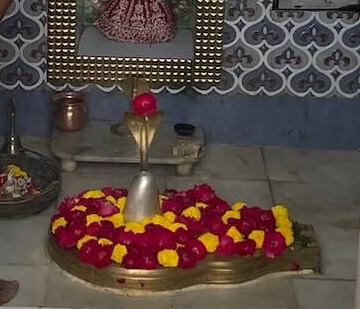 मेहसाणा जिल्ह्यातील प्रख्यात आणि आध्यात्मिकदृष्ट्या चैतन्यमय शिवमंदिरांमध्ये तळेटी गावातील सोमनाथ महादेव मंदिराचे स्थान अत्यंत महत्त्वाचे आहे. मेहसाणा शहरापासून अवघ्या ५ किलोमीटर अंतरावर, तळेटी मुख्य रस्त्यावर वसलेले हे पवित्र मंदिर दीडशे वर्षांहून अधिक जुना वारसा जपून आहे. काळाच्या ओघात, सोमनाथ महादेव मंदिर या शहरी विस्ताराचे एक अविभाज्य केंद्र बनले आहे, इतके की आजूबाजूच्या परिसराला या मंदिरामुळेच ‘सोमनाथ रोड’ अशी ओळख मिळाली आहे. स्थानिक ग्रामस्थ आणि आसपासच्या भागातील भाविकांची भगवान महादेवांवर अगाध श्रद्धा आहे. या परिसरातील स्वयंभू शिवलिंगाची मनापासून प्रार्थना केल्यास सर्व मनोकामना पूर्ण होतात, अशी भाविकांची दृढ श्रद्धा आहे.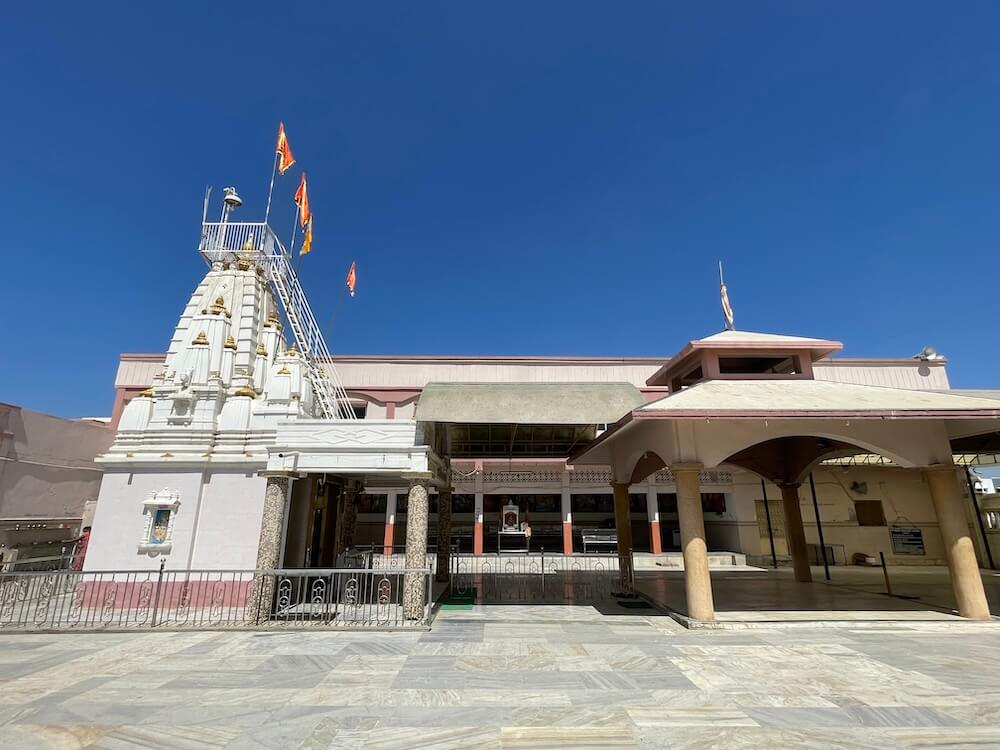
या मंदिराचा इतिहास सुमारे १५० वर्षे जुना आहे. स्थानिक लोककथेनुसार, हा परिसर एकेकाळी घनदाट झाडीने व्यापलेला होता, जिथे स्थानिक गुराखी आपली गुरे चरायला आणत असत. एके दिवशी, कळपातील एक गाय एका विशिष्ट ठिकाणी आपोआप दूध देऊ लागली. ही विलक्षण घटना सलग काही दिवस घडल्यामुळे स्थानिकांचे कुतूहल वाढले. त्या जागेचे उत्खनन केले असता, त्यांना जमिनीत गाडलेले एक स्वयंभू शिवलिंग सापडले. त्यानंतर, भाविकांनी त्या पवित्र भूमीवर एक छोटेसे मंदिर उभारले. या आध्यात्मिकदृष्ट्या जागृत शिवलिंगाची ख्याती पसरताच, मोठ्या संख्येने भाविक तिथे येऊ लागले. नवस पूर्ण झाल्याबद्दल कृतज्ञता म्हणून, भाविक तिथे ‘चेथरा’ (कपड्याचे तुकडे) बांधत असत, ज्यामुळे या देवाला सुरुवातीला ‘चेथरिया महादेव’ म्हणून ओळखले जाऊ लागले.
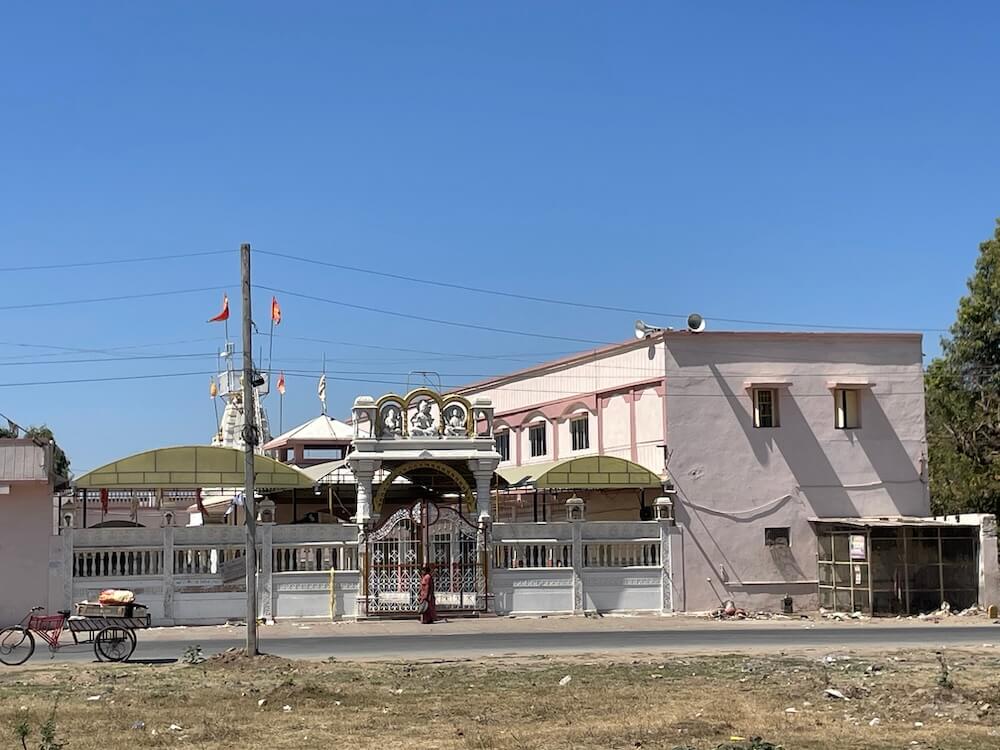
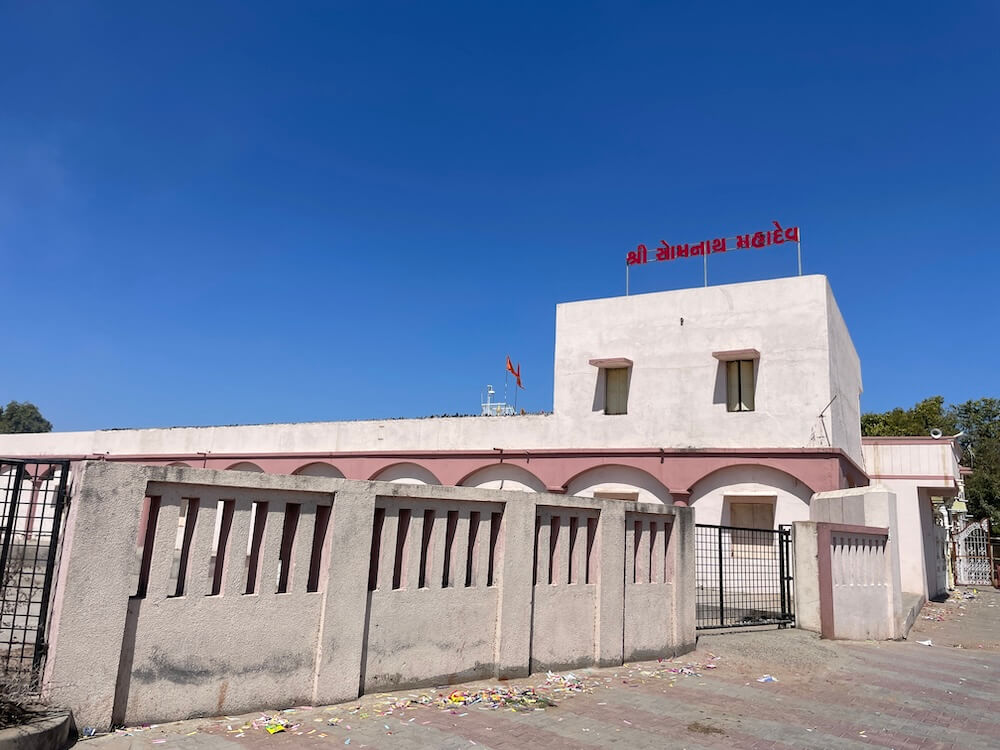
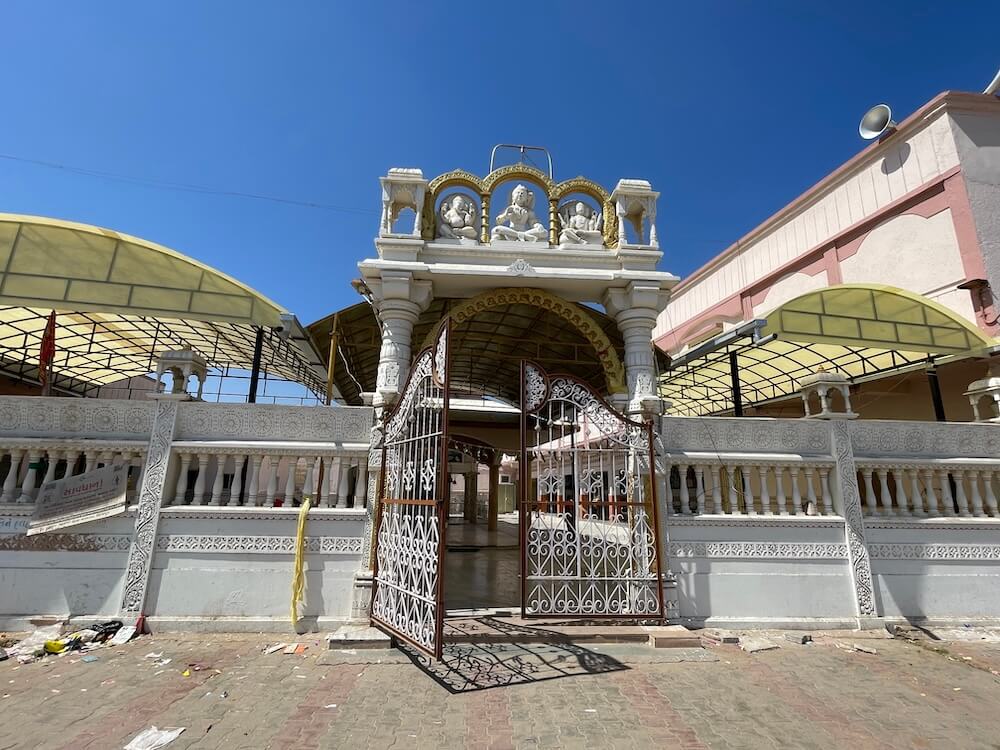 शंभर वर्षांपूर्वी मंदिराचा पहिला मोठा जीर्णोद्धार झाला, त्यानंतर ते सोमनाथ महादेव मंदिर म्हणून ओळखले जाऊ लागले. धार्मिक आणि पौराणिक तत्त्वांनुसार, ‘सोमनाथ’ हे नाव भगवान शिवांना ‘सोमाचा’ म्हणजेच चंद्रदेवाचा ‘स्वामी’ म्हणून संबोधते. स्कंद पुराणातील प्रभास खंडात वर्णन केल्याप्रमाणे, चंद्रदेवाने राजा दक्षच्या शापातून मुक्त होण्यासाठी भगवान शिवांची कृपा मिळवण्याकरिता कठोर तपश्चर्या केली होती. जरी मेहसाण्यातील हे मंदिर सोमनाथच्या मूळ बारा ज्योतिर्लिंगांपैकी नसले, तरी स्थानिक परंपरेनुसार, येथे सोमनाथ रूपातील शिवाची तितक्याच भक्तीभावाने पूजा केली जाते. अलीकडील जीर्णोद्धारानंतर मंदिराला त्याचे सध्याचे वास्तुशिल्पीय वैभव प्राप्त झाले आहे. मंदिराचे प्रवेशद्वार एका तटबंदीच्या भिंतीमध्ये आहे. प्रवेशद्वाराच्या वर,
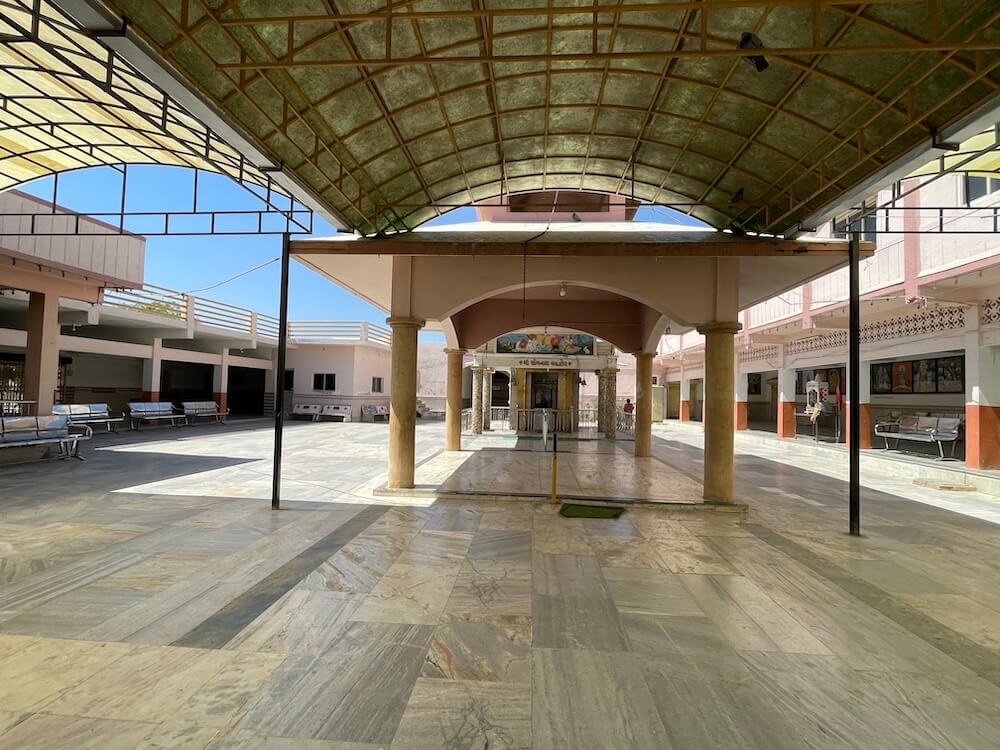
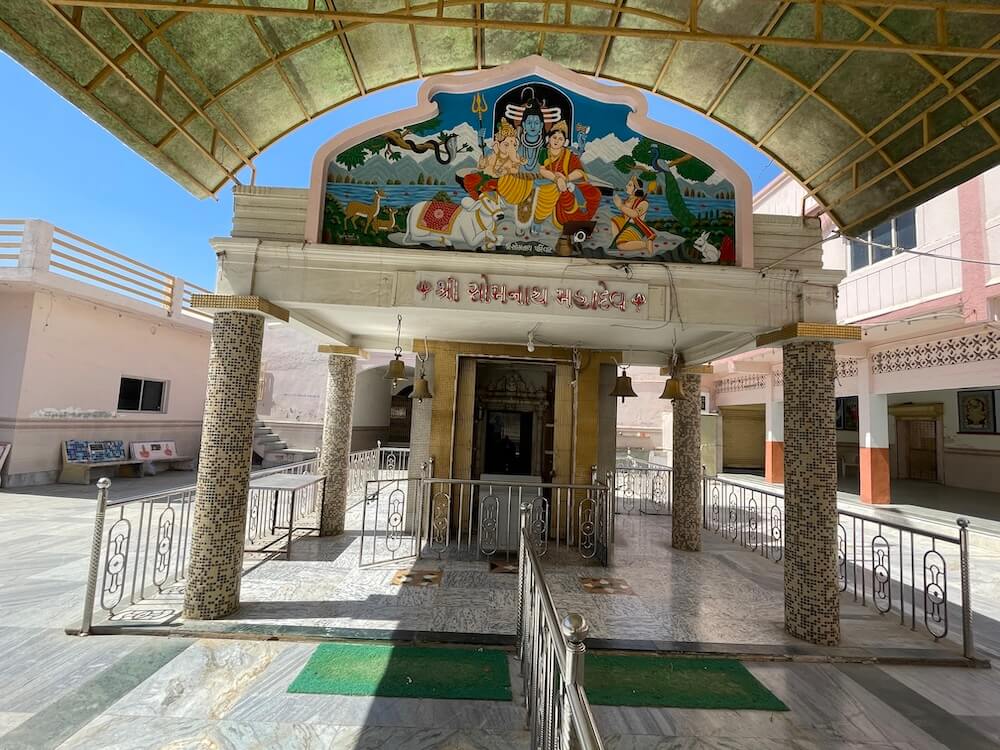
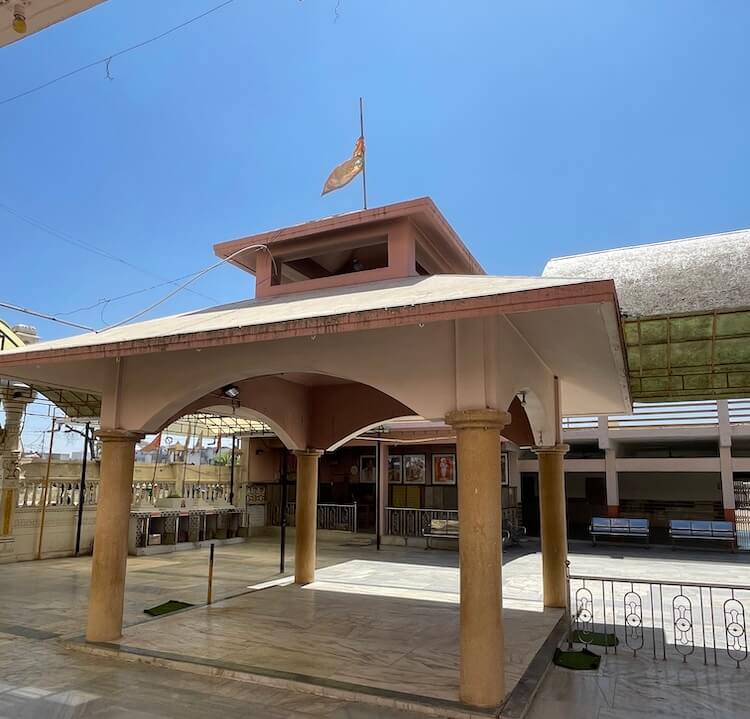
 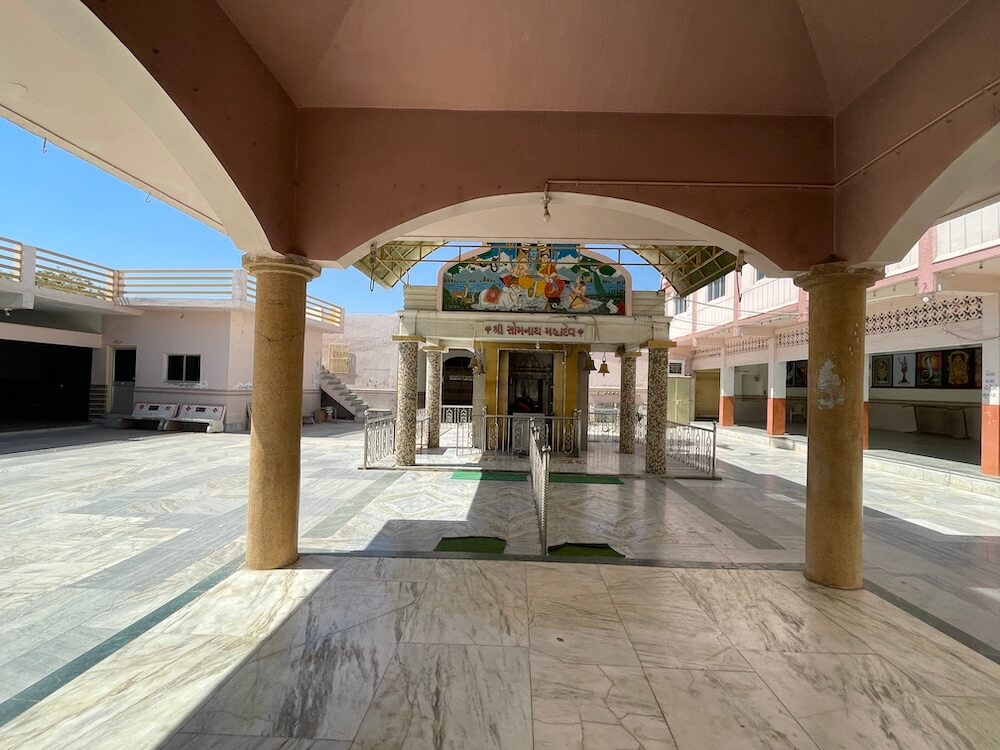 भगवान शिवांची मध्यवर्ती मूर्ती असून त्यांच्या डाव्या बाजूला भगवान गणेश आणि उजव्या बाजूला भगवान कार्तिकेय यांच्या मूर्ती आहेत. या प्रवेशद्वारातून आत गेल्यावर एका प्रशस्त अंगणात प्रवेश होतो. अंगणाच्या उजव्या बाजूला ‘सत्संग’ हॉल आहे, तर सोमनाथ महादेव मंदिराची मुख्य वास्तू मध्यभागी उभी आहे. प्रवेशद्वारापासून मुख्य मंदिरापर्यंत एक कमानीदार, गजपृष्ठाकार छप्पर आहे. वास्तुकलेमध्ये एक छताचा उघडा मंडप, त्यानंतर ‘अंतराळ’ आणि शेवटी ‘गर्भगृह’ यांचा समावेश आहे. मंदिराचे प्रवेशद्वार ‘शिव परिवाराच्या’ सुंदर चित्राने सजलेले आहे. अंतराळात, गर्भगृहाच्या अगदी समोर नंदीची मूर्ती आहे आणि त्यानंतर कासवाची प्रतिकृती आहे. अंतराळातील कोनाड्यांमध्ये भगवान गणेश आणि भगवान हनुमानांच्या मूर्ती आहेत.
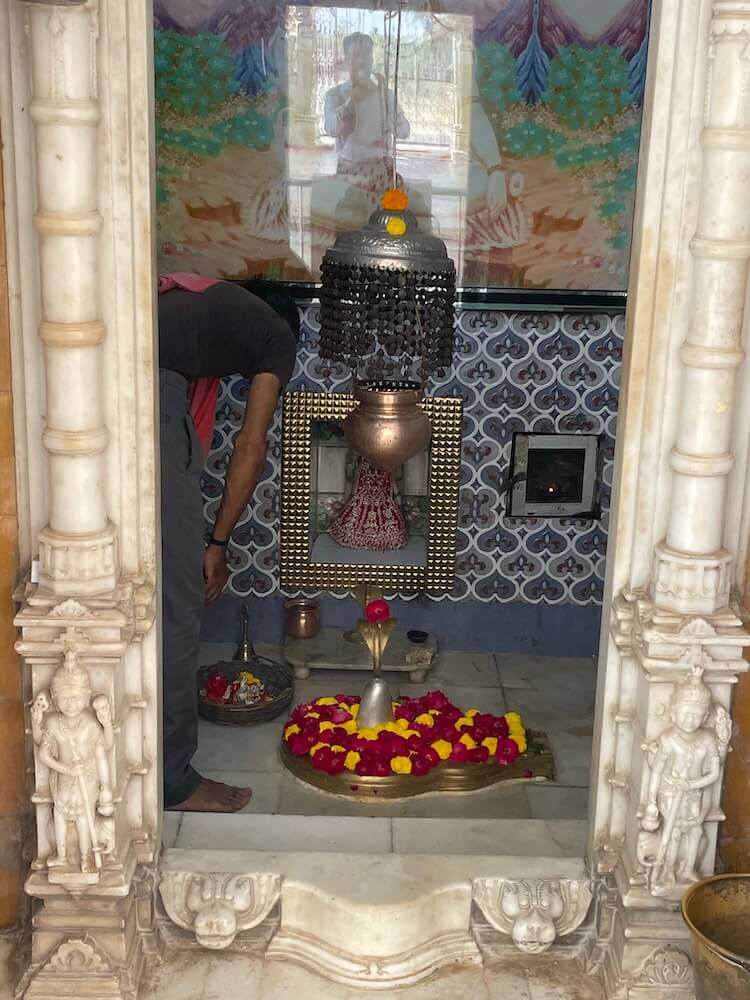
 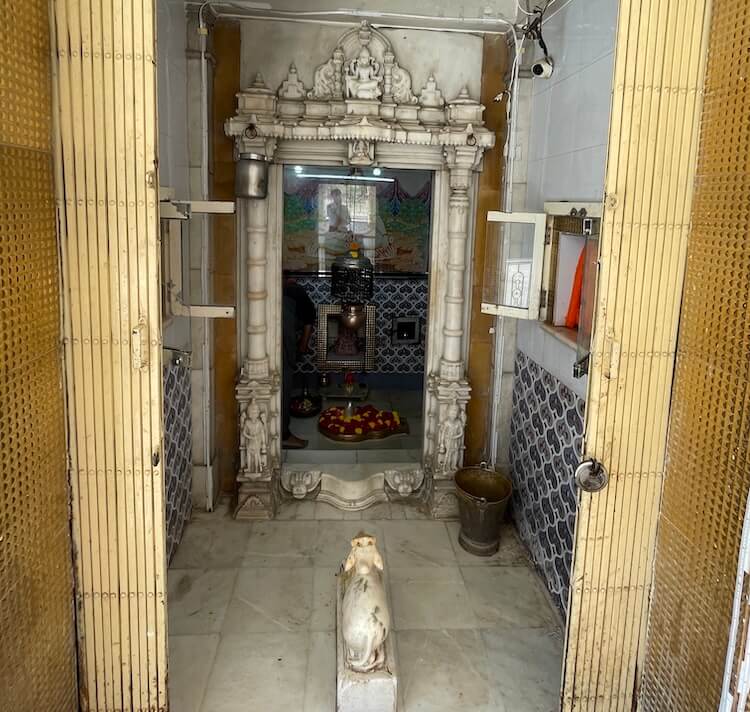 गर्भगृहाच्या संगमरवरी दरवाजाच्या खांबांच्या पायथ्याशी द्वारपाल कोरलेले आहेत, तर खालील उंबरठ्यावर ‘कीर्तिमुख’ आहे. ‘ललाटबिंबावर’ गणेशाची मूर्ती आहे, ज्याच्या वर भगवान महादेवांची प्रतिमा आहे. गर्भगृहाच्या आत, सोमनाथ महादेवांचे स्वयंभू शिवलिंग पाच पवित्र धातूंनी (पंचधातू) बनवलेल्या शालुंकेत विराजमान आहे आणि त्यावर नागाचा फणा आहे. शिवलिंगावर नक्षीदार चांदीचे आवरण आहे. गर्भगृहाच्या मागील भिंतीवरील कोनाड्यात माता पार्वती विराजमान आहे. गर्भगृहावर ‘उरुशृंग’ शैलीतील उंच शिखर आहे, ज्यावर दोन स्तरांचा ‘आमलक’ आणि सुवर्ण कलश आहे. सभा मंडपाच्या वरही एक लहान शिखर आहे. मंदिराच्या बाहेरील भिंती विविध देवतांच्या कोनाड्यांनी सजवलेल्या आहेत. मुख्य मंदिराच्या मागील मोकळ्या जागेत एक लहान शिवलिंग आहे, ज्याच्या मागे एका उंच चौथऱ्यावर भगवान शिवांची ध्यानस्थ मूर्ती आहे.
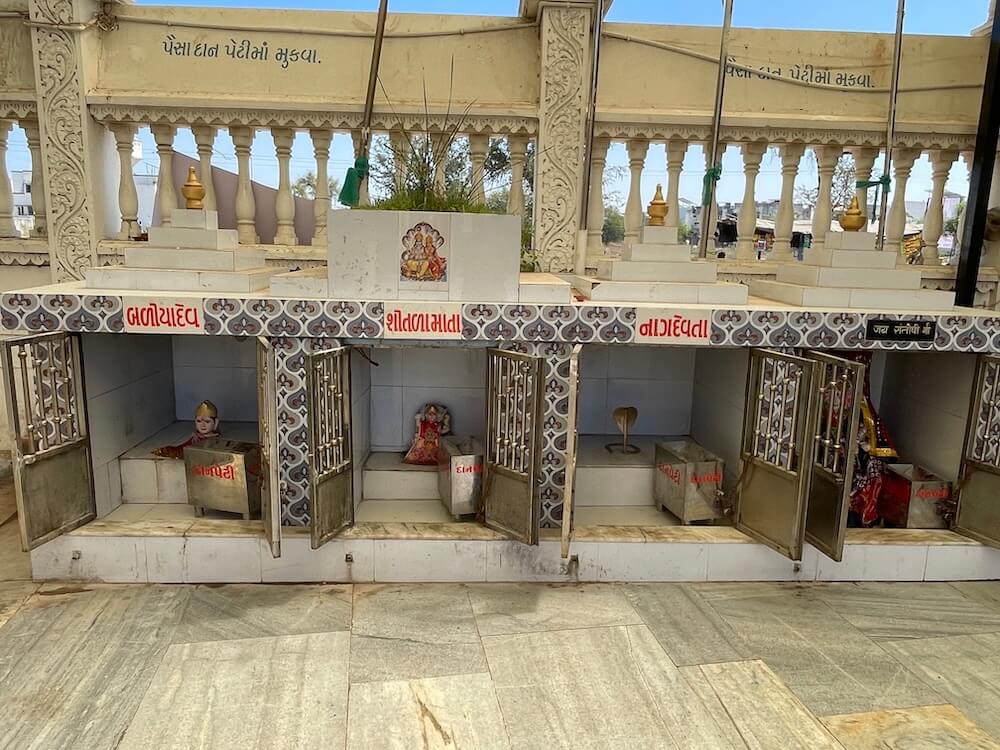 याशिवाय, मंदिर परिसरात संतोषी माता, नागदेवता, बळियादेव आणि शीतळा माता यांची मंदिरे आहेत.
नित्य पूजा आणि ‘आरती’ दररोज नियमितपणे केली जाते. शिवलिंगाची पूजा पारंपरिक वैदिक विधींनुसार केली जाते. महाशिवरात्री आणि वर्षभरातील इतर महत्त्वाचे सण मोठ्या उत्साहात साजरे केले जातात. सणासुदीच्या काळात शिवलिंगाची सुंदर आरास केली जाते. श्रावण महिन्यात मंदिराची पवित्रता अधिकच वाढते, ज्या दरम्यान दर सोमवारी हजारो भाविक दर्शनासाठी येतात. या दिवशी १५१ दिव्यांनी विशेष ‘आरती’ केली जाते. श्रावण महिन्यातील अमावास्येला मंदिर परिसरात एक मोठा मेळा भरतो. हा मेळा मेहसाणा जिल्ह्यातील सर्वात प्रमुख उत्सवांपैकी एक मानला जातो. मंदिर भाविकांसाठी सकाळी ५:०० ते ११:०० आणि दुपारी ४:०० ते रात्री ८:०० या वेळेत खुले असते.
उपयुक्त माहिती
- मेहसाणापासून ५ कि.मी. अंतरावर स्थित.
- राज्यातील विविध शहरांतून मेहसाणापर्यंत GSRTC बस सेवा उपलब्ध आहेत.
- मेहसाणा ते तळेटी गावापर्यंत GSRTC बस सेवा उपलब्ध आहेत.
- खाजगी वाहने मंदिराच्या समर्पित पार्किंग क्षेत्रात उभी करता येतात.
- परिसरात राहण्याची आणि नाश्त्याची सोय उपलब्ध आहे.
Somnath Mahadev Temple
Taleti, Tal./Dist. Mehsana
Amongst the renowned and spiritually vibrant Shiva temples of the Mehsana district, the Somnath Mahadev Temple in the village of Taleti occupies a position of great eminence. Situated a mere five kilometres from Mehsana city, along the arterial Taleti road, this sacred edifice boasts a heritage spanning over a century and a half. Over the years, the Somnath Mahadev Temple has become an indispensable landmark of this urban expansion, so much so that the surrounding area owes its identity as ‘Somnath Road’ to this very shrine. The local villagers and devotees from the neighbouring regions harbour profound faith in Lord Mahadev. It is a firm conviction among the faithful that a sincere prayer offered to the self-manifested (Swayambhu) Shivalinga within these precincts ensures the fulfilment of all cherished desires.
The history of this temple dates back approximately 150 years. According to local lore, the region was once covered in dense foliage where local cowherds would bring their cattle to graze. One day, a cow in the herd began to let down her milk spontaneously at a specific spot. As this extraordinary phenomenon persisted for several consecutive days, locals’ curiosity was piqued. Upon excavating the site, they discovered a self-manifested Shivalinga embedded in the earth. Consequently, the devotees erected a modest shrine on that hallowed ground. As the renown of this spiritually awakened Shivalinga spread, a vast multitude of pilgrims began to frequent the site. In gratitude for fulfilled vows, devotees would often tie ‘Chethara’ (scraps of cloth) at the site, leading to the deity being initially known as ‘Chethariya Mahadev’.
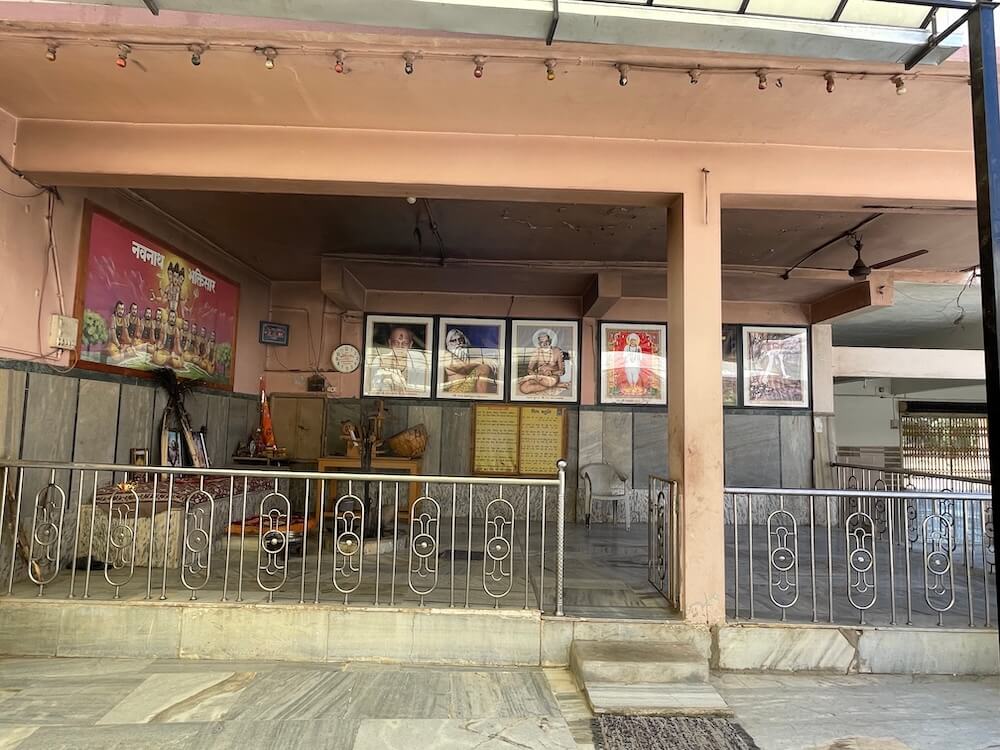
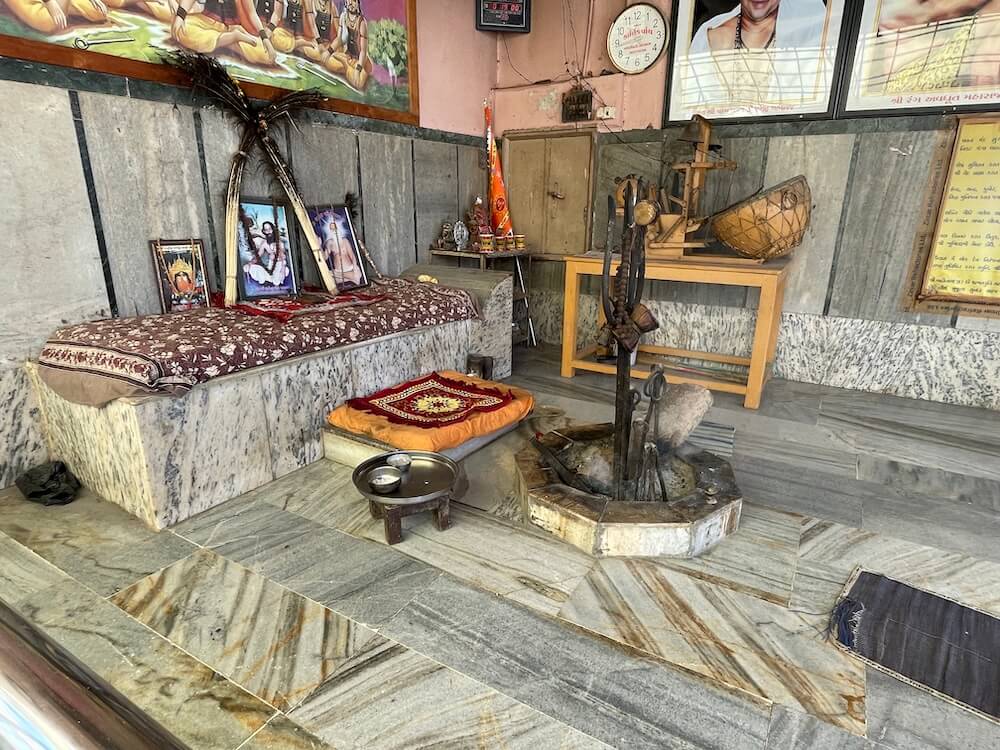
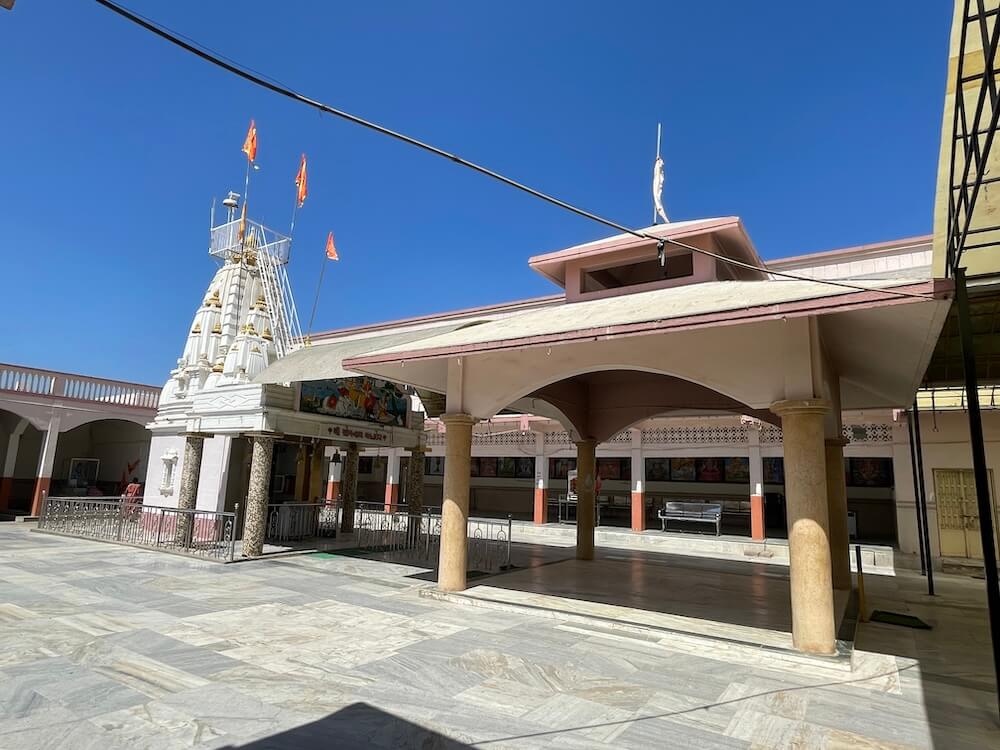
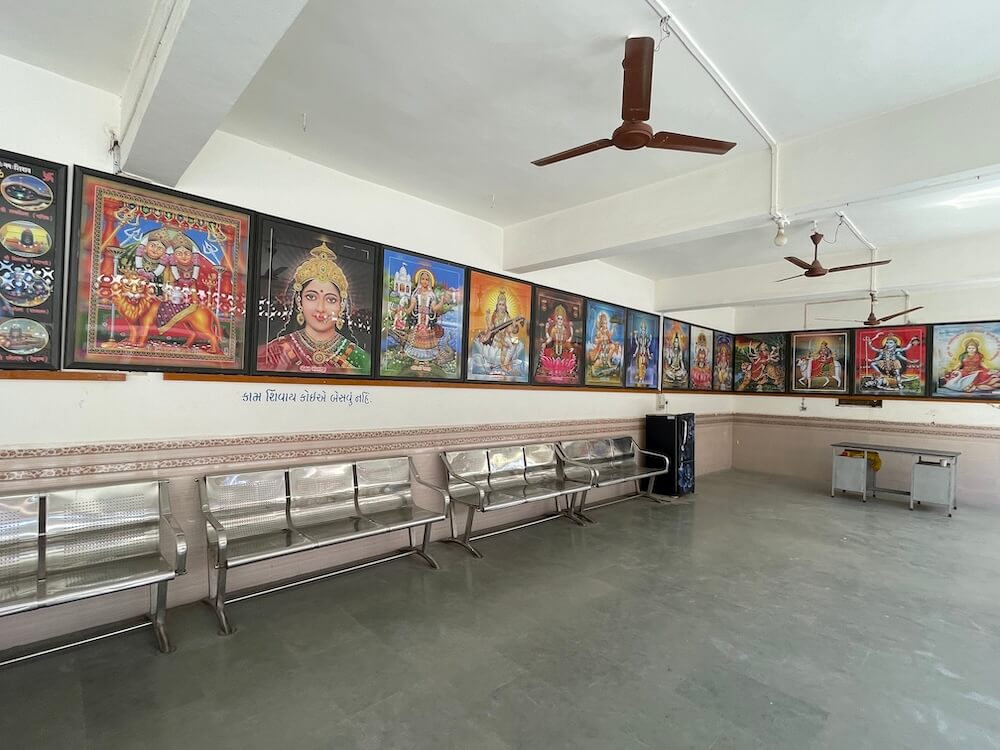
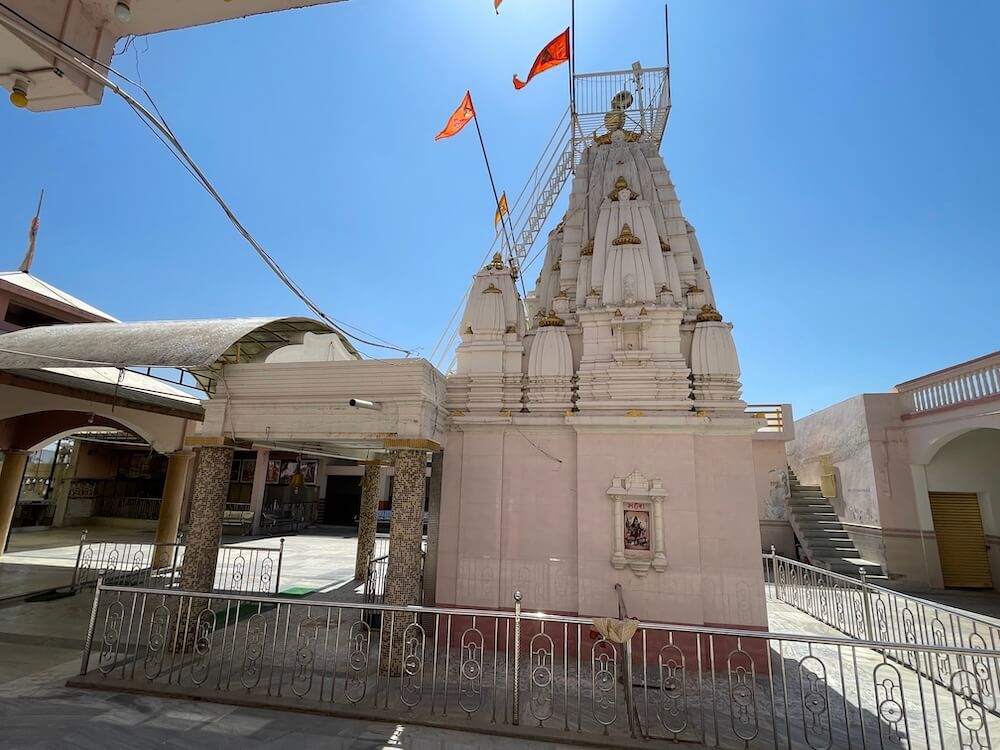
The temple underwent its first significant restoration a century ago, after which it came to be known as the Somnath Mahadev Temple. According to religious and mythological tenets, the name ‘Somnath’ refers to Lord Shiva as the ‘Lord of Soma’ or the Moon God. The Skanda Purana, within its Prabhas Khanda, recounts how the Moon God performed rigorous penance to seek Lord Shiva’s grace to free himself from the curse of King Daksha. Although this temple in Mehsana is not the original site of the twelve Jyotirlingas of Somnath, local tradition dictates that the Somnath manifestation of Shiva is worshipped here with equal devotion. The temple attained its current architectural grandeur following a recent restoration. The entrance to the temple is set within a fortified boundary wall. Above the gateway, a central sculpture of Lord Shiva is flanked by the figures of Lord Ganesha on the left and Lord Kartikeya on the right. Passing through this portal, one enters a spacious courtyard. To the right of the courtyard lies a ‘Satsang’ (spiritual assembly) hall, while the primary structure of the Somnath Mahadev Temple stands at the centre. An arched, elephant-back-shaped (Gajaprushthakar) roof extends from the entrance to the main temple. The architecture comprises a sheltered open pavilion (Mandap), followed by the ‘Antarala’ (vestibule) and finally the ‘Garbhagriha’ (sanctum sanctorum). The temple entrance is adorned with a beautiful depiction of the ‘Shiva Parivar’ (Shiva’s family). Within the vestibule, directly facing the sanctum, sits the statue of Nandi, followed by a representation of a tortoise. The niches within the vestibule house the idols of Lord Ganesha and Lord Hanuman. At the base of the marble doorposts of the sanctum sanctorum, doorkeepers (Dwarpalas) are intricately carved, while a ‘Kirtimukha’ (gargoyle-like mask) graces the threshold below. The ‘Lalatabimba’ (central lintel) features a sculpture of Ganesha, surmounted by an image of Lord Mahadev. Inside the sanctum, the self-manifested Shivalinga of Somnath Mahadev is enshrined within a pedestal (Shalunka) made of five sacred metals (Panchadhatu), sheltered by a hooded serpent canopy. The Shivalinga is encased in ornate silver plating. In a niche on the rear wall of the sanctum, the Mother Goddess Parvati resides. The sanctum is crowned by a soaring spire (Shikhara) in the ‘Urushringa’ style, topped with a two-tiered ‘Amalaka’ and a golden finial (Kalasha). A smaller spire also rests above the assembly hall. The temple’s exterior walls are adorned with niches housing various celestial deities. In the open space behind the main temple, there is a smaller Shivalinga, behind which, on a raised platform, sits a meditative idol of Lord Shiva. Furthermore, the temple complex houses shrines dedicated to Santoshi Mata, the Serpent Deity (Nagdevta), Baliyadev and Shitala Mata.
Ritual worship and ‘Aarti’ are performed daily with steadfast regularity. The Shivalinga is worshipped in accordance with traditional Vedic rites. Mahashivratri and other significant festivals throughout the year are celebrated with immense fervour. During festive occasions, the Shivalinga is beautifully decorated with elaborate arrangements (Araas). The sanctity of the temple is further heightened during the holy month of Shravan, during which thousands of devotees arrive every Monday for ‘Darshan’. On these days, a special ‘Aarti’ is performed using 151 lamps. A grand fair is organised within the temple precincts on the New Moon day (Amavasya) of the Shravan month. This fair is regarded as one of the most prominent festivals in the Mehsana district. The temple remains open for devotees from 5:00 am to 11:00 am and from 4:00 pm to 8:00 pm.
Useful Information
- Located at 5 km from Mehsana.
- GSRTC bus services operate from various cities across the state to Mehsana.
- GSRTC bus services are available from Mehsana to Taleti village.
- Private vehicles can access the temple’s dedicated parking area.
- Accommodation and breakfast facilities are available in the vicinity.
सोमनाथ महादेव मंदिर
तलेटी, तहसील/जिला मेहसाणा
मेहसाणा जिले के प्रसिद्ध और आध्यात्मिक रूप से जीवंत शिव मंदिरों में, तलेटी गाँव स्थित सोमनाथ महादेव मंदिर अत्यंत महत्वपूर्ण स्थान रखता है। मेहसाणा शहर से मात्र ५ किलोमीटर की दूरी पर, तलेटी मार्ग पर स्थित यह पवित्र मंदिर डेढ़ सौ वर्षों से अधिक की विरासत को संजोए हुए है। वर्षों के दौरान, सोमनाथ महादेव मंदिर इस शहरी विस्तार का एक अनिवार्य केंद्र बन गया है, यहाँ तक कि आसपास के क्षेत्र को इसी मंदिर के कारण ‘सोमनाथ रोड’ के नाम से जाना जाता है। स्थानीय ग्रामीणों और आसपास के क्षेत्रों के भक्तों की भगवान महादेव में गहरी आस्था है। भक्तों का यह दृढ़ विश्वास है कि यहाँ स्थित स्वयंभू शिवलिंग के समक्ष की गई सच्ची प्रार्थना सभी मनोकामनाओं को पूर्ण करती है।
इस मंदिर का इतिहास लगभग १५० वर्ष पुराना है। स्थानीय किंवदंतियों के अनुसार, यह क्षेत्र कभी घने जंगलों से ढका हुआ था जहाँ स्थानीय ग्वाले अपने पशुओं को चराने लाते थे। एक दिन, झुंड की एक गाय एक विशेष स्थान पर स्वतः ही दूध गिराने लगी। जब यह असाधारण घटना कई दिनों तक लगातार होती रही, तो स्थानीय लोगों की जिज्ञासा बढ़ गई। खुदाई करने पर उन्हें जमीन में दबा हुआ एक स्वयंभू शिवलिंग प्राप्त हुआ। परिणामस्वरूप, भक्तों ने उस पवित्र भूमि पर एक छोटा सा मंदिर बना दिया। जैसे-जैसे इस जागृत शिवलिंग की ख्याति फैली, बड़ी संख्या में तीर्थयात्री यहाँ आने लगे। मन्नत पूरी होने के आभार स्वरूप, भक्त अक्सर यहाँ ‘चेथरा’ (कपड़े के टुकड़े) बांधते थे, जिसके कारण इस देवता को प्रारंभ में ‘चेथरिया महादेव’ के नाम से जाना जाता था।
मंदिर का पहला महत्वपूर्ण जीर्णोद्धार एक सदी पहले हुआ था, जिसके बाद इसे सोमनाथ महादेव मंदिर के रूप में जाना जाने लगा। धार्मिक और पौराणिक सिद्धांतों के अनुसार, ‘सोमनाथ’ नाम भगवान शिव को ‘सोम’ या चंद्रमा के स्वामी के रूप में संबोधित करता है। स्कंद पुराण के प्रभास खंड में वर्णन है कि कैसे चंद्रमा ने राजा दक्ष के श्राप से मुक्ति पाने के लिए भगवान शिव की कृपा प्राप्त करने हेतु कठोर तपस्या की थी। यद्यपि मेहसाणा का यह मंदिर सोमनाथ के बारह ज्योतिर्लिंगों का मूल स्थान नहीं है, फिर भी स्थानीय परंपरा के अनुसार यहाँ सोमनाथ स्वरूप शिव की पूजा समान भक्ति के साथ की जाती है। हाल ही में हुए जीर्णोद्धार के बाद मंदिर ने अपनी वर्तमान वास्तुकला की भव्यता प्राप्त की है। मंदिर का प्रवेश द्वार एक सुदृढ़ चारदीवारी के भीतर स्थित है। प्रवेश द्वार के ऊपर, भगवान शिव की एक केंद्रीय मूर्ति है, जिसके बाईं ओर भगवान गणेश और दाईं ओर भगवान कार्तिकेय की आकृतियाँ हैं। इस द्वार से गुजरकर एक विशाल प्रांगण में प्रवेश किया जाता है। प्रांगण के दाईं ओर एक ‘सत्संग’ हॉल है, जबकि सोमनाथ महादेव मंदिर का मुख्य ढांचा केंद्र में स्थित है। प्रवेश द्वार से मुख्य मंदिर तक एक मेहराबदार, गजपृष्ठाकार छत बनी हुई है। वास्तुकला में एक ढका हुआ खुला मंडप, उसके बाद ‘अंतराल’ और अंत में ‘गर्भगृह’ शामिल है। मंदिर का प्रवेश द्वार ‘शिव परिवार’ के सुंदर चित्रण से सुसज्जित है। अंतराल के भीतर, गर्भगृह के ठीक सामने नंदी की प्रतिमा स्थित है, जिसके पीछे कछुए की आकृति है। अंतराल के कोनों में भगवान गणेश और भगवान हनुमान की मूर्तियाँ स्थापित हैं। गर्भगृह के संगमरमर के चौखटों के आधार पर द्वारपालों को बारीकी से उकेरा गया है, जबकि नीचे की दहलीज पर ‘कीर्तिमुख’ सुशोभित है। ‘ललाटबिंब’ (केंद्रीय लिंटेल) में गणेश की मूर्ति है, जिसके ऊपर भगवान महादेव की छवि है। गर्भगृह के भीतर, सोमनाथ महादेव का स्वयंभू शिवलिंग पंचधातु से बनी वेदी (शालुंका) में स्थापित है, जो सर्प के फन के नीचे स्थित है। शिवलिंग को अलंकृत चांदी की परत से ढका गया है। गर्भगृह की पिछली दीवार पर बने एक आला में माता पार्वती विराजमान हैं। गर्भगृह के ऊपर ‘उरुश्रृंग’ शैली में एक ऊंचा शिखर है, जिसके शीर्ष पर दो-स्तरीय ‘आमलक’ और एक स्वर्ण कलश है। सभा मंडप के ऊपर भी एक छोटा शिखर स्थित है। मंदिर की बाहरी दीवारें विभिन्न देवी-देवताओं की मूर्तियों वाले आलाओं से सुसज्जित हैं। मुख्य मंदिर के पीछे के खुले स्थान में एक छोटा शिवलिंग है, जिसके पीछे एक ऊंचे चबूतरे पर भगवान शिव की ध्यानमग्न प्रतिमा स्थित है। इसके अलावा, मंदिर परिसर में संतोषी माता, नागदेवता, बलियादेव और शीतला माता के मंदिर भी स्थित हैं।
यहाँ दैनिक पूजा और ‘आरती’ पूरी नियमितता के साथ की जाती है। शिवलिंग की पूजा पारंपरिक वैदिक रीति-रिवाजों के अनुसार की जाती है। महाशिवरात्रि और वर्ष भर के अन्य महत्वपूर्ण त्योहार अत्यंत उत्साह के साथ मनाए जाते हैं। उत्सव के अवसरों पर, शिवलिंग को सुंदर सजावट (आरास) से अलंकृत किया जाता है। श्रावण के पवित्र महीने में मंदिर की पवित्रता और बढ़ जाती है, जिसके दौरान हर सोमवार को हजारों भक्त ‘दर्शन’ के लिए आते हैं। इन दिनों १५१ दीपों के साथ विशेष ‘आरती’ की जाती है। श्रावण मास की अमावस्या के दिन मंदिर परिसर में एक भव्य मेले का आयोजन किया जाता है। यह मेला मेहसाणा जिले के सबसे प्रमुख त्योहारों में से एक माना जाता है। मंदिर भक्तों के लिए सुबह ५:०० बजे से ११:०० बजे तक और शाम ४:०० बजे से ८:०० बजे तक खुला रहता है।
उपयोगी जानकारी
- मेहसाणा से ५ किमी की दूरी पर स्थित है।
- GSRTC बस सेवाएँ राज्य भर के विभिन्न शहरों से मेहसाणा के लिए उपलब्ध हैं।
- मेहसाणा से तलेटी गाँव के लिए GSRTC बस सेवाएँ उपलब्ध हैं।
- निजी वाहन मंदिर के समर्पित पार्किंग क्षेत्र तक पहुँच सकते हैं।
- आसपास के क्षेत्र में आवास और नाश्ते की सुविधा उपलब्ध है।
સોમનાથ મહાદેવ મંદિર
તળેટી, તા./જિ. મહેસાણા
મહેસાણા જિલ્લાના સુપ્રસિદ્ધ અને આધ્યાત્મિક રીતે જીવંત શિવ મંદિરોમાં તળેટી ગામ ખાતે આવેલું સોમનાથ મહાદેવ મંદિર અત્યંત મહત્વનું સ્થાન ધરાવે છે. મહેસાણા શહેરથી માત્ર ૫ કિલોમીટરના અંતરે, તળેટી રોડ પર સ્થિત આ પવિત્ર ધામ દોઢ સદીથી પણ વધુ જૂનો વારસો ધરાવે છે. વર્ષો જતાં, સોમનાથ મહાદેવ મંદિર આ શહેરી વિસ્તારનું એક અનિવાર્ય સીમાચિહ્ન બની ગયું છે, એટલું કે આસપાસનો વિસ્તાર આ મંદિરને કારણે જ ‘સોમનાથ રોડ’ તરીકે ઓળખાય છે. સ્થાનિક ગ્રામજનો અને આસપાસના વિસ્તારોના ભક્તોને ભગવાન મહાદેવમાં અતૂટ શ્રદ્ધા છે. શ્રદ્ધાળુઓમાં એવી દ્રઢ માન્યતા છે કે આ પરિસરમાં રહેલા સ્વયંભૂ શિવલિંગ સમક્ષ કરવામાં આવેલી નિષ્ઠાવાન પ્રાર્થનાથી તમામ મનોકામનાઓ પૂર્ણ થાય છે.
આ મંદિરનો ઇતિહાસ આશરે ૧૫૦ વર્ષ જૂનો છે. સ્થાનિક લોકવાયકા મુજબ, આ વિસ્તાર એક સમયે ગાઢ વનસ્પતિથી ઘેરાયેલો હતો જ્યાં સ્થાનિક પશુપાલકો તેમના પશુઓને ચરાવવા લાવતા હતા. એક દિવસ, ટોળામાંની એક ગાયે એક ચોક્કસ જગ્યાએ આપમેળે દૂધની ધારાઓ વહેવડાવવાનું શરૂ કર્યું. જ્યારે આ અસાધારણ ઘટના સતત કેટલાક દિવસો સુધી ચાલુ રહી, ત્યારે સ્થાનિકોની જિજ્ઞાસા વધી. સ્થળનું ખોદકામ કરતા, તેમને જમીનમાં દટાયેલું સ્વયંભૂ શિવલિંગ મળી આવ્યું. પરિણામે, ભક્તોએ તે પવિત્ર ભૂમિ પર એક નાનું મંદિર બનાવ્યું. જેમ જેમ આ આધ્યાત્મિક રીતે જાગૃત શિવલિંગની ખ્યાતિ ફેલાઈ, તેમ તેમ મોટી સંખ્યામાં શ્રદ્ધાળુઓ અહીં આવવા લાગ્યા. માનતા પૂરી થવા બદલ કૃતજ્ઞતા રૂપે, ભક્તો ઘણીવાર આ સ્થળે ‘ચેથરા’ (કાપડના ટુકડા) બાંધતા, જેના કારણે આ દેવતા શરૂઆતમાં ‘ચેથરિયા મહાદેવ’ તરીકે ઓળખાતા હતા.
મંદિરનો પ્રથમ મોટો જીર્ણોદ્ધાર એક સદી પહેલા થયો હતો, ત્યારબાદ તે સોમનાથ મહાદેવ મંદિર તરીકે ઓળખાયું. ધાર્મિક અને પૌરાણિક સિદ્ધાંતો અનુસાર, ‘સોમનાથ’ નામ ભગવાન શિવને ‘સોમ’ એટલે કે ચંદ્રદેવના સ્વામી તરીકે સંબોધે છે. સ્કંદ પુરાણના પ્રભાસ ખંડમાં વર્ણવવામાં આવ્યું છે કે કેવી રીતે ચંદ્રદેવે રાજા દક્ષના શ્રાપમાંથી મુક્તિ મેળવવા માટે ભગવાન શિવની કૃપા મેળવવા કઠોર તપસ્યા કરી હતી. જોકે મહેસાણાનું આ મંદિર સોમનાથના બાર જ્યોતિર્લિંગોનું મૂળ સ્થાન નથી, પરંતુ સ્થાનિક પરંપરા મુજબ શિવના સોમનાથ સ્વરૂપની અહીં સમાન ભક્તિ સાથે પૂજા કરવામાં આવે છે. તાજેતરના જીર્ણોદ્ધાર બાદ મંદિરને તેનું વર્તમાન સ્થાપત્ય વૈભવ પ્રાપ્ત થયું છે. મંદિરનો પ્રવેશદ્વાર એક મજબૂત સીમા દીવાલની અંદર છે. પ્રવેશદ્વારની ઉપર, ભગવાન શિવની મધ્યમાં મૂર્તિ છે, જેની ડાબી બાજુએ ભગવાન ગણેશ અને જમણી બાજુએ ભગવાન કાર્તિકેયની મૂર્તિઓ છે. આ પ્રવેશદ્વારમાંથી પસાર થઈને, એક વિશાળ આંગણામાં પ્રવેશાય છે. આંગણાની જમણી બાજુએ એક ‘સત્સંગ’ હોલ છે, જ્યારે સોમનાથ મહાદેવ મંદિરનું મુખ્ય માળખું મધ્યમાં આવેલું છે. પ્રવેશદ્વારથી મુખ્ય મંદિર સુધી એક કમાનવાળી, ગજપૃષ્ઠાકાર છત વિસ્તરેલી છે. સ્થાપત્યમાં એક આશ્રયયુક્ત ખુલ્લો મંડપ, ત્યારબાદ ‘અંતરાલ’ અને અંતે ‘ગર્ભગૃહ’નો સમાવેશ થાય છે. મંદિરનો પ્રવેશદ્વાર ‘શિવ પરિવાર’ના સુંદર ચિત્રણથી સુશોભિત છે. અંતરાલમાં, ગર્ભગૃહની બરાબર સામે નંદીની મૂર્તિ બિરાજમાન છે, જેની પાછળ કાચબાની પ્રતિમા છે. અંતરાલની અંદરની કોતરેલી જગ્યાઓમાં ભગવાન ગણેશ અને ભગવાન હનુમાનની મૂર્તિઓ છે. ગર્ભગૃહના આરસના દરવાજાના પાયા પર દ્વારપાળોની જટિલ કોતરણી કરવામાં આવી છે, જ્યારે નીચેના ભાગે ‘કીર્તિમુખ’ શોભે છે. ‘લલાટબિંબ’ (કેન્દ્રીય લિંટલ) પર ગણેશજીની મૂર્તિ છે, જેની ઉપર ભગવાન મહાદેવની છબી છે. ગર્ભગૃહની અંદર, સોમનાથ મહાદેવનું સ્વયંભૂ શિવલિંગ પાંચ પવિત્ર ધાતુઓ (પંચધાતુ) થી બનેલી શાલુંકા (જલાધારી) માં સ્થાપિત છે, જે નાગના ફેણના છત્ર નીચે સુરક્ષિત છે. શિવલિંગને સુંદર ચાંદીના પતરાથી મઢવામાં આવ્યું છે. ગર્ભગૃહની પાછળની દીવાલની એક કોતરેલી જગ્યામાં માતા પાર્વતી બિરાજમાન છે. ગર્ભગૃહની ઉપર ‘ઉરુશૃંગ’ શૈલીનું ઉન્નત શિખર છે, જેની ટોચ પર બે સ્તરીય ‘આમલક’ અને સુવર્ણ કળશ છે. સત્સંગ હોલની ઉપર પણ એક નાનું શિખર છે. મંદિરની બહારની દીવાલો વિવિધ દેવી-દેવતાઓની મૂર્તિઓથી સુશોભિત છે. મુખ્ય મંદિરની પાછળની ખુલ્લી જગ્યામાં એક નાનું શિવલિંગ છે, જેની પાછળ એક ઉંચા પ્લેટફોર્મ પર ભગવાન શિવની ધ્યાનસ્થ મૂર્તિ બિરાજમાન છે. વધુમાં, મંદિર પરિસરમાં સંતોષી માતા, નાગદેવતા, બળિયાદેવ અને શીતળા માતાને સમર્પિત મંદિરો આવેલા છે.
અહીં દરરોજ નિયમિતપણે પૂજા અને ‘આરતી’ કરવામાં આવે છે. શિવલિંગની પૂજા પરંપરાગત વૈદિક વિધિઓ અનુસાર કરવામાં આવે છે. મહાશિવરાત્રી અને વર્ષ દરમિયાનના અન્ય મહત્વના તહેવારો ખૂબ જ ઉત્સાહથી ઉજવવામાં આવે છે. તહેવારોના પ્રસંગોએ, શિવલિંગને સુંદર રીતે શણગારવામાં આવે છે (આરાસ). શ્રાવણના પવિત્ર મહિના દરમિયાન મંદિરની પવિત્રતા વધુ વધી જાય છે, જ્યારે હજારો ભક્તો દર સોમવારે ‘દર્શન’ માટે આવે છે. આ દિવસોમાં ૧૫૧ દીવાઓનો ઉપયોગ કરીને વિશેષ ‘આરતી’ કરવામાં આવે છે. શ્રાવણ મહિનાની અમાસના દિવસે મંદિર પરિસરમાં એક ભવ્ય મેળો ભરાય છે. આ મેળો મહેસાણા જિલ્લાના સૌથી મહત્વપૂર્ણ તહેવારોમાંનો એક ગણાય છે. મંદિર ભક્તો માટે સવારે ૫:૦૦ થી ૧૧:૦૦ અને સાંજે ૪:૦૦ થી ૮:૦૦ વાગ્યા સુધી ખુલ્લું રહે છે.
ઉપયોગી માહિતી
- મહેસાણાથી ૫ કિમીના અંતરે આવેલું છે.
- રાજ્યભરના વિવિધ શહેરોથી મહેસાણા સુધી GSRTC બસ સેવાઓ ઉપલબ્ધ છે.
- મહેસાણાથી તળેટી ગામ સુધી GSRTC બસ સેવાઓ ઉપલબ્ધ છે.
- ખાનગી વાહનો મંદિરના સમર્પિત પાર્કિંગ વિસ્તારમાં જઈ શકે છે.
- નજીકના વિસ્તારમાં રહેવાની અને નાસ્તાની સુવિધાઓ ઉપલબ્ધ છે.
சோமநாத் மகாதேவ் கோவில்
தலேதி, தாலுகா/மாவட்டம் மெஹ்சானா
மெஹ்சானா மாவட்டத்தின் புகழ்பெற்ற மற்றும் ஆன்மீக அதிர்வுகள் நிறைந்த சிவபெருமானின் ஆலயங்களில், தலேதி கிராமத்தில் அமைந்துள்ள சோமநாத் மகாதேவ் கோவில் மிக உயர்ந்த இடத்தைப் பெற்றுள்ளது. மெஹ்சானா நகரத்திலிருந்து வெறும் ௫ கிலோமீட்டர் தொலைவில், தலேதி பிரதான சாலையில் அமைந்துள்ள இந்த புனிதமான கட்டிடம், ஒன்றரை நூற்றாண்டுக்கும் மேலான பாரம்பரியத்தைக் கொண்டுள்ளது. காலப்போக்கில், சோமநாத் மகாதேவ் கோவில் இந்த நகர்ப்புற விரிவாக்கத்தின் தவிர்க்க முடியாத அடையாளமாக மாறியுள்ளது, எந்த அளவிற்கு என்றால், சுற்றியுள்ள பகுதி இந்த ஆலயத்தின் பெயராலேயே ‘சோமநாத் சாலை’ என்று அழைக்கப்படுகிறது. உள்ளூர் கிராம மக்களும் அண்டை பகுதிகளைச் சேர்ந்த பக்தர்களும் சிவபெருமான் மீது ஆழ்ந்த நம்பிக்கை கொண்டுள்ளனர். இந்த ஆலயத்தின் உள்ளே இருக்கும் சுயம்பு சிவலிங்கத்திடம் மனதார வேண்டிக்கொண்டால், தங்களின் அனைத்து விருப்பங்களும் நிறைவேறும் என்பது பக்தர்களின் அசைக்க முடியாத நம்பிக்கையாகும்.
இந்தக் கோவிலின் வரலாறு சுமார் ௧௫௦ ஆண்டுகளுக்கு முற்பட்டது. உள்ளூர் கதைகளின்படி, இப்பகுதி ஒரு காலத்தில் அடர்ந்த மரங்கள் நிறைந்த காடாக இருந்தது, அங்கு உள்ளூர் இடையர்கள் தங்கள் கால்நடைகளை மேய்ச்சலுக்கு அழைத்து வருவார்கள். ஒரு நாள், மந்தையில் இருந்த ஒரு பசு ஒரு குறிப்பிட்ட இடத்தில் தானாகவே பாலைச் சொரியத் தொடங்கியது. இந்த விசித்திரமான நிகழ்வு தொடர்ந்து பல நாட்களாக நடந்ததால், உள்ளூர் மக்களின் ஆர்வம் தூண்டப்பட்டது. அந்த இடத்தை அகழ்ந்தபோது, மண்ணுக்குள் புதைந்திருந்த ஒரு சுயம்பு சிவலிங்கத்தைக் கண்டறிந்தனர். அதன் விளைவாக, பக்தர்கள் அந்த புனிதமான இடத்தில் ஒரு சிறிய கோவிலைக் கட்டினர். ஆன்மீக சக்தி கொண்ட இந்த சிவலிங்கத்தின் புகழ் பரவியதும், ஏராளமான பக்தர்கள் அந்த இடத்திற்கு வரத் தொடங்கினர். நிறைவேறிய வேண்டுதல்களுக்கு நன்றிக்கடனாக, பக்தர்கள் அந்த இடத்தில் ‘சேதாரா’ (துணித் துண்டுகள்) கட்டுவது வழக்கம், இதனால் இந்த தெய்வம் ஆரம்பத்தில் ‘சேதாரியா மகாதேவ்’ என்று அழைக்கப்பட்டது.
இந்த கோவில் நூறு ஆண்டுகளுக்கு முன்பு முதல் குறிப்பிடத்தக்க புனரமைப்பிற்கு உட்பட்டது, அதன் பிறகு இது சோமநாத் மகாதேவ் கோவில் என்று அழைக்கப்படலானது. மத மற்றும் புராணக் கொள்கைகளின்படி, ‘சோமநாத்’ என்ற பெயர் சிவபெருமானைக் குறிக்கிறது, அதாவது ‘சோமனின் இறைவன்’ அல்லது சந்திர தேவனின் இறைவன் என்று பொருள். ஸ்கந்த புராணத்தின் பிரபாச காண்டத்தில், சந்திர தேவன் தக்ஷ மன்னனின் சாபத்திலிருந்து விடுபட சிவபெருமானின் அருளைப் பெற எவ்வாறு கடுமையான தவம் செய்தார் என்பது விவரிக்கப்பட்டுள்ளது. மெஹ்சானாவில் உள்ள இந்த கோவில் சோமநாத்தின் பன்னிரண்டு ஜோதிர்லிங்கங்களின் அசல் தளம் இல்லையென்றாலும், சோமநாத் வடிவிலான சிவபெருமான் இங்கு அதே பக்தியுடன் வழிபடப்படுகிறார் என்று உள்ளூர் மரபு கூறுகிறது. சமீபத்திய புனரமைப்புக்குப் பிறகு கோவில் அதன் தற்போதைய கட்டடக்கலை பிரம்மாண்டத்தை அடைந்தது. கோவிலின் நுழைவாயில் ஒரு பலமான சுற்றுச் சுவருக்குள் அமைக்கப்பட்டுள்ளது. நுழைவாயிலுக்கு மேலே, சிவபெருமானின் மையச் சிற்பத்திற்கு இடதுபுறம் விநாயகப் பெருமானும், வலதுபுறம் கார்த்திகேயப் பெருமானும் உள்ளனர். இந்த நுழைவாயிலைக் கடந்து சென்றால், விசாலமான முற்றத்தை அடையலாம். முற்றத்தின் வலதுபுறத்தில் ஒரு ‘சத்சங்க’ (ஆன்மீகக் கூட்டம்) மண்டபம் உள்ளது, அதே சமயம் சோமநாத் மகாதேவ் கோவிலின் முதன்மை அமைப்பு மையத்தில் உள்ளது. நுழைவாயிலிலிருந்து பிரதான கோவிலுக்கு வளைந்த, யானையின் முதுகு போன்ற (கஜபிருஷ்டாகார) கூரை நீண்டுள்ளது. இந்த கட்டடக்கலை ஒரு திறந்தவெளி மண்டபம், அதைத் தொடர்ந்து ‘அந்தராளம்’ (முன் மண்டபம்) மற்றும் இறுதியாக ‘கருவறை’ ஆகியவற்றைக் கொண்டுள்ளது. கோவிலின் நுழைவாயில் ‘சிவ குடும்பத்தின்’ அழகான சித்தரிப்பால் அலங்கரிக்கப்பட்டுள்ளது. கருவறைக்கு நேர் எதிரே உள்ள முன் மண்டபத்தில் நந்தி சிலை அமர்ந்திருக்கிறது, அதைத் தொடர்ந்து ஆமை வடிவம் உள்ளது. முன் மண்டபத்தில் உள்ள மாடங்களில் விநாயகர் மற்றும் அனுமன் சிலைகள் உள்ளன. கருவறையின் பளிங்கு கதவு நிலைகளின் அடிப்பகுதியில், துவாரபாலகர்கள் நுணுக்கமாக செதுக்கப்பட்டுள்ளனர், அதே நேரத்தில் கீழே உள்ள வாசற்படியில் ‘கீர்த்திமுகம்’ அலங்கரிக்கிறது. ‘லலாடபிம்பத்தில்’ (மையக் கதவு நிலை) விநாயகரின் சிற்பம் உள்ளது, அதற்கு மேலே சிவபெருமானின் உருவம் உள்ளது. கருவறைக்குள், சோமநாத் மகாதேவின் சுயம்பு சிவலிங்கம் ஐந்து புனித உலோகங்களால் (பஞ்சதாது) செய்யப்பட்ட பீடத்தில் (சலுன்கா) பிரதிஷ்டை செய்யப்பட்டுள்ளது, மேலும் இது நாகத்தின் குடை நிழலில் உள்ளது. சிவலிங்கம் அலங்காரமான வெள்ளி முலாம் பூசப்பட்டுள்ளது. கருவறையின் பின்புறச் சுவரில் உள்ள ஒரு மாடத்தில், அன்னை பார்வதி தேவி வீற்றிருக்கிறார். கருவறையின் மேல் ‘உருசிருங்க’ பாணியில் உயர்ந்த கோபுரம் உள்ளது, அதன் உச்சியில் இரண்டு அடுக்கு ‘ஆமலக்கமும்’ தங்கக் கலசமும் உள்ளன. மண்டபத்திற்கு மேலேயும் ஒரு சிறிய கோபுரம் உள்ளது. கோவிலின் வெளிப்புறச் சுவர்கள் பல்வேறு தேவதைகள் வீற்றிருக்கும் மாடங்களால் அலங்கரிக்கப்பட்டுள்ளன. பிரதான கோவிலுக்குப் பின்னால் உள்ள திறந்த வெளியில், ஒரு சிறிய சிவலிங்கம் உள்ளது, அதன் பின்னால், உயர்ந்த மேடையில், சிவபெருமானின் தியான நிலையில் உள்ள சிலை உள்ளது. மேலும், கோவில் வளாகத்தில் சந்தோஷி மாதா, நாகதேவதை, பாலியாதேவ் மற்றும் சீதளா மாதா ஆகியோருக்கு அர்ப்பணிக்கப்பட்ட சன்னதிகள் உள்ளன.
தினசரி வழிபாடும் ‘ஆரத்தியும்’ தவறாமல் நடைபெறுகின்றன. சிவலிங்கம் பாரம்பரிய வேத சடங்குகளின்படி வழிபடப்படுகிறது. மகாசிவராத்திரி மற்றும் ஆண்டு முழுவதும் நடைபெறும் பிற முக்கிய பண்டிகைகள் மிகுந்த உற்சாகத்துடன் கொண்டாடப்படுகின்றன. பண்டிகை காலங்களில், சிவலிங்கம் விரிவான அலங்காரங்களுடன் (ஆராஸ்) அழகாக அலங்கரிக்கப்படுகிறது. புனிதமான சிராவண மாதத்தில் கோவிலின் புனிதத்தன்மை மேலும் அதிகரிக்கிறது, இந்த மாதத்தில் ஒவ்வொரு திங்கட்கிழமையும் ஆயிரக்கணக்கான பக்தர்கள் ‘தரிசனத்திற்காக’ வருகிறார்கள். இந்த நாட்களில், ௧௫௧ விளக்குகளைக் கொண்டு சிறப்பு ‘ஆரத்தி’ செய்யப்படுகிறது. சிராவண மாத அமாவாசை அன்று கோவில் வளாகத்தில் ஒரு பிரம்மாண்டமான திருவிழா ஏற்பாடு செய்யப்படுகிறது. இந்த திருவிழா மெஹ்சானா மாவட்டத்தின் மிக முக்கியமான விழாக்களில் ஒன்றாக கருதப்படுகிறது. கோவில் காலை ௫:௦௦ மணி முதல் ௧௧:௦௦ மணி வரையிலும், மாலை ௪:௦௦ மணி முதல் இரவு ௮:௦௦ மணி வரையிலும் பக்தர்களுக்காகத் திறந்திருக்கும்.
பயனுள்ள தகவல்கள்
- மெஹ்சானாவிலிருந்து ௫ கி.மீ தொலைவில் அமைந்துள்ளது.
- மாநிலத்தின் பல்வேறு நகரங்களிலிருந்து மெஹ்சானாவிற்கு GSRTC பேருந்து சேவைகள் இயக்கப்படுகின்றன.
- மெஹ்சானாவிலிருந்து தலேதி கிராமத்திற்கு GSRTC பேருந்து சேவைகள் உள்ளன.
- தனியார் வாகனங்கள் கோவிலின் பிரத்யேக வாகன நிறுத்துமிடத்தைப் பயன்படுத்தலாம்.
- அருகிலேயே தங்குமிடம் மற்றும் காலை உணவு வசதிகள் உள்ளன.
సోమనాథ్ మహాదేవ ఆలయం
తలేటి, తాలూకా/జిల్లా మెహసానా
మెహసానా జిల్లాలోని ప్రసిద్ధ మరియు ఆధ్యాత్మికంగా చైతన్యవంతమైన శివాలయాలలో, తలేటి గ్రామంలోని సోమనాథ్ మహాదేవ ఆలయం అత్యంత విశిష్టమైన స్థానాన్ని కలిగి ఉంది. మెహసానా నగరం నుండి కేవలం ౫ కిలోమీటర్ల దూరంలో, తలేటి ప్రధాన రహదారి పక్కన ఉన్న ఈ పవిత్ర క్షేత్రం, ౧౫౦ ఏళ్లకు పైగా చరిత్రను కలిగి ఉంది. కాలక్రమేణా, సోమనాథ్ మహాదేవ ఆలయం ఈ పట్టణ విస్తరణలో ఒక అనివార్యమైన మైలురాయిగా మారింది, ఎంతలా అంటే, చుట్టుపక్కల ప్రాంతం ‘సోమనాథ్ రోడ్’ అనే గుర్తింపును ఈ ఆలయం వల్లే పొందింది. స్థానిక గ్రామస్తులు మరియు పొరుగు ప్రాంతాల భక్తులకు మహాదేవునిపై అపారమైన విశ్వాసం ఉంది. ఈ ప్రాంగణంలోని స్వయంభూ శివలింగానికి భక్తితో చేసే ప్రార్థనలు కోరిన కోర్కెలను నెరవేరుస్తాయని భక్తుల ప్రగాఢ నమ్మకం.
ఈ ఆలయ చరిత్ర సుమారు ౧౫౦ ఏళ్ల నాటిది. స్థానిక కథనాల ప్రకారం, ఈ ప్రాంతం ఒకప్పుడు దట్టమైన చెట్లతో నిండి ఉండేది, అక్కడ స్థానిక పశువుల కాపరులు తమ పశువులను మేత కోసం తీసుకువచ్చేవారు. ఒకరోజు, మందలోని ఒక ఆవు ఒక నిర్దిష్ట ప్రదేశంలో స్వచ్ఛందంగా పాలు కురిపించడం మొదలుపెట్టింది. ఈ అసాధారణ దృగ్విషయం వరుసగా కొన్ని రోజుల పాటు కొనసాగడంతో, స్థానికులలో కుతూహలం పెరిగింది. ఆ ప్రదేశాన్ని త్రవ్వగా, భూమిలో స్వయంభూ శివలింగం బయటపడింది. తదనంతరం, భక్తులు ఆ పవిత్ర స్థలంలో ఒక చిన్న ఆలయాన్ని నిర్మించారు. ఈ ఆధ్యాత్మికంగా మేల్కొన్న శివలింగం యొక్క కీర్తి వ్యాపించడంతో, పెద్ద సంఖ్యలో భక్తులు ఈ ప్రదేశాన్ని సందర్శించడం ప్రారంభించారు. మొక్కులు తీర్చుకున్న కృతజ్ఞతగా, భక్తులు తరచుగా ఆ ప్రదేశంలో ‘చేతర’ (గుడ్డ ముక్కలు) కట్టేవారు, దీనివల్ల ఈ దైవాన్ని మొదట్లో ‘చేతరియా మహాదేవ్’ అని పిలిచేవారు.
ఈ ఆలయం ౧౦౦ ఏళ్ల క్రితం మొదటిసారిగా గణనీయమైన పునరుద్ధరణకు గురైంది, ఆ తర్వాత ఇది సోమనాథ్ మహాదేవ ఆలయంగా పిలువబడసాగింది. మతపరమైన మరియు పౌరాణిక సిద్ధాంతాల ప్రకారం, ‘సోమనాథ్’ అనే పేరు శివుడిని ‘సోముని’ (చంద్రుని) ప్రభువుగా సూచిస్తుంది. స్కంద పురాణంలోని ప్రభాస ఖండం, చంద్రుడు రాజు దక్షుని శాపం నుండి విముక్తి పొందేందుకు శివుని అనుగ్రహం కోసం ఎలా కఠినమైన తపస్సు చేశాడో వివరిస్తుంది. మెహసానాలోని ఈ ఆలయం సోమనాథ్ యొక్క అసలైన ద్వాదశ జ్యోతిర్లింగ క్షేత్రం కానప్పటికీ, స్థానిక సంప్రదాయం ప్రకారం శివుని సోమనాథ్ రూపం ఇక్కడ అంతే భక్తితో పూజించబడుతుంది. ఇటీవల జరిగిన పునరుద్ధరణ తర్వాత ఆలయం ప్రస్తుత వాస్తుశిల్ప వైభవాన్ని సంతరించుకుంది. ఆలయ ప్రవేశ ద్వారం ఒక కోట గోడ లోపల ఉంది. ప్రవేశ ద్వారం పైన, శివుని మధ్య శిల్పానికి ఎడమవైపు గణేశుడు మరియు కుడివైపు కార్తికేయుని విగ్రహాలు ఉన్నాయి. ఈ ద్వారం గుండా వెళితే, విశాలమైన ప్రాంగణం కనిపిస్తుంది. ప్రాంగణానికి కుడివైపున ‘సత్సంగ’ భవనం ఉంది, ప్రధాన సోమనాథ్ మహాదేవ ఆలయం మధ్యలో ఉంది. ప్రవేశ ద్వారం నుండి ప్రధాన ఆలయం వరకు గజపృష్ఠాకారంలో ఉన్న పైకప్పు విస్తరించి ఉంటుంది. ఈ వాస్తుశిల్పంలో ఒక రక్షిత బహిరంగ మండపం, దాని తర్వాత అంతరాళం మరియు చివరగా గర్భాలయం ఉన్నాయి. ఆలయ ప్రవేశ ద్వారం ‘శివ పరివారం’ యొక్క అందమైన చిత్రణతో అలంకరించబడింది. అంతరాళంలో, గర్భాలయానికి అభిముఖంగా నంది విగ్రహం, దాని వెనుక తాబేలు ప్రతిరూపం ఉన్నాయి. అంతరాళంలోని గూళ్లలో గణేశుడు మరియు హనుమంతుని విగ్రహాలు ఉన్నాయి. గర్భాలయపు పాలరాతి ద్వారబంధాల అడుగుభాగంలో ద్వారపాలకులు చెక్కబడి ఉండగా, కింద గడపపై ‘కీర్తిముఖం’ ఉంది. లలాటబింబంపై గణేశుని శిల్పం, దాని పైన మహాదేవుని చిత్రం ఉన్నాయి. గర్భాలయంలో, సోమనాథ్ మహాదేవుని స్వయంభూ శివలింగం ఐదు పవిత్ర లోహాలతో (పంచధాతు) చేసిన పీఠంపై, పాము పడగ నీడలో ప్రతిష్ఠించబడింది. శివలింగం అలంకారప్రాయమైన వెండి కవచంతో కప్పబడి ఉంటుంది. గర్భాలయ వెనుక గోడలోని గూడులో పార్వతీ దేవి కొలువై ఉంది. గర్భాలయం పైన ‘ఉరుశృంగ’ శైలిలో ఎత్తైన శిఖరం, దానిపై రెండు అంతస్తుల అమలకం మరియు బంగారు కలశం ఉన్నాయి. సభా భవనం పైన కూడా ఒక చిన్న శిఖరం ఉంది. ఆలయ బాహ్య గోడలు వివిధ దేవతల విగ్రహాలతో అలంకరించబడ్డాయి. ప్రధాన ఆలయం వెనుక ఉన్న ఖాళీ ప్రదేశంలో ఒక చిన్న శివలింగం ఉంది, దాని వెనుక ఎత్తైన వేదికపై శివుని ధ్యాన ముద్రలో ఉన్న విగ్రహం ఉంది. అంతేకాకుండా, ఆలయ ప్రాంగణంలో సంతోషి మాత, నాగదేవత, బలియాదేవ్ మరియు శీతల మాతలకు అంకితం చేసిన చిన్న ఆలయాలు ఉన్నాయి.
నిత్య పూజలు మరియు ‘హారతి’ క్రమం తప్పకుండా నిర్వహిస్తారు. శివలింగానికి సాంప్రదాయ వేద ఆచారాల ప్రకారం పూజలు చేస్తారు. మహాశివరాత్రి మరియు ఏడాది పొడవునా వచ్చే ఇతర ముఖ్యమైన పండుగలను ఎంతో ఉత్సాహంగా జరుపుకుంటారు. పండుగ సందర్భాల్లో, శివలింగాన్ని అందమైన అలంకరణలతో (ఆరాస్) అలంకరిస్తారు. శ్రావణ మాసంలో ఆలయ పవిత్రత మరింత పెరుగుతుంది, ఈ సమయంలో ప్రతి సోమవారం వేలాది మంది భక్తులు ‘దర్శనం’ కోసం వస్తారు. ఆ రోజుల్లో ౧౫౧ దీపాలతో ప్రత్యేక ‘హారతి’ నిర్వహిస్తారు. శ్రావణ మాసపు అమావాస్య రోజున ఆలయ ప్రాంగణంలో భారీ జాతర జరుగుతుంది. ఈ జాతర మెహసానా జిల్లాలోని అత్యంత ప్రముఖ పండుగలలో ఒకటిగా పరిగణించబడుతుంది. ఆలయం భక్తుల కోసం ఉదయం ౫:౦౦ నుండి ౧౧:౦౦ వరకు మరియు సాయంత్రం ౪:౦౦ నుండి ౮:౦౦ వరకు తెరిచి ఉంటుంది.
ఉపయోగకరమైన సమాచారం
- మెహసానా నుండి ౫ కి.మీ దూరంలో ఉంది.
- రాష్ట్రవ్యాప్తంగా వివిధ నగరాల నుండి మెహసానాకు GSRTC బస్సు సేవలు అందుబాటులో ఉన్నాయి.
- మెహసానా నుండి తలేటి గ్రామానికి GSRTC బస్సు సేవలు అందుబాటులో ఉన్నాయి.
- సొంత వాహనాల్లో వచ్చేవారికి ఆలయానికి ప్రత్యేక పార్కింగ్ సౌకర్యం ఉంది.
- సమీపంలో వసతి మరియు అల్పాహార సౌకర్యాలు ఉన్నాయి.
സോമനാഥ് മഹാദേവ ക്ഷേത്രം
തലേതി, താലൂക്ക്/ജില്ല മെഹ്സാന
മെഹ്സാന ജില്ലയിലെ പ്രശസ്തവും ആത്മീയമായി ഉണർന്നിരിക്കുന്നതുമായ ശിവക്ഷേത്രങ്ങളിൽ, തലേതി ഗ്രാമത്തിലെ സോമനാഥ് മഹാദേവ ക്ഷേത്രം വളരെ പ്രധാനപ്പെട്ട ഒരു സ്ഥാനമാണ് വഹിക്കുന്നത്. മെഹ്സാന നഗരത്തിൽ നിന്ന് വെറും ൫ കിലോമീറ്റർ അകലെ, തലേതി റോഡിന്റെ വശത്തായി സ്ഥിതി ചെയ്യുന്ന ഈ പുണ്യസ്ഥലത്തിന് ഒന്നര നൂറ്റാണ്ടിലേറെ പഴക്കമുള്ള പാരമ്പര്യമുണ്ട്. കാലക്രമേണ, ഈ നഗര വികസനത്തിന്റെ അവിഭാജ്യ ഘടകമായി സോമനാഥ് മഹാദേവ ക്ഷേത്രം മാറി. ചുറ്റുമുള്ള പ്രദേശം ‘സോമനാഥ് റോഡ്’ എന്നറിയപ്പെടുന്നത് ഈ ക്ഷേത്രം കാരണമാണ്. പ്രദേശവാസികൾക്കും അയൽപ്രദേശങ്ങളിലെ ഭക്തർക്കും ഭഗവാൻ മഹാദേവനിൽ അഗാധമായ വിശ്വാസമാണുള്ളത്. ഈ ക്ഷേത്രത്തിനുള്ളിലെ സ്വയംഭൂവായ ശിവലിംഗത്തിന് മുന്നിൽ അർപ്പിക്കുന്ന പ്രാർത്ഥനകൾ ഭക്തരുടെ എല്ലാ ആഗ്രഹങ്ങളും നിറവേറ്റുമെന്നത് വിശ്വാസികളുടെ ഉറച്ച ബോധ്യമാണ്.
ഈ ക്ഷേത്രത്തിന്റെ ചരിത്രത്തിന് ഏകദേശം ൧൫൦ വർഷത്തെ പഴക്കമുണ്ട്. ഐതിഹ്യമനുസരിച്ച്, ഈ പ്രദേശം പണ്ട് ഇടതൂർന്ന വനമായിരുന്നു, അവിടെ ഇടയന്മാർ തങ്ങളുടെ കന്നുകാലികളെ മേയ്ക്കാൻ കൊണ്ടുവരുമായിരുന്നു. ഒരു ദിവസം, കൂട്ടത്തിലെ ഒരു പശു ഒരു പ്രത്യേക സ്ഥലത്ത് തനിയെ പാൽ ചുരത്താൻ തുടങ്ങി. തുടർച്ചയായി പല ദിവസങ്ങളിലും ഈ അത്ഭുതകരമായ പ്രതിഭാസം ആവർത്തിച്ചപ്പോൾ നാട്ടുകാരുടെ ജിജ്ഞാസ വർദ്ധിച്ചു. ആ സ്ഥലം കുഴിച്ചപ്പോൾ, ഭൂമിയിൽ ആഴ്ന്നിറങ്ങിയ നിലയിൽ ഒരു സ്വയംഭൂ ശിവലിംഗം അവർ കണ്ടെത്തി. തുടർന്ന്, ഭക്തർ ആ പുണ്യഭൂമിയിൽ ഒരു ചെറിയ ക്ഷേത്രം പണിതു. ആത്മീയ ചൈതന്യമുള്ള ഈ ശിവലിംഗത്തിന്റെ പ്രശസ്തി പരന്നതോടെ, ധാരാളം തീർത്ഥാടകർ ഇവിടേക്ക് എത്തിത്തുടങ്ങി. നേർച്ചകൾ നിറവേറിയതിന് നന്ദി സൂചകമായി ഭക്തർ ഇവിടെ ‘ചേതാര’ (തുണിക്കഷണങ്ങൾ) കെട്ടാറുണ്ടായിരുന്നു, അതിനാൽ ഈ ദേവൻ ആദ്യം ‘ചേതരിയ മഹാദേവൻ’ എന്നാണ് അറിയപ്പെട്ടിരുന്നത്.
നൂറു വർഷങ്ങൾക്ക് മുമ്പാണ് ക്ഷേത്രത്തിന് ആദ്യമായി വലിയ നവീകരണം നടന്നത്, അതിനുശേഷം ഇത് സോമനാഥ് മഹാദേവ ക്ഷേത്രം എന്ന് അറിയപ്പെടാൻ തുടങ്ങി. മതപരവും പൗരാണികവുമായ വിശ്വാസമനുസരിച്ച്, ‘സോമനാഥ്’ എന്ന പേര് ‘സോമന്റെ’ അഥവാ ചന്ദ്രദേവന്റെ നാഥനായ ഭഗവാൻ ശിവനെ സൂചിപ്പിക്കുന്നു. ദക്ഷപ്രജാപതിയുടെ ശാപത്തിൽ നിന്ന് മോചനം നേടാൻ ചന്ദ്രദേവൻ ഭഗവാൻ ശിവന്റെ അനുഗ്രഹം തേടി കഠിനമായ തപസ്സ് അനുഷ്ഠിച്ചതിനെക്കുറിച്ച് സ്കന്ദ പുരാണത്തിലെ പ്രഭാസ ഖണ്ഡത്തിൽ വിവരിക്കുന്നുണ്ട്. മെഹ്സാനയിലെ ഈ ക്ഷേത്രം സോമനാഥിലെ പന്ത്രണ്ട് ജ്യോതിർലിംഗങ്ങളിൽ ഒന്നല്ലെങ്കിലും, സോമനാഥ് ഭാവത്തിലുള്ള ശിവനെ ഇവിടെ അത്രയും ഭക്തിയോടെ ആരാധിക്കുന്നു. സമീപകാലത്തെ നവീകരണത്തിന് ശേഷം ക്ഷേത്രം അതിന്റെ ഇപ്പോഴത്തെ വാസ്തുവിദ്യാ പ്രൗഢി കൈവരിച്ചു. ക്ഷേത്രത്തിന്റെ പ്രവേശന കവാടം ഒരു കോട്ടമതിലിനുള്ളിലാണ്. കവാടത്തിന് മുകളിൽ, മധ്യഭാഗത്തായി ഭഗവാൻ ശിവന്റെ ശില്പവും, ഇടത് വശത്ത് ഭഗവാൻ ഗണപതിയുടെയും വലത് വശത്ത് ഭഗവാൻ കാർത്തികേയന്റെയും രൂപങ്ങളുണ്ട്. ഈ കവാടത്തിലൂടെ കടന്നാൽ വിശാലമായ ഒരു മുറ്റം കാണാം. മുറ്റത്തിന്റെ വലതുവശത്ത് ഒരു ‘സത്സംഗ്’ (ആത്മീയ സഭ) ഹാളും, മധ്യഭാഗത്തായി സോമനാഥ് മഹാദേവ ക്ഷേത്രത്തിന്റെ പ്രധാന ഘടനയും സ്ഥിതി ചെയ്യുന്നു. പ്രവേശന കവാടം മുതൽ പ്രധാന ക്ഷേത്രം വരെ ആനയുടെ പുറംഭാഗം പോലെയുള്ള (ഗജപൃഷ്ഠാകാരം) കമാന ആകൃതിയിലുള്ള മേൽക്കൂരയുണ്ട്. വാസ്തുവിദ്യയിൽ ഒരു തുറന്ന മണ്ഡപം, തുടർന്ന് ‘അന്തരാള’ (മുൻഭാഗം), അവസാനം ‘ഗർഭഗൃഹം’ എന്നിവ ഉൾപ്പെടുന്നു. ക്ഷേത്ര കവാടം ‘ശിവ പരിവാറിന്റെ’ മനോഹരമായ ചിത്രത്താൽ അലങ്കരിച്ചിരിക്കുന്നു. മുൻഭാഗത്ത്, ഗർഭഗൃഹത്തിന് നേരെ അഭിമുഖമായി നന്ദിയുടെ പ്രതിമയും അതിനു പിന്നിലായി ആമയുടെ രൂപവുമുണ്ട്. മുൻഭാഗത്തെ ഭിത്തികളിലെ ചെറിയ അറകളിൽ ഭഗവാൻ ഗണപതിയുടെയും ഭഗവാൻ ഹനുമാന്റെയും വിഗ്രഹങ്ങൾ പ്രതിഷ്ഠിച്ചിരിക്കുന്നു. ഗർഭഗൃഹത്തിന്റെ മാർബിൾ വാതിലിന്റെ അടിഭാഗത്ത് ദ്വാരപാലകരുടെ സങ്കീർണ്ണമായ കൊത്തുപണികളുണ്ട്, താഴെയായി ‘കീർത്തിമുഖം’ കാണാം. ‘ലലാടബിംബത്തിൽ’ (മധ്യ ലിന്റൽ) ഗണപതിയുടെ ശില്പവും അതിനു മുകളിൽ ഭഗവാൻ മഹാദേവന്റെ ചിത്രവുമുണ്ട്. ഗർഭഗൃഹത്തിനുള്ളിൽ, സോമനാഥ് മഹാദേവന്റെ സ്വയംഭൂ ശിവലിംഗം പഞ്ചലോഹത്താൽ നിർമ്മിച്ച പീഠത്തിൽ (ശലുങ്ക) പ്രതിഷ്ഠിച്ചിരിക്കുന്നു, ഇതിനു മുകളിൽ സർപ്പത്തിന്റെ കുടയുണ്ട്. ശിവലിംഗം മനോഹരമായ വെള്ളി ആവരണത്താൽ പൊതിഞ്ഞിരിക്കുന്നു. ഗർഭഗൃഹത്തിന്റെ പിൻഭാഗത്തെ ഭിത്തിയിലെ അറയിൽ മാതാ പാർവ്വതി ദേവി കുടികൊള്ളുന്നു. ഗർഭഗൃഹത്തിന് മുകളിൽ ‘ഉരുശൃംഗ’ ശൈലിയിലുള്ള ഉയരമുള്ള ഗോപുരവും (ശിഖരം), അതിനു മുകളിൽ രണ്ട് തട്ടുകളുള്ള ‘അമലകവും’ സ്വർണ്ണ കലശവുമുണ്ട്. സഭാ മണ്ഡപത്തിന് മുകളിലും ചെറിയൊരു ഗോപുരമുണ്ട്. ക്ഷേത്രത്തിന്റെ പുറം ഭിത്തികൾ വിവിധ ദേവതകളുടെ ശില്പങ്ങളാൽ അലങ്കരിച്ചിരിക്കുന്നു. പ്രധാന ക്ഷേത്രത്തിന് പിന്നിലെ തുറസ്സായ സ്ഥലത്ത് ഒരു ചെറിയ ശിവലിംഗമുണ്ട്, അതിനു പിന്നിലായി ഉയർന്ന പീഠത്തിൽ ധ്യാനനിരതനായ ഭഗവാൻ ശിവന്റെ വിഗ്രഹവുമുണ്ട്. കൂടാതെ, ക്ഷേത്ര സമുച്ചയത്തിൽ സന്തോഷി മാതാ, നാഗദേവത, ബലിയദേവ്, ശീതള മാതാ എന്നിവർക്കായി സമർപ്പിച്ചിരിക്കുന്ന ക്ഷേത്രങ്ങളുമുണ്ട്.
നിത്യപൂജയും ‘ആരതിയും’ കൃത്യമായ സമയത്ത് നടക്കുന്നു. വൈദിക ആചാരങ്ങൾക്കനുസൃതമായാണ് ശിവലിംഗത്തെ ആരാധിക്കുന്നത്. മഹാശിവരാത്രിയും വർഷത്തിലുടനീളമുള്ള മറ്റ് പ്രധാന ഉത്സവങ്ങളും വലിയ ഭക്തിയോടെ ആഘോഷിക്കുന്നു. ഉത്സവ വേളകളിൽ, ശിവലിംഗം മനോഹരമായ അലങ്കാരങ്ങളാൽ (ആരാസ്) അലങ്കരിക്കാറുണ്ട്. ശ്രാവണ മാസത്തിൽ ക്ഷേത്രത്തിന്റെ പവിത്രത വർദ്ധിക്കുന്നു, ഈ മാസത്തിലെ എല്ലാ തിങ്കളാഴ്ചകളിലും ആയിരക്കണക്കിന് ഭക്തർ ‘ദർശനത്തിനായി’ എത്തുന്നു. ഈ ദിവസങ്ങളിൽ ൧൫൧ ദീപങ്ങൾ ഉപയോഗിച്ച് പ്രത്യേക ‘ആരതി’ നടത്താറുണ്ട്. ശ്രാവണ മാസത്തിലെ അമാവാസി നാളിൽ ക്ഷേത്ര പരിസരത്ത് വലിയൊരു മേള നടക്കുന്നു. മെഹ്സാന ജില്ലയിലെ ഏറ്റവും പ്രധാനപ്പെട്ട ഉത്സവങ്ങളിലൊന്നായി ഈ മേള കണക്കാക്കപ്പെടുന്നു. ക്ഷേത്രം ഭക്തർക്കായി രാവിലെ ൫:൦൦ മുതൽ ൧൧:൦൦ വരെയും വൈകുന്നേരം ൪:൦൦ മുതൽ ൮:൦൦ വരെയും തുറന്നിരിക്കും.
ഉപയോഗപ്രദമായ വിവരങ്ങൾ
- മെഹ്സാനയിൽ നിന്ന് ൫ കി.മീ അകലെ സ്ഥിതി ചെയ്യുന്നു.
- സംസ്ഥാനത്തെ വിവിധ നഗരങ്ങളിൽ നിന്ന് മെഹ്സാനയിലേക്ക് GSRTC ബസ് സർവീസുകൾ ലഭ്യമാണ്.
- മെഹ്സാനയിൽ നിന്ന് തലേതി ഗ്രാമത്തിലേക്ക് GSRTC ബസ് സർവീസുകൾ ലഭ്യമാണ്.
- സ്വകാര്യ വാഹനങ്ങൾക്ക് ക്ഷേത്രത്തിന്റെ പ്രത്യേക പാർക്കിംഗ് ഏരിയയിൽ പ്രവേശിക്കാം.
- പരിസരത്ത് താമസ സൗകര്യങ്ങളും പ്രഭാതഭക്ഷണ സൗകര്യങ്ങളും ലഭ്യമാണ്.
ಸೋಮನಾಥ ಮಹಾದೇವ ದೇವಸ್ಥಾನ
ತಲೇಟಿ, ತಾ./ಜಿ. ಮೆಹಸಾಣ
ಮೆಹಸಾಣ ಜಿಲ್ಲೆಯ ಪ್ರಸಿದ್ಧ ಮತ್ತು ಆಧ್ಯಾತ್ಮಿಕವಾಗಿ ಚೈತನ್ಯಶೀಲ ಶಿವ ದೇವಾಲಯಗಳಲ್ಲಿ, ತಲೇಟಿ ಗ್ರಾಮದ ಸೋಮನಾಥ ಮಹಾದೇವ ದೇವಸ್ಥಾನವು ಅತ್ಯಂತ ಉನ್ನತ ಸ್ಥಾನವನ್ನು ಹೊಂದಿದೆ. ಮೆಹಸಾಣ ನಗರದಿಂದ ಕೇವಲ ೫ ಕಿಲೋಮೀಟರ್ ದೂರದಲ್ಲಿ, ತಲೇಟಿ ಮುಖ್ಯ ರಸ್ತೆಯ ಪಕ್ಕದಲ್ಲಿ ನೆಲೆಗೊಂಡಿರುವ ಈ ಪವಿತ್ರ ದೇವಾಲಯವು ಒಂದೂವರೆ ಶತಮಾನಕ್ಕೂ ಹೆಚ್ಚಿನ ಇತಿಹಾಸವನ್ನು ಹೊಂದಿದೆ. ಕಳೆದ ಹಲವು ವರ್ಷಗಳಲ್ಲಿ, ಸೋಮನಾಥ ಮಹಾದೇವ ದೇವಸ್ಥಾನವು ಈ ನಗರದ ವಿಸ್ತರಣೆಯ ಅವಿಭಾಜ್ಯ ಅಂಗವಾಗಿದೆ, ಎಷ್ಟರಮಟ್ಟಿಗೆಂದರೆ ಸುತ್ತಮುತ್ತಲಿನ ಪ್ರದೇಶವು ‘ಸೋಮನಾಥ ರಸ್ತೆ’ ಎಂಬ ಹೆಸರಿನಿಂದಲೇ ಗುರುತಿಸಲ್ಪಡುತ್ತದೆ. ಸ್ಥಳೀಯ ಗ್ರಾಮಸ್ಥರು ಮತ್ತು ನೆರೆಯ ಪ್ರದೇಶಗಳ ಭಕ್ತರು ಮಹಾದೇವನ ಮೇಲೆ ಅಪಾರ ಭಕ್ತಿ ಹೊಂದಿದ್ದಾರೆ. ಇಲ್ಲಿನ ಸ್ವಯಂಭೂ ಶಿವಲಿಂಗಕ್ಕೆ ಭಕ್ತಿಯಿಂದ ಪ್ರಾರ್ಥನೆ ಸಲ್ಲಿಸಿದರೆ ಎಲ್ಲಾ ಇಷ್ಟಾರ್ಥಗಳು ಈಡೇರುತ್ತವೆ ಎಂಬುದು ಭಕ್ತರ ದೃಢ ನಂಬಿಕೆ.
ಈ ದೇವಾಲಯದ ಇತಿಹಾಸವು ಸುಮಾರು ೧೫೦ ವರ್ಷಗಳಷ್ಟು ಹಳೆಯದು. ಸ್ಥಳೀಯ ಐತಿಹ್ಯಗಳ ಪ್ರಕಾರ, ಈ ಪ್ರದೇಶವು ಹಿಂದೆ ದಟ್ಟವಾದ ಅರಣ್ಯದಿಂದ ಕೂಡಿದ್ದು, ಸ್ಥಳೀಯ ಗೋಪಾಲಕರು ತಮ್ಮ ಜಾನುವಾರುಗಳನ್ನು ಮೇಯಿಸಲು ಇಲ್ಲಿಗೆ ಬರುತ್ತಿದ್ದರು. ಒಂದು ದಿನ, ಹಿಂಡಿನಲ್ಲಿದ್ದ ಹಸುವೊಂದು ನಿರ್ದಿಷ್ಟ ಸ್ಥಳದಲ್ಲಿ ತಾನಾಗಿಯೇ ಹಾಲು ಸುರಿಸಲು ಪ್ರಾರಂಭಿಸಿತು. ಈ ಅಸಾಮಾನ್ಯ ಘಟನೆಯು ಸತತವಾಗಿ ಹಲವು ದಿನಗಳವರೆಗೆ ಮುಂದುವರಿದಾಗ, ಸ್ಥಳೀಯರಲ್ಲಿ ಕುತೂಹಲ ಮೂಡಿತು. ಆ ಸ್ಥಳವನ್ನು ಅಗೆದಾಗ, ಭೂಮಿಯೊಳಗೆ ಸ್ವಯಂಭೂ ಶಿವಲಿಂಗ ಪತ್ತೆಯಾಯಿತು. ತದನಂತರ, ಭಕ್ತರು ಆ ಪವಿತ್ರ ಭೂಮಿಯಲ್ಲಿ ಒಂದು ಸಣ್ಣ ದೇವಾಲಯವನ್ನು ನಿರ್ಮಿಸಿದರು. ಈ ಆಧ್ಯಾತ್ಮಿಕವಾಗಿ ಜಾಗೃತಗೊಂಡ ಶಿವಲಿಂಗದ ಕೀರ್ತಿ ಹರಡಿದಂತೆ, ಹೆಚ್ಚಿನ ಸಂಖ್ಯೆಯ ಯಾತ್ರಾರ್ಥಿಗಳು ಇಲ್ಲಿಗೆ ಬರಲಾರಂಭಿಸಿದರು. ಹರಕೆ ತೀರಿಸಿದ ಭಕ್ತರು ಆಗಾಗ್ಗೆ ಆ ಸ್ಥಳದಲ್ಲಿ ‘ಚೇತಾರಾ’ (ಬಟ್ಟೆಯ ತುಂಡುಗಳು) ಕಟ್ಟುತ್ತಿದ್ದರು, ಇದರಿಂದಾಗಿ ಈ ದೇವರಿಗೆ ಆರಂಭದಲ್ಲಿ ‘ಚೇತಾರಿಯಾ ಮಹಾದೇವ’ ಎಂದು ಕರೆಯಲಾಗುತ್ತಿತ್ತು.
ನೂರು ವರ್ಷಗಳ ಹಿಂದೆ ದೇವಾಲಯದ ಮೊದಲ ಪ್ರಮುಖ ಜೀರ್ಣೋದ್ಧಾರ ಕಾರ್ಯ ನಡೆಯಿತು, ಅದರ ನಂತರ ಇದು ಸೋಮನಾಥ ಮಹಾದೇವ ದೇವಸ್ಥಾನ ಎಂದು ಕರೆಯಲ್ಪಟ್ಟಿತು. ಧಾರ್ಮಿಕ ಮತ್ತು ಪೌರಾಣಿಕ ತತ್ವಗಳ ಪ್ರಕಾರ, ‘ಸೋಮನಾಥ’ ಎಂಬ ಹೆಸರು ಶಿವನನ್ನು ‘ಸೋಮನ’ ಅಥವಾ ಚಂದ್ರನ ಅಧಿಪತಿ ಎಂದು ಸೂಚಿಸುತ್ತದೆ. ಸ್ಕಂದ ಪುರಾಣದ ಪ್ರಭಾಸ ಖಂಡದಲ್ಲಿ, ರಾಜ ದಕ್ಷನ ಶಾಪದಿಂದ ಮುಕ್ತಿ ಪಡೆಯಲು ಚಂದ್ರನು ಶಿವನ ಅನುಗ್ರಹಕ್ಕಾಗಿ ಹೇಗೆ ಕಠಿಣ ತಪಸ್ಸು ಮಾಡಿದನು ಎಂಬುದನ್ನು ವಿವರಿಸಲಾಗಿದೆ. ಮೆಹಸಾಣದ ಈ ದೇವಾಲಯವು ಹನ್ನೆರಡು ಸೋಮನಾಥ ಜ್ಯೋತಿರ್ಲಿಂಗಗಳ ಮೂಲ ಸ್ಥಳವಲ್ಲದಿದ್ದರೂ, ಸ್ಥಳೀಯ ಸಂಪ್ರದಾಯದ ಪ್ರಕಾರ ಶಿವನ ಸೋಮನಾಥ ರೂಪವನ್ನು ಇಲ್ಲಿ ಅಷ್ಟೇ ಭಕ್ತಿಯಿಂದ ಪೂಜಿಸಲಾಗುತ್ತದೆ. ಇತ್ತೀಚಿನ ಜೀರ್ಣೋದ್ಧಾರದ ನಂತರ ದೇವಾಲಯವು ತನ್ನ ಪ್ರಸ್ತುತ ವಾಸ್ತುಶಿಲ್ಪದ ವೈಭವವನ್ನು ಪಡೆದುಕೊಂಡಿದೆ. ದೇವಾಲಯದ ಪ್ರವೇಶದ್ವಾರವು ಭದ್ರವಾದ ಸುತ್ತುಗೋಡೆಯೊಳಗೆ ಇದೆ. ಪ್ರವೇಶದ್ವಾರದ ಮೇಲೆ, ಶಿವನ ಕೇಂದ್ರ ಶಿಲ್ಪದ ಎಡಭಾಗದಲ್ಲಿ ಗಣೇಶ ಮತ್ತು ಬಲಭಾಗದಲ್ಲಿ ಕಾರ್ತಿಕೇಯನ ವಿಗ್ರಹಗಳಿವೆ. ಈ ದ್ವಾರದ ಮೂಲಕ ಪ್ರವೇಶಿಸಿದರೆ ವಿಶಾಲವಾದ ಅಂಗಳ ಸಿಗುತ್ತದೆ. ಅಂಗಳದ ಬಲಭಾಗದಲ್ಲಿ ‘ಸತ್ಸಂಗ’ ಭವನವಿದ್ದು, ಮಧ್ಯದಲ್ಲಿ ಸೋಮನಾಥ ಮಹಾದೇವ ದೇವಸ್ಥಾನದ ಮುಖ್ಯ ರಚನೆಯಿದೆ. ಪ್ರವೇಶದ್ವಾರದಿಂದ ಮುಖ್ಯ ದೇವಾಲಯದವರೆಗೆ ಬಾಗಿದ, ಆನೆಯ ಬೆನ್ನಿನ ಆಕಾರದ (ಗಜಪೃಷ್ಠಾಕಾರ) ಮೇಲ್ಛಾವಣಿ ಇದೆ. ವಾಸ್ತುಶಿಲ್ಪವು ಮುಚ್ಚಿದ ತೆರೆದ ಮಂಟಪ, ನಂತರ ‘ಅಂತರಾಳ’ ಮತ್ತು ಅಂತಿಮವಾಗಿ ‘ಗರ್ಭಗೃಹ’ವನ್ನು ಒಳಗೊಂಡಿದೆ. ದೇವಾಲಯದ ಪ್ರವೇಶದ್ವಾರವು ‘ಶಿವ ಪರಿವಾರ’ದ ಸುಂದರ ಚಿತ್ರಣದಿಂದ ಅಲಂಕೃತವಾಗಿದೆ. ಅಂತರಾಳದಲ್ಲಿ, ಗರ್ಭಗುಡಿಯ ನೇರ ಎದುರಿಗೆ ನಂದಿಯ ಪ್ರತಿಮೆ ಮತ್ತು ಅದರ ಹಿಂದೆ ಆಮೆಯ ಪ್ರತಿಮೆಯಿದೆ. ಅಂತರಾಳದ ಗೂಡುಗಳಲ್ಲಿ ಗಣೇಶ ಮತ್ತು ಹನುಮಂತನ ವಿಗ್ರಹಗಳಿವೆ. ಗರ್ಭಗುಡಿಯ ಅಮೃತಶಿಲೆಯ ಬಾಗಿಲಿನ ಚೌಕಟ್ಟಿನ ಬುಡದಲ್ಲಿ ದ್ವಾರಪಾಲಕರನ್ನು ಸಂಕೀರ್ಣವಾಗಿ ಕೆತ್ತಲಾಗಿದೆ, ಮತ್ತು ಹೊಸ್ತಿಲಿನ ಕೆಳಗೆ ‘ಕೀರ್ತಿಮುಖ’ವಿದೆ. ‘ಲಲಾಟಬಿಂಬ’ದಲ್ಲಿ ಗಣೇಶನ ಶಿಲ್ಪವಿದ್ದು, ಅದರ ಮೇಲೆ ಮಹಾದೇವನ ಚಿತ್ರವಿದೆ. ಗರ್ಭಗುಡಿಯ ಒಳಗೆ, ಸೋಮನಾಥ ಮಹಾದೇವನ ಸ್ವಯಂಭೂ ಶಿವಲಿಂಗವು ಪಂಚಧಾತುವಿನಿಂದ ಮಾಡಿದ ಪೀಠದ (ಶಾಲುಂಕೆ) ಮೇಲೆ ಪ್ರತಿಷ್ಠಾಪಿಸಲ್ಪಟ್ಟಿದೆ ಮತ್ತು ಹಾವಿನ ಹೆಡೆಯ ಆಸರೆಯಲ್ಲಿದೆ. ಶಿವಲಿಂಗವನ್ನು ಸುಂದರವಾದ ಬೆಳ್ಳಿಯ ಹೊದಿಕೆಯಿಂದ ಅಲಂಕರಿಸಲಾಗಿದೆ. ಗರ್ಭಗುಡಿಯ ಹಿಂಭಾಗದ ಗೋಡೆಯ ಗೂಡಿನಲ್ಲಿ ತಾಯಿ ಪಾರ್ವತಿ ದೇವಿ ನೆಲೆಸಿದ್ದಾಳೆ. ಗರ್ಭಗುಡಿಯ ಮೇಲೆ ‘ಉರುಶೃಂಗ’ ಶೈಲಿಯ ಎತ್ತರದ ಶಿಖರವಿದ್ದು, ಅದರ ಮೇಲೆ ಎರಡು ಹಂತದ ‘ಅಮಲಕ’ ಮತ್ತು ಚಿನ್ನದ ಕಲಶವಿದೆ. ಸತ್ಸಂಗ ಭವನದ ಮೇಲೂ ಒಂದು ಸಣ್ಣ ಶಿಖರವಿದೆ. ದೇವಾಲಯದ ಹೊರಗೋಡೆಗಳು ವಿವಿಧ ದೇವತೆಗಳ ಗೂಡುಗಳಿಂದ ಅಲಂಕೃತವಾಗಿವೆ. ಮುಖ್ಯ ದೇವಾಲಯದ ಹಿಂಭಾಗದ ತೆರೆದ ಜಾಗದಲ್ಲಿ ಒಂದು ಸಣ್ಣ ಶಿವಲಿಂಗವಿದ್ದು, ಅದರ ಹಿಂದೆ ಎತ್ತರದ ವೇದಿಕೆಯ ಮೇಲೆ ಶಿವನ ಧ್ಯಾನಸ್ಥ ವಿಗ್ರಹವಿದೆ. ಇದಲ್ಲದೆ, ದೇವಾಲಯದ ಆವರಣದಲ್ಲಿ ಸಂತೋಷಿ ಮಾತೆ, ನಾಗದೇವತೆ, ಬಲಿಯಾದೇವ ಮತ್ತು ಶೀತಲಾ ಮಾತೆಗಾಗಿ ಮೀಸಲಾದ ದೇವಾಲಯಗಳಿವೆ.
ದೈನಂದಿನ ಪೂಜೆ ಮತ್ತು ‘ಆರತಿ’ಯನ್ನು ನಿಗದಿತ ಸಮಯದಲ್ಲಿ ನಡೆಸಲಾಗುತ್ತದೆ. ಶಿವಲಿಂಗವನ್ನು ಸಾಂಪ್ರದಾಯಿಕ ವೈದಿಕ ವಿಧಿಗಳ ಪ್ರಕಾರ ಪೂಜಿಸಲಾಗುತ್ತದೆ. ಮಹಾಶಿವರಾತ್ರಿ ಮತ್ತು ವರ್ಷದ ಇತರ ಪ್ರಮುಖ ಹಬ್ಬಗಳನ್ನು ಅತ್ಯಂತ ಸಂಭ್ರಮದಿಂದ ಆಚರಿಸಲಾಗುತ್ತದೆ. ಹಬ್ಬದ ಸಂದರ್ಭಗಳಲ್ಲಿ, ಶಿವಲಿಂಗವನ್ನು ಸುಂದರವಾಗಿ ಅಲಂಕರಿಸಲಾಗುತ್ತದೆ (ಅರಸ್). ಶ್ರಾವಣ ಮಾಸದಲ್ಲಿ ದೇವಾಲಯದ ಪಾವಿತ್ರ್ಯವು ಹೆಚ್ಚಾಗುತ್ತದೆ, ಈ ಸಮಯದಲ್ಲಿ ಪ್ರತಿ ಸೋಮವಾರ ಸಾವಿರಾರು ಭಕ್ತರು ‘ದರ್ಶನ’ಕ್ಕಾಗಿ ಆಗಮಿಸುತ್ತಾರೆ. ಈ ದಿನಗಳಲ್ಲಿ ೧೫೧ ದೀಪಗಳನ್ನು ಬಳಸಿ ವಿಶೇಷ ‘ಆರತಿ’ಯನ್ನು ನಡೆಸಲಾಗುತ್ತದೆ. ಶ್ರಾವಣ ಮಾಸದ ಅಮಾವಾಸ್ಯೆಯಂದು ದೇವಾಲಯದ ಆವರಣದಲ್ಲಿ ಭವ್ಯವಾದ ಜಾತ್ರೆಯನ್ನು ಆಯೋಜಿಸಲಾಗುತ್ತದೆ. ಈ ಜಾತ್ರೆಯನ್ನು ಮೆಹಸಾಣ ಜಿಲ್ಲೆಯ ಅತ್ಯಂತ ಪ್ರಮುಖ ಹಬ್ಬಗಳಲ್ಲಿ ಒಂದೆಂದು ಪರಿಗಣಿಸಲಾಗಿದೆ. ದೇವಾಲಯವು ಭಕ್ತರಿಗಾಗಿ ಬೆಳಿಗ್ಗೆ ೫:೦೦ ರಿಂದ ೧೧:೦೦ ರವರೆಗೆ ಮತ್ತು ಸಂಜೆ ೪:೦೦ ರಿಂದ ೮:೦೦ ರವರೆಗೆ ತೆರೆದಿರುತ್ತದೆ.
ಉಪಯುಕ್ತ ಮಾಹಿತಿ
- ಮೆಹಸಾಣದಿಂದ ೫ ಕಿ.ಮೀ ದೂರದಲ್ಲಿದೆ.
- ರಾಜ್ಯದ ವಿವಿಧ ನಗರಗಳಿಂದ ಮೆಹಸಾಣಕ್ಕೆ GSRTC ಬಸ್ ಸೇವೆಗಳು ಲಭ್ಯವಿವೆ.
- ಮೆಹಸಾಣದಿಂದ ತಲೇಟಿ ಗ್ರಾಮಕ್ಕೆ GSRTC ಬಸ್ ಸೇವೆಗಳು ಲಭ್ಯವಿವೆ.
- ಖಾಸಗಿ ವಾಹನಗಳು ದೇವಾಲಯದ ಮೀಸಲು ಪಾರ್ಕಿಂಗ್ ಪ್ರದೇಶವನ್ನು ಪ್ರವೇಶಿಸಬಹುದು.
- ಸುತ್ತಮುತ್ತಲಿನ ಪ್ರದೇಶದಲ್ಲಿ ವಸತಿ ಮತ್ತು ಉಪಹಾರ ಸೌಲಭ್ಯಗಳು ಲಭ್ಯವಿವೆ.
সোমনাথ মহাদেব মন্দির
তালেটি, তালুক/জেলা মেহসানা
মেহসানা জেলার প্রসিদ্ধ ও আধ্যাত্মিকভাবে প্রাণবন্ত শিব মন্দিরগুলির মধ্যে তালেটি গ্রামের সোমনাথ মহাদেব মন্দির অত্যন্ত গুরুত্বপূর্ণ স্থান অধিকার করে আছে। মেহসানা শহর থেকে মাত্র ৫ কিলোমিটার দূরে, তালেটি রোডের ধারে অবস্থিত এই পবিত্র মন্দিরটির ঐতিহ্য দেড় শতাব্দীরও বেশি পুরনো। বছরের পর বছর ধরে, সোমনাথ মহাদেব মন্দির এই নগর প্রসারণের একটি অপরিহার্য ল্যান্ডমার্ক হয়ে উঠেছে, এতটাই যে আশেপাশের এলাকাটি এই মন্দিরের নামানুসারেই ‘সোমনাথ রোড’ হিসেবে পরিচিতি পেয়েছে। স্থানীয় গ্রামবাসী এবং পার্শ্ববর্তী অঞ্চলের ভক্তদের ভগবান মহাদেবের প্রতি গভীর বিশ্বাস রয়েছে। ভক্তদের মধ্যে এই দৃঢ় বিশ্বাস রয়েছে যে, এই মন্দিরের গর্ভগৃহে অবস্থিত স্বয়ম্ভু শিবলিঙ্গের কাছে আন্তরিক প্রার্থনা করলে সমস্ত লালিত ইচ্ছা পূরণ হয়।
এই মন্দিরের ইতিহাস প্রায় ১৫০ বছর পুরনো। স্থানীয় জনশ্রুতি অনুযায়ী, এই অঞ্চলটি একসময় ঘন জঙ্গলে ঢাকা ছিল, যেখানে স্থানীয় রাখালরা তাদের গবাদি পশু চরাতে নিয়ে আসত। একদিন, পালের একটি গাভী একটি নির্দিষ্ট স্থানে স্বতঃস্ফূর্তভাবে দুধ দিতে শুরু করে। এই অসাধারণ ঘটনাটি টানা কয়েকদিন ধরে চলতে থাকায় স্থানীয়দের কৌতূহল জাগে। স্থানটি খনন করার পর, তারা মাটির নিচে একটি স্বয়ম্ভু শিবলিঙ্গ খুঁজে পান। ফলস্বরূপ, ভক্তরা সেই পবিত্র ভূমিতে একটি ছোট মন্দির নির্মাণ করেন। এই আধ্যাত্মিকভাবে জাগ্রত শিবলিঙ্গের খ্যাতি ছড়িয়ে পড়লে, বহু তীর্থযাত্রী এখানে আসতে শুরু করেন। মানত পূর্ণ হওয়ার কৃতজ্ঞতাস্বরূপ, ভক্তরা প্রায়শই সেখানে ‘ছেথারা’ (কাপড়ের টুকরো) বেঁধে দিতেন, যার ফলে দেবতা প্রথমে ‘ছেথারিয়া মহাদেব’ নামে পরিচিত ছিলেন।
একশো বছর আগে মন্দিরটির প্রথম উল্লেখযোগ্য সংস্কার করা হয়, যার পর এটি সোমনাথ মহাদেব মন্দির নামে পরিচিতি লাভ করে। ধর্মীয় ও পৌরাণিক নীতি অনুযায়ী, ‘সোমনাথ’ নামটি ভগবান শিবকে ‘সোম’ বা চন্দ্রদেবের অধিপতি হিসেবে নির্দেশ করে। স্কন্দ পুরাণের প্রভাস খণ্ডে বর্ণিত আছে যে, রাজা দক্ষের অভিশাপ থেকে মুক্তি পেতে চন্দ্রদেব কীভাবে ভগবান শিবের কৃপা লাভের জন্য কঠোর তপস্যা করেছিলেন। যদিও মেহসানার এই মন্দিরটি সোমনাথের বারোটি জ্যোতির্লিঙ্গের মূল স্থান নয়, তবুও স্থানীয় ঐতিহ্য অনুযায়ী শিবের সোমনাথ রূপকে এখানে সমান ভক্তির সাথে পূজা করা হয়। সাম্প্রতিক সংস্কারের পর মন্দিরটি তার বর্তমান স্থাপত্যের মহিমা অর্জন করেছে। মন্দিরের প্রবেশপথটি একটি সুরক্ষিত সীমানা প্রাচীরের মধ্যে অবস্থিত। প্রবেশদ্বারের উপরে, ভগবান শিবের একটি কেন্দ্রীয় ভাস্কর্যের বাম দিকে ভগবান গণেশ এবং ডান দিকে ভগবান কার্তিকেয়ের মূর্তি রয়েছে। এই তোরণ দিয়ে প্রবেশ করলে একটি প্রশস্ত প্রাঙ্গণে পৌঁছানো যায়। প্রাঙ্গণের ডানদিকে একটি ‘সৎসঙ্গ’ হল রয়েছে, আর সোমনাথ মহাদেব মন্দিরের মূল কাঠামোটি কেন্দ্রে অবস্থিত। প্রবেশপথ থেকে মূল মন্দির পর্যন্ত একটি খিলানযুক্ত, গজপৃষ্ঠাকার ছাদ বিস্তৃত। স্থাপত্যের মধ্যে রয়েছে একটি আচ্ছাদিত খোলা মণ্ডপ, এরপর ‘অন্তরাল’ এবং সবশেষে ‘গর্ভগৃহ’। মন্দিরের প্রবেশপথটি ‘শিব পরিবার’-এর একটি সুন্দর চিত্র দ্বারা সজ্জিত। গর্ভগৃহের ঠিক সামনে অন্তরালে নন্দীর মূর্তি এবং তার পেছনে একটি কচ্ছপের প্রতিকৃতি রয়েছে। অন্তরালের কুলুঙ্গিতে ভগবান গণেশ ও ভগবান হনুমানের মূর্তি রয়েছে। গর্ভগৃহের মার্বেল দরজার চৌকাঠের গোড়ায় দ্বারপালদের সূক্ষ্ম কারুকার্য রয়েছে এবং নিচের চৌকাঠে একটি ‘কীর্তিমুখ’ শোভা পাচ্ছে। ‘ললাটবিম্ব’-এ গণেশের ভাস্কর্য রয়েছে, যার উপরে ভগবান মহাদেবের প্রতিকৃতি বিদ্যমান। গর্ভগৃহের ভেতরে, সোমনাথ মহাদেবের স্বয়ম্ভু শিবলিঙ্গটি পঞ্চধাতুর তৈরি একটি শালুঙ্কার ওপর প্রতিষ্ঠিত এবং একটি ফণা তোলা সাপের ছত্র দ্বারা আচ্ছাদিত। শিবলিঙ্গটি অলঙ্কৃত রৌপ্য পাত দিয়ে মোড়ানো। গর্ভগৃহের পেছনের দেয়ালে একটি কুলুঙ্গিতে মাতা পার্বতী বিরাজমান। গর্ভগৃহের ওপরে ‘উরুশৃঙ্গ’ শৈলীর একটি সুউচ্চ শিখর রয়েছে, যার শীর্ষে রয়েছে দ্বি-স্তরীয় আমলক এবং একটি স্বর্ণকলস। সভাকক্ষের ওপরেও একটি ছোট শিখর রয়েছে। মন্দিরের বাইরের দেয়ালগুলি বিভিন্ন দেবদেবীর মূর্তিযুক্ত কুলুঙ্গি দ্বারা সজ্জিত। মূল মন্দিরের পেছনের খোলা জায়গায় একটি ছোট শিবলিঙ্গ রয়েছে, যার পেছনে একটি উঁচু বেদিতে ভগবান শিবের ধ্যানমগ্ন মূর্তি রয়েছে। এছাড়াও, মন্দির চত্বরে সন্তোষী মাতা, নাগদেবতা, বলিয়াদেব এবং শীতলা মাতার মন্দির রয়েছে।
প্রতিদিন নিয়মিতভাবে শাস্ত্রীয় পূজা ও আরতি অনুষ্ঠিত হয়। শিবলিঙ্গের পূজা ঐতিহ্যবাহী বৈদিক রীতি অনুযায়ী করা হয়। মহাশিবরাত্রি এবং সারা বছরের অন্যান্য গুরুত্বপূর্ণ উৎসব অত্যন্ত উৎসাহের সাথে পালিত হয়। উৎসবের দিনগুলিতে শিবলিঙ্গকে সুন্দরভাবে সাজানো (আরাস) হয়। পবিত্র শ্রাবণ মাসে মন্দিরের পবিত্রতা আরও বৃদ্ধি পায়, যখন প্রতি সোমবার হাজার হাজার ভক্ত ‘দর্শন’-এর জন্য আসেন। এই দিনগুলিতে ১৫১টি প্রদীপ জ্বালিয়ে বিশেষ আরতি করা হয়। শ্রাবণ মাসের অমাবস্যা তিথিতে মন্দির চত্বরে একটি বিশাল মেলা আয়োজিত হয়। এই মেলাটি মেহসানা জেলার অন্যতম প্রধান উৎসব হিসেবে বিবেচিত হয়। মন্দিরটি ভক্তদের জন্য সকাল ৫:০০টা থেকে ১১:০০টা পর্যন্ত এবং বিকেল ৪:০০টা থেকে রাত ৮:০০টা পর্যন্ত খোলা থাকে।
প্রয়োজনীয় তথ্য
- মেহসানা থেকে ৫ কিমি দূরে অবস্থিত।
- রাজ্যের বিভিন্ন শহর থেকে মেহসানা পর্যন্ত GSRTC বাস পরিষেবা চালু আছে।
- মেহসানা থেকে তালেটি গ্রাম পর্যন্ত GSRTC বাস পরিষেবা পাওয়া যায়।
- ব্যক্তিগত যানবাহন মন্দিরের নির্ধারিত পার্কিং এলাকায় রাখা যায়।
- আশেপাশে থাকার ব্যবস্থা এবং প্রাতঃরাশের সুবিধা রয়েছে।
ਸੋਮਨਾਥ ਮਹਾਦੇਵ ਮੰਦਰ
ਤਲੇਟੀ, ਤਾਲੁਕਾ/ਜ਼ਿਲ੍ਹਾ ਮਹਿਸਾਣਾ
ਮਹਿਸਾਣਾ ਜ਼ਿਲ੍ਹੇ ਦੇ ਪ੍ਰਸਿੱਧ ਅਤੇ ਅਧਿਆਤਮਿਕ ਤੌਰ ‘ਤੇ ਜੀਵੰਤ ਸ਼ਿਵ ਮੰਦਰਾਂ ਵਿੱਚੋਂ, ਤਲੇਟੀ ਪਿੰਡ ਵਿੱਚ ਸਥਿਤ ਸੋਮਨਾਥ ਮਹਾਦੇਵ ਮੰਦਰ ਬਹੁਤ ਉੱਚਾ ਸਥਾਨ ਰੱਖਦਾ ਹੈ। ਮਹਿਸਾਣਾ ਸ਼ਹਿਰ ਤੋਂ ਮਹਿਜ਼ ੫ ਕਿਲੋਮੀਟਰ ਦੀ ਦੂਰੀ ‘ਤੇ, ਤਲੇਟੀ ਰੋਡ ਦੇ ਨਾਲ ਸਥਿਤ ਇਹ ਪਵਿੱਤਰ ਅਸਥਾਨ ਡੇਢ ਸੌ ਸਾਲ ਤੋਂ ਵੱਧ ਪੁਰਾਣੀ ਵਿਰਾਸਤ ਦਾ ਮਾਣ ਰੱਖਦਾ ਹੈ। ਸਾਲਾਂ ਦੌਰਾਨ, ਸੋਮਨਾਥ ਮਹਾਦੇਵ ਮੰਦਰ ਇਸ ਸ਼ਹਿਰੀ ਵਿਸਤਾਰ ਦਾ ਇੱਕ ਅਨਿੱਖੜਵਾਂ ਅੰਗ ਬਣ ਗਿਆ ਹੈ, ਇੱਥੋਂ ਤੱਕ ਕਿ ਆਸ-ਪਾਸ ਦੇ ਇਲਾਕੇ ਨੂੰ ਇਸ ਮੰਦਰ ਦੇ ਕਾਰਨ ਹੀ ‘ਸੋਮਨਾਥ ਰੋਡ’ ਵਜੋਂ ਜਾਣਿਆ ਜਾਂਦਾ ਹੈ। ਸਥਾਨਕ ਵਾਸੀਆਂ ਅਤੇ ਗੁਆਂਢੀ ਖੇਤਰਾਂ ਦੇ ਸ਼ਰਧਾਲੂਆਂ ਦੀ ਭਗਵਾਨ ਮਹਾਦੇਵ ਵਿੱਚ ਡੂੰਘੀ ਆਸਥਾ ਹੈ। ਸ਼ਰਧਾਲੂਆਂ ਦਾ ਇਹ ਪੱਕਾ ਵਿਸ਼ਵਾਸ ਹੈ ਕਿ ਇਸ ਅਸਥਾਨ ਦੇ ਅੰਦਰ ਸਵੈ-ਪ੍ਰਗਟ (ਸਵੈਯੰਭੂ) ਸ਼ਿਵਲਿੰਗ ਅੱਗੇ ਕੀਤੀ ਗਈ ਸੱਚੀ ਅਰਦਾਸ ਸਾਰੀਆਂ ਮਨੋਕਾਮਨਾਵਾਂ ਪੂਰੀਆਂ ਕਰਦੀ ਹੈ।
ਇਸ ਮੰਦਰ ਦਾ ਇਤਿਹਾਸ ਲਗਭਗ ੧੫੦ ਸਾਲ ਪੁਰਾਣਾ ਹੈ। ਸਥਾਨਕ ਲੋਕ-ਕਥਾਵਾਂ ਅਨੁਸਾਰ, ਇਹ ਖੇਤਰ ਕਦੇ ਸੰਘਣੀ ਬਨਸਪਤੀ ਨਾਲ ਢੱਕਿਆ ਹੋਇਆ ਸੀ ਜਿੱਥੇ ਸਥਾਨਕ ਗਵਾਲੇ ਆਪਣੇ ਪਸ਼ੂਆਂ ਨੂੰ ਚਰਾਉਣ ਲਈ ਲਿਆਉਂਦੇ ਸਨ। ਇੱਕ ਦਿਨ, ਇੱਜੜ ਵਿੱਚੋਂ ਇੱਕ ਗਾਂ ਨੇ ਇੱਕ ਖਾਸ ਥਾਂ ‘ਤੇ ਆਪਣੇ ਆਪ ਦੁੱਧ ਦੇਣਾ ਸ਼ੁਰੂ ਕਰ ਦਿੱਤਾ। ਜਦੋਂ ਇਹ ਅਸਾਧਾਰਨ ਘਟਨਾ ਲਗਾਤਾਰ ਕਈ ਦਿਨਾਂ ਤੱਕ ਵਾਪਰਦੀ ਰਹੀ, ਤਾਂ ਸਥਾਨਕ ਲੋਕਾਂ ਦੀ ਉਤਸੁਕਤਾ ਵਧ ਗਈ। ਉਸ ਥਾਂ ਦੀ ਖੁਦਾਈ ਕਰਨ ‘ਤੇ, ਉਨ੍ਹਾਂ ਨੂੰ ਧਰਤੀ ਵਿੱਚ ਦੱਬਿਆ ਹੋਇਆ ਇੱਕ ਸਵੈ-ਪ੍ਰਗਟ ਸ਼ਿਵਲਿੰਗ ਮਿਲਿਆ। ਨਤੀਜੇ ਵਜੋਂ, ਸ਼ਰਧਾਲੂਆਂ ਨੇ ਉਸ ਪਵਿੱਤਰ ਭੂਮੀ ‘ਤੇ ਇੱਕ ਸਾਧਾਰਨ ਮੰਦਰ ਬਣਾਇਆ। ਜਿਵੇਂ-ਜਿਵੇਂ ਇਸ ਅਧਿਆਤਮਿਕ ਤੌਰ ‘ਤੇ ਜਾਗ੍ਰਿਤ ਸ਼ਿਵਲਿੰਗ ਦੀ ਪ੍ਰਸਿੱਧੀ ਫੈਲੀ, ਸ਼ਰਧਾਲੂਆਂ ਦੀ ਭਾਰੀ ਭੀੜ ਇੱਥੇ ਆਉਣ ਲੱਗੀ। ਮੰਨੀਆਂ ਹੋਈਆਂ ਮਨੋਕਾਮਨਾਵਾਂ ਦੇ ਸ਼ੁਕਰਾਨੇ ਵਜੋਂ, ਸ਼ਰਧਾਲੂ ਅਕਸਰ ਇੱਥੇ ‘ਚੇਥਰਾ’ (ਕੱਪੜੇ ਦੇ ਟੁਕੜੇ) ਬੰਨ੍ਹਦੇ ਸਨ, ਜਿਸ ਕਾਰਨ ਦੇਵਤੇ ਨੂੰ ਸ਼ੁਰੂ ਵਿੱਚ ‘ਚੇਥਰੀਆ ਮਹਾਦੇਵ’ ਵਜੋਂ ਜਾਣਿਆ ਜਾਂਦਾ ਸੀ।
ਮੰਦਰ ਦਾ ਪਹਿਲਾ ਮਹੱਤਵਪੂਰਨ ਨਵੀਨੀਕਰਨ ਇੱਕ ਸੌ ਸਾਲ ਪਹਿਲਾਂ ਹੋਇਆ ਸੀ, ਜਿਸ ਤੋਂ ਬਾਅਦ ਇਸਨੂੰ ਸੋਮਨਾਥ ਮਹਾਦੇਵ ਮੰਦਰ ਵਜੋਂ ਜਾਣਿਆ ਜਾਣ ਲੱਗਾ। ਧਾਰਮਿਕ ਅਤੇ ਪੌਰਾਣਿਕ ਸਿਧਾਂਤਾਂ ਅਨੁਸਾਰ, ‘ਸੋਮਨਾਥ’ ਨਾਮ ਦਾ ਅਰਥ ਹੈ ਭਗਵਾਨ ਸ਼ਿਵ, ਜੋ ‘ਸੋਮ’ ਜਾਂ ਚੰਦਰਮਾ ਦੇ ਦੇਵਤੇ ਦੇ ਸੁਆਮੀ ਹਨ। ਸਕੰਦ ਪੁਰਾਣ, ਆਪਣੇ ਪ੍ਰਭਾਸ ਖੰਡ ਵਿੱਚ, ਦੱਸਦਾ ਹੈ ਕਿ ਕਿਵੇਂ ਚੰਦਰਮਾ ਦੇਵਤੇ ਨੇ ਰਾਜਾ ਦਕਸ਼ ਦੇ ਸਰਾਪ ਤੋਂ ਮੁਕਤ ਹੋਣ ਲਈ ਭਗਵਾਨ ਸ਼ਿਵ ਦੀ ਕਿਰਪਾ ਪ੍ਰਾਪਤ ਕਰਨ ਲਈ ਕਠੋਰ ਤਪੱਸਿਆ ਕੀਤੀ ਸੀ। ਹਾਲਾਂਕਿ ਮਹਿਸਾਣਾ ਦਾ ਇਹ ਮੰਦਰ ਸੋਮਨਾਥ ਦੇ ਬਾਰਾਂ ਜੋਤਿਰਲਿੰਗਾਂ ਦਾ ਅਸਲ ਸਥਾਨ ਨਹੀਂ ਹੈ, ਪਰ ਸਥਾਨਕ ਪਰੰਪਰਾ ਅਨੁਸਾਰ ਇੱਥੇ ਸ਼ਿਵ ਦੇ ਸੋਮਨਾਥ ਸਰੂਪ ਦੀ ਪੂਜਾ ਬਰਾਬਰ ਸ਼ਰਧਾ ਨਾਲ ਕੀਤੀ ਜਾਂਦੀ ਹੈ। ਹਾਲ ਹੀ ਵਿੱਚ ਹੋਏ ਨਵੀਨੀਕਰਨ ਤੋਂ ਬਾਅਦ ਮੰਦਰ ਨੇ ਆਪਣੀ ਮੌਜੂਦਾ ਆਰਕੀਟੈਕਚਰਲ ਸ਼ਾਨ ਪ੍ਰਾਪਤ ਕੀਤੀ ਹੈ। ਮੰਦਰ ਦਾ ਪ੍ਰਵੇਸ਼ ਦੁਆਰ ਇੱਕ ਮਜ਼ਬੂਤ ਦੀਵਾਰ ਦੇ ਅੰਦਰ ਸਥਿਤ ਹੈ। ਗੇਟਵੇ ਦੇ ਉੱਪਰ, ਭਗਵਾਨ ਸ਼ਿਵ ਦੀ ਇੱਕ ਕੇਂਦਰੀ ਮੂਰਤੀ ਹੈ, ਜਿਸ ਦੇ ਖੱਬੇ ਪਾਸੇ ਭਗਵਾਨ ਗਣੇਸ਼ ਅਤੇ ਸੱਜੇ ਪਾਸੇ ਭਗਵਾਨ ਕਾਰਤਿਕੇਯ ਦੀਆਂ ਮੂਰਤੀਆਂ ਹਨ। ਇਸ ਦੁਆਰ ਵਿੱਚੋਂ ਲੰਘ ਕੇ, ਇੱਕ ਵਿਸ਼ਾਲ ਵਿਹੜੇ ਵਿੱਚ ਪ੍ਰਵੇਸ਼ ਕੀਤਾ ਜਾਂਦਾ ਹੈ। ਵਿਹੜੇ ਦੇ ਸੱਜੇ ਪਾਸੇ ਇੱਕ ‘ਸਤਿਸੰਗ’ ਹਾਲ ਹੈ, ਜਦੋਂ ਕਿ ਸੋਮਨਾਥ ਮਹਾਦੇਵ ਮੰਦਰ ਦਾ ਮੁੱਖ ਢਾਂਚਾ ਕੇਂਦਰ ਵਿੱਚ ਖੜ੍ਹਾ ਹੈ। ਇੱਕ ਕਮਾਨਦਾਰ, ਹਾਥੀ ਦੀ ਪਿੱਠ ਵਰਗੀ (ਗਜਪ੍ਰਿਸ਼ਠਾਕਰ) ਛੱਤ ਪ੍ਰਵੇਸ਼ ਦੁਆਰ ਤੋਂ ਮੁੱਖ ਮੰਦਰ ਤੱਕ ਫੈਲੀ ਹੋਈ ਹੈ। ਆਰਕੀਟੈਕਚਰ ਵਿੱਚ ਇੱਕ ਖੁੱਲ੍ਹਾ ਮੰਡਪ, ਉਸ ਤੋਂ ਬਾਅਦ ‘ਅੰਤਰਾਲ’ (ਵੈਸਟੀਬਿਊਲ) ਅਤੇ ਅੰਤ ਵਿੱਚ ‘ਗਰਭਗ੍ਰਹਿ’ ਸ਼ਾਮਲ ਹੈ। ਮੰਦਰ ਦਾ ਪ੍ਰਵੇਸ਼ ਦੁਆਰ ‘ਸ਼ਿਵ ਪਰਿਵਾਰ’ ਦੇ ਸੁੰਦਰ ਚਿੱਤਰ ਨਾਲ ਸਜਿਆ ਹੋਇਆ ਹੈ। ਵੈਸਟੀਬਿਊਲ ਦੇ ਅੰਦਰ, ਸਿੱਧੇ ਗਰਭਗ੍ਰਹਿ ਦੇ ਸਾਹਮਣੇ, ਨੰਦੀ ਦੀ ਮੂਰਤੀ ਬਿਰਾਜਮਾਨ ਹੈ, ਜਿਸ ਤੋਂ ਬਾਅਦ ਇੱਕ ਕੱਛੂ ਦੀ ਪ੍ਰਤੀਕ੍ਰਿਤੀ ਹੈ। ਵੈਸਟੀਬਿਊਲ ਦੇ ਅੰਦਰ ਬਣੇ ਖਾਨਿਆਂ ਵਿੱਚ ਭਗਵਾਨ ਗਣੇਸ਼ ਅਤੇ ਭਗਵਾਨ ਹਨੂੰਮਾਨ ਦੀਆਂ ਮੂਰਤੀਆਂ ਹਨ। ਗਰਭਗ੍ਰਹਿ ਦੇ ਸੰਗਮਰਮਰ ਦੇ ਦਰਵਾਜ਼ਿਆਂ ਦੇ ਅਧਾਰ ‘ਤੇ, ਦਰਬਾਨਾਂ (ਦਵਾਰਪਾਲਾਂ) ਨੂੰ ਗੁੰਝਲਦਾਰ ਤਰੀਕੇ ਨਾਲ ਉੱਕਰਿਆ ਗਿਆ ਹੈ, ਜਦੋਂ ਕਿ ਹੇਠਾਂ ਦਿੱਲੀ ‘ਤੇ ਇੱਕ ‘ਕੀਰਤੀਮੁਖ’ ਸੁਸ਼ੋਭਿਤ ਹੈ। ‘ਲਲਾਟਬਿੰਬ’ (ਕੇਂਦਰੀ ਲਿੰਟਲ) ਵਿੱਚ ਗਣੇਸ਼ ਦੀ ਮੂਰਤੀ ਹੈ, ਜਿਸ ਦੇ ਉੱਪਰ ਭਗਵਾਨ ਮਹਾਦੇਵ ਦੀ ਤਸਵੀਰ ਹੈ। ਗਰਭਗ੍ਰਹਿ ਦੇ ਅੰਦਰ, ਸੋਮਨਾਥ ਮਹਾਦੇਵ ਦਾ ਸਵੈ-ਪ੍ਰਗਟ ਸ਼ਿਵਲਿੰਗ ਪੰਜ ਪਵਿੱਤਰ ਧਾਤਾਂ (ਪੰਚਧਾਤੂ) ਦੇ ਬਣੇ ਇੱਕ ਅਧਾਰ (ਸ਼ਾਲੁੰਕਾ) ਵਿੱਚ ਸਥਾਪਿਤ ਹੈ, ਜੋ ਇੱਕ ਸੱਪ ਦੇ ਫਣ ਦੀ ਛਤਰ-ਛਾਇਆ ਹੇਠ ਹੈ। ਸ਼ਿਵਲਿੰਗ ਨੂੰ ਚਾਂਦੀ ਦੀ ਸਜਾਵਟੀ ਪਰਤ ਨਾਲ ਢੱਕਿਆ ਗਿਆ ਹੈ। ਗਰਭਗ੍ਰਹਿ ਦੀ ਪਿਛਲੀ ਕੰਧ ‘ਤੇ ਬਣੇ ਇੱਕ ਖਾਨੇ ਵਿੱਚ ਮਾਤਾ ਪਾਰਵਤੀ ਬਿਰਾਜਮਾਨ ਹਨ। ਗਰਭਗ੍ਰਹਿ ਦੇ ਉੱਪਰ ‘ਉਰੂਸ਼੍ਰਿੰਗਾ’ ਸ਼ੈਲੀ ਵਿੱਚ ਇੱਕ ਉੱਚਾ ਸਿਖਰ ਹੈ, ਜਿਸ ਦੇ ਸਿਖਰ ‘ਤੇ ਦੋ-ਪੱਧਰੀ ‘ਅਮਲਕ’ ਅਤੇ ਇੱਕ ਸੁਨਹਿਰੀ ਕਲਸ਼ ਹੈ। ਇੱਕ ਛੋਟਾ ਸਿਖਰ ਅਸੈਂਬਲੀ ਹਾਲ ਦੇ ਉੱਪਰ ਵੀ ਹੈ। ਮੰਦਰ ਦੀਆਂ ਬਾਹਰੀ ਕੰਧਾਂ ਵੱਖ-ਵੱਖ ਦੇਵਤਿਆਂ ਦੇ ਖਾਨਿਆਂ ਨਾਲ ਸਜੀਆਂ ਹੋਈਆਂ ਹਨ। ਮੁੱਖ ਮੰਦਰ ਦੇ ਪਿੱਛੇ ਖੁੱਲ੍ਹੀ ਥਾਂ ਵਿੱਚ, ਇੱਕ ਛੋਟਾ ਸ਼ਿਵਲਿੰਗ ਹੈ, ਜਿਸ ਦੇ ਪਿੱਛੇ ਇੱਕ ਉੱਚੇ ਪਲੇਟਫਾਰਮ ‘ਤੇ ਭਗਵਾਨ ਸ਼ਿਵ ਦੀ ਧਿਆਨਮਗਨ ਮੂਰਤੀ ਬਿਰਾਜਮਾਨ ਹੈ। ਇਸ ਤੋਂ ਇਲਾਵਾ, ਮੰਦਰ ਕੰਪਲੈਕਸ ਵਿੱਚ ਸੰਤੋਸ਼ੀ ਮਾਤਾ, ਨਾਗਦੇਵਤਾ, ਬਾਲੀਆਦੇਵ ਅਤੇ ਸ਼ੀਤਲਾ ਮਾਤਾ ਨੂੰ ਸਮਰਪਿਤ ਮੰਦਰ ਹਨ।
ਰੋਜ਼ਾਨਾ ਨਿਯਮਿਤ ਤੌਰ ‘ਤੇ ਰਸਮੀ ਪੂਜਾ ਅਤੇ ‘ਆਰਤੀ’ ਕੀਤੀ ਜਾਂਦੀ ਹੈ। ਸ਼ਿਵਲਿੰਗ ਦੀ ਪੂਜਾ ਰਵਾਇਤੀ ਵੈਦਿਕ ਰੀਤੀ-ਰਿਵਾਜਾਂ ਅਨੁਸਾਰ ਕੀਤੀ ਜਾਂਦੀ ਹੈ। ਮਹਾਸ਼ਿਵਰਾਤਰੀ ਅਤੇ ਸਾਲ ਭਰ ਦੇ ਹੋਰ ਮਹੱਤਵਪੂਰਨ ਤਿਉਹਾਰ ਬਹੁਤ ਉਤਸ਼ਾਹ ਨਾਲ ਮਨਾਏ ਜਾਂਦੇ ਹਨ। ਤਿਉਹਾਰਾਂ ਦੇ ਮੌਕਿਆਂ ‘ਤੇ, ਸ਼ਿਵਲਿੰਗ ਨੂੰ ਸੁੰਦਰ ਸਜਾਵਟ (ਅਰਾਸ) ਨਾਲ ਸਜਾਇਆ ਜਾਂਦਾ ਹੈ। ਸਾਵਣ ਦੇ ਪਵਿੱਤਰ ਮਹੀਨੇ ਦੌਰਾਨ ਮੰਦਰ ਦੀ ਪਵਿੱਤਰਤਾ ਹੋਰ ਵੀ ਵੱਧ ਜਾਂਦੀ ਹੈ, ਜਿਸ ਦੌਰਾਨ ਹਜ਼ਾਰਾਂ ਸ਼ਰਧਾਲੂ ਹਰ ਸੋਮਵਾਰ ‘ਦਰਸ਼ਨ’ ਲਈ ਆਉਂਦੇ ਹਨ। ਇਨ੍ਹਾਂ ਦਿਨਾਂ ਵਿੱਚ, ੧੫੧ ਦੀਵਿਆਂ ਨਾਲ ਇੱਕ ਵਿਸ਼ੇਸ਼ ‘ਆਰਤੀ’ ਕੀਤੀ ਜਾਂਦੀ ਹੈ। ਸਾਵਣ ਮਹੀਨੇ ਦੀ ਮੱਸਿਆ ਵਾਲੇ ਦਿਨ ਮੰਦਰ ਦੇ ਅਹਾਤੇ ਵਿੱਚ ਇੱਕ ਵਿਸ਼ਾਲ ਮੇਲਾ ਲੱਗਦਾ ਹੈ। ਇਹ ਮੇਲਾ ਮਹਿਸਾਣਾ ਜ਼ਿਲ੍ਹੇ ਦੇ ਸਭ ਤੋਂ ਪ੍ਰਮੁੱਖ ਤਿਉਹਾਰਾਂ ਵਿੱਚੋਂ ਇੱਕ ਮੰਨਿਆ ਜਾਂਦਾ ਹੈ। ਮੰਦਰ ਸ਼ਰਧਾਲੂਆਂ ਲਈ ਸਵੇਰੇ ੫:੦੦ ਵਜੇ ਤੋਂ ੧੧:੦੦ ਵਜੇ ਤੱਕ ਅਤੇ ਸ਼ਾਮ ੪:੦੦ ਵਜੇ ਤੋਂ ਰਾਤ ੮:੦੦ ਵਜੇ ਤੱਕ ਖੁੱਲ੍ਹਾ ਰਹਿੰਦਾ ਹੈ।
ਉਪਯੋਗੀ ਜਾਣਕਾਰੀ
- ਮਹਿਸਾਣਾ ਤੋਂ ੫ ਕਿਲੋਮੀਟਰ ਦੀ ਦੂਰੀ ‘ਤੇ ਸਥਿਤ ਹੈ।
- GSRTC ਬੱਸ ਸੇਵਾਵਾਂ ਰਾਜ ਭਰ ਦੇ ਵੱਖ-ਵੱਖ ਸ਼ਹਿਰਾਂ ਤੋਂ ਮਹਿਸਾਣਾ ਲਈ ਚੱਲਦੀਆਂ ਹਨ।
- ਮਹਿਸਾਣਾ ਤੋਂ ਤਲੇਟੀ ਪਿੰਡ ਲਈ GSRTC ਬੱਸ ਸੇਵਾਵਾਂ ਉਪਲਬਧ ਹਨ।
- ਨਿੱਜੀ ਵਾਹਨ ਮੰਦਰ ਦੇ ਨਿਰਧਾਰਤ ਪਾਰਕਿੰਗ ਖੇਤਰ ਤੱਕ ਪਹੁੰਚ ਸਕਦੇ ਹਨ।
- ਨੇੜਲੇ ਇਲਾਕੇ ਵਿੱਚ ਰਿਹਾਇਸ਼ ਅਤੇ ਨਾਸ਼ਤੇ ਦੀਆਂ ਸਹੂਲਤਾਂ ਉਪਲਬਧ ਹਨ।
मंदिरे
Temples
मंदिर
મંદિરો
கோவில்கள்
దేవాలయాలు
ക്ഷേത്രങ്ങൾ
ದೇವಾಲಯಗಳು
মন্দিরসমূহ
ਮੰਦਿਰ
-
वैजनाथ महादेव मंदिर महादेवपुरा (गावडा), ता. विजापूर, जि. मेहसाणा
अधिक माहितीVaijnath Mahadev Temple Mahadevpura (Gavada), Tal. Vijapur, Dist. Mehsana
View Detailsवैजनाथ महादेव मंदिर महादेवपुरा (गावड़ा), ताल. विजापुर, जिला. मेहसाणा
विवरण देखेंવૈજનાથ મહાદેવ મંદિર, મહાદેવપુરા (ગવાડા), તા. વિજાપુર, જિ. મહેસાણા
વિગત જુઓவைஜநாத் மஹாதேவ் கோயில், மஹாதேவ்புரா (கவாடா), தாலுகா விஜய்பூர், மாவட்டம் மெஹ்சானா
விவரங்களைக் காண்கవైజనాథ్ మహాదేవ్ దేవాలయం, మహాదేవపుర (గావాడ), తాలూకా: విజాపూర్, జిల్లా: మెహసానా
వివరాలను చూడండిവൈജനാഥ് മഹാദേവ് ക്ഷേത്രം, മഹാദേവ്പുര (ഗാവഡ), താലൂക്ക്: വിജാപൂർ, ജില്ല: മെഹ്സാന
വിശദാംശങ്ങൾ കാണുകವೈಜನಾಥ ಮಹಾದೇವ ದೇವಸ್ಥಾನ, ಮಹಾದೇವಪುರ (ಗವಾಡ), ತಾಲ್ಲೂಕು: ವಿಜಾಪುರ, ಜಿಲ್ಲೆ: ಮೆಹಸಾಣಾ
ವಿವರಗಳನ್ನು ವೀಕ್ಷಿಸಿবৈজনাথ মহাদেব মন্দির, মহাদেবপুরা (গাওয়াড়া), তালুকা: বিজাপুর, জেলা: মেহসানা
বিস্তারিত দেখুনਵੈਜਨਾਥ ਮਹਾਦੇਵ ਮੰਦਰ, ਮਹਾਦੇਵਪੁਰਾ (ਗਵਾੜਾ), ਤਾਲੁਕਾ ਵਿਜਾਪੁਰ, ਜ਼ਿਲ੍ਹਾ ਮਹਿਸਾਣਾ
ਵੇਰਵੇ ਦੇਖੋ -
वैजनाथ महादेव मंदिर सोखडा, तालुका विजापूर, जिल्हा मेहसाणा
अधिक माहितीVaijanath Mahadev Temple Sokhada, Taluka Vijapur, District Mehsana
View Detailsवैजनाथ महादेव मंदिर सोखाडा, तालुका विजापुर, जिला मेहसाणा
विवरण देखेंવૈજનાથ મહાદેવ મંદિર, સોખડા, તાલુકો વિજાપુર, જિલ્લો મહેસાણા
વિગત જુઓவைஜநாத் மஹாதேவ் கோயில், சோகடா, தாலுகா விஜயபூர், மாவட்டம் மெஹ்சானா
விவரங்களைக் காண்கవైజనాథ మహాదేవ దేవాలయం, సోఖడ, తాలూకా విజాపూర్, జిల్లా మెహసానా
వివరాలను చూడండిവൈജനാഥ് മഹാദേവ് ക്ഷേത്രം, സൊഖഡ, താലൂക്ക് വിജാപൂർ, ജില്ല മെഹ്സാന
വിശദാംശങ്ങൾ കാണുകವೈಜನಾಥ ಮಹಾದೇವ ದೇವಾಲಯ, ಸೋಖಡ, ತಾಲೂಕು ವಿಜಾಪುರ, ಜಿಲ್ಲೆ ಮೆಹಸಾಣಾ
ವಿವರಗಳನ್ನು ವೀಕ್ಷಿಸಿবৈজনাথ মহাদেব মন্দির, সোখাদা, তালুকা বিজাপুর, জেলা মেহসানা
বিস্তারিত দেখুনਵੈਜਨਾਥ ਮਹਾਦੇਵ ਮੰਦਰ ਸੋਖੜਾ, ਤਾਲੁਕਾ ਵਿਜਾਪੁਰ, ਜ਼ਿਲ੍ਹਾ ਮਹਿਸਾਣਾ
ਵੇਰਵੇ ਦੇਖੋ -
काशी विश्वनाथ महादेव मंदिर मेहसाणा, जि. मेहसाणा
अधिक माहितीKashi Vishwanath Mahadev Temple Mehsana, Dist. Mehsana
View Detailsकाशी विश्वनाथ महादेव मंदिर मेहसाणा, जिला. मेहसाणा
विवरण देखेंકાશી વિશ્વનાથ મહાદેવ મંદિર મહેસાણા, જિ. મહેસાણા
વિગત જુઓகாசி விஸ்வநாத மகாதேவ் கோவில், மெஹ்சானா, மாவட்டம் மெஹ்சானா
விவரங்களைக் காண்கకాశీ విశ్వనాథ మహాదేవ దేవాలయం, మెహసానా, జిల్లా మెహసానా
వివరాలను చూడండిകാശി വിശ്വനാഥ മഹാദേവ ക്ഷേത്രം, മെഹ്സാന, ജില്ലാ മെഹ്സാന
വിശദാംശങ്ങൾ കാണുകಕಾಶೀ ವಿಶ್ವನಾಥ ಮಹಾದೇವ ದೇವಸ್ಥಾನ, ಮೆಹಸಾಣಾ, ಜಿಲ್ಲೆ: ಮೆಹಸಾಣಾ
ವಿವರಗಳನ್ನು ವೀಕ್ಷಿಸಿকাশী বিশ্বনাথ মহাদেব মন্দির, মেহসানা, জেলা মেহসানা
বিস্তারিত দেখুনਕਾਸ਼ੀ ਵਿਸ਼ਵਨਾਥ ਮਹਾਦੇਵ ਮੰਦਰ ਮੇਹਸਾਣਾ, ਜ਼ਿਲ੍ਹਾ ਮੇਹਸਾਣਾ
ਵੇਰਵੇ ਦੇਖੋ