
थाळीतील महादेवाचे मंदिर
थाळथांगडी, जि. कोट्टायम
Thaliyil Mahadeva Temple
Thazhathangady, Dist. Kottayam
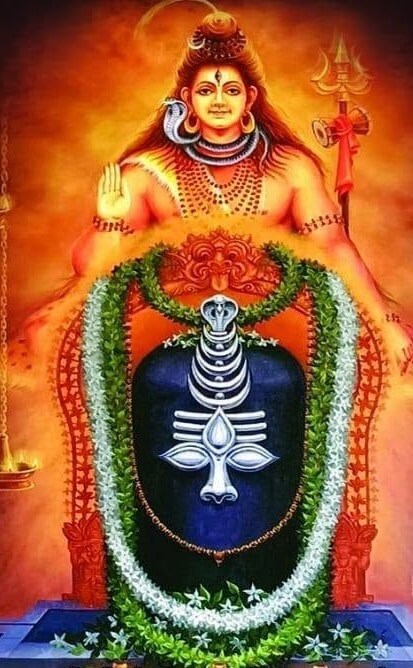 Thaliyil Mahadeva Temple, also known as Thali Mahadeva Temple or Thaliyilkotta Mahadeva Temple, is one of the oldest and most revered Shiva temples in Kerala. Situated at Thazhathangadi on the banks of the Meenachil River in Kottayam district, the temple has served as an important centre of worship, culture and heritage for over a thousand years. It is recognised as one of the 108 Shiva temples of Kerala and is also regarded as one of the four historic Thali temples of the state. Today, the temple is a protected heritage monument and remains one of Kottayam’s most significant religious and historical landmarks.
The history of Thaliyil Mahadeva Temple is closely intertwined with that of the Thekkumkoor Kingdom. During the eleventh century, the kingdom extended across present-day Kottayam, Changanassery, Thiruvalla, Mundakkayam and Kanjirappally. After successive capitals at Vennimala, Manikandapuram and Changanassery, the royal capital was established at Thalikotta on the banks of the Meenachil River. The temple became the Kuladaiva (family deity) of the Thekkumkoor royal family and an important religious centre of the kingdom. The adjoining royal palace and temple complex were protected by a fortified stronghold known as Thaliyilkotta, from which the locality derived its name. Skilled craftsmen from Kodungalloor and Idappally are traditionally believed to have built the temple and many of their descendants later settled in nearby areas such as Kaarappuzha and Puthanangadi.
Over time, the temple developed into a major centre of religion, administration and royal ceremonies, with the Thaliyars, a Brahmin community, playing a prominent role in its management and local governance. 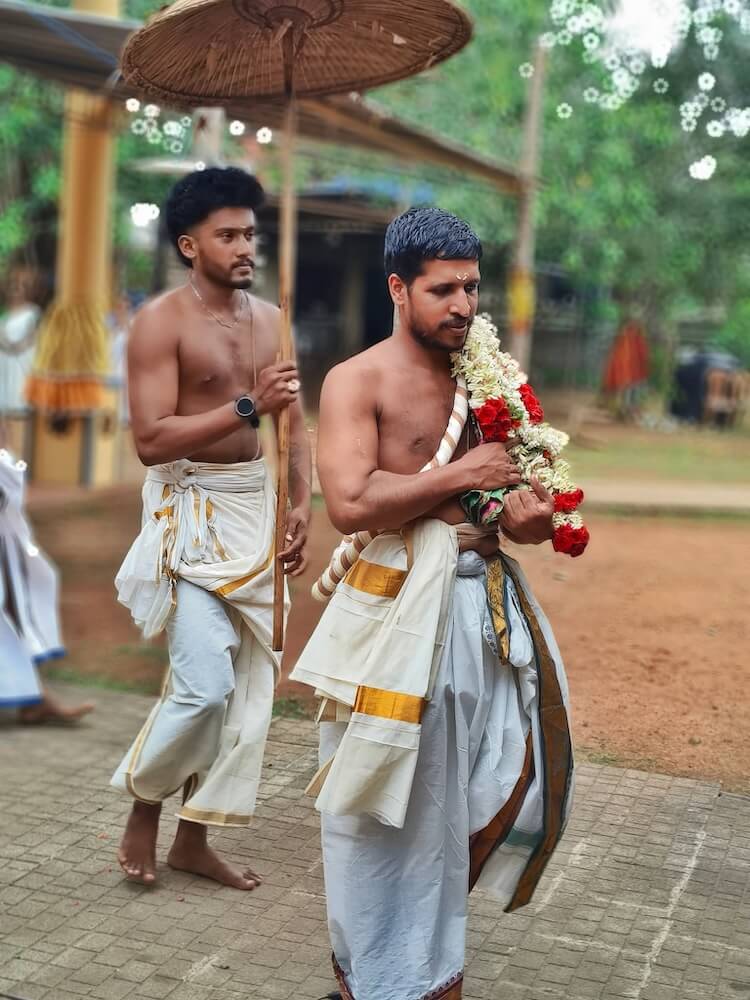 By 1410 CE, the temple had already undergone a major renovation. Around this period, Veera Keralavarma strengthened the temple complex by constructing fortifications and bastions, enhancing both its religious and strategic importance. In 1419 CE, important treaties involving the Poonjar dynasty were concluded at the temple, further establishing it as a centre of governance and diplomacy. In later years, the Thekkumkoor rulers shifted their royal residence to Nattassery near Kumaranalloor. During the Changanassery War of 1750, the forces of Marthanda Varma attacked the Thalikotta fort and palace at Thaliyanthanapuram. Although Thekkumkoor allied with Chempakassery and Vadakkumkoor in an attempt to resist the invasion, the allied kingdoms were defeated and annexed to the Kingdom of Travancore.
  Despite these political changes, Thaliyil Mahadeva Temple continued to flourish under successive administrations, preserving its religious traditions and historical importance.
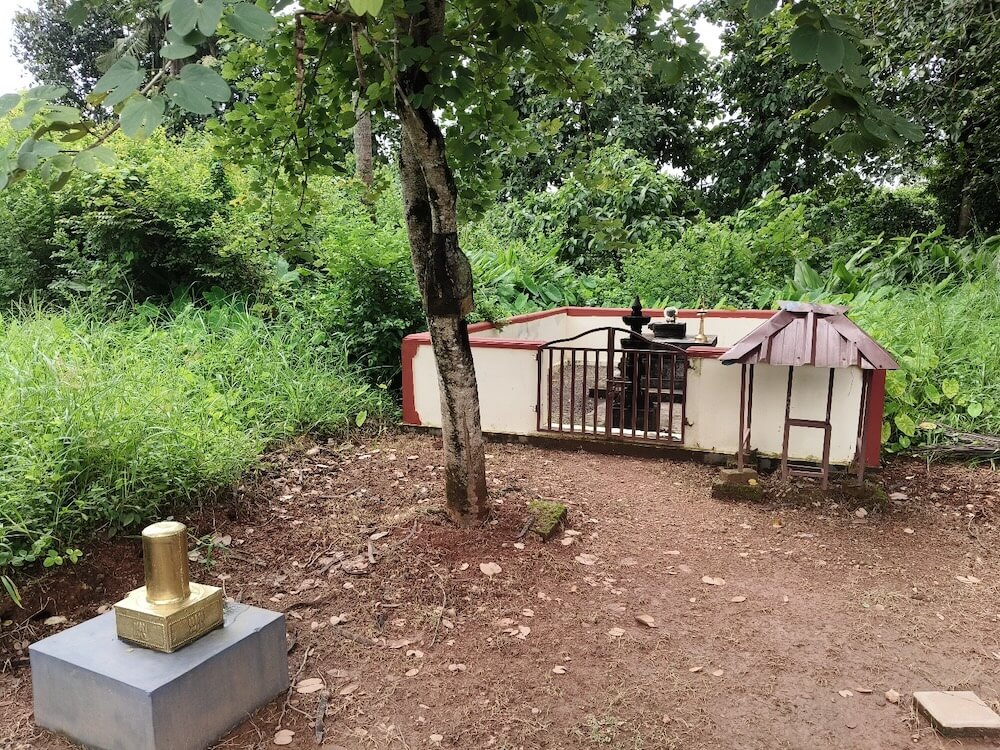
According to local tradition, the Shiva Lingam at Thaliyil Mahadeva Temple was consecrated by Lord Parashurama. The temple is also associated with the unique belief that, unlike most Shiva temples where the deity faces east, Lord Mahadeva here faces west, reflecting the manner in which Lord Shiva is believed to be seated on Mount Kailasa, with his divine energy flowing peacefully towards the Meenachil River. Another cherished belief concerns the temple’s sacred ablution water (Abhisheka Jal), which is said to have flowed through a stone canal on the northern side into a small sacred pond before joining the Meenachil River. Devotees regard this holy stream as symbolic of the River Ganga descending from the matted locks of Lord Shiva, making the temple a sacred place of spiritual purification. Local tradition further holds that because the temple enshrines Lord Shiva in his fierce and uncompromising form, no one could speak falsehood within its sacred precincts. For this reason, important royal deliberations and solemn agreements were traditionally conducted within the temple, where they were expected to be truthful and faithfully honoured. 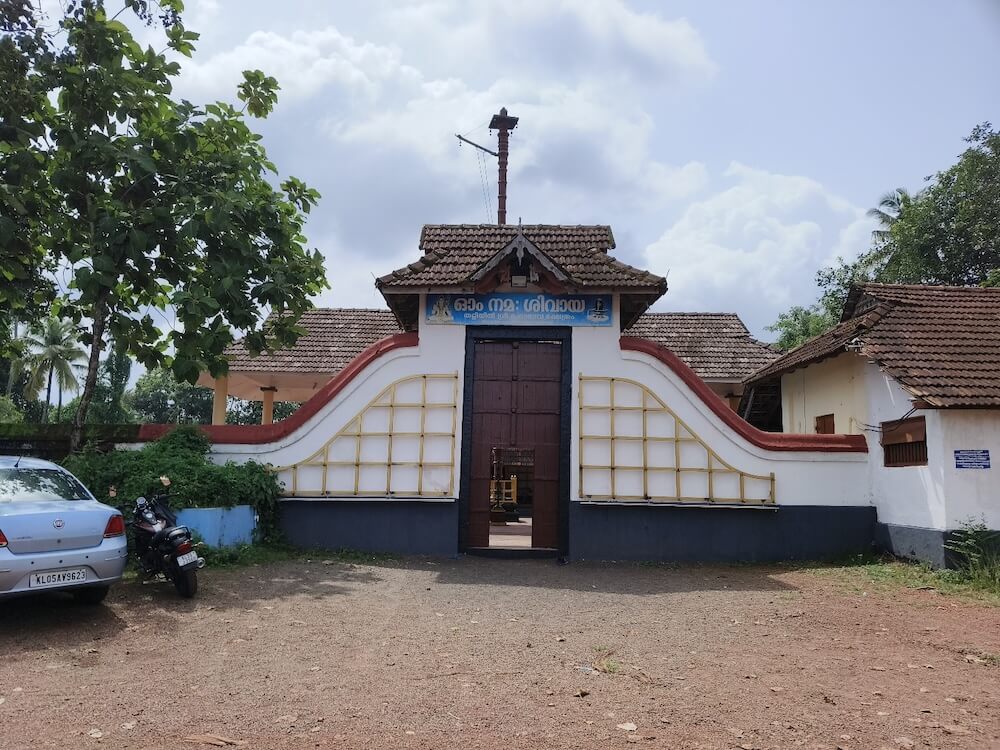 A unique legend associated with the temple’s inner courtyard relates to its sacred grove of trees representing the 27 Nakshatras (birth stars) of Hindu astrology. It is believed that Sage Parashurama established this cosmic arrangement so that devotees performing circumambulation around the fierce form of Lord Shiva would receive planetary blessings and relief from astrological afflictions (Doshas).
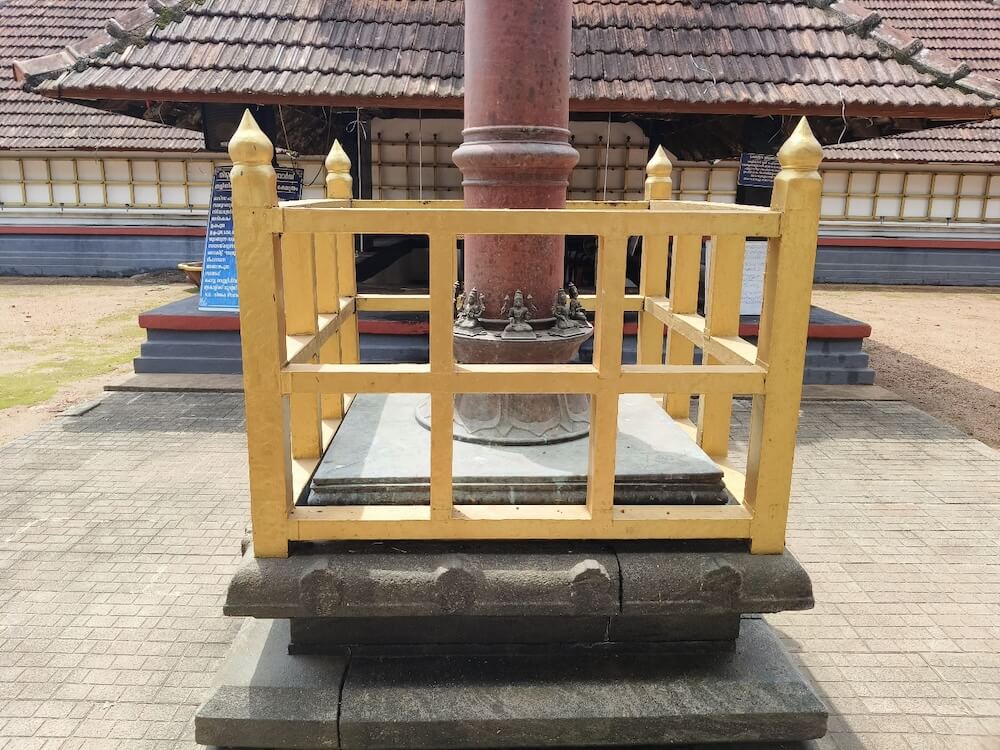
Thaliyil Mahadeva Temple is a fine example of traditional Kerala temple architecture, built in accordance with the principles of Vastushastra. The temple is entered through the eastern Gopuram, which leads into a spacious courtyard enclosed by the Chuttambalam. Surrounding the courtyard is the traditional Vilakkumadam, where rows of oil lamps are illuminated during festivals and special occasions.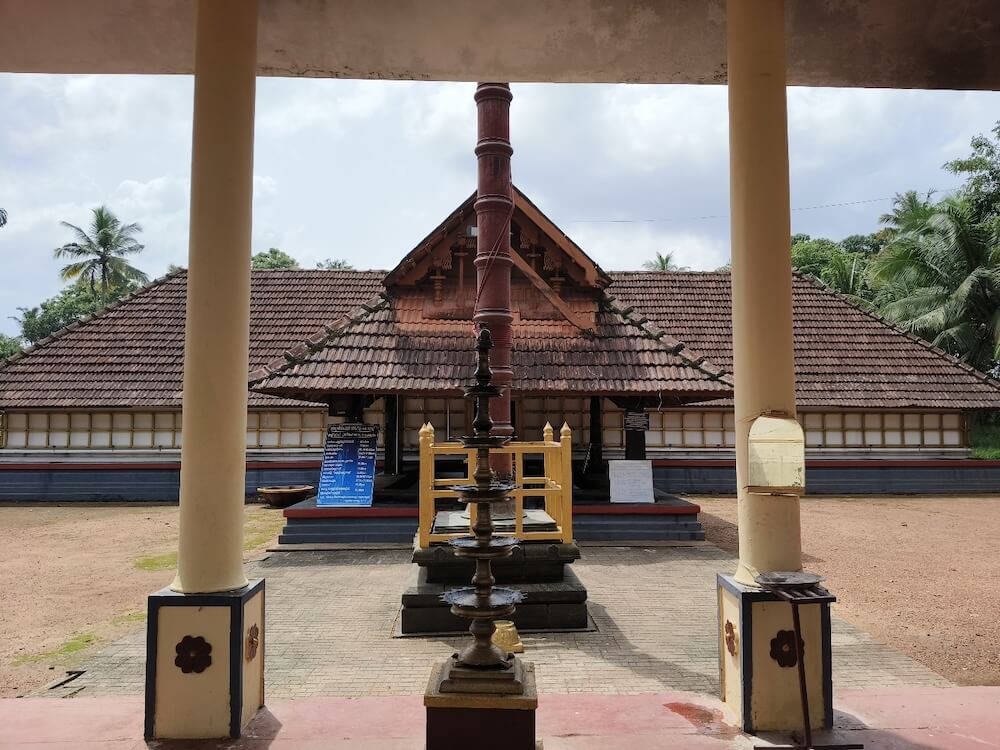 The temple structures are crowned with steeply sloping roofs covered with red clay tiles and supported by finely crafted timber framework adorned with intricate wooden carvings. The granite Adhisthana (base) displays beautifully carved stone mouldings, reflecting the craftsmanship of medieval Kerala artisans. A stone canal on the northern side was designed to carry the sacred ablution water from the sanctum to a small pond before it flowed into the Meenachil River. Local tradition also speaks of a now-sealed underground passage constructed during the Thekkumkoor period, connecting the temple precincts to the river for strategic purposes. At the heart of the temple stands the massive circular Vatta Sreekovil (sanctum sanctorum), one of its most distinctive architectural features.
 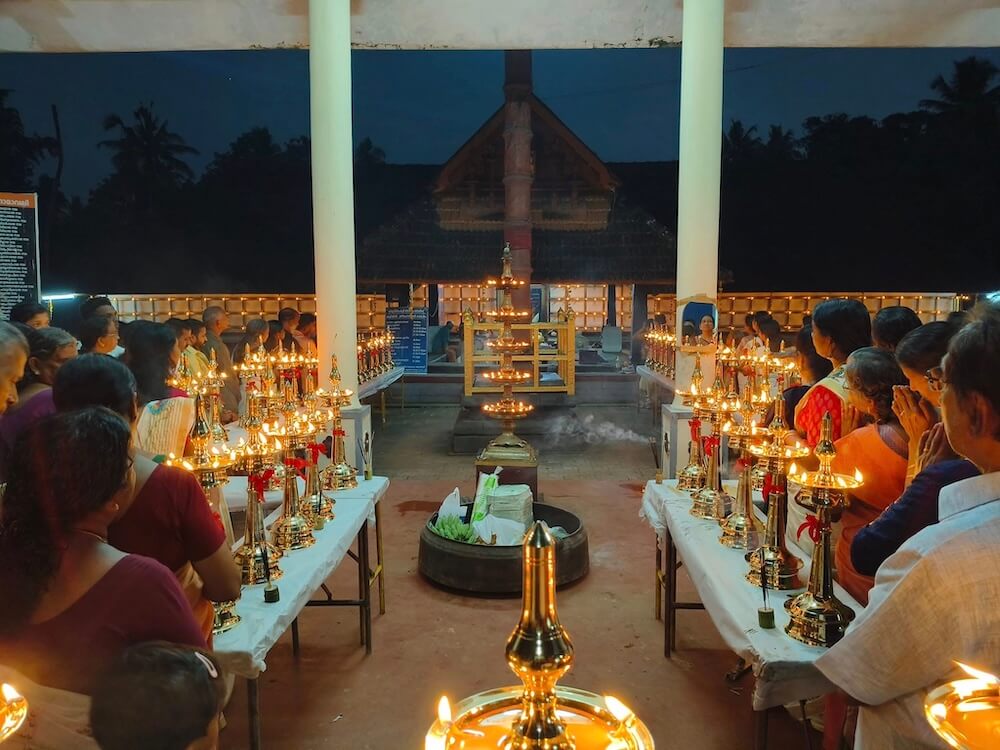 The sanctum faces west towards the Meenachil River and preserves rare Vembanad-style mural paintings on its inner walls. It enshrines a large black stone Shiva Lingam along with the deities of Lord Ganesha, Lord Subrahmanya, Lord Sastha and the Srichakra, forming the temple’s sacred core. Cheruvallikkavu Bhagavathi is the principal sub-deity of the temple and is enshrined in a sub-shrine situated at the south-eastern corner of the temple courtyard. Separate sub-shrines are also dedicated to the Naga Devatas, Sarpa Devatas and Rakshas.
According to temple tradition, Sage Parashurama consecrated Lord Shiva here in his fierce Rudra aspect. Consequently, many of the temple’s daily rituals are intended to pacify and propitiate the deity. One of the principal rituals is the continuous offering of sanctified water or milk over the Shiva Lingam through Abhishekam.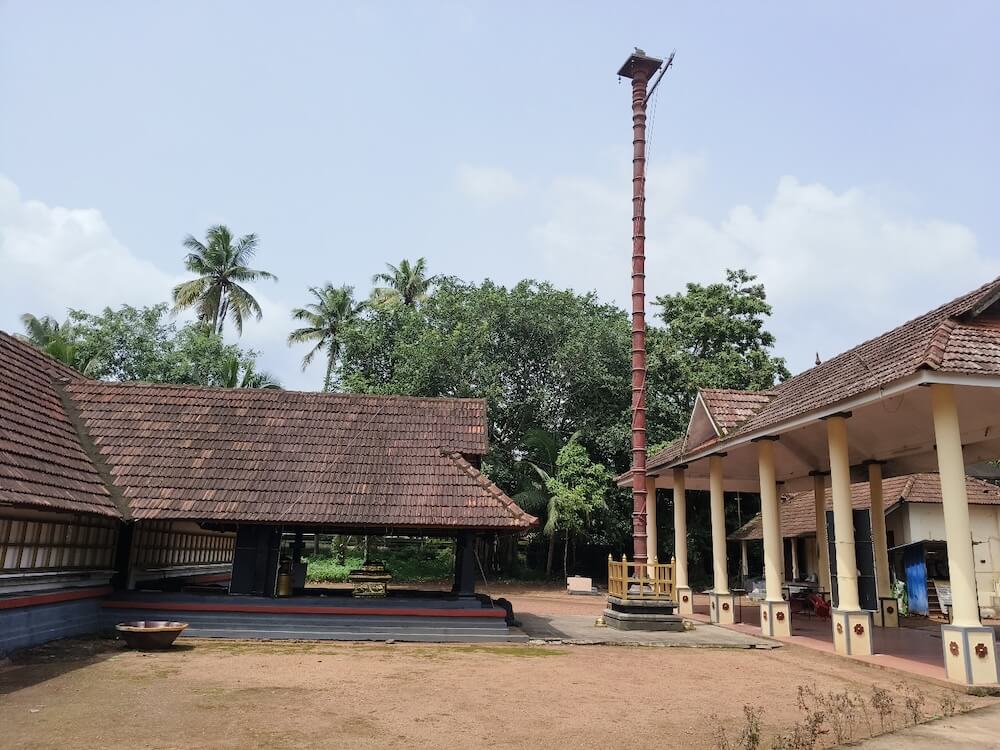 Among the important offerings performed by devotees are Mruthyunjaya Homam and Srichakra Pooja.
The annual Thiruvutsavam of Thaliyilkotta Sree Mahadeva Temple is celebrated over a period of ten days, traditionally during the month of April. The festivities commence with Kodiyettu (ceremonial flag hoisting), followed by special Tantric rituals, Utsava Sreebali, devotional observances and cultural programmes. The celebrations conclude with the ceremonial Aarattu (holy bath of the deity) and Kodiyirakku (lowering of the festival flag). Maha Shivaratri is also observed with great religious significance at the temple.
The temple begins its daily worship with Palliyunarthal at 4:45 AM, opens to devotees at 5:00 AM and remains open until 10:45 AM. The morning rituals include Nirmalya Darshanam, Abhishekam, Usha Pooja and Ucha Pooja with Dhara and Kalasam. The temple reopens at 5:00 PM and the evening worship comprises Deeparadhana and Athazha Pooja, after which the temple closes at 7:45 PM. The timings may vary on festival days and other special occasions.
Key Highlights
- Located 3 km from Kottayam.
- About 3 km from Kottayam Railway Station.
- KSRTC and local bus services are available.
- Dedicated parking is available for private vehicles.
- Accommodation and dining facilities are available nearby.
- Phone: 7012464780
थालियिल महादेव मंदिर
थज़थंगाडी, जिला। कोट्टायम
मंदिरे
Temples
मंदिर
મંદિરો
கோவில்கள்
దేవాలయాలు
ക്ഷേത്രങ്ങൾ
ದೇವಾಲಯಗಳು
মন্দিরসমূহ
ਮੰਦਿਰ
-
वेल्लूर श्री सुब्रह्मण्य स्वामी मंदिर पामपाडी, जि. कोट्टायम
अधिक माहितीVelloor Sree Subrahmanya Swamy Temple Pampady, Dist. Kottayam
View Detailsवेल्लोर श्री सुब्रह्मण्य स्वामी मंदिर पंपडी, जिला. कोट्टायम
विवरण देखेंVelloor Sree Subrahmanya Swamy Temple Pampady, Dist. Kottayam
વિગત જુઓVelloor Sree Subrahmanya Swamy Temple Pampady, Dist. Kottayam
விவரங்களைக் காண்கVelloor Sree Subrahmanya Swamy Temple Pampady, Dist. Kottayam
వివరాలను చూడండిVelloor Sree Subrahmanya Swamy Temple Pampady, Dist. Kottayam
വിശദാംശങ്ങൾ കാണുകVelloor Sree Subrahmanya Swamy Temple Pampady, Dist. Kottayam
ವಿವರಗಳನ್ನು ವೀಕ್ಷಿಸಿVelloor Sree Subrahmanya Swamy Temple Pampady, Dist. Kottayam
বিস্তারিত দেখুনVelloor Sree Subrahmanya Swamy Temple Pampady, Dist. Kottayam
ਵੇਰਵੇ ਦੇਖੋ -
पुलियान्नूर शिव मंदिर पाला, जि. कोट्टायम
अधिक माहितीPuliyannur Siva Temple Pala, Dist. Kottayam
View Detailsपुलियान्नुर शिव मंदिर पाला, जिला. कोट्टायम
विवरण देखेंPuliyannur Siva Temple Pala, Dist. Kottayam
વિગત જુઓPuliyannur Siva Temple Pala, Dist. Kottayam
விவரங்களைக் காண்கPuliyannur Siva Temple Pala, Dist. Kottayam
వివరాలను చూడండిPuliyannur Siva Temple Pala, Dist. Kottayam
വിശദാംശങ്ങൾ കാണുകPuliyannur Siva Temple Pala, Dist. Kottayam
ವಿವರಗಳನ್ನು ವೀಕ್ಷಿಸಿPuliyannur Siva Temple Pala, Dist. Kottayam
বিস্তারিত দেখুনPuliyannur Siva Temple Pala, Dist. Kottayam
ਵੇਰਵੇ ਦੇਖੋ -
परिपू महादेवाचे मंदिर आयमनम, जि. कोट्टायम
अधिक माहितीParippu Mahadeva Temple Aymanam, Dist. Kottayam
View Detailsपरिप्पु महादेव मंदिर अयमानम, जिला. कोट्टायम
विवरण देखेंParippu Mahadeva Temple Aymanam, Dist. Kottayam
વિગત જુઓParippu Mahadeva Temple Aymanam, Dist. Kottayam
விவரங்களைக் காண்கParippu Mahadeva Temple Aymanam, Dist. Kottayam
వివరాలను చూడండిParippu Mahadeva Temple Aymanam, Dist. Kottayam
വിശദാംശങ്ങൾ കാണുകParippu Mahadeva Temple Aymanam, Dist. Kottayam
ವಿವರಗಳನ್ನು ವೀಕ್ಷಿಸಿParippu Mahadeva Temple Aymanam, Dist. Kottayam
বিস্তারিত দেখুনParippu Mahadeva Temple Aymanam, Dist. Kottayam
ਵੇਰਵੇ ਦੇਖੋ