
पुलियान्नूर शिव मंदिर
पाला, जि. कोट्टायम
Puliyannur Siva Temple
Pala, Dist. Kottayam
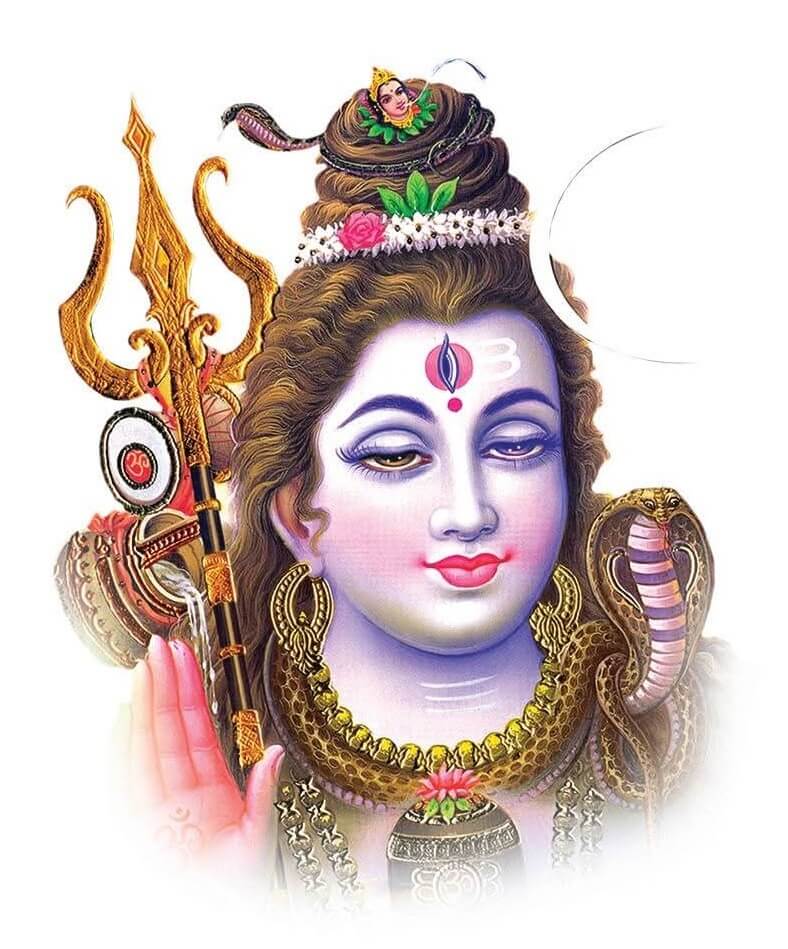 Puliyannur Siva Temple is one of the ancient temples of the Meenachil region in present-day Kottayam district. Temple tradition attributes its foundation to members of the Tamil-speaking Vaishya (Chettiyar) merchant community who migrated from Tamil Nadu and settled in the area. Chathanplakkal Chonar Chettiyar is traditionally regarded as the principal founder and is honoured in the temple as Yogeeswaran, one of its sub-deities.
The temple possesses an important historical record in the form of a copper-plate inscription, preserved through later transcriptions by members of the Nalonnil family. The inscription records that construction of the temple commenced in Kollam Era 417 (A.D. 1242). During the course of construction, the work was reportedly interrupted by Meenachil Kartha, who withheld permission until a tribute of one hundred Rashi gold coins was paid. Shortly afterwards, Chathanplakkal Chonar Chettiyar, who had been supervising the construction, disappeared and despite extensive searches, including efforts reaching Madurai, he was never found.
 The inscription further records that responsibility for completing the temple was subsequently assumed by Jayanthan Namboodiri of Thuruthippalli Illam and Suryanarayanan Chettiyar of Eelappalathur, with the support of Vadakkillathu Tirumeni of Kanekkat Palace. Following consultations, construction resumed and the temple was eventually consecrated after the prescribed Kalasam ceremonies. The same record also documents the early organisation of the temple. Responsibilities for the annual festival, Shivaratri observances, ritual expenses and hereditary rights were formally assigned among the Thuruthippalli, Elambilakkad, Indanthuruthi, Vadasheri and Kuzhuppalli Illams, together with other participating Brahmin families.
  The inscription provides valuable evidence for the structured administration of the temple and its close association with both the Chettiyar merchant community and the Brahmin households of the Meenachil region during the medieval period. The latter part of the inscription records several historical events between Kollam Era 428 and 433 (A.D. 1253–1258), including the settlement of priests from neighbouring villages, an attack on Kanekkat Palace and the reaffirmation of the temple’s administrative arrangements. The document concludes with the signatures of representatives of the hereditary Illams and the principal Chettiyar patrons, making it one of the most significant surviving historical records relating to Puliyannur Temple.
 Unlike many of Kerala’s ancient Shiva temples, Puliyannur Mahadeva Temple does not possess an elaborate Sthala Purana preserved in literary tradition. Instead, the temple’s earliest traditions are closely intertwined with its historical foundation. Temple tradition attributes its establishment to Chathanplakkal Chonar Chettiyar of the Tamil-speaking Vaishya (Chettiyar) community, who migrated to the Meenachil region. After initiating the construction of the temple, he is believed to have disappeared under mysterious circumstances. In recognition of his devotion and contribution, he is revered as Yogeeswaran, one of the temple’s sub-deities. This unique tradition continues to preserve the memory of the temple’s founder within the sacred precincts.
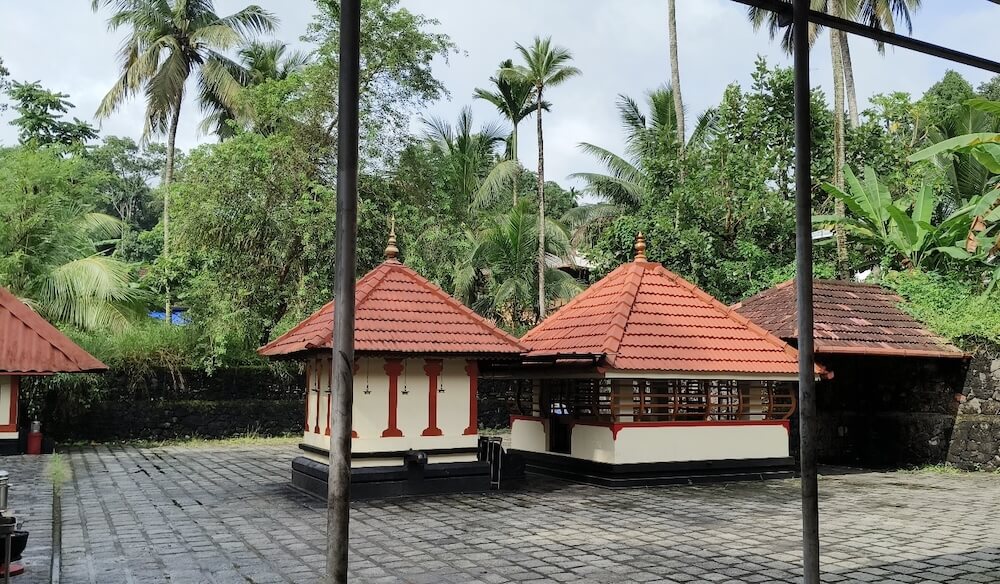
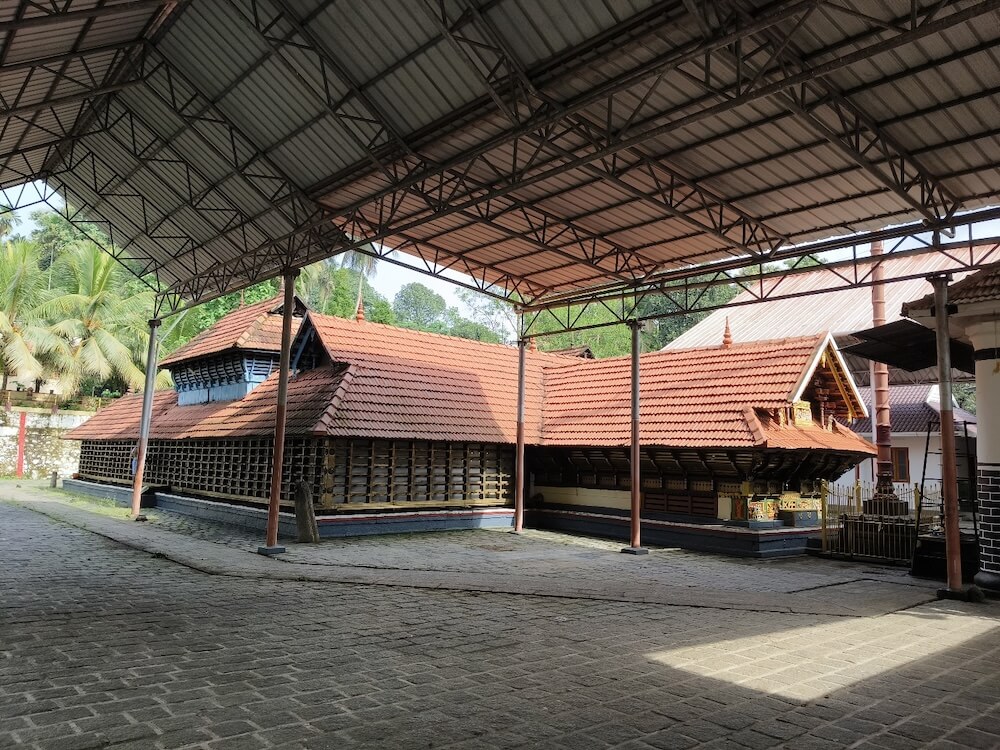
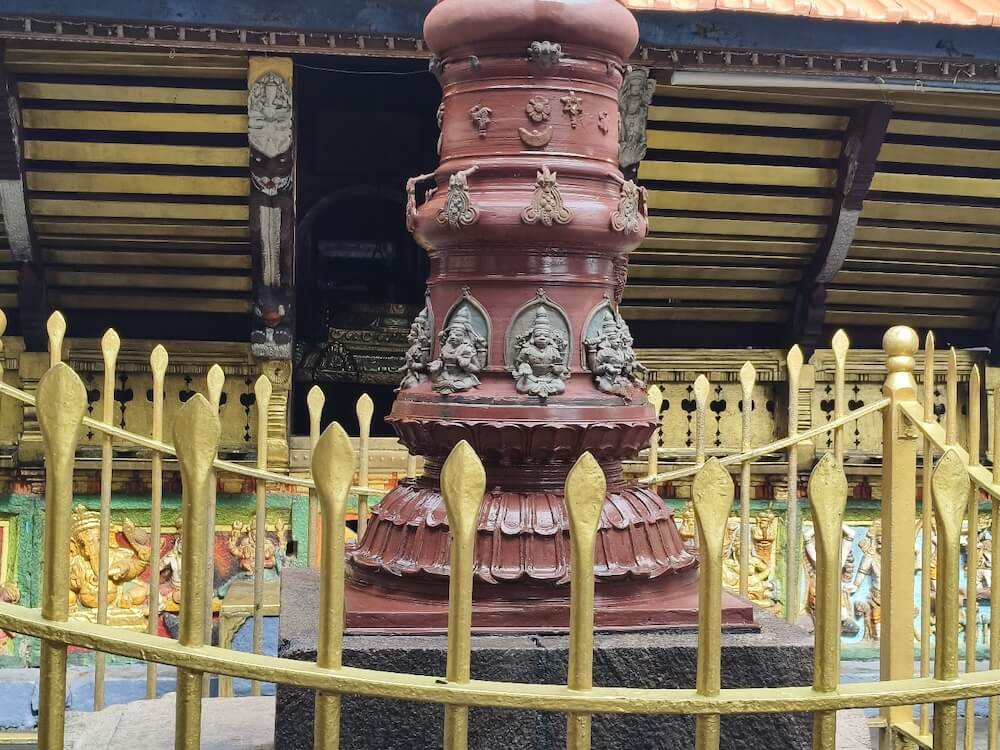
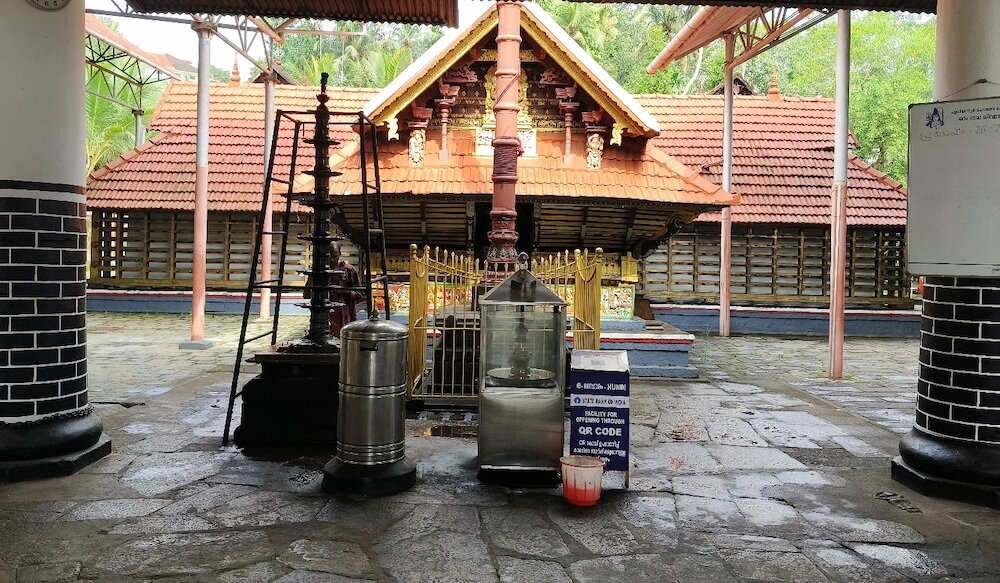
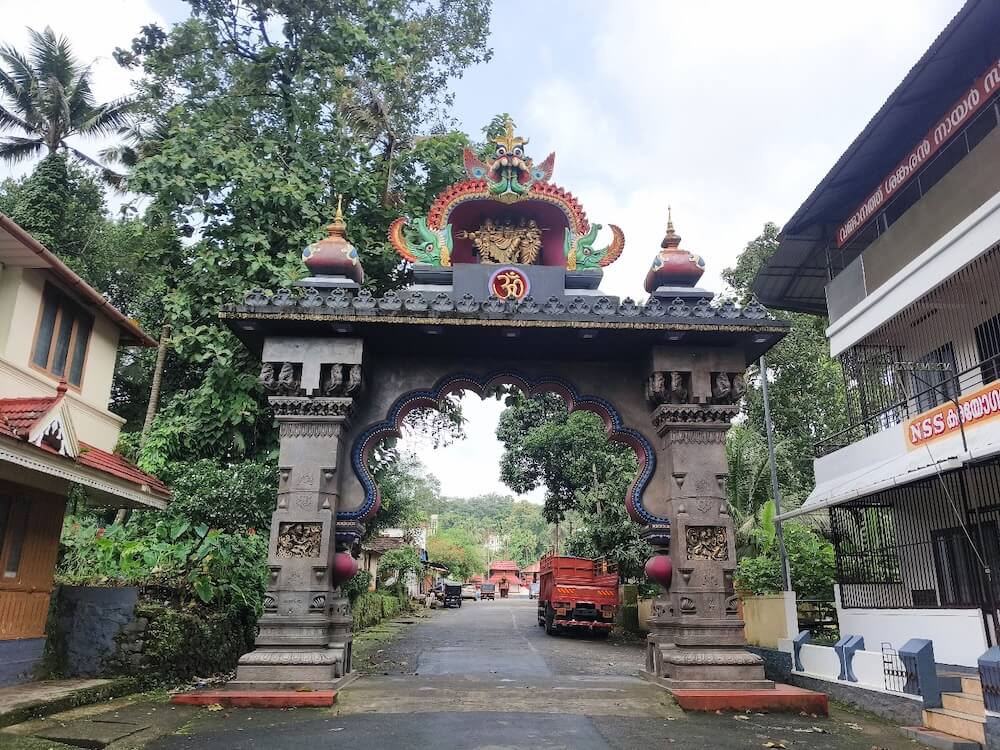 Puliyannur Mahadeva Temple is built in the traditional Kerala architectural style, preserving the simplicity and elegance characteristic of the region’s ancient Shiva temples. Devotees enter the temple through an impressive Mahadwaram, a modern ornamental gateway adorned with sculptural motifs and an image of Lord Shiva. Beyond it stands the traditional Padippura, which leads into the spacious, stone-paved Chuttambalam, enclosed by laterite walls. At the centre of the courtyard are the Deepasthambam and the beautifully sculpted Dwajasthambam, aligned with the east-facing Sreekovil. At the centre of the temple is the classic Kerala-style Sreekovil, crowned by a copper-clad, multi-tiered roof surmounted by gilded finials and surrounded by a timber-pillared Nalambalam. Within the Sreekovil, Lord Mahadeva is enshrined facing east.
 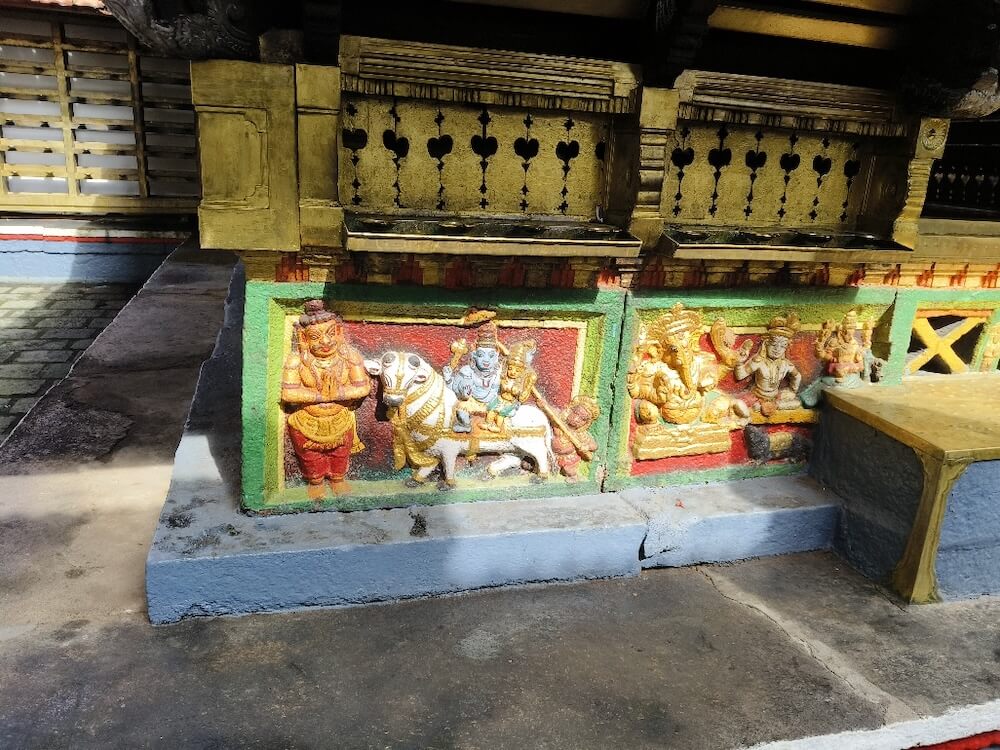 The outer walls of the sanctum are adorned with colourful relief sculptures depicting episodes from the Ramayana, Mahabharata and the Puranas, while the eastern gable features an elegant image of Dakshinamurthy.
Within the temple complex are shrines dedicated to Ganapati, Sastha, Nagam, Yakshi and Yogeeswaran, the latter being traditionally associated with the temple’s founder, Chathanplakkal Chonar Chettiyar. Although modern protective roofing has been added over parts of the courtyard, the temple continues to preserve its traditional Kerala architectural character and tranquil ambience.
The annual festival is celebrated during the Malayalam month of Kumbham (February–March). 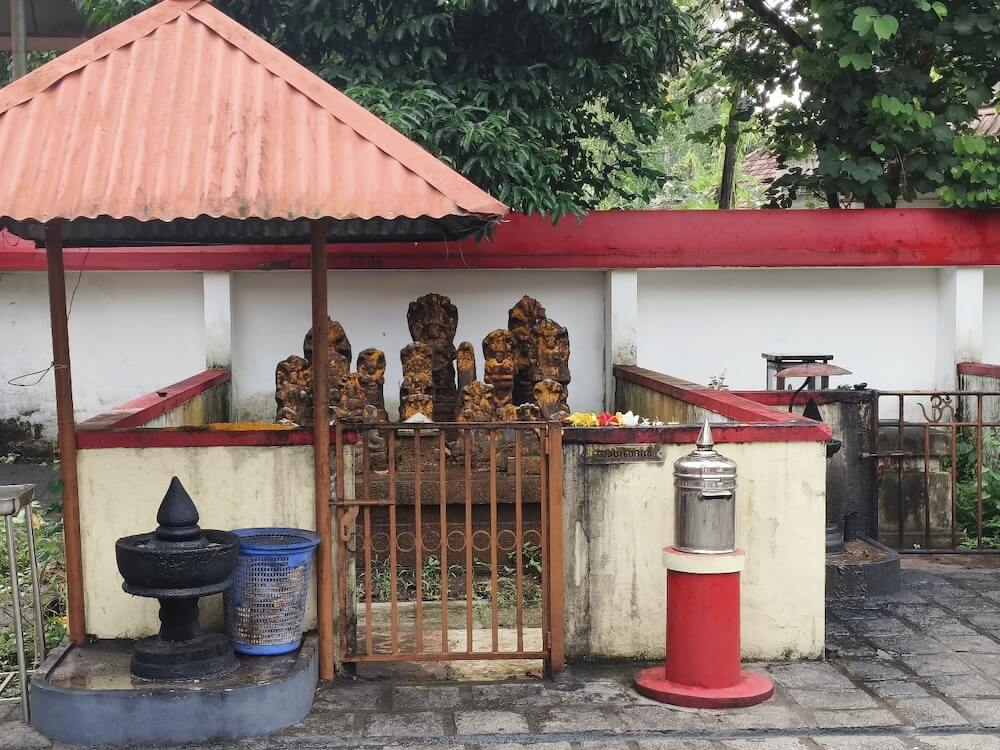 This eight-day festival begins with the ceremonial hoisting of the temple flag (Kodiyettam) and concludes with the Mahashivaratri celebrations and the Aarattu (holy bath of the deity). Worthy of the epithet “Greatness in Smallness,” this ancient temple is renowned for its festival, which is distinguished by its deeply devotional ceremonies and rich traditional customs. During the festival, temple rituals, various religious observances, traditional art forms, Panchavadyam, melam ensembles and ceremonial processions are conducted with great splendour, offering devotees a spiritually uplifting and culturally enriching experience.
The Temple offers a wide range of vazhipadus (offerings), enabling devotees to worship Lord Mahadeva according to their faith and spiritual aspirations.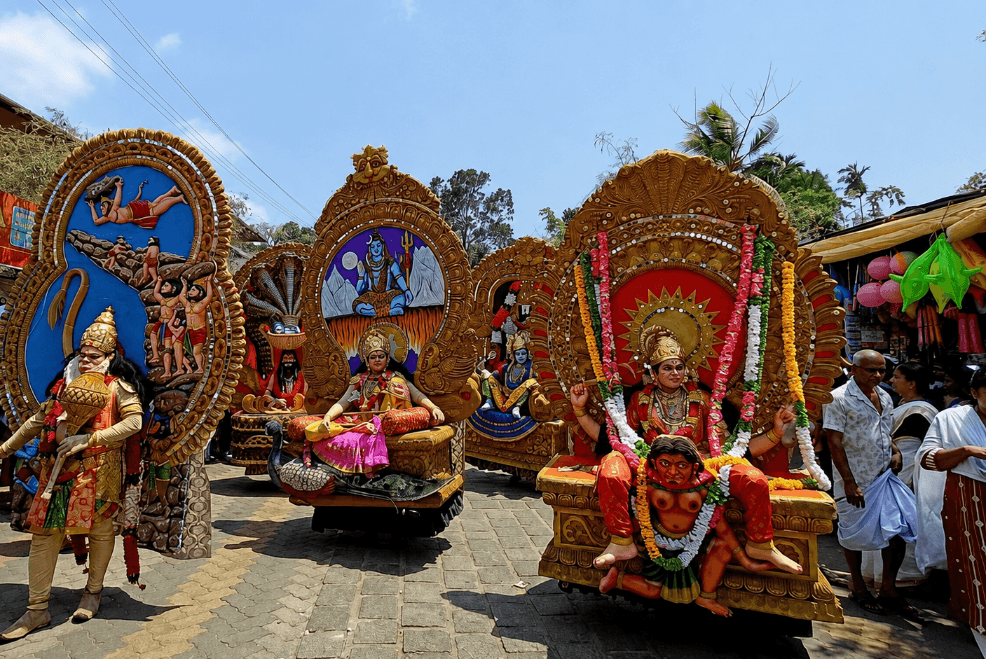 Daily offerings include Abhishekam, Archana, Dhara, Pushpanjali, Mrityunjaya Homam, Bhagya Sookta Pushpanjali, Swayamvara Pushpanjali, Sahasranamarchana and Koovalamala. Special offerings such as Muzhukkappu, Chathushatham, Rudrabhishekam, Koottupayasam, Neyvilakku and Annadanam are also performed. Devotees may offer these vazhipadus for spiritual well-being, prosperity, good health, relief from obstacles, fulfilment of wishes and the blessings of Lord Mahadeva. All offerings are performed in accordance with the temple’s traditional Tantric rituals and customs.
Puliyannoor Mahadeva Temple is open to devotees daily from 4:30 a.m. to 10:00 a.m. and from 5:30 p.m. to 7:30 p.m. The daily worship begins with the opening of the sanctum (Nada Thurakkal) at 4:00 a.m., followed by Nirmalyam at 4:30 a.m. The morning rituals continue with Usha Pooja at 6:00 a.m., Dhara at 8:30 a.m. and Ucha Pooja at 9:30 a.m. In the evening, Deeparadhana is performed at 6:30 p.m., followed by Athazha Pooja at 6:45 p.m., marking the conclusion of the day’s worship in accordance with the temple’s traditional ritual schedule.
Key Highlights
- Located 4 km from Pala town.
- About 25 km from Kottayam Railway Station.
- KSRTC and local bus services are available.
- Dedicated parking is available for private vehicles.
- Accommodation and dining facilities are available nearby.
- Phone 04822 206 001
पुलियान्नुर शिव मंदिर
पाला, जिला. कोट्टायम
मंदिरे
Temples
मंदिर
મંદિરો
கோவில்கள்
దేవాలయాలు
ക്ഷേത്രങ്ങൾ
ದೇವಾಲಯಗಳು
মন্দিরসমূহ
ਮੰਦਿਰ
-
वेल्लूर श्री सुब्रह्मण्य स्वामी मंदिर पामपाडी, जि. कोट्टायम
अधिक माहितीVelloor Sree Subrahmanya Swamy Temple Pampady, Dist. Kottayam
View Detailsवेल्लोर श्री सुब्रह्मण्य स्वामी मंदिर पंपडी, जिला. कोट्टायम
विवरण देखेंVelloor Sree Subrahmanya Swamy Temple Pampady, Dist. Kottayam
વિગત જુઓVelloor Sree Subrahmanya Swamy Temple Pampady, Dist. Kottayam
விவரங்களைக் காண்கVelloor Sree Subrahmanya Swamy Temple Pampady, Dist. Kottayam
వివరాలను చూడండిVelloor Sree Subrahmanya Swamy Temple Pampady, Dist. Kottayam
വിശദാംശങ്ങൾ കാണുകVelloor Sree Subrahmanya Swamy Temple Pampady, Dist. Kottayam
ವಿವರಗಳನ್ನು ವೀಕ್ಷಿಸಿVelloor Sree Subrahmanya Swamy Temple Pampady, Dist. Kottayam
বিস্তারিত দেখুনVelloor Sree Subrahmanya Swamy Temple Pampady, Dist. Kottayam
ਵੇਰਵੇ ਦੇਖੋ -
परिपू महादेवाचे मंदिर आयमनम, जि. कोट्टायम
अधिक माहितीParippu Mahadeva Temple Aymanam, Dist. Kottayam
View Detailsपरिप्पु महादेव मंदिर अयमानम, जिला. कोट्टायम
विवरण देखेंParippu Mahadeva Temple Aymanam, Dist. Kottayam
વિગત જુઓParippu Mahadeva Temple Aymanam, Dist. Kottayam
விவரங்களைக் காண்கParippu Mahadeva Temple Aymanam, Dist. Kottayam
వివరాలను చూడండిParippu Mahadeva Temple Aymanam, Dist. Kottayam
വിശദാംശങ്ങൾ കാണുകParippu Mahadeva Temple Aymanam, Dist. Kottayam
ವಿವರಗಳನ್ನು ವೀಕ್ಷಿಸಿParippu Mahadeva Temple Aymanam, Dist. Kottayam
বিস্তারিত দেখুনParippu Mahadeva Temple Aymanam, Dist. Kottayam
ਵੇਰਵੇ ਦੇਖੋ -
तिरुनाक्कारा महादेवाचे मंदिर कोट्टायम टाउन, जि. कोट्टायम
अधिक माहितीThirunakkara Mahadeva Temple Kottayam Town, Dist. Kottayam
View Detailsतिरुनक्कारा महादेव मंदिर कोट्टायम टाउन, जिला। कोट्टायम
विवरण देखेंThirunakkara Mahadeva Temple Kottayam Town, Dist. Kottayam
વિગત જુઓThirunakkara Mahadeva Temple Kottayam Town, Dist. Kottayam
விவரங்களைக் காண்கThirunakkara Mahadeva Temple Kottayam Town, Dist. Kottayam
వివరాలను చూడండిThirunakkara Mahadeva Temple Kottayam Town, Dist. Kottayam
വിശദാംശങ്ങൾ കാണുകThirunakkara Mahadeva Temple Kottayam Town, Dist. Kottayam
ವಿವರಗಳನ್ನು ವೀಕ್ಷಿಸಿThirunakkara Mahadeva Temple Kottayam Town, Dist. Kottayam
বিস্তারিত দেখুনThirunakkara Mahadeva Temple Kottayam Town, Dist. Kottayam
ਵੇਰਵੇ ਦੇਖੋ