
तिरुनाक्कारा महादेवाचे मंदिर
कोट्टायम टाउन, जि. कोट्टायम
Thirunakkara Mahadeva Temple
Kottayam Town, Dist. Kottayam
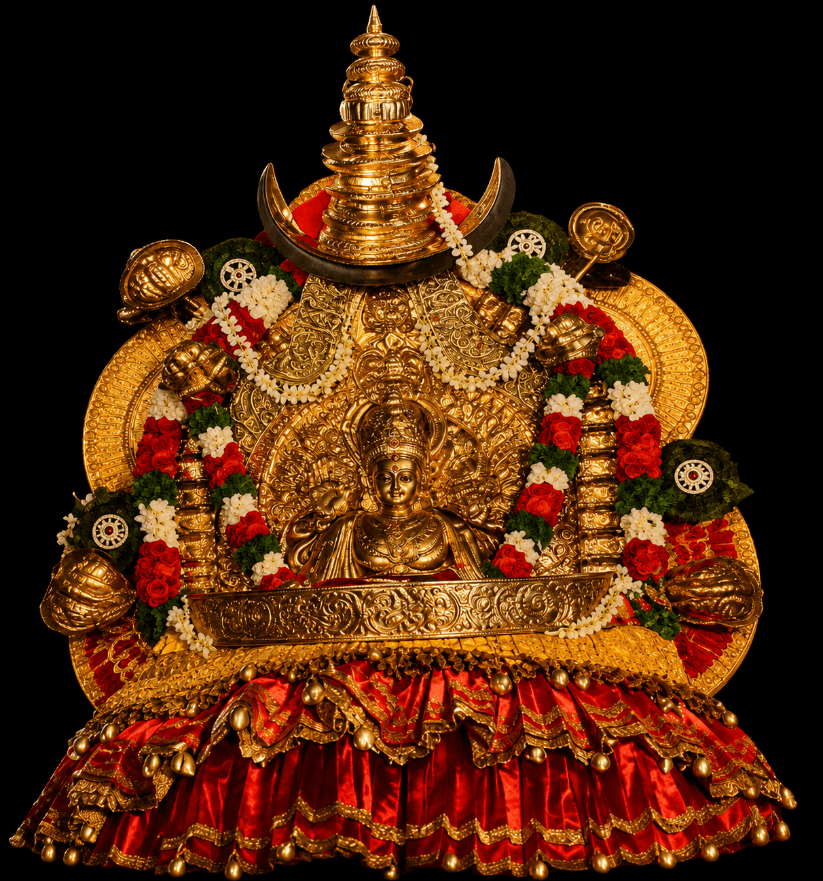 Thirunakkara Mahadeva Temple, situated in the heart of Kottayam town, is one of Kerala’s prominent ancient Shiva temples and an important centre of worship and cultural heritage in central Kerala. The present temple is believed to be about 500 years old, although the sacred site is traditionally regarded as much older. Its identification as one of the 108 Shiva temples of Kerala further reflects its antiquity.
The history of Thirunakkara Temple is closely intertwined with that of Kottayam. The capital of the Thekkumkoor Kingdom was once at Thazhathangady, a short distance west of the present temple. The rulers built a fortified palace there and the area within the fort came to be known as Kottayam, traditionally understood as referring to the settlement within the fort. Thekkumkoor rulers later developed Kottayam around Thirunakkara Temple, making it an important centre of administration and public life. After Thekkumkoor became part of Travancore, 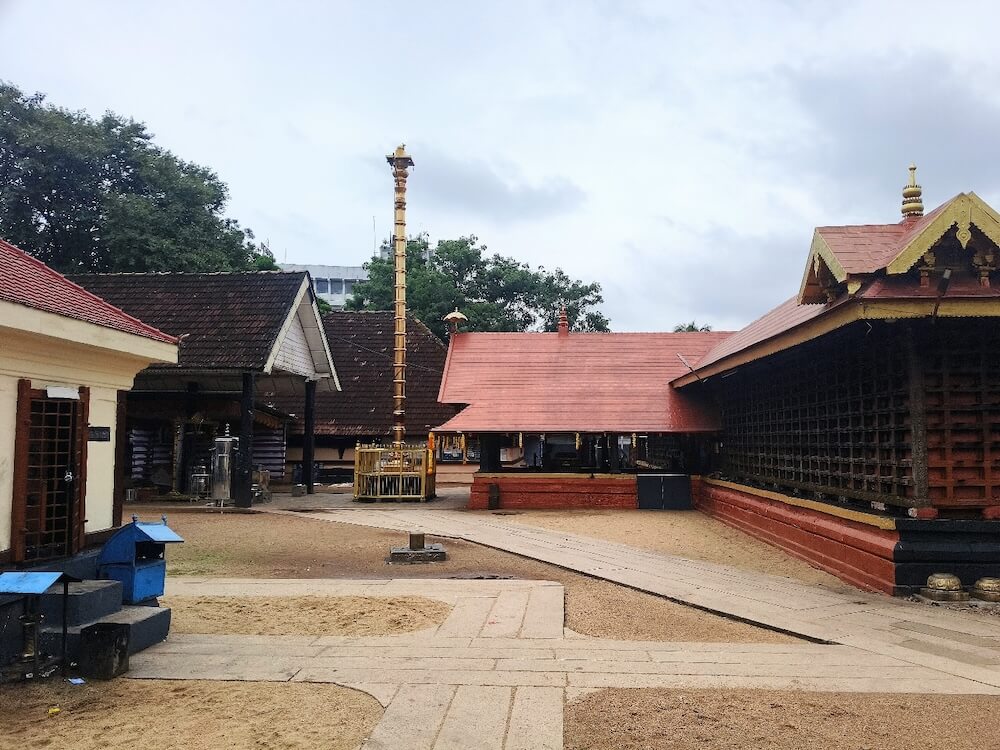 the temple retained its religious importance. Kottayam regained administrative prominence in 1880 when Maharaja Visakham Thirunal Rama Varma shifted the headquarters of the Northern Division from Cherthala to Kottayam. Following the formation of Travancore-Cochin in 1949, the temple came under the Travancore Devaswom Board and major renovation works were undertaken during the 1950s.
According to Kottarathil Sankunni’s famous Aithihyamala, the origin of Thirunakkara Temple is associated with a devout king of Thekkumkoor who was a great devotee of Lord Vadakkumnathan of Thrissur. Although he worshipped daily at Thalikotta Temple near his palace, he travelled to Thrissur on the first Monday of every Malayalam month. As he grew old and could no longer undertake the difficult journey, he prayed earnestly to Lord Shiva. The Lord appeared in his dream and assured him that He would manifest within the king’s own kingdom.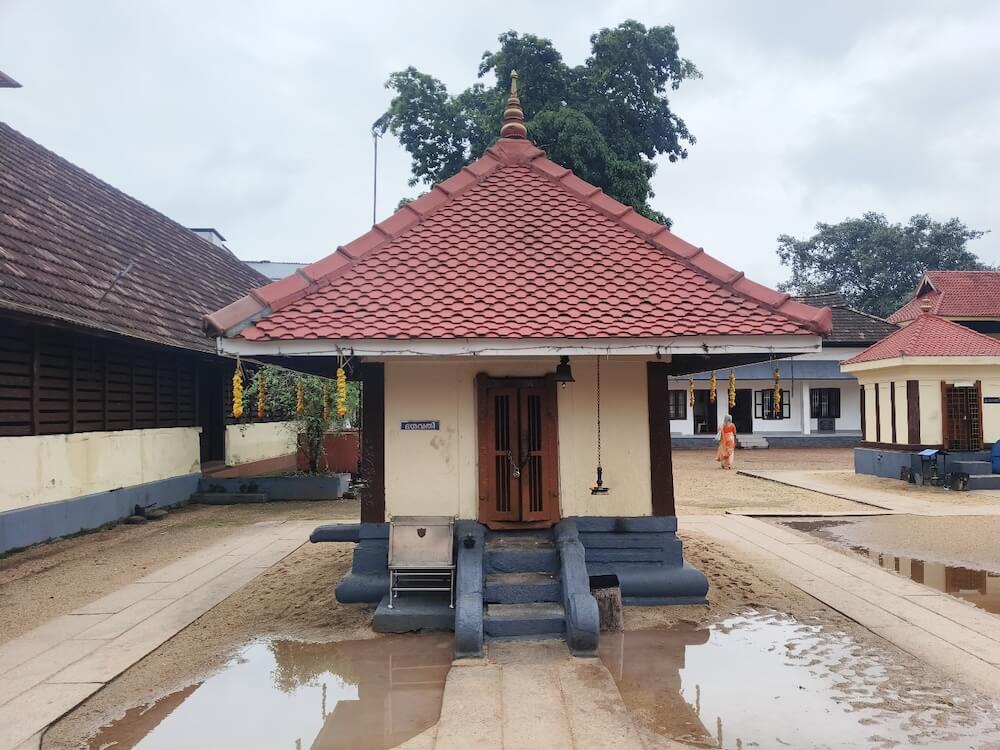 While returning through Vaikom, the king met a poor Namboothiri Brahmin who had spent twelve years in prayer but was unable to arrange the marriages of his three daughters. The king invited him to stay at his palace. Soon afterwards, Shiva appeared again in the king’s dream and revealed that He would manifest as a Swayambhu Shiva Lingam at Nakkarakunnu, with Nandi in front and a white Chethi plant behind it on the left. When the dense forest at Nakkarakunnu was cleared, workers discovered a stone from which blood flowed when struck. Divine guidance revealed it to be the self-manifested Shiva Lingam described in the king’s dream. The king built a temple at the site, dedicated his kingdom to Lord Shiva and appointed the Namboothiri as the priest, while a Tharananalloor Namboothiri became the Tantri.
  Tradition holds that the king spent his remaining years worshipping here and ultimately attained salvation.
Another well-known legend is associated with Nandi, the sacred bull of Lord Shiva. Unlike at many Shiva temples, Nandi here is revered as an important sub-deity and receives daily offerings and lamps. According to tradition, Nandi appeared along with the Swayambhu Shiva Lingam. Soon after the temple was established, a mysterious white bull began entering nearby fields at night and destroying crops. One night, a farm worker drove it away by throwing a stone. That same night, the king dreamt that the bull appeared before him and said that while Lord Shiva and the other deities received regular offerings, Nandi had been neglected. 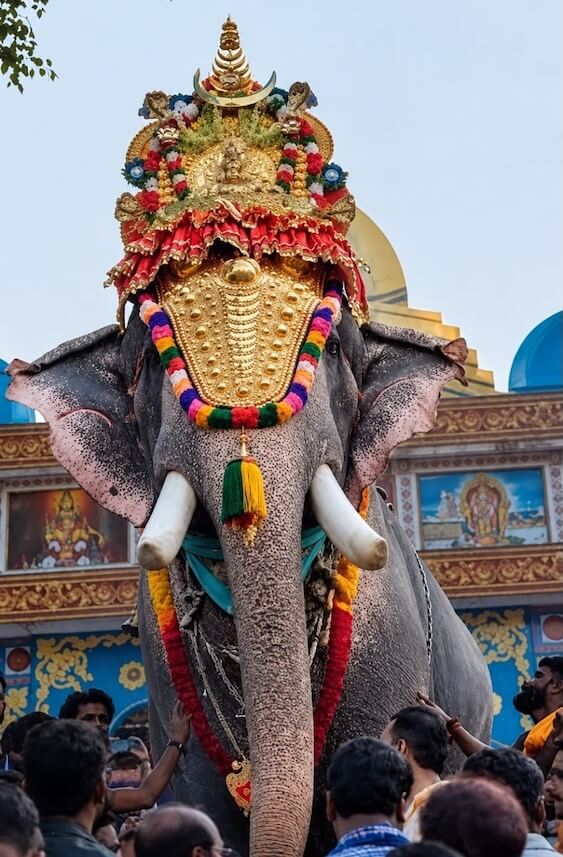 Out of hunger, he had been eating the crops and had even been struck by a stone. The following morning, learned astrologers confirmed through Deva Prasna that the bull in the dream was Nandi himself. The king then arranged daily offerings to Nandi using produce from lands dedicated for this purpose. Since then, Nandi has been accorded special honour at Thirunakkara. Tradition also holds that mysterious sores occasionally appear on the Nandi image, which devotees regard as an omen of major calamities or significant events affecting the land.
The shrine of the Brahmarakshasa is associated with another popular local legend. According to tradition, the spirit of a temple priest (Keezhsanthi), known as Madappally Namboothiri, became a Brahmarakshas after he was mistakenly killed inside the temple. It is said that the king had ordered the execution of a temple official, but during a temple procession, the soldiers accidentally killed the innocent priest instead. Grief-stricken by her husband’s death, his wife is believed to have cursed the kingdom before taking her own life. Soon afterwards, unusual disturbances were said to have occurred within the temple and the priest’s spirit was believed to be responsible. To restore peace, learned priests performed special rituals and consecrated the Brahmarakshasa in a separate shrine within the temple complex. The shrine continues to be worshipped and devotees traditionally believe that prayers and offerings here remove obstacles and help ensure the successful completion of important undertakings.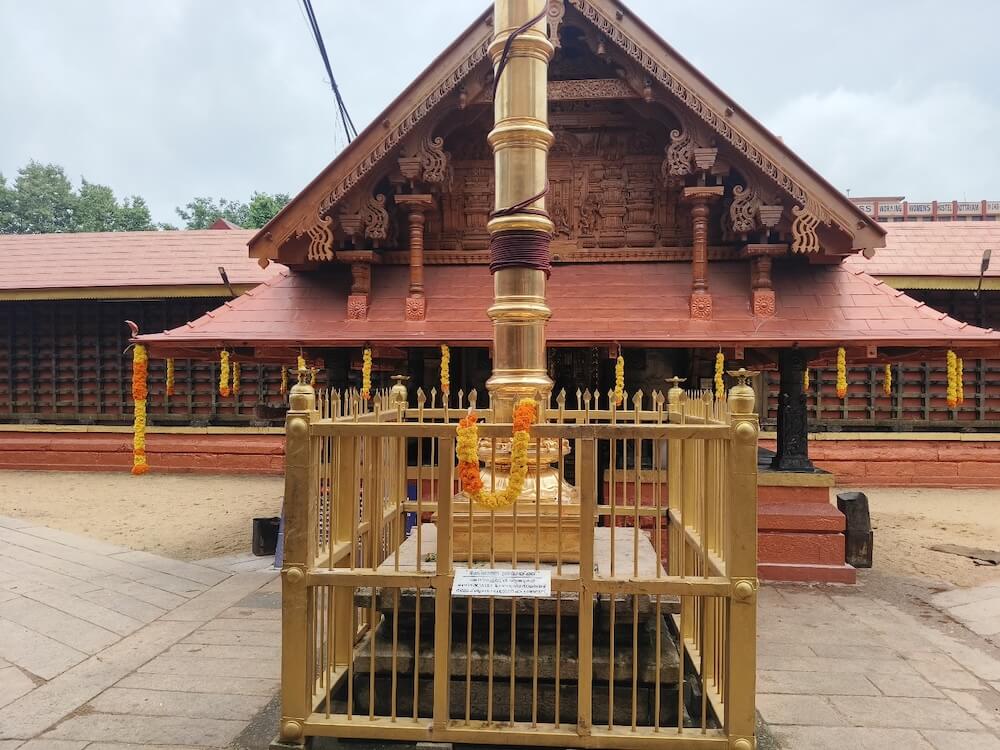 Local tradition further connects the widow’s curse with the eventual defeat of the Thekkumkoor Kingdom by Maharaja Marthanda Varma in AD 1750 and its subsequent incorporation into Travancore.
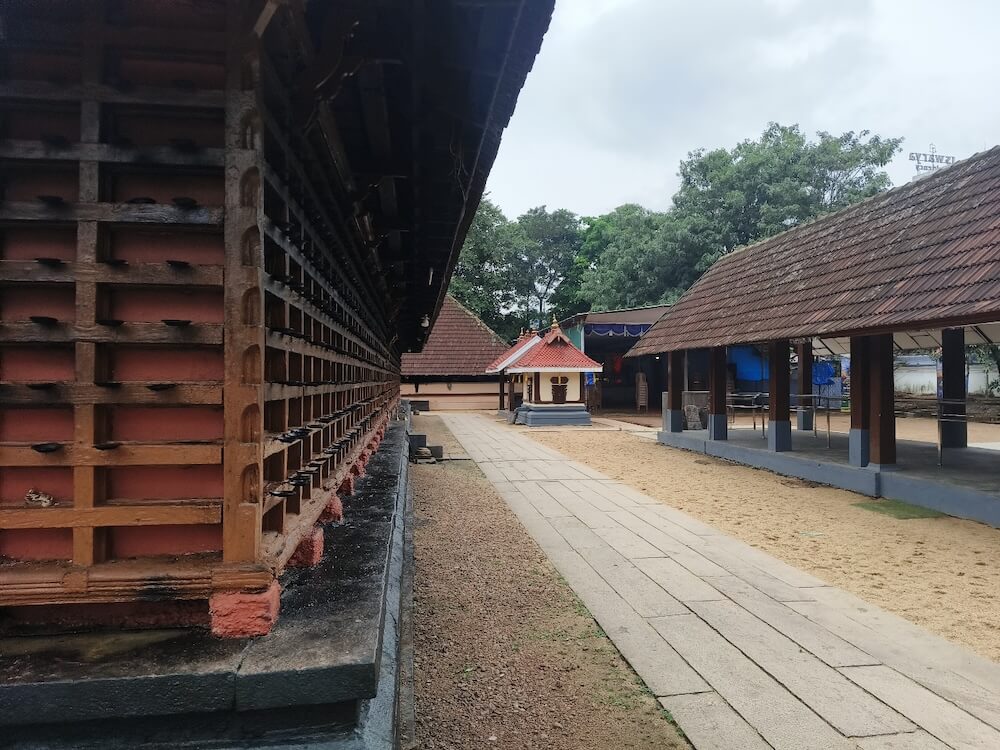
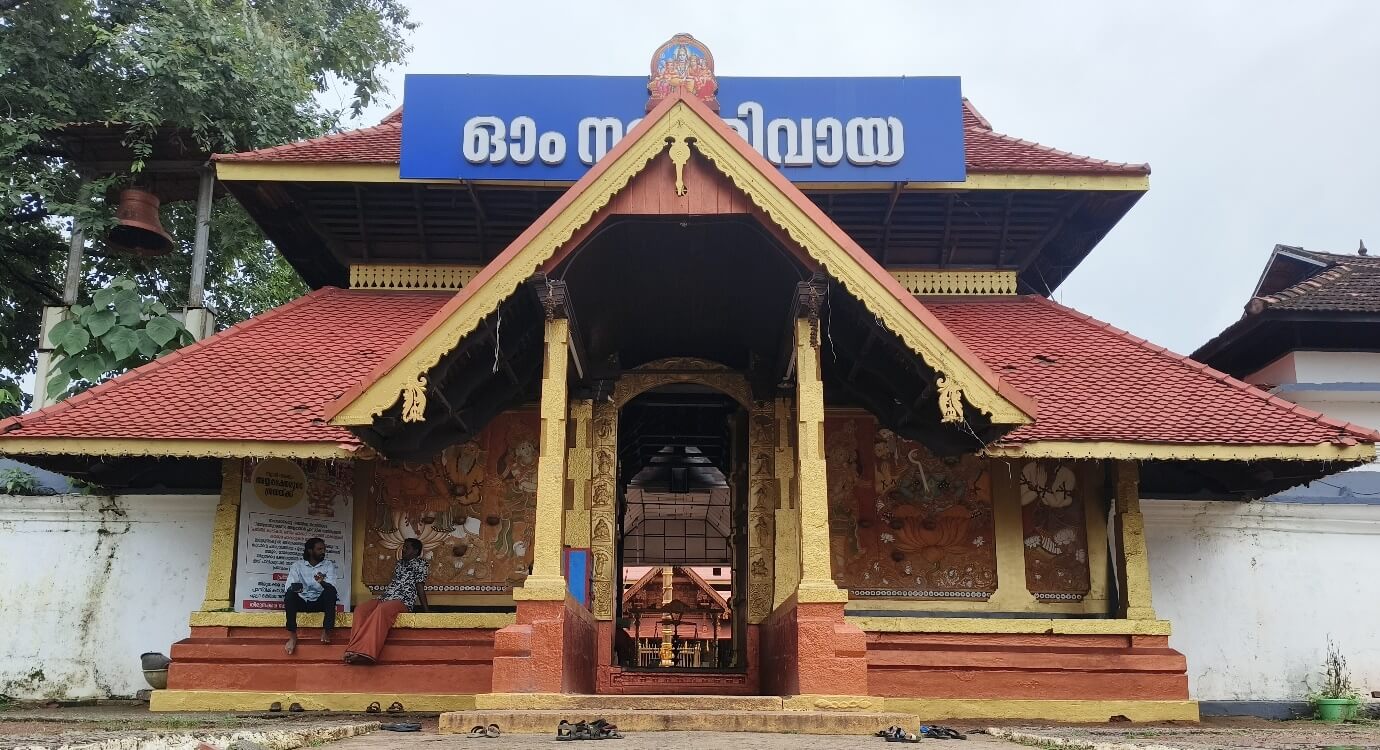
Thirunakkara Mahadeva Temple stands on a slightly elevated site, about 400 metres west of Thirunakkara Maidan. The nearly four-acre complex is enclosed by a traditional laterite compound wall with entrances on all four sides. A spacious temple ground lies before the eastern entrance and serves as the venue for percussion performances during the annual festival. Near the entrance is a small shrine dedicated to Lord Ganesha, where devotees traditionally offer prayers before entering the main shrine. The historic Thrikkaikkattu Swamiyar Madam, mentioned in the temple legends, still stands to the north-east of the temple.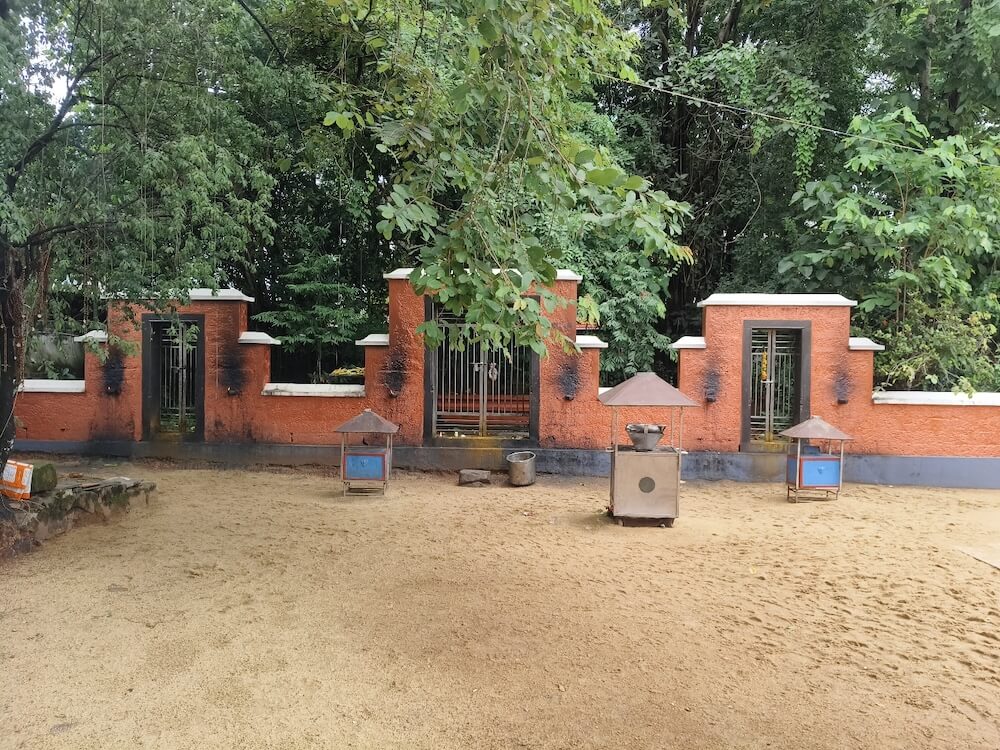 The principal entrance is through the eastern Gopuram, a two-storeyed gateway roofed with copper sheets in the traditional Kerala style. Inside are the Aanakottil (elephant shelter), the gold-plated Dwajasthambam, installed in 1960 and the Balikkal within the Balikkalpura. Their alignment provides an uninterrupted view of the Sreekovil from the eastern entrance, a feature seen in several major Kerala temples. The courtyard is paved with granite along the pradakshina path. On the south-eastern side stands the Koothambalam, one of the finest traditional temple theatres in Kerala. Noted for its timber construction and beautifully carved wooden panels, it depicts scenes from the Ramayana, Bhagavata and other Hindu scriptures. The central shrine is enclosed by the spacious Nalambalam (Chuttambalam), a traditional cloistered structure containing the Thidappally (temple kitchen), sacred well and Akatha Balivattom. The inner Balivattom contains bali stones representing the Ashta Dikpalakas, Sapta Matrikas, Veerabhadra, Ganapathi, Durga, Subrahmanya, Sastha, Brahma, Anantha and Chandikeswara, where ritual offerings are made during daily ceremonies.
Directly before the Sreekovil stands the square Namaskara Mandapam, housing the ancient image of Nandi, the sacred bull and vehicle of Lord Shiva. Temple tradition holds that the Swayambhu Shiva Lingam, Nandi and the sacred white Chethi plant manifested together at this site. The sacred Chethi plant associated with the temple’s origin legend is preserved in the north-western part of the grounds. The Sreekovil is a traditional two-storeyed square shrine with a copper-clad roof crowned by a golden finial.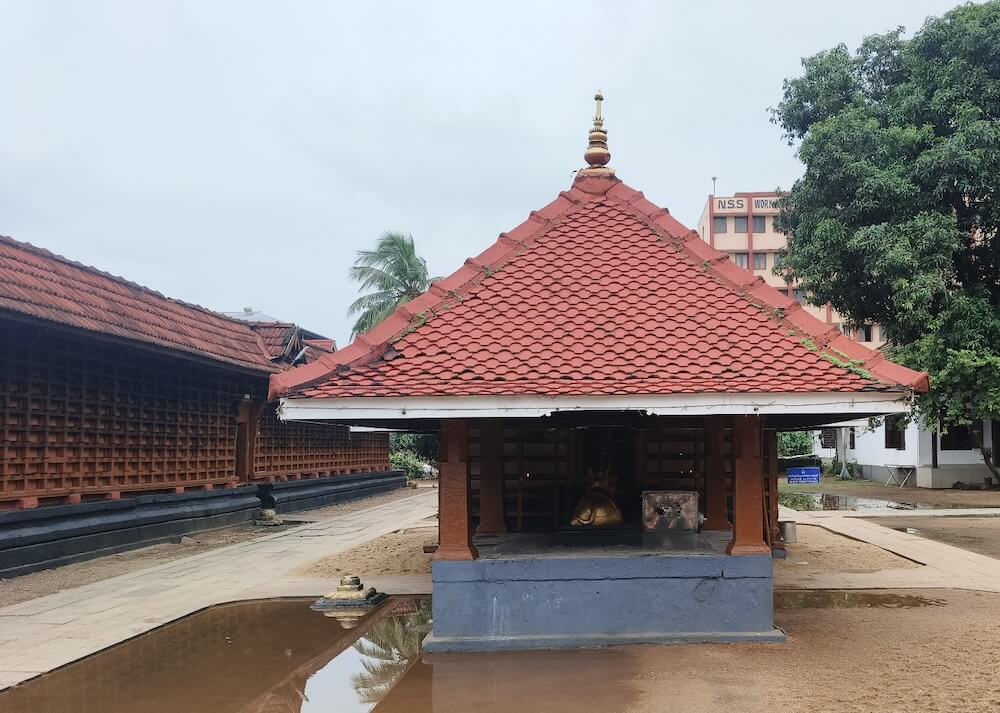 It is adorned with Kerala mural paintings and finely carved wooden sculptures depicting episodes from the Shiva Purana, the Dashavatara and other sacred themes. The exterior features carved images of Indra, Dakshinamurthy, Narasimha and Brahma, representing important divine forms associated with the temple’s sacred iconography. The principal deity, Sri Thirunakkara Mahadeva, is worshipped in the form of an east-facing Swayambhu Shiva Lingam. The sacred Lingam is traditionally adorned with Bilva leaves, Thumba flowers and Rudraksha garlands. According to temple tradition, the deity represents Sadashiva seated with Goddess Parvati upon the Ratna Peetha, symbolising peace, compassion and supreme divine grace. A small Panchaloha image of Goddess Parvati is installed beside the Shiva Lingam, symbolising the divine union of Shiva and Shakti.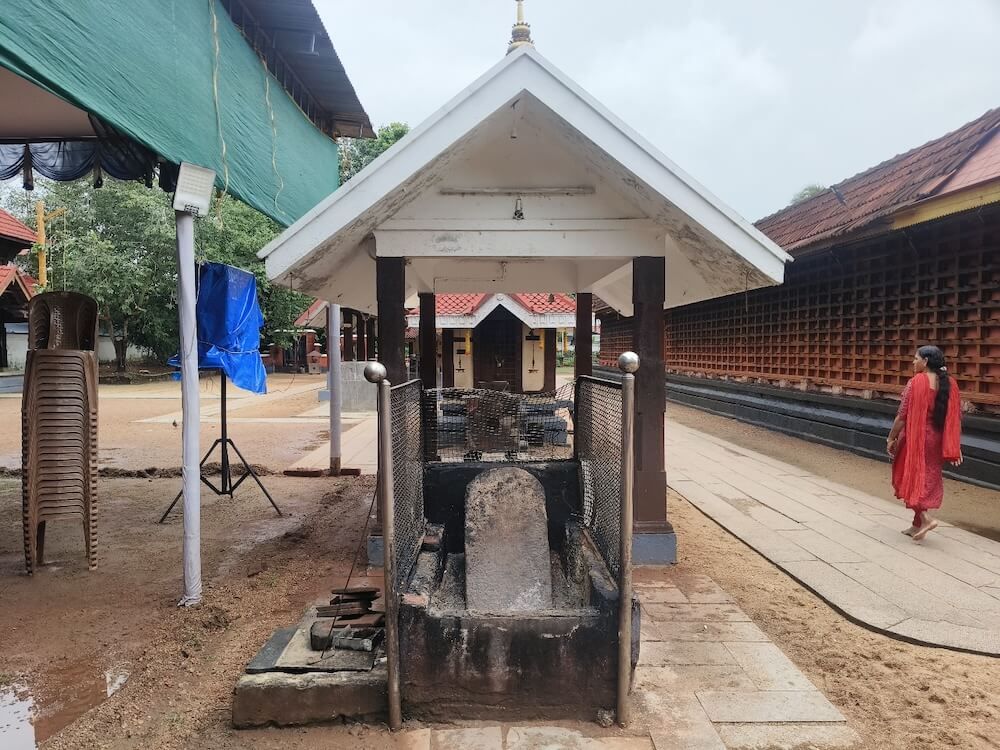
Several sub-shrines are located within the temple complex. Goddess Durga has a dedicated shrine, where she is worshipped as the embodiment of Mahakali, Mahalakshmi and Mahasaraswati, as well as the supreme Adi Parashakti. Lord Ganesha is enshrined in an east-facing shrine on the southern side of the temple. Nearby, Lord Ayyappa, traditionally regarded as the son of Shiva and Vishnu in the form of Mohini, has another east-facing shrine. The idol resembles the form worshipped at Sabarimala and the shrine becomes an important centre of worship during the Mandala season, when devotees traditionally begin their pilgrimage. Lord Subrahmanya is enshrined in an east-facing shrine in the north-western part of the complex and is worshipped in the form of Bala Subrahmanya. Another shrine is dedicated to Vadakkumnathan, a form of Lord Shiva, recalling the traditional legend of the Thekkumkoor king’s devotion to Vadakkumnathan Temple at Thrissur. The Naga deities are enshrined in a sacred grove and include Vasuki, Nagayakshi, Nagachamundi and other Naga deities.
A wide variety of traditional vazhipadus (ritual offerings) are performed at the temple. Popular offerings to Lord Shiva include Jaladhara, Ksheeradhara, Rudrabhishekam, Ashtabhishekam, Mrityunjaya Homam, Mrityunjaya Archana, Uma Maheswara Pooja, Bhagyasooktharchana and Aikyamathyasooktharchana. Devotees also offer Ganapathy Homam, Ashtadravya Ganapathy Homam, Sasthru Samhara Archana, Noorum Palum at the Naga shrine and special offerings at the Brahmarakshasa shrine for protection and family well-being.
The temple is open daily from 4:00 AM to 11:00 AM and from 5:00 PM to 8:00 PM. The principal daily rituals include Nirmalyam from 4:00 to 4:30 AM, Pantheeradi Pooja from 8:00 to 8:30 AM and Uccha Pooja from 11:00 to 11:30 AM. In the evening, Deeparadhana is performed from 6:30 to 7:00 PM, after which the temple remains open until 8:00 PM. Ritual timings may vary on festival and special occasions.
Key Highlights
- Located in the heart of Kottayam town.
- About 1 km from Kottayam Railway Station.
- About 500 metres from the KSRTC Bus Station.
- Dedicated parking is available for private vehicles.
- Accommodation and restaurants are available near the temple.
- https://maps.app.goo.gl/otM6kAmmoB1w6UNn8
तिरुनक्कारा महादेव मंदिर
कोट्टायम टाउन, जिला। कोट्टायम
मंदिरे
Temples
मंदिर
મંદિરો
கோவில்கள்
దేవాలయాలు
ക്ഷേത്രങ്ങൾ
ದೇವಾಲಯಗಳು
মন্দিরসমূহ
ਮੰਦਿਰ
-
पोलासरी देवी मंदिर पोलासेरी, वायकोम, जि. कोट्टायम.
अधिक माहितीPolassery Devi Temple Polassery, Vaikom, Dist. Kottayam.
View Detailsपोलासेरी देवी मंदिर पोलासेरी, वैकोम, जिला। कोट्टायम.
विवरण देखेंPolassery Devi Temple Polassery, Vaikom, Dist. Kottayam.
વિગત જુઓPolassery Devi Temple Polassery, Vaikom, Dist. Kottayam.
விவரங்களைக் காண்கPolassery Devi Temple Polassery, Vaikom, Dist. Kottayam.
వివరాలను చూడండిPolassery Devi Temple Polassery, Vaikom, Dist. Kottayam.
വിശദാംശങ്ങൾ കാണുകPolassery Devi Temple Polassery, Vaikom, Dist. Kottayam.
ವಿವರಗಳನ್ನು ವೀಕ್ಷಿಸಿPolassery Devi Temple Polassery, Vaikom, Dist. Kottayam.
বিস্তারিত দেখুনPolassery Devi Temple Polassery, Vaikom, Dist. Kottayam.
ਵੇਰਵੇ ਦੇਖੋ -
मुलाकुलम श्री लक्ष्मण स्वामी मंदिर मुलाक्कुलम दक्षिण, जि. कोट्टायम.
अधिक माहितीMulakkulam Sree Lakshmana Swamy Temple Mulakkulam South, Dist. Kottayam.
View Detailsमुलक्क्कुलम श्री लक्ष्मण स्वामी मंदिर मुलक्क्कुलम दक्षिण, जिला। कोट्टायम.
विवरण देखेंMulakkulam Sree Lakshmana Swamy Temple Mulakkulam South, Dist. Kottayam.
વિગત જુઓMulakkulam Sree Lakshmana Swamy Temple Mulakkulam South, Dist. Kottayam.
விவரங்களைக் காண்கMulakkulam Sree Lakshmana Swamy Temple Mulakkulam South, Dist. Kottayam.
వివరాలను చూడండిMulakkulam Sree Lakshmana Swamy Temple Mulakkulam South, Dist. Kottayam.
വിശദാംശങ്ങൾ കാണുകMulakkulam Sree Lakshmana Swamy Temple Mulakkulam South, Dist. Kottayam.
ವಿವರಗಳನ್ನು ವೀಕ್ಷಿಸಿMulakkulam Sree Lakshmana Swamy Temple Mulakkulam South, Dist. Kottayam.
বিস্তারিত দেখুনMulakkulam Sree Lakshmana Swamy Temple Mulakkulam South, Dist. Kottayam.
ਵੇਰਵੇ ਦੇਖੋ -
कालिकावू देवी मंदिर पाकलोमत्तम, कुरविलंगड, जि. कोट्टायम.
अधिक माहितीKalikavu Devi Temple Pakalomattam, Kuravilangad, Dist. Kottayam.
View Detailsकालिकावु देवी मंदिर पाकलोमट्टम, कुराविलंगड, जिला। कोट्टायम.
विवरण देखेंKalikavu Devi Temple Pakalomattam, Kuravilangad, Dist. Kottayam.
વિગત જુઓKalikavu Devi Temple Pakalomattam, Kuravilangad, Dist. Kottayam.
விவரங்களைக் காண்கKalikavu Devi Temple Pakalomattam, Kuravilangad, Dist. Kottayam.
వివరాలను చూడండిKalikavu Devi Temple Pakalomattam, Kuravilangad, Dist. Kottayam.
വിശദാംശങ്ങൾ കാണുകKalikavu Devi Temple Pakalomattam, Kuravilangad, Dist. Kottayam.
ವಿವರಗಳನ್ನು ವೀಕ್ಷಿಸಿKalikavu Devi Temple Pakalomattam, Kuravilangad, Dist. Kottayam.
বিস্তারিত দেখুনKalikavu Devi Temple Pakalomattam, Kuravilangad, Dist. Kottayam.
ਵੇਰਵੇ ਦੇਖੋ