
परिपू महादेवाचे मंदिर
आयमनम, जि. कोट्टायम
Parippu Mahadeva Temple
Aymanam, Dist. Kottayam
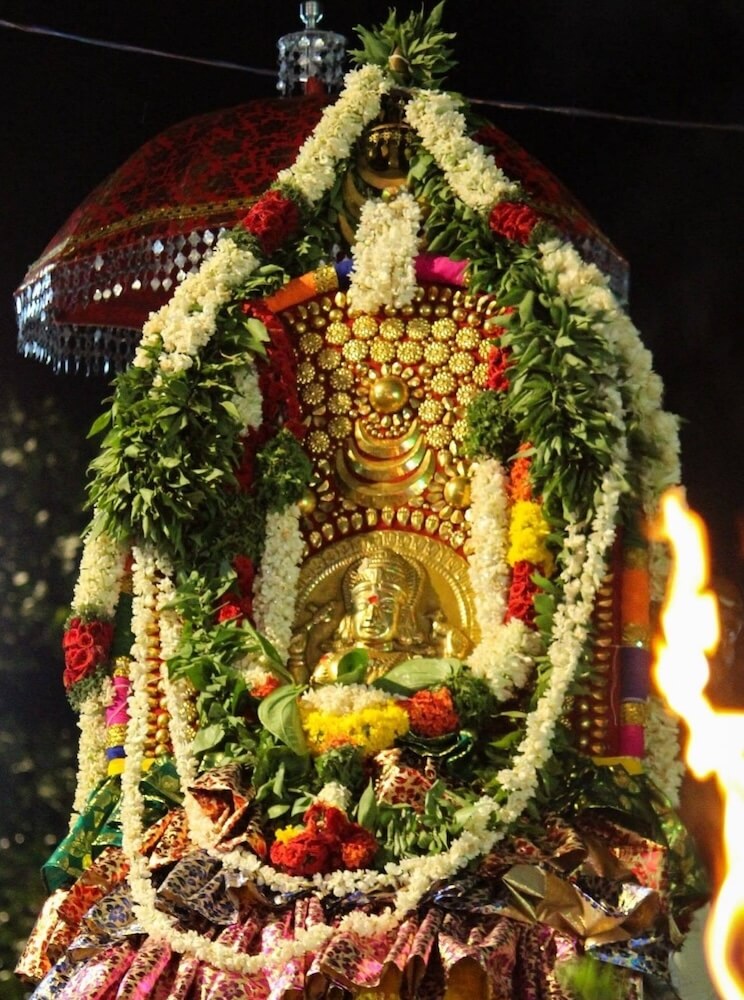 Parippu Mahadeva Temple is an ancient Shiva temple situated at Parippu in Aymanam Panchayat, Kottayam district. The temple is traditionally regarded as the 27th among the 108 Shiva temples consecrated by Lord Parashurama. The presiding deity, Lord Shiva, faces east. One of the temple’s most distinctive architectural features is the presence of two Balikkalpuras (sacrificial altar structures), a rare characteristic among Kerala temples.
Historical records attribute the construction of the present temple structure to AD 825 by the Madathil Raja (King of Edappally), who belonged to the royal family residing at the nearby Madathil Palace. The temple’s Melkoima (supervisory authority) originally belonged to the Paravur Chelaykkappalli royal family. Later, Koima rights also came to be associated with the Alangad royal family, although it is uncertain whether these represented Akamkoima (internal supervision) or Puramkoima (external supervision). Although the Thekkumkoor rulers maintained a palace at nearby Olassa, available traditions indicate that they did not exercise administrative authority over the temple.
Several local traditions seek to explain the temple’s unusual architectural feature of having two Balikkalpuras and two Thidappallis. 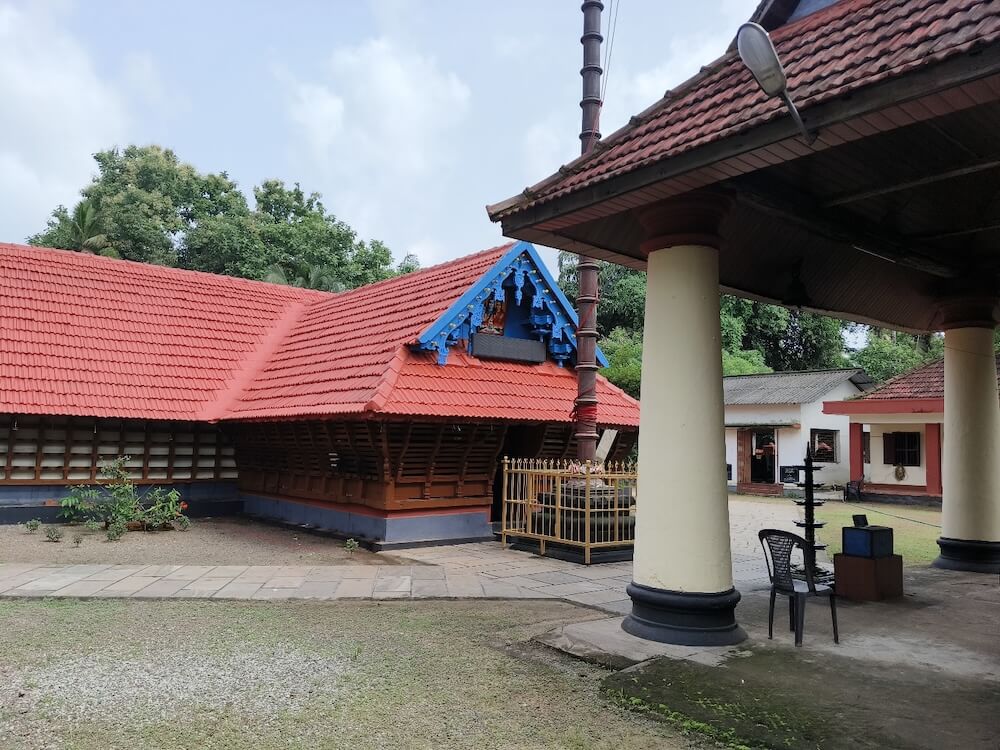 One tradition states that the Madathil Raja and the Idathil Raja of Thekkumkoor were political rivals but equally devoted to Lord Shiva. To avoid meeting each other during worship, separate Balikkalpuras, Thidappallis and approaches to the temple were provided. Another tradition identifies the two rulers as brothers of the same royal family who later became enemies and ruled from opposite sides of the temple, resulting in the construction of the twin Balikkalpuras. Local tradition also holds that the temple was once under the custodianship of the Nandanath Pisharody family. Another popular account narrates that the Chelaykkappalli Namboodiri king relinquished his association with the temple after being disturbed during japa by a visiting Thekkumkoor ruler, following which the Alangad royal family assumed the Koima. Tradition further maintains that the place name Parippu evolved from Bharippu (“administration”), while the locality was formerly known as Cheruvalli.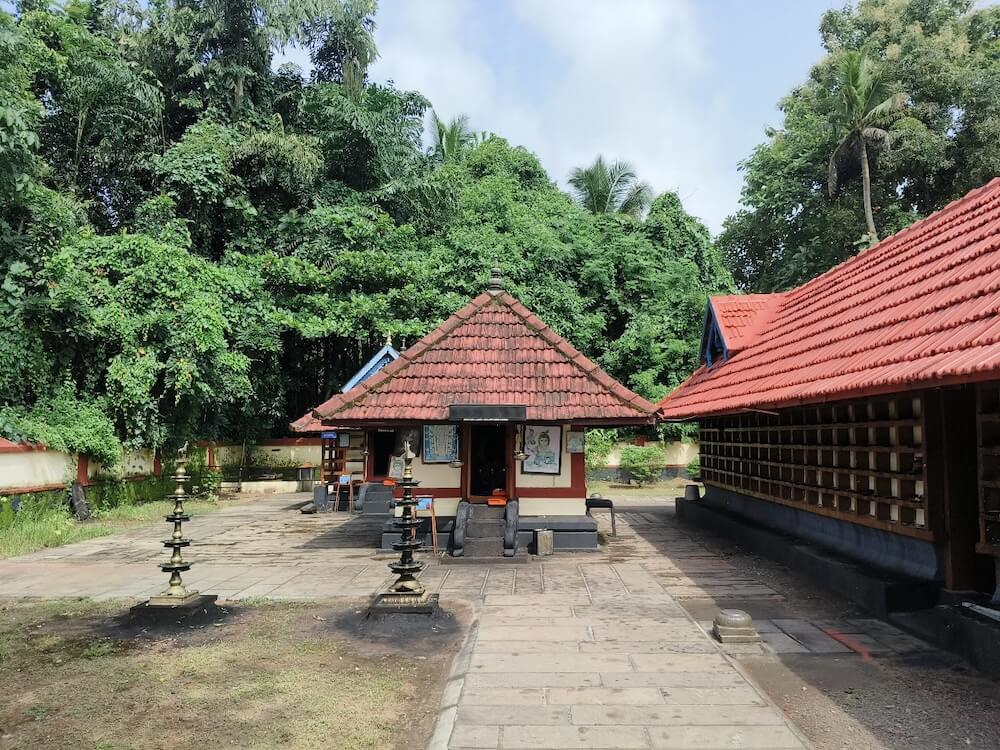
In earlier centuries, Parippu was an important cultural centre inhabited by 141 Nair tharavads (ancestral households). Traditional martial arts and combat games such as Ezhamathukali and Kavanayeru flourished here. Its location along the waterways also made it an important military station of the Thekkumkoor Kingdom and a prominent centre of trade.
According to the legend, Parippu Mahadeva Temple is believed to have been consecrated by Lord Parashurama during the Treta Yuga as one of the sacred 108 Shiva temples established between the Bharathapuzha River and Kanyakumari. 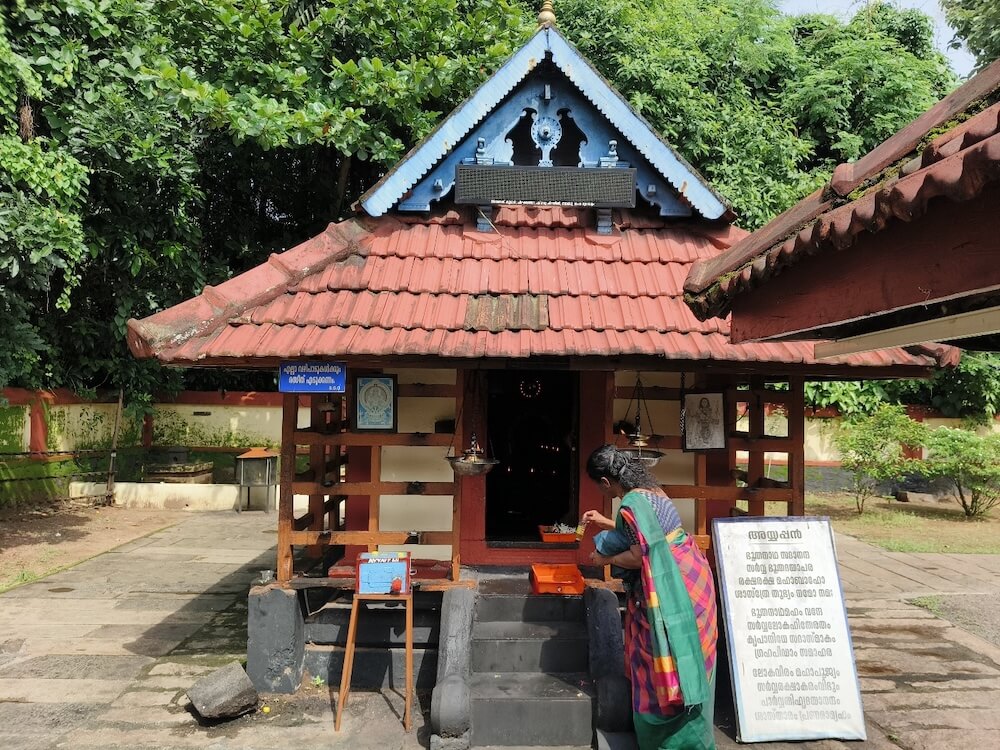 Another local legend states that Shiva’s Bhoothaganas (divine attendants) worshipped the Shiva Linga at this site during the night and resolved to construct a magnificent temple before dawn. After laying the foundation, however, Lord Vishnu is believed to have assumed the form of a rooster and crowed before daybreak. Mistaking the sound for the arrival of dawn, the Bhoothaganas abandoned the work, leaving the temple unfinished. It is also believed that Vilwamangalam Swamiyar, while travelling through the region centuries later, recognised the divine presence of the Shiva Linga consecrated by Parashurama and revived the temple’s worship and rituals.
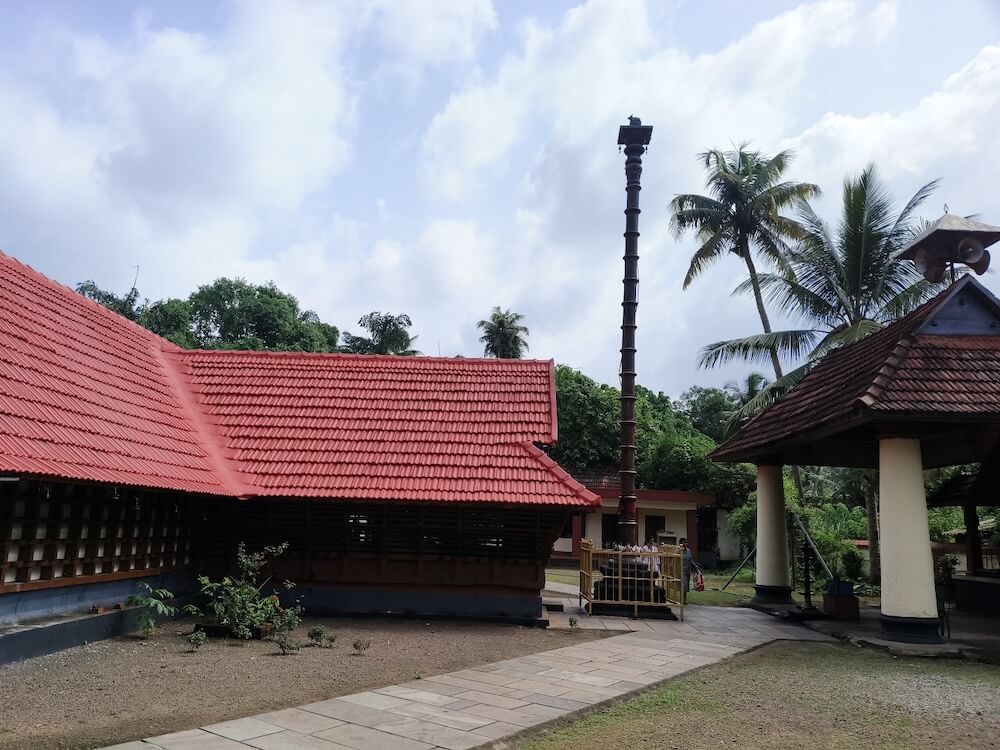
Parippu Mahadeva Temple complex is enclosed by a laterite compound wall and is entered through a modest eastern Gopuram, a tiled gateway that provides access to the sacred precinct. Beyond the entrance lies the spacious temple courtyard, 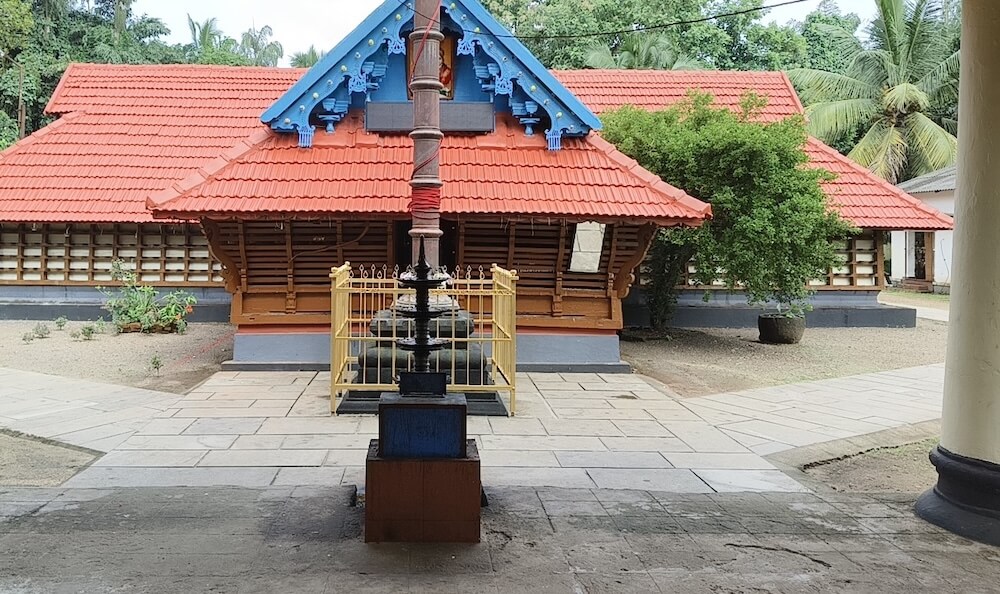 paved with granite stone slabs and enclosed by the Chuttambalam (inner cloister). The Chuttambalam consists of a timber-pillared structure with wooden lattice panels and a sloping clay-tiled roof, forming the circumambulatory passage around the sanctum. Proceeding along the central axis, the Dwajasthambam (flagstaff) stands prominently in front of the sanctum, followed by the Balikkal enclosed within a protective railing. One of the temple’s most distinctive architectural features is the presence of two Balikkalpuras (Balikkal pavilions), an uncommon feature in Kerala temple architecture. The temple also possesses two Thidappallis (temple kitchens), corresponding to the dual Balikkalpuras.
 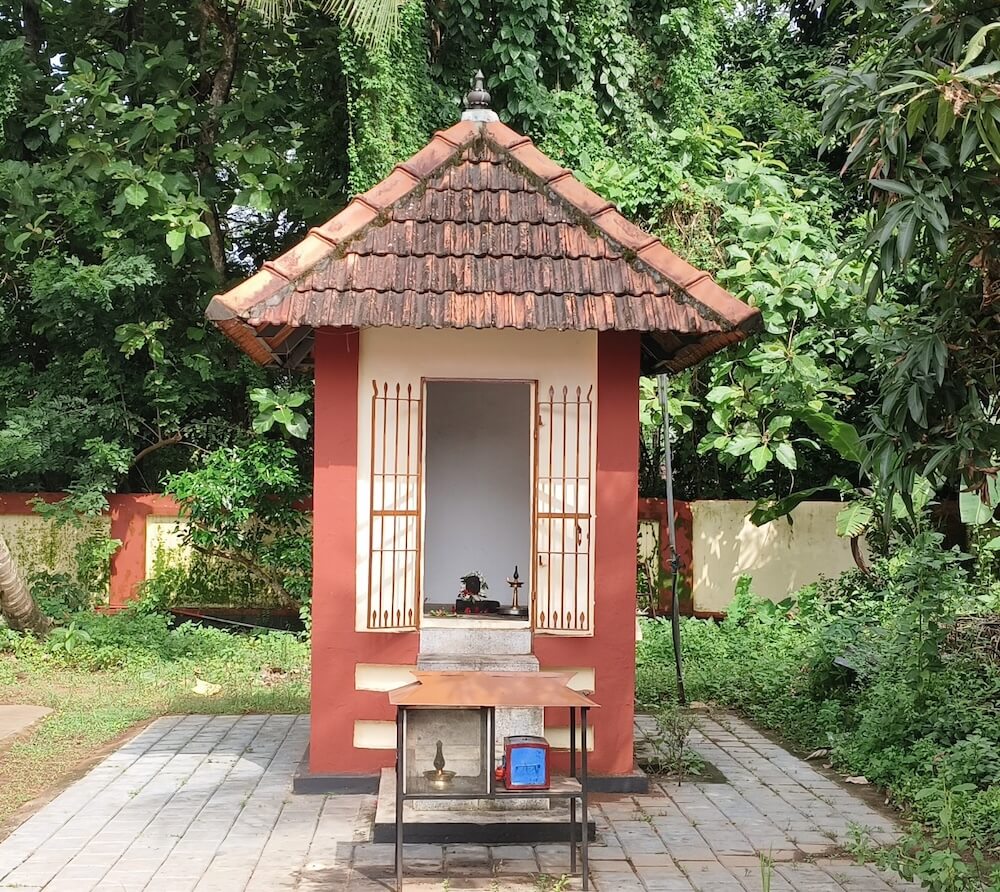 Immediately before the sanctum is the Namaskara Mandapam, aligned with the main axis of the temple and serving as the ritual pavilion for worship. The Sreekovil (sanctum sanctorum) is a square structure erected on a raised granite adhisthana (plinth). Its walls are constructed of laterite masonry finished with lime plaster, while the superstructure is supported by a timber framework. The sanctum is crowned by a steeply sloping pyramidal roof covered with traditional burnt-clay tiles and finished with a metal stupi (finial). The presiding deity, Lord Shiva, faces east. Separate shrines dedicated to Bhagavathy, Sri Krishna, Sastha and Ganapathy are situated within the temple enclosure.
Temple celebrates its annual festival over eight days during the Malayalam month of Meenam (March–April). The festival is scheduled so that the Thiruvathira asterism falls on the day of the Arattu.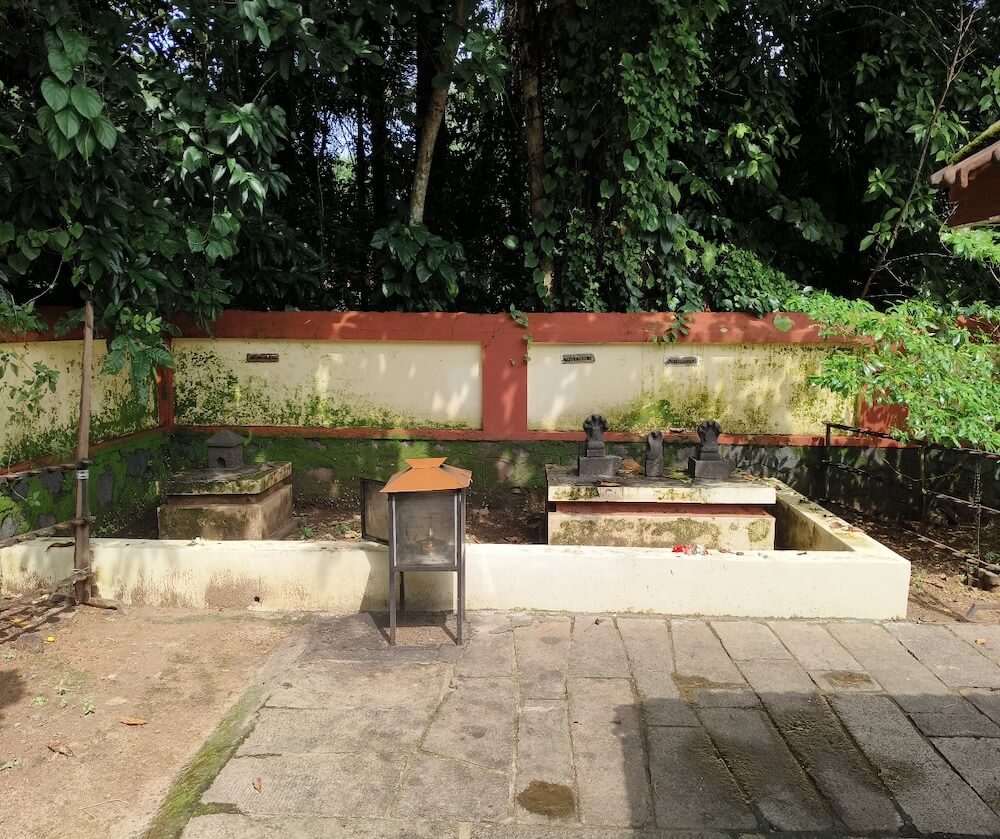 The celebrations commence with the Kodiyettu (flag hoisting), during which a ceremonial flag bearing the image of Nandi, the sacred mount of Lord Shiva, is raised on the temple’s bronze flagstaff. The temple’s festival rituals are distinguished by the presence of two Balikkalpuras, making the Sree Bhoothabali (Utsava Bali) ceremonies particularly significant. On the seventh night, the symbolic ritual of Pallivetta, representing the triumph of righteousness over evil, is performed. The festival concludes on the eighth day with the Arattu, during which the deity is taken in a ceremonial procession to a branch of the Meenachil River for a sacred ritual bath accompanied by Vedic chanting. Throughout the festival, colourful processions featuring Kazhcha Seeveli and ceremonial Ezhunnallippu are accompanied by traditional temple percussion ensembles such as Chenda Melam, Panchari Melam and Nadaswaram.
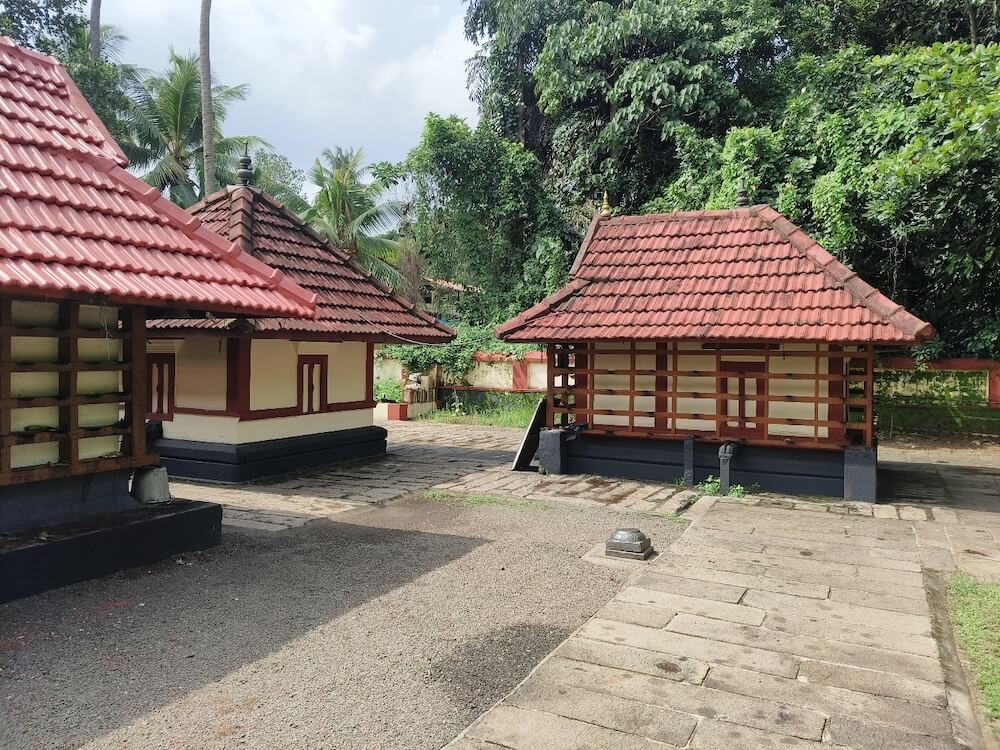 The celebrations also showcase Kerala’s rich cultural heritage through performances of Kathakali, Chakyar Koothu and Bhajan. In earlier times, the temple festival was also renowned for the traditional martial art displays of Ezhamathukali and Kavanayeru, reflecting the region’s historic martial traditions.
The principal ritual offerings (vazhipadu) dedicated to Lord Shiva at the Temple are Dhara, Pinvilakku, Pushpanjali, Payasam and Koovalamala. Dhara is a ritual offering in which water is poured over the Shiva Lingam, while Pinvilakku refers to the offering of a continuously burning oil lamp. Koovalamala is a garland made from the leaves of the Koovalam (bael) tree, which is particularly associated with the worship of Lord Shiva. These are listed among the principal offerings of the temple.
The temple opens at 5:00 AM with Nada Thurakkal, and closes at 10:30 AM. In the evening, reopens at 5:00 PM, followed by Deeparadhana at 6:00 PM and the final Athazha Pooja at 7:00 PM. The temple closes at 7:30 PM.
Key Highlights
- Located 11 km from Kottayam town.
- About 11 km from Kottayam Railway Station.
- Local bus services are available.
- Dedicated parking is available for private vehicles.
- Accommodation and dining facilities are available nearby.
परिप्पु महादेव मंदिर
अयमानम, जिला. कोट्टायम
मंदिरे
Temples
मंदिर
મંદિરો
கோவில்கள்
దేవాలయాలు
ക്ഷേത്രങ്ങൾ
ದೇವಾಲಯಗಳು
মন্দিরসমূহ
ਮੰਦਿਰ
-
वेल्लूर श्री सुब्रह्मण्य स्वामी मंदिर पामपाडी, जि. कोट्टायम
अधिक माहितीVelloor Sree Subrahmanya Swamy Temple Pampady, Dist. Kottayam
View Detailsवेल्लोर श्री सुब्रह्मण्य स्वामी मंदिर पंपडी, जिला. कोट्टायम
विवरण देखेंVelloor Sree Subrahmanya Swamy Temple Pampady, Dist. Kottayam
વિગત જુઓVelloor Sree Subrahmanya Swamy Temple Pampady, Dist. Kottayam
விவரங்களைக் காண்கVelloor Sree Subrahmanya Swamy Temple Pampady, Dist. Kottayam
వివరాలను చూడండిVelloor Sree Subrahmanya Swamy Temple Pampady, Dist. Kottayam
വിശദാംശങ്ങൾ കാണുകVelloor Sree Subrahmanya Swamy Temple Pampady, Dist. Kottayam
ವಿವರಗಳನ್ನು ವೀಕ್ಷಿಸಿVelloor Sree Subrahmanya Swamy Temple Pampady, Dist. Kottayam
বিস্তারিত দেখুনVelloor Sree Subrahmanya Swamy Temple Pampady, Dist. Kottayam
ਵੇਰਵੇ ਦੇਖੋ -
पुलियान्नूर शिव मंदिर पाला, जि. कोट्टायम
अधिक माहितीPuliyannur Siva Temple Pala, Dist. Kottayam
View Detailsपुलियान्नुर शिव मंदिर पाला, जिला. कोट्टायम
विवरण देखेंPuliyannur Siva Temple Pala, Dist. Kottayam
વિગત જુઓPuliyannur Siva Temple Pala, Dist. Kottayam
விவரங்களைக் காண்கPuliyannur Siva Temple Pala, Dist. Kottayam
వివరాలను చూడండిPuliyannur Siva Temple Pala, Dist. Kottayam
വിശദാംശങ്ങൾ കാണുകPuliyannur Siva Temple Pala, Dist. Kottayam
ವಿವರಗಳನ್ನು ವೀಕ್ಷಿಸಿPuliyannur Siva Temple Pala, Dist. Kottayam
বিস্তারিত দেখুনPuliyannur Siva Temple Pala, Dist. Kottayam
ਵੇਰਵੇ ਦੇਖੋ -
तिरुनाक्कारा महादेवाचे मंदिर कोट्टायम टाउन, जि. कोट्टायम
अधिक माहितीThirunakkara Mahadeva Temple Kottayam Town, Dist. Kottayam
View Detailsतिरुनक्कारा महादेव मंदिर कोट्टायम टाउन, जिला। कोट्टायम
विवरण देखेंThirunakkara Mahadeva Temple Kottayam Town, Dist. Kottayam
વિગત જુઓThirunakkara Mahadeva Temple Kottayam Town, Dist. Kottayam
விவரங்களைக் காண்கThirunakkara Mahadeva Temple Kottayam Town, Dist. Kottayam
వివరాలను చూడండిThirunakkara Mahadeva Temple Kottayam Town, Dist. Kottayam
വിശദാംശങ്ങൾ കാണുകThirunakkara Mahadeva Temple Kottayam Town, Dist. Kottayam
ವಿವರಗಳನ್ನು ವೀಕ್ಷಿಸಿThirunakkara Mahadeva Temple Kottayam Town, Dist. Kottayam
বিস্তারিত দেখুনThirunakkara Mahadeva Temple Kottayam Town, Dist. Kottayam
ਵੇਰਵੇ ਦੇਖੋ