
स्वामीनारायण मंदिर
वडताल धाम, ता. नडियाद, जि. खेडा
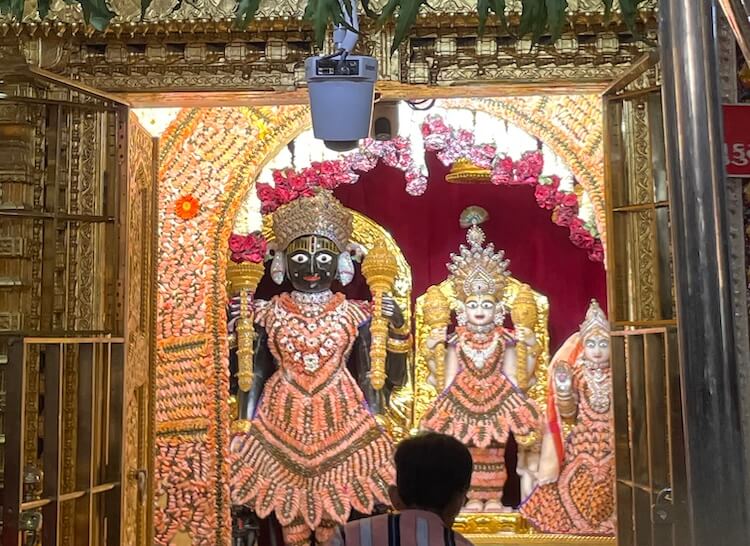 वडताल हे गाव स्वामीनारायण संप्रदायाचे एक प्रमुख आध्यात्मिक केंद्र आहे. नडियादपासून १४ किलोमीटर अंतरावर स्थित, हे भव्य स्वामीनारायण मंदिर ‘लक्ष्मी नारायण देव गादी’चे मुख्यालय आणि संप्रदायाच्या दक्षिण विभागाची धार्मिक राजधानी म्हणून जगप्रसिद्ध आहे. भगवान स्वामीनारायण यांच्या प्रत्यक्ष उपस्थितीने आणि वास्तव्याने पावन झालेले हे तीर्थक्षेत्र दरवर्षी लाखो भाविकांना आकर्षित करते. भगवान स्वामीनारायण यांच्या प्रत्यक्ष देखरेखीखाली बांधलेले हे ऐतिहासिक मंदिर वास्तुकलेचा एक अद्वितीय नमुना मानले जाते आणि संप्रदायात याला सर्वोच्च स्थान आहे.
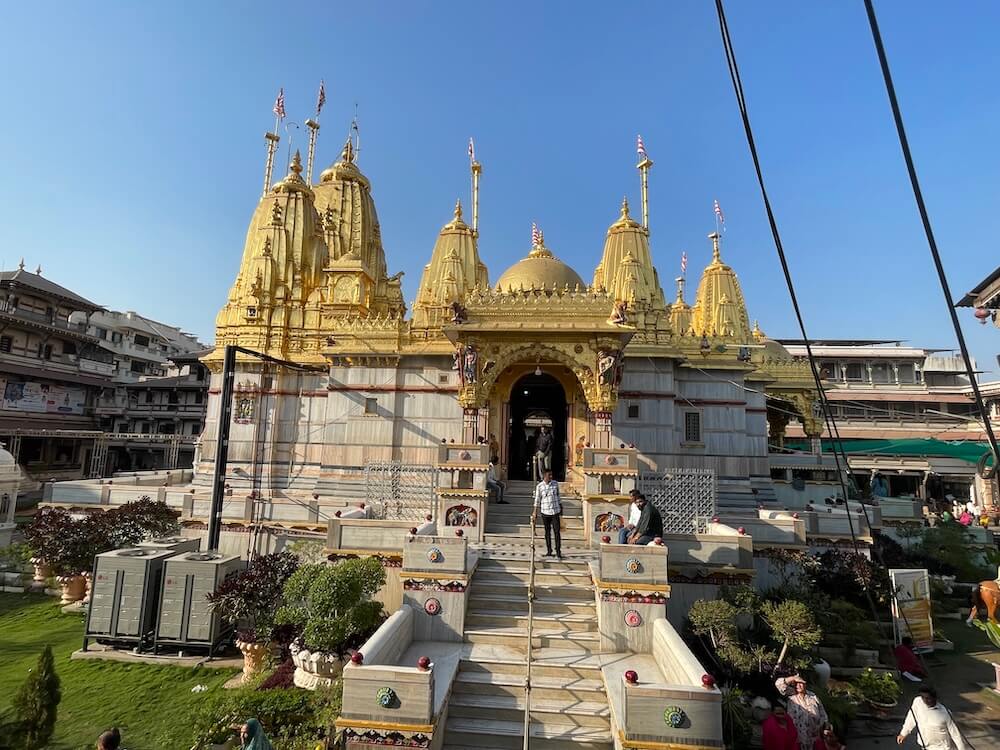 स्वामीनारायण संप्रदायाचे संस्थापक आणि ‘इष्टदेव’ सहजानंद स्वामी यांचा जन्म ३ एप्रिल १७८१ रोजी, रामनवमीच्या शुभ दिवशी, उत्तर प्रदेशातील छपैया गावात झाला. धर्मदेव पांडे आणि भक्तिमाता यांच्या पोटी जन्मलेल्या या बालकाचे मूळ नाव घनश्याम होते. अवघ्या बाराव्या वर्षी, सर्व शास्त्रांत पारंगत झाल्यानंतर, त्यांनी तपश्चर्येच्या प्रवासासाठी गृहत्याग केला. त्यांनी सात वर्षे संपूर्ण भारतभर प्रवास केला आणि हिमालयात तपश्चर्या केली. या काळात त्यांना नीलकंठ वर्णी म्हणून ओळखले जात असे. १८०० मध्ये, सौराष्ट्रातील मांगरोळ येथे स्वामी मुक्तानंद आणि नंतर पिपलाणा येथे गुरु रामानंद स्वामी यांच्याकडून दीक्षा घेतल्यानंतर, त्यांनी धार्मिक आणि सामाजिक सुधारणांसाठी गुजरातची निवड केली. रामानुजाचार्यांच्या विशिष्टाद्वैत आणि वल्लभाचार्यांच्या शुद्धाद्वैत तत्त्वज्ञानाचा आधार घेऊन त्यांनी एक समन्वयवादी धार्मिक सिद्धांत मांडला.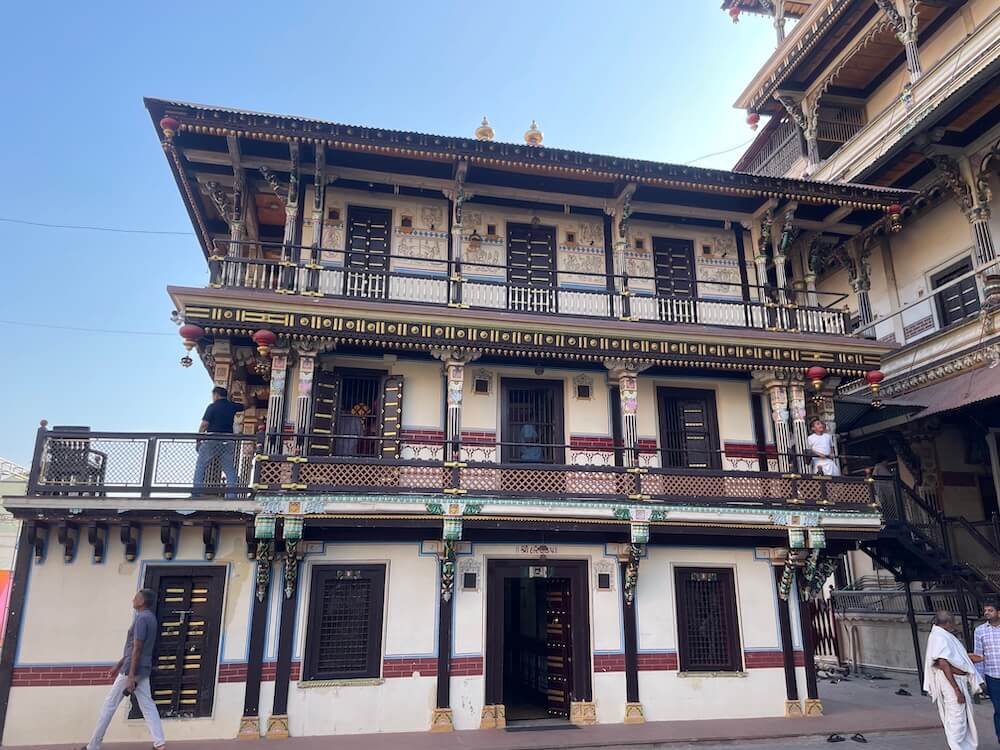
२८ ऑक्टोबर १८०० रोजी, उद्धव संप्रदायाचे उत्तराधिकारी रामानंद स्वामी यांनी नीलकंठ वर्णी यांना महादीक्षा दिली आणि त्यांना सहजानंद स्वामी व नारायण मुनी हे नाव दिले. १८०१ मध्ये रामानंद स्वामींच्या निधनानंतर, सहजानंद स्वामींनी फरेणी गावात आपली पहिली सभा घेतली. भक्तीचा प्रसार करण्यासाठी त्यांनी अहमदाबाद, भुज, वडताल, जुनागढ, ढोलेरा आणि गढडा येथे मंदिरे उभारली. आपल्या जीवनकाळात त्यांनी सुमारे तीन हजार अनुयायांना संत म्हणून दीक्षा दिली, ज्यामध्ये पूर्वीचे चोर आणि दरोडेखोर यांचाही समावेश होता.
त्यांनी अस्पृश्यता, अंधश्रद्धा, सती प्रथा आणि पशुबळी यांसारख्या प्रचलित सामाजिक अनिष्ट प्रथांना तीव्र विरोध केला. 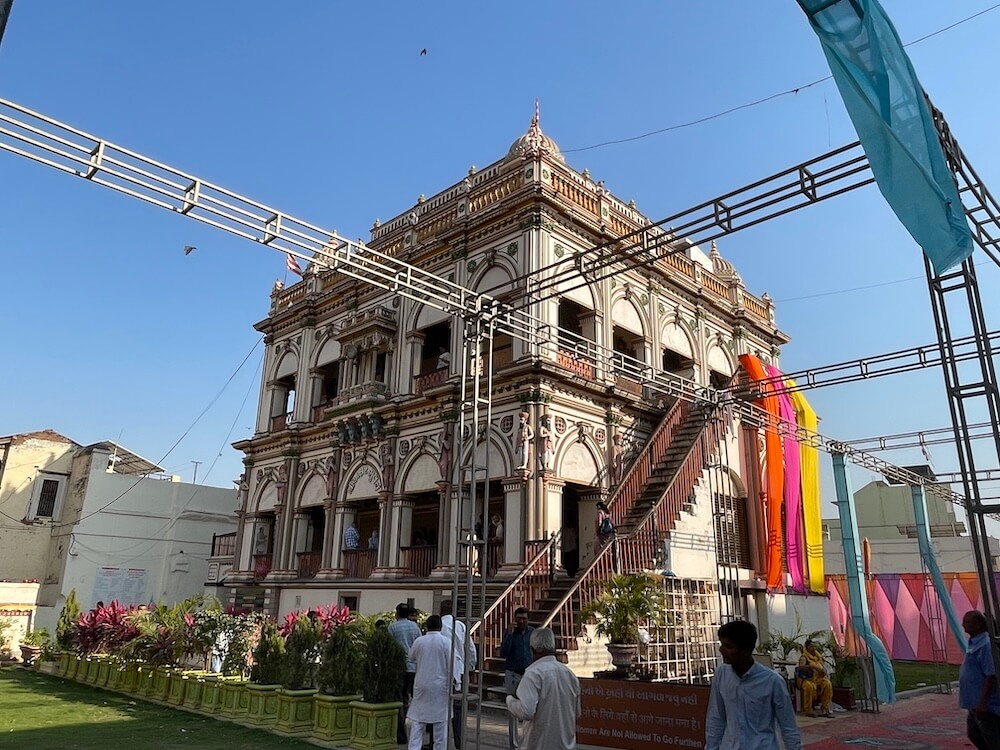 धर्म, ज्ञान, वैराग्य आणि सदाचार यांसारखी वैदिक मूल्ये प्रस्थापित करून, त्यांनी दलित, गरीब आणि उपेक्षित समाजाला शिक्षण आणि अध्यात्माच्या समान संधी उपलब्ध करून दिल्या. प्रेम आणि अहिंसेच्या प्रभावी शस्त्रांचा वापर करून त्यांनी धर्माच्या नावाखाली चाललेला ढोंगीपणा आणि इंद्रियलोलुपता रोखली. त्यांनी वास्तुकला, संगीत, नाट्य, चित्रकला आणि शिल्पकला यांसारख्या विविध कलांना प्रोत्साहन देऊन आपले कार्य प्रभावीपणे सुरू ठेवले.
एकोणिसाव्या शतकाच्या सुरुवातीला, खेडाचा सुपीक प्रदेश राजकीय अस्थिरता आणि भिल्ल-कोळी लुटारूंच्या त्रासाने ग्रस्त होता. या काळात, भगवान स्वामीनारायण यांनी आपल्या शिकवणी आणि भक्तीद्वारे एक सखोल सामाजिक आणि आध्यात्मिक क्रांती घडवून आणली. या पार्श्वभूमीवर, 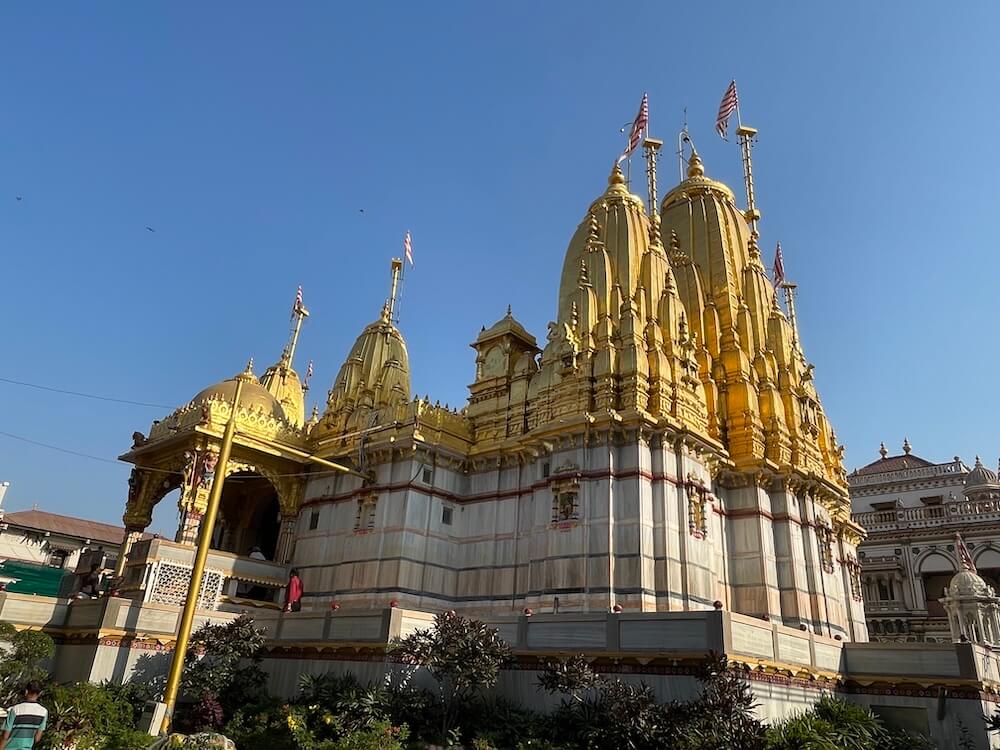 वडतालचे प्रमुख स्थानिक भक्त – जोबन पागी, कुबेरभाई पटेल, रणछोडभाई पटेल आणि नारायण गिरी – यांनी वडतालमध्ये मंदिर बांधण्यासाठी भगवान स्वामीनारायण यांना गढपूरला जाऊन विनंती केली. त्यांची विनंती मान्य करून, भगवान स्वामीनारायण यांनी वडतालमध्ये स्वतः जागेची निवड केली आणि बांधकामाची जबाबदारी ब्रह्मानंद स्वामी आणि अक्षरानंद स्वामी यांच्यावर सोपवली. भगवान स्वामीनारायण यांनी दिलेल्या केवळ बारा रुपयांच्या सुरुवातीच्या निधीतून आणि हजारो भक्तांच्या श्रमदानातून हे काम वेगाने पूर्ण झाले. पायाभरणीच्या वेळी, भगवंतांनी स्वतः आपल्या डोक्यावर ३७ विटा वाहून नेल्या. त्यापैकी ३५ विटा मुख्य पायात रचल्या गेल्या, तर उर्वरित दोन विटा आजही भाविकांच्या दर्शनासाठी मंदिराच्या मागील भिंतीवरील एका विशेष कोनाड्यात जतन केल्या आहेत.
 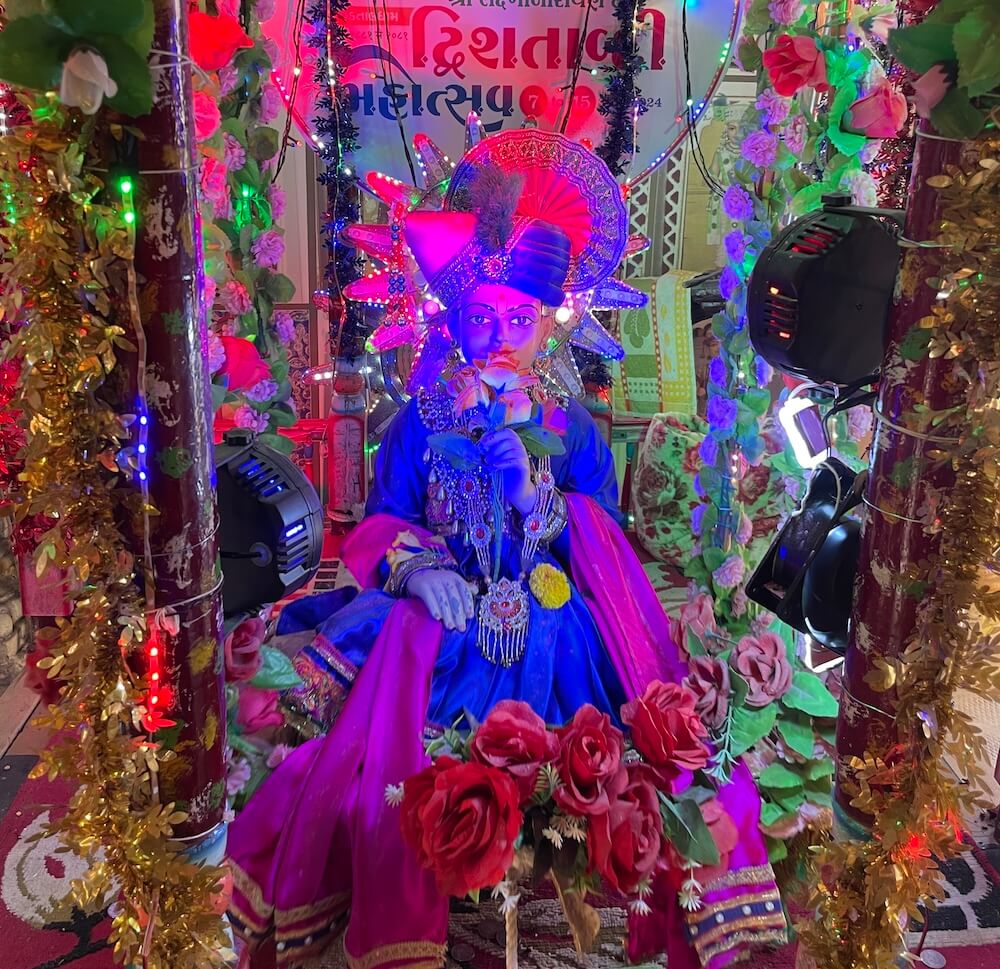 अवघ्या पंधरा महिन्यांच्या विक्रमी वेळेत पूर्ण झालेल्या या मंदिरात, कार्तिक शुद्ध द्वादशी, विक्रम संवत १८८१ (३ नोव्हेंबर १८२४) रोजी भगवान स्वामीनारायण यांच्या हस्ते वैदिक मंत्रोच्चारांच्या गजरात मूर्तींची प्राणप्रतिष्ठा करण्यात आली.
प्रशासकीय आणि आध्यात्मिक कार्यक्षमतेसाठी, भगवान स्वामीनारायण यांनी १८२६ मध्ये ‘देश विभाग लेख’ या कायदेशीर दस्तऐवजाद्वारे संप्रदायाचे दोन भाग केले. या प्रक्रियेत वडताल येथे लक्ष्मी नारायण देव गादीची स्थापना झाली आणि त्यांचे पुतणे, रघुवीरजी महाराज यांची पहिले आचार्य म्हणून नियुक्ती करण्यात आली. आपल्या ऐहिक कार्याची सांगता झाल्याचे जाणून, भगवान स्वामीनारायण यांनी अन्न-पाणी त्यागले आणि १ जून १८३० रोजी आपला देह ठेवला.
वडताल आणि या स्वामीनारायण मंदिराच्या इतिहासात अनेक दंतकथा आणि पौराणिक संदर्भ गुंफलेले आहेत. दोन शतकांपूर्वी, वडताल हे गाव चोर आणि लुटारूंचे गाव म्हणून कुप्रसिद्ध होते, ज्याचा जोबन पागी हा क्रूर म्होरक्या होता. 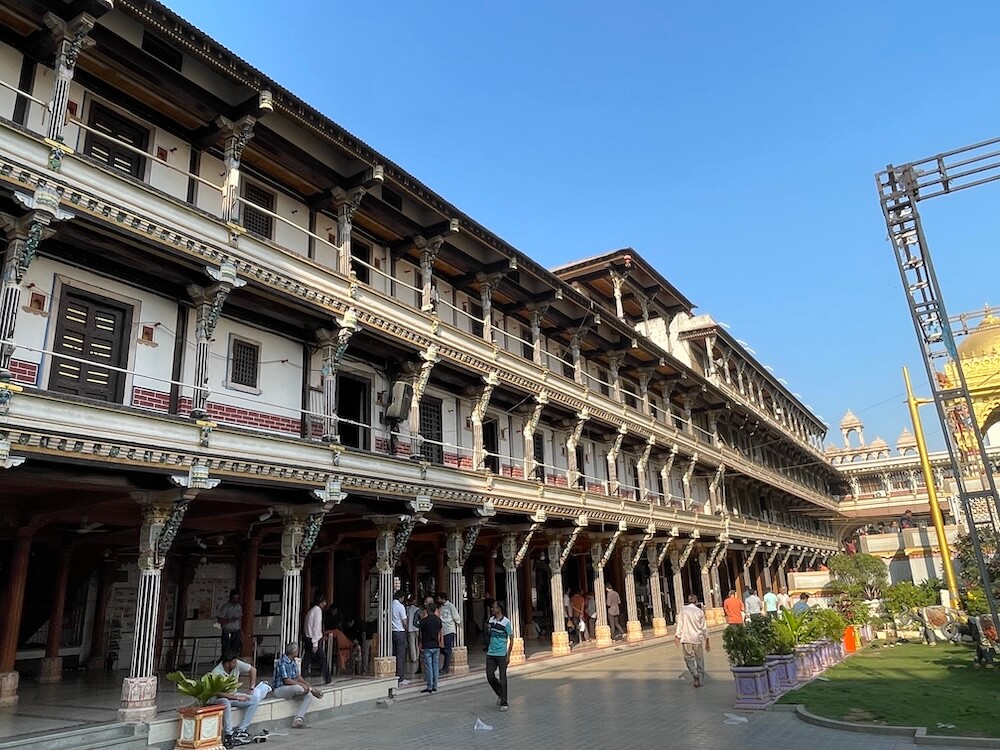 डभण गावात भगवान स्वामीनारायण एक मोठा यज्ञ आयोजित करत असताना, जोबन पागीने भगवंतांची मंकी नावाची घोडी, जी सर्वात वेगवान मानली जात असे, ती चोरण्याचा कट रचला. मध्यरात्री तबेल्यात प्रवेश केल्यावर, त्याला प्रत्येक घोड्याशेजारी भगवान स्वामीनारायण उभे असल्याचे दिसले. या चमत्काराने थक्क होऊन, जोबन पागीचे हृदयपरिवर्तन झाले, त्याने गुन्हेगारी जीवन सोडून भगवान स्वामीनारायण यांच्या चरणी शरणागती पत्करली. याच भक्ताने नंतर वडताल मंदिराच्या बांधकामासाठी आपली अफाट जमीन दान केली. भगवान स्वामीनारायण अनेकदा जोबन पागीच्या घराच्या वरच्या मजल्यावरील खोलीत राहत असत. जवळच असलेल्या जोबन पागीच्या कुलदेवतेच्या, खोडियार मातेच्या मंदिरात पशुबळीची हिंसक प्रथा अस्तित्वात होती. भगवान स्वामीनारायण यांनी या प्रथेला विरोध केला,
 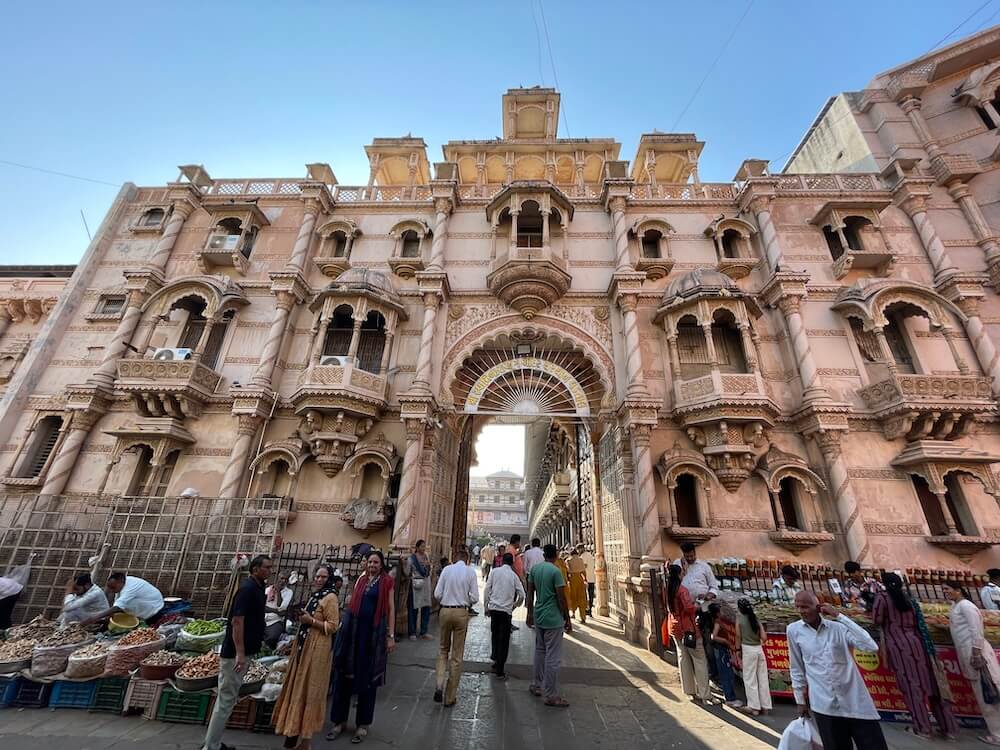 देवाची मूर्ती रक्ताऐवजी रंगांनी अभिषेक करून तिथे आध्यात्मिक प्रवचनांना सुरुवात केली. विक्रम संवत १८७९ मध्ये, स्थानिक पाटीदार भक्तांनी दान केलेल्या जमिनीवर अक्षरानंद स्वामींच्या मार्गदर्शनाखाली धारू किंवा गोमती तलावाचे उत्खनन सुरू झाले. चैत्र महिन्यात, विक्रम संवत १८८१ मध्ये, स्वामी सच्चिदानंदजी यांनी द्वारकेतून गोमती नदीला या तलावात वास्तव्यास येण्याचे औपचारिक निमंत्रण दिले. भगवान स्वामीनारायण स्वतः या कार्यात सहभागी झाले आणि त्यांनी स्वतःच्या मस्तकावर माती वाहून नेली. याच गोमती तलावाच्या काठी भगवंतांनी केवळ एका इशाऱ्याने माकडांच्या एका मोठ्या थव्याला ध्यानस्थ बसवून दिव्य नामजप करायला लावला.
या ठिकाणाचे सविस्तर वर्णन स्वामीनारायण संप्रदायाच्या अनेक महत्त्वपूर्ण ग्रंथांमध्ये आढळते. २१२ श्लोकांमध्ये गृहस्थ आणि साधूंसाठी आचारसंहिता मांडणारा ‘शिक्षापत्री’ हा संस्कृत ग्रंथ,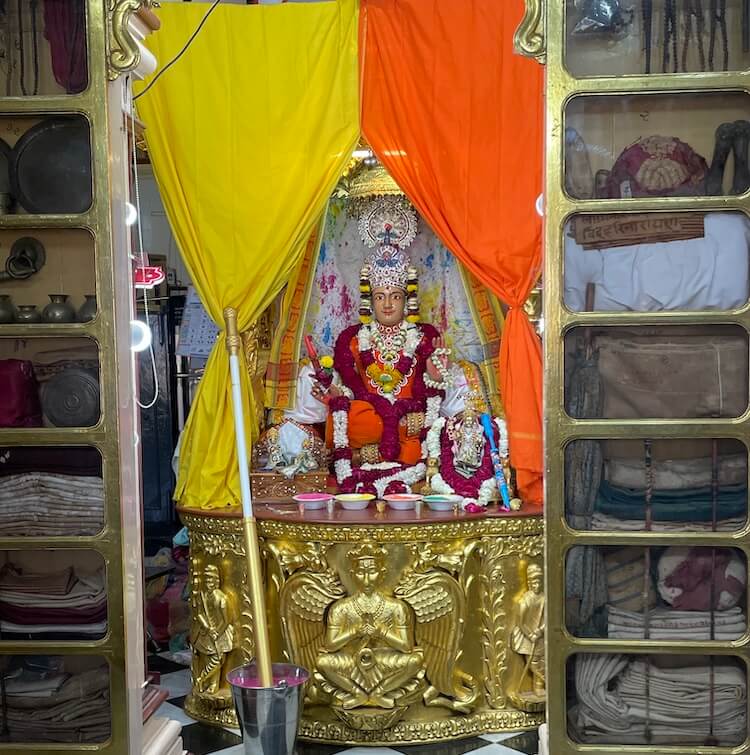 भगवान स्वामीनारायण यांनी स्वतः वसंत पंचमीच्या दिवशी, विक्रम संवत १८८२ मध्ये, या मंदिराच्या हरि मंडपात पूर्ण केला. मुक्तानंद, गोपालनंद, नित्यानंद आणि शुकानंद स्वामी यांनी संपादित केलेल्या २७३ आध्यात्मिक प्रवचनांच्या ‘वचनामृत’ संग्रहात ‘वडताल विभाग’ समाविष्ट आहे. या प्रवचनांमध्ये, भगवंत भक्ती, समाधीचे स्वरूप आणि ईश्वराचे सर्वव्यापी तत्त्वज्ञान यावर सखोल मार्गदर्शन करतात. शतानंद स्वामींनी संस्कृतमध्ये रचलेल्या १९,३८७ श्लोकांच्या ‘सतसंगी जीवन’ ग्रंथात मंदिराची निर्मिती आणि मूर्ती प्रतिष्ठापनेचा सविस्तर वृत्तांत आहे. निष्कुळानंद स्वामींनी गुजराती भाषेत लिहिलेल्या १६४ प्रकरणांच्या ‘भक्त चिंतामणी’ ग्रंथात वडताल येथील ‘फूळदोल’ आणि ‘अन्नकूट’ उत्सवांचे वर्णन आहे. याशिवाय, गोपालनंद स्वामींचे ‘गीताबाह्य’, वासुदेवानंद वर्णींचे ‘सतसंगी भूषण’ आणि आचार्य विहारीलालजी महाराज यांचे ‘हरि-लीलामृत’ यामध्ये वडतालच्या परंपरांचे संदर्भ आढळतात.
 मंदिर संकुल अत्यंत विस्तीर्ण असून प्रांगणात प्रवेश करण्यासाठी दोन भव्य प्रवेशद्वारे आहेत. राजवाड्यासारखी दिसणारी ही वास्तुकला नागर शैलीचे एक उत्कृष्ट उदाहरण आहे. संपूर्ण मंदिर एका मोठ्या कमळाच्या आकाराच्या चौथऱ्यावर उभे असून त्याची नऊ शिखरे त्याची उंची आणि भव्यता अधिक वाढवतात. दर्शन मंडप आणि सभामंडपात वैशिष्ट्यपूर्ण कोरीव काम आहे. सभामंडपातून पुढे गेल्यावर, अंतराळाच्या बाहेरील भिंती रामायण महाकाव्यातील विविध प्रसंगांच्या चित्रांनी सुशोभित केल्या आहेत.
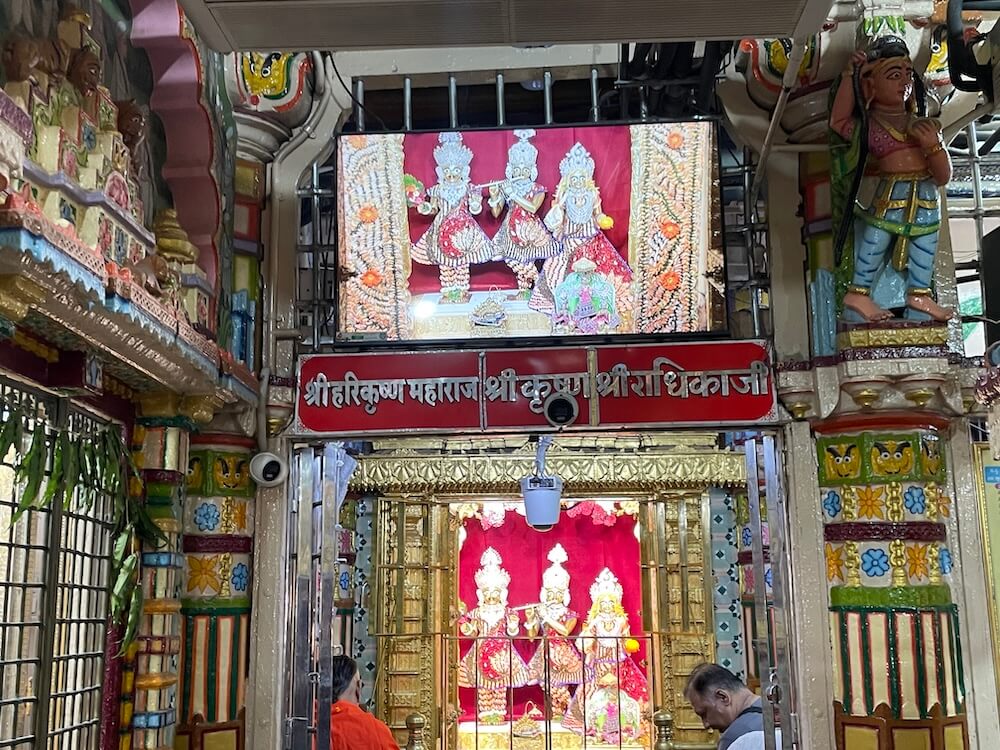
गर्भगृहाची रचना अत्यंत अद्वितीय असून त्यात तीन मुख्य वेदी एका ओळीत आहेत. मध्यवर्ती वेदीवर, सुवर्णपत्र मढवलेल्या पीठावर, विविध अलंकारांनी सजवलेल्या लक्ष्मीनारायण आणि रणछोडराय यांच्या मूर्ती आहेत. 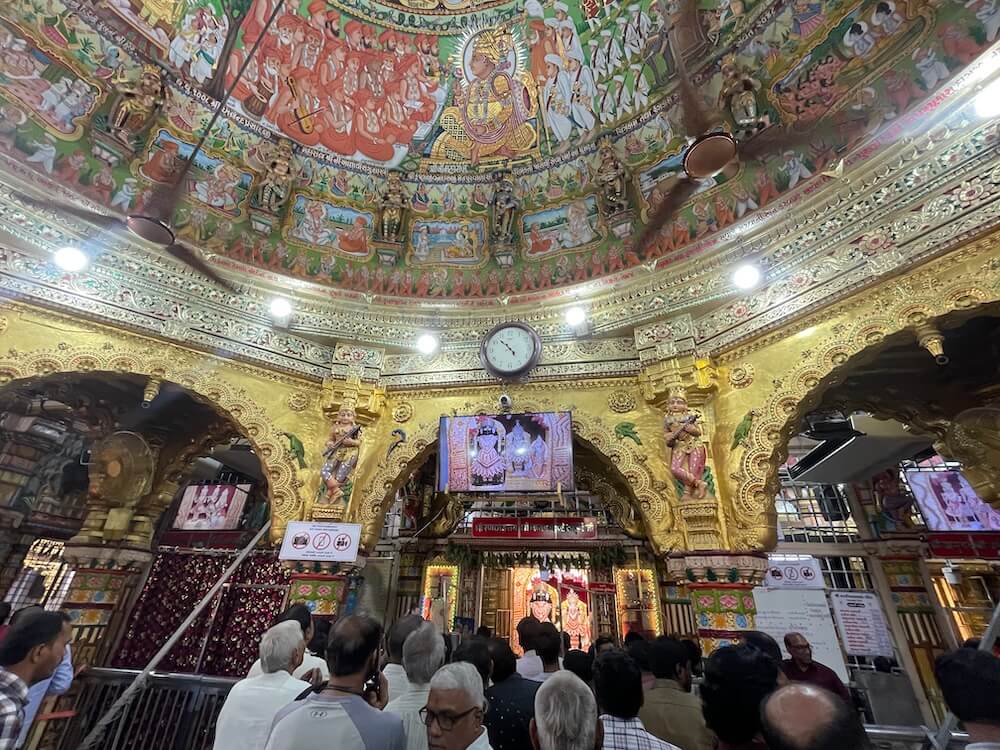 या मध्यवर्ती वेदीच्या उजव्या बाजूला राधा-कृष्ण विराजमान आहेत, ज्यांच्यासोबत हरिकृष्ण महाराज रूपात भगवान स्वामीनारायण आहेत. डाव्या वेदीवर धर्मदेव, भक्तिमाता आणि वासुदेव यांच्या मूर्ती प्रतिष्ठित आहेत. पूजा क्षेत्राच्या डाव्या भिंतीवर एक दक्षिणावर्ती शंख आणि शालिग्राम (भगवान विष्णूंचे प्रतीक असलेला दगड) ठेवलेला आहे. गर्भगृहाच्या आतील घुमटात शेषनागावर विसावलेले भगवान विष्णू अतिशय सुंदररीत्या कोरलेले आहेत, ज्यांच्या सभोवताली दशावतारांच्या दगडी मूर्ती आहेत. संपूर्ण मंदिरात पांढऱ्या संगमरवराचा मोठ्या प्रमाणावर वापर करण्यात आला आहे.
मुख्य मंदिराच्या दक्षिणेला ‘अक्षर भवन’ नावाची तीन मजली इमारत आहे. 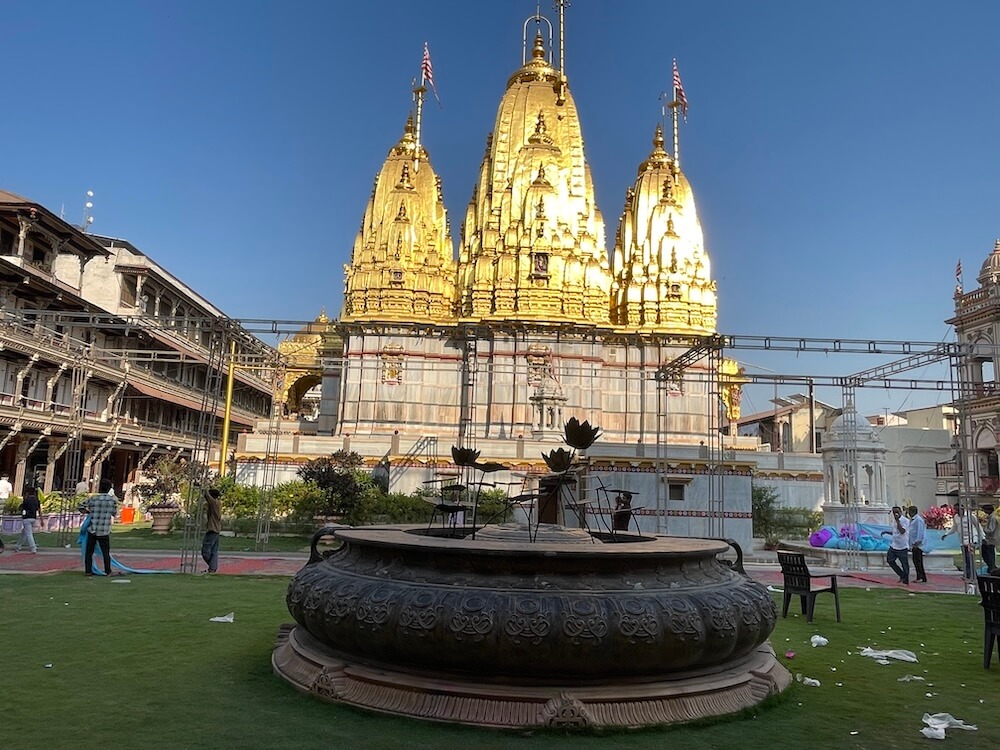 पहिल्या मजल्यावर घनश्याम महाराजांची मूर्ती, भगवंतांनी वापरलेला लाकडी रथ आणि बारा दारांचा लाकडी झोपाळा भक्तांच्या दर्शनासाठी ठेवला आहे. वरच्या मजल्यावर घनश्याम महाराजांची बसलेली मूर्ती, त्यांचे पादत्राणे, माळा, वस्त्रे आणि इतर प्रसादी वस्तू जतन केल्या आहेत. मुख्य मंदिराच्या पश्चिमेला ‘हरि मंडप’ नावाची पवित्र वास्तू आहे, जिथे भगवान स्वामीनारायण आणि गोपालनंद स्वामी दीर्घकाळ वास्तव्यास होते. प्रशस्त दालने असलेल्या या ठिकाणी गोपालनंद स्वामींचे आसन, अनेक प्राचीन लाकडी कलाकृती आणि वचनामृत स्थळ आहे.
मंदिराच्या मागे १८२६ मध्ये आचार्यांच्या नियुक्तीच्या स्मरणार्थ उभारलेले संगमरवरी स्मारक ‘आचार्य स्थापन छत्री’ आहे. वायव्य दिशेला ‘ज्ञान बाग’ नावाची विस्तीर्ण बाग आहे. आंब्याच्या झाडांच्या या बागेत भगवान स्वामीनारायण यांनी होळीचा उत्सव साजरा केला होता.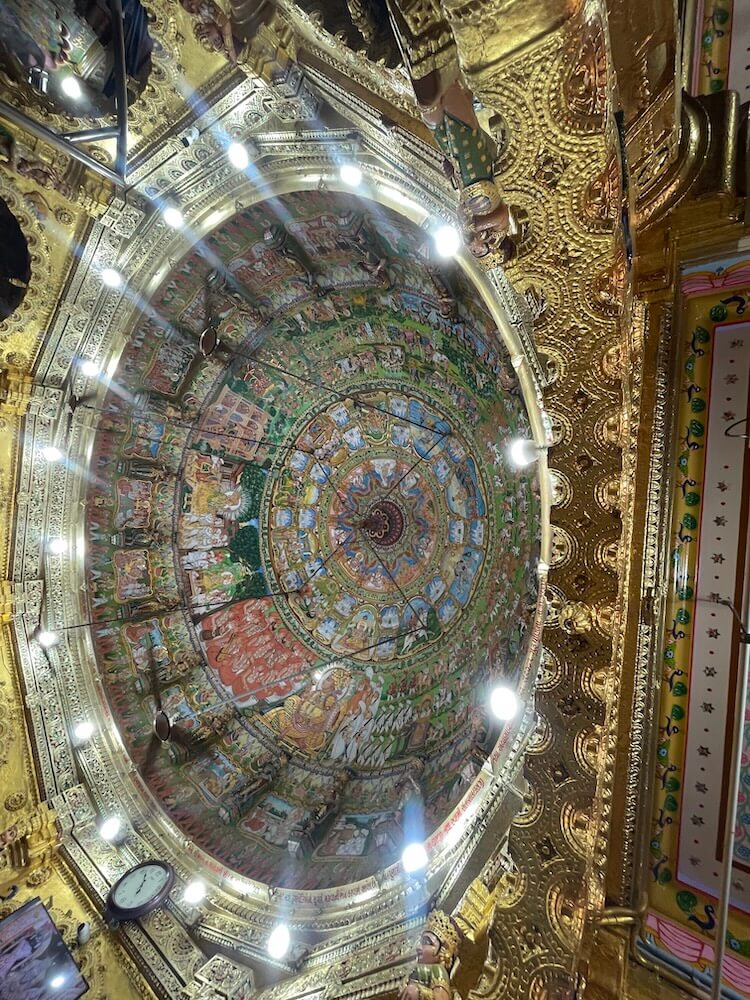 तिथेच, बारा दारांच्या झोपाळ्यावर बसून त्यांनी एकाच वेळी बारा रूपे धारण करण्याचा चमत्कार केला होता. या घटनेच्या स्मरणार्थ, बारा कमानींचे दगडी स्मारक आणि संगमरवरी आसन उभारले आहे. देशभरातून येणाऱ्या भाविकांच्या सोयीसाठी, हजार लोकांची राहण्याची सोय असलेले एक मोठे भक्तनिवास चालवले जाते. मंदिर भेट देणाऱ्या भक्तांना मोफत भोजनही पुरवते. त्याच्या भव्य भोजनगृहात एका वेळी दहा हजार लोक जेवण करू शकतात. याव्यतिरिक्त, मंदिर प्रशासनाने रुग्णांना मोफत वैद्यकीय उपचार देण्यासाठी एक आधुनिक मल्टी-स्पेशालिटी रुग्णालय स्थापन केले आहे.
वर्षभर अनेक भव्य उत्सव मोठ्या उत्साहात आणि शिस्तबद्ध पद्धतीने साजरे केले जातात. पौर्णिमेच्या दिवशी मंदिरात भाविकांची मोठी गर्दी असते. भगवान स्वामीनारायण यांनी ‘ज्ञान बाग’मध्ये होळी पेटवून आणि रंग उधळून ‘फूळदोल’ साजरा करण्याची प्राचीन परंपरा सुरू केली. या उत्सवादरम्यान, देवाला एका विशेष बारा दारांच्या लाकडी झोपाळ्यावर बसवून चांदीच्या दोरांनी हळुवारपणे झुलवले जाते. दरवर्षी कार्तिक शुद्ध पौर्णिमा आणि चैत्र शुद्ध पौर्णिमेला ‘समैया’ नावाचे उत्सव आयोजित केले जातात. या काळात, संपूर्ण मंदिर संकुल अखंड नामजप, शास्त्रपठण आणि प्रवचनांनी दुमदुमून जाते. याव्यतिरिक्त, गुरुपौर्णिमा, जन्माष्टमी, होळी, दीपोत्सव, देव दिवाळी, पाटोत्सव, शाकोत्सव, गणेश चतुर्थी आणि रक्षाबंधन हे सण मोठ्या भक्तीभावाने साजरे केले जातात.
अलीकडेच, मंदिराच्या स्थापनेला २०० वर्षे पूर्ण झाल्याच्या निमित्ताने येथे द्विशताब्दी महोत्सव मोठ्या उत्साहात साजरा करण्यात आला. या महोत्सवात भव्य अन्नकूट (ज्यामध्ये देवाला हजारो प्रकारच्या खाद्यपदार्थांचा नैवेद्य अर्पण करण्यात आला) आणि स्वामीनारायण संप्रदायाचा इतिहास दर्शवणारे एक मोठे सांस्कृतिक प्रदर्शन आयोजित करण्यात आले होते. या महत्त्वाच्या टप्प्याची दखल घेत, टपाल विभागाने एक विशेष टपाल तिकीट आणि २०० रुपयांचे चांदीचे नाणे जारी केले. देशाच्या पंतप्रधानांनीही या महोत्सवाला संबोधित करून वडताळ धामच्या योगदानाचा गौरव केला. येथील प्रसाद म्हणून वाटले जाणारे ‘लाडुली’ लाडू आणि मिरचीचे लोणचे अत्यंत प्रसिद्ध आहे.
मंदिरात दररोजची आरती आणि दर्शनाच्या वेळांचे काटेकोरपणे पालन केले जाते. प्रत्येक दिवसाची सुरुवात पहाटे ५:३० वाजता मंगळा आरतीने होते. त्यानंतर सकाळी ७:१५ वाजता श्रृंगार आरती आणि सकाळी १०:१५ वाजता राजभोग आरती होते. दुपारी १२:०० वाजता दर्शन बंद होते. दुपारच्या विश्रांतीनंतर, दुपारी ३:३० वाजता उत्थापन दर्शनासाठी मंदिर पुन्हा उघडले जाते. संध्याकाळी ६:४५ वाजता संध्या आरती केली जाते आणि त्यानंतर रात्री ८:३० वाजता शयन आरती होते, त्यानंतर मंदिराचे दरवाजे बंद केले जातात.
उपयुक्त माहिती
- नडियादपासून १४ किमी आणि खेडापासून ३३ किमी अंतरावर स्थित आहे.
- जिल्ह्यातील अनेक शहरांतून वडताळसाठी राज्य परिवहन (GSRTC) बस सुविधा उपलब्ध आहे.
- खाजगी वाहने मंदिराच्या निर्धारित पार्किंग क्षेत्रात उभी करता येतील.
- परिसरात राहण्याची आणि नाश्त्याची सोय उपलब्ध आहे.
- संपर्क – मंदिर कार्यालय, दूरध्वनी: ०२६८ – २५८९७२८, २५८९७७६.
Swaminarayan Temple
Vadtal Dham, Tal. Nadiad, Dist. Kheda
The town of Vadtal stands as a pre-eminent spiritual citadel of the Swaminarayan Sampradaya. Established 14 kilometres from Nadiad, this magnificent Swaminarayan temple is globally renowned as the headquarters of the ‘Lakshminarayan Dev Gadi’ and the religious capital of the southern division of the sect. Sanctified by the physical presence and residence of Bhagwan Swaminarayan, this pilgrimage site draws millions of devotees annually. The historical temple, constructed under the personal supervision of Bhagwan Swaminarayan himself, is considered an unparalleled masterpiece of architecture and holds supreme significance within the fellowship.
Sahajanand Swami, the founder and ‘Ishtadevata’ (cherished deity) of the Swaminarayan Sampradaya, was born on 3 April 1781, the auspicious day of Ram Navami, in the village of Chhapaiya, Uttar Pradesh. Born to Dharmadev Pande and Bhaktimata, the child was originally named Ghanshyam. At the tender age of twelve, having mastered all branches of knowledge, he renounced his home to embark on a journey of penance. He spent seven years traveling throughout India and performing penance in the Himalayas. During this period, he was known as Nilkanth Varni. In 1800, after being initiated by Swami Muktanand in Mangrol, Saurashtra and later by Guru Ramanand in Piplana, he chose Gujarat as his field for religious and social reforms. Drawing on the philosophies of Vishishtadvaita of Ramanujacharya and Shuddhadvaita of Vallabhacharya, he propagated a syncretic religious doctrine.
On 28 October 1800, Ramanand Swami, the successor of the Uddhav Sampradaya, conferred the Mahadiksha (grand initiation) upon Nilkanth Varni, naming him Sahajanand Swami and Narayan Muni. Following the demise of Ramanand Swami in 1801, Sahajanand Swami held his first assembly in the village of Fareni. To foster the practice of Bhakti (devotion), he established temples in Ahmedabad, Bhuj, Vadtal, Junagadh, Dholera and Gadhada. During his lifetime, he initiated approximately three thousand followers as saints, a group that remarkably included former thieves and dacoits.
He vehemently opposed prevalent social evils such as untouchability, superstition, the practice of Sati and animal sacrifice. By establishing Vedic values including Dharma (righteousness), Gyan (knowledge), Vairagya (detachment) and Sadachar(good conduct), he provided equal opportunities in education and spirituality to the Dalit, impoverished and marginalised communities. Wielding the potent weapons of love and non-violence, he curbed hypocrisy and sensual indulgence practiced in the name of religion. He continued his mission effectively by nurturing various arts such as architecture, music, theatre, painting and sculpture.
In the early nineteenth century, the fertile region of Kheda was plagued by political instability and the menace of Bhil-Koli marauders. During this period, Bhagwan Swaminarayan orchestrated a profound social and spiritual revolution through his teachings and devotion. Against this backdrop, prominent local devotees of Vadtal – Joban Pagi, Kuberbhai Patel, Ranchhodbhai Patel and Narayan Giri – travelled to Gadhpur to earnestly entreat Bhagwan Swaminarayan to construct a temple in Vadtal. Acceding to their request, Bhagwan Swaminarayan personally selected the site in Vadtal and entrusted the responsibility of construction to Brahmanand Swami and Aksharanand Swami. The project advanced with remarkable celerity, funded by an initial sum of a mere twelve rupees provided by Bhagwan Swaminarayan and the voluntary labour of thousands of devotees. During the laying of the foundation, the Lord Himself carried 37 bricks upon His head. Thirty-five of these were laid in the main foundation, while the remaining two bricks are preserved to this day in a special niche on the rear wall of the temple for the veneration of pilgrims. Completed in a record time of just fifteen months, the idols were consecrated by the hands of Bhagwan Swaminarayan Himself amidst Vedic chants on Kartik Shud Dwadashi, Vikram Samvat 1881 (3 November 1824).
For administrative and spiritual efficacy, Bhagwan Swaminarayan divided the fellowship into two parts via the legal document ‘Desh Vibhag no Lekh’ in 1826. In this process, the Lakshminarayan Dev Gadi was established at Vadtal and His nephew, Raghuvirji Maharaj, was appointed as the first Acharya. Sensing the conclusion of His earthly mission, Bhagwan Swaminarayan renounced food and water and discarded His mortal body on 1 June 1830.
Numerous legends and mythological references are woven into the fabric of Vadtal and this Swaminarayan temple. Two centuries ago, Vadtal was notorious as a village of thieves and outlaws, with Joban Pagi serving as their ruthless chieftain. While Bhagwan Swaminarayan was organising a grand Yajna (sacrificial ritual) in the village of Dabhan, Joban Pagi plotted to steal the Lord’s mare named Manki, considered as the swiftest of her kind. Upon entering the stables in the dead of night, he saw the form of Bhagwan Swaminarayan standing beside every single horse. Stunned by this miracle, Joban Pagi experienced a complete transformation of heart, renounced his criminal life and sought servitude at the feet of Bhagwan Swaminarayan. This very devotee later donated his vast lands for the construction of the Vadtal temple. Bhagwan Swaminarayan frequently resided in a room on the upper floor of Joban Pagi’s house. In the nearby Khodiyar Mata temple, the ancestral deity of Joban Pagi, a violent tradition of animal sacrifice existed. Bhagwan Swaminarayan opposed this practice, sprinkling colours instead of blood upon the deity’s idol and commencing spiritual discourses there. In Vikram Samvat 1879, the excavation of the Dharu or Gomti Lake began under the supervision of Aksharanand Swami on land donated by local Patidar devotees. In the month of Chaitra, Vikram Samvat 1881, Swami Sachchidanandji formally invited the Gomti River from Dwarka to reside in this lake. Bhagwan Swaminarayan Himself participated in the labour, carrying soil upon His head. It was on the banks of this Gomti Lake that the Lord, with a mere gesture, caused a large troop of monkeys to sit in a meditative posture and chant the divine name.
Detailed descriptions of this site appear in many significant texts of the Swaminarayan Sampradaya. The ‘Shikshapatri’, a Sanskrit text outlining a code of conduct in 212 verses for householders and saints, was completed by Bhagwan Swaminarayan Himself on the day of Vasant Panchami, Vikram Samvat 1882, at the Hari Mandap of this temple. The ‘Vachanamrut’, a collection of 273 spiritual discourses edited by Muktanand, Gopalanand, Nityanand and Shukanand Swami, includes the ‘Vadtal Section’. In these discourses, the Lord provides profound guidance on Bhakti, the nature of Samadhi (meditative absorption) and the omnipresent philosophy of God. The ‘Satsangi Jivan’, composed by Shatanand Swami in Sanskrit with 19,387 verses, contains a detailed account of the temple’s creation and the installation of the idols. The ‘Bhakta Chintamani’, a 164-chapter work by Nishkulanand Swami in Gujarati, describes the ‘Fuldol’ and ‘Annakut’ festivals at Vadtal. Furthermore, references to Vadtal’s traditions are found in the ‘Gitabhashya’ by Gopalanand Swami, ‘Satsangi Bhushan’ by Vasudevanand Varni and ‘Hari-Leelamrut’ by Acharya Viharilalji Maharaj.
The temple complex is remarkably vast, with two grand gateways providing entry to the courtyard. Resembling a royal palace, the architectural style is a magnificent example of the Nagara tradition. The entire temple stands upon a large lotus-shaped plinth and its nine spires further enhance its height and grandeur. The Darshan Mandap (viewing hall) and Sabhamandap (assembly hall) feature distinctive carvings. Moving forward from the assembly hall, the exterior walls of the Antarala (vestibule) are adorned with paintings depicting various episodes from the Ramayana epic.
The design of the Garbhagriha (sanctum sanctorum) is highly unique, featuring three main altars arranged in a single line. On the central altar, upon a gold-leafed pedestal, stand the idols of Lakshminarayan and Ranchhodray, adorned with various ornaments. To the right of this central altar are seated Radha-Krishna, accompanied by Bhagwan Swaminarayan in the form of Harikrishna Maharaj. On the left altar, the idols of Dharmadev, Bhaktimata and Vasudev are consecrated. On the left wall of the worship area rests a Dakshinavarti Shankh (right-handed conch) and a Shaligram (a stone symbolic of Lord Vishnu). Within the inner dome of the sanctum, Lord Vishnu reclining on Sheshnaga is exquisitely carved, surrounded by stone idols of the Dashavatara (ten incarnations). White marble has been used extensively throughout the temple.
To the south of the main temple lies a three-storey building known as ‘Akshar Bhavan’. On the first floor, the idol of Ghanshyam Maharaj, the wooden chariot used by the Lord and a twelve-doored wooden swing are kept for the veneration of devotees. The upper floors preserve the seated idol of Ghanshyam Maharaj, his footprints, rosaries, garments and other Prasadi (sanctified) items. To the west of the main temple stands a sacred structure called ‘Hari Mandap’, where Bhagwan Swaminarayan and Gopalanand Swami resided for a long duration. This site, featuring spacious halls, houses the seat of Gopalanand Swami, several antique wooden artefacts and the Vachanamrut location.
Behind the temple stands the ‘Acharya Sthapan Chhatri’, a marble memorial erected in memory of the appointment of the Acharyas in 1826. To the north-west lies the ‘Gyan Baug’, an expansive garden. Within this orchard of mango trees, Bhagwan Swaminarayan celebrated the festival of Holi. It was there, seated on a twelve-door swing, He performed the miracle of assuming twelve forms simultaneously. To commemorate this event, a twelve-arched stone memorial and a marble seat have been erected. For the convenience of pilgrims arriving from across the country, a large Bhaktanivas(guest house) capable of accommodating a thousand people is maintained. The temple also provides free meals to visiting devotees. Its massive dining hall can accommodate as many as ten thousand people at a single time. Furthermore, the temple administration has established a modern multi-speciality hospital to provide free medical treatment to patients.
Throughout the year, several grand festivals are celebrated with splendour and meticulous discipline. On the day of the full moon (Purnima), the temple is swarmed by throngs of devotees. Bhagwan Swaminarayan initiated the ancient tradition of celebrating ‘Fuldol’ in ‘Gyan Baug’ by lighting the Holi fire and sprinkling colours. During this festival, the deity is seated on a special twelve-doored wooden swing and gently swayed with silver ropes. Every year, festivals known as ‘Samaiya’ are organised on Kartik Shud Purnima and Chaitra Shud Purnima. During these periods, the entire temple complex resonates with continuous chanting, scriptural readings and discourses. Additionally, festivals such as Gurupurnima, Janmashtami, Holi, Diptotsav, Dev Diwali, Patotsav, Shakotsav, Ganesh Chaturthi and Raksha Bandhan are observed with great devotion.
Recently, the temple celebrated its Bicentenary Festival on a grand scale to mark 200 years since its inception. This festival featured a massive Annakut (where over a thousand varieties of delicacies were offered to the deity) and a large cultural exhibition depicting the history of the Swaminarayan Sampradaya. Recognising the significance of this milestone, the Department of Posts issued a special postage stamp and a 200-rupee silver coin. The Prime Minister of the country also addressed the festival, honouring Vadtal Dham’s contributions. The ‘Laduli’ laddu and chilli pickle distributed as Prasad here are famously renowned.
In the temple the daily Aarti and viewing times are strictly observed. Each day commences with the Mangala Aarti at 5:30 am. This is followed by the Shringar Aarti at 7:15 am and the Rajbhog Aarti at 10:15 am. The Darshan closes at 12:00 pm. After the afternoon hiatus, the temple reopens for Utthapan Darshan at 3:30 pm. The Sandhya Aarti is performed at 6:45 pm, followed by the Shayan Aarti at 8:30 pm, after which the temple doors close for the day.
Useful Information
- Located at 14 km from Nadiad and 33 km from Kheda.
- State Transport (GSRTC) bus facilities available to Vadtal from many cities in the district.
- Private vehicles can be parked at the temple’s designated parking area.
- Accommodation and breakfast facilities are available in the vicinity.
- Contact -Temple Office, Tel: 0268 – 2589728, 2589776.
स्वामीनारायण मंदिर
वड़ताल धाम, तहसील: नडियाद, जिला: खेड़ा
वड़ताल नगर स्वामीनारायण संप्रदाय के एक प्रमुख आध्यात्मिक गढ़ के रूप में प्रतिष्ठित है। नडियाद से १४ किलोमीटर की दूरी पर स्थित यह भव्य स्वामीनारायण मंदिर ‘लक्ष्मी नारायण देव गद्दी’ के मुख्यालय और संप्रदाय के दक्षिणी विभाग की धार्मिक राजधानी के रूप में विश्व भर में प्रसिद्ध है। भगवान स्वामीनारायण की भौतिक उपस्थिति और निवास से पावन हुआ यह तीर्थ स्थल प्रतिवर्ष लाखों भक्तों को अपनी ओर आकर्षित करता है। स्वयं भगवान स्वामीनारायण की व्यक्तिगत देखरेख में निर्मित यह ऐतिहासिक मंदिर वास्तुकला की एक अद्वितीय उत्कृष्ट कृति माना जाता है और संप्रदाय के भीतर इसका सर्वोच्च महत्व है।
स्वामीनारायण संप्रदाय के संस्थापक और ‘इष्टदेव’ सहजानंद स्वामी का जन्म ३ अप्रैल १७८१ को राम नवमी के पावन दिन उत्तर प्रदेश के छपैया गांव में हुआ था। धर्मदेव पांडे और भक्तिमाता के घर जन्मे इस बालक का मूल नाम घनश्याम था। बारह वर्ष की अल्पायु में ही ज्ञान की सभी शाखाओं में पारंगत होने के बाद, उन्होंने तपस्या की यात्रा पर निकलने के लिए अपना घर त्याग दिया। उन्होंने सात वर्ष भारत भर में भ्रमण करते हुए और हिमालय में तपस्या करते हुए व्यतीत किए। इस अवधि के दौरान, उन्हें नीलकंठ वर्णी के नाम से जाना जाता था। १८०० में, सौराष्ट्र के मांगरोल में स्वामी मुक्तानंद और बाद में पिपलाना में गुरु रामानंद से दीक्षा लेने के बाद, उन्होंने धार्मिक और सामाजिक सुधारों के लिए गुजरात को अपनी कर्मभूमि के रूप में चुना। रामानुजाचार्य के विशिष्टाद्वैत और वल्लभाचार्य के शुद्धाद्वैत के दर्शन से प्रेरणा लेकर, उन्होंने एक समन्वित धार्मिक सिद्धांत का प्रचार किया।
२८ अक्टूबर १८०० को, उद्धव संप्रदाय के उत्तराधिकारी रामानंद स्वामी ने नीलकंठ वर्णी को महादीक्षा प्रदान की और उन्हें सहजानंद स्वामी तथा नारायण मुनि नाम दिया। १८०१ में रामानंद स्वामी के देहावसान के बाद, सहजानंद स्वामी ने फरेणी गांव में अपनी पहली सभा आयोजित की। भक्ति की प्रथा को बढ़ावा देने के लिए, उन्होंने अहमदाबाद, भुज, वड़ताल, जूनागढ़, ढोलेरा और गढ़ाडा में मंदिरों की स्थापना की। अपने जीवनकाल में, उन्होंने लगभग तीन हजार अनुयायियों को संत के रूप में दीक्षित किया, जिसमें पूर्व चोर और डाकू भी शामिल थे।
उन्होंने अस्पृश्यता, अंधविश्वास, सती प्रथा और पशु बलि जैसी प्रचलित सामाजिक बुराइयों का पुरजोर विरोध किया। धर्म, ज्ञान, वैराग्य और सदाचार जैसे वैदिक मूल्यों को स्थापित करके, उन्होंने दलित, निर्धन और वंचित समुदायों को शिक्षा और आध्यात्मिकता के समान अवसर प्रदान किए। प्रेम और अहिंसा के शक्तिशाली अस्त्रों का उपयोग करते हुए, उन्होंने धर्म के नाम पर किए जाने वाले पाखंड और इंद्रिय भोग पर अंकुश लगाया। उन्होंने वास्तुकला, संगीत, नाटक, चित्रकला और मूर्तिकला जैसी विभिन्न कलाओं को पोषित करके अपने मिशन को प्रभावी ढंग से जारी रखा।
उन्नीसवीं सदी की शुरुआत में, खेड़ा का उपजाऊ क्षेत्र राजनीतिक अस्थिरता और भील-कोली लुटेरों के आतंक से ग्रस्त था। इस अवधि के दौरान, भगवान स्वामीनारायण ने अपनी शिक्षाओं और भक्ति के माध्यम से एक गहन सामाजिक और आध्यात्मिक क्रांति का सूत्रपात किया। इस पृष्ठभूमि में, वड़ताल के प्रमुख स्थानीय भक्त – जोबन पागी, कुबेरभाई पटेल, रणछोड़भाई पटेल और नारायण गिरि – ने वड़ताल में एक मंदिर के निर्माण के लिए भगवान स्वामीनारायण से आग्रह करने हेतु गढपुर की यात्रा की। उनके अनुरोध को स्वीकार करते हुए, भगवान स्वामीनारायण ने व्यक्तिगत रूप से वड़ताल में स्थान का चयन किया और निर्माण की जिम्मेदारी ब्रह्मानंद स्वामी और अक्षरानंद स्वामी को सौंपी। यह परियोजना उल्लेखनीय गति से आगे बढ़ी, जिसे भगवान स्वामीनारायण द्वारा प्रदान किए गए मात्र बारह रुपयों की प्रारंभिक राशि और हजारों भक्तों के स्वैच्छिक श्रम से वित्तपोषित किया गया। नींव रखते समय, स्वयं प्रभु ने अपने सिर पर ३७ ईंटें उठाई थीं। इनमें से ३५ ईंटें मुख्य नींव में रखी गईं, जबकि शेष दो ईंटें आज भी तीर्थयात्रियों के दर्शन के लिए मंदिर की पिछली दीवार पर एक विशेष आला में सुरक्षित हैं। मात्र पंद्रह महीनों के रिकॉर्ड समय में पूर्ण हुए इस मंदिर में, कार्तिक सूद द्वादशी, विक्रम संवत १८८१ (३ नवंबर १८२४) को वैदिक मंत्रोच्चार के बीच स्वयं भगवान स्वामीनारायण के कर-कमलों द्वारा मूर्तियों की प्राण-प्रतिष्ठा की गई।
प्रशासनिक और आध्यात्मिक प्रभावशीलता के लिए, भगवान स्वामीनारायण ने १८२६ में ‘देश विभाग का लेख’ नामक कानूनी दस्तावेज के माध्यम से संप्रदाय को दो भागों में विभाजित किया। इस प्रक्रिया में, वड़ताल में लक्ष्मी नारायण देव गद्दी की स्थापना की गई और उनके भतीजे, रघुवीरजी महाराज को प्रथम आचार्य के रूप में नियुक्त किया गया। अपने सांसारिक मिशन की समाप्ति का आभास होने पर, भगवान स्वामीनारायण ने अन्न-जल त्याग दिया और १ जून १८३० को अपना नश्वर शरीर त्याग दिया।
वड़ताल और इस स्वामीनारायण मंदिर के ताने-बाने में कई किंवदंतियां और पौराणिक संदर्भ बुने हुए हैं। दो शताब्दी पूर्व, वड़ताल चोरों और अपराधियों के गांव के रूप में कुख्यात था, जिसमें जोबन पागी उनके क्रूर सरदार के रूप में कार्य करता था। जब भगवान स्वामीनारायण डाभण गांव में एक भव्य यज्ञ का आयोजन कर रहे थे, तब जोबन पागी ने प्रभु की मानकी नामक घोड़ी को चुराने की योजना बनाई, जिसे अपनी प्रजाति में सबसे तेज माना जाता था। आधी रात को अस्तबल में प्रवेश करने पर, उसने हर घोड़े के बगल में भगवान स्वामीनारायण का स्वरूप खड़ा देखा। इस चमत्कार से स्तब्ध, जोबन पागी का हृदय परिवर्तन हो गया, उसने अपना आपराधिक जीवन त्याग दिया और भगवान स्वामीनारायण के चरणों में सेवा मांगी। इसी भक्त ने बाद में वड़ताल मंदिर के निर्माण के लिए अपनी विशाल भूमि दान कर दी। भगवान स्वामीनारायण अक्सर जोबन पागी के घर की ऊपरी मंजिल पर स्थित एक कमरे में निवास करते थे। पास के खोडियार माता मंदिर में, जो जोबन पागी के कुलदेवता थे, पशु बलि की एक हिंसक परंपरा मौजूद थी। भगवान स्वामीनारायण ने इस प्रथा का विरोध किया, देवता की मूर्ति पर रक्त के स्थान पर रंगों का छिड़काव करना और वहाँ आध्यात्मिक प्रवचनों का शुभारंभ करना। विक्रम संवत १८७९ में, स्थानीय पाटीदार भक्तों द्वारा दान की गई भूमि पर अक्षरानंद स्वामी के पर्यवेक्षण में धारु या गोमती झील की खुदाई शुरू हुई। चैत्र मास, विक्रम संवत १८८१ में, स्वामी सच्चिदानंदजी ने द्वारका से गोमती नदी को इस झील में निवास करने के लिए औपचारिक रूप से आमंत्रित किया। भगवान स्वामीनारायण ने स्वयं अपने सिर पर मिट्टी ढोकर श्रमदान में भाग लिया। यह गोमती झील के तट पर ही था कि प्रभु ने केवल एक संकेत से बंदरों के एक बड़े झुंड को ध्यान मुद्रा में बैठने और दिव्य नाम का जाप करने के लिए प्रेरित किया।
इस स्थल का विस्तृत विवरण स्वामीनारायण संप्रदाय के कई महत्वपूर्ण ग्रंथों में मिलता है। ‘शिक्षापत्री’, जो गृहस्थों और संतों के लिए २१२ श्लोकों में आचार संहिता को रेखांकित करने वाला एक संस्कृत ग्रंथ है, को भगवान स्वामीनारायण ने स्वयं वसंत पंचमी, विक्रम संवत १८८२ के दिन इस मंदिर के हरि मंडप में पूर्ण किया था। मुक्तानंद, गोपालनंद, नित्यानंद और शुकानंद स्वामी द्वारा संपादित २७३ आध्यात्मिक प्रवचनों का संग्रह ‘वचनामृत’, में ‘वड़ताल खंड’ शामिल है। इन प्रवचनों में, प्रभु भक्ति, समाधि (ध्यानमग्न अवस्था) की प्रकृति और ईश्वर के सर्वव्यापी दर्शन पर गहन मार्गदर्शन प्रदान करते हैं। शतानंद स्वामी द्वारा संस्कृत में रचित १९,३८७ श्लोकों वाली ‘सतसंगी जीवन’ में मंदिर के निर्माण और मूर्तियों की स्थापना का विस्तृत विवरण है। निश्कुलानंद स्वामी द्वारा गुजराती में रचित १६४ अध्यायों वाली कृति ‘भक्त चिंतामणि’ में वड़ताल के ‘फुलडोल’ और ‘अन्नकूट’ उत्सवों का वर्णन है। इसके अतिरिक्त, वड़ताल की परंपराओं के संदर्भ गोपालनंद स्वामी द्वारा ‘गीताभाष्य’, वासुदेवानंद वर्णी द्वारा ‘सतसंगी भूषण’ और आचार्य विहारीलालजी महाराज द्वारा ‘हरि-लीलामृत’ में मिलते हैं।
मंदिर परिसर अत्यंत विशाल है, जिसमें प्रांगण में प्रवेश के लिए दो भव्य द्वार हैं। एक शाही महल के समान, इसकी वास्तुकला शैली नागर परंपरा का एक शानदार उदाहरण है। पूरा मंदिर एक बड़े कमल के आकार के चबूतरे पर स्थित है और इसके नौ शिखर इसकी ऊँचाई और भव्यता को और बढ़ाते हैं। दर्शन मंडप और सभामंडप में विशिष्ट नक्काशी की गई है। सभामंडप से आगे बढ़ने पर, अंतराल की बाहरी दीवारें रामायण महाकाव्य के विभिन्न प्रसंगों को दर्शाने वाले चित्रों से सुसज्जित हैं।
गर्भगृह का डिज़ाइन अत्यंत अद्वितीय है, जिसमें एक ही पंक्ति में तीन मुख्य वेदियाँ हैं। केंद्रीय वेदी पर, स्वर्ण-पत्र जड़ित आसन पर लक्ष्मी-नारायण और रणछोड़राय की मूर्तियाँ विराजमान हैं, जो विभिन्न आभूषणों से सुसज्जित हैं। इस केंद्रीय वेदी के दाईं ओर राधा-कृष्ण विराजमान हैं, जिनके साथ भगवान स्वामीनारायण हरिकृष्ण महाराज के रूप में हैं। बाईं वेदी पर धर्मदेव, भक्तिमाता और वासुदेव की मूर्तियाँ प्रतिष्ठित हैं। पूजा क्षेत्र की बाईं दीवार पर एक दक्षिणावर्ती शंख और एक शालिग्राम (भगवान विष्णु का प्रतीक पत्थर) स्थित है। गर्भगृह के आंतरिक गुंबद के भीतर, शेषनाग पर लेटे हुए भगवान विष्णु की उत्कृष्ट नक्काशी की गई है, जो दशावतार (दस अवतार) की पत्थर की मूर्तियों से घिरे हैं। पूरे मंदिर में सफेद संगमरमर का व्यापक रूप से उपयोग किया गया है।
मुख्य मंदिर के दक्षिण में ‘अक्षर भवन’ नामक तीन मंजिला इमारत है। पहली मंजिल पर, घनश्याम महाराज की मूर्ति, प्रभु द्वारा उपयोग किया गया लकड़ी का रथ और बारह द्वारों वाला लकड़ी का झूला भक्तों के दर्शन के लिए रखा गया है। ऊपरी मंजिलें घनश्याम महाराज की बैठी हुई मूर्ति, उनके चरण-चिह्न, मालाएँ, वस्त्र और अन्य प्रसादी वस्तुओं को संरक्षित करती हैं। मुख्य मंदिर के पश्चिम में ‘हरि मंडप’ नामक एक पवित्र संरचना है, जहाँ भगवान स्वामीनारायण और गोपालनंद स्वामी ने लंबे समय तक निवास किया था। विशाल हॉल वाली इस जगह में गोपालनंद स्वामी की गद्दी, कई प्राचीन लकड़ी की कलाकृतियाँ और वचनामृत का स्थान स्थित है।
मंदिर के पीछे ‘आचार्य स्थापना छतरी’ है, जो १८२६ में आचार्यों की नियुक्ति की स्मृति में निर्मित एक संगमरमर का स्मारक है। उत्तर-पश्चिम में ‘ज्ञान बाग’ नामक एक विस्तृत बगीचा है। आम के पेड़ों के इस बगीचे में, भगवान स्वामीनारायण ने होली का त्योहार मनाया था। वहीं, बारह द्वारों वाले झूले पर बैठकर, उन्होंने एक साथ बारह रूप धारण करने का चमत्कार किया था। इस घटना को मनाने के लिए, बारह मेहराबों वाला एक पत्थर का स्मारक और एक संगमरमर का आसन स्थापित किया गया है। देश भर से आने वाले तीर्थयात्रियों की सुविधा के लिए, एक हजार लोगों के ठहरने की क्षमता वाला एक बड़ा भक्तनिवास संचालित किया जाता है। मंदिर आने वाले भक्तों को नि:शुल्क भोजन भी प्रदान करता है। इसके विशाल भोजन कक्ष में एक बार में दस हजार लोग भोजन कर सकते हैं। इसके अलावा, मंदिर प्रशासन ने मरीजों को नि:शुल्क चिकित्सा उपचार प्रदान करने के लिए एक आधुनिक मल्टी-स्पेशियलिटी अस्पताल की स्थापना की है।
पूरे वर्ष, कई भव्य उत्सव धूमधाम और अनुशासित तरीके से मनाए जाते हैं। पूर्णिमा के दिन, मंदिर भक्तों की भीड़ से भर जाता है। भगवान स्वामीनारायण ने ‘ज्ञान बाग’ में होली की अग्नि जलाकर और रंगों का छिड़काव करके ‘फुलडोल’ मनाने की प्राचीन परंपरा शुरू की थी। इस त्योहार के दौरान, देवता को एक विशेष बारह द्वारों वाले लकड़ी के झूले पर बैठाया जाता है और चांदी की रस्सियों से धीरे-धीरे झुलाया जाता है। हर साल, कार्तिक सुद पूर्णिमा और चैत्र सुद पूर्णिमा पर ‘समैया’ नामक उत्सव आयोजित किए जाते हैं। इन अवधियों के दौरान, पूरा मंदिर परिसर निरंतर जप, शास्त्र पाठ और प्रवचनों से गूंजता रहता है। इसके अतिरिक्त, गुरुपूर्णिमा, जन्माष्टमी, होली, दीप्तोत्सव, देव दिवाली, पाटोत्सव, शाकोत्सव, गणेश चतुर्थी और रक्षा बंधन जैसे त्योहार बड़ी श्रद्धा के साथ मनाए जाते हैं।
हाल ही में, मंदिर ने अपनी स्थापना के २०० वर्ष पूर्ण होने के उपलक्ष्य में द्विशताब्दी महोत्सव का भव्य आयोजन किया। इस महोत्सव में एक विशाल अन्नकूट (जिसमें भगवान को एक हजार से अधिक प्रकार के व्यंजन अर्पित किए गए) और स्वामीनारायण संप्रदाय के इतिहास को दर्शाती एक बड़ी सांस्कृतिक प्रदर्शनी का आयोजन किया गया। इस मील के पत्थर के महत्व को पहचानते हुए, डाक विभाग ने एक विशेष डाक टिकट और २०० रुपये का चांदी का सिक्का जारी किया। देश के प्रधानमंत्री ने भी महोत्सव को संबोधित किया और वडताल धाम के योगदान को सम्मानित किया। यहाँ प्रसाद के रूप में वितरित किए जाने वाले ‘लाडुली’ लड्डू और मिर्च का अचार अत्यंत प्रसिद्ध हैं।
मंदिर में दैनिक आरती और दर्शन के समय का कड़ाई से पालन किया जाता है। प्रत्येक दिन की शुरुआत सुबह ५:३० बजे मंगला आरती के साथ होती है। इसके बाद सुबह ७:१५ बजे श्रृंगार आरती और सुबह १०:१५ बजे राजभोग आरती होती है। दोपहर १२:०० बजे दर्शन बंद हो जाते हैं। दोपहर के विश्राम के बाद, मंदिर दोपहर ३:३० बजे उत्थापन दर्शन के लिए पुनः खुलता है। संध्या आरती शाम ६:४५ बजे की जाती है, जिसके बाद रात ८:३० बजे शयन आरती होती है, जिसके उपरांत मंदिर के कपाट दिन भर के लिए बंद कर दिए जाते हैं।
उपयोगी जानकारी
- नडियाद से १४ किमी और खेड़ा से ३३ किमी की दूरी पर स्थित है।
- जिले के कई शहरों से वडताल के लिए राज्य परिवहन (GSRTC) की बस सुविधा उपलब्ध है।
- निजी वाहन मंदिर के निर्धारित पार्किंग क्षेत्र में खड़े किए जा सकते हैं।
- आसपास के क्षेत्र में आवास और नाश्ते की सुविधा उपलब्ध है।
- संपर्क – मंदिर कार्यालय, दूरभाष: ०२६८ – २५८९७२८, २५८९७७६।
સ્વામિનારાયણ મંદિર
વડતાલ ધામ, તા. નડિયાદ, જિ. ખેડા
વડતાલ નગર સ્વામિનારાયણ સંપ્રદાયના એક અગ્રણી આધ્યાત્મિક ગઢ તરીકે શોભે છે. નડિયાદથી ૧૪ કિલોમીટરના અંતરે આવેલું આ ભવ્ય સ્વામિનારાયણ મંદિર ‘લક્ષ્મીનારાયણ દેવ ગાદી’ના મુખ્ય મથક અને સંપ્રદાયના દક્ષિણ વિભાગની ધાર્મિક રાજધાની તરીકે વિશ્વભરમાં પ્રખ્યાત છે. ભગવાન સ્વામિનારાયણના સાક્ષાત સાનિધ્ય અને નિવાસથી પાવન થયેલું આ તીર્થધામ દર વર્ષે લાખો ભક્તોને આકર્ષે છે. ભગવાન સ્વામિનારાયણે સ્વયં પોતાની દેખરેખ હેઠળ નિર્મિત કરાવેલું આ ઐતિહાસિક મંદિર સ્થાપત્યકલાનો અજોડ નમૂનો ગણાય છે અને સંપ્રદાયમાં તેનું સર્વોચ્ચ મહત્વ છે.
સ્વામિનારાયણ સંપ્રદાયના સ્થાપક અને ‘ઇષ્ટદેવ’ સહજાનંદ સ્વામીનો જન્મ ૩ એપ્રિલ ૧૭૮૧ના રોજ રામ નવમીના પવિત્ર દિવસે ઉત્તર પ્રદેશના છપૈયા ગામમાં થયો હતો. ધર્મદેવ પાંડે અને ભક્તિમાતાના ઘરે જન્મેલા આ બાળકનું મૂળ નામ ઘનશ્યામ હતું. બાર વર્ષની કુમળી વયે, તમામ શાસ્ત્રોમાં નિપુણતા પ્રાપ્ત કર્યા બાદ, તેમણે તપસ્યાની યાત્રા શરૂ કરવા માટે ગૃહત્યાગ કર્યો હતો. તેમણે સાત વર્ષ સુધી સમગ્ર ભારતભરમાં ભ્રમણ કર્યું અને હિમાલયમાં તપસ્યા કરી. આ સમયગાળા દરમિયાન તેઓ નીલકંઠ વર્ણી તરીકે ઓળખાતા હતા. ૧૮૦૦માં, સૌરાષ્ટ્રના માંગરોળમાં સ્વામી મુક્તાનંદ અને ત્યારબાદ પીપલાણામાં ગુરુ રામાનંદ પાસેથી દીક્ષા લીધા પછી, તેમણે ધાર્મિક અને સામાજિક સુધારણા માટે ગુજરાતને પોતાની કર્મભૂમિ બનાવી. રામાનુજાચાર્યના વિશિષ્ટાદ્વૈત અને વલ્લભાચાર્યના શુદ્ધાદ્વૈત દર્શનના આધારે તેમણે એક સમન્વયકારી ધાર્મિક સિદ્ધાંતનો પ્રચાર કર્યો.
૨૮ ઓક્ટોબર ૧૮૦૦ના રોજ, ઉદ્ધવ સંપ્રદાયના અનુગામી રામાનંદ સ્વામીએ નીલકંઠ વર્ણીને મહાદીક્ષા આપી અને તેમને સહજાનંદ સ્વામી તથા નારાયણ મુનિ નામ આપ્યું. ૧૮૦૧માં રામાનંદ સ્વામીના દેહાવસાન બાદ, સહજાનંદ સ્વામીએ ફરેણી ગામમાં પોતાની પ્રથમ સભા યોજી હતી. ભક્તિનો પ્રચાર કરવા માટે તેમણે અમદાવાદ, ભુજ, વડતાલ, જૂનાગઢ, ધોલેરા અને ગઢડામાં મંદિરોની સ્થાપના કરી. પોતાના જીવનકાળ દરમિયાન, તેમણે આશરે ત્રણ હજાર અનુયાયીઓને સંત તરીકે દીક્ષિત કર્યા, જેમાં ભૂતકાળના ચોર અને ડાકુઓનો પણ સમાવેશ થતો હતો.
તેમણે અસ્પૃશ્યતા, અંધશ્રદ્ધા, સતી પ્રથા અને પશુબલિ જેવી પ્રચલિત સામાજિક કુરીતિઓનો સખત વિરોધ કર્યો. ધર્મ, જ્ઞાન, વૈરાગ્ય અને સદાચાર જેવા વૈદિક મૂલ્યોની સ્થાપના કરીને, તેમણે દલિત, ગરીબ અને વંચિત સમુદાયોને શિક્ષણ અને આધ્યાત્મિકતામાં સમાન તકો પૂરી પાડી. પ્રેમ અને અહિંસાના શક્તિશાળી શસ્ત્રોનો ઉપયોગ કરીને, તેમણે ધર્મના નામે ચાલતા દંભ અને વિષયાસક્તિને ડામી દીધા. તેમણે સ્થાપત્ય, સંગીત, નાટક, ચિત્રકલા અને શિલ્પકલા જેવી વિવિધ કળાઓને પ્રોત્સાહન આપીને પોતાનું મિશન અસરકારક રીતે ચાલુ રાખ્યું.
ઓગણીસમી સદીની શરૂઆતમાં, ખેડાનો ફળદ્રુપ પ્રદેશ રાજકીય અસ્થિરતા અને ભીલ-કોળી લૂંટારાઓના ત્રાસથી પીડાતો હતો. આ સમયગાળા દરમિયાન, ભગવાન સ્વામિનારાયણે તેમના ઉપદેશો અને ભક્તિ દ્વારા એક ગહન સામાજિક અને આધ્યાત્મિક ક્રાંતિ સર્જી. આ પૃષ્ઠભૂમિમાં, વડતાલના અગ્રણી સ્થાનિક ભક્તો – જોબન પગી, કુબેરભાઈ પટેલ, રણછોડભાઈ પટેલ અને નારાયણ ગિરી – ગઢપુર ગયા અને ભગવાન સ્વામિનારાયણને વડતાલમાં મંદિર બનાવવા માટે આગ્રહપૂર્વક વિનંતી કરી. તેમની વિનંતી સ્વીકારીને, ભગવાન સ્વામિનારાયણે વડતાલમાં સ્થળની પસંદગી કરી અને નિર્માણની જવાબદારી બ્રહ્માનંદ સ્વામી અને અક્ષરાનંદ સ્વામીને સોંપી. ભગવાન સ્વામિનારાયણ દ્વારા આપવામાં આવેલા માત્ર બાર રૂપિયાની પ્રારંભિક રકમ અને હજારો ભક્તોના સ્વૈચ્છિક શ્રમથી આ પ્રોજેક્ટ ખૂબ જ ઝડપથી આગળ વધ્યો. પાયો નાખતી વખતે, ભગવાને પોતે પોતાના માથા પર ૩૭ ઈંટો ઉપાડી હતી. તેમાંથી ૩૫ ઈંટો મુખ્ય પાયામાં મૂકવામાં આવી હતી, જ્યારે બાકીની બે ઈંટો આજે પણ યાત્રાળુઓના દર્શન માટે મંદિરની પાછળની દીવાલ પર એક ખાસ ખાંચામાં સુરક્ષિત રાખવામાં આવી છે. માત્ર પંદર મહિનાના રેકોર્ડ સમયમાં પૂર્ણ થયેલા આ મંદિરમાં, કાર્તિક સુદ દ્વાદશી, વિક્રમ સંવત ૧૮૮૧ (૩ નવેમ્બર ૧૮૨૪) ના રોજ વૈદિક મંત્રોચ્ચાર વચ્ચે ભગવાન સ્વામિનારાયણના હસ્તે મૂર્તિઓની પ્રતિષ્ઠા કરવામાં આવી.
વહીવટી અને આધ્યાત્મિક કાર્યક્ષમતા માટે, ભગવાન સ્વામિનારાયણે ૧૮૨૬માં ‘દેશ વિભાગનો લેખ’ નામના કાયદાકીય દસ્તાવેજ દ્વારા સંપ્રદાયને બે ભાગમાં વહેંચ્યો. આ પ્રક્રિયામાં, વડતાલમાં લક્ષ્મીનારાયણ દેવ ગાદીની સ્થાપના કરવામાં આવી અને તેમના ભત્રીજા રઘુવીરજી મહારાજને પ્રથમ આચાર્ય તરીકે નિયુક્ત કરવામાં આવ્યા. પોતાના પૃથ્વી પરના મિશનની પૂર્ણાહુતિનો અહેસાસ થતાં, ભગવાન સ્વામિનારાયણે અન્ન-જળનો ત્યાગ કર્યો અને ૧ જૂન ૧૮૩૦ના રોજ પોતાનો નશ્વર દેહ ત્યજી દીધો.
વડતાલ અને આ સ્વામિનારાયણ મંદિર સાથે ઘણી દંતકથાઓ અને પૌરાણિક સંદર્ભો જોડાયેલા છે. બે સદીઓ પહેલા, વડતાલ ચોરો અને બદમાશોના ગામ તરીકે કુખ્યાત હતું, જેમાં જોબન પગી તેમનો ક્રૂર સરદાર હતો. જ્યારે ભગવાન સ્વામિનારાયણ ડાભણ ગામમાં એક ભવ્ય યજ્ઞનું આયોજન કરી રહ્યા હતા, ત્યારે જોબન પગી તેમની માણી નામની ઘોડી ચોરવાનું કાવતરું ઘડી રહ્યો હતો, જે તે સમયની સૌથી ઝડપી ઘોડી ગણાતી હતી. મધ્યરાત્રિએ તબેલામાં પ્રવેશતા જ તેણે જોયું કે દરેક ઘોડાની બાજુમાં ભગવાન સ્વામિનારાયણનું સ્વરૂપ ઉભું હતું. આ ચમત્કારથી સ્તબ્ધ થઈ ગયેલા જોબન પગીના હૃદયમાં સંપૂર્ણ પરિવર્તન આવ્યું, તેણે ગુનાહિત જીવનનો ત્યાગ કર્યો અને ભગવાન સ્વામિનારાયણના ચરણોમાં શરણ લીધું. આ જ ભક્તે પાછળથી વડતાલ મંદિરના નિર્માણ માટે પોતાની વિશાળ જમીન દાનમાં આપી હતી. ભગવાન સ્વામિનારાયણ વારંવાર જોબન પગીના ઘરના ઉપરના માળે આવેલા એક રૂમમાં રહેતા હતા. નજીકના ખોડિયાર માતાના મંદિરમાં, જે જોબન પગીના કુળદેવી હતા, ત્યાં પશુબલિની હિંસક પરંપરા અસ્તિત્વમાં હતી. ભગવાન સ્વામિનારાયણે આ પ્રથાનો વિરોધ કર્યો, દેવની મૂર્તિ પર રક્તને બદલે રંગોનો છંટકાવ કરીને ત્યાં આધ્યાત્મિક પ્રવચનોની શરૂઆત કરી. વિક્રમ સંવત ૧૮૭૯માં, સ્થાનિક પાટીદાર ભક્તો દ્વારા દાનમાં આપેલી જમીન પર અક્ષરાનંદ સ્વામીના માર્ગદર્શન હેઠળ ધારુ અથવા ગોમતી તળાવનું ખોદકામ શરૂ થયું. વિક્રમ સંવત ૧૮૮૧ના ચૈત્ર મહિનામાં, સ્વામી સચ્ચિદાનંદજીએ દ્વારકાથી ગોમતી નદીને આ તળાવમાં નિવાસ કરવા માટે વિધિવત આમંત્રણ આપ્યું. ભગવાન સ્વામિનારાયણે સ્વયં પોતાના મસ્તક પર માટી ઉપાડીને આ કાર્યમાં ભાગ લીધો હતો. આ ગોમતી તળાવના કિનારે જ ભગવાને માત્ર એક સંકેતથી વાંદરાઓના મોટા ટોળાને ધ્યાનસ્થ મુદ્રામાં બેસાડીને દિવ્ય નામનો જાપ કરાવ્યો હતો.
આ સ્થળનું વિગતવાર વર્ણન સ્વામિનારાયણ સંપ્રદાયના ઘણા મહત્વપૂર્ણ ગ્રંથોમાં જોવા મળે છે. ‘શિક્ષાપત્રી’, જે ગૃહસ્થો અને સંતો માટે ૨૧૨ શ્લોકોમાં આચારસંહિતા દર્શાવતો સંસ્કૃત ગ્રંથ છે, તે ભગવાન સ્વામિનારાયણે સ્વયં વિક્રમ સંવત ૧૮૮૨ના વસંત પંચમીના દિવસે આ મંદિરના હરિ મંડપમાં પૂર્ણ કર્યો હતો. મુક્તાનંદ, ગોપાળાનંદ, નિત્યાનંદ અને શુકાનંદ સ્વામી દ્વારા સંપાદિત ૨૭૩ આધ્યાત્મિક પ્રવચનોનો સંગ્રહ ‘વચનામૃત’માં ‘વડતાલ પ્રકરણ’નો સમાવેશ થાય છે. આ પ્રવચનોમાં, ભગવાન ભક્તિ, સમાધિનું સ્વરૂપ અને ભગવાનના સર્વવ્યાપી તત્વજ્ઞાન વિશે ગહન માર્ગદર્શન આપે છે. શતાનંદ સ્વામી દ્વારા સંસ્કૃતમાં રચિત ૧૯,૩૮૭ શ્લોકો ધરાવતા ‘સત્સંગી જીવન’માં મંદિરના નિર્માણ અને મૂર્તિ પ્રતિષ્ઠાનો વિગતવાર અહેવાલ છે. નિષ્કુળાનંદ સ્વામી દ્વારા ગુજરાતીમાં રચિત ૧૬૪ પ્રકરણો ધરાવતો ગ્રંથ ‘ભક્ત ચિંતામણી’ વડતાલના ‘ફૂલદોલ’ અને ‘અન્નકૂટ’ ઉત્સવોનું વર્ણન કરે છે. વધુમાં, વડતાલની પરંપરાઓના સંદર્ભો ગોપાળાનંદ સ્વામીના ‘ગીતાભાષ્ય’, વાસુદેવાનંદ વર્ણીના ‘સત્સંગી ભૂષણ’ અને આચાર્ય વિહારીલાલજી મહારાજના ‘હરિ-લીલામૃત’માં જોવા મળે છે.
મંદિર સંકુલ અત્યંત વિશાળ છે, જેમાં આંગણામાં પ્રવેશવા માટે બે ભવ્ય પ્રવેશદ્વાર છે. રાજમહેલ જેવી દેખાતી આ સ્થાપત્ય શૈલી નાગર પરંપરાનું એક ભવ્ય ઉદાહરણ છે. આખું મંદિર કમળ આકારના મોટા પ્લેટફોર્મ પર ઉભું છે અને તેના નવ શિખરો તેની ઉંચાઈ અને ભવ્યતામાં વધારો કરે છે. દર્શન મંડપ અને સભામંડપમાં વિશિષ્ટ કોતરણી જોવા મળે છે. સભામંડપથી આગળ વધતા, અંતરાલની બહારની દિવાલો રામાયણ મહાકાવ્યના વિવિધ પ્રસંગોને દર્શાવતા ચિત્રોથી સુશોભિત છે.
ગર્ભગૃહની રચના ખૂબ જ અનોખી છે, જેમાં એક જ હરોળમાં ત્રણ મુખ્ય વેદીઓ છે. મધ્ય વેદી પર, સુવર્ણ જડિત સિંહાસન પર લક્ષ્મીનારાયણ અને રણછોડરાયની મૂર્તિઓ બિરાજમાન છે, જે વિવિધ આભૂષણોથી સુશોભિત છે. આ મધ્ય વેદીની જમણી બાજુએ રાધા-કૃષ્ણ બિરાજમાન છે, જેની સાથે હરિકૃષ્ણ મહારાજના સ્વરૂપમાં ભગવાન સ્વામિનારાયણ છે. ડાબી વેદી પર ધર્મદેવ, ભક્તિમાતા અને વાસુદેવની મૂર્તિઓ સ્થાપિત છે. પૂજા વિસ્તારની ડાબી દિવાલ પર એક દક્ષિણાવર્તી શંખ અને શાલિગ્રામ બિરાજમાન છે. ગર્ભગૃહના આંતરિક ગુંબજમાં શેષનાગ પર પોઢેલા ભગવાન વિષ્ણુની અત્યંત સુંદર કોતરણી છે, જેની આસપાસ દશાવતારની પથ્થરની મૂર્તિઓ છે. સમગ્ર મંદિરમાં સફેદ આરસપહાણનો વ્યાપક ઉપયોગ કરવામાં આવ્યો છે.
મુખ્ય મંદિરની દક્ષિણે ‘અક્ષર ભવન’ નામની ત્રણ માળની ઇમારત આવેલી છે. પ્રથમ માળે ઘનશ્યામ મહારાજની મૂર્તિ, ભગવાન દ્વારા ઉપયોગમાં લેવાયેલ લાકડાનો રથ અને બાર દ્વારવાળો લાકડાનો હિંડોળો ભક્તોના દર્શન માટે રાખવામાં આવ્યા છે. ઉપરના માળ પર ઘનશ્યામ મહારાજની બેઠક મૂર્તિ, તેમના ચરણચિહ્નો, માળા, વસ્ત્રો અને અન્ય પ્રસાદીની વસ્તુઓ સાચવવામાં આવી છે. મુખ્ય મંદિરની પશ્ચિમે ‘હરિ મંડપ’ નામનું પવિત્ર સ્થળ છે, જ્યાં ભગવાન સ્વામિનારાયણ અને ગોપાળાનંદ સ્વામી લાંબા સમય સુધી રહ્યા હતા. વિશાળ હોલ ધરાવતું આ સ્થળ ગોપાળાનંદ સ્વામીની બેઠક, અનેક પ્રાચીન લાકડાની કલાકૃતિઓ અને વચનામૃતના સ્થાનનું ઘર છે.
મંદિરની પાછળ ‘આચાર્ય સ્થાપન છત્રી’ આવેલી છે, જે ૧૮૨૬માં આચાર્યોની નિમણૂકની યાદમાં બનાવવામાં આવેલ આરસનું સ્મારક છે. ઉત્તર-પશ્ચિમમાં ‘જ્ઞાન બાગ’ નામનો વિશાળ બગીચો છે. આંબાના આ બગીચામાં ભગવાન સ્વામિનારાયણે હોળીનો ઉત્સવ ઉજવ્યો હતો. ત્યાં જ, બાર દ્વારવાળા હિંડોળા પર બેસીને તેમણે એકસાથે બાર સ્વરૂપ ધારણ કરવાનો ચમત્કાર કર્યો હતો. આ ઘટનાની યાદમાં બાર કમાનવાળું પથ્થરનું સ્મારક અને આરસની બેઠક બનાવવામાં આવી છે. દેશભરમાંથી આવતા યાત્રાળુઓની સુવિધા માટે, એક હજાર લોકો રહી શકે તેવા મોટા ભક્તનિવાસની વ્યવસ્થા છે. મંદિર મુલાકાતી ભક્તોને મફત ભોજન પણ પૂરું પાડે છે. તેના વિશાળ ભોજનશાળામાં એક સમયે દસ હજાર લોકો જમી શકે છે. વધુમાં, મંદિર વહીવટીતંત્રે દર્દીઓને મફત તબીબી સારવાર આપવા માટે આધુનિક મલ્ટી-સ્પેશિયાલિટી હોસ્પિટલની સ્થાપના કરી છે.
વર્ષ દરમિયાન અનેક ભવ્ય ઉત્સવો ખૂબ જ ધામધૂમ અને ચોકસાઈપૂર્વક ઉજવવામાં આવે છે. પૂનમના દિવસે મંદિરમાં ભક્તોની ભારે ભીડ ઉમટી પડે છે. ભગવાન સ્વામિનારાયણે હોળી પ્રગટાવીને અને રંગો છાંટીને ‘જ્ઞાન બાગ’માં ‘ફૂલદોલ’ ઉજવવાની પ્રાચીન પરંપરા શરૂ કરી હતી. આ ઉત્સવ દરમિયાન, દેવને ખાસ બાર દ્વારવાળા લાકડાના હિંડોળા પર બેસાડીને ચાંદીના દોરડાથી હળવેથી ઝુલાવવામાં આવે છે. દર વર્ષે કાર્તિક સુદ પૂનમ અને ચૈત્ર સુદ પૂનમના દિવસે ‘સમૈયા’ નામના ઉત્સવોનું આયોજન કરવામાં આવે છે. આ સમયગાળા દરમિયાન, આખું મંદિર સંકુલ સતત ભજન, શાસ્ત્ર પઠન અને પ્રવચનોથી ગુંજી ઉઠે છે. આ ઉપરાંત, ગુરુપૂર્ણિમા, જન્માષ્ટમી, હોળી, દીપોત્સવ, દેવ દિવાળી, પાટોત્સવ, શાકોત્સવ, ગણેશ ચતુર્થી અને રક્ષાબંધન જેવા ઉત્સવો ખૂબ જ ભક્તિભાવ સાથે ઉજવવામાં આવે છે.
તાજેતરમાં, મંદિરના સ્થાપનાના ૨૦૦ વર્ષ પૂર્ણ થવાના ઉપલક્ષમાં દ્વિશતાબ્દી મહોત્સવ ખૂબ જ ભવ્ય રીતે ઉજવવામાં આવ્યો હતો. આ મહોત્સવમાં એક વિશાળ અન્નકૂટ (જેમાં ભગવાનને એક હજારથી વધુ પ્રકારની વાનગીઓનો ભોગ ધરાવવામાં આવ્યો હતો) અને સ્વામિનારાયણ સંપ્રદાયના ઇતિહાસને દર્શાવતું એક મોટું સાંસ્કૃતિક પ્રદર્શન યોજાયું હતું. આ સીમાચિહ્નના મહત્વને સ્વીકારીને, ટપાલ વિભાગ દ્વારા એક વિશેષ ટપાલ ટિકિટ અને ૨૦૦ રૂપિયાનો ચાંદીનો સિક્કો બહાર પાડવામાં આવ્યો હતો. દેશના વડાપ્રધાને પણ આ મહોત્સવને સંબોધન કર્યું હતું અને વડતાલ ધામના યોગદાનનું સન્માન કર્યું હતું. અહીં પ્રસાદ તરીકે વહેંચવામાં આવતા ‘લાડુલી’ લાડુ અને મરચાનું અથાણું ખૂબ જ પ્રખ્યાત છે.
મંદિરમાં દૈનિક આરતી અને દર્શનના સમયનું ચુસ્તપણે પાલન કરવામાં આવે છે. દરેક દિવસની શરૂઆત સવારે ૫:૩૦ વાગ્યે મંગળા આરતી સાથે થાય છે. ત્યારબાદ સવારે ૭:૧૫ વાગ્યે શૃંગાર આરતી અને ૧૦:૧૫ વાગ્યે રાજભોગ આરતી થાય છે. બપોરે ૧૨:૦૦ વાગ્યે દર્શન બંધ થાય છે. બપોરના વિરામ બાદ, મંદિર ઉત્થાપન દર્શન માટે બપોરે ૩:૩૦ વાગ્યે ફરી ખુલે છે. સંધ્યા આરતી સાંજે ૬:૪૫ વાગ્યે કરવામાં આવે છે, ત્યારબાદ રાત્રે ૮:૩૦ વાગ્યે શયન આરતી થાય છે, જે પછી મંદિરના દ્વાર દિવસ માટે બંધ કરવામાં આવે છે.
ઉપયોગી માહિતી
- નડિયાદથી ૧૪ કિમી અને ખેડાથી ૩૩ કિમીના અંતરે આવેલું છે.
- જિલ્લાના ઘણા શહેરોમાંથી વડતાલ માટે રાજ્ય પરિવહન (GSRTC) બસની સુવિધા ઉપલબ્ધ છે.
- ખાનગી વાહનો મંદિરના નિર્ધારિત પાર્કિંગ વિસ્તારમાં પાર્ક કરી શકાય છે.
- આસપાસના વિસ્તારમાં રહેવા અને નાસ્તાની સુવિધા ઉપલબ્ધ છે.
- સંપર્ક – મંદિર કાર્યાલય, ટેલિફોન: ૦૨૬૮ – ૨૫૮૯૭૨૮, ૨૫૮૯૭૭૬.
சுவாமிநாராயண் கோயில்
வடதால்தாம், தாலுகா: நடியாடு, மாவட்டம்: கேடா
வடதால் நகரம் சுவாமிநாராயண் சம்பிரதாயத்தின் மிகச்சிறந்த ஆன்மீகக் கோட்டையாகத் திகழ்கிறது. நடியாட்டிலிருந்து ௧௪ கிலோமீட்டர் தொலைவில் அமைந்துள்ள இந்த அற்புதமான சுவாமிநாராயண் கோயில், ‘லட்சுமிநாராயண் தேவ் காடி’யின் தலைமையகமாகவும், இந்த பிரிவின் தெற்குப் பகுதியின் மதத் தலைநகராகவும் உலகளவில் புகழ்பெற்றது. பகவான் சுவாமிநாராயணனின் நேரடி வருகையாலும், அவர் அங்கு வசித்ததாலும் புனிதமடைந்த இந்தத் திருத்தலம், ஆண்டுதோறும் லட்சக்கணக்கான பக்தர்களை ஈர்க்கிறது. பகவான் சுவாமிநாராயணனின் நேரடி மேற்பார்வையில் கட்டப்பட்ட இந்த வரலாற்றுச் சிறப்புமிக்க கோயில், கட்டிடக்கலையின் நிகரற்ற கலைப்படைப்பாகக் கருதப்படுகிறது மற்றும் இந்த அமைப்பில் மிக உயர்ந்த முக்கியத்துவத்தைப் பெற்றுள்ளது.
சுவாமிநாராயண் சம்பிரதாயத்தின் நிறுவனரும் ‘இஷ்டதெய்வமுமான’ சகஜானந்த சுவாமி, ௩ ஏப்ரல் ௧௭௮௧ அன்று, ராம நவமி எனும் புனித நாளில், உத்தரப் பிரதேசத்தில் உள்ள சப்பையா கிராமத்தில் பிறந்தார். தர்மதேவ் பாண்டே மற்றும் பக்திமாதாவிற்கு மகனாகப் பிறந்த குழந்தைக்கு முதலில் ‘கனஷ்யம்’ என்று பெயரிடப்பட்டது. பன்னிரண்டு வயதிலேயே அனைத்துக் கலைகளையும் கற்றுத் தேர்ந்த அவர், துறவறம் மேற்கொண்டு தவம் செய்யத் தனது வீட்டை விட்டு வெளியேறினார். அவர் இந்தியா முழுவதும் பயணம் செய்து, இமயமலையில் ஏழு ஆண்டுகள் தவம் புரிந்தார். அக்காலத்தில் அவர் ‘நீலகண்ட வர்ணி’ என்று அழைக்கப்பட்டார். ௧௮௦௦-ஆம் ஆண்டில், சௌராஷ்டிராவின் மங்க்ரோலில் சுவாமி முக்தானந்தரிடமும், பின்னர் பிப்லானாவில் குரு ராமானந்தரிடமும் தீட்சை பெற்ற பிறகு, குஜராத்தை தனது மத மற்றும் சமூக சீர்திருத்தங்களுக்கான களமாகத் தேர்ந்தெடுத்தார். ராமானுஜாச்சாரியாரின் விசிஷ்டாத்வைதம் மற்றும் வல்லபாச்சாரியாரின் சுத்தாத்வைதம் ஆகிய தத்துவங்களை அடிப்படையாகக் கொண்டு, அவர் ஒரு ஒருங்கிணைந்த மதக் கொள்கையைப் பரப்பினார்.
௨௮ அக்டோபர் ௧௮௦௦ அன்று, உத்தவ சம்பிரதாயத்தின் வாரிசான ராமானந்த சுவாமி, நீலகண்ட வர்ணிக்கு ‘மகா தீட்சை’ வழங்கி, அவருக்கு சகஜானந்த சுவாமி மற்றும் நாராயண் முனி என்று பெயரிட்டார். ௧௮௦௧-இல் ராமானந்த சுவாமியின் மறைவுக்குப் பிறகு, சகஜானந்த சுவாமி தனது முதல் சபையை ஃபரேனி கிராமத்தில் நடத்தினார். பக்தியை வளர்ப்பதற்காக, அவர் அகமதாபாத், புஜ், வடதால், ஜூனாகத், தோலேரா மற்றும் கதாகா ஆகிய இடங்களில் கோயில்களை நிறுவினார். தனது வாழ்நாளில், அவர் சுமார் மூவாயிரம் பேரைச் சாதுக்களாகத் தீட்சை அளித்தார்; இதில் முன்னாள் திருடர்களும் கொள்ளையர்களும் அடங்குவர் என்பது குறிப்பிடத்தக்கது.
தீண்டாமை, மூடநம்பிக்கை, சதி என்னும் உடன்கட்டை ஏறும் வழக்கம் மற்றும் விலங்கு பலி போன்ற சமூகத் தீமைகளை அவர் கடுமையாக எதிர்த்தார். தர்மம் (நீதி), ஞானம், வைராக்கியம் (பற்றின்மை) மற்றும் சதாச்சாரம் (நல்லொழுக்கம்) உள்ளிட்ட வேத விழுமியங்களை நிலைநாட்டியதன் மூலம், தலித், ஏழை மற்றும் விளிம்புநிலை மக்களுக்குக் கல்வி மற்றும் ஆன்மீகத்தில் சமமான வாய்ப்புகளை வழங்கினார். அன்பு மற்றும் அகிம்சை எனும் சக்திவாய்ந்த ஆயுதங்களைக் கொண்டு, மதத்தின் பெயரால் நடந்த பாசாங்குத்தனத்தையும் சிற்றின்ப நாட்டத்தையும் அவர் கட்டுப்படுத்தினார். கட்டிடக்கலை, இசை, நாடகம், ஓவியம் மற்றும் சிற்பக்கலை போன்ற பல்வேறு கலைகளை வளர்ப்பதன் மூலம் தனது பணியைத் திறம்படத் தொடர்ந்தார்.
பத்தொன்பதாம் நூற்றாண்டின் தொடக்கத்தில், கேடாவின் வளமான பகுதி அரசியல் ஸ்திரமின்மையாலும், பில்-கோலி கொள்ளையர்களின் அச்சுறுத்தலாலும் பாதிக்கப்பட்டிருந்தது. அக்காலத்தில், பகவான் சுவாமிநாராயண் தனது போதனைகள் மற்றும் பக்தி மூலம் ஆழமான சமூக மற்றும் ஆன்மீகப் புரட்சியை ஏற்படுத்தினார். இந்தச் சூழலில், வடதாலின் முக்கிய பக்தர்களான ஜோபன் பாகி, குபேர்பாய் படேல், ரஞ்சோத்பாய் படேல் மற்றும் நாராயண் கிரி ஆகியோர், வடதாலில் ஒரு கோயிலைக் கட்டும்படி பகவான் சுவாமிநாராயணிடம் வேண்டுகோள் விடுக்க கதாக்பூருக்குச் சென்றனர். அவர்களின் வேண்டுகோளை ஏற்று, பகவான் சுவாமிநாராயண் வடதாலில் இடத்தை நேரில் தேர்வு செய்து, கட்டுமானப் பொறுப்பை பிரம்மானந்த சுவாமி மற்றும் அக்ஷரானந்த சுவாமியிடம் ஒப்படைத்தார். பகவான் சுவாமிநாராயண் வழங்கிய வெறும் பன்னிரண்டு ரூபாயைக் கொண்டு தொடங்கிய இப்பணி, ஆயிரக்கணக்கான பக்தர்களின் தன்னார்வ உழைப்பால் மிக வேகமாக முன்னேறியது. அடிக்கல் நாட்டு விழாவின் போது, பகவான் தாமே ௩௭ செங்கற்களைத் தனது தலையில் சுமந்து வந்தார். அவற்றில் ௩௫ செங்கற்கள் பிரதான அஸ்திவாரத்தில் வைக்கப்பட்டன, மீதமுள்ள இரண்டு செங்கற்கள் இன்றும் பக்தர்களின் வழிபாட்டிற்காகக் கோயிலின் பின்பக்கச் சுவரில் உள்ள ஒரு சிறப்பு அறையில் பாதுகாக்கப்படுகின்றன. வெறும் பதினைந்து மாதங்களில் கட்டி முடிக்கப்பட்ட இந்தக் கோயிலில், விக்ரம் சம்வத் ௧௮௮௧, கார்த்திகை சுக்ல துவாதசி (௩ நவம்பர் ௧௮௨௪) அன்று, வேத மந்திரங்கள் முழங்க பகவான் சுவாமிநாராயணனின் திருக்கரங்களால் சிலைகள் பிரதிஷ்டை செய்யப்பட்டன.
நிர்வாக மற்றும் ஆன்மீகத் திறனுக்காக, ௧௮௨௬-இல் ‘தேஷ் விபாக் நோ லேக்’ என்ற சட்ட ஆவணத்தின் மூலம் பகவான் சுவாமிநாராயண் இந்த அமைப்பை இரண்டு பகுதிகளாகப் பிரித்தார். இந்தச் செயல்பாட்டில், வடதாலில் லட்சுமிநாராயண் தேவ் காடி நிறுவப்பட்டு, அவரது மருமகன் ரகுவீர்ஜி மகாராஜ் முதல் ஆச்சாரியாராக நியமிக்கப்பட்டார். தனது பூமிக்குரிய பணி நிறைவடைவதை உணர்ந்த பகவான் சுவாமிநாராயண், உணவு மற்றும் நீரைத் துறந்து, ௧ ஜூன் ௧௮௩௦ அன்று தனது மானுட உடலை நீத்தார்.
வடதாலும் இந்த சுவாமிநாராயண் கோயிலும் எண்ணற்ற கதைகளையும் புராணக் குறிப்புகளையும் தன்னுள் கொண்டுள்ளன. இருநூறு ஆண்டுகளுக்கு முன்பு, வடதால் திருடர்கள் மற்றும் சட்டவிரோதச் செயல்களில் ஈடுபடுபவர்களின் கிராமமாக அறியப்பட்டது, ஜோபன் பாகி அவர்களின் கொடூரமான தலைவனாக இருந்தான். பகவான் சுவாமிநாராயண் தபான் கிராமத்தில் ஒரு பிரம்மாண்டமான யாகத்தை நடத்திக் கொண்டிருந்தபோது, ஜோபன் பாகி இறைவனின் மங்கி என்று அழைக்கப்பட்ட குதிரையைத் திருடத் திட்டமிட்டான். நள்ளிரவில் லாயத்திற்குள் நுழைந்த அவன், ஒவ்வொரு குதிரையின் அருகிலும் பகவான் சுவாமிநாராயண் நிற்பதைக் கண்டான். இந்த அற்புதத்தால் அதிர்ச்சியடைந்த ஜோபன் பாகி, மனமாற்றம் அடைந்து, தனது குற்றப் பின்னணியைக் கைவிட்டு, பகவான் சுவாமிநாராயணனின் பாதங்களில் சரணடைந்தான். இந்த பக்தரே பிற்காலத்தில் வடதால் கோயில் கட்டுவதற்காகத் தனது பரந்த நிலங்களை நன்கொடையாக வழங்கினார். பகவான் சுவாமிநாராயண் அடிக்கடி ஜோபன் பாகியின் வீட்டின் மேல் தளத்தில் உள்ள ஒரு அறையில் தங்கியிருந்தார். ஜோபன் பாகியின் குலதெய்வமான அருகிலுள்ள கோடியார் மாதா கோயிலில், விலங்குகளைப் பலியிடும் வன்முறை வழக்கம் இருந்தது. பகவான் சுவாமிநாராயண் இந்த வழக்கத்தை எதிர்த்தார், தெய்வத்தின் திருவுருவச் சிலைக்கு இரத்தத்திற்குப் பதிலாக வண்ணங்களைத் தெளித்து, அங்கு ஆன்மீகச் சொற்பொழிவுகளைத் தொடங்கினார். விக்ரம் சம்வத் ௧௮௭௯-ஆம் ஆண்டில், உள்ளூர் பாடிதார் பக்தர்கள் தானமாக வழங்கிய நிலத்தில், அக்ஷரானந்த சுவாமியின் மேற்பார்வையில் தாரு அல்லது கோமதி ஏரியைத் தோண்டும் பணி தொடங்கியது. விக்ரம் சம்வத் ௧௮௮௧-ஆம் ஆண்டு சித்திரை மாதத்தில், சுவாமி சச்சிதானந்தஜி துவாரகையிலிருந்து கோமதி நதியை இந்த ஏரியில் வந்து தங்குமாறு முறைப்படி அழைப்பு விடுத்தார். பகவான் சுவாமிநாராயணரே நேரில் இந்தப் பணியில் ஈடுபட்டு, தம் தலையில் மண்ணைச் சுமந்தார். இந்த கோமதி ஏரிக்கரையில் தான், இறைவன் ஒரு சைகையின் மூலம், ஒரு பெரிய குரங்கு கூட்டத்தை தியான நிலையில் அமர வைத்து இறைவனின் திருநாமத்தைச் சொல்ல வைத்தார்.
இந்த இடத்தைப் பற்றிய விரிவான விளக்கங்கள் சுவாமிநாராயண சம்பிரதாயத்தின் பல முக்கியமான நூல்களில் காணப்படுகின்றன. இல்லறத்தினர் மற்றும் துறவிகளுக்கான ௨௧௨ சுலோகங்களைக் கொண்ட நடத்தை விதிகளை விளக்கும் சமஸ்கிருத நூலான ‘சிக்ஷாபத்ரி’, விக்ரம் சம்வத் ௧௮௮௨-ஆம் ஆண்டு வசந்த பஞ்சமி அன்று, இந்த ஆலயத்தின் ஹரி மண்டபத்தில் பகவான் சுவாமிநாராயணரால் எழுதி முடிக்கப்பட்டது. முக்தானந்தர், கோபாலானந்தர், நித்யானந்தர் மற்றும் சுகானந்த சுவாமி ஆகியோரால் தொகுக்கப்பட்ட ௨௭௩ ஆன்மீகச் சொற்பொழிவுகளைக் கொண்ட ‘வசனாம்ருதம்’ நூலில் ‘வதால் பகுதி’ இடம்பெற்றுள்ளது. இந்தச் சொற்பொழிவுகளில், இறைவன் பக்தி, சமாதி (தியான நிலை) மற்றும் இறைவனின் எங்கும் நிறைந்திருக்கும் தத்துவம் குறித்து ஆழமான வழிகாட்டுதல்களை வழங்குகிறார். சதானந்த சுவாமியால் சமஸ்கிருதத்தில் ௧௯,௩௮௭ சுலோகங்களுடன் இயற்றப்பட்ட ‘சத்சங்கி ஜீவன்’ நூலில், ஆலயத்தின் உருவாக்கம் மற்றும் சிலைகளின் பிரதிஷ்டை பற்றிய விரிவான குறிப்புகள் உள்ளன. நிஷ்குலானந்த சுவாமியால் குஜராத்தியில் ௧௬௪ அத்தியாயங்களைக் கொண்ட ‘பக்த சிந்தாமணி’ நூல், வதாலில் நடைபெறும் ‘புல்டோல்’ மற்றும் ‘அன்னகூட்’ திருவிழாக்களை விவரிக்கிறது. மேலும், வதாலின் மரபுகள் குறித்த குறிப்புகள் கோபாலானந்த சுவாமியின் ‘கீதாபாஷ்யம்’, வாசுதேவானந்த வர்ணியின் ‘சத்சங்கி பூஷணம்’ மற்றும் ஆச்சார்ய விஹாரிலால்ஜி மகாராஜின் ‘ஹரி-லீலாம்ருதம்’ ஆகியவற்றில் காணப்படுகின்றன.
ஆலய வளாகம் மிகவும் விசாலமானது, முற்றத்திற்குச் செல்ல இரண்டு பிரம்மாண்டமான நுழைவாயில்கள் உள்ளன. அரச அரண்மனை போன்ற கட்டிடக்கலை பாணி, நாகர மரபின் அற்புதமான எடுத்துக்காட்டாகும். முழு ஆலயமும் தாமரை வடிவத்திலான பெரிய அடித்தளத்தின் மீது அமைந்துள்ளது மற்றும் அதன் ஒன்பது கோபுரங்கள் அதன் உயரத்தையும் கம்பீரத்தையும் மேலும் மெருகூட்டுகின்றன. தர்ஷன் மண்டபம் மற்றும் சபா மண்டபத்தில் தனித்துவமான செதுக்கல்கள் உள்ளன. சபா மண்டபத்திலிருந்து முன்னேறினால், அந்தராளத்தின் வெளிச் சுவர்கள் ராமாயண காவியத்தின் பல்வேறு நிகழ்வுகளைச் சித்தரிக்கும் ஓவியங்களால் அலங்கரிக்கப்பட்டுள்ளன.
கர்ப்பக்கிரகத்தின் வடிவமைப்பு மிகவும் தனித்துவமானது, ஒரே வரிசையில் மூன்று முக்கிய பீடங்களைக் கொண்டுள்ளது. மைய பீடத்தில், தங்கத் தகடு பதிக்கப்பட்ட மேடையில், பல்வேறு ஆபரணங்களால் அலங்கரிக்கப்பட்ட லக்ஷ்மிநாராயணர் மற்றும் ரஞ்சோத்ராயின் சிலைகள் உள்ளன. இந்த மைய பீடத்திற்கு வலதுபுறத்தில் ஹரிகிருஷ்ண மகாராஜ் வடிவில் பகவான் சுவாமிநாராயணருடன் ராதா-கிருஷ்ணர் அமர்ந்துள்ளனர். இடது பீடத்தில் தர்மதேவர், பக்திமாதா மற்றும் வாசுதேவர் சிலைகள் பிரதிஷ்டை செய்யப்பட்டுள்ளன. வழிபாட்டு இடத்தின் இடது சுவரில் ஒரு தக்ஷிணாவர்த்தி சங்கு மற்றும் சாளக்கிராமம் (விஷ்ணுவின் அடையாளமான கல்) வைக்கப்பட்டுள்ளன. கருவறையின் உட்புறக் குவிமாடத்தில், தசாவதாரத்தின் கல் சிலைகளால் சூழப்பட்ட, சேஷநாகத்தின் மீது சயனித்திருக்கும் விஷ்ணுவின் உருவம் நேர்த்தியாகச் செதுக்கப்பட்டுள்ளது. ஆலயம் முழுவதும் வெள்ளை பளிங்கு கற்கள் பெருமளவில் பயன்படுத்தப்பட்டுள்ளன.
பிரதான ஆலயத்திற்குத் தெற்கே ‘அக்ஷர் பவன்’ என்று அழைக்கப்படும் மூன்று அடுக்குக் கட்டிடம் உள்ளது. முதல் தளத்தில், கன்ஷ்யாம் மகாராஜின் சிலை, இறைவன் பயன்படுத்திய மரத்தேர் மற்றும் பன்னிரு கதவுகள் கொண்ட மர ஊஞ்சல் ஆகியவை பக்தர்களின் வழிபாட்டிற்காக வைக்கப்பட்டுள்ளன. மேல் தளங்களில் கன்ஷ்யாம் மகாராஜின் அமர்ந்த நிலைச் சிலை, அவரது பாதச்சுவடுகள், மாலைகள், ஆடைகள் மற்றும் பிற பிரசாதப் பொருட்கள் பாதுகாக்கப்படுகின்றன. பிரதான ஆலயத்திற்கு மேற்கே ‘ஹரி மண்டபம்’ என்ற புனிதமான அமைப்பு உள்ளது, அங்கு பகவான் சுவாமிநாராயணரும் கோபாலானந்த சுவாமியும் நீண்ட காலம் வசித்தனர். விசாலமான மண்டபங்களைக் கொண்ட இந்த இடத்தில், கோபாலானந்த சுவாமியின் இருக்கை, பல பழங்கால மர கலைப்பொருட்கள் மற்றும் வசனாம்ருதம் அருளப்பட்ட இடம் ஆகியவை உள்ளன.
ஆலயத்திற்குப் பின்னால், ௧௮௨௬-ஆம் ஆண்டில் ஆச்சார்யர்களின் நியமனத்தை நினைவுகூரும் வகையில் அமைக்கப்பட்ட பளிங்கு நினைவுச்சின்னமான ‘ஆச்சார்ய ஸ்தாபன் சத்ரி’ உள்ளது. வடமேற்கே ‘ஞான பாக்’ என்ற விரிவான தோட்டம் உள்ளது. மாமரங்கள் நிறைந்த இந்தத் தோட்டத்தில், பகவான் சுவாமிநாராயணர் ஹோலி பண்டிகையைக் கொண்டாடினார். அங்குதான், பன்னிரு கதவுகள் கொண்ட ஊஞ்சலில் அமர்ந்து, ஒரே நேரத்தில் பன்னிரு வடிவங்களை எடுக்கும் அற்புதத்தை அவர் நிகழ்த்தினார். இந்த நிகழ்வை நினைவுகூரும் வகையில், பன்னிரு வளைவுகளைக் கொண்ட கல் நினைவுச்சின்னமும் பளிங்கு இருக்கையும் அமைக்கப்பட்டுள்ளன. நாடு முழுவதிலுமிருந்து வரும் பக்தர்களின் வசதிக்காக, ஆயிரம் பேர் தங்கும் வசதி கொண்ட பெரிய பக்தநிவாஸ் (விருந்தினர் இல்லம்) பராமரிக்கப்படுகிறது. ஆலயம் வரும் பக்தர்களுக்கு இலவச உணவும் வழங்கப்படுகிறது. அதன் பிரம்மாண்டமான உணவக்கூடத்தில் ஒரே நேரத்தில் பத்தாயிரம் பேர் வரை அமர்ந்து உண்ணலாம். மேலும், நோயாளிகளுக்கு இலவச மருத்துவ சிகிச்சை அளிக்க நவீன பல்நோக்கு மருத்துவமனையை ஆலய நிர்வாகம் நிறுவியுள்ளது.
ஆண்டு முழுவதும், பல பிரம்மாண்டமான திருவிழாக்கள் மிகச் சிறப்பாகவும் ஒழுக்கத்துடனும் கொண்டாடப்படுகின்றன. பௌர்ணமி நாளில், ஆலயம் பக்தர்களின் கூட்டத்தால் நிரம்பி வழியும். பகவான் சுவாமிநாராயணர் ‘ஞான பாக்’ தோட்டத்தில் ஹோலி நெருப்பை மூட்டி, வண்ணங்களைத் தெளித்து ‘புல்டோல்’ கொண்டாடும் பழங்கால மரபைத் தொடங்கினார். இந்தத் திருவிழாவின் போது, தெய்வம் பன்னிரு கதவுகள் கொண்ட சிறப்பு மர ஊஞ்சலில் அமர்த்தப்பட்டு, வெள்ளி கயிறுகளால் மெதுவாக ஊசலாட்டப்படுகிறது. ஒவ்வொரு ஆண்டும் கார்த்திகை சுத்த பௌர்ணமி மற்றும் சித்திரை சுத்த பௌர்ணமி நாட்களில் ‘சமையா’ எனப்படும் திருவிழாக்கள் ஏற்பாடு செய்யப்படுகின்றன. இந்த காலங்களில், முழு ஆலய வளாகமும் தொடர்ச்சியான நாம சங்கீர்த்தனம், வேத பாராயணம் மற்றும் சொற்பொழிவுகளால் எதிரொலிக்கிறது. கூடுதலாக, குருபௌர்ணமி, ஜன்மாஷ்டமி, ஹோலி, தீப்தோத்சவம், தேவ தீபாவளி, படோத்சவம், சக்கோத்சவம், கணேஷ் சதுர்த்தி மற்றும் ரக்ஷா பந்தன் போன்ற திருவிழாக்கள் மிகுந்த பக்தியுடன் கடைபிடிக்கப்படுகின்றன.
சமீபத்தில், இக்கோயில் தனது தோற்றத்தின் இருநூறாவது ஆண்டைக் குறிக்கும் வகையில் இருநூறாண்டு விழாவை மிக விமரிசையாகக் கொண்டாடியது. இந்த விழாவில் பிரம்மாண்டமான அன்னகூடம் (இதில் ஆயிரத்திற்கும் மேற்பட்ட வகை உணவுகள் இறைவனுக்குப் படைக்கப்பட்டன) மற்றும் சுவாமிநாராயண் சம்பிரதாயத்தின் வரலாற்றை விளக்கும் பெரிய கலாச்சாரக் கண்காட்சி ஆகியவை இடம்பெற்றன. இந்த மைல்கல்லின் முக்கியத்துவத்தை உணர்ந்து, அஞ்சல் துறை ஒரு சிறப்பு அஞ்சல் தலையையும், இருநூறு ரூபாய் மதிப்புள்ள வெள்ளி நாணயத்தையும் வெளியிட்டது. நாட்டின் பிரதமரும் இவ்விழாவில் உரையாற்றி, வડதால் தாமின் பங்களிப்பைப் பெருமைப்படுத்தினார். இங்கு பிரசாதமாக வழங்கப்படும் ‘லாடுலி’ லட்டு மற்றும் மிளகாய் ஊறுகாய் மிகவும் புகழ்பெற்றவை.
கோயிலில் தினசரி ஆரத்தி மற்றும் தரிசன நேரங்கள் முறையாகக் கடைபிடிக்கப்படுகின்றன. ஒவ்வொரு நாளும் காலை ௫:௩௦ மணிக்கு மங்கள ஆரத்தியுடன் தொடங்குகிறது. அதனைத் தொடர்ந்து காலை ௭:௧௫ மணிக்கு சிங்கார ஆரத்தியும், காலை ௧௦:௧௫ மணிக்கு ராஜபோக ஆரத்தியும் நடைபெறுகின்றன. நண்பகல் ௧௨:௦௦ மணிக்கு தரிசனம் நிறைவடைகிறது. மதிய இடைவேளைக்குப் பிறகு, மாலை ௩:௩௦ மணிக்கு உத்தாபன தரிசனத்திற்காகக் கோயில் மீண்டும் திறக்கப்படுகிறது. மாலை ௬:௪௫ மணிக்கு சந்தியா ஆரத்தியும், அதனைத் தொடர்ந்து இரவு ௮:௩௦ மணிக்கு சயன ஆரத்தியும் நடைபெறுகின்றன, அதன் பிறகு அன்றைய தினத்திற்கான கோயில் கதவுகள் மூடப்படுகின்றன.
பயனுள்ள தகவல்கள்
- நடியாதிலிருந்து ௧௪ கி.மீ தொலைவிலும், கேடாவிலிருந்து ௩௩ கி.மீ தொலைவிலும் அமைந்துள்ளது.
- மாவட்டத்தில் உள்ள பல நகரங்களிலிருந்து வડதாலுக்கு மாநிலப் போக்குவரத்து (GSRTC) பேருந்து வசதிகள் உள்ளன.
- தனியார் வாகனங்களை கோயிலின் ஒதுக்கப்பட்ட வாகன நிறுத்துமிடத்தில் நிறுத்தலாம்.
- அருகிலேயே தங்குமிடம் மற்றும் காலை உணவு வசதிகள் உள்ளன.
- தொடர்பு – கோயில் அலுவலகம், தொலைபேசி: ௦௨௬௮ – ௨௫௮௯௭௨௮, ௨௫௮௯௭௭௬.
స్వామినారాయణ దేవాలయం
వడ్తాల్ ధామ్, తాలూకా: నడియాద్, జిల్లా: ఖేడా
వడ్తాల్ పట్టణం స్వామినారాయణ సంప్రదాయానికి అత్యున్నత ఆధ్యాత్మిక కేంద్రంగా విరాజిల్లుతోంది. నడియాద్ నుండి ౧౪ కిలోమీటర్ల దూరంలో నెలకొల్పబడిన ఈ అద్భుతమైన స్వామినారాయణ దేవాలయం, ‘లక్ష్మీనారాయణ దేవ్ గాదీ’కి ప్రధాన కార్యాలయంగా మరియు ఈ సంప్రదాయం యొక్క దక్షిణ విభాగపు మతపరమైన రాజధానిగా ప్రపంచవ్యాప్తంగా ప్రసిద్ధి చెందింది. భగవాన్ స్వామినారాయణ స్వయంగా నివసించి పవిత్రం చేసిన ఈ పుణ్యక్షేత్రాన్ని ఏటా లక్షలాది మంది భక్తులు దర్శించుకుంటారు. భగవాన్ స్వామినారాయణ పర్యవేక్షణలో నిర్మితమైన ఈ చారిత్రక దేవాలయం, అద్భుతమైన వాస్తుశిల్పానికి నిదర్శనంగా మరియు ఈ సంప్రదాయంలో అత్యంత పవిత్రమైనదిగా పరిగణించబడుతుంది.
స్వామినారాయణ సంప్రదాయ స్థాపకులు మరియు ‘ఇష్టదైవం’ అయిన సహజానంద స్వామి, ౩ ఏప్రిల్ ౧౭౮౧న, రామ నవమి పవిత్ర దినాన ఉత్తర ప్రదేశ్లోని ఛపయ్య గ్రామంలో జన్మించారు. ధర్మదేవ్ పాండే మరియు భక్తిమాతలకు జన్మించిన ఈ బాలుడి అసలు పేరు ఘనశ్యామ్. పన్నెండేళ్ల చిన్న వయసులోనే సమస్త శాస్త్రాలను అభ్యసించి, తపస్సు కోసం గృహత్యాగం చేశారు. ఏడేళ్లపాటు భారతదేశమంతటా పర్యటించి హిమాలయాల్లో కఠిన తపస్సు చేశారు. ఈ కాలంలో ఆయన నీలకంఠ వర్ణిగా పిలువబడ్డారు. ౧౮౦౦లో, సౌరాష్ట్రలోని మంగ్రోల్లో స్వామి ముక్తానంద నుండి, ఆపై పిప్లానాలో గురు రామానంద నుండి దీక్ష పొందిన తర్వాత, ఆయన గుజరాత్ను తన మతపరమైన మరియు సామాజిక సంస్కరణల క్షేత్రంగా ఎంచుకున్నారు. రామానుజాచార్యుల విశిష్టాద్వైతం మరియు వల్లభాచార్యుల శుద్ధాద్వైత తత్వాలను మేళవించి, ఒక సమగ్ర మత సిద్ధాంతాన్ని ప్రచారం చేశారు.
౨౮ అక్టోబర్ ౧౮౦౦న, ఉద్ధవ సంప్రదాయ వారసులైన రామానంద స్వామి, నీలకంఠ వర్ణికి మహాదీక్షను ప్రసాదించి, సహజానంద స్వామి మరియు నారాయణ ముని అని నామకరణం చేశారు. ౧౮౦౧లో రామానంద స్వామి పరమపదించిన తర్వాత, సహజానంద స్వామి ఫరేని గ్రామంలో తన మొదటి సభను నిర్వహించారు. భక్తిని పెంపొందించడానికి, ఆయన అహ్మదాబాద్, భుజ్, వడ్తాల్, జునాగఢ్, ధోలేరా మరియు గఢడాలలో దేవాలయాలను నిర్మించారు. తన జీవితకాలంలో, ఆయన సుమారు మూడు వేల మందిని సాధువులుగా దీక్ష ఇచ్చారు; వీరిలో గతంలో దొంగలు మరియు దోపిడీదారులుగా ఉన్నవారు కూడా ఉండటం విశేషం.
అస్పృశ్యత, మూఢనమ్మకాలు, సతీసహగమనం మరియు జంతుబలి వంటి సామాజిక దురాచారాలను ఆయన తీవ్రంగా వ్యతిరేకించారు. ధర్మం, జ్ఞానం, వైరాగ్యం మరియు సదాచారం వంటి వైదిక విలువలను స్థాపించడం ద్వారా, దళితులకు, పేదలకు మరియు అణగారిన వర్గాలకు విద్య మరియు ఆధ్యాత్మికతలో సమాన అవకాశాలను కల్పించారు. ప్రేమ మరియు అహింస అనే శక్తివంతమైన ఆయుధాలతో, మతం పేరుతో జరుగుతున్న కపటత్వాన్ని, ఇంద్రియ భోగాలను అరికట్టారు. వాస్తుశిల్పం, సంగీతం, నాటకం, చిత్రలేఖనం మరియు శిల్పకళ వంటి వివిధ కళలను ప్రోత్సహిస్తూ తన మిషన్ను సమర్థవంతంగా కొనసాగించారు.
పందొమ్మిదవ శతాబ్దం ప్రారంభంలో, సారవంతమైన ఖేడా ప్రాంతం రాజకీయ అస్థిరత మరియు భిల్-కోలీ దొంగల ముప్పుతో సతమతమైంది. ఈ సమయంలో, భగవాన్ స్వామినారాయణ తన బోధనలు మరియు భక్తి ద్వారా గొప్ప సామాజిక మరియు ఆధ్యాత్మిక విప్లవాన్ని తీసుకువచ్చారు. ఈ నేపథ్యంలో, వడ్తాల్కు చెందిన ప్రముఖ భక్తులు – జోబన్ పాగి, కుబేర్భాయ్ పటేల్, రణఛోడ్భాయ్ పటేల్ మరియు నారాయణ గిరి – భగవాన్ స్వామినారాయణను వడ్తాల్లో దేవాలయాన్ని నిర్మించవలసిందిగా కోరడానికి గఢ్పూర్ వెళ్లారు. వారి అభ్యర్థనను మన్నించి, భగవాన్ స్వామినారాయణ స్వయంగా వడ్తాల్లో స్థలాన్ని ఎంపిక చేసి, నిర్మాణ బాధ్యతలను బ్రహ్మానంద స్వామి మరియు అక్షరానంద స్వామికి అప్పగించారు. భగవాన్ స్వామినారాయణ ఇచ్చిన కేవలం పన్నెండు రూపాయల ప్రారంభ నిధితో మరియు వేలాది మంది భక్తుల స్వచ్ఛంద శ్రమతో ఈ ప్రాజెక్టు వేగంగా ముందుకు సాగింది. పునాది రాయి వేసే సమయంలో, భగవాన్ స్వయంగా తన తలపై ౩౭ ఇటుకలను మోశారు. వాటిలో ౩౫ ఇటుకలను ప్రధాన పునాదిలో ఉంచగా, మిగిలిన రెండు ఇటుకలను భక్తుల దర్శనార్థం నేటికీ దేవాలయ వెనుక గోడలోని ఒక ప్రత్యేక గూడులో భద్రపరిచారు. కేవలం పదిహేను నెలల రికార్డు సమయంలో పూర్తయిన ఈ దేవాలయంలో, విక్రమ సంవత్సరం ౧౮౮౧, కార్తీక శుద్ధ ద్వాదశి (౩ నవంబర్ ౧౮౨౪) నాడు భగవాన్ స్వామినారాయణ స్వయంగా వైదిక మంత్రోచ్ఛారణల మధ్య విగ్రహ ప్రతిష్ఠ చేశారు.
పరిపాలనా మరియు ఆధ్యాత్మిక సౌలభ్యం కోసం, భగవాన్ స్వామినారాయణ ౧౮౨౬లో ‘దేశ్ విభాగ్ నో లేఖ్’ అనే చట్టపరమైన పత్రం ద్వారా ఈ సంప్రదాయాన్ని రెండు భాగాలుగా విభజించారు. ఈ ప్రక్రియలో, వడ్తాల్లో లక్ష్మీనారాయణ దేవ్ గాదీని స్థాపించి, ఆయన మేనల్లుడు రఘువీర్జీ మహారాజ్ను మొదటి ఆచార్యునిగా నియమించారు. తన భూలోక కార్యకలాపాలు పూర్తయ్యాయని భావించి, భగవాన్ స్వామినారాయణ ఆహారపానీయాలను త్యజించి, ౧ జూన్ ౧౮౩౦న తన భౌతిక దేహాన్ని విడిచిపెట్టారు.
వడ్తాల్ మరియు ఈ స్వామినారాయణ దేవాలయానికి సంబంధించి అనేక పురాణ గాథలు ఉన్నాయి. రెండు వందల ఏళ్ల క్రితం, వడ్తాల్ దొంగలు మరియు నేరస్థుల గ్రామంగా పేరుపొందింది, జోబన్ పాగి వారి క్రూరమైన నాయకుడిగా ఉండేవాడు. భగవాన్ స్వామినారాయణ దభన్ గ్రామంలో ఒక గొప్ప యజ్ఞాన్ని నిర్వహిస్తుండగా, జోబన్ పాగి అత్యంత వేగవంతమైనదిగా పేరుగాంచిన భగవాన్ యొక్క ‘మంకి’ అనే గుర్రాన్ని దొంగిలించాలని ప్లాన్ చేశాడు. అర్ధరాత్రి గుర్రపుశాలలోకి ప్రవేశించిన అతనికి, ప్రతి గుర్రం పక్కన భగవాన్ స్వామినారాయణ రూపం కనిపించింది. ఈ అద్భుతానికి ఆశ్చర్యపోయిన జోబన్ పాగి హృదయం పరివర్తన చెంది, తన నేర జీవితాన్ని వదిలి భగవాన్ స్వామినారాయణ పాదాల చెంత శరణుజొచ్చాడు. ఈ భక్తుడే తర్వాత వడ్తాల్ దేవాలయ నిర్మాణానికి తన విశాలమైన భూములను దానం చేశాడు. భగవాన్ స్వామినారాయణ తరచుగా జోబన్ పాగి ఇంటి పై అంతస్తులోని గదిలో నివసించేవారు. సమీపంలోని జోబన్ పాగి కులదైవమైన ఖోడియార్ మాత దేవాలయంలో జంతుబలి ఇచ్చే హింసాత్మక ఆచారం ఉండేది. భగవాన్ స్వామినారాయణ ఈ ఆచారాన్ని వ్యతిరేకించారు, దైవ విగ్రహంపై రక్తానికి బదులుగా రంగులను చల్లడం మరియు అక్కడ ఆధ్యాత్మిక ప్రవచనాలను ప్రారంభించడం వంటివి చేశారు. విక్రమ సంవత్సరం ౧౮౭౯లో, స్థానిక పాటిదార్ భక్తులు దానం చేసిన భూమిలో అక్షరానంద స్వామి పర్యవేక్షణలో ధారు లేదా గోమతీ సరస్సు తవ్వకం ప్రారంభమైంది. చైత్ర మాసంలో, విక్రమ సంవత్సరం ౧౮౮౧లో, స్వామి సచ్చిదానందజీ ద్వారక నుండి గోమతీ నదిని ఈ సరస్సులో కొలువై ఉండవలసిందిగా అధికారికంగా ఆహ్వానించారు. భగవాన్ స్వామినారాయణ స్వయంగా తన తలపై మట్టిని మోస్తూ ఈ పనిలో పాల్గొన్నారు. ఈ గోమతీ సరస్సు ఒడ్డునే, స్వామి కేవలం ఒక సంజ్ఞతో పెద్ద కోతుల గుంపును ధ్యాన ముద్రలో కూర్చుని దైవ నామాన్ని జపించేలా చేశారు.
ఈ క్షేత్రం గురించి స్వామినారాయణ సంప్రదాయంలోని అనేక ముఖ్యమైన గ్రంథాలలో వివరణాత్మక వర్ణనలు ఉన్నాయి. గృహస్థులు మరియు సాధువుల కోసం ౨౧౨ శ్లోకాలతో కూడిన ప్రవర్తనా నియమావళిని వివరించే సంస్కృత గ్రంథం ‘శిక్షాపత్రి’, విక్రమ సంవత్సరం ౧౮౮౨, వసంత పంచమి రోజున ఈ ఆలయంలోని హరి మండపంలో భగవాన్ స్వామినారాయణ స్వయంగా పూర్తి చేశారు. ముక్తా నంద, గోపాలా నంద, నిత్యా నంద మరియు శుకానంద స్వామిలచే సంపాదకత్వం వహించబడిన ౨౭౩ ఆధ్యాత్మిక ప్రవచనాల సంకలనం ‘వచనామృతం’లో ‘వడ్తాల్ విభాగం’ చేర్చబడింది. ఈ ప్రవచనాలలో, స్వామి భక్తి, సమాధి స్వభావం మరియు భగవంతుని సర్వవ్యాప్త తత్వంపై లోతైన మార్గదర్శకత్వాన్ని అందించారు. శతానంద స్వామిచే సంస్కృతంలో ౧౯,౩౮౭ శ్లోకాలతో కూడిన ‘సత్సంగి జీవనం’లో ఆలయ నిర్మాణం మరియు విగ్రహ ప్రతిష్ఠాపన గురించి వివరణాత్మక సమాచారం ఉంది. నిష్కులానంద స్వామిచే గుజరాతీలో ౧౬౪ అధ్యాయాలతో కూడిన ‘భక్త చింతామణి’ వడ్తాల్లోని ‘ఫూల్డోల్’ మరియు ‘అన్నకూట్’ ఉత్సవాలను వర్ణిస్తుంది. అంతేకాకుండా, గోపాలా నంద స్వామి రచించిన ‘గీతాభాష్యం’, వాసుదేవా నంద వర్ణి రచించిన ‘సత్సంగి భూషణం’ మరియు ఆచార్య విహారిలాల్జీ మహారాజ్ రచించిన ‘హరి-లీలామృతం’ గ్రంథాలలో వడ్తాల్ సంప్రదాయాల గురించి ప్రస్తావనలు ఉన్నాయి.
ఆలయ సముదాయం చాలా విశాలమైనది, ప్రాంగణంలోకి ప్రవేశించడానికి రెండు భారీ ద్వారాలు ఉన్నాయి. రాజభవనాన్ని పోలి ఉండే ఈ వాస్తుశిల్పం నగరా సంప్రదాయానికి అద్భుతమైన ఉదాహరణ. మొత్తం ఆలయం పెద్ద తామర ఆకారపు పీఠంపై నిర్మించబడింది మరియు దీని తొమ్మిది శిఖరాలు దాని ఎత్తును, వైభవాన్ని మరింత పెంచుతాయి. దర్శన మండపం మరియు సభా మండపంలో ప్రత్యేకమైన శిల్పకళా నైపుణ్యాలు కనిపిస్తాయి. సభా మండపం నుండి ముందుకు వెళితే, అంతరాల బాహ్య గోడలు రామాయణ ఇతిహాసంలోని వివిధ ఘట్టాలను వర్ణించే చిత్రాలతో అలంకరించబడి ఉంటాయి.
గర్భాలయం రూపకల్పన చాలా ప్రత్యేకమైనది, ఒకే వరుసలో అమర్చబడిన మూడు ప్రధాన వేదికలను కలిగి ఉంటుంది. మధ్య వేదికపై, బంగారు రేకులతో చేసిన పీఠంపై లక్ష్మీనారాయణ మరియు రణఛోడ్రాయ్ విగ్రహాలు, వివిధ ఆభరణాలతో అలంకరించబడి ఉంటాయి. ఈ మధ్య వేదికకు కుడివైపున రాధా-కృష్ణులు, హరికృష్ణ మహారాజ్ రూపంలో ఉన్న భగవాన్ స్వామినారాయణతో కలిసి కొలువై ఉంటారు. ఎడమ వేదికపై ధర్మదేవ్, భక్తిమాత మరియు వాసుదేవుల విగ్రహాలు ప్రతిష్ఠించబడ్డాయి. పూజా ప్రాంతపు ఎడమ గోడపై దక్షిణావృత శంఖం మరియు శాలిగ్రామం ఉన్నాయి. గర్భాలయ అంతర్గత గోపురం లోపల శేషతల్పంపై పవళించిన విష్ణుమూర్తి అద్భుతంగా చెక్కబడి ఉన్నారు, ఆయన చుట్టూ దశావతారాల రాతి విగ్రహాలు ఉన్నాయి. ఆలయం అంతటా తెల్లని పాలరాతిని విస్తృతంగా ఉపయోగించారు.
ప్రధాన ఆలయానికి దక్షిణాన ‘అక్షర భవన్’ అని పిలువబడే మూడు అంతస్తుల భవనం ఉంది. మొదటి అంతస్తులో ఘనశ్యామ్ మహారాజ్ విగ్రహం, స్వామి ఉపయోగించిన చెక్క రథం మరియు పన్నెండు తలుపుల చెక్క ఉయ్యాల భక్తుల సందర్శనార్థం ఉంచబడ్డాయి. పై అంతస్తులలో ఘనశ్యామ్ మహారాజ్ కూర్చున్న విగ్రహం, ఆయన పాదముద్రలు, జపమాలలు, వస్త్రాలు మరియు ఇతర ప్రసాదీ వస్తువులు భద్రపరచబడ్డాయి. ప్రధాన ఆలయానికి పశ్చిమాన ‘హరి మండపం’ అనే పవిత్ర కట్టడం ఉంది, ఇక్కడ భగవాన్ స్వామినారాయణ మరియు గోపాలా నంద స్వామి సుదీర్ఘకాలం నివసించారు. విశాలమైన హాలులు కలిగిన ఈ ప్రదేశంలో గోపాలా నంద స్వామి ఆసనం, అనేక పురాతన చెక్క కళాఖండాలు మరియు వచనామృతం జరిగిన ప్రదేశం ఉన్నాయి.
ఆలయం వెనుక భాగంలో ౧౮౨౬లో ఆచార్యుల నియామకానికి గుర్తుగా నిర్మించిన పాలరాతి స్మారక చిహ్నం ‘ఆచార్య స్థాపన ఛత్రి’ ఉంది. వాయువ్య దిశలో ‘జ్ఞాన్ బాగ్’ అనే విస్తారమైన తోట ఉంది. మామిడి చెట్ల ఈ తోటలో భగవాన్ స్వామినారాయణ హోలీ పండుగను జరుపుకున్నారు. అక్కడ, పన్నెండు తలుపుల ఉయ్యాలపై కూర్చుని, ఆయన ఒకే సమయంలో పన్నెండు రూపాలను ధరించే అద్భుతాన్ని ప్రదర్శించారు. ఈ సంఘటనను స్మరించుకోవడానికి, పన్నెండు తోరణాల రాతి స్మారక చిహ్నం మరియు పాలరాతి ఆసనాన్ని నిర్మించారు. దేశం నలుమూలల నుండి వచ్చే యాత్రికుల సౌకర్యార్థం, వెయ్యి మందికి వసతి కల్పించగల పెద్ద భక్తనివాసం నిర్వహించబడుతోంది. ఆలయం సందర్శించే భక్తులకు ఉచిత భోజనాన్ని కూడా అందిస్తుంది. దీని భారీ భోజనశాలలో ఒకే సమయంలో పది వేల మంది భోజనం చేయవచ్చు. అంతేకాకుండా, రోగులకు ఉచిత వైద్య చికిత్స అందించడానికి ఆలయ పరిపాలన ఆధునిక మల్టీ-స్పెషాలిటీ ఆసుపత్రిని ఏర్పాటు చేసింది.
ఏడాది పొడవునా, అనేక గొప్ప ఉత్సవాలు వైభవంగా మరియు క్రమశిక్షణతో నిర్వహించబడతాయి. పౌర్ణమి రోజున, ఆలయం భక్తుల రద్దీతో కిటకిటలాడుతుంది. భగవాన్ స్వామినారాయణ ‘జ్ఞాన్ బాగ్’లో హోలీ మంటను వెలిగించి, రంగులు చల్లడం ద్వారా ‘ఫూల్డోల్’ జరుపుకునే పురాతన సంప్రదాయాన్ని ప్రారంభించారు. ఈ పండుగ సమయంలో, దైవాన్ని ప్రత్యేకమైన పన్నెండు తలుపుల చెక్క ఉయ్యాలపై కూర్చోబెట్టి, వెండి తాడులతో సున్నితంగా ఊపుతారు. ప్రతి సంవత్సరం కార్తీక శుద్ధ పౌర్ణమి మరియు చైత్ర శుద్ధ పౌర్ణమి రోజులలో ‘సమయ్య’ అని పిలువబడే ఉత్సవాలు నిర్వహించబడతాయి. ఈ కాలంలో, మొత్తం ఆలయ సముదాయం నిరంతర నామస్మరణ, శాస్త్ర పఠనాలు మరియు ప్రవచనాలతో ప్రతిధ్వనిస్తుంది. అదనంగా, గురుపౌర్ణమి, జన్మాష్టమి, హోలీ, దీపోత్సవం, దేవ దీపావళి, పాటోత్సవం, శాకోత్సవం, గణేష్ చతుర్థి మరియు రక్షాబంధన్ వంటి పండుగలు ఎంతో భక్తిశ్రద్ధలతో జరుపుకుంటారు.
ఇటీవల, ఈ ఆలయం తన ఆవిర్భావానికి ౨౦౦ ఏళ్లు పూర్తయిన సందర్భంగా ద్విశతాబ్ది ఉత్సవాలను అత్యంత వైభవంగా నిర్వహించింది. ఈ ఉత్సవాల్లో భాగంగా భారీ అన్నకూట (ఇందులో వెయ్యికి పైగా రకాల వంటకాలను దైవానికి నైవేద్యంగా సమర్పించారు) మరియు స్వామినారాయణ సంప్రదాయ చరిత్రను వివరించే భారీ సాంస్కృతిక ప్రదర్శనను ఏర్పాటు చేశారు. ఈ మైలురాయి ప్రాముఖ్యతను గుర్తించి, తపాలా శాఖ ఒక ప్రత్యేక తపాలా బిళ్ళను మరియు ౨౦౦ రూపాయల వెండి నాణేన్ని విడుదల చేసింది. దేశ ప్రధాన మంత్రి కూడా ఈ ఉత్సవంలో ప్రసంగించి, వడ్తాల్ ధామ్ చేసిన సేవలను గౌరవించారు. ఇక్కడ ప్రసాదంగా పంపిణీ చేసే ‘లాడులి’ లడ్డు మరియు మిరపకాయ ఊరగాయ ఎంతో ప్రసిద్ధి చెందినవి.
ఆలయంలో రోజువారీ హారతి మరియు దర్శన సమయాలను కచ్చితంగా పాటిస్తారు. ప్రతిరోజూ ఉదయం ౫:౩౦ గంటలకు మంగళ హారతితో ప్రారంభమవుతుంది. దీని తర్వాత ఉదయం ౭:౧౫ గంటలకు శృంగార హారతి మరియు ఉదయం ౧౦:౧౫ గంటలకు రాజభోగ హారతి నిర్వహిస్తారు. మధ్యాహ్నం ౧౨:౦౦ గంటలకు దర్శనం ముగుస్తుంది. మధ్యాహ్న విరామం తర్వాత, మధ్యాహ్నం ౩:౩౦ గంటలకు ఉత్థాపన దర్శనం కోసం ఆలయం తిరిగి తెరుస్తారు. సాయంత్రం ౬:౪౫ గంటలకు సంధ్యా హారతి నిర్వహిస్తారు, ఆ తర్వాత రాత్రి ౮:౩౦ గంటలకు శయన హారతి జరుగుతుంది, దీనితో ఆ రోజుకు ఆలయ తలుపులు మూసివేస్తారు.
ఉపయోగకరమైన సమాచారం
- ఇది నడియాద్ నుండి ౧౪ కి.మీ మరియు ఖేడా నుండి ౩౩ కి.మీ దూరంలో ఉంది.
- జిల్లాలోని అనేక నగరాల నుండి వడ్తాల్కు రాష్ట్ర రవాణా (GSRTC) బస్సు సౌకర్యాలు అందుబాటులో ఉన్నాయి.
- సొంత వాహనాలను ఆలయం యొక్క నిర్దేశిత పార్కింగ్ ప్రాంతంలో పార్క్ చేయవచ్చు.
- పరిసర ప్రాంతాల్లో వసతి మరియు అల్పాహార సౌకర్యాలు అందుబాటులో ఉన్నాయి.
- సంప్రదించండి – ఆలయ కార్యాలయం, ఫోన్: ౦౨౬౮ – ౨౫౮౯౭౨౮, ౨౫౮౯౭౭౬.
സ്വാമിനാരായൺ ക്ഷേത്രം
വട്താൽ ധാം, താലൂക്ക്: നദിയാദ്, ജില്ല: ഖേഡ
സ്വാമിനാരായൺ സമ്പ്രദായത്തിന്റെ അത്യുന്നതമായ ആത്മീയ കോട്ടയായി വട്താൽ എന്ന ഗ്രാമം നിലകൊള്ളുന്നു. നദിയാദിൽ നിന്ന് ൧౪ കിലോമീറ്റർ അകലെ സ്ഥിതി ചെയ്യുന്ന ഈ മനോഹരമായ സ്വാമിനാരായൺ ക്ഷേത്രം, ‘ലക്ഷ്മിനാരായൺ ദേവ് ഗാദി’യുടെ ആസ്ഥാനവും ഈ വിഭാഗത്തിന്റെ തെക്കൻ മേഖലയുടെ മതപരമായ തലസ്ഥാനവുമായി ലോകമെമ്പാടും അറിയപ്പെടുന്നു. ഭഗവാൻ സ്വാമിനാരായണന്റെ ഭൗതിക സാന്നിധ്യത്താലും വാസത്താലും പവിത്രമായ ഈ തീർത്ഥാടന കേന്ദ്രം പ്രതിവർഷം ലക്ഷക്കണക്കിന് ഭക്തരെ ആകർഷിക്കുന്നു. ഭഗവാൻ സ്വാമിനാരായണന്റെ നേരിട്ടുള്ള മേൽനോട്ടത്തിൽ നിർമ്മിച്ച ഈ ചരിത്രപ്രസിദ്ധമായ ക്ഷേത്രം, വാസ്തുവിദ്യയുടെ സമാനതകളില്ലാത്ത ഒരു മാതൃകയായി കണക്കാക്കപ്പെടുന്നു, കൂടാതെ ഈ പ്രസ്ഥാനത്തിൽ ഇതിന് പരമമായ പ്രാധാന്യവുമുണ്ട്.
സ്വാമിനാരായൺ സമ്പ്രദായത്തിന്റെ സ്ഥാപകനും ‘ഇഷ്ടദേവത’യുമായ സഹജാനന്ദ സ്വാമി, ൧௪௮௧ ഏപ്രിൽ ൩-ന് രാമനവമി എന്ന പുണ്യദിനത്തിൽ ഉത്തർപ്രദേശിലെ ഛപ്പയ്യ എന്ന ഗ്രാമത്തിൽ ജനിച്ചു. ധർമ്മദേവ് പാണ്ഡെയുടെയും ഭക്തിമാതയുടെയും പുത്രനായി ജനിച്ച കുട്ടിക്ക് ഘനശ്യാം എന്ന് നാമകരണം ചെയ്തു. പന്ത്രണ്ടാം വയസ്സിൽ സകല വിദ്യകളിലും പ്രാവീണ്യം നേടിയ അദ്ദേഹം, തപസ്സിനായുള്ള യാത്രയ്ക്കായി ഗൃഹം ഉപേക്ഷിച്ചു. ഏഴ് വർഷത്തോളം അദ്ദേഹം ഇന്ത്യയിലുടനീളം സഞ്ചരിക്കുകയും ഹിമാലയത്തിൽ തപസ്സനുഷ്ഠിക്കുകയും ചെയ്തു. ഈ കാലയളവിൽ അദ്ദേഹം നീലകണ്ഠ വർണ്ണി എന്നറിയപ്പെട്ടു. ൧௮௪௪-ൽ സൗരാഷ്ട്രയിലെ മംഗ്രോളിൽ വെച്ച് സ്വാമി മുക്താനന്ദനിൽ നിന്നും പിന്നീട് പിപ്ലാനയിൽ വെച്ച് ഗുരു രാമാനന്ദനിൽ നിന്നും ദീക്ഷ സ്വീകരിച്ച ശേഷം, മതപരവും സാമൂഹികവുമായ പരിഷ്കരണങ്ങൾക്കായി അദ്ദേഹം ഗുജറാത്തിനെ തന്റെ കർമ്മഭൂമിയായി തിരഞ്ഞെടുത്തു. രാമാനുജാചാര്യരുടെ വിശിഷ്ടാദ്വൈതത്തിന്റെയും വല്ലഭാചാര്യരുടെ ശുദ്ധാദ്വൈതത്തിന്റെയും തത്ത്വചിന്തകളെ അടിസ്ഥാനമാക്കി അദ്ദേഹം ഒരു സമന്വയ മതസിദ്ധാന്തം പ്രചരിപ്പിച്ചു.
൧௮௪௪ ഒക്ടോബർ ൨൮-ന് ഉദ്ധവ സമ്പ്രദായത്തിന്റെ പിൻഗാമിയായ രാമാനന്ദ സ്വാമി, നീലകണ്ഠ വർണ്ണിക്ക് മഹാദീക്ഷ നൽകുകയും സഹജാനന്ദ സ്വാമി എന്നും നാരായണ മുനി എന്നും നാമകരണം ചെയ്യുകയും ചെയ്തു. ൧௮௪௧-ൽ രാമാനന്ദ സ്വാമിയുടെ വിയോഗത്തെത്തുടർന്ന്, സഹജാനന്ദ സ്വാമി ഫരേനി ഗ്രാമത്തിൽ തന്റെ ആദ്യ സഭ വിളിച്ചുചേർത്തു. ഭക്തി പ്രസ്ഥാനം വളർത്തുന്നതിനായി അദ്ദേഹം അഹമ്മദാബാദ്, ഭുജ്, വട്താൽ, ജുനാഗഡ്, ധോലേര, ഗഢഡ എന്നിവിടങ്ങളിൽ ക്ഷേത്രങ്ങൾ സ്ഥാപിച്ചു. തന്റെ ജീവിതകാലത്ത് ഏകദേശം മൂവായിരത്തോളം അനുയായികളെ അദ്ദേഹം സന്യാസിമാരായി ദീക്ഷ നൽകി; മുൻപ് കള്ളന്മാരും കൊള്ളക്കാരുമായിരുന്നവരും ഇതിൽ ഉൾപ്പെടുന്നു എന്നത് ശ്രദ്ധേയമാണ്.
തൊട്ടുകൂടായ്മ, അന്ധവിശ്വാസം, സതി, മൃഗബലി തുടങ്ങിയ സാമൂഹിക തിന്മകളെ അദ്ദേഹം ശക്തമായി എതിർത്തു. ധർമ്മം, ജ്ഞാനം, വൈരാഗ്യം, സദാചാരം എന്നീ വൈദിക മൂല്യങ്ങൾ സ്ഥാപിച്ചുകൊണ്ട്, ദളിതർക്കും ദരിദ്രർക്കും പാർശ്വവൽക്കരിക്കപ്പെട്ടവർക്കും വിദ്യാഭ്യാസത്തിലും ആത്മീയതയിലും തുല്യ അവസരങ്ങൾ അദ്ദേഹം നൽകി. സ്നേഹത്തിന്റെയും അഹിംസയുടെയും ശക്തമായ ആയുധങ്ങൾ ഉപയോഗിച്ച്, മതത്തിന്റെ പേരിൽ നടന്ന കാപട്യങ്ങളെയും ഇന്ദ്രിയാസക്തികളെയും അദ്ദേഹം നിയന്ത്രിച്ചു. വാസ്തുവിദ്യ, സംഗീതം, നാടകം, ചിത്രകല, ശില്പകല തുടങ്ങിയ വിവിധ കലകളെ പരിപോഷിപ്പിച്ചുകൊണ്ട് അദ്ദേഹം തന്റെ ദൗത്യം ഫലപ്രദമായി തുടർന്നു.
പത്തൊൻപതാം നൂറ്റാണ്ടിന്റെ തുടക്കത്തിൽ, ഖേഡയിലെ ഫലഭൂയിഷ്ഠമായ പ്രദേശം രാഷ്ട്രീയ അസ്ഥിരതയാലും ഭിൽ-കോളി കൊള്ളക്കാരുടെ ഭീഷണിയാലും വലയുകയായിരുന്നു. ഈ കാലയളവിൽ, ഭഗവാൻ സ്വാമിനാരായൺ തന്റെ ഉപദേശങ്ങളിലൂടെയും ഭക്തിയിലൂടെയും അഗാധമായ സാമൂഹികവും ആത്മീയവുമായ വിപ്ലവം സൃഷ്ടിച്ചു. ഈ പശ്ചാത്തലത്തിൽ, വട്താലിലെ പ്രമുഖ ഭക്തരായ ജോബൻ പാഗി, കുബേർഭായ് പട്ടേൽ, രൺഛോഡ്ഭായ് പട്ടേൽ, നാരായൺ ഗിരി എന്നിവർ വട്തലിൽ ഒരു ക്ഷേത്രം നിർമ്മിക്കണമെന്ന് അപേക്ഷിക്കാൻ ഗഢ്പൂരിലേക്ക് യാത്ര തിരിച്ചു. അവരുടെ അഭ്യർത്ഥന സ്വീകരിച്ച ഭഗവാൻ സ്വാമിനാരായൺ വട്തലിലെ സ്ഥലം നേരിട്ട് തിരഞ്ഞെടുക്കുകയും നിർമ്മാണച്ചുമതല ബ്രഹ്മാനന്ദ സ്വാമിയെയും അക്ഷരാനന്ദ സ്വാമിയെയും ഏൽപ്പിക്കുകയും ചെയ്തു. ഭഗവാൻ സ്വാമിനാരായൺ നൽകിയ വെറും പന്ത്രണ്ട് രൂപയും ആയിരക്കണക്കിന് ഭക്തരുടെ സ്വമേധയാ ഉള്ള അധ്വാനവും കൊണ്ട് നിർമ്മാണപ്രവർത്തനങ്ങൾ അതിവേഗം പുരോഗമിച്ചു. തറക്കല്ലിടൽ വേളയിൽ, ഭഗവാൻ തന്നെ സ്വന്തം തലയിൽ ൩௭ ഇഷ്ടികകൾ ചുമന്നു. ഇതിൽ ൩௫ എണ്ണം പ്രധാന അടിത്തറയിൽ സ്ഥാപിച്ചു, ബാക്കി രണ്ട് ഇഷ്ടികകൾ തീർത്ഥാടകരുടെ വണക്കത്തിനായി ക്ഷേത്രത്തിന്റെ പിൻഭാഗത്തെ ഭിത്തിയിലെ പ്രത്യേക അറയിൽ ഇന്നും സൂക്ഷിച്ചിരിക്കുന്നു. വെറും പതിനഞ്ച് മാസം കൊണ്ട് പൂർത്തിയായ ക്ഷേത്രത്തിൽ, ൧௮௮௧ വിക്രം സംവത് കാർത്തിക ശുദ്ധ ദ്വാദശി (൩ നവംബർ ൧௮൨౪) നാളിൽ വൈദിക മന്ത്രോച്ചാരണങ്ങൾക്കിടയിൽ ഭഗവാൻ സ്വാമിനാരായൺ തന്നെ വിഗ്രഹങ്ങൾ പ്രതിഷ്ഠിച്ചു.
ഭരണപരവും ആത്മീയവുമായ കാര്യക്ഷമതയ്ക്കായി, ൧௮൨൬-ൽ ‘ദേശ വിഭാഗ് നോ ലേഖ്’ എന്ന നിയമരേഖയിലൂടെ ഭഗവാൻ സ്വാമിനാരായൺ പ്രസ്ഥാനത്തെ രണ്ടായി വിഭജിച്ചു. ഈ പ്രക്രിയയിൽ വട്തലിൽ ലക്ഷ്മിനാരായൺ ദേവ് ഗാദി സ്ഥാപിക്കുകയും അദ്ദേഹത്തിന്റെ സഹോദരീപുത്രനായ രഘുവീർജി മഹാരാജിനെ ആദ്യത്തെ ആചാര്യനായി നിയമിക്കുകയും ചെയ്തു. തന്റെ ഭൗമിക ദൗത്യം പൂർത്തിയായെന്ന് മനസ്സിലാക്കിയ ഭഗവാൻ സ്വാമിനാരായൺ, ഭക്ഷണവും വെള്ളവും ഉപേക്ഷിച്ച് ൧ ജൂൺ ൧௮൩௦-ന് തന്റെ നശ്വരമായ ശരീരം വെടിഞ്ഞു.
നിരവധി ഐതിഹ്യങ്ങളും പുരാണ പരാമർശങ്ങളും വട്താലിന്റെയും ഈ സ്വാമിനാരായൺ ക്ഷേത്രത്തിന്റെയും ചരിത്രവുമായി ഇഴചേർന്നു കിടക്കുന്നു. രണ്ട് നൂറ്റാണ്ട് മുൻപ്, ജോബൻ പാഗി എന്ന ക്രൂരനായ തലവൻ നയിച്ചിരുന്ന കള്ളന്മാരുടെയും നിയമലംഘകരുടെയും ഗ്രാമമായാണ് വട്താൽ അറിയപ്പെട്ടിരുന്നത്. ദഭാൻ ഗ്രാമത്തിൽ ഭഗവാൻ സ്വാമിനാരായൺ ഒരു വലിയ യജ്ഞം സംഘടിപ്പിക്കുമ്പോൾ, ഏറ്റവും വേഗതയേറിയതെന്ന് കരുതപ്പെടുന്ന ഭഗവാന്റെ മങ്കി എന്ന കുതിരയെ മോഷ്ടിക്കാൻ ജോബൻ പാഗി പദ്ധതിയിട്ടു. പാതിരാത്രിയിൽ ലായത്തിൽ പ്രവേശിച്ചപ്പോൾ, ഓരോ കുതിരയുടെയും അരികിൽ ഭഗവാൻ സ്വാമിനാരായണന്റെ രൂപം നിൽക്കുന്നത് അവൻ കണ്ടു. ഈ അത്ഭുതത്താൽ സ്തബ്ധനായ ജോബൻ പാഗിക്ക് ഹൃദയമാറ്റം സംഭവിക്കുകയും, തന്റെ ക്രിമിനൽ ജീവിതം ഉപേക്ഷിച്ച് ഭഗവാൻ സ്വാമിനാരായണന്റെ പാദങ്ങളിൽ അഭയം പ്രാപിക്കുകയും ചെയ്തു. പിന്നീട് ഈ ഭക്തൻ തന്റെ വിശാലമായ ഭൂമി വട്താൽ ക്ഷേത്ര നിർമ്മാണത്തിനായി സംഭാവന ചെയ്തു. ജോബൻ പാഗിയുടെ വീടിന്റെ മുകൾനിലയിലെ മുറിയിൽ ഭഗവാൻ സ്വാമിനാരായൺ പലപ്പോഴും താമസിച്ചിരുന്നു. ജോബൻ പാഗിയുടെ കുലദൈവമായ സമീപത്തെ ഖോഡിയാർ മാതാ ക്ഷേത്രത്തിൽ മൃഗബലി എന്ന ക്രൂരമായ ആചാരം നിലനിന്നിരുന്നു. ഭഗവാൻ സ്വാമിനാരായൺ ഈ ആചാരത്തെ എതിർത്തു, ദൈവത്തിന്റെ വിഗ്രഹത്തിൽ രക്തത്തിന് പകരം നിറങ്ങൾ തളിക്കുകയും അവിടെ ആത്മീയ പ്രഭാഷണങ്ങൾ ആരംഭിക്കുകയും ചെയ്തു. വിക്രം സംവത് ൧൮൭൯-ൽ, പ്രാദേശിക പാട്ടിദാർ ഭക്തർ സംഭാവന ചെയ്ത ഭൂമിയിൽ അക്ഷരാനന്ദ് സ്വാമിയുടെ മേൽനോട്ടത്തിൽ ധരു അഥവാ ഗോമതി തടാകത്തിന്റെ ഖനനം ആരംഭിച്ചു. വിക്രം സംവത് ൧൮൮൧-ലെ ചൈത്ര മാസത്തിൽ, സ്വാമി സച്ചിദാനന്ദജി ദ്വാരകയിൽ നിന്ന് ഗോമതി നദിയെ ഈ തടാകത്തിൽ വസിക്കാൻ ഔദ്യോഗികമായി ക്ഷണിച്ചു. ഭഗവാൻ സ്വാമിനാരായൺ തന്നെ തലയിൽ മണ്ണ് ചുമന്നുകൊണ്ട് ഈ പ്രവർത്തനത്തിൽ പങ്കെടുത്തു. ഈ ഗോമതി തടാകത്തിന്റെ തീരത്തുവെച്ചാണ്, ഭഗവാൻ ഒരു ചെറിയ ആംഗ്യത്തിലൂടെ ഒരു വലിയ കുരങ്ങൻ കൂട്ടത്തെ ധ്യാനഭാവത്തിൽ ഇരുത്തുകയും ദിവ്യനാമം ജപിപ്പിക്കുകയും ചെയ്തത്.
സ്വാമിനാരായൺ സമ്പ്രദായത്തിലെ പല പ്രധാന ഗ്രന്ഥങ്ങളിലും ഈ സ്ഥലത്തെക്കുറിച്ചുള്ള വിശദമായ വിവരണങ്ങൾ കാണാം. ഗൃഹസ്ഥർക്കും സന്യാസിമാർക്കും വേണ്ടിയുള്ള പെരുമാറ്റച്ചട്ടം വിവരിക്കുന്ന ൨൧൨ ശ്ലോകങ്ങളുള്ള സംസ്കൃത ഗ്രന്ഥമായ ‘ശിക്ഷാപത്രി’, ഭഗവാൻ സ്വാമിനാരായൺ തന്നെ വിക്രം സംവത് ൧൮൮൨-ലെ വസന്ത പഞ്ചമി നാളിൽ ഈ ക്ഷേത്രത്തിലെ ഹരി മണ്ഡപത്തിൽ വെച്ച് പൂർത്തിയാക്കി. മുകുന്ദാനന്ദ്, ഗോപാലാനന്ദ്, നിത്യാനന്ദ്, ശുകാനന്ദ് സ്വാമി എന്നിവർ ചേർന്ന് എഡിറ്റ് ചെയ്ത ൨൭൩ ആത്മീയ പ്രഭാഷണങ്ങളുടെ സമാഹാരമായ ‘വചനാമൃതത്തിൽ’ ‘വഡ്താൽ വിഭാഗം’ ഉൾപ്പെടുന്നു. ഈ പ്രഭാഷണങ്ങളിൽ, ഭക്തി, സമാധിയുടെ സ്വഭാവം, ദൈവത്തിന്റെ സർവ്വവ്യാപിയായ തത്വം എന്നിവയെക്കുറിച്ച് ഭഗവാൻ അഗാധമായ മാർഗ്ഗനിർദ്ദേശങ്ങൾ നൽകുന്നു. ശതാനന്ദ് സ്വാമി സംസ്കൃതത്തിൽ രചിച്ച ൧൯,൩൮൭ ശ്ലോകങ്ങളുള്ള ‘സത്സംഗി ജീവൻ’ എന്ന ഗ്രന്ഥത്തിൽ ക്ഷേത്രത്തിന്റെ നിർമ്മാണത്തെയും വിഗ്രഹ പ്രതിഷ്ഠയെയും കുറിച്ചുള്ള വിശദമായ വിവരണമുണ്ട്. നിഷ്കുളാനന്ദ് സ്വാമി ഗുജറാത്തിയിൽ രചിച്ച ൧൬൪ അധ്യായങ്ങളുള്ള ‘ഭക്ത ചിന്താമണി’ എന്ന കൃതി വഡ്താലിലെ ‘ഫൂൽദോൾ’, ‘അന്നകൂട്ട്’ ഉത്സവങ്ങളെ വിവരിക്കുന്നു. കൂടാതെ, ഗോപാലാനന്ദ് സ്വാമിയുടെ ‘ഗീതാഭാഷ്യം’, വാസുദേവാനന്ദ് വർണിയുടെ ‘സത്സംഗി ഭൂഷണം’, ആചാര്യ വിഹാരിലാൽജി മഹാരാജിന്റെ ‘ഹരി-ലീലാമൃതം’ എന്നിവയിലും വഡ്താലിലെ പാരമ്പര്യങ്ങളെക്കുറിച്ചുള്ള പരാമർശങ്ങൾ കാണാം.
ക്ഷേത്ര സമുച്ചയം വളരെ വിശാലമാണ്, മുറ്റത്തേക്ക് പ്രവേശിക്കാൻ രണ്ട് വലിയ കവാടങ്ങളുണ്ട്. ഒരു രാജകൊട്ടാരത്തിന് സമാനമായ ഇതിന്റെ വാസ്തുവിദ്യാ ശൈലി നാഗര പാരമ്പര്യത്തിന്റെ മനോഹരമായ ഉദാഹരണമാണ്. മുഴുവൻ ക്ഷേത്രവും താമരയുടെ ആകൃതിയിലുള്ള വലിയൊരു പീഠത്തിന് മുകളിലാണ് സ്ഥിതി ചെയ്യുന്നത്, ഇതിന്റെ ഒൻപത് ഗോപുരങ്ങൾ ഇതിന്റെ ഉയരവും ഗാംഭീര്യവും വർദ്ധിപ്പിക്കുന്നു. ദർശൻ മണ്ഡപത്തിലും സഭാ മണ്ഡപത്തിലും സവിശേഷമായ കൊത്തുപണികൾ കാണാം. സഭാ മണ്ഡപത്തിൽ നിന്ന് മുന്നോട്ട് പോകുമ്പോൾ, അന്തരാളത്തിന്റെ പുറം ഭിത്തികൾ രാമായണ ഇതിഹാസത്തിലെ വിവിധ സംഭവങ്ങൾ ചിത്രീകരിക്കുന്ന പെയിന്റിംഗുകളാൽ അലങ്കരിച്ചിരിക്കുന്നു.
ഗർഭഗൃഹത്തിന്റെ രൂപകൽപ്പന വളരെ സവിശേഷമാണ്, ഒരേ നിരയിൽ ക്രമീകരിച്ചിരിക്കുന്ന മൂന്ന് പ്രധാന ബലിപീഠങ്ങൾ ഇതിലുണ്ട്. മധ്യഭാഗത്തുള്ള ബലിപീഠത്തിൽ, സ്വർണ്ണ ഇലകൾ പതിച്ച പീഠത്തിന് മുകളിൽ, വിവിധ ആഭരണങ്ങളാൽ അലങ്കരിച്ച ലക്ഷ്മിനാരായണന്റെയും രൺചോഡ്രായയുടെയും വിഗ്രഹങ്ങൾ നിലകൊള്ളുന്നു. ഈ മധ്യ ബലിപീഠത്തിന്റെ വലതുവശത്ത് രാധാകൃഷ്ണന്മാർ ഉപവിഷ്ടരാണ്, ഒപ്പം ഹരികൃഷ്ണ മഹാരാജിന്റെ രൂപത്തിൽ ഭഗവാൻ സ്വാമിനാരായണനും ഉണ്ട്. ഇടത് ബലിപീഠത്തിൽ ധർമ്മദേവ്, ഭക്തിമാത, വാസുദേവൻ എന്നിവരുടെ വിഗ്രഹങ്ങൾ പ്രതിഷ്ഠിച്ചിരിക്കുന്നു. ആരാധനാ സ്ഥലത്തിന്റെ ഇടത് ഭിത്തിയിൽ ഒരു ദക്ഷിണാവർത്തി ശംഖും ഒരു ശാലിഗ്രാമവും (വിഷ്ണു ഭഗവാന്റെ പ്രതീകമായ കല്ല്) സൂക്ഷിച്ചിരിക്കുന്നു. ഗർഭഗൃഹത്തിന്റെ ഉൾഭാഗത്തെ താഴികക്കുടത്തിനുള്ളിൽ, ശേഷനാഗത്തിൽ ശയിക്കുന്ന വിഷ്ണു ഭഗവാനെ അതിമനോഹരമായി കൊത്തിയെടുത്തിട്ടുണ്ട്, ഇതിനു ചുറ്റും ദശാവതാരങ്ങളുടെ കൽവിഗ്രഹങ്ങളുമുണ്ട്. ക്ഷേത്രത്തിലുടനീളം വെളുത്ത മാർബിൾ വ്യാപകമായി ഉപയോഗിച്ചിരിക്കുന്നു.
പ്രധാന ക്ഷേത്രത്തിന് തെക്ക് ‘അക്ഷർ ഭവൻ’ എന്നറിയപ്പെടുന്ന മൂന്ന് നിലകളുള്ള കെട്ടിടം സ്ഥിതി ചെയ്യുന്നു. ഒന്നാം നിലയിൽ, ഘനശ്യാം മഹാരാജിന്റെ വിഗ്രഹം, ഭഗവാൻ ഉപയോഗിച്ചിരുന്ന തടിയിലുള്ള രഥം, പന്ത്രണ്ട് വാതിലുകളുള്ള തടി ഊഞ്ഞാൽ എന്നിവ ഭക്തരുടെ ആരാധനയ്ക്കായി സൂക്ഷിച്ചിരിക്കുന്നു. മുകളിലത്തെ നിലകളിൽ ഘനശ്യാം മഹാരാജിന്റെ ഇരിക്കുന്ന വിഗ്രഹം, അദ്ദേഹത്തിന്റെ പാദമുദ്രകൾ, ജപമാലകൾ, വസ്ത്രങ്ങൾ, മറ്റ് പ്രസാദ വസ്തുക്കൾ എന്നിവ സംരക്ഷിച്ചിരിക്കുന്നു. പ്രധാന ക്ഷേത്രത്തിന് പടിഞ്ഞാറ് ‘ഹരി മണ്ഡപം’ എന്ന വിശുദ്ധ മന്ദിരം സ്ഥിതി ചെയ്യുന്നു, അവിടെ ഭഗവാൻ സ്വാമിനാരായണനും ഗോപാലാനന്ദ് സ്വാമിയും ദീർഘകാലം താമസിച്ചിരുന്നു. വിശാലമായ ഹാളുകളുള്ള ഈ സ്ഥലത്ത് ഗോപാലാനന്ദ് സ്വാമിയുടെ ഇരിപ്പിടം, പുരാതനമായ നിരവധി തടി വസ്തുക്കൾ, വചനാമൃതത്തിന്റെ സ്ഥലം എന്നിവയുണ്ട്.
ക്ഷേത്രത്തിന് പിന്നിലായി ൧൮൨൬-ൽ ആചാര്യന്മാരെ നിയമിച്ചതിന്റെ സ്മരണയ്ക്കായി നിർമ്മിച്ച മാർബിൾ സ്മാരകമായ ‘ആചാര്യ സ്ഥാപന ഛത്രി’ സ്ഥിതി ചെയ്യുന്നു. വടക്ക്-പടിഞ്ഞാറ് ഭാഗത്ത് ‘ജ്ഞാൻ ബാഗ്’ എന്ന വിശാലമായ ഉദ്യാനമുണ്ട്. മാവുകൾ നിറഞ്ഞ ഈ തോട്ടത്തിൽ വെച്ചാണ് ഭഗവാൻ സ്വാമിനാരായൺ ഹോളി ഉത്സവം ആഘോഷിച്ചത്. അവിടെ വെച്ച്, പന്ത്രണ്ട് വാതിലുകളുള്ള ഊഞ്ഞാലിൽ ഇരുന്നുകൊണ്ട്, ഒരേസമയം പന്ത്രണ്ട് രൂപങ്ങൾ സ്വീകരിക്കുന്ന അത്ഭുതം അദ്ദേഹം കാണിച്ചു. ഈ സംഭവത്തിന്റെ സ്മരണയ്ക്കായി, പന്ത്രണ്ട് കമാനങ്ങളുള്ള കൽ സ്മാരകവും മാർബിൾ ഇരിപ്പിടവും നിർമ്മിച്ചിട്ടുണ്ട്. രാജ്യത്തിന്റെ വിവിധ ഭാഗങ്ങളിൽ നിന്ന് എത്തുന്ന തീർത്ഥാടകരുടെ സൗകര്യാർത്ഥം, ആയിരം പേർക്ക് താമസിക്കാൻ സൗകര്യമുള്ള ഒരു വലിയ ഭക്തനിവാസ് പരിപാലിക്കുന്നുണ്ട്. സന്ദർശകരായ ഭക്തർക്ക് ക്ഷേത്രം സൗജന്യ ഭക്ഷണം നൽകുന്നു. ഇതിന്റെ വലിയ ഡൈനിംഗ് ഹാളിൽ ഒരേസമയം പതിനായിരം പേർക്ക് ഭക്ഷണം കഴിക്കാൻ സൗകര്യമുണ്ട്. കൂടാതെ, രോഗികൾക്ക് സൗജന്യ വൈദ്യസഹായം നൽകുന്നതിനായി ക്ഷേത്ര ഭരണകൂടം ഒരു ആധുനിക മൾട്ടി-സ്പെഷ്യാലിറ്റി ആശുപത്രിയും സ്ഥാപിച്ചിട്ടുണ്ട്.
വർഷം മുഴുവനും, നിരവധി വലിയ ഉത്സവങ്ങൾ ആഡംബരത്തോടും കൃത്യമായ അച്ചടക്കത്തോടും കൂടി ആഘോഷിക്കപ്പെടുന്നു. പൗർണ്ണമി നാളിൽ, ക്ഷേത്രം ഭക്തജനങ്ങളാൽ നിറയുന്നു. ഹോളി അഗ്നി കത്തിച്ചും നിറങ്ങൾ തളിച്ചും ‘ജ്ഞാൻ ബാഗിൽ’ ‘ഫൂൽദോൾ’ ആഘോഷിക്കുന്ന പുരാതന പാരമ്പര്യം ഭഗവാൻ സ്വാമിനാരായൺ ആരംഭിച്ചതാണ്. ഈ ഉത്സവ വേളയിൽ, വിഗ്രഹത്തെ പന്ത്രണ്ട് വാതിലുകളുള്ള പ്രത്യേക തടി ഊഞ്ഞാലിൽ ഇരുത്തി വെള്ളി കയറുകൾ ഉപയോഗിച്ച് സാവധാനം ആട്ടുന്നു. എല്ലാ വർഷവും കാർത്തിക ശുദ്ധ പൗർണ്ണമിയിലും ചൈത്ര ശുദ്ധ പൗർണ്ണമിയിലും ‘സമയ്യ’ എന്ന പേരിൽ ഉത്സവങ്ങൾ സംഘടിപ്പിക്കാറുണ്ട്. ഈ കാലയളവിൽ, മുഴുവൻ ക്ഷേത്ര സമുച്ചയവും തുടർച്ചയായ നാമജപങ്ങൾ, വേദപാരായണങ്ങൾ, പ്രഭാഷണങ്ങൾ എന്നിവയാൽ മുഖരിതമാകുന്നു. കൂടാതെ, ഗുരുപൂർണ്ണിമ, ജന്മാഷ്ടമി, ഹോളി, ദീപോത്സവം, ദേവ ദീപാവലി, പാട്ടോത്സവം, ശാകോത്സവം, ഗണേശ ചതുർത്ഥി, രക്ഷാബന്ധൻ തുടങ്ങിയ ഉത്സവങ്ങളും വലിയ ഭക്തിയോടെ ആചരിക്കുന്നു.
അടുത്തിടെ, ക്ഷേത്രം അതിന്റെ സ്ഥാപനത്തിന്റെ ൨൦൦-ാം വാർഷികം അടയാളപ്പെടുത്തുന്നതിനായി ദ്വിശതാബ്ദി മഹോത്സവം വിപുലമായി ആഘോഷിച്ചു. ആയിരത്തിലധികം തരം വിഭവങ്ങൾ ഭഗവാന് സമർപ്പിക്കുന്ന കൂറ്റൻ അന്നകൂടവും, സ്വാമിനാരായണ സമ്പ്രദായത്തിന്റെ ചരിത്രം വിവരിക്കുന്ന വലിയൊരു സാംസ്കാരിക പ്രദർശനവും ഈ ഉത്സവത്തിന്റെ ഭാഗമായിരുന്നു. ഈ നാഴികക്കല്ലിന്റെ പ്രാധാന്യം കണക്കിലെടുത്ത്, തപാൽ വകുപ്പ് ഒരു പ്രത്യേക തപാൽ സ്റ്റാമ്പും ൨൦൦ രൂപയുടെ വെള്ളി നാണയവും പുറത്തിറക്കി. വડതാൽ ധാമിന്റെ സംഭാവനകളെ ആദരിച്ചുകൊണ്ട് രാജ്യത്തെ പ്രധാനമന്ത്രിയും ഉത്സവത്തെ അഭിസംബോധന ചെയ്തു. ഇവിടെ പ്രസാദമായി വിതരണം ചെയ്യുന്ന ‘ലാഡുലി’ ലഡ്ഡുവും മുളക് അച്ചാറും വളരെ പ്രശസ്തമാണ്.
ക്ഷേത്രത്തിലെ നിത്യേനയുള്ള ആരതിയും ദർശന സമയങ്ങളും കൃത്യമായി പാലിക്കപ്പെടുന്നു. ഓരോ ദിവസവും പുലർച്ചെ ൫:൩൦-ന് മംഗള ആരതിയോടെ ആരംഭിക്കുന്നു. തുടർന്ന് ൭:൧൫-ന് ശൃംഗാര ആരതിയും ൧൦:൧൫-ന് രാജ്ഭോഗ് ആരതിയും നടക്കുന്നു. ൧൨:൦൦ മണിക്ക് ദർശനം അവസാനിക്കുന്നു. ഉച്ചകഴിഞ്ഞുള്ള ഇടവേളയ്ക്ക് ശേഷം, ൩:൩൦-ന് ഉത്ഥാപൻ ദർശനത്തിനായി ക്ഷേത്രം വീണ്ടും തുറക്കുന്നു. സന്ധ്യാ ആരതി ൬:൪൫-ന് നടക്കുന്നു, തുടർന്ന് ൮:൩൦-ന് ശയന ആരതി നടക്കുന്നു, അതിനുശേഷം ക്ഷേത്രനട അടയ്ക്കുന്നു.
ഉപയോഗപ്രദമായ വിവരങ്ങൾ
- നദിയാദിൽ നിന്ന് ൧൪ കിലോമീറ്ററും ഖേഡയിൽ നിന്ന് ൩൩ കിലോമീറ്ററും അകലെയാണ് സ്ഥിതി ചെയ്യുന്നത്.
- ജില്ലയിലെ പല നഗരങ്ങളിൽ നിന്നും വഡതാലിലേക്ക് സ്റ്റേറ്റ് ട്രാൻസ്പോർട്ട് (GSRTC) ബസ് സൗകര്യങ്ങൾ ലഭ്യമാണ്.
- സ്വകാര്യ വാഹനങ്ങൾ ക്ഷേത്രത്തിന്റെ നിശ്ചിത പാർക്കിംഗ് ഏരിയയിൽ പാർക്ക് ചെയ്യാവുന്നതാണ്.
- സമീപപ്രദേശങ്ങളിൽ താമസ സൗകര്യവും പ്രഭാതഭക്ഷണ സൗകര്യങ്ങളും ലഭ്യമാണ്.
- ബന്ധപ്പെടുക – ക്ഷേത്ര ഓഫീസ്, ഫോൺ: ൦൨൬൮ – ൨൫൮൯൭൨൮, ൨൫൮൯൭൭൬.
ಸ್ವಾમિનારાಯಣ ಮಂದಿರ
ವಡ್ತಾಳ ಧಾಮ, ತಾಲ್ಲೂಕು: ನಾಡಿಯಾದ್, ಜಿಲ್ಲೆ: ಖೇಡ
ವಡ್ತಾಳ ಪಟ್ಟಣವು ಸ್ವಾમિનારાಯಣ ಸಂಪ್ರದಾಯದ ಪ್ರಮುಖ ಆಧ್ಯಾತ್ಮಿಕ ಕೇಂದ್ರವಾಗಿ ನಿಂತಿದೆ. ನಾಡಿಯಾದ್ನಿಂದ ೧೪ ಕಿಲೋಮೀಟರ್ ದೂರದಲ್ಲಿ ಸ್ಥಾಪಿತವಾದ ಈ ಭವ್ಯ ಸ್ವಾಮಿનારાಯಣ ಮಂದಿರವು ‘ಲಕ್ಷ್ಮೀನಾರಾಯಣ ದೇವ ಗಾದಿ’ಯ ಕೇಂದ್ರ ಕಚೇರಿಯಾಗಿ ಮತ್ತು ಈ ಪಂಥದ ದಕ್ಷಿಣ ವಿಭಾಗದ ಧಾರ್ಮಿಕ ರಾಜಧಾನಿಯಾಗಿ ಜಾಗತಿಕವಾಗಿ ಪ್ರಸಿದ್ಧವಾಗಿದೆ. ಭಗವಾನ್ ಸ್ವಾಮಿನಾರಾಯಣರ ಭೌತಿಕ ಉಪಸ್ಥಿತಿ ಮತ್ತು ವಾಸಸ್ಥಾನದಿಂದ ಪವಿತ್ರಗೊಂಡ ಈ ತೀರ್ಥಯಾತ್ರಾ ಸ್ಥಳವು ಪ್ರತಿವರ್ಷ ಲಕ್ಷಾಂತರ ಭಕ್ತರನ್ನು ಆಕರ್ಷಿಸುತ್ತದೆ. ಭಗವಾನ್ ಸ್ವಾಮಿನಾರಾಯಣರ ವೈಯಕ್ತಿಕ ಮೇಲ್ವಿಚಾರಣೆಯಲ್ಲಿ ನಿರ್ಮಿಸಲಾದ ಈ ಐತಿಹಾಸಿಕ ದೇವಾಲಯವು ವಾಸ್ತುಶಿಲ್ಪದ ಸಾಟಿಯಿಲ್ಲದ ಮೇರುಕೃತಿಯೆಂದು ಪರಿಗಣಿಸಲ್ಪಟ್ಟಿದೆ ಮತ್ತು ಈ ಸಮುದಾಯದಲ್ಲಿ ಅತ್ಯುನ್ನತ ಮಹತ್ವವನ್ನು ಹೊಂದಿದೆ.
ಸ್ವಾಮಿનારાಯಣ ಸಂಪ್ರದಾಯದ ಸ್ಥಾಪಕರು ಮತ್ತು ‘ಇಷ್ಟದೇವತೆ’ಯಾದ ಸಹಜಾನಂದ ಸ್ವಾಮಿಯವರು ೩ ಏಪ್ರಿಲ್ ೧೭೮೧ ರಂದು, ರಾಮ ನವಮಿಯ ಶುಭ ದಿನದಂದು ಉತ್ತರ ಪ್ರದೇಶದ ಛಪೈಯಾ ಗ್ರಾಮದಲ್ಲಿ ಜನಿಸಿದರು. ಧರ್ಮದೇವ ಪಾಂಡೆ ಮತ್ತು ಭಕ್ತಿಮಾತೆಯವರ ಮಗನಾಗಿ ಜನಿಸಿದ ಈ ಮಗುವಿಗೆ ಮೂಲತಃ ಘನಶ್ಯಾಮ್ ಎಂದು ಹೆಸರಿಡಲಾಗಿತ್ತು. ಹನ್ನೆರಡನೇ ವಯಸ್ಸಿನಲ್ಲಿಯೇ ಎಲ್ಲಾ ಶಾಸ್ತ್ರಗಳಲ್ಲಿ ಪಾಂಡಿತ್ಯವನ್ನು ಗಳಿಸಿದ ಅವರು, ತಪಸ್ಸಿನ ಪ್ರಯಾಣವನ್ನು ಕೈಗೊಳ್ಳಲು ತಮ್ಮ ಮನೆಯನ್ನು ತೊರೆದರು. ಅವರು ಏಳು ವರ್ಷಗಳ ಕಾಲ ಭಾರತದಾದ್ಯಂತ ಸಂಚರಿಸಿ ಹಿಮಾಲಯದಲ್ಲಿ ತಪಸ್ಸು ಮಾಡಿದರು. ಈ ಅವಧಿಯಲ್ಲಿ ಅವರು ನೀಲಕಂಠ ವರ್ಣಿ ಎಂದು ಕರೆಯಲ್ಪಟ್ಟರು. ೧೮೦೦ ರಲ್ಲಿ, ಸೌರಾಷ್ಟ್ರದ ಮಾಂಗ್ರೋಲ್ನಲ್ಲಿ ಸ್ವಾಮಿ ಮುಕ್ತಾನಂದರಿಂದ ಮತ್ತು ನಂತರ ಪಿಪ್ಲಾನಾದಲ್ಲಿ ಗುರು ರಾಮಾನಂದರಿಂದ ದೀಕ್ಷೆಯನ್ನು ಪಡೆದ ನಂತರ, ಅವರು ಧಾರ್ಮಿಕ ಮತ್ತು ಸಾಮಾಜಿಕ ಸುಧಾರಣೆಗಳಿಗಾಗಿ ಗುಜರಾತನ್ನು ತಮ್ಮ ಕಾರ್ಯಕ್ಷೇತ್ರವನ್ನಾಗಿ ಆರಿಸಿಕೊಂಡರು. ರಾಮಾನುಜಾಚಾರ್ಯರ ವಿಶಿಷ್ಟಾದ್ವೈತ ಮತ್ತು ವಲ್ಲಭಾಚಾರ್ಯರ ಶುದ್ಧಾದ್ವೈತ ತತ್ವಶಾಸ್ತ್ರಗಳನ್ನು ಆಧರಿಸಿ, ಅವರು ಒಂದು ಸಮನ್ವಯ ಧಾರ್ಮಿಕ ಸಿದ್ಧಾಂತವನ್ನು ಪ್ರಚಾರ ಮಾಡಿದರು.
೨೮ ಅಕ್ಟೋಬರ್ ೧೮೦೦ ರಂದು, ಉದ್ಧವ ಸಂಪ್ರದಾಯದ ಉತ್ತರಾಧಿಕಾರಿಯಾದ ರಾಮಾನಂದ ಸ್ವಾಮಿಯವರು ನೀಲಕಂಠ ವರ್ಣಿಯವರಿಗೆ ಮಹಾದೀಕ್ಷೆಯನ್ನು ನೀಡಿ, ಅವರಿಗೆ ಸಹಜಾನಂದ ಸ್ವಾಮಿ ಮತ್ತು ನಾರಾಯಣ ಮುನಿ ಎಂದು ನಾಮಕರಣ ಮಾಡಿದರು. ೧೮೦೧ ರಲ್ಲಿ ರಾಮಾನಂದ ಸ್ವಾಮಿಯವರ ನಿಧನದ ನಂತರ, ಸಹಜಾನಂದ ಸ್ವಾಮಿಯವರು ಫರೇನಿ ಗ್ರಾಮದಲ್ಲಿ ತಮ್ಮ ಮೊದಲ ಸಭೆಯನ್ನು ನಡೆಸಿದರು. ಭಕ್ತಿಯ ಅಭ್ಯಾಸವನ್ನು ಉತ್ತೇಜಿಸಲು, ಅವರು ಅಹಮದಾಬಾದ್, ಭುಜ್, ವಡ್ತಾಳ, ಜುನಾಗಢ, ಧೋಲೇರಾ ಮತ್ತು ಗಢಡಾದಲ್ಲಿ ದೇವಾಲಯಗಳನ್ನು ಸ್ಥಾಪಿಸಿದರು. ತಮ್ಮ ಜೀವಿತಾವಧಿಯಲ್ಲಿ, ಅವರು ಸುಮಾರು ಮೂರು ಸಾವಿರ ಅನುಯಾಯಿಗಳನ್ನು ಸಾಧುಗಳಾಗಿ ದೀಕ್ಷೆ ನೀಡಿದರು, ಈ ಗುಂಪಿನಲ್ಲಿ ಹಿಂದಿನ ಕಳ್ಳರು ಮತ್ತು ದರೋಡೆಕೋರರು ಕೂಡ ಸೇರಿದ್ದರು ಎಂಬುದು ಗಮನಾರ್ಹ.
ಅವರು ಅಸ್ಪೃಶ್ಯತೆ, ಮೂಢನಂಬಿಕೆ, ಸತಿ ಪದ್ಧತಿ ಮತ್ತು ಪ್ರಾಣಿಬಲಿಯಂತಹ ಸಾಮಾಜಿಕ ಪಿಡುಗುಗಳನ್ನು ತೀವ್ರವಾಗಿ ವಿರೋಧಿಸಿದರು. ಧರ್ಮ, ಜ್ಞಾನ, ವೈರಾಗ್ಯ ಮತ್ತು ಸದಾಚಾರ ಸೇರಿದಂತೆ ವೈದಿಕ ಮೌಲ್ಯಗಳನ್ನು ಸ್ಥಾಪಿಸುವ ಮೂಲಕ, ಅವರು ದಲಿತ, ಬಡ ಮತ್ತು ಅಂಚಿನಲ್ಲಿರುವ ಸಮುದಾಯಗಳಿಗೆ ಶಿಕ್ಷಣ ಮತ್ತು ಆಧ್ಯಾತ್ಮಿಕತೆಯಲ್ಲಿ ಸಮಾನ ಅವಕಾಶಗಳನ್ನು ಒದಗಿಸಿದರು. ಪ್ರೀತಿ ಮತ್ತು ಅಹಿಂಸೆಯ ಶಕ್ತಿಯುತ ಆಯುಧಗಳನ್ನು ಬಳಸಿ, ಅವರು ಧರ್ಮದ ಹೆಸರಿನಲ್ಲಿ ನಡೆಯುತ್ತಿದ್ದ ಕಪಟತನ ಮತ್ತು ಇಂದ್ರಿಯ ಭೋಗಗಳನ್ನು ತಡೆದರು. ವಾಸ್ತುಶಿಲ್ಪ, ಸಂಗೀತ, ರಂಗಭೂಮಿ, ಚಿತ್ರಕಲೆ ಮತ್ತು ಶಿಲ್ಪಕಲೆಯಂತಹ ವಿವಿಧ ಕಲೆಗಳನ್ನು ಪೋಷಿಸುವ ಮೂಲಕ ಅವರು ತಮ್ಮ ಮಿಷನ್ ಅನ್ನು ಪರಿಣಾಮಕಾರಿಯಾಗಿ ಮುಂದುವರಿಸಿದರು.
ಹತ್ತೊಂಬತ್ತನೇ ಶತಮಾನದ ಆರಂಭದಲ್ಲಿ, ಖೇಡಾದ ಫಲವತ್ತಾದ ಪ್ರದೇಶವು ರಾಜಕೀಯ ಅಸ್ಥಿರತೆ ಮತ್ತು ಭಿಲ್-ಕೋಲಿ ಲೂಟಿಕೋರರ ಕಾಟದಿಂದ ಬಳಲುತ್ತಿತ್ತು. ಈ ಅವಧಿಯಲ್ಲಿ, ಭಗವಾನ್ ಸ್ವಾಮಿನಾರಾಯಣರು ತಮ್ಮ ಬೋಧನೆಗಳು ಮತ್ತು ಭಕ್ತಿಯ ಮೂಲಕ ಆಳವಾದ ಸಾಮಾಜಿಕ ಮತ್ತು ಆಧ್ಯಾತ್ಮಿಕ ಕ್ರಾಂತಿಯನ್ನು ನಡೆಸಿದರು. ಈ ಹಿನ್ನೆಲೆಯಲ್ಲಿ, ವಡ್ತಾಳದ ಪ್ರಮುಖ ಸ್ಥಳೀಯ ಭಕ್ತರಾದ ಜೋಬನ್ ಪಾಗಿ, ಕುಬೇರಭಾಯಿ ಪಟೇಲ್, ರಣಛೋಡ್ಭಾಯಿ ಪಟೇಲ್ ಮತ್ತು ನಾರಾಯಣ ಗಿರಿ ಅವರು ವಡ್ತಾಳದಲ್ಲಿ ದೇವಾಲಯವನ್ನು ನಿರ್ಮಿಸಲು ಭಗವಾನ್ ಸ್ವಾಮಿನಾರಾಯಣರನ್ನು ವಿನಂತಿಸಲು ಗಢಪುರಕ್ಕೆ ಪ್ರಯಾಣ ಬೆಳೆಸಿದರು. ಅವರ ಕೋರಿಕೆಯನ್ನು ಮನ್ನಿಸಿ, ಭಗವಾನ್ ಸ್ವಾಮಿನಾರಾಯಣರು ಸ್ವತಃ ವಡ್ತಾಳದಲ್ಲಿ ಸ್ಥಳವನ್ನು ಆಯ್ಕೆ ಮಾಡಿದರು ಮತ್ತು ನಿರ್ಮಾಣದ ಜವಾಬ್ದಾರಿಯನ್ನು ಬ್ರಹ್ಮಾನಂದ ಸ್ವಾಮಿ ಮತ್ತು ಅಕ್ಷರಾನಂದ ಸ್ವಾಮಿಯವರಿಗೆ ವಹಿಸಿಕೊಟ್ಟರು. ಭಗವಾನ್ ಸ್ವಾಮಿನಾರಾಯಣರು ನೀಡಿದ ಕೇವಲ ಹನ್ನೆರಡು ರೂಪಾಯಿಗಳ ಆರಂಭಿಕ ಮೊತ್ತ ಮತ್ತು ಸಾವಿರಾರು ಭಕ್ತರ ಸ್ವಯಂಪ್ರೇರಿತ ಶ್ರಮದಿಂದ ಈ ಯೋಜನೆ ಅದ್ಭುತ ವೇಗದಲ್ಲಿ ಮುಂದುವರೆಯಿತು. ಅಡಿಪಾಯ ಹಾಕುವಾಗ, ಭಗವಂತನೇ ಸ್ವತಃ ೩೭ ಇಟ್ಟಿಗೆಗಳನ್ನು ತಮ್ಮ ತಲೆಯ ಮೇಲೆ ಹೊತ್ತೊಯ್ದರು. ಇವುಗಳಲ್ಲಿ ಮೂವತ್ತೈದು ಇಟ್ಟಿಗೆಗಳನ್ನು ಮುಖ್ಯ ಅಡಿಪಾಯದಲ್ಲಿ ಇರಿಸಲಾಯಿತು, ಉಳಿದ ಎರಡು ಇಟ್ಟಿಗೆಗಳನ್ನು ಯಾತ್ರಾರ್ಥಿಗಳ ದರ್ಶನಕ್ಕಾಗಿ ದೇವಾಲಯದ ಹಿಂಭಾಗದ ಗೋಡೆಯ ಮೇಲೆ ವಿಶೇಷ ಗೂಡಿನಲ್ಲಿ ಇಂದಿಗೂ ಸಂರಕ್ಷಿಸಲಾಗಿದೆ. ಕೇವಲ ಹದಿನೈದು ತಿಂಗಳ ದಾಖಲೆಯ ಸಮಯದಲ್ಲಿ ಪೂರ್ಣಗೊಂಡ ಈ ದೇವಾಲಯದಲ್ಲಿ, ವಿಕ್ರಮ ಸಂವತ್ ೧೮೮೧ ರ ಕಾರ್ತಿಕ ಶುದ್ಧ ದ್ವಾದಶಿಯಂದು (೩ ನವೆಂಬರ್ ೧೮೨೪) ವೈದಿಕ ಮಂತ್ರಘೋಷಗಳ ನಡುವೆ ಭಗವಾನ್ ಸ್ವಾಮಿನಾರಾಯಣರೇ ಸ್ವತಃ ವಿಗ್ರಹಗಳನ್ನು ಪ್ರತಿಷ್ಠಾಪಿಸಿದರು.
ಆಡಳಿತಾತ್ಮಕ ಮತ್ತು ಆಧ್ಯಾತ್ಮಿಕ ದಕ್ಷತೆಗಾಗಿ, ಭಗವಾನ್ ಸ್ವಾಮಿನಾರಾಯಣರು ೧೮೨೬ ರಲ್ಲಿ ‘ದೇಶ ವಿಭಾಗ್ ನೋ ಲೇಖ್’ ಎಂಬ ಕಾನೂನು ದಾಖಲೆಯ ಮೂಲಕ ಸಮುದಾಯವನ್ನು ಎರಡು ಭಾಗಗಳಾಗಿ ವಿಂಗಡಿಸಿದರು. ಈ ಪ್ರಕ್ರಿಯೆಯಲ್ಲಿ, ವಡ್ತಾಳದಲ್ಲಿ ಲಕ್ಷ್ಮೀನಾರಾಯಣ ದೇವ ಗಾದಿಯನ್ನು ಸ್ಥಾಪಿಸಲಾಯಿತು ಮತ್ತು ಅವರ ಸೋದರಳಿಯ ರಘುವೀರ್ಜಿ ಮಹಾರಾಜ್ ಅವರನ್ನು ಮೊದಲ ಆಚಾರ್ಯರನ್ನಾಗಿ ನೇಮಿಸಲಾಯಿತು. ತಮ್ಮ ಭೂಮಿಯ ಮೇಲಿನ ಮಿಷನ್ ಮುಗಿಯುತ್ತಿರುವುದನ್ನು ಅರಿತ ಭಗವಾನ್ ಸ್ವಾಮಿನಾರಾಯಣರು, ೧ ಜೂನ್ ೧೮೩೦ ರಂದು ಅನ್ನಾಹಾರಗಳನ್ನು ತ್ಯಜಿಸಿ ತಮ್ಮ ಮರ್ತ್ಯ ದೇಹವನ್ನು ವಿಸರ್ಜಿಸಿದರು.
ವಡ್ತಾಳ ಮತ್ತು ಈ ಸ್ವಾಮಿನಾರಾಯಣ ದೇವಾಲಯದ ಇತಿಹಾಸದಲ್ಲಿ ಅನೇಕ ದಂತಕಥೆಗಳು ಮತ್ತು ಪೌರಾಣಿಕ ಉಲ್ಲೇಖಗಳು ಹೆಣೆದುಕೊಂಡಿವೆ. ಎರಡು ಶತಮಾನಗಳ ಹಿಂದೆ, ವಡ್ತಾಳವು ಕಳ್ಳರು ಮತ್ತು ಕಾನೂನುಬಾಹಿರರ ಗ್ರಾಮವಾಗಿ ಕುಖ್ಯಾತವಾಗಿತ್ತು, ಜೋಬನ್ ಪಾಗಿ ಅವರ ಕ್ರೂರ ನಾಯಕನಾಗಿದ್ದನು. ಭಗವಾನ್ ಸ್ವಾಮಿನಾರಾಯಣರು ದಾಭಾನ್ ಗ್ರಾಮದಲ್ಲಿ ಭವ್ಯವಾದ ಯಜ್ಞವನ್ನು ಆಯೋಜಿಸುತ್ತಿದ್ದಾಗ, ಜೋಬನ್ ಪಾಗಿ ಭಗವಂತನ ಮಂಕಿ ಎಂಬ ಕುದುರೆಯನ್ನು ಕದಿಯಲು ಸಂಚು ರೂಪಿಸಿದನು. ಮಧ್ಯರಾತ್ರಿಯಲ್ಲಿ ಲಾಯಕ್ಕೆ ಪ್ರವೇಶಿಸಿದಾಗ, ಅವನು ಪ್ರತಿ ಕುದುರೆಯ ಪಕ್ಕದಲ್ಲಿ ಭಗವಾನ್ ಸ್ವಾಮಿನಾರಾಯಣರ ರೂಪವನ್ನು ನಿಂತಿರುವುದನ್ನು ಕಂಡನು. ಈ ಪವಾಡದಿಂದ ದಿಗ್ಭ್ರಮೆಗೊಂಡ ಜೋಬನ್ ಪಾಗಿ, ತನ್ನ ಹೃದಯದಲ್ಲಿ ಸಂಪೂರ್ಣ ಪರಿವರ್ತನೆಯನ್ನು ಅನುಭವಿಸಿದನು, ತನ್ನ ಅಪರಾಧ ಜೀವನವನ್ನು ತ್ಯಜಿಸಿದನು ಮತ್ತು ಭಗವಾನ್ ಸ್ವಾಮಿನಾರಾಯಣರ ಪಾದಗಳಲ್ಲಿ ಸೇವೆಯನ್ನು ಬೇಡಿದನು. ಈ ಭಕ್ತನೇ ನಂತರ ವಡ್ತಾಳ ದೇವಾಲಯದ ನಿರ್ಮಾಣಕ್ಕಾಗಿ ತನ್ನ ವಿಶಾಲವಾದ ಭೂಮಿಯನ್ನು ದಾನ ಮಾಡಿದನು. ಭಗವಾನ್ ಸ್ವಾಮಿನಾರಾಯಣರು ಆಗಾಗ್ಗೆ ಜೋಬನ್ ಪಾಗಿಯ ಮನೆಯ ಮೇಲಿನ ಮಹಡಿಯ ಕೋಣೆಯಲ್ಲಿ ವಾಸಿಸುತ್ತಿದ್ದರು. ಸಮೀಪದ ಖೋಡಿಯಾರ್ ಮಾತಾ ದೇವಾಲಯದಲ್ಲಿ, ಜೋಬನ್ ಪಾಗಿಯ ಕುಲದೇವತೆಯ ಆರಾಧನೆಯಲ್ಲಿ ಪ್ರಾಣಿಬಲಿಯ ಹಿಂಸಾತ್ಮಕ ಸಂಪ್ರದಾಯವಿತ್ತು. ಭಗವಾನ್ ಸ್ವಾಮಿನಾರಾಯಣರು ಈ ಪದ್ಧತಿಯನ್ನು ವಿರೋಧಿಸಿದರು, ದೇವತೆಯ ವಿಗ್ರಹದ ಮೇಲೆ ರಕ್ತದ ಬದಲಾಗಿ ಬಣ್ಣಗಳನ್ನು ಚಿಮುಕಿಸುವುದು ಮತ್ತು ಅಲ್ಲಿ ಆಧ್ಯಾತ್ಮಿಕ ಪ್ರವಚನಗಳನ್ನು ಪ್ರಾರಂಭಿಸುವುದು. ವಿಕ್ರಮ ಸಂವತ್ ೧೮೭೯ ರಲ್ಲಿ, ಸ್ಥಳೀಯ ಪಾಟಿದಾರ್ ಭಕ್ತರು ದಾನ ನೀಡಿದ ಭೂಮಿಯಲ್ಲಿ ಅಕ್ಷರಾನಂದ ಸ್ವಾಮಿಯವರ ಮೇಲ್ವಿಚಾರಣೆಯಲ್ಲಿ ಧಾರು ಅಥವಾ ಗೋಮತಿ ಸರೋವರದ ಅಗೆತವು ಪ್ರಾರಂಭವಾಯಿತು. ಚೈತ್ರ ಮಾಸ, ವಿಕ್ರಮ ಸಂವತ್ ೧೮೮೧ ರಲ್ಲಿ, ಸ್ವಾಮಿ ಸಚ್ಚಿದಾನಂದಜಿಯವರು ದ್ವಾರಕೆಯಿಂದ ಗೋಮತಿ ನದಿಯನ್ನು ಈ ಸರೋವರದಲ್ಲಿ ನೆಲೆಸುವಂತೆ ವಿಧ್ಯುಕ್ತವಾಗಿ ಆಹ್ವಾನಿಸಿದರು. ಭಗವಾನ್ ಸ್ವಾಮಿನಾರಾಯಣರು ಸ್ವತಃ ತಮ್ಮ ತಲೆಯ ಮೇಲೆ ಮಣ್ಣನ್ನು ಹೊತ್ತು ಈ ಕಾರ್ಯದಲ್ಲಿ ಭಾಗವಹಿಸಿದರು. ಈ ಗೋಮತಿ ಸರೋವರದ ದಡದಲ್ಲೇ ಭಗವಂತನು ಕೇವಲ ಒಂದು ಸನ್ನೆ ಮಾಡಿ, ದೊಡ್ಡ ಕೋತಿಗಳ ಗುಂಪನ್ನು ಧ್ಯಾನಸ್ಥ ಭಂಗಿಯಲ್ಲಿ ಕುಳಿತು ದಿವ್ಯ ನಾಮವನ್ನು ಜಪಿಸುವಂತೆ ಮಾಡಿದರು.
ಈ ಸ್ಥಳದ ವಿವರವಾದ ವರ್ಣನೆಗಳು ಸ್ವಾಮಿನಾರಾಯಣ ಸಂಪ್ರದಾಯದ ಅನೇಕ ಮಹತ್ವದ ಗ್ರಂಥಗಳಲ್ಲಿ ಕಂಡುಬರುತ್ತವೆ. ಗೃಹಸ್ಥರು ಮತ್ತು ಸಾಧುಗಳಿಗಾಗಿ ೨೧೨ ಶ್ಲೋಕಗಳಲ್ಲಿ ನಡವಳಿಕೆಯ ನಿಯಮಗಳನ್ನು ವಿವರಿಸುವ ಸಂಸ್ಕೃತ ಗ್ರಂಥವಾದ ‘ಶಿಕ್ಷಾಪತ್ರಿ’, ಭಗವಾನ್ ಸ್ವಾಮಿನಾರಾಯಣರಿಂದಲೇ ವಿಕ್ರಮ ಸಂವತ್ ೧೮೮೨ ರ ವಸಂತ ಪಂಚಮಿಯ ದಿನದಂದು ಈ ದೇವಾಲಯದ ಹರಿ ಮಂಟಪದಲ್ಲಿ ಪೂರ್ಣಗೊಳಿಸಲ್ಪಟ್ಟಿತು. ಮುಕ್ತಾನಂದ, ಗೋಪಾಲಾನಂದ, ನಿತ್ಯಾನಂದ ಮತ್ತು ಶುಕಾನಂದ ಸ್ವಾಮಿಗಳಿಂದ ಸಂಪಾದಿಸಲ್ಪಟ್ಟ ೨೭೩ ಆಧ್ಯಾತ್ಮಿಕ ಪ್ರವಚನಗಳ ಸಂಗ್ರಹವಾದ ‘ವಚನಾಮೃತ’ವು ‘ವಡ್ತಾಳ ವಿಭಾಗ’ವನ್ನು ಒಳಗೊಂಡಿದೆ. ಈ ಪ್ರವಚನಗಳಲ್ಲಿ, ಭಗವಂತನು ಭಕ್ತಿ, ಸಮಾಧಿಯ ಸ್ವರೂಪ ಮತ್ತು ದೇವರ ಸರ್ವವ್ಯಾಪಿ ತತ್ವದ ಬಗ್ಗೆ ಆಳವಾದ ಮಾರ್ಗದರ್ಶನವನ್ನು ನೀಡುತ್ತಾರೆ. ಶತಾನಂದ ಸ್ವಾಮಿಯವರು ಸಂಸ್ಕೃತದಲ್ಲಿ ರಚಿಸಿದ ೧೯,೩೮೭ ಶ್ಲೋಕಗಳ ‘ಸತ್ಸಂಗಿ ಜೀವನ’ವು ದೇವಾಲಯದ ನಿರ್ಮಾಣ ಮತ್ತು ವಿಗ್ರಹಗಳ ಪ್ರತಿಷ್ಠಾಪನೆಯ ವಿವರವಾದ ವೃತ್ತಾಂತವನ್ನು ಒಳಗೊಂಡಿದೆ. ನಿಷ್ಕುಳಾನಂದ ಸ್ವಾಮಿಯವರು ಗುಜರಾತಿಯಲ್ಲಿ ರಚಿಸಿದ ೧೬೪ ಅಧ್ಯಾಯಗಳ ಕೃತಿಯಾದ ‘ಭಕ್ತ ಚಿಂತಾಮಣಿ’ಯು ವಡ್ತಾಳದಲ್ಲಿನ ‘ಫೂಲ್ದೋಲ್’ ಮತ್ತು ‘ಅನ್ನಕೂಟ’ ಉತ್ಸವಗಳನ್ನು ವಿವರಿಸುತ್ತದೆ. ಇದಲ್ಲದೆ, ವಡ್ತಾಳದ ಸಂಪ್ರದಾಯಗಳ ಉಲ್ಲೇಖಗಳು ಗೋಪಾಲಾನಂದ ಸ್ವಾಮಿಯವರ ‘ಗೀತಾಭಾಷ್ಯ’, ವಾಸುದೇವಾನಂದ ವರ್ಣಿಯವರ ‘ಸತ್ಸಂಗಿ ಭೂಷಣ’ ಮತ್ತು ಆಚಾರ್ಯ ವಿಹಾರಿಲಾಲಜಿ ಮಹಾರಾಜರ ‘ಹರಿ-ಲೀಲಾಮೃತ’ದಲ್ಲಿ ಕಂಡುಬರುತ್ತವೆ.
ದೇವಾಲಯದ ಸಂಕೀರ್ಣವು ಅತ್ಯಂತ ವಿಶಾಲವಾಗಿದ್ದು, ಅಂಗಳಕ್ಕೆ ಪ್ರವೇಶಿಸಲು ಎರಡು ಭವ್ಯವಾದ ದ್ವಾರಗಳಿವೆ. ರಾಜಮನೆತನದ ಅರಮನೆಯನ್ನು ಹೋಲುವ ಇದರ ವಾಸ್ತುಶಿಲ್ಪ ಶೈಲಿಯು ನಾಗರ ಸಂಪ್ರದಾಯದ ಭವ್ಯ ಉದಾಹರಣೆಯಾಗಿದೆ. ಇಡೀ ದೇವಾಲಯವು ದೊಡ್ಡ ಕಮಲಾಕಾರದ ಪೀಠದ ಮೇಲೆ ನಿಂತಿದೆ ಮತ್ತು ಅದರ ಒಂಬತ್ತು ಶಿಖರಗಳು ಅದರ ಎತ್ತರ ಮತ್ತು ವೈಭವವನ್ನು ಮತ್ತಷ್ಟು ಹೆಚ್ಚಿಸುತ್ತವೆ. ದರ್ಶನ ಮಂಟಪ ಮತ್ತು ಸಭಾಮಂಟಪವು ವಿಶಿಷ್ಟವಾದ ಕೆತ್ತನೆಗಳನ್ನು ಹೊಂದಿವೆ. ಸಭಾಮಂಟಪದಿಂದ ಮುಂದೆ ಹೋದರೆ, ಅಂತರಾಳದ ಹೊರಗೋಡೆಗಳು ರಾಮಾಯಣ ಮಹಾಕಾವ್ಯದ ವಿವಿಧ ಸನ್ನಿವೇಶಗಳನ್ನು ಚಿತ್ರಿಸುವ ವರ್ಣಚಿತ್ರಗಳಿಂದ ಅಲಂಕೃತಗೊಂಡಿವೆ.
ಗರ್ಭಗೃಹದ ವಿನ್ಯಾಸವು ಅತ್ಯಂತ ವಿಶಿಷ್ಟವಾಗಿದ್ದು, ಒಂದೇ ಸಾಲಿನಲ್ಲಿ ಜೋಡಿಸಲಾದ ಮೂರು ಮುಖ್ಯ ಬಲಿಪೀಠಗಳನ್ನು ಹೊಂದಿದೆ. ಕೇಂದ್ರ ಬಲಿಪೀಠದ ಮೇಲೆ, ಚಿನ್ನದ ಲೇಪಿತ ಪೀಠದ ಮೇಲೆ, ವಿವಿಧ ಆಭರಣಗಳಿಂದ ಅಲಂಕೃತಗೊಂಡ ಲಕ್ಷ್ಮೀನಾರಾಯಣ ಮತ್ತು ರಣಛೋಡರಾಯರ ವಿಗ್ರಹಗಳಿವೆ. ಈ ಕೇಂದ್ರ ಬಲಿಪೀಠದ ಬಲಕ್ಕೆ ರಾಧಾ-ಕೃಷ್ಣರು ಕುಳಿತಿದ್ದಾರೆ, ಅವರೊಂದಿಗೆ ಹರಿಕೃಷ್ಣ ಮಹಾರಾಜರ ರೂಪದಲ್ಲಿ ಭಗವಾನ್ ಸ್ವಾಮಿನಾರಾಯಣರಿದ್ದಾರೆ. ಎಡಭಾಗದ ಬಲಿಪೀಠದಲ್ಲಿ ಧರ್ಮದೇವ, ಭಕ್ತಿಮಾತಾ ಮತ್ತು ವಾಸುದೇವರ ವಿಗ್ರಹಗಳನ್ನು ಪ್ರತಿಷ್ಠಾಪಿಸಲಾಗಿದೆ. ಪೂಜಾ ಸ್ಥಳದ ಎಡ ಗೋಡೆಯ ಮೇಲೆ ದಕ್ಷಿಣಾವರ್ತಿ ಶಂಖ ಮತ್ತು ಶಾಲಿಗ್ರಾಮವಿದೆ. ಗರ್ಭಗುಡಿಯ ಒಳಗಿನ ಗುಮ್ಮಟದೊಳಗೆ, ಶೇಷನಾಗನ ಮೇಲೆ ಮಲಗಿರುವ ವಿಷ್ಣುವಿನ ರೂಪವನ್ನು ಸುಂದರವಾಗಿ ಕೆತ್ತಲಾಗಿದೆ, ಅದರ ಸುತ್ತಲೂ ದಶಾವತಾರದ ಕಲ್ಲಿನ ವಿಗ್ರಹಗಳಿವೆ. ದೇವಾಲಯದಾದ್ಯಂತ ಬಿಳಿ ಅಮೃತಶಿಲೆಯನ್ನು ವ್ಯಾಪಕವಾಗಿ ಬಳಸಲಾಗಿದೆ.
ಮುಖ್ಯ ದೇವಾಲಯದ ದಕ್ಷಿಣಕ್ಕೆ ‘ಅಕ್ಷರ ಭವನ’ ಎಂದು ಕರೆಯಲ್ಪಡುವ ಮೂರು ಅಂತಸ್ತಿನ ಕಟ್ಟಡವಿದೆ. ಮೊದಲ ಮಹಡಿಯಲ್ಲಿ, ಘನಶ್ಯಾಮ ಮಹಾರಾಜರ ವಿಗ್ರಹ, ಭಗವಂತನು ಬಳಸಿದ ಮರದ ರಥ ಮತ್ತು ಹನ್ನೆರಡು ಬಾಗಿಲುಗಳ ಮರದ ಉಯ್ಯಾಲೆಯನ್ನು ಭಕ್ತರ ದರ್ಶನಕ್ಕಾಗಿ ಇರಿಸಲಾಗಿದೆ. ಮೇಲಿನ ಮಹಡಿಗಳಲ್ಲಿ ಘನಶ್ಯಾಮ ಮಹಾರಾಜರ ಕುಳಿತಿರುವ ವಿಗ್ರಹ, ಅವರ ಪಾದರಕ್ಷೆಗಳು, ಜಪಮಾಲೆಗಳು, ವಸ್ತ್ರಗಳು ಮತ್ತು ಇತರ ಪ್ರಸಾದಿ ವಸ್ತುಗಳನ್ನು ಸಂರಕ್ಷಿಸಲಾಗಿದೆ. ಮುಖ್ಯ ದೇವಾಲಯದ ಪಶ್ಚಿಮಕ್ಕೆ ‘ಹರಿ ಮಂಟಪ’ ಎಂಬ ಪವಿತ್ರ ರಚನೆಯಿದೆ, ಅಲ್ಲಿ ಭಗವಾನ್ ಸ್ವಾಮಿನಾರಾಯಣ ಮತ್ತು ಗೋಪಾಲಾನಂದ ಸ್ವಾಮಿಯವರು ದೀರ್ಘಕಾಲ ವಾಸಿಸುತ್ತಿದ್ದರು. ವಿಶಾಲವಾದ ಸಭಾಂಗಣಗಳನ್ನು ಹೊಂದಿರುವ ಈ ಸ್ಥಳದಲ್ಲಿ ಗೋಪಾಲಾನಂದ ಸ್ವಾಮಿಯವರ ಆಸನ, ಹಲವಾರು ಪ್ರಾಚೀನ ಮರದ ಕಲಾಕೃತಿಗಳು ಮತ್ತು ವಚನಾಮೃತದ ಸ್ಥಳವಿದೆ.
ದೇವಾಲಯದ ಹಿಂಭಾಗದಲ್ಲಿ ‘ಆಚಾರ್ಯ ಸ್ಥಾಪನ ಛತ್ರಿ’ ಇದೆ, ಇದು ೧೮೨೬ ರಲ್ಲಿ ಆಚಾರ್ಯರ ನೇಮಕದ ಸ್ಮರಣಾರ್ಥವಾಗಿ ನಿರ್ಮಿಸಲಾದ ಅಮೃತಶಿಲೆಯ ಸ್ಮಾರಕವಾಗಿದೆ. ವಾಯುವ್ಯಕ್ಕೆ ‘ಜ್ಞಾನ ಬಾಗ್’ ಎಂಬ ವಿಶಾಲವಾದ ಉದ್ಯಾನವಿದೆ. ಮಾವಿನ ಮರಗಳ ಈ ತೋಟದಲ್ಲಿ ಭಗವಾನ್ ಸ್ವಾಮಿನಾರಾಯಣರು ಹೋಳಿ ಹಬ್ಬವನ್ನು ಆಚರಿಸಿದರು. ಅಲ್ಲಿಯೇ, ಹನ್ನೆರಡು ಬಾಗಿಲುಗಳ ಉಯ್ಯಾಲೆಯ ಮೇಲೆ ಕುಳಿತು, ಅವರು ಏಕಕಾಲದಲ್ಲಿ ಹನ್ನೆರಡು ರೂಪಗಳನ್ನು ತಾಳುವ ಪವಾಡವನ್ನು ಪ್ರದರ್ಶಿಸಿದರು. ಈ ಘಟನೆಯ ಸ್ಮರಣಾರ್ಥವಾಗಿ, ಹನ್ನೆರಡು ಕಮಾನುಗಳ ಕಲ್ಲಿನ ಸ್ಮಾರಕ ಮತ್ತು ಅಮೃತಶಿಲೆಯ ಆಸನವನ್ನು ನಿರ್ಮಿಸಲಾಗಿದೆ. ದೇಶಾದ್ಯಂತ ಆಗಮಿಸುವ ಯಾತ್ರಾರ್ಥಿಗಳ ಅನುಕೂಲಕ್ಕಾಗಿ, ಸಾವಿರ ಜನರಿಗೆ ವಸತಿ ಕಲ್ಪಿಸಬಲ್ಲ ದೊಡ್ಡ ಭಕ್ತನಿವಾಸವನ್ನು ನಿರ್ವಹಿಸಲಾಗುತ್ತಿದೆ. ದೇವಾಲಯವು ಭೇಟಿ ನೀಡುವ ಭಕ್ತರಿಗೆ ಉಚಿತ ಊಟವನ್ನು ಸಹ ಒದಗಿಸುತ್ತದೆ. ಇದರ ಬೃಹತ್ ಊಟದ ಸಭಾಂಗಣವು ಒಂದೇ ಸಮಯದಲ್ಲಿ ಹತ್ತು ಸಾವಿರ ಜನರಿಗೆ ಆತಿಥ್ಯ ನೀಡಬಲ್ಲದು. ಇದಲ್ಲದೆ, ದೇವಾಲಯದ ಆಡಳಿತವು ರೋಗಿಗಳಿಗೆ ಉಚಿತ ವೈದ್ಯಕೀಯ ಚಿಕಿತ್ಸೆ ನೀಡಲು ಆಧುನಿಕ ಮಲ್ಟಿ-ಸ್ಪೆಷಾಲಿಟಿ ಆಸ್ಪತ್ರೆಯನ್ನು ಸ್ಥಾಪಿಸಿದೆ.
ವರ್ಷವಿಡೀ, ಹಲವಾರು ಭವ್ಯ ಉತ್ಸವಗಳನ್ನು ವೈಭವ ಮತ್ತು ಶಿಸ್ತಿನಿಂದ ಆಚರಿಸಲಾಗುತ್ತದೆ. ಹುಣ್ಣಿಮೆಯ ದಿನದಂದು, ದೇವಾಲಯವು ಭಕ್ತರ ದಂಡಿನಿಂದ ತುಂಬಿರುತ್ತದೆ. ಭಗವಾನ್ ಸ್ವಾಮಿನಾರಾಯಣರು ಹೋಳಿ ಬೆಂಕಿಯನ್ನು ಬೆಳಗುವ ಮೂಲಕ ಮತ್ತು ಬಣ್ಣಗಳನ್ನು ಚಿಮುಕಿಸುವ ಮೂಲಕ ‘ಜ್ಞಾನ ಬಾಗ್’ನಲ್ಲಿ ‘ಫೂಲ್ದೋಲ್’ ಆಚರಿಸುವ ಪ್ರಾಚೀನ ಸಂಪ್ರದಾಯವನ್ನು ಪ್ರಾರಂಭಿಸಿದರು. ಈ ಹಬ್ಬದ ಸಮಯದಲ್ಲಿ, ದೇವತೆಯನ್ನು ವಿಶೇಷ ಹನ್ನೆರಡು ಬಾಗಿಲುಗಳ ಮರದ ಉಯ್ಯಾಲೆಯ ಮೇಲೆ ಕುಳ್ಳಿರಿಸಿ ಬೆಳ್ಳಿಯ ಹಗ್ಗಗಳಿಂದ ನಿಧಾನವಾಗಿ ತೂಗಲಾಗುತ್ತದೆ. ಪ್ರತಿ ವರ್ಷ, ಕಾರ್ತಿಕ ಶುದ್ಧ ಹುಣ್ಣಿಮೆ ಮತ್ತು ಚೈತ್ರ ಶುದ್ಧ ಹುಣ್ಣಿಮೆಯಂದು ‘ಸಮಯ’ ಎಂಬ ಉತ್ಸವಗಳನ್ನು ಆಯೋಜಿಸಲಾಗುತ್ತದೆ. ಈ ಅವಧಿಯಲ್ಲಿ, ಇಡೀ ದೇವಾಲಯದ ಸಂಕೀರ್ಣವು ನಿರಂತರ ಭಜನೆ, ಶಾಸ್ತ್ರ ಪಠಣ ಮತ್ತು ಪ್ರವಚನಗಳಿಂದ ಪ್ರತಿಧ್ವನಿಸುತ್ತದೆ. ಹೆಚ್ಚುವರಿಯಾಗಿ, ಗುರುಪೂರ್ಣಿಮೆ, ಜನ್ಮಾಷ್ಟಮಿ, ಹೋಳಿ, ದೀಪೋತ್ಸವ, ದೇವ ದೀಪಾವಳಿ, ಪಾಟೋತ್ಸವ, ಶಾಕೋತ್ಸವ, ಗಣೇಶ ಚತುರ್ಥಿ ಮತ್ತು ರಕ್ಷಾ ಬಂಧನದಂತಹ ಹಬ್ಬಗಳನ್ನು ಅತ್ಯಂತ ಭಕ್ತಿಯಿಂದ ಆಚರಿಸಲಾಗುತ್ತದೆ.
ಇತ್ತೀಚೆಗೆ, ದೇವಾಲಯವು ತನ್ನ ಸ್ಥಾಪನೆಯ ೨೦೦ ವರ್ಷಗಳನ್ನು ಪೂರೈಸಿದ ಸಂಭ್ರಮದಲ್ಲಿ ದ್ವಿಶತಮಾನೋತ್ಸವವನ್ನು ಅತ್ಯಂತ ವೈಭವದಿಂದ ಆಚರಿಸಿತು. ಈ ಉತ್ಸವದಲ್ಲಿ ಬೃಹತ್ ಅನ್ನಕೂಟವನ್ನು (ಅಲ್ಲಿ ದೇವರಿಗೆ ಸಾವಿರಕ್ಕೂ ಹೆಚ್ಚು ಬಗೆಯ ಭಕ್ಷ್ಯಗಳನ್ನು ನೈವೇದ್ಯ ಮಾಡಲಾಯಿತು) ಮತ್ತು ಸ್ವಾಮಿನಾರಾಯಣ ಸಂಪ್ರದಾಯದ ಇತಿಹಾಸವನ್ನು ಬಿಂಬಿಸುವ ಬೃಹತ್ ಸಾಂಸ್ಕೃತಿಕ ಪ್ರದರ್ಶನವನ್ನು ಏರ್ಪಡಿಸಲಾಗಿತ್ತು. ಈ ಮೈಲಿಗಲ್ಲಿನ ಮಹತ್ವವನ್ನು ಗುರುತಿಸಿ, ಅಂಚೆ ಇಲಾಖೆಯು ವಿಶೇಷ ಅಂಚೆ ಚೀಟಿ ಮತ್ತು ೨೦೦ ರೂಪಾಯಿಯ ಬೆಳ್ಳಿಯ ನಾಣ್ಯವನ್ನು ಬಿಡುಗಡೆ ಮಾಡಿತು. ದೇಶದ ಪ್ರಧಾನ ಮಂತ್ರಿಯವರು ಕೂಡ ಈ ಉತ್ಸವವನ್ನು ಉದ್ದೇಶಿಸಿ ಮಾತನಾಡಿ, ವಡ್ತಾಳ ಧಾಮದ ಕೊಡುಗೆಗಳನ್ನು ಗೌರವಿಸಿದರು. ಇಲ್ಲಿ ಪ್ರಸಾದವಾಗಿ ವಿತರಿಸಲಾಗುವ ‘ಲಾಡುಲಿ’ ಲಡ್ಡು ಮತ್ತು ಮೆಣಸಿನಕಾಯಿ ಉಪ್ಪಿನಕಾಯಿ ಬಹಳ ಪ್ರಸಿದ್ಧವಾಗಿವೆ.
ದೇವಾಲಯದಲ್ಲಿ ದೈನಂದಿನ ಆರತಿ ಮತ್ತು ದರ್ಶನದ ಸಮಯವನ್ನು ಕಟ್ಟುನಿಟ್ಟಾಗಿ ಪಾಲಿಸಲಾಗುತ್ತದೆ. ಪ್ರತಿದಿನ ಬೆಳಿಗ್ಗೆ ೫:೩೦ಕ್ಕೆ ಮಂಗಳ ಆರತಿಯೊಂದಿಗೆ ದಿನವು ಪ್ರಾರಂಭವಾಗುತ್ತದೆ. ನಂತರ ಬೆಳಿಗ್ಗೆ ೭:೧೫ಕ್ಕೆ ಶೃಂಗಾರ ಆರತಿ ಮತ್ತು ೧೦:೧೫ಕ್ಕೆ ರಾಜಭೋಗ ಆರತಿ ನಡೆಯುತ್ತದೆ. ಮಧ್ಯಾಹ್ನ ೧೨:೦೦ಕ್ಕೆ ದರ್ಶನವು ಮುಕ್ತಾಯಗೊಳ್ಳುತ್ತದೆ. ಮಧ್ಯಾಹ್ನದ ವಿರಾಮದ ನಂತರ, ಮಧ್ಯಾಹ್ನ ೩:೩೦ಕ್ಕೆ ಉತ್ತಾಪನ ದರ್ಶನಕ್ಕಾಗಿ ದೇವಾಲಯವು ಪುನಃ ತೆರೆಯುತ್ತದೆ. ಸಂಜೆ ೬:೪೫ಕ್ಕೆ ಸಂಧ್ಯಾ ಆರತಿ ನೆರವೇರುತ್ತದೆ, ನಂತರ ರಾತ್ರಿ ೮:೩೦ಕ್ಕೆ ಶಯನ ಆರತಿ ನಡೆಯುತ್ತದೆ, ಅದರ ನಂತರ ದೇವಾಲಯದ ಬಾಗಿಲುಗಳನ್ನು ಮುಚ್ಚಲಾಗುತ್ತದೆ.
ಉಪಯುಕ್ತ ಮಾಹಿತಿ
- ನಡಿಯಾದ್ನಿಂದ ೧೪ ಕಿ.ಮೀ ಮತ್ತು ಖೇಡಾದಿಂದ ೩೩ ಕಿ.ಮೀ ದೂರದಲ್ಲಿದೆ.
- ಜಿಲ್ಲೆಯ ಅನೇಕ ನಗರಗಳಿಂದ ವಡ್ತಾಳಕ್ಕೆ ರಾಜ್ಯ ಸಾರಿಗೆ (GSRTC) ಬಸ್ ಸೌಲಭ್ಯಗಳಿವೆ.
- ಖಾಸಗಿ ವಾಹನಗಳನ್ನು ದೇವಾಲಯದ ನಿಗದಿತ ಪಾರ್ಕಿಂಗ್ ಪ್ರದೇಶದಲ್ಲಿ ನಿಲ್ಲಿಸಬಹುದು.
- ಸಮೀಪದಲ್ಲಿ ವಸತಿ ಮತ್ತು ಉಪಹಾರದ ಸೌಲಭ್ಯಗಳು ಲಭ್ಯವಿವೆ.
- ಸಂಪರ್ಕಿಸಿ – ದೇವಾಲಯದ ಕಚೇರಿ, ದೂರವಾಣಿ: ೦೨೬೮ – ೨೫೮೯೭೨೮, ೨೫೮೯೭೭೬.
স্বামীনারায়ণ মন্দির
বডতাল ধাম, তালুকা: নড়িয়াদ, জেলা: খেড়া
বডতাল গ্রাম স্বামীনারায়ণ সম্প্রদায়ের এক প্রধান আধ্যাত্মিক কেন্দ্র হিসেবে দাঁড়িয়ে আছে। নড়িয়াদ থেকে ১৪ কিলোমিটার দূরে অবস্থিত এই মহিমান্বিত স্বামীনারায়ণ মন্দিরটি ‘লক্ষ্মীনারায়ণ দেব গদী’-র সদর দপ্তর এবং এই সম্প্রদায়ের দক্ষিণ বিভাগের ধর্মীয় রাজধানী হিসেবে বিশ্বজুড়ে পরিচিত। ভগবান স্বামীনারায়ণের প্রত্যক্ষ উপস্থিতি ও বাসস্থানের দ্বারা পবিত্র এই তীর্থস্থান প্রতি বছর লক্ষ লক্ষ ভক্তকে আকর্ষণ করে। স্বয়ং ভগবান স্বামীনারায়ণের ব্যক্তিগত তত্ত্বাবধানে নির্মিত এই ঐতিহাসিক মন্দিরটি স্থাপত্যের এক অতুলনীয় নিদর্শন হিসেবে বিবেচিত এবং সম্প্রদায়ের মধ্যে এর গুরুত্ব অপরিসীম।
স্বামীনারায়ণ সম্প্রদায়ের প্রতিষ্ঠাতা ও ‘ইষ্টদেবতা’ সহজানন্দ স্বামী ১৭৮১ সালের ৩ এপ্রিল, রাম নবমীর পুণ্য তিথিতে উত্তরপ্রদেশের ছাপাইয়া গ্রামে জন্মগ্রহণ করেন। ধর্মদেব পাণ্ডে ও ভক্তি মাতার ঘরে জন্মগ্রহণকারী এই শিশুর নাম রাখা হয়েছিল ঘনশ্যাম। মাত্র বারো বছর বয়সে সমস্ত শাস্ত্র বিদ্যায় পারদর্শী হয়ে, তিনি তপস্যার পথে যাত্রা করার জন্য গৃহত্যাগ করেন। তিনি সাত বছর ধরে সমগ্র ভারত ভ্রমণ করেন এবং হিমালয়ে কঠোর তপস্যা করেন। এই সময়ে তিনি নীলকণ্ঠ বর্ণী নামে পরিচিত ছিলেন। ১৮০০ সালে সৌরাষ্ট্রের মাংরোলে স্বামী মুক্তানন্দের কাছে এবং পরবর্তীতে পিপলানায় গুরু রামানন্দের কাছে দীক্ষা নেওয়ার পর, তিনি গুজরাটকে তাঁর ধর্মীয় ও সামাজিক সংস্কারের ক্ষেত্র হিসেবে বেছে নেন। রামানুজাচার্যের বিশিষ্টাদ্বৈত এবং বল্লভাচার্যের শুদ্ধাদ্বৈত দর্শনের সমন্বয়ে তিনি এক নতুন ধর্মীয় মতবাদ প্রচার করেন।
১৮০০ সালের ২৮ অক্টোবর, উদ্ধব সম্প্রদায়ের উত্তরাধিকারী রামানন্দ স্বামী নীলকণ্ঠ বর্ণীকে মহাদীক্ষা প্রদান করেন এবং তাঁর নাম রাখেন সহজানন্দ স্বামী ও নারায়ণ মুনি। ১৮০১ সালে রামানন্দ স্বামীর দেহত্যাগের পর, সহজানন্দ স্বামী ফরেণী গ্রামে তাঁর প্রথম সভা আহ্বান করেন। ভক্তি অনুশীলনের প্রসারের জন্য তিনি আহমেদাবাদ, ভুজ, বডতাল, জুনাগড়, ধোলেরা এবং গঢ়ড়ায় মন্দির প্রতিষ্ঠা করেন। তাঁর জীবদ্দশায় তিনি প্রায় তিন হাজার অনুসারীকে সাধু হিসেবে দীক্ষিত করেছিলেন, যার মধ্যে প্রাক্তন চোর ও ডাকাতরাও অন্তর্ভুক্ত ছিল।
তিনি অস্পৃশ্যতা, কুসংস্কার, সতীদাহ প্রথা এবং পশুবলির মতো প্রচলিত সামাজিক কুপ্রথার তীব্র বিরোধিতা করেছিলেন। ধর্ম, জ্ঞান, বৈরাগ্য এবং সদাচারের মতো বৈদিক মূল্যবোধ প্রতিষ্ঠার মাধ্যমে তিনি দলিত, দরিদ্র ও প্রান্তিক জনগোষ্ঠীর জন্য শিক্ষা ও আধ্যাত্মিকতার সমান সুযোগ প্রদান করেন। প্রেম ও অহিংসার শক্তিশালী অস্ত্র ব্যবহার করে তিনি ধর্মের নামে প্রচলিত ভণ্ডামি ও ইন্দ্রিয়পরায়ণতা দমন করেন। স্থাপত্য, সঙ্গীত, নাট্য, চিত্রকলা ও ভাস্কর্যের মতো বিভিন্ন শিল্পকলাকে উৎসাহিত করে তিনি তাঁর মিশনকে কার্যকরভাবে এগিয়ে নিয়ে যান।
ঊনবিংশ শতাব্দীর শুরুতে, খেড়ার উর্বর অঞ্চল রাজনৈতিক অস্থিরতা এবং ভিল-কোলি দস্যুদের উপদ্রবে জর্জরিত ছিল। এই সময়ে, ভগবান স্বামীনারায়ণ তাঁর শিক্ষা ও ভক্তির মাধ্যমে এক গভীর সামাজিক ও আধ্যাত্মিক বিপ্লব ঘটিয়েছিলেন। এই প্রেক্ষাপটে, বডতালের বিশিষ্ট স্থানীয় ভক্ত – জোবান পাগী, কুবেরভাই প্যাটেল, রণছোড়ভাই প্যাটেল এবং নারায়ণ গিরি – বডতালে একটি মন্দির নির্মাণের জন্য ভগবান স্বামীনারায়ণের কাছে বিনীত অনুরোধ জানাতে গঢ়পুরে যান। তাঁদের অনুরোধে সাড়া দিয়ে, ভগবান স্বামীনারায়ণ ব্যক্তিগতভাবে বডতালে স্থান নির্বাচন করেন এবং নির্মাণের দায়িত্ব ব্রহ্মানন্দ স্বামী ও অক্ষরানন্দ স্বামীর ওপর অর্পণ করেন। ভগবান স্বামীনারায়ণের দেওয়া মাত্র বারো টাকা এবং হাজার হাজার ভক্তের স্বেচ্ছাশ্রমের মাধ্যমে প্রকল্পটি দ্রুতগতিতে এগিয়ে চলে। ভিত্তিপ্রস্তর স্থাপনের সময়, স্বয়ং প্রভু নিজের মাথায় ৩৭টি ইট বহন করেছিলেন। এর মধ্যে ৩৫টি প্রধান ভিত্তিমূলে স্থাপন করা হয়েছিল, আর বাকি দুটি ইট আজও তীর্থযাত্রীদের দর্শনের জন্য মন্দিরের পিছনের দেওয়ালে একটি বিশেষ কুলুঙ্গিতে সংরক্ষিত আছে। মাত্র পনেরো মাসের রেকর্ড সময়ে সম্পন্ন এই মন্দিরে ১৮৮১ বিক্রম সংবতের কার্তিক সুদ দ্বাদশীতে (৩ নভেম্বর ১৮২৪) বৈদিক মন্ত্রোচ্চারণের মাধ্যমে স্বয়ং ভগবান স্বামীনারায়ণ বিগ্রহ প্রতিষ্ঠা করেন।
প্রশাসনিক ও আধ্যাত্মিক কার্যকারিতার জন্য, ভগবান স্বামীনারায়ণ ১৮২৬ সালে ‘দেশ বিভাগ নো লেখ’ নামক আইনি নথির মাধ্যমে সম্প্রদায়কে দুটি ভাগে বিভক্ত করেন। এই প্রক্রিয়ায় বডতালে লক্ষ্মীনারায়ণ দেব গদী প্রতিষ্ঠিত হয় এবং তাঁর ভ্রাতুষ্পুত্র রঘুবীরজী মহারাজকে প্রথম আচার্য হিসেবে নিযুক্ত করা হয়। নিজের পার্থিব মিশনের সমাপ্তি অনুভব করে, ভগবান স্বামীনারায়ণ অন্ন-জল ত্যাগ করেন এবং ১৮৩০ সালের ১ জুন তাঁর নশ্বর দেহ ত্যাগ করেন।
বডতাল ও এই স্বামীনারায়ণ মন্দিরের সাথে অসংখ্য কিংবদন্তি ও পৌরাণিক কাহিনী জড়িত। দুই শতাব্দী আগে, বডতাল চোর ও অপরাধীদের গ্রাম হিসেবে কুখ্যাত ছিল, যেখানে জোবান পাগী তাদের নির্মম সর্দার হিসেবে কাজ করতেন। ভগবান স্বামীনারায়ণ যখন ডভাণ গ্রামে এক বিশাল যজ্ঞের আয়োজন করছিলেন, তখন জোবান পাগী প্রভুর মানকী নামক ঘোড়াটি চুরি করার পরিকল্পনা করেন, যা সেই সময়ের দ্রুততম ঘোড়া হিসেবে পরিচিত ছিল। গভীর রাতে আস্তাবলে প্রবেশ করে তিনি দেখেন যে প্রতিটি ঘোড়ার পাশে ভগবান স্বামীনারায়ণের রূপ দাঁড়িয়ে আছে। এই অলৌকিক ঘটনায় স্তম্ভিত হয়ে জোবান পাগীর হৃদয়ে আমূল পরিবর্তন আসে, তিনি অপরাধমূলক জীবন ত্যাগ করেন এবং ভগবান স্বামীনারায়ণের চরণে দাসত্ব প্রার্থনা করেন। এই ভক্তই পরবর্তীতে বডতাল মন্দির নির্মাণের জন্য তাঁর বিশাল জমি দান করেছিলেন। ভগবান স্বামীনারায়ণ প্রায়শই জোবান পাগীর বাড়ির ওপরের তলার একটি ঘরে থাকতেন। নিকটবর্তী খোডিয়ার মাতা মন্দিরে, যা জোবান পাগীর কুলদেবতা, সেখানে পশুবলির এক হিংস্র প্রথা প্রচলিত ছিল। ভগবান স্বামীনারায়ণ এই প্রথার বিরোধিতা করেছিলেন, দেববিগ্রহের ওপর রক্তের পরিবর্তে রঙের ছিটা দেওয়া এবং সেখানে আধ্যাত্মিক আলোচনার সূচনা করা। বিক্রম সংবৎ ১৮৭৯ সালে স্থানীয় পাটিদার ভক্তদের দান করা জমিতে অক্ষরানন্দ স্বামীর তত্ত্বাবধানে ধারু বা গোমতী হ্রদ খননের কাজ শুরু হয়। বিক্রম সংবৎ ১৮৮১ সালের চৈত্র মাসে স্বামী সচ্চিদানন্দজী দ্বারকা থেকে গোমতী নদীকে এই হ্রদে অধিষ্ঠিত হওয়ার জন্য আনুষ্ঠানিকভাবে আমন্ত্রণ জানান। ভগবান স্বামীনারায়ণ স্বয়ং মাথায় করে মাটি বহন করে এই শ্রমকার্যে অংশগ্রহণ করেছিলেন। এই গোমতী হ্রদের তীরেই পরমেশ্বর কেবল একটি ইঙ্গিতে বানরদের একটি বিশাল দলকে ধ্যানমগ্ন অবস্থায় বসিয়ে দিব্য নাম জপ করিয়েছিলেন।
স্বামীনারায়ণ সম্প্রদায়ের অনেক গুরুত্বপূর্ণ গ্রন্থে এই স্থানের বিস্তারিত বিবরণ পাওয়া যায়। গৃহস্থ ও সাধুদের জন্য ২১২টি শ্লোকে জীবনযাপনের নিয়মাবলী সম্বলিত সংস্কৃত গ্রন্থ ‘শিক্ষাষ্ট্রী’, বিক্রম সংবৎ ১৮৮২ সালের বসন্ত পঞ্চমীর দিনে এই মন্দিরের হরি মণ্ডপে ভগবান স্বামীনারায়ণ স্বয়ং সম্পন্ন করেছিলেন। মুক্তানন্দ, গোপালানন্দ, নিত্যানন্দ ও শুকানন্দ স্বামী কর্তৃক সম্পাদিত ২৭৩টি আধ্যাত্মিক আলোচনার সংকলন ‘বচনামৃত’-এর মধ্যে ‘বড়তাল বিভাগ’ অন্তর্ভুক্ত রয়েছে। এই আলোচনাগুলিতে পরমেশ্বর ভক্তি, সমাধি (ধ্যানমগ্ন অবস্থা) এবং ঈশ্বরের সর্বব্যাপী দর্শন সম্পর্কে গভীর পথনির্দেশ প্রদান করেছেন। শতানন্দ স্বামী কর্তৃক সংস্কৃত ভাষায় ১৯,৩৮৭টি শ্লোকে রচিত ‘সৎসঙ্গী জীবন’ গ্রন্থে মন্দিরের সৃষ্টি এবং বিগ্রহ প্রতিষ্ঠার বিস্তারিত বিবরণ রয়েছে। নিষ্কুলানন্দ স্বামী কর্তৃক গুজরাটি ভাষায় রচিত ১৬৪ অধ্যায়ের গ্রন্থ ‘ভক্ত চিন্তামণি’-তে বড়তালের ‘ফুলদোল’ ও ‘অন্নকূট’ উৎসবের বর্ণনা রয়েছে। এছাড়া, গোপালানন্দ স্বামীর ‘গীতভাষ্য’, বাসুদেবানন্দ বর্ণীর ‘সৎসঙ্গী ভূষণ’ এবং আচার্য বিহারীলালজী মহারাজের ‘হরি-লীলামৃত’-এ বড়তালের ঐতিহ্যের উল্লেখ পাওয়া যায়।
মন্দির চত্বরটি অত্যন্ত বিশাল, যার প্রাঙ্গণে প্রবেশের জন্য দুটি সুদৃশ্য প্রবেশদ্বার রয়েছে। রাজপ্রাসাদের ন্যায় এই স্থাপত্যশৈলী নাগর ঐতিহ্যের এক চমৎকার নিদর্শন। সম্পূর্ণ মন্দিরটি একটি বিশাল পদ্মাকৃতির বেদীর ওপর দণ্ডায়মান এবং এর নয়টি শিখর এর উচ্চতা ও মহিমাকে আরও বাড়িয়ে তুলেছে। দর্শন মণ্ডপ ও সভা মণ্ডপে অনন্য কারুকার্য লক্ষ্য করা যায়। সভা মণ্ডপ থেকে এগিয়ে গেলে অন্তরালের বাইরের দেওয়ালগুলি রামায়ণ মহাকাব্যের বিভিন্ন দৃশ্য সম্বলিত চিত্রকর্ম দ্বারা সুসজ্জিত।
গর্ভগৃহের নকশা অত্যন্ত অনন্য, যেখানে তিনটি প্রধান বেদী এক সারিতে সাজানো রয়েছে। কেন্দ্রীয় বেদীতে স্বর্ণপত্র খচিত সিংহাসনে লক্ষ্মীনারায়ণ ও রণছোড়রায়ের বিগ্রহ বিভিন্ন অলঙ্কারে সুসজ্জিত হয়ে বিরাজমান। এই কেন্দ্রীয় বেদীর ডানদিকে রাধা-কৃষ্ণ এবং তাঁদের সাথে হরি-কৃষ্ণ মহারাজ রূপে ভগবান স্বামীনারায়ণ উপবিষ্ট। বামদিকের বেদীতে ধর্মদেব, ভক্তি মাতা ও বাসুদেবের বিগ্রহ প্রতিষ্ঠিত। উপাসনা ক্ষেত্রের বামদিকের দেওয়ালে একটি দক্ষিণাবর্তী শঙ্খ এবং একটি শালগ্রাম (ভগবান বিষ্ণুর প্রতীকী পাথর) রাখা আছে। গর্ভগৃহের অভ্যন্তরীণ গম্বুজের মধ্যে শেষনাগের ওপর শায়িত ভগবান বিষ্ণুর চমৎকার খোদাই করা মূর্তি রয়েছে, যা দশাবতারের প্রস্তর বিগ্রহ দ্বারা পরিবেষ্টিত। পুরো মন্দির জুড়ে সাদা মার্বেলের ব্যাপক ব্যবহার করা হয়েছে।
প্রধান মন্দিরের দক্ষিণে ‘অক্ষর ভবন’ নামে তিনতলা বিশিষ্ট একটি ভবন রয়েছে। প্রথম তলায় ঘনশ্যাম মহারাজের বিগ্রহ, পরমেশ্বরের ব্যবহৃত কাঠের রথ এবং বারোটি দরজা বিশিষ্ট কাঠের দোলনা ভক্তদের দর্শনের জন্য রাখা হয়েছে। ওপরের তলাগুলিতে ঘনশ্যাম মহারাজের উপবিষ্ট বিগ্রহ, তাঁর পদচিহ্ন, জপমালা, বস্ত্র এবং অন্যান্য প্রসাদী সামগ্রী সংরক্ষিত আছে। প্রধান মন্দিরের পশ্চিমে ‘হরি মণ্ডপ’ নামে একটি পবিত্র কাঠামো রয়েছে, যেখানে ভগবান স্বামীনারায়ণ এবং গোপালানন্দ স্বামী দীর্ঘকাল অবস্থান করেছিলেন। প্রশস্ত হলঘর বিশিষ্ট এই স্থানে গোপালানন্দ স্বামীর আসন, বেশ কিছু প্রাচীন কাঠের শিল্পকর্ম এবং বচনামৃতের স্থানটি রয়েছে।
মন্দিরের পেছনে ১৮২৬ সালে আচার্যদের নিয়োগের স্মরণে নির্মিত একটি মার্বেল স্মৃতিস্তম্ভ ‘আচার্য স্থাপন ছত্রী’ অবস্থিত। উত্তর-পশ্চিমে ‘জ্ঞান বাগ’ নামে একটি বিশাল বাগান রয়েছে। আম গাছের এই বাগানেই ভগবান স্বামীনারায়ণ হোলি উৎসব উদযাপন করেছিলেন। সেখানেই বারোটি দরজা বিশিষ্ট দোলনায় বসে তিনি একই সাথে বারোটি রূপ ধারণ করার অলৌকিক লীলা প্রদর্শন করেছিলেন। এই ঘটনার স্মরণে বারোটি খিলান বিশিষ্ট একটি পাথরের স্মৃতিস্তম্ভ এবং একটি মার্বেল আসন স্থাপন করা হয়েছে। সারা দেশ থেকে আগত তীর্থযাত্রীদের সুবিধার্থে এক হাজার মানুষের ধারণক্ষমতা সম্পন্ন একটি বিশাল ভক্তনিবাস রক্ষণাবেক্ষণ করা হয়। মন্দিরটি আগত ভক্তদের বিনামূল্যে অন্নদানও করে থাকে। এর বিশাল ভোজনশালায় একবারে দশ হাজার মানুষ একসাথে আহার করতে পারে। এছাড়া, মন্দির প্রশাসন রোগীদের বিনামূল্যে চিকিৎসা প্রদানের জন্য একটি আধুনিক মাল্টি-স্পেশালিটি হাসপাতাল প্রতিষ্ঠা করেছে।
সারা বছর ধরে বেশ কিছু বড় উৎসব অত্যন্ত জাঁকজমক ও সুশৃঙ্খলভাবে পালিত হয়। পূর্ণিমার দিনে মন্দিরটি ভক্তদের ভিড়ে মুখরিত হয়ে ওঠে। ভগবান স্বামীনারায়ণ ‘জ্ঞান বাগ’-এ হোলির আগুন জ্বালিয়ে ও রঙ ছিটিয়ে ‘ফুলদোল’ উদযাপনের প্রাচীন ঐতিহ্যের সূচনা করেছিলেন। এই উৎসবের সময় বিগ্রহকে একটি বিশেষ বারোটি দরজা বিশিষ্ট কাঠের দোলনায় বসিয়ে রূপালী দড়ি দিয়ে আলতোভাবে দোলানো হয়। প্রতি বছর কার্তিক সুদ পূর্ণিমা এবং চৈত্র সুদ পূর্ণিমায় ‘সামাইয়া’ নামক উৎসব আয়োজিত হয়। এই সময়ে পুরো মন্দির চত্বর অবিরাম নাম জপ, শাস্ত্র পাঠ ও আলোচনায় মুখরিত থাকে। এছাড়া গুরুপূর্ণিমা, জন্মাষ্টমী, হোলি, দীপ্তোৎসব, দেব দীপাবলি, পটোৎসব, শাকোৎসব, গণেশ চতুর্থী এবং রক্ষা বন্ধনের মতো উৎসবগুলি অত্যন্ত ভক্তিভরে পালন করা হয়।
সম্প্রতি, মন্দিরটি তার প্রতিষ্ঠার ২০০ বছর পূর্তি উপলক্ষে অত্যন্ত জাঁকজমকপূর্ণভাবে দ্বিশতবার্ষিকী উৎসব উদযাপন করেছে। এই উৎসবে একটি বিশাল অন্নকূটের আয়োজন করা হয়েছিল (যেখানে দেবতার উদ্দেশ্যে এক হাজারেরও বেশি প্রকারের সুস্বাদু খাবার নিবেদন করা হয়) এবং স্বামীনারায়ণ সম্প্রদায়ের ইতিহাস তুলে ধরে একটি বৃহৎ সাংস্কৃতিক প্রদর্শনীর আয়োজন করা হয়েছিল। এই মাইলফলকের গুরুত্ব স্বীকার করে, ডাক বিভাগ একটি বিশেষ ডাকটিকিট এবং ২০০ টাকার রৌপ্য মুদ্রা প্রকাশ করেছে। দেশের প্রধানমন্ত্রীও এই উৎসবে ভাষণ দিয়েছেন এবং বডতাল ধামের অবদানকে সম্মান জানিয়েছেন। এখানকার প্রসাদ হিসেবে বিতরণ করা ‘লাডুলি’ লাড্ডু এবং লঙ্কার আচার অত্যন্ত বিখ্যাত।
মন্দিরে প্রতিদিনের আরতি এবং দর্শনের সময় কঠোরভাবে পালন করা হয়। প্রতিটি দিন ভোর ৫:৩০ মিনিটে মঙ্গলা আরতির মাধ্যমে শুরু হয়। এরপর সকাল ৭:১৫ মিনিটে শৃঙ্গার আরতি এবং সকাল ১০:১৫ মিনিটে রাজভোগ আরতি অনুষ্ঠিত হয়। দুপুর ১২:০০ টায় দর্শন বন্ধ হয়ে যায়। দুপুরের বিরতির পর, বিকেল ৩:৩০ মিনিটে উত্থাপন দর্শনের জন্য মন্দির পুনরায় খোলা হয়। সন্ধ্যা ৬:৪৫ মিনিটে সন্ধ্যা আরতি অনুষ্ঠিত হয় এবং এরপর রাত ৮:৩০ মিনিটে শয়ন আরতি হয়, যার পরে দিনের জন্য মন্দিরের দরজা বন্ধ হয়ে যায়।
প্রয়োজনীয় তথ্য
- নাড়িয়াদ থেকে ১৪ কিমি এবং খেড়া থেকে ৩৩ কিমি দূরত্বে অবস্থিত।
- জেলার অনেক শহর থেকে বডতাল পর্যন্ত রাজ্য পরিবহণ (GSRTC) বাস পরিষেবা উপলব্ধ।
- ব্যক্তিগত যানবাহন মন্দিরের নির্ধারিত পার্কিং এলাকায় রাখা যেতে পারে।
- কাছাকাছি এলাকায় থাকার এবং প্রাতঃরাশের সুবিধা উপলব্ধ।
- যোগাযোগ – মন্দির কার্যালয়, টেলিফোন: ০২৬৮ – ২৫৮৯৭২৮, ২৫৮৯৭৭৬।
ਸਵਾਮੀਨਾਰਾਇਣ ਮੰਦਰ
ਵਡਤਾਲ ਧਾਮ, ਤਾਲੁਕਾ ਨਡੀਆਦ, ਜ਼ਿਲ੍ਹਾ ਖੇੜਾ
ਵਡਤਾਲ ਨਗਰ ਸਵਾਮੀਨਾਰਾਇਣ ਸੰਪ੍ਰਦਾਇ ਦੇ ਇੱਕ ਪ੍ਰਮੁੱਖ ਅਧਿਆਤਮਿਕ ਗੜ੍ਹ ਵਜੋਂ ਜਾਣਿਆ ਜਾਂਦਾ ਹੈ। ਨਡੀਆਦ ਤੋਂ ੧੪ ਕਿਲੋਮੀਟਰ ਦੀ ਦੂਰੀ ‘ਤੇ ਸਥਿਤ, ਇਹ ਸ਼ਾਨਦਾਰ ਸਵਾਮੀਨਾਰਾਇਣ ਮੰਦਰ ਵਿਸ਼ਵ ਭਰ ਵਿੱਚ ‘ਲਕਸ਼ਮੀਨਾਰਾਇਣ ਦੇਵ ਗਾਦੀ’ ਦੇ ਮੁੱਖ ਦਫ਼ਤਰ ਅਤੇ ਸੰਪ੍ਰਦਾਇ ਦੇ ਦੱਖਣੀ ਭਾਗ ਦੀ ਧਾਰਮਿਕ ਰਾਜਧਾਨੀ ਵਜੋਂ ਮਸ਼ਹੂਰ ਹੈ। ਭਗਵਾਨ ਸਵਾਮੀਨਾਰਾਇਣ ਦੀ ਭੌਤਿਕ ਮੌਜੂਦਗੀ ਅਤੇ ਨਿਵਾਸ ਦੁਆਰਾ ਪਵਿੱਤਰ ਹੋਇਆ ਇਹ ਤੀਰਥ ਸਥਾਨ ਹਰ ਸਾਲ ਲੱਖਾਂ ਸ਼ਰਧਾਲੂਆਂ ਨੂੰ ਆਕਰਸ਼ਿਤ ਕਰਦਾ ਹੈ। ਭਗਵਾਨ ਸਵਾਮੀਨਾਰਾਇਣ ਦੀ ਨਿੱਜੀ ਦੇਖ-ਰੇਖ ਹੇਠ ਬਣਾਇਆ ਗਿਆ ਇਹ ਇਤਿਹਾਸਕ ਮੰਦਰ, ਵਾਸਤੂਕਲਾ ਦਾ ਇੱਕ ਬੇਮਿਸਾਲ ਨਮੂਨਾ ਮੰਨਿਆ ਜਾਂਦਾ ਹੈ ਅਤੇ ਸੰਪ੍ਰਦਾਇ ਵਿੱਚ ਸਰਵਉੱਚ ਮਹੱਤਤਾ ਰੱਖਦਾ ਹੈ।
ਸਵਾਮੀਨਾਰਾਇਣ ਸੰਪ੍ਰਦਾਇ ਦੇ ਸੰਸਥਾਪਕ ਅਤੇ ‘ਇਸ਼ਟਦੇਵ’ ਸਹਿਜਾਨੰਦ ਸਵਾਮੀ ਦਾ ਜਨਮ ੩ ਅਪ੍ਰੈਲ ੧੭੮੧ ਨੂੰ, ਰਾਮ ਨੌਮੀ ਦੇ ਸ਼ੁਭ ਦਿਹਾੜੇ ‘ਤੇ, ਉੱਤਰ ਪ੍ਰਦੇਸ਼ ਦੇ ਛਪਈਆ ਪਿੰਡ ਵਿੱਚ ਹੋਇਆ ਸੀ। ਧਰਮਦੇਵ ਪਾਂਡੇ ਅਤੇ ਭਗਤੀਮਾਤਾ ਦੇ ਘਰ ਜਨਮੇ ਇਸ ਬਾਲਕ ਦਾ ਮੁੱਢਲਾ ਨਾਮ ਘਨਸ਼ਿਆਮ ਸੀ। ਬਾਰਾਂ ਸਾਲ ਦੀ ਕੋਮਲ ਉਮਰ ਵਿੱਚ, ਗਿਆਨ ਦੀਆਂ ਸਾਰੀਆਂ ਸ਼ਾਖਾਵਾਂ ਵਿੱਚ ਮੁਹਾਰਤ ਹਾਸਲ ਕਰਨ ਤੋਂ ਬਾਅਦ, ਉਨ੍ਹਾਂ ਨੇ ਤਪੱਸਿਆ ਦੀ ਯਾਤਰਾ ਸ਼ੁਰੂ ਕਰਨ ਲਈ ਆਪਣਾ ਘਰ ਤਿਆਗ ਦਿੱਤਾ। ਉਨ੍ਹਾਂ ਨੇ ਸੱਤ ਸਾਲ ਭਾਰਤ ਭਰ ਵਿੱਚ ਭ੍ਰਮਣ ਕਰਦਿਆਂ ਅਤੇ ਹਿਮਾਲਿਆ ਵਿੱਚ ਤਪੱਸਿਆ ਕਰਦਿਆਂ ਬਿਤਾਏ। ਇਸ ਸਮੇਂ ਦੌਰਾਨ, ਉਹ ਨੀਲਕੰਠ ਵਰਣੀ ਵਜੋਂ ਜਾਣੇ ਜਾਂਦੇ ਸਨ। ੧੮੦੦ ਵਿੱਚ, ਸੌਰਾਸ਼ਟਰ ਦੇ ਮੰਗਰੋਲ ਵਿੱਚ ਸਵਾਮੀ ਮੁਕਤਾਨੰਦ ਅਤੇ ਬਾਅਦ ਵਿੱਚ ਪਿਪਲਾਣਾ ਵਿੱਚ ਗੁਰੂ ਰਾਮਾਨੰਦ ਤੋਂ ਦੀਖਿਆ ਲੈਣ ਤੋਂ ਬਾਅਦ, ਉਨ੍ਹਾਂ ਨੇ ਧਾਰਮਿਕ ਅਤੇ ਸਮਾਜਿਕ ਸੁਧਾਰਾਂ ਲਈ ਗੁਜਰਾਤ ਨੂੰ ਆਪਣਾ ਖੇਤਰ ਚੁਣਿਆ। ਰਾਮਾਨੁਜਾਚਾਰੀਆ ਦੇ ਵਿਸ਼ਿਸ਼ਟਾਦਵੈਤ ਅਤੇ ਵੱਲਭਾਚਾਰੀਆ ਦੇ ਸ਼ੁੱਧਾਦਵੈਤ ਦੇ ਦਰਸ਼ਨਾਂ ਤੋਂ ਪ੍ਰੇਰਿਤ ਹੋ ਕੇ, ਉਨ੍ਹਾਂ ਨੇ ਇੱਕ ਸਮਨਵਯਵਾਦੀ ਧਾਰਮਿਕ ਸਿਧਾਂਤ ਦਾ ਪ੍ਰਚਾਰ ਕੀਤਾ।
੨੮ ਅਕਤੂਬਰ ੧੮੦੦ ਨੂੰ, ਉੱਧਵ ਸੰਪ੍ਰਦਾਇ ਦੇ ਉੱਤਰਾਧਿਕਾਰੀ ਰਾਮਾਨੰਦ ਸਵਾਮੀ ਨੇ ਨੀਲਕੰਠ ਵਰਣੀ ਨੂੰ ਮਹਾਦੀਖਿਆ ਪ੍ਰਦਾਨ ਕੀਤੀ ਅਤੇ ਉਨ੍ਹਾਂ ਦਾ ਨਾਮ ਸਹਿਜਾਨੰਦ ਸਵਾਮੀ ਅਤੇ ਨਾਰਾਇਣ ਮੁਨੀ ਰੱਖਿਆ। ੧੮੦੧ ਵਿੱਚ ਰਾਮਾਨੰਦ ਸਵਾਮੀ ਦੇ ਦੇਹਾਂਤ ਤੋਂ ਬਾਅਦ, ਸਹਿਜਾਨੰਦ ਸਵਾਮੀ ਨੇ ਫਰੇਨੀ ਪਿੰਡ ਵਿੱਚ ਆਪਣੀ ਪਹਿਲੀ ਸਭਾ ਕੀਤੀ। ਭਗਤੀ ਦੀ ਪ੍ਰਥਾ ਨੂੰ ਉਤਸ਼ਾਹਿਤ ਕਰਨ ਲਈ, ਉਨ੍ਹਾਂ ਨੇ ਅਹਿਮਦਾਬਾਦ, ਭੁਜ, ਵਡਤਾਲ, ਜੂਨਾਗੜ੍ਹ, ਢੋਲੇਰਾ ਅਤੇ ਗਢੜਾ ਵਿੱਚ ਮੰਦਰਾਂ ਦੀ ਸਥਾਪਨਾ ਕੀਤੀ। ਆਪਣੇ ਜੀਵਨ ਕਾਲ ਦੌਰਾਨ, ਉਨ੍ਹਾਂ ਨੇ ਲਗਭਗ ਤਿੰਨ ਹਜ਼ਾਰ ਪੈਰੋਕਾਰਾਂ ਨੂੰ ਸੰਤਾਂ ਵਜੋਂ ਦੀਖਿਆ ਦਿੱਤੀ, ਜਿਸ ਵਿੱਚ ਸਾਬਕਾ ਚੋਰ ਅਤੇ ਡਾਕੂ ਵੀ ਸ਼ਾਮਲ ਸਨ।
ਉਨ੍ਹਾਂ ਨੇ ਛੂਤ-ਛਾਤ, ਅੰਧਵਿਸ਼ਵਾਸ, ਸਤੀ ਪ੍ਰਥਾ ਅਤੇ ਪਸ਼ੂ ਬਲੀ ਵਰਗੀਆਂ ਪ੍ਰਚਲਿਤ ਸਮਾਜਿਕ ਬੁਰਾਈਆਂ ਦਾ ਜ਼ੋਰਦਾਰ ਵਿਰੋਧ ਕੀਤਾ। ਧਰਮ, ਗਿਆਨ, ਵੈਰਾਗ ਅਤੇ ਸਦਾਚਾਰ ਵਰਗੇ ਵੈਦਿਕ ਮੁੱਲਾਂ ਨੂੰ ਸਥਾਪਿਤ ਕਰਕੇ, ਉਨ੍ਹਾਂ ਨੇ ਦਲਿਤ, ਗਰੀਬ ਅਤੇ ਹਾਸ਼ੀਏ ‘ਤੇ ਰਹਿਣ ਵਾਲੇ ਭਾਈਚਾਰਿਆਂ ਨੂੰ ਸਿੱਖਿਆ ਅਤੇ ਅਧਿਆਤਮਿਕਤਾ ਦੇ ਬਰਾਬਰ ਮੌਕੇ ਪ੍ਰਦਾਨ ਕੀਤੇ। ਪ੍ਰੇਮ ਅਤੇ ਅਹਿੰਸਾ ਦੇ ਸ਼ਕਤੀਸ਼ਾਲੀ ਹਥਿਆਰਾਂ ਦੀ ਵਰਤੋਂ ਕਰਦਿਆਂ, ਉਨ੍ਹਾਂ ਨੇ ਧਰਮ ਦੇ ਨਾਮ ‘ਤੇ ਕੀਤੇ ਜਾਣ ਵਾਲੇ ਪਾਖੰਡ ਅਤੇ ਇੰਦਰੀਆਂ ਦੇ ਭੋਗ-ਵਿਲਾਸ ਨੂੰ ਰੋਕਿਆ। ਉਨ੍ਹਾਂ ਨੇ ਵਾਸਤੂਕਲਾ, ਸੰਗੀਤ, ਨਾਟਕ, ਚਿੱਤਰਕਲਾ ਅਤੇ ਮੂਰਤੀਕਲਾ ਵਰਗੀਆਂ ਕਈ ਕਲਾਵਾਂ ਨੂੰ ਉਤਸ਼ਾਹਿਤ ਕਰਕੇ ਆਪਣੇ ਮਿਸ਼ਨ ਨੂੰ ਪ੍ਰਭਾਵਸ਼ਾਲੀ ਢੰਗ ਨਾਲ ਅੱਗੇ ਵਧਾਇਆ।
ਉਨ੍ਹੀਵੀਂ ਸਦੀ ਦੇ ਸ਼ੁਰੂ ਵਿੱਚ, ਖੇੜਾ ਦਾ ਉਪਜਾਊ ਖੇਤਰ ਰਾਜਨੀਤਿਕ ਅਸਥਿਰਤਾ ਅਤੇ ਭੀਲ-ਕੋਲੀ ਲੁਟੇਰਿਆਂ ਦੇ ਡਰ ਤੋਂ ਗ੍ਰਸਤ ਸੀ। ਇਸ ਸਮੇਂ ਦੌਰਾਨ, ਭਗਵਾਨ ਸਵਾਮੀਨਾਰਾਇਣ ਨੇ ਆਪਣੀਆਂ ਸਿੱਖਿਆਵਾਂ ਅਤੇ ਭਗਤੀ ਦੁਆਰਾ ਇੱਕ ਡੂੰਘੀ ਸਮਾਜਿਕ ਅਤੇ ਅਧਿਆਤਮਿਕ ਕ੍ਰਾਂਤੀ ਲਿਆਂਦੀ। ਇਸ ਪਿਛੋਕੜ ਵਿੱਚ, ਵਡਤਾਲ ਦੇ ਪ੍ਰਮੁੱਖ ਸਥਾਨਕ ਸ਼ਰਧਾਲੂਆਂ – ਜੋਬਨ ਪਾਗੀ, ਕੁਬੇਰਭਾਈ ਪਟੇਲ, ਰਣਛੋੜਭਾਈ ਪਟੇਲ ਅਤੇ ਨਾਰਾਇਣ ਗਿਰੀ – ਨੇ ਗਢਪੁਰ ਦੀ ਯਾਤਰਾ ਕੀਤੀ ਅਤੇ ਭਗਵਾਨ ਸਵਾਮੀਨਾਰਾਇਣ ਨੂੰ ਵਡਤਾਲ ਵਿੱਚ ਮੰਦਰ ਬਣਾਉਣ ਲਈ ਬੇਨਤੀ ਕੀਤੀ। ਉਨ੍ਹਾਂ ਦੀ ਬੇਨਤੀ ਨੂੰ ਸਵੀਕਾਰ ਕਰਦਿਆਂ, ਭਗਵਾਨ ਸਵਾਮੀਨਾਰਾਇਣ ਨੇ ਨਿੱਜੀ ਤੌਰ ‘ਤੇ ਵਡਤਾਲ ਵਿੱਚ ਸਥਾਨ ਦੀ ਚੋਣ ਕੀਤੀ ਅਤੇ ਨਿਰਮਾਣ ਦੀ ਜ਼ਿੰਮੇਵਾਰੀ ਬ੍ਰਹਮਾਨੰਦ ਸਵਾਮੀ ਅਤੇ ਅਕਸ਼ਰਾਨੰਦ ਸਵਾਮੀ ਨੂੰ ਸੌਂਪੀ। ਇਹ ਪ੍ਰੋਜੈਕਟ ਬਹੁਤ ਤੇਜ਼ੀ ਨਾਲ ਅੱਗੇ ਵਧਿਆ, ਜਿਸ ਲਈ ਭਗਵਾਨ ਸਵਾਮੀਨਾਰਾਇਣ ਦੁਆਰਾ ਦਿੱਤੇ ਗਏ ਮਹਿਜ਼ ਬਾਰਾਂ ਰੁਪਏ ਅਤੇ ਹਜ਼ਾਰਾਂ ਸ਼ਰਧਾਲੂਆਂ ਦੀ ਸਵੈ-ਇੱਛਤ ਸੇਵਾ ਨਾਲ ਫੰਡ ਜੁਟਾਇਆ ਗਿਆ। ਨੀਂਹ ਪੱਥਰ ਰੱਖਣ ਦੌਰਾਨ, ਪ੍ਰਭੂ ਨੇ ਖੁਦ ਆਪਣੇ ਸਿਰ ‘ਤੇ ੩੭ ਇੱਟਾਂ ਚੁੱਕੀਆਂ। ਇਨ੍ਹਾਂ ਵਿੱਚੋਂ ਪੈਂਤੀ ਇੱਟਾਂ ਮੁੱਖ ਨੀਂਹ ਵਿੱਚ ਲਗਾਈਆਂ ਗਈਆਂ, ਜਦੋਂ ਕਿ ਬਾਕੀ ਦੋ ਇੱਟਾਂ ਅੱਜ ਵੀ ਸ਼ਰਧਾਲੂਆਂ ਦੇ ਦਰਸ਼ਨਾਂ ਲਈ ਮੰਦਰ ਦੀ ਪਿਛਲੀ ਕੰਧ ‘ਤੇ ਇੱਕ ਵਿਸ਼ੇਸ਼ ਖਾਨੇ ਵਿੱਚ ਸੁਰੱਖਿਅਤ ਰੱਖੀਆਂ ਗਈਆਂ ਹਨ। ਸਿਰਫ਼ ਪੰਦਰਾਂ ਮਹੀਨਿਆਂ ਦੇ ਰਿਕਾਰਡ ਸਮੇਂ ਵਿੱਚ ਪੂਰਾ ਹੋਏ ਇਸ ਮੰਦਰ ਵਿੱਚ, ਕਾਰਤਿਕ ਸੁਦ ਦੁਆਦਸ਼ੀ, ਵਿਕਰਮ ਸੰਵਤ ੧੮੮੧ (੩ ਨਵੰਬਰ ੧੮੨੪) ਨੂੰ ਵੈਦਿਕ ਮੰਤਰਾਂ ਦੇ ਵਿਚਕਾਰ ਭਗਵਾਨ ਸਵਾਮੀਨਾਰਾਇਣ ਦੇ ਆਪਣੇ ਹੱਥਾਂ ਨਾਲ ਮੂਰਤੀਆਂ ਦੀ ਸਥਾਪਨਾ ਕੀਤੀ ਗਈ।
ਪ੍ਰਸ਼ਾਸਨਿਕ ਅਤੇ ਅਧਿਆਤਮਿਕ ਕੁਸ਼ਲਤਾ ਲਈ, ਭਗਵਾਨ ਸਵਾਮੀਨਾਰਾਇਣ ਨੇ ੧੮੨੬ ਵਿੱਚ ਕਾਨੂੰਨੀ ਦਸਤਾਵੇਜ਼ ‘ਦੇਸ਼ ਵਿਭਾਗ ਨੋ ਲੇਖ’ ਰਾਹੀਂ ਸੰਪ੍ਰਦਾਇ ਨੂੰ ਦੋ ਹਿੱਸਿਆਂ ਵਿੱਚ ਵੰਡ ਦਿੱਤਾ। ਇਸ ਪ੍ਰਕਿਰਿਆ ਵਿੱਚ, ਵਡਤਾਲ ਵਿਖੇ ਲਕਸ਼ਮੀਨਾਰਾਇਣ ਦੇਵ ਗਾਦੀ ਦੀ ਸਥਾਪਨਾ ਕੀਤੀ ਗਈ ਅਤੇ ਉਨ੍ਹਾਂ ਦੇ ਭਤੀਜੇ, ਰਘੁਵੀਰਜੀ ਮਹਾਰਾਜ ਨੂੰ ਪਹਿਲੇ ਆਚਾਰੀਆ ਵਜੋਂ ਨਿਯੁਕਤ ਕੀਤਾ ਗਿਆ। ਆਪਣੇ ਦੁਨਿਆਵੀ ਮਿਸ਼ਨ ਦੀ ਸਮਾਪਤੀ ਨੂੰ ਜਾਣਦੇ ਹੋਏ, ਭਗਵਾਨ ਸਵਾਮੀਨਾਰਾਇਣ ਨੇ ਅੰਨ-ਜਲ ਤਿਆਗ ਦਿੱਤਾ ਅਤੇ ੧ ਜੂਨ ੧੮੩੦ ਨੂੰ ਆਪਣਾ ਨਾਸ਼ਵਾਨ ਸਰੀਰ ਤਿਆਗ ਦਿੱਤਾ।
ਵਡਤਾਲ ਅਤੇ ਇਸ ਸਵਾਮੀਨਾਰਾਇਣ ਮੰਦਰ ਦੇ ਇਤਿਹਾਸ ਵਿੱਚ ਕਈ ਦੰਤਕਥਾਵਾਂ ਅਤੇ ਪੌਰਾਣਿਕ ਹਵਾਲੇ ਜੁੜੇ ਹੋਏ ਹਨ। ਦੋ ਸਦੀਆਂ ਪਹਿਲਾਂ, ਵਡਤਾਲ ਚੋਰਾਂ ਅਤੇ ਅਪਰਾਧੀਆਂ ਦੇ ਪਿੰਡ ਵਜੋਂ ਬਦਨਾਮ ਸੀ, ਜਿੱਥੇ ਜੋਬਨ ਪਾਗੀ ਉਨ੍ਹਾਂ ਦਾ ਬੇਰਹਿਮ ਸਰਦਾਰ ਸੀ। ਜਦੋਂ ਭਗਵਾਨ ਸਵਾਮੀਨਾਰਾਇਣ ਡਭਾਨ ਪਿੰਡ ਵਿੱਚ ਇੱਕ ਵਿਸ਼ਾਲ ਯੱਗ ਦਾ ਆਯੋਜਨ ਕਰ ਰਹੇ ਸਨ, ਤਾਂ ਜੋਬਨ ਪਾਗੀ ਨੇ ਪ੍ਰਭੂ ਦੀ ਘੋੜੀ ‘ਮਾਨਕੀ’ ਨੂੰ ਚੋਰੀ ਕਰਨ ਦੀ ਸਾਜ਼ਿਸ਼ ਰਚੀ, ਜੋ ਆਪਣੀ ਨਸਲ ਵਿੱਚ ਸਭ ਤੋਂ ਤੇਜ਼ ਮੰਨੀ ਜਾਂਦੀ ਸੀ। ਅੱਧੀ ਰਾਤ ਨੂੰ ਤਬੇਲੇ ਵਿੱਚ ਦਾਖਲ ਹੋਣ ‘ਤੇ, ਉਸਨੇ ਦੇਖਿਆ ਕਿ ਹਰ ਘੋੜੇ ਦੇ ਕੋਲ ਭਗਵਾਨ ਸਵਾਮੀਨਾਰਾਇਣ ਦਾ ਰੂਪ ਖੜ੍ਹਾ ਸੀ। ਇਸ ਚਮਤਕਾਰ ਤੋਂ ਹੈਰਾਨ ਹੋ ਕੇ, ਜੋਬਨ ਪਾਗੀ ਦਾ ਹਿਰਦਾ ਪਰਿਵਰਤਨ ਹੋ ਗਿਆ, ਉਸਨੇ ਆਪਣਾ ਅਪਰਾਧਿਕ ਜੀਵਨ ਤਿਆਗ ਦਿੱਤਾ ਅਤੇ ਭਗਵਾਨ ਸਵਾਮੀਨਾਰਾਇਣ ਦੇ ਚਰਨਾਂ ਵਿੱਚ ਸ਼ਰਨ ਲਈ। ਇਸੇ ਸ਼ਰਧਾਲੂ ਨੇ ਬਾਅਦ ਵਿੱਚ ਵਡਤਾਲ ਮੰਦਰ ਦੇ ਨਿਰਮਾਣ ਲਈ ਆਪਣੀ ਵਿਸ਼ਾਲ ਜ਼ਮੀਨ ਦਾਨ ਕਰ ਦਿੱਤੀ। ਭਗਵਾਨ ਸਵਾਮੀਨਾਰਾਇਣ ਅਕਸਰ ਜੋਬਨ ਪਾਗੀ ਦੇ ਘਰ ਦੀ ਉਪਰਲੀ ਮੰਜ਼ਿਲ ‘ਤੇ ਇੱਕ ਕਮਰੇ ਵਿੱਚ ਰਹਿੰਦੇ ਸਨ। ਨੇੜਲੇ ਖੋਡਿਯਾਰ ਮਾਤਾ ਮੰਦਰ ਵਿੱਚ, ਜੋ ਜੋਬਨ ਪਾਗੀ ਦੇ ਕੁਲਦੇਵੀ ਸਨ, ਪਸ਼ੂ ਬਲੀ ਦੀ ਇੱਕ ਹਿੰਸਕ ਪਰੰਪਰਾ ਮੌਜੂਦ ਸੀ। ਭਗਵਾਨ ਸਵਾਮੀਨਾਰਾਇਣ ਨੇ ਇਸ ਪ੍ਰਥਾ ਦਾ ਵਿਰੋਧ ਕੀਤਾ। ਦੇਵਤਾ ਦੀ ਮੂਰਤੀ ਉੱਤੇ ਖੂਨ ਦੀ ਬਜਾਏ ਰੰਗਾਂ ਦਾ ਛਿੜਕਾਅ ਕਰਨਾ ਅਤੇ ਉੱਥੇ ਅਧਿਆਤਮਿਕ ਪ੍ਰਵਚਨਾਂ ਦੀ ਸ਼ੁਰੂਆਤ ਕਰਨਾ। ਵਿਕਰਮ ਸੰਵਤ ੧੮੭੯ ਵਿੱਚ, ਸਥਾਨਕ ਪਾਟੀਦਾਰ ਸ਼ਰਧਾਲੂਆਂ ਦੁਆਰਾ ਦਾਨ ਕੀਤੀ ਗਈ ਜ਼ਮੀਨ ਉੱਤੇ ਅਕਸ਼ਰਾਨੰਦ ਸਵਾਮੀ ਦੀ ਦੇਖ-ਰੇਖ ਵਿੱਚ ਧਾਰੂ ਜਾਂ ਗੋਮਤੀ ਝੀਲ ਦੀ ਖੁਦਾਈ ਸ਼ੁਰੂ ਹੋਈ। ਚੈਤਰ ਮਹੀਨੇ, ਵਿਕਰਮ ਸੰਵਤ ੧੮੮੧ ਵਿੱਚ, ਸਵਾਮੀ ਸੱਚਿਦਾਨੰਦ ਜੀ ਨੇ ਦਵਾਰਕਾ ਤੋਂ ਗੋਮਤੀ ਨਦੀ ਨੂੰ ਇਸ ਝੀਲ ਵਿੱਚ ਨਿਵਾਸ ਕਰਨ ਲਈ ਰਸਮੀ ਤੌਰ ‘ਤੇ ਸੱਦਾ ਦਿੱਤਾ। ਭਗਵਾਨ ਸਵਾਮੀਨਾਰਾਇਣ ਨੇ ਖੁਦ ਆਪਣੇ ਸਿਰ ‘ਤੇ ਮਿੱਟੀ ਚੁੱਕ ਕੇ ਇਸ ਕਾਰਜ ਵਿੱਚ ਹਿੱਸਾ ਲਿਆ। ਇਹ ਇਸ ਗੋਮਤੀ ਝੀਲ ਦੇ ਕੰਢੇ ਹੀ ਸੀ ਕਿ ਪ੍ਰਭੂ ਨੇ, ਸਿਰਫ਼ ਇੱਕ ਇਸ਼ਾਰੇ ਨਾਲ, ਬਾਂਦਰਾਂ ਦੀ ਇੱਕ ਵੱਡੀ ਟੁਕੜੀ ਨੂੰ ਧਿਆਨ ਦੀ ਮੁਦਰਾ ਵਿੱਚ ਬੈਠਣ ਅਤੇ ਦੈਵੀ ਨਾਮ ਦਾ ਜਾਪ ਕਰਨ ਲਈ ਪ੍ਰੇਰਿਤ ਕੀਤਾ।
ਇਸ ਸਥਾਨ ਦਾ ਵਿਸਤ੍ਰਿਤ ਵਰਣਨ ਸਵਾਮੀਨਾਰਾਇਣ ਸੰਪ੍ਰਦਾਇ ਦੇ ਕਈ ਮਹੱਤਵਪੂਰਨ ਗ੍ਰੰਥਾਂ ਵਿੱਚ ਮਿਲਦਾ ਹੈ। ‘ਸ਼ਿਕਸ਼ਾਪਤਰੀ’, ਇੱਕ ਸੰਸਕ੍ਰਿਤ ਗ੍ਰੰਥ ਜੋ ਗ੍ਰਹਿਸਥੀਆਂ ਅਤੇ ਸੰਤਾਂ ਲਈ ੨੧੨ ਸ਼ਲੋਕਾਂ ਵਿੱਚ ਆਚਾਰ ਸੰਹਿਤਾ ਦੀ ਰੂਪਰੇਖਾ ਦਿੰਦਾ ਹੈ, ਨੂੰ ਭਗਵਾਨ ਸਵਾਮੀਨਾਰਾਇਣ ਨੇ ਖੁਦ ਇਸ ਮੰਦਰ ਦੇ ਹਰੀ ਮੰਡਪ ਵਿੱਚ ਵਸੰਤ ਪੰਚਮੀ, ਵਿਕਰਮ ਸੰਵਤ ੧੮੮੨ ਦੇ ਦਿਨ ਪੂਰਾ ਕੀਤਾ ਸੀ। ਮੁਕਤਾਨੰਦ, ਗੋਪਾਲਾਨੰਦ, ਨਿਤਿਆਨੰਦ ਅਤੇ ਸ਼ੁਕਾਨੰਦ ਸਵਾਮੀ ਦੁਆਰਾ ਸੰਪਾਦਿਤ ੨੭੩ ਅਧਿਆਤਮਿਕ ਪ੍ਰਵਚਨਾਂ ਦਾ ਸੰਗ੍ਰਹਿ ‘ਵਚਨਾਮ੍ਰਿਤ’, ਵਿੱਚ ‘ਵਡਤਾਲ ਭਾਗ’ ਸ਼ਾਮਲ ਹੈ। ਇਹਨਾਂ ਪ੍ਰਵਚਨਾਂ ਵਿੱਚ, ਪ੍ਰਭੂ ਭਗਤੀ, ਸਮਾਧੀ (ਧਿਆਨ ਵਿੱਚ ਲੀਨ ਹੋਣਾ) ਦੀ ਪ੍ਰਕਿਰਤੀ ਅਤੇ ਪ੍ਰਮਾਤਮਾ ਦੇ ਸਰਵ-ਵਿਆਪਕ ਦਰਸ਼ਨ ਬਾਰੇ ਡੂੰਘੀ ਸੇਧ ਦਿੰਦੇ ਹਨ। ਸ਼ਤਾਨੰਦ ਸਵਾਮੀ ਦੁਆਰਾ ਸੰਸਕ੍ਰਿਤ ਵਿੱਚ ਰਚਿਤ ੧੯,੩੮੭ ਸ਼ਲੋਕਾਂ ਵਾਲੇ ‘ਸਤਸੰਗੀ ਜੀਵਨ’ ਵਿੱਚ ਮੰਦਰ ਦੇ ਨਿਰਮਾਣ ਅਤੇ ਮੂਰਤੀਆਂ ਦੀ ਸਥਾਪਨਾ ਦਾ ਵਿਸਤ੍ਰਿਤ ਬਿਰਤਾਂਤ ਹੈ। ਨਿਸ਼ਕੁਲਾਨੰਦ ਸਵਾਮੀ ਦੁਆਰਾ ਗੁਜਰਾਤੀ ਵਿੱਚ ਰਚਿਤ ੧੬੪ ਅਧਿਆਵਾਂ ਵਾਲੀ ਰਚਨਾ ‘ਭਗਤ ਚਿੰਤਾਮਣੀ’, ਵਡਤਾਲ ਵਿਖੇ ‘ਫੂਲਡੋਲ’ ਅਤੇ ‘ਅੰਨਕੂਟ’ ਉਤਸਵਾਂ ਦਾ ਵਰਣਨ ਕਰਦੀ ਹੈ। ਇਸ ਤੋਂ ਇਲਾਵਾ, ਵਡਤਾਲ ਦੀਆਂ ਪਰੰਪਰਾਵਾਂ ਦੇ ਹਵਾਲੇ ਗੋਪਾਲਾਨੰਦ ਸਵਾਮੀ ਦੁਆਰਾ ‘ਗੀਤਾਭਾਸ਼ਯ’, ਵਾਸੂਦੇਵਾਨੰਦ ਵਰਣੀ ਦੁਆਰਾ ‘ਸਤਸੰਗੀ ਭੂਸ਼ਣ’ ਅਤੇ ਆਚਾਰੀਆ ਵਿਹਾਰੀਲਾਲਜੀ ਮਹਾਰਾਜ ਦੁਆਰਾ ‘ਹਰੀ-ਲੀਲਾਮ੍ਰਿਤ’ ਵਿੱਚ ਮਿਲਦੇ ਹਨ।
ਮੰਦਰ ਕੰਪਲੈਕਸ ਬਹੁਤ ਵਿਸ਼ਾਲ ਹੈ, ਜਿਸ ਵਿੱਚ ਵਿਹੜੇ ਵਿੱਚ ਦਾਖਲ ਹੋਣ ਲਈ ਦੋ ਸ਼ਾਨਦਾਰ ਦਰਵਾਜ਼ੇ ਹਨ। ਇੱਕ ਸ਼ਾਹੀ ਮਹਿਲ ਵਰਗੀ, ਇਸਦੀ ਆਰਕੀਟੈਕਚਰਲ ਸ਼ੈਲੀ ਨਾਗਰ ਪਰੰਪਰਾ ਦੀ ਇੱਕ ਸ਼ਾਨਦਾਰ ਉਦਾਹਰਣ ਹੈ। ਪੂਰਾ ਮੰਦਰ ਇੱਕ ਵੱਡੀ ਕਮਲ-ਆਕਾਰ ਦੀ ਚੌਕੀ ‘ਤੇ ਖੜ੍ਹਾ ਹੈ ਅਤੇ ਇਸਦੇ ਨੌਂ ਸਿਖਰ ਇਸਦੀ ਉਚਾਈ ਅਤੇ ਸ਼ਾਨ ਨੂੰ ਹੋਰ ਵਧਾਉਂਦੇ ਹਨ। ਦਰਸ਼ਨ ਮੰਡਪ ਅਤੇ ਸਭਾਮੰਡਪ ਵਿੱਚ ਵਿਲੱਖਣ ਨੱਕਾਸ਼ੀ ਕੀਤੀ ਗਈ ਹੈ। ਸਭਾ ਮੰਡਪ ਤੋਂ ਅੱਗੇ ਵਧਦੇ ਹੋਏ, ਅੰਤਰਾਲ ਦੀਆਂ ਬਾਹਰੀ ਕੰਧਾਂ ਰਾਮਾਇਣ ਮਹਾਂਕਾਵਿ ਦੇ ਵੱਖ-ਵੱਖ ਕਿੱਸਿਆਂ ਨੂੰ ਦਰਸਾਉਂਦੀਆਂ ਪੇਂਟਿੰਗਾਂ ਨਾਲ ਸਜੀਆਂ ਹੋਈਆਂ ਹਨ।
ਗਰਭਗ੍ਰਹਿ ਦਾ ਡਿਜ਼ਾਈਨ ਬਹੁਤ ਹੀ ਵਿਲੱਖਣ ਹੈ, ਜਿਸ ਵਿੱਚ ਇੱਕ ਕਤਾਰ ਵਿੱਚ ਤਿੰਨ ਮੁੱਖ ਵੇਦੀਆਂ ਹਨ। ਕੇਂਦਰੀ ਵੇਦੀ ‘ਤੇ, ਸੋਨੇ ਦੇ ਪੱਤਰਾਂ ਵਾਲੇ ਚਬੂਤਰੇ ‘ਤੇ, ਲਕਸ਼ਮੀਨਾਰਾਇਣ ਅਤੇ ਰਣਛੋੜਰਾਏ ਦੀਆਂ ਮੂਰਤੀਆਂ ਸੁਸ਼ੋਭਿਤ ਹਨ, ਜੋ ਕਈ ਤਰ੍ਹਾਂ ਦੇ ਗਹਿਣਿਆਂ ਨਾਲ ਸਜੀਆਂ ਹੋਈਆਂ ਹਨ। ਇਸ ਕੇਂਦਰੀ ਵੇਦੀ ਦੇ ਸੱਜੇ ਪਾਸੇ ਰਾਧਾ-ਕ੍ਰਿਸ਼ਨ ਬਿਰਾਜਮਾਨ ਹਨ, ਜਿਨ੍ਹਾਂ ਦੇ ਨਾਲ ਹਰਿਕ੍ਰਿਸ਼ਨ ਮਹਾਰਾਜ ਦੇ ਰੂਪ ਵਿੱਚ ਭਗਵਾਨ ਸਵਾਮੀਨਾਰਾਇਣ ਹਨ। ਖੱਬੀ ਵੇਦੀ ‘ਤੇ ਧਰਮਦੇਵ, ਭਗਤੀਮਾਤਾ ਅਤੇ ਵਾਸੂਦੇਵ ਦੀਆਂ ਮੂਰਤੀਆਂ ਸਥਾਪਿਤ ਹਨ। ਪੂਜਾ ਸਥਾਨ ਦੀ ਖੱਬੀ ਕੰਧ ‘ਤੇ ਇੱਕ ਦਕਸ਼ਿਣਾਵਰਤੀ ਸ਼ੰਖ ਅਤੇ ਇੱਕ ਸਾਲੀਗ੍ਰਾਮ (ਭਗਵਾਨ ਵਿਸ਼ਨੂੰ ਦਾ ਪ੍ਰਤੀਕ ਪੱਥਰ) ਰੱਖਿਆ ਹੋਇਆ ਹੈ। ਗਰਭਗ੍ਰਹਿ ਦੇ ਅੰਦਰਲੇ ਗੁੰਬਦ ਵਿੱਚ, ਸ਼ੇਸ਼ਨਾਗ ‘ਤੇ ਬਿਰਾਜਮਾਨ ਭਗਵਾਨ ਵਿਸ਼ਨੂੰ ਨੂੰ ਬਹੁਤ ਹੀ ਸੁੰਦਰ ਢੰਗ ਨਾਲ ਉੱਕਰਿਆ ਗਿਆ ਹੈ, ਜੋ ਦਸ਼ਾਵਤਾਰ (ਦਸ ਅਵਤਾਰਾਂ) ਦੀਆਂ ਪੱਥਰ ਦੀਆਂ ਮੂਰਤੀਆਂ ਨਾਲ ਘਿਰਿਆ ਹੋਇਆ ਹੈ। ਪੂਰੇ ਮੰਦਰ ਵਿੱਚ ਚਿੱਟੇ ਸੰਗਮਰਮਰ ਦੀ ਵਿਆਪਕ ਵਰਤੋਂ ਕੀਤੀ ਗਈ ਹੈ।
ਮੁੱਖ ਮੰਦਰ ਦੇ ਦੱਖਣ ਵਿੱਚ ‘ਅਕਸ਼ਰ ਭਵਨ’ ਨਾਮ ਦੀ ਤਿੰਨ ਮੰਜ਼ਿਲਾ ਇਮਾਰਤ ਹੈ। ਪਹਿਲੀ ਮੰਜ਼ਿਲ ‘ਤੇ, ਘਨਸ਼ਿਆਮ ਮਹਾਰਾਜ ਦੀ ਮੂਰਤੀ, ਪ੍ਰਭੂ ਦੁਆਰਾ ਵਰਤਿਆ ਜਾਣ ਵਾਲਾ ਲੱਕੜ ਦਾ ਰੱਥ ਅਤੇ ਬਾਰਾਂ ਦਰਵਾਜ਼ਿਆਂ ਵਾਲਾ ਲੱਕੜ ਦਾ ਝੂਲਾ ਸ਼ਰਧਾਲੂਆਂ ਦੇ ਦਰਸ਼ਨਾਂ ਲਈ ਰੱਖਿਆ ਗਿਆ ਹੈ। ਉਪਰਲੀਆਂ ਮੰਜ਼ਿਲਾਂ ਵਿੱਚ ਘਨਸ਼ਿਆਮ ਮਹਾਰਾਜ ਦੀ ਬੈਠੀ ਹੋਈ ਮੂਰਤੀ, ਉਨ੍ਹਾਂ ਦੇ ਚਰਨ ਚਿੰਨ੍ਹ, ਮਾਲਾਵਾਂ, ਵਸਤਰ ਅਤੇ ਹੋਰ ਪ੍ਰਸਾਦੀ ਵਸਤੂਆਂ ਨੂੰ ਸੁਰੱਖਿਅਤ ਰੱਖਿਆ ਗਿਆ ਹੈ। ਮੁੱਖ ਮੰਦਰ ਦੇ ਪੱਛਮ ਵਿੱਚ ‘ਹਰੀ ਮੰਡਪ’ ਨਾਮ ਦੀ ਇੱਕ ਪਵਿੱਤਰ ਇਮਾਰਤ ਹੈ, ਜਿੱਥੇ ਭਗਵਾਨ ਸਵਾਮੀਨਾਰਾਇਣ ਅਤੇ ਗੋਪਾਲਾਨੰਦ ਸਵਾਮੀ ਲੰਬੇ ਸਮੇਂ ਤੱਕ ਰਹੇ ਸਨ। ਇਸ ਸਥਾਨ ਵਿੱਚ, ਜਿਸ ਵਿੱਚ ਵਿਸ਼ਾਲ ਹਾਲ ਹਨ, ਗੋਪਾਲਾਨੰਦ ਸਵਾਮੀ ਦਾ ਆਸਣ, ਕਈ ਪ੍ਰਾਚੀਨ ਲੱਕੜ ਦੀਆਂ ਕਲਾਕ੍ਰਿਤੀਆਂ ਅਤੇ ਵਚਨਾਮ੍ਰਿਤ ਦਾ ਸਥਾਨ ਹੈ।
ਮੰਦਰ ਦੇ ਪਿੱਛੇ ‘ਆਚਾਰੀਆ ਸਥਾਪਨ ਛਤਰੀ’ ਹੈ, ਜੋ ੧੮੨੬ ਵਿੱਚ ਆਚਾਰੀਆ ਦੀ ਨਿਯੁਕਤੀ ਦੀ ਯਾਦ ਵਿੱਚ ਬਣਾਈ ਗਈ ਇੱਕ ਸੰਗਮਰਮਰ ਦੀ ਸਮਾਰਕ ਹੈ। ਉੱਤਰ-ਪੱਛਮ ਵਿੱਚ ‘ਗਿਆਨ ਬਾਗ’ ਨਾਮ ਦਾ ਇੱਕ ਵਿਸ਼ਾਲ ਬਾਗ ਹੈ। ਅੰਬਾਂ ਦੇ ਰੁੱਖਾਂ ਦੇ ਇਸ ਬਾਗ ਵਿੱਚ, ਭਗਵਾਨ ਸਵਾਮੀਨਾਰਾਇਣ ਨੇ ਹੋਲੀ ਦਾ ਤਿਉਹਾਰ ਮਨਾਇਆ ਸੀ। ਉੱਥੇ ਹੀ, ਬਾਰਾਂ ਦਰਵਾਜ਼ਿਆਂ ਵਾਲੇ ਝੂਲੇ ‘ਤੇ ਬੈਠ ਕੇ, ਉਨ੍ਹਾਂ ਨੇ ਇੱਕੋ ਸਮੇਂ ਬਾਰਾਂ ਰੂਪ ਧਾਰਨ ਕਰਨ ਦਾ ਚਮਤਕਾਰ ਕੀਤਾ ਸੀ। ਇਸ ਘਟਨਾ ਨੂੰ ਯਾਦਗਾਰ ਬਣਾਉਣ ਲਈ, ਬਾਰਾਂ-ਮੇਹਰਾਬਾਂ ਵਾਲੀ ਪੱਥਰ ਦੀ ਸਮਾਰਕ ਅਤੇ ਇੱਕ ਸੰਗਮਰਮਰ ਦਾ ਆਸਣ ਬਣਾਇਆ ਗਿਆ ਹੈ। ਦੇਸ਼ ਭਰ ਤੋਂ ਆਉਣ ਵਾਲੇ ਸ਼ਰਧਾਲੂਆਂ ਦੀ ਸਹੂਲਤ ਲਈ, ਇੱਕ ਹਜ਼ਾਰ ਲੋਕਾਂ ਦੇ ਰਹਿਣ ਦੀ ਸਮਰੱਥਾ ਵਾਲਾ ਇੱਕ ਵੱਡਾ ਭਗਤ ਨਿਵਾਸ (ਗੈਸਟ ਹਾਊਸ) ਬਣਾਇਆ ਗਿਆ ਹੈ। ਮੰਦਰ ਆਉਣ ਵਾਲੇ ਸ਼ਰਧਾਲੂਆਂ ਨੂੰ ਮੁਫਤ ਭੋਜਨ ਵੀ ਪ੍ਰਦਾਨ ਕਰਦਾ ਹੈ। ਇਸਦੇ ਵਿਸ਼ਾਲ ਡਾਇਨਿੰਗ ਹਾਲ ਵਿੱਚ ਇੱਕ ਸਮੇਂ ਵਿੱਚ ਦਸ ਹਜ਼ਾਰ ਲੋਕ ਬੈਠ ਸਕਦੇ ਹਨ। ਇਸ ਤੋਂ ਇਲਾਵਾ, ਮੰਦਰ ਪ੍ਰਸ਼ਾਸਨ ਨੇ ਮਰੀਜ਼ਾਂ ਨੂੰ ਮੁਫਤ ਡਾਕਟਰੀ ਇਲਾਜ ਪ੍ਰਦਾਨ ਕਰਨ ਲਈ ਇੱਕ ਆਧੁਨਿਕ ਮਲਟੀ-ਸਪੈਸ਼ਲਿਟੀ ਹਸਪਤਾਲ ਸਥਾਪਿਤ ਕੀਤਾ ਹੈ।
ਸਾਲ ਭਰ, ਕਈ ਵੱਡੇ ਤਿਉਹਾਰ ਸ਼ਾਨ ਅਤੇ ਸੁਚੱਜੇ ਅਨੁਸ਼ਾਸਨ ਨਾਲ ਮਨਾਏ ਜਾਂਦੇ ਹਨ। ਪੂਰਨਮਾਸ਼ੀ ਦੇ ਦਿਨ, ਮੰਦਰ ਸ਼ਰਧਾਲੂਆਂ ਦੀ ਭੀੜ ਨਾਲ ਭਰ ਜਾਂਦਾ ਹੈ। ਭਗਵਾਨ ਸਵਾਮੀਨਾਰਾਇਣ ਨੇ ‘ਗਿਆਨ ਬਾਗ’ ਵਿੱਚ ਹੋਲੀ ਦੀ ਅੱਗ ਬਾਲ ਕੇ ਅਤੇ ਰੰਗਾਂ ਦਾ ਛਿੜਕਾਅ ਕਰਕੇ ‘ਫੂਲਡੋਲ’ ਮਨਾਉਣ ਦੀ ਪ੍ਰਾਚੀਨ ਪਰੰਪਰਾ ਦੀ ਸ਼ੁਰੂਆਤ ਕੀਤੀ ਸੀ। ਇਸ ਤਿਉਹਾਰ ਦੌਰਾਨ, ਦੇਵਤਾ ਨੂੰ ਬਾਰਾਂ ਦਰਵਾਜ਼ਿਆਂ ਵਾਲੇ ਇੱਕ ਵਿਸ਼ੇਸ਼ ਲੱਕੜ ਦੇ ਝੂਲੇ ‘ਤੇ ਬਿਠਾਇਆ ਜਾਂਦਾ ਹੈ ਅਤੇ ਚਾਂਦੀ ਦੀਆਂ ਰੱਸੀਆਂ ਨਾਲ ਹੌਲੀ-ਹੌਲੀ ਝੁਲਾਇਆ ਜਾਂਦਾ ਹੈ। ਹਰ ਸਾਲ, ਕਾਰਤਿਕ ਸੁਦ ਪੂਰਨਿਮਾ ਅਤੇ ਚੈਤਰ ਸੁਦ ਪੂਰਨਿਮਾ ‘ਤੇ ‘ਸਮਈਆ’ ਨਾਮ ਦੇ ਤਿਉਹਾਰ ਆਯੋਜਿਤ ਕੀਤੇ ਜਾਂਦੇ ਹਨ। ਇਹਨਾਂ ਸਮਿਆਂ ਦੌਰਾਨ, ਪੂਰਾ ਮੰਦਰ ਕੰਪਲੈਕਸ ਨਿਰੰਤਰ ਜਾਪ, ਧਾਰਮਿਕ ਪਾਠਾਂ ਅਤੇ ਪ੍ਰਵਚਨਾਂ ਨਾਲ ਗੂੰਜਦਾ ਰਹਿੰਦਾ ਹੈ। ਇਸ ਤੋਂ ਇਲਾਵਾ, ਗੁਰੂ ਪੂਰਨਿਮਾ, ਜਨਮਾਸ਼ਟਮੀ, ਹੋਲੀ, ਦੀਪੋਤਸਵ, ਦੇਵ ਦੀਵਾਲੀ, ਪਾਤੋਤਸਵ, ਸ਼ਾਕੋਤਸਵ, ਗਣੇਸ਼ ਚਤੁਰਥੀ ਅਤੇ ਰਕਸ਼ਾ ਬੰਧਨ ਵਰਗੇ ਤਿਉਹਾਰ ਬਹੁਤ ਸ਼ਰਧਾ ਨਾਲ ਮਨਾਏ ਜਾਂਦੇ ਹਨ।
ਹਾਲ ਹੀ ਵਿੱਚ, ਮੰਦਰ ਨੇ ਆਪਣੀ ਸਥਾਪਨਾ ਦੇ ੨੦੦ ਸਾਲ ਪੂਰੇ ਹੋਣ ਦੇ ਉਪਲਕਸ਼ ਵਿੱਚ ਆਪਣਾ ਦੋ-ਸੌ ਸਾਲਾ ਉਤਸਵ ਬਹੁਤ ਹੀ ਸ਼ਾਨਦਾਰ ਤਰੀਕੇ ਨਾਲ ਮਨਾਇਆ। ਇਸ ਉਤਸਵ ਵਿੱਚ ਇੱਕ ਵਿਸ਼ਾਲ ਅੰਨਕੂਟ (ਜਿੱਥੇ ਦੇਵਤੇ ਨੂੰ ਇੱਕ ਹਜ਼ਾਰ ਤੋਂ ਵੱਧ ਕਿਸਮ ਦੇ ਪਕਵਾਨ ਭੇਟ ਕੀਤੇ ਗਏ) ਅਤੇ ਸਵਾਮੀਨਾਰਾਇਣ ਸੰਪ੍ਰਦਾਇ ਦੇ ਇਤਿਹਾਸ ਨੂੰ ਦਰਸਾਉਂਦੀ ਇੱਕ ਵੱਡੀ ਸੱਭਿਆਚਾਰਕ ਪ੍ਰਦਰਸ਼ਨੀ ਸ਼ਾਮਲ ਸੀ। ਇਸ ਮੀਲ ਪੱਥਰ ਦੀ ਮਹੱਤਤਾ ਨੂੰ ਮਾਨਤਾ ਦਿੰਦੇ ਹੋਏ, ਡਾਕ ਵਿਭਾਗ ਨੇ ਇੱਕ ਵਿਸ਼ੇਸ਼ ਡਾਕ ਟਿਕਟ ਅਤੇ ੨੦੦ ਰੁਪਏ ਦਾ ਚਾਂਦੀ ਦਾ ਸਿੱਕਾ ਜਾਰੀ ਕੀਤਾ। ਦੇਸ਼ ਦੇ ਪ੍ਰਧਾਨ ਮੰਤਰੀ ਨੇ ਵੀ ਇਸ ਉਤਸਵ ਨੂੰ ਸੰਬੋਧਨ ਕੀਤਾ ਅਤੇ ਵਡਤਾਲ ਧਾਮ ਦੇ ਯੋਗਦਾਨ ਦਾ ਸਨਮਾਨ ਕੀਤਾ। ਇੱਥੇ ਪ੍ਰਸਾਦ ਵਜੋਂ ਵੰਡੇ ਜਾਣ ਵਾਲੇ ‘ਲਾਡੂਲੀ’ ਲੱਡੂ ਅਤੇ ਮਿਰਚ ਦਾ ਅਚਾਰ ਬਹੁਤ ਮਸ਼ਹੂਰ ਹਨ।
ਮੰਦਰ ਵਿੱਚ ਰੋਜ਼ਾਨਾ ਆਰਤੀ ਅਤੇ ਦਰਸ਼ਨ ਦੇ ਸਮੇਂ ਦੀ ਸਖਤੀ ਨਾਲ ਪਾਲਣਾ ਕੀਤੀ ਜਾਂਦੀ ਹੈ। ਹਰ ਦਿਨ ਦੀ ਸ਼ੁਰੂਆਤ ਸਵੇਰੇ ੫:੩੦ ਵਜੇ ਮੰਗਲਾ ਆਰਤੀ ਨਾਲ ਹੁੰਦੀ ਹੈ। ਇਸ ਤੋਂ ਬਾਅਦ ਸਵੇਰੇ ੭:੧੫ ਵਜੇ ਸ਼ਿੰਗਾਰ ਆਰਤੀ ਅਤੇ ੧੦:੧੫ ਵਜੇ ਰਾਜਭੋਗ ਆਰਤੀ ਹੁੰਦੀ ਹੈ। ਦਰਸ਼ਨ ਦੁਪਹਿਰ ੧੨:੦੦ ਵਜੇ ਬੰਦ ਹੋ ਜਾਂਦੇ ਹਨ। ਦੁਪਹਿਰ ਦੇ ਵਿਰਾਮ ਤੋਂ ਬਾਅਦ, ਮੰਦਰ ਦੁਪਹਿਰ ੩:੩੦ ਵਜੇ ਉੱਥਾਪਨ ਦਰਸ਼ਨ ਲਈ ਦੁਬਾਰਾ ਖੁੱਲ੍ਹਦਾ ਹੈ। ਸੰਧਿਆ ਆਰਤੀ ਸ਼ਾਮ ੬:੪੫ ਵਜੇ ਕੀਤੀ ਜਾਂਦੀ ਹੈ, ਜਿਸ ਤੋਂ ਬਾਅਦ ਰਾਤ ੮:੩੦ ਵਜੇ ਸ਼ਯਨ ਆਰਤੀ ਹੁੰਦੀ ਹੈ, ਜਿਸ ਤੋਂ ਬਾਅਦ ਮੰਦਰ ਦੇ ਦਰਵਾਜ਼ੇ ਦਿਨ ਲਈ ਬੰਦ ਕਰ ਦਿੱਤੇ ਜਾਂਦੇ ਹਨ।
ਉਪਯੋਗੀ ਜਾਣਕਾਰੀ
- ਨਾਡੀਆਦ ਤੋਂ ੧੪ ਕਿਲੋਮੀਟਰ ਅਤੇ ਖੇੜਾ ਤੋਂ ੩੩ ਕਿਲੋਮੀਟਰ ਦੀ ਦੂਰੀ ‘ਤੇ ਸਥਿਤ ਹੈ।
- ਜ਼ਿਲ੍ਹੇ ਦੇ ਕਈ ਸ਼ਹਿਰਾਂ ਤੋਂ ਵਡਤਾਲ ਲਈ ਸਟੇਟ ਟ੍ਰਾਂਸਪੋਰਟ (GSRTC) ਬੱਸ ਸਹੂਲਤਾਂ ਉਪਲਬਧ ਹਨ।
- ਨਿੱਜੀ ਵਾਹਨਾਂ ਨੂੰ ਮੰਦਰ ਦੇ ਨਿਰਧਾਰਤ ਪਾਰਕਿੰਗ ਖੇਤਰ ਵਿੱਚ ਖੜ੍ਹਾ ਕੀਤਾ ਜਾ ਸਕਦਾ ਹੈ।
- ਆਸ-ਪਾਸ ਰਿਹਾਇਸ਼ ਅਤੇ ਨਾਸ਼ਤੇ ਦੀਆਂ ਸਹੂਲਤਾਂ ਉਪਲਬਧ ਹਨ।
- ਸੰਪਰਕ – ਮੰਦਰ ਦਫ਼ਤਰ, ਟੈਲੀਫੋਨ: ੦੨੬੮ – ੨੫੮੯੭੨੮, ੨੫੮੯੭੭੬।
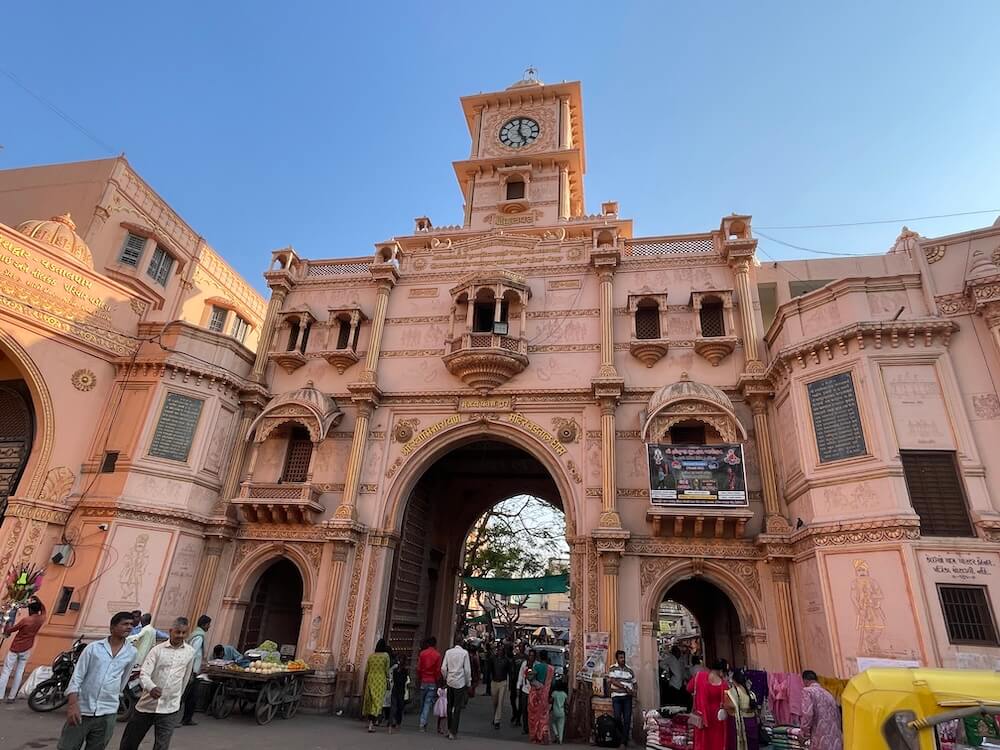
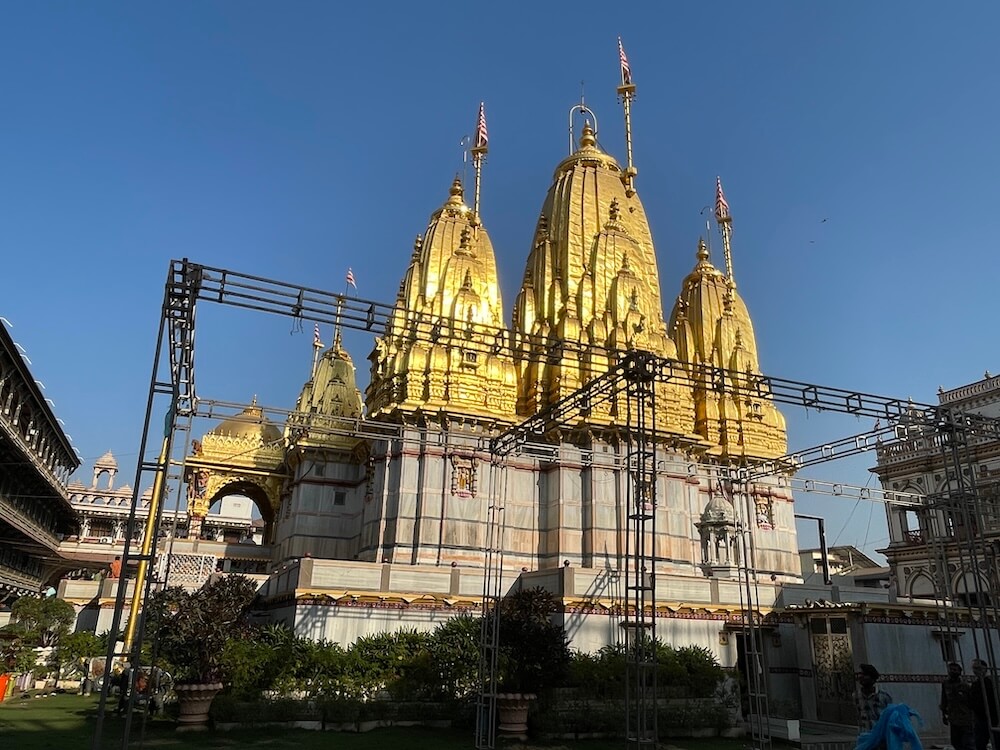
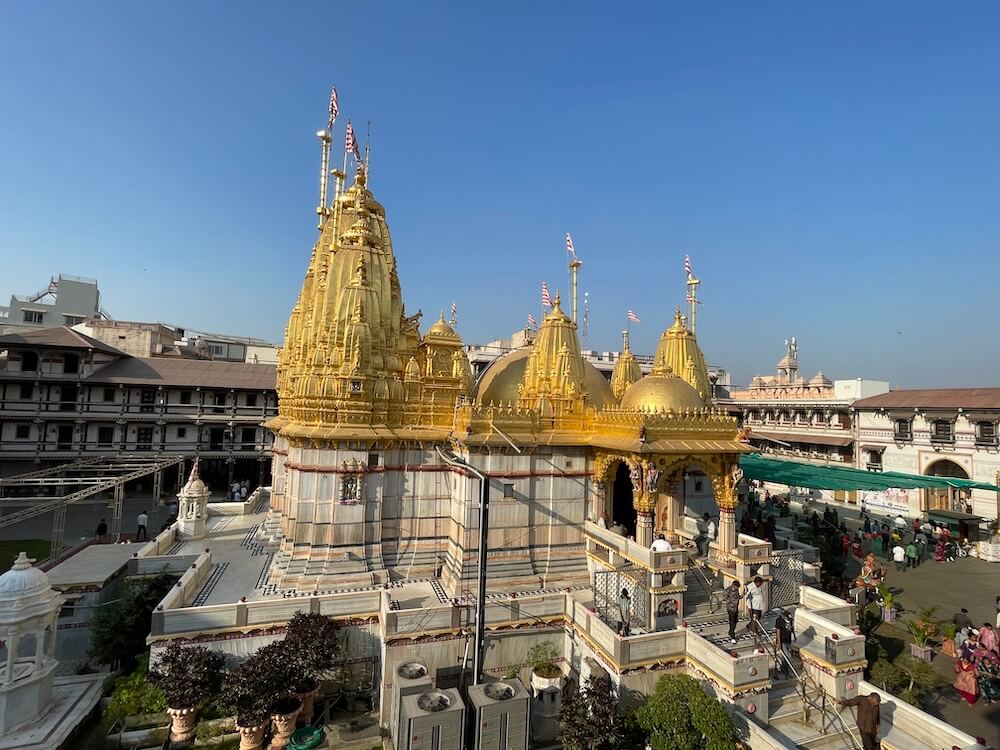
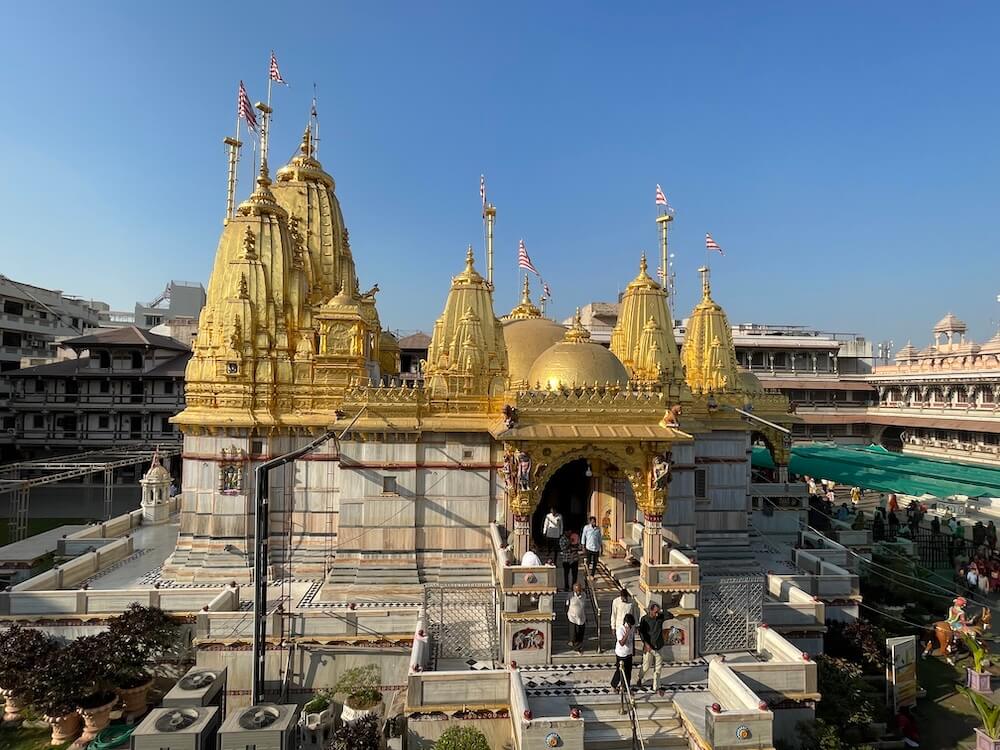
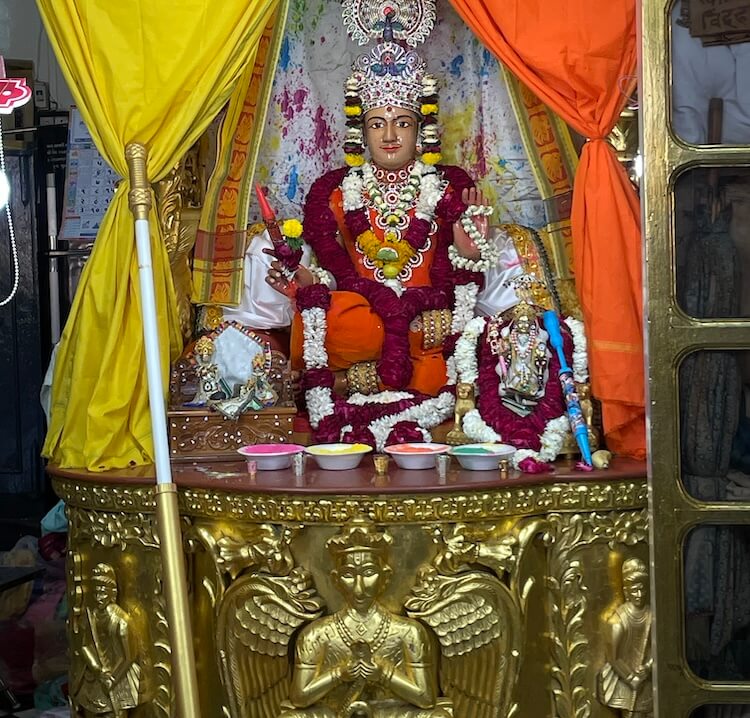
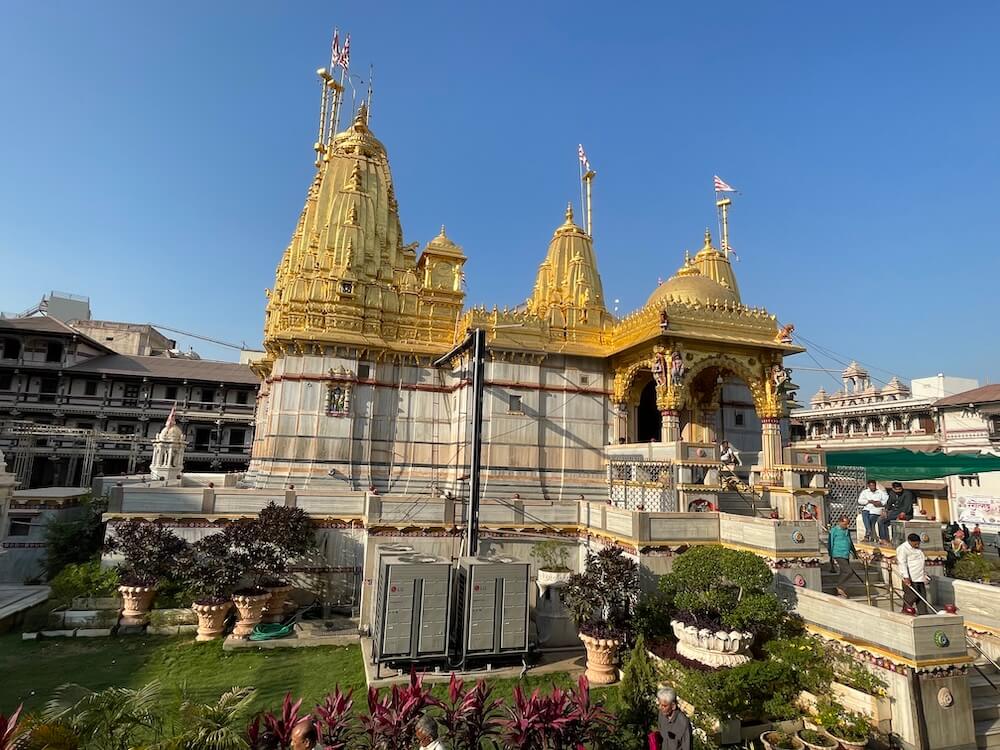
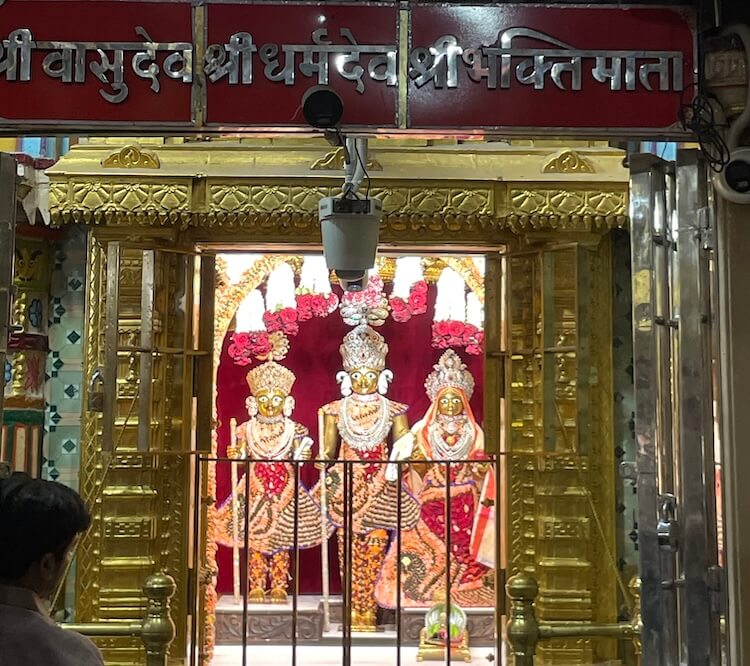
मंदिरे
Temples
मंदिर
-
भूमपुरा हनुमान मंदिर भूमापुरा, मोडज, ता. महेमदावाद, जि. खेडा
अधिक माहितीBhumapura Hanuman Temple Bhumapura, Modaj, Tal. Mahemdavad, Dist. Kheda
View Detailsभूमापुरा हनुमान मंदिर भूमापुरा, मोडाज, ताल. महेमदावाद, जिला. खेड़ा
विवरण देखें -
भाथीजी महाराज मंदिर फागवेल, ता. कापडवंज, जि. खेडा
अधिक माहितीBhathiji Maharaj Temple Phagvel, Tal. Kapadvanj, Dist. Kheda
View Detailsभथीजी महाराज मंदिर फागवेल, ताल. कपडवंज, जिला. खेड़ा
विवरण देखें -
केदारेश्वर महादेव मंदिर महादेवपुरा, ता. कठालाल, जि. खेडा
अधिक माहितीKedareswar Mahadev Temple Mahadevpura, Tal. Kathlal, Dist. Kheda
View Detailsकेदारेश्वर महादेव मंदिर महादेवपुरा, ताल. कठलाल, जिला. खेड़ा
विवरण देखें