
श्री परशुराम स्वामी मंदिर
तिरुवल्लम, जि. तिरुवनंतपुरम
Sree Parasurama Swamy Temple
Thiruvallam, Dist. Thiruvananthapuram
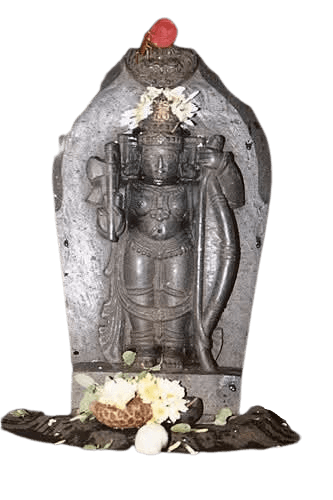 Thiruvallam Parasurama Temple, also known as Thiruvallam Sree Parasurama Swamy Temple, is one of the most ancient and spiritually significant temples in Kerala. Situated at Thiruvallam, near Thiruvananthapuram, the temple stands amidst a serene landscape close to the sacred waters of the Karamana River. The temple is especially revered because Lord Parasurama, the sixth incarnation of Lord Vishnu, is the principal deity. Thiruvallam is traditionally regarded as one of the rare and important temples in Kerala where Lord Parasurama is worshipped as the main deity. The shrine is also closely associated with the sacred tradition of Bali Tharpanam, the ritual offering made in memory of departed ancestors. With its ancient traditions, distinctive Kerala-style architecture and deep religious atmosphere, Thiruvallam Parasurama Temple continues to remain an important centre of worship for devotees from Kerala and beyond. For devotees, it is a place to seek divine blessings, remember their ancestors and experience the quiet divine beauty of one of Kerala’s revered ancient temples. A visit to Thiruvallam Parasurama Temple is therefore not merely a journey to a shrine, but a journey into the religious traditions and cultural soul of Kerala.
Thiruvallam Sree Parasurama Temple possesses a history in which sacred tradition and architectural heritage beautifully intertwine. The shrine is connected with the ancient religious traditions surrounding the origin of Kerala; the surviving structures of the temple complex reveal a rich medieval architectural history.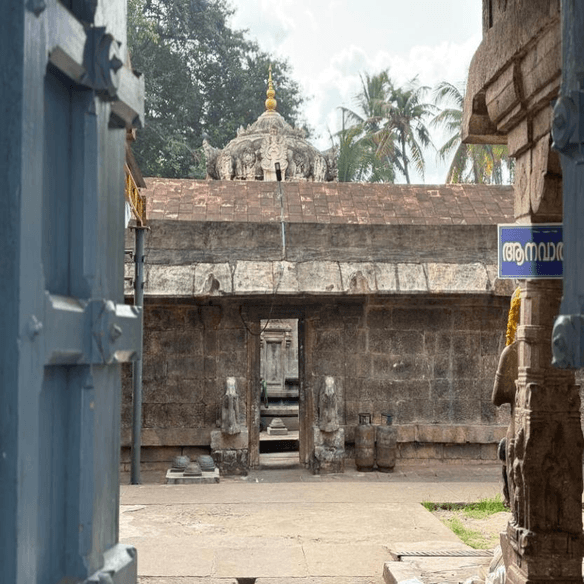 The Archaeological Survey records the Parasurama shrine as the earliest among the temples within the complex, with its distinctive apsidal Vimana reflecting late Chola architectural influence. The Parasurama and Brahma shrines are broadly dated to around the thirteenth century CE, while the shrines of Shiva and Matsya belong to a later phase of development. According to tradition, the temple is associated with Vilwamangalam Swamiyar, who established the shrine through his devotion to Lord Vishnu.
Another traditional account attributes the reconstruction of the temple to Athiyaman Perumal (a ruler of the 12th century related to the Satyapura dynasty). Over the centuries, the temple evolved into a sacred centre of great religious importance, particularly for the worship of Lord Parasurama and the performance of ancestral rites. Later on, after 1950, the temple was handed over to the Travancore Devaswom Board and today, Thiruvallam Sree Parasurama Temple is recognised as a centrally protected monument, preserving an exceptional blend of Kerala’s religious traditions and medieval South Indian architecture.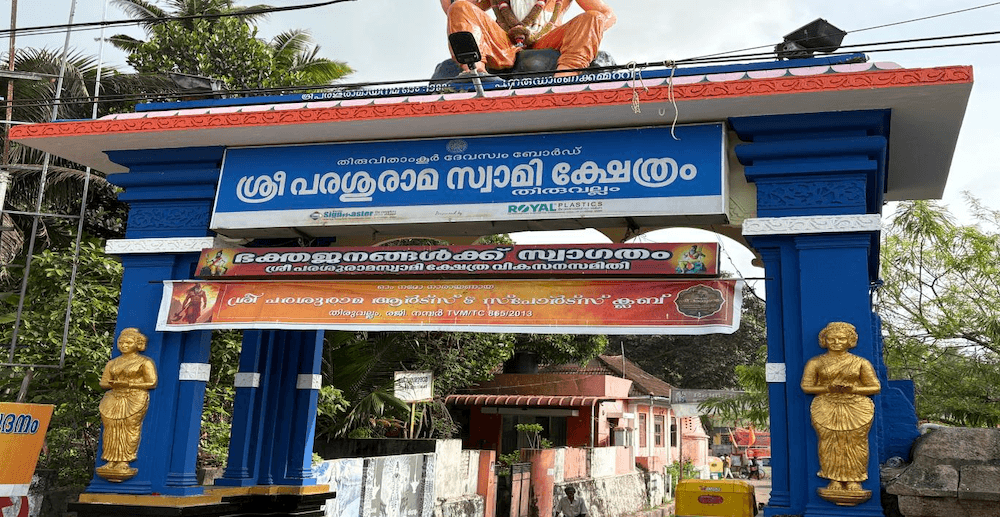
Thiruvallam Sree Parasurama Temple is surrounded by ancient legends that beautifully connect the shrine with Lord Parasurama. According to Kerala’s sacred tradition, Parasurama reclaimed the land of Kerala from the sea by throwing his divine axe. The land that emerged became known as Parasurama Kshetram and several sacred places across Kerala came to be associated with the warrior-sage. One of the most significant legends associated with Thiruvallam relates to Parasurama’s search for redemption. According to tradition, after obeying his father Sage Jamadagni’s command and killing his mother, Renuka Devi, Parasurama was overcome with grief and sought the blessings of Lord Shiva. Lord Shiva is believed to have directed him to the sacred banks of the Karamana River, where he performed Bali Tharpanam for the peace of his mother’s soul. This sacred act is traditionally believed to have established Thiruvallam as an important centre for ancestral worship.
Another belief connects the origin of the temple with Vilwamangalam Swamiyar, 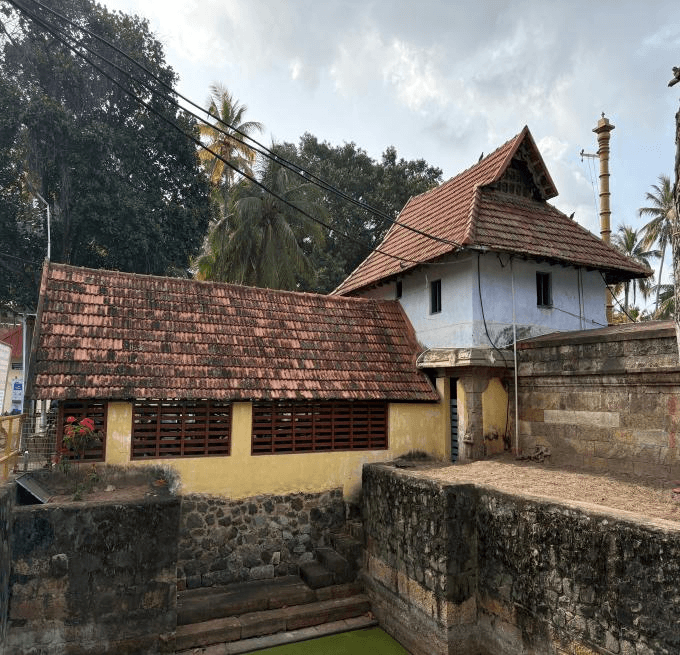 the celebrated devotee of Lord Vishnu. It is believed that, during his travels, the saint reached this serene place and experienced the divine presence of Lord Parasurama. Recognising the sanctity of the spot, he is said to have established the shrine and consecrated it for the worship of the warrior-sage.
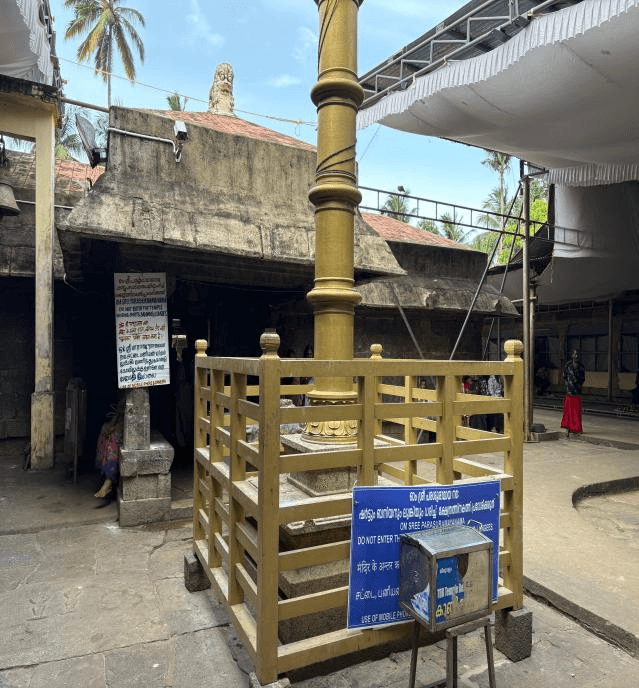
As a devotee approaches Thiruvallam Sree Parasurama Temple, the peaceful presence of the sacred Karamana River and the ancient temple structures create an immediate sense of serenity. The temple is a remarkable blend of traditional Kerala architecture with Dravidian and Chola-period influences, while its predominantly dressed black-granite structures give it a timeless and dignified appearance. One of the most unusual features of the temple is the presence of two Dwajasthambams (flagpoles), one associated with the Parasurama shrine and the other with the Shiva shrine. Both stand within the Nalambalam, creating a rare and striking sight for pilgrims. At the heart of the complex stands the Parasurama Sreekovil, distinguished by its unusual apsidal Vimana, a rare architectural form in Kerala.
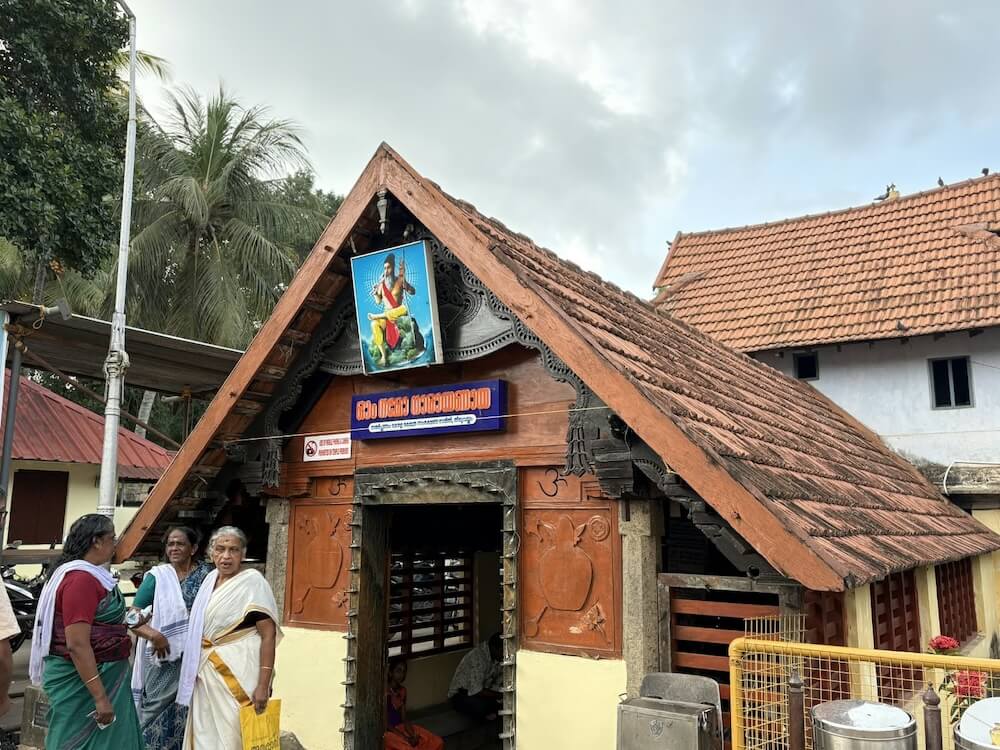 This approximately two-foot-tall monolithic stone idol, facing North, is revered as the divine warrior-sage, with the Parasu, or sacred axe, symbolising strength, righteousness and the protection of Dharma. In front of the Sreekovil is the beautifully carved Namaskara Mandapam, where devotees offer their prayers and sacred rituals are performed. The intricate stone craftsmanship creates a graceful contrast with the sturdy granite sanctum. The temple’s sacred waters hold a special place in its religious traditions. Devotees use them for purification and perform Bali Karma in remembrance of their ancestors, particularly during Karkidakam (July–August). Together, the ancient architecture, sacred waters and timeless rituals create an atmosphere where history and tradition come together, making Thiruvallam a deeply meaningful pilgrimage destination.
Within the sacred precincts of the temple, several sub shrines honour revered deities and sages, each occupying its own place in the cultural rhythm of Thiruvallam. Lord Shiva and Lord Brahma face East, while Matsya Murti, the first fish incarnation of Lord Vishnu and Vedavyasa, the revered sage, also turn towards the rising sun East. Facing West are the shrines of Lord Subrahmanya Swamy, Lord Ayyappa, Sri Krishna and Mahaganapathy, creating a graceful balance within the sacred enclosure. Each shrine adds its own presence and significance to the temple, while their thoughtful arrangement around the principal Parasurama Sreekovil gives the complex a distinctive sense of harmony. Together, these sacred shrines form a beautiful landscape, where different manifestations of the Divine stand in quiet communion, surrounding the abode of Lord Parasurama and enriching the cultural experience of every pilgrim who walks through the temple precincts.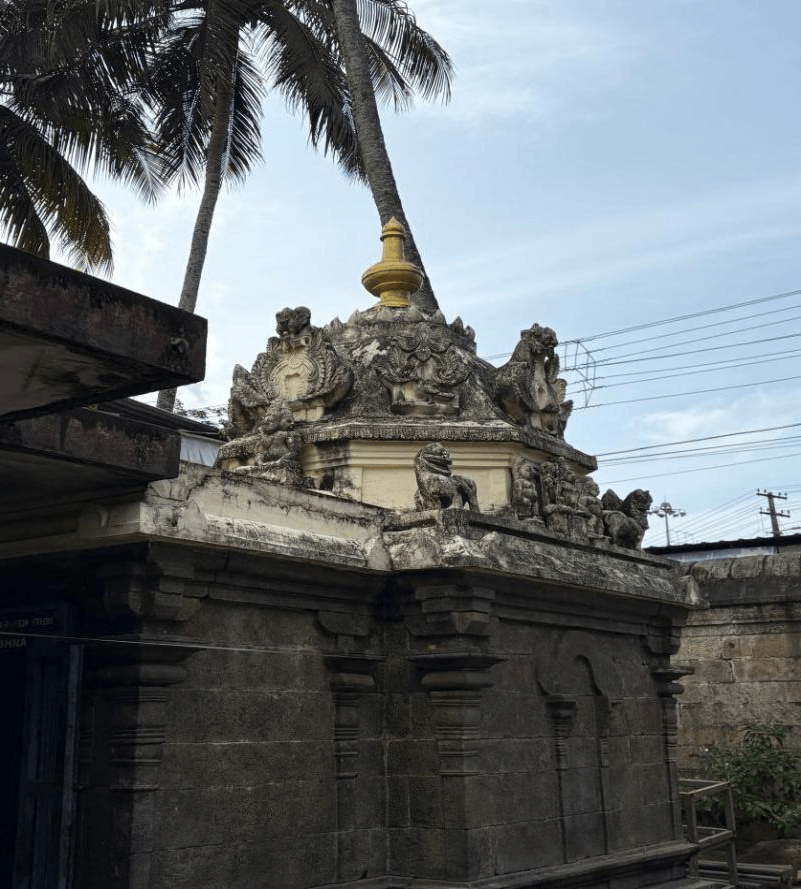
The annual festival of Thiruvallam Sree Parasurama Temple, known as the Thiruvonam Arattu, is a vibrant celebration held during the Malayalam month of Thulam (October–November). The festival traditionally extends for around 20 days, beginning with the ceremonial Kodiyettu, the hoisting of the temple flag on the day of the Atham star. Throughout the festival, the temple comes alive with special poojas, traditional rituals, sacred offerings and the rhythmic sounds of temple percussion. The sacred precincts are filled with devotees who gather to seek the blessings of Lord Parasurama and participate in the auspicious celebrations. The festival reaches its climax on Thiruvonam, when the ceremonial Arattu is performed in the sacred waters of the Karamana River. Accompanied by traditional rituals and the enthusiasm of gathered pilgrims, the Arattu marks the culmination of the celebrations.
Karkidaka Vavu, observed during the Malayalam month of Karkidakam (July–August), is the most important religious observance at Thiruvallam.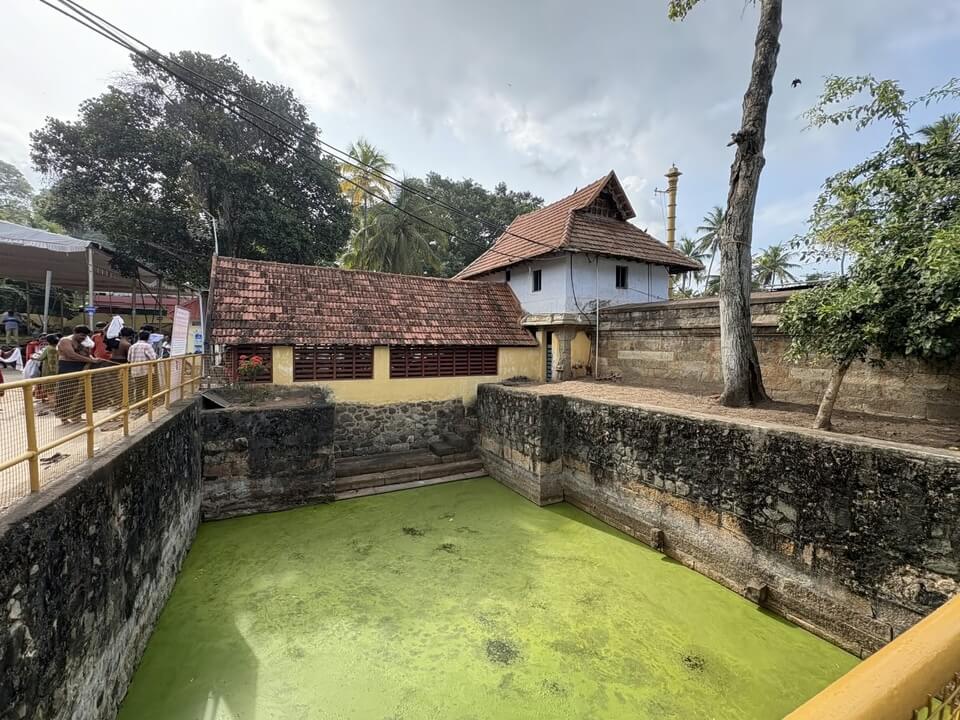 On this day, large number of devotees arrive at the temple and the sacred waters of the Karamana River to perform Bali Tharpanam, offering prayers and ritual oblations for their departed ancestors. From the early hours of the day, the riverbanks and temple surroundings become filled with devotees carrying out the prescribed rituals under the guidance of priests. After completing the rites, devotees traditionally visit the temple and seek the blessings of Lord Parasurama. The temple also observes various important occasions in the Hindu religious calendar with special poojas and offerings. Vishu in Medam (April-May), Ekadashi celebrated every month, Navaratri in the month of Kanni (Sep-Oct), Deepavali in Thulam (Oct-Nov) and other auspicious days may be marked with appropriate rituals according to the temple’s traditional calendar.
The offerings at Thiruvallam Sree Parasurama Temple are deeply rooted in faith, remembrance and the ancient traditions associated with Lord Parasurama. Among them, Bali Tharpanam and Bali Karma hold a special place, 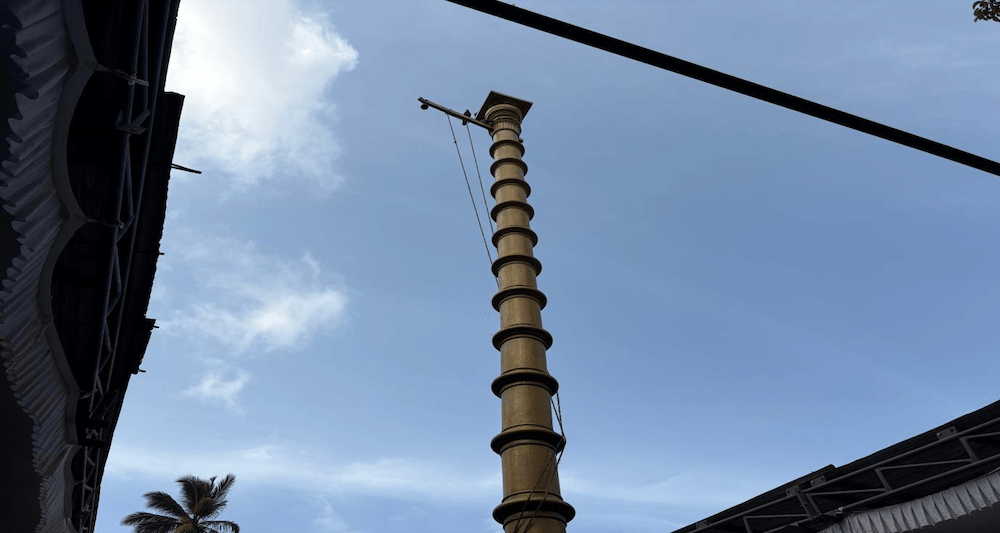 drawing devotees to the sacred waters of the Karamana River to offer prayers and ritual oblations in memory of their departed ancestors. Alongside these sacred offerings, devotees perform Archana (offering flowers to the deity with chants to remove hindrances), Abhishekam (pouring of Holy water over the deity to attain mental and physical well-being), Nivedyam (offering food to seek blessings and please the deity) and Deepa offerings (decorated lamps offered for prosperity and happiness). Each offering is more than a ritual; it becomes a quiet expression of faith, gratitude and surrender, connecting the devotee with the Divine and with the generations who came before.
The temple awakens at the gentle hour of 5:00 am with the sacred rituals of Nirmalyam, followed by Usha Pooja at 8:00 am. The morning worship continues until 11:00 am, concluding with the Ucha Pooja and Seeveli. As evening descends, the temple reopens at 5:00 pm, welcoming devotees once again into its serene surroundings. At 6:30 pm, the soft radiance of Deeparadhana illuminates the sanctum, offered to both the principal and sub deities. The day’s worship comes to a peaceful close with the Athazha Pooja, after which the temple closes at 8:00 pm. Together, these sacred rituals create a timeless rhythm of prayer and tradition, carrying the essence of Thiruvallam from the first light of dawn to the quiet stillness of night.
Key highlights
- Located 7.5 Km from Thiruvananthapuram
- Thampanoor Bus Stand.
- Located 8 Km from Thiruvananthapuram central
Railway Station. - KSRTC and local bus facilities are available to
Thiruvallam. - Private vehicles can be parked at the designated
parking areas. - Accommodation and food facilities are available
In nearby areas. - Contact information :0471 2380706
श्रीपरशुराम स्वामी मंदिर
तिरुवल्लम, जिला. तिरुवनंतपुरम
मंदिरे
Temples
मंदिर
મંદિરો
கோவில்கள்
దేవాలయాలు
ക്ഷേത്രങ്ങൾ
ದೇವಾಲಯಗಳು
মন্দিরসমূহ
ਮੰਦਿਰ
-
वेल्लमकुलथला श्रीभागवती मंदिर वेंपाकल, नेयट्टिनकारा, जि. तिरुवनंतपुरम.
अधिक माहितीVellamkulathala Sree Bhagavathy Temple Venpakal, Neyyattinkara, Dist. Thiruvananthapuram.
View Detailsवेल्लमकुलथला श्री भगवती मंदिर वेनपाकल, नेय्याट्टिनकारा, जिला। तिरुवनंतपुरम.
विवरण देखेंVellamkulathala Sree Bhagavathy Temple Venpakal, Neyyattinkara, Dist. Thiruvananthapuram.
વિગત જુઓVellamkulathala Sree Bhagavathy Temple Venpakal, Neyyattinkara, Dist. Thiruvananthapuram.
விவரங்களைக் காண்கVellamkulathala Sree Bhagavathy Temple Venpakal, Neyyattinkara, Dist. Thiruvananthapuram.
వివరాలను చూడండిVellamkulathala Sree Bhagavathy Temple Venpakal, Neyyattinkara, Dist. Thiruvananthapuram.
വിശദാംശങ്ങൾ കാണുകVellamkulathala Sree Bhagavathy Temple Venpakal, Neyyattinkara, Dist. Thiruvananthapuram.
ವಿವರಗಳನ್ನು ವೀಕ್ಷಿಸಿVellamkulathala Sree Bhagavathy Temple Venpakal, Neyyattinkara, Dist. Thiruvananthapuram.
বিস্তারিত দেখুনVellamkulathala Sree Bhagavathy Temple Venpakal, Neyyattinkara, Dist. Thiruvananthapuram.
ਵੇਰਵੇ ਦੇਖੋ -
मलयिन्कीझु श्री कृष्ण स्वामी मंदिर मलयिन्कीझु, कट्टकडा, जिला। तिरुवनंतपुरम.
अधिक माहितीMalayinkeezhu Sree Krishna Swamy Temple Malayinkeezhu, Kattakada, Dist. Thiruvananthapuram.
View Detailsमलयिन्कीझु श्री कृष्ण स्वामी मंदिर मलयिन्कीझु, कट्टकडा, जिला। तिरुवनंतपुरम.
विवरण देखेंMalayinkeezhu Sree Krishna Swamy Temple Malayinkeezhu, Kattakada, Dist. Thiruvananthapuram.
વિગત જુઓMalayinkeezhu Sree Krishna Swamy Temple Malayinkeezhu, Kattakada, Dist. Thiruvananthapuram.
விவரங்களைக் காண்கMalayinkeezhu Sree Krishna Swamy Temple Malayinkeezhu, Kattakada, Dist. Thiruvananthapuram.
వివరాలను చూడండిMalayinkeezhu Sree Krishna Swamy Temple Malayinkeezhu, Kattakada, Dist. Thiruvananthapuram.
വിശദാംശങ്ങൾ കാണുകMalayinkeezhu Sree Krishna Swamy Temple Malayinkeezhu, Kattakada, Dist. Thiruvananthapuram.
ವಿವರಗಳನ್ನು ವೀಕ್ಷಿಸಿMalayinkeezhu Sree Krishna Swamy Temple Malayinkeezhu, Kattakada, Dist. Thiruvananthapuram.
বিস্তারিত দেখুনMalayinkeezhu Sree Krishna Swamy Temple Malayinkeezhu, Kattakada, Dist. Thiruvananthapuram.
ਵੇਰਵੇ ਦੇਖੋ -
पल्लीचल वेंबन्नूर श्रीकंदन षष्ठ मंदिर वेदीवाचनकोइल, जि. तिरुवनंतपुरम.
अधिक माहितीPallichal Vembannoor Sreekandan Shastha Temple Vedivachancoil, Dist. Thiruvananthapuram.
View Detailsपल्लीचल वेम्बन्नूर श्रीकंदन शास्ता मंदिर वेदिवाचनकोइल, जिला. तिरुवनंतपुरम.
विवरण देखेंPallichal Vembannoor Sreekandan Shastha Temple Vedivachancoil, Dist. Thiruvananthapuram.
વિગત જુઓPallichal Vembannoor Sreekandan Shastha Temple Vedivachancoil, Dist. Thiruvananthapuram.
விவரங்களைக் காண்கPallichal Vembannoor Sreekandan Shastha Temple Vedivachancoil, Dist. Thiruvananthapuram.
వివరాలను చూడండిPallichal Vembannoor Sreekandan Shastha Temple Vedivachancoil, Dist. Thiruvananthapuram.
വിശദാംശങ്ങൾ കാണുകPallichal Vembannoor Sreekandan Shastha Temple Vedivachancoil, Dist. Thiruvananthapuram.
ವಿವರಗಳನ್ನು ವೀಕ್ಷಿಸಿPallichal Vembannoor Sreekandan Shastha Temple Vedivachancoil, Dist. Thiruvananthapuram.
বিস্তারিত দেখুনPallichal Vembannoor Sreekandan Shastha Temple Vedivachancoil, Dist. Thiruvananthapuram.
ਵੇਰਵੇ ਦੇਖੋ