
सिद्धिविनायक मंदिर
मकतमपूर, ता./जि. भरुच
Siddhivinayak Temple
Maktampur, Tal./Dist. Bharuch
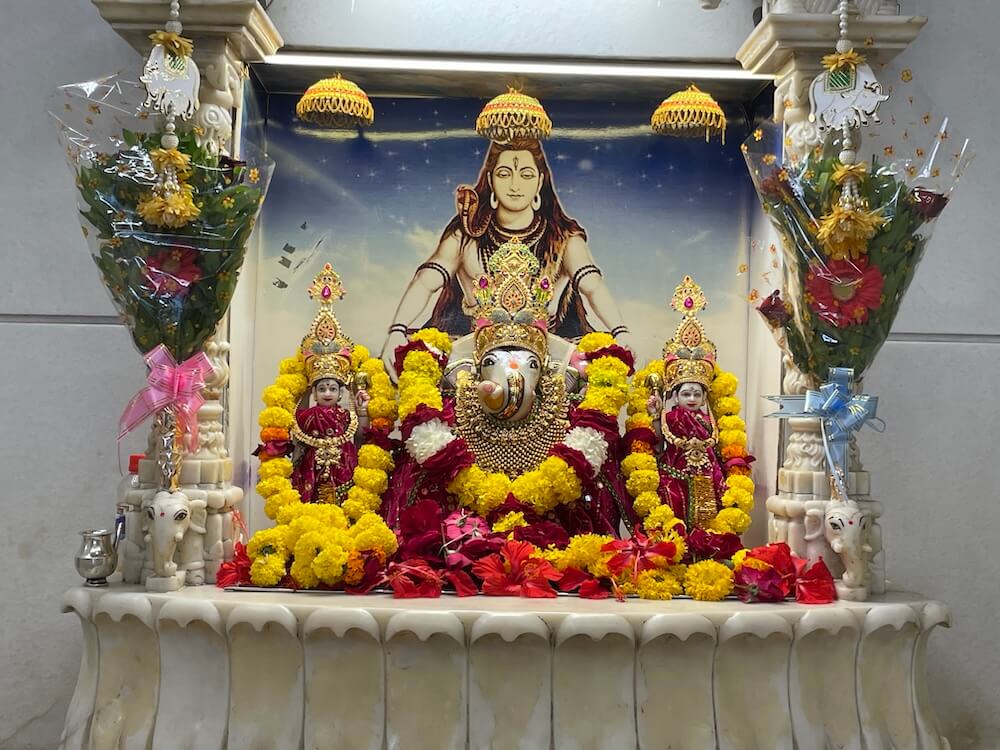 Ganesha stands as the most beloved deity across the Asian continent. Siddhivinayak is a celebrated form of Ganesha. According to Puranic legends the Pandavas worshipped this specific manifestation of Ganesha to regain their lost kingdom. The Siddhivinayak temple in Mumbai is famed across the world. In the temple at Maktampur there is an idol resembling the murti of that shrine. This temple was established here seven years after the 1857 uprising. Countless devotees hold the unwavering belief that the Ganesha of this ancient shrine is as Jagrut (divinely alert and responsive) as his counterpart in Mumbai and he unfailingly answers the earnest prayers of his followers.
 The Sanskrit adage ‘Kalau Chandivinayakau’ suggests that in the Kali Yuga (the current age of darkness) the deities Chandi and Ganpati are the most efficacious in granting boons. Consequently the worship of Ganpati is performed in various ways throughout India. Amongst the numerous forms of Ganesha, Vinayaka is particularly popular. According to the second volume of Pandit Mahadevshastri Joshi’s ‘Bharatiya Sanskriti Kosh’ (Encyclopaedia of Indian Culture) a story in the Puranas recounts that the Creator fashioned Vinayaka to place obstacles in the paths of people. The ‘Yajnavalkya Smriti’ mentions six types of Vinayaka-ganas : ‘Mit’, ‘Sammit’, ‘Shal’, ‘Katkat’, ‘Kushmanda’ and ‘Rajputra’. The ‘Manava Grihyasutra’ describes these Vinayaka-ganas as fierce and obstructive. Ganpati was eventually designated as the lord of these Vinayakas. The narrative of how the association between Vinayaka and Ganesha was forged is found in the ‘Varaha Purana’.
The legend recounts a dilemma faced by the gods and sages : ‘why did obstacles frequently hinder the righteous, while the wicked succeeded without interference?’ Seeking a remedy they approached Lord Rudra. Upon hearing their plight Rudra gazed intently at Goddess Uma and from his mouth emerged a beautiful and radiant youth who appeared as a mirror image of Rudra himself. Displeased by this image Uma grew wrathful and cursed the youth declaring that he would have the face of an elephant, a protuberant belly and be entwined by serpents. Angered by this curse Shiva rubbed his body with his hands and from his form sprang forth various Vinayaka-ganas with elephant faces and curved trunks, blue-hued and bearing diverse weapons. 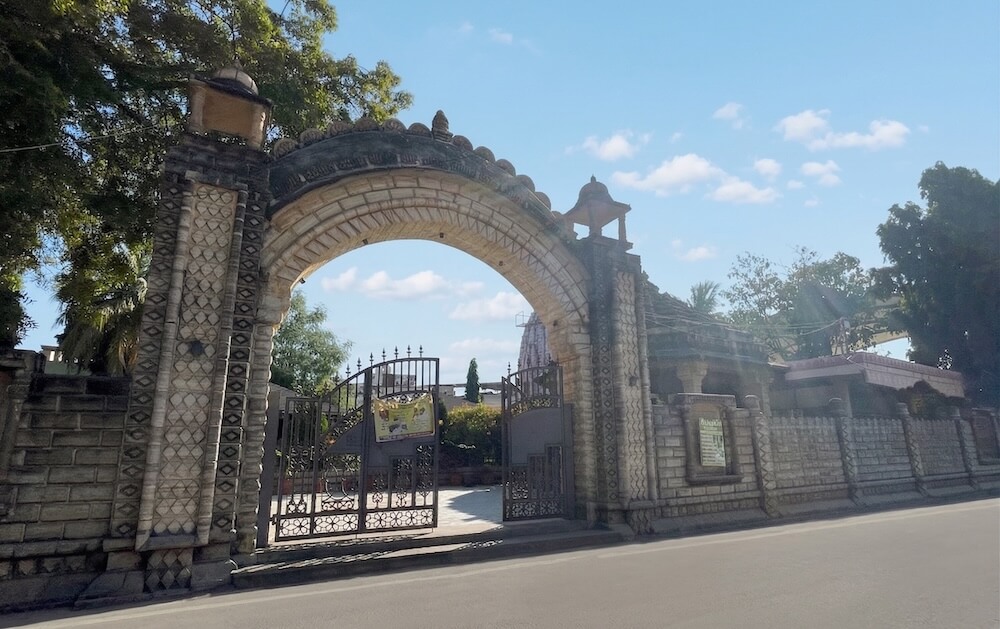 To calm the frightened gods Lord Brahma announced via a celestial voice that Shiva had created these Vinayakas for their welfare. Brahma then requested Shiva to place these hosts under the authority of the youth born from his mouth. Shiva then addressed his son: “You shall be known as Gajmukha, Ganesha and Vinayaka. These fierce Vinayaka-ganas shall be your servants. Henceforth you shall be worshipped first in all sacrifices and rituals. Should anyone fail to do so you are free to place obstacles in their undertakings.” Since that day the tradition of worshipping Ganpati at the commencement of any work began. Thus the Vinayakas who were once the cause of obstacles became the removers of hurdles through Ganesha and he became Siddhivinayak – the one who ensures the successful fruition of his devotees’ desires.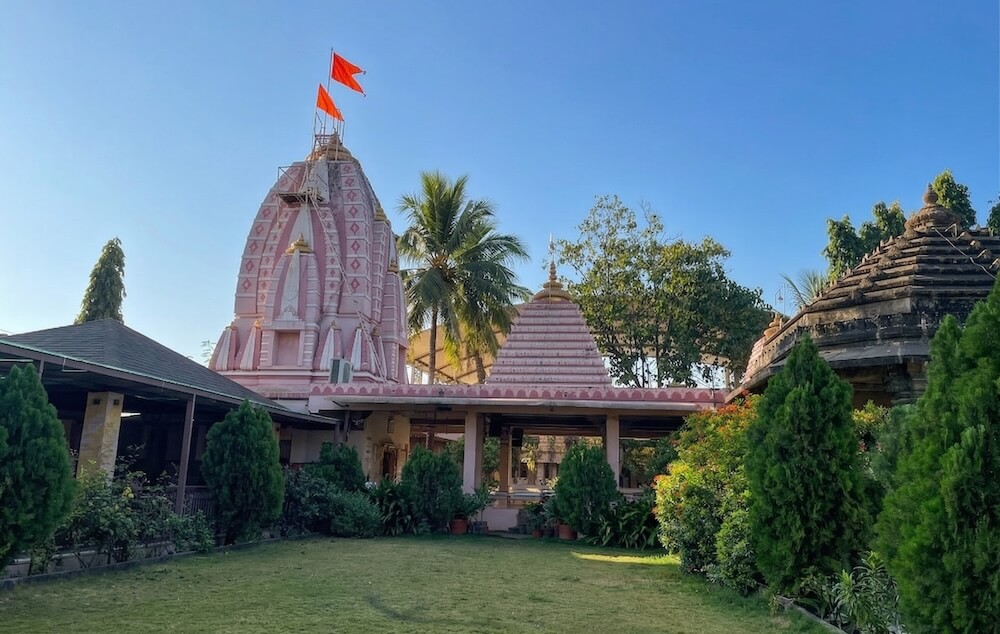
Typically a Siddhivinayak temple enshrines an idol with the trunk curved towards the right and the Maktampur temple is no exception. This idol is a replica of the world-famous deity at Prabhadevi in Mumbai. The temple at Maktampur was founded by Seth Gokalbhai Vijlal on Thursday, 15 December 1864 (Vikram Samvat 1920, Margashirsha Vadya Chaturthi). The shrine underwent its first restoration a century later in 1966 and subsequent renovations in 2012 gave the temple its current architectural splendour.
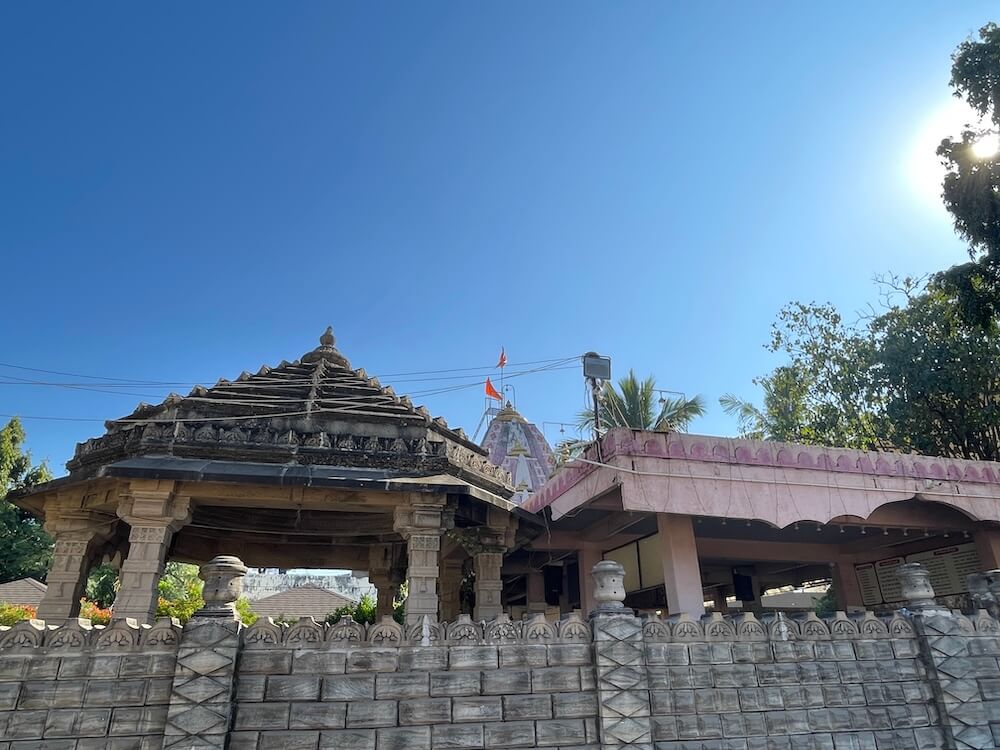
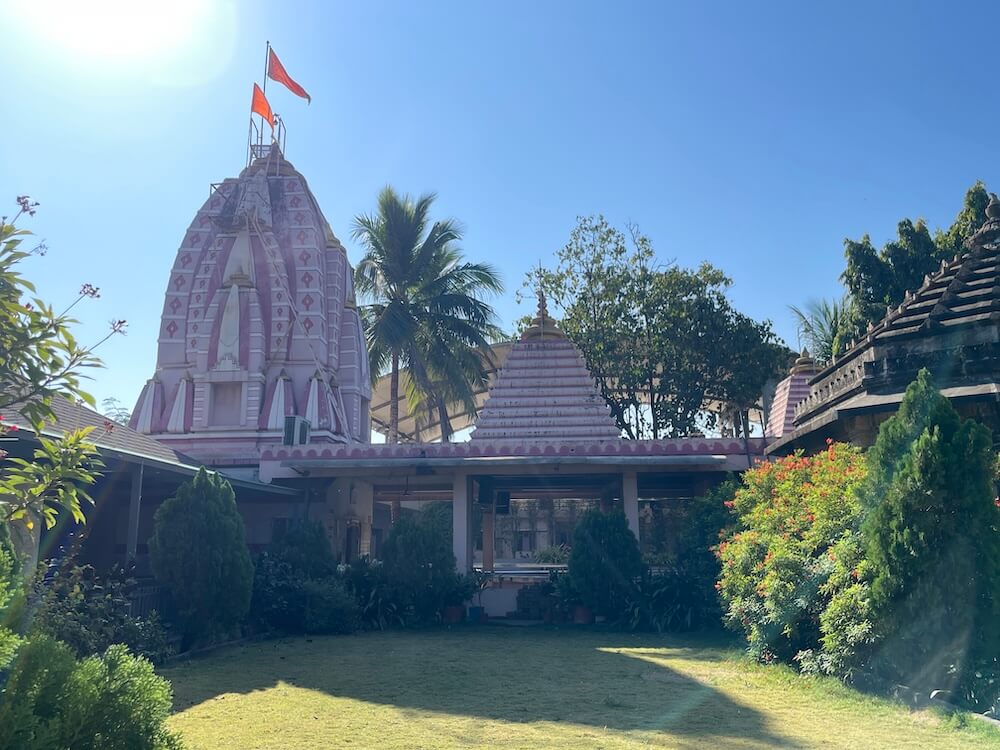
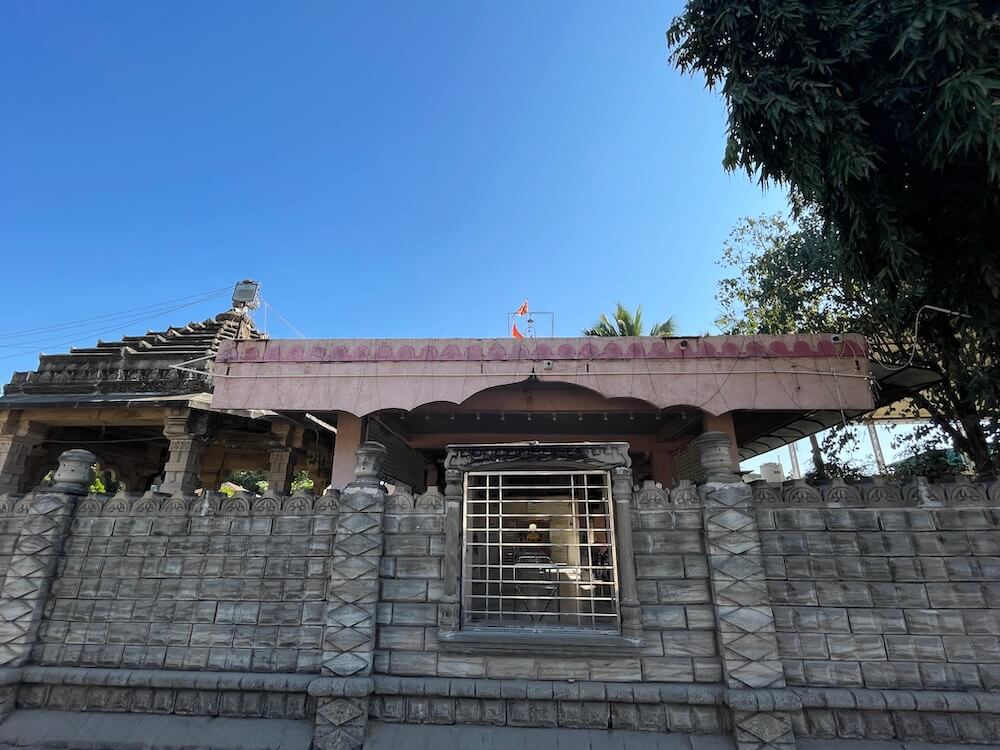
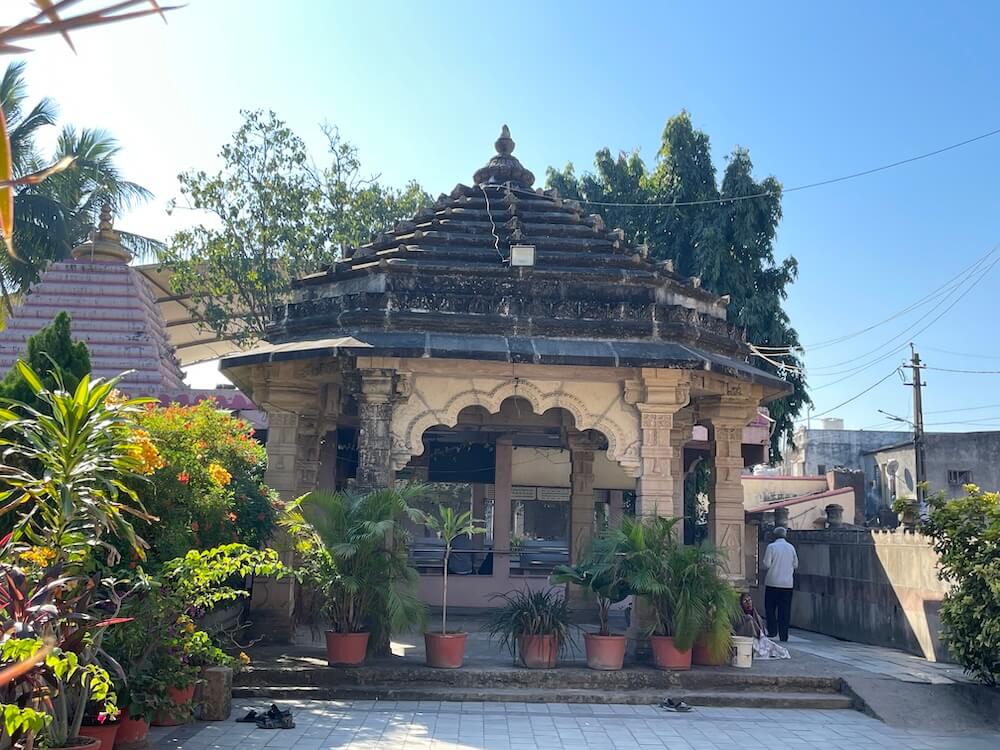 The temple is situated within a serene and expansive compound secured by a high boundary wall and a magnificent entrance arch. The courtyard is graced with a well-maintained garden. To the right stands the Ganesha temple itself. Facing it is an old-style circular pavilion of an open design. Its pillars and arches feature intricate carvings and it is topped by a pyramid-shaped spire adorned with an Amalaka (fluted stone disc) and a Kalash (pinnacle).
The Siddhivinayak Temple structure comprises a Sabhamandap (assembly hall) and a Garbhagriha (sanctum sanctorum). The Sabhamandap is of a semi-open design and features two spires. Within this elongated hall seating is provided on both sides for pilgrims. A circumambulatory path surrounds the sanctum. Near the entrance to the sanctum stand two pillars topped with statues of Dwarpals (celestial gatekeepers).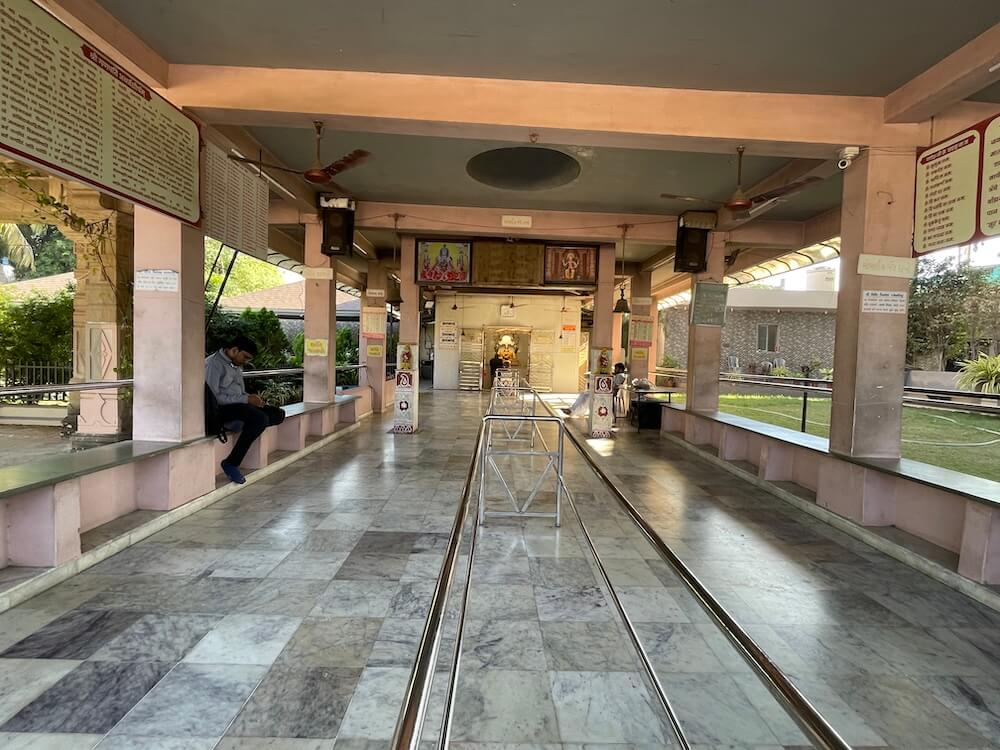 The upper sections of these pillars also display images of the famous ‘Lalbaugcha Raja’ and the Prabhadevi Siddhivinayak of Mumbai.
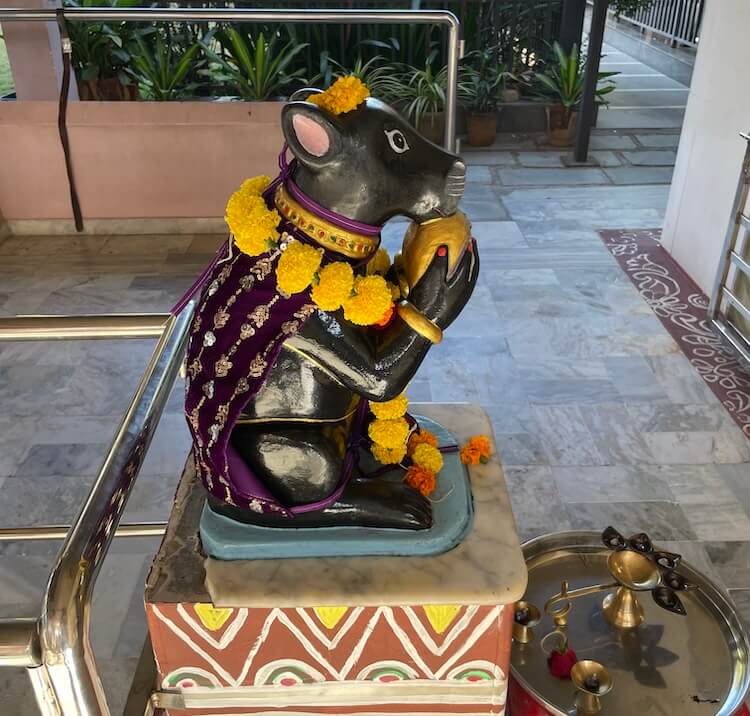
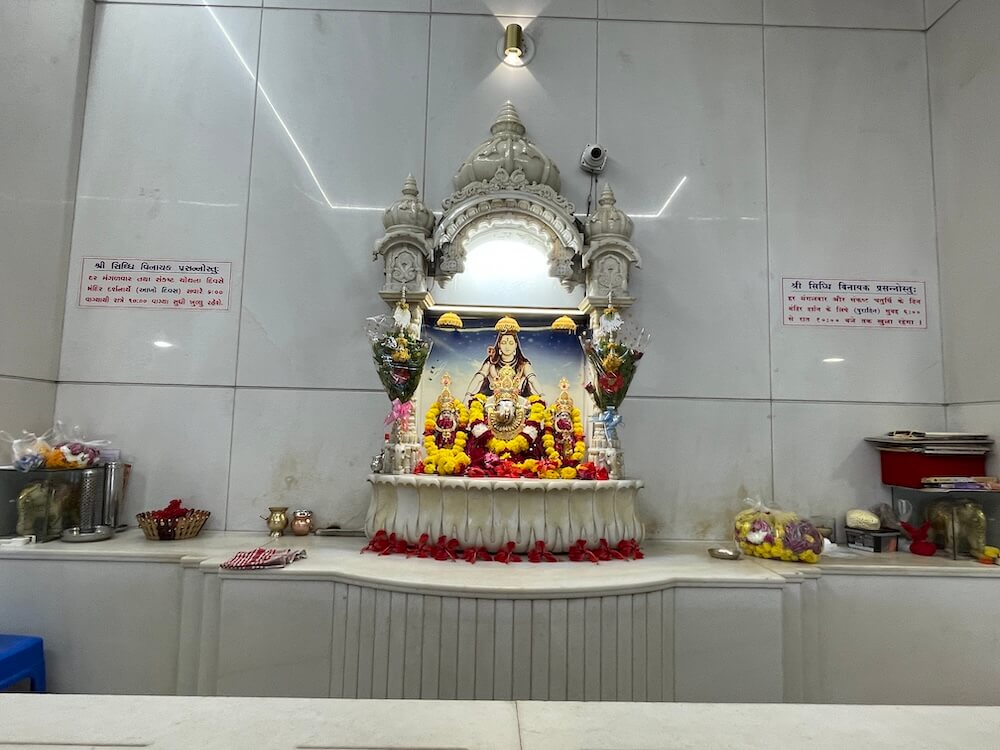
A statue of a mouse, the Lord’s mount, is seated upon a pedestal before the sanctum. Inside, within a beautiful marble canopy atop a high marble platform, resides the marble idol of Siddhivinayak. The idol is elegantly adorned with rich silken garments and jewellery including a heavy gold necklace and a crown studded with precious stones. Flanking him are the marble idols of Riddhi and Siddhi, likewise finely dressed. Behind these figures is a large portrait of Lord Shankar. The sanctum is crowned by an Urushringa style spire featuring a two-tiered Amalaka and a Kalash.
 Devotees may seek Darshan (sacred viewing) from 6:00 am to 12:30 pm and from 4:00 pm to 9:00 pm. On Tuesdays and the day of Sankashti Chaturthi the temple remains open from 6:00 am until 10:00 pm. Daily Aarti is performed at 7:00 am and 7:00 pm. Naivedya (food offering) is presented to the deity at 11:30 am and 8:30 pm.
Many pilgrims travel to the temple on foot every Tuesday and on Sankashti Chaturthi. The temple is particularly crowded during Angarki Chaturthi when special prayers, a Ganesha Yajna (sacrificial fire ritual), Maha Aarti and Mahaprasad (consecrated feast) are organised. During the month of Shravan special worship is conducted and devotees have the unique opportunity to perform a Satyanarayana Puja for a nominal offering of eleven rupees. The festival of Maghi Ganesh Jayanti also sees various religious rites performed. Adjacent to the temple premises are the shrines of Maharudranath Mahadev and Kashivishwanath Mahadev.
Useful Information
- 3 km away from Bharuch
- ST (State Transport) bus facility available from Bharuch
- Private vehicles can reach up to the temple parking
- Accommodation and breakfast facilities are available in the vicinity
सिद्धिविनायक मंदिर
मकतमपुर, ताल./जिला. भरूच
मंदिरे
Temples
मंदिर
-
कोटेश्वर महादेव मंदिर कदोद, ता. भरुच, जि. भरुच
अधिक माहितीKoteshwar Mahadev Temple Kadod, Tal. Bharuch, Dist. Bharuch
View Detailsकोटेश्वर महादेव मंदिर कडोद, ताल. भरूच, जिला. भरूच
विवरण देखें -
धर्मेश्वर महादेव मंदिर धर्मशाळा-झानोर, ता. भरुच, जि. भरुच
अधिक माहितीDharmeshwar Mahadev Temple Dharmashala-Jhanor, Tal. Bharuch, Dist. Bharuch
View Detailsधर्मेश्वर महादेव मंदिर धर्मशाला-झानोर, ताल. भरूच, जिला. भरूच
विवरण देखें -
साईबाबा मंदिर रामवाटिका सोसायटी, झाडेश्वर, ता./जि. भरुच
अधिक माहितीSai Baba Temple Ramvatika Society, Zadeshwar, Tal./Dist. Bharuch
View Detailsसाईं बाबा मंदिर रामवाटिका सोसायटी, जादेश्वर, ताल./जिला. भरूच
विवरण देखें