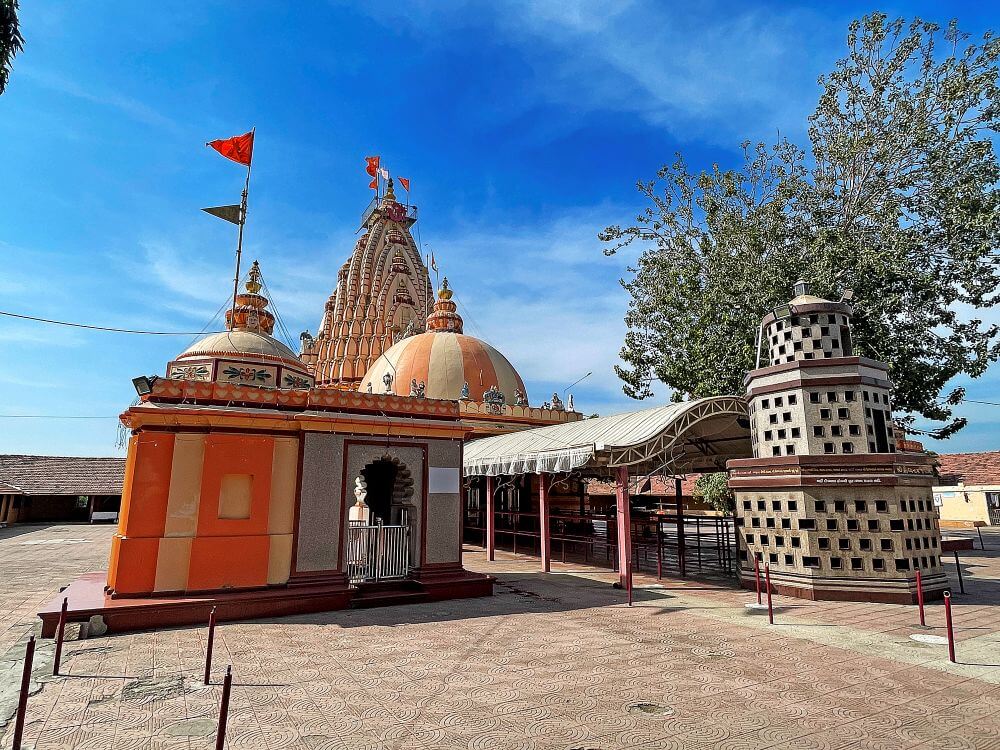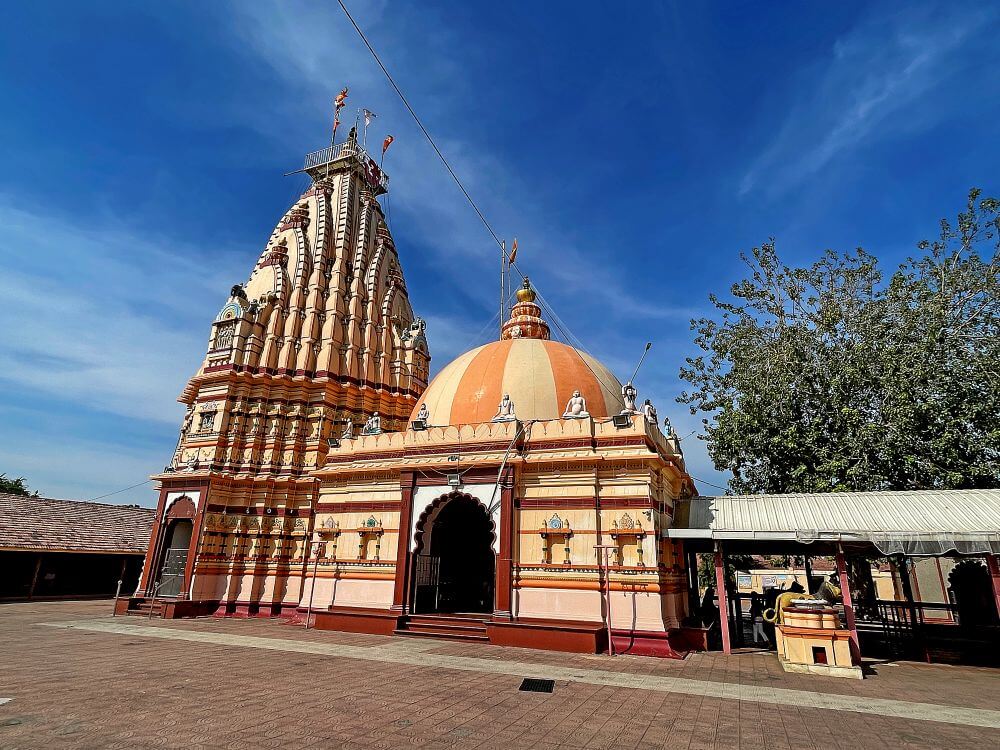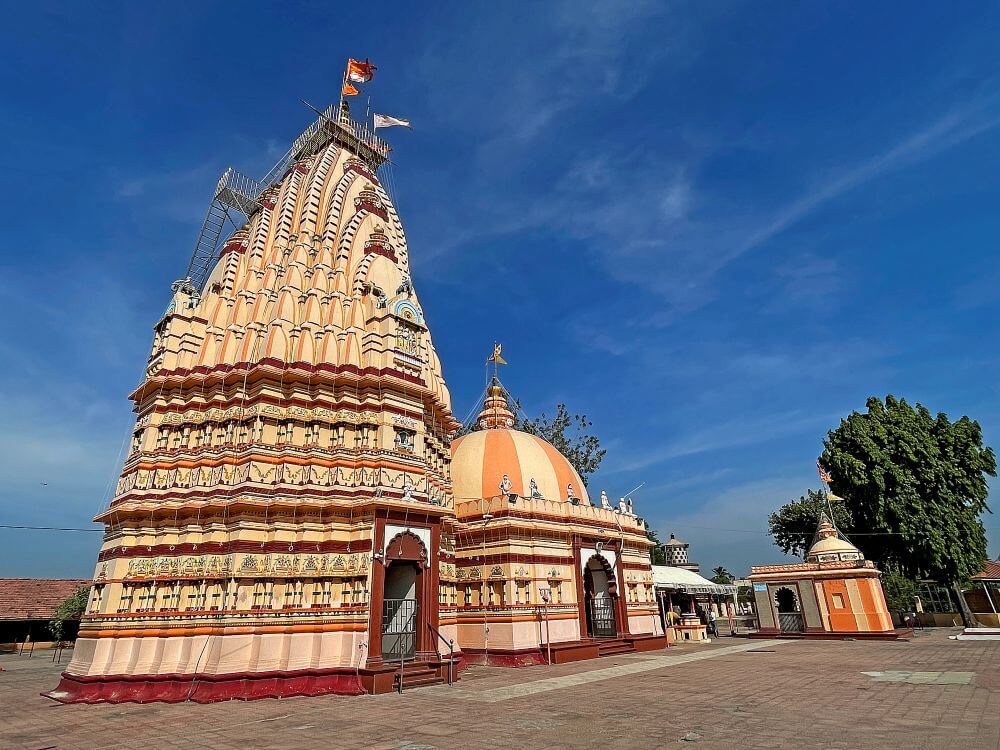
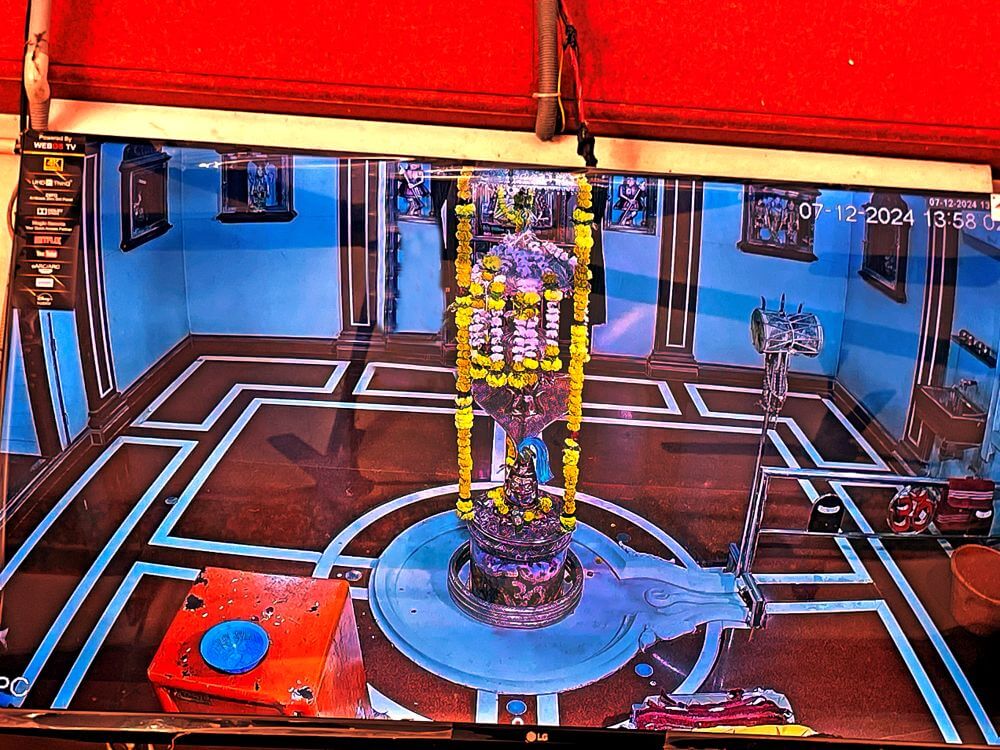
 The Siddhanath Mahadev Temple in Saras gam (village) is unique as it is the only temple in India where a fractured (damaged) Shivling is worshipped. Religious scriptures often dictate that fractured Shivlings should not be worshipped. However, this temple defies convention, and the Shivling is considered sacred by devotees. It is also believed to house ‘upalingas’ of the 12 Jyotirlingas of India. According to legend, the Ganga River is said to have originated from this fractured Shivling.
Nearby are Ramkund and Baankund, a pond and well believed to have been created by Lord Ram to resolve the Brahma Dosh (a curse) after slaying Ravan. Devotees believe these are sacred spots linked to significant mythological events.
 As per the 60th chapter of the Tapi Mahatmya Purana titled ‘Siddheshwar Prabhavonnam,’ Lord Ram and Sita once passed through this region along the banks of the Tapi River. Sita witnessed a mysterious serpent with a white face approaching Ram. Moments later, the serpent transformed into a divine being and thanked Ram for liberating him from his cursed form. This event was narrated to Gokarna Rishi, who informed Ram that the serpent was once Shakantu Raja, who had been cursed to take serpent form. To express his gratitude, Ram offered divine gifts to Gokarna Rishi and worshipped the Siddheshwar Ling here.
Another legend involves a herd of cows grazing in the area. One particular cow consistently released milk at a specific spot in the forest. When the local herdsmen informed Gokarna Rishi, he meditated and discovered a Shivling beneath the surface.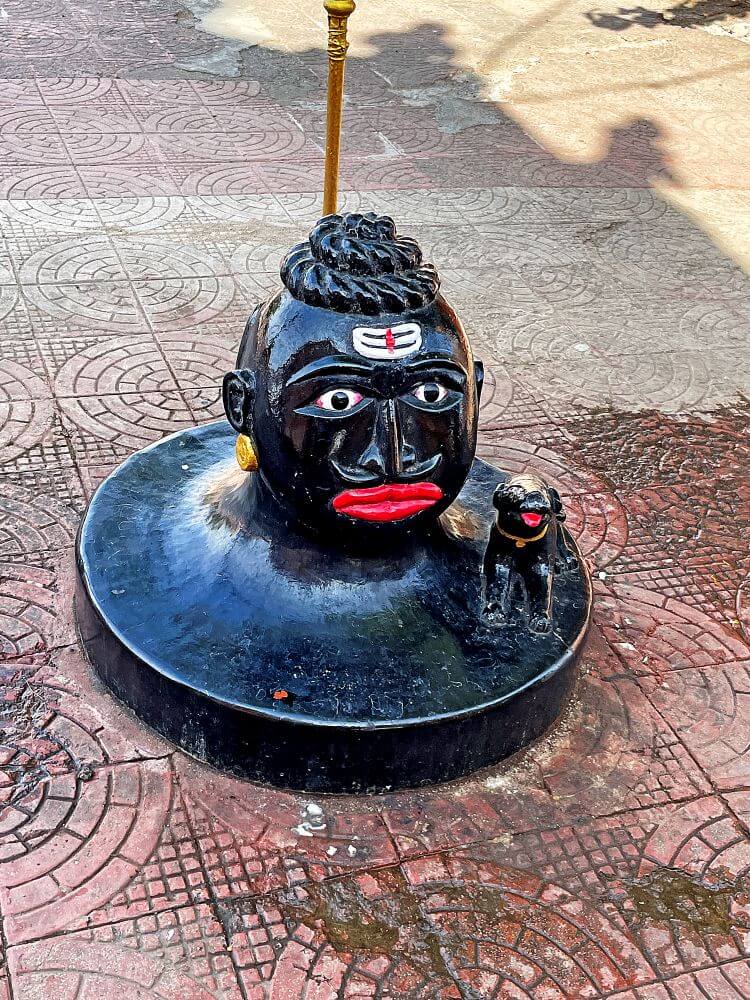 Using his spiritual power, he unearthed and consecrated the Shivling, which later came to be known as Siddhanath Mahadev.
The ‘Gujarat State Gazetteer – Surat District’ records that this temple once fell into disrepair. It was reconstructed by Damajirao Gaekwad, a commander in the Maratha Empire and ruler of Baroda. A devout follower of Lord Shiva, he supported the construction and renovation of several temples during his reign. Work on this temple began in 1795 during the time of his son Govindrao Gaekwad and was completed in 1803 during the rule of Anandrao Gaekwad.
According to local lore, during the temple’s reconstruction, Pindaris damaged the Shivling, hoping to find wealth buried beneath it. Pindaris were a group of irregular soldiers who plundered and raided in India during the 17th to 19th centuries. As they struck the Shivling, a swarm of bees and wasps emerged and drove them away. The damaged Shivling began to emit water, considered sacred Gangajal (holy water), which continues to flow even today.
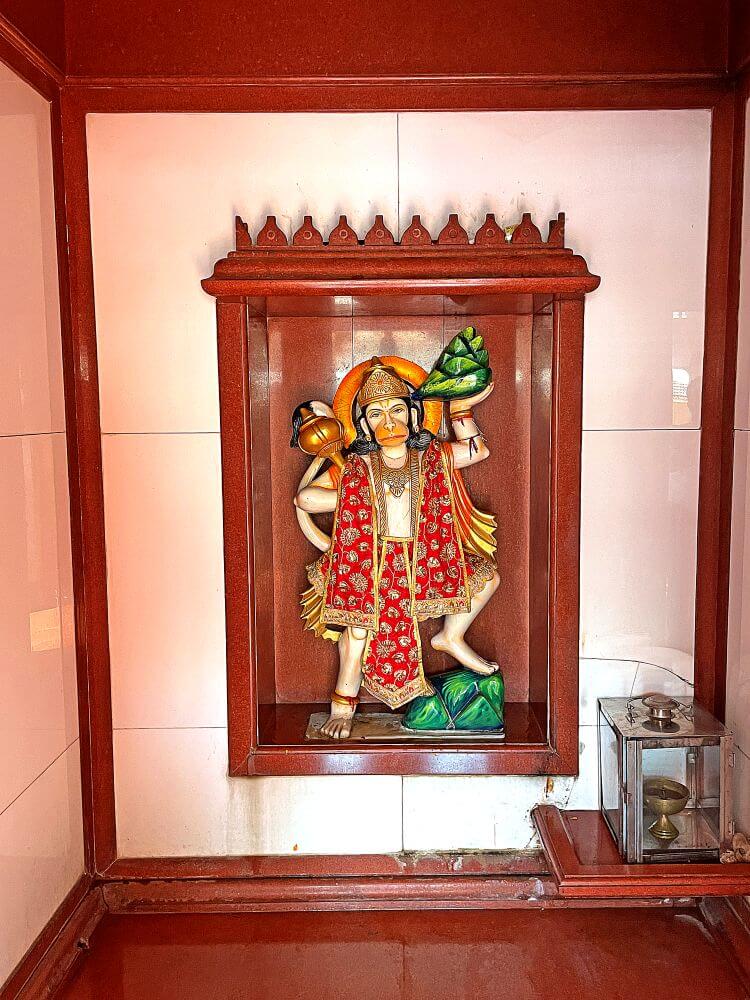
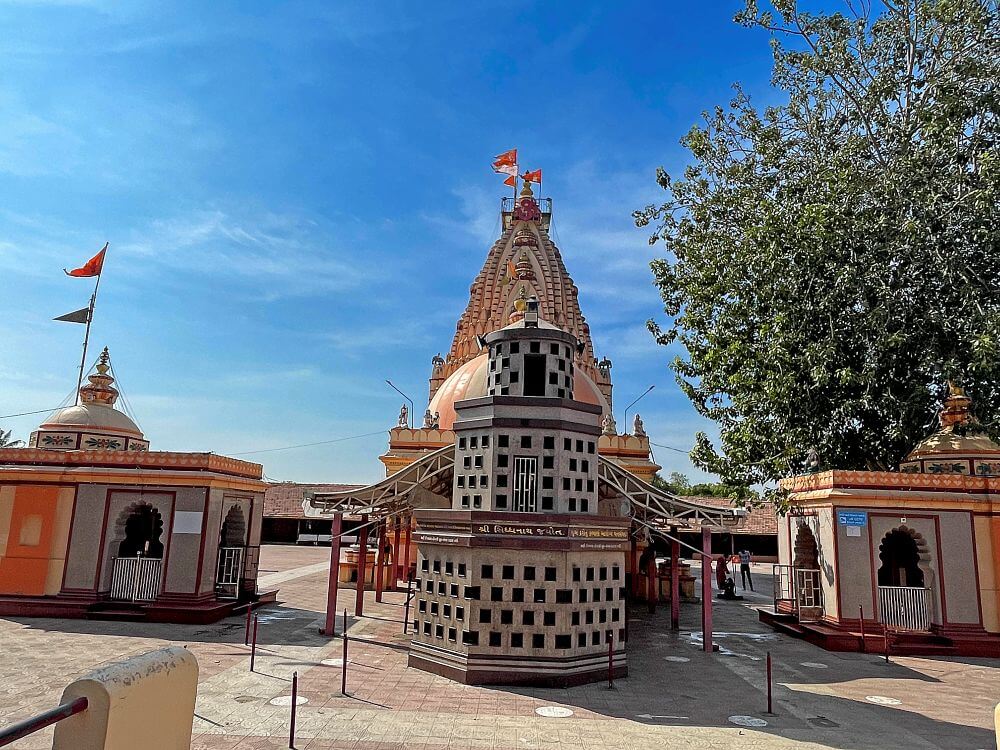
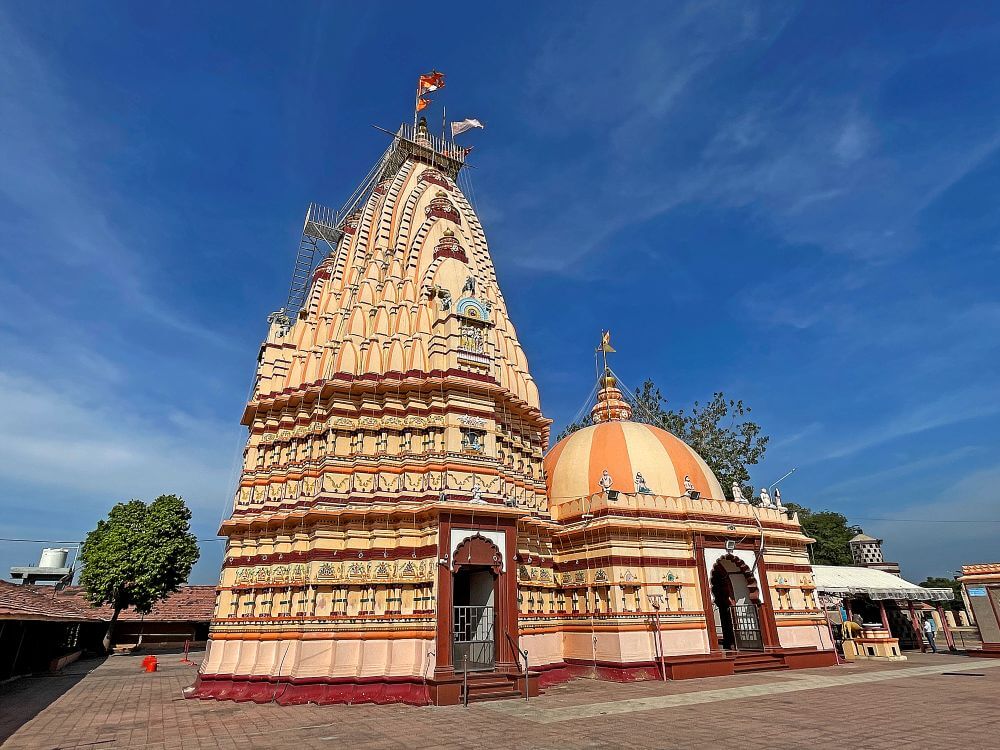
The temple is situated on a hillock, 104 feet above the surrounding area, and is accessible via a flight of stairs. Upon entering the temple precinct, a tall Deepmala (lamp tower) stands prominently. Devotees light lamps on the Deepmala to fulfil their wishes. The temple courtyard houses additional shrines dedicated to Hanuman and Shiva.
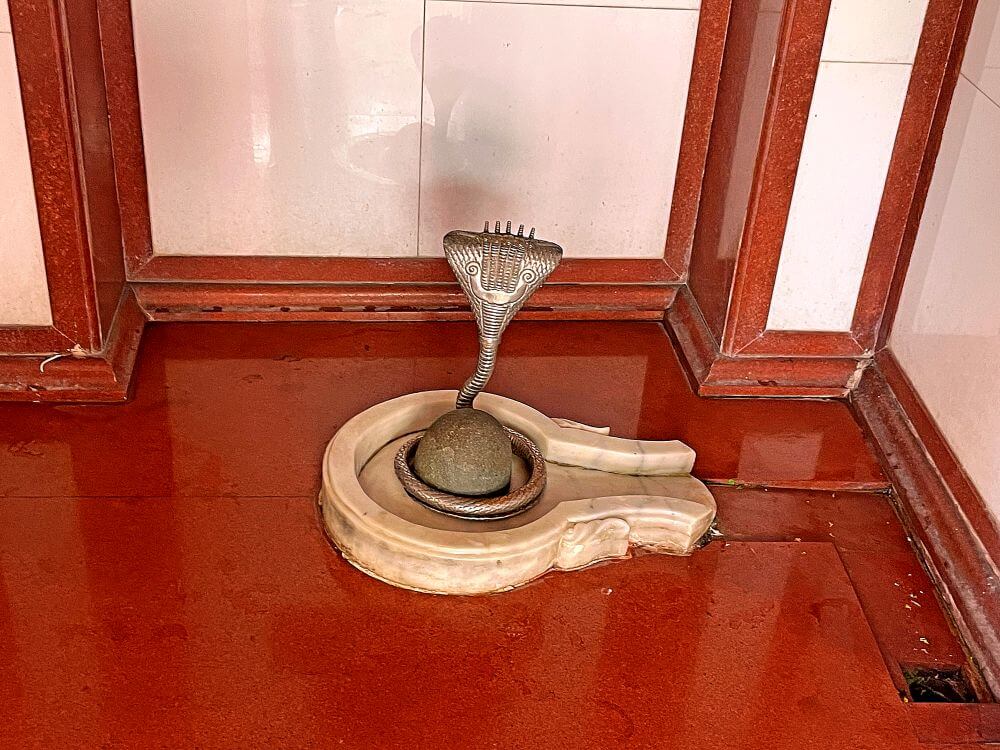
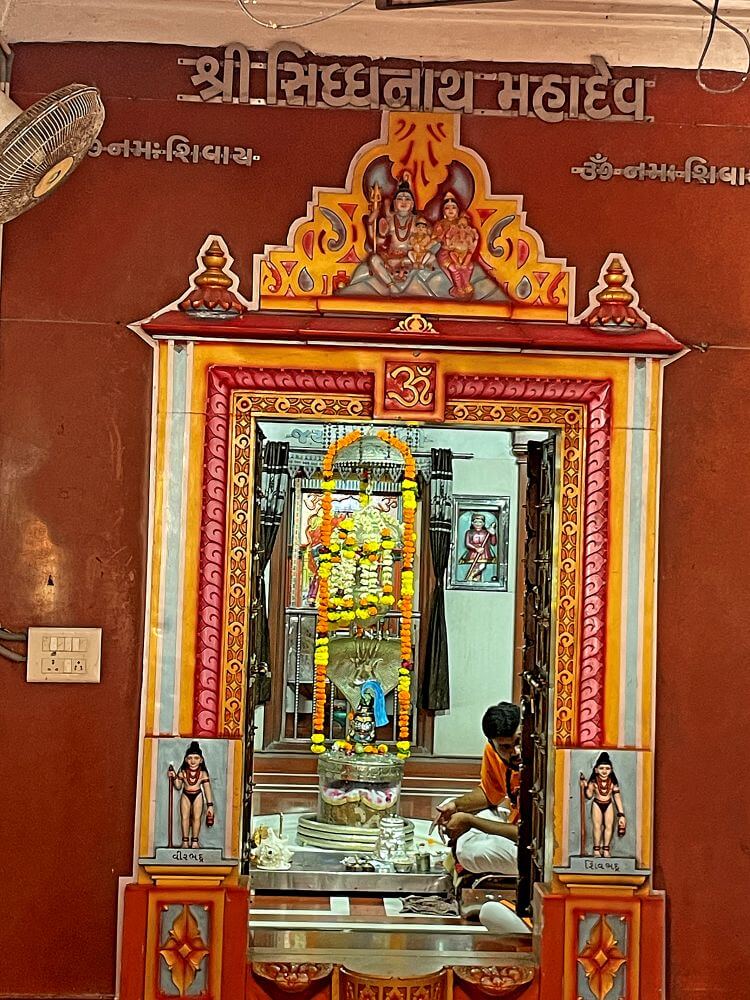
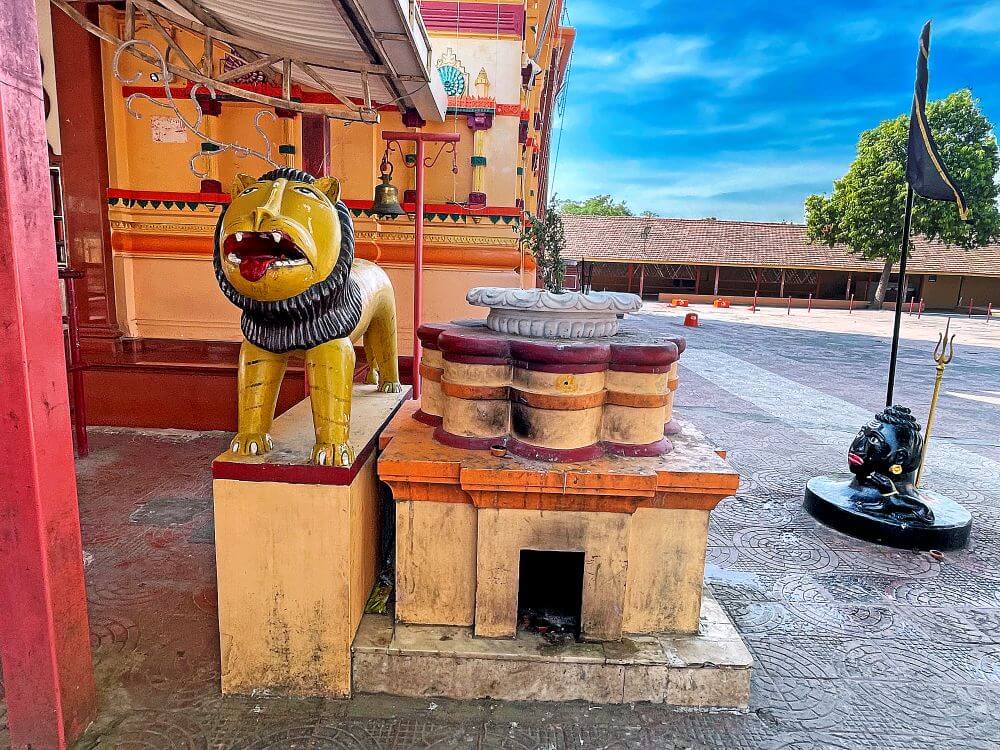 The temple’s Sabhamandap (prayer hall) features an arched entrance with intricately carved pillars, while the domed ceiling is adorned with images of sages and deities. The sanctum contains a unique fractured Shivling, encased in glass for preservation, topped with a beautifully crafted silver cover. The Shivling measures 18 inches in height and is adorned with a silver cobra with a raised hood. Surrounding the sanctum are smaller shrines dedicated to Parvati and other deities.
The temple’s Shikhar (spire) is an architectural marvel, showcasing elements of the Nagara and Bhumija styles, with multiple miniature spires. The temple’s outer walls are adorned with intricate carvings of parrots and other decorative motifs. The premises also feature Samadhis (shrines) of saints and a dharmashala (pilgrim rest house).
It is customary to visit the Gokarna Rishi Samadhi before entering the temple. Located near the Ramkund, this shrine contains Rishi Gokarna’s padukas (footwear) and a statue of the saint. Baankund, another sacred site nearby, is believed to have been created by Lord Ram to summon the Ganga River for purification rituals during his yagna (sacrificial ceremony).
The temple is open for darshan (viewing) from 7:00 AM to 1:00 PM and 2:00 PM to 7:00 PM. Mahashivratri is celebrated with great fervour, attracting thousands of devotees. During the holy month of Shravan, many devotees undertake a kawad yatra (pilgrimage carrying sacred water) to the temple.