
संतराम मंदिर
नडियाद, ता. नडियाद, जि. खेडा
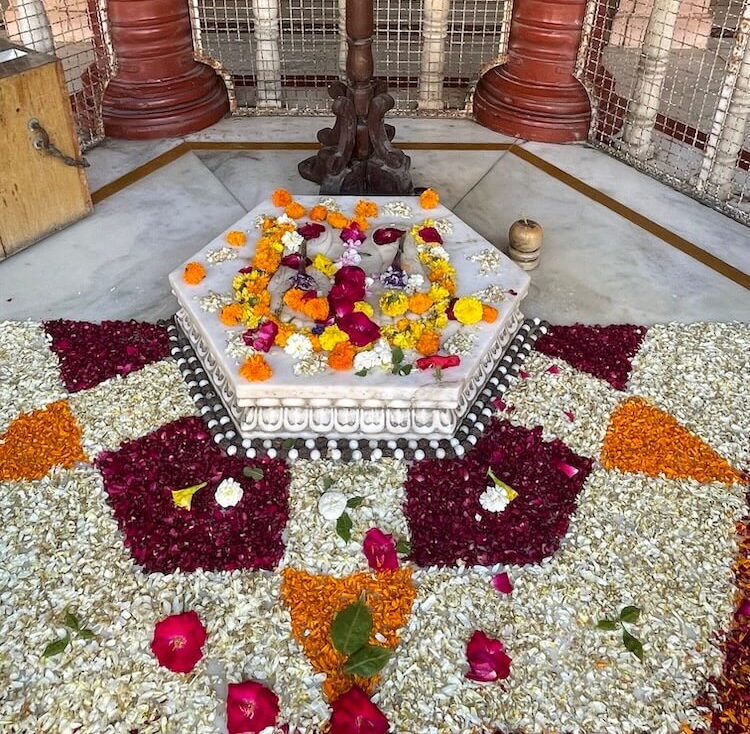 खेडा जिल्ह्याचे प्रशासकीय केंद्र आणि ‘अमूल’च्या वारशासाठी प्रसिद्ध असलेल्या नडियादच्या मध्यवर्ती भागात संतराम महाराजांचे भव्य मंदिर स्थित आहे. भाविक या थोर संतांना श्री दत्तात्रेयांचा अवतार मानतात. ‘गिरनारी बाबा’, ‘विदेही बाबा’ आणि ‘सुखसागरजी’ या नावांनी प्रेमपूर्वक ओळखले जाणारे हे अवधूत (एक मुक्त योगी) यांनी अशा एका आश्रमाची स्थापना केली, जो जात आणि पंथाच्या भिंतींच्या पलीकडे आहे. आज हे ठिकाण एक प्रमुख आध्यात्मिक आणि सामाजिक केंद्र म्हणून कार्य करत असून, दर गुरुवारी, एकादशीला आणि पौर्णिमेला हजारो भाविक येथे दर्शनासाठी येतात. ‘मानवाची सेवा हीच ईश्वराची सेवा’ या ब्रीदवाक्याचे पालन करत, हे मंदिर आपल्या सेवाभावी कार्याद्वारे भुकेल्यांना अन्न आणि दुर्बलांना वैद्यकीय आधार प्रदान करते.
असे सांगितले जाते की, जेव्हा भगवान स्वामीनारायण नडियादला आले होते, तेव्हा त्यांनी भक्तांची मंदिर बांधण्याची विनंती नाकारली होती आणि त्याऐवजी अशी भविष्यवाणी केली होती की, हे स्थळ एका महान समाजसुधारकासाठी निश्चित झाले आहे, ज्यांची संस्था रयण वृक्षापासून पंचोटेरिया वडापर्यंत विस्तारली जाईल. 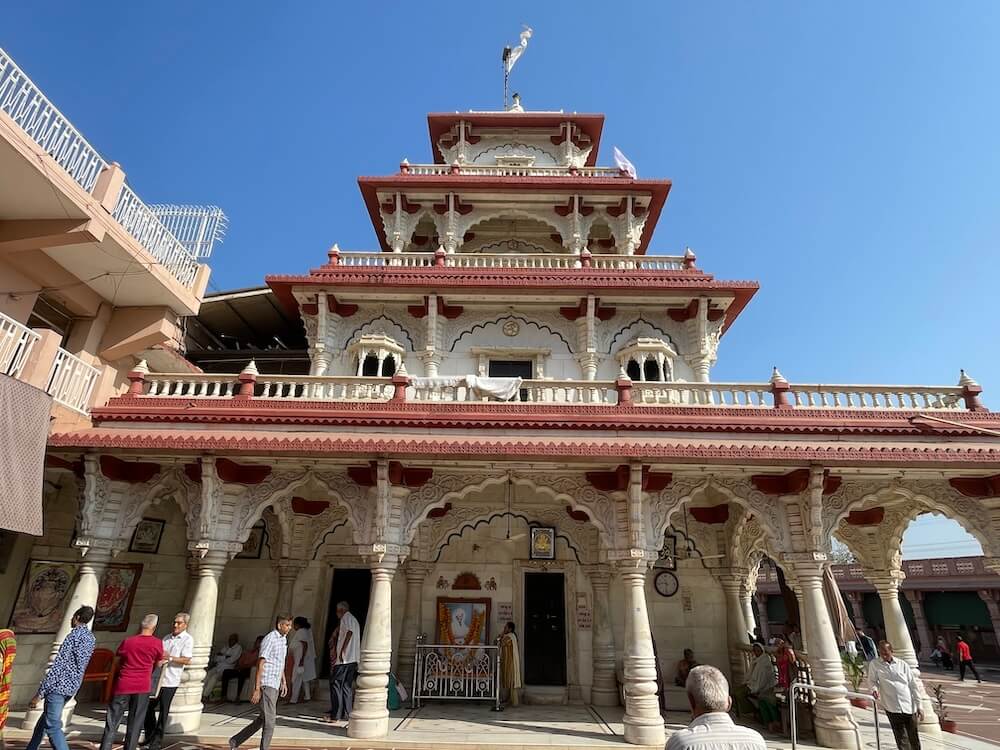 संतराम महाराज, जे वेद, पुराण आणि योगावर प्रगाढ प्रभुत्व असलेले योगी होते, ते १८१६ मध्ये गिरनार पर्वतावरून नडियादला आले. सुरुवातीला, ते एका रयणाच्या झाडाच्या ढोलीत ध्यानावस्थेत एकांतात राहत असत. पंधरा वर्षांनंतर, जेव्हा ते प्रस्थान करण्याची तयारी करत होते, तेव्हा लखावड येथील पूजभाई पटेल नावाच्या एका भक्त शेतकऱ्याने त्यांना पंचोटेरिया वडाच्या झाडाखाली अडवले. संतांना तिथेच राहण्याची विनंती करताना पूजभाईंनी खंत व्यक्त केली की, त्यांच्या जाण्याने शहराचे भाग्य निघून जाईल. या भक्तीची परीक्षा घेण्यासाठी, महाराजांनी आयुष्यभर सेवेची अट घातली, जी पूजभाईंनी मान्य केली आणि त्यानंतर रयणाच्या झाडाची जमीन आश्रमाच्या पायाभरणीसाठी दान केली.
कालांतराने, लक्ष्मणदासजी नावाचा एक तरुण महाराजांच्या आश्रयाला आला. प्रवासाच्या थकव्यामुळे एका झाडाजवळ बेशुद्ध अवस्थेत सापडलेल्या, 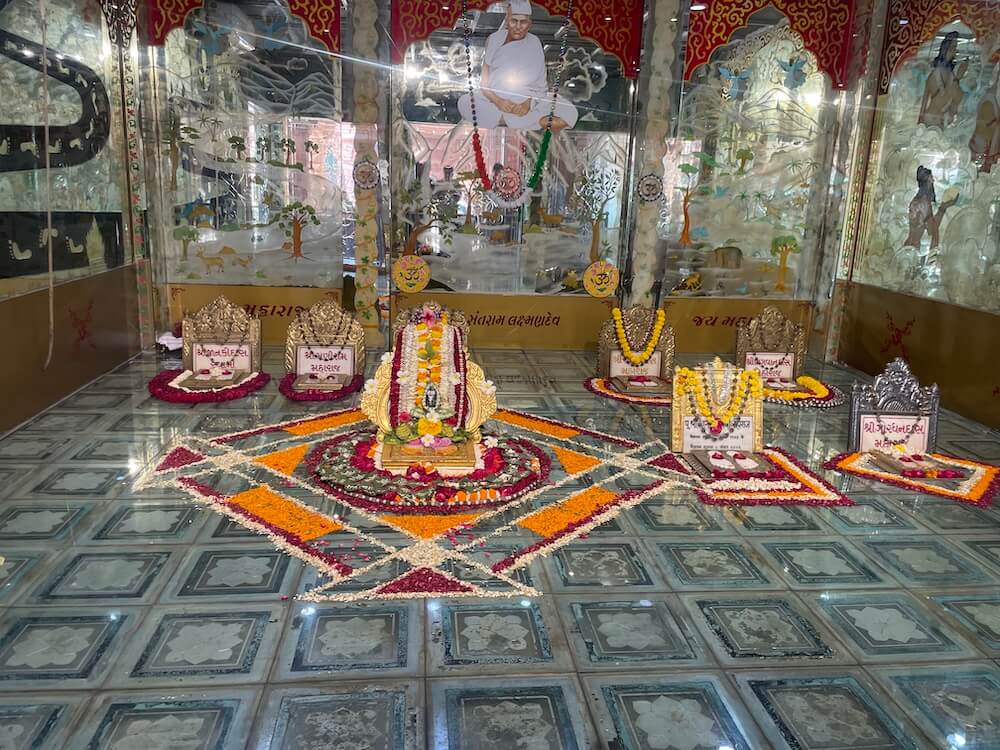 महाराजांच्या स्पर्शाने त्यांना नवजीवन मिळाले आणि त्यांनी त्यांचे नाव घेऊन हाक मारली. लक्ष्मणदासजी हे मुख्य शिष्य आणि आश्रमाचे पहिले महंत म्हणून विराजमान झाले. त्यांनी कठोर नियमावली लागू केली.
मंदिराचे प्रशासन, ज्यानुसार आश्रमाच्या कोणत्याही सदस्याने बाहेर निधीची मागणी करू नये, असा नियम करण्यात आला. ही संस्था केवळ ईश्वरी इच्छेनुसार प्राप्त होणाऱ्या अर्पणांवरच अवलंबून आहे. १८३१ मध्ये संतराम महाराजांच्या समाधीनंतर (अंतिम ध्यानावस्थेतील प्रयाण), १८६९ पर्यंत लक्ष्मणदासजींनी अध्यक्षपद भूषवले.
ही गौरवशाली परंपरा चतुर्दस, जयरामदास, मुगुटरामदास, माणिकदास, जानकीदास, नारायणदास आणि विद्यमान नववे महंत, रामदास महाराज यांसारख्या उत्तरोत्तर महंतांनी जपून ठेवली आहे.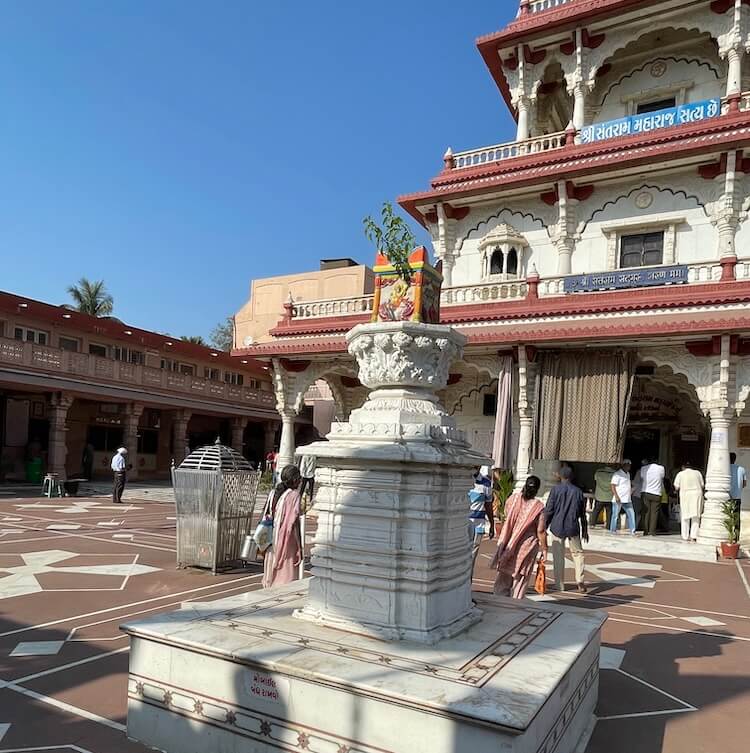
त्यांच्या मार्गदर्शनाखाली, करमसद, वडोदरा, उमरेठ आणि सोजीत्रा यांसारख्या अनेक गावांमध्ये मंदिराच्या शाखांचा विस्तार झाला आहे. या परंपरेचे आध्यात्मिक सार ‘संतराम कल्पतरू’, ‘जीवन पथे’ आणि ‘पद संग्रह’ यांसारख्या ग्रंथांमध्ये गुंफलेले आहे.
संतराम महाराजांचे चरित्र गूढ आणि चमत्कारिक घटनांनी परिपूर्ण आहे.
असे म्हटले जाते की, एकदा प्रवासादरम्यान तहान लागलेली असताना, त्यांनी एका विहिरीवर काम करणाऱ्या मजुराकडे दोर आणि बादलीची मागणी केली. दुर्लक्ष केल्यामुळे, महाराज विहिरीच्या काठी बसले आणि आपल्या योगशक्तीने त्यांनी पाण्याला कोणत्याही साहाय्याशिवाय पृष्ठभागावर येण्याचा आदेश दिला. दुसरी एक कथा एका शेतकऱ्याची आहे, ज्याने महाराजांना जेवणाचे आमंत्रण दिले होते, परंतु महाराजांनी जेवणाऐवजी म्हशीच्या दुधाची मागणी केली. जरी ती म्हैस बराच काळ आटलेली होती, तरीही महाराजांनी त्या शेतकऱ्याला तिच्या खाली तुंबीपात्र (भांडे) धरण्यास सांगितले.
चमत्कारीरित्या, ते पात्र दुधाने भरून वाहू लागले, परंतु ज्या क्षणी शेतकऱ्याने स्वतःसाठी दूध काढण्याचा प्रयत्न केला, त्याच क्षणी गायीचे सड पुन्हा कोरडे पडले. 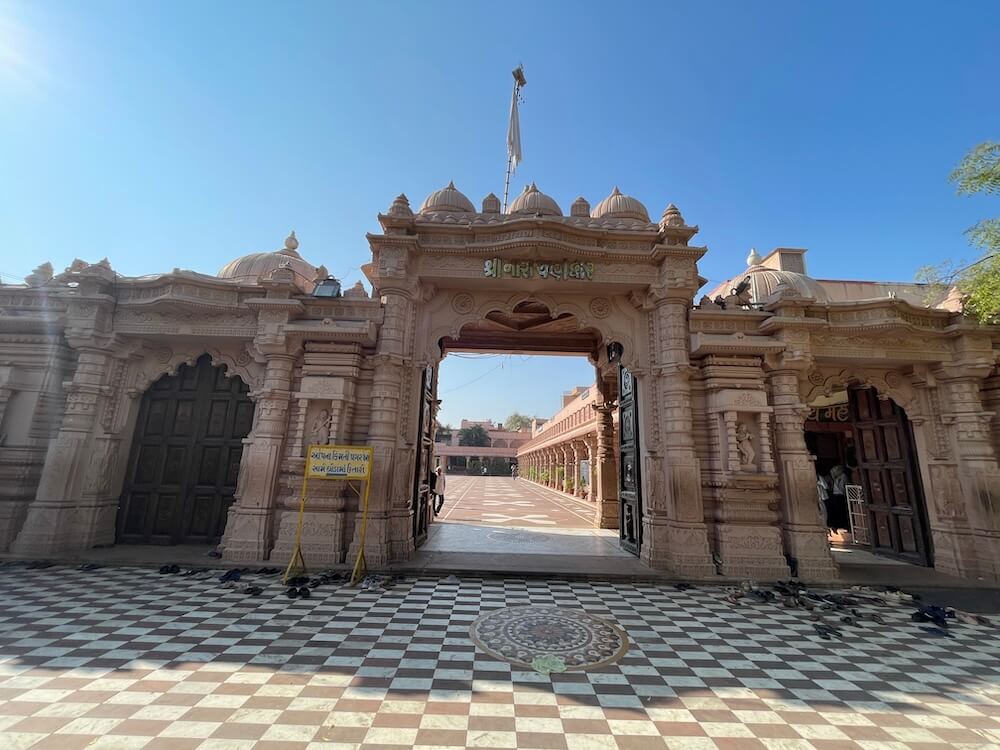 १८३१ च्या माघ शुद्ध पौर्णिमेच्या गुरुवारी, महाराजांनी जिवंत समाधी घेतली. समाधी घेण्यापूर्वी, त्यांनी भक्तांना खड्ड्याबाहेर एक न पेटवलेला तुपाचा दिवा ठेवण्याची सूचना दिली. जसे त्यांचे भौतिक शरीर आत अदृश्य झाले, तशी त्यांच्या ब्रह्मरंध्रातून एक ज्योत प्रकट झाली आणि त्या दिव्याने आपोआप पेट घेतला. ही पवित्र ज्योत नंतर लक्ष्मणदासजींनी मुख्य मंदिरात प्रतिष्ठित केली.
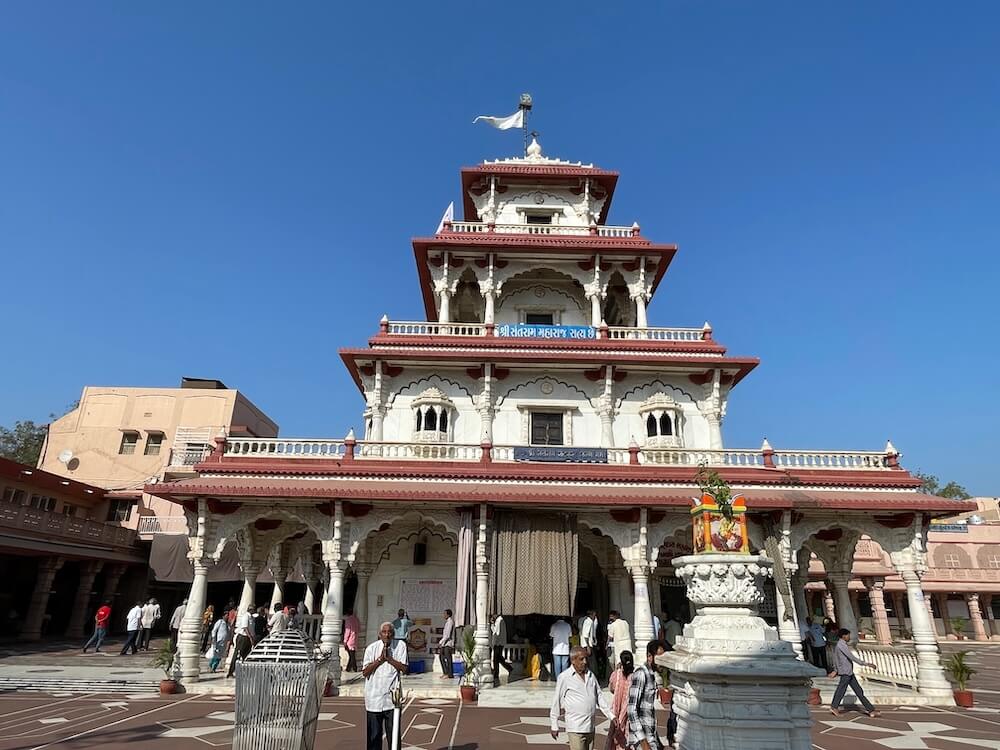
नडियाद येथील हिरवळीने नटलेल्या विस्तीर्ण परिसरात वसलेले हे मंदिर ‘रामद्वार’ मधून प्रवेश करते, जे एक भव्य प्रवेशद्वार असून त्यावर श्रीकृष्णाच्या जीवनातील प्रसंग आणि सुरसुंदरींच्या (स्वर्गीय सौंदर्यवतींच्या) प्रतिमांचे नक्षीकाम अत्यंत बारकाईने कोरलेले आहे.
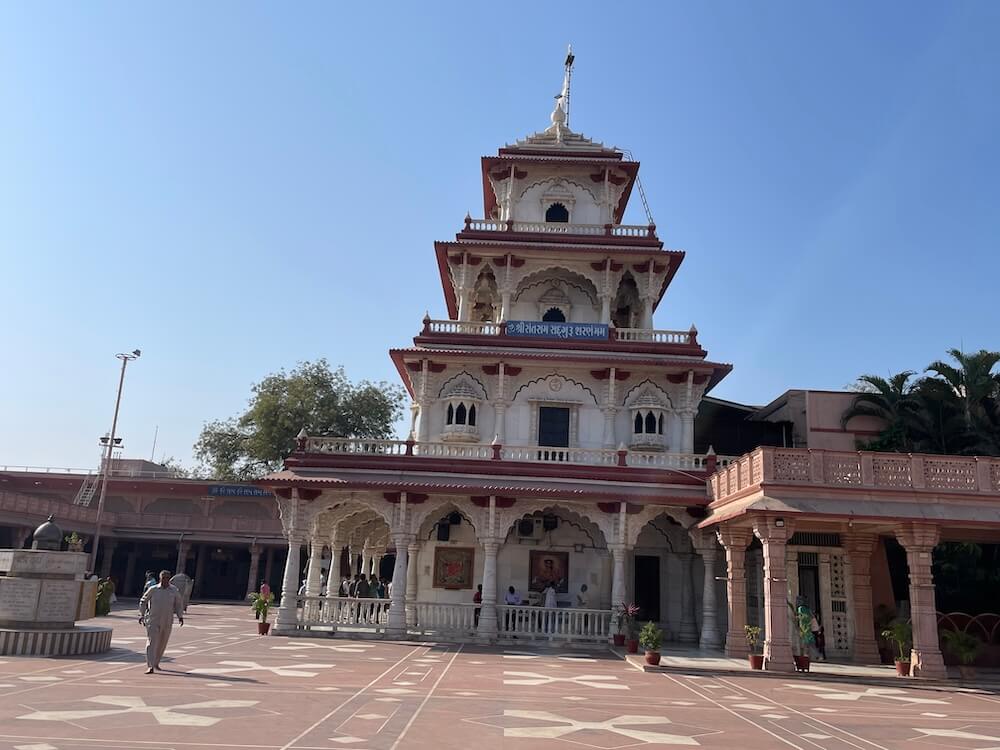
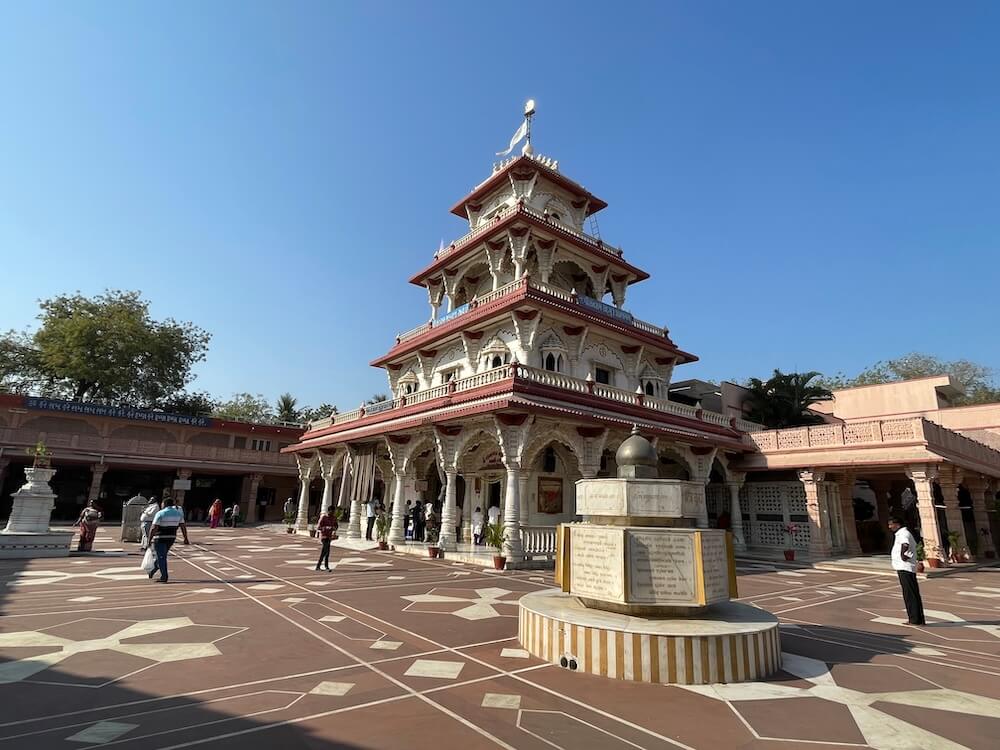
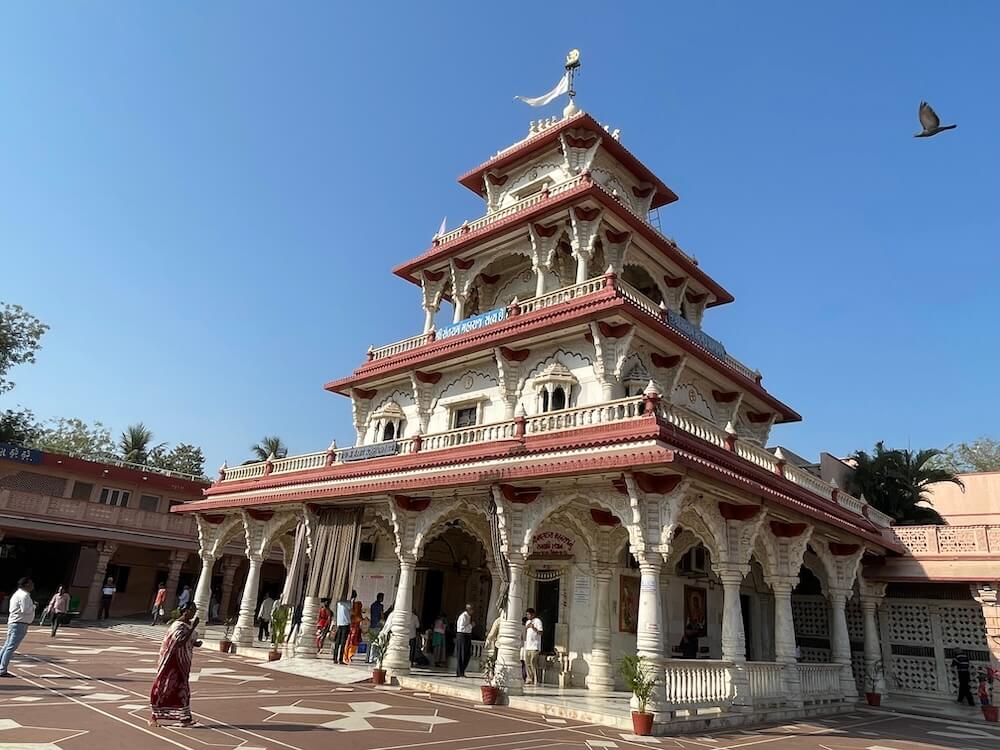
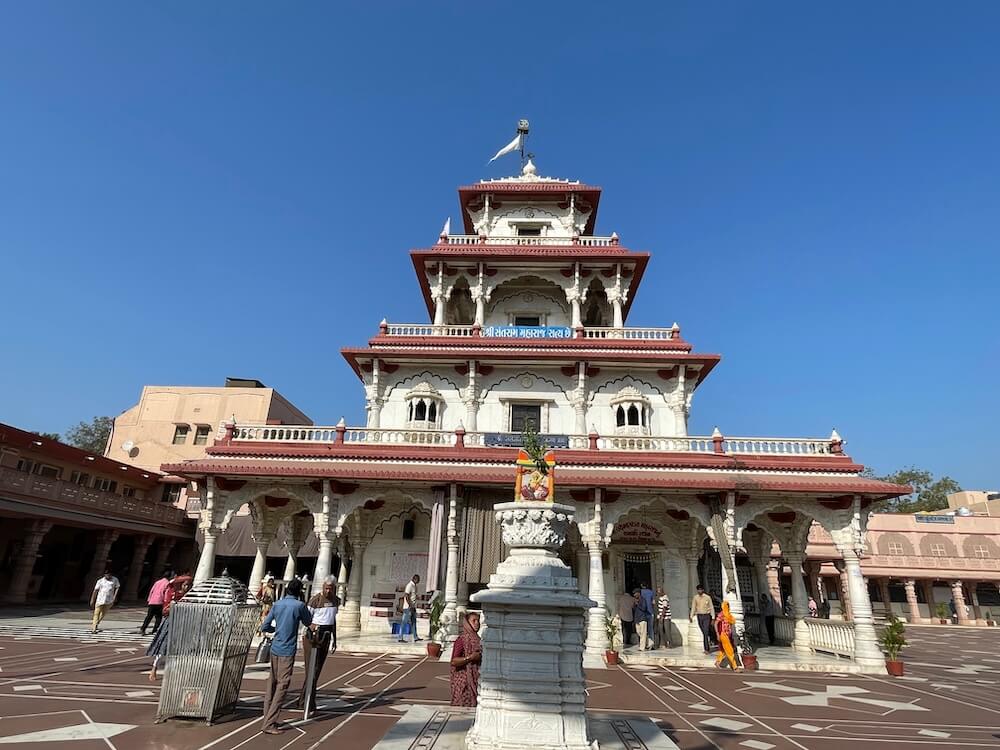
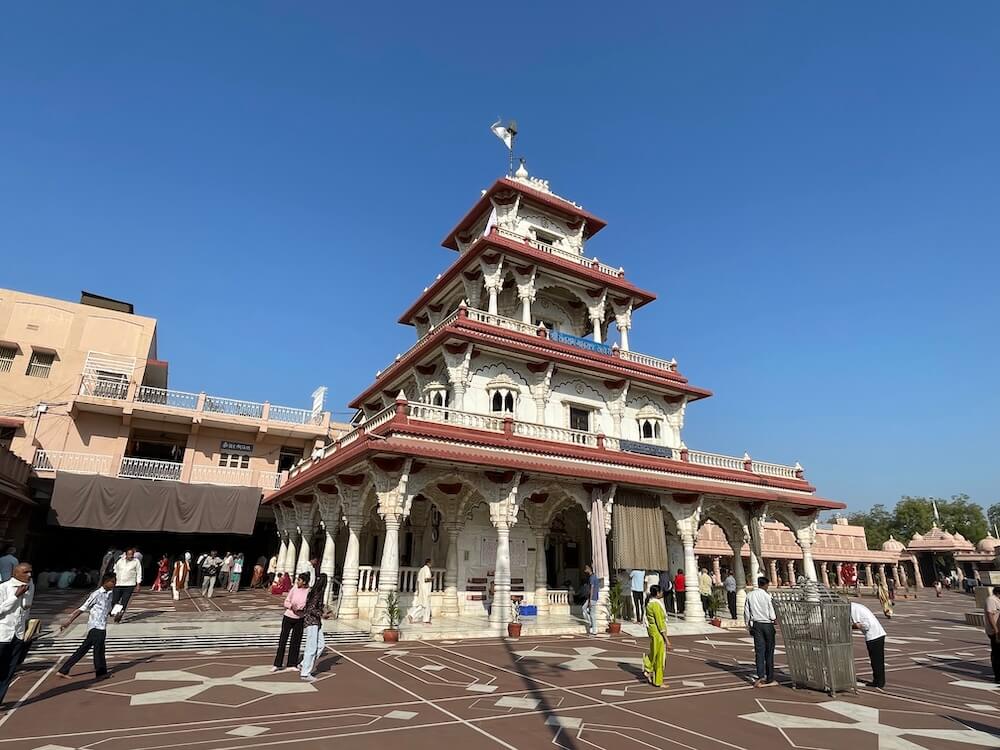
प्रांगणाच्या दोन्ही बाजूंना अर्धवर्तुळाकार कमानी असलेले सज्जे आहेत आणि मूळ रयन वृक्षाच्या ठिकाणी एक लहान देरी स्थित आहे.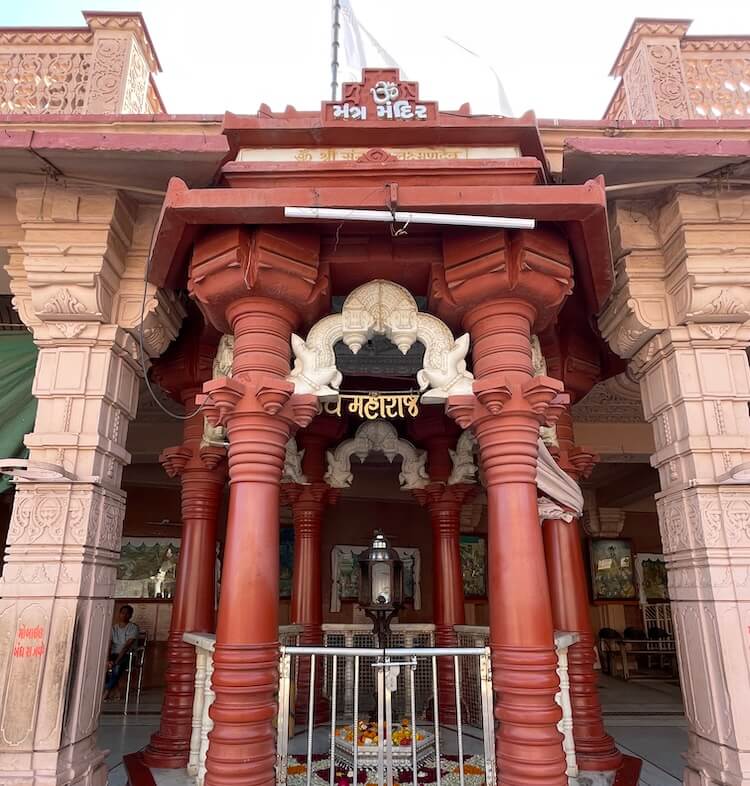 तीन मजली मुख्य वास्तू हे प्राचीन हिंदू आणि पारंपारिक गुजराती स्थापत्यकलेचे एक उत्कृष्ट उदाहरण आहे.
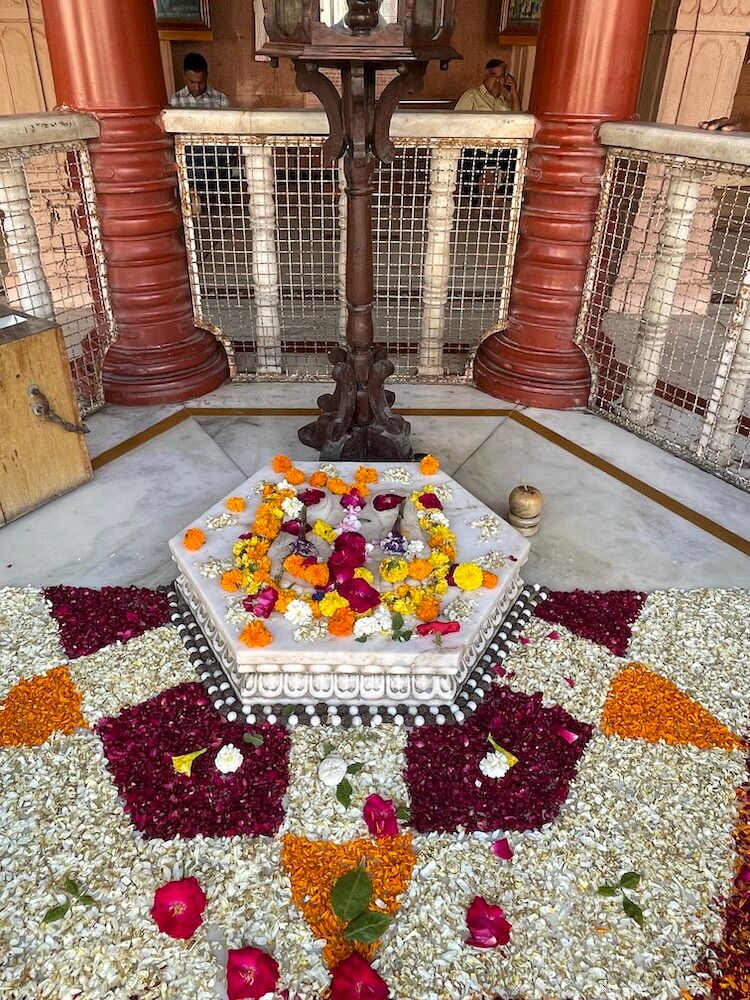
गर्भगृहात, जिथे पारंपारिक मूर्तीचा अभाव स्पष्टपणे जाणवतो, तिथे पवित्र पादुका आणि चांदीच्या पीठावर विराजमान महाराजांचा एक प्राचीन फोटो पाहायला मिळतो. १७१ वर्षांहून अधिक काळ जतन केलेली एक अखंड ज्योत या जागेला प्रकाशित करते. वरच्या बाजूला साठ फूट उंच नागर शैलीतील शिखर आहे, ज्याच्या सुवर्ण कळसात योगावरील एक प्राचीन हस्तलिखित सुरक्षित ठेवले असल्याचे सांगितले जाते.
माघ पौर्णिमेला होणारा समाधी महोत्सव हा वार्षिक मुख्य उत्सव असून, तो पाच दिवसांच्या जत्रेने आणि मंदिराच्या शिखरावरून भाविकांवर साखर उधळण्याच्या आगळ्यावेगळ्या परंपरेने साजरा केला जातो. ज्या मुलांच्या बोलण्यात दोष आहेत, अशा मुलांचे पालक संतांचा आशीर्वाद मिळवण्यासाठी ‘बोर वर्षा’ नावाची एक वैशिष्ट्यपूर्ण विधी करतात.
देव दिवाळीच्या काळात, मंदिर परिसर १,२५,००० पणत्यांच्या प्रकाशाने उजळून निघतो, तर दिवाळीनंतरच्या अन्नकूट उत्सवात २,५५० प्रकारच्या खाद्यपदार्थांचा नैवेद्य अर्पण केला जातो.
मंदिराद्वारे नेत्र रुग्णालय, फिजिओथेरपी केंद्र आणि शाळांसह अनेक व्यापक लोककल्याणकारी सुविधांचे संचालन केले जाते. हे मंदिर भाविकांसाठी दररोज सकाळी ६ ते दुपारी १२ आणि दुपारी ४ ते रात्री ९ या वेळेत दर्शनासाठी खुले असते.
उपयुक्त माहिती
- नडियाद बस स्थानकापासून १.५ कि.मी. आणि खेडापासून २१ कि.मी. अंतरावर स्थित.
- जिल्ह्यातील अनेक शहरांतून राज्य परिवहन (GSRTC) बसची सुविधा उपलब्ध आहे.
- खाजगी वाहने मंदिराच्या वाहनतळापर्यंत पोहोचू शकतात.
- परिसरात राहण्याची आणि नाश्त्याची अनेक सोयीस्कर पर्याय उपलब्ध आहेत.
- संपर्क – मंदिर कार्यालय, दूरध्वनी: ०२६८ २५५०००५/६.
Santram Mandir
Nadiad, Tal. Nadiad, Dist. Kheda
In the heart of Nadiad, the administrative pivot of Kheda district famed for its ‘Amul’ legacy, stands the majestic temple of Santram Maharaj. The faithful revere this sublime saint as an incarnation of Shri Dattatreya. Known affectionately as ‘Girnari Bawa’, ‘Videhi Bawa’ and ‘Sukhsagarji’, this Avadhuta (a liberated mystic) established a sanctuary that transcends the barriers of caste and creed. Today, it serves as a pre-eminent spiritual and social citadel, drawing thousands of devotees every Thursday, Ekadashi and Purnima (full moon). Governed by the maxim ‘Service to humanity is service to God’, the shrine provides sustenance to the hungry and medical solace to the weak through its charitable endeavours.
It is chronicled that when Bhagwan Swaminarayan visited Nadiad, he declined the devotees’ request to construct a temple, prophesying instead that the site was ordained for a great social reformer whose institution would expand from the Rayan tree to the Panchoteria banyan. Santram Maharaj, a yogi of profound mastery over the Vedas, Puranas and Yoga, arrived in Nadiad from the Girnar mountains in 1816. Initially, he dwelt in meditative seclusion within the hollow of a Rayan tree. After fifteen years, as he prepared to depart, a devoted farmer named Pujabhai Patel of Lakhawad intercepted him beneath the Panchoteria banyan. Beseeching the saint to remain, Pujabhai lamented that the city’s fortune would vanish with his departure. To test this devotion, the Maharaj imposed a condition of lifelong service, which Pujabhai accepted, subsequently donating the land containing the Rayan tree to lay the foundation of the Ashram.
In time, a youth named Lakshmandasji joined the Maharaj’s fold. Found unconscious near the tree, exhausted by travel, he was revived by the Maharaj’s touch and called by name. Lakshmandasji ascended to become the principal disciple and the first Mahant (superior) of the Ashram. He instituted rigorous mandates for
the temple’s governance, decreeing that no member of the Ashram should ever solicit funds outside. The institution subsists solely on offerings received through divine will. Following Santram Maharaj’s Samadhi (final meditative departure) in 1831, Lakshmandasji presided until 1869.
This illustrious lineage has been preserved by successive Mahants – Chaturdas, Jayramdas, Mugutramdas, Manekdas, Jankidas, Narayandas and the incumbent ninth Mahant, Ramdas Maharaj.
Under their stewardship, the temple’s branches have flourished across numerous villages including Karamsad, Vadodara, Umreth and Sojitra. The spiritual essence of this tradition is enshrined in texts such as ‘Santram Kalpataru’, ‘Jivan Pathey’ and ‘Pad Sangrah’.
The chronicles of Santram Maharaj are replete with mystical occurrences.
It is said that once, while parched during a journey, he requested a rope and bucket from a labourer at a well. Upon being ignored, the Maharaj sat by the well and, through his yogic potency, commanded the water to rise to the surface without aid. Another lore recounts a farmer who invited the Maharaj for a meal, only to be asked for buffalo milk instead. Though the buffalo had long been dry, the Maharaj instructed the farmer to hold a Tumbipatra (vessel) beneath her.
Miraculously, the vessel overflowed with milk, yet the udders ran dry again the moment the farmer attempted to milk her for himself. On the Thursday of Magh Shud Purnima in 1831, the Maharaj entered Jivan Samadhi (entering the tomb while alive). Before descending, he instructed devotees to place an unlit ghee lamp outside the pit. As his physical form vanished within, a flame erupted from his Brahmarandhra (the crown of the head), spontaneously igniting the lamp. This sacred flame was later enshrined in the main temple by Lakshmandasji.
Set within a verdant expanse in Nadiad, the temple is accessed through the ‘Ramdwar’, a grand portal intricately carved with episodes from the life of Shri Krishna and figures of Sursundaris (celestial beauties).
The courtyard is flanked by semi-circular arched cloisters and houses a small Deri at the site of the original Rayan tree. The three-storey main structure is a quintessential specimen of ancient Hindu and traditional Gujarati architecture.
In the sanctum sanctorum, which conspicuously lacks a traditional idol, one finds the sacred Padukas (footprints) and an antique photograph of the Maharaj resting upon a silver pedestal. An eternal flame, preserved for over 171 years, illuminates this space. Above rises a sixty-foot Nagara-style Shikhara (spire), within whose golden finial an ancient manuscript on Yoga is reportedly secured.
The Samadhi Mahotsav on Magh Purnima is the premier annual event, marked by a five-day fair and the unique tradition of showering sugar upon the devotees from the temple spires. A distinctive ritual called ‘Bor Varsha’ (showering of jujube fruits) is performed by parents of children with speech impediments to seek the saint’s blessings.
During Dev Diwali, the precincts are aglow with 125,000 earthen lamps, while the Annakut festival following Diwali sees an offering of 2,550 varieties of delicacies.
The temple also administers extensive philanthropic facilities, including an eye hospital, physiotherapy centre and schools. The temple remains open for devotees from 6 am to 12 pm and from 4 pm to 9 pm every day.
Useful Information
- Located at 1.5 km from Nadiad Bus Station and 21 km from Kheda.
- State Transport (GSRTC) bus facilities available from many cities in the district.
- Private vehicles can reach the temple parking lot.
- Numerous options for accommodation and breakfast are available in the vicinity.
- Contact – Temple Office, Telephone: 0268 2550005/6.
संतराम मंदिर
नडियाद, तहसील नडियाद, जिला खेड़ा
खेड़ा जिले का प्रशासनिक केंद्र, जो अपनी ‘अमूल’ विरासत के लिए प्रसिद्ध है, नडियाद के हृदय में संतराम महाराज का भव्य मंदिर स्थित है। श्रद्धालु इस दिव्य संत को श्री दत्तात्रेय का अवतार मानते हैं। ‘गिरनारी बावा’, ‘विदेही बावा’ और ‘सुखसागरजी’ के नाम से स्नेहपूर्वक जाने जाने वाले इस अवधूत (एक मुक्त रहस्यवादी) ने एक ऐसे अभयारण्य की स्थापना की जो जाति और पंथ की बाधाओं से परे है। आज, यह एक प्रमुख आध्यात्मिक और सामाजिक गढ़ के रूप में कार्य करता है, जो हर गुरुवार, एकादशी और पूर्णिमा को हजारों भक्तों को आकर्षित करता है। ‘मानव सेवा ही ईश्वर सेवा है’ के सिद्धांत से संचालित, यह तीर्थ अपने धर्मार्थ प्रयासों के माध्यम से भूखों को भोजन और कमजोरों को चिकित्सा संबंधी राहत प्रदान करता है।
ऐसा उल्लेख मिलता है कि जब भगवान स्वामीनारायण नडियाद पधारे, तो उन्होंने मंदिर निर्माण के भक्तों के अनुरोध को अस्वीकार कर दिया और इसके बजाय यह भविष्यवाणी की कि यह स्थान एक महान समाज सुधारक के लिए निर्धारित है, जिनकी संस्था रायन वृक्ष से लेकर पंचोटेरिया बरगद तक विस्तारित होगी। संतराम महाराज, जो वेदों, पुराणों और योग में गहन निपुणता रखने वाले एक योगी थे, १८१६ में गिरनार पर्वत से नडियाद आए। प्रारंभ में, वे एक रायन के वृक्ष के खोखले तने में ध्यानमग्न होकर एकांतवास करते थे। पंद्रह वर्षों के बाद, जब वे प्रस्थान करने की तैयारी कर रहे थे, तब लखावड के एक भक्त किसान पूंजाभाई पटेल ने उन्हें पंचोटरिया बरगद के नीचे रोक लिया। संत से रुकने की विनती करते हुए, पूंजाभाई ने शोक व्यक्त किया कि उनके चले जाने से नगर का सौभाग्य समाप्त हो जाएगा। इस भक्ति की परीक्षा लेने के लिए, महाराज ने आजीवन सेवा की शर्त रखी, जिसे पूंजाभाई ने स्वीकार कर लिया और तत्पश्चात आश्रम की नींव रखने के लिए रायन के वृक्ष वाली भूमि दान कर दी।
कालांतर में, लक्ष्मणदासजी नामक एक युवक महाराज की शरण में आया। यात्रा की थकान से चूर, उसे एक वृक्ष के निकट अचेत अवस्था में पाया गया, महाराज के स्पर्श से वे पुनर्जीवित हो उठे और उन्होंने उनका नाम लेकर पुकारा। लक्ष्मणदासजी मुख्य शिष्य बने और आश्रम के प्रथम महंत (अधिष्ठाता) के रूप में प्रतिष्ठित हुए। उन्होंने कठोर नियमों की स्थापना की, जिसके लिए
मंदिर का प्रशासन, यह आदेश देते हुए कि आश्रम का कोई भी सदस्य कभी भी बाहर धन की याचना न करे। यह संस्थान पूरी तरह से दैवीय इच्छा से प्राप्त भेंट पर ही निर्भर है। १८३१ में संतराम महाराज की समाधि (अंतिम ध्यानात्मक प्रस्थान) के बाद, १८६९ तक लक्ष्मणदासजी ने अध्यक्षता की।
इस यशस्वी परंपरा को क्रमिक महंतों – चतुरदास, जयरामदास, मुकुटरामदास, माणिकदास, जानकीदास, नारायणदास और वर्तमान नवें महंत, रामदास महाराज द्वारा संरक्षित किया गया है।
उनके मार्गदर्शन में, मंदिर की शाखाएँ करमसद, वडोदरा, उमरेठ और सोजित्रा सहित अनेक गाँवों में फली-फूली हैं। इस परंपरा का आध्यात्मिक सार ‘संतराम कल्पतरु’, ‘जीवन पथ्य’ और ‘पद संग्रह’ जैसे ग्रंथों में निहित है।
संतराम महाराज के वृत्तांत रहस्यमयी घटनाओं से परिपूर्ण हैं।
ऐसा कहा जाता है कि एक बार, यात्रा के दौरान प्यास लगने पर, उन्होंने एक कुएं पर एक मजदूर से रस्सी और बाल्टी मांगी। उपेक्षित किए जाने पर, महाराज कुएं के पास बैठ गए और अपनी योग शक्ति से जल को बिना किसी सहायता के सतह पर ऊपर आने का आदेश दिया। एक अन्य कथा में एक किसान का वर्णन है जिसने महाराज को भोजन के लिए आमंत्रित किया, लेकिन बदले में उन्होंने भैंस का दूध मांगा। यद्यपि भैंस लंबे समय से दूध नहीं दे रही थी, महाराज ने किसान को उसके नीचे तुम्बीपात्र (पात्र) रखने का निर्देश दिया।
चमत्कारी रूप से, पात्र दूध से भर गया, फिर भी जैसे ही किसान ने स्वयं के लिए दूध दुहने का प्रयास किया, गाय के थन पुनः सूख गए। १८३१ में माघ सुद पूर्णिमा के गुरुवार को, महाराज ने जीवंत समाधि ली। समाधि में उतरने से पूर्व, उन्होंने भक्तों को गड्ढे के बाहर एक बिना जला हुआ घी का दीपक रखने का निर्देश दिया। जैसे ही उनका भौतिक शरीर भीतर विलीन हुआ, उनके ब्रह्मरंध्र (सिर के ऊपरी भाग) से एक ज्योति प्रकट हुई, जिसने स्वतः ही दीपक को प्रज्वलित कर दिया। इस पवित्र ज्योति को बाद में लक्ष्मणदासजी द्वारा मुख्य मंदिर में प्रतिष्ठित किया गया।
नडियाद में हरियाली के बीच स्थित, इस मंदिर में प्रवेश ‘रामद्वार’ से होता है, जो एक भव्य द्वार है और जिस पर श्री कृष्ण के जीवन के प्रसंगों तथा सुरसुंदरियों (दिव्य सौंदर्य वाली अप्सराओं) की आकृतियाँ अत्यंत बारीकी से उकेरी गई हैं।
प्रांगण के दोनों ओर अर्ध-वृत्ताकार मेहराबदार गलियारे स्थित हैं और यहाँ मूल रयण वृक्ष के स्थान पर एक छोटी देहरी बनी हुई है। तीन मंजिला मुख्य संरचना प्राचीन हिंदू और पारंपरिक गुजराती वास्तुकला का एक उत्कृष्ट नमूना है।
गर्भगृह में, जहाँ पारंपरिक मूर्ति का अभाव है, वहाँ पवित्र पादुकाएँ और चाँदी के आसन पर विराजमान महाराज का एक प्राचीन छायाचित्र स्थित है। एक अखंड ज्योति, जिसे १७१ वर्षों से अधिक समय से प्रज्वलित रखा गया है, इस स्थान को आलोकित करती है। इसके ऊपर साठ फुट ऊँचा नागर शैली का शिखर है, जिसके स्वर्ण कलश के भीतर योग पर आधारित एक प्राचीन पांडुलिपि सुरक्षित बताई जाती है।
माघ पूर्णिमा पर आयोजित समाधि महोत्सव यहाँ का प्रमुख वार्षिक उत्सव है, जो पाँच दिवसीय मेले और मंदिर के शिखरों से भक्तों पर चीनी बरसाने की अनूठी परंपरा के साथ मनाया जाता है। वाणी दोष वाले बच्चों के माता-पिता द्वारा संत का आशीर्वाद प्राप्त करने के लिए ‘बोर वर्षा’ (बेर की वर्षा) नामक एक विशिष्ट अनुष्ठान किया जाता है।
देव दीपावली के दौरान, मंदिर परिसर १,२५,००० मिट्टी के दीपों से जगमगा उठता है, जबकि दीपावली के बाद आने वाले अन्नकूट उत्सव में २,५५० प्रकार के व्यंजनों का भोग लगाया जाता है।
यह मंदिर व्यापक परोपकारी सुविधाओं का भी संचालन करता है, जिसमें एक नेत्र चिकित्सालय, फिजियोथेरेपी केंद्र और विद्यालय शामिल हैं। मंदिर भक्तों के लिए प्रतिदिन सुबह ६ बजे से दोपहर १२ बजे तक और शाम ४ बजे से रात ९ बजे तक खुला रहता है।
उपयोगी जानकारी
- नडियाद बस स्टेशन से १.५ कि.मी. और खेड़ा से २१ कि.मी. की दूरी पर स्थित है।
- जिले के कई शहरों से राज्य परिवहन (GSRTC) बस सुविधाएँ उपलब्ध हैं।
- निजी वाहन मंदिर के पार्किंग स्थल तक पहुँच सकते हैं।
- आस-पास ठहरने और नाश्ते के लिए अनेक विकल्प उपलब्ध हैं।
- संपर्क – मंदिर कार्यालय, दूरभाष: ०२६८ २५५०००५/६.
સંતરામ મંદિર
નડિયાદ, તા. નડિયાદ, જિ. ખેડા
‘અમૂલ’ વારસા માટે વિખ્યાત ખેડા જિલ્લાના વહીવટી મથક નડિયાદના હૃદયસ્થાનમાં સંતરામ મહારાજનું ભવ્ય મંદિર આવેલું છે. શ્રદ્ધાળુઓ આ દિવ્ય સંતને શ્રી દત્તાત્રેયના અવતાર તરીકે પૂજે છે. ‘ગિરનારી બાવા’, ‘વિદેહી બાવા’ અને ‘સુખસાગરજી’ તરીકે સ્નેહપૂર્વક ઓળખાતા આ અવધૂત (મુક્ત યોગી) એ એક એવા આશ્રમની સ્થાપના કરી જે જ્ઞાતિ અને સંપ્રદાયના ભેદભાવોથી પર છે. આજે, તે એક અગ્રણી આધ્યાત્મિક અને સામાજિક કેન્દ્ર તરીકે સેવા આપે છે, જ્યાં દર ગુરુવારે, એકાદશીએ અને પૂનમે હજારો ભક્તો દર્શનાર્થે આવે છે. ‘માનવ સેવા એ જ પ્રભુ સેવા’ના સૂત્રને અનુસરીને, આ મંદિર તેના પરોપકારી કાર્યો દ્વારા ભૂખ્યાને ભોજન અને અશક્તને તબીબી સહાય પૂરી પાડે છે.
એવું નોંધાયેલું છે કે જ્યારે ભગવાન સ્વામિનારાયણ નડિયાદ પધાર્યા હતા, ત્યારે તેમણે ભક્તોની મંદિર બનાવવાની વિનંતીનો અસ્વીકાર કર્યો હતો અને ભવિષ્યવાણી કરી હતી કે આ સ્થળ એક મહાન સમાજ સુધારક માટે નિર્ધારિત છે, જેમની સંસ્થા રાયણના વૃક્ષથી લઈને પંચોતેરિયા વડ સુધી વિસ્તરશે. વેદ, પુરાણ અને યોગના પ્રખર જ્ઞાતા એવા સંતરામ મહારાજ ૧૮૧૬માં ગિરનાર પર્વત પરથી નડિયાદ આવ્યા હતા. શરૂઆતમાં, તેઓ રાયણના વૃક્ષની બખોલમાં રહીને ધ્યાનમગ્ન રહેતા હતા. ૧૫ વર્ષ પછી, જ્યારે તેઓ પ્રસ્થાન કરવાની તૈયારી કરી રહ્યા હતા, ત્યારે લાખાવાડના પૂજાભાઈ પટેલ નામના એક ભક્ત ખેડૂતે તેમને પંચોતેરિયા વડ નીચે રોક્યા હતા. સંતને રોકાઈ જવા આજીજી કરતા પૂજાભાઈએ દુઃખ વ્યક્ત કર્યું કે તેમના જવાથી શહેરનું ભાગ્ય જતું રહેશે. આ ભક્તિની કસોટી કરવા માટે, મહારાજે આજીવન સેવા કરવાની શરત મૂકી, જે પૂજાભાઈએ સ્વીકારી અને ત્યારબાદ રાયણના વૃક્ષવાળી જમીન આશ્રમના પાયા માટે અર્પણ કરી.
સમય જતાં, લક્ષ્મણદાસજી નામનો એક યુવાન મહારાજના શરણે આવ્યો. મુસાફરીથી થાકેલા અને વૃક્ષ પાસે બેભાન અવસ્થામાં મળેલા તે યુવાનને મહારાજે સ્પર્શ કરીને જગાડ્યો અને નામ લઈને બોલાવ્યો. લક્ષ્મણદાસજી મુખ્ય શિષ્ય બન્યા અને આશ્રમના પ્રથમ મહંત તરીકે બિરાજમાન થયા. તેમણે
મંદિરના સંચાલન માટે કડક નિયમો બનાવ્યા, જેમાં આદેશ આપ્યો કે આશ્રમનો કોઈ પણ સભ્ય બહારથી ક્યારેય ફાળો ન માંગે. આ સંસ્થા સંપૂર્ણપણે દૈવી ઈચ્છાથી મળતા દાન પર નિર્ભર છે. ૧૮૩૧માં સંતરામ મહારાજની સમાધિ બાદ, લક્ષ્મણદાસજીએ ૧૮૬૯ સુધી ગાદી સંભાળી.
આ તેજસ્વી પરંપરાને અનુગામી મહંતો – ચતુરદાસ, જયરામદાસ, મુગટરામદાસ, માણેકદાસ, જાનકીદાસ, નારાયણદાસ અને વર્તમાન નવમા મહંત રામદાસ મહારાજે જાળવી રાખી છે.
તેમના માર્ગદર્શન હેઠળ, મંદિરની શાખાઓ કરમસદ, વડોદરા, ઉમરેઠ અને સોજીત્રા સહિત અનેક ગામોમાં વિસ્તરી છે. આ પરંપરાનું આધ્યાત્મિક તત્વ ‘સંતરામ કલ્પતરુ’, ‘જીવન પથ’ અને ‘પદ સંગ્રહ’ જેવા ગ્રંથોમાં નિરૂપિત છે.
સંતરામ મહારાજના જીવનવૃત્તાંત ચમત્કારિક ઘટનાઓથી ભરેલા છે.
કહેવાય છે કે એકવાર મુસાફરી દરમિયાન તરસ લાગતા, તેમણે એક મજૂર પાસે કૂવા પરથી દોરડું અને ડોલ માંગી. અવગણના થતા, મહારાજ કૂવા પાસે બેસી ગયા અને પોતાની યોગશક્તિથી પાણીને કોઈ પણ સાધન વિના ઉપર આવવાનો આદેશ આપ્યો. અન્ય એક કથા મુજબ, એક ખેડૂતે મહારાજને ભોજન માટે આમંત્રણ આપ્યું, પરંતુ મહારાજે તેના બદલે ભેંસનું દૂધ માંગ્યું. જોકે ભેંસ લાંબા સમયથી દૂધ આપતી બંધ થઈ ગઈ હતી, છતાં મહારાજે ખેડૂતને તેની નીચે તુંબીપાત્ર રાખવા કહ્યું.
ચમત્કારિક રીતે, પાત્ર દૂધથી છલકાઈ ગયું, પરંતુ જે ક્ષણે ખેડૂતે પોતાના માટે દૂધ દોહવાનો પ્રયાસ કર્યો, તે જ ક્ષણે આંચળ ફરી સુકાઈ ગયા. ૧૮૩૧માં મહા સુદ પૂનમના ગુરુવારે, મહારાજે જીવંત સમાધિ લીધી. નીચે ઉતરતા પહેલા, તેમણે ભક્તોને ખાડાની બહાર એક ઘીનો કોરો દીવો મૂકવા સૂચના આપી. જેમ તેમનું ભૌતિક શરીર અદ્રશ્ય થયું, તેમના બ્રહ્મરંધ્રમાંથી એક જ્યોત પ્રગટી અને દીવો આપમેળે પ્રજ્વલિત થઈ ગયો. આ પવિત્ર જ્યોતને બાદમાં લક્ષ્મણદાસજીએ મુખ્ય મંદિરમાં સ્થાપિત કરી.
નડિયાદના હરિયાળા વિસ્તારમાં સ્થિત આ મંદિરના પ્રવેશદ્વાર ‘રામદ્વાર’ દ્વારા પ્રવેશ મળે છે, જે શ્રીકૃષ્ણના જીવનના પ્રસંગો અને સુર સુંદરીઓની આકૃતિઓથી જટિલ રીતે કોતરાયેલું છે.
આંગણાની આસપાસ અર્ધવર્તુળાકાર કમાનવાળા ઓટલા છે અને મૂળ રાયણના વૃક્ષના સ્થળે એક નાની દેરી આવેલી છે. ત્રણ માળનું મુખ્ય માળખું પ્રાચીન હિન્દુ અને પરંપરાગત ગુજરાતી સ્થાપત્યનો ઉત્કૃષ્ટ નમૂનો છે.
ગર્ભગૃહમાં, જ્યાં પરંપરાગત મૂર્તિનો અભાવ છે, ત્યાં ચાંદીના સિંહાસન પર મહારાજની પવિત્ર પાદુકાઓ અને એક પ્રાચીન તસવીર બિરાજમાન છે. ૧૭૧ વર્ષથી વધુ સમયથી જળવાયેલી અખંડ જ્યોત આ જગ્યાને પ્રકાશિત કરે છે. ઉપર સાઠ ફૂટ ઊંચું નાગર શૈલીનું શિખર છે, જેના સુવર્ણ કળશમાં યોગ પરની એક પ્રાચીન હસ્તપ્રત સુરક્ષિત હોવાનું મનાય છે.
મહા પૂનમનો સમાધિ મહોત્સવ એ મુખ્ય વાર્ષિક ઉત્સવ છે, જે પાંચ દિવસના મેળા અને મંદિરના શિખરો પરથી ભક્તો પર સાકર વર્ષાવવાની અનોખી પરંપરા સાથે ઉજવાય છે. વાણીની ખામી ધરાવતા બાળકોના માતા-પિતા દ્વારા સંતના આશીર્વાદ મેળવવા માટે ‘બોર વર્ષા’ નામની વિશિષ્ટ વિધિ કરવામાં આવે છે.
દેવ દિવાળી દરમિયાન, પરિસર ૧,૨૫,૦૦૦ માટીના દીવાઓથી ઝળહળી ઉઠે છે, જ્યારે દિવાળી પછીના અન્નકૂટ ઉત્સવમાં ૨,૫૫૦ પ્રકારની વાનગીઓનો ભોગ ધરાવવામાં આવે છે.
મંદિર આઈ હોસ્પિટલ, ફિઝિયોથેરાપી સેન્ટર અને શાળાઓ સહિત વ્યાપક પરોપકારી સુવિધાઓનું સંચાલન પણ કરે છે. મંદિર દરરોજ સવારે ૬ થી ૧૨ અને સાંજે ૪ થી ૯ વાગ્યા સુધી ભક્તો માટે ખુલ્લું રહે છે.
ઉપયોગી માહિતી
- નડિયાદ બસ સ્ટેશનથી ૧.૫ કિમી અને ખેડાથી ૨૧ કિમીના અંતરે આવેલું છે.
- જિલ્લાના ઘણા શહેરોમાંથી એસ.ટી. (GSRTC) બસની સુવિધા ઉપલબ્ધ છે.
- ખાનગી વાહનો મંદિરના પાર્કિંગ સુધી પહોંચી શકે છે.
- આસપાસના વિસ્તારમાં રહેવા અને નાસ્તા માટે અનેક વિકલ્પો ઉપલબ્ધ છે.
- સંપર્ક – મંદિર કાર્યાલય, ટેલિફોન: ૦૨૬૮ ૨૫૫૦૦૦૫/૬.
சாந்தாராம் மந்திர்
நாடியாடு, தாலுகா நாடியாடு, மாவட்டம் கேடா
கேடா மாவட்டத்தின் நிர்வாக மையமாகவும், ‘அமுல்’ பாரம்பரியத்திற்குப் புகழ்பெற்றதுமான நடியாடின் மையப்பகுதியில், சந்த்ராம் மஹாராஜின் பிரம்மாண்டமான ஆலயம் அமைந்துள்ளது. பக்தர்கள் இந்த உன்னதமான மகானை ஸ்ரீ தத்தாத்ரேயரின் அவதாரமாகப் போற்றுகின்றனர். ‘கிர்னாரி பாவா’, ‘விதேஹி பாவா’ மற்றும் ‘சுக்சாகர்ஜி’ என்று அன்புடன் அழைக்கப்படும் இந்த அவதூதர் (விடுதலை பெற்ற ஞானி), சாதி மற்றும் மத எல்லைகளைக் கடந்த ஒரு புகலிடத்தை நிறுவினார். இன்று, இது ஒரு மிகச்சிறந்த ஆன்மீக மற்றும் சமூகக் கோட்டையாகத் திகழ்கிறது; ஒவ்வொரு வியாழக்கிழமை, ஏகாதசி மற்றும் பௌர்ணமி தினங்களிலும் ஆயிரக்கணக்கான பக்தர்களை ஈர்க்கிறது. ‘மனிதகுலத்திற்குச் செய்யும் சேவையே இறைவனுக்குச் செய்யும் சேவை’ என்ற கொள்கையின்படி நிர்வகிக்கப்படும் இந்த ஆலயம், தனது அறப்பணிகள் மூலம் பசியால் வாடுபவர்களுக்கு உணவும், பலவீனமானவர்களுக்கு மருத்துவ உதவியும் வழங்கி வருகிறது.
பகவான் சுவாமிநாராயண் நடியாட்டிற்கு வருகை தந்தபோது, அங்கு ஒரு கோவிலைக் கட்ட வேண்டும் என்ற பக்தர்களின் வேண்டுகோளை அவர் மறுத்துவிட்டார் என்றும், அந்த இடம் ஒரு சிறந்த சமூக சீர்திருத்தவாதிக்காக ஒதுக்கப்பட்டுள்ளது என்றும், அவருடைய நிறுவனம் ரயான் மரத்திலிருந்து பஞ்சோதேரியா ஆலமரம் வரை விரிவடையும் என்றும் அவர் தீர்க்கதரிசனம் உரைத்ததாக வரலாற்றில் பதிவு செய்யப்பட்டுள்ளது. வேதங்கள், புராணங்கள் மற்றும் யோகக் கலையில் ஆழ்ந்த புலமை பெற்ற யோகியான சாந்தாராம் மகாராஜ், ௧௮௧௬-ஆம் ஆண்டில் கிர்னார் மலைகளிலிருந்து நடியாதை வந்தடைந்தார். தொடக்கத்தில், அவர் ஒரு ராயன் மரத்தின் பொந்தில் தியானத்தில் தனித்திருந்தார். பதினைந்து ஆண்டுகளுக்குப் பிறகு, அவர் அங்கிருந்து புறப்படத் தயாரானபோது, லக்காவாடைச் சேர்ந்த பூஜபாய் படேல் என்ற பக்தியுள்ள விவசாயி, பஞ்சோத்தேரியா ஆலமரத்தடியில் அவரைத் தடுத்து நிறுத்தினார். அந்த மகான் அங்கேயே தங்கியிருக்க வேண்டும் என்று வேண்டிக்கொண்ட பூஜபாய், அவர் புறப்பட்டுச் சென்றால் நகரத்தின் அதிர்ஷ்டமும் மறைந்துவிடும் என்று வருந்தினார். இந்த பக்தியைச் சோதிக்க, மகாராஜ் வாழ்நாள் முழுவதும் சேவை செய்ய வேண்டும் என்ற நிபந்தனையை விதித்தார். அதற்கு பூஜபாய் ஒப்புக்கொண்டார், பின்னர் ராயன் மரம் இருந்த நிலத்தை ஆசிரமத்தின் அடித்தளத்தை அமைப்பதற்காக தானமாக வழங்கினார்.
காலப்போக்கில், லட்சுமணதாஸ்ஜி என்ற இளைஞர் மகாராஜின் சீடரானார். பயணத்தினால் களைப்படைந்து, மரத்திற்கு அருகில் சுயநினைவின்றி கண்டெடுக்கப்பட்ட அவர், மகாராஜின் ஸ்பரிசத்தால் அவர் உயிர் பெற்று, பெயரிட்டு அழைக்கப்பட்டார். லட்சுமண்தாஸ்ஜி ஆசிரமத்தின் முதன்மை சீடராகவும், முதல் மஹந்தாகவும் (தலைவர்) உயர்ந்தார். அவர் இதற்காக கடுமையான விதிமுறைகளை நிறுவினார்
கோவிலின் நிர்வாகம், ஆசிரமத்தைச் சேர்ந்த எவரும் வெளியில் நிதி திரட்டக்கூடாது என்று ஆணையிட்டது. இந்த நிறுவனம் இறைவனின் திருவுளத்தால் பெறப்படும் காணிக்கைகளைக் கொண்டு மட்டுமே இயங்குகிறது. ௧௮௩௧-ஆம் ஆண்டில் சாந்தாராம் மகாராஜின் சமாதிக்கு (இறுதி தியான நிலை) பிறகு, ௧௮௬௯-ஆம் ஆண்டு வரை லட்சுமண்தாஸ்ஜி தலைமை வகித்தார்.
இந்தச் சிறப்பான குருபரம்பரை, சதுர்தாஸ், ஜெயராம் தாஸ், முகுத்ராம் தாஸ், மாணிக்தாஸ், ஜானகிதாஸ், நாராயணதாஸ் ஆகிய வரிசையான மஹந்தர்களாலும், தற்போதைய ஒன்பதாவது மஹந்தரான ராமதாஸ் மஹராஜ் அவர்களாலும் பாதுகாக்கப்படுகிறது.
அவர்களது வழிகாட்டுதலின் கீழ், கரம்சத், வதோதரா, உம்ரேத் மற்றும் சோஜித்ரா உள்ளிட்ட பல கிராமங்களில் இக்கோயிலின் கிளைகள் செழித்தோங்கியுள்ளன. இந்த மரபின் ஆன்மீக சாராம்சம் ‘சந்த்ராம் கல்பதரு’, ‘ஜீவன் பாதே’ மற்றும் ‘பத் சங்க்ரஹ்’ போன்ற நூல்களில் பொதிந்துள்ளன.
சந்த்ராம் மகாராஜின் வரலாறுகள் மர்மமான நிகழ்வுகளால் நிறைந்திருக்கின்றன.
ஒருமுறை பயணத்தின் போது தாகத்தால் வாடிய அவர், கிணற்றடியில் இருந்த தொழிலாளி ஒருவரிடம் கயிறும் வாளியும் கேட்டதாகக் கூறப்படுகிறது. அவர் அலட்சியப்படுத்தியதால், மகாராஜ் கிணற்றின் அருகே அமர்ந்து, தனது யோக சக்தியால், எந்த உதவியும் இன்றி நீரை மேற்பரப்பிற்கு வருமாறு கட்டளையிட்டார். மற்றொரு கதையின்படி, ஒரு விவசாயி மகாராஜை உணவருந்த அழைத்தபோது, அவர் அதற்குப் பதிலாக எருமைப் பால் கேட்டார். அந்த எருமை நீண்ட நாட்களாகப் பால் கொடுக்காமல் வறண்டு போயிருந்தாலும், மகாராஜ் அந்த விவசாயியிடம் அதன் அடியில் ஒரு தும்பிபாத்திரத்தை (பாத்திரம்) பிடிக்குமாறு பணித்தார்.
அதிசயமாக, அந்தப் பாத்திரம் பால் நிரம்பி வழிந்தது, ஆனால் விவசாயி தனக்காகப் பால் கறக்க முயன்ற அந்த நொடியே பசுவின் மடி வறண்டு போனது. கி.பி. ௧௮௩௧-ஆம் ஆண்டு, மாக் சுத் பூர்ணிமா வியாழக்கிழமையன்று, மகாராஜ் ஜீவன் சமாதி அடைந்தார். சமாதிக்குள் இறங்குவதற்கு முன்னால், குழிக்கு வெளியே ஏற்றப்படாத நெய் விளக்கை வைக்குமாறு பக்தர்களுக்கு அவர் ஆணையிட்டார். அவரது திருமேனி உள்ளே மறைந்தபோது, அவரது பிரம்மரந்திரத்திலிருந்து (தலை உச்சி) ஒரு சுடர் தோன்றி, தானாகவே அந்த விளக்கை ஏற்றிக்கொண்டது. இந்தத் தெய்வீகச் சுடர் பிற்காலத்தில் லட்சுமண்தாஸ்ஜியால் முதன்மைக் கோவிலில் பிரதிஷ்டை செய்யப்பட்டது.
நாடியாதின் பசுமையான பரப்பில் அமைந்துள்ள இந்த ஆலயம், ‘ராமத்வார்’ எனப்படும் பிரம்மாண்டமான நுழைவாயில் வழியாக அணுகப்படுகிறது. இந்த நுழைவாயில், ஸ்ரீ கிருஷ்ணரின் வாழ்க்கை நிகழ்வுகளாலும், சுர்சுந்தரிகளின் (வானுலக அழகிகள்) உருவங்களாலும் நுணுக்கமாகச் செதுக்கப்பட்டுள்ளது.
முற்றத்தின் இருபுறமும் அரைவட்ட வடிவிலான வளைவுத் தூண்களுடன் கூடிய நடைபாதைகள் அமைந்துள்ளன. அங்குள்ள மூல ராயன் மரம் இருந்த இடத்தில் ஒரு சிறிய தேரி அமைந்துள்ளது. மூன்று தளங்களைக் கொண்ட இந்த முதன்மைக் கட்டமைப்பு, பண்டைய இந்து மற்றும் பாரம்பரிய குஜராத்தி கட்டடக்கலைக்கு ஒரு மிகச்சிறந்த எடுத்துக்காட்டாகும்.
கருவறையில், வழக்கமான விக்கிரகம் இல்லாத அந்த இடத்தில், புனிதமான பாதுகைகளும், வெள்ளி பீடத்தின் மீது அமர்ந்திருக்கும் மகராஜின் பழமையான புகைப்படமும் காணப்படுகின்றன. ௧௭௧ ஆண்டுகளுக்கும் மேலாக அணையாமல் பாதுகாக்கப்படும் ஒரு நித்திய ஜோதி, இந்த இடத்தை ஒளிரச் செய்கிறது. இதற்கு மேலே அறுபது அடி உயரமுள்ள நாகர பாணி சிகரம் உயர்ந்து நிற்கிறது; அதன் தங்கக் கலசத்திற்குள் யோகா குறித்த பழங்கால ஏட்டுச் சுவடி பாதுகாப்பாக வைக்கப்பட்டுள்ளதாகக் கூறப்படுகிறது.
மாக பௌர்ணமியன்று நடைபெறும் சமாதி மஹோத்சவம் மிக முக்கியமான வருடாந்திர நிகழ்வாகும். இது ஐந்து நாள் திருவிழாவாகவும், கோயில் கோபுரங்களிலிருந்து பக்தர்கள் மீது சர்க்கரையைத் தூவும் தனித்துவமான பாரம்பரியத்துடனும் கொண்டாடப்படுகிறது. பேச்சுத் திறன் குறைபாடுள்ள குழந்தைகளின் பெற்றோர்கள், அந்த மகானின் அருளைப் பெறுவதற்காக ‘போர் வர்ஷா’ (இலந்தை பழங்களைச் சொரியும் நிகழ்வு) என்று அழைக்கப்படும் ஒரு தனித்துவமான சடங்கைச் செய்கிறார்கள்.
தேவ் தீபாவளியின் போது, ஆலய வளாகம் ௧,௨௫,௦௦௦ மண் அகல் விளக்குகளால் ஒளிர்கிறது, அதே சமயம் தீபாவளியைத் தொடர்ந்து வரும் அன்னகூட் திருவிழாவில் ௨,௫௫௦ வகையான உணவுப் படைப்புகள் சமர்ப்பிக்கப்படுகின்றன.
இந்தக் கோயில் கண் மருத்துவமனை, பிசியோதெரபி மையம் மற்றும் பள்ளிகள் உள்ளிட்ட விரிவான அறப்பணிகளையும் நிர்வகித்து வருகிறது. இக்கோயில் தினமும் காலை ௬ மணி முதல் நண்பகல் ௧௨ மணி வரையிலும், மாலை ௪ மணி முதல் இரவு ௯ மணி வரையிலும் பக்தர்களின் தரிசனத்திற்காகத் திறந்திருக்கும்.
பயனுள்ள தகவல்கள்
- நாடியாட் பேருந்து நிலையத்திலிருந்து ௧.௫ கி.மீ தொலைவிலும், கேடாவிலிருந்து ௨௧ கி.மீ தொலைவிலும் அமைந்துள்ளது.
- மாவட்டத்தில் உள்ள பல நகரங்களிலிருந்து அரசுப் போக்குவரத்துக் கழக (GSRTC) பேருந்து வசதிகள் உள்ளன.
- சொந்த வாகனங்கள் கோயில் வாகன நிறுத்துமிடம் வரை செல்லலாம்.
- கோயிலின் அருகாமையில் தங்குவதற்கும் காலை உணவிற்கும் ஏராளமான வசதிகள் உள்ளன.
- தொடர்புக்கு – கோவில் அலுவலகம், தொலைபேசி: ௦௨௬௮ ௨௫௫௦௦௦௫/௬.
సంతరామ్ మందిర్
నడియాద్, తాలూకా నడియాద్, జిల్లా ఖేడా
‘అముల్’ వారసత్వానికి ప్రసిద్ధి చెందిన ఖేడా జిల్లా పరిపాలనా కేంద్రమైన నడియాడ్ నడిబొడ్డున, సంత్రం మహారాజ్ యొక్క అద్భుతమైన ఆలయం ఉంది. భక్తులు ఈ మహోన్నత సాధువును శ్రీ దత్తాత్రేయుని అవతారంగా పూజిస్తారు. ‘గిర్నారీ బావా’, ‘విదేహి బావా’ మరియు ‘సుఖసాగర్జీ’ అని ప్రేమగా పిలువబడే ఈ అవధూత (విముక్తి పొందిన యోగి), కులమతాల అడ్డంకులను అధిగమించే ఒక పవిత్ర క్షేత్రాన్ని స్థాపించారు. నేడు, ఇది ఒక ప్రముఖ ఆధ్యాత్మిక మరియు సామాజిక కేంద్రంగా సేవలందిస్తూ, ప్రతి గురువారం, ఏకాదశి మరియు పౌర్ణమి రోజులలో వేలాది మంది భక్తులను ఆకర్షిస్తోంది. ‘మానవ సేవయే మాధవ సేవ’ అనే సూత్రంతో నడుస్తున్న ఈ ఆలయం, తన సేవా కార్యక్రమాల ద్వారా ఆకలితో ఉన్నవారికి ఆహారాన్ని మరియు బలహీనులకు వైద్య సహాయాన్ని అందిస్తోంది.
భగవాన్ స్వామినారాయణ నడియాద్ను సందర్శించినప్పుడు, భక్తులు కోరిన ఆలయ నిర్మాణ అభ్యర్థనను ఆయన సున్నితంగా తిరస్కరించారని, దానికి బదులుగా ఆ ప్రదేశం ఒక గొప్ప సంఘ సంస్కర్త కోసం నిర్ణయించబడిందని, వారి సంస్థ రాయన్ వృక్షం నుండి పంచోటేరియా మర్రిచెట్టు వరకు విస్తరిస్తుందని ఆయన భవిష్యవాణి పలికారని చరిత్ర చెబుతోంది. వేదాలు, పురాణాలు మరియు యోగ శాస్త్రాలలో అపారమైన పాండిత్యం కలిగిన యోగి, సంత్రం మహారాజ్ ౧౮౧౬వ సంవత్సరంలో గిర్నార్ పర్వతాల నుండి నడియాద్కు చేరుకున్నారు. ప్రారంభంలో, ఆయన ఒక రాయణ వృక్షం యొక్క తొర్రలో ధ్యాన నిమగ్నులై ఏకాంతంగా నివసించేవారు. పదిహేను సంవత్సరాల తర్వాత, ఆయన అక్కడి నుండి వెళ్ళడానికి సిద్ధమవుతుండగా, లఖావద్కు చెందిన పూజాభాయ్ పటేల్ అనే భక్తుడు పంచోటేరియా మర్రిచెట్టు కింద ఆయనను అడ్డుకున్నారు. ఆ మహానుభావుడు అక్కడే ఉండాలని వేడుకుంటూ, ఆయన వెళ్ళిపోతే నగర అదృష్టం కూడా అంతరించిపోతుందని పూజాభాయ్ విలపించారు. ఆ భక్తిని పరీక్షించడానికి, మహారాజ్ జీవితాంతం సేవ చేయాలనే షరతు విధించారు. దానికి పూజాభాయ్ అంగీకరించి, ఆశ్రమ నిర్మాణానికి పునాది వేయడానికి రాయణ వృక్షం ఉన్న భూమిని దానంగా ఇచ్చారు.
కాలక్రమేణా, లక్ష్మణదాస్జీ అనే యువకుడు మహారాజ్ అనుచర వర్గంలో చేరారు. ప్రయాణ అలసటతో ఒక చెట్టు దగ్గర స్పృహ తప్పి పడి ఉండగా, మహారాజ్ స్పర్శతో ఆయన పునరుజ్జీవితులయ్యారు మరియు పేరు పెట్టి పిలవబడ్డారు. లక్ష్మణదాస్జీ ప్రధాన శిష్యునిగా మరియు ఆశ్రమానికి మొదటి మహంతుగా (అధిపతి) ఎదిగారు. ఆయన కఠినమైన నియమాలను ప్రవేశపెట్టారు
ఆశ్రమ సభ్యులెవరూ బయట ఎటువంటి విరాళాలను సేకరించకూడదని శాసించిన ఆలయ పాలనా నియమావళి ప్రకారం, ఈ సంస్థ కేవలం దైవేచ్ఛ ద్వారా లభించే కానుకలతోనే నడుస్తోంది. ౧౮౩౧లో సంత్రమ్ మహారాజ్ సమాధి (అంతిమ ధ్యాన నిష్క్రమణ) చెందిన తర్వాత, ౧౮౬౯ వరకు లక్ష్మణదాస్జీ పీఠాధిపతిగా బాధ్యతలు నిర్వహించారు.
ఈ ప్రశస్తమైన పరంపరను చతుర్దాస్, జయరాందాస్, ముగుట్రాందాస్, మాణికదాస్, జానకీదాస్, నారాయణదాస్ మరియు ప్రస్తుత తొమ్మిదవ మహంత్ రాందాస్ మహారాజ్ వంటి వరుస మహంతులు సంరక్షించుకుంటూ వస్తున్నారు.
వారి పర్యవేక్షణలో, కరంసద్, వడోదర, ఉమ్రేత్ మరియు సోజిತ್ರ వంటి అనేక గ్రామాలలో ఆలయ శాఖలు విలసిల్లాయి. ఈ సంప్రదాయం యొక్క ఆధ్యాత్మిక సారాంశం ‘సంత్రామ్ కల్పతరువు’, ‘జీవన్ పథే’ మరియు ‘పద సంగ్రహ’ వంటి గ్రంథాలలో నిక్షిప్తమై ఉంది.
సంత్రామ్ మహారాజ్ చరిత్ర రహస్యమైన సంఘటనలతో నిండి ఉంది.
ఒకసారి ప్రయాణంలో ఉన్నప్పుడు దాహంతో అలమటించిన ఆయన, బావి వద్ద ఉన్న ఒక కూలీని తాడు మరియు బిందెను అడిగారని చెబుతారు. అతను పట్టించుకోకపోవడంతో, మహారాజ్ బావి వద్ద కూర్చుని, తన యోగ శక్తితో ఎటువంటి సహాయం లేకుండానే నీటిని పైకి వచ్చేలా చేశారని ప్రతీతి. మరొక కథనం ప్రకారం, ఒక రైతు మహారాజ్ను భోజనానికి ఆహ్వానించగా, ఆయన బదులుగా గేదె పాలను అడిగారు. ఆ గేదె చాలా కాలంగా పాలివ్వకపోయినప్పటికీ, మహారాజ్ ఆ రైతును దాని కింద ఒక తుంబీపాత్రను (పాత్రను) ఉంచమని ఆదేశించారు.
అద్భుతంగా, ఆ పాత్ర పాలు పొంగి ప్రవహించింది, కానీ రైతు తన కోసం పాలు పితికే ప్రయత్నం చేసిన మరుక్షణమే ఆ పశువు పొదుగులు మళ్ళీ ఎండిపోయాయి. సంవత్సరం ౧౮౩౧, మాఘ శుద్ధ పౌర్ణమి గురువారం నాడు, మహారాజ్ జీవ సమాధిని పొందారు. సమాధిలోకి ప్రవేశించే ముందు, ఆయన భక్తులకు గుంత వెలుపల వెలిగించని నేతి దీపాన్ని ఉంచమని ఆదేశించారు. ఆయన భౌతిక దేహం లోపల అంతర్ధానం చెందుతుండగా, ఆయన బ్రహ్మరంధ్రం నుండి ఒక జ్వాల ఉద్భవించి, ఆ దీపాన్ని స్వయంగా వెలిగించింది. ఈ పవిత్రమైన జ్వాలను తదనంతరం లక్ష్మణదాస్జీ ప్రధాన ఆలయంలో ప్రతిష్ఠించారు.
నాడియాడ్లోని పచ్చని ప్రకృతి ఒడిలో వెలసిన ఈ ఆలయానికి ‘రామద్వారం’ ద్వారా ప్రవేశం కలుగుతుంది. ఇది శ్రీకృష్ణుని జీవిత ఘట్టాలు మరియు సురసుందరీమణుల (దేవతా స్వరూపిణులు) శిల్పాలతో అత్యంత సుందరంగా, అద్భుతంగా చెక్కబడిన ఒక గొప్ప ప్రవేశ ద్వారం.
ఈ ప్రాంగణానికి ఇరువైపులా అర్ధచంద్రాకారపు తోరణాలతో కూడిన కారిడార్లు ఉన్నాయి మరియు ఇది అసలైన రాయన్ వృక్షం ఉన్న ప్రదేశంలో ఒక చిన్న దేరిని కలిగి ఉంది. మూడు అంతస్తుల ప్రధాన నిర్మాణం ప్రాచీన హిందూ మరియు సాంప్రదాయ గుజరాతీ వాస్తుశిల్పానికి ఒక అద్భుతమైన నిదర్శనం.
గర్భాలయంలో, సాంప్రదాయ విగ్రహం లేని లోటు స్పష్టంగా కనిపిస్తుంది, అక్కడ పవిత్రమైన పాదుకలు మరియు వెండి పీఠంపై ఉంచిన మహారాజ్ గారి పురాతన ఛాయాచిత్రం దర్శనమిస్తాయి. ౧౭౧ ఏళ్లకు పైగా వెలుగుతున్న అఖండ జ్యోతి ఈ ప్రదేశాన్ని ప్రకాశింపజేస్తోంది. దీని పైన అరవై అడుగుల ఎత్తైన నగరా శైలి శిఖరం ఉంది, దాని బంగారు కలశంలో యోగాకు సంబంధించిన ఒక పురాతన తాళపత్ర గ్రంథం భద్రపరచబడిందని చెబుతారు.
మాఘ పౌర్ణమి నాడు జరిగే సమాధి మహోత్సవం అత్యంత ప్రధానమైన వార్షిక వేడుక. ఇది ఐదు రోజుల పాటు జరిగే జాతరతో, ఆలయ శిఖరాల నుండి భక్తులపై చక్కెరను చల్లే విశిష్ట సంప్రదాయంతో ఎంతో ఘనంగా నిర్వహించబడుతుంది. మాటలు రాని పిల్లల తల్లిదండ్రులు ఆ మహాత్ముని ఆశీస్సుల కోసం ‘బోర్ వర్ష’ (రేగు పండ్లను చల్లే ప్రక్రియ) అనే ప్రత్యేకమైన ఆచారాన్ని నిర్వహిస్తారు.
దేవ దీపావళి సమయంలో, ఆలయ ప్రాంగణం ౧,౨౫,౦౦౦ మట్టి ప్రమిదలతో వెలిగిపోతుంది, అలాగే దీపావళి తర్వాత జరిగే అన్నకూట్ ఉత్సవంలో ౨,౫౫౦ రకాల వంటకాలను నైవేద్యంగా సమర్పిస్తారు.
ఈ ఆలయం కంటి ఆసుపత్రి, ఫిజియోథెరపీ కేంద్రం మరియు పాఠశాలలతో సహా విస్తృతమైన సేవా కార్యక్రమాలను నిర్వహిస్తోంది. భక్తుల దర్శనం కోసం ఈ ఆలయం ప్రతిరోజూ ఉదయం ౬ గంటల నుండి మధ్యాహ్నం ౧౨ గంటల వరకు మరియు సాయంత్రం ౪ గంటల నుండి రాత్రి ౯ గంటల వరకు తెరిచి ఉంటుంది.
ఉపయోగకరమైన సమాచారం
- నాడియాడ్ బస్ స్టేషన్ నుండి ౧.౫ కి.మీ. దూరంలో మరియు ఖేడా నుండి ౨౧ కి.మీ. దూరంలో ఉంది.
- జిల్లాలోని అనేక నగరాల నుండి రాష్ట్ర రవాణా సంస్థ (GSRTC) బస్సు సౌకర్యాలు అందుబాటులో ఉన్నాయి.
- ప్రైవేట్ వాహనాలు ఆలయ పార్కింగ్ స్థలం వరకు చేరుకోగలవు.
- ఆలయ పరిసర ప్రాంతాలలో బస చేయడానికి మరియు అల్పాహారానికి అనేక వసతులు అందుబాటులో ఉన్నాయి.
- సంప్రదించండి – దేవాలయ కార్యాలయం, దూరవాణి: ౦౨౬౮ ౨౫౫౦౦౦౫/౬.
സന്ത്രാം മന്ദിർ
നദിയാദ്, താലൂക്ക് നദിയാദ്, ജില്ല ഖേഡ
‘അമൂൽ’ പൈതൃകത്താൽ പ്രശസ്തമായ ഖേഡ ജില്ലയുടെ ഭരണസിരാകേന്ദ്രമായ നദിയാദിന്റെ ഹൃദയഭാഗത്ത്, സന്ത്രാം മഹാരാജിന്റെ ഗാംഭീര്യമാർന്ന ക്ഷേത്രം സ്ഥിതി ചെയ്യുന്നു. ഭക്തർ ഈ ഉന്നതനായ സന്യാസിയെ ശ്രീ ദത്തాత్రേയന്റെ അവതാരമായാണ് ആരാധിക്കുന്നത്. ‘ഗിർനാരി ബാവ’, ‘വിദേഹി ബാവ’, ‘സുഖ്സാഗർജി’ എന്നീ പേരുകളിൽ വാത്സല്യത്തോടെ അറിയപ്പെടുന്ന ഈ അവധൂതൻ (മുക്തനായ യോഗി), ജാതിമത ഭേദമന്യേ എല്ലാവർക്കും അഭയമരുളുന്ന ഒരു പുണ്യസങ്കേതം സ്ഥാപിച്ചു. ഇന്ന്, ഇതൊരു പ്രമുഖ ആത്മീയ-സാമൂഹിക കേന്ദ്രമായി വർത്തിക്കുന്നു. എല്ലാ വ്യാഴാഴ്ചകളിലും, ഏകാദശിയിലും, പൗർണ്ണമിയിലും ആയിരക്കണക്കിന് ഭക്തരാണ് ഇവിടെ ദർശനത്തിനെത്തുന്നത്. ‘മാനവ സേവ മാധവ സേവ’ എന്ന തത്വത്തിൽ അധിഷ്ഠിതമായി പ്രവർത്തിക്കുന്ന ഈ ക്ഷേത്രം, തങ്ങളുടെ ജീവകാരുണ്യ പ്രവർത്തനങ്ങളിലൂടെ വിശക്കുന്നവർക്ക് അന്നവും രോഗികൾക്ക് വൈദ്യസഹായവും നൽകി വരുന്നു.
ഭഗവാൻ സ്വാമിനാരായണൻ നദിയാദ് സന്ദർശിച്ചപ്പോൾ, അവിടെ ഒരു ക്ഷേത്രം നിർമ്മിക്കണമെന്ന ഭക്തരുടെ അഭ്യർത്ഥന അദ്ദേഹം നിരസിച്ചതായും, പകരം ആ സ്ഥലം ഒരു വലിയ സാമൂഹിക പരിഷ്കർത്താവിനായി നിശ്ചയിക്കപ്പെട്ടതാണെന്നും, അദ്ദേഹത്തിന്റെ സ്ഥാപനം രായൻ മരത്തിൽ നിന്ന് പഞ്ചോട്ടേരിയ പേരാലിലേക്ക് വ്യാപിക്കുമെന്നും അദ്ദേഹം പ്രവചിച്ചതായും രേഖപ്പെടുത്തപ്പെട്ടിട്ടുണ്ട്. വേദങ്ങളിലും പുരാണങ്ങളിലും യോഗശാസ്ത്രത്തിലും അഗാധമായ പാണ്ഡിത്യമുള്ള യോഗിയായ സന്ത്രാം മഹാരാജ് ൧൮൧൬-ൽ ഗിർനാർ പർവതനിരകളിൽ നിന്ന് നദിയാദിൽ എത്തിച്ചേർന്നു. തുടക്കത്തിൽ, അദ്ദേഹം ഒരു രായൻ മരത്തിന്റെ പൊത്തിൽ ധ്യാനനിരതനായി ഏകാന്തവാസം നയിച്ചു. പതിനഞ്ച് വർഷത്തിന് ശേഷം, അദ്ദേഹം അവിടെ നിന്ന് പോകാൻ ഒരുങ്ങിയപ്പോൾ, ലഖാവദിലെ പൂജാഭായ് പട്ടേൽ എന്ന ഭക്തനായ ഒരു കർഷകൻ പഞ്ചോതേരിയ ആൽമരച്ചുവട്ടിൽ വെച്ച് അദ്ദേഹത്തെ തടഞ്ഞു. മഹാരാജ് അവിടെത്തന്നെ തുടരണമെന്ന് അപേക്ഷിച്ച പൂജാഭായ്, അദ്ദേഹം പോയാൽ നഗരത്തിന്റെ ഐശ്വര്യം നശിക്കുമെന്ന് വിലപിച്ചു. ഈ ഭക്തി പരീക്ഷിക്കുന്നതിനായി, ആജീവനാന്ത സേവനം ചെയ്യണമെന്ന ഉപാധി മഹാരാജ് മുന്നോട്ടുവെച്ചു. അത് പൂജാഭായ് സന്തോഷപൂർവ്വം സ്വീകരിക്കുകയും, ആശ്രമത്തിന് അടിത്തറ പാകുന്നതിനായി രായൻ മരം നിൽക്കുന്ന ഭൂമി വിട്ടുനൽകുകയും ചെയ്തു.
കാലക്രമേണ, ലക്ഷ്മൺദാസ്ജി എന്നൊരു യുവാവ് മഹാരാജിന്റെ ശിഷ്യഗണത്തിൽ ചേർന്നു. യാത്രയുടെ ക്ഷീണം കാരണം ബോധരഹിതനായി മരച്ചുവട്ടിൽ കണ്ടെത്തിയ അദ്ദേഹത്തെ, മഹാരാജിന്റെ സ്പർശനത്താൽ അദ്ദേഹം പുനർജീവിപ്പിക്കപ്പെടുകയും പേര് ചൊല്ലി വിളിക്കപ്പെടുകയും ചെയ്തു. ലക്ഷ്മൺദാസ്ജി ആശ്രമത്തിന്റെ പ്രധാന ശിഷ്യനും ആദ്യത്തെ മഹന്തും (അധിപൻ) ആയി ഉയർന്നു. അദ്ദേഹം കർശനമായ നിബന്ധനകൾ ഏർപ്പെടുത്തി.
ക്ഷേത്രത്തിന്റെ ഭരണക്രമം അനുസരിച്ച്, ആശ്രമത്തിലെ ഒരംഗവും പുറത്തുനിന്ന് ധനസമാഹരണം നടത്താൻ പാടില്ലെന്ന് നിഷ്കർഷിച്ചിരിക്കുന്നു. ദൈവികമായ ഇച്ഛാശക്തിയാൽ ലഭിക്കുന്ന വഴിപാടുകളിൽ മാത്രമാണ് ഈ സ്ഥാപനം നിലനിൽക്കുന്നത്. ൧൮൩൧-ൽ സന്ത്രാം മഹാരാജിന്റെ സമാധിക്ക് ശേഷം, ൧൮൬൯ വരെ ലക്ഷ്മൺദാസ്ജി അധ്യക്ഷത വഹിച്ചു.
ഈ ഉജ്ജ്വലമായ പരമ്പര തുടർച്ചയായ മഹാൻമാരാൽ സംരക്ഷിക്കപ്പെട്ടു വരുന്നു – ചതുർദാസ്, ജയറാംദാസ്, മുകുത്രാംദാസ്, മാണിക്ദാസ്, ജാനകിദാസ്, നാരായൺദാസ്, ഒൻപതാമത്തെ നിലവിലെ മഹാൻ രാംദാസ് മഹാരാജ് എന്നിവരാണവർ.
അവരുടെ മേൽനോട്ടത്തിൽ, കരംസദ്, വഡോദര, ഉമ്രേത്ത്, സോജിത്ര തുടങ്ങി നിരവധി ഗ്രാമങ്ങളിലായി ക്ഷേത്രത്തിന്റെ ശാഖകൾ അഭിവൃദ്ധിപ്പെട്ടു. ഈ പാരമ്പര്യത്തിന്റെ ആത്മീയ സത്ത ‘സന്ത്രാം കൽപതരു’, ‘ജീവൻ പഥേ’, ‘പദ് സംഗ്രഹ’ തുടങ്ങിയ ഗ്രന്ഥങ്ങളിൽ പ്രതിഷ്ഠിതമാണ്.
സന്ത്രാം മഹാരാജിന്റെ ചരിത്രരേഖകൾ അത്ഭുതകരമായ സംഭവങ്ങളാൽ സമ്പന്നമാണ്.
ഒരിക്കൽ യാത്രയ്ക്കിടയിൽ കടുത്ത ദാഹം അനുഭവപ്പെട്ടപ്പോൾ, അദ്ദേഹം കിണറ്റിൻകരയിൽ ഉണ്ടായിരുന്ന ഒരു തൊഴിലാളിയോട് ഒരു കയറും ബക്കറ്റും ആവശ്യപ്പെട്ടുവെന്ന് പറയപ്പെടുന്നു. ആ തൊഴിലാളി അദ്ദേഹത്തെ അവഗണിച്ചപ്പോൾ, മഹാരാജ് കിണറ്റിൻകരയിൽ ഇരിക്കുകയും തന്റെ യോഗശക്തിയാൽ സഹായമില്ലാതെ തന്നെ വെള്ളം ഉപരിതലത്തിലേക്ക് ഉയരാൻ കൽപ്പിക്കുകയും ചെയ്തു. മറ്റൊരു ഐതിഹ്യം അനുസരിച്ച്, ഒരു കർഷകൻ മഹാരാജിനെ ഭക്ഷണത്തിനായി ക്ഷണിച്ചു, എന്നാൽ അദ്ദേഹം ഭക്ഷണത്തിന് പകരം എരുമപ്പാൽ ആവശ്യപ്പെട്ടു. ആ എരുമ ദീർഘകാലമായി പാൽ തരാത്ത അവസ്ഥയിലായിരുന്നിട്ടും, മഹാരാജ് ആ കർഷകനോട് എരുമയുടെ താഴെ ഒരു തുമ്പിപാത്രം പിടിക്കാൻ നിർദ്ദേശിച്ചു.
അത്ഭുതകരമെന്നു പറയട്ടെ, പാത്രം പാൽ നിറഞ്ഞു കവിഞ്ഞു, എന്നാൽ കർഷകൻ അവൾക്കായി പാൽ കറക്കാൻ ശ്രമിച്ച നിമിഷം തന്നെ അകിടുകൾ വീണ്ടും വറ്റിപ്പോയി. ൧൮൩൧-ലെ മാഘ ശുദ്ധ പൂർണ്ണിമ വ്യാഴാഴ്ച ദിവസം, മഹാരാജ് ജീവൻ സമാധി സ്വീകരിച്ചു. സമാധിയിലേക്ക് ഇറങ്ങുന്നതിന് മുൻപ്, കുഴിക്ക് പുറത്ത് തെളിക്കാത്ത ഒരു നെയ്യ് വിളക്ക് വെക്കാൻ അദ്ദേഹം ഭക്തർക്ക് നിർദ്ദേശം നൽകി. അദ്ദേഹത്തിന്റെ ഭൗതിക ശരീരം ഉള്ളിൽ മറഞ്ഞപ്പോൾ, അദ്ദേഹത്തിന്റെ ബ്രഹ്മരന്ധ്രത്തിൽ നിന്ന് ഒരു ജ്വാല ഉയരുകയും അത് സ്വയം ആ വിളക്കിൽ പ്രകാശിക്കുകയും ചെയ്തു. ഈ പവിത്രമായ ജ്വാല പിന്നീട് ലക്ഷ്മൺദാസ്ജി പ്രധാന ക്ഷേത്രത്തിൽ പ്രതിഷ്ഠിച്ചു.
നാദിയാദിലെ ഹരിതാഭമായ വിശാലമായ പ്രദേശത്ത് സ്ഥിതി ചെയ്യുന്ന ഈ ക്ഷേത്രത്തിലേക്ക് പ്രവേശിക്കുന്നത് ‘രാംദ്വാർ’ എന്ന കവാടത്തിലൂടെയാണ്. ശ്രീ കൃഷ്ണന്റെ ജീവിതത്തിലെ സംഭവങ്ങളും സുരസുന്ദരികളുടെ രൂപങ്ങളും അതിമനോഹരമായി കൊത്തിയെടുത്ത ഒരു ഗംഭീര കവാടമാണിത്.
മുറ്റം അർദ്ധവൃത്താകൃതിയിലുള്ള കമാനങ്ങളോടുകൂടിയ ഇടനാഴികളാൽ ചുറ്റപ്പെട്ടിരിക്കുന്നു, കൂടാതെ യഥാർത്ഥ രായൻ വൃക്ഷം നിന്നിരുന്ന സ്ഥലത്ത് ഒരു ചെറിയ ദേരിയും ഇവിടെ സ്ഥിതിചെയ്യുന്നു. മൂന്നു നിലകളുള്ള ഈ പ്രധാന നിർമ്മിതി പുരാതന ഹൈന്ദവ വാസ്തുവിദ്യയുടെയും പരമ്പരാഗത ഗുജറാത്തി വാസ്തുശൈലിയുടെയും ഉത്തമ ദൃഷ്ടാന്തമാണ്.
പരമ്പരാഗത വിഗ്രഹമില്ലാത്ത ശ്രീകോവിലിൽ, വെള്ളി പീഠത്തിൽ പ്രതിഷ്ഠിച്ചിരിക്കുന്ന വിശുദ്ധ പാദുകങ്ങളും മഹാരാജിന്റെ പുരാതനമായ ഒരു ഛായാചിത്രവുമാണുള്ളത്. ൧൭൧ വർഷത്തിലേറെയായി അണയാതെ സൂക്ഷിക്കുന്ന ഒരു നിത്യദീപം ഈ ഇടത്തെ പ്രകാശിപ്പിക്കുന്നു. ഇതിനു മുകളിലായി അറുപത് അടി ഉയരമുള്ള നഗര ശൈലിയിലുള്ള ഗോപുരം സ്ഥിതി ചെയ്യുന്നു; ഇതിന്റെ സ്വർണ്ണ താഴികക്കുടത്തിനുള്ളിൽ യോഗയെക്കുറിച്ചുള്ള ഒരു പുരാതന താളിയോല ഗ്രന്ഥം സൂക്ഷിച്ചിട്ടുണ്ടെന്നാണ് വിശ്വാസം.
മാഘ പൂർണിമയിലെ സമാധി മഹോത്സവമാണ് ഇവിടുത്തെ പ്രധാന വാർഷികാഘോഷം. അഞ്ച് ദിവസം നീണ്ടുനിൽക്കുന്ന മേളയും, ക്ഷേത്ര ഗോപുരങ്ങളിൽ നിന്ന് ഭക്തർക്ക് മുകളിൽ പഞ്ചസാര വിതറുന്ന സവിശേഷമായ ആചാരവും ഇതിന്റെ പ്രത്യേകതയാണ്. സംസാരശേഷിയിൽ തടസ്സങ്ങളുള്ള കുട്ടികളുടെ മാതാപിതാക്കൾ വിശുദ്ധന്റെ അനുഗ്രഹം തേടുന്നതിനായി ‘ബോർ വർഷ’ (ഇലന്തപ്പഴം വർഷിക്കൽ) എന്ന സവിശേഷമായ ചടങ്ങ് ഇവിടെ നടത്തിവരുന്നു.
ദേവ് ദീപാവലി വേളയിൽ, ക്ഷേത്രപരിസരം ൧,൨൫,൦൦൦ മൺചെരാതുകളാൽ പ്രകാശപൂരിതമാകുന്നു, അതേസമയം ദീപാവലിക്ക് ശേഷമുള്ള അന്നകൂട് ഉത്സവത്തിൽ ൨,൫൫൦ തരം വിഭവങ്ങളാണ് നിവേദ്യമായി സമർപ്പിക്കുന്നത്.
ഈ ക്ഷേത്രം നേത്ര ആശുപത്രി, ഫിസിയോതെറാപ്പി സെന്റർ, വിദ്യാലയങ്ങൾ എന്നിവയുൾപ്പെടെ വിപുലമായ ജീവകാരുണ്യ പ്രവർത്തനങ്ങളും നടത്തിവരുന്നു. എല്ലാ ദിവസവും രാവിലെ ൬ മണി മുതൽ ഉച്ചയ്ക്ക് ൧൨ മണി വരെയും, വൈകുന്നേരം ൪ മണി മുതൽ രാത്രി ൯ മണി വരെയും ഭക്തർക്കായി ക്ഷേത്രനട തുറന്നിരിക്കും.
അത്യാവശ്യ വിവരങ്ങൾ
- നാദിയാദ് ബസ് സ്റ്റേഷനിൽ നിന്ന് ൧.൫ കിലോമീറ്റർ അകലെയും ഖേഡയിൽ നിന്ന് ൨൧ കിലോമീറ്റർ അകലെയുമാണ് ഇത് സ്ഥിതി ചെയ്യുന്നത്.
- ജില്ലയിലെ പല നഗരങ്ങളിൽ നിന്നും സ്റ്റേറ്റ് ട്രാൻസ്പോർട്ട് (GSRTC) ബസ് സൗകര്യങ്ങൾ ലഭ്യമാണ്.
- സ്വകാര്യ വാഹനങ്ങൾക്ക് ക്ഷേത്രത്തിലെ പാർക്കിംഗ് സ്ഥലത്ത് എത്തിച്ചേരാവുന്നതാണ്.
- ക്ഷേത്രപരിസരത്ത് താമസത്തിനും പ്രഭാതഭക്ഷണത്തിനുമുള്ള നിരവധി സൗകര്യങ്ങൾ ലഭ്യമാണ്.
- ബന്ധപ്പെടുക – ക്ഷേത്ര കാര്യാലയം, ടെലിഫോൺ: ൦൨൬൮ ൨൫൫൦൦൦൫/൬.
ಸಂತರಾಮ್ ಮಂದಿರ
ನಡಿಯಾದ್, ತಾಲ್ಲೂಕು ನಡಿಯಾದ್, ಜಿಲ್ಲೆ ಖೇಡಾ
ಖೇಡಾ ಜಿಲ್ಲೆಯ ಆಡಳಿತ ಕೇಂದ್ರವಾಗಿದ್ದು, ತನ್ನ ‘ಅಮುಲ್’ ಪರಂಪರೆಗೆ ಹೆಸರುವಾಸಿಯಾದ ನಾಡಿಯಾದ್ನ ಹೃದಯಭಾಗದಲ್ಲಿ ಸಂತರಾಮ್ ಮಹಾರಾಜರ ಭವ್ಯ ದೇವಾಲಯವಿದೆ. ಭಕ್ತರು ಈ ಪರಮ ಪವಿತ್ರ ಸಂತನನ್ನು ಶ್ರೀ ದತ್ತಾತ್ರೇಯರ ಅವತಾರವೆಂದು ಪೂಜಿಸುತ್ತಾರೆ. ‘ಗಿರ್ನಾರಿ ಬಾವಾ’, ‘ವಿದೇಹಿ ಬಾವಾ’ ಮತ್ತು ‘ಸುಖಸಾಗರಜಿ’ ಎಂದು ಪ್ರೀತಿಯಿಂದ ಕರೆಯಲ್ಪಡುವ ಈ ಅವಧೂತರು (ಮುಕ್ತ ಯೋಗಿ), ಜಾತಿ ಮತ್ತು ಮತದ ಭೇದಗಳನ್ನು ಮೀರಿದ ಒಂದು ಪವಿತ್ರ ತಾಣವನ್ನು ಸ್ಥಾಪಿಸಿದರು. ಇಂದು, ಇದು ಅತ್ಯುನ್ನತ ಆಧ್ಯಾತ್ಮಿಕ ಮತ್ತು ಸಾಮಾಜಿಕ ಕೇಂದ್ರವಾಗಿ ಕಾರ್ಯನಿರ್ವಹಿಸುತ್ತಿದ್ದು, ಪ್ರತಿ ಗುರುವಾರ, ಏಕಾದಶಿ ಮತ್ತು ಹುಣ್ಣಿಮೆಯಂದು ಸಾವಿರಾರು ಭಕ್ತರನ್ನು ಆಕರ್ಷಿಸುತ್ತದೆ. ‘ಮಾನವ ಸೇವೆಗೆ ಮಾಧವ ಸೇವೆ’ ಎಂಬ ತತ್ವದಡಿಯಲ್ಲಿ ನಡೆಯುವ ಈ ದೇವಾಲಯವು, ತನ್ನ ದತ್ತಿ ಕಾರ್ಯಗಳ ಮೂಲಕ ಹಸಿದವರಿಗೆ ಅನ್ನ ಮತ್ತು ಅಶಕ್ತರಿಗೆ ವೈದ್ಯಕೀಯ ನೆರವನ್ನು ನೀಡುತ್ತಿದೆ.
ಭಗವಾನ್ ಸ್ವಾಮಿನಾರಾಯಣರು ನಡಿಯಾದ್ಗೆ ಭೇಟಿ ನೀಡಿದಾಗ, ಭಕ್ತರು ದೇವಾಲಯವನ್ನು ನಿರ್ಮಿಸಬೇಕೆಂಬ ಕೋರಿಕೆಯನ್ನು ಅವರು ನಿರಾಕರಿಸಿದರು ಎಂದು ದಾಖಲಾಗಿದೆ. ಬದಲಾಗಿ, ಆ ಸ್ಥಳವು ಒಬ್ಬ ಮಹಾನ್ ಸಮಾಜ ಸುಧಾರಕರಿಗಾಗಿ ನಿಗದಿಯಾಗಿದೆ ಮತ್ತು ಅವರ ಸಂಸ್ಥೆಯು ರಾಯನ್ ಮರದಿಂದ ಪಂಚೋಟೇರಿಯ ಆಲದ ಮರದವರೆಗೆ ವಿಸ್ತರಿಸುತ್ತದೆ ಎಂದು ಅವರು ಭವಿಷ್ಯ ನುಡಿದಿದ್ದರು. ವೇದ, ಪುರಾಣ ಮತ್ತು ಯೋಗದಲ್ಲಿ ಅಗಾಧ ಪಾಂಡಿತ್ಯ ಹೊಂದಿದ್ದ ಯೋಗಿ ಸಂತರಾಮ್ ಮಹಾರಾಜ್ ಅವರು ೧೮೧೬ರಲ್ಲಿ ಗಿರ್ನಾರ್ ಪರ್ವತಗಳಿಂದ ನಡಿಯಾದ್ಗೆ ಆಗಮಿಸಿದರು. ಆರಂಭದಲ್ಲಿ, ಅವರು ರಾಯನ್ ಮರದ ಟೊಳ್ಳಿನಲ್ಲಿ ಧ್ಯಾನಸ್ಥರಾಗಿ ಏಕಾಂತ ಜೀವನ ನಡೆಸುತ್ತಿದ್ದರು. ಹದಿನೈದು ವರ್ಷಗಳ ನಂತರ, ಅವರು ಹೊರಡಲು ಸಿದ್ಧರಾದಾಗ, ಲಖಾವಾದದ ಪೂಜಾಭಾಯಿ ಪಟೇಲ್ ಎಂಬ ಭಕ್ತ ರೈತರು ಪಂಚೋಟೇರಿಯಾ ಆಲದ ಮರದ ಕೆಳಗೆ ಅವರನ್ನು ತಡೆದರು. ಸಂತರು ಇಲ್ಲಿಯೇ ಉಳಿಯಬೇಕೆಂದು ಬೇಡಿಕೊಂಡ ಪೂಜಾಭಾಯಿ, ಅವರು ಹೊರಟುಹೋದರೆ ನಗರದ ಅದೃಷ್ಟವೇ ಮಾಯವಾಗುತ್ತದೆ ಎಂದು ದುಃಖಿಸಿದರು. ಈ ಭಕ್ತಿಯನ್ನು ಪರೀಕ್ಷಿಸಲು, ಮಹಾರಾಜ್ ಅವರು ಆಜೀವ ಪರ್ಯಂತ ಸೇವೆಯ ಷರತ್ತನ್ನು ವಿಧಿಸಿದರು. ಇದನ್ನು ಒಪ್ಪಿಕೊಂಡ ಪೂಜಾಭಾಯಿ, ಆಶ್ರಮದ ಅಡಿಪಾಯ ಹಾಕಲು ರಾಯನ್ ಮರವಿರುವ ಭೂಮಿಯನ್ನು ದಾನ ಮಾಡಿದರು.
ಕಾಲಕ್ರಮೇಣ, ಲಕ್ಷ್ಮಣದಾಸಜಿ ಎಂಬ ಯುವಕರು ಮಹಾರಾಜರ ಸನ್ನಿಧಿಯನ್ನು ಸೇರಿದರು. ಪ್ರಯಾಣದ ಆಯಾಸದಿಂದಾಗಿ ಮರದ ಬಳಿ ಅಸ್ವಸ್ಥರಾಗಿ ಬಿದ್ದಿದ್ದ ಅವರನ್ನು, ಮಹಾರಾಜರ ಸ್ಪರ್ಶದಿಂದ ಅವರು ಪುನಶ್ಚೇತನಗೊಂಡರು ಮತ್ತು ಅವರನ್ನು ಹೆಸರಿಡಿದು ಕರೆದರು. ಲಕ್ಷ್ಮಣದಾಸಜೀ ಅವರು ಆಶ್ರಮದ ಪ್ರಮುಖ ಶಿಷ್ಯರಾಗಿ ಮತ್ತು ಮೊದಲ ಮಹಂತರಾಗಿ (ಅಧಿಪತಿ) ಏರಿದರು. ಅವರು ಕಠಿಣ ನಿಯಮಗಳನ್ನು ಜಾರಿಗೆ ತಂದರು
ದೇವಾಲಯದ ಆಡಳಿತವು, ಆಶ್ರಮದ ಯಾವುದೇ ಸದಸ್ಯರು ಹೊರಗಡೆ ದೇಣಿಗೆಯನ್ನು ಯಾಚಿಸಬಾರದೆಂದು ಆದೇಶಿಸಿದೆ. ಈ ಸಂಸ್ಥೆಯು ದೈವೇಚ್ಛೆಯ ಮೂಲಕ ಲಭಿಸುವ ಕಾಣಿಕೆಗಳ ಮೇಲೆ ಮಾತ್ರ ನಡೆಯುತ್ತದೆ. ೧೮೩೧ರಲ್ಲಿ ಸಂತರಾಮ್ ಮಹಾರಾಜರ ಸಮಾಧಿಯ (ಅಂತಿಮ ಧ್ಯಾನಸ್ಥ ನಿರ್ಗಮನ) ನಂತರ, ೧೮೬೯ರವರೆಗೆ ಲಕ್ಷ್ಮಣ್ ದಾಸ್ ಜೀ ಅವರು ಅಧ್ಯಕ್ಷತೆಯನ್ನು ವಹಿಸಿದ್ದರು.
ಈ ಭವ್ಯ ಪರಂಪರೆಯನ್ನು ಚತುರ್ದಾಸ, ಜಯರಾಮದಾಸ, ಮುಗುಟರಾಮದಾಸ, ಮಾಣಿಕದಾಸ, ಜಾನಕಿದಾಸ, ನಾರಾಯಣದಾಸ ಮತ್ತು ಪ್ರಸ್ತುತ ಒಂಬತ್ತನೇ ಮಹಂತರಾದ ರಾಮದಾಸ ಮಹಾರಾಜರಂತಹ ಉತ್ತರಾಧಿಕಾರಿ ಮಹಂತರು ಸಂರಕ್ಷಿಸಿಕೊಂಡು ಬಂದಿದ್ದಾರೆ.
ಅವರ ಮಾರ್ಗದರ್ಶನದಲ್ಲಿ, ಕರಮ್ಸದ್, ವಡೋದರಾ, ಉಮ್ರೆತ್ ಮತ್ತು ಸೋಜಿತ್ರ ಸೇರಿದಂತೆ ಅನೇಕ ಗ್ರಾಮಗಳಲ್ಲಿ ದೇವಾಲಯದ ಶಾಖೆಗಳು ಸಮೃದ್ಧವಾಗಿ ಬೆಳೆದಿವೆ. ಈ ಸಂಪ್ರದಾಯದ ಆಧ್ಯಾತ್ಮಿಕ ಸಾರವು ‘ಸಂತರಾಮ್ ಕಲ್ಪತರು’, ‘ಜೀವನ್ ಪಥೇ’ ಮತ್ತು ‘ಪಾದ್ ಸಂಗ್ರಹ’ದಂತಹ ಗ್ರಂಥಗಳಲ್ಲಿ ಅಡಕವಾಗಿದೆ.
ಸಂತರಾಮ್ ಮಹಾರಾಜರ ಇತಿಹಾಸವು ಅತೀಂದ್ರಿಯ ಘಟನೆಗಳಿಂದ ತುಂಬಿದೆ.
ಒಮ್ಮೆ ಪ್ರಯಾಣದ ವೇಳೆ ತೀವ್ರ ಬಾಯಾರಿಕೆಯಿಂದ ಬಳಲುತ್ತಿದ್ದಾಗ, ಅವರು ಬಾವಿಯ ಬಳಿ ಇದ್ದ ಒಬ್ಬ ಕೂಲಿಯಾಳನ್ನು ಹಗ್ಗ ಮತ್ತು ಬಕೆಟ್ ಕೇಳಿದರೆಂದು ಹೇಳಲಾಗುತ್ತದೆ. ಆತ ನಿರ್ಲಕ್ಷ್ಯ ಮಾಡಿದಾಗ, ಮಹಾರಾಜರು ಬಾವಿಯ ಬಳಿ ಕುಳಿತು ತಮ್ಮ ಯೋಗ ಶಕ್ತಿಯಿಂದ, ಯಾವುದೇ ಸಹಾಯವಿಲ್ಲದೆ ನೀರು ಮೇಲಕ್ಕೆ ಬರುವಂತೆ ಆಜ್ಞಾಪಿಸಿದರು. ಮತ್ತೊಂದು ಕಥೆಯ ಪ್ರಕಾರ, ಒಬ್ಬ ರೈತ ಮಹಾರಾಜರನ್ನು ಭೋಜನಕ್ಕೆ ಆಹ್ವಾನಿಸಿದಾಗ, ಅವರು ಎಮ್ಮೆ ಹಾಲನ್ನು ಕೇಳಿದರು. ಆ ಎಮ್ಮೆ ಬಹಳ ದಿನಗಳಿಂದ ಹಾಲು ನೀಡುತ್ತಿರಲಿಲ್ಲವಾದರೂ, ಮಹಾರಾಜರು ಆ ರೈತನಿಗೆ ಅದರ ಕೆಳಗೆ ಒಂದು ತುಂಬಿಪಾತ್ರವನ್ನು ಹಿಡಿಯುವಂತೆ ಸೂಚಿಸಿದರು.
ಪವಾಡವೆಂಬಂತೆ, ಆ ಪಾತ್ರೆಯು ಹಾಲಿನಿಂದ ತುಂಬಿ ತುಳುಕಿತು, ಆದರೆ ರೈತನು ತನಗಾಗಿ ಹಾಲು ಕರೆಯಲು ಪ್ರಯತ್ನಿಸಿದ ತಕ್ಷಣವೇ ಆ ಹಸುವಿನ ಕೆಚ್ಚಲು ಬತ್ತಿಹೋದವು. ೧೮೩೧ನೇ ಇಸವಿಯ ಮಾಘ ಶುದ್ಧ ಪೂರ್ಣಿಮೆಯ ಗುರುವಾರದಂದು, ಮಹಾರಾಜರು ಜೀವಂತ ಸಮಾಧಿಯನ್ನು ಪ್ರವೇಶಿಸಿದರು. ಸಮಾಧಿಯೊಳಗೆ ಇಳಿಯುವ ಮುನ್ನ, ಅವರು ಭಕ್ತರಿಗೆ ಗುಂಡಿಯ ಹೊರಗೆ ಬೆಳಗದ ತುಪ್ಪದ ದೀಪವೊಂದನ್ನು ಇರಿಸುವಂತೆ ಸೂಚಿಸಿದ್ದರು. ಅವರ ಭೌತಿಕ ದೇಹವು ಒಳಗೆ ಅದೃಶ್ಯವಾದಾಗ, ಅವರ ಬ್ರಹ್ಮರಂಧ್ರದಿಂದ (ತಲೆಯ ಮೇಲ್ಭಾಗ) ಒಂದು ಜ್ವಾಲೆಯು ಉದ್ಭವಿಸಿ, ಆ ದೀಪವನ್ನು ತಾನಾಗಿಯೇ ಬೆಳಗಿಸಿತು. ಈ ಪವಿತ್ರ ಜ್ವಾಲೆಯನ್ನು ನಂತರ ಲಕ್ಷ್ಮಣದಾಸಜಿಯವರು ಮುಖ್ಯ ದೇವಾಲಯದಲ್ಲಿ ಪ್ರತಿಷ್ಠಾಪಿಸಿದರು.
ನಡಿಯಾದ್ನ ಹಸಿರು ಸಿರಿಯ ನಡುವೆ ನೆಲೆಸಿರುವ ಈ ದೇವಾಲಯವನ್ನು ‘ರಾಮದ್ವಾರ’ದ ಮೂಲಕ ಪ್ರವೇಶಿಸಬೇಕು. ಇದು ಶ್ರೀಕೃಷ್ಣನ ಜೀವನದ ಘಟನೆಗಳು ಮತ್ತು ಸುરસುಂದರಿಯರ (ಸ್ವರ್ಗದ ಸುಂದರಿಯರು) ಶಿಲ್ಪಕಲೆಗಳಿಂದ ಅತ್ಯಂತ ಸುಂದರವಾಗಿ ಕೆತ್ತಲ್ಪಟ್ಟ ಭವ್ಯವಾದ ದ್ವಾರವಾಗಿದೆ.
ಅಂಗಳದ ಎರಡೂ ಬದಿಗಳಲ್ಲಿ ಅರ್ಧವೃತ್ತಾಕಾರದ ಕಮಾನುಗಳಿರುವ ಕಾರಿಡಾರ್ಗಳಿವೆ ಮತ್ತು ಮೂಲ ರಾಯನ್ ಮರ ಇದ್ದ ಸ್ಥಳದಲ್ಲಿ ಒಂದು ಸಣ್ಣ ದೇರಿಯನ್ನು ನಿರ್ಮಿಸಲಾಗಿದೆ. ಮೂರು ಅಂತಸ್ತಿನ ಈ ಮುಖ್ಯ ರಚನೆಯು ಪ್ರಾಚೀನ ಹಿಂದೂ ಮತ್ತು ಸಾಂಪ್ರದಾಯಿಕ ಗುಜರಾತಿ ವಾಸ್ತುಶಿಲ್ಪದ ಅತ್ಯುತ್ತಮ ನಿದರ್ಶನವಾಗಿದೆ.
ಗರ್ಭಗುಡಿಯಲ್ಲಿ, ಸಾಂಪ್ರದಾಯಿಕ ವಿಗ್ರಹವಿಲ್ಲದಿದ್ದರೂ, ಅಲ್ಲಿ ಪವಿತ್ರ ಪಾದುಕೆಗಳು ಮತ್ತು ಬೆಳ್ಳಿಯ ಪೀಠದ ಮೇಲೆ ವಿಶ್ರಮಿಸುತ್ತಿರುವ ಮಹಾರಾಜರ ಪುರಾತನ ಛಾಯಾಚಿತ್ರವನ್ನು ಕಾಣಬಹುದು. ೧೭೧ ವರ್ಷಗಳಿಗೂ ಹೆಚ್ಚು ಕಾಲದಿಂದ ಸಂರಕ್ಷಿಸಲ್ಪಟ್ಟಿರುವ ಅಖಂಡ ಜ್ಯೋತಿಯು ಈ ಸ್ಥಳವನ್ನು ಬೆಳಗುತ್ತಿದೆ. ಇದರ ಮೇಲೆ ಅರವತ್ತು ಅಡಿ ಎತ್ತರದ ನಾಗರ ಶೈಲಿಯ ಶಿಖರವು ಏರಿದ್ದು, ಅದರ ಸುವರ್ಣ ಕಲಶದಲ್ಲಿ ಯೋಗಕ್ಕೆ ಸಂಬಂಧಿಸಿದ ಪ್ರಾಚೀನ ಹಸ್ತಪ್ರತಿಯನ್ನು ಭದ್ರಪಡಿಸಲಾಗಿದೆ ಎಂದು ಹೇಳಲಾಗುತ್ತದೆ.
ಮಾಘ ಪೂರ್ಣಿಮೆಯಂದು ನಡೆಯುವ ಸಮಾಧಿ ಮಹೋತ್ಸವವು ಅತ್ಯಂತ ಪ್ರಮುಖ ವಾರ್ಷಿಕ ಕಾರ್ಯಕ್ರಮವಾಗಿದೆ. ಈ ಸಂದರ್ಭದಲ್ಲಿ ಐದು ದಿನಗಳ ಕಾಲ ಜಾತ್ರೆಯನ್ನು ಆಯೋಜಿಸಲಾಗುತ್ತದೆ ಮತ್ತು ದೇವಾಲಯದ ಶಿಖರಗಳಿಂದ ಭಕ್ತರ ಮೇಲೆ ಸಕ್ಕರೆಯನ್ನು ಎರಚುವ ವಿಶಿಷ್ಟ ಸಂಪ್ರದಾಯವನ್ನು ಆಚರಿಸಲಾಗುತ್ತದೆ. ವಾಕ್ ದೋಷವಿರುವ ಮಕ್ಕಳ ಪೋಷಕರು ಸಂತನ ಆಶೀರ್ವಾದವನ್ನು ಪಡೆಯಲು ‘ಬೋರ್ ವರ್ಷ’ (ಬೋರೆ ಹಣ್ಣುಗಳನ್ನು ಎರಚುವ) ಎಂಬ ವಿಶಿಷ್ಟ ವಿಧಿಯನ್ನು ನೆರವೇರಿಸುತ್ತಾರೆ.
ದೇವ ದೀಪಾವಳಿಯ ಸಂದರ್ಭದಲ್ಲಿ, ದೇವಾಲಯದ ಆವರಣವು ೧,೨೫,೦೦೦ ಮಣ್ಣಿನ ದೀಪಗಳಿಂದ ಬೆಳಗುತ್ತದೆ, ಹಾಗೆಯೇ ದೀಪಾವಳಿಯ ನಂತರ ನಡೆಯುವ ಅನ್ನಕೂಟ ಉತ್ಸವದಲ್ಲಿ ೨,೫೫೦ ಬಗೆಯ ಭಕ್ಷ್ಯಗಳನ್ನು ನೈವೇದ್ಯವಾಗಿ ಅರ್ಪಿಸಲಾಗುತ್ತದೆ.
ಈ ದೇವಾಲಯವು ಕಣ್ಣಿನ ಆಸ್ಪತ್ರೆ, ಭೌತಚಿಕಿತ್ಸಾ ಕೇಂದ್ರ ಮತ್ತು ಶಾಲೆಗಳನ್ನು ಒಳಗೊಂಡಂತೆ ವ್ಯಾಪಕವಾದ ಲೋಕೋಪಕಾರಿ ಸೌಲಭ್ಯಗಳನ್ನು ನಿರ್ವಹಿಸುತ್ತದೆ. ದೇವಾಲಯವು ಪ್ರತಿದಿನ ಬೆಳಿಗ್ಗೆ ೬ ರಿಂದ ಮಧ್ಯಾಹ್ನ ೧೨ ರವರೆಗೆ ಮತ್ತು ಸಂಜೆ ೪ ರಿಂದ ರಾತ್ರಿ ೯ ರವರೆಗೆ ಭಕ್ತರಿಗಾಗಿ ತೆರೆದಿರುತ್ತದೆ.
ಉಪಯುಕ್ತ ಮಾಹಿತಿ
- ನಾಡಿಯಾದ್ ಬಸ್ ನಿಲ್ದಾಣದಿಂದ ೧.೫ ಕಿ.ಮೀ ಮತ್ತು ಖೇಡಾದಿಂದ ೨೧ ಕಿ.ಮೀ ದೂರದಲ್ಲಿದೆ.
- ಜಿಲ್ಲೆಯ ಹಲವು ನಗರಗಳಿಂದ ರಾಜ್ಯ ಸಾರಿಗೆ (GSRTC) ಬಸ್ ಸೌಲಭ್ಯಗಳು ಲಭ್ಯವಿವೆ.
- ಖಾಸಗಿ ವಾಹನಗಳು ದೇವಸ್ಥಾನದ ಪಾರ್ಕಿಂಗ್ ಸ್ಥಳವನ್ನು ತಲುಪಬಹುದು.
- ದೇವಾಲಯದ ಸುತ್ತಮುತ್ತಲ ಪ್ರದೇಶದಲ್ಲಿ ವಸತಿ ಮತ್ತು ಉಪಾಹಾರಕ್ಕಾಗಿ ಅನೇಕ ಆಯ್ಕೆಗಳು ಲಭ್ಯವಿವೆ.
- ಸಂಪರ್ಕಿಸಿ – ದೇವಾಲಯದ ಕಚೇರಿ, ದೂರವಾಣಿ: ೦೨೬೮ ೨೫೫೦೦೦೫/೬.
সন্তরাম মন্দির
নাড়িয়াদ, তালুকা নাড়িয়াদ, জেলা খেড়া
‘আমুল’-এর ঐতিহ্যের জন্য বিখ্যাত খেড়া জেলার প্রশাসনিক কেন্দ্র নাড়িয়াদের হৃদপিণ্ডে অবস্থিত সন্তরাম মহারাজের মহিমান্বিত মন্দির। ভক্তরা এই মহান সন্তকে শ্রী দত্তাত্রেয়ের অবতার হিসেবে শ্রদ্ধা করেন। ‘গিরনারি বাওয়া’, ‘বিদেহী বাওয়া’ এবং ‘সুখসাগরজি’ নামে স্নেহভাজন এই অবধূত (একজন মুক্ত যোগী) এমন এক পবিত্র স্থান প্রতিষ্ঠা করেছিলেন যা জাতি ও ধর্মের সীমানা অতিক্রম করে। আজ, এটি একটি প্রধান আধ্যাত্মিক ও সামাজিক কেন্দ্র হিসেবে কাজ করে, যেখানে প্রতি বৃহস্পতিবার, একাদশী এবং পূর্ণিমা তিথিতে হাজার হাজার ভক্ত সমবেত হন। ‘মানবসেবাই ঈশ্বরসেবা’—এই মূলমন্ত্রে পরিচালিত এই মন্দিরটি তার জনহিতকর কাজের মাধ্যমে ক্ষুধার্তদের অন্ন এবং দুর্বলদের চিকিৎসা সেবা প্রদান করে।
কথিত আছে যে, ভগবান স্বামীনারায়ণ যখন নাড়িয়াদে এসেছিলেন, তখন তিনি ভক্তদের মন্দির নির্মাণের অনুরোধ প্রত্যাখ্যান করেছিলেন। তিনি ভবিষ্যদ্বাণী করেছিলেন যে, এই স্থানটি একজন মহান সমাজ সংস্কারকের জন্য নির্ধারিত, যার প্রতিষ্ঠান রায়ান গাছ থেকে পঞ্চোতেরিয়া বটগাছ পর্যন্ত বিস্তৃত হবে। বেদ, পুরাণ ও যোগশাস্ত্রে গভীর পাণ্ডিত্যপূর্ণ যোগী সন্তরাম মহারাজ ১৮১৬ সালে গিরনার পর্বত থেকে নাড়িয়াাদে আগমন করেন। শুরুতে, তিনি একটি রায়ান গাছের কোটরে ধ্যানে মগ্ন থাকতেন। পনেরো বছর পর, যখন তিনি প্রস্থান করার প্রস্তুতি নিচ্ছিলেন, তখন লাখাওয়াদ গ্রামের পূজভাই প্যাটেল নামক এক ভক্ত তাকে পঞ্চোতেরিয়া বটগাছের নিচে থামান। সন্তকে থেকে যাওয়ার জন্য অনুনয়-বিনয় করে পূজভাই আক্ষেপ করেন যে, তার চলে যাওয়ার সাথে সাথে শহরের ভাগ্যও চলে যাবে। এই ভক্তি পরীক্ষা করার জন্য, মহারাজ আজীবন সেবার শর্ত আরোপ করেন, যা পূজভাই গ্রহণ করেন এবং পরবর্তীতে রায়ান গাছসহ জমিটি আশ্রমের ভিত্তি স্থাপনের জন্য দান করেন।
সময়ের সাথে সাথে, লক্ষ্মণদাসজি নামক এক যুবক মহারাজের শিষ্যত্ব গ্রহণ করেন। ভ্রমণের ক্লান্তিতে গাছের নিচে অচেতন অবস্থায় পাওয়া এই যুবককে মহারাজ স্পর্শ করে এবং নাম ধরে ডেকে পুনরুজ্জীবিত করেন। লক্ষ্মণদাসজি প্রধান শিষ্য এবং আশ্রমের প্রথম মহন্ত হিসেবে অধিষ্ঠিত হন। তিনি
মন্দিরের পরিচালনার জন্য কঠোর নিয়মাবলী প্রবর্তন করেন এবং নির্দেশ দেন যে, আশ্রমের কোনো সদস্য যেন বাইরে থেকে অর্থ সংগ্রহ না করেন। এই প্রতিষ্ঠানটি শুধুমাত্র ঐশ্বরিক ইচ্ছায় প্রাপ্ত অনুদানের ওপর নির্ভর করে চলে। ১৮৩১ সালে সন্তরাম মহারাজের সমাধির (চূড়ান্ত ধ্যানের প্রস্থান) পর, লক্ষ্মণদাসজি ১৮৬৯ সাল পর্যন্ত দায়িত্ব পালন করেন।
এই গৌরবময় পরম্পরা পরবর্তী মহন্তদের দ্বারা সংরক্ষিত হয়েছে—চতুরদাস, জয়রামদাস, মুকুটরামদাস, মাণিকদাস, জানকীদাস, নারায়ণদাস এবং বর্তমান নবম মহন্ত রামদাস মহারাজ।
তাদের তত্ত্বাবধানে, করমসদ, ভদোদরা, উমরেঠ এবং সোজিদ্রাসহ অনেক গ্রামে মন্দিরের শাখা প্রসারিত হয়েছে। এই ঐতিহ্যের আধ্যাত্মিক সারমর্ম ‘সন্তরাম কল্পতরু’, ‘জীবন পথে’ এবং ‘পদ সংগ্রহ’-এর মতো গ্রন্থে নিহিত রয়েছে।
সন্তরাম মহারাজের কাহিনী অলৌকিক ঘটনায় পরিপূর্ণ।
কথিত আছে যে, একবার ভ্রমণের সময় তৃষ্ণার্ত হয়ে তিনি এক শ্রমিকের কাছে কুয়োর জল তোলার জন্য দড়ি ও বালতি চেয়েছিলেন। অবহেলিত হওয়ার পর, মহারাজ কুয়োর পাশে বসে তার যোগশক্তির মাধ্যমে জলকে কোনো সাহায্য ছাড়াই উপরে উঠে আসার নির্দেশ দেন। অন্য একটি কাহিনীতে দেখা যায়, এক কৃষক মহারাজকে খাবারের আমন্ত্রণ জানিয়েছিলেন, কিন্তু মহারাজ তার কাছে মহিষের দুধ চেয়েছিলেন। যদিও মহিষটি অনেকদিন ধরে দুধ দিচ্ছিল না, তবুও মহারাজ কৃষককে তার নিচে একটি তুম্বিপাত্র (পাত্র) ধরতে বলেন।
অলৌকিকভাবে, পাত্রটি দুধে ভরে যায়, কিন্তু কৃষক যখন নিজের জন্য দুধ দোহন করতে যান, তখন মহিষের বাঁট আবার শুকিয়ে যায়। ১৮৩১ সালের মাঘ শুক্ল পূর্ণিমার বৃহস্পতিবার, মহারাজ জীবন্ত সমাধি গ্রহণ করেন। নিচে নামার আগে, তিনি ভক্তদের গর্তের বাইরে একটি না জ্বালানো ঘিয়ের প্রদীপ রাখতে বলেন। যখন তার পার্থিব দেহ ভেতরে অদৃশ্য হয়ে যায়, তখন তার ব্রহ্মরন্ধ্র (মস্তকের উপরিভাগ) থেকে একটি শিখা নির্গত হয়ে স্বতঃস্ফূর্তভাবে প্রদীপটি জ্বালিয়ে দেয়। এই পবিত্র শিখাটি পরবর্তীতে লক্ষ্মণদাসজি মূল মন্দিরে স্থাপন করেন।
নাড়িয়াদের সবুজ শ্যামল প্রান্তরে অবস্থিত এই মন্দিরটিতে প্রবেশের জন্য রয়েছে ‘রামদ্বার’, যা শ্রীকৃষ্ণের জীবনের কাহিনী এবং সুরসুন্দরীদের (স্বর্গীয় সৌন্দর্য) মূর্তি দিয়ে খোদাই করা একটি বিশাল প্রবেশদ্বার।
প্রাঙ্গণের দুই পাশে অর্ধবৃত্তাকার খিলানযুক্ত বারান্দা রয়েছে এবং মূল রায়ান গাছের স্থানে একটি ছোট ডেরি রয়েছে। তিনতলা বিশিষ্ট মূল কাঠামোটি প্রাচীন হিন্দু এবং ঐতিহ্যবাহী গুজরাটি স্থাপত্যের এক অনন্য নিদর্শন।
গর্ভগৃহে, যেখানে প্রথাগত কোনো মূর্তি নেই, সেখানে একটি রৌপ্য বেদীর ওপর মহারাজের পবিত্র পাদুকা এবং একটি প্রাচীন ছবি রাখা আছে। ১৭১ বছরেরও বেশি সময় ধরে সংরক্ষিত একটি অখণ্ড শিখা এই স্থানটিকে আলোকিত করে রেখেছে। উপরে ষাট ফুট উঁচু নাগারা শৈলীর শিখর রয়েছে, যার স্বর্ণখচিত কলসের ভেতরে যোগশাস্ত্রের একটি প্রাচীন পাণ্ডুলিপি সংরক্ষিত আছে বলে জানা যায়।
মাঘ পূর্ণিমার সমাধি মহোৎসব হলো প্রধান বার্ষিক অনুষ্ঠান, যা পাঁচ দিনব্যাপী মেলা এবং মন্দিরের শিখর থেকে ভক্তদের ওপর চিনি বর্ষণের অনন্য ঐতিহ্যের জন্য পরিচিত। বাকশক্তিহীন শিশুদের পিতামাতারা সন্তের আশীর্বাদ লাভের জন্য ‘বোর বর্ষা’ (কুল বর্ষণ) নামক একটি বিশেষ আচার পালন করেন।
দেব দীপাবলির সময়, প্রাঙ্গণটি ১,২৫,০০০ মাটির প্রদীপের আলোয় আলোকিত হয়ে ওঠে এবং দীপাবলির পরের অন্নকূট উৎসবে ২,৫৫০ প্রকারের সুস্বাদু খাবারের ভোগ নিবেদন করা হয়।
মন্দিরটি চক্ষু হাসপাতাল, ফিজিওথেরাপি সেন্টার এবং স্কুলের মতো ব্যাপক জনহিতকর সুবিধাও পরিচালনা করে। মন্দিরটি প্রতিদিন সকাল ৬টা থেকে দুপুর ১২টা এবং বিকেল ৪টা থেকে রাত ৯টা পর্যন্ত ভক্তদের জন্য খোলা থাকে।
প্রয়োজনীয় তথ্য
- নাড়িয়াদ বাস স্টেশন থেকে ১.৫ কিমি এবং খেড়া থেকে ২১ কিমি দূরে অবস্থিত।
- জেলার অনেক শহর থেকে রাজ্য পরিবহন (GSRTC) বাসের সুবিধা উপলব্ধ।
- ব্যক্তিগত যানবাহন নিয়ে মন্দিরের পার্কিং লট পর্যন্ত পৌঁছানো যায়।
- আশেপাশে থাকার এবং প্রাতঃরাশের জন্য অসংখ্য বিকল্প উপলব্ধ রয়েছে।
- যোগাযোগ – মন্দির কার্যালয়, টেলিফোন: ০২৬৮ ২৫৫০০০৫/৬।
ਸੰਤਰਾਮ ਮੰਦਰ
ਨਾਡੀਆਦ, ਤਾਲੁਕਾ ਨਾਡੀਆਦ, ਜ਼ਿਲ੍ਹਾ ਖੇੜਾ
ਆਪਣੀ ‘ਅਮੁਲ’ ਵਿਰਾਸਤ ਲਈ ਮਸ਼ਹੂਰ ਖੇੜਾ ਜ਼ਿਲ੍ਹੇ ਦੇ ਪ੍ਰਸ਼ਾਸਨਿਕ ਕੇਂਦਰ ਨਾਡੀਆਦ ਦੇ ਦਿਲ ਵਿੱਚ, ਸੰਤਰਾਮ ਮਹਾਰਾਜ ਦਾ ਸ਼ਾਨਦਾਰ ਮੰਦਰ ਸਥਿਤ ਹੈ। ਸ਼ਰਧਾਲੂ ਇਸ ਮਹਾਨ ਸੰਤ ਨੂੰ ਸ਼੍ਰੀ ਦੱਤਾਤ੍ਰੇਯ ਦਾ ਅਵਤਾਰ ਮੰਨਦੇ ਹਨ। ‘ਗਿਰਨਾਰੀ ਬਾਵਾ’, ‘ਵਿਦੇਹੀ ਬਾਵਾ’ ਅਤੇ ‘ਸੁਖਸਾਗਰਜੀ’ ਦੇ ਨਾਵਾਂ ਨਾਲ ਪਿਆਰ ਨਾਲ ਜਾਣੇ ਜਾਂਦੇ, ਇਸ ਅਵਧੂਤ (ਇੱਕ ਮੁਕਤ ਰਹੱਸਵਾਦੀ) ਨੇ ਇੱਕ ਅਜਿਹੀ ਪਵਿੱਤਰ ਥਾਂ ਸਥਾਪਿਤ ਕੀਤੀ ਜੋ ਜਾਤ-ਪਾਤ ਅਤੇ ਮਤਭੇਦਾਂ ਦੀਆਂ ਸੀਮਾਵਾਂ ਤੋਂ ਉੱਪਰ ਹੈ। ਅੱਜ, ਇਹ ਇੱਕ ਪ੍ਰਮੁੱਖ ਅਧਿਆਤਮਿਕ ਅਤੇ ਸਮਾਜਿਕ ਕੇਂਦਰ ਵਜੋਂ ਕੰਮ ਕਰਦਾ ਹੈ, ਜੋ ਹਰ ਵੀਰਵਾਰ, ਇਕਾਦਸ਼ੀ ਅਤੇ ਪੂਰਨਿਮਾ ਨੂੰ ਹਜ਼ਾਰਾਂ ਸ਼ਰਧਾਲੂਆਂ ਨੂੰ ਆਕਰਸ਼ਿਤ ਕਰਦਾ ਹੈ। ‘ਮਾਨਵਤਾ ਦੀ ਸੇਵਾ ਹੀ ਪ੍ਰਭੂ ਦੀ ਸੇਵਾ ਹੈ’ ਦੇ ਸਿਧਾਂਤ ‘ਤੇ ਚੱਲਦੇ ਹੋਏ, ਇਹ ਮੰਦਰ ਆਪਣੇ ਚੈਰੀਟੇਬਲ ਕਾਰਜਾਂ ਰਾਹੀਂ ਭੁੱਖਿਆਂ ਨੂੰ ਭੋਜਨ ਅਤੇ ਕਮਜ਼ੋਰਾਂ ਨੂੰ ਡਾਕਟਰੀ ਸਹਾਇਤਾ ਪ੍ਰਦਾਨ ਕਰਦਾ ਹੈ।
ਇਤਿਹਾਸ ਵਿੱਚ ਦਰਜ ਹੈ ਕਿ ਜਦੋਂ ਭਗਵਾਨ ਸਵਾਮੀਨਾਰਾਇਣ ਨੇ ਨਾਡੀਆਦ ਦਾ ਦੌਰਾ ਕੀਤਾ ਸੀ, ਤਾਂ ਉਨ੍ਹਾਂ ਨੇ ਸ਼ਰਧਾਲੂਆਂ ਦੀ ਮੰਦਰ ਬਣਾਉਣ ਦੀ ਬੇਨਤੀ ਨੂੰ ਇਹ ਕਹਿ ਕੇ ਅਸਵੀਕਾਰ ਕਰ ਦਿੱਤਾ ਸੀ ਕਿ ਇਹ ਸਥਾਨ ਇੱਕ ਮਹਾਨ ਸਮਾਜ ਸੁਧਾਰਕ ਲਈ ਨਿਰਧਾਰਤ ਹੈ, ਜਿਸਦੀ ਸੰਸਥਾ ਰਯਾਨ ਦੇ ਰੁੱਖ ਤੋਂ ਲੈ ਕੇ ਪੰਚੋਟੇਰੀਆ ਬੋਹੜ ਦੇ ਰੁੱਖ ਤੱਕ ਫੈਲੇਗੀ। ਵੇਦਾਂ, ਪੁਰਾਣਾਂ ਅਤੇ ਯੋਗ ਦੇ ਡੂੰਘੇ ਗਿਆਨੀ ਸੰਤਰਾਮ ਮਹਾਰਾਜ, ੧੮੧੬ ਵਿੱਚ ਗਿਰਨਾਰ ਦੀਆਂ ਪਹਾੜੀਆਂ ਤੋਂ ਨਾਡੀਆਦ ਆਏ ਸਨ। ਸ਼ੁਰੂ ਵਿੱਚ, ਉਹ ਇੱਕ ਰਯਾਨ ਦੇ ਰੁੱਖ ਦੇ ਖੋੜ ਵਿੱਚ ਧਿਆਨ ਵਿੱਚ ਲੀਨ ਰਹਿੰਦੇ ਸਨ। ਪੰਦਰਾਂ ਸਾਲਾਂ ਬਾਅਦ, ਜਦੋਂ ਉਹ ਜਾਣ ਦੀ ਤਿਆਰੀ ਕਰ ਰਹੇ ਸਨ, ਤਾਂ ਲਖਾਵੜ ਦੇ ਇੱਕ ਸ਼ਰਧਾਲੂ ਕਿਸਾਨ ਪੂਜਾਭਾਈ ਪਟੇਲ ਨੇ ਉਨ੍ਹਾਂ ਨੂੰ ਪੰਚੋਟੇਰੀਆ ਬੋਹੜ ਦੇ ਹੇਠਾਂ ਰੋਕ ਲਿਆ। ਸੰਤ ਨੂੰ ਰੁਕਣ ਦੀ ਬੇਨਤੀ ਕਰਦਿਆਂ, ਪੂਜਾਭਾਈ ਨੇ ਦੁੱਖ ਪ੍ਰਗਟਾਇਆ ਕਿ ਉਨ੍ਹਾਂ ਦੇ ਜਾਣ ਨਾਲ ਸ਼ਹਿਰ ਦੀ ਕਿਸਮਤ ਖਤਮ ਹੋ ਜਾਵੇਗੀ। ਇਸ ਸ਼ਰਧਾ ਦੀ ਪਰਖ ਕਰਨ ਲਈ, ਮਹਾਰਾਜ ਨੇ ਉਮਰ ਭਰ ਸੇਵਾ ਕਰਨ ਦੀ ਸ਼ਰਤ ਰੱਖੀ, ਜਿਸ ਨੂੰ ਪੂਜਾਭਾਈ ਨੇ ਸਵੀਕਾਰ ਕਰ ਲਿਆ ਅਤੇ ਬਾਅਦ ਵਿੱਚ ਆਸ਼ਰਮ ਦੀ ਨੀਂਹ ਰੱਖਣ ਲਈ ਰਯਾਨ ਦੇ ਰੁੱਖ ਵਾਲੀ ਜ਼ਮੀਨ ਦਾਨ ਕਰ ਦਿੱਤੀ।
ਸਮੇਂ ਦੇ ਨਾਲ, ਲਕਸ਼ਮਣਦਾਸਜੀ ਨਾਮ ਦਾ ਇੱਕ ਨੌਜਵਾਨ ਮਹਾਰਾਜ ਦੀ ਸ਼ਰਨ ਵਿੱਚ ਆਇਆ। ਯਾਤਰਾ ਕਾਰਨ ਥੱਕਿਆ ਹੋਇਆ ਅਤੇ ਰੁੱਖ ਦੇ ਨੇੜੇ ਬੇਹੋਸ਼ ਪਾਇਆ ਗਿਆ, ਮਹਾਰਾਜ ਦੇ ਛੂਹਣ ਨਾਲ ਉਹ ਹੋਸ਼ ਵਿੱਚ ਆਇਆ ਅਤੇ ਮਹਾਰਾਜ ਨੇ ਉਸਨੂੰ ਨਾਮ ਲੈ ਕੇ ਬੁਲਾਇਆ। ਲਕਸ਼ਮਣਦਾਸਜੀ ਮੁੱਖ ਚੇਲੇ ਅਤੇ ਆਸ਼ਰਮ ਦੇ ਪਹਿਲੇ ਮਹੰਤ ਬਣੇ। ਉਨ੍ਹਾਂ ਨੇ
ਮੰਦਰ ਦੇ ਪ੍ਰਬੰਧਨ ਲਈ ਸਖ਼ਤ ਨਿਯਮ ਬਣਾਏ, ਇਹ ਹੁਕਮ ਦਿੱਤਾ ਕਿ ਆਸ਼ਰਮ ਦਾ ਕੋਈ ਵੀ ਮੈਂਬਰ ਕਦੇ ਵੀ ਬਾਹਰੋਂ ਫੰਡ ਨਾ ਮੰਗੇ। ਇਹ ਸੰਸਥਾ ਸਿਰਫ਼ ਦੈਵੀ ਇੱਛਾ ਦੁਆਰਾ ਪ੍ਰਾਪਤ ਭੇਟਾਂ ‘ਤੇ ਨਿਰਭਰ ਕਰਦੀ ਹੈ। ੧੮੩੧ ਵਿੱਚ ਸੰਤਰਾਮ ਮਹਾਰਾਜ ਦੀ ਸਮਾਧੀ (ਅੰਤਿਮ ਧਿਆਨ ਪੂਰਵਕ ਵਿਦਾਇਗੀ) ਤੋਂ ਬਾਅਦ, ਲਕਸ਼ਮਣਦਾਸਜੀ ਨੇ ੧੮੬੯ ਤੱਕ ਪ੍ਰਬੰਧ ਸੰਭਾਲਿਆ।
ਇਹ ਸ਼ਾਨਦਾਰ ਪਰੰਪਰਾ ਬਾਅਦ ਦੇ ਮਹੰਤਾਂ – ਚਤੁਰਦਾਸ, ਜੈਰਾਮਦਾਸ, ਮੁਗੁਤਰਾਮਦਾਸ, ਮਾਣਕਦਾਸ, ਜਾਨਕੀਦਾਸ, ਨਰਾਇਣਦਾਸ ਅਤੇ ਮੌਜੂਦਾ ਨੌਵੇਂ ਮਹੰਤ, ਰਾਮਦਾਸ ਮਹਾਰਾਜ ਦੁਆਰਾ ਸੁਰੱਖਿਅਤ ਰੱਖੀ ਗਈ ਹੈ।
ਉਨ੍ਹਾਂ ਦੀ ਅਗਵਾਈ ਹੇਠ, ਮੰਦਰ ਦੀਆਂ ਸ਼ਾਖਾਵਾਂ ਕਰਮਸਦ, ਵਡੋਦਰਾ, ਉਮਰੇਠ ਅਤੇ ਸੋਜਿਤਰਾ ਸਮੇਤ ਕਈ ਪਿੰਡਾਂ ਵਿੱਚ ਫੈਲ ਗਈਆਂ ਹਨ। ਇਸ ਪਰੰਪਰਾ ਦਾ ਅਧਿਆਤਮਿਕ ਤੱਤ ‘ਸੰਤਰਾਮ ਕਲਪਤਰੂ’, ‘ਜੀਵਨ ਪੱਥੇ’ ਅਤੇ ‘ਪਦ ਸੰਗ੍ਰਹਿ’ ਵਰਗੇ ਗ੍ਰੰਥਾਂ ਵਿੱਚ ਦਰਜ ਹੈ।
ਸੰਤਰਾਮ ਮਹਾਰਾਜ ਦੀਆਂ ਕਹਾਣੀਆਂ ਰਹੱਸਮਈ ਘਟਨਾਵਾਂ ਨਾਲ ਭਰੀਆਂ ਹੋਈਆਂ ਹਨ।
ਕਿਹਾ ਜਾਂਦਾ ਹੈ ਕਿ ਇੱਕ ਵਾਰ, ਯਾਤਰਾ ਦੌਰਾਨ ਪਿਆਸ ਲੱਗਣ ‘ਤੇ, ਉਨ੍ਹਾਂ ਨੇ ਇੱਕ ਮਜ਼ਦੂਰ ਤੋਂ ਖੂਹ ਲਈ ਰੱਸੀ ਅਤੇ ਬਾਲਟੀ ਮੰਗੀ। ਅਣਦੇਖਿਆ ਕੀਤੇ ਜਾਣ ‘ਤੇ, ਮਹਾਰਾਜ ਖੂਹ ਦੇ ਕੋਲ ਬੈਠ ਗਏ ਅਤੇ ਆਪਣੀ ਯੋਗ ਸ਼ਕਤੀ ਨਾਲ, ਪਾਣੀ ਨੂੰ ਬਿਨਾਂ ਕਿਸੇ ਮਦਦ ਦੇ ਸਤਹ ‘ਤੇ ਆਉਣ ਦਾ ਹੁਕਮ ਦਿੱਤਾ। ਇੱਕ ਹੋਰ ਕਥਾ ਇੱਕ ਕਿਸਾਨ ਦੀ ਹੈ ਜਿਸਨੇ ਮਹਾਰਾਜ ਨੂੰ ਭੋਜਨ ਲਈ ਸੱਦਾ ਦਿੱਤਾ, ਪਰ ਮਹਾਰਾਜ ਨੇ ਭੋਜਨ ਦੀ ਬਜਾਏ ਮੱਝ ਦਾ ਦੁੱਧ ਮੰਗਿਆ। ਹਾਲਾਂਕਿ ਮੱਝ ਲੰਬੇ ਸਮੇਂ ਤੋਂ ਸੁੱਕੀ ਸੀ, ਮਹਾਰਾਜ ਨੇ ਕਿਸਾਨ ਨੂੰ ਉਸਦੇ ਹੇਠਾਂ ਤੁੰਬੀਪਾਤਰ (ਬਰਤਨ) ਰੱਖਣ ਲਈ ਕਿਹਾ।
ਚਮਤਕਾਰੀ ਢੰਗ ਨਾਲ, ਬਰਤਨ ਦੁੱਧ ਨਾਲ ਭਰ ਗਿਆ, ਪਰ ਜਿਵੇਂ ਹੀ ਕਿਸਾਨ ਨੇ ਆਪਣੇ ਲਈ ਦੁੱਧ ਚੋਣ ਦੀ ਕੋਸ਼ਿਸ਼ ਕੀਤੀ, ਮੱਝ ਦੇ ਥਣ ਫਿਰ ਸੁੱਕ ਗਏ। ੧੮੩੧ ਵਿੱਚ ਮਾਘ ਸੁਦ ਪੂਰਨਿਮਾ ਦੇ ਵੀਰਵਾਰ ਨੂੰ, ਮਹਾਰਾਜ ਨੇ ਜੀਵਨ ਸਮਾਧੀ (ਜੀਵਿਤ ਸਮਾਧੀ) ਲਈ। ਅੰਦਰ ਜਾਣ ਤੋਂ ਪਹਿਲਾਂ, ਉਨ੍ਹਾਂ ਨੇ ਸ਼ਰਧਾਲੂਆਂ ਨੂੰ ਟੋਏ ਦੇ ਬਾਹਰ ਇੱਕ ਬਿਨਾਂ ਜਗਿਆ ਘਿਓ ਦਾ ਦੀਵਾ ਰੱਖਣ ਲਈ ਕਿਹਾ। ਜਿਵੇਂ ਹੀ ਉਨ੍ਹਾਂ ਦਾ ਭੌਤਿਕ ਸਰੀਰ ਅੰਦਰ ਅਲੋਪ ਹੋ ਗਿਆ, ਉਨ੍ਹਾਂ ਦੇ ਬ੍ਰਹਮਰੰਧਰ (ਸਿਰ ਦੇ ਉੱਪਰਲੇ ਹਿੱਸੇ) ਵਿੱਚੋਂ ਇੱਕ ਲਾਟ ਨਿਕਲੀ, ਜਿਸ ਨੇ ਆਪਣੇ ਆਪ ਦੀਵੇ ਨੂੰ ਜਗਾ ਦਿੱਤਾ। ਇਹ ਪਵਿੱਤਰ ਜੋਤ ਬਾਅਦ ਵਿੱਚ ਲਕਸ਼ਮਣਦਾਸਜੀ ਦੁਆਰਾ ਮੁੱਖ ਮੰਦਰ ਵਿੱਚ ਸਥਾਪਿਤ ਕੀਤੀ ਗਈ ਸੀ।
ਨਾਡੀਆਦ ਵਿੱਚ ਇੱਕ ਹਰੇ-ਭਰੇ ਖੇਤਰ ਵਿੱਚ ਸਥਿਤ, ਮੰਦਰ ਵਿੱਚ ‘ਰਾਮਦੁਆਰ’ ਰਾਹੀਂ ਦਾਖਲ ਹੋਇਆ ਜਾਂਦਾ ਹੈ, ਜੋ ਕਿ ਇੱਕ ਵਿਸ਼ਾਲ ਦਰਵਾਜ਼ਾ ਹੈ ਜਿਸ ਉੱਤੇ ਸ਼੍ਰੀ ਕ੍ਰਿਸ਼ਨ ਦੇ ਜੀਵਨ ਦੇ ਦ੍ਰਿਸ਼ ਅਤੇ ਸੁਰਸੁੰਦਰੀਆਂ (ਸਵਰਗੀ ਸੁੰਦਰੀਆਂ) ਦੇ ਚਿੱਤਰ ਉੱਕਰੇ ਹੋਏ ਹਨ।
ਵਿਹੜੇ ਦੇ ਦੋਵੇਂ ਪਾਸੇ ਅਰਧ-ਗੋਲਾਕਾਰ ਕਮਾਨਦਾਰ ਗਲਿਆਰੇ ਹਨ ਅਤੇ ਇੱਥੇ ਅਸਲ ਰਯਾਨ ਦੇ ਰੁੱਖ ਵਾਲੀ ਥਾਂ ‘ਤੇ ਇੱਕ ਛੋਟੀ ਡੇਰੀ ਹੈ। ਤਿੰਨ ਮੰਜ਼ਿਲਾ ਮੁੱਖ ਇਮਾਰਤ ਪ੍ਰਾਚੀਨ ਹਿੰਦੂ ਅਤੇ ਰਵਾਇਤੀ ਗੁਜਰਾਤੀ ਵਾਸਤੂਕਲਾ ਦਾ ਇੱਕ ਉੱਤਮ ਨਮੂਨਾ ਹੈ।
ਗਰਭ-ਗ੍ਰਹਿ ਵਿੱਚ, ਜਿੱਥੇ ਕੋਈ ਰਵਾਇਤੀ ਮੂਰਤੀ ਨਹੀਂ ਹੈ, ਉੱਥੇ ਪਵਿੱਤਰ ਪਾਦੁਕਾਵਾਂ (ਖੜਾਵਾਂ) ਅਤੇ ਇੱਕ ਚਾਂਦੀ ਦੇ ਚੌਂਕੀ ‘ਤੇ ਮਹਾਰਾਜ ਦੀ ਇੱਕ ਪੁਰਾਣੀ ਤਸਵੀਰ ਹੈ। ਇੱਕ ਅਖੰਡ ਜੋਤ, ਜੋ ੧੭੧ ਸਾਲਾਂ ਤੋਂ ਵੱਧ ਸਮੇਂ ਤੋਂ ਜਗ ਰਹੀ ਹੈ, ਇਸ ਸਥਾਨ ਨੂੰ ਰੌਸ਼ਨ ਕਰਦੀ ਹੈ। ਉੱਪਰ ਸੱਠ ਫੁੱਟ ਉੱਚਾ ਨਗਾਰਾ-ਸ਼ੈਲੀ ਦਾ ਸ਼ਿਖਰ ਹੈ, ਜਿਸਦੇ ਸੁਨਹਿਰੀ ਕਲਸ਼ ਵਿੱਚ ਯੋਗ ਉੱਤੇ ਇੱਕ ਪ੍ਰਾਚੀਨ ਖਰੜਾ ਸੁਰੱਖਿਅਤ ਦੱਸਿਆ ਜਾਂਦਾ ਹੈ।
ਮਾਘ ਪੂਰਨਿਮਾ ‘ਤੇ ਸਮਾਧੀ ਮਹੋਤਸਵ ਸਭ ਤੋਂ ਵੱਡਾ ਸਾਲਾਨਾ ਸਮਾਗਮ ਹੈ, ਜੋ ਪੰਜ ਦਿਨਾਂ ਦੇ ਮੇਲੇ ਅਤੇ ਮੰਦਰ ਦੇ ਸ਼ਿਖਰਾਂ ਤੋਂ ਸ਼ਰਧਾਲੂਆਂ ‘ਤੇ ਖੰਡ ਵਰਸਾਉਣ ਦੀ ਵਿਲੱਖਣ ਪਰੰਪਰਾ ਨਾਲ ਮਨਾਇਆ ਜਾਂਦਾ ਹੈ। ‘ਬੋਰ ਵਰਸ਼ਾ’ (ਬੇਰਾਂ ਦੀ ਵਰਖਾ) ਨਾਮਕ ਇੱਕ ਵਿਸ਼ੇਸ਼ ਰਸਮ ਉਨ੍ਹਾਂ ਬੱਚਿਆਂ ਦੇ ਮਾਪਿਆਂ ਦੁਆਰਾ ਕੀਤੀ ਜਾਂਦੀ ਹੈ ਜਿਨ੍ਹਾਂ ਨੂੰ ਬੋਲਣ ਵਿੱਚ ਮੁਸ਼ਕਲ ਹੁੰਦੀ ਹੈ, ਤਾਂ ਜੋ ਉਹ ਸੰਤ ਦਾ ਆਸ਼ੀਰਵਾਦ ਪ੍ਰਾਪਤ ਕਰ ਸਕਣ।
ਦੇਵ ਦੀਵਾਲੀ ਦੌਰਾਨ, ਮੰਦਰ ਦਾ ਅਹਾਤਾ ੧,੨੫,੦੦੦ ਮਿੱਟੀ ਦੇ ਦੀਵਿਆਂ ਨਾਲ ਜਗਮਗਾ ਉੱਠਦਾ ਹੈ, ਜਦੋਂ ਕਿ ਦੀਵਾਲੀ ਤੋਂ ਬਾਅਦ ਅੰਨਕੂਟ ਉਤਸਵ ਵਿੱਚ ੨,੫੫੦ ਕਿਸਮ ਦੇ ਪਕਵਾਨਾਂ ਦਾ ਭੋਗ ਲਗਾਇਆ ਜਾਂਦਾ ਹੈ।
ਮੰਦਰ ਅੱਖਾਂ ਦਾ ਹਸਪਤਾਲ, ਫਿਜ਼ੀਓਥੈਰੇਪੀ ਸੈਂਟਰ ਅਤੇ ਸਕੂਲ ਸਮੇਤ ਵਿਆਪਕ ਪਰਉਪਕਾਰੀ ਸਹੂਲਤਾਂ ਵੀ ਚਲਾਉਂਦਾ ਹੈ। ਮੰਦਰ ਸ਼ਰਧਾਲੂਆਂ ਲਈ ਹਰ ਰੋਜ਼ ਸਵੇਰੇ ੬ ਵਜੇ ਤੋਂ ਦੁਪਹਿਰ ੧੨ ਵਜੇ ਤੱਕ ਅਤੇ ਸ਼ਾਮ ੪ ਵਜੇ ਤੋਂ ਰਾਤ ੯ ਵਜੇ ਤੱਕ ਖੁੱਲ੍ਹਾ ਰਹਿੰਦਾ ਹੈ।
ਉਪਯੋਗੀ ਜਾਣਕਾਰੀ
- ਨਾਡੀਆਦ ਬੱਸ ਸਟੇਸ਼ਨ ਤੋਂ ੧.੫ ਕਿਲੋਮੀਟਰ ਅਤੇ ਖੇੜਾ ਤੋਂ ੨੧ ਕਿਲੋਮੀਟਰ ਦੀ ਦੂਰੀ ‘ਤੇ ਸਥਿਤ ਹੈ।
- ਜ਼ਿਲ੍ਹੇ ਦੇ ਕਈ ਸ਼ਹਿਰਾਂ ਤੋਂ ਸਟੇਟ ਟ੍ਰਾਂਸਪੋਰਟ (GSRTC) ਬੱਸ ਸਹੂਲਤਾਂ ਉਪਲਬਧ ਹਨ।
- ਨਿੱਜੀ ਵਾਹਨ ਮੰਦਰ ਦੀ ਪਾਰਕਿੰਗ ਤੱਕ ਪਹੁੰਚ ਸਕਦੇ ਹਨ।
- ਆਸ-ਪਾਸ ਰਹਿਣ ਅਤੇ ਨਾਸ਼ਤੇ ਲਈ ਕਈ ਵਿਕਲਪ ਉਪਲਬਧ ਹਨ।
- ਸੰਪਰਕ – ਮੰਦਰ ਦਫ਼ਤਰ, ਟੈਲੀਫੋਨ: ੦੨੬੮-੨੫੫੦੦੦੫/੬.
मंदिरे
Temples
मंदिर
-
भूमपुरा हनुमान मंदिर भूमापुरा, मोडज, ता. महेमदावाद, जि. खेडा
अधिक माहितीBhumapura Hanuman Temple Bhumapura, Modaj, Tal. Mahemdavad, Dist. Kheda
View Detailsभूमापुरा हनुमान मंदिर भूमापुरा, मोडाज, ताल. महेमदावाद, जिला. खेड़ा
विवरण देखें -
भाथीजी महाराज मंदिर फागवेल, ता. कापडवंज, जि. खेडा
अधिक माहितीBhathiji Maharaj Temple Phagvel, Tal. Kapadvanj, Dist. Kheda
View Detailsभथीजी महाराज मंदिर फागवेल, ताल. कपडवंज, जिला. खेड़ा
विवरण देखें -
केदारेश्वर महादेव मंदिर महादेवपुरा, ता. कठालाल, जि. खेडा
अधिक माहितीKedareswar Mahadev Temple Mahadevpura, Tal. Kathlal, Dist. Kheda
View Detailsकेदारेश्वर महादेव मंदिर महादेवपुरा, ताल. कठलाल, जिला. खेड़ा
विवरण देखें