
ऋणमोचन हनुमान मंदिर
कुकरवाडा, ता./जि. भरूच
 शक्ती, भक्ती आणि बुद्धिमत्तेचे मूर्तिमंत प्रतीक असलेले भगवान हनुमान हे ‘सप्तचिरंजीवांपैकी’ एक आहेत. रामायण आणि महाभारताच्या महाकाव्यांमध्ये, हनुमानाचे वर्णन अलौकिक गुणांनी संपन्न असे केले आहे, ज्यामध्ये शास्त्रांचे ज्ञान, राजकीय मुत्सद्देगिरी, शौर्य, बुद्धिमत्ता, ब्रह्मचर्य, रामाप्रती असलेली अढळ भक्ती आणि वक्तृत्व यांचा समावेश होतो. हनुमानाची पूजा ‘वीर’, ‘दास’, ‘चपेटदाता’ (प्रहार करणारे) आणि वीणा व पुस्तके धारण करणारे अशा विविध रूपांत केली जाते. यापैकी, कुकरवाडा येथील मंदिर त्यांच्या ‘पंचमुखी’ रूपाला समर्पित आहे. येथे विराजमान असलेले हनुमान ‘ऋणमोचन’ आहेत, म्हणजेच सर्व प्रकारच्या कर्जातून आणि सांसारिक बंधनातून मुक्ती देणारे आहेत, अशी भाविकांची दृढ श्रद्धा आहे.
त्यांच्या नावाच्या उत्पत्तीबद्दलची दंतकथा अशी आहे की, लहानपणी हनुमानाने उगवत्या सूर्याला फळ समजून त्याकडे झेप घेतली होती. हे पाहून इंद्राने त्यांच्यावर वज्राचा प्रहार केला, ज्यामुळे त्यांची डावी हनु (हनुवटी) तुटली. 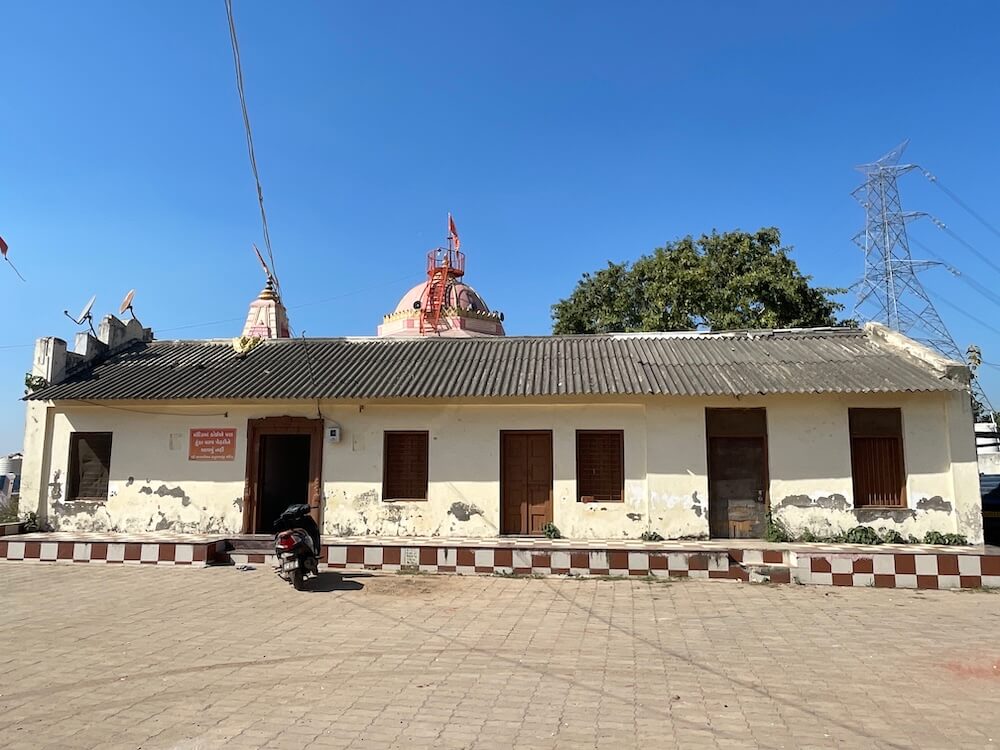 त्या क्षणापासून ते ‘हनुमान’ म्हणून ओळखले जाऊ लागले. प्रसिद्ध प्राच्यविद्या विशारद फ्रेडरिक एडन पार्जिटर (१८५२-१९२७) यांच्या मते, हनुमान हा शब्द ‘हनुमंत’ पासून आला आहे, जो मूळ तमिळ शब्दाचे संस्कृत रूप आहे. मूळ तमिळ शब्द ‘आनमंडी’ (आन = माकड, मंडी = नर) असा आहे. द्रविडी शब्दांचे संस्कृत करताना त्यांना ‘ह’ हा वर्ण जोडण्याची प्रथा आहे. म्हणूनच, पार्जिटर आणि सुनीती कुमार चटर्जी यांसारख्या विद्वानांचे असे मत आहे की, ‘आनमंडी’चे रूपांतर कदाचित हनमंडी आणि कालांतराने संस्कृतमध्ये हनुमंत असे झाले असावे.
पौराणिक ग्रंथांनुसार, हनुमान हे रुद्राचे अवतार आहेत. ‘स्कंद पुराण’ त्यांना शिवाचा अवतार मानते. ‘आंजनेय संहिता’ (किंवा हनुमत्संहिता) हा ग्रंथ त्यांच्या नावे ओळखला जातो. 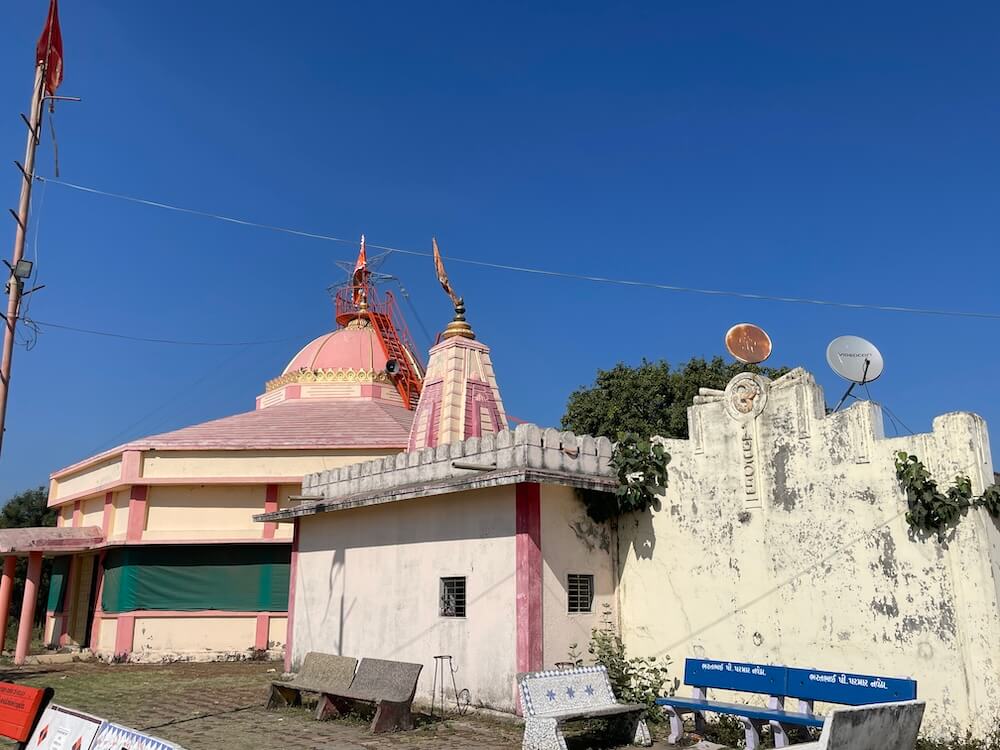 त्यांना संगीत शास्त्राचे प्रणेते देखील मानले जाते. दंतकथेनुसार, अहिरावण आणि महिरावण या राक्षसांचा वध करण्यासाठी हनुमानाने आपले पंचमुखी रूप धारण केले होते. अहिरावण-महिरावण कथेचा उल्लेख मूळ वाल्मीकी रामायणात आढळत नाही, परंतु तो प्रथम ‘आनंद रामायण’ आणि ‘कृत्तिवासी रामायण’ मध्ये दिसून येतो. ‘कृत्तिवासी रामायण’ हे तुलसीदासांच्या लोकप्रिय रामचरितमानसाच्या शंभर वर्षे आधी, पंधराव्या शतकात बंगाली कवी-संत कृत्तिवास ओझा यांनी रचले होते. जरी पारंपरिक श्रद्धा ‘आनंद रामायण’चे श्रेय ऋषी वाल्मीकींना देते, तरी एम. आर. यार्डी यांच्या ‘द रामायण – इट्स ओरिजिन अँड ग्रोथ’ या संशोधनानुसार, हा ग्रंथ ख्रिस्तोत्तर पंधराव्या शतकातील असावा. या ग्रंथानुसार, अहिरावण आणि महिरावण हे पाताळलोकातील रहिवासी आणि रावणाचे मित्र होते.
  श्री रामाशी लढण्यासाठी रावणाने बोलावल्यावर, ते रात्री समुद्रकिनाऱ्यावरील रामाच्या छावणीत पोहोचले. हनुमानाच्या वेटोळे घातलेल्या शेपटीने बनवलेल्या अभेद्य किल्ल्यामध्ये श्री राम आणि लक्ष्मण झोपले होते. अहिरावण-महिरावणाने संपूर्ण खडक उचलला आणि गुपचूप त्यांना पाताळलोकात पळवून नेले. हे समजताच, हनुमानाने त्यांना वाचवण्यासाठी पाताळलोकाचा प्रवास केला. हनुमानाचे ‘पंचमुखी’ रूप या बचाव मोहिमेशी जोडलेले आहे. असे म्हटले जाते की, हनुमानाचा मुलगा मकरध्वज हा अहिरावणाचा द्वारपाल होता. त्याने हनुमानाला सांगितले की, एका गुप्त ठिकाणी लपवलेले पाच दिवे एकाच वेळी विझवले तरच अहिरावणाचा वध होऊ शकेल. हे साध्य करण्यासाठी, हनुमानाने पाच मुखे धारण केली आणि एकाच वेळी ते दिवे विझवले. कुकरवाडा येथील प्राचीन मंदिर या पंचमुखी रूपाचे स्मरण करून देते.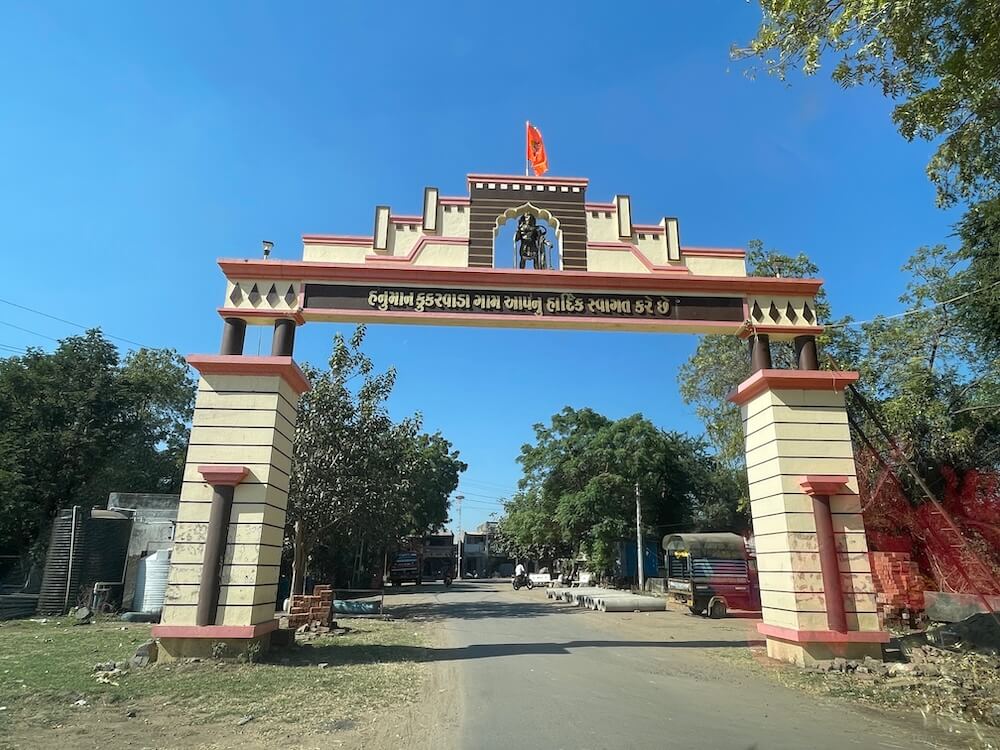
या मंदिराच्या उत्पत्तीबद्दलची अचूक नोंद उपलब्ध नाही. स्थानिक दंतकथेनुसार, पाचशे वर्षांपूर्वी, हनुमानाने शेजारील हंसोट गावाच्या सरपंचांना स्वप्नात दर्शन देऊन कुकरवाडा येथील एका टेकडीवर आपण राहत असल्याचे सांगितले. या प्रकटीकरणानंतर, कुकरवाड्यातील ग्रामस्थांनी सहा महिने टेकडी खणली आणि त्यांना एक मोठा दगड सापडला. या दगडावर पाच मुखे कोरलेली होती. त्यानंतर ग्रामस्थांनी या जागेची प्रतिष्ठापना केली. शतकानुशतके या मंदिराचा अनेकदा जीर्णोद्धार झाला आहे. अलीकडील नूतनीकरणामुळे या मंदिराला सध्याचे वास्तुशिल्पीय वैभव प्राप्त झाले आहे.
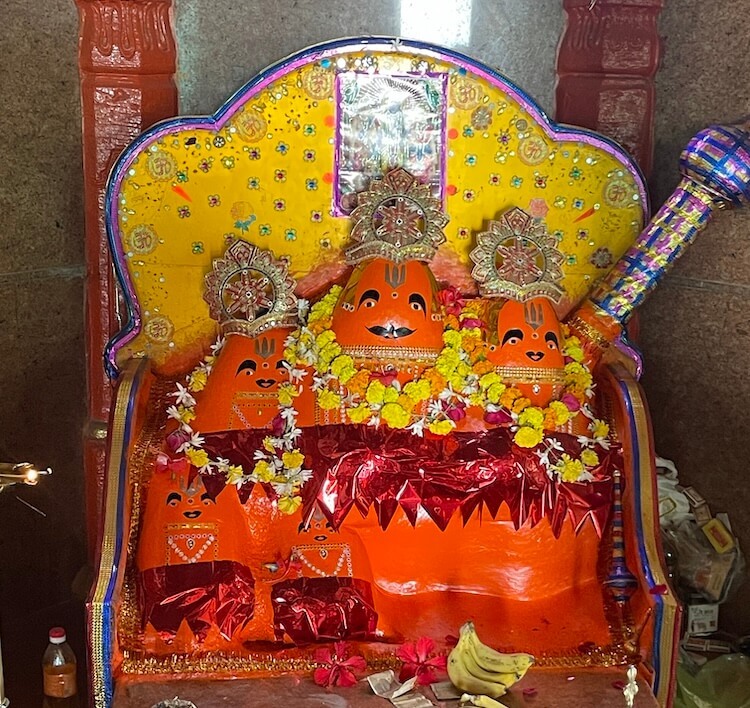
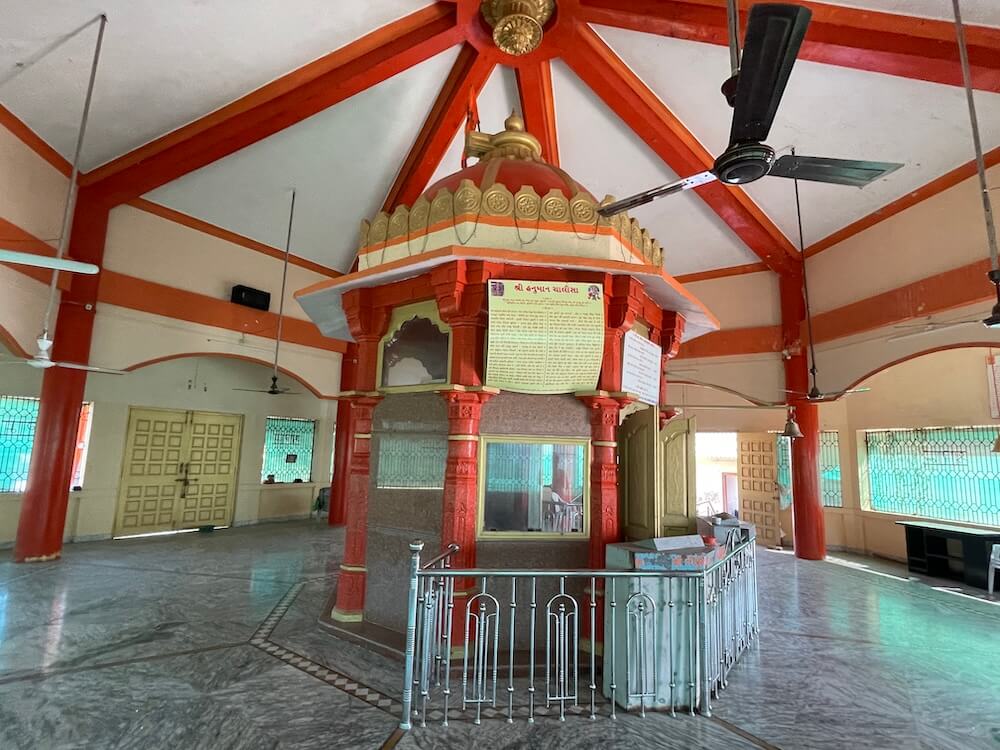
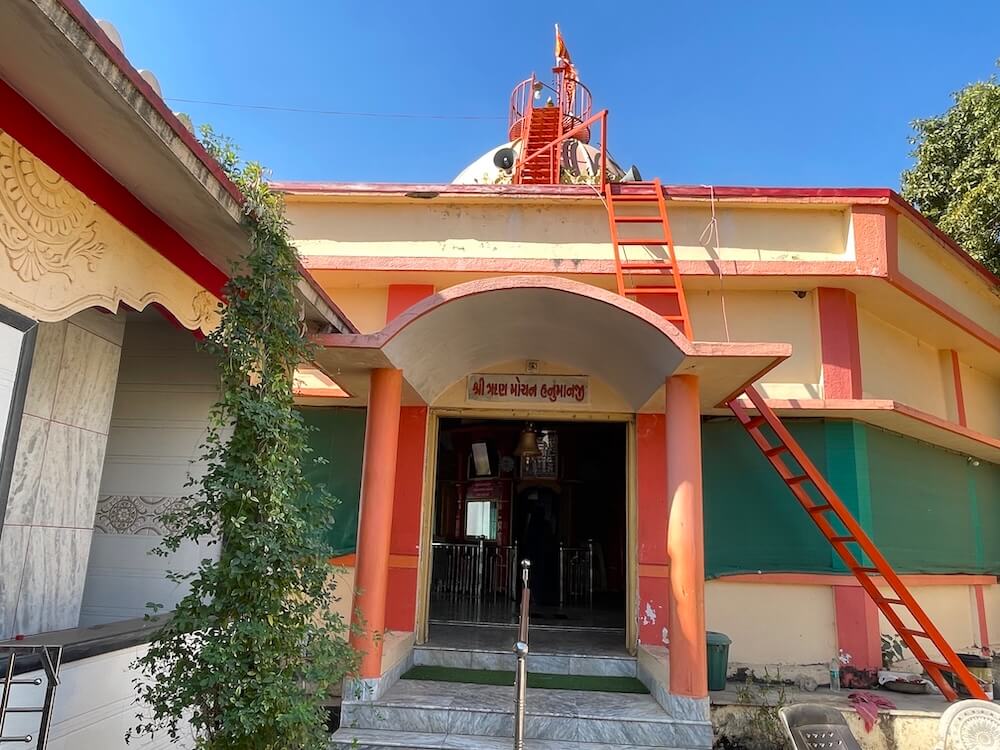
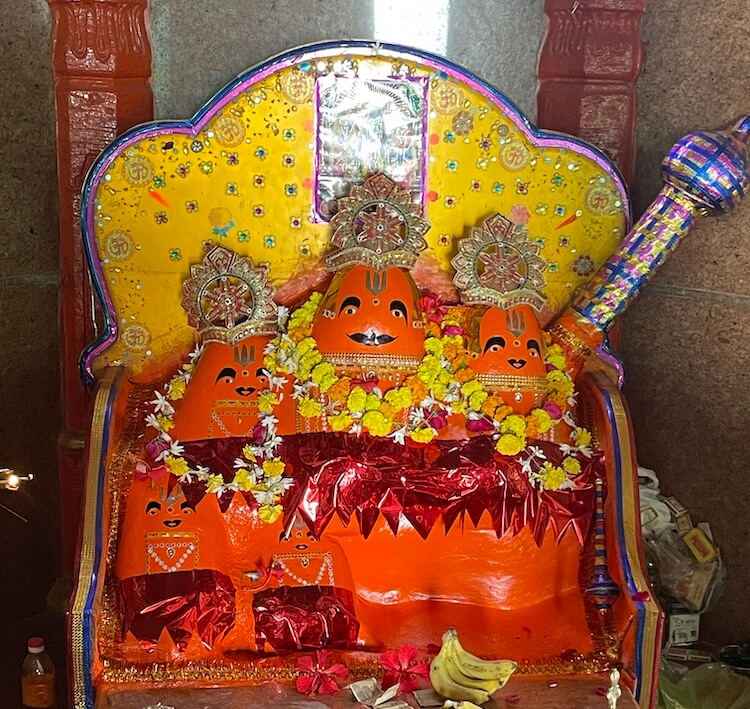
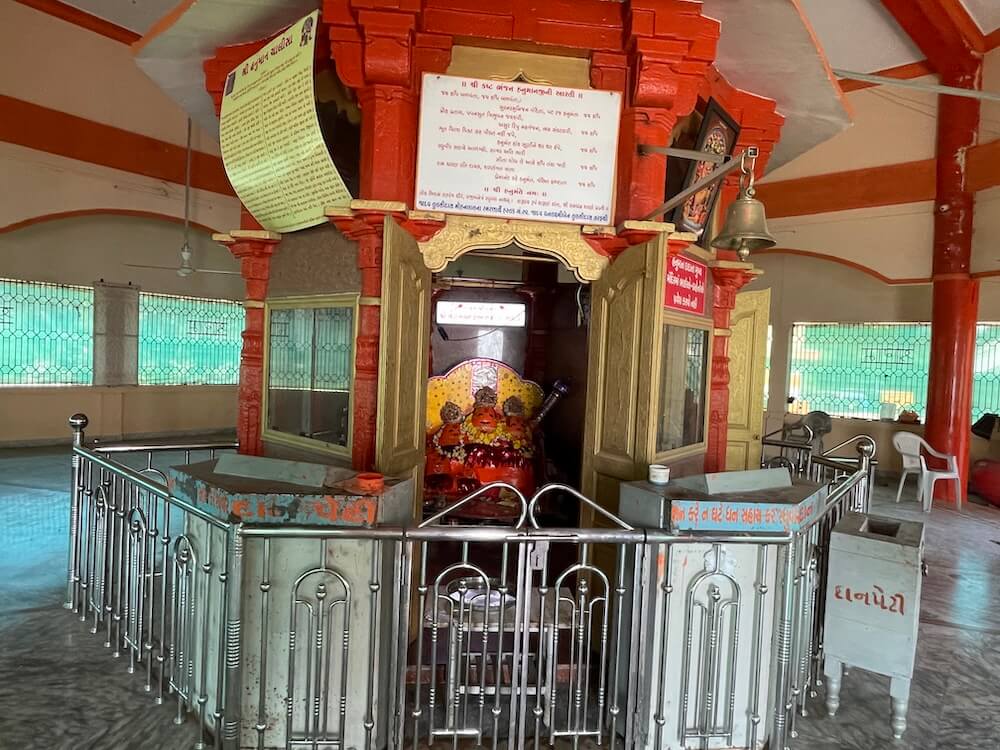
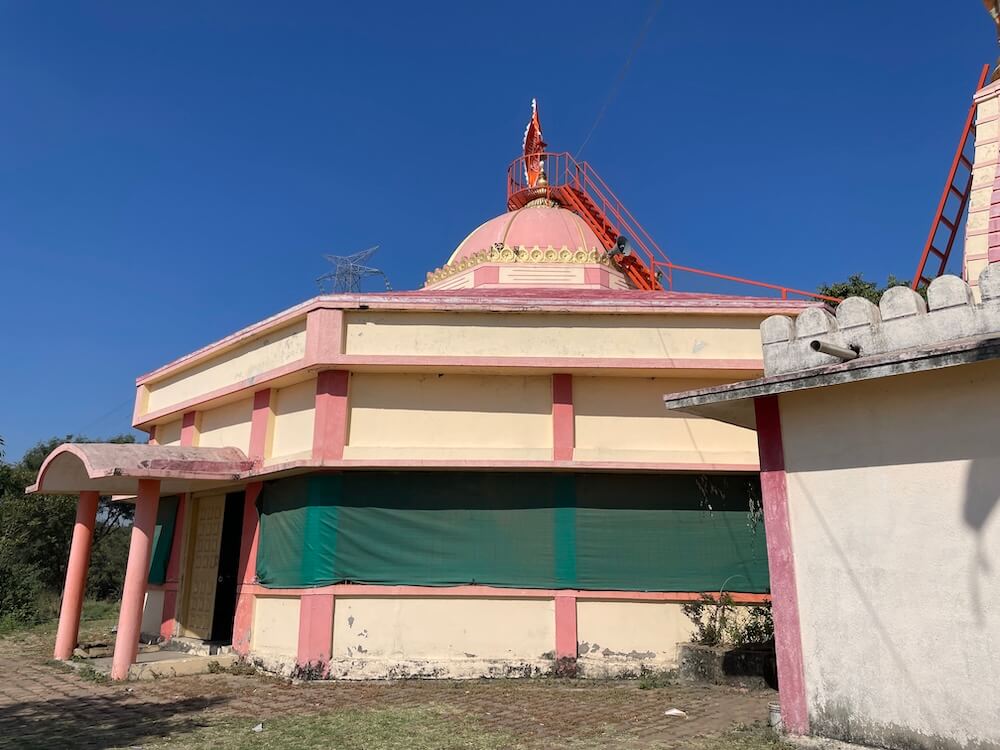
हे मंदिर नर्मदा नदीच्या निसर्गरम्य काठावर वसलेले आहे. एका भव्य प्रवेशद्वारातून दगडी फरसबंदी असलेल्या अंगणात प्रवेश होतो. 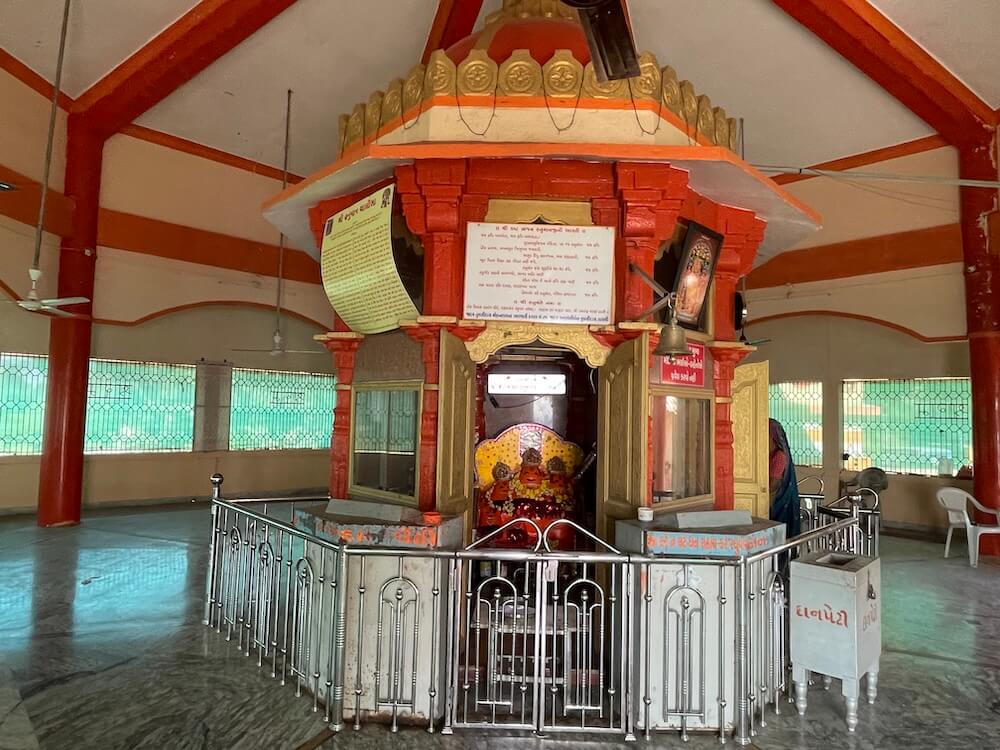 एका लांबट एकमजली रचनेतून गर्भगृहाच्या प्रवेशद्वाराकडे जाता येते, जिथे ऋणमोचन हनुमान मंदिर स्थित आहे. उंच जगतीवर (प्लॅटफॉर्म) बांधलेल्या या मंदिराची वास्तुकला अद्वितीय आहे. यात अर्ध-खुली, आधुनिक शैलीतील एक भव्य अष्टकोनी सभामंडप आहे. या हॉलला तीन प्रवेशद्वारे असून त्यावर आमलक आणि कळस असलेला एक मोठा घुमट आहे. या सभामंडपात मूळ, लहान दगडी मंदिर आहे. या प्राचीन अष्टकोनी रचनेत नक्षीकाम केलेले खांब आणि स्वतःचे घुमटाकार छत आहे. विशेष म्हणजे, या आतील छतावर कळसाच्या जागी ‘शिवपिंड’ विराजमान आहे. आत, संगमरवरी छत्राखाली पंचमुखी हनुमानाची मूर्ती आहे. शेंदूर फासलेल्या या दगडी मूर्तीच्या वरच्या भागात तीन आणि खालच्या भागात दोन मुखे आहेत, ज्यांचे डोळे,
 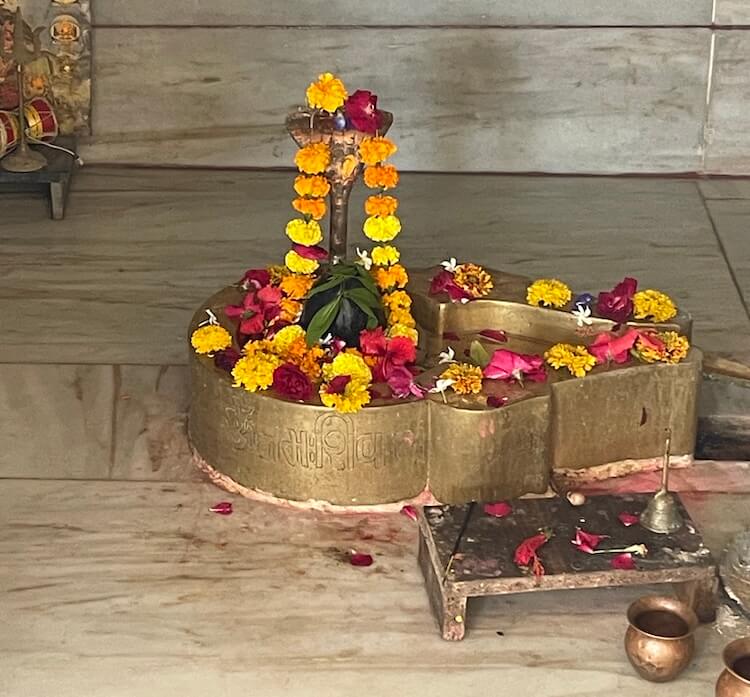 ओठ, मिशा आणि धार्मिक चिन्हे काळजीपूर्वक रंगवलेली आहेत. वरच्या तीन मस्तकांवर मुकुट आहे आणि उजव्या बाजूला रंगीबेरंगी कागदाने सजवलेली गदा ठेवलेली आहे.
येथे दररोज सकाळी आणि संध्याकाळी नित्य पूजा आणि आरती केली जाते. ऋणमोचन हनुमानाची मनापासून पूजा केल्यास सर्व प्रकारच्या कर्जातून आणि ओझ्यांतून मुक्ती मिळते, अशी भाविकांची श्रद्धा आहे. त्यामुळे, दर मंगळवारी आणि शनिवारी येथे भाविकांची मोठी गर्दी असते. हनुमान जयंतीच्या दिवशी आसपासच्या गावांतील शेकडो भाविक दर्शनासाठी येतात. या दिवशी विविध धार्मिक कार्यक्रम, संध्याकाळी महाआरती आणि सर्व भाविकांना महाप्रसादाचे वाटप केले जाते.
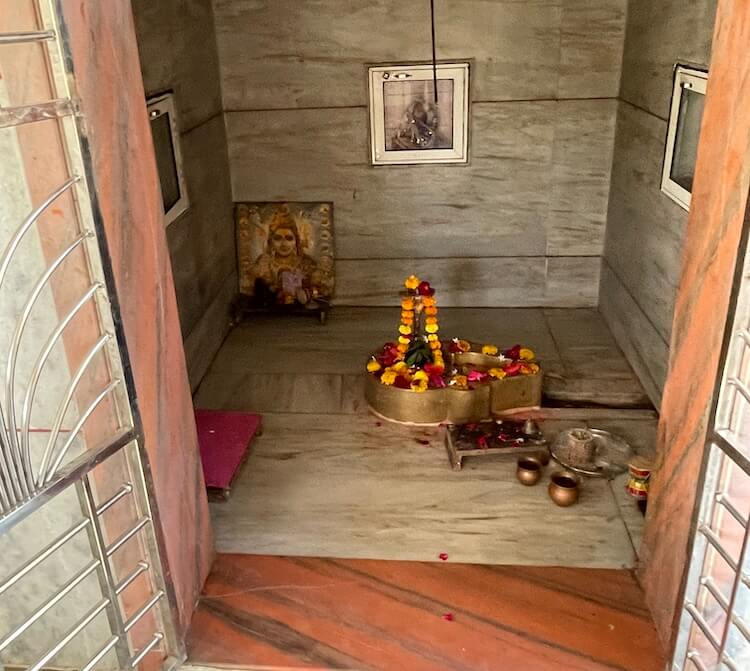
मंदिराच्या परिसरात नर्मदेश्वर महादेव, बळियादेव आणि भाथीजी महाराज यांची मंदिरे देखील आहेत. मंदिराच्या बाहेर, नर्मदा नदीच्या दिशेला, अभ्यागतांना निसर्गसौंदर्याचा आनंद घेता यावा यासाठी सिमेंटचे बाक बसवण्यात आले आहेत. या ठिकाणाहून नदीवरील भव्य केबल-स्टेड पूल पाहता येतो.
उपयुक्त माहिती
- भरूचपासून १० किमी अंतरावर
- भरूचवरून एसटी (राज्य परिवहन) बसची सुविधा उपलब्ध
- खाजगी वाहने मंदिराच्या पार्किंगपर्यंत जाऊ शकतात
- परिसरात राहण्याची आणि नाश्त्याची सोय उपलब्ध आहे
Runmochan Hanuman Temple
Kukarwada, Tal./Dist. Bharuch
Lord Hanuman, the quintessential symbol of strength, devotion and sagacity, is one of the ‘Saptachiranjivas’ (seven immortals). In the epics of the Ramayana and Mahabharata, Hanuman is depicted as being replete with supernatural virtues, including mastery of the scriptures, political statesmanship, valour, intelligence, celibacy, unwavering devotion to Rama and eloquence. Hanuman is worshipped in various forms, such as the ‘Veer’ (heroic), ‘Das’ (servant), ‘Chapetdata’ (the striker) and as the bearer of the Veena and books. Amongst these, the shrine at Kukarwada is dedicated to his ‘Panchmukhi’ (five-faced) manifestation. Devotees hold a profound belief that the Hanuman enshrined here is ‘Runmochan’, the one who grants deliverance from all forms of debt and worldly obligations.
The legend regarding the origin of his name recounts that as a child, Hanuman mistook the rising sun for a fruit and leapt towards it. Witnessing this, Indra struck him with the Vajra (thunderbolt), which broke his left Hanu (jaw). From that moment onwards he became known as ‘Hanuman’. According to the renowned Orientalist Frederick Eden Pargiter (1852–1927), the word Hanuman is derived from ‘Hanumant’, which is a Sanskritised version of an original Tamil word. The root Tamil word is ‘Aanmandi’ (Aan = monkey, Mandi = male). It is a common practice when Sanskritising Dravidian words to prefix them with the sound ‘Ha’. Therefore, Pargiter and scholars like Suniti Kumar Chatterji believe that ‘Aanmandi’ likely became Hanamandi and eventually Hanumant in Sanskrit.
According to mythological texts, Hanuman is an Avatar (incarnation) of Rudra. The ‘Skanda Purana’ identifies him as an incarnation of Shiva. The text ‘Anjaneya Samhita’ (or Hanumatsamhita) is attributed to his name. He is also regarded as a pioneer of the science of music. Legend holds that Hanuman assumed his five-faced form to slay the demons Airavan (Ahiravan) and Mairavan (Mahiravan). The mention of the tale of Airavan-Mairavan is not found in the original Valmiki Ramayana but first appear in the ‘Anand Ramayana’ and the ‘Krittivasi Ramayana’. The ‘Krittivasi Ramayana’ was composed in the fifteenth century, a hundred years before Tulsidas’s popular Ramcharitmanas, by the Bengali poet-saint Krittibas Ojha. While traditional belief attributes the ‘Anand Ramayana’ to Sage Valmiki, research by M. R. Yardi in ‘The Ramayana – Its Origin and Growth’ suggests it dates to the fifteenth century AD. According to this text, Airavan and Mairavan were denizens of the netherworld and friends of Ravana. Summoned by Ravana to fight Shri Ram, they arrived at the Ram’s camp by the seashore at night. Shri Ram and Lakshman were sleeping upon a rock within an impenetrable fortress formed by Hanuman’s coiled tail. Airavan-Mairavan lifted the entire rock and secretly abducted them to the netherworld. Upon discovering this, Hanuman travelled to the netherworld to rescue them. The story of Hanuman’s ‘Panchmukhi’ form is linked to this rescue mission. It is said that Hanuman’s son, Makaradhwaja, served as the gatekeeper for Airavan. He informed Hanuman that Airavan could only be slain if five lamps hidden in a secret location were extinguished simultaneously. To achieve this, Hanuman assumed five faces and blew them out at once. The ancient temple at Kukarwada commemorates this five-faced form.
Precise records regarding this temple’s origin are unavailable. As per the local legend, five hundred years ago, Hanuman appeared in a vision to the Sarpanch of the neighbouring village of Hansot, revealing that he resided on a hill in Kukarwada. Following this revelation, the villagers of Kukarwada excavated the hill for six months until they discovered a large stone. Upon this stone were carved five faces. The villagers then consecrated the site. Over the centuries, the temple has undergone several restorations. A recent renovation has bestowed upon it its current architectural splendour.
The temple is nestled on the scenic bank of the Narmada river. A grand entrance arch leads to a courtyard paved with stone blocks. An elongated single-storey structure marks the entrance to the inner precincts, where the Runmochan Hanuman temple stands. Built upon a high Jagati (plinth), the temple features a unique architectural design. It possesses a magnificent octagonal Sabhamandap (assembly hall) of a semi-open, modern design. This hall has three entrances and is crowned by a massive domed spire featuring an Amalaka (stone disc) and a Kalasha (pinnacle). Within this assembly hall resides the original, smaller stone temple. This ancient octagonal structure features pillars with intricate carvings and its own domed roof. Notably, a ‘Shivpind’ sits atop this inner roof in place of a pinnacle. Inside, within a marble canopy, is the Panchmukhi Hanuman idol. The vermilion-smeared stone features three faces on the upper section and two on the lower, with eyes, lips, moustaches and sacred markings carefully painted. A crown adorns the top three heads and a mace decorated with colourful paper is placed to the right.
Daily rituals and Aarti are conducted here every morning and evening. Devotees believe that sincere worship of Runmochan Hanuman grants freedom from all kinds of debts and burdens. Consequently, the temple sees large gatherings of the faithful every Tuesday and Saturday. On Hanuman Jayanti, hundreds of pilgrims from surrounding villages visit the shrine. The day is marked by various religious programmes, a Maha Aarti in the evening and the distribution of Mahaprasad (consecrated feast) to all devotees.
The temple complex also houses the shrines of Narmadeshwar Mahadev, Baliyadev and Bhathiji Maharaj. Outside the temple, facing the Narmada, cement benches are provided for visitors to enjoy the view. From this vantage point, the grand cable-stayed bridge over the river can be seen.
Useful Information
- 10 km away from Bharuch
- ST (State Transport) bus facility available from Bharuch
- Private vehicles can reach up to the temple parking
- Accommodation and breakfast facilities are available in the vicinity
ऋणमोचन हनुमान मंदिर
कुकरवाड़ा, तहसील/जिला भरूच
भगवान हनुमान, जो शक्ति, भक्ति और बुद्धिमत्ता के साक्षात प्रतीक हैं, ‘सप्तचिरंजीवियों’ में से एक हैं। रामायण और महाभारत के महाकाव्यों में, हनुमान को अलौकिक गुणों से संपन्न दर्शाया गया है, जिसमें शास्त्रों का ज्ञान, राजनीतिक कूटनीति, वीरता, बुद्धि, ब्रह्मचर्य, राम के प्रति अटूट भक्ति और वाक्पटुता शामिल है। हनुमान की पूजा विभिन्न रूपों में की जाती है, जैसे ‘वीर’, ‘दास’, ‘चपेटदाता’ और वीणा तथा पुस्तकों को धारण करने वाले के रूप में। इनमें से, कुकरवाड़ा का मंदिर उनके ‘पंचमुखी’ स्वरूप को समर्पित है। भक्तों का यह गहरा विश्वास है कि यहाँ विराजमान हनुमान ‘ऋणमोचन’ हैं, जो सभी प्रकार के ऋणों और सांसारिक बंधनों से मुक्ति प्रदान करते हैं।
उनके नाम की उत्पत्ति से जुड़ी किंवदंती बताती है कि बचपन में, हनुमान ने उगते हुए सूर्य को फल समझ लिया और उसकी ओर छलांग लगा दी। यह देखकर, इंद्र ने उन पर वज्र से प्रहार किया, जिससे उनकी बाईं ‘हनु’ (ठुड्डी) टूट गई। उसी क्षण से वे ‘हनुमान’ के नाम से जाने गए। प्रसिद्ध प्राच्यविद् फ्रेडरिक ईडन पार्जिटर (१८५२–१९२७) के अनुसार, हनुमान शब्द ‘हनुमंत’ से निकला है, जो एक मूल तमिल शब्द का संस्कृत रूप है। मूल तमिल शब्द ‘आनमंडी’ (आन = बंदर, मंडी = नर) है। द्रविड़ शब्दों को संस्कृत में बदलते समय उनमें ‘ह’ ध्वनि जोड़ना एक सामान्य प्रथा है। इसलिए, पार्जिटर और सुनीति कुमार चटर्जी जैसे विद्वानों का मानना है कि ‘आनमंडी’ संभवतः हनमंडी और अंततः संस्कृत में हनुमंत बन गया।
पौराणिक ग्रंथों के अनुसार, हनुमान रुद्र के अवतार हैं। ‘स्कंद पुराण’ उन्हें शिव का अवतार बताता है। ‘आंजनेय संहिता’ (या हनुमत्संहिता) उनके नाम से जुड़ी है। उन्हें संगीत विज्ञान का प्रणेता भी माना जाता है। किंवदंती है कि हनुमान ने अहिरावण और महिरावण राक्षसों का वध करने के लिए अपना पंचमुखी रूप धारण किया था। अहिरावण-महिरावण की कथा का उल्लेख मूल वाल्मीकि रामायण में नहीं मिलता, बल्कि यह पहली बार ‘आनंद रामायण’ और ‘कृत्तिवासी रामायण’ में प्रकट होती है। ‘कृत्तिवासी रामायण’ की रचना पंद्रहवीं शताब्दी में, तुलसीदास के लोकप्रिय रामचरितमानस से सौ वर्ष पूर्व, बंगाली कवि-संत कृत्तिवास ओझा द्वारा की गई थी। यद्यपि पारंपरिक मान्यता ‘आनंद रामायण’ का श्रेय ऋषि वाल्मीकि को देती है, लेकिन एम. आर. यार्दी द्वारा ‘द रामायण – इट्स ओरिजिन एंड ग्रोथ’ में किए गए शोध से पता चलता है कि यह पंद्रहवीं शताब्दी ईस्वी की है। इस ग्रंथ के अनुसार, अहिरावण और महिरावण पाताल लोक के निवासी और रावण के मित्र थे। रावण द्वारा श्री राम से लड़ने के लिए बुलाए जाने पर, वे रात में समुद्र तट पर राम के शिविर में पहुँचे। श्री राम और लक्ष्मण हनुमान की पूंछ द्वारा बनाए गए अभेद्य किले के भीतर एक चट्टान पर सो रहे थे। अहिरावण-महिरावण ने पूरी चट्टान को उठा लिया और गुप्त रूप से उन्हें पाताल लोक ले गए। यह पता चलने पर, हनुमान उन्हें बचाने के लिए पाताल लोक गए। हनुमान के ‘पंचमुखी’ रूप की कहानी इसी बचाव अभियान से जुड़ी है। कहा जाता है कि हनुमान के पुत्र, मकरध्वज, अहिरावण के द्वारपाल थे। उन्होंने हनुमान को बताया कि अहिरावण का वध तभी संभव है जब एक गुप्त स्थान पर छिपे पाँच दीयों को एक साथ बुझा दिया जाए। इसे प्राप्त करने के लिए, हनुमान ने पाँच मुख धारण किए और उन्हें एक साथ बुझा दिया। कुकरवाड़ा का प्राचीन मंदिर इसी पंचमुखी रूप का स्मरण कराता है।
इस मंदिर की उत्पत्ति के बारे में सटीक रिकॉर्ड उपलब्ध नहीं हैं। स्थानीय किंवदंती के अनुसार, पाँच सौ वर्ष पहले, हनुमान ने पड़ोसी गाँव हंसोट के सरपंच को स्वप्न में दर्शन दिए और बताया कि वे कुकरवाड़ा की एक पहाड़ी पर निवास करते हैं। इस रहस्योद्घाटन के बाद, कुकरवाड़ा के ग्रामीणों ने छह महीने तक पहाड़ी की खुदाई की, जब तक कि उन्हें एक बड़ा पत्थर नहीं मिला। इस पत्थर पर पाँच मुख उकेरे हुए थे। ग्रामीणों ने तब उस स्थान को प्रतिष्ठित किया। सदियों से, मंदिर का कई बार जीर्णोद्धार हुआ है। हाल ही में हुए नवीनीकरण ने इसे वर्तमान स्थापत्य वैभव प्रदान किया है।
यह मंदिर नर्मदा नदी के सुंदर तट पर स्थित है। एक भव्य प्रवेश द्वार पत्थर के ब्लॉकों से बने प्रांगण की ओर ले जाता है। एक लंबी एकल-मंजिला संरचना आंतरिक परिसर के प्रवेश द्वार को चिह्नित करती है, जहाँ ऋणमोचन हनुमान मंदिर स्थित है। एक ऊँची जगती पर निर्मित, इस मंदिर की वास्तुकला अनूठी है। इसमें अर्ध-खुले, आधुनिक डिजाइन का एक शानदार अष्टकोणीय सभामंडप है। इस हॉल में तीन प्रवेश द्वार हैं और यह एक विशाल गुंबददार शिखर से सुशोभित है, जिसमें एक आमलक और कलश है। इस सभामंडप के भीतर मूल, छोटा पत्थर का मंदिर स्थित है। इस प्राचीन अष्टकोणीय संरचना में जटिल नक्काशीदार स्तंभ और अपनी स्वयं की गुंबददार छत है। विशेष रूप से, इस आंतरिक छत के ऊपर शिखर के स्थान पर एक ‘शिवपिंड’ स्थित है। अंदर, संगमरमर की छतरी के नीचे, पंचमुखी हनुमान की मूर्ति है। सिंदूर से लिपटे पत्थर के ऊपरी भाग में तीन और निचले भाग में दो मुख हैं, जिनकी आँखें, होंठ, मूंछें और पवित्र चिह्न सावधानीपूर्वक चित्रित किए गए हैं। ऊपर के तीनों सिरों पर एक मुकुट सुशोभित है और दाईं ओर रंगीन कागज से सजा हुआ गदा रखा गया है।
यहाँ प्रतिदिन सुबह और शाम आरती की जाती है। भक्तों का मानना है कि ऋणमोचन हनुमान की सच्ची पूजा सभी प्रकार के ऋणों और बोझों से मुक्ति दिलाती है। परिणामस्वरूप, मंदिर में प्रत्येक मंगलवार और शनिवार को भक्तों की भारी भीड़ उमड़ती है। हनुमान जयंती पर, आसपास के गाँवों से सैकड़ों तीर्थयात्री मंदिर के दर्शन करते हैं। इस दिन विभिन्न धार्मिक कार्यक्रम आयोजित किए जाते हैं, शाम को महाआरती होती है और सभी भक्तों को महाप्रसाद वितरित किया जाता है।
मंदिर परिसर में नर्मदेश्वर महादेव, बलियादेव और भाथीजी महाराज के मंदिर भी स्थित हैं। मंदिर के बाहर, नर्मदा की ओर मुख किए हुए, आगंतुकों के आनंद लेने के लिए सीमेंट की बेंचें लगाई गई हैं। इस स्थान से नदी पर बना भव्य केबल-स्टे ब्रिज दिखाई देता है।
उपयोगी जानकारी
- भरूच से १० कि.मी. दूर
- भरूच से एसटी (राज्य परिवहन) बस सुविधा उपलब्ध
- निजी वाहन मंदिर की पार्किंग तक पहुँच सकते हैं
- आसपास के क्षेत्र में आवास और नाश्ते की सुविधा उपलब्ध है
ઋણમોચન હનુમાન મંદિર
કુકરવાડા, તા./જિ. ભરૂચ
ભગવાન હનુમાન, જેઓ શક્તિ, ભક્તિ અને વિવેકના સાક્ષાત પ્રતીક છે, તેઓ ‘સપ્તચિરંજીવી’માંના એક છે. રામાયણ અને મહાભારતના મહાકાવ્યોમાં હનુમાનજીને શાસ્ત્રોમાં નિપુણતા, રાજકીય કુશળતા, પરાક્રમ, બુદ્ધિ, બ્રહ્મચર્ય, શ્રી રામ પ્રત્યેની અતૂટ ભક્તિ અને વાકપટુતા જેવા દૈવી ગુણોથી સંપન્ન દર્શાવવામાં આવ્યા છે. હનુમાનજીની પૂજા વિવિધ સ્વરૂપોમાં થાય છે, જેમ કે ‘વીર’, ‘દાસ’, ‘ચપેટદાતા’ અને વીણા તથા પુસ્તકો ધારણ કરનાર સ્વરૂપમાં. આ પૈકી, કુકરવાડાનું મંદિર તેમના ‘પંચમુખી’ સ્વરૂપને સમર્પિત છે. ભક્તોની એવી અતૂટ શ્રદ્ધા છે કે અહીં બિરાજમાન હનુમાનજી ‘ઋણમોચન’ છે, જે તમામ પ્રકારના દેવા અને સાંસારિક બંધનોમાંથી મુક્તિ અપાવે છે.
તેમના નામની ઉત્પત્તિ અંગેની દંતકથા મુજબ, બાળપણમાં હનુમાનજીએ ઉગતા સૂર્યને ફળ સમજીને તેની તરફ છલાંગ લગાવી હતી. આ જોઈને ઇન્દ્રએ તેમના પર વજ્રથી પ્રહાર કર્યો, જેનાથી તેમનો ડાબો હનુ (જડબું) તૂટી ગયો. તે ક્ષણથી તેઓ ‘હનુમાન’ તરીકે ઓળખાયા. પ્રખ્યાત પ્રાચ્યવિદ ફ્રેડરિક ઈડન પાર્ગીટર (૧૮૫૨–૧૯૨૭) અનુસાર, હનુમાન શબ્દ ‘હનુમંત’ પરથી ઉતરી આવ્યો છે, જે મૂળ તમિલ શબ્દનું સંસ્કૃતિકરણ છે. મૂળ તમિલ શબ્દ ‘આનમંદી’ (આન = વાનર, મંદી = નર) છે. દ્રવિડ શબ્દોનું સંસ્કૃતિકરણ કરતી વખતે તેમની આગળ ‘હ’ ધ્વનિ ઉમેરવાની સામાન્ય પ્રથા છે. તેથી, પાર્ગીટર અને સુનીતિ કુમાર ચેટર્જી જેવા વિદ્વાનો માને છે કે ‘આનમંદી’ કદાચ હનમંદી અને અંતે સંસ્કૃતમાં હનુમંત બન્યું હશે.
પૌરાણિક ગ્રંથો અનુસાર, હનુમાનજી રુદ્રના અવતાર છે. ‘સ્કંદ પુરાણ’ તેમને શિવનો અવતાર ગણાવે છે. ‘આંજનેય સંહિતા’ (અથવા હનુમત્સંહિતા) તેમના નામે ઓળખાય છે. તેમને સંગીત વિજ્ઞાનના પ્રણેતા પણ માનવામાં આવે છે. લોકવાયકા મુજબ, હનુમાનજીએ અહિરાવણ અને મહિરાવણ નામના રાક્ષસોનો વધ કરવા માટે પોતાનું પંચમુખી સ્વરૂપ ધારણ કર્યું હતું. અહિરાવણ-મહિરાવણની કથાનો ઉલ્લેખ મૂળ વાલ્મીકિ રામાયણમાં નથી, પરંતુ તે સૌપ્રથમ ‘આનંદ રામાયણ’ અને ‘કૃત્તિવાસી રામાયણ’માં જોવા મળે છે. ‘કૃત્તિવાસી રામાયણ’ની રચના ૧૫મી સદીમાં, તુલસીદાસજીના લોકપ્રિય રામચરિતમાનસના સો વર્ષ પહેલાં, બંગાળી કવિ-સંત કૃત્તિવાસ ઓઝા દ્વારા કરવામાં આવી હતી. પરંપરાગત માન્યતા મુજબ ‘આનંદ રામાયણ’ ઋષિ વાલ્મીકિ દ્વારા રચિત છે, પરંતુ એમ. આર. યાર્દી દ્વારા ‘ધ રામાયણ – ઇટ્સ ઓરિજિન એન્ડ ગ્રોથ’માં કરવામાં આવેલા સંશોધન મુજબ તે ૧૫મી સદીની છે. આ ગ્રંથ અનુસાર, અહિરાવણ અને મહિરાવણ પાતાળલોકના નિવાસી અને રાવણના મિત્રો હતા. રાવણના કહેવાથી શ્રી રામ સાથે યુદ્ધ કરવા માટે તેઓ રાત્રે સમુદ્ર કિનારે શ્રી રામના શિબિરમાં પહોંચ્યા. શ્રી રામ અને લક્ષ્મણ હનુમાનજીની વીંટળાયેલી પૂંછડીથી બનેલા અભેદ્ય કિલ્લાની અંદર એક ખડક પર સૂતા હતા. અહિરાવણ-મહિરાવણે આખો ખડક ઉપાડી લીધો અને ગુપ્ત રીતે તેમનું પાતાળલોકમાં અપહરણ કર્યું. આ જાણ થતાં જ હનુમાનજી તેમને બચાવવા પાતાળલોક ગયા. હનુમાનજીના ‘પંચમુખી’ સ્વરૂપની વાર્તા આ બચાવ મિશન સાથે જોડાયેલી છે. કહેવાય છે કે હનુમાનજીના પુત્ર મકરધ્વજ અહિરાવણના દ્વારપાલ હતા. તેમણે હનુમાનજીને જણાવ્યું કે અહિરાવણનો વધ ત્યારે જ શક્ય છે જો કોઈ ગુપ્ત જગ્યાએ છુપાયેલા પાંચ દીવા એકસાથે ઓલવવામાં આવે. આ સિદ્ધ કરવા માટે, હનુમાનજીએ પાંચ મુખ ધારણ કર્યા અને એકસાથે ફૂંક મારીને દીવા ઓલવી નાખ્યા. કુકરવાડાનું પ્રાચીન મંદિર આ પંચમુખી સ્વરૂપની સ્મૃતિમાં છે.
આ મંદિરની ઉત્પત્તિ અંગેના ચોક્કસ રેકોર્ડ ઉપલબ્ધ નથી. સ્થાનિક લોકવાયકા મુજબ, ૫૦૦ વર્ષ પહેલાં, હનુમાનજીએ નજીકના ગામ હંસોટના સરપંચને સ્વપ્નમાં દર્શન આપીને જણાવ્યું હતું કે તેઓ કુકરવાડાના એક ટેકરા પર બિરાજમાન છે. આ ખુલાસા બાદ, કુકરવાડાના ગ્રામજનોએ છ મહિના સુધી ટેકરાનું ખોદકામ કર્યું અને અંતે એક મોટો પથ્થર મળી આવ્યો. આ પથ્થર પર પાંચ મુખ કોતરેલા હતા. ત્યારબાદ ગ્રામજનોએ આ સ્થળની પ્રતિષ્ઠા કરી. સદીઓ દરમિયાન, મંદિરનું અનેકવાર જીર્ણોદ્ધાર થયું છે. તાજેતરના નવીનીકરણે તેને વર્તમાન સ્થાપત્યની ભવ્યતા આપી છે.
આ મંદિર નર્મદા નદીના રમણીય કિનારે આવેલું છે. એક ભવ્ય પ્રવેશદ્વાર પથ્થરના બ્લોક્સથી બનેલા આંગણામાં દોરી જાય છે. એક લાંબુ એકમાળું માળખું આંતરિક પરિસરના પ્રવેશદ્વારને ચિહ્નિત કરે છે, જ્યાં ઋણમોચન હનુમાન મંદિર આવેલું છે. ઉંચી જગતી (પ્લિન્થ) પર બનેલું આ મંદિર અનોખી સ્થાપત્ય શૈલી ધરાવે છે. તેમાં અર્ધ-ખુલ્લી, આધુનિક ડિઝાઇનનો ભવ્ય અષ્ટકોણીય સભામંડપ છે. આ મંડપમાં ત્રણ પ્રવેશદ્વાર છે અને તેના પર અમલક અને કળશ સાથેનું વિશાળ ગુંબજ આકારનું શિખર છે. આ સભામંડપની અંદર મૂળ, નાનું પથ્થરનું મંદિર આવેલું છે. આ પ્રાચીન અષ્ટકોણીય માળખામાં જટિલ કોતરણીવાળા સ્તંભો અને પોતાનું ગુંબજ આકારનું છત છે. નોંધપાત્ર વાત એ છે કે, આ આંતરિક છત પર શિખરના સ્થાને ‘શિવપિંડ’ બિરાજમાન છે. અંદર, આરસના મંડપમાં પંચમુખી હનુમાનની મૂર્તિ છે. સિંદૂરથી લેપિત આ પ્રતિમાના ઉપરના ભાગમાં ત્રણ અને નીચેના ભાગમાં બે મુખ છે, જેમાં આંખો, હોઠ, મૂછો અને પવિત્ર ચિહ્નો કાળજીપૂર્વક દોરવામાં આવ્યા છે. ઉપરના ત્રણ મસ્તક પર મુગટ છે અને જમણી બાજુએ રંગીન કાગળથી શણગારેલી ગદા રાખવામાં આવી છે.
અહીં દરરોજ સવારે અને સાંજે નિત્ય પૂજા અને આરતી થાય છે. ભક્તો માને છે કે ઋણમોચન હનુમાનની સાચી ભક્તિ કરવાથી તમામ પ્રકારના દેવા અને બોજમાંથી મુક્તિ મળે છે. પરિણામે, દર મંગળવાર અને શનિવારે મંદિરમાં શ્રદ્ધાળુઓની મોટી ભીડ જોવા મળે છે. હનુમાન જયંતિના દિવસે આસપાસના ગામોમાંથી સેંકડો શ્રદ્ધાળુઓ દર્શનાર્થે આવે છે. આ દિવસે વિવિધ ધાર્મિક કાર્યક્રમો, સાંજે મહાઆરતી અને તમામ ભક્તોને મહાપ્રસાદનું વિતરણ કરવામાં આવે છે.
મંદિર પરિસરમાં નર્મદેશ્વર મહાદેવ, બળિયાદેવ અને ભાથીજી મહારાજના મંદિરો પણ આવેલા છે. મંદિરની બહાર, નર્મદા નદી તરફ મુખ રાખીને, મુલાકાતીઓ માટે નજારાનો આનંદ માણવા માટે સિમેન્ટની બેન્ચોની વ્યવસ્થા કરવામાં આવી છે. આ ઉંચા સ્થાન પરથી, નદી પરનો ભવ્ય કેબલ-સ્ટેડ બ્રિજ જોઈ શકાય છે.
ઉપયોગી માહિતી
- ભરૂચથી ૧૦ કિમી દૂર
- ભરૂચથી એસ.ટી. (રાજ્ય પરિવહન) બસની સુવિધા ઉપલબ્ધ
- ખાનગી વાહનો મંદિરના પાર્કિંગ સુધી પહોંચી શકે છે
- આસપાસના વિસ્તારમાં રહેવા અને નાસ્તાની સુવિધાઓ ઉપલબ્ધ છે
ருண்மோச்சன் அனுமன் கோயில்
குகர்வாடா, தாலுகா/மாவட்டம் பருச்
வலிமை, பக்தி மற்றும் அறிவாற்றலின் உன்னதமான அடையாளமான அனுமன், ‘சப்த சிரஞ்சீவிகளில்’ (ஏழு அழியாதவர்கள்) ஒருவர். ராமாயணம் மற்றும் மகாபாரத இதிகாசங்களில், அனுமன் சாஸ்திரங்களில் தேர்ச்சி, அரசியல் ராஜதந்திரம், வீரம், அறிவு, பிரம்மச்சரியம், ராமனிடம் அசைக்க முடியாத பக்தி மற்றும் சொல்வன்மை உள்ளிட்ட அதீத நற்பண்புகள் நிறைந்தவராகச் சித்தரிக்கப்படுகிறார். அனுமன் ‘வீர்’ (வீரர்), ‘தாஸ்’ (அடியவர்), ‘சபேததா’ (அடியவர்) மற்றும் வீணை மற்றும் புத்தகங்களை ஏந்தியவர் எனப் பல்வேறு வடிவங்களில் வழிபடப்படுகிறார். இவற்றுள், குகர்வாடாவில் உள்ள ஆலயம் அவரது ‘பஞ்சமுகி’ (ஐந்து முகங்கள்) வடிவத்திற்கு அர்ப்பணிக்கப்பட்டுள்ளது. இங்குள்ள அனுமன் ‘ருண்மோச்சன்’ என்றும், அனைத்து வகையான கடன்கள் மற்றும் உலகியல் சுமைகளிலிருந்து விடுபடச் செய்பவர் என்றும் பக்தர்கள் ஆழமாக நம்புகின்றனர்.
அவரது பெயர் உருவானது குறித்த புராணக்கதை, சிறுவனாக இருந்த அனுமன் உதய சூரியனை ஒரு பழம் என்று தவறாகக் கருதி அதை நோக்கிப் பாய்ந்ததைக் கூறுகிறது. இதைக் கண்ட இந்திரன், அவரை வஜ்ராயுதத்தால் தாக்கினான், அது அவரது இடது ‘ஹனு’வை (தாடை) உடைத்தது. அந்தத் தருணத்திலிருந்து அவர் ‘அனுமன்’ என்று அழைக்கப்பட்டார். புகழ்பெற்ற கீழைத்தேய ஆய்வாளர் பிரடெரிக் ஈடன் பார்கிட்டர் (௧௮௫௨–௧௯௨௭) கருத்துப்படி, அனுமன் என்ற சொல் ‘ஹனுமந்த்’ என்பதிலிருந்து உருவானது, இது ஒரு மூலத் தமிழ் சொல்லின் சமஸ்கிருத வடிவமாகும். மூலத் தமிழ் சொல் ‘ஆன்மந்தி’ (ஆன் = குரங்கு, மந்தி = ஆண்). திராவிடச் சொற்களைச் சமஸ்கிருதமாக்கும்போது ‘ஹ’ என்ற ஒலியை முன்னொட்டாகச் சேர்ப்பது வழக்கம். எனவே, பார்கிட்டர் மற்றும் சுனிதி குமார் சாட்டர்ஜி போன்ற அறிஞர்கள் ‘ஆன்மந்தி’ என்பது ஹனமந்தியாகி, இறுதியில் சமஸ்கிருதத்தில் ஹனுமந்தாக மாறியிருக்கலாம் என்று நம்புகின்றனர்.
புராண நூல்களின்படி, அனுமன் ருத்ரனின் அவதாரம் ஆவார். ‘ஸ்கந்த புராணம்’ அவரைச் சிவனின் அவதாரமாகக் குறிப்பிடுகிறது. ‘ஆஞ்சநேய சம்ஹிதா’ (அல்லது ஹனுமத் சம்ஹிதா) என்ற நூல் அவரது பெயரால் அழைக்கப்படுகிறது. அவர் இசைக்கலையின் முன்னோடியாகவும் கருதப்படுகிறார். ஐராவணன் (அஹிராவணன்) மற்றும் மைராவணன் (மஹிராவணன்) ஆகிய அரக்கர்களைக் கொல்ல அனுமன் தனது ஐந்து முக வடிவத்தை எடுத்ததாகப் புராணங்கள் கூறுகின்றன. ஐராவண-மைராவணக் கதையைப் பற்றிய குறிப்பு மூல வால்மீகி ராமாயணத்தில் இல்லை, ஆனால் அது முதன்முதலில் ‘ஆனந்த ராமாயணம்’ மற்றும் ‘கிருத்திவாச ராமாயணத்தில்’ காணப்படுகிறது. ‘கிருத்திவாச ராமாயணம்’ பதினைந்தாம் நூற்றாண்டில், துளசிதாசரின் புகழ்பெற்ற ராமசரிதமானஸிற்கு நூறு ஆண்டுகளுக்கு முன்பு, வங்காளக் கவிஞர்-துறவி கிருத்திபாஸ் ஓஜாவால் இயற்றப்பட்டது. பாரம்பரிய நம்பிக்கை ‘ஆனந்த ராமாயணத்தை’ வால்மீகி முனிவருக்குச் சொந்தமானது என்று கூறினாலும், எம். ஆர். யார்டியின் ‘தி ராமாயணம் – இட்ஸ் ஆரிஜின் அண்ட் குரோத்’ என்ற ஆய்வின்படி, இது கி.பி. பதினைந்தாம் நூற்றாண்டைச் சேர்ந்தது. இந்த நூலின்படி, ஐராவணனும் மைராவணனும் பாதாள உலகத்தைச் சேர்ந்தவர்கள் மற்றும் ராவணனின் நண்பர்கள். ஸ்ரீ ராமருடன் போரிட ராவணனால் அழைக்கப்பட்ட அவர்கள், இரவு நேரத்தில் கடற்கரையில் இருந்த ராமரின் முகாமுக்கு வந்தனர். அனுமனின் சுருண்ட வாலால் உருவாக்கப்பட்ட ஊடுருவ முடியாத கோட்டைக்குள் ஸ்ரீ ராமரும் லக்ஷ்மணனும் உறங்கிக் கொண்டிருந்தனர். ஐராவண-மைராவணன் அந்தப் பாறையை அப்படியே தூக்கிச் சென்று ரகசியமாகப் பாதாள உலகத்திற்குக் கடத்தினர். இதைக் கண்டறிந்த அனுமன், அவர்களை மீட்கப் பாதாள உலகத்திற்குச் சென்றார். அனுமனின் ‘பஞ்சமுகி’ வடிவத்தின் கதை இந்த மீட்புப் பணியுடன் தொடர்புடையது. அனுமனின் மகனான மகரத்வஜன், ஐராவணனுக்குக் காவல் காப்பவராக இருந்தார் என்று கூறப்படுகிறது. ஒரு ரகசிய இடத்தில் மறைத்து வைக்கப்பட்டிருந்த ஐந்து விளக்குகளை ஒரே நேரத்தில் அணைத்தால் மட்டுமே ஐராவணனைக் கொல்ல முடியும் என்று அவர் அனுமனிடம் கூறினார். இதைச் சாதிக்க, அனுமன் ஐந்து முகங்களை எடுத்து ஒரே நேரத்தில் அவற்றை ஊதி அணைத்தார். குகர்வாடாவில் உள்ள பழமையான கோயில் இந்த ஐந்து முக வடிவத்தைப் போற்றுகிறது.
இந்தக் கோயிலின் தோற்றம் குறித்த துல்லியமான பதிவுகள் இல்லை. உள்ளூர் புராணக்கதையின்படி, ஐந்நூறு ஆண்டுகளுக்கு முன்பு, அருகிலுள்ள ஹன்சோட் கிராமத்தின் சர்பஞ்ச் கனவில் அனுமன் தோன்றி, தான் குகர்வாடாவில் உள்ள ஒரு குன்றின் மீது வசிப்பதாகக் கூறினார். இந்த வெளிப்பாட்டைத் தொடர்ந்து, குகர்வாடா கிராம மக்கள் ஆறு மாதங்களாகக் குன்றைத் தோண்டியபோது ஒரு பெரிய கல்லைக் கண்டெடுத்தனர். இந்தக் கல்லில் ஐந்து முகங்கள் செதுக்கப்பட்டிருந்தன. பின்னர் கிராம மக்கள் அந்த இடத்தைப் பிரதிஷ்டை செய்தனர். பல நூற்றாண்டுகளாக, கோயில் பலமுறை புனரமைக்கப்பட்டுள்ளது. சமீபத்திய புதுப்பித்தல் அதற்குத் தற்போதைய கட்டடக்கலைப் பெருமையை அளித்துள்ளது.
கோயில் நர்மதை நதிக்கரையில் அழகாக அமைந்துள்ளது. ஒரு பிரம்மாண்டமான நுழைவு வாயில் கல் பலகைகளால் ஆன முற்றத்திற்கு இட்டுச் செல்கிறது. நீண்ட ஒற்றை அடுக்கு அமைப்பு உட்புறப் பகுதிக்கு நுழைவாயிலாக உள்ளது, அங்கு ருண்மோச்சன் அனுமன் கோயில் அமைந்துள்ளது. உயர்ந்த ஜகதி (அடித்தளம்) மீது கட்டப்பட்ட இந்தக் கோயில் தனித்துவமான கட்டடக்கலை வடிவமைப்பைக் கொண்டுள்ளது. இது அரை-திறந்த, நவீன வடிவமைப்பில் ஒரு அற்புதமான எண்கோண சபா மண்டபத்தைக் கொண்டுள்ளது. இந்த மண்டபத்தில் மூன்று நுழைவாயில்கள் உள்ளன மற்றும் அமலகம் மற்றும் கலசத்துடன் கூடிய பிரம்மாண்டமான குவிமாடம் உள்ளது. இந்தச் சபா மண்டபத்திற்குள் அசல், சிறிய கல் கோயில் உள்ளது. இந்த பழமையான எண்கோண அமைப்பில் சிக்கலான வேலைப்பாடுகள் கொண்ட தூண்கள் மற்றும் அதன் சொந்த குவிமாடம் உள்ளது. குறிப்பிடத்தக்க வகையில், இந்த உட்புறக் கூரையின் உச்சியில் கலசத்திற்குப் பதிலாக ஒரு ‘சிவபிண்டம்’ உள்ளது. உள்ளே, ஒரு பளிங்கு விதானத்தின் கீழ், பஞ்சமுகி அனுமன் சிலை உள்ளது. குங்குமம் பூசப்பட்ட கல்லில் மேல் பகுதியில் மூன்று முகங்களும் கீழ் பகுதியில் இரண்டு முகங்களும் உள்ளன, கண்கள், உதடுகள், மீசைகள் மற்றும் புனித அடையாளங்கள் கவனமாக வரையப்பட்டுள்ளன. மேல் மூன்று தலைகளிலும் கிரீடம் சூட்டப்பட்டுள்ளது மற்றும் வலதுபுறத்தில் வண்ணமயமான காகிதங்களால் அலங்கரிக்கப்பட்ட கதாயுதம் வைக்கப்பட்டுள்ளது.
தினசரி வழிபாடுகளும் ஆரத்தியும் இங்கு தினமும் காலை மற்றும் மாலை நேரங்களில் நடைபெறுகின்றன. ருண்மோச்சன் அனுமனை மனதார வழிபடுவது அனைத்து வகையான கடன்கள் மற்றும் சுமைகளிலிருந்து விடுதலை அளிக்கும் என்று பக்தர்கள் நம்புகின்றனர். இதன் விளைவாக, ஒவ்வொரு செவ்வாய் மற்றும் சனிக்கிழமைகளிலும் கோயில் பக்தர்களின் பெரும் கூட்டத்தைக் காண்கிறது. அனுமன் ஜெயந்தியன்று, சுற்றியுள்ள கிராமங்களிலிருந்து நூற்றுக்கணக்கான பக்தர்கள் கோயிலுக்கு வருகை தருகின்றனர். இந்நாளில் பல்வேறு மத நிகழ்ச்சிகள், மாலை நேரத்தில் மகா ஆரத்தி மற்றும் அனைத்து பக்தர்களுக்கும் மகாபிரசாதம் விநியோகம் செய்யப்படுகிறது.
இந்தக் கோயில் வளாகத்தில் நர்மதேஷ்வர் மகாதேவ், பலியாதேவ் மற்றும் பாதிஜி மகாராஜ் ஆகியோருக்கான சன்னதிகளும் அமைந்துள்ளன. கோயிலுக்கு வெளியே, நர்மதை நதியை நோக்கியவாறு, பார்வையாளர்கள் காட்சியை ரசிப்பதற்காக சிமெண்ட் இருக்கைகள் அமைக்கப்பட்டுள்ளன. இந்த இடத்திலிருந்து, ஆற்றின் குறுக்கே அமைந்துள்ள பிரம்மாண்டமான கேபிள்-ஸ்டே பாலத்தைக் காணலாம்.
பயனுள்ள தகவல்கள்
- பருச்சிலிருந்து ௧௦ கி.மீ தொலைவில் உள்ளது
- பருச்சிலிருந்து அரசுப் போக்குவரத்துக் கழக (GSRTC) பேருந்து வசதி உள்ளது
- சொந்த வாகனங்கள் கோயில் வாகன நிறுத்துமிடம் வரை செல்லலாம்
- அருகிலேயே தங்குமிடம் மற்றும் காலை உணவு வசதிகள் உள்ளன
రుణమోచన హనుమాన్ దేవాలయం
కుకర్వాడ, తాలూకా/జిల్లా భరూచ్
శక్తి, భక్తి మరియు వివేకానికి నిలువుటద్దమైన శ్రీ హనుమంతుడు ‘సప్తచిరంజీవులలో’ ఒకరు. రామాయణ మరియు మహాభారత ఇతిహాసాలలో, హనుమంతుడు శాస్త్ర పాండిత్యం, రాజనీతిజ్ఞత, పరాక్రమం, తెలివితేటలు, బ్రహ్మచర్యం, శ్రీరామునిపై అచంచలమైన భక్తి మరియు వాగ్ధాటి వంటి అద్భుతమైన గుణగణాలతో వర్ణించబడ్డారు. హనుమంతుడిని ‘వీర’, ‘దాస’, ‘చపేటదాత’ (దెబ్బ కొట్టేవాడు) మరియు వీణ, పుస్తకాలను ధరించిన రూపాలలో వివిధ రకాలుగా పూజిస్తారు. వీటిలో, కుకర్వాడలోని ఆలయం ఆయన ‘పంచముఖి’ రూపానికి అంకితం చేయబడింది. ఇక్కడ కొలువై ఉన్న హనుమంతుడు ‘రుణమోచన’ అని, అంటే అన్ని రకాల అప్పుల నుండి మరియు లౌకిక బాధ్యతల నుండి విముక్తిని ప్రసాదించేవాడని భక్తులు ప్రగాఢంగా నమ్ముతారు.
ఆయన పేరు పుట్టుకకు సంబంధించిన పురాణగాథ ప్రకారం, చిన్నతనంలో హనుమంతుడు ఉదయిస్తున్న సూర్యుడిని పండు అని భ్రమించి దానిని అందుకోవడానికి ఎగిరారు. ఇది చూసిన ఇంద్రుడు తన వజ్రాయుధంతో ఆయనపై దాడి చేయగా, అది ఆయన ఎడమ ‘హనువు’ (దవడ)ను విరిచింది. ఆ క్షణం నుండి ఆయన ‘హనుమంతుడు’ అని పిలవబడ్డారు. ప్రసిద్ధ ప్రాచ్య విద్యావేత్త ఫ్రెడరిక్ ఈడెన్ పార్గిటర్ (౧౮౫౨–౧౯౨౭) ప్రకారం, హనుమంతుడు అనే పదం ‘హనుమంత్’ నుండి ఉద్భవించింది, ఇది అసలు తమిళ పదానికి సంస్కృత రూపం. దీనికి మూలమైన తమిళ పదం ‘ఆన్మంది’ (ఆన్ = కోతి, మంది = మగ). ద్రావిడ పదాలను సంస్కృతీకరించేటప్పుడు వాటికి ‘హ’ అనే శబ్దాన్ని చేర్చడం ఒక సాధారణ పద్ధతి. అందువల్ల, పార్గిటర్ మరియు సునీతి కుమార్ ఛటర్జీ వంటి పండితులు ‘ఆన్మంది’ కాలక్రమేణా హనమందిగా మారి, చివరకు సంస్కృతంలో హనుమంతుడిగా మారిందని నమ్ముతారు.
పౌరాణిక గ్రంథాల ప్రకారం, హనుమంతుడు రుద్రుని అవతారం. ‘స్కంద పురాణం’ ఆయనను శివుని అవతారంగా పేర్కొంటుంది. ‘ఆంజనేయ సంహిత’ (లేదా హనుమత్సంహిత) ఆయన పేరు మీదనే వెలువడింది. ఆయనను సంగీత శాస్త్రానికి మార్గదర్శకుడిగా కూడా పరిగణిస్తారు. అహిరావణ మరియు మహిరావణ అనే రాక్షసులను సంహరించడానికి హనుమంతుడు తన పంచముఖ రూపాన్ని ధరించాడని పురాణాలు చెబుతున్నాయి. అహిరావణ-మహిరావణ కథ ప్రస్తావన అసలు వాల్మీకి రామాయణంలో లేదు, ఇది మొదట ‘ఆనంద రామాయణం’ మరియు ‘కృత్తివాస రామాయణం’లో కనిపిస్తుంది. ‘కృత్తివాస రామాయణం’ పదిహేనవ శతాబ్దంలో, తులసీదాసు ప్రసిద్ధ రామచరితమానస్ కంటే వంద సంవత్సరాల ముందు బెంగాలీ కవి-సంత కృత్తివాస్ ఓఝాచే రచించబడింది. సాంప్రదాయ విశ్వాసం ‘ఆనంద రామాయణాన్ని’ వాల్మీకి మహర్షికి ఆపాదించినప్పటికీ, ఎం.ఆర్. యార్డీ ‘ది రామాయణ – ఇట్స్ ఆరిజిన్ అండ్ గ్రోత్’లో చేసిన పరిశోధన ప్రకారం ఇది క్రీస్తుశకం పదిహేనవ శతాబ్దానికి చెందినది. ఈ గ్రంథం ప్రకారం, అహిరావణ మరియు మహిరావణలు పాతాళవాసులు మరియు రావణుని స్నేహితులు. శ్రీరామునితో యుద్ధం చేయడానికి రావణుడు వారిని పిలిపించగా, వారు రాత్రివేళ సముద్ర తీరంలో ఉన్న రాముని శిబిరానికి చేరుకున్నారు. హనుమంతుడు తన తోకతో చుట్టిన అభేద్యమైన కోటలో శ్రీరాముడు మరియు లక్ష్మణుడు నిద్రిస్తున్నారు. అహిరావణ-మహిరావణులు ఆ బండరాయిని మొత్తం ఎత్తి, వారిని రహస్యంగా పాతాళానికి అపహరించారు. ఇది తెలుసుకున్న హనుమంతుడు వారిని రక్షించడానికి పాతాళానికి వెళ్ళారు. హనుమంతుని ‘పంచముఖి’ రూపం ఈ రక్షణ మిషన్తో ముడిపడి ఉంది. హనుమంతుని కుమారుడైన మకరధ్వజుడు అహిరావణునికి ద్వారపాలకుడిగా పనిచేశాడని చెబుతారు. ఒక రహస్య ప్రదేశంలో దాచబడిన ఐదు దీపాలను ఒకేసారి ఆర్పితేనే అహిరావణుడు మరణిస్తాడని ఆయన హనుమంతుడికి తెలియజేశారు. దీనిని సాధించడానికి, హనుమంతుడు ఐదు ముఖాలను ధరించి ఒక్కసారిగా వాటిని ఊది ఆర్పేశారు. కుకర్వాడలోని పురాతన ఆలయం ఈ పంచముఖ రూపాన్ని స్మరిస్తుంది.
ఈ ఆలయం యొక్క మూలాల గురించి ఖచ్చితమైన రికార్డులు అందుబాటులో లేవు. స్థానిక పురాణాల ప్రకారం, ఐదు వందల సంవత్సరాల క్రితం, హనుమంతుడు సమీపంలోని హన్సోట్ గ్రామానికి చెందిన సర్పంచ్కు కలలో కనిపించి, తాను కుకర్వాడలోని ఒక కొండపై నివసిస్తున్నానని వెల్లడించారు. ఈ వెల్లడి తర్వాత, కుకర్వాడ గ్రామస్థులు ఆరు నెలల పాటు కొండను తవ్వగా ఒక పెద్ద రాయి బయటపడింది. ఆ రాయిపై ఐదు ముఖాలు చెక్కబడి ఉన్నాయి. అప్పుడు గ్రామస్థులు ఆ స్థలాన్ని ప్రతిష్ఠించారు. శతాబ్దాలుగా, ఈ ఆలయం అనేక పునరుద్ధరణలకు గురైంది. ఇటీవలి పునరుద్ధరణ దీనికి ప్రస్తుత నిర్మాణ వైభవాన్ని చేకూర్చింది.
ఈ ఆలయం నర్మదా నది ఒడ్డున ప్రకృతి రమణీయమైన ప్రదేశంలో ఉంది. ఒక గొప్ప ప్రవేశ ద్వారం రాతి పలకలతో వేయబడిన ప్రాంగణానికి దారితీస్తుంది. ఒకే అంతస్తు కలిగిన దీర్ఘచతురస్రాకార నిర్మాణం లోపలి ప్రాంగణానికి ప్రవేశాన్ని సూచిస్తుంది, అక్కడ రుణమోచన హనుమాన్ ఆలయం ఉంది. ఎత్తైన జగతి (పీఠం)పై నిర్మించబడిన ఈ ఆలయం ప్రత్యేకమైన నిర్మాణ శైలిని కలిగి ఉంది. ఇది అర్ధ-తెరిచిన, ఆధునిక శైలిలో అద్భుతమైన అష్టభుజి ఆకారపు సభామండపాన్ని కలిగి ఉంది. ఈ మండపానికి మూడు ప్రవేశ ద్వారాలు ఉన్నాయి మరియు ఇది అమలక మరియు కలశంతో కూడిన భారీ గోపురంతో అలంకరించబడింది. ఈ సభామండపం లోపల అసలైన, చిన్న రాతి ఆలయం ఉంది. ఈ పురాతన అష్టభుజి నిర్మాణంలో క్లిష్టమైన చెక్కడాలు కలిగిన స్తంభాలు మరియు దాని సొంత గోపుర పైకప్పు ఉన్నాయి. ముఖ్యంగా, ఈ లోపలి పైకప్పుపై కలశానికి బదులుగా ఒక ‘శివపిండం’ ఉంటుంది. లోపల, పాలరాతి పందిరిలో పంచముఖి హనుమంతుని విగ్రహం ఉంది. సింధూరంతో నిండిన ఈ రాతి విగ్రహం పైభాగంలో మూడు ముఖాలు మరియు దిగువన రెండు ముఖాలను కలిగి ఉంటుంది, కళ్ళు, పెదవులు, మీసాలు మరియు పవిత్ర గుర్తులు జాగ్రత్తగా చిత్రించబడ్డాయి. పై మూడు తలలపై కిరీటం అలంకరించబడి ఉంటుంది మరియు కుడివైపున రంగురంగుల కాగితంతో అలంకరించబడిన గద ఉంచబడుతుంది.
ప్రతిరోజూ ఉదయం మరియు సాయంత్రం ఇక్కడ నిత్య పూజలు మరియు హారతి నిర్వహిస్తారు. రుణమోచన హనుమంతుడిని భక్తితో పూజిస్తే అన్ని రకాల అప్పులు మరియు భారాల నుండి విముక్తి లభిస్తుందని భక్తుల నమ్మకం. తత్ఫలితంగా, ప్రతి మంగళవారం మరియు శనివారం ఆలయంలో భక్తుల రద్దీ ఎక్కువగా ఉంటుంది. హనుమజ్జయంతి రోజున, చుట్టుపక్కల గ్రామాల నుండి వందలాది మంది భక్తులు ఆలయాన్ని సందర్శిస్తారు. ఆ రోజున వివిధ మతపరమైన కార్యక్రమాలు, సాయంత్రం మహా హారతి మరియు భక్తులందరికీ మహాప్రసాద వితరణ జరుగుతుంది.
ఈ ఆలయ సముదాయంలో నర్మదేశ్వర మహాదేవ, బలియాదేవ్ మరియు భాతిజీ మహారాజ్ ఆలయాలు కూడా ఉన్నాయి. ఆలయం వెలుపల, నర్మదా నది వైపు చూస్తూ, సందర్శకులు దృశ్యాన్ని ఆస్వాదించడానికి సిమెంట్ బెంచీలను ఏర్పాటు చేశారు. ఈ ప్రదేశం నుండి, నదిపై ఉన్న అద్భుతమైన కేబుల్-స్టేడ్ వంతెనను చూడవచ్చు.
ఉపయోగకరమైన సమాచారం
- భరూచ్ నుండి ౧౦ కి.మీ దూరంలో ఉంది
- భరూచ్ నుండి ఎస్.టి (రాష్ట్ర రవాణా) బస్సు సౌకర్యం అందుబాటులో ఉంది
- ప్రైవేట్ వాహనాలు ఆలయ పార్కింగ్ వరకు చేరుకోవచ్చు
- సమీపంలో వసతి మరియు అల్పాహార సౌకర్యాలు అందుబాటులో ఉన్నాయి
ഋണമോചന ഹനുമാൻ ക്ഷേത്രം
കുക്കർവാഡ, താലൂക്ക്/ജില്ല ഭറൂച്ച്
ശക്തിയുടെയും ഭക്തിയുടെയും വിവേകത്തിന്റെയും പ്രതീകമായ ശ്രീ ഹനുമാൻ സ്വാമി ‘സപ്തചിരഞ്ജീവികളിൽ’ ഒരാളാണ്. രാമായണം, മഹാഭാരതം എന്നീ ഇതിഹാസങ്ങളിൽ, വേദശാസ്ത്രങ്ങളിലുള്ള അഗാധ പാണ്ഡിത്യം, നയതന്ത്രജ്ഞത, വീര്യം, ബുദ്ധിശക്തി, ബ്രഹ്മചര്യം, ശ്രീരാമനോടുള്ള അചഞ്ചലമായ ഭക്തി, വാക്ചാതുര്യം തുടങ്ങി അമാനുഷികമായ ഗുണങ്ങൾ തികഞ്ഞവനായാണ് ഹനുമാനെ ചിത്രീകരിച്ചിരിക്കുന്നത്. ‘വീര’, ‘ദാസ’, ‘ചപേടദാത’ (പ്രഹരിക്കുന്നവൻ) എന്നീ ഭാവങ്ങളിലും, വീണയും പുസ്തകങ്ങളും ധരിച്ച രൂപത്തിലും ഹനുമാനെ ആരാധിച്ചുവരുന്നു. ഇവയിൽ, കുകർവാഡയിലെ ക്ഷേത്രം അദ്ദേഹത്തിന്റെ ‘പഞ്ചമുഖി’ (അഞ്ച് മുഖങ്ങളുള്ള) ഭാവത്തിന് സമർപ്പിക്കപ്പെട്ടതാണ്. ഇവിടെ പ്രതിഷ്ഠിച്ചിരിക്കുന്ന ഹനുമാൻ സ്വാമി ‘ഋണമോചനൻ’ ആണെന്നും, എല്ലാവിധ കടബാധ്യതകളിൽ നിന്നും ലൗകികമായ ബന്ധനങ്ങളിൽ നിന്നും മോചനം നൽകുന്നവനാണെന്നും ഭക്തർ അടിയുറച്ചു വിശ്വസിക്കുന്നു.
അദ്ദേഹത്തിന്റെ നാമകരണത്തെക്കുറിച്ചുള്ള ഐതിഹ്യം ഇപ്രകാരമാണ്: ബാല്യകാലത്ത് ഹനുമാൻ ഉദിച്ചുയരുന്ന സൂര്യനെ ഒരു ഫലമായി തെറ്റിദ്ധരിക്കുകയും അതിനുനേരെ കുതിച്ചുചാടുകയും ചെയ്തു. ഇതുകണ്ട ഇന്ദ്രൻ അദ്ദേഹത്തെ വജ്രായുധം കൊണ്ട് പ്രഹരിച്ചു, ആ പ്രഹരത്തിൽ അദ്ദേഹത്തിന്റെ ഇടത് ഹനു (താടിയെല്ല്) തകർന്നു. ആ നിമിഷം മുതൽ അദ്ദേഹം ‘ഹനുമാൻ’ എന്നറിയപ്പെട്ടു. പ്രശസ്ത ഓറിയന്റലിസ്റ്റായ ഫ്രെഡറിക് ഈഡൻ പാർജിറ്ററുടെ (൧൮൫൨–൧൯൨൭) അഭിപ്രായത്തിൽ, ‘ഹനുമാൻ’ എന്ന വാക്ക് ഉത്ഭവിച്ചത് ‘ഹനുമന്ത്’ എന്ന വാക്കിൽ നിന്നാണ്, ഇത് ഒരു തമിഴ് പദത്തിന്റെ സംസ്കൃതവൽക്കരിച്ച രൂപമാണ്. ഇതിന്റെ മൂലമായ തമിഴ് വാക്ക് ‘ആൻമന്ദി’ (ആൻ = കുരങ്ങ്, മന്ദി = ആൺ) എന്നാണ്. ദ്രാവിഡ ഭാഷാ പദങ്ങളെ സംസ്കൃതവൽക്കരിക്കുമ്പോൾ അവയുടെ മുൻപിൽ ‘ഹ’ എന്ന ശബ്ദം ചേർക്കുന്നത് സാധാരണമാണ്. അതിനാൽ, ‘ആൻമന്ദി’ എന്നത് ഹനമന്ദി എന്നും പിന്നീട് സംസ്കൃതത്തിൽ ഹനുമന്ത് എന്നും ആയിത്തീർന്നതാണെന്ന് പാർജിറ്ററും സുനീതി കുമാർ ചാറ്റർജിയെപ്പോലുള്ള പണ്ഡിതന്മാരും വിശ്വസിക്കുന്നു.
പുരാണ ഗ്രന്ഥങ്ങൾ അനുസരിച്ച്, ഹനുമാൻ രുദ്രന്റെ ഒരു അവതാരമാണ്. ‘സ്കന്ദപുരാണം’ അദ്ദേഹത്തെ ശിവന്റെ അവതാരമായി വിശേഷിപ്പിക്കുന്നു. ‘ആഞ്ജനേയ സംഹിത’ (അല്ലെങ്കിൽ ഹനുമത് സംഹിത) എന്ന ഗ്രന്ഥം അദ്ദേഹത്തിന്റെ നാമധേയത്തിൽ അറിയപ്പെടുന്നു. അദ്ദേഹം സംഗീത ശാസ്ത്രത്തിന്റെ ഉപജ്ഞാതാവായും കണക്കാക്കപ്പെടുന്നു. അഹിരാവണൻ, മഹിരാവണൻ എന്നീ അസുരന്മാരെ വധിക്കുന്നതിനായി ഹനുമാൻ പഞ്ചമുഖ രൂപം സ്വീകരിച്ചു എന്നാണ് ഐതിഹ്യം. അഹിരാവണ-മഹിരാവണ കഥയെക്കുറിച്ചുള്ള പരാമർശം മൂല വാൽമീകി രാമായണത്തിൽ കാണുന്നില്ല, മറിച്ച് ‘ആനന്ദ രാമായണ’ത്തിലും ‘കൃത്തിവാസി രാമായണ’ത്തിലുമാണ് ആദ്യമായി പ്രത്യക്ഷപ്പെടുന്നത്. തുളസീദാസന്റെ പ്രശസ്തമായ രാമചരിതമാനസത്തിന് നൂറു വർഷം മുൻപ്, പതിനഞ്ചാം നൂറ്റാണ്ടിൽ ബംഗാളി കവി-സന്യാസിയായ കൃത്തിബാസ് ഓഝയാണ് ‘കൃത്തിവാസി രാമായണം’ രചിച്ചത്. പരമ്പരാഗത വിശ്വാസം ‘ആനന്ദ രാമായണം’ വാൽമീകി മഹർഷിയുടേതാണെന്ന് കരുതുമ്പോൾ, ‘ദ രാമായണ – ഇറ്റ്സ് ഒറിജിൻ ആൻഡ് ഗ്രോത്ത്’ എന്ന ഗ്രന്ഥത്തിൽ എം. ആർ. യാർദി നടത്തിയ ഗവേഷണം ഇത് ക്രിസ്തുവർഷം പതിനഞ്ചാം നൂറ്റാണ്ടിലേതാണെന്ന് സൂചിപ്പിക്കുന്നു. ഈ ഗ്രന്ഥമനുസരിച്ച്, അഹിരാവണനും മഹിരാവണനും പാതാളലോകവാസികളും രാവണന്റെ സുഹൃത്തുക്കളുമായിരുന്നു. ശ്രീരാമനോട് യുദ്ധം ചെയ്യാൻ രാവണനാൽ നിയോഗിക്കപ്പെട്ട അവർ, രാത്രിയിൽ കടൽത്തീരത്തുള്ള ശ്രീരാമന്റെ പാളയത്തിലെത്തി. ഹനുമാന്റെ ചുരുണ്ട വാലുകൊണ്ട് നിർമ്മിച്ച അഭേദ്യമായ കോട്ടയ്ക്കുള്ളിലെ ഒരു പാറപ്പുറത്ത് ശ്രീരാമനും ലക്ഷ്മണനും ഉറങ്ങുകയായിരുന്നു. അഹിരാവണനും മഹിരാവണനും ചേർന്ന് ആ പാറ മുഴുവൻ ഉയർത്തിക്കൊണ്ടുപോയി രഹസ്യമായി അവരെ പാതാളത്തിലേക്ക് തട്ടിക്കൊണ്ടുപോയി. ഇതറിഞ്ഞ ഹനുമാൻ അവരെ രക്ഷിക്കാൻ പാതാളത്തിലേക്ക് യാത്ര തിരിച്ചു. ഹനുമാന്റെ ‘പഞ്ചമുഖി’ രൂപത്തിന്റെ കഥ ഈ രക്ഷാദൗത്യവുമായി ബന്ധപ്പെട്ടിരിക്കുന്നു. ഹനുമാന്റെ പുത്രനായ മകരധ്വജൻ അഹിരാവണന്റെ കാവൽക്കാരനായി സേവനമനുഷ്ഠിച്ചിരുന്നു എന്ന് പറയപ്പെടുന്നു. ഒരു രഹസ്യ സ്ഥലത്ത് ഒളിപ്പിച്ചിരിക്കുന്ന അഞ്ച് ദീപങ്ങൾ ഒരേസമയം അണച്ചാൽ മാത്രമേ അഹിരാവണനെ വധിക്കാൻ കഴിയൂ എന്ന് അവൻ ഹനുമാനോട് പറഞ്ഞു. ഇത് സാധ്യമാക്കുന്നതിനായി, ഹനുമാൻ അഞ്ച് മുഖങ്ങൾ സ്വീകരിക്കുകയും ഒരേസമയം അവ ഊതിക്കെടുത്തുകയും ചെയ്തു. കുകർവാഡയിലെ പുരാതന ക്ഷേത്രം ഹനുമാന്റെ ഈ പഞ്ചമുഖ രൂപത്തെ അനുസ്മരിപ്പിക്കുന്നു.
ഈ ക്ഷേത്രത്തിന്റെ ഉത്ഭവത്തെക്കുറിച്ചുള്ള കൃത്യമായ രേഖകൾ ലഭ്യമല്ല. പ്രാദേശിക ഐതിഹ്യമനുസരിച്ച്, അഞ്ഞൂറ് വർഷങ്ങൾക്ക് മുമ്പ്, ഹൻസോട് എന്ന അയൽഗ്രാമത്തിലെ സർപഞ്ചിന് ഹനുമാൻ സ്വപ്നത്തിൽ പ്രത്യക്ഷപ്പെടുകയും താൻ കുകർവാഡയിലെ ഒരു കുന്നിൽ വസിക്കുന്നുണ്ടെന്ന് വെളിപ്പെടുത്തുകയും ചെയ്തു. ഈ വെളിപാടിനെത്തുടർന്ന്, കുകർവാഡയിലെ ഗ്രാമീണർ ആറുമാസത്തോളം ആ കുന്നിൽ ഖനനം നടത്തുകയും ഒടുവിൽ ഒരു വലിയ ശില കണ്ടെത്തുകയും ചെയ്തു. ഈ ശിലയിൽ അഞ്ച് മുഖങ്ങൾ കൊത്തിവെച്ചിരുന്നു. തുടർന്ന് ഗ്രാമീണർ ആ സ്ഥലം പ്രതിഷ്ഠിച്ചു. നൂറ്റാണ്ടുകളായി, ഈ ക്ഷേത്രം പലതവണ പുനരുദ്ധാരണത്തിന് വിധേയമായിട്ടുണ്ട്. സമീപകാലത്ത് നടന്ന നവീകരണം ഈ ക്ഷേത്രത്തിന് ഇപ്പോഴുള്ള വാസ്തുവിദ്യാപരമായ പ്രൗഢി നൽകി.
നർമ്മദാ നദിയുടെ മനോഹരമായ തീരത്താണ് ഈ ക്ഷേത്രം സ്ഥിതി ചെയ്യുന്നത്. കരിങ്കൽ പാളികൾ പാകിയ മുറ്റത്തേക്ക് നയിക്കുന്ന ഒരു ഗംഭീരമായ പ്രവേശന കവാടം ഇവിടെയുണ്ട്. അകത്തളത്തിലേക്കുള്ള പ്രവേശന കവാടം ഒരു നീളമേറിയ ഒറ്റനില കെട്ടിടത്താൽ അടയാളപ്പെടുത്തിയിരിക്കുന്നു, അവിടെയാണ് റൺമോചൻ ഹനുമാൻ ക്ഷേത്രം സ്ഥിതി ചെയ്യുന്നത്. ഉയരമുള്ള ജഗതിയിൽ (അധിഷ്ഠാനം) നിർമ്മിച്ചിരിക്കുന്ന ഈ ക്ഷേത്രം സവിശേഷമായ വാസ്തുവിദ്യാ ശൈലിയിൽ രൂപകൽപ്പന ചെയ്തതാണ്. അർദ്ധ-തുറന്നതും ആധുനികവുമായ ശൈലിയിലുള്ള മനോഹരമായ ഒരു അഷ്ടഭുജാകൃതിയിലുള്ള സഭാമണ്ഡപം ഇതിനുണ്ട്. ഈ മണ്ഡപത്തിന് മൂന്ന് പ്രവേശന കവാടങ്ങളുണ്ട്, കൂടാതെ അമരകവും (കല്ലുകൊണ്ടുള്ള ഡിസ്ക്) കലശവും (ഗോപുരം) ചേർന്ന കൂറ്റൻ താഴികക്കുടം ഇതിന്റെ മുകളിൽ സ്ഥിതി ചെയ്യുന്നു. ഈ സഭാമണ്ഡപത്തിനുള്ളിലാണ് യഥാർത്ഥമായ, ചെറിയ കൽക്ഷേത്രം സ്ഥിതി ചെയ്യുന്നത്. സങ്കീർണ്ണമായ കൊത്തുപണികളുള്ള തൂണുകളും സ്വന്തമായി താഴികക്കുടമുള്ള മേൽക്കൂരയും ഈ പുരാതന അഷ്ടഭുജാകൃതിയിലുള്ള നിർമ്മിതിയുടെ പ്രത്യേകതയാണ്. ശ്രദ്ധേയമായി, ഈ ഉൾമേൽക്കൂരയുടെ മുകളിൽ കലശത്തിന് പകരം ഒരു ‘ശിവപിണ്ഡ്’ പ്രതിഷ്ഠിച്ചിരിക്കുന്നു. ഉള്ളിൽ, മാർബിൾ മേലാപ്പിന് താഴെയായി പഞ്ചമുഖി ഹനുമാൻ വിഗ്രഹം സ്ഥിതി ചെയ്യുന്നു. സിന്ദൂരം പൂശിയ ഈ ശിലയുടെ മുകൾഭാഗത്ത് മൂന്ന് മുഖങ്ങളും കീഴ്ഭാഗത്ത് രണ്ട് മുഖങ്ങളും കാണാം, കൂടാതെ കണ്ണുകളും, ചുണ്ടുകളും മീശകളും വിശുദ്ധ അടയാളങ്ങളും ശ്രദ്ധാപൂർവ്വം വരച്ചുചേർത്തിരിക്കുന്നു. മുകളിലെ മൂന്ന് ശിരസ്സുകളെയും അലങ്കരിച്ചുകൊണ്ട് ഒരു കിരീടമുണ്ട്, വർണ്ണാഭമായ കടലാസുകൾ കൊണ്ട് അലങ്കരിച്ച ഒരു ഗദ വലതുവശത്തായി വെച്ചിരിക്കുന്നു.
ഇവിടെ എല്ലാ ദിവസവും രാവിലെയും വൈകുന്നേരവും നിത്യപൂജകളും ആരതിയും നടക്കുന്നു. ഋണ്മോചന ഹനുമാനെ ഭക്തിപൂർവ്വം ആരാധിച്ചാൽ എല്ലാവിധ കടബാധ്യതകളിൽ നിന്നും ഭാരങ്ങളിൽ നിന്നും മോചനം ലഭിക്കുമെന്ന് ഭക്തർ വിശ്വസിക്കുന്നു. അതിനാൽ, എല്ലാ ചൊവ്വാഴ്ചയും ശനിയാഴ്ചയും ക്ഷേത്രത്തിൽ വലിയ തോതിൽ ഭക്തജനങ്ങൾ ഒത്തുകൂടുന്നു. ഹനുമാൻ ജയന്തി ദിനത്തിൽ ചുറ്റുമുള്ള ഗ്രാമങ്ങളിൽ നിന്ന് നൂറുകണക്കിന് തീർത്ഥാടകർ ഈ ക്ഷേത്രം സന്ദർശിക്കുന്നു. വിവിധ മതപരമായ പരിപാടികൾ, വൈകുന്നേരത്തെ മഹാ ആരതി, എല്ലാ ഭക്തർക്കും മഹാപ്രസാദം വിതരണം ചെയ്യൽ എന്നിവയോടെയാണ് ആ ദിവസം ആഘോഷിക്കുന്നത്.
ക്ഷേത്ര സമുച്ചയത്തിൽ നർമ്മദേശ്വർ മഹാദേവൻ, ബലിയദേവൻ, ഭാത്തിജി മഹാരാജ് എന്നിവരുടെ ശ്രീകോവിലുകളും സ്ഥിതി ചെയ്യുന്നു. ക്ഷേത്രത്തിന് പുറത്ത്, നർമ്മദാനദിക്ക് അഭിമുഖമായി സന്ദർശകർക്ക് കാഴ്ച ആസ്വദിക്കുന്നതിനായി സിമന്റ് ബെഞ്ചുകൾ ഒരുക്കിയിട്ടുണ്ട്. ഈ സ്ഥാനത്ത് നിന്ന് നോക്കിയാൽ നദിക്ക് കുറുകെയുള്ള ഗംഭീരമായ കേബിൾ-സ്റ്റേഡ് പാലം കാണാൻ സാധിക്കും.
ഉപയോഗപ്രദമായ വിവരങ്ങൾ
- ഭറൂച്ചിൽ നിന്ന് ൧൦ കിലോമീറ്റർ അകലെ
- ഭറൂച്ചിൽ നിന്ന് എസ്ടി (സ്റ്റേറ്റ് ട്രാൻസ്പോർട്ട്) ബസ് സൗകര്യം ലഭ്യമാണ്
- സ്വകാര്യ വാഹനങ്ങൾക്ക് ക്ഷേത്ര പാർക്കിംഗ് വരെ എത്താം
- പരിസരത്ത് താമസ സൗകര്യവും പ്രഭാതഭക്ഷണ സൗകര്യങ്ങളും ലഭ്യമാണ്
ಋಣಮೋಚನ ಹನುಮಾನ್ ದೇವಸ್ಥಾನ
ಕುಕರವಾಡ, ತಾ./ಜಿ. ಭರೂಚ್
ಶಕ್ತಿ, ಭಕ್ತಿ ಮತ್ತು ವಿವೇಕದ ಸಾಕಾರಮೂರ್ತಿಯಾದ ಭಗವಾನ್ ಹನುಮಂತನು ‘ಸಪ್ತಚಿರಂಜೀವಿ’ಗಳಲ್ಲಿ ಒಬ್ಬನಾಗಿದ್ದಾನೆ. ರಾಮಾಯಣ ಮತ್ತು ಮಹಾಭಾರತದ ಮಹಾಕಾವ್ಯಗಳಲ್ಲಿ, ಹನುಮಂತನು ಶಾಸ್ತ್ರಗಳ ಪಾಂಡಿತ್ಯ, ರಾಜಕೀಯ ಚಾಣಾಕ್ಷತನ, ಶೌರ್ಯ, ಬುದ್ಧಿವಂತಿಕೆ, ಬ್ರಹ್ಮಚರ್ಯ, ಶ್ರೀರಾಮನ ಮೇಲಿನ ಅಚಲ ಭಕ್ತಿ ಮತ್ತು ವಾಕ್ಚಾತುರ್ಯದಂತಹ ದೈವಿಕ ಗುಣಗಳಿಂದ ಸಂಪನ್ನನಾಗಿ ಚಿತ್ರಿಸಲ್ಪಟ್ಟಿದ್ದಾನೆ. ಹನುಮಂತನನ್ನು ‘ವೀರ’, ‘ದಾಸ’, ‘ಚಪೇಟದಾತ’ (ಹೊಡೆಯುವವನು) ಮತ್ತು ವೀಣೆ ಹಾಗೂ ಪುಸ್ತಕಗಳನ್ನು ಹಿಡಿದಿರುವ ರೂಪಗಳಂತಹ ವಿವಿಧ ರೂಪಗಳಲ್ಲಿ ಪೂಜಿಸಲಾಗುತ್ತದೆ. ಇವುಗಳಲ್ಲಿ, ಕುಕರವಾಡದ ದೇವಾಲಯವು ಆತನ ‘ಪಂಚಮುಖಿ’ ಅವತಾರಕ್ಕೆ ಸಮರ್ಪಿತವಾಗಿದೆ. ಇಲ್ಲಿ ನೆಲೆಸಿರುವ ಹನುಮಂತನು ‘ಋಣಮೋಚನ’, ಅಂದರೆ ಎಲ್ಲಾ ರೀತಿಯ ಸಾಲಗಳು ಮತ್ತು ಲೌಕಿಕ ಬಾಧ್ಯತೆಗಳಿಂದ ಮುಕ್ತಿಯನ್ನು ನೀಡುವವನು ಎಂಬುದು ಭಕ್ತರ ಗಾಢ ನಂಬಿಕೆಯಾಗಿದೆ.
ಆತನ ಹೆಸರಿನ ಮೂಲದ ಕುರಿತಾದ ದಂತಕಥೆಯ ಪ್ರಕಾರ, ಬಾಲ್ಯದಲ್ಲಿ ಹನುಮಂತನು ಉದಯಿಸುತ್ತಿದ್ದ ಸೂರ್ಯನನ್ನು ಹಣ್ಣೆಂದು ಭಾವಿಸಿ ಅದರತ್ತ ನೆಗೆದನು. ಇದನ್ನು ಕಂಡ ಇಂದ್ರನು ತನ್ನ ವಜ್ರಾಯುಧದಿಂದ ಆತನ ಮೇಲೆ ಪ್ರಹಾರ ಮಾಡಿದನು, ಇದರಿಂದ ಆತನ ಎಡಭಾಗದ ಹನು (ದವಡೆ) ಮುರಿಯಿತು. ಅಂದಿನಿಂದ ಆತನು ‘ಹನುಮಾನ್’ ಎಂದು ಕರೆಯಲ್ಪಟ್ಟನು. ಹೆಸರಾಂತ ಓರಿಯಂಟಲಿಸ್ಟ್ ಫ್ರೆಡೆರಿಕ್ ಈಡನ್ ಪಾರ್ಗಿಟರ್ (೧೮೫೨–೧೯೨೭) ಅವರ ಪ್ರಕಾರ, ಹನುಮಾನ್ ಎಂಬ ಪದವು ‘ಹನುಮಂತ’ದಿಂದ ಬಂದಿದೆ, ಇದು ಮೂಲ ತಮಿಳು ಪದದ ಸಂಸ್ಕೃತೀಕೃತ ರೂಪವಾಗಿದೆ. ಮೂಲ ತಮಿಳು ಪದವು ‘ಆನ್ಮಂದಿ’ (ಆನ್ = ಮಂಗ, ಮಂದಿ = ಗಂಡು). ದ್ರಾವಿಡ ಪದಗಳನ್ನು ಸಂಸ್ಕೃತೀಕರಿಸುವಾಗ ಅವುಗಳ ಮುಂದೆ ‘ಹ’ ಶಬ್ದವನ್ನು ಸೇರಿಸುವುದು ಸಾಮಾನ್ಯ ಪದ್ಧತಿಯಾಗಿದೆ. ಆದ್ದರಿಂದ, ಪಾರ್ಗಿಟರ್ ಮತ್ತು ಸುನೀತಿ ಕುಮಾರ್ ಚಟರ್ಜಿಯಂತಹ ವಿದ್ವಾಂಸರು ‘ಆನ್ಮಂದಿ’ಯು ಹನಮಂದಿಯಾಗಿ ಬದಲಾಗಿ, ಅಂತಿಮವಾಗಿ ಸಂಸ್ಕೃತದಲ್ಲಿ ಹನುಮಂತನಾಗಿರಬಹುದು ಎಂದು ನಂಬುತ್ತಾರೆ.
ಪೌರಾಣಿಕ ಗ್ರಂಥಗಳ ಪ್ರಕಾರ, ಹನುಮಂತನು ರುದ್ರನ ಅವತಾರವಾಗಿದ್ದಾನೆ. ‘ಸ್ಕಂದ ಪುರಾಣ’ವು ಆತನನ್ನು ಶಿವನ ಅವತಾರವೆಂದು ಗುರುತಿಸುತ್ತದೆ. ‘ಆಂಜನೇಯ ಸಂಹಿತೆ’ (ಅಥವಾ ಹನುಮತ್ಸಂಹಿತೆ) ಎಂಬ ಗ್ರಂಥವು ಆತನ ಹೆಸರಿಗೆ ಅರ್ಪಿತವಾಗಿದೆ. ಆತನನ್ನು ಸಂಗೀತ ಶಾಸ್ತ್ರದ ಪ್ರವರ್ತಕ ಎಂದೂ ಪರಿಗಣಿಸಲಾಗುತ್ತದೆ. ದಂತಕಥೆಯ ಪ್ರಕಾರ, ಹನುಮಂತನು ಅಹಿರಾವಣ ಮತ್ತು ಮಹಿರಾವಣ ಎಂಬ ರಾಕ್ಷಸರನ್ನು ಸಂಹರಿಸಲು ತನ್ನ ಪಂಚಮುಖಿ ರೂಪವನ್ನು ತಾಳಿದನು. ಅಹಿರಾವಣ-ಮಹಿರಾವಣನ ಕಥೆಯ ಉಲ್ಲೇಖವು ಮೂಲ ವಾಲ್ಮೀಕಿ ರಾಮಾಯಣದಲ್ಲಿ ಕಂಡುಬರುವುದಿಲ್ಲ, ಆದರೆ ಇದು ಮೊದಲಿಗೆ ‘ಆನಂದ ರಾಮಾಯಣ’ ಮತ್ತು ‘ಕೃತ್ತಿವಾಸಿ ರಾಮಾಯಣ’ದಲ್ಲಿ ಕಾಣಿಸಿಕೊಳ್ಳುತ್ತದೆ. ‘ಕೃತ್ತಿವಾಸಿ ರಾಮಾಯಣ’ವನ್ನು ತುಳಸಿದಾಸರ ಜನಪ್ರಿಯ ರಾಮಚರಿತಮಾನಸಕ್ಕಿಂತ ನೂರು ವರ್ಷಗಳ ಹಿಂದೆ, ಹದಿನೈದನೇ ಶತಮಾನದಲ್ಲಿ ಬಂಗಾಳಿ ಕವಿ-ಸಂತ ಕೃತ್ತಿವಾಸ ಓಜಾ ರಚಿಸಿದರು. ಸಾಂಪ್ರದಾಯಿಕ ನಂಬಿಕೆಯು ‘ಆನಂದ ರಾಮಾಯಣ’ವನ್ನು ವಾಲ್ಮೀಕಿ ಮಹರ್ಷಿಗಳಿಗೆ ಅರ್ಪಿಸಿದರೂ, ಎಂ. ಆರ್. ಯಾರ್ಡಿ ಅವರು ‘ದಿ ರಾಮಾಯಣ – ಇಟ್ಸ್ ಒರಿಜಿನ್ ಅಂಡ್ ಗ್ರೋತ್’ನಲ್ಲಿ ನಡೆಸಿದ ಸಂಶೋಧನೆಯು ಇದು ಕ್ರಿ.ಶ. ಹದಿನೈದನೇ ಶತಮಾನಕ್ಕೆ ಸೇರಿದ್ದು ಎಂದು ಸೂಚಿಸುತ್ತದೆ. ಈ ಗ್ರಂಥದ ಪ್ರಕಾರ, ಅಹಿರಾವಣ ಮತ್ತು ಮಹಿರಾವಣ ಪಾತಾಳಲೋಕದ ನಿವಾಸಿಗಳು ಮತ್ತು ರಾವಣನ ಸ್ನೇಹಿತರಾಗಿದ್ದರು. ಶ್ರೀರಾಮನ ವಿರುದ್ಧ ಹೋರಾಡಲು ರಾವಣನಿಂದ ಕರೆಯಲ್ಪಟ್ಟ ಅವರು, ರಾತ್ರಿಯಲ್ಲಿ ಸಮುದ್ರ ತೀರದಲ್ಲಿರುವ ರಾಮನ ಶಿಬಿರಕ್ಕೆ ಬಂದರು. ಶ್ರೀರಾಮ ಮತ್ತು ಲಕ್ಷ್ಮಣರು ಹನುಮಂತನ ಸುರುಳಿಯಾಕಾರದ ಬಾಲದಿಂದ ನಿರ್ಮಿಸಲ್ಪಟ್ಟ ಅಭೇದ್ಯ ಕೋಟೆಯೊಳಗೆ ಒಂದು ಬಂಡೆಯ ಮೇಲೆ ಮಲಗಿದ್ದರು. ಅಹಿರಾವಣ-ಮಹಿರಾವಣರು ಇಡೀ ಬಂಡೆಯನ್ನು ಎತ್ತಿಕೊಂಡು ರಹಸ್ಯವಾಗಿ ಅವರನ್ನು ಪಾತಾಳಲೋಕಕ್ಕೆ ಅಪಹರಿಸಿದರು. ಇದನ್ನು ತಿಳಿದ ಹನುಮಂತನು ಅವರನ್ನು ರಕ್ಷಿಸಲು ಪಾತಾಳಲೋಕಕ್ಕೆ ಪ್ರಯಾಣಿಸಿದನು. ಹನುಮಂತನ ‘ಪಂಚಮುಖಿ’ ರೂಪದ ಕಥೆಯು ಈ ರಕ್ಷಣಾ ಕಾರ್ಯಾಚರಣೆಗೆ ಸಂಬಂಧಿಸಿದೆ. ಹನುಮಂತನ ಮಗನಾದ ಮಕರಧ್ವಜನು ಅಹಿರಾವಣನಿಗೆ ಕಾವಲುಗಾರನಾಗಿ ಸೇವೆ ಸಲ್ಲಿಸುತ್ತಿದ್ದನು ಎಂದು ಹೇಳಲಾಗುತ್ತದೆ. ಅಹಿರಾವಣನನ್ನು ಸಂಹರಿಸಬೇಕಾದರೆ ಒಂದು ರಹಸ್ಯ ಸ್ಥಳದಲ್ಲಿ ಅಡಗಿಸಿಟ್ಟಿರುವ ಐದು ದೀಪಗಳನ್ನು ಏಕಕಾಲದಲ್ಲಿ ನಂದಿಸಬೇಕು ಎಂದು ಅವನು ಹನುಮಂತನಿಗೆ ತಿಳಿಸಿದನು. ಇದನ್ನು ಸಾಧಿಸಲು, ಹನುಮಂತನು ಐದು ಮುಖಗಳನ್ನು ಧರಿಸಿ ಒಂದೇ ಬಾರಿಗೆ ಅವುಗಳನ್ನು ನಂದಿಸಿದನು. ಕುಕರವಾಡದ ಪ್ರಾಚೀನ ದೇವಾಲಯವು ಈ ಪಂಚಮುಖಿ ರೂಪವನ್ನು ಸ್ಮರಿಸುತ್ತದೆ.
ಈ ದೇವಾಲಯದ ಮೂಲದ ಬಗ್ಗೆ ನಿಖರವಾದ ದಾಖಲೆಗಳು ಲಭ್ಯವಿಲ್ಲ. ಸ್ಥಳೀಯ ದಂತಕಥೆಯ ಪ್ರಕಾರ, ಐದು ನೂರು ವರ್ಷಗಳ ಹಿಂದೆ, ಹನುಮಂತನು ನೆರೆಯ ಹನ್ಸೋಟ್ ಗ್ರಾಮದ ಸರಪಂಚರಿಗೆ ಕನಸಿನಲ್ಲಿ ಕಾಣಿಸಿಕೊಂಡು, ತಾನು ಕುಕರವಾಡದ ಒಂದು ಬೆಟ್ಟದ ಮೇಲೆ ನೆಲೆಸಿದ್ದೇನೆ ಎಂದು ತಿಳಿಸಿದನು. ಈ ದೈವವಾಣಿಯ ನಂತರ, ಕುಕರವಾಡದ ಗ್ರಾಮಸ್ಥರು ಆರು ತಿಂಗಳ ಕಾಲ ಬೆಟ್ಟವನ್ನು ಅಗೆದರು, ಅಂತಿಮವಾಗಿ ಅವರಿಗೆ ಒಂದು ದೊಡ್ಡ ಕಲ್ಲು ಸಿಕ್ಕಿತು. ಈ ಕಲ್ಲಿನ ಮೇಲೆ ಐದು ಮುಖಗಳನ್ನು ಕೆತ್ತಲಾಗಿತ್ತು. ನಂತರ ಗ್ರಾಮಸ್ಥರು ಆ ಸ್ಥಳವನ್ನು ಪ್ರತಿಷ್ಠಾಪಿಸಿದರು. ಶತಮಾನಗಳ ಕಾಲದಲ್ಲಿ, ದೇವಾಲಯವು ಹಲವಾರು ಜೀರ್ಣೋದ್ಧಾರಗಳನ್ನು ಕಂಡಿದೆ. ಇತ್ತೀಚಿನ ನವೀಕರಣವು ಅದಕ್ಕೆ ಈಗಿನ ವಾಸ್ತುಶಿಲ್ಪದ ವೈಭವವನ್ನು ನೀಡಿದೆ.
ದೇವಾಲಯವು ನರ್ಮದಾ ನದಿಯ ಸುಂದರ ದಡದಲ್ಲಿ ನೆಲೆಸಿದೆ. ಒಂದು ಭವ್ಯವಾದ ಪ್ರವೇಶ ದ್ವಾರವು ಕಲ್ಲಿನ ಚಪ್ಪಡಿಗಳಿಂದ ಹಾಸಲ್ಪಟ್ಟ ಅಂಗಳಕ್ಕೆ ದಾರಿ ಮಾಡಿಕೊಡುತ್ತದೆ. ಒಂದು ಉದ್ದನೆಯ ಏಕಮಹಡಿಯ ರಚನೆಯು ಒಳಾಂಗಣದ ಪ್ರವೇಶವನ್ನು ಗುರುತಿಸುತ್ತದೆ, ಅಲ್ಲಿ ಋಣಮೋಚನ ಹನುಮಾನ್ ದೇವಾಲಯವಿದೆ. ಎತ್ತರದ ಜಗತಿಯ ಮೇಲೆ ನಿರ್ಮಿಸಲಾದ ಈ ದೇವಾಲಯವು ವಿಶಿಷ್ಟವಾದ ವಾಸ್ತುಶಿಲ್ಪದ ವಿನ್ಯಾಸವನ್ನು ಹೊಂದಿದೆ. ಇದು ಅರೆ-ತೆರೆದ, ಆಧುನಿಕ ವಿನ್ಯಾಸದ ಭವ್ಯವಾದ ಅಷ್ಟಭುಜಾಕೃತಿಯ ಸಭಾಮಂಟಪವನ್ನು ಹೊಂದಿದೆ. ಈ ಮಂಟಪವು ಮೂರು ಪ್ರವೇಶ ದ್ವಾರಗಳನ್ನು ಹೊಂದಿದ್ದು, ಅಮಲಕ ಮತ್ತು ಕಲಶವನ್ನು ಹೊಂದಿರುವ ಬೃಹತ್ ಗುಮ್ಮಟಾಕಾರದ ಶಿಖರದಿಂದ ಕಿರೀಟಧಾರಿಯಾಗಿದೆ. ಈ ಸಭಾಮಂಟಪದೊಳಗೆ ಮೂಲ, ಚಿಕ್ಕದಾದ ಕಲ್ಲಿನ ದೇವಾಲಯವಿದೆ. ಈ ಪ್ರಾಚೀನ ಅಷ್ಟಭುಜಾಕೃತಿಯ ರಚನೆಯು ಸಂಕೀರ್ಣ ಕೆತ್ತನೆಗಳನ್ನು ಹೊಂದಿರುವ ಕಂಬಗಳನ್ನು ಮತ್ತು ತನ್ನದೇ ಆದ ಗುಮ್ಮಟಾಕಾರದ ಛಾವಣಿಯನ್ನು ಹೊಂದಿದೆ. ಗಮನಾರ್ಹವಾಗಿ, ಈ ಒಳಾಂಗಣ ಛಾವಣಿಯ ಮೇಲೆ ಶಿಖರದ ಬದಲಿಗೆ ಒಂದು ‘ಶಿವಪಿಂಡ’ವಿದೆ. ಒಳಗೆ, ಅಮೃತಶಿಲೆಯ ಮೇಲ್ಕಟ್ಟಿನ ಕೆಳಗೆ ಪಂಚಮುಖಿ ಹನುಮಂತನ ವಿಗ್ರಹವಿದೆ. ಸಿಂಧೂರ ಲೇಪಿತ ಕಲ್ಲಿನ ವಿಗ್ರಹವು ಮೇಲ್ಭಾಗದಲ್ಲಿ ಮೂರು ಮತ್ತು ಕೆಳಭಾಗದಲ್ಲಿ ಎರಡು ಮುಖಗಳನ್ನು ಹೊಂದಿದೆ, ಕಣ್ಣುಗಳು, ತುಟಿಗಳು, ಮೀಸೆಗಳು ಮತ್ತು ಪವಿತ್ರ ಗುರುತುಗಳನ್ನು ಎಚ್ಚರಿಕೆಯಿಂದ ಚಿತ್ರಿಸಲಾಗಿದೆ. ಮೇಲಿನ ಮೂರು ತಲೆಗಳಿಗೆ ಕಿರೀಟವನ್ನು ಧರಿಸಲಾಗಿದೆ ಮತ್ತು ಬಲಕ್ಕೆ ವರ್ಣರಂಜಿತ ಕಾಗದದಿಂದ ಅಲಂಕರಿಸಲ್ಪಟ್ಟ ಗದೆಯನ್ನು ಇರಿಸಲಾಗಿದೆ.
ಇಲ್ಲಿ ಪ್ರತಿದಿನ ಬೆಳಿಗ್ಗೆ ಮತ್ತು ಸಂಜೆ ನಿತ್ಯ ಪೂಜೆ ಮತ್ತು ಆರತಿ ನಡೆಯುತ್ತದೆ. ಋಣಮೋಚನ ಹನುಮಂತನನ್ನು ಭಕ್ತಿಯಿಂದ ಪೂಜಿಸಿದರೆ ಎಲ್ಲಾ ರೀತಿಯ ಸಾಲಗಳು ಮತ್ತು ಹೊರೆಗಳಿಂದ ಮುಕ್ತಿ ಸಿಗುತ್ತದೆ ಎಂದು ಭಕ್ತರು ನಂಬುತ್ತಾರೆ. ಪರಿಣಾಮವಾಗಿ, ಪ್ರತಿ ಮಂಗಳವಾರ ಮತ್ತು ಶನಿವಾರದಂದು ದೇವಾಲಯದಲ್ಲಿ ಭಕ್ತರ ದೊಡ್ಡ ಗುಂಪು ಸೇರುತ್ತದೆ. ಹನುಮ ಜಯಂತಿಯಂದು ಸುತ್ತಮುತ್ತಲಿನ ಗ್ರಾಮಗಳಿಂದ ನೂರಾರು ಯಾತ್ರಿಕರು ದೇವಾಲಯಕ್ಕೆ ಭೇಟಿ ನೀಡುತ್ತಾರೆ. ಈ ದಿನದಂದು ವಿವಿಧ ಧಾರ್ಮಿಕ ಕಾರ್ಯಕ್ರಮಗಳು, ಸಂಜೆ ಮಹಾ ಆರತಿ ಮತ್ತು ಎಲ್ಲಾ ಭಕ್ತರಿಗೆ ಮಹಾಪ್ರಸಾದ ವಿತರಣೆಯನ್ನು ನಡೆಸಲಾಗುತ್ತದೆ.
ಈ ದೇವಾಲಯದ ಸಂಕೀರ್ಣದಲ್ಲಿ ನರ್ಮದೇಶ್ವರ ಮಹಾದೇವ, ಬಲಿಯಾದೇವ ಮತ್ತು ಭಾಥಿಜಿ ಮಹಾರಾಜರ ಸನ್ನಿಧಿಗಳಿವೆ. ದೇವಾಲಯದ ಹೊರಗೆ, ನರ್ಮದಾ ನದಿಗೆ ಮುಖ ಮಾಡಿ, ಭಕ್ತರು ದೃಶ್ಯವನ್ನು ಆನಂದಿಸಲು ಸಿಮೆಂಟ್ ಬೆಂಚುಗಳನ್ನು ಒದಗಿಸಲಾಗಿದೆ. ಈ ಸ್ಥಳದಿಂದ ನದಿಯ ಮೇಲಿರುವ ಭವ್ಯವಾದ ಕೇಬಲ್-ಸ್ಟೇಡ್ ಸೇತುವೆಯನ್ನು ಕಾಣಬಹುದು.
ಉಪಯುಕ್ತ ಮಾಹಿತಿ
- ಭರೂಚ್ನಿಂದ ೧೦ ಕಿ.ಮೀ ದೂರದಲ್ಲಿದೆ
- ಭರೂಚ್ನಿಂದ ಎಸ್ಟಿ (ರಾಜ್ಯ ಸಾರಿಗೆ) ಬಸ್ ಸೌಲಭ್ಯ ಲಭ್ಯವಿದೆ
- ಖಾಸಗಿ ವಾಹನಗಳು ದೇವಾಲಯದ ಪಾರ್ಕಿಂಗ್ ವರೆಗೆ ತಲುಪಬಹುದು
- ಸಮೀಪದಲ್ಲಿ ವಸತಿ ಮತ್ತು ಉಪಹಾರದ ಸೌಲಭ್ಯಗಳು ಲಭ್ಯವಿವೆ
ঋণমোচন হনুমান মন্দির
কুকারওয়াড়া, তালুক/জেলা ভড়ুচ
শক্তি, ভক্তি ও প্রজ্ঞার প্রতীক ভগবান হনুমান ‘সপ্তচিরঞ্জীব’-এর অন্যতম। রামায়ণ ও মহাভারতের মহাকাব্যে হনুমানকে শাস্ত্রজ্ঞ, রাজনীতিজ্ঞ, বীরত্ব, বুদ্ধিমত্তা, ব্রহ্মচর্য, রামের প্রতি অটল ভক্তি এবং বাগ্মিতার মতো অতিপ্রাকৃত গুণে ভূষিত হিসেবে বর্ণনা করা হয়েছে। হনুমানকে ‘বীর’, ‘দাস’, ‘চপেটদাতা’ এবং বীণা ও পুস্তকধারীসহ বিভিন্ন রূপে পূজা করা হয়। এর মধ্যে কুকারওয়াড়ার মন্দিরটি তাঁর ‘পঞ্চমুখী’ রূপের প্রতি উৎসর্গীকৃত। ভক্তদের গভীর বিশ্বাস যে, এখানে অধিষ্ঠিত হনুমান ‘ঋণমোচন’, যিনি সব ধরনের ঋণ ও জাগতিক দায়বদ্ধতা থেকে মুক্তি প্রদান করেন।
তাঁর নামের উৎপত্তির কিংবদন্তি অনুসারে, শৈশবে হনুমান উদীয়মান সূর্যকে ফল মনে করে সেটির দিকে লাফিয়ে উঠেছিলেন। এটি দেখে ইন্দ্র তাঁর ওপর বজ্র নিক্ষেপ করেন, যা তাঁর বাম ‘হনু’ (চোয়াল) ভেঙে দেয়। সেই মুহূর্ত থেকেই তিনি ‘হনুমান’ নামে পরিচিত হন। প্রখ্যাত প্রাচ্যবিদ ফ্রেডরিক ইডেন পারজিটার (১৮৫২–১৯২৭)-এর মতে, হনুমান শব্দটি ‘হনুমান্ট’ থেকে এসেছে, যা একটি মূল তামিল শব্দের সংস্কৃত রূপ। মূল তামিল শব্দটি হলো ‘আনমান্দি’ (আন = বানর, মান্দি = পুরুষ)। দ্রাবিড় শব্দকে সংস্কৃত করার সময় সেগুলোর শুরুতে ‘হা’ ধ্বনি যোগ করা একটি সাধারণ রীতি। তাই পারজিটার এবং সুনীতিকুমার চট্টোপাধ্যায়ের মতো পণ্ডিতরা মনে করেন যে, ‘আনমান্দি’ সম্ভবত হনামন্দি এবং শেষ পর্যন্ত সংস্কৃততে হনুমান্ট হয়ে ওঠে।
পৌরাণিক গ্রন্থ অনুসারে, হনুমান রুদ্রের অবতার। ‘স্কন্দ পুরাণ’-এ তাঁকে শিবের অবতার হিসেবে চিহ্নিত করা হয়েছে। ‘আঞ্জনেয় সংহিতা’ (বা হনুমৎসংহিতা) গ্রন্থটি তাঁর নামে উৎসর্গীকৃত। তাঁকে সঙ্গীত বিজ্ঞানের একজন পথিকৃৎ হিসেবেও গণ্য করা হয়। কিংবদন্তি অনুসারে, হনুমান অরিরাবণ (অহিরাবণ) ও মৈরাবণ (মহিরাবণ) নামক অসুরদের বধ করার জন্য তাঁর পঞ্চমুখী রূপ ধারণ করেছিলেন। অরিরাবণ-মৈরাবণের গল্পের উল্লেখ মূল বাল্মীকি রামায়ণে নেই, এটি প্রথম ‘আনন্দ রামায়ণ’ ও ‘কৃত্তিবাসী রামায়ণ’-এ পাওয়া যায়। ‘কৃত্তিবাসী রামায়ণ’ পঞ্চদশ শতাব্দীতে তুলসীদাসের জনপ্রিয় রামচরিতমানসের একশো বছর আগে বাঙালি কবি-সন্ত কৃত্তিবাস ওঝা রচনা করেছিলেন। যদিও প্রচলিত বিশ্বাস অনুযায়ী ‘আনন্দ রামায়ণ’ ঋষি বাল্মীকির রচনা, তবে এম. আর. ইয়ার্দির ‘দ্য রামায়ণ – ইটস অরিজিন অ্যান্ড গ্রোথ’ গবেষণায় ইঙ্গিত পাওয়া যায় যে, এটি খ্রিস্টীয় পঞ্চদশ শতাব্দীর রচনা। এই গ্রন্থ অনুসারে, অরিরাবণ ও মৈরাবণ ছিলেন পাতালপুরীর বাসিন্দা এবং রাবণের বন্ধু। শ্রীরামের সাথে যুদ্ধের জন্য রাবণ তাঁদের আহ্বান করলে, তাঁরা রাতে সমুদ্রতীরে রামের শিবিরে উপস্থিত হন। হনুমানের লেজের বেষ্টনীতে তৈরি দুর্ভেদ্য দুর্গের ভেতর শ্রীরাম ও লক্ষ্মণ ঘুমিয়ে ছিলেন। অরিরাবণ-মৈরাবণ পুরো পাথরটিসহ তাঁদের গোপনে পাতালপুরীতে অপহরণ করেন। এটি জানতে পেরে হনুমান তাঁদের উদ্ধার করতে পাতালপুরীতে যান। হনুমানের ‘পঞ্চমুখী’ রূপের গল্পটি এই উদ্ধার অভিযানের সাথে যুক্ত। কথিত আছে যে, হনুমানের পুত্র মকরধ্বজ অরিরাবণের দ্বাররক্ষী হিসেবে কাজ করতেন। তিনি হনুমানকে জানান যে, একটি গোপন স্থানে লুকানো পাঁচটি প্রদীপ একসাথে নেভালেই কেবল অরিরাবণকে বধ করা সম্ভব। এটি সম্পন্ন করতে হনুমান পাঁচটি মুখ ধারণ করেন এবং একসাথে সেগুলো নিভিয়ে ফেলেন। কুকারওয়াড়ার প্রাচীন মন্দিরটি এই পঞ্চমুখী রূপের স্মারক।
এই মন্দিরের উৎপত্তির সঠিক কোনো নথি নেই। স্থানীয় কিংবদন্তি অনুযায়ী, পাঁচশো বছর আগে হনুমান পার্শ্ববর্তী হংসোট গ্রামের সরপঞ্চকে স্বপ্নে দেখা দিয়ে জানান যে, তিনি কুকারওয়াড়ার একটি পাহাড়ে বাস করেন। এই দৈববাণীর পর কুকারওয়াড়ার গ্রামবাসীরা ছয় মাস ধরে পাহাড় খনন করেন এবং একটি বড় পাথর খুঁজে পান। এই পাথরে পাঁচটি মুখ খোদাই করা ছিল। এরপর গ্রামবাসীরা সেই স্থানটি প্রতিষ্ঠা করেন। শতাব্দীর পর শতাব্দী ধরে মন্দিরটি বেশ কয়েকবার সংস্কার করা হয়েছে। সাম্প্রতিক সংস্কারের ফলে এটি বর্তমান স্থাপত্যশৈলীর গৌরব লাভ করেছে।
মন্দিরটি নর্মদা নদীর মনোরম তীরে অবস্থিত। একটি বিশাল প্রবেশদ্বার দিয়ে পাথর বাঁধানো প্রাঙ্গণে প্রবেশ করা যায়। একটি দীর্ঘ একতলা কাঠামো অভ্যন্তরীণ প্রাঙ্গণের প্রবেশপথ চিহ্নিত করে, যেখানে ঋণমোচন হনুমান মন্দিরটি অবস্থিত। একটি উঁচু ‘জগতী’ (বেদী)-র ওপর নির্মিত এই মন্দিরের স্থাপত্যশৈলী অনন্য। এতে একটি অর্ধ-উন্মুক্ত আধুনিক নকশার চমৎকার অষ্টভুজাকৃতির ‘সভামণ্ডপ’ রয়েছে। এই হলটিতে তিনটি প্রবেশপথ রয়েছে এবং এর ওপরে একটি বিশাল গম্বুজাকৃতির চূড়া রয়েছে, যাতে একটি ‘আমলক’ ও ‘কলস’ শোভা পায়। এই সভামণ্ডপের ভেতরে মূল ছোট পাথরের মন্দিরটি অবস্থিত। এই প্রাচীন অষ্টভুজাকৃতির কাঠামোটিতে জটিল কারুকার্যময় স্তম্ভ এবং নিজস্ব গম্বুজাকৃতির ছাদ রয়েছে। উল্লেখযোগ্যভাবে, এই অভ্যন্তরীণ ছাদের ওপর চূড়ার পরিবর্তে একটি ‘শিবপিণ্ড’ রয়েছে। ভেতরে একটি মার্বেল ক্যানোপির নিচে পঞ্চমুখী হনুমানের মূর্তি রয়েছে। সিঁদুর মাখানো এই পাথরের মূর্তির উপরের অংশে তিনটি এবং নিচের অংশে দুটি মুখ রয়েছে, যার চোখ, ঠোঁট, গোঁফ এবং পবিত্র চিহ্নগুলো যত্নসহকারে আঁকা। উপরের তিনটি মাথার ওপর একটি মুকুট এবং ডানদিকে রঙিন কাগজে সজ্জিত একটি গদা রাখা আছে।
এখানে প্রতিদিন সকালে ও সন্ধ্যায় নিত্য পূজা ও আরতি অনুষ্ঠিত হয়। ভক্তদের বিশ্বাস যে, ঋণমোচন হনুমানের আন্তরিক পূজা সব ধরনের ঋণ ও বোঝা থেকে মুক্তি দেয়। ফলস্বরূপ, প্রতি মঙ্গলবার ও শনিবার মন্দিরে প্রচুর ভক্তের সমাগম হয়। হনুমান জয়ন্তীতে পার্শ্ববর্তী গ্রামগুলো থেকে শত শত তীর্থযাত্রী মন্দিরে আসেন। দিনটি বিভিন্ন ধর্মীয় অনুষ্ঠান, সন্ধ্যায় মহা আরতি এবং সকল ভক্তের মধ্যে মহাপ্রসাদ বিতরণের মাধ্যমে পালিত হয়।
মন্দির চত্বরে নর্মদেশ্বর মহাদেব, বলিয়াদেব এবং ভাথিজী মহারাজের মন্দিরও রয়েছে। মন্দিরের বাইরে, নর্মদা নদীর দিকে মুখ করে, দর্শনার্থীদের দৃশ্য উপভোগ করার জন্য সিমেন্টের বেঞ্চের ব্যবস্থা রয়েছে। এই সুবিধাজনক স্থান থেকে নদীর ওপর নির্মিত বিশাল কেবল-স্টেইড সেতুটি দেখা যায়।
প্রয়োজনীয় তথ্য
- ভারুচ থেকে ১০ কিমি দূরে
- ভারুচ থেকে এসটি (স্টেট ট্রান্সপোর্ট) বাস পরিষেবা উপলব্ধ
- ব্যক্তিগত যানবাহন মন্দিরের পার্কিং পর্যন্ত পৌঁছাতে পারে
- কাছাকাছি এলাকায় থাকা এবং প্রাতঃরাশের সুবিধা উপলব্ধ
ਰਿਣਮੋਚਨ ਹਨੂੰਮਾਨ ਮੰਦਰ
ਕੁਕਰਵਾੜਾ, ਤਾਲੁਕਾ/ਜ਼ਿਲ੍ਹਾ ਭਰੂਚ
ਭਗਵਾਨ ਹਨੂੰਮਾਨ, ਜੋ ਕਿ ਤਾਕਤ, ਭਗਤੀ ਅਤੇ ਵਿਵੇਕ ਦੇ ਪ੍ਰਤੀਕ ਹਨ, ‘ਸਪਤਚਿਰੰਜੀਵੀ’ (ਸੱਤ ਅਮਰ) ਵਿੱਚੋਂ ਇੱਕ ਹਨ। ਰਾਮਾਇਣ ਅਤੇ ਮਹਾਂਭਾਰਤ ਦੇ ਮਹਾਂਕਾਵਿ ਵਿੱਚ, ਹਨੂੰਮਾਨ ਜੀ ਨੂੰ ਅਲੌਕਿਕ ਗੁਣਾਂ ਨਾਲ ਭਰਪੂਰ ਦਰਸਾਇਆ ਗਿਆ ਹੈ, ਜਿਸ ਵਿੱਚ ਸ਼ਾਸਤਰਾਂ ਵਿੱਚ ਮੁਹਾਰਤ, ਰਾਜਨੀਤਿਕ ਸੂਝ-ਬੂਝ, ਬਹਾਦਰੀ, ਬੁੱਧੀ, ਬ੍ਰਹਮਚਾਰੀ, ਸ੍ਰੀ ਰਾਮ ਪ੍ਰਤੀ ਅਟੁੱਟ ਭਗਤੀ ਅਤੇ ਵਾਕਪਟੁਤਾ ਸ਼ਾਮਲ ਹਨ। ਹਨੂੰਮਾਨ ਜੀ ਦੀ ਪੂਜਾ ਵੱਖ-ਵੱਖ ਰੂਪਾਂ ਵਿੱਚ ਕੀਤੀ ਜਾਂਦੀ ਹੈ, ਜਿਵੇਂ ਕਿ ‘ਵੀਰ’, ‘ਦਾਸ’, ‘ਚਪੇਟਦਾਤਾ’ ਅਤੇ ਵੀਣਾ ਅਤੇ ਪੁਸਤਕਾਂ ਧਾਰਨ ਕਰਨ ਵਾਲੇ ਰੂਪ ਵਿੱਚ। ਇਹਨਾਂ ਵਿੱਚੋਂ, ਕੁਕਰਵਾੜਾ ਵਿਖੇ ਸਥਿਤ ਮੰਦਰ ਉਨ੍ਹਾਂ ਦੇ ‘ਪੰਚਮੁਖੀ’ (ਪੰਜ-ਮੁਖੀ) ਸਰੂਪ ਨੂੰ ਸਮਰਪਿਤ ਹੈ। ਸ਼ਰਧਾਲੂਆਂ ਦਾ ਇਹ ਡੂੰਘਾ ਵਿਸ਼ਵਾਸ ਹੈ ਕਿ ਇੱਥੇ ਬਿਰਾਜਮਾਨ ਹਨੂੰਮਾਨ ‘ਰਿਣਮੋਚਨ’ ਹਨ, ਜੋ ਹਰ ਤਰ੍ਹਾਂ ਦੇ ਕਰਜ਼ੇ ਅਤੇ ਸੰਸਾਰਿਕ ਬੰਧਨਾਂ ਤੋਂ ਮੁਕਤੀ ਪ੍ਰਦਾਨ ਕਰਦੇ ਹਨ।
ਉਨ੍ਹਾਂ ਦੇ ਨਾਮ ਦੀ ਉਤਪਤੀ ਬਾਰੇ ਕਥਾ ਦੱਸਦੀ ਹੈ ਕਿ ਬਚਪਨ ਵਿੱਚ, ਹਨੂੰਮਾਨ ਜੀ ਨੇ ਉਗਦੇ ਸੂਰਜ ਨੂੰ ਫਲ ਸਮਝ ਕੇ ਉਸ ਵੱਲ ਛਾਲ ਮਾਰ ਦਿੱਤੀ ਸੀ। ਇਹ ਦੇਖ ਕੇ ਇੰਦਰ ਨੇ ਉਨ੍ਹਾਂ ‘ਤੇ ਵਜਰ ਨਾਲ ਵਾਰ ਕੀਤਾ, ਜਿਸ ਨਾਲ ਉਨ੍ਹਾਂ ਦੀ ਖੱਬੀ ‘ਹਨੂ’ (ਠੋਡੀ) ਟੁੱਟ ਗਈ ਸੀ। ਉਸ ਪਲ ਤੋਂ ਬਾਅਦ ਉਹ ‘ਹਨੂੰਮਾਨ’ ਵਜੋਂ ਜਾਣੇ ਜਾਣ ਲੱਗੇ। ਪ੍ਰਸਿੱਧ ਪੂਰਬੀ ਵਿਦਵਾਨ ਫਰੈਡਰਿਕ ਈਡਨ ਪਾਰਗੀਟਰ (੧੮੫੨–੧੯੨੭) ਦੇ ਅਨੁਸਾਰ, ਹਨੂੰਮਾਨ ਸ਼ਬਦ ‘ਹਨੂਮੰਤ’ ਤੋਂ ਲਿਆ ਗਿਆ ਹੈ, ਜੋ ਕਿ ਇੱਕ ਮੂਲ ਤਮਿਲ ਸ਼ਬਦ ਦਾ ਸੰਸਕ੍ਰਿਤ ਰੂਪ ਹੈ। ਮੂਲ ਤਮਿਲ ਸ਼ਬਦ ‘ਆਨਮੰਡੀ’ ਹੈ (ਆਨ = ਬਾਂਦਰ, ਮੰਡੀ = ਨਰ)। ਦ੍ਰਵਿੜ ਸ਼ਬਦਾਂ ਨੂੰ ਸੰਸਕ੍ਰਿਤ ਬਣਾਉਣ ਵੇਲੇ ਉਨ੍ਹਾਂ ਦੇ ਅੱਗੇ ‘ਹ’ ਧੁਨੀ ਲਗਾਉਣਾ ਇੱਕ ਆਮ ਪ੍ਰਥਾ ਹੈ। ਇਸ ਲਈ, ਪਾਰਗੀਟਰ ਅਤੇ ਸੁਨੀਤੀ ਕੁਮਾਰ ਚੈਟਰਜੀ ਵਰਗੇ ਵਿਦਵਾਨਾਂ ਦਾ ਮੰਨਣਾ ਹੈ ਕਿ ‘ਆਨਮੰਡੀ’ ਸੰਭਵ ਤੌਰ ‘ਤੇ ਹਨਮੰਡੀ ਅਤੇ ਅੰਤ ਵਿੱਚ ਸੰਸਕ੍ਰਿਤ ਵਿੱਚ ਹਨੂਮੰਤ ਬਣ ਗਿਆ।
ਪੌਰਾਣਿਕ ਗ੍ਰੰਥਾਂ ਅਨੁਸਾਰ, ਹਨੂੰਮਾਨ ਰੁਦਰ ਦੇ ਅਵਤਾਰ ਹਨ। ‘ਸਕੰਦ ਪੁਰਾਣ’ ਉਨ੍ਹਾਂ ਨੂੰ ਸ਼ਿਵ ਦਾ ਅਵਤਾਰ ਮੰਨਦਾ ਹੈ। ‘ਅੰਜਨੇਯ ਸੰਹਿਤਾ’ (ਜਾਂ ਹਨੂਮਤਸੰਹਿਤਾ) ਗ੍ਰੰਥ ਉਨ੍ਹਾਂ ਦੇ ਨਾਮ ਨਾਲ ਜੋੜਿਆ ਜਾਂਦਾ ਹੈ। ਉਨ੍ਹਾਂ ਨੂੰ ਸੰਗੀਤ ਵਿਗਿਆਨ ਦੇ ਮੋਢੀ ਵਜੋਂ ਵੀ ਮੰਨਿਆ ਜਾਂਦਾ ਹੈ। ਮਾਨਤਾ ਹੈ ਕਿ ਹਨੂੰਮਾਨ ਜੀ ਨੇ ਅਹੀਰਾਵਣ ਅਤੇ ਮਹੀਰਾਵਣ ਨਾਮਕ ਦੈਂਤਾਂ ਦਾ ਨਾਸ਼ ਕਰਨ ਲਈ ਆਪਣਾ ਪੰਚਮੁਖੀ ਰੂਪ ਧਾਰਨ ਕੀਤਾ ਸੀ। ਅਹੀਰਾਵਣ-ਮਹੀਰਾਵਣ ਦੀ ਕਥਾ ਦਾ ਜ਼ਿਕਰ ਮੂਲ ਵਾਲਮੀਕਿ ਰਾਮਾਇਣ ਵਿੱਚ ਨਹੀਂ ਮਿਲਦਾ, ਸਗੋਂ ਇਹ ਸਭ ਤੋਂ ਪਹਿਲਾਂ ‘ਆਨੰਦ ਰਾਮਾਇਣ’ ਅਤੇ ‘ਕ੍ਰਿੱਤੀਵਾਸੀ ਰਾਮਾਇਣ’ ਵਿੱਚ ਪ੍ਰਗਟ ਹੁੰਦਾ ਹੈ। ‘ਕ੍ਰਿੱਤੀਵਾਸੀ ਰਾਮਾਇਣ’ ਦੀ ਰਚਨਾ ਪੰਦਰਵੀਂ ਸਦੀ ਵਿੱਚ, ਤੁਲਸੀਦਾਸ ਜੀ ਦੇ ਪ੍ਰਸਿੱਧ ਰਾਮਚਰਿਤਮਾਨਸ ਤੋਂ ਸੌ ਸਾਲ ਪਹਿਲਾਂ, ਬੰਗਾਲੀ ਕਵੀ-ਸੰਤ ਕ੍ਰਿੱਤੀਬਾਸ ਓਝਾ ਦੁਆਰਾ ਕੀਤੀ ਗਈ ਸੀ। ਹਾਲਾਂਕਿ ਪਰੰਪਰਾਗਤ ਵਿਸ਼ਵਾਸ ‘ਆਨੰਦ ਰਾਮਾਇਣ’ ਨੂੰ ਰਿਸ਼ੀ ਵਾਲਮੀਕਿ ਨਾਲ ਜੋੜਦਾ ਹੈ, ਪਰ ਐਮ. ਆਰ. ਯਾਰਦੀ ਦੁਆਰਾ ‘ਦ ਰਾਮਾਇਣ – ਇਟਸ ਓਰਿਜਨ ਐਂਡ ਗ੍ਰੋਥ’ ਵਿੱਚ ਕੀਤੀ ਗਈ ਖੋਜ ਸੁਝਾਉਂਦੀ ਹੈ ਕਿ ਇਹ ਪੰਦਰਵੀਂ ਸਦੀ ਈਸਵੀ ਦੀ ਹੈ। ਇਸ ਗ੍ਰੰਥ ਅਨੁਸਾਰ, ਅਹੀਰਾਵਣ ਅਤੇ ਮਹੀਰਾਵਣ ਪਾਤਾਲ ਲੋਕ ਦੇ ਨਿਵਾਸੀ ਅਤੇ ਰਾਵਣ ਦੇ ਮਿੱਤਰ ਸਨ। ਰਾਵਣ ਦੁਆਰਾ ਸ੍ਰੀ ਰਾਮ ਨਾਲ ਲੜਨ ਲਈ ਬੁਲਾਏ ਜਾਣ ‘ਤੇ, ਉਹ ਰਾਤ ਨੂੰ ਸਮੁੰਦਰ ਦੇ ਕੰਢੇ ਸਥਿਤ ਰਾਮ ਦੇ ਡੇਰੇ ਵਿੱਚ ਪਹੁੰਚ ਗਏ। ਸ੍ਰੀ ਰਾਮ ਅਤੇ ਲਕਸ਼ਮਣ ਹਨੂੰਮਾਨ ਜੀ ਦੀ ਲਪੇਟੀ ਹੋਈ ਪੂਛ ਦੁਆਰਾ ਬਣਾਏ ਗਏ ਇੱਕ ਅਭੇਦ ਕਿਲ੍ਹੇ ਦੇ ਅੰਦਰ ਇੱਕ ਚੱਟਾਨ ‘ਤੇ ਸੌਂ ਰਹੇ ਸਨ। ਅਹੀਰਾਵਣ-ਮਹੀਰਾਵਣ ਨੇ ਪੂਰੀ ਚੱਟਾਨ ਨੂੰ ਚੁੱਕ ਲਿਆ ਅਤੇ ਗੁਪਤ ਰੂਪ ਵਿੱਚ ਉਨ੍ਹਾਂ ਨੂੰ ਪਾਤਾਲ ਲੋਕ ਵਿੱਚ ਅਗਵਾ ਕਰ ਲਿਆ। ਇਹ ਪਤਾ ਲੱਗਣ ‘ਤੇ, ਹਨੂੰਮਾਨ ਜੀ ਉਨ੍ਹਾਂ ਨੂੰ ਬਚਾਉਣ ਲਈ ਪਾਤਾਲ ਲੋਕ ਗਏ। ਹਨੂੰਮਾਨ ਜੀ ਦੇ ‘ਪੰਚਮੁਖੀ’ ਰੂਪ ਦੀ ਕਹਾਣੀ ਇਸ ਬਚਾਅ ਮਿਸ਼ਨ ਨਾਲ ਜੁੜੀ ਹੋਈ ਹੈ। ਕਿਹਾ ਜਾਂਦਾ ਹੈ ਕਿ ਹਨੂੰਮਾਨ ਜੀ ਦੇ ਪੁੱਤਰ, ਮਕਰਧਵਜ, ਅਹੀਰਾਵਣ ਦੇ ਦਰਬਾਨ ਸਨ। ਉਨ੍ਹਾਂ ਨੇ ਹਨੂੰਮਾਨ ਜੀ ਨੂੰ ਦੱਸਿਆ ਕਿ ਅਹੀਰਾਵਣ ਨੂੰ ਤਾਂ ਹੀ ਮਾਰਿਆ ਜਾ ਸਕਦਾ ਹੈ ਜੇਕਰ ਇੱਕ ਗੁਪਤ ਸਥਾਨ ‘ਤੇ ਲੁਕੇ ਪੰਜ ਦੀਵੇ ਇੱਕੋ ਸਮੇਂ ਬੁਝਾ ਦਿੱਤੇ ਜਾਣ। ਇਸ ਨੂੰ ਪੂਰਾ ਕਰਨ ਲਈ, ਹਨੂੰਮਾਨ ਜੀ ਨੇ ਪੰਜ ਮੁਖ ਧਾਰਨ ਕੀਤੇ ਅਤੇ ਇੱਕੋ ਵਾਰ ਵਿੱਚ ਉਨ੍ਹਾਂ ਨੂੰ ਬੁਝਾ ਦਿੱਤਾ। ਕੁਕਰਵਾੜਾ ਦਾ ਪ੍ਰਾਚੀਨ ਮੰਦਰ ਇਸ ਪੰਜ-ਮੁਖੀ ਰੂਪ ਦੀ ਯਾਦ ਦਿਵਾਉਂਦਾ ਹੈ।
ਇਸ ਮੰਦਰ ਦੀ ਉਤਪਤੀ ਬਾਰੇ ਸਹੀ ਰਿਕਾਰਡ ਉਪਲਬਧ ਨਹੀਂ ਹਨ। ਸਥਾਨਕ ਕਥਾ ਅਨੁਸਾਰ, ਪੰਜ ਸੌ ਸਾਲ ਪਹਿਲਾਂ, ਹਨੂੰਮਾਨ ਜੀ ਨੇ ਗੁਆਂਢੀ ਪਿੰਡ ਹੰਸੋਟ ਦੇ ਸਰਪੰਚ ਨੂੰ ਸੁਪਨੇ ਵਿੱਚ ਦਰਸ਼ਨ ਦਿੱਤੇ ਅਤੇ ਦੱਸਿਆ ਕਿ ਉਹ ਕੁਕਰਵਾੜਾ ਦੀ ਇੱਕ ਪਹਾੜੀ ‘ਤੇ ਰਹਿੰਦੇ ਹਨ। ਇਸ ਖੁਲਾਸੇ ਤੋਂ ਬਾਅਦ, ਕੁਕਰਵਾੜਾ ਦੇ ਪਿੰਡ ਵਾਸੀਆਂ ਨੇ ਛੇ ਮਹੀਨਿਆਂ ਤੱਕ ਪਹਾੜੀ ਦੀ ਖੁਦਾਈ ਕੀਤੀ ਜਦੋਂ ਤੱਕ ਉਨ੍ਹਾਂ ਨੂੰ ਇੱਕ ਵੱਡਾ ਪੱਥਰ ਨਹੀਂ ਮਿਲਿਆ। ਇਸ ਪੱਥਰ ‘ਤੇ ਪੰਜ ਚਿਹਰੇ ਉੱਕਰੇ ਹੋਏ ਸਨ। ਫਿਰ ਪਿੰਡ ਵਾਸੀਆਂ ਨੇ ਇਸ ਸਥਾਨ ਨੂੰ ਪਵਿੱਤਰ ਕੀਤਾ। ਸਦੀਆਂ ਦੌਰਾਨ, ਮੰਦਰ ਦਾ ਕਈ ਵਾਰ ਜੀਰੋਧਾਰ ਕੀਤਾ ਗਿਆ ਹੈ। ਹਾਲ ਹੀ ਵਿੱਚ ਹੋਏ ਨਵੀਨੀਕਰਨ ਨੇ ਇਸ ਨੂੰ ਇਸਦੀ ਮੌਜੂਦਾ ਆਰਕੀਟੈਕਚਰਲ ਸ਼ਾਨ ਪ੍ਰਦਾਨ ਕੀਤੀ ਹੈ।
ਇਹ ਮੰਦਰ ਨਰਮਦਾ ਨਦੀ ਦੇ ਸੁੰਦਰ ਕੰਢੇ ‘ਤੇ ਸਥਿਤ ਹੈ। ਇੱਕ ਸ਼ਾਨਦਾਰ ਪ੍ਰਵੇਸ਼ ਦੁਆਰ ਇੱਕ ਵਿਹੜੇ ਵੱਲ ਲੈ ਜਾਂਦਾ ਹੈ ਜੋ ਪੱਥਰ ਦੇ ਬਲਾਕਾਂ ਨਾਲ ਬਣਿਆ ਹੈ। ਇੱਕ ਲੰਬੀ ਇੱਕ-ਮੰਜ਼ਿਲਾ ਇਮਾਰਤ ਅੰਦਰੂਨੀ ਖੇਤਰ ਦੇ ਪ੍ਰਵੇਸ਼ ਦੁਆਰ ਨੂੰ ਦਰਸਾਉਂਦੀ ਹੈ, ਜਿੱਥੇ ਰਿਣਮੋਚਨ ਹਨੂੰਮਾਨ ਮੰਦਰ ਸਥਿਤ ਹੈ। ਇੱਕ ਉੱਚੀ ਜਗਤੀ (ਪੀਠ) ‘ਤੇ ਬਣਿਆ ਇਹ ਮੰਦਰ ਇੱਕ ਵਿਲੱਖਣ ਆਰਕੀਟੈਕਚਰਲ ਡਿਜ਼ਾਈਨ ਨੂੰ ਦਰਸਾਉਂਦਾ ਹੈ। ਇਸ ਵਿੱਚ ਇੱਕ ਅਰਧ-ਖੁੱਲੇ, ਆਧੁਨਿਕ ਡਿਜ਼ਾਈਨ ਦਾ ਇੱਕ ਸ਼ਾਨਦਾਰ ਅਸ਼ਟਭੁਜ ਸਭਾਮੰਡਪ ਹੈ। ਇਸ ਹਾਲ ਦੇ ਤਿੰਨ ਪ੍ਰਵੇਸ਼ ਦੁਆਰ ਹਨ ਅਤੇ ਇਸ ਉੱਤੇ ਇੱਕ ਵਿਸ਼ਾਲ ਗੁੰਬਦਦਾਰ ਸਿਖਰ ਹੈ ਜਿਸ ਵਿੱਚ ਇੱਕ ਅਮਲਕ ਅਤੇ ਇੱਕ ਕਲਸ਼ ਸੁਸ਼ੋਭਿਤ ਹੈ। ਇਸ ਸਭਾਮੰਡਪ ਦੇ ਅੰਦਰ ਅਸਲ, ਛੋਟਾ ਪੱਥਰ ਦਾ ਮੰਦਰ ਸਥਿਤ ਹੈ। ਇਸ ਪ੍ਰਾਚੀਨ ਅਸ਼ਟਭੁਜ ਢਾਂਚੇ ਵਿੱਚ ਗੁੰਝਲਦਾਰ ਨੱਕਾਸ਼ੀ ਵਾਲੇ ਥੰਮ੍ਹ ਅਤੇ ਆਪਣੀ ਗੁੰਬਦਦਾਰ ਛੱਤ ਹੈ। ਖਾਸ ਤੌਰ ‘ਤੇ, ਇਸ ਅੰਦਰੂਨੀ ਛੱਤ ਦੇ ਉੱਪਰ ਸਿਖਰ ਦੀ ਥਾਂ ‘ਤੇ ਇੱਕ ‘ਸ਼ਿਵਪਿੰਡ’ ਸਥਿਤ ਹੈ। ਅੰਦਰ, ਇੱਕ ਸੰਗਮਰਮਰ ਦੀ ਛਤਰੀ ਦੇ ਹੇਠਾਂ, ਪੰਚਮੁਖੀ ਹਨੂੰਮਾਨ ਦੀ ਮੂਰਤੀ ਹੈ। ਸਿੰਦੂਰ ਨਾਲ ਲਿਬੜੇ ਇਸ ਪੱਥਰ ਦੇ ਉਪਰਲੇ ਹਿੱਸੇ ਵਿੱਚ ਤਿੰਨ ਅਤੇ ਹੇਠਲੇ ਹਿੱਸੇ ਵਿੱਚ ਦੋ ਚਿਹਰੇ ਹਨ, ਜਿਨ੍ਹਾਂ ਦੀਆਂ ਅੱਖਾਂ, ਬੁੱਲ੍ਹ, ਮੁੱਛਾਂ ਅਤੇ ਪਵਿੱਤਰ ਚਿੰਨ੍ਹ ਸਾਵਧਾਨੀ ਨਾਲ ਪੇਂਟ ਕੀਤੇ ਗਏ ਹਨ। ਉੱਪਰਲੇ ਤਿੰਨ ਸਿਰਾਂ ‘ਤੇ ਇੱਕ ਮੁਕਟ ਸੁਸ਼ੋਭਿਤ ਹੈ ਅਤੇ ਸੱਜੇ ਪਾਸੇ ਰੰਗੀਨ ਕਾਗਜ਼ ਨਾਲ ਸਜਾਈ ਹੋਈ ਇੱਕ ਗਦਾ ਰੱਖੀ ਗਈ ਹੈ।
ਇੱਥੇ ਹਰ ਰੋਜ਼ ਸਵੇਰੇ-ਸ਼ਾਮ ਨਿੱਤਨੇਮ ਅਤੇ ਆਰਤੀ ਕੀਤੀ ਜਾਂਦੀ ਹੈ। ਸ਼ਰਧਾਲੂਆਂ ਦਾ ਮੰਨਣਾ ਹੈ ਕਿ ਰਿਣਮੋਚਨ ਹਨੂੰਮਾਨ ਦੀ ਸੱਚੀ ਭਗਤੀ ਸਾਰੇ ਕਰਜ਼ਿਆਂ ਅਤੇ ਬੋਝਾਂ ਤੋਂ ਮੁਕਤੀ ਦਿਵਾਉਂਦੀ ਹੈ। ਨਤੀਜੇ ਵਜੋਂ, ਮੰਦਰ ਵਿੱਚ ਹਰ ਮੰਗਲਵਾਰ ਅਤੇ ਸ਼ਨੀਵਾਰ ਨੂੰ ਸ਼ਰਧਾਲੂਆਂ ਦੀ ਭਾਰੀ ਭੀੜ ਹੁੰਦੀ ਹੈ। ਹਨੂੰਮਾਨ ਜਯੰਤੀ ‘ਤੇ, ਆਸ-ਪਾਸ ਦੇ ਪਿੰਡਾਂ ਤੋਂ ਸੈਂਕੜੇ ਸ਼ਰਧਾਲੂ ਮੰਦਰ ਦੇ ਦਰਸ਼ਨਾਂ ਲਈ ਆਉਂਦੇ ਹਨ। ਇਹ ਦਿਨ ਵੱਖ-ਵੱਖ ਧਾਰਮਿਕ ਪ੍ਰੋਗਰਾਮਾਂ, ਸ਼ਾਮ ਨੂੰ ਮਹਾਂ ਆਰਤੀ ਅਤੇ ਸਾਰੇ ਸ਼ਰਧਾਲੂਆਂ ਵਿੱਚ ਮਹਾਂਪ੍ਰਸਾਦ ਦੀ ਵੰਡ ਨਾਲ ਮਨਾਇਆ ਜਾਂਦਾ ਹੈ।
ਮੰਦਰ ਕੰਪਲੈਕਸ ਵਿੱਚ ਨਰਮਦੇਸ਼ਵਰ ਮਹਾਦੇਵ, ਬਾਲੀਆਦੇਵ ਅਤੇ ਭਾਥੀਜੀ ਮਹਾਰਾਜ ਦੇ ਮੰਦਰ ਵੀ ਸਥਿਤ ਹਨ। ਮੰਦਰ ਦੇ ਬਾਹਰ, ਨਰਮਦਾ ਨਦੀ ਦੇ ਸਾਹਮਣੇ, ਸ਼ਰਧਾਲੂਆਂ ਦੇ ਨਜ਼ਾਰੇ ਦਾ ਆਨੰਦ ਲੈਣ ਲਈ ਸੀਮਿੰਟ ਦੇ ਬੈਂਚ ਲਗਾਏ ਗਏ ਹਨ। ਇਸ ਉੱਚੇ ਸਥਾਨ ਤੋਂ, ਨਦੀ ਉੱਤੇ ਬਣਿਆ ਸ਼ਾਨਦਾਰ ਕੇਬਲ-ਸਟੇਡ ਪੁਲ ਦੇਖਿਆ ਜਾ ਸਕਦਾ ਹੈ।
ਉਪਯੋਗੀ ਜਾਣਕਾਰੀ
- ਭੜੂਚ ਤੋਂ ੧੦ ਕਿਲੋਮੀਟਰ ਦੀ ਦੂਰੀ ‘ਤੇ
- ਭੜੂਚ ਤੋਂ ਐਸ.ਟੀ. (ਸਟੇਟ ਟਰਾਂਸਪੋਰਟ) ਬੱਸ ਸਹੂਲਤ ਉਪਲਬਧ ਹੈ
- ਨਿੱਜੀ ਵਾਹਨ ਮੰਦਰ ਦੀ ਪਾਰਕਿੰਗ ਤੱਕ ਪਹੁੰਚ ਸਕਦੇ ਹਨ
- ਨੇੜਲੇ ਇਲਾਕੇ ਵਿੱਚ ਰਿਹਾਇਸ਼ ਅਤੇ ਨਾਸ਼ਤੇ ਦੀਆਂ ਸਹੂਲਤਾਂ ਉਪਲਬਧ ਹਨ
मंदिरे
Temples
मंदिर
-
कोटेश्वर महादेव मंदिर कदोद, ता. भरुच, जि. भरुच
अधिक माहितीKoteshwar Mahadev Temple Kadod, Tal. Bharuch, Dist. Bharuch
View Detailsकोटेश्वर महादेव मंदिर कडोद, ताल. भरूच, जिला. भरूच
विवरण देखें -
धर्मेश्वर महादेव मंदिर धर्मशाळा-झानोर, ता. भरुच, जि. भरुच
अधिक माहितीDharmeshwar Mahadev Temple Dharmashala-Jhanor, Tal. Bharuch, Dist. Bharuch
View Detailsधर्मेश्वर महादेव मंदिर धर्मशाला-झानोर, ताल. भरूच, जिला. भरूच
विवरण देखें -
साईबाबा मंदिर रामवाटिका सोसायटी, झाडेश्वर, ता./जि. भरुच
अधिक माहितीSai Baba Temple Ramvatika Society, Zadeshwar, Tal./Dist. Bharuch
View Detailsसाईं बाबा मंदिर रामवाटिका सोसायटी, जादेश्वर, ताल./जिला. भरूच
विवरण देखें