
रामनाथ मंदिर
पेटलाद, ता. पेटलाद, जि. आणंद
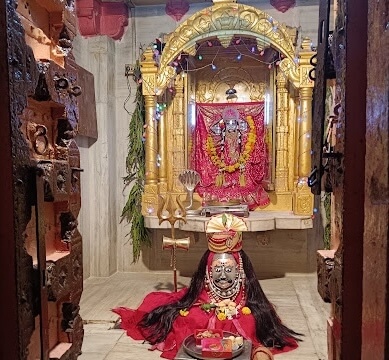 आपल्या पित्याला दिलेल्या वचनाची पूर्तता करण्यासाठी, भगवान श्री राम सीता माता आणि बंधू लक्ष्मण यांच्यासह चौदा वर्षांच्या वनवासासाठी निघाले. श्री राम हे भगवान शिवांचे अनन्य भक्त असल्याने, ते नित्यनियमाने महादेवांची पूजा करत असत. वनवासाच्या काळात त्यांनी आपल्या मार्गातील विविध ठिकाणी शिवलिंगांची स्थापना केली. धार्मिक विद्वानांच्या मते, त्यांनी स्थापित केलेल्या अशा शिवपिंडींची संख्या २५० पेक्षा जास्त आहे. या पवित्र स्थानांपैकी, पेटलाद शहरात श्री रामांनी स्थापन केलेले मंदिर ‘रामनाथ मंदिर’ म्हणून सर्वदूर प्रसिद्ध झाले आहे. येथे विराजमान असलेले जागृत महादेव भक्तांच्या मनातील इच्छा पूर्ण करतात, अशी भाविकांची दृढ श्रद्धा आहे.
पेटलाद शहराचा इतिहास सुमारे १,५०० वर्षे जुना आणि गौरवशाली आहे. प्राचीन काळापासून हे शहर व्यापार आणि संस्कृतीचे महत्त्वाचे केंद्र राहिले आहे.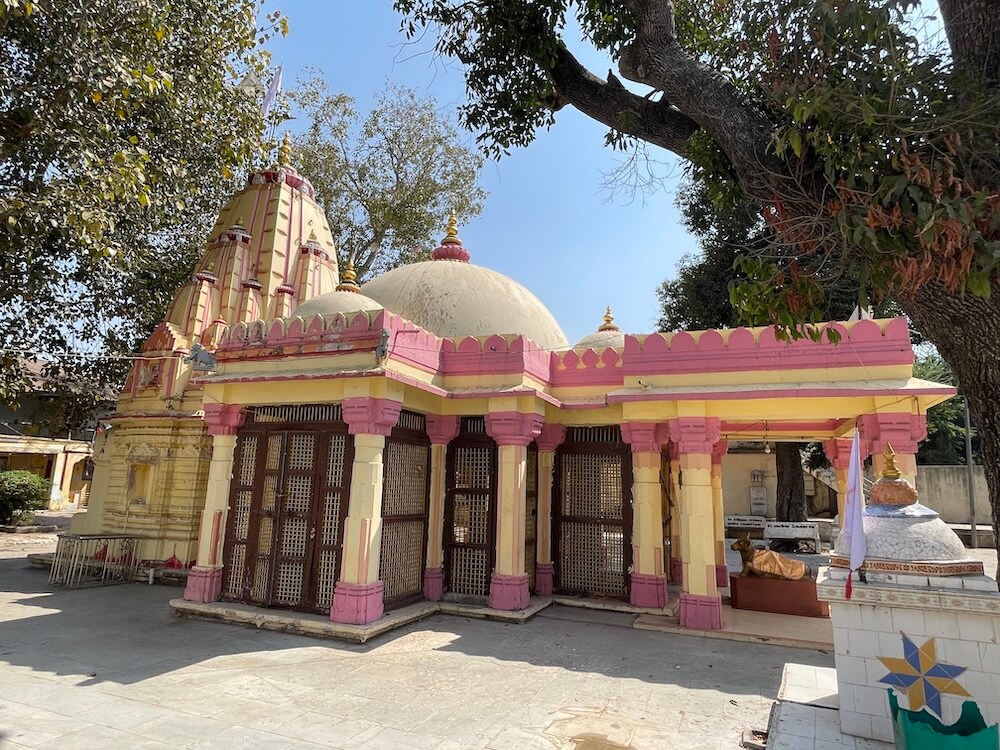 विक्रम संवत १६९७ मध्ये, मुघल सम्राट औरंगजेबाने या शहराला भेट दिली आणि वसणदास पाटीदार यांना ‘पटेल’ ही पदवी बहाल करून त्यांना गुजरातचा महसूल गोळा करण्याची जबाबदारी सोपवली. मुघल काळात, अहमदाबाद नंतर पेटलाद हे गुजरातचे एक महत्त्वाचे लष्करी मुख्यालय होते. औरंगजेबाचा मुलगा, शहजादा मुहम्मद आझम शाह याने विक्रम संवत १७१९ ते १७४८ दरम्यान या प्रदेशातून भारताचा कारभार पाहिला.
अठराव्या शतकाच्या सुरुवातीला, छत्रपती शाहू महाराजांचे सेनापती पिलाजीराव गायकवाड यांनी याच शहरातून गुजरातमध्ये मराठा साम्राज्याचा पाया रचला. विक्रम संवत १७७८ (१७२१ ईस्वी सन) ते १७८८ (१७३१ ईस्वी सन) दरम्यान त्यांनी शहराचा मोठा विकास केला. हेमाडपंती वास्तुकलेत बांधलेले आणि सुमारे ७०० वर्षे जुने मानले जाणारे हे प्राचीन मंदिर 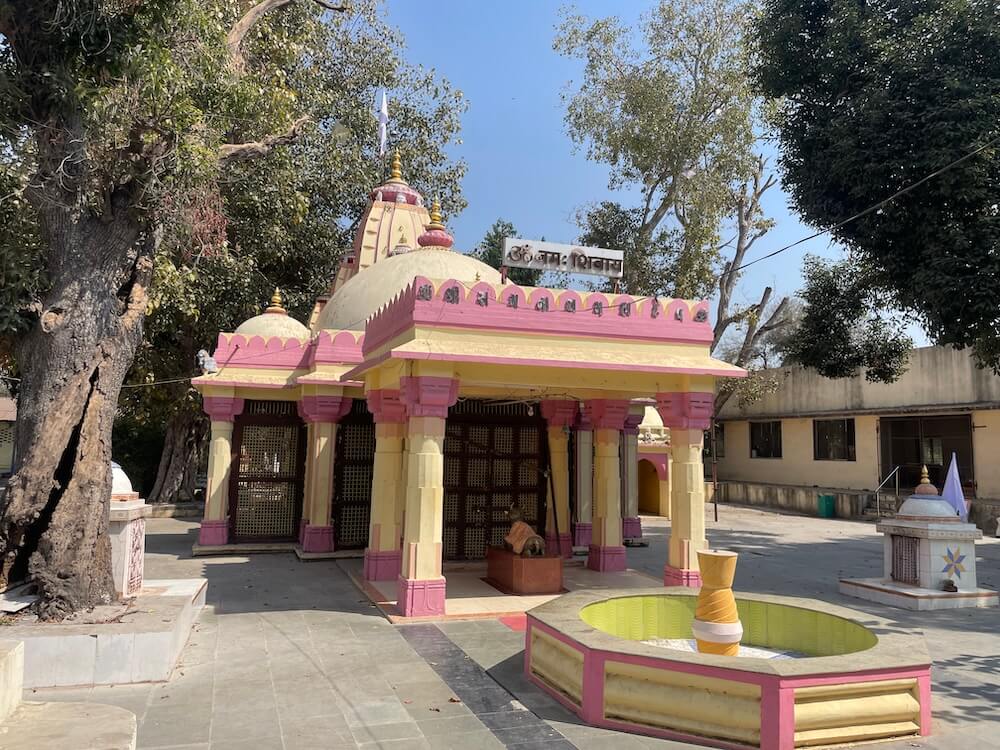 आणि जवळील रामनाथ कुंड, अठराव्या शतकात मराठा राजवटीत जीर्णोद्धारित करण्यात आले. त्यानंतर, १८९४ ईस्वी सनात, बडोद्याचे महाराज सयाजीराव गायकवाड यांच्या कारकिर्दीत, या पवित्र कुंडाची अधिक दुरुस्ती आणि नूतनीकरण करण्यात आले.
मंदिराशी संबंधित स्थानिक दंतकथेनुसार, वनवासाच्या मार्गावर असताना श्री राम एका रात्रीसाठी याच ठिकाणी थांबले होते. नित्य पूजेसाठी त्यांनी वाळूची शिवपिंड तयार केली. महादेवांचा अभिषेक करण्यासाठी श्री रामांनी जमिनीवर बाण मारला, ज्यामुळे पाताळातून पवित्र गंगा नदी प्रकट झाली. 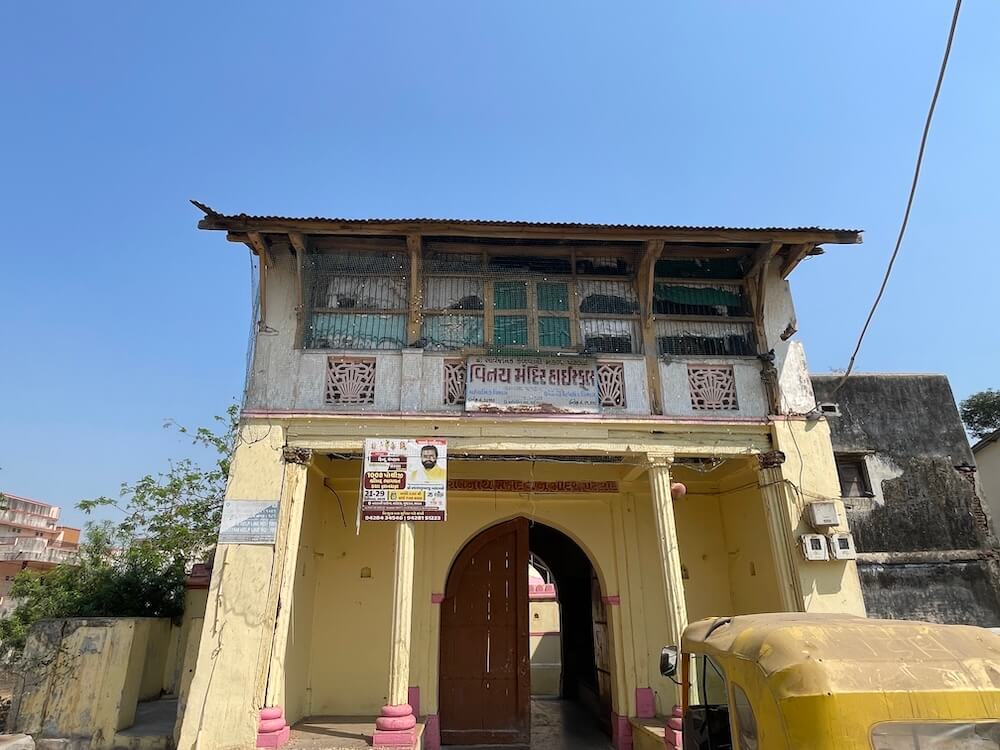 हे पवित्र पाणी साठवण्यासाठी त्यांनी एक जलाशय तयार केला, जो ‘रामनाथ कुंड’ म्हणून ओळखला जाऊ लागला.
कालांतराने, मोक्षप्राप्तीची इच्छा असलेले अनेक साधू आणि महान ऋषीमुनी या पवित्र स्थळी दीर्घकाळ वास्तव्यास होते. परिणामी, मंदिर परिसरात अनेक समाधी, शिवपिंडी आणि विविध देवतांची मंदिरे उभारली गेली. असेही म्हटले जाते की, एकोणिसाव्या शतकात स्वामीनारायण संप्रदायाचे पूज्य संत प्रगजी भक्त, जे ‘भगतजी महाराज’ म्हणून प्रसिद्ध होते, ते काही काळ येथे वास्तव्यास होते आणि दररोज स्नानासाठी रामनाथ कुंडावर जात असत.
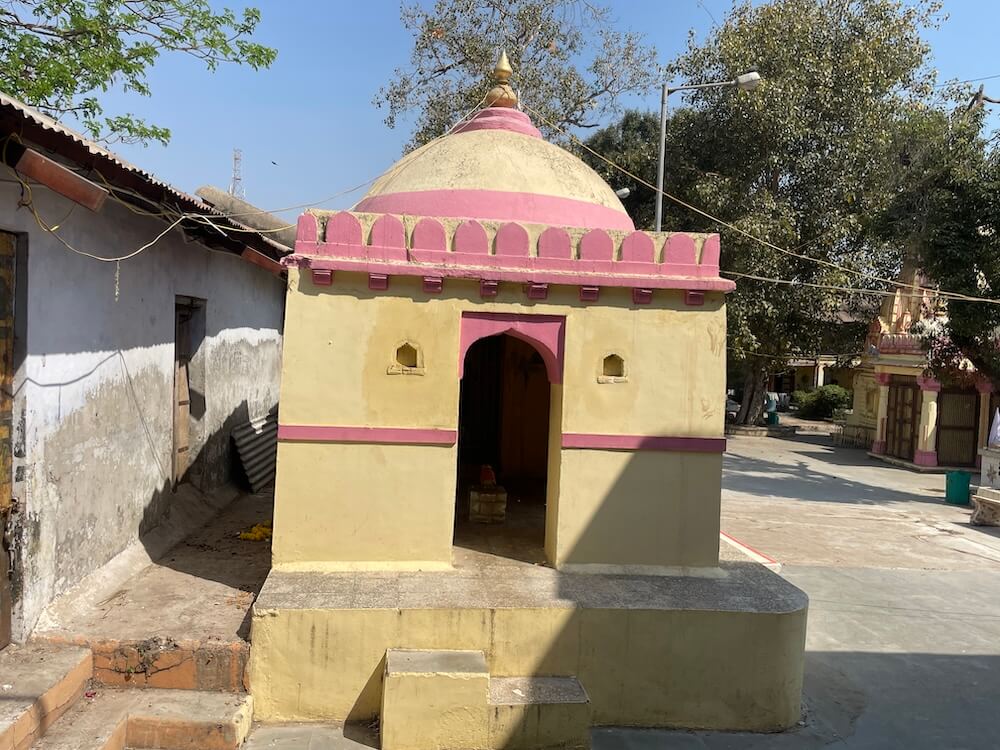
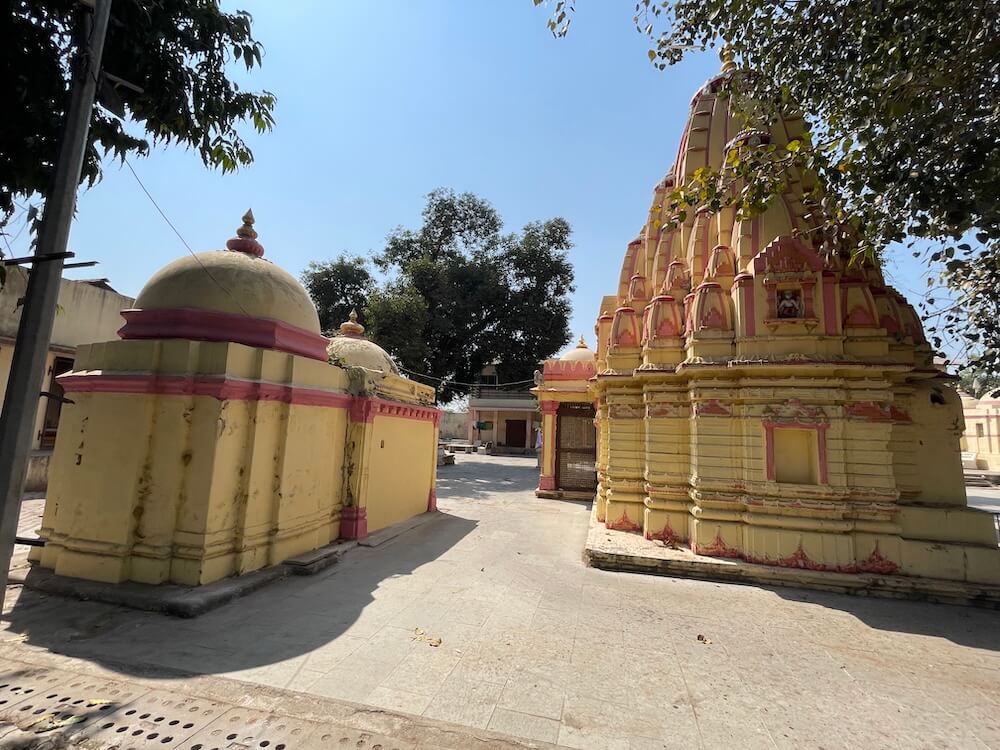
रामनाथ महादेव मंदिर शहराच्या गजबजलेल्या भागात स्थित आहे. मंदिर संकुल सुमारे २४,००० चौरस फूट परिसरात पसरलेल्या तटबंदीने वेढलेले आहे. तटबंदीमधील लाकडी खांब आणि दगडी भिंतींनी बांधलेले दुमजली प्रवेशद्वार एखाद्या लहान किल्ल्याच्या प्रवेशद्वारासारखे दिसते.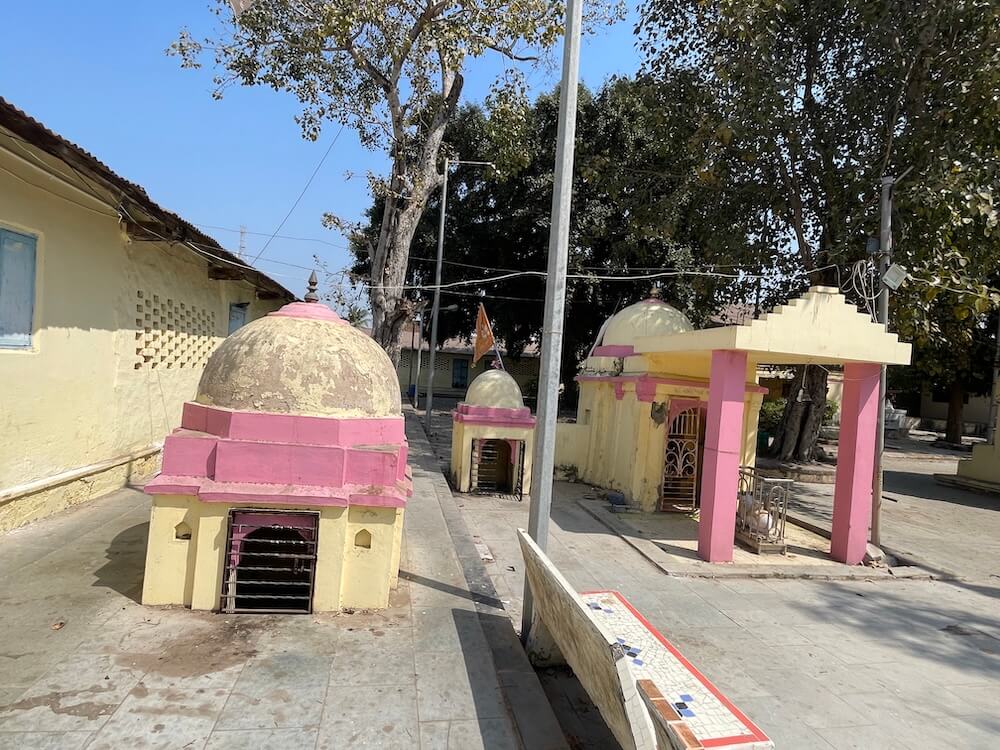 या प्रवेशद्वाराच्या वरच्या मजल्यावर नगारखाना आहे. या प्रवेशद्वारातून आत गेल्यावर मंदिर प्रांगणात प्रवेश होतो. प्रांगणात भाविकांसाठी विविध ठिकाणी बसण्याची व्यवस्था केली आहे. या संकुलात एकूण बावीस लहान-मोठी मंदिरे आहेत. यापैकी अनेक मंदिरे हेमाडपंती शैलीत बांधलेली प्राचीन मंदिरे आहेत.
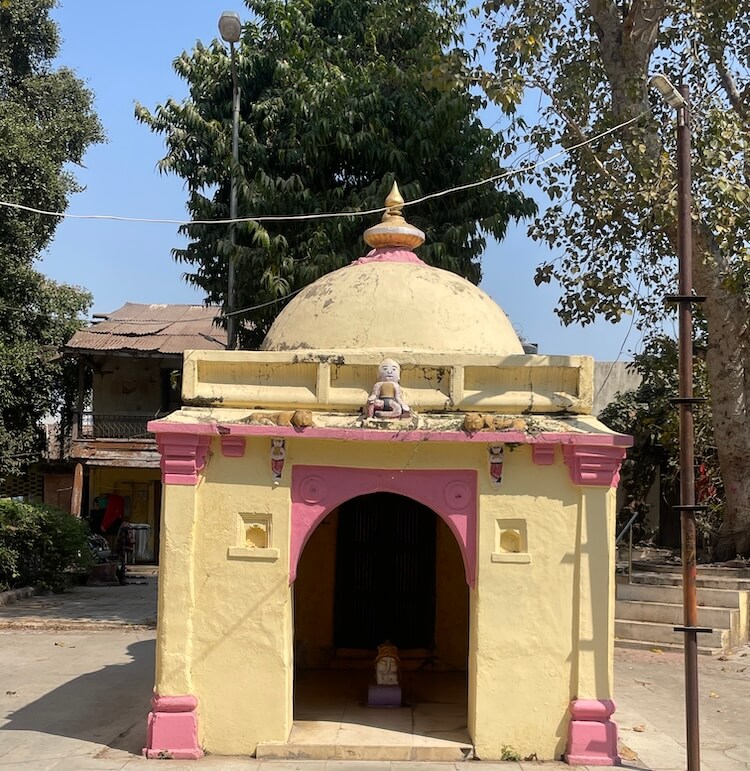
याच परिसरात रामनाथ कुंड आणि सीता तलाव आहेत, ज्यांचे पाणी सात गुप्त विहिरींमुळे कधीही आटत नाही. मंदिराच्या आवारात ‘सप्तश्रृंगी’ वृक्ष म्हणून ओळखले जाणारे, सात खोड असलेला एक प्राचीन पिंपळाचे झाडही आहे. मंदिरात येणारे भाविक परंपरेनुसार या पवित्र वृक्षाची प्रदक्षिणा करतात. 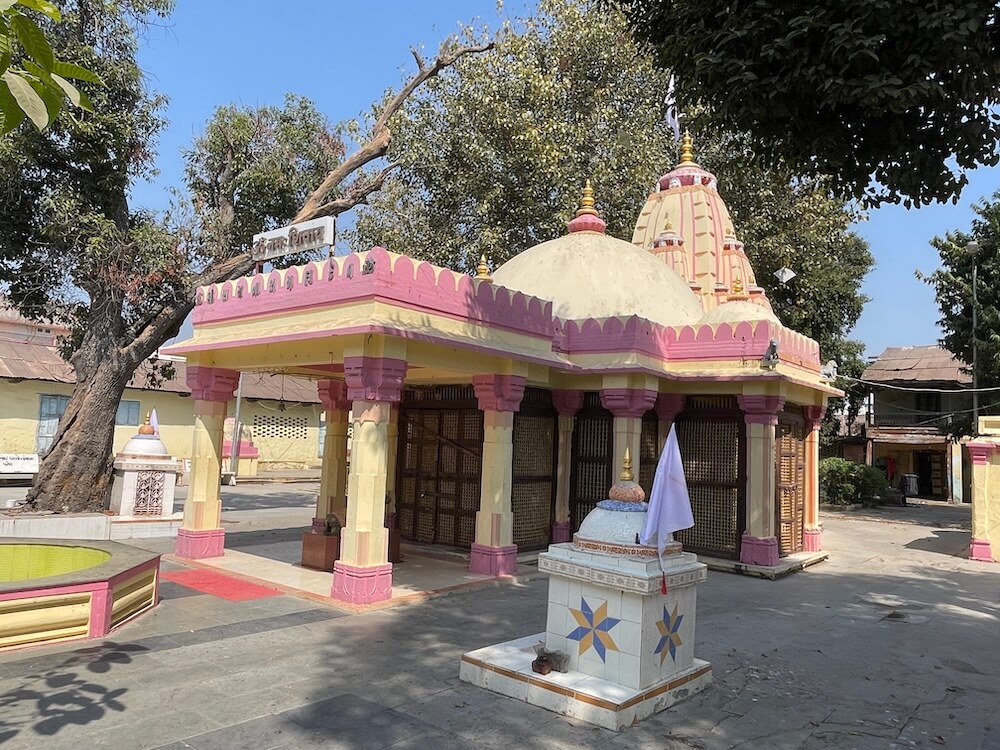 याशिवाय, परिसरात विजय हनुमान मंदिर आणि भगवान शिवांच्या बारा ज्योतिर्लिंगांचे प्रतिनिधित्व करणाऱ्या प्रतीकात्मक पिंडींचे मंदिर आहे. विविध धार्मिक विधी आणि यज्ञांच्या पूर्ततेसाठी येथे एक स्वतंत्र यज्ञमंडप आणि यज्ञकुंडही बांधण्यात आला आहे.
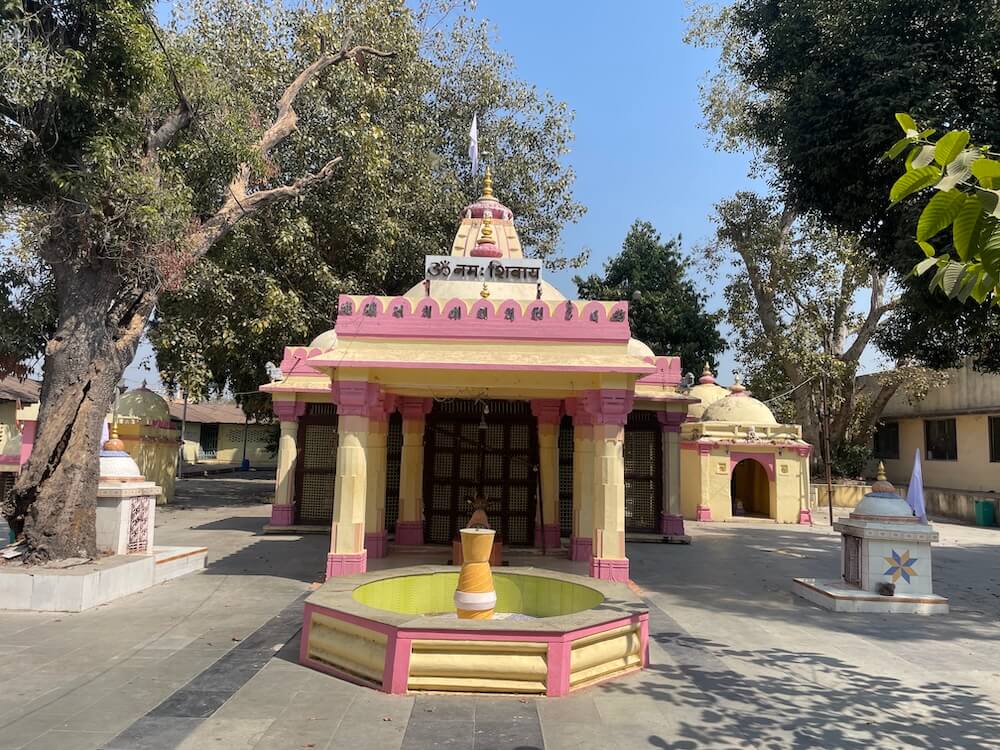
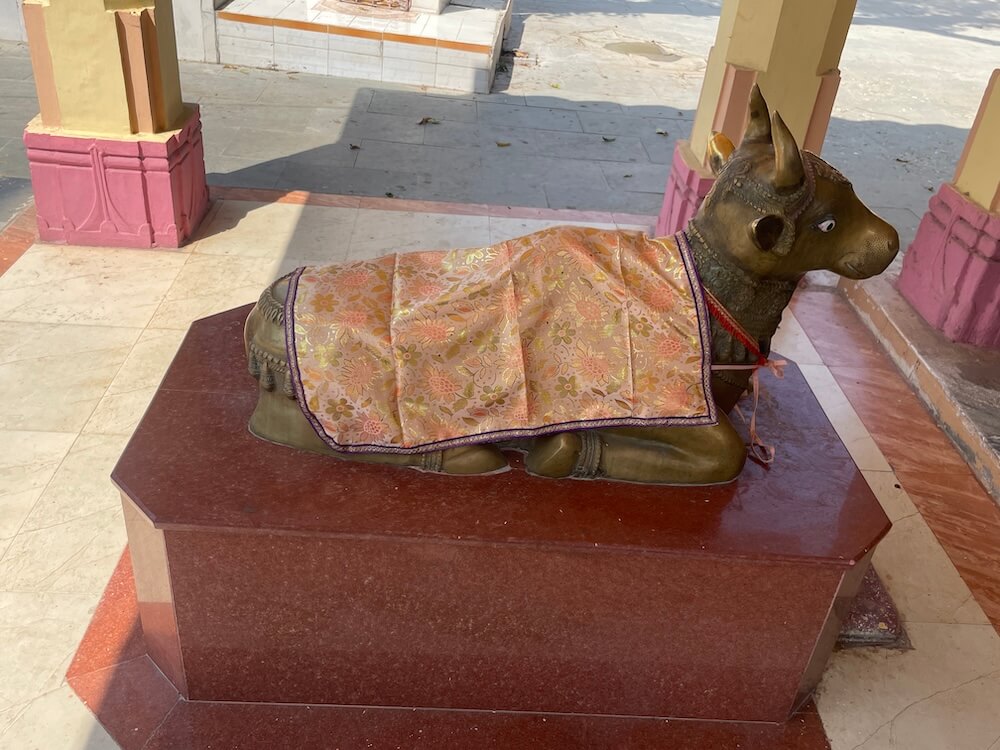
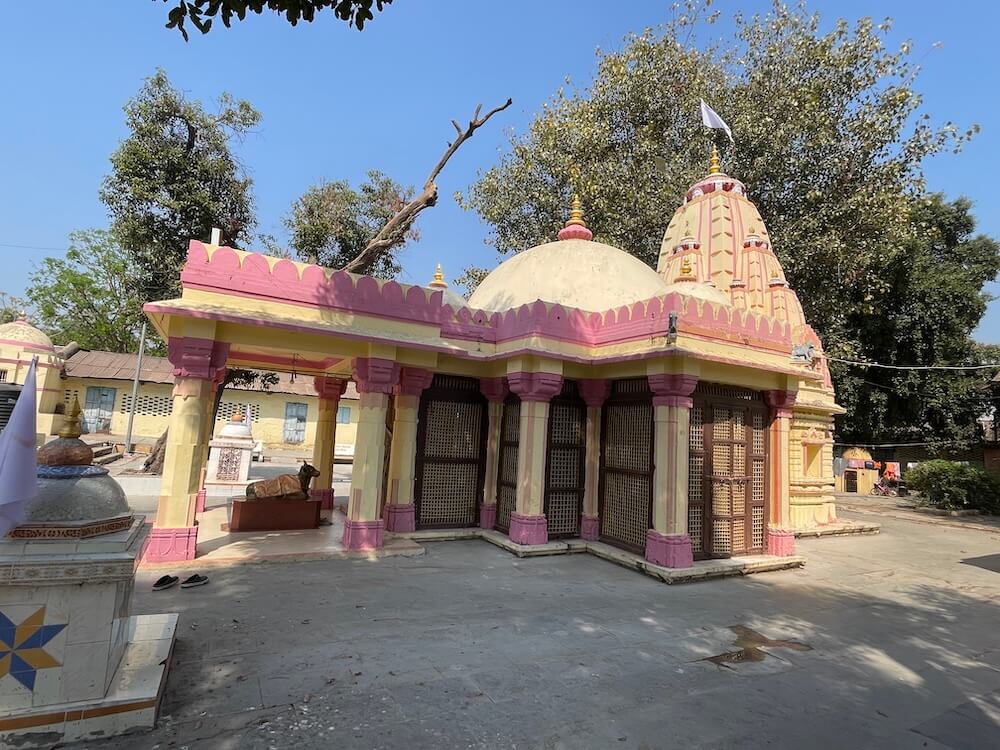
प्रांगणाच्या मध्यभागी रामनाथ महादेव मंदिर आहे. त्याच्या समोर तुळशी वृंदावन आहे. मंदिराच्या रचनेत मुखमंडप, सभामंडप, अंतराळ आणि गर्भगृह यांचा समावेश आहे. मंदिराच्या तीन बाजूंना मुखमंडप आहेत. मुख्य समोरच्या मंडपात, वज्रपीठावर काळ्या पाषाणात कोरलेली आणि पितळी कवच असलेली नंदीची मूर्ती आहे.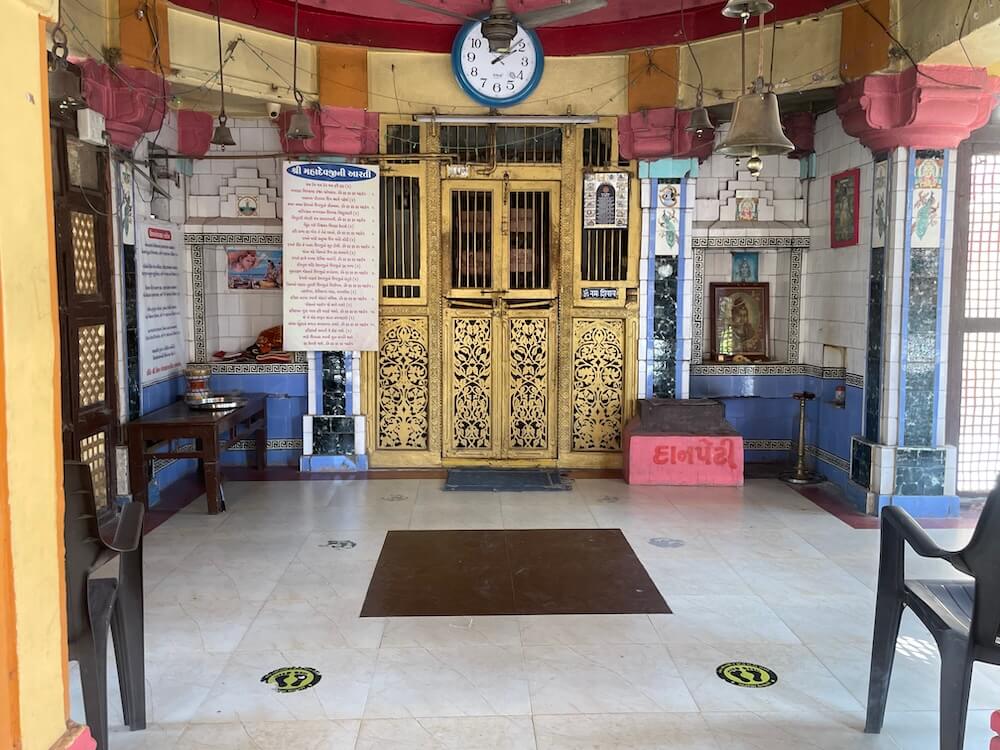
सभामंडपाचे छत घुमटाकार असून ते सभोवतालच्या भिंतींमधील खांबांवर आधारलेले आहे. अंतराळाच्या समोरील भिंतीत, प्रवेशद्वाराच्या दोन्ही बाजूंना देवकोष्ठ आहेत. गर्भगृहाच्या प्रवेशद्वाराच्या चौकटी उभ्या नक्षीकामांनी सुशोभित आहेत, तर ‘ललाट बिंबावर’ भगवान गणेशाची मूर्ती कोरलेली आहे. उंबरठ्याच्या वर ‘चंद्रशिला’ आणि ‘कीर्तिमुख’ हे सजावटीचे घटक आहेत.
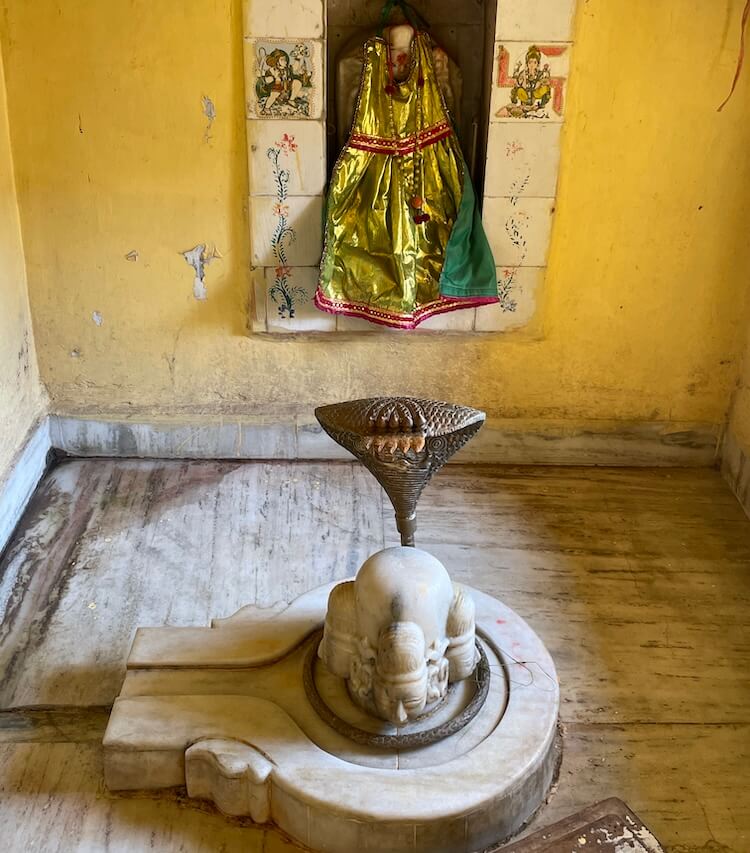
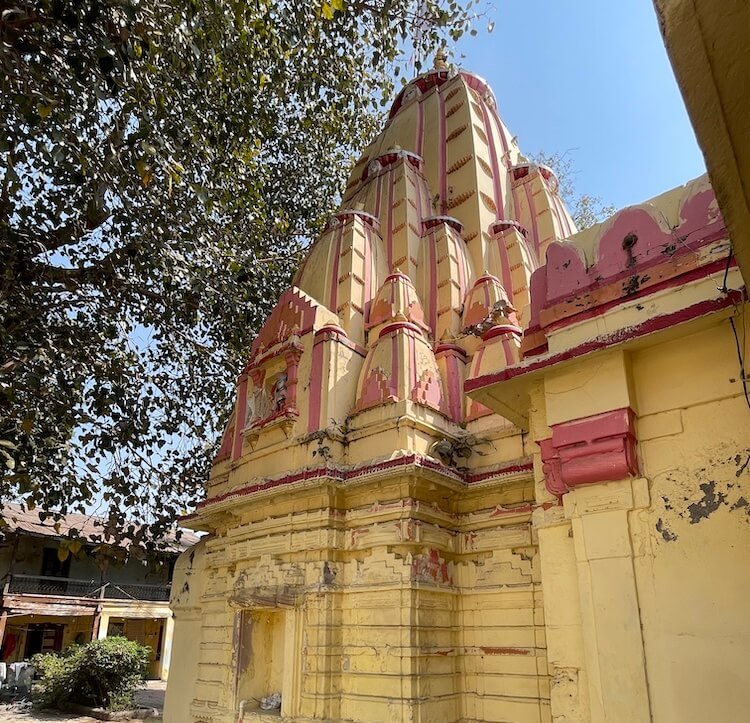
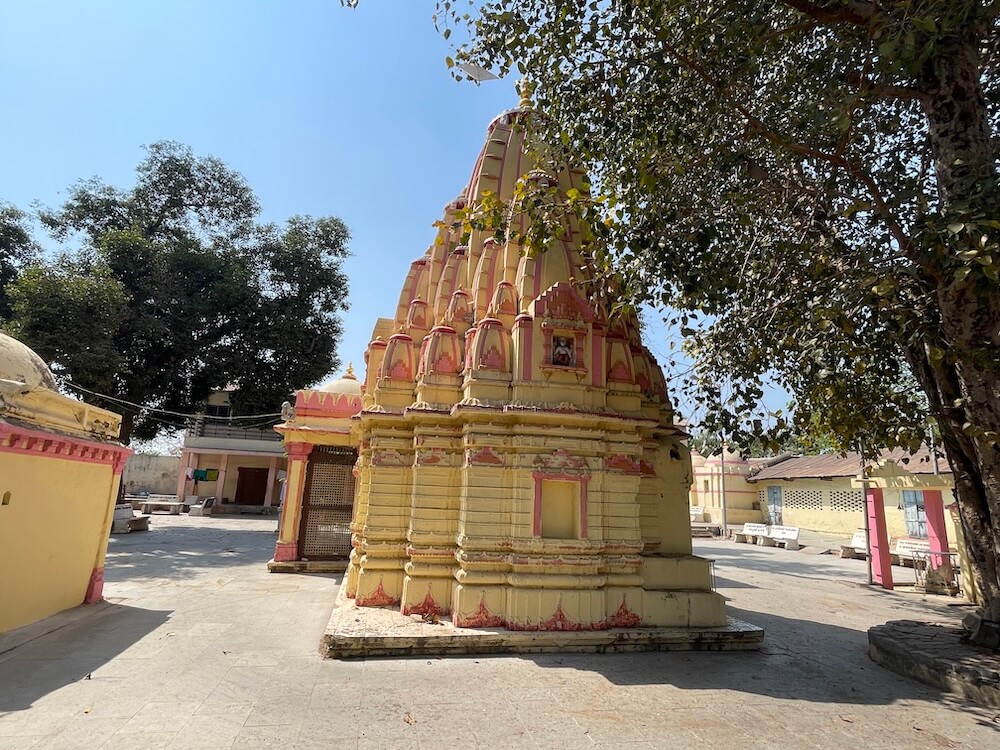
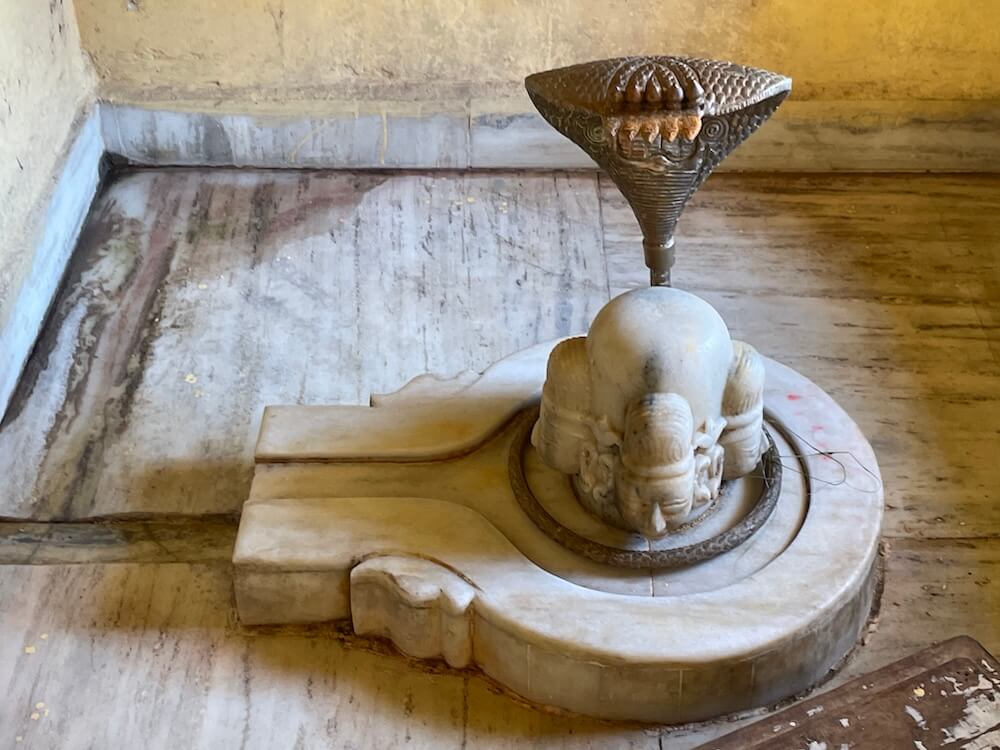
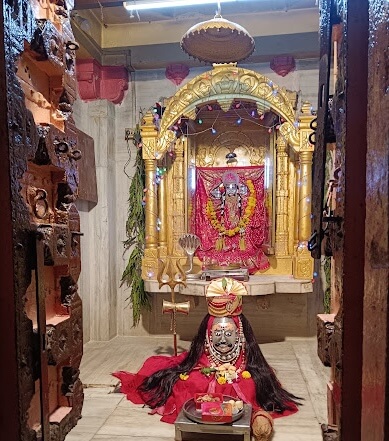
गर्भगृहातील शिवपिंड चांदीच्या आवरणाने मढवलेली आहे. त्यासमोर, भिंतीजवळच्या एका पीठावर पार्वती मातेची मूर्ती असलेले मंदिरवजा कोनाडा आहे. तीन मुखमंडपांच्या आणि सभामंडपाच्या छतावर घुमटाकार शिखरे आहेत, 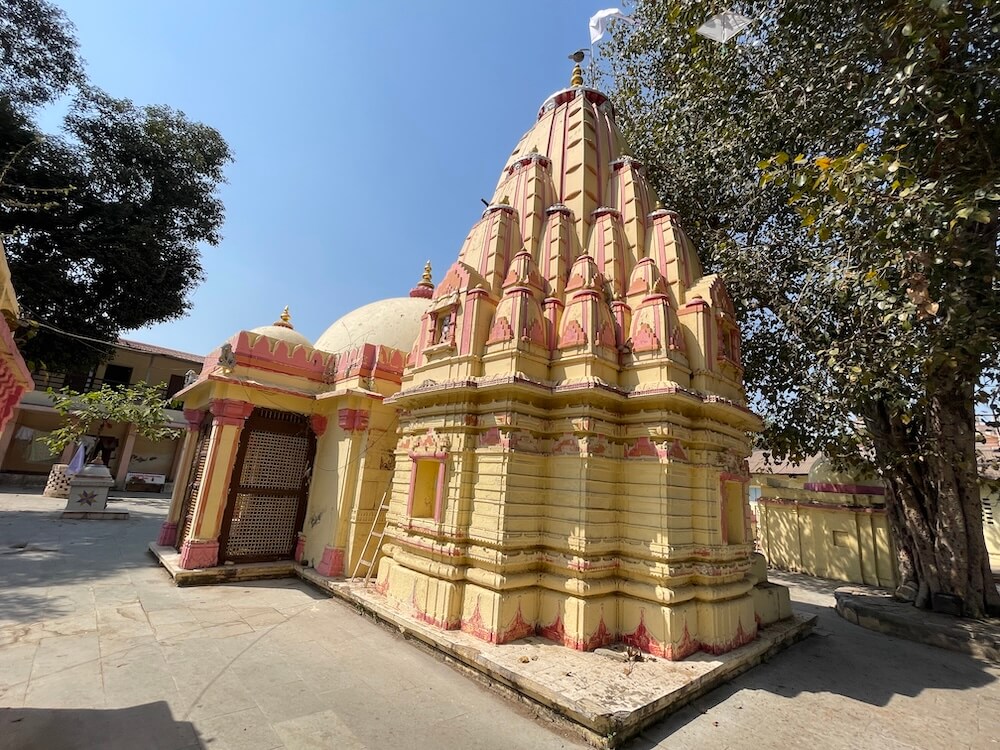 प्रत्येकाच्या शिखरावर आमलक आणि कलश आहे. गर्भगृहाच्या वरील छतावर एक चौरस मध्यवर्ती शिखर आहे, जे अनेक लहान उरुशृंगांनी (दुय्यम लघु शिखरे) सुशोभित केलेले आहे.
महाशिवरात्री हा या मंदिराचा मुख्य वार्षिक उत्सव म्हणून साजरा केला जातो. श्रावण महिन्यातील कृष्ण पक्षात, या पवित्र स्थळी पंधरा दिवस चालणारी भव्य यात्रा भरते. या काळात, मंदिर परिसरात शेकडो दुकाने थाटली जातात, ज्यामुळे संपूर्ण परिसराला एका चैतन्यमय बाजारपेठेचे स्वरूप प्राप्त होते. उत्सवाच्या दिवसांत, मंदिरात भजन, कीर्तन आणि होम-हवन यांचे कार्यक्रम आयोजित केले जातात.
सध्या, या मंदिराचे प्रशासकीय व्यवस्थापन गुजरात सरकारच्या देखरेखीखाली आहे. भाविक येथे दररोज सकाळी ६ ते दुपारी १ आणि पुन्हा दुपारी ४ ते रात्री ९ वाजेपर्यंत दर्शन घेऊ शकतात.
उपयुक्त माहिती
- पेटलाद बस स्थानकापासून २ किमी आणि आनंद शहरापासून २२ किमी अंतरावर स्थित आहे.
- जिल्ह्यातील अनेक शहरांतून पेटलादसाठी राज्य परिवहन (GSRTC) बस सेवा उपलब्ध आहे.
- खाजगी वाहने थेट मंदिरापर्यंत पोहोचू शकतात.
- आसपासच्या परिसरात राहण्याची आणि नाश्त्याची अनेक सोय उपलब्ध आहे.
- संपर्क: मंदिर कार्यालय – दूरध्वनी: ०२६९७-२२४३७३
Ramnath Temple
Petlad, Tal. Petlad, Dist. Anand
In order to fulfil the promise given by his father, Lord Shri Ram set forth upon fourteen years of exile accompanied by Sita Mata and his brother Lakshmana. As Shri Ram was a devoted worshipper of Lord Shiva, he performed the daily worship of Mahadev with unwavering regularity. During the years of exile, he consecrated Shivalingas at various locations along his path. According to religious scholars, the number of such Shivapindis established by him exceeds 250. Among these sacred installations, the temple established by Shri Ram in the town of Petlad has come to be widely known as the ‘Ramnath Temple’. Devotees firmly believe that the awakened Mahadev enshrined here fulfils the heartfelt wishes of those who seek his blessings.
The town of Petlad itself possesses a long and illustrious history stretching back nearly 1,500 years. Since ancient times, it has remained an important centre of trade and culture. In Vikram Samvat 1697, the Mughal emperor Aurangzeb visited this town and conferred upon Vasanadas Patidar the title of ‘Patel’, entrusting him with the responsibility of collecting revenue from Gujarat. During the Mughal period, Petlad served as one of Gujarat’s significant military headquarters after Ahmedabad. Aurangzeb’s son, Shahzada Muhammad Azam Shah, administered the affairs of India from this region between Vikram Samvat 1719 and 1748.
At the beginning of the eighteenth century, Pilajirao Gaekwad, the general of Chhatrapati Shahu Maharaj, laid the foundations of the Maratha Empire in Gujarat from this very town. Between Vikram Samvat 1778 (1721 CE) and 1788 (1731 CE), he undertook significant development of the city. The ancient temple, constructed in the Hemadpanti architectural style and believed to be nearly 700 years old, along with the nearby Ramnath Kund (sacred tank), was restored during the Maratha rule in the eighteenth century. Later, in 1894 CE, during the reign of Maharaja Sayajirao Gaekwad of Baroda, the sacred tank underwent further repairs and renovation.
According to local legend associated with the temple, while travelling along the path of exile, Shri Ram halted at this very place for a night’s stay. For his daily worship, he established a Shivapinda made of sand. In order to perform the ritual abhishek (sacred libation) of Mahadev, Shri Ram is said to have struck the earth with an arrow, causing the holy river Ganga to emerge from the subterranean realms. To contain the sacred waters, he created a reservoir, which came to be known as ‘Ramnath Kund’.
Over time, many ascetics and great sages, desirous of attaining moksha (liberation), resided for long periods at this sacred site. Consequently, numerous samadhi shrines, Shivapindis and temples dedicated to various deities were established within the temple precincts. It is also said that in the nineteenth century, the revered saint Pragji Bhakta, popularly known as Bhagatji Maharaj of the Swaminarayan Sampradaya, resided here for some time and would visit Ramnath Kund daily for his ritual bath.
The Ramnath Mahadev Temple stands in a bustling part of the town. The temple complex is enclosed within fortified boundaries spread across an area of nearly 24,000 square feet. The two-storeyed entrance gateway within the fortification, constructed with wooden pillars and stone walls, resembles the gateway of a small fortress. On the upper floor of this gateway is the Nagarakhana (a gallery where ceremonial drums are played). Passing through this entrance leads into the temple courtyard. Within the courtyard, seating arrangements have been provided at various places for devotees. Altogether, the complex houses twenty-two temples of varying sizes. Several of these are ancient shrines built in the Hemadpanti style.
Within this same precinct lie the Ramnath Kund and Sita Talav (sacred tank), whose waters never dry owing to seven concealed wells that feed them. A venerable pipal tree with seven distinct trunks, known locally as the ‘Saptashrungi’ tree, also stands within the temple grounds. Devotees visiting the temple traditionally perform pradakshina (ritual circumambulation) around this sacred tree. In addition, the premises contain the Vijay Hanuman Temple and a shrine housing symbolic pindis representing the twelve Jyotirlingas of Lord Shiva. A separate Yajnamandap with a Yajnakund (sacrificial fire pit) has also been constructed here for the performance of various religious rituals and yajnas.
At the centre of the courtyard stands the Ramnath Mahadev Temple itself. In front of it is a Tulsi Vrindavan (a sacred pedestal where the holy basil plant is worshipped). The temple structure consists of a Mukhamandap (entrance pavilion), Sabhamandap (assembly hall), Antaral (vestibule) and Garbhagriha (sanctum). Mukhamandaps are present on three sides of the temple. In the main front pavilion stands, upon a vajrapitha (stone pedestal), the idol of Nandi carved from black stone and covered with a brass sheath.
The Sabhamandap features a domed ceiling supported by pillars set into the surrounding walls. In the frontal wall of the Antaral, on both sides of the entrance doorway, are Devakoshtas (niches for deities). The doorframes of the Garbhagriha entrance are adorned with vertical ornamental carvings, while the ‘Lalat Bimba’ (lintel panel above the doorway) bears a sculpted image of Lord Ganesha. Above the lintel are the decorative elements of the ‘Chandrashila’ and the ‘Kirtimukha’ motif.
The Shivapinda within the sanctum is clad in a silver covering. In front of it, upon a pedestal near the wall, is a shrine-like niche containing the idol of Parvati Mata. Above the three Mukhamandaps and the roof of the Sabhamandap rise domed shikharas (temple spires), each surmounted by an Amalaka and a Kalasha finial. The roof above the Garbhagriha bears a square central shikhara embellished with numerous smaller urushringa (subsidiary miniature spires).
Mahashivaratri is celebrated here as the principal annual festival of the temple. During the Krishna Paksha (dark fortnight) of the month of Shravan, a grand fair lasting fifteen days is held at this sacred site. During this period, hundreds of shops are set up within the temple precincts, giving the entire area the appearance of a lively marketplace. Throughout the festive days, programmes of bhajan (devotional singing), kirtan (musical recitations of devotion) and homa-havan (sacred fire rituals) are organised in the temple.
At present, the administrative management of this temple is under the supervision of the Government of Gujarat. Devotees may take darshan here daily between 6 am and 1 pm and again from 4 pm until 9 pm
Useful Information
- Located at 2 km from Petlad Bus Station and 22 km from Anand City.
- State Transport bus services to Petlad are available from many towns within the district.
- Private vehicles can reach the temple directly.
- Numerous accommodation and breakfast facilities are available in the surrounding area.
- Contact: Temple Office – Telephone: 02697-224373
रामनाथ मंदिर
पेटलाद, तहसील पेटलाद, जिला आणंद
अपने पिता को दिए गए वचन को पूरा करने के लिए, भगवान श्री राम माता सीता और अपने भाई लक्ष्मण के साथ चौदह वर्ष के वनवास के लिए निकल पड़े। चूँकि श्री राम भगवान शिव के अनन्य भक्त थे, इसलिए उन्होंने अटूट निष्ठा के साथ महादेव की नित्य पूजा की। वनवास के वर्षों के दौरान, उन्होंने अपने मार्ग में विभिन्न स्थानों पर शिवलिंगों की स्थापना की। धार्मिक विद्वानों के अनुसार, उनके द्वारा स्थापित ऐसी शिवपिंडियों की संख्या २५० से अधिक है। इन पवित्र स्थापनाओं में से, पेटलाद नगर में श्री राम द्वारा स्थापित मंदिर ‘रामनाथ मंदिर’ के रूप में विख्यात हुआ। भक्तों का दृढ़ विश्वास है कि यहाँ विराजमान जागृत महादेव उनकी मनोकामनाएं पूर्ण करते हैं।
पेटलाद नगर का अपना एक लंबा और गौरवशाली इतिहास है जो लगभग १,५०० वर्ष पुराना है। प्राचीन काल से ही यह व्यापार और संस्कृति का एक महत्वपूर्ण केंद्र रहा है। विक्रम संवत १६९७ में, मुगल सम्राट औरंगजेब ने इस नगर का दौरा किया और वसनदास पाटीदार को ‘पटेल’ की उपाधि से सम्मानित किया, उन्हें गुजरात से राजस्व एकत्र करने का उत्तरदायित्व सौंपा। मुगल काल के दौरान, अहमदाबाद के बाद पेटलाद गुजरात के महत्वपूर्ण सैन्य मुख्यालयों में से एक था। औरंगजेब के पुत्र, शहजादा मुहम्मद आजम शाह ने विक्रम संवत १७१९ और १७४८ के बीच इस क्षेत्र से भारत के मामलों का प्रशासन संभाला।
अठारहवीं शताब्दी की शुरुआत में, छत्रपति शाहू महाराज के सेनापति पिलाजीराव गायकवाड़ ने इसी नगर से गुजरात में मराठा साम्राज्य की नींव रखी। विक्रम संवत १७७८ (१७२१ ईस्वी) और १७८८ (१७३१ ईस्वी) के बीच, उन्होंने शहर का महत्वपूर्ण विकास किया। हेमाडपंथी स्थापत्य शैली में निर्मित और लगभग ७०० वर्ष पुराना माना जाने वाला यह प्राचीन मंदिर, पास ही स्थित रामनाथ कुंड (पवित्र सरोवर) के साथ, अठारहवीं शताब्दी में मराठा शासन के दौरान जीर्णोद्धारित किया गया था। बाद में, १८९४ ईस्वी में, बड़ौदा के महाराजा सयाजीराव गायकवाड़ के शासनकाल के दौरान, इस पवित्र सरोवर की मरम्मत और नवीनीकरण किया गया।
मंदिर से जुड़ी स्थानीय किंवदंती के अनुसार, वनवास के मार्ग पर चलते हुए, श्री राम एक रात के विश्राम के लिए इसी स्थान पर रुके थे। अपनी दैनिक पूजा के लिए, उन्होंने रेत से एक शिवपिंडी बनाई। महादेव का अभिषेक करने के लिए, कहा जाता है कि श्री राम ने पृथ्वी पर बाण मारा, जिससे पाताल लोक से पवित्र गंगा प्रकट हुईं। पवित्र जल को संचित करने के लिए, उन्होंने एक जलाशय बनाया, जिसे ‘रामनाथ कुंड’ के नाम से जाना गया।
समय के साथ, मोक्ष की प्राप्ति के इच्छुक कई तपस्वी और महान ऋषि इस पवित्र स्थल पर लंबे समय तक रहे। परिणामस्वरूप, मंदिर परिसर के भीतर अनेक समाधियाँ, शिवपिंडियाँ और विभिन्न देवी-देवताओं के मंदिर स्थापित किए गए। यह भी कहा जाता है कि उन्नीसवीं शताब्दी में, स्वामीनारायण संप्रदाय के पूज्य संत प्रगजी भक्त, जिन्हें भगतजी महाराज के नाम से जाना जाता है, कुछ समय के लिए यहाँ रहे और नित्य स्नान के लिए रामनाथ कुंड जाते थे।
रामनाथ महादेव मंदिर नगर के एक व्यस्त हिस्से में स्थित है। मंदिर परिसर लगभग २४,००० वर्ग फुट के क्षेत्र में फैली किलेबंदी के भीतर स्थित है। किलेबंदी के भीतर लकड़ी के खंभों और पत्थर की दीवारों से बना दो मंजिला प्रवेश द्वार एक छोटे किले के द्वार जैसा दिखता है। इस प्रवेश द्वार की ऊपरी मंजिल पर नगारखाना (एक दीर्घा जहाँ औपचारिक नगाड़े बजाए जाते हैं) है। इस प्रवेश द्वार से गुजरने पर मंदिर का प्रांगण आता है। प्रांगण के भीतर, भक्तों के बैठने के लिए विभिन्न स्थानों पर व्यवस्था की गई है। कुल मिलाकर, इस परिसर में विभिन्न आकारों के बाईस मंदिर हैं। इनमें से कई हेमाडपंथी शैली में बने प्राचीन मंदिर हैं।
इसी परिसर के भीतर रामनाथ कुंड और सीता तालाब स्थित हैं, जिनका जल सात गुप्त कुओं के कारण कभी नहीं सूखता। मंदिर परिसर में सात अलग-अलग तनों वाला एक प्राचीन पीपल का वृक्ष भी है, जिसे स्थानीय रूप से ‘सप्तशृंगी’ वृक्ष कहा जाता है। मंदिर आने वाले भक्त पारंपरिक रूप से इस पवित्र वृक्ष की प्रदक्षिणा करते हैं। इसके अतिरिक्त, परिसर में विजय हनुमान मंदिर और भगवान शिव के बारह ज्योतिर्लिंगों का प्रतिनिधित्व करने वाली प्रतीकात्मक पिंडियों वाला एक मंदिर है। विभिन्न धार्मिक अनुष्ठानों और यज्ञों के संपादन के लिए यहाँ एक अलग यज्ञमंडप और यज्ञकुंड भी बनाया गया है।
प्रांगण के केंद्र में स्वयं रामनाथ महादेव मंदिर स्थित है। इसके सामने एक तुलसी वृंदावन (एक पवित्र चबूतरा जहाँ पवित्र तुलसी के पौधे की पूजा की जाती है) है। मंदिर की संरचना में मुखमंडप, सभामंडप, अंतराल और गर्भगृह शामिल हैं। मंदिर के तीन तरफ मुखमंडप हैं। मुख्य सामने के मंडप में, वज्रपीठ (पत्थर का चबूतरा) पर काले पत्थर से बनी और पीतल के आवरण से ढकी नंदी की मूर्ति स्थित है।
सभामंडप में आसपास की दीवारों में लगे खंभों द्वारा समर्थित एक गुंबददार छत है। अंतराल की सामने की दीवार में, प्रवेश द्वार के दोनों ओर देवकोष्ठ (देवताओं के लिए आले) हैं। गर्भगृह के प्रवेश द्वार के चौखटों को ऊर्ध्वाधर सजावटी नक्काशी से सजाया गया है, जबकि ‘ललाट बिंब’ (द्वार के ऊपर का पैनल) पर भगवान गणेश की मूर्ति उकेरी गई है। लिंटेल के ऊपर ‘चंद्रशिला’ और ‘कीर्तिमुख’ रूपांकन के सजावटी तत्व हैं।
गर्भगृह के भीतर की शिवपिंडी चांदी के आवरण से ढकी हुई है। इसके सामने, दीवार के पास एक चबूतरे पर, पार्वती माता की मूर्ति वाला एक मंदिरनुमा आला है। तीनों मुखमंडपों और सभामंडप की छत के ऊपर गुंबददार शिखर हैं, जिनमें से प्रत्येक के ऊपर एक आमलक और कलश शिखर स्थित है। गर्भगृह के ऊपर की छत पर एक वर्गाकार केंद्रीय शिखर है, जो अनेक छोटे उरुश्रृंगों (सहायक लघु शिखरों) से सुसज्जित है।
महाशिवरात्रि यहाँ मंदिर के मुख्य वार्षिक उत्सव के रूप में मनाई जाती है। श्रावण मास के कृष्ण पक्ष के दौरान, इस पवित्र स्थल पर पंद्रह दिनों तक चलने वाला एक भव्य मेला आयोजित किया जाता है। इस अवधि के दौरान, मंदिर परिसर के भीतर सैकड़ों दुकानें लगाई जाती हैं, जिससे पूरा क्षेत्र एक जीवंत बाज़ार जैसा प्रतीत होता है। उत्सव के दिनों में, मंदिर में भजन, कीर्तन और होम-हवन के कार्यक्रम आयोजित किए जाते हैं।
वर्तमान में, इस मंदिर का प्रशासनिक प्रबंधन गुजरात सरकार की देखरेख में है। भक्त यहाँ प्रतिदिन सुबह ६ बजे से दोपहर १ बजे तक और फिर शाम ४ बजे से रात ९ बजे तक दर्शन कर सकते हैं।
उपयोगी जानकारी
- पेटलाद बस स्टेशन से २ किमी और आनंद शहर से २२ किमी की दूरी पर स्थित है।
- जिले के कई कस्बों से पेटलाद के लिए राज्य परिवहन (GSRTC) की बस सेवाएँ उपलब्ध हैं।
- निजी वाहनों द्वारा सीधे मंदिर तक पहुँचा जा सकता है।
- आसपास के क्षेत्र में ठहरने और नाश्ते की अनेक सुविधाएँ उपलब्ध हैं।
- संपर्क: मंदिर कार्यालय – टेलीफोन: ०२६९७-२२४३७३
રામનાથ મંદિર
પેટલાદ, તા. પેટલાદ, જિ. આણંદ
પિતાના વચનને પાળવા માટે ભગવાન શ્રી રામ સીતા માતા અને લક્ષ્મણજી સાથે ચૌદ વર્ષના વનવાસ માટે નીકળ્યા હતા. શ્રી રામ ભગવાન શિવના અનન્ય ભક્ત હોવાથી, તેઓ નિયમિતપણે મહાદેવની પૂજા કરતા હતા. વનવાસ દરમિયાન, તેમણે પોતાના માર્ગમાં આવતા વિવિધ સ્થળોએ શિવલિંગની સ્થાપના કરી હતી. ધર્મશાસ્ત્રીઓના મતે, તેમના દ્વારા સ્થાપિત આવી શિવપિંડીઓની સંખ્યા ૨૫૦ થી વધુ છે. આ પવિત્ર સ્થાપનાઓ પૈકી, પેટલાદ નગરમાં શ્રી રામ દ્વારા સ્થાપિત મંદિર ‘રામનાથ મંદિર’ તરીકે સુવિખ્યાત બન્યું છે. ભક્તોની દ્રઢ શ્રદ્ધા છે કે અહીં બિરાજમાન જાગૃત મહાદેવ ભક્તોની મનોકામના પૂર્ણ કરે છે.
પેટલાદ નગરનો પોતાનો લગભગ ૧,૫૦૦ વર્ષ જૂનો ભવ્ય ઇતિહાસ છે. પ્રાચીન કાળથી તે વેપાર અને સંસ્કૃતિનું મહત્વનું કેન્દ્ર રહ્યું છે. વિક્રમ સંવત ૧૬૯૭ માં, મુઘલ બાદશાહ ઔરંગઝેબે આ નગરની મુલાકાત લીધી હતી અને વસનદાસ પાટીદારને ‘પટેલ’ નો ખિતાબ આપી, તેમને ગુજરાતમાંથી મહેસૂલ ઉઘરાવવાની જવાબદારી સોંપી હતી. મુઘલ કાળ દરમિયાન, અમદાવાદ પછી પેટલાદ ગુજરાતના મહત્વના લશ્કરી મથકોમાંનું એક હતું. ઔરંગઝેબના પુત્ર, શહેઝાદા મુહમ્મદ આઝમ શાહે વિક્રમ સંવત ૧૭૧૯ થી ૧૭૪૮ દરમિયાન આ વિસ્તારમાંથી ભારતનો વહીવટ સંભાળ્યો હતો.
અઢારમી સદીની શરૂઆતમાં, છત્રપતિ શાહુ મહારાજના સેનાપતિ પિલાજીરાવ ગાયકવાડે આ જ નગરમાંથી ગુજરાતમાં મરાઠા સામ્રાજ્યનો પાયો નાખ્યો હતો. વિક્રમ સંવત ૧૭૭૮ (ઈ.સ. ૧૭૨૧) થી ૧૭૮૮ (ઈ.સ. ૧૭૩૧) દરમિયાન તેમણે શહેરનો નોંધપાત્ર વિકાસ કર્યો હતો. હેમાડપંતી સ્થાપત્ય શૈલીમાં નિર્મિત અને લગભગ ૭૦૦ વર્ષ જૂનું મનાતું આ પ્રાચીન મંદિર, તેની નજીક આવેલા રામનાથ કુંડ સાથે, અઢારમી સદીમાં મરાઠા શાસન દરમિયાન જીર્ણોદ્ધાર પામ્યું હતું. ત્યારબાદ, ઈ.સ. ૧૮૯૪ માં, વડોદરાના મહારાજા સયાજીરાવ ગાયકવાડના શાસનકાળ દરમિયાન, આ પવિત્ર કુંડનું સમારકામ અને નવીનીકરણ કરવામાં આવ્યું હતું.
મંદિર સાથે જોડાયેલી સ્થાનિક લોકવાયકા મુજબ, વનવાસ દરમિયાન શ્રી રામ એક રાત્રિ માટે આ સ્થળે રોકાયા હતા. પોતાની નિત્ય પૂજા માટે તેમણે રેતીમાંથી શિવપિંડી બનાવી હતી. મહાદેવનો અભિષેક કરવા માટે, શ્રી રામે પૃથ્વી પર બાણ માર્યું હતું, જેનાથી પાતાળમાંથી પવિત્ર ગંગા નદી પ્રગટ થઈ હતી. આ પવિત્ર જળને સંગ્રહિત કરવા માટે તેમણે એક જળાશય બનાવ્યું, જે ‘રામનાથ કુંડ’ તરીકે ઓળખાયું.
સમય જતાં, મોક્ષની પ્રાપ્તિની ઈચ્છા રાખતા અનેક સાધુ-સંતો આ પવિત્ર સ્થળે લાંબા સમય સુધી રહ્યા હતા. પરિણામે, મંદિરના પરિસરમાં અનેક સમાધિઓ, શિવપિંડીઓ અને વિવિધ દેવી-દેવતાઓના મંદિરો સ્થાપિત થયા હતા. એવું પણ કહેવાય છે કે ઓગણીસમી સદીમાં, સ્વામિનારાયણ સંપ્રદાયના પ્રગટજી ભક્ત, જેઓ ભગતજી મહારાજ તરીકે જાણીતા હતા, તેઓ અહીં કેટલાક સમય માટે રહ્યા હતા અને દરરોજ સ્નાન માટે રામનાથ કુંડ જતા હતા.
રામનાથ મહાદેવ મંદિર નગરના ધમધમતા વિસ્તારમાં આવેલું છે. મંદિર સંકુલ લગભગ ૨૪,૦૦૦ ચોરસ ફૂટના વિસ્તારમાં ફેલાયેલી મજબૂત દીવાલોથી ઘેરાયેલું છે. કિલ્લેબંધીની અંદર આવેલું બે માળનું પ્રવેશદ્વાર, જે લાકડાના થાંભલા અને પથ્થરની દીવાલોથી બનેલું છે, તે એક નાના કિલ્લાના દરવાજા જેવું લાગે છે. આ પ્રવેશદ્વારના ઉપરના માળે નગારખાનું છે. આ પ્રવેશદ્વારમાંથી પસાર થઈને મંદિરના ચોગાનમાં પ્રવેશાય છે. ચોગાનમાં ભક્તો માટે બેસવાની વ્યવસ્થા કરવામાં આવી છે. આ સંકુલમાં કુલ બાવીસ નાના-મોટા મંદિરો આવેલા છે. તેમાંથી ઘણા હેમાડપંતી શૈલીમાં બનેલા પ્રાચીન મંદિરો છે.
આ જ પરિસરમાં રામનાથ કુંડ અને સીતા તળાવ આવેલા છે, જે સાત ગુપ્ત કૂવાઓ દ્વારા પાણી મેળવતા હોવાથી ક્યારેય સુકાતા નથી. મંદિરના પ્રાંગણમાં સાત અલગ થડ ધરાવતું એક પ્રાચીન પીપળાનું વૃક્ષ પણ છે, જેને સ્થાનિક લોકો ‘સપ્તશૃંગી’ વૃક્ષ તરીકે ઓળખે છે. મંદિરે આવતા ભક્તો પરંપરાગત રીતે આ પવિત્ર વૃક્ષની પ્રદક્ષિણા કરે છે. આ ઉપરાંત, પરિસરમાં વિજય હનુમાન મંદિર અને ભગવાન શિવના બાર જ્યોતિર્લિંગના પ્રતીકરૂપ પિંડીઓ ધરાવતું મંદિર છે. વિવિધ ધાર્મિક વિધિઓ અને યજ્ઞો કરવા માટે અહીં એક અલગ યજ્ઞમંડપ અને યજ્ઞકુંડ પણ બનાવવામાં આવ્યો છે.
ચોગાનની મધ્યમાં રામનાથ મહાદેવનું મુખ્ય મંદિર છે. તેની સામે તુલસી વૃંદાવન છે. મંદિરનું માળખું મુખમંડપ, સભામંડપ, અંતરાલ અને ગર્ભગૃહનું બનેલું છે. મંદિરની ત્રણ બાજુએ મુખમંડપ છે. મુખ્ય આગળના મંડપમાં, વજ્રપીઠ પર કાળા પથ્થરમાંથી કોતરેલી અને પિત્તળના કવચથી ઢંકાયેલી નંદીની મૂર્તિ છે.
સભામંડપમાં આસપાસની દીવાલો પર ટેકવાયેલા થાંભલાઓ દ્વારા આધારિત ગુંબજ આકારની છત છે. અંતરાલની આગળની દીવાલમાં, પ્રવેશદ્વારની બંને બાજુએ દેવકોષ્ઠો (દેવતાઓની મૂર્તિઓ માટેના ખાંચા) છે. ગર્ભગૃહના પ્રવેશદ્વારની ફ્રેમ પર ઊભી સુશોભિત કોતરણી છે, જ્યારે ‘લલાટ બિંબ’ (દરવાજાની ઉપરનો ભાગ) પર ભગવાન ગણેશની મૂર્તિ કોતરેલી છે. લલાટ બિંબની ઉપર ‘ચન્દ્રશિલા’ અને ‘કીર્તિમુખ’ ના સુશોભન તત્વો છે.
ગર્ભગૃહમાં રહેલી શિવપિંડી ચાંદીના કવચથી મઢેલી છે. તેની સામે, દીવાલ પાસેના પ્લેટફોર્મ પર પાર્વતી માતાની મૂર્તિ ધરાવતું એક નાનું મંદિર જેવું સ્થાન છે. ત્રણ મુખમંડપ અને સભામંડપની છત ઉપર ગુંબજ આકારના શિખરો શોભે છે, દરેકની ઉપર અમલક અને કળશ શિખર બિરાજમાન છે. ગર્ભગૃહની ઉપરની છત પર એક ચોરસ મધ્યવર્તી શિખર છે, જે અસંખ્ય નાના ઉરુશૃંગ (ગૌણ લઘુ શિખરો) થી સુશોભિત છે.
મહાશિવરાત્રી અહીં મંદિરના મુખ્ય વાર્ષિક ઉત્સવ તરીકે ઉજવવામાં આવે છે. શ્રાવણ મહિનાના કૃષ્ણ પક્ષ દરમિયાન, આ પવિત્ર સ્થળે પંદર દિવસ સુધી ભવ્ય મેળો ભરાય છે. આ સમયગાળા દરમિયાન, મંદિરના પરિસરમાં સેંકડો દુકાનો સ્થાપિત કરવામાં આવે છે, જેનાથી સમગ્ર વિસ્તાર એક જીવંત બજાર જેવો દેખાય છે. ઉત્સવના દિવસો દરમિયાન, મંદિરમાં ભજન, કીર્તન અને હોમ-હવનના કાર્યક્રમોનું આયોજન કરવામાં આવે છે.
હાલમાં, આ મંદિરનું વહીવટી સંચાલન ગુજરાત સરકારની દેખરેખ હેઠળ છે. ભક્તો અહીં દરરોજ સવારે ૬ થી બપોરે ૧ વાગ્યા સુધી અને ફરીથી સાંજે ૪ થી રાત્રે ૯ વાગ્યા સુધી દર્શન કરી શકે છે.
ઉપયોગી માહિતી
- પેટલાદ બસ સ્ટેશનથી ૨ કિમી અને આણંદ શહેરથી ૨૨ કિમીના અંતરે આવેલું છે.
- જિલ્લાના ઘણા નગરોમાંથી પેટલાદ માટે GSRTC બસ સેવાઓ ઉપલબ્ધ છે.
- ખાનગી વાહનો સીધા મંદિર સુધી પહોંચી શકે છે.
- આસપાસના વિસ્તારમાં રહેવા અને નાસ્તાની અસંખ્ય સુવિધાઓ ઉપલબ્ધ છે.
- સંપર્ક: મંદિર કાર્યાલય – ટેલિફોન: ૦૨૬૯૭-૨૨૪૩૭૩
ராம்நாத் கோவில்
பேட்லாட், தாலுகா பேட்லாட், மாவட்டம் ஆனந்த்
தனது தந்தைக்கு அளித்த வாக்குறுதியை நிறைவேற்றுவதற்காக, சீதா மாதா மற்றும் தனது சகோதரர் லட்சுமணனுடன் பதினான்கு ஆண்டுகள் வனவாசத்திற்கு ஸ்ரீ ராமர் புறப்பட்டார். ஸ்ரீ ராமர் சிவபெருமானின் தீவிர பக்தராக இருந்ததால், அவர் மகா தேவரின் வழிபாட்டை தினசரி தவறாமல் செய்து வந்தார். வனவாசத்தின் போது, அவர் தனது பயணப் பாதையில் பல்வேறு இடங்களில் சிவலிங்கங்களை பிரதிஷ்டை செய்தார். மத அறிஞர்களின் கூற்றுப்படி, அவர் நிறுவிய இத்தகைய சிவபிண்டிகளின் எண்ணிக்கை ௨௫௦-க்கும் அதிகம். இந்த புனிதமான பிரதிஷ்டைகளில், பேட்லாட் நகரில் ஸ்ரீ ராமரால் நிறுவப்பட்ட கோவில் ‘ராம்நாத் கோவில்’ என்று பரவலாக அறியப்படுகிறது. இங்கு வீற்றிருக்கும் மகா தேவர், தன்னை நாடி வரும் பக்தர்களின் மனமார்ந்த விருப்பங்களை நிறைவேற்றுவார் என்று பக்தர்கள் உறுதியாக நம்புகின்றனர்.
பேட்லாட் நகரம் சுமார் ௧,௫௦௦ ஆண்டுகளுக்கும் மேலான நீண்ட மற்றும் புகழ்பெற்ற வரலாற்றைக் கொண்டுள்ளது. பண்டைய காலத்திலிருந்தே, இது வர்த்தகம் மற்றும் கலாச்சாரத்தின் முக்கிய மையமாக இருந்து வருகிறது. விக்ரம் சம்வத் ௧௬௯௭-இல், முகலாயப் பேரரசர் ஔரங்கசீப் இந்த நகரத்திற்கு வருகை தந்து, வசந்ததாஸ் படிதாருக்கு ‘பட்டேல்’ என்ற பட்டத்தை வழங்கி, குஜராத்திலிருந்து வருவாய் வசூலிக்கும் பொறுப்பை அவரிடம் ஒப்படைத்தார். முகலாயர் காலத்தில், அகமதாபாத்திற்கு அடுத்தபடியாக குஜராத்தின் முக்கியமான இராணுவத் தலைமையகங்களில் ஒன்றாக பேட்லாட் விளங்கியது. ஔரங்கசீப்பின் மகன், ஷாஜாதா முகமது ஆசம் ஷா, விக்ரம் சம்வத் ௧௭௧௯ மற்றும் ௧௭௪௮-க்கு இடைப்பட்ட காலத்தில் இந்த பிராந்தியத்திலிருந்து இந்தியாவின் விவகாரங்களை நிர்வகித்தார்.
பதினெட்டாம் நூற்றாண்டின் தொடக்கத்தில், சத்ரபதி சாஹு மகாராஜாவின் தளபதியான பிலாஜிராவ் கெய்க்வாட், இந்த நகரத்திலிருந்தே குஜராத்தில் மராட்டியப் பேரரசின் அடித்தளத்தை அமைத்தார். விக்ரம் சம்வத் ௧௭௭௮ (கி.பி. ௧௭௨௧) மற்றும் ௧௭௮௮ (கி.பி. ௧௭௩௧) ஆண்டுகளுக்கு இடைப்பட்ட காலத்தில், அவர் நகரத்தின் குறிப்பிடத்தக்க மேம்பாட்டுப் பணிகளை மேற்கொண்டார். ஹேமத்பந்தி கட்டிடக்கலை பாணியில் கட்டப்பட்ட மற்றும் சுமார் ௭௦௦ ஆண்டுகள் பழமையானது என்று கருதப்படும் இந்த பழமையான கோவில், அருகிலுள்ள ராம்நாத் குண்டத்துடன் (புனித குளம்) சேர்த்து, பதினெட்டாம் நூற்றாண்டில் மராட்டிய ஆட்சியின் போது புதுப்பிக்கப்பட்டது. பின்னர், கி.பி. ௧௮௯௪-இல், பரோடாவின் மகாராஜா சாயாஜிராவ் கெய்க்வாட்டின் ஆட்சிக் காலத்தில், இந்த புனித குளம் மேலும் பழுதுபார்க்கப்பட்டு புதுப்பிக்கப்பட்டது.
கோவிலுடன் தொடர்புடைய உள்ளூர் கதையின்படி, வனவாசப் பாதையில் பயணிக்கும்போது, ஸ்ரீ ராமர் ஒரு இரவு தங்குவதற்காக இந்த இடத்திற்கு வந்தார். தனது தினசரி வழிபாட்டிற்காக, அவர் மணலால் ஆன ஒரு சிவபிண்டியை நிறுவினார். மகா தேவருக்கு அபிஷேகம் செய்வதற்காக, ஸ்ரீ ராமர் பூமியில் அம்பால் அடித்ததாகவும், அதன் விளைவாக பாதாள உலகத்திலிருந்து புனித நதியான கங்கை வெளிப்பட்டதாகவும் கூறப்படுகிறது. புனித நீரைத் தேக்கி வைக்க, அவர் ஒரு நீர்த்தேக்கத்தை உருவாக்கினார், அது ‘ராம்நாத் குண்ட்’ என்று அழைக்கப்பட்டது.
காலப்போக்கில், மோட்சத்தை அடைய விரும்பிய பல துறவிகளும் பெரிய ஞானிகளும் இந்த புனித இடத்தில் நீண்ட காலம் வசித்தனர். இதன் விளைவாக, கோவில் வளாகத்திற்குள் பல சமாதி ஆலயங்கள், சிவபிண்டிகள் மற்றும் பல்வேறு தெய்வங்களுக்கான கோவில்கள் நிறுவப்பட்டன. சுவாமிநாராயண சம்பிரதாயத்தின் பகத்ஜி மகாராஜ் என்று பிரபலமாக அறியப்படும் போற்றுதலுக்குரிய துறவி பிரக்ஜி பக்தர், பத்தொன்பதாம் நூற்றாண்டில் இங்கு சிறிது காலம் வசித்தார் என்றும், அவர் தினமும் தனது புனித நீராடலுக்காக ராம்நாத் குண்டத்திற்கு வருவார் என்றும் கூறப்படுகிறது.
ராம்நாத் மகாதேவர் கோவில் நகரின் பரபரப்பான பகுதியில் அமைந்துள்ளது. கோவில் வளாகம் சுமார் ௨௪,௦௦௦ சதுர அடி பரப்பளவில் கோட்டைச் சுவர்களால் சூழப்பட்டுள்ளது. கோட்டைக்குள் இருக்கும் இரண்டு அடுக்கு நுழைவு வாயில், மரத்தூண்கள் மற்றும் கல் சுவர்களால் கட்டப்பட்டு, ஒரு சிறிய கோட்டையின் நுழைவாயிலைப் போல காட்சியளிக்கிறது. இந்த நுழைவாயிலின் மேல் தளத்தில் நாகரகானா (சடங்கு முரசுகள் இசைக்கப்படும் இடம்) உள்ளது. இந்த நுழைவாயிலைக் கடந்து சென்றால் கோவில் முற்றத்தை அடையலாம். முற்றத்திற்குள், பக்தர்களுக்காக பல்வேறு இடங்களில் அமரும் வசதிகள் செய்யப்பட்டுள்ளன. ஒட்டுமொத்தமாக, இந்த வளாகத்தில் வெவ்வேறு அளவுகளில் இருபத்தி இரண்டு கோவில்கள் உள்ளன. அவற்றில் பல ஹேமத்பந்தி பாணியில் கட்டப்பட்ட பழங்கால ஆலயங்கள் ஆகும்.
இதே வளாகத்திற்குள் ராம்நாத் குண்ட் மற்றும் சீதா தாலாவ் (புனித குளம்) உள்ளன, இவற்றின் நீர் ஏழு மறைந்திருக்கும் கிணறுகளால் நிரப்பப்படுவதால் எப்போதும் வற்றுவதில்லை. ‘சப்தசிருங்கி’ மரம் என்று உள்ளூர் மக்களால் அழைக்கப்படும் ஏழு தனித்தனி கிளைகளைக் கொண்ட ஒரு பழமையான அரச மரம் கோவில் வளாகத்திற்குள் உள்ளது. கோவிலுக்கு வரும் பக்தர்கள் பாரம்பரியமாக இந்த புனித மரத்தைச் சுற்றி பிரதட்சணம் செய்கிறார்கள். கூடுதலாக, வளாகத்தில் விஜய் ஹனுமான் கோவிலும், சிவபெருமானின் பன்னிரண்டு ஜோதிர்லிங்கங்களைக் குறிக்கும் அடையாளப் பிண்டிகளைக் கொண்ட ஒரு ஆலயமும் உள்ளன. பல்வேறு மத சடங்குகள் மற்றும் யாகங்களைச் செய்வதற்காக ஒரு தனி யாகமண்டபமும், யாககுண்டமும் இங்கு கட்டப்பட்டுள்ளன.
முற்றத்தின் மையத்தில் ராம்நாத் மகாதேவர் கோவில் உள்ளது. அதற்கு முன்னால் துளசி பிருந்தாவனம் (புனித துளசி செடி வழிபடப்படும் புனித மேடை) உள்ளது. கோவில் அமைப்பு முகமண்டபம் (நுழைவு மண்டபம்), சபாமண்டபம் (சபை கூடம்), அந்தராளம் (முன் அறை) மற்றும் கருவறை ஆகியவற்றைக் கொண்டுள்ளது. கோவிலின் மூன்று பக்கங்களிலும் முகமண்டபங்கள் உள்ளன. முன் மண்டபத்தில், வஜ்ரபீடத்தில் (கல் பீடம்), கருங்கல்லால் செதுக்கப்பட்டு பித்தளை கவசத்தால் மூடப்பட்ட நந்தியின் சிலை உள்ளது.
சபாமண்டபத்தில் சுற்றியுள்ள சுவர்களில் பொருத்தப்பட்ட தூண்களால் தாங்கப்படும் குவிமாடம் போன்ற கூரை உள்ளது. அந்தராளத்தின் முன் சுவரில், நுழைவு வாயிலின் இருபுறமும் தேவகோஷ்டங்கள் (தெய்வங்களுக்கான மாடங்கள்) உள்ளன. கருவறை நுழைவு வாயிலின் கதவு நிலைகள் செங்குத்தான அலங்கார வேலைப்பாடுகளால் அலங்கரிக்கப்பட்டுள்ளன, மேலும் ‘லலாட் பிம்பா’ (நுழைவு வாயிலுக்கு மேலே உள்ள பலகை) விநாயகப் பெருமானின் சிற்பத்தைக் கொண்டுள்ளது. கதவு நிலைக்கு மேலே ‘சந்திரஷீலா’ மற்றும் ‘கீர்த்திமுகா’ உருவங்கள் அலங்கார கூறுகளாக உள்ளன.
கருவறையில் உள்ள சிவபிண்டி வெள்ளி கவசத்தால் மூடப்பட்டுள்ளது. அதற்கு முன்னால், சுவருக்கு அருகில் உள்ள ஒரு மேடையில், பார்வதி மாதாவின் சிலையைக் கொண்ட ஒரு சிறிய ஆலயம் உள்ளது. மூன்று முகமண்டபங்கள் மற்றும் சபாமண்டபத்தின் கூரைக்கு மேலே குவிமாடம் போன்ற கோபுரங்கள் உயர்ந்து நிற்கின்றன, ஒவ்வொன்றும் ஒரு ஆமலகம் மற்றும் கலச சிகரத்தால் அலங்கரிக்கப்பட்டுள்ளன. கருவறையின் மேலுள்ள கூரையானது, பல சிறிய உருச்ரிங்கங்களால் (துணைச் சிறு கோபுரங்கள்) அலங்கரிக்கப்பட்ட ஒரு சதுர வடிவ மைய சிகரத்தைக் கொண்டுள்ளது.
மகாசிவராத்திரி இங்கு கோயிலின் முதன்மை வருடாந்திரத் திருவிழாவாகக் கொண்டாடப்படுகிறது. சிராவண மாதத்தின் கிருஷ்ண பட்சத்தின் போது, இந்த புனிதத் தலத்தில் பதினைந்து நாட்கள் நீடிக்கும் ஒரு பிரம்மாண்டமான திருவிழா நடைபெறுகிறது. இக்காலகட்டத்தில், கோயில் வளாகத்திற்குள் நூற்றுக்கணக்கான கடைகள் அமைக்கப்படுகின்றன, இது முழுப் பகுதியையும் ஒரு துடிப்பான சந்தை போல மாற்றுகிறது. திருவிழா நாட்களில், பஜனை, கீர்த்தனை மற்றும் ஹோம-ஹவனங்கள் கோயிலில் ஏற்பாடு செய்யப்படுகின்றன.
தற்போது, இந்தக் கோயிலின் நிர்வாக மேலாண்மை குஜராத் அரசின் மேற்பார்வையில் உள்ளது. பக்தர்கள் தினமும் காலை ௬ மணி முதல் மதியம் ௧ மணி வரையிலும், மீண்டும் மாலை ௪ மணி முதல் இரவு ௯ மணி வரையிலும் இங்கு தரிசனம் செய்யலாம்.
பயனுள்ள தகவல்கள்
- பெட்லாட் பேருந்து நிலையத்திலிருந்து ௨ கி.மீ தொலைவிலும், ஆனந்த் நகரிலிருந்து ௨௨ கி.மீ தொலைவிலும் அமைந்துள்ளது.
- மாவட்டத்திற்குள் உள்ள பல நகரங்களிலிருந்து பெட்லாட்டிற்கு மாநில போக்குவரத்து பேருந்து சேவைகள் உள்ளன.
- தனியார் வாகனங்கள் மூலம் நேரடியாகக் கோயிலை அடையலாம்.
- சுற்றியுள்ள பகுதியில் ஏராளமான தங்குமிடங்கள் மற்றும் காலை உணவு வசதிகள் உள்ளன.
- தொடர்பு: கோயில் அலுவலகம் – தொலைபேசி: ௦௨௬௯௭-௨௨௪௩௭௩
రామనాథ్ ఆలయం
పేట్లాద్, తాలూకా పేట్లాద్, జిల్లా ఆనంద్
తన తండ్రికి ఇచ్చిన మాటను నిలబెట్టుకోవడానికి, శ్రీరామచంద్రుడు సీతామాత మరియు లక్ష్మణుడితో కలిసి పద్నాలుగు ఏళ్ల వనవాసానికి బయలుదేరారు. శ్రీరాముడు పరమశివుని భక్తుడైనందున, ఆయన నిత్యం మహాదేవుని పూజను అత్యంత భక్తిశ్రద్ధలతో నిర్వహించేవారు. వనవాస కాలంలో, ఆయన తన ప్రయాణ మార్గంలో వివిధ ప్రదేశాలలో శివలింగాలను ప్రతిష్టించారు. మతపరమైన పండితుల అభిప్రాయం ప్రకారం, ఆయన ప్రతిష్టించిన ఇటువంటి శివపిండీల సంఖ్య ౨౫౦ కంటే ఎక్కువ. ఈ పవిత్ర ప్రతిష్టలలో, పేట్లాద్ పట్టణంలో శ్రీరాముడు స్థాపించిన ఆలయం ‘రామనాథ్ ఆలయం’గా ప్రసిద్ధి చెందింది. ఇక్కడ కొలువై ఉన్న సాక్షాత్తు మహాదేవుడు తనను ఆశ్రయించిన భక్తుల మనోభీష్టాలను తీరుస్తాడని భక్తులు గట్టిగా నమ్ముతారు.
పేట్లాద్ పట్టణానికి దాదాపు ౧,౫౦౦ ఏళ్ల సుదీర్ఘమైన మరియు అద్భుతమైన చరిత్ర ఉంది. ప్రాచీన కాలం నుండి, ఇది వాణిజ్య మరియు సాంస్కృతిక కేంద్రంగా విరాజిల్లుతోంది. విక్రమ సంవత్సరం ౧౬౯౭లో, మొఘల్ చక్రవర్తి ఔరంగజేబు ఈ పట్టణాన్ని సందర్శించి, వసనదాస్ పాటిదార్కు ‘పటేల్’ బిరుదును ప్రసాదించి, గుజరాత్ నుండి రెవెన్యూ వసూలు చేసే బాధ్యతను ఆయనకు అప్పగించారు. మొఘల్ కాలంలో, అహ్మదాబాద్ తర్వాత గుజరాత్లోని ముఖ్యమైన సైనిక ప్రధాన కార్యాలయాలలో పేట్లాద్ ఒకటిగా ఉండేది. ఔరంగజేబు కుమారుడైన షాజాదా ముహమ్మద్ అజామ్ షా, విక్రమ సంవత్సరం ౧౭౧౯ మరియు ౧౭౪౮ మధ్య ఈ ప్రాంతం నుండి భారత వ్యవహారాలను నిర్వహించారు.
పద్దెనిమిదవ శతాబ్దం ప్రారంభంలో, ఛత్రపతి సాహు మహారాజ్ సైన్యాధ్యక్షుడైన పిలాజీరావు గైక్వాడ్, ఈ పట్టణం నుండే గుజరాత్లో మరాఠా సామ్రాజ్యానికి పునాదులు వేశారు. విక్రమ సంవత్సరం ౧౭౭౮ (౧౭౨౧ క్రీ.శ.) మరియు ౧౭౮౮ (౧౭౩౧ క్రీ.శ.) మధ్య, ఆయన నగరాన్ని గణనీయంగా అభివృద్ధి చేశారు. హేమాడ్ పంతి వాస్తుశైలిలో నిర్మించబడిన మరియు దాదాపు ౭౦౦ ఏళ్ల నాటిదని నమ్మబడే ఈ ప్రాచీన ఆలయం, సమీపంలోని రామనాథ్ కుండంతో (పవిత్ర కోనేరు) కలిసి, పద్దెనిమిదవ శతాబ్దంలో మరాఠా పాలనలో పునరుద్ధరించబడింది. ఆ తర్వాత, ౧౮౯౪ క్రీ.శ.లో, బరోడా మహారాజా సయాజీరావు గైక్వాడ్ పాలనలో, ఈ పవిత్ర కోనేరుకు మరమ్మతులు మరియు పునరుద్ధరణ పనులు జరిగాయి.
ఆలయానికి సంబంధించిన స్థానిక పురాణాల ప్రకారం, వనవాస మార్గంలో ప్రయాణిస్తున్నప్పుడు, శ్రీరాముడు ఒక రాత్రి ఈ ప్రదేశంలో బస చేశారు. తన నిత్య పూజ కోసం, ఆయన ఇసుకతో ఒక శివపిండిని తయారు చేశారు. మహాదేవునికి అభిషేకం చేయడానికి, శ్రీరాముడు భూమిపై బాణాన్ని సంధించగా, పాతాళం నుండి పవిత్ర గంగానది ఉద్భవించిందని చెబుతారు. ఆ పవిత్ర జలాలను నిల్వ చేయడానికి ఆయన ఒక జలాశయాన్ని నిర్మించారు, అదే ‘రామనాథ్ కుండ్’గా పిలువబడింది.
కాలక్రమేణా, మోక్షాన్ని పొందాలని ఆశించే అనేకమంది తపస్వులు మరియు గొప్ప మునులు ఈ పవిత్ర ప్రదేశంలో సుదీర్ఘకాలం నివసించారు. తత్ఫరితంగా, ఆలయ ప్రాంగణంలో అనేక సమాధులు, శివపిండీలు మరియు వివిధ దేవతల ఆలయాలు నిర్మించబడ్డాయి. పద్దెనిమిదవ శతాబ్దంలో, స్వామినారాయణ సంప్రదాయానికి చెందిన భగత్జీ మహారాజ్ అని పిలువబడే పూజ్యులైన సాధువు ప్రగ్జీ భక్త కొంతకాలం ఇక్కడ నివసించారని, ఆయన ప్రతిరోజూ రామనాథ్ కుండంలో స్నానమాచరించేవారని చెబుతారు.
రామనాథ్ మహాదేవ ఆలయం పట్టణంలోని రద్దీగా ఉండే ప్రాంతంలో ఉంది. ఆలయ సముదాయం దాదాపు ౨౪,౦౦౦ చదరపు అడుగుల విస్తీర్ణంలో కోట గోడల మధ్య ఉంది. ఈ ప్రాకారంలో చెక్క స్తంభాలు మరియు రాతి గోడలతో నిర్మించిన రెండు అంతస్తుల ప్రవేశ ద్వారం, ఒక చిన్న కోట ద్వారం వలె కనిపిస్తుంది. ఈ ద్వారం పై అంతస్తులో నగరఖానా (మంగళ వాయిద్యాలు వాయించే గ్యాలరీ) ఉంది. ఈ ద్వారం గుండా వెళితే ఆలయ ప్రాంగణంలోకి చేరుకోవచ్చు. ప్రాంగణంలో భక్తుల కోసం వివిధ చోట్ల కూర్చునే ఏర్పాట్లు ఉన్నాయి. మొత్తంమీద, ఈ సముదాయంలో వివిధ పరిమాణాలలో ఇరవై రెండు ఆలయాలు ఉన్నాయి. వీటిలో చాలా వరకు హేమాడ్ పంతి శైలిలో నిర్మించిన ప్రాచీన ఆలయాలే.
ఇదే ప్రాంగణంలో రామనాథ్ కుండ్ మరియు సీతా తలావ్ (పవిత్ర కోనేరు) ఉన్నాయి, వీటిలోని నీరు ఏడు అంతర్గత బావుల ద్వారా నిరంతరం అందుతూ ఎప్పటికీ ఎండిపోవు. ఏడు ప్రత్యేక కాండాలు కలిగిన ఒక పురాతన రావి చెట్టు, స్థానికంగా ‘సప్తశృంగి’ వృక్షంగా పిలువబడుతుంది, ఇది కూడా ఆలయ ప్రాంగణంలోనే ఉంది. ఆలయాన్ని సందర్శించే భక్తులు సంప్రదాయబద్ధంగా ఈ పవిత్ర వృక్షం చుట్టూ ప్రదక్షిణలు చేస్తారు. అదనంగా, ఈ ప్రాంగణంలో విజయ హనుమాన్ ఆలయం మరియు పరమశివుని పన్నెండు జ్యోతిర్లింగాలను సూచించే ప్రతీకాత్మక పిండీలతో కూడిన మందిరం ఉన్నాయి. వివిధ మతపరమైన ఆచారాలు మరియు యజ్ఞాల నిర్వహణ కోసం ఇక్కడ ఒక ప్రత్యేక యజ్ఞమండపం మరియు యజ్ఞకుండం కూడా నిర్మించబడ్డాయి.
ప్రాంగణం మధ్యలో రామనాథ్ మహాదేవ ఆలయం ఉంది. దీని ముందు తులసి బృందావనం (పవిత్ర తులసి మొక్కను పూజించే వేదిక) ఉంది. ఆలయ నిర్మాణం ముఖమండపం, సభామండపం, అంతరాళం మరియు గర్భగృహాలను కలిగి ఉంటుంది. ఆలయానికి మూడు వైపులా ముఖమండపాలు ఉన్నాయి. ప్రధాన ముందు మండపంలో, వజ్రపీఠంపై నల్లరాతితో చెక్కబడిన మరియు ఇత్తడి కవచంతో కప్పబడిన నంది విగ్రహం ఉంది.
సభామండపం చుట్టూ ఉన్న గోడలలో అమర్చిన స్తంభాల మద్దతుతో గుమ్మటపు పైకప్పును కలిగి ఉంటుంది. అంతరాళం ముందు గోడలో, ప్రవేశ ద్వారానికి ఇరువైపులా దేవకోష్టాలు (దేవతల కోసం గూళ్లు) ఉన్నాయి. గర్భగృహ ప్రవేశ ద్వారబంధాలు నిలువు అలంకార శిల్పాలతో అలంకరించబడి ఉంటాయి, మరియు ‘లలాట బింబం’ (ద్వారానికి పైన ఉన్న పలక)పై గణేశుని శిల్పం చెక్కబడి ఉంటుంది. ద్వారబంధానికి పైన ‘చంద్రశిల’ మరియు ‘కీర్తిముఖ’ అలంకార అంశాలు ఉన్నాయి.
గర్భగృహంలోని శివపిండి వెండి కవచంతో కప్పబడి ఉంటుంది. దాని ముందు, గోడ పక్కన ఉన్న వేదికపై పార్వతీ మాత విగ్రహంతో కూడిన ఒక చిన్న మందిరం ఉంది. మూడు ముఖమండపాలు మరియు సభామండపం పైకప్పు పైన గుమ్మటపు శిఖరాలు ఉన్నాయి, ప్రతి దాని పైన ఆమలక మరియు కలశ శిఖరం ఉంటాయి. గర్భాలయం పైన ఉన్న పైకప్పుపై చతురస్రాకారపు కేంద్ర శిఖరం ఉంటుంది, ఇది అనేక చిన్న ఉరుశృంగాలతో (అనుబంధ సూక్ష్మ శిఖరాలు) అలంకరించబడి ఉంటుంది.
మహాశివరాత్రిని ఇక్కడ ఆలయ ప్రధాన వార్షిక ఉత్సవంగా జరుపుకుంటారు. శ్రావణ మాసంలోని కృష్ణ పక్షంలో, ఈ పవిత్ర స్థలంలో పదిహేను రోజుల పాటు ఒక గొప్ప జాతర జరుగుతుంది. ఈ కాలంలో, ఆలయ ప్రాంగణంలో వందలాది దుకాణాలు ఏర్పాటు చేయబడతాయి, దీనివల్ల మొత్తం ప్రాంతం ఒక సందడిగా ఉండే సంతలా కనిపిస్తుంది. ఉత్సవ దినాలన్నింటిలో, ఆలయంలో భజనలు, కీర్తనలు మరియు హోమ-హవనాలు నిర్వహించబడతాయి.
ప్రస్తుతం, ఈ ఆలయ పరిపాలనా నిర్వహణ గుజరాత్ ప్రభుత్వ పర్యవేక్షణలో ఉంది. భక్తులు ప్రతిరోజూ ఉదయం ౬ గంటల నుండి మధ్యాహ్నం ౧ గంట వరకు మరియు తిరిగి సాయంత్రం ౪ గంటల నుండి రాత్రి ౯ గంటల వరకు దర్శనం చేసుకోవచ్చు.
ఉపయోగకరమైన సమాచారం
- పెట్లాడ్ బస్ స్టేషన్ నుండి ౨ కి.మీ మరియు ఆనంద్ నగరం నుండి ౨౨ కి.మీ దూరంలో ఉంది.
- జిల్లాలోని అనేక పట్టణాల నుండి పెట్లాడ్కు GSRTC బస్సు సౌకర్యాలు అందుబాటులో ఉన్నాయి.
- ప్రైవేట్ వాహనాలు నేరుగా ఆలయానికి చేరుకోవచ్చు.
- చుట్టుపక్కల ప్రాంతంలో అనేక వసతి మరియు అల్పాహార సౌకర్యాలు అందుబాటులో ఉన్నాయి.
- సంప్రదించండి: ఆలయ కార్యాలయం – టెలిఫోన్: ౦౨౬౯౭-౨౨౪౩౭౩
രാംനാഥ് ക്ഷേത്രം
പേറ്റ്ലാഡ്, താലൂക്ക് പേറ്റ്ലാഡ്, ജില്ല ആനന്ദ്
പിതാവിന് നൽകിയ വാക്ക് നിറവേറ്റുന്നതിനായി, സീതാമാതാവിനോടും ലക്ഷ്മണനോടും ഒപ്പം ശ്രീരാമചന്ദ്രൻ പതിനാല് വർഷത്തെ വനവാസം ആരംഭിച്ചു. ശ്രീരാമൻ ഭഗവാൻ ശിവന്റെ അടിയുറച്ച ഭക്തനായിരുന്നതിനാൽ, അദ്ദേഹം നിത്യവും മഹാദേവനെ ഭക്തിപൂർവ്വം ആരാധിച്ചിരുന്നു. വനവാസകാലത്ത്, തന്റെ യാത്രയിലുടനീളം വിവിധ സ്ഥലങ്ങളിൽ അദ്ദേഹം ശിവലിംഗങ്ങൾ പ്രതിഷ്ഠിച്ചു. മതപണ്ഡിതന്മാരുടെ അഭിപ്രായത്തിൽ, അദ്ദേഹം സ്ഥാപിച്ച അത്തരം ശിവപിണ്ഡികളുടെ എണ്ണം ൨൫൦-ൽ അധികമാണ്. ഈ പുണ്യ പ്രതിഷ്ഠകളിൽ, പേറ്റ്ലാഡ് പട്ടണത്തിൽ ശ്രീരാമൻ സ്ഥാപിച്ച ക്ഷേത്രം ‘രാംനാഥ് ക്ഷേത്രം’ എന്ന പേരിൽ വ്യാപകമായി അറിയപ്പെടുന്നു. ഇവിടെ കുടികൊള്ളുന്ന ചൈതന്യവത്തായ മഹാദേവൻ തന്നെ തേടിയെത്തുന്നവരുടെ ഹൃദയംഗമമായ ആഗ്രഹങ്ങൾ നിറവേറ്റുമെന്ന് ഭക്തർ ദൃഢമായി വിശ്വസിക്കുന്നു.
ഏകദേശം ൧,൫൦൦ വർഷത്തെ പഴക്കമുള്ളതും മഹത്തായതുമായ ചരിത്രമാണ് പേറ്റ്ലാഡ് പട്ടണത്തിനുള്ളത്. പുരാതന കാലം മുതൽക്കേ, ഇതൊരു പ്രധാന വ്യാപാര-സാംസ്കാരിക കേന്ദ്രമായി നിലനിന്നിരുന്നു. വിക്രം സംവത് ൧൬൯൭-ൽ, മുഗൾ ചക്രവർത്തി ഔറംഗസീബ് ഈ പട്ടണം സന്ദർശിക്കുകയും വസനദാസ് പാട്ടിദാറിന് ‘പട്ടേൽ’ എന്ന പദവി നൽകുകയും ഗുജറാത്തിൽ നിന്ന് നികുതി പിരിക്കുന്നതിന്റെ ഉത്തരവാദിത്തം അദ്ദേഹത്തെ ഏൽപ്പിക്കുകയും ചെയ്തു. മുഗൾ ഭരണകാലത്ത്, അഹമ്മദാബാദിന് ശേഷം ഗുജറാത്തിലെ പ്രധാന സൈനിക ആസ്ഥാനങ്ങളിൽ ഒന്നായി പേറ്റ്ലാഡ് പ്രവർത്തിച്ചിരുന്നു. ഔറംഗസീബിന്റെ മകനായ ഷാസാദ മുഹമ്മദ് അസം ഷാ, വിക്രം സംവത് ൧൭൧൯-നും ൧൭൪൮-നും ഇടയിൽ ഈ പ്രദേശത്ത് നിന്നാണ് ഇന്ത്യയുടെ ഭരണകാര്യങ്ങൾ നിർവ്വഹിച്ചിരുന്നത്.
പതിനെട്ടാം നൂറ്റാണ്ടിന്റെ തുടക്കത്തിൽ, ഛത്രപതി ഷാഹു മഹാരാജാവിന്റെ സേനാനായകനായ പിലാജിറാവു ഗെയ്ക്വാദ്, ഈ പട്ടണത്തിൽ നിന്നാണ് ഗുജറാത്തിൽ മറാഠ സാമ്രാജ്യത്തിന് അടിത്തറ പാകിയത്. വിക്രം സംവത് ൧൭൭൮ (ക്രിസ്തുവർഷം ൧൭൨൧) മുതൽ ൧൭൮൮ (ക്രിസ്തുവർഷം ൧൭൩൧) വരെയുള്ള കാലയളവിൽ അദ്ദേഹം നഗരത്തിന്റെ വികസനത്തിനായി വലിയ സംഭാവനകൾ നൽകി. ഹേമാഡ്പന്തി വാസ്തുവിദ്യാ ശൈലിയിൽ നിർമ്മിച്ചതും ഏകദേശം ൭൦൦ വർഷം പഴക്കമുള്ളതെന്ന് വിശ്വസിക്കപ്പെടുന്നതുമായ ഈ പുരാതന ക്ഷേത്രം, സമീപത്തുള്ള രാംനാഥ് കുണ്ഡത്തോടൊപ്പം (പുണ്യ കുളം), പതിനെട്ടാം നൂറ്റാണ്ടിലെ മറാഠ ഭരണകാലത്ത് പുനരുദ്ധരിക്കപ്പെട്ടു. പിന്നീട്, ക്രിസ്തുവർഷം ൧൮൯൪-ൽ, ബറോഡയിലെ മഹാരാജാ സയാജിറാവു ഗെയ്ക്വാദിന്റെ ഭരണകാലത്ത്, ഈ പുണ്യ കുളം കൂടുതൽ അറ്റകുറ്റപ്പണികൾക്കും നവീകരണത്തിനും വിധേയമായി.
ക്ഷേത്രവുമായി ബന്ധപ്പെട്ട പ്രാദേശിക ഐതിഹ്യമനുസരിച്ച്, വനവാസ യാത്രയ്ക്കിടെ ശ്രീരാമൻ ഒരു രാത്രി താമസത്തിനായി ഈ സ്ഥലത്ത് തങ്ങിയിരുന്നു. തന്റെ നിത്യപൂജയ്ക്കായി അദ്ദേഹം മണൽ കൊണ്ട് ഒരു ശിവപിണ്ഡം നിർമ്മിച്ചു. മഹാദേവന് അഭിഷേകം നടത്തുന്നതിനായി, ശ്രീരാമൻ ഭൂമിയിൽ അമ്പെയ്തപ്പോൾ പാതാളത്തിൽ നിന്ന് പുണ്യനദിയായ ഗംഗ ഉത്ഭവിച്ചു എന്നാണ് വിശ്വാസം. ഈ പുണ്യജലം ശേഖരിക്കുന്നതിനായി അദ്ദേഹം ഒരു ജലസംഭരണി നിർമ്മിച്ചു, അത് ‘രാംനാഥ് കുണ്ഡ്’ എന്ന് അറിയപ്പെട്ടു.
കാലക്രമേണ, മോക്ഷം ആഗ്രഹിക്കുന്ന നിരവധി സന്യാസിമാരും മഹർഷിമാരും ഈ പുണ്യസ്ഥലത്ത് ദീർഘകാലം താമസിച്ചിരുന്നു. തൽഫലമായി, ക്ഷേത്രപരിസരത്ത് നിരവധി സമാധി മന്ദിരങ്ങളും ശിവപിണ്ഡങ്ങളും വിവിധ ദേവതകൾക്കുള്ള ക്ഷേത്രങ്ങളും സ്ഥാപിക്കപ്പെട്ടു. പത്തൊൻപതാം നൂറ്റാണ്ടിൽ, സ്വാമിനാരായണ സമ്പ്രദായത്തിലെ ഭഗത്ജി മഹാരാജ് എന്നറിയപ്പെടുന്ന പ്രഗത്ഭ സന്യാസിയായ പ്രഗ്ജി ഭക്തൻ ഇവിടെ കുറച്ചുനാൾ താമസിച്ചിരുന്നുവെന്നും, നിത്യവും രാംനാഥ് കുണ്ഡിൽ സ്നാനം ചെയ്യാറുണ്ടായിരുന്നുവെന്നും പറയപ്പെടുന്നു.
രാംനാഥ് മഹാദേവ ക്ഷേത്രം പട്ടണത്തിന്റെ തിരക്കേറിയ ഭാഗത്താണ് സ്ഥിതി ചെയ്യുന്നത്. ഏകദേശം ൨൪,൦൦൦ ചതുരശ്ര അടി വിസ്തൃതിയിൽ വ്യാപിച്ചുകിടക്കുന്ന കോട്ടമതിലുകൾക്കുള്ളിലാണ് ക്ഷേത്ര സമുച്ചയം സ്ഥിതി ചെയ്യുന്നത്. കോട്ടയ്ക്കുള്ളിലെ തടികൊണ്ടുള്ള തൂണുകളും കൽച്ചുമരുകളും കൊണ്ട് നിർമ്മിച്ച ഇരുനില പ്രവേശന കവാടം ഒരു ചെറിയ കോട്ടയുടെ കവാടം പോലെ തോന്നിക്കുന്നു. ഈ കവാടത്തിന്റെ മുകൾനിലയിലാണ് നാഗരഖാന (ആചാരപരമായ വാദ്യങ്ങൾ മുഴക്കുന്ന ഗാലറി) സ്ഥിതി ചെയ്യുന്നത്. ഈ കവാടത്തിലൂടെ കടന്നാൽ ക്ഷേത്രമുറ്റത്തെത്താം. മുറ്റത്ത് ഭക്തർക്കായി വിവിധയിടങ്ങളിൽ ഇരിപ്പിടങ്ങൾ ഒരുക്കിയിട്ടുണ്ട്. മൊത്തത്തിൽ, ഈ സമുച്ചയത്തിൽ വിവിധ വലിപ്പത്തിലുള്ള ഇരുപത്തിരണ്ട് ക്ഷേത്രങ്ങളുണ്ട്. ഇവയിൽ പലതും ഹേമാഡ്പന്തി ശൈലിയിൽ നിർമ്മിച്ച പുരാതന ക്ഷേത്രങ്ങളാണ്.
ഇതേ പരിസരത്താണ് രാംനാഥ് കുണ്ഡും സീതാ തടാകവും സ്ഥിതി ചെയ്യുന്നത്; ഇവയിലെ ജലം ഒരിക്കലും വറ്റാറില്ല, കാരണം ഇതിലേക്ക് ജലമെത്തിക്കുന്ന ഏഴ് രഹസ്യ കിണറുകൾ ഇവിടെയുണ്ട്. ‘സപ്തശൃംഗി’ മരം എന്ന് പ്രാദേശികമായി അറിയപ്പെടുന്ന, ഏഴ് തായ്ത്തടികളുള്ള ഒരു പുരാതന അരയാൽ മരവും ക്ഷേത്രപരിസരത്തുണ്ട്. ക്ഷേത്രദർശനത്തിനെത്തുന്ന ഭക്തർ ഈ പുണ്യവൃക്ഷത്തെ വലംവെച്ച് പ്രദക്ഷിണം നടത്താറുണ്ട്. കൂടാതെ, ഈ പരിസരത്ത് വിജയ് ഹനുമാൻ ക്ഷേത്രവും ഭഗവാൻ ശിവന്റെ പന്ത്രണ്ട് ജ്യോതിർലിംഗങ്ങളെ പ്രതിനിധീകരിക്കുന്ന പ്രതീകാത്മക പിണ്ഡികൾ സ്ഥാപിച്ച ഒരു ചെറിയ ക്ഷേത്രവുമുണ്ട്. വിവിധ മതപരമായ ചടങ്ങുകളും യാഗങ്ങളും നടത്തുന്നതിനായി ഒരു പ്രത്യേക യജ്ഞമണ്ഡപവും യജ്ഞകുണ്ഡവും ഇവിടെ നിർമ്മിച്ചിട്ടുണ്ട്.
മുറ്റത്തിന്റെ മധ്യഭാഗത്തായി രാംനാഥ് മഹാദേവ ക്ഷേത്രം സ്ഥിതി ചെയ്യുന്നു. ഇതിന് മുന്നിലായി ഒരു തുളസി വൃന്ദാവനമുണ്ട്. മുഖമണ്ഡപം, സഭാമണ്ഡപം, അന്തരാളം, ഗർഭഗൃഹം എന്നിവ ചേർന്നതാണ് ക്ഷേത്രഘടന. ക്ഷേത്രത്തിന്റെ മൂന്ന് വശങ്ങളിലും മുഖമണ്ഡപങ്ങളുണ്ട്. പ്രധാന മുൻ മണ്ഡപത്തിൽ, വജ്രപീഠത്തിന് മുകളിൽ, കറുത്ത കല്ലിൽ കൊത്തിയെടുത്തതും പിച്ചള കവചം അണിയിച്ചതുമായ നന്ദിയുടെ വിഗ്രഹം സ്ഥിതി ചെയ്യുന്നു.
സഭാമണ്ഡപത്തിൽ ചുറ്റുമുള്ള ചുവരുകളിൽ ഉറപ്പിച്ച തൂണുകൾ താങ്ങിനിർത്തുന്ന താഴികക്കുടത്തോടുകൂടിയ മേൽക്കൂരയുണ്ട്. അന്തരാളത്തിന്റെ മുൻവശത്തെ ചുവരിൽ, പ്രവേശന കവാടത്തിന് ഇരുവശത്തുമായി ദേവകോഷ്ഠങ്ങൾ (ദേവതകൾക്കുള്ള മാളികകൾ) ഉണ്ട്. ഗർഭഗൃഹത്തിന്റെ പ്രവേശന കവാടത്തിലെ കൽവാതിലുകൾ ലംബമായ അലങ്കാര കൊത്തുപണികളാൽ മനോഹരമാണ്, കൂടാതെ ‘ലലാറ്റ് ബിംബ’ത്തിൽ (വാതിലിന് മുകളിലുള്ള ലിന്റൽ പാനൽ) ഭഗവാൻ ഗണപതിയുടെ ശില്പമുണ്ട്. ലിന്റലിന് മുകളിൽ ‘ചന്ദ്രശില’, ‘കീർത്തിമുഖം’ എന്നീ അലങ്കാര ഘടകങ്ങളുണ്ട്.
ഗർഭഗൃഹത്തിനുള്ളിലെ ശിവപിണ്ഡം വെള്ളി കവചം അണിയിച്ചിരിക്കുന്നു. ഇതിന് മുന്നിലായി, ചുവരിനോട് ചേർന്നുള്ള പീഠത്തിൽ പാർവ്വതീ മാതാവിന്റെ വിഗ്രഹം പ്രതിഷ്ഠിച്ച ഒരു ചെറിയ ക്ഷേത്രമുണ്ട്. മൂന്ന് മുഖമണ്ഡപങ്ങൾക്ക് മുകളിലും സഭാമണ്ഡപത്തിന്റെ മേൽക്കൂരയ്ക്ക് മുകളിലും താഴികക്കുടങ്ങളോടുകൂടിയ ശിഖരങ്ങൾ ഉയർന്നുനിൽക്കുന്നു, ഓരോന്നിന്റെയും മുകളിൽ ആമലകവും കലശവും സ്ഥാപിച്ചിരിക്കുന്നു. ഗർഭഗൃഹത്തിന് മുകളിലുള്ള മേൽക്കൂരയിൽ, നിരവധി ചെറിയ ഉറുശൃംഗങ്ങളാൽ (അനുബന്ധ ലഘു ഗോപുരങ്ങൾ) അലങ്കരിച്ച ചതുരാകൃതിയിലുള്ള മധ്യ ശിഖരമുണ്ട്.
മഹാശിവരാത്രിയാണ് ഇവിടുത്തെ പ്രധാന വാർഷിക ഉത്സവമായി ആഘോഷിക്കുന്നത്. ശ്രാവണ മാസത്തിലെ കൃഷ്ണപക്ഷത്തിൽ, ഈ പുണ്യസ്ഥലത്ത് പതിനഞ്ച് ദിവസം നീണ്ടുനിൽക്കുന്ന വലിയൊരു മേള നടക്കുന്നു. ഈ കാലയളവിൽ, ക്ഷേത്രപരിസരത്ത് നൂറുകണക്കിന് കടകൾ സജ്ജീകരിക്കുന്നതോടെ, പ്രദേശം മുഴുവൻ ഒരു സജീവ വിപണിയുടെ പ്രതീതി കൈവരിക്കുന്നു. ഉത്സവ ദിവസങ്ങളിൽ ഉടനീളം, ഭജൻ, കീർത്തനം, ഹോമ-ഹവനങ്ങൾ എന്നിവ ക്ഷേത്രത്തിൽ സംഘടിപ്പിക്കാറുണ്ട്.
നിലവിൽ, ഈ ക്ഷേത്രത്തിന്റെ ഭരണനിർവ്വഹണം ഗുജറാത്ത് സർക്കാരിന്റെ മേൽനോട്ടത്തിലാണ്. ഭക്തർക്ക് ദിവസവും രാവിലെ ൬ മണി മുതൽ ഉച്ചയ്ക്ക് ൧ മണി വരെയും, പിന്നീട് വൈകുന്നേരം ൪ മണി മുതൽ രാത്രി ൯ മണി വരെയും ഇവിടെ ദർശനം നടത്താവുന്നതാണ്.
ഉപയോഗപ്രദമായ വിവരങ്ങൾ
- പേറ്റ്ലാഡ് ബസ് സ്റ്റേഷനിൽ നിന്ന് ൨ കിലോമീറ്റർ അകലെയും ആനന്ദ് നഗരത്തിൽ നിന്ന് ൨൨ കിലോമീറ്റർ അകലെയുമാണ് ഇത് സ്ഥിതി ചെയ്യുന്നത്.
- ജില്ലയിലെ പല നഗരങ്ങളിൽ നിന്നും പേറ്റ്ലാഡിലേക്ക് സ്റ്റേറ്റ് ട്രാൻസ്പോർട്ട് ബസ് സർവീസുകൾ ലഭ്യമാണ്.
- സ്വകാര്യ വാഹനങ്ങളിൽ നേരിട്ട് ക്ഷേത്രത്തിൽ എത്തിച്ചേരാം.
- പരിസരപ്രദേശങ്ങളിൽ താമസത്തിനും പ്രഭാതഭക്ഷണത്തിനുമുള്ള നിരവധി സൗകര്യങ്ങൾ ലഭ്യമാണ്.
- ബന്ധപ്പെടുക: ക്ഷേത്ര ഓഫീസ് – ടെലിഫോൺ: ൦൨൬൯൭-൨൨൪൩൭൩
ರಾಮನಾಥ ದೇವಾಲಯ
ಪೇಟ್ಲಾಡ್, ತಾಲ್ಲೂಕು ಪೇಟ್ಲಾಡ್, ಜಿಲ್ಲೆ ಆನಂದ್
ತನ್ನ ತಂದೆಗೆ ನೀಡಿದ ಮಾತನ್ನು ಉಳಿಸಿಕೊಳ್ಳಲು, ಭಗವಾನ್ ಶ್ರೀರಾಮನು ಸೀತಾ ಮಾತೆ ಮತ್ತು ಲಕ್ಷ್ಮಣನೊಂದಿಗೆ ಹದಿನಾಲ್ಕು ವರ್ಷಗಳ ವನವಾಸಕ್ಕೆ ತೆರಳಿದನು. ಶ್ರೀರಾಮನು ಭಗವಾನ್ ಶಿವನ ಪರಮ ಭಕ್ತನಾಗಿದ್ದರಿಂದ, ಅವನು ಪ್ರತಿದಿನವೂ ತಪ್ಪದೆ ಮಹಾದೇವನ ಪೂಜೆಯನ್ನು ಮಾಡುತ್ತಿದ್ದನು. ವನವಾಸದ ಅವಧಿಯಲ್ಲಿ, ಅವನು ತನ್ನ ಪ್ರಯಾಣದ ಹಾದಿಯಲ್ಲಿ ವಿವಿಧ ಸ್ಥಳಗಳಲ್ಲಿ ಶಿವಲಿಂಗಗಳನ್ನು ಪ್ರತಿಷ್ಠಾಪಿಸಿದನು. ಧಾರ್ಮಿಕ ವಿದ್ವಾಂಸರ ಪ್ರಕಾರ, ಅವನು ಸ್ಥಾಪಿಸಿದ ಇಂತಹ ಶಿವಪಿಂಡಿಗಳ ಸಂಖ್ಯೆ ೨೫೦ಕ್ಕೂ ಹೆಚ್ಚು. ಈ ಪವಿತ್ರ ಪ್ರತಿಷ್ಠಾಪನೆಗಳಲ್ಲಿ, ಪೇಟ್ಲಾಡ್ ಪಟ್ಟಣದಲ್ಲಿ ಶ್ರೀರಾಮನು ಸ್ಥಾಪಿಸಿದ ದೇವಾಲಯವು ‘ರಾಮನಾಥ ದೇವಾಲಯ’ ಎಂದು ವ್ಯಾಪಕವಾಗಿ ಪ್ರಸಿದ್ಧವಾಗಿದೆ. ಇಲ್ಲಿ ನೆಲೆಸಿರುವ ಜಾಗೃತ ಮಹಾದೇವನು ತನ್ನ ಭಕ್ತರ ಇಷ್ಟಾರ್ಥಗಳನ್ನು ಈಡೇರಿಸುತ್ತಾನೆ ಎಂಬುದು ಭಕ್ತರ ದೃಢ ನಂಬಿಕೆ.
ಪೇಟ್ಲಾಡ್ ಪಟ್ಟಣವು ಸುಮಾರು ೧,೫೦೦ ವರ್ಷಗಳ ಸುದೀರ್ಘ ಮತ್ತು ವೈಭವಯುತ ಇತಿಹಾಸವನ್ನು ಹೊಂದಿದೆ. ಪ್ರಾಚೀನ ಕಾಲದಿಂದಲೂ, ಇದು ವ್ಯಾಪಾರ ಮತ್ತು ಸಂಸ್ಕೃತಿಯ ಪ್ರಮುಖ ಕೇಂದ್ರವಾಗಿ ಉಳಿದಿದೆ. ವಿಕ್ರಮ ಸಂವತ್ ೧೬೯೭ರಲ್ಲಿ, ಮೊಘಲ್ ಚಕ್ರವರ್ತಿ ಔರಂಗಜೇಬನು ಈ ಪಟ್ಟಣಕ್ಕೆ ಭೇಟಿ ನೀಡಿ, ವಸನದಾಸ್ ಪಾಟಿದಾರ್ ಅವರಿಗೆ ‘ಪಟೇಲ್’ ಎಂಬ ಬಿರುದನ್ನು ನೀಡಿ, ಗುಜರಾತ್ನಿಂದ ಕಂದಾಯ ವಸೂಲಿ ಮಾಡುವ ಜವಾಬ್ದಾರಿಯನ್ನು ವಹಿಸಿದನು. ಮೊಘಲ್ ಆಳ್ವಿಕೆಯ ಅವಧಿಯಲ್ಲಿ, ಅಹಮದಾಬಾದ್ ನಂತರ ಗುಜರಾತ್ನ ಪ್ರಮುಖ ಮಿಲಿಟರಿ ಕೇಂದ್ರಗಳಲ್ಲಿ ಒಂದಾಗಿ ಪೇಟ್ಲಾಡ್ ಕಾರ್ಯನಿರ್ವಹಿಸಿತು. ಔರಂಗಜೇಬನ ಮಗನಾದ ಶಹಜಾದಾ ಮುಹಮ್ಮದ್ ಅಜಮ್ ಶಾ, ವಿಕ್ರಮ ಸಂವತ್ ೧೭೧೯ ಮತ್ತು ೧೭೪೮ರ ನಡುವೆ ಈ ಪ್ರದೇಶದಿಂದ ಭಾರತದ ವ್ಯವಹಾರಗಳನ್ನು ನಿರ್ವಹಿಸಿದನು.
ಹದಿನೆಂಟನೇ ಶತಮಾನದ ಆರಂಭದಲ್ಲಿ, ಛತ್ರಪತಿ ಶಾಹು ಮಹಾರಾಜರ ಸೇನಾಪತಿಯಾದ ಪಿಲಾಜಿರಾವ್ ಗಾಯಕ್ವಾಡ್, ಇದೇ ಪಟ್ಟಣದಿಂದ ಗುಜರಾತ್ನಲ್ಲಿ ಮರಾಠ ಸಾಮ್ರಾಜ್ಯದ ಅಡಿಪಾಯವನ್ನು ಹಾಕಿದರು. ವಿಕ್ರಮ ಸಂವತ್ ೧೭೭೮ (ಕ್ರಿ.ಶ. ೧೭೨೧) ಮತ್ತು ೧೭೮೮ (ಕ್ರಿ.ಶ. ೧೭೩೧) ರ ನಡುವೆ, ಅವರು ನಗರದ ಗಮನಾರ್ಹ ಅಭಿವೃದ್ಧಿಯನ್ನು ಕೈಗೊಂಡರು. ಹೇಮಡ್ಪಂತಿ ವಾಸ್ತುಶಿಲ್ಪ ಶೈಲಿಯಲ್ಲಿ ನಿರ್ಮಿಸಲಾದ ಮತ್ತು ಸುಮಾರು ೭೦೦ ವರ್ಷಗಳಷ್ಟು ಹಳೆಯದೆಂದು ನಂಬಲಾದ ಈ ಪ್ರಾಚೀನ ದೇವಾಲಯವು, ಹತ್ತಿರದ ರಾಮನಾಥ ಕುಂಡದೊಂದಿಗೆ (ಪವಿತ್ರ ಕೊಳ), ಹದಿನೆಂಟನೇ ಶತಮಾನದಲ್ಲಿ ಮರಾಠ ಆಳ್ವಿಕೆಯ ಅವಧಿಯಲ್ಲಿ ಜೀರ್ಣೋದ್ಧಾರಗೊಂಡಿತು. ನಂತರ, ಕ್ರಿ.ಶ. ೧೮೯೪ರಲ್ಲಿ, ಬರೋಡಾದ ಮಹಾರಾಜ ಸಯಾಜಿರಾವ್ ಗಾಯಕ್ವಾಡ್ ಅವರ ಆಳ್ವಿಕೆಯಲ್ಲಿ, ಪವಿತ್ರ ಕೊಳವನ್ನು ಮತ್ತಷ್ಟು ದುರಸ್ತಿ ಮತ್ತು ನವೀಕರಣಗೊಳಿಸಲಾಯಿತು.
ದೇವಾಲಯಕ್ಕೆ ಸಂಬಂಧಿಸಿದ ಸ್ಥಳೀಯ ದಂತಕಥೆಯ ಪ್ರಕಾರ, ವನವಾಸದ ಹಾದಿಯಲ್ಲಿ ಪ್ರಯಾಣಿಸುವಾಗ, ಶ್ರೀರಾಮನು ಒಂದು ರಾತ್ರಿ ತಂಗಲು ಇದೇ ಸ್ಥಳದಲ್ಲಿ ನಿಂತಿದ್ದನು. ತನ್ನ ದೈನಂದಿನ ಪೂಜೆಗಾಗಿ, ಅವನು ಮರಳಿನಿಂದ ಮಾಡಿದ ಶಿವಪಿಂಡವನ್ನು ಸ್ಥಾಪಿಸಿದನು. ಮಹಾದೇವನಿಗೆ ಅಭಿಷೇಕ ಮಾಡಲು, ಶ್ರೀರಾಮನು ಭೂಮಿಯನ್ನು ಬಾಣದಿಂದ ಹೊಡೆದಾಗ, ಭೂಗತ ಲೋಕದಿಂದ ಪವಿತ್ರ ಗಂಗೆಯು ಉದ್ಭವಿಸಿತು ಎಂದು ಹೇಳಲಾಗುತ್ತದೆ. ಪವಿತ್ರ ಜಲವನ್ನು ಸಂಗ್ರಹಿಸಲು, ಅವನು ಒಂದು ಜಲಾಶಯವನ್ನು ನಿರ್ಮಿಸಿದನು, ಅದು ‘ರಾಮನಾಥ ಕುಂಡ’ ಎಂದು ಕರೆಯಲ್ಪಟ್ಟಿತು.
ಕಾಲಾನಂತರದಲ್ಲಿ, ಮೋಕ್ಷವನ್ನು ಪಡೆಯಲು ಬಯಸುವ ಅನೇಕ ತಪಸ್ವಿಗಳು ಮತ್ತು ಮಹಾನ್ ಋಷಿಗಳು ಈ ಪವಿತ್ರ ಸ್ಥಳದಲ್ಲಿ ದೀರ್ಘಕಾಲ ವಾಸಿಸುತ್ತಿದ್ದರು. ಪರಿಣಾಮವಾಗಿ, ದೇವಾಲಯದ ಆವರಣದಲ್ಲಿ ಅನೇಕ ಸಮಾಧಿಗಳು, ಶಿವಪಿಂಡಿಗಳು ಮತ್ತು ವಿವಿಧ ದೇವತೆಗಳ ದೇವಾಲಯಗಳನ್ನು ಸ್ಥಾಪಿಸಲಾಯಿತು. ಹತ್ತೊಂಬತ್ತನೇ ಶತಮಾನದಲ್ಲಿ, ಸ್ವಾಮಿನಾರಾಯಣ ಸಂಪ್ರದಾಯದ ಭಗತ್ಜಿ ಮಹಾರಾಜ್ ಎಂದು ಜನಪ್ರಿಯವಾಗಿ ಕರೆಯಲ್ಪಡುವ ಪೂಜ್ಯ ಸಂತ ಪ್ರಾಗ್ಜಿ ಭಕ್ತರು ಇಲ್ಲಿ ಸ್ವಲ್ಪ ಕಾಲ ವಾಸಿಸುತ್ತಿದ್ದರು ಮತ್ತು ಪ್ರತಿದಿನ ಸ್ನಾನಕ್ಕಾಗಿ ರಾಮನಾಥ ಕುಂಡಕ್ಕೆ ಭೇಟಿ ನೀಡುತ್ತಿದ್ದರು ಎಂದು ಹೇಳಲಾಗುತ್ತದೆ.
ರಾಮನಾಥ ಮಹಾದೇವ ದೇವಾಲಯವು ಪಟ್ಟಣದ ಜನನಿಬಿಡ ಪ್ರದೇಶದಲ್ಲಿದೆ. ದೇವಾಲಯದ ಸಂಕೀರ್ಣವು ಸುಮಾರು ೨೪,೦೦೦ ಚದರ ಅಡಿಗಳಷ್ಟು ವಿಸ್ತೀರ್ಣದಲ್ಲಿ ಕೋಟೆಯ ಗೋಡೆಗಳಿಂದ ಆವೃತವಾಗಿದೆ. ಕೋಟೆಯ ಒಳಗೆ ಮರದ ಕಂಬಗಳು ಮತ್ತು ಕಲ್ಲಿನ ಗೋಡೆಗಳಿಂದ ನಿರ್ಮಿಸಲಾದ ಎರಡು ಅಂತಸ್ತಿನ ಪ್ರವೇಶ ದ್ವಾರವು ಸಣ್ಣ ಕೋಟೆಯ ದ್ವಾರದಂತೆ ಕಾಣುತ್ತದೆ. ಈ ದ್ವಾರದ ಮೇಲಿನ ಮಹಡಿಯಲ್ಲಿ ನಗಾರಖಾನ (ಸಾಂಪ್ರದಾಯಿಕ ವಾದ್ಯಗಳನ್ನು ನುಡಿಸುವ ಸ್ಥಳ) ಇದೆ. ಈ ಪ್ರವೇಶ ದ್ವಾರದ ಮೂಲಕ ದೇವಾಲಯದ ಅಂಗಳಕ್ಕೆ ಪ್ರವೇಶಿಸಬಹುದು. ಅಂಗಳದಲ್ಲಿ ಭಕ್ತರಿಗಾಗಿ ವಿವಿಧ ಸ್ಥಳಗಳಲ್ಲಿ ಕುಳಿತುಕೊಳ್ಳುವ ವ್ಯವಸ್ಥೆ ಮಾಡಲಾಗಿದೆ. ಒಟ್ಟಾರೆಯಾಗಿ, ಈ ಸಂಕೀರ್ಣವು ವಿವಿಧ ಗಾತ್ರದ ಇಪ್ಪತ್ತೆರಡು ದೇವಾಲಯಗಳನ್ನು ಹೊಂದಿದೆ. ಇವುಗಳಲ್ಲಿ ಹಲವು ಹೇಮಡ್ಪಂತಿ ಶೈಲಿಯಲ್ಲಿ ನಿರ್ಮಿಸಲಾದ ಪ್ರಾಚೀನ ದೇವಾಲಯಗಳಾಗಿವೆ.
ಇದೇ ಆವರಣದಲ್ಲಿ ರಾಮನಾಥ ಕುಂಡ ಮತ್ತು ಸೀತಾ ತಾಲಾವ (ಪವಿತ್ರ ಕೊಳ) ಇವೆ, ಇವುಗಳಿಗೆ ನೀರುಣಿಸುವ ಏಳು ಗುಪ್ತ ಬಾವಿಗಳ ಕಾರಣದಿಂದಾಗಿ ಅವುಗಳ ನೀರು ಎಂದಿಗೂ ಬತ್ತುವುದಿಲ್ಲ. ಏಳು ಪ್ರತ್ಯೇಕ ಕಾಂಡಗಳನ್ನು ಹೊಂದಿರುವ ಒಂದು ಹಳೆಯ ಅಶ್ವತ್ಥ ಮರ, ಸ್ಥಳೀಯವಾಗಿ ‘ಸಪ್ತಶೃಂಗಿ’ ಮರ ಎಂದು ಕರೆಯಲ್ಪಡುತ್ತದೆ, ಇದು ದೇವಾಲಯದ ಆವರಣದಲ್ಲಿದೆ. ದೇವಾಲಯಕ್ಕೆ ಭೇಟಿ ನೀಡುವ ಭಕ್ತರು ಸಾಂಪ್ರದಾಯಿಕವಾಗಿ ಈ ಪವಿತ್ರ ಮರದ ಸುತ್ತಲೂ ಪ್ರದಕ್ಷಿಣೆ ಹಾಕುತ್ತಾರೆ. ಇದಲ್ಲದೆ, ಆವರಣದಲ್ಲಿ ವಿಜಯ ಹನುಮಾನ್ ದೇವಾಲಯ ಮತ್ತು ಭಗವಾನ್ ಶಿವನ ಹನ್ನೆರಡು ಜ್ಯೋತಿರ್ಲಿಂಗಗಳನ್ನು ಪ್ರತಿನಿಧಿಸುವ ಸಾಂಕೇತಿಕ ಪಿಂಡಿಗಳನ್ನು ಹೊಂದಿರುವ ದೇವಾಲಯವಿದೆ. ವಿವಿಧ ಧಾರ್ಮಿಕ ವಿಧಿಗಳು ಮತ್ತು ಯಜ್ಞಗಳನ್ನು ನಡೆಸಲು ಪ್ರತ್ಯೇಕ ಯಜ್ಞಮಂಟಪ ಮತ್ತು ಯಜ್ಞಕುಂಡವನ್ನು ಇಲ್ಲಿ ನಿರ್ಮಿಸಲಾಗಿದೆ.
ಅಂಗಳದ ಮಧ್ಯದಲ್ಲಿ ರಾಮನಾಥ ಮಹಾದೇವ ದೇವಾಲಯವಿದೆ. ಅದರ ಮುಂದೆ ತುಳಸಿ ವೃಂದಾವನವಿದೆ. ದೇವಾಲಯದ ರಚನೆಯು ಮುಖಮಂಟಪ, ಸಭಾಮಂಟಪ, ಅಂತರಾಳ ಮತ್ತು ಗರ್ಭಗೃಹವನ್ನು ಒಳಗೊಂಡಿದೆ. ದೇವಾಲಯದ ಮೂರು ಬದಿಗಳಲ್ಲಿ ಮುಖಮಂಟಪಗಳಿವೆ. ಮುಖ್ಯ ಮುಂಭಾಗದ ಮಂಟಪದಲ್ಲಿ, ವಜ್ರಪೀಠದ ಮೇಲೆ ಕಪ್ಪು ಕಲ್ಲಿನಿಂದ ಕೆತ್ತಿದ ಮತ್ತು ಹಿತ್ತಾಳೆಯ ಹೊದಿಕೆಯನ್ನು ಹೊಂದಿರುವ ನಂದಿಯ ವಿಗ್ರಹವಿದೆ.
ಸಭಾಮಂಟಪವು ಸುತ್ತಲಿನ ಗೋಡೆಗಳಿಗೆ ಹೊಂದಿಸಲಾದ ಕಂಬಗಳಿಂದ ಬೆಂಬಲಿತವಾದ ಗುಮ್ಮಟಾಕಾರದ ಛಾವಣಿಯನ್ನು ಹೊಂದಿದೆ. ಅಂತರಾಳದ ಮುಂಭಾಗದ ಗೋಡೆಯಲ್ಲಿ, ಪ್ರವೇಶ ದ್ವಾರದ ಎರಡೂ ಬದಿಗಳಲ್ಲಿ ದೇವಕೋಷ್ಟಗಳಿವೆ. ಗರ್ಭಗೃಹದ ಪ್ರವೇಶ ದ್ವಾರದ ಚೌಕಟ್ಟುಗಳು ಲಂಬವಾದ ಅಲಂಕಾರಿಕ ಕೆತ್ತನೆಗಳಿಂದ ಅಲಂಕರಿಸಲ್ಪಟ್ಟಿವೆ, ಮತ್ತು ‘ಲಲಾಟ ಬಿಂಬ’ದ ಮೇಲೆ ಭಗವಾನ್ ಗಣೇಶನ ಕೆತ್ತಿದ ಚಿತ್ರವಿದೆ. ದ್ವಾರದ ಮೇಲೆ ‘ಚಂದ್ರಶಿಲೆ’ ಮತ್ತು ‘ಕೀರ್ತಿಮುಖ’ದ ಅಲಂಕಾರಿಕ ಅಂಶಗಳಿವೆ.
ಗರ್ಭಗೃಹದೊಳಗಿನ ಶಿವಪಿಂಡವು ಬೆಳ್ಳಿಯ ಹೊದಿಕೆಯನ್ನು ಹೊಂದಿದೆ. ಅದರ ಮುಂದೆ, ಗೋಡೆಯ ಬಳಿ ಇರುವ ಪೀಠದ ಮೇಲೆ ಪಾರ್ವತಿ ಮಾತೆಯ ವಿಗ್ರಹವಿರುವ ಸಣ್ಣ ದೇವಾಲಯದಂತಹ ಗೂಡು ಇದೆ. ಮೂರು ಮುಖಮಂಟಪಗಳು ಮತ್ತು ಸಭಾಮಂಟಪದ ಛಾವಣಿಯ ಮೇಲೆ ಗುಮ್ಮಟಾಕಾರದ ಶಿಖರಗಳು ಏರುತ್ತವೆ, ಪ್ರತಿಯೊಂದರ ಮೇಲ್ಭಾಗದಲ್ಲಿ ಆಮಲಕ ಮತ್ತು ಕಲಶ ಶಿಖರಗಳಿವೆ. ಗರ್ಭಗೃಹದ ಮೇಲಿನ ಛಾವಣಿಯು ಚೌಕಾಕಾರದ ಕೇಂದ್ರ ಶಿಖರವನ್ನು ಹೊಂದಿದ್ದು, ಇದು ಅನೇಕ ಸಣ್ಣ ಉರುಶೃಂಗಗಳಿಂದ (ಉಪ ಶಿಖರಗಳು) ಅಲಂಕೃತಗೊಂಡಿದೆ.
ಮಹಾಶಿವರಾತ್ರಿಯನ್ನು ಇಲ್ಲಿ ದೇವಾಲಯದ ಪ್ರಮುಖ ವಾರ್ಷಿಕ ಹಬ್ಬವಾಗಿ ಆಚರಿಸಲಾಗುತ್ತದೆ. ಶ್ರಾವಣ ಮಾಸದ ಕೃಷ್ಣ ಪಕ್ಷದ ಅವಧಿಯಲ್ಲಿ, ಈ ಪವಿತ್ರ ಸ್ಥಳದಲ್ಲಿ ಹದಿನೈದು ದಿನಗಳ ಕಾಲ ಭವ್ಯವಾದ ಜಾತ್ರೆಯನ್ನು ನಡೆಸಲಾಗುತ್ತದೆ. ಈ ಅವಧಿಯಲ್ಲಿ, ದೇವಾಲಯದ ಆವರಣದಲ್ಲಿ ನೂರಾರು ಅಂಗಡಿಗಳನ್ನು ಸ್ಥಾಪಿಸಲಾಗುತ್ತದೆ, ಇದು ಇಡೀ ಪ್ರದೇಶಕ್ಕೆ ಲವಲವಿಕೆಯ ಮಾರುಕಟ್ಟೆಯ ನೋಟವನ್ನು ನೀಡುತ್ತದೆ. ಹಬ್ಬದ ದಿನಗಳಲ್ಲಿ, ದೇವಾಲಯದಲ್ಲಿ ಭಜನೆ, ಕೀರ್ತನೆ ಮತ್ತು ಹೋಮ-ಹವನಗಳ ಕಾರ್ಯಕ್ರಮಗಳನ್ನು ಆಯೋಜಿಸಲಾಗುತ್ತದೆ.
ಪ್ರಸ್ತುತ, ಈ ದೇವಾಲಯದ ಆಡಳಿತ ನಿರ್ವಹಣೆಯು ಗುಜರಾತ್ ಸರ್ಕಾರದ ಮೇಲ್ವಿಚಾರಣೆಯಲ್ಲಿದೆ. ಭಕ್ತರು ಪ್ರತಿದಿನ ಬೆಳಿಗ್ಗೆ ೬ ರಿಂದ ಮಧ್ಯಾಹ್ನ ೧ ರವರೆಗೆ ಮತ್ತು ಮತ್ತೆ ಮಧ್ಯಾಹ್ನ ೪ ರಿಂದ ರಾತ್ರಿ ೯ ರವರೆಗೆ ಇಲ್ಲಿ ದರ್ಶನ ಪಡೆಯಬಹುದು.
ಉಪಯುಕ್ತ ಮಾಹಿತಿ
- ಪೆಟ್ಲಾಡ್ ಬಸ್ ನಿಲ್ದಾಣದಿಂದ ೨ ಕಿ.ಮೀ ಮತ್ತು ಆನಂದ್ ನಗರದಿಂದ ೨೨ ಕಿ.ಮೀ ದೂರದಲ್ಲಿದೆ.
- ಜಿಲ್ಲೆಯ ಅನೇಕ ಪಟ್ಟಣಗಳಿಂದ ಪೆಟ್ಲಾಡ್ಗೆ ರಾಜ್ಯ ಸಾರಿಗೆ ಬಸ್ ಸೇವೆಗಳು ಲಭ್ಯವಿವೆ.
- ಖಾಸಗಿ ವಾಹನಗಳು ನೇರವಾಗಿ ದೇವಾಲಯವನ್ನು ತಲುಪಬಹುದು.
- ಸುತ್ತಮುತ್ತಲಿನ ಪ್ರದೇಶದಲ್ಲಿ ಅನೇಕ ವಸತಿ ಮತ್ತು ಉಪಾಹಾರ ಸೌಲಭ್ಯಗಳು ಲಭ್ಯವಿವೆ.
- ಸಂಪರ್ಕಿಸಿ: ದೇವಾಲಯದ ಕಚೇರಿ – ದೂರವಾಣಿ: ೦೨೬೯೭-೨೨೪೩೭೩
রামনাথ মন্দির
পেটলাদ, তালুকা পেটলাদ, জেলা আনন্দ
পিতার দেওয়া প্রতিশ্রুতি পালনের উদ্দেশ্যে, ভগবান শ্রীরাম মাতা সীতা এবং ভ্রাতা লক্ষ্মণের সঙ্গে চৌদ্দ বছরের বনবাসে যাত্রা করেছিলেন। শ্রীরাম যেহেতু দেবাদিদেব মহাদেবের পরম ভক্ত ছিলেন, তাই তিনি অটল নিষ্ঠার সঙ্গে প্রতিদিন মহাদেবের পূজা করতেন। বনবাসের বছরগুলিতে, তিনি তাঁর যাত্রাপথের বিভিন্ন স্থানে শিবলিঙ্গ প্রতিষ্ঠা করেছিলেন। ধর্মীয় পণ্ডিতদের মতে, তাঁর দ্বারা প্রতিষ্ঠিত এমন শিবপিণ্ডির সংখ্যা ২৫০-এরও বেশি। এই পবিত্র স্থাপনাগুলির মধ্যে, পেটলাদ শহরে শ্রীরাম কর্তৃক প্রতিষ্ঠিত মন্দিরটি ‘রামনাথ মন্দির’ নামে ব্যাপকভাবে পরিচিত। ভক্তদের দৃঢ় বিশ্বাস যে, এখানে অধিষ্ঠিত জাগ্রত মহাদেব তাঁর আশীর্বাদপ্রার্থীদের আন্তরিক মনোবাসনা পূর্ণ করেন।
পেটলাদ শহরের নিজস্ব এক দীর্ঘ ও গৌরবময় ইতিহাস রয়েছে, যা প্রায় ১,৫০০ বছর পুরোনো। প্রাচীনকাল থেকেই এটি বাণিজ্য ও সংস্কৃতির একটি গুরুত্বপূর্ণ কেন্দ্র হিসেবে টিকে আছে। বিক্রম সংবৎ ১৬৯৭ সালে, মুঘল সম্রাট ঔরঙ্গজেব এই শহর পরিদর্শন করেন এবং বসনদাস পাটিদারকে ‘প্যাটেল’ উপাধিতে ভূষিত করে তাঁকে গুজরাটের রাজস্ব সংগ্রহের দায়িত্ব অর্পণ করেন। মুঘল আমলে, আহমেদাবাদের পর পেটলাদ গুজরাটের অন্যতম গুরুত্বপূর্ণ সামরিক সদর দপ্তর হিসেবে কাজ করত। ঔরঙ্গজেবের পুত্র, শাহজাদা মুহাম্মদ আজম শাহ বিক্রম সংবৎ ১৭১৯ থেকে ১৭৪৮ সালের মধ্যে এই অঞ্চল থেকে ভারতের শাসনকার্য পরিচালনা করেছিলেন।
অষ্টাদশ শতাব্দীর শুরুতে, ছত্রপতি শাহু মহারাজের সেনাপতি পিলাজিরাও গায়কোয়াড় এই শহর থেকেই গুজরাটে মারাঠা সাম্রাজ্যের ভিত্তি স্থাপন করেন। বিক্রম সংবৎ ১৭৭৮ (১৭২১ খ্রিস্টাব্দ) থেকে ১৭৮৮ (১৭৩১ খ্রিস্টাব্দ) সালের মধ্যে তিনি এই শহরের উল্লেখযোগ্য উন্নয়ন সাধন করেন। হেমাদপন্তী স্থাপত্য শৈলীতে নির্মিত এবং প্রায় ৭০০ বছরের পুরোনো বলে বিশ্বাস করা এই প্রাচীন মন্দিরটি, পার্শ্ববর্তী রামনাথ কুণ্ডের (পবিত্র জলাধার) সঙ্গে অষ্টাদশ শতাব্দীতে মারাঠা শাসনের সময় সংস্কার করা হয়েছিল। পরবর্তীতে, ১৮৯৪ খ্রিস্টাব্দে, বরোদার মহারাজা সয়াজিরাও গায়কোয়াড়ের শাসনামলে, এই পবিত্র জলাধারটির আরও মেরামত ও সংস্কার করা হয়।
মন্দিরটির সঙ্গে জড়িত স্থানীয় কিংবদন্তি অনুসারে, বনবাসের পথে ভ্রমণের সময় শ্রীরাম এক রাতের জন্য এই স্থানে বিশ্রাম নিয়েছিলেন। তাঁর নিত্য পূজার জন্য তিনি বালু দিয়ে একটি শিবপিণ্ড তৈরি করেছিলেন। মহাদেবের অভিষেক (পবিত্র স্নান) সম্পন্ন করার জন্য, শ্রীরাম তাঁর তীর দিয়ে পৃথিবীতে আঘাত করেছিলেন, যার ফলে পাতাল থেকে পবিত্র গঙ্গা নদী প্রবাহিত হয়েছিল। এই পবিত্র জল ধারণ করার জন্য তিনি একটি জলাধার তৈরি করেছিলেন, যা ‘রামনাথ কুণ্ড’ নামে পরিচিতি লাভ করে।
সময়ের সঙ্গে সঙ্গে, মোক্ষ লাভের আকাঙ্ক্ষায় অনেক সন্ন্যাসী ও মহর্ষি এই পবিত্র স্থানে দীর্ঘকাল বসবাস করেছেন। ফলস্বরূপ, মন্দিরের আঙিনার মধ্যে বিভিন্ন দেবদেবীর উদ্দেশ্যে অসংখ্য সমাধি, শিবপিণ্ডি এবং মন্দির প্রতিষ্ঠিত হয়েছে। এও বলা হয় যে, ঊনবিংশ শতাব্দীতে স্বামীনারায়ণ সম্প্রদায়ের পূজনীয় সাধক প্রাগজী ভক্ত, যিনি ভক্তজি মহারাজ নামে পরিচিত, কিছু সময়ের জন্য এখানে বসবাস করতেন এবং প্রতিদিন স্নানের জন্য রামনাথ কুণ্ডে আসতেন।
রামনাথ মহাদেব মন্দিরটি শহরের এক ব্যস্ত এলাকায় অবস্থিত। মন্দির চত্বরটি প্রায় ২৪,০০০ বর্গফুট এলাকা জুড়ে প্রাচীর দ্বারা পরিবেষ্টিত। প্রাচীরের মধ্যে অবস্থিত কাঠের স্তম্ভ এবং পাথরের দেয়ালে নির্মিত দোতলা প্রবেশদ্বারটি একটি ছোট দুর্গের প্রবেশপথের মতো। এই প্রবেশদ্বারের উপরের তলায় রয়েছে নগারখানা (যেখানে উৎসবের সময় বাদ্যযন্ত্র বাজানো হয়)। এই প্রবেশপথ দিয়ে মন্দিরের আঙিনায় প্রবেশ করা যায়। আঙিনার মধ্যে ভক্তদের বসার জন্য বিভিন্ন স্থানে ব্যবস্থা রয়েছে। সব মিলিয়ে, এই চত্বরে বিভিন্ন আকারের বাইশটি মন্দির রয়েছে। এর মধ্যে বেশ কয়েকটি হেমাদপন্তী শৈলীতে নির্মিত প্রাচীন মন্দির।
একই চত্বরের মধ্যে রামনাথ কুণ্ড এবং সীতা তালাব (পবিত্র জলাধার) অবস্থিত, যার জল সাতটি গোপন কূপের কারণে কখনোই শুকায় না। মন্দিরের আঙিনায় সাতটি স্বতন্ত্র কাণ্ডবিশিষ্ট একটি প্রাচীন অশ্বত্থ গাছও রয়েছে, যা স্থানীয়ভাবে ‘সপ্তশৃঙ্গী’ গাছ নামে পরিচিত। মন্দিরে আসা ভক্তরা ঐতিহ্যগতভাবে এই পবিত্র গাছটিকে প্রদক্ষিণ করেন। এছাড়াও, এই চত্বরে বিজয় হনুমান মন্দির এবং ভগবান শিবের বারোটি জ্যোতির্লিঙ্গের প্রতীকী পিণ্ডি সম্বলিত একটি মন্দির রয়েছে। বিভিন্ন ধর্মীয় আচার ও যজ্ঞ সম্পাদনের জন্য এখানে একটি পৃথক যজ্ঞমণ্ডপ ও যজ্ঞকুণ্ডও নির্মাণ করা হয়েছে।
আঙিনার কেন্দ্রে স্বয়ং রামনাথ মহাদেব মন্দিরটি অবস্থিত। এর সামনে একটি তুলসী বৃন্দাবন (পবিত্র বেদি যেখানে তুলসী গাছ পূজা করা হয়) রয়েছে। মন্দিরটি মুখমণ্ডপ (প্রবেশ মণ্ডপ), সভামণ্ডপ (মিলন হল), অন্তরাল (গর্ভগৃহের সামনের অংশ) এবং গর্ভগৃহ নিয়ে গঠিত। মন্দিরের তিন দিকে মুখমণ্ডপ রয়েছে। সামনের প্রধান মণ্ডপে একটি বজ্রপীঠে (পাথরের বেদি) কালো পাথরে খোদাই করা এবং পিতলের আবরণযুক্ত নন্দীর মূর্তি রয়েছে।
সভামণ্ডপের ছাদটি গম্বুজাকৃতির এবং পার্শ্ববর্তী দেয়ালের সঙ্গে যুক্ত স্তম্ভের ওপর স্থাপিত। অন্তরালের সামনের দেয়ালে, প্রবেশদ্বারের উভয় পাশে দেবকোষ্ঠ (দেবদেবীর জন্য কুলুঙ্গি) রয়েছে। গর্ভগৃহের প্রবেশদ্বারের ফ্রেমগুলি উল্লম্ব অলঙ্করণ দ্বারা সুসজ্জিত এবং ‘ললাট বিম্ব’ (প্রবেশদ্বারের উপরের অংশ)-এ ভগবান গণেশের মূর্তি খোদাই করা আছে। লিন্টেলের উপরে ‘চন্দ্রশিলা’ এবং ‘কীর্তিমুখ’ মোটিফের আলঙ্কারিক উপাদান রয়েছে।
গর্ভগৃহের শিবপিণ্ডটি রৌপ্য আবরণে আবৃত। এর সামনে, দেয়ালের কাছে একটি বেদির ওপর পার্বতী মাতার মূর্তি সম্বলিত একটি মন্দির সদৃশ কুলুঙ্গি রয়েছে। তিনটি মুখমণ্ডপ এবং সভামণ্ডপের ছাদের উপরে গম্বুজাকৃতির শিখর শোভা পাচ্ছে, প্রতিটির চূড়ায় একটি আমলক এবং একটি কলস স্থাপিত রয়েছে। গর্ভগৃহের ওপরের ছাদটিতে একটি বর্গাকার কেন্দ্রীয় শিখর রয়েছে, যা অসংখ্য ছোট ছোট উরুশৃঙ্গ (সহায়ক ক্ষুদ্র শিখর) দ্বারা সুশোভিত।
মহাশিবরাত্রি এই মন্দিরের প্রধান বার্ষিক উৎসব হিসেবে পালিত হয়। শ্রাবণ মাসের কৃষ্ণপক্ষে, এই পবিত্র স্থানে পনেরো দিনব্যাপী এক বিশাল মেলা অনুষ্ঠিত হয়। এই সময়ে, মন্দিরের প্রাঙ্গণে শত শত দোকান বসে, যার ফলে পুরো এলাকাটি একটি প্রাণবন্ত বাজারের রূপ নেয়। উৎসবের দিনগুলোতে, মন্দিরে ভজন, কীর্তন এবং হোম-হবনের মতো অনুষ্ঠানের আয়োজন করা হয়।
বর্তমানে, এই মন্দিরের প্রশাসনিক ব্যবস্থাপনা গুজরাট সরকারের তত্ত্বাবধানে রয়েছে। ভক্তরা প্রতিদিন সকাল ৬টা থেকে দুপুর ১টা পর্যন্ত এবং পুনরায় বিকেল ৪টা থেকে রাত ৯টা পর্যন্ত এখানে দর্শন করতে পারেন।
প্রয়োজনীয় তথ্য
- পেতলাদ বাস স্টেশন থেকে ২ কিমি এবং আনন্দ শহর থেকে ২২ কিমি দূরে অবস্থিত।
- জেলার অনেক শহর থেকে পেতলাদ পর্যন্ত রাজ্য পরিবহন বাস পরিষেবা উপলব্ধ।
- ব্যক্তিগত যানবাহনে সরাসরি মন্দিরে পৌঁছানো যায়।
- আশেপাশের এলাকায় অসংখ্য থাকার ব্যবস্থা এবং জলখাবারের সুবিধা রয়েছে।
- যোগাযোগ: মন্দির কার্যালয় – টেলিফোন: ০২৬৯৭-২২৪৩৭৩
ਰਾਮਨਾਥ ਮੰਦਰ
ਪੇਟਲਾਦ, ਤਾਲੁਕਾ ਪੇਟਲਾਦ, ਜ਼ਿਲ੍ਹਾ ਆਨੰਦ
ਆਪਣੇ ਪਿਤਾ ਨੂੰ ਦਿੱਤੇ ਬਚਨ ਨੂੰ ਨਿਭਾਉਣ ਲਈ, ਭਗਵਾਨ ਸ੍ਰੀ ਰਾਮ ਮਾਤਾ ਸੀਤਾ ਅਤੇ ਆਪਣੇ ਭਰਾ ਲਕਸ਼ਮਣ ਦੇ ਨਾਲ ਚੌਦਾਂ ਸਾਲਾਂ ਦੇ ਬਨਵਾਸ ਲਈ ਨਿਕਲੇ। ਕਿਉਂਕਿ ਸ੍ਰੀ ਰਾਮ ਭਗਵਾਨ ਸ਼ਿਵ ਦੇ ਪਰਮ ਭਗਤ ਸਨ, ਇਸ ਲਈ ਉਹ ਨਿਯਮਿਤ ਰੂਪ ਵਿੱਚ ਮਹਾਦੇਵ ਦੀ ਪੂਜਾ ਕਰਦੇ ਸਨ। ਬਨਵਾਸ ਦੇ ਸਾਲਾਂ ਦੌਰਾਨ, ਉਨ੍ਹਾਂ ਨੇ ਆਪਣੇ ਮਾਰਗ ਵਿੱਚ ਵੱਖ-ਵੱਖ ਥਾਵਾਂ ‘ਤੇ ਸ਼ਿਵਲਿੰਗ ਸਥਾਪਿਤ ਕੀਤੇ। ਧਾਰਮਿਕ ਵਿਦਵਾਨਾਂ ਅਨੁਸਾਰ, ਉਨ੍ਹਾਂ ਦੁਆਰਾ ਸਥਾਪਿਤ ਅਜਿਹੀਆਂ ਸ਼ਿਵਪਿੰਡੀਆਂ ਦੀ ਗਿਣਤੀ ੨੫੦ ਤੋਂ ਵੱਧ ਹੈ। ਇਨ੍ਹਾਂ ਪਵਿੱਤਰ ਸਥਾਪਨਾਵਾਂ ਵਿੱਚੋਂ, ਪੇਟਲਾਦ ਨਗਰ ਵਿੱਚ ਸ੍ਰੀ ਰਾਮ ਦੁਆਰਾ ਸਥਾਪਿਤ ਮੰਦਰ ‘ਰਾਮਨਾਥ ਮੰਦਰ’ ਵਜੋਂ ਵਿਆਪਕ ਤੌਰ ‘ਤੇ ਜਾਣਿਆ ਜਾਂਦਾ ਹੈ। ਸ਼ਰਧਾਲੂਆਂ ਦਾ ਪੱਕਾ ਵਿਸ਼ਵਾਸ ਹੈ ਕਿ ਇੱਥੇ ਬਿਰਾਜਮਾਨ ਜਾਗ੍ਰਿਤ ਮਹਾਦੇਵ ਉਨ੍ਹਾਂ ਦੀਆਂ ਮਨੋਕਾਮਨਾਵਾਂ ਪੂਰੀਆਂ ਕਰਦੇ ਹਨ ਜੋ ਉਨ੍ਹਾਂ ਦਾ ਆਸ਼ੀਰਵਾਦ ਮੰਗਦੇ ਹਨ।
ਪੇਟਲਾਦ ਨਗਰ ਦਾ ਆਪਣਾ ਇੱਕ ਲੰਮਾ ਅਤੇ ਸ਼ਾਨਦਾਰ ਇਤਿਹਾਸ ਹੈ ਜੋ ਲਗਭਗ ੧,੫੦੦ ਸਾਲ ਪੁਰਾਣਾ ਹੈ। ਪ੍ਰਾਚੀਨ ਕਾਲ ਤੋਂ ਹੀ, ਇਹ ਵਪਾਰ ਅਤੇ ਸੱਭਿਆਚਾਰ ਦਾ ਇੱਕ ਮਹੱਤਵਪੂਰਨ ਕੇਂਦਰ ਰਿਹਾ ਹੈ। ਵਿਕਰਮ ਸੰਵਤ ੧੬੯੭ ਵਿੱਚ, ਮੁਗਲ ਬਾਦਸ਼ਾਹ ਔਰੰਗਜ਼ੇਬ ਨੇ ਇਸ ਨਗਰ ਦਾ ਦੌਰਾ ਕੀਤਾ ਅਤੇ ਵਸਨਦਾਸ ਪਾਟੀਦਾਰ ਨੂੰ ‘ਪਟੇਲ’ ਦੀ ਉਪਾਧੀ ਦਿੱਤੀ, ਅਤੇ ਉਨ੍ਹਾਂ ਨੂੰ ਗੁਜਰਾਤ ਤੋਂ ਮਾਲੀਆ ਇਕੱਠਾ ਕਰਨ ਦੀ ਜ਼ਿੰਮੇਵਾਰੀ ਸੌਂਪੀ। ਮੁਗਲ ਕਾਲ ਦੌਰਾਨ, ਅਹਿਮਦਾਬਾਦ ਤੋਂ ਬਾਅਦ ਪੇਟਲਾਦ ਗੁਜਰਾਤ ਦੇ ਮਹੱਤਵਪੂਰਨ ਫੌਜੀ ਹੈੱਡਕੁਆਰਟਰਾਂ ਵਿੱਚੋਂ ਇੱਕ ਸੀ। ਔਰੰਗਜ਼ੇਬ ਦੇ ਪੁੱਤਰ, ਸ਼ਹਿਜ਼ਾਦਾ ਮੁਹੰਮਦ ਆਜ਼ਮ ਸ਼ਾਹ ਨੇ ਵਿਕਰਮ ਸੰਵਤ ੧੭੧੯ ਅਤੇ ੧੭੪੮ ਦੇ ਵਿਚਕਾਰ ਇਸ ਖੇਤਰ ਤੋਂ ਭਾਰਤ ਦੇ ਮਾਮਲਿਆਂ ਦਾ ਪ੍ਰਬੰਧ ਕੀਤਾ।
ਅਠਾਰ੍ਹਵੀਂ ਸਦੀ ਦੀ ਸ਼ੁਰੂਆਤ ਵਿੱਚ, ਛਤਰਪਤੀ ਸ਼ਾਹੂ ਮਹਾਰਾਜ ਦੇ ਜਰਨੈਲ ਪਿਲਾਜੀਰਾਓ ਗਾਇਕਵਾੜ ਨੇ ਇਸੇ ਨਗਰ ਤੋਂ ਗੁਜਰਾਤ ਵਿੱਚ ਮਰਾਠਾ ਸਾਮਰਾਜ ਦੀ ਨੀਂਹ ਰੱਖੀ। ਵਿਕਰਮ ਸੰਵਤ ੧੭੭੮ (੧੭੨੧ ਈਸਵੀ) ਅਤੇ ੧੭੮੮ (੧੭੩੧ ਈਸਵੀ) ਦੇ ਵਿਚਕਾਰ, ਉਨ੍ਹਾਂ ਨੇ ਸ਼ਹਿਰ ਦਾ ਮਹੱਤਵਪੂਰਨ ਵਿਕਾਸ ਕੀਤਾ। ਹੇਮਾਦਪੰਤੀ ਆਰਕੀਟੈਕਚਰ ਸ਼ੈਲੀ ਵਿੱਚ ਬਣਿਆ ਅਤੇ ਲਗਭਗ ੭੦੦ ਸਾਲ ਪੁਰਾਣਾ ਮੰਨਿਆ ਜਾਣ ਵਾਲਾ ਇਹ ਪ੍ਰਾਚੀਨ ਮੰਦਰ, ਨੇੜਲੇ ਰਾਮਨਾਥ ਕੁੰਡ (ਪਵਿੱਤਰ ਸਰੋਵਰ) ਦੇ ਨਾਲ, ਅਠਾਰ੍ਹਵੀਂ ਸਦੀ ਵਿੱਚ ਮਰਾਠਾ ਸ਼ਾਸਨ ਦੌਰਾਨ ਬਹਾਲ ਕੀਤਾ ਗਿਆ ਸੀ। ਬਾਅਦ ਵਿੱਚ, ੧੮੯੪ ਈਸਵੀ ਵਿੱਚ, ਬੜੌਦਾ ਦੇ ਮਹਾਰਾਜਾ ਸਯਾਜੀਰਾਓ ਗਾਇਕਵਾੜ ਦੇ ਸ਼ਾਸਨਕਾਲ ਦੌਰਾਨ, ਪਵਿੱਤਰ ਸਰੋਵਰ ਦੀ ਹੋਰ ਮੁਰੰਮਤ ਅਤੇ ਨਵੀਨੀਕਰਨ ਕੀਤਾ ਗਿਆ।
ਮੰਦਰ ਨਾਲ ਜੁੜੀ ਸਥਾਨਕ ਲੋਕ-ਕਥਾ ਅਨੁਸਾਰ, ਬਨਵਾਸ ਦੇ ਮਾਰਗ ‘ਤੇ ਚੱਲਦੇ ਹੋਏ, ਸ੍ਰੀ ਰਾਮ ਇੱਕ ਰਾਤ ਲਈ ਇਸੇ ਸਥਾਨ ‘ਤੇ ਰੁਕੇ ਸਨ। ਆਪਣੀ ਰੋਜ਼ਾਨਾ ਪੂਜਾ ਲਈ, ਉਨ੍ਹਾਂ ਨੇ ਰੇਤ ਦੀ ਇੱਕ ਸ਼ਿਵਪਿੰਡੀ ਸਥਾਪਿਤ ਕੀਤੀ। ਮਹਾਦੇਵ ਦਾ ਅਭਿਸ਼ੇਕ ਕਰਨ ਲਈ, ਕਿਹਾ ਜਾਂਦਾ ਹੈ ਕਿ ਸ੍ਰੀ ਰਾਮ ਨੇ ਧਰਤੀ ‘ਤੇ ਇੱਕ ਤੀਰ ਮਾਰਿਆ, ਜਿਸ ਨਾਲ ਪਵਿੱਤਰ ਨਦੀ ਗੰਗਾ ਧਰਤੀ ਦੇ ਹੇਠਲੇ ਹਿੱਸਿਆਂ ਵਿੱਚੋਂ ਪ੍ਰਗਟ ਹੋਈ। ਪਵਿੱਤਰ ਜਲ ਨੂੰ ਇਕੱਠਾ ਕਰਨ ਲਈ, ਉਨ੍ਹਾਂ ਨੇ ਇੱਕ ਸਰੋਵਰ ਬਣਾਇਆ, ਜੋ ‘ਰਾਮਨਾਥ ਕੁੰਡ’ ਵਜੋਂ ਜਾਣਿਆ ਜਾਣ ਲੱਗਾ।
ਸਮੇਂ ਦੇ ਨਾਲ, ਮੋਕਸ਼ ਪ੍ਰਾਪਤ ਕਰਨ ਦੇ ਇੱਛੁਕ ਕਈ ਸੰਤ ਅਤੇ ਮਹਾਨ ਰਿਸ਼ੀ ਇਸ ਪਵਿੱਤਰ ਸਥਾਨ ‘ਤੇ ਲੰਬੇ ਸਮੇਂ ਤੱਕ ਰਹੇ। ਨਤੀਜੇ ਵਜੋਂ, ਮੰਦਰ ਦੇ ਅਹਾਤੇ ਵਿੱਚ ਕਈ ਸਮਾਧੀਆਂ, ਸ਼ਿਵਪਿੰਡੀਆਂ ਅਤੇ ਵੱਖ-ਵੱਖ ਦੇਵੀ-ਦੇਵਤਿਆਂ ਨੂੰ ਸਮਰਪਿਤ ਮੰਦਰ ਸਥਾਪਿਤ ਕੀਤੇ ਗਏ। ਇਹ ਵੀ ਕਿਹਾ ਜਾਂਦਾ ਹੈ ਕਿ ਉਨੀਵੀਂ ਸਦੀ ਵਿੱਚ, ਸਵਾਮੀਨਾਰਾਇਣ ਸੰਪ੍ਰਦਾਇ ਦੇ ਭਗਤਜੀ ਮਹਾਰਾਜ ਵਜੋਂ ਮਸ਼ਹੂਰ ਸਤਿਕਾਰਯੋਗ ਸੰਤ ਪ੍ਰਗਜੀ ਭਗਤ ਕੁਝ ਸਮੇਂ ਲਈ ਇੱਥੇ ਰਹੇ ਅਤੇ ਰੋਜ਼ਾਨਾ ਇਸ਼ਨਾਨ ਲਈ ਰਾਮਨਾਥ ਕੁੰਡ ਆਉਂਦੇ ਸਨ।
ਰਾਮਨਾਥ ਮਹਾਦੇਵ ਮੰਦਰ ਨਗਰ ਦੇ ਇੱਕ ਭੀੜ-ਭੜੱਕੇ ਵਾਲੇ ਹਿੱਸੇ ਵਿੱਚ ਸਥਿਤ ਹੈ। ਮੰਦਰ ਦਾ ਕੰਪਲੈਕਸ ਲਗਭਗ ੨੪,੦੦੦ ਵਰਗ ਫੁੱਟ ਦੇ ਖੇਤਰ ਵਿੱਚ ਫੈਲਿਆ ਹੋਇਆ ਹੈ ਅਤੇ ਕਿਲੇਬੰਦੀ ਨਾਲ ਘਿਰਿਆ ਹੋਇਆ ਹੈ। ਕਿਲੇਬੰਦੀ ਦੇ ਅੰਦਰ ਲੱਕੜ ਦੇ ਥੰਮ੍ਹਾਂ ਅਤੇ ਪੱਥਰ ਦੀਆਂ ਕੰਧਾਂ ਨਾਲ ਬਣਿਆ ਦੋ ਮੰਜ਼ਿਲਾ ਪ੍ਰਵੇਸ਼ ਦੁਆਰ ਇੱਕ ਛੋਟੇ ਕਿਲੇ ਦੇ ਦਰਵਾਜ਼ੇ ਵਰਗਾ ਹੈ। ਇਸ ਦਰਵਾਜ਼ੇ ਦੀ ਉਪਰਲੀ ਮੰਜ਼ਿਲ ‘ਤੇ ਨਗਰਖਾਨਾ (ਇੱਕ ਗੈਲਰੀ ਜਿੱਥੇ ਰਸਮੀ ਨਗਾਰੇ ਵਜਾਏ ਜਾਂਦੇ ਹਨ) ਹੈ। ਇਸ ਪ੍ਰਵੇਸ਼ ਦੁਆਰ ਵਿੱਚੋਂ ਲੰਘ ਕੇ ਮੰਦਰ ਦੇ ਵਿਹੜੇ ਵਿੱਚ ਪਹੁੰਚਿਆ ਜਾਂਦਾ ਹੈ। ਵਿਹੜੇ ਦੇ ਅੰਦਰ, ਸ਼ਰਧਾਲੂਆਂ ਲਈ ਵੱਖ-ਵੱਖ ਥਾਵਾਂ ‘ਤੇ ਬੈਠਣ ਦਾ ਪ੍ਰਬੰਧ ਕੀਤਾ ਗਿਆ ਹੈ। ਕੁੱਲ ਮਿਲਾ ਕੇ, ਕੰਪਲੈਕਸ ਵਿੱਚ ਵੱਖ-ਵੱਖ ਆਕਾਰਾਂ ਦੇ ਬਾਈ ਮੰਦਰ ਹਨ। ਇਨ੍ਹਾਂ ਵਿੱਚੋਂ ਕਈ ਹੇਮਾਦਪੰਤੀ ਸ਼ੈਲੀ ਵਿੱਚ ਬਣੇ ਪ੍ਰਾਚੀਨ ਮੰਦਰ ਹਨ।
ਇਸੇ ਅਹਾਤੇ ਵਿੱਚ ਰਾਮਨਾਥ ਕੁੰਡ ਅਤੇ ਸੀਤਾ ਤਲਾਬ (ਪਵਿੱਤਰ ਸਰੋਵਰ) ਹਨ, ਜਿਨ੍ਹਾਂ ਦਾ ਪਾਣੀ ਸੱਤ ਲੁਕੇ ਹੋਏ ਖੂਹਾਂ ਕਾਰਨ ਕਦੇ ਨਹੀਂ ਸੁੱਕਦਾ। ਸੱਤ ਵੱਖ-ਵੱਖ ਤਣਿਆਂ ਵਾਲਾ ਇੱਕ ਪੁਰਾਣਾ ਪਿੱਪਲ ਦਾ ਰੁੱਖ, ਜਿਸਨੂੰ ਸਥਾਨਕ ਤੌਰ ‘ਤੇ ‘ਸਪਤਸ਼੍ਰਿੰਗੀ’ ਰੁੱਖ ਕਿਹਾ ਜਾਂਦਾ ਹੈ, ਵੀ ਮੰਦਰ ਦੇ ਮੈਦਾਨ ਵਿੱਚ ਖੜ੍ਹਾ ਹੈ। ਮੰਦਰ ਵਿੱਚ ਆਉਣ ਵਾਲੇ ਸ਼ਰਧਾਲੂ ਰਵਾਇਤੀ ਤੌਰ ‘ਤੇ ਇਸ ਪਵਿੱਤਰ ਰੁੱਖ ਦੀ ਪ੍ਰਦੱਖਣਾ ਕਰਦੇ ਹਨ। ਇਸ ਤੋਂ ਇਲਾਵਾ, ਅਹਾਤੇ ਵਿੱਚ ਵਿਜੇ ਹਨੂੰਮਾਨ ਮੰਦਰ ਅਤੇ ਭਗਵਾਨ ਸ਼ਿਵ ਦੇ ਬਾਰਾਂ ਜੋਤਿਰਲਿੰਗਾਂ ਨੂੰ ਦਰਸਾਉਂਦੀਆਂ ਪ੍ਰਤੀਕਾਤਮਕ ਪਿੰਡੀਆਂ ਵਾਲਾ ਇੱਕ ਮੰਦਰ ਹੈ। ਵੱਖ-ਵੱਖ ਧਾਰਮਿਕ ਰੀਤੀ-ਰਿਵਾਜਾਂ ਅਤੇ ਯੱਗਾਂ ਦੇ ਪ੍ਰਦਰਸ਼ਨ ਲਈ ਇੱਥੇ ਇੱਕ ਵੱਖਰਾ ਯੱਗਮੰਡਪ ਅਤੇ ਯੱਗਕੁੰਡ ਵੀ ਬਣਾਇਆ ਗਿਆ ਹੈ।
ਵਿਹੜੇ ਦੇ ਕੇਂਦਰ ਵਿੱਚ ਰਾਮਨਾਥ ਮਹਾਦੇਵ ਮੰਦਰ ਸਥਿਤ ਹੈ। ਇਸ ਦੇ ਸਾਹਮਣੇ ਇੱਕ ਤੁਲਸੀ ਬ੍ਰਿੰਦਾਵਨ (ਇੱਕ ਪਵਿੱਤਰ ਚਬੂਤਰਾ ਜਿੱਥੇ ਪਵਿੱਤਰ ਤੁਲਸੀ ਦੇ ਪੌਦੇ ਦੀ ਪੂਜਾ ਕੀਤੀ ਜਾਂਦੀ ਹੈ) ਹੈ। ਮੰਦਰ ਦਾ ਢਾਂਚਾ ਮੁੱਖਮੰਡਪ (ਪ੍ਰਵੇਸ਼ ਮੰਡਪ), ਸਭਾਮੰਡਪ (ਸਭਾ ਭਵਨ), ਅੰਤਰਾਲ (ਵੈਸਟੀਬਿਊਲ) ਅਤੇ ਗਰਭਗ੍ਰਹਿ (ਗਰਭ-ਗ੍ਰਹਿ) ਦਾ ਬਣਿਆ ਹੈ। ਮੰਦਰ ਦੇ ਤਿੰਨ ਪਾਸੇ ਮੁੱਖਮੰਡਪ ਮੌਜੂਦ ਹਨ। ਮੁੱਖ ਸਾਹਮਣੇ ਵਾਲੇ ਮੰਡਪ ਵਿੱਚ, ਇੱਕ ਵਜਰਪੀਠ (ਪੱਥਰ ਦਾ ਚਬੂਤਰਾ) ਉੱਤੇ, ਕਾਲੇ ਪੱਥਰ ਨਾਲ ਬਣੀ ਅਤੇ ਪਿੱਤਲ ਦੀ ਪਰਤ ਨਾਲ ਢੱਕੀ ਨੰਦੀ ਦੀ ਮੂਰਤੀ ਸਥਾਪਿਤ ਹੈ।
ਸਭਾਮੰਡਪ ਵਿੱਚ ਆਲੇ-ਦੁਆਲੇ ਦੀਆਂ ਕੰਧਾਂ ਵਿੱਚ ਲੱਗੇ ਥੰਮ੍ਹਾਂ ਦੁਆਰਾ ਸਮਰਥਿਤ ਇੱਕ ਗੁੰਬਦਦਾਰ ਛੱਤ ਹੈ। ਅੰਤਰਾਲ ਦੀ ਸਾਹਮਣੇ ਵਾਲੀ ਕੰਧ ਵਿੱਚ, ਪ੍ਰਵੇਸ਼ ਦੁਆਰ ਦੇ ਦੋਵਾਂ ਪਾਸਿਆਂ ‘ਤੇ ਦੇਵਕੋਸ਼ਟ (ਦੇਵਤਿਆਂ ਲਈ ਖਾਕੇ) ਹਨ। ਗਰਭਗ੍ਰਹਿ ਦੇ ਪ੍ਰਵੇਸ਼ ਦੁਆਰ ਦੇ ਦਰਵਾਜ਼ੇ ਲੰਬਕਾਰੀ ਸਜਾਵਟੀ ਨੱਕਾਸ਼ੀ ਨਾਲ ਸਜੇ ਹੋਏ ਹਨ, ਜਦੋਂ ਕਿ ‘ਲਲਾਟ ਬਿੰਬ’ (ਦਰਵਾਜ਼ੇ ਦੇ ਉੱਪਰ ਲਿੰਟਲ ਪੈਨਲ) ‘ਤੇ ਭਗਵਾਨ ਗਣੇਸ਼ ਦੀ ਮੂਰਤੀ ਉੱਕਰੀ ਹੋਈ ਹੈ। ਲਿੰਟਲ ਦੇ ਉੱਪਰ ‘ਚੰਦਰਸ਼ਿਲਾ’ ਅਤੇ ‘ਕੀਰਤੀਮੁਖ’ ਦੇ ਸਜਾਵਟੀ ਤੱਤ ਹਨ।
ਗਰਭਗ੍ਰਹਿ ਦੇ ਅੰਦਰਲੀ ਸ਼ਿਵਪਿੰਡੀ ਚਾਂਦੀ ਦੇ ਕਵਚ ਨਾਲ ਢੱਕੀ ਹੋਈ ਹੈ। ਇਸ ਦੇ ਸਾਹਮਣੇ, ਕੰਧ ਦੇ ਨੇੜੇ ਇੱਕ ਚਬੂਤਰੇ ‘ਤੇ, ਪਾਰਵਤੀ ਮਾਤਾ ਦੀ ਮੂਰਤੀ ਵਾਲਾ ਇੱਕ ਮੰਦਰ ਵਰਗਾ ਖਾਕਾ ਹੈ। ਤਿੰਨ ਮੁੱਖਮੰਡਪਾਂ ਅਤੇ ਸਭਾਮੰਡਪ ਦੀ ਛੱਤ ਦੇ ਉੱਪਰ ਗੁੰਬਦਦਾਰ ਸ਼ਿਖਰ (ਮੰਦਰ ਦੇ ਸਿਖਰ) ਉੱਠਦੇ ਹਨ, ਹਰੇਕ ਦੇ ਉੱਪਰ ਇੱਕ ਅਮਲਕ ਅਤੇ ਕਲਸ਼ ਦਾ ਸਿਖਰ ਹੈ। ਗਰਭਗ੍ਰਹਿ ਦੇ ਉੱਪਰਲੀ ਛੱਤ ‘ਤੇ ਇੱਕ ਵਰਗਾਕਾਰ ਕੇਂਦਰੀ ਸ਼ਿਖਰ ਹੈ, ਜੋ ਕਈ ਛੋਟੇ ਉਰੂਸ਼੍ਰਿੰਗਾਂ (ਸਹਾਇਕ ਲਘੂ ਸਿਖਰਾਂ) ਨਾਲ ਸਜਿਆ ਹੋਇਆ ਹੈ।
ਮਹਾਸ਼ਿਵਰਾਤਰੀ ਨੂੰ ਇੱਥੇ ਮੰਦਰ ਦੇ ਮੁੱਖ ਸਾਲਾਨਾ ਤਿਉਹਾਰ ਵਜੋਂ ਮਨਾਇਆ ਜਾਂਦਾ ਹੈ। ਸ਼ਰਾਵਣ ਮਹੀਨੇ ਦੇ ਕ੍ਰਿਸ਼ਨ ਪੱਖ (ਹਨੇਰੇ ਪੰਦਰਵਾੜੇ) ਦੌਰਾਨ, ਇਸ ਪਵਿੱਤਰ ਸਥਾਨ ‘ਤੇ ਪੰਦਰਾਂ ਦਿਨਾਂ ਤੱਕ ਚੱਲਣ ਵਾਲਾ ਇੱਕ ਵਿਸ਼ਾਲ ਮੇਲਾ ਲੱਗਦਾ ਹੈ। ਇਸ ਸਮੇਂ ਦੌਰਾਨ, ਮੰਦਰ ਦੇ ਅਹਾਤੇ ਵਿੱਚ ਸੈਂਕੜੇ ਦੁਕਾਨਾਂ ਲਗਾਈਆਂ ਜਾਂਦੀਆਂ ਹਨ, ਜਿਸ ਨਾਲ ਪੂਰਾ ਇਲਾਕਾ ਇੱਕ ਜੀਵੰਤ ਬਾਜ਼ਾਰ ਵਰਗਾ ਦਿਖਾਈ ਦਿੰਦਾ ਹੈ। ਤਿਉਹਾਰ ਦੇ ਦਿਨਾਂ ਦੌਰਾਨ, ਮੰਦਰ ਵਿੱਚ ਭਜਨ (ਭਗਤੀ ਗਾਇਨ), ਕੀਰਤਨ (ਭਗਤੀ ਦੇ ਸੰਗੀਤਕ ਪਾਠ) ਅਤੇ ਹੋਮ-ਹਵਨ (ਪਵਿੱਤਰ ਅਗਨੀ ਰਸਮਾਂ) ਦੇ ਪ੍ਰੋਗਰਾਮ ਆਯੋਜਿਤ ਕੀਤੇ ਜਾਂਦੇ ਹਨ।
ਵਰਤਮਾਨ ਵਿੱਚ, ਇਸ ਮੰਦਰ ਦਾ ਪ੍ਰਸ਼ਾਸਨਿਕ ਪ੍ਰਬੰਧ ਗੁਜਰਾਤ ਸਰਕਾਰ ਦੀ ਦੇਖਰੇਖ ਹੇਠ ਹੈ। ਸ਼ਰਧਾਲੂ ਇੱਥੇ ਰੋਜ਼ਾਨਾ ਸਵੇਰੇ ੬ ਵਜੇ ਤੋਂ ਦੁਪਹਿਰ ੧ ਵਜੇ ਤੱਕ ਅਤੇ ਫਿਰ ਸ਼ਾਮ ੪ ਵਜੇ ਤੋਂ ਰਾਤ ੯ ਵਜੇ ਤੱਕ ਦਰਸ਼ਨ ਕਰ ਸਕਦੇ ਹਨ।
ਉਪਯੋਗੀ ਜਾਣਕਾਰੀ
- ਪੇਟਲਾਦ ਬੱਸ ਸਟੇਸ਼ਨ ਤੋਂ ੨ ਕਿਲੋਮੀਟਰ ਅਤੇ ਆਨੰਦ ਸ਼ਹਿਰ ਤੋਂ ੨੨ ਕਿਲੋਮੀਟਰ ਦੀ ਦੂਰੀ ‘ਤੇ ਸਥਿਤ ਹੈ।
- ਜ਼ਿਲ੍ਹੇ ਦੇ ਕਈ ਕਸਬਿਆਂ ਤੋਂ ਪੇਟਲਾਦ ਲਈ ਰਾਜ ਟਰਾਂਸਪੋਰਟ ਦੀਆਂ ਬੱਸ ਸੇਵਾਵਾਂ ਉਪਲਬਧ ਹਨ।
- ਨਿੱਜੀ ਵਾਹਨਾਂ ਰਾਹੀਂ ਮੰਦਰ ਤੱਕ ਸਿੱਧਾ ਪਹੁੰਚਿਆ ਜਾ ਸਕਦਾ ਹੈ।
- ਆਸ-ਪਾਸ ਦੇ ਇਲਾਕੇ ਵਿੱਚ ਰਿਹਾਇਸ਼ ਅਤੇ ਨਾਸ਼ਤੇ ਦੀਆਂ ਕਈ ਸਹੂਲਤਾਂ ਉਪਲਬਧ ਹਨ।
- ਸੰਪਰਕ: ਮੰਦਰ ਦਫ਼ਤਰ – ਟੈਲੀਫੋਨ: ੦੨੬੯੭-੨੨੪੩੭੩
मंदिरे
Temples
मंदिर
-
भीमनाथ महादेव मंदिर लिंबळी, ता. सोजित्रा, जि. आनंद
अधिक माहितीBhimnath Mahadev Temple Limbali, Tal. Sojitra, Dist. Anand
View Detailsभीमनाथ महादेव मंदिर लिम्बाली, ताल. सोजित्रा, जिला. आनंद
विवरण देखें -
मेलडी माता मंदिर मालताज, ता. सोजित्रा, जि. आनंद
अधिक माहितीMeldi Mata Temple Malataj, Tal. Sojitra, Dist. Anand
View Detailsमेलडी माता मंदिर मालताज, ताल. सोजित्रा, जिला. आनंद
विवरण देखें -
चंद्रमौलेश्वर महादेव मंदिर उमरेठ, ता. उमरेठ, जि. आनंद
अधिक माहितीChandramouleshwar Mahadev Temple Umreth, Tal. Umreth, Dist. Anand
View Detailsचंद्रमौलेश्वर महादेव मंदिर उमरेठ, तहसील उमरेठ, जिला आनंद
विवरण देखें