
क्षेमकल्याणी माता मंदिर
माळवडा, ता. सोजित्रा, जि. आनंद
Kshemkalyani Mata Temple
Malavada, Tal. Sojitra, Dist. Anand
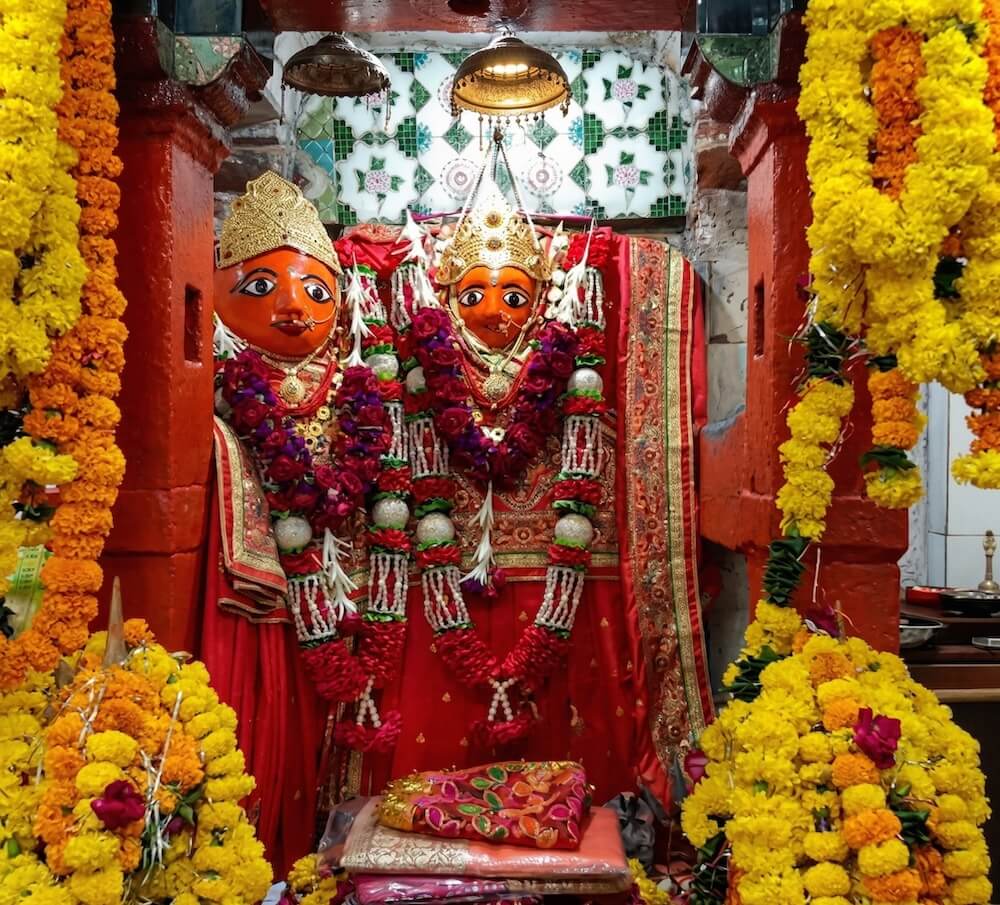 In Anand district— renowned as the centre of India’s dairy revolution and celebrated worldwide after the establishment of ‘Amul’ in 1946— numerous vestiges of ancient culture are still found. Within this prosperous district, known for the cultivation of millet, wheat and cotton, stands the Kshemkalyani Mata Temple at Malavada in Sojitra taluka, believed to be nearly a thousand years old. This sacred shrine is regarded as a centre of deep devotion for thousands of devotees. The Goddess is revered as the Kuldevi (ancestral deity) of sixteen distinct branches of the Solanki dynasty. Believed to remove the hardships of human life and to respond swiftly to the calls of her devotees, the Goddess is venerated here as a living Shakti Peeth (seat of divine feminine power).
Historical records indicate that the Rajput Solanki dynasty ruled over the regions of Gujarat, Kutch and Saurashtra from the tenth to the thirteenth centuries. 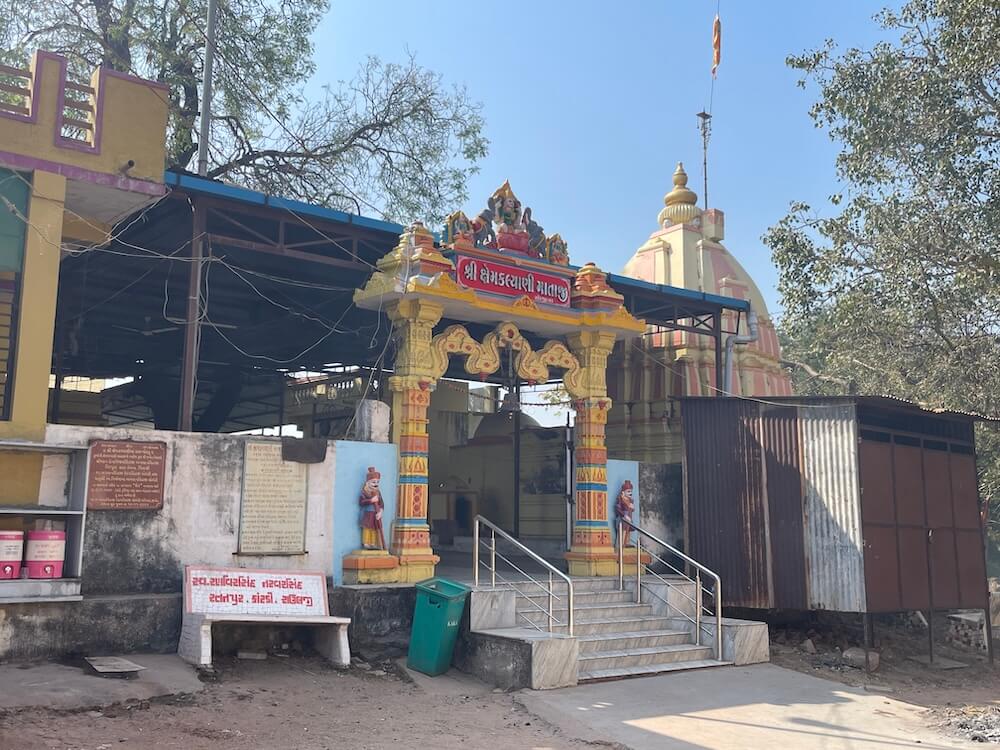 The progenitor of this lineage, Mularaja, was the nephew of Samantsinh, a ruler of the Chavda dynasty. Through his valour, he established his capital at Patan. Mularaja extended the boundaries of his kingdom as far as the Sabarmati River and after him, his son Chamundaraja governed the realm between approximately 995 and 1010 CE. Following Chamundaraja, Durlabharaja ascended the throne and ruled from 1010 to 1022 CE. He strengthened his political alliances by marrying the sister of the Chahaman ruler Mahendrasinh. After Durlabharaja, his nephew Bhimdev I ruled between 1022 and 1064 CE, during whose reign the Sultan of Ghazni launched his infamous attack on the Somnath Temple.
King Bhimdev was responsible for the construction of several magnificent temples. 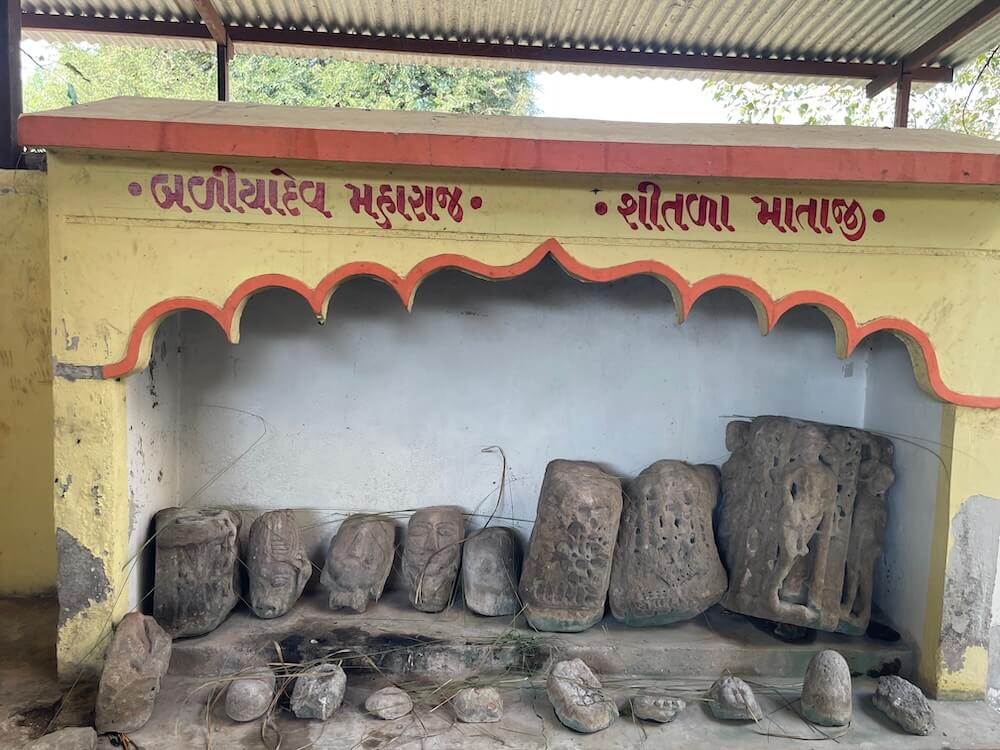 After him, his son King Karna ruled from 1064 to 1094 CE. Bearing the distinguished title ‘Trailokyamalla’, this ruler extended his dominion as far as Navsari. According to historian Dr Hariprasad Shastri and authoritative works such as ‘Charotar Sarva Sangrah’ (1954), it is believed that the construction of this temple dates back to the reign of King Karna. The ancient town of Sojitra itself finds mention in the writings of the Greek geographer Ptolemy. In modern times, the renowned dairy cooperative Amul – founded on 14 December 1946 – also belongs to this district of Anand. After the division of Kheda district in 1997, this new district emerged with a thriving agricultural economy producing millet, wheat, rice and cotton in large quantities. The temple at Malavada in Sojitra taluka is believed to be more than a thousand years old.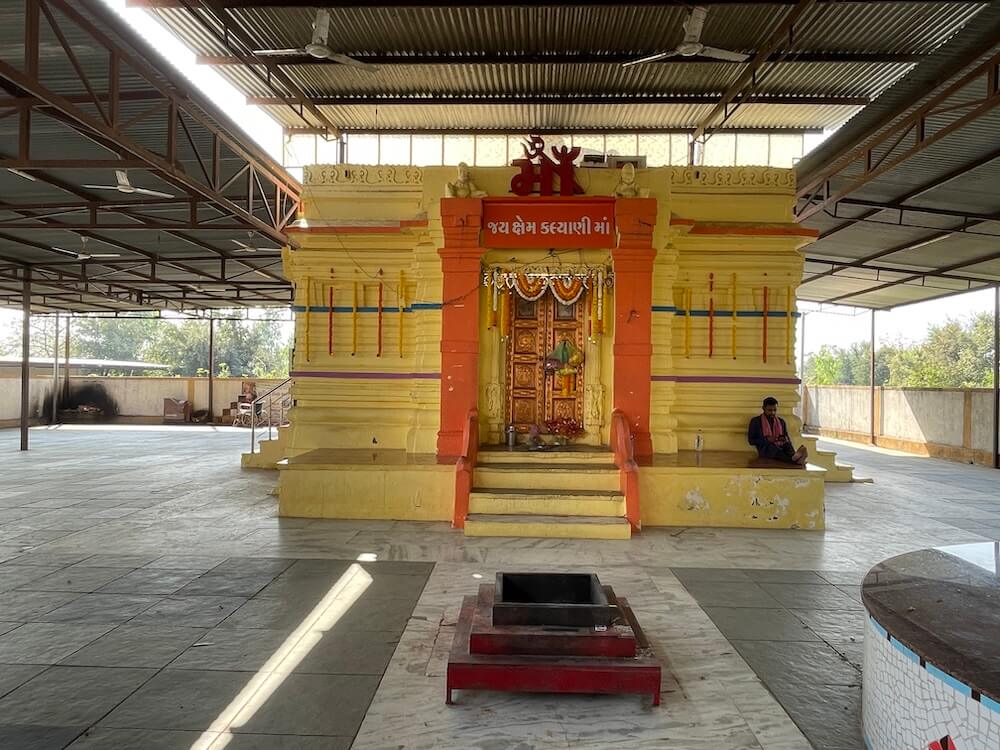
According to traditional accounts, around a millennium ago, King Trailokyamalla granted seven hundred revenue villages to the temple for its maintenance and thereby bestowed upon the region a special religious status. As the Goddess is the Kuldevi of the sixteen branches of the Solanki lineage, it remains a long-standing custom that every auspicious event within these families begins with the worship of this Mother Goddess.
A legend associated with the temple narrates that once King Kanaksinh organised a grand ‘Navchandi Yajna’ here. During the ceremony, a Brahmin participating in the ritual requested the king to offer a coconut along with royal garments so that they might be presented in the sacrificial fire. 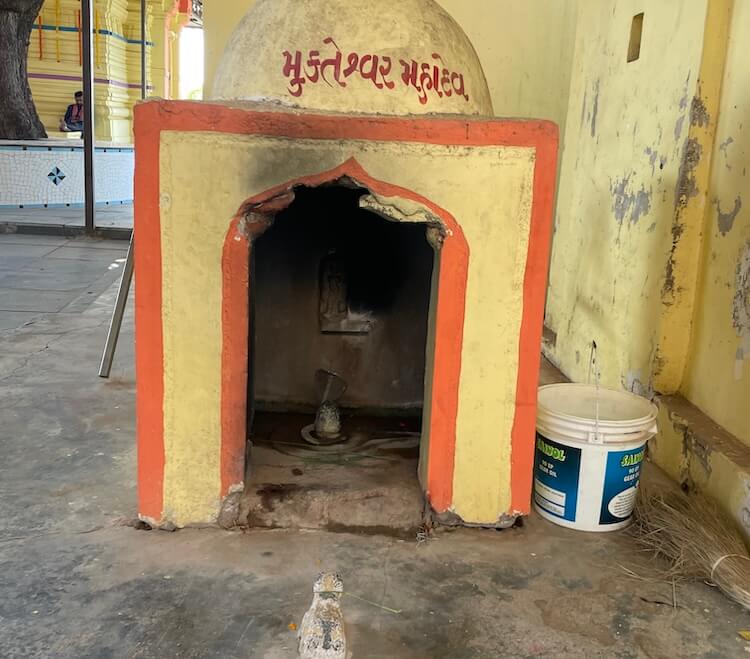 However, citing religious protocol, the king refused to offer the royal garments in the yajna. This refusal angered the Brahmin deeply. He completed the ritual at his own expense and pronounced a curse that henceforth no Brahmin would be able to conduct a yajna at this place. Because of this curse, sacrificial rituals at the temple ceased for many decades and the temple’s spiritual traditions faced a serious interruption.
Many years later, members of the thirteenth generation of the Goswami Brahmins, through their deep devotion to the Goddess and by seeking forgiveness, revived the tradition of performing yajnas at the temple. Even today, these Goswami priests continue to serve the Mother Goddess here with great reverence.
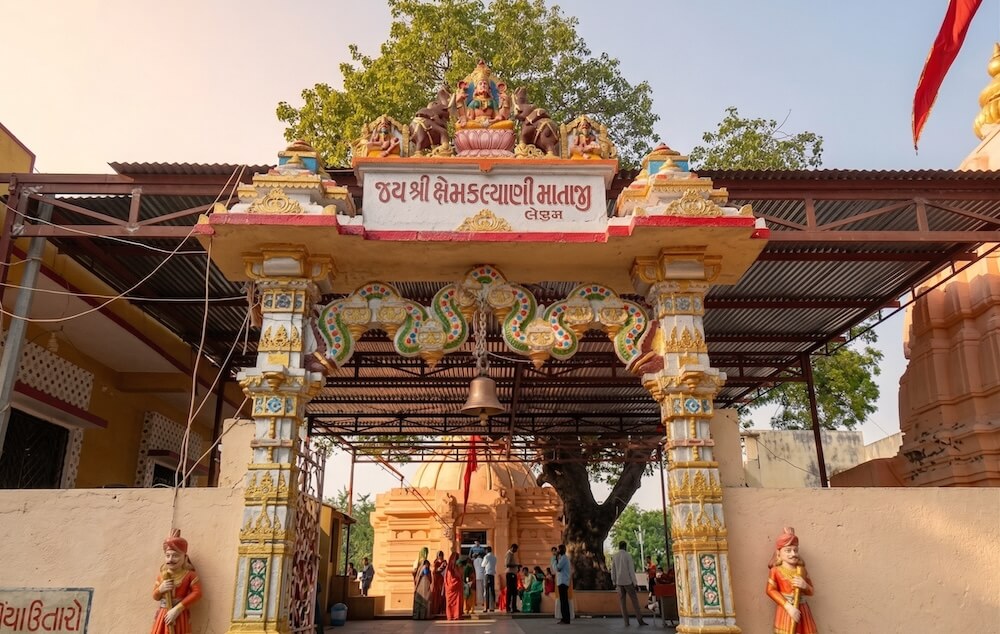
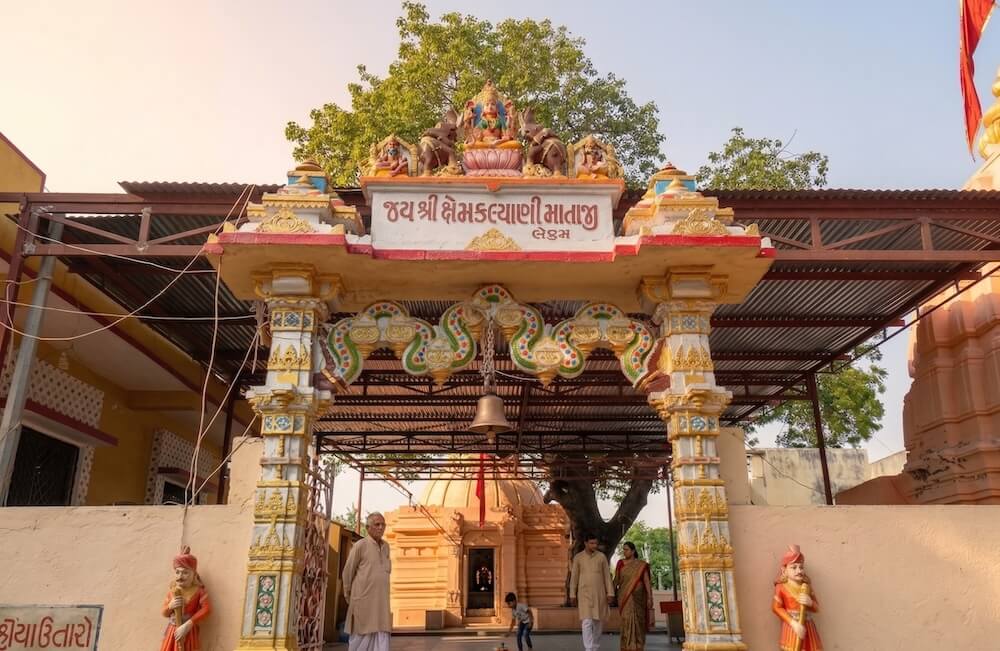
The temple stands in a tranquil setting within the boundaries of Malavada village, approximately two kilometres from the town of Sojitra. 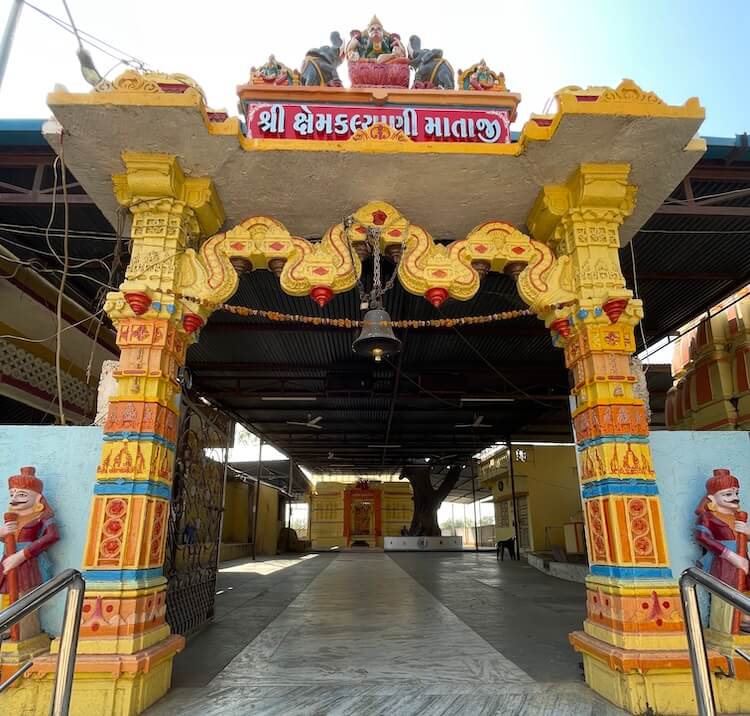 Located a short distance from the main road, the temple has a spacious parking area in front. An entrance gateway set within the surrounding compound wall leads into the courtyard. Sculptures of Dwarapalas flank both sides of this gateway. Above the pillars are beautifully carved figures of Gajalakshmi, considered a symbol of prosperity. Within the temple courtyard, there grow several large and leafy trees and there is also an elegant Tulsi Vrindavan along with a Yajnakund.
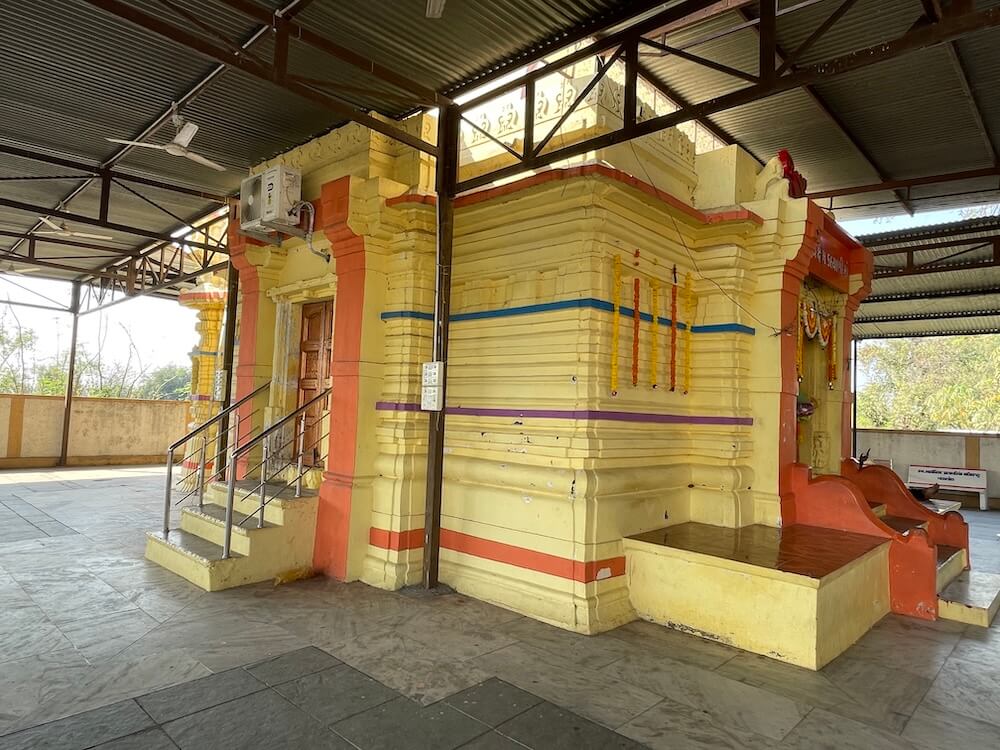
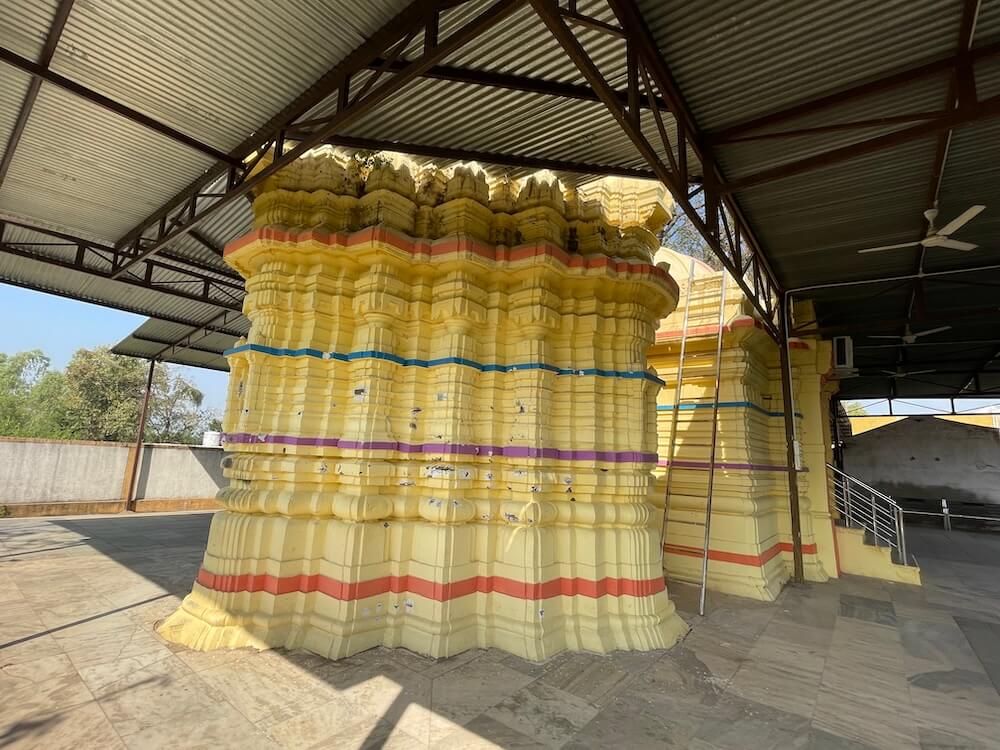
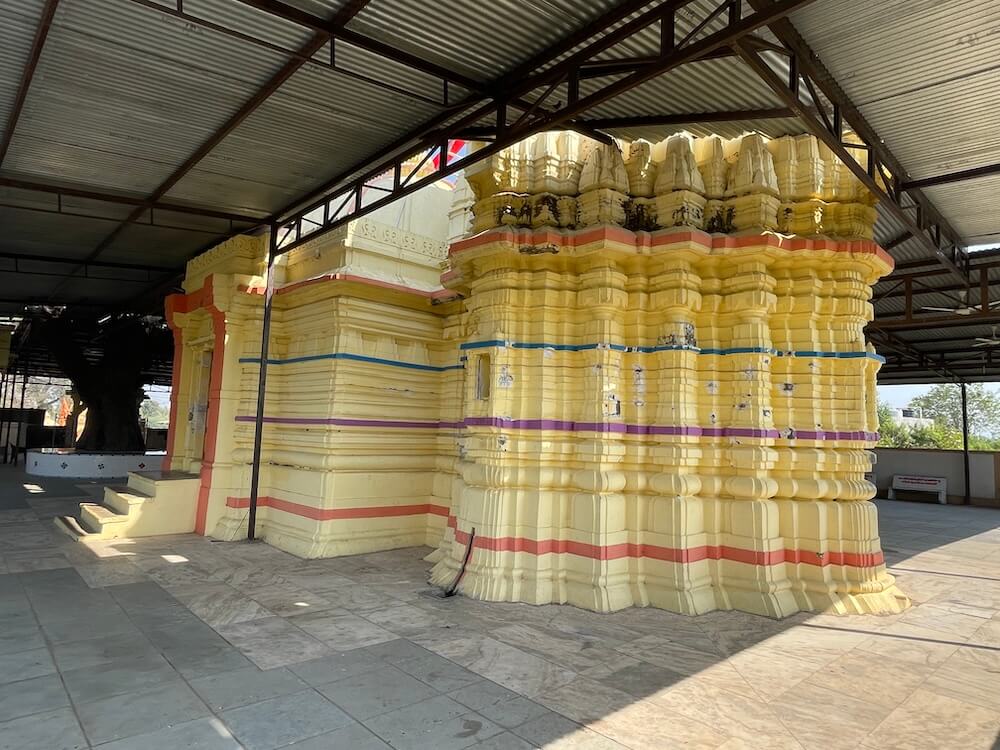
Constructed of stone in the Maru-Gurjara architectural style, the temple stands upon a Jagati (raised platform) approximately four feet high. The structure comprises a Sabhamandap (assembly hall), Antaral (vestibule) and Garbhagriha (sanctum). The doorway of the temple features intricately carved doorframes. On the lintel above the entrance are sculpted figures of the Matrikas (Mother Goddesses), while Dwarapala sculptures appear on the lower sections. 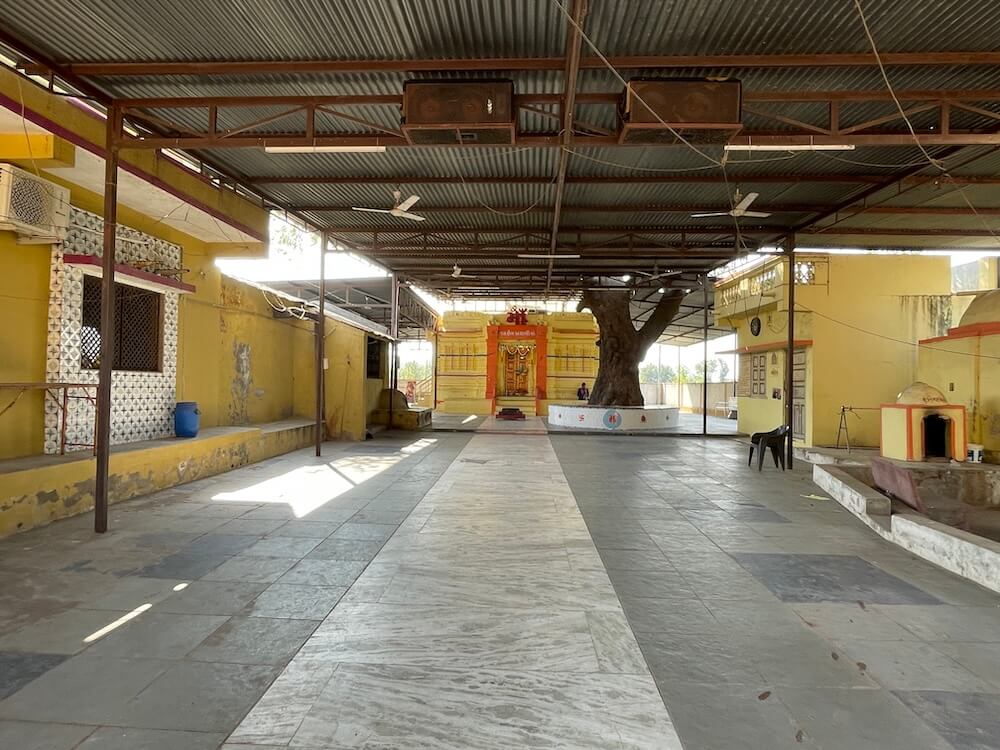 Similar doorways are present on the right and left walls of the Sabhamandap. The pillars within the assembly hall support graceful semicircular arches and the ceiling forms a domed canopy.
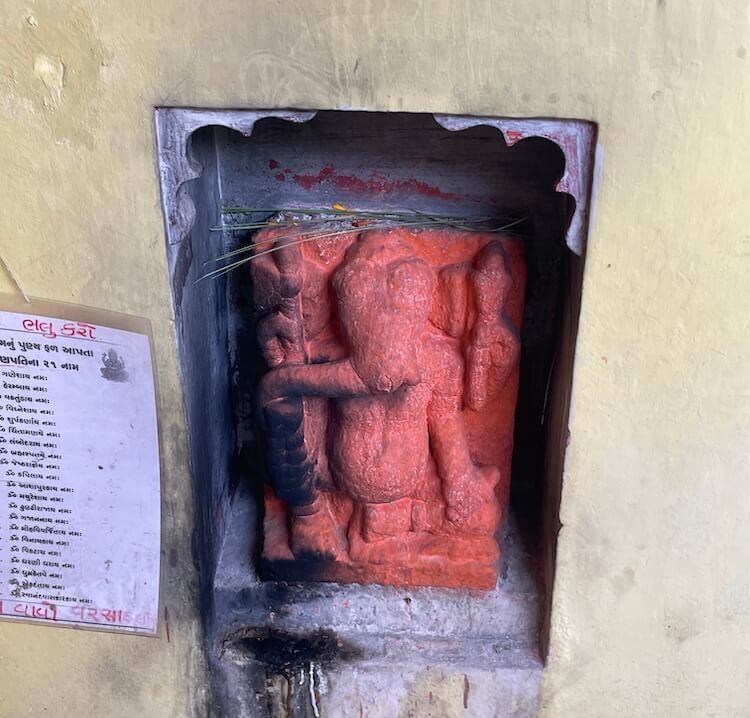
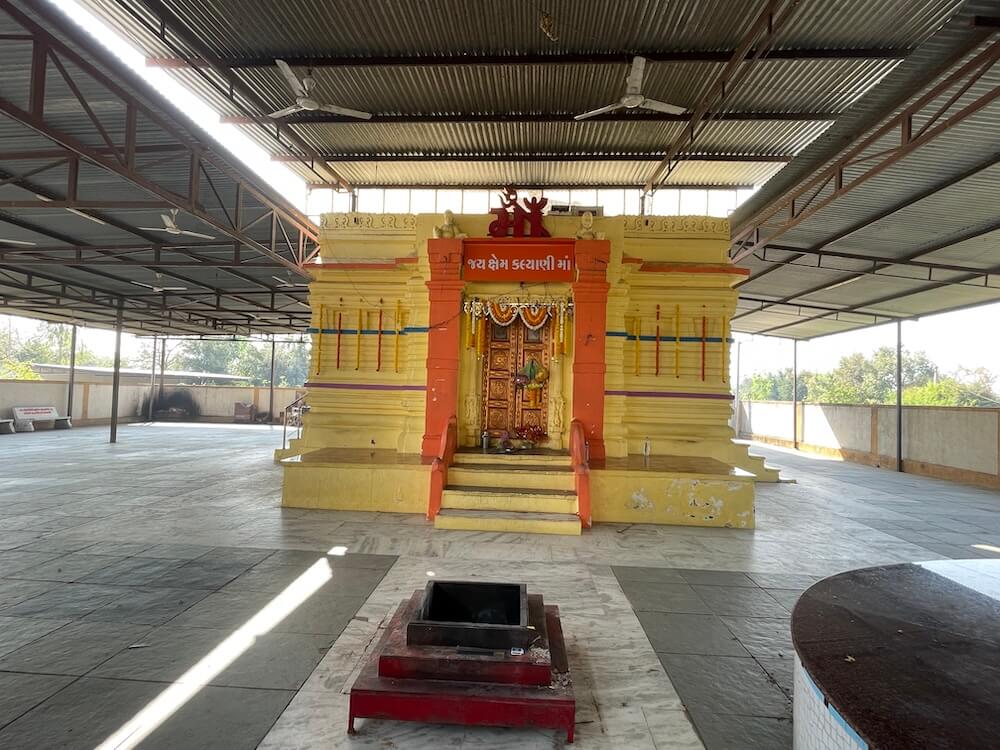
Before the entrance to the Antaral stands a large sculpture of a lion upon a platform. The doorway to the Antaral has wooden shutters and on either side of it are beautifully carved figures of Bhairavi. The walls of the Antaral contain two Devakoshtas (niches), housing ancient idols of Ganesha and Parvati. On the Lalata Bimba above the entrance to the Garbhagriha is a sculpted image of Ganesha. Within the sanctum, inside an ornate stone Makhar, stands the self-manifested stone idol of Kshemkalyani Mata. The Goddess is also known locally as Khojai Mata. Beside this image is another representation symbolising the divine power of the Goddess.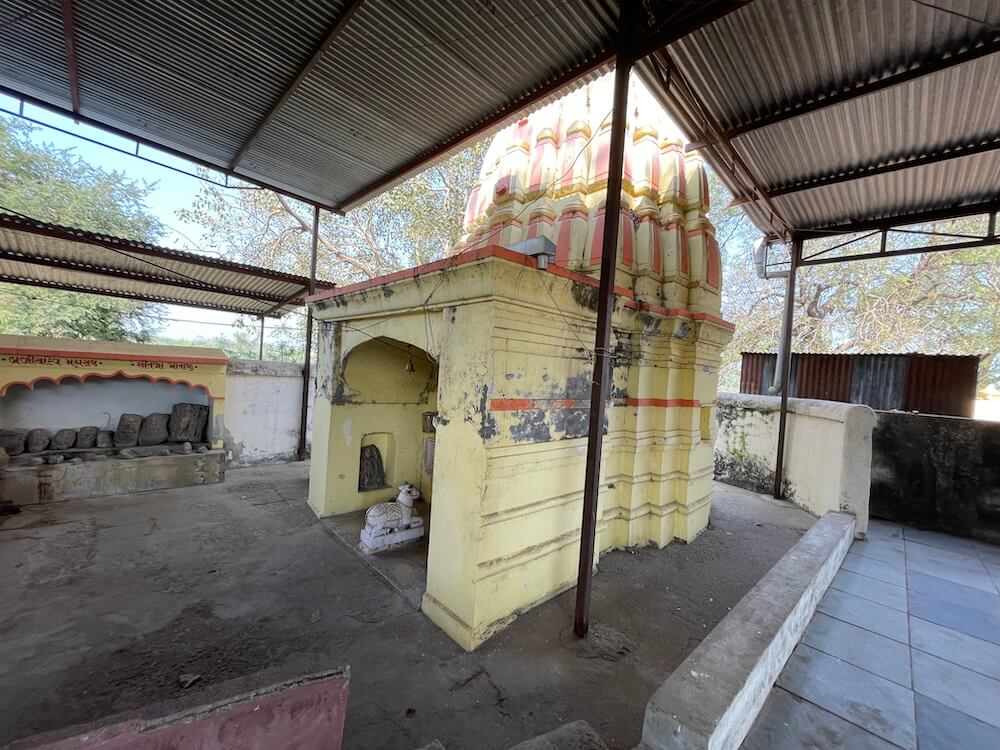 Both idols are adorned with silver crowns and above them hangs a silver canopy.
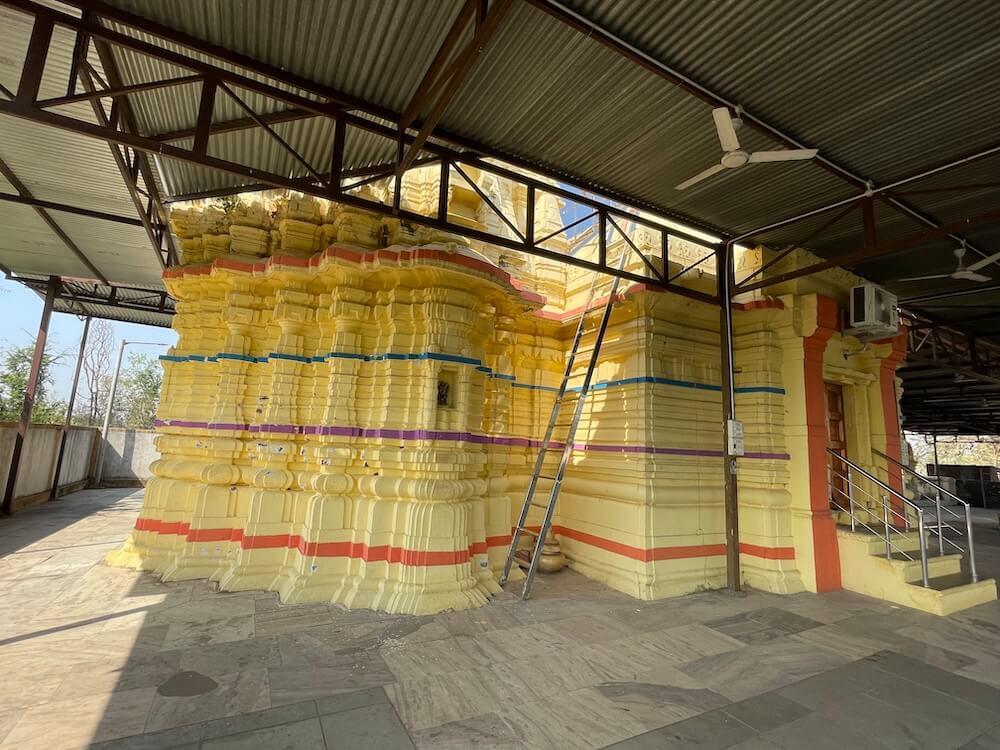
Externally, the sanctum is built in a star-shaped configuration, tapering upward from the base to the shikhara. The outer walls of the sanctum are adorned with sculptural representations of various deities and intricate ornamental carvings. The roof above the sanctum carries a square central shikhara surrounded by smaller subsidiary spires. At the summit of all these shikharas are Amalaka stones crowned with Kalasha finials.
Throughout the year, numerous religious ceremonies and festivals are organised at the temple. The annual fair of the Goddess, celebrated on the day of Bhadrapada Purnima, is observed with great enthusiasm and on a large scale.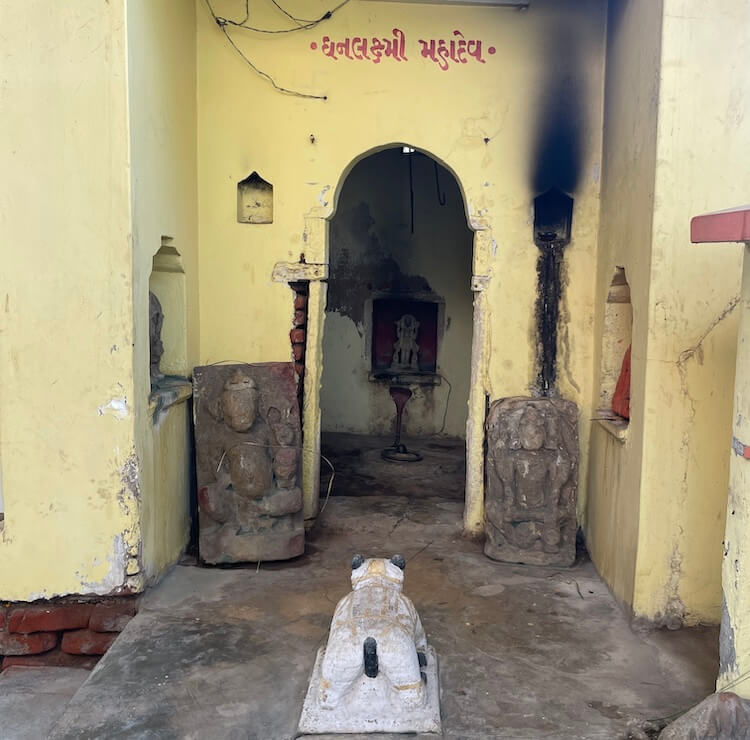 Members of all branches of the Solanki lineage attend this festival with devotion. Chaitra Navratri and Sharadiya Navratri are the two principal festivals celebrated here with deep reverence. During these nine days, various religious rituals are performed in the temple, including homa-havan and yajna ceremonies.
According to traditional custom among devotees belonging to the Solanki branches, families invariably visit the temple to seek the blessings of the Goddess after marriage or upon the birth of a son. Devotees express gratitude for the fulfilment of their wishes by offering a sari, a chunri and a coconut at the feet of the Goddess. Large numbers of visitors gather here for darshan every Sunday.
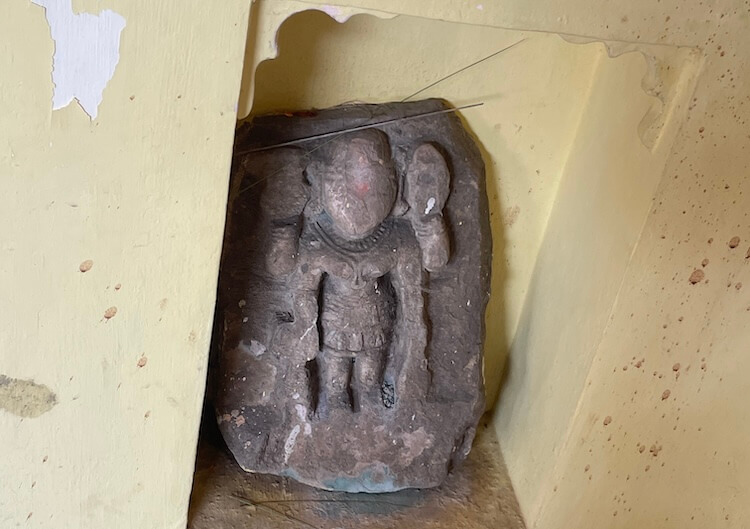
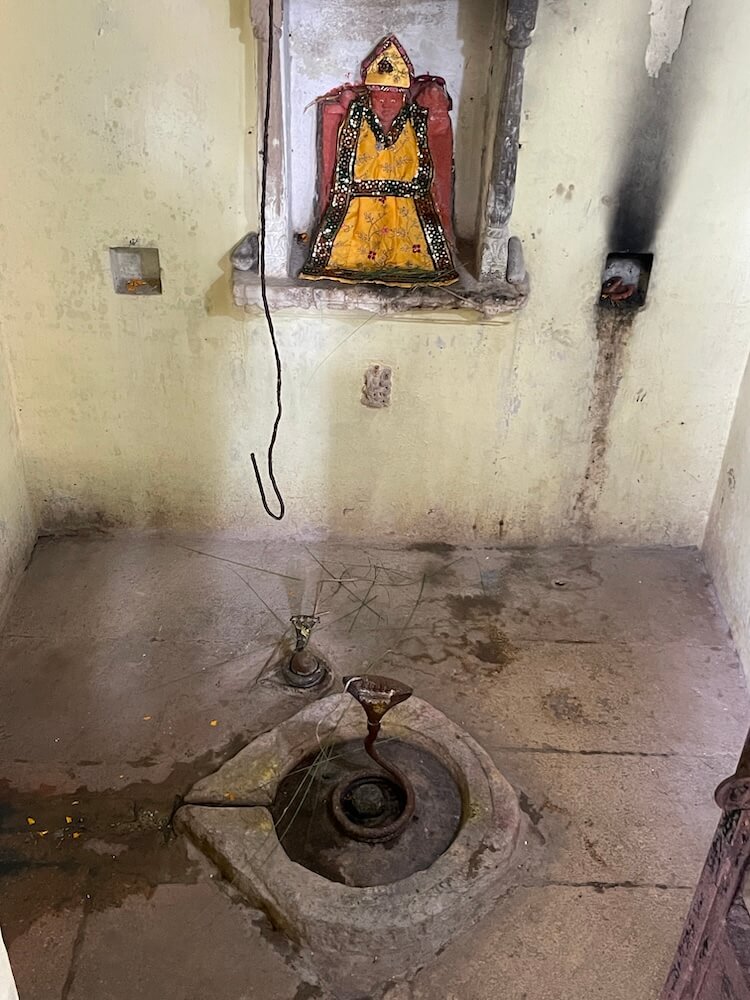
Within the temple complex, besides the main shrine, there are temples dedicated to Mukteshwar Mahadev, Dhanlakshmi Mahadev, Jyoteshwar Mahadev and Rameshwar Mahadev. The design of these shrines follows the architectural pattern of the main temple; their Sabhamandaps contain idols of Nandi, while the sanctums house Shivapindis. In a small shrine situated in front of these temples are preserved several ancient sculptures, including figures of the Matrikas. The temple is open for devotees daily from 6 am to 8 pm.
Useful Information
- Located at 2 km from Sojitra and 27 km from Anand City.
- State Transport buses and private vehicles are available from Sojitra.
- Private vehicles can reach the temple parking area.
- Several options for accommodation and breakfast are available in the surrounding area.
- Contact – Shaileshgiri Gosavi, Trustee – Mobile: 9377734252
क्षेमकल्याणी माता मंदिर
मालवाड़ा, ताल. सोजित्रा, जिला. आनंद
मंदिरे
Temples
मंदिर
-
भीमनाथ महादेव मंदिर लिंबळी, ता. सोजित्रा, जि. आनंद
अधिक माहितीBhimnath Mahadev Temple Limbali, Tal. Sojitra, Dist. Anand
View Detailsभीमनाथ महादेव मंदिर लिम्बाली, ताल. सोजित्रा, जिला. आनंद
विवरण देखें -
मेलडी माता मंदिर मालताज, ता. सोजित्रा, जि. आनंद
अधिक माहितीMeldi Mata Temple Malataj, Tal. Sojitra, Dist. Anand
View Detailsमेलडी माता मंदिर मालताज, ताल. सोजित्रा, जिला. आनंद
विवरण देखें -
चंद्रमौलेश्वर महादेव मंदिर उमरेठ, ता. उमरेठ, जि. आनंद
अधिक माहितीChandramouleshwar Mahadev Temple Umreth, Tal. Umreth, Dist. Anand
View Detailsचंद्रमौलेश्वर महादेव मंदिर उमरेठ, तहसील उमरेठ, जिला आनंद
विवरण देखें