
रामेश्वर महादेव मंदिर
गुंचाळी, ता. विजापूर, जिल्हा मेहसाणा
Rameshwar Mahadev Temple
Gunchhali, Tal. Vijapur, Dist. Mehsana
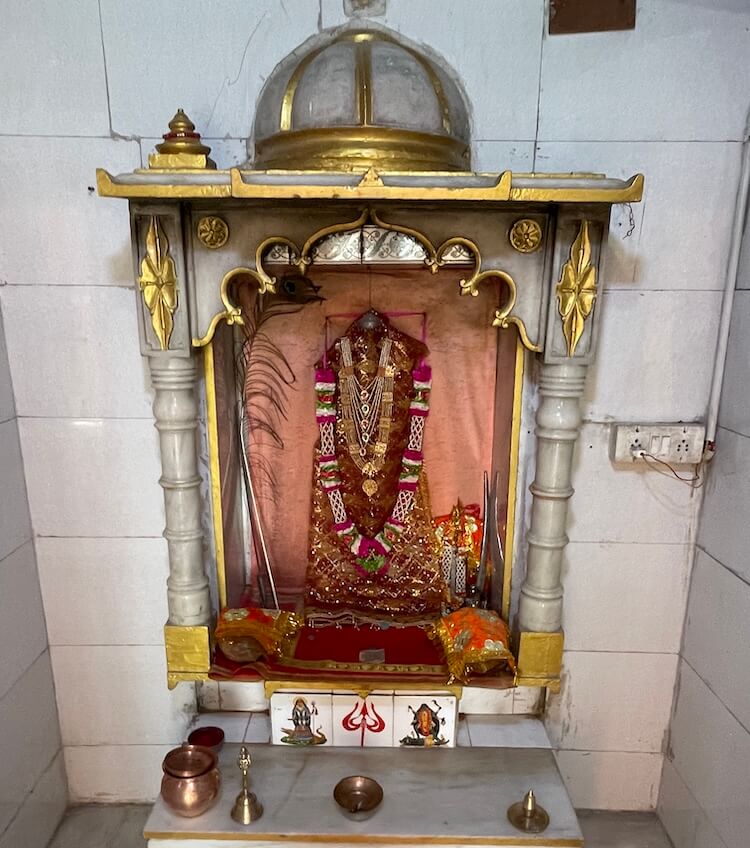
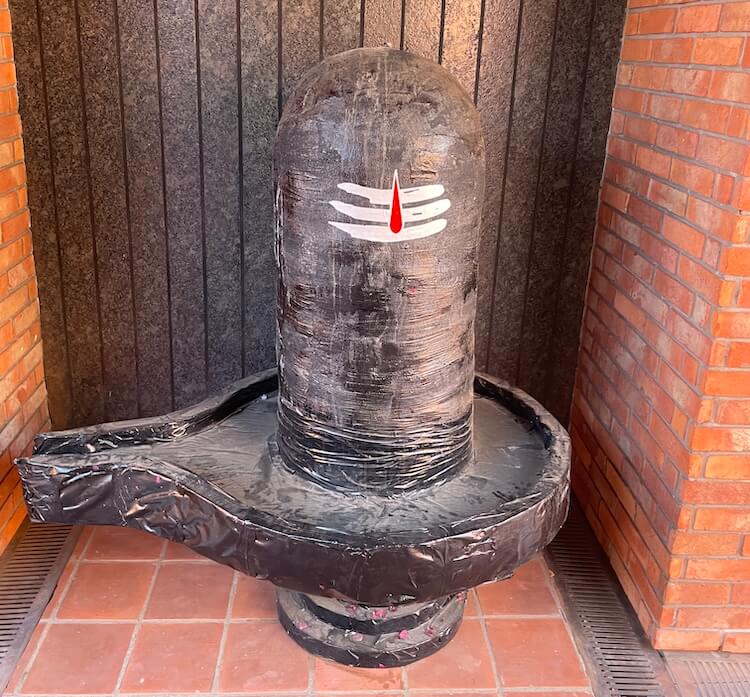
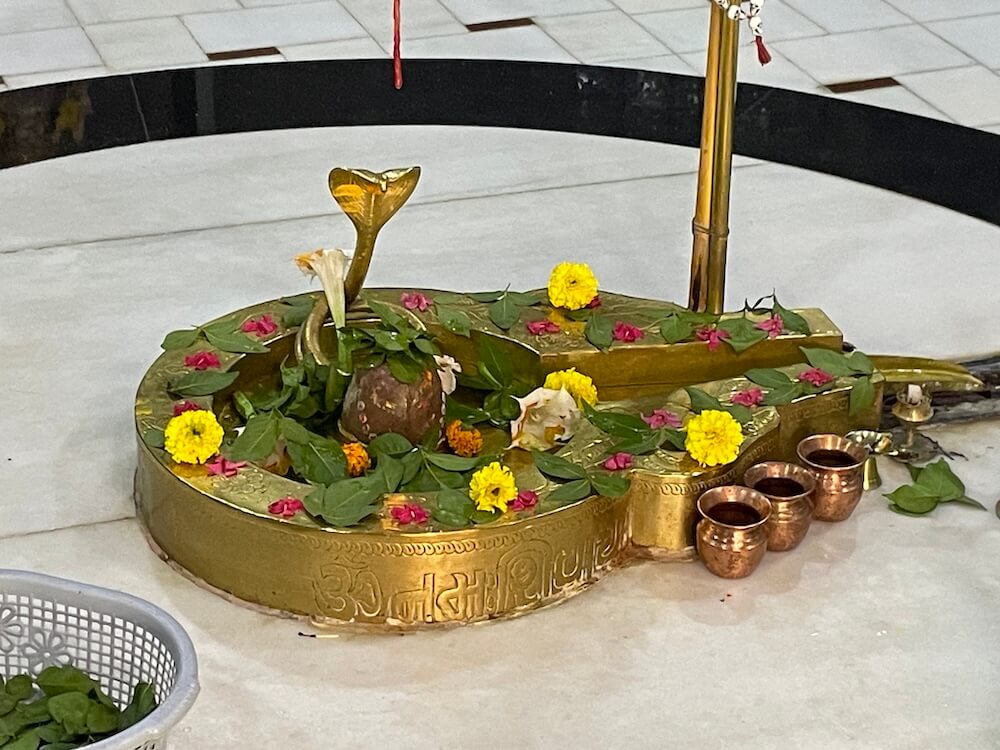 Nestled in the tranquil environs of Gunchhali – venerated in antiquity as ‘Maheshwari’ – within the Vijapur Taluka of Mehsana district, stands the Rameshwar Mahadev Temple. A vital link in the spiritual heritage of North Gujarat, the Shivalinga enshrined here is widely revered as ‘Swayambhu’ (self-manifested). Renowned as a ‘Jagrut Devsthan’ – a sanctuary of divine wakefulness – this temple holds a pre-eminent position among the ancient Shiva shrines of the district. Boasting a rich legacy spanning approximately three centuries, this hallowed ground presents a sublime synthesis of primordial culture and contemporary architectural prowess.
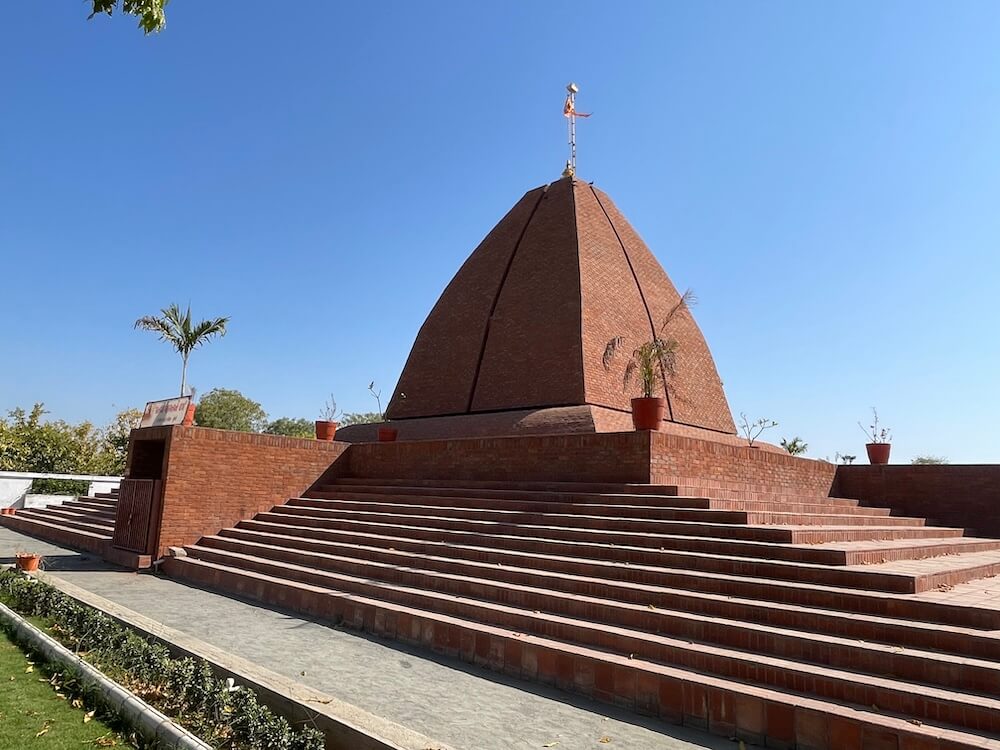
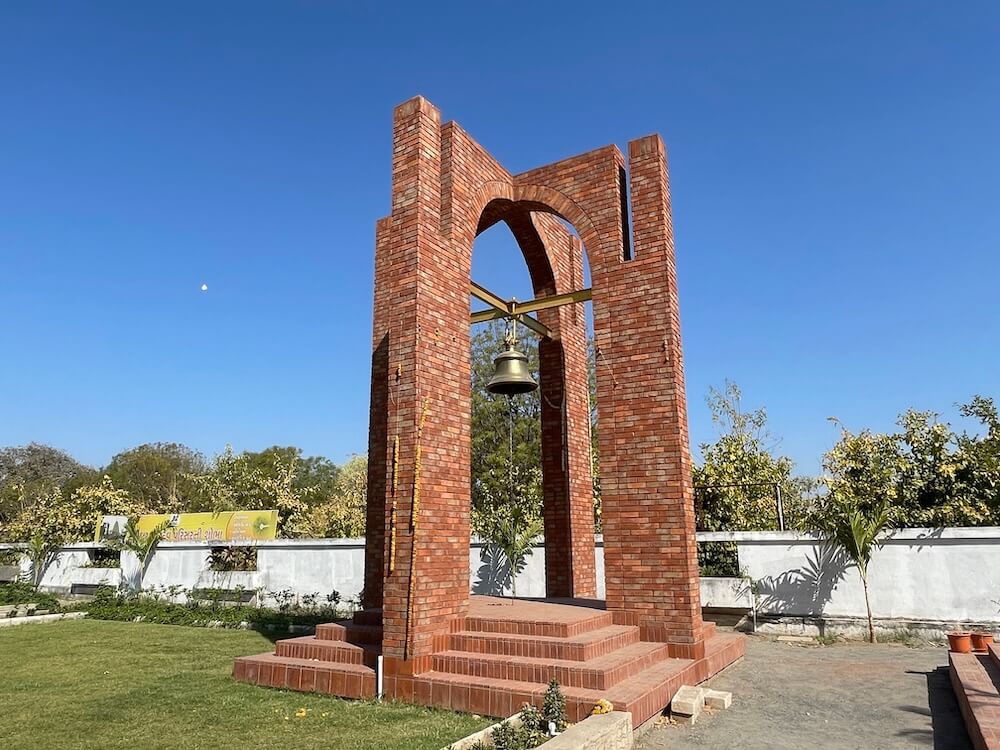
In the year 2024, a grand consecration ceremony marked the restoration of this temple, graced by the presence of Gujarat’s Chief Minister,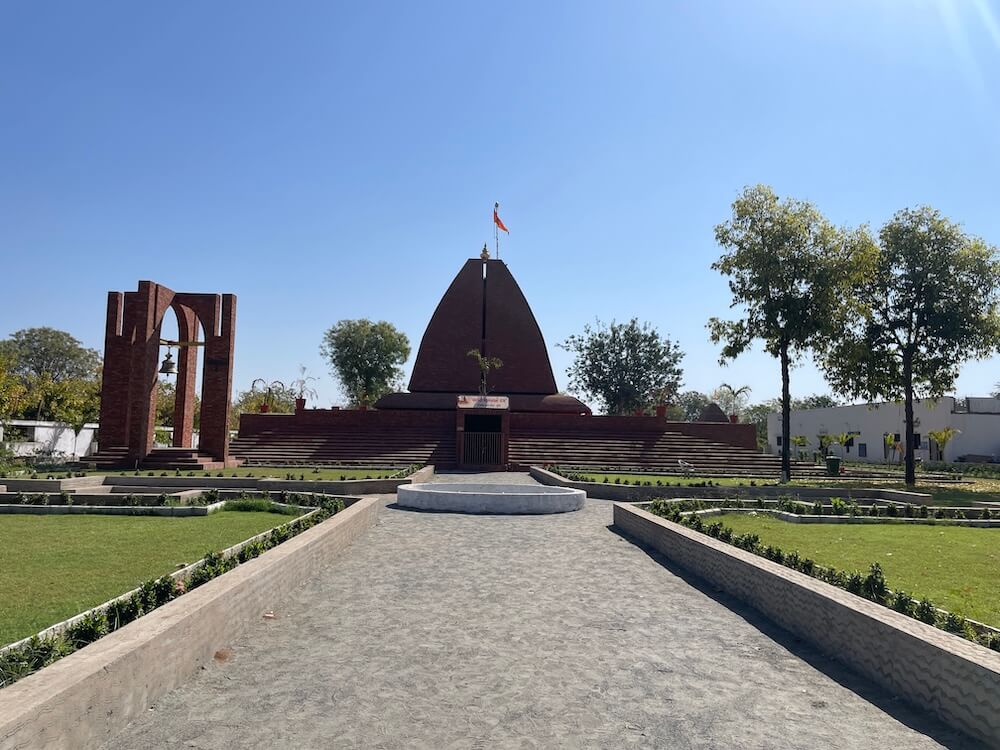 Bhupendra Patel and solemnised through sacred rituals such as the ‘Maharudra Yagna’. Situated barely three kilometres from Ranganpur village on the Vijapur-Visnagar highway, the temple is set within an expansive precinct. Upon crossing the main portal, one is immediately enveloped in a profound sense of serenity, with the surroundings adorned by verdant gardens and dancing fountains. A paved promenade through the gardens leads the way to the sanctum sanctorum. To the left of the temple hangs a magnificent bell weighing approximately 250 kilograms, christened the ‘Ichhapurtu Ghanta’ (The Bell of Fulfilment). Its resonance is said to carry across a distance of three kilometres. Unveiled by Chief Minister Bhupendra Patel, this bell is rung by devotees to articulate their deepest aspirations before they step into the divine presence.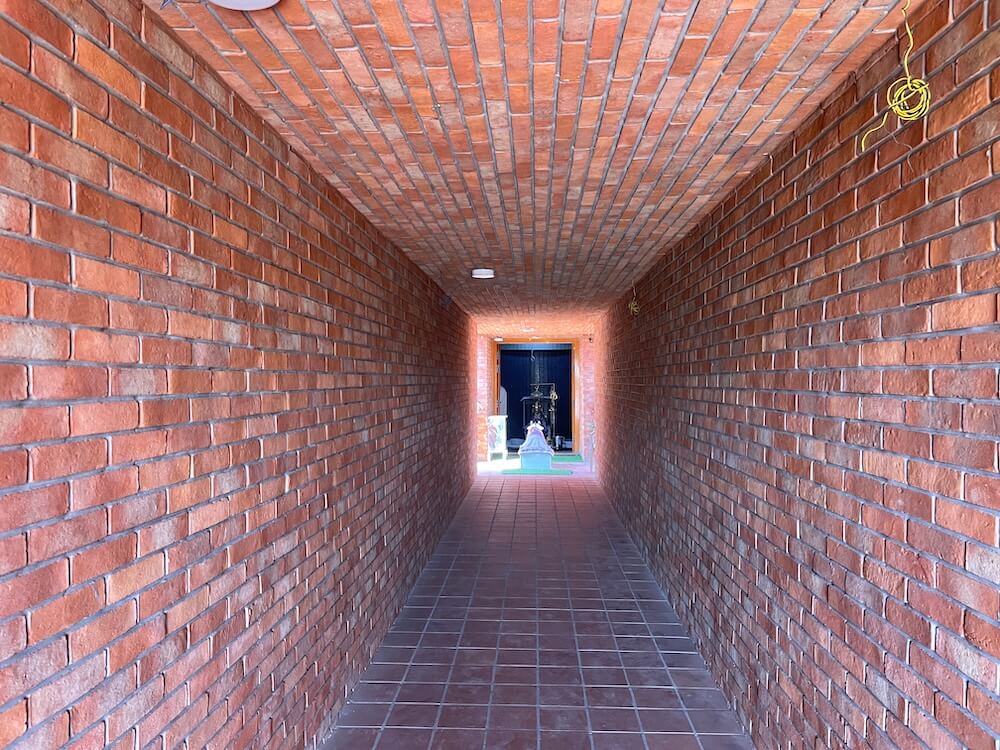
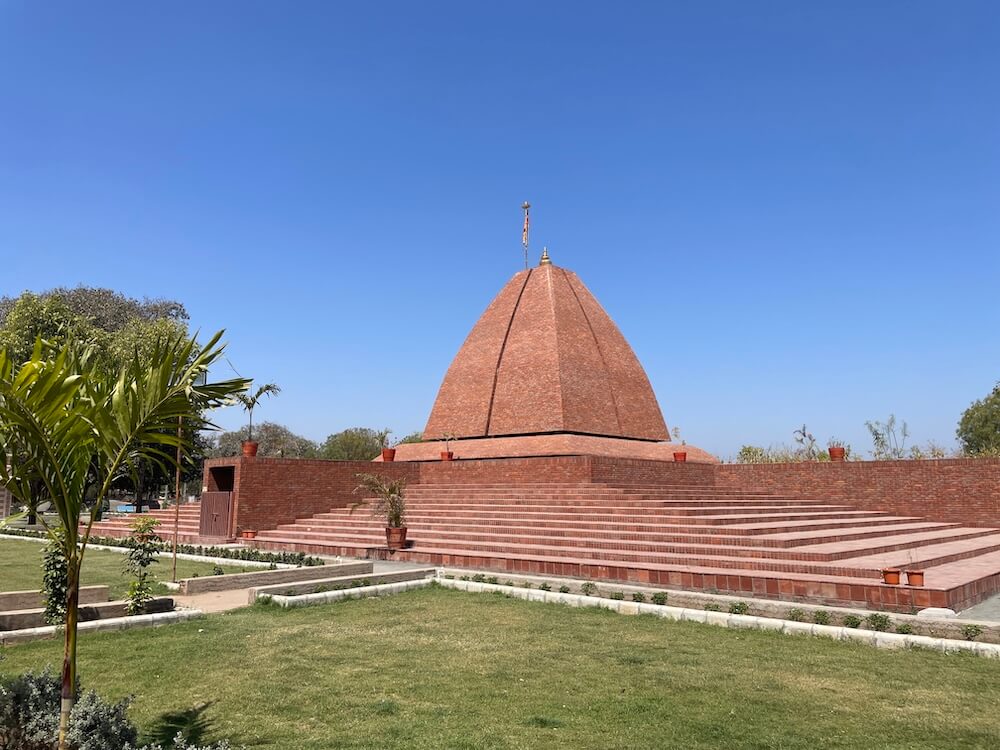
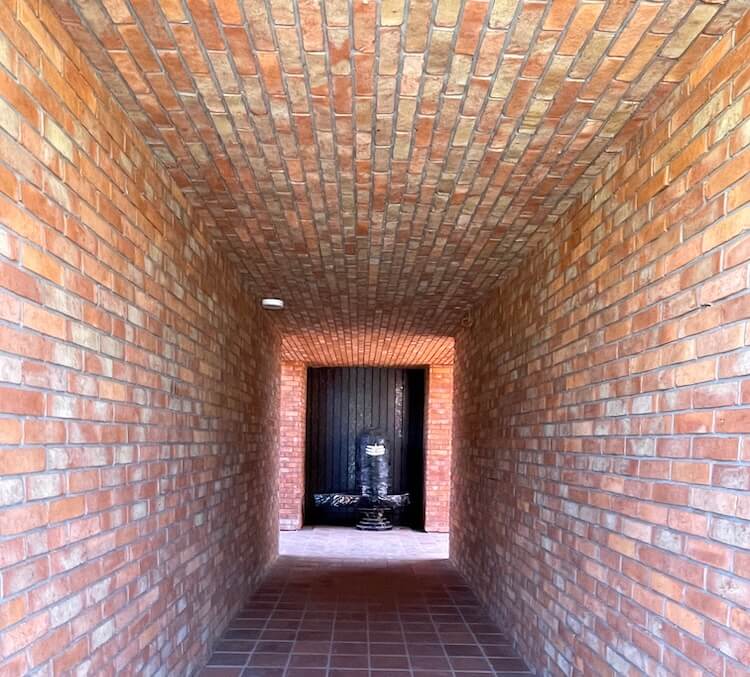
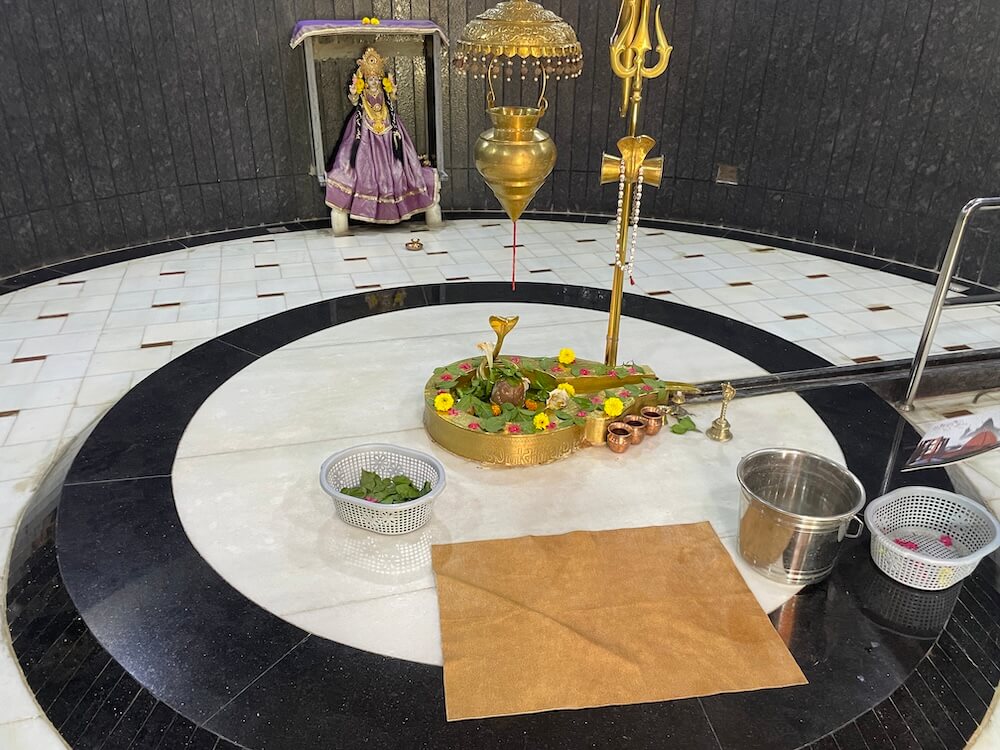
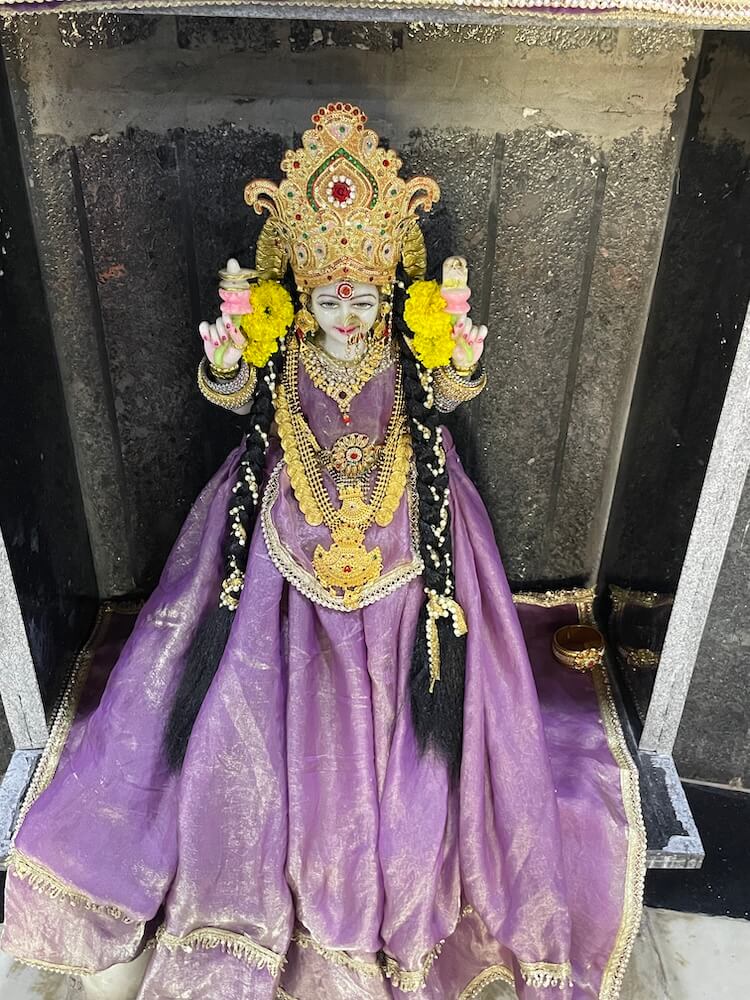
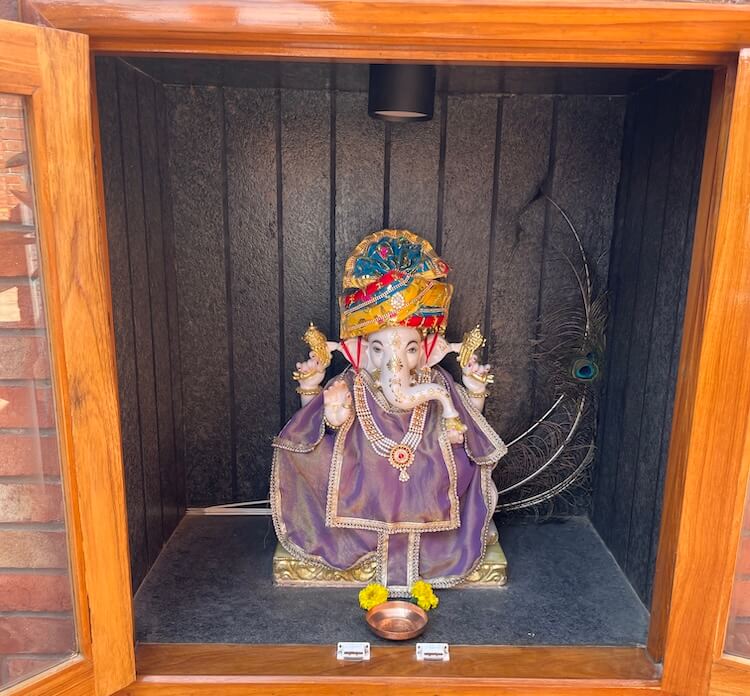
The architecture of the principal shrine is a modern interpretation of the Dravidian style of South India. Uniquely, this is said to be the only Shiva temple in the state to feature four entrances, each facing a cardinal direction and named after the sacred Vedas : the Rigveda, Yajurveda, Samaveda and Atharvaveda. Entering through the eastern portal, one encounters a pedestal bearing the sculpture of Nandi, while niches in the adjacent walls enshrine images of Ganesha and Hanuman. The ‘Garbhagriha’ (sanctum sanctorum) is a spacious chamber of pristine marble, measuring sixteen feet in length and breadth – a dimension symbolic of the sixteen ‘Sanskaras’ (sacraments) of human life. 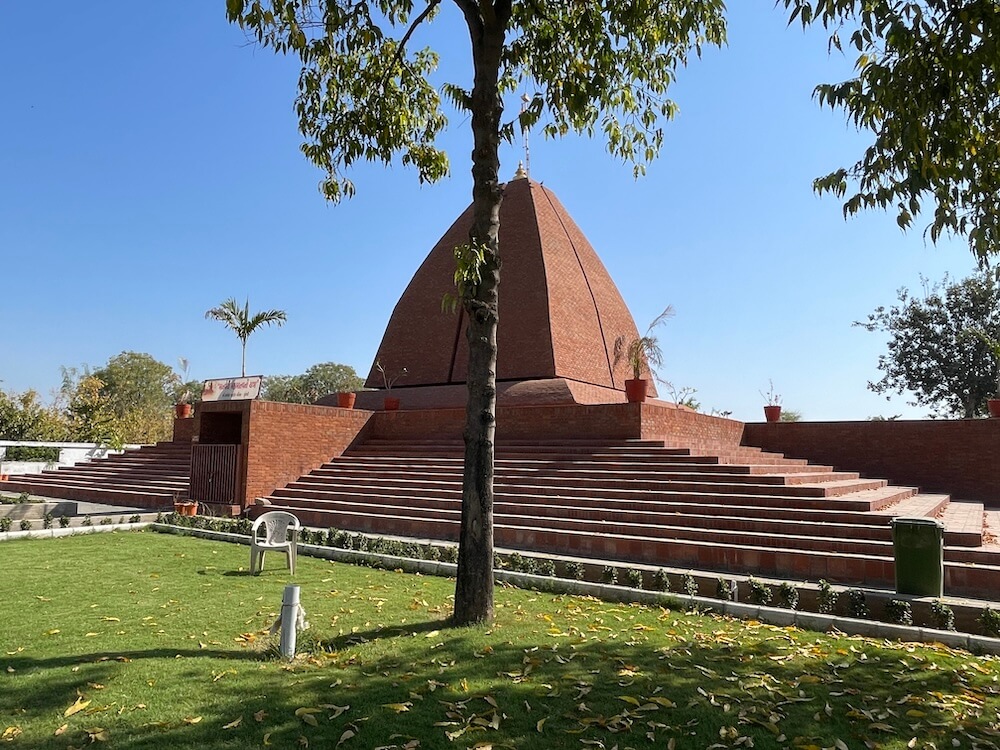 At its heart, the Rameshwar Mahadev Shivalinga is established within a large circular ‘Shalunka’, sheltered by the hood of a colossal serpent. The ‘Panchadhatu’ (five-metal) plating on the base features intricate carvings. Remarkably, the temple’s modern reconstruction was executed without disturbing the original Shivalinga. Behind the deity, a niche enshrines Mother Parvati. The distance between the Shivalinga and the flag atop the spire is precisely 51 feet, symbolising the 51 ‘Shaktipeethas’ of India. Furthermore, the spire is designed in the likeness of a ‘Shri Yantra’. The entire temple structure manifests the geometry of this sacred symbol, considered a potent source of spiritual energy.
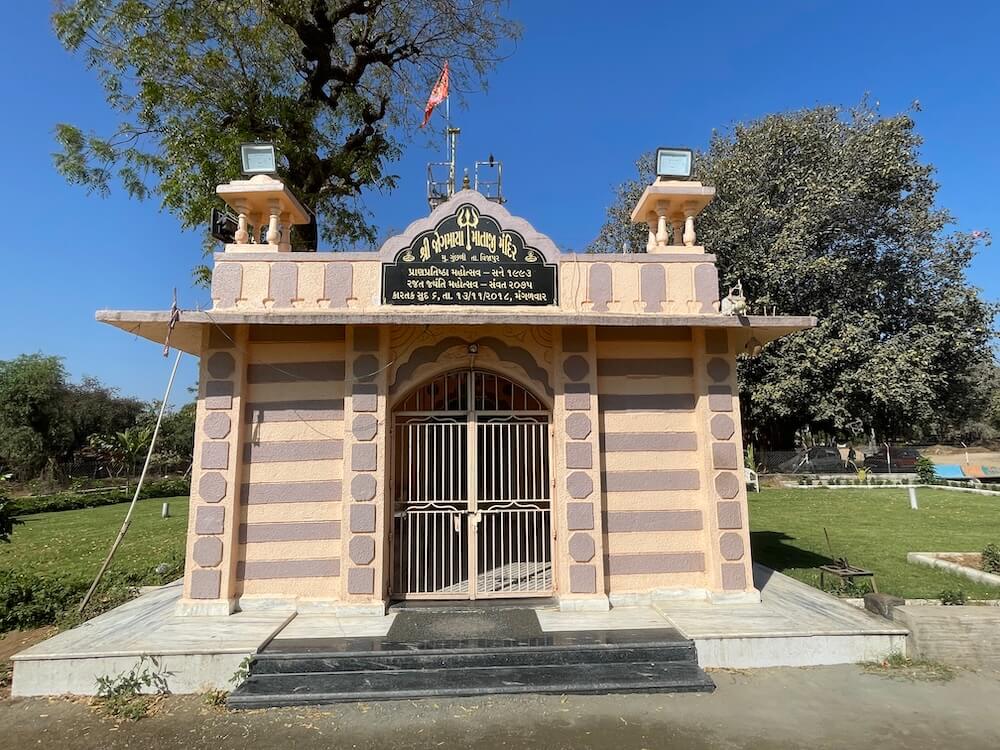
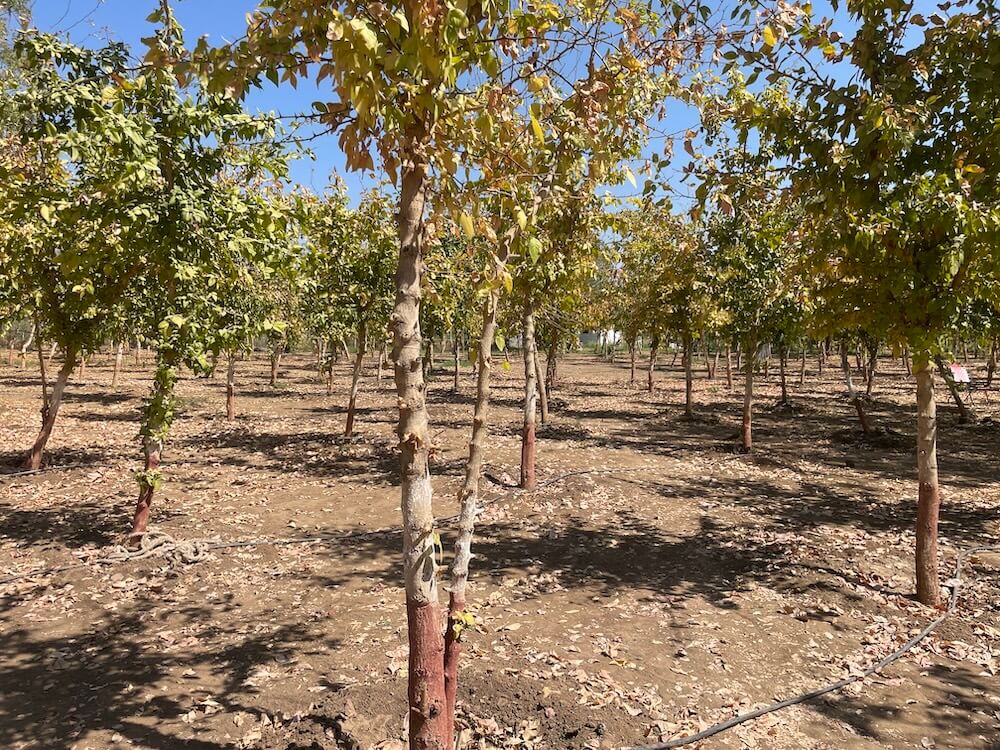
To the east of the temple lies the ‘Nakshatravan’, purportedly the largest of its kind in Gujarat. Following Indian tradition,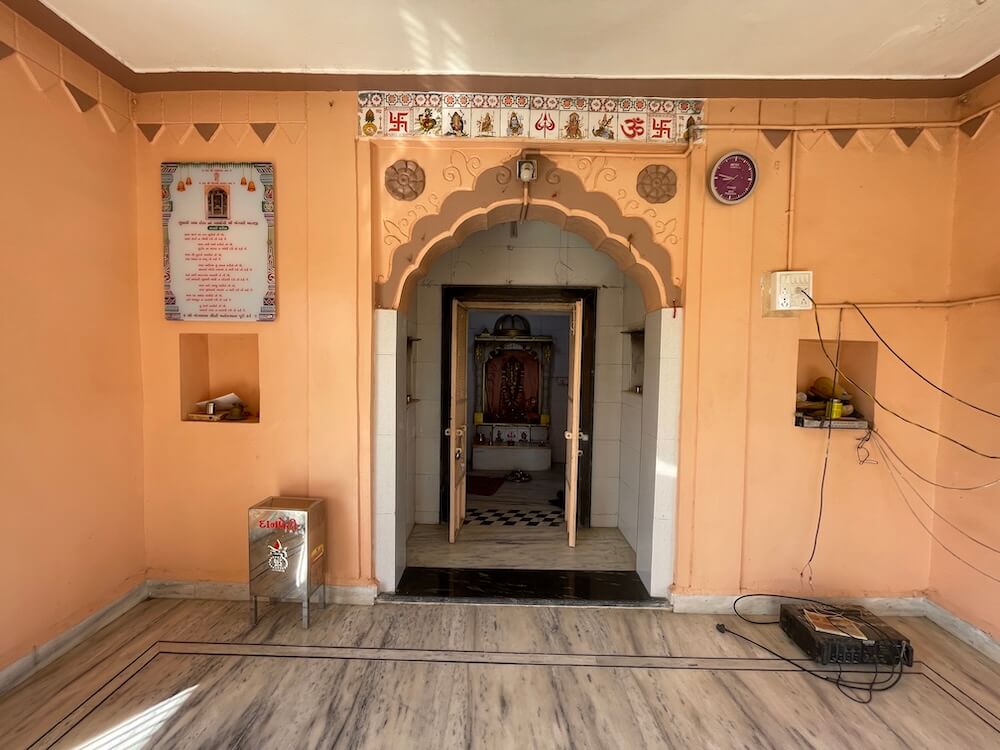 specific trees associated with the 27 constellations (Nakshatras) and 12 zodiac signs have been cultivated here, providing a serene canopy for meditation. Each tree is tagged with a QR code, allowing visitors to access detailed botanical and medicinal information. Additionally, the ‘Bilvivan’ contains 1,555 Bael trees, alongside a collection of 108 rare medicinal herbs. Adjacent to this lies the ‘Dhanvantari Medicinal Forest’, featuring 108 varieties of plants including Ashwagandha, Arjun, Giloy, Tulsi, Aloe Vera and Shatavari, meticulously arranged in the shapes of ‘Om’ and the ‘Swastika’. To the right of the complex stands the temple of Jogmaya Mata, consecrated in 1993. The precinct also houses a refectory that provides meals at a nominal cost, while schoolchildren are served free of charge.
 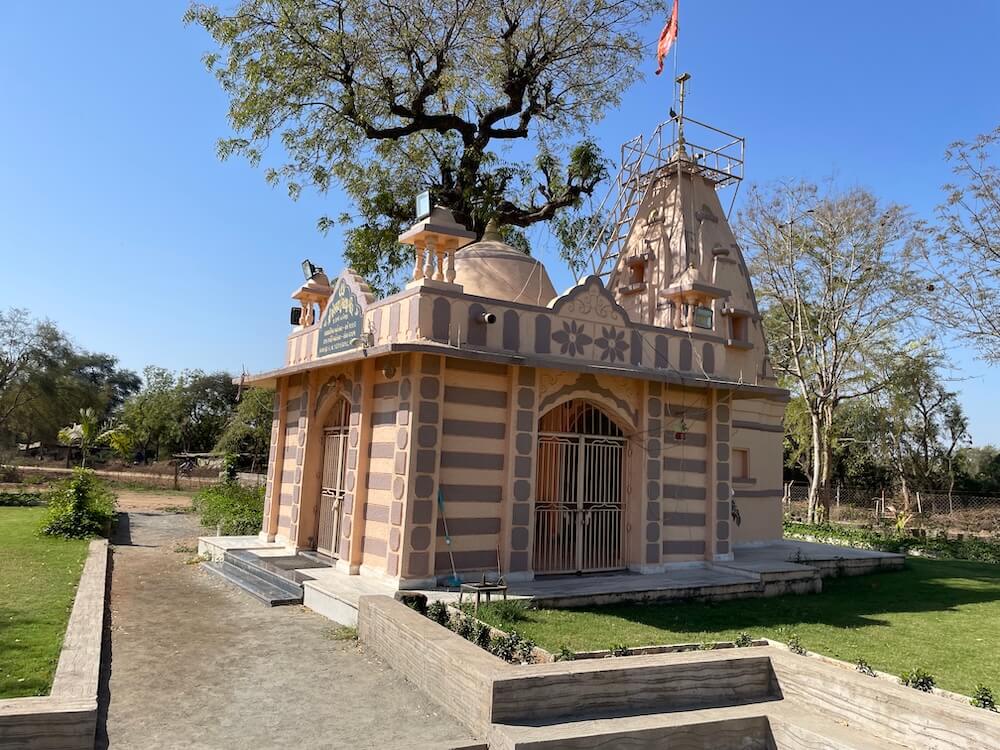 The complex is powered by solar energy and employs modern water management systems. Future expansions envision philanthropic projects such as a cultural hall, meditation huts, a physiotherapy centre and a children’s playground.
The Rameshwar Mahadev Temple remains a vibrant hub of devotion, with pilgrims participating enthusiastically in the morning and evening ‘Aarti’. Every Monday, the air is filled with the chants of ‘Abhishek’ and ‘Rudrapath’, while every New Moon (Amavasya) features an evening of devotional songs. Mahashivratri stands as the primary festival, marked by elaborate religious ceremonies. However, ‘Labh Pacham’ (the fifth day of the bright half of Kartik) is of special significance as the temple’s foundation day, celebrated with the ‘Maharudra Yagna’. During the holy month of Shravan, many devotees offer 125,000 Bael leaves upon the Shivalinga on successive Mondays.
Useful Information
- Located at 17 km from Vijapur town and 41 km from Mehsana
- GSRTC bus services are available from Vijapur and Mehsana.* Private vehicles can access the temple car park directly.
- Residential and breakfast facilities are available nearby.
- Contact – Temple Office, Mob.- 8370073003
रामेश्वर महादेव मंदिर
गुंछाली, ताल. विजापुर, जिला. मेहसाणा
मंदिरे
Temples
मंदिर
-
वैजनाथ महादेव मंदिर महादेवपुरा (गावडा), ता. विजापूर, जि. मेहसाणा
अधिक माहितीVaijnath Mahadev Temple Mahadevpura (Gavada), Tal. Vijapur, Dist. Mehsana
View Detailsवैजनाथ महादेव मंदिर महादेवपुरा (गावड़ा), ताल. विजापुर, जिला. मेहसाणा
विवरण देखें -
वैजनाथ महादेव मंदिर सोखडा, तालुका विजापूर, जिल्हा मेहसाणा
अधिक माहितीVaijanath Mahadev Temple Sokhada, Taluka Vijapur, District Mehsana
View Detailsवैजनाथ महादेव मंदिर सोखाडा, तालुका विजापुर, जिला मेहसाणा
विवरण देखें -
काशी विश्वनाथ महादेव मंदिर मेहसाणा, जि. मेहसाणा
अधिक माहितीKashi Vishwanath Mahadev Temple Mehsana, Dist. Mehsana
View Detailsकाशी विश्वनाथ महादेव मंदिर मेहसाणा, जिला. मेहसाणा
विवरण देखें