
पट्टासेरी भगवती मंदिर
पल्लीपुरथुस्सेरी, वायकोम, जि. कोट्टायम.
Pattasseri Bhagavathy Temple
Pallipurathussery, Vaikom, Dist. Kottayam.
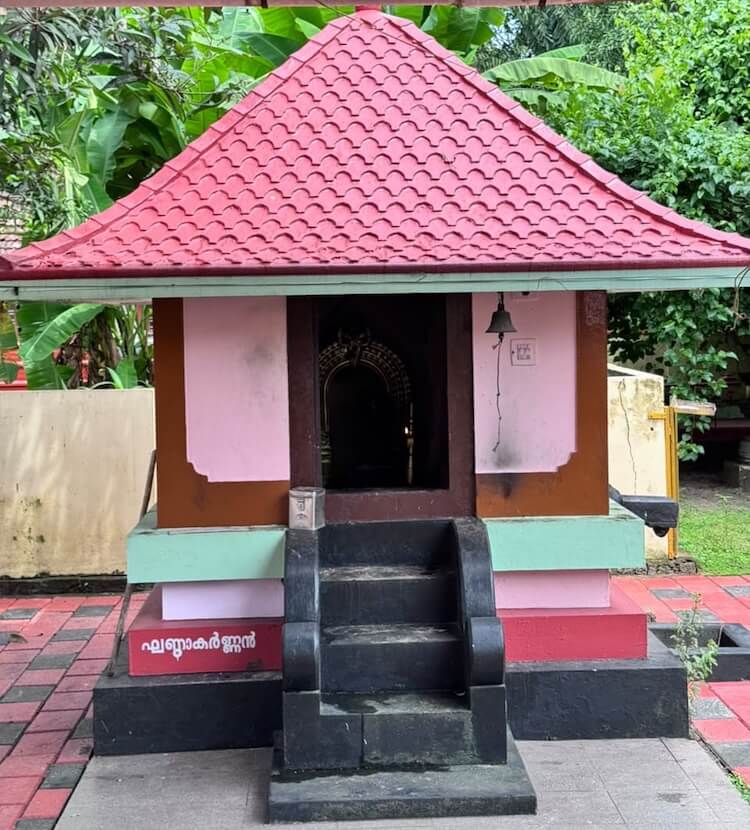
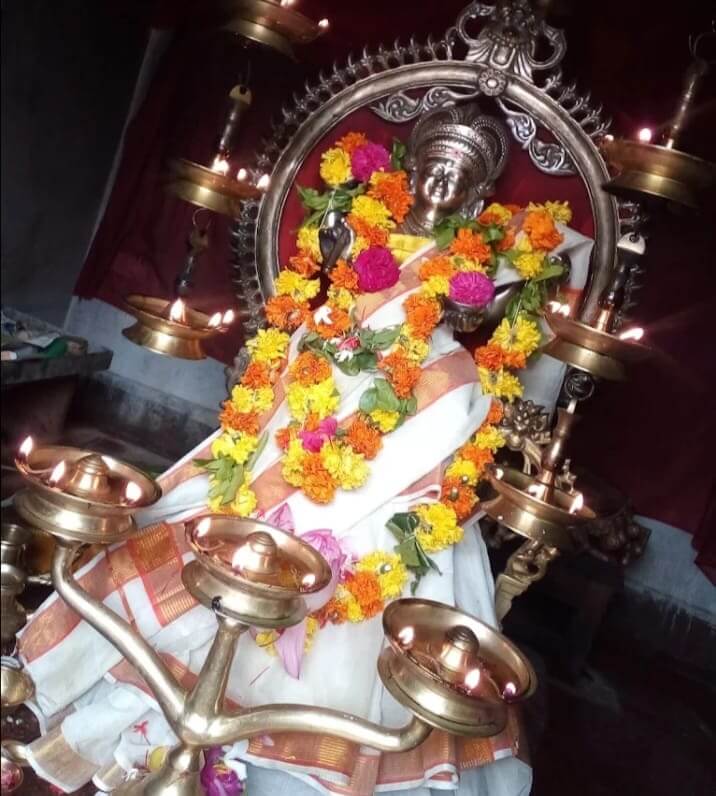 Pattassery Khandakarna Temple, also known as Pattassery Bhagavathy Temple, is a well-known temple located at Pallippurathussery on the Vaikom–TV Puram Road near Vaikom in Kottayam district. The main deities worshipped here are Goddess Bhagavathy, the embodiment of Adi Parashakti and Khandakarna Swamy, the son of Lord Shiva. One of the temple’s most distinctive features is that Khandakarna Swamy is worshipped with equal importance alongside Goddess Bhagavathy, a tradition that is rarely seen in Bhagavathy temples across Kerala.
According to local beliefs and the traditions of the Pattassery family, the temple is believed to be more than 200 to 300 years old. It originated as the family deity temple of the ancient Pattassery family. In its early days, it was a small family temple. Over time, it grew into a village temple worshipped by the local community. The administration of the temple was later taken over by the Sree Narayana Dharma Paripalana Yogam (SNDP Branch No. 112, Pallippurathussery). Since then, extensive renovation work has been carried out under the leadership of the SNDP, the temple committee and devotees. 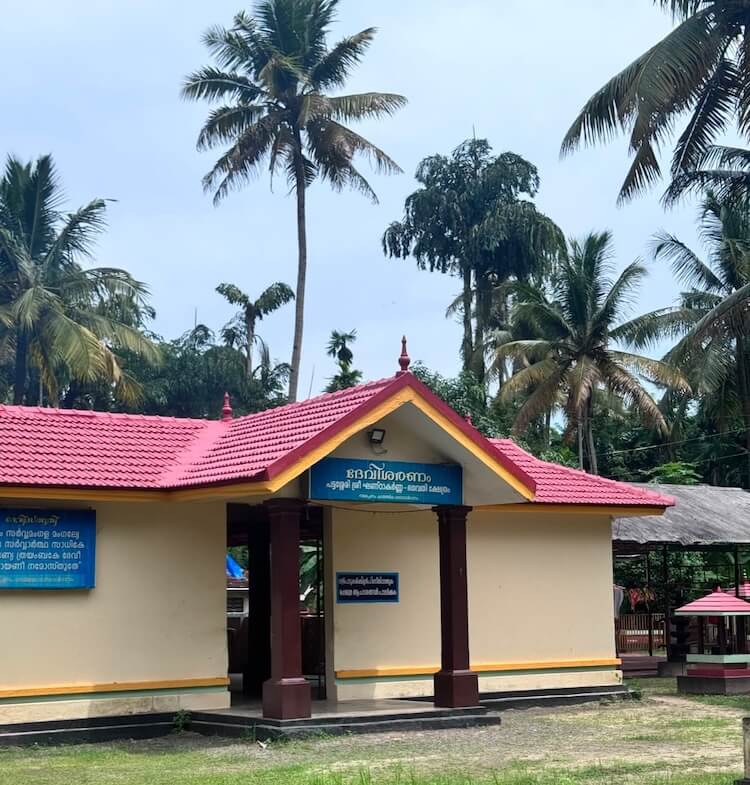 The old Sreekovil and Chuttambalam were rebuilt in accordance with the principles of traditional Kerala temple architecture. The temple complex was also gradually developed into its present form.
According to local legends, Pallippurathussery was once affected by severe diseases and widespread suffering. During that period, the elders of the Pattassery family installed Goddess Bhadrakali, the embodiment of Adi Parashakti, along with Khandakarna Swamy as the guardian deity for the protection of the family and the local community. This is believed to be part of the traditional practice followed by many prominent Kerala families of consecrating and worshipping their family deities and guardian deities. During outbreaks of contagious diseases such as smallpox, devotees are said to have sought the blessings of Khandakarna Swamy for healing and protection, based on the legend that he emerged from the throat of Lord Shiva and defeated the smallpox Asura. These long-standing beliefs have given the temple a special place in the local tradition. As the temple is located within the cultural sphere of Vaikom Mahadeva Temple, it also shares a close connection with the local history and traditional social heritage of the Vaikom region.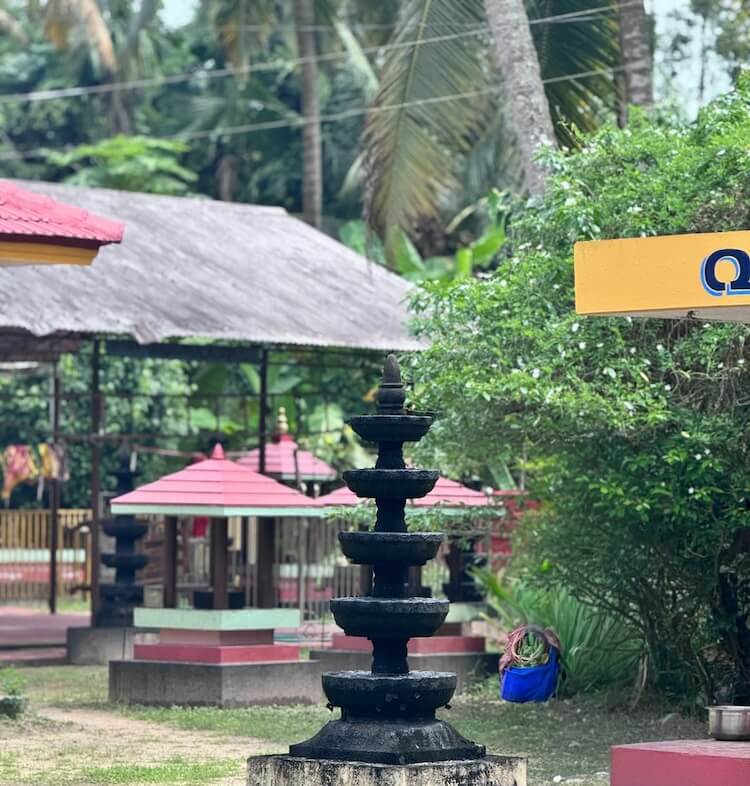
A large banyan tree with a raised platform built around it can be seen outside the temple. The entrance to the temple is through a beautifully crafted gateway built in the traditional Kerala style. As you enter, you can see a spacious courtyard, an Aanakkottil used during temple festivals and traditional compound walls surrounding the temple. Facing the main entrance is the Balikkalppura, where the sacrificial stone is installed. Behind it stands the Nalambalam that surrounds the Sreekovil. The walls of the Nalambalam are fitted with traditional lamp niches that are lit during festivals, while the covered walkway provides space for devotees to perform pradakshina around the Sreekovil.
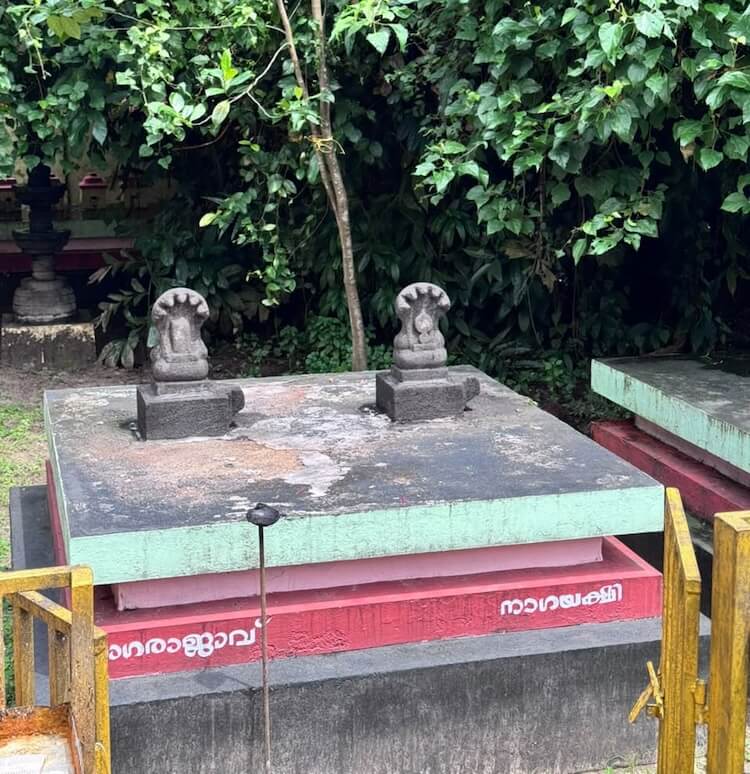
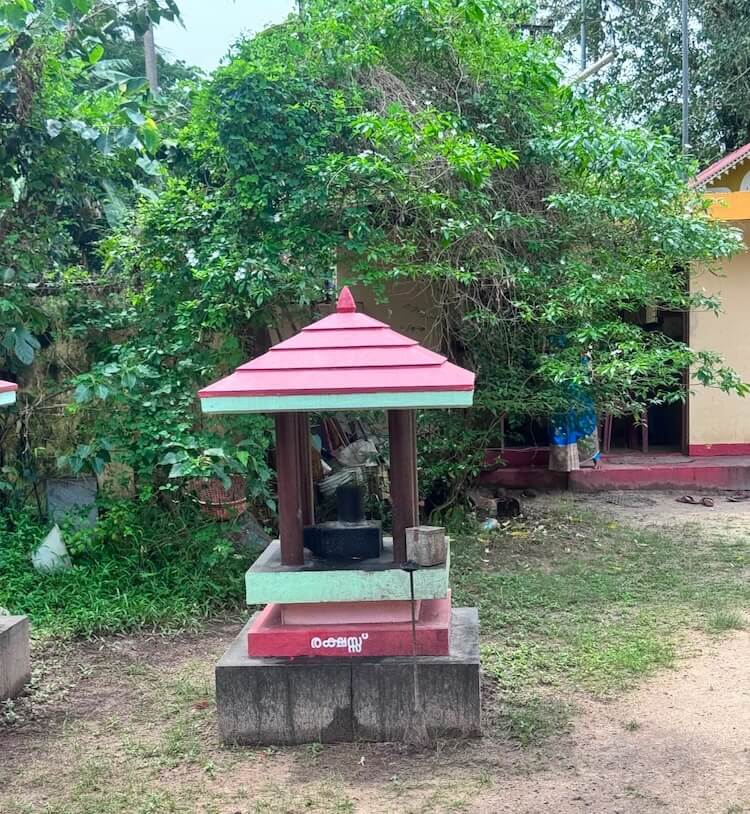
At the heart of the temple complex stands the Sreekovil, built in the traditional Kerala style with a square plan. The sacred idols of Goddess Bhagavathy, the embodiment of Adi Parashakti and Khandakarna Swamy are enshrined here. Constructed using granite, laterite stone and timber,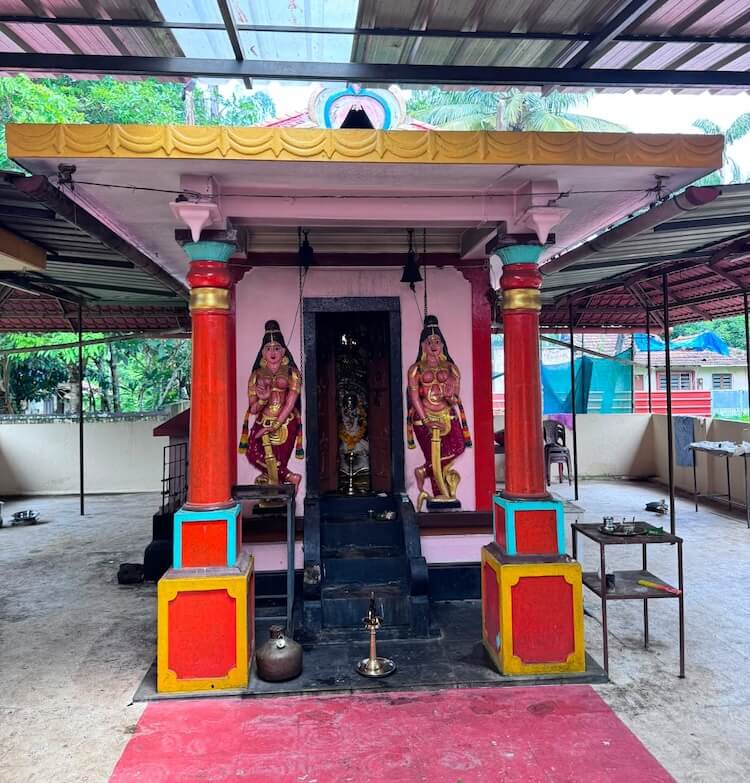 the Sreekovil features a traditional sloping tiled roof crowned with a metal Thazhikakudam. Entry to the Sreekovil is through a granite Sopanam, with traditional carvings on either side. Large oil lamps stand in front of the Sreekovil, while rows of lamp niches can be seen along the walls. A pradakshina path runs around the Sreekovil, with shrines dedicated to Lord Ganesha, Lord Shasta and the Naga deities nearby. Outside the Nalambalam, a separate Guruthi Thara can be seen where the renowned Guruthi Pooja dedicated to Goddess Bhagavathy and Khandakarna Swamy is performed.
The annual festival is the temple’s most important celebration and is held every year during the Malayalam month of Meenam (March–April). Organised jointly by the local community and the SNDP Branch, the festival includes the traditional Thalappoli ceremony. The ceremonial procession of Goddess Bhagavathy is accompanied by traditional percussion ensembles with decorated ceremonial umbrellas. A grand procession through the surrounding area also forms part of the celebrations. One of the festival’s unique rituals is Thadi Thullal performed in honour of Khandakarna Swamy. 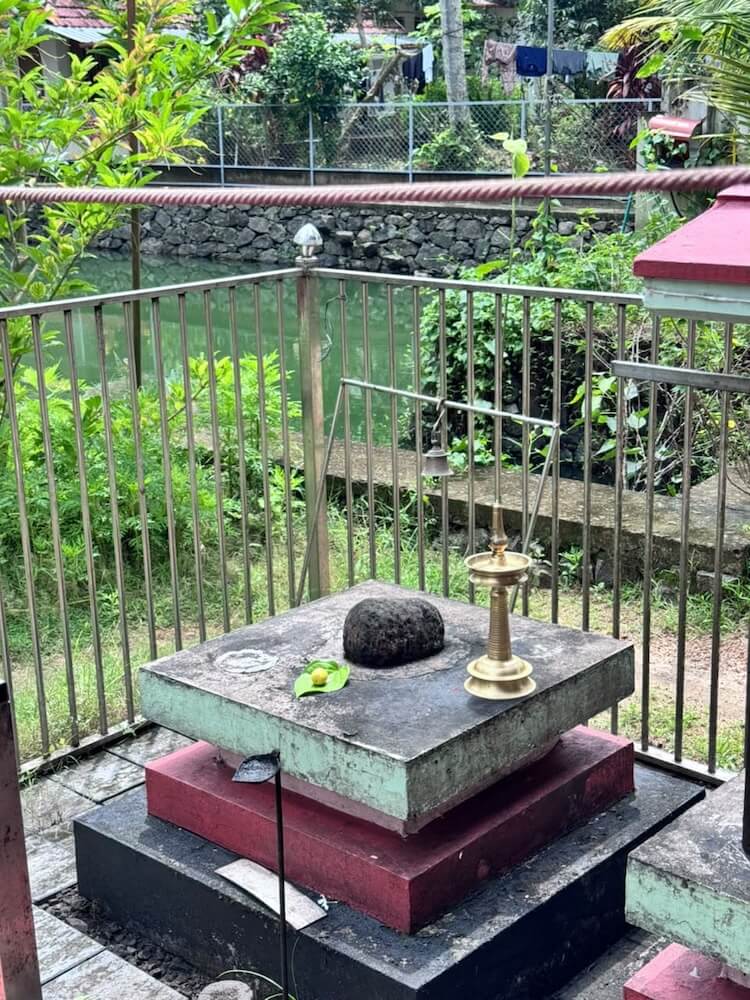 The celebrations conclude with a grand Guruthi Pooja dedicated to Goddess Bhagavathy and Khandakarna Swamy. During the Mandala season, special poojas along with Kalam Ezhuthu Paattu and Vilakku are conducted over a period of 41 days. During Navaratri, special poojas for the Goddess and Vidyarambham ceremonies are also held. The temple also attracts large numbers of devotees on Tuesdays, Fridays and Sundays when special poojas are performed.
The most important offering at the temple is the Valiya Guruthi. Devotees offer this ritual in the names of Goddess Bhagavathy and Khandakarna Swamy seeking relief from the effects of enemies, the evil eye and negative speech as well as protection from hardships and the fulfilment of their wishes. Raktha Pushpanjali offered to Goddess Bhagavathy is performed for the removal of obstacles, the fulfilment of wishes and good health. Kadu Madhura Payasam is offered for family prosperity and well-being. Devotees also perform Manjalpodi Abhishekam for Khandakarna Swamy, praying for protection from smallpox, skin diseases and other contagious illnesses. Vedi Vazhipadu is another popular offering performed in a specially designated area within the temple premises to seek relief from fear and difficulties.
The temple is open to devotees daily from 5:30 AM to 10:00 AM and from 5:00 PM to 8:00 PM. On special occasions, the morning darshan is extended until 11:00 AM. The daily rituals begin at 5:30 AM with the opening of the sanctum and Nirmalya Darshan. This is followed by Abhishekam and Malar Nivedyam. Usha Pooja is performed at 6:30 AM followed by Ucha Pooja at 9:30 AM. The temple reopens at 5:00 PM. Deeparadhana is performed at 6:30 PM followed by Athazha Pooja and Athazha Nivedyam at 7:30 PM. The sanctum closes at 8:00 PM marking the end of the day’s rituals.
Key highlight :-
- Located 3 km from Vaikom town.
- The nearest railway station is Vaikom Road Railway Station, located about 15 km from the temple.
- Local bus services are available to the temple from Vaikom.
- Limited parking facilities are available near the temple.
- Accommodation and dining facilities are available in the nearby town.
पट्टासेरी भगवती मंदिर
पल्लीपुराथुस्सेरी, वैकोम, जिला। कोट्टायम.
मंदिरे
Temples
मंदिर
મંદિરો
கோவில்கள்
దేవాలయాలు
ക്ഷേത്രങ്ങൾ
ದೇವಾಲಯಗಳು
মন্দিরসমূহ
ਮੰਦਿਰ
-
वेल्लूर श्री सुब्रह्मण्य स्वामी मंदिर पामपाडी, जि. कोट्टायम
अधिक माहितीVelloor Sree Subrahmanya Swamy Temple Pampady, Dist. Kottayam
View Detailsवेल्लोर श्री सुब्रह्मण्य स्वामी मंदिर पंपडी, जिला. कोट्टायम
विवरण देखेंVelloor Sree Subrahmanya Swamy Temple Pampady, Dist. Kottayam
વિગત જુઓVelloor Sree Subrahmanya Swamy Temple Pampady, Dist. Kottayam
விவரங்களைக் காண்கVelloor Sree Subrahmanya Swamy Temple Pampady, Dist. Kottayam
వివరాలను చూడండిVelloor Sree Subrahmanya Swamy Temple Pampady, Dist. Kottayam
വിശദാംശങ്ങൾ കാണുകVelloor Sree Subrahmanya Swamy Temple Pampady, Dist. Kottayam
ವಿವರಗಳನ್ನು ವೀಕ್ಷಿಸಿVelloor Sree Subrahmanya Swamy Temple Pampady, Dist. Kottayam
বিস্তারিত দেখুনVelloor Sree Subrahmanya Swamy Temple Pampady, Dist. Kottayam
ਵੇਰਵੇ ਦੇਖੋ -
पुलियान्नूर शिव मंदिर पाला, जि. कोट्टायम
अधिक माहितीPuliyannur Siva Temple Pala, Dist. Kottayam
View Detailsपुलियान्नुर शिव मंदिर पाला, जिला. कोट्टायम
विवरण देखेंPuliyannur Siva Temple Pala, Dist. Kottayam
વિગત જુઓPuliyannur Siva Temple Pala, Dist. Kottayam
விவரங்களைக் காண்கPuliyannur Siva Temple Pala, Dist. Kottayam
వివరాలను చూడండిPuliyannur Siva Temple Pala, Dist. Kottayam
വിശദാംശങ്ങൾ കാണുകPuliyannur Siva Temple Pala, Dist. Kottayam
ವಿವರಗಳನ್ನು ವೀಕ್ಷಿಸಿPuliyannur Siva Temple Pala, Dist. Kottayam
বিস্তারিত দেখুনPuliyannur Siva Temple Pala, Dist. Kottayam
ਵੇਰਵੇ ਦੇਖੋ -
परिपू महादेवाचे मंदिर आयमनम, जि. कोट्टायम
अधिक माहितीParippu Mahadeva Temple Aymanam, Dist. Kottayam
View Detailsपरिप्पु महादेव मंदिर अयमानम, जिला. कोट्टायम
विवरण देखेंParippu Mahadeva Temple Aymanam, Dist. Kottayam
વિગત જુઓParippu Mahadeva Temple Aymanam, Dist. Kottayam
விவரங்களைக் காண்கParippu Mahadeva Temple Aymanam, Dist. Kottayam
వివరాలను చూడండిParippu Mahadeva Temple Aymanam, Dist. Kottayam
വിശദാംശങ്ങൾ കാണുകParippu Mahadeva Temple Aymanam, Dist. Kottayam
ವಿವರಗಳನ್ನು ವೀಕ್ಷಿಸಿParippu Mahadeva Temple Aymanam, Dist. Kottayam
বিস্তারিত দেখুনParippu Mahadeva Temple Aymanam, Dist. Kottayam
ਵੇਰਵੇ ਦੇਖੋ