
मेलडी माता मंदिर
माधव नगर, रामोसाणा, ता./जि. मेहसाणा
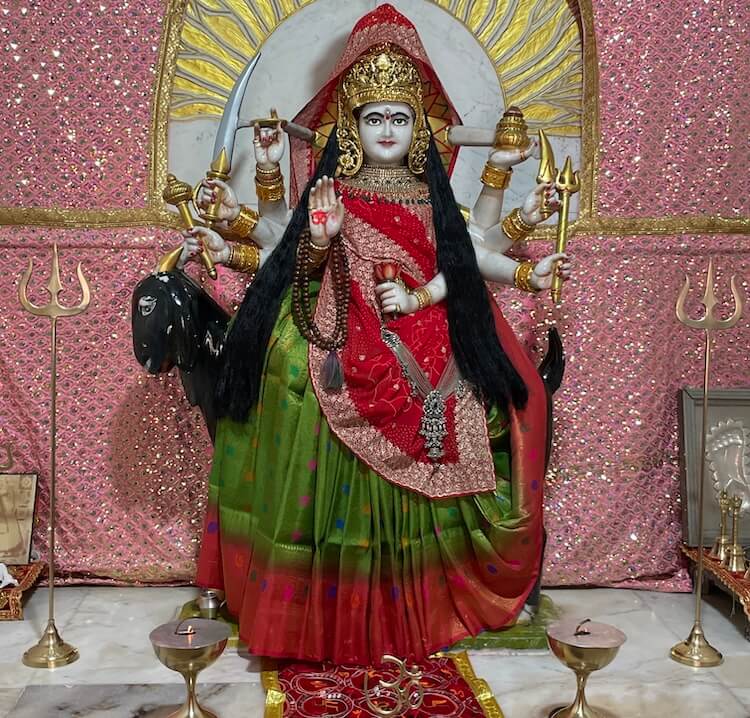 मेहसाणा जिल्ह्यातील रामोसाणा येथे आदिशक्तीचे एक अत्यंत प्रभावी आणि जागृत स्थान म्हणून मेलडी माता मंदिर प्रसिद्ध आहे. मेहसाणा शहराच्या सीमेवर वसलेले हे मंदिर अत्यंत शांत आणि प्रसन्न वातावरणात आहे. भाविकांची अशी दृढ श्रद्धा आहे की, सुमारे १.५ शतकांपूर्वी देवीने एका स्थानिक वडाच्या झाडाखाली स्वयंभू प्रकटीकरण केले होते. दररोज शेकडो भाविक या मंदिरात दर्शनासाठी येतात आणि या पवित्र वडाच्या झाडाला प्रदक्षिणा घातल्यास मनातील सर्व इच्छा पूर्ण होतात, अशी त्यांची धारणा आहे. कार्तिक महिन्यात येथे भाविकांची मोठी गर्दी असते.
माता मेलडीच्या उत्पत्तीबद्दल एक पौराणिक कथा प्रचलित आहे. प्राचीन काळी जेव्हा अमरुवा राक्षसाने पृथ्वीवरील लोकांवर अनन्वित अत्याचार केले, तेव्हा त्याचा विनाश करण्यासाठी देवी उमेने युद्ध पुकारले. आपला पराभव निश्चित असल्याचे पाहून तो राक्षस एका मृत गाईच्या कातड्याखाली लपून बसला.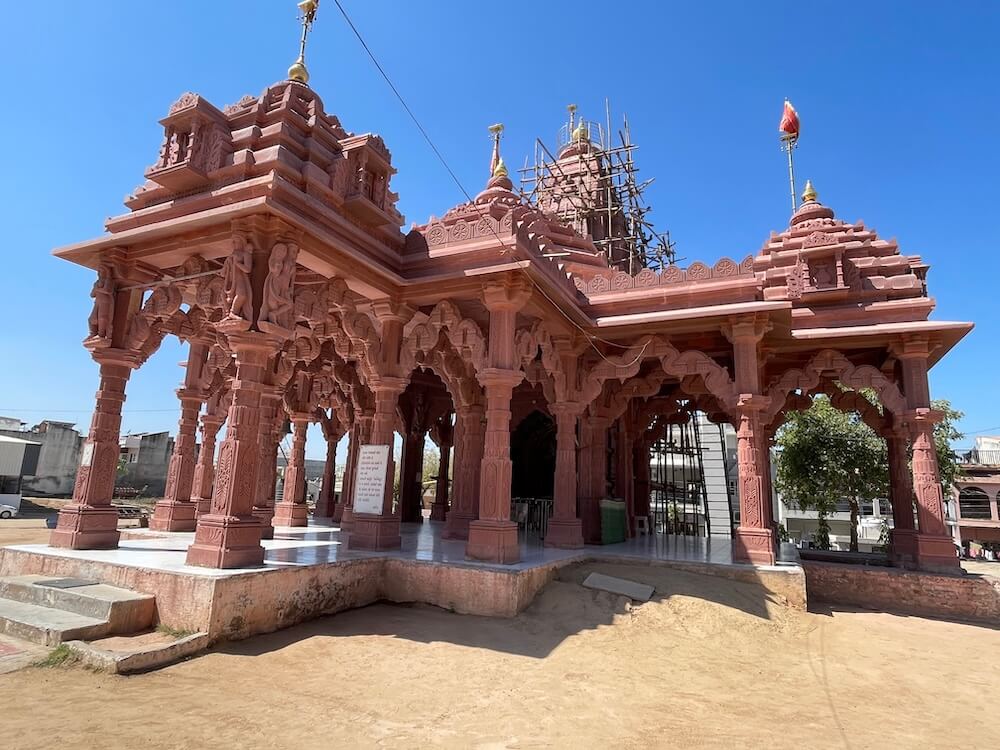 त्या अपवित्र ठिकाणापासून लांब उभे राहून देवीने रागाच्या भरात आपल्या हातांचे घर्षण केले. तिच्या तळहातांतून निघालेल्या ‘मलम’ (अशुद्धी किंवा धूळ) मधून तिने पाच वर्षांच्या बालिकेच्या रूपात मेलडी मातेची निर्मिती केली. ‘मलम’ मधून जन्म झाल्यामुळे देवीला ‘मेलडी’ हे नाव प्राप्त झाले.
या देवीने पुढे अमरुवा राक्षसाचा वध करून जगाला त्याच्या अत्याचारातून मुक्त केले. या पराक्रमामुळे प्रसन्न होऊन देवी उमेने मेलडी मातेला देवी चामुंडेकडे पाठवले आणि नंतर तिने तिला कामरूप (कामाख्या) येथे जादूटोणा आणि काळ्या जादू करणाऱ्या दुष्ट शक्तींचा नाश करण्यासाठी पाठवले. या दुष्ट शक्तींचा विनाश करण्यापूर्वी मातेने पकडलेल्या भूत-प्रेतांना शेळीच्या (‘बकरो’) रूपात रूपांतरित केले, जिला तिने आपले वाहन म्हणून स्वीकारले. 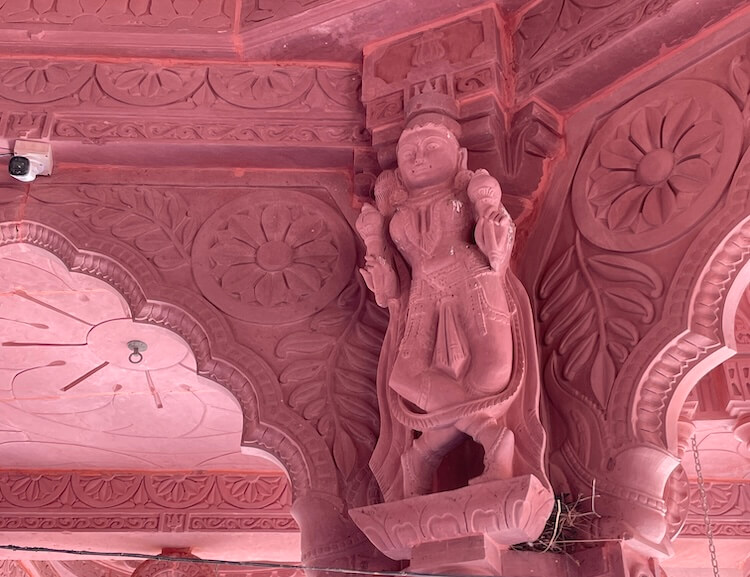 या अलौकिक कार्याची दखल घेऊन देवी जगदंबेने तिला वरदान दिले की, कलियुगात तिची पूजा काम, क्रोध, अहंकार, लोभ, मोह आणि मत्सर यांसारख्या मानसिक विकारांचा नाश करणारी देवता म्हणून केली जाईल.
रामोसाणा येथील मंदिराबाबतची स्थानिक दंतकथा अशी आहे की, १५० वर्षांपूर्वी देवीने पुंजालाल लालदास पटेल नावाच्या ग्रामस्थाला स्वप्नात दर्शन देऊन वडाच्या झाडाखाली आपले अस्तित्व प्रकट केले होते. तसेच, असे म्हटले जाते की एका नैसर्गिक आपत्तीच्या काळात देवीने एका ग्रामस्थाला स्वप्नात मंदिर बांधण्याचा आदेश दिला. मंदिर बांधल्यानंतर आणि विधी सुरू झाल्यानंतर आपत्ती टळली. वेळेवर पाऊस पडल्याने पिके बहरली, आजारपण दूर झाले आणि गावात शांतता नांदू लागली. तेव्हापासून हे ठिकाण एक पवित्र तीर्थक्षेत्र बनले.
 उत्तर गुजरातमध्ये देवी उपासनेची दीर्घ परंपरा असल्याने रामोसाणा येथे शतकानुशतके मेलडी मातेचे जुने मंदिर अस्तित्वात होते. १७ जानेवारी १९९९ रोजी जुन्या मंदिरात भव्य ‘१०९-कुंडी महायज्ञ’ आयोजित करण्यात आला होता, त्यानंतर रामोसाणा ते जसलपूर अशी भव्य शोभायात्रा काढण्यात आली. त्यानंतर, लोकांची वाढती भक्ती लक्षात घेऊन १७ नोव्हेंबर २००२ रोजी माधव नगर भागात नवीन मेलडी माता शक्तिपीठाची अधिकृत स्थापना करण्यात आली. त्याच दिवशी नवीन मूर्तीची प्राणप्रतिष्ठा करण्यात आली.
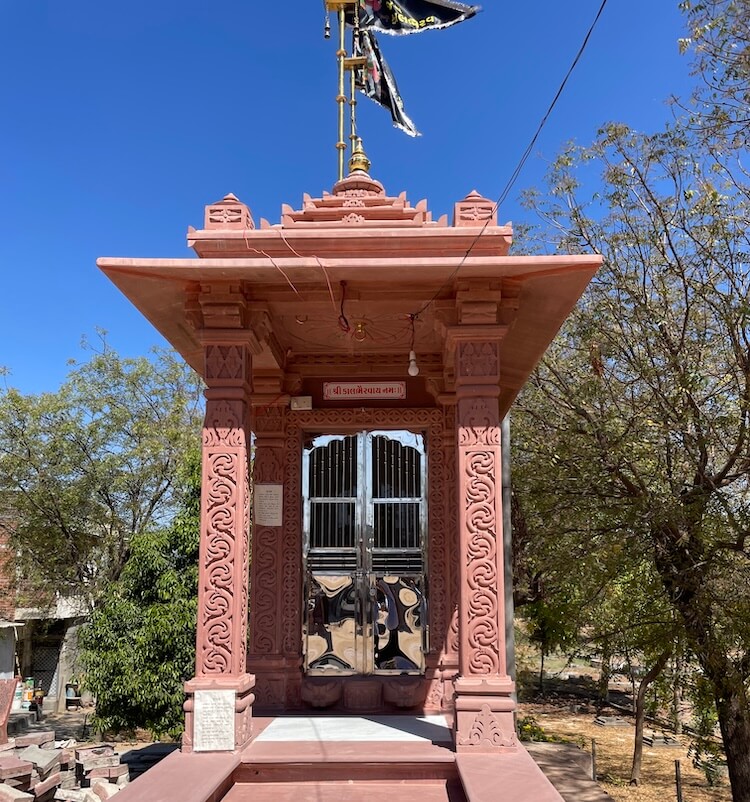
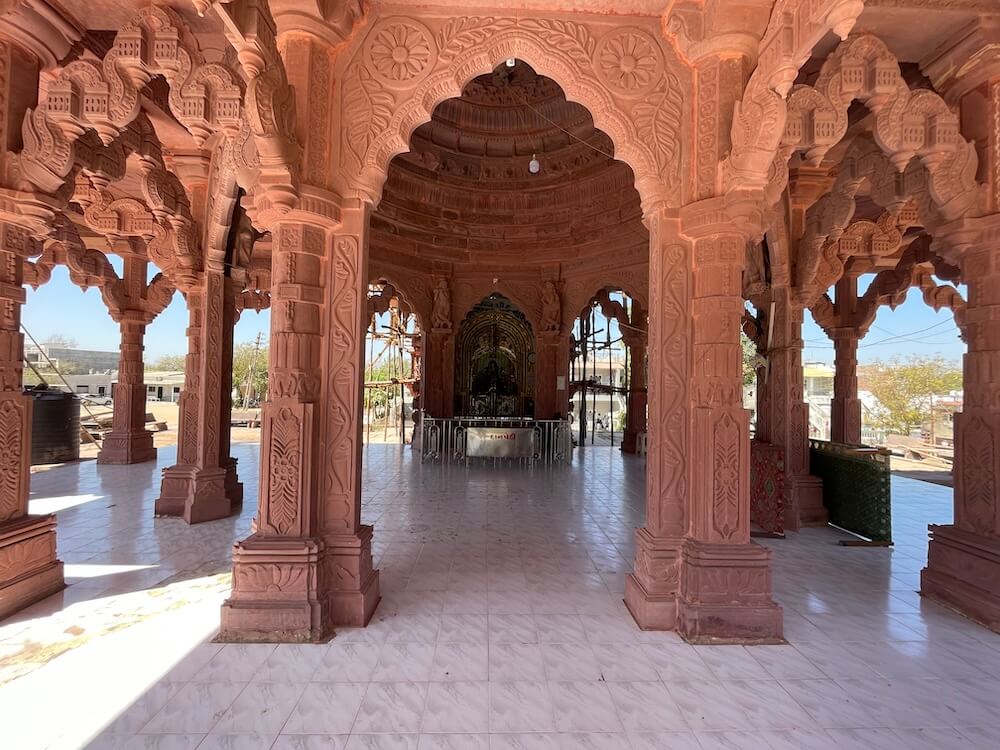
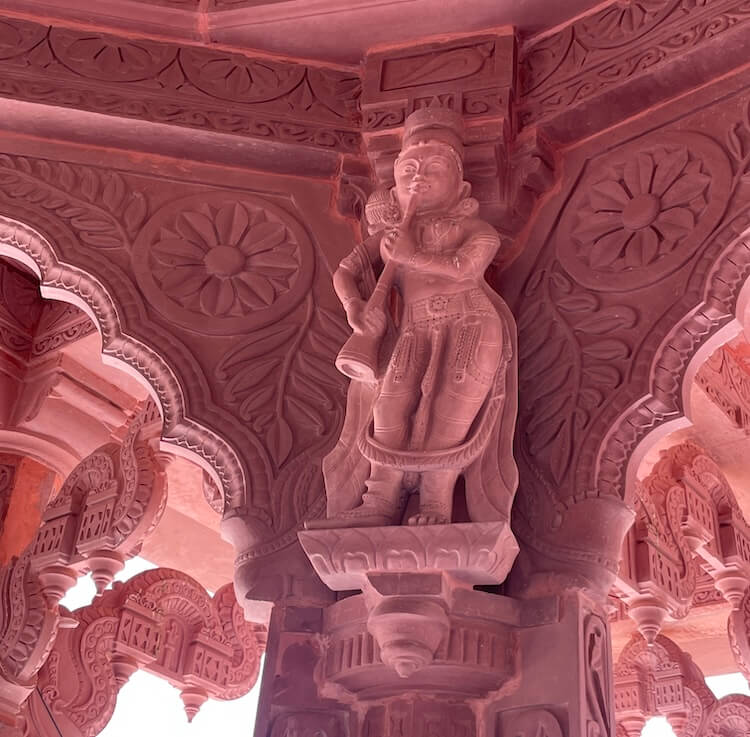
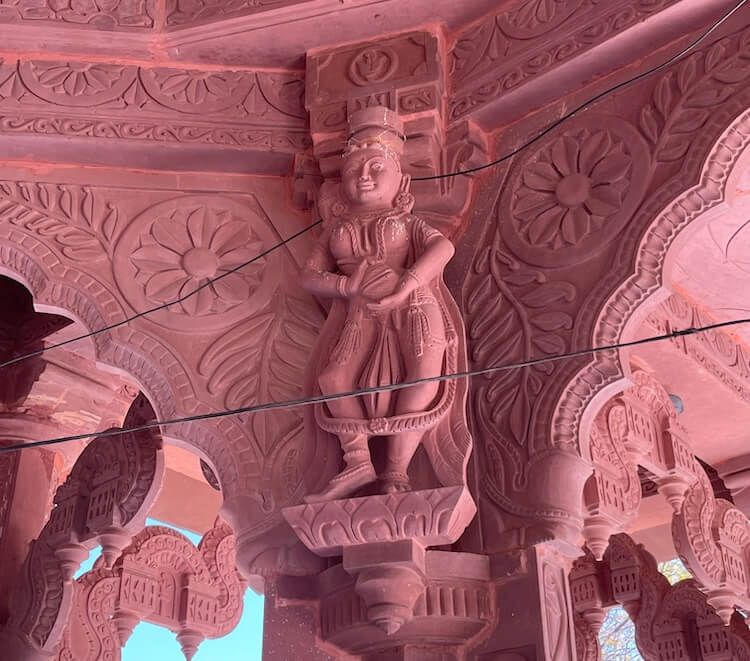
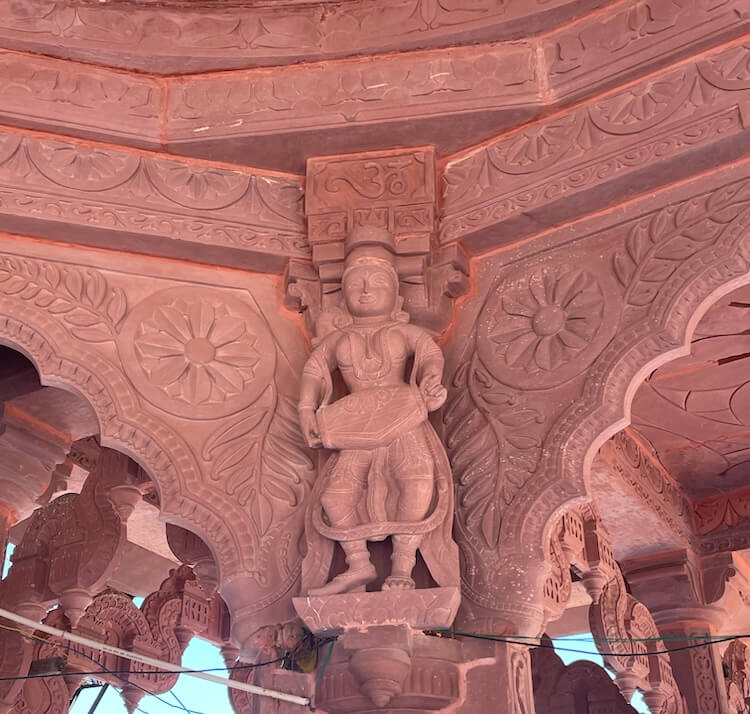
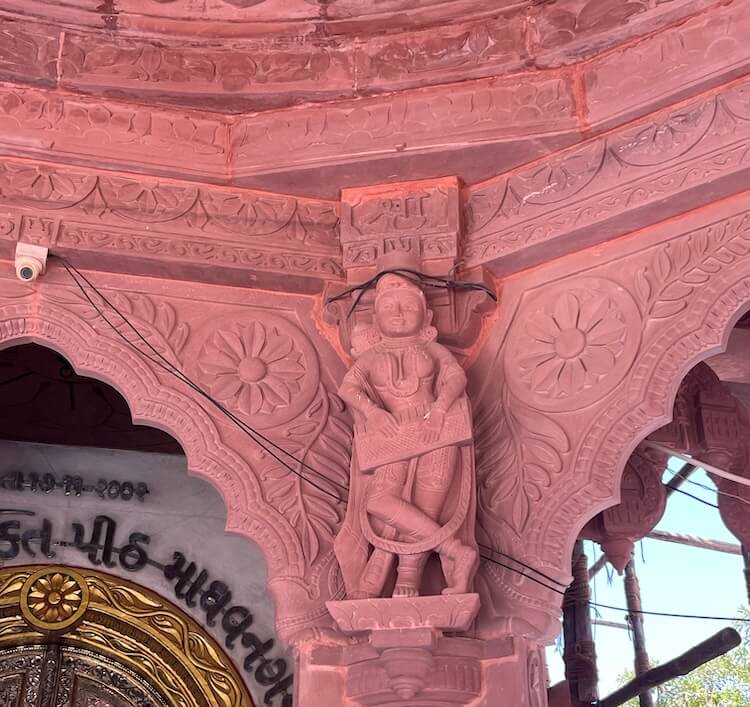
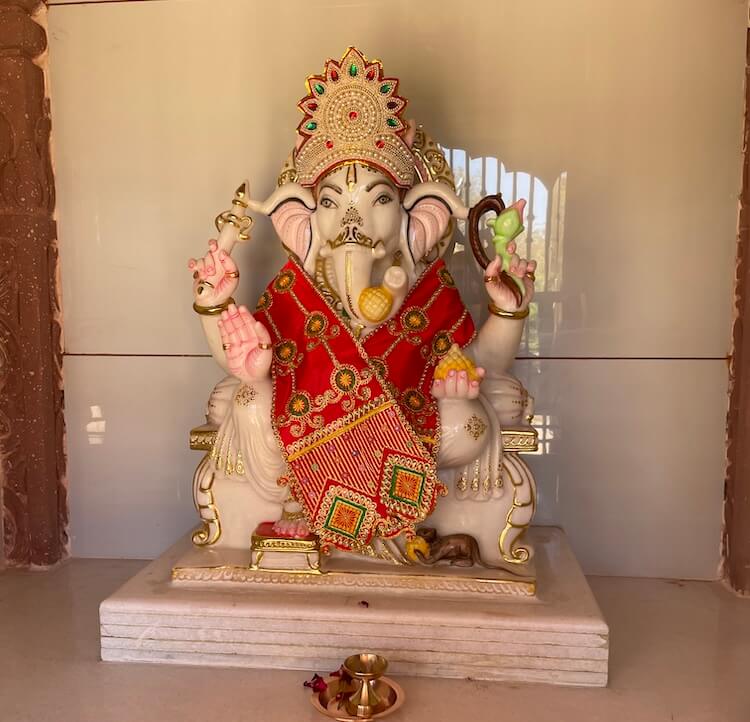
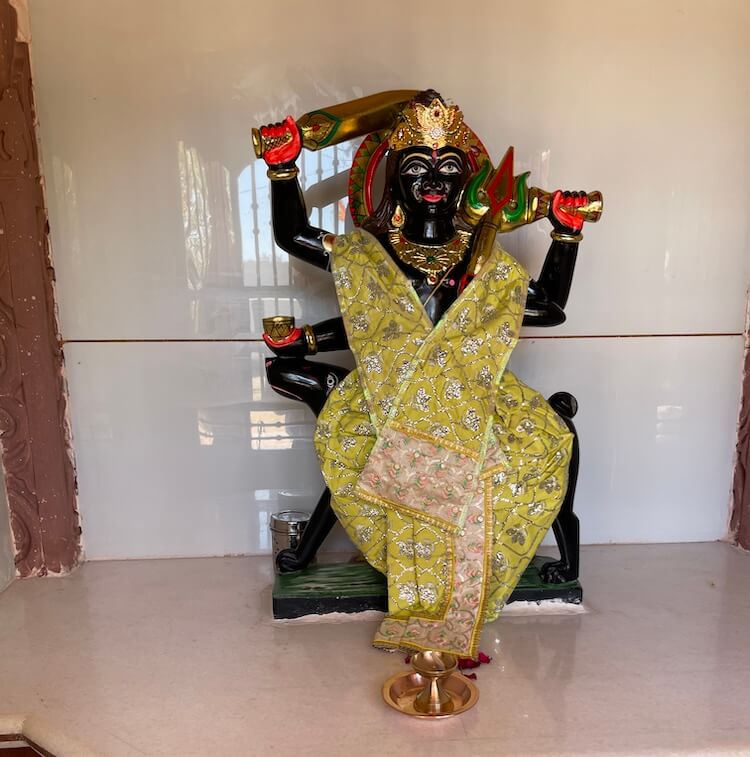
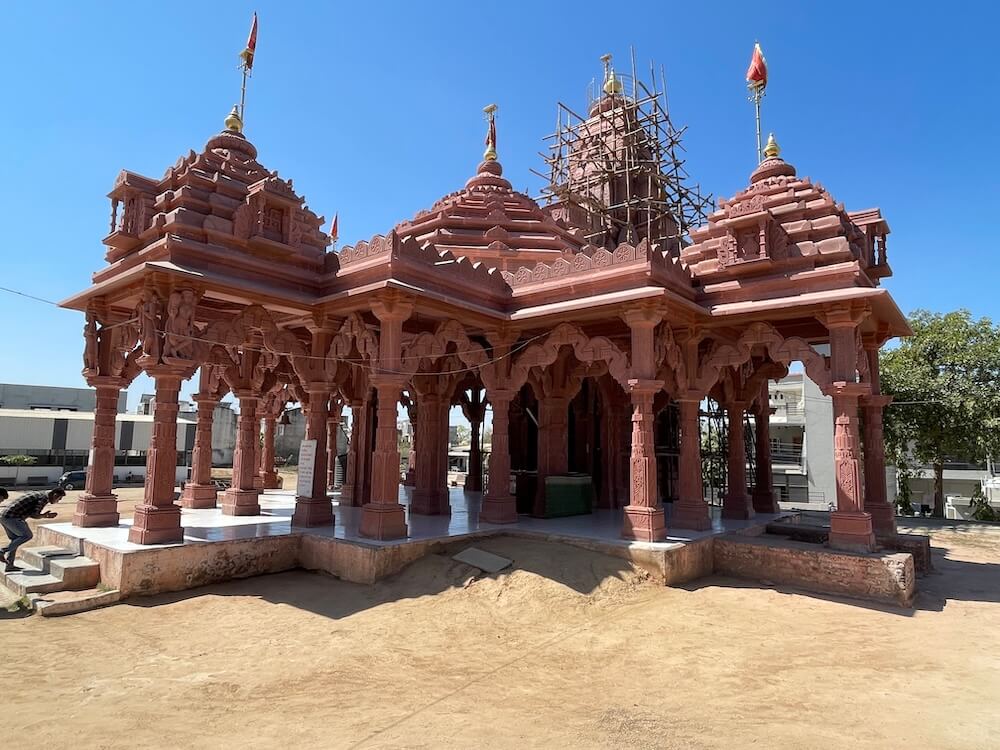
मेलडी मातेचे मंदिर एका प्रशस्त अंगणात उंच चौथऱ्यावर स्थित आहे. सुरक्षित कंपाऊंड वॉलने वेढलेल्या या परिसरात भाविकांच्या सोयीसाठी बसण्याची व्यवस्था आहे. अंगणात मुख्य मंदिराच्या समोर गणेश आणि काळभैरव यांची स्वतंत्र छोटी मंदिरे आहेत. मुख्य मंदिराच्या वास्तुकलेमध्ये तीन प्रवेशद्वार, एक सभामंडप, अंतराळ आणि गर्भगृह यांचा समावेश आहे. प्रवेशद्वार आणि सभामंडप अर्ध-खुले असून, येथील खांब अद्वितीय कोरीव कामांनी सजवलेले आहेत.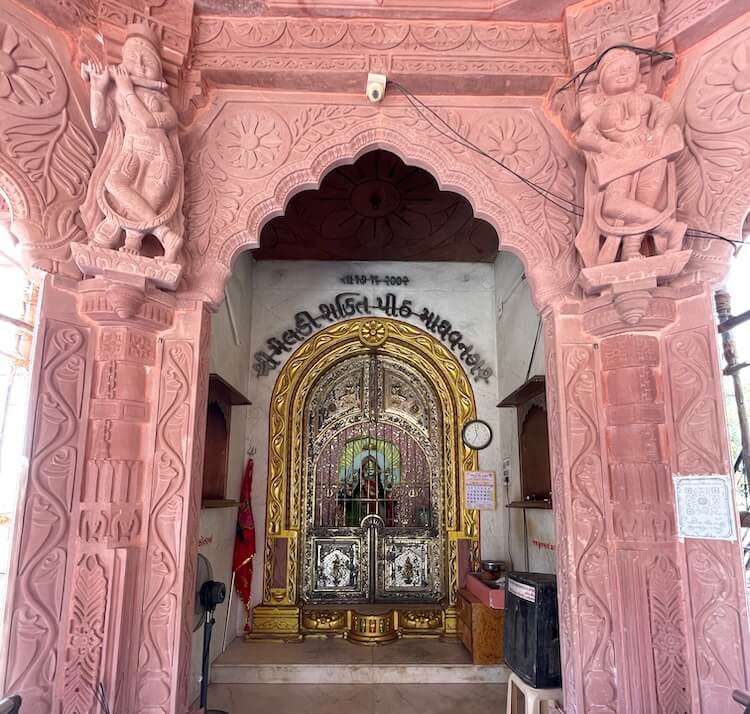 खांबांच्या वरच्या भागात वाद्य वाजवणाऱ्या ‘सुरसुंदरी’ (स्वर्गीय अप्सरा) यांच्या मूर्ती कोरलेल्या आहेत, ज्यांना नक्षीदार कमानींनी जोडले आहे. सभामंडपाचे छतही नाजूक कलाकुसरीने सुशोभित केलेले आहे.
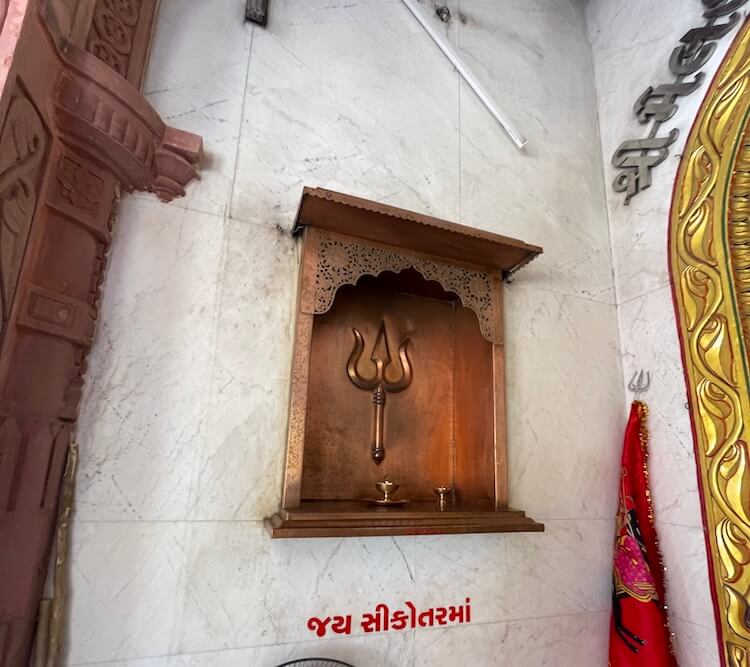
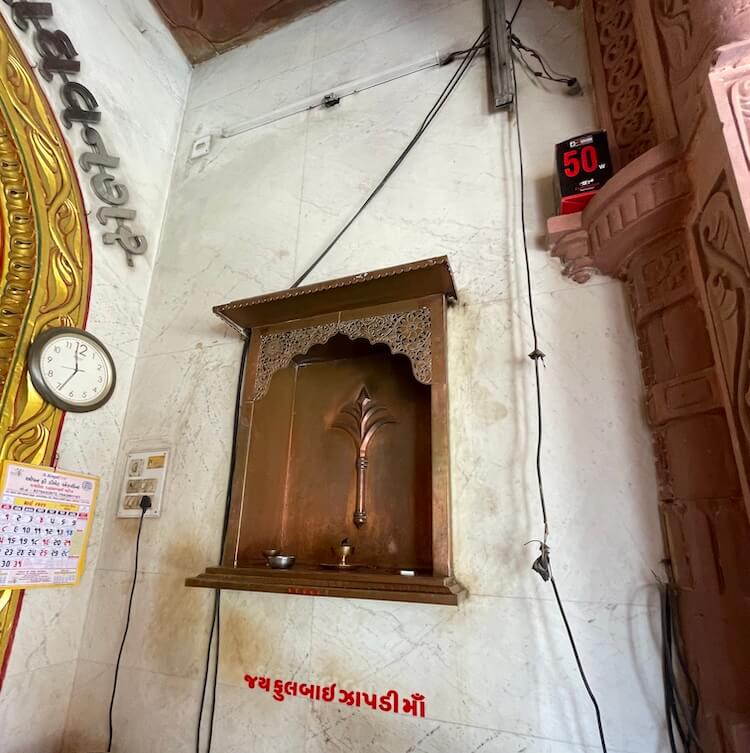
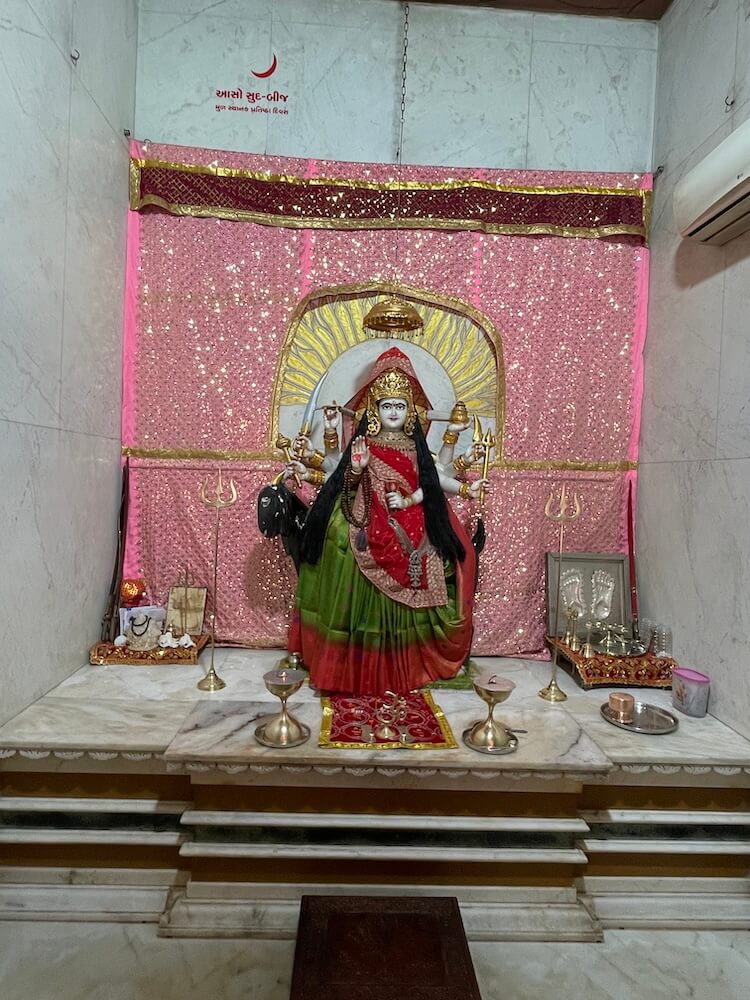
अंतराळाच्या कोनाड्यात डाव्या बाजूला शिकोतर मातेचा त्रिशूळ आणि उजव्या बाजूला झापडी मातेचे स्थान आहे. मेलडी मातेसोबतच या लोकदेवतांची पूजा करण्याची परंपरा आहे. गर्भगृहाचे प्रवेशद्वार कमानीच्या आकाराचे असून त्याच्या तळाशी कोरीव ‘कीर्तिमूख’ आहे. गर्भगृहात, उंच संगमरवरी चौथऱ्यावर शेळीवर आरूढ असलेली मेलडी मातेची प्रसन्न पांढरी संगमरवरी मूर्ती आहे. आठ हातांच्या या देवीने त्रिशूळ, चक्र, तलवार आणि गदा धारण केली आहे, तर एका हातात जलपात्र आणि कमळ आहे. तिचा एक हात ‘अभय मुद्रे’त असून तो भक्तांना निर्भयता प्रदान करतो.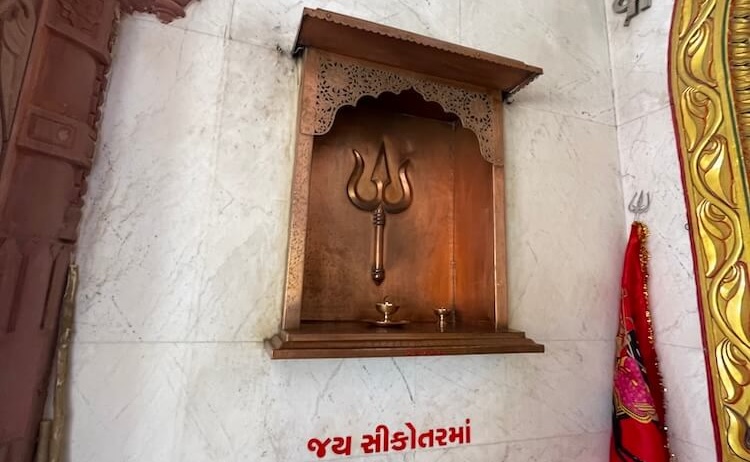 स्मितहास्य करणाऱ्या देवीने डोक्यावर नक्षीदार सोन्याचा मुकुट परिधान केला असून मूर्तीच्या दोन्ही बाजूंना त्रिशूळ आहेत.
दररोज सकाळी आणि संध्याकाळी विधीवत पूजा आणि ‘आरती’ केली जाते. मेहसाणा जिल्ह्यातील कानाकोपऱ्यातून भाविक आपल्या नवजात बालकांना देवीच्या आशीर्वादासाठी आणि जावळ (मुंडन) विधीसाठी येथे घेऊन येतात. वर्षभर विविध धार्मिक उत्सव साजरे केले जातात. कार्तिक महिन्यातील शुद्ध एकादशी, द्वादशी आणि त्रयोदशीला होणारा ‘पाटोत्सव’ हा सर्वात महत्त्वाचा उत्सव आहे. या उत्सवा दरम्यान मंदिरात ‘नवचंडी यज्ञ’, मेलडी नामाचा अखंड जप, ‘रास-गरबा’ आणि आदिशक्तीच्या गौरवावर आध्यात्मिक प्रवचने आयोजित केली जातात.
उपयुक्त माहिती
- मेहसाणापासून ६ किमी अंतरावर स्थित.
- जी.एस.आर.टी.सी. (GSRTC) बस सेवा मेहसाणाला राज्यातील अनेक शहरांशी जोडते.
- मेहसाणा ते रामोसाणा दरम्यान जी.एस.आर.टी.सी. (GSRTC) बस सेवा उपलब्ध आहे.
- खाजगी वाहने थेट मंदिराच्या पार्किंगपर्यंत जाऊ शकतात.
- परिसरात राहण्याची आणि नाश्त्याची सोय उपलब्ध आहे.
- संपर्क – मंदिर कार्यालय, भ्रमणध्वनी – ०९८२४०७३८५०.
Meldi Mata Temple
Madhavnagar, Ramosana, Tal./Dist. Mehsana
In Ramosana, within the Mehsana district, resides a celebrated and spiritually ‘jagrut’ sanctuary dedicated to Meldi Mata, a potent manifestation of divine Shakti. Situated upon the periphery of Mehesana city, the temple precincts exude a profound sense of tranquillity and grace. It is the unshakable belief of the faithful that approximately 1.5 centuries ago, the Goddess manifested beneath a local banyan tree. Hundreds of devotees visit the shrine daily, convinced that performing a circumambulation of this sacred tree secures the fulfilment of one’s deepest desires. The site witnesses a particularly vast congregation of pilgrims during the holy month of Kartik.
A compelling mythological lore surrounds the genesis of Mother Meldi. In antiquity, when the demon Amruva unleashed unspeakable atrocities upon the inhabitants of the earth, Goddess Uma declared war to bring about his annihilation. Realising his defeat was imminent, the demon sought refuge beneath the hide of a dead cow. Standing at a distance from that impure location, the Goddess rubbed her hands in righteous fury. From the ‘malam’ (impurities or dirt) that emerged from her palms, she brought forth Meldi Mata in the form of a five-year-old girl. Since she was born from the ‘malam’, the Goddess was bestowed with the name ‘Meldi’.
This deity subsequently slew the demon Amruva, liberating the world from his tyranny. Pleased by this feat of valour, Goddess Uma sent Meldi Mata to Goddess Chamunda, who later dispatched her to Kamakhya to combat the malevolent forces of sorcerers and practitioners of black magic. Before annihilating these sinister powers, the Mother transformed the captured ghosts and spirits into the form of a goat (‘bakaro’), which she then adopted as her divine vehicle. In recognition of this transcendent work, Goddess Jagdamba granted her a boon, that in the Kali Yuga, she would be worshipped as the deity who destroys the mental afflictions of lust, anger, arrogance, greed, attachment and envy.
The local legend concerning the Ramosana shrine recounts that, 150 years ago, the Goddess appeared in a vision to Punjalal Laldas Patel, a villager, revealing her manifestation beneath a banyan tree. Furthermore, it is said that during a period of natural calamity, the Goddess commanded a villager in a dream to erect a temple. After the shrine was built and rituals began, the calamities stopped. Timely rains brought bountiful harvests, disease subsided and peace returned to the village. From that moment onward, the location became a revered pilgrimage site.
An older temple of Meldi Mata had existed in Ramosana for centuries, as the entire North Gujarat region boasts a long-standing tradition of Goddess worship. On 17 January 1999, a grand ‘109-Kundi Mahayagna’ was organised at the old shrine, followed by a majestic procession from Ramosana to Jasalpur. Subsequently, reflecting the growing devotion of the people, the new Meldi Mata Shaktipeeth was officially established in the Madhavnagar area on 17 November 2002. The consecration ceremony of the new idol was performed on the same day.
The temple of Meldi Mata stands upon an elevated pedestal within a spacious courtyard. Surrounded by a secure compound wall, the precinct provides seating for pilgrims’ comfort. Within the courtyard, separate smaller shrines dedicated to Ganesha and Kaal Bhairav are situated before the main temple. The architectural layout of the principal shrine comprises three entrance porches, an assembly hall, a vestibule and the sanctum sanctorum. The entrance porches and the assembly hall are designed in a semi-open fashion, featuring pillars adorned with unique craftsmanship. Sculptures of ‘Surasundaris’ (celestial beauties) engaged in musical performance grace the upper sections of the pillars, which are interconnected by ornate cusped arches. The ceiling of the assembly hall is likewise embellished with delicate artistry.
Within the niches of the vestibule, the trident of Shikotar Mata is placed on the left, while the place of Jhapadi Mata is on the right. There exists a tradition of worshipping these folk deities, Shikotar and Jhapadi, alongside Meldi Mata. The entrance to the sanctum sanctorum is arch-shaped, featuring a carved ‘Kirtimukha’ (a glorious lion-like face) at its base. Inside the sanctum, upon a high marble pedestal, resides the serene white marble idol of Meldi Mata, mounted upon a goat. Depicted with eight arms, the Goddess wields a trident, a discus, a sword and a mace, while holding a water pot and a lotus. One of her hands is held in the ‘Abhaya Mudra’, bestowing fearlessness upon her devotees. The smiling Goddess wears an intricately carved golden crown, with tridents positioned on either side of the idol.
Ritual worship and ‘Aarti’ are performed with due ceremony every morning and evening. Devotees from every corner of the Mehesana district bring their newborn infants here for the Goddess’s blessings and to perform the first ritual hair-cutting ceremony. Various religious festivals are celebrated throughout the year. The most significant being the ‘Patotsav’ held on the Shuddha Ekadashi, Dwadashi and Trayodashi of the month of Kartik. During this festival, the temple hosts the ‘Navchandi Yagna’, continuous chanting of the name of Meldi, ‘Ras-Garba’ and spiritual discourses on the glory of the Divine Shakti.
Useful Information
- Located at 6 km from Mehesana.
- GSRTC bus services connect Mehesana to several cities across the state.
- GSRTC bus services are available from Mehesana to Ramosana.
- Private vehicles can travel directly to the temple car park.
- Accommodation and breakfast facilities are available in the vicinity.
- Contact – Temple Office, Mob. – 09824073850.
मेलडी माता मंदिर
माधव नगर, रामोसाणा, तहसील/जिला मेहसाणा
मेहसाणा जिले के रामोसाणा में देवी शक्ति के एक शक्तिशाली स्वरूप, मेलडी माता को समर्पित एक प्रसिद्ध और आध्यात्मिक रूप से ‘जागृत’ तीर्थ स्थित है। मेहसाणा शहर की परिधि पर स्थित, यह मंदिर परिसर असीम शांति और कृपा का संचार करता है। भक्तों का अटूट विश्वास है कि लगभग १.५ शताब्दी पूर्व, देवी एक स्थानीय बरगद के पेड़ के नीचे प्रकट हुई थीं। प्रतिदिन सैकड़ों भक्त इस मंदिर में दर्शन के लिए आते हैं, जिनका मानना है कि इस पवित्र वृक्ष की परिक्रमा करने से उनकी गहरी से गहरी मनोकामनाएं पूर्ण होती हैं। कार्तिक के पवित्र महीने के दौरान यहाँ तीर्थयात्रियों का विशेष रूप से विशाल समूह एकत्रित होता है।
माता मेलडी की उत्पत्ति के पीछे एक अत्यंत रोचक पौराणिक कथा है। प्राचीन काल में, जब राक्षस अमरुवा ने पृथ्वी के निवासियों पर अकथनीय अत्याचार किए, तब देवी उमा ने उसके विनाश के लिए युद्ध की घोषणा की। अपनी आसन्न हार को भांपकर, राक्षस एक मृत गाय की खाल के नीचे छिप गया। उस अपवित्र स्थान से कुछ दूरी पर खड़ी होकर, देवी ने क्रोध में अपने हाथों को रगड़ा। उनकी हथेलियों से निकले ‘मलम’ (अशुद्धि या मैल) से उन्होंने पाँच वर्ष की कन्या के रूप में मेलडी माता को उत्पन्न किया। ‘मलम’ से जन्म लेने के कारण ही देवी को ‘मेलडी’ नाम प्राप्त हुआ।
तत्पश्चात इस देवी ने राक्षस अमरुवा का वध कर संसार को उसके अत्याचारों से मुक्त कराया। वीरता के इस कार्य से प्रसन्न होकर देवी उमा ने मेलडी माता को देवी चामुंडा के पास भेजा, जिन्होंने बाद में उन्हें तांत्रिकों और काले जादू के अभ्यासियों की दुष्ट शक्तियों का मुकाबला करने के लिए कामाख्या भेजा। इन दुष्ट शक्तियों का विनाश करने से पूर्व, माता ने पकड़े गए भूतों और आत्माओं को एक बकरे (‘बकरो’) के रूप में परिवर्तित कर दिया, जिसे उन्होंने अपना दिव्य वाहन बना लिया। इस अलौकिक कार्य की मान्यता के रूप में, देवी जगदंबा ने उन्हें वरदान दिया कि कलयुग में उन्हें काम, क्रोध, अहंकार, लोभ, मोह और ईर्ष्या जैसे मानसिक विकारों को नष्ट करने वाली देवी के रूप में पूजा जाएगा।
रामोसाणा मंदिर से जुड़ी स्थानीय किंवदंती के अनुसार, १५० वर्ष पूर्व देवी ने एक ग्रामीण पूंजालाल लालदास पटेल को स्वप्न में दर्शन देकर बरगद के पेड़ के नीचे अपने प्रकट होने का रहस्य बताया था। इसके अतिरिक्त, यह भी कहा जाता है कि प्राकृतिक आपदा के समय देवी ने स्वप्न में एक ग्रामीण को मंदिर बनाने का आदेश दिया। मंदिर के निर्माण और अनुष्ठान शुरू होने के बाद आपदाएं समाप्त हो गईं। समय पर वर्षा होने से फसलें लहलहा उठीं, बीमारियां दूर हुईं और गांव में शांति लौट आई। उस क्षण से, यह स्थान एक पूजनीय तीर्थ स्थल बन गया।
रामोसाणा में सदियों से मेलडी माता का एक पुराना मंदिर विद्यमान था, क्योंकि संपूर्ण उत्तर गुजरात क्षेत्र में देवी पूजा की एक दीर्घकालिक परंपरा रही है। १७ जनवरी १९९९ को पुराने मंदिर में एक भव्य ‘१०९-कुंडी महायज्ञ’ का आयोजन किया गया, जिसके बाद रामोसाणा से जसलपुर तक एक विशाल शोभायात्रा निकाली गई। तत्पश्चात, लोगों की बढ़ती भक्ति को देखते हुए, १७ नवंबर २००२ को माधव नगर क्षेत्र में नए मेलडी माता शक्तिपीठ की आधिकारिक स्थापना की गई। उसी दिन नई मूर्ति की प्राण-प्रतिष्ठा का समारोह संपन्न हुआ।
मेलडी माता का मंदिर एक विशाल प्रांगण में ऊंचे चबूतरे पर स्थित है। एक सुरक्षित चारदीवारी से घिरा यह परिसर तीर्थयात्रियों के आराम के लिए बैठने की व्यवस्था प्रदान करता है। प्रांगण के भीतर, मुख्य मंदिर के सामने गणेश और काल भैरव को समर्पित अलग-अलग छोटे मंदिर स्थित हैं। मुख्य मंदिर की वास्तुकला में तीन प्रवेश द्वार, एक सभा मंडप, एक अंतराल और गर्भगृह शामिल हैं। प्रवेश द्वार और सभा मंडप अर्ध-खुले स्वरूप में डिज़ाइन किए गए हैं, जिनमें अद्वितीय शिल्पकारी से सुसज्जित स्तंभ हैं। स्तंभों के ऊपरी हिस्सों पर संगीत वाद्ययंत्र बजाती ‘सुरसुंदरियों’ की मूर्तियां सुशोभित हैं, जो अलंकृत मेहराबों से जुड़ी हुई हैं। सभा मंडप की छत भी सूक्ष्म कलाकारी से अलंकृत है।
अंतराल के कोनों में, बाईं ओर शिकोतर माता का त्रिशूल और दाईं ओर झापड़ी माता का स्थान है। मेलडी माता के साथ इन लोक देवियों, शिकोतर और झापड़ी की पूजा करने की भी परंपरा है। गर्भगृह का प्रवेश द्वार मेहराबदार है, जिसके आधार पर एक नक्काशीदार ‘कीर्तिमुख’ बना है। गर्भगृह के भीतर, एक ऊंचे संगमरमर के चबूतरे पर बकरे पर सवार मेलडी माता की शांत श्वेत संगमरमर की मूर्ति विराजमान है। आठ भुजाओं वाली देवी त्रिशूल, चक्र, तलवार और गदा धारण किए हुए हैं, साथ ही एक जल पात्र और कमल भी थामे हुए हैं। उनका एक हाथ ‘अभय मुद्रा’ में है, जो भक्तों को निर्भयता प्रदान करता है। मुस्कुराती हुई देवी ने जटिल नक्काशीदार स्वर्ण मुकुट धारण किया है, और मूर्ति के दोनों ओर त्रिशूल स्थित हैं।
प्रतिदिन सुबह और शाम विधिवत पूजा और ‘आरती’ की जाती है। मेहसाणा जिले के हर कोने से भक्त अपने नवजात शिशुओं को देवी का आशीर्वाद दिलाने और मुंडन संस्कार कराने के लिए यहाँ लाते हैं। वर्ष भर विभिन्न धार्मिक उत्सव मनाए जाते हैं। इनमें सबसे महत्वपूर्ण कार्तिक महीने की शुद्ध एकादशी, द्वादशी और त्रयोदशी को आयोजित होने वाला ‘पाटोत्सव’ है। इस उत्सव के दौरान, मंदिर में ‘नवचंडी यज्ञ’, मेलडी नाम का निरंतर जाप, ‘रास-गरबा’ और दिव्य शक्ति की महिमा पर आध्यात्मिक प्रवचन आयोजित किए जाते हैं।
उपयोगी जानकारी
- मेहसाणा से ६ कि.मी. की दूरी पर स्थित है।
- जीएसआरटीसी (GSRTC) बस सेवाएं मेहसाणा को राज्य भर के कई शहरों से जोड़ती हैं।
- मेहसाणा से रामोसाणा के लिए जीएसआरटीसी (GSRTC) बस सेवाएं उपलब्ध हैं।
- निजी वाहन सीधे मंदिर की पार्किंग तक जा सकते हैं।
- आसपास के क्षेत्र में आवास और नाश्ते की सुविधाएं उपलब्ध हैं।
- संपर्क – मंदिर कार्यालय, मो. – ०९८२४०७३८५०.
મેલડી માતા મંદિર
માધવનગર, રામોસણા, તા./જિ. મહેસાણા
મહેસાણા જિલ્લાના રામોસણામાં દિવ્ય શક્તિના પ્રબળ સ્વરૂપ એવા મેલડી માતાનું એક સુપ્રસિદ્ધ અને આધ્યાત્મિક રીતે ‘જાગૃત’ ધામ આવેલું છે. મહેસાણા શહેરની સીમમાં સ્થિત આ મંદિર પરિસર અત્યંત શાંતિ અને દિવ્યતાનો અનુભવ કરાવે છે. શ્રદ્ધાળુઓની અતૂટ માન્યતા છે કે આશરે ૧.૫ સદી પૂર્વે માતાજી અહીંના એક વડના ઝાડ નીચે પ્રગટ થયા હતા. દરરોજ સેંકડો ભક્તો આ પવિત્ર વડની પ્રદક્ષિણા કરવાથી મનોકામના પૂર્ણ થાય છે તેવી શ્રદ્ધા સાથે અહીં દર્શનાર્થે આવે છે. કાર્તિક માસના પવિત્ર દિવસોમાં અહીં ભક્તોનો મોટો સમૂહ ઉમટી પડે છે.
માતા મેલડીના પ્રાગટ્ય સાથે એક રોચક પૌરાણિક કથા જોડાયેલી છે. પ્રાચીન કાળમાં જ્યારે અમરુવા નામના રાક્ષસે પૃથ્વી પર અત્યાચાર ગુજાર્યા હતા, ત્યારે દેવી ઉમાએ તેનો સંહાર કરવા યુદ્ધ જાહેર કર્યું હતું. પોતાની હાર નિશ્ચિત જાણીને રાક્ષસે એક મૃત ગાયના ચામડા નીચે આશરો લીધો હતો. તે અપવિત્ર સ્થાનથી દૂર રહીને દેવીએ અત્યંત ક્રોધાવેશમાં પોતાના હાથ ઘસ્યા હતા. તેમની હથેળીમાંથી નીકળેલા ‘મલમ’ (મેલ) માંથી તેમણે પાંચ વર્ષની બાળકીના સ્વરૂપમાં મેલડી માતાને ઉત્પન્ન કર્યા. ‘મલમ’ માંથી જન્મ લેવાને કારણે દેવીનું નામ ‘મેલડી’ પડ્યું.
ત્યારબાદ આ દેવીએ અમરુવા રાક્ષસનો વધ કરીને વિશ્વને તેના ત્રાસમાંથી મુક્ત કર્યું. આ પરાક્રમથી પ્રસન્ન થઈને દેવી ઉમાએ મેલડી માતાને ચામુંડા માતા પાસે મોકલ્યા, જેમણે બાદમાં તેમને કામખ્યા ખાતે મેલી વિદ્યા અને જાદુ-ટોણા કરનારા દુષ્ટ તત્વોનો નાશ કરવા માટે મોકલ્યા. આ દુષ્ટ શક્તિઓનો વિનાશ કરતા પહેલા, માતાએ પકડાયેલા ભૂત-પ્રેતોને બકરાનું સ્વરૂપ આપીને તેને પોતાનું વાહન બનાવ્યું. આ અદભૂત કાર્યને માન્યતા આપીને જગદંબાએ તેમને વરદાન આપ્યું કે કળિયુગમાં તેઓ કામ, ક્રોધ, મદ, લોભ, મોહ અને મત્સર જેવા માનસિક વિકારોનો નાશ કરનારી દેવી તરીકે પૂજાશે.
રામોસણાના મંદિર વિશેની સ્થાનિક લોકવાયકા મુજબ, ૧૫૦ વર્ષ પહેલાં માતાજીએ પૂંજાલાલ લાલદાસ પટેલ નામના ગ્રામજનને સ્વપ્નમાં દર્શન આપીને વડના ઝાડ નીચે પોતાનું પ્રાગટ્ય જાહેર કર્યું હતું. વધુમાં, એવું કહેવાય છે કે કુદરતી આફતના સમયે માતાજીએ એક ગ્રામજનને સ્વપ્નમાં મંદિર બનાવવા આદેશ આપ્યો હતો. મંદિર બન્યા બાદ અને વિધિઓ શરૂ થયા પછી આફતો શાંત થઈ ગઈ. સમયસર વરસાદ થવાથી પાક લહેરાયો, રોગચાળો દૂર થયો અને ગામમાં શાંતિ સ્થપાઈ. ત્યારથી આ સ્થળ એક પવિત્ર તીર્થધામ બની ગયું.
સમગ્ર ઉત્તર ગુજરાતમાં દેવી ઉપાસનાની લાંબી પરંપરા હોવાથી રામોસણામાં સદીઓથી મેલડી માતાનું જૂનું મંદિર અસ્તિત્વ ધરાવતું હતું. ૧૭ જાન્યુઆરી ૧૯૯૯ ના રોજ જૂના મંદિરે ભવ્ય ‘૧૦૯-કુંડી મહાયજ્ઞ’નું આયોજન કરવામાં આવ્યું હતું, ત્યારબાદ રામોસણાથી જસલપુર સુધી એક ભવ્ય શોભાયાત્રા નીકળી હતી. ત્યારબાદ, લોકોની વધતી જતી શ્રદ્ધાને ધ્યાનમાં રાખીને ૧૭ નવેમ્બર ૨૦૦૨ ના રોજ માધવનગર વિસ્તારમાં નવા મેલડી માતા શક્તિપીઠની સત્તાવાર સ્થાપના કરવામાં આવી. તે જ દિવસે નવી મૂર્તિની પ્રાણ પ્રતિષ્ઠા કરવામાં આવી હતી.
મેલડી માતાનું મંદિર વિશાળ પ્રાંગણમાં એક ઊંચા પ્લેટફોર્મ પર સ્થિત છે. સુરક્ષિત કમ્પાઉન્ડ વોલથી ઘેરાયેલું આ પરિસર ભક્તો માટે બેસવાની સુવિધા પૂરી પાડે છે. પ્રાંગણમાં મુખ્ય મંદિરની સામે ગણેશ અને કાળભૈરવના અલગ નાના મંદિરો આવેલા છે. મુખ્ય મંદિરની સ્થાપત્ય રચનામાં ત્રણ પ્રવેશદ્વાર, સભામંડપ, અંતરાળ અને ગર્ભગૃહનો સમાવેશ થાય છે. પ્રવેશદ્વાર અને સભામંડપ અર્ધ-ખુલ્લા પ્રકારના છે, જેમાં અનોખી કોતરણીવાળા સ્તંભો છે. સ્તંભોના ઉપરના ભાગે સંગીત વાદન કરતી ‘સુરસુંદરીઓ’ની મૂર્તિઓ છે, જે કમાનદાર તોરણો દ્વારા જોડાયેલી છે. સભામંડપની છત પણ નાજુક કલાત્મક કોતરણીથી સુશોભિત છે.
અંતરાળના ખાંચામાં ડાબી બાજુ શિકોતર માતા અને જમણી બાજુ ઝાંપડી માતાનું સ્થાન છે. મેલડી માતાની સાથે આ લોકદેવીઓની પૂજા કરવાની પરંપરા છે. ગર્ભગૃહનો પ્રવેશદ્વાર કમાન આકારનો છે, જેના પાયામાં કોતરેલું ‘કીર્તિમુખ’ છે. ગર્ભગૃહની અંદર, ઊંચા આરસના સિંહાસન પર બકરા પર સવાર મેલડી માતાની સૌમ્ય શ્વેત આરસની મૂર્તિ બિરાજમાન છે. આઠ ભુજાઓ ધરાવતા માતાજી ત્રિશૂળ, ચક્ર, તલવાર અને ગદા ધારણ કરે છે, તેમજ જળપાત્ર અને કમળ પણ ધરાવે છે. તેમનો એક હાથ ‘અભય મુદ્રા’માં છે, જે ભક્તોને નિર્ભયતા પ્રદાન કરે છે. સ્મિત કરતી માતાજીએ જટિલ કોતરણીવાળો સુવર્ણ મુગટ ધારણ કર્યો છે અને મૂર્તિની બંને બાજુ ત્રિશૂળ સ્થાપિત છે.
દરરોજ સવારે અને સાંજે વિધિવત પૂજા અને આરતી કરવામાં આવે છે. મહેસાણા જિલ્લાના ખૂણે-ખૂણેથી ભક્તો પોતાના નવજાત શિશુઓને માતાજીના આશીર્વાદ અપાવવા અને પ્રથમ વાળ ઉતારવાની વિધિ (જડુલા) કરવા અહીં લાવે છે. વર્ષ દરમિયાન વિવિધ ધાર્મિક ઉત્સવો ઉજવાય છે. જેમાં કાર્તિક માસની શુદ્ધ એકાદશી, દ્વાદશી અને ત્રયોદશીના રોજ યોજાતો ‘પાટોત્સવ’ સૌથી મહત્વનો છે. આ ઉત્સવ દરમિયાન મંદિરમાં ‘નવચંડી યજ્ઞ’, મેલડી માતાના નામનું અખંડ સ્મરણ, રાસ-ગરબા અને દિવ્ય શક્તિના મહિમા પર આધ્યાત્મિક પ્રવચનોનું આયોજન કરવામાં આવે છે.
ઉપયોગી માહિતી
- મહેસાણાથી ૬ કિમી દૂર સ્થિત છે.
- GSRTC બસ સેવાઓ મહેસાણાને રાજ્યના અનેક શહેરો સાથે જોડે છે.
- મહેસાણાથી રામોસણા માટે GSRTC બસ સેવા ઉપલબ્ધ છે.
- ખાનગી વાહનો સીધા મંદિરના પાર્કિંગ સુધી જઈ શકે છે.
- નજીકમાં રહેવાની અને નાસ્તાની સુવિધા ઉપલબ્ધ છે.
- સંપર્ક – મંદિર કાર્યાલય, મો. – ૦૯૮૨૪૦૭૩૮૫૦.
மேல்டி மாதா கோயில்
மாதவ்நகர், ராமோசனா, தாலுகா/மாவட்டம் மெஹ்சானா
மெஹ்சானா மாவட்டத்தில் உள்ள ராமோசனாவில், தெய்வீக சக்தியின் வலிமைமிக்க வடிவமான மேல்டி மாதாவுக்கு அர்ப்பணிக்கப்பட்ட, ஆன்மீக ரீதியாக ‘ஜாக்ருத்’ (விழித்திருக்கும்) பெற்ற புகழ்பெற்ற ஆலயம் அமைந்துள்ளது. மெஹ்சானா நகரின் புறநகரில் அமைந்துள்ள இந்தக் கோயில் வளாகம், ஆழ்ந்த அமைதியையும் அருளையும் வெளிப்படுத்துகிறது. சுமார் ௧.௫ நூற்றாண்டுகளுக்கு முன்பு, உள்ளூர் ஆலமரத்தின் அடியில் அன்னை வெளிப்பட்டார் என்பது பக்தர்களின் அசைக்க முடியாத நம்பிக்கையாகும். தினமும் நூற்றுக்கணக்கான பக்தர்கள் இந்த ஆலயத்திற்கு வருகை தருகின்றனர்; இந்த புனித மரத்தை வலம் வருவது ஒருவரின் ஆழ்ந்த விருப்பங்களை நிறைவேற்றும் என்று அவர்கள் உறுதியாக நம்புகின்றனர். கார்த்திகை மாதத்தில் இந்த இடத்தில் புனிதப் பயணிகள் பெருமளவில் கூடுகின்றனர்.
அன்னை மேல்டியின் தோற்றம் குறித்து ஒரு சுவாரஸ்யமான புராணக் கதை உள்ளது. பண்டைய காலத்தில், அமருவா என்ற அரக்கன் பூமியில் வசிப்பவர்களுக்கு விவரிக்க முடியாத துன்பங்களை இழைத்தபோது, அவனை அழிப்பதற்காக அன்னை உமா தேவி போரை அறிவித்தார். தனது தோல்வி நெருங்கிவிட்டதை உணர்ந்த அரக்கன், இறந்த பசுவின் தோலுக்கு அடியில் ஒளிந்துகொண்டான். அந்த அசுத்தமான இடத்திலிருந்து சற்று தொலைவில் நின்றபடி, அன்னை தனது கைகளைத் தேய்த்தார். அவரது உள்ளங்கையிலிருந்து வெளிப்பட்ட ‘மலம்’ (அசுத்தம் அல்லது அழுக்கு) என்பதிலிருந்து, ஐந்து வயது சிறுமி வடிவில் மேல்டி மாதாவை அவர் உருவாக்கினார். அவர் ‘மலம்’ என்பதிலிருந்து பிறந்ததால், அன்னைக்கு ‘மேல்டி’ என்ற பெயர் சூட்டப்பட்டது.
இந்த தெய்வம் பின்னர் அமருவா அரக்கனைக் கொன்று, உலகத்தை அவனது கொடுங்கோன்மையிலிருந்து விடுவித்தது. இந்த வீரச்செயலால் மகிழ்ச்சியடைந்த அன்னை உமா, மேல்டி மாதாவை அன்னை சாமுண்டாவிடம் அனுப்பினார். அவர் பின்னர் மாந்திரீகர்கள் மற்றும் பில்லி சூனியம் செய்பவர்களின் தீய சக்திகளை எதிர்த்துப் போராட அவரை காமாக்யாவிற்கு அனுப்பினார். இந்த தீய சக்திகளை அழிப்பதற்கு முன்பு, அன்னை பிடிபட்ட பேய்களையும் ஆவிகளையும் ஒரு ஆட்டின் (‘பகரோ’) வடிவமாக மாற்றினார், அதை அவர் தனது வாகனமாக ஏற்றுக்கொண்டார். இந்த உன்னதமான பணியை அங்கீகரிக்கும் வகையில், அன்னை ஜகதம்பா அவருக்கு ஒரு வரத்தை அளித்தார்; அதன்படி கலியுகத்தில், காமம், கோபம், அகங்காரம், பேராசை, பற்று மற்றும் பொறாமை ஆகிய மனக் கறைகளை அழிக்கும் தெய்வமாக அவர் வழிபடப்படுவார்.
ராமோசனா ஆலயம் குறித்த உள்ளூர் புராணக்கதை, ௧௫௦ ஆண்டுகளுக்கு முன்பு, புஞ்சாலால் லால்தாஸ் படேல் என்ற கிராமவாசிக்கு அன்னை கனவில் தோன்றி, ஆலமரத்தின் அடியில் தான் வெளிப்பட்டதை உணர்த்தியதாகக் கூறுகிறது. மேலும், ஒரு இயற்கை பேரிடர் காலத்தில், ஒரு கிராமவாசியின் கனவில் தோன்றி கோயில் கட்டும்படி அன்னை கட்டளையிட்டதாகவும் கூறப்படுகிறது. ஆலயம் கட்டப்பட்டு வழிபாடுகள் தொடங்கிய பிறகு, பேரிடர்கள் நின்றன. சரியான நேரத்தில் பெய்த மழையால் விளைச்சல் பெருகியது, நோய்கள் நீங்கின, கிராமத்தில் அமைதி திரும்பியது. அந்த தருணத்திலிருந்து, இந்த இடம் ஒரு புனித யாத்திரை தலமாக மாறியது.
வடக்கு குஜராத் பகுதி முழுவதும் அன்னை வழிபாட்டின் நீண்ட பாரம்பரியத்தைக் கொண்டிருப்பதால், ராமோசனாவில் பல நூற்றாண்டுகளாக மேல்டி மாதாவின் பழைய கோயில் இருந்து வந்தது. ௧௭ ஜனவரி ௧௯௯௯ அன்று, பழைய ஆலயத்தில் பிரம்மாண்டமான ‘௧௦௯-குண்டி மஹாயக்ஞம்’ ஏற்பாடு செய்யப்பட்டது, அதைத் தொடர்ந்து ராமோசனாவிலிருந்து ஜசால்பூர் வரை பிரம்மாண்டமான ஊர்வலம் நடைபெற்றது. அதன் பிறகு, மக்களின் வளர்ந்து வரும் பக்தியைப் பிரதிபலிக்கும் வகையில், ௧௭ நவம்பர் ௨௦௦௨ அன்று மாதவ்நகர் பகுதியில் புதிய மேல்டி மாதா சக்திபீடம் அதிகாரப்பூர்வமாக நிறுவப்பட்டது. புதிய சிலையைப் பிரதிஷ்டை செய்யும் விழா அதே நாளில் நடைபெற்றது.
மேல்டி மாதா கோயில் விசாலமான முற்றத்தில் உயர்ந்த பீடத்தில் அமைந்துள்ளது. பாதுகாப்பான சுற்றுச் சுவரால் சூழப்பட்ட இந்த வளாகம், பக்தர்களின் வசதிக்காக அமரும் இடங்களை வழங்குகிறது. முற்றத்தில், பிரதான கோயிலுக்கு முன்னால் விநாயகர் மற்றும் கால பைரவருக்கு அர்ப்பணிக்கப்பட்ட தனித்தனி சிறிய சன்னதிகள் உள்ளன. பிரதான ஆலயத்தின் கட்டடக்கலை அமைப்பில் மூன்று நுழைவு மண்டபங்கள், ஒரு சபா மண்டபம், ஒரு முன் மண்டபம் மற்றும் கருவறை ஆகியவை அடங்கும். நுழைவு மண்டபங்களும் சபா மண்டபமும் தனித்துவமான கைவினைத்திறனுடன் கூடிய தூண்களைக் கொண்டு அரை-திறந்த நிலையில் வடிவமைக்கப்பட்டுள்ளன. இசை நிகழ்ச்சிகளில் ஈடுபடும் ‘சுரசுந்தரிகளின்’ (வானுலக அழகிகள்) சிற்பங்கள் தூண்களின் மேல் பகுதிகளில் அலங்கரிக்கப்பட்டுள்ளன, அவை நேர்த்தியான வளைவுகளால் இணைக்கப்பட்டுள்ளன. சபா மண்டபத்தின் கூரையும் நுணுக்கமான கலைத்திறனுடன் அலங்கரிக்கப்பட்டுள்ளது.
முன் மண்டபத்தின் மாடங்களில், இடதுபுறத்தில் ஷிகோதர் மாதாவின் சூலமும், வலதுபுறத்தில் ஜபாடி மாதாவின் இடமும் உள்ளன. மேல்டி மாதாவோடு சேர்த்து இந்த நாட்டுப்புற தெய்வங்களான ஷிகோதர் மற்றும் ஜபாடியை வழிபடும் பாரம்பரியம் உள்ளது. கருவறைக்கான நுழைவாயில் வளைவு வடிவில் உள்ளது, அதன் அடிப்பகுதியில் செதுக்கப்பட்ட ‘கீர்த்தி முகம்’ (சிங்கம் போன்ற கம்பீரமான முகம்) உள்ளது. கருவறைக்குள், உயர்ந்த பளிங்கு பீடத்தில், ஆட்டின் மீது அமர்ந்திருக்கும் மேல்டி மாதாவின் அமைதியான வெள்ளை பளிங்கு சிலை உள்ளது. எட்டு கைகளுடன் சித்தரிக்கப்பட்டுள்ள அன்னை, சூலம், சக்கரம், வாள் மற்றும் கதாயுதத்தை ஏந்தியுள்ளார், மேலும் ஒரு நீர் பாத்திரம் மற்றும் தாமரையை வைத்துள்ளார். அவரது ஒரு கை ‘அபய முத்ராவில்’ உள்ளது, இது பக்தர்களுக்கு பயமின்மையை வழங்குகிறது. புன்னகைக்கும் அன்னை நுணுக்கமாக செதுக்கப்பட்ட தங்க கிரீடத்தை அணிந்துள்ளார், சிலைக்கு இருபுறமும் சூலங்கள் உள்ளன.
தினமும் காலை மற்றும் மாலை நேரங்களில் முறைப்படி வழிபாடுகளும் ‘ஆரத்தியும்’ நடைபெறுகின்றன. மெஹ்சானா மாவட்டத்தின் அனைத்துப் பகுதிகளிலிருந்தும் பக்தர்கள் தங்கள் பச்சிளம் குழந்தைகளை அன்னையின் ஆசீர்வாதத்திற்காகவும், முதல் முடி காணிக்கை சடங்கைச் செய்யவும் இங்கு அழைத்து வருகிறார்கள். ஆண்டு முழுவதும் பல்வேறு மத விழாக்கள் கொண்டாடப்படுகின்றன. கார்த்திகை மாதத்தின் சுத்த ஏகாதசி, துவாதசி மற்றும் திரயோதசி நாட்களில் நடைபெறும் ‘பாடோத்சவம்’ மிகவும் முக்கியமானது. இந்த விழாவின் போது, கோயிலில் ‘நவசண்டி யக்ஞம்’, மேல்டியின் நாமத்தை இடைவிடாது ஜபித்தல், ‘ராஸ்-கர்பா’ மற்றும் தெய்வீக சக்தியின் மகிமை குறித்த ஆன்மீக சொற்பொழிவுகள் நடைபெறுகின்றன.
பயனுள்ள தகவல்கள்
- மெஹ்சானாவிலிருந்து ௬ கி.மீ தொலைவில் அமைந்துள்ளது.
- ஜி.எஸ்.ஆர்.டி.சி (GSRTC) பேருந்து சேவைகள் மெஹ்சானாவை மாநிலம் முழுவதும் உள்ள பல நகரங்களுடன் இணைக்கின்றன.
- மெஹ்சானாவிலிருந்து ராமோசனாவுக்கு ஜி.எஸ்.ஆர்.டி.சி பேருந்து சேவைகள் உள்ளன.
- தனியார் வாகனங்கள் நேரடியாக கோயில் வாகன நிறுத்துமிடம் வரை செல்லலாம்.
- அருகிலேயே தங்குமிடம் மற்றும் காலை உணவு வசதிகள் உள்ளன.
- தொடர்புக்கு – கோயில் அலுவலகம், அலைபேசி – ௦௯௮௨௪௦௭௩௮௫௦.
మేల్డి మాతా ఆలయం
మాధవనగర్, రామోసన, తాలూకా/జిల్లా మెహసానా
మెహసానా జిల్లాలోని రామోసనలో, దైవిక శక్తి యొక్క శక్తివంతమైన స్వరూపమైన మేల్డి మాతకు అంకితం చేయబడిన ఒక ప్రసిద్ధ మరియు ఆధ్యాత్మికంగా ‘జాగృత’ క్షేత్రం ఉంది. మెహసానా నగర శివార్లలో ఉన్న ఈ ఆలయ ప్రాంగణం గాఢమైన ప్రశాంతతను మరియు దైవత్వాన్ని వెదజల్లుతుంది. సుమారు ౧.౫ శతాబ్దాల క్రితం, స్థానిక మర్రి చెట్టు కింద అమ్మవారు వెలిశారని భక్తుల ప్రగాఢ విశ్వాసం. ఈ పవిత్ర వృక్షాన్ని ప్రదక్షిణ చేయడం వల్ల తమ కోరికలు నెరవేరుతాయని నమ్మి, వందలాది మంది భక్తులు ప్రతిరోజూ ఈ ఆలయాన్ని సందర్శిస్తుంటారు. కార్తీక మాసంలో ఈ క్షేత్రం భక్తులతో విశేషంగా కళకళలాడుతుంది.
మేల్డి మాత ఆవిర్భావం వెనుక ఒక ఆసక్తికరమైన పౌరాణిక గాథ ఉంది. పూర్వం, అమృవ అనే రాక్షసుడు భూమిపై ప్రజలను హింసిస్తున్నప్పుడు, అతడిని అంతం చేయడానికి ఉమా దేవి యుద్ధాన్ని ప్రకటించింది. తన ఓటమిని గ్రహించిన ఆ రాక్షసుడు, చనిపోయిన ఒక ఆవు చర్మం కింద దాక్కున్నాడు. ఆ అపవిత్రమైన ప్రదేశానికి దూరంగా నిలబడి, అమ్మవారు ఆగ్రహంతో తన అరచేతులను రుద్దారు. ఆమె అరచేతుల నుండి వచ్చిన ‘మలం’ (మురికి) నుండి, ఐదేళ్ల చిన్నారి రూపంలో మేల్డి మాత ఉద్భవించింది. ‘మలం’ నుండి జన్మించినందున, ఆమెకు ‘మేల్డి’ అనే పేరు వచ్చింది.
ఆ తర్వాత ఈ దేవత అమృవ రాక్షసుడిని సంహరించి, ప్రపంచాన్ని అతని పీడ నుండి విముక్తం చేసింది. ఆమె పరాక్రమానికి సంతోషించిన ఉమా దేవి, మేల్డి మాతను చాముండా దేవి వద్దకు పంపింది. ఆ తర్వాత చాముండా దేవి ఆమెను కామాఖ్యకు పంపి, చేతబడి మరియు క్షుద్ర విద్యలను చేసే దుష్ట శక్తులను ఎదుర్కోవాలని ఆదేశించింది. ఆ దుష్ట శక్తులను అంతం చేసే ముందు, అమ్మవారు పట్టుబడిన భూత ప్రేతాలను మేక (‘బకరో’) రూపంలోకి మార్చి, దానినే తన వాహనంగా స్వీకరించింది. ఈ అద్భుతమైన కార్యానికి గుర్తింపుగా, జగదాంబ దేవి ఆమెకు ఒక వరం ప్రసాదించింది; అదేమిటంటే, కలియుగంలో కామ, క్రోధ, అహంకార, లోభ, మోహ, మాత్సర్యాలనే మానసిక రుగ్మతలను నశింపజేసే దేవతగా ఆమె పూజలందుకుంటుంది.
రామోసన ఆలయానికి సంబంధించిన స్థానిక కథనం ప్రకారం, ౧౫౦ ఏళ్ల క్రితం, పుంజాలాల్ లాల్దాస్ పటేల్ అనే గ్రామస్థుడికి అమ్మవారు కలలో కనిపించి, మర్రి చెట్టు కింద తాను వెలసినట్లు తెలియజేశారు. అంతేకాకుండా, ఒక ప్రకృతి వైపరీత్యం సంభవించినప్పుడు, ఒక ఆలయాన్ని నిర్మించాలని అమ్మవారు ఒక గ్రామస్థుడిని ఆదేశించారని చెబుతారు. ఆలయ నిర్మాణం జరిగి పూజలు ప్రారంభమైన తర్వాత, ఆ విపత్తులు తొలగిపోయాయి. సకాలంలో వర్షాలు కురిసి పంటలు పండాయి, వ్యాధులు తగ్గుముఖం పట్టాయి మరియు గ్రామంలో శాంతి నెలకొంది. ఆ క్షణం నుండి, ఈ ప్రదేశం ఒక పవిత్ర పుణ్యక్షేత్రంగా మారింది.
ఉత్తర గుజరాత్ ప్రాంతమంతా దేవీ ఆరాధనలో సుదీర్ఘ సంప్రదాయాన్ని కలిగి ఉన్నందున, రామోసనలో శతాబ్దాలుగా మేల్డి మాత యొక్క పాత ఆలయం ఒకటి ఉంది. ౧౭ జనవరి ౧౯౯౯న, పాత ఆలయంలో ఒక భారీ ‘౧౦౯-కుండి మహాయజ్ఞం’ నిర్వహించబడింది, ఆ తర్వాత రామోసన నుండి జసల్పూర్ వరకు ఒక అద్భుతమైన ఊరేగింపు జరిగింది. తదనంతరం, ప్రజల పెరుగుతున్న భక్తిని ప్రతిబింబిస్తూ, ౧౭ నవంబర్ ౨౦౦౨న మాధవనగర్ ప్రాంతంలో కొత్త మేల్డి మాతా శక్తిపీఠం అధికారికంగా స్థాపించబడింది. అదే రోజున కొత్త విగ్రహ ప్రతిష్ఠాపన జరిగింది.
మేల్డి మాతా ఆలయం విశాలమైన ప్రాంగణంలో ఎత్తైన వేదికపై ఉంది. సురక్షితమైన ప్రహరీ గోడతో చుట్టబడిన ఈ ప్రాంగణం భక్తుల సౌకర్యార్థం కూర్చునే ఏర్పాట్లను కలిగి ఉంది. ప్రాంగణంలో, ప్రధాన ఆలయానికి ముందు గణేశుడు మరియు కాల భైరవులకు అంకితం చేయబడిన ప్రత్యేక చిన్న ఆలయాలు ఉన్నాయి. ప్రధాన ఆలయ నిర్మాణ శైలిలో మూడు ప్రవేశ ద్వారాలు, ఒక సభా మండపం, అంతరాలయం మరియు గర్భాలయం ఉన్నాయి. ప్రవేశ ద్వారాలు మరియు సభా మండపం ప్రత్యేకమైన శిల్పకళతో కూడిన స్తంభాలతో, పాక్షికంగా తెరిచి ఉంచబడిన రీతిలో రూపొందించబడ్డాయి. సంగీత ప్రదర్శనలో నిమగ్నమైన ‘సురసుందరిల’ శిల్పాలు స్తంభాల పైభాగాలను అలంకరిస్తాయి, ఇవి అలంకారప్రాయమైన తోరణాలతో అనుసంధానించబడి ఉంటాయి. సభా మండపం పైకప్పు కూడా సున్నితమైన కళాత్మకతతో అలంకరించబడింది.
అంతరాలయంలోని గూళ్లలో, ఎడమవైపు శికోతర్ మాత త్రిశూలం, కుడివైపు ఝపడి మాత స్థానం ఉన్నాయి. మేల్డి మాతతో పాటు ఈ జానపద దేవతలను, శికోతర్ మరియు ఝపడిలను పూజించే సంప్రదాయం ఉంది. గర్భాలయ ప్రవేశ ద్వారం తోరణాకారంలో ఉండి, దాని అడుగు భాగంలో చెక్కబడిన ‘కీర్తిముఖం’ ఉంది. గర్భాలయంలో, ఎత్తైన పాలరాతి పీఠంపై మేకపై ఆసీనురాలైన మేల్డి మాతా వారి ప్రశాంతమైన పాలరాతి విగ్రహం ఉంది. ఎనిమిది చేతులతో ఉన్న అమ్మవారు త్రిశూలం, చక్రం, ఖడ్గం మరియు గదను ధరించి, ఒక చేతిలో జలపాత్రను, మరొక చేతిలో పద్మాన్ని కలిగి ఉన్నారు. ఆమె ఒక చేయి ‘అభయ ముద్ర’లో ఉండి భక్తులకు నిర్భయత్వాన్ని ప్రసాదిస్తుంది. చిరునవ్వు చిందిస్తున్న అమ్మవారు క్లిష్టంగా చెక్కబడిన బంగారు కిరీటాన్ని ధరించి ఉండగా, విగ్రహానికి ఇరువైపులా త్రిశూలాలు ఉన్నాయి.
ప్రతిరోజూ ఉదయం మరియు సాయంత్రం శాస్త్రోక్తంగా పూజలు మరియు ‘హారతి’ నిర్వహిస్తారు. మెహసానా జిల్లాలోని అన్ని ప్రాంతాల నుండి భక్తులు తమ నవజాత శిశువులను అమ్మవారి ఆశీస్సుల కోసం మరియు మొదటి కేశఖండన కార్యక్రమం కోసం ఇక్కడికి తీసుకువస్తారు. ఏడాది పొడవునా వివిధ మతపరమైన పండుగలు జరుపుకుంటారు. కార్తీక మాసంలోని శుద్ధ ఏకాదశి, ద్వాదశి మరియు త్రయోదశి తిథులలో జరిగే ‘పాటోత్సవం’ అత్యంత ముఖ్యమైనది. ఈ పండుగ సమయంలో, ఆలయంలో ‘నవచండి యజ్ఞం’, నిరంతర మేల్డి నామస్మరణ, ‘రాస్-గర్బా’ మరియు దైవిక శక్తి యొక్క మహిమపై ఆధ్యాత్మిక ప్రసంగాలు జరుగుతాయి.
ఉపయోగకరమైన సమాచారం
- మెహసానా నుండి ౬ కి.మీ దూరంలో ఉంది.
- GSRTC బస్సు సేవలు మెహసానాను రాష్ట్రంలోని అనేక నగరాలతో కలుపుతాయి.
- మెహసానా నుండి రామోసనకు GSRTC బస్సు సేవలు అందుబాటులో ఉన్నాయి.
- ప్రైవేట్ వాహనాలు నేరుగా ఆలయ కార్ పార్కింగ్ వరకు వెళ్లవచ్చు.
- సమీపంలో వసతి మరియు అల్పాహార సౌకర్యాలు అందుబాటులో ఉన్నాయి.
- సంప్రదించండి – ఆలయ కార్యాలయం, మొబైల్ – ౦౯౮౨౪౦౭౩౮౫౦.
മേൽഡി മാതാ ക്ഷേത്രം
മാധവ്നഗർ, രാമോസന, താലൂക്ക്/ജില്ല മെഹ്സാന
മെഹ്സാന ജില്ലയിലെ രാമോസനയിൽ, പരാശക്തിയുടെ ഉഗ്രരൂപമായ മേൽഡി മാതാവിനായി സമർപ്പിച്ചിരിക്കുന്ന, ആത്മീയ ചൈതന്യമുള്ള ഒരു പ്രശസ്തമായ ക്ഷേത്രം സ്ഥിതി ചെയ്യുന്നു. മെഹ്സാന നഗരത്തിന്റെ പ്രാന്തപ്രദേശത്ത് സ്ഥിതി ചെയ്യുന്ന ഈ ക്ഷേത്രപരിസരം അതീവ ശാന്തതയും കൃപയും നിറഞ്ഞതാണ്. ഏകദേശം ൧.൫ നൂറ്റാണ്ടുകൾക്ക് മുമ്പ്, ഒരു ആൽമരച്ചുവട്ടിൽ ദേവി സ്വയംഭൂവായി പ്രത്യക്ഷപ്പെട്ടു എന്നാണ് ഭക്തരുടെ അചഞ്ചലമായ വിശ്വാസം. ഈ പുണ്യവൃക്ഷത്തെ വലംവെച്ചാൽ തങ്ങളുടെ ആഗ്രഹങ്ങൾ സഫലമാകുമെന്ന് വിശ്വസിക്കുന്ന നൂറുകണക്കിന് ഭക്തർ ദിവസവും ഇവിടെ ദർശനത്തിനെത്തുന്നു. കാർത്തിക മാസത്തിൽ ഇവിടെ തീർത്ഥാടകരുടെ വൻ തിരക്കാണ് അനുഭവപ്പെടാറുള്ളത്.
മേൽഡി മാതാവിന്റെ ഉത്ഭവത്തെക്കുറിച്ച് വളരെ ശ്രദ്ധേയമായ ഒരു പുരാണകഥയുണ്ട്. പുരാതന കാലത്ത്, അമ്രുവ എന്ന അസുരൻ ഭൂമിയിലെ നിവാസികൾക്ക് നേരെ കൊടിയ പീഡനങ്ങൾ അഴിച്ചുവിട്ടപ്പോൾ, അവനെ നിഗ്രഹിക്കാൻ ഉമാദേവി യുദ്ധം പ്രഖ്യാപിച്ചു. തന്റെ പരാജയം ഉറപ്പായപ്പോൾ, അസുരൻ ചത്ത പശുവിന്റെ തോലിനടിയിൽ ഒളിച്ചു. ആ അശുദ്ധമായ സ്ഥലത്തുനിന്ന് ദൂരെ മാറി നിന്നുകൊണ്ട്, ദേവി കോപത്തോടെ തന്റെ കൈകൾ ഉരസി. തന്റെ കൈപ്പത്തിയിൽ നിന്ന് പുറത്തുവന്ന ‘മല’ത്തിൽ (അഴുക്ക്) നിന്ന് അഞ്ചു വയസ്സുള്ള പെൺകുട്ടിയുടെ രൂപത്തിൽ മേൽഡി മാതാവിനെ സൃഷ്ടിച്ചു. ‘മല’ത്തിൽ നിന്ന് ജനിച്ചതുകൊണ്ട് ദേവിക്ക് ‘മേൽഡി’ എന്ന നാമം ലഭിച്ചു.
തുടർന്ന് ഈ ദേവി അമ്രുവ എന്ന അസുരനെ വധിക്കുകയും ലോകത്തെ അവന്റെ ദുർഭരണത്തിൽ നിന്ന് മോചിപ്പിക്കുകയും ചെയ്തു. ഈ വീരകൃത്യത്തിൽ പ്രീതയായ ഉമാദേവി, മേൽഡി മാതാവിനെ ചാമുണ്ഡാദേവിയുടെ അടുത്തേക്ക് അയച്ചു. പിന്നീട് മന്ത്രവാദികളുടെയും ദുർമന്ത്രവാദികളുടെയും തിന്മകളെ നേരിടാൻ ചാമുണ്ഡാദേവി അവളെ കാമാഖ്യയിലേക്ക് നിയോഗിച്ചു. ഈ ദുഷ്ടശക്തികളെ നശിപ്പിക്കുന്നതിന് മുമ്പ്, പിടിച്ചെടുത്ത ഭൂതപ്രേതങ്ങളെ ആടായി (‘ബകരോ’) മാറ്റി, അവയെ തന്റെ വാഹനമായി സ്വീകരിച്ചു. ഈ അസാധാരണമായ പ്രവർത്തനത്തെ മാനിച്ച്, ജഗദംബാദേവി അവൾക്ക് ഒരു വരം നൽകി; കലിയുഗത്തിൽ കാമം, ക്രോധം, അഹങ്കാരം, ലോഭം, മോഹം, അസൂയ എന്നീ മാനസിക വികാരങ്ങളെ നശിപ്പിക്കുന്ന ദേവിയായി അവൾ ആരാധിക്കപ്പെടും.
രാമോസന ക്ഷേത്രത്തെക്കുറിച്ചുള്ള പ്രാദേശിക ഐതിഹ്യം പറയുന്നത്, ൧൫൦ വർഷങ്ങൾക്ക് മുമ്പ് പുഞ്ചലാൽ ലാൽദാസ് പട്ടേൽ എന്ന ഗ്രാമീണന് ദേവി സ്വപ്നത്തിൽ പ്രത്യക്ഷപ്പെട്ട് ആൽമരച്ചുവട്ടിലുള്ള തന്റെ സാന്നിധ്യത്തെക്കുറിച്ച് വെളിപ്പെടുത്തി എന്നാണ്. കൂടാതെ, ഒരു പ്രകൃതിദുരന്ത കാലത്ത്, ഒരു ക്ഷേത്രം പണിയാൻ ദേവി ഒരു ഗ്രാമീണനോട് സ്വപ്നത്തിലൂടെ നിർദ്ദേശിച്ചുവെന്നും പറയപ്പെടുന്നു. ക്ഷേത്രം പണിതതിന് ശേഷം ദുരന്തങ്ങൾ അവസാനിച്ചു. കൃത്യസമയത്ത് മഴ ലഭിക്കുകയും വിളവെടുപ്പ് സമൃദ്ധമാവുകയും രോഗങ്ങൾ ശമിക്കുകയും ഗ്രാമത്തിൽ സമാധാനം തിരിച്ചെത്തുകയും ചെയ്തു. അന്നുമുതൽ ഈ സ്ഥലം ഒരു പുണ്യ തീർത്ഥാടന കേന്ദ്രമായി മാറി.
വടക്കൻ ഗുജറാത്ത് മേഖലയിൽ ദേവീ ആരാധനയുടെ ദീർഘകാല പാരമ്പര്യം നിലനിൽക്കുന്നതിനാൽ, രാമോസനയിൽ നൂറ്റാണ്ടുകൾക്ക് മുമ്പേ മേൽഡി മാതാവിന്റെ ഒരു പഴയ ക്ഷേത്രം ഉണ്ടായിരുന്നു. ൧൯൯൯ ജനുവരി ൧൭-ന് പഴയ ക്ഷേത്രത്തിൽ ഒരു ബൃഹത്തായ ‘൧൦൯-കുണ്ഡി മഹായാഗം’ സംഘടിപ്പിക്കുകയും തുടർന്ന് രാമോസനയിൽ നിന്ന് ജസൽപൂരിലേക്ക് ഒരു വലിയ ഘോഷയാത്ര നടക്കുകയും ചെയ്തു. പിന്നീട്, ജനങ്ങളുടെ വർദ്ധിച്ചുവരുന്ന ഭക്തി കണക്കിലെടുത്ത്, ൨൦൦൨ നവംബർ ൧൭-ന് മാധവ്നഗർ പ്രദേശത്ത് പുതിയ മേൽഡി മാതാ ശക്തിപീഠം ഔദ്യോഗികമായി സ്ഥാപിതമായി. അന്ന് തന്നെ പുതിയ വിഗ്രഹത്തിന്റെ പ്രതിഷ്ഠാ കർമ്മവും നടന്നു.
വിശാലമായ മുറ്റത്ത് ഉയർത്തിയ തറയിലാണ് മേൽഡി മാതാവിന്റെ ക്ഷേത്രം സ്ഥിതി ചെയ്യുന്നത്. സുരക്ഷിതമായ മതിൽക്കെട്ടിനുള്ളിൽ സ്ഥിതി ചെയ്യുന്ന ഈ പരിസരം തീർത്ഥാടകർക്ക് വിശ്രമിക്കാൻ സൗകര്യമൊരുക്കുന്നു. മുറ്റത്ത്, പ്രധാന ക്ഷേത്രത്തിന് മുന്നിലായി ഗണപതിക്കും കാൽ ഭൈരവനും പ്രത്യേക ചെറിയ ക്ഷേത്രങ്ങളുണ്ട്. പ്രധാന ക്ഷേത്രത്തിന്റെ വാസ്തുവിദ്യാ ഘടനയിൽ മൂന്ന് പ്രവേശന കവാടങ്ങൾ, ഒരു സഭാമണ്ഡപം, അന്തരാളം, ഗർഭഗൃഹം എന്നിവ ഉൾപ്പെടുന്നു. പ്രവേശന കവാടങ്ങളും സഭാമണ്ഡപവും അർദ്ധ-തുറന്ന രീതിയിലാണ് രൂപകൽപ്പന ചെയ്തിരിക്കുന്നത്, അവയിൽ സവിശേഷമായ കൊത്തുപണികളുള്ള തൂണുകൾ കാണാം. സംഗീതത്തിൽ ഏർപ്പെട്ടിരിക്കുന്ന ‘സുരസുന്ദരിമാരുടെ’ ശില്പങ്ങൾ തൂണുകളുടെ മുകൾഭാഗത്ത് കൊത്തിവെച്ചിരിക്കുന്നു, അവയെ അലങ്കാര കമാനങ്ങൾ ബന്ധിപ്പിക്കുന്നു. സഭാമണ്ഡപത്തിന്റെ മേൽത്തട്ടും അതിമനോഹരമായ കലാവൈഭവത്താൽ അലങ്കരിച്ചിരിക്കുന്നു.
അന്തരാളത്തിലെ മാളികകളിൽ, ഇടതുവശത്ത് ശിഖോതർ മാതാവിന്റെയും വലതുവശത്ത് ജപാദി മാതാവിന്റെയും സ്ഥാനങ്ങളുണ്ട്. മേൽഡി മാതാവിനൊപ്പം ഈ നാടോടി ദേവതകളെയും ആരാധിക്കുന്ന രീതി ഇവിടെയുണ്ട്. ഗർഭഗൃഹത്തിലേക്കുള്ള പ്രവേശന കവാടം കമാന ആകൃതിയിലുള്ളതാണ്, അതിന്റെ അടിഭാഗത്ത് കൊത്തിയെടുത്ത ‘കീർത്തിമുഖം’ കാണാം. ഗർഭഗൃഹത്തിനുള്ളിൽ, ഉയർന്ന മാർബിൾ പീഠത്തിൽ, ആടിന്റെ പുറത്തിരിക്കുന്ന മേൽഡി മാതാവിന്റെ ശാന്തമായ വെളുത്ത മാർബിൾ വിഗ്രഹം പ്രതിഷ്ഠിച്ചിരിക്കുന്നു. എട്ടു കൈകളുള്ള ദേവി ശൂലം, ചക്രം, വാൾ, ഗദ എന്നിവ ധരിച്ചിരിക്കുന്നു, ഒപ്പം ഒരു ജലപാത്രവും താമരയും പിടിച്ചിരിക്കുന്നു. ഒരു കൈ ‘അഭയമുദ്ര’യിൽ ഭക്തർക്ക് നിർഭയത്വം നൽകുന്നു. പുഞ്ചിരിക്കുന്ന ദേവി സങ്കീർണ്ണമായി കൊത്തിയെടുത്ത സ്വർണ്ണ കിരീടം ധരിച്ചിരിക്കുന്നു, വിഗ്രഹത്തിന്റെ ഇരുവശത്തും ശൂലങ്ങൾ സ്ഥാപിച്ചിട്ടുണ്ട്.
എല്ലാ ദിവസവും രാവിലെയും വൈകുന്നേരവും ആചാരപരമായ ആരാധനയും ‘ആരതിയും’ നടക്കുന്നു. മെഹ്സാന ജില്ലയുടെ എല്ലാ ഭാഗങ്ങളിൽ നിന്നുമുള്ള ഭക്തർ തങ്ങളുടെ നവജാത ശിശുക്കളെ ദേവിയുടെ അനുഗ്രഹത്തിനായി ഇവിടെ കൊണ്ടുവരികയും ആദ്യത്തെ മുടിമുറിക്കൽ ചടങ്ങ് നടത്തുകയും ചെയ്യുന്നു. വർഷം മുഴുവനും വിവിധ മതപരമായ ഉത്സവങ്ങൾ ആഘോഷിക്കപ്പെടുന്നു. കാർത്തിക മാസത്തിലെ ശുക്ല ഏകാദശി, ദ്വാദശി, ത്രയോദശി ദിവസങ്ങളിൽ നടക്കുന്ന ‘പാട്ടോത്സവം’ ആണ് ഏറ്റവും പ്രധാനം. ഈ ഉത്സവ വേളയിൽ, ക്ഷേത്രത്തിൽ ‘നവചണ്ഡി യജ്ഞം’, മേൽഡി നാമജപം, ‘രാസ്-ഗർബ’, പരാശക്തിയുടെ മഹത്വത്തെക്കുറിച്ചുള്ള ആത്മീയ പ്രഭാഷണങ്ങൾ എന്നിവ നടക്കുന്നു.
ഉപയോഗപ്രദമായ വിവരങ്ങൾ
- മെഹ്സാനയിൽ നിന്ന് ൬ കി.മീ അകലെ സ്ഥിതി ചെയ്യുന്നു.
- ജി.എസ്.ആർ.ടി.സി (GSRTC) ബസ് സർവീസുകൾ മെഹ്സാനയെ സംസ്ഥാനത്തെ വിവിധ നഗരങ്ങളുമായി ബന്ധിപ്പിക്കുന്നു.
- മെഹ്സാനയിൽ നിന്ന് രാമോസനയിലേക്ക് ജി.എസ്.ആർ.ടി.സി ബസ് സർവീസുകൾ ലഭ്യമാണ്.
- സ്വകാര്യ വാഹനങ്ങളിൽ നേരിട്ട് ക്ഷേത്രത്തിന്റെ പാർക്കിംഗ് സ്ഥലത്തേക്ക് എത്തിച്ചേരാം.
- പരിസരത്ത് താമസ സൗകര്യങ്ങളും പ്രഭാതഭക്ഷണ സൗകര്യങ്ങളും ലഭ്യമാണ്.
- ബന്ധപ്പെടുക – ക്ഷേത്രം ഓഫീസ്, മൊബൈൽ – ൦൯൮൨൪൦൭൩൮൫൦.
ಮೇಲ್ಡಿ ಮಾತಾ ದೇವಸ್ಥಾನ
ಮಾಧವನಗರ, ರಾಮೋಸಣ, ತಾ./ಜಿಲ್ಲೆ ಮೆಹಸಾನಾ
ಮೆಹಸಾನಾ ಜಿಲ್ಲೆಯ ರಾಮೋಸಣದಲ್ಲಿ ದೈವಿಕ ಶಕ್ತಿಯ ಪ್ರಬಲ ಅಭಿವ್ಯಕ್ತಿಯಾದ ಮೇಲ್ಡಿ ಮಾತೆಗೆ ಸಮರ್ಪಿತವಾದ, ಅತ್ಯಂತ ಪ್ರಸಿದ್ಧ ಮತ್ತು ಆಧ್ಯಾತ್ಮಿಕವಾಗಿ ‘ಜಾಗೃತ’ ಕ್ಷೇತ್ರವೊಂದಿದೆ. ಮೆಹಸಾನಾ ನಗರದ ಹೊರವಲಯದಲ್ಲಿ ನೆಲೆಗೊಂಡಿರುವ ಈ ದೇವಸ್ಥಾನದ ಆವರಣವು ಗಾಢವಾದ ಶಾಂತಿ ಮತ್ತು ಅನುಗ್ರಹವನ್ನು ಪಸರಿಸುತ್ತದೆ. ಸುಮಾರು ೧.೫ ಶತಮಾನಗಳ ಹಿಂದೆ, ಸ್ಥಳೀಯ ಆಲದ ಮರದ ಕೆಳಗೆ ದೇವಿಯು ಪ್ರತ್ಯಕ್ಷಳಾದಳು ಎಂಬುದು ಭಕ್ತರ ಅಚಲ ನಂಬಿಕೆ. ಪ್ರತಿದಿನ ನೂರಾರು ಭಕ್ತರು ಈ ದೇವಾಲಯಕ್ಕೆ ಭೇಟಿ ನೀಡುತ್ತಾರೆ; ಈ ಪವಿತ್ರ ಮರವನ್ನು ಪ್ರದಕ್ಷಿಣೆ ಹಾಕುವುದರಿಂದ ತಮ್ಮ ಮನಸ್ಸಿನ ಆಳವಾದ ಇಷ್ಟಾರ್ಥಗಳು ಈಡೇರುತ್ತವೆ ಎಂಬುದು ಅವರ ದೃಢ ವಿಶ್ವಾಸ. ಕಾರ್ತಿಕ ಮಾಸದ ಪವಿತ್ರ ದಿನಗಳಲ್ಲಿ ಈ ಸ್ಥಳದಲ್ಲಿ ಭಕ್ತರ ದಂಡೇ ಸೇರುತ್ತದೆ.
ತಾಯಿ ಮೇಲ್ಡಿಯ ಉಗಮದ ಹಿಂದೆ ರೋಚಕ ಪೌರಾಣಿಕ ಕಥೆಯಿದೆ. ಪ್ರಾಚೀನ ಕಾಲದಲ್ಲಿ, ಅಮೃವ ಎಂಬ ರಾಕ್ಷಸನು ಭೂಮಿಯ ನಿವಾಸಿಗಳ ಮೇಲೆ ಅಸಹನೀಯ ದೌರ್ಜನ್ಯಗಳನ್ನು ಎಸಗುತ್ತಿದ್ದಾಗ, ಅವನ ಸಂಹಾರಕ್ಕಾಗಿ ದೇವಿ ಉಮಾ ಯುದ್ಧವನ್ನು ಸಾರಿದಳು. ತನ್ನ ಸೋಲು ಖಚಿತವೆಂದು ಅರಿತ ರಾಕ್ಷಸನು ಸತ್ತ ಹಸುವಿನ ಚರ್ಮದ ಅಡಿಯಲ್ಲಿ ಅಡಗಿಕೊಂಡನು. ಆ ಅಪವಿತ್ರ ಸ್ಥಳದಿಂದ ದೂರದಲ್ಲಿ ನಿಂತು, ದೇವಿ ತನ್ನ ಕೈಗಳನ್ನು ಉಜ್ಜಿದಳು. ಅವಳ ಅಂಗೈಯಿಂದ ಹೊರಬಂದ ‘ಮಲಂ’ (ಅಶುದ್ಧಿ ಅಥವಾ ಧೂಳು) ದಿಂದ, ಐದು ವರ್ಷದ ಬಾಲಕಿಯ ರೂಪದಲ್ಲಿ ಮೇಲ್ಡಿ ಮಾತೆ ಉದ್ಭವಿಸಿದಳು. ‘ಮಲಂ’ನಿಂದ ಜನಿಸಿದ ಕಾರಣ, ದೇವಿಗೆ ‘ಮೇಲ್ಡಿ’ ಎಂಬ ಹೆಸರು ಬಂದಿತು.
ತದನಂತರ ಈ ದೇವಿಯು ಅಮೃವ ರಾಕ್ಷಸನನ್ನು ಸಂಹರಿಸಿ, ಜಗತ್ತನ್ನು ಅವನ ದೌರ್ಜನ್ಯದಿಂದ ಮುಕ್ತಗೊಳಿಸಿದಳು. ಈ ಪರಾಕ್ರಮಕ್ಕೆ ಮೆಚ್ಚಿದ ದೇವಿ ಉಮಾ, ಮೇಲ್ಡಿ ಮಾತೆಯನ್ನು ದೇವಿ ಚಾಮುಂಡಿಯ ಬಳಿಗೆ ಕಳುಹಿಸಿದಳು. ನಂತರ ಚಾಮುಂಡಿಯು ಮಾಟಮಂತ್ರ ಮತ್ತು ಕಪ್ಪು ಜಾದೂ ಮಾಡುವವರ ದುಷ್ಟ ಶಕ್ತಿಗಳನ್ನು ಮಟ್ಟಹಾಕಲು ಆಕೆಯನ್ನು ಕಾಮಾಖ್ಯಕ್ಕೆ ಕಳುಹಿಸಿದಳು. ಈ ದುಷ್ಟ ಶಕ್ತಿಗಳನ್ನು ನಾಶಪಡಿಸುವ ಮುನ್ನ, ತಾಯಿಯು ಸೆರೆಹಿಡಿದ ಭೂತ-ಪ್ರೇತಗಳನ್ನು ಮೇಕೆಯ (‘ಬಕರೋ’) ರೂಪಕ್ಕೆ ಪರಿವರ್ತಿಸಿ, ಅದನ್ನು ತನ್ನ ದೈವಿಕ ವಾಹನವನ್ನಾಗಿ ಸ್ವೀಕರಿಸಿದಳು. ಈ ಅಸಾಧಾರಣ ಕಾರ್ಯವನ್ನು ಗುರುತಿಸಿ, ದೇವಿ ಜಗದಾಂಬೆಯು ಆಕೆಗೆ ವರವೊಂದನ್ನು ನೀಡಿದಳು; ಕಲಿಯುಗದಲ್ಲಿ ಕಾಮ, ಕ್ರೋಧ, ಅಹಂಕಾರ, ಲೋಭ, ಮೋಹ ಮತ್ತು ಮತ್ಸರ ಎಂಬ ಮಾನಸಿಕ ಅರಿಷಡ್ವರ್ಗಗಳನ್ನು ನಾಶಪಡಿಸುವ ದೇವತೆಯಾಗಿ ಆಕೆ ಪೂಜಿಸಲ್ಪಡುತ್ತಾಳೆ.
ರಾಮೋಸಣ ದೇವಾಲಯದ ಕುರಿತಾದ ಸ್ಥಳೀಯ ದಂತಕಥೆಯ ಪ್ರಕಾರ, ೧೫೦ ವರ್ಷಗಳ ಹಿಂದೆ, ಪಂಜಾಲಾಲ್ ಲಾಲ್ದಾಸ್ ಪಟೇಲ್ ಎಂಬ ಗ್ರಾಮಸ್ಥನಿಗೆ ದೇವಿಯು ಕನಸಿನಲ್ಲಿ ಕಾಣಿಸಿಕೊಂಡು, ಆಲದ ಮರದ ಕೆಳಗೆ ತಾನು ನೆಲೆಸಿರುವುದಾಗಿ ತಿಳಿಸಿದಳು. ಅಲ್ಲದೆ, ನೈಸರ್ಗಿಕ ವಿಕೋಪದ ಸಮಯದಲ್ಲಿ, ದೇವಿಯು ಒಬ್ಬ ಗ್ರಾಮಸ್ಥನಿಗೆ ಕನಸಿನಲ್ಲಿ ಬಂದು ದೇವಸ್ಥಾನವನ್ನು ನಿರ್ಮಿಸುವಂತೆ ಆಜ್ಞಾಪಿಸಿದಳು ಎಂದು ಹೇಳಲಾಗುತ್ತದೆ. ದೇವಾಲಯ ನಿರ್ಮಾಣವಾಗಿ ಪೂಜಾ ಕೈಂಕರ್ಯಗಳು ಆರಂಭವಾದ ನಂತರ, ವಿಪತ್ತುಗಳು ನಿಂತುಹೋದವು. ಸಮಯಕ್ಕೆ ಸರಿಯಾದ ಮಳೆಯಿಂದ ಉತ್ತಮ ಬೆಳೆ ಬಂತು, ರೋಗಗಳು ಕಡಿಮೆಯಾದವು ಮತ್ತು ಗ್ರಾಮದಲ್ಲಿ ಶಾಂತಿ ನೆಲೆಸಿತು. ಅಂದಿನಿಂದ ಈ ಸ್ಥಳವು ಪವಿತ್ರ ಯಾತ್ರಾಸ್ಥಳವಾಯಿತು.
ಉತ್ತರ ಗುಜರಾತ್ ಪ್ರದೇಶವು ದೇವಿಯ ಆರಾಧನೆಯ ಸುದೀರ್ಘ ಸಂಪ್ರದಾಯವನ್ನು ಹೊಂದಿರುವುದರಿಂದ, ರಾಮೋಸಣದಲ್ಲಿ ಶತಮಾನಗಳಿಂದಲೂ ಮೇಲ್ಡಿ ಮಾತೆಯ ಹಳೆಯ ದೇವಾಲಯವಿತ್ತು. ೧೭ ಜನವರಿ ೧೯೯೯ ರಂದು, ಹಳೆಯ ದೇವಾಲಯದಲ್ಲಿ ಭವ್ಯವಾದ ‘೧೦೯-ಕುಂಡಿ ಮಹಾಯಜ್ಞ’ವನ್ನು ಆಯೋಜಿಸಲಾಯಿತು, ನಂತರ ರಾಮೋಸಣದಿಂದ ಜಸಲ್ಪುರಕ್ಕೆ ಭವ್ಯ ಮೆರವಣಿಗೆ ನಡೆಯಿತು. ತದನಂತರ, ಜನರ ಹೆಚ್ಚುತ್ತಿರುವ ಭಕ್ತಿಯನ್ನು ಪ್ರತಿಬಿಂಬಿಸುತ್ತಾ, ೧೭ ನವೆಂಬರ್ ೨೦೦೨ ರಂದು ಮಾಧವನಗರ ಪ್ರದೇಶದಲ್ಲಿ ಹೊಸ ಮೇಲ್ಡಿ ಮಾತಾ ಶಕ್ತಿಪೀಠವನ್ನು ಅಧಿಕೃತವಾಗಿ ಸ್ಥಾಪಿಸಲಾಯಿತು. ಅದೇ ದಿನ ಹೊಸ ವಿಗ್ರಹದ ಪ್ರತಿಷ್ಠಾಪನಾ ಸಮಾರಂಭವನ್ನು ನೆರವೇರಿಸಲಾಯಿತು.
ಮೇಲ್ಡಿ ಮಾತಾ ದೇವಸ್ಥಾನವು ವಿಶಾಲವಾದ ಅಂಗಳದಲ್ಲಿ ಎತ್ತರದ ವೇದಿಕೆಯ ಮೇಲೆ ನಿಂತಿದೆ. ಭದ್ರವಾದ ಕಾಂಪೌಂಡ್ ಗೋಡೆಯಿಂದ ಆವೃತವಾಗಿರುವ ಈ ಆವರಣವು ಭಕ್ತರ ಅನುಕೂಲಕ್ಕಾಗಿ ಕುಳಿತುಕೊಳ್ಳುವ ವ್ಯವಸ್ಥೆಯನ್ನು ಹೊಂದಿದೆ. ಅಂಗಳದೊಳಗೆ, ಮುಖ್ಯ ದೇವಾಲಯದ ಮುಂದೆ ಗಣೇಶ ಮತ್ತು ಕಾಲಭೈರವನಿಗೆ ಸಮರ್ಪಿತವಾದ ಪ್ರತ್ಯೇಕ ಸಣ್ಣ ದೇವಾಲಯಗಳಿವೆ. ಮುಖ್ಯ ದೇವಾಲಯದ ವಾಸ್ತುಶಿಲ್ಪವು ಮೂರು ಪ್ರವೇಶ ದ್ವಾರಗಳು, ಸಭಾಂಗಣ, ಅಂತರಾಳ ಮತ್ತು ಗರ್ಭಗುಡಿಯನ್ನು ಒಳಗೊಂಡಿದೆ. ಪ್ರವೇಶ ದ್ವಾರಗಳು ಮತ್ತು ಸಭಾಂಗಣವು ಅರೆ-ತೆರೆದ ಶೈಲಿಯಲ್ಲಿ ವಿನ್ಯಾಸಗೊಂಡಿದ್ದು, ವಿಶಿಷ್ಟವಾದ ಕರಕುಶಲತೆಯಿಂದ ಕೂಡಿದ ಕಂಬಗಳನ್ನು ಹೊಂದಿವೆ. ಕಂಬಗಳ ಮೇಲ್ಭಾಗದಲ್ಲಿ ಸಂಗೀತ ಪ್ರದರ್ಶನದಲ್ಲಿ ನಿರತರಾಗಿರುವ ‘ಸುರಸುಂದರಿಯರ’ ಶಿಲ್ಪಗಳು ಕಂಗೊಳಿಸುತ್ತವೆ, ಇವುಗಳನ್ನು ಸುಂದರವಾದ ಕಮಾನುಗಳು ಜೋಡಿಸುತ್ತವೆ. ಸಭಾಂಗಣದ ಮೇಲ್ಛಾವಣಿಯು ಸೂಕ್ಷ್ಮವಾದ ಕಲಾಕೃತಿಗಳಿಂದ ಅಲಂಕೃತವಾಗಿದೆ.
ಅಂತರಾಳದ ಗೂಡುಗಳಲ್ಲಿ, ಎಡಭಾಗದಲ್ಲಿ ಶಿಕೋತರ್ ಮಾತೆಯ ತ್ರಿಶೂಲವಿದ್ದರೆ, ಬಲಭಾಗದಲ್ಲಿ ಝಾಪಡಿ ಮಾತೆಯ ಸ್ಥಾನವಿದೆ. ಮೇಲ್ಡಿ ಮಾತೆಯೊಂದಿಗೆ ಈ ಜಾನಪದ ದೇವತೆಗಳಾದ ಶಿಕೋತರ್ ಮತ್ತು ಝಾಪಡಿ ಅವರನ್ನು ಪೂಜಿಸುವ ಸಂಪ್ರದಾಯವಿದೆ. ಗರ್ಭಗುಡಿಯ ಪ್ರವೇಶದ್ವಾರವು ಕಮಾನು ಆಕಾರದಲ್ಲಿದ್ದು, ಅದರ ತಳಭಾಗದಲ್ಲಿ ಕೆತ್ತಲಾದ ‘ಕೀರ್ತಿಮುಖ’ವಿದೆ. ಗರ್ಭಗುಡಿಯ ಒಳಗೆ, ಎತ್ತರದ ಅಮೃತಶಿಲೆಯ ವೇದಿಕೆಯ ಮೇಲೆ ಮೇಕೆಯ ಮೇಲೆ ಕುಳಿತಿರುವ ಮೇಲ್ಡಿ ಮಾತೆಯ ಶಾಂತಿಯುತ ಬಿಳಿ ಅಮೃತಶಿಲೆಯ ವಿಗ್ರಹವಿದೆ. ಎಂಟು ಕೈಗಳನ್ನು ಹೊಂದಿರುವ ದೇವಿಯು ತ್ರಿಶೂಲ, ಚಕ್ರ, ಖಡ್ಗ ಮತ್ತು ಗದೆಯನ್ನು ಹಿಡಿದಿದ್ದಾಳೆ, ಜೊತೆಗೆ ನೀರಿನ ಪಾತ್ರೆ ಮತ್ತು ಕಮಲವನ್ನು ಧರಿಸಿದ್ದಾಳೆ. ಅವಳ ಒಂದು ಕೈ ‘ಅಭಯ ಮುದ್ರೆ’ಯಲ್ಲಿದ್ದು, ಭಕ್ತರಿಗೆ ನಿರ್ಭಯತೆಯನ್ನು ನೀಡುತ್ತದೆ. ಮಂದಹಾಸ ಬೀರುವ ದೇವಿಯು ಅತ್ಯಂತ ಸೂಕ್ಷ್ಮವಾಗಿ ಕೆತ್ತಿದ ಚಿನ್ನದ ಕಿರೀಟವನ್ನು ಧರಿಸಿದ್ದಾಳೆ, ವಿಗ್ರಹದ ಎರಡೂ ಬದಿಗಳಲ್ಲಿ ತ್ರಿಶೂಲಗಳನ್ನು ಇರಿಸಲಾಗಿದೆ.
ಪ್ರತಿದಿನ ಬೆಳಿಗ್ಗೆ ಮತ್ತು ಸಂಜೆ ವಿಧ್ಯುಕ್ತವಾಗಿ ಪೂಜೆ ಮತ್ತು ‘ಆರತಿ’ ನಡೆಯುತ್ತದೆ. ಮೆಹಸಾನಾ ಜಿಲ್ಲೆಯ ಮೂಲೆಮೂಲೆಗಳಿಂದ ಭಕ್ತರು ತಮ್ಮ ನವಜಾತ ಶಿಶುಗಳನ್ನು ದೇವಿಯ ಆಶೀರ್ವಾದಕ್ಕಾಗಿ ಮತ್ತು ಮೊದಲ ಮುಡಿ ಸಮರ್ಪಣಾ ಕಾರ್ಯಕ್ಕಾಗಿ ಇಲ್ಲಿಗೆ ಕರೆತರುತ್ತಾರೆ. ವರ್ಷವಿಡೀ ವಿವಿಧ ಧಾರ್ಮಿಕ ಹಬ್ಬಗಳನ್ನು ಆಚರಿಸಲಾಗುತ್ತದೆ. ಕಾರ್ತಿಕ ಮಾಸದ ಶುದ್ಧ ಏಕಾದಶಿ, ದ್ವಾದಶಿ ಮತ್ತು ತ್ರಯೋದಶಿಯಂದು ನಡೆಯುವ ‘ಪಾટોತ್ಸವ’ ಅತ್ಯಂತ ಮಹತ್ವದ್ದಾಗಿದೆ. ಈ ಹಬ್ಬದ ಸಂದರ್ಭದಲ್ಲಿ, ದೇವಾಲಯದಲ್ಲಿ ‘ನವಚಂಡಿ ಯಜ್ಞ’, ಮೇಲ್ಡಿ ನಾಮಸ್ಮರಣೆ, ‘ರಾಸ್-ಗರ್ಬಾ’ ಮತ್ತು ದೈವಿಕ ಶಕ್ತಿಯ ಮಹಿಮೆಯ ಕುರಿತಾದ ಆಧ್ಯಾತ್ಮಿಕ ಪ್ರವಚನಗಳು ನಡೆಯುತ್ತವೆ.
ಉಪಯುಕ್ತ ಮಾಹಿತಿ
- ಮೆಹಸಾನಾದಿಂದ ೬ ಕಿ.ಮೀ ದೂರದಲ್ಲಿದೆ.
- ಜಿಎಸ್ಆರ್ಟಿಸಿ (GSRTC) ಬಸ್ ಸೇವೆಗಳು ಮೆಹಸಾನಾವನ್ನು ರಾಜ್ಯದ ಹಲವು ನಗರಗಳೊಂದಿಗೆ ಸಂಪರ್ಕಿಸುತ್ತವೆ.
- ಮೆಹಸಾನಾದಿಂದ ರಾಮೋಸಣಕ್ಕೆ ಜಿಎಸ್ಆರ್ಟಿಸಿ (GSRTC) ಬಸ್ ಸೌಲಭ್ಯವಿದೆ.
- ಖಾಸಗಿ ವಾಹನಗಳು ನೇರವಾಗಿ ದೇವಸ್ಥಾನದ ಪಾರ್ಕಿಂಗ್ ಸ್ಥಳಕ್ಕೆ ತಲುಪಬಹುದು.
- ಹತ್ತಿರದಲ್ಲಿ ವಸತಿ ಮತ್ತು ಉಪಹಾರ ಸೌಲಭ್ಯಗಳು ಲಭ್ಯವಿವೆ.
- ಸಂಪರ್ಕಿಸಿ – ದೇವಾಲಯದ ಕಚೇರಿ, ಮೊಬೈಲ್ – ೦೯೮೨೪೦೭೩೮೫೦.
মেলডি মাতা মন্দির
মাধবনগর, রামোসনা, তালুকা/জেলা মেহসানা
মেহসানা জেলার রামোসনা গ্রামে দেবী শক্তির এক শক্তিশালী রূপ মেলডি মাতার এক বিখ্যাত ও আধ্যাত্মিকভাবে ‘জাগ্রত’ মন্দির অবস্থিত। মেহসানা শহরের উপকণ্ঠে অবস্থিত এই মন্দির চত্বর এক গভীর প্রশান্তি ও দিব্যতায় পরিপূর্ণ। ভক্তদের অটল বিশ্বাস যে, প্রায় ১.৫ শতাব্দী আগে স্থানীয় একটি বটগাছের নিচে দেবী আবির্ভূত হয়েছিলেন। প্রতিদিন শত শত ভক্ত এই মন্দিরে আসেন, এই বিশ্বাস নিয়ে যে এই পবিত্র গাছটিকে প্রদক্ষিণ করলে মানুষের গভীরতম ইচ্ছা পূরণ হয়। পবিত্র কার্তিক মাসে এখানে তীর্থযাত্রীদের এক বিশাল সমাগম দেখা যায়।
মাতা মেলডির উৎপত্তির পেছনে এক আকর্ষণীয় পৌরাণিক কাহিনী রয়েছে। প্রাচীনকালে যখন অসুর অমরুভা পৃথিবীর বাসিন্দাদের ওপর অবর্ণনীয় অত্যাচার চালাচ্ছিল, তখন দেবী উমা তাকে ধ্বংস করার জন্য যুদ্ধ ঘোষণা করেন। নিজের পরাজয় আসন্ন বুঝতে পেরে অসুর একটি মৃত গরুর চামড়ার নিচে আশ্রয় নেয়। সেই অপবিত্র স্থান থেকে কিছুটা দূরে দাঁড়িয়ে দেবী ক্রোধে নিজের হাত ঘষতে থাকেন। তার হাতের তালু থেকে নির্গত ‘মল’ (অশুচি বা ধুলো) থেকে তিনি পাঁচ বছর বয়সী বালিকার রূপে মেলডি মাতাকে সৃষ্টি করেন। যেহেতু তিনি ‘মল’ থেকে উৎপন্ন হয়েছিলেন, তাই দেবীর নাম রাখা হয় ‘মেলডি’।
পরবর্তীকালে এই দেবী অসুর অমরুভাকে বধ করে বিশ্বকে তার অত্যাচার থেকে মুক্ত করেন। দেবীর এই বীরত্বে সন্তুষ্ট হয়ে দেবী উমা মেলডি মাতাকে দেবী চামুণ্ডার কাছে পাঠান, যিনি পরে তাকে কামাখ্যায় পাঠান তান্ত্রিক ও কালো জাদুর চর্চাকারীদের অশুভ শক্তির বিরুদ্ধে লড়াই করার জন্য। এই অশুভ শক্তিগুলোকে ধ্বংস করার আগে, মাতা বন্দী ভূত ও প্রেতাত্মাদের একটি ছাগলের (‘বকরো’) রূপে রূপান্তরিত করেন, যা তিনি তার দিব্য বাহন হিসেবে গ্রহণ করেন। এই অসামান্য কাজের স্বীকৃতিস্বরূপ, দেবী জগদম্বা তাকে বর দেন যে, কলিযুগে তিনি কাম, ক্রোধ, অহংকার, লোভ, আসক্তি ও ঈর্ষার মতো মানসিক ব্যাধি বিনাশকারী দেবী হিসেবে পূজিত হবেন।
রামোসনা মন্দিরের স্থানীয় কিংবদন্তি অনুযায়ী, ১৫০ বছর আগে দেবী পুঞ্জালাল লালদাস প্যাটেল নামক এক গ্রামবাসীর স্বপ্নে আবির্ভূত হয়ে বটগাছের নিচে তার উপস্থিতির কথা জানান। এছাড়া বলা হয়, এক প্রাকৃতিক দুর্যোগের সময় দেবী স্বপ্নে এক গ্রামবাসীকে মন্দির নির্মাণের আদেশ দেন। মন্দির নির্মাণের পর পূজা-অর্চনা শুরু হলে দুর্যোগ থেমে যায়। সময়মতো বৃষ্টিতে প্রচুর ফসল ফলে, রোগব্যাধি দূর হয় এবং গ্রামে শান্তি ফিরে আসে। সেই মুহূর্ত থেকে এই স্থানটি এক শ্রদ্ধেয় তীর্থস্থানে পরিণত হয়।
উত্তর গুজরাটের পুরো অঞ্চলে দেবী উপাসনার দীর্ঘ ঐতিহ্য থাকায় রামোসনায় বহু শতাব্দী ধরে মেলডি মাতার একটি প্রাচীন মন্দির ছিল। ১৭ জানুয়ারি ১৯৯৯ সালে পুরনো মন্দিরে এক বিশাল ‘১০৯-কুন্ডি মহাযজ্ঞ’-এর আয়োজন করা হয়, এরপর রামোসনা থেকে জাসালপুর পর্যন্ত এক রাজকীয় শোভাযাত্রা বের হয়। পরবর্তীতে, মানুষের ক্রমবর্ধমান ভক্তি প্রতিফলিত করে ১৭ নভেম্বর ২০০২ সালে মাধবনগর এলাকায় নতুন মেলডি মাতা শক্তিপীঠ আনুষ্ঠানিকভাবে প্রতিষ্ঠিত হয়। একই দিনে নতুন মূর্তির প্রাণপ্রতিষ্ঠা সম্পন্ন হয়।
মেলডি মাতার মন্দিরটি একটি প্রশস্ত প্রাঙ্গণের মধ্যে উঁচু বেদীর ওপর দাঁড়িয়ে আছে। সুরক্ষিত প্রাচীর দ্বারা পরিবেষ্টিত এই চত্বরে তীর্থযাত্রীদের আরামের জন্য বসার ব্যবস্থা রয়েছে। প্রাঙ্গণের ভেতরে মূল মন্দিরের সামনে গণেশ ও কাল ভৈরবকে উৎসর্গীকৃত পৃথক ছোট মন্দির রয়েছে। প্রধান মন্দিরের স্থাপত্যশৈলীতে তিনটি প্রবেশপথ, একটি সভামণ্ডপ, একটি গর্ভগৃহের সামনের অংশ এবং গর্ভগৃহ রয়েছে। প্রবেশপথ ও সভামণ্ডপগুলো আধা-খোলা ধাঁচে তৈরি, যেখানে অনন্য কারুকার্যখচিত স্তম্ভ রয়েছে। স্তম্ভের ওপরের অংশে বাদ্যযন্ত্ররত ‘সুরসুন্দরী’দের ভাস্কর্য শোভা পায়, যা অলঙ্কৃত খিলান দ্বারা সংযুক্ত। সভামণ্ডপের ছাদও সূক্ষ্ম শিল্পকলায় সজ্জিত।
গর্ভগৃহের সামনের অংশের কুলুঙ্গিতে বাম দিকে শিকোতর মাতার ত্রিশূল এবং ডান দিকে ঝাপড়ি মাতার স্থান রয়েছে। মেলডি মাতার পাশাপাশি এই লোকদেবীদের পূজার ঐতিহ্য রয়েছে। গর্ভগৃহের প্রবেশপথটি খিলানাকৃতির, যার গোড়ায় একটি খোদাই করা ‘কীর্তিমুখ’ রয়েছে। গর্ভগৃহের ভেতরে, একটি উঁচু মার্বেল বেদীর ওপর মেলডি মাতার শান্ত শ্বেত মার্বেল মূর্তি বিরাজমান, যা একটি ছাগলের ওপর উপবিষ্ট। আট হাত বিশিষ্ট দেবীর হাতে ত্রিশূল, চক্র, তলোয়ার ও গদা রয়েছে এবং তিনি একটি জলপাত্র ও পদ্ম ধারণ করে আছেন। তার একটি হাত ‘অভয় মুদ্রায়’ রয়েছে, যা ভক্তদের নির্ভয় প্রদান করে। হাস্যময়ী দেবী একটি জটিল কারুকার্যখচিত সোনার মুকুট পরিহিত এবং মূর্তির দুই পাশে ত্রিশূল স্থাপিত রয়েছে।
প্রতিদিন সকালে ও সন্ধ্যায় যথাযথ অনুষ্ঠানের মাধ্যমে পূজা ও ‘আরতি’ করা হয়। মেহসানা জেলার প্রতিটি প্রান্ত থেকে ভক্তরা তাদের নবজাতক শিশুদের দেবীর আশীর্বাদ নিতে এবং প্রথম চুল ফেলার অনুষ্ঠানের জন্য এখানে নিয়ে আসেন। সারা বছর ধরে বিভিন্ন ধর্মীয় উৎসব পালিত হয়। এর মধ্যে সবচেয়ে গুরুত্বপূর্ণ হলো কার্তিক মাসের শুদ্ধ একাদশী, দ্বাদশী ও ত্রয়োদশীতে আয়োজিত ‘পাটোৎসব’। এই উৎসবে মন্দিরে ‘নবচণ্ডী যজ্ঞ’, মেলডি মাতার নামের নিরন্তর জপ, ‘রাস-গরবা’ এবং দেবী শক্তির মহিমা নিয়ে আধ্যাত্মিক আলোচনা অনুষ্ঠিত হয়।
প্রয়োজনীয় তথ্য
- মেহসানা থেকে ৬ কিমি দূরে অবস্থিত।
- জিএসআরটিসি (GSRTC) বাস পরিষেবা মেহসানাকে রাজ্যের বিভিন্ন শহরের সাথে সংযুক্ত করে।
- মেহসানা থেকে রামোসনা পর্যন্ত জিএসআরটিসি বাস পরিষেবা পাওয়া যায়।
- ব্যক্তিগত গাড়িতে সরাসরি মন্দিরের পার্কিং পর্যন্ত যাওয়া যায়।
- কাছাকাছি এলাকায় থাকার ও জলখাবারের সুবিধা রয়েছে।
- যোগাযোগ – মন্দির কার্যালয়, মোবাইল – ০৯৮২৪০৭৩৮৫০।
ਮੇਲਡੀ ਮਾਤਾ ਮੰਦਰ
ਮਾਧਵਨਗਰ, ਰਾਮੋਸਾਣਾ, ਤਾਲੁਕਾ/ਜ਼ਿਲ੍ਹਾ ਮੇਹਸਾਣਾ
ਮੇਹਸਾਣਾ ਜ਼ਿਲ੍ਹੇ ਦੇ ਰਾਮੋਸਾਣਾ ਵਿੱਚ, ਦੈਵੀ ਸ਼ਕਤੀ ਦਾ ਇੱਕ ਸ਼ਕਤੀਸ਼ਾਲੀ ਰੂਪ, ਮੇਲਡੀ ਮਾਤਾ ਨੂੰ ਸਮਰਪਿਤ ਇੱਕ ਪ੍ਰਸਿੱਧ ਅਤੇ ਅਧਿਆਤਮਿਕ ਤੌਰ ‘ਤੇ ‘ਜਾਗਰੂਕ’ ਅਸਥਾਨ ਸਥਿਤ ਹੈ। ਮੇਹਸਾਣਾ ਸ਼ਹਿਰ ਦੇ ਬਾਹਰਵਾਰ ਸਥਿਤ, ਇਹ ਮੰਦਰ ਦਾ ਪਰਿਸਰ ਡੂੰਘੀ ਸ਼ਾਂਤੀ ਅਤੇ ਕਿਰਪਾ ਦਾ ਅਨੁਭਵ ਕਰਵਾਉਂਦਾ ਹੈ। ਸ਼ਰਧਾਲੂਆਂ ਦਾ ਇਹ ਅਟੱਲ ਵਿਸ਼ਵਾਸ ਹੈ ਕਿ ਲਗਭਗ ੧.੫ ਸਦੀਆਂ ਪਹਿਲਾਂ, ਮਾਤਾ ਰਾਣੀ ਇੱਕ ਸਥਾਨਕ ਬੋਹੜ ਦੇ ਰੁੱਖ ਹੇਠ ਪ੍ਰਗਟ ਹੋਏ ਸਨ। ਰੋਜ਼ਾਨਾ ਸੈਂਕੜੇ ਸ਼ਰਧਾਲੂ ਇਸ ਅਸਥਾਨ ਦੇ ਦਰਸ਼ਨ ਕਰਦੇ ਹਨ, ਜਿਨ੍ਹਾਂ ਦਾ ਮੰਨਣਾ ਹੈ ਕਿ ਇਸ ਪਵਿੱਤਰ ਰੁੱਖ ਦੀ ਪਰਿਕਰਮਾ ਕਰਨ ਨਾਲ ਮਨ ਦੀਆਂ ਡੂੰਘੀਆਂ ਇੱਛਾਵਾਂ ਪੂਰੀਆਂ ਹੁੰਦੀਆਂ ਹਨ। ਕੱਤਕ ਦੇ ਪਵਿੱਤਰ ਮਹੀਨੇ ਦੌਰਾਨ ਇੱਥੇ ਸ਼ਰਧਾਲੂਆਂ ਦਾ ਭਾਰੀ ਇਕੱਠ ਹੁੰਦਾ ਹੈ।
ਮਾਤਾ ਮੇਲਡੀ ਦੀ ਉਤਪਤੀ ਨਾਲ ਜੁੜੀ ਇੱਕ ਦਿਲਚਸਪ ਪੌਰਾਣਿਕ ਕਥਾ ਹੈ। ਪ੍ਰਾਚੀਨ ਕਾਲ ਵਿੱਚ, ਜਦੋਂ ਅਮਰੂਵਾ ਨਾਮਕ ਦੈਂਤ ਨੇ ਧਰਤੀ ਦੇ ਨਿਵਾਸੀਆਂ ‘ਤੇ ਅਕਹਿ ਜ਼ੁਲਮ ਕੀਤੇ, ਤਾਂ ਦੇਵੀ ਉਮਾ ਨੇ ਉਸਦਾ ਨਾਸ਼ ਕਰਨ ਲਈ ਯੁੱਧ ਦਾ ਐਲਾਨ ਕਰ ਦਿੱਤਾ। ਆਪਣੀ ਹਾਰ ਨੇੜੇ ਦੇਖ ਕੇ, ਦੈਂਤ ਨੇ ਇੱਕ ਮਰੀ ਹੋਈ ਗਾਂ ਦੀ ਖੱਲ ਹੇਠਾਂ ਸ਼ਰਨ ਲਈ। ਉਸ ਅਪਵਿੱਤਰ ਸਥਾਨ ਤੋਂ ਕੁਝ ਦੂਰੀ ‘ਤੇ ਖੜ੍ਹ ਕੇ, ਦੇਵੀ ਨੇ ਆਪਣੇ ਹੱਥਾਂ ਨੂੰ ਰਗੜਿਆ। ਆਪਣੀਆਂ ਹਥੇਲੀਆਂ ਤੋਂ ਨਿਕਲੇ ‘ਮਲ’ (ਗੰਦਗੀ) ਤੋਂ, ਉਨ੍ਹਾਂ ਨੇ ਪੰਜ ਸਾਲਾਂ ਦੀ ਬਾਲਿਕਾ ਦੇ ਰੂਪ ਵਿੱਚ ਮੇਲਡੀ ਮਾਤਾ ਨੂੰ ਪ੍ਰਗਟ ਕੀਤਾ। ‘ਮਲ’ ਤੋਂ ਪੈਦਾ ਹੋਣ ਕਾਰਨ, ਦੇਵੀ ਨੂੰ ‘ਮੇਲਡੀ’ ਨਾਮ ਦਿੱਤਾ ਗਿਆ।
ਇਸ ਦੇਵੀ ਨੇ ਬਾਅਦ ਵਿੱਚ ਅਮਰੂਵਾ ਦੈਂਤ ਦਾ ਵਧ ਕਰਕੇ ਸੰਸਾਰ ਨੂੰ ਉਸਦੇ ਜ਼ੁਲਮਾਂ ਤੋਂ ਮੁਕਤ ਕਰਵਾਇਆ। ਬਹਾਦਰੀ ਦੇ ਇਸ ਕਾਰਨਾਮੇ ਤੋਂ ਖੁਸ਼ ਹੋ ਕੇ, ਦੇਵੀ ਉਮਾ ਨੇ ਮੇਲਡੀ ਮਾਤਾ ਨੂੰ ਦੇਵੀ ਚਾਮੁੰਡਾ ਕੋਲ ਭੇਜਿਆ, ਜਿਨ੍ਹਾਂ ਨੇ ਬਾਅਦ ਵਿੱਚ ਉਨ੍ਹਾਂ ਨੂੰ ਤਾਂਤਰਿਕਾਂ ਅਤੇ ਕਾਲੇ ਜਾਦੂ ਕਰਨ ਵਾਲਿਆਂ ਦੀਆਂ ਦੁਸ਼ਟ ਸ਼ਕਤੀਆਂ ਨਾਲ ਲੜਨ ਲਈ ਕਾਮਾਖਿਆ ਭੇਜ ਦਿੱਤਾ। ਇਨ੍ਹਾਂ ਦੁਸ਼ਟ ਸ਼ਕਤੀਆਂ ਦਾ ਨਾਸ਼ ਕਰਨ ਤੋਂ ਪਹਿਲਾਂ, ਮਾਤਾ ਨੇ ਫੜੇ ਗਏ ਭੂਤਾਂ ਅਤੇ ਆਤਮਾਵਾਂ ਨੂੰ ਇੱਕ ਬੱਕਰੇ (‘ਬਕਰੋ’) ਦੇ ਰੂਪ ਵਿੱਚ ਬਦਲ ਦਿੱਤਾ, ਜਿਸਨੂੰ ਉਨ੍ਹਾਂ ਨੇ ਆਪਣੀ ਦੈਵੀ ਸਵਾਰੀ ਵਜੋਂ ਅਪਣਾ ਲਿਆ। ਇਸ ਅਲੌਕਿਕ ਕਾਰਜ ਦੀ ਮਾਨਤਾ ਵਜੋਂ, ਦੇਵੀ ਜਗਦੰਬਾ ਨੇ ਉਨ੍ਹਾਂ ਨੂੰ ਵਰ ਦਿੱਤਾ ਕਿ ਕਲਯੁਗ ਵਿੱਚ, ਉਨ੍ਹਾਂ ਨੂੰ ਕਾਮ, ਕ੍ਰੋਧ, ਹੰਕਾਰ, ਲੋਭ, ਮੋਹ ਅਤੇ ਈਰਖਾ ਵਰਗੇ ਮਾਨਸਿਕ ਵਿਕਾਰਾਂ ਨੂੰ ਨਸ਼ਟ ਕਰਨ ਵਾਲੀ ਦੇਵੀ ਵਜੋਂ ਪੂਜਿਆ ਜਾਵੇਗਾ।
ਰਾਮੋਸਾਣਾ ਅਸਥਾਨ ਬਾਰੇ ਸਥਾਨਕ ਕਥਾ ਦੱਸਦੀ ਹੈ ਕਿ ੧੫੦ ਸਾਲ ਪਹਿਲਾਂ, ਦੇਵੀ ਨੇ ਪੁੰਜਾਲਾਲ ਲਾਲਦਾਸ ਪਟੇਲ ਨਾਮ ਦੇ ਇੱਕ ਪਿੰਡ ਵਾਸੀ ਨੂੰ ਸੁਪਨੇ ਵਿੱਚ ਦਰਸ਼ਨ ਦਿੱਤੇ ਅਤੇ ਬੋਹੜ ਦੇ ਰੁੱਖ ਹੇਠ ਆਪਣੇ ਪ੍ਰਗਟ ਹੋਣ ਬਾਰੇ ਦੱਸਿਆ। ਇਸ ਤੋਂ ਇਲਾਵਾ, ਕਿਹਾ ਜਾਂਦਾ ਹੈ ਕਿ ਕੁਦਰਤੀ ਆਫ਼ਤ ਦੇ ਸਮੇਂ, ਦੇਵੀ ਨੇ ਇੱਕ ਪਿੰਡ ਵਾਸੀ ਨੂੰ ਸੁਪਨੇ ਵਿੱਚ ਮੰਦਰ ਬਣਾਉਣ ਦਾ ਆਦੇਸ਼ ਦਿੱਤਾ। ਮੰਦਰ ਬਣਨ ਅਤੇ ਰੀਤੀ-ਰਿਵਾਜ ਸ਼ੁਰੂ ਹੋਣ ਤੋਂ ਬਾਅਦ, ਆਫ਼ਤਾਂ ਰੁਕ ਗਈਆਂ। ਸਮੇਂ ਸਿਰ ਮੀਂਹ ਪੈਣ ਨਾਲ ਫਸਲਾਂ ਲਹਿਰਾਉਣ ਲੱਗੀਆਂ, ਬਿਮਾਰੀਆਂ ਦੂਰ ਹੋ ਗਈਆਂ ਅਤੇ ਪਿੰਡ ਵਿੱਚ ਸ਼ਾਂਤੀ ਪਰਤ ਆਈ। ਉਸ ਸਮੇਂ ਤੋਂ, ਇਹ ਸਥਾਨ ਇੱਕ ਪਵਿੱਤਰ ਤੀਰਥ ਅਸਥਾਨ ਬਣ ਗਿਆ।
ਰਾਮੋਸਾਣਾ ਵਿੱਚ ਮੇਲਡੀ ਮਾਤਾ ਦਾ ਇੱਕ ਪੁਰਾਣਾ ਮੰਦਰ ਸਦੀਆਂ ਤੋਂ ਮੌਜੂਦ ਸੀ, ਕਿਉਂਕਿ ਪੂਰੇ ਉੱਤਰੀ ਗੁਜਰਾਤ ਖੇਤਰ ਵਿੱਚ ਦੇਵੀ ਪੂਜਾ ਦੀ ਲੰਮੀ ਪਰੰਪਰਾ ਹੈ। ੧੭ ਜਨਵਰੀ ੧੯੯੯ ਨੂੰ, ਪੁਰਾਣੇ ਅਸਥਾਨ ‘ਤੇ ਇੱਕ ਵਿਸ਼ਾਲ ‘੧੦੯-ਕੁੰਡੀ ਮਹਾਯੱਗ’ ਦਾ ਆਯੋਜਨ ਕੀਤਾ ਗਿਆ, ਜਿਸ ਤੋਂ ਬਾਅਦ ਰਾਮੋਸਾਣਾ ਤੋਂ ਜਸਲਪੁਰ ਤੱਕ ਇੱਕ ਸ਼ਾਨਦਾਰ ਸ਼ੋਭਾ ਯਾਤਰਾ ਕੱਢੀ ਗਈ। ਇਸ ਤੋਂ ਬਾਅਦ, ਲੋਕਾਂ ਦੀ ਵਧਦੀ ਸ਼ਰਧਾ ਨੂੰ ਦੇਖਦੇ ਹੋਏ, ੧੭ ਨਵੰਬਰ ੨੦੦੨ ਨੂੰ ਮਾਧਵਨਗਰ ਖੇਤਰ ਵਿੱਚ ਨਵਾਂ ਮੇਲਡੀ ਮਾਤਾ ਸ਼ਕਤੀਪੀਠ ਅਧਿਕਾਰਤ ਤੌਰ ‘ਤੇ ਸਥਾਪਿਤ ਕੀਤਾ ਗਿਆ। ਨਵੀਂ ਮੂਰਤੀ ਦੀ ਪ੍ਰਾਣ ਪ੍ਰਤਿਸ਼ਠਾ ਉਸੇ ਦਿਨ ਕੀਤੀ ਗਈ ਸੀ।
ਮੇਲਡੀ ਮਾਤਾ ਦਾ ਮੰਦਰ ਇੱਕ ਵਿਸ਼ਾਲ ਵਿਹੜੇ ਵਿੱਚ ਉੱਚੇ ਚਬੂਤਰੇ ‘ਤੇ ਸਥਿਤ ਹੈ। ਇੱਕ ਸੁਰੱਖਿਅਤ ਚਾਰਦੀਵਾਰੀ ਨਾਲ ਘਿਰਿਆ ਇਹ ਪਰਿਸਰ ਸ਼ਰਧਾਲੂਆਂ ਦੇ ਆਰਾਮ ਲਈ ਬੈਠਣ ਦੀ ਸੁਵਿਧਾ ਪ੍ਰਦਾਨ ਕਰਦਾ ਹੈ। ਵਿਹੜੇ ਦੇ ਅੰਦਰ, ਮੁੱਖ ਮੰਦਰ ਦੇ ਸਾਹਮਣੇ ਗਣੇਸ਼ ਅਤੇ ਕਾਲ ਭੈਰਵ ਨੂੰ ਸਮਰਪਿਤ ਵੱਖਰੇ ਛੋਟੇ ਮੰਦਰ ਸਥਿਤ ਹਨ। ਮੁੱਖ ਮੰਦਰ ਦੇ ਆਰਕੀਟੈਕਚਰ ਵਿੱਚ ਤਿੰਨ ਪ੍ਰਵੇਸ਼ ਦੁਆਰ, ਇੱਕ ਸਭਾ ਮੰਡਪ, ਇੱਕ ਅੰਤਰਾਲ ਅਤੇ ਗਰਭ ਗ੍ਰਹਿ ਸ਼ਾਮਲ ਹਨ। ਪ੍ਰਵੇਸ਼ ਦੁਆਰ ਅਤੇ ਸਭਾ ਮੰਡਪ ਨੂੰ ਅਰਧ-ਖੁੱਲ੍ਹੇ ਰੂਪ ਵਿੱਚ ਡਿਜ਼ਾਇਨ ਕੀਤਾ ਗਿਆ ਹੈ, ਜਿਸ ਵਿੱਚ ਵਿਲੱਖਣ ਕਾਰੀਗਰੀ ਵਾਲੇ ਥੰਮ੍ਹ ਹਨ। ਸੰਗੀਤਕ ਪ੍ਰਦਰਸ਼ਨ ਵਿੱਚ ਰੁੱਝੀਆਂ ‘ਸੁਰਸੁੰਦਰੀਆਂ’ ਦੀਆਂ ਮੂਰਤੀਆਂ ਥੰਮ੍ਹਾਂ ਦੇ ਉਪਰਲੇ ਹਿੱਸਿਆਂ ਨੂੰ ਸ਼ਿੰਗਾਰਦੀਆਂ ਹਨ, ਜੋ ਕਿ ਸਜਾਵਟੀ ਕਮਾਨਾਂ ਨਾਲ ਜੁੜੇ ਹੋਏ ਹਨ। ਸਭਾ ਮੰਡਪ ਦੀ ਛੱਤ ਵੀ ਨਾਜ਼ੁਕ ਕਲਾਕਾਰੀ ਨਾਲ ਸਜਾਈ ਗਈ ਹੈ।
ਅੰਤਰਾਲ ਦੇ ਖਾਨਿਆਂ ਵਿੱਚ, ਖੱਬੇ ਪਾਸੇ ਸ਼ਿਕੋਤਰ ਮਾਤਾ ਦਾ ਤ੍ਰਿਸ਼ੂਲ ਅਤੇ ਸੱਜੇ ਪਾਸੇ ਝਾਪੜੀ ਮਾਤਾ ਦਾ ਸਥਾਨ ਹੈ। ਮੇਲਡੀ ਮਾਤਾ ਦੇ ਨਾਲ-ਨਾਲ ਇਨ੍ਹਾਂ ਲੋਕ ਦੇਵੀਆਂ, ਸ਼ਿਕੋਤਰ ਅਤੇ ਝਾਪੜੀ ਦੀ ਪੂਜਾ ਕਰਨ ਦੀ ਪਰੰਪਰਾ ਹੈ। ਗਰਭ ਗ੍ਰਹਿ ਦਾ ਪ੍ਰਵੇਸ਼ ਦੁਆਰ ਕਮਾਨ ਦੇ ਆਕਾਰ ਦਾ ਹੈ, ਜਿਸਦੇ ਅਧਾਰ ‘ਤੇ ਇੱਕ ਉੱਕਰਿਆ ਹੋਇਆ ‘ਕੀਰਤੀਮੁਖ’ (ਇੱਕ ਸ਼ਾਨਦਾਰ ਸ਼ੇਰ ਵਰਗਾ ਚਿਹਰਾ) ਹੈ। ਗਰਭ ਗ੍ਰਹਿ ਦੇ ਅੰਦਰ, ਇੱਕ ਉੱਚੇ ਸੰਗਮਰਮਰ ਦੇ ਚਬੂਤਰੇ ‘ਤੇ, ਬੱਕਰੇ ‘ਤੇ ਸਵਾਰ ਮੇਲਡੀ ਮਾਤਾ ਦੀ ਸ਼ਾਂਤ ਚਿੱਟੇ ਸੰਗਮਰਮਰ ਦੀ ਮੂਰਤੀ ਬਿਰਾਜਮਾਨ ਹੈ। ਅੱਠ ਭੁਜਾਵਾਂ ਵਾਲੀ ਦੇਵੀ ਨੇ ਤ੍ਰਿਸ਼ੂਲ, ਚੱਕਰ, ਤਲਵਾਰ ਅਤੇ ਗਦਾ ਫੜੀ ਹੋਈ ਹੈ, ਜਦੋਂ ਕਿ ਇੱਕ ਹੱਥ ਵਿੱਚ ਜਲ ਪਾਤਰ ਅਤੇ ਕਮਲ ਹੈ। ਉਨ੍ਹਾਂ ਦਾ ਇੱਕ ਹੱਥ ‘ਅਭੈ ਮੁਦਰਾ’ ਵਿੱਚ ਹੈ, ਜੋ ਸ਼ਰਧਾਲੂਆਂ ਨੂੰ ਨਿਰਭੈਤਾ ਪ੍ਰਦਾਨ ਕਰਦਾ ਹੈ। ਮੁਸਕਰਾਉਂਦੀ ਹੋਈ ਦੇਵੀ ਨੇ ਇੱਕ ਗੁੰਝਲਦਾਰ ਉੱਕਰਿਆ ਹੋਇਆ ਸੁਨਹਿਰੀ ਮੁਕਟ ਪਹਿਨਿਆ ਹੋਇਆ ਹੈ, ਅਤੇ ਮੂਰਤੀ ਦੇ ਦੋਵਾਂ ਪਾਸਿਆਂ ‘ਤੇ ਤ੍ਰਿਸ਼ੂਲ ਸਥਾਪਿਤ ਹਨ।
ਹਰ ਰੋਜ਼ ਸਵੇਰੇ-ਸ਼ਾਮ ਪੂਜਾ ਅਤੇ ‘ਆਰਤੀ’ ਪੂਰੀ ਸ਼ਰਧਾ ਨਾਲ ਕੀਤੀ ਜਾਂਦੀ ਹੈ। ਮੇਹਸਾਣਾ ਜ਼ਿਲ੍ਹੇ ਦੇ ਹਰ ਕੋਨੇ ਤੋਂ ਸ਼ਰਧਾਲੂ ਆਪਣੇ ਨਵਜੰਮੇ ਬੱਚਿਆਂ ਨੂੰ ਦੇਵੀ ਦਾ ਆਸ਼ੀਰਵਾਦ ਦਿਵਾਉਣ ਅਤੇ ਪਹਿਲੀ ਵਾਲ ਕਟਵਾਈ ਦੀ ਰਸਮ ਨਿਭਾਉਣ ਲਈ ਇੱਥੇ ਲਿਆਉਂਦੇ ਹਨ। ਸਾਲ ਭਰ ਕਈ ਧਾਰਮਿਕ ਤਿਉਹਾਰ ਮਨਾਏ ਜਾਂਦੇ ਹਨ। ਸਭ ਤੋਂ ਮਹੱਤਵਪੂਰਨ ਤਿਉਹਾਰ ਕੱਤਕ ਮਹੀਨੇ ਦੀ ਸ਼ੁੱਧ ਇਕਾਦਸ਼ੀ, ਦੁਆਦਸ਼ੀ ਅਤੇ ਤ੍ਰਯੋਦਸ਼ੀ ਨੂੰ ਮਨਾਇਆ ਜਾਣ ਵਾਲਾ ‘ਪਾਟੋਤਸਵ’ ਹੈ। ਇਸ ਤਿਉਹਾਰ ਦੌਰਾਨ, ਮੰਦਰ ਵਿੱਚ ‘ਨਵਚੰਡੀ ਯੱਗ’, ਮੇਲਡੀ ਮਾਤਾ ਦੇ ਨਾਮ ਦਾ ਨਿਰੰਤਰ ਜਾਪ, ‘ਰਾਸ-ਗਰਬਾ’ ਅਤੇ ਦੈਵੀ ਸ਼ਕਤੀ ਦੀ ਮਹਿਮਾ ‘ਤੇ ਅਧਿਆਤਮਿਕ ਪ੍ਰਵਚਨ ਹੁੰਦੇ ਹਨ।
ਉਪਯੋਗੀ ਜਾਣਕਾਰੀ
- ਮੇਹਸਾਣਾ ਤੋਂ ੬ ਕਿਲੋਮੀਟਰ ਦੀ ਦੂਰੀ ‘ਤੇ ਸਥਿਤ ਹੈ।
- GSRTC ਬੱਸ ਸੇਵਾਵਾਂ ਮੇਹਸਾਣਾ ਨੂੰ ਰਾਜ ਭਰ ਦੇ ਕਈ ਸ਼ਹਿਰਾਂ ਨਾਲ ਜੋੜਦੀਆਂ ਹਨ।
- ਮੇਹਸਾਣਾ ਤੋਂ ਰਾਮੋਸਾਣਾ ਲਈ GSRTC ਬੱਸ ਸੇਵਾਵਾਂ ਉਪਲਬਧ ਹਨ।
- ਨਿੱਜੀ ਵਾਹਨ ਸਿੱਧੇ ਮੰਦਰ ਦੀ ਪਾਰਕਿੰਗ ਤੱਕ ਜਾ ਸਕਦੇ ਹਨ।
- ਨੇੜਲੇ ਇਲਾਕੇ ਵਿੱਚ ਰਿਹਾਇਸ਼ ਅਤੇ ਨਾਸ਼ਤੇ ਦੀਆਂ ਸੁਵਿਧਾਵਾਂ ਉਪਲਬਧ ਹਨ।
- ਸੰਪਰਕ – ਮੰਦਰ ਦਫ਼ਤਰ, ਮੋਬਾਈਲ – ੦੯੮੨੪੦੭੩੮੫੦।
मंदिरे
Temples
मंदिर
-
वैजनाथ महादेव मंदिर महादेवपुरा (गावडा), ता. विजापूर, जि. मेहसाणा
अधिक माहितीVaijnath Mahadev Temple Mahadevpura (Gavada), Tal. Vijapur, Dist. Mehsana
View Detailsवैजनाथ महादेव मंदिर महादेवपुरा (गावड़ा), ताल. विजापुर, जिला. मेहसाणा
विवरण देखें -
वैजनाथ महादेव मंदिर सोखडा, तालुका विजापूर, जिल्हा मेहसाणा
अधिक माहितीVaijanath Mahadev Temple Sokhada, Taluka Vijapur, District Mehsana
View Detailsवैजनाथ महादेव मंदिर सोखाडा, तालुका विजापुर, जिला मेहसाणा
विवरण देखें -
काशी विश्वनाथ महादेव मंदिर मेहसाणा, जि. मेहसाणा
अधिक माहितीKashi Vishwanath Mahadev Temple Mehsana, Dist. Mehsana
View Detailsकाशी विश्वनाथ महादेव मंदिर मेहसाणा, जिला. मेहसाणा
विवरण देखें