
मसीया महादेव मंदिर
बोरियावी, तालुका आणि जिल्हा मेहसाणा
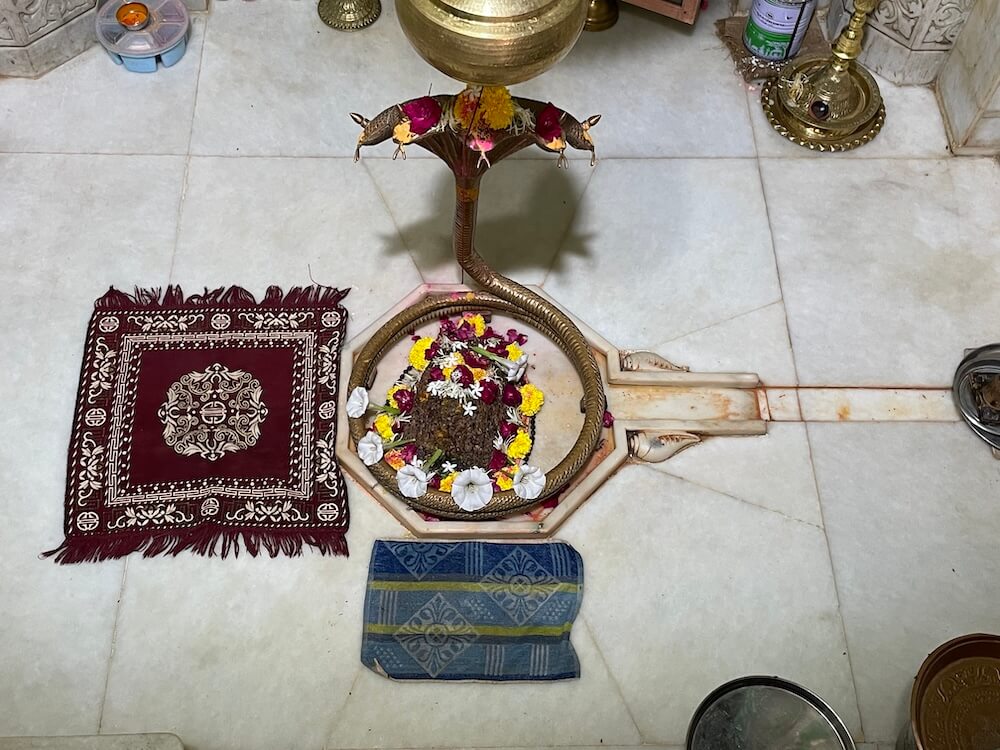 उत्तर गुजरातमधील मेहसाणा जवळील बोरियावी हे गाव भगवान शिवाच्या प्राचीन आणि आध्यात्मिकदृष्ट्या ‘जागृत’ मंदिरासाठी प्रसिद्ध आहे. गावाच्या ओळखीचा केंद्रबिंदू असलेले मसीया महादेव मंदिर ५०० वर्षांहून अधिक जुने आहे आणि ते येथील ‘स्वयंभू’ शिवलिंगासाठी अद्वितीय आहे, जे त्याच्या ‘मसा’ (Wart) सारख्या आकारामुळे लक्षवेधी ठरते. अनेक भाविकांची अशी श्रद्धा आहे की येथे केलेली भक्ती त्वचेचे विकार, शरीरावरील गाठी आणि इतर दीर्घकालीन आजारांपासून आराम मिळवून देते. विशेष म्हणजे, हे मंदिर केवळ महादेवाला समर्पित आहे. सामान्य शिवालयांच्या विपरीत, येथे शिवलिंगासोबत माता पार्वती किंवा नंदीच्या मूर्तींची प्रतिष्ठापना केलेली नाही. अनेक वर्षांपासून, या मंदिरात प्रत्येक भाविकाला निरोप देताना ‘प्रसाद’ म्हणून चहा देण्याची एक अनोखी परंपरा जपली जात आहे.
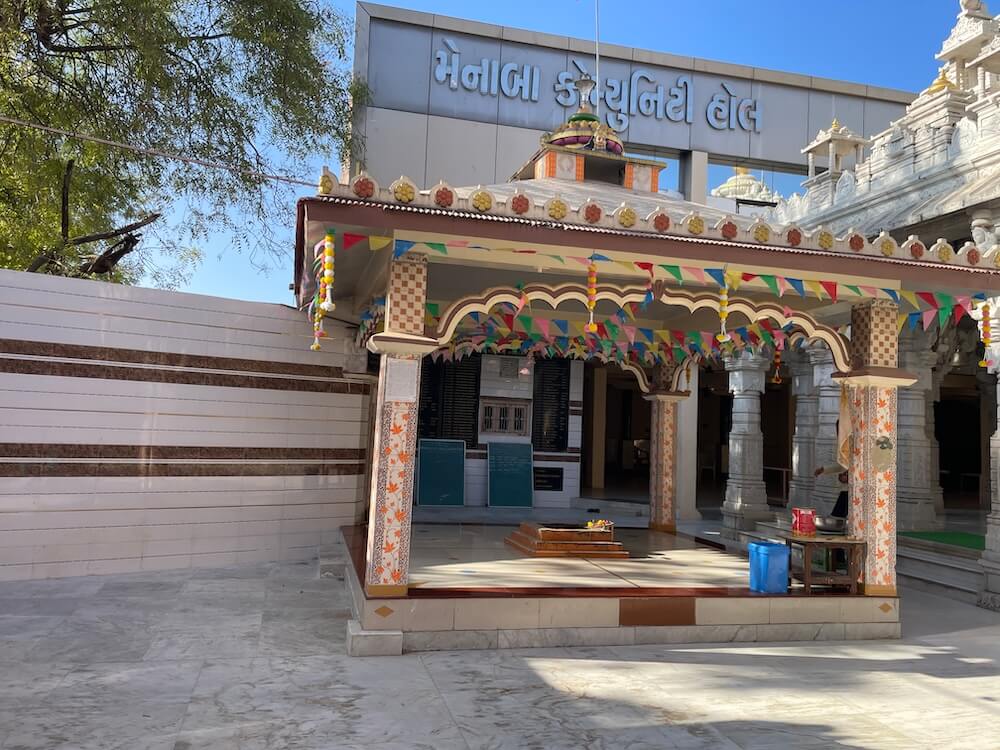 मसीया महादेव मंदिराच्या इतिहासातील कथांनुसार, एकेकाळी बोरियावीच्या पश्चिमेला ‘खारा’ नावाचे गाव होते. सुमारे ५०० वर्षांपूर्वी, तिथे एक ‘सिद्ध महंत’ राहत होते, ज्यांच्या घोड्याला त्वचेचा गंभीर आजार झाला होता. अनेक उपाय करूनही काहीच फरक पडत नव्हता. घोड्याच्या वेदनेने व्याकुळ झालेल्या महंतांनी भगवान शिवाची प्रार्थना केली. महादेवांनी त्यांना स्वप्नात दृष्टांत देऊन बोरियावीच्या वायव्य दिशेला असलेल्या चिंचेच्या झाडाखालील कचरा साफ करून तिथे गुळाचा ‘नैवेद्य’ अर्पण करण्यास सांगितले, ज्यामुळे घोडा बरा होईल असे आश्वासन दिले. या सूचनेनुसार, महंतांनी ते झाड शोधले, परिसर स्वच्छ केला आणि तिथे त्यांना ‘स्वयंभू’ शिवलिंग सापडले.
शिवलिंगाचा आकार ‘मसा’ (Mas) सारखा असल्याने ते ‘मसीया महादेव’ म्हणून ओळखले जाऊ लागले. महंतांनी त्याची पूजा करून गूळ अर्पण केला, त्यानंतर घोडा बरा झाला. 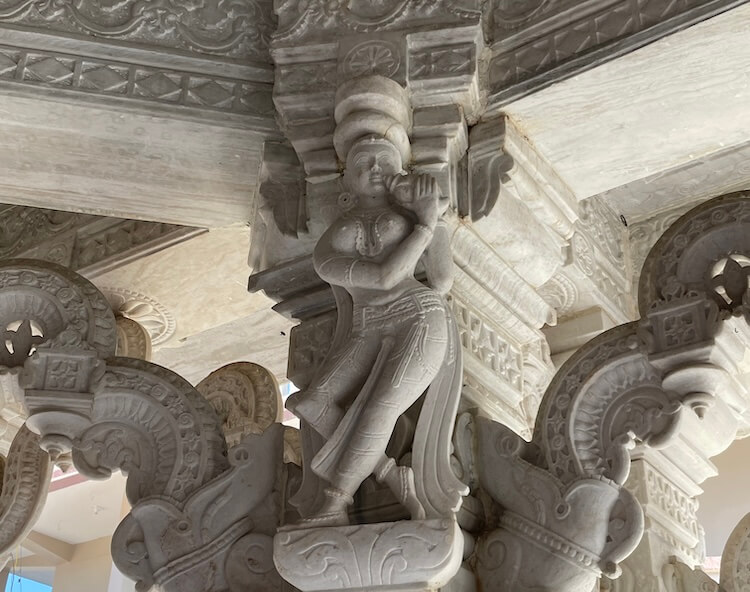 ही बातमी आसपासच्या गावांत पसरली आणि हे ठिकाण त्वचेचे विकार व गाठी बरे करण्यासाठी प्रसिद्ध झाले. तेव्हापासून, भाविक अशा आजारांपासून मुक्ती मिळवण्यासाठी गूळ, काळी मिरी आणि मीठ अर्पण करतात.
जशी या ठिकाणाबद्दलची श्रद्धा वाढत गेली, तसे मंदिराचे महत्त्व वाढले आणि त्याचे अधिकृत बांधकाम करण्यात आले. सुमारे ५० वर्षांपूर्वी, शिवाचे निस्सीम भक्त दयालाल भट्ट यांनी मंदिराचा पहिला जीर्णोद्धार केला. अलीकडच्या काळात, लोकवर्गणीतून मंदिराचा भव्य पुनर्निमाण करून त्याला सध्याचे रूप देण्यात आले आहे.
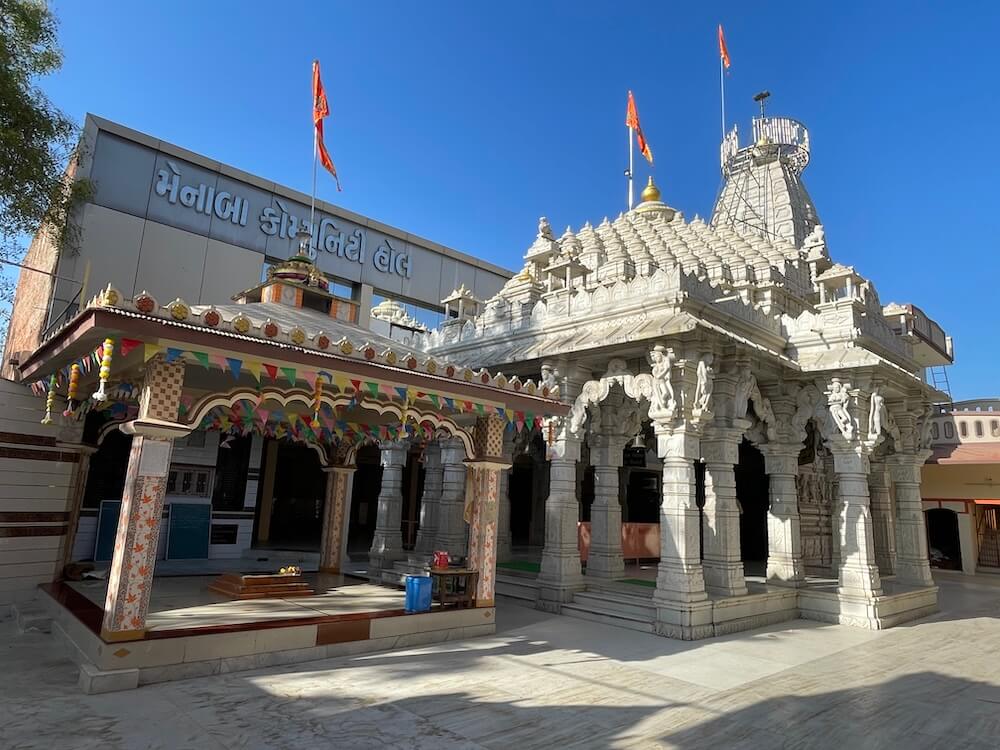
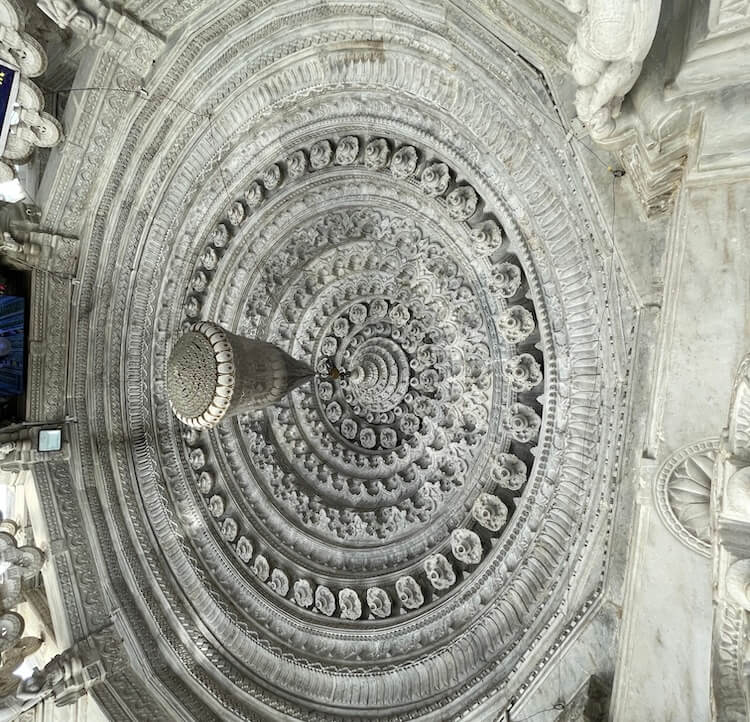
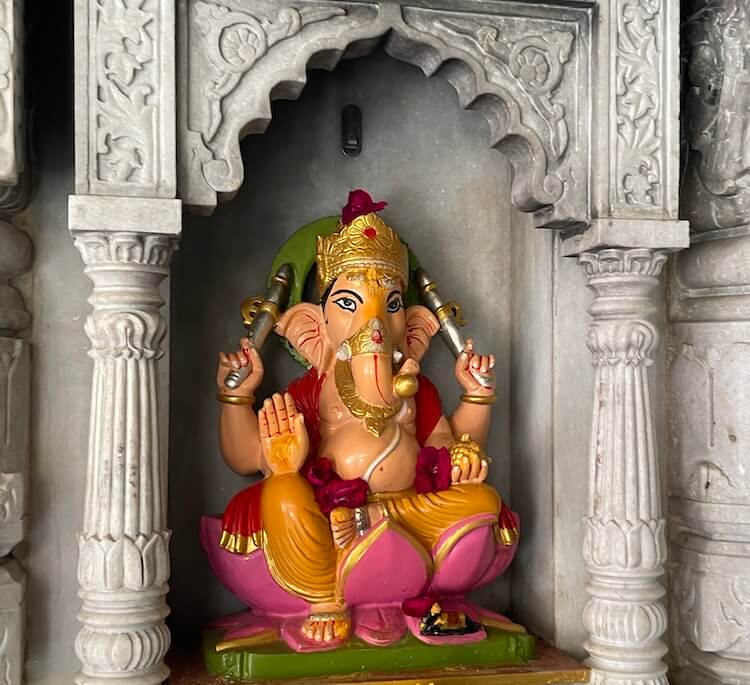
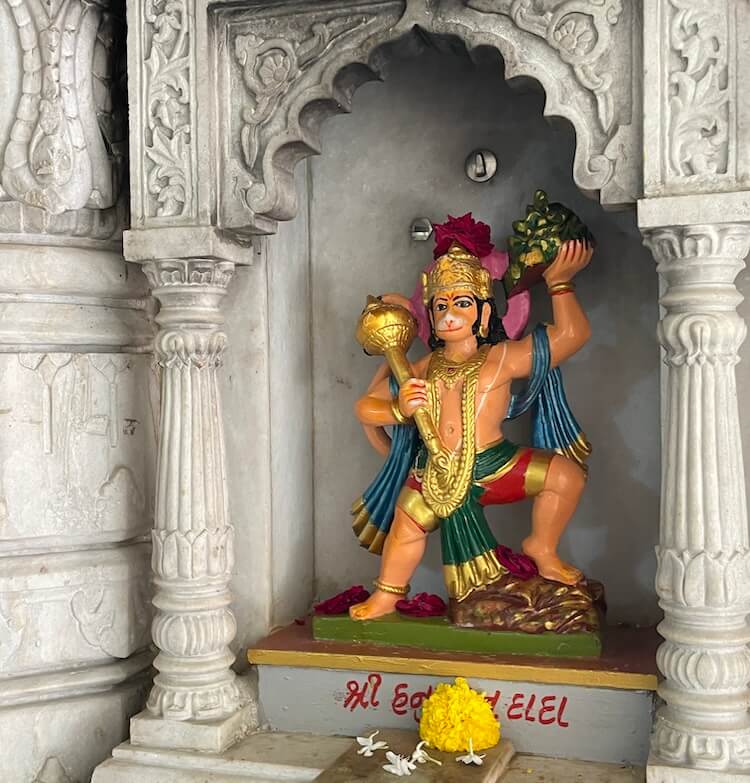
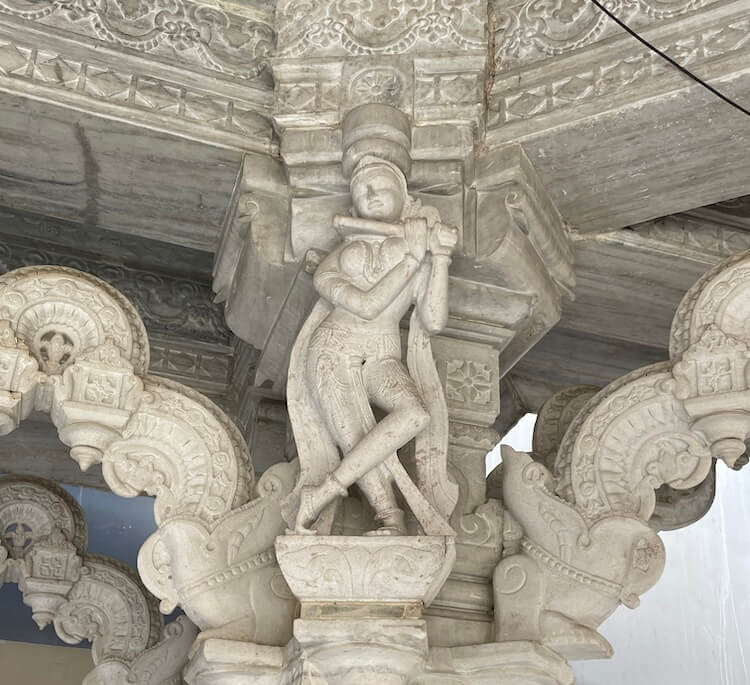
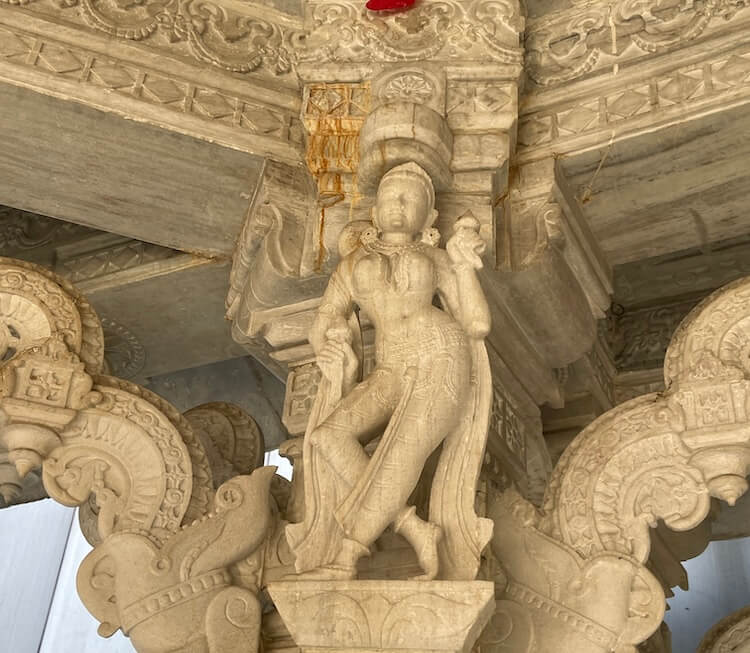
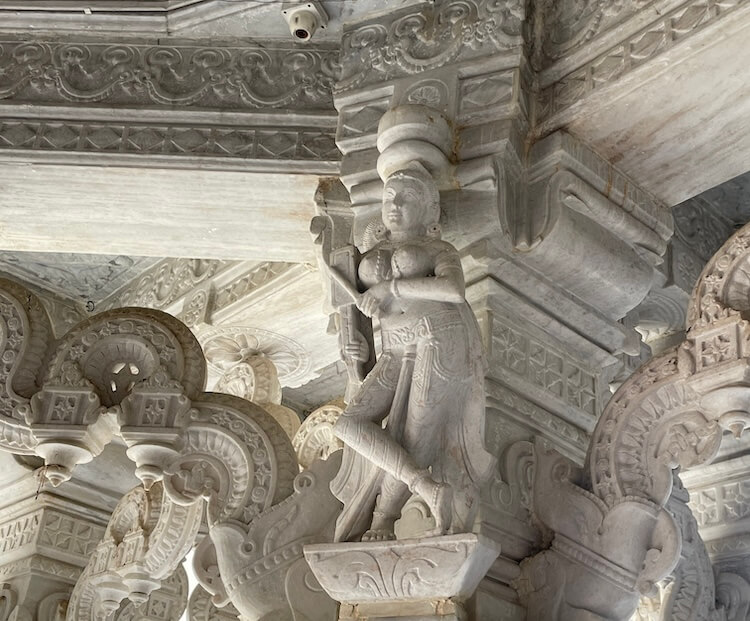
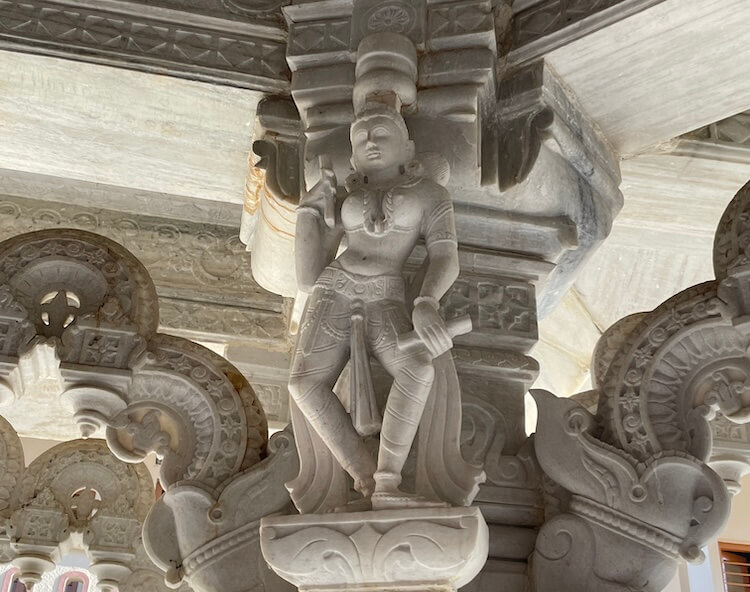
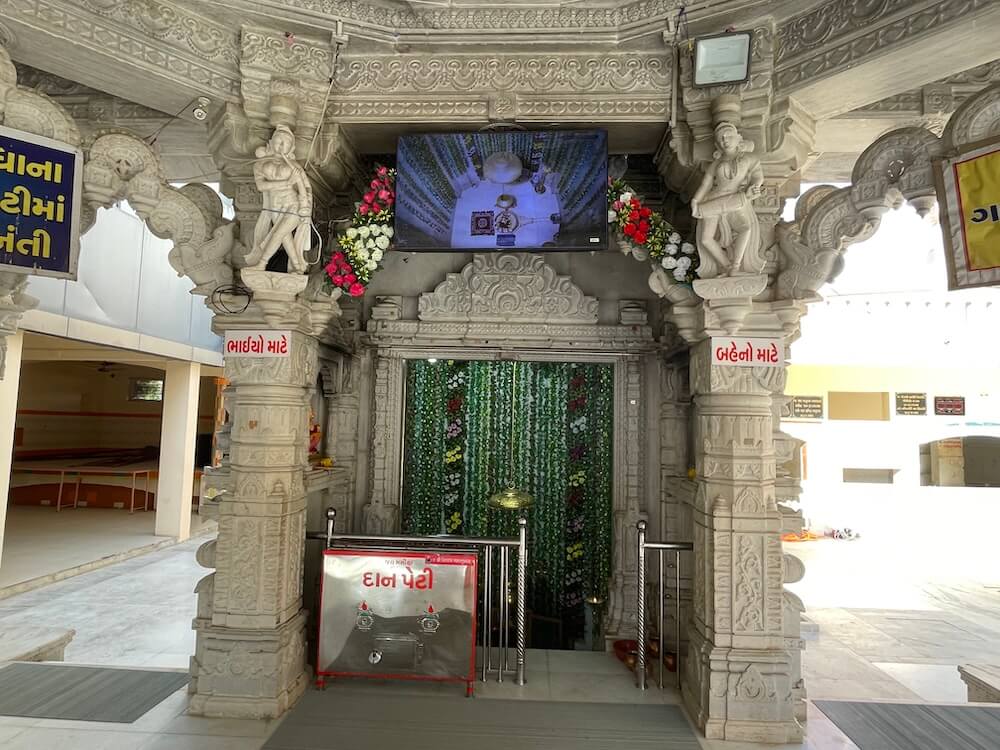
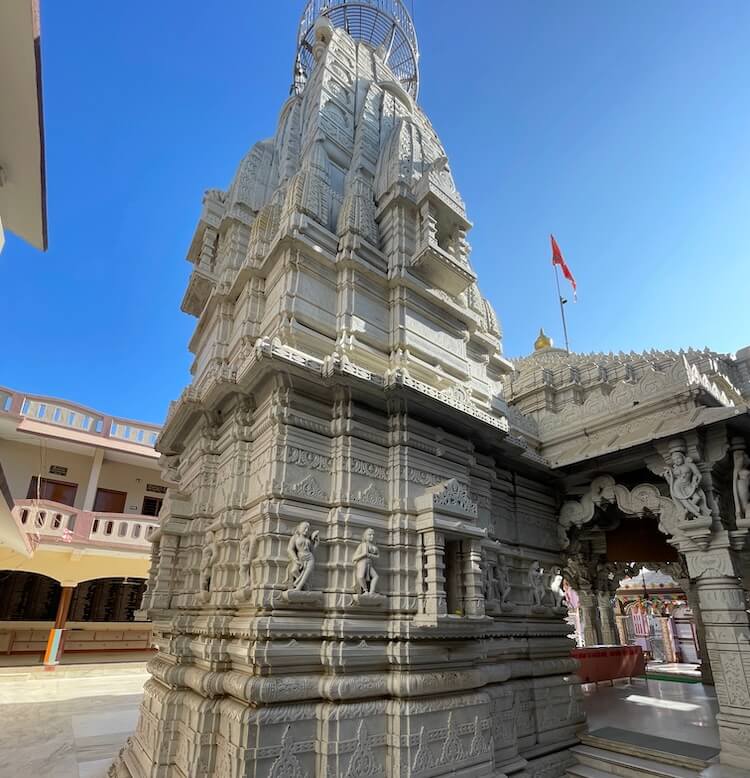
सध्याच्या स्वरूपात, हे मंदिर बोरियावी गावाच्या प्रवेशद्वारापासून थोड्या अंतरावर स्थित आहे. मंदिराच्या प्रवेशद्वाराजवळ पूजेचे साहित्य आणि नैवेद्य मिळणारी दुकाने आहेत. 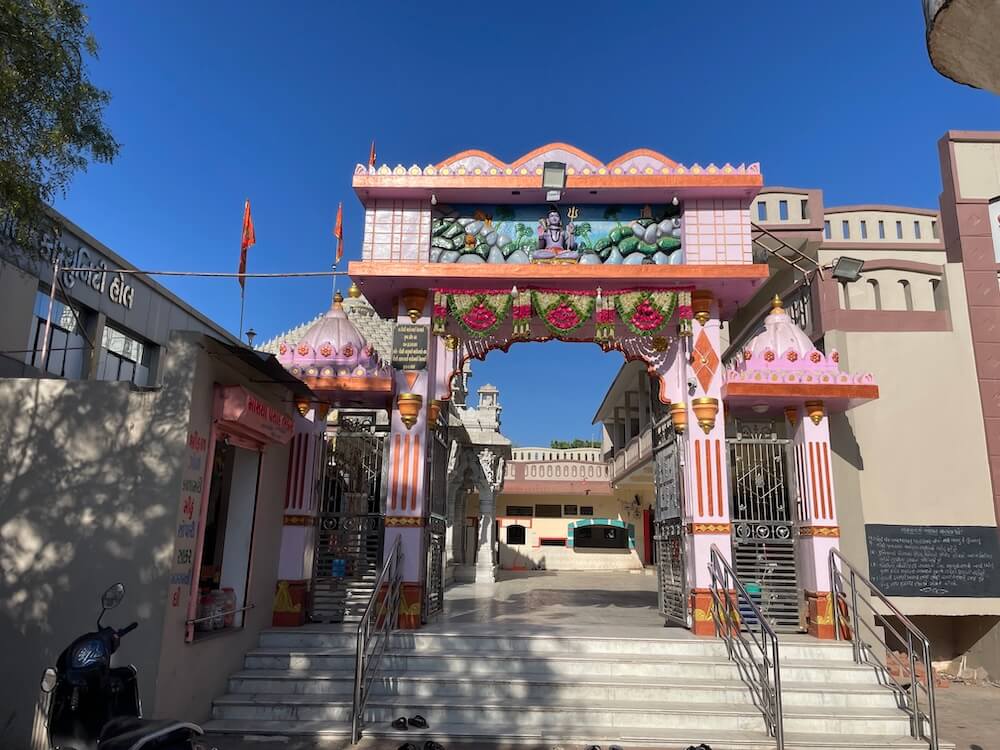 मुख्य प्रवेशद्वारावर भगवान शिवाचे मध्यवर्ती चित्र आहे आणि तिथून पांढऱ्या संगमरवरी फरसबंदी असलेल्या अंगणात प्रवेश मिळतो. मंदिराच्या समोर एक मोठा ‘यज्ञमंडप’ आहे. पांढऱ्या शुभ्र संगमरवरात बांधलेली ही वास्तुकला आधुनिक असून, तिची विभागणी ‘दर्शनमंडप’, ‘सभामंडप’, ‘अंतराळ’ आणि ‘गर्भगृह’ अशी करण्यात आली आहे. दर्शन आणि सभामंडप अर्ध-खुले असून, खांबांना नक्षीदार कमानींनी जोडलेले आहे. या खांबांवर ‘सुरसुंदरींच्या’ अतिशय सुंदर कोरीव मूर्ती आहेत. सभामंडपाचे छतही नाजूक नक्षीकामांनी सजलेले आहे. अंतराळाच्या भिंतींवरील कोनाड्यांमध्ये भगवान गणेश आणि भगवान हनुमानाची स्थापना केली आहे.
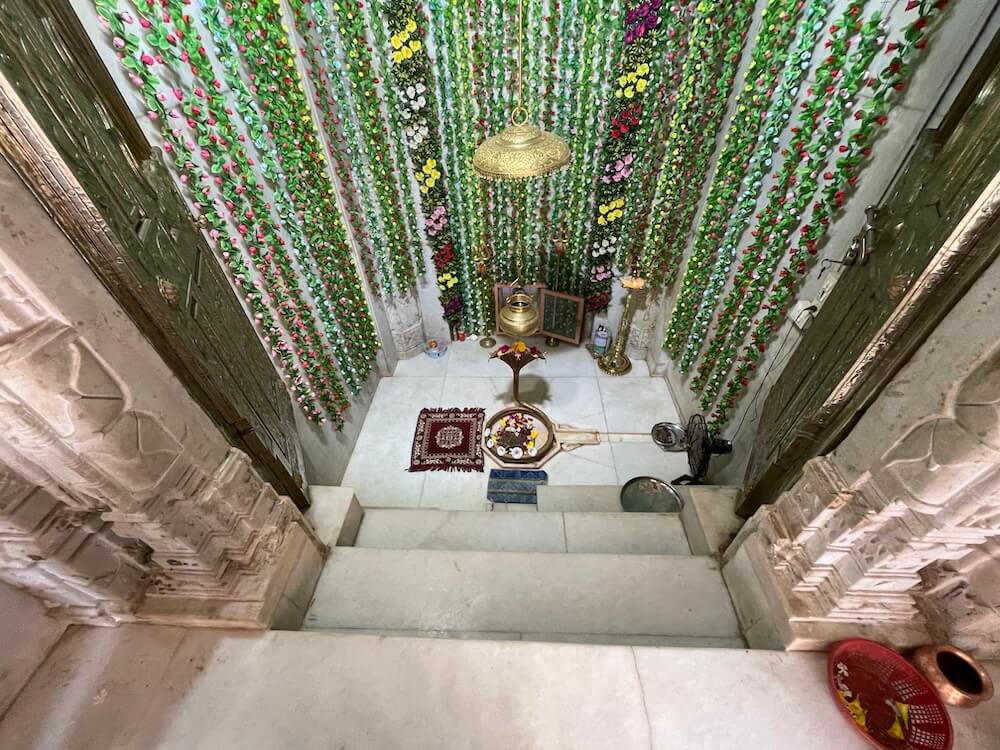
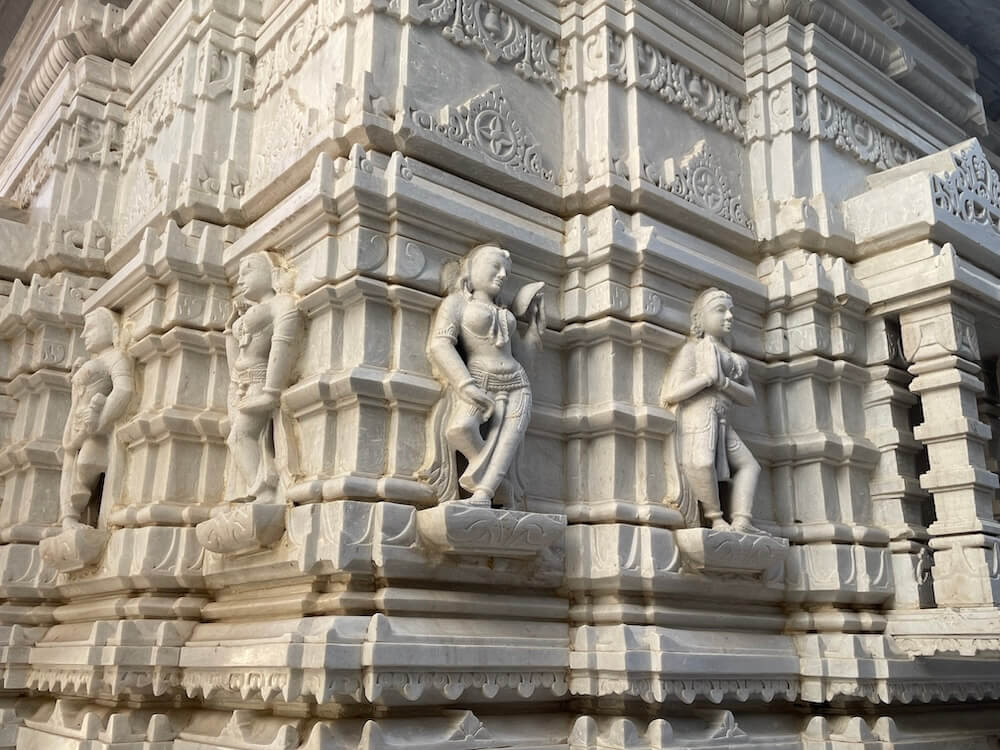
 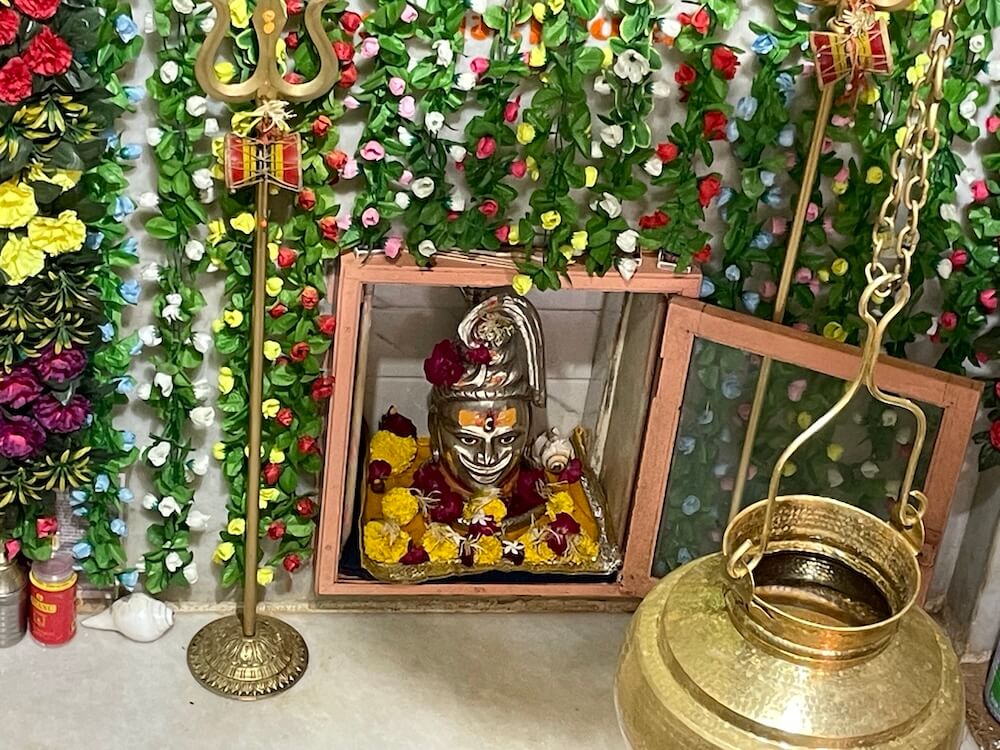 अंतराळातून चार पायऱ्या उतरून गर्भगृहात प्रवेश केला जातो. मध्यभागी मसीया महादेव शिवलिंग असून, त्यावर ‘पंचधातूचा’ पाच फण्यांचा नाग असलेला ‘छत्र’ आहे. शिवलिंगाच्या मागील भिंतीवरील कोनाड्यात भगवान शिवाचा चांदीचा मुखवटा ठेवलेला आहे. गर्भगृहाच्या बाहेरील भिंतींवरही कोनाडे आणि अप्सरांच्या मूर्ती आहेत. मंदिराचे ‘उरुशृंग’ शैलीतील शिखर वरच्या दिशेला निमुळते होत जाते, जे अनेक उप-शिखरे, ‘आमलक’ आणि ‘कलशांनी’ सुशोभित आहे. सभामंडपावरील शिखरही वैशिष्ट्यपूर्ण असून त्यावर शेकडो लहान कलशांच्या प्रतिकृती आहेत.
वास्तुकलेच्या सौंदर्यासोबतच, भाविकांच्या सोयीसाठी परिसरात एक भव्य ‘सत्संग’ हॉल, 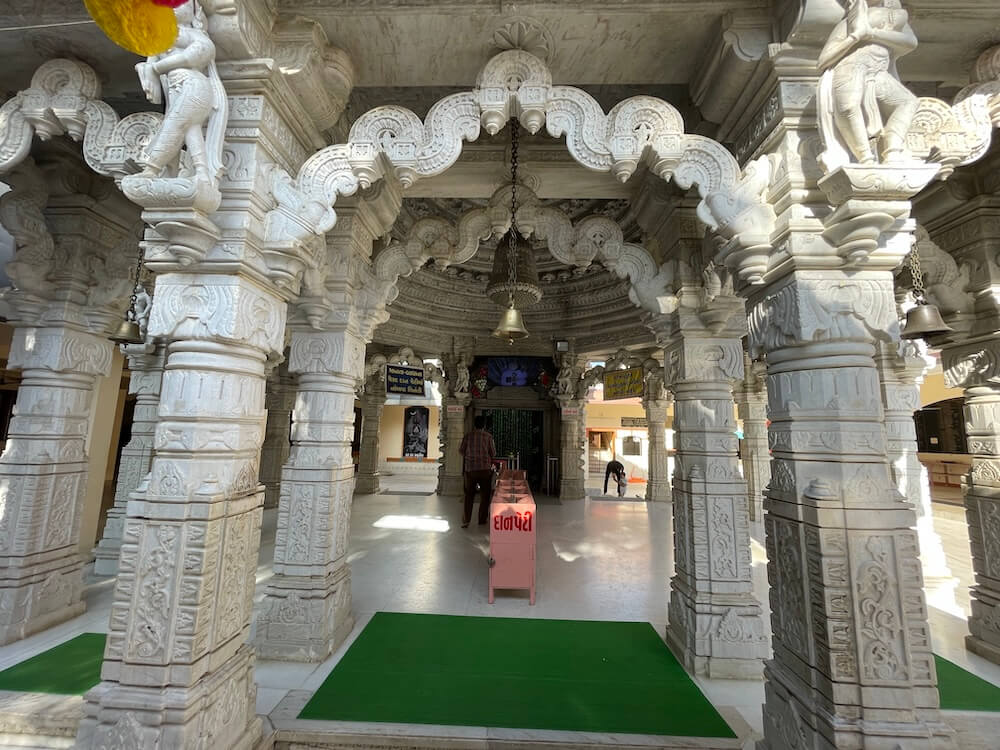 सुसज्ज ‘धर्मशाळा’ आणि सामुदायिक हॉल उभारण्यात आला आहे. लांबून येणाऱ्या भाविकांसाठी मोफत निवास आणि भोजनाची सोय उपलब्ध आहे. मंदिराच्या मागील एका स्वतंत्र कक्षात ठेवलेला एक विशाल नैसर्गिक शंख या ठिकाणच्या आध्यात्मिक भव्यतेत भर घालतो.
श्रावण महिन्यात मंदिरात धार्मिक उत्सवांचे स्वरूप एखाद्या मोठ्या जत्रेसारखे असते. श्रावणी सोमवारी, जिल्ह्यातील विविध भागांतून हजारो भाविक ‘दर्शन’ घेण्यासाठी आणि आपली ‘मानता’ पूर्ण करण्यासाठी गर्दी करतात. त्वचेच्या विकारांपासून आराम मिळवण्यासाठी ते मीठ, काळी मिरी, गूळ आणि मिठाई अर्पण करून आपली श्रद्धा व्यक्त करतात, जे मंदिराच्या उपचार परंपरेचे प्रतीक आहे. श्रावण अमावस्येला निघणारी मसीया महादेवाची भव्य ‘शोभायात्रा’ हे या काळातील मुख्य आकर्षण असते. वाद्यवृंदासह निघणारी ही उत्साही शोभायात्रा संपूर्ण गावातून फिरून मंदिरात परतते, ज्यात बोरियावी आणि आसपासच्या गावांतील रहिवासी मोठ्या संख्येने सहभागी होतात. महाशिवरात्रीला पहाटेपासूनच भाविकांच्या लांबच लांब रांगा लागतात, जे मंदिराचे धार्मिक महत्त्व अधोरेखित करते.
उपयुक्त माहिती
- मेहसाणापासून १७ किमी अंतरावर स्थित.
- जी.एस.आर.टी.सी. (GSRTC) बस सेवा मेहसाणाला राज्यातील अनेक शहरांशी जोडते.
- मेहसाणा ते बोरियावी दरम्यान जी.एस.आर.टी.सी. बस सेवा उपलब्ध आहे.
- खाजगी वाहने थेट मंदिराच्या पार्किंगपर्यंत जाऊ शकतात.
- परिसरात निवास आणि नाश्त्याची सोय उपलब्ध आहे.
- संपर्क – मंदिर कार्यालय, मोबाईल : ९४२६१२३४४४
Masiya Mahadev Temple
Boriyavi, Taluka and District Mehesana
Boriyavi, a village near Mehesana in North Gujarat, is renowned for its ancient and spiritually ‘jagrut’ (awakened) sanctuary of Lord Shiva. The Masiya Mahadev Temple, central to the hamlet’s identity, is over five centuries old and unique for its ‘Swayambhu’ (self-manifested) Shivalinga, notable for its wart-like shape or ‘Mas’. Many believe devoted worship here provides relief from warts, skin ailments, bodily cysts and other persistent maladies. Uniquely, this temple is dedicated solely to Mahadev. Unlike typical Shivalayas, it has no consecrated idols of Goddess Parvati or Nandi alongside the Shivalinga. For years, this temple has also maintained a unique tradition of serving tea as ‘Prasad’ to every devotee upon their departure.
The chronicles of the Masiya Mahadev Temple recount that a village named Khara once stood west of Boriyavi. Around five hundred years ago, a ‘Siddha Mahant’ (accomplished sage) lived there with a mare afflicted by a severe skin disease. Despite many remedies, nothing worked and the Mahant, distressed by the mare’s suffering, prayed to Lord Shiva for help. Mahadev appeared in his dream, instructing him to travel northwest of Boriyavi to a tamarind tree, clear the refuse beneath it and offer a ‘Naivedya’ of jaggery, promising this would cure the mare. Following these instructions, the Mahant found the tree, cleared the debris and unearthed the ‘Swayambhu’ Shivalinga.
Because the Shivalinga resembled a wart (‘Mas’), it became known as ‘Masiya Mahadev’. The Mahant worshipped it and offered jaggery, after which the mare was cured. News spread across neighbouring villages and the site became revered for healing warts and skin diseases. Since then, devotees have offered jaggery, black pepper and salt to seek relief from such ailments.
As reverence for the site deepened, the sanctuary gained prominence, prompting the temple’s formal construction. About fifty years ago, Dahyalal Bhatt, a devoted follower of Shiva, led its first restoration. More recently, a comprehensive reconstruction funded by public contributions shaped the temple’s current majestic form.
In its present form, the temple is situated a short distance from the entrance arch of Boriyavi village. Near the temple portal, shops offering ritual items and offerings are found. The main entrance features a central image of Lord Shiva and leads into a courtyard paved with white marble. Directly in front of the temple stands a large ‘Yagnamandapa’ (sacrificial pavilion). Constructed from pristine white marble, the temple architecture is modern, meticulously divided into a ‘Darshanmandapa’ (viewing hall), ‘Sabhamandapa’ (assembly hall), ‘Antarala’ (vestibule) and the ‘Garbhagriha’ (sanctum sanctorum). Both the viewing and assembly halls are designed in a semi-open fashion, with pillars connected by ornate cusped arches. These pillars feature exquisite craftsmanship, with sculptures of ‘Surasundaris’ (celestial maidens) carved upon their upper sections. The ceiling of the assembly hall is also adorned with delicate carvings. Within the niches of the vestibule walls, idols of Lord Ganesha and Lord Hanuman are enshrined. From the vestibule, one descends four steps into the slightly recessed sanctum sanctorum. At its center lies the wart-shaped Masiya Mahadev Shivalinga, sheltered by a ‘chhatra’ (canopy) of a five-hooded serpent made of ‘Panchdhatu’ (five-metal alloy). A silver mask of Lord Shiva is placed in a niche on the wall behind it. The exterior walls of the sanctum are also embellished with niches and sculptures of celestial maidens. The ‘Urushringa’ style spire of the temple tapers towards the top, adorned with numerous subsidiary spires, ‘Amalakas’ and ‘Kalashas’ (pinnacles). The spire over the assembly hall is equally distinctive, featuring hundreds of miniature replicas of the pinnacle.
Complementing the architectural splendor, for the convenience of pilgrims, a grand ‘Satsang’ hall, a well-equipped ‘Dharamshala’ and a community hall have been established within the premises. Free accommodation and meals are provided to those traveling from afar. Adding to the site’s spiritual grandeur is a massive natural conch shell, displayed for viewing in a separate chamber behind the temple.
Religious celebrations at the temple attain the scale of a grand fair during the month of Shravan. On Shravan Mondays, thousands of devotees from various parts of the district throng the temple to seek ‘Darshan’ and fulfill their ‘Manata’ (vows). They express their faith by offering salt, black pepper, jaggery and sweets to seek relief from skin ailments, reflecting the temple’s enduring healing traditions. The paramount attraction of the season is the grand ‘Shobhayatra’ (procession) of Masiya Mahadev, which takes place on Shravan Amavasya. This vibrant procession, accompanied by music, circles the village before returning to the temple, drawing enthusiastic participation from the residents of Boriyavi and neighboring hamlets. On Mahashivratra, long queues of devotees are seen from the early hours of the morning, underlining the temple’s continued religious prominence.
Useful Information
- Located at 17 km from Mehesana.
- GSRTC bus services connect Mehsana with several cities in the state.
- GSRTC bus services run from Mehsana to Boriyavi.
- Private vehicles can travel directly to the temple car park.
- Accommodation and breakfast facilities are available in the vicinity.
- Contact – Temple Office, Mobile : 9426123444
मसिया महादेव मंदिर
बोरियावी, तालुका और जिला मेहसाणा
उत्तर गुजरात में मेहसाणा के निकट स्थित बोरियावी गाँव भगवान शिव के एक प्राचीन और आध्यात्मिक रूप से ‘जागृत’ तीर्थस्थल के लिए प्रसिद्ध है। गाँव की पहचान का केंद्र, मसिया महादेव मंदिर ५०० वर्षों से अधिक पुराना है और अपने ‘स्वयंभू’ शिवलिंग के लिए अद्वितीय है, जो मस्से जैसी आकृति या ‘मस’ के लिए उल्लेखनीय है। कई लोगों का मानना है कि यहाँ की गई भक्तिपूर्ण पूजा से मस्सों, चर्म रोगों, शारीरिक गांठों और अन्य स्थायी बीमारियों से राहत मिलती है। विशेष रूप से, यह मंदिर केवल महादेव को समर्पित है। सामान्य शिवालयों के विपरीत, यहाँ शिवलिंग के साथ माता पार्वती या नंदी की कोई प्रतिष्ठित मूर्तियाँ नहीं हैं। वर्षों से, इस मंदिर में हर भक्त को विदाई के समय ‘प्रसाद’ के रूप में चाय पिलाने की एक अनूठी परंपरा भी चली आ रही है।
मसिया महादेव मंदिर के इतिहास के अनुसार, बोरियावी के पश्चिम में कभी ‘खारा’ नाम का एक गाँव हुआ करता था। लगभग ५०० वर्ष पूर्व, वहाँ एक ‘सिद्ध महंत’ अपनी एक घोड़ी के साथ रहते थे, जो एक गंभीर चर्म रोग से पीड़ित थी। कई उपचारों के बावजूद जब कुछ काम न आया, तो घोड़ी की पीड़ा से व्यथित होकर महंत ने भगवान शिव से प्रार्थना की। महादेव ने उनके स्वप्न में आकर उन्हें बोरियावी के उत्तर-पश्चिम में एक इमली के पेड़ के पास जाने, उसके नीचे की गंदगी साफ करने और गुड़ का ‘नैवेद्य’ चढ़ाने का निर्देश दिया, और वचन दिया कि इससे घोड़ी ठीक हो जाएगी। इन निर्देशों का पालन करते हुए, महंत ने पेड़ ढूंढा, कचरा साफ किया और ‘स्वयंभू’ शिवलिंग को प्रकट किया।
चूँकि शिवलिंग का आकार मस्से (‘मस’) जैसा था, इसलिए यह ‘मसिया महादेव’ के नाम से प्रसिद्ध हो गया। महंत ने इसकी पूजा की और गुड़ चढ़ाया, जिसके बाद घोड़ी स्वस्थ हो गई। यह समाचार पड़ोसी गाँवों में फैल गया और यह स्थान मस्सों और चर्म रोगों को ठीक करने के लिए पूजनीय हो गया। तब से, भक्त ऐसी बीमारियों से राहत पाने के लिए गुड़, काली मिर्च और नमक चढ़ाते हैं।
जैसे-जैसे इस स्थान के प्रति श्रद्धा गहरी होती गई, मंदिर का महत्व बढ़ता गया, जिससे मंदिर का औपचारिक निर्माण हुआ। लगभग ५० वर्ष पूर्व, शिव के परम भक्त दयालाल भट्ट ने इसके पहले जीर्णोद्धार का नेतृत्व किया। हाल ही में, सार्वजनिक योगदान से हुए व्यापक पुनर्निर्माण ने मंदिर को इसका वर्तमान भव्य स्वरूप प्रदान किया है।
अपने वर्तमान स्वरूप में, मंदिर बोरियावी गाँव के प्रवेश द्वार से कुछ ही दूरी पर स्थित है। मंदिर के द्वार के पास, पूजन सामग्री और प्रसाद की दुकानें स्थित हैं। मुख्य प्रवेश द्वार पर भगवान शिव की केंद्रीय प्रतिमा है और यह सफेद संगमरमर से बने प्रांगण की ओर ले जाता है। मंदिर के ठीक सामने एक विशाल ‘यज्ञमंडप’ स्थित है। शुद्ध सफेद संगमरमर से निर्मित, मंदिर की वास्तुकला आधुनिक है, जिसे सावधानीपूर्वक ‘दर्शनमंडप’, ‘सभामंडप’, ‘अंतराल’ और ‘गर्भगृह’ में विभाजित किया गया है। दर्शन और सभा मंडप अर्ध-खुले हैं, जिनमें अलंकृत मेहराबों से जुड़े स्तंभ हैं। इन स्तंभों पर उत्कृष्ट शिल्पकारी है, जिनके ऊपरी हिस्सों पर ‘सुरसुंदरियों’ की मूर्तियाँ उकेरी गई हैं। सभामंडप की छत भी सूक्ष्म नक्काशी से सुसज्जित है। अंतराल की दीवारों के कोनों में भगवान गणेश और भगवान हनुमान की मूर्तियाँ स्थापित हैं। अंतराल से, चार सीढ़ियाँ नीचे उतरकर थोड़ा गहरा गर्भगृह आता है। इसके केंद्र में मस्से के आकार का मसिया महादेव शिवलिंग स्थित है, जो ‘पंचधातु’ से बने पाँच फन वाले सर्प के ‘छत्र’ से ढका हुआ है। इसके पीछे की दीवार के एक आले में भगवान शिव का चांदी का मुखौटा रखा गया है। गर्भगृह की बाहरी दीवारें भी आलों और अप्सराओं की मूर्तियों से सुसज्जित हैं। मंदिर का ‘उरुश्रृंग’ शैली का शिखर ऊपर की ओर पतला होता गया है, जो अनेक सहायक शिखरों, ‘आमलकों’ और ‘कलशों’ से अलंकृत है। सभामंडप के ऊपर का शिखर भी समान रूप से विशिष्ट है, जिसमें कलश की सैकड़ों लघु प्रतिकृतियां बनी हैं।
स्थापत्य वैभव के साथ-साथ, तीर्थयात्रियों की सुविधा के लिए परिसर के भीतर एक भव्य ‘सत्संग’ हॉल, एक सुसज्जित ‘धर्मशाला’ और एक सामुदायिक हॉल स्थापित किया गया है। दूर-दराज से आने वालों के लिए निःशुल्क आवास और भोजन की व्यवस्था है। इस स्थान की आध्यात्मिक भव्यता को बढ़ाते हुए, मंदिर के पीछे एक अलग कक्ष में दर्शन हेतु एक विशाल प्राकृतिक शंख रखा गया है।
श्रावण मास में मंदिर में धार्मिक उत्सव एक भव्य मेले का रूप ले लेते हैं। श्रावण के सोमवारों को, जिले के विभिन्न हिस्सों से हजारों भक्त ‘दर्शन’ करने और अपनी ‘मानता’ पूरी करने के लिए मंदिर में उमड़ते हैं। वे चर्म रोगों से राहत पाने के लिए नमक, काली मिर्च, गुड़ और मिठाइयाँ चढ़ाकर अपनी आस्था व्यक्त करते हैं, जो मंदिर की चिरस्थायी उपचार परंपराओं को दर्शाता है। इस मौसम का मुख्य आकर्षण मसिया महादेव की भव्य ‘शोभायात्रा’ है, जो श्रावण अमावस्या को निकलती है। संगीत के साथ निकाली जाने वाली यह जीवंत शोभायात्रा गाँव का चक्कर लगाकर मंदिर लौटती है, जिसमें बोरियावी और आसपास के गाँवों के निवासी उत्साहपूर्वक भाग लेते हैं। महाशिवरात्रि पर, सुबह से ही भक्तों की लंबी कतारें देखी जाती हैं, जो मंदिर के निरंतर धार्मिक महत्व को रेखांकित करती हैं।
उपयोगी जानकारी
- मेहसाणा से १७ किमी की दूरी पर स्थित है।
- जीएसआरटीसी (GSRTC) बस सेवाएँ मेहसाणा को राज्य के कई शहरों से जोड़ती हैं।
- मेहसाणा से बोरियावी के लिए जीएसआरटीसी बस सेवाएँ उपलब्ध हैं।
- निजी वाहन सीधे मंदिर की पार्किंग तक जा सकते हैं।
- आसपास के क्षेत्र में आवास और नाश्ते की सुविधा उपलब्ध है।
- संपर्क – मंदिर कार्यालय, मोबाइल : ९४२६१२३४४४
મસિયા મહાદેવ મંદિર
બોરિયાવી, તાલુકો અને જિલ્લો મહેસાણા
ઉત્તર ગુજરાતમાં મહેસાણા નજીક આવેલું બોરિયાવી ગામ ભગવાન શિવના પ્રાચીન અને આધ્યાત્મિક રીતે ‘જાગૃત’ ધામ માટે જાણીતું છે. ગામની ઓળખ સમાન મસિયા મહાદેવ મંદિર પાંચસો વર્ષથી પણ વધુ જૂનું છે અને તે તેના ‘સ્વયંભૂ’ શિવલિંગ માટે અજોડ છે, જે મસા જેવો આકાર ધરાવતું હોવાથી વિશેષ મહત્વ ધરાવે છે. ઘણા લોકો માને છે કે અહીં શ્રદ્ધાપૂર્વક પૂજા કરવાથી મસા, ચામડીના રોગો, શરીરની ગાંઠો અને અન્ય લાંબા ગાળાના રોગોમાંથી મુક્તિ મળે છે. આ મંદિરની વિશેષતા એ છે કે તે માત્ર મહાદેવને સમર્પિત છે. સામાન્ય શિવાલયોથી વિપરીત, અહીં શિવલિંગની સાથે માતા પાર્વતી કે નંદીની પ્રતિમાઓ સ્થાપિત નથી. વર્ષોથી, આ મંદિરમાં દરેક ભક્તને વિદાય વખતે ‘પ્રસાદ’ તરીકે ચા પીવડાવવાની એક અનોખી પરંપરા જળવાઈ રહી છે.
મસિયા મહાદેવ મંદિરના ઇતિહાસ મુજબ, બોરિયાવીની પશ્ચિમે એક સમયે ખારા નામનું ગામ હતું. આશરે પાંચસો વર્ષ પહેલાં, ત્યાં એક ‘સિદ્ધ મહંત’ રહેતા હતા, જેમની ઘોડી ગંભીર ચામડીના રોગથી પીડાતી હતી. અનેક ઉપાયો કરવા છતાં કોઈ પરિણામ ન મળતા, મહંતે ઘોડીની પીડાથી વ્યથિત થઈને ભગવાન શિવને મદદ માટે પ્રાર્થના કરી. મહાદેવે તેમને સ્વપ્નમાં દર્શન આપીને બોરિયાવીની ઉત્તર-પશ્ચિમે આવેલા આંબલીના ઝાડ નીચેની જગ્યા સાફ કરી ત્યાં ગોળનું ‘નૈવેદ્ય’ ધરાવવાનો આદેશ આપ્યો, અને વચન આપ્યું કે આનાથી ઘોડી સાજી થઈ જશે. આ સૂચનાઓનું પાલન કરીને, મહંતે તે ઝાડ શોધી, જગ્યા સાફ કરી અને ‘સ્વયંભૂ’ શિવલિંગ પ્રગટ કર્યું.
શિવલિંગનો આકાર ‘મસા’ જેવો હોવાથી તે ‘મસિયા મહાદેવ’ તરીકે ઓળખાયા. મહંતે તેની પૂજા કરી અને ગોળ ધરાવ્યો, જેના પછી ઘોડી સાજી થઈ ગઈ. આ સમાચાર આસપાસના ગામોમાં ફેલાઈ ગયા અને આ સ્થળ મસા અને ચામડીના રોગો મટાડવા માટે પૂજનીય બની ગયું. ત્યારથી, ભક્તો આવા રોગોમાંથી રાહત મેળવવા માટે ગોળ, મરી અને મીઠું અર્પણ કરે છે.
જેમ જેમ આ સ્થળ પ્રત્યેની શ્રદ્ધા વધી, તેમ તેમ મંદિરનું મહત્વ વધ્યું અને તેનું ભવ્ય નિર્માણ કરવામાં આવ્યું. આશરે પચાસ વર્ષ પહેલાં, શિવના અનન્ય ભક્ત ડાહ્યાલાલ ભટ્ટે તેના પ્રથમ જીર્ણોદ્ધારનું નેતૃત્વ કર્યું હતું. તાજેતરમાં, લોકફાળા દ્વારા કરવામાં આવેલા વ્યાપક પુનઃનિર્માણે મંદિરને તેનું વર્તમાન ભવ્ય સ્વરૂપ આપ્યું છે.
વર્તમાન સ્વરૂપમાં, આ મંદિર બોરિયાવી ગામના પ્રવેશદ્વારથી થોડે દૂર આવેલું છે. મંદિરના પ્રવેશદ્વાર પાસે પૂજા-અર્ચનાની સામગ્રી અને પ્રસાદની દુકાનો આવેલી છે. મુખ્ય પ્રવેશદ્વાર પર ભગવાન શિવની મધ્યસ્થ પ્રતિમા છે અને તે સફેદ આરસપહાણથી બનેલા ચોગાનમાં દોરી જાય છે. મંદિરની બરાબર સામે એક વિશાળ ‘યજ્ઞમંડપ’ આવેલો છે. શુદ્ધ સફેદ આરસપહાણથી બનેલી મંદિરની સ્થાપત્યકલા આધુનિક છે, જે ઝીણવટપૂર્વક ‘દર્શનમંડપ’, ‘સભામંડપ’, ‘અંતરાલ’ અને ‘ગર્ભગૃહ’માં વિભાજિત છે. દર્શનમંડપ અને સભામંડપ અર્ધ-ખુલ્લા પ્રકારના છે, જેમાં સ્તંભોને સુશોભિત કમાન દ્વારા જોડવામાં આવ્યા છે. આ સ્તંભો પર ઉત્કૃષ્ટ કોતરણી છે, જેના ઉપરના ભાગમાં ‘સુરસુંદરીઓની’ મૂર્તિઓ કંડારાયેલી છે. સભામંડપની છત પણ નાજુક કોતરણીથી સુશોભિત છે. અંતરાલની દીવાલોમાં બનેલી દેવકોષ્ઠમાં ભગવાન ગણેશ અને ભગવાન હનુમાનની મૂર્તિઓ સ્થાપિત છે. અંતરાલમાંથી ચાર પગથિયાં નીચે ઉતરીને ગર્ભગૃહમાં પ્રવેશાય છે. તેના કેન્દ્રમાં મસાના આકારનું મસિયા મહાદેવનું શિવલિંગ છે, જે ‘પંચધાતુ’ના પાંચ ફેણવાળા નાગના ‘છત્ર’ નીચે બિરાજમાન છે. તેની પાછળની દીવાલની દેવકોષ્ઠમાં ભગવાન શિવનો રજત મુખવટો મૂકવામાં આવ્યો છે. ગર્ભગૃહની બહારની દીવાલો પણ દેવકોષ્ઠો અને સુર સુંદરીઓની મૂર્તિઓથી સુશોભિત છે. મંદિરનું ‘ઉરુશૃંગ’ શૈલીનું શિખર ઉપરની તરફ સાંકડું થાય છે, જે અનેક નાની ઉપ-શિખરો, ‘આમલક’ અને ‘કલશ’થી સુશોભિત છે. સભામંડપ પરનું શિખર પણ એટલું જ વિશિષ્ટ છે, જેમાં સેંકડો નાની કલશની પ્રતિકૃતિઓ છે.
સ્થાપત્યની ભવ્યતાની સાથે, યાત્રાળુઓની સુવિધા માટે પરિસરમાં એક વિશાળ ‘સત્સંગ’ હોલ, સુસજ્જ ‘ધર્મશાળા’ અને સામુદાયિક હોલની સ્થાપના કરવામાં આવી છે. દૂરથી આવતા ભક્તો માટે રહેવા અને જમવાની નિઃશુલ્ક વ્યવસ્થા છે. મંદિરની પાછળ એક અલગ ખંડમાં પ્રદર્શન માટે રાખવામાં આવેલ વિશાળ કુદરતી શંખ આ સ્થળની આધ્યાત્મિક ભવ્યતામાં વધારો કરે છે.
શ્રાવણ મહિના દરમિયાન મંદિરમાં ધાર્મિક ઉત્સવો એક ભવ્ય મેળાનું સ્વરૂપ ધારણ કરે છે. શ્રાવણના સોમવારે, જિલ્લાના વિવિધ ભાગોમાંથી હજારો ભક્તો ‘દર્શન’ કરવા અને પોતાની ‘માનતા’ પૂર્ણ કરવા માટે ઉમટી પડે છે. તેઓ ચામડીના રોગોમાંથી મુક્તિ મેળવવા માટે મીઠું, મરી, ગોળ અને મીઠાઈ અર્પણ કરીને પોતાની શ્રદ્ધા વ્યક્ત કરે છે, જે મંદિરની ચિરંતન ઉપચાર પરંપરાઓને પ્રતિબિંબિત કરે છે. આ સમયનું મુખ્ય આકર્ષણ શ્રાવણ અમાસના દિવસે નીકળતી મસિયા મહાદેવની ભવ્ય ‘શોભાયાત્રા’ છે. સંગીત સાથે નીકળતી આ જીવંત શોભાયાત્રા ગામમાં ફરીને મંદિરે પરત ફરે છે, જેમાં બોરિયાવી અને આસપાસના ગામોના રહેવાસીઓ ઉત્સાહપૂર્વક ભાગ લે છે. મહાશિવરાત્રિના દિવસે વહેલી સવારથી જ ભક્તોની લાંબી કતારો જોવા મળે છે, જે મંદિરના અવિરત ધાર્મિક મહત્વને રેખાંકિત કરે છે.
ઉપયોગી માહિતી
- મહેસાણાથી ૧૭ કિમીના અંતરે આવેલું છે.
- GSRTC બસ સેવાઓ મહેસાણાને રાજ્યના અનેક શહેરો સાથે જોડે છે.
- મહેસાણાથી બોરિયાવી માટે GSRTC બસ સેવાઓ ઉપલબ્ધ છે.
- ખાનગી વાહનો સીધા મંદિરના પાર્કિંગ સુધી જઈ શકે છે.
- આસપાસના વિસ્તારમાં રહેવા અને નાસ્તાની સુવિધાઓ ઉપલબ્ધ છે.
- સંપર્ક – મંદિર કાર્યાલય, મોબાઈલ : ૯૪૨૬૧૨૩૪૪૪
மஸியா மகாதேவ் கோயில்
போரியாவி, தாலுகா மற்றும் மாவட்டம் மெஹ்சானா
வடக்கு குஜராத்தில் உள்ள மெஹ்சானா அருகிலுள்ள போரியாவி கிராமம், சிவபெருமானின் பழமையான மற்றும் ஆன்மீக ரீதியாக ‘ஜாக்ருத்’ (விழித்தெழுந்த) புனிதத் தலத்திற்குப் பெயர் பெற்றது. இந்த கிராமத்தின் அடையாளமாகத் திகழும் மஸியா மகாதேவ் கோயில், ஐந்நூறு ஆண்டுகளுக்கும் மேலான பழமை வாய்ந்தது. இது ‘சுயம்பு’ (தானாகத் தோன்றிய) சிவலிங்கத்திற்குப் புகழ்பெற்றது; இந்த லிங்கம் மரு போன்ற அமைப்பைக் கொண்டிருப்பதால் ‘மஸ்’ என்று அழைக்கப்படுகிறது. இங்கு பக்தியுடன் வழிபடுபவர்களுக்கு மருக்கள், தோல் நோய்கள், உடலில் ஏற்படும் கட்டிகள் மற்றும் தீராத நோய்களிலிருந்து நிவாரணம் கிடைக்கும் என்பது பலரது நம்பிக்கை. தனிச்சிறப்பாக, இக்கோயில் மகாதேவனுக்காக மட்டுமே அர்ப்பணிக்கப்பட்டுள்ளது. வழக்கமான சிவாலயங்களைப் போலன்றி, இங்கு சிவலிங்கத்துடன் அன்னை பார்வதி தேவியின் அல்லது நந்தியின் சிலைகள் பிரதிஷ்டை செய்யப்படவில்லை. பல ஆண்டுகளாக, இக்கோயிலுக்கு வரும் ஒவ்வொரு பக்தருக்கும் விடைபெறும்போது தேநீரை ‘பிரசாதமாக’ வழங்கும் தனித்துவமான மரபு இன்றும் கடைபிடிக்கப்படுகிறது.
மஸியா மகாதேவ் கோயிலின் வரலாற்றின்படி, போரியாவியின் மேற்கே ‘காரா’ என்ற கிராமம் இருந்ததாகக் கூறப்படுகிறது. சுமார் ஐந்நூறு ஆண்டுகளுக்கு முன்பு, அங்கு வாழ்ந்த ஒரு ‘சித்த மஹந்த்’ (ஞானி) வளர்த்த குதிரை ஒன்று கடுமையான தோல் நோயால் பாதிக்கப்பட்டிருந்தது. பல சிகிச்சைகள் செய்தும் பலனளிக்காத நிலையில், குதிரையின் துன்பத்தைக் கண்டு வருந்திய மஹந்த், சிவபெருமானிடம் உதவி வேண்டிப் பிரார்த்தனை செய்தார். அவரது கனவில் தோன்றிய மகாதேவ், போரியாவியின் வடமேற்கே உள்ள புளிய மரத்திற்குச் சென்று, அதன் அடியில் உள்ள குப்பைகளை அகற்றி, வெல்லத்தை ‘நைவேத்தியமாக’ படைக்குமாறு பணித்தார்; இது குதிரையை குணப்படுத்தும் என்று உறுதியளித்தார். அதன்படியே, மஹந்த் அந்த மரத்தைக் கண்டறிந்து, குப்பைகளை அகற்றியபோது, அங்கு ‘சுயம்பு’ சிவலிங்கம் வெளிப்பட்டது.
சிவலிங்கம் மரு (‘மஸ்’) போன்ற வடிவில் இருந்ததால், அது ‘மஸியா மகாதேவ்’ என்று அழைக்கப்பட்டது. மஹந்த் அதை வழிபட்டு வெல்லத்தைப் படைத்த பிறகு, குதிரை குணமடைந்தது. இந்தச் செய்தி அண்டை கிராமங்களுக்குப் பரவ, மருக்கள் மற்றும் தோல் நோய்களைக் குணப்படுத்தும் புனிதத் தலமாக இக்கோயில் போற்றப்பட்டது. அன்றிலிருந்து, பக்தர்கள் இத்தகைய நோய்களிலிருந்து நிவாரணம் பெற வெல்லம், மிளகு மற்றும் உப்பை நைவேத்தியமாகப் படைக்கின்றனர்.
இத்தலத்தின் மீதான பக்தி பெருகியதால், கோயில் முறையாகக் கட்டப்பட்டது. சுமார் ஐம்பது ஆண்டுகளுக்கு முன்பு, சிவபக்தரான தயாலால் பட் என்பவர் முதல் திருப்பணியை முன்னின்று நடத்தினார். சமீபகாலமாக, பொதுமக்களின் பங்களிப்புடன் மேற்கொள்ளப்பட்ட முழுமையான மறுசீரமைப்பு, கோயிலுக்கு இன்றைய கம்பீரமான வடிவத்தை அளித்துள்ளது.
தற்போதைய வடிவில், இக்கோயில் போரியாவி கிராமத்தின் நுழைவு வாயிலுக்கு அருகிலேயே அமைந்துள்ளது. கோயில் வாசலுக்கு அருகில், வழிபாட்டுப் பொருட்கள் மற்றும் காணிக்கைகள் விற்கும் கடைகள் உள்ளன. கோயிலின் பிரதான நுழைவாயிலில் சிவபெருமானின் திருவுருவம் உள்ளது, இது வெள்ளை பளிங்கு கற்கள் பதிக்கப்பட்ட முற்றத்திற்கு இட்டுச் செல்கிறது. கோயிலுக்கு நேர் முன்னால் ஒரு பெரிய ‘யக்ஞமண்டபம்’ உள்ளது. தூய வெள்ளை பளிங்குக் கற்களால் கட்டப்பட்ட இக்கோயில், நவீனக் கட்டடக்கலை பாணியில் ‘தரிசன மண்டபம்’, ‘சபா மண்டபம்’, ‘அந்தராளம்’ மற்றும் ‘கருவறை’ என நுணுக்கமாகப் பிரிக்கப்பட்டுள்ளது. தரிசன மற்றும் சபா மண்டபங்கள் அரை-திறந்த அமைப்பில் வடிவமைக்கப்பட்டுள்ளன, தூண்கள் அலங்கார வளைவுகளால் இணைக்கப்பட்டுள்ளன. இந்தத் தூண்கள் நேர்த்தியான வேலைப்பாடுகளுடன், மேல் பகுதியில் ‘சுரசுந்தரிகளின்’ சிலைகளுடன் செதுக்கப்பட்டுள்ளன. சபா மண்டபத்தின் கூரையும் நுணுக்கமான வேலைப்பாடுகளால் அலங்கரிக்கப்பட்டுள்ளது. அந்தராளச் சுவர்களின் மாடங்களில் விநாயகர் மற்றும் அனுமன் சிலைகள் பிரதிஷ்டை செய்யப்பட்டுள்ளன. அந்தராளத்திலிருந்து நான்கு படிகள் இறங்கினால் கருவறையை அடையலாம். அதன் மையப்பகுதியில் மரு வடிவிலான மஸியா மகாதேவ் சிவலிங்கம் உள்ளது; அதன் மேல் ‘பஞ்சதாது’ (ஐந்து உலோகக் கலவை) கொண்டு செய்யப்பட்ட ஐந்து தலை நாகத்தின் ‘குடை’ (சத்திரம்) உள்ளது. சிவபெருமானின் வெள்ளி முகம் பின்னால் உள்ள சுவரில் உள்ள ஒரு மாடத்தில் வைக்கப்பட்டுள்ளது. கருவறையின் வெளிச் சுவர்களும் மாடங்கள் மற்றும் தேவகன்னியர் சிலைகளால் அலங்கரிக்கப்பட்டுள்ளன. கோயிலின் ‘உருஷ்ரிங்கா’ பாணி கோபுரம் மேல்நோக்கிச் செல்லச் செல்ல குறுகி, பல சிறிய கோபுரங்கள், ‘ஆமலக்கங்கள்’ மற்றும் ‘கலசங்களால்’ அலங்கரிக்கப்பட்டுள்ளது. சபா மண்டபத்தின் மேலுள்ள கோபுரமும் தனித்துவமானது, அதில் நூற்றுக்கணக்கான சிறிய கலச வடிவங்கள் உள்ளன.
கட்டடக்கலைச் சிறப்பிற்கு மேலாக, பக்தர்களின் வசதிக்காக, ஒரு பிரம்மாண்டமான ‘சத்சங்க’ மண்டபம், நன்கு வசதி செய்யப்பட்ட ‘தர்மசாலா’ மற்றும் சமுதாயக் கூடம் ஆகியவை வளாகத்திற்குள் அமைக்கப்பட்டுள்ளன. தொலைதூரத்திலிருந்து வருபவர்களுக்கு இலவச தங்குமிடம் மற்றும் உணவு வழங்கப்படுகிறது. கோயிலுக்குப் பின்னால் உள்ள தனி அறையில் காட்சிப்படுத்தப்பட்டுள்ள பிரம்மாண்டமான இயற்கையான சங்கு, இத்தலத்தின் ஆன்மீகப் பெருமையை மேலும் கூட்டுகிறது.
சிராவண மாதத்தில் இக்கோயிலில் நடைபெறும் மத விழாக்கள் ஒரு பெரிய திருவிழாவைப் போலக் களைகட்டும். சிராவண திங்கட்கிழமைகளில், மாவட்டத்தின் பல்வேறு பகுதிகளிலிருந்து ஆயிரக்கணக்கான பக்தர்கள் ‘தரிசனம்’ செய்யவும், தங்கள் ‘மானதா’ (நேர்த்திக்கடன்) நிறைவேற்றவும் கோயிலுக்கு வருகிறார்கள். தோல் நோய்களிலிருந்து நிவாரணம் பெற உப்பு, மிளகு, வெல்லம் மற்றும் இனிப்புகளைப் படைத்து தங்கள் நம்பிக்கையை வெளிப்படுத்துகிறார்கள், இது இக்கோயிலின் நீண்டகால குணப்படுத்தும் மரபைப் பிரதிபலிக்கிறது. சிராவண அமாவாசையன்று நடைபெறும் மஸியா மகாதேவின் பிரம்மாண்டமான ‘சோபயாத்திரை’ (ஊர்வலம்) இந்த பருவத்தின் முக்கிய ஈர்ப்பாகும். இசையுடன் கூடிய இந்த உற்சாகமான ஊர்வலம் கிராமத்தைச் சுற்றி வந்து கோயிலை அடையும், இதில் போரியாவி மற்றும் அண்டை கிராம மக்கள் மிகுந்த ஆர்வத்துடன் பங்கேற்பார்கள். மகாசிவராத்திரியன்று, அதிகாலை முதலே பக்தர்கள் நீண்ட வரிசையில் நிற்பதைக் காணலாம், இது இக்கோயிலின் மத முக்கியத்துவத்தை உறுதிப்படுத்துகிறது.
பயனுள்ள தகவல்கள்
- மெஹ்சானாவிலிருந்து 17 கி.மீ தொலைவில் அமைந்துள்ளது.
- ஜி.எஸ்.ஆர்.டி.சி (GSRTC) பேருந்து சேவைகள் மெஹ்சானாவை மாநிலத்தின் பல நகரங்களுடன் இணைக்கின்றன.
- மெஹ்சானாவிலிருந்து போரியாவிற்கு ஜி.எஸ்.ஆர்.டி.சி பேருந்து சேவைகள் உள்ளன.
- சொந்த வாகனங்களில் வருபவர்கள் நேரடியாகக் கோயில் வாகன நிறுத்துமிடத்திற்குச் செல்லலாம்.
- அருகிலேயே தங்குமிடம் மற்றும் காலை உணவு வசதிகள் உள்ளன.
- தொடர்பு – கோயில் அலுவலகம், அலைபேசி : 9426123444
మసియా మహాదేవ్ ఆలయం
బోరియావి, తాలూకా మరియు జిల్లా మెహసానా
ఉత్తర గుజరాత్లోని మెహసానా సమీపంలో ఉన్న బోరియావి గ్రామం, పురాతనమైన మరియు ఆధ్యాత్మికంగా ‘జాగృత’మైన పరమశివుని క్షేత్రానికి ప్రసిద్ధి చెందింది. ఈ గ్రామానికి ప్రధాన ఆకర్షణగా నిలిచిన మసియా మహాదేవ్ ఆలయం, ౫౦౦ ఏళ్లకు పైగా చరిత్ర కలిగినది. ఇక్కడ వెలసిన ‘స్వయంభూ’ శివలింగం చాలా ప్రత్యేకమైనది; ఇది పులిపిరి కాయల వంటి ఆకారాన్ని లేదా ‘మస్’ను కలిగి ఉండటం వల్ల విశిష్టతను సంతరించుకుంది. ఇక్కడ భక్తితో పూజించడం వల్ల పులిపిర్లు, చర్మ వ్యాధులు, శరీర గడ్డలు మరియు ఇతర దీర్ఘకాలిక అనారోగ్యాల నుండి ఉపశమనం లభిస్తుందని భక్తులు బలంగా నమ్ముతారు. ఈ ఆలయం కేవలం మహాదేవునికి మాత్రమే అంకితం చేయబడటం మరో ప్రత్యేకత. సాధారణ శివాలయాల వలె కాకుండా, ఇక్కడ శివలింగంతో పాటు పార్వతీ దేవి లేదా నంది విగ్రహాలు ప్రతిష్ఠించబడలేదు. ఏళ్లుగా, ఈ ఆలయంలో ప్రతి భక్తుడు వెళ్లేటప్పుడు వారికి ప్రసాదంగా టీని అందించే ఒక ప్రత్యేక సంప్రదాయం కొనసాగుతోంది.
మసియా మహాదేవ్ ఆలయ చరిత్ర ప్రకారం, ఒకప్పుడు బోరియావికి పశ్చిమాన ఖారా అనే గ్రామం ఉండేది. సుమారు ౫౦౦ ఏళ్ల క్రితం, ఒక ‘సిద్ధ మహంతు’ అక్కడ ఒక గుర్రంతో నివసించేవారు. ఆ గుర్రం తీవ్రమైన చర్మ వ్యాధితో బాధపడుతుండేది. ఎన్ని చికిత్సలు చేసినా తగ్గకపోవడంతో, ఆ మహంతు గుర్రం బాధను చూసి తట్టుకోలేక పరమశివుని ప్రార్థించారు. అప్పుడు మహాదేవుడు ఆయన కలలో కనిపించి, బోరియావికి వాయువ్య దిశలో ఉన్న చింతచెట్టు వద్దకు వెళ్లి, దాని కింద ఉన్న చెత్తను తొలగించి, బెల్లంతో ‘నైవేద్యం’ సమర్పించమని, తద్వారా గుర్రం వ్యాధి నయమవుతుందని ఆదేశించారు. ఆ ఆదేశాల మేరకు, మహంతు ఆ చెట్టును కనుగొని, చెత్తను తొలగించగా అక్కడ ‘స్వయంభూ’ శివలింగం బయటపడింది.
ఆ శివలింగం పులిపిరి కాయ (‘మస్’) వలె ఉండటంతో, అది ‘మసియా మహాదేవ్’గా ప్రసిద్ధి చెందింది. మహంతు దానికి పూజలు చేసి బెల్లం నైవేద్యంగా సమర్పించగా, గుర్రం వ్యాధి నయమైంది. ఈ వార్త పొరుగు గ్రామాలకు వ్యాపించడంతో, ఈ క్షేత్రం చర్మ వ్యాధులను నయం చేసే పుణ్యక్షేత్రంగా పేరుగాంచింది. అప్పటి నుండి, భక్తులు అటువంటి వ్యాధుల నుండి ఉపశమనం పొందడానికి బెల్లం, మిరియాలు మరియు ఉప్పును నైవేద్యంగా సమర్పిస్తున్నారు.
ఈ క్షేత్రంపై భక్తి పెరగడంతో, ఆలయ నిర్మాణం జరిగింది. సుమారు ౫౦ ఏళ్ల క్రితం, శివభక్తుడైన దయాళ్లాల్ భట్ నాయకత్వంలో మొదటిసారిగా ఆలయ పునరుద్ధరణ జరిగింది. ఇటీవల, ప్రజల విరాళాలతో చేపట్టిన సమగ్ర పునర్నిర్మాణం ద్వారా ఆలయం నేటి వైభవోపేతమైన రూపాన్ని సంతరించుకుంది.
ప్రస్తుతం ఈ ఆలయం బోరియావి గ్రామ ప్రవేశ ద్వారం సమీపంలో ఉంది. ఆలయ ద్వారం వద్ద పూజా సామాగ్రిని విక్రయించే దుకాణాలు ఉన్నాయి. ప్రధాన ద్వారం వద్ద పరమశివుని ప్రతిమ ఉండగా, లోపలికి వెళ్తే తెల్లని పాలరాతితో నిర్మించిన ప్రాంగణం కనిపిస్తుంది. ఆలయానికి సరిగ్గా ముందు భాగంలో ఒక పెద్ద ‘యజ్ఞమండపం’ ఉంది. స్వచ్ఛమైన తెల్లని పాలరాతితో నిర్మించిన ఈ ఆలయ వాస్తుశిల్పం ఆధునిక శైలిలో ఉండి, ‘దర్శనమండపం’, ‘సభామండపం’, ‘అంతరాళం’ మరియు ‘గర్భాలయం’గా విభజించబడింది. దర్శన మరియు సభామండపాలు అర్ధ-తెరిచిన శైలిలో ఉండి, అలంకరించబడిన తోరణాలతో అనుసంధానించబడిన స్తంభాలను కలిగి ఉన్నాయి. ఈ స్తంభాలపై ‘సురసుందరి’ల శిల్పాలు అద్భుతమైన కళా నైపుణ్యంతో చెక్కబడ్డాయి. సభామండపం పైకప్పు కూడా సున్నితమైన చెక్కడాలతో అలంకరించబడింది. అంతరాళ గోడల గూళ్లలో గణేశుడు మరియు హనుమంతుని విగ్రహాలు ప్రతిష్ఠించబడ్డాయి. అంతరాళం నుండి నాలుగు మెట్లు దిగితే గర్భాలయం ఉంటుంది. దాని మధ్యలో పులిపిరి ఆకారంలో ఉన్న మసియా మహాదేవ్ శివలింగం ఉంది, దీనికి ‘పంచధాతువు’తో చేసిన ఐదు పడగల సర్పం ఛత్రంగా ఉంది. వెనుక గోడలోని గూడులో శివుని వెండి ముఖ కవచం ఉంచబడింది. గర్భాలయ బాహ్య గోడలు కూడా శిల్పాలతో అలంకరించబడ్డాయి. ఆలయ శిఖరం ‘ఉరుశృంగ’ శైలిలో ఉండి, అనేక చిన్న శిఖరాలు, ఆమలకాలు మరియు కలశాలతో అలంకరించబడి ఉంటుంది. సభామండపం పైనున్న శిఖరం కూడా వందలాది చిన్న ప్రతిరూపాలతో ప్రత్యేకంగా కనిపిస్తుంది.
వాస్తుశిల్ప వైభవంతో పాటు, భక్తుల సౌకర్యార్థం ఆలయ ప్రాంగణంలో ఒక భారీ ‘సత్సంగ’ భవనం, చక్కటి వసతులున్న ‘ధర్మశాల’ మరియు కమ్యూనిటీ హాల్ నిర్మించబడ్డాయి. దూర ప్రాంతాల నుండి వచ్చేవారికి ఉచిత వసతి మరియు భోజన సౌకర్యాలు కల్పిస్తారు. ఆలయం వెనుక ఉన్న ప్రత్యేక గదిలో ప్రదర్శన కోసం ఉంచిన భారీ సహజ శంఖం ఈ క్షేత్ర ఆధ్యాత్మిక వైభవాన్ని మరింత పెంచుతుంది.
శ్రావణ మాసంలో ఆలయంలో జరిగే ఉత్సవాలు ఒక పెద్ద జాతరను తలపిస్తాయి. శ్రావణ సోమవారాల్లో, జిల్లాలోని వివిధ ప్రాంతాల నుండి వేలాది మంది భక్తులు ‘దర్శనం’ కోసం మరియు తమ ‘మొక్కులు’ తీర్చుకోవడానికి తరలివస్తారు. చర్మ వ్యాధుల నుండి ఉపశమనం కోసం ఉప్పు, మిరియాలు, బెల్లం మరియు మిఠాయిలను సమర్పించి తమ భక్తిని చాటుకుంటారు. ఈ సీజన్లో ప్రధాన ఆకర్షణ శ్రావణ అమావాస్య రోజున జరిగే మసియా మహాదేవ్ ‘శోభాయాత్ర’. సంగీత వాయిద్యాలతో కూడిన ఈ వైభవయుతమైన ఊరేగింపు గ్రామం చుట్టూ తిరిగి ఆలయానికి చేరుకుంటుంది, ఇందులో బోరియావి మరియు చుట్టుపక్కల గ్రామాల ప్రజలు ఉత్సాహంగా పాల్గొంటారు. మహాశివరాత్రి రోజున తెల్లవారుజాము నుండే భక్తుల క్యూలైన్లు కనిపిస్తాయి, ఇది ఈ ఆలయానికి ఉన్న మతపరమైన ప్రాముఖ్యతను తెలియజేస్తుంది.
ఉపయోగకరమైన సమాచారం
- మెహసానా నుండి ౧౭ కి.మీ దూరంలో ఉంది.
- మెహసానాను రాష్ట్రంలోని పలు నగరాలతో అనుసంధానించే GSRTC బస్సు సౌకర్యాలు ఉన్నాయి.
- మెహసానా నుండి బోరియావికి GSRTC బస్సు సర్వీసులు అందుబాటులో ఉన్నాయి.
- సొంత వాహనాల్లో నేరుగా ఆలయ పార్కింగ్ ప్రాంతానికి చేరుకోవచ్చు.
- సమీపంలో వసతి మరియు అల్పాహార సౌకర్యాలు అందుబాటులో ఉన్నాయి.
- సంప్రదించండి – ఆలయ కార్యాలయం, మొబైల్ : ౯౪౨౬౧౨౩౪౪౪
മസിയ മഹാദേവ് ക്ഷേത്രം
ബോറിയാവി, താലൂക്ക്, ജില്ല മെഹ്സാന
വടക്കൻ ഗുജറാത്തിലെ മെഹ്സാനയ്ക്ക് സമീപമുള്ള ബോറിയാവി എന്ന ഗ്രാമം, ഭഗവാൻ ശിവന്റെ പുരാതനവും ആത്മീയമായി ‘ജാഗ്രത’യുള്ളതുമായ സങ്കേതത്തിന് പേരുകേട്ടതാണ്. ഈ ഗ്രാമത്തിന്റെ അസ്തിത്വത്തിന്റെ കേന്ദ്രബിന്ദുവായ മസിയ മഹാദേവ് ക്ഷേത്രത്തിന് ൫൦൦ വർഷത്തിലേറെ പഴക്കമുണ്ട്. ‘സ്വയംഭൂ’വായ ശിവലിംഗമാണ് ഇവിടുത്തെ പ്രത്യേകത. അരിമ്പാറ പോലുള്ള ആകൃതി അഥവാ ‘മാസ്’ (Mas) ആണ് ഈ ശിവലിംഗത്തെ ശ്രദ്ധേയമാക്കുന്നത്. ഇവിടെ ഭക്തിപൂർവ്വം പ്രാർത്ഥിച്ചാൽ അരിമ്പാറ, ത്വക്ക് രോഗങ്ങൾ, ശരീരത്തിലെ മുഴകൾ, മറ്റ് മാറാത്ത അസുഖങ്ങൾ എന്നിവയിൽ നിന്ന് ആശ്വാസം ലഭിക്കുമെന്ന് ഭക്തർ വിശ്വസിക്കുന്നു. ഈ ക്ഷേത്രം പൂർണ്ണമായും മഹാദേവന് മാത്രമായി സമർപ്പിച്ചിരിക്കുന്നു എന്നതാണ് മറ്റൊരു പ്രത്യേകത. സാധാരണ ശിവാലയങ്ങളിൽ നിന്ന് വ്യത്യസ്തമായി, ഇവിടെ ശിവലിംഗത്തോടൊപ്പം ദേവി പാർവ്വതിയുടേയോ നന്ദിയുടേയോ പ്രതിഷ്ഠകളില്ല. വർഷങ്ങളായി, ഓരോ ഭക്തനും മടങ്ങുമ്പോൾ ‘പ്രസാദ’മായി ചായ നൽകുന്ന ഒരു സവിശേഷ പാരമ്പര്യവും ഈ ക്ഷേത്രം കാത്തുസൂക്ഷിക്കുന്നു.
ബോറിയാവിയുടെ പടിഞ്ഞാറ് ഭാഗത്ത് ഖാര എന്നൊരു ഗ്രാമം നിലനിന്നിരുന്നതായി മസിയ മഹാദേവ് ക്ഷേത്രത്തിന്റെ ചരിത്രം പറയുന്നു. ഏകദേശം ൫൦൦ വർഷങ്ങൾക്ക് മുമ്പ്, അവിടെ ഒരു ‘സിദ്ധ മഹന്ത്’ താമസിച്ചിരുന്നു. അദ്ദേഹത്തിന്റെ ഒരു കുതിരയ്ക്ക് കഠിനമായ ത്വക്ക് രോഗം ബാധിച്ചിരുന്നു. പല ചികിത്സകൾ നടത്തിയിട്ടും ഫലമുണ്ടായില്ല. കുതിരയുടെ ദുരിതത്തിൽ മനംനൊന്ത മഹന്ത് ഭഗവാൻ ശിവനോട് സഹായത്തിനായി പ്രാർത്ഥിച്ചു. ഭഗവാൻ ശിവൻ അദ്ദേഹത്തിന്റെ സ്വപ്നത്തിൽ പ്രത്യക്ഷപ്പെടുകയും, ബോറിയാവിയുടെ വടക്കുപടിഞ്ഞാറ് ഭാഗത്തുള്ള ഒരു പുളിമരത്തിനടുത്തേക്ക് പോകാനും, അവിടെയുള്ള മാലിന്യങ്ങൾ നീക്കം ചെയ്ത് ശർക്കര ‘നൈവേദ്യം’ അർപ്പിക്കാനും നിർദ്ദേശിച്ചു. ഇത് കുതിരയെ സുഖപ്പെടുത്തുമെന്ന് ഭഗവാൻ അരുളി. നിർദ്ദേശപ്രകാരം മഹന്ത് മരത്തിനടുത്തെത്തി, മാലിന്യങ്ങൾ നീക്കം ചെയ്തപ്പോൾ ‘സ്വയംഭൂ’വായ ശിവലിംഗം കണ്ടെത്തി.
ശിവലിംഗത്തിന് അരിമ്പാറയുടെ (‘മാസ്’) ആകൃതി ഉണ്ടായിരുന്നതിനാൽ ഇത് ‘മസിയ മഹാദേവ്’ എന്നറിയപ്പെട്ടു. മഹന്ത് അതിനെ ആരാധിക്കുകയും ശർക്കര അർപ്പിക്കുകയും ചെയ്തു, തുടർന്ന് കുതിര സുഖം പ്രാപിച്ചു. ഈ വാർത്ത അയൽ ഗ്രാമങ്ങളിലേക്ക് പടരുകയും, അരിമ്പാറയും ത്വക്ക് രോഗങ്ങളും ഭേദമാക്കുന്ന പുണ്യസ്ഥലമായി ഈ സ്ഥലം മാറുകയും ചെയ്തു. അന്നുമുതൽ, ഇത്തരം അസുഖങ്ങളിൽ നിന്ന് ആശ്വാസം ലഭിക്കുന്നതിനായി ഭക്തർ ശർക്കര, കുരുമുളക്, ഉപ്പ് എന്നിവ സമർപ്പിക്കുന്നു.
ഈ സ്ഥലത്തോടുള്ള ഭക്തി വർദ്ധിച്ചതോടെ ക്ഷേത്രത്തിന് പ്രാധാന്യം ലഭിക്കുകയും, തുടർന്ന് ക്ഷേത്രത്തിന്റെ ഔദ്യോഗിക നിർമ്മാണം നടക്കുകയും ചെയ്തു. ഏകദേശം ൫൦ വർഷങ്ങൾക്ക് മുമ്പ്, ശിവഭക്തനായ ദയാലാൽ ഭട്ട് ഇതിന്റെ ആദ്യ പുനരുദ്ധാരണത്തിന് നേതൃത്വം നൽകി. അടുത്ത കാലത്തായി, പൊതുജനങ്ങളുടെ സംഭാവനയോടെ നടത്തിയ വിപുലമായ പുനർനിർമ്മാണത്തിലൂടെയാണ് ക്ഷേത്രം ഇന്നത്തെ ഗാംഭീര്യമാർന്ന രൂപത്തിലായത്.
ബോറിയാവി ഗ്രാമത്തിന്റെ പ്രവേശന കവാടത്തിന് അല്പം അകലെയായാണ് ക്ഷേത്രം സ്ഥിതി ചെയ്യുന്നത്. ക്ഷേത്ര കവാടത്തിന് സമീപം പൂജാദ്രവ്യങ്ങൾ ലഭിക്കുന്ന കടകളുണ്ട്. പ്രധാന കവാടത്തിൽ ഭഗവാൻ ശിവന്റെ ചിത്രമുണ്ട്, ഇത് വെളുത്ത മാർബിൾ പാകിയ മുറ്റത്തേക്ക് നയിക്കുന്നു. ക്ഷേത്രത്തിന് തൊട്ടുമുന്നിലായി ഒരു വലിയ ‘യജ്ഞമണ്ഡപം’ സ്ഥിതി ചെയ്യുന്നു. വെളുത്ത മാർബിളിൽ നിർമ്മിച്ച ക്ഷേത്രത്തിന്റെ വാസ്തുവിദ്യ ആധുനികമാണ്. ഇതിനെ ‘ദർശനമണ്ഡപം’, ‘സഭാമണ്ഡപം’, ‘അന്തരാള’, ‘ഗർഭഗൃഹം’ എന്നിങ്ങനെ തിരിക്കാം. ദർശനമണ്ഡപവും സഭാമണ്ഡപവും അർദ്ധ-തുറന്ന രീതിയിലാണ് രൂപകൽപ്പന ചെയ്തിരിക്കുന്നത്. തൂണുകൾ മനോഹരമായ കമാനങ്ങളാൽ ബന്ധിപ്പിച്ചിരിക്കുന്നു. ഈ തൂണുകളിൽ ‘സുരസുന്ദരിമാരുടെ’ ശില്പങ്ങൾ കൊത്തിവെച്ചിട്ടുണ്ട്. സഭാമണ്ഡപത്തിന്റെ മേൽക്കൂരയും അതിമനോഹരമായ കൊത്തുപണികളാൽ അലങ്കരിച്ചിരിക്കുന്നു. അന്തരാള ഭിത്തികളിലെ അറകളിൽ ഗണപതിയുടെയും ഹനുമാന്റെയും വിഗ്രഹങ്ങൾ പ്രതിഷ്ഠിച്ചിരിക്കുന്നു. അന്തരാളത്തിൽ നിന്ന് നാല് പടികൾ ഇറങ്ങിയാൽ അല്പം താഴ്ന്ന ഗർഭഗൃഹത്തിലെത്താം. ഇതിന്റെ മധ്യഭാഗത്തായി അരിമ്പാറയുടെ ആകൃതിയിലുള്ള മസിയ മഹാദേവ് ശിവലിംഗം സ്ഥിതി ചെയ്യുന്നു. ഇതിനു മുകളിൽ ‘പഞ്ചധാതു’ കൊണ്ട് നിർമ്മിച്ച അഞ്ച് തലയുള്ള സർപ്പത്തിന്റെ ‘ഛത്ര’ (കുട) ഉണ്ട്. ശിവലിംഗത്തിന് പിന്നിലെ ഭിത്തിയിലെ അറയിൽ ഭഗവാൻ ശിവന്റെ വെള്ളി മുഖം സ്ഥാപിച്ചിരിക്കുന്നു. ഗർഭഗൃഹത്തിന്റെ പുറം ഭിത്തികളും ശില്പങ്ങളാൽ അലങ്കരിച്ചിരിക്കുന്നു. ക്ഷേത്രത്തിന്റെ ‘ഉരുശൃംഗ’ ശൈലിയിലുള്ള ഗോപുരം മുകളിലേക്ക് കൂർത്തുവരുന്നു, കൂടാതെ നിരവധി ചെറിയ ഗോപുരങ്ങളും ‘അമലകങ്ങളും’ ‘കലശങ്ങളും’ ഇതിലുണ്ട്. സഭാമണ്ഡപത്തിന് മുകളിലുള്ള ഗോപുരവും സവിശേഷമാണ്, അതിൽ നൂറുകണക്കിന് ചെറിയ ഗോപുരങ്ങളുടെ മാതൃകകളുണ്ട്.
വാസ്തുവിദ്യാ സൗന്ദര്യത്തിന് പുറമെ, തീർത്ഥാടകരുടെ സൗകര്യാർത്ഥം ഒരു വലിയ ‘സത്സംഗ’ ഹാൾ, അത്യാധുനിക സൗകര്യങ്ങളുള്ള ‘ധർമ്മശാല’, ഒരു കമ്മ്യൂണിറ്റി ഹാൾ എന്നിവയും ഇവിടെയുണ്ട്. ദൂരസ്ഥലങ്ങളിൽ നിന്ന് വരുന്നവർക്ക് സൗജന്യ താമസവും ഭക്ഷണവും നൽകുന്നു. ക്ഷേത്രത്തിന് പിന്നിലെ പ്രത്യേക മുറിയിൽ പ്രദർശിപ്പിച്ചിരിക്കുന്ന കൂറ്റൻ പ്രകൃതിദത്തമായ ശംഖ് ഈ സ്ഥലത്തിന്റെ ആത്മീയ ഗാംഭീര്യം വർദ്ധിപ്പിക്കുന്നു.
ശ്രാവണ മാസത്തിൽ ക്ഷേത്രത്തിലെ ആഘോഷങ്ങൾ വലിയൊരു മേളയുടെ പ്രതീതി സൃഷ്ടിക്കുന്നു. ശ്രാവണ മാസത്തിലെ തിങ്കളാഴ്ചകളിൽ, ജില്ലയുടെ വിവിധ ഭാഗങ്ങളിൽ നിന്ന് ആയിരക്കണക്കിന് ഭക്തർ ദർശനത്തിനും തങ്ങളുടെ ‘മനത’ (നേർച്ച) നിറവേറ്റുന്നതിനുമായി ഇവിടെയെത്തുന്നു. ത്വക്ക് രോഗങ്ങളിൽ നിന്ന് ആശ്വാസം ലഭിക്കുന്നതിനായി ഉപ്പ്, കുരുമുളക്, ശർക്കര, മധുരപലഹാരങ്ങൾ എന്നിവ സമർപ്പിച്ച് അവർ തങ്ങളുടെ വിശ്വാസം പ്രകടിപ്പിക്കുന്നു. ശ്രാവണ അമാവാസി ദിനത്തിൽ നടക്കുന്ന മസിയ മഹാദേവിന്റെ ‘ശോഭയാത്ര’യാണ് ഈ സീസണിലെ പ്രധാന ആകർഷണം. സംഗീതത്തിന്റെ അകമ്പടിയോടെ നടക്കുന്ന ഈ വർണ്ണാഭമായ ഘോഷയാത്ര ഗ്രാമം ചുറ്റി ക്ഷേത്രത്തിൽ തിരിച്ചെത്തുന്നു. മഹാശിവരാത്രി ദിനത്തിൽ പുലർച്ചെ മുതൽ തന്നെ ഭക്തരുടെ നീണ്ട നിര കാണാം, ഇത് ക്ഷേത്രത്തിന്റെ മതപരമായ പ്രാധാന്യം വിളിച്ചോതുന്നു.
ഉപയോഗപ്രദമായ വിവരങ്ങൾ
- മെഹ്സാനയിൽ നിന്ന് ൧൭ കി.മീ അകലെ സ്ഥിതി ചെയ്യുന്നു.
- മെഹ്സാനയെ സംസ്ഥാനത്തെ വിവിധ നഗരങ്ങളുമായി ബന്ധിപ്പിക്കുന്ന GSRTC ബസ് സർവീസുകൾ ലഭ്യമാണ്.
- മെഹ്സാനയിൽ നിന്ന് ബോറിയാവിയിലേക്ക് GSRTC ബസ് സർവീസുകൾ ഉണ്ട്.
- സ്വകാര്യ വാഹനങ്ങളിൽ നേരിട്ട് ക്ഷേത്രത്തിന്റെ പാർക്കിംഗ് ഏരിയയിലേക്ക് എത്താം.
- പരിസരത്ത് താമസ സൗകര്യങ്ങളും പ്രഭാതഭക്ഷണ സൗകര്യങ്ങളും ലഭ്യമാണ്.
- ബന്ധപ്പെടുക – ക്ഷേത്ര ഓഫീസ്, മൊബൈൽ : ൯൪൨൬൧൨൩൪൪൪
ಮಸಿಯ ಮಹಾದೇವ ದೇವಾಲಯ
ಬೋರಿಯಾವಿ, ತಾಲೂಕು ಮತ್ತು ಜಿಲ್ಲೆ ಮೆಹಸಾನ
ಉತ್ತರ ಗುಜರಾತ್ನ ಮೆಹಸಾನ ಸಮೀಪವಿರುವ ಬೋರಿಯಾವಿ ಎಂಬ ಗ್ರಾಮವು, ಭಗವಾನ್ ಶಿವನ ಪ್ರಾಚೀನ ಮತ್ತು ಆಧ್ಯಾತ್ಮಿಕವಾಗಿ ‘ಜಾಗೃತ’ ಕ್ಷೇತ್ರಕ್ಕೆ ಹೆಸರುವಾಸಿಯಾಗಿದೆ. ಈ ಗ್ರಾಮದ ಕೇಂದ್ರಬಿಂದುವಾಗಿರುವ ಮಸಿಯ ಮಹಾದೇವ ದೇವಾಲಯವು ೫೦೦ ವರ್ಷಗಳಿಗೂ ಹಳೆಯದಾಗಿದ್ದು, ಇಲ್ಲಿನ ‘ಸ್ವಯಂಭೂ’ ಶಿವಲಿಂಗವು ವಿಶಿಷ್ಟವಾಗಿದೆ. ಇದು ಮಸೆಯ ಆಕಾರವನ್ನು ಹೋಲುವ ಕಾರಣದಿಂದಾಗಿ ವಿಶೇಷ ಮಹತ್ವವನ್ನು ಪಡೆದಿದೆ. ಇಲ್ಲಿ ಭಕ್ತಿಯಿಂದ ಪೂಜಿಸುವುದರಿಂದ ಮಸೆ, ಚರ್ಮರೋಗಗಳು, ದೇಹದ ಗಡ್ಡೆಗಳು ಮತ್ತು ಇತರ ದೀರ್ಘಕಾಲದ ಕಾಯಿಲೆಗಳಿಂದ ಮುಕ್ತಿ ಸಿಗುತ್ತದೆ ಎಂಬುದು ಅನೇಕ ಭಕ್ತರ ನಂಬಿಕೆ. ಈ ದೇವಾಲಯವು ಕೇವಲ ಮಹಾದೇವನಿಗೆ ಮಾತ್ರ ಮೀಸಲಾಗಿರುವುದು ಇದರ ವಿಶೇಷತೆ. ಸಾಮಾನ್ಯ ಶಿವಾಯಗಳಂತೆ ಇಲ್ಲಿ ಶಿವಲಿಂಗದ ಪಕ್ಕದಲ್ಲಿ ದೇವತೆಗಳಾದ ಪಾರ್ವತಿ ಅಥವಾ ನಂದಿಯ ವಿಗ್ರಹಗಳಿಲ್ಲ. ವರ್ಷಗಳಿಂದ, ಈ ದೇವಾಲಯವು ಭಕ್ತರು ಹೊರಡುವಾಗ ಪ್ರತಿಯೊಬ್ಬರಿಗೂ ‘ಪ್ರಸಾದ’ವಾಗಿ ಚಹಾವನ್ನು ನೀಡುವ ವಿಶಿಷ್ಟ ಸಂಪ್ರದಾಯವನ್ನು ಪಾಲಿಸಿಕೊಂಡು ಬಂದಿದೆ.
ಮಸಿಯ ಮಹಾದೇವ ದೇವಾಲಯದ ಇತಿಹಾಸದ ಪ್ರಕಾರ, ಹಿಂದೆ ಬೋರಿಯಾವಿಯ ಪಶ್ಚಿಮಕ್ಕೆ ಖಾರಾ ಎಂಬ ಗ್ರಾಮವಿತ್ತು. ಸುಮಾರು ೫೦೦ ವರ್ಷಗಳ ಹಿಂದೆ, ಅಲ್ಲಿ ಒಬ್ಬ ‘ಸಿದ್ಧ ಮಹಂತ’ ವಾಸಿಸುತ್ತಿದ್ದರು. ಅವರ ಬಳಿಯಿದ್ದ ಕುದುರೆಯೊಂದು ತೀವ್ರವಾದ ಚರ್ಮರೋಗದಿಂದ ಬಳಲುತ್ತಿತ್ತು. ಅನೇಕ ಚಿಕಿತ್ಸೆಗಳನ್ನು ಮಾಡಿದರೂ ಗುಣವಾಗದಿದ್ದಾಗ, ಮಹಂತರು ಕುದುರೆಯ ನೋವನ್ನು ಕಂಡು ನೊಂದು ಭಗವಾನ್ ಶಿವನಲ್ಲಿ ಪ್ರಾರ್ಥಿಸಿದರು. ಮಹಾದೇವನು ಅವರ ಕನಸಿನಲ್ಲಿ ಬಂದು, ಬೋರಿಯಾವಿಯ ವಾಯುವ್ಯಕ್ಕೆ ಹೋಗಿ ಅಲ್ಲಿರುವ ಹುಣಸೆ ಮರದ ಕೆಳಗಿನ ಕಸವನ್ನು ಸ್ವಚ್ಛಗೊಳಿಸಿ, ಬೆಲ್ಲದ ‘ನೈವೇದ್ಯ’ ಅರ್ಪಿಸುವಂತೆ ಸೂಚಿಸಿದನು. ಇದರಿಂದ ಕುದುರೆ ಗುಣವಾಗುತ್ತದೆ ಎಂದು ಭರವಸೆ ನೀಡಿದನು. ಅದರಂತೆ ಮಹಂತರು ಮರವನ್ನು ಹುಡುಕಿ, ಕಸವನ್ನು ಸ್ವಚ್ಛಗೊಳಿಸಿದಾಗ ಅಲ್ಲಿ ‘ಸ್ವಯಂಭೂ’ ಶಿವಲಿಂಗವು ಪತ್ತೆಯಾಯಿತು.
ಶಿವಲಿಂಗವು ಮಸೆಯ ಆಕಾರದಲ್ಲಿದ್ದರಿಂದ ಅದು ‘ಮಸಿಯ ಮಹಾದೇವ’ ಎಂದು ಕರೆಯಲ್ಪಟ್ಟಿತು. ಮಹಂತರು ಅದನ್ನು ಪೂಜಿಸಿ ಬೆಲ್ಲವನ್ನು ಅರ್ಪಿಸಿದರು, ನಂತರ ಕುದುರೆಯು ಗುಣವಾಯಿತು. ಈ ಸುದ್ದಿ ನೆರೆಯ ಗ್ರಾಮಗಳಿಗೆ ಹರಡಿತು ಮತ್ತು ಈ ಸ್ಥಳವು ಮಸೆ ಹಾಗೂ ಚರ್ಮರೋಗಗಳನ್ನು ಗುಣಪಡಿಸುವ ಪವಿತ್ರ ತಾಣವಾಯಿತು. ಅಂದಿನಿಂದ, ಭಕ್ತರು ಅಂತಹ ಕಾಯಿಲೆಗಳಿಂದ ಪರಿಹಾರ ಪಡೆಯಲು ಉಪ್ಪು, ಮೆಣಸು ಮತ್ತು ಬೆಲ್ಲವನ್ನು ಅರ್ಪಿಸುತ್ತಿದ್ದಾರೆ.
ಈ ಸ್ಥಳದ ಮೇಲಿನ ಗೌರವ ಹೆಚ್ಚಾದಂತೆ, ದೇವಾಲಯದ ನಿರ್ಮಾಣಕ್ಕೆ ಚಾಲನೆ ದೊರೆಯಿತು. ಸುಮಾರು ೫೦ ವರ್ಷಗಳ ಹಿಂದೆ, ಶಿವನ ಭಕ್ತರಾದ ದಯಾಲಾಲ್ ಭಟ್ ಅವರು ಮೊದಲ ಜೀರ್ಣೋದ್ಧಾರವನ್ನು ನಡೆಸಿದರು. ಇತ್ತೀಚೆಗೆ, ಸಾರ್ವಜನಿಕರ ದೇಣಿಗೆಯಿಂದ ದೇವಾಲಯವನ್ನು ಭವ್ಯವಾಗಿ ಪುನರ್ನಿರ್ಮಿಸಲಾಗಿದೆ.
ಪ್ರಸ್ತುತ ದೇವಾಲಯವು ಬೋರಿಯಾವಿ ಗ್ರಾಮದ ಪ್ರವೇಶ ದ್ವಾರದಿಂದ ಸ್ವಲ್ಪ ದೂರದಲ್ಲಿದೆ. ದೇವಾಲಯದ ದ್ವಾರದ ಬಳಿ ಪೂಜಾ ಸಾಮಗ್ರಿಗಳನ್ನು ಮಾರಾಟ ಮಾಡುವ ಅಂಗಡಿಗಳಿವೆ. ಮುಖ್ಯ ದ್ವಾರದಲ್ಲಿ ಭಗವಾನ್ ಶಿವನ ಚಿತ್ರವಿದ್ದು, ಅದು ಬಿಳಿ ಅಮೃತಶಿಲೆಯ ಅಂಗಳಕ್ಕೆ ದಾರಿ ಮಾಡಿಕೊಡುತ್ತದೆ. ದೇವಾಲಯದ ಎದುರು ದೊಡ್ಡ ‘ಯಜ್ಞಮಂಟಪ’ವಿದೆ. ಬಿಳಿ ಅಮೃತಶಿಲೆಯಿಂದ ನಿರ್ಮಿಸಲಾದ ಈ ದೇವಾಲಯವು ಆಧುನಿಕ ವಾಸ್ತುಶಿಲ್ಪವನ್ನು ಹೊಂದಿದ್ದು, ‘ದರ್ಶನ ಮಂಟಪ’, ‘ಸಭಾ ಮಂಟಪ’, ‘ಅಂತರಾಳ’ ಮತ್ತು ‘ಗರ್ಭಗೃಹ’ ಎಂದು ವಿಂಗಡಿಸಲಾಗಿದೆ. ದರ್ಶನ ಮತ್ತು ಸಭಾ ಮಂಟಪಗಳು ಅರೆ-ತೆರೆದ ವಿನ್ಯಾಸದಲ್ಲಿದ್ದು, ಕಂಬಗಳು ಸುಂದರವಾದ ಕಮಾನುಗಳಿಂದ ಸಂಪರ್ಕಿಸಲ್ಪಟ್ಟಿವೆ. ಕಂಬಗಳ ಮೇಲ್ಭಾಗದಲ್ಲಿ ‘ಸುರಸುಂದರಿಯರ’ ಕೆತ್ತನೆಗಳಿವೆ. ಸಭಾ ಮಂಟಪದ ಮೇಲ್ಛಾವಣಿಯು ಸೂಕ್ಷ್ಮ ಕೆತ್ತನೆಗಳಿಂದ ಅಲಂಕೃತವಾಗಿದೆ. ಅಂತರಾಳದ ಗೋಡೆಗಳಲ್ಲಿ ಗಣೇಶ ಮತ್ತು ಹನುಮಂತನ ವಿಗ್ರಹಗಳಿವೆ. ಅಂತರಾಳದಿಂದ ನಾಲ್ಕು ಮೆಟ್ಟಿಲುಗಳನ್ನು ಇಳಿದರೆ ಗರ್ಭಗೃಹವಿದೆ. ಅದರ ಮಧ್ಯದಲ್ಲಿ ಮಸೆಯ ಆಕಾರದ ಮಸಿಯ ಮಹಾದೇವ ಶಿವಲಿಂಗವಿದ್ದು, ಪಂಚಧಾತುವಿನ ಐದು ಹೆಡೆಯ ಸರ್ಪದ ‘ಛತ್ರ’ದ ಅಡಿಯಲ್ಲಿದೆ. ಹಿಂಭಾಗದ ಗೋಡೆಯಲ್ಲಿ ಶಿವನ ಬೆಳ್ಳಿಯ ಮುಖವಾಡವಿದೆ. ಗರ್ಭಗೃಹದ ಹೊರ ಗೋಡೆಗಳಲ್ಲೂ ಸುಂದರ ಕೆತ್ತನೆಗಳಿವೆ. ದೇವಾಲಯದ ಶಿಖರವು ‘ಉರುಶೃಂಗ’ ಶೈಲಿಯಲ್ಲಿದ್ದು, ಅನೇಕ ಸಣ್ಣ ಶಿಖರಗಳು, ಆಮಲಕಗಳು ಮತ್ತು ಕಲಶಗಳಿಂದ ಅಲಂಕೃತವಾಗಿದೆ. ಸಭಾ ಮಂಟಪದ ಮೇಲಿನ ಶಿಖರವೂ ವಿಶಿಷ್ಟವಾಗಿದ್ದು, ನೂರಾರು ಸಣ್ಣ ಶಿಖರಗಳ ಪ್ರತಿಕೃತಿಗಳನ್ನು ಹೊಂದಿದೆ.
ವಾಸ್ತುಶಿಲ್ಪದ ವೈಭವದ ಜೊತೆಗೆ, ಯಾತ್ರಿಕರ ಅನುಕೂಲಕ್ಕಾಗಿ ದೇವಾಲಯದ ಆವರಣದಲ್ಲಿ ಭವ್ಯವಾದ ‘ಸತ್ಸಂಗ’ ಭವನ, ಸುಸಜ್ಜಿತ ‘ಧರ್ಮಶಾಲೆ’ ಮತ್ತು ಸಮುದಾಯ ಭವನವನ್ನು ನಿರ್ಮಿಸಲಾಗಿದೆ. ದೂರದಿಂದ ಬರುವವರಿಗೆ ಉಚಿತ ವಸತಿ ಮತ್ತು ಊಟದ ವ್ಯವಸ್ಥೆ ಇದೆ. ದೇವಾಲಯದ ಹಿಂಭಾಗದಲ್ಲಿರುವ ಪ್ರತ್ಯೇಕ ಕೋಣೆಯಲ್ಲಿ ಬೃಹತ್ ನೈಸರ್ಗಿಕ ಶಂಖವನ್ನು ಪ್ರದರ್ಶನಕ್ಕಿಡಲಾಗಿದೆ.
ಶ್ರಾವಣ ಮಾಸದಲ್ಲಿ ದೇವಾಲಯದಲ್ಲಿ ಧಾರ್ಮಿಕ ಆಚರಣೆಗಳು ಜಾತ್ರೆಯಂತೆ ನಡೆಯುತ್ತವೆ. ಶ್ರಾವಣ ಸೋಮವಾರದಂದು ಜಿಲ್ಲೆಯ ವಿವಿಧ ಭಾಗಗಳಿಂದ ಸಾವಿರಾರು ಭಕ್ತರು ‘ದರ್ಶನ’ ಪಡೆಯಲು ಮತ್ತು ತಮ್ಮ ‘ಮಾನಸಿಕ ಹರಕೆ’ಗಳನ್ನು ತೀರಿಸಲು ಇಲ್ಲಿಗೆ ಬರುತ್ತಾರೆ. ಚರ್ಮರೋಗಗಳಿಂದ ಮುಕ್ತಿ ಪಡೆಯಲು ಉಪ್ಪು, ಮೆಣಸು, ಬೆಲ್ಲ ಮತ್ತು ಸಿಹಿತಿಂಡಿಗಳನ್ನು ಅರ್ಪಿಸುವುದು ಇಲ್ಲಿನ ವಿಶೇಷತೆ. ಶ್ರಾವಣ ಅಮವಾಸ್ಯೆಯಂದು ನಡೆಯುವ ಮಸಿಯ ಮಹಾದೇವನ ಭವ್ಯ ‘ಶೋಭಾಯಾತ್ರೆ’ಯು ಇಲ್ಲಿನ ಪ್ರಮುಖ ಆಕರ್ಷಣೆಯಾಗಿದೆ. ಸಂಗೀತದೊಂದಿಗೆ ನಡೆಯುವ ಈ ವರ್ಣರಂಜಿತ ಮೆರವಣಿಗೆಯು ಗ್ರಾಮವನ್ನು ಸುತ್ತಿ ದೇವಾಲಯಕ್ಕೆ ಮರಳುತ್ತದೆ. ಮಹಾಶಿವರಾತ್ರಿಯಂದು ಮುಂಜಾನೆಯಿಂದಲೇ ಭಕ್ತರ ಸುದೀರ್ಘ ಸಾಲು ಕಂಡುಬರುತ್ತದೆ, ಇದು ದೇವಾಲಯದ ಧಾರ್ಮಿಕ ಮಹತ್ವವನ್ನು ಎತ್ತಿ ತೋರಿಸುತ್ತದೆ.
ಉಪಯುಕ್ತ ಮಾಹಿತಿ
- ಮೆಹಸಾನದಿಂದ ೧೭ ಕಿ.ಮೀ ದೂರದಲ್ಲಿದೆ.
- ಜಿಎಸ್ಆರ್ಟಿಸಿ (GSRTC) ಬಸ್ ಸೇವೆಗಳು ಮೆಹಸಾನವನ್ನು ರಾಜ್ಯದ ಹಲವು ನಗರಗಳೊಂದಿಗೆ ಸಂಪರ್ಕಿಸುತ್ತವೆ.
- ಮೆಹಸಾನದಿಂದ ಬೋರಿಯಾವಿಗೆ ಜಿಎಸ್ಆರ್ಟಿಸಿ ಬಸ್ ಸೇವೆಗಳು ಲಭ್ಯವಿವೆ.
- ಖಾಸಗಿ ವಾಹನಗಳು ನೇರವಾಗಿ ದೇವಾಲಯದ ಪಾರ್ಕಿಂಗ್ ಸ್ಥಳಕ್ಕೆ ತಲುಪಬಹುದು.
- ಸಮೀಪದಲ್ಲಿ ವಸತಿ ಮತ್ತು ಉಪಹಾರದ ಸೌಲಭ್ಯಗಳಿವೆ.
- ಸಂಪರ್ಕಿಸಿ – ದೇವಾಲಯದ ಕಚೇರಿ, ಮೊಬೈಲ್ : ೯೪೨೬೧೨೩೪೪೪
মাসিয়া মহাদেব মন্দির
বোরিয়াভি, তালুকা ও জেলা মেহসানা
উত্তর গুজরাটের মেহসানার নিকটবর্তী বোরিয়াভি গ্রামটি ভগবান শিবের এক প্রাচীন এবং আধ্যাত্মিকভাবে ‘জাগ্রত’ তীর্থস্থানের জন্য বিখ্যাত। গ্রামের পরিচয়ের কেন্দ্রবিন্দুতে থাকা মাসিয়া মহাদেব মন্দিরটি পাঁচ শতাব্দীরও বেশি পুরনো এবং এটি তার ‘স্বয়ম্ভু’ শিবলিঙ্গের জন্য অনন্য, যা আঁচিলের মতো আকৃতি বা ‘মাস’-এর জন্য বিশেষভাবে পরিচিত। অনেকের বিশ্বাস, এখানে নিষ্ঠাভরে পূজা করলে আঁচিল, চর্মরোগ, শরীরের সিস্ট এবং অন্যান্য দীর্ঘস্থায়ী ব্যাধি থেকে মুক্তি পাওয়া যায়। অনন্যভাবে, এই মন্দিরটি শুধুমাত্র মহাদেবকে উৎসর্গীকৃত। সাধারণ শিবালয়গুলোর বিপরীতে, এখানে শিবলিঙ্গের পাশে দেবী পার্বতী বা নন্দীর কোনো প্রতিষ্ঠিত মূর্তি নেই। বহু বছর ধরে, এই মন্দিরটি প্রতিটি ভক্তকে বিদায় নেওয়ার সময় ‘প্রসাদ’ হিসেবে চা দেওয়ার এক অনন্য ঐতিহ্য বজায় রেখেছে।
মাসিয়া মহাদেব মন্দিরের ইতিহাস থেকে জানা যায় যে, বোরিয়াভির পশ্চিমে একসময় খারা নামে একটি গ্রাম ছিল। প্রায় পাঁচশো বছর আগে, সেখানে এক ‘সিদ্ধ মহন্ত’ বাস করতেন, যার একটি ঘোড়া গুরুতর চর্মরোগে আক্রান্ত ছিল। অনেক প্রতিকার সত্ত্বেও কোনো কাজ হয়নি এবং ঘোড়ার কষ্টে ব্যথিত হয়ে মহন্ত ভগবান শিবের কাছে সাহায্যের প্রার্থনা করেন। মহাদেব তাঁর স্বপ্নে আবির্ভূত হয়ে নির্দেশ দেন যে, বোরিয়াভির উত্তর-পশ্চিমে একটি তেঁতুল গাছের কাছে যেতে, তার নিচের আবর্জনা পরিষ্কার করতে এবং গুড়ের ‘নৈবেদ্য’ অর্পণ করতে; তিনি প্রতিশ্রুতি দেন যে এতেই ঘোড়াটি সুস্থ হয়ে উঠবে। এই নির্দেশ অনুসরণ করে, মহন্ত গাছটি খুঁজে পান, জঞ্জাল পরিষ্কার করেন এবং ‘স্বয়ম্ভু’ শিবলিঙ্গটি আবিষ্কার করেন।
শিবলিঙ্গটি আঁচিলের (‘মাস’) মতো দেখতে হওয়ায় এটি ‘মাসিয়া মহাদেব’ নামে পরিচিত হয়। মহন্ত সেটির পূজা করেন এবং গুড় নিবেদন করেন, যার পর ঘোড়াটি সুস্থ হয়ে ওঠে। পার্শ্ববর্তী গ্রামগুলোতে এই খবর ছড়িয়ে পড়ে এবং স্থানটি আঁচিল ও চর্মরোগ নিরাময়ের জন্য পূজনীয় হয়ে ওঠে। সেই থেকে, ভক্তরা এই ধরনের ব্যাধি থেকে মুক্তি পেতে লবণ, গোলমরিচ এবং গুড় নিবেদন করে আসছেন।
স্থানটির প্রতি ভক্তি গভীর হওয়ার সাথে সাথে মন্দিরটির গুরুত্ব বৃদ্ধি পায়, যার ফলে মন্দিরটির আনুষ্ঠানিক নির্মাণকাজ শুরু হয়। প্রায় পঞ্চাশ বছর আগে, শিবের একনিষ্ঠ ভক্ত দয়ালল ভাট এর প্রথম সংস্কারের নেতৃত্ব দেন। অতি সম্প্রতি, জনসাধারণের অনুদানে একটি ব্যাপক পুনর্নির্মাণ মন্দিরটিকে তার বর্তমান মহিমান্বিত রূপ দিয়েছে।
বর্তমান রূপে, মন্দিরটি বোরিয়াভি গ্রামের প্রবেশদ্বারের অদূরে অবস্থিত। মন্দিরের প্রবেশপথের কাছেই পূজার সামগ্রী ও নৈবেদ্য বিক্রির দোকান রয়েছে। প্রধান প্রবেশদ্বারে ভগবান শিবের একটি কেন্দ্রীয় চিত্র রয়েছে এবং এটি সাদা মার্বেল পাথরে বাঁধানো একটি প্রাঙ্গণে নিয়ে যায়। মন্দিরের ঠিক সামনে একটি বিশাল ‘যজ্ঞমণ্ডপ’ রয়েছে। নিখুঁত সাদা মার্বেল পাথরে নির্মিত মন্দিরটির স্থাপত্য আধুনিক, যা সুচারুভাবে ‘দর্শনমণ্ডপ’, ‘সভামণ্ডপ’, ‘অন্তরালা’ এবং ‘গর্ভগৃহ’-এ বিভক্ত। দর্শনমণ্ডপ এবং সভামণ্ডপ উভয়ই আধা-উন্মুক্ত শৈলীতে নকশা করা, যেখানে অলঙ্কৃত খিলান দ্বারা স্তম্ভগুলো সংযুক্ত। এই স্তম্ভগুলোতে চমৎকার কারুকার্য রয়েছে, যার উপরের অংশে ‘সুরসুন্দরী’দের ভাস্কর্য খোদাই করা আছে। সভামণ্ডপের ছাদও সূক্ষ্ম কারুকার্যে সজ্জিত। অন্তরালার দেয়ালের কুলুঙ্গিতে ভগবান গণেশ এবং ভগবান হনুমানের মূর্তি প্রতিষ্ঠিত। অন্তরালা থেকে চারটি ধাপ নিচে নামলে কিছুটা নিচুতে অবস্থিত গর্ভগৃহ। এর কেন্দ্রে রয়েছে আঁচিলের আকৃতির মাসিয়া মহাদেব শিবলিঙ্গ, যা ‘পঞ্চধাতু’ দিয়ে তৈরি পাঁচ ফণা বিশিষ্ট সাপের একটি ‘ছত্র’ দ্বারা আচ্ছাদিত। এর পেছনের দেয়ালের কুলুঙ্গিতে ভগবান শিবের একটি রৌপ্য মুখাবরণ রাখা আছে। গর্ভগৃহের বাইরের দেয়ালগুলোও কুলুঙ্গি এবং অপ্সরাদের ভাস্কর্যে সজ্জিত। মন্দিরটির ‘উরুশৃঙ্গ’ শৈলীর শিখরটি উপরের দিকে সরু হয়ে গেছে, যা অসংখ্য ছোট শিখর, ‘আমলক’ এবং ‘কলস’ দ্বারা সজ্জিত। সভামণ্ডপের ওপরের শিখরটিও সমানভাবে স্বতন্ত্র, যেখানে শত শত ক্ষুদ্রাকৃতির শিখরের প্রতিরূপ রয়েছে।
স্থাপত্যের জাঁকজমকের পাশাপাশি, তীর্থযাত্রীদের সুবিধার্থে মন্দির চত্বরে একটি বিশাল ‘সৎসঙ্গ’ হল, একটি সুসজ্জিত ‘ধর্মশালা’ এবং একটি কমিউনিটি হল তৈরি করা হয়েছে। দূর থেকে আসা যাত্রীদের বিনামূল্যে থাকা ও খাওয়ার ব্যবস্থা করা হয়। স্থানটির আধ্যাত্মিক মহিমা আরও বাড়িয়ে তুলেছে একটি বিশাল প্রাকৃতিক শঙ্খ, যা মন্দিরের পেছনে একটি আলাদা কক্ষে দর্শনের জন্য রাখা হয়েছে।
শ্রাবণ মাসে মন্দিরে ধর্মীয় উৎসবগুলো বিশাল মেলার রূপ নেয়। শ্রাবণের প্রতি সোমবারে জেলার বিভিন্ন প্রান্ত থেকে হাজার হাজার ভক্ত ‘দর্শন’ এবং তাদের ‘মানত’ পূরণের জন্য মন্দিরে ভিড় করেন। তারা চর্মরোগ থেকে মুক্তি পেতে লবণ, গোলমরিচ, গুড় এবং মিষ্টি নিবেদন করে তাদের বিশ্বাস প্রকাশ করেন, যা মন্দিরের দীর্ঘস্থায়ী নিরাময় ঐতিহ্যের প্রতিফলন। এই মৌসুমের প্রধান আকর্ষণ হলো মাসিয়া মহাদেবের বিশাল ‘শোভাযাত্রা’, যা শ্রাবণী অমাবস্যায় অনুষ্ঠিত হয়। বাদ্যযন্ত্রসহ এই প্রাণবন্ত শোভাযাত্রাটি গ্রাম প্রদক্ষিণ করে মন্দিরে ফিরে আসে, যা বোরিয়াভি এবং পার্শ্ববর্তী গ্রামের বাসিন্দাদের স্বতঃস্ফূর্ত অংশগ্রহণে মুখরিত হয়ে ওঠে। মহাশিবরাত্রিতে, ভোর থেকেই ভক্তদের দীর্ঘ সারি দেখা যায়, যা মন্দিরের অব্যাহত ধর্মীয় গুরুত্বকে তুলে ধরে।
প্রয়োজনীয় তথ্য
- মেহসানা থেকে ১৭ কিমি দূরে অবস্থিত।
- জিএসআরটিসি (GSRTC) বাস পরিষেবা মেহসানাকে রাজ্যের বিভিন্ন শহরের সাথে সংযুক্ত করে।
- মেহসানা থেকে বোরিয়াভি পর্যন্ত জিএসআরটিসি বাস পরিষেবা চালু আছে।
- ব্যক্তিগত যানবাহন সরাসরি মন্দিরের গাড়ি পার্কিং পর্যন্ত যেতে পারে।
- আশেপাশে থাকা এবং প্রাতঃরাশের সুবিধা উপলব্ধ।
- যোগাযোগ – মন্দির অফিস, মোবাইল : ৯৪২৬১২৩৪৪৪
ਮਸੀਆ ਮਹਾਦੇਵ ਮੰਦਰ
ਬੋਰੀਆਵੀ, ਤਾਲੁਕਾ ਅਤੇ ਜ਼ਿਲ੍ਹਾ ਮੇਹਸਾਣਾ
ਉੱਤਰੀ ਗੁਜਰਾਤ ਵਿੱਚ ਮੇਹਸਾਣਾ ਦੇ ਨੇੜੇ ਇੱਕ ਪਿੰਡ, ਬੋਰੀਆਵੀ, ਭਗਵਾਨ ਸ਼ਿਵ ਦੇ ਇੱਕ ਪ੍ਰਾਚੀਨ ਅਤੇ ਅਧਿਆਤਮਿਕ ਤੌਰ ‘ਤੇ ‘ਜਾਗ੍ਰਿਤ’ ਪਵਿੱਤਰ ਸਥਾਨ ਲਈ ਮਸ਼ਹੂਰ ਹੈ। ਪਿੰਡ ਦੀ ਪਛਾਣ ਦਾ ਕੇਂਦਰ, ਮਸੀਆ ਮਹਾਦੇਵ ਮੰਦਰ ਪੰਜ ਸਦੀਆਂ ਤੋਂ ਵੀ ਵੱਧ ਪੁਰਾਣਾ ਹੈ ਅਤੇ ਆਪਣੇ ‘ਸਵੈਯੰਭੂ’ (ਸਵੈ-ਪ੍ਰਗਟ) ਸ਼ਿਵਲਿੰਗ ਲਈ ਵਿਲੱਖਣ ਹੈ, ਜੋ ਕਿ ਮਸੇ (wart) ਵਰਗੇ ਆਕਾਰ ਲਈ ਜਾਣਿਆ ਜਾਂਦਾ ਹੈ। ਬਹੁਤ ਸਾਰੇ ਲੋਕਾਂ ਦਾ ਮੰਨਣਾ ਹੈ ਕਿ ਇੱਥੇ ਸ਼ਰਧਾ ਨਾਲ ਪੂਜਾ ਕਰਨ ਨਾਲ ਮਸਿਆਂ, ਚਮੜੀ ਦੇ ਰੋਗਾਂ, ਸਰੀਰਕ ਗੰਢਾਂ ਅਤੇ ਹੋਰ ਲੰਬੇ ਸਮੇਂ ਤੋਂ ਚੱਲ ਰਹੀਆਂ ਬਿਮਾਰੀਆਂ ਤੋਂ ਰਾਹਤ ਮਿਲਦੀ ਹੈ। ਵਿਲੱਖਣ ਗੱਲ ਇਹ ਹੈ ਕਿ ਇਹ ਮੰਦਰ ਸਿਰਫ਼ ਮਹਾਦੇਵ ਨੂੰ ਸਮਰਪਿਤ ਹੈ। ਆਮ ਸ਼ਿਵਾਲਿਆਂ ਦੇ ਉਲਟ, ਇੱਥੇ ਸ਼ਿਵਲਿੰਗ ਦੇ ਨਾਲ ਦੇਵੀ ਪਾਰਵਤੀ ਜਾਂ ਨੰਦੀ ਦੀਆਂ ਕੋਈ ਸਥਾਪਿਤ ਮੂਰਤੀਆਂ ਨਹੀਂ ਹਨ। ਕਈ ਸਾਲਾਂ ਤੋਂ, ਇਸ ਮੰਦਰ ਵਿੱਚ ਹਰ ਸ਼ਰਧਾਲੂ ਨੂੰ ਉਨ੍ਹਾਂ ਦੀ ਵਿਦਾਇਗੀ ਵੇਲੇ ‘ਪ੍ਰਸਾਦ’ ਵਜੋਂ ਚਾਹ ਪਿਲਾਉਣ ਦੀ ਇੱਕ ਵਿਲੱਖਣ ਪਰੰਪਰਾ ਵੀ ਕਾਇਮ ਹੈ।
ਮਸੀਆ ਮਹਾਦੇਵ ਮੰਦਰ ਦੇ ਇਤਿਹਾਸ ਅਨੁਸਾਰ, ਬੋਰੀਆਵੀ ਦੇ ਪੱਛਮ ਵਿੱਚ ਕਦੇ ਖਾਰਾ ਨਾਮ ਦਾ ਇੱਕ ਪਿੰਡ ਹੁੰਦਾ ਸੀ। ਲਗਭਗ ਪੰਜ ਸੌ ਸਾਲ ਪਹਿਲਾਂ, ਇੱਕ ‘ਸਿੱਧ ਮਹੰਤ’ ਉੱਥੇ ਰਹਿੰਦੇ ਸਨ, ਜਿਨ੍ਹਾਂ ਕੋਲ ਇੱਕ ਘੋੜੀ ਸੀ ਜੋ ਚਮੜੀ ਦੀ ਗੰਭੀਰ ਬਿਮਾਰੀ ਤੋਂ ਪੀੜਤ ਸੀ। ਕਈ ਇਲਾਜਾਂ ਦੇ ਬਾਵਜੂਦ, ਕੁਝ ਵੀ ਕੰਮ ਨਾ ਆਇਆ ਅਤੇ ਘੋੜੀ ਦੇ ਦੁੱਖ ਤੋਂ ਦੁਖੀ ਹੋ ਕੇ ਮਹੰਤ ਨੇ ਭਗਵਾਨ ਸ਼ਿਵ ਅੱਗੇ ਮਦਦ ਲਈ ਪ੍ਰਾਰਥਨਾ ਕੀਤੀ। ਮਹਾਦੇਵ ਨੇ ਉਨ੍ਹਾਂ ਦੇ ਸੁਪਨੇ ਵਿੱਚ ਆ ਕੇ ਨਿਰਦੇਸ਼ ਦਿੱਤਾ ਕਿ ਉਹ ਬੋਰੀਆਵੀ ਦੇ ਉੱਤਰ-ਪੱਛਮ ਵੱਲ ਇੱਕ ਇਮਲੀ ਦੇ ਦਰੱਖਤ ਕੋਲ ਜਾਣ, ਉਸਦੇ ਹੇਠਾਂ ਤੋਂ ਗੰਦਗੀ ਸਾਫ਼ ਕਰਨ ਅਤੇ ਗੁੜ ਦਾ ‘ਨੈਵੇਦਯ’ ਭੇਟ ਕਰਨ, ਇਹ ਵਾਅਦਾ ਕਰਦੇ ਹੋਏ ਕਿ ਇਸ ਨਾਲ ਘੋੜੀ ਠੀਕ ਹੋ ਜਾਵੇਗੀ। ਇਨ੍ਹਾਂ ਨਿਰਦੇਸ਼ਾਂ ਦੀ ਪਾਲਣਾ ਕਰਦੇ ਹੋਏ, ਮਹੰਤ ਨੇ ਦਰੱਖਤ ਲੱਭਿਆ, ਮਲਬਾ ਸਾਫ਼ ਕੀਤਾ ਅਤੇ ‘ਸਵੈਯੰਭੂ’ ਸ਼ਿਵਲਿੰਗ ਨੂੰ ਪ੍ਰਗਟ ਕੀਤਾ।
ਕਿਉਂਕਿ ਸ਼ਿਵਲਿੰਗ ਇੱਕ ਮਸੇ (wart) ਵਰਗਾ ਦਿਖਾਈ ਦਿੰਦਾ ਸੀ, ਇਸ ਲਈ ਇਹ ‘ਮਸੀਆ ਮਹਾਦੇਵ’ ਵਜੋਂ ਜਾਣਿਆ ਜਾਣ ਲੱਗਾ। ਮਹੰਤ ਨੇ ਇਸਦੀ ਪੂਜਾ ਕੀਤੀ ਅਤੇ ਗੁੜ ਭੇਟ ਕੀਤਾ, ਜਿਸ ਤੋਂ ਬਾਅਦ ਘੋੜੀ ਠੀਕ ਹੋ ਗਈ। ਇਹ ਖ਼ਬਰ ਗੁਆਂਢੀ ਪਿੰਡਾਂ ਵਿੱਚ ਫੈਲ ਗਈ ਅਤੇ ਇਹ ਸਥਾਨ ਮਸਿਆਂ ਅਤੇ ਚਮੜੀ ਦੇ ਰੋਗਾਂ ਨੂੰ ਠੀਕ ਕਰਨ ਲਈ ਪੂਜਨੀਕ ਬਣ ਗਿਆ। ਉਦੋਂ ਤੋਂ, ਸ਼ਰਧਾਲੂ ਅਜਿਹੀਆਂ ਬਿਮਾਰੀਆਂ ਤੋਂ ਰਾਹਤ ਪਾਉਣ ਲਈ ਗੁੜ, ਕਾਲੀ ਮਿਰਚ ਅਤੇ ਨਮਕ ਭੇਟ ਕਰਦੇ ਹਨ।
ਜਿਵੇਂ-ਜਿਵੇਂ ਇਸ ਸਥਾਨ ਪ੍ਰਤੀ ਸ਼ਰਧਾ ਡੂੰਘੀ ਹੁੰਦੀ ਗਈ, ਮੰਦਰ ਦੀ ਮਹੱਤਤਾ ਵਧ ਗਈ, ਜਿਸ ਨਾਲ ਮੰਦਰ ਦਾ ਰਸਮੀ ਨਿਰਮਾਣ ਹੋਇਆ। ਲਗਭਗ ਪੰਜਾਹ ਸਾਲ ਪਹਿਲਾਂ, ਸ਼ਿਵ ਦੇ ਇੱਕ ਸ਼ਰਧਾਲੂ ਦਯਾਲਾਲ ਭੱਟ ਨੇ ਇਸਦੇ ਪਹਿਲੇ ਜੀਰੋਧਾਰ ਦੀ ਅਗਵਾਈ ਕੀਤੀ ਸੀ। ਹਾਲ ਹੀ ਵਿੱਚ, ਜਨਤਕ ਯੋਗਦਾਨ ਦੁਆਰਾ ਫੰਡ ਪ੍ਰਾਪਤ ਇੱਕ ਵਿਆਪਕ ਪੁਨਰ-ਨਿਰਮਾਣ ਨੇ ਮੰਦਰ ਨੂੰ ਇਸਦਾ ਮੌਜੂਦਾ ਸ਼ਾਨਦਾਰ ਰੂਪ ਦਿੱਤਾ ਹੈ।
ਆਪਣੇ ਮੌਜੂਦਾ ਰੂਪ ਵਿੱਚ, ਮੰਦਰ ਬੋਰੀਆਵੀ ਪਿੰਡ ਦੇ ਪ੍ਰਵੇਸ਼ ਦੁਆਰ ਤੋਂ ਥੋੜ੍ਹੀ ਦੂਰੀ ‘ਤੇ ਸਥਿਤ ਹੈ। ਮੰਦਰ ਦੇ ਦਰਵਾਜ਼ੇ ਦੇ ਨੇੜੇ, ਪੂਜਾ ਸਮੱਗਰੀ ਅਤੇ ਭੇਟਾ ਦੀਆਂ ਦੁਕਾਨਾਂ ਮਿਲਦੀਆਂ ਹਨ। ਮੁੱਖ ਪ੍ਰਵੇਸ਼ ਦੁਆਰ ਵਿੱਚ ਭਗਵਾਨ ਸ਼ਿਵ ਦੀ ਇੱਕ ਕੇਂਦਰੀ ਤਸਵੀਰ ਹੈ ਅਤੇ ਇਹ ਚਿੱਟੇ ਸੰਗਮਰਮਰ ਨਾਲ ਬਣੇ ਵਿਹੜੇ ਵੱਲ ਲੈ ਜਾਂਦਾ ਹੈ। ਮੰਦਰ ਦੇ ਬਿਲਕੁਲ ਸਾਹਮਣੇ ਇੱਕ ਵੱਡਾ ‘ਯੱਗ ਮੰਡਪ’ ਬਣਿਆ ਹੋਇਆ ਹੈ। ਸ਼ੁੱਧ ਚਿੱਟੇ ਸੰਗਮਰਮਰ ਤੋਂ ਬਣਿਆ, ਮੰਦਰ ਦਾ ਆਰਕੀਟੈਕਚਰ ਆਧੁਨਿਕ ਹੈ, ਜਿਸਨੂੰ ਸਾਵਧਾਨੀ ਨਾਲ ‘ਦਰਸ਼ਨ ਮੰਡਪ’, ‘ਸਭਾ ਮੰਡਪ’, ‘ਅੰਤਰਾਲ’ ਅਤੇ ‘ਗਰਭਗ੍ਰਹਿ’ ਵਿੱਚ ਵੰਡਿਆ ਗਿਆ ਹੈ। ਦਰਸ਼ਨ ਅਤੇ ਸਭਾ ਮੰਡਪ ਦੋਵੇਂ ਅਰਧ-ਖੁੱਲ੍ਹੇ ਡਿਜ਼ਾਈਨ ਵਿੱਚ ਹਨ, ਜਿਸ ਵਿੱਚ ਥੰਮ੍ਹ ਸਜਾਵਟੀ ਕਮਾਨਾਂ ਨਾਲ ਜੁੜੇ ਹੋਏ ਹਨ। ਇਹਨਾਂ ਥੰਮ੍ਹਾਂ ਵਿੱਚ ਸ਼ਾਨਦਾਰ ਕਾਰੀਗਰੀ ਹੈ, ਜਿਸਦੇ ਉਪਰਲੇ ਹਿੱਸਿਆਂ ‘ਤੇ ‘ਸੁਰਸੁੰਦਰੀਆਂ’ ਦੀਆਂ ਮੂਰਤੀਆਂ ਉੱਕਰੀਆਂ ਹੋਈਆਂ ਹਨ। ਸਭਾ ਮੰਡਪ ਦੀ ਛੱਤ ਵੀ ਨਾਜ਼ੁਕ ਨੱਕਾਸ਼ੀ ਨਾਲ ਸਜਾਈ ਗਈ ਹੈ। ਅੰਤਰਾਲ ਦੀਆਂ ਕੰਧਾਂ ਦੇ ਖੋਖਲਿਆਂ ਵਿੱਚ, ਭਗਵਾਨ ਗਣੇਸ਼ ਅਤੇ ਭਗਵਾਨ ਹਨੂੰਮਾਨ ਦੀਆਂ ਮੂਰਤੀਆਂ ਸਥਾਪਿਤ ਹਨ। ਅੰਤਰਾਲ ਤੋਂ, ਚਾਰ ਪੌੜੀਆਂ ਹੇਠਾਂ ਉਤਰ ਕੇ ਥੋੜ੍ਹੇ ਜਿਹੇ ਅੰਦਰਲੇ ਗਰਭਗ੍ਰਹਿ ਵਿੱਚ ਪਹੁੰਚਿਆ ਜਾਂਦਾ ਹੈ। ਇਸਦੇ ਕੇਂਦਰ ਵਿੱਚ ਮਸੇ ਦੇ ਆਕਾਰ ਦਾ ਮਸੀਆ ਮਹਾਦੇਵ ਸ਼ਿਵਲਿੰਗ ਹੈ, ਜੋ ‘ਪੰਚਧਾਤੂ’ (ਪੰਜ-ਧਾਤੂ ਮਿਸ਼ਰਤ) ਦੇ ਪੰਜ-ਫਣੀ ਸੱਪ ਦੇ ‘ਛਤਰ’ ਹੇਠ ਸੁਰੱਖਿਅਤ ਹੈ। ਇਸਦੇ ਪਿੱਛੇ ਕੰਧ ਦੇ ਇੱਕ ਖੋਖਲੇ ਵਿੱਚ ਭਗਵਾਨ ਸ਼ਿਵ ਦਾ ਚਾਂਦੀ ਦਾ ਮੁਖੌਟਾ ਰੱਖਿਆ ਗਿਆ ਹੈ। ਗਰਭਗ੍ਰਹਿ ਦੀਆਂ ਬਾਹਰੀ ਕੰਧਾਂ ਵੀ ਖੋਖਲਿਆਂ ਅਤੇ ਸਵਰਗੀ ਅਪਸਰਾਵਾਂ ਦੀਆਂ ਮੂਰਤੀਆਂ ਨਾਲ ਸਜੀਆਂ ਹੋਈਆਂ ਹਨ। ਮੰਦਰ ਦਾ ‘ਉਰੂਸ਼੍ਰਿੰਗ’ ਸ਼ੈਲੀ ਦਾ ਸਿਖਰ ਉੱਪਰ ਵੱਲ ਨੂੰ ਤੰਗ ਹੁੰਦਾ ਜਾਂਦਾ ਹੈ, ਜੋ ਕਈ ਸਹਾਇਕ ਸਿਖਰਾਂ, ‘ਅਮਲਕਾਂ’ ਅਤੇ ‘ਕਲਸ਼ਾਂ’ ਨਾਲ ਸਜਿਆ ਹੋਇਆ ਹੈ। ਸਭਾ ਮੰਡਪ ਦੇ ਉੱਪਰਲਾ ਸਿਖਰ ਵੀ ਬਰਾਬਰ ਵਿਲੱਖਣ ਹੈ, ਜਿਸ ਵਿੱਚ ਸਿਖਰ ਦੀਆਂ ਸੈਂਕੜੇ ਛੋਟੀਆਂ ਪ੍ਰਤੀਕ੍ਰਿਤਾਂ ਹਨ।
ਆਰਕੀਟੈਕਚਰਲ ਸ਼ਾਨ ਦੇ ਨਾਲ, ਸ਼ਰਧਾਲੂਆਂ ਦੀ ਸਹੂਲਤ ਲਈ, ਅਹਾਤੇ ਦੇ ਅੰਦਰ ਇੱਕ ਵਿਸ਼ਾਲ ‘ਸਤਸੰਗ’ ਹਾਲ, ਇੱਕ ਚੰਗੀ ਤਰ੍ਹਾਂ ਲੈਸ ‘ਧਰਮਸ਼ਾਲਾ’ ਅਤੇ ਇੱਕ ਕਮਿਊਨਿਟੀ ਹਾਲ ਸਥਾਪਿਤ ਕੀਤਾ ਗਿਆ ਹੈ। ਦੂਰ-ਦੁਰਾਡੇ ਤੋਂ ਆਉਣ ਵਾਲਿਆਂ ਲਈ ਮੁਫਤ ਰਿਹਾਇਸ਼ ਅਤੇ ਭੋਜਨ ਮੁਹੱਈਆ ਕਰਵਾਇਆ ਜਾਂਦਾ ਹੈ। ਸਥਾਨ ਦੀ ਅਧਿਆਤਮਿਕ ਸ਼ਾਨ ਵਿੱਚ ਵਾਧਾ ਕਰਦਾ ਇੱਕ ਵਿਸ਼ਾਲ ਕੁਦਰਤੀ ਸ਼ੰਖ ਹੈ, ਜੋ ਮੰਦਰ ਦੇ ਪਿੱਛੇ ਇੱਕ ਵੱਖਰੇ ਕਮਰੇ ਵਿੱਚ ਪ੍ਰਦਰਸ਼ਿਤ ਕੀਤਾ ਗਿਆ ਹੈ।
ਮੰਦਰ ਵਿੱਚ ਧਾਰਮਿਕ ਸਮਾਗਮ ਸ਼ਰਾਵਣ ਦੇ ਮਹੀਨੇ ਦੌਰਾਨ ਇੱਕ ਵਿਸ਼ਾਲ ਮੇਲੇ ਦਾ ਰੂਪ ਧਾਰ ਲੈਂਦੇ ਹਨ। ਸ਼ਰਾਵਣ ਦੇ ਸੋਮਵਾਰਾਂ ਨੂੰ, ਜ਼ਿਲ੍ਹੇ ਦੇ ਵੱਖ-ਵੱਖ ਹਿੱਸਿਆਂ ਤੋਂ ਹਜ਼ਾਰਾਂ ਸ਼ਰਧਾਲੂ ‘ਦਰਸ਼ਨ’ ਕਰਨ ਅਤੇ ਆਪਣੀ ‘ਮਨੌਤ’ ਪੂਰੀ ਕਰਨ ਲਈ ਮੰਦਰ ਵਿੱਚ ਉਮੜਦੇ ਹਨ। ਉਹ ਚਮੜੀ ਦੇ ਰੋਗਾਂ ਤੋਂ ਰਾਹਤ ਪਾਉਣ ਲਈ ਨਮਕ, ਕਾਲੀ ਮਿਰਚ, ਗੁੜ ਅਤੇ ਮਿਠਾਈਆਂ ਭੇਟ ਕਰਕੇ ਆਪਣੀ ਸ਼ਰਧਾ ਪ੍ਰਗਟ ਕਰਦੇ ਹਨ, ਜੋ ਮੰਦਰ ਦੀਆਂ ਸਦੀਵੀ ਇਲਾਜ ਪਰੰਪਰਾਵਾਂ ਨੂੰ ਦਰਸਾਉਂਦਾ ਹੈ। ਇਸ ਮੌਸਮ ਦਾ ਮੁੱਖ ਆਕਰਸ਼ਣ ਮਸੀਆ ਮਹਾਦੇਵ ਦੀ ਵਿਸ਼ਾਲ ‘ਸ਼ੋਭਾਯਾਤਰਾ’ ਹੈ, ਜੋ ਸ਼ਰਾਵਣ ਅਮਾਵਸਿਆ ਨੂੰ ਨਿਕਲਦੀ ਹੈ। ਸੰਗੀਤ ਦੇ ਨਾਲ ਇਹ ਜੀਵੰਤ ਜਲੂਸ ਮੰਦਰ ਪਰਤਣ ਤੋਂ ਪਹਿਲਾਂ ਪਿੰਡ ਦਾ ਚੱਕਰ ਲਗਾਉਂਦਾ ਹੈ, ਜਿਸ ਵਿੱਚ ਬੋਰੀਆਵੀ ਅਤੇ ਗੁਆਂਢੀ ਪਿੰਡਾਂ ਦੇ ਵਸਨੀਕਾਂ ਦੀ ਭਰਵੀਂ ਸ਼ਮੂਲੀਅਤ ਹੁੰਦੀ ਹੈ। ਮਹਾਸ਼ਿਵਰਾਤਰੀ ‘ਤੇ, ਸਵੇਰ ਤੋਂ ਹੀ ਸ਼ਰਧਾਲੂਆਂ ਦੀਆਂ ਲੰਬੀਆਂ ਕਤਾਰਾਂ ਦੇਖੀਆਂ ਜਾਂਦੀਆਂ ਹਨ, ਜੋ ਮੰਦਰ ਦੀ ਨਿਰੰਤਰ ਧਾਰਮਿਕ ਮਹੱਤਤਾ ਨੂੰ ਰੇਖਾਂਕਿਤ ਕਰਦੀਆਂ ਹਨ।
ਉਪਯੋਗੀ ਜਾਣਕਾਰੀ
- ਮੇਹਸਾਣਾ ਤੋਂ ੧੭ ਕਿਲੋਮੀਟਰ ਦੀ ਦੂਰੀ ‘ਤੇ ਸਥਿਤ ਹੈ।
- ਜੀ.ਐਸ.ਆਰ.ਟੀ.ਸੀ. (GSRTC) ਬੱਸ ਸੇਵਾਵਾਂ ਮੇਹਸਾਣਾ ਨੂੰ ਰਾਜ ਦੇ ਕਈ ਸ਼ਹਿਰਾਂ ਨਾਲ ਜੋੜਦੀਆਂ ਹਨ।
- ਜੀ.ਐਸ.ਆਰ.ਟੀ.ਸੀ. (GSRTC) ਬੱਸ ਸੇਵਾਵਾਂ ਮੇਹਸਾਣਾ ਤੋਂ ਬੋਰੀਆਵੀ ਤੱਕ ਚੱਲਦੀਆਂ ਹਨ।
- ਨਿੱਜੀ ਵਾਹਨ ਸਿੱਧੇ ਮੰਦਰ ਦੀ ਕਾਰ ਪਾਰਕਿੰਗ ਤੱਕ ਜਾ ਸਕਦੇ ਹਨ।
- ਨੇੜਲੇ ਇਲਾਕੇ ਵਿੱਚ ਰਿਹਾਇਸ਼ ਅਤੇ ਨਾਸ਼ਤੇ ਦੀਆਂ ਸਹੂਲਤਾਂ ਉਪਲਬਧ ਹਨ।
- ਸੰਪਰਕ – ਮੰਦਰ ਦਫ਼ਤਰ, ਮੋਬਾਈਲ : ੯੪੨੬੧੨੩੪੪੪
मंदिरे
Temples
मंदिर
મંદિરો
கோவில்கள்
దేవాలయాలు
ക്ഷേത്രങ്ങൾ
ದೇವಾಲಯಗಳು
মন্দিরসমূহ
ਮੰਦਿਰ
-
वैजनाथ महादेव मंदिर महादेवपुरा (गावडा), ता. विजापूर, जि. मेहसाणा
अधिक माहितीVaijnath Mahadev Temple Mahadevpura (Gavada), Tal. Vijapur, Dist. Mehsana
View Detailsवैजनाथ महादेव मंदिर महादेवपुरा (गावड़ा), ताल. विजापुर, जिला. मेहसाणा
विवरण देखेंવૈજનાથ મહાદેવ મંદિર, મહાદેવપુરા (ગવાડા), તા. વિજાપુર, જિ. મહેસાણા
વિગત જુઓவைஜநாத் மஹாதேவ் கோயில், மஹாதேவ்புரா (கவாடா), தாலுகா விஜய்பூர், மாவட்டம் மெஹ்சானா
விவரங்களைக் காண்கవైజనాథ్ మహాదేవ్ దేవాలయం, మహాదేవపుర (గావాడ), తాలూకా: విజాపూర్, జిల్లా: మెహసానా
వివరాలను చూడండిവൈജനാഥ് മഹാദേവ് ക്ഷേത്രം, മഹാദേവ്പുര (ഗാവഡ), താലൂക്ക്: വിജാപൂർ, ജില്ല: മെഹ്സാന
വിശദാംശങ്ങൾ കാണുകವೈಜನಾಥ ಮಹಾದೇವ ದೇವಸ್ಥಾನ, ಮಹಾದೇವಪುರ (ಗವಾಡ), ತಾಲ್ಲೂಕು: ವಿಜಾಪುರ, ಜಿಲ್ಲೆ: ಮೆಹಸಾಣಾ
ವಿವರಗಳನ್ನು ವೀಕ್ಷಿಸಿবৈজনাথ মহাদেব মন্দির, মহাদেবপুরা (গাওয়াড়া), তালুকা: বিজাপুর, জেলা: মেহসানা
বিস্তারিত দেখুনਵੈਜਨਾਥ ਮਹਾਦੇਵ ਮੰਦਰ, ਮਹਾਦੇਵਪੁਰਾ (ਗਵਾੜਾ), ਤਾਲੁਕਾ ਵਿਜਾਪੁਰ, ਜ਼ਿਲ੍ਹਾ ਮਹਿਸਾਣਾ
ਵੇਰਵੇ ਦੇਖੋ -
वैजनाथ महादेव मंदिर सोखडा, तालुका विजापूर, जिल्हा मेहसाणा
अधिक माहितीVaijanath Mahadev Temple Sokhada, Taluka Vijapur, District Mehsana
View Detailsवैजनाथ महादेव मंदिर सोखाडा, तालुका विजापुर, जिला मेहसाणा
विवरण देखेंવૈજનાથ મહાદેવ મંદિર, સોખડા, તાલુકો વિજાપુર, જિલ્લો મહેસાણા
વિગત જુઓவைஜநாத் மஹாதேவ் கோயில், சோகடா, தாலுகா விஜயபூர், மாவட்டம் மெஹ்சானா
விவரங்களைக் காண்கవైజనాథ మహాదేవ దేవాలయం, సోఖడ, తాలూకా విజాపూర్, జిల్లా మెహసానా
వివరాలను చూడండిവൈജനാഥ് മഹാദേവ് ക്ഷേത്രം, സൊഖഡ, താലൂക്ക് വിജാപൂർ, ജില്ല മെഹ്സാന
വിശദാംശങ്ങൾ കാണുകವೈಜನಾಥ ಮಹಾದೇವ ದೇವಾಲಯ, ಸೋಖಡ, ತಾಲೂಕು ವಿಜಾಪುರ, ಜಿಲ್ಲೆ ಮೆಹಸಾಣಾ
ವಿವರಗಳನ್ನು ವೀಕ್ಷಿಸಿবৈজনাথ মহাদেব মন্দির, সোখাদা, তালুকা বিজাপুর, জেলা মেহসানা
বিস্তারিত দেখুনਵੈਜਨਾਥ ਮਹਾਦੇਵ ਮੰਦਰ ਸੋਖੜਾ, ਤਾਲੁਕਾ ਵਿਜਾਪੁਰ, ਜ਼ਿਲ੍ਹਾ ਮਹਿਸਾਣਾ
ਵੇਰਵੇ ਦੇਖੋ -
काशी विश्वनाथ महादेव मंदिर मेहसाणा, जि. मेहसाणा
अधिक माहितीKashi Vishwanath Mahadev Temple Mehsana, Dist. Mehsana
View Detailsकाशी विश्वनाथ महादेव मंदिर मेहसाणा, जिला. मेहसाणा
विवरण देखेंકાશી વિશ્વનાથ મહાદેવ મંદિર મહેસાણા, જિ. મહેસાણા
વિગત જુઓகாசி விஸ்வநாத மகாதேவ் கோவில், மெஹ்சானா, மாவட்டம் மெஹ்சானா
விவரங்களைக் காண்கకాశీ విశ్వనాథ మహాదేవ దేవాలయం, మెహసానా, జిల్లా మెహసానా
వివరాలను చూడండిകാശി വിശ്വനാഥ മഹാദേവ ക്ഷേത്രം, മെഹ്സാന, ജില്ലാ മെഹ്സാന
വിശദാംശങ്ങൾ കാണുകಕಾಶೀ ವಿಶ್ವನಾಥ ಮಹಾದೇವ ದೇವಸ್ಥಾನ, ಮೆಹಸಾಣಾ, ಜಿಲ್ಲೆ: ಮೆಹಸಾಣಾ
ವಿವರಗಳನ್ನು ವೀಕ್ಷಿಸಿকাশী বিশ্বনাথ মহাদেব মন্দির, মেহসানা, জেলা মেহসানা
বিস্তারিত দেখুনਕਾਸ਼ੀ ਵਿਸ਼ਵਨਾਥ ਮਹਾਦੇਵ ਮੰਦਰ ਮੇਹਸਾਣਾ, ਜ਼ਿਲ੍ਹਾ ਮੇਹਸਾਣਾ
ਵੇਰਵੇ ਦੇਖੋ