
कुंता माता मंदिर
लाजोळ, ता. बेचरजी, जि. मेहसाणा
Kunta Mata Temple
Asjol, Tal. Becharaji, Dist. Mehsana
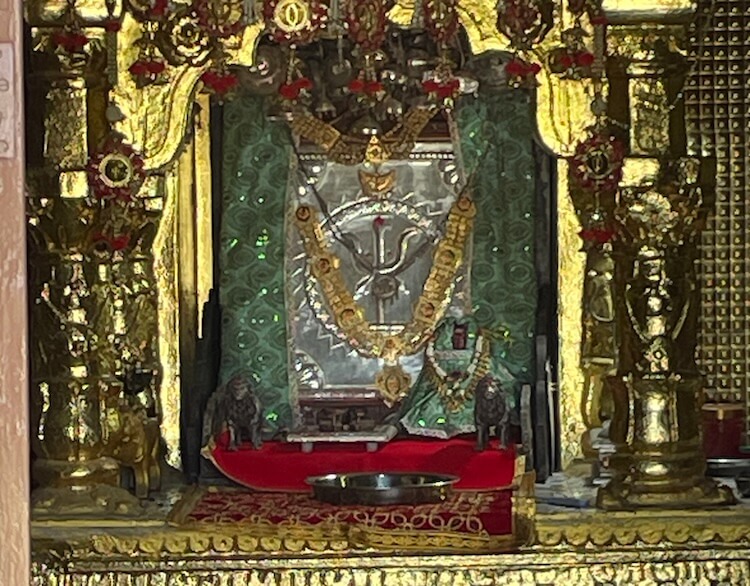 In the vast tapestry of the Mahabharata, one of the most pivotal, courageous and influential figures is ‘Kunti’, the mother of the Pandavas. Throughout the epic, Kunti’s character is revered as the ultimate embodiment of sacrifice, restraint, immense fortitude and motherhood. Despite being beset by profound adversities, she remained steadfast, imparting to her five sons the invaluable virtues of ‘Dharma’ (righteousness), truth and justice. Notwithstanding her monumental significance in the Mahabharata, temples dedicated to Mother Kunti are exceedingly rare across the nation. One such illustrious shrine, endowed with a rich historical heritage, is situated in the village of Asjol within the Becharaji Taluka of Mehsana district. According to prevailing legend, during the arduous period of the Pandavas’ exile, they erected this temple to worship and honour their mother, Kunti (Kunta) Mata.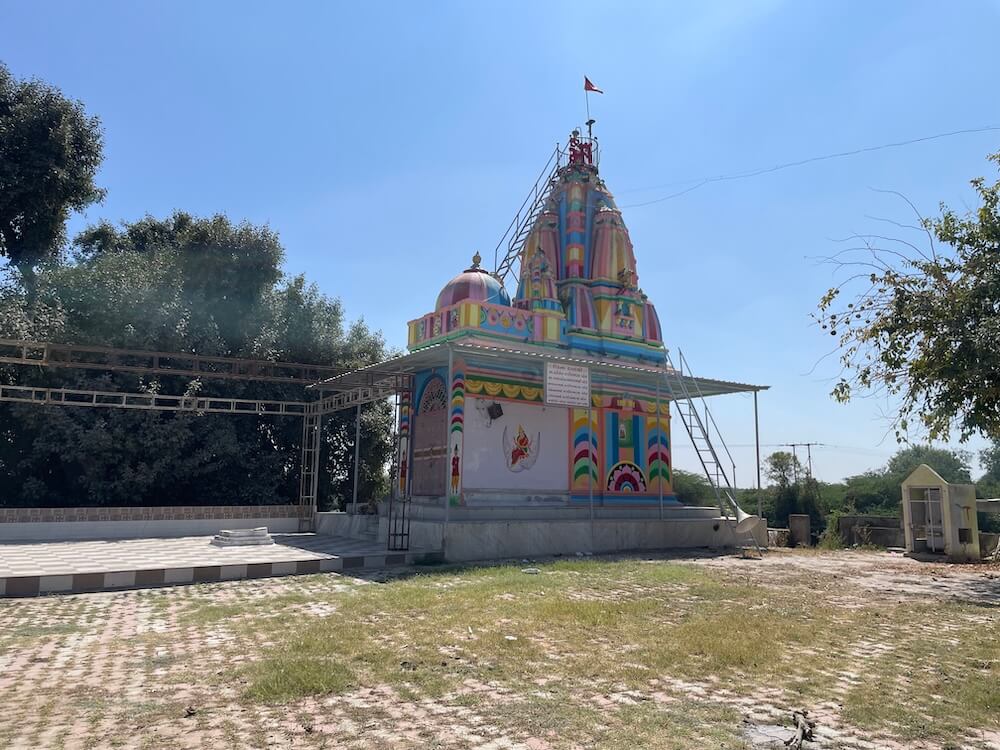
Kunti was the daughter of King Shura of the Yadava dynasty and the paternal aunt of Lord Krishna. Her childhood name was ‘Pritha’, but she was later adopted by the childless Yaduvanshi (Bhoja-Yadu) King Kuntibhoja, after whom she was named ‘Kunti’. On one occasion, Kunti served Sage Durvasa with such heartfelt devotion during his stay as a royal guest that the gratified sage bestowed upon her a ‘Mantra’ (sacred invocation). He granted her the boon that whichever deity she invoked using this mantra would bless her with a son. Through the power of this invocation, Kunti was blessed with a son, Karna, sired by the Sun God whilst she was still a maiden. Following a ‘Swayamvara’ (formal choice of a husband), she became the consort of King Pandu of Hastinapur.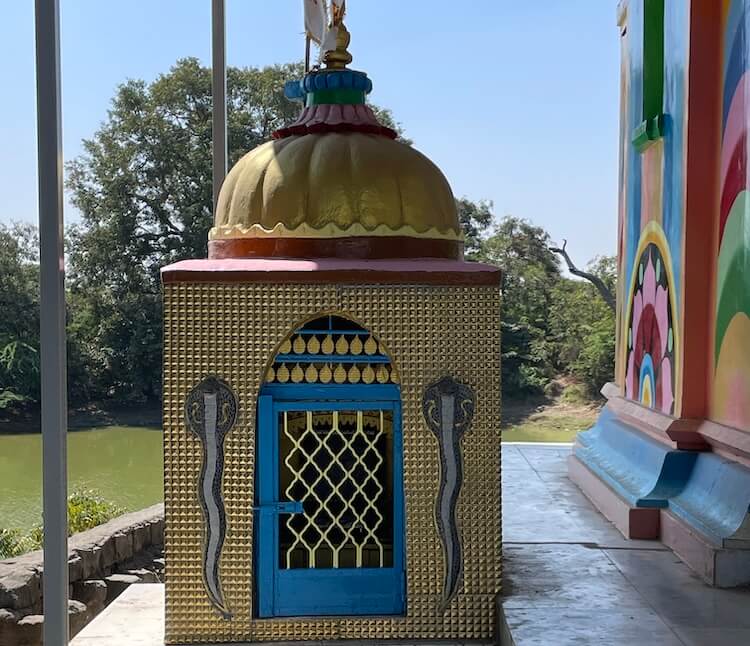 Once, whilst hunting, King Pandu’s arrow accidentally struck Sage Kindama and his wife. Before succumbing to his wound, the sage cursed the King, decreeing that death would claim him the moment he approached a woman with amorous intent. Despondent due to this curse, King Pandu retired to the forest to live an ascetic life with his wives, Kunti and Madri. As the natural path to progeny was obstructed, Pandu requested Kunti and Madri to conceive sons through the practice of ‘Niyoga’ (appointment of a substitute). At her husband’s behest, Kunti invoked the gods: she bore Yudhishthira (Dharma) from Yamadharma, Bhima from Vayu and Arjuna from Indra. Upon Pandu’s further request, she shared the sacred mantra with Madri, who was subsequently blessed with the twins Nakula and Sahadeva from the Ashwini Kumaras. I
 n the Great War of the Mahabharata, Kunti had urged Karna to fight on the side of the Pandavas. It is a well-known chronicle that following the war, while she was on her final journey, Kunti perished in a forest fire.
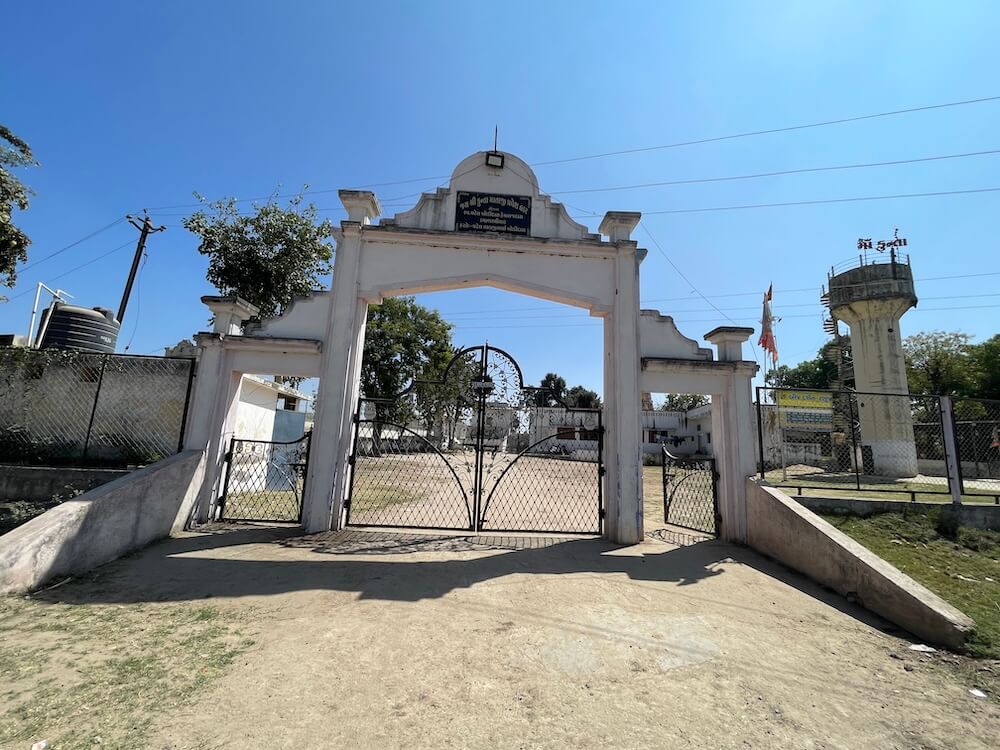
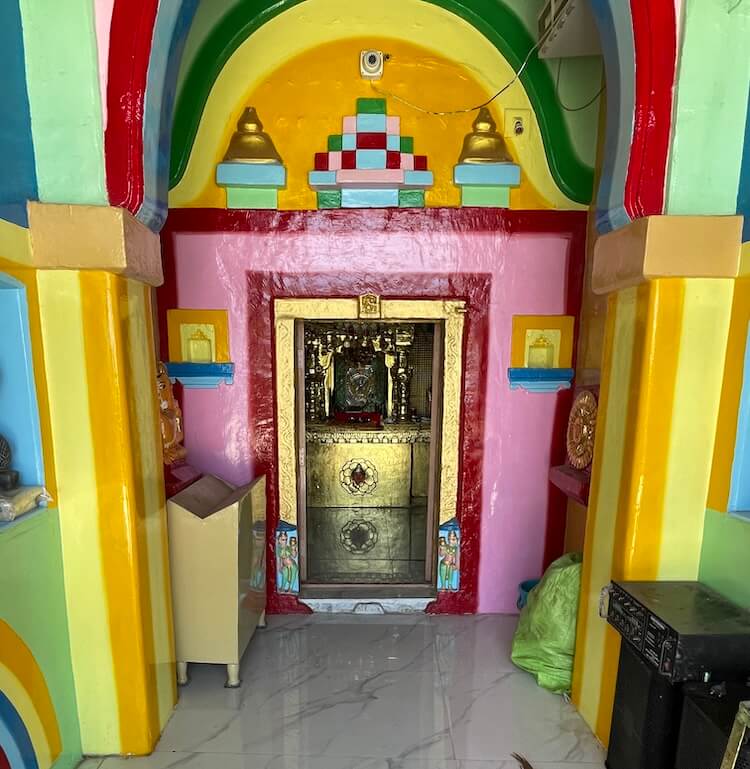
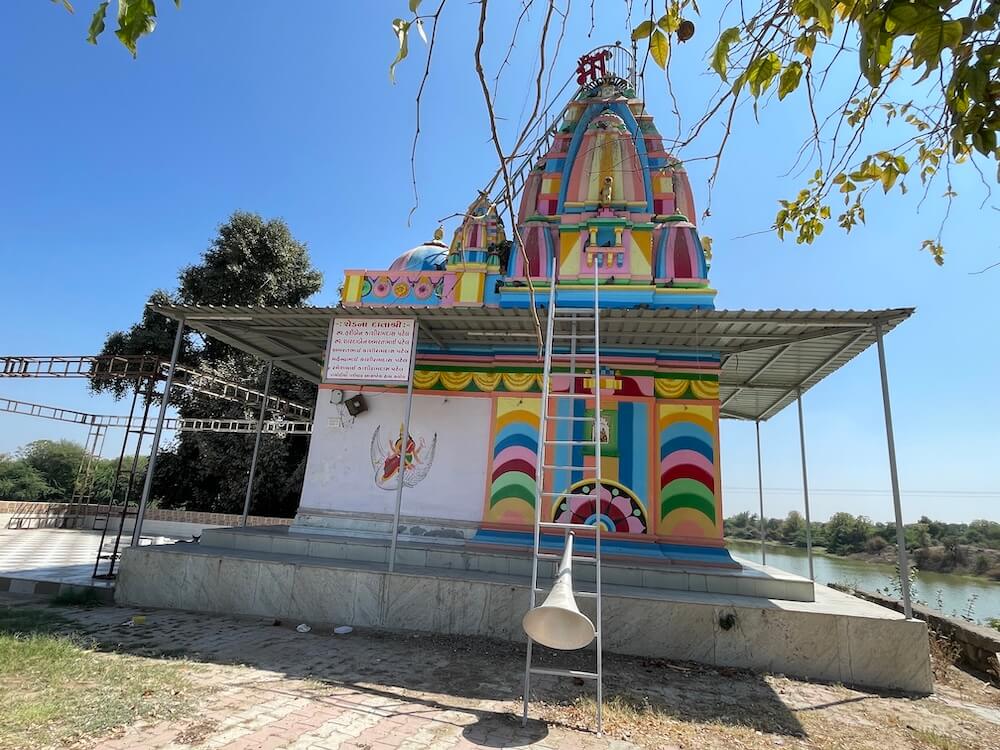
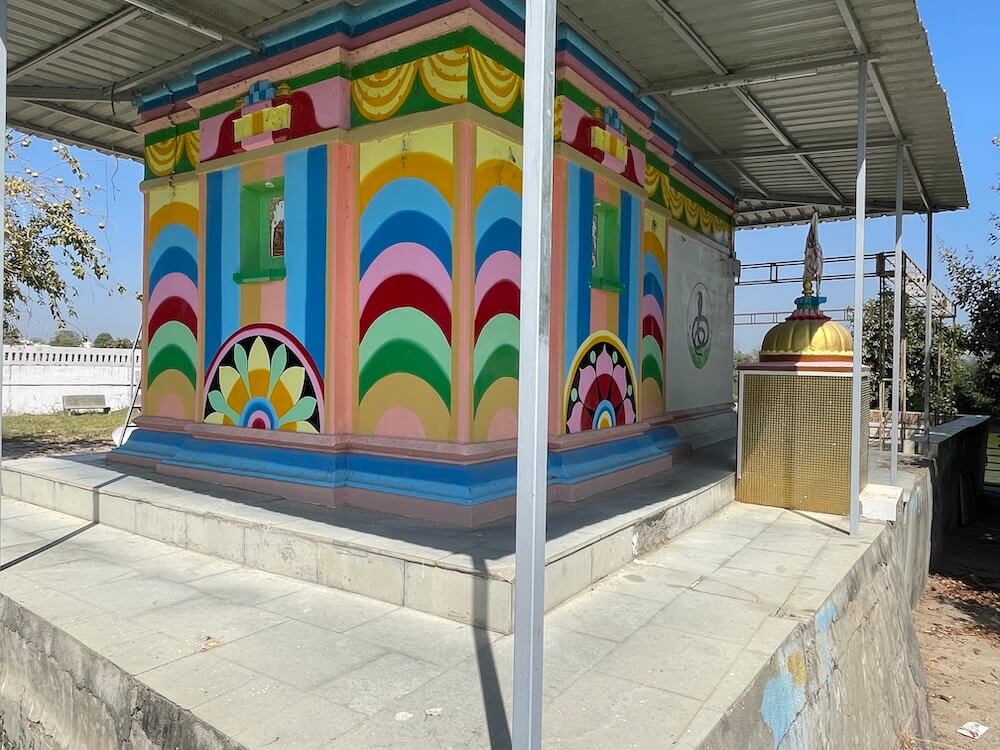
The local lore regarding the Kunta Mata Temple in Asjol suggests that this region was once part of the Hidimb forest. Whilst journeying towards Dwarka to meet Lord Krishna, the Pandavas resided here for a duration. During that time, they established the Kunta Mata Temple in their mother’s name. This ancient edifice has undergone several periodic restorations, with a recent renovation bestowing upon it its current form. The temple is nestled gracefully on the banks of the village lake. Upon passing through the main portal, one enters a spacious outer courtyard. Moving forward and ascending a few steps, a second courtyard unfolds, 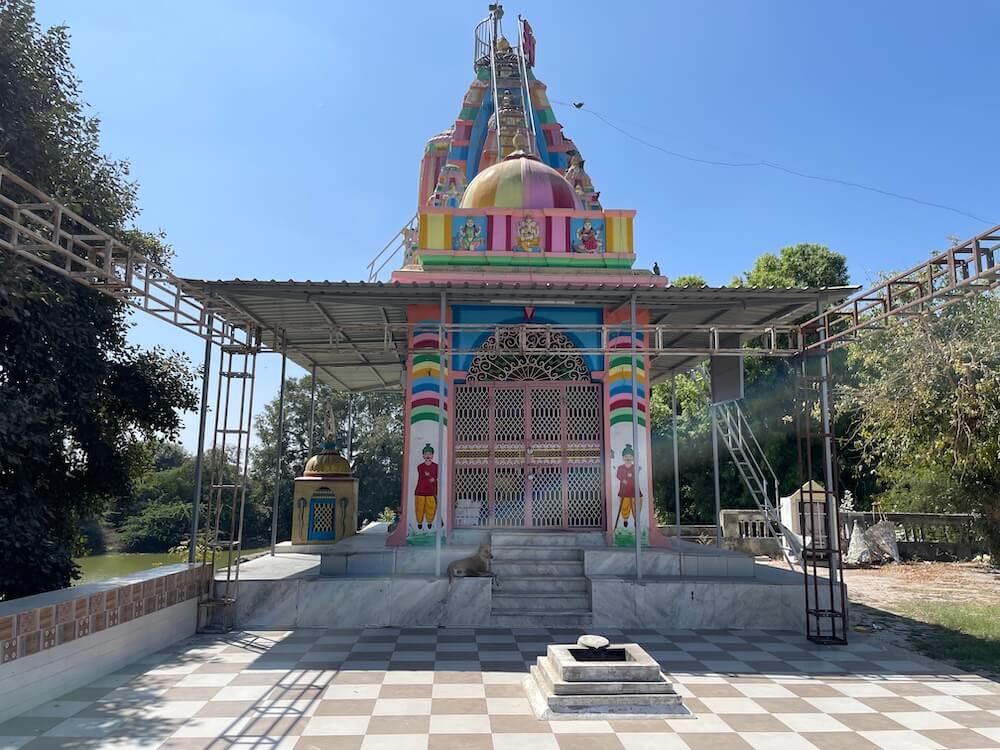 which is uniquely surrounded on three sides by the waters of the lake, with the Kunta Mata Temple situated to the left. A ‘Yagyakunda’ (sacrificial fire pit) stands directly before the shrine.
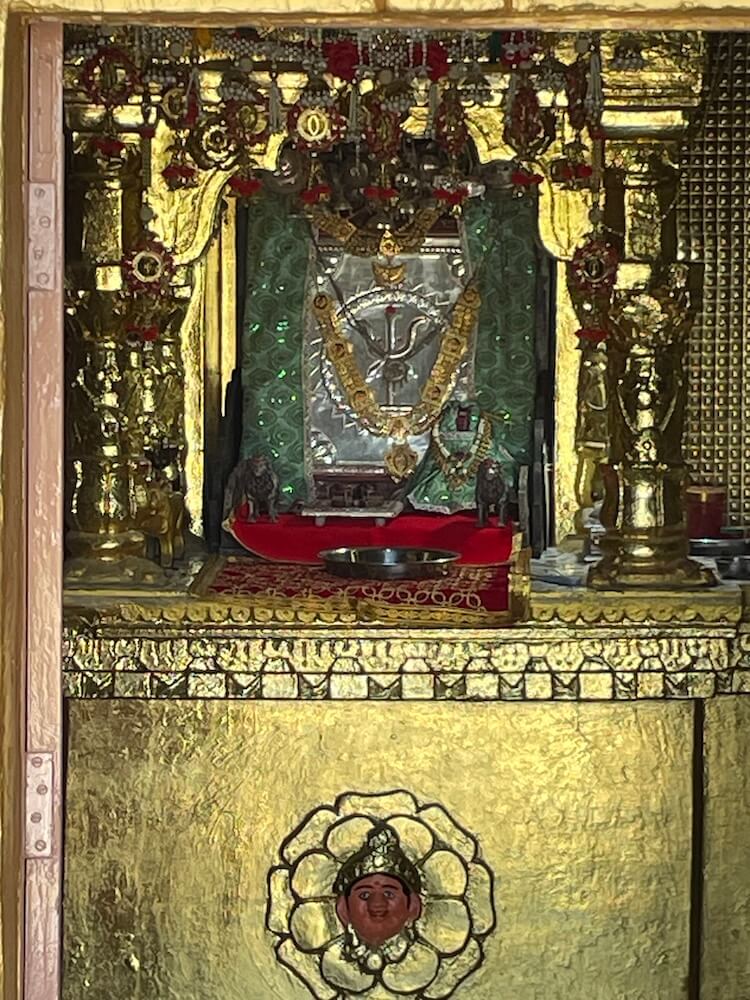
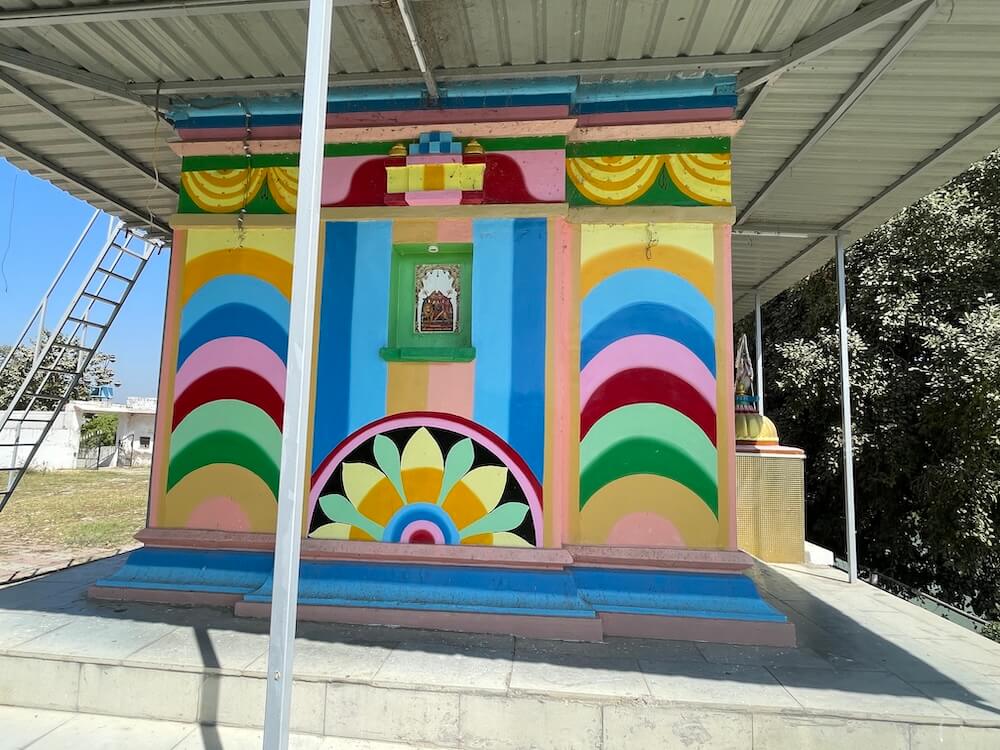
The temple is modest in its proportions. The facade, above the main entrance, features exquisitely carved icons of Lakshmi, Saraswati and Ganesha. One enters the ‘Sabhamandapa’ (assembly hall) of the temple, which is perched upon a high ‘Jagati’ (plinth), by ascending seven steps. The temple is designed such that a ‘Pradakshina’ (circumambulation) path remains on the outer edge of this plinth, with the main structure built within. The architectural plan consists of a ‘Sabhamandapa’ and the ‘Garbhagriha’ (sanctum sanctorum). 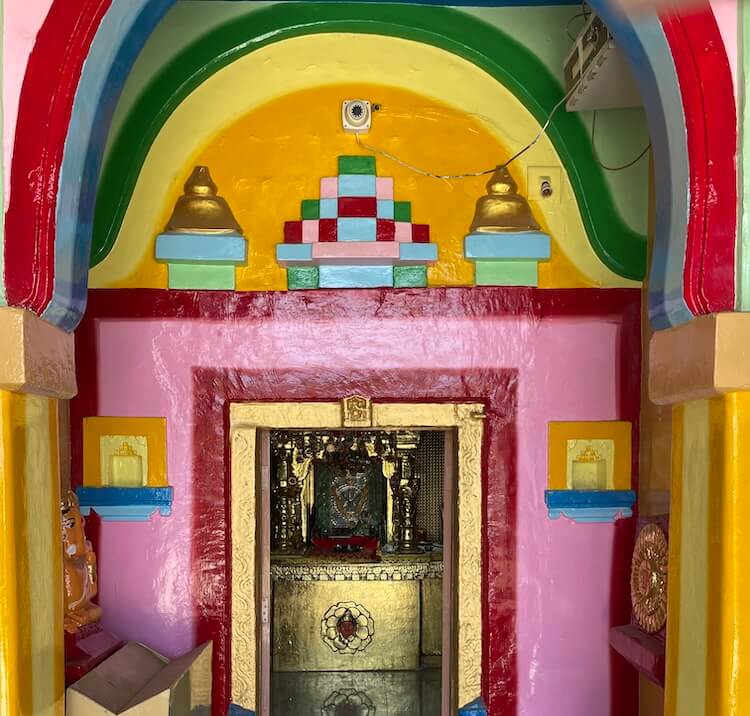 The walls flanking the entrance are adorned with painted depictions of ‘Dwarpalas’ (gatekeepers). To the left of the sanctum’s entrance is an idol of Ganesha and a sculpture of the same deity graces the ‘Lalatabimba’ (central lintel) of the doorway. Within the sanctum, an image containing a ‘Yantra’ (mystical diagram) is enshrined in a ‘Makhar’ (ornate frame) placed upon a horizontal pedestal. In the Kunta Mata Temple, it is the ‘Yantra’ that is worshipped in lieu of an anthropomorphic idol. The ‘Padukas’ (sacred footprints) of the Goddess are placed before this image. Two sculptures of lions are also situated within the frame. Furthermore, the sanctum houses an image of Santoshi Mata alongside other deities. The ‘Garbhagriha’ is topped by a beautiful ‘Shikhara’ (spire), embellished with several subsidiary spires. The summit is crowned with an ‘Amalaka’ and a ‘Kalasha’ (pinnacle). The ‘Sabhamandapa’ features a domed roof and various sections of the spires are adorned with the icons of diverse gods and goddesses. To the left of the main temple stands a shrine dedicated to Goga Maharaj.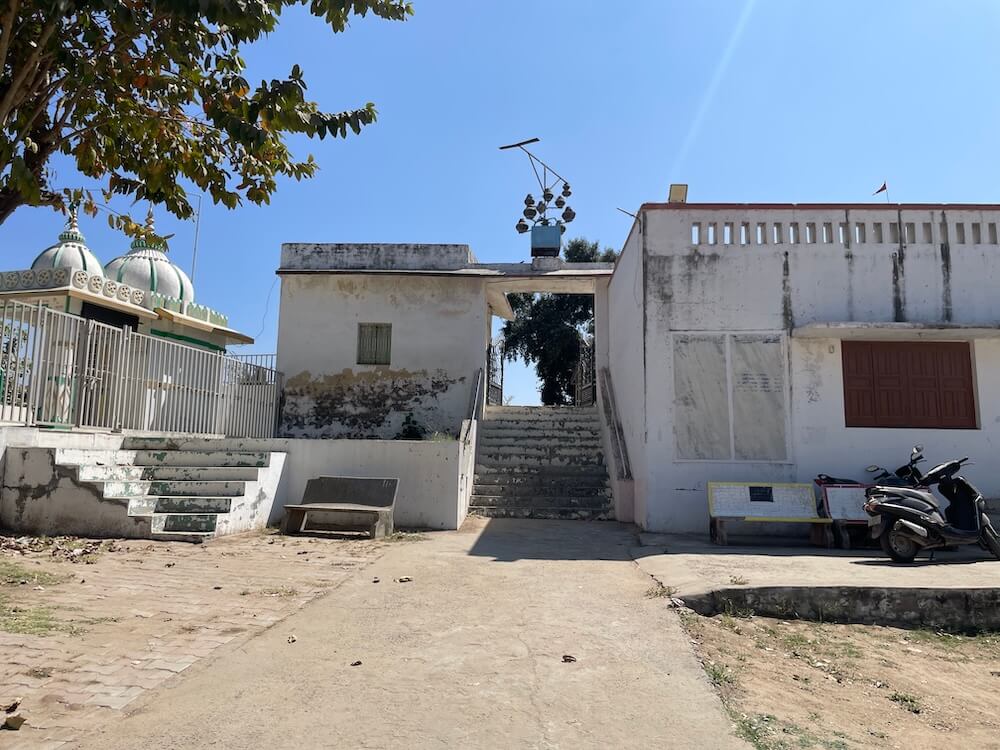
Within the precinct, there is a ‘Dharamshala’ (rest house) constructed by the temple’s board of trustees. A small shrine dedicated to Hakam Pir Baba is also located on the grounds. The open fields surrounding the temple host various cultural programmes during the Sharadiya Navratra festival. Approximately half a kilometre from the temple lies an ancient stepwell known as the ‘Kunteshwari Vav’. The villagers of Asjol repose immense faith in Kunta Mata and as a sanctum for thousands of devotees, the temple remains a vibrant hub of activity. Religious ceremonies are organised throughout the year, with the Sharadiya Navratri being the pre-eminent festival. During these nine days, a variety of rituals are performed, commencing with the ‘Ghatasthapana’ (installation of the sacred pot) on the first day.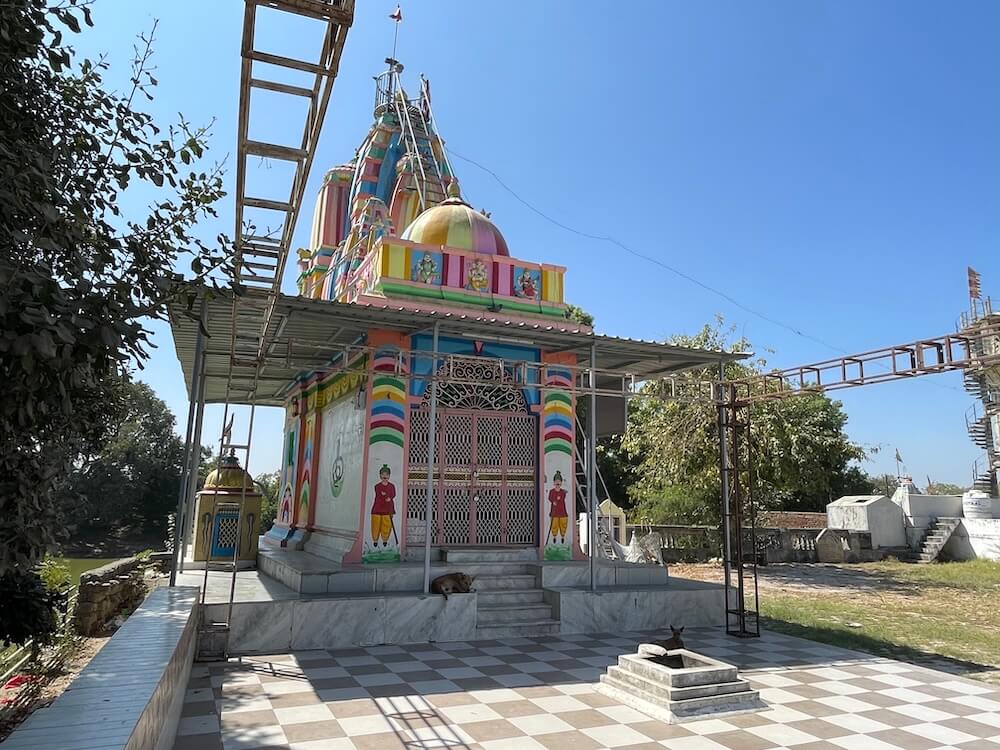 The entire area is festooned with attractive illuminations for the festival. ‘Aarti’ (ritual of lights) is performed twice daily in the presence of hundreds of devotees. On ‘Ashtami’ (the eighth day), ‘Havan’ (fire rituals) are conducted at the temple, accompanied by special ‘Garba’ performances.
On the day of ‘Dussehra’, a grand ‘Shobhayatra’ (ceremonial procession) is taken out from the temple. The procession begins with the Goddess’s image placed in a palanquin decorated with flowers. People of all ages from the village participate enthusiastically, accompanied by tractors and other vehicles.
Local youths often participate dressed as various mythological characters. The procession concludes at the temple with a final ‘Puja’ (worship) after the palanquin returns. The temple is open for devotees daily from 6 am to 8 pm.
Useful Information
- Located at 15 km from the town of Becharaji and 34 km from Mehsana.
- GSRTC bus services are available from both Becharaji and Mehsana.
- Private vehicles can reach the temple’s parking area.
- No accommodation or breakfast facilities are available within the immediate precinct.
कुंता माता मंदिर
असजोल, ताल. बेचराजी, जिला. मेहसाणा
मंदिरे
Temples
मंदिर
-
वैजनाथ महादेव मंदिर महादेवपुरा (गावडा), ता. विजापूर, जि. मेहसाणा
अधिक माहितीVaijnath Mahadev Temple Mahadevpura (Gavada), Tal. Vijapur, Dist. Mehsana
View Detailsवैजनाथ महादेव मंदिर महादेवपुरा (गावड़ा), ताल. विजापुर, जिला. मेहसाणा
विवरण देखें -
वैजनाथ महादेव मंदिर सोखडा, तालुका विजापूर, जिल्हा मेहसाणा
अधिक माहितीVaijanath Mahadev Temple Sokhada, Taluka Vijapur, District Mehsana
View Detailsवैजनाथ महादेव मंदिर सोखाडा, तालुका विजापुर, जिला मेहसाणा
विवरण देखें -
काशी विश्वनाथ महादेव मंदिर मेहसाणा, जि. मेहसाणा
अधिक माहितीKashi Vishwanath Mahadev Temple Mehsana, Dist. Mehsana
View Detailsकाशी विश्वनाथ महादेव मंदिर मेहसाणा, जिला. मेहसाणा
विवरण देखें