
केशरभवानी माता मंदिर
मारतोली, ता. जोटाणा, जि. मेहसाणा
Kesharbhavani Mata Temple
Martoli, Tal. Jotana, Dist. Mehsana
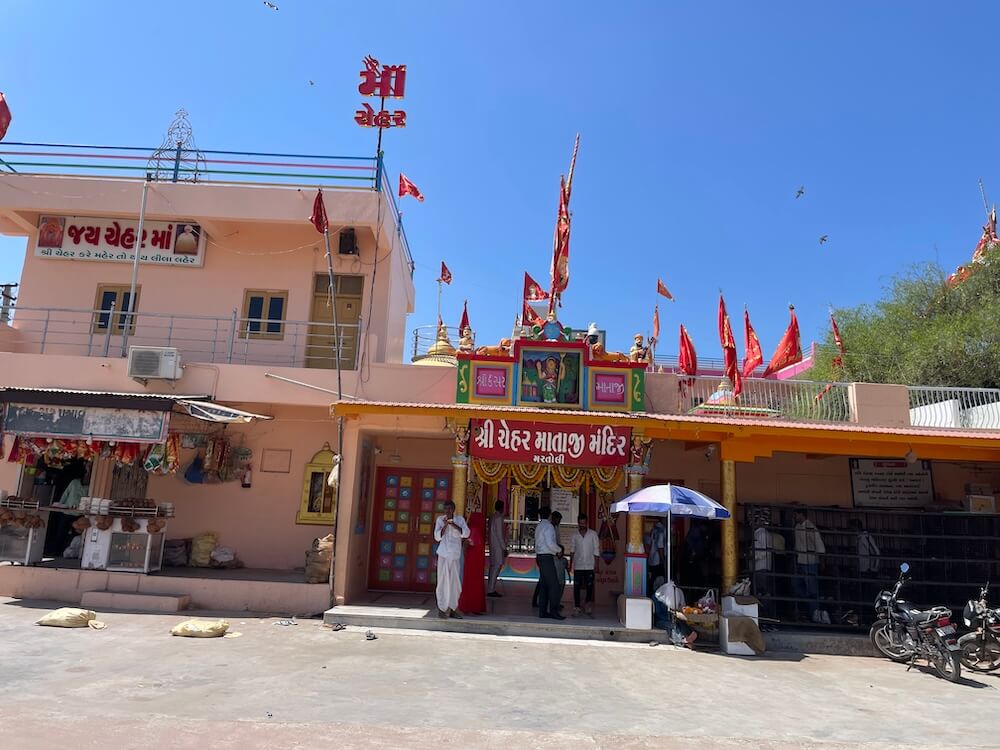
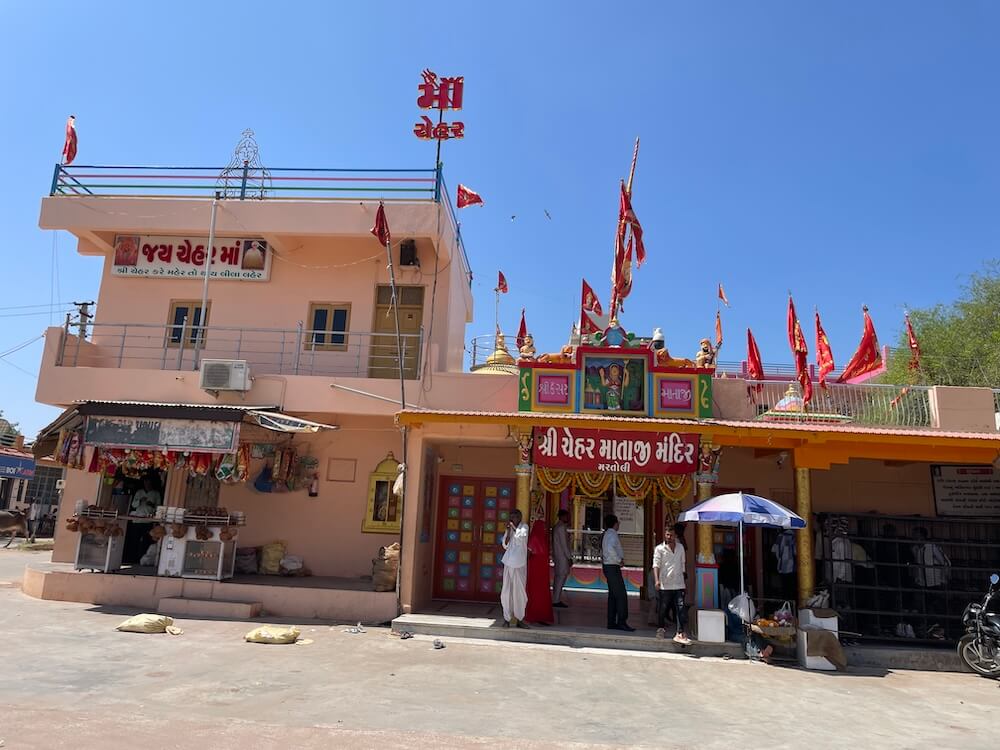
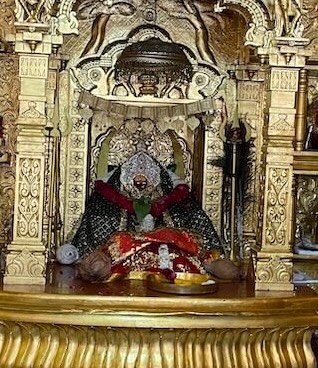 In the village of Martoli lies an exceedingly ancient temple dedicated to Kesharbhavani Mata (also revered as Chehar Mata), an incarnation of Mother Chamunda. This sanctuary, steeped in a legacy of over nine hundred years, marks the sacred site where the Goddess is said to have manifested beneath a ‘Varkhadi’ tree. Her holy footprints are still worshipped near the verdant boughs of that very tree. Boundless faith resides in this ‘Jagrut’ (spiritually awakened) deity, who is believed to undergo a mystical transformation of form thrice daily. Each day, thousands of devotees converge here to seek her ‘Darshan’ (holy viewing), while many childless couples offer ‘Manata’ (devotional vows) in the earnest hope of progeny. Preserved within the temple precincts are a ‘Chunari’ (sacred scarf) and ‘Laddoos’ (sweetmeat offerings) that bear witness to the Goddess’s divine grace.
According to a myth associated with this temple, the region of Haladi in the Sindh province—situated on the contemporary border between Pakistan and Gujarat—was ruled nine hundred years ago by the Shekhawat dynasty. 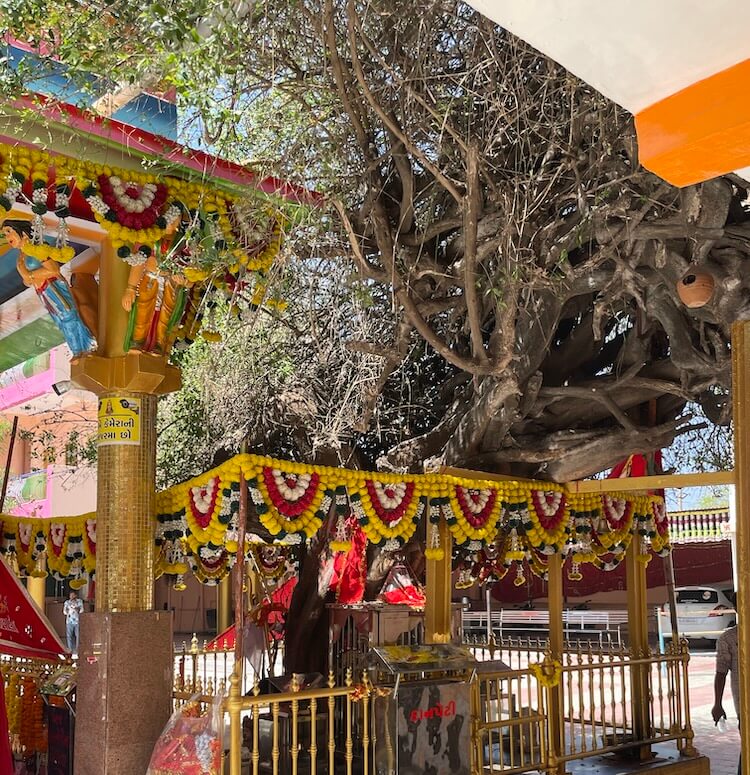 The reigning monarch, King Rathore, was a benevolent, pious and just ‘Lokraja’ (people’s king). Despite many years of marriage, the King remained childless and deeply distressed, prompting him to embark on a pilgrimage to seek the blessings of Hinglaj Mata. En route, he encountered a great ‘Siddha Purusha’ (perfected sage) who counselled him to observe the ‘Purnima Vrat’ (Full Moon fast) in honour of the Goddess. The King fulfilled this vow with singular devotion and subsequently, the Queen conceived. On the eve of ‘Vasant Panchami’ that year, the Goddess appeared to the King in a ‘Drishtant’ (divine vision), instructing him: ‘Hang a cradle beneath the Palash tree outside the palace; tomorrow, I shall manifest there in the form of a daughter.’ The following day, the Queen gave birth to two daughters, Gangaba and Sonaba, while the King, as promised, discovered a radiantly beautiful newborn girl in the cradle beneath the tree.
 As the ‘Palash’ (Butea monosperma) tree is known as ‘Kesudo’ in Gujarati, the divine infant was bestowed with the name ‘Keshar’.
In time, Keshar was wed into the Vaghela royal family of Terwada in the Kutch district. However, tragedy struck shortly after the nuptials when her husband met an untimely demise. Her in-laws, unjustly holding Keshar responsible for this misfortune, subjected her to great tribulations. Following her bereavement, Keshar dedicated her existence to religious pursuits and divine contemplation. During this period, the forest nearby housed the ‘Ashram’ (hermitage) of the ‘Nath Yogi’ Oghadnath, revered as an avatar of Lord Shiva. Being an incarnation of the Goddess herself, Keshar recognised the divine in the sage and began visiting the forest daily to seek his blessings. 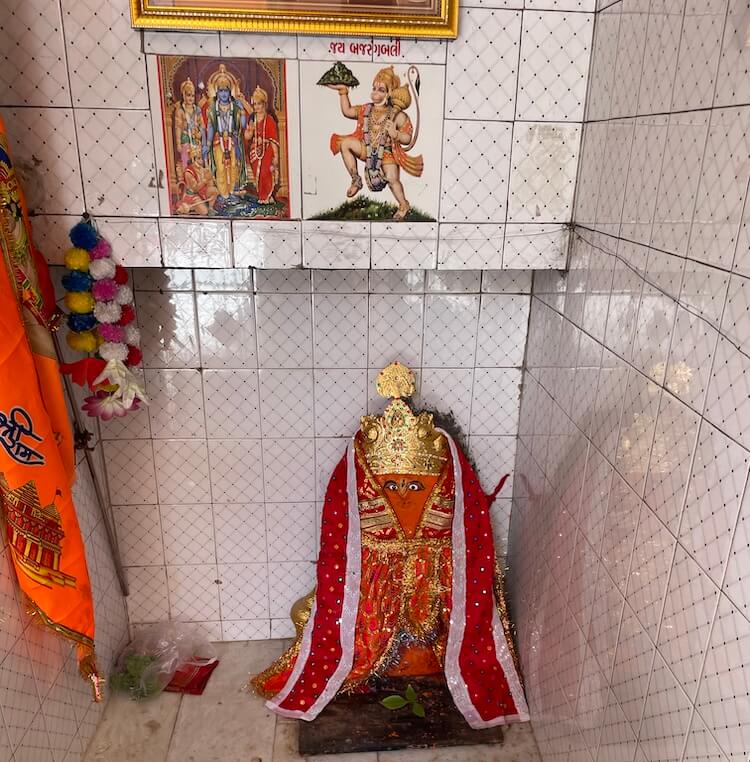 Oghadnath Maharaj formally initiated her into the ‘Nath Sampradaya’ (Nath lineage), after which Keshar attained ‘Shaktitattva’ (supreme divine energy) through rigorous ‘Sadhana’ (spiritual practice). However, her daily excursions into the wilderness led narrow-minded townsfolk to cast aspersions upon her character. When these slanderous reports reached her in-laws, they forbade her from visiting the hermitage.
Defying this domestic opposition, Keshar once again set out towards the ‘Ashram’. It was then that her brother-in-law, aided by others, intercepted her and cast her into a deep well. Believing her end had come, he returned home, only to be confounded by the sight of Keshar standing there alive. Incensed by this heinous attempt on her life, Keshar pronounced a ‘Shaap’ (curse): ‘Your city shall face utter destruction and other rulers shall come to reign here.’ Witnessing this display of divine potency, the family immediately sought her forgiveness, imploring her for an ‘Ushaap’ (a remedy to mitigate a curse). ‘Depart from here,’ the Goddess commanded, ‘and establish a new kingdom wherever you behold a lamp.’ Upon leaving the city, the family observed a lamp glowing near Banaskantha, where they subsequently founded the city of Deodar. To this day, the descendants of the Vaghela dynasty reside there.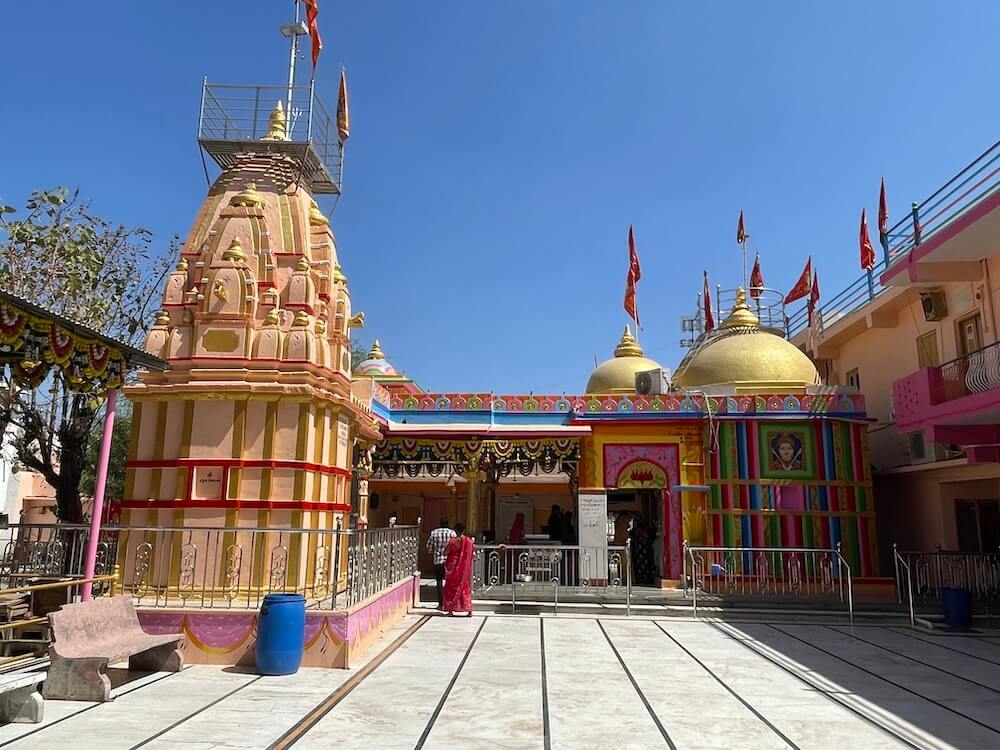
After departing from Terwada, the Goddess first journeyed to the city of Patan, eventually arriving at Martoli by chariot. Here, she granted ‘Darshan’ to the members of the Rabari community before vanishing beneath a ‘Varkhadi’ tree in the form of a flower. At this hallowed spot, the villagers erected a beautiful temple to Kesharbhavani Mata. The structure has undergone several renovations over the centuries, with recent restorations bestowing upon it its current grand architectural form.
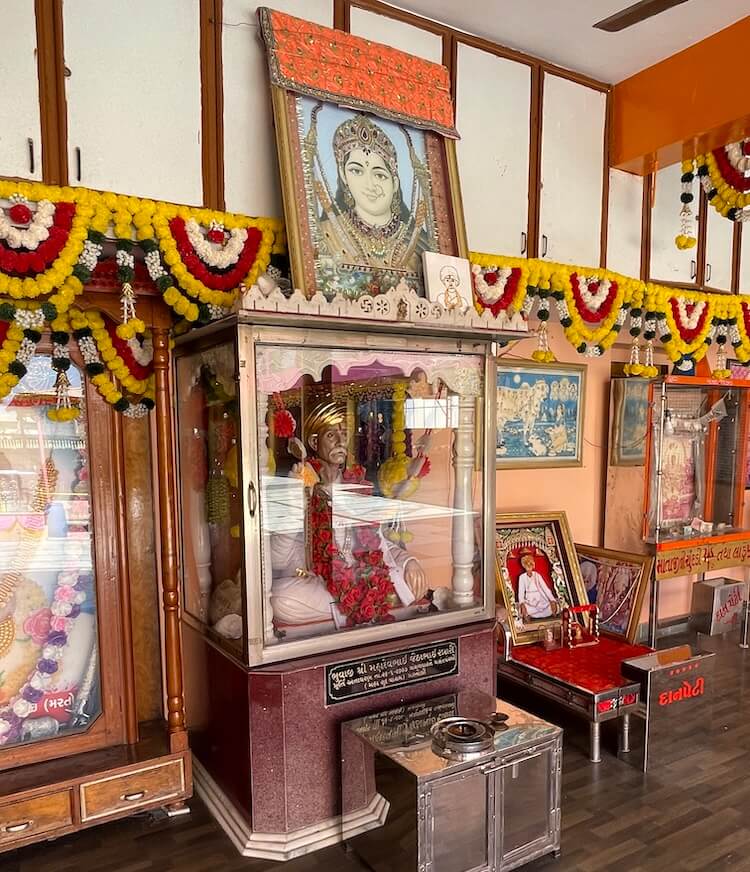
The legend concerning the Goddess’s ‘Chunari’ and ‘Laddoos’ is particularly renowned. In 1996, during a grand festival held on the 28th and 29th of March to celebrate ‘Ram Navami’, a ‘Saptachandi Yagya’ (a major fire ritual) was organised. An unprecedented throng of devotees arrived, 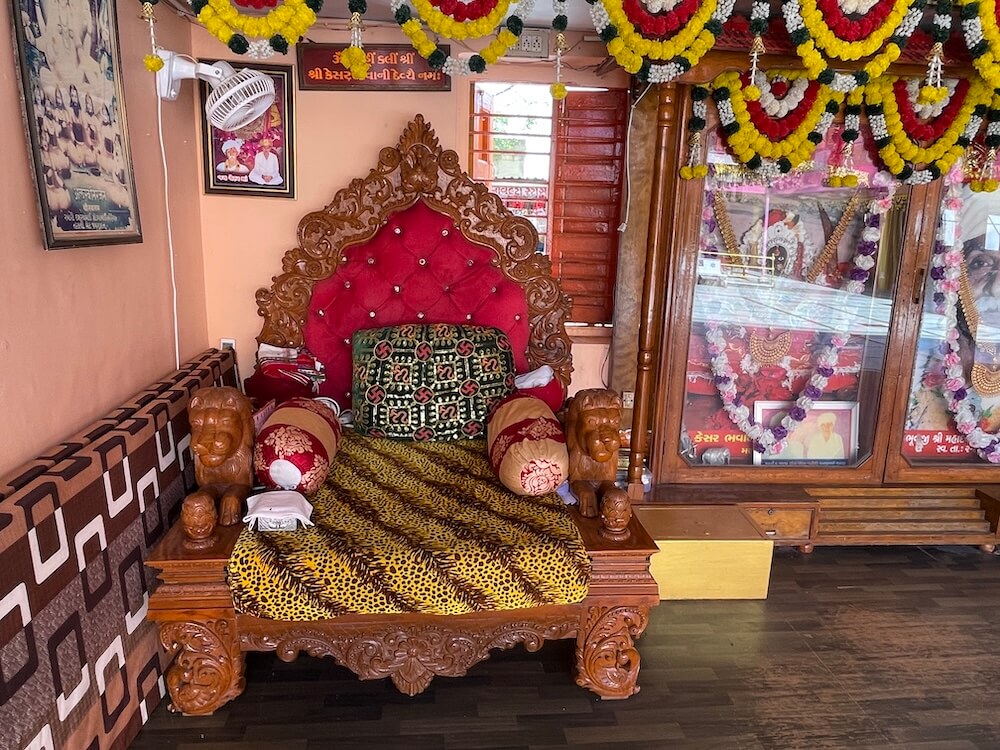 far exceeding expectations, leaving the temple trustees anxious about the sufficiency of the ‘Mahaprasad’ (consecrated meal). They shared their concern with the ‘Mahant’ (chief priest), Mahadevbhai, who sought a sign from the Goddess. He placed a single laddoo beneath a small ‘Chunari’—only a foot in width—that had been offered to the deity. Within moments, the scarf miraculously expanded to ten feet and hundreds of laddoos were found manifested beneath it. Every devotee present was satiated, yet a vast quantity of sweets remained, which were then distributed among several neighbouring villages. Five laddoos from that miraculous offering and the sacred ‘Chunari’ are preserved to this day in a glass vitrine within the temple.
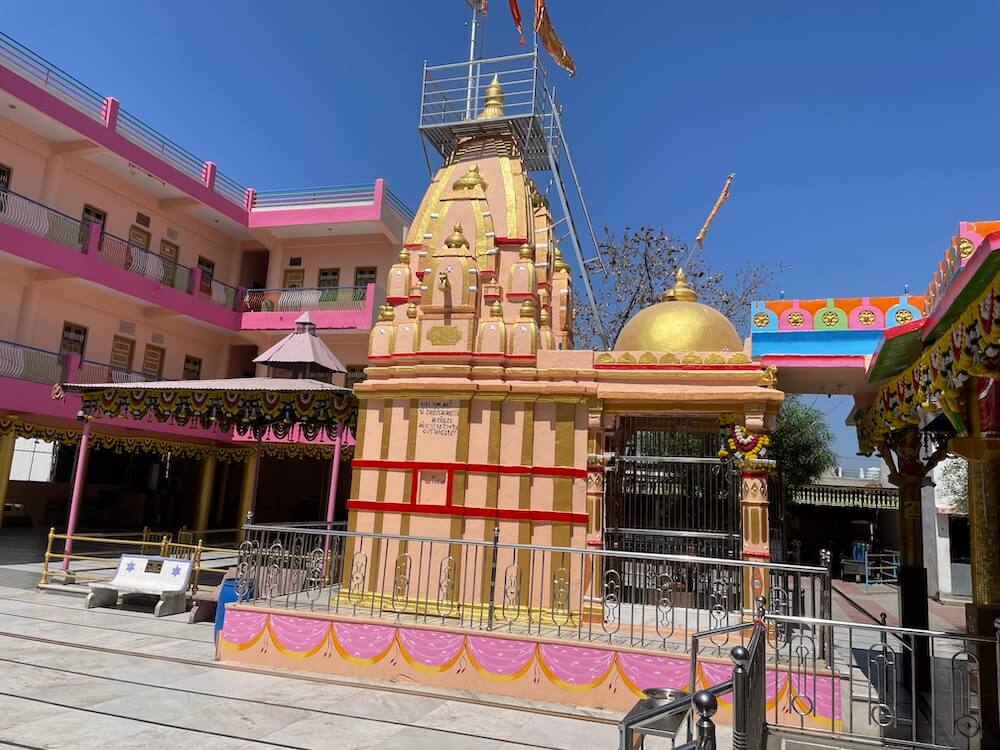
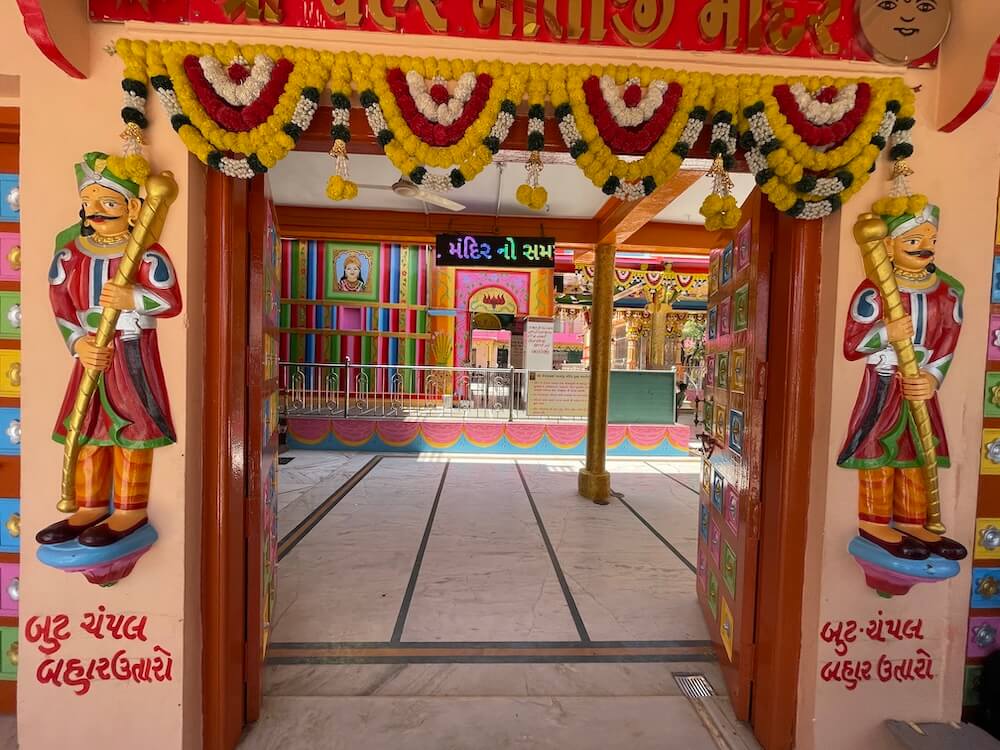
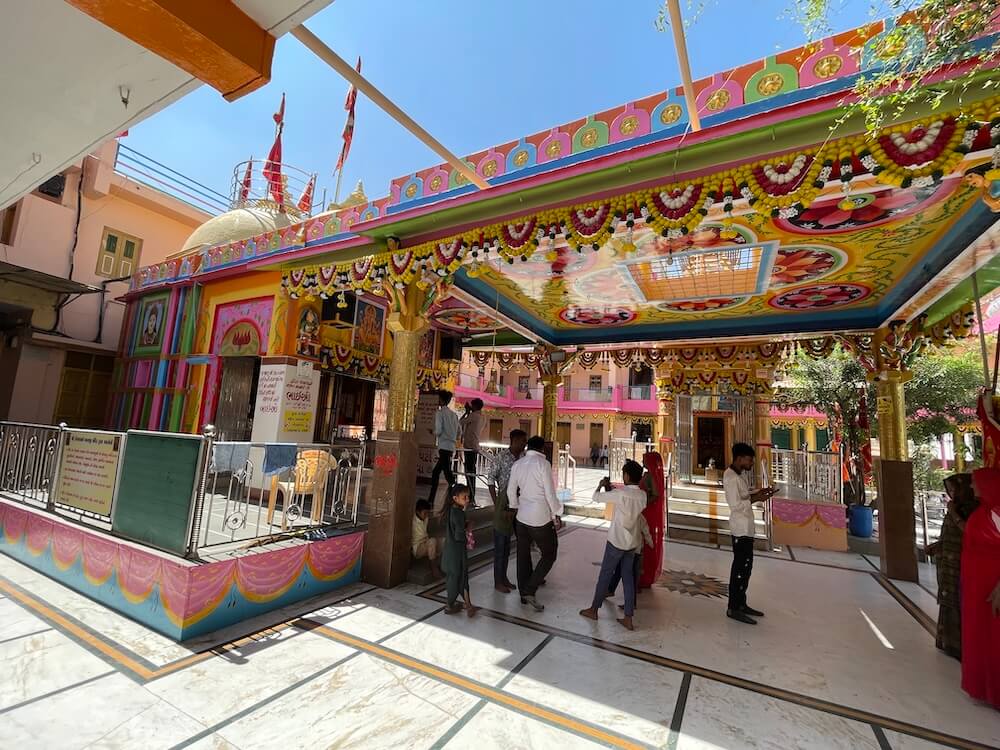
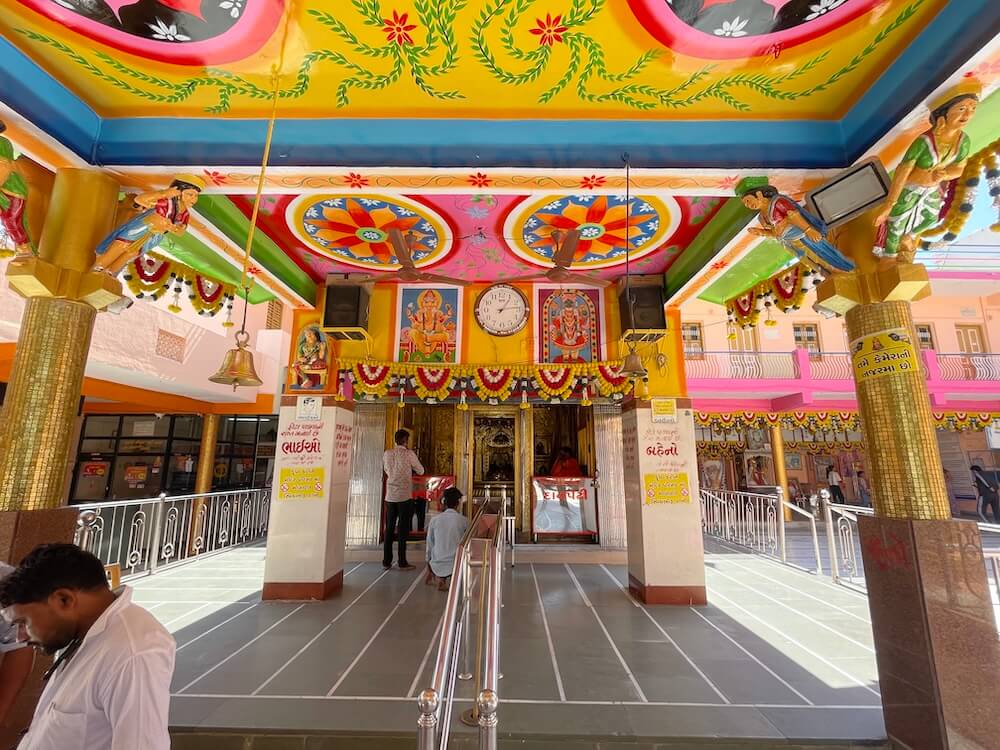
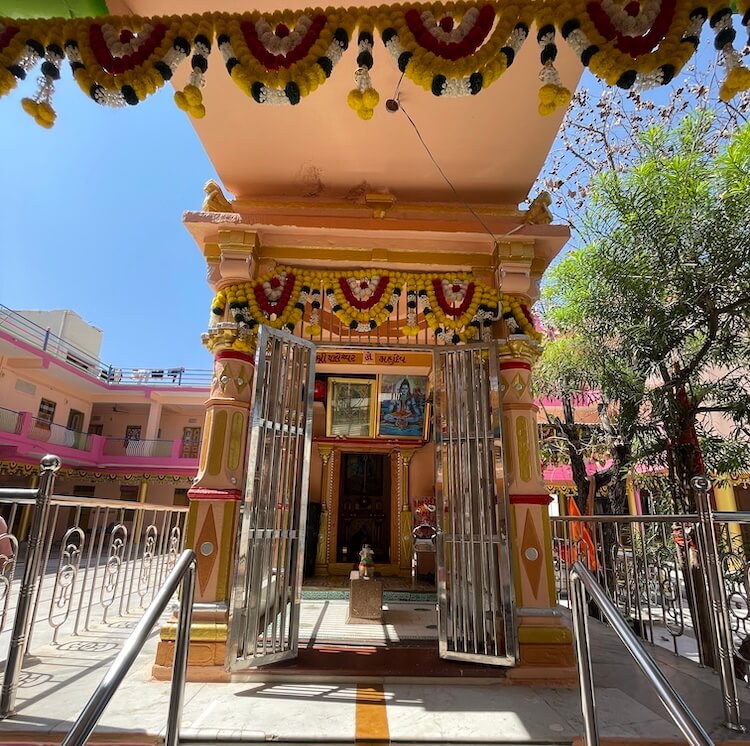
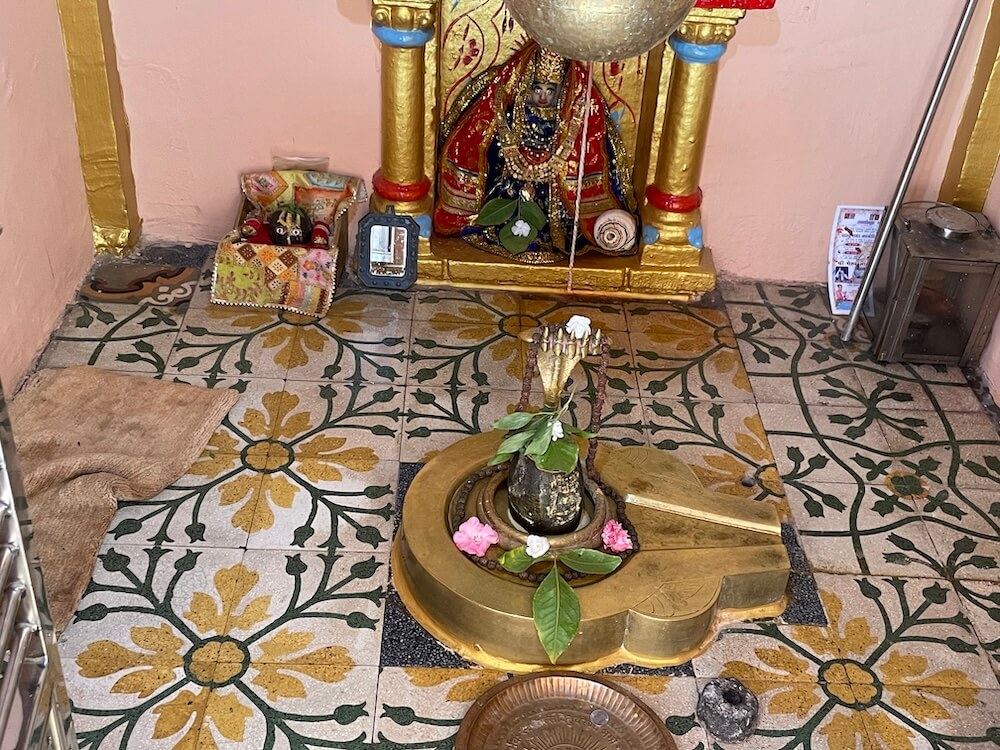
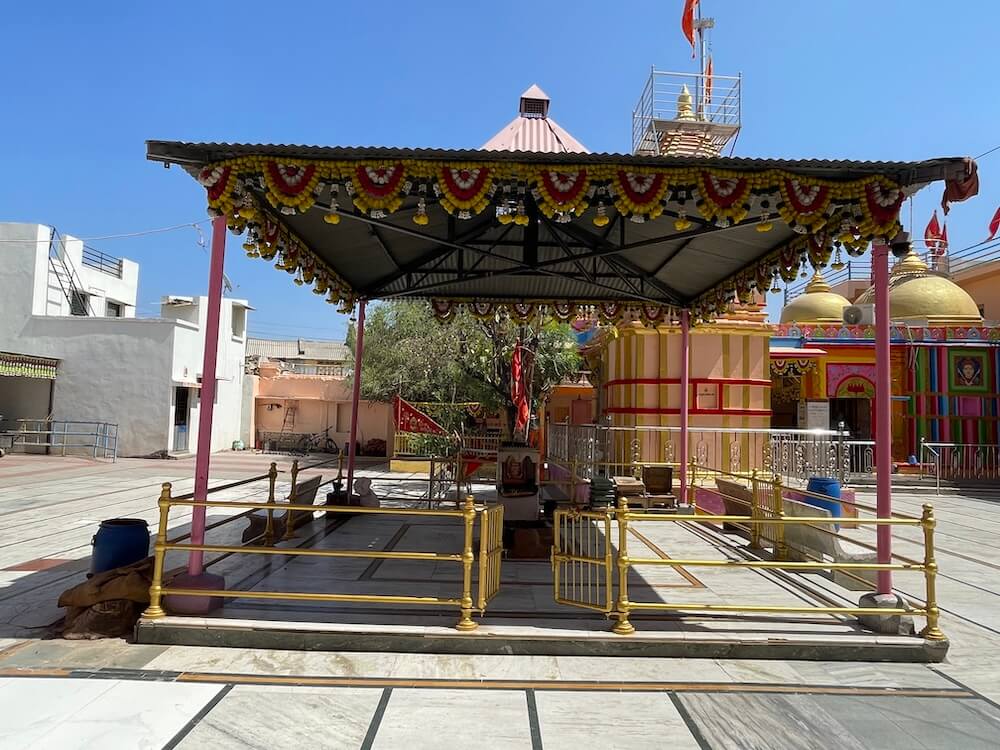
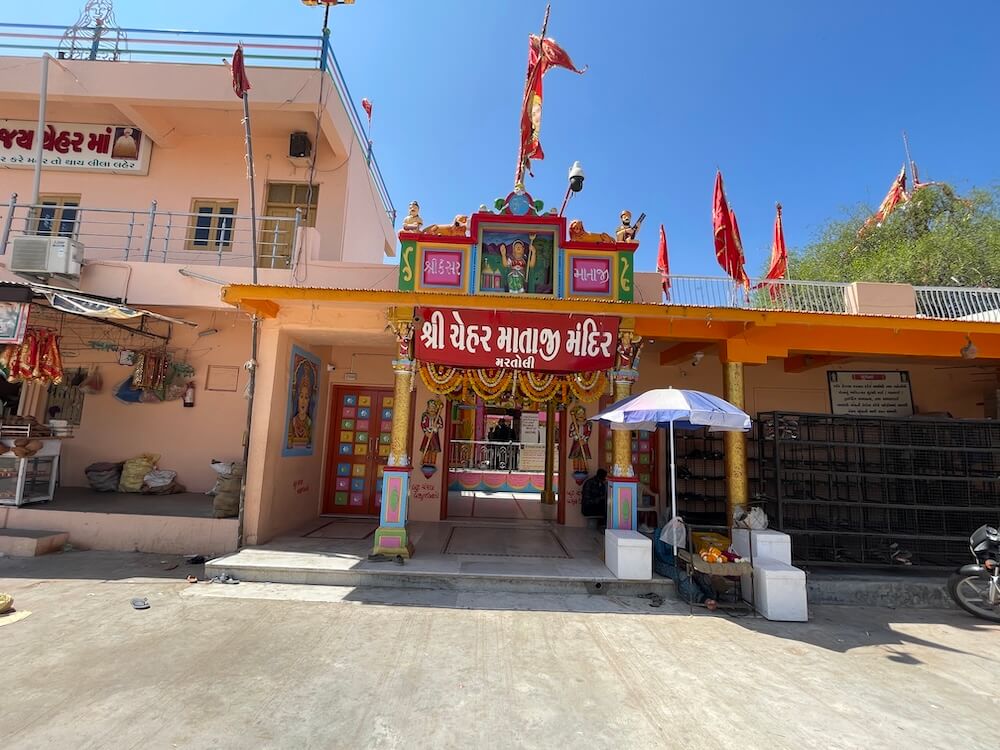
 The precinct also houses a small ‘Shivalaya’ (Shiva shrine) and a temple dedicated to Hanuman. Various religious fire rituals are performed in the ‘Yagyashala’. Upon entering the main portal, one crosses a spacious courtyard to reach a second gateway. Above the primary entrance, an image of Kesharbhavani Devi is enshrined, flanked by carvings of lions. A double-storeyed ‘Dharamshala’ provides lodging for pilgrims, while the ‘Bhojanshala’ (dining hall) serves free ‘Mahaprasad’ daily from 11 am to 2 pm and 7 pm to 9 pm.
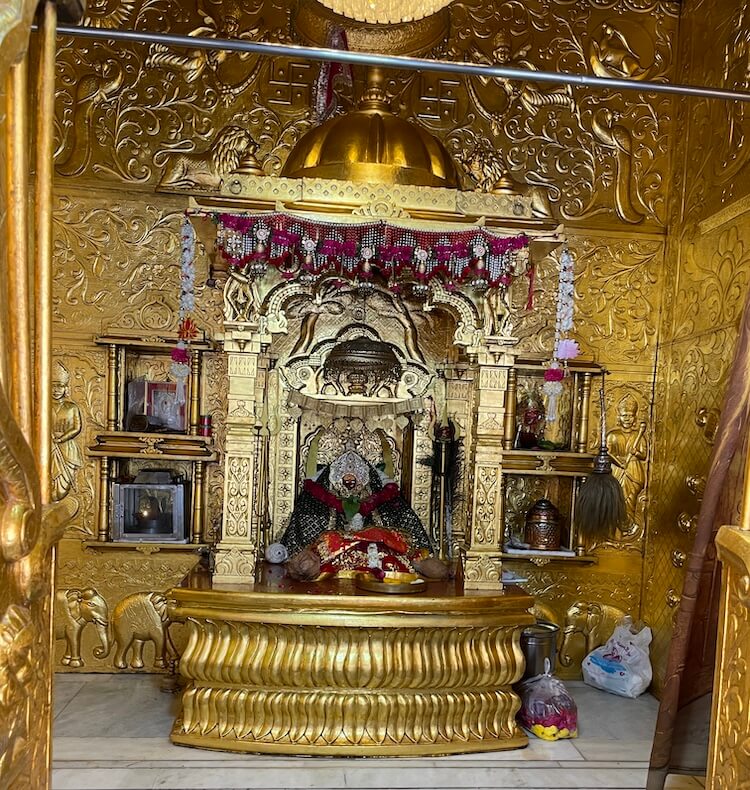
The entrance to the temple’s ‘Sabhamandapa’ (assembly hall) is adorned with beautiful depictions of Ganesha and the Goddess. The walls of the ‘Garbhagriha’ (sanctum sanctorum) and the ‘Makhar’ (ornate frame) are plated in intricately crafted gold. Within this ‘Makhar’, which features carvings of ‘Gajarajas’ (elephants) and ‘Mangalkalash’ (auspicious pots), sits Kesharbhavani Devi. A niche nearby houses an idol of Ganesha and the surrounding walls are embellished with motifs of lions and ‘Dwarpalas’ (gatekeepers). The miraculous ‘Chunari’ and laddoos are displayed nearby for public viewing.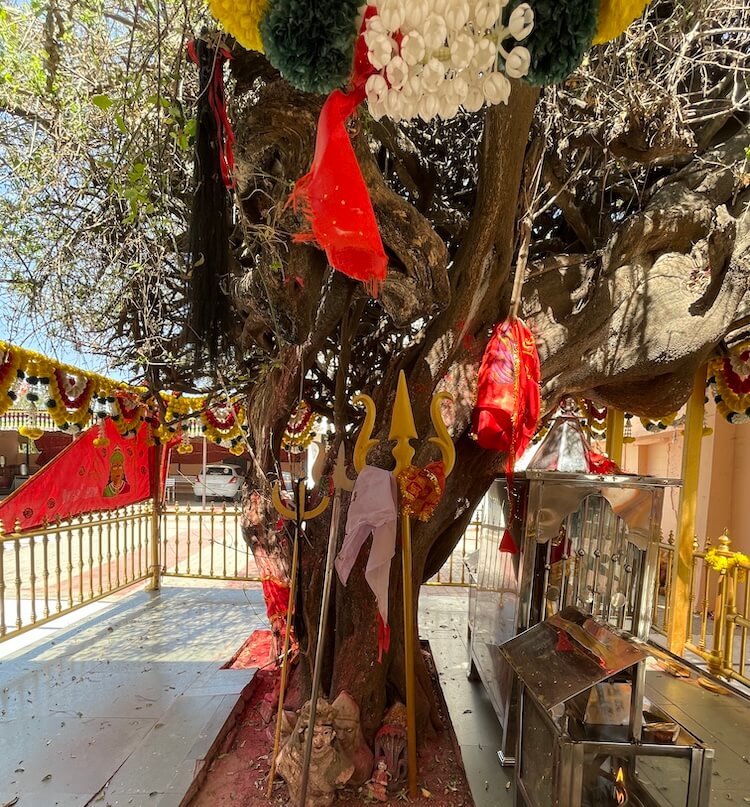
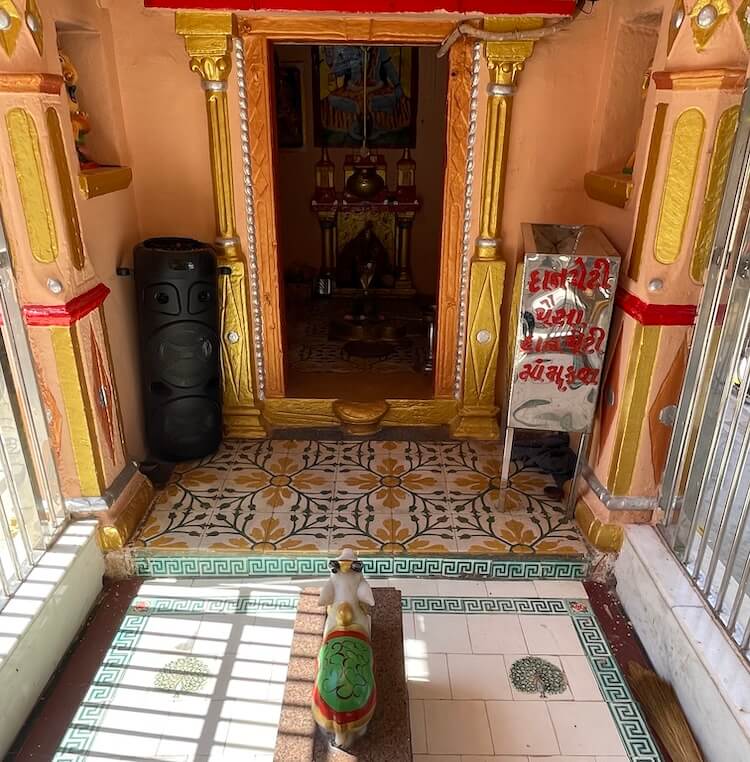
Near the ‘Varkhadi’ tree facing the temple, several ancient idols have been preserved. A small shrine marks the Goddess’s site of manifestation at this tree, accompanied by a small lion sculpture.
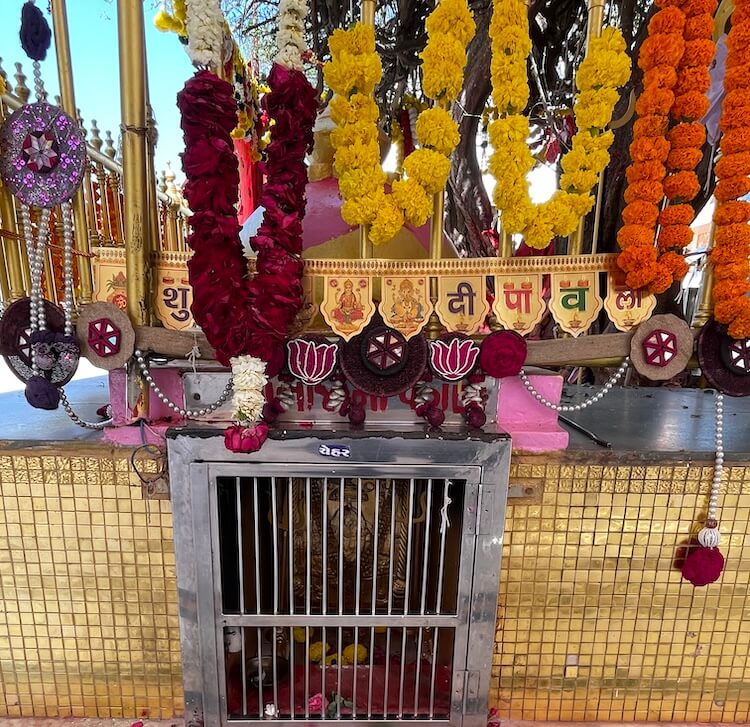
Beneath the tree, a small alcove-shrine houses the Goddess’s ‘Padukas’ (sacred footprints) and a ‘Yantra’ (mystical diagram).
The temple is open to the faithful from 6 am to 7.30 pm, with the ‘Mangal Aarti’ performed at dawn and again after sunset.
It is widely held that the Goddess changes her appearance three times a day: appearing as a young child in the morning, a radiant maiden at noon and an elderly matriarch by night. Devotees travel from across the state to serve this powerful deity, believing she fulfils every sincere wish.
On Sundays and full moon days, the precinct takes on the vibrant air of a fair. The ‘Chaitri Navratri’ is celebrated with great fervour and on ‘Vasant Panchami’, special rituals and ‘Mahapuja’ are held to commemorate the Goddess’s day of manifestation.
Useful Information
- Located at 21 km from Mehsana.
- GSRTC (State Transport) and private vehicle facilities are available from Mehsana.
- Private vehicles can reach the temple’s parking area.
- Accommodation and breakfast facilities are available within the precinct.
- Contact – Temple Office, Telephone: 02762 – 284144
- Mob: 94260 04144, 99251 44144
केशरभवानी माता मंदिर
मर्तोली, ताल. जोताना, जिला. मेहसाणा
मंदिरे
Temples
मंदिर
-
वैजनाथ महादेव मंदिर महादेवपुरा (गावडा), ता. विजापूर, जि. मेहसाणा
अधिक माहितीVaijnath Mahadev Temple Mahadevpura (Gavada), Tal. Vijapur, Dist. Mehsana
View Detailsवैजनाथ महादेव मंदिर महादेवपुरा (गावड़ा), ताल. विजापुर, जिला. मेहसाणा
विवरण देखें -
वैजनाथ महादेव मंदिर सोखडा, तालुका विजापूर, जिल्हा मेहसाणा
अधिक माहितीVaijanath Mahadev Temple Sokhada, Taluka Vijapur, District Mehsana
View Detailsवैजनाथ महादेव मंदिर सोखाडा, तालुका विजापुर, जिला मेहसाणा
विवरण देखें -
काशी विश्वनाथ महादेव मंदिर मेहसाणा, जि. मेहसाणा
अधिक माहितीKashi Vishwanath Mahadev Temple Mehsana, Dist. Mehsana
View Detailsकाशी विश्वनाथ महादेव मंदिर मेहसाणा, जिला. मेहसाणा
विवरण देखें