
कुमारनल्लूर भगवती मंदिर
कुमारनल्लूर, जि. कोट्टायम
Kumaranalloor Bhagavathi Temple
Kumaranalloor, Dist. Kottayam
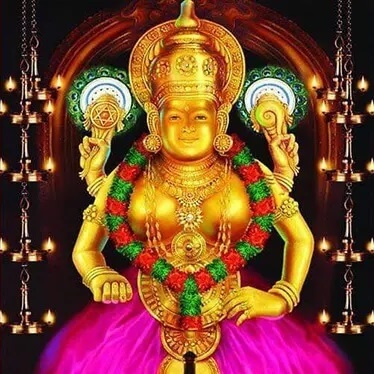 Kumaranalloor Bhagavathi Temple, located on the outskirts of Kottayam town, is one of the most revered among the 108 Durga temples of Kerala. Before the temple was established, the area was known as Thingalkkadu, later renamed Indu Kananam. Ancient records also refer to the shrine as Mahishari Kovil.
Historical evidence indicates that the present temple was established during the reign of the Chera rulers, between the 9th and 11th centuries CE. Tradition attributes its construction to King Cheraman Perumal. A Vattezhuthu (ancient Malayalam script) inscription discovered within the temple records that, in the 10th century CE, the temple was formally organised under the administration of sixteen prominent families during the rule of the Cheras of Kodungalloor. Between the 17th and 19th centuries, the temple came under the administration of the Kumaranalloor Ooranma Devaswom, a council of nine traditional Brahmin families (Illams) who carefully managed the temple, its properties and rituals. 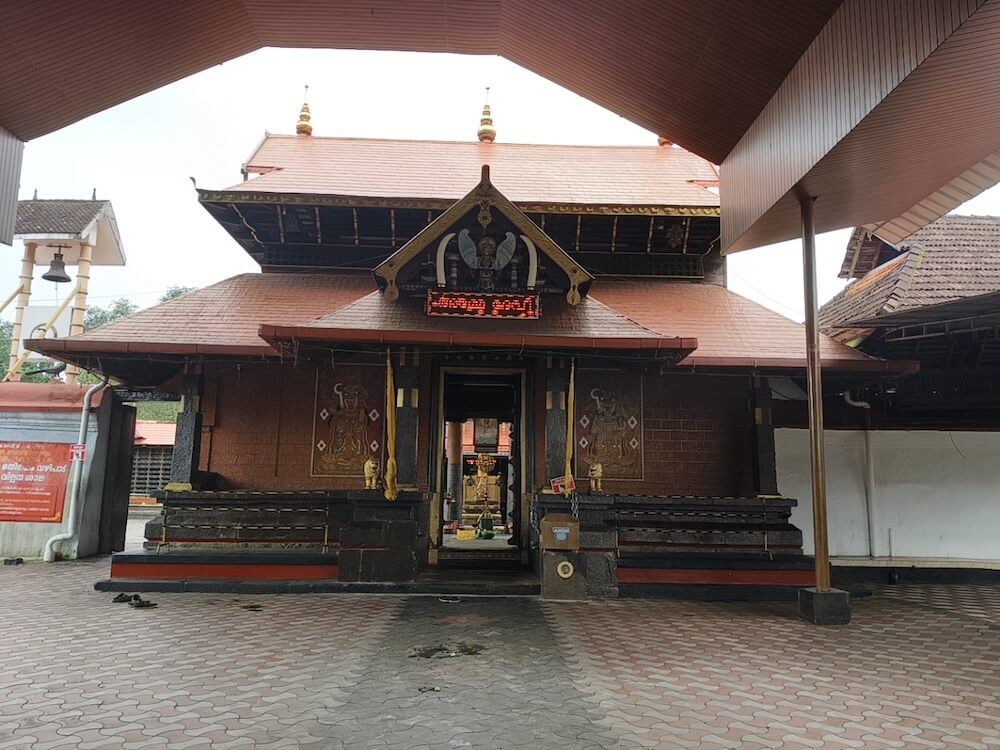 Valuable information from this period is preserved in more than 37,000 palm-leaf manuscripts, known as the Kumaranalloor Granthavari, which record the temple’s daily administration, land revenue and rituals, including the Brahmini Pattu, a ritual traditionally performed by Brahmin women. During the 19th century, the temple received generous patronage from the rulers of Champakassery and Travancore. Maharaja Swathi Thirunal (1813–1846 CE) is believed to have visited the temple and composed the famous Carnatic composition Sri Kumara Nagaralaye in the Atana raga in praise of the presiding deity.
According to temple legend, during the reign of Cheraman Perumal, preparations were made to build two temples—one for Goddess Durga at Udayanapuram near Vaikom and the other for Lord Subrahmanya (Kumaran) at the present site of Kumaranalloor. 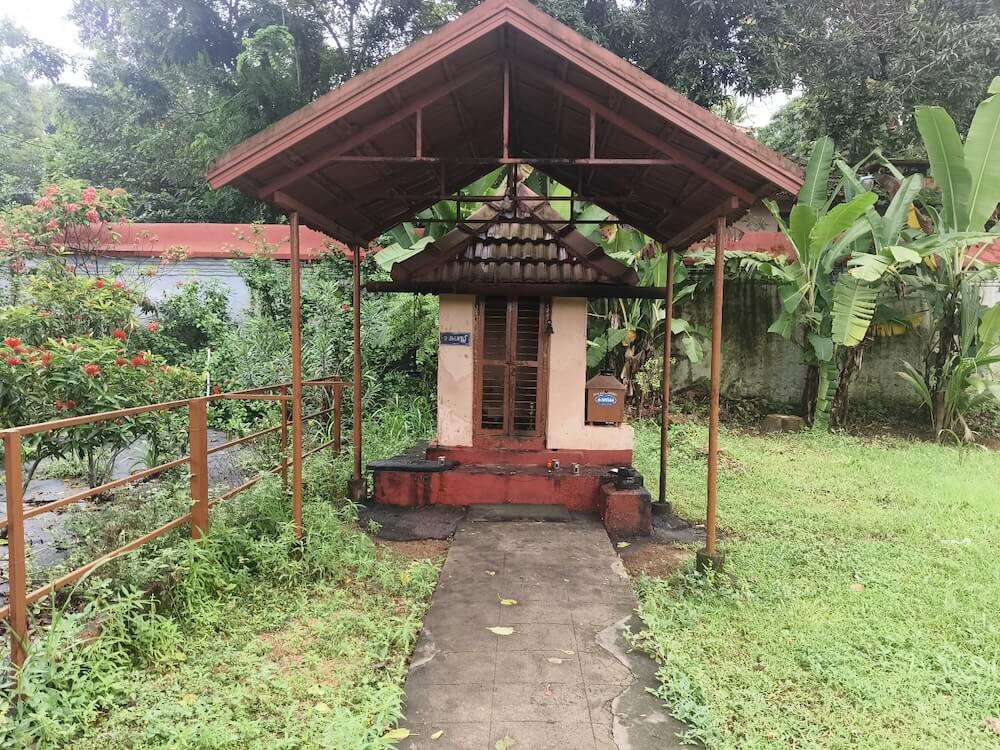 Around the same time, an extraordinary incident took place at the Meenakshi Temple in Madurai. The Goddess’s precious gem-studded nose ring disappeared, prompting the Pandya king to order a thorough investigation. Believing the theft could not have happened without the knowledge of the temple priest, the king declared that unless the jewel was found within forty-one days, the priest would be put to death. Though innocent, the priest was overcome with grief and prayed constantly to the Goddess for protection. On the fortieth night, while sleeping on the temple steps, he dreamt that the Goddess asked him to leave immediately and follow a brilliant divine light. Trusting Her command, he followed the light over a great distance until it reached the temple under construction at Kumaranalloor.
  Just as the consecration of Lord Subrahmanya was about to begin, the divine light entered the sanctum. At that moment, a heavenly voice declared, “This is not the place for Kumaran; this is the place of Kumari, the Goddess.” Following this divine command, the place came to be known as Kumaranalloor, signifying that it was the abode of Kumari (the Goddess) rather than Kumaran (Lord Subrahmanya). Cheraman Perumal then travelled to Udayanapuram, where he successfully installed the idol of Lord Subrahmanya.
He later returned to Kumaranalloor with the idol of Goddess Durga and prepared for Her consecration. During this time, he learnt of a sacred idol lying submerged in the waters at nearby Vedagiri. The idol was recovered and brought to the temple. 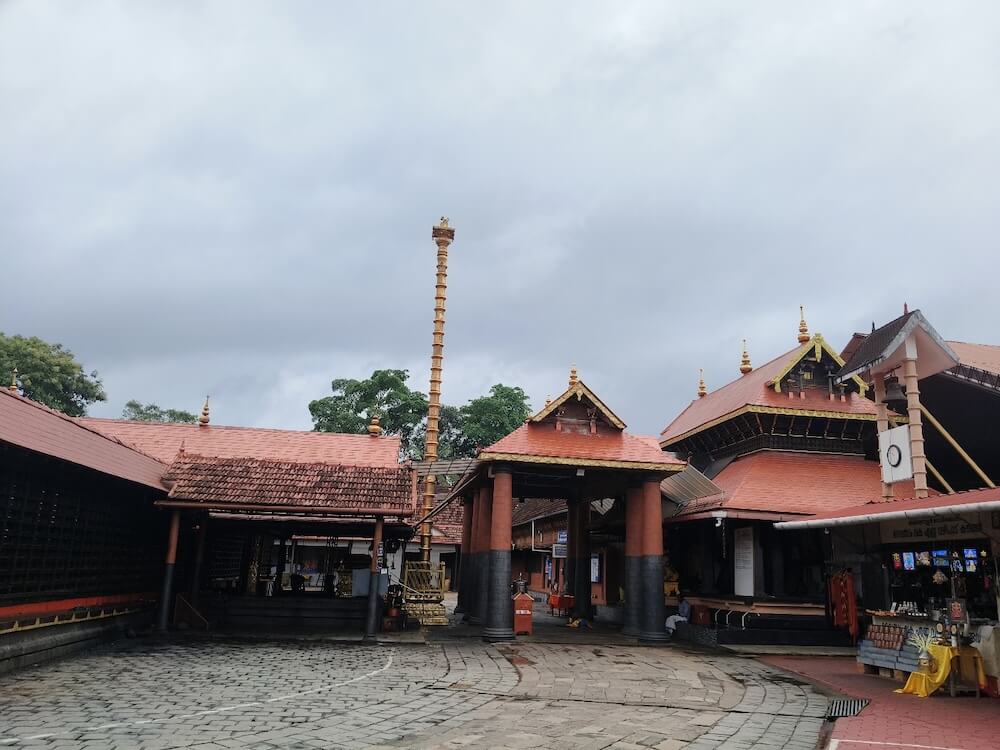 Tradition holds that it had originally been carved and worshipped by Rishi Parashurama. As the consecration ceremony began, an elderly Brahmin ascetic with matted hair entered the sanctum, installed the idol in a single moment and disappeared immediately afterwards. Devotees believe that this mysterious ascetic was none other than Rishi Parashurama himself. The priest from Madurai, who had followed the divine light, became the first priest of the temple. His residence came to be known as Madura Illam, while his descendants continue to perform the temple rituals to this day.
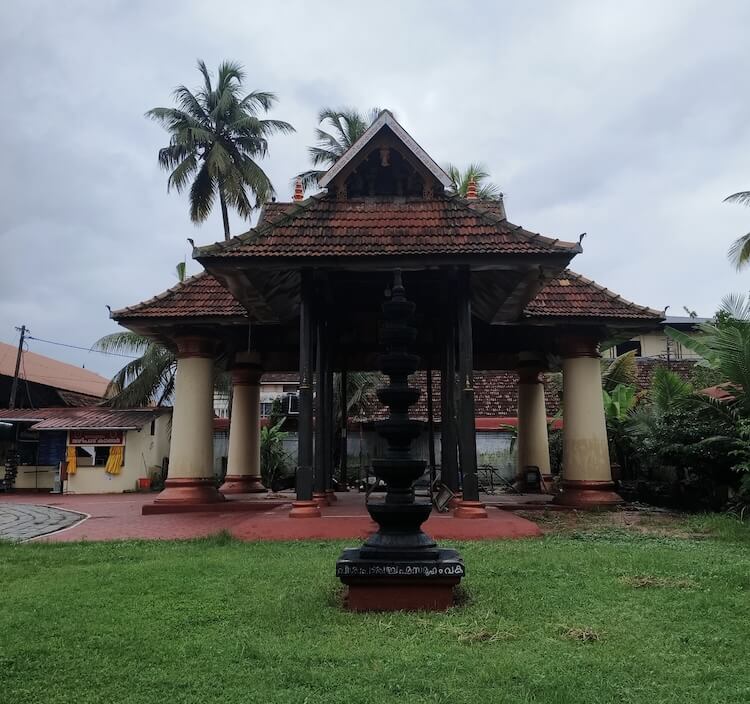
The temple covers an area of about 15,000 square metres and is enclosed by high compound walls. The principal structures of the temple, including the Sreekovil (Sanctum Sanctorum), are roofed with copper plates, giving the temple its distinctive appearance. The main gopuram faces east, while three smaller entrance gateways are located on the south, west and north sides. 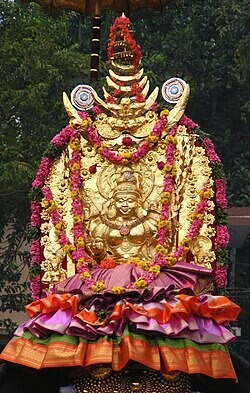 Entering through the eastern gopuram, devotees first come to the golden flagstaff (Dwajasthambam). Beyond it stands the Balikkalpura, whose stone pillars are carved with figures of Lord Ganesha, Lord Shiva and other deities. From here, you enter the Nalambalam, which, together with the circular Sreekovil at its centre, is built in the rare Sri Chakra design, making the temple one of the finest examples of Kerala’s sacred architecture. According to Tantric tradition, this layout is believed to preserve and concentrate the spiritual energy of the Goddess. The Sreekovil itself is a distinctive two-storeyed circular structure. Stone-paved pathways surround the Sreekovil and the main mandapam, providing a circumambulatory path for devotees. The outer walls of the Sreekovil are decorated with rare murals depicting various Hindu deities, along with scenes from the Ramayana and the Mahabharata. These paintings were created using natural pigments and herbal colours. Inside the Sreekovil, the presiding deity is a magnificent five-foot-tall idol of the Goddess, carved from dark Anjana stone. Adorned with sacred ornaments, She is enthroned in majestic splendour, bestowing Her grace and blessings upon all devotees. At Kumaranalloor, the Divine Mother is worshipped daily in Her five sacred forms—Saraswati, Lakshmi, Parvati, Durga and Vana Durga.
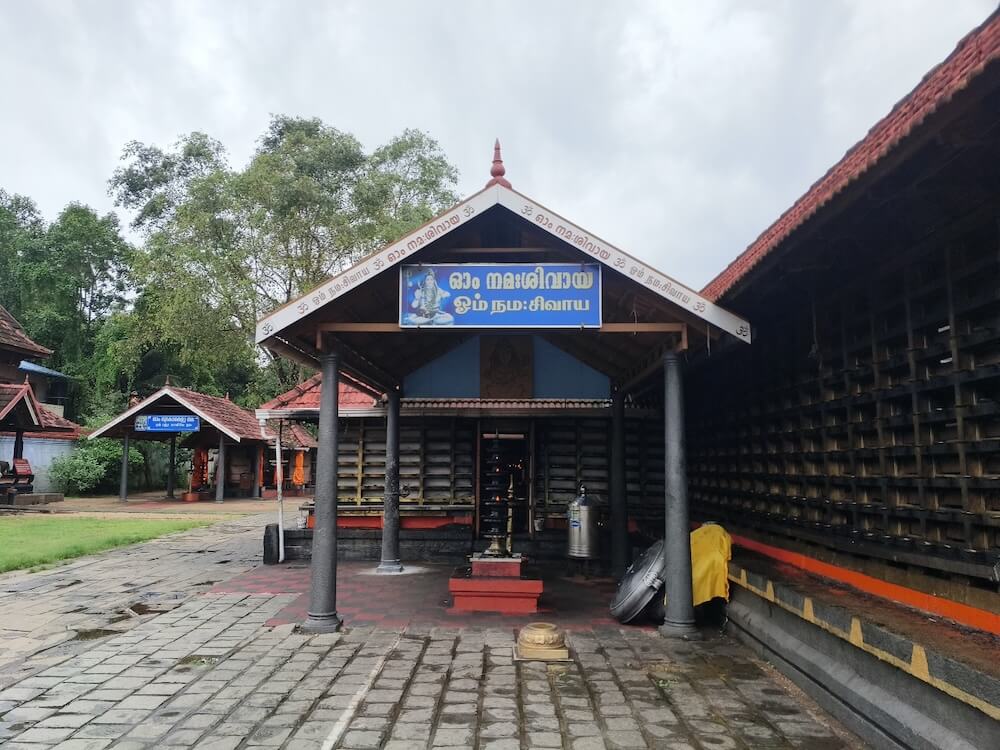
The Shiva shrine stands to the right of the main sanctum, while the Bhadrakali shrine is located on the southern side of the temple complex. Shrines dedicated to Lord Ganesha, Lord Sastha (Ayyappa) and the Nagadevatas are also situated within the temple complex.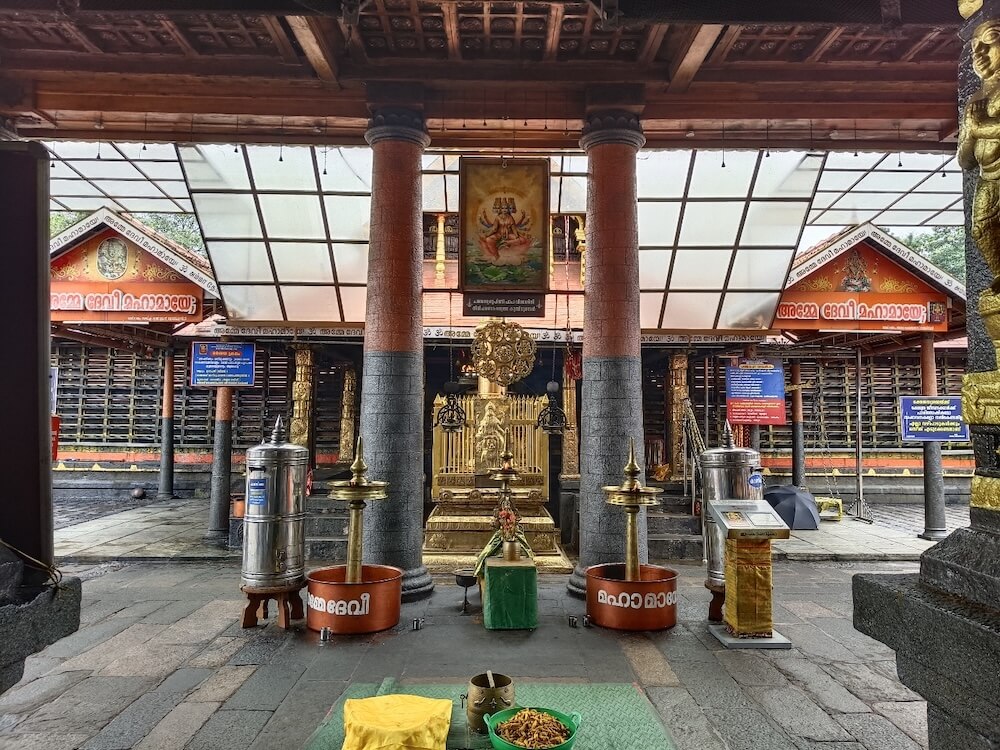
The temple’s most important annual celebration is the ten-day festival held during the Malayalam month of Vrischikam (November–December), culminating in the sacred festival of Thrikkarthika. On this occasion, hundreds of thousands of devotees gather to witness the Prasada Oottu, the lighting of Lakshadeepam (one lakh lamps) and the spectacular Karthika Vilakku. A unique local tradition is associated with the Thrikarthika festival. It is believed that after the Goddess of Kumaranalloor Devi Temple completes Her ceremonial holy bath (Aarattu), Her divine beauty captivates the presiding deities of the nearby Udayanapuram Subramanya Swamy Temple and the distant Vadakkunnathan Temple in Thrissur. According to legend, these gods were so enthralled that they stepped outside their sanctums to watch the Goddess pass by. Temple priests eventually found the missing deities standing near the southern boundary walls of their respective complexes. To commemorate this event, special worship and oil lamps are offered at the southern walls of both the Udayanapuram and Vadakkunnathan temples every year during Karthika.
The offerings at the temple include Bhagavathi Seva, Bhadradeepam, Manjal Kumbhabhishekam, Pantheerayiram Archana, Chuttuvilakku, Kadumpayasam, Valiya Koottupayasam, Niramaala, Kattimaala, Adima, Oru Neram Pooja and Divasa Pooja. Special offerings such as Chathushatham (Payasam Offering) and Udayasthamana Pooja are also performed on auspicious occasions.
The daily ritual schedule begins with Nirmalya Darshanam at 4:00 am, followed by Abhishekam at 4:15 am. Usha Pooja (Onnam Pooja) is performed at 5:30 am, followed by Ethruthe Pooja (Randam Pooja) at 6:30 am. Devotees can then witness the Prabhata Sreebali from 6:50 am to 7:10 am, followed by Pantheeradi Pooja (Moonnam Pooja) at 8:00 am. Navakam–Panchagavyam Madhyahnapooja (Naalam Pooja) is performed from 9:30 am to 11:00 am, followed by Ucha Sreebali from 11:10 am to 11:30 am, after which the temple closes for the afternoon. The evening session begins when the temple reopens at 5:00 pm. Deeparathana is performed shortly after sunset, followed by Athazha Pooja (Anjaam Pooja) at 7:00 pm and the final Athazha Sreebali procession from 7:30 pm to 7:50 pm, before the temple closes for the night.
Key Highlights
- Located 5 km from Kottayam.
- About 5 km from Kottayam Railway Station.
- KSRTC and local bus services are available.
- Dedicated parking is available for private vehicles.
- Accommodation and dining facilities are available nearby.
- Phone: 8281995847/04812312737
कुमारनल्लूर भगवती मंदिर
कुमारनल्लूर, जिला. कोट्टायम
मंदिरे
Temples
मंदिर
મંદિરો
கோவில்கள்
దేవాలయాలు
ക്ഷേത്രങ്ങൾ
ದೇವಾಲಯಗಳು
মন্দিরসমূহ
ਮੰਦਿਰ
-
वेल्लूर श्री सुब्रह्मण्य स्वामी मंदिर पामपाडी, जि. कोट्टायम
अधिक माहितीVelloor Sree Subrahmanya Swamy Temple Pampady, Dist. Kottayam
View Detailsवेल्लोर श्री सुब्रह्मण्य स्वामी मंदिर पंपडी, जिला. कोट्टायम
विवरण देखेंVelloor Sree Subrahmanya Swamy Temple Pampady, Dist. Kottayam
વિગત જુઓVelloor Sree Subrahmanya Swamy Temple Pampady, Dist. Kottayam
விவரங்களைக் காண்கVelloor Sree Subrahmanya Swamy Temple Pampady, Dist. Kottayam
వివరాలను చూడండిVelloor Sree Subrahmanya Swamy Temple Pampady, Dist. Kottayam
വിശദാംശങ്ങൾ കാണുകVelloor Sree Subrahmanya Swamy Temple Pampady, Dist. Kottayam
ವಿವರಗಳನ್ನು ವೀಕ್ಷಿಸಿVelloor Sree Subrahmanya Swamy Temple Pampady, Dist. Kottayam
বিস্তারিত দেখুনVelloor Sree Subrahmanya Swamy Temple Pampady, Dist. Kottayam
ਵੇਰਵੇ ਦੇਖੋ -
पुलियान्नूर शिव मंदिर पाला, जि. कोट्टायम
अधिक माहितीPuliyannur Siva Temple Pala, Dist. Kottayam
View Detailsपुलियान्नुर शिव मंदिर पाला, जिला. कोट्टायम
विवरण देखेंPuliyannur Siva Temple Pala, Dist. Kottayam
વિગત જુઓPuliyannur Siva Temple Pala, Dist. Kottayam
விவரங்களைக் காண்கPuliyannur Siva Temple Pala, Dist. Kottayam
వివరాలను చూడండిPuliyannur Siva Temple Pala, Dist. Kottayam
വിശദാംശങ്ങൾ കാണുകPuliyannur Siva Temple Pala, Dist. Kottayam
ವಿವರಗಳನ್ನು ವೀಕ್ಷಿಸಿPuliyannur Siva Temple Pala, Dist. Kottayam
বিস্তারিত দেখুনPuliyannur Siva Temple Pala, Dist. Kottayam
ਵੇਰਵੇ ਦੇਖੋ -
परिपू महादेवाचे मंदिर आयमनम, जि. कोट्टायम
अधिक माहितीParippu Mahadeva Temple Aymanam, Dist. Kottayam
View Detailsपरिप्पु महादेव मंदिर अयमानम, जिला. कोट्टायम
विवरण देखेंParippu Mahadeva Temple Aymanam, Dist. Kottayam
વિગત જુઓParippu Mahadeva Temple Aymanam, Dist. Kottayam
விவரங்களைக் காண்கParippu Mahadeva Temple Aymanam, Dist. Kottayam
వివరాలను చూడండిParippu Mahadeva Temple Aymanam, Dist. Kottayam
വിശദാംശങ്ങൾ കാണുകParippu Mahadeva Temple Aymanam, Dist. Kottayam
ವಿವರಗಳನ್ನು ವೀಕ್ಷಿಸಿParippu Mahadeva Temple Aymanam, Dist. Kottayam
বিস্তারিত দেখুনParippu Mahadeva Temple Aymanam, Dist. Kottayam
ਵੇਰਵੇ ਦੇਖੋ