
केदारेश्वर महादेव मंदिर
महादेवपुरा, ता. कठालाल, जि. खेडा
Kedareswar Mahadev Temple
Mahadevpura, Tal. Kathlal, Dist. Kheda
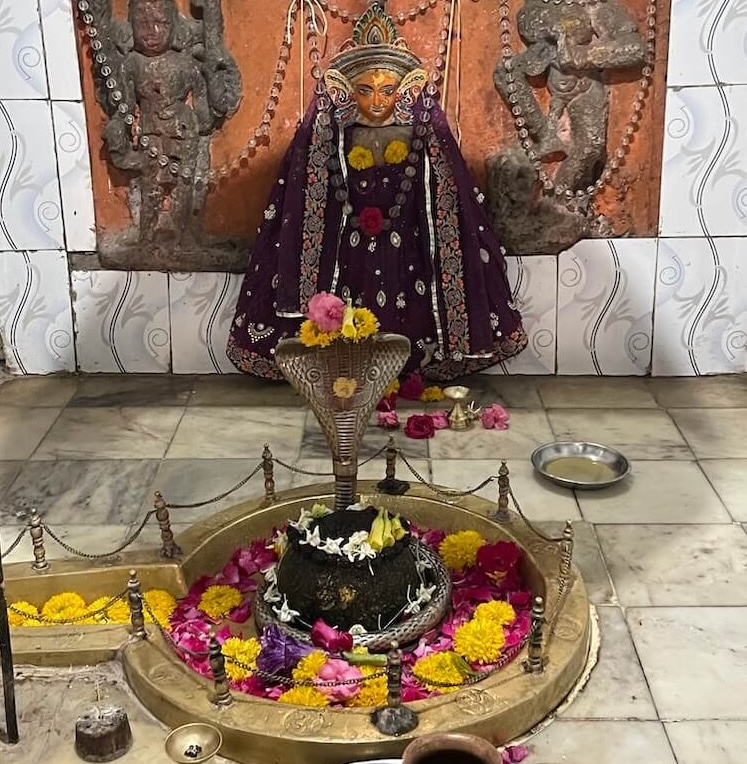 Situated approximately eight kilometres from the Kathlal Taluka in the Kheda district, the village of Mahadevpura guards a thousand-year-old temple dedicated to Shri Kedareswar Mahadev. Nestled amidst the scenic surroundings of the Mahumati (Mahor) and Shedhi rivers, this temple stands as a venerable sanctum for thousands of devotees. The annals of this temple are linked directly to the era of the Mahabharata, as popular belief holds that the Pandavas worshipped the self-manifested (‘Swayambhu’) Shivalinga here during their period of exile. Seeking a glimpse of this ‘Swayambhu’ Kedareswar is considered of paramount importance for those seeking absolution for inadvertently committed sins. This pilgrimage site finds mention in local texts such as ‘Harta Farta Kapadwanj Shivalayo’. A defining feature of this location is the ‘Lok Melo’ (folk fair) held with great fervour during the month of Shravan and on the auspicious occasion of Mahashivratri.
The legend of Kedareswar Mahadev recounts that, following the Great Mahabharata War, 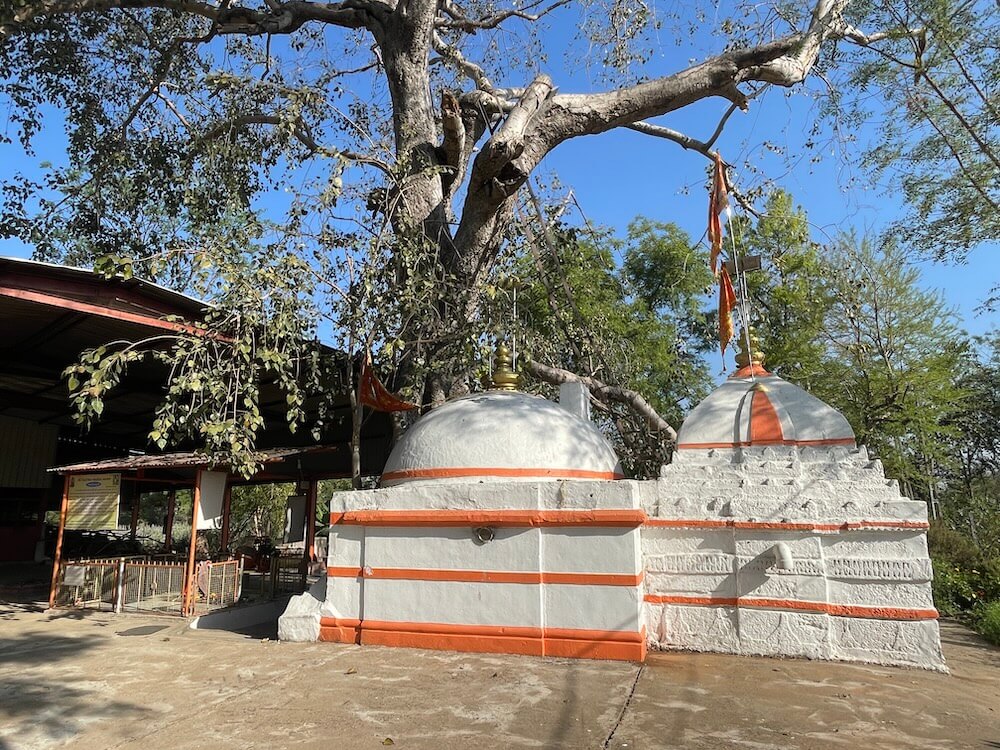 the Pandavas sought to behold Lord Mahadev to atone for their sins, and so journeyed to Kashi. However, Mahadev, wishing to elude them, departed from Kashi and sought refuge in the mountains of Uttarakhand. The Pandavas, persistent in their quest, reached those heights as well. To remain hidden, Mahadev assumed the form of a bull and began grazing amongst the herds. The Pandavas eventually recognised the Lord in this taurine guise. Realising he had been discovered, Mahadev attempted to submerge into the subterranean realm, but Bhima seized the hump (‘vashind’) of the bull-formed deity. This divine struggle resulted in Mahadev manifesting as Shiva Lingams at five distinct locations, collectively known as the ‘Panch Kedar’. These comprise Kedarnath (the hump), Madhyamaheshwar (the navel), Tungnath (the arms),
  Rudranath (the face), and Kalpeshwar (the matted hair), where various parts of the Lord’s form are worshipped as Shivapinds. Devotees hold a steadfast conviction that a visit to Kedareswar grants liberation from the burden of unintentional transgressions.
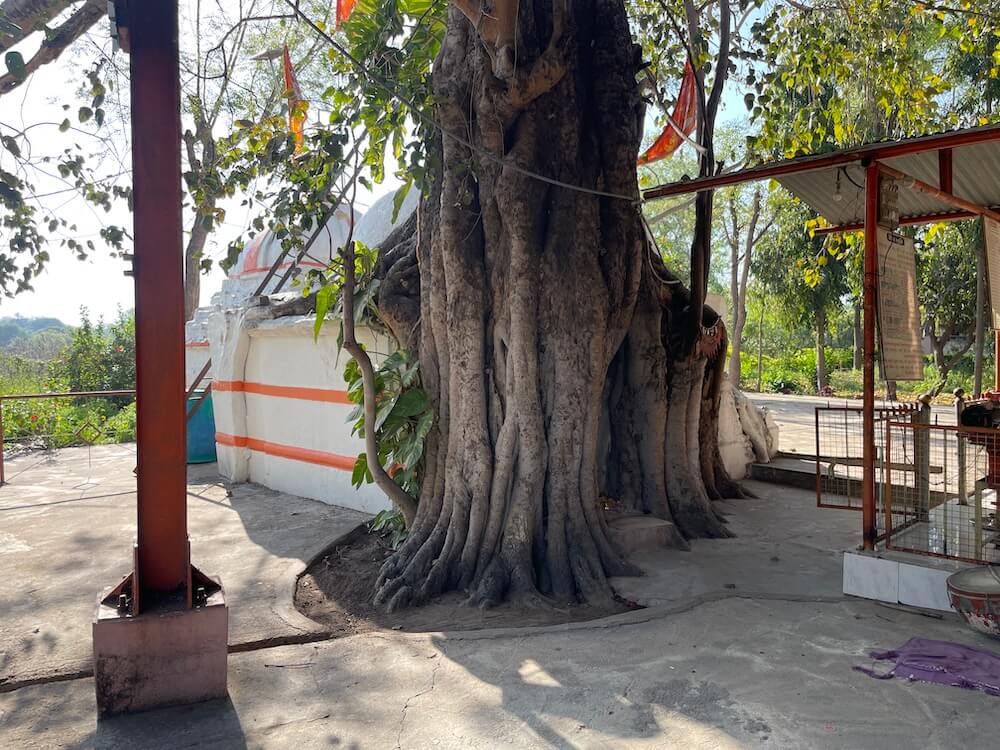
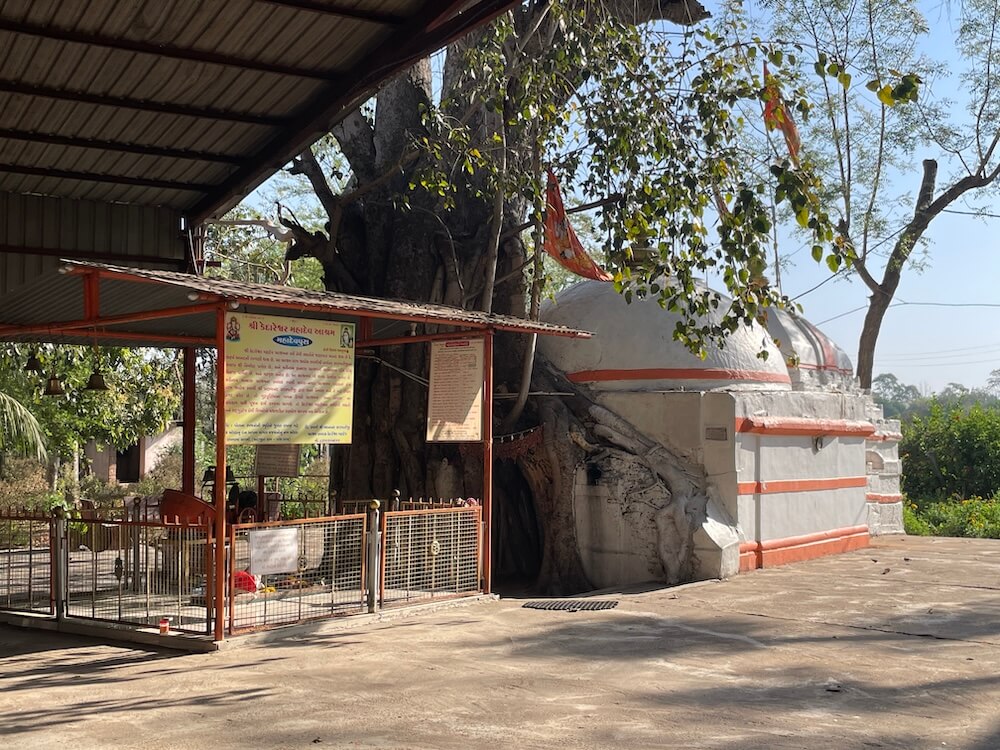
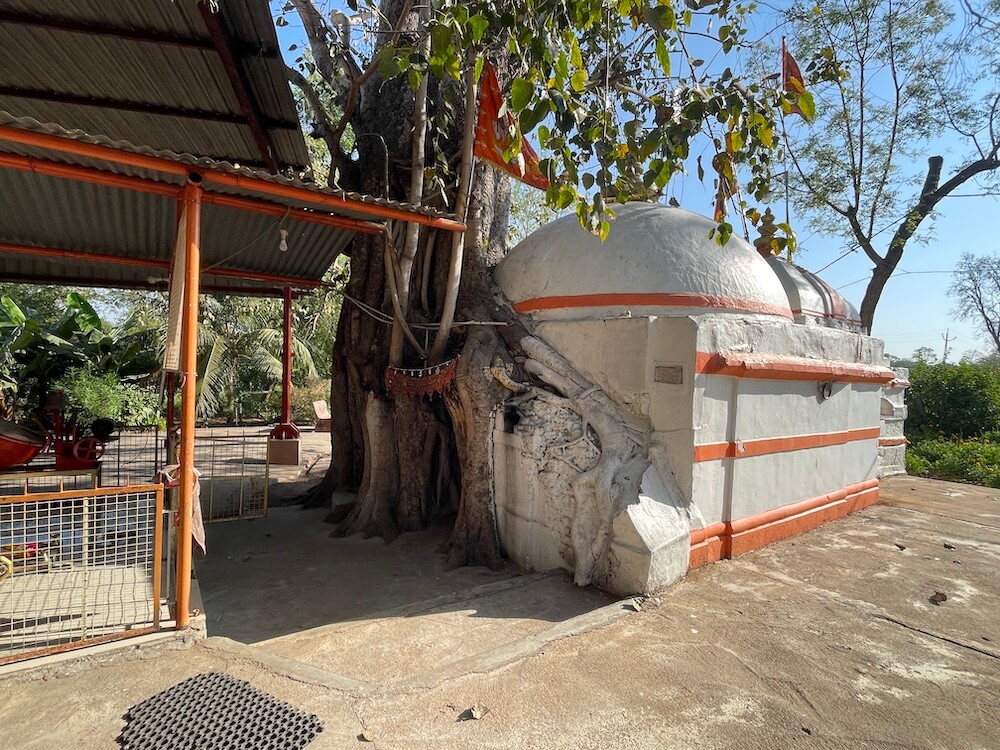
According to the ‘Gazetteer of the Bombay Presidency, Volume III – Kaira and Panch Mahals (1879)’, the town of Kheda was known as Chakravati Nagari during the Mahabharata era. This realm was governed by King Mordhwaj, who was eventually defeated by the Pandavas. The region of Kathlal and the surrounding Mahadevpura were under the direct sovereignty of this Chakravati monarch.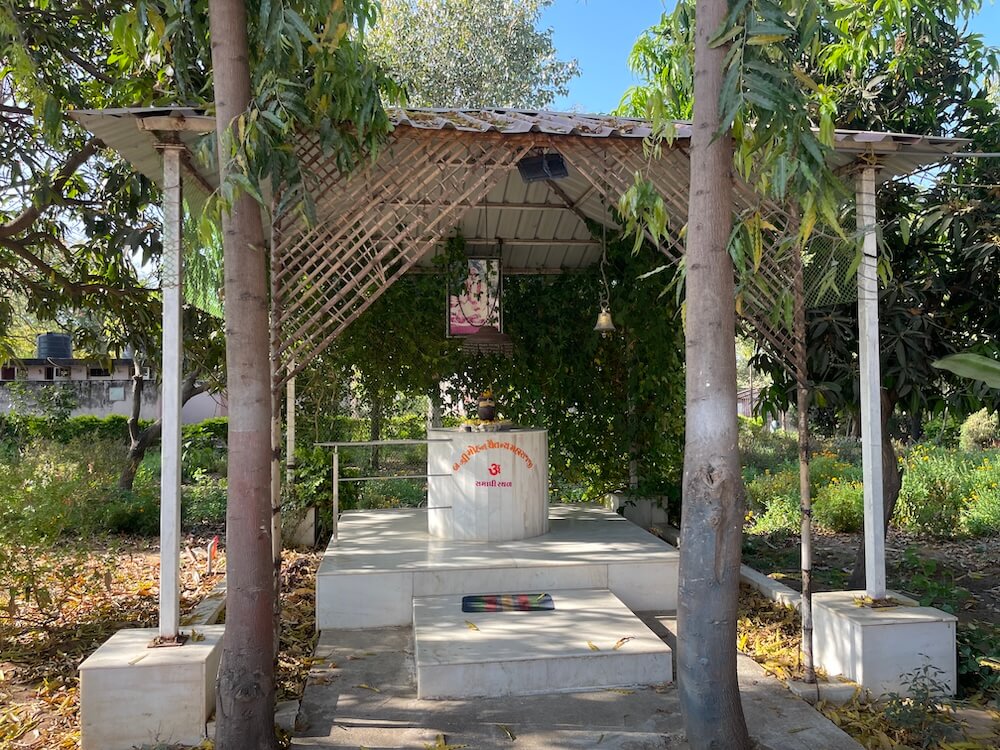 Local lore suggests that during their period of exile, the Pandavas resided for a time along the banks of the Mahumati—known today as the Mahor—and the Shedhi rivers. It was during this sojourn that they discovered and consecrated a ‘Swayambhu’ (self-manifested) Shivalinga, which had revealed itself near an ancient and gargantuan Peepal tree by the riverbank. Believing that Lord Shiva himself dwells within this Peepal tree, devotees continue to offer their prayers to the tree with profound piety.
This Shiva temple is estimated to be approximately a thousand years old. According to an inscription etched upon the temple walls, a significant restoration of the structure was undertaken in 1546 AD. Furthermore, historical records indicate that King Somdutta and Queen Madhumati also contributed to the temple’s restoration during the sixteenth century. 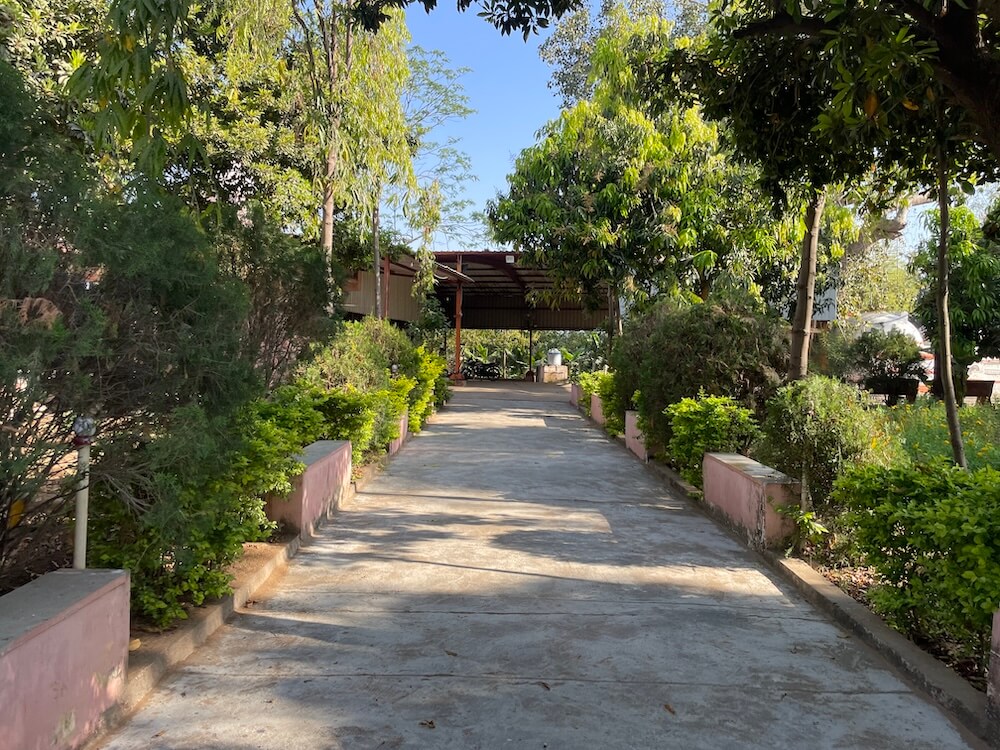 In ‘Harta Farta Kapadvanj Shivalayo’ and similar local chronicles, the temple is celebrated as an ancient pilgrimage site and a sanctum of spiritual energy.
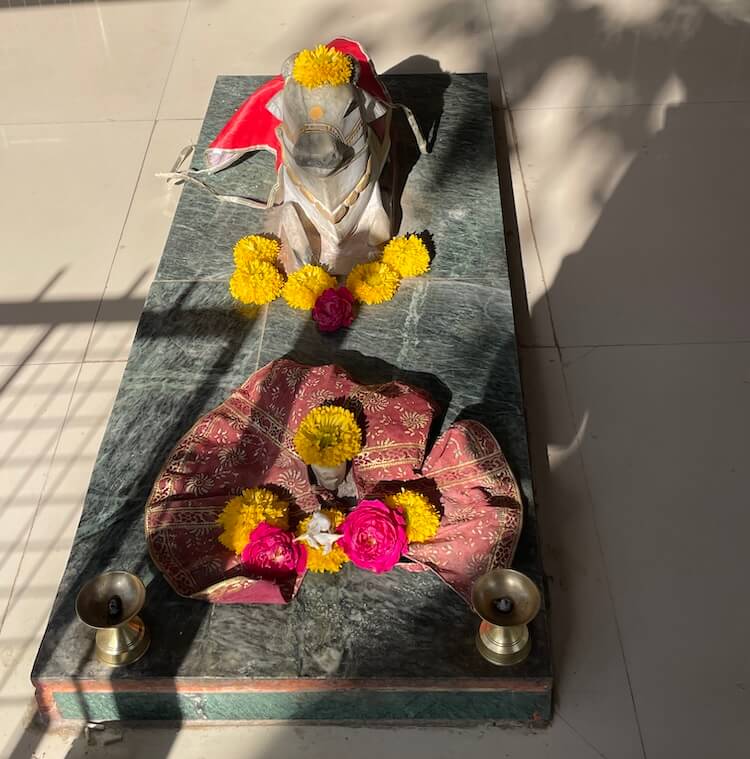
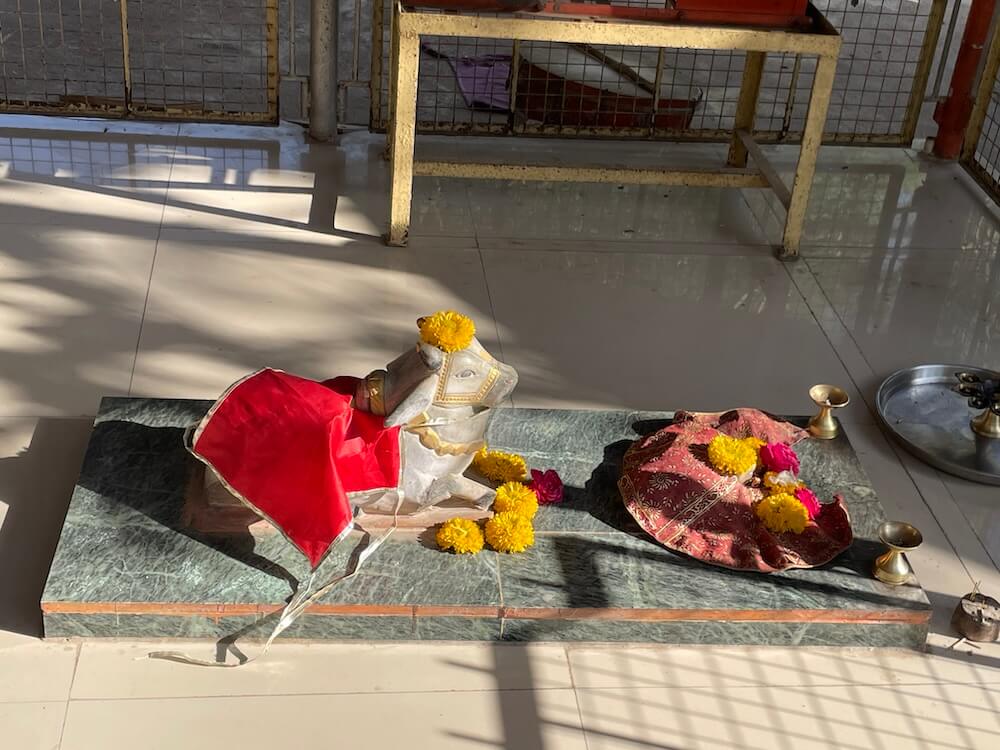
Entrance into the verdant temple precincts is gained through a gateway set within the surrounding compound wall. The entire area is richly adorned with lush flora and diverse trees. The courtyard provides seating for pilgrims’ comfort. Within one of the gardens, a platform hosts a replica of the Kedareswar Mahadev Shivapinda alongside a sculpture of Nandi, sheltered by a large copper canopy. The temple grounds also house a ‘Goshala’ (cowshed), sheltering hundreds of cows. Directly facing the main temple is a recently constructed, spacious ‘Rangmandap’. This pavilion, featuring a corrugated roof supported by iron pillars, serves as a venue for various religious ceremonies and sacrificial ‘Yagyas’. 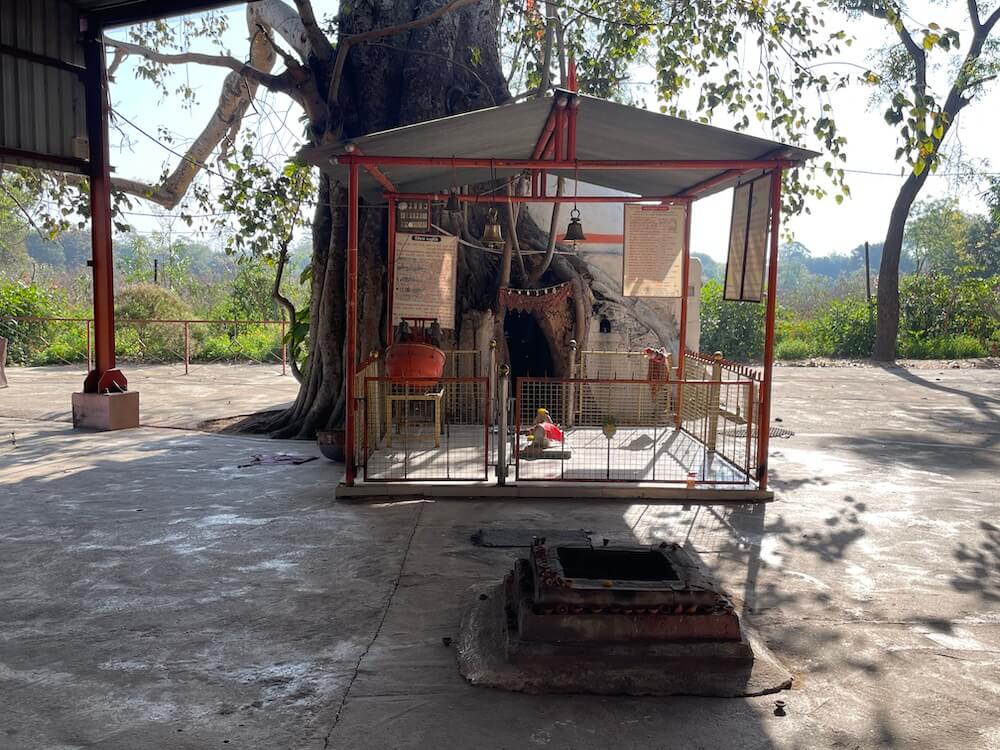 Beyond the Rangmandap lies the ‘Nandimandap’, featuring an idol of Nandi upon a pedestal with a tortoise sculpture placed before it.
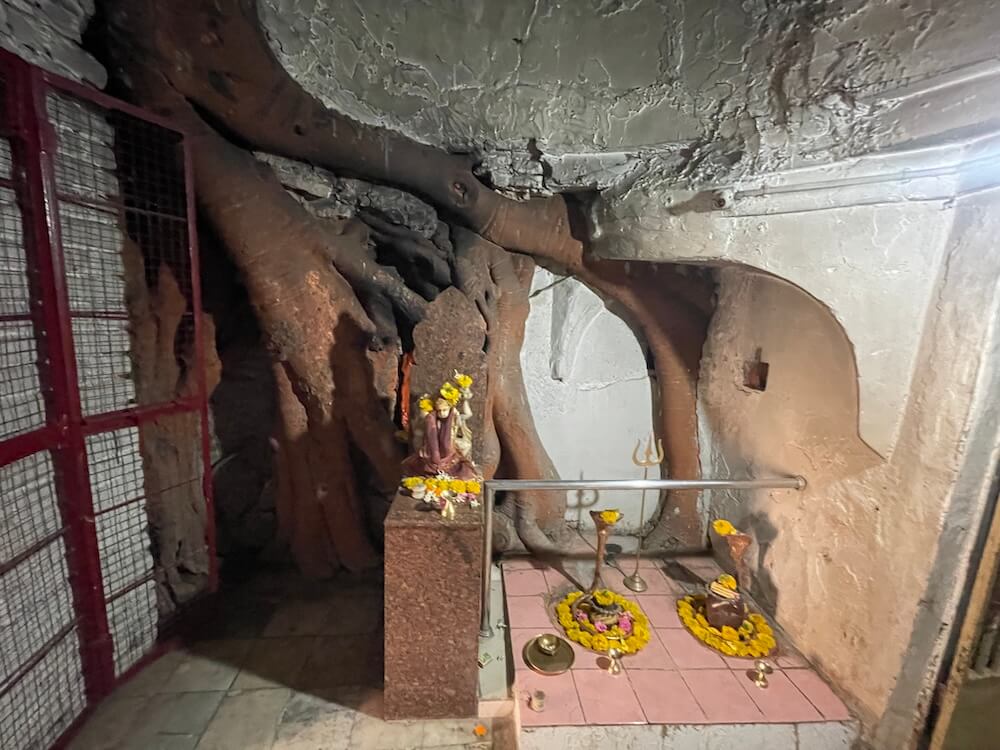
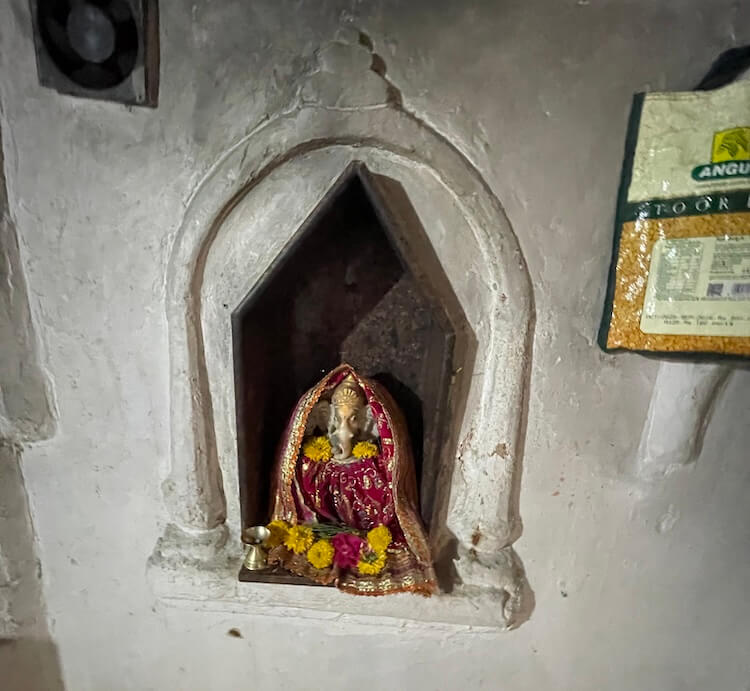
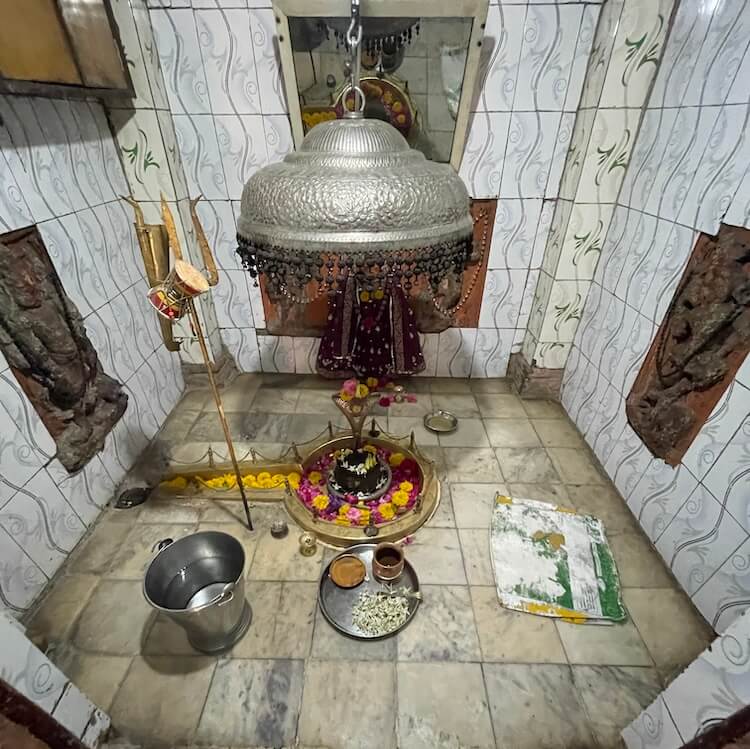
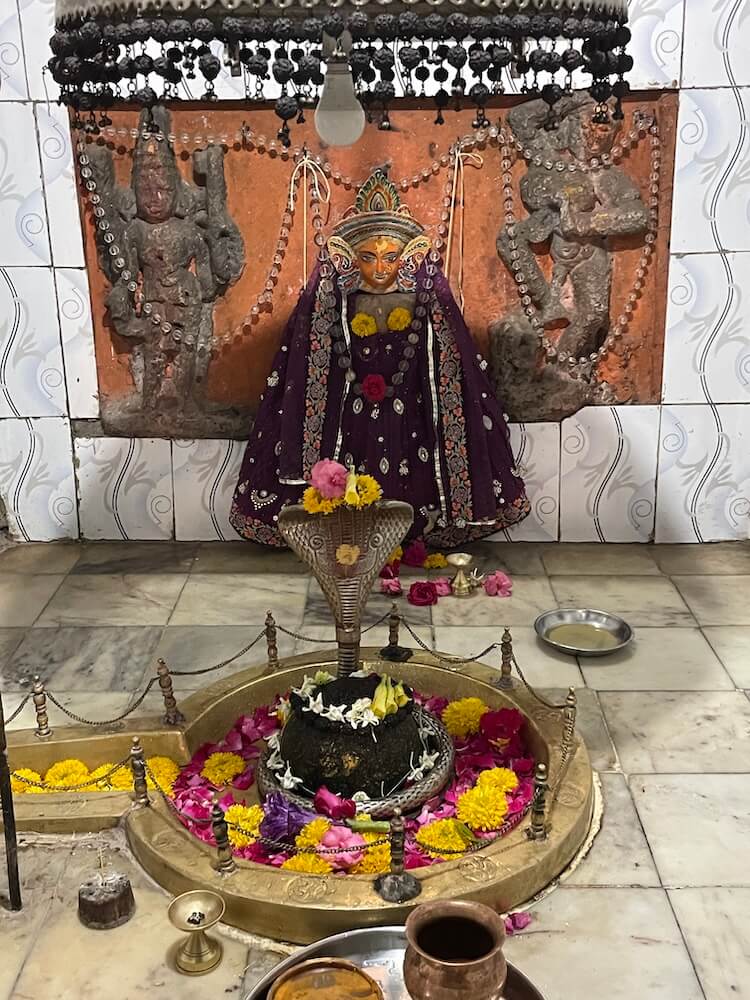
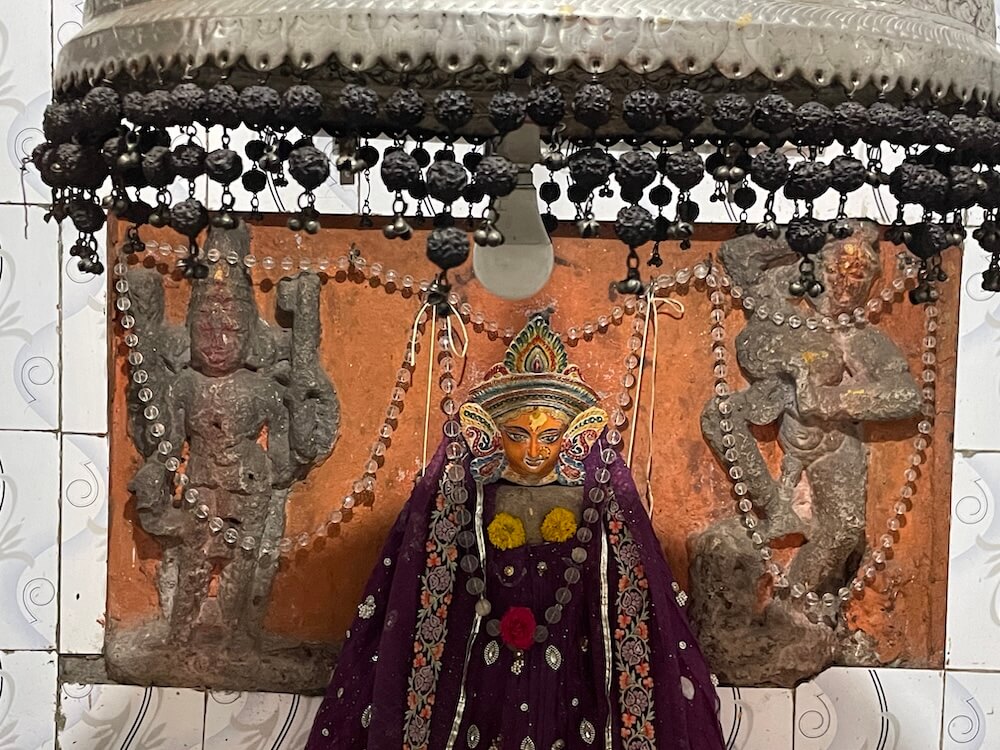
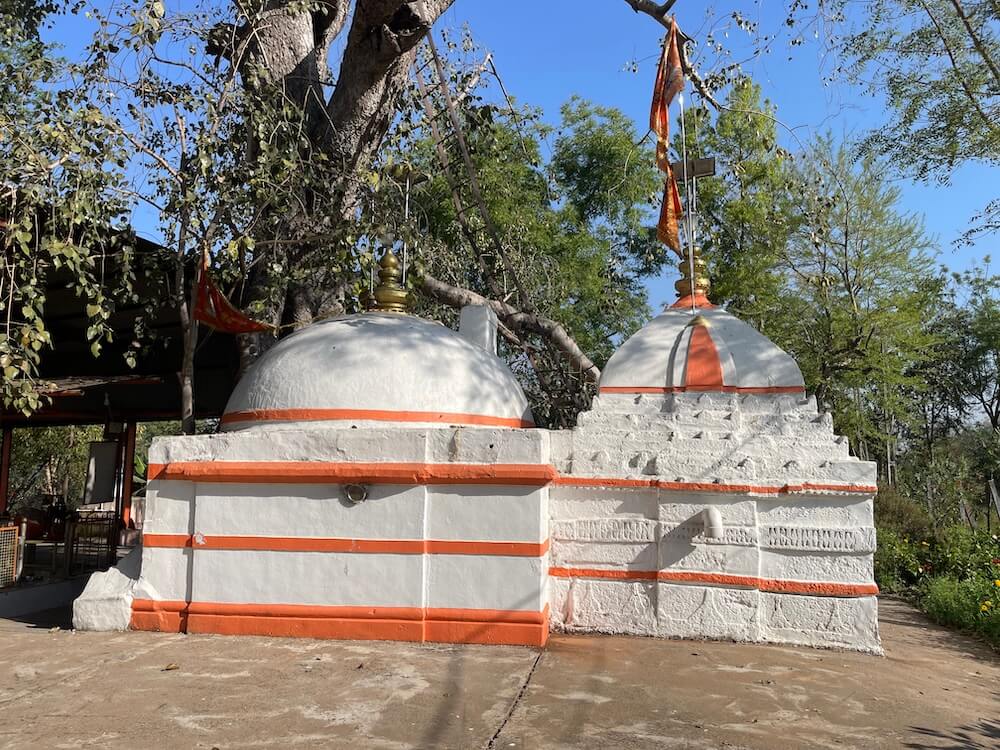
The architectural composition of the temple consists of a ‘Sabhamandap’ (assembly hall) and a ‘Garbhagriha’ (sanctum sanctorum). A unique and distinctive characteristic of this temple is that the entrance to the assembly hall passes through the very trunk of a massive, thousand-year-old Peepal tree. The assembly hall is constructed of ancient bricks and features a modest entrance. Flanking the doorway, within niches carved into the Peepal trunk, reside ancient idols of Lord Ganesha and Lord Maruti. Newer marble idols of Ganesha and Maruti have been installed directly in front of these original figures. The assembly hall houses four Shivapindis. 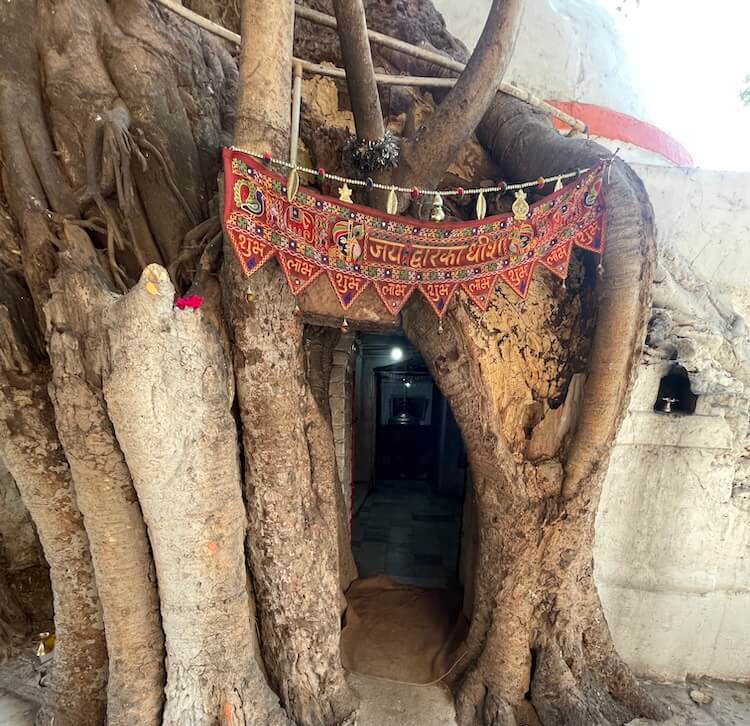 The entrance to the sanctum sanctorum is adorned with sculptures of door-guardians and the river goddesses Ganga and Yamuna. The doorframes are intricately carved with floral and leaf patterns, while the ‘Lalatabimba’ (lintel) features a sculpture of Lord Ganesha. In the centre of the sanctum floor lies the ancient Shivapinda, encased in brass and accompanied by a brass serpent. A trident (‘Trishul’) and a pellet drum (‘Damru’) are placed alongside. A large silver canopy hangs from the ceiling. A niche in the rear wall enshrines an idol of Goddess Parvati, flanked by sculptures of other Shaktis (divine feminine powers). Both side walls of the sanctum feature sculptures of Bhairavnath. The assembly hall and the sanctum are topped with domed spires, adorned with finials, ‘Kalash’, and the sacred ‘Dharmadhwaja’ (religious flag).
Festivals and celebrations are observed in this temple with immense enthusiasm. The festival of Mahashivratra is celebrated on a grand scale, featuring ‘Laghurudra’, 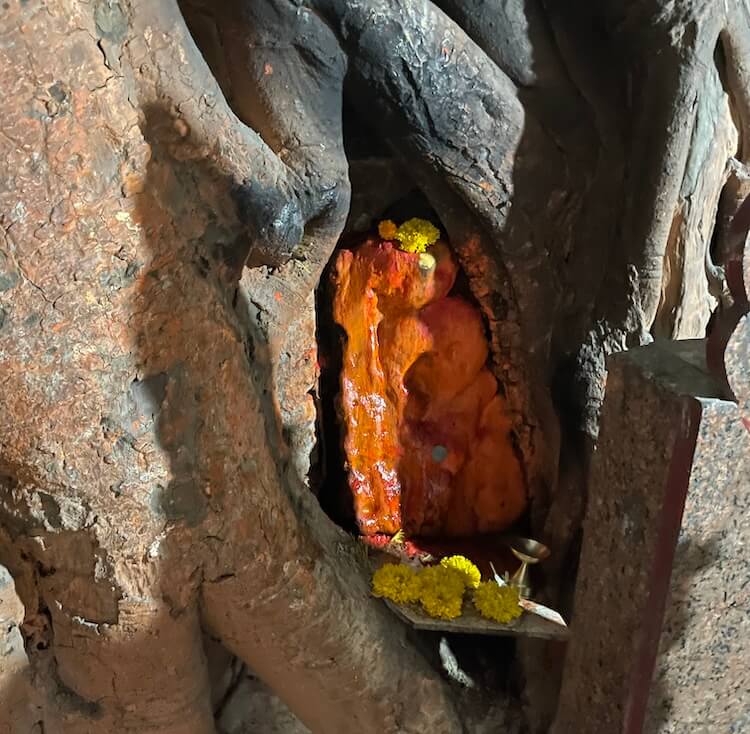 ‘Maha-Abhishek’, devotional songs (‘Bhajans’), scriptural readings, and the distribution of ‘Mahaprasad’. Furthermore, the entire month of Shravan is treated as a grand extended festival. During Shravan, ‘Rudrabhishek’, special water offerings (‘Jalabhishek’), and the ‘Maha-Arati’ are performed daily.
During this time, thousands of devotees from surrounding villages travel barefoot to the temple to seek the fulfilment of their heart’s desires. On the final day of Shravan and on Mahashivratra, a magnificent traditional ‘Lok Melo’ is held, drawing vast crowds from across the Kheda district.
On these occasions, the temple committee and local villagers ensure meticulous arrangements for ‘Mahaprasad’ and meals for all visiting pilgrims. Devotees throng the site every Monday and throughout the month of Shravan. In addition, the temple celebrates Krishna Janmotsav, Hanuman Jayanti, Chaitra Navratri, Dasara, and Diwali. The temple remains open for devotees from 5.30 am until 8.00 pm daily.
Useful Information
- Located at 8 km from Kathlal and 47 km from Kheda city.
- GSRTC buses and private vehicle services are available from Kathlal.
- Private vehicles can reach the temple premises directly.
- Accommodation and breakfast facilities are available in the vicinity.
- Contact – Jnananand Saraswati Swami, Ashram Manager, Mob. 9319697042.
केदारेश्वर महादेव मंदिर
महादेवपुरा, ताल. कठलाल, जिला. खेड़ा
मंदिरे
Temples
मंदिर
-
भूमपुरा हनुमान मंदिर भूमापुरा, मोडज, ता. महेमदावाद, जि. खेडा
अधिक माहितीBhumapura Hanuman Temple Bhumapura, Modaj, Tal. Mahemdavad, Dist. Kheda
View Detailsभूमापुरा हनुमान मंदिर भूमापुरा, मोडाज, ताल. महेमदावाद, जिला. खेड़ा
विवरण देखें -
भाथीजी महाराज मंदिर फागवेल, ता. कापडवंज, जि. खेडा
अधिक माहितीBhathiji Maharaj Temple Phagvel, Tal. Kapadvanj, Dist. Kheda
View Detailsभथीजी महाराज मंदिर फागवेल, ताल. कपडवंज, जिला. खेड़ा
विवरण देखें -
संन्यास (सिद्धनाथ) महादेव मंदिर कठालाल, ता. कठालाल, जि. खेडा
अधिक माहितीSannyas (Siddhanath) Mahadev Temple Kathlal, Tal. Kathlal, Dist. Kheda
View Detailsसंन्यास (सिद्धनाथ) महादेव मंदिर कठलाल, ताल. कठलाल, जिला. खेड़ा
विवरण देखें