
देवघोडा महादेव मंदिर
पाली-सेवालिया, ता. गलतेश्वर, जि. खेडा
Devaghoda Mahadev Temple
Pali-Sevalia, Tal. Galteshwar, Dist. Kheda
 The classical definition of a ‘Tirtha’ or holy site is that which facilitates the crossing over—a spiritual vessel that delivers one from the mundane to the sublime. It is a universal tenet across faiths that pilgrims who journey to such sacred destinations find liberation from physical and mental tribulations. The Puranas describes roads, riverbanks and hallowed regions as the true abodes of pilgrimage. Beyond mere geography, the concept of ‘Tirtha’ encompasses sacrifices, the learned, the sacred fire, scriptures and righteous deeds. Even the eighteen high officials, including ministers in a royal court, are traditionally addressed as ‘Tirtha’, for they are the conduits through whom a person is guided and through whom progress is achieved.
 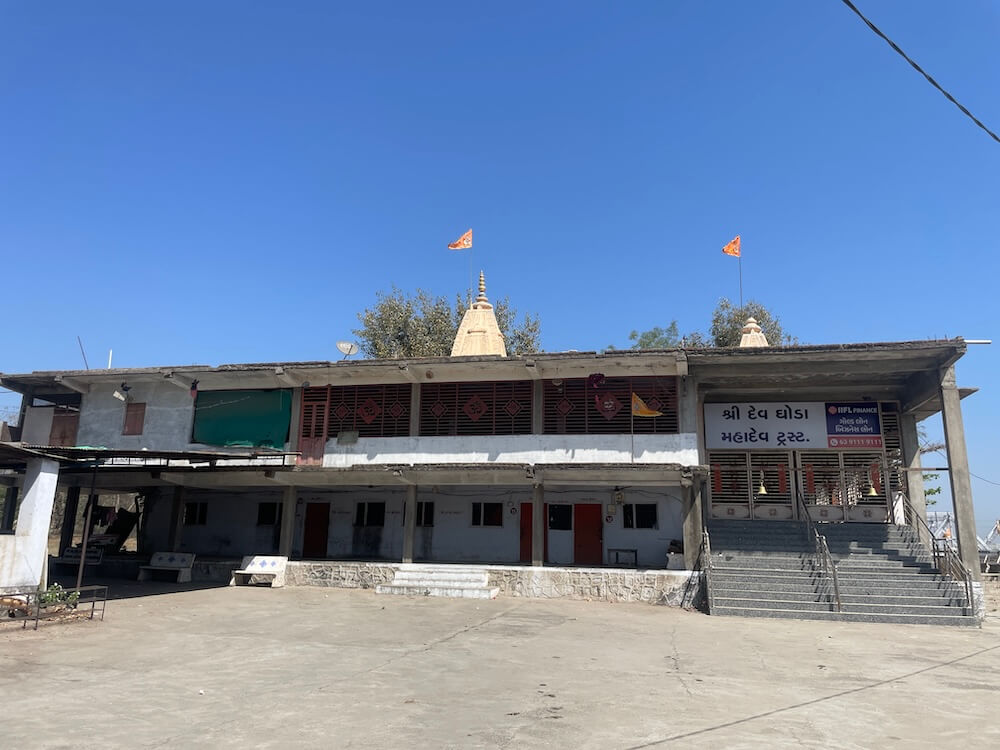 Nestled in the village of Sevalia within the Kheda district, the Devaghoda Mahadev Temple stands as one such venerable ‘Tirtha’. It is the unwavering faith of the devotees that the grace of Mahadev at this site ensures the flourishing of one’s lineage.
Perched upon the banks of the Mahisagar River, this temple is said to be over a thousand years old. Historical records suggest a deep-rooted tradition of temple architecture in this region, with many Shiva shrines having been erected during the reign of the Solanki dynasty. During that era, the worship of Shiva held immense significance in these lands. Whilst concrete evidence documenting the exact historical period of the Devaghoda Mahadev Temple remains elusive, the shrine has been venerated across countless generations in local tradition. 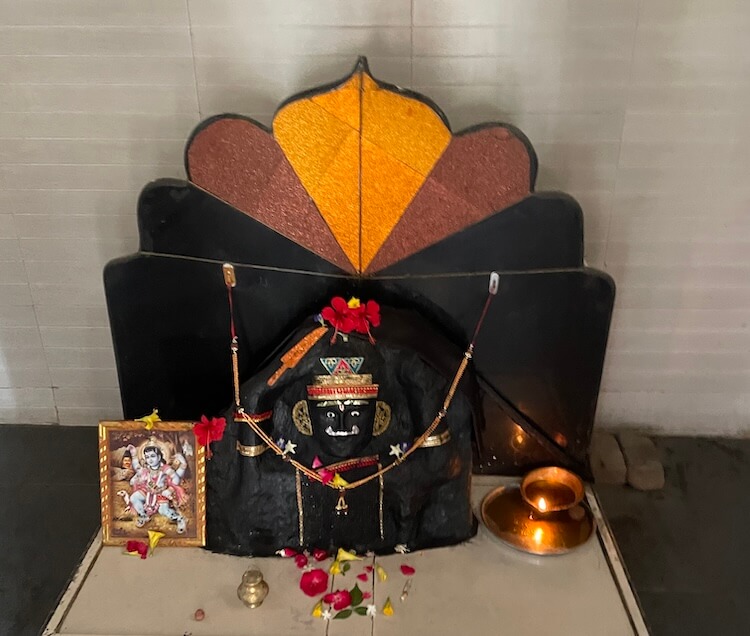 The influence of the twelfth-century Galteshwar Mahadev Temple, located nearby, is clearly discernible in the architectural style of the surrounding constructions. Initially, temples in the Kheda district followed a tradition of intricate wood carving, but over time, they were replaced by stone edifices. Since the village of Pali has served as a resting place for merchants from Marwar and Saurashtra since antiquity, this temple, situated along these vital trade routes, acquired a position of singular importance. In ancient times, the riverbanks were home to the hermitages of sages and seers and it is said that the Shivapindis in many of these temples were originally consecrated by these holy men.
According to mythological lore, sages performed rigorous austerities in this tranquil region and it was here that Lord Shiva manifested before them.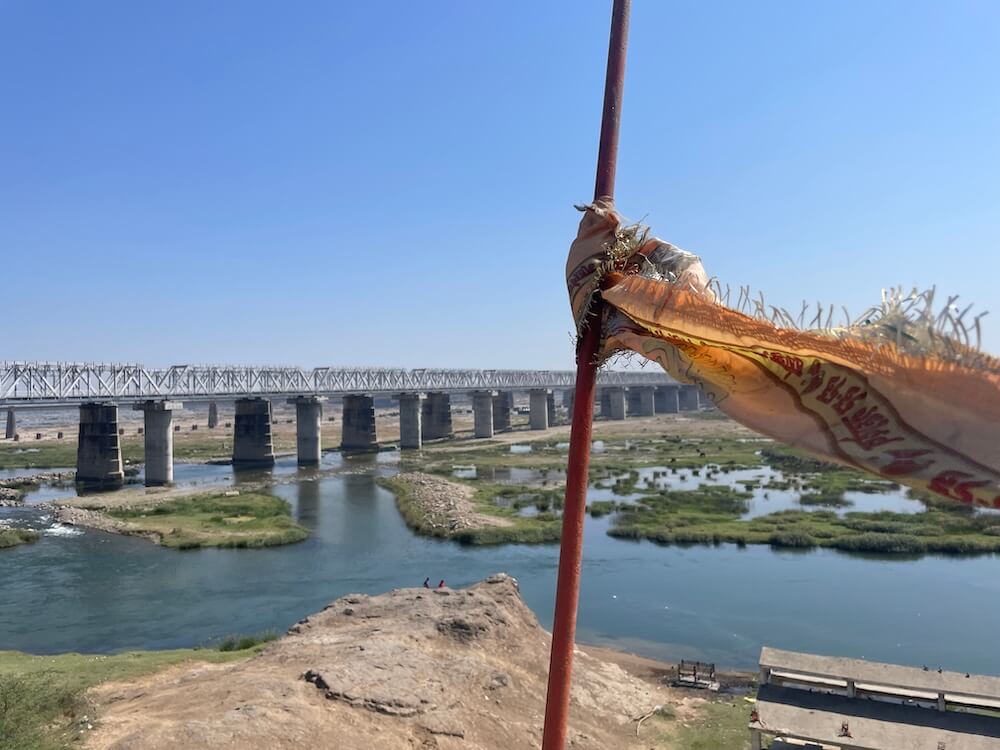 Driven by this belief, many devotees visit the site to observe silence and engage in meditation. Devaghoda Mahadev is counted amongst the pre-eminent Shiva temples of the district, alongside Somnath Mahadev, Kapileshwar and Galteshwar. As the renowned Ranchhodrai Temple of Dakor is situated a mere ten to twelve kilometres away, pilgrims, upon completing their journey to Dakor, make it a point to visit this temple in Pali for ‘Darshan’.
A captivating legend surrounds the nomenclature of this Mahadev temple. It is said that in ancient times, the King’s palace stood on the opposite bank of the river. The King was a devout follower who would cross the river daily to offer prayers at the temple, refusing to partake in food or water until he had beheld the deity. 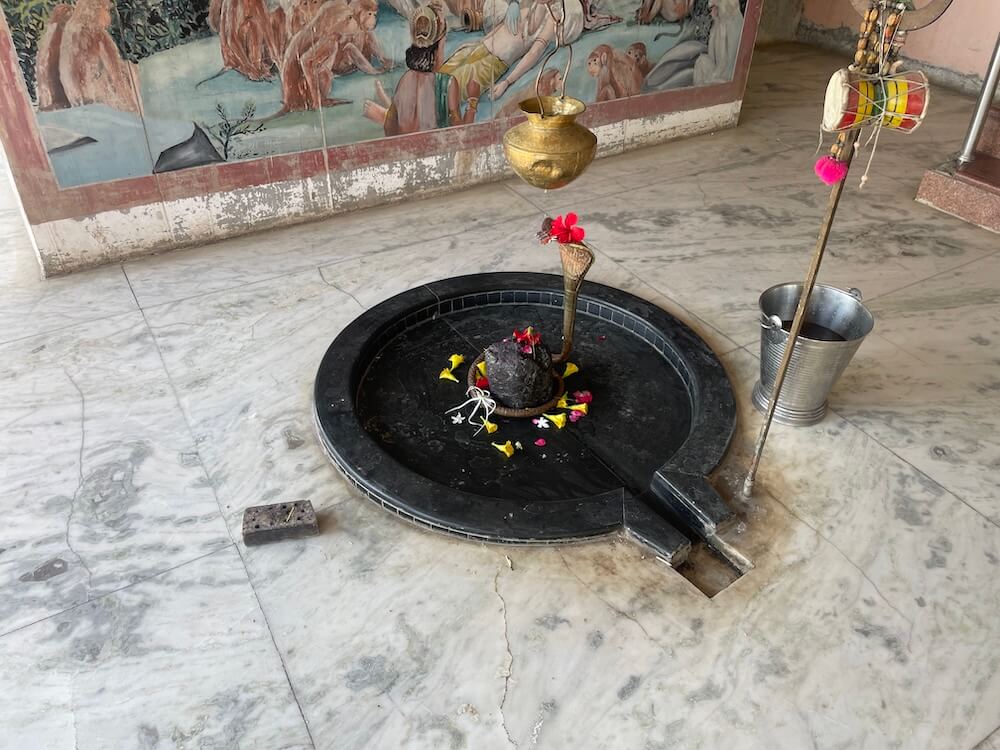 One day, as the King set out for his daily worship, the Mahisagar River was suddenly gripped by a ferocious flood. The deluge was so violent that massive trees and heavy boulders were swept away, making it impossible for the King to cross. Undeterred, the King commenced a meditative vigil on the far bank. For three days, he renounced all sustenance, remaining immersed in the chanting of Mahadev’s name. On the third day, a divine stallion appeared before him and spoke: ‘I shall carry thee for the Darshan of Mahadev.’ As soon as the King mounted the steed, the horse took to the skies, crossing the river to arrive at the temple gates. Upon reaching the destination, the horse vanished and the floodwaters receded. The King offered his prayers and finally broke his fast. Because a divine horse appeared through the grace of Mahadev, the deity came to be known as ‘Devaghoda Mahadev’.
  The name ‘Devaghoda’ has evolved from the local dialect, underpinned by these ancient folk narratives.
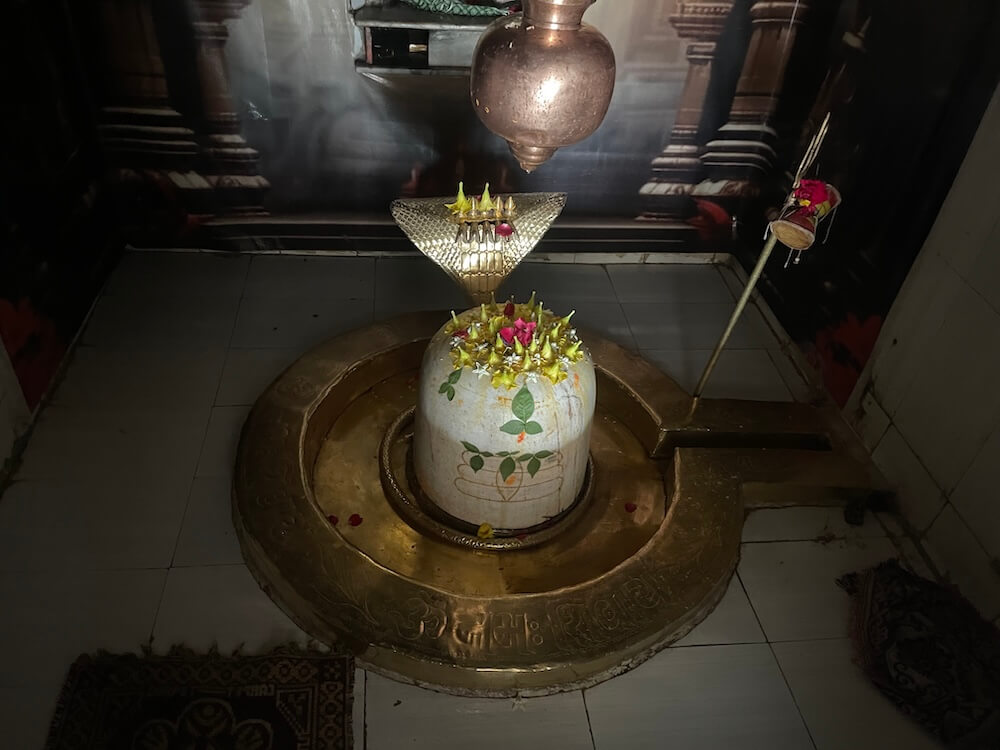
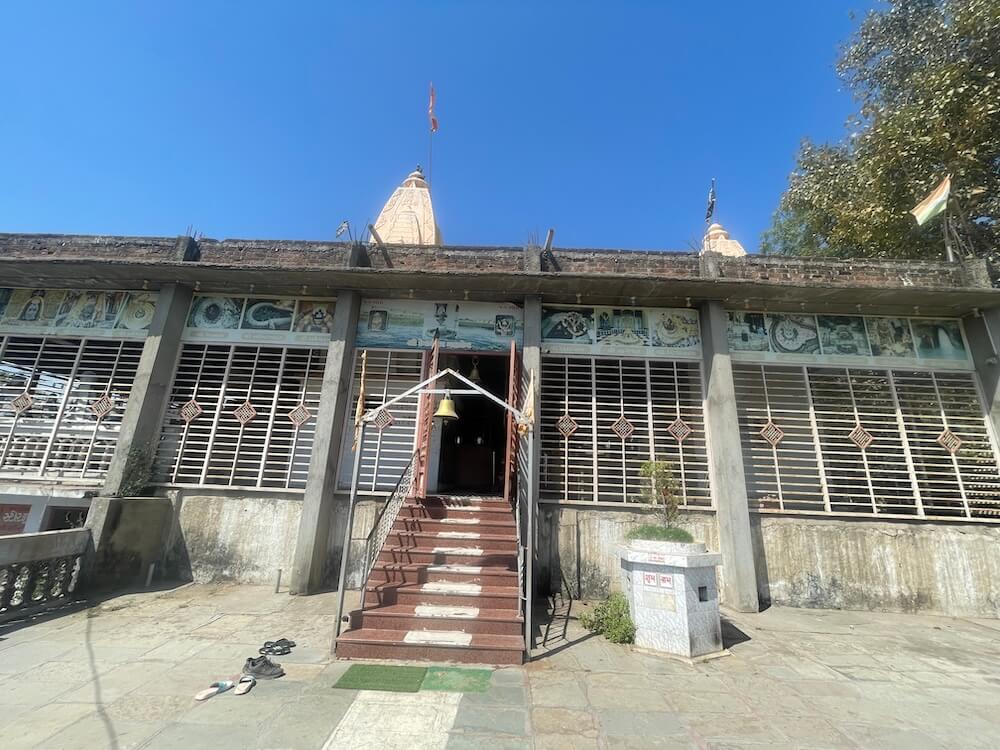
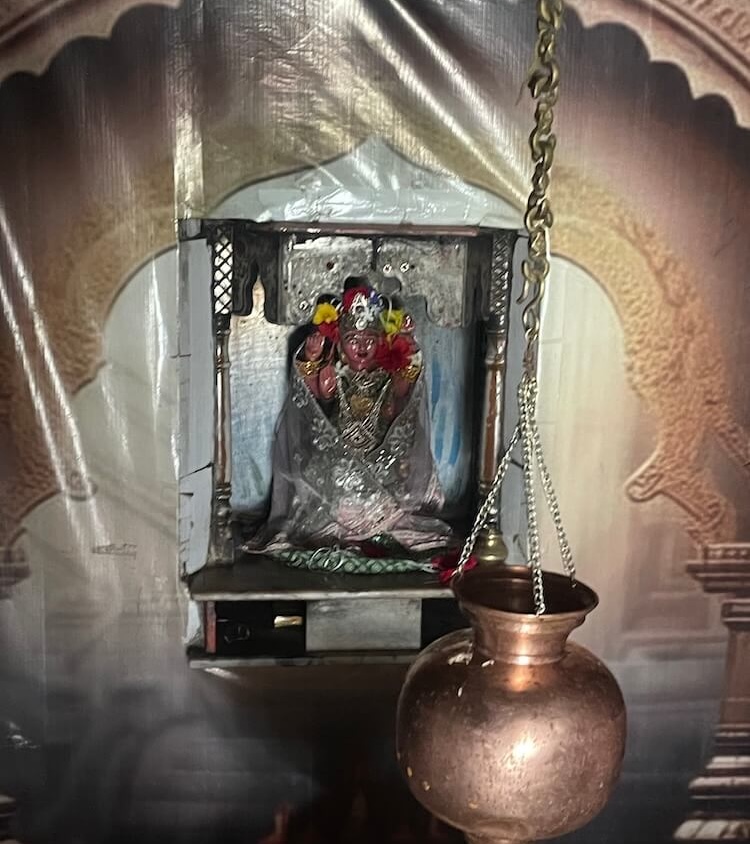
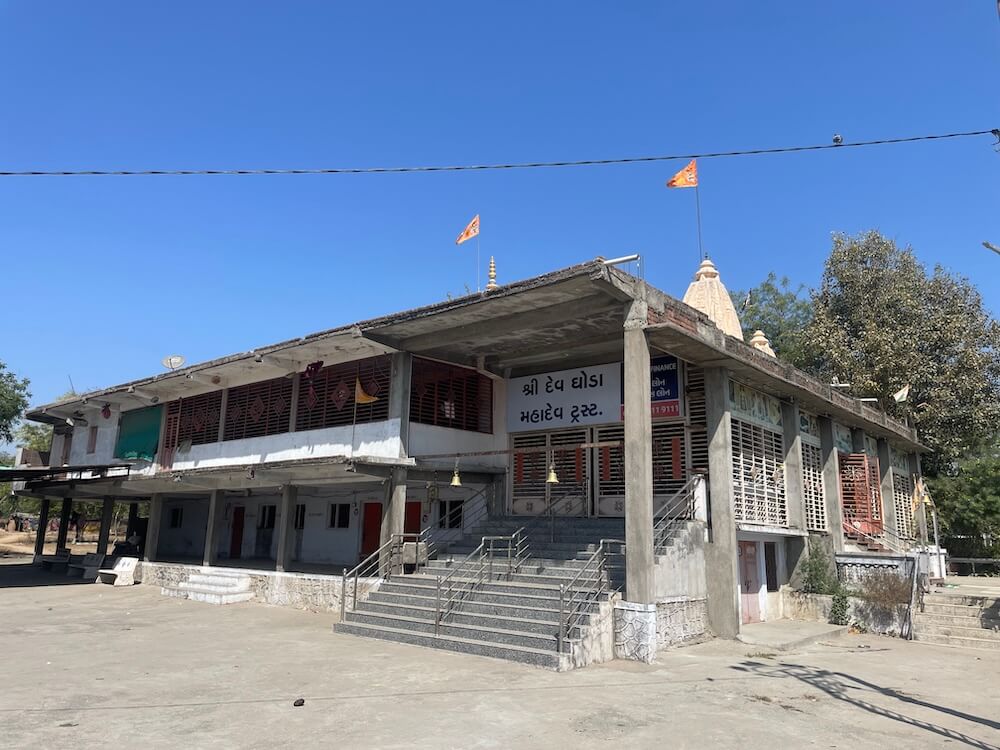
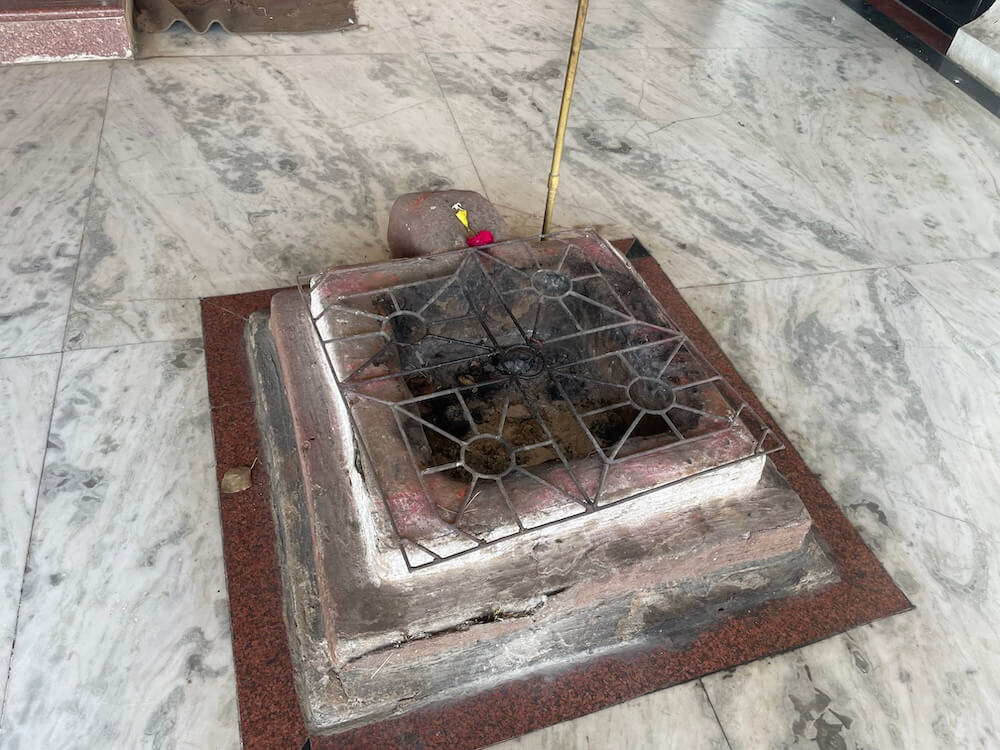
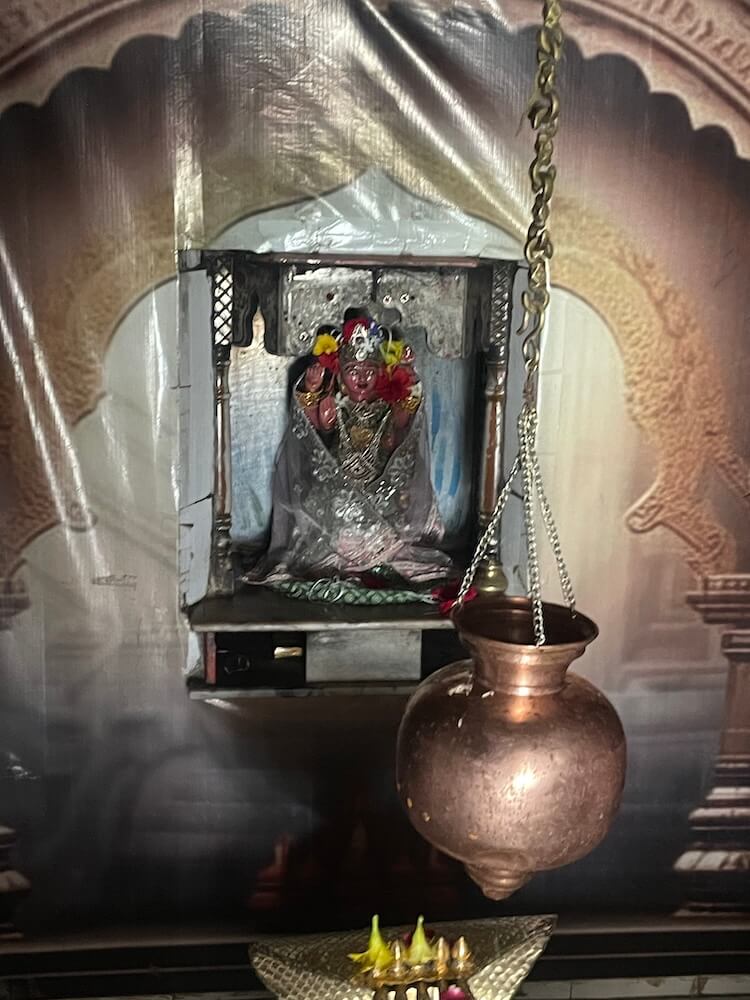
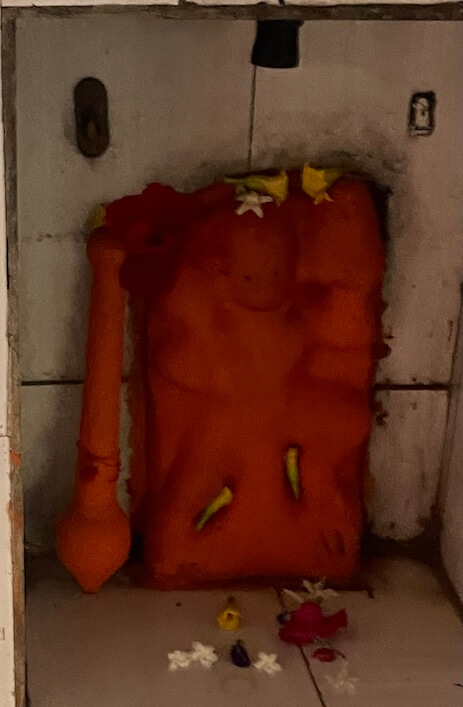
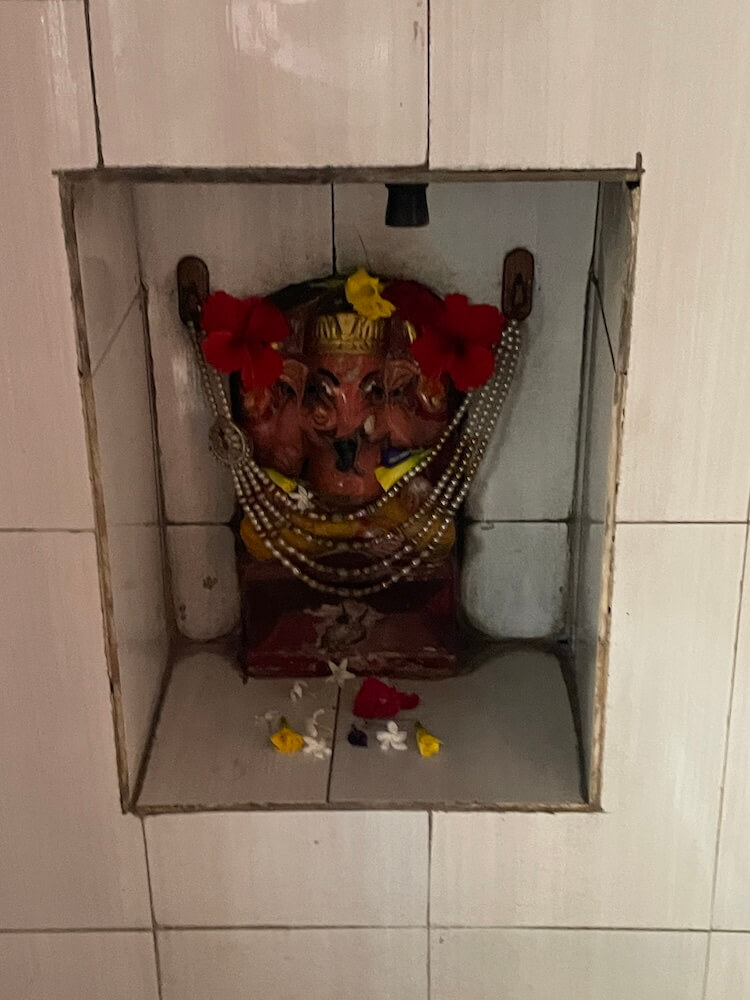
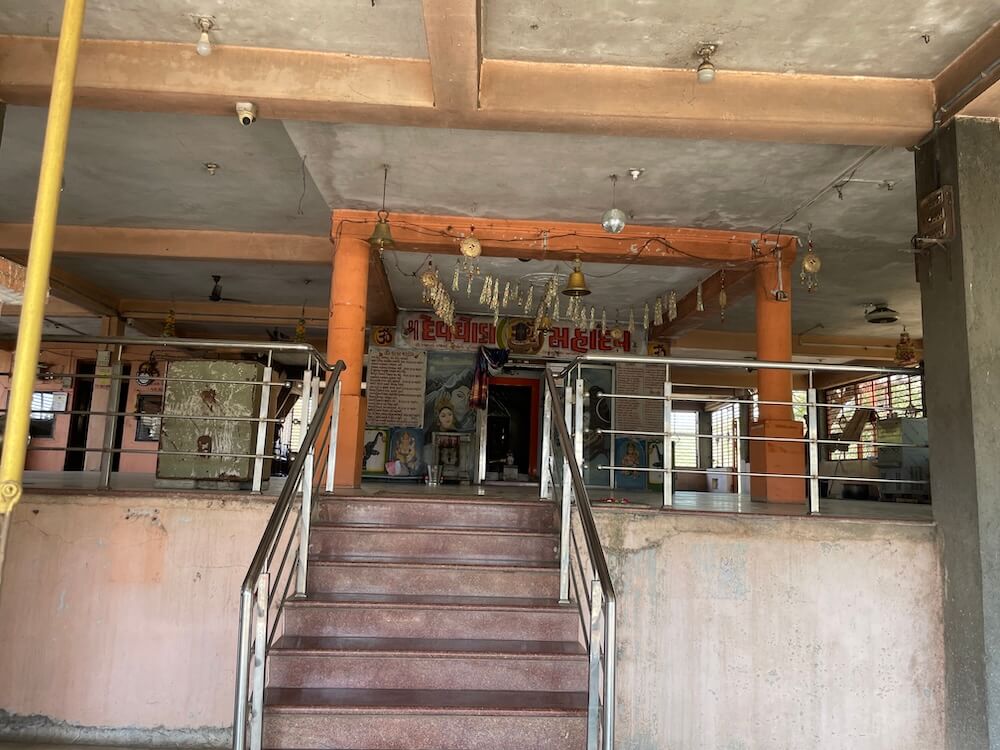
Situated adjacent to the Godhra-Dakor highway and in close proximity to the Sevalia railway station, the temple is fronted by a parking facility and a splendid welcome arch. Within this arch, a balcony supported by four pillars houses three Shivapindis. The expansive temple courtyard contains a shrine dedicated to Lord Hanuman, featuring a stone idol of Maruti seated upon a high ‘Vajrapitha’ (stone pedestal). The primary temple is a two-storey structure. The ground floor comprises an assembly hall, storage rooms and various other chambers. The main sanctum is located on the first floor, accessed by a flight of ten steps. The architectural layout follows the classical pattern of a ‘Mukhmandap’ (portico), ‘Sabhamandap’ (assembly hall), 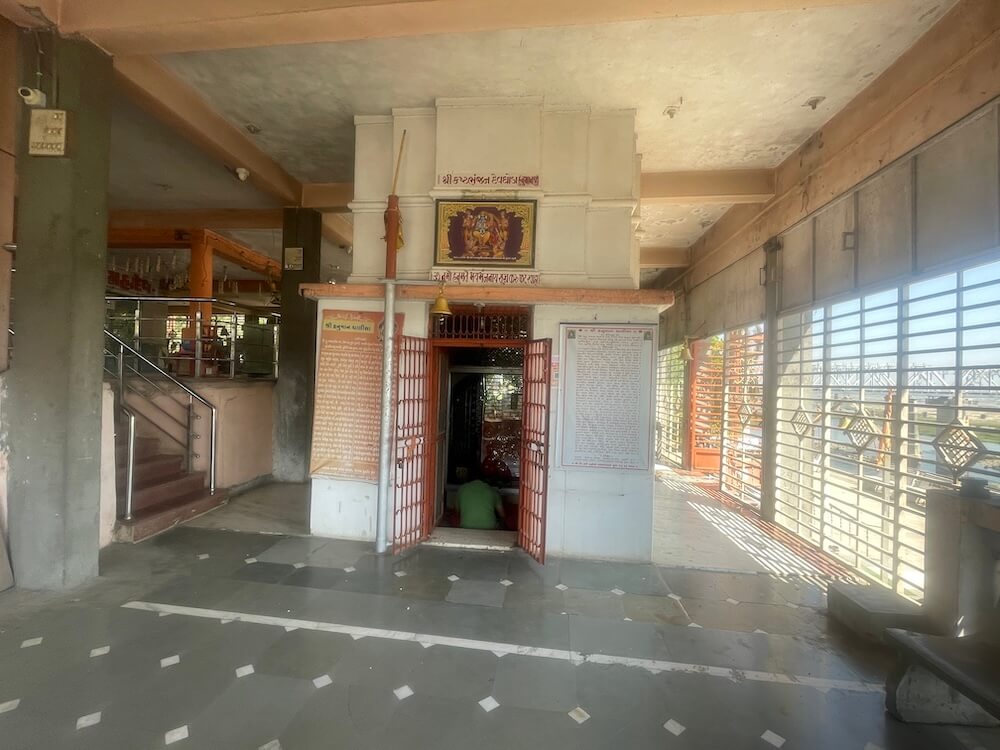 ‘Antarala’ (vestibule) and ‘Garbhagriha’ (sanctum sanctorum). The semi-open assembly hall provides seating for the faithful and a small niche within houses an idol of Kal Bhairav. Flanking the entrance to the vestibule within the assembly hall, the walls are adorned with vibrant paintings of Lord Mahadev. Beyond the assembly hall lies a small vestibule leading to the entrance of the sanctum. At the centre of the sanctum floor sits a marble Shivapinda, entwined by a copper serpent, with a ceremonial vessel suspended from the ceiling for the continuous offering of water. Facing the deity is a sculpture of Nandi upon a pedestal. Enshrined in a niche in the rear wall of the sanctum is an idol of Mata Parvati. The temple roof is adorned with two spires—one above the entrance to the assembly hall and the other above the sanctum.
  Both spires are square-based and taper upwards, topped by a dual-layered ‘Amalaka’ (fluted disc) and crowned with a ‘Kalasha’ (finial) and a religious flag. The primary spire over the sanctum is significantly loftier.
A short distance behind the temple flows the Mahisagar River. Shiva temples located on these banks are considered exceptionally holy; devotees believe that bathing in the river before seeking the Lord’s blessing earns one great spiritual merit. During the Mondays of the month of Shravan, the site is thronged by pilgrims seeking this sacred bath. Mahashivratri is the principal annual festival, celebrated with elaborate decorations and illuminations. On this day, special prayers and communal ‘Bhajans’ are organised. During the month of Shravan, a fair is held on the occasion of Janmashtami (Gokulashtami). The temple celebrates Shri Krishna Jayanti, Hanuman Jayanti, Kal Bhairav Jayanti, Nag Panchami, Kartik Purnima, Dasara and Diwali with great spiritual fervour. On Sharad Purnima in the month of Ashvin, a religious gathering and a night of ‘Garba’ are organised. During the month of Kartik, the ‘Annakut’ festival is observed as part of the Diwali celebrations. Special programmes are arranged for all such festivities. To ensure the convenience of the faithful, the temple remains open for ‘Darshan’ twenty-four hours a day.
Useful Information
- Located at 23 km from Thasra and 59 km from Kheda.
- GSRTC bus services are available from Galteshwar.
- Private vehicles can reach the temple’s dedicated parking area.
- Accommodation and breakfast facilities are available in the surrounding area.
देवघोड़ा महादेव मंदिर
पाली-सेवलिया, ताल. गलतेश्वर, जिला. खेड़ा
मंदिरे
Temples
मंदिर
-
भूमपुरा हनुमान मंदिर भूमापुरा, मोडज, ता. महेमदावाद, जि. खेडा
अधिक माहितीBhumapura Hanuman Temple Bhumapura, Modaj, Tal. Mahemdavad, Dist. Kheda
View Detailsभूमापुरा हनुमान मंदिर भूमापुरा, मोडाज, ताल. महेमदावाद, जिला. खेड़ा
विवरण देखें -
भाथीजी महाराज मंदिर फागवेल, ता. कापडवंज, जि. खेडा
अधिक माहितीBhathiji Maharaj Temple Phagvel, Tal. Kapadvanj, Dist. Kheda
View Detailsभथीजी महाराज मंदिर फागवेल, ताल. कपडवंज, जिला. खेड़ा
विवरण देखें -
केदारेश्वर महादेव मंदिर महादेवपुरा, ता. कठालाल, जि. खेडा
अधिक माहितीKedareswar Mahadev Temple Mahadevpura, Tal. Kathlal, Dist. Kheda
View Detailsकेदारेश्वर महादेव मंदिर महादेवपुरा, ताल. कठलाल, जिला. खेड़ा
विवरण देखें