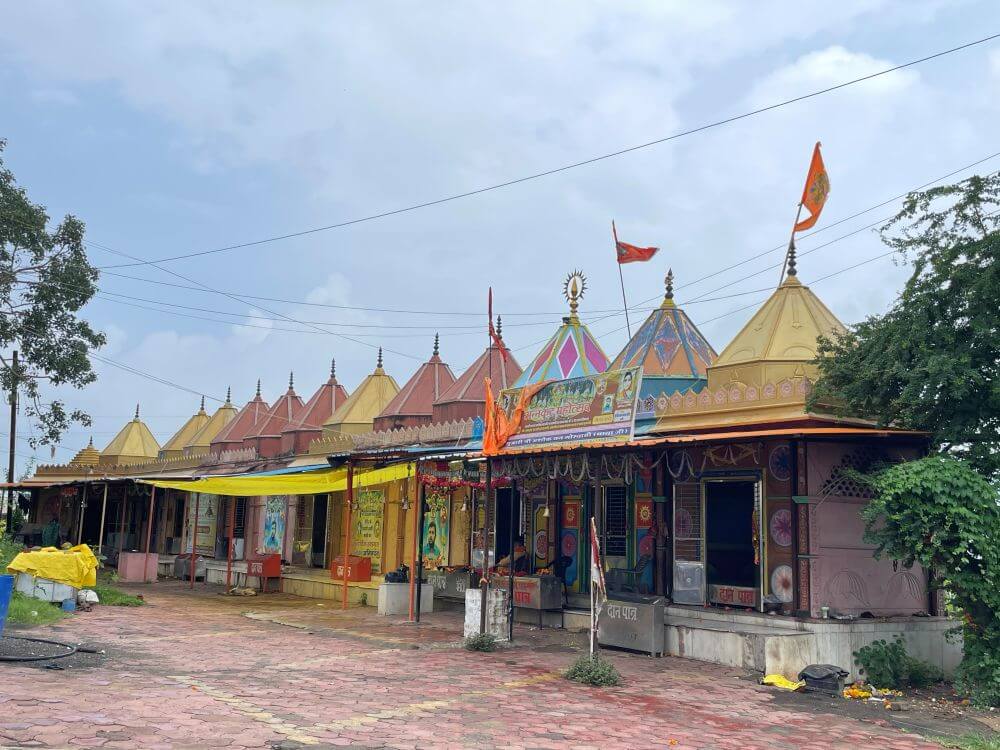
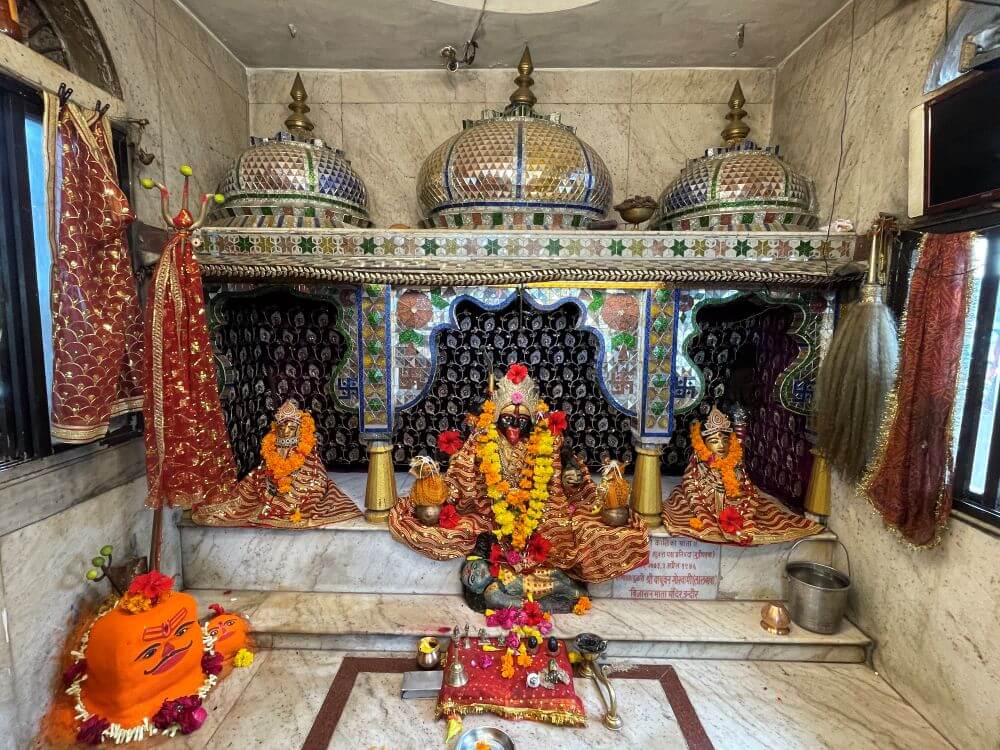
 Bijasan Mata is the patron (tutelary) goddess of many communities and families across Rajasthan, Gujarat and Madhya Pradesh. Originally revered as a folk deity, Bijasan is regarded as a manifestation of the Goddess Durga. In the city of Indore, made illustrious by Punyashlok Ahilyabai Holkar, her seat is said to have existed on a hilltop for roughly a thousand years. About one hundred and twenty-five years ago, the Holkar royal house built the present temple here for the Goddess. Devotees believe that the Goddess, enthroned in nine forms, is wondrous and fulfills vows; many come here with a prayers, especially those praying for the blessing of a son.
As an ancient folk goddess, Bijasan Mata is also said to be associated with tantric school.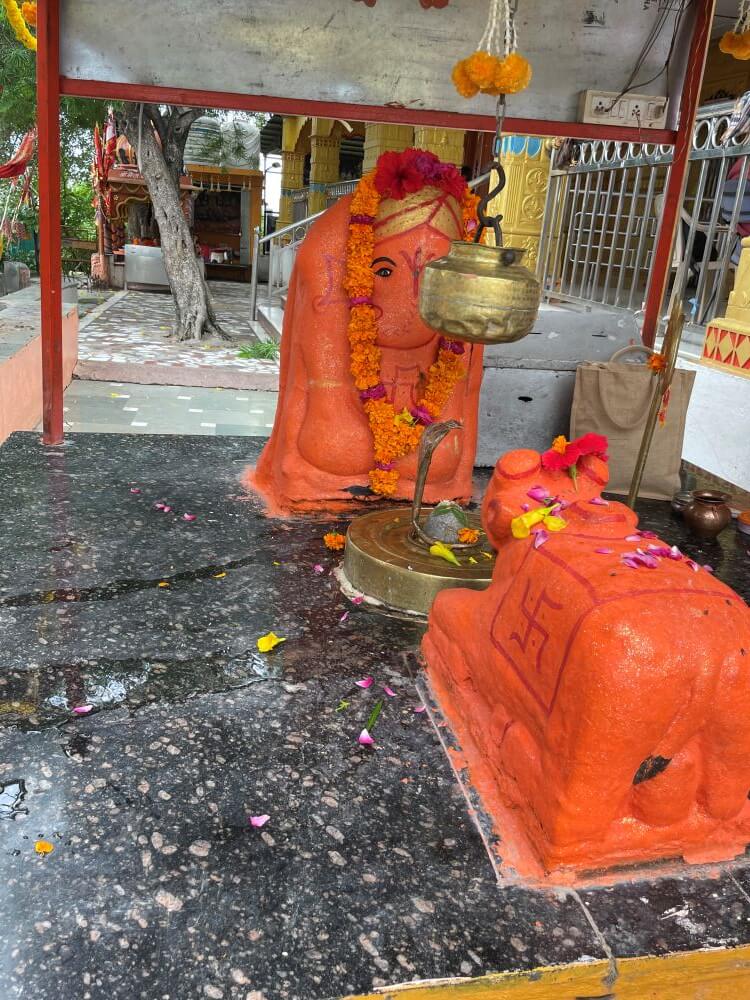 The forest that once covered the hill where the shrine stands today used to have large numbers of blackbuck and for that reason the place was considered highly auspicious for attaining mastery in tantra and mantra. One of the legends of this Goddess is linked to Durga herself. It goes thus – the demons Shumbha and Nishumbha, who had defeated Indra and claimed lordship over the three worlds, had a servant named Raktabeej. From Lord Shiva he had received a boon that if even a single drop of his blood were to fall upon the earth, a new Raktabeej demon would spring forth from it. To vanquish Shumbha and Nishumbha, the Mother Durga incarnated. In that great war, Durga slew the demon Raktabeej. Afterwards, to rest, she sat upon the demon’s skin and from that act she came to be known as Bijasan, the One seated upon the (Rakta)beeja’s hide.
There is another tale of Bijasan Mata here that is intertwined with the lore of Alha and Udal, folk heroes of Bundelkhand and Uttar Pradesh. These two brothers are celebrated for their valor. Between 1165 and 1203 CE, the court poet Jagnik, attached to the Chandela king Paramal (also known as Paramardideva) of Kalinjar in Bundelkhand (now in Banda district), composed the work known as ‘Alha-Khand’, narrating the story of the brothers. The poem, compiled by Farrukhabad’s Collector Sir Charles Elliott in 1865, is today known simply as ‘Alha’. It is primarily in ‘Jihuti Hindavi’ or the Kanauji tongue. According to this poem, Alha is held to be an incarnation of Yudhishthira,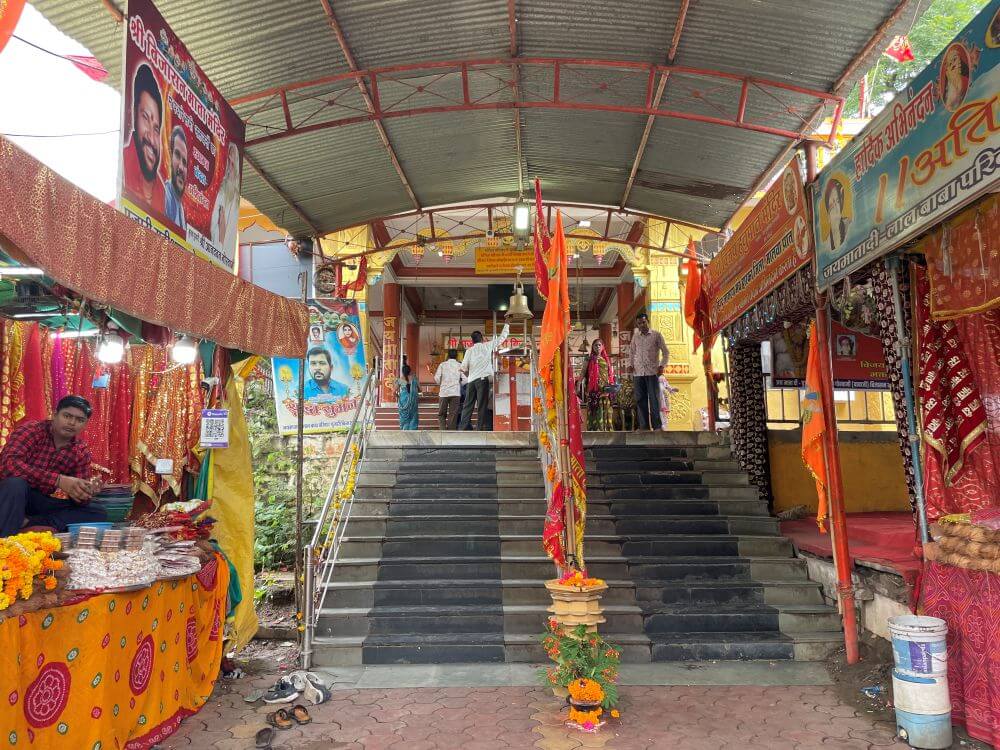 while Udal is regarded as an incarnation of Bhima. In the war with Prithviraj Chauhan, Udal met his end. Later, at the command of Guru Gorakshanath, Alha spared Prithviraj’s life and accepted the Nath path. The two brothers also mounted a campaign against Kadanga Rai, the king of Mandu. Before setting out, it is said, they came to the temple of Bijasan Mata in Indore to seek victory. From this folk tradition arises confirmation that the seat of Bijasan Mata here has existed for at least eight centuries.
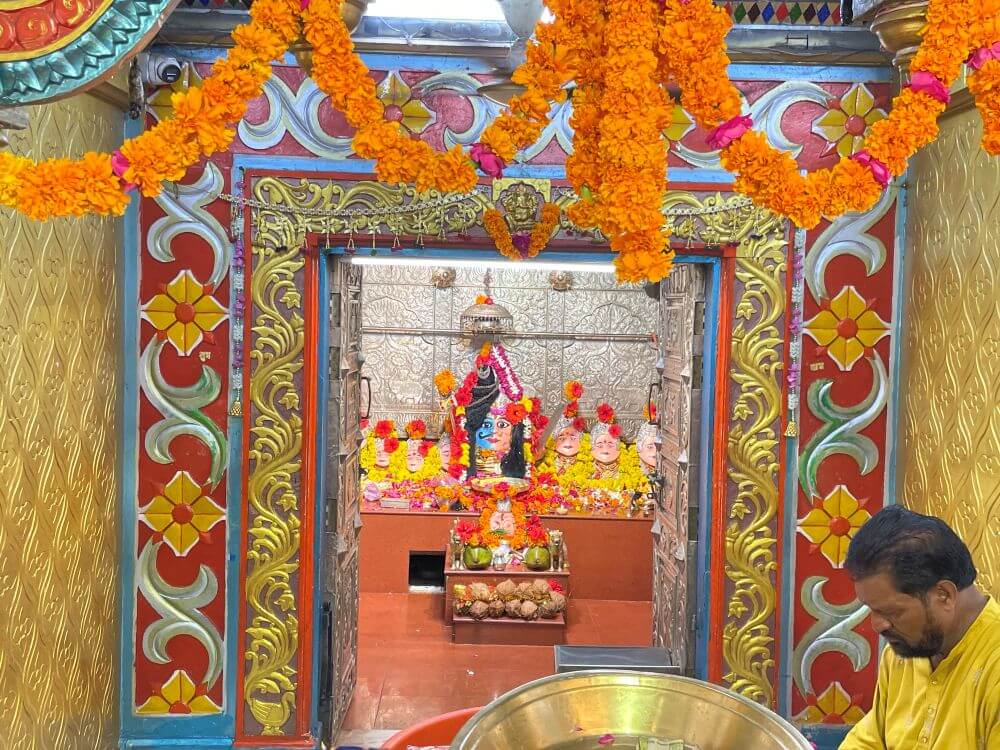
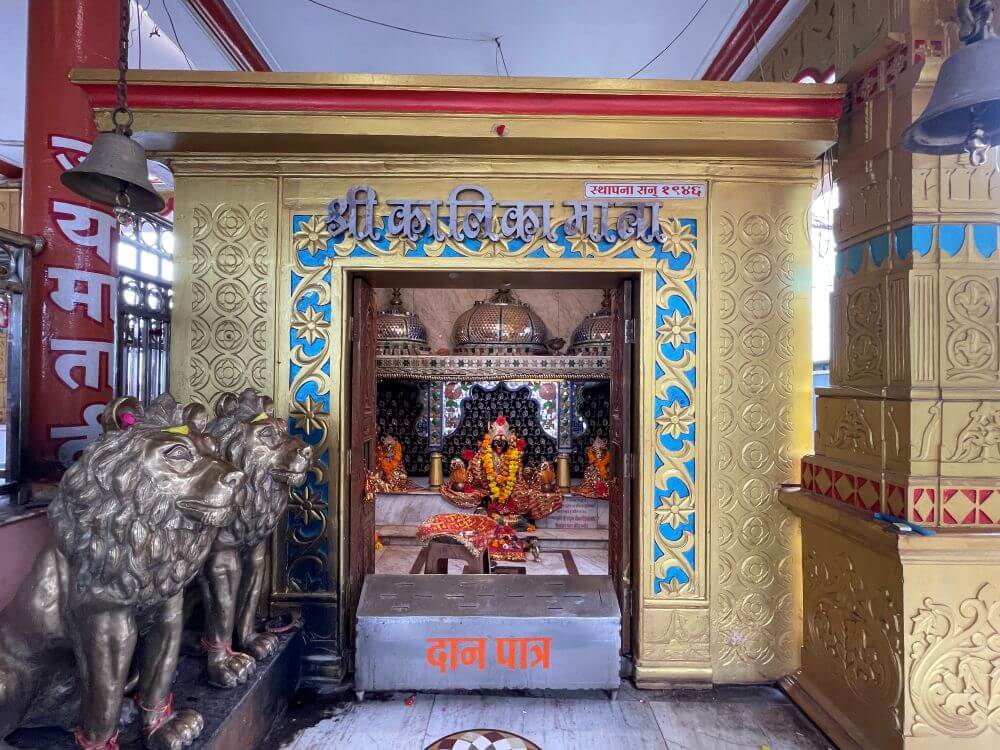
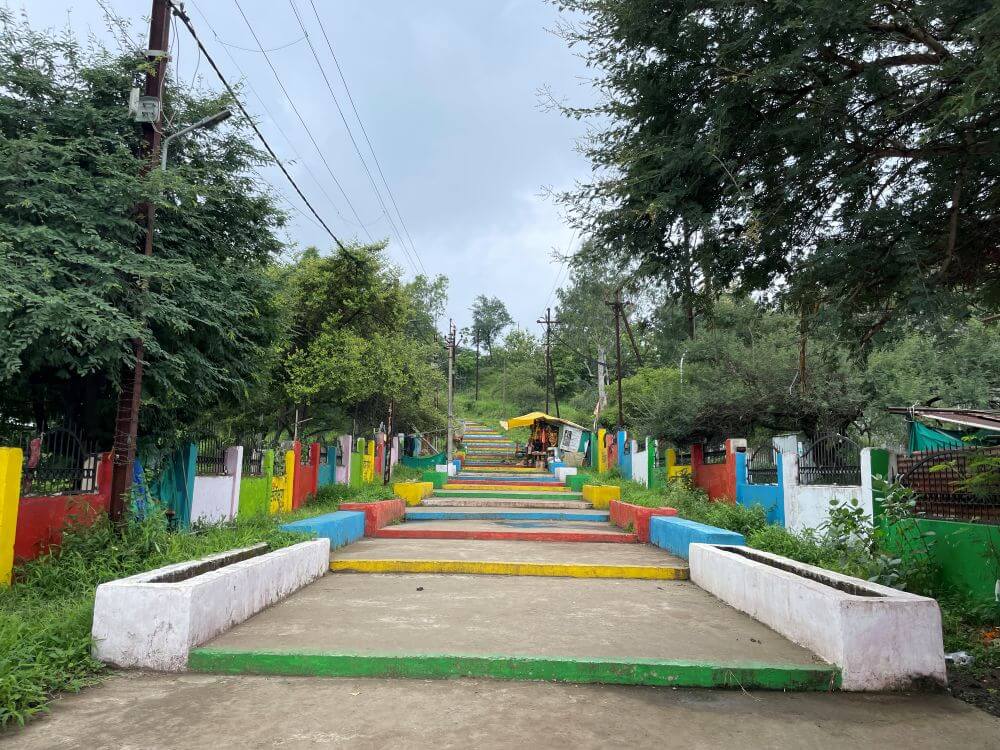
The temple’s more recent history is remembered like this – Maharaja Shivajirao Holkar of the Indore State (who reigned from 1886 to 1903) made a vow to the Goddess, praying for the boon of a son. When his vow was fulfilled, he placed a golden brick here with great devotion and erected the temple.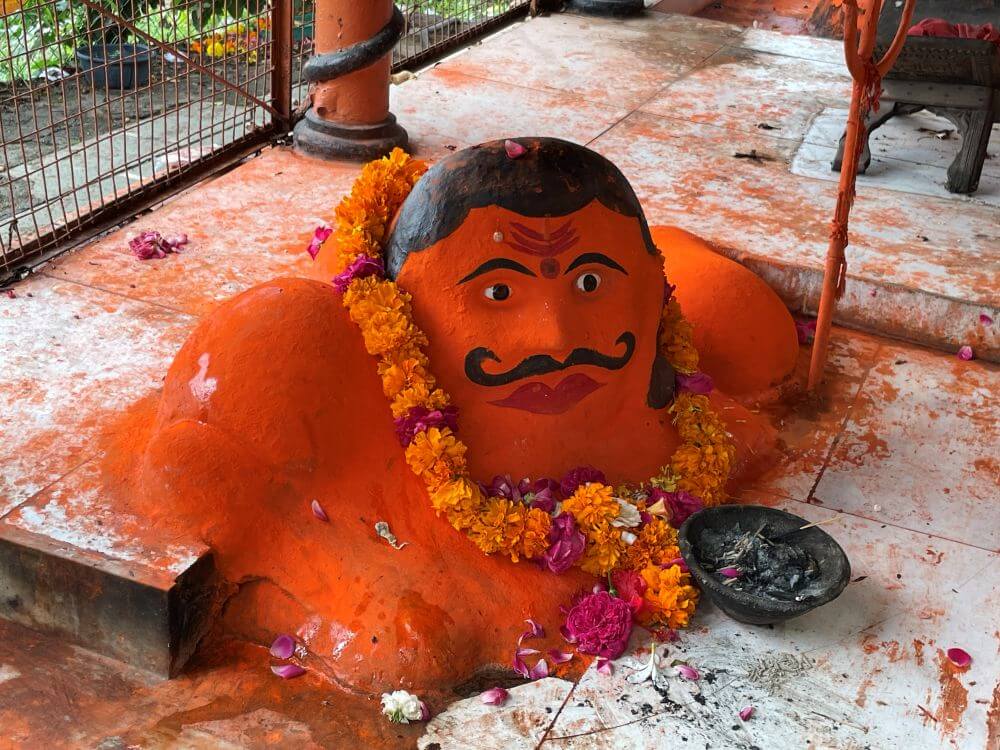 In the course of time the shrine underwent restoration. A broad flight of steps leads up to this temple set on a lofty hill. On the summit, across a spacious precinct, the Goddess’s temple stands. Its plan comprises an open, roomy assembly hall (sabhamandap), an antaral (vestibule) and the sanctum (garbhagriha), over which rises a tall shikhara in the Maratha architectural style. The temple is built upon a raised plinth (jagati). After ascending a few steps one enters the assembly hall. To the right of these steps is a small shrine of Kalika Mata and to the left a small shrine of Hanuman. The pillars of the antaral carry elegant cusped arches (mahirpi kaman). In the sanctum, the Goddess Bijasan is enthroned within a canopied shrine-frame (makhar) upon a high plinth. The distinctive feature here is that, as at the shrine of Vaishno Mata in Katra, the Goddess is manifest in nine stone forms; silver crowns grace the faces of these murtis. Behind the main temple,
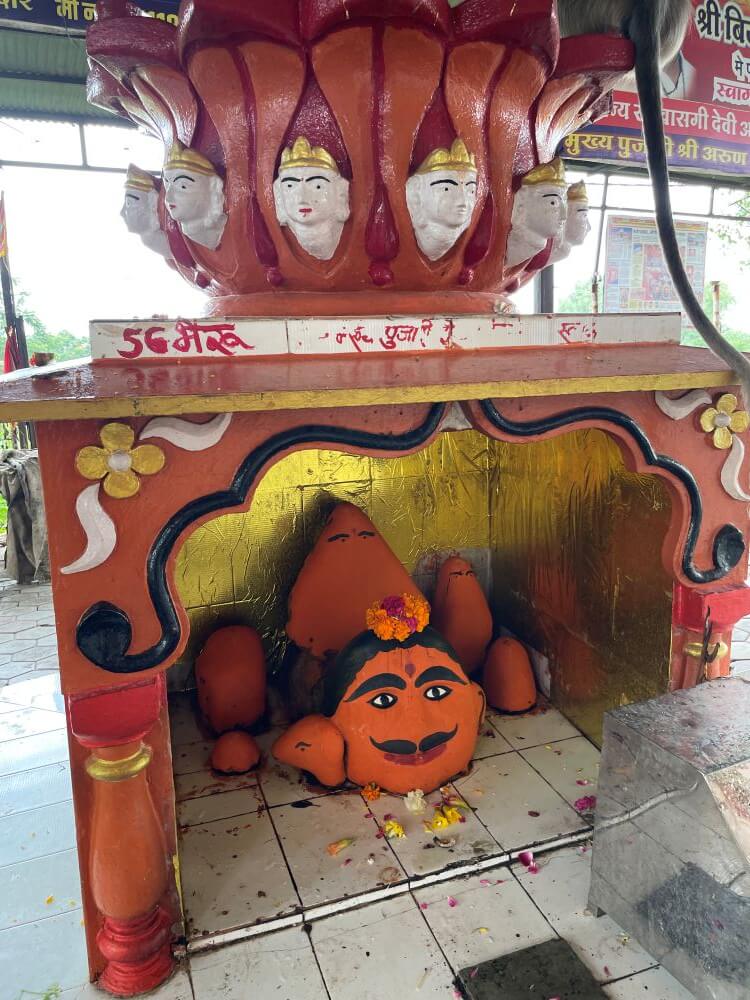
 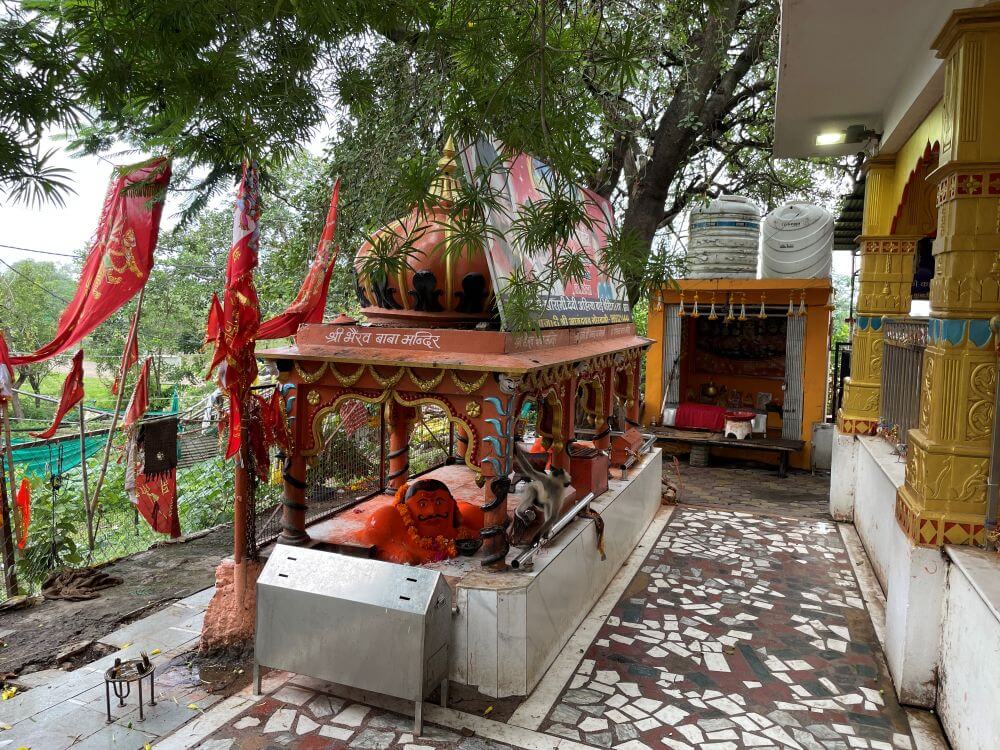 in a cluster of smaller shrines, there are stone images that devotees also worship with heartfelt reverence. Not far from the temple stand modest shrines dedicated to Panchmukh Haori Vijay Hanuman, Narmadeshwar Mahadev, Santoshi Mata and other deities.
Devotees cherish the faith that the Goddess is a bestower of sons and of marital auspiciousness and thus people arrive in great numbers to fulfill vows. It is customary for newly married couples to come and offer worship here after their wedding. Many devotees come barefoot for the Goddess’s darshan. During the Chaitra and Sharadiya Navaratri, uncounted throngs gather for darshan. It is said that without beholding the Goddess, the festival of Navaratri remains incomplete. Accordingly, pilgrims arrive not only from Indore but from across the country and a grand fair is held during this season. By one estimate, at least three hundred thousand devotees visit during Navaratri.