
अर्बुदा माता मंदिर
बसना, ता. विसनगर, जि. मेहसाणा
Arbuda Mata Temple
Basna, Tal. Visnagar, Dist. Mehsana
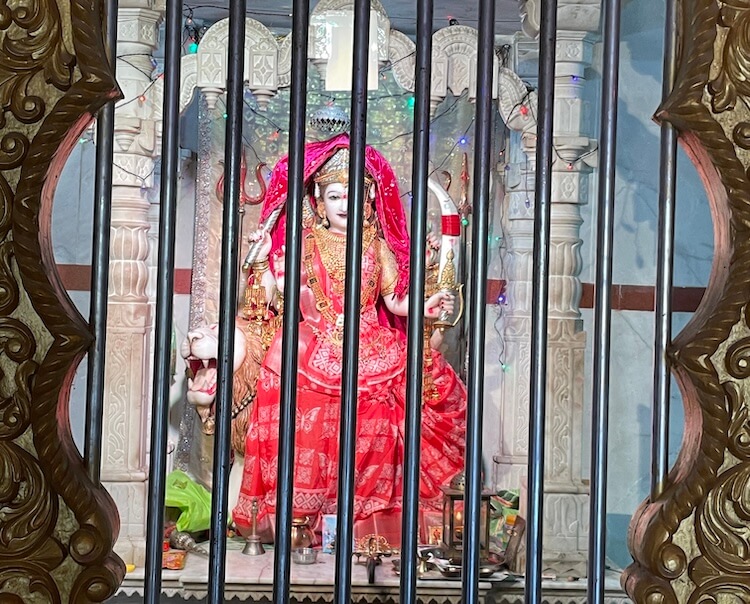
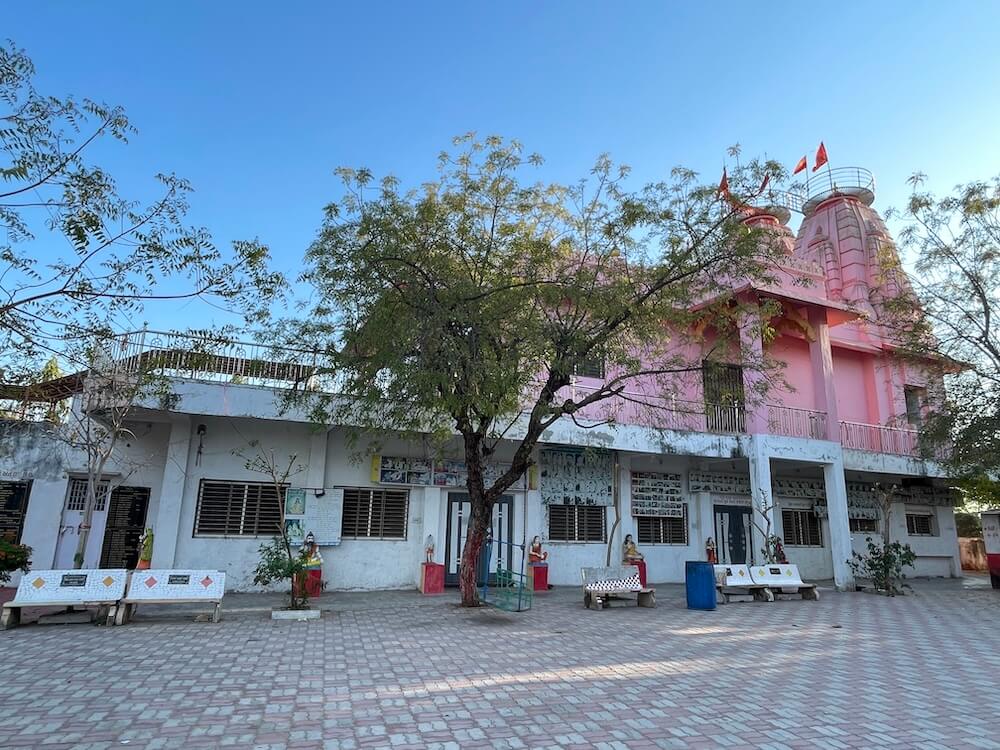
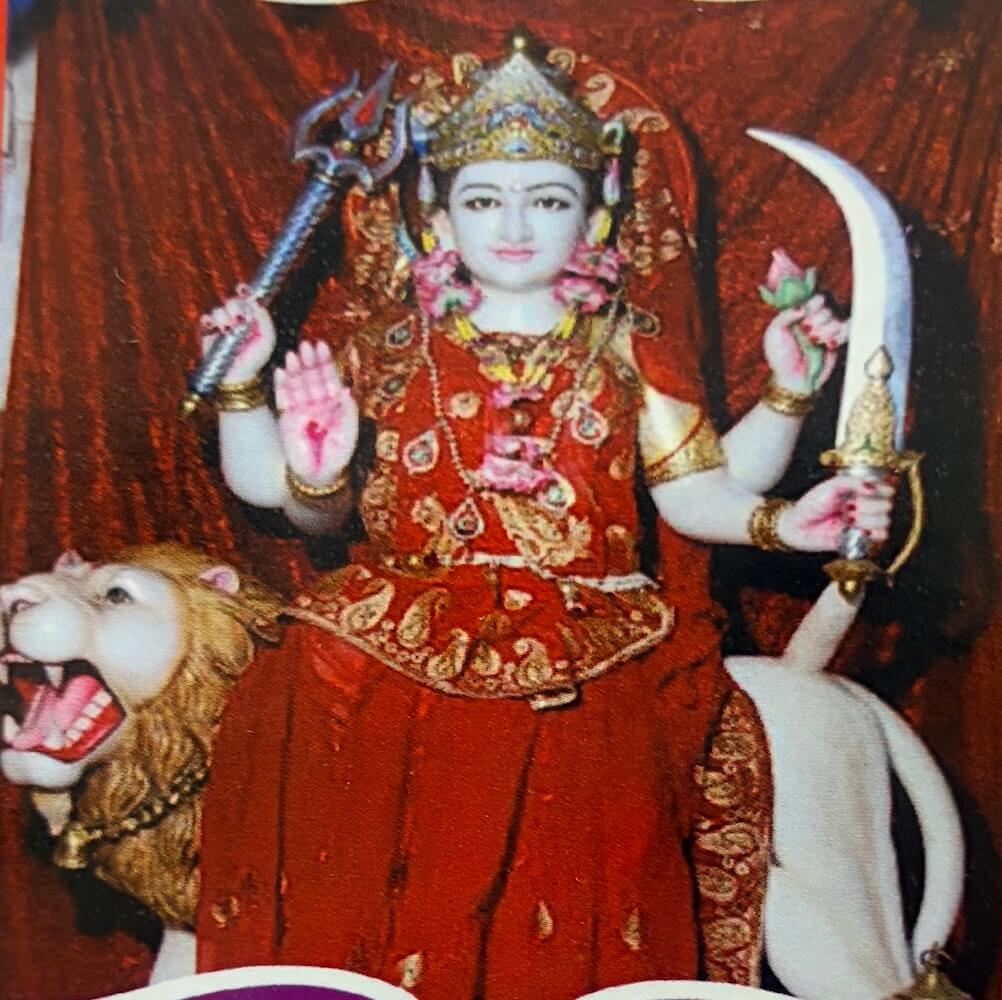 The magnificent temple of Arbuda Mata, the patron deity of the Anjana Chaudhary community of Gujarat, is situated at Basna in the Visnagar Taluka. According to mythological scriptures, Goddess Arbuda is an incarnation of Katyayani, the sixth form of Goddess Durga. She is also reverently referred to as ‘Adhar Devi’. The original seat of the Goddess is located at Arbudachal (Mount Abu). However, observing the myriad difficulties faced by pilgrims travelling there, the devotees of the Basna region, with the collective support of the statewide Anjana community, established the grand ‘Arbuda Dham’ here. Today, this temple has become a paramount centre of faith for the entire Anjana community across the state.
Regarding the nomenclature ‘Arbuda’, a mythological legend recounts that, in ancient times, Uttanka was a disciple of Sage Gautama. He procured precious earrings from the wife of King Sudas in the Kashi region to present to his preceptor’s wife. 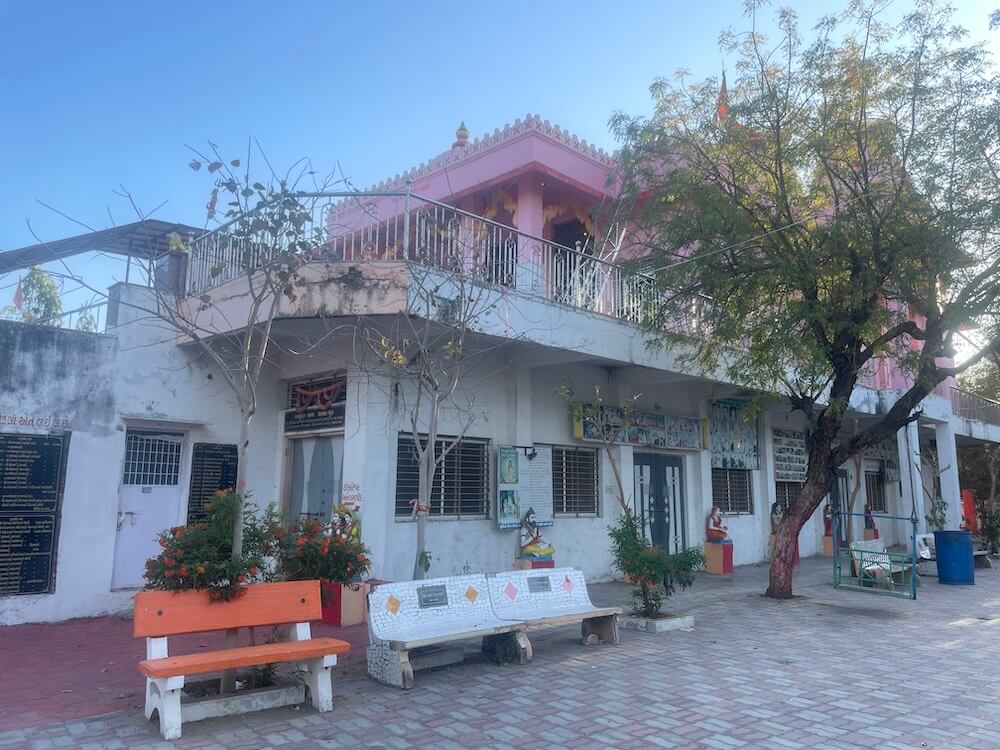 Takshaka, the King of Serpents, coveted these jewels. As Uttanka traversed a mountain, Takshaka seized the earrings and vanished into the netherworld through a crevice. Uttanka began to excavate the hollow, but reaching the netherworld was beyond his mortal prowess. Eventually, Lord Indra took pity upon him. He used his ‘Vajra’ (thunderbolt) to carve a path to the depths. Uttanka descended and reclaimed the earrings from Takshaka. Later, Sage Vashistha requested Mount Himalaya to fill the deep chasm that extended from the mountain to the netherworld. Himalaya sent his son Nandivardhan, seated upon a serpent named Arbuda, to the site. According to the Jain text ‘Vividha Tirtha Kalpa’, the mountain earned its name due to the serpent Arbuda. The Goddess who made this peak Her abode came to be addressed as ‘Arbuda’.
 Another legend concerning the Goddess tells of the demon king Kali, also known as Baskali, who attained invincibility through rigorous penance dedicated to Lord Shiva. Emboldened by his powers, he began to torment the deities, including Indra. In response to the fervent prayers of the gods, Goddess Arbuda manifested and vanquished the demon by crushing him beneath Her feet. This celestial event occurred on Mount Abu, where the ‘Charan Paduka’ (divine footprints) of the Goddess have been worshipped ever since. She remains the ancestral deity of the Anjana Chaudhary community.
The ‘Mehsana District Gazetteer’ records a fascinating legend regarding the origins of this community. The Anjanas are believed to be the descendants of the ancient Haihayavanshi King Sahasrarjun, who had eight sons.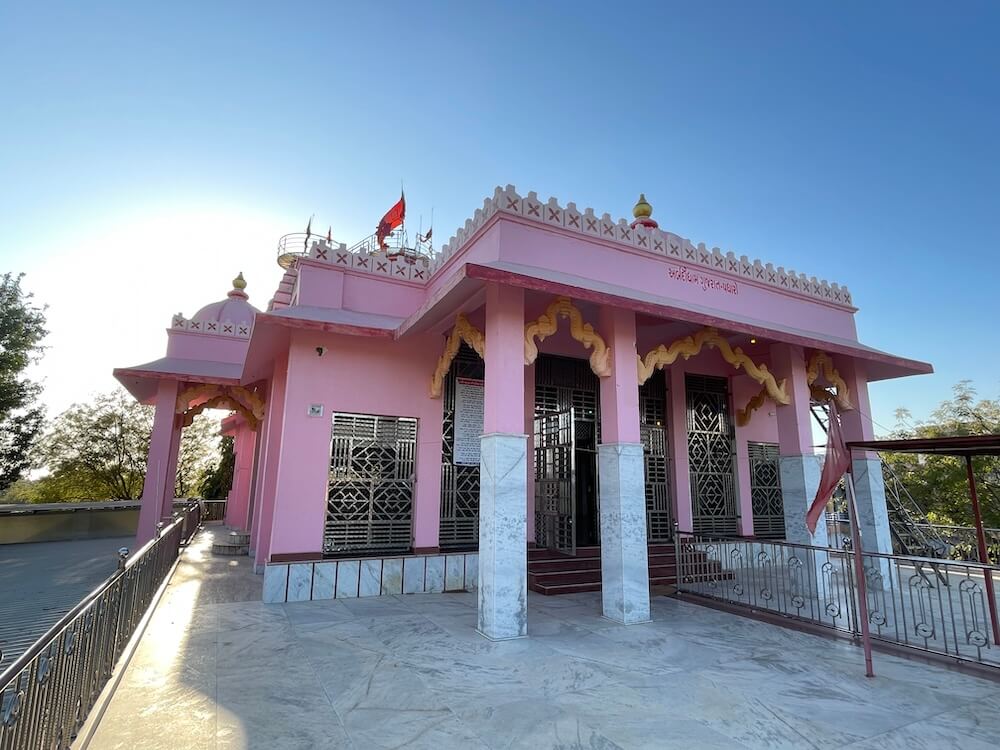 To escape the wrath of Lord Parshurama, they fled to Mount Abu. It is said that two of the sons sought refuge behind the Goddess, while She transformed the remaining six into small children to protect them. The descendants of the first two sons are known as ‘Jats’, while the others are called ‘Anjana’, as the Goddess saved them by designating them as ‘Ajanya’ (the unknown ones). Of these eight, two remained in Rajasthan, two arrived in Gujarat, two migrated to Madhya Pradesh and the others settled in Punjab and Haryana. Furthermore, the Gazetteer notes a belief that the Anjana community may be descendants of Bhimdev I (1022–64 AD), the Solanki ruler of Gujarat. According to this tradition, a lady named Anjanabai from King Bhimdev’s lineage fled to Mount Abu during the invasion of Mahmud Ghazni and became a devotee of Arbuda Mata.
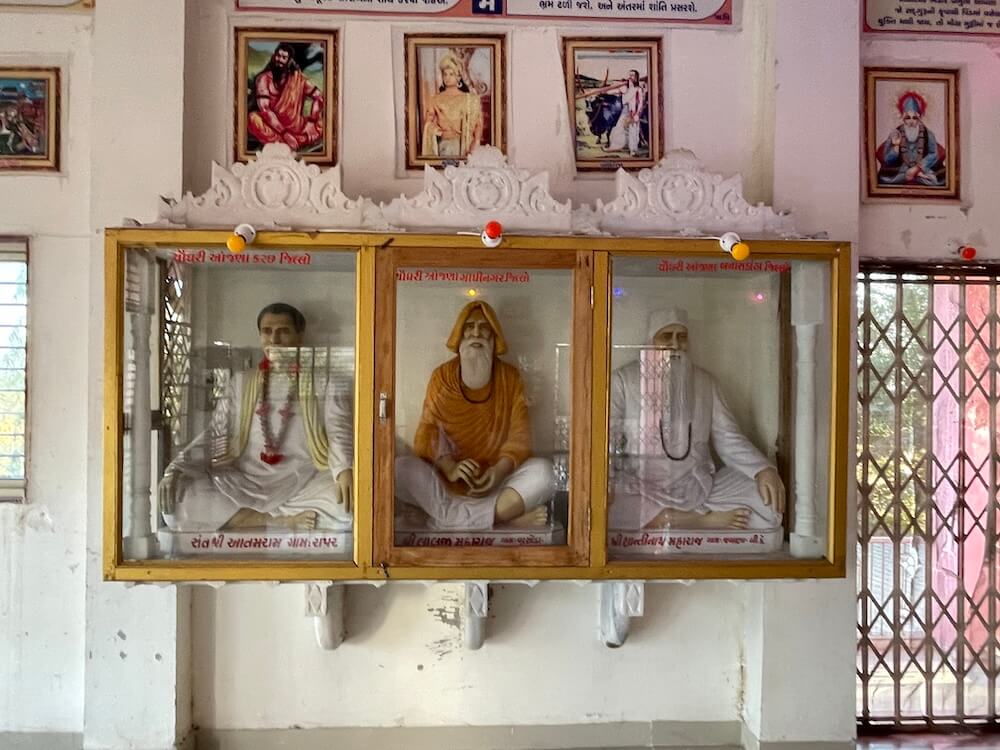 She settled there permanently after the invader’s departure and the settlement, known as ‘Anjanagarh’, gave rise to the identity of the ‘Anjana’ people.
The establishment of this temple owes much to the significant contribution of Rotarian Pratapbhai Chaudhary (Jakhad) of Magaroda, a dedicated social worker and a devout follower of the Goddess. During his frequent pilgrimages to Mount Abu, he observed that while temples are meant for devotees, the faithful often faced numerous restrictions. Resolved to establish a grand sanctuary for the devotees of Gujarat, Pratapbhai appealed to the community’s generosity. He toured all 1273 villages of the Chaudhary community across Gujarat to raise funds. Through this collective benevolence, 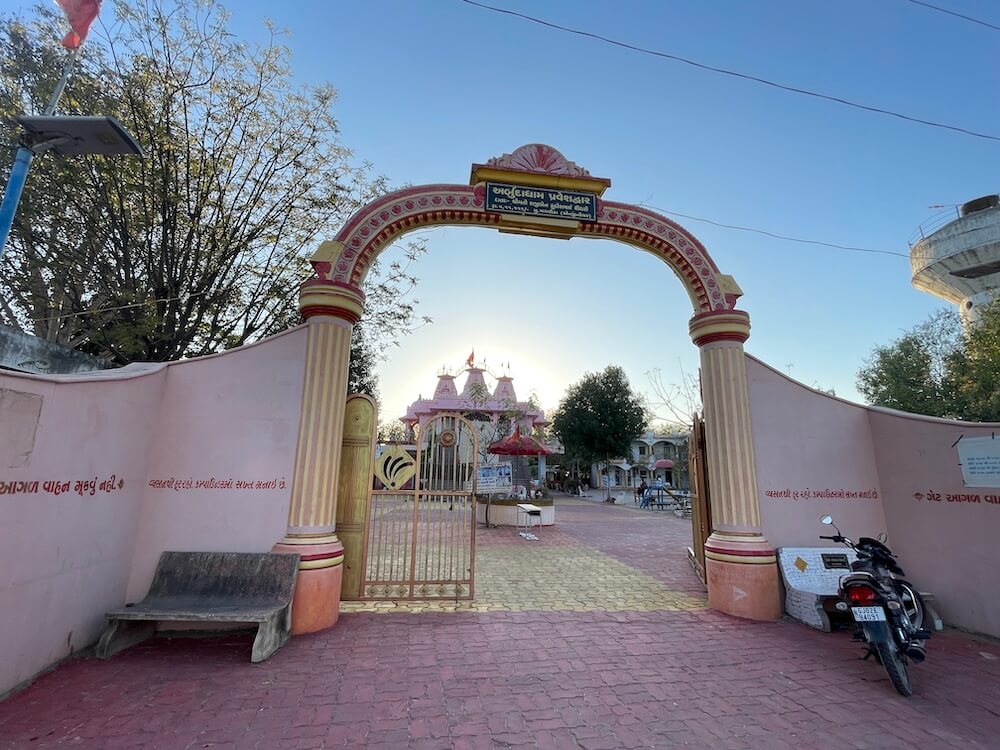 the ‘Arbuda Foundation’ constructed the sprawling ‘Arbuda Dham’. The ‘Pran-Pratishtha’ (consecration ceremony) took place with great fervour on 3 June 2013, attended by the then Chief Minister and current Prime Minister, Narendra Modi, along with various ministers, legislators and a vast assembly of the Anjana community.
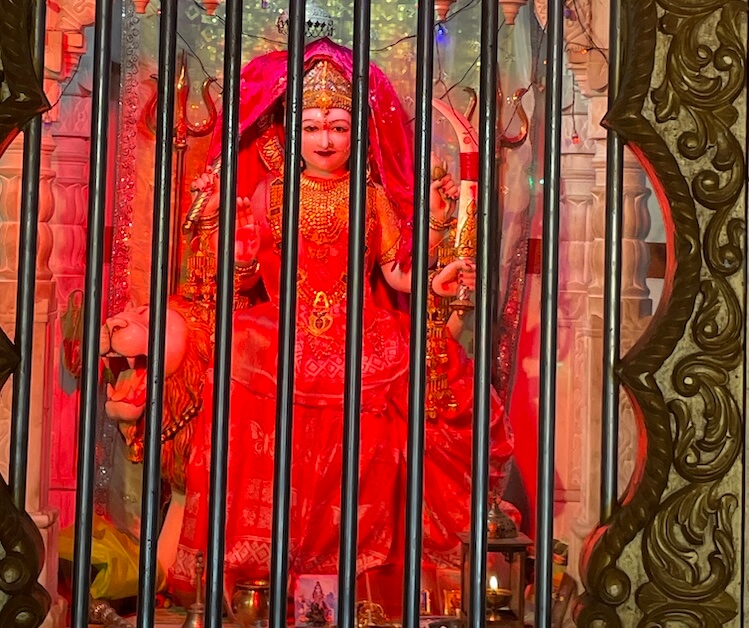
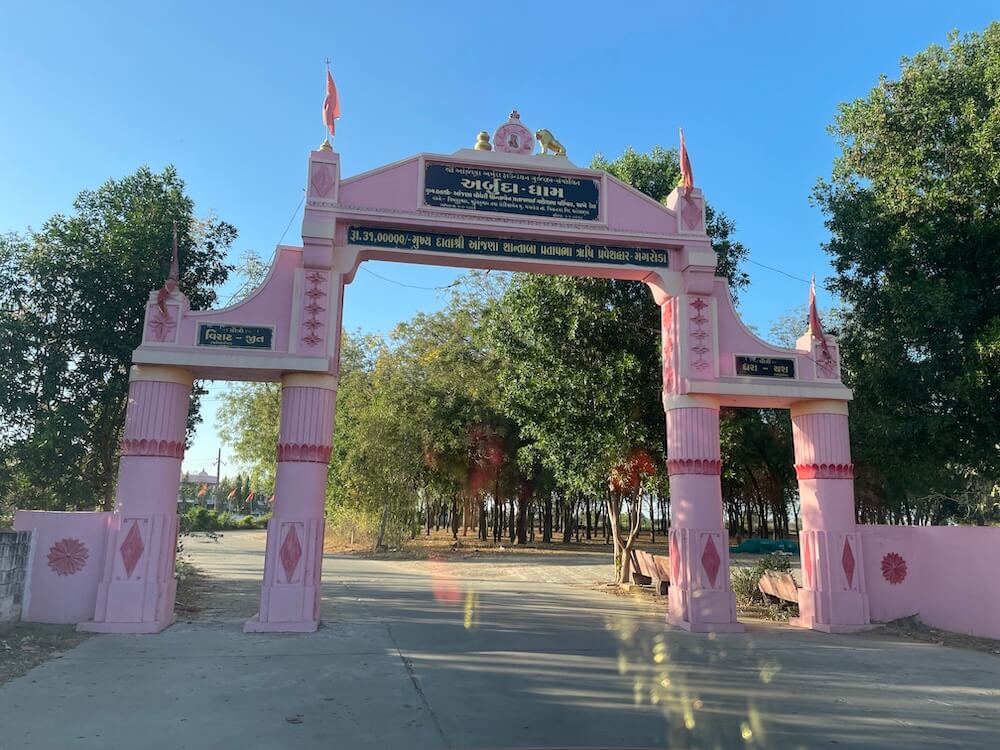
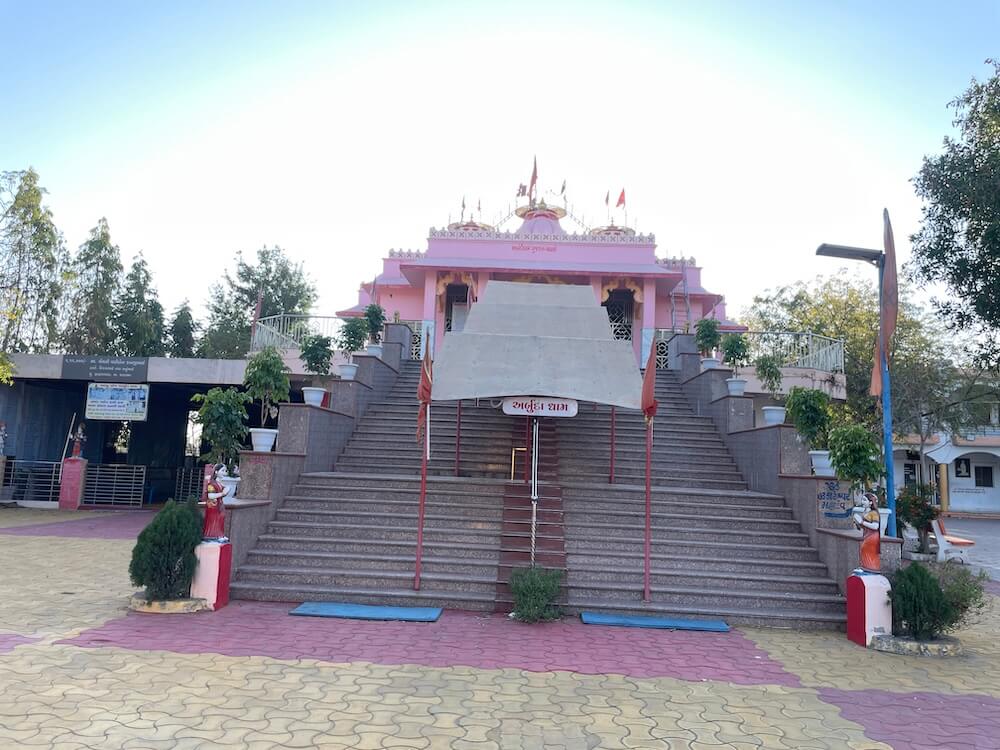
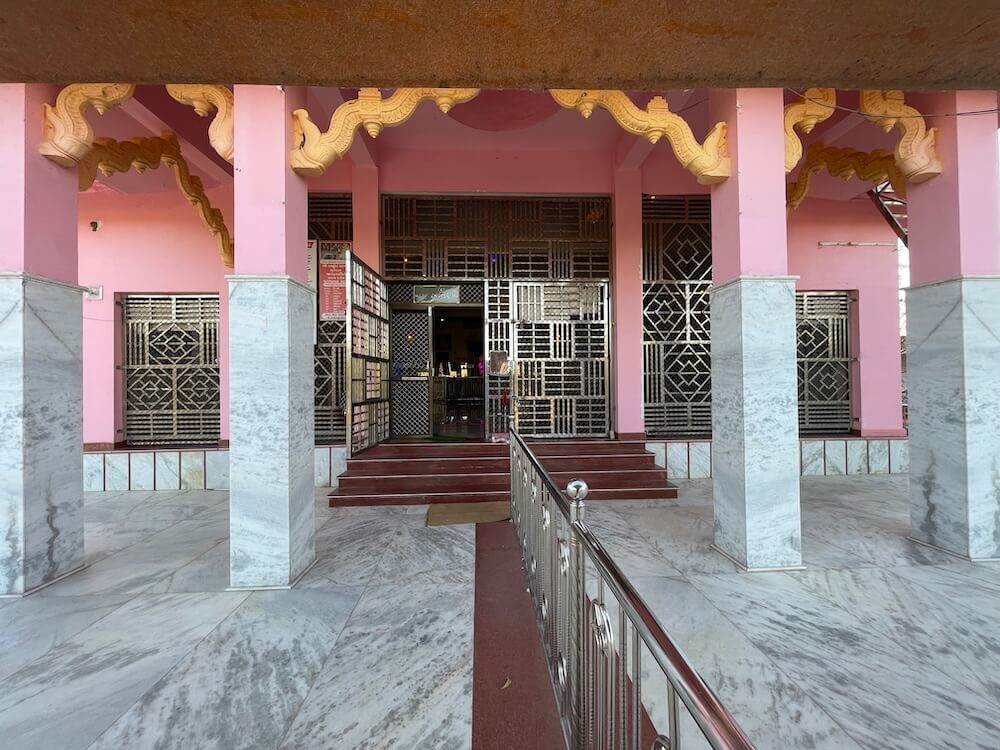
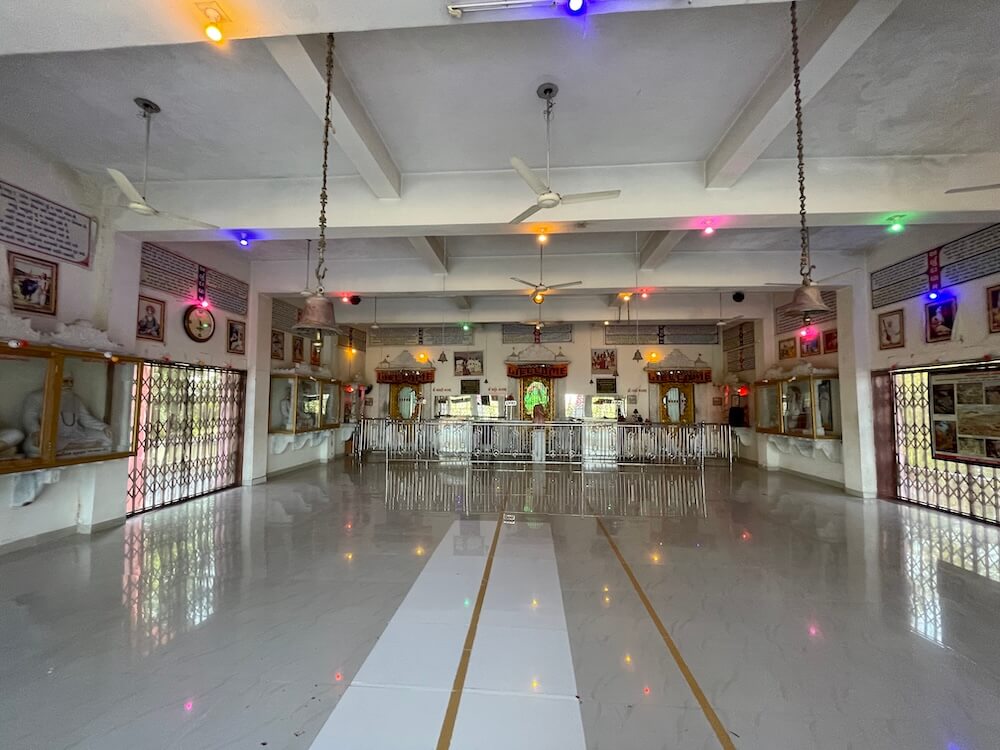
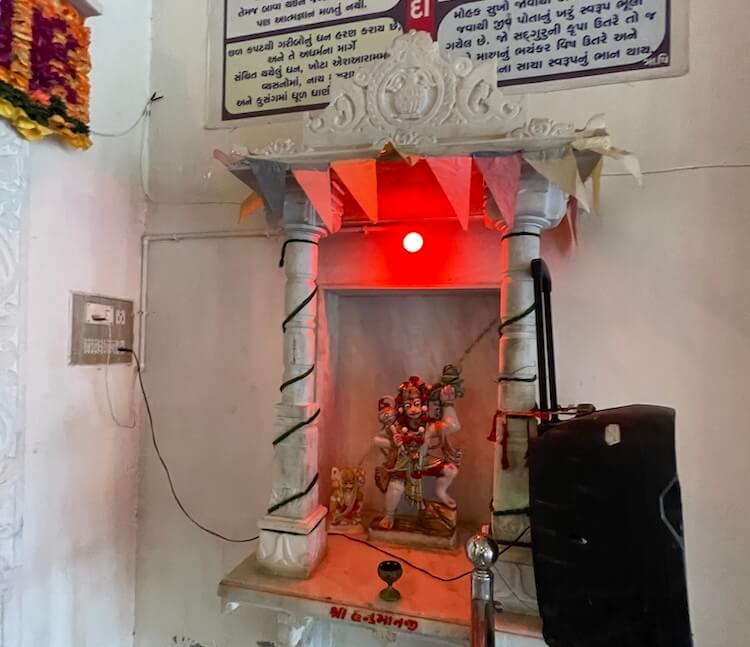
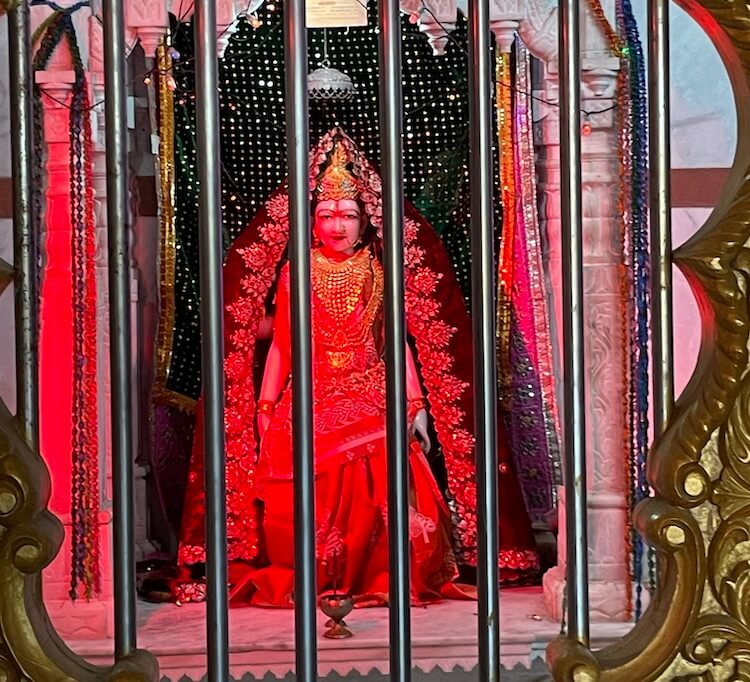
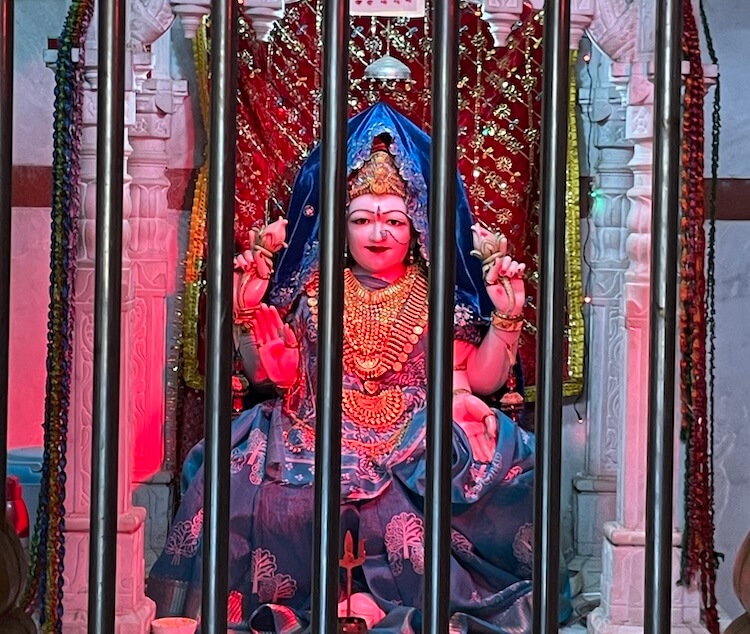
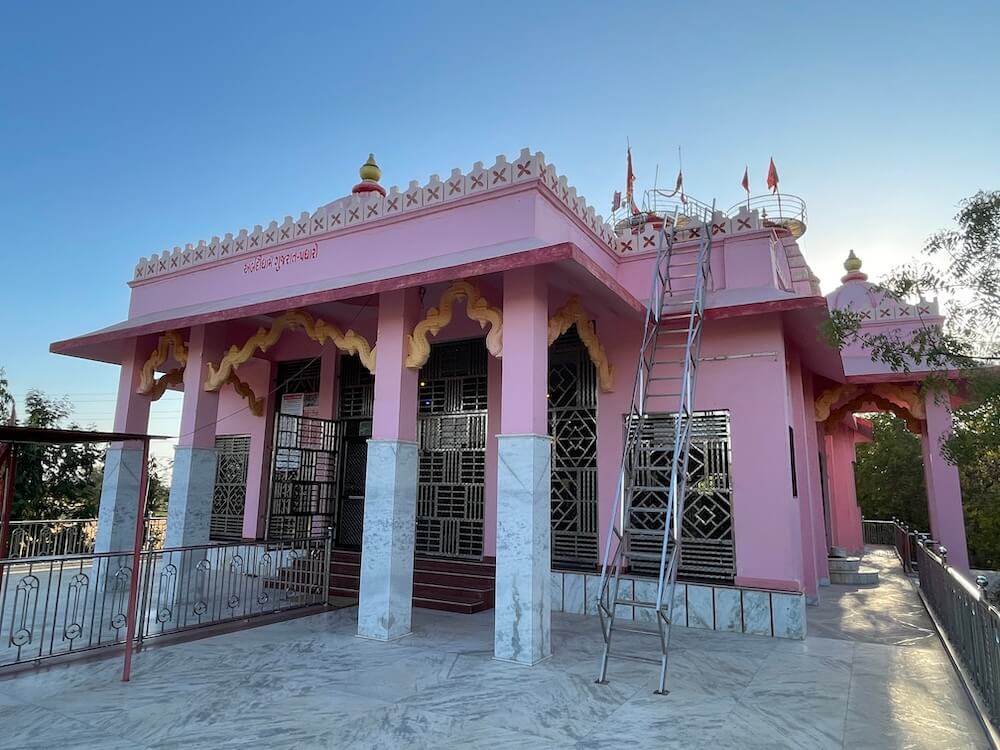
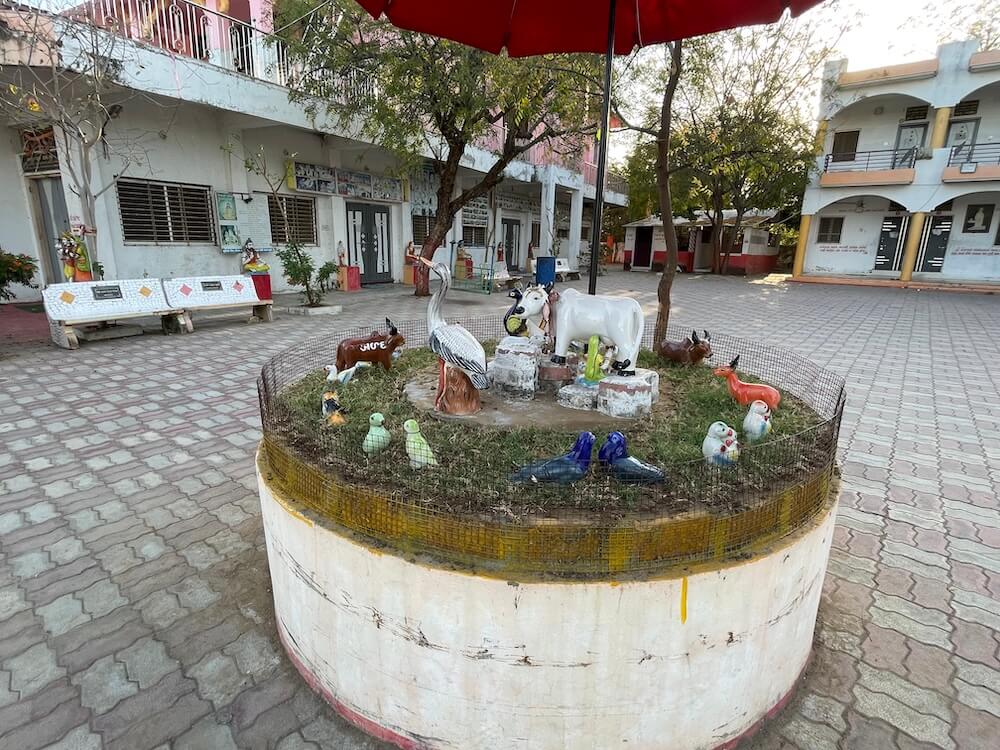
Located along the Visnagar-Mehsana highway at the edge of Basna village, the temple is enclosed by a fortified wall. A gateway leads into a spacious, paved courtyard. From here, twenty-seven steps ascend to the second floor, opening into an outdoor pavilion fronting the temple. The architectural layout consists of an entrance porch, an assembly hall (‘Sabhamandap’) and a sanctum sanctorum (‘Garbhagriha’). Four steps lead from the entrance into the assembly hall, where the walls are adorned with images of various deities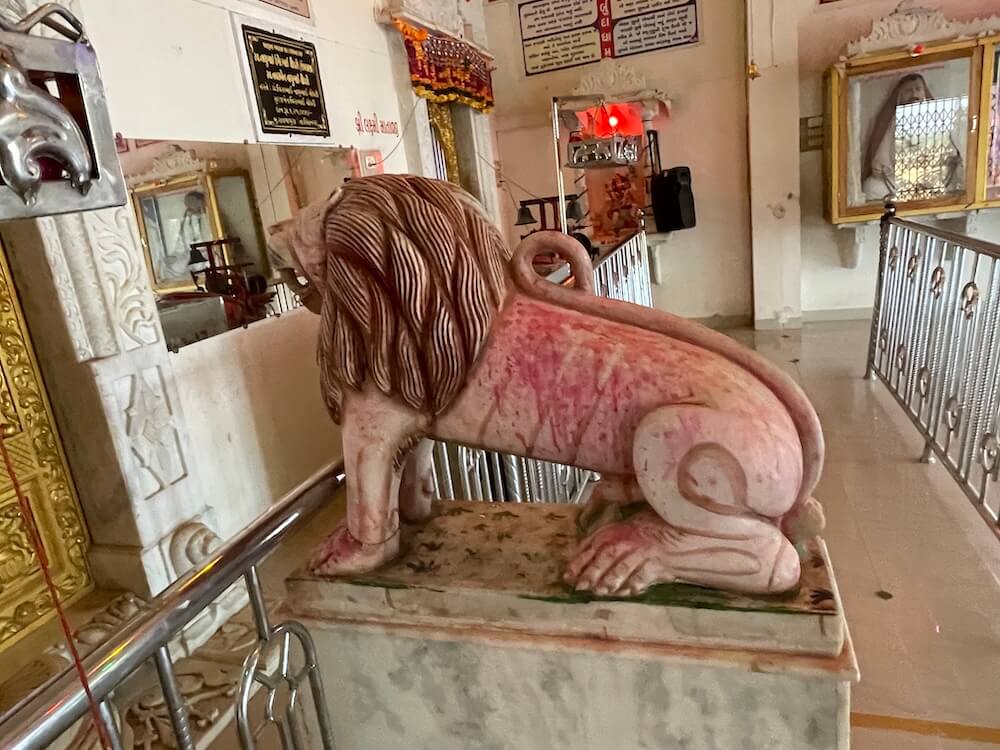 and niches containing idols of revered saints. Doors are situated to both the right and left of the hall. Near the entrance of the sanctum, a marble statue of a lion—the Goddess’s mount—sits upon a pedestal. Beyond this lie three sanctums in a row : the central one enshrines Arbuda Mata, flanked by Goddess Lakshmi and Anjani Mata to the right.
The temple performs ‘Aarti’ daily at dawn and dusk. The Sharadiya Navratra festival is celebrated here with immense enthusiasm, drawing large numbers from the Anjana Chaudhary community and other sections of society. During these nine days, the temple is thronged by devotees. The refectory (‘Bhojanalaya’) at Arbuda Dham provides meals to pilgrims at a nominal cost and conducts ‘Annadan’ (charity meals). The temple also maintains a ‘Gaushala’ (cowshed). Tea made from Gir cow’s milk is served throughout the day and buttermilk accompanies the meals. This charitable kitchen remains operational year-round. During the holy month of Shravan, programmes of ‘Bhajan’, ‘Kirtan’ and ‘Satsang’ are held, where traditional community meals are served. Additionally, the temple facilitates community weddings at minimal cost. The temple is open for devotees daily from 6 am to 8 pm.
Useful Information
- Located at 11 km from Visnagar and 12 km from Mehsana
- GSRTC bus facilities available from Visnagar and Mehsana
- Private vehicles can reach the temple premises
- Accommodation and breakfast facilities are available in the vicinity
- Contact – Raju Maharaj, Priest (Mob.- 9324559769)
अर्बुदा माता मंदिर
बसना, ताल. विसनगर, जिला. मेहसाणा
मंदिरे
Temples
मंदिर
-
वैजनाथ महादेव मंदिर महादेवपुरा (गावडा), ता. विजापूर, जि. मेहसाणा
अधिक माहितीVaijnath Mahadev Temple Mahadevpura (Gavada), Tal. Vijapur, Dist. Mehsana
View Detailsवैजनाथ महादेव मंदिर महादेवपुरा (गावड़ा), ताल. विजापुर, जिला. मेहसाणा
विवरण देखें -
वैजनाथ महादेव मंदिर सोखडा, तालुका विजापूर, जिल्हा मेहसाणा
अधिक माहितीVaijanath Mahadev Temple Sokhada, Taluka Vijapur, District Mehsana
View Detailsवैजनाथ महादेव मंदिर सोखाडा, तालुका विजापुर, जिला मेहसाणा
विवरण देखें -
काशी विश्वनाथ महादेव मंदिर मेहसाणा, जि. मेहसाणा
अधिक माहितीKashi Vishwanath Mahadev Temple Mehsana, Dist. Mehsana
View Detailsकाशी विश्वनाथ महादेव मंदिर मेहसाणा, जिला. मेहसाणा
विवरण देखें