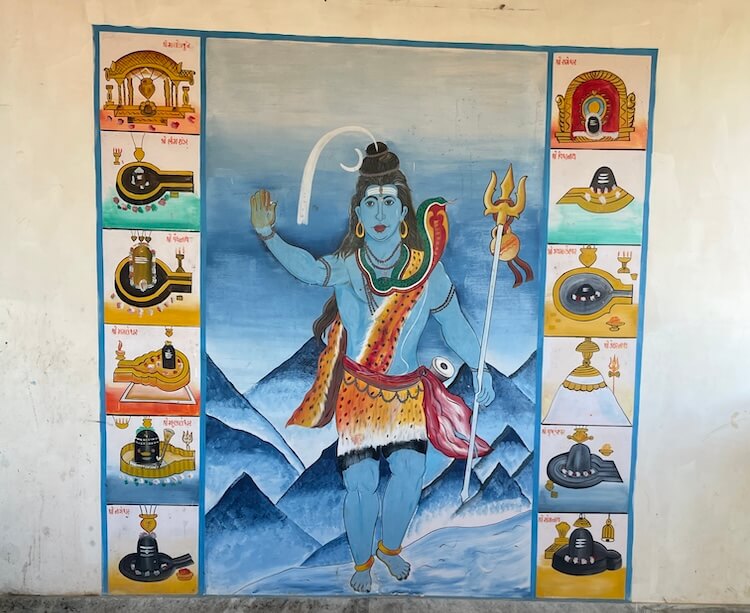
मत्स्य पुराणाच्या १८९ व्या अध्यायात अंगारेश्वरला ‘सर्व पापांपासून मुक्ती देणारे तीर्थ’ म्हणून गौरवण्यात आले आहे. पौराणिक कथेनुसार, अंगारक ऋषींनी भगवान शंकरांना प्रसन्न करण्यासाठी येथे कठोर तपश्चर्या केली आणि त्यांच्या कुंडलीतील ‘मंगल दोष’ (मंगळाशी संबंधित ज्योतिषीय दोष) दूर करण्यासाठी शिवलिंगांची स्थापना केली. त्यांच्या नावावरूनच हे पवित्र स्थळ अंगारेश्वर आणि येथील अधिष्ठाता देवता अंगारेश्वर महादेव म्हणून ओळखले जाऊ लागले. या स्थानी मंगलनाथ महादेवाचे मंदिरही आहे. या प्रदेशाच्या आध्यात्मिक महत्त्वामुळे, असे म्हटले जाते की देशाच्या कानाकोपऱ्यातून आणि परदेशातूनही अनेक भाविक त्यांच्या कुंडलीतील मंगल दोषातून मुक्ती मिळवण्यासाठी या स्थळाला भेट देतात.
या क्षेत्राचे महत्त्व स्पष्ट करताना, ‘मत्स्य पुराण’ (अध्याय १८९, श्लोक ९) म्हणते: ‘शिस्तबद्ध आहार आणि इंद्रियांवर संयम ठेवून अंगारेश्वर तीर्थाला भेट द्यावी. तेथे व्यक्ती सर्व पापांपासून मुक्त होते आणि रुद्रलोक (शिवाचे स्वर्गीय निवासस्थान) प्राप्त करते.’ पंडित महादेवशास्त्री जोशी यांच्या ‘भारतीय संस्कृती कोश’ मध्ये अंगारक हे मंगळ ग्रहाचे नाव असल्याचे नमूद केले आहे. असे मानले जाते की वीरभद्र, जो मागील जन्मी शिवाचा अनुयायी होता, तो नंतर अंगारक बनला. या अंगारकाने नर्मदेच्या काठी अंगारेश्वरची स्थापना केली.
या स्थळाशी विविध पौराणिक कथा जोडलेल्या आहेत. अशाच एका कथेनुसार, अंगारक ऋषींना पृथ्वीचा पुत्र मानले जाते आणि म्हणूनच त्यांना ‘भौम’ असेही म्हटले जाते. ते भगवान शंकरांच्या घामाच्या एका थेंबातून प्रकट झाले असे म्हटले जाते आणि ते भगवान गणेशाचे परम भक्त होते. त्यांच्या कुंडलीत मंगल दोष असल्यामुळे, त्यांना पूजा, जप, तप आणि साधना यांसारख्या धार्मिक विधी पार पाडताना सतत अडथळे येत होते. हा दोष दूर करण्यासाठी, त्यांनी नर्मदेवरील या ठिकाणी असलेल्या घाटाजवळ तपश्चर्या केली. त्यांच्या भक्तीने प्रसन्न होऊन, भगवान महादेव त्यांच्यासमोर प्रकट झाले आणि त्यांनी त्यांची कुंडली दोषापासून मुक्त केली. त्यानंतर, अंगारक ऋषींनी येथे एक शिवलिंग स्थापित केले, जे तेव्हापासून ‘अंगारेश्वर महादेव’ म्हणून पूजले जाते. त्यांनी या स्थानी मंगलश्वर महादेव म्हणून ओळखले जाणारे आणखी एक शिवलिंग स्थापित केले.
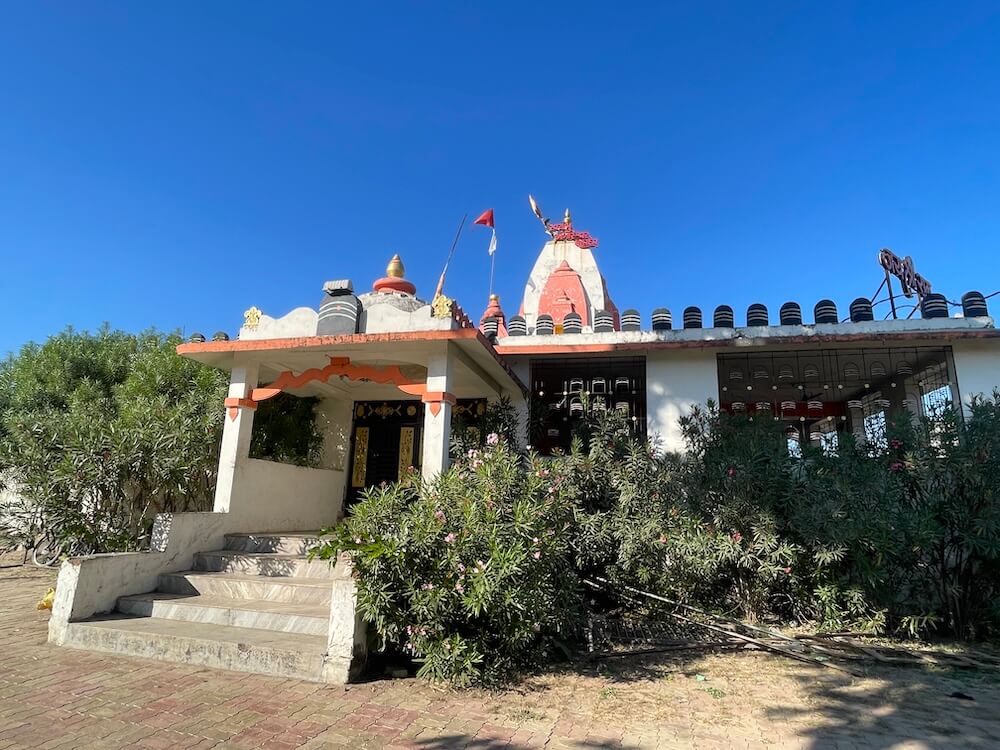
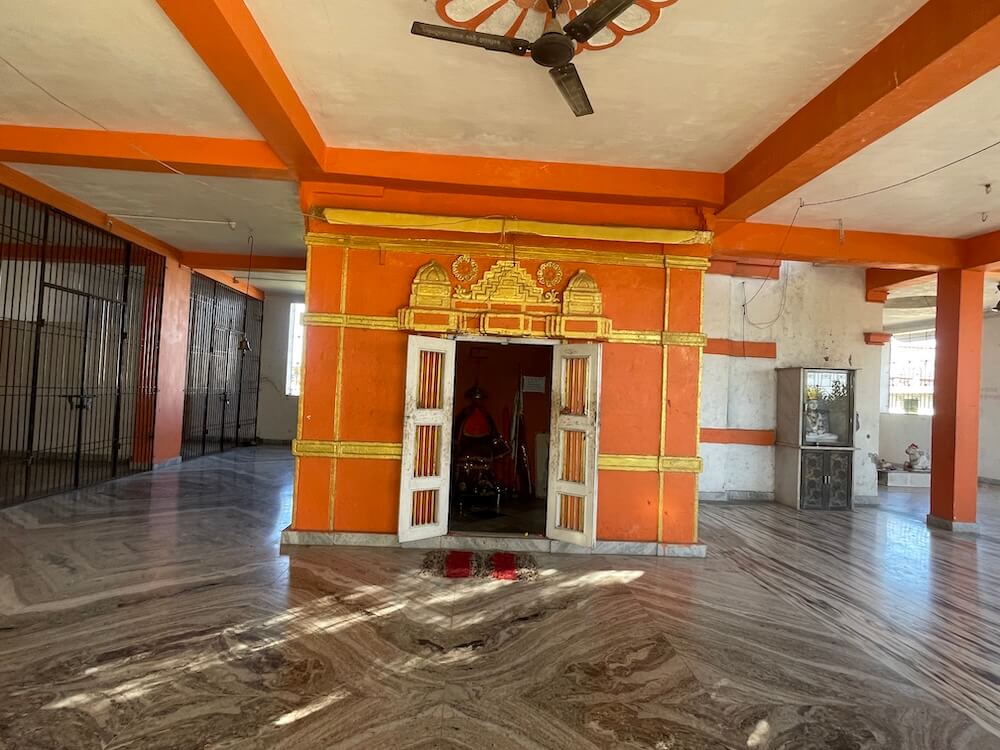
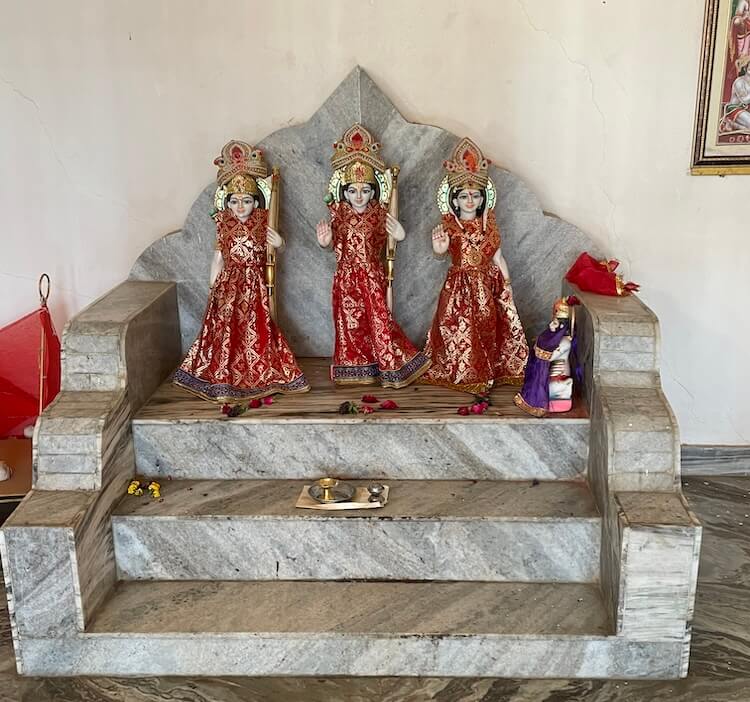
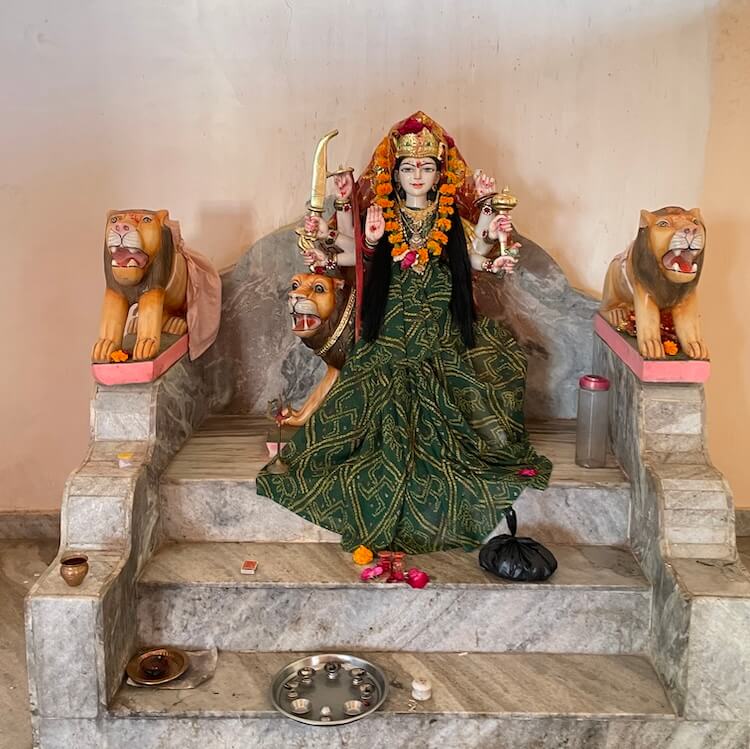
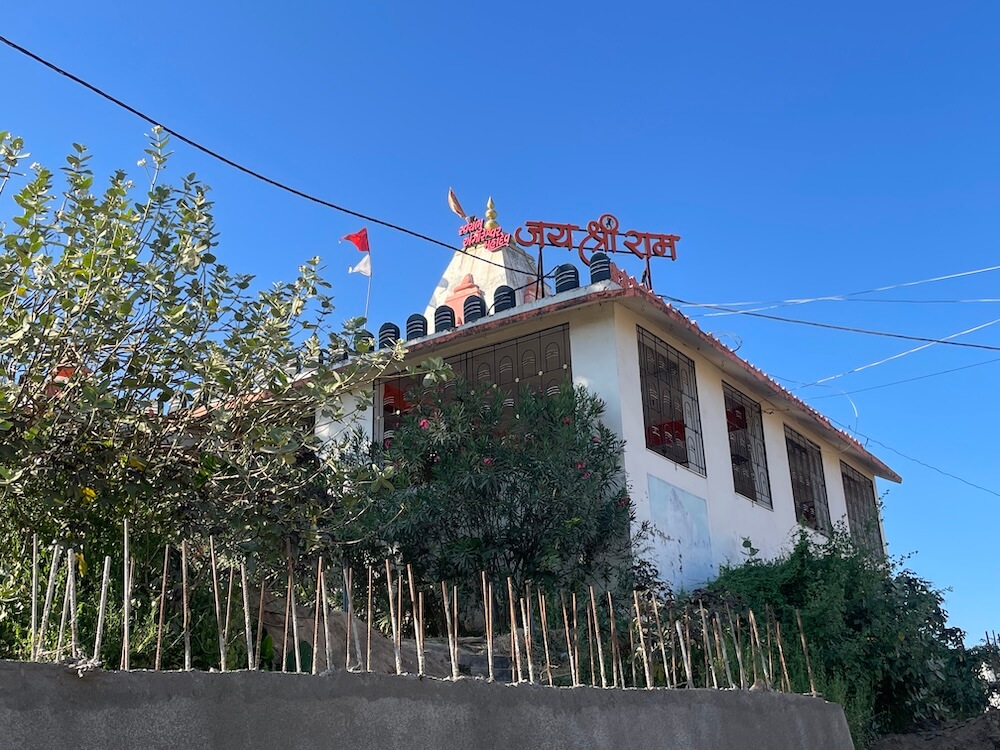
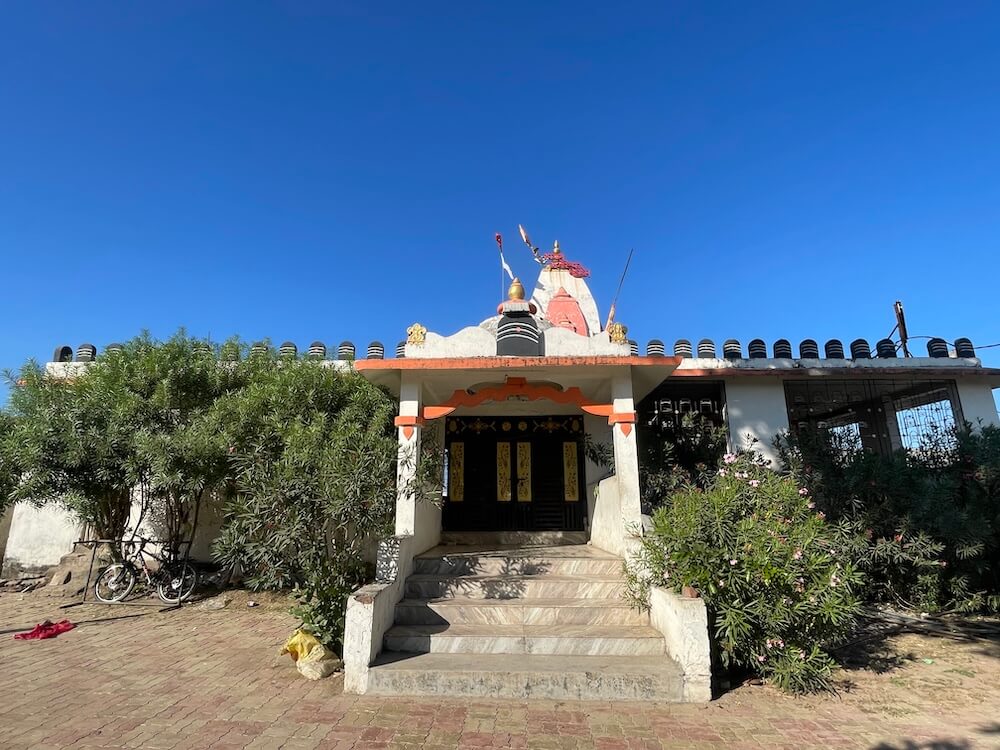
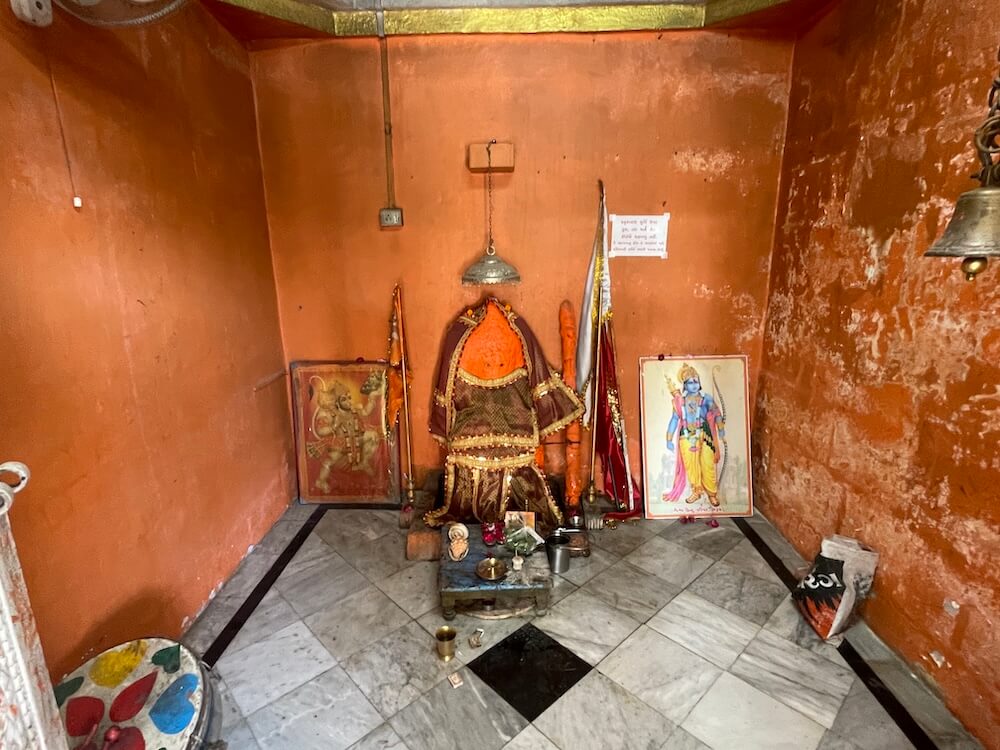
अंगारेश्वर महादेव मंदिर नर्मदेच्या काठी एका उंच ठिकाणी शांत वातावरणात वसलेले आहे. मंदिराची रचना आधुनिक शैलीची आहे. उंच जगती (ओटा) वर बांधलेले हे मंदिर सहा पायऱ्या चढून गाठता येते. मुखमंडप (प्रवेशद्वार) आणि सभामंडप (सभास्थान) या दोन्हीच्या छतांवर शिवलिंगांच्या अनेक प्रतिकृती आहेत. मुखमंडपावर घुमटाच्या आकाराचे शिखर आहे. सभामंडप प्रशस्त असून, समोरच भगवान हनुमानांना समर्पित एक मंदिर आहे. या गर्भगृहात शेंदूर फासलेली हनुमानाची दगडी मूर्ती स्थापित आहे. त्याच्या शेजारी एक मोठी दगडी गदा ठेवलेली आहे. या गर्भगृहाच्या उजवीकडे, एका लहान कोनाड्यात जैन तीर्थंकर सीमंधर स्वामींची संगमरवरी मूर्ती आहे, सोबत अक्रम विज्ञान तत्त्वज्ञानाचे प्रणेते दादा भगवान यांचे चित्र आहे. गर्भगृहाच्या मागील बाजूस असलेल्या एका कोनाड्यात बाळकृष्णाची मूर्ती आहे. सभामंडपाच्या उजव्या बाजूला, एका संगमरवरी चौथऱ्यावर, श्रीराम, लक्ष्मण, सीता आणि हनुमान यांच्या मूर्ती, सिंहावर आरूढ अंबाजी माता आणि काळ्या पाषाणात कोरलेली भैरवाची मूर्ती स्थापित आहेत.
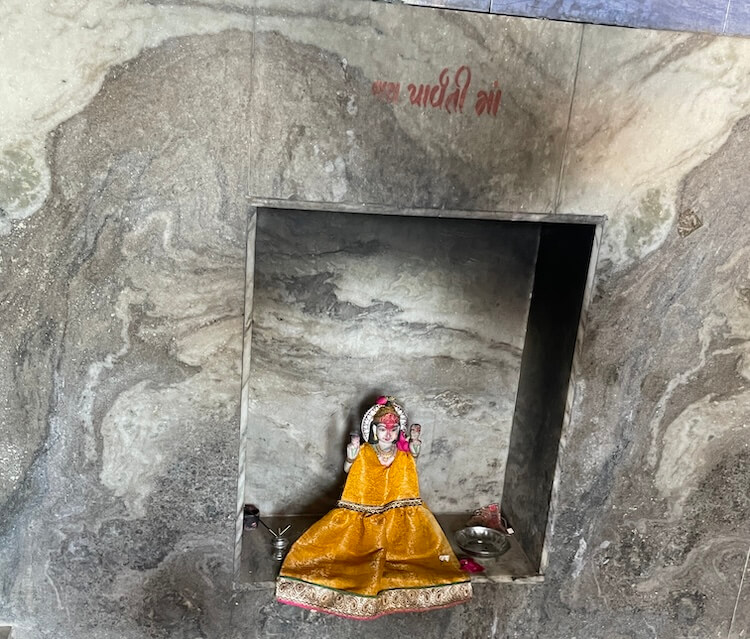
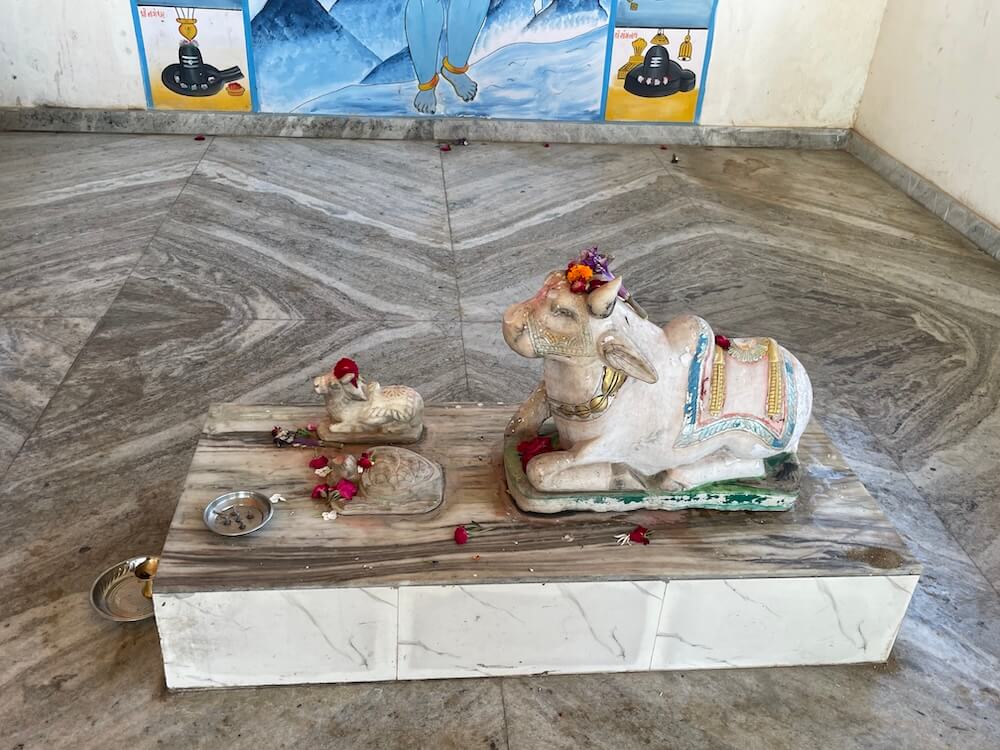
सभामंडपातील हनुमान मंदिराच्या मागे अंगारेश्वर महादेव विराजमान असलेले मंदिर आहे. या मंदिरासमोर, एका संगमरवरी चौथऱ्यावर नंदीच्या एक मोठी आणि एक लहान मूर्ती ठेवलेल्या आहेत, जवळच कासवाची मूर्ती आहे. गर्भगृहाच्या लहान अंतराळात गणपती आणि हनुमानाच्या मूर्ती आहेत. गर्भगृहात, संगमरवरी शालुंका (चौथरा) आणि दगडी लिंग यांचा समावेश असलेला पिंड (पवित्र प्रतीक) जमिनीवर स्थापित आहे. पंचधातूपासून बनवलेला एक सर्प लिंगावर फणा धरून आहे आणि जवळच एक उंच त्रिशूल उभा आहे. गर्भगृहाच्या मागील भिंतीवरील एका कोनाड्यात पार्वतीची लहान मूर्ती विराजमान आहे. मंदिराच्या मुख्य गर्भगृहावर उरुशृंग शैलीचे शिखर आहे. या मंदिरासमोरच्या अंगणात संतोषी मातेला समर्पित एक मंदिर आहे.
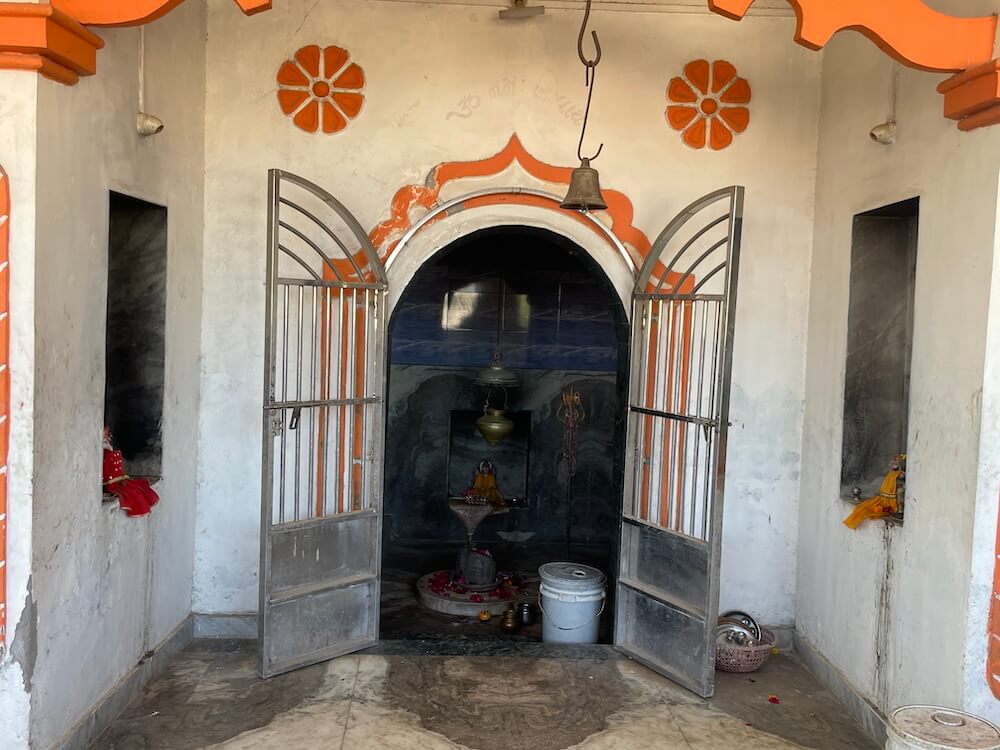
थोड्या अंतरावर मंगलेश्वर महादेवाचे मंदिर आहे. या साध्या मंदिरात, जमिनीवर नंदीची मूर्ती ठेवलेली आहे, तिच्यासमोर लोखंडी सळ्या असलेले लाकडी कठडे आहेत. याच्या पलीकडे, शिवपिंड जमिनीवर स्थापित आहे. या मूर्तीची शालुंका पितळी आवरणाने आच्छादित असून तिच्या मध्यभागी दगडी लिंग आहे. बहुतेक शिव मंदिरांमध्ये शिवलिंगावर एकच सर्पफणा असतो, परंतु या मंदिरातील मूर्ती अद्वितीय आहे कारण ती नाग आणि नागिणीच्या जोडीने (दोन सर्पांनी) आच्छादित आहे. शिवलिंगामागील भिंतीवरील एका कोनाड्यात माता पार्वतीचे आसन आहे आणि दुसऱ्या कोनाड्यात भगवान गणेशाची दगडी मूर्ती आहे. या मंदिरासमोर वेराई मातेचे एक लहान मंदिर आहे आणि थोड्या अंतरावर नर्मदा मातेला समर्पित एक मंदिर आहे.
या मंदिरांमध्ये दररोज सकाळी आणि संध्याकाळी नित्यपूजा आणि आरती नियमितपणे केली जाते. महाशिवरात्रीसह विविध उत्सव येथे मोठ्या उत्साहात साजरे केले जातात. श्रावण महिन्यात प्रत्येक मंगळवारी भाविक मोठ्या संख्येने दर्शनासाठी येतात. अनेक भाविक येथे संतती प्राप्तीसाठी भगवान शंकरांना नवस करतात. साधारणपणे, शिवलिंगाला कुंकू (कुमकुम) किंवा लाल रंगाच्या वस्तू अर्पण करणे निषिद्ध मानले जाते. तथापि, या विशिष्ट ठिकाणी महादेवाची पूजा पाच विशिष्ट वस्तूंनी केली जाते: लाल कुंकू, गूळ, लाल वस्त्र, लाल फुले आणि लाल फळे. भारतात, उज्जैनमधील मंगलनाथ मंदिराव्यतिरिक्त, हे एकमेव मंदिर आहे जिथे भगवान शंकरांना लाल रंगाच्या वस्तू अर्पण केल्या जातात. भाविक साधारणपणे सोमवारी शिवमंदिरांना भेट देत असले तरी, येथे मंगळवारी अभिषेक करणे अधिक महत्त्वाचे मानले जाते. याव्यतिरिक्त, या मंदिरात अर्पण केलेले नारळ भाविकांकडून परत घेतले जात नाहीत.
प्रमुख वैशिष्ट्ये :
भरुचपासून २१ किमी अंतरावर
भरुचहून एसटी (राज्य परिवहन) बस सुविधा उपलब्ध
खाजगी वाहने मंदिराच्या पार्किंगपर्यंत पोहोचू शकतात
परिसरात निवास आणि नाश्त्याची सोय उपलब्ध आहे
Angareshwar / Mangalnath Mahadev Temple
Angareshwar, Tal./Dist. Bharuch
In the 189th chapter of the Matsya Purana, Angareshwar is extolled as a ‘Teertha (pilgrimage site) that grants liberation from all sins’. According to mythological legend, the sage Angarak performed rigorous penance here to please Lord Shankar and established Shivalingas to alleviate the ‘Mangal Dosha’ (an astrological affliction related to Mars) in his horoscope. It is after him that this sacred site became known as Angareshwar and the presiding deity as Angareshwar Mahadev. The site also houses the shrine of Mangalnath Mahadev. Due to the spiritual eminence of this region, it is said that numerous devotees from every corner of the country and even from abroad visit this place to seek deliverance from the Mangal Dosha present in their astrological charts.
While illustrating the significance of this realm, the ‘Matsya Purana’ (Chapter 189, Verse 9) states : ‘One should visit the Angareshwar Teertha while maintaining a disciplined diet and restraint over the senses. There, a person is liberated from all sins and attains Rudraloka (the celestial abode of Shiva).’ In Pandit Mahadevshastri Joshi’s ‘Bharatiya Sanskriti Kosh’, it is mentioned that Angarak is the name of the planet Mars. It is believed that Veerabhadra, a follower of Shiva in a previous birth, later became Angarak. This Angarak established the site of Angareshwar on the banks of the Narmada.
Various mythological legends are associated with this place. According to one such tale, sage Angarak is considered the son of the Earth and is thus called ‘Bhauma’. He is said to have manifested from a drop of Lord Shankar’s perspiration and was a supreme devotee of Lord Ganesh. As there was a Mangal Dosha in his horoscope, he faced constant obstacles in performing religious rituals such as Puja (worship), Japa (chanting), Tapa (penance) and Sadhana (spiritual practice). To remove this affliction, he performed penance near the Ghat (riverbank steps) situated at this spot on the Narmada. Pleased by his devotion, Lord Mahadev appeared before him and freed his horoscope from the blemish. Subsequently, Sage Angarak established a Shivaling here, which has since been worshipped as ‘Angareshwar Mahadev’. He established another Shivaling at this site known as Mangaleshwar Mahadev.
The Angareshwar Mahadev temple is situated in a serene environment at an elevated location on the banks of the Narmada river. The temple construction is modern in style. Built upon a high Jagati (plinth), the temple is reached by ascending six steps. Numerous replicas of Shivaling adorn the roofs of both the Mukhamandapa (entrance porch) and the Sabhamandapa (assembly hall). The Mukhamandapa is crowned with a dome-shaped spire. The Sabhamandapa is spacious and features a shrine dedicated to Lord Hanuman directly in front. Inside this sanctum, a stone idol of Hanuman smeared with Shendur (vermilion) is enshrined. A large stone mace is placed beside it. To the right of this sanctum, a marble idol of the Jain Tirthankar Simandhar Swami sits in a small niche, accompanied by a portrait of Dada Bhagwan, the proponent of the Akram Vignan philosophy. A niche at the rear of the sanctum houses an idol of Balkrishna. To the right side of the Sabhamandapa, on a marble pedestal, are enshrined the idols of Shri Ram, Lakshman, Sita and Hanuman, alongside Ambaji Mata seated upon a lion and a Bhairava idol carved from black stone.
Behind the Hanuman sanctum within the Sabhamandapa lies the shrine where Angareshwar Mahadev resides. In front of this shrine, one large and one small idol of Nandi are placed upon a marble pedestal, with a sculpture of a tortoise nearby. The small Antarala (vestibule) of the sanctum contains idols of Ganpati and Hanuman. Within the sanctum, the Pind (sacred icon) consisting of a marble Shalunka (pedestal) and a stone Linga is consecrated upon the floor. A serpent made of Panchadhatu (five metals) holds its hood aloft over the Linga and a tall trident stands close by. A small idol of Parvati is seated in a niche on the rear wall of the sanctum. The temple’s primary sanctum is topped with an Urushringa style spire. In the courtyard facing this temple stands a shrine dedicated to Santoshi Mata.
A short distance away lies the temple of Mangaleshwar Mahadev. In this modest temple, an idol of Nandi is placed on the floor, preceded by a wooden railing with iron bars. Beyond this, the Shivpind is established on the ground. The Shalunka of this icon is fitted with a brass covering and holds a stone Linga at its centre. While most Shiv temples feature a single serpent canopy over the Shivaling, the icon in this temple is unique as it is sheltered by a pair of serpents (Nag and Nagin). A niche on the wall behind the Shivaling serves as the seat for Mother Parvati and another niche houses a stone image of Lord Ganesh. Facing this temple is a small shrine for Verai Mata and a short distance further is a shrine dedicated to Narmada Mata.
Ritual worship and Aarti are performed regularly in these temples every morning and evening. Various festivals including Mahashivratri are celebrated here with great fervour. Devotees visit in large numbers on every Tuesday of the month of Shravan. Many pilgrims also make vows to Lord Shankar here for the blessing of progeny. Generally, it is considered forbidden to offer Kumkum (vermilion) or red-coloured items to a Shivaling. However, at this specific site, Mahadev is worshipped with five specific items : red Kumkum, jaggery, red cloth, red flowers and red fruit. In India, apart from the Mangalnath temple in Ujjain, this is the only temple where red-coloured offerings are made to Lord Shankar. While devotees typically visit Shiva temples on Mondays, here, performing Abhishek (ritual bathing) on Tuesdays holds greater significance. Furthermore, the coconuts offered at this shrine are not taken back by the devotees.
Main Features :
21 km away from Bharuch
ST (State Transport) bus facility available from Bharuch
Private vehicles can reach up to the temple parking
Accommodation and breakfast facilities are available in the vicinity
अंगारेश्वर / मंगलनाथ महादेव मंदिर
अंगारेश्वर, ता./जि. भरूच
मत्स्य पुराण के 189वें अध्याय में, अंगारेश्वर को ‘समस्त पापों से मुक्ति दिलाने वाले तीर्थ’ के रूप में महिमामंडित किया गया है। पौराणिक कथा के अनुसार, ऋषि अंगारक ने भगवान शंकर को प्रसन्न करने के लिए यहाँ कठोर तपस्या की और अपनी कुंडली में ‘मंगल दोष’ (मंगल ग्रह से संबंधित एक ज्योतिषीय दोष) को दूर करने के लिए शिवलिंगों की स्थापना की। उन्हीं के नाम पर यह पवित्र स्थल अंगारेश्वर और अधिष्ठाता देवता अंगारेश्वर महादेव के नाम से प्रसिद्ध हुआ। इस स्थल पर मंगलनाथ महादेव का मंदिर भी स्थित है। इस क्षेत्र की आध्यात्मिक महत्ता के कारण, ऐसा कहा जाता है कि देश के कोने-कोने से और यहाँ तक कि विदेशों से भी अनगिनत भक्त अपनी कुंडली में मौजूद मंगल दोष से मुक्ति पाने के लिए इस स्थान पर आते हैं।
इस क्षेत्र के महत्व को दर्शाते हुए, ‘मत्स्य पुराण’ (अध्याय 189, श्लोक 9) में कहा गया है: ‘व्यक्ति को अनुशासित आहार और इंद्रियों पर संयम रखते हुए अंगारेश्वर तीर्थ की यात्रा करनी चाहिए। वहाँ, व्यक्ति सभी पापों से मुक्त हो जाता है और रुद्रलोक (शिव का दिव्य निवास) प्राप्त करता है।’ पंडित महादेवशास्त्री जोशी के ‘भारतीय संस्कृति कोश’ में उल्लेख है कि अंगारक मंगल ग्रह का नाम है। ऐसा माना जाता है कि वीरभद्र, जो पिछले जन्म में शिव के अनुयायी थे, बाद में अंगारक बने। इस अंगारक ने नर्मदा के तट पर अंगारेश्वर स्थल की स्थापना की।
इस स्थान से विभिन्न पौराणिक कथाएँ जुड़ी हुई हैं। ऐसी ही एक कथा के अनुसार, ऋषि अंगारक को पृथ्वी का पुत्र माना जाता है और इस प्रकार उन्हें ‘भौम’ कहा जाता है। कहा जाता है कि वे भगवान शंकर के पसीने की एक बूंद से प्रकट हुए थे और भगवान गणेश के परम भक्त थे। चूंकि उनकी कुंडली में मंगल दोष था, इसलिए उन्हें पूजा, जप, तप और साधना जैसे धार्मिक अनुष्ठानों को करने में लगातार बाधाओं का सामना करना पड़ता था। इस दोष को दूर करने के लिए, उन्होंने नर्मदा पर स्थित इस स्थान पर घाट के पास तपस्या की। उनकी भक्ति से प्रसन्न होकर, भगवान महादेव उनके सामने प्रकट हुए और उनकी कुंडली को दोष से मुक्त किया। तत्पश्चात, ऋषि अंगारक ने यहाँ एक शिवलिंग की स्थापना की, जिसकी तब से ‘अंगारेश्वर महादेव’ के रूप में पूजा की जाती है। उन्होंने इस स्थल पर एक और शिवलिंग स्थापित किया जिसे मंगलेश्वर महादेव के नाम से जाना जाता है।
अंगारेश्वर महादेव मंदिर नर्मदा नदी के तट पर एक ऊँचे स्थान पर शांत वातावरण में स्थित है। मंदिर का निर्माण आधुनिक शैली में है। एक ऊँची जगती (चबूतरे) पर निर्मित, मंदिर तक छह सीढ़ियाँ चढ़कर पहुँचा जाता है। मुखमंडप (प्रवेश द्वार) और सभामंडप (सभा कक्ष) दोनों की छतों पर शिवलिंगों की कई प्रतिकृतियाँ सुशोभित हैं। मुखमंडप एक गुंबद के आकार के शिखर से सुशोभित है। सभामंडप विशाल है और इसके ठीक सामने भगवान हनुमान को समर्पित एक मंदिर है। इस गर्भगृह के अंदर, शेंदूर (सिंदूर) से सने हनुमान की एक पत्थर की मूर्ति स्थापित है। इसके बगल में एक बड़ी पत्थर की गदा रखी है। इस गर्भगृह के दाहिनी ओर, जैन तीर्थंकर सीमंधर स्वामी की एक संगमरमर की मूर्ति एक छोटे से ताक में विराजमान है, जिसके साथ अक्रम विज्ञान दर्शन के प्रणेता दादा भगवान का एक चित्र भी है। गर्भगृह के पिछले हिस्से में एक ताक में बालकृष्ण की मूर्ति है। सभामंडप के दाहिनी ओर, एक संगमरमर के चबूतरे पर, श्री राम, लक्ष्मण, सीता और हनुमान की मूर्तियाँ, साथ ही सिंह पर विराजमान अंबाजी माता और काले पत्थर से तराशी गई भैरव की मूर्ति स्थापित हैं।
सभामंडप के भीतर हनुमान गर्भगृह के पीछे वह मंदिर स्थित है जहाँ अंगारेश्वर महादेव विराजमान हैं। इस मंदिर के सामने, एक बड़े और एक छोटे नंदी की मूर्ति संगमरमर के चबूतरे पर रखी गई है, जिसके पास एक कछुए की मूर्ति भी है। गर्भगृह के छोटे अंतरालय (प्रवेश कक्ष) में गणपति और हनुमान की मूर्तियाँ हैं। गर्भगृह के अंदर, संगमरमर की शालुंका (आधार) और एक पत्थर के लिंग से बना पिंड (पवित्र प्रतीक) फर्श पर प्रतिष्ठित है। पंचधातु (पाँच धातुओं) से बना एक सर्प लिंग के ऊपर अपना फन उठाए हुए है और पास में एक ऊँचा त्रिशूल खड़ा है। गर्भगृह की पिछली दीवार पर एक ताक में पार्वती की एक छोटी मूर्ति विराजमान है। मंदिर का मुख्य गर्भगृह उरुश्रृंग शैली के शिखर से सुशोभित है। इस मंदिर के सामने के प्रांगण में संतोषी माता को समर्पित एक मंदिर है।
थोड़ी दूरी पर मंगलेश्वर महादेव का मंदिर स्थित है। इस साधारण मंदिर में, नंदी की एक मूर्ति फर्श पर रखी है, जिसके आगे लोहे की छड़ों वाली एक लकड़ी की रेलिंग है। इसके आगे, शिवपिंड जमीन पर स्थापित है। इस प्रतीक की शालुंका पीतल के आवरण से सुसज्जित है और इसके केंद्र में एक पत्थर का लिंग है। जबकि अधिकांश शिव मंदिरों में शिवलिंग के ऊपर एक सर्प छत्र होता है, इस मंदिर में स्थापित प्रतीक अद्वितीय है क्योंकि यह सर्पों के एक जोड़े (नाग और नागिन) द्वारा आश्रय प्राप्त है। शिवलिंग के पीछे की दीवार पर एक ताक में माता पार्वती का आसन है और एक अन्य ताक में भगवान गणेश की एक पत्थर की छवि है। इस मंदिर के सामने वेराई माता का एक छोटा मंदिर है और थोड़ी दूरी पर नर्मदा माता को समर्पित एक मंदिर है।
इन मंदिरों में प्रतिदिन सुबह और शाम नित्य पूजा और आरती की जाती है। महाशिवरात्रि सहित विभिन्न त्यौहार यहाँ बड़े उत्साह के साथ मनाए जाते हैं। श्रावण मास के प्रत्येक मंगलवार को भक्त बड़ी संख्या में दर्शन करने आते हैं। कई श्रद्धालु यहाँ भगवान शंकर से संतान प्राप्ति के आशीर्वाद के लिए मन्नतें भी मांगते हैं। सामान्यतः शिवलिंग पर कुमकुम (सिंदूर) या लाल रंग की वस्तुएँ अर्पित करना वर्जित माना जाता है। हालाँकि, इस विशेष स्थान पर महादेव की पूजा पाँच विशेष वस्तुओं – लाल कुमकुम, गुड़, लाल वस्त्र, लाल फूल और लाल फल से की जाती है। भारत में, उज्जैन के मंगलनाथ मंदिर के अतिरिक्त, यह एकमात्र मंदिर है जहाँ भगवान शंकर को लाल रंग की वस्तुएँ अर्पित की जाती हैं। जहाँ भक्त सामान्यतः सोमवार को शिव मंदिरों में दर्शन करते हैं, वहीं यहाँ मंगलवार को अभिषेक करना अधिक महत्वपूर्ण माना जाता है। इसके अतिरिक्त, इस मंदिर में चढ़ाए गए नारियल भक्तों द्वारा वापस नहीं लिए जाते हैं।
मुख्य विशेषताएँ :
भरूच से 21 किमी दूर
भरूच से एसटी (राज्य परिवहन) बस सुविधा उपलब्ध है
निजी वाहन मंदिर की पार्किंग तक पहुँच सकते हैं
आसपास के क्षेत्र में आवास और नाश्ते की सुविधाएँ उपलब्ध हैं

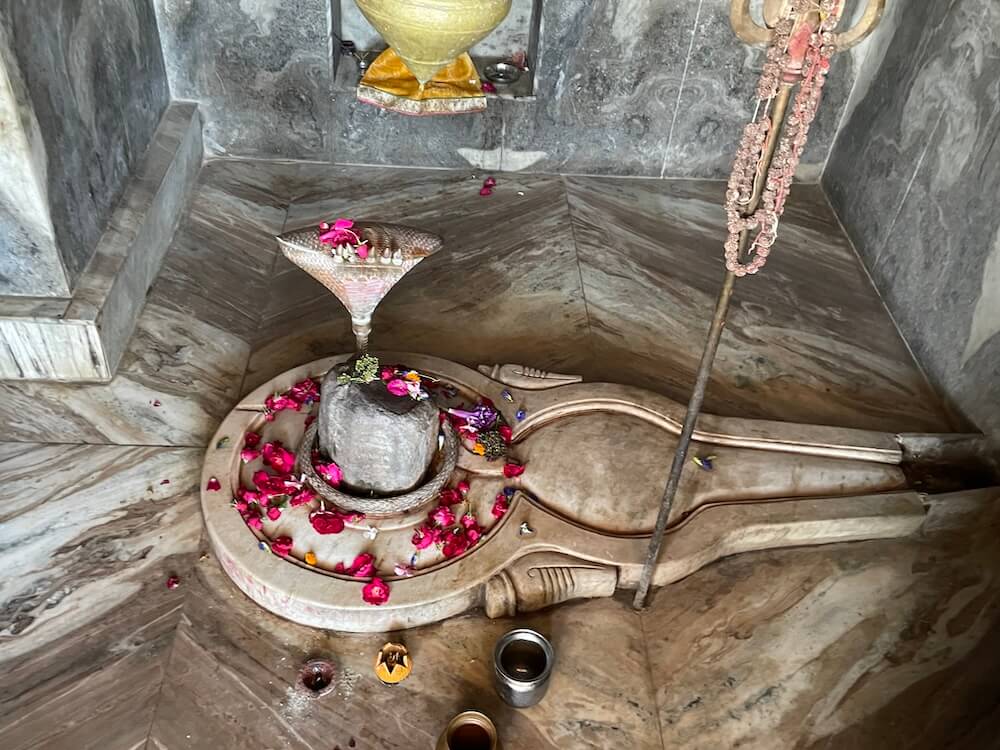
 एका संगमरवरी चौथऱ्यावर, श्रीराम, लक्ष्मण, सीता आणि हनुमान यांच्या मूर्ती, सिंहावर आरूढ अंबाजी माता आणि काळ्या पाषाणात कोरलेली भैरवाची मूर्ती स्थापित आहेत.