The Adinath (Suryadev) Temple in Nevare, located a short distance from Ganpatipule in Ratnagiri District, is one of the renowned Sun Temples in the Konkan region. Situated amidst a naturally abundant environment, this ancient temple serves as the village deity (Gramdaivat) and a living, awakened shrine (Jagrut Devsthan) of the area. A unique feature of this temple is the Shimogotsav, which is celebrated with great enthusiasm for a remarkable one and a half months, alongside other festivals. Every year, during the Holi celebrations here, coconuts are also offered by the Muslim brethren of the village, thus showcasing a beautiful example of religious harmony.
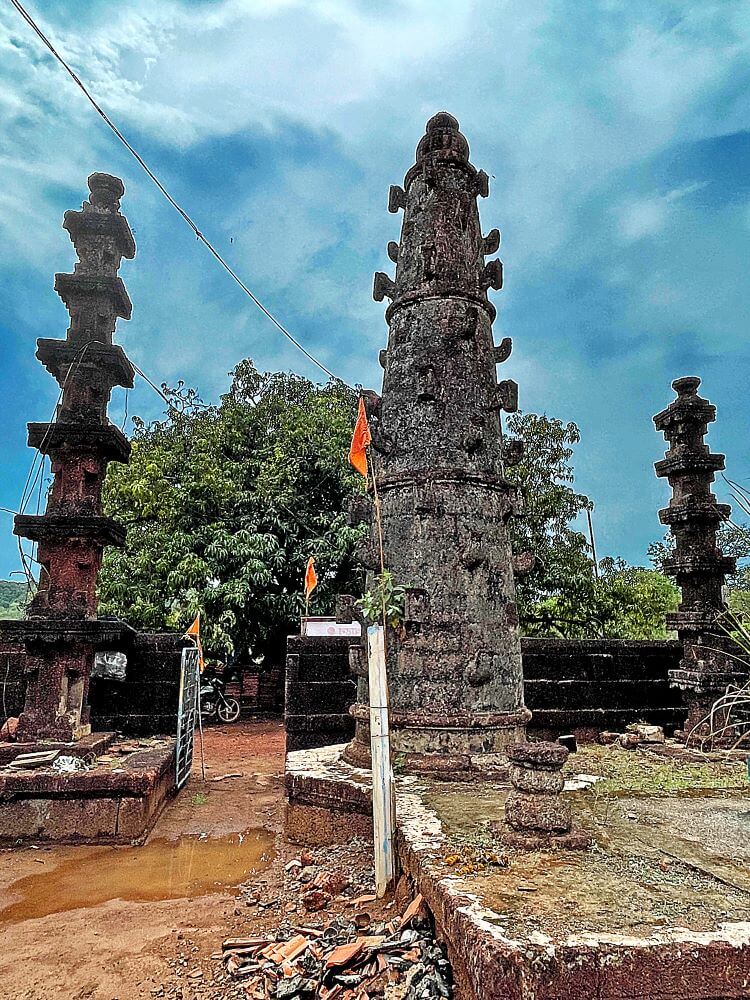
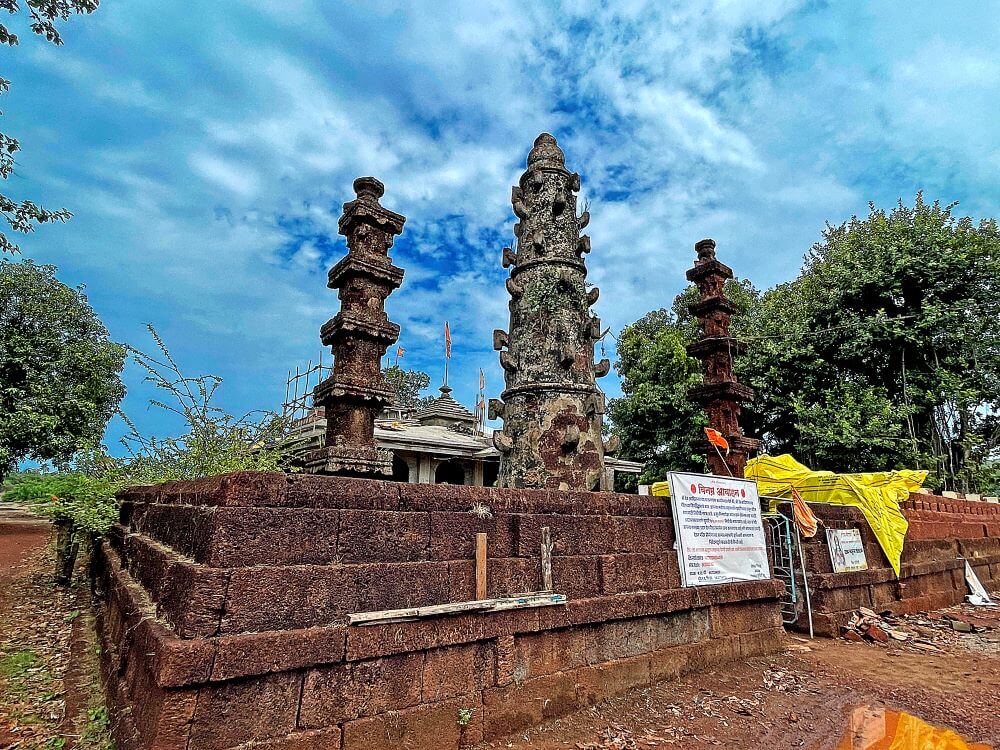
A short distance from Nevare village, this temple is nestled amidst dense foliage, slightly inward from the main road. The temple is surrounded by a compound wall made of laterite stone. Within this wall, there are numerous niches (Devdyas) for placing lamps. Lamps are lit here on Tripuri Pournima. Upon entering through the main gate, one beholds three Deepmalas (lamp towers) alongside the compound wall – two small and one large. The entire temple courtyard is paved with laterite stone. There is an old well here, and a sturdy shed has been constructed a few steps from it for the convenience of devotees. This shed houses some ancient idols, which are also worshipped daily.
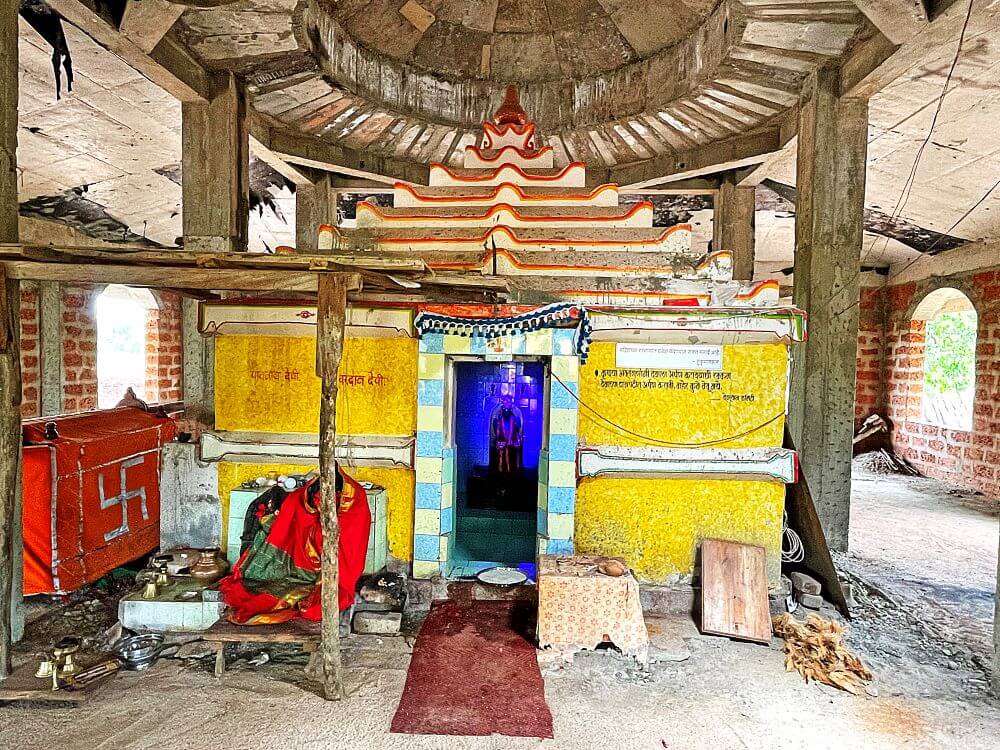
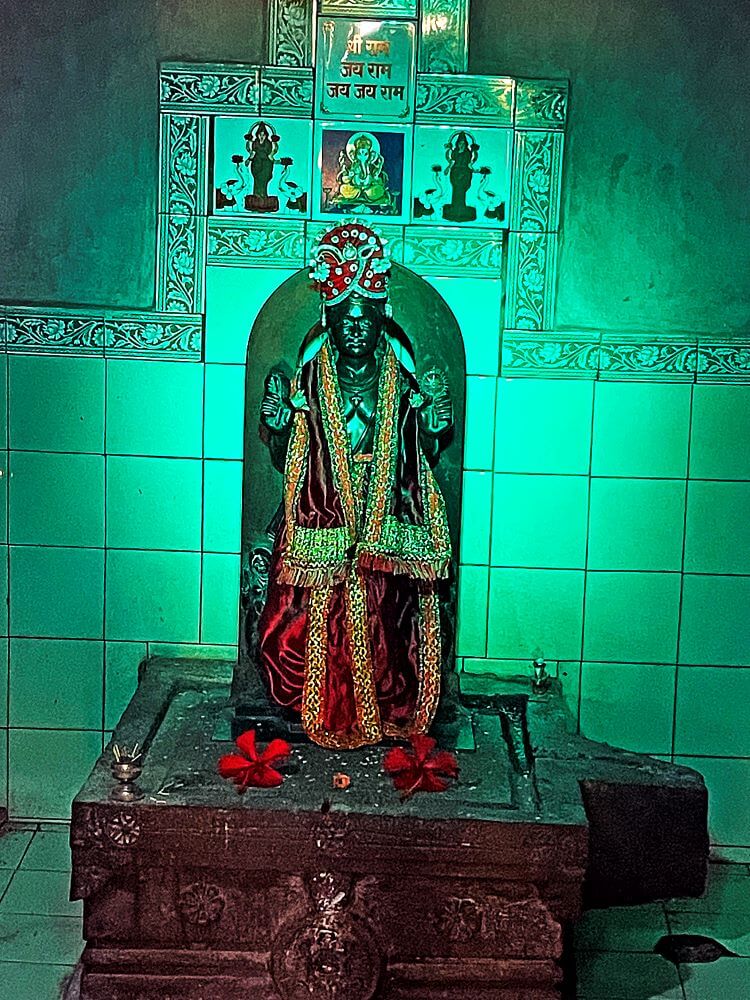
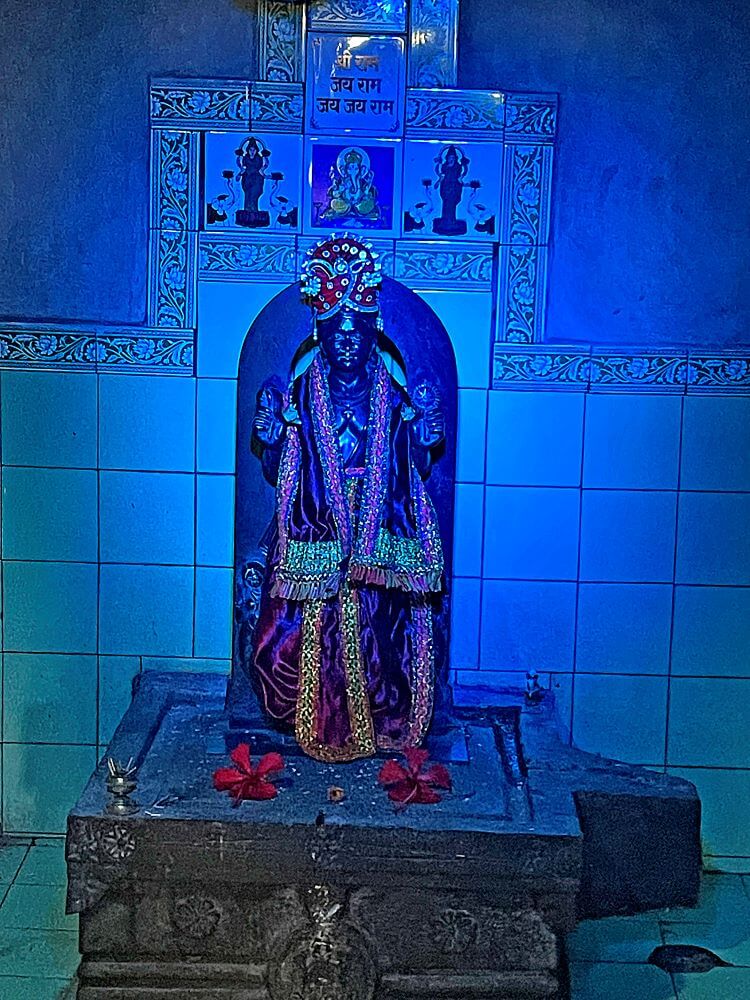
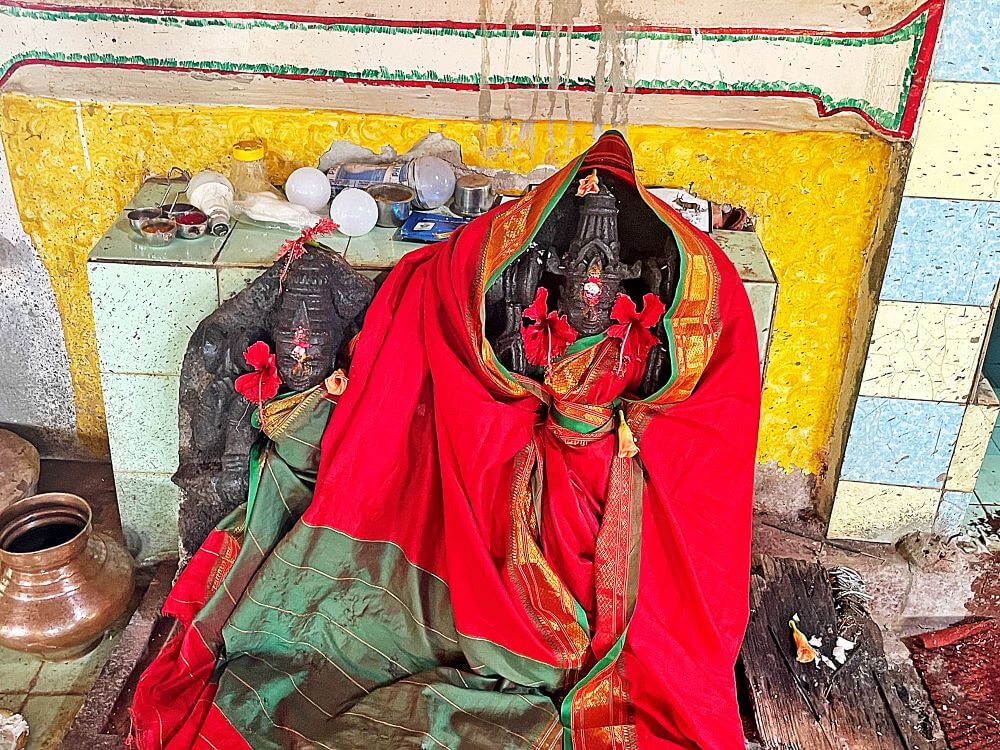
The construction of the Adinath Temple is of laterite stone. The temple’s structure comprises a Sabhamandap (assembly hall) and a Garbhagriha (sanctum sanctorum). The Sabhamandap features wooden pillars, and ancient idols of Vardaan Devi and Pavnay Devi are enshrined adjacent to the Garbhagriha wall. Idols of Devi Manai and Devi Dharankarin are also present here. At the rear, there is an old idol, which is believed to be of Adinath. On the pedestal within the Garbhagriha, a Ganesha sculpture and two lotus flowers are carved into the circular ornamentation at the base. Upon the pedestal rests the idol of Adinath, sculpted from black stone. This idol has two arms, with a conch (shankh) held in the right hand and a discus (chakra) in the left. The idol is adorned with an ornate crown on its head, earrings (kundalas), a thick garland around its neck, a Suryakanta Mani (sunstone) on its chest, a sacred thread (Yadnyopavit) on its left shoulder, and a dhoti draped around the waist extending to the knees. On both sides below the idol, figures of women fanning with chowries are carved.
Besides the main idol, there is another idol of Adinath outside the Garbhagriha. Upon viewing this idol, carved from black stone, one senses its profound antiquity. It features an arched halo (Mahirapi Prabhaval), a Karandmukut (basket-shaped crown), a garland around the neck, lotus flowers held in both hands raised to the shoulders, a three-layered girdle (mekhala) at the waist with the lower two layers extending down to the thighs, and at the feet of this Adinath, on both sides, are carved figures of short female attendants holding a lotus or a chowrie-like object in one hand.
On the circumambulation path (Pradakshina Marg), at the rear of the temple, there is a Gomukh (cow’s mouth spout). The sacred water (Teerth) from the Abhishek performed on the main deity of the temple flows out from here. An old well is also present within the temple premises. Adinath is the family deity (Kuldaivat) of the original resident families here, including Soman, Datar, Mahajan, Pendse, Vartak, and Kunte. A grand fair is held at this temple during Dev Diwali. A three-day festival takes place during Rathsaptami. Devotees from the surrounding region (Panchkroshi) attend both these festivals in large numbers.
The Shimogotsav is the main festival here. While Shimogotsav in Konkan typically lasts for about 15 days, here it extends for a remarkable one and a half months. On the day preceding Phalgun Pournima, the deity is adorned with various forms (rupe). Thereafter, the deity is ceremoniously seated in a palanquin (Palkhi). This Palkhi is then carried to the spot where the Holi is lit. After the traditional Hom (sacred fire ritual) is performed, the Palkhi proceeds through 640 houses across the twelve hamlets (wadis) of the village. The Palkhi takes at least three days to visit each hamlet. During this time, vows are made to the Goddess. In every hamlet, a ‘Mand’ (temporary shrine) for the Goddess is set up, and programs like Haldi-Kumkum (auspicious rituals), Naman (devotional salutations), etc., are also held. The festival concludes after one and a half months, when the deity’s Palkhi returns to the temple. It is likely that this is the only Shimogotsav in Konkan that lasts for such an extended period. The villagers affirm that Adinath is a living, awakened deity (Jagrut Dev), and many have experienced the manifestation of His divine power.
Useful Information:
21 km from Ratnagiri
ST (State Transport) bus service available from Ratnagiri
Private vehicles can reach the temple parking area
No accommodation or breakfast facilities available within the temple premises
Contact: M. D. More, President, Mob. 9421234050,
Mukesh Mirkar, Mob. 9420154725
आदित्यनाथ मंदिर
नेवरे, तालुका रत्नागिरी, जिला रत्नागिरी
रत्नागिरी जिले में गणपतिपुले से कुछ दूरी पर स्थित नेवरे का आदित्यनाथ (सूर्यदेव) मंदिर कोंकण के प्रसिद्ध सूर्य मंदिरों में से एक है। प्रकृति-समृद्ध परिसर में स्थित यह प्राचीन मंदिर यहाँ का ग्रामदेवता और जागृत देवस्थान है। इस मंदिर में अन्य उत्सवों के साथ-साथ बड़े उत्साह से मनाया जाने वाला शिमगोत्सव लगभग डेढ़ महीने तक चलता है, यह यहाँ की विशेषता है। हर वर्ष यहाँ की होली में गाँव के मुस्लिम बंधुओं द्वारा भी नारियल अर्पित किया जाता है, जिससे यहाँ धार्मिक सद्भाव के भी दर्शन होते हैं।
नेवरे गाँव से थोड़ी दूरी पर, मुख्य मार्ग से कुछ अंदरूनी हिस्से में, घनी झाड़ियों से घिरा यह मंदिर है। मंदिर के चारों ओर जांभा पत्थर की चारदीवारी है। चारदीवारी में दीपक रखने के लिए अनेक ताक (देवड़ी) हैं। त्रिपुरी पूर्णिमा को यहाँ दीपक रखे जाते हैं। प्रवेश द्वार से अंदर आने पर चारदीवारी के पास दो छोटी और एक बड़ी, ऐसी तीन दीपमालाएँ दिखाई देती हैं। संपूर्ण मंदिर प्रांगण में जांभा पत्थर की फर्शबंदी है। यहाँ एक पुराना कुआँ है और कुएँ से कुछ कदमों की दूरी पर भक्तों की सुविधा के लिए एक पक्की शेड बनाई गई है। इस शेड में कुछ पुरानी मूर्तियाँ हैं जिनकी नित्य पूजा की जाती है।
आदित्यनाथ मंदिर का निर्माण जांभा पत्थर का है। सभामंडप और गर्भगृह, ऐसी मंदिर की संरचना है। सभामंडप में लकड़ी के खंभे हैं और गर्भगृह की दीवार से लगी वरदान और पावणाय देवी की प्राचीन मूर्तियाँ हैं। यहाँ देवी मानाई, देवी धरणकरीण की भी मूर्तियाँ हैं। पीछे की ओर एक पुरानी मूर्ति है। वह आदित्यनाथ की होनी चाहिए, ऐसा अनुमान लगाया जा सकता है। गर्भगृह के चबूतरे पर नीचे की ओर गोलाकार नक्काशी में एक गणेश शिल्प और दो कमल उत्कीर्ण हैं। चबूतरे पर आदित्यनाथ की काले पाषाण में निर्मित मूर्ति है। इस मूर्ति के दो हाथ हैं और दाहिने हाथ में शंख, जबकि बाएँ हाथ में चक्र धारण किया हुआ है। मस्तक पर नक्काशीदार मुकुट, कानों में कुंडल, गले में मोटी माला, छाती पर सूर्यकांत मणि, बाएँ कंधे पर यज्ञोपवीत, कमर में घुटनों तक पहना हुआ धोती, ऐसी यह मूर्ति है। मूर्ति के नीचे दोनों ओर चँवर डुलाती स्त्रियाँ उत्कीर्ण की गई हैं।
मुख्य मूर्ति के अतिरिक्त गर्भगृह के बाहर एक और आदित्यनाथ की मूर्ति है। काले पत्थर में उत्कीर्ण यह मूर्ति बहुत ही प्राचीन होनी चाहिए, ऐसा देखने पर प्रतीत होता है। मेहराबी प्रभावलय, करंडमुकुट, गले में माला, कंधों तक ऊपर उठे हुए दोनों हाथों में कमल, कमर में त्रिस्तरीय मेखला – जिसमें से नीचे के दो स्तर जाँघों तक नीचे आए हुए हैं, और इस आदित्यनाथ के चरणों में दोनों ओर एक हाथ में कमल या चँवर जैसी वस्तु धारण किए हुए छोटी स्त्री-प्रतिमाएँ उत्कीर्ण हैं।
प्रदक्षिणा मार्ग पर मंदिर के पीछे की ओर गोमुख है। मंदिर में मुख्य मूर्ति पर होने वाले अभिषेक का तीर्थ यहीं से बाहर निकलता है। मंदिर परिसर में एक पुराना कुआँ भी है। आदित्यनाथ यहाँ के मूल निवासी सोमण, दातार, महाजन, पेंडसे, वर्तक, कुंटे आदि परिवारों के कुलदेवता हैं। इस मंदिर में देवदिवाली को एक बड़ी यात्रा (मेला) भरता है। रथसप्तमी के दौरान तीन दिवसीय महोत्सव होता है। इन दोनों उत्सवों में पंचक्रोशी के भक्त बड़ी संख्या में उपस्थित रहते हैं।
शिमगोत्सव यहाँ का प्रमुख उत्सव है। कोंकण में अधिक से अधिक १५ दिनों तक शिमगोत्सव चलता है; परंतु यहाँ का शिमगोत्सव लगभग डेढ़ महीने तक चलता है। फाल्गुन पूर्णिमा के एक दिन पहले देवता को रूप लगाए जाते हैं। उसके बाद उन्हें पालकी में विराजमान किया जाता है। यह पालकी बाद में होली तोड़ने के स्थान पर ले जाई जाती है। पारंपरिक विधि से होम लगने के बाद गाँव की बारह वाड़ियों (बस्तियों) के ६४० घरों में पालकी घूमती है। पालकी को प्रत्येक वाड़ी में घूमने के लिए कम से कम तीन दिन लगते हैं। इस समय देवी को मन्नतें माँगी जाती हैं। प्रत्येक वाड़ी में देवी का मांड (मंडप) होता है, हल्दी-कुमकुम, नमन आदि कार्यक्रम भी होते हैं। डेढ़ महीने बाद देवता की पालकी मंदिर में लौटने के बाद इस उत्सव का समापन होता है। इतने लंबे समय तक चलने वाला कोंकण का यह एकमात्र शिमगोत्सव होने की संभावना है। आदित्यनाथ एक जागृत देवता हैं और अनेक लोगों को उनकी शक्ति का अनुभव हुआ है, ऐसा ग्रामवासियों का कहना है।
उपयोगी जानकारी:
रत्नागिरी से २१ किमी की दूरी पर
रत्नागिरी से एसटी (राज्य परिवहन) की सेवा उपलब्ध है
निजी वाहन मंदिर के पार्किंग स्थल तक आ सकते हैं
मंदिर परिसर में निवास और नाश्ते की व्यवस्था नहीं है