
चिरक्कडवू श्री महादेवाचे मंदिर
पोनकुन्नम, जि. कोट्टायम
Chirakkadavu Sree Mahadeva Temple
Ponkunnam, Dist. Kottayam
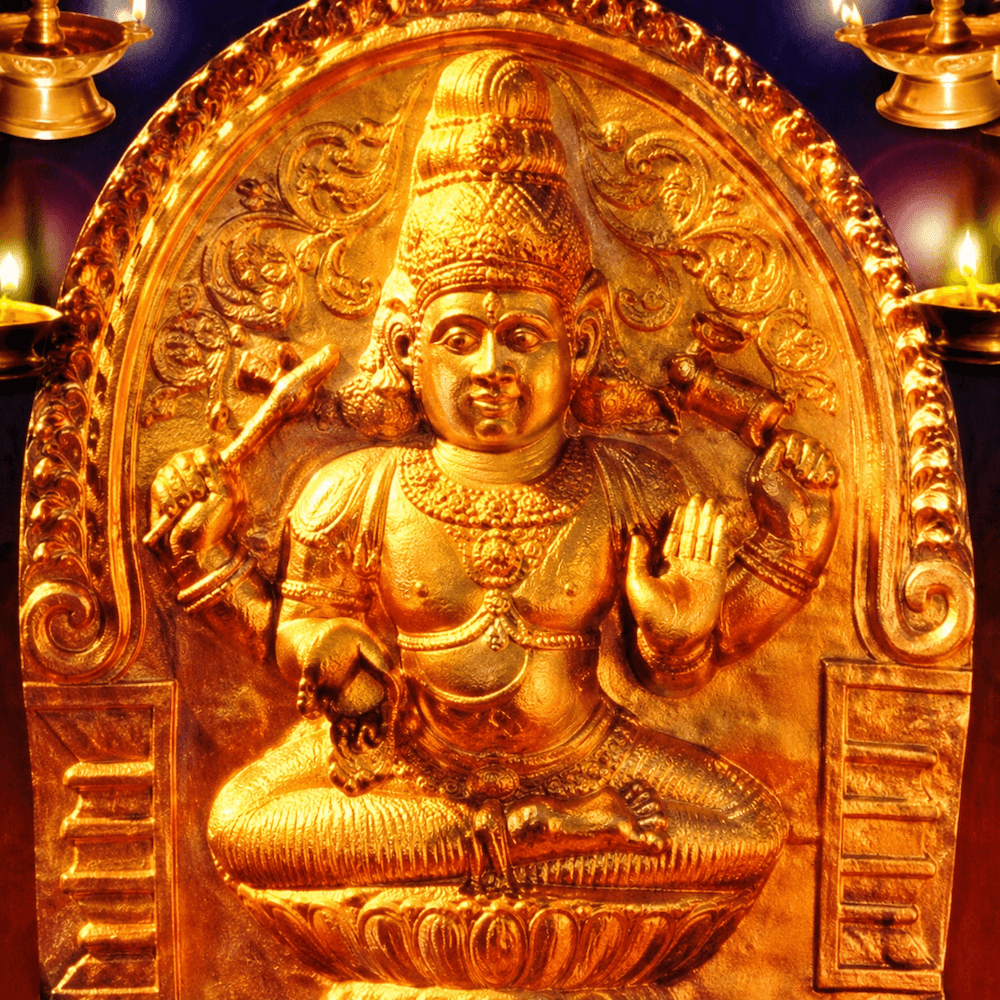 Believed to be over a thousand years old, Chirakkadavu Sree Mahadeva Temple is an ancient Hindu shrine dedicated to Lord Shiva, situated at Chirakkadavu near Ponkunnam in the Kottayam district of Kerala. Located about 3 km south of Ponkunnam on the Ponkunnam–Manimala Road and approximately 34 km east of Kottayam town, it is one of the revered 108 Shiva temples of Kerala.
According to local tradition, the temple was built by King Chandrasekhara Alvar during the rule of the Alvar dynasty in the eastern region of present-day Kottayam. In later years, the Chempakassery King of Ambalappuzha defeated the Alvars and assumed control of Chirakkadavu. Maharaja Marthanda Varma subsequently conquered the Chempakassery kingdom and incorporated the region into the Kingdom of Travancore. Chengannur Vanjipuzha Thampuran played a key role in helping Marthanda Varma achieve this victory. As a reward, the villages of Chirakkadavu, Cheruvally and Peruvanthanam were granted to him as tax-free estates. 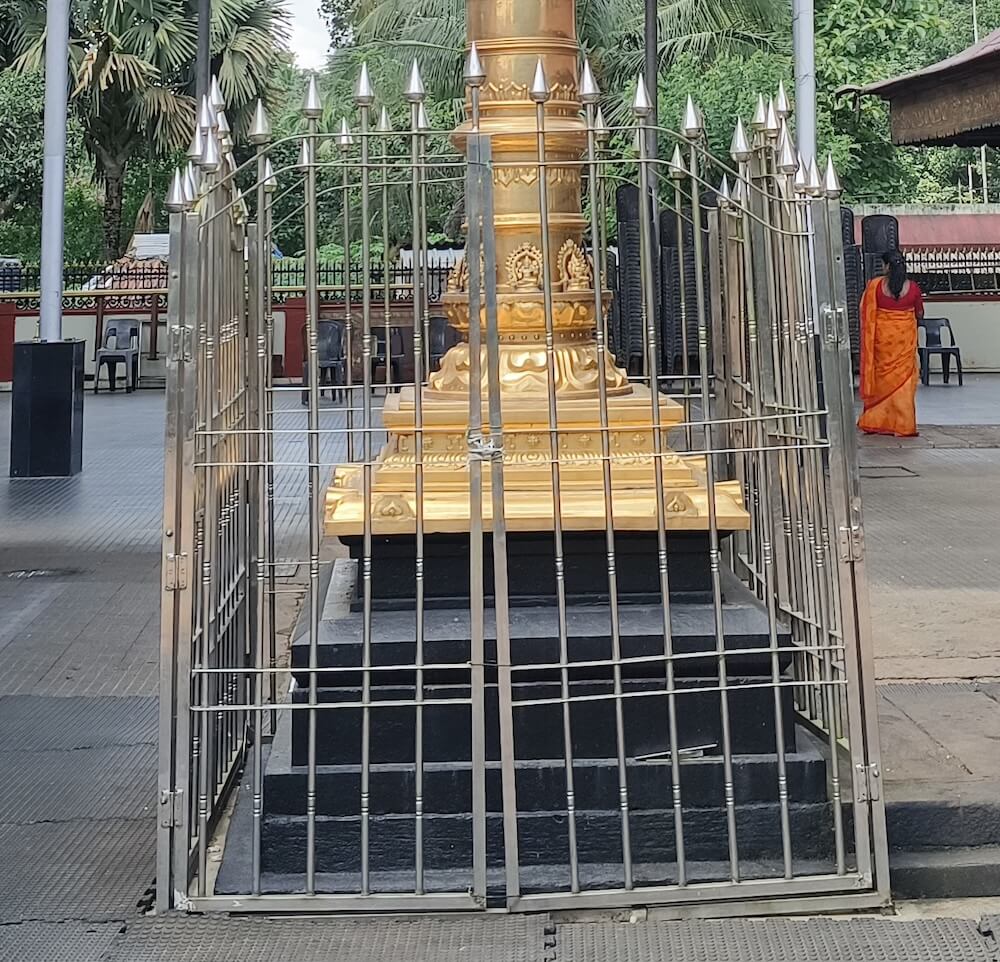 After the formation of the state of Kerala in 1956, the feudal system was abolished and the temple came under government control. In July 1961, the administration of the temple was officially handed over to the Travancore Devaswom Board. Today, it is one of the major temples managed by the Board.
According to local tradition, the Shiva Linga in the temple is a Swayambhu (self-manifested) idol that appeared beneath a large sacred bilva tree. It is said that a woman collecting bilva leaves struck the ground with an iron tool, causing blood to flow from the earth. Alarmed, she cried out for help. Local cowherds rushed to the spot and, after clearing the soil, discovered the Shiva Linga beneath it. The place is also associated with a sage who lived under the bilva tree and later became known as Koova Maharshi. Lord Mahadeva of Chirakkadavu is regarded as the fatherly guardian of Lord Ayyappa of Sabarimala. Because of this belief, devotees from Chirakkadavu traditionally do not perform the Pettathullal ritual at Erumeli during their pilgrimage to Sabarimala.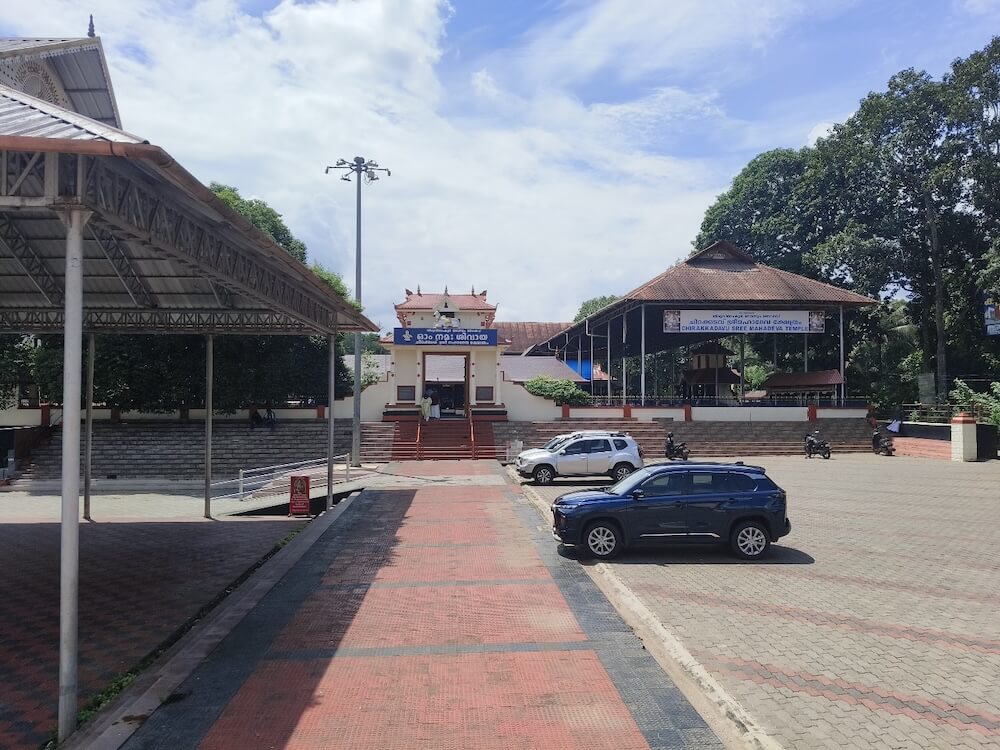 It is also believed that Lord Ayyappa learnt the ancient martial art of Kalaripayattu at Chirakkadavu during His youth.
Passing through the beautifully decorated gopuram, devotees first come to the Aanakkottil (elephant shelter), followed by the golden flagstaff and the spacious Nalambalam. Both the Sreekovil and much of the temple are covered with copper plates. The temple’s Balikkallu is exceptionally large. In front of it stands an impressive granite oil lamp and beautiful stone carvings that attract the attention of visitors. Despite the size of the Balikkallu, devotees can have a clear view of the deity even from the eastern gopuram.
The intricate wooden carvings throughout the temple are another notable feature,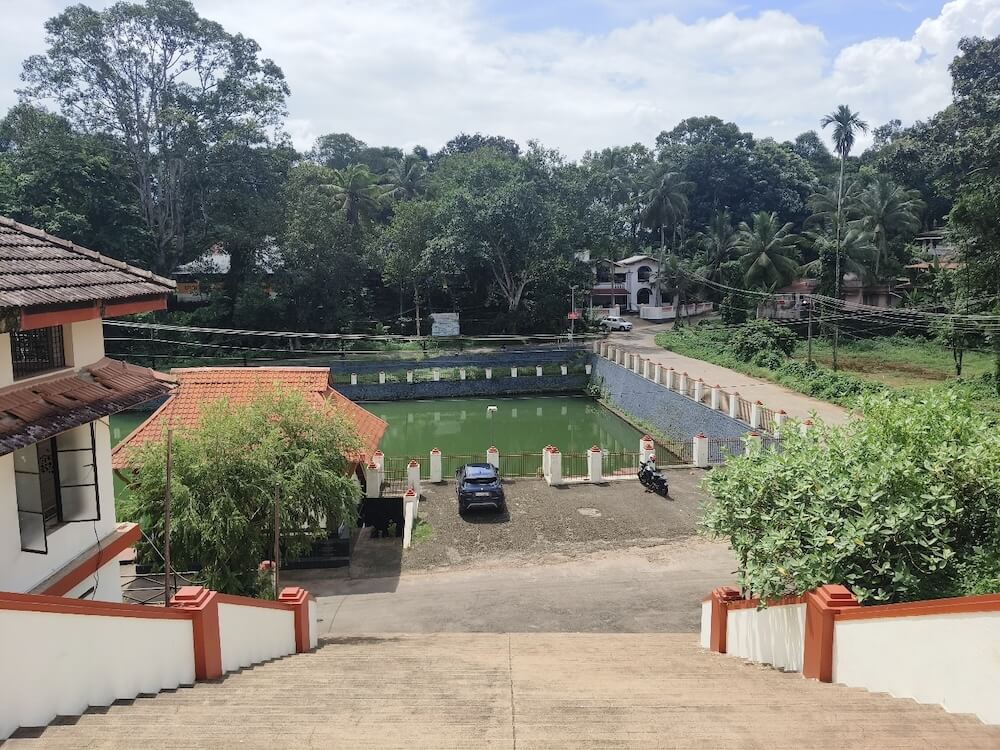 while the peaceful and well-maintained surroundings create a deeply spiritual atmosphere. Inside the beautiful Sreekovil, Lord Mahadeva is worshipped in the rare Sankaranarayana form, symbolising the unified divine essence of Lord Shiva and Lord Vishnu. The temple pond lies on the eastern side of the temple and also serves as an important source of water for the local community during the summer. During the annual festival, the ceremonial Aarattu (holy bath) of the deity takes place at the bathing pavilion beside this sacred pond, known as the Aarattu Kadavu. The temple also has shrines dedicated to Parvathi, Ganapathi, Subrahmanya, Sastha and the Naga Devatas.
Maha Shivaratri and the annual ten-day Thiruvutsavam are the temple’s principal celebrations. 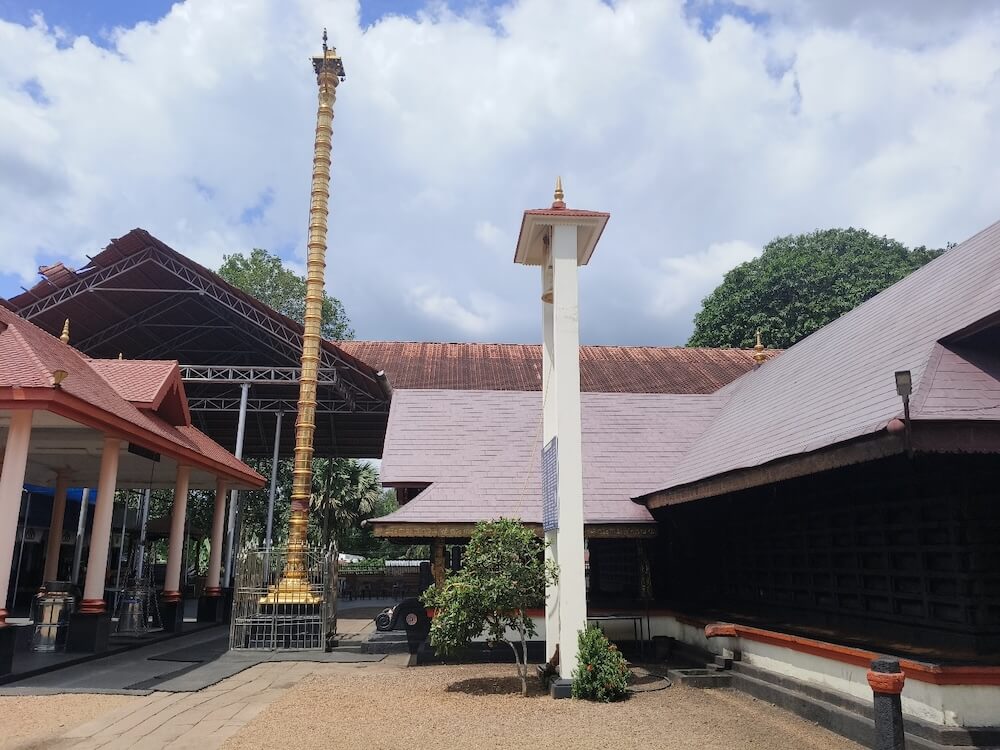 The Thiruvutsavam, one of the oldest and most colourful temple festivals in the region, is celebrated during the Malayalam month of Makaram (January–February). Maha Shivaratri is observed separately during the month of Kumbham (February–March). One of its most distinctive attractions is the traditional Velakali performance. This martial dance originated during the time of Vanjipuzha Thampuran, who organised a Nair military force for his protection after taking charge of the regions of Chirakkadavu, Cheruvally and Peruvanthanam. Skilled young men were trained in martial arts under local leaders. Later, when the need for a military force declined, they were appointed as ceremonial bodyguards of Lord Mahadeva during the temple festival. Over time, the group was divided into two teams known as Thekkum Bhagam (Southern Division) and Vadakkum Bhagam (Northern Division) and the martial display evolved into the ritual art form known as Velakali.
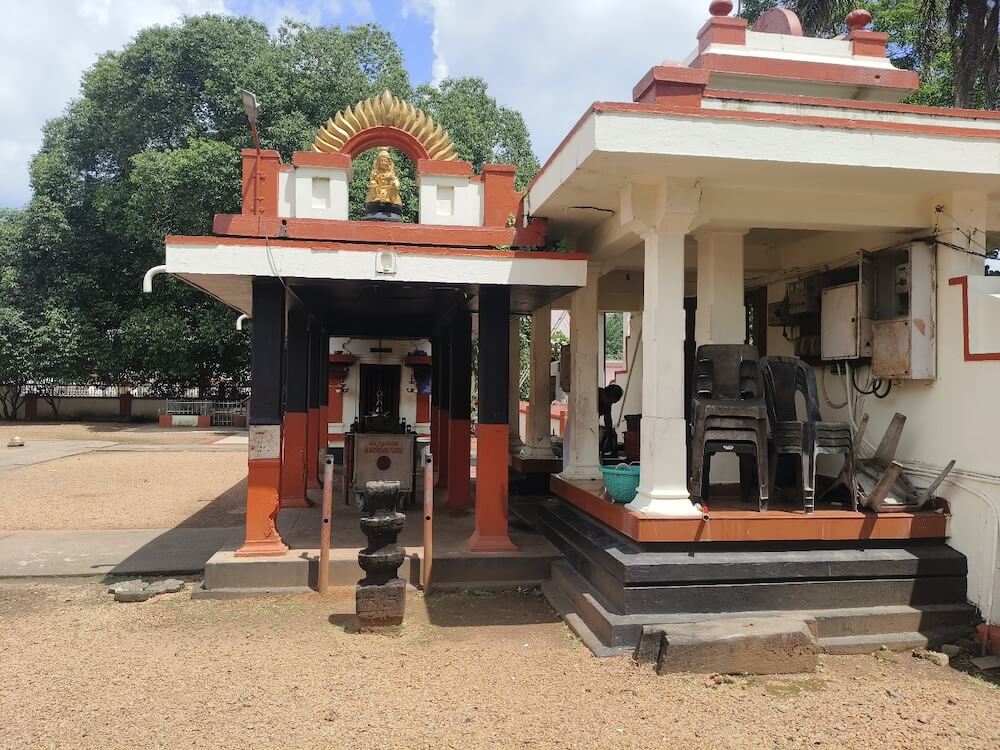 Today, the Southern team performs on the seventh day of the festival, while the Northern team performs on the eighth day. Both teams come together for the combined performance during the Pallivetta and Aarattu ceremonies. Another unique ritual is Chamaya Vilakku, which is similar to the Thalappoli seen in many Kerala temples. During this ceremony, large numbers of women, observing strict religious vows, carry traditional oil lamps and stand before the deity. Another rare custom is the offering of donations into a wooden boat placed near the flagstaff. This ritual is believed to preserve memories of the ancient Alvar dynasty. On the ninth day of the festival, the famous Pallivetta ceremony is held with a magnificent elephant procession and the colourful Kudamattam. The festival concludes on the tenth day with the ceremonial Aarattu of Lord Mahadeva in the temple pond located outside the eastern entrance.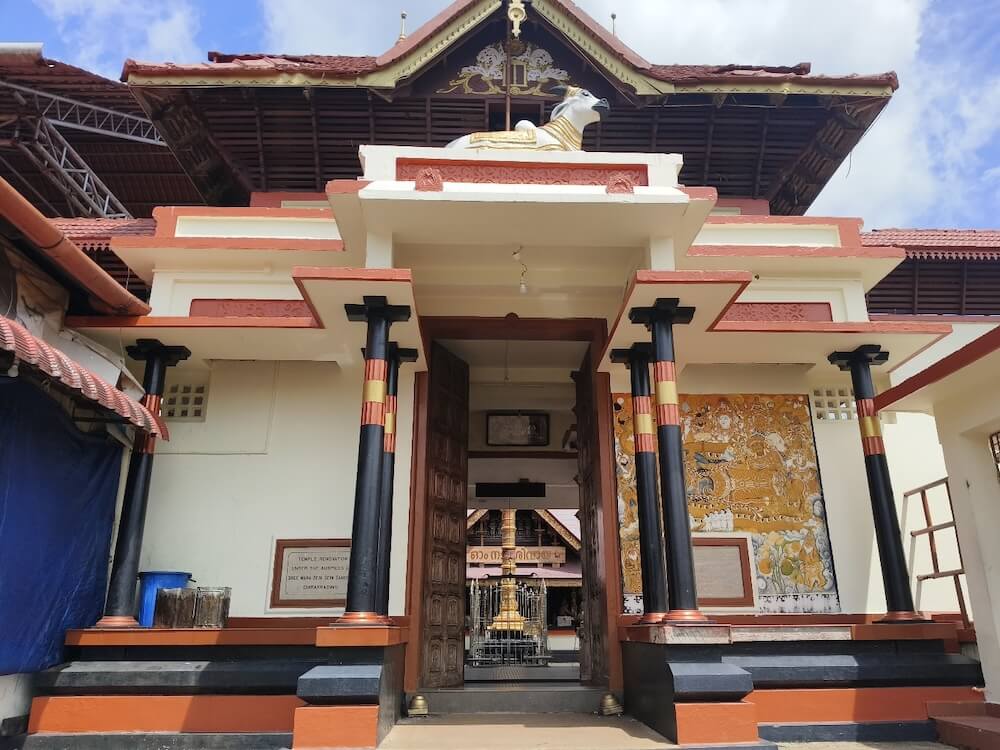
The temple’s most popular offering is Meen Oottu, also known as Meenari. After the grains are blessed by the temple priest, devotees feed them to the large fish in the sacred temple pond. It is believed that this offering helps relieve chronic illnesses and other difficulties. The Meen Oottu performed on Karkidaka Vavu is considered especially auspicious. Jaladhara and Mrithinjaya Pushpanjali are also offered.
Five daily poojas are conducted at the temple. The temple usually opens at 5.00 a.m. with Nirmalya Darshanam, followed by Ganapathi Homam. After the Abhishekam, offerings of aval (flattened rice), malar (puffed rice) and trimadhuram are made. Usha Pooja is performed at 6.30 a.m., followed by Ethritha Pooja at 7.00 a.m. and Ethritha Seeveli at about 7.15 a.m. Panthiradi Pooja is held at 8.00 a.m., followed by Navaka Pooja at 9.30 a.m. and Navakabhishekam at about 10.00 a.m. During the Navakabhishekam, devotees may offer Jaladhara, Ksheeradhara, Karikkabhishekam and 108 Kalasam as special offerings. Ucha Pooja is performed at 10.30 a.m., followed by Ucha Seeveli and the temple closes at 11.00 a.m. The temple reopens at 5.00 p.m. Deeparadhana is performed at sunset, followed by Athazha Pooja and Athazha Seeveli at about 7.45 p.m. The temple closes for the day at 8.00 p.m.
Key Highlights:
- Located 34 km from Kottayam.
- 34 km from Kottayam railway station.
- KSRTC and local buses are available to the temple.
- Private vehicles can be parked in the temple’s dedicated parking area.
- Accommodation and dining facilities are available near the temple.
चिरक्कदावु श्री महादेव मंदिर
पोनकुन्नम, जिला. कोट्टायम
मंदिरे
Temples
मंदिर
મંદિરો
கோவில்கள்
దేవాలయాలు
ക്ഷേത്രങ്ങൾ
ದೇವಾಲಯಗಳು
মন্দিরসমূহ
ਮੰਦਿਰ
-
वेल्लूर श्री सुब्रह्मण्य स्वामी मंदिर पामपाडी, जि. कोट्टायम
अधिक माहितीVelloor Sree Subrahmanya Swamy Temple Pampady, Dist. Kottayam
View Detailsवेल्लोर श्री सुब्रह्मण्य स्वामी मंदिर पंपडी, जिला. कोट्टायम
विवरण देखेंVelloor Sree Subrahmanya Swamy Temple Pampady, Dist. Kottayam
વિગત જુઓVelloor Sree Subrahmanya Swamy Temple Pampady, Dist. Kottayam
விவரங்களைக் காண்கVelloor Sree Subrahmanya Swamy Temple Pampady, Dist. Kottayam
వివరాలను చూడండిVelloor Sree Subrahmanya Swamy Temple Pampady, Dist. Kottayam
വിശദാംശങ്ങൾ കാണുകVelloor Sree Subrahmanya Swamy Temple Pampady, Dist. Kottayam
ವಿವರಗಳನ್ನು ವೀಕ್ಷಿಸಿVelloor Sree Subrahmanya Swamy Temple Pampady, Dist. Kottayam
বিস্তারিত দেখুনVelloor Sree Subrahmanya Swamy Temple Pampady, Dist. Kottayam
ਵੇਰਵੇ ਦੇਖੋ -
पुलियान्नूर शिव मंदिर पाला, जि. कोट्टायम
अधिक माहितीPuliyannur Siva Temple Pala, Dist. Kottayam
View Detailsपुलियान्नुर शिव मंदिर पाला, जिला. कोट्टायम
विवरण देखेंPuliyannur Siva Temple Pala, Dist. Kottayam
વિગત જુઓPuliyannur Siva Temple Pala, Dist. Kottayam
விவரங்களைக் காண்கPuliyannur Siva Temple Pala, Dist. Kottayam
వివరాలను చూడండిPuliyannur Siva Temple Pala, Dist. Kottayam
വിശദാംശങ്ങൾ കാണുകPuliyannur Siva Temple Pala, Dist. Kottayam
ವಿವರಗಳನ್ನು ವೀಕ್ಷಿಸಿPuliyannur Siva Temple Pala, Dist. Kottayam
বিস্তারিত দেখুনPuliyannur Siva Temple Pala, Dist. Kottayam
ਵੇਰਵੇ ਦੇਖੋ -
परिपू महादेवाचे मंदिर आयमनम, जि. कोट्टायम
अधिक माहितीParippu Mahadeva Temple Aymanam, Dist. Kottayam
View Detailsपरिप्पु महादेव मंदिर अयमानम, जिला. कोट्टायम
विवरण देखेंParippu Mahadeva Temple Aymanam, Dist. Kottayam
વિગત જુઓParippu Mahadeva Temple Aymanam, Dist. Kottayam
விவரங்களைக் காண்கParippu Mahadeva Temple Aymanam, Dist. Kottayam
వివరాలను చూడండిParippu Mahadeva Temple Aymanam, Dist. Kottayam
വിശദാംശങ്ങൾ കാണുകParippu Mahadeva Temple Aymanam, Dist. Kottayam
ವಿವರಗಳನ್ನು ವೀಕ್ಷಿಸಿParippu Mahadeva Temple Aymanam, Dist. Kottayam
বিস্তারিত দেখুনParippu Mahadeva Temple Aymanam, Dist. Kottayam
ਵੇਰਵੇ ਦੇਖੋ