
कोझा श्री नरसिंह स्वामी मंदिर
कोझा, कुराविलांगड, जिल्हा कोट्टायम
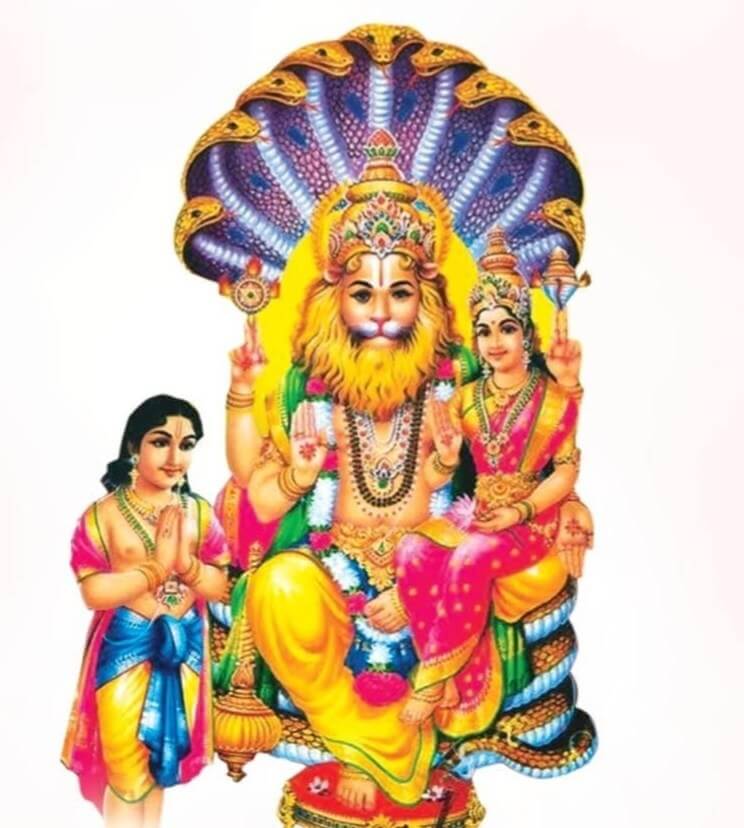 कोझा श्री नरसिंहस्वामी मंदिर हे कोट्टायम जिल्ह्यातील कुराविलांगडजवळ स्थित सर्वात प्राचीन आणि आध्यात्मिकदृष्ट्या महत्त्वपूर्ण वैष्णव मंदिरांपैकी एक आहे. येथील मुख्य देवता भगवान महाविष्णूंचा चौथा अवतार असलेले भगवान नरसिंह स्वामी आहेत. असे मानले जाते की हे केरळमधील एकमेव स्वयंभू नरसिंह मंदिर आहे. येथे प्रभूंची पूजा उग्र नरसिंह रूपाऐवजी लक्ष्मी नरसिंह या शांत रूपात केली जाते. भाविक या मंदिराला गाढ श्रद्धेने भेट देतात, कारण हे मंदिर आध्यात्मिक शांती आणि दैवी आशीर्वादांसाठी ओळखले जाते. केरळच्या पारंपारिक मंदिर वास्तुकलेत बांधलेले हे मंदिर परिसरातील शांत निसर्गरम्य वातावरणामुळे अधिकच सुंदर दिसते. दैनंदिन पूजा, विशेष अर्पण आणि वार्षिक उत्सवांमुळे हे मंदिर भाविकांसाठी भक्तीचे एक प्रमुख केंद्र बनले आहे.
कोझा श्री नरसिंहस्वामी मंदिराचा इतिहास प्राचीन आणि महत्त्वपूर्ण आहे. मंदिराच्या मूळ संस्थापकाबद्दल कोणतीही अचूक नोंद नसली तरी, हे शतकानुशतके श्रद्धास्थान म्हणून ओळखले जाते. १७५२ च्या सुमारास हा परिसर घनदाट जंगलांनी व्यापलेला होता आणि तिथे फारशी वस्ती नव्हती. त्या काळात हा भाग वडक्कुमकुर राज्याचा भाग होता. 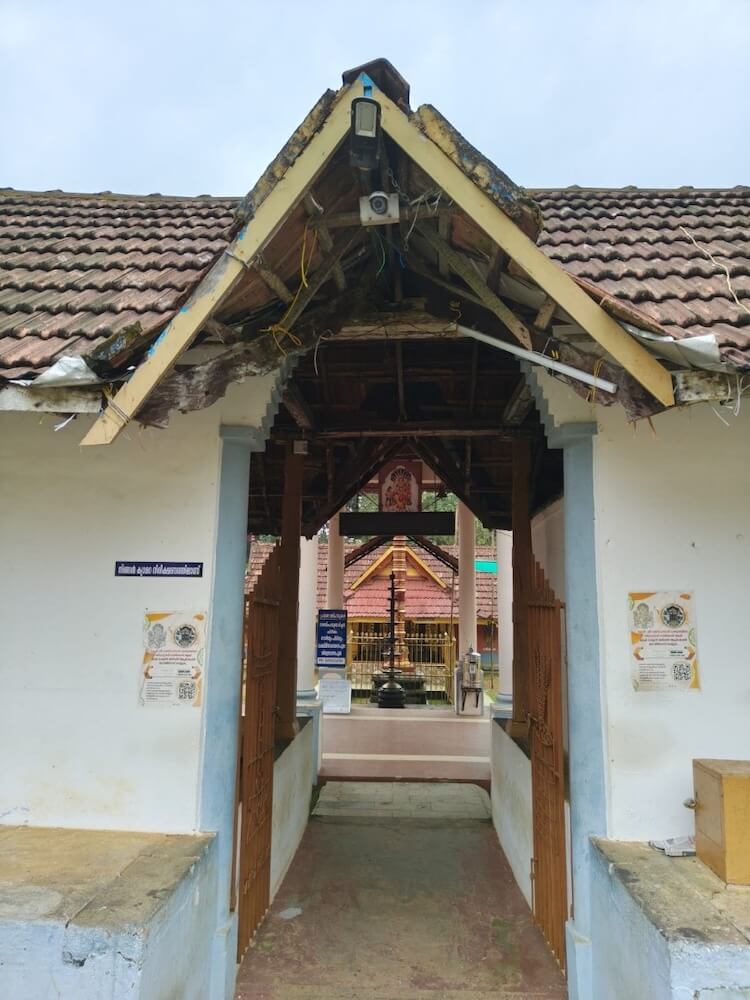 असे मानले जाते की, या भागात भगवान नरसिंहांची मूर्ती सापडल्यामुळे येथील उपासनेला बळकटी मिळाली. नंतर, स्थानिक लोक आणि प्रादेशिक राज्यकर्त्यांच्या पाठिंब्याने मंदिराचा विकास झाला. या मंदिराचा वडक्कुमकुर राजघराण्याशी संबंध असल्याचे मानले जाते आणि स्थानिक राजांनी याच्या वाढीसाठी आणि संरक्षणासाठी योगदान दिले होते. आज हे मंदिर भाविकांसाठी श्रद्धा आणि आध्यात्मिक शांतीचे एक महत्त्वाचे केंद्र म्हणून उभे आहे.
मंदिराशी संबंधित दंतकथा अत्यंत भक्तिपूर्ण आणि वेधक आहे. असे मानले जाते की प्राचीन काळी हा प्रदेश जंगल आणि टेकड्यांनी भरलेला एक ओसाड भाग होता. एके दिवशी, जंगलातून जाणार्या एका शिकाऱ्याला एक विलक्षण दैवी प्रकाश आणि आध्यात्मिक उपस्थिती जाणवली. तपासणी केली असता, त्याला भगवान नरसिंहांची स्वयंभू मूर्ती सापडली. दुसरी एक श्रद्धा अशी आहे की तो शिकारी सामान्य माणूस नसून साक्षात भगवान परमेश्वर (शिव) होते, ज्यांनी दैवी उपस्थिती प्रकट करण्यासाठी शिकाऱ्याचे रूप धारण केले होते. त्यानंतर, स्थानिक लोकांनी त्या पवित्र ठिकाणी पूजा करण्यास सुरुवात केली, ज्याचे रूपांतर नंतर मंदिरात झाले. असे मानले जाते की भगवान नरसिंह त्यांच्या उग्र रूपासाठी ओळखले जात असले तरी, येथे ते भाविकांना लक्ष्मी नरसिंहाच्या शांत रूपात आशीर्वाद देतात.
बाह्यतः, कोझा श्री नरसिंहस्वामी मंदिर केरळच्या पारंपारिक शैलीत अत्यंत मोहक आणि भव्य दिसते. मजबूत तटबंदी आणि पारंपारिक प्रवेशद्वार मंदिराचे प्राचीन सौंदर्य दर्शवतात. 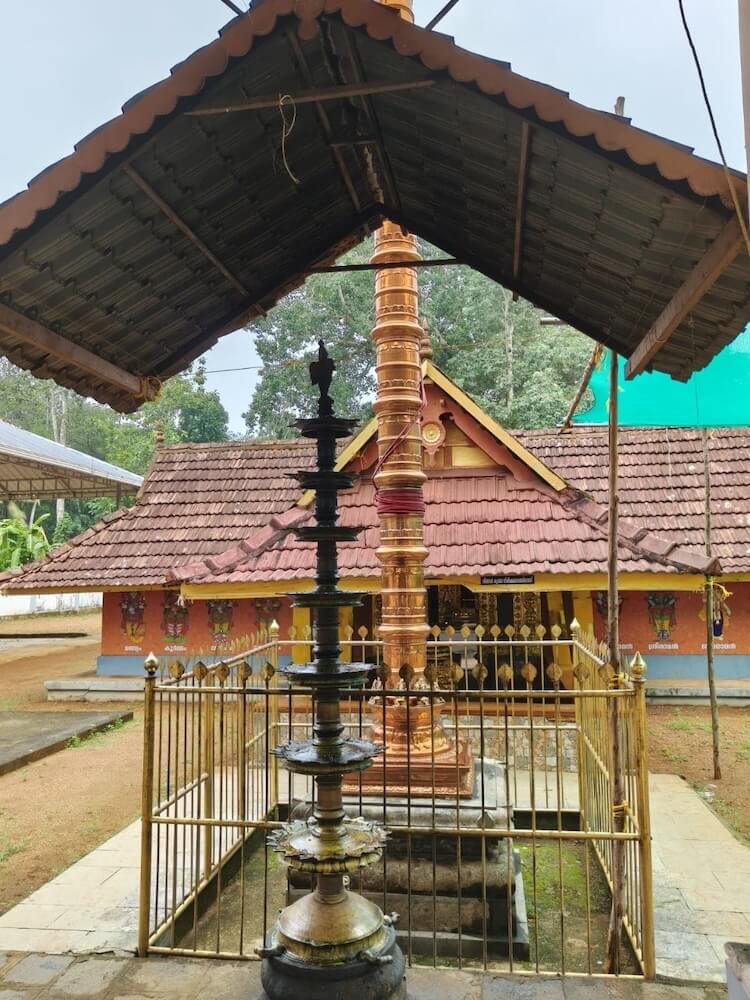 उंच द्रविड शैलीतील गोपुराऐवजी, मंदिरात केरळ शैलीतील एक साधी आणि मोहक प्रवेश रचना आहे, जी भक्ती आणि आकर्षणाने भरलेली आहे. हिरवळीने वेढलेले आणि शांत ग्रामीण वातावरणामुळे, मंदिरात प्रवेश करण्यापूर्वीच एक प्रकारची शांतता आणि दैवी अनुभूती मिळते.
मंदिरात प्रवेश केल्यावर, प्रथम प्रशस्त अंगण, ध्वजस्तंभ (कोडीमरम), बलीपीठ आणि दीपस्तंभ दिसतात. शांत आणि भक्तिमय वातावरणातून पुढे चालत गेल्यावर, चुत्तंबलमच्या (अंतर्गत अंगण रचना) आत केरळच्या पारंपारिक शैलीत बांधलेले श्रीकोविल (गर्भगृह) दृष्टीस पडते. गर्भगृहाच्या समोर नमस्कार मंडप आहे, जिथे भाविक उभे राहून प्रार्थना करतात. या ठिकाणी पोहोचल्यावर, मंदिराची आध्यात्मिक भव्यता आणि दैवी उपस्थिती प्रकर्षाने जाणवते.
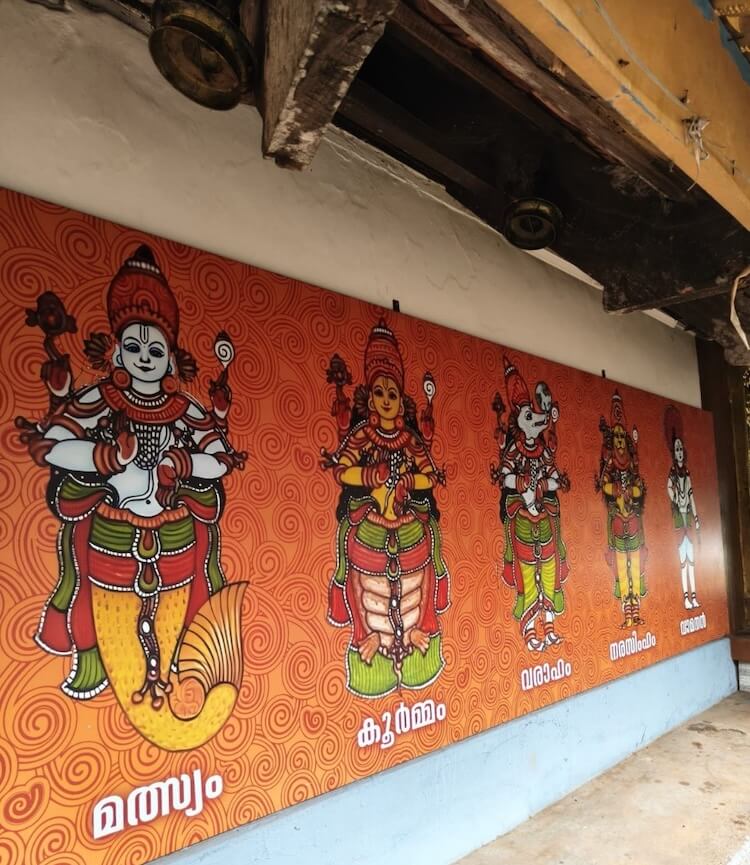
मंदिराचे कलात्मक सौंदर्य श्रीकोविल, नमस्कार मंडप आणि चुत्तंबलममध्ये प्रामुख्याने दिसून येते. खांब, दरवाजांच्या चौकटी आणि छताचे आतील भाग उत्कृष्ट लाकडी कोरीव कामांनी सजवलेले आहेत. काही ठिकाणी साध्या भित्तिचित्रांसारख्या कलाकृती आणि पौराणिक कथांवर आधारित प्रतीकात्मक नक्षीकामही पाहायला मिळते. मोठ्या रंगीबेरंगी चित्रांपेक्षा, मंदिराचे मुख्य आकर्षण हे लाकडी कोरीव काम आणि मोहक सजावट शैलीमध्ये आहे, जे केरळच्या मंदिर वास्तुकलेचा साधेपणा आणि वारसा दर्शवते. 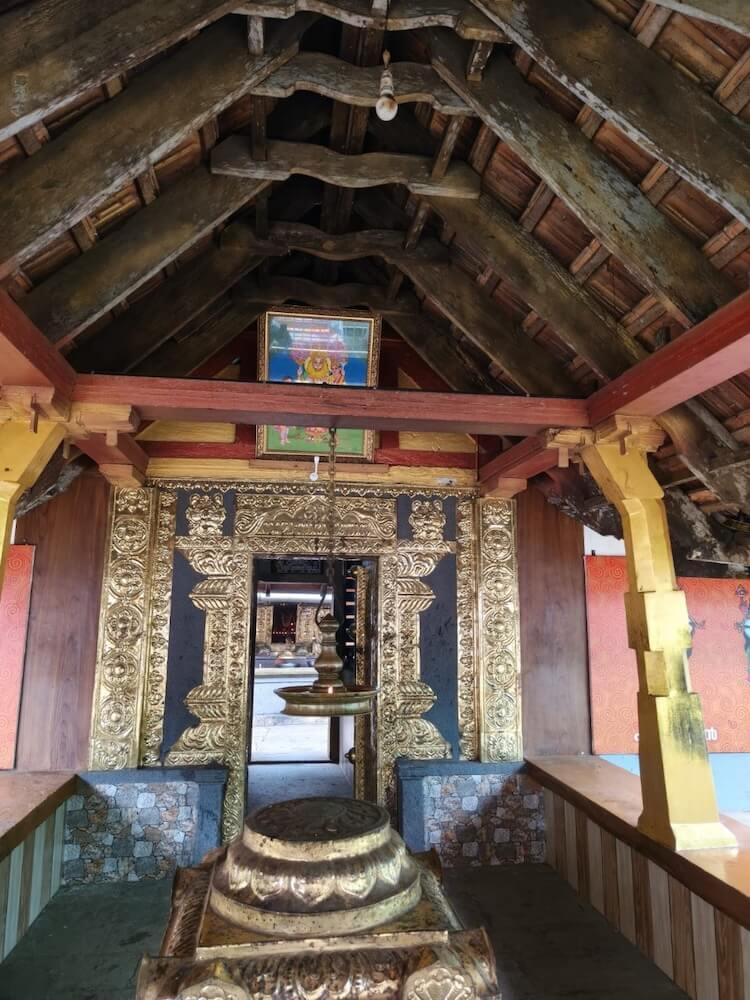 ही शिल्पकला, जिथे भक्ती, परंपरा आणि कला एकत्र येतात, ती मंदिराला एक विशेष दैवी वातावरण प्रदान करते.
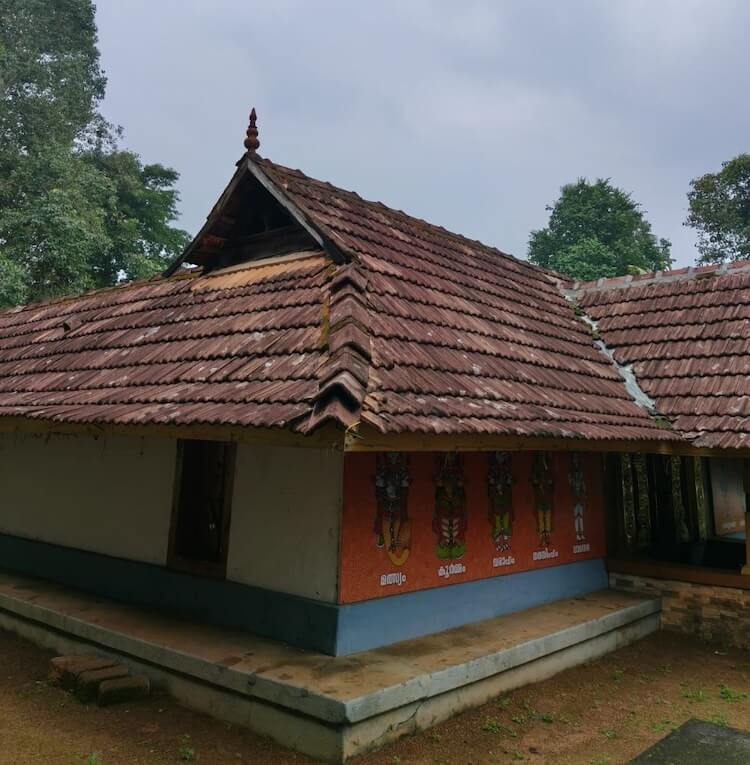
मंदिराचे श्रीकोविल हे केरळच्या पारंपारिक मंदिर वास्तुकलेचे एक सुंदर उदाहरण आहे. उंच चौथऱ्यावर बांधलेले हे गर्भगृह आपल्या साध्या पण भव्य स्वरूपामुळे भाविकांना आकर्षित करते. तांब्याच्या पत्र्यांनी झाकलेले उतरते छत, लाकडी कोरीव कामाचे सौंदर्य आणि दरवाजा व भिंतींवरील सूक्ष्म नक्षीकाम गर्भगृहाला प्राचीनत्व आणि दिव्यता प्रदान करते. बाहेरूनही, आपण त्याची शांत आणि आध्यात्मिक उपस्थिती अनुभवू शकतो.
मुख्य देवता, भगवान नरसिंह स्वामी यांची स्थापना पूर्व दिशेला तोंड करून केलेली आहे. उग्र नरसिंह रूपाऐवजी, येथे प्रभूंची लक्ष्मी नरसिंहाच्या शांत आणि परोपकारी रूपात पूजा केली जाते. गर्भगृहासमोर उभे राहून दर्शन घेतल्यास भाविकांना एक अद्वितीय आध्यात्मिक अनुभव मिळतो.
मंदिराच्या परिसरात भगवान गणेश, भगवान शिव, देवी भगवती आणि नाग देवतांची उपमंदिरेही आहेत. भगवान गणेश सहसा गर्भगृहाजवळ स्थापित असतात, तर नाग मूर्ती पवित्र वृक्षांखाली किंवा विशेष नियुक्त ठिकाणी ठेवल्या जातात. भगवान शिव आणि भगवती यांची पूजा चुत्तंबलममध्ये किंवा जवळ स्वतंत्र ठिकाणी केली जाते. या उपदेवता मंदिराच्या आध्यात्मिक पूर्णत्वात आणि दैवी भव्यतेत भर घालतात. कोझा श्री नरसिंहस्वामी मंदिरातील उत्सव आणि विशेष दिवस वर्षभर मंदिराला आध्यात्मिक ऊर्जेने भरून टाकतात.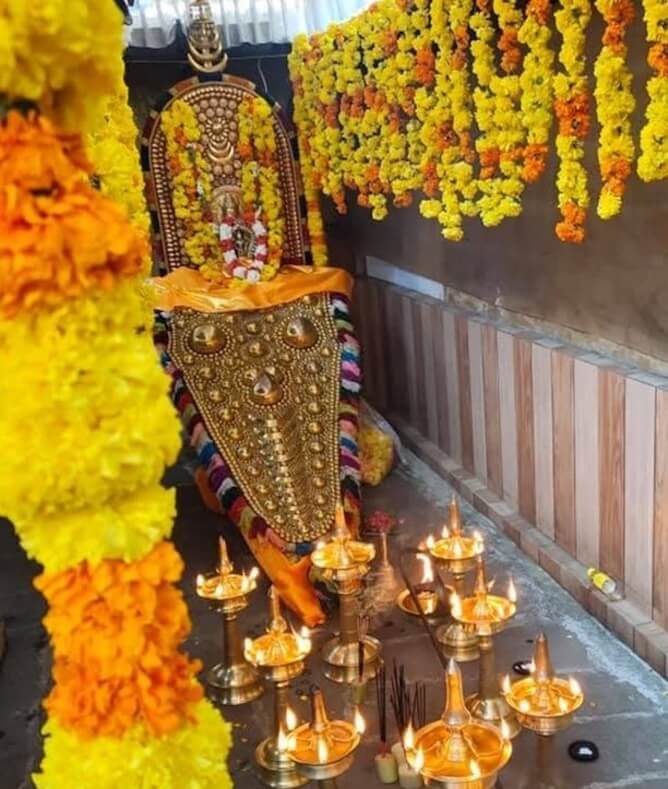
यातील सर्वात महत्त्वाचा उत्सव म्हणजे नरसिंह जयंती, जो भगवान नरसिंहांच्या दिव्य प्रकटीकरणाचे स्मरण करून साजरा केला जातो. हा विशेष दिवस सहसा मल्याळम महिने मेदम-एडवम (एप्रिल-मे) दरम्यान येतो. या दिवशी विशेष अभिषेक, पुष्पांजली, सुशोभित दर्शन आणि दीपाराधना मोठ्या भक्तीभावाने केली जाते.
वार्षिक मंदिर उत्सव हा आणखी एक प्रमुख उत्सव आहे, जो सहसा मल्याळम महिने मीनम किंवा मेदम (मार्च-एप्रिल) दरम्यान साजरा केला जातो. उत्सवाच्या दिवसांत मंदिर दिव्यांनी सुंदर सजवले जाते आणि सीवेली, विशेष पूजा व प्रसाद वाटप यांसारख्या विधींमुळे वातावरणात कमालीची भक्ती निर्माण होते.
याव्यतिरिक्त, दर महिन्यातील एकादशीच्या दिवसांना विशेष महत्त्व दिले जाते, विशेषतः वैकुंठ एकादशी, जी भक्त अत्यंत श्रद्धेने पाळतात. मेदम १ रोजी साजरा होणारा विशू आणि चिंगम महिन्यातील श्री कृष्ण जयंती देखील विशेष पूजांसह साजरी केली जाते. यातील प्रत्येक प्रसंग मंदिराला भक्ती, शांती आणि दैवी कृपेचा जिवंत अनुभव देतो.
मंदिरातील अर्पणे (वळीपाडू) ही देवाप्रती असलेल्या भक्तीची आणि शरणागतीची आध्यात्मिक अभिव्यक्ती आहेत. 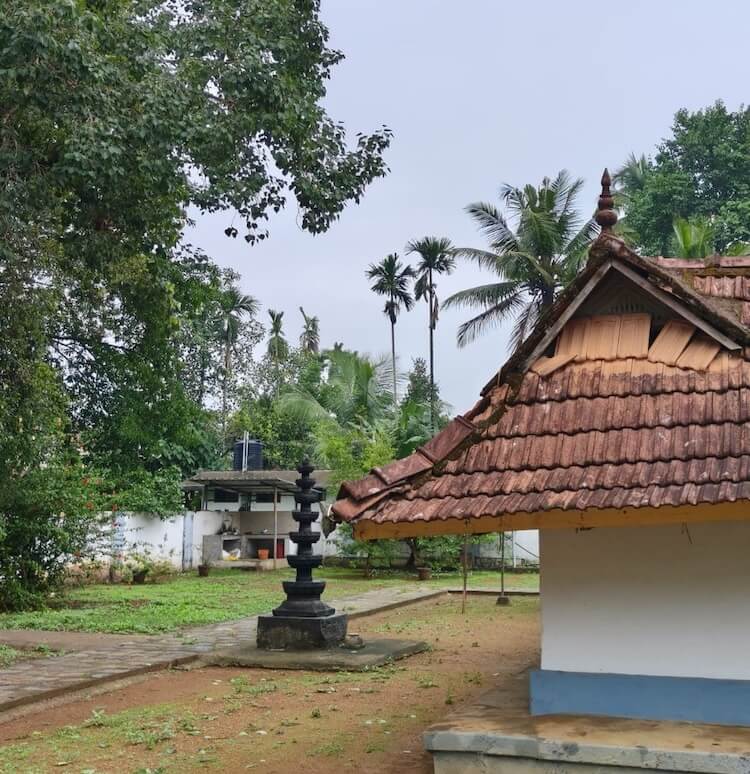 येथे केली जाणारी सर्वात सामान्य अर्पणे म्हणजे पुष्पांजली, जी भक्त मानसिक शांती आणि इच्छापूर्तीसाठी श्रद्धेने अर्पण करतात. पालपायसम आणि नेयपायसम यांसारख्या गोड अर्पणांनाही खूप महत्त्व आहे. दूध, पाणी आणि चंदन लेप वापरून केले जाणारे अभिषेक भक्तांकडून मोठ्या भक्तीने केले जातात. कौटुंबिक कल्याण आणि समृद्धीसाठी दीपाराधना आणि दीप अर्पण केले जातात. हे नरसिंह मंदिर असल्याने, संरक्षण, भीतीचे निवारण आणि शत्रूंपासून होणाऱ्या त्रासातून मुक्ती मिळवण्यासाठी विशेष प्रार्थना आणि अर्पणे केली जातात. याशिवाय, भक्तांच्या आध्यात्मिक साधनेचा भाग म्हणून अर्चना, भाग्य सूक्त पुष्पांजली आणि सहस्रनाम अर्चना देखील केल्या जातात. मंदिर सहसा पहाटे उघडते. सकाळी ५:०० च्या सुमारास निर्मल्य दर्शनाने मंदिर उघडते, ज्यामुळे भक्तांना त्यांच्या पूजेची सुरुवात करता येते. त्यानंतर उषा पूजा, पन्थीरडी पूजा आणि उच्च पूजा केली जाते.
दुपारच्या पूजेनंतर, मंदिर सकाळी ११:०० ते ११:३० च्या सुमारास बंद होते. संध्याकाळी ५:०० च्या सुमारास मंदिर पुन्हा उघडते. त्यानंतर दीपाराधना आणि अथाझा पूजा यांसारखे सायंकाळचे विधी केले जातात. अथाझा पूजेनंतर, मंदिर सहसा रात्री ८:०० च्या सुमारास बंद होते. उत्सव आणि विशेष प्रसंगी वेळेत थोडा बदल होऊ शकतो. त्यामुळे, विशेष दर्शन किंवा अर्पणांसाठी, मंदिराशी संपर्क साधून वेळापत्रकाची खात्री करणे सोयीचे ठरेल.
मुख्य वैशिष्ट्ये
- कोट्टायम शहरापासून २६ किमी आणि वैकोम शहरापासून २७ किमी अंतरावर स्थित आहे.
- मंदिरापर्यंत जाण्यासाठी राज्य परिवहन (केएसआरटीसी) आणि स्थानिक बस सुविधा उपलब्ध आहेत.
- खाजगी वाहने मंदिराच्या पार्किंग क्षेत्रापर्यंत पोहोचू शकतात.
- परिसरात अन्न आणि अल्पोपहाराची सोय उपलब्ध आहे.
- संपर्क क्रमांक: ९४९५०३४३०९
Kozha Sree Narasimha Swamy Temple
Kozha, Kuravilangad, Dist. Kottayam
Kozha Sree Narasimhaswamy Temple is one of the most ancient and spiritually significant Vaishnavite temples located near Kuravilangad in Kottayam district. The main deity here is Lord Narasimha Swamy, the fourth incarnation of Lord Mahavishnu. It is believed to be the only Swayambhu (self manifested) Narasimha idol in Kerala. The Lord is worshipped here in the peaceful form of Lakshmi Narasimha rather than the fierce Ugra Narasimha form. Devotees visit this temple with deep faith, as it is known to offer spiritual peace and divine blessings. Built in the traditional Kerala temple architectural style, the temple is made even more beautiful by its serene natural surroundings. Through daily poojas, special offerings, and annual festivals, this temple continues to remain a major centre of devotion for devotees.
The history of Kozha Sree Narasimhaswamy Temple is ancient and significant. Although there are no exact records about the original founder of the temple, it is known as a centuries-old centre of faith. Before around 1752, this area was covered with dense forests and remained largely uninhabited. It was part of the Vadakkumkur Kingdom during that time. It is believed that the discovery of the idol of Lord Narasimha in this region led to the strengthening of worship here. Later, with the support of local people and regional rulers, the temple developed further. The temple is also believed to have connections with the Vadakkumkur royal family, and local kings are said to have contributed to its growth and protection. Today, the temple stands as an important center of faith and spiritual peace for devotees.
The legend associated with the temple is deeply devotional and fascinating. It is believed that in ancient times, this region was a deserted land filled with forests and hills. One day, a hunter who was passing through the forest experienced an unusual divine light and spiritual presence. On investigating, he discovered the self-manifested idol of Lord Narasimha. Another belief says that the hunter was not an ordinary man, but Lord Parameshwara (Shiva) himself, who appeared in the form of a hunter to reveal the divine presence. Following this, the local people began worship at that sacred spot, which later developed into the temple. It is believed that though Lord Narasimha is known for his fierce form, here he blesses devotees in the peaceful form of Lakshmi Narasimha.
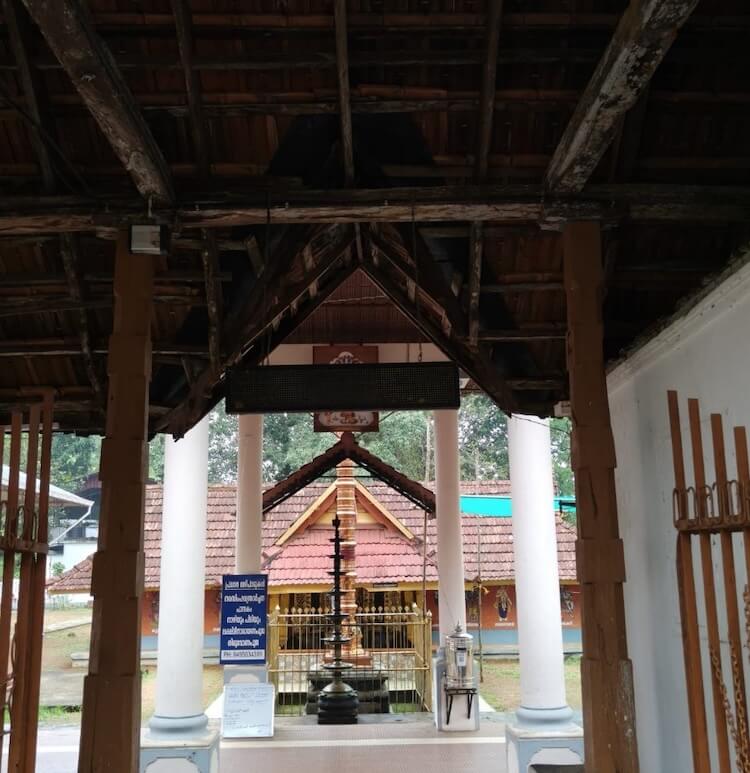
From the outside, Kozha Sree Narasimhaswamy Temple appears graceful and majestic in the traditional Kerala temple style. Strong surrounding walls and the traditional entrance gateway reflect the temple’s ancient beauty. Instead of a tall Dravidian-style gopuram, the temple has a simple and elegant Kerala-style entrance structure filled with devotion and charm. Surrounded by lush greenery and a peaceful village atmosphere, the temple itself gives a feeling of calmness and divinity even before entering.
Upon entering the temple, one first sees the spacious courtyard along with the flag mast (Kodimaram), Balipeetam (sacrificial stone), and the Deepasthambham (lamp pillar). As one walks forward through the peaceful and devotional atmosphere, the Sreekovil (sanctum sanctorum), built in the traditional Kerala style, comes into view inside the Chuttambalam (inner courtyard structure). In front of the sanctum lies the Namaskara Mandapam, where devotees stand and offer prayers. Reaching this point, one can deeply feel the spiritual grandeur and divine presence of the temple.
The artistic beauty of the temple is most visible in the Sreekovil, Namaskara Mandapam, and Chuttambalam. The pillars, door frames, and inner portions of the roof are adorned with fine and beautiful wooden carvings. In some areas, simple mural-like artistic designs and symbolic patterns inspired by Puranic stories can also be seen. Rather than large colourful paintings, the temple’s main attraction lies in its calm wooden craftsmanship and elegant decorative style that reflect the simplicity and heritage of Kerala temple architecture. This sculptural beauty, where devotion, tradition, and art come together, gives the temple a special divine atmosphere.
The Sreekovil of the temple is a beautiful example of traditional Kerala temple architecture. Built on an elevated base, the sanctum attracts devotees with its simple yet majestic appearance. The sloping roof covered with copper sheets, the beauty of the wooden craftsmanship, and the intricate carvings on the doors and walls give the sanctum both antiquity and divinity. Even from the outside, one can feel its peaceful and spiritual presence.
The main deity, Lord Narasimha Swamy, is installed facing east. Rather than the fierce Ugra Narasimha form, the Lord is worshipped here in the calm and benevolent form of Lakshmi Narasimha. Standing before the sanctum and having darshan gives devotees a unique spiritual experience.
Sub-shrines for Lord Ganesha, Lord Shiva, Goddess Bhagavathy, and Naga Devatas (serpent deities) are also present within the temple premises. Lord Ganesha is usually installed near the sanctum, while the Naga idols are commonly placed under sacred trees or in specially designated areas. Lord Shiva and Bhagavathy are positioned within or near the Chuttambalam in separate spaces for worship. These sub-deities add to the spiritual completeness and divine grandeur of the temple. The festivals and special days of Kozha Sree Narasimhaswamy Temple fill the temple with spiritual energy throughout the year.
The most important among them is Narasimha Jayanthi, which commemorates the divine appearance of Lord Narasimha. This special day usually falls during the Malayalam months of Medam–Edavam (April–May). On this day, special abhishekams, Pushpanjali, decorated darshan, and Deeparadhana are conducted with great devotion.
The annual temple festival is another major celebration, usually held during the Malayalam months of Meenam or Medam (March–April). During festival days, the temple is beautifully decorated with lamps, and rituals like Seeveli, special poojas, and prasadam distribution create a deeply devotional atmosphere.
In addition to this, Ekadashi days every month are given special importance, especially Vaikuntha Ekadashi, which devotees observe with deep faith. Vishu on Medam 1 and Sree Krishna Jayanthi during the month of Chingam are also celebrated with special poojas. Each of these occasions transforms the temple into a living experience of devotion, peace, and divine grace.
The offerings (Vazhipadu) at the temple are spiritual expressions of devotion and surrender to the Lord. One of the most common offerings here is Pushpanjali, which devotees offer with faith for mental peace and the fulfillment of wishes. Sweet offerings like Palpayasam and Neypayasam are also highly significant. Abhishekams performed using milk, water, and sandal paste are done with great devotion by devotees. Deeparadhana and lamp offerings are made for family well-being and prosperity. Since this is a Narasimha temple, special prayers and offerings are also made for protection, removal of fear, and relief from enemy-related troubles. In addition, Archana, Bhagya Suktha Pushpanjali, and Sahasranama Archana are also performed as part of the devotees’ spiritual practices. The temple usually opens early in the morning. Around 5:00 AM, the temple opens with Nirmalya Darshan, allowing devotees to begin their worship. This is followed by Usha Pooja, Pantheeradi Pooja, and Ucha Pooja.
After the noon pooja, the temple closes around 11:00 AM to 11:30 AM. In the evening, the temple reopens around 5:00 PM. Evening rituals such as Deeparadhana and Athazha Pooja are then performed. After the Athazha Pooja, the temple usually closes around 8:00 PM. On festival days and special occasions, there may be slight changes in timing. Therefore, for special darshan or offerings, it is always more convenient to confirm the schedule with the temple in advance.
Key highlight
- Located 26 km away from Kottayam Town and 27 km away from Vaikom town.
- State Transport ( KSRTC ) and local bus facilities are available to the temple.
- Private vehicles can reach the temple’s parking area.
- Food and refreshment facilities are available in this vicinity.
- Contact number. 9495034309
कोझा श्री नरसिंह स्वामी मंदिर
कोझा, कुराविलंगड, जिला कोट्टायम
कोझा श्री नरसिंह स्वामी मंदिर कोट्टायम जिले के कुराविलंगड के पास स्थित सबसे प्राचीन और आध्यात्मिक रूप से महत्वपूर्ण वैष्णव मंदिरों में से एक है। यहाँ के मुख्य देवता भगवान महाविष्णु के चौथे अवतार, भगवान नरसिंह स्वामी हैं। माना जाता है कि यह केरल में एकमात्र स्वयंभू नरसिंह मूर्ति है। यहाँ भगवान की पूजा उग्र नरसिंह रूप के बजाय लक्ष्मी नरसिंह के सौम्य रूप में की जाती है। भक्त गहरी आस्था के साथ इस मंदिर में आते हैं, क्योंकि यह आध्यात्मिक शांति और दैवीय आशीर्वाद प्रदान करने के लिए जाना जाता है। पारंपरिक केरल मंदिर वास्तुकला शैली में निर्मित, यह मंदिर अपने शांत प्राकृतिक परिवेश के कारण और भी सुंदर लगता है। दैनिक पूजा, विशेष भेंट और वार्षिक उत्सवों के माध्यम से, यह मंदिर भक्तों के लिए भक्ति का एक प्रमुख केंद्र बना हुआ है।
कोझा श्री नरसिंह स्वामी मंदिर का इतिहास प्राचीन और महत्वपूर्ण है। यद्यपि मंदिर के मूल संस्थापक के बारे में कोई सटीक रिकॉर्ड नहीं है, लेकिन इसे सदियों पुराने आस्था के केंद्र के रूप में जाना जाता है। लगभग 1752 से पहले, यह क्षेत्र घने जंगलों से ढका हुआ था और काफी हद तक निर्जन था। उस समय यह वडक्कमकुर राज्य का हिस्सा था। माना जाता है कि इस क्षेत्र में भगवान नरसिंह की मूर्ति की खोज ने यहाँ पूजा को और अधिक सुदृढ़ किया। बाद में, स्थानीय लोगों और क्षेत्रीय शासकों के सहयोग से मंदिर का और विकास हुआ। यह भी माना जाता है कि मंदिर का वडक्कमकुर शाही परिवार से संबंध था, और स्थानीय राजाओं ने इसके विकास और संरक्षण में योगदान दिया था। आज, यह मंदिर भक्तों के लिए आस्था और आध्यात्मिक शांति के एक महत्वपूर्ण केंद्र के रूप में खड़ा है।
मंदिर से जुड़ी किंवदंती अत्यंत भक्तिपूर्ण और आकर्षक है। माना जाता है कि प्राचीन काल में, यह क्षेत्र जंगलों और पहाड़ियों से भरा एक वीरान स्थान था। एक दिन, जंगल से गुजर रहे एक शिकारी ने एक असामान्य दिव्य प्रकाश और आध्यात्मिक उपस्थिति का अनुभव किया। जांच करने पर, उसने भगवान नरसिंह की स्वयंभू मूर्ति की खोज की। एक अन्य मान्यता यह है कि वह शिकारी कोई साधारण व्यक्ति नहीं, बल्कि स्वयं भगवान परमेश्वर (शिव) थे, जो दिव्य उपस्थिति को प्रकट करने के लिए शिकारी के रूप में आए थे। इसके बाद, स्थानीय लोगों ने उस पवित्र स्थान पर पूजा शुरू की, जो बाद में मंदिर के रूप में विकसित हुआ। माना जाता है कि हालांकि भगवान नरसिंह अपने उग्र रूप के लिए जाने जाते हैं, लेकिन यहाँ वे भक्तों को लक्ष्मी नरसिंह के शांत रूप में आशीर्वाद देते हैं।
बाहर से, कोझा श्री नरसिंह स्वामी मंदिर पारंपरिक केरल मंदिर शैली में सुंदर और भव्य दिखाई देता है। मजबूत बाहरी दीवारें और पारंपरिक प्रवेश द्वार मंदिर की प्राचीन सुंदरता को दर्शाते हैं। ऊंचे द्रविड़ शैली के गोपुरम के बजाय, मंदिर में एक सरल और सुंदर केरल-शैली की प्रवेश संरचना है जो भक्ति और आकर्षण से भरी है। चारों ओर फैली हरियाली और शांतिपूर्ण ग्रामीण वातावरण के कारण, मंदिर प्रवेश करने से पहले ही शांति और दिव्यता का अहसास कराता है।
मंदिर में प्रवेश करने पर, सबसे पहले विशाल प्रांगण के साथ ध्वज स्तंभ (कोडीमरम), बलिपीठम और दीपस्तंभ दिखाई देते हैं। जैसे-जैसे कोई शांतिपूर्ण और भक्तिपूर्ण वातावरण से आगे बढ़ता है, चुट्टमबलम (आंतरिक प्रांगण संरचना) के भीतर पारंपरिक केरल शैली में निर्मित श्रीकोविल (गर्भगृह) दिखाई देता है। गर्भगृह के सामने नमस्कार मंडपम है, जहाँ भक्त खड़े होकर प्रार्थना करते हैं। इस बिंदु पर पहुँचकर, कोई भी मंदिर की आध्यात्मिक भव्यता और दिव्य उपस्थिति को गहराई से महसूस कर सकता है।
मंदिर की कलात्मक सुंदरता श्रीकोविल, नमस्कार मंडपम और चुट्टमबलम में सबसे अधिक दिखाई देती है। खंभे, दरवाजे के फ्रेम और छत के आंतरिक हिस्से बारीक और सुंदर लकड़ी की नक्काशी से सुसज्जित हैं। कुछ क्षेत्रों में, पौराणिक कथाओं से प्रेरित सरल भित्ति-चित्र जैसी कलात्मक डिजाइन और प्रतीकात्मक पैटर्न भी देखे जा सकते हैं। बड़े रंगीन चित्रों के बजाय, मंदिर का मुख्य आकर्षण इसकी शांत लकड़ी की शिल्पकारी और सुरुचिपूर्ण सजावटी शैली में है जो केरल मंदिर वास्तुकला की सादगी और विरासत को दर्शाती है। यह मूर्तिकला सौंदर्य, जहाँ भक्ति, परंपरा और कला एक साथ मिलते हैं, मंदिर को एक विशेष दिव्य वातावरण प्रदान करता है।
मंदिर का श्रीकोविल पारंपरिक केरल मंदिर वास्तुकला का एक सुंदर उदाहरण है। एक ऊंचे आधार पर निर्मित, गर्भगृह अपने सरल लेकिन भव्य स्वरूप से भक्तों को आकर्षित करता है। तांबे की चादरों से ढकी ढलान वाली छत, लकड़ी की शिल्पकारी की सुंदरता और दरवाजों व दीवारों पर की गई जटिल नक्काशी गर्भगृह को प्राचीनता और दिव्यता दोनों प्रदान करती है। बाहर से भी, कोई इसकी शांतिपूर्ण और आध्यात्मिक उपस्थिति को महसूस कर सकता है।
मुख्य देवता, भगवान नरसिंह स्वामी, पूर्व की ओर मुख करके स्थापित हैं। उग्र नरसिंह रूप के बजाय, भगवान की पूजा यहाँ लक्ष्मी नरसिंह के शांत और परोपकारी रूप में की जाती है। गर्भगृह के सामने खड़े होकर दर्शन करना भक्तों को एक अनूठा आध्यात्मिक अनुभव प्रदान करता है।
मंदिर परिसर के भीतर भगवान गणेश, भगवान शिव, देवी भगवती और नाग देवताओं के लिए उप-मंदिर भी मौजूद हैं। भगवान गणेश आमतौर पर गर्भगृह के पास स्थापित होते हैं, जबकि नाग मूर्तियों को अक्सर पवित्र पेड़ों के नीचे या विशेष रूप से निर्दिष्ट क्षेत्रों में रखा जाता है। भगवान शिव और भगवती को चुट्टमबलम के भीतर या पास में पूजा के लिए अलग-अलग स्थानों पर रखा गया है। ये उप-देवता मंदिर की आध्यात्मिक पूर्णता और दिव्य भव्यता को बढ़ाते हैं। कोझा श्री नरसिंह स्वामी मंदिर के उत्सव और विशेष दिन पूरे वर्ष मंदिर को आध्यात्मिक ऊर्जा से भर देते हैं।
इनमें सबसे महत्वपूर्ण नरसिंह जयंती है, जो भगवान नरसिंह के दिव्य प्राकट्य का स्मरण कराती है। यह विशेष दिन आमतौर पर मलयालम महीनों मेदम-एडवम (अप्रैल-मई) के दौरान आता है। इस दिन, विशेष अभिषेक, पुष्पांजलि, अलंकृत दर्शन और दीपाराधना अत्यंत भक्ति के साथ संपन्न किए जाते हैं।
वार्षिक मंदिर उत्सव एक और प्रमुख उत्सव है, जो आमतौर पर मलयालम महीनों मीनम् या मेदम (मार्च-अप्रैल) के दौरान आयोजित किया जाता है। उत्सव के दिनों में, मंदिर को दीपों से खूबसूरती से सजाया जाता है, और सीवेली, विशेष पूजा और प्रसाद वितरण जैसे अनुष्ठान एक गहरा भक्तिपूर्ण वातावरण बनाते हैं।
इसके अलावा, हर महीने एकादशी के दिनों को विशेष महत्व दिया जाता है, विशेष रूप से वैकुंठ एकादशी, जिसे भक्त गहरी आस्था के साथ मनाते हैं। मेदम 1 को विशु और चिंगम महीने के दौरान श्री कृष्ण जयंती भी विशेष पूजा के साथ मनाई जाती है। इनमें से प्रत्येक अवसर मंदिर को भक्ति, शांति और दिव्य कृपा के जीवंत अनुभव में बदल देता है।
मंदिर में दी जाने वाली भेंट (वझीपाडु) भगवान के प्रति भक्ति और समर्पण की आध्यात्मिक अभिव्यक्ति है। यहाँ की सबसे आम भेंटों में से एक पुष्पांजलि है, जिसे भक्त मानसिक शांति और मनोकामनाओं की पूर्ति के लिए आस्था के साथ अर्पित करते हैं। पालपायसम और नेयपायसम जैसी मीठी भेंट भी अत्यंत महत्वपूर्ण हैं। दूध, जल और चंदन के लेप से किए जाने वाले अभिषेक भक्तों द्वारा अत्यंत भक्ति के साथ किए जाते हैं। दीपाराधना और दीप भेंट परिवार की भलाई और समृद्धि के लिए की जाती है। चूंकि यह एक नरसिंह मंदिर है, इसलिए सुरक्षा, भय से मुक्ति और शत्रुओं से संबंधित परेशानियों से राहत के लिए विशेष प्रार्थनाएं और भेंट भी दी जाती हैं। इसके अतिरिक्त, भक्तों के आध्यात्मिक अभ्यासों के भाग के रूप में अर्चना, भाग्य सूक्त पुष्पांजलि और सहस्रनाम अर्चना भी की जाती है। मंदिर आमतौर पर सुबह जल्दी खुलता है। सुबह लगभग 5:00 बजे, मंदिर निर्मल्य दर्शन के साथ खुलता है, जिससे भक्त अपनी पूजा शुरू कर सकते हैं। इसके बाद उषा पूजा, पन्थीरडी पूजा और उच्च पूजा होती है।
दोपहर की पूजा के बाद, मंदिर सुबह 11:00 बजे से 11:30 बजे के बीच बंद हो जाता है। शाम को, मंदिर लगभग 5:00 बजे फिर से खुलता है। इसके बाद दीपाराधना और अथाझा पूजा जैसे शाम के अनुष्ठान किए जाते हैं। अथाझा पूजा के बाद, मंदिर आमतौर पर रात 8:00 बजे बंद हो जाता है। उत्सव के दिनों और विशेष अवसरों पर, समय में थोड़ा बदलाव हो सकता है। इसलिए, विशेष दर्शन या भेंट के लिए, मंदिर के साथ समय-सारणी की पुष्टि पहले से कर लेना हमेशा अधिक सुविधाजनक होता है।
मुख्य आकर्षण
- कोट्टायम टाउन से 26 किमी और वैकोम टाउन से 27 किमी दूर स्थित है।
- मंदिर तक राज्य परिवहन (KSRTC) और स्थानीय बस सुविधाएं उपलब्ध हैं।
- निजी वाहन मंदिर के पार्किंग क्षेत्र तक पहुँच सकते हैं।
- इस क्षेत्र में भोजन और जलपान की सुविधाएं उपलब्ध हैं।
- संपर्क नंबर: 9495034309
કોઝા શ્રી નરસિંહ સ્વામી મંદિર
કોઝા, કુરવિલંગાડ, જિલ્લો કોટ્ટાયમ
કોઝા શ્રી નરસિંહસ્વામી મંદિર એ કોટ્ટાયમ જિલ્લાના કુરવિલંગાડ નજીક આવેલું સૌથી પ્રાચીન અને આધ્યાત્મિક રીતે મહત્વપૂર્ણ વૈષ્ણવ મંદિરોમાંનું એક છે. અહીંના મુખ્ય દેવતા ભગવાન મહાવિષ્ણુના ચોથા અવતાર ભગવાન નરસિંહ સ્વામી છે. એવું માનવામાં આવે છે કે આ કેરળમાં એકમાત્ર સ્વયંભૂ નરસિંહ મૂર્તિ છે. અહીં ભગવાનની પૂજા ઉગ્ર નરસિંહ સ્વરૂપને બદલે લક્ષ્મી નરસિંહના શાંત સ્વરૂપમાં કરવામાં આવે છે. ભક્તો અતૂટ શ્રદ્ધા સાથે આ મંદિરે આવે છે, કારણ કે તે આધ્યાત્મિક શાંતિ અને દૈવી આશીર્વાદ આપવા માટે જાણીતું છે. પરંપરાગત કેરળ મંદિર સ્થાપત્ય શૈલીમાં નિર્મિત આ મંદિર તેના શાંત કુદરતી વાતાવરણને કારણે વધુ સુંદર લાગે છે. દૈનિક પૂજા, વિશેષ અર્પણો અને વાર્ષિક ઉત્સવો દ્વારા આ મંદિર ભક્તો માટે ભક્તિનું મુખ્ય કેન્દ્ર બની રહ્યું છે.
કોઝા શ્રી નરસિંહસ્વામી મંદિરનો ઇતિહાસ પ્રાચીન અને મહત્વપૂર્ણ છે. જોકે મંદિરના મૂળ સ્થાપક વિશે કોઈ સચોટ રેકોર્ડ નથી, પરંતુ તે સદીઓ જૂના શ્રદ્ધાના કેન્દ્ર તરીકે જાણીતું છે. આશરે ૧૭૫૨ પહેલા, આ વિસ્તાર ગાઢ જંગલોથી ઘેરાયેલો હતો અને મોટાભાગે નિર્જન હતો. તે સમયે તે વડક્કુમકુર રાજ્યનો ભાગ હતો. એવું માનવામાં આવે છે કે આ વિસ્તારમાં ભગવાન નરસિંહની મૂર્તિની શોધ થવાથી અહીં પૂજા-અર્ચનાનું મહત્વ વધ્યું. બાદમાં, સ્થાનિક લોકો અને પ્રાદેશિક શાસકોના સમર્થનથી મંદિરનો વધુ વિકાસ થયો. એવું પણ માનવામાં આવે છે કે મંદિરનો વડક્કુમકુર રાજવી પરિવાર સાથે સંબંધ હતો અને સ્થાનિક રાજાઓએ તેના વિકાસ અને રક્ષણમાં યોગદાન આપ્યું હતું. આજે, આ મંદિર ભક્તો માટે શ્રદ્ધા અને આધ્યાત્મિક શાંતિના મહત્વપૂર્ણ કેન્દ્ર તરીકે ઉભું છે.
મંદિર સાથે જોડાયેલી દંતકથા અત્યંત ભક્તિપૂર્ણ અને રસપ્રદ છે. એવું માનવામાં આવે છે કે પ્રાચીન સમયમાં, આ વિસ્તાર જંગલો અને ટેકરીઓથી ભરેલી નિર્જન ભૂમિ હતી. એક દિવસ, જંગલમાંથી પસાર થતા એક શિકારીએ અસામાન્ય દૈવી પ્રકાશ અને આધ્યાત્મિક હાજરીનો અનુભવ કર્યો. તપાસ કરતા, તેણે ભગવાન નરસિંહની સ્વયંભૂ મૂર્તિ શોધી કાઢી. અન્ય એક માન્યતા મુજબ, તે શિકારી સામાન્ય માણસ નહોતો, પરંતુ સ્વયં ભગવાન પરમેશ્વર (શિવ) હતા, જેઓ દૈવી હાજરી પ્રગટ કરવા માટે શિકારીના રૂપમાં આવ્યા હતા. આ પછી, સ્થાનિક લોકોએ તે પવિત્ર સ્થળે પૂજા શરૂ કરી, જે પાછળથી મંદિર તરીકે વિકસિત થયું. એવું માનવામાં આવે છે કે ભગવાન નરસિંહ તેમના ઉગ્ર સ્વરૂપ માટે જાણીતા હોવા છતાં, અહીં તેઓ ભક્તોને લક્ષ્મી નરસિંહના શાંત સ્વરૂપમાં આશીર્વાદ આપે છે.
બહારથી જોતા, કોઝા શ્રી નરસિંહસ્વામી મંદિર પરંપરાગત કેરળ મંદિર શૈલીમાં ભવ્ય અને આકર્ષક લાગે છે. મજબૂત આસપાસની દીવાલો અને પરંપરાગત પ્રવેશદ્વાર મંદિરની પ્રાચીન સુંદરતાને પ્રતિબિંબિત કરે છે. ઊંચા દ્રવિડિયન શૈલીના ગોપુરમને બદલે, મંદિરમાં ભક્તિ અને આકર્ષણથી ભરેલું એક સાદું અને ભવ્ય કેરળ-શૈલીનું પ્રવેશ માળખું છે. હરિયાળી અને શાંત ગ્રામીણ વાતાવરણથી ઘેરાયેલું આ મંદિર પ્રવેશતા પહેલા જ શાંતિ અને દિવ્યતાનો અનુભવ કરાવે છે.
મંદિરમાં પ્રવેશતા જ, સૌ પ્રથમ વિશાળ આંગણું, ધ્વજસ્તંભ (કોડીમારમ), બલિપીઠ અને દીપસ્તંભ જોવા મળે છે. શાંત અને ભક્તિમય વાતાવરણમાં આગળ વધતા, ચુટ્ટામ્બલમ (આંતરિક આંગણાનું માળખું) ની અંદર પરંપરાગત કેરળ શૈલીમાં બનેલું શ્રીકોવિલ (ગર્ભગૃહ) જોવા મળે છે. ગર્ભગૃહની સામે નમસ્કાર મંડપમ છે, જ્યાં ભક્તો ઉભા રહીને પ્રાર્થના કરે છે. અહીં પહોંચતા જ, વ્યક્તિ મંદિરની આધ્યાત્મિક ભવ્યતા અને દૈવી હાજરીનો ઊંડો અનુભવ કરી શકે છે.
મંદિરની કલાત્મક સુંદરતા શ્રીકોવિલ, નમસ્કાર મંડપમ અને ચુટ્ટામ્બલમમાં સૌથી વધુ દેખાય છે. સ્તંભો, દરવાજાની ફ્રેમ અને છતનો આંતરિક ભાગ સુંદર લાકડાના કોતરણીકામથી સુશોભિત છે. કેટલાક વિસ્તારોમાં, પુરાણ કથાઓથી પ્રેરિત સાદી ભીંતચિત્ર જેવી કલાત્મક ડિઝાઇન અને પ્રતીકાત્મક પેટર્ન પણ જોઈ શકાય છે. મોટા રંગીન ચિત્રોને બદલે, મંદિરનું મુખ્ય આકર્ષણ તેની શાંત લાકડાની કારીગરી અને ભવ્ય સુશોભન શૈલીમાં રહેલું છે જે કેરળ મંદિર સ્થાપત્યની સાદગી અને વારસાને પ્રતિબિંબિત કરે છે. આ શિલ્પકલાની સુંદરતા, જ્યાં ભક્તિ, પરંપરા અને કલા એકસાથે મળે છે, તે મંદિરને એક વિશેષ દૈવી વાતાવરણ આપે છે.
મંદિરનું શ્રીકોવિલ પરંપરાગત કેરળ મંદિર સ્થાપત્યનું એક સુંદર ઉદાહરણ છે. ઉંચા પાયા પર બનેલું, ગર્ભગૃહ તેની સાદી છતાં ભવ્ય દેખાવથી ભક્તોને આકર્ષે છે. તાંબાની શીટ્સથી ઢંકાયેલી ઢળતી છત, લાકડાની કારીગરીની સુંદરતા અને દરવાજા તથા દીવાલો પરની જટિલ કોતરણી ગર્ભગૃહને પ્રાચીનતા અને દિવ્યતા બંને આપે છે. બહારથી પણ, કોઈ તેની શાંત અને આધ્યાત્મિક હાજરી અનુભવી શકે છે.
મુખ્ય દેવતા, ભગવાન નરસિંહ સ્વામી, પૂર્વ તરફ મુખ રાખીને બિરાજમાન છે. ઉગ્ર નરસિંહ સ્વરૂપને બદલે, અહીં ભગવાનની પૂજા લક્ષ્મી નરસિંહના શાંત અને પરોપકારી સ્વરૂપમાં કરવામાં આવે છે. ગર્ભગૃહની સામે ઉભા રહીને દર્શન કરવાથી ભક્તોને એક અનોખો આધ્યાત્મિક અનુભવ મળે છે.
મંદિરના પરિસરમાં ભગવાન ગણેશ, ભગવાન શિવ, દેવી ભગવતી અને નાગ દેવતાઓ માટેના પેટા-મંદિરો પણ છે. ભગવાન ગણેશ સામાન્ય રીતે ગર્ભગૃહની નજીક સ્થાપિત હોય છે, જ્યારે નાગ દેવતાઓની મૂર્તિઓ સામાન્ય રીતે પવિત્ર વૃક્ષોની નીચે અથવા ખાસ નિર્ધારિત વિસ્તારોમાં રાખવામાં આવે છે. ભગવાન શિવ અને ભગવતી પૂજા માટે ચુટ્ટામ્બલમની અંદર અથવા નજીક અલગ જગ્યાએ સ્થિત છે. આ પેટા-દેવતાઓ મંદિરની આધ્યાત્મિક પૂર્ણતા અને દૈવી ભવ્યતામાં વધારો કરે છે. કોઝા શ્રી નરસિંહસ્વામી મંદિરના ઉત્સવો અને વિશેષ દિવસો આખું વર્ષ મંદિરને આધ્યાત્મિક ઉર્જાથી ભરી દે છે.
તેમાં સૌથી મહત્વનો ઉત્સવ નરસિંહ જયંતિ છે, જે ભગવાન નરસિંહના દિવ્ય પ્રાગટ્યની સ્મૃતિમાં ઉજવવામાં આવે છે. આ વિશેષ દિવસ સામાન્ય રીતે મલયાલમ મહિના મેડમ-એડવમ (એપ્રિલ-મે) દરમિયાન આવે છે. આ દિવસે વિશેષ અભિષેક, પુષ્પાંજલિ, શણગારેલા દર્શન અને દીપારાધના ખૂબ જ ભક્તિભાવ સાથે કરવામાં આવે છે.
વાર્ષિક મંદિર મહોત્સવ એ અન્ય એક મુખ્ય ઉત્સવ છે, જે સામાન્ય રીતે મલયાલમ મહિના મીનમ અથવા મેડમ (માર્ચ-એપ્રિલ) દરમિયાન યોજાય છે. ઉત્સવના દિવસો દરમિયાન, મંદિરને દીવાઓથી સુંદર રીતે શણગારવામાં આવે છે, અને સીવેલી, વિશેષ પૂજાઓ અને પ્રસાદ વિતરણ જેવી ધાર્મિક વિધિઓ અત્યંત ભક્તિમય વાતાવરણનું સર્જન કરે છે.
આ ઉપરાંત, દર મહિને એકાદશીના દિવસોને વિશેષ મહત્વ આપવામાં આવે છે, ખાસ કરીને વૈકુંઠ એકાદશી, જે ભક્તો અતૂટ શ્રદ્ધા સાથે પાળે છે. મેડમ ૧ ના રોજ વિશુ અને ચિંગમ મહિના દરમિયાન શ્રી કૃષ્ણ જયંતિ પણ વિશેષ પૂજાઓ સાથે ઉજવવામાં આવે છે. આ દરેક પ્રસંગ મંદિરને ભક્તિ, શાંતિ અને દિવ્ય કૃપાના જીવંત અનુભવમાં પરિવર્તિત કરે છે.
મંદિરમાં કરવામાં આવતી અર્પણવિધિ (વઝીપાડુ) એ ભગવાન પ્રત્યેની ભક્તિ અને શરણાગતિની આધ્યાત્મિક અભિવ્યક્તિ છે. અહીં સૌથી સામાન્ય અર્પણોમાંનું એક પુષ્પાંજલિ છે, જે ભક્તો માનસિક શાંતિ અને મનોકામના પૂર્તિ માટે શ્રદ્ધાપૂર્વક અર્પણ કરે છે. પાલપાયસમ અને નેયપાયસમ જેવી મીઠી વાનગીઓનું પણ ખૂબ મહત્વ છે. દૂધ, જળ અને ચંદનનો લેપ વાપરીને કરવામાં આવતા અભિષેક ભક્તો દ્વારા ખૂબ જ ભક્તિભાવથી કરવામાં આવે છે. દીપારાધના અને દીપ અર્પણ પરિવારની સુખાકારી અને સમૃદ્ધિ માટે કરવામાં આવે છે. આ નરસિંહ મંદિર હોવાથી, રક્ષણ, ભયમુક્તિ અને શત્રુ સંબંધિત મુશ્કેલીઓમાંથી રાહત મેળવવા માટે પણ વિશેષ પ્રાર્થનાઓ અને અર્પણો કરવામાં આવે છે. આ ઉપરાંત, ભક્તોની આધ્યાત્મિક સાધનાના ભાગરૂપે અર્ચના, ભાગ્ય સૂક્ત પુષ્પાંજલિ અને સહસ્ત્રનામ અર્ચના પણ કરવામાં આવે છે. મંદિર સામાન્ય રીતે વહેલી સવારે ખુલે છે. સવારે ૫:૦૦ વાગ્યે નિર્માલ્ય દર્શન સાથે મંદિરના દ્વાર ખુલે છે, જેનાથી ભક્તો તેમની પૂજા શરૂ કરી શકે છે. ત્યારબાદ ઉષા પૂજા, પન્થીરાડી પૂજા અને ઉચ્ચ પૂજા કરવામાં આવે છે.
બપોરની પૂજા પછી, મંદિર સવારે ૧૧:૦૦ થી ૧૧:૩૦ વાગ્યાની આસપાસ બંધ થાય છે. સાંજે, મંદિર ફરીથી સાંજે ૫:૦૦ વાગ્યાની આસપાસ ખુલે છે. ત્યારબાદ દીપારાધના અને અથાઝ પૂજા જેવી સાંજની ધાર્મિક વિધિઓ કરવામાં આવે છે. અથાઝ પૂજા પછી, મંદિર સામાન્ય રીતે રાત્રે ૮:૦૦ વાગ્યે બંધ થાય છે. ઉત્સવના દિવસો અને વિશેષ પ્રસંગોએ સમયમાં થોડો ફેરફાર થઈ શકે છે. તેથી, વિશેષ દર્શન અથવા અર્પણ માટે, મંદિર સાથે અગાઉથી સમયપત્રકની પુષ્ટિ કરવી હંમેશા વધુ અનુકૂળ રહે છે.
મુખ્ય વિશેષતા
- કોટ્ટાયમ ટાઉનથી ૨૬ કિમી અને વૈકોમ ટાઉનથી ૨૭ કિમી દૂર આવેલું છે.
- મંદિર સુધી પહોંચવા માટે રાજ્ય પરિવહન (KSRTC) અને સ્થાનિક બસની સુવિધાઓ ઉપલબ્ધ છે.
- ખાનગી વાહનો મંદિરના પાર્કિંગ વિસ્તાર સુધી પહોંચી શકે છે.
- આ વિસ્તારમાં ભોજન અને નાસ્તાની સુવિધાઓ ઉપલબ્ધ છે.
- સંપર્ક નંબર: ૯૪૯૫૦૩૪૩૦૯
கோழ ஸ்ரீ நரசிம்ம சுவாமி கோயில்
கோழ, குறவிலங்காடு, கோட்டயம் மாவட்டம்
கோழ ஸ்ரீ நரசிம்ம சுவாமி கோயில், கோட்டயம் மாவட்டத்தில் உள்ள குறவிலங்காடு அருகே அமைந்துள்ள மிகவும் பழமையான மற்றும் ஆன்மீக முக்கியத்துவம் வாய்ந்த வைணவத் தலங்களில் ஒன்றாகும். இங்கு மூலவர் ஸ்ரீ மகாவிஷ்ணுவின் நான்காவது அவதாரமான ஸ்ரீ நரசிம்ம சுவாமி ஆவார். கேரளாவில் உள்ள ஒரே சுயம்பு நரசிம்ம விக்கிரகம் இதுவே என்று நம்பப்படுகிறது. இங்கு இறைவன் உக்கிர நரசிம்மராக இல்லாமல், சாந்தமான லட்சுமி நரசிம்மராக பக்தர்களுக்கு அருள்பாலிக்கிறார். ஆன்மீக அமைதியையும் தெய்வீக அருளையும் வழங்கும் தலமாகத் திகழ்வதால், பக்தர்கள் மிகுந்த நம்பிக்கையுடன் இக்கோயிலுக்கு வருகை தருகின்றனர். பாரம்பரிய கேரளக் கோயில் கட்டிடக்கலையில் கட்டப்பட்டுள்ள இக்கோயில், சுற்றியுள்ள அமைதியான இயற்கைச் சூழலால் மேலும் அழகுறத் திகழ்கிறது. தினசரி பூஜைகள், சிறப்பு வழிபாடுகள் மற்றும் வருடாந்திரத் திருவிழாக்கள் மூலம், இக்கோயில் பக்தர்களின் முக்கிய வழிபாட்டு மையமாகத் தொடர்ந்து திகழ்கிறது.
கோழ ஸ்ரீ நரசிம்ம சுவாமி கோயிலின் வரலாறு மிகவும் பழமையானது மற்றும் முக்கியத்துவம் வாய்ந்தது. இக்கோயிலை முதலில் நிறுவியவர் யார் என்பது குறித்த துல்லியமான பதிவுகள் இல்லையென்றாலும், இது பல நூற்றாண்டுகள் பழமையான நம்பிக்கையின் மையமாக அறியப்படுகிறது. சுமார் 1752-ஆம் ஆண்டிற்கு முன்பு, இப்பகுதி அடர்ந்த காடுகளால் சூழப்பட்டு, மக்கள் நடமாட்டமின்றி இருந்தது. அக்காலத்தில் இது வடக்கும்பூர் ராஜ்யத்தின் ஒரு பகுதியாக இருந்தது. இப்பகுதியில் நரசிம்ம சுவாமியின் விக்கிரகம் கண்டெடுக்கப்பட்டது, இங்கு வழிபாட்டு முறைகள் வலுப்பெறக் காரணமாக அமைந்தது என்று நம்பப்படுகிறது. பின்னர், உள்ளூர் மக்களின் மற்றும் அப்பகுதி ஆட்சியாளர்களின் ஆதரவுடன் கோயில் மேலும் வளர்ச்சி அடைந்தது. இக்கோயிலுக்கு வடக்கும்பூர் அரச குடும்பத்துடன் தொடர்பு இருந்ததாகவும், உள்ளூர் மன்னர்கள் இதன் வளர்ச்சிக்கும் பாதுகாப்பிற்கும் பங்களித்ததாகவும் நம்பப்படுகிறது. இன்று, இக்கோயில் பக்தர்களுக்கு நம்பிக்கையும் ஆன்மீக அமைதியும் தரும் முக்கிய மையமாகத் திகழ்கிறது.
இக்கோயில் தொடர்பான ஐதீகம் மிகவும் பக்திபூர்வமானது மற்றும் வியக்கத்தக்கது. பழங்காலத்தில் இப்பகுதி காடுகளும் மலைகளும் நிறைந்த பாழ்நிலமாக இருந்ததாக நம்பப்படுகிறது. ஒருநாள், அந்த வழியாகச் சென்ற வேடன் ஒருவன், வழக்கத்திற்கு மாறான தெய்வீக ஒளியையும் ஆன்மீக உணர்வையும் கண்டான். அதைத் தேடிச் சென்றபோது, சுயம்புவாகத் தோன்றிய நரசிம்ம சுவாமியின் விக்கிரகத்தைக் கண்டறிந்தான். மற்றொரு நம்பிக்கையின்படி, அந்த வேடன் சாதாரண மனிதன் அல்ல, இறைவனின் தெய்வீகத் தன்மையை வெளிப்படுத்த வேடர் வடிவில் வந்த பரமேஸ்வரனே (சிவன்) என்று கூறப்படுகிறது. இதனைத் தொடர்ந்து, உள்ளூர் மக்கள் அந்தப் புனித இடத்தில் வழிபாட்டைத் தொடங்கினர், அதுவே பிற்காலத்தில் கோயிலாக வளர்ந்தது. நரசிம்மர் உக்கிரமான வடிவத்திற்குப் பெயர் பெற்றவர் என்றாலும், இங்கு அவர் லட்சுமி நரசிம்மராக சாந்தமான வடிவில் பக்தர்களுக்கு அருள்பாலிக்கிறார் என்பது குறிப்பிடத்தக்கது.
வெளியிலிருந்து பார்க்கும்போது, கோழ ஸ்ரீ நரசிம்ம சுவாமி கோயில் பாரம்பரிய கேரளக் கோயில் பாணியில் கம்பீரமாகவும் அழகாகவும் காட்சியளிக்கிறது. கோயிலைச் சுற்றியுள்ள வலுவான மதில்களும், பாரம்பரிய நுழைவு வாயிலும் இக்கோயிலின் பழமையான அழகைப் பறைசாற்றுகின்றன. உயரமான திராவிடக் கோபுரத்திற்குப் பதிலாக, இக்கோயிலில் பக்தி மற்றும் எழில் நிறைந்த எளிமையான கேரள பாணி நுழைவு அமைப்பு உள்ளது. பசுமையான சூழலும் அமைதியான கிராமப்புறச் சூழலும் சூழ்ந்துள்ளதால், கோயிலுக்குள் நுழைவதற்கு முன்பே ஒருவித அமைதியும் தெய்வீகமும் உணரப்படுகிறது.
கோயிலுக்குள் நுழைந்ததும், முதலில் விசாலமான முற்றத்துடன் கூடிய கொடிமரம், பலிபீடம் மற்றும் தீபஸ்தம்பம் ஆகியவற்றைக் காணலாம். அமைதியான மற்றும் பக்தி நிறைந்த சூழலில் முன்னேறிச் செல்லும்போது, பாரம்பரிய கேரள பாணியில் கட்டப்பட்ட ஸ்ரீகோவில், சுற்றுப்பாதைக்குள் (சுற்றம்பலம்) காட்சியளிக்கிறது. கருவறைக்கு முன்னால் நமஸ்கார மண்டபம் உள்ளது, அங்கு பக்தர்கள் நின்று பிரார்த்தனை செய்கின்றனர். இந்த இடத்திற்கு வரும்போது, கோயிலின் ஆன்மீகப் பெருமையையும் தெய்வீகத்தையும் ஆழமாக உணர முடியும்.
இக்கோயிலின் கலைநயம் ஸ்ரீகோவில், நமஸ்கார மண்டபம் மற்றும் சுற்றம்பலத்தில் சிறப்பாக வெளிப்படுகிறது. தூண்கள், கதவு நிலைகள் மற்றும் கூரையின் உட்பகுதிகள் நுணுக்கமான மற்றும் அழகான மரச் செதுக்கல்களால் அலங்கரிக்கப்பட்டுள்ளன. சில இடங்களில், புராணக் கதைகளால் ஈர்க்கப்பட்ட எளிய சுவரோவியங்கள் போன்ற கலை வடிவமைப்புகளும் குறியீட்டு வடிவங்களும் காணப்படுகின்றன. பெரிய வண்ண ஓவியங்களை விட, கேரளக் கோயில் கட்டிடக்கலையின் எளிமையையும் பாரம்பரியத்தையும் பிரதிபலிக்கும் அமைதியான மரவேலைப்பாடுகளும் நேர்த்தியான அலங்கார பாணியுமே இக்கோயிலின் முக்கிய ஈர்ப்பாகும். பக்தி, பாரம்பரியம் மற்றும் கலை ஆகியவை ஒன்றிணைந்த இந்தச் சிற்பக்கலை, கோயிலுக்கு ஒரு தனித்துவமான தெய்வீக சூழலை வழங்குகிறது.
இக்கோயிலின் ஸ்ரீகோவில் பாரம்பரிய கேரளக் கோயில் கட்டிடக்கலைக்கு ஒரு சிறந்த எடுத்துக்காட்டாகும். உயர்ந்த தளத்தில் கட்டப்பட்டுள்ள கருவறை, அதன் எளிமையான மற்றும் கம்பீரமான தோற்றத்தால் பக்தர்களை ஈர்க்கிறது. செப்புத் தகடுகளால் வேயப்பட்ட சரிவான கூரை, மரவேலைப்பாடுகளின் அழகு, கதவுகள் மற்றும் சுவர்களில் உள்ள நுணுக்கமான செதுக்கல்கள் ஆகியவை கருவறைக்கு பழமையையும் தெய்வீகத்தையும் அளிக்கின்றன. வெளியிலிருந்து பார்க்கும்போது கூட, அதன் அமைதியான மற்றும் ஆன்மீகத் தன்மையை உணர முடியும்.
மூலவர் நரசிம்ம சுவாமி கிழக்கு நோக்கி எழுந்தருளியுள்ளார். உக்கிர நரசிம்மராக இல்லாமல், சாந்தமான மற்றும் கருணை பொழியும் லட்சுமி நரசிம்மராக இங்கு வழிபடப்படுகிறார். கருவறைக்கு முன்னால் நின்று தரிசனம் செய்வது பக்தர்களுக்கு ஒரு தனித்துவமான ஆன்மீக அனுபவத்தைத் தருகிறது.
கோயில் வளாகத்திற்குள் விநாயகர், சிவன், பகவதி மற்றும் நாக தேவதைகளுக்கான உபசன்னதிகளும் உள்ளன. விநாயகர் பொதுவாக கருவறைக்கு அருகிலும், நாக விக்கிரகங்கள் புனித மரங்களுக்கு அடியிலும் அல்லது பிரத்யேகமாக ஒதுக்கப்பட்ட இடங்களிலும் நிறுவப்பட்டுள்ளன. சிவன் மற்றும் பகவதி ஆகியோர் சுற்றம்பலத்திற்குள் அல்லது அருகிலுள்ள தனித்தனி இடங்களில் வழிபாட்டிற்காக வைக்கப்பட்டுள்ளனர். இந்த உபதேவதைகள் கோயிலின் ஆன்மீக முழுமையையும் தெய்வீகப் பெருமையையும் கூட்டுகின்றன. கோழ ஸ்ரீ நரசிம்ம சுவாமி கோயிலின் திருவிழாக்களும் விசேஷ நாட்களும் ஆண்டு முழுவதும் கோயிலை ஆன்மீக ஆற்றலால் நிரப்புகின்றன.
இவற்றில் மிக முக்கியமானது நரசிம்ம ஜெயந்தி ஆகும், இது பகவான் நரசிம்மரின் திவ்ய அவதாரத்தை நினைவுகூரும் நாளாகும். இந்த விசேஷமான நாள் பொதுவாக மலையாள மாதங்களான மேடம்–இடவம் (ஏப்ரல்–மே) மாதங்களில் வருகிறது. இந்நாளில், சிறப்பு அபிஷேகங்கள், புஷ்பாஞ்சலி, அலங்கார தரிசனம் மற்றும் தீபாராதனை ஆகியவை மிகுந்த பக்தியுடன் நடத்தப்படுகின்றன.
வருடாந்திர கோயில் திருவிழா மற்றொரு முக்கிய கொண்டாட்டமாகும், இது பொதுவாக மலையாள மாதங்களான மீனம் அல்லது மேடம் (மார்ச்–ஏப்ரல்) மாதங்களில் நடைபெறுகிறது. திருவிழா நாட்களில், கோயில் விளக்குகளால் அழகாக அலங்கரிக்கப்படுகிறது, மேலும் சீவேலி, சிறப்பு பூஜைகள் மற்றும் பிரசாத விநியோகம் போன்ற சடங்குகள் ஆழ்ந்த பக்தி நிறைந்த சூழலை உருவாக்குகின்றன.
இதனுடன், ஒவ்வொரு மாதமும் வரும் ஏகாதசி நாட்களுக்கு, குறிப்பாக வைகுண்ட ஏகாதசிக்கு, சிறப்பு முக்கியத்துவம் அளிக்கப்படுகிறது, இதனை பக்தர்கள் மிகுந்த நம்பிக்கையுடன் கடைபிடிக்கின்றனர். மேடம் 1-ம் தேதி விஷு மற்றும் சிங்கம் மாதத்தில் ஸ்ரீ கிருஷ்ண ஜெயந்தியும் சிறப்பு பூஜைகளுடன் கொண்டாடப்படுகின்றன. இந்த ஒவ்வொரு நிகழ்வும் கோயிலை பக்தி, அமைதி மற்றும் தெய்வீக அருளின் வாழும் அனுபவமாக மாற்றுகிறது.
கோயிலில் செய்யப்படும் வழிபாடுகள் (வழிகாடு) இறைவனிடம் சமர்ப்பிக்கப்படும் பக்தி மற்றும் சரணாகதியின் ஆன்மீக வெளிப்பாடுகளாகும். இங்கு செய்யப்படும் பொதுவான வழிபாடுகளில் புஷ்பாஞ்சலி ஒன்றாகும், இதை பக்தர்கள் மன அமைதிக்காகவும், வேண்டுதல்கள் நிறைவேறவும் நம்பிக்கையுடன் செய்கின்றனர். பால் பாயசம் மற்றும் நெய் பாயசம் போன்ற இனிப்பு நைவேத்தியங்களும் மிகவும் முக்கியத்துவம் வாய்ந்தவை. பால், நீர் மற்றும் சந்தனக் குழம்பு கொண்டு செய்யப்படும் அபிஷேகங்கள் பக்தர்களால் மிகுந்த பக்தியுடன் செய்யப்படுகின்றன. குடும்ப நலன் மற்றும் செழிப்புக்காக தீபாராதனை மற்றும் விளக்கு வழிபாடுகள் செய்யப்படுகின்றன. இது நரசிம்மர் கோயில் என்பதால், பாதுகாப்பு, பயம் நீங்குதல் மற்றும் எதிரிகளால் ஏற்படும் துன்பங்களிலிருந்து நிவாரணம் பெற சிறப்பு பிரார்த்தனைகளும் வழிபாடுகளும் செய்யப்படுகின்றன. கூடுதலாக, அர்ச்சனை, பாக்ய சூக்த புஷ்பாஞ்சலி மற்றும் ஸஹஸ்ரநாம அர்ச்சனை ஆகியவையும் பக்தர்களின் ஆன்மீக வழிபாட்டின் ஒரு பகுதியாக செய்யப்படுகின்றன. கோயில் பொதுவாக அதிகாலையில் திறக்கப்படும். காலை 5:00 மணியளவில், நிர்மால்ய தரிசனத்துடன் கோயில் திறக்கப்பட்டு, பக்தர்கள் வழிபாட்டைத் தொடங்க அனுமதிக்கப்படுகின்றனர். இதனைத் தொடர்ந்து உஷபூஜை, பந்தீரடி பூஜை மற்றும் உச்சபூஜை ஆகியவை நடைபெறுகின்றன.
மதிய பூஜைக்குப் பிறகு, காலை 11:00 மணி முதல் 11:30 மணிக்குள் கோயில் நடை சாத்தப்படும். மாலையில், கோயில் சுமார் 5:00 மணிக்கு மீண்டும் திறக்கப்படும். மாலை நேர சடங்குகளான தீபாராதனை மற்றும் அத்தாழ பூஜை ஆகியவை பின்னர் நடைபெறும். அத்தாழ பூஜைக்குப் பிறகு, கோயில் பொதுவாக இரவு 8:00 மணிக்கு நடை சாத்தப்படும். திருவிழா நாட்கள் மற்றும் விசேஷ நாட்களில், நேரங்களில் சிறிய மாற்றங்கள் இருக்கலாம். எனவே, சிறப்பு தரிசனம் அல்லது வழிபாடுகளுக்கு, கோயில் நிர்வாகத்திடம் நேரத்தை முன்கூட்டியே உறுதிப்படுத்துவது எப்போதும் வசதியானது.
முக்கிய குறிப்பு
- கோட்டயம் நகரத்திலிருந்து 26 கி.மீ தொலைவிலும், வைக்கம் நகரத்திலிருந்து 27 கி.மீ தொலைவிலும் அமைந்துள்ளது.
- மாநில போக்குவரத்து (KSRTC) மற்றும் உள்ளூர் பேருந்து வசதிகள் கோயிலுக்கு உள்ளன.
- தனியார் வாகனங்கள் கோயிலின் வாகன நிறுத்துமிடம் வரை செல்லலாம்.
- உணவு மற்றும் சிற்றுண்டி வசதிகள் இப்பகுதியில் கிடைக்கின்றன.
- தொடர்பு எண்: 9495034309
కోజ శ్రీ నరసింహ స్వామి దేవాలయం
కోజ, కురవిలంగడ్, జిల్లా కొట్టాయం
కొట్టాయం జిల్లాలోని కురవిలంగడ్ సమీపంలో ఉన్న అత్యంత ప్రాచీనమైన మరియు ఆధ్యాత్మికంగా విశిష్టమైన వైష్ణవ దేవాలయాలలో కోజ శ్రీ నరసింహస్వామి దేవాలయం ఒకటి. ఇక్కడ ప్రధాన దైవం శ్రీ మహావిష్ణువు యొక్క నాలుగవ అవతారమైన శ్రీ నరసింహ స్వామి. కేరళలో స్వయంభువుగా వెలసిన ఏకైక నరసింహ విగ్రహం ఇదేనని భక్తుల నమ్మకం. ఇక్కడ స్వామివారు ఉగ్ర నరసింహ రూపంలో కాకుండా, ప్రశాంతమైన లక్ష్మీ నరసింహ రూపంలో పూజలందుకుంటారు. ఆధ్యాత్మిక ప్రశాంతతను, దైవానుగ్రహాన్ని ప్రసాదించే క్షేత్రంగా పేరుగాంచిన ఈ ఆలయాన్ని భక్తులు ఎంతో భక్తిశ్రద్ధలతో దర్శించుకుంటారు. సాంప్రదాయ కేరళ ఆలయ నిర్మాణ శైలిలో నిర్మితమైన ఈ దేవాలయం, చుట్టూ ఉన్న ప్రశాంతమైన ప్రకృతి సౌందర్యంతో మరింత శోభాయమానంగా కనిపిస్తుంది. నిత్య పూజలు, ప్రత్యేక నైవేద్యాలు మరియు వార్షిక ఉత్సవాల ద్వారా ఈ ఆలయం భక్తులకు గొప్ప భక్తి కేంద్రంగా విరాజిల్లుతోంది.
కోజ శ్రీ నరసింహస్వామి దేవాలయ చరిత్ర ఎంతో ప్రాచీనమైనది మరియు విశిష్టమైనది. ఆలయ మూలకర్త ఎవరనే దానిపై ఖచ్చితమైన ఆధారాలు లేనప్పటికీ, ఇది శతాబ్దాల నాటి భక్తి కేంద్రంగా ప్రసిద్ధి చెందింది. సుమారు 1752వ సంవత్సరానికి ముందు, ఈ ప్రాంతం దట్టమైన అడవులతో నిండి, జనావాసాలకు దూరంగా ఉండేది. ఆ సమయంలో ఇది వడక్కుమ్కూర్ రాజ్యంలోని భాగంగా ఉండేది. ఈ ప్రాంతంలో శ్రీ నరసింహ స్వామి విగ్రహం లభించడం వల్ల ఇక్కడ పూజలు బలపడ్డాయని నమ్ముతారు. తదనంతరం, స్థానిక ప్రజలు మరియు ప్రాంతీయ పాలకుల సహకారంతో ఆలయం మరింత అభివృద్ధి చెందింది. ఈ ఆలయానికి వడక్కుమ్కూర్ రాజవంశంతో సంబంధం ఉందని, స్థానిక రాజులు ఆలయ అభివృద్ధికి, రక్షణకు తోడ్పడ్డారని చెబుతారు. నేడు, ఈ ఆలయం భక్తులకు ఒక ముఖ్యమైన భక్తి మరియు ఆధ్యాత్మిక ప్రశాంతత కేంద్రంగా నిలుస్తోంది.
ఈ ఆలయానికి సంబంధించిన పురాణ గాథ ఎంతో భక్తిపూర్వకమైనది మరియు ఆసక్తికరమైనది. పూర్వకాలంలో ఈ ప్రాంతం అడవులు, కొండలతో నిండిన నిర్జన ప్రదేశమని చెబుతారు. ఒకరోజు ఆ అడవి గుండా వెళ్తున్న ఒక వేటగాడికి అసాధారణమైన దైవిక కాంతి, ఆధ్యాత్మిక అనుభూతి కలిగాయి. అన్వేషించగా, అతనికి స్వయంభువుగా వెలసిన శ్రీ నరసింహ స్వామి విగ్రహం కనిపించింది. మరొక నమ్మకం ప్రకారం, ఆ వేటగాడు సామాన్యుడు కాదని, సాక్షాత్తు పరమేశ్వరుడే (శివుడు) దైవిక ఉనికిని వెల్లడించడానికి వేటగాడి రూపంలో వచ్చాడని చెబుతారు. ఆ తర్వాత, స్థానిక ప్రజలు ఆ పవిత్ర స్థలంలో పూజలు ప్రారంభించారు, అదే కాలక్రమేణా దేవాలయంగా అభివృద్ధి చెందింది. శ్రీ నరసింహ స్వామి తన ఉగ్ర రూపానికి ప్రసిద్ధి చెందినప్పటికీ, ఇక్కడ ఆయన లక్ష్మీ నరసింహ రూపంలో భక్తులను అనుగ్రహిస్తారని నమ్ముతారు.
బయటి నుండి చూస్తే, కోజ శ్రీ నరసింహస్వామి దేవాలయం సాంప్రదాయ కేరళ ఆలయ శైలిలో ఎంతో హుందాగా, అందంగా కనిపిస్తుంది. బలమైన ప్రాకార గోడలు మరియు సాంప్రదాయ ప్రవేశ ద్వారం ఆలయ ప్రాచీన సౌందర్యాన్ని ప్రతిబింబిస్తాయి. ఎత్తైన ద్రావిడ శైలి గోపురానికి బదులుగా, ఇక్కడ భక్తితో, ఆకర్షణీయంగా ఉండే సరళమైన మరియు సొగసైన కేరళ శైలి ప్రవేశ నిర్మాణం ఉంది. పచ్చని చెట్లు, ప్రశాంతమైన గ్రామ వాతావరణం మధ్య ఉన్న ఈ ఆలయం, లోపలికి అడుగు పెట్టకముందే మనసుకు ప్రశాంతతను, దైవత్వాన్ని కలిగిస్తుంది.
ఆలయంలోకి ప్రవేశించగానే, మొదట విశాలమైన ప్రాంగణం, దానితో పాటు ధ్వజస్తంభం, బలిపీఠం మరియు దీపస్తంభం కనిపిస్తాయి. ప్రశాంతమైన, భక్తిభరితమైన వాతావరణంలో ముందుకు సాగుతుంటే, చుట్టంబలం (లోపలి ప్రాంగణం) మధ్యలో సాంప్రదాయ కేరళ శైలిలో నిర్మించిన శ్రీకోవిల్ (గర్భాలయం) కనిపిస్తుంది. గర్భాలయానికి ముందు నమస్కార మండపం ఉంటుంది, అక్కడ భక్తులు నిలబడి ప్రార్థనలు చేస్తారు. ఈ ప్రదేశానికి చేరుకున్నప్పుడు, ఆలయ ఆధ్యాత్మిక వైభవాన్ని మరియు దైవిక ఉనికిని భక్తులు గాఢంగా అనుభూతి చెందుతారు.
ఆలయ కళాత్మక సౌందర్యం శ్రీకోవిల్, నమస్కార మండపం మరియు చుట్టంబలంలో స్పష్టంగా కనిపిస్తుంది. స్తంభాలు, ద్వారబంధాలు మరియు పైకప్పు లోపలి భాగాలలో చక్కని చెక్క చెక్కడాలు కనిపిస్తాయి. కొన్ని చోట్ల పురాణ గాథల నుండి ప్రేరణ పొందిన సరళమైన కుడ్యచిత్రాల వంటి కళాత్మక నమూనాలు మరియు సంకేతాలు కూడా కనిపిస్తాయి. పెద్ద పెద్ద రంగుల చిత్రాల కంటే, కేరళ ఆలయ నిర్మాణ శైలిలోని సరళతను, వారసత్వాన్ని ప్రతిబింబించే చెక్క పనితనం మరియు సొగసైన అలంకరణ శైలే ఈ ఆలయ ప్రధాన ఆకర్షణ. భక్తి, సంప్రదాయం మరియు కళలు మేళవించిన ఈ శిల్పకళా సౌందర్యం, ఆలయానికి ఒక ప్రత్యేకమైన దైవిక వాతావరణాన్ని కల్పిస్తుంది.
ఆలయ శ్రీకోవిల్ సాంప్రదాయ కేరళ ఆలయ నిర్మాణానికి ఒక అందమైన ఉదాహరణ. ఎత్తైన వేదికపై నిర్మించిన ఈ గర్భాలయం, తన సరళమైన మరియు గంభీరమైన రూపంతో భక్తులను ఆకర్షిస్తుంది. రాగి రేకులతో కప్పబడిన వాలు పైకప్పు, చెక్క పనితనంలోని అందం, తలుపులు మరియు గోడలపై ఉన్న సున్నితమైన చెక్కడాలు గర్భాలయానికి ప్రాచీనతను మరియు దైవత్వాన్ని ఇస్తాయి. బయటి నుండి చూసినా, దాని ప్రశాంతమైన మరియు ఆధ్యాత్మిక ఉనికిని అనుభవించవచ్చు.
ప్రధాన దైవమైన శ్రీ నరసింహ స్వామి తూర్పు ముఖంగా ప్రతిష్ఠించబడ్డారు. ఉగ్ర నరసింహ రూపానికి బదులుగా, ఇక్కడ స్వామివారు ప్రశాంతమైన మరియు సౌమ్యమైన లక్ష్మీ నరసింహ రూపంలో పూజలందుకుంటారు. గర్భాలయం ముందు నిలబడి స్వామివారిని దర్శించుకోవడం భక్తులకు ఒక ప్రత్యేకమైన ఆధ్యాత్మిక అనుభూతిని కలిగిస్తుంది.
ఆలయ ప్రాంగణంలో శ్రీ గణపతి, శ్రీ శివుడు, దేవి భగవతి మరియు నాగ దేవతలకు ఉపాలయాలు కూడా ఉన్నాయి. శ్రీ గణపతి సాధారణంగా గర్భాలయానికి సమీపంలో ఉంటారు, నాగ దేవతల విగ్రహాలు పవిత్ర వృక్షాల కింద లేదా ప్రత్యేకంగా కేటాయించిన ప్రదేశాలలో ఉంటాయి. శ్రీ శివుడు మరియు భగవతి దేవి చుట్టంబలం లోపల లేదా సమీపంలో ప్రత్యేక ప్రదేశాలలో పూజలందుకుంటారు. ఈ ఉపాలయాలు ఆలయ ఆధ్యాత్మిక పరిపూర్ణతను మరియు దైవిక వైభవాన్ని మరింత పెంచుతాయి. కోజ శ్రీ నరసింహస్వామి దేవాలయంలోని ఉత్సవాలు మరియు ప్రత్యేక దినాలు ఏడాది పొడవునా ఆలయాన్ని ఆధ్యాత్మిక శక్తితో నింపుతాయి.
వీటిలో అత్యంత ముఖ్యమైనది నరసింహ జయంతి, ఇది శ్రీ నరసింహ స్వామి వారి దివ్య ఆవిర్భావాన్ని సూచిస్తుంది. ఈ ప్రత్యేక దినం సాధారణంగా మలయాళ మాసాలైన మేడం–ఎడవం (ఏప్రిల్–మే) నెలల్లో వస్తుంది. ఈ రోజున విశేష అభిషేకాలు, పుష్పాంజలి, అలంకరించబడిన దర్శనం మరియు దీపారాధనలు ఎంతో భక్తిశ్రద్ధలతో నిర్వహిస్తారు.
వార్షిక ఆలయ ఉత్సవం మరొక ప్రధాన వేడుక, ఇది సాధారణంగా మలయాళ మాసాలైన మీనం లేదా మేడం (మార్చి–ఏప్రిల్) నెలల్లో జరుగుతుంది. ఉత్సవ దినాలలో, ఆలయం దీపాలతో అందంగా అలంకరించబడుతుంది మరియు శ్రీవేలి, ప్రత్యేక పూజలు, ప్రసాద వితరణ వంటి ఆచారాలు ఎంతో భక్తిభరితమైన వాతావరణాన్ని కలిగిస్తాయి.
ఇవే కాకుండా, ప్రతి నెలా వచ్చే ఏకాదశి తిథులకు ప్రత్యేక ప్రాముఖ్యత ఉంది, ముఖ్యంగా వైకుంఠ ఏకాదశిని భక్తులు ఎంతో విశ్వాసంతో ఆచరిస్తారు. మేడం 1న వచ్చే విషు మరియు చింగం మాసంలో శ్రీకృష్ణ జయంతిని కూడా ప్రత్యేక పూజలతో జరుపుకుంటారు. ఈ సందర్భాలన్నీ ఆలయాన్ని భక్తి, శాంతి మరియు దైవిక అనుగ్రహానికి నిలయంగా మారుస్తాయి.
ఆలయంలో సమర్పించే వళిపాట్లు (కానుకలు) భగవంతుని పట్ల భక్తికి మరియు శరణాగతికి ఆధ్యాత్మిక వ్యక్తీకరణలు. ఇక్కడ అత్యంత సాధారణంగా సమర్పించే కానుకలలో పుష్పాంజలి ఒకటి, దీనిని భక్తులు మానసిక ప్రశాంతత మరియు కోరికల నెరవేర్పు కోసం విశ్వాసంతో సమర్పిస్తారు. పాలపాయసం మరియు నేతిపాయసం వంటి తీపి నైవేద్యాలకు కూడా ఎంతో ప్రాముఖ్యత ఉంది. పాలు, నీరు మరియు గంధంతో చేసే అభిషేకాలను భక్తులు ఎంతో భక్తితో నిర్వహిస్తారు. కుటుంబ శ్రేయస్సు మరియు సౌభాగ్యం కోసం దీపారాధన మరియు దీపాలను సమర్పిస్తారు. ఇది నరసింహ క్షేత్రం కాబట్టి, రక్షణ కోసం, భయం తొలగిపోవడానికి మరియు శత్రువుల వల్ల కలిగే ఇబ్బందుల నుండి ఉపశమనం కోసం ప్రత్యేక ప్రార్థనలు మరియు కానుకలు సమర్పిస్తారు. అదనంగా, భక్తుల ఆధ్యాత్మిక సాధనలో భాగంగా అర్చన, భాగ్య సూక్త పుష్పాంజలి మరియు సహస్రనామ అర్చనలు కూడా నిర్వహిస్తారు. ఆలయం సాధారణంగా తెల్లవారుజామున తెరుస్తారు. ఉదయం 5:00 గంటల ప్రాంతంలో నిర్మాల్య దర్శనంతో ఆలయం తెరువబడుతుంది, దీనితో భక్తులు తమ పూజా కార్యక్రమాలను ప్రారంభించవచ్చు. దీని తర్వాత ఉష పూజ, పంతీరడి పూజ మరియు ఉచ్చ పూజలు జరుగుతాయి.
మధ్యాహ్న పూజ తర్వాత, ఆలయం ఉదయం 11:00 నుండి 11:30 గంటల మధ్య మూసివేయబడుతుంది. సాయంత్రం, ఆలయం తిరిగి సాయంత్రం 5:00 గంటల ప్రాంతంలో తెరువబడుతుంది. ఆ తర్వాత దీపారాధన మరియు అത്താళ పూజ వంటి సాయంత్రం ఆచారాలు నిర్వహిస్తారు. అത്താళ పూజ ముగిసిన తర్వాత, ఆలయం సాధారణంగా రాత్రి 8:00 గంటలకు మూసివేయబడుతుంది. ఉత్సవ దినాలలో మరియు ప్రత్యేక సందర్భాలలో, సమయాల్లో స్వల్ప మార్పులు ఉండవచ్చు. కాబట్టి, ప్రత్యేక దర్శనం లేదా కానుకల కోసం, ఆలయ సమయాలను ముందుగానే నిర్ధారించుకోవడం ఎల్లప్పుడూ సౌకర్యవంతంగా ఉంటుంది.
ముఖ్య అంశం
- కొట్టాయం పట్టణానికి 26 కి.మీ మరియు వైకోమ్ పట్టణానికి 27 కి.మీ దూరంలో ఉంది.
- ఆలయానికి చేరుకోవడానికి రాష్ట్ర రవాణా (KSRTC) మరియు స్థానిక బస్సు సౌకర్యాలు అందుబాటులో ఉన్నాయి.
- సొంత వాహనాలు ఆలయ పార్కింగ్ ప్రాంతానికి చేరుకోవచ్చు.
- ఈ పరిసరాల్లో ఆహారం మరియు అల్పాహార సౌకర్యాలు అందుబాటులో ఉన్నాయి.
- సంప్రదించవలసిన నంబర్: 9495034309
കോഴ ശ്രീ നരസിംഹസ്വാമി ക്ഷേത്രം
കോഴ, കുറവിലങ്ങാട്, കോട്ടയം ജില്ല
കോട്ടയം ജില്ലയിലെ കുറവിലങ്ങാടിന് സമീപം സ്ഥിതി ചെയ്യുന്ന ഏറ്റവും പുരാതനവും ആത്മീയമായി ഏറെ പ്രാധാന്യവുമുള്ള വൈഷ്ണവ ക്ഷേത്രങ്ങളിലൊന്നാണ് കോഴ ശ്രീ നരസിംഹസ്വാമി ക്ഷേത്രം. ശ്രീമഹാവിഷ്ണുവിന്റെ നാലാമത്തെ അവതാരമായ നരസിംഹസ്വാമിയാണ് ഇവിടുത്തെ പ്രധാന പ്രതിഷ്ഠ. കേരളത്തിലെ ഏക സ്വയംഭൂ നരസിംഹ വിഗ്രഹം ഇതാണെന്ന് വിശ്വസിക്കപ്പെടുന്നു. ഉഗ്രരൂപിയായ നരസിംഹത്തിന് പകരം ശാന്തസ്വരൂപനായ ലക്ഷ്മീ നരസിംഹമായാണ് ഭഗവാനെ ഇവിടെ ആരാധിക്കുന്നത്. ആത്മീയ ശാന്തിയും ദൈവാനുഗ്രഹവും ലഭിക്കുമെന്ന വിശ്വാസത്തോടെ ഭക്തർ ഈ ക്ഷേത്രത്തിൽ ദർശനം നടത്തുന്നു. പരമ്പരാഗത കേരളീയ വാസ്തുവിദ്യാ ശൈലിയിൽ നിർമ്മിച്ചിരിക്കുന്ന ഈ ക്ഷേത്രം, ശാന്തമായ പ്രകൃതിദത്തമായ ചുറ്റുപാടുകൾ കൊണ്ട് കൂടുതൽ മനോഹരമായിരിക്കുന്നു. നിത്യപൂജകൾ, പ്രത്യേക വഴിപാടുകൾ, വാർഷിക ഉത്സവങ്ങൾ എന്നിവയിലൂടെ ഈ ക്ഷേത്രം ഭക്തർക്ക് വലിയൊരു ഭക്തികേന്ദ്രമായി നിലകൊള്ളുന്നു.
കോഴ ശ്രീ നരസിംഹസ്വാമി ക്ഷേത്രത്തിന്റെ ചരിത്രം പുരാതനവും ശ്രദ്ധേയവുമാണ്. ക്ഷേത്രത്തിന്റെ യഥാർത്ഥ സ്ഥാപകനെക്കുറിച്ച് കൃത്യമായ രേഖകളില്ലെങ്കിലും, നൂറ്റാണ്ടുകൾ പഴക്കമുള്ള ഒരു വിശ്വാസ കേന്ദ്രമായാണ് ഇത് അറിയപ്പെടുന്നത്. ഏകദേശം 1752-ന് മുമ്പ്, ഈ പ്രദേശം ഇടതൂർന്ന വനങ്ങളാൽ മൂടപ്പെട്ടതും ജനവാസമില്ലാത്തതുമായിരുന്നു. ആ കാലഘട്ടത്തിൽ ഇത് വടക്കുംകൂർ രാജ്യത്തിന്റെ ഭാഗമായിരുന്നു. ഈ പ്രദേശത്ത് നരസിംഹസ്വാമിയുടെ വിഗ്രഹം കണ്ടെത്തിയത് ഇവിടുത്തെ ആരാധന ശക്തിപ്പെടുത്താൻ കാരണമായി എന്ന് വിശ്വസിക്കപ്പെടുന്നു. പിന്നീട്, നാട്ടുകാരുടെയും പ്രാദേശിക ഭരണാധികാരികളുടെയും പിന്തുണയോടെ ക്ഷേത്രം കൂടുതൽ വികസിച്ചു. വടക്കുംകൂർ രാജകുടുംബവുമായി ക്ഷേത്രത്തിന് ബന്ധമുണ്ടെന്നും, പ്രാദേശിക രാജാക്കന്മാർ ക്ഷേത്രത്തിന്റെ വളർച്ചയ്ക്കും സംരക്ഷണത്തിനും സംഭാവനകൾ നൽകിയിട്ടുണ്ടെന്നും വിശ്വസിക്കപ്പെടുന്നു. ഇന്ന്, ഭക്തർക്ക് വിശ്വാസത്തിന്റെയും ആത്മീയ ശാന്തിയുടെയും പ്രധാന കേന്ദ്രമായി ഈ ക്ഷേത്രം നിലകൊള്ളുന്നു.
ക്ഷേത്രവുമായി ബന്ധപ്പെട്ട ഐതിഹ്യം അങ്ങേയറ്റം ഭക്തിനിർഭരവും കൗതുകകരവുമാണ്. പുരാതന കാലത്ത് ഈ പ്രദേശം വനങ്ങളും കുന്നുകളും നിറഞ്ഞ വിജനമായ ഭൂമിയായിരുന്നുവെന്ന് വിശ്വസിക്കപ്പെടുന്നു. ഒരു ദിവസം, വനത്തിലൂടെ കടന്നുപോയ ഒരു വേടന് അസാധാരണമായ ഒരു ദിവ്യപ്രകാശവും ആത്മീയ സാന്നിധ്യവും അനുഭവപ്പെട്ടു. അന്വേഷണത്തിൽ, സ്വയംഭൂവായ നരസിംഹസ്വാമിയുടെ വിഗ്രഹം അദ്ദേഹം കണ്ടെത്തി. മറ്റൊരു വിശ്വാസം പറയുന്നത്, ആ വേടൻ സാധാരണക്കാരനായിരുന്നില്ല, മറിച്ച് സാക്ഷാൽ പരമേശ്വരൻ (ശിവൻ) തന്നെയായിരുന്നു, ദിവ്യസാന്നിധ്യം വെളിപ്പെടുത്താനായി വേടന്റെ രൂപത്തിൽ പ്രത്യക്ഷപ്പെട്ടതാണെന്നാണ്. ഇതിനെത്തുടർന്ന്, നാട്ടുകാർ ആ പുണ്യസ്ഥലത്ത് ആരാധന ആരംഭിക്കുകയും, അത് പിന്നീട് ക്ഷേത്രമായി വികസിക്കുകയും ചെയ്തു. നരസിംഹസ്വാമി ഉഗ്രരൂപത്തിന് പേരുകേട്ടതാണെങ്കിലും, ഇവിടെ അദ്ദേഹം ലക്ഷ്മീ നരസിംഹത്തിന്റെ ശാന്തമായ രൂപത്തിൽ ഭക്തരെ അനുഗ്രഹിക്കുന്നു എന്ന് വിശ്വസിക്കപ്പെടുന്നു.
പുറമെ നിന്ന് നോക്കുമ്പോൾ, പരമ്പരാഗത കേരളീയ ക്ഷേത്ര ശൈലിയിൽ കോഴ ശ്രീ നരസിംഹസ്വാമി ക്ഷേത്രം മനോഹരവും ഗാംഭീര്യവുമുള്ളതായി കാണപ്പെടുന്നു. ശക്തമായ ചുറ്റുമതിലുകളും പരമ്പരാഗത പ്രവേശന കവാടവും ക്ഷേത്രത്തിന്റെ പുരാതന സൗന്ദര്യത്തെ പ്രതിഫലിപ്പിക്കുന്നു. ഉയരമുള്ള ദ്രാവിഡ ശൈലിയിലുള്ള ഗോപുരത്തിന് പകരം, ഭക്തിയും ചാരുതയും നിറഞ്ഞ ലളിതവും മനോഹരവുമായ കേരളീയ ശൈലിയിലുള്ള പ്രവേശന കവാടമാണ് ക്ഷേത്രത്തിനുള്ളത്. സമൃദ്ധമായ പച്ചപ്പും ശാന്തമായ ഗ്രാമീണ അന്തരീക്ഷവും കൊണ്ട് ചുറ്റപ്പെട്ട ഈ ക്ഷേത്രം, ഉള്ളിലേക്ക് പ്രവേശിക്കുന്നതിന് മുമ്പ് തന്നെ ശാന്തതയുടെയും ദൈവികതയുടെയും അനുഭൂതി നൽകുന്നു.
ക്ഷേത്രത്തിനുള്ളിലേക്ക് പ്രവേശിക്കുമ്പോൾ, ആദ്യം കാണുന്നത് കൊടിമരം, ബലിപീഠം, ദീപസ്തംഭം എന്നിവയോടുകൂടിയ വിശാലമായ മുറ്റമാണ്. ശാന്തവും ഭക്തിനിർഭരവുമായ അന്തരീക്ഷത്തിലൂടെ മുന്നോട്ട് നടക്കുമ്പോൾ, പരമ്പരാഗത കേരളീയ ശൈലിയിൽ നിർമ്മിച്ച ശ്രീകോവിൽ ചുറ്റമ്പലത്തിനുള്ളിൽ ദൃശ്യമാകുന്നു. ശ്രീകോവിലിന് മുന്നിലായി ഭക്തർ പ്രാർത്ഥനകൾ നടത്തുന്ന നമസ്കാര മണ്ഡപം സ്ഥിതി ചെയ്യുന്നു. ഈ സ്ഥാനത്തെത്തുമ്പോൾ, ക്ഷേത്രത്തിന്റെ ആത്മീയ ഗാംഭീര്യവും ദിവ്യസാന്നിധ്യവും ആഴത്തിൽ അനുഭവിക്കാൻ സാധിക്കും.
ക്ഷേത്രത്തിന്റെ കലാപരമായ സൗന്ദര്യം ശ്രീകോവിലിലും നമസ്കാര മണ്ഡപത്തിലും ചുറ്റമ്പലത്തിലുമാണ് ഏറ്റവും കൂടുതൽ ദൃശ്യമാകുന്നത്. തൂണുകൾ, വാതിലുകൾ, മേൽക്കൂരയുടെ ഉൾഭാഗങ്ങൾ എന്നിവ മനോഹരമായ മരപ്പണികളാൽ അലങ്കരിച്ചിരിക്കുന്നു. ചില ഭാഗങ്ങളിൽ, പുരാണ കഥകളിൽ നിന്ന് പ്രചോദനം ഉൾക്കൊണ്ട ലളിതമായ ചുവർച്ചിത്രങ്ങളും പ്രതീകാത്മക രൂപകൽപ്പനകളും കാണാം. വലിയ വർണ്ണാഭമായ ചിത്രങ്ങളേക്കാൾ, കേരളീയ ക്ഷേത്ര വാസ്തുവിദ്യയുടെ ലാളിത്യവും പൈതൃകവും പ്രതിഫലിപ്പിക്കുന്ന ശാന്തമായ മരപ്പണിയും മനോഹരമായ അലങ്കാര ശൈലിയുമാണ് ക്ഷേത്രത്തിന്റെ പ്രധാന ആകർഷണം. ഭക്തിയും പാരമ്പര്യവും കലയും ഒത്തുചേരുന്ന ഈ ശില്പഭംഗി ക്ഷേത്രത്തിന് പ്രത്യേകമായ ഒരു ദിവ്യ അന്തരീക്ഷം നൽകുന്നു.
ക്ഷേത്രത്തിലെ ശ്രീകോവിൽ പരമ്പരാഗത കേരളീയ ക്ഷേത്ര വാസ്തുവിദ്യയുടെ മനോഹരമായ ഉദാഹരണമാണ്. ഉയർത്തിയ തറയിൽ നിർമ്മിച്ചിരിക്കുന്ന ശ്രീകോവിൽ, ലളിതവും എന്നാൽ ഗാംഭീര്യമുള്ളതുമായ രൂപം കൊണ്ട് ഭക്തരെ ആകർഷിക്കുന്നു. ചെമ്പ് തകിടുകൾ മേഞ്ഞ ചരിഞ്ഞ മേൽക്കൂരയും, മരപ്പണിയുടെ സൗന്ദര്യവും, വാതിലുകളിലെയും ഭിത്തികളിലെയും സൂക്ഷ്മമായ കൊത്തുപണികളും ശ്രീകോവിലിന് പുരാതനത്വവും ദൈവികതയും നൽകുന്നു. പുറമെ നിന്ന് നോക്കുമ്പോൾ പോലും ഇതിന്റെ ശാന്തവും ആത്മീയവുമായ സാന്നിധ്യം അനുഭവിക്കാൻ സാധിക്കും.
പ്രധാന പ്രതിഷ്ഠയായ നരസിംഹസ്വാമി കിഴക്കോട്ട് ദർശനമായാണ് പ്രതിഷ്ഠിച്ചിരിക്കുന്നത്. ഉഗ്രരൂപിയായ നരസിംഹത്തിന് പകരം, ശാന്തവും ദയാലുവുമായ ലക്ഷ്മീ നരസിംഹ രൂപത്തിലാണ് ഭഗവാനെ ഇവിടെ ആരാധിക്കുന്നത്. ശ്രീകോവിലിന് മുന്നിൽ നിന്ന് ദർശനം നടത്തുന്നത് ഭക്തർക്ക് സവിശേഷമായ ഒരു ആത്മീയ അനുഭവം നൽകുന്നു.
ഗണപതി, ശിവൻ, ഭഗവതി, നാഗദൈവങ്ങൾ എന്നിവർക്കായി ഉപദേവതാ പ്രതിഷ്ഠകളും ക്ഷേത്ര പരിസരത്തുണ്ട്. ഗണപതിയെ സാധാരണയായി ശ്രീകോവിലിന് സമീപത്തായും, നാഗ വിഗ്രഹങ്ങളെ പുണ്യവൃക്ഷങ്ങൾക്ക് താഴെയോ പ്രത്യേകമായി നിശ്ചയിച്ച സ്ഥലങ്ങളിലോ പ്രതിഷ്ഠിക്കാറുണ്ട്. ശിവനെയും ഭഗവതിയെയും ചുറ്റമ്പലത്തിനുള്ളിലോ സമീപത്തോ ആയി പ്രത്യേക ഇടങ്ങളിൽ ആരാധിക്കുന്നു. ഈ ഉപദേവതകൾ ക്ഷേത്രത്തിന്റെ ആത്മീയ പൂർണ്ണതയും ദൈവിക ഗാംഭീര്യവും വർദ്ധിപ്പിക്കുന്നു. കോഴ ശ്രീ നരസിംഹസ്വാമി ക്ഷേത്രത്തിലെ ഉത്സവങ്ങളും വിശേഷ ദിവസങ്ങളും വർഷം മുഴുവനും ക്ഷേത്രത്തെ ആത്മീയ ചൈതന്യത്താൽ നിറയ്ക്കുന്നു.
ഇവയിൽ ഏറ്റവും പ്രധാനപ്പെട്ടത് നരസിംഹമൂർത്തിയുടെ അവതാരദിനമായ നരസിംഹ ജയന്തിയാണ്. സാധാരണയായി മേടം-ഇടവം മാസങ്ങളിലായാണ് (ഏപ്രിൽ-മേയ്) ഈ വിശേഷദിവസം വരുന്നത്. ഈ ദിവസം അതീവ ഭക്തിയോടെ പ്രത്യേക അഭിഷേകങ്ങൾ, പുഷ്പാഞ്ജലി, അലങ്കരിച്ച ദർശനം, ദീപാരാധന എന്നിവ നടത്തപ്പെടുന്നു.
വാർഷിക ക്ഷേത്രോത്സവമാണ് മറ്റൊരു പ്രധാന ആഘോഷം. സാധാരണയായി മീനം അല്ലെങ്കിൽ മേടം മാസങ്ങളിലാണ് (മാർച്ച്-ഏപ്രിൽ) ഇത് നടക്കുന്നത്. ഉത്സവ ദിവസങ്ങളിൽ ക്ഷേത്രം ദീപങ്ങളാൽ മനോഹരമായി അലങ്കരിക്കുകയും, ശ്രീബലി, പ്രത്യേക പൂജകൾ, പ്രസാദ വിതരണം തുടങ്ങിയ ചടങ്ങുകൾ ഭക്തിസാന്ദ്രമായ അന്തരീക്ഷം സൃഷ്ടിക്കുകയും ചെയ്യുന്നു.
ഇതുകൂടാതെ, എല്ലാ മാസത്തിലെയും ഏകാദശി ദിവസങ്ങൾക്ക് പ്രത്യേക പ്രാധാന്യമുണ്ട്. പ്രത്യേകിച്ച് വൈകുണ്ഠ ഏകാദശി ഭക്തർ അതീവ ഭക്തിയോടെ ആചരിക്കുന്നു. മേടം ഒന്നിന് വിഷുവും ചിങ്ങമാസത്തിൽ ശ്രീകൃഷ്ണ ജയന്തിയും പ്രത്യേക പൂജകളോടെ ആഘോഷിക്കുന്നു. ഈ അവസരങ്ങളെല്ലാം ക്ഷേത്രത്തെ ഭക്തിയുടെയും സമാധാനത്തിന്റെയും ദൈവിക അനുഗ്രഹത്തിന്റെയും ജീവസ്സുറ്റ അനുഭവമാക്കി മാറ്റുന്നു.
ക്ഷേത്രത്തിലെ വഴിപാടുകൾ ഭഗവാനോടുള്ള ഭക്തിയുടെയും സമർപ്പണത്തിന്റെയും ആത്മീയ പ്രകടനങ്ങളാണ്. ഇവിടെ ഏറ്റവും സാധാരണയായി കണ്ടുവരുന്ന വഴിപാടുകളിൽ ഒന്നാണ് പുഷ്പാഞ്ജലി; മനഃസമാധാനത്തിനും ആഗ്രഹസാഫല്യത്തിനുമായി ഭക്തർ വിശ്വാസത്തോടെ ഇത് സമർപ്പിക്കുന്നു. പാൽപ്പായസം, നെയ്യ് പായസം തുടങ്ങിയ മധുരപലഹാരങ്ങൾക്കും വലിയ പ്രാധാന്യമുണ്ട്. പാൽ, ജലം, ചന്ദനം എന്നിവ ഉപയോഗിച്ചുള്ള അഭിഷേകങ്ങൾ ഭക്തർ വലിയ ഭക്തിയോടെ നിർവഹിക്കുന്നു. കുടുംബക്ഷേമത്തിനും ഐശ്വര്യത്തിനുമായി ദീപാരാധനയും ദീപം തെളിയിക്കുന്ന വഴിപാടുകളും നടത്തുന്നു. ഇതൊരു നരസിംഹ ക്ഷേത്രമായതിനാൽ, സംരക്ഷണത്തിനും ഭയത്തിൽ നിന്നുള്ള മോചനത്തിനും ശത്രുദോഷങ്ങൾ അകറ്റുന്നതിനുമായി പ്രത്യേക പ്രാർത്ഥനകളും വഴിപാടുകളും നടത്താറുണ്ട്. കൂടാതെ, ഭക്തരുടെ ആത്മീയ സാധനകളുടെ ഭാഗമായി അർച്ചന, ഭാഗ്യസൂക്ത പുഷ്പാഞ്ജലി, സഹസ്രനാമ അർച്ചന എന്നിവയും നടത്തിവരുന്നു. ക്ഷേത്രം സാധാരണയായി അതിരാവിലെ തുറക്കുന്നു. രാവിലെ 5:00 മണിയോടെ നിർമ്മാല്യ ദർശനത്തോടെ ക്ഷേത്രം തുറക്കുന്നു, ഇത് ഭക്തർക്ക് ആരാധന ആരംഭിക്കാൻ അവസരമൊരുക്കുന്നു. തുടർന്ന് ഉഷഃപൂജ, പന്തീരടി പൂജ, ഉച്ചപൂജ എന്നിവ നടക്കുന്നു.
ഉച്ചപൂജയ്ക്ക് ശേഷം രാവിലെ 11:00 മുതൽ 11:30 വരെ ക്ഷേത്രം അടയ്ക്കുന്നു. വൈകുന്നേരം 5:00 മണിയോടെ ക്ഷേത്രം വീണ്ടും തുറക്കുന്നു. തുടർന്ന് ദീപാരാധന, അത്താഴപൂജ തുടങ്ങിയ സന്ധ്യാകാല ചടങ്ങുകൾ നടക്കുന്നു. അത്താഴപൂജയ്ക്ക് ശേഷം രാത്രി 8:00 മണിയോടെ ക്ഷേത്രം നട അടയ്ക്കുന്നു. ഉത്സവ ദിവസങ്ങളിലും വിശേഷ ദിവസങ്ങളിലും സമയക്രമത്തിൽ ചെറിയ മാറ്റങ്ങൾ ഉണ്ടായേക്കാം. അതിനാൽ, പ്രത്യേക ദർശനത്തിനോ വഴിപാടുകൾക്കോ വരുന്നവർ മുൻകൂട്ടി ക്ഷേത്രവുമായി ബന്ധപ്പെട്ട് സമയക്രമം ഉറപ്പുവരുത്തുന്നത് ഉചിതമായിരിക്കും.
പ്രധാന വിവരങ്ങൾ
- കോട്ടയം ടൗണിൽ നിന്ന് 26 കിലോമീറ്ററും വൈക്കം ടൗണിൽ നിന്ന് 27 കിലോമീറ്ററും അകലെയാണ് ക്ഷേത്രം സ്ഥിതി ചെയ്യുന്നത്.
- കെ.എസ്.ആർ.ടി.സി (KSRTC) ബസുകളും പ്രാദേശിക ബസ് സൗകര്യങ്ങളും ക്ഷേത്രത്തിലേക്ക് ലഭ്യമാണ്.
- സ്വകാര്യ വാഹനങ്ങൾക്ക് ക്ഷേത്രത്തിന്റെ പാർക്കിംഗ് ഏരിയ വരെ എത്തിച്ചേരാം.
- പരിസരത്ത് ഭക്ഷണത്തിനും ലഘുഭക്ഷണത്തിനുമുള്ള സൗകര്യങ്ങൾ ലഭ്യമാണ്.
- ബന്ധപ്പെടേണ്ട നമ്പർ: 9495034309
ಕೋಳ ಶ್ರೀ ನರಸಿಂಹ ಸ್ವಾಮಿ ದೇವಸ್ಥಾನ
ಕೋಳ, ಕುರುವಿಲಂಗಾಡ್, ಕೊಟ್ಟಾಯಂ ಜಿಲ್ಲೆ
ಕೋಳ ಶ್ರೀ ನರಸಿಂಹಸ್ವಾಮಿ ದೇವಸ್ಥಾನವು ಕೊಟ್ಟಾಯಂ ಜಿಲ್ಲೆಯ ಕುರುವಿಲಂಗಾಡ್ ಬಳಿ ಇರುವ ಅತ್ಯಂತ ಪ್ರಾಚೀನ ಮತ್ತು ಆಧ್ಯಾತ್ಮಿಕವಾಗಿ ಮಹತ್ವದ ವೈಷ್ಣವ ದೇವಾಲಯಗಳಲ್ಲಿ ಒಂದಾಗಿದೆ. ಇಲ್ಲಿನ ಮುಖ್ಯ ದೇವತೆ ಭಗವಾನ್ ಮಹಾವಿಷ್ಣುವಿನ ನಾಲ್ಕನೇ ಅವತಾರವಾದ ಭಗವಾನ್ ನರಸಿಂಹ ಸ್ವಾಮಿ. ಇದು ಕೇರಳದಲ್ಲಿರುವ ಏಕೈಕ ಸ್ವಯಂಭೂ (ತಾನಾಗಿಯೇ ಉದ್ಭವಿಸಿದ) ನರಸಿಂಹ ವಿಗ್ರಹ ಎಂದು ನಂಬಲಾಗಿದೆ. ಇಲ್ಲಿ ಭಗವಂತನನ್ನು ಉಗ್ರ ನರಸಿಂಹ ರೂಪದ ಬದಲಾಗಿ ಶಾಂತ ಸ್ವರೂಪದ ಲಕ್ಷ್ಮೀ ನರಸಿಂಹನಾಗಿ ಪೂಜಿಸಲಾಗುತ್ತದೆ. ಭಕ್ತರು ಈ ದೇವಾಲಯಕ್ಕೆ ಅಪಾರ ನಂಬಿಕೆಯಿಂದ ಭೇಟಿ ನೀಡುತ್ತಾರೆ, ಏಕೆಂದರೆ ಇದು ಆಧ್ಯಾತ್ಮಿಕ ಶಾಂತಿ ಮತ್ತು ದೈವಿಕ ಆಶೀರ್ವಾದವನ್ನು ನೀಡುತ್ತದೆ ಎಂದು ನಂಬಲಾಗಿದೆ. ಸಾಂಪ್ರದಾಯಿಕ ಕೇರಳ ದೇವಾಲಯದ ವಾಸ್ತುಶಿಲ್ಪ ಶೈಲಿಯಲ್ಲಿ ನಿರ್ಮಿಸಲಾದ ಈ ದೇವಾಲಯವು ತನ್ನ ಸುತ್ತಮುತ್ತಲಿನ ಪ್ರಶಾಂತ ನೈಸರ್ಗಿಕ ಪರಿಸರದಿಂದಾಗಿ ಇನ್ನಷ್ಟು ಸುಂದರವಾಗಿ ಕಾಣುತ್ತದೆ. ದೈನಂದಿನ ಪೂಜೆಗಳು, ವಿಶೇಷ ನೈವೇದ್ಯಗಳು ಮತ್ತು ವಾರ್ಷಿಕ ಉತ್ಸವಗಳ ಮೂಲಕ, ಈ ದೇವಾಲಯವು ಭಕ್ತರಿಗೆ ಭಕ್ತಿಯ ಪ್ರಮುಖ ಕೇಂದ್ರವಾಗಿ ಉಳಿದಿದೆ.
ಕೋಳ ಶ್ರೀ ನರಸಿಂಹಸ್ವಾಮಿ ದೇವಸ್ಥಾನದ ಇತಿಹಾಸವು ಪ್ರಾಚೀನ ಮತ್ತು ಮಹತ್ವದ್ದಾಗಿದೆ. ದೇವಾಲಯದ ಮೂಲ ಸ್ಥಾಪಕರ ಬಗ್ಗೆ ನಿಖರವಾದ ದಾಖಲೆಗಳಿಲ್ಲದಿದ್ದರೂ, ಇದು ಶತಮಾನಗಳಷ್ಟು ಹಳೆಯದಾದ ನಂಬಿಕೆಯ ಕೇಂದ್ರವೆಂದು ಪರಿಗಣಿಸಲ್ಪಟ್ಟಿದೆ. ಸುಮಾರು 1752 ರ ಮೊದಲು, ಈ ಪ್ರದೇಶವು ದಟ್ಟವಾದ ಕಾಡುಗಳಿಂದ ಆವೃತವಾಗಿತ್ತು ಮತ್ತು ಹೆಚ್ಚಾಗಿ ಜನವಸತಿಯಿಲ್ಲದಂತಿತ್ತು. ಆ ಸಮಯದಲ್ಲಿ ಇದು ವಡಕ್ಕುಂಕೂರ್ ರಾಜ್ಯದ ಭಾಗವಾಗಿತ್ತು. ಈ ಪ್ರದೇಶದಲ್ಲಿ ಭಗವಾನ್ ನರಸಿಂಹನ ವಿಗ್ರಹವು ಪತ್ತೆಯಾದ ನಂತರ ಇಲ್ಲಿ ಪೂಜಾ ಕೈಂಕರ್ಯಗಳು ಬಲಗೊಂಡವು ಎಂದು ನಂಬಲಾಗಿದೆ. ನಂತರ, ಸ್ಥಳೀಯ ಜನರು ಮತ್ತು ಪ್ರಾದೇಶಿಕ ಆಡಳಿತಗಾರರ ಬೆಂಬಲದೊಂದಿಗೆ ದೇವಾಲಯವು ಮತ್ತಷ್ಟು ಅಭಿವೃದ್ಧಿ ಹೊಂದಿತು. ಈ ದೇವಾಲಯವು ವಡಕ್ಕುಂಕೂರ್ ರಾಜಮನೆತನದೊಂದಿಗೆ ಸಂಪರ್ಕವನ್ನು ಹೊಂದಿದೆ ಎಂದು ನಂಬಲಾಗಿದೆ ಮತ್ತು ಸ್ಥಳೀಯ ರಾಜರು ಇದರ ಬೆಳವಣಿಗೆ ಮತ್ತು ರಕ್ಷಣೆಗೆ ಕೊಡುಗೆ ನೀಡಿದ್ದಾರೆ ಎಂದು ಹೇಳಲಾಗುತ್ತದೆ. ಇಂದು, ಈ ದೇವಾಲಯವು ಭಕ್ತರಿಗೆ ನಂಬಿಕೆ ಮತ್ತು ಆಧ್ಯಾತ್ಮಿಕ ಶಾಂತಿಯ ಪ್ರಮುಖ ಕೇಂದ್ರವಾಗಿ ನಿಂತಿದೆ.
ಈ ದೇವಾಲಯಕ್ಕೆ ಸಂಬಂಧಿಸಿದ ದಂತಕಥೆಯು ಆಳವಾದ ಭಕ್ತಿ ಮತ್ತು ಆಸಕ್ತಿದಾಯಕವಾಗಿದೆ. ಪ್ರಾಚೀನ ಕಾಲದಲ್ಲಿ, ಈ ಪ್ರದೇಶವು ಕಾಡುಗಳು ಮತ್ತು ಬೆಟ್ಟಗಳಿಂದ ಕೂಡಿದ ನಿರ್ಜನ ಭೂಮಿಯಾಗಿತ್ತು ಎಂದು ನಂಬಲಾಗಿದೆ. ಒಂದು ದಿನ, ಕಾಡಿನ ಮೂಲಕ ಹಾದುಹೋಗುತ್ತಿದ್ದ ಬೇಟೆಗಾರನೊಬ್ಬ ಅಸಾಮಾನ್ಯ ದೈವಿಕ ಬೆಳಕು ಮತ್ತು ಆಧ್ಯಾತ್ಮಿಕ ಉಪಸ್ಥಿತಿಯನ್ನು ಅನುಭವಿಸಿದನು. ಪರಿಶೀಲಿಸಿದಾಗ, ಅವನು ಭಗವಾನ್ ನರಸಿಂಹನ ಸ್ವಯಂಭೂ ವಿಗ್ರಹವನ್ನು ಕಂಡುಕೊಂಡನು. ಮತ್ತೊಂದು ನಂಬಿಕೆಯ ಪ್ರಕಾರ, ಆ ಬೇಟೆಗಾರ ಸಾಮಾನ್ಯ ಮನುಷ್ಯನಲ್ಲ, ಬದಲಾಗಿ ಸ್ವತಃ ಭಗವಾನ್ ಪರಮೇಶ್ವರನೇ (ಶಿವ) ದೈವಿಕ ಉಪಸ್ಥಿತಿಯನ್ನು ಬಹಿರಂಗಪಡಿಸಲು ಬೇಟೆಗಾರನ ರೂಪದಲ್ಲಿ ಕಾಣಿಸಿಕೊಂಡಿದ್ದನು. ಇದರ ನಂತರ, ಸ್ಥಳೀಯ ಜನರು ಆ ಪವಿತ್ರ ಸ್ಥಳದಲ್ಲಿ ಪೂಜೆಯನ್ನು ಪ್ರಾರಂಭಿಸಿದರು, ಅದು ನಂತರ ದೇವಾಲಯವಾಗಿ ಅಭಿವೃದ್ಧಿಗೊಂಡಿತು. ಭಗವಾನ್ ನರಸಿಂಹನು ತನ್ನ ಉಗ್ರ ರೂಪಕ್ಕೆ ಹೆಸರುವಾಸಿಯಾಗಿದ್ದರೂ, ಇಲ್ಲಿ ಅವನು ಲಕ್ಷ್ಮೀ ನರಸಿಂಹನ ಶಾಂತ ರೂಪದಲ್ಲಿ ಭಕ್ತರನ್ನು ಹರಸುತ್ತಾನೆ ಎಂದು ನಂಬಲಾಗಿದೆ.
ಹೊರನೋಟಕ್ಕೆ, ಕೋಳ ಶ್ರೀ ನರಸಿಂಹಸ್ವಾಮಿ ದೇವಸ್ಥಾನವು ಸಾಂಪ್ರದಾಯಿಕ ಕೇರಳ ದೇವಾಲಯದ ಶೈಲಿಯಲ್ಲಿ ಸುಂದರವಾಗಿ ಮತ್ತು ಭವ್ಯವಾಗಿ ಕಾಣುತ್ತದೆ. ಬಲವಾದ ಸುತ್ತಲಿನ ಗೋಡೆಗಳು ಮತ್ತು ಸಾಂಪ್ರದಾಯಿಕ ಪ್ರವೇಶ ದ್ವಾರವು ದೇವಾಲಯದ ಪ್ರಾಚೀನ ಸೌಂದರ್ಯವನ್ನು ಪ್ರತಿಬಿಂಬಿಸುತ್ತದೆ. ಎತ್ತರದ ದ್ರಾವಿಡ ಶೈಲಿಯ ಗೋಪುರದ ಬದಲಾಗಿ, ದೇವಾಲಯವು ಭಕ್ತಿಯಿಂದ ತುಂಬಿದ ಸರಳ ಮತ್ತು ಸೊಗಸಾದ ಕೇರಳ ಶೈಲಿಯ ಪ್ರವೇಶ ರಚನೆಯನ್ನು ಹೊಂದಿದೆ. ಹಸಿರು ಸಸ್ಯವರ್ಗ ಮತ್ತು ಶಾಂತಿಯುತ ಹಳ್ಳಿಯ ವಾತಾವರಣದಿಂದ ಸುತ್ತುವರೆದಿರುವ ಈ ದೇವಾಲಯವು ಪ್ರವೇಶಿಸುವ ಮೊದಲೇ ಶಾಂತತೆ ಮತ್ತು ದೈವಿಕತೆಯ ಭಾವನೆಯನ್ನು ನೀಡುತ್ತದೆ.
ದೇವಾಲಯವನ್ನು ಪ್ರವೇಶಿಸಿದಾಗ, ಮೊದಲು ವಿಶಾಲವಾದ ಅಂಗಳದೊಂದಿಗೆ ಧ್ವಜಸ್ತಂಭ (ಕೊಡಿಮರಂ), ಬಲಿಪೀಠ ಮತ್ತು ದೀಪಸ್ತಂಭ ಕಾಣಸಿಗುತ್ತದೆ. ಶಾಂತಿಯುತ ಮತ್ತು ಭಕ್ತಿಯ ವಾತಾವರಣದ ಮೂಲಕ ಮುಂದೆ ಸಾಗುತ್ತಿದ್ದಂತೆ, ಸಾಂಪ್ರದಾಯಿಕ ಕೇರಳ ಶೈಲಿಯಲ್ಲಿ ನಿರ್ಮಿಸಲಾದ ಶ್ರೀಕೋವಿಲ್ (ಗರ್ಭಗುಡಿ) ಚುತ್ತಂಬಲಂನ (ಒಳಾಂಗಣ ರಚನೆ) ಒಳಗೆ ಕಾಣಿಸಿಕೊಳ್ಳುತ್ತದೆ. ಗರ್ಭಗುಡಿಯ ಮುಂದೆ ನಮಸ್ಕಾರ ಮಂಟಪವಿದೆ, ಅಲ್ಲಿ ಭಕ್ತರು ನಿಂತು ಪ್ರಾರ್ಥನೆ ಸಲ್ಲಿಸುತ್ತಾರೆ. ಈ ಹಂತವನ್ನು ತಲುಪಿದಾಗ, ದೇವಾಲಯದ ಆಧ್ಯಾತ್ಮಿಕ ವೈಭವ ಮತ್ತು ದೈವಿಕ ಉಪಸ್ಥಿತಿಯನ್ನು ಆಳವಾಗಿ ಅನುಭವಿಸಬಹುದು.
ದೇವಾಲಯದ ಕಲಾತ್ಮಕ ಸೌಂದರ್ಯವು ಶ್ರೀಕೋವಿಲ್, ನಮಸ್ಕಾರ ಮಂಟಪ ಮತ್ತು ಚುತ್ತಂಬಲಂನಲ್ಲಿ ಹೆಚ್ಚು ಗೋಚರಿಸುತ್ತದೆ. ಕಂಬಗಳು, ಬಾಗಿಲಿನ ಚೌಕಟ್ಟುಗಳು ಮತ್ತು ಮೇಲ್ಛಾವಣಿಯ ಒಳಭಾಗಗಳು ಸುಂದರವಾದ ಮರದ ಕೆತ್ತನೆಗಳಿಂದ ಅಲಂಕರಿಸಲ್ಪಟ್ಟಿವೆ. ಕೆಲವು ಪ್ರದೇಶಗಳಲ್ಲಿ, ಪುರಾಣ ಕಥೆಗಳಿಂದ ಪ್ರೇರಿತವಾದ ಸರಳ ಭಿತ್ತಿಚಿತ್ರಗಳಂತಹ ಕಲಾತ್ಮಕ ವಿನ್ಯಾಸಗಳು ಮತ್ತು ಸಾಂಕೇತಿಕ ಮಾದರಿಗಳನ್ನು ಸಹ ಕಾಣಬಹುದು. ದೊಡ್ಡ ವರ್ಣರಂಜಿತ ವರ್ಣಚಿತ್ರಗಳಿಗಿಂತ ಹೆಚ್ಚಾಗಿ, ದೇವಾಲಯದ ಮುಖ್ಯ ಆಕರ್ಷಣೆಯು ಅದರ ಶಾಂತ ಮರದ ಕರಕುಶಲತೆ ಮತ್ತು ಸೊಗಸಾದ ಅಲಂಕಾರಿಕ ಶೈಲಿಯಲ್ಲಿದೆ, ಇದು ಕೇರಳ ದೇವಾಲಯದ ವಾಸ್ತುಶಿಲ್ಪದ ಸರಳತೆ ಮತ್ತು ಪರಂಪರೆಯನ್ನು ಪ್ರತಿಬಿಂಬಿಸುತ್ತದೆ. ಭಕ್ತಿ, ಸಂಪ್ರದಾಯ ಮತ್ತು ಕಲೆ ಒಂದಾಗಿ ಸೇರುವ ಈ ಶಿಲ್ಪಕಲಾ ಸೌಂದರ್ಯವು ದೇವಾಲಯಕ್ಕೆ ವಿಶೇಷ ದೈವಿಕ ವಾತಾವರಣವನ್ನು ನೀಡುತ್ತದೆ.
ದೇವಾಲಯದ ಶ್ರೀಕೋವಿಲ್ ಸಾಂಪ್ರದಾಯಿಕ ಕೇರಳ ದೇವಾಲಯದ ವಾಸ್ತುಶಿಲ್ಪಕ್ಕೆ ಸುಂದರವಾದ ಉದಾಹರಣೆಯಾಗಿದೆ. ಎತ್ತರದ ತಳಹದಿಯ ಮೇಲೆ ನಿರ್ಮಿಸಲಾದ ಗರ್ಭಗುಡಿಯು ತನ್ನ ಸರಳ ಮತ್ತು ಭವ್ಯವಾದ ನೋಟದಿಂದ ಭಕ್ತರನ್ನು ಆಕರ್ಷಿಸುತ್ತದೆ. ತಾಮ್ರದ ಹಾಳೆಗಳಿಂದ ಮುಚ್ಚಲ್ಪಟ್ಟ ಇಳಿಜಾರಾದ ಮೇಲ್ಛಾವಣಿ, ಮರದ ಕರಕುಶಲತೆಯ ಸೌಂದರ್ಯ ಮತ್ತು ಬಾಗಿಲುಗಳು ಹಾಗೂ ಗೋಡೆಗಳ ಮೇಲಿನ ಸಂಕೀರ್ಣ ಕೆತ್ತನೆಗಳು ಗರ್ಭಗುಡಿಗೆ ಪ್ರಾಚೀನತೆ ಮತ್ತು ದೈವಿಕತೆಯನ್ನು ನೀಡುತ್ತವೆ. ಹೊರಗಿನಿಂದಲೂ, ಅದರ ಶಾಂತಿಯುತ ಮತ್ತು ಆಧ್ಯಾತ್ಮಿಕ ಉಪಸ್ಥಿತಿಯನ್ನು ಅನುಭವಿಸಬಹುದು.
ಮುಖ್ಯ ದೇವತೆ, ಭಗವಾನ್ ನರಸಿಂಹ ಸ್ವಾಮಿಯನ್ನು ಪೂರ್ವಕ್ಕೆ ಮುಖ ಮಾಡಿ ಪ್ರತಿಷ್ಠಾಪಿಸಲಾಗಿದೆ. ಉಗ್ರ ನರಸಿಂಹ ರೂಪದ ಬದಲಾಗಿ, ಭಗವಂತನನ್ನು ಇಲ್ಲಿ ಲಕ್ಷ್ಮೀ ನರಸಿಂಹನ ಶಾಂತ ಮತ್ತು ಕರುಣಾಮಯಿ ರೂಪದಲ್ಲಿ ಪೂಜಿಸಲಾಗುತ್ತದೆ. ಗರ್ಭಗುಡಿಯ ಮುಂದೆ ನಿಂತು ದರ್ಶನ ಪಡೆಯುವುದು ಭಕ್ತರಿಗೆ ವಿಶಿಷ್ಟವಾದ ಆಧ್ಯಾತ್ಮಿಕ ಅನುಭವವನ್ನು ನೀಡುತ್ತದೆ.
ಭಗವಾನ್ ಗಣೇಶ, ಭಗವಾನ್ ಶಿವ, ದೇವತೆ ಭಗವತಿ ಮತ್ತು ನಾಗ ದೇವತೆಗಳಿಗೆ ಉಪ ದೇವಾಲಯಗಳು ಸಹ ದೇವಾಲಯದ ಆವರಣದಲ್ಲಿವೆ. ಭಗವಾನ್ ಗಣೇಶನನ್ನು ಸಾಮಾನ್ಯವಾಗಿ ಗರ್ಭಗುಡಿಯ ಬಳಿ ಪ್ರತಿಷ್ಠಾಪಿಸಲಾಗುತ್ತದೆ, ಆದರೆ ನಾಗ ವಿಗ್ರಹಗಳನ್ನು ಸಾಮಾನ್ಯವಾಗಿ ಪವಿತ್ರ ಮರಗಳ ಅಡಿಯಲ್ಲಿ ಅಥವಾ ವಿಶೇಷವಾಗಿ ಗೊತ್ತುಪಡಿಸಿದ ಪ್ರದೇಶಗಳಲ್ಲಿ ಇರಿಸಲಾಗುತ್ತದೆ. ಭಗವಾನ್ ಶಿವ ಮತ್ತು ಭಗವತಿಯನ್ನು ಚುತ್ತಂಬಲಂನ ಒಳಗೆ ಅಥವಾ ಹತ್ತಿರದಲ್ಲಿ ಪ್ರತ್ಯೇಕ ಸ್ಥಳಗಳಲ್ಲಿ ಪೂಜಿಸಲಾಗುತ್ತದೆ. ಈ ಉಪ ದೇವತೆಗಳು ದೇವಾಲಯದ ಆಧ್ಯಾತ್ಮಿಕ ಸಂಪೂರ್ಣತೆ ಮತ್ತು ದೈವಿಕ ವೈಭವವನ್ನು ಹೆಚ್ಚಿಸುತ್ತವೆ. ಕೋಳ ಶ್ರೀ ನರಸಿಂಹಸ್ವಾಮಿ ದೇವಸ್ಥಾನದ ಉತ್ಸವಗಳು ಮತ್ತು ವಿಶೇಷ ದಿನಗಳು ವರ್ಷವಿಡೀ ದೇವಾಲಯವನ್ನು ಆಧ್ಯಾತ್ಮಿಕ ಶಕ್ತಿಯಿಂದ ತುಂಬುತ್ತವೆ.
ಅವುಗಳಲ್ಲಿ ಅತ್ಯಂತ ಪ್ರಮುಖವಾದುದು ನರಸಿಂಹ ಜಯಂತಿ, ಇದು ಭಗವಾನ್ ನರಸಿಂಹನ ದಿವ್ಯಾವತಾರವನ್ನು ಸ್ಮರಿಸುವ ದಿನವಾಗಿದೆ. ಈ ವಿಶೇಷ ದಿನವು ಸಾಮಾನ್ಯವಾಗಿ ಮಲಯಾಳಂ ತಿಂಗಳಾದ ಮೇಡಂ-ಎಡವಂ (ಏಪ್ರಿಲ್-ಮೇ) ಅವಧಿಯಲ್ಲಿ ಬರುತ್ತದೆ. ಈ ದಿನದಂದು ವಿಶೇಷ ಅಭಿಷೇಕಗಳು, ಪುಷ್ಪಾಂಜಲಿ, ಅಲಂಕೃತ ದರ್ಶನ ಮತ್ತು ದೀಪಾರಾಧನೆಯನ್ನು ಅತ್ಯಂತ ಭಕ್ತಿಯಿಂದ ನೆರವೇರಿಸಲಾಗುತ್ತದೆ.
ವಾರ್ಷಿಕ ದೇವಾಲಯದ ಉತ್ಸವವು ಮತ್ತೊಂದು ಪ್ರಮುಖ ಆಚರಣೆಯಾಗಿದ್ದು, ಇದನ್ನು ಸಾಮಾನ್ಯವಾಗಿ ಮಲಯಾಳಂ ತಿಂಗಳಾದ ಮೀನಂ ಅಥವಾ ಮೇಡಂ (ಮಾರ್ಚ್-ಏಪ್ರಿಲ್) ಅವಧಿಯಲ್ಲಿ ನಡೆಸಲಾಗುತ್ತದೆ. ಉತ್ಸವದ ದಿನಗಳಲ್ಲಿ, ದೇವಾಲಯವನ್ನು ದೀಪಗಳಿಂದ ಸುಂದರವಾಗಿ ಅಲಂಕರಿಸಲಾಗುತ್ತದೆ ಮತ್ತು ಸೀವೇಲಿ, ವಿಶೇಷ ಪೂಜೆಗಳು ಹಾಗೂ ಪ್ರಸಾದ ವಿತರಣೆಯಂತಹ ಧಾರ್ಮಿಕ ವಿಧಿಗಳು ಅತ್ಯಂತ ಭಕ್ತಿಪೂರ್ಣ ವಾತಾವರಣವನ್ನು ಸೃಷ್ಟಿಸುತ್ತವೆ.
ಇದರ ಜೊತೆಗೆ, ಪ್ರತಿ ತಿಂಗಳ ಏಕಾದಶಿ ದಿನಗಳಿಗೆ ವಿಶೇಷ ಮಹತ್ವ ನೀಡಲಾಗುತ್ತದೆ, ವಿಶೇಷವಾಗಿ ವೈಕುಂಠ ಏಕಾದಶಿಯನ್ನು ಭಕ್ತರು ಅಪಾರ ನಂಬಿಕೆಯಿಂದ ಆಚರಿಸುತ್ತಾರೆ. ಮೇಡಂ 1 ರಂದು ವಿಷು ಮತ್ತು ಚಿಂಗಂ ತಿಂಗಳಿನಲ್ಲಿ ಶ್ರೀ ಕೃಷ್ಣ ಜಯಂತಿಯನ್ನು ಸಹ ವಿಶೇಷ ಪೂಜೆಗಳೊಂದಿಗೆ ಆಚರಿಸಲಾಗುತ್ತದೆ. ಈ ಪ್ರತಿಯೊಂದು ಸಂದರ್ಭವು ದೇವಾಲಯವನ್ನು ಭಕ್ತಿ, ಶಾಂತಿ ಮತ್ತು ದೈವಿಕ ಅನುಗ್ರಹದ ಜೀವಂತ ಅನುಭವವನ್ನಾಗಿ ಪರಿವರ್ತಿಸುತ್ತದೆ.
ದೇವಾಲಯದಲ್ಲಿ ಸಲ್ಲಿಸುವ ಕಾಣಿಕೆಗಳು (ವಳಿಪಾಡು) ಭಗವಂತನಿಗೆ ಅರ್ಪಿಸುವ ಭಕ್ತಿ ಮತ್ತು ಶರಣಾಗತಿಯ ಆಧ್ಯಾತ್ಮಿಕ ಅಭಿವ್ಯಕ್ತಿಗಳಾಗಿವೆ. ಇಲ್ಲಿನ ಅತ್ಯಂತ ಸಾಮಾನ್ಯವಾದ ಕಾಣಿಕೆಗಳಲ್ಲಿ ಒಂದಾದ ಪುಷ್ಪಾಂಜಲಿಯನ್ನು ಭಕ್ತರು ಮಾನಸಿಕ ಶಾಂತಿ ಮತ್ತು ಇಷ್ಟಾರ್ಥ ಸಿದ್ಧಿಗಾಗಿ ನಂಬಿಕೆಯಿಂದ ಅರ್ಪಿಸುತ್ತಾರೆ. ಪಾಲ್ ಪಾಯಸಂ ಮತ್ತು ನೆಯ್ ಪಾಯಸಂನಂತಹ ಸಿಹಿ ನೈವೇದ್ಯಗಳು ಸಹ ಅತ್ಯಂತ ಮಹತ್ವದ್ದಾಗಿವೆ. ಹಾಲು, ನೀರು ಮತ್ತು ಗಂಧದ ಲೇಪನವನ್ನು ಬಳಸಿ ಮಾಡುವ ಅಭಿಷೇಕಗಳನ್ನು ಭಕ್ತರು ಅತ್ಯಂತ ಭಕ್ತಿಯಿಂದ ನೆರವೇರಿಸುತ್ತಾರೆ. ಕುಟುಂಬದ ಯೋಗಕ್ಷೇಮ ಮತ್ತು ಸಮೃದ್ಧಿಗಾಗಿ ದೀಪಾರಾಧನೆ ಮತ್ತು ದೀಪದ ಕಾಣಿಕೆಗಳನ್ನು ನೀಡಲಾಗುತ್ತದೆ. ಇದು ನರಸಿಂಹ ದೇವಾಲಯವಾಗಿರುವುದರಿಂದ, ರಕ್ಷಣೆ, ಭಯ ನಿವಾರಣೆ ಮತ್ತು ಶತ್ರು ಸಂಬಂಧಿತ ತೊಂದರೆಗಳಿಂದ ಮುಕ್ತಿ ಪಡೆಯಲು ವಿಶೇಷ ಪ್ರಾರ್ಥನೆಗಳು ಮತ್ತು ಕಾಣಿಕೆಗಳನ್ನು ಸಲ್ಲಿಸಲಾಗುತ್ತದೆ. ಇದಲ್ಲದೆ, ಭಕ್ತರ ಆಧ್ಯಾತ್ಮಿಕ ಆಚರಣೆಗಳ ಭಾಗವಾಗಿ ಅರ್ಚನೆ, ಭಾಗ್ಯ ಸೂಕ್ತ ಪುಷ್ಪಾಂಜಲಿ ಮತ್ತು ಸಹಸ್ರನಾಮ ಅರ್ಚನೆಗಳನ್ನು ಸಹ ನಡೆಸಲಾಗುತ್ತದೆ. ದೇವಾಲಯವು ಸಾಮಾನ್ಯವಾಗಿ ಮುಂಜಾನೆಯೇ ತೆರೆಯುತ್ತದೆ. ಬೆಳಿಗ್ಗೆ 5:00 ಗಂಟೆ ಸುಮಾರಿಗೆ ನಿರ್ಮಾಲ್ಯ ದರ್ಶನದೊಂದಿಗೆ ದೇವಾಲಯವು ತೆರೆಯುತ್ತದೆ, ಇದು ಭಕ್ತರಿಗೆ ತಮ್ಮ ಪೂಜೆಯನ್ನು ಪ್ರಾರಂಭಿಸಲು ಅವಕಾಶ ನೀಡುತ್ತದೆ. ಇದರ ನಂತರ ಉಷಾ ಪೂಜೆ, ಪಂತೀರಡಿ ಪೂಜೆ ಮತ್ತು ಉಚ್ಚ ಪೂಜೆಗಳು ನಡೆಯುತ್ತವೆ.
ಮಧ್ಯಾಹ್ನದ ಪೂಜೆಯ ನಂತರ, ದೇವಾಲಯವು ಬೆಳಿಗ್ಗೆ 11:00 ರಿಂದ 11:30 ರ ಸುಮಾರಿಗೆ ಮುಚ್ಚಲ್ಪಡುತ್ತದೆ. ಸಂಜೆ, ದೇವಾಲಯವು ಸುಮಾರು 5:00 ಗಂಟೆಗೆ ಪುನಃ ತೆರೆಯುತ್ತದೆ. ನಂತರ ದೀಪಾರಾಧನೆ ಮತ್ತು ಅത്താಳ ಪೂಜೆಯಂತಹ ಸಂಜೆಯ ವಿಧಿಗಳನ್ನು ನಡೆಸಲಾಗುತ್ತದೆ. ಅത്താಳ ಪೂಜೆಯ ನಂತರ, ದೇವಾಲಯವು ಸಾಮಾನ್ಯವಾಗಿ ರಾತ್ರಿ 8:00 ಗಂಟೆಗೆ ಮುಚ್ಚಲ್ಪಡುತ್ತದೆ. ಉತ್ಸವದ ದಿನಗಳಲ್ಲಿ ಮತ್ತು ವಿಶೇಷ ಸಂದರ್ಭಗಳಲ್ಲಿ, ಸಮಯದ ವೇಳಾಪಟ್ಟಿಯಲ್ಲಿ ಸಣ್ಣಪುಟ್ಟ ಬದಲಾವಣೆಗಳಿರಬಹುದು. ಆದ್ದರಿಂದ, ವಿಶೇಷ ದರ್ಶನ ಅಥವಾ ಕಾಣಿಕೆಗಳಿಗಾಗಿ, ದೇವಾಲಯದ ವೇಳಾಪಟ್ಟಿಯನ್ನು ಮುಂಚಿತವಾಗಿ ಖಚಿತಪಡಿಸಿಕೊಳ್ಳುವುದು ಯಾವಾಗಲೂ ಅನುಕೂಲಕರವಾಗಿರುತ್ತದೆ.
ಪ್ರಮುಖ ಅಂಶಗಳು
- ಕೊಟ್ಟಾಯಂ ಪಟ್ಟಣದಿಂದ 26 ಕಿ.ಮೀ ಮತ್ತು ವೈಕಂ ಪಟ್ಟಣದಿಂದ 27 ಕಿ.ಮೀ ದೂರದಲ್ಲಿದೆ.
- ರಾಜ್ಯ ಸಾರಿಗೆ (KSRTC) ಮತ್ತು ಸ್ಥಳೀಯ ಬಸ್ ಸೌಲಭ್ಯಗಳು ದೇವಾಲಯಕ್ಕೆ ಲಭ್ಯವಿವೆ.
- ಖಾಸಗಿ ವಾಹನಗಳು ದೇವಾಲಯದ ಪಾರ್ಕಿಂಗ್ ಪ್ರದೇಶವನ್ನು ತಲುಪಬಹುದು.
- ಈ ಪರಿಸರದಲ್ಲಿ ಆಹಾರ ಮತ್ತು ಉಪಹಾರ ಸೌಲಭ್ಯಗಳು ಲಭ್ಯವಿವೆ.
- ಸಂಪರ್ಕ ಸಂಖ್ಯೆ: 9495034309
কোঝা শ্রী নরসিংহ স্বামী মন্দির
কোঝা, কুরাভিলাঙ্গাদ, জেলা কোট্টায়াম
কোঝা শ্রী নরসিংহস্বামী মন্দির হলো কোট্টায়াম জেলার কুরাভিলাঙ্গাদের কাছে অবস্থিত অন্যতম প্রাচীন এবং আধ্যাত্মিকভাবে তাৎপর্যপূর্ণ বৈষ্ণব মন্দির। এখানকার প্রধান দেবতা হলেন ভগবান মহাবিষ্ণুর চতুর্থ অবতার ভগবান নরসিংহ স্বামী। বিশ্বাস করা হয় যে, এটি কেরালায় অবস্থিত একমাত্র স্বয়ম্ভূ (স্বয়ং প্রকাশিত) নরসিংহ মূর্তি। ভগবানকে এখানে উগ্র নরসিংহ রূপের পরিবর্তে লক্ষ্মী নরসিংহের শান্ত রূপে পূজা করা হয়। ভক্তরা গভীর ভক্তি নিয়ে এই মন্দিরে আসেন, কারণ এটি আধ্যাত্মিক শান্তি এবং ঐশ্বরিক আশীর্বাদ প্রদানের জন্য পরিচিত। ঐতিহ্যবাহী কেরালা মন্দির স্থাপত্যশৈলীতে নির্মিত এই মন্দিরটি তার শান্ত প্রাকৃতিক পরিবেশের কারণে আরও সুন্দর হয়ে উঠেছে। নিত্য পূজা, বিশেষ নৈবেদ্য এবং বার্ষিক উৎসবের মাধ্যমে এই মন্দিরটি ভক্তদের জন্য ভক্তির একটি প্রধান কেন্দ্র হিসেবে টিকে আছে।
কোঝা শ্রী নরসিংহস্বামী মন্দিরের ইতিহাস প্রাচীন এবং তাৎপর্যপূর্ণ। যদিও মন্দিরের মূল প্রতিষ্ঠাতা সম্পর্কে কোনো সঠিক নথি নেই, তবুও এটি শতাব্দীর প্রাচীন বিশ্বাসের কেন্দ্র হিসেবে পরিচিত। ১৭৫২ সালের দিকে এই এলাকাটি ঘন জঙ্গলে আবৃত ছিল এবং মূলত জনবসতিহীন ছিল। সেই সময়ে এটি ভাদাক্কুমকুর রাজ্যের অংশ ছিল। বিশ্বাস করা হয় যে, এই অঞ্চলে ভগবান নরসিংহের মূর্তি আবিষ্কারের ফলে এখানে পূজা-অর্চনা জোরদার হয়। পরবর্তীতে স্থানীয় জনগণ এবং আঞ্চলিক শাসকদের সহায়তায় মন্দিরটির আরও উন্নতি ঘটে। মন্দিরটির সাথে ভাদাক্কুমকুর রাজপরিবারের সংযোগ রয়েছে বলেও বিশ্বাস করা হয় এবং স্থানীয় রাজারা এর বৃদ্ধি ও সুরক্ষায় অবদান রেখেছিলেন বলে কথিত আছে। আজ, মন্দিরটি ভক্তদের জন্য বিশ্বাস এবং আধ্যাত্মিক শান্তির একটি গুরুত্বপূর্ণ কেন্দ্র হিসেবে দাঁড়িয়ে আছে।
মন্দিরের সাথে জড়িত কিংবদন্তিটি অত্যন্ত ভক্তিমূলক এবং চিত্তাকর্ষক। বিশ্বাস করা হয় যে, প্রাচীনকালে এই অঞ্চলটি বন ও পাহাড়ে ঘেরা এক জনশূন্য ভূমি ছিল। একদিন, এক শিকারি বনের মধ্য দিয়ে যাওয়ার সময় এক অস্বাভাবিক ঐশ্বরিক আলো এবং আধ্যাত্মিক উপস্থিতির অভিজ্ঞতা লাভ করেন। অনুসন্ধানের পর, তিনি ভগবান নরসিংহের স্বয়ম্ভূ মূর্তিটি খুঁজে পান। অন্য একটি বিশ্বাস অনুযায়ী, সেই শিকারি সাধারণ কোনো মানুষ ছিলেন না, বরং স্বয়ং ভগবান পরমেশ্বর (শিব) ছিলেন, যিনি ঐশ্বরিক উপস্থিতি প্রকাশ করার জন্য শিকারির রূপ ধারণ করেছিলেন। এর পর থেকে স্থানীয় মানুষ সেই পবিত্র স্থানে পূজা শুরু করেন, যা পরবর্তীতে মন্দিরে পরিণত হয়। বিশ্বাস করা হয় যে, ভগবান নরসিংহ তার উগ্র রূপের জন্য পরিচিত হলেও, এখানে তিনি ভক্তদের লক্ষ্মী নরসিংহের শান্ত রূপে আশীর্বাদ করেন।
বাইরে থেকে, কোঝা শ্রী নরসিংহস্বামী মন্দিরকে ঐতিহ্যবাহী কেরালা মন্দির শৈলীতে অত্যন্ত সুন্দর এবং মহিমান্বিত দেখায়। শক্তিশালী চারপাশের প্রাচীর এবং ঐতিহ্যবাহী প্রবেশদ্বার মন্দিরের প্রাচীন সৌন্দর্যকে প্রতিফলিত করে। উঁচু দ্রাবিড় শৈলীর গোপুরমের পরিবর্তে, মন্দিরে রয়েছে একটি সাধারণ এবং মার্জিত কেরালা-শৈলীর প্রবেশপথ, যা ভক্তি ও মাধুর্যে পরিপূর্ণ। সবুজ গাছপালা এবং শান্ত গ্রাম্য পরিবেশে ঘেরা এই মন্দিরটি প্রবেশের আগেই এক প্রশান্তি ও দিব্য অনুভূতির সঞ্চার করে।
মন্দিরে প্রবেশের পর, প্রথমে প্রশস্ত প্রাঙ্গণ এবং তার সাথে ধ্বজস্তম্ভ (কোডিমারাম), বলিপীঠম এবং দীপস্তম্ভ দেখা যায়। শান্ত ও ভক্তিমূলক পরিবেশের মধ্য দিয়ে এগিয়ে গেলে, ঐতিহ্যবাহী কেরালা শৈলীতে নির্মিত শ্রীকোভিল (গর্ভগৃহ) চুট্টাম্বলামের (অভ্যন্তরীণ প্রাঙ্গণ কাঠামো) ভেতরে দৃশ্যমান হয়। গর্ভগৃহের সামনে রয়েছে নমস্কার মণ্ডপম, যেখানে ভক্তরা দাঁড়িয়ে প্রার্থনা করেন। এই স্থানে পৌঁছালে মন্দিরের আধ্যাত্মিক মহিমা এবং ঐশ্বরিক উপস্থিতি গভীরভাবে অনুভব করা যায়।
মন্দিরের শৈল্পিক সৌন্দর্য শ্রীকোভিল, নমস্কার মণ্ডপম এবং চুট্টাম্বলামে সবচেয়ে বেশি দৃশ্যমান। স্তম্ভ, দরজার ফ্রেম এবং ছাদের ভেতরের অংশগুলো সূক্ষ্ম ও সুন্দর কাঠের খোদাই দ্বারা সজ্জিত। কিছু জায়গায় পৌরাণিক কাহিনী দ্বারা অনুপ্রাণিত সাধারণ ম্যুরাল-সদৃশ শৈল্পিক নকশা এবং প্রতীকী নিদর্শনও দেখা যায়। বড় রঙিন চিত্রকর্মের পরিবর্তে, মন্দিরের প্রধান আকর্ষণ হলো এর শান্ত কাঠের কারুকাজ এবং মার্জিত সাজসজ্জা, যা কেরালা মন্দির স্থাপত্যের সরলতা ও ঐতিহ্যকে প্রতিফলিত করে। এই ভাস্কর্য সৌন্দর্য, যেখানে ভক্তি, ঐতিহ্য এবং শিল্প একত্রিত হয়েছে, তা মন্দিরটিকে একটি বিশেষ ঐশ্বরিক পরিবেশ প্রদান করে।
মন্দিরের শ্রীকোভিল ঐতিহ্যবাহী কেরালা মন্দির স্থাপত্যের একটি সুন্দর উদাহরণ। একটি উঁচু ভিত্তির ওপর নির্মিত এই গর্ভগৃহটি তার সাধারণ অথচ মহিমান্বিত রূপ দিয়ে ভক্তদের আকর্ষণ করে। তামার পাত দিয়ে ঢাকা ঢালু ছাদ, কাঠের কারুকাজের সৌন্দর্য এবং দরজা ও দেয়ালে জটিল খোদাই গর্ভগৃহকে প্রাচীনত্ব ও দিব্যত্ব উভয়ই প্রদান করে। বাইরে থেকেও এর শান্ত ও আধ্যাত্মিক উপস্থিতি অনুভব করা যায়।
প্রধান দেবতা, ভগবান নরসিংহ স্বামী পূর্বমুখী হয়ে অধিষ্ঠিত। উগ্র নরসিংহ রূপের পরিবর্তে, ভগবানকে এখানে লক্ষ্মী নরসিংহের শান্ত ও কল্যাণময় রূপে পূজা করা হয়। গর্ভগৃহের সামনে দাঁড়িয়ে দর্শন করলে ভক্তরা এক অনন্য আধ্যাত্মিক অভিজ্ঞতা লাভ করেন।
মন্দির চত্বরের ভেতরে ভগবান গণেশ, ভগবান শিব, দেবী ভগবতী এবং নাগ দেবতাদের জন্য উপ-মন্দিরও রয়েছে। ভগবান গণেশ সাধারণত গর্ভগৃহের কাছে প্রতিষ্ঠিত হন, আর নাগ মূর্তিগুলো সাধারণত পবিত্র গাছের নিচে বা বিশেষভাবে নির্ধারিত স্থানে রাখা হয়। ভগবান শিব এবং ভগবতী চুট্টাম্বলামের ভেতরে বা কাছাকাছি পৃথক স্থানে পূজিত হন। এই উপ-দেবতারা মন্দিরের আধ্যাত্মিক পূর্ণতা এবং ঐশ্বরিক মহিমাকে আরও বাড়িয়ে তোলেন। কোঝা শ্রী নরসিংহস্বামী মন্দিরের উৎসব এবং বিশেষ দিনগুলো সারা বছর ধরে মন্দিরটিকে আধ্যাত্মিক শক্তিতে পূর্ণ করে রাখে।
এগুলোর মধ্যে সবচেয়ে গুরুত্বপূর্ণ হলো নরসিংহ জয়ন্তী, যা ভগবান নরসিংহের দিব্য আবির্ভাবের স্মারক। এই বিশেষ দিনটি সাধারণত মালায়ালম মাস মেদম–এড়াবমের (এপ্রিল–মে) মধ্যে পড়ে। এই দিনে অত্যন্ত ভক্তিভরে বিশেষ অভিষেক, পুষ্পাঞ্জলি, সুসজ্জিত দর্শন এবং দীপারাধনা অনুষ্ঠিত হয়।
বার্ষিক মন্দির উৎসব আরেকটি প্রধান উদযাপন, যা সাধারণত মালায়ালম মাস মীনম বা মেদমের (মার্চ–এপ্রিল) সময় অনুষ্ঠিত হয়। উৎসবের দিনগুলোতে মন্দিরটি প্রদীপ দিয়ে সুন্দরভাবে সাজানো হয় এবং সীবলী, বিশেষ পূজা ও প্রসাদ বিতরণের মতো আচার-অনুষ্ঠান এক গভীর ভক্তিপূর্ণ পরিবেশ তৈরি করে।
এছাড়াও, প্রতি মাসের একাদশী তিথিকে বিশেষ গুরুত্ব দেওয়া হয়, বিশেষ করে বৈকুণ্ঠ একাদশী, যা ভক্তরা গভীর বিশ্বাসের সাথে পালন করেন। মেদম মাসের ১ তারিখে বিষু এবং চিংগম মাসে শ্রীকৃষ্ণ জয়ন্তীও বিশেষ পূজার মাধ্যমে উদযাপিত হয়। এই প্রতিটি উপলক্ষ মন্দিরটিকে ভক্তি, শান্তি এবং দিব্য কৃপার এক জীবন্ত অভিজ্ঞতায় রূপান্তরিত করে।
মন্দিরের অর্ঘ্য বা মানত (வழிபாடு) হলো ভগবানের প্রতি ভক্তি ও আত্মসমর্পণের আধ্যাত্মিক প্রকাশ। এখানে সবচেয়ে সাধারণ অর্ঘ্যগুলোর মধ্যে অন্যতম হলো পুষ্পাঞ্জলি, যা ভক্তরা মানসিক শান্তি এবং মনস্কামনা পূরণের জন্য বিশ্বাসের সাথে নিবেদন করেন। পালপায়সম এবং নেপায়সমের মতো মিষ্টান্ন অর্ঘ্যও অত্যন্ত তাৎপর্যপূর্ণ। দুধ, জল এবং চন্দন পেস্ট ব্যবহার করে অভিষেক অত্যন্ত ভক্তিভরে ভক্তদের দ্বারা সম্পন্ন হয়। পারিবারিক কল্যাণ ও সমৃদ্ধির জন্য দীপারাধনা এবং প্রদীপ অর্পণ করা হয়। যেহেতু এটি একটি নরসিংহ মন্দির, তাই সুরক্ষা, ভয় দূরীকরণ এবং শত্রুজনিত সমস্যা থেকে মুক্তির জন্য বিশেষ প্রার্থনা ও অর্ঘ্য নিবেদন করা হয়। এছাড়াও, ভক্তদের আধ্যাত্মিক অনুশীলনের অংশ হিসেবে অর্চনা, ভাগ্য সূক্ত পুষ্পাঞ্জলি এবং সহস্রনাম অর্চনাও করা হয়। মন্দির সাধারণত খুব ভোরে খোলা হয়। ভোর ৫:০০টার দিকে নির্মাল্য দর্শনের মাধ্যমে মন্দির খোলে, যা ভক্তদের পূজা শুরু করার সুযোগ করে দেয়। এরপর ঊষা পূজা, পন্থীরাদি পূজা এবং উচ্চ পূজা অনুষ্ঠিত হয়।
দুপুরের পূজার পর, সকাল ১১:০০টা থেকে ১১:৩০টার মধ্যে মন্দির বন্ধ হয়ে যায়। সন্ধ্যায়, বিকেল ৫:০০টার দিকে মন্দির পুনরায় খোলা হয়। এরপর দীপারাধনা এবং অথাঝা পূজার মতো সান্ধ্যকালীন আচার-অনুষ্ঠান সম্পন্ন হয়। অথাঝা পূজার পর, সাধারণত রাত ৮:০০টার দিকে মন্দির বন্ধ হয়। উৎসবের দিনগুলোতে এবং বিশেষ উপলক্ষগুলোতে সময়ের সামান্য পরিবর্তন হতে পারে। তাই, বিশেষ দর্শন বা অর্ঘ্যের জন্য আগে থেকে মন্দিরের সময়সূচী নিশ্চিত করে নেওয়া সুবিধাজনক।
মূল বৈশিষ্ট্য
- কোট্টায়াম শহর থেকে ২৬ কিমি এবং ভাইকম শহর থেকে ২৭ কিমি দূরে অবস্থিত।
- মন্দিরে পৌঁছানোর জন্য রাজ্য পরিবহন (KSRTC) এবং স্থানীয় বাস পরিষেবা উপলব্ধ।
- ব্যক্তিগত যানবাহন মন্দিরের পার্কিং এলাকা পর্যন্ত পৌঁছাতে পারে।
- এই এলাকায় খাবার ও জলখাবারের সুবিধা রয়েছে।
- যোগাযোগের নম্বর: ৯৪৯৫০৩৪৩০৯
ਕੋਝਾ ਸ੍ਰੀ ਨਰਸਿਮਹਾ ਸਵਾਮੀ ਮੰਦਰ
ਕੋਝਾ, ਕੁਰਵਿਲੰਗਡ, ਜ਼ਿਲ੍ਹਾ ਕੋਟਾਯਮ
ਕੋਝਾ ਸ੍ਰੀ ਨਰਸਿਮਹਾ ਸਵਾਮੀ ਮੰਦਰ ਕੋਟਾਯਮ ਜ਼ਿਲ੍ਹੇ ਦੇ ਕੁਰਵਿਲੰਗਡ ਨੇੜੇ ਸਥਿਤ ਸਭ ਤੋਂ ਪ੍ਰਾਚੀਨ ਅਤੇ ਅਧਿਆਤਮਿਕ ਤੌਰ ‘ਤੇ ਮਹੱਤਵਪੂਰਨ ਵੈਸ਼ਨਵ ਮੰਦਰਾਂ ਵਿੱਚੋਂ ਇੱਕ ਹੈ। ਇੱਥੇ ਮੁੱਖ ਦੇਵਤਾ ਭਗਵਾਨ ਨਰਸਿਮਹਾ ਸਵਾਮੀ ਹਨ, ਜੋ ਭਗਵਾਨ ਮਹਾਂਵਿਸ਼ਨੂੰ ਦਾ ਚੌਥਾ ਅਵਤਾਰ ਹਨ। ਮੰਨਿਆ ਜਾਂਦਾ ਹੈ ਕਿ ਇਹ ਕੇਰਲ ਵਿੱਚ ਇੱਕੋ-ਇੱਕ ਸਵੈਯੰਭੂ (ਸਵੈ-ਪ੍ਰਗਟ) ਨਰਸਿਮਹਾ ਮੂਰਤੀ ਹੈ। ਭਗਵਾਨ ਦੀ ਇੱਥੇ ਉਗਰ ਨਰਸਿਮਹਾ ਦੇ ਭਿਆਨਕ ਰੂਪ ਦੀ ਬਜਾਏ ਲਕਸ਼ਮੀ ਨਰਸਿਮਹਾ ਦੇ ਸ਼ਾਂਤ ਰੂਪ ਵਿੱਚ ਪੂਜਾ ਕੀਤੀ ਜਾਂਦੀ ਹੈ। ਸ਼ਰਧਾਲੂ ਡੂੰਘੀ ਸ਼ਰਧਾ ਨਾਲ ਇਸ ਮੰਦਰ ਦੇ ਦਰਸ਼ਨ ਕਰਦੇ ਹਨ, ਕਿਉਂਕਿ ਇਹ ਅਧਿਆਤਮਿਕ ਸ਼ਾਂਤੀ ਅਤੇ ਬ੍ਰਹਮ ਆਸ਼ੀਰਵਾਦ ਪ੍ਰਦਾਨ ਕਰਨ ਲਈ ਜਾਣਿਆ ਜਾਂਦਾ ਹੈ। ਕੇਰਲ ਦੀ ਰਵਾਇਤੀ ਮੰਦਰ ਸ਼ੈਲੀ ਵਿੱਚ ਬਣਿਆ ਇਹ ਮੰਦਰ ਆਪਣੇ ਸ਼ਾਂਤ ਕੁਦਰਤੀ ਵਾਤਾਵਰਣ ਨਾਲ ਹੋਰ ਵੀ ਸੁੰਦਰ ਲੱਗਦਾ ਹੈ। ਰੋਜ਼ਾਨਾ ਪੂਜਾ, ਵਿਸ਼ੇਸ਼ ਭੇਟਾਵਾਂ ਅਤੇ ਸਾਲਾਨਾ ਤਿਉਹਾਰਾਂ ਰਾਹੀਂ, ਇਹ ਮੰਦਰ ਸ਼ਰਧਾਲੂਆਂ ਲਈ ਸ਼ਰਧਾ ਦਾ ਇੱਕ ਪ੍ਰਮੁੱਖ ਕੇਂਦਰ ਬਣਿਆ ਹੋਇਆ ਹੈ।
ਕੋਝਾ ਸ੍ਰੀ ਨਰਸਿਮਹਾ ਸਵਾਮੀ ਮੰਦਰ ਦਾ ਇਤਿਹਾਸ ਪ੍ਰਾਚੀਨ ਅਤੇ ਮਹੱਤਵਪੂਰਨ ਹੈ। ਹਾਲਾਂਕਿ ਮੰਦਰ ਦੇ ਮੂਲ ਸੰਸਥਾਪਕ ਬਾਰੇ ਕੋਈ ਸਹੀ ਰਿਕਾਰਡ ਨਹੀਂ ਹੈ, ਪਰ ਇਹ ਸਦੀਆਂ ਪੁਰਾਣੇ ਸ਼ਰਧਾ ਦੇ ਕੇਂਦਰ ਵਜੋਂ ਜਾਣਿਆ ਜਾਂਦਾ ਹੈ। ਲਗਭਗ 1752 ਤੋਂ ਪਹਿਲਾਂ, ਇਹ ਖੇਤਰ ਸੰਘਣੇ ਜੰਗਲਾਂ ਨਾਲ ਘਿਰਿਆ ਹੋਇਆ ਸੀ ਅਤੇ ਜ਼ਿਆਦਾਤਰ ਅਣਵਸਿਆ ਸੀ। ਉਸ ਸਮੇਂ ਇਹ ਵਡੱਕੁਮਕੁਰ ਰਾਜ ਦਾ ਹਿੱਸਾ ਸੀ। ਮੰਨਿਆ ਜਾਂਦਾ ਹੈ ਕਿ ਇਸ ਖੇਤਰ ਵਿੱਚ ਭਗਵਾਨ ਨਰਸਿਮਹਾ ਦੀ ਮੂਰਤੀ ਦੀ ਖੋਜ ਨੇ ਇੱਥੇ ਪੂਜਾ ਨੂੰ ਮਜ਼ਬੂਤ ਕੀਤਾ। ਬਾਅਦ ਵਿੱਚ, ਸਥਾਨਕ ਲੋਕਾਂ ਅਤੇ ਖੇਤਰੀ ਸ਼ਾਸਕਾਂ ਦੇ ਸਹਿਯੋਗ ਨਾਲ, ਮੰਦਰ ਦਾ ਹੋਰ ਵਿਕਾਸ ਹੋਇਆ। ਮੰਨਿਆ ਜਾਂਦਾ ਹੈ ਕਿ ਮੰਦਰ ਦਾ ਵਡੱਕੁਮਕੁਰ ਸ਼ਾਹੀ ਪਰਿਵਾਰ ਨਾਲ ਵੀ ਸਬੰਧ ਹੈ, ਅਤੇ ਕਿਹਾ ਜਾਂਦਾ ਹੈ ਕਿ ਸਥਾਨਕ ਰਾਜਿਆਂ ਨੇ ਇਸਦੇ ਵਿਕਾਸ ਅਤੇ ਸੁਰੱਖਿਆ ਵਿੱਚ ਯੋਗਦਾਨ ਪਾਇਆ ਸੀ। ਅੱਜ, ਇਹ ਮੰਦਰ ਸ਼ਰਧਾਲੂਆਂ ਲਈ ਸ਼ਰਧਾ ਅਤੇ ਅਧਿਆਤਮਿਕ ਸ਼ਾਂਤੀ ਦੇ ਇੱਕ ਮਹੱਤਵਪੂਰਨ ਕੇਂਦਰ ਵਜੋਂ ਖੜ੍ਹਾ ਹੈ।
ਮੰਦਰ ਨਾਲ ਜੁੜੀ ਕਥਾ ਬਹੁਤ ਹੀ ਸ਼ਰਧਾਪੂਰਵਕ ਅਤੇ ਦਿਲਚਸਪ ਹੈ। ਮੰਨਿਆ ਜਾਂਦਾ ਹੈ ਕਿ ਪ੍ਰਾਚੀਨ ਸਮੇਂ ਵਿੱਚ, ਇਹ ਖੇਤਰ ਜੰਗਲਾਂ ਅਤੇ ਪਹਾੜੀਆਂ ਨਾਲ ਭਰੀ ਇੱਕ ਉਜਾੜ ਜ਼ਮੀਨ ਸੀ। ਇੱਕ ਦਿਨ, ਜੰਗਲ ਵਿੱਚੋਂ ਲੰਘ ਰਹੇ ਇੱਕ ਸ਼ਿਕਾਰੀ ਨੇ ਇੱਕ ਅਸਾਧਾਰਨ ਬ੍ਰਹਮ ਰੌਸ਼ਨੀ ਅਤੇ ਅਧਿਆਤਮਿਕ ਮੌਜੂਦਗੀ ਦਾ ਅਨੁਭਵ ਕੀਤਾ। ਜਾਂਚ ਕਰਨ ‘ਤੇ, ਉਸਨੇ ਭਗਵਾਨ ਨਰਸਿਮਹਾ ਦੀ ਸਵੈ-ਪ੍ਰਗਟ ਮੂਰਤੀ ਦੀ ਖੋਜ ਕੀਤੀ। ਇੱਕ ਹੋਰ ਵਿਸ਼ਵਾਸ ਇਹ ਹੈ ਕਿ ਸ਼ਿਕਾਰੀ ਕੋਈ ਆਮ ਆਦਮੀ ਨਹੀਂ ਸੀ, ਸਗੋਂ ਖੁਦ ਭਗਵਾਨ ਪਰਮੇਸ਼ਵਰ (ਸ਼ਿਵ) ਸਨ, ਜੋ ਬ੍ਰਹਮ ਮੌਜੂਦਗੀ ਨੂੰ ਪ੍ਰਗਟ ਕਰਨ ਲਈ ਸ਼ਿਕਾਰੀ ਦੇ ਰੂਪ ਵਿੱਚ ਪ੍ਰਗਟ ਹੋਏ ਸਨ। ਇਸ ਤੋਂ ਬਾਅਦ, ਸਥਾਨਕ ਲੋਕਾਂ ਨੇ ਉਸ ਪਵਿੱਤਰ ਸਥਾਨ ‘ਤੇ ਪੂਜਾ ਕਰਨੀ ਸ਼ੁਰੂ ਕਰ ਦਿੱਤੀ, ਜੋ ਬਾਅਦ ਵਿੱਚ ਮੰਦਰ ਵਿੱਚ ਵਿਕਸਤ ਹੋ ਗਿਆ। ਮੰਨਿਆ ਜਾਂਦਾ ਹੈ ਕਿ ਭਾਵੇਂ ਭਗਵਾਨ ਨਰਸਿਮਹਾ ਆਪਣੇ ਭਿਆਨਕ ਰੂਪ ਲਈ ਜਾਣੇ ਜਾਂਦੇ ਹਨ, ਪਰ ਇੱਥੇ ਉਹ ਸ਼ਰਧਾਲੂਆਂ ਨੂੰ ਲਕਸ਼ਮੀ ਨਰਸਿਮਹਾ ਦੇ ਸ਼ਾਂਤ ਰੂਪ ਵਿੱਚ ਆਸ਼ੀਰਵਾਦ ਦਿੰਦੇ ਹਨ।
ਬਾਹਰੋਂ, ਕੋਝਾ ਸ੍ਰੀ ਨਰਸਿਮਹਾ ਸਵਾਮੀ ਮੰਦਰ ਰਵਾਇਤੀ ਕੇਰਲ ਮੰਦਰ ਸ਼ੈਲੀ ਵਿੱਚ ਸ਼ਾਨਦਾਰ ਅਤੇ ਮਹਿਮਾਮਈ ਦਿਖਾਈ ਦਿੰਦਾ ਹੈ। ਮਜ਼ਬੂਤ ਆਲੇ-ਦੁਆਲੇ ਦੀਆਂ ਕੰਧਾਂ ਅਤੇ ਰਵਾਇਤੀ ਪ੍ਰਵੇਸ਼ ਦੁਆਰ ਮੰਦਰ ਦੀ ਪ੍ਰਾਚੀਨ ਸੁੰਦਰਤਾ ਨੂੰ ਦਰਸਾਉਂਦੇ ਹਨ। ਉੱਚੇ ਦ੍ਰਵਿੜ-ਸ਼ੈਲੀ ਦੇ ਗੋਪੁਰਮ ਦੀ ਬਜਾਏ, ਮੰਦਰ ਵਿੱਚ ਸ਼ਰਧਾ ਅਤੇ ਸੁਹਜ ਨਾਲ ਭਰਪੂਰ ਇੱਕ ਸਧਾਰਨ ਅਤੇ ਸ਼ਾਨਦਾਰ ਕੇਰਲ-ਸ਼ੈਲੀ ਦਾ ਪ੍ਰਵੇਸ਼ ਦੁਆਰ ਹੈ। ਹਰੀ-ਭਰੀ ਕੁਦਰਤ ਅਤੇ ਸ਼ਾਂਤ ਪੇਂਡੂ ਮਾਹੌਲ ਨਾਲ ਘਿਰਿਆ ਇਹ ਮੰਦਰ ਅੰਦਰ ਜਾਣ ਤੋਂ ਪਹਿਲਾਂ ਹੀ ਸ਼ਾਂਤੀ ਅਤੇ ਬ੍ਰਹਮਤਾ ਦਾ ਅਹਿਸਾਸ ਕਰਵਾਉਂਦਾ ਹੈ।
ਮੰਦਰ ਵਿੱਚ ਦਾਖਲ ਹੋਣ ‘ਤੇ, ਸਭ ਤੋਂ ਪਹਿਲਾਂ ਵਿਸ਼ਾਲ ਵਿਹੜਾ ਦਿਖਾਈ ਦਿੰਦਾ ਹੈ, ਜਿਸ ਦੇ ਨਾਲ ਕੋਡੀਮਾਰਮ (ਝੰਡੇ ਦਾ ਖੰਭਾ), ਬਲੀਪੀਠਮ (ਬਲੀਦਾਨ ਪੱਥਰ), ਅਤੇ ਦੀਪਸਤੰਭਮ (ਦੀਵੇ ਦਾ ਖੰਭਾ) ਹਨ। ਜਿਵੇਂ-ਜਿਵੇਂ ਕੋਈ ਸ਼ਾਂਤ ਅਤੇ ਸ਼ਰਧਾ ਭਰੇ ਮਾਹੌਲ ਵਿੱਚ ਅੱਗੇ ਵਧਦਾ ਹੈ, ਚੁੱਟੰਬਲਮ (ਅੰਦਰੂਨੀ ਵਿਹੜੇ ਦਾ ਢਾਂਚਾ) ਦੇ ਅੰਦਰ ਰਵਾਇਤੀ ਕੇਰਲ ਸ਼ੈਲੀ ਵਿੱਚ ਬਣਿਆ ਸ੍ਰੀਕੋਵਿਲ (ਗਰਭ ਗ੍ਰਹਿ) ਨਜ਼ਰ ਆਉਂਦਾ ਹੈ। ਗਰਭ ਗ੍ਰਹਿ ਦੇ ਸਾਹਮਣੇ ਨਮਸਕਾਰ ਮੰਡਪਮ ਹੈ, ਜਿੱਥੇ ਸ਼ਰਧਾਲੂ ਖੜ੍ਹੇ ਹੋ ਕੇ ਪ੍ਰਾਰਥਨਾ ਕਰਦੇ ਹਨ। ਇਸ ਬਿੰਦੂ ‘ਤੇ ਪਹੁੰਚ ਕੇ, ਕੋਈ ਵੀ ਮੰਦਰ ਦੀ ਅਧਿਆਤਮਿਕ ਸ਼ਾਨ ਅਤੇ ਬ੍ਰਹਮ ਮੌਜੂਦਗੀ ਨੂੰ ਡੂੰਘਾਈ ਨਾਲ ਮਹਿਸੂਸ ਕਰ ਸਕਦਾ ਹੈ।
ਮੰਦਰ ਦੀ ਕਲਾਤਮਕ ਸੁੰਦਰਤਾ ਸ੍ਰੀਕੋਵਿਲ, ਨਮਸਕਾਰ ਮੰਡਪਮ ਅਤੇ ਚੁੱਟੰਬਲਮ ਵਿੱਚ ਸਭ ਤੋਂ ਵੱਧ ਦਿਖਾਈ ਦਿੰਦੀ ਹੈ। ਖੰਭੇ, ਦਰਵਾਜ਼ੇ ਦੇ ਫਰੇਮ ਅਤੇ ਛੱਤ ਦੇ ਅੰਦਰਲੇ ਹਿੱਸੇ ਵਧੀਆ ਅਤੇ ਸੁੰਦਰ ਲੱਕੜ ਦੀ ਨੱਕਾਸ਼ੀ ਨਾਲ ਸਜੇ ਹੋਏ ਹਨ। ਕੁਝ ਖੇਤਰਾਂ ਵਿੱਚ, ਪੁਰਾਣਿਕ ਕਹਾਣੀਆਂ ਤੋਂ ਪ੍ਰੇਰਿਤ ਸਧਾਰਨ ਕੰਧ-ਚਿੱਤਰਾਂ ਵਰਗੇ ਕਲਾਤਮਕ ਡਿਜ਼ਾਈਨ ਅਤੇ ਪ੍ਰਤੀਕਾਤਮਕ ਨਮੂਨੇ ਵੀ ਦੇਖੇ ਜਾ ਸਕਦੇ ਹਨ। ਵੱਡੇ ਰੰਗੀਨ ਚਿੱਤਰਾਂ ਦੀ ਬਜਾਏ, ਮੰਦਰ ਦਾ ਮੁੱਖ ਆਕਰਸ਼ਣ ਇਸਦੀ ਸ਼ਾਂਤ ਲੱਕੜ ਦੀ ਕਾਰੀਗਰੀ ਅਤੇ ਸ਼ਾਨਦਾਰ ਸਜਾਵਟੀ ਸ਼ੈਲੀ ਵਿੱਚ ਹੈ ਜੋ ਕੇਰਲ ਮੰਦਰ ਦੀ ਵਾਸਤੂਕਲਾ ਦੀ ਸਾਦਗੀ ਅਤੇ ਵਿਰਾਸਤ ਨੂੰ ਦਰਸਾਉਂਦੀ ਹੈ। ਇਹ ਮੂਰਤੀਮਾਨ ਸੁੰਦਰਤਾ, ਜਿੱਥੇ ਸ਼ਰਧਾ, ਪਰੰਪਰਾ ਅਤੇ ਕਲਾ ਇਕੱਠੇ ਹੁੰਦੇ ਹਨ, ਮੰਦਰ ਨੂੰ ਇੱਕ ਵਿਸ਼ੇਸ਼ ਬ੍ਰਹਮ ਮਾਹੌਲ ਪ੍ਰਦਾਨ ਕਰਦੀ ਹੈ।
ਮੰਦਰ ਦਾ ਸ੍ਰੀਕੋਵਿਲ ਰਵਾਇਤੀ ਕੇਰਲ ਮੰਦਰ ਵਾਸਤੂਕਲਾ ਦੀ ਇੱਕ ਸੁੰਦਰ ਉਦਾਹਰਣ ਹੈ। ਇੱਕ ਉੱਚੇ ਅਧਾਰ ‘ਤੇ ਬਣਿਆ, ਗਰਭ ਗ੍ਰਹਿ ਆਪਣੀ ਸਾਦੀ ਪਰ ਸ਼ਾਨਦਾਰ ਦਿੱਖ ਨਾਲ ਸ਼ਰਧਾਲੂਆਂ ਨੂੰ ਆਕਰਸ਼ਿਤ ਕਰਦਾ ਹੈ। ਤਾਂਬੇ ਦੀਆਂ ਚਾਦਰਾਂ ਨਾਲ ਢੱਕੀ ਢਲਵੀਂ ਛੱਤ, ਲੱਕੜ ਦੀ ਕਾਰੀਗਰੀ ਦੀ ਸੁੰਦਰਤਾ, ਅਤੇ ਦਰਵਾਜ਼ਿਆਂ ਅਤੇ ਕੰਧਾਂ ‘ਤੇ ਕੀਤੀ ਗਈ ਗੁੰਝਲਦਾਰ ਨੱਕਾਸ਼ੀ ਗਰਭ ਗ੍ਰਹਿ ਨੂੰ ਪ੍ਰਾਚੀਨਤਾ ਅਤੇ ਬ੍ਰਹਮਤਾ ਦੋਵੇਂ ਪ੍ਰਦਾਨ ਕਰਦੀ ਹੈ। ਬਾਹਰੋਂ ਵੀ, ਕੋਈ ਇਸਦੀ ਸ਼ਾਂਤ ਅਤੇ ਅਧਿਆਤਮਿਕ ਮੌਜੂਦਗੀ ਨੂੰ ਮਹਿਸੂਸ ਕਰ ਸਕਦਾ ਹੈ।
ਮੁੱਖ ਦੇਵਤਾ, ਭਗਵਾਨ ਨਰਸਿਮਹਾ ਸਵਾਮੀ, ਪੂਰਬ ਵੱਲ ਮੁੱਖ ਕਰਕੇ ਸਥਾਪਿਤ ਹਨ। ਉਗਰ ਨਰਸਿਮਹਾ ਦੇ ਭਿਆਨਕ ਰੂਪ ਦੀ ਬਜਾਏ, ਇੱਥੇ ਭਗਵਾਨ ਦੀ ਲਕਸ਼ਮੀ ਨਰਸਿਮਹਾ ਦੇ ਸ਼ਾਂਤ ਅਤੇ ਪਰਉਪਕਾਰੀ ਰੂਪ ਵਿੱਚ ਪੂਜਾ ਕੀਤੀ ਜਾਂਦੀ ਹੈ। ਗਰਭ ਗ੍ਰਹਿ ਦੇ ਸਾਹਮਣੇ ਖੜ੍ਹੇ ਹੋ ਕੇ ਦਰਸ਼ਨ ਕਰਨਾ ਸ਼ਰਧਾਲੂਆਂ ਨੂੰ ਇੱਕ ਵਿਲੱਖਣ ਅਧਿਆਤਮਿਕ ਅਨੁਭਵ ਦਿੰਦਾ ਹੈ।
ਮੰਦਰ ਦੇ ਅਹਾਤੇ ਵਿੱਚ ਭਗਵਾਨ ਗਣੇਸ਼, ਭਗਵਾਨ ਸ਼ਿਵ, ਦੇਵੀ ਭਗਵਤੀ ਅਤੇ ਨਾਗ ਦੇਵਤਿਆਂ ਲਈ ਉਪ-ਮੰਦਰ ਵੀ ਮੌਜੂਦ ਹਨ। ਭਗਵਾਨ ਗਣੇਸ਼ ਨੂੰ ਆਮ ਤੌਰ ‘ਤੇ ਗਰਭ ਗ੍ਰਹਿ ਦੇ ਨੇੜੇ ਸਥਾਪਿਤ ਕੀਤਾ ਜਾਂਦਾ ਹੈ, ਜਦੋਂ ਕਿ ਨਾਗ ਮੂਰਤੀਆਂ ਨੂੰ ਆਮ ਤੌਰ ‘ਤੇ ਪਵਿੱਤਰ ਰੁੱਖਾਂ ਦੇ ਹੇਠਾਂ ਜਾਂ ਵਿਸ਼ੇਸ਼ ਤੌਰ ‘ਤੇ ਨਿਰਧਾਰਤ ਖੇਤਰਾਂ ਵਿੱਚ ਰੱਖਿਆ ਜਾਂਦਾ ਹੈ। ਭਗਵਾਨ ਸ਼ਿਵ ਅਤੇ ਭਗਵਤੀ ਨੂੰ ਚੁੱਟੰਬਲਮ ਦੇ ਅੰਦਰ ਜਾਂ ਨੇੜੇ ਪੂਜਾ ਲਈ ਵੱਖਰੀਆਂ ਥਾਵਾਂ ‘ਤੇ ਰੱਖਿਆ ਗਿਆ ਹੈ। ਇਹ ਉਪ-ਦੇਵਤੇ ਮੰਦਰ ਦੀ ਅਧਿਆਤਮਿਕ ਸੰਪੂਰਨਤਾ ਅਤੇ ਬ੍ਰਹਮ ਸ਼ਾਨ ਨੂੰ ਵਧਾਉਂਦੇ ਹਨ। ਕੋਝਾ ਸ੍ਰੀ ਨਰਸਿਮਹਾ ਸਵਾਮੀ ਮੰਦਰ ਦੇ ਤਿਉਹਾਰ ਅਤੇ ਵਿਸ਼ੇਸ਼ ਦਿਨ ਸਾਲ ਭਰ ਮੰਦਰ ਨੂੰ ਅਧਿਆਤਮਿਕ ਊਰਜਾ ਨਾਲ ਭਰ ਦਿੰਦੇ ਹਨ।
ਇਨ੍ਹਾਂ ਵਿੱਚੋਂ ਸਭ ਤੋਂ ਮਹੱਤਵਪੂਰਨ ਨਰਸਿਮਹਾ ਜਯੰਤੀ ਹੈ, ਜੋ ਭਗਵਾਨ ਨਰਸਿਮਹਾ ਦੇ ਦੈਵੀ ਪ੍ਰਗਟ ਉਤਸਵ ਨੂੰ ਸਮਰਪਿਤ ਹੈ। ਇਹ ਵਿਸ਼ੇਸ਼ ਦਿਨ ਆਮ ਤੌਰ ‘ਤੇ ਮਲਿਆਲਮ ਮਹੀਨਿਆਂ ਮੇਡਮ-ਇਡਾਵਮ (ਅਪ੍ਰੈਲ-ਮਈ) ਦੌਰਾਨ ਆਉਂਦਾ ਹੈ। ਇਸ ਦਿਨ, ਵਿਸ਼ੇਸ਼ ਅਭਿਸ਼ੇਕ, ਪੁਸ਼ਪਾਂਜਲੀ, ਸਜਾਵਟੀ ਦਰਸ਼ਨ ਅਤੇ ਦੀਪਾਰਾਧਨਾ ਬਹੁਤ ਸ਼ਰਧਾ ਨਾਲ ਕੀਤੇ ਜਾਂਦੇ ਹਨ।
ਸਾਲਾਨਾ ਮੰਦਰ ਉਤਸਵ ਇੱਕ ਹੋਰ ਪ੍ਰਮੁੱਖ ਜਸ਼ਨ ਹੈ, ਜੋ ਆਮ ਤੌਰ ‘ਤੇ ਮਲਿਆਲਮ ਮਹੀਨਿਆਂ ਮੀਨਮ ਜਾਂ ਮੇਡਮ (ਮਾਰਚ-ਅਪ੍ਰੈਲ) ਦੌਰਾਨ ਮਨਾਇਆ ਜਾਂਦਾ ਹੈ। ਉਤਸਵ ਦੇ ਦਿਨਾਂ ਦੌਰਾਨ, ਮੰਦਰ ਨੂੰ ਦੀਵਿਆਂ ਨਾਲ ਸੁੰਦਰ ਢੰਗ ਨਾਲ ਸਜਾਇਆ ਜਾਂਦਾ ਹੈ, ਅਤੇ ਸੀਵੇਲੀ, ਵਿਸ਼ੇਸ਼ ਪੂਜਾ ਅਤੇ ਪ੍ਰਸਾਦ ਵੰਡ ਵਰਗੀਆਂ ਰਸਮਾਂ ਇੱਕ ਡੂੰਘਾ ਸ਼ਰਧਾਮਈ ਮਾਹੌਲ ਪੈਦਾ ਕਰਦੀਆਂ ਹਨ।
ਇਸ ਤੋਂ ਇਲਾਵਾ, ਹਰ ਮਹੀਨੇ ਇਕਾਦਸ਼ੀ ਦੇ ਦਿਨਾਂ ਨੂੰ ਵਿਸ਼ੇਸ਼ ਮਹੱਤਵ ਦਿੱਤਾ ਜਾਂਦਾ ਹੈ, ਖਾਸ ਕਰਕੇ ਵੈਕੁੰਠ ਇਕਾਦਸ਼ੀ, ਜਿਸ ਨੂੰ ਸ਼ਰਧਾਲੂ ਡੂੰਘੀ ਆਸਥਾ ਨਾਲ ਮਨਾਉਂਦੇ ਹਨ। ਮੇਡਮ 1 ਨੂੰ ਵਿਸ਼ੂ ਅਤੇ ਚਿੰਗਮ ਮਹੀਨੇ ਦੌਰਾਨ ਸ਼੍ਰੀ ਕ੍ਰਿਸ਼ਨ ਜਯੰਤੀ ਵੀ ਵਿਸ਼ੇਸ਼ ਪੂਜਾ ਨਾਲ ਮਨਾਈ ਜਾਂਦੀ ਹੈ। ਇਹਨਾਂ ਵਿੱਚੋਂ ਹਰ ਮੌਕਾ ਮੰਦਰ ਨੂੰ ਸ਼ਰਧਾ, ਸ਼ਾਂਤੀ ਅਤੇ ਦੈਵੀ ਕਿਰਪਾ ਦੇ ਇੱਕ ਜੀਵੰਤ ਅਨੁਭਵ ਵਿੱਚ ਬਦਲ ਦਿੰਦਾ ਹੈ।
ਮੰਦਰ ਵਿੱਚ ਭੇਟਾਂ (ਵਜ਼ੀਪਾਡੂ) ਪ੍ਰਭੂ ਪ੍ਰਤੀ ਸ਼ਰਧਾ ਅਤੇ ਸਮਰਪਣ ਦੇ ਅਧਿਆਤਮਿਕ ਪ੍ਰਗਟਾਵੇ ਹਨ। ਇੱਥੇ ਸਭ ਤੋਂ ਆਮ ਭੇਟਾਂ ਵਿੱਚੋਂ ਇੱਕ ਪੁਸ਼ਪਾਂਜਲੀ ਹੈ, ਜੋ ਸ਼ਰਧਾਲੂ ਮਾਨਸਿਕ ਸ਼ਾਂਤੀ ਅਤੇ ਇੱਛਾਵਾਂ ਦੀ ਪੂਰਤੀ ਲਈ ਆਸਥਾ ਨਾਲ ਭੇਟ ਕਰਦੇ ਹਨ। ਪਾਲਪਾਯਾਸਮ ਅਤੇ ਨੇਯਪਾਯਾਸਮ ਵਰਗੀਆਂ ਮਿੱਠੀਆਂ ਭੇਟਾਂ ਵੀ ਬਹੁਤ ਮਹੱਤਵਪੂਰਨ ਹਨ। ਦੁੱਧ, ਪਾਣੀ ਅਤੇ ਚੰਦਨ ਦੇ ਲੇਪ ਨਾਲ ਕੀਤੇ ਜਾਣ ਵਾਲੇ ਅਭਿਸ਼ੇਕ ਸ਼ਰਧਾਲੂਆਂ ਦੁਆਰਾ ਬਹੁਤ ਸ਼ਰਧਾ ਨਾਲ ਕੀਤੇ ਜਾਂਦੇ ਹਨ। ਦੀਪਾਰਾਧਨਾ ਅਤੇ ਦੀਵੇ ਦੀਆਂ ਭੇਟਾਂ ਪਰਿਵਾਰਕ ਭਲਾਈ ਅਤੇ ਖੁਸ਼ਹਾਲੀ ਲਈ ਕੀਤੀਆਂ ਜਾਂਦੀਆਂ ਹਨ। ਕਿਉਂਕਿ ਇਹ ਇੱਕ ਨਰਸਿਮਹਾ ਮੰਦਰ ਹੈ, ਇਸ ਲਈ ਸੁਰੱਖਿਆ, ਡਰ ਦੂਰ ਕਰਨ ਅਤੇ ਦੁਸ਼ਮਣਾਂ ਨਾਲ ਸਬੰਧਤ ਮੁਸੀਬਤਾਂ ਤੋਂ ਰਾਹਤ ਲਈ ਵਿਸ਼ੇਸ਼ ਪ੍ਰਾਰਥਨਾਵਾਂ ਅਤੇ ਭੇਟਾਂ ਵੀ ਕੀਤੀਆਂ ਜਾਂਦੀਆਂ ਹਨ। ਇਸ ਤੋਂ ਇਲਾਵਾ, ਅਰਚਨਾ, ਭਾਗਿਆ ਸੁਕਥਾ ਪੁਸ਼ਪਾਂਜਲੀ ਅਤੇ ਸਹਸ੍ਰਨਾਮ ਅਰਚਨਾ ਵੀ ਸ਼ਰਧਾਲੂਆਂ ਦੇ ਅਧਿਆਤਮਿਕ ਅਭਿਆਸਾਂ ਦੇ ਹਿੱਸੇ ਵਜੋਂ ਕੀਤੀਆਂ ਜਾਂਦੀਆਂ ਹਨ। ਮੰਦਰ ਆਮ ਤੌਰ ‘ਤੇ ਸਵੇਰੇ ਜਲਦੀ ਖੁੱਲ੍ਹਦਾ ਹੈ। ਸਵੇਰੇ 5:00 ਵਜੇ ਦੇ ਕਰੀਬ, ਮੰਦਰ ਨਿਰਮਾਲਯ ਦਰਸ਼ਨ ਨਾਲ ਖੁੱਲ੍ਹਦਾ ਹੈ, ਜਿਸ ਨਾਲ ਸ਼ਰਧਾਲੂ ਆਪਣੀ ਪੂਜਾ ਸ਼ੁਰੂ ਕਰ ਸਕਦੇ ਹਨ। ਇਸ ਤੋਂ ਬਾਅਦ ਉਸ਼ਾ ਪੂਜਾ, ਪੰਥੀਰਾਦੀ ਪੂਜਾ ਅਤੇ ਉਚਾ ਪੂਜਾ ਹੁੰਦੀ ਹੈ।
ਦੁਪਹਿਰ ਦੀ ਪੂਜਾ ਤੋਂ ਬਾਅਦ, ਮੰਦਰ ਸਵੇਰੇ 11:00 ਵਜੇ ਤੋਂ 11:30 ਵਜੇ ਦੇ ਵਿਚਕਾਰ ਬੰਦ ਹੋ ਜਾਂਦਾ ਹੈ। ਸ਼ਾਮ ਨੂੰ, ਮੰਦਰ ਸ਼ਾਮ 5:00 ਵਜੇ ਦੇ ਕਰੀਬ ਦੁਬਾਰਾ ਖੁੱਲ੍ਹਦਾ ਹੈ। ਸ਼ਾਮ ਦੀਆਂ ਰਸਮਾਂ ਜਿਵੇਂ ਕਿ ਦੀਪਾਰਾਧਨਾ ਅਤੇ ਅਥਾਜ਼ਾ ਪੂਜਾ ਫਿਰ ਕੀਤੀਆਂ ਜਾਂਦੀਆਂ ਹਨ। ਅਥਾਜ਼ਾ ਪੂਜਾ ਤੋਂ ਬਾਅਦ, ਮੰਦਰ ਆਮ ਤੌਰ ‘ਤੇ ਰਾਤ 8:00 ਵਜੇ ਬੰਦ ਹੋ ਜਾਂਦਾ ਹੈ। ਤਿਉਹਾਰਾਂ ਦੇ ਦਿਨਾਂ ਅਤੇ ਵਿਸ਼ੇਸ਼ ਮੌਕਿਆਂ ‘ਤੇ, ਸਮੇਂ ਵਿੱਚ ਮਾਮੂਲੀ ਤਬਦੀਲੀਆਂ ਹੋ ਸਕਦੀਆਂ ਹਨ। ਇਸ ਲਈ, ਵਿਸ਼ੇਸ਼ ਦਰਸ਼ਨ ਜਾਂ ਭੇਟਾਂ ਲਈ, ਮੰਦਰ ਨਾਲ ਪਹਿਲਾਂ ਤੋਂ ਸਮਾਂ-ਸਾਰਣੀ ਦੀ ਪੁਸ਼ਟੀ ਕਰਨਾ ਹਮੇਸ਼ਾ ਵਧੇਰੇ ਸੁਵਿਧਾਜਨਕ ਹੁੰਦਾ ਹੈ।
ਮੁੱਖ ਵਿਸ਼ੇਸ਼ਤਾ
- ਕੋਟਾਯਮ ਟਾਊਨ ਤੋਂ 26 ਕਿਲੋਮੀਟਰ ਅਤੇ ਵੈਕੋਮ ਟਾਊਨ ਤੋਂ 27 ਕਿਲੋਮੀਟਰ ਦੀ ਦੂਰੀ ‘ਤੇ ਸਥਿਤ ਹੈ।
- ਮੰਦਰ ਲਈ ਸਟੇਟ ਟ੍ਰਾਂਸਪੋਰਟ (KSRTC) ਅਤੇ ਸਥਾਨਕ ਬੱਸ ਸਹੂਲਤਾਂ ਉਪਲਬਧ ਹਨ।
- ਨਿੱਜੀ ਵਾਹਨ ਮੰਦਰ ਦੇ ਪਾਰਕਿੰਗ ਖੇਤਰ ਤੱਕ ਪਹੁੰਚ ਸਕਦੇ ਹਨ।
- ਇਸ ਇਲਾਕੇ ਵਿੱਚ ਖਾਣ-ਪੀਣ ਅਤੇ ਰਿਫਰੈਸ਼ਮੈਂਟ ਦੀਆਂ ਸਹੂਲਤਾਂ ਉਪਲਬਧ ਹਨ।
- ਸੰਪਰਕ ਨੰਬਰ: 9495034309
मंदिरे
Temples
मंदिर
મંદિરો
கோவில்கள்
దేవాలయాలు
ക്ഷേത്രങ്ങൾ
ದೇವಾಲಯಗಳು
মন্দিরসমূহ
ਮੰਦਿਰ
-
वेल्लूर श्री सुब्रह्मण्य स्वामी मंदिर पामपाडी, जि. कोट्टायम
अधिक माहितीVelloor Sree Subrahmanya Swamy Temple Pampady, Dist. Kottayam
View Detailsवेल्लोर श्री सुब्रह्मण्य स्वामी मंदिर पंपडी, जिला. कोट्टायम
विवरण देखेंVelloor Sree Subrahmanya Swamy Temple Pampady, Dist. Kottayam
વિગત જુઓVelloor Sree Subrahmanya Swamy Temple Pampady, Dist. Kottayam
விவரங்களைக் காண்கVelloor Sree Subrahmanya Swamy Temple Pampady, Dist. Kottayam
వివరాలను చూడండిVelloor Sree Subrahmanya Swamy Temple Pampady, Dist. Kottayam
വിശദാംശങ്ങൾ കാണുകVelloor Sree Subrahmanya Swamy Temple Pampady, Dist. Kottayam
ವಿವರಗಳನ್ನು ವೀಕ್ಷಿಸಿVelloor Sree Subrahmanya Swamy Temple Pampady, Dist. Kottayam
বিস্তারিত দেখুনVelloor Sree Subrahmanya Swamy Temple Pampady, Dist. Kottayam
ਵੇਰਵੇ ਦੇਖੋ -
पुलियान्नूर शिव मंदिर पाला, जि. कोट्टायम
अधिक माहितीPuliyannur Siva Temple Pala, Dist. Kottayam
View Detailsपुलियान्नुर शिव मंदिर पाला, जिला. कोट्टायम
विवरण देखेंPuliyannur Siva Temple Pala, Dist. Kottayam
વિગત જુઓPuliyannur Siva Temple Pala, Dist. Kottayam
விவரங்களைக் காண்கPuliyannur Siva Temple Pala, Dist. Kottayam
వివరాలను చూడండిPuliyannur Siva Temple Pala, Dist. Kottayam
വിശദാംശങ്ങൾ കാണുകPuliyannur Siva Temple Pala, Dist. Kottayam
ವಿವರಗಳನ್ನು ವೀಕ್ಷಿಸಿPuliyannur Siva Temple Pala, Dist. Kottayam
বিস্তারিত দেখুনPuliyannur Siva Temple Pala, Dist. Kottayam
ਵੇਰਵੇ ਦੇਖੋ -
परिपू महादेवाचे मंदिर आयमनम, जि. कोट्टायम
अधिक माहितीParippu Mahadeva Temple Aymanam, Dist. Kottayam
View Detailsपरिप्पु महादेव मंदिर अयमानम, जिला. कोट्टायम
विवरण देखेंParippu Mahadeva Temple Aymanam, Dist. Kottayam
વિગત જુઓParippu Mahadeva Temple Aymanam, Dist. Kottayam
விவரங்களைக் காண்கParippu Mahadeva Temple Aymanam, Dist. Kottayam
వివరాలను చూడండిParippu Mahadeva Temple Aymanam, Dist. Kottayam
വിശദാംശങ്ങൾ കാണുകParippu Mahadeva Temple Aymanam, Dist. Kottayam
ವಿವರಗಳನ್ನು ವೀಕ್ಷಿಸಿParippu Mahadeva Temple Aymanam, Dist. Kottayam
বিস্তারিত দেখুনParippu Mahadeva Temple Aymanam, Dist. Kottayam
ਵੇਰਵੇ ਦੇਖੋ