
वैजनाथ महादेव मंदिर
जितोडिया, ता. बोरसद, जि. आणंद
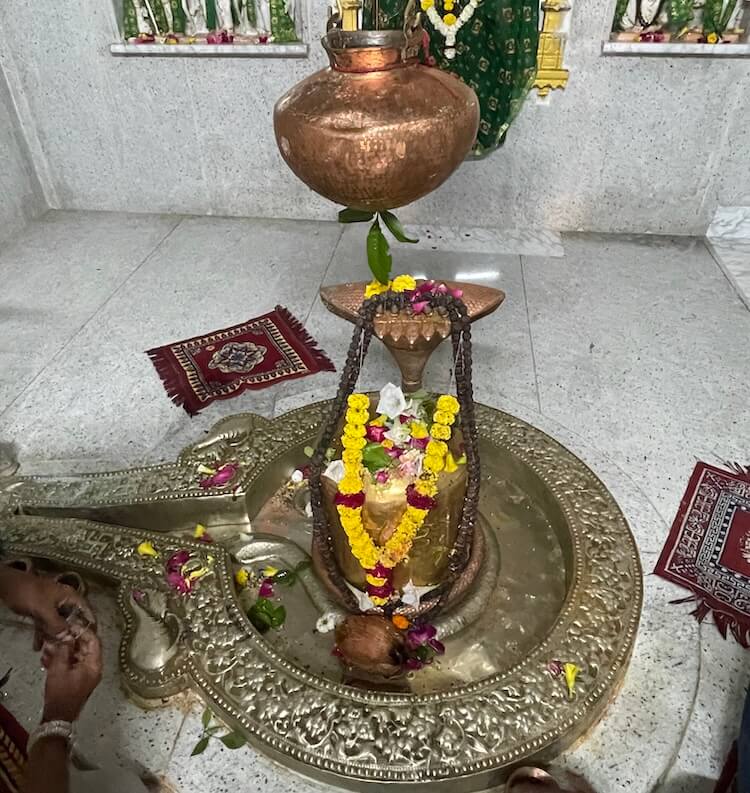 भगवान शिवाला समर्पित, जितोडिया येथील वैजनाथ महादेव मंदिराच्या प्राचीन तीर्थक्षेत्राने गुजरातच्या चरोतर प्रदेशाला एक वेगळी आध्यात्मिक ओळख मिळवून दिली आहे. या मंदिराचे सर्वात प्रमुख वैशिष्ट्य म्हणजे गर्भगृहात विराजमान असलेल्या शिवलिंगाच्या (भगवान शिवाचे प्रतीकात्मक रूप) शिखरावरील सूक्ष्म छिद्रांतून अविरत वाहणारा नैसर्गिक जलप्रवाह. भक्त या पवित्र प्रवाहाचा आदरपूर्वक ‘शिवगंगा’ असा उल्लेख करतात. हे दिव्य दृश्य पाहण्यासाठी आणि तीर्थ म्हणून या पवित्र जलाचा लाभ घेण्यासाठी दररोज विविध प्रदेशांतून शेकडो भाविक येथे येतात. अफाट ऐतिहासिक आणि धार्मिक महत्त्व लाभलेले हे पवित्र स्थळ शिवभक्तांच्या मनात गाढ श्रद्धा निर्माण करते. या तीर्थक्षेत्राला भेट दिल्यास भक्तांच्या मनोकामना पूर्ण होतात, अशी भाविकांची दृढ श्रद्धा आहे.
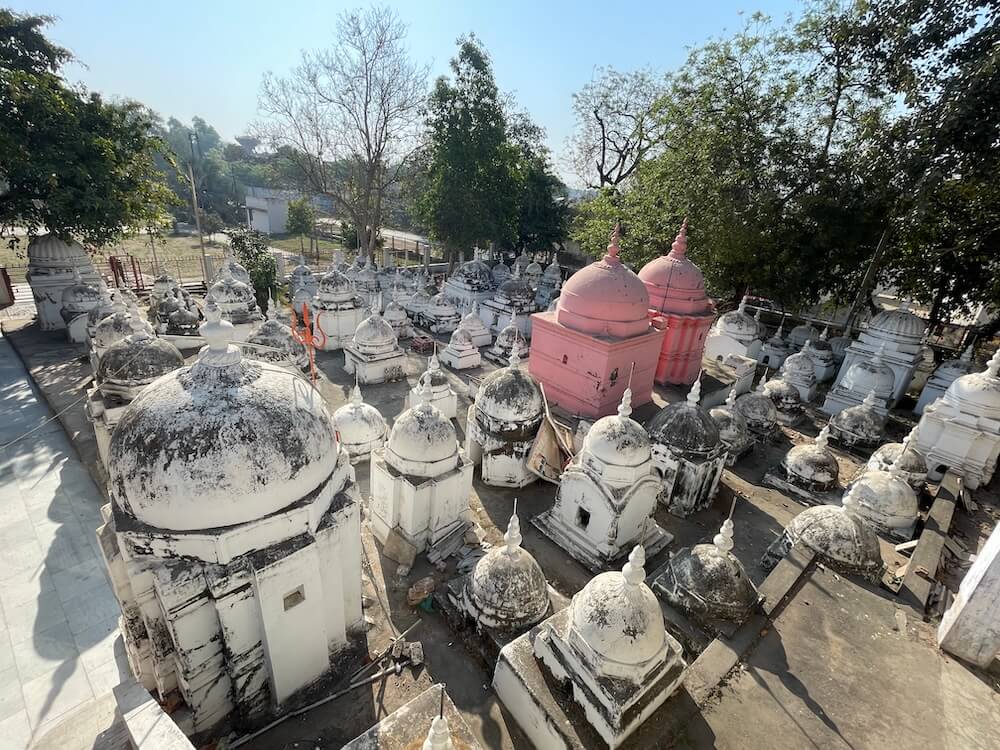
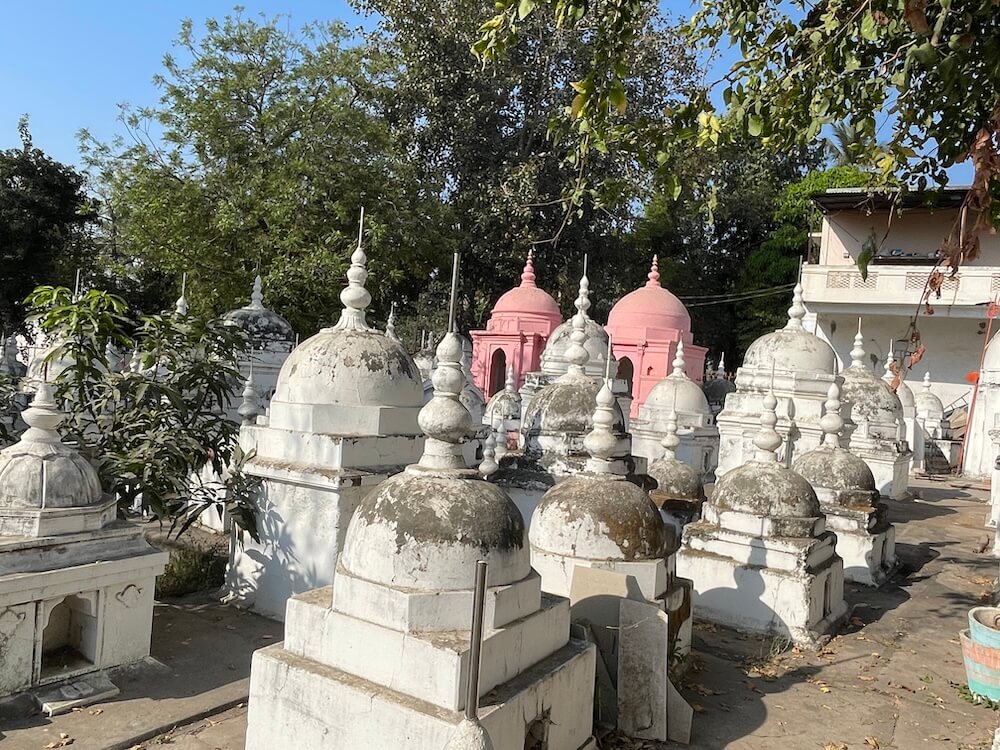
वैजनाथ महादेवाचे हे स्थान एक सहस्र वर्षांहून अधिक प्राचीन आहे. ऐतिहासिक वृत्तांतांनुसार, या मंदिराची उत्पत्ती थेट गुजरातचे १२ व्या शतकातील प्रख्यात शासक राजा सिद्धराज जयसिंह सोळंकी (राज्यकाळ १०९४-११४३ ईस्वी सन) यांचे पुत्र कुमारपाळ यांच्याशी जोडलेली आहे.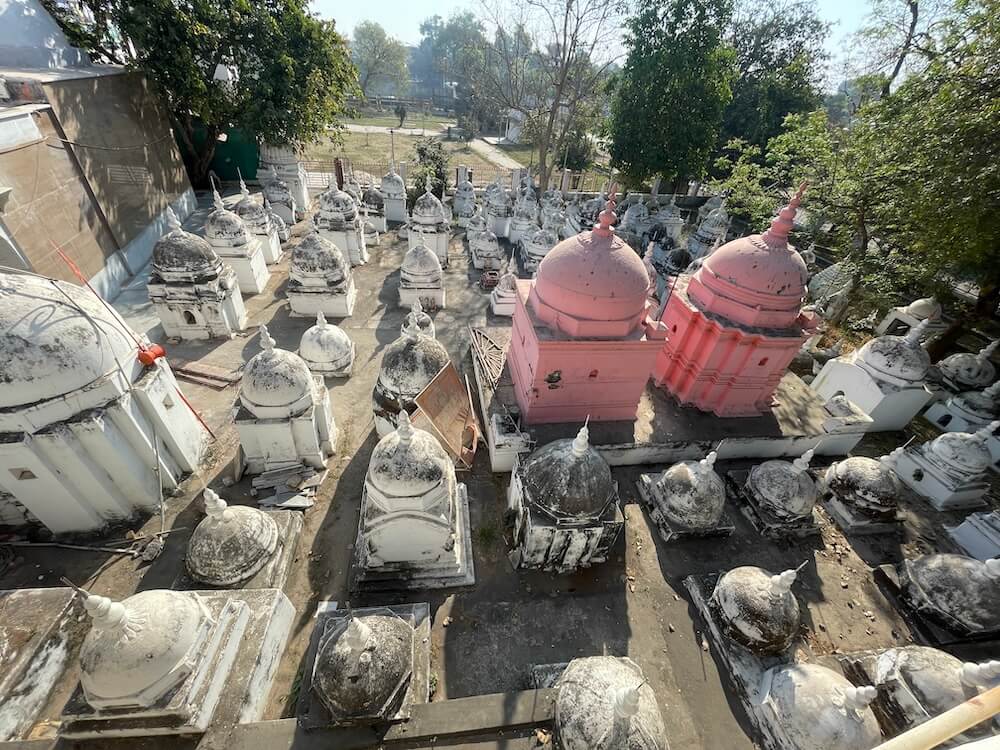 विक्रम संवत १२१२ (ईसवी सन ११५५) मध्ये, या पराक्रमी सम्राटाने मंदिराचा जीर्णोद्धार घडवून आणला. आपल्या ऐतिहासिक प्रवासात, या मंदिराने अनेक चढ-उतार पाहिले आणि परकीय आक्रमणांचा सामना केला. स्थानिक दंतकथेनुसार, मुघल साम्राज्याच्या काळात या पवित्र स्थळावर वारंवार हल्ले झाले. या धार्मिक आश्रयस्थानाचे आणि संस्कृतीचे रक्षण करण्यासाठी, तत्कालीन गोस्वामी पंथाच्या साधू-संतांनी अभूतपूर्व शौर्य गाजवले. या संघर्षात सुमारे २०० ते २५० साधूंनी आपल्या प्राणांचे बलिदान दिले आणि हौतात्म्य पत्करले. या सर्वोच्च बलिदानाची साक्ष म्हणून मंदिराच्या परिसरात सुमारे १०० समाध्या उभ्या आहेत. पौर्णिमा आणि अमावस्येच्या दिवशी विशेषतः भाविक या स्मारकांना अभिवादन करण्यासाठी मोठ्या संख्येने एकत्र येतात.
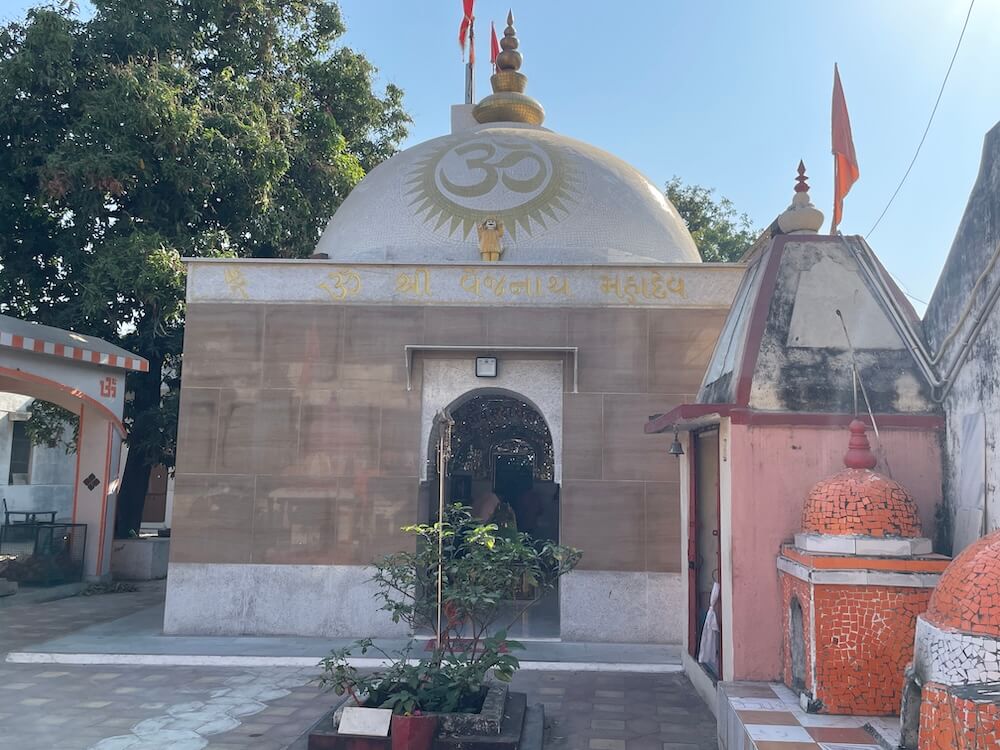 या मंदिराशी संबंधित दंतकथा महाभारताच्या काळापर्यंत मागे जातात. प्राचीन काळी, हा संपूर्ण परिसर ‘हिडिंबवन’ म्हणून ओळखल्या जाणाऱ्या घनदाट जंगलाचा भाग होता. पांडव वनवासात असताना, महाबली भीम आपल्या नित्य पूजेसाठी शिवलिंगाची स्थापना करण्यासाठी योग्य जागेचा शोध घेत होता. याच ठिकाणी भीमाने शिवलिंगाची स्थापना केली आणि भगवान महादेवांची उपासना केली. त्यानंतर, अनेक वर्षे हे ठिकाण काळाच्या पडद्याआड गेले आणि पुन्हा जंगलाने व्यापले. स्थानिक लोककथेनुसार, सुमारे १,००० वर्षांपूर्वी, एका गुराख्याने पाहिले की त्याची एक गाय दररोज एका विशिष्ट ठिकाणी जाऊन स्वतःहून दुधाचा अभिषेक करत असे. गुराख्याने ही घटना राजाच्या निदर्शनास आणून दिली.
 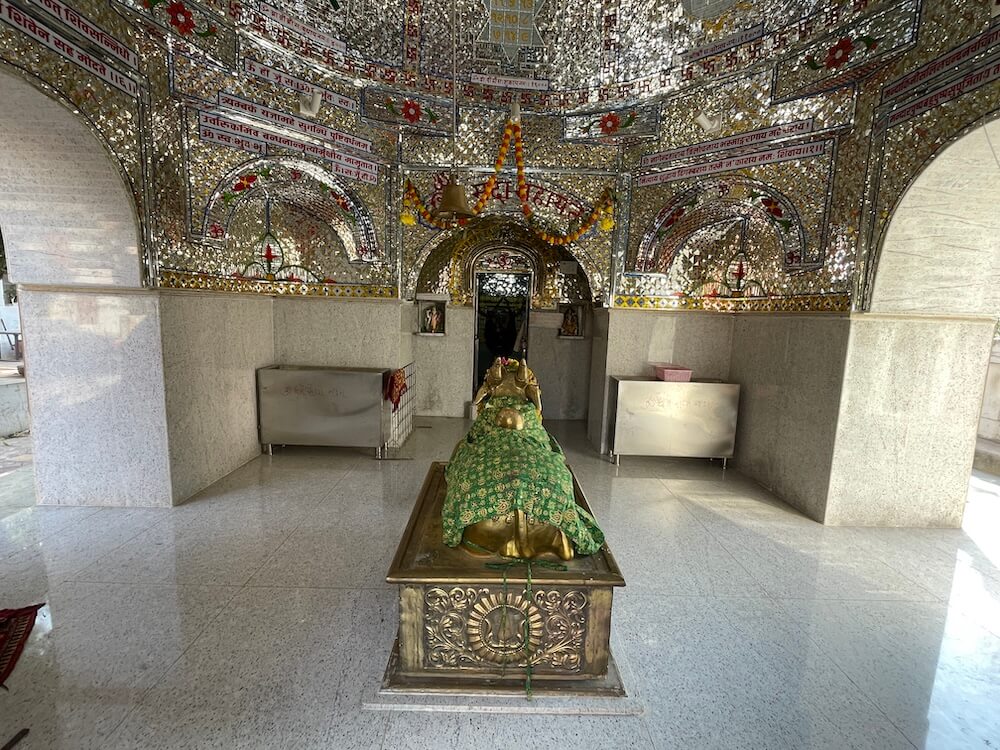 जेव्हा त्यांनी त्या जागेचे उत्खनन करण्याचा आदेश दिला, तेव्हा हे दिव्य शिवलिंग प्रकट झाले. राजाची इच्छा होती की हे शिवलिंग आपल्या राजधानीत नेऊन स्थापित करावे. मात्र, अथक प्रयत्नांनंतरही ते शिवलिंग आपल्या मूळ ठिकाणाहून हलवता आले नाही. त्याच रात्री, भगवान महादेवांनी राजाला स्वप्नात दृष्टांत देऊन आज्ञा केली की, शिवलिंग आहे तिथेच राहू द्यावे आणि त्यावर एक मंदिर उभारावे. राजाच्या मातेलाही असाच दिव्य दृष्टांत झाला, ज्यामुळे या ठिकाणी मंदिराचे बांधकाम करण्यात आले. ‘वैजनाथ’ हे नाव ‘वैद्य’ या शब्दापासून आले आहे, ज्याचा अर्थ असा देव जो उपचार करणारा किंवा चिकित्सक आहे, कारण अशी श्रद्धा आहे की या पवित्र जलामध्ये विविध आजार बरे करण्याची शक्ती आहे.
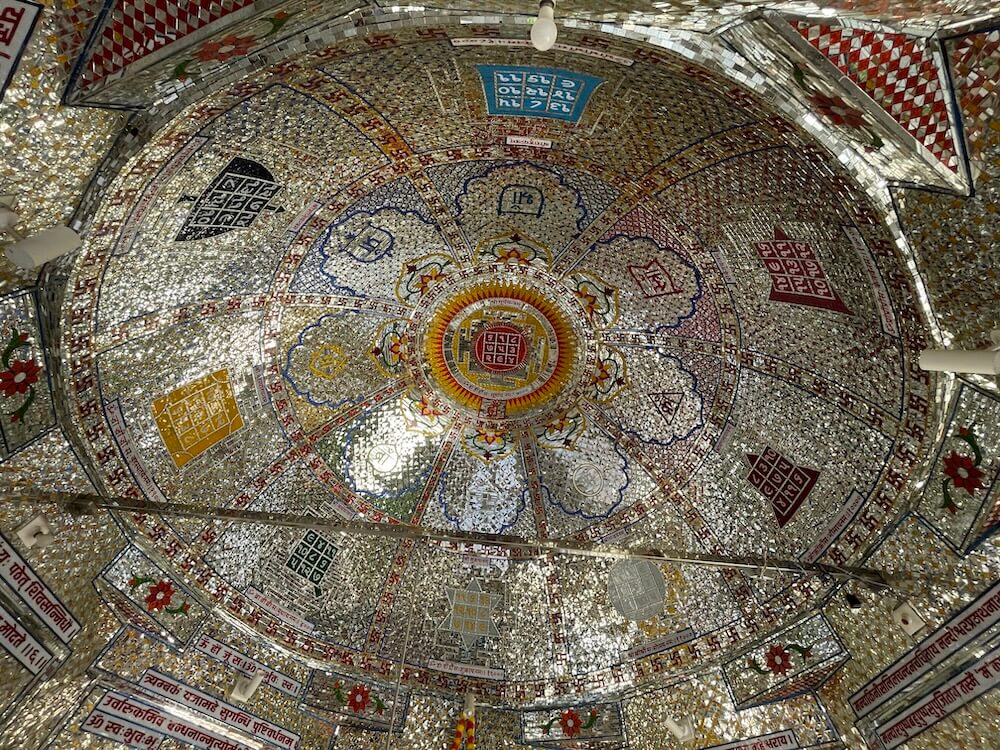
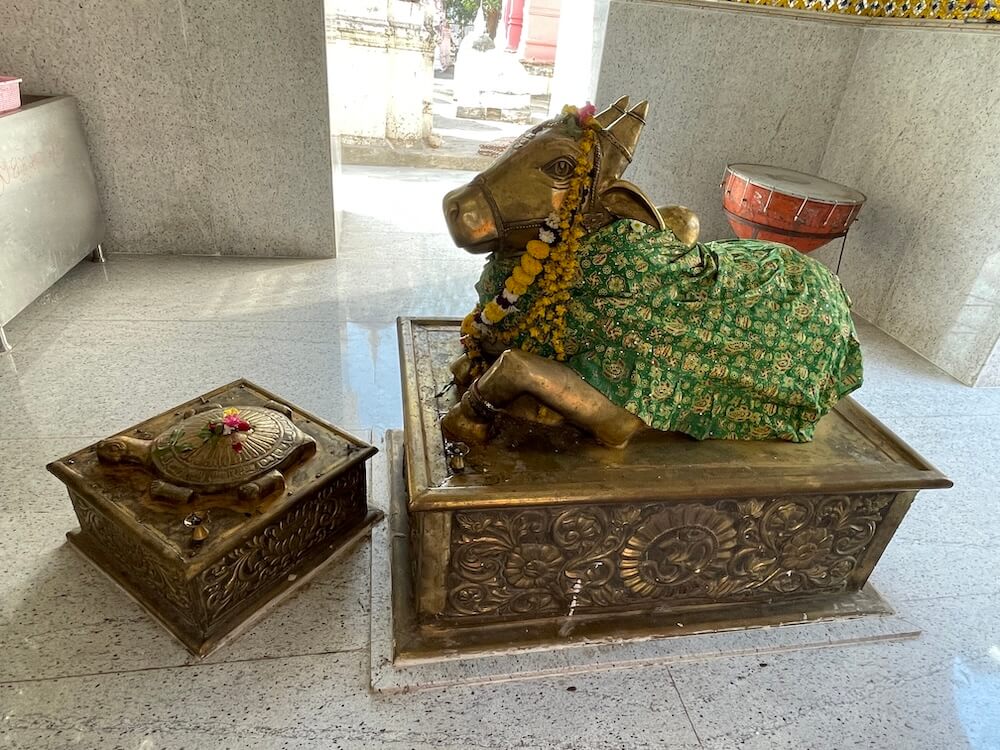
मंदिराच्या आवारात प्रवेश करण्यासाठी तटबंदीमध्ये एक प्रवेशद्वार आहे. डाव्या बाजूला आणि समोरच्या भागात कमानी असलेले सज्जे आहेत. 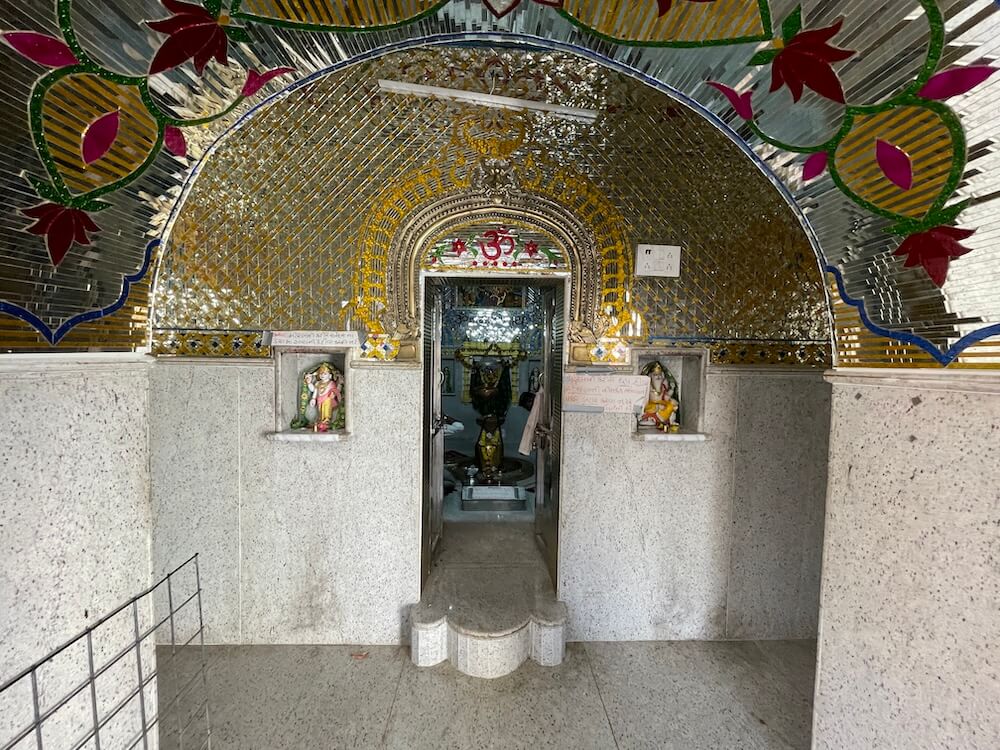 वैजनाथ महादेव मंदिर प्रांगणाच्या मध्यभागी स्थित आहे. मंदिराची वास्तुकला सभामंडप, अंतराळ आणि गर्भगृह अशा भागांत विभागलेली आहे. सभामंडपात एका मोठ्या चौथऱ्यावर नंदीची पितळी मूर्ती विराजमान आहे. याव्यतिरिक्त, सभामंडपात एक नगाराही ठेवलेला आहे. सभामंडपाच्या वरच्या भिंती आणि छतावर नक्षीदार काचेचे मीनाकारी काम केलेले आहे. नंदीच्या मूर्तीसमोर, अंतराळाच्या प्रवेशद्वाराजवळ कासवाची मूर्ती आहे. गर्भगृहाच्या प्रवेशद्वाराच्या दोन्ही बाजूंना देवकोष्टके आहेत. गर्भगृहाच्या मध्यभागी स्वयंभू शिवलिंग विराजमान आहे, ज्याच्या भोवती पंचधातूपासून बनवलेला नाग वेढलेला आहे.
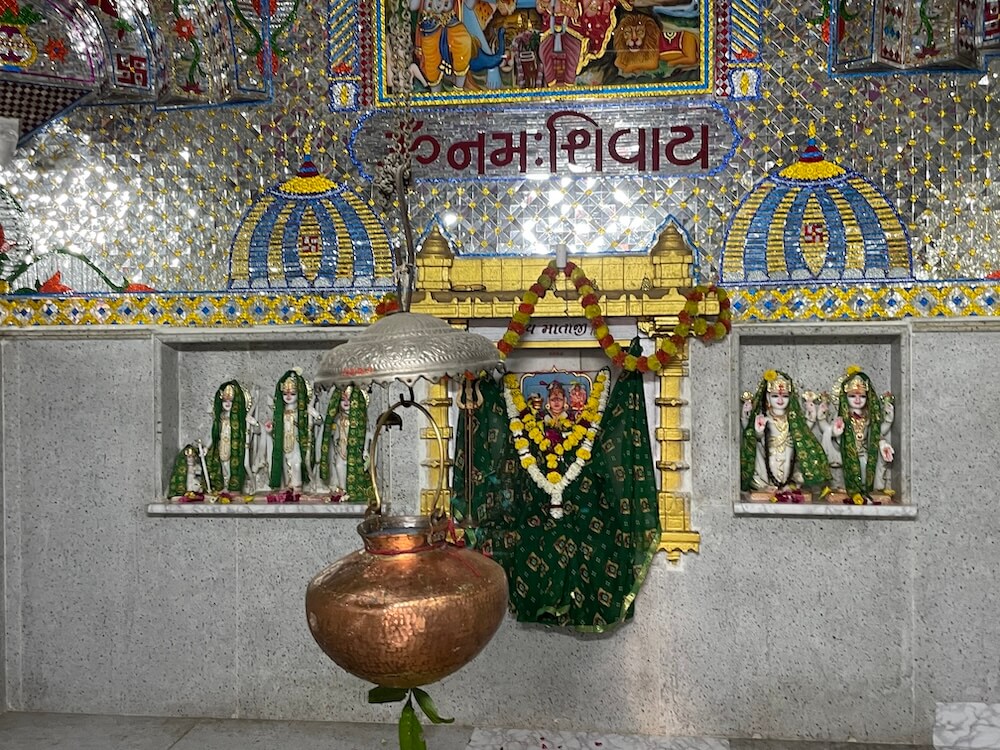
 असे म्हटले जाते की, पहाटे ५:०० वाजण्यापूर्वी आणि दुपारी १२:०० ते १:०० च्या दरम्यान शिवलिंगाच्या वरच्या भागातील सूक्ष्म छिद्रांतून पाणी पाझरते. शिवलिंगातून वाहणारे हे पाणी एका विशिष्ट कुंडात जमा होते आणि ते भक्तांना तीर्थ म्हणून दिले जाते. याव्यतिरिक्त, गर्भगृहातील एका कोनाड्यात भगवान गणेशाची मूर्ती विराजमान आहे. शिवपिंडीच्या मागील भिंतीवरील कोनाड्यांमध्ये श्री राम-लक्ष्मण-सीता, पार्वती आणि लक्ष्मी-नारायण यांच्याही मूर्ती आहेत. मंदिराचा सभामंडप आणि गर्भगृह यांवर दोन घुमटाकार शिखरे आहेत.
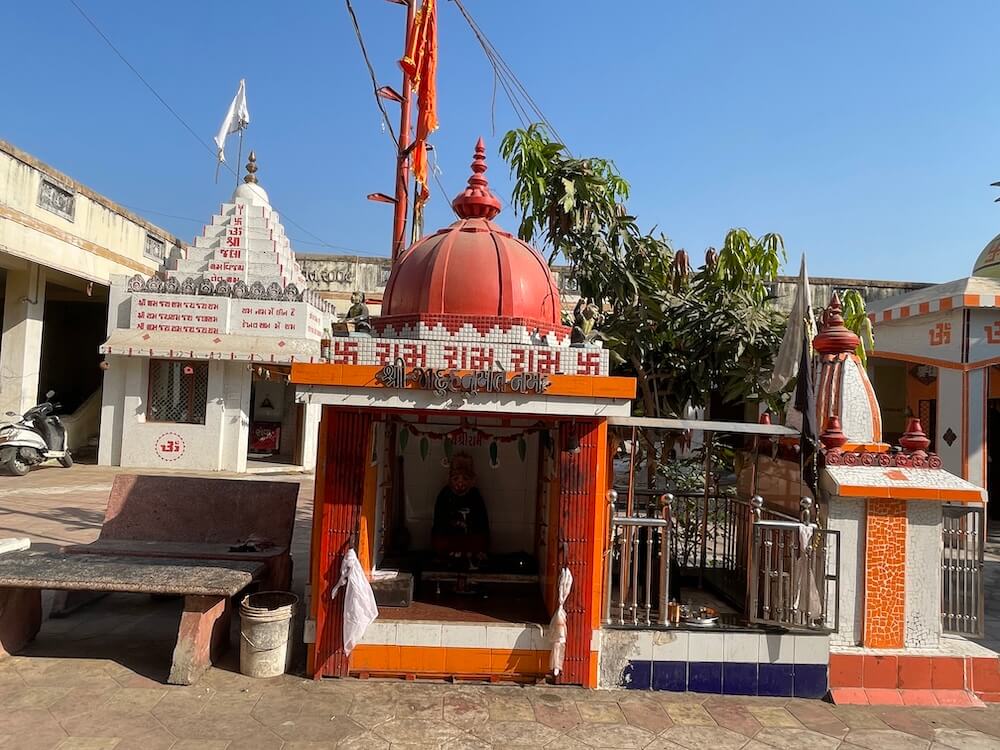
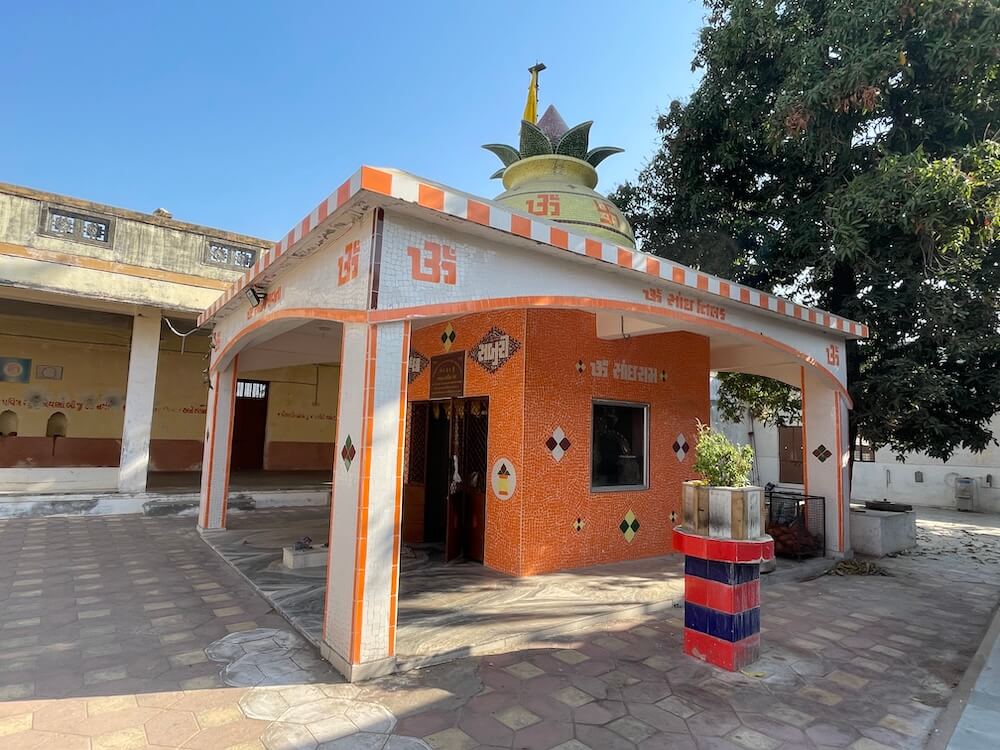
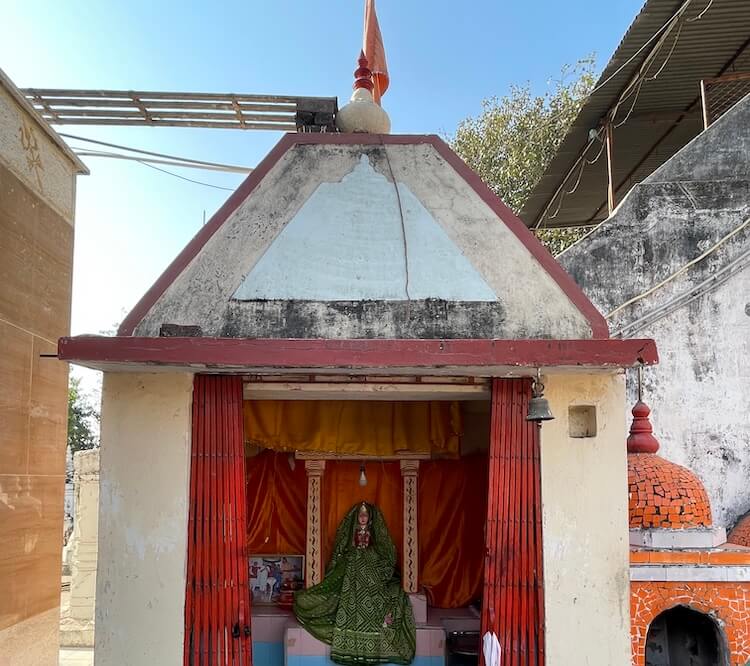
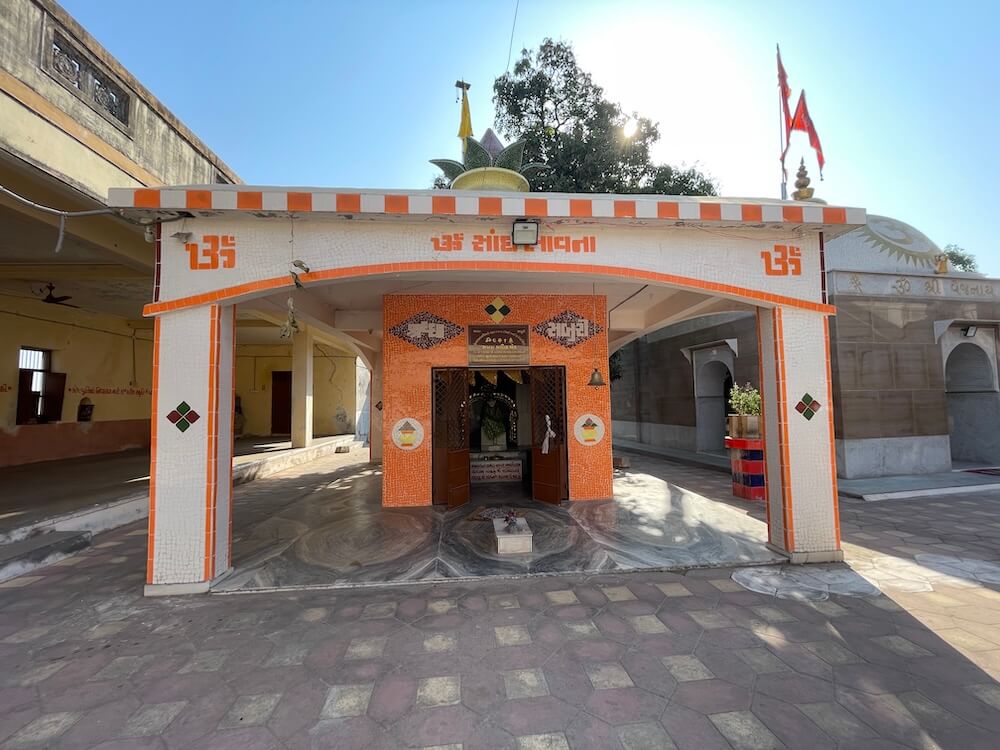
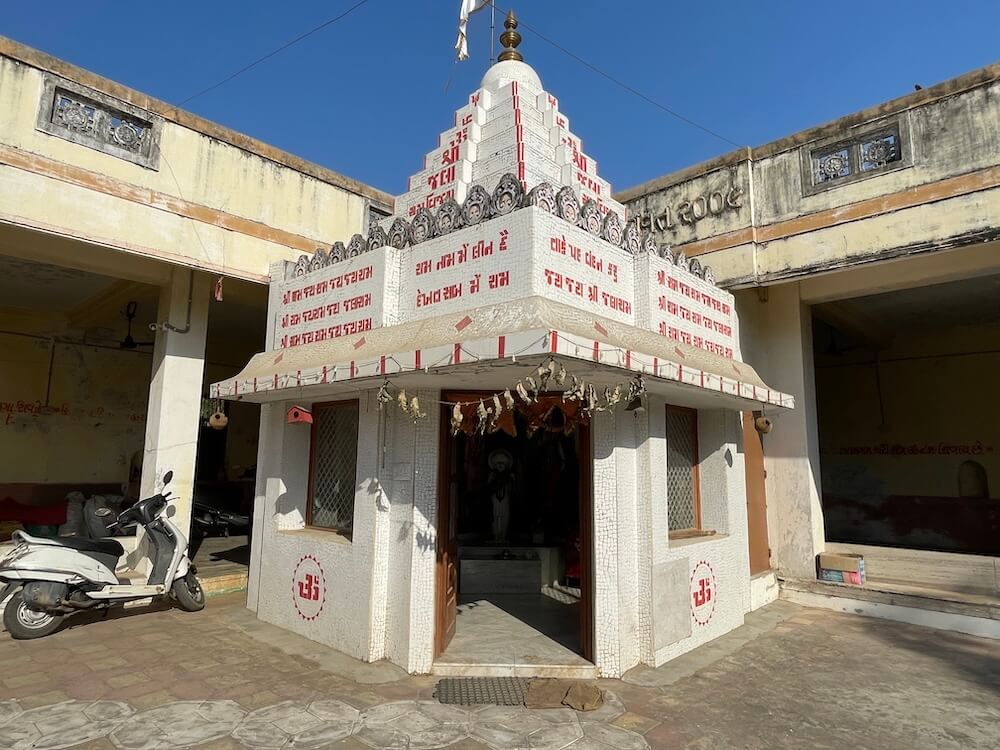
मंदिराच्या उजव्या बाजूला साधूंच्या सुमारे १०० समाधी आहेत. मुख्य गाभाऱ्याव्यतिरिक्त, संकुलामध्ये इतर अनेक मंदिरे स्थापित करण्यात आली आहेत. 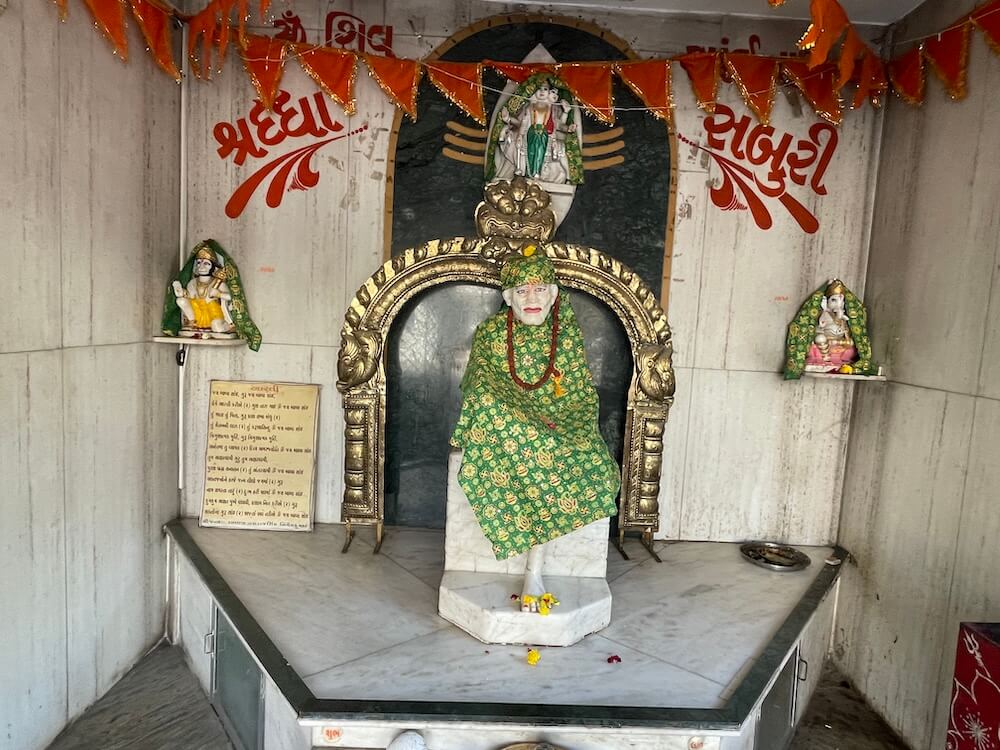 यामध्ये हनुमान, जलाराम बापा, साई बाबा, दुर्गा माता, संतोषी माता आणि शनी देव यांना समर्पित स्वतंत्र मंदिरे समाविष्ट आहेत.
श्रावण महिन्यात मंदिरात भक्तीचा महापूर येतो. या संपूर्ण महिन्यात विविध धार्मिक कार्यक्रमांचे आयोजन केले जाते. विविध प्रांतांतील साधू आणि संत या काळात सामूहिक होम-हवन आणि महारुद्र यज्ञ करण्यासाठी मंदिरात वास्तव्यास असतात. श्रावणातील प्रत्येक सोमवारी मंदिराची भव्य सजावट केली जाते आणि दर्शनासाठी भाविकांच्या लांबच लांब रांगा लागतात. महाशिवरात्री हा येथे साजरा केला जाणारा सर्वात मोठा उत्सव आहे, ज्या दिवशी शिवलिंगावर जटाधारी भगवान महादेवांचा मुखवटा चढवला जातो. या प्रसंगी केली जाणारी शृंगार पूजा अत्यंत प्रसिद्ध आहे. श्रावणी अमावस्येच्या दिवशी मंदिराच्या परिसरात मोठी यात्रा भरते. जन्माष्टमी आणि ‘धरो आठम’ (भाद्रपद शुद्ध आठम) सारख्या सणांच्या वेळीही विशेष पूजा केली जाते. मंदिर भाविकांसाठी दररोज सकाळी ६ ते रात्री ९ वाजेपर्यंत खुले असते.
उपयुक्त माहिती
- बोरसदपासून १४ किमी आणि आणंदपासून ८ किमी अंतरावर स्थित आहे.
- बोरसदवरून राज्य परिवहन (GSRTC) बस सुविधा उपलब्ध आहे.
- खाजगी वाहने थेट मंदिरापर्यंत पोहोचू शकतात.
- परिसरात निवास आणि नाश्त्याची सोय उपलब्ध आहे.
- संपर्क – मंदिर कार्यालय, मोबाईल: ९८२४४६७३०५, ८८६६०९८०८८.
Vaijnath Mahadev Temple
Jitodia, Tal. Borsad, Dist. Anand
Dedicated to Lord Shiva, the ancient temple of Vaijnath Mahadev shrine in Jitodia has bestowed a distinct spiritual identity upon the Charotar region of Gujarat. The pre-eminent feature of this temple is the natural stream of water that flows incessantly from microscopic apertures atop the Shivalinga (an iconic representation of Lord Shiva) enshrined within the Garbhagriha (sanctum sanctorum). Devotees reverently refer to this sacred flow as the ‘Shivganga’. Hundreds of pilgrims from various regions visit daily to behold this divine sight and partake of the holy water as Teertha (sanctified water). This sacred site, endowed with immense historical and religious significance, commands profound faith amongst Shiva devotees. It is the firm belief of the faithful that a visitation to this shrine leads to the fulfilment of one’s cherished desires.
This seat of Vaijnath Mahadev is over a millennium old. According to historical chronicles, the origins of this temple are directly linked to Kumarapala, the son of Raja Siddharaj Jaysinh Solanki (r. 1094-1143 CE), the illustrious 12th-century ruler of Gujarat. In the year 1212 of the Vikram Samvat (1155 CE), this valiant monarch commissioned the Jirnoddhara (restoration and renovation) of the temple. Throughout its historical journey, the temple has witnessed numerous vicissitudes and withstood foreign invasions. According to local legend, during the Mughal Empire, the shrine was repeatedly attacked. To defend this religious sanctuary and its culture, the ascetics and saints of the then Goswami sect displayed unprecedented valour. In this struggle, approximately 200 to 250 Sadhus sacrificed their lives and attained martyrdom. Nearly 100 Samadhis stand within the temple precincts as a testament to this supreme sacrifice. Devotees gather in vast numbers to pay their respects at these memorials, particularly on the days of Purnima (full moon) and Amavasya (new moon).
The legends associated with this temple trace back to the era of the Mahabharata. In ancient times, this entire region was part of a dense forest known as ‘Hidimbivan’. During the period when the Pandavas were in exile, the mighty Bhima was searching for a suitable site to consecrate a Shivalinga for his daily worship. It was at this very spot that Bhima installed the Shivalinga and performed his devotions to Lord Mahadev. Subsequently, for many years, the site remained veiled by time and reclaimed by the wilderness. The local folk tale says that approximately a thousand years ago, a cowherd observed that one of his cows would daily visit a specific spot and spontaneously offer her milk. The cowherd brought this phenomenon to the King’s attention. When he ordered an excavation of the site, this divine Shivalinga was revealed. The King desired to transport the Shivalinga to his capital. However, despite exhaustive efforts, the Shivalinga could not be moved from its original location. That very night, Lord Mahadev appeared in the King’s dream, commanding him to leave the Shivalinga where it was and to erect a temple over it. The King’s mother also received a similar divine vision, leading to the construction of the temple at this site. The name ‘Vaijnath’ is derived from ‘Vaidya’, meaning the Lord who is a healer or physician, as it is believed that this sacred water possesses the power to cure various ailments.
One enters the temple courtyard through a gateway set within the surrounding ramparts. To the left and at the front, there are arched cloisters. The Vaijnath Mahadev temple stands centrally within the courtyard. The architectural composition of the temple comprises a Sabhamandap (assembly hall), an Antarala (vestibule) and the Garbhagriha (sanctum sanctorum). In the Sabhamandap, a brass idol of Nandi is placed upon a large pedestal. Additionally, the assembly hall houses a Nagara (traditional drum). The upper walls and the ceiling of the Sabhamandap are adorned with intricate glass minakari (enamel) work. In front of the Nandi idol, near the entrance to the vestibule, sits a sculpture of a tortoise. Devotional niches are situated on either side of the sanctum’s entrance. In the centre of the Garbhagriha resides the Swayambhu (self-manifested) Shivalinga, encircled by a coiled serpent deity made of Panchadhatu (an alloy of five metals). It is said that water seeps through the fine pores in the upper part of the Shivalinga before five o’clock in the morning and between 12:00 and 1:00 in the afternoon. The water flowing from the Shivalinga collects in a specific Kunda (tank) and is distributed to devotees as Teertha. Furthermore, a niche within the sanctum houses an idol of Lord Ganesha. The niches on the wall behind the Shivpindi also contain idols of Shri Ram-Lakshman-Sita, Parvati and Lakshmi-Narayan. The assembly hall and the sanctum of the temple are crowned by two dome-shaped Shikharas (spires).
To the right of the temple, there are approximately 100 Samadhis of the Sadhus. Apart from the main shrine, several other temples have been established within the complex. These include independent shrines dedicated to Hanuman, Jalaram Bapa, Sai Baba, Durga Mata, Santoshi Mata and Shani Dev.
During the month of Shravan, a deluge of devotion sweeps through the temple. Throughout this month, various religious programmes are organised. Sadhus and seers from different provinces reside at the temple during this period to perform collective Hom-Havan (fire rituals) and the Maharudra Yajna. Every Monday of Shravan, the temple is elaborately decorated and long queues of devotees form for Darshan (sacred viewing). Mahashivratri is the grandest festival celebrated here, on which day a mask of Lord Mahadev with Jata (matted hair) is placed upon the Shivalinga. The Shringar Puja (ornamental worship) performed on this occasion is renowned. On the day of Shravani Amavasya, a large fair is held within the temple precincts. Special worship is also conducted during festivals such as Janmashtami and ‘Dharo Aatham’ (Bhadrapada or Bhadarva Sud Atham). The temple is open for devotees daily from 6 am to 9 pm.
Useful Information
- Located at 14 km from Borsad and 8 km from Anand.
- State Transport (GSRTC) bus facilities are available from Borsad.
- Private vehicles can reach the temple directly.
- Accommodation and breakfast facilities are available in the vicinity.
- Contact – Temple Office, Mobile: 9824467305, 8866098088.
वैद्यनाथ महादेव मंदिर
जितोड़िया, तहसील बोरसद, जिला आणंद
भगवान शिव को समर्पित, जितोड़िया स्थित बैजनाथ महादेव का प्राचीन मंदिर गुजरात के चरोतर क्षेत्र को एक विशिष्ट आध्यात्मिक पहचान प्रदान करता है। इस मंदिर की सबसे प्रमुख विशेषता वह प्राकृतिक जलधारा है जो गर्भगृह में स्थापित शिवलिंग के शीर्ष पर स्थित सूक्ष्म छिद्रों से निरंतर प्रवाहित होती रहती है। श्रद्धालु श्रद्धापूर्वक इस पवित्र प्रवाह को ‘शिवगंगा’ कहते हैं। इस दिव्य दर्शन को पाने और तीर्थ के रूप में पवित्र जल ग्रहण करने के लिए प्रतिदिन विभिन्न क्षेत्रों से सैकड़ों तीर्थयात्री यहाँ आते हैं। अपार ऐतिहासिक और धार्मिक महत्व से संपन्न यह पावन स्थल शिव भक्तों के बीच गहरी आस्था का केंद्र है। भक्तों का यह दृढ़ विश्वास है कि इस तीर्थ के दर्शन मात्र से व्यक्ति की मनोकामनाएं पूर्ण होती हैं।
वैजनाथ महादेव का यह स्थान एक सहस्राब्दी से भी अधिक पुराना है। ऐतिहासिक वृत्तांतों के अनुसार, इस मंदिर का मूल सीधा गुजरात के १२वीं शताब्दी के यशस्वी शासक राजा सिद्धराज जयसिंह सोलंकी (शासनकाल १०९४-११४३ ईस्वी) के पुत्र कुमारपाल से जुड़ा है। विक्रम संवत १२१२ (ईस्वी सन् ११५५) में, इस वीर सम्राट ने मंदिर के जीर्णोद्धार का कार्य संपन्न करवाया। अपनी ऐतिहासिक यात्रा के दौरान, मंदिर ने अनेक उतार-चढ़ाव देखे हैं और विदेशी आक्रमणों का सामना किया है। स्थानीय किंवदंतियों के अनुसार, मुगल साम्राज्य के दौरान इस पवित्र स्थल पर बार-बार हमले हुए। इस धार्मिक अभयारण्य और इसकी संस्कृति की रक्षा के लिए, तत्कालीन गोस्वामी संप्रदाय के तपस्वियों और संतों ने अभूतपूर्व वीरता का प्रदर्शन किया। इस संघर्ष में, लगभग २०० से २५० साधुओं ने अपने प्राणों की आहुति दी और शहादत प्राप्त की। इस सर्वोच्च बलिदान के प्रमाण के रूप में मंदिर परिसर के भीतर लगभग १०० समाधियाँ स्थित हैं। भक्त विशेष रूप से पूर्णिमा और अमावस्या के दिनों में इन स्मारकों पर अपनी श्रद्धांजलि अर्पित करने के लिए बड़ी संख्या में एकत्रित होते हैं।
इस मंदिर से जुड़ी किंवदंतियाँ महाभारत काल तक जाती हैं। प्राचीन काल में, यह संपूर्ण क्षेत्र ‘हिडिंबवन’ नामक एक घने जंगल का हिस्सा था। पांडवों के अज्ञातवास के दौरान, महाबली भीम अपनी दैनिक पूजा के लिए शिवलिंग की स्थापना हेतु एक उपयुक्त स्थान की खोज कर रहे थे। इसी स्थान पर भीम ने शिवलिंग की स्थापना की और भगवान महादेव की आराधना की। कालांतर में, कई वर्षों तक यह स्थान समय के गर्भ में छिपा रहा और पुनः जंगल में विलीन हो गया। स्थानीय लोककथाओं के अनुसार, लगभग एक हज़ार वर्ष पूर्व, एक ग्वाले ने देखा कि उसकी एक गाय प्रतिदिन एक विशिष्ट स्थान पर जाकर स्वतः ही अपना दूध अर्पित करती थी। ग्वाले ने इस चमत्कार की सूचना राजा को दी। जब उन्होंने उस स्थल की खुदाई का आदेश दिया, तो यह दिव्य शिवलिंग प्रकट हुआ। राजा इस शिवलिंग को अपनी राजधानी ले जाना चाहते थे। हालाँकि, अथक प्रयासों के बावजूद, शिवलिंग को उसके मूल स्थान से नहीं हिलाया जा सका। उसी रात, भगवान महादेव ने राजा के स्वप्न में आकर उन्हें आदेश दिया कि शिवलिंग को वहीं रहने दें और उसके ऊपर एक मंदिर का निर्माण कराएं। राजा की माता को भी ऐसा ही दिव्य दर्शन प्राप्त हुआ, जिसके परिणामस्वरूप इस स्थल पर मंदिर का निर्माण हुआ। ‘वैजनाथ’ नाम ‘वैद्य’ से लिया गया है, जिसका अर्थ है वह प्रभु जो उपचारक या चिकित्सक हैं, क्योंकि यह माना जाता है कि इस पवित्र जल में विभिन्न रोगों को ठीक करने की शक्ति है।
मंदिर के प्रांगण में चारों ओर बनी प्राचीर के भीतर स्थित एक प्रवेश द्वार से प्रवेश किया जाता है। बाईं ओर और सामने की तरफ, मेहराबदार गलियारे बने हुए हैं। बैजनाथ महादेव मंदिर प्रांगण के मध्य में स्थित है। मंदिर की स्थापत्य संरचना में एक सभामंडप, एक अंतराल और गर्भगृह शामिल हैं। सभामंडप में, नंदी की एक पीतल की प्रतिमा एक बड़े आसन पर स्थापित है। इसके अतिरिक्त, सभाभवन में एक नगाड़ा स्थित है। सभामंडप की ऊपरी दीवारों और छत को जटिल कांच की मीनाकारी से सजाया गया है। नंदी प्रतिमा के सामने, अंतराल के प्रवेश द्वार के पास, कछुए की एक मूर्ति विराजमान है। गर्भगृह के प्रवेश द्वार के दोनों ओर भक्तिपूर्ण आले स्थित हैं। गर्भगृह के केंद्र में स्वयंभू शिवलिंग विराजमान है, जो पंचधातु से बनी कुंडली मारे हुए सर्प देवता से घिरा हुआ है।ऐसा कहा जाता है कि शिवलिंग के ऊपरी भाग में स्थित सूक्ष्म छिद्रों से सुबह ५:०० बजे से पहले और दोपहर १२:०० से १:०० बजे के बीच जल रिसता है। शिवलिंग से प्रवाहित होने वाला यह जल एक विशिष्ट कुंड में एकत्रित होता है और भक्तों को तीर्थ के रूप में वितरित किया जाता है। इसके अतिरिक्त, गर्भगृह के भीतर एक आले में भगवान गणेश की प्रतिमा विराजमान है। शिवपिंडी के पीछे की दीवार पर बने आलों में श्री राम-लक्ष्मण-सीता, पार्वती और लक्ष्मी-नारायण की प्रतिमाएं भी स्थित हैं। मंदिर का सभामंडप और गर्भगृह दो गुंबद के आकार के शिखरों से सुशोभित हैं।
मंदिर के दाईं ओर, साधुओं की लगभग १०० समाधियाँ स्थित हैं। मुख्य गर्भगृह के अतिरिक्त, परिसर के भीतर कई अन्य मंदिर भी स्थापित किए गए हैं। इनमें हनुमान, जलाराम बापा, साईं बाबा, दुर्गा माता, संतोषी माता और शनि देव को समर्पित स्वतंत्र मंदिर शामिल हैं।
श्रावण मास के दौरान, मंदिर में भक्ति की एक बाढ़ सी आ जाती है। इस पूरे महीने में विभिन्न धार्मिक कार्यक्रमों का आयोजन किया जाता है। विभिन्न प्रांतों के साधु और संत इस अवधि के दौरान सामूहिक होम-हवन और महारुद्र यज्ञ करने के लिए मंदिर में निवास करते हैं। श्रावण के प्रत्येक सोमवार को मंदिर को भव्य रूप से सजाया जाता है और दर्शन के लिए भक्तों की लंबी कतारें लग जाती हैं। महाशिवरात्रि यहाँ मनाया जाने वाला सबसे भव्य उत्सव है, जिस दिन भगवान महादेव का जटाधारी मुखौटा शिवलिंग पर अर्पित किया जाता है। इस अवसर पर की जाने वाली श्रृंगार पूजा अत्यंत प्रसिद्ध है। श्रावणी अमावस्या के दिन मंदिर परिसर में एक विशाल मेले का आयोजन होता है। जन्माष्टमी और ‘धरो आठम’ (भाद्रपद या भादरवा सुद आठम) जैसे त्योहारों के दौरान भी विशेष पूजा की जाती है। मंदिर भक्तों के लिए प्रतिदिन सुबह ६ बजे से रात्रि ९ बजे तक खुला रहता है।
उपयोगी जानकारी
- बोरसद से १४ किमी और आनंद से ८ किमी की दूरी पर स्थित है।
- बोरसद से राज्य परिवहन (GSRTC) की बस सुविधाएँ उपलब्ध हैं।
- निजी वाहन सीधे मंदिर तक पहुँच सकते हैं।
- आसपास के क्षेत्र में आवास और नाश्ते की सुविधाएँ उपलब्ध हैं।
- संपर्क – मंदिर कार्यालय, मोबाइल: ९८२४४६७३०५, ८८६६०९८०८८।
વૈજનાથ મહાદેવ મંદિર
જીટોડિયા, તા. બોરસદ, જિ. આણંદ
ભગવાન શિવને સમર્પિત, જીતોડિયાનું પ્રાચીન વૈજનાથ મહાદેવનું મંદિર ગુજરાતના ચરોતર પ્રદેશને એક વિશિષ્ટ આધ્યાત્મિક ઓળખ પ્રદાન કરે છે. આ મંદિરની સર્વોપરી વિશેષતા એ છે કે ગર્ભગૃહમાં બિરાજમાન શિવલિંગની ઉપર રહેલા સૂક્ષ્મ છિદ્રોમાંથી સતત વહેતી કુદરતી જળધારા. ભક્તો આ પવિત્ર પ્રવાહને આદરપૂર્વક ‘શિવગંગા’ તરીકે ઓળખે છે. આ દિવ્ય દર્શન કરવા અને તીર્થ તરીકે પવિત્ર જળનું પાન કરવા માટે દરરોજ વિવિધ પ્રદેશોમાંથી સેંકડો યાત્રાળુઓ અહીં આવે છે. અપાર ઐતિહાસિક અને ધાર્મિક મહત્વ ધરાવતું આ પવિત્ર સ્થળ શિવભક્તોમાં અગાધ શ્રદ્ધાનું કેન્દ્ર છે. શ્રદ્ધાળુઓનો દ્રઢ વિશ્વાસ છે કે આ ધામની મુલાકાત લેવાથી મનની તમામ મનોકામનાઓ પૂર્ણ થાય છે.
વૈજનાથ મહાદેવનું આ સ્થાન એક હજાર વર્ષથી પણ વધુ જૂનું છે. ઐતિહાસિક દસ્તાવેજો અનુસાર, આ મંદિરનું મૂળ સીધું ગુજરાતના ૧૨મી સદીના પ્રતાપી શાસક રાજા સિદ્ધરાજ જયસિંહ સોલંકી (શાસનકાળ: ઈ.સ. ૧૦૯૪-૧૧૪૩) ના પુત્ર કુમારપાળ સાથે જોડાયેલું છે. વિક્રમ સંવત ૧૨૧૨ (ઈ.સ. ૧૧૫૫) ના વર્ષમાં, આ પરાક્રમી સમ્રાટે મંદિરના જીર્ણોદ્ધારનું કાર્ય કરાવ્યું હતું. પોતાની ઐતિહાસિક યાત્રા દરમિયાન, આ મંદિરે અનેક ઉતાર-ચઢાવ જોયા છે અને વિદેશી આક્રમણોનો સામનો કર્યો છે. સ્થાનિક લોકવાયકા મુજબ, મુઘલ સામ્રાજ્ય દરમિયાન, આ પવિત્ર સ્થાન પર વારંવાર હુમલા કરવામાં આવ્યા હતા. આ ધાર્મિક અભયારણ્ય અને તેની સંસ્કૃતિના રક્ષણ માટે, તત્કાલીન ગોસ્વામી સંપ્રદાયના સાધુઓ અને સંતોએ અભૂતપૂર્વ વીરતા દર્શાવી હતી. આ સંઘર્ષમાં, અંદાજે ૨૦૦ થી ૨૫૦ સાધુઓએ પોતાના પ્રાણનું બલિદાન આપ્યું હતું અને શહીદી વહોરી હતી. આ સર્વોચ્ચ બલિદાનના સાક્ષી રૂપે મંદિરના પરિસરમાં લગભગ ૧૦૦ સમાધિઓ આવેલી છે. ભક્તો આ સ્મારકો પર શ્રદ્ધાંજલિ આપવા માટે મોટી સંખ્યામાં એકત્રિત થાય છે, ખાસ કરીને પૂનમ અને અમાસના દિવસોમાં.
આ મંદિર સાથે જોડાયેલી દંતકથાઓ મહાભારતના યુગ સુધી જાય છે. પ્રાચીન સમયમાં, આ સમગ્ર વિસ્તાર ‘હિડિંબિવન’ તરીકે ઓળખાતા ગીચ જંગલનો ભાગ હતો. પાંડવોના વનવાસ દરમિયાન, મહાબલી ભીમ તેમની દૈનિક પૂજા માટે શિવલિંગની સ્થાપના કરવા યોગ્ય સ્થળની શોધમાં હતા. આ એ જ સ્થળ છે જ્યાં ભીમે શિવલિંગની સ્થાપના કરી અને ભગવાન મહાદેવની આરાધના કરી હતી. ત્યારબાદ, ઘણા વર્ષો સુધી આ સ્થળ સમયના પડદા પાછળ છુપાયેલું રહ્યું અને ફરીથી જંગલ બની ગયું. સ્થાનિક લોકવાયકા મુજબ, આશરે ૧૦૦૦ વર્ષ પહેલાં, એક ગાય ચરાવનાર વ્યક્તિએ જોયું કે તેની એક ગાય દરરોજ એક ચોક્કસ સ્થળે જતી અને પોતાની મેળે જ દૂધનો અભિષેક કરતી હતી. ગાય ચરાવનાર વ્યક્તિએ આ ચમત્કાર વિશે રાજાને જાણ કરી. જ્યારે તેમણે તે સ્થળનું ખોદકામ કરવાનો આદેશ આપ્યો, ત્યારે આ દિવ્ય શિવલિંગ પ્રગટ થયું. રાજા આ શિવલિંગને પોતાની રાજધાનીમાં લઈ જવા ઈચ્છતા હતા. જોકે, અથાગ પ્રયત્નો છતાં, શિવલિંગને તેના મૂળ સ્થાન પરથી ખસેડી શકાયું નહીં. તે જ રાત્રે, ભગવાન મહાદેવે રાજાના સ્વપ્નમાં આવીને આદેશ આપ્યો કે શિવલિંગને ત્યાં જ રહેવા દો અને તેની ઉપર એક મંદિરનું નિર્માણ કરો. રાજાના માતાને પણ આવું જ દિવ્ય દર્શન થયું, જેના પરિણામે આ સ્થળે મંદિરનું નિર્માણ કરવામાં આવ્યું. ‘વૈજનાથ’ નામ ‘વૈદ્ય’ પરથી ઉતરી આવ્યું છે, જેનો અર્થ થાય છે ભગવાન જે ઉપચારક અથવા ચિકિત્સક છે, કારણ કે એવી માન્યતા છે કે આ પવિત્ર જળમાં વિવિધ રોગોને મટાડવાની શક્તિ છે.
મંદિરના પ્રાંગણમાં પ્રવેશવા માટે આસપાસની દીવાલોની વચ્ચે એક પ્રવેશદ્વાર બનાવવામાં આવ્યું છે. ડાબી બાજુએ અને આગળના ભાગમાં, કમાનવાળા ઓટલાઓ આવેલા છે. વૈજનાથ મહાદેવનું મંદિર આંગણની મધ્યમાં આવેલું છે. મંદિરની સ્થાપત્ય રચનામાં સભામંડપ, અંતરાલ અને ગર્ભગૃહનો સમાવેશ થાય છે. સભામંડપમાં, નંદીની પિત્તળની પ્રતિમા એક વિશાળ પીઠિકા પર સ્થાપિત છે. આ ઉપરાંત, સભામંડપમાં એક નગારું પણ રાખવામાં આવ્યું છે. સભામંડપની ઉપરની દીવાલો અને છત પર ઝીણવટભર્યું કાચનું મીનાકારી કામ કરવામાં આવ્યું છે. નંદીની પ્રતિમાની સામે, અંતરાલના પ્રવેશદ્વાર પાસે, કાચબાની એક મૂર્તિ બિરાજમાન છે. ગર્ભગૃહના પ્રવેશદ્વારની બંને બાજુએ દેવસ્થાનિક કોતરણીઓ આવેલી છે. ગર્ભગૃહની મધ્યમાં સ્વયંભૂ શિવલિંગ બિરાજમાન છે, જેની આસપાસ પંચધાતુમાંથી બનેલો વીંટળાયેલો નાગદેવ છે.એવું કહેવાય છે કે સવારના ૫:૦૦ વાગ્યા પહેલાં અને બપોરે ૧૨:૦૦ થી ૧:૦૦ વાગ્યાની વચ્ચે શિવલિંગના ઉપરના ભાગમાં રહેલા સૂક્ષ્મ છિદ્રોમાંથી પાણી ઝરે છે. શિવલિંગમાંથી વહેતું આ પાણી એક ચોક્કસ કુંડમાં એકત્રિત થાય છે અને ભક્તોને તીર્થ તરીકે આપવામાં આવે છે. વધુમાં, ગર્ભગૃહમાં એક દેરીમાં ભગવાન ગણેશની મૂર્તિ બિરાજમાન છે. શિવપિંડીની પાછળની દીવાલ પરની દેરીઓમાં શ્રી રામ-લક્ષ્મણ-સીતા, પાર્વતી અને લક્ષ્મી-નારાયણની મૂર્તિઓ પણ છે. મંદિરના સભામંડપ અને ગર્ભગૃહ પર બે ગુંબજ આકારના શિખરો શોભાયમાન છે.
મંદિરની જમણી બાજુએ, સાધુઓની આશરે ૧૦૦ સમાધિઓ આવેલી છે. મુખ્ય ગર્ભગૃહ સિવાય, સંકુલની અંદર અન્ય ઘણા મંદિરો સ્થાપિત કરવામાં આવ્યા છે. આમાં હનુમાનજી, જલારામ બાપા, સાંઈ બાબા, દુર્ગા માતા, સંતોષી માતા અને શનિ દેવને સમર્પિત સ્વતંત્ર મંદિરોનો સમાવેશ થાય છે.
શ્રાવણ માસ દરમિયાન મંદિરમાં ભક્તિનો પૂર આવે છે. આ આખા મહિના દરમિયાન વિવિધ ધાર્મિક કાર્યક્રમોનું આયોજન કરવામાં આવે છે. આ સમયગાળા દરમિયાન વિવિધ પ્રાંતોના સાધુ-સંતો મંદિરમાં નિવાસ કરે છે અને સામૂહિક હોમ-હવન તથા મહારુદ્ર યજ્ઞનું અનુષ્ઠાન કરે છે. શ્રાવણના દરેક સોમવારે મંદિરને ભવ્ય રીતે શણગારવામાં આવે છે અને દર્શન માટે ભક્તોની લાંબી કતારો લાગે છે. મહાશિવરાત્રી અહીં ઉજવાતો સૌથી ભવ્ય ઉત્સવ છે, જે દિવસે શિવલિંગ પર ભગવાન મહાદેવના જટાધારી મુખવટાને ધારણ કરાવવામાં આવે છે. આ અવસરે કરવામાં આવતી શ્રૃંગાર પૂજા ખૂબ જ પ્રખ્યાત છે. શ્રાવણી અમાસના દિવસે મંદિરના પરિસરમાં એક મોટો મેળો ભરાય છે. જન્માષ્ટમી અને ‘ધરો આઠમ’ (ભાદરવા સુદ આઠમ) જેવા તહેવારો દરમિયાન પણ વિશેષ પૂજાનું આયોજન કરવામાં આવે છે. મંદિર ભક્તો માટે દરરોજ સવારે ૬ થી રાત્રે ૯ વાગ્યા સુધી ખુલ્લું રહે છે.
ઉપયોગી માહિતી
- બોરસદથી ૧૪ કિમી અને આણંદથી ૮ કિમીના અંતરે આવેલું છે.
- બોરસદથી રાજ્ય પરિવહન (GSRTC) બસની સુવિધા ઉપલબ્ધ છે.
- ખાનગી વાહનો સીધા મંદિર સુધી પહોંચી શકે છે.
- આસપાસના વિસ્તારમાં રહેવા અને નાસ્તાની સુવિધા ઉપલબ્ધ છે.
- સંપર્ક – મંદિર કાર્યાલય, મોબાઈલ: ૯૮૨૪૪૬૭૩૦૫, ૮૮૬૬૦૯૮૦૮૮.
வைத்யநாத் மஹாதேவ் கோயில்
ஜிதோடியா, தாலுகா போர்சத், மாவட்டம் ஆனந்த்
குஜராத்தின் சரோதர் பிராந்தியத்திற்கு ஒரு தனித்துவமான ஆன்மீக அடையாளத்தை வழங்கிய பெருமை, ஜிதோடியாவில் அமைந்துள்ள சிவபெருமானுக்கு அர்ப்பணிக்கப்பட்ட பழமையான வைஜநாத் மஹாதேவ் ஆலயத்திற்கு உண்டு. இந்த ஆலயத்தின் மிகச்சிறந்த அம்சம் என்னவென்றால், கருவறையில் பிரதிஷ்டை செய்யப்பட்டுள்ள சிவலிங்கத்தின் உச்சியில் உள்ள நுண் துளைகளிலிருந்து இடைவிடாது பாயும் இயற்கையான நீர் ஊற்றாகும். பக்தர்கள் இந்த புனித நீரோட்டத்தை மிகுந்த மரியாதையுடன் ‘சிவ கங்கை’ என்று அழைக்கின்றனர். இந்த தெய்வீகக் காட்சியைக் கண்டு தரிசிக்கவும், புனித நீரைத் தீர்த்தமாகப் பெற்றுக்கொள்ளவும் பல்வேறு பகுதிகளில் இருந்தும் தினமும் நூற்றுக்கணக்கான பக்தர்கள் இங்கு வருகை தருகின்றனர். அளப்பரிய வரலாற்று மற்றும் மத முக்கியத்துவம் வாய்ந்த இந்த புனித தலம், சிவபக்தர்களிடையே ஆழ்ந்த நம்பிக்கையைப் பெற்றுள்ளது. இந்த ஆலயத்திற்கு வருகை தருவது ஒருவரின் விருப்பங்களை நிறைவேற்றும் என்பது பக்தர்களின் அசைக்க முடியாத நம்பிக்கையாகும்.
வைஜநாத் மகாதேவரின் இந்தத் திருத்தலம் ஆயிரம் ஆண்டுகளுக்கு மேலான பழமை வாய்ந்தது. வரலாற்றுச் சான்றுகளின்படி, இக்கோயிலின் தோற்றம் குஜராத்தின் புகழ்பெற்ற பன்னிரண்டாம் நூற்றாண்டு மன்னரான ராஜா சித்தராஜ் ஜெய்சிங் சோலங்கியின் (ஆட்சி காலம்: ௧௦௯௪-௧௧௪௩) புதல்வர் குமாரபாலருடன் நேரடியாகத் தொடர்புடையது. விக்ரம் சம்வத் ௧௨௧௨-ஆம் ஆண்டில் (கி.பி. ௧௧௫௫), இந்த வீரம் செறிந்த மன்னர் இக்கோயிலின் ஜீர்ணோத்தாரண (புனரமைப்பு மற்றும் திருப்பணி) பணிகளை மேற்கொண்டார். தனது வரலாற்றுப் பயணத்தில், இக்கோயில் பல மாற்றங்களைக் கண்டு, அந்நிய படையெடுப்புகளை எதிர்கொண்டு நிலைத்து நின்றது. உள்ளூர் மரபின்படி, முகலாயப் பேரரசு காலத்தில், இந்த ஆலயம் மீண்டும் மீண்டும் தாக்கப்பட்டது. இந்த ஆன்மீகத் தலத்தையும் அதன் கலாச்சாரத்தையும் பாதுகாக்க, அக்கால கோஸ்வாமி பிரிவைச் சேர்ந்த துறவிகளும் சாதுக்களும் ஈடு இணையற்ற வீரத்தை வெளிப்படுத்தினர். இந்த போராட்டத்தில், சுமார் ௨௦௦ முதல் ௨௫௦ சாதுக்கள் தங்கள் இன்னுயிரைத் தியாகம் செய்து வீரமரணம் அடைந்தனர். இந்த உன்னத தியாகத்திற்குச் சான்றாக, கோயில் வளாகத்திற்குள் சுமார் ௧௦௦ சமாதிகள் அமைந்துள்ளன. குறிப்பாக பௌர்ணமி மற்றும் அமாவாசை நாட்களில், பக்தர்கள் பெருந்திரளாகக் கூடி இந்த நினைவுச் சின்னங்களுக்குத் தங்கள் மரியாதையைச் செலுத்துகின்றனர்.
இந்தக் கோவிலுடன் தொடர்புடைய புராணக் கதைகள் மகாபாரத காலத்திற்கு நம்மை அழைத்துச் செல்கின்றன. பண்டைய காலத்தில், இப்பகுதி முழுவதும் ‘இடும்பிவனம்’ என்று அழைக்கப்பட்ட அடர்ந்த காடாக இருந்தது. பாண்டவர்கள் வனவாசத்தில் இருந்த காலத்தில், பீமன் தனது தினசரி வழிபாட்டிற்காகச் சிவலிங்கத்தைப் பிரதிஷ்டை செய்ய ஏற்ற இடத்தைத் தேடிக்கொண்டிருந்தான். இந்த இடத்தில்தான் பீமன் சிவலிங்கத்தைப் பிரதிஷ்டை செய்து, சிவபெருமானை வழிபட்டான். அதன் பிறகு, பல ஆண்டுகளாக இந்த இடம் காலப்போக்கில் மறைந்து, மீண்டும் காடாக மாறியது. சுமார் ஆயிரம் ஆண்டுகளுக்கு முன்பு, ஒரு பசு மேய்ப்பவர் தனது பசுக்களில் ஒன்று தினமும் ஒரு குறிப்பிட்ட இடத்திற்குச் சென்று, தானாகவே பால் அபிஷேகம் செய்வதைக் கண்டதாக உள்ளூர் நாட்டுப்புறக் கதைகள் கூறுகின்றன. அந்த மேய்ப்பவர் இந்த அதிசயத்தை மன்னரின் கவனத்திற்குக் கொண்டு சென்றார். அவர் அந்த இடத்தைத் தோண்டிப் பார்க்க ஆணையிட்டபோது, இந்தத் தெய்வீக சிவலிங்கம் வெளிப்பட்டது. அந்த மன்னர் சிவலிங்கத்தைத் தனது தலைநகருக்குக் கொண்டு செல்ல விரும்பினார். இருப்பினும், எவ்வளவோ முயற்சிகள் செய்தும், அந்தச் சிவலிங்கத்தை அதன் அசல் இடத்திலிருந்து நகர்த்த முடியவில்லை. அன்றிரவே, சிவபெருமான் மன்னரின் கனவில் தோன்றி, சிவலிங்கத்தை இருந்த இடத்திலேயே விட்டுவிட்டு, அதன் மேல் ஒரு கோயிலைக் கட்டுமாறு கட்டளையிட்டார். மன்னரின் தாயாருக்கும் அதே போன்றதொரு தெய்வீகக் காட்சி கிடைத்ததால், இந்த இடத்தில் கோயில் கட்டப்பட்டது. ‘வைத்தியர்’ அல்லது குணப்படுத்தும் மருத்துவர் என்று பொருள்படும் ‘வைத்ய’ என்ற சொல்லிலிருந்து ‘வைஜநாத்’ என்ற பெயர் உருவானது. ஏனெனில், இந்தத் புனித நீர் பல்வேறு நோய்களைக் குணப்படுத்தும் ஆற்றல் கொண்டது என்று நம்பப்படுகிறது.
கோயிலின் சுற்றுச்சுவர் மதிலுக்குள் அமைக்கப்பட்ட நுழைவாயில் வழியாக ஒருவர் கோயில் முற்றத்திற்குள் நுழைகிறார். இடதுபுறத்திலும் முன்பகுதியிலும் வளைவு அமைப்பிலான மண்டபங்கள் உள்ளன. வைஜநாத் மஹாதேவ் கோயில் முற்றத்தின் மையப்பகுதியில் அமைந்துள்ளது. இக்கோயிலின் கட்டடக்கலை அமைப்பானது சபாமண்டபம், அந்தராளம் மற்றும் கருவறை ஆகியவற்றைக் கொண்டுள்ளது. சபாமண்டபத்தில், ஒரு பெரிய பீடத்தின் மீது நந்தியின் பித்தளைச் சிலை வைக்கப்பட்டுள்ளது. மேலும், இந்த சபாமண்டபத்தில் ஒரு நகாரா (பாரம்பரிய முரசு) உள்ளது. சபாமண்டபத்தின் மேல் சுவர்கள் மற்றும் கூரை ஆகியவை நுணுக்கமான கண்ணாடி மீனாகாரி (எனாமல்) வேலைப்பாடுகளால் அலங்கரிக்கப்பட்டுள்ளன. நந்தி சிலைக்கு முன்னால், அந்தராளத்தின் நுழைவாயிலுக்கு அருகில், ஒரு ஆமைச் சிற்பம் உள்ளது. கருவறையின் நுழைவாயிலின் இருபுறமும் வழிபாட்டுக்கான சிறு மாடங்கள் அமைந்துள்ளன. கருவறையின் மையப்பகுதியில் சுயம்புவாகத் தோன்றிய சிவலிங்கம் வீற்றிருக்கிறது, அதைச் சுற்றி பஞ்சலோகத்தால் (ஐந்து உலோகங்களின் கலவை) செய்யப்பட்ட சுருண்ட நாக தேவதை அமைந்துள்ளது.காலை ஐந்து மணிக்கு முன்பாகவும், நண்பகல் ௧௨:௦௦ மணி முதல் ௧:௦௦ மணிக்கும் இடைப்பட்ட நேரத்திலும் சிவலிங்கத்தின் மேற்பகுதியில் உள்ள நுண்ணிய துளைகள் வழியாக நீர் கசிவதாகக் கூறப்படுகிறது. சிவலிங்கத்திலிருந்து வழியும் நீர் ஒரு குறிப்பிட்ட குண்டத்தில் சேகரிக்கப்பட்டு, பக்தர்களுக்குத் தீர்த்தமாக வழங்கப்படுகிறது. மேலும், கருவறையில் உள்ள ஒரு மாடத்தில் விநாயகப் பெருமானின் திருவுருவச் சிலை அமைந்துள்ளது. சிவலிங்கத்திற்குப் பின்னால் உள்ள சுவரில் உள்ள மாடங்களில் ஸ்ரீ ராம-லட்சுமண-சீதா, பார்வதி மற்றும் லட்சுமி-நாராயணர் ஆகியோரின் சிலைகளும் உள்ளன. ஆலயத்தின் முகப்பு மண்டபமும் கருவறையும் இரண்டு குவிமாடம் போன்ற சிகரங்களால் அலங்கரிக்கப்பட்டுள்ளன.
கோவிலின் வலதுபுறத்தில், சுமார் ௧௦௦ சாதுக்களின் சமாதிகள் உள்ளன. முதன்மைக் கருவறையைத் தவிர, வளாகத்திற்குள் வேறு பல கோவில்களும் நிறுவப்பட்டுள்ளன. இவற்றில் அனுமன், ஜலாராம் பாபா, சாயி பாபா, துர்கா மாதா, சந்தோஷி மாதா மற்றும் சனி தேவர் ஆகியோருக்கு அர்ப்பணிக்கப்பட்ட தனித்தனி சன்னதிகள் அடங்கும்.
சிராவண மாதத்தில், ஆலயத்தில் பக்திப் பெருவெள்ளம் கரைபுரண்டு ஓடும். இந்த மாதம் முழுவதும் பல்வேறு சமய நிகழ்ச்சிகள் ஏற்பாடு செய்யப்படுகின்றன. பல்வேறு மாநிலங்களிலிருந்து வருகை தரும் சாதுக்களும் ஞானிகளும் இக்காலகட்டத்தில் ஆலயத்தில் தங்கி, கூட்டு ஹோம-ஹவனங்களையும் மகாருத்ர யாகத்தையும் நடத்துகின்றனர். சிராவண மாதத்தின் ஒவ்வொரு திங்கட்கிழமையும் ஆலயம் விமரிசையாக அலங்கரிக்கப்பட்டு, பக்தர்கள் தரிசனத்திற்காக நீண்ட வரிசையில் காத்திருப்பார்கள். மகாசிவராத்திரி இங்கு கொண்டாடப்படும் மிகச்சிறந்த விழாவாகும்; அன்று சிவலிங்கத்தின் மீது சடாமுடியுடன் கூடிய சிவபெருமானின் திருமுகத் திருவுருவம் (முகமூடி) சாற்றப்படும். இந்த நன்னாளில் நடைபெறும் அலங்காரப் பூஜை மிகவும் புகழ்பெற்றது. சிராவணி அமாவாசை அன்று, ஆலய வளாகத்திற்குள் பிரம்மாண்டமான திருவிழா நடைபெறும். ஜன்மாஷ்டமி மற்றும் ‘தாரோ ஆதம்’ (பாத்ரபத அல்லது பாதர்வா சுத் ஆதம்) போன்ற விழாக்களின் போதும் சிறப்பு வழிபாடுகள் நடத்தப்படுகின்றன. ஆலயம் தினமும் காலை ௬ மணி முதல் இரவு ௯ மணி வரை பக்தர்களின் தரிசனத்திற்காகத் திறந்திருக்கும்.
பயனுள்ள தகவல்கள்
- போரசத்திலிருந்து ௧௪ கி.மீ தொலைவிலும், ஆனந்திலிருந்து ௮ கி.மீ தொலைவிலும் அமைந்துள்ளது.
- போரசத்திலிருந்து அரசுப் போக்குவரத்துக் கழக (GSRTC) பேருந்து வசதிகள் உள்ளன.
- சொந்த வாகனங்கள் மூலம் நேரடியாக ஆலயத்தை அடையலாம்.
- அருகிலேயே தங்குமிடம் மற்றும் காலை உணவு வசதிகள் உள்ளன.
- தொடர்பு – ஆலய அலுவலகம், அலைபேசி: ௯௮௨௪௪௬௭௩௦௫, ௮௮௬௬௦௯௮௦௮௮.
వైద్యనాథ మహాదేవ ఆలయం
జిటోడియా, తాలూకా బోర్సద్, జిల్లా ఆనంద్
గుజరాత్లోని చరోతర్ ప్రాంతానికి ఒక ప్రత్యేకమైన ఆధ్యాత్మిక గుర్తింపును అందించిన వైజ్నాథ్ మహాదేవ ఆలయం, పరమశివునికి అంకితం చేయబడిన ఒక ప్రాచీన పుణ్యక్షేత్రం. ఇది జితోడియాలో ఉంది. ఈ ఆలయ ప్రధాన విశేషం ఏమిటంటే, గర్భాలయంలో ప్రతిష్ఠించబడిన శివలింగం పైభాగంలోని సూక్ష్మ రంధ్రాల నుండి నిరంతరం ప్రవహించే సహజ జలధార. భక్తులు ఈ పవిత్ర ప్రవాహాన్ని భక్తితో ‘శివగంగ’ అని పిలుస్తారు. ఈ దైవిక దృశ్యాన్ని దర్శించుకోవడానికి మరియు తీర్థాన్ని స్వీకరించడానికి ప్రతిరోజూ వివిధ ప్రాంతాల నుండి వందలాది మంది యాత్రికులు ఇక్కడికి వస్తుంటారు. అపారమైన చారిత్రక మరియు మతపరమైన ప్రాముఖ్యత కలిగిన ఈ పవిత్ర క్షేత్రం, శివభక్తుల హృదయాలలో గాఢమైన విశ్వాసాన్ని కలిగి ఉంది. ఈ క్షేత్రాన్ని దర్శించుకోవడం వల్ల తమ కోరికలు నెరవేరుతాయని భక్తుల ప్రగాఢ విశ్వాసం.
వైద్యనాథ మహాదేవుని ఈ పీఠం వెయ్యి సంవత్సరాలకు పైగా పురాతనమైనది. చారిత్రక వృత్తాంతాల ప్రకారం, ఈ ఆలయ మూలాలు గుజరాత్ను పాలించిన ప్రసిద్ధ పన్నెండవ శతాబ్దపు రాజు, రాజా సిద్ధరాజ్ జయసింహ సోలంకి (పరిపాలన క్రీ.శ. ౧౦౯౪-౧౧౪౩) కుమారుడైన కుమారపాలునితో నేరుగా ముడిపడి ఉన్నాయి. విక్రమ సంవత్సరం ౧౨౧౨ (క్రీ.శ. ౧౧౫౫) సంవత్సరంలో, ఈ పరాక్రమవంతుడైన చక్రవర్తి ఆలయ జీర్ణోద్ధరణను చేపట్టారు. తన చారిత్రక ప్రయాణంలో, ఈ ఆలయం అనేక ఒడిదుడుకులను చూసింది మరియు విదేశీ దాడులను తట్టుకుని నిలబడింది. స్థానిక ఐతిహ్యం ప్రకారం, మొఘల్ సామ్రాజ్య కాలంలో, ఈ పుణ్యక్షేత్రంపై పదేపదే దాడులు జరిగాయి. ఈ ధార్మిక క్షేత్రాన్ని మరియు దాని సంస్కృతిని రక్షించడానికి, అప్పటి గోస్వామి వర్గానికి చెందిన తపస్వులు మరియు సాధువులు అపూర్వమైన పరాక్రమాన్ని ప్రదర్శించారు. ఈ పోరాటంలో, సుమారు ౨౦౦ నుండి ౨౫౦ మంది సాధువులు తమ ప్రాణాలను త్యాగం చేసి అమరత్వాన్ని పొందారు. ఈ గొప్ప త్యాగానికి నిదర్శనంగా ఆలయ ప్రాంగణంలో దాదాపు ౧౦౦ సమాధులు ఉన్నాయి. భక్తులు, ముఖ్యంగా పౌర్ణమి మరియు అమావాస్య రోజులలో, ఈ స్మారక చిహ్నాల వద్ద నివాళులర్పించడానికి భారీ సంఖ్యలో తరలివస్తారు.
ఈ ఆలయానికి సంబంధించిన పురాణ గాథలు మహాభారత కాలం నాటివి. ప్రాచీన కాలంలో, ఈ ప్రాంతమంతా ‘హిడింబవనం’ అని పిలువబడే దట్టమైన అడవిలో భాగంగా ఉండేది. పాండవులు అజ్ఞాతవాసంలో ఉన్న సమయంలో, మహాబలుడైన భీముడు తన నిత్య పూజ కోసం శివలింగాన్ని ప్రతిష్టించడానికి తగిన స్థలం కోసం అన్వేషిస్తున్నాడు. సరిగ్గా ఈ ప్రదేశంలోనే భీముడు శివలింగాన్ని ప్రతిష్టించి, మహాదేవుని ఆరాధించాడు. తదనంతరం, అనేక సంవత్సరాల పాటు ఈ ప్రదేశం కాలగర్భంలో కలిసిపోయి, అడవిగా మారిపోయింది. సుమారు వెయ్యి సంవత్సరాల క్రితం, ఒక పశువుల కాపరి తన ఆవులలో ఒకటి ప్రతిరోజూ ఒక నిర్దిష్ట ప్రదేశానికి వెళ్లి, స్వచ్ఛందంగా పాలను ధారపోయడాన్ని గమనించాడని స్థానిక జానపద కథ చెబుతోంది. ఆ పశువుల కాపరి ఈ వింతను రాజు దృష్టికి తీసుకెళ్లాడు. ఆయన ఆ ప్రదేశంలో తవ్వకాలు జరపాలని ఆదేశించినప్పుడు, ఈ దివ్య శివలింగం బయటపడింది. ఆ శివలింగాన్ని తన రాజధానికి తరలించాలని రాజు కోరుకున్నాడు. అయితే, ఎంతో ప్రయత్నించినప్పటికీ, ఆ శివలింగాన్ని దాని అసలు స్థానం నుండి కదిలించడం సాధ్యం కాలేదు. ఆ రాత్రే, సాక్షాత్తు పరమేశ్వరుడు రాజు కలలో కనిపించి, శివలింగాన్ని ఉన్నచోటే వదిలివేసి, దానిపై ఒక ఆలయాన్ని నిర్మించమని ఆదేశించాడు. రాజు తల్లికి కూడా అటువంటి దివ్య దర్శనమే కలగడంతో, ఈ ప్రదేశంలో ఆలయ నిర్మాణం జరిగింది. ‘వైద్యుడు’ లేదా ‘రోగాలను నయం చేసేవాడు’ అని అర్థం వచ్చే ‘వైద్య’ అనే పదం నుండి ‘వైద్యనాథ్’ అనే పేరు వచ్చింది. ఈ పవిత్ర జలానికి వివిధ వ్యాధులను నయం చేసే శక్తి ఉందని భక్తులు నమ్ముతారు.
ఆలయ ప్రాంగణంలోకి ప్రవేశించడానికి చుట్టూ ఉన్న ప్రాకారాల మధ్య ఒక ప్రవేశ ద్వారం ఉంటుంది. ఎడమ వైపున మరియు ముందు భాగంలో, తోరణాలతో కూడిన వరండాలు ఉన్నాయి. వైద్యనాథ మహాదేవ ఆలయం ప్రాంగణానికి మధ్యలో ఉంది. ఈ ఆలయ నిర్మాణ శైలిలో సభామండపం, అంతరాళం మరియు గర్భాలయం ఉన్నాయి. సభామండపంలో, ఒక పెద్ద పీఠంపై నంది యొక్క ఇత్తడి విగ్రహం ప్రతిష్ఠించబడింది. అదనంగా, ఈ సభామండపంలో ఒక నగారా (సాంప్రదాయ వాయిద్యం) ఉంది. సభామండపం యొక్క పై గోడలు మరియు పైకప్పు అద్భుతమైన గాజు మీనాకారి (ఎనామెల్) పనితనంతో అలంకరించబడి ఉన్నాయి. నంది విగ్రహానికి ముందు, అంతరాళ ప్రవేశ ద్వారం వద్ద, ఒక తాబేలు శిల్పం ఉంది. గర్భాలయ ప్రవేశ ద్వారానికి ఇరువైపులా భక్తిపూర్వకమైన గూళ్లు ఉన్నాయి. గర్భాలయం మధ్యలో స్వయంభూ శివలింగం కొలువై ఉంది, దీనిని పంచధాతువులతో (ఐదు లోహాల మిశ్రమం) చేసిన చుట్టబడిన సర్ప దైవం చుట్టి ఉంటుంది.ఉదయం ౫ గంటలకు ముందు మరియు మధ్యాహ్నం ౧౨:౦౦ నుండి ౧:౦౦ గంటల మధ్య శివలింగం పైభాగంలోని సూక్ష్మ రంధ్రాల నుండి నీరు ఊరుతుందని చెబుతారు. శివలింగం నుండి ప్రవహించే ఈ నీరు ఒక ప్రత్యేకమైన కుండలో సేకరించబడి, భక్తులకు తీర్థంగా పంపిణీ చేయబడుతుంది. అంతేకాకుండా, గర్భాలయంలోని ఒక గూడులో గణేశుని విగ్రహం ప్రతిష్ఠించబడి ఉంది. శివపిండి వెనుక ఉన్న గోడపై ఉన్న గూళ్ళలో శ్రీ రామ-లక్ష్మణ-సీత, పార్వతీ దేవి మరియు లక్ష్మీ-నారాయణుల విగ్రహాలు కూడా ఉన్నాయి. ఆలయ సభా మండపం మరియు గర్భాలయం రెండు గుమ్మట ఆకారపు శిఖరాలతో అలంకరించబడి ఉంటాయి.
ఆలయానికి కుడివైపున సుమారు ౧౦౦ మంది సాధువుల సమాధులు ఉన్నాయి. ప్రధాన గర్భాలయం కాకుండా, ప్రాంగణంలో మరికొన్ని ఇతర ఆలయాలను కూడా ప్రతిష్టించారు. వీటిలో హనుమంతుడు, జలారాం బాప, సాయిబాబా, దుర్గామాత, సంతోషీమాత మరియు శని దేవులకు అంకితం చేయబడిన స్వతంత్ర ఆలయాలు ఉన్నాయి.
శ్రావణ మాసంలో, ఆలయం భక్తి పారవశ్యంతో మునిగిపోతుంది. ఈ మాసం అంతటా వివిధ రకాల ఆధ్యాత్మిక కార్యక్రమాలు నిర్వహించబడతాయి. వివిధ ప్రాంతాల నుండి విచ్చేసిన సాధువులు మరియు మహర్షులు ఈ కాలంలో ఆలయంలోనే నివసిస్తూ, సామూహిక హోమ-హవనాలు మరియు మహారుద్ర యజ్ఞాన్ని నిర్వహిస్తారు. శ్రావణ మాసంలోని ప్రతి సోమవారం, ఆలయాన్ని అత్యంత వైభవంగా అలంకరిస్తారు మరియు భక్తులు దర్శనం కోసం బారులు తీరుతారు. మహాశివరాత్రి ఇక్కడ అత్యంత ఘనంగా జరుపుకునే పండుగ, ఆ రోజున జటాధారి అయిన మహాదేవుని ముఖాన్ని శివలింగంపై ఉంచుతారు. ఈ సందర్భంగా నిర్వహించే శృంగార పూజ ఎంతో ప్రసిద్ధి చెందినది. శ్రావణ అమావాస్య రోజున, ఆలయ ప్రాంగణంలో పెద్ద ఎత్తున జాతర జరుగుతుంది. జన్మాష్టమి మరియు ‘ధరో ఆఠమ్’ (భాద్రపద శుద్ధ అష్టమి) వంటి పండుగల సమయంలో కూడా ప్రత్యేక పూజలు నిర్వహిస్తారు. భక్తుల కోసం ఆలయం ప్రతిరోజూ ఉదయం ౬ గంటల నుండి రాత్రి ౯ గంటల వరకు తెరిచి ఉంటుంది.
ఉపయోగకరమైన సమాచారం
- బోర్సద్ నుండి ౧౪ కి.మీ మరియు ఆనంద్ నుండి ౮ కి.మీ దూరంలో ఉంది.
- బోర్సద్ నుండి రాష్ట్ర రవాణా (GSRTC) బస్సు సౌకర్యాలు అందుబాటులో ఉన్నాయి.
- సొంత వాహనాల్లో నేరుగా ఆలయానికి చేరుకోవచ్చు.
- సమీపంలో వసతి మరియు అల్పాహార సౌకర్యాలు అందుబాటులో ఉన్నాయి.
- సంప్రదించండి – ఆలయ కార్యాలయం, మొబైల్: ౯౮౨౪౪౬౭౩౦౫, ౮౮౬౬౦౯౮౦౮౮.
വൈദ്യനാഥ് മഹാദേവ ക്ഷേത്രം
ജിതോഡിയ, താലൂക്ക് ബോർസദ്, ജില്ല ആനന്ദ്
ഗുജറാത്തിലെ ചരോതർ പ്രദേശത്തിന് സവിശേഷമായ ഒരു ആത്മീയ വ്യക്തിത്വം സമ്മാനിച്ച പുരാതന ക്ഷേത്രമാണ് ജിതോദിയയിലെ ഭഗവാൻ ശിവന് സമർപ്പിച്ചിരിക്കുന്ന വൈജനാഥ് മഹാദേവ ക്ഷേത്രം. ഗർഭഗൃഹത്തിൽ പ്രതിഷ്ഠിച്ചിരിക്കുന്ന ശിവലിംഗത്തിന്റെ മുകളിൽ നിന്ന് അതിസൂക്ഷ്മമായ ദ്വാരങ്ങളിലൂടെ അവിരാമം ഒഴുകുന്ന പ്രകൃതിദത്തമായ ജലധാരയാണ് ഈ ക്ഷേത്രത്തിന്റെ ഏറ്റവും പ്രധാനപ്പെട്ട സവിശേഷത. ഭക്തർ ഈ പുണ്യപ്രവാഹത്തെ അതീവ ഭക്തിയോടെ ‘ശിവഗംഗ’ എന്ന് വിളിക്കുന്നു. ഈ ദിവ്യദർശനം ലഭിക്കാനും തീർത്ഥമായി ഈ പുണ്യജലം സ്വീകരിക്കാനും ദിവസവും വിവിധ പ്രദേശങ്ങളിൽ നിന്ന് നൂറുകണക്കിന് തീർത്ഥാടകർ ഇവിടെ എത്തിച്ചേരുന്നു. ചരിത്രപരവും മതപരവുമായ വലിയ പ്രാധാന്യമുള്ള ഈ പുണ്യസ്ഥലം ശിവഭക്തർക്കിടയിൽ അഗാധമായ വിശ്വാസം ഉണർത്തുന്നു. ഈ ക്ഷേത്രദർശനം നടത്തിയാൽ തങ്ങളുടെ ആഗ്രഹങ്ങൾ സഫലമാകുമെന്നത് വിശ്വാസികളുടെ ഉറച്ച ബോധ്യമാണ്.
വൈദ്യനാഥ മഹാദേവന്റെ ഈ പീഠത്തിന് ആയിരം വർഷത്തിലധികം പഴക്കമുണ്ട്. ചരിത്രരേഖകൾ പ്രകാരം, ഗുജറാത്തിലെ പന്ത്രണ്ടാം നൂറ്റാണ്ടിലെ പ്രശസ്ത ഭരണാധികാരിയായിരുന്ന രാജാ സിദ്ധരാജ് ജയസിംഗ് സോളങ്കിയുടെ (ഭരണകാലം: ൧൦൯൪-൧൧൪൩ ക്രിസ്തുവർഷം) പുത്രനായ കുമാരപാലനുമായി ഈ ക്ഷേത്രത്തിന്റെ ഉത്ഭവം നേരിട്ട് ബന്ധപ്പെട്ടിരിക്കുന്നു. വിക്രം സംവത് ൧൨൧൨-ൽ (ക്രിസ്തുവർഷം ൧൧൫൫), ഈ വീരനായ രാജാവ് ക്ഷേത്രത്തിന്റെ ജീർണ്ണോദ്ധാരണം നടത്തി. തന്റെ ചരിത്രപരമായ യാത്രയിലുടനീളം, ഈ ക്ഷേത്രം നിരവധി പ്രതിസന്ധികൾക്ക് സാക്ഷ്യം വഹിക്കുകയും വിദേശ ആക്രമണങ്ങളെ അതിജീവിക്കുകയും ചെയ്തു. പ്രാദേശിക ഐതിഹ്യമനുസരിച്ച്, മുഗൾ സാമ്രാജ്യകാലത്ത് ഈ പുണ്യസ്ഥലം പലതവണ ആക്രമിക്കപ്പെട്ടു. ഈ മതപരമായ സങ്കേതത്തെയും അതിന്റെ സംസ്കാരത്തെയും സംരക്ഷിക്കുന്നതിനായി, അന്നത്തെ ഗോസ്വാമി വിഭാഗത്തിലെ സന്യാസിമാരും വിശുദ്ധരും അഭൂതപൂർവ്വമായ വീര്യം പ്രകടിപ്പിച്ചു. ഈ പോരാട്ടത്തിൽ ഏകദേശം ൨൦൦ മുതൽ ൨൫൦ വരെ സാധുക്കൾ തങ്ങളുടെ ജീവൻ ബലിയർപ്പിക്കുകയും രക്തസാക്ഷിത്വം വരിക്കുകയും ചെയ്തു. ഈ പരമോന്നത ത്യാഗത്തിന്റെ സാക്ഷ്യമായി ഏകദേശം ൧൦൦ സമാധികൾ ക്ഷേത്രപരിസരത്ത് നിലകൊള്ളുന്നു. പൗർണ്ണമി, അമാവാസി ദിവസങ്ങളിൽ ഭക്തർ ഈ സ്മാരകങ്ങളിൽ ആദരാഞ്ജലികൾ അർപ്പിക്കാനായി വൻതോതിൽ ഒത്തുകൂടുന്നു.
ഈ ക്ഷേത്രവുമായി ബന്ധപ്പെട്ട ഐതിഹ്യങ്ങൾ മഹാഭാരത കാലഘട്ടത്തോളം പഴക്കമുള്ളതാണ്. പുരാതന കാലത്ത്, ഈ പ്രദേശം മുഴുവൻ ‘ഹിഡിംബിവനം’ എന്നറിയപ്പെട്ടിരുന്ന നിബിഡ വനത്തിന്റെ ഭാഗമായിരുന്നു. പാണ്ഡവർ വനവാസത്തിലായിരുന്ന കാലത്ത്, നിത്യപൂജയ്ക്കായി ഒരു ശിവലിംഗം പ്രതിഷ്ഠിക്കാൻ അനുയോജ്യമായ സ്ഥലം തേടി ശക്തനായ ഭീമൻ അലയുകയായിരുന്നു. ഈ സ്ഥലത്തുവെച്ചാണ് ഭീമൻ ശിവലിംഗം പ്രതിഷ്ഠിക്കുകയും മഹാദേവനെ ഭക്തിപൂർവ്വം ആരാധിക്കുകയും ചെയ്തത്. പിന്നീട്, കാലക്രമേണ ഈ സ്ഥലം കാടുമൂടി വിസ്മൃതിയിലായി. ഏകദേശം ൧൦൦൦ വർഷങ്ങൾക്ക് മുമ്പ്, തന്റെ പശുക്കളിലൊന്ന് ദിവസവും ഒരു പ്രത്യേക സ്ഥലത്ത് പോയി സ്വയം പാൽ ചുരത്തുന്നത് ഒരു ഇടയൻ ശ്രദ്ധിച്ചു എന്ന് നാട്ടുകാരുടെ ഐതിഹ്യം പറയുന്നു. ഈ അത്ഭുതകരമായ സംഭവം ഇടയൻ രാജാവിന്റെ ശ്രദ്ധയിൽപ്പെടുത്തി. അദ്ദേഹം ആ പ്രദേശം ഖനനം ചെയ്യാൻ ഉത്തരവിട്ടപ്പോൾ, ഈ ദിവ്യമായ ശിവലിംഗം വെളിപ്പെട്ടു. ശിവലിംഗത്തെ തന്റെ തലസ്ഥാനത്തേക്ക് കൊണ്ടുപോകാൻ രാജാവ് ആഗ്രഹിച്ചു. എന്നിരുന്നാലും, കഠിനമായ പരിശ്രമങ്ങൾ നടത്തിയിട്ടും, ശിവലിംഗത്തെ അതിന്റെ യഥാർത്ഥ സ്ഥാനത്തുനിന്ന് മാറ്റാൻ സാധിച്ചില്ല. അന്ന് രാത്രി തന്നെ, ഭഗവാൻ മഹാദേവൻ രാജാവിന്റെ സ്വപ്നത്തിൽ പ്രത്യക്ഷപ്പെടുകയും, ശിവലിംഗത്തെ അവിടെത്തന്നെ നിലനിർത്തി അതിനു മുകളിൽ ഒരു ക്ഷേത്രം പണിയാൻ കൽപ്പിക്കുകയും ചെയ്തു. രാജാവിന്റെ മാതാവിനും സമാനമായ ഒരു ദിവ്യദർശനം ലഭിച്ചു, അത് ഈ സ്ഥലത്ത് ക്ഷേത്രം നിർമ്മിക്കുന്നതിലേക്ക് നയിച്ചു. ‘വൈദ്യൻ’ എന്ന വാക്കിൽ നിന്നാണ് ‘വൈദ്യനാഥ്’ എന്ന പേര് ഉത്ഭവിച്ചത്, അതിനർത്ഥം രോഗശാന്തി നൽകുന്ന ഭഗവാൻ എന്നാണ്. കാരണം, ഈ പുണ്യജലത്തിന് വിവിധ രോഗങ്ങളെ സുഖപ്പെടുത്താനുള്ള കഴിവുണ്ടെന്ന് വിശ്വസിക്കപ്പെടുന്നു.
ക്ഷേത്രമതിൽക്കെട്ടിനുള്ളിൽ സ്ഥിതി ചെയ്യുന്ന കവാടത്തിലൂടെയാണ് ഭക്തർ ക്ഷേത്രാങ്കണത്തിലേക്ക് പ്രവേശിക്കുന്നത്. ഇടത് വശത്തും മുൻഭാഗത്തുമായി കമാനങ്ങളോടുകൂടിയ ഇടനാഴികൾ കാണാം. വൈദ്യനാഥ മഹാദേവ ക്ഷേത്രം അങ്കണത്തിന്റെ മധ്യഭാഗത്തായി സ്ഥിതി ചെയ്യുന്നു. സഭാമണ്ഡപം, അന്തരാള (മുഖമണ്ഡപം), ഗർഭഗൃഹം എന്നിവ ചേർന്നതാണ് ഈ ക്ഷേത്രത്തിന്റെ വാസ്തുവിദ്യാ ഘടന. സഭാമണ്ഡപത്തിൽ, വലിയൊരു പീഠത്തിന് മുകളിൽ നന്ദിയുടെ പിച്ചള വിഗ്രഹം പ്രതിഷ്ഠിച്ചിരിക്കുന്നു. കൂടാതെ, സഭാമണ്ഡപത്തിൽ ഒരു നഗര (പരമ്പരാഗത വാദ്യം) സൂക്ഷിച്ചിട്ടുണ്ട്. സഭാമണ്ഡപത്തിന്റെ മുകൾഭാഗത്തെ ഭിത്തികളും മേൽക്കൂരയും അതിമനോഹരമായ ഗ്ലാസ് മീനാകാരി (എനാമൽ) പണികളാൽ അലങ്കരിച്ചിരിക്കുന്നു. നന്ദി വിഗ്രഹത്തിന് മുന്നിലായി, അന്തരാളത്തിലേക്കുള്ള പ്രവേശന കവാടത്തിന് സമീപം ഒരു ആമയുടെ ശില്പം സ്ഥിതി ചെയ്യുന്നു. ഗർഭഗൃഹത്തിന്റെ പ്രവേശന കവാടത്തിന് ഇരുവശത്തുമായി ആരാധനാപരമായ നിഷകൾ (ചെറിയ അറകൾ) സജ്ജീകരിച്ചിരിക്കുന്നു. ഗർഭഗൃഹത്തിന്റെ മധ്യഭാഗത്ത് സ്വയംഭൂവായ ശിവലിംഗം സ്ഥിതി ചെയ്യുന്നു, ഇതിനെ ചുറ്റി പഞ്ചധാതു (അഞ്ച് ലോഹങ്ങളുടെ സങ്കരം) കൊണ്ട് നിർമ്മിച്ച സർപ്പദേവന്റെ രൂപവുമുണ്ട്.പുലർച്ചെ ൫ മണിക്ക് മുൻപായും ഉച്ചയ്ക്ക് ൧൨:൦൦ മണിക്കും ൧:൦൦ മണിക്കും ഇടയിലുള്ള സമയത്തും ശിവലിംഗത്തിന്റെ മുകൾഭാഗത്തുള്ള സൂക്ഷ്മമായ സുഷിരങ്ങളിലൂടെ ജലം ഊറിവരുന്നു എന്ന് പറയപ്പെടുന്നു. ശിവലിംഗത്തിൽ നിന്ന് ഒഴുകുന്ന ജലം ഒരു പ്രത്യേക കുണ്ഡത്തിൽ ശേഖരിക്കുകയും ഭക്തർക്ക് തീർത്ഥമായി വിതരണം ചെയ്യുകയും ചെയ്യുന്നു. കൂടാതെ, ഗർഭഗൃഹത്തിനുള്ളിലെ ഒരു മാളികയിൽ ഭഗവാൻ ഗണപതിയുടെ വിഗ്രഹമുണ്ട്. ശിവപിണ്ടിക്ക് പിന്നിലെ ഭിത്തിയിലുള്ള മാളികകളിൽ ശ്രീരാമ-ലക്ഷ്മണ-സീത, പാർവ്വതി, ലക്ഷ്മി-നാരായണൻ എന്നിവരുടെ വിഗ്രഹങ്ങളും പ്രതിഷ്ഠിച്ചിട്ടുണ്ട്. ക്ഷേത്രത്തിന്റെ സഭാമണ്ഡപവും ഗർഭഗൃഹവും രണ്ട് താഴികക്കുട ആകൃതിയിലുള്ള ശിഖരങ്ങളാൽ അലങ്കരിക്കപ്പെട്ടിരിക്കുന്നു.
ക്ഷേത്രത്തിന്റെ വലതുവശത്തായി ഏകദേശം ൧൦൦ സാധുക്കളുടെ സമാധികൾ സ്ഥിതിചെയ്യുന്നു. പ്രധാന ശ്രീകോവിലിനു പുറമെ, ഈ സമുച്ചയത്തിനുള്ളിൽ മറ്റ് നിരവധി ക്ഷേത്രങ്ങളും സ്ഥാപിച്ചിട്ടുണ്ട്. ഇവയിൽ ഹനുമാൻ, ജലറാം ബാപ്പ, സായി ബാബ, ദുർഗ്ഗാ മാതാവ്, സന്തോഷി മാതാവ്, ശനി ദേവൻ എന്നിവർക്കായി സമർപ്പിച്ചിരിക്കുന്ന സ്വതന്ത്ര ശ്രീകോവിലുകളും ഉൾപ്പെടുന്നു.
ശ്രാവണ മാസത്തിൽ ഭക്തിയുടെ ഒരു വലിയ പ്രവാഹം തന്നെ ക്ഷേത്രത്തിൽ അനുഭവപ്പെടുന്നു. ഈ മാസം മുഴുവൻ വിവിധങ്ങളായ മതപരമായ പരിപാടികൾ സംഘടിപ്പിക്കാറുണ്ട്. വിവിധ പ്രവിശ്യകളിൽ നിന്നുള്ള സാധുക്കളും സന്യാസിമാരും ഈ കാലയളവിൽ ക്ഷേത്രത്തിൽ താമസിക്കുകയും കൂട്ടായ ഹോമ-ഹവനങ്ങളും മഹാരুদ্র യജ്ഞവും നടത്തുകയും ചെയ്യുന്നു. ശ്രാവണ മാസത്തിലെ എല്ലാ തിങ്കളാഴ്ചകളിലും ക്ഷേത്രം മനോഹരമായി അലങ്കരിക്കുകയും ദർശനത്തിനായി ഭക്തരുടെ നീണ്ട നിര തന്നെ രൂപപ്പെടുകയും ചെയ്യുന്നു. ഇവിടെ ആഘോഷിക്കുന്ന ഏറ്റവും വലിയ ഉത്സവമാണ് മഹാശിവരാത്രി; അന്ന് ജടയോടുകൂടിയ ഭഗവാൻ മഹാദേവന്റെ മുഖംമൂടി ശിവലിംഗത്തിൽ ചാർത്തുന്നു. ഈ അവസരത്തിൽ നടത്തുന്ന ശൃംഗാര പൂജ വളരെ പ്രസിദ്ധമാണ്. ശ്രാവണി അമാവാസി നാളിൽ ക്ഷേത്രപരിസരത്ത് വലിയൊരു മേള നടക്കുന്നു. ജന്മാഷ്ടമി, ‘ധാരോ ആതം’ (ഭാദ്രപദ അല്ലെങ്കിൽ ഭാദർവ സുദ് ആതം) തുടങ്ങിയ ഉത്സവങ്ങളിലും പ്രത്യേക പൂജകൾ നടത്താറുണ്ട്. ക്ഷേത്രം എല്ലാ ദിവസവും രാവിലെ ൬ മണി മുതൽ രാത്രി ൯ മണി വരെ ഭക്തർക്കായി തുറന്നിരിക്കും.
ഉപയോഗപ്രദമായ വിവരങ്ങൾ
- ബോർസാദിൽ നിന്ന് ൧൪ കിലോമീറ്ററും ആനന്ദിൽ നിന്ന് ൮ കിലോമീറ്ററും അകലെയാണ് ക്ഷേത്രം സ്ഥിതി ചെയ്യുന്നത്.
- ബോർസാദിൽ നിന്ന് GSRTC ബസ് സൗകര്യങ്ങൾ ലഭ്യമാണ്.
- സ്വകാര്യ വാഹനങ്ങൾക്ക് നേരിട്ട് ക്ഷേത്രത്തിൽ എത്തിച്ചേരാം.
- പരിസരത്ത് താമസ സൗകര്യവും പ്രഭാതഭക്ഷണ സൗകര്യങ്ങളും ലഭ്യമാണ്.
- ബന്ധപ്പെടുക – ക്ഷേത്ര ഓഫീസ്, മൊബൈൽ: ൯൮൨൪൪൬൭൩൦൫, ൮൮൬൬൦൯൮൦൮൮.
ವೈಜನಾಥ ಮಹಾದೇವ ದೇವಾಲಯ
ಜಿತೋಡಿಯಾ, ತಾ. ಬೋರ್ಸದ್, ಜಿ. ಆನಂದ್
ಭಗವಾನ್ ಶಿವನಿಗೆ ಸಮರ್ಪಿತವಾದ ಜಿತೋಡಿಯಾದಲ್ಲಿರುವ ವೈಜನಾಥ ಮಹಾದೇವನ ಪ್ರಾಚೀನ ದೇವಾಲಯವು ಗುಜರಾತ್ನ ಚರೋತರ್ ಪ್ರದೇಶಕ್ಕೆ ವಿಶಿಷ್ಟ ಆಧ್ಯಾತ್ಮಿಕ ಗುರುತನ್ನು ನೀಡಿದೆ. ಈ ದೇವಾಲಯದ ಅತ್ಯಂತ ಪ್ರಮುಖ ವೈಶಿಷ್ಟ್ಯವೆಂದರೆ ಗರ್ಭಗೃಹದಲ್ಲಿ ಪ್ರತಿಷ್ಠಾಪಿಸಲಾದ ಶಿವಲಿಂಗದ ಮೇಲ್ಭಾಗದಲ್ಲಿರುವ ಸೂಕ್ಷ್ಮ ರಂಧ್ರಗಳಿಂದ ನಿರಂತರವಾಗಿ ಹರಿಯುವ ನೈಸರ್ಗಿಕ ನೀರಿನ ಧಾರೆಯಾಗಿದೆ. ಭಕ್ತರು ಈ ಪವಿತ್ರ ಹರಿವನ್ನು ಭಕ್ತಿಯಿಂದ ‘ಶಿವಗಂಗೆ’ ಎಂದು ಕರೆಯುತ್ತಾರೆ. ಪ್ರತಿದಿನ ವಿವಿಧ ಪ್ರದೇಶಗಳಿಂದ ನೂರಾರು ಯಾತ್ರಿಕರು ಈ ದಿವ್ಯ ದೃಶ್ಯವನ್ನು ಕಣ್ತುಂಬಿಕೊಳ್ಳಲು ಮತ್ತು ತೀರ್ಥವಾಗಿ ಈ ಪವಿತ್ರ ನೀರನ್ನು ಸ್ವೀಕರಿಸಲು ಆಗಮಿಸುತ್ತಾರೆ. ಅಪಾರ ಐತಿಹಾಸಿಕ ಮತ್ತು ಧಾರ್ಮಿಕ ಮಹತ್ವವನ್ನು ಹೊಂದಿರುವ ಈ ಪವಿತ್ರ ತಾಣವು ಶಿವಭಕ್ತರಲ್ಲಿ ಗಾಢವಾದ ನಂಬಿಕೆಯನ್ನು ಮೂಡಿಸಿದೆ. ಈ ಕ್ಷೇತ್ರಕ್ಕೆ ಭೇಟಿ ನೀಡುವುದರಿಂದ ಭಕ್ತರ ಇಷ್ಟಾರ್ಥಗಳು ನೆರವೇರುತ್ತವೆ ಎಂಬುದು ನಂಬಿಕೆಯಾಗಿದೆ.
ವೈಜನಾಥ ಮಹಾದೇವನ ಈ ಪೀಠವು ಸಾವಿರ ವರ್ಷಗಳಿಗಿಂತಲೂ ಹಳೆಯದು. ಐತಿಹಾಸಿಕ ದಾಖಲೆಗಳ ಪ್ರಕಾರ, ಈ ದೇವಾಲಯದ ಮೂಲವು ಗುಜರಾತ್ನ ೧೨ನೇ ಶತಮಾನದ ಪ್ರಖ್ಯಾತ ದೊರೆ ರಾಜ ಸಿದ್ಧರಾಜ ಜಯಸಿಂಹ ಸೋಲಂಕಿಯವರ (ಆಳ್ವಿಕೆ ೧೦೯೪-೧೧೪೩) ಪುತ್ರನಾದ ಕುಮಾರಪಾಲನಿಗೆ ನೇರವಾಗಿ ಸಂಬಂಧಿಸಿದೆ. ವಿಕ್ರಮ ಸಂವತ್ ೧೨೧೨ರಲ್ಲಿ (ಕ್ರಿ.ಶ. ೧೧೫೫), ಈ ವೀರ ದೊರೆಯು ದೇವಾಲಯದ ಜೀರ್ಣೋದ್ಧಾರವನ್ನು ಮಾಡಿಸಿದನು. ತನ್ನ ಐತಿಹಾಸಿಕ ಪಯಣದಲ್ಲಿ, ದೇವಾಲಯವು ಅನೇಕ ಏರಿಳಿತಗಳನ್ನು ಕಂಡಿದೆ ಮತ್ತು ವಿದೇಶಿ ಆಕ್ರಮಣಗಳನ್ನು ಎದುರಿಸಿದೆ. ಸ್ಥಳೀಯ ದಂತಕಥೆಯ ಪ್ರಕಾರ, ಮೊಘಲ್ ಸಾಮ್ರಾಜ್ಯದ ಅವಧಿಯಲ್ಲಿ, ಈ ದೇವಾಲಯದ ಮೇಲೆ ಪದೇ ಪದೇ ದಾಳಿಗಳು ನಡೆದಿದ್ದವು. ಈ ಧಾರ್ಮಿಕ ತಾಣವನ್ನು ಮತ್ತು ಅದರ ಸಂಸ್ಕೃತಿಯನ್ನು ರಕ್ಷಿಸಲು, ಅಂದಿನ ಗೋಸ್ವಾಮಿ ಪಂಥದ ಸಾಧು-ಸಂತರು ಅಭೂತಪೂರ್ವ ಶೌರ್ಯವನ್ನು ಪ್ರದರ್ಶಿಸಿದರು. ಈ ಹೋರಾಟದಲ್ಲಿ ಸುಮಾರು ೨೦೦ ರಿಂದ ೨೫೦ ಸಾಧುಗಳು ತಮ್ಮ ಪ್ರಾಣವನ್ನು ಅರ್ಪಿಸಿ ಹುತಾತ್ಮರಾದರು. ಈ ಪರಮ ತ್ಯಾಗದ ಸಾಕ್ಷಿಯಾಗಿ ದೇವಾಲಯದ ಆವರಣದಲ್ಲಿ ಸುಮಾರು ೧೦೦ ಸಮಾಧಿಗಳಿವೆ. ವಿಶೇಷವಾಗಿ ಹುಣ್ಣಿಮೆ ಮತ್ತು ಅಮಾವಾಸ್ಯೆಯ ದಿನಗಳಲ್ಲಿ ಭಕ್ತರು ಹೆಚ್ಚಿನ ಸಂಖ್ಯೆಯಲ್ಲಿ ಸೇರಿ ಈ ಸ್ಮಾರಕಗಳಿಗೆ ಗೌರವ ಸಲ್ಲಿಸುತ್ತಾರೆ.
ಈ ದೇವಾಲಯಕ್ಕೆ ಸಂಬಂಧಿಸಿದ ದಂತಕಥೆಗಳು ಮಹಾಭಾರತದ ಕಾಲಕ್ಕೆ ಕೊಂಡೊಯ್ಯುತ್ತವೆ. ಪ್ರಾಚೀನ ಕಾಲದಲ್ಲಿ, ಈ ಸಂಪೂರ್ಣ ಪ್ರದೇಶವು ‘ಹಿಡಿಂಬಿವನ’ ಎಂದು ಕರೆಯಲ್ಪಡುವ ದಟ್ಟವಾದ ಅರಣ್ಯದ ಭಾಗವಾಗಿತ್ತು. ಪಾಂಡವರು ವನವಾಸದಲ್ಲಿದ್ದ ಅವಧಿಯಲ್ಲಿ, ಭೀಮನು ತನ್ನ ನಿತ್ಯ ಪೂಜೆಗಾಗಿ ಶಿವಲಿಂಗವನ್ನು ಪ್ರತಿಷ್ಠಾಪಿಸಲು ಸೂಕ್ತವಾದ ಸ್ಥಳವನ್ನು ಹುಡುಕುತ್ತಿದ್ದನು. ಇದೇ ಸ್ಥಳದಲ್ಲಿ ಭೀಮನು ಶಿವಲಿಂಗವನ್ನು ಪ್ರತಿಷ್ಠಾಪಿಸಿ ಮಹಾದೇವನಿಗೆ ಪೂಜೆ ಸಲ್ಲಿಸಿದನು. ತರುವಾಯ, ಅನೇಕ ವರ್ಷಗಳ ಕಾಲ ಈ ಸ್ಥಳವು ಕಾಲದ ಮರೆಯಲ್ಲಿ ಮತ್ತು ಕಾಡಿನ ನಡುವೆ ಮರೆಯಾಗಿತ್ತು. ಸ್ಥಳೀಯ ಜನಪದ ಕಥೆಯ ಪ್ರಕಾರ, ಸುಮಾರು ಸಾವಿರ ವರ್ಷಗಳ ಹಿಂದೆ, ಒಬ್ಬ ಗೋಪಾಲಕನು ತನ್ನ ಹಸುಗಳಲ್ಲಿ ಒಂದು ಪ್ರತಿದಿನ ಒಂದು ನಿರ್ದಿಷ್ಟ ಸ್ಥಳಕ್ಕೆ ಹೋಗಿ ಸ್ವಯಂಪ್ರೇರಿತವಾಗಿ ಹಾಲು ಸುರಿಸುವುದನ್ನು ಗಮನಿಸಿದನು. ಗೋಪಾಲಕನು ಈ ವಿಷಯವನ್ನು ರಾಜನ ಗಮನಕ್ಕೆ ತಂದನು. ರಾಜನು ಆ ಸ್ಥಳವನ್ನು ಅಗೆಯಲು ಆದೇಶಿಸಿದಾಗ, ಈ ದಿವ್ಯ ಶಿವಲಿಂಗವು ಪತ್ತೆಯಾಯಿತು. ಶಿವಲಿಂಗವನ್ನು ತನ್ನ ರಾಜಧಾನಿಗೆ ಕೊಂಡೊಯ್ಯಲು ರಾಜನು ಬಯಸಿದನು. ಆದರೆ, ಅಪಾರ ಪ್ರಯತ್ನಗಳ ಹೊರತಾಗಿಯೂ, ಶಿವಲಿಂಗವನ್ನು ಅದರ ಮೂಲ ಸ್ಥಳದಿಂದ ಅಲುಗಾಡಿಸಲು ಸಾಧ್ಯವಾಗಲಿಲ್ಲ. ಅಂದು ರಾತ್ರಿ, ಮಹಾದೇವನು ರಾಜನ ಕನಸಿನಲ್ಲಿ ಕಾಣಿಸಿಕೊಂಡು, ಶಿವಲಿಂಗವನ್ನು ಇದ್ದಲ್ಲೇ ಬಿಟ್ಟು ಅದರ ಮೇಲೆ ದೇವಾಲಯವನ್ನು ನಿರ್ಮಿಸುವಂತೆ ಆಜ್ಞಾಪಿಸಿದನು. ರಾಜನ ತಾಯಿಗೂ ಇದೇ ರೀತಿಯ ದಿವ್ಯ ದರ್ಶನವಾಯಿತು, ಇದರಿಂದಾಗಿ ಈ ಸ್ಥಳದಲ್ಲಿ ದೇವಾಲಯದ ನಿರ್ಮಾಣವಾಯಿತು. ‘ವೈಜನಾಥ’ ಎಂಬ ಹೆಸರು ‘ವೈದ್ಯ’ ಎಂಬ ಪದದಿಂದ ಬಂದಿದೆ, ಅಂದರೆ ಗುಣಪಡಿಸುವವನು ಅಥವಾ ವೈದ್ಯನಾದ ಭಗವಂತ, ಏಕೆಂದರೆ ಈ ಪವಿತ್ರ ನೀರು ವಿವಿಧ ಕಾಯಿಲೆಗಳನ್ನು ಗುಣಪಡಿಸುವ ಶಕ್ತಿಯನ್ನು ಹೊಂದಿದೆ ಎಂದು ನಂಬಲಾಗಿದೆ.
ಸುತ್ತಲಿನ ಕೋಟೆಯ ಗೋಡೆಗಳಲ್ಲಿರುವ ದ್ವಾರದ ಮೂಲಕ ದೇವಾಲಯದ ಅಂಗಳವನ್ನು ಪ್ರವೇಶಿಸಲಾಗುತ್ತದೆ. ಎಡಭಾಗದಲ್ಲಿ ಮತ್ತು ಮುಂಭಾಗದಲ್ಲಿ ಕಮಾನುಗಳಿರುವ ಕಾರಿಡಾರ್ಗಳಿವೆ. ವೈಜನಾಥ ಮಹಾದೇವ ದೇವಾಲಯವು ಅಂಗಳದ ಮಧ್ಯಭಾಗದಲ್ಲಿ ನಿಂತಿದೆ. ದೇವಾಲಯದ ವಾಸ್ತುಶಿಲ್ಪವು ಸಭಾಮಂಟಪ, ಅಂತರಾಳ ಮತ್ತು ಗರ್ಭಗೃಹವನ್ನು ಒಳಗೊಂಡಿದೆ. ಸಭಾಮಂಟಪದಲ್ಲಿ, ಒಂದು ದೊಡ್ಡ ಪೀಠದ ಮೇಲೆ ನಂದಿಯ ಹಿತ್ತಾಳೆಯ ವಿಗ್ರಹವನ್ನು ಇರಿಸಲಾಗಿದೆ. ಹೆಚ್ಚುವರಿಯಾಗಿ, ಸಭಾಮಂಟಪದಲ್ಲಿ ಒಂದು ನಗಾರಿಯನ್ನು ಇರಿಸಲಾಗಿದೆ. ಸಭಾಮಂಟಪದ ಮೇಲಿನ ಗೋಡೆಗಳು ಮತ್ತು ಛಾವಣಿಯು ಸಂಕೀರ್ಣವಾದ ಗಾಜಿನ ಮಿನಾಕರಿ ಕೆಲಸಗಳಿಂದ ಅಲಂಕರಿಸಲ್ಪಟ್ಟಿದೆ. ನಂದಿ ವಿಗ್ರಹದ ಮುಂಭಾಗದಲ್ಲಿ, ಅಂತರಾಳದ ಪ್ರವೇಶದ್ವಾರದ ಬಳಿ ಆಮೆಯ ಶಿಲ್ಪವಿದೆ. ಗರ್ಭಗೃಹದ ಪ್ರವೇಶದ್ವಾರದ ಎರಡೂ ಬದಿಗಳಲ್ಲಿ ಭಕ್ತಿಪೂರ್ಣ ಗೂಡುಗಳಿವೆ. ಗರ್ಭಗೃಹದ ಮಧ್ಯದಲ್ಲಿ ಸ್ವಯಂಭೂ ಶಿವಲಿಂಗವಿದ್ದು, ಅದರ ಸುತ್ತಲೂ ಪಂಚಧಾತುವಿನಿಂದ ಮಾಡಿದ ನಾಗರ ಹಾವಿನ ವಿಗ್ರಹವಿದೆ.ಬೆಳಿಗ್ಗೆ ೫ ಗಂಟೆಗೆ ಮುಂಚಿತವಾಗಿ ಮತ್ತು ಮಧ್ಯಾಹ್ನ ೧೨:೦೦ ರಿಂದ ೧:೦೦ ರ ನಡುವೆ ಶಿವಲಿಂಗದ ಮೇಲ್ಭಾಗದಲ್ಲಿರುವ ಸೂಕ್ಷ್ಮ ರಂಧ್ರಗಳ ಮೂಲಕ ನೀರು ಜಿನುಗುತ್ತದೆ ಎಂದು ಹೇಳಲಾಗುತ್ತದೆ. ಶಿವಲಿಂಗದಿಂದ ಹರಿಯುವ ನೀರು ಒಂದು ನಿರ್ದಿಷ್ಟ ಕುಂಡದಲ್ಲಿ ಸಂಗ್ರಹವಾಗುತ್ತದೆ ಮತ್ತು ಅದನ್ನು ತೀರ್ಥವಾಗಿ ಭಕ್ತರಿಗೆ ವಿತರಿಸಲಾಗುತ್ತದೆ. ಇದಲ್ಲದೆ, ಗರ್ಭಗೃಹದೊಳಗಿನ ಒಂದು ಗೂಡಿನಲ್ಲಿ ಗಣೇಶನ ವಿಗ್ರಹವಿದೆ. ಶಿವಲಿಂಗದ ಹಿಂದಿನ ಗೋಡೆಯ ಗೂಡುಗಳಲ್ಲಿ ಶ್ರೀ ರಾಮ-ಲಕ್ಷ್ಮಣ-ಸೀತೆ, ಪಾರ್ವತಿ ಮತ್ತು ಲಕ್ಷ್ಮಿ-ನಾರಾಯಣರ ವಿಗ್ರಹಗಳಿವೆ. ದೇವಾಲಯದ ಸಭಾಮಂಟಪ ಮತ್ತು ಗರ್ಭಗೃಹವು ಎರಡು ಗುಮ್ಮಟಾಕಾರದ ಶಿಖರಗಳಿಂದ ಕಿರೀಟಧಾರಿತವಾಗಿದೆ.
ದೇವಾಲಯದ ಬಲಭಾಗದಲ್ಲಿ ಸಾಧುಗಳ ಸುಮಾರು ೧೦೦ ಸಮಾಧಿಗಳಿವೆ. ಮುಖ್ಯ ದೇವಾಲಯದ ಹೊರತಾಗಿ, ಸಂಕೀರ್ಣದೊಳಗೆ ಇತರ ಅನೇಕ ದೇವಾಲಯಗಳನ್ನು ಸ್ಥಾಪಿಸಲಾಗಿದೆ. ಇವುಗಳಲ್ಲಿ ಹನುಮಂತ, ಜಲಾರಾಂ ಬಾಪಾ, ಸಾಯಿಬಾಬಾ, ದುರ್ಗಾ ಮಾತೆ, ಸಂತೋಷಿ ಮಾತೆ ಮತ್ತು ಶನಿ ದೇವರಿಗೆ ಸಮರ್ಪಿತವಾದ ಪ್ರತ್ಯೇಕ ದೇವಾಲಯಗಳು ಸೇರಿವೆ.
ಶ್ರಾವಣ ಮಾಸದಲ್ಲಿ ದೇವಾಲಯವು ಭಕ್ತಿಯ ಮಹಾಪೂರದಲ್ಲಿ ಮಿಂದೇಳುತ್ತದೆ. ಈ ಮಾಸದುದ್ದಕ್ಕೂ ವಿವಿಧ ಧಾರ್ಮಿಕ ಕಾರ್ಯಕ್ರಮಗಳನ್ನು ಆಯೋಜಿಸಲಾಗುತ್ತದೆ. ವಿವಿಧ ಪ್ರಾಂತ್ಯಗಳ ಸಾಧು-ಸಂತರು ಈ ಅವಧಿಯಲ್ಲಿ ದೇವಾಲಯದಲ್ಲಿ ನೆಲೆಸಿ ಸಾಮೂಹಿಕ ಹೋಮ-ಹವನ ಮತ್ತು ಮಹಾರುದ್ರ ಯಜ್ಞವನ್ನು ನೆರವೇರಿಸುತ್ತಾರೆ. ಶ್ರಾವಣದ ಪ್ರತಿ ಸೋಮವಾರದಂದು ದೇವಾಲಯವನ್ನು ಅದ್ಧೂರಿಯಾಗಿ ಅಲಂಕರಿಸಲಾಗುತ್ತದೆ ಮತ್ತು ದರ್ಶನಕ್ಕಾಗಿ ಭಕ್ತರ ದೀರ್ಘ ಸಾಲುಗಳು ಕಂಡುಬರುತ್ತವೆ. ಮಹಾಶಿವರಾತ್ರಿಯು ಇಲ್ಲಿ ಆಚರಿಸಲಾಗುವ ಅತ್ಯಂತ ಭವ್ಯವಾದ ಹಬ್ಬವಾಗಿದೆ, ಅಂದು ಶಿವಲಿಂಗದ ಮೇಲೆ ಜಟಾಧಾರಿ ಮಹಾದೇವನ ಮುಖವಾಡವನ್ನು ಧರಿಸಲಾಗುತ್ತದೆ. ಈ ಸಂದರ್ಭದಲ್ಲಿ ನೆರವೇರಿಸುವ ಶೃಂಗಾರ ಪೂಜೆಯು ಅತ್ಯಂತ ಪ್ರಸಿದ್ಧವಾಗಿದೆ. ಶ್ರಾವಣಿ ಅಮಾವಾಸ್ಯೆಯ ದಿನದಂದು ದೇವಾಲಯದ ಆವರಣದಲ್ಲಿ ದೊಡ್ಡ ಜಾತ್ರೆಯನ್ನು ನಡೆಸಲಾಗುತ್ತದೆ. ಜನ್ಮಾಷ್ಟಮಿ ಮತ್ತು ‘ಧರೋ ಆಠಮ್’ (ಭಾದ್ರಪದ ಅಥವಾ ಭಾದರವಾ ಸುದ ಆಠಮ್) ನಂತಹ ಹಬ್ಬಗಳ ಸಂದರ್ಭದಲ್ಲಿ ವಿಶೇಷ ಪೂಜೆಗಳನ್ನು ನಡೆಸಲಾಗುತ್ತದೆ. ದೇವಾಲಯವು ಪ್ರತಿದಿನ ಬೆಳಿಗ್ಗೆ ೬ ರಿಂದ ರಾತ್ರಿ ೯ ರವರೆಗೆ ಭಕ್ತರಿಗಾಗಿ ತೆರೆದಿರುತ್ತದೆ.
ಉಪಯುಕ್ತ ಮಾಹಿತಿ
- ಬೋರ್ಸಾದ್ನಿಂದ ೧೪ ಕಿ.ಮೀ ಮತ್ತು ಆನಂದ್ನಿಂದ ೮ ಕಿ.ಮೀ ದೂರದಲ್ಲಿದೆ.
- ಬೋರ್ಸಾದ್ನಿಂದ ರಾಜ್ಯ ಸಾರಿಗೆ (GSRTC) ಬಸ್ ಸೌಲಭ್ಯಗಳು ಲಭ್ಯವಿವೆ.
- ಖಾಸಗಿ ವಾಹನಗಳು ನೇರವಾಗಿ ದೇವಾಲಯವನ್ನು ತಲುಪಬಹುದು.
- ಸಮೀಪದಲ್ಲಿ ವಸತಿ ಮತ್ತು ಉಪಹಾರದ ಸೌಲಭ್ಯಗಳು ಲಭ್ಯವಿವೆ.
- ಸಂಪರ್ಕಿಸಿ – ದೇವಾಲಯದ ಕಚೇರಿ, ಮೊಬೈಲ್: ೯೮೨೪೪೬೭೩೦೫, ೮೮೬೬೦೯೮೦೮೮.
বৈজনাথ মহাদেব মন্দির
জিতোডিয়া, তালুক: বোরসাদ, জেলা: আনন্দ
ভগবান শিবের উদ্দেশ্যে নিবেদিত, জিতোডিয়ার প্রাচীন বৈজনাথ মহাদেব মন্দির গুজরাটের চরোতর অঞ্চলকে এক স্বতন্ত্র আধ্যাত্মিক পরিচিতি প্রদান করেছে। এই মন্দিরের প্রধান বৈশিষ্ট্য হলো গর্ভগৃহের ভেতরে প্রতিষ্ঠিত শিবলিঙ্গের (ভগবান শিবের প্রতীক) ওপরের অতি সূক্ষ্ম ছিদ্র থেকে অবিরাম প্রবাহিত প্রাকৃতিক জলধারা। ভক্তরা ভক্তিভরে এই পবিত্র প্রবাহকে ‘শিবগঙ্গা’ বলে অভিহিত করেন। প্রতিদিন বিভিন্ন অঞ্চল থেকে শত শত তীর্থযাত্রী এই দিব্য দৃশ্য দর্শন করতে এবং তীর্থ হিসেবে এই পবিত্র জল গ্রহণ করতে আসেন। অসামান্য ঐতিহাসিক ও ধর্মীয় তাৎপর্যমণ্ডিত এই পবিত্র স্থানটি শিবভক্তদের মনে গভীর বিশ্বাসের সঞ্চার করে। ভক্তদের দৃঢ় বিশ্বাস যে, এই তীর্থস্থানে দর্শন করলে মানুষের লালিত বাসনা পূর্ণ হয়।
বৈজনাথ মহাদেবের এই পীঠস্থানটি সহস্রাধিক বছরের প্রাচীন। ঐতিহাসিক নথিপত্র অনুসারে, এই মন্দিরের উৎপত্তি সরাসরি গুজরাটের দ্বাদশ শতাব্দীর বিখ্যাত শাসক রাজা সিদ্ধরাজ জয়সিংহ সোলাঙ্কির (শাসনকাল ১০৯৪-১১৪৩ খ্রিস্টাব্দ) পুত্র কুমারপালের সাথে যুক্ত। বিক্রম সংবৎ ১২১২ সালে (১১৫৫ খ্রিস্টাব্দ), এই বীর নৃপতি মন্দিরটির জীর্ণোদ্ধার (পুনর্নির্মাণ ও সংস্কার) করেছিলেন। তার ঐতিহাসিক যাত্রাপথে মন্দিরটি বহু উত্থান-পতনের সাক্ষী হয়েছে এবং বিদেশি আক্রমণ প্রতিহত করেছে। স্থানীয় জনশ্রুতি অনুযায়ী, মুঘল সাম্রাজ্যের সময় এই মন্দিরটি বারবার আক্রান্ত হয়েছিল। এই ধর্মীয় স্থান ও তার সংস্কৃতিকে রক্ষা করতে তৎকালীন গোস্বামী সম্প্রদায়ের সাধু ও সন্ন্যাসীরা অভূতপূর্ব বীরত্ব প্রদর্শন করেছিলেন। এই সংগ্রামে প্রায় ২০০ থেকে ২৫০ জন সাধু প্রাণ বিসর্জন দিয়ে শহীদ হয়েছিলেন। এই মহান আত্মত্যাগের সাক্ষী হিসেবে মন্দিরের প্রাঙ্গণে প্রায় ১০০টি সমাধি দণ্ডায়মান রয়েছে। বিশেষ করে পূর্ণিমা ও অমাবস্যার দিনে ভক্তরা এই সমাধিগুলোতে শ্রদ্ধা নিবেদনের জন্য বিপুল সংখ্যায় সমবেত হন।
এই মন্দিরের সাথে জড়িত কিংবদন্তি মহাভারতের যুগে ফিরে যায়। প্রাচীনকালে এই পুরো অঞ্চলটি ‘হিড়িম্বীবন’ নামক এক ঘন অরণ্যের অংশ ছিল। পাণ্ডবদের বনবাসের সময়, মহাবীর ভীম তার নিত্যপূজার জন্য একটি শিবলিঙ্গ প্রতিষ্ঠার উপযুক্ত স্থান খুঁজছিলেন। ঠিক এই স্থানেই ভীম শিবলিঙ্গ স্থাপন করে ভগবান মহাদেবের আরাধনা করেছিলেন। পরবর্তীকালে, বহু বছর ধরে এই স্থানটি কালের গর্ভে ঢাকা পড়ে এবং অরণ্যে বিলীন হয়ে যায়। স্থানীয় লোককথা অনুযায়ী, প্রায় এক হাজার বছর আগে এক গোয়ালা লক্ষ্য করেন যে, তার একটি গাভী প্রতিদিন একটি নির্দিষ্ট স্থানে গিয়ে স্বতঃস্ফূর্তভাবে দুধ নিবেদন করছে। গোয়ালা বিষয়টি রাজার গোচরে আনেন। যখন তিনি স্থানটি খননের আদেশ দিলেন, তখন এই দিব্য শিবলিঙ্গটি আবিষ্কৃত হয়। রাজা শিবলিঙ্গটিকে তার রাজধানীতে নিয়ে যেতে চেয়েছিলেন। কিন্তু অশেষ প্রচেষ্টার পরেও শিবলিঙ্গটিকে তার মূল স্থান থেকে সরানো সম্ভব হয়নি। সেই রাতেই ভগবান মহাদেব রাজার স্বপ্নে আবির্ভূত হয়ে তাকে আদেশ দেন যেন শিবলিঙ্গটি যেখানে আছে সেখানেই রাখা হয় এবং তার ওপর একটি মন্দির নির্মাণ করা হয়। রাজার মায়েরও একই রকম দিব্য দর্শন হয়েছিল, যার ফলে এই স্থানে মন্দিরটি নির্মিত হয়। ‘বৈজনাথ’ নামটি ‘বৈদ্য’ থেকে এসেছে, যার অর্থ যিনি নিরাময়কারী বা চিকিৎসক, কারণ বিশ্বাস করা হয় যে এই পবিত্র জলে বিভিন্ন রোগ নিরাময়ের ক্ষমতা রয়েছে।
মন্দিরের চারপাশে প্রাচীর ঘেরা তোরণ দিয়ে মন্দিরের আঙিনায় প্রবেশ করতে হয়। বাম দিকে এবং সামনের দিকে খিলানযুক্ত বারান্দা রয়েছে। বৈজনাথ মহাদেব মন্দিরটি আঙিনার কেন্দ্রে অবস্থিত। মন্দিরের স্থাপত্যশৈলীর মধ্যে রয়েছে একটি সভামণ্ডপ, একটি অন্তরাল এবং গর্ভগৃহ। সভামণ্ডপে একটি বড় বেদীর ওপর নন্দীর পিতলের মূর্তি স্থাপিত আছে। এছাড়া সভামণ্ডপে একটি নাগারা (ঐতিহ্যবাহী ঢোল) রয়েছে। সভামণ্ডপের ওপরের দেওয়াল ও ছাদ সূক্ষ্ম কাঁচের মিনাকারি কারুকার্যে সজ্জিত। নন্দী মূর্তির সামনে, অন্তরালের প্রবেশপথের কাছে একটি কচ্ছপের ভাস্কর্য রয়েছে। গর্ভগৃহের প্রবেশপথের দুই পাশে ভক্তিমূলক কুলুঙ্গি রয়েছে। গর্ভগৃহের কেন্দ্রে স্বয়ম্ভূ শিবলিঙ্গ বিরাজমান, যা পঞ্চধাতুর (পাঁচটি ধাতুর সংকর) তৈরি একটি কুণ্ডলী পাকানো সর্পদেবতা দ্বারা পরিবেষ্টিত।কথিত আছে যে, প্রতিদিন ভোর পাঁচটার আগে এবং দুপুর ১২:০০টা থেকে ১:০০টার মধ্যে শিবলিঙ্গের ওপরের সূক্ষ্ম ছিদ্র দিয়ে জল চুইয়ে পড়ে। শিবলিঙ্গ থেকে প্রবাহিত জল একটি নির্দিষ্ট কুণ্ডে জমা হয় এবং তীর্থ হিসেবে ভক্তদের মধ্যে বিতরণ করা হয়। এছাড়া, গর্ভগৃহের একটি কুলুঙ্গিতে ভগবান গণেশের মূর্তি রয়েছে। শিবপিণ্ডির পেছনের দেওয়ালে থাকা কুলুঙ্গিগুলোতে শ্রী রাম-লক্ষ্মণ-সীতা, পার্বতী এবং লক্ষ্মী-নারায়ণের মূর্তিও রয়েছে। মন্দিরের সভামণ্ডপ ও গর্ভগৃহ দুটি গম্বুজাকৃতির শিখর দ্বারা মুকুটশোভিত।
মন্দিরের ডানদিকে সাধুদের প্রায় ১০০টি সমাধি রয়েছে। প্রধান মন্দির ছাড়াও এই চত্বরে আরও বেশ কয়েকটি মন্দির প্রতিষ্ঠিত হয়েছে। এর মধ্যে রয়েছে হনুমান, জলরাম বাপা, সাঁই বাবা, দুর্গা মাতা, সন্তোষী মাতা এবং শনি দেবের উদ্দেশ্যে নিবেদিত স্বতন্ত্র মন্দির।
শ্রাবণ মাসে মন্দিরে ভক্তির জোয়ার বয়ে যায়। এই পুরো মাস জুড়ে বিভিন্ন ধর্মীয় অনুষ্ঠানের আয়োজন করা হয়। বিভিন্ন প্রদেশ থেকে আগত সাধু ও সন্তরা এই সময়ে মন্দিরে অবস্থান করেন এবং সম্মিলিত হোম-হবন ও মহারুদ্র যজ্ঞ সম্পন্ন করেন। শ্রাবণের প্রতি সোমবার মন্দিরকে সুসজ্জিত করা হয় এবং দর্শনের জন্য ভক্তদের দীর্ঘ সারি তৈরি হয়। মহাশিবরাত্রি এখানে উদযাপিত সবচেয়ে বড় উৎসব, যেদিন শিবলিঙ্গের ওপর জটাধারী মহাদেবের মুখোশ স্থাপন করা হয়। এই উপলক্ষে আয়োজিত শৃঙ্গার পূজা অত্যন্ত বিখ্যাত। শ্রাবণী অমাবস্যার দিন মন্দির চত্বরে একটি বড় মেলা বসে। জন্মাষ্টমী এবং ‘ধরো আঠাম’ (ভাদ্রপদ বা ভাদরবা সুদ আঠাম)-এর মতো উৎসবের দিনেও বিশেষ পূজার আয়োজন করা হয়। মন্দিরটি প্রতিদিন সকাল ৬টা থেকে রাত ৯টা পর্যন্ত ভক্তদের জন্য খোলা থাকে।
প্রয়োজনীয় তথ্য
- বরসাদ থেকে ১৪ কিমি এবং আনন্দ থেকে ৮ কিমি দূরে অবস্থিত।
- বরসাদ থেকে রাজ্য পরিবহন (GSRTC) বাসের সুবিধা উপলব্ধ।
- ব্যক্তিগত যানবাহনে সরাসরি মন্দিরে পৌঁছানো যায়।
- কাছাকাছি এলাকায় থাকা ও খাওয়ার সুবিধা রয়েছে।
- যোগাযোগ – মন্দির কার্যালয়, মোবাইল: ৯৮২৪৪৬৭৩০৫, ৮৮৬৬০৯৮০৮৮।
ਵੈਜਨਾਥ ਮਹਾਦੇਵ ਮੰਦਰ
ਜਿਤੋਡੀਆ, ਤਾਲੁਕਾ ਬੋਰਸਾਦ, ਜ਼ਿਲ੍ਹਾ ਆਨੰਦ
ਭਗਵਾਨ ਸ਼ਿਵ ਨੂੰ ਸਮਰਪਿਤ, ਜਿਤੋਡੀਆ ਸਥਿਤ ਵੈਜਨਾਥ ਮਹਾਦੇਵ ਦਾ ਪ੍ਰਾਚੀਨ ਮੰਦਰ ਗੁਜਰਾਤ ਦੇ ਚਰੋਤਰ ਖੇਤਰ ਨੂੰ ਇੱਕ ਵਿਲੱਖਣ ਅਧਿਆਤਮਿਕ ਪਛਾਣ ਪ੍ਰਦਾਨ ਕਰਦਾ ਹੈ। ਇਸ ਮੰਦਰ ਦੀ ਸਭ ਤੋਂ ਪ੍ਰਮੁੱਖ ਵਿਸ਼ੇਸ਼ਤਾ ਪਾਣੀ ਦੀ ਉਹ ਕੁਦਰਤੀ ਧਾਰਾ ਹੈ ਜੋ ਗਰਭਗ੍ਰਹਿ (ਮੁੱਖ ਗਰਭ-ਗ੍ਰਹਿ) ਵਿੱਚ ਸਥਾਪਿਤ ਸ਼ਿਵਲਿੰਗ (ਭਗਵਾਨ ਸ਼ਿਵ ਦਾ ਇੱਕ ਪ੍ਰਤੀਕਾਤਮਕ ਰੂਪ) ਦੇ ਉੱਪਰਲੇ ਸੂਖਮ ਛੇਕਾਂ ਵਿੱਚੋਂ ਨਿਰੰਤਰ ਵਗਦੀ ਰਹਿੰਦੀ ਹੈ। ਸ਼ਰਧਾਲੂ ਇਸ ਪਵਿੱਤਰ ਜਲ-ਧਾਰਾ ਨੂੰ ਸ਼ਰਧਾ ਨਾਲ ‘ਸ਼ਿਵਗੰਗਾ’ ਕਹਿੰਦੇ ਹਨ। ਵੱਖ-ਵੱਖ ਖੇਤਰਾਂ ਤੋਂ ਸੈਂਕੜੇ ਸ਼ਰਧਾਲੂ ਰੋਜ਼ਾਨਾ ਇਸ ਦੈਵੀ ਦ੍ਰਿਸ਼ ਨੂੰ ਦੇਖਣ ਅਤੇ ਤੀਰਥ (ਪਵਿੱਤਰ ਜਲ) ਵਜੋਂ ਇਸ ਪਵਿੱਤਰ ਜਲ ਨੂੰ ਗ੍ਰਹਿਣ ਕਰਨ ਲਈ ਆਉਂਦੇ ਹਨ। ਅਥਾਹ ਇਤਿਹਾਸਕ ਅਤੇ ਧਾਰਮਿਕ ਮਹੱਤਤਾ ਵਾਲਾ ਇਹ ਪਵਿੱਤਰ ਸਥਾਨ ਸ਼ਿਵ ਭਗਤਾਂ ਵਿੱਚ ਡੂੰਘੀ ਆਸਥਾ ਰੱਖਦਾ ਹੈ। ਸ਼ਰਧਾਲੂਆਂ ਦਾ ਇਹ ਪੱਕਾ ਵਿਸ਼ਵਾਸ ਹੈ ਕਿ ਇਸ ਮੰਦਰ ਦੇ ਦਰਸ਼ਨ ਕਰਨ ਨਾਲ ਮਨੁੱਖ ਦੀਆਂ ਮਨੋਕਾਮਨਾਵਾਂ ਪੂਰੀਆਂ ਹੁੰਦੀਆਂ ਹਨ।
ਵੈਜਨਾਥ ਮਹਾਦੇਵ ਦਾ ਇਹ ਸਥਾਨ ਇੱਕ ਹਜ਼ਾਰ ਸਾਲ ਤੋਂ ਵੀ ਵੱਧ ਪੁਰਾਣਾ ਹੈ। ਇਤਿਹਾਸਕ ਲਿਖਤਾਂ ਅਨੁਸਾਰ, ਇਸ ਮੰਦਰ ਦੀ ਉਤਪਤੀ ਸਿੱਧੇ ਤੌਰ ‘ਤੇ ਗੁਜਰਾਤ ਦੇ ੧੨ਵੀਂ ਸਦੀ ਦੇ ਪ੍ਰਸਿੱਧ ਸ਼ਾਸਕ ਰਾਜਾ ਸਿੱਧਰਾਜ ਜੈਸਿੰਘ ਸੋਲੰਕੀ (ਰਾਜਕਾਲ ੧੦੯੪-੧੧੪੩ ਈਸਵੀ) ਦੇ ਪੁੱਤਰ ਕੁਮਾਰਪਾਲ ਨਾਲ ਜੁੜੀ ਹੋਈ ਹੈ। ਵਿਕਰਮ ਸੰਵਤ ੧੨੧੨ (੧੧੫੫ ਈਸਵੀ) ਵਿੱਚ, ਇਸ ਬਹਾਦਰ ਰਾਜੇ ਨੇ ਮੰਦਰ ਦੇ ਜੀਰਣੋਦਾਰ (ਮੁਰੰਮਤ ਅਤੇ ਨਵੀਨੀਕਰਨ) ਦਾ ਕਾਰਜ ਕਰਵਾਇਆ। ਆਪਣੇ ਇਤਿਹਾਸਕ ਸਫ਼ਰ ਦੌਰਾਨ, ਮੰਦਰ ਨੇ ਕਈ ਉਤਰਾਅ-ਚੜ੍ਹਾਅ ਦੇਖੇ ਹਨ ਅਤੇ ਵਿਦੇਸ਼ੀ ਹਮਲਿਆਂ ਦਾ ਸਾਹਮਣਾ ਕੀਤਾ ਹੈ। ਸਥਾਨਕ ਲੋਕ-ਕਥਾਵਾਂ ਅਨੁਸਾਰ, ਮੁਗਲ ਸਾਮਰਾਜ ਦੌਰਾਨ, ਇਸ ਮੰਦਰ ‘ਤੇ ਵਾਰ-ਵਾਰ ਹਮਲੇ ਕੀਤੇ ਗਏ ਸਨ। ਇਸ ਧਾਰਮਿਕ ਅਸਥਾਨ ਅਤੇ ਇਸ ਦੇ ਸੱਭਿਆਚਾਰ ਦੀ ਰੱਖਿਆ ਲਈ, ਉਸ ਸਮੇਂ ਦੇ ਗੋਸਵਾਮੀ ਸੰਪਰਦਾ ਦੇ ਸਾਧੂਆਂ ਅਤੇ ਸੰਤਾਂ ਨੇ ਬੇਮਿਸਾਲ ਬਹਾਦਰੀ ਦਿਖਾਈ। ਇਸ ਸੰਘਰਸ਼ ਵਿੱਚ, ਲਗਭਗ ੨੦੦ ਤੋਂ ੨੫੦ ਸਾਧੂਆਂ ਨੇ ਆਪਣੀਆਂ ਜਾਨਾਂ ਕੁਰਬਾਨ ਕੀਤੀਆਂ ਅਤੇ ਸ਼ਹੀਦੀ ਪ੍ਰਾਪਤ ਕੀਤੀ। ਇਸ ਮਹਾਨ ਕੁਰਬਾਨੀ ਦੇ ਪ੍ਰਮਾਣ ਵਜੋਂ ਮੰਦਰ ਦੇ ਅਹਾਤੇ ਵਿੱਚ ਲਗਭਗ ੧੦੦ ਸਮਾਧੀਆਂ ਮੌਜੂਦ ਹਨ। ਸ਼ਰਧਾਲੂ ਇਨ੍ਹਾਂ ਸਮਾਰਕਾਂ ‘ਤੇ ਸ਼ਰਧਾ ਦੇ ਫੁੱਲ ਭੇਟ ਕਰਨ ਲਈ ਵੱਡੀ ਗਿਣਤੀ ਵਿੱਚ ਇਕੱਠੇ ਹੁੰਦੇ ਹਨ, ਖਾਸ ਕਰਕੇ ਪੂਰਨਮਾਸ਼ੀ ਅਤੇ ਮੱਸਿਆ ਦੇ ਦਿਨਾਂ ‘ਤੇ।
ਇਸ ਮੰਦਰ ਨਾਲ ਜੁੜੀਆਂ ਕਥਾਵਾਂ ਮਹਾਂਭਾਰਤ ਕਾਲ ਤੱਕ ਜਾਂਦੀਆਂ ਹਨ। ਪ੍ਰਾਚੀਨ ਸਮੇਂ ਵਿੱਚ, ਇਹ ਪੂਰਾ ਖੇਤਰ ‘ਹਿਡਿੰਬੀਵਨ’ ਨਾਮਕ ਇੱਕ ਸੰਘਣੇ ਜੰਗਲ ਦਾ ਹਿੱਸਾ ਸੀ। ਪਾਂਡਵਾਂ ਦੇ ਬਨਵਾਸ ਦੌਰਾਨ, ਬਲੀ ਭੀਮ ਆਪਣੀ ਰੋਜ਼ਾਨਾ ਪੂਜਾ ਲਈ ਸ਼ਿਵਲਿੰਗ ਸਥਾਪਿਤ ਕਰਨ ਵਾਸਤੇ ਇੱਕ ਢੁਕਵੀਂ ਜਗ੍ਹਾ ਲੱਭ ਰਹੇ ਸਨ। ਇਸੇ ਸਥਾਨ ‘ਤੇ ਭੀਮ ਨੇ ਸ਼ਿਵਲਿੰਗ ਸਥਾਪਿਤ ਕੀਤਾ ਅਤੇ ਭਗਵਾਨ ਮਹਾਦੇਵ ਦੀ ਭਗਤੀ ਕੀਤੀ। ਬਾਅਦ ਵਿੱਚ, ਕਈ ਸਾਲਾਂ ਤੱਕ, ਇਹ ਸਥਾਨ ਸਮੇਂ ਦੀ ਧੂੜ ਵਿੱਚ ਗੁਆਚ ਗਿਆ ਅਤੇ ਜੰਗਲ ਦਾ ਰੂਪ ਧਾਰ ਗਿਆ। ਸਥਾਨਕ ਲੋਕ-ਕਥਾ ਕਹਿੰਦੀ ਹੈ ਕਿ ਲਗਭਗ ਇੱਕ ਹਜ਼ਾਰ ਸਾਲ ਪਹਿਲਾਂ, ਇੱਕ ਗਵਾਲੇ ਨੇ ਦੇਖਿਆ ਕਿ ਉਸਦੀਆਂ ਗਾਵਾਂ ਵਿੱਚੋਂ ਇੱਕ ਰੋਜ਼ਾਨਾ ਇੱਕ ਖਾਸ ਜਗ੍ਹਾ ‘ਤੇ ਜਾਂਦੀ ਸੀ ਅਤੇ ਆਪਣੇ ਆਪ ਦੁੱਧ ਚੜ੍ਹਾਉਂਦੀ ਸੀ। ਗਵਾਲੇ ਨੇ ਇਹ ਘਟਨਾ ਰਾਜੇ ਦੇ ਧਿਆਨ ਵਿੱਚ ਲਿਆਂਦੀ। ਜਦੋਂ ਰਾਜੇ ਨੇ ਉਸ ਸਥਾਨ ਦੀ ਖੁਦਾਈ ਕਰਨ ਦਾ ਹੁਕਮ ਦਿੱਤਾ, ਤਾਂ ਇਹ ਦੈਵੀ ਸ਼ਿਵਲਿੰਗ ਪ੍ਰਗਟ ਹੋਇਆ। ਰਾਜਾ ਸ਼ਿਵਲਿੰਗ ਨੂੰ ਆਪਣੀ ਰਾਜਧਾਨੀ ਲਿਜਾਣਾ ਚਾਹੁੰਦਾ ਸੀ। ਹਾਲਾਂਕਿ, ਅਣਥੱਕ ਕੋਸ਼ਿਸ਼ਾਂ ਦੇ ਬਾਵਜੂਦ, ਸ਼ਿਵਲਿੰਗ ਨੂੰ ਇਸਦੇ ਅਸਲ ਸਥਾਨ ਤੋਂ ਹਿਲਾਇਆ ਨਹੀਂ ਜਾ ਸਕਿਆ। ਉਸੇ ਰਾਤ, ਭਗਵਾਨ ਮਹਾਦੇਵ ਨੇ ਰਾਜੇ ਦੇ ਸੁਪਨੇ ਵਿੱਚ ਆ ਕੇ ਹੁਕਮ ਦਿੱਤਾ ਕਿ ਸ਼ਿਵਲਿੰਗ ਨੂੰ ਉੱਥੇ ਹੀ ਰਹਿਣ ਦਿੱਤਾ ਜਾਵੇ ਅਤੇ ਇਸ ਉੱਤੇ ਇੱਕ ਮੰਦਰ ਬਣਾਇਆ ਜਾਵੇ। ਰਾਜੇ ਦੀ ਮਾਤਾ ਨੂੰ ਵੀ ਅਜਿਹਾ ਹੀ ਦੈਵੀ ਦਰਸ਼ਨ ਹੋਇਆ, ਜਿਸ ਤੋਂ ਬਾਅਦ ਇਸ ਸਥਾਨ ‘ਤੇ ਮੰਦਰ ਦਾ ਨਿਰਮਾਣ ਕੀਤਾ ਗਿਆ। ‘ਵੈਜਨਾਥ’ ਨਾਮ ‘ਵੈਦ’ ਤੋਂ ਲਿਆ ਗਿਆ ਹੈ, ਜਿਸਦਾ ਅਰਥ ਹੈ ਉਹ ਪ੍ਰਭੂ ਜੋ ਚਿਕਿਤਸਕ ਜਾਂ ਡਾਕਟਰ ਹੈ, ਕਿਉਂਕਿ ਇਹ ਮੰਨਿਆ ਜਾਂਦਾ ਹੈ ਕਿ ਇਸ ਪਵਿੱਤਰ ਜਲ ਵਿੱਚ ਕਈ ਬਿਮਾਰੀਆਂ ਨੂੰ ਠੀਕ ਕਰਨ ਦੀ ਸ਼ਕਤੀ ਹੈ।
ਮੰਦਰ ਦੇ ਵਿਹੜੇ ਵਿੱਚ ਆਲੇ-ਦੁਆਲੇ ਦੀਆਂ ਕੰਧਾਂ ਵਿੱਚ ਬਣੇ ਇੱਕ ਪ੍ਰਵੇਸ਼ ਦੁਆਰ ਰਾਹੀਂ ਦਾਖਲ ਹੋਇਆ ਜਾਂਦਾ ਹੈ। ਖੱਬੇ ਪਾਸੇ ਅਤੇ ਸਾਹਮਣੇ, ਕਮਾਨਦਾਰ ਬਰਾਮਦੇ ਹਨ। ਵੈਜਨਾਥ ਮਹਾਦੇਵ ਮੰਦਰ ਵਿਹੜੇ ਦੇ ਵਿਚਕਾਰ ਸਥਿਤ ਹੈ। ਮੰਦਰ ਦੀ ਆਰਕੀਟੈਕਚਰਲ ਬਣਤਰ ਵਿੱਚ ਇੱਕ ਸਭਾਮੰਡਪ, ਇੱਕ ਅੰਤਰਾਲ (ਵੈਸਟੀਬਿਊਲ) ਅਤੇ ਗਰਭਗ੍ਰਹਿ ਸ਼ਾਮਲ ਹਨ। ਸਭਾਮੰਡਪ ਵਿੱਚ, ਨੰਦੀ ਦੀ ਇੱਕ ਪਿੱਤਲ ਦੀ ਮੂਰਤੀ ਇੱਕ ਵੱਡੇ ਚਬੂਤਰੇ ‘ਤੇ ਰੱਖੀ ਗਈ ਹੈ। ਇਸ ਤੋਂ ਇਲਾਵਾ, ਸਭਾਮੰਡਪ ਵਿੱਚ ਇੱਕ ਨਗਾਰਾ ਵੀ ਮੌਜੂਦ ਹੈ। ਸਭਾਮੰਡਪ ਦੀਆਂ ਉੱਪਰਲੀਆਂ ਕੰਧਾਂ ਅਤੇ ਛੱਤ ਨੂੰ ਗੁੰਝਲਦਾਰ ਕੱਚ ਦੀ ਮੀਨਾਕਾਰੀ ਨਾਲ ਸਜਾਇਆ ਗਿਆ ਹੈ। ਨੰਦੀ ਦੀ ਮੂਰਤੀ ਦੇ ਸਾਹਮਣੇ, ਅੰਤਰਾਲ ਦੇ ਪ੍ਰਵੇਸ਼ ਦੁਆਰ ਦੇ ਨੇੜੇ, ਇੱਕ ਕੱਛੂ ਦੀ ਮੂਰਤੀ ਬੈਠੀ ਹੈ। ਗਰਭਗ੍ਰਹਿ ਦੇ ਪ੍ਰਵੇਸ਼ ਦੁਆਰ ਦੇ ਦੋਵਾਂ ਪਾਸਿਆਂ ‘ਤੇ ਸ਼ਰਧਾ ਦੇ ਨਿਸ਼ਾਨ (ਖੋਪੇ) ਬਣੇ ਹੋਏ ਹਨ। ਗਰਭਗ੍ਰਹਿ ਦੇ ਕੇਂਦਰ ਵਿੱਚ ਸਵੈਯੰਭੂ (ਸਵੈ-ਪ੍ਰਗਟ) ਸ਼ਿਵਲਿੰਗ ਹੈ, ਜੋ ਪੰਚਧਾਤੂ (ਪੰਜ ਧਾਤਾਂ ਦਾ ਮਿਸ਼ਰਣ) ਦੇ ਬਣੇ ਇੱਕ ਵਲ ਖਾਂਦੇ ਸੱਪ ਦੁਆਰਾ ਘਿਰਿਆ ਹੋਇਆ ਹੈ।ਕਿਹਾ ਜਾਂਦਾ ਹੈ ਕਿ ਪਾਣੀ ਸਵੇਰੇ ਪੰਜ ਵਜੇ ਤੋਂ ਪਹਿਲਾਂ ਅਤੇ ਦੁਪਹਿਰ ੧੨:੦੦ ਤੋਂ ੧:੦੦ ਵਜੇ ਦੇ ਵਿਚਕਾਰ ਸ਼ਿਵਲਿੰਗ ਦੇ ਉੱਪਰਲੇ ਹਿੱਸੇ ਵਿੱਚ ਬਣੇ ਬਰੀਕ ਛੇਕਾਂ ਵਿੱਚੋਂ ਰਿਸਦਾ ਹੈ। ਸ਼ਿਵਲਿੰਗ ਵਿੱਚੋਂ ਵਗਦਾ ਪਾਣੀ ਇੱਕ ਖਾਸ ਕੁੰਡ ਵਿੱਚ ਇਕੱਠਾ ਹੁੰਦਾ ਹੈ ਅਤੇ ਤੀਰਥ ਵਜੋਂ ਸ਼ਰਧਾਲੂਆਂ ਵਿੱਚ ਵੰਡਿਆ ਜਾਂਦਾ ਹੈ। ਇਸ ਤੋਂ ਇਲਾਵਾ, ਗਰਭਗ੍ਰਹਿ ਦੇ ਅੰਦਰ ਇੱਕ ਖੋਪੇ ਵਿੱਚ ਭਗਵਾਨ ਗਣੇਸ਼ ਦੀ ਮੂਰਤੀ ਹੈ। ਸ਼ਿਵਪਿੰਡੀ ਦੇ ਪਿੱਛੇ ਦੀ ਕੰਧ ‘ਤੇ ਬਣੇ ਖੋਪਿਆਂ ਵਿੱਚ ਸ਼੍ਰੀ ਰਾਮ-ਲਕਸ਼ਮਣ-ਸੀਤਾ, ਪਾਰਵਤੀ ਅਤੇ ਲਕਸ਼ਮੀ-ਨਰਾਇਣ ਦੀਆਂ ਮੂਰਤੀਆਂ ਵੀ ਹਨ। ਮੰਦਰ ਦੇ ਸਭਾਮੰਡਪ ਅਤੇ ਗਰਭਗ੍ਰਹਿ ਦੇ ਉੱਪਰ ਦੋ ਗੁੰਬਦ-ਆਕਾਰ ਦੇ ਸ਼ਿਖਰ ਹਨ।
ਮੰਦਰ ਦੇ ਸੱਜੇ ਪਾਸੇ, ਸਾਧੂਆਂ ਦੀਆਂ ਲਗਭਗ ੧੦੦ ਸਮਾਧੀਆਂ ਹਨ। ਮੁੱਖ ਮੰਦਰ ਤੋਂ ਇਲਾਵਾ, ਕੰਪਲੈਕਸ ਦੇ ਅੰਦਰ ਕਈ ਹੋਰ ਮੰਦਰ ਵੀ ਸਥਾਪਿਤ ਕੀਤੇ ਗਏ ਹਨ। ਇਨ੍ਹਾਂ ਵਿੱਚ ਹਨੂੰਮਾਨ, ਜਲਾਰਾਮ ਬਾਪਾ, ਸਾਈਂ ਬਾਬਾ, ਦੁਰਗਾ ਮਾਤਾ, ਸੰਤੋਸ਼ੀ ਮਾਤਾ ਅਤੇ ਸ਼ਨੀ ਦੇਵ ਨੂੰ ਸਮਰਪਿਤ ਸੁਤੰਤਰ ਮੰਦਰ ਸ਼ਾਮਲ ਹਨ।
ਸਾਵਣ ਦੇ ਮਹੀਨੇ ਦੌਰਾਨ, ਮੰਦਰ ਵਿੱਚ ਸ਼ਰਧਾ ਦਾ ਹੜ੍ਹ ਆ ਜਾਂਦਾ ਹੈ। ਇਸ ਪੂਰੇ ਮਹੀਨੇ ਦੌਰਾਨ, ਕਈ ਤਰ੍ਹਾਂ ਦੇ ਧਾਰਮਿਕ ਪ੍ਰੋਗਰਾਮ ਉਲੀਕੇ ਜਾਂਦੇ ਹਨ। ਵੱਖ-ਵੱਖ ਪ੍ਰਾਂਤਾਂ ਤੋਂ ਆਏ ਸਾਧੂ ਅਤੇ ਸੰਤ ਇਸ ਸਮੇਂ ਦੌਰਾਨ ਮੰਦਰ ਵਿੱਚ ਨਿਵਾਸ ਕਰਦੇ ਹਨ ਤਾਂ ਜੋ ਸਮੂਹਿਕ ਹੋਮ-ਹਵਨ ਅਤੇ ਮਹਾਰੁਦਰ ਯੱਗ ਕੀਤਾ ਜਾ ਸਕੇ। ਸਾਵਣ ਦੇ ਹਰ ਸੋਮਵਾਰ ਨੂੰ, ਮੰਦਰ ਨੂੰ ਬੜੀ ਸੁੰਦਰਤਾ ਨਾਲ ਸਜਾਇਆ ਜਾਂਦਾ ਹੈ ਅਤੇ ਦਰਸ਼ਨਾਂ ਲਈ ਸ਼ਰਧਾਲੂਆਂ ਦੀਆਂ ਲੰਮੀਆਂ ਕਤਾਰਾਂ ਲੱਗ ਜਾਂਦੀਆਂ ਹਨ। ਮਹਾਸ਼ਿਵਰਾਤਰੀ ਇੱਥੇ ਮਨਾਇਆ ਜਾਣ ਵਾਲਾ ਸਭ ਤੋਂ ਵੱਡਾ ਤਿਉਹਾਰ ਹੈ, ਜਿਸ ਦਿਨ ਭਗਵਾਨ ਮਹਾਦੇਵ ਦਾ ਜਟਾਵਾਂ ਵਾਲਾ ਮੁਖੌਟਾ ਸ਼ਿਵਲਿੰਗ ਉੱਤੇ ਸੁਸ਼ੋਭਿਤ ਕੀਤਾ ਜਾਂਦਾ ਹੈ। ਇਸ ਮੌਕੇ ਕੀਤੀ ਜਾਣ ਵਾਲੀ ਸ਼ਿੰਗਾਰ ਪੂਜਾ ਬਹੁਤ ਪ੍ਰਸਿੱਧ ਹੈ। ਸਾਵਣੀ ਮੱਸਿਆ ਦੇ ਦਿਨ, ਮੰਦਰ ਦੇ ਅਹਾਤੇ ਵਿੱਚ ਇੱਕ ਵਿਸ਼ਾਲ ਮੇਲਾ ਲੱਗਦਾ ਹੈ। ਜਨਮਾਸ਼ਟਮੀ ਅਤੇ ‘ਧਰੋ ਆਠਮ’ (ਭਾਦਰਪਦ ਜਾਂ ਭਾਦਰਵਾ ਸੁਦ ਅਠਮ) ਵਰਗੇ ਤਿਉਹਾਰਾਂ ਦੌਰਾਨ ਵੀ ਵਿਸ਼ੇਸ਼ ਪੂਜਾ ਕੀਤੀ ਜਾਂਦੀ ਹੈ। ਮੰਦਰ ਸ਼ਰਧਾਲੂਆਂ ਲਈ ਰੋਜ਼ਾਨਾ ਸਵੇਰੇ ੬ ਵਜੇ ਤੋਂ ਰਾਤ ੯ ਵਜੇ ਤੱਕ ਖੁੱਲ੍ਹਾ ਰਹਿੰਦਾ ਹੈ।
ਉਪਯੋਗੀ ਜਾਣਕਾਰੀ
- ਬੋਰਸਦ ਤੋਂ ੧੪ ਕਿਲੋਮੀਟਰ ਅਤੇ ਆਨੰਦ ਤੋਂ ੮ ਕਿਲੋਮੀਟਰ ਦੀ ਦੂਰੀ ‘ਤੇ ਸਥਿਤ ਹੈ।
- ਬੋਰਸਦ ਤੋਂ ਸਟੇਟ ਟਰਾਂਸਪੋਰਟ (GSRTC) ਬੱਸ ਸੇਵਾਵਾਂ ਉਪਲਬਧ ਹਨ।
- ਨਿੱਜੀ ਵਾਹਨ ਸਿੱਧੇ ਮੰਦਰ ਤੱਕ ਪਹੁੰਚ ਸਕਦੇ ਹਨ।
- ਨੇੜਲੇ ਇਲਾਕੇ ਵਿੱਚ ਰਿਹਾਇਸ਼ ਅਤੇ ਨਾਸ਼ਤੇ ਦੀਆਂ ਸਹੂਲਤਾਂ ਉਪਲਬਧ ਹਨ।
- ਸੰਪਰਕ – ਮੰਦਰ ਦਫ਼ਤਰ, ਮੋਬਾਈਲ: ੯੮੨੪੪੬੭੩੦੫, ੮੮੬੬੦੯੮੦੮੮।
मंदिरे
Temples
मंदिर
મંદિરો
கோவில்கள்
దేవాలయాలు
ക്ഷേത്രങ്ങൾ
ದೇವಾಲಯಗಳು
মন্দিরসমূহ
ਮੰਦਿਰ
-
भीमनाथ महादेव मंदिर लिंबळी, ता. सोजित्रा, जि. आनंद
अधिक माहितीBhimnath Mahadev Temple Limbali, Tal. Sojitra, Dist. Anand
View Detailsभीमनाथ महादेव मंदिर लिम्बाली, ताल. सोजित्रा, जिला. आनंद
विवरण देखेंભીમનાથ મહાદેવ મંદિર લીંબલી, તા. સોજીત્રા, જિ. આણંદ
વિગત જુઓபீம்நாத் மஹாதேவ் கோவில், லிம்பாலி, தாலுகா. சோஜித்ரா, மாவட்டம். ஆனந்த்
விவரங்களைக் காண்கభీమ్నాథ్ మహాదేవ్ మందిరం లింబాలి, తాలూకా సోజిత్ర, జిల్లా ఆనంద్
వివరాలను చూడండిഭീംനാഥ് മഹാദേവ ക്ഷേത്രം, ലിംബാലി, താലൂക്ക്. സോജിത്ര, ജില്ല. ആനന്ദ്
വിശദാംശങ്ങൾ കാണുകಭೀಮನಾಥ ಮಹಾದೇವ ಮಂದಿರ, ಲಿಂಬಾಲಿ, ತಾ. ಸೋಜಿತ್ರ, ಜಿ. ಆನಂದ
ವಿವರಗಳನ್ನು ವೀಕ್ಷಿಸಿভীমনাথ মহাদেব মন্দির, লিম্বালি, তাং- সোজিত্রা, জি- আনন্দ
বিস্তারিত দেখুনਭੀਮਨਾਥ ਮਹਾਦੇਵ ਮੰਦਿਰ ਲਿੰਬਲੀ, ਤਾਲੁਕਾ ਸੋਜਿਤਰਾ, ਜ਼ਿਲ੍ਹਾ ਆਨੰਦ
ਵੇਰਵੇ ਦੇਖੋ -
मेलडी माता मंदिर मालताज, ता. सोजित्रा, जि. आनंद
अधिक माहितीMeldi Mata Temple Malataj, Tal. Sojitra, Dist. Anand
View Detailsमेलडी माता मंदिर मालताज, ताल. सोजित्रा, जिला. आनंद
विवरण देखेंમેલડી માતા મંદિર માલતાજ, તા. સોજીત્રા, જિ. આણંદ
વિગત જુઓமேல்டி மாதா கோயில், மாலதாஜ், தாலுகா: சோஜித்ரா, மாவட்டம்: ஆனந்த்
விவரங்களைக் காண்கమేల్డి మాతా ఆలయం, మాలతాజ్, తాలూకా: సోజిత్ర్రా, జిల్లా: ఆనంద్
వివరాలను చూడండిമേൽഡി മാതാ ക്ഷേത്രം, മാലതാജ്, താലൂക്ക്: സോജിത്ര, ജില്ല: ആനന്ദ്
വിശദാംശങ്ങൾ കാണുകಮೇಲ್ಡಿ ಮಾತಾ ದೇವಸ್ಥಾನ ಮಲತಾಜ್, ತಾ. ಸೋಜಿತ್ರಾ, ಜಿ. ಆನಂದ್
ವಿವರಗಳನ್ನು ವೀಕ್ಷಿಸಿমেলডি মাতা মন্দির মালাতাজ, তালুকা সোজিদ্রা, জেলা আনন্দ
বিস্তারিত দেখুনਮੇਲਡੀ ਮਾਤਾ ਮੰਦਿਰ ਮਾਲਾਤਜ, ਤਾਲੁਕਾ ਸੋਜਿਤ੍ਰਾ, ਜ਼ਿਲ੍ਹਾ ਆਨੰਦ
ਵੇਰਵੇ ਦੇਖੋ -
चंद्रमौलेश्वर महादेव मंदिर उमरेठ, ता. उमरेठ, जि. आनंद
अधिक माहितीChandramouleshwar Mahadev Temple Umreth, Tal. Umreth, Dist. Anand
View Detailsचंद्रमौलेश्वर महादेव मंदिर उमरेठ, तहसील उमरेठ, जिला आनंद
विवरण देखेंચંદ્રમૌલેશ્વર મહાદેવ મંદિર ઉમરેઠ, તા. ઉમરેઠ, જિ. આણંદ
વિગત જુઓசந்திரமௌலீஸ்வரர் மகாதேவர் கோவில், உம்ரேத், தாலுகா. உம்ரேத், மாவட்டம். ஆனந்த்
விவரங்களைக் காண்கచంద్రమౌళేశ్వర్ మహాదేవ్ మందిరం ఉమ్రేత్, తా. ఉమ్రేత్, జి. ఆనంద్
వివరాలను చూడండిചന്ദ്രമൗലേശ്വർ മഹാദേവ ക്ഷേത്രം ഉംറേത്ത്, താലൂക്ക്. ഉംറേത്ത്, ജില്ല. ആനന്ദ്
വിശദാംശങ്ങൾ കാണുകಚಂದ್ರಮೌಳೇಶ್ವರ ಮಹಾದೇವ ಮಂದಿರ ಉಮ್ರೇಠ್, ತಾ. ಉಮ್ರೇಠ್, ಜಿ. ಆನಂದ್
ವಿವರಗಳನ್ನು ವೀಕ್ಷಿಸಿচন্দ্রমাউলেশ্বর মহাদেব মন্দির উমরেঠ, তা. উমরেঠ, জি. আনন্দ
বিস্তারিত দেখুনਚੰਦਰਮੌਲੇਸ਼ਵਰ ਮਹਾਦੇਵ ਮੰਦਿਰ ਉਮਰੇਠ, ਤਾਲੁਕਾ ਉਮਰੇਠ, ਜ਼ਿਲ੍ਹਾ ਆਨੰਦ
ਵੇਰਵੇ ਦੇਖੋ