
तोरण माता मंदिर
बोरसद, तालुका बोरसद, जिल्हा आणंद
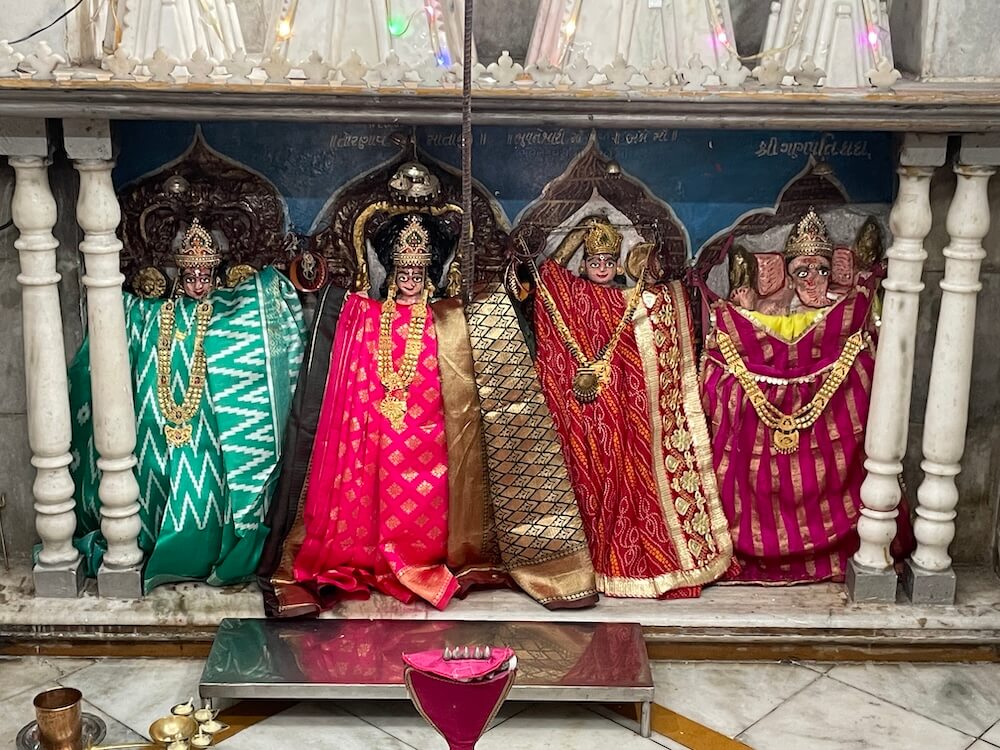 भक्तांची दुःखे दूर करणारी, त्यांना आंतरिक शांती प्रदान करणारी, मानवाला कर्मबंधनातून मुक्त करणारी आणि मोक्षाच्या मार्गावर मार्गदर्शन करणारी आदिशक्ती म्हणून पूजनीय असलेले तोरण माता यांचे प्रसिद्ध मंदिर आनंद जिल्ह्यातील बोरसद येथे स्थित आहे. ही देवता भक्तांच्या मनातील इच्छा पूर्ण करते अशीही श्रद्धा आहे. जवळजवळ पाच शतकांचा प्राचीन वारसा लाभलेले हे मंदिर एका पूजनीय शक्तिपीठाच्या बरोबरीचे धार्मिक आणि आध्यात्मिक महत्त्व धारण करते. शाक्त परंपरेतील एक प्रमुख आणि जागृत पवित्र स्थान मानले जाणारे हे मंदिर अढळ भक्तीचे एक शक्तिशाली केंद्र आहे. प्राचीन काळापासून चालत आलेल्या प्रथा आणि श्रद्धा येथे आजही अत्यंत जपून पाळल्या जातात.
 या ऐतिहासिक आणि पवित्र क्षेत्राचे सविस्तर संदर्भ स्कंद पुराणाच्या ‘महेश्वर’ विभागाचा भाग असलेल्या ‘कौमारिका’ खंडात, ज्याला ‘कुमारी खंड’ असेही संबोधले जाते, त्यात आढळतात. कौमारिका खंडात मही नदी आणि समुद्र यांचा पवित्र संगम असलेल्या ‘महीसागर संगमा’च्या आध्यात्मिक वैभवाचे वर्णन करणारे अनेक अध्याय आहेत. याच क्षेत्रात प्राचीन ब्रह्मस्पत्य नगरीचे आणि तिथे वास करणाऱ्या देवीच्या रूपाचे वर्णन आढळते.
पुराणानुसार, प्राचीन काळी या प्रदेशातून ‘ब्रह्मस्पती’ नावाची नदी वाहत असे. तिच्या तीरावर ‘ब्रह्मस्पत्य’ नावाचे एक समृद्ध नगर वसलेले होते. शतकानुशतके भाषेमध्ये झालेल्या बदलांमुळे मूळ नावामध्ये हळूहळू बदल होत गेला आणि लोकव्यवहारात ‘ब्रह्मस्पत्य’ या शब्दाचे रूपांतर होऊन अखेरीस त्याचे ‘बोरसद’ असे नामकरण झाले. 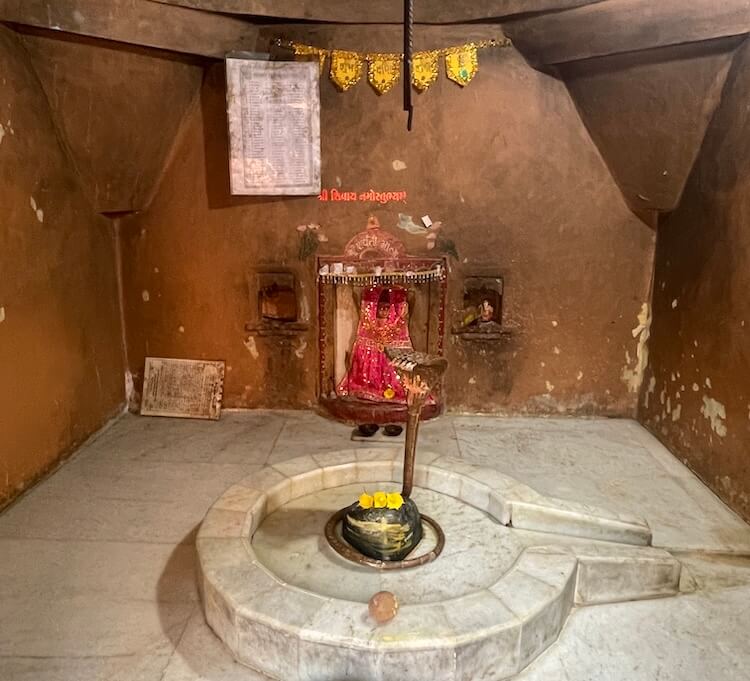 ज्या नावाने हे ठिकाण आता सर्वत्र ओळखले जाते. ही ऐतिहासिक वस्ती महीसागर संगमाच्या क्षेत्रात वसलेली असून धार्मिक दृष्टिकोनातून हे अत्यंत पवित्र तीर्थक्षेत्र मानले जाते.
या ठिकाणच्या अधिष्ठात्री देवीची पूजा दोन भिन्न परंपरांनुसार केली जाते. तांत्रिक मार्गाचे अनुसरण करणारे साधक त्यांना ‘तारा’ म्हणून संबोधतात, तर सामान्य भक्त प्रेमाने त्यांना ‘सुतारा’ म्हणतात. तांत्रिक शास्त्रानुसार, येथे ‘तोरणव’ किंवा ‘अक्षयदेवी’ म्हणून पूजली जाणारी देवता ही साक्षात माता पार्वतीचेच रूप मानली जाते. विविध भक्ती परंपरा आणि श्रद्धेनुसार, त्यांना तारा, तोरणा, तारिणी, तारका आणि त्रिरूपा अशा अनेक नावांनी वंदिले जाते. या पवित्र स्थानी एक पशुपती शिवपिंड (सर्व जीवांचे स्वामी म्हणून पूजल्या जाणाऱ्या भगवान शिवाचे पवित्र पाषाण प्रतीक) देखील स्थापित आहे. परंपरेनुसार असे मानले जाते की, महाभारतात वर्णन केलेल्या महायुद्धानंतर,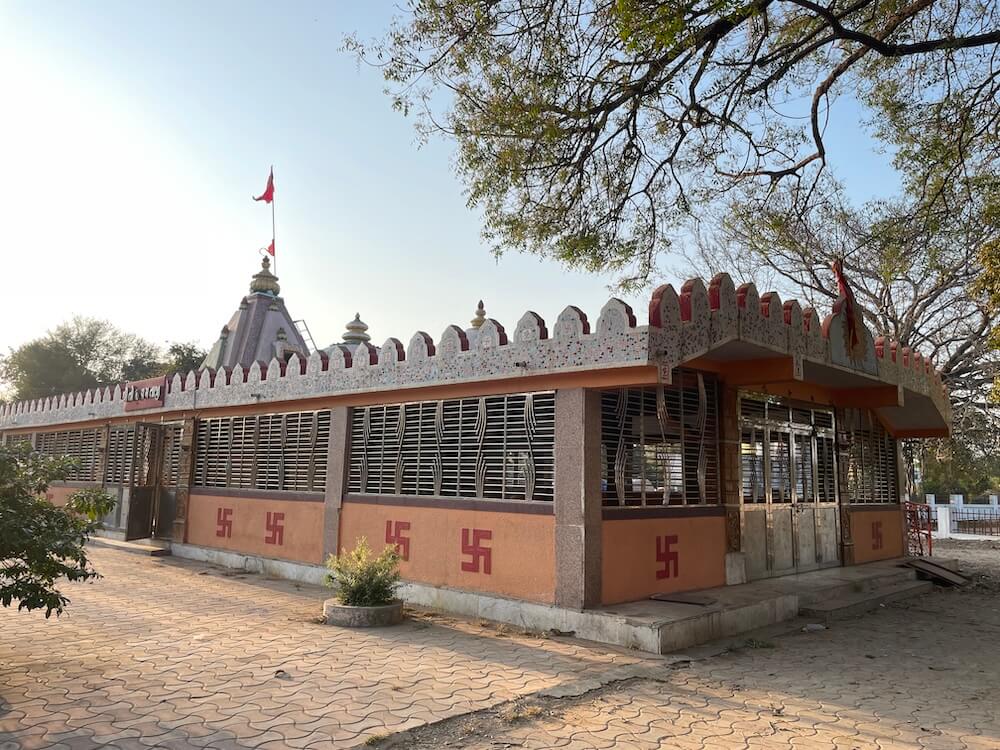 महाभारतातील युद्धात घडलेल्या सर्व ज्ञात आणि अज्ञात पापांतून मुक्त होण्यासाठी पांडवांनी येथे येऊन महादेव आणि तोरण देवीची विधीवत पूजा केली होती.
आणंद जिल्ह्यातील बोरसद हे शहर राजकीय आणि सामाजिक परिवर्तनाशी जोडलेल्या एका गौरवशाली ऐतिहासिक वारशाचा मानकरी आहे. भौगोलिकदृष्ट्या ‘चरोतर’ म्हणून ओळखल्या जाणाऱ्या सुपीक प्रदेशात वसलेले हे शहर प्राचीन काळापासून व्यापार आणि प्रगत शेतीचे एक महत्त्वाचे केंद्र राहिले आहे. १८८८ मध्ये येथे नगरपालिका संस्थेची स्थापना झाली आणि त्या काळापासून बोरसद एक महत्त्वाचे प्रशासकीय केंद्र म्हणून ओळखले जाऊ लागले. १९२५ मध्ये, काँग्रेसचे प्रख्यात नेते वल्लभभाई पटेल यांनी ब्रिटिश सरकारने लादलेल्या अन्यायकारक कराविरुद्ध येथे एका शक्तिशाली आंदोलनाचे नेतृत्व केले. या ऐतिहासिक चळवळीदरम्यान, पटेलांचे स्फूर्तिदायक भाषण ऐकण्यासाठी सहा हजारांहून अधिक नागरिक एकत्र जमले होते. त्यांच्या दृढ संघर्षामुळे आणि अथक प्रयत्नांमुळे, ब्रिटिश प्रशासनाला अखेरीस तो अन्यायकारक कर मागे घेण्यास भाग पाडले गेले.
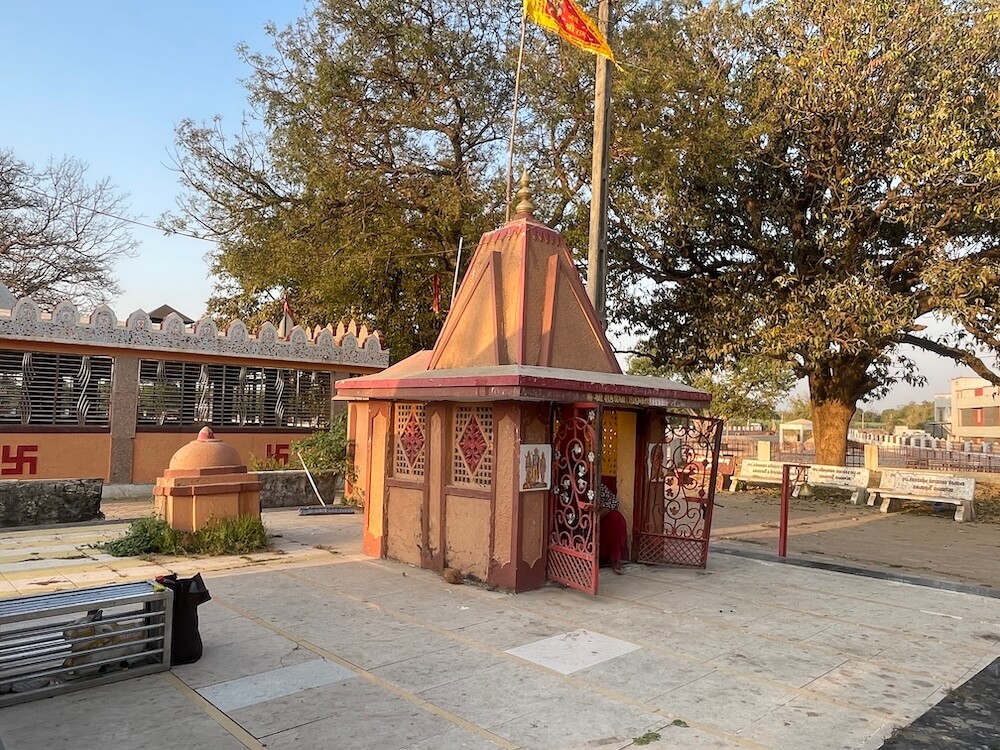
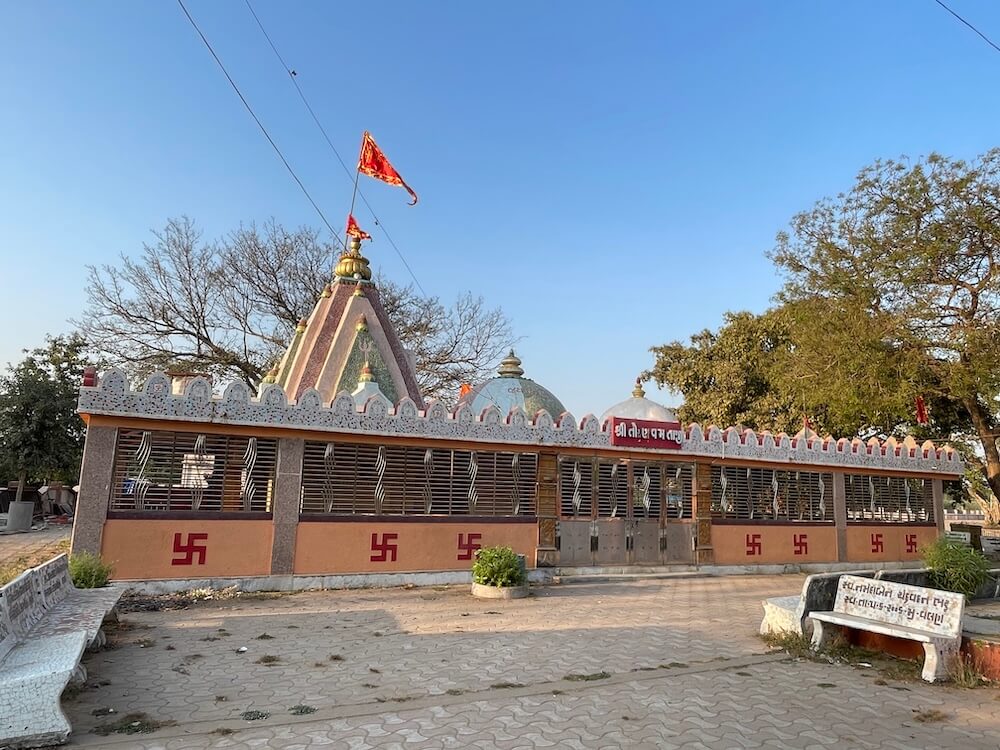
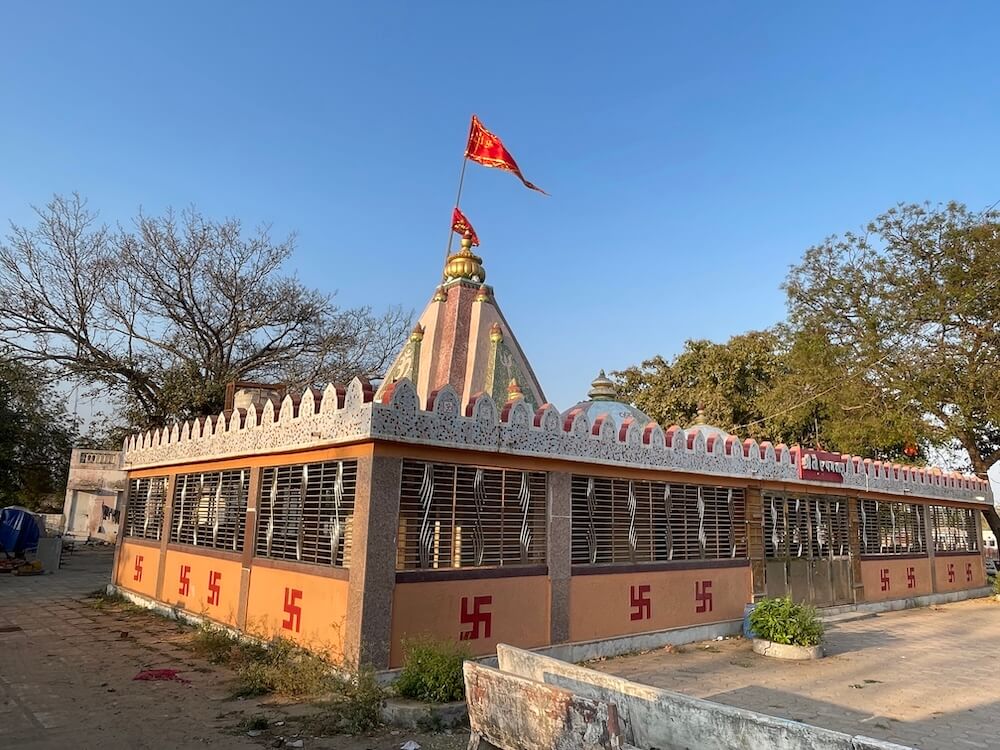
वडोदरा-राजकोट महामार्गावरून, जो शहराच्या जवळून जातो, एक रस्ता मंदिराकडे जातो. मंदिर परिसर निसर्गरम्य वातावरणात वसलेला असून, त्याच्या सभोवतालची घनदाट झाडी वातावरणाला एक शांत आणि प्रसन्न रूप देते. सीमा भिंतीमध्ये असलेल्या प्रवेशद्वारातून आत गेल्यावर एका प्रशस्त अंगणात प्रवेश होतो. अंगणात अनेक मोठी सावली देणारी झाडे आहेत आणि भाविकांसाठी बसण्याची व्यवस्था करण्यात आली आहे. मंदिराच्या अगदी समोर तुळशी वृंदावन आहे, जे पवित्र तुळशीच्या रोपासाठी समर्पित एक पावन चबुतरा आहे. अंगणाच्या मध्यभागी तोरण देवीचे मंदिर स्थित आहे.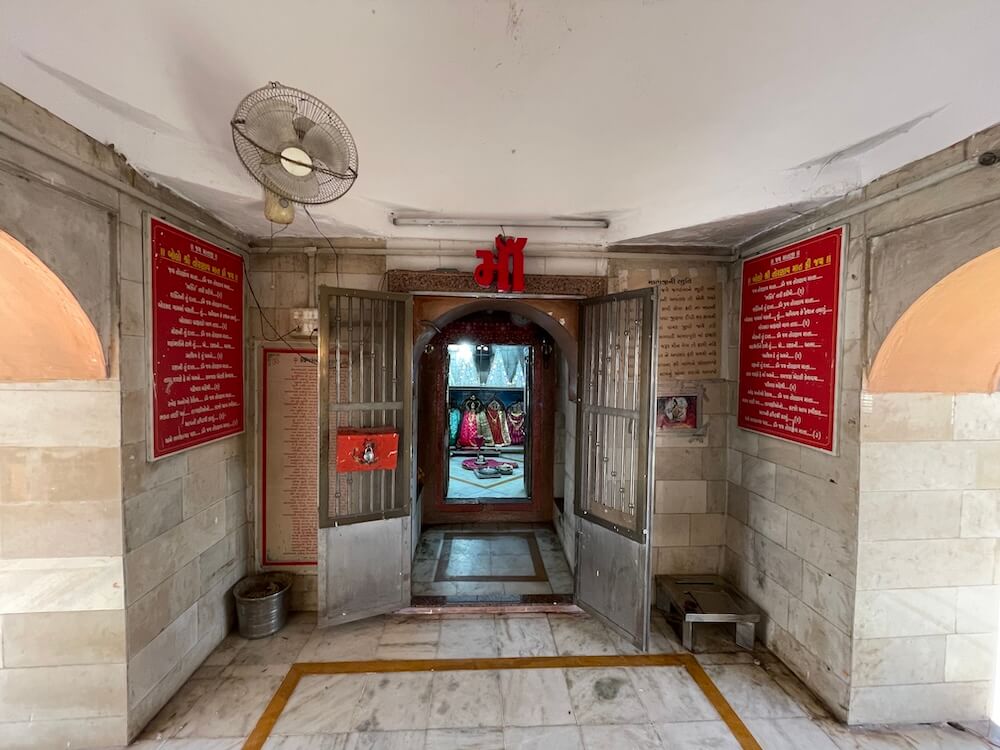
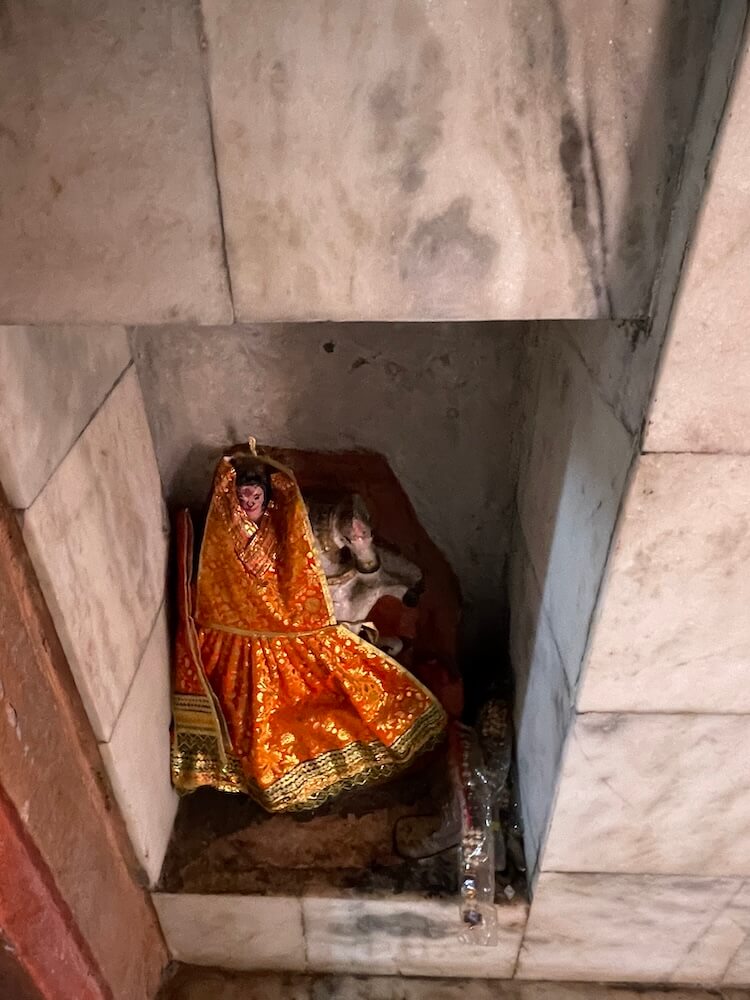
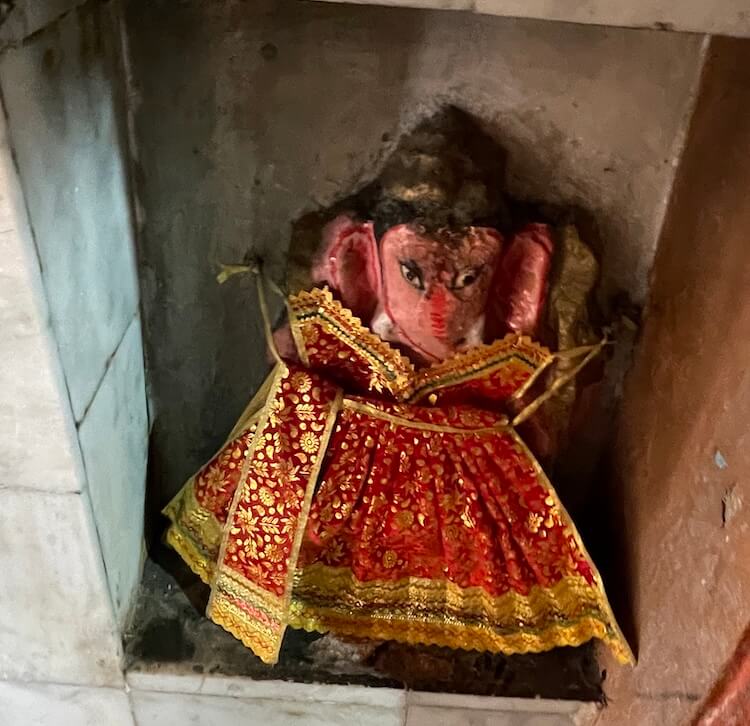
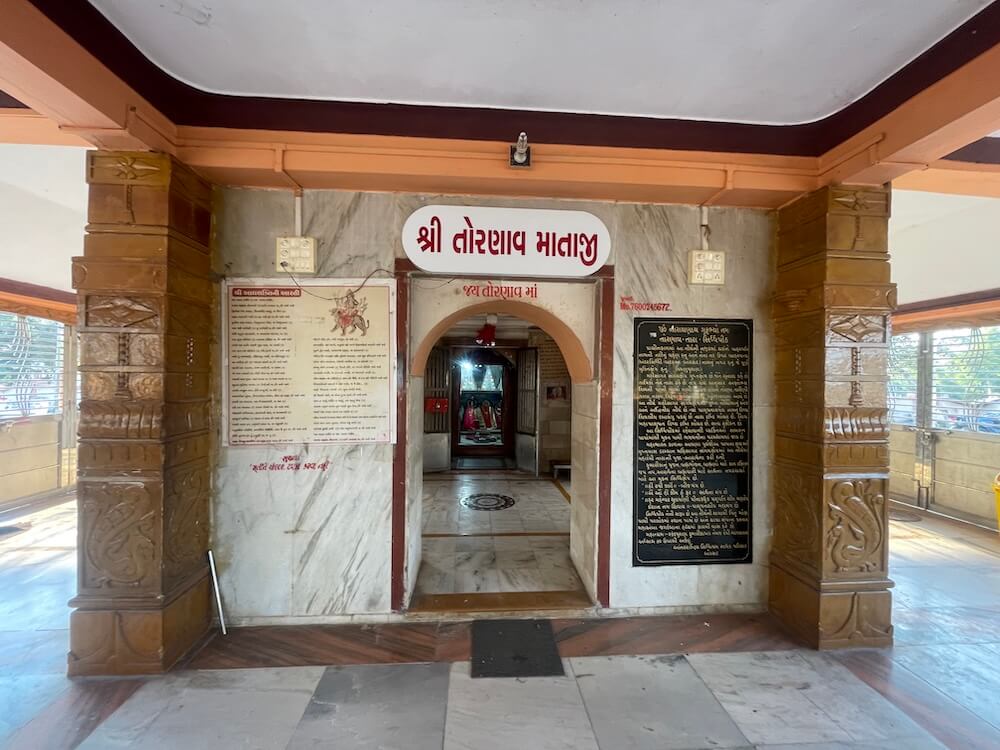
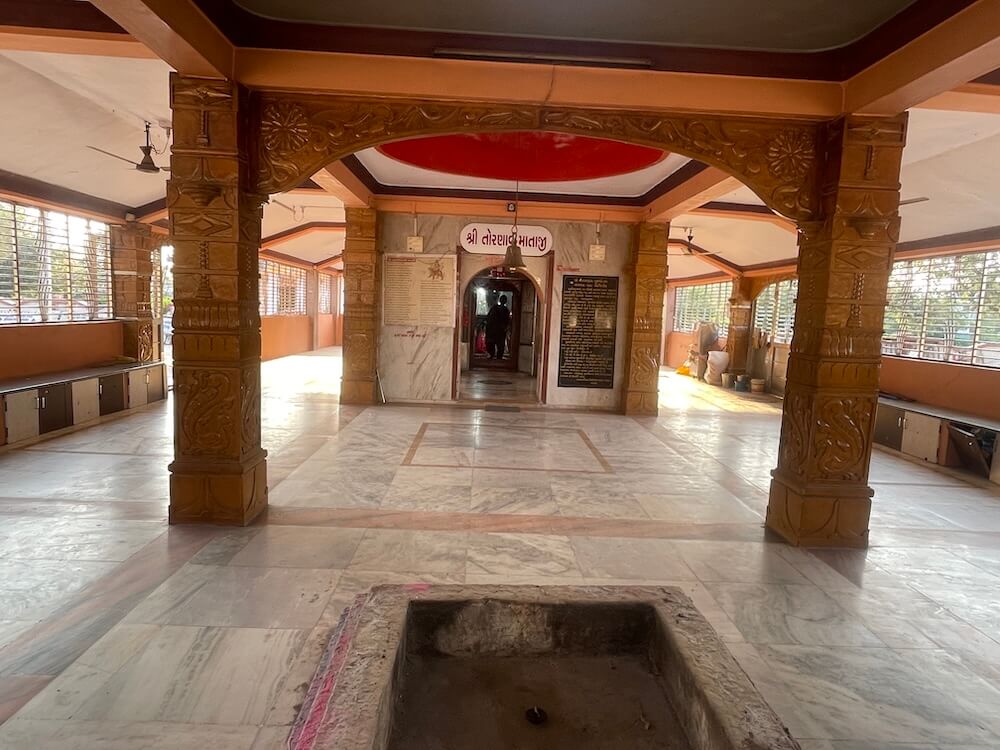
मंदिराची रचना सभामंडप, अंतराळ आणि गर्भगृह यांनी बनलेली आहे. सभामंडपाच्या प्रवेशद्वाराजवळ एक हवन कुंड आहे, जे धार्मिक विधींसाठी वापरले जाणारे पवित्र अग्नी वेदी आहे. मुख्य प्रवेशद्वाराव्यतिरिक्त, सभामंडपाला उजव्या आणि डाव्या बाजूस दोन अतिरिक्त प्रवेशद्वारे आहेत. समोर प्रदक्षिणा मार्गासाठी जागा सोडून, ही रचना अंतराळ आणि पुढे गर्भगृहाकडे जाते. अंतराळातील उजव्या आणि डाव्या भिंतींमध्ये असलेल्या कोनाड्यांमध्ये भगवान खंडोबा आणि गणपती यांच्या मूर्ती विराजमान आहेत.
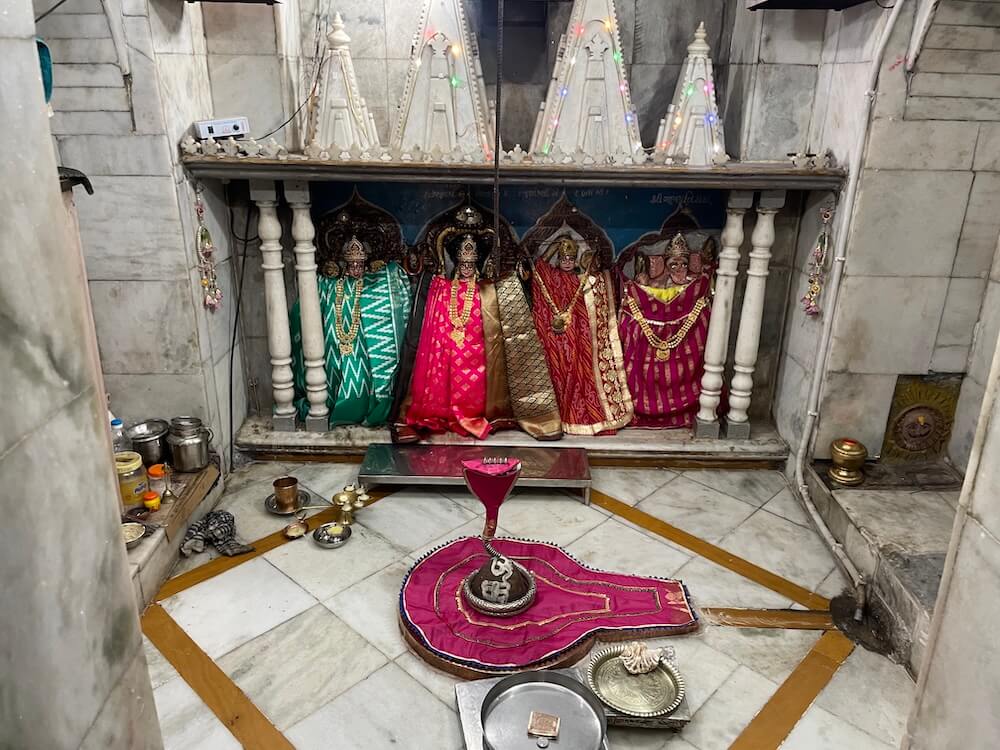
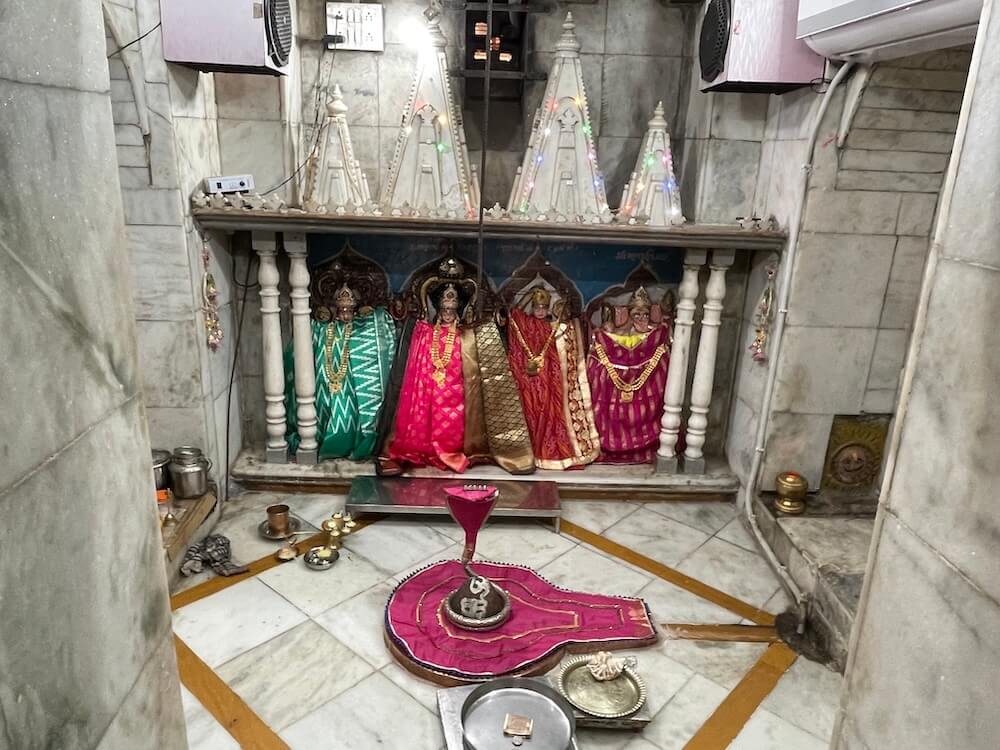
गर्भगृहाच्या आत एका वज्रपीठावर संगमरवरी मंदिर उभारलेले आहे. त्यामध्ये तोरण माता, भुवनेश्वरी देवी, इतर सहदेवता आणि गणपती यांच्या मूर्तींची प्रतिष्ठापना केलेली आहे. 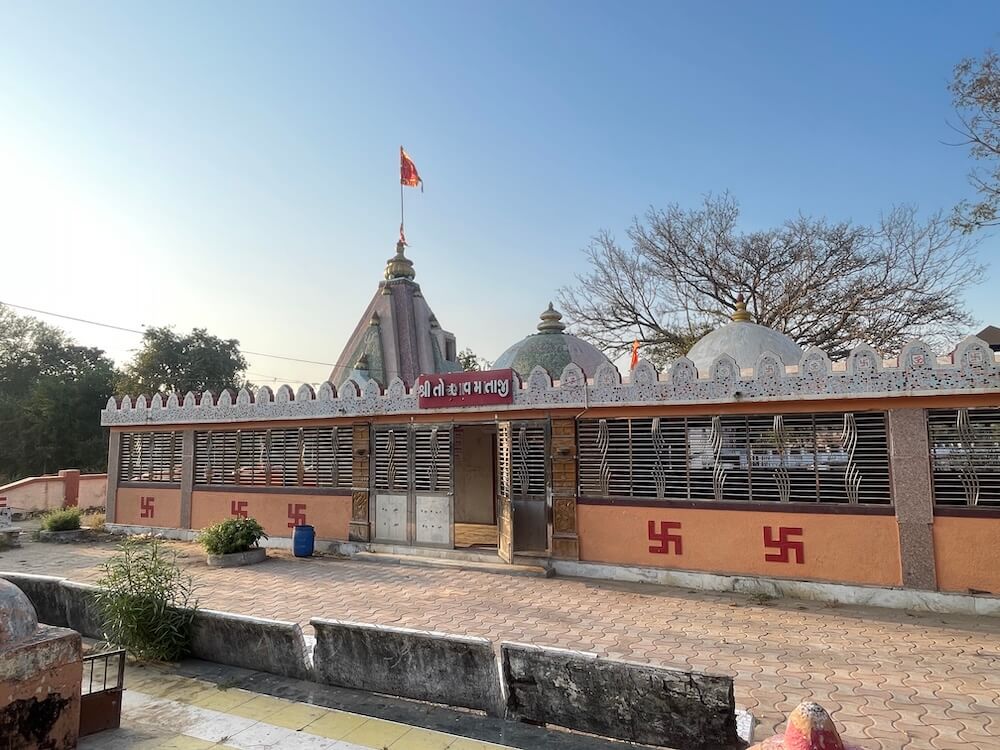 मूर्तींना चांदीचे मुकुट आणि समृद्ध वस्त्रे व दागिन्यांनी सुशोभित केले आहे. मंदिराच्या मुख्य गाभाऱ्याच्या शिखरावर चार लहान शिखरे आहेत, ज्यांच्या प्रत्येकी टोकावर एक कळस विराजमान आहे. गर्भगृहातील वज्रपीठाच्या अगदी समोर जमिनीवर मध्यभागी एक शिव लिंग स्थापित आहे.
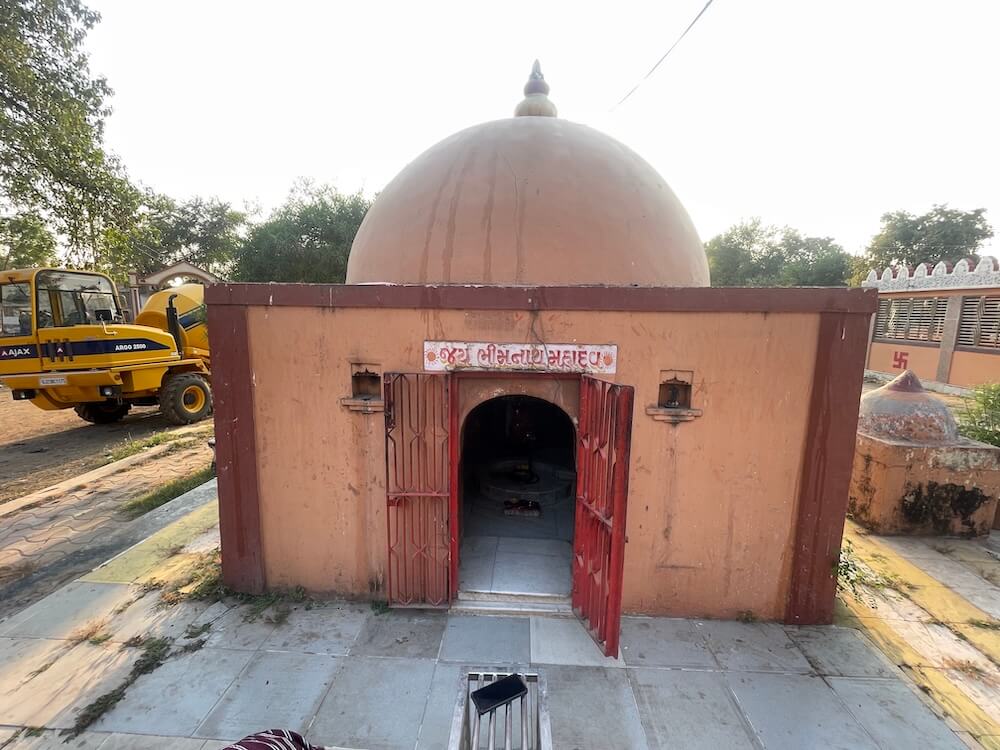
मंदिराच्या छताच्या कडेने एक संरक्षक, शोभिवंत ‘बाशिंगी’ कठडा आहे. अंतराळाच्या वर एक घुमटाकार शिखर असून त्याच्या वरच्या भागावर कलशाने युक्त अशा दोन लहान स्तूपिका आहेत. मुख्य गर्भगृहाच्या छतावर एक चौरस आकाराचे शिखर असून त्यावर आमलक चकती आणि कलश विराजमान आहे. मंदिराच्या प्रांगणात डाव्या बाजूला मंदिराच्या महंतांचे समाधी मंदिर आहे. येथे एका वज्रपीठावर महंत बाथीजी महाराज यांची प्रतिमा स्थापित आहे. या समाधी मंदिराच्या छतावरही एक सुशोभित शिखर आणि कलश आहे.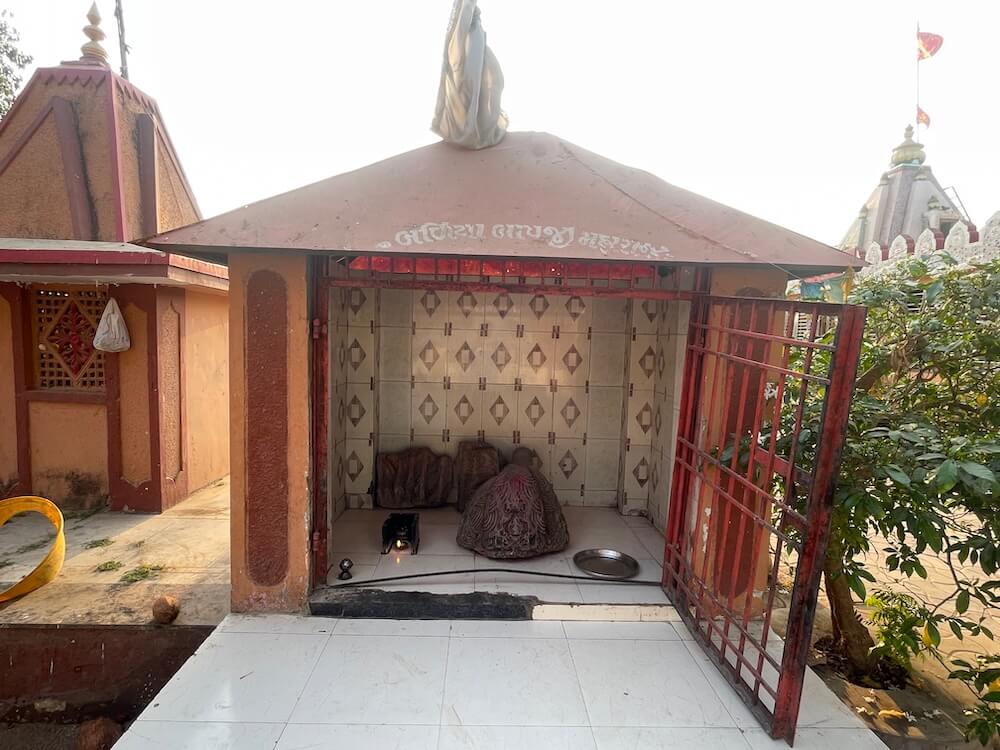 मुख्य मंदिराच्या बाजूला अनुक्रमे बडिया देव, महादेव आणि मारुती यांना समर्पित तीन लहान मंदिरे आहेत. मंदिराच्या आवारात इतरत्र चामुंडा देवी, वैष्णोदेवी आणि गणपतीची स्वतंत्र मंदिरे आहेत.
वर्षभर मंदिरात अनेक सण आणि धार्मिक उत्सव मोठ्या उत्साहात साजरे केले जातात. श्रावण महिन्यातील शुद्ध त्रयोदशी ते पौर्णिमेपर्यंत देवीची वार्षिक जत्रा भरते. स्थानिक भाषेत या उत्सवाला ‘गाव उजवणी’ असे म्हणतात. या काळात मंदिरात शतचंडी आणि नवचंडी यज्ञासारखे विस्तृत विधी आयोजित केले जातात.
चैत्र नवरात्री आणि शारदीय नवरात्री हे येथील दोन सर्वात महत्त्वाचे उत्सव आहेत. या प्रसंगी हजारो भाविक देवीच्या दर्शनासाठी येतात. भक्त देवीला शृंगार, चुनरी आणि नारळ अर्पण करतात आणि प्रसाद म्हणून पेढे वाटतात. अनेक भाविक नवस फेडण्यासाठी देवीला पैंजण, मंगळसूत्र, बांगड्या आणि साड्यांसारखे दागिने अर्पण करतात. प्रत्येक पौर्णिमेला तसेच मंगळवारी आणि शुक्रवारी दर्शनासाठी मोठी गर्दी होते.
उपयुक्त माहिती
- बोरसद बस स्थानकापासून ४ किमी आणि आनंद शहरापासून २४ किमी अंतरावर स्थित.
- जिल्ह्यातील अनेक शहरांतून बोरसदसाठी राज्य परिवहन बसेस उपलब्ध आहेत.
- खाजगी वाहने मंदिराच्या पार्किंग क्षेत्रापर्यंत पोहोचू शकतात.
- परिसरात राहण्याची आणि नाश्त्याची अनेक सोय उपलब्ध आहे.
- संपर्क: मंदिर पुजारी – मोबाईल ७६००२४५६७२
Toranav Mata Temple
Borsad, Taluka Borsad, District Anand
The celebrated shrine of Toranav Mata, revered as the goddess who removes the afflictions of her devotees, grants them inner peace, liberates human beings from the bondage of karma and guides them upon the path towards moksha (spiritual liberation), stands at Borsad in Anand district. The deity is also believed to fulfil the heartfelt wishes of the faithful. Possessing an ancient tradition that stretches back nearly five centuries, this temple holds religious and spiritual significance comparable to that of a revered Shaktipeeth. Regarded as a prominent and awakened sacred seat within the Shakta tradition, it remains a powerful centre of unwavering devotion. Customs and beliefs that have continued since antiquity are still carefully preserved here.
Detailed references to this historic and sacred region appear in the ‘Kaumarika’ section, also known as the ‘Kumari Khand’, which forms part of the ‘Maheshwar’ division of the Skanda Purana. The Kaumarika Khand contains numerous chapters describing the spiritual glory of the Mahisagar Sangam, the sacred confluence where the Mahi River meets the sea. Within this very region appears the description of the ancient city of Brahmaspatya and the form of the goddess who resided there.
According to these Puranic accounts, in ancient times a river named Brahmaspati flowed through this region. On its banks stood a prosperous city called Brahmaspatya. Over the course of centuries, changes in language gradually altered the original name, and the word ‘Brahmaspatya’ underwent transformation through common usage until it eventually became ‘Borsad’, the name by which the place is now universally known. This historic settlement lies within the Mahisagar Sangam region and from a religious perspective, it is considered an exceptionally sacred site.
The presiding goddess of this place is worshipped in two distinct traditions. Practitioners who follow the Tantric path refer to her as ‘Tara’, while ordinary devotees lovingly call her ‘Sutara’. According to Tantric scriptures, the deity worshipped here as ‘Toranav’ or ‘Akshayadevi’ is regarded as a manifestation of Mata Parvati herself. In accordance with different devotional traditions and beliefs, she is venerated by several names including Tara, Torana, Tarini, Taraka and Trirupa. At this sacred spot a Pashupati Shivpind (a sacred stone emblem of Lord Shiva in the form worshipped as Pashupati, ‘Lord of all beings’) has also been established. Tradition holds that after the great war described in the Mahabharata, the Pandavas came here to perform ritual worship of Mahadev and Toranav Devi in order to free themselves from all the known and unknown sins committed during the war.
The town of Borsad in Anand district possesses a distinguished historical legacy connected with political and social transformation. Situated geographically in the fertile region known as Charotar, the town has since ancient times been an important centre for both trade and advanced agriculture. In 1888, a municipal body was established here and from that period onwards, Borsad came to be recognised as an important administrative centre. In 1925, renowned Congress leader Vallabhbhai Patel led a powerful agitation here against an unjust tax imposed by the British Government. During this historic movement, more than six thousand citizens gathered to hear Patel’s stirring address. As a result of his determined struggle and tireless efforts, the British administration was ultimately compelled to withdraw the unjust levy.
A road leads to the temple from the Vadodara–Rajkot highway which runs close to the town. The temple complex lies amid a naturally beautiful environment and the dense grove of trees surrounding it lends the atmosphere a serene charm. Passing through the entrance gate set within the boundary wall, one enters a spacious courtyard. Several large shade-giving trees stand within the courtyard and seating arrangements have been provided for devotees. Directly in front of the temple is a Tulsi Vrindavan, a sacred pedestal dedicated to the holy basil plant. At the centre of the courtyard stands the temple of Toranav Devi.
The structure of the shrine consists of a sabhamandap (assembly hall), an antaral (vestibule) and the garbhagriha (sanctum). Near the entrance within the sabhamandap is a Havan kund, the sacred fire altar used for ritual offerings. Apart from the principal doorway, the sabhamandap also has two additional entrances on the right and left sides. Leaving space in the front for the pradakshina path (circumambulatory passage), the design leads into the antaral and the sanctum beyond. Within the vestibule, niches set into the right and left walls house images of Lord Khandoba and Ganapati.
Inside the garbhagriha stands a marble shrine set upon a vajrapith (sacred pedestal). Within it are installed the images of Toranav Mata along with Bhuvaneshwari Devi, attendant deities and Ganapati. The idols are adorned with silver crowns and decorated with rich garments and ornaments. The shrine itself bears four small shikharas, each crowned with a kalasha finial. On the floor directly before the vajrapith in the sanctum stands a Shiva Lingam at the centre.
Along the edge of the temple roof runs a protective, decorative ‘Bashingi’ parapet. Above the vestibule rises a domed shikhara and on its upper section stand two small stupikas topped with a kalasha. Over the roof of the main sanctum is a square-shaped shikhara crowned by an amalaka disc and a kalasha. Within the temple courtyard on the left side stands the samadhi shrine of the temple’s mahants. Here, upon a vajrapith, is installed the image of Mahant Bathiji Maharaj. This samadhi shrine too bears an ornate shikhara and kalash upon its roof. Beside the principal temple stand three smaller shrines dedicated respectively to Badhia Dev, Mahadev and Maruti. Elsewhere within the courtyard are separate temples of Chamunda Devi, Vaishnodevi and Ganapati.
Numerous festivals and religious celebrations are observed in the temple throughout the year with great enthusiasm. The annual fair of the goddess takes place during the period from Shuddha Trayodashi to Purnima in the month of Shravan. Locally, this festival is called ‘Gaav Ujavani’, meaning the village fair. During this period elaborate rituals such as the Shatachandi and Navchandi yajnas are organised in the temple.
Two of the most important celebrations here are Chaitra Navratri and Sharadiya Navratri. On these occasions, thousands of devotees arrive for the darshan of the goddess. Worshippers offer shringar (ornamental adornment), chunri (sacred cloth offering) and coconuts to the deity and distribute peda sweets as prasad. Many devotees, in fulfilment of vows made in faith, offer ornaments such as anklets, mangalsutra necklaces, bangles and sarees to the goddess. Large crowds gather for darshan on every full-moon day as well as on Tuesdays and Fridays.
Useful Information
- Located at 4 km from Borsad bus stand and 24 km from Anand city
- State transport buses operate to Borsad from several towns within the district
- Private vehicles can reach up to the temple parking area
- Several accommodation and breakfast facilities are available in the vicinity
- Contact: Temple priest – Mobile 7600245672
तोरण माता मंदिर
बोरसद, तालुका बोरसद, जिला आणंद
तोरण माता का प्रसिद्ध मंदिर, जिन्हें अपने भक्तों के कष्टों को दूर करने वाली, उन्हें आंतरिक शांति प्रदान करने वाली, मनुष्यों को कर्म के बंधन से मुक्त करने वाली और मोक्ष (आध्यात्मिक मुक्ति) के मार्ग पर मार्गदर्शन करने वाली देवी के रूप में पूजा जाता है, आणंद जिले के बोरसद में स्थित है। यह भी माना जाता है कि देवी भक्तों की मनोकामनाएं पूर्ण करती हैं। लगभग पाँच शताब्दियों पुरानी परंपरा को संजोए यह मंदिर एक सम्मानित शक्तिपीठ के समान धार्मिक और आध्यात्मिक महत्व रखता है। शाक्त परंपरा के भीतर एक प्रमुख और जागृत पवित्र पीठ के रूप में प्रतिष्ठित, यह अटूट भक्ति का एक शक्तिशाली केंद्र बना हुआ है। प्राचीन काल से चली आ रही प्रथाएं और मान्यताएं यहाँ आज भी सावधानीपूर्वक संरक्षित हैं।
इस ऐतिहासिक और पवित्र क्षेत्र के विस्तृत संदर्भ स्कंद पुराण के ‘महेश्वर’ खंड के अंतर्गत आने वाले ‘कौमारिका’ खंड, जिसे ‘कुमारी खंड’ भी कहा जाता है, में मिलते हैं। कौमारिका खंड में महीसागर संगम की आध्यात्मिक महिमा का वर्णन करने वाले अनेक अध्याय हैं, जो वह पवित्र संगम है जहाँ माही नदी समुद्र से मिलती है। इसी क्षेत्र के भीतर प्राचीन शहर ब्रह्मास्पत्य और वहाँ निवास करने वाली देवी के स्वरूप का वर्णन मिलता है।
इन पौराणिक वृत्तांतों के अनुसार, प्राचीन काल में इस क्षेत्र से ब्रह्मास्पती नामक एक नदी बहती थी। इसके तट पर ब्रह्मास्पत्य नामक एक समृद्ध नगर स्थित था। शताब्दियों के दौरान, भाषा में परिवर्तन के साथ मूल नाम धीरे-धीरे बदल गया और ‘ब्रह्मास्पत्य’ शब्द सामान्य उपयोग के माध्यम से परिवर्तित होकर अंततः ‘बोरसद’ बन गया, जिस नाम से यह स्थान अब सर्वत्र जाना जाता है। यह ऐतिहासिक बस्ती महीसागर संगम क्षेत्र के भीतर स्थित है और धार्मिक दृष्टिकोण से इसे अत्यंत पवित्र स्थल माना जाता है।
इस स्थान की अधिष्ठात्री देवी की पूजा दो अलग-अलग परंपराओं में की जाती है। तांत्रिक मार्ग का अनुसरण करने वाले साधक उन्हें ‘तारा’ कहते हैं, जबकि सामान्य भक्त उन्हें प्रेमपूर्वक ‘सुतारा’ कहकर पुकारते हैं। तांत्रिक ग्रंथों के अनुसार, यहाँ ‘तोरण’ या ‘अक्षयदेवी’ के रूप में पूजी जाने वाली देवी को स्वयं माता पार्वती का स्वरूप माना जाता है। विभिन्न भक्ति परंपराओं और मान्यताओं के अनुसार, उन्हें तारा, तोरणा, तारिणी, तारका और त्रिरूपा सहित कई नामों से पूजा जाता है। इस पवित्र स्थान पर एक पशुपति शिवपिंड (भगवान शिव का पवित्र पाषाण प्रतीक, जिसे पशुपति के रूप में पूजा जाता है) भी स्थापित है। परंपरा के अनुसार, महाभारत में वर्णित भीषण युद्ध के बाद, पांडव युद्ध के दौरान किए गए सभी ज्ञात और अज्ञात पापों से मुक्त होने के लिए महादेव और तोरण देवी की विधिवत पूजा करने यहाँ आए थे।
आणंद जिले के बोरसद कस्बे का राजनीतिक और सामाजिक परिवर्तन से जुड़ा एक विशिष्ट ऐतिहासिक गौरव है। भौगोलिक रूप से चरोतर नामक उपजाऊ क्षेत्र में स्थित, यह कस्बा प्राचीन काल से ही व्यापार और उन्नत कृषि दोनों के लिए एक महत्वपूर्ण केंद्र रहा है। १८८८ में यहाँ एक नगरपालिका निकाय की स्थापना की गई और उस काल से बोरसद को एक महत्वपूर्ण प्रशासनिक केंद्र के रूप में पहचाना जाने लगा। १९२५ में, प्रसिद्ध कांग्रेस नेता वल्लभभाई पटेल ने ब्रिटिश सरकार द्वारा लगाए गए एक अन्यायपूर्ण कर के खिलाफ यहाँ एक शक्तिशाली आंदोलन का नेतृत्व किया। इस ऐतिहासिक आंदोलन के दौरान, पटेल के ओजस्वी भाषण को सुनने के लिए छह हजार से अधिक नागरिक एकत्र हुए थे। उनके दृढ़ संघर्ष और अथक प्रयासों के परिणामस्वरूप, ब्रिटिश प्रशासन अंततः अन्यायपूर्ण कर को वापस लेने के लिए मजबूर हो गया।
वडोदरा-राजकोट राजमार्ग, जो कस्बे के निकट से गुजरता है, से एक सड़क मंदिर तक जाती है। मंदिर परिसर प्राकृतिक रूप से सुंदर वातावरण के बीच स्थित है और इसके चारों ओर पेड़ों का घना झुरमुट वातावरण को एक शांत आकर्षण प्रदान करता है। सीमा दीवार के भीतर बने प्रवेश द्वार से गुजरते हुए, कोई एक विशाल प्रांगण में प्रवेश करता है। प्रांगण में कई बड़े छायादार वृक्ष हैं और भक्तों के बैठने की व्यवस्था की गई है। मंदिर के ठीक सामने एक तुलसी वृंदावन है, जो पवित्र तुलसी के पौधे को समर्पित एक पवित्र चबूतरा है। प्रांगण के केंद्र में तोरण देवी का मंदिर स्थित है।
मंदिर की संरचना में एक सभामंडप, एक अंतराल और गर्भगृह शामिल है। सभामंडप के भीतर प्रवेश द्वार के पास एक हवन कुंड है, जो अनुष्ठानिक आहुतियों के लिए उपयोग की जाने वाली पवित्र अग्नि वेदी है। मुख्य द्वार के अलावा, सभामंडप में दाईं और बाईं ओर दो अतिरिक्त प्रवेश द्वार भी हैं। सामने प्रदक्षिणा पथ के लिए स्थान छोड़ते हुए, यह डिजाइन अंतराल और उसके आगे गर्भगृह की ओर ले जाती है। अंतराल में, दाईं और बाईं दीवारों में बने आला (niches) में भगवान खंडोबा और गणपति की प्रतिमाएं स्थापित हैं।
गर्भगृह के भीतर एक वज्रपीठ पर स्थापित संगमरमर का मंदिर है। इसके भीतर तोरण माता के साथ भुवनेश्वरी देवी, परिचारक देवताओं और गणपति की प्रतिमाएं स्थापित हैं। मूर्तियाँ चांदी के मुकुटों से सुशोभित हैं और समृद्ध वस्त्रों तथा आभूषणों से सजी हुई हैं। मंदिर के शिखर पर चार छोटे शिखर हैं, जिनमें से प्रत्येक पर एक कलश स्थित है। गर्भगृह में वज्रपीठ के ठीक सामने फर्श पर केंद्र में एक शिव लिंगम स्थित है।
मंदिर की छत के किनारे पर एक सुरक्षात्मक, सजावटी ‘बाशिंगी’ मुंडेर बनी है। अंतराल के ऊपर एक गुंबदाकार शिखर उठता है और इसके ऊपरी भाग पर कलश से सुसज्जित दो छोटे स्तूपिकाएं हैं। मुख्य गर्भगृह की छत के ऊपर एक वर्गाकार शिखर है, जो एक आमलक डिस्क और कलश से सुशोभित है। मंदिर के प्रांगण में बाईं ओर मंदिर के महंतों की समाधि है। यहाँ एक वज्रपीठ पर महंत बाथीजी महाराज की प्रतिमा स्थापित है। इस समाधि मंदिर की छत पर भी एक अलंकृत शिखर और कलश है। मुख्य मंदिर के बगल में तीन छोटे देवालय स्थित हैं, जो क्रमशः बढ़िया देव, महादेव और मारुति को समर्पित हैं। प्रांगण में अन्य स्थानों पर चामुंडा देवी, वैष्णोदेवी और गणपति के अलग-अलग मंदिर हैं।
मंदिर में वर्ष भर अनेक उत्सव और धार्मिक आयोजन बड़े उत्साह के साथ मनाए जाते हैं। देवी का वार्षिक मेला श्रावण मास में शुद्ध त्रयोदशी से पूर्णिमा तक की अवधि के दौरान लगता है। स्थानीय रूप से, इस उत्सव को ‘गाँव उजवणी’ कहा जाता है, जिसका अर्थ है ग्राम मेला। इस अवधि के दौरान मंदिर में शतचंडी और नवचंडी यज्ञ जैसे विस्तृत अनुष्ठान आयोजित किए जाते हैं।
यहाँ के दो सबसे महत्वपूर्ण उत्सव चैत्र नवरात्रि और शारदीय नवरात्रि हैं। इन अवसरों पर, हजारों भक्त देवी के दर्शन के लिए आते हैं। श्रद्धालु देवी को श्रृंगार, चुनरी और नारियल अर्पित करते हैं और प्रसाद के रूप में पेड़े वितरित करते हैं। कई भक्त, आस्था में ली गई मन्नतों को पूरा करने के लिए, देवी को पायल, मंगलसूत्र, चूड़ियाँ और साड़ियाँ जैसे आभूषण अर्पित करते हैं। प्रत्येक पूर्णिमा के दिन के साथ-साथ मंगलवार और शुक्रवार को दर्शन के लिए भारी भीड़ उमड़ती है।
उपयोगी जानकारी
- बोरसद बस स्टैंड से ४ किमी और आनंद शहर से २४ किमी की दूरी पर स्थित
- जिले के कई कस्बों से बोरसद के लिए राज्य परिवहन की बसें चलती हैं
- निजी वाहन मंदिर के पार्किंग क्षेत्र तक पहुँच सकते हैं
- आसपास आवास और नाश्ते की कई सुविधाएँ उपलब्ध हैं
- संपर्क: मंदिर पुजारी – मोबाइल ७६००२४५६७२
તોરણવ માતા મંદિર
બોરસદ, તાલુકો બોરસદ, જિલ્લો આણંદ
પોતાના ભક્તોના દુઃખોનું નિવારણ કરનાર, તેમને આંતરિક શાંતિ પ્રદાન કરનાર, મનુષ્યોને કર્મના બંધનમાંથી મુક્ત કરનાર અને મોક્ષના માર્ગે દોરી જનાર દેવી તરીકે પૂજનીય તોરણવ માતાનું સુપ્રસિદ્ધ મંદિર આણંદ જિલ્લાના બોરસદ ખાતે આવેલું છે. એવું માનવામાં આવે છે કે આ દેવી શ્રદ્ધાળુઓની મનોકામનાઓ પણ પૂર્ણ કરે છે. લગભગ પાંચ સદીઓ જૂની પ્રાચીન પરંપરા ધરાવતું આ મંદિર એક આદરણીય શક્તિપીઠ સમાન ધાર્મિક અને આધ્યાત્મિક મહત્વ ધરાવે છે. શાક્ત પરંપરામાં એક અગ્રણી અને જાગૃત પવિત્ર સ્થાન તરીકે ગણાતું આ મંદિર અતૂટ ભક્તિનું એક શક્તિશાળી કેન્દ્ર છે. પ્રાચીન કાળથી ચાલી આવતી પ્રથાઓ અને માન્યતાઓ અહીં આજે પણ કાળજીપૂર્વક જાળવી રાખવામાં આવી છે.
આ ઐતિહાસિક અને પવિત્ર ક્ષેત્રના વિગતવાર સંદર્ભો સ્કંદ પુરાણના મહેશ્વર ખંડના ભાગરૂપ ‘કુમારી ખંડ’ તરીકે ઓળખાતા ‘કૌમારિકા’ વિભાગમાં જોવા મળે છે. કૌમારિકા ખંડમાં મહીસાગર સંગમની આધ્યાત્મિક મહિમાનું વર્ણન કરતા અનેક અધ્યાયો છે, જે તે પવિત્ર સંગમ છે જ્યાં મહી નદી સમુદ્રને મળે છે. આ જ ક્ષેત્રમાં બ્રહ્મસ્પત્યના પ્રાચીન નગર અને ત્યાં બિરાજમાન દેવીના સ્વરૂપનું વર્ણન જોવા મળે છે.
આ પૌરાણિક કથાઓ અનુસાર, પ્રાચીન સમયમાં આ પ્રદેશમાંથી બ્રહ્મસ્પતિ નામની નદી વહેતી હતી. તેના કિનારે બ્રહ્મસ્પત્ય નામનું એક સમૃદ્ધ નગર હતું. સદીઓ દરમિયાન, ભાષામાં આવેલા ફેરફારોને કારણે મૂળ નામ બદલાતું ગયું અને સામાન્ય વ્યવહારમાં ‘બ્રહ્મસ્પત્ય’ શબ્દનું રૂપાંતર થઈને અંતે તે ‘બોરસદ’ બન્યું, જે નામથી આ સ્થળ આજે સર્વત્ર જાણીતું છે. આ ઐતિહાસિક વસાહત મહીસાગર સંગમ ક્ષેત્રમાં આવેલી છે અને ધાર્મિક દ્રષ્ટિકોણથી તેને અત્યંત પવિત્ર સ્થળ માનવામાં આવે છે.
આ સ્થાનના અધિષ્ઠાત્રી દેવીની પૂજા બે અલગ-અલગ પરંપરાઓમાં કરવામાં આવે છે. તાંત્રિક માર્ગને અનુસરતા સાધકો તેમને ‘તારા’ તરીકે સંબોધે છે, જ્યારે સામાન્ય ભક્તો તેમને પ્રેમથી ‘સુતારા’ કહે છે. તાંત્રિક શાસ્ત્રો અનુસાર, અહીં ‘તોરણવ’ અથવા ‘અક્ષયાદેવી’ તરીકે પૂજાતી દેવીને સ્વયં માતા પાર્વતીનું સ્વરૂપ માનવામાં આવે છે. વિવિધ ભક્તિ પરંપરાઓ અને માન્યતાઓ અનુસાર, તેમને તારા, તોરણા, તારિણી, તારકા અને ત્રિરૂપા સહિત અનેક નામોથી પૂજવામાં આવે છે. આ પવિત્ર સ્થળે એક પશુપતિ શિવપિંડ (ભગવાન શિવનું પવિત્ર પ્રતીક જે પશુપતિ તરીકે પૂજાય છે) પણ સ્થાપિત કરવામાં આવ્યું છે. પરંપરા મુજબ, મહાભારતમાં વર્ણવેલ મહાયુદ્ધ પછી, પાંડવો યુદ્ધ દરમિયાન થયેલા તમામ જાણીતા અને અજાણ્યા પાપોમાંથી મુક્તિ મેળવવા માટે મહાદેવ અને તોરણવ દેવીની વિધિવત પૂજા કરવા અહીં આવ્યા હતા.
આણંદ જિલ્લાનું બોરસદ નગર રાજકીય અને સામાજિક પરિવર્તન સાથે જોડાયેલો એક વિશિષ્ટ ઐતિહાસિક વારસો ધરાવે છે. ભૌગોલિક રીતે ચરોતર તરીકે ઓળખાતા ફળદ્રુપ પ્રદેશમાં સ્થિત આ નગર પ્રાચીન કાળથી વેપાર અને અદ્યતન ખેતી બંને માટે એક મહત્વપૂર્ણ કેન્દ્ર રહ્યું છે. ૧૮૮૮માં અહીં નગરપાલિકાની સ્થાપના કરવામાં આવી હતી અને તે સમયથી બોરસદ એક મહત્વપૂર્ણ વહીવટી કેન્દ્ર તરીકે ઓળખાવા લાગ્યું. ૧૯૨૫માં, પ્રખ્યાત કોંગ્રેસ નેતા વલ્લભભાઈ પટેલે બ્રિટિશ સરકાર દ્વારા લાદવામાં આવેલા અન્યાયી કર સામે અહીં એક શક્તિશાળી આંદોલનનું નેતૃત્વ કર્યું હતું. આ ઐતિહાસિક આંદોલન દરમિયાન, પટેલના પ્રેરણાદાયી સંબોધનને સાંભળવા માટે છ હજારથી વધુ નાગરિકો એકઠા થયા હતા. તેમના દ્રઢ સંઘર્ષ અને અથાગ પ્રયત્નોના પરિણામે, બ્રિટિશ વહીવટીતંત્ર આખરે અન્યાયી કર પાછો ખેંચવા માટે મજબૂર થયું હતું.
નગરની નજીકથી પસાર થતા વડોદરા-રાજકોટ હાઈવે પરથી મંદિર તરફ જતો રસ્તો છે. મંદિર પરિસર કુદરતી રીતે સુંદર વાતાવરણની વચ્ચે આવેલું છે અને તેની આસપાસના ઘટાદાર વૃક્ષો વાતાવરણને શાંત અને રમણીય બનાવે છે. સીમાની દીવાલમાં બનેલા પ્રવેશદ્વારમાંથી પસાર થઈને એક વિશાળ આંગણામાં પ્રવેશાય છે. આંગણામાં અનેક મોટા છાયાદાર વૃક્ષો આવેલા છે અને ભક્તો માટે બેસવાની વ્યવસ્થા કરવામાં આવી છે. મંદિરની બરાબર સામે તુલસી વૃંદાવન છે, જે પવિત્ર તુલસીના છોડને સમર્પિત એક પવિત્ર પીઠ છે. આંગણાની મધ્યમાં તોરણવ દેવીનું મંદિર આવેલું છે.
મંદિરનું માળખું સભામંડપ, અંતરાલ અને ગર્ભગૃહનું બનેલું છે. સભામંડપમાં પ્રવેશદ્વારની નજીક હવન કુંડ છે, જે ધાર્મિક વિધિઓ માટે વપરાતી પવિત્ર અગ્નિવેદી છે. મુખ્ય પ્રવેશદ્વાર સિવાય, સભામંડપમાં જમણી અને ડાબી બાજુએ બે વધારાના પ્રવેશદ્વાર પણ છે. આગળના ભાગમાં પ્રદક્ષિણા પથ માટે જગ્યા છોડીને, તેની રચના અંતરાલ અને ત્યારબાદ ગર્ભગૃહ તરફ દોરી જાય છે. અંતરાલની અંદર, જમણી અને ડાબી દિવાલોમાં બનેલી દેવકૂલિકાઓમાં ભગવાન ખંડોબા અને ગણપતિની મૂર્તિઓ બિરાજમાન છે.
ગર્ભગૃહની અંદર વજ્રપીઠ પર સ્થાપિત આરસનું મંદિર છે. તેમાં તોરણવ માતાની સાથે ભુવનેશ્વરી દેવી, સહાયક દેવી-દેવતાઓ અને ગણપતિની મૂર્તિઓ સ્થાપિત છે. મૂર્તિઓને ચાંદીના મુગટથી શણગારવામાં આવી છે અને કિંમતી વસ્ત્રો તથા આભૂષણોથી સુશોભિત કરવામાં આવી છે. મંદિર પોતે ચાર નાના શિખરો ધરાવે છે, જેમાંથી દરેક કળશથી સુશોભિત છે. ગર્ભગૃહમાં વજ્રપીઠની બરાબર સામે જમીન પર મધ્યમાં એક શિવલિંગ બિરાજમાન છે.
મંદિરની છતની કિનારી પર એક રક્ષણાત્મક, સુશોભિત ‘બશિંગી’ પાળી છે. અંતરાલની ઉપર એક ઘુમ્મટવાળું શિખર છે અને તેના ઉપરના ભાગે કળશથી સુશોભિત બે નાના સ્તૂપિકાઓ છે. મુખ્ય ગર્ભગૃહની છત પર એક ચોરસ આકારનું શિખર છે જે અમલક અને કળશથી સુશોભિત છે. મંદિરના આંગણામાં ડાબી બાજુએ મંદિરના મહંતોની સમાધિ છે. અહીં, એક વજ્રપીઠ પર મહંત બથીજી મહારાજની મૂર્તિ સ્થાપિત છે. આ સમાધિ મંદિરની છત પર પણ એક અલંકૃત શિખર અને કળશ છે. મુખ્ય મંદિરની બાજુમાં ત્રણ નાના મંદિરો આવેલા છે, જે અનુક્રમે બઢિયા દેવ, મહાદેવ અને મારુતિને સમર્પિત છે. આંગણામાં અન્ય સ્થળે ચામુંડા દેવી, વૈષ્ણોદેવી અને ગણપતિના અલગ મંદિરો છે.
મંદિરમાં વર્ષ દરમિયાન અનેક તહેવારો અને ધાર્મિક ઉત્સવો ખૂબ જ ઉત્સાહપૂર્વક ઉજવવામાં આવે છે. દેવીનો વાર્ષિક મેળો શ્રાવણ મહિનામાં શુદ્ધ તેરસથી પૂનમ સુધીના સમયગાળા દરમિયાન ભરાય છે. સ્થાનિક રીતે, આ ઉત્સવને ‘ગામ ઉજવણી’ કહેવામાં આવે છે, જેનો અર્થ ગામનો મેળો થાય છે. આ સમયગાળા દરમિયાન મંદિરમાં શતચંડી અને નવચંડી જેવા વિશિષ્ટ યજ્ઞોનું આયોજન કરવામાં આવે છે.
અહીંના બે સૌથી મહત્વપૂર્ણ ઉત્સવો ચૈત્ર નવરાત્રિ અને શરદીય નવરાત્રિ છે. આ પ્રસંગોએ, હજારો ભક્તો દેવીના દર્શન માટે આવે છે. શ્રદ્ધાળુઓ દેવીને શૃંગાર, ચુંદડી અને નાળિયેર અર્પણ કરે છે અને પ્રસાદ તરીકે પેંડા વહેંચે છે. ઘણા ભક્તો, શ્રદ્ધાપૂર્વક લીધેલી માનતાઓ પૂર્ણ કરવા માટે, દેવીને ઝાંઝર, મંગળસૂત્ર, બંગડીઓ અને સાડીઓ જેવા ઘરેણાં અર્પણ કરે છે. દરેક પૂનમના દિવસે તેમજ મંગળવાર અને શુક્રવારે દર્શન માટે મોટી ભીડ ઉમટી પડે છે.
ઉપયોગી માહિતી
- બોરસદ બસ સ્ટેન્ડથી ૪ કિમી અને આણંદ શહેરથી ૨૪ કિમીના અંતરે આવેલું છે
- જિલ્લાના અનેક નગરોમાંથી બોરસદ સુધી GSRTC ની બસો ઉપલબ્ધ છે
- ખાનગી વાહનો મંદિરના પાર્કિંગ વિસ્તાર સુધી પહોંચી શકે છે
- આસપાસમાં રહેવા અને નાસ્તાની ઘણી સુવિધાઓ ઉપલબ્ધ છે
- સંપર્ક: મંદિરના પૂજારી – મોબાઈલ ૭૬૦૦૨૪૫૬૭૨
தோரணவ் மாதா ஆலயம்
போர்சத், தாலுகா போர்சத், மாவட்டம் ஆனந்த்
பக்தர்களின் துயரங்களைப் போக்கி, அவர்களுக்கு மன அமைதியை வழங்கி, மனிதர்களைக் கர்ம வினைகளின் பிணைப்பிலிருந்து விடுவித்து, மோட்சம் எனும் ஆன்மீக விடுதலைப் பாதையில் வழிநடத்தும் தெய்வமாகப் போற்றப்படும் தோரணவ் மாதாவின் புகழ்பெற்ற ஆலயம், ஆனந்த் மாவட்டத்தில் உள்ள போர்சத்தில் அமைந்துள்ளது. இத்தெய்வம் பக்தர்களின் மனமார்ந்த வேண்டுதல்களை நிறைவேற்றுவதாகவும் நம்பப்படுகிறது. ஏறக்குறைய ஐந்து நூற்றாண்டுகள் பழமையான பாரம்பரியத்தைக் கொண்ட இந்த ஆலயம், ஒரு சக்திபீடத்திற்கு இணையான மத மற்றும் ஆன்மீக முக்கியத்துவத்தைக் கொண்டுள்ளது. சாக்த பாரம்பரியத்தில் ஒரு முக்கியமான மற்றும் விழித்திருக்கும் புனிதத் தலமாகக் கருதப்படும் இது, அசைக்க முடியாத பக்தியின் வலிமைமிக்க மையமாகத் திகழ்கிறது. பழங்காலத்திலிருந்தே கடைபிடிக்கப்பட்டு வரும் வழக்கங்களும் நம்பிக்கைகளும் இன்றும் இங்கே கவனமாகப் பாதுகாக்கப்படுகின்றன.
இந்த வரலாற்றுச் சிறப்புமிக்க மற்றும் புனிதமான பிராந்தியத்தைப் பற்றிய விரிவான குறிப்புகள் ஸ்கந்த புராணத்தின் ‘மகேஷ்வர்’ பிரிவின் ஒரு பகுதியாக விளங்கும் ‘குமாரி கண்டம்’ என்றும் அழைக்கப்படும் ‘கௌமாரிகா’ பகுதியில் காணப்படுகின்றன. கௌமாரிகா கண்டத்தில், மாகி நதி கடலில் கலக்கும் புனித சங்கமமான மகிசாகர் சங்கமத்தின் ஆன்மீக மகிமையை விவரிக்கும் பல அத்தியாயங்கள் உள்ளன. இந்த பிராந்தியத்திற்குள்ளேயே பிரம்மஸ்பத்யா என்ற பழங்கால நகரத்தின் விளக்கமும், அங்கு வசித்த தேவியின் வடிவமும் குறிப்பிடப்பட்டுள்ளது.
புராணக் கணக்குகளின்படி, பண்டைய காலங்களில் பிரம்மஸ்பதி என்ற நதி இப்பகுதி வழியாக ஓடியது. அதன் கரையில் பிரம்மஸ்பத்யா என்ற செழிப்பான நகரம் இருந்தது. நூற்றாண்டுகளின் போக்கில், மொழியில் ஏற்பட்ட மாற்றங்கள் படிப்படியாக அசல் பெயரை மாற்றின, மேலும் ‘பிரம்மஸ்பத்யா’ என்ற சொல் பொதுவான பயன்பாட்டின் மூலம் உருமாறி, இறுதியில் ‘போர்சத்’ என்று மாறியது, இதுவே இப்பகுதி இப்போது உலகளவில் அறியப்படும் பெயராகும். இந்த வரலாற்றுச் சிறப்புமிக்க குடியேற்றம் மகிசாகர் சங்கமப் பகுதியில் அமைந்துள்ளது மற்றும் மத ரீதியாக, இது மிகவும் புனிதமான இடமாகக் கருதப்படுகிறது.
இந்த இடத்தின் முதன்மைத் தெய்வம் இரண்டு தனித்துவமான மரபுகளில் வழிபடப்படுகிறது. தாந்த்ரீகப் பாதையைப் பின்பற்றுபவர்கள் அவளை ‘தாரா’ என்று அழைக்கிறார்கள், அதே சமயம் சாதாரண பக்தர்கள் அவளை அன்புடன் ‘சுதாரா’ என்று அழைக்கிறார்கள். தாந்த்ரீக நூல்களின்படி, இங்கே ‘தோரணவ்’ அல்லது ‘அக்ஷயாதேவி’ என்று வழிபடப்படும் தெய்வம், மாதா பார்வதியின் வடிவமாகவே கருதப்படுகிறது. பல்வேறு பக்தி மரபுகள் மற்றும் நம்பிக்கைகளின்படி, அவள் தாரா, தோரணா, தாரிணி, தாரகா மற்றும் திரிரூபா உள்ளிட்ட பல பெயர்களால் வணங்கப்படுகிறாள். இந்த புனித இடத்தில் ஒரு பசுபதி சிவலிங்கமும் (பசுபதி, ‘அனைத்து உயிரினங்களின் இறைவன்’ என்ற வடிவில் வழிபடப்படும் சிவபெருமானின் புனிதக் கல் சின்னம்) நிறுவப்பட்டுள்ளது. மகாபாரதத்தில் விவரிக்கப்பட்டுள்ள பெரும் போருக்குப் பிறகு, பாண்டவர்கள் போரின் போது செய்த தெரிந்த மற்றும் தெரியாத அனைத்துப் பாவங்களிலிருந்தும் தங்களை விடுவித்துக் கொள்ள, மகாதேவரையும் தோரணவ் தேவியையும் வழிபட இங்கு வந்தனர் என்று மரபு கூறுகிறது.
ஆனந்த் மாவட்டத்தில் உள்ள போர்சத் நகரம் அரசியல் மற்றும் சமூக மாற்றங்களுடன் தொடர்புடைய ஒரு தனித்துவமான வரலாற்று பாரம்பரியத்தைக் கொண்டுள்ளது. சாரோடர் என்று அழைக்கப்படும் வளமான பகுதியில் புவியியல் ரீதியாக அமைந்துள்ள இந்நகரம், பண்டைய காலத்திலிருந்தே வர்த்தகம் மற்றும் மேம்பட்ட விவசாயம் ஆகிய இரண்டிற்கும் ஒரு முக்கிய மையமாக இருந்து வருகிறது. ௧௮௮௮ ஆம் ஆண்டில், இங்கு ஒரு நகராட்சி அமைப்பு நிறுவப்பட்டது, அந்த காலத்திலிருந்தே போர்சத் ஒரு முக்கியமான நிர்வாக மையமாக அங்கீகரிக்கப்பட்டது. ௧௯௨௫ ஆம் ஆண்டில், புகழ்பெற்ற காங்கிரஸ் தலைவர் வல்லபாய் படேல், பிரிட்டிஷ் அரசாங்கம் விதித்த அநீதியான வரிக்கு எதிராக இங்கு ஒரு சக்திவாய்ந்த போராட்டத்தை வழிநடத்தினார். இந்த வரலாற்று இயக்கத்தின் போது, படேலின் எழுச்சியூட்டும் உரையைச் செவிமடுக்க ஆறாயிரத்திற்கும் மேற்பட்ட குடிமக்கள் திரண்டனர். அவரது உறுதியான போராட்டம் மற்றும் அயராத முயற்சியின் விளைவாக, பிரிட்டிஷ் நிர்வாகம் இறுதியில் அநீதியான வரியைத் திரும்பப் பெறக் கட்டாயப்படுத்தப்பட்டது.
நகரத்திற்கு அருகில் செல்லும் வதோதரா–ராஜ்கோட் நெடுஞ்சாலையிலிருந்து ஒரு சாலை ஆலயத்திற்குச் செல்கிறது. ஆலயம் இயற்கையான அழகான சூழலுக்கு மத்தியில் அமைந்துள்ளது மற்றும் அதைச் சுற்றியுள்ள அடர்ந்த மரங்கள் சூழலுக்கு ஒரு அமைதியான அழகைத் தருகின்றன. எல்லைச் சுவருக்குள் அமைக்கப்பட்டுள்ள நுழைவாயில் வழியாகச் சென்றால், ஒரு விசாலமான முற்றத்தை அடையலாம். முற்றத்தில் பல பெரிய நிழல் தரும் மரங்கள் உள்ளன மற்றும் பக்தர்களுக்காக அமரும் வசதிகள் செய்யப்பட்டுள்ளன. ஆலயத்திற்கு நேர் முன்னால் துளசி பிருந்தாவனம், புனித துளசி செடிக்காக அர்ப்பணிக்கப்பட்ட ஒரு புனித மேடை உள்ளது. முற்றத்தின் மையத்தில் தோரணவ் தேவியின் ஆலயம் உள்ளது.
ஆலயத்தின் அமைப்பு ஒரு சபா மண்டபம், ஒரு அந்தராளம் (முன் மண்டபம்) மற்றும் கருவறையைக் கொண்டுள்ளது. சபா மண்டபத்திற்குள் நுழைவாயிலுக்கு அருகில் ஒரு ஹவன குண்டம் உள்ளது, இது சடங்குகளுக்கான புனித நெருப்பு பீடமாகும். முதன்மை நுழைவாயிலைத் தவிர, சபா மண்டபத்தின் வலது மற்றும் இடது பக்கங்களில் இரண்டு கூடுதல் நுழைவாயில்கள் உள்ளன. பிரதட்சிண பாதைக்காக முன்பக்கத்தில் இடத்தை விட்டுவிட்டு, வடிவமைப்பு அந்தராளத்திற்கும் அதற்கு அப்பால் உள்ள கருவறைக்கும் இட்டுச் செல்கிறது. முன் மண்டபத்திற்குள், வலது மற்றும் இடது சுவர்களில் உள்ள மாடங்களில் கண்டோபா மற்றும் கணபதியின் சிலைகள் உள்ளன.
கருவறைக்குள் வஜ்ரபீடத்தின் மீது அமைக்கப்பட்ட ஒரு பளிங்கு ஆலயம் உள்ளது. அதற்குள் தோரணவ் மாதாவுடன் புவனேஸ்வரி தேவி, பரிவார தேவதைகள் மற்றும் கணபதியின் சிலைகள் நிறுவப்பட்டுள்ளன. சிலைகள் வெள்ளி கிரீடங்களால் அலங்கரிக்கப்பட்டு, விலையுயர்ந்த ஆடைகள் மற்றும் ஆபரணங்களால் அலங்கரிக்கப்பட்டுள்ளன. ஆலயம் நான்கு சிறிய சிகரங்களைக் கொண்டுள்ளது, ஒவ்வொன்றும் ஒரு கலசத்தால் முடிசூட்டப்பட்டுள்ளது. கருவறையில் வஜ்ரபீடத்திற்கு நேர் முன்னால் தரையில் மையத்தில் ஒரு சிவலிங்கம் உள்ளது.
ஆலயத்தின் கூரையின் விளிம்பில் ஒரு பாதுகாப்பான, அலங்கார ‘பாஷிங்கி’ தடுப்பு சுவர் உள்ளது. முன் மண்டபத்திற்கு மேலே ஒரு குவிமாடம் போன்ற சிகரம் உயர்ந்துள்ளது மற்றும் அதன் மேல் பகுதியில் கலசத்துடன் கூடிய இரண்டு சிறிய ஸ்தூபிகள் உள்ளன. முதன்மைக் கருவறையின் கூரைக்கு மேல் ஒரு சதுர வடிவ சிகரம் உள்ளது, அது ஒரு ஆமலகா வட்டு மற்றும் கலசத்தால் முடிசூட்டப்பட்டுள்ளது. ஆலய முற்றத்தில் இடது பக்கத்தில் ஆலயத்தின் மஹந்த்களின் சமாதி ஆலயம் உள்ளது. இங்கே, ஒரு வஜ்ரபீடத்தின் மீது மஹந்த் பதிஜி மஹராஜின் சிலை நிறுவப்பட்டுள்ளது. இந்த சமாதி ஆலயமும் அதன் கூரையின் மீது அலங்காரமான சிகரத்தையும் கலசத்தையும் கொண்டுள்ளது. முதன்மை ஆலயத்திற்கு அருகில் பாதியா தேவ், மகாதேவ் மற்றும் மாருதி ஆகியோருக்கு அர்ப்பணிக்கப்பட்ட மூன்று சிறிய சன்னதிகள் உள்ளன. வளாகத்தின் பிற பகுதிகளில் சாமுண்டா தேவி, வைஷ்ணோதேவி மற்றும் கணபதி ஆகியோருக்கான தனித்தனி ஆலயங்கள் உள்ளன.
ஆண்டு முழுவதும் ஆலயத்தில் பல திருவிழாக்களும் சமயக் கொண்டாட்டங்களும் மிகுந்த உற்சாகத்துடன் கடைபிடிக்கப்படுகின்றன. தேவியின் வருடாந்திரத் திருவிழா சிராவண மாதத்தில் சுத்த திரயோதசி முதல் பௌர்ணமி வரை நடைபெறுகிறது. உள்ளூரில், இந்தத் திருவிழா ‘காவ் உஜவானி’ என்று அழைக்கப்படுகிறது, இதற்கு கிராமத் திருவிழா என்று பொருள். இக்காலகட்டத்தில், ஆலயத்தில் சதசண்டி மற்றும் நவசண்டி யாகங்கள் போன்ற விரிவான சடங்குகள் ஏற்பாடு செய்யப்படுகின்றன.
இங்கு நடைபெறும் மிக முக்கியமான இரண்டு கொண்டாட்டங்கள் சைத்ர நவராத்திரி மற்றும் சாரதிய நவராத்திரி ஆகும். இந்தத் தருணங்களில், ஆயிரக்கணக்கான பக்தர்கள் தேவியின் தரிசனத்திற்காக வருகை தருகின்றனர். பக்தர்கள் தேவிக்கு அலங்காரப் பொருட்கள், சுந்தரி (புனித ஆடை காணிக்கை) மற்றும் தேங்காய்களைப் படைத்து, பிரசாதமாக பேடா இனிப்புகளை வழங்குகின்றனர். பல பக்தர்கள், நம்பிக்கையுடன் செய்த நேர்த்திக்கடன்களை நிறைவேற்றும் விதமாக, கொலுசுகள், மங்கல சூத்திரங்கள், வளையல்கள் மற்றும் புடவைகள் போன்ற ஆபரணங்களை தேவிக்குச் சமர்ப்பிக்கின்றனர். ஒவ்வொரு பௌர்ணமி தினத்திலும், செவ்வாய் மற்றும் வெள்ளிக் கிழமைகளிலும் தரிசனத்திற்காகப் பெருந்திரளான மக்கள் கூடுகின்றனர்.
பயனுள்ள தகவல்கள்
- போர்சாத் பேருந்து நிலையத்திலிருந்து ௪ கி.மீ தொலைவிலும், ஆனந்த் நகரிலிருந்து ௨௪ கி.மீ தொலைவிலும் அமைந்துள்ளது
- மாவட்டத்திற்குள் உள்ள பல்வேறு நகரங்களிலிருந்து போர்சாத்திற்கு மாநிலப் போக்குவரத்துக் கழகப் பேருந்துகள் இயக்கப்படுகின்றன
- தனியார் வாகனங்கள் ஆலயத்தின் வாகன நிறுத்துமிடம் வரை செல்ல முடியும்
- அருகிலேயே தங்குவதற்கும் காலை உணவு உண்பதற்கும் பல வசதிகள் உள்ளன
- தொடர்பு கொள்ள: ஆலய அர்ச்சகர் – அலைபேசி ௭௬௦௦௨౪௫௬௭௨
తోరణ మాతా దేవాలయం
బోરસద్, తాలూకా బోરસద్, జిల్లా ఆనంద్
భక్తుల కష్టాలను తొలగించి, వారికి అంతర్గత ప్రశాంతతను ప్రసాదించి, మానవులను కర్మ బంధనాల నుండి విముక్తులను చేసి, మోక్ష మార్గంలో నడిపించే దైవంగా పూజలందుకుంటున్న తోరణం మాత ప్రసిద్ధ క్షేత్రం ఆనంద్ జిల్లాలోని బోర్సద్లో వెలసింది. ఈ దైవం భక్తుల హృదయపూర్వక కోరికలను నెరవేరుస్తుందని కూడా విశ్వసిస్తారు. దాదాపు ఐదు శతాబ్దాల సుదీర్ఘ చరిత్ర కలిగిన ఈ ఆలయం, ఒక పవిత్ర శక్తిపీఠంతో సమానమైన మతపరమైన మరియు ఆధ్యాత్మిక ప్రాముఖ్యతను కలిగి ఉంది. శాక్త సంప్రదాయంలో ఒక ప్రముఖమైన మరియు చైతన్యవంతమైన పవిత్ర క్షేత్రంగా పరిగణించబడే ఇది, అచంచలమైన భక్తికి శక్తివంతమైన కేంద్రంగా నిలుస్తోంది. ప్రాచీన కాలం నుండి వస్తున్న ఆచారాలు మరియు నమ్మకాలు ఇక్కడ నేటికీ జాగ్రత్తగా సంరక్షించబడుతున్నాయి.
స్కంద పురాణంలోని ‘మహేశ్వర’ విభాగంలో భాగంగా ఉన్న ‘కుమారీ ఖండం’ అని కూడా పిలువబడే ‘కౌమారిక’ విభాగంలో ఈ చారిత్రక మరియు పవిత్ర ప్రాంతానికి సంబంధించిన వివరణాత్మక ప్రస్తావనలు ఉన్నాయి. కౌమారిక ఖండంలో మహి నది సముద్రంలో కలిసే పవిత్ర సంగమమైన మహిసాగర్ సంగమం యొక్క ఆధ్యాత్మిక వైభవాన్ని వర్ణించే అనేక అధ్యాయాలు ఉన్నాయి. ఈ ప్రాంతంలోనే ప్రాచీన బ్రహ్మస్పత్య నగరం మరియు అక్కడ కొలువై ఉన్న దేవత యొక్క స్వరూపం గురించి వర్ణన కనిపిస్తుంది.
పురాణ కథనాల ప్రకారం, ప్రాచీన కాలంలో ఈ ప్రాంతం గుండా బ్రహ్మస్పతి అనే నది ప్రవహించేది. దాని ఒడ్డున బ్రహ్మస్పత్య అనే సంపన్న నగరం ఉండేది. శతాబ్దాలు గడిచేకొద్దీ, భాషలో వచ్చిన మార్పుల వల్ల అసలు పేరు క్రమంగా మారి, వాడుకలో ‘బ్రహ్మస్పత్య’ అనే పదం రూపాంతరం చెంది చివరకు ‘బోర్సాద్’గా స్థిరపడింది. ప్రస్తుతం ఈ ప్రాంతం ప్రపంచవ్యాప్తంగా పిలవబడుతున్న పేరు ఇదే. ఈ చారిత్రక నివాస ప్రాంతం మహిసాగర్ సంగమ క్షేత్రంలో ఉంది మరియు ఆధ్యాత్మిక కోణంలో, ఇది అత్యంత పవిత్రమైన పుణ్యక్షేత్రంగా పరిగణించబడుతుంది.
ఈ క్షేత్ర అధిష్ఠాన దేవతను రెండు విభిన్న సంప్రదాయాలలో పూజిస్తారు. తాంత్రిక మార్గాన్ని అనుసరించేవారు ఆమెను ‘తార’ అని పిలుస్తారు, అయితే సామాన్య భక్తులు ఆమెను భక్తితో ‘సుతార’ అని పిలుచుకుంటారు. తాంత్రిక శాస్త్రాల ప్రకారం, ఇక్కడ ‘తోరణవ’ లేదా ‘అక్షయదేవి’గా పూజించబడే దేవత సాక్షాత్తు మాతా పార్వతీదేవి స్వరూపంగా పరిగణించబడుతుంది. వివిధ భక్తి సంప్రదాయాలు మరియు నమ్మకాలకు అనుగుణంగా, ఆమెను తార, తోరణ, తారిణి, తారక మరియు త్రిరూప వంటి అనేక నామాలతో కొలుస్తారు. ఈ పవిత్ర స్థలంలో ఒక పశుపతి శివపిండం (పశుపతిగా పూజించబడే పరమశివుని పవిత్ర శిలా చిహ్నం) కూడా ప్రతిష్ఠించబడింది. మహాభారతంలో వర్ణించబడిన మహాసంగ్రామం తర్వాత, పాండవులు యుద్ధంలో చేసిన తెలిసిన మరియు తెలియని పాపాలన్నింటి నుండి విముక్తి పొందేందుకు, మహాదేవుడిని మరియు తోరణ దేవిని పూజించడానికి ఇక్కడికి వచ్చారు.
ఆనంద్ జిల్లాలోని బోర్సద్ పట్టణం రాజకీయ మరియు సామాజిక పరివర్తనతో ముడిపడి ఉన్న విశిష్ట చారిత్రక వారసత్వాన్ని కలిగి ఉంది. చరోతర్ అని పిలువబడే సారవంతమైన ప్రాంతంలో భౌగోళికంగా ఉన్న ఈ పట్టణం, ప్రాచీన కాలం నుండి వాణిజ్యానికి మరియు ఆధునిక వ్యవసాయానికి ముఖ్యమైన కేంద్రంగా ఉంది. ౧౮౮౮వ సంవత్సరంలో ఇక్కడ ఒక పురపాలక సంస్థ స్థాపించబడింది మరియు ఆ కాలం నుండి, బోర్సద్ ఒక ముఖ్యమైన పరిపాలనా కేంద్రంగా గుర్తింపు పొందింది. ౧౯౨౫వ సంవత్సరంలో, ప్రసిద్ధ కాంగ్రెస్ నాయకులు వల్లభభాయ్ పటేల్ బ్రిటిష్ ప్రభుత్వం విధించిన అన్యాయమైన పన్నుకు వ్యతిరేకంగా ఇక్కడ ఒక శక్తివంతమైన ఉద్యమానికి నాయకత్వం వహించారు. ఈ చారిత్రాత్మక ఉద్యమ సమయంలో, పటేల్ గారి ఉత్తేజకరమైన ప్రసంగాన్ని వినడానికి ఆరు వేల మందికి పైగా పౌరులు తరలివచ్చారు. ఆయన దృఢమైన పోరాటం మరియు అవిశ్రాంత కృషి ఫలితంగా, బ్రిటిష్ పరిపాలనా యంత్రాంగం చివరికి అన్యాయమైన పన్నును ఉపసంహరించుకోవలసి వచ్చింది.
ఈ పట్టణానికి సమీపంలో ఉన్న వడోదర–రాజ్కోట్ జాతీయ రహదారి నుండి ఆలయానికి ఒక మార్గం ఉంది. ఈ ఆలయ సముదాయం ప్రకృతి సౌందర్యంతో కూడిన పరిసరాల మధ్య ఉంది, దీని చుట్టూ ఉన్న దట్టమైన వృక్ష సంపద ప్రశాంతమైన వాతావరణాన్ని కలిగిస్తుంది. ప్రహరీ గోడలో ఉన్న ప్రవేశ ద్వారం గుండా వెళితే, విశాలమైన ప్రాంగణంలోకి ప్రవేశిస్తాము. ప్రాంగణంలో అనేక పెద్ద నీడనిచ్చే వృక్షాలు ఉన్నాయి మరియు భక్తుల కోసం కూర్చునే ఏర్పాట్లు చేయబడ్డాయి. ఆలయానికి సరిగ్గా ముందు భాగంలో పవిత్రమైన తులసి మొక్కకు అంకితం చేయబడిన తులసి బృందావనం ఉంది. ప్రాంగణం మధ్యలో తోరణ దేవి ఆలయం ఉంది.
ఈ ఆలయ నిర్మాణం సభామండపం, అంతరాళం మరియు గర్భగృహాలతో కూడి ఉంటుంది. సభామండపంలోని ప్రవేశ ద్వారం వద్ద హవన కుండం ఉంది, ఇది యజ్ఞ యాగాదులలో పవిత్ర అగ్నిని వెలిగించే వేదిక. ప్రధాన ద్వారంతో పాటు, సభామండపానికి కుడి మరియు ఎడమ వైపులా మరో రెండు ప్రవేశ ద్వారాలు ఉన్నాయి. ముందు భాగంలో ప్రదక్షిణ పథానికి తగినంత స్థలాన్ని వదిలి, ఈ నిర్మాణం అంతరాళం మరియు గర్భగృహాల వైపు దారితీస్తుంది. అంతరాళంలోని కుడి మరియు ఎడమ గోడలలో ఉన్న గూళ్ళలో ఖండోబా స్వామి మరియు గణపతి విగ్రహాలు ప్రతిష్ఠించబడ్డాయి.
గర్భాలయం లోపల వజ్రపీఠంపై ప్రతిష్ఠించబడిన ఒక పాలరాతి మందిరం ఉంది. దానిలో తోరణం మాతతో పాటు భువనేశ్వరీ దేవి, పరివార దేవతలు మరియు గణపతి విగ్రహాలు ప్రతిష్ఠించబడ్డాయి. విగ్రహాలను వెండి కిరీటాలతో అలంకరించి, విలువైన వస్త్రాలు మరియు ఆభరణాలతో శోభింపజేస్తారు. ఈ ఆలయం నాలుగు చిన్న శిఖరాలను కలిగి ఉండి, ప్రతి శిఖరంపై ఒక కలశం ఉంటుంది. గర్భాలయంలోని వజ్రపీఠానికి సరిగ్గా ముందున్న నేలపై, మధ్యభాగంలో ఒక శివలింగం ప్రతిష్ఠితమై ఉంది.
దేవాలయ పైకప్పు అంచు వెంబడి రక్షణ కల్పించే, అలంకారప్రాయమైన ‘బాషింగి’ పారాపెట్ ఉంది. ముఖద్వారం పైన గుమ్మటం ఆకారంలో ఉన్న శిఖరం ఉంది, దాని పైభాగంలో కలశంతో కూడిన రెండు చిన్న స్తూపికలు ఉన్నాయి. ప్రధాన గర్భాలయం పైకప్పు పైన చతురస్రాకారపు శిఖరం ఉంది, దీనికి పైన అమలక చక్రం మరియు కలశం ఉన్నాయి. దేవాలయ ప్రాంగణంలో ఎడమ వైపున దేవాలయ మహంతుల సమాధి మందిరం ఉంది. ఇక్కడ, వజ్రపీఠంపై మహంత్ బాథీజీ మహారాజ్ విగ్రహం ప్రతిష్ఠించబడింది. ఈ సమాధి మందిరం పైకప్పుపై కూడా అలంకారప్రాయమైన శిఖరం మరియు కలశం ఉన్నాయి. ప్రధాన దేవాలయానికి పక్కనే బధియా దేవ్, మహాదేవ్ మరియు మారుతిలకు అంకితం చేయబడిన మూడు చిన్న ఉపాలయాలు ఉన్నాయి. ప్రాంగణంలో ఇతర చోట్ల చాముండా దేవి, వైష్ణోదేవి మరియు గణపతిలకు ప్రత్యేక ఆలయాలు ఉన్నాయి.
దేవాలయంలో ఏడాది పొడవునా అనేక పండుగలు మరియు మతపరమైన వేడుకలు ఎంతో ఉత్సాహంగా నిర్వహించబడతాయి. శ్రావణ మాసంలో శుద్ధ త్రయోదశి నుండి పౌర్ణమి వరకు అమ్మవారి వార్షిక జాతర జరుగుతుంది. స్థానికంగా ఈ పండుగను ‘గావ్ ఉజవణి’ అని పిలుస్తారు, అంటే గ్రామ జాతర అని అర్థం. ఈ కాలంలో దేవాలయంలో శతచండీ మరియు నవచండీ యజ్ఞాల వంటి విశేష పూజా కార్యక్రమాలు నిర్వహిస్తారు.
ఇక్కడ జరిగే అత్యంత ముఖ్యమైన వేడుకలలో చైత్ర నవరాత్రి మరియు శరన్నవరాత్రి ప్రధానమైనవి. ఈ సందర్భాలలో, అమ్మవారి దర్శనం కోసం వేలాది మంది భక్తులు తరలివస్తారు. భక్తులు అమ్మవారికి శృంగారం (అలంకరణ), చున్రి (పవిత్ర వస్త్రం) మరియు కొబ్బరికాయలను సమర్పించి, పెడ మిఠాయిలను ప్రసాదంగా పంచుతారు. చాలా మంది భక్తులు తమ మొక్కుబడులను తీర్చుకోవడానికి అమ్మవారికి పట్టీలు, మంగళసూత్రాలు, గాజులు మరియు చీరల వంటి ఆభరణాలను సమర్పిస్తారు. ప్రతి పౌర్ణమి రోజున, అలాగే మంగళ మరియు శుక్రవారాల్లో దర్శనం కోసం భారీగా భక్తులు తరలివస్తారు.
ఉపయోగకరమైన సమాచారం
- బోర్సాద్ బస్ స్టాండ్ నుండి ౪ కి.మీ. మరియు ఆనంద్ నగరం నుండి ౨౪ కి.మీ. దూరంలో ఉంది
- జిల్లాలోని అనేక పట్టణాల నుండి బోర్సాద్కు రాష్ట్ర రవాణా సంస్థ (GSRTC) బస్సులు అందుబాటులో ఉన్నాయి
- సొంత వాహనాలు దేవాలయ పార్కింగ్ ప్రాంతం వరకు వెళ్లవచ్చు
- సమీపంలో అనేక వసతి మరియు అల్పాహార సౌకర్యాలు అందుబాటులో ఉన్నాయి
- సంప్రదించండి: దేవాలయ పూజారి – మొబైల్ ౭౬౦౦౨౪౫౬౭౨
തോരണവ് മാതാ ക്ഷേത്രം
ബോർസദ്, താലൂക്ക് ബോർസദ്, ജില്ല ആനന്ദ്
ഭക്തരുടെ ദുരിതങ്ങൾ അകറ്റുകയും, അവർക്ക് ആത്മശാന്തി നൽകുകയും, കർമ്മബന്ധനങ്ങളിൽ നിന്ന് മനുഷ്യരെ മോചിപ്പിക്കുകയും, മോക്ഷത്തിലേക്കുള്ള പാതയിൽ അവരെ നയിക്കുകയും ചെയ്യുന്ന ദേവിയായി ആരാധിക്കപ്പെടുന്ന തോരണവ് മാതാവിന്റെ പ്രശസ്തമായ ക്ഷേത്രം ആനന്ദ് ജില്ലയിലെ ബോർസദിലാണ് സ്ഥിതി ചെയ്യുന്നത്. വിശ്വാസികളുടെ ഹൃദയംഗമമായ ആഗ്രഹങ്ങൾ സാധിച്ചുകൊടുക്കുന്ന ദേവിയായും ഇവർ വിശ്വസിക്കപ്പെടുന്നു. ഏകദേശം ൫൦൦ വർഷത്തോളം പഴക്കമുള്ള പാരമ്പര്യമുള്ള ഈ ക്ഷേത്രത്തിന് ഒരു പുണ്യ ശക്തിപീഠത്തിന് തുല്യമായ മതപരവും ആത്മീയവുമായ പ്രാധാന്യമുണ്ട്. ശാക്തേയ പാരമ്പര്യത്തിലെ പ്രമുഖവും ചൈതന്യവത്തായതുമായ ഒരു പുണ്യകേന്ദ്രമായി കണക്കാക്കപ്പെടുന്ന ഇത് അചഞ്ചലമായ ഭക്തിയുടെ ശക്തമായ കേന്ദ്രമായി തുടരുന്നു. പുരാതന കാലം മുതൽ നിലനിന്നുപോരുന്ന ആചാരങ്ങളും വിശ്വാസങ്ങളും ഇവിടെ ഇന്നും ശ്രദ്ധാപൂർവ്വം സംരക്ഷിക്കപ്പെടുന്നു.
സ്കന്ദപുരാണത്തിലെ മഹേശ്വര ഖണ്ഡത്തിന്റെ ഭാഗമായ ‘കൗമാരിക’ വിഭാഗത്തിൽ, ‘കുമാരി ഖണ്ഡം’ എന്നും അറിയപ്പെടുന്ന ഈ ചരിത്രപ്രധാനവും പുണ്യവുമായ പ്രദേശത്തെക്കുറിച്ചുള്ള വിശദമായ പരാമർശങ്ങൾ കാണാം. മഹി നദി കടലുമായി ചേരുന്ന പുണ്യ സംഗമസ്ഥാനമായ മഹിസാഗർ സംഗമത്തിന്റെ ആത്മീയ മഹത്വത്തെ വിവരിക്കുന്ന നിരവധി അധ്യായങ്ങൾ കൗമാരിക ഖണ്ഡത്തിലുണ്ട്. ഈ പ്രദേശത്ത് തന്നെയാണ് ബ്രഹ്മസ്പത്യ എന്ന പുരാതന നഗരത്തെക്കുറിച്ചും അവിടെ വസിച്ചിരുന്ന ദേവിയുടെ രൂപത്തെക്കുറിച്ചുമുള്ള വിവരണങ്ങൾ കാണപ്പെടുന്നത്.
ഈ പുരാണ വിവരണങ്ങൾ പ്രകാരം, പുരാതന കാലത്ത് ബ്രഹ്മസ്പതി എന്നൊരു നദി ഈ പ്രദേശത്തുകൂടി ഒഴുകിയിരുന്നു. അതിന്റെ തീരത്ത് ബ്രഹ്മസ്പത്യ എന്നൊരു സമ്പന്നമായ നഗരം നിലനിന്നിരുന്നു. നൂറ്റാണ്ടുകൾ പിന്നിട്ടപ്പോൾ, ഭാഷയിലുണ്ടായ മാറ്റങ്ങൾ ക്രമേണ യഥാർത്ഥ നാമത്തെ മാറ്റിമറിക്കുകയും, ‘ബ്രഹ്മസ്പത്യ’ എന്ന വാക്ക് സാധാരണ ഉപയോഗത്തിലൂടെ പരിവർത്തനപ്പെട്ട് ഒടുവിൽ ‘ബോർസദ്’ എന്നായി മാറുകയും ചെയ്തു, ഈ പേര് ഇപ്പോൾ ലോകമെമ്പാടും അറിയപ്പെടുന്നു. ഈ ചരിത്രപരമായ വാസസ്ഥലം മഹിസാഗർ സംഗമ മേഖലയ്ക്കുള്ളിലാണ് സ്ഥിതി ചെയ്യുന്നത്, മതപരമായ വീക്ഷണകോണിൽ ഇതൊരു അത്യന്തം പുണ്യസ്ഥലമായി കണക്കാക്കപ്പെടുന്നു.
ഈ സ്ഥലത്തെ പ്രധാന ദേവിയെ രണ്ട് വ്യത്യസ്ത പാരമ്പര്യങ്ങളിൽ ആരാധിക്കുന്നു. താന്ത്രിക പാത പിന്തുടരുന്നവർ അവളെ ‘താര’ എന്ന് വിളിക്കുമ്പോൾ, സാധാരണ ഭക്തർ സ്നേഹത്തോടെ ‘സുതാര’ എന്ന് വിളിക്കുന്നു. താന്ത്രിക ഗ്രന്ഥങ്ങൾ പ്രകാരം, ഇവിടെ ‘തോരണവ്’ അല്ലെങ്കിൽ ‘അക്ഷയദേവി’ എന്ന് ആരാധിക്കപ്പെടുന്ന ദേവി സാക്ഷാൽ പാർവ്വതീദേവിയുടെ അവതാരമായി കണക്കാക്കപ്പെടുന്നു. വ്യത്യസ്തമായ ഭക്തി പാരമ്പര്യങ്ങളും വിശ്വാസങ്ങളും അനുസരിച്ച്, താര, തോരണ, താരിണി, താരക, ത്രിരൂപ തുടങ്ങിയ നിരവധി നാമങ്ങളിൽ അവർ ആരാധിക്കപ്പെടുന്നു. ഈ പുണ്യസ്ഥലത്ത് ഒരു പശുപതി ശിവപിണ്ഡവും (പശുപതിയായി ആരാധിക്കപ്പെടുന്ന പരമശിവന്റെ പ്രതിരൂപമായ പുണ്യശില) പ്രതിഷ്ഠിച്ചിട്ടുണ്ട്. മഹാഭാരതത്തിൽ വിവരിച്ചിരിക്കുന്ന മഹാഭാരത യുദ്ധത്തിന് ശേഷം, യുദ്ധത്തിൽ സംഭവിച്ച അറിഞ്ഞും അറിയാതെയും ഉള്ള എല്ലാ പാപങ്ങളിൽ നിന്നും മുക്തി നേടുന്നതിനായി പാണ്ഡവർ ഇവിടെ വന്ന് മഹാദേവനെയും തോരണവ് ദേവിയെയും ആരാധിച്ചിരുന്നുവെന്നാണ് ഐതിഹ്യം.
ആനന്ദ് ജില്ലയിലെ ബോർസദ് നഗരത്തിന് രാഷ്ട്രീയവും സാമൂഹികവുമായ പരിവർത്തനങ്ങളുമായി ബന്ധപ്പെട്ട സവിശേഷമായ ചരിത്രപരമായ പാരമ്പര്യമുണ്ട്. ചാരോതർ എന്നറിയപ്പെടുന്ന ഫലഭൂയിഷ്ഠമായ പ്രദേശത്ത് ഭൂമിശാസ്ത്രപരമായി സ്ഥിതി ചെയ്യുന്ന ഈ നഗരം പുരാതന കാലം മുതൽക്കേ വ്യാപാരത്തിനും വികസിത കൃഷിക്കും പ്രധാന കേന്ദ്രമായിരുന്നു. ൧൮൮൮-ൽ ഇവിടെ ഒരു മുനിസിപ്പൽ ബോഡി സ്ഥാപിതമായി, ആ കാലഘട്ടം മുതൽ ബോർസദ് ഒരു പ്രധാന ഭരണകേന്ദ്രമായി അംഗീകരിക്കപ്പെട്ടു. ൧൯൨൫-ൽ പ്രശസ്ത കോൺഗ്രസ് നേതാവ് വല്ലഭഭായ് പട്ടേൽ ബ്രിട്ടീഷ് ഗവൺമെന്റ് അടിച്ചേൽപ്പിച്ച അനീതിപരമായ നികുതിക്കെതിരെ ഇവിടെ ശക്തമായ പ്രക്ഷോഭത്തിന് നേതൃത്വം നൽകി. ഈ ചരിത്രപരമായ പ്രസ്ഥാനത്തിനിടയിൽ, പട്ടേലിന്റെ ആവേശകരമായ പ്രസംഗം കേൾക്കാൻ ആറായിരത്തിലധികം പൗരന്മാർ ഒത്തുകൂടി. അദ്ദേഹത്തിന്റെ ദൃഢനിശ്ചയത്തോടെയുള്ള പോരാട്ടത്തിന്റെയും അശ്രാന്ത പരിശ്രമത്തിന്റെയും ഫലമായി, ബ്രിട്ടീഷ് ഭരണകൂടം ഒടുവിൽ അനീതിപരമായ നികുതി പിൻവലിക്കാൻ നിർബന്ധിതരായി.
നഗരത്തിനടുത്ത് കൂടി കടന്നുപോകുന്ന വഡോദര-രാജ്കോട്ട് ഹൈവേയിൽ നിന്ന് ക്ഷേത്രത്തിലേക്ക് ഒരു റോഡ് ഉണ്ട്. പ്രകൃതിരമണീയമായ അന്തരീക്ഷത്തിലാണ് ക്ഷേത്രസമുച്ചയം സ്ഥിതി ചെയ്യുന്നത്, ചുറ്റുമുള്ള ഇടതൂർന്ന മരങ്ങൾ അന്തരീക്ഷത്തിന് ശാന്തമായ ചാരുത നൽകുന്നു. ചുറ്റുമതിലിനുള്ളിലെ പ്രവേശന കവാടത്തിലൂടെ കടന്നാൽ വിശാലമായ ഒരു മുറ്റത്തെത്താം. മുറ്റത്ത് തണൽ നൽകുന്ന നിരവധി വലിയ മരങ്ങളുണ്ട്, ഭക്തർക്കായി ഇരിപ്പിടങ്ങളും ഒരുക്കിയിട്ടുണ്ട്. ക്ഷേത്രത്തിന് നേരെ മുന്നിലായി തുളസി വൃന്ദാവനം സ്ഥിതി ചെയ്യുന്നു. മുറ്റത്തിന്റെ മധ്യഭാഗത്തായി തോരണവ് ദേവിയുടെ ക്ഷേത്രം നിലകൊള്ളുന്നു.
ഒരു സഭാമണ്ഡപം, അന്തരൾ (മുഖമണ്ഡപം), ഗർഭഗൃഹം എന്നിവ ചേർന്നതാണ് ക്ഷേത്രത്തിന്റെ ഘടന. സഭാമണ്ഡപത്തിനുള്ളിലെ പ്രവേശന കവാടത്തിന് സമീപം ഹവനകുണ്ഡം സ്ഥിതി ചെയ്യുന്നു. പ്രധാന കവാടത്തിന് പുറമെ, സഭാമണ്ഡപത്തിന് വലതുവശത്തും ഇടതുവശത്തുമായി രണ്ട് അധിക പ്രവേശന കവാടങ്ങളുമുണ്ട്. പ്രദക്ഷിണ പാതയ്ക്കായി മുൻവശത്ത് സ്ഥലം വിട്ടുകൊണ്ട്, ഈ രൂപകല്പന അന്തരളിലേക്കും അതിനപ്പുറമുള്ള ഗർഭഗൃഹത്തിലേക്കും നയിക്കുന്നു. അന്തരളിലെ വലതുവശത്തെയും ഇടതുവശത്തെയും ഭിത്തികളിലെ മാടങ്ങളിൽ ഖണ്ഡോബയുടെയും ഗണപതിയുടെയും വിഗ്രഹങ്ങൾ സ്ഥാപിച്ചിരിക്കുന്നു.
ഗർഭഗൃഹത്തിനുള്ളിൽ വജ്രപീഠത്തിന് മുകളിൽ മാർബിൾ കൊണ്ട് നിർമ്മിച്ച ഒരു ശ്രീകോവിലുണ്ട്. അതിനുള്ളിൽ തോരണവ് മാതാവിന്റെ വിഗ്രഹത്തോടൊപ്പം ഭുവനേശ്വരി ദേവി, പരിവാര ദേവതകൾ, ഗണപതി എന്നിവരെയും പ്രതിഷ്ഠിച്ചിരിക്കുന്നു. വിഗ്രഹങ്ങൾ വെള്ളി കിരീടങ്ങളും വിലപിടിപ്പുള്ള വസ്ത്രങ്ങളും ആഭരണങ്ങളും കൊണ്ട് അലങ്കരിച്ചിരിക്കുന്നു. ശ്രീകോവിലിന് നാല് ചെറിയ ശിഖരങ്ങളുണ്ട്, ഓരോന്നിനും മുകളിൽ കലശമുണ്ട്. ഗർഭഗൃഹത്തിൽ വജ്രപീഠത്തിന് തൊട്ടു മുന്നിലുള്ള തറയിൽ മധ്യഭാഗത്തായി ഒരു ശിവലിംഗം പ്രതിഷ്ഠിച്ചിരിക്കുന്നു.
ക്ഷേത്രത്തിന്റെ മേൽക്കൂരയുടെ അരികിലായി സംരക്ഷണാത്മകവും അലങ്കാരവുമായ ‘ബാശിംഗി’ പാരാപെറ്റ് ഉണ്ട്. അന്തരളിന് മുകളിൽ താഴികക്കുടത്തോടുകൂടിയ ശിഖരം ഉയർന്നുനിൽക്കുന്നു, അതിന്റെ മുകൾഭാഗത്ത് കലശത്തോടുകൂടിയ രണ്ട് ചെറിയ സ്തൂപികകളുണ്ട്. പ്രധാന ഗർഭഗൃഹത്തിന്റെ മേൽക്കൂരയ്ക്ക് മുകളിൽ അമൽകയും കലശവും ഉള്ള ചതുരാകൃതിയിലുള്ള ശിഖരമുണ്ട്. ക്ഷേത്രമുറ്റത്ത് ഇടതുവശത്തായി ക്ഷേത്രത്തിലെ മഹത്തുക്കളുടെ സമാധി മന്ദിരം സ്ഥിതി ചെയ്യുന്നു. ഇവിടെ ഒരു വജ്രപീഠത്തിന് മുകളിൽ മഹന്ത് ഭാതിജി മഹാരാജിന്റെ വിഗ്രഹം പ്രതിഷ്ഠിച്ചിരിക്കുന്നു. ഈ സമാധി മന്ദിരത്തിന്റെ മേൽക്കൂരയിലും മനോഹരമായ ശിഖരവും കലശവുമുണ്ട്. പ്രധാന ക്ഷേത്രത്തിന് സമീപമായി ബധിയ ദേവ്, മഹാദേവ്, മാരുതി എന്നിവർക്കായി സമർപ്പിച്ചിരിക്കുന്ന മൂന്ന് ചെറിയ ക്ഷേത്രങ്ങൾ സ്ഥിതി ചെയ്യുന്നു. അങ്കണത്തിനുള്ളിൽ മറ്റ് ഭാഗങ്ങളിലായി ചാമുണ്ഡാ ദേവി, വൈഷ്ണോദേവി, ഗണപതി എന്നിവർക്കായി പ്രത്യേക ക്ഷേത്രങ്ങളുമുണ്ട്.
വർഷത്തിലുടനീളം അത്യന്തം ഉത്സാഹത്തോടെ നിരവധി ഉത്സവങ്ങളും മതപരമായ ആഘോഷങ്ങളും ഈ ക്ഷേത്രത്തിൽ നടന്നുവരുന്നു. ശ്രാവണ മാസത്തിലെ ശുക്ല പക്ഷം ത്രയോദശി മുതൽ പൂർണ്ണിമ വരെയുള്ള കാലയളവിലാണ് ദേവിയുടെ വാർഷിക ഉത്സവം നടക്കുന്നത്. പ്രാദേശികമായി ഈ ഉത്സവത്തെ ‘ഗാവ് ഉജവാണി’ എന്ന് വിളിക്കുന്നു, ഇതിനർത്ഥം ഗ്രാമോത്സവം എന്നാണ്. ഈ കാലയളവിൽ ശതചണ്ഡി, നവചണ്ഡി യജ്ഞങ്ങൾ തുടങ്ങിയ വിപുലമായ ആചാരങ്ങൾ ക്ഷേത്രത്തിൽ സംഘടിപ്പിക്കാറുണ്ട്.
ചൈത്ര നവരാത്രിയും ശരദീയ നവരാത്രിയുമാണ് ഇവിടുത്തെ ഏറ്റവും പ്രധാനപ്പെട്ട രണ്ട് ആഘോഷങ്ങൾ. ഈ അവസരങ്ങളിൽ ആയിരക്കണക്കിന് ഭക്തർ ദേവിയുടെ ദർശനത്തിനായി എത്തിച്ചേരുന്നു. ഭക്തർ ദേവിക്ക് ശൃംഗാരം, ചുൻരി (വിശുദ്ധ വസ്ത്രം), തേങ്ങ എന്നിവ സമർപ്പിക്കുകയും പ്രസാദമായി പേഡ മധുരപലഹാരങ്ങൾ വിതരണം ചെയ്യുകയും ചെയ്യുന്നു. വിശ്വാസത്തോടെ എടുത്ത നേർച്ചകൾ നിറവേറ്റുന്നതിനായി പല ഭക്തരും പാദസരം, മംഗളസൂത്രം, വളകൾ, സാരികൾ തുടങ്ങിയ ആഭരണങ്ങൾ ദേവിക്ക് സമർപ്പിക്കാറുണ്ട്. എല്ലാ പൗർണ്ണമി ദിവസങ്ങളിലും ചൊവ്വ, വെള്ളി ദിവസങ്ങളിലും ദർശനത്തിനായി വൻ ഭക്തജനത്തിരക്ക് അനുഭവപ്പെടുന്നു.
ഉപയോഗപ്രദമായ വിവരങ്ങൾ
- ബോർസദ് ബസ് സ്റ്റാൻഡിൽ നിന്ന് ౪ കിലോമീറ്റർ അകലെയും ആനന്ദ് നഗരത്തിൽ നിന്ന് ൨౪ കിലോമീറ്റർ അകലെയുമാണ് ക്ഷേത്രം സ്ഥിതി ചെയ്യുന്നത്
- ജില്ലയിലെ വിവിധ പട്ടണങ്ങളിൽ നിന്ന് ബോർസദിലേക്ക് സംസ്ഥാന ഗതാഗത ബസുകൾ ലഭ്യമാണ്
- സ്വകാര്യ വാഹനങ്ങൾക്ക് ക്ഷേത്രത്തിന്റെ പാർക്കിംഗ് ഏരിയ വരെ എത്തിച്ചേരാം
- പരിസരത്ത് താമസത്തിനും പ്രഭാതഭക്ഷണത്തിനുമുള്ള സൗകര്യങ്ങൾ ലഭ്യമാണ്
- ബന്ധപ്പെടുക: ക്ഷേത്രം പൂജാരി – മൊബൈൽ ൭൬൦൦൨౪൫൬൭൨
ತೋರಣ ಮಾತಾ ದೇವಸ್ಥಾನ
ಬೊરસದ, ತಾಲೂಕು ಬೊરસದ, ಜಿಲ್ಲೆ ಆನಂದ
ತೋರಣ ಮಾತೆಯ ಪ್ರಸಿದ್ಧ ದೇವಾಲಯವು, ತನ್ನ ಭಕ್ತರ ಸಂಕಷ್ಟಗಳನ್ನು ನಿವಾರಿಸುವ ದೇವತೆಯಾಗಿ ಪೂಜಿಸಲ್ಪಡುತ್ತಾ, ಅವರಿಗೆ ಆಂತರಿಕ ಶಾಂತಿಯನ್ನು ಕರುಣಿಸಿ, ಮನುಷ್ಯರನ್ನು ಕರ್ಮದ ಬಂಧನದಿಂದ ಮುಕ್ತಗೊಳಿಸಿ, ಮೋಕ್ಷದ (ಆಧ್ಯಾತ್ಮಿಕ ವಿಮೋಚನೆ) ಹಾದಿಯಲ್ಲಿ ಮಾರ್ಗದರ್ಶನ ಮಾಡುತ್ತಾ, ಆನಂದ ಜಿಲ್ಲೆಯ ಬೋರ್ಸದ್ನಲ್ಲಿ ನೆಲೆಸಿದೆ. ಈ ದೇವತೆಯು ಭಕ್ತರ ಮನದಾಳದ ಇಷ್ಟಾರ್ಥಗಳನ್ನು ಈಡೇರಿಸುತ್ತಾಳೆ ಎಂಬ ನಂಬಿಕೆಯಿದೆ. ಸುಮಾರು ಐದು ಶತಮಾನಗಳಷ್ಟು ಹಳೆಯ ಸಂಪ್ರದಾಯವನ್ನು ಹೊಂದಿರುವ ಈ ದೇವಾಲಯವು, ಪೂಜ್ಯ ಶಕ್ತಿಪೀಠಕ್ಕೆ ಸಮಾನವಾದ ಧಾರ್ಮಿಕ ಮತ್ತು ಆಧ್ಯಾತ್ಮಿಕ ಮಹತ್ವವನ್ನು ಹೊಂದಿದೆ. ಶಾಕ್ತ ಸಂಪ್ರದಾಯದ ಪ್ರಮುಖ ಮತ್ತು ಜಾಗೃತ ಪವಿತ್ರ ಕ್ಷೇತ್ರವೆಂದು ಪರಿಗಣಿಸಲ್ಪಟ್ಟಿರುವ ಇದು, ಅಚಲ ಭಕ್ತಿಯ ಪ್ರಬಲ ಕೇಂದ್ರವಾಗಿ ಉಳಿದಿದೆ. ಪ್ರಾಚೀನ ಕಾಲದಿಂದಲೂ ನಡೆದುಕೊಂಡು ಬಂದಿರುವ ಆಚರಣೆಗಳು ಮತ್ತು ನಂಬಿಕೆಗಳನ್ನು ಇಲ್ಲಿ ಇಂದಿಗೂ ಅತ್ಯಂತ ಎಚ್ಚರಿಕೆಯಿಂದ ಸಂರಕ್ಷಿಸಲಾಗಿದೆ.
ಈ ಐತಿಹಾಸಿಕ ಮತ್ತು ಪವಿತ್ರ ಪ್ರದೇಶದ ವಿವರವಾದ ಉಲ್ಲೇಖಗಳು ಸ್ಕಂದ ಪುರಾಣದ ‘ಮಹೇಶ್ವರ’ ವಿಭಾಗದ ಭಾಗವಾಗಿರುವ ‘ಕೌಮಾರಿಕ’ ಖಂಡದಲ್ಲಿ ಕಂಡುಬರುತ್ತವೆ, ಇದನ್ನು ‘ಕುಮಾರಿ ಖಂಡ’ ಎಂದೂ ಕರೆಯುತ್ತಾರೆ. ಕೌಮಾರಿಕ ಖಂಡವು ಮಹಿ ನದಿಯು ಸಮುದ್ರವನ್ನು ಸೇರುವ ಪವಿತ್ರ ಸಂಗಮವಾದ ಮಹಿ ಸಾಗರ ಸಂಗಮದ ಆಧ್ಯಾತ್ಮಿಕ ವೈಭವವನ್ನು ವಿವರಿಸುವ ಅನೇಕ ಅಧ್ಯಾಯಗಳನ್ನು ಒಳಗೊಂಡಿದೆ. ಇದೇ ಪ್ರದೇಶದಲ್ಲಿ ಪ್ರಾಚೀನ ಬ್ರಹ್ಮಸ್ಪತ್ಯ ನಗರದ ವಿವರಣೆ ಮತ್ತು ಅಲ್ಲಿ ನೆಲೆಸಿದ್ದ ದೇವಿಯ ಸ್ವರೂಪದ ವರ್ಣನೆಯು ಕಂಡುಬರುತ್ತದೆ.
ಈ ಪೌರಾಣಿಕ ವೃತ್ತಾಂತಗಳ ಪ್ರಕಾರ, ಪ್ರಾಚೀನ ಕಾಲದಲ್ಲಿ ಈ ಪ್ರದೇಶದಲ್ಲಿ ಬ್ರಹ್ಮಸ್ಪತಿ ಎಂಬ ನದಿಯು ಹರಿಯುತ್ತಿತ್ತು. ಅದರ ದಡದಲ್ಲಿ ಬ್ರಹ್ಮಸ್ಪತ್ಯ ಎಂಬ ಸಮೃದ್ಧ ನಗರವಿತ್ತು. ಶತಮಾನಗಳ ಕಾಲದ ಭಾಷಾ ಬದಲಾವಣೆಗಳಿಂದಾಗಿ ಮೂಲ ಹೆಸರು ಕ್ರಮೇಣ ಮಾರ್ಪಾಡಾಯಿತು, ಮತ್ತು ‘ಬ್ರಹ್ಮಸ್ಪತ್ಯ’ ಎಂಬ ಪದವು ಜನಬಳಕೆಯಲ್ಲಿ ರೂಪಾಂತರಗೊಂಡು ಅಂತಿಮವಾಗಿ ‘ಬೋರ್ಸದ್’ ಎಂದು ಕರೆಯಲ್ಪಟ್ಟಿತು. ಈ ಸ್ಥಳವು ಈಗ ಸಾರ್ವತ್ರಿಕವಾಗಿ ಕರೆಯಲ್ಪಡುವ ಹೆಸರು ಇದಾಗಿದೆ. ಈ ಐತಿಹಾಸಿಕ ನೆಲೆ ಮಹಿಸಾಗರ ಸಂಗಮ ಪ್ರದೇಶದ ವ್ಯಾಪ್ತಿಯಲ್ಲಿದೆ ಮತ್ತು ಧಾರ್ಮಿಕ ದೃಷ್ಟಿಕೋನದಿಂದ, ಇದನ್ನು ಅತ್ಯಂತ ಪವಿತ್ರವಾದ ಕ್ಷೇತ್ರವೆಂದು ಪರಿಗಣಿಸಲಾಗಿದೆ.
ಈ ಸ್ಥಳದ ಅಧಿದೇವತೆಯನ್ನು ಎರಡು ವಿಭಿನ್ನ ಸಂಪ್ರದಾಯಗಳಲ್ಲಿ ಪೂಜಿಸಲಾಗುತ್ತದೆ. ತಾಂತ್ರಿಕ ಮಾರ್ಗವನ್ನು ಅನುಸರಿಸುವ ಸಾಧಕರು ಆಕೆಯನ್ನು ‘ತಾರಾ’ ಎಂದು ಕರೆದರೆ, ಸಾಮಾನ್ಯ ಭಕ್ತರು ಪ್ರೀತಿಯಿಂದ ‘ಸುತಾರಾ’ ಎಂದು ಕರೆಯುತ್ತಾರೆ. ತಾಂತ್ರಿಕ ಶಾಸ್ತ್ರಗಳ ಪ್ರಕಾರ, ಇಲ್ಲಿ ‘ತೋರಣವ್’ ಅಥವಾ ‘ಅಕ್ಷಯದೇವಿ’ ಎಂದು ಪೂಜಿಸಲ್ಪಡುವ ದೇವತೆಯು ಸಾಕ್ಷಾತ್ ಮಾತಾ ಪಾರ್ವತಿಯ ಅವತಾರವೆಂದು ಪರಿಗಣಿಸಲ್ಪಟ್ಟಿದೆ. ವಿವಿಧ ಭಕ್ತಿ ಸಂಪ್ರದಾಯಗಳು ಮತ್ತು ನಂಬಿಕೆಗಳಿಗೆ ಅನುಗುಣವಾಗಿ, ಆಕೆಯನ್ನು ತಾರಾ, ತೋರಣಾ, ತಾರಿಣಿ, ತಾರಕಾ ಮತ್ತು ತ್ರಿರೂಪಾ ಸೇರಿದಂತೆ ಹಲವು ಹೆಸರುಗಳಿಂದ ಆರಾಧಿಸಲಾಗುತ್ತದೆ. ಈ ಪವಿತ್ರ ಸ್ಥಳದಲ್ಲಿ ಪಶುಪತಿ ಶಿವಪಿಂಡವನ್ನು (ಪಶುಪತಿ ಅಂದರೆ ‘ಸಕಲ ಜೀವಿಗಳ ಒಡೆಯ’ ಎಂಬ ರೂಪದಲ್ಲಿ ಪೂಜಿಸಲ್ಪಡುವ ಭಗವಾನ್ ಶಿವನ ಪವಿತ್ರ ಶಿಲಾ ಪ್ರತೀಕ) ಸಹ ಪ್ರತಿಷ್ಠಾಪಿಸಲಾಗಿದೆ. ಮಹಾಭಾರತದಲ್ಲಿ ವರ್ಣಿಸಲಾದ ಮಹಾಯುದ್ಧದ ನಂತರ, ಕುರುಕ್ಷೇತ್ರ ಯುದ್ಧದಲ್ಲಿ ತಾವು ಮಾಡಿದ ಎಲ್ಲಾ ತಿಳಿದ ಮತ್ತು ತಿಳಿಯದ ಪಾಪಗಳಿಂದ ಮುಕ್ತರಾಗಲು, ಪಾಂಡವರು ಇಲ್ಲಿಗೆ ಬಂದು ಮಹಾದೇವ ಮತ್ತು ತೋರಣ ದೇವಿಯರ ಪೂಜಾ ಕೈಂಕರ್ಯಗಳನ್ನು ನೆರವೇರಿಸಿದರು.
ಆನಂದ್ ಜಿಲ್ಲೆಯ ಬೊરસದ್ ಪಟ್ಟಣವು ರಾಜಕೀಯ ಮತ್ತು ಸಾಮಾಜಿಕ ಪರಿವರ್ತನೆಗೆ ಸಂಬಂಧಿಸಿದ ವಿಶಿಷ್ಟ ಐತಿಹಾಸಿಕ ಪರಂಪರೆಯನ್ನು ಹೊಂದಿದೆ. ಭೌಗೋಳಿಕವಾಗಿ ಚರೋತರ್ ಎಂದು ಕರೆಯಲ್ಪಡುವ ಫಲವತ್ತಾದ ಪ್ರದೇಶದಲ್ಲಿ ನೆಲೆಗೊಂಡಿರುವ ಈ ಪಟ್ಟಣವು, ಪ್ರಾಚೀನ ಕಾಲದಿಂದಲೂ ವ್ಯಾಪಾರ ಮತ್ತು ಮುಂದುವರಿದ ಕೃಷಿ ಎರಡಕ್ಕೂ ಪ್ರಮುಖ ಕೇಂದ್ರವಾಗಿದೆ. ೧೮೮೮ ರಲ್ಲಿ ಇಲ್ಲಿ ಪುರಸಭೆಯನ್ನು ಸ್ಥಾಪಿಸಲಾಯಿತು ಮತ್ತು ಆ ಅವಧಿಯಿಂದ, ಬೊરસದ್ ಒಂದು ಪ್ರಮುಖ ಆಡಳಿತ ಕೇಂದ್ರವಾಗಿ ಗುರುತಿಸಲ್ಪಟ್ಟಿತು. ೧೯೨೫ ರಲ್ಲಿ, ಖ್ಯಾತ ಕಾಂಗ್ರೆಸ್ ನಾಯಕ ವಲ್ಲಭಭಾಯಿ ಪಟೇಲ್ ಅವರು ಬ್ರಿಟಿಷ್ ಸರ್ಕಾರವು ವಿಧಿಸಿದ್ದ ಅನ್ಯಾಯದ ತೆರಿಗೆಯ ವಿರುದ್ಧ ಇಲ್ಲಿ ಪ್ರಬಲ ಚಳುವಳಿಯನ್ನು ಮುನ್ನಡೆಸಿದರು. ಈ ಐತಿಹಾಸಿಕ ಚಳುವಳಿಯ ಸಂದರ್ಭದಲ್ಲಿ, ಪಟೇಲರ ಉತ್ತೇಜಕ ಭಾಷಣವನ್ನು ಕೇಳಲು ಆರು ಸಾವಿರಕ್ಕೂ ಹೆಚ್ಚು ನಾಗರಿಕರು ಜಮಾಯಿಸಿದ್ದರು. ಅವರ ದೃಢವಾದ ಹೋರಾಟ ಮತ್ತು ಅವಿರತ ಪ್ರಯತ್ನಗಳ ಫಲವಾಗಿ, ಬ್ರಿಟಿಷ್ ಆಡಳಿತವು ಅಂತಿಮವಾಗಿ ಅನ್ಯಾಯದ ಸುಂಕವನ್ನು ಹಿಂತೆಗೆದುಕೊಳ್ಳಲು ಬಲವಂತವಾಯಿತು.
ವಡೋದರಾ–ರಾಜ್ಕೋಟ್ ಹೆದ್ದಾರಿಯಿಂದ ದೇವಸ್ಥಾನಕ್ಕೆ ಹೋಗುವ ರಸ್ತೆಯು ಪಟ್ಟಣದ ಸಮೀಪದಲ್ಲೇ ಸಾಗುತ್ತದೆ. ದೇವಸ್ಥಾನದ ಆವರಣವು ನೈಸರ್ಗಿಕವಾಗಿ ಸುಂದರವಾದ ಪರಿಸರದ ನಡುವೆ ಇದೆ ಮತ್ತು ಅದನ್ನು ಸುತ್ತುವರೆದಿರುವ ದಟ್ಟವಾದ ಮರಗಳ ಸಾಲು ವಾತಾವರಣಕ್ಕೆ ಶಾಂತಿಯುತವಾದ ಆಕರ್ಷಣೆಯನ್ನು ನೀಡುತ್ತದೆ. ಆವರಣದ ಗೋಡೆಯೊಳಗೆ ಇರುವ ಪ್ರವೇಶ ದ್ವಾರದ ಮೂಲಕ ಹಾದುಹೋದರೆ, ವಿಶಾಲವಾದ ಅಂಗಳಕ್ಕೆ ಪ್ರವೇಶಿಸಬಹುದು. ಅಂಗಳದಲ್ಲಿ ನೆರಳು ನೀಡುವ ಹಲವಾರು ದೊಡ್ಡ ಮರಗಳಿವೆ ಮತ್ತು ಭಕ್ತರಿಗಾಗಿ ಕುಳಿತುಕೊಳ್ಳುವ ವ್ಯವಸ್ಥೆಯನ್ನು ಮಾಡಲಾಗಿದೆ. ದೇವಸ್ಥಾನದ ನೇರ ಮುಂಭಾಗದಲ್ಲಿ ತುಳಸಿ ವೃಂದಾವನವಿದೆ, ಇದು ಪವಿತ್ರ ತುಳಸಿ ಗಿಡಕ್ಕೆ ಮೀಸಲಾದ ಪವಿತ್ರ ವೇದಿಕೆಯಾಗಿದೆ. ಅಂಗಳದ ಮಧ್ಯಭಾಗದಲ್ಲಿ ತೋರಣ ದೇವಿಯ ದೇವಸ್ಥಾನವಿದೆ.
ಈ ದೇವಾಲಯದ ರಚನೆಯು ಸಭಾಮಂಟಪ, ಅಂತರಾಳ ಮತ್ತು ಗರ್ಭಗೃಹವನ್ನು ಒಳಗೊಂಡಿದೆ. ಸಭಾಮಂಟಪದ ಪ್ರವೇಶದ್ವಾರದ ಸಮೀಪದಲ್ಲಿ ಧಾರ್ಮಿಕ ವಿಧಿಗಳಿಗಾಗಿ ಬಳಸಲಾಗುವ ಪವಿತ್ರ ಅಗ್ನಿಕುಂಡವಾದ ಹವನ ಕುಂಡವಿದೆ. ಮುಖ್ಯ ದ್ವಾರದ ಹೊರತಾಗಿ, ಸಭಾಮಂಟಪದ ಬಲ ಮತ್ತು ಎಡಭಾಗಗಳಲ್ಲಿ ಎರಡು ಹೆಚ್ಚುವರಿ ಪ್ರವೇಶದ್ವಾರಗಳಿವೆ. ಮುಂಭಾಗದಲ್ಲಿ ಪ್ರದಕ್ಷಿಣಾ ಪಥಕ್ಕಾಗಿ ಜಾಗವನ್ನು ಬಿಡಲಾಗಿದ್ದು, ಈ ವಿನ್ಯಾಸವು ಅಂತರಾಳ ಮತ್ತು ಅದರ ಆಚೆಗಿರುವ ಗರ್ಭಗೃಹಕ್ಕೆ ದಾರಿ ಮಾಡಿಕೊಡುತ್ತದೆ. ಅಂತರಾಳದ ಬಲ ಮತ್ತು ಎಡ ಗೋಡೆಗಳಲ್ಲಿರುವ ಗೂಡುಗಳಲ್ಲಿ ಶ್ರೀ ಖಂಡೋಬಾ ಮತ್ತು ಗಣಪತಿಯ ವಿಗ್ರಹಗಳನ್ನು ಪ್ರತಿಷ್ಠಾಪಿಸಲಾಗಿದೆ.
ಗರ್ಭಗೃಹದ ಒಳಗೆ ವಜ್ರಪೀಠದ ಮೇಲೆ ಸ್ಥಾಪಿಸಲಾದ ಅಮೃತಶಿಲೆಯ ದೇವಾಲಯವಿದೆ. ಅದರೊಳಗೆ ತೋರಣ ಮಾತೆ, ಭುವನೇಶ್ವರಿ ದೇವಿ, ಪರಿವಾರ ದೇವತೆಗಳು ಮತ್ತು ಗಣಪತಿಯ ವಿಗ್ರಹಗಳನ್ನು ಪ್ರತಿಷ್ಠಾಪಿಸಲಾಗಿದೆ. ವಿಗ್ರಹಗಳನ್ನು ಬೆಳ್ಳಿಯ ಕಿರೀಟಗಳಿಂದ ಅಲಂಕರಿಸಲಾಗಿದ್ದು, ಸುಂದರವಾದ ವಸ್ತ್ರಗಳು ಮತ್ತು ಆಭರಣಗಳಿಂದ ಸಿಂಗರಿಸಲಾಗಿದೆ. ಗರ್ಭಗುಡಿಯು ನಾಲ್ಕು ಸಣ್ಣ ಶಿಖರಗಳನ್ನು ಹೊಂದಿದ್ದು, ಪ್ರತಿಯೊಂದು ಶಿಖರದ ಮೇಲ್ಭಾಗದಲ್ಲಿಯೂ ಕಲಶಗಳಿವೆ. ಗರ್ಭಗುಡಿಯ ಒಳಗೆ ವಜ್ರಪೀಠದ ನೇರ ಮುಂಭಾಗದಲ್ಲಿ, ನೆಲದ ಮಧ್ಯಭಾಗದಲ್ಲಿ ಶಿವಲಿಂಗವು ಪ್ರತಿಷ್ಠಾಪಿತವಾಗಿದೆ.
ದೇವಾಲಯದ ಮೇಲ್ಛಾವಣಿಯ ಅಂಚಿನಲ್ಲಿ ರಕ್ಷಣಾತ್ಮಕವಾದ, ಅಲಂಕಾರಿಕ ‘ಬಾಶಿಂಗಿ’ ಪ್ಯಾರಪೆಟ್ ಇದೆ. ಮುಖಮಂಟಪದ ಮೇಲೆ ಗುಮ್ಮಟಾಕಾರದ ಶಿಖರವು ಏರುತ್ತದೆ ಮತ್ತು ಅದರ ಮೇಲ್ಭಾಗದಲ್ಲಿ ಕಲಶದಿಂದ ಕೂಡಿದ ಎರಡು ಸಣ್ಣ ಸ್ತೂಪಿಕೆಗಳಿವೆ. ಮುಖ್ಯ ಗರ್ಭಗುಡಿಯ ಮೇಲ್ಛಾವಣಿಯ ಮೇಲೆ ಚೌಕಾಕಾರದ ಶಿಖರವಿದ್ದು, ಅದರ ತುದಿಯಲ್ಲಿ ಆಮಲಕ ಚಕ್ರ ಮತ್ತು ಕಲಶವಿದೆ. ದೇವಾಲಯದ ಅಂಗಳದ ಎಡಭಾಗದಲ್ಲಿ ದೇವಾಲಯದ ಮಹಂತರ ಸಮಾಧಿ ಮಂದಿರವಿದೆ. ಇಲ್ಲಿ ವಜ್ರಪೀಠದ ಮೇಲೆ ಮಹಂತ ಬಾಥಿಜಿ ಮಹಾರಾಜರ ಪ್ರತಿಮೆಯನ್ನು ಪ್ರತಿಷ್ಠಾಪಿಸಲಾಗಿದೆ. ಈ ಸಮಾಧಿ ಮಂದಿರದ ಮೇಲ್ಛಾವಣಿಯ ಮೇಲೂ ಸುಂದರವಾದ ಶಿಖರ ಮತ್ತು ಕಲಶವಿದೆ. ಮುಖ್ಯ ದೇವಾಲಯದ ಪಕ್ಕದಲ್ಲಿ ಬಧಿಯಾ ದೇವ್, ಮಹಾದೇವ್ ಮತ್ತು ಮಾರುತಿಗೆ ಸಮರ್ಪಿತವಾದ ಮೂರು ಸಣ್ಣ ದೇವಾಲಯಗಳಿವೆ. ಪ್ರಾಂಗಣದ ಇತರ ಭಾಗಗಳಲ್ಲಿ ಚಾಮುಂಡಾ ದೇವಿ, ವೈಷ್ಣೋದೇವಿ ಮತ್ತು ಗಣಪತಿಯ ಪ್ರತ್ಯೇಕ ದೇವಾಲಯಗಳಿವೆ.
ವರ್ಷವಿಡೀ ದೇವಾಲಯದಲ್ಲಿ ಅನೇಕ ಹಬ್ಬಗಳು ಮತ್ತು ಧಾರ್ಮಿಕ ಆಚರಣೆಗಳನ್ನು ಅತ್ಯಂತ ಉತ್ಸಾಹದಿಂದ ಆಚರಿಸಲಾಗುತ್ತದೆ. ಶ್ರಾವಣ ಮಾಸದ ಶುದ್ಧ ತ್ರಯೋದಶಿಯಿಂದ ಪೂರ್ಣಿಮೆಯ ಅವಧಿಯಲ್ಲಿ ದೇವಿಯ ವಾರ್ಷಿಕ ಜಾತ್ರೆಯು ನಡೆಯುತ್ತದೆ. ಸ್ಥಳೀಯವಾಗಿ ಈ ಹಬ್ಬವನ್ನು ‘ಗಾಂವ್ ಉಜವಣಿ’ ಎಂದು ಕರೆಯುತ್ತಾರೆ, ಇದರರ್ಥ ಗ್ರಾಮದ ಜಾತ್ರೆ ಎಂದರ್ಥ. ಈ ಅವಧಿಯಲ್ಲಿ ದೇವಾಲಯದಲ್ಲಿ ಶತಚಂಡಿ ಮತ್ತು ನವಚಂಡಿ ಯಜ್ಞಗಳಂತಹ ವಿಸ್ತೃತ ಧಾರ್ಮಿಕ ವಿಧಿಗಳನ್ನು ಆಯೋಜಿಸಲಾಗುತ್ತದೆ.
ಇಲ್ಲಿನ ಅತ್ಯಂತ ಪ್ರಮುಖವಾದ ಎರಡು ಆಚರಣೆಗಳೆಂದರೆ ಚೈತ್ರ ನವರಾತ್ರಿ ಮತ್ತು ಶರದೀಯ ನವರಾತ್ರಿ. ಈ ಸಂದರ್ಭಗಳಲ್ಲಿ, ಸಾವಿರಾರು ಭಕ್ತರು ದೇವಿಯ ದರ್ಶನಕ್ಕಾಗಿ ಆಗಮಿಸುತ್ತಾರೆ. ಭಕ್ತರು ದೇವರಿಗೆ ಶೃಂಗಾರ, ಚುನ್ರಿ (ಪವಿತ್ರ ವಸ್ತ್ರ) ಮತ್ತು ತೆಂಗಿನಕಾಯಿಯನ್ನು ಅರ್ಪಿಸುತ್ತಾರೆ ಮತ್ತು ಪೇಡಾ ಸಿಹಿತಿಂಡಿಗಳನ್ನು ಪ್ರಸಾದವಾಗಿ ವಿತರಿಸುತ್ತಾರೆ. ಅನೇಕ ಭಕ್ತರು, ತಾವು ಮಾಡಿದ ಹರಕೆಯನ್ನು ತೀರಿಸಲು, ದೇವರಿಗೆ ಕಾಲುಂಗುರಗಳು, ಮಂಗಳಸೂತ್ರಗಳು, ಬಳೆಗಳು ಮತ್ತು ಸೀರೆಗಳಂತಹ ಆಭರಣಗಳನ್ನು ಅರ್ಪಿಸುತ್ತಾರೆ. ಪ್ರತಿ ಹುಣ್ಣಿಮೆಯ ದಿನದಂದು ಹಾಗೂ ಮಂಗಳವಾರ ಮತ್ತು ಶುಕ್ರವಾರದಂದು ದರ್ಶನಕ್ಕಾಗಿ ಭಕ್ತರ ದಂಡೇ ಸೇರುತ್ತದೆ.
ಉಪಯುಕ್ತ ಮಾಹಿತಿ
- ಬೋರ್ಸದ್ ಬಸ್ ನಿಲ್ದಾಣದಿಂದ ೪ ಕಿ.ಮೀ ಮತ್ತು ಆನಂದ್ ನಗರದಿಂದ ೨೪ ಕಿ.ಮೀ ದೂರದಲ್ಲಿದೆ
- ಜಿಲ್ಲೆಯ ವಿವಿಧ ಪಟ್ಟಣಗಳಿಂದ ಬೋರ್ಸದ್ಗೆ ರಾಜ್ಯ ಸಾರಿಗೆ ಬಸ್ಗಳು ಸಂಚರಿಸುತ್ತವೆ
- ಖಾಸಗಿ ವಾಹನಗಳು ದೇವಾಲಯದ ಪಾರ್ಕಿಂಗ್ ಪ್ರದೇಶದವರೆಗೆ ತಲುಪಬಹುದು
- ಸಮೀಪದಲ್ಲಿ ಹಲವು ವಸತಿ ಮತ್ತು ಉಪಹಾರ ಸೌಲಭ್ಯಗಳು ಲಭ್ಯವಿವೆ
- ಸಂಪರ್ಕ: ದೇವಾಲಯದ ಅರ್ಚಕರು – ಮೊಬೈಲ್ ೭೬೦೦೨೪೫೬೭೨
তোরণ মাতা মন্দির
বোরসদ, তালুকা বোরসদ, জেলা আনন্দ
আনন্দ জেলার বোরসদে অবস্থিত তোরণ মাতার এই বিখ্যাত মন্দিরটি ভক্তদের সকল দুঃখ-কষ্ট দূরকারী, অন্তরে শান্তি প্রদানকারী, মানবজাতিকে কর্মবন্ধন থেকে মুক্তকারী এবং মোক্ষ বা আধ্যাত্মিক মুক্তির পথে পথপ্রদর্শক হিসেবে পূজিত হন। বিশ্বাস করা হয় যে, দেবী তাঁর ভক্তদের আন্তরিক মনোবাসনাও পূর্ণ করেন। প্রায় পাঁচ শতাব্দীর প্রাচীন ঐতিহ্য বহনকারী এই মন্দিরটি একটি শ্রদ্ধেয় শক্তিপীঠের সমতুল্য ধর্মীয় ও আধ্যাত্মিক গুরুত্ব ধারণ করে। শাক্ত ঐতিহ্যের একটি অন্যতম জাগ্রত পবিত্র পীঠস্থান হিসেবে এটি অটল ভক্তির এক শক্তিশালী কেন্দ্র। প্রাচীনকাল থেকে চলে আসা প্রথা ও বিশ্বাসগুলি আজও এখানে সযত্নে সংরক্ষিত।
এই ঐতিহাসিক ও পবিত্র অঞ্চলের বিস্তারিত উল্লেখ স্কন্দ পুরাণের ‘মহেশ্বর’ খণ্ডের অন্তর্গত ‘কৌমারিকা’ বা ‘কুমারী খণ্ড’ অংশে পাওয়া যায়। কৌমারিকা খণ্ডে মাহি নদী যেখানে সমুদ্রে মিলিত হয়েছে, সেই পবিত্র সঙ্গমস্থল ‘মহীসাগর সঙ্গম’-এর আধ্যাত্মিক মহিমা বর্ণনা করে বহু অধ্যায় রয়েছে। এই অঞ্চলেই প্রাচীন ব্রহ্মাস্পত্য নগরী এবং সেখানে অধিষ্ঠিত দেবীর রূপের বর্ণনা পাওয়া যায়।
পৌরাণিক বিবরণ অনুযায়ী, প্রাচীনকালে এই অঞ্চলে ব্রহ্মাস্পতি নামে একটি নদী প্রবাহিত হতো। এর তীরে ব্রহ্মাস্পত্য নামে এক সমৃদ্ধ নগরী ছিল। শতাব্দীর পর শতাব্দী ধরে ভাষার পরিবর্তনের সাথে সাথে মূল নামের রূপান্তর ঘটে এবং সাধারণ ব্যবহারের মাধ্যমে ‘ব্রহ্মাস্পত্য’ শব্দটি ধীরে ধীরে ‘বোরসদ’-এ পরিণত হয়, যে নামে এই স্থানটি বর্তমানে বিশ্বজুড়ে পরিচিত। এই ঐতিহাসিক বসতিটি মহীসাগর সঙ্গম অঞ্চলের অন্তর্ভুক্ত এবং ধর্মীয় দৃষ্টিকোণ থেকে এটি অত্যন্ত পবিত্র স্থান হিসেবে বিবেচিত হয়।
এই স্থানের অধিষ্ঠাত্রী দেবীকে দুটি ভিন্ন ঐতিহ্যে পূজা করা হয়। তান্ত্রিক পথের অনুসারীরা তাঁকে ‘তারা’ বলে সম্বোধন করেন, আবার সাধারণ ভক্তরা তাঁকে পরম আদরে ‘সুতারা’ বলে ডাকেন। তান্ত্রিক শাস্ত্র অনুযায়ী, এখানে ‘তোরণ’ বা ‘অক্ষয়াদেবী’ রূপে পূজিত দেবী স্বয়ং মাতা পার্বতীরই এক রূপ। বিভিন্ন ভক্তি ঐতিহ্য ও বিশ্বাস অনুসারে, তাঁকে তারা, তোরণা, তারিণী, তারকা এবং ত্রিরূপা সহ বিভিন্ন নামে পূজা করা হয়। এই পবিত্র স্থানে একটি পশুপতি শিবপিণ্ডও (পশুপতি রূপে পূজিত দেবাদিদেব মহাদেবের পবিত্র প্রস্তর প্রতীক) প্রতিষ্ঠিত রয়েছে। লোকবিশ্বাস অনুযায়ী, মহাভারতের মহাযুদ্ধের পর, পাণ্ডবরা যুদ্ধের সময় জ্ঞাত ও অজ্ঞাতসারে করা সমস্ত পাপ থেকে মুক্ত হওয়ার জন্য মহাদেব ও তোরণ দেবীর পূজা করতে এখানে এসেছিলেন।
আনন্দ জেলার বোরসদ শহরটি রাজনৈতিক ও সামাজিক পরিবর্তনের সাথে যুক্ত এক বিশিষ্ট ঐতিহাসিক উত্তরাধিকার বহন করে। ভৌগোলিকভাবে চরোতর নামে পরিচিত উর্বর অঞ্চলে অবস্থিত এই শহরটি প্রাচীনকাল থেকেই বাণিজ্য ও উন্নত কৃষির একটি গুরুত্বপূর্ণ কেন্দ্র। ১৮৮৮ সালে এখানে একটি পৌরসংস্থা প্রতিষ্ঠিত হয় এবং সেই সময় থেকেই বোরসদ একটি গুরুত্বপূর্ণ প্রশাসনিক কেন্দ্র হিসেবে স্বীকৃতি পায়। ১৯২৫ সালে, প্রখ্যাত কংগ্রেস নেতা বল্লভভাই প্যাটেল ব্রিটিশ সরকারের আরোপিত এক অন্যায্য করের বিরুদ্ধে এখানে এক শক্তিশালী আন্দোলনের নেতৃত্ব দেন। এই ঐতিহাসিক আন্দোলনের সময়, প্যাটেলের উদ্দীপনামূলক ভাষণ শোনার জন্য ছয় হাজারেরও বেশি নাগরিক সমবেত হয়েছিলেন। তাঁর দৃঢ় সংগ্রাম এবং অক্লান্ত প্রচেষ্টার ফলে, ব্রিটিশ প্রশাসন শেষ পর্যন্ত সেই অন্যায্য কর প্রত্যাহার করতে বাধ্য হয়।
শহরের নিকট দিয়ে যাওয়া বডোদরা–রাজকোট মহাসড়ক থেকে একটি রাস্তা মন্দিরের দিকে চলে গেছে। মন্দির চত্বরটি প্রাকৃতিক সৌন্দর্যে ঘেরা এবং চারপাশের ঘন গাছপালা পরিবেশকে এক প্রশান্ত মাধুর্য দান করেছে। সীমানা প্রাচীরের মধ্যে অবস্থিত প্রবেশদ্বার দিয়ে প্রবেশ করলে একটি প্রশস্ত প্রাঙ্গণ চোখে পড়ে। প্রাঙ্গণের মধ্যে বেশ কয়েকটি ছায়া প্রদানকারী বড় গাছ রয়েছে এবং ভক্তদের বসার ব্যবস্থাও করা হয়েছে। মন্দিরের ঠিক সামনেই রয়েছে একটি তুলসী বৃন্দাবন। প্রাঙ্গণের কেন্দ্রে তোরণ দেবীর মন্দির অবস্থিত।
মন্দিরের কাঠামোর মধ্যে রয়েছে একটি সভামণ্ডপ, একটি অন্তরাল এবং গর্ভগৃহ। সভামণ্ডপের প্রবেশপথের কাছেই রয়েছে একটি যজ্ঞকুণ্ড, যা ধর্মীয় অনুষ্ঠানের জন্য ব্যবহৃত হয়। প্রধান প্রবেশপথ ছাড়াও সভামণ্ডপের ডান ও বাম দিকে আরও দুটি প্রবেশপথ রয়েছে। সামনে প্রদক্ষিণ পথের জন্য জায়গা রেখে নকশাটি অন্তরাল এবং তার পরবর্তী গর্ভগৃহের দিকে এগিয়ে গেছে। অন্তরালের ডান ও বাম দিকের দেওয়ালে খোদাই করা কুলুঙ্গিতে ভগবান খণ্ডোবা ও গণপতির মূর্তি রয়েছে।
গর্ভগৃহের ভেতরে একটি বজ্রপীঠের ওপর মার্বেলের মন্দির স্থাপিত। এর ভেতরে তোরণ মাতার সাথে ভুবনেশ্বরী দেবী, সেবক দেবতা এবং গণপতির মূর্তি প্রতিষ্ঠিত রয়েছে। মূর্তিগুলি রৌপ্য মুকুট এবং মূল্যবান বস্ত্র ও অলঙ্কারে সুসজ্জিত। মন্দিরটিতে চারটি ছোট শিখর রয়েছে, যার প্রতিটির চূড়ায় একটি কলস শোভা পাচ্ছে। গর্ভগৃহের বজ্রপীঠের ঠিক সামনে মেঝেতে কেন্দ্রে একটি শিবলিঙ্গ রয়েছে।
মন্দিরের ছাদের কিনারা বরাবর একটি সুরক্ষামূলক ও আলঙ্কারিক ‘বাশিংি’ প্যারাপেট রয়েছে। অন্তরালের উপরে একটি গম্বুজাকৃতি শিখর উঠে গেছে এবং এর ওপরের অংশে কলসযুক্ত দুটি ছোট স্তূপিকা রয়েছে। প্রধান গর্ভগৃহের ছাদের ওপর একটি বর্গাকার শিখর রয়েছে, যার চূড়ায় একটি আমলক ও কলস স্থাপিত। মন্দির প্রাঙ্গণের বাম দিকে মন্দিরের মহন্তদের সমাধি মন্দির রয়েছে। এখানে একটি বজ্রপীঠের ওপর মহন্ত বাঠিজী মহারাজের মূর্তি প্রতিষ্ঠিত। এই সমাধি মন্দিরের ছাদের ওপরেও একটি সুসজ্জিত শিখর ও কলস রয়েছে। প্রধান মন্দিরের পাশে তিনটি ছোট মন্দির রয়েছে, যা যথাক্রমে বাঢ়িয়া দেব, মহাদেব এবং মারুতির উদ্দেশ্যে নিবেদিত। প্রাঙ্গণের অন্যত্র চামুণ্ডা দেবী, বৈষ্ণোদেবী এবং গণপতির পৃথক মন্দির রয়েছে।
সারা বছর ধরে অত্যন্ত উৎসাহের সাথে মন্দিরে অসংখ্য উৎসব এবং ধর্মীয় অনুষ্ঠান পালন করা হয়। শ্রাবণ মাসের শুদ্ধ ত্রয়োদশী থেকে পূর্ণিমা পর্যন্ত দেবীর বার্ষিক মেলা অনুষ্ঠিত হয়। স্থানীয়ভাবে এই উৎসবকে ‘গাও উজবানি’ বলা হয়, যার অর্থ গ্রামের মেলা। এই সময়ে মন্দিরে শতচণ্ডী এবং নবচণ্ডী যজ্ঞের মতো বিস্তৃত আচার-অনুষ্ঠান আয়োজন করা হয়।
এখানকার দুটি সবচেয়ে গুরুত্বপূর্ণ উৎসব হলো চৈত্র নবরাত্রি এবং শারদীয়া নবরাত্রি। এই উপলক্ষগুলোতে হাজার হাজার ভক্ত দেবীর দর্শনের জন্য আসেন। উপাসকরা দেবীকে শৃঙ্গার, চুনরি এবং নারকেল নিবেদন করেন এবং প্রসাদ হিসেবে পেড়া বিতরণ করেন। অনেক ভক্ত, বিশ্বাসের সাথে করা মানত পূরণের জন্য দেবীকে নূপুর, মঙ্গলসূত্র, চুড়ি এবং শাড়ির মতো অলঙ্কার অর্পণ করেন। প্রতি পূর্ণিমার দিনে এবং মঙ্গলবার ও শুক্রবার দর্শনের জন্য প্রচুর ভিড় হয়।
প্রয়োজনীয় তথ্য
- বরসাদ বাস স্ট্যান্ড থেকে ৪ কিমি এবং আনন্দ শহর থেকে ২৪ কিমি দূরে অবস্থিত
- জেলার বিভিন্ন শহর থেকে বরসাদ পর্যন্ত রাজ্য পরিবহনের বাস চলাচল করে
- ব্যক্তিগত যানবাহন মন্দিরের পার্কিং এলাকা পর্যন্ত পৌঁছাতে পারে
- আশেপাশে থাকার এবং প্রাতঃরাশের বেশ কিছু সুবিধা উপলব্ধ রয়েছে
- যোগাযোগ: মন্দির পুরোহিত – মোবাইল ৭৬০০২৪৫৬৭২
ਤੋਰਣਵ ਮਾਤਾ ਮੰਦਰ
ਬੋਰਸਦ, ਤਾਲੁਕਾ ਬੋਰਸਦ, ਜ਼ਿਲ੍ਹਾ ਆਨੰਦ
ਤੋਰਣਵ ਮਾਤਾ ਦਾ ਪ੍ਰਸਿੱਧ ਮੰਦਰ, ਜਿਨ੍ਹਾਂ ਨੂੰ ਆਪਣੇ ਭਗਤਾਂ ਦੇ ਦੁੱਖਾਂ ਨੂੰ ਦੂਰ ਕਰਨ ਵਾਲੀ, ਉਨ੍ਹਾਂ ਨੂੰ ਅੰਦਰੂਨੀ ਸ਼ਾਂਤੀ ਪ੍ਰਦਾਨ ਕਰਨ ਵਾਲੀ, ਮਨੁੱਖਾਂ ਨੂੰ ਕਰਮਾਂ ਦੇ ਬੰਧਨ ਤੋਂ ਮੁਕਤ ਕਰਨ ਵਾਲੀ ਅਤੇ ਮੋਕਸ਼ (ਆਤਮਿਕ ਮੁਕਤੀ) ਦੇ ਮਾਰਗ ਵੱਲ ਸੇਧ ਦੇਣ ਵਾਲੀ ਦੇਵੀ ਵਜੋਂ ਪੂਜਿਆ ਜਾਂਦਾ ਹੈ, ਆਨੰਦ ਜ਼ਿਲ੍ਹੇ ਦੇ ਬੋਰਸਦ ਵਿਖੇ ਸਥਿਤ ਹੈ। ਇਹ ਵੀ ਮੰਨਿਆ ਜਾਂਦਾ ਹੈ ਕਿ ਦੇਵੀ ਸ਼ਰਧਾਲੂਆਂ ਦੀਆਂ ਦਿਲੋਂ ਮੰਗੀਆਂ ਮਨੋਕਾਮਨਾਵਾਂ ਪੂਰੀਆਂ ਕਰਦੇ ਹਨ। ਲਗਭਗ ਪੰਜ ਸਦੀਆਂ ਪੁਰਾਣੀ ਪਰੰਪਰਾ ਰੱਖਣ ਵਾਲਾ ਇਹ ਮੰਦਰ ਇੱਕ ਪੂਜਨੀਕ ਸ਼ਕਤੀਪੀਠ ਦੇ ਬਰਾਬਰ ਧਾਰਮਿਕ ਅਤੇ ਆਤਮਿਕ ਮਹੱਤਵ ਰੱਖਦਾ ਹੈ। ਸ਼ਾਕਤ ਪਰੰਪਰਾ ਵਿੱਚ ਇੱਕ ਪ੍ਰਮੁੱਖ ਅਤੇ ਜਾਗ੍ਰਿਤ ਪਵਿੱਤਰ ਸਥਾਨ ਵਜੋਂ ਜਾਣਿਆ ਜਾਂਦਾ ਇਹ ਮੰਦਰ ਅਟੱਲ ਸ਼ਰਧਾ ਦਾ ਇੱਕ ਸ਼ਕਤੀਸ਼ਾਲੀ ਕੇਂਦਰ ਹੈ। ਪ੍ਰਾਚੀਨ ਕਾਲ ਤੋਂ ਚੱਲੀਆਂ ਆ ਰਹੀਆਂ ਰੀਤਾਂ ਅਤੇ ਮਾਨਤਾਵਾਂ ਨੂੰ ਇੱਥੇ ਅੱਜ ਵੀ ਬੜੀ ਸਾਵਧਾਨੀ ਨਾਲ ਸੰਭਾਲਿਆ ਗਿਆ ਹੈ।
ਇਸ ਇਤਿਹਾਸਕ ਅਤੇ ਪਵਿੱਤਰ ਖੇਤਰ ਦੇ ਵਿਸਤ੍ਰਿਤ ਹਵਾਲੇ ਸਕੰਦ ਪੁਰਾਣ ਦੇ ‘ਮਹੇਸ਼ਵਰ’ ਭਾਗ ਦਾ ਹਿੱਸਾ, ‘ਕੌਮਾਰਿਕਾ’ ਖੰਡ (ਜਿਸ ਨੂੰ ‘ਕੁਮਾਰੀ ਖੰਡ’ ਵੀ ਕਿਹਾ ਜਾਂਦਾ ਹੈ) ਵਿੱਚ ਮਿਲਦੇ ਹਨ। ਕੌਮਾਰਿਕਾ ਖੰਡ ਵਿੱਚ ਕਈ ਅਧਿਆਇ ਹਨ ਜੋ ਮਹੀਸਾਗਰ ਸੰਗਮ ਦੀ ਆਤਮਿਕ ਮਹਿਮਾ ਦਾ ਵਰਣਨ ਕਰਦੇ ਹਨ, ਜੋ ਕਿ ਉਹ ਪਵਿੱਤਰ ਸੰਗਮ ਹੈ ਜਿੱਥੇ ਮਾਹੀ ਨਦੀ ਸਮੁੰਦਰ ਵਿੱਚ ਮਿਲਦੀ ਹੈ। ਇਸੇ ਖੇਤਰ ਵਿੱਚ ਪ੍ਰਾਚੀਨ ਸ਼ਹਿਰ ਬ੍ਰਹਮਸਪਤਿਆ ਅਤੇ ਉੱਥੇ ਨਿਵਾਸ ਕਰਨ ਵਾਲੀ ਦੇਵੀ ਦੇ ਸਰੂਪ ਦਾ ਵਰਣਨ ਮਿਲਦਾ ਹੈ।
ਇਨ੍ਹਾਂ ਪੁਰਾਣਿਕ ਬਿਰਤਾਂਤਾਂ ਅਨੁਸਾਰ, ਪ੍ਰਾਚੀਨ ਕਾਲ ਵਿੱਚ ਇਸ ਖੇਤਰ ਵਿੱਚੋਂ ਬ੍ਰਹਮਸਪਤੀ ਨਾਮ ਦੀ ਇੱਕ ਨਦੀ ਵਗਦੀ ਸੀ। ਇਸਦੇ ਕੰਢੇ ‘ਤੇ ਬ੍ਰਹਮਸਪਤਿਆ ਨਾਮ ਦਾ ਇੱਕ ਖੁਸ਼ਹਾਲ ਸ਼ਹਿਰ ਵਸਿਆ ਹੋਇਆ ਸੀ। ਸਦੀਆਂ ਦੇ ਬੀਤਣ ਨਾਲ, ਭਾਸ਼ਾ ਵਿੱਚ ਆਏ ਬਦਲਾਵਾਂ ਨੇ ਹੌਲੀ-ਹੌਲੀ ਮੂਲ ਨਾਮ ਨੂੰ ਬਦਲ ਦਿੱਤਾ ਅਤੇ ‘ਬ੍ਰਹਮਸਪਤਿਆ’ ਸ਼ਬਦ ਆਮ ਵਰਤੋਂ ਵਿੱਚ ਆਉਂਦੇ-ਆਉਂਦੇ ਅੰਤ ਵਿੱਚ ‘ਬੋਰਸਦ’ ਬਣ ਗਿਆ, ਜਿਸ ਨਾਮ ਨਾਲ ਇਹ ਸਥਾਨ ਹੁਣ ਸਰਵਵਿਆਪਕ ਤੌਰ ‘ਤੇ ਜਾਣਿਆ ਜਾਂਦਾ ਹੈ। ਇਹ ਇਤਿਹਾਸਕ ਬਸਤੀ ਮਹੀਸਾਗਰ ਸੰਗਮ ਖੇਤਰ ਦੇ ਅੰਦਰ ਸਥਿਤ ਹੈ ਅਤੇ ਧਾਰਮਿਕ ਦ੍ਰਿਸ਼ਟੀਕੋਣ ਤੋਂ, ਇਸਨੂੰ ਇੱਕ ਬਹੁਤ ਹੀ ਪਵਿੱਤਰ ਸਥਾਨ ਮੰਨਿਆ ਜਾਂਦਾ ਹੈ।
ਇਸ ਸਥਾਨ ਦੀ ਅਧਿਸ਼ਠਾਤਰੀ ਦੇਵੀ ਦੀ ਪੂਜਾ ਦੋ ਵੱਖ-ਵੱਖ ਪਰੰਪਰਾਵਾਂ ਵਿੱਚ ਕੀਤੀ ਜਾਂਦੀ ਹੈ। ਤਾਂਤਰਿਕ ਮਾਰਗ ਦਾ ਪਾਲਣ ਕਰਨ ਵਾਲੇ ਸਾਧਕ ਉਨ੍ਹਾਂ ਨੂੰ ‘ਤਾਰਾ’ ਕਹਿੰਦੇ ਹਨ, ਜਦੋਂ ਕਿ ਆਮ ਸ਼ਰਧਾਲੂ ਉਨ੍ਹਾਂ ਨੂੰ ਪਿਆਰ ਨਾਲ ‘ਸੁਤਾਰਾ’ ਕਹਿ ਕੇ ਬੁਲਾਉਂਦੇ ਹਨ। ਤਾਂਤਰਿਕ ਗ੍ਰੰਥਾਂ ਅਨੁਸਾਰ, ਇੱਥੇ ‘ਤੋਰਣਵ’ ਜਾਂ ‘ਅਕਸ਼ਯਾਦੇਵੀ’ ਵਜੋਂ ਪੂਜੀ ਜਾਣ ਵਾਲੀ ਦੇਵੀ ਨੂੰ ਮਾਤਾ ਪਾਰਵਤੀ ਦਾ ਹੀ ਇੱਕ ਰੂਪ ਮੰਨਿਆ ਜਾਂਦਾ ਹੈ। ਵੱਖ-ਵੱਖ ਭਗਤੀ ਪਰੰਪਰਾਵਾਂ ਅਤੇ ਮਾਨਤਾਵਾਂ ਦੇ ਅਨੁਸਾਰ, ਉਨ੍ਹਾਂ ਨੂੰ ਤਾਰਾ, ਤੋਰਣਾ, ਤਾਰਿਣੀ, ਤਾਰਕਾ ਅਤੇ ਤ੍ਰਿਰੂਪਾ ਸਮੇਤ ਕਈ ਨਾਵਾਂ ਨਾਲ ਪੂਜਿਆ ਜਾਂਦਾ ਹੈ। ਇਸ ਪਵਿੱਤਰ ਸਥਾਨ ‘ਤੇ ਇੱਕ ਪਸ਼ੂਪਤੀ ਸ਼ਿਵਪਿੰਡ (ਭਗਵਾਨ ਸ਼ਿਵ ਦਾ ਇੱਕ ਪਵਿੱਤਰ ਪੱਥਰ ਦਾ ਪ੍ਰਤੀਕ ਜਿਸਦੀ ਪੂਜਾ ਪਸ਼ੂਪਤੀ, ‘ਸਾਰੇ ਜੀਵਾਂ ਦੇ ਸੁਆਮੀ’ ਵਜੋਂ ਕੀਤੀ ਜਾਂਦੀ ਹੈ) ਵੀ ਸਥਾਪਿਤ ਕੀਤਾ ਗਿਆ ਹੈ। ਪਰੰਪਰਾ ਅਨੁਸਾਰ, ਮਹਾਂਭਾਰਤ ਵਿੱਚ ਵਰਣਿਤ ਮਹਾਨ ਯੁੱਧ ਤੋਂ ਬਾਅਦ, ਪਾਂਡਵ ਯੁੱਧ ਦੌਰਾਨ ਕੀਤੇ ਗਏ ਸਾਰੇ ਜਾਣੇ-ਅਣਜਾਣੇ ਪਾਪਾਂ ਤੋਂ ਮੁਕਤ ਹੋਣ ਲਈ ਮਹਾਦੇਵ ਅਤੇ ਤੋਰਣਵ ਦੇਵੀ ਦੀ ਰਸਮੀ ਪੂਜਾ ਕਰਨ ਲਈ ਇੱਥੇ ਆਏ ਸਨ।
ਆਨੰਦ ਜ਼ਿਲ੍ਹੇ ਦੇ ਬੋਰਸਦ ਕਸਬੇ ਦਾ ਰਾਜਨੀਤਿਕ ਅਤੇ ਸਮਾਜਿਕ ਤਬਦੀਲੀ ਨਾਲ ਜੁੜਿਆ ਇੱਕ ਵਿਸ਼ਿਸ਼ਟ ਇਤਿਹਾਸਕ ਵਿਰਸਾ ਹੈ। ਭੂਗੋਲਿਕ ਤੌਰ ‘ਤੇ ਚਰੋਤਰ ਨਾਮਕ ਉਪਜਾਊ ਖੇਤਰ ਵਿੱਚ ਸਥਿਤ, ਇਹ ਕਸਬਾ ਪ੍ਰਾਚੀਨ ਕਾਲ ਤੋਂ ਹੀ ਵਪਾਰ ਅਤੇ ਉੱਨਤ ਖੇਤੀਬਾੜੀ ਦੋਵਾਂ ਲਈ ਇੱਕ ਮਹੱਤਵਪੂਰਨ ਕੇਂਦਰ ਰਿਹਾ ਹੈ। ੧੮੮੮ ਵਿੱਚ, ਇੱਥੇ ਇੱਕ ਨਗਰਪਾਲਿਕਾ ਦੀ ਸਥਾਪਨਾ ਕੀਤੀ ਗਈ ਸੀ ਅਤੇ ਉਸ ਸਮੇਂ ਤੋਂ, ਬੋਰਸਦ ਨੂੰ ਇੱਕ ਮਹੱਤਵਪੂਰਨ ਪ੍ਰਸ਼ਾਸਨਿਕ ਕੇਂਦਰ ਵਜੋਂ ਮਾਨਤਾ ਮਿਲੀ। ੧੯੨੫ ਵਿੱਚ, ਪ੍ਰਸਿੱਧ ਕਾਂਗਰਸ ਨੇਤਾ ਵੱਲਭ ਭਾਈ ਪਟੇਲ ਨੇ ਬ੍ਰਿਟਿਸ਼ ਸਰਕਾਰ ਦੁਆਰਾ ਲਗਾਏ ਗਏ ਇੱਕ ਅਨਿਆਂਪੂਰਨ ਟੈਕਸ ਦੇ ਵਿਰੁੱਧ ਇੱਥੇ ਇੱਕ ਸ਼ਕਤੀਸ਼ਾਲੀ ਅੰਦੋਲਨ ਦੀ ਅਗਵਾਈ ਕੀਤੀ। ਇਸ ਇਤਿਹਾਸਕ ਅੰਦੋਲਨ ਦੌਰਾਨ, ਛੇ ਹਜ਼ਾਰ ਤੋਂ ਵੱਧ ਨਾਗਰਿਕ ਪਟੇਲ ਦਾ ਜੋਸ਼ੀਲਾ ਭਾਸ਼ਣ ਸੁਣਨ ਲਈ ਇਕੱਠੇ ਹੋਏ ਸਨ। ਉਨ੍ਹਾਂ ਦੇ ਦ੍ਰਿੜ ਸੰਘਰਸ਼ ਅਤੇ ਅਣਥੱਕ ਯਤਨਾਂ ਦੇ ਨਤੀਜੇ ਵਜੋਂ, ਬ੍ਰਿਟਿਸ਼ ਪ੍ਰਸ਼ਾਸਨ ਅੰਤ ਵਿੱਚ ਅਨਿਆਂਪੂਰਨ ਟੈਕਸ ਵਾਪਸ ਲੈਣ ਲਈ ਮਜਬੂਰ ਹੋ ਗਿਆ।
ਵਡੋਦਰਾ-ਰਾਜਕੋਟ ਹਾਈਵੇਅ, ਜੋ ਕਸਬੇ ਦੇ ਨੇੜੇੋਂ ਲੰਘਦਾ ਹੈ, ਤੋਂ ਇੱਕ ਸੜਕ ਮੰਦਰ ਵੱਲ ਜਾਂਦੀ ਹੈ। ਮੰਦਰ ਦਾ ਕੰਪਲੈਕਸ ਕੁਦਰਤੀ ਤੌਰ ‘ਤੇ ਸੁੰਦਰ ਵਾਤਾਵਰਣ ਦੇ ਵਿਚਕਾਰ ਸਥਿਤ ਹੈ ਅਤੇ ਇਸਦੇ ਆਲੇ-ਦੁਆਲੇ ਦੇ ਰੁੱਖਾਂ ਦਾ ਸੰਘਣਾ ਝੁੰਡ ਵਾਤਾਵਰਣ ਨੂੰ ਇੱਕ ਸ਼ਾਂਤ ਸੁਹਜ ਪ੍ਰਦਾਨ ਕਰਦਾ ਹੈ। ਚਾਰਦੀਵਾਰੀ ਦੇ ਅੰਦਰ ਬਣੇ ਪ੍ਰਵੇਸ਼ ਦੁਆਰ ਵਿੱਚੋਂ ਲੰਘ ਕੇ, ਕੋਈ ਵਿਅਕਤੀ ਇੱਕ ਵਿਸ਼ਾਲ ਵਿਹੜੇ ਵਿੱਚ ਦਾਖਲ ਹੁੰਦਾ ਹੈ। ਵਿਹੜੇ ਵਿੱਚ ਕਈ ਵੱਡੇ ਛਾਂਦਾਰ ਰੁੱਖ ਖੜ੍ਹੇ ਹਨ ਅਤੇ ਸ਼ਰਧਾਲੂਆਂ ਲਈ ਬੈਠਣ ਦਾ ਪ੍ਰਬੰਧ ਕੀਤਾ ਗਿਆ ਹੈ। ਮੰਦਰ ਦੇ ਬਿਲਕੁਲ ਸਾਹਮਣੇ ਇੱਕ ਤੁਲਸੀ ਬ੍ਰਿੰਦਾਵਨ ਹੈ, ਜੋ ਪਵਿੱਤਰ ਤੁਲਸੀ ਦੇ ਪੌਦੇ ਨੂੰ ਸਮਰਪਿਤ ਇੱਕ ਪਵਿੱਤਰ ਚਬੂਤਰਾ ਹੈ। ਵਿਹੜੇ ਦੇ ਕੇਂਦਰ ਵਿੱਚ ਤੋਰਣਵ ਦੇਵੀ ਦਾ ਮੰਦਰ ਸਥਿਤ ਹੈ।
ਮੰਦਰ ਦੀ ਬਣਤਰ ਵਿੱਚ ਇੱਕ ਸਭਾਮੰਡਪ (ਅਸੈਂਬਲੀ ਹਾਲ), ਇੱਕ ਅੰਤਰਾਲ (ਵੈਸਟੀਬਿਊਲ) ਅਤੇ ਗਰਭਗ੍ਰਹਿ (ਸੰਤੁਮ) ਸ਼ਾਮਲ ਹਨ। ਸਭਾਮੰਡਪ ਦੇ ਅੰਦਰ ਪ੍ਰਵੇਸ਼ ਦੁਆਰ ਦੇ ਨੇੜੇ ਇੱਕ ਹਵਨ ਕੁੰਡ ਹੈ, ਜੋ ਰਸਮੀ ਭੇਟਾਂ ਲਈ ਵਰਤੀ ਜਾਂਦੀ ਪਵਿੱਤਰ ਅਗਨੀ ਵੇਦੀ ਹੈ। ਮੁੱਖ ਦਰਵਾਜ਼ੇ ਤੋਂ ਇਲਾਵਾ, ਸਭਾਮੰਡਪ ਦੇ ਸੱਜੇ ਅਤੇ ਖੱਬੇ ਪਾਸੇ ਦੋ ਵਾਧੂ ਪ੍ਰਵੇਸ਼ ਦੁਆਰ ਵੀ ਹਨ। ਸਾਹਮਣੇ ਪ੍ਰਦਕਸ਼ਿਣਾ ਪਥ (ਪਰਿਕਰਮਾ ਮਾਰਗ) ਲਈ ਜਗ੍ਹਾ ਛੱਡ ਕੇ, ਡਿਜ਼ਾਈਨ ਅੰਤਰਾਲ ਅਤੇ ਅੱਗੇ ਗਰਭਗ੍ਰਹਿ ਵੱਲ ਲੈ ਜਾਂਦਾ ਹੈ। ਵੈਸਟੀਬਿਊਲ ਦੇ ਅੰਦਰ, ਸੱਜੇ ਅਤੇ ਖੱਬੇ ਕੰਧਾਂ ਵਿੱਚ ਬਣੇ ਖਾਨਿਆਂ ਵਿੱਚ ਭਗਵਾਨ ਖੰਡੋਬਾ ਅਤੇ ਗਣਪਤੀ ਦੀਆਂ ਮੂਰਤੀਆਂ ਹਨ।
ਗਰਭਗ੍ਰਹਿ ਦੇ ਅੰਦਰ ਇੱਕ ਵਜਰਪੀਠ (ਪਵਿੱਤਰ ਚਬੂਤਰਾ) ‘ਤੇ ਸਥਿਤ ਇੱਕ ਸੰਗਮਰਮਰ ਦਾ ਮੰਦਰ ਹੈ। ਇਸਦੇ ਅੰਦਰ ਤੋਰਣਵ ਮਾਤਾ ਦੇ ਨਾਲ ਭੁਵਨੇਸ਼ਵਰੀ ਦੇਵੀ, ਸਹਾਇਕ ਦੇਵਤਿਆਂ ਅਤੇ ਗਣਪਤੀ ਦੀਆਂ ਮੂਰਤੀਆਂ ਸਥਾਪਿਤ ਹਨ। ਮੂਰਤੀਆਂ ਨੂੰ ਚਾਂਦੀ ਦੇ ਮੁਕਟਾਂ ਨਾਲ ਸਜਾਇਆ ਗਿਆ ਹੈ ਅਤੇ ਕੀਮਤੀ ਵਸਤਰਾਂ ਅਤੇ ਗਹਿਣਿਆਂ ਨਾਲ ਸ਼ਿੰਗਾਰਿਆ ਗਿਆ ਹੈ। ਮੰਦਰ ਦੇ ਉੱਪਰ ਚਾਰ ਛੋਟੇ ਸ਼ਿਖਰ ਹਨ, ਜਿਨ੍ਹਾਂ ਵਿੱਚੋਂ ਹਰੇਕ ਨੂੰ ਇੱਕ ਕਲਸ਼ ਨਾਲ ਸਜਾਇਆ ਗਿਆ ਹੈ। ਗਰਭਗ੍ਰਹਿ ਵਿੱਚ ਵਜਰਪੀਠ ਦੇ ਬਿਲਕੁਲ ਸਾਹਮਣੇ ਫਰਸ਼ ‘ਤੇ ਕੇਂਦਰ ਵਿੱਚ ਇੱਕ ਸ਼ਿਵ ਲਿੰਗ ਸਥਿਤ ਹੈ।
ਮੰਦਰ ਦੀ ਛੱਤ ਦੇ ਕਿਨਾਰੇ ਦੇ ਨਾਲ ਇੱਕ ਸੁਰੱਖਿਆਤਮਕ, ਸਜਾਵਟੀ ‘ਬਾਸ਼ਿੰਗੀ’ ਪਰਪੇਟ ਚੱਲਦੀ ਹੈ। ਵੈਸਟੀਬਿਊਲ ਦੇ ਉੱਪਰ ਇੱਕ ਗੁੰਬਦਦਾਰ ਸ਼ਿਖਰ ਉੱਠਦਾ ਹੈ ਅਤੇ ਇਸਦੇ ਉਪਰਲੇ ਹਿੱਸੇ ‘ਤੇ ਦੋ ਛੋਟੇ ਸਤੂਪਿਕਾ ਹਨ ਜਿਨ੍ਹਾਂ ਦੇ ਸਿਖਰ ‘ਤੇ ਕਲਸ਼ ਹਨ। ਮੁੱਖ ਗਰਭਗ੍ਰਹਿ ਦੀ ਛੱਤ ਦੇ ਉੱਪਰ ਇੱਕ ਵਰਗਾਕਾਰ ਸ਼ਿਖਰ ਹੈ ਜਿਸਦੇ ਸਿਖਰ ‘ਤੇ ਇੱਕ ਅਮਲਕ ਡਿਸਕ ਅਤੇ ਇੱਕ ਕਲਸ਼ ਹੈ। ਮੰਦਰ ਦੇ ਵਿਹੜੇ ਵਿੱਚ ਖੱਬੇ ਪਾਸੇ ਮੰਦਰ ਦੇ ਮਹੰਤਾਂ ਦੀ ਸਮਾਧੀ ਹੈ। ਇੱਥੇ, ਇੱਕ ਵਜਰਪੀਠ ਉੱਤੇ, ਮਹੰਤ ਬਠੀਜੀ ਮਹਾਰਾਜ ਦੀ ਮੂਰਤੀ ਸਥਾਪਿਤ ਹੈ। ਇਸ ਸਮਾਧੀ ਮੰਦਰ ਦੀ ਛੱਤ ‘ਤੇ ਵੀ ਇੱਕ ਸਜਾਵਟੀ ਸ਼ਿਖਰ ਅਤੇ ਕਲਸ਼ ਹੈ। ਮੁੱਖ ਮੰਦਰ ਦੇ ਨਾਲ ਤਿੰਨ ਛੋਟੇ ਮੰਦਰ ਸਥਿਤ ਹਨ ਜੋ ਕ੍ਰਮਵਾਰ ਬਢੀਆ ਦੇਵ, ਮਹਾਦੇਵ ਅਤੇ ਮਾਰੂਤੀ ਨੂੰ ਸਮਰਪਿਤ ਹਨ। ਵਿਹੜੇ ਵਿੱਚ ਹੋਰ ਥਾਵਾਂ ‘ਤੇ ਚਾਮੁੰਡਾ ਦੇਵੀ, ਵੈਸ਼ਨੋਦੇਵੀ ਅਤੇ ਗਣਪਤੀ ਦੇ ਵੱਖਰੇ ਮੰਦਰ ਹਨ।
ਮੰਦਰ ਵਿੱਚ ਸਾਲ ਭਰ ਬਹੁਤ ਉਤਸ਼ਾਹ ਨਾਲ ਕਈ ਤਿਉਹਾਰ ਅਤੇ ਧਾਰਮਿਕ ਸਮਾਗਮ ਮਨਾਏ ਜਾਂਦੇ ਹਨ। ਦੇਵੀ ਦਾ ਸਾਲਾਨਾ ਮੇਲਾ ਸ਼ਰਾਵਣ ਮਹੀਨੇ ਵਿੱਚ ਸ਼ੁੱਧ ਤ੍ਰਯੋਦਸ਼ੀ ਤੋਂ ਪੂਰਨਿਮਾ ਤੱਕ ਦੀ ਮਿਆਦ ਦੌਰਾਨ ਲੱਗਦਾ ਹੈ। ਸਥਾਨਕ ਤੌਰ ‘ਤੇ, ਇਸ ਤਿਉਹਾਰ ਨੂੰ ‘ਗਾਂਵ ਉਜਵਣੀ’ ਕਿਹਾ ਜਾਂਦਾ ਹੈ, ਜਿਸਦਾ ਅਰਥ ਹੈ ਪਿੰਡ ਦਾ ਮੇਲਾ। ਇਸ ਮਿਆਦ ਦੇ ਦੌਰਾਨ ਮੰਦਰ ਵਿੱਚ ਸ਼ਤਚੰਡੀ ਅਤੇ ਨਵਚੰਡੀ ਜੱਗ ਵਰਗੇ ਵਿਸਤ੍ਰਿਤ ਰੀਤੀ-ਰਿਵਾਜ ਆਯੋਜਿਤ ਕੀਤੇ ਜਾਂਦੇ ਹਨ।
ਇੱਥੇ ਦੋ ਸਭ ਤੋਂ ਮਹੱਤਵਪੂਰਨ ਸਮਾਗਮ ਚੈਤਰ ਨਰਾਤੇ ਅਤੇ ਸ਼ਰਦੀਆ ਨਰਾਤੇ ਹਨ। ਇਨ੍ਹਾਂ ਮੌਕਿਆਂ ‘ਤੇ, ਹਜ਼ਾਰਾਂ ਸ਼ਰਧਾਲੂ ਦੇਵੀ ਦੇ ਦਰਸ਼ਨਾਂ ਲਈ ਪਹੁੰਚਦੇ ਹਨ। ਸ਼ਰਧਾਲੂ ਦੇਵੀ ਨੂੰ ਸ਼ਿੰਗਾਰ, ਚੁੰਨੀ ਅਤੇ ਨਾਰੀਅਲ ਭੇਟ ਕਰਦੇ ਹਨ ਅਤੇ ਪ੍ਰਸ਼ਾਦ ਵਜੋਂ ਪੇੜੇ ਵੰਡਦੇ ਹਨ। ਬਹੁਤ ਸਾਰੇ ਸ਼ਰਧਾਲੂ, ਸ਼ਰਧਾ ਵਿੱਚ ਕੀਤੀਆਂ ਗਈਆਂ ਸੁੱਖਾਂ ਨੂੰ ਪੂਰਾ ਕਰਨ ਲਈ, ਦੇਵੀ ਨੂੰ ਪਾਇਲ, ਮੰਗਲਸੂਤਰ, ਚੂੜੀਆਂ ਅਤੇ ਸਾੜੀਆਂ ਵਰਗੇ ਗਹਿਣੇ ਭੇਟ ਕਰਦੇ ਹਨ। ਹਰ ਪੂਰਨਮਾਸ਼ੀ ਦੇ ਦਿਨ ਦੇ ਨਾਲ-ਨਾਲ ਮੰਗਲਵਾਰ ਅਤੇ ਸ਼ੁੱਕਰਵਾਰ ਨੂੰ ਦਰਸ਼ਨਾਂ ਲਈ ਭਾਰੀ ਭੀੜ ਇਕੱਠੀ ਹੁੰਦੀ ਹੈ।
ਉਪਯੋਗੀ ਜਾਣਕਾਰੀ
- ਬੋਰਸਦ ਬੱਸ ਸਟੈਂਡ ਤੋਂ ੪ ਕਿਲੋਮੀਟਰ ਅਤੇ ਆਨੰਦ ਸ਼ਹਿਰ ਤੋਂ ੨੪ ਕਿਲੋਮੀਟਰ ਦੀ ਦੂਰੀ ‘ਤੇ ਸਥਿਤ
- ਜ਼ਿਲ੍ਹੇ ਦੇ ਕਈ ਕਸਬਿਆਂ ਤੋਂ ਬੋਰਸਦ ਲਈ ਰਾਜ ਟਰਾਂਸਪੋਰਟ ਦੀਆਂ ਬੱਸਾਂ ਚੱਲਦੀਆਂ ਹਨ
- ਨਿੱਜੀ ਵਾਹਨ ਮੰਦਰ ਦੀ ਪਾਰਕਿੰਗ ਤੱਕ ਪਹੁੰਚ ਸਕਦੇ ਹਨ
- ਨੇੜਲੇ ਇਲਾਕੇ ਵਿੱਚ ਰਿਹਾਇਸ਼ ਅਤੇ ਨਾਸ਼ਤੇ ਦੀਆਂ ਕਈ ਸਹੂਲਤਾਂ ਉਪਲਬਧ ਹਨ
- ਸੰਪਰਕ: ਮੰਦਰ ਦੇ ਪੁਜਾਰੀ – ਮੋਬਾਈਲ ੭੬੦੦੨੪੫੬੭੨
मंदिरे
Temples
मंदिर
મંદિરો
கோவில்கள்
దేవాలయాలు
ക്ഷേത്രങ്ങൾ
ದೇವಾಲಯಗಳು
মন্দিরসমূহ
ਮੰਦਿਰ
-
भीमनाथ महादेव मंदिर लिंबळी, ता. सोजित्रा, जि. आनंद
अधिक माहितीBhimnath Mahadev Temple Limbali, Tal. Sojitra, Dist. Anand
View Detailsभीमनाथ महादेव मंदिर लिम्बाली, ताल. सोजित्रा, जिला. आनंद
विवरण देखेंભીમનાથ મહાદેવ મંદિર લીંબલી, તા. સોજીત્રા, જિ. આણંદ
વિગત જુઓபீம்நாத் மஹாதேவ் கோவில், லிம்பாலி, தாலுகா. சோஜித்ரா, மாவட்டம். ஆனந்த்
விவரங்களைக் காண்கభీమ్నాథ్ మహాదేవ్ మందిరం లింబాలి, తాలూకా సోజిత్ర, జిల్లా ఆనంద్
వివరాలను చూడండిഭീംനാഥ് മഹാദേവ ക്ഷേത്രം, ലിംബാലി, താലൂക്ക്. സോജിത്ര, ജില്ല. ആനന്ദ്
വിശദാംശങ്ങൾ കാണുകಭೀಮನಾಥ ಮಹಾದೇವ ಮಂದಿರ, ಲಿಂಬಾಲಿ, ತಾ. ಸೋಜಿತ್ರ, ಜಿ. ಆನಂದ
ವಿವರಗಳನ್ನು ವೀಕ್ಷಿಸಿভীমনাথ মহাদেব মন্দির, লিম্বালি, তাং- সোজিত্রা, জি- আনন্দ
বিস্তারিত দেখুনਭੀਮਨਾਥ ਮਹਾਦੇਵ ਮੰਦਿਰ ਲਿੰਬਲੀ, ਤਾਲੁਕਾ ਸੋਜਿਤਰਾ, ਜ਼ਿਲ੍ਹਾ ਆਨੰਦ
ਵੇਰਵੇ ਦੇਖੋ -
मेलडी माता मंदिर मालताज, ता. सोजित्रा, जि. आनंद
अधिक माहितीMeldi Mata Temple Malataj, Tal. Sojitra, Dist. Anand
View Detailsमेलडी माता मंदिर मालताज, ताल. सोजित्रा, जिला. आनंद
विवरण देखेंમેલડી માતા મંદિર માલતાજ, તા. સોજીત્રા, જિ. આણંદ
વિગત જુઓமேல்டி மாதா கோயில், மாலதாஜ், தாலுகா: சோஜித்ரா, மாவட்டம்: ஆனந்த்
விவரங்களைக் காண்கమేల్డి మాతా ఆలయం, మాలతాజ్, తాలూకా: సోజిత్ర్రా, జిల్లా: ఆనంద్
వివరాలను చూడండిമേൽഡി മാതാ ക്ഷേത്രം, മാലതാജ്, താലൂക്ക്: സോജിത്ര, ജില്ല: ആനന്ദ്
വിശദാംശങ്ങൾ കാണുകಮೇಲ್ಡಿ ಮಾತಾ ದೇವಸ್ಥಾನ ಮಲತಾಜ್, ತಾ. ಸೋಜಿತ್ರಾ, ಜಿ. ಆನಂದ್
ವಿವರಗಳನ್ನು ವೀಕ್ಷಿಸಿমেলডি মাতা মন্দির মালাতাজ, তালুকা সোজিদ্রা, জেলা আনন্দ
বিস্তারিত দেখুনਮੇਲਡੀ ਮਾਤਾ ਮੰਦਿਰ ਮਾਲਾਤਜ, ਤਾਲੁਕਾ ਸੋਜਿਤ੍ਰਾ, ਜ਼ਿਲ੍ਹਾ ਆਨੰਦ
ਵੇਰਵੇ ਦੇਖੋ -
चंद्रमौलेश्वर महादेव मंदिर उमरेठ, ता. उमरेठ, जि. आनंद
अधिक माहितीChandramouleshwar Mahadev Temple Umreth, Tal. Umreth, Dist. Anand
View Detailsचंद्रमौलेश्वर महादेव मंदिर उमरेठ, तहसील उमरेठ, जिला आनंद
विवरण देखेंચંદ્રમૌલેશ્વર મહાદેવ મંદિર ઉમરેઠ, તા. ઉમરેઠ, જિ. આણંદ
વિગત જુઓசந்திரமௌலீஸ்வரர் மகாதேவர் கோவில், உம்ரேத், தாலுகா. உம்ரேத், மாவட்டம். ஆனந்த்
விவரங்களைக் காண்கచంద్రమౌళేశ్వర్ మహాదేవ్ మందిరం ఉమ్రేత్, తా. ఉమ్రేత్, జి. ఆనంద్
వివరాలను చూడండిചന്ദ്രമൗലേശ്വർ മഹാദേവ ക്ഷേത്രം ഉംറേത്ത്, താലൂക്ക്. ഉംറേത്ത്, ജില്ല. ആനന്ദ്
വിശദാംശങ്ങൾ കാണുകಚಂದ್ರಮೌಳೇಶ್ವರ ಮಹಾದೇವ ಮಂದಿರ ಉಮ್ರೇಠ್, ತಾ. ಉಮ್ರೇಠ್, ಜಿ. ಆನಂದ್
ವಿವರಗಳನ್ನು ವೀಕ್ಷಿಸಿচন্দ্রমাউলেশ্বর মহাদেব মন্দির উমরেঠ, তা. উমরেঠ, জি. আনন্দ
বিস্তারিত দেখুনਚੰਦਰਮੌਲੇਸ਼ਵਰ ਮਹਾਦੇਵ ਮੰਦਿਰ ਉਮਰੇਠ, ਤਾਲੁਕਾ ਉਮਰੇਠ, ਜ਼ਿਲ੍ਹਾ ਆਨੰਦ
ਵੇਰਵੇ ਦੇਖੋ