
लाखा हनुमान मंदिर
नवा पुनागम, ता. अंकलेश्वर, जि. भरुच
Lakha Hanuman Mandir
Nawa Punagam, Tal. Ankleshwar, Dist. Bharuch
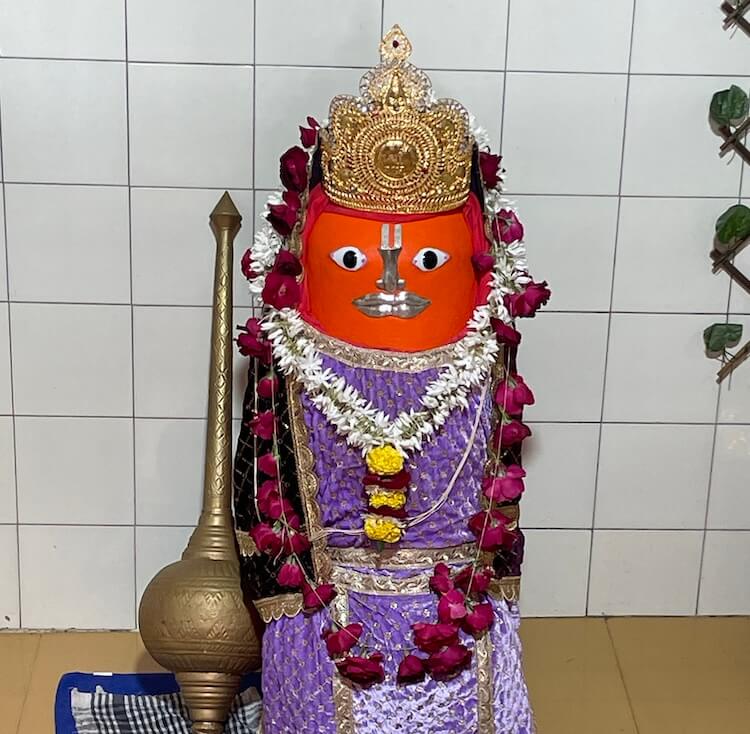 Situated in Nawa Punagam is the temple of Hanuman, consecrated by Lakhi Rai Banjara, a valiant warrior and one of the wealthiest merchants of the Asian continent during the sixteenth and seventeenth centuries. Lakhi Rai was affectionately known as ‘Lakha’ and the deity here is identified by his name. According to local lore, the idol of Hanuman is Swayambhu (self-manifested) and was discovered within a well. This very well still exists adjacent to the temple today. It is said that its waters are cool and sweet and their consumption is believed to alleviate all abdominal ailments.
The history of this temple is inextricably linked with Lakhi Rai or Lakhi Shah Banjara, whose name is eternally inscribed in the annals of Sikh history. The ninth Guru of the Sikhs, Guru Tegh Bahadur (1621–1675 CE), was arrested by Emperor Aurangzeb and subsequently publicly beheaded at Chandni Chowk in Delhi. Lakhi Shah was in Delhi at that time, maintaining a haveli (mansion) in the village of Raisina. 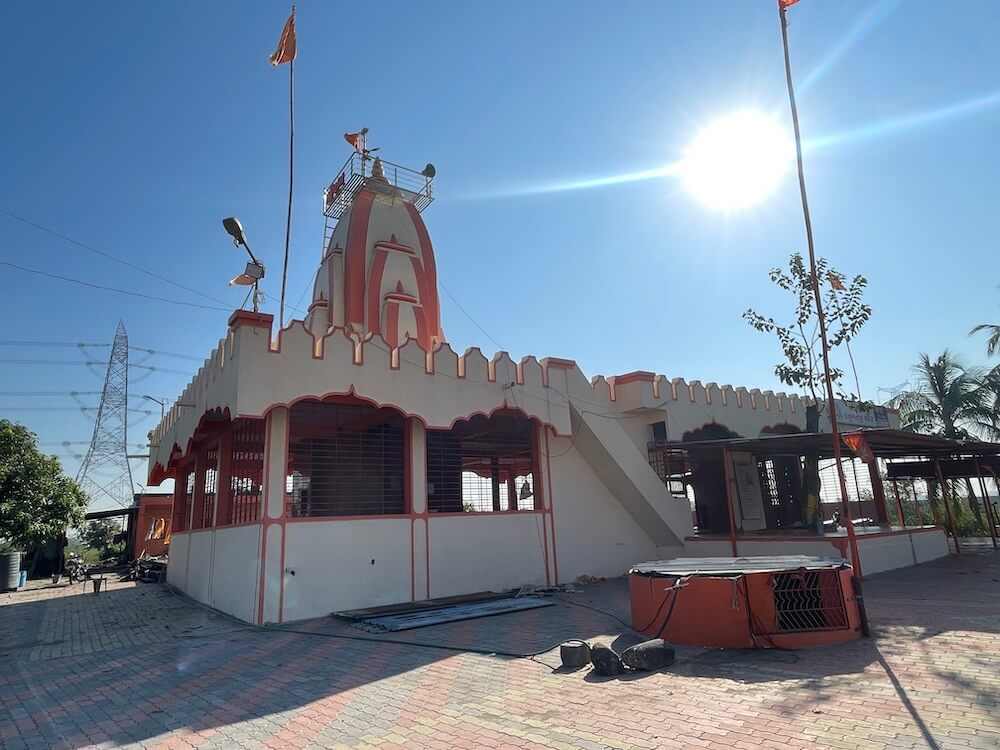 The headless body of Guru Tegh Bahadur had been left at Chandni Chowk. Risking his own life, Lakhi Shah, accompanied by his son Nagahiya, stealthily went to Chandni Chowk that night. They concealed the Guru’s mortal remains in a cart laden with cotton and secretly transported the body to their mansion.
Performing a public funeral for Guru Tegh Bahadur would have been extremely dangerous. Therefore, LakhiRai decided to keep the body within his mansion and then set the entire mansion ablaze, thus performing the final rites for his revered Guru through this extraordinary act of sacrifice. Detailed information regarding Lakhi Rai Banjara is provided in the research-based book, ‘Lohgarh: The World’s Largest Fort: The Capital of the Sikh Kingdom’, authored by Harjinder Singh Dilgeer, Gagandeep Singh and Gurvinder Singh. 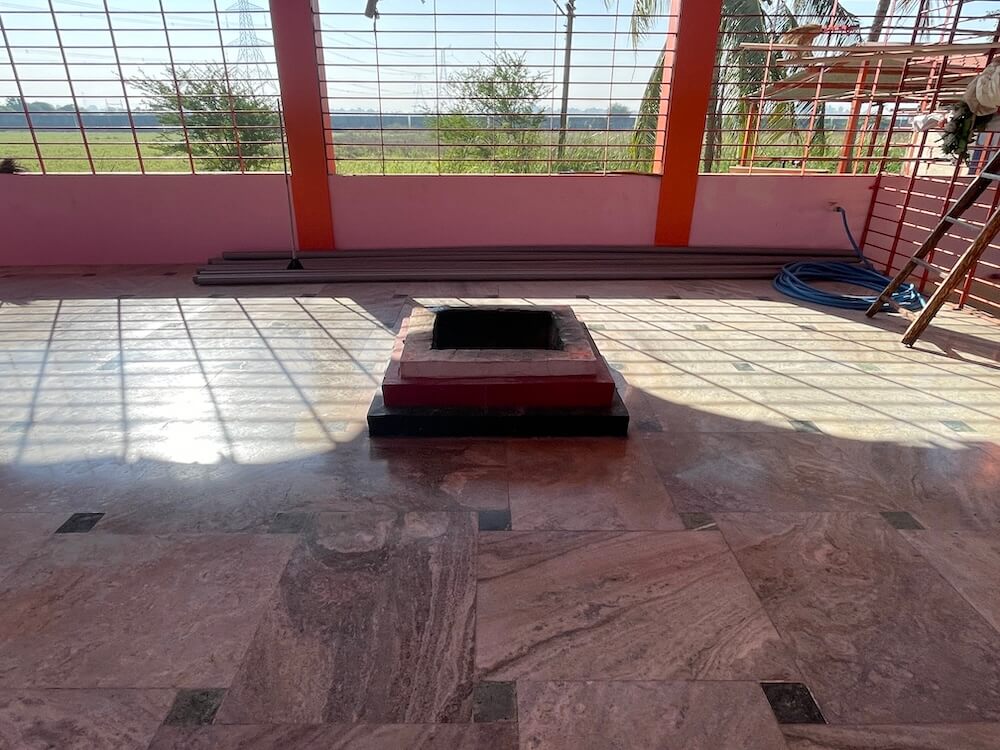 According to these records, Lakhi Rai was born on 4th July 1580 into the household of Godhu Banjara, a devout Sikh. His birthplace was Khairpur Sadat, located in present-day Pakistan, though some accounts suggest he was born in Haryana. Lakhi Rai was a titan of commerce in his era, owning lands in Raisina, Malcha, Narela and Bara Khamba – areas that now form parts of Delhi – along with the surrounding forests. His trade networks spanned from Samarkand and Yarkand in Central Asia to Sri Lanka, dealing in grain, salt, spices and textiles. He commanded thousands of camels, elephants, horses, bullocks and mules, alongside a vast workforce. He is credited with constructing numerous wells and lakes across Uttar Pradesh and Madhya Pradesh and contributed significantly to the construction of the Lohgarh Fort in the Sikh Empire.
  He also supplied stones for the construction of the Red Fort in Delhi. Furthermore, he is said to have built the Khammawati Bawdi in the Lal Darwaza area of Surat and the Sagar Lake in Madhya Pradesh.
According to local legend regarding this temple, Lakhi Rai Banjara was once staying in this region during a visit to Bharuch. It was then that he discovered the idol of Hanuman inside a well. He constructed a modest shrine here and performed the Pratishthapana (consecration) of the idol. Lakhi Rai Banjara passed away on 28th May 1680. From this, it is evident that the temple is at least three hundred and fifty years old. Following a recent Jirnoddhara (restoration), the temple has acquired its current architectural form.
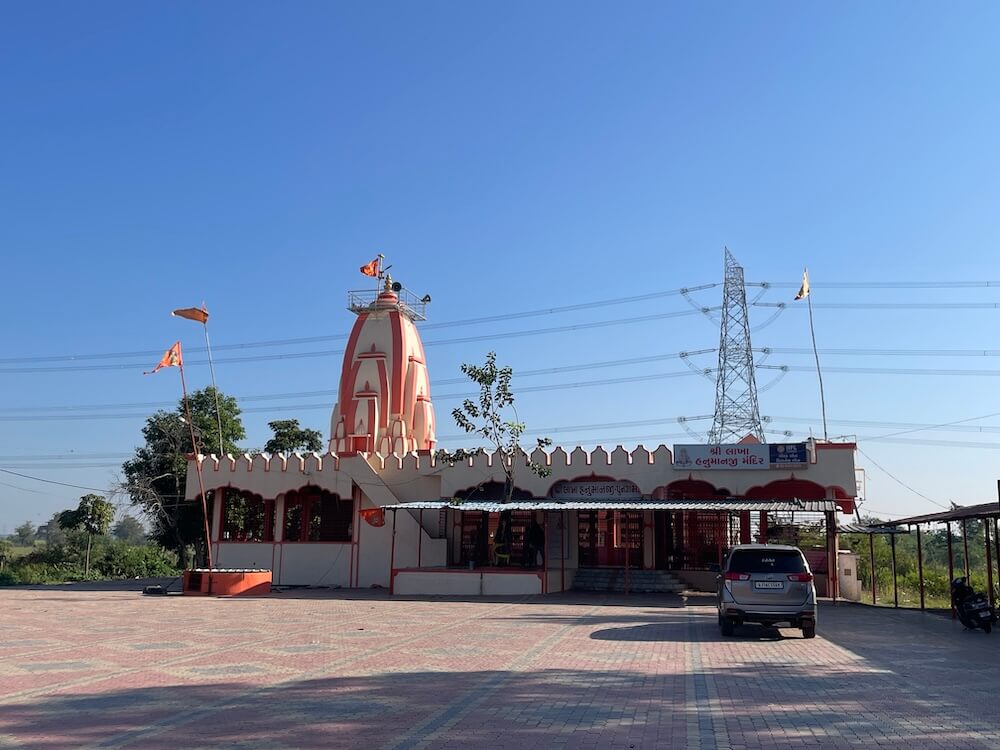
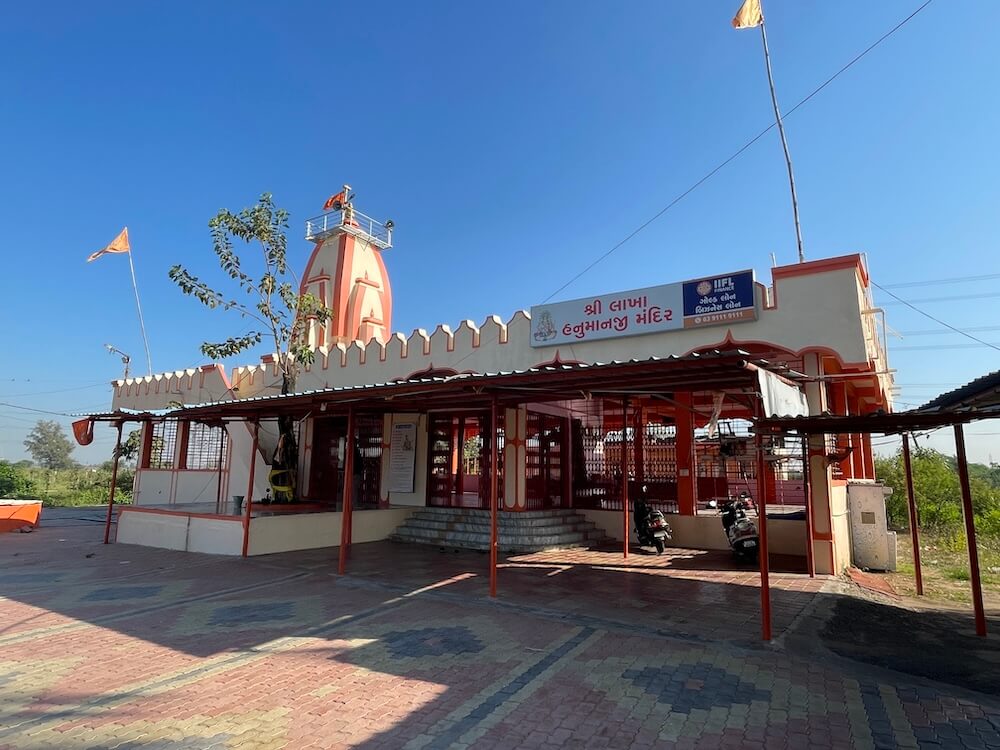
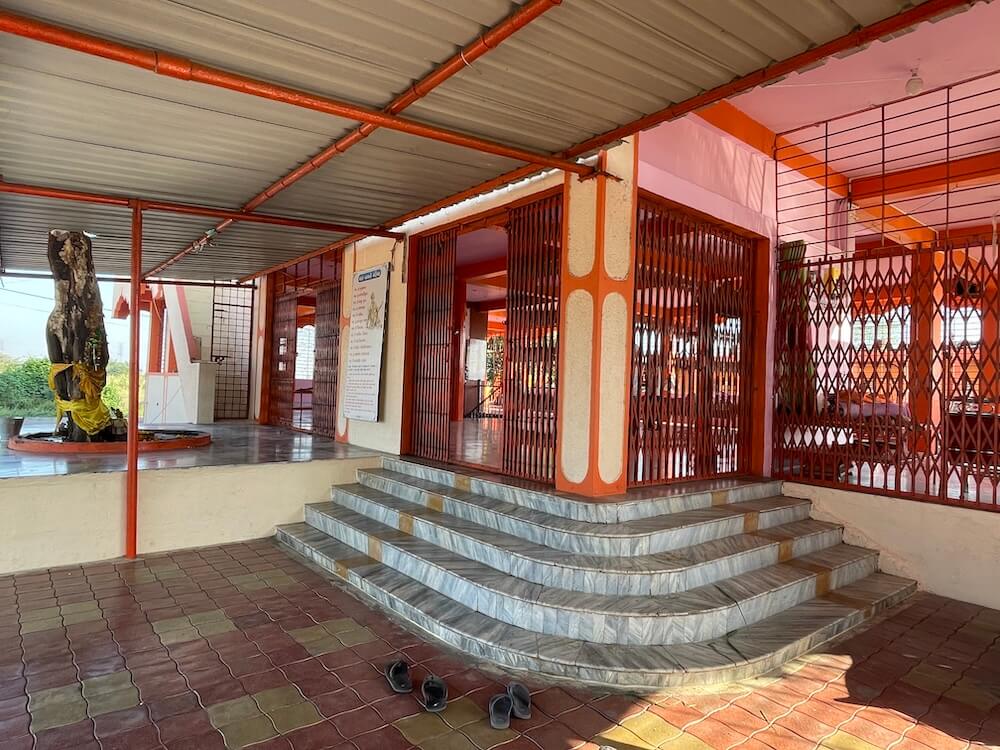
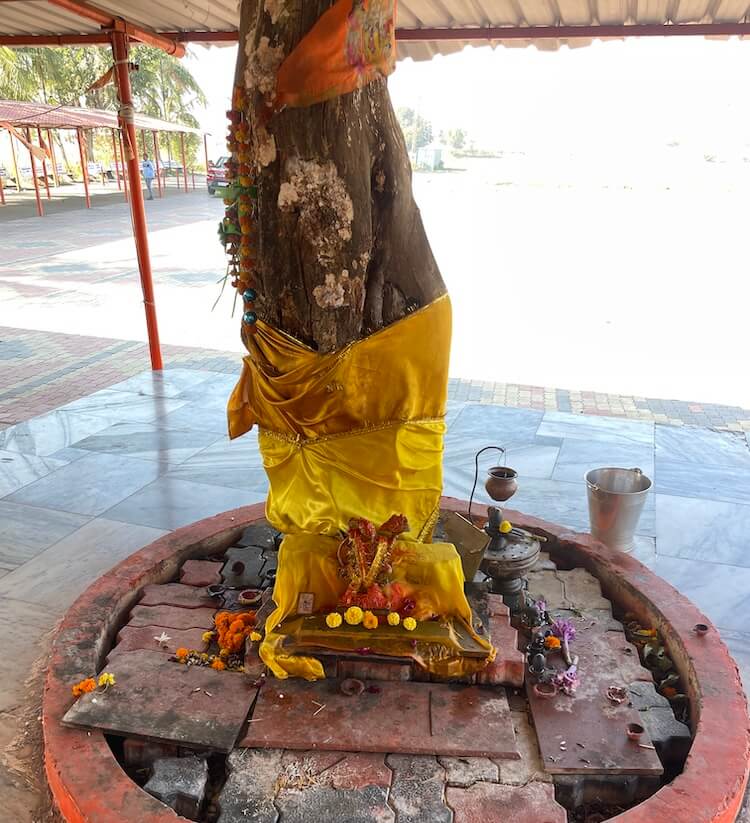
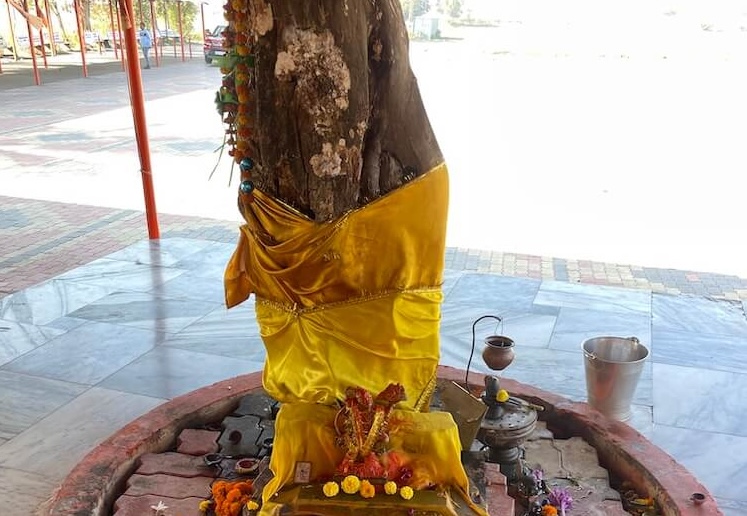 The temple is nestled in a tranquil setting near the highway, surrounded by verdant fields. A large courtyard spreads before the temple, featuring expansive corrugated iron sheds on both sides for vehicle parking. The courtyard is paved throughout with interlocking blocks. The temple’s architecture is modern, consisting of a long, horizontal Sabha mandapa (assembly hall) and a Garbhagriha (sanctum sanctorum). The assembly hall is topped with a decorative parapet, while the sanctum is crowned by a soaring Urushringa Shikhara (pinnacle). One enters the open-style assembly hall by ascending five steps. Beside these steps stands an ancient tree, encircled by a square stone platform, which is an object of worship.
  Nearby lies the well with a small parapet, where the idol of Hanuman is said to have been found.
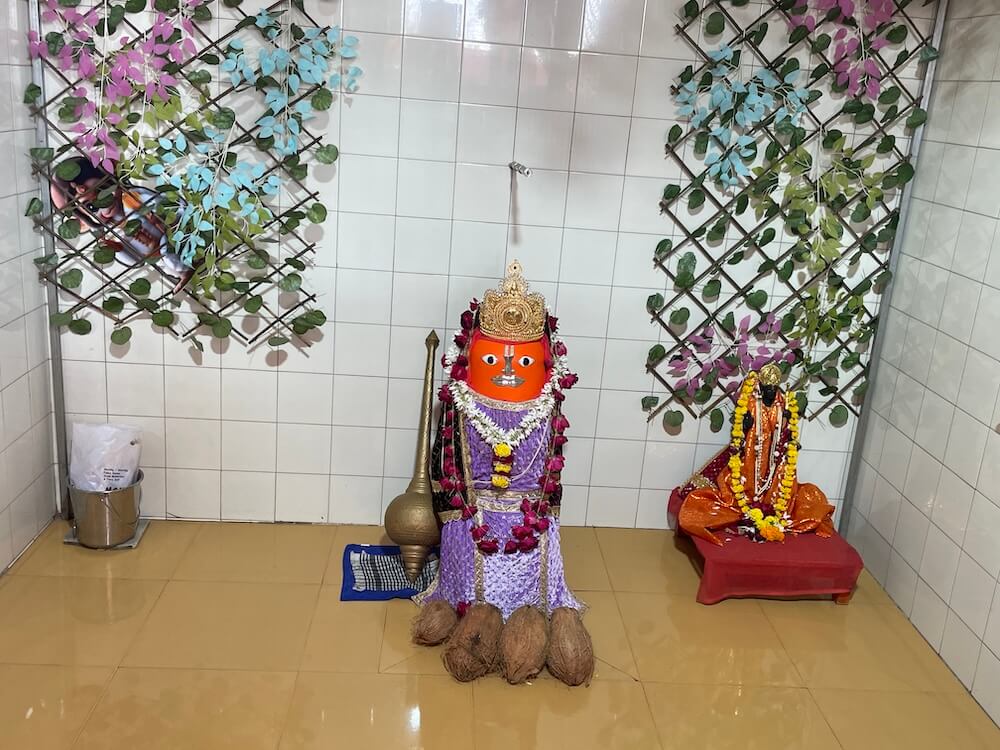
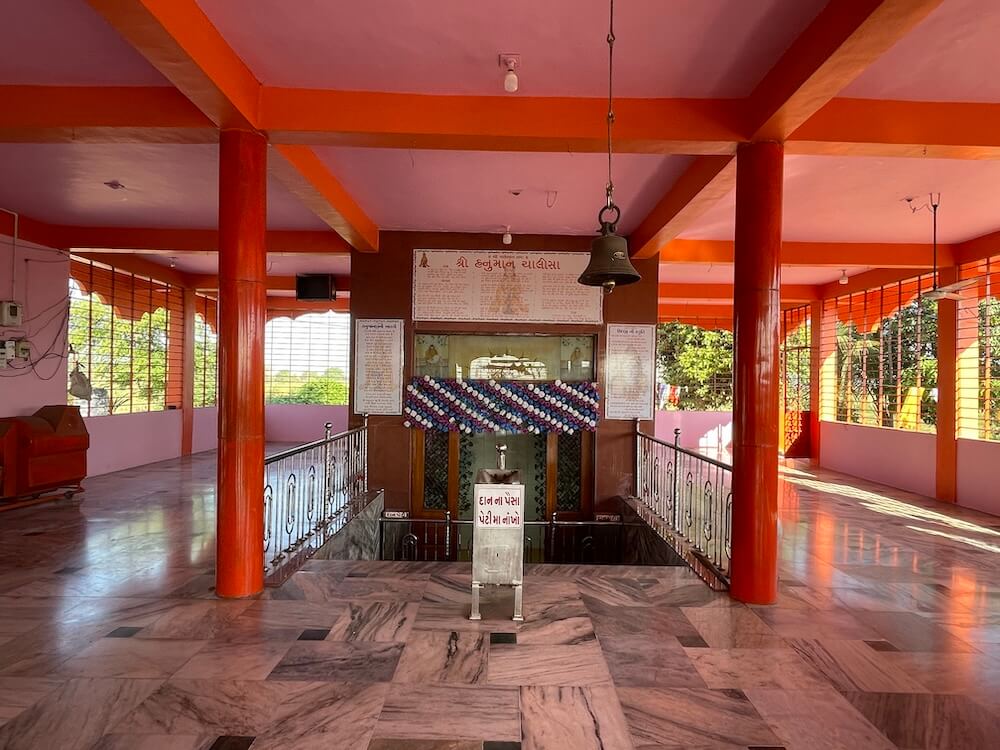
Within the assembly hall, a Yajnakunda (sacrificial pit) is situated on one side. The Garbhagriha is subterranean relative to the floor of the hall and one enters it by descending eight steps. This sanctum, with walls and floors adorned with marble tiles, enshrines the idol of Hanuman in the form of a stone monolith upon the ground. Devotees hold the firm belief that this idol is Swayambhu. The stone is coated in Shendur (vermilion), with the eyes, nose and lips artistically depicted upon it. A golden crown adorns the head of the deity, who is further decorated with garments and floral garlands. A large brass Gada (mace) is placed beside the idol. To the right of the main deity, 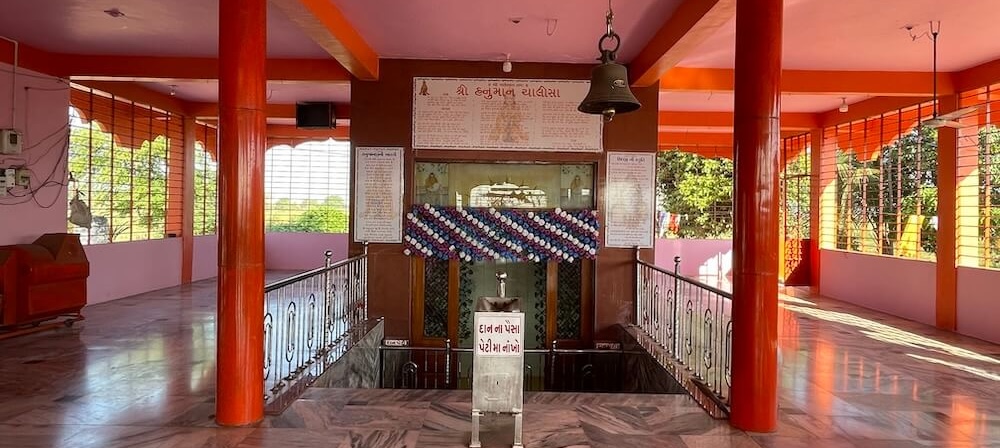 an idol of Lord Shri Ram carved from black stone sits upon a Chaurang (pedestal). A Pradakshinamarga (circumambulation path) surrounds this sanctum from the assembly hall.
Ritual worship and Aarti (prayer) are performed daily every morning and evening. A grand celebration takes place on Hanuman Jayanti, attracting hundreds of devotees from the surrounding areas. Various religious programmes are organised from dawn to dusk to mark this occasion. Following the Maha Aarti in the evening, Mahaprasad is distributed to the devotees. During the Adhik Maas (intercalary holy month), several religious events, including the Laghurudra (a Vedic recitation for Lord Shiva), are organised.
Main Features :
- Located 11 km from Ankleshwar, 17 km from Bharuch.
- State Transport and private vehicles available from Ankleshwar.
- Private vehicles can reach up to the temple parking area.
- No accommodation or refreshment facilities available in the premises.
लाखा हनुमान मंदिर
नवा पुनागम, ताल. अंकलेश्वर, जिला. भरूच
मंदिरे
Temples
मंदिर
-
कोटेश्वर महादेव मंदिर कदोद, ता. भरुच, जि. भरुच
अधिक माहितीKoteshwar Mahadev Temple Kadod, Tal. Bharuch, Dist. Bharuch
View Detailsकोटेश्वर महादेव मंदिर कडोद, ताल. भरूच, जिला. भरूच
विवरण देखें -
धर्मेश्वर महादेव मंदिर धर्मशाळा-झानोर, ता. भरुच, जि. भरुच
अधिक माहितीDharmeshwar Mahadev Temple Dharmashala-Jhanor, Tal. Bharuch, Dist. Bharuch
View Detailsधर्मेश्वर महादेव मंदिर धर्मशाला-झानोर, ताल. भरूच, जिला. भरूच
विवरण देखें -
साईबाबा मंदिर रामवाटिका सोसायटी, झाडेश्वर, ता./जि. भरुच
अधिक माहितीSai Baba Temple Ramvatika Society, Zadeshwar, Tal./Dist. Bharuch
View Detailsसाईं बाबा मंदिर रामवाटिका सोसायटी, जादेश्वर, ताल./जिला. भरूच
विवरण देखें