
पशुपतीनाथ मंदिर
अंकलेश्वर गिडस, ता. अंकलेश्वर, जि. भरुच
Pashupatinath Temple
Ankleshwar GIDC, Tal. Ankleshwar, Dist. Bharuch
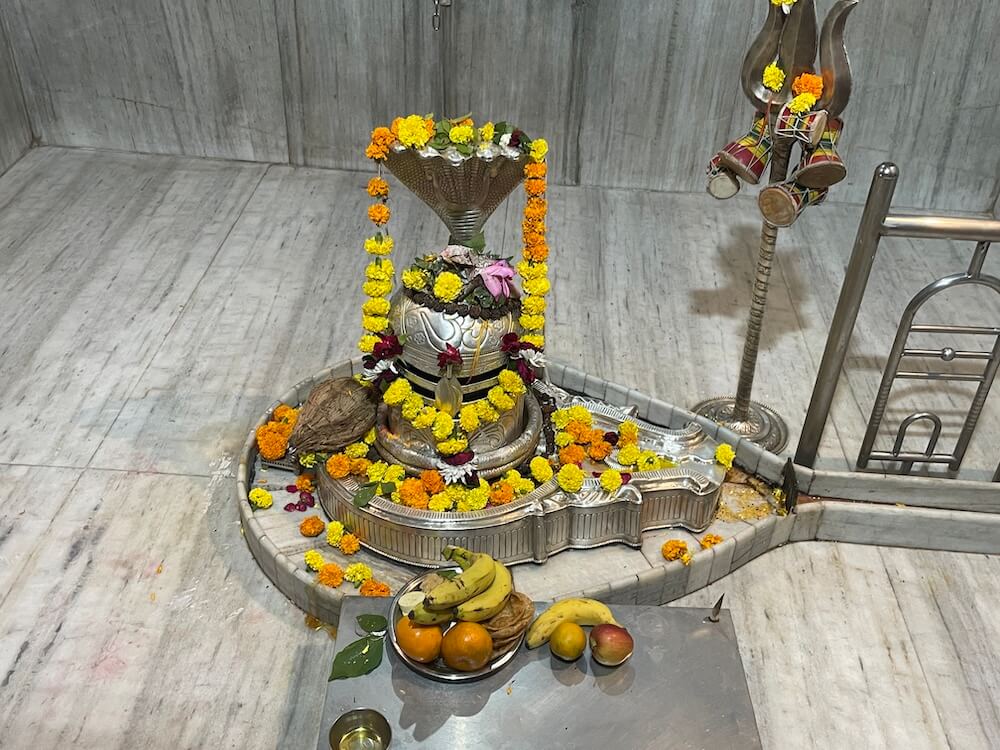 In the sacred lexicon of the Dharmashastras, the term Pashu (beast) does not merely denote the animal kingdom; rather every living being entangled in Maya (illusion), Adnyan (ignorance) and worldly attachments is considered a pashu. Lord Shiva is revered as the Sovereign of all such beings, hence the title Pashupatinath (Lord of all Creatures). In the Yajurveda, within the Rudradhyaya, Rudra–Shiva is referred to as Pashupati. While the most sanctified seat of Pashupatinath is situated upon the banks of the Bagmati River in Kathmandu, Nepal, a magnificent temple dedicated to this same deity graces the industrial township of Ankleshwar. This temple stands as a profound center of faith for many devotees in the region.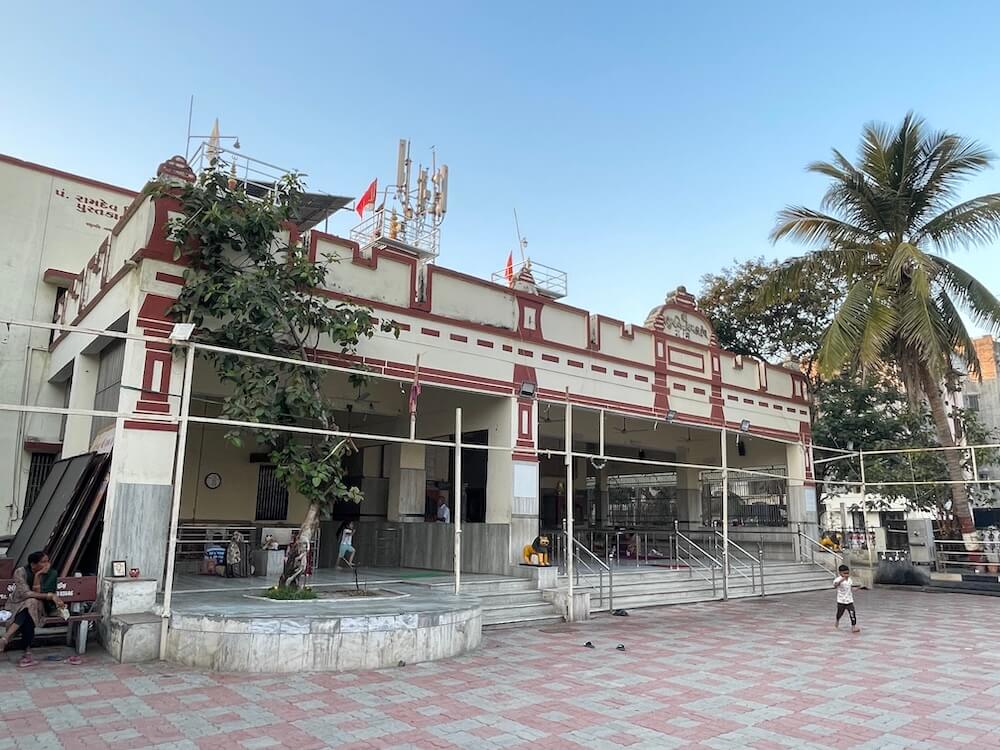
It is widely believed that the Pashupat Sampradaya (a sect venerating Shiva as the supreme object of worship) originated and spread from the lands of Gujarat and Rajasthan. Acharya Lakulish is regarded as the pioneering proponent of this tradition. The place known in the Satyayuga as Ichhapuri, in the Tretayuga as Mayapuri and in the Dvaparyuga as Meghavati, is today known as Kayavarohan, a village in the Dabhoi Taluka of Vadodara District lies approximately 70 kilometres from Ankleshwar. It was here, during the latter half of the 1st century BC or the 2nd century AD, that Acharya Lakulish was born. He is considered the 28th and final incarnation of Lord Shiva. According to mythological lore, Lord Shiva once entered the mortal remains of a body in a cremation ground, restoring it to life. As he carried a wooden staff (Lakul), he became renowned as Lakulish.
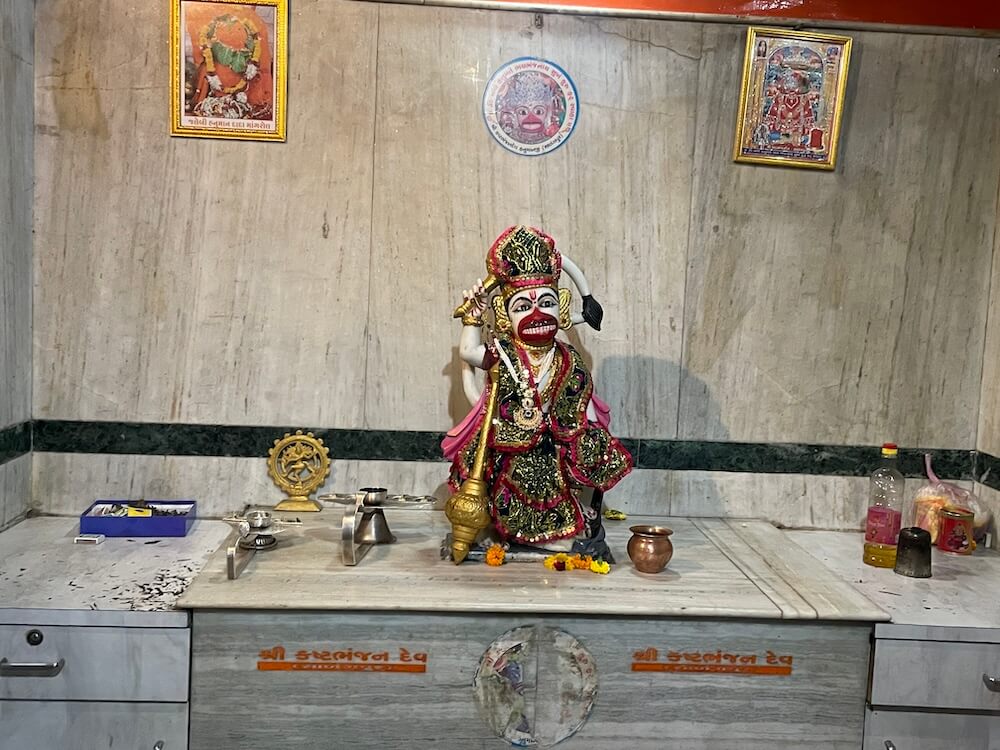 Lakulisha systematically organised this ancient tradition, which traces its roots back to the Vedic era, also referring to it as the ‘Agmanta Sampradaya’. Within this sect, Lakulisha is worshipped in an iconographic form. His idol is portrayed seated in padmasana, with the generative organ symbolically uplifted; he holds a mahalung in the right hand and a staff in the left. In contrast, Pashupatinath is primarily worshipped in the form of a Shivalinga. There exist various mythological legends about Bhagwan Shankar’s manifestation as Pashupatinath. One chronicle narrates that despite their victory in the great war of Kurukshetra, the Pandavas were consumed by profound sorrow, having slain their own kinsmen—a sin known as Gotravadha. Seeking absolution, they set out to find Lord Shiva to perform penance.
 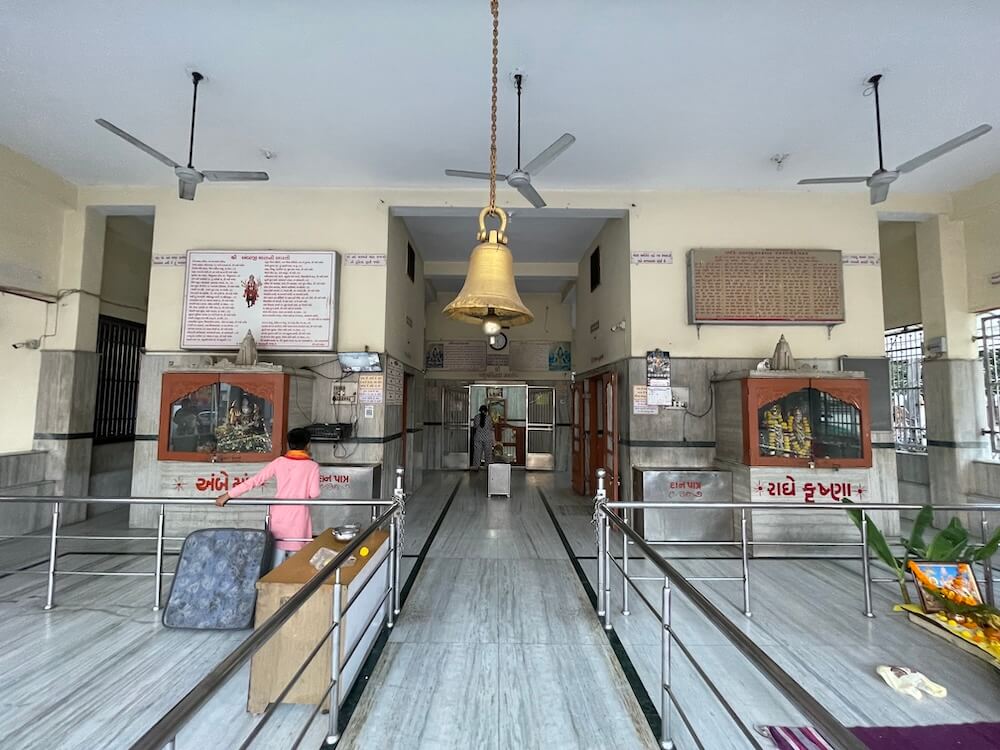 However, Shankara, feeling they should not be granted such easy redemption for so grave a sin, assumed the form of a bull to elude them.
Recognizing Him, the Pandavas gave chase, causing the bull-formed Shankara to vanish into the earth. When He reappeared, His divine form manifested in various fragments across different locations. His head is said to have fallen on the banks of the Bagmati River in Nepal, where the Pashupatinath temple was subsequently raised.
That temple enshrines a Chaturmukhi (four-faced) Linga, where the eastern face is Tatpurusha, the western Sadjyot, the northern Vamadeva and the southern Aghora. At Ankleshwar too, Pashupatinath resides in the form of a sacred stone linga.
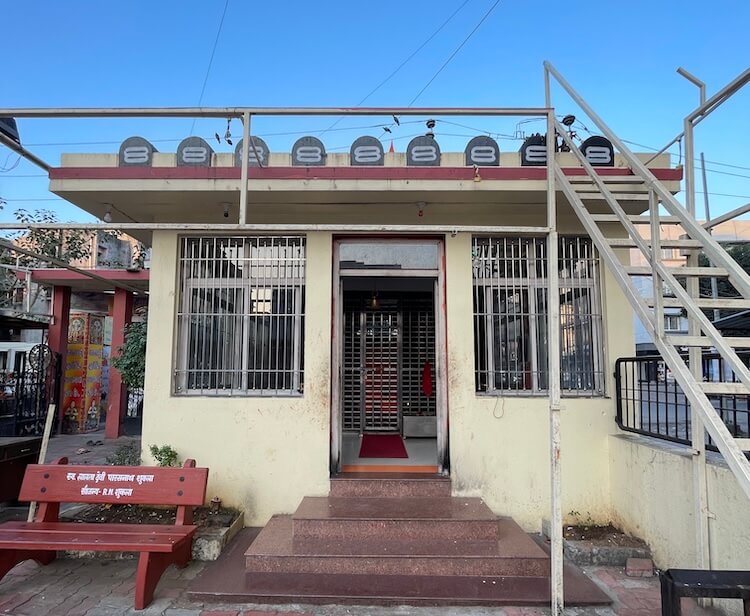
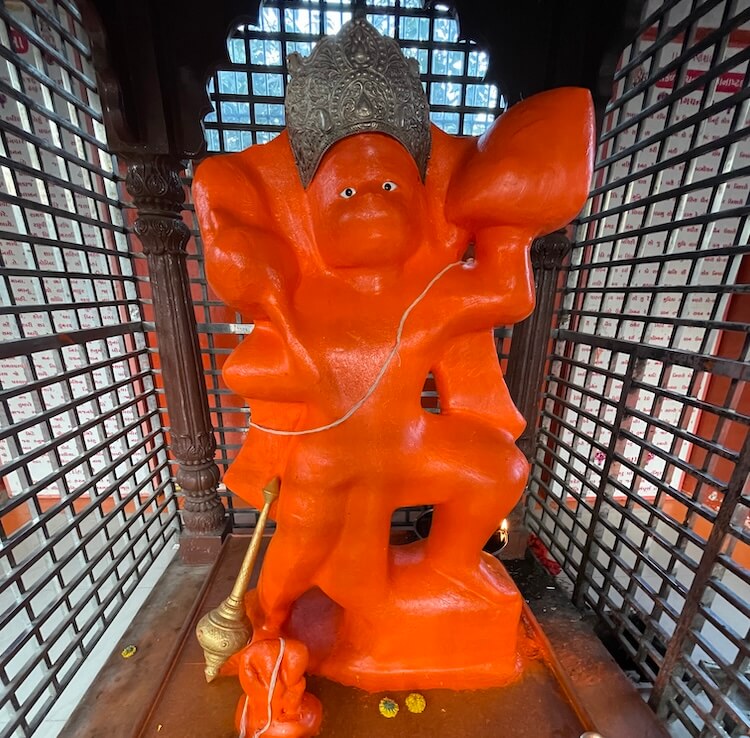
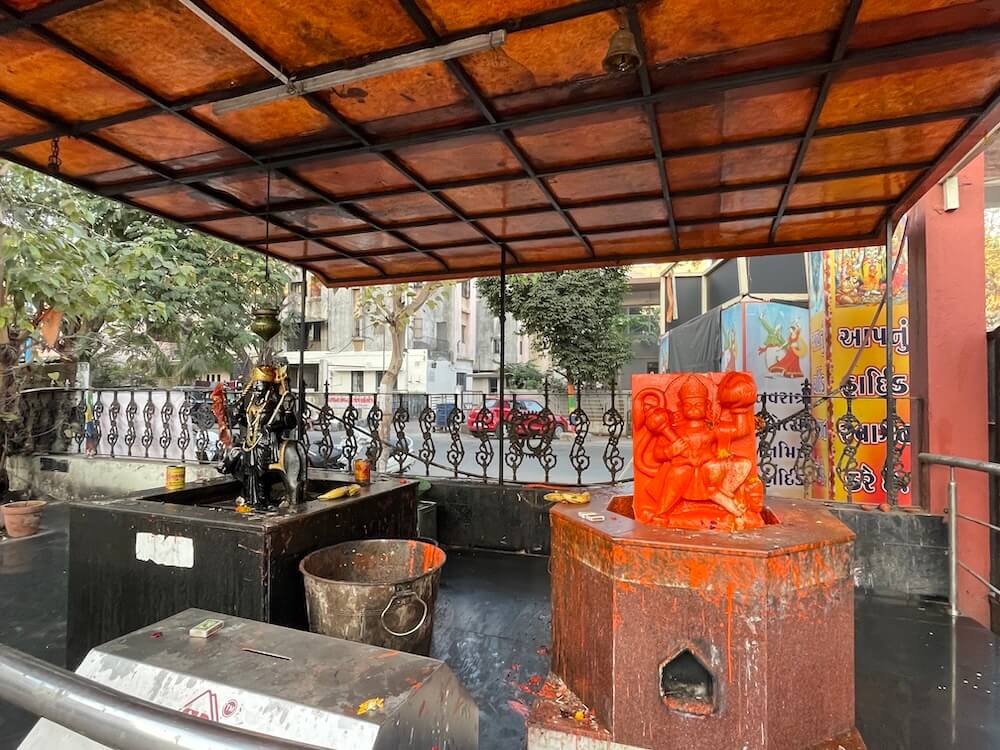 The temple is nestled within a spacious courtyard near Jaldhara Chowk in the Gujarat Industrial Development Corporation (GIDC) area. The Prana Pratishtha (consecration ceremony) of the Shivalinga and other deities was performed in 2005 and since then, the shrine has become a cornerstone of devotion for local residents. Upon entering the courtyard, to the right of the gateway, stands a vermilion-coated idol of Hanuman atop a high pedestal. Beside Him sits an idol of Shani, carved from black stone, where many devotees offer Tailabhishek (oil anointing) every Tuesday and Saturday. To the left of the entrance lies a large temple dedicated to Hanuman, featuring an imposing vermilion idol of the deity wearing a crown and wielding both a mace and the Dronagiri mountain.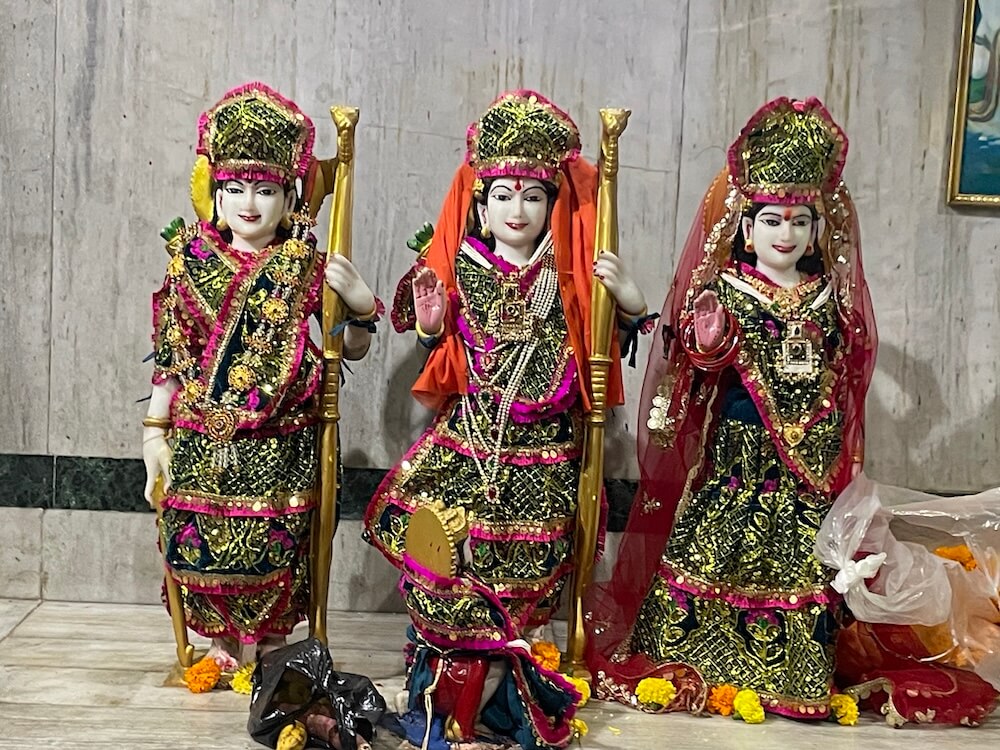
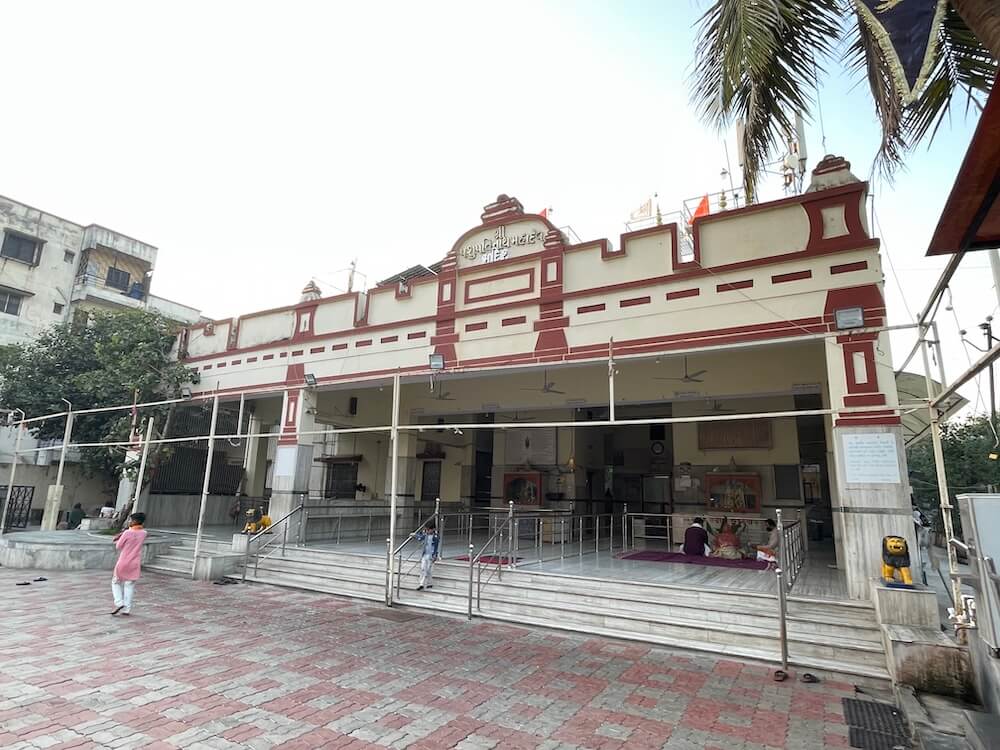
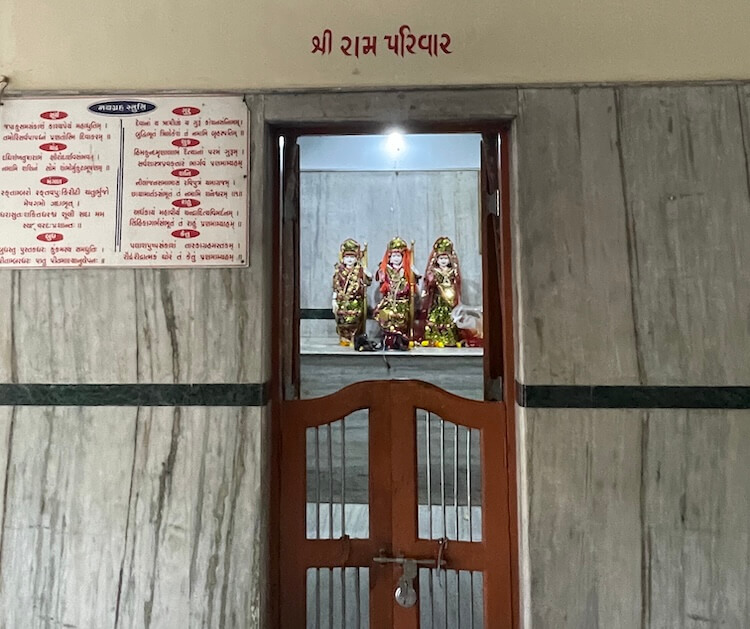
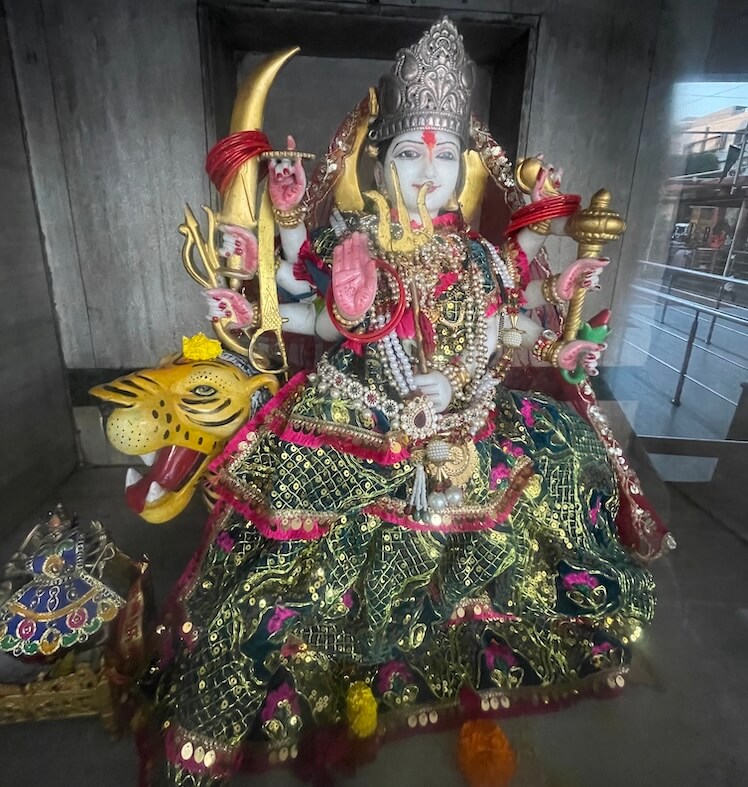
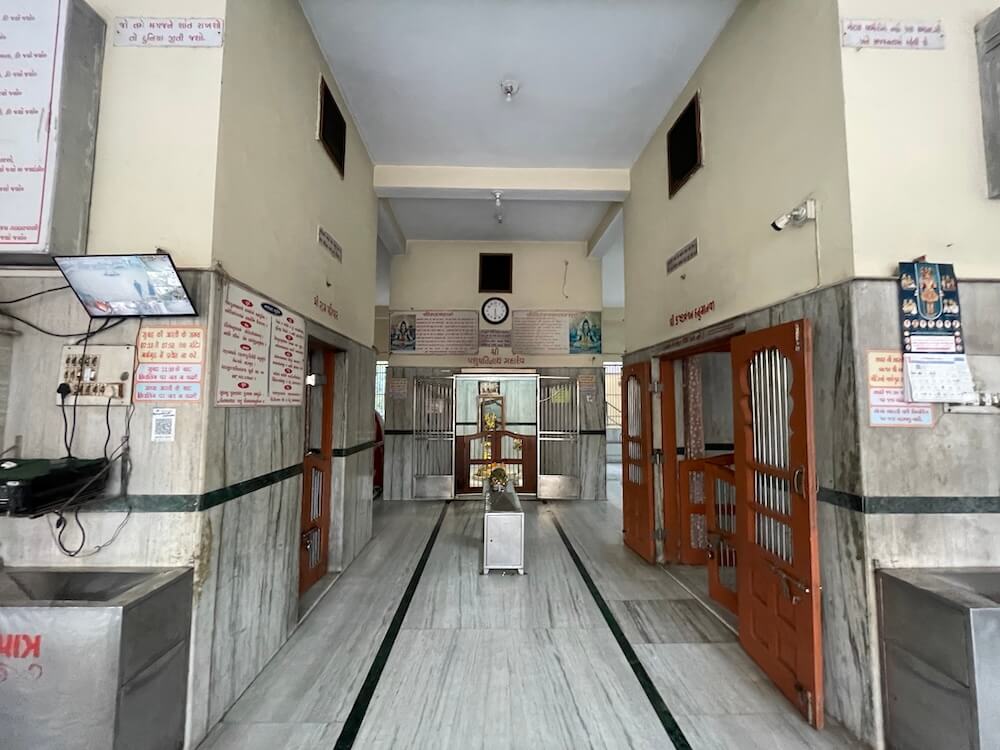
To the right of the courtyard stands the modern edifice of the Pashupatinath temple, constructed upon a raised Jagati (plinth). It features an expansive horizontal Sabha mandapa (assembly hall). The upper reaches of the hall’s ceiling are adorned with a high parapet, where a central dome-like structure takes the shape of a Shivapindi. Within the assembly hall, to the left, is a sanctum enshrining an Ashtabhuja (eight-armed) Amba Mata. The right sanctum houses the idols of Radha-Krishna. Proceeding further inside, one encounters a shrine to the Ram Parivara on the left, where marble idols of Shri Ram, Lakshman and Sita reside upon a high pedestal, beautifully adorned with fine vestments and ornaments. Directly opposite is the shrine of Kashtabhanjan Hanuman, featuring a marble idol of Hanuman holding a mace, similarly embellished with rich fabrics. It should be noted that entry into the Kashtabhanjan 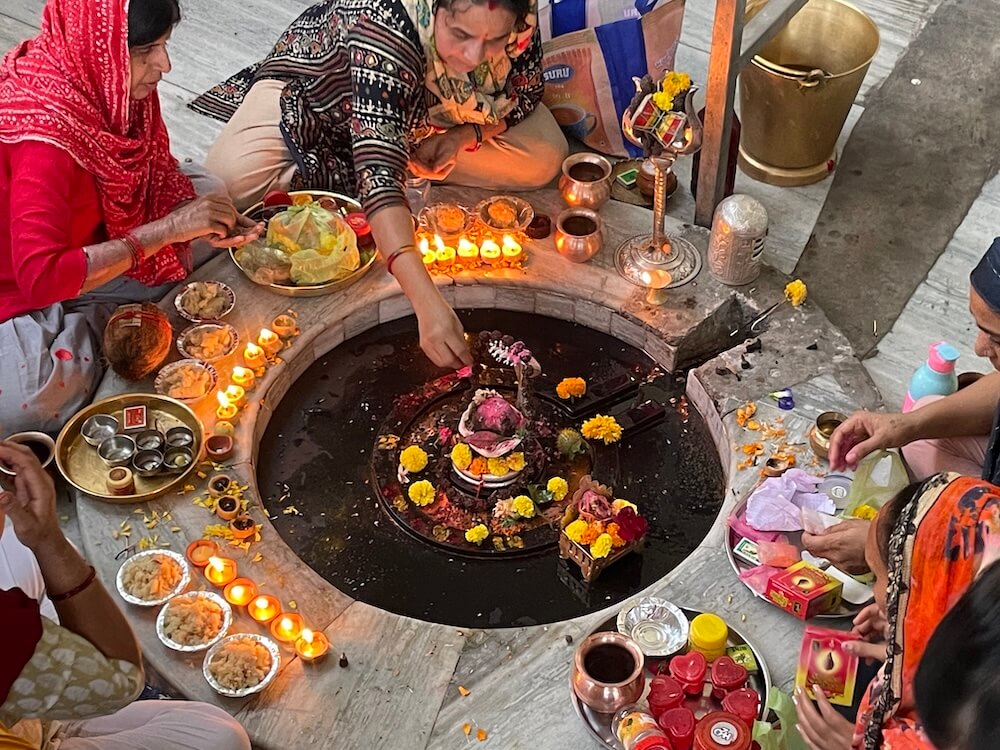 Hanuman shrine is restricted for female devotees.
Beyond these two shrines, a marble Nandi sits upon a marble platform, facing the main Garbhagriha (sanctum sanctorum) of the Pashupatinath Mahadev Temple. Within this sanctum, adorned with marble tiles, lies the Pashupatinath Pindi upon the earth’s level. This Pindi houses a large stone Shivalinga, which, along with the adjacent smaller Shalunka (base), is encased in intricately carved silver plating. A silver Nagaraja (serpent king) stands with its hood raised over the Pindi, accompanied by a Panchadhatu (five-metal alloy) trident. Behind the Pindi, in a dedicated niche, sits an idol of Parvati.
At the rear of the temple complex are shrines dedicated to Jalaram Bappa, Shitala Mata and Isha Mata, alongside a seat for Mahakal Bhairava. The shrines of the Rama Parivara, Kashtabhanjan Hanuman and the main sanctum are crowned with modern Urushringa style spires, topped with Amalakas and three-tiered Kalashas (finials).
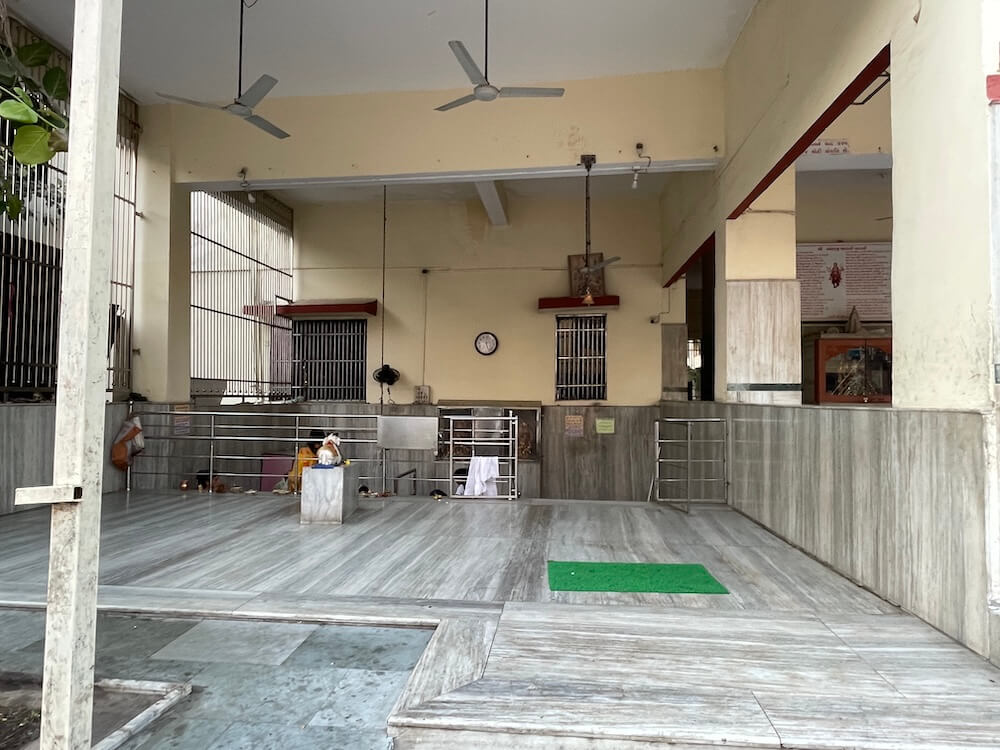
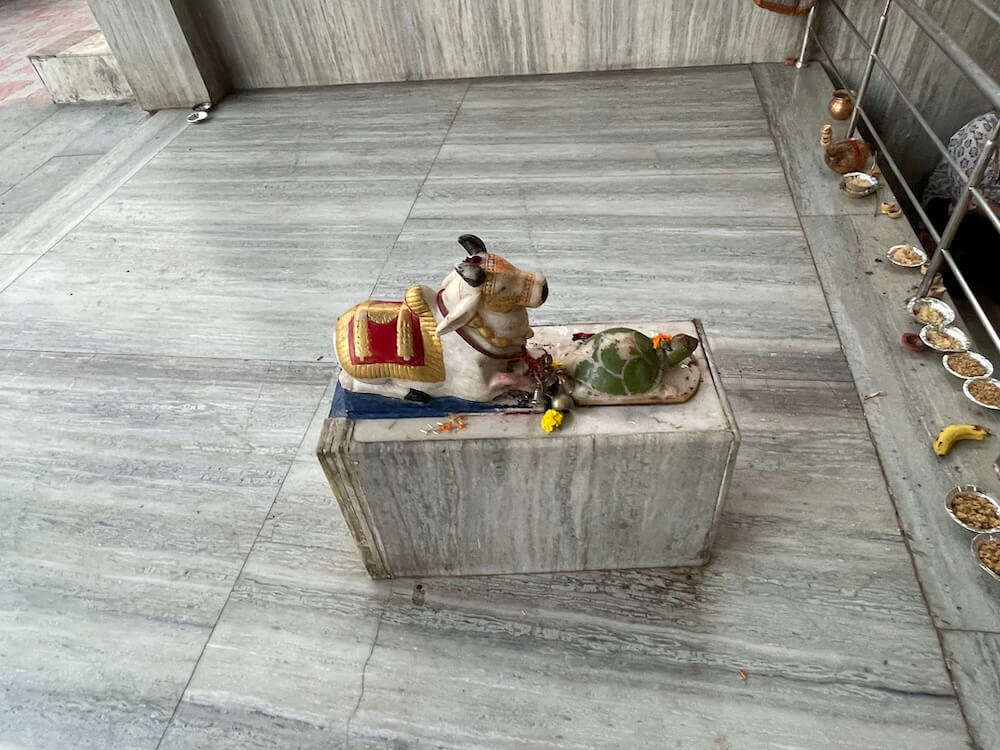
Adjacent to the main temple is another sacred spot for Mahadev. Here, the assembly hall houses small pedestals for Nandi and a tortoise. Descending five steps from the hall leads one into the open-style sanctum, where a Shivapindi is set within a marble circle. The Shalunka of this Pindi is circular, enshrining a stone Linga. A silver trident and the silver covering for the Linga are kept nearby. Within the wall shrines here stand marble idols of Parvati and Ganesh, beautifully adorned with garments and ornaments.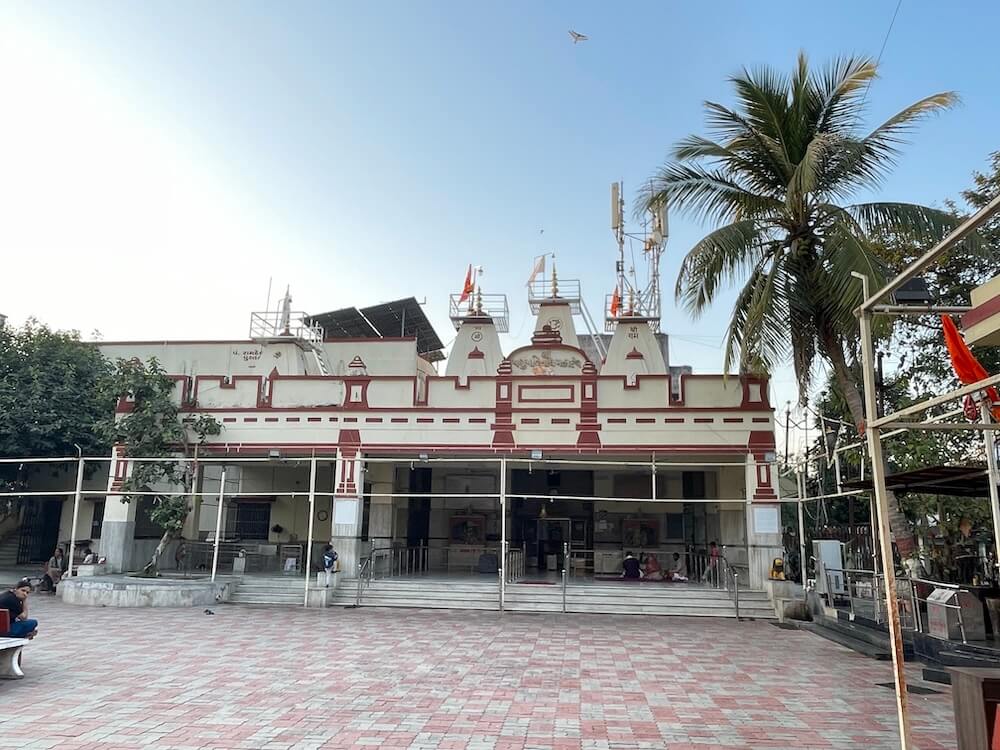
The daily ritual of Aarti is performed at the Pashupatinath temple between 7:10 am and 7:50 am, a time when many local devotees gather. The temple celebrates various festivals with great fervour. On Vasant Panchami, the Patotsav (anniversary of the temple’s consecration) is observed with Rudrabhishek and various religious ceremonies, followed by the distribution of Mahaprasad in the evening. Mahashivratri stands as the grandest festival here, with queues of devotees forming in the courtyard from the early hours. During the month of Shravan, the temple premises teem with three to four thousand devotees every Monday. The complex also houses a Satsang hall and a library, with arrangements provided for the stay of Sadhus and saints. Furthermore, an Annakshetra (charitable kitchen) is operated within the temple precincts for the benefit of Narmada Parikramavasis (pilgrims performing the circumambulation of the Narmada River).
Main Features :
- Located 5 km from Ankleshwar Bus Station, Located 14 km from Bharuch.
- ST bus services are available to Ankleshwar from many towns in the Bharuch district.
- Private vehicles can reach the temple directly.
- Accommodation and breakfast facilities are available in the vicinity.
- Contact : Temple Office, Mob: 9879751179
पशुपतिनाथ मंदिर
अंकलेश्वर जीआईडीसी, ताल। अंकलेश्वर, जिला. भरूच
मंदिरे
Temples
मंदिर
-
कोटेश्वर महादेव मंदिर कदोद, ता. भरुच, जि. भरुच
अधिक माहितीKoteshwar Mahadev Temple Kadod, Tal. Bharuch, Dist. Bharuch
View Detailsकोटेश्वर महादेव मंदिर कडोद, ताल. भरूच, जिला. भरूच
विवरण देखें -
धर्मेश्वर महादेव मंदिर धर्मशाळा-झानोर, ता. भरुच, जि. भरुच
अधिक माहितीDharmeshwar Mahadev Temple Dharmashala-Jhanor, Tal. Bharuch, Dist. Bharuch
View Detailsधर्मेश्वर महादेव मंदिर धर्मशाला-झानोर, ताल. भरूच, जिला. भरूच
विवरण देखें -
साईबाबा मंदिर रामवाटिका सोसायटी, झाडेश्वर, ता./जि. भरुच
अधिक माहितीSai Baba Temple Ramvatika Society, Zadeshwar, Tal./Dist. Bharuch
View Detailsसाईं बाबा मंदिर रामवाटिका सोसायटी, जादेश्वर, ताल./जिला. भरूच
विवरण देखें