 Across the world, in many cultures, the Sun has been revered as a deity and worshipped in different forms. Known by names such as Savitru, Vivasvat and Pushan, the Sun is invoked through hymns, rituals and prayers. The famous Gayatri Mantra from the Rigveda is dedicated to Savitru, who is none other than the Sun God. From ancient times, many temples dedicated to the Sun have been built across India. Among them, the Surya Mandir in Indore, constructed only about 20 years ago, has quickly gained fame. Within its temple complex are not only the shrine of Surya Dev but also shrines dedicated to the Navagrahas. A solar clock and two kunds in the premises serve as additional attractions for visitors.
 According to ancient tradition, Sun worship in India was propagated by the Mag Brahmins who had migrated from Shakadvipa, believed to be the region of present-day Iran. A tale from the Samba Purana narrates how Samba, the eldest son of Lord Krishna, once ridiculed the frail form of Sage Durvasa and was cursed by the sage with leprosy. To free himself of this curse, Devarshi Narada advised Samba to worship the Sun God. However, no local Brahmin was willing to conduct the ritual. Samba, therefore, brought Mag Brahmins from Shakadvipa to perform the rites. The Bhavishya Purana states in its 140th chapter that Samba brought 18 kuls (lineages) of Mag Brahmins from Shakadvipa to Sambapura to establish the worship of the Sun.
 The earliest epigraphical reference to a Sun temple in India is also traced to Madhya Pradesh. An inscription from the Gupta period of the 5th century mentions the construction of a Sun temple at Mandsaur. Similarly, a copperplate grant refers to Mihirkula, a Hun king who ruled near Gwalior in Sagar, as having built a Sun temple. A ninth-century Sun temple also exists in Tikamgarh. Later, under the Gurjara-Pratiharas, who were staunch Sun worshippers, this tradition received further encouragement. Among them was the famous king Bhoja, a devotee of the Goddess, yet one who also bore the epithet Mihira, hinting at his devotion to the Sun. This long tradition of Sun worship in Madhya Pradesh continues to be honored through the Surya Mandir in Indore.
 The legend of this temple’s origin says that once a woman named Hujjidevi Rajdev had a dream in which a saint revealed to her that in ancient times, thousands of years ago, a massive lake and a grand temple of the Sun God once stood at a certain place in Indore. The saint conveyed that it was the Sun God himself who wished for the temple to be rebuilt, along with his divine court. Upon consulting astrologer Dr. Arvind Upadhyay, she was told that the Sun’s court symbolized the inclusion of the other eight planetary deities as well. Acting upon this, her son Hashmat Rai Rajdev built the Sun temple, the Navagraha shrines and the Surya Kund at the site. The foundation-laying ceremony was held on Sunday, July 7, 2002, at 10:28 AM and the consecration of idols began on Sunday, November 28, 2004, at 8:09 AM.
 Spread across about one and a half acres, the temple complex has a grand gateway adorned with auspicious symbols such as the lotus, conch, chakra, swastika and fish. Sculpted doorkeepers stand guard at the entrance pillars. Above, in the central panel, sits the image of Surya Dev seated within a lotus, flanked by elephants on both sides. The gateway has an arched roof topped with a shikhara shaped like a kalash. Beautiful gardens embellish the surrounding area, with the golden-colored Surya Mandir standing prominently at the center. Its seven-tiered shikhara is said to enshrine yantras such as the Surya Yantra, Shri Yantra and Guru Yantra. A circular platform in front of the temple houses a solar clock dating back to 1851, gifted by Ripudaman Singh Rathore of the Bagli royal family. Beyond this, on a marble pedestal, rests the idol of Kurma, the divine tortoise.
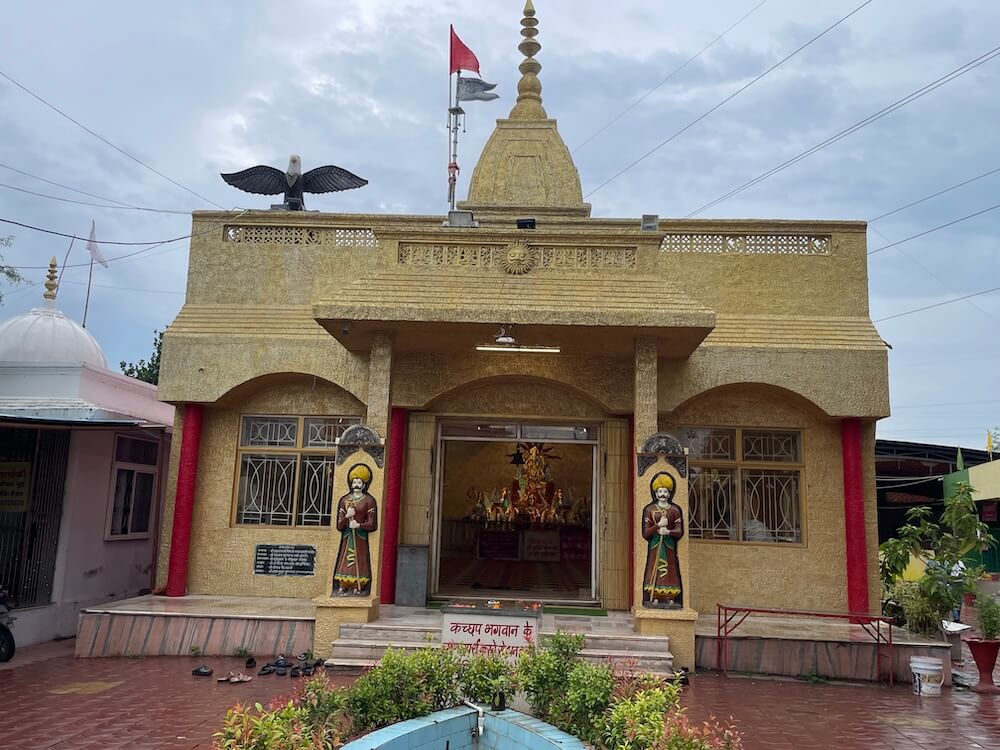
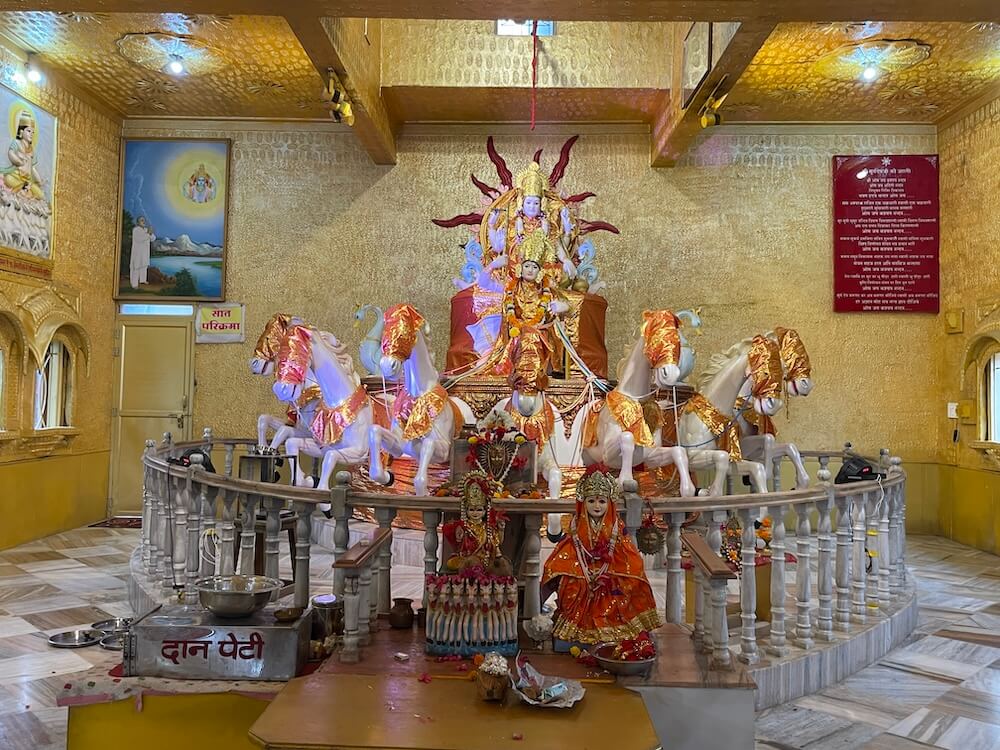
 Flanking the temple’s main hall are grand sculptures of doorkeepers. On the roof, Garuda is installed to the left. The spacious and radiant sabha mandap has, at its center, a large circular marble enclosure housing the idol of Surya Dev seated in a chariot drawn by seven horses. This idol, carved out of marble by sculptors from Odisha, is about 13 feet tall. The seven horses symbolize the seven days of the week, known as Gayatri, Brihati, Ushni, Jagati, Trishtubh, Anushtubh and Pankti. The charioteer of this divine chariot is Aruna, depicted here without legs, as prescribed by iconography. The idol portrays Surya Dev holding a conch, discus and mace. On both sides of the chariot are sculptures of swans. A brass idol of Surya Dev is also installed before this main idol, alongside the images of his consorts Usha and Pratyusha.
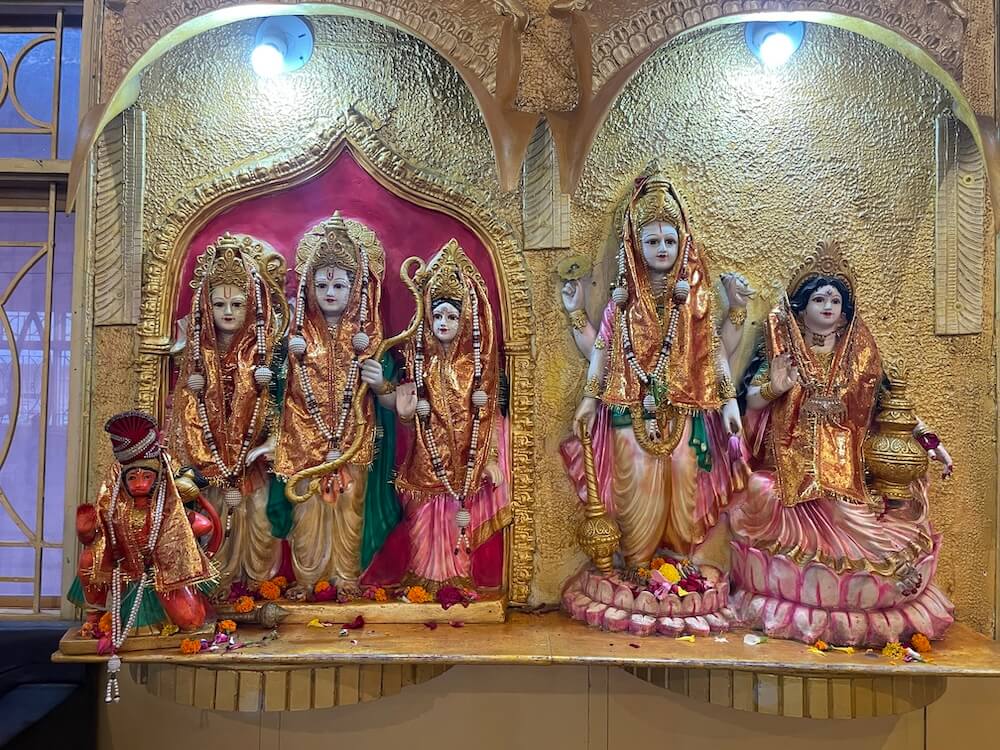
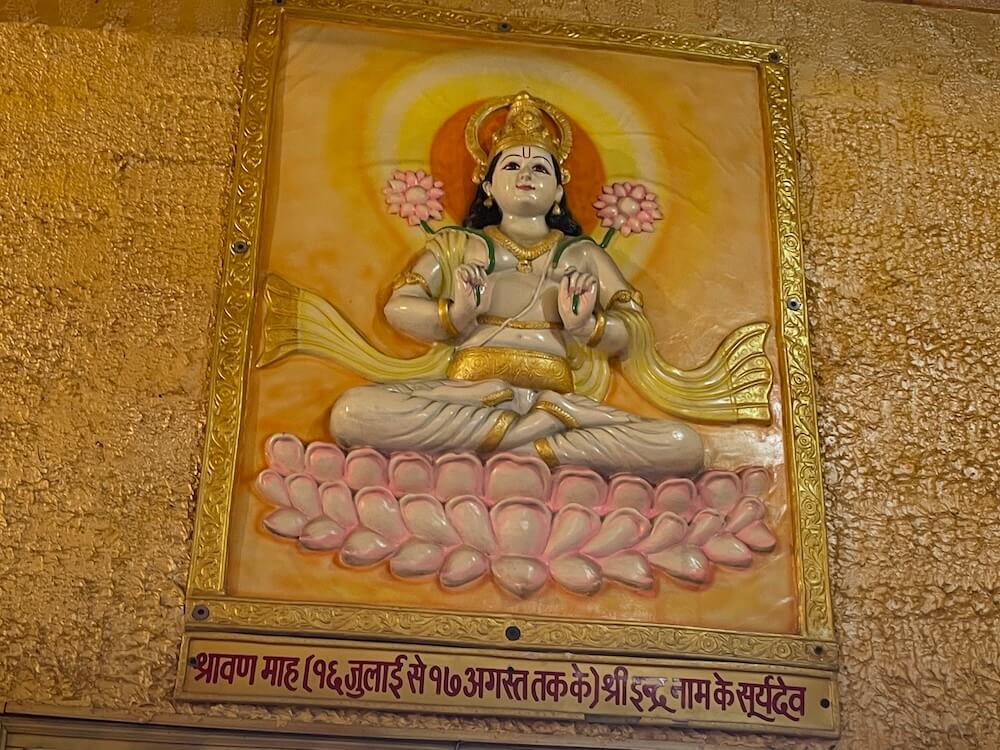
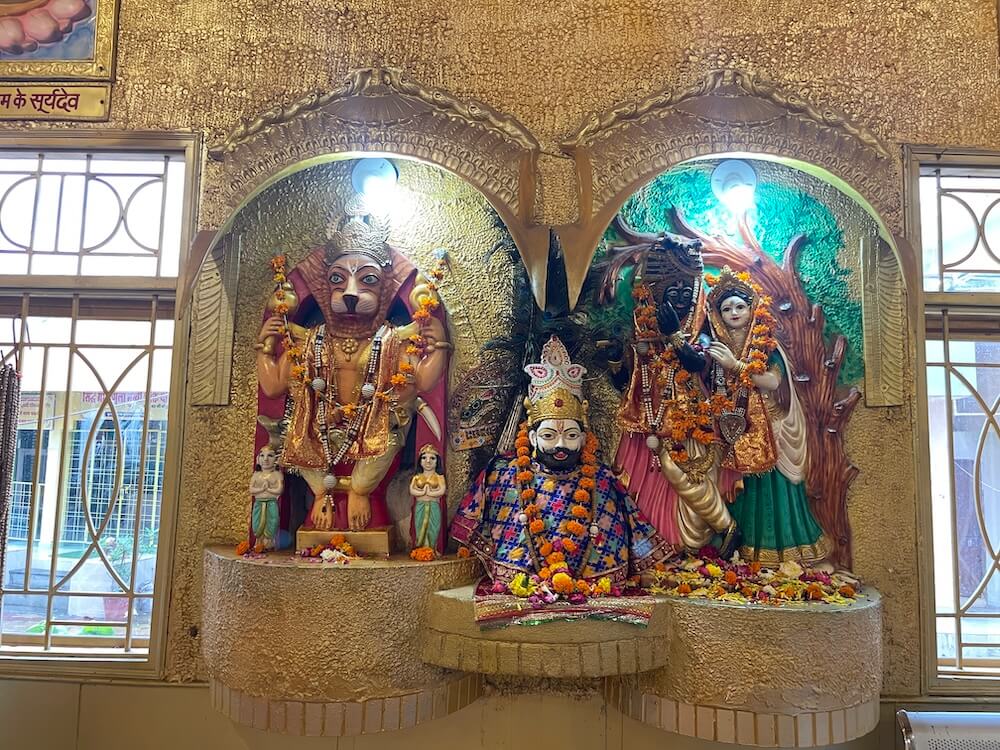
 Depictions of the twelve monthly forms of Surya Dev, each presiding over a Hindu lunar month, are displayed on the walls of the sabhamandap. They are Dhata (Chaitra), Aryama (Vaishakh), Mitra (Jyeshtha), Varuna (Ashadh), Indra (Shravan), Vivasvan (Bhadrapad), Pusha (Ashwin), Parjanya (Kartik), Anshuman (Margashirsha), Bhaga (Poush), Tvasta (Magh) and Vishnu (Phalgun). Statues of Narasimha Avatar, Radha-Krishna, Ram-Lakshman-Sita and Lakshmi-Narayan also grace the mandap.
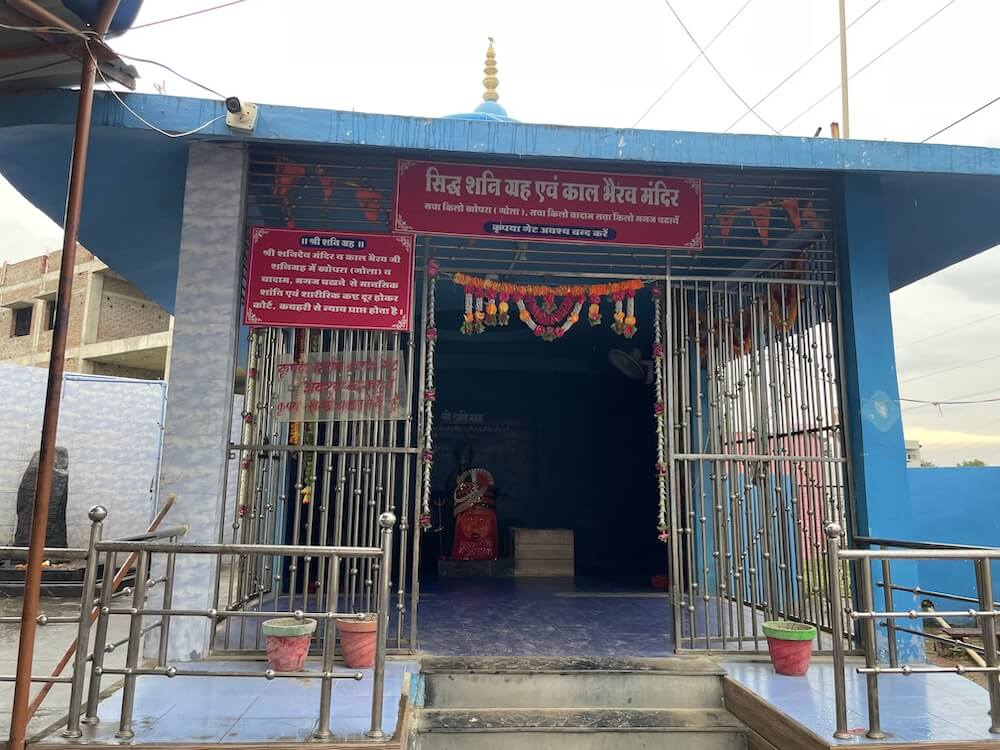
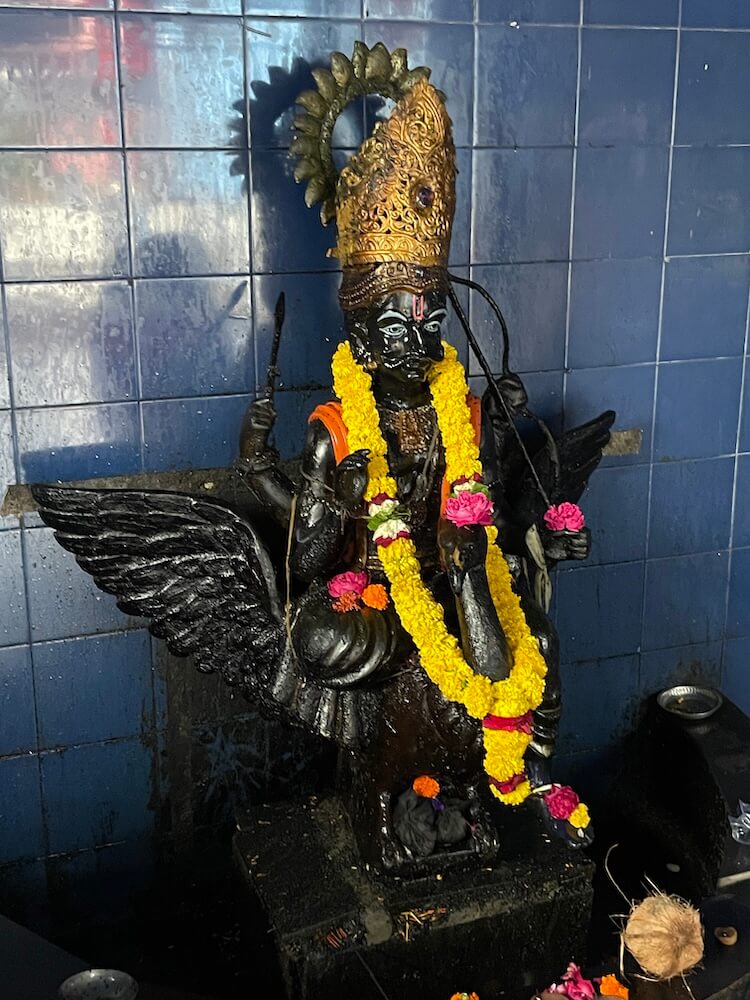
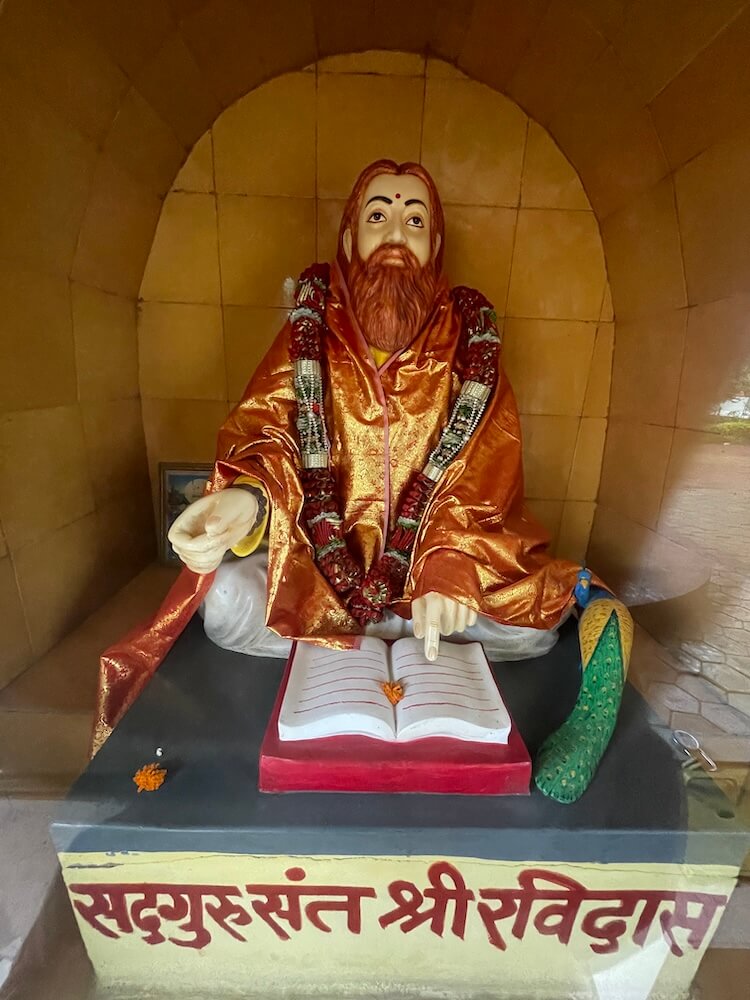
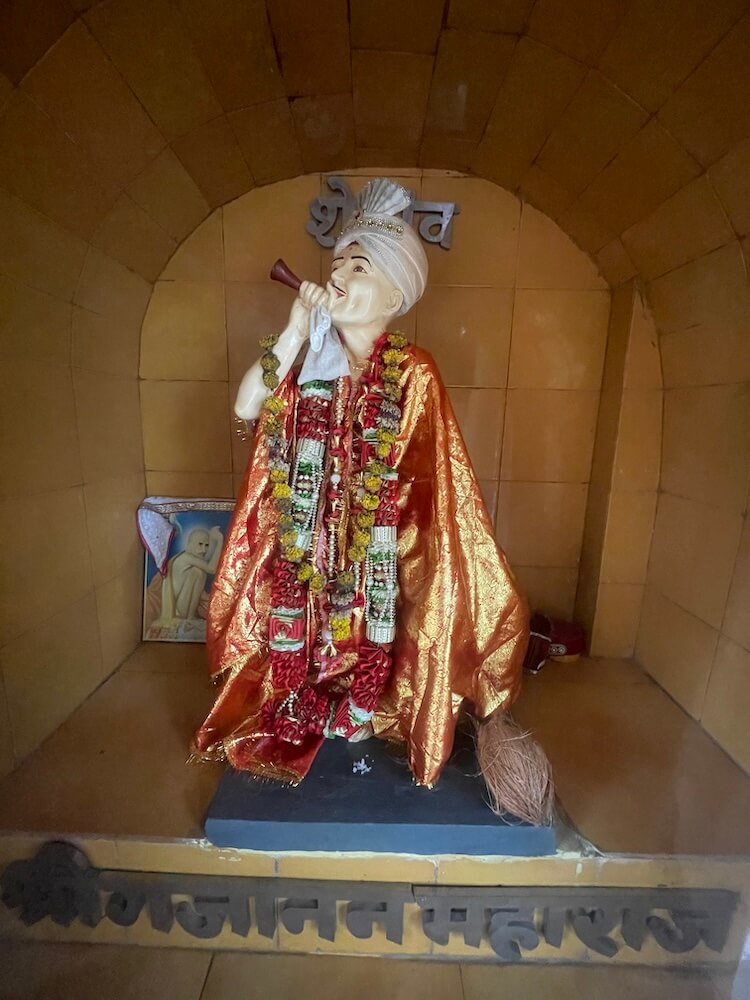
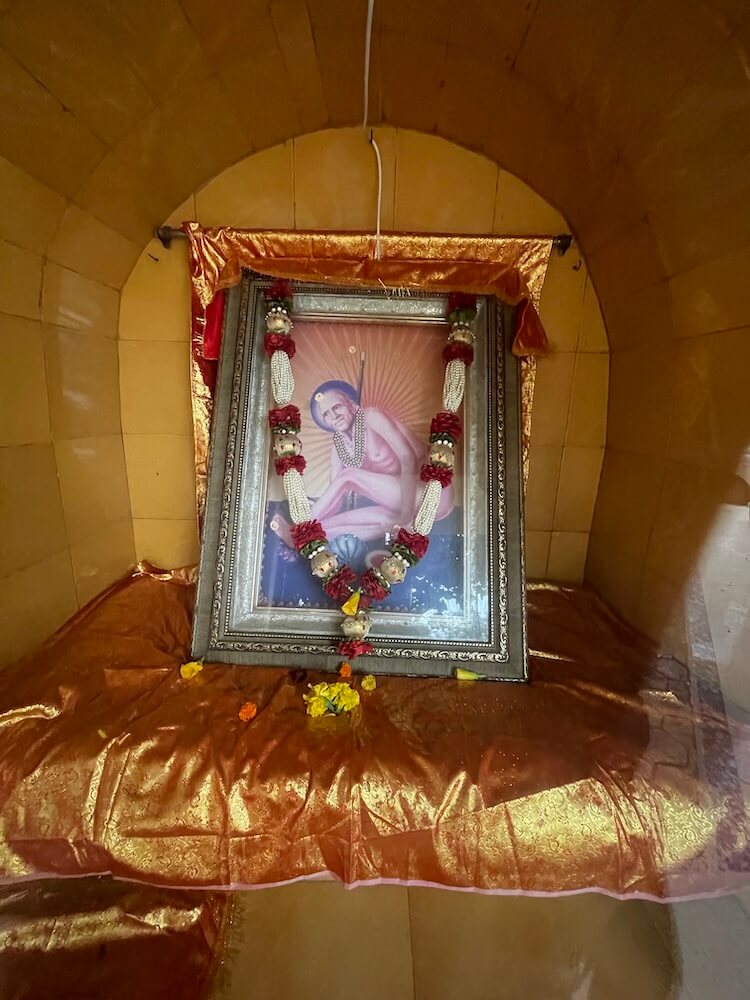
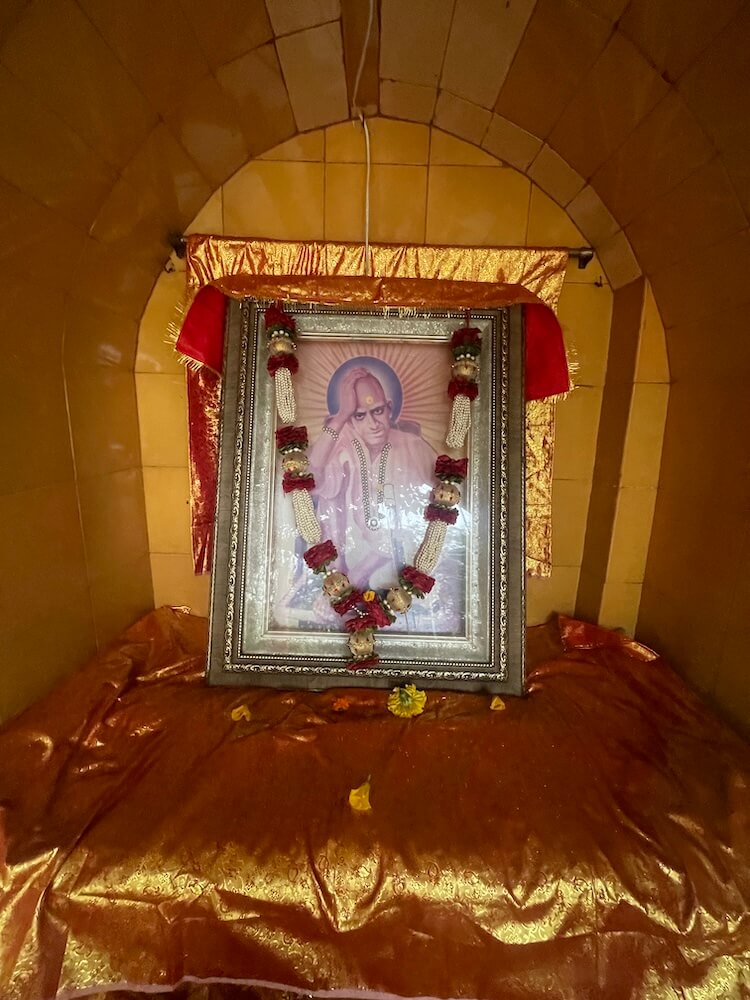
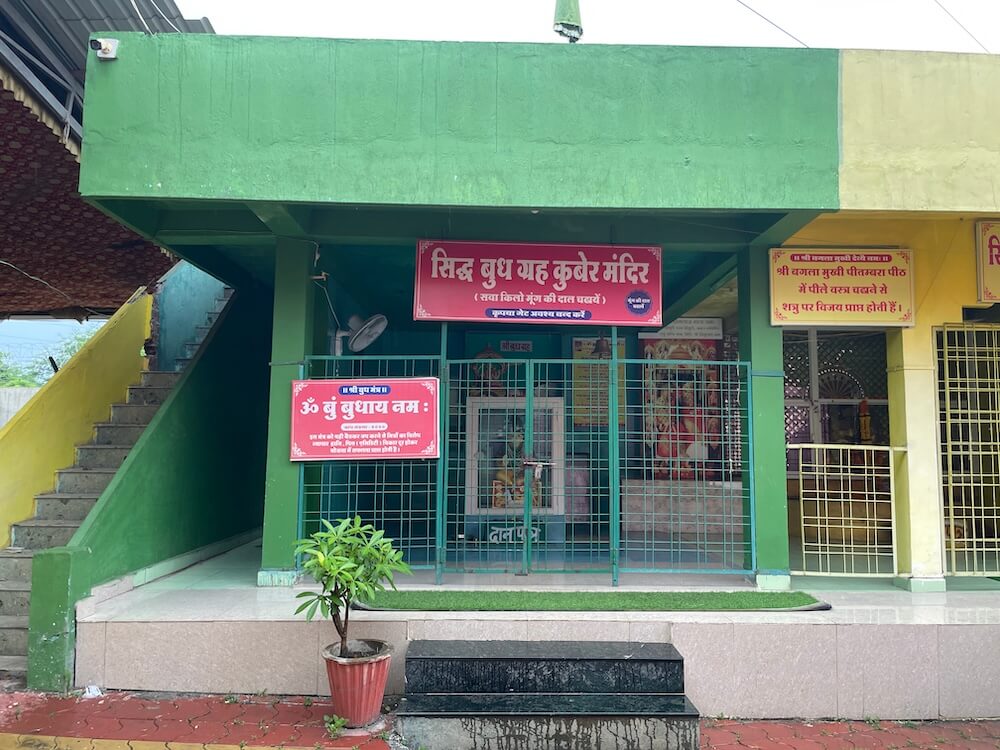
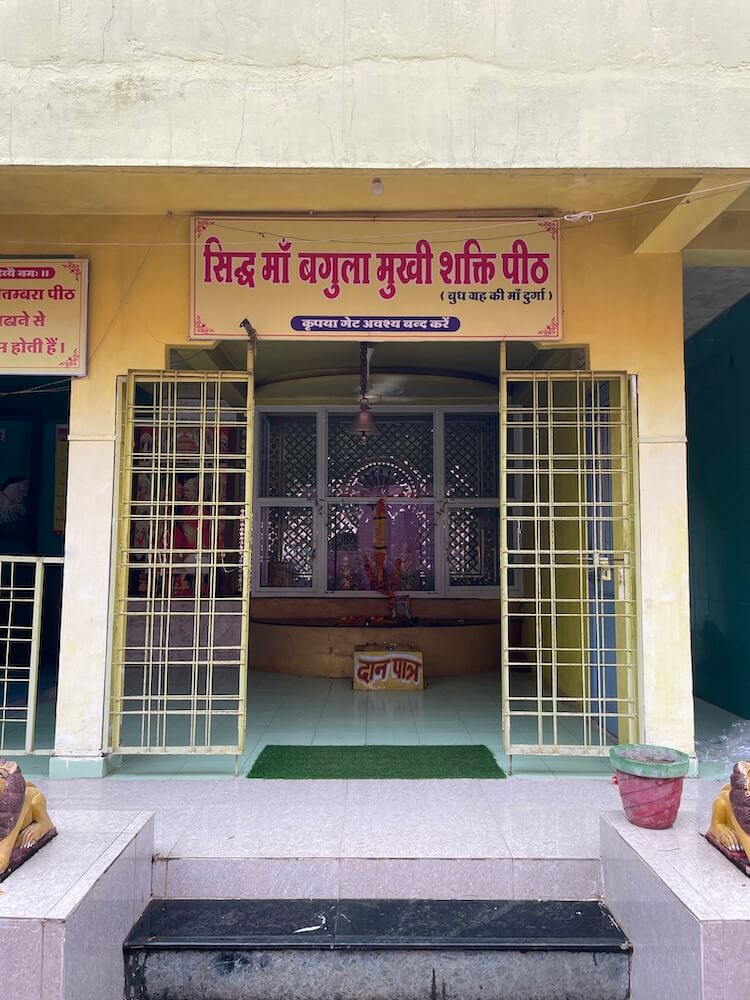
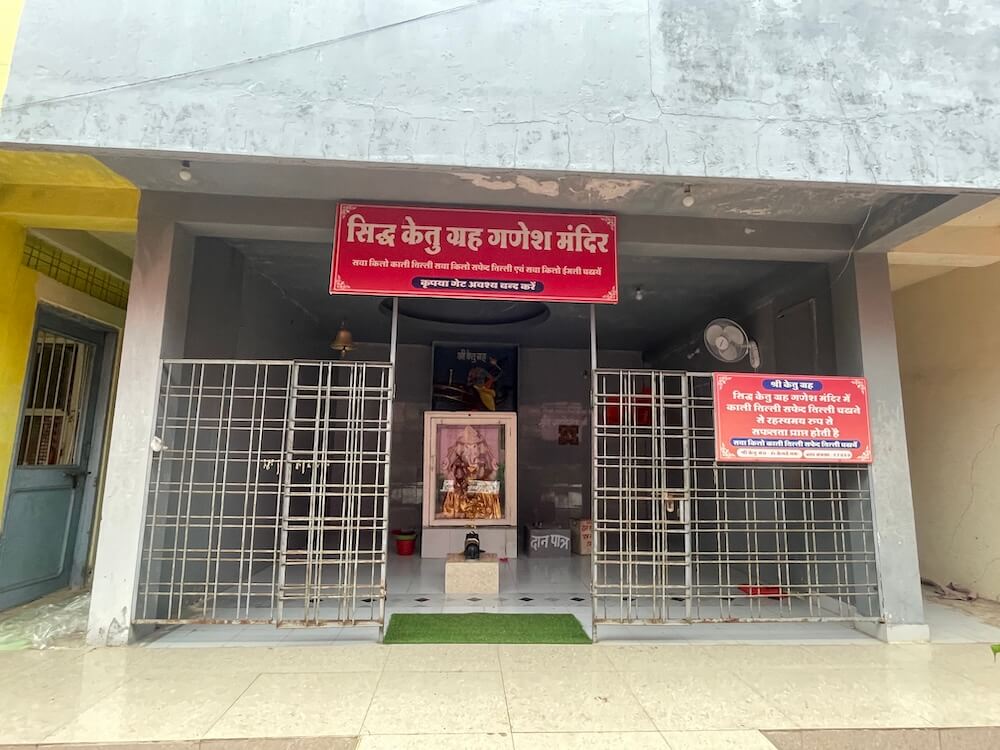
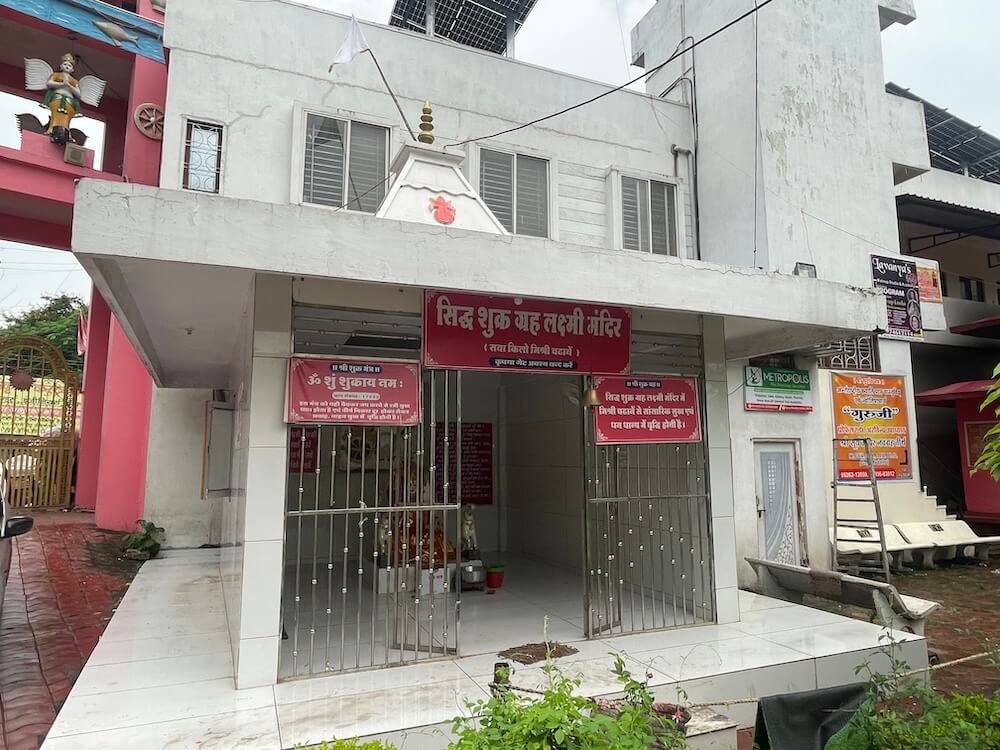
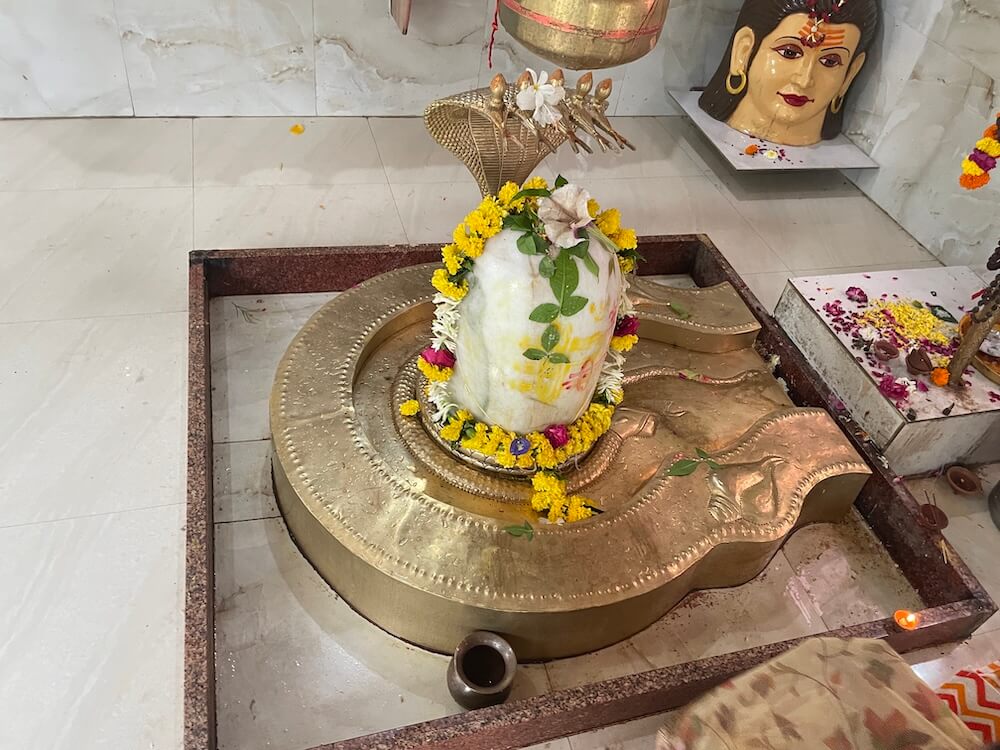
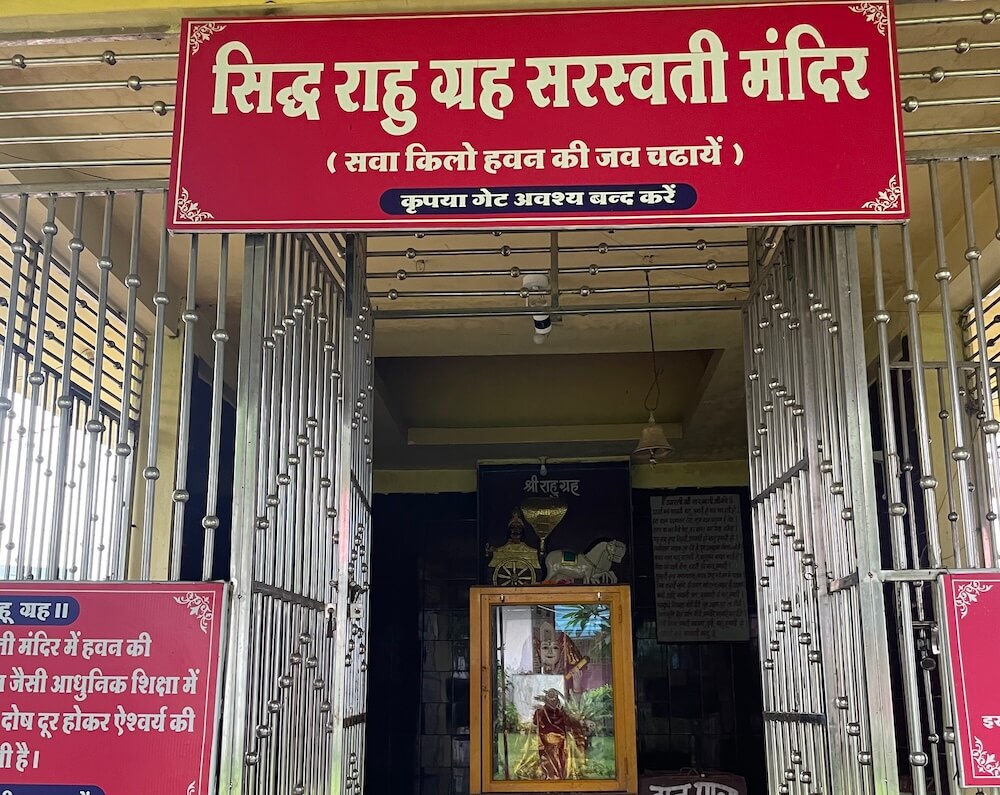
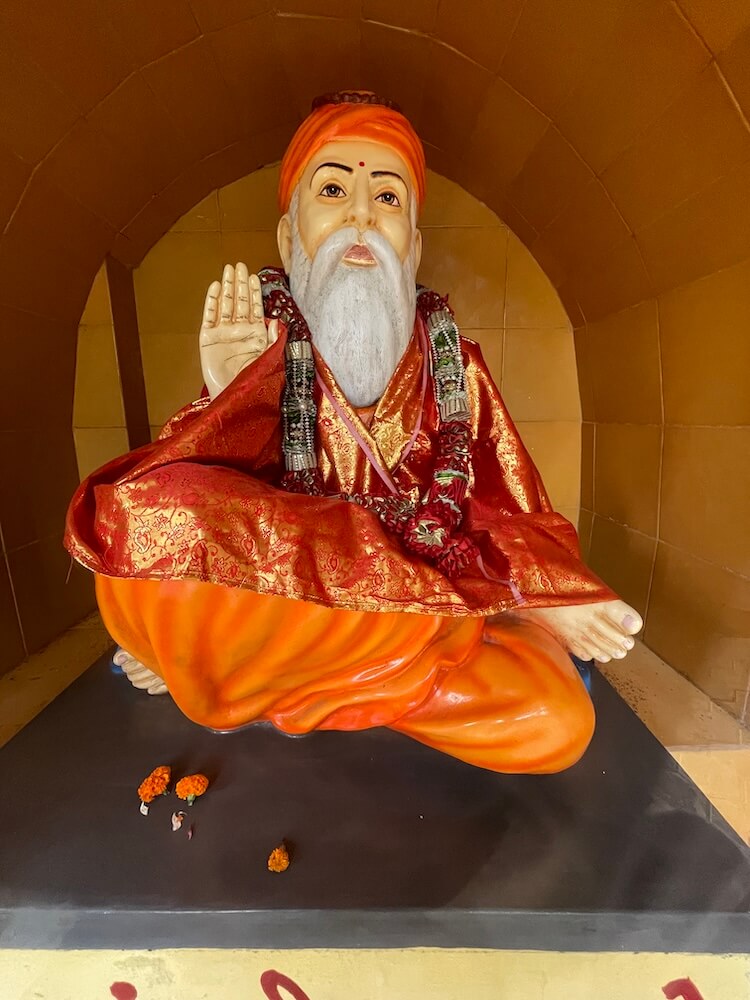
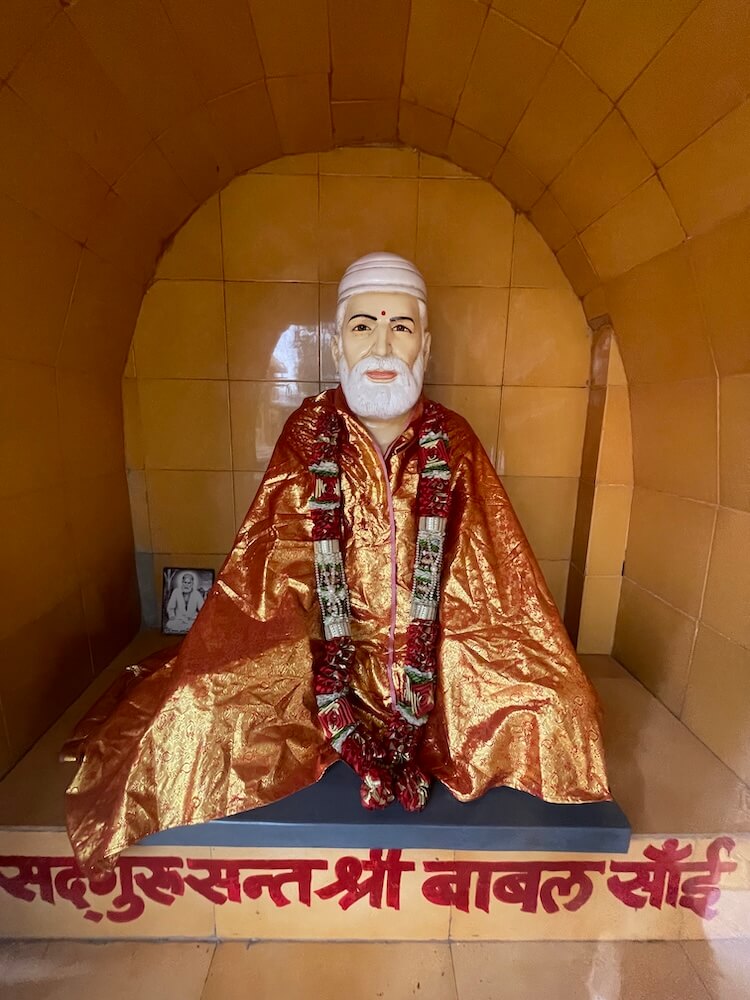
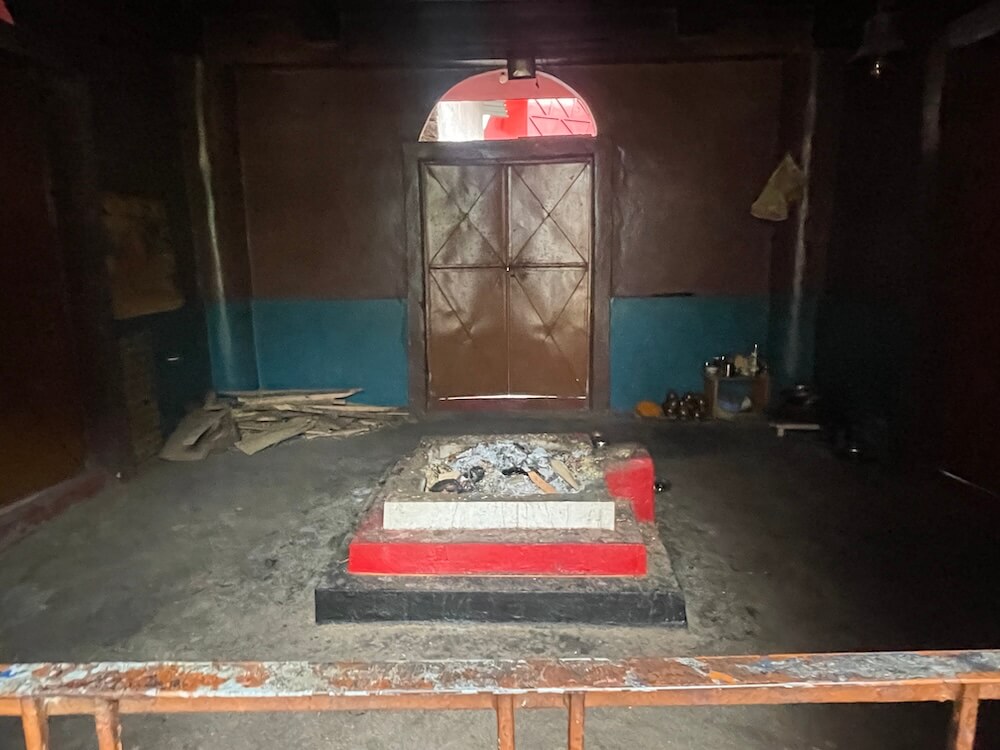
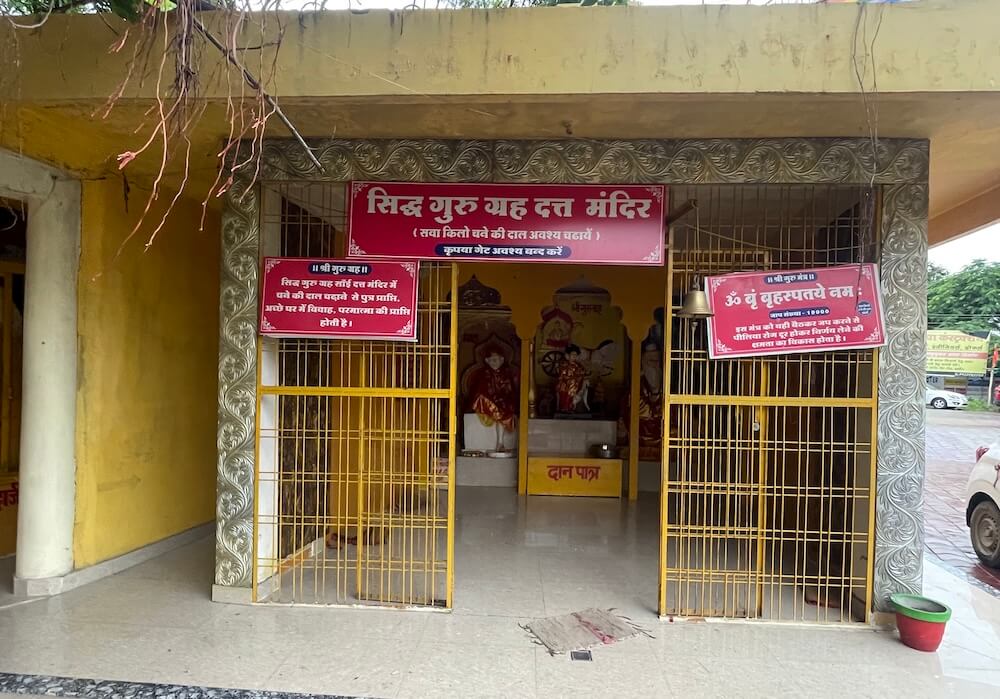
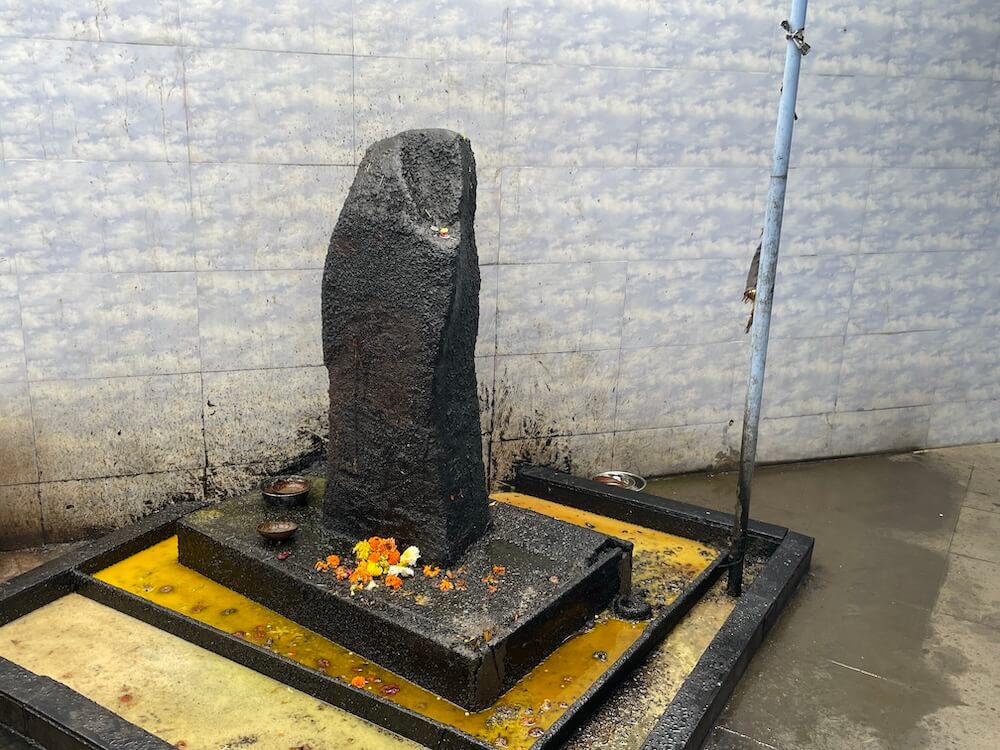
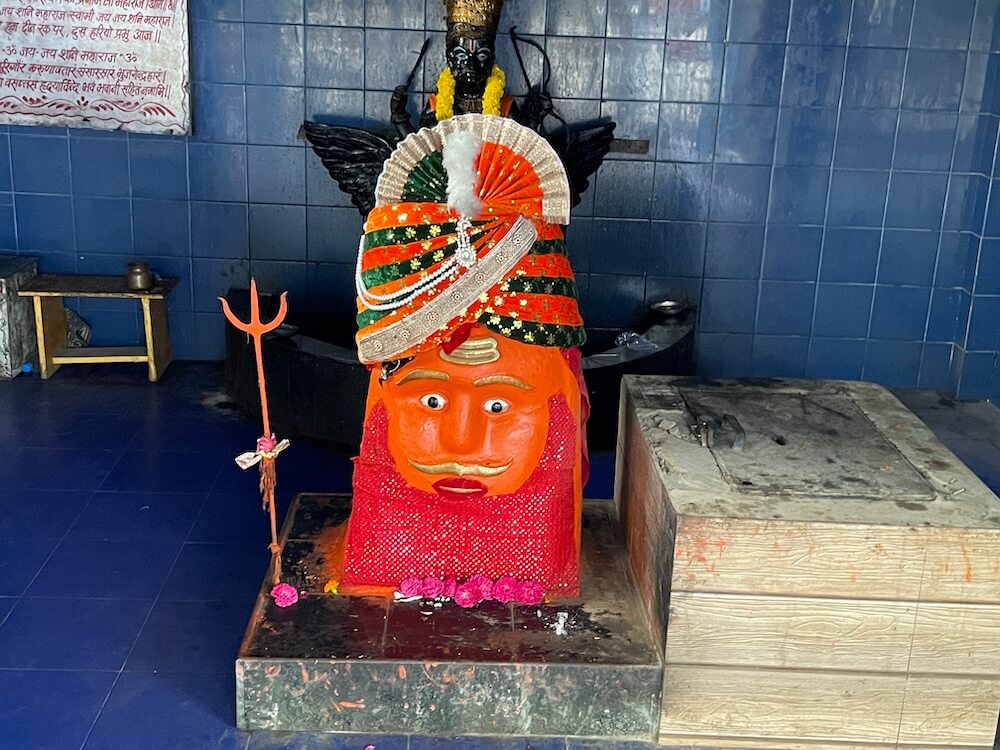
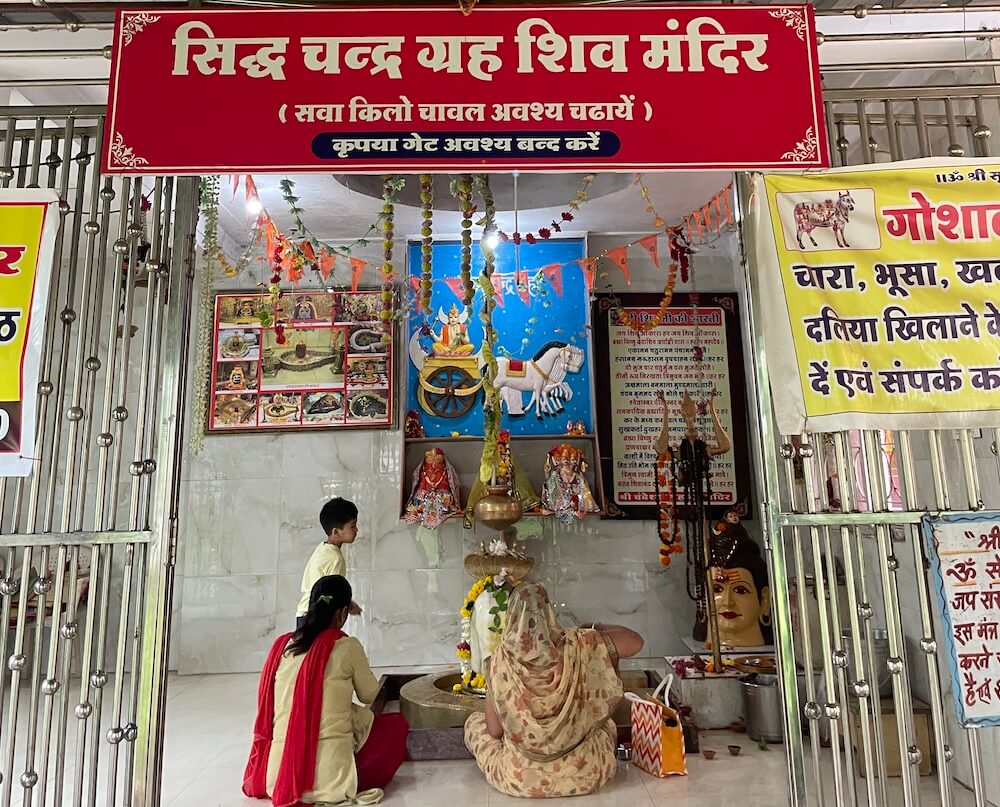
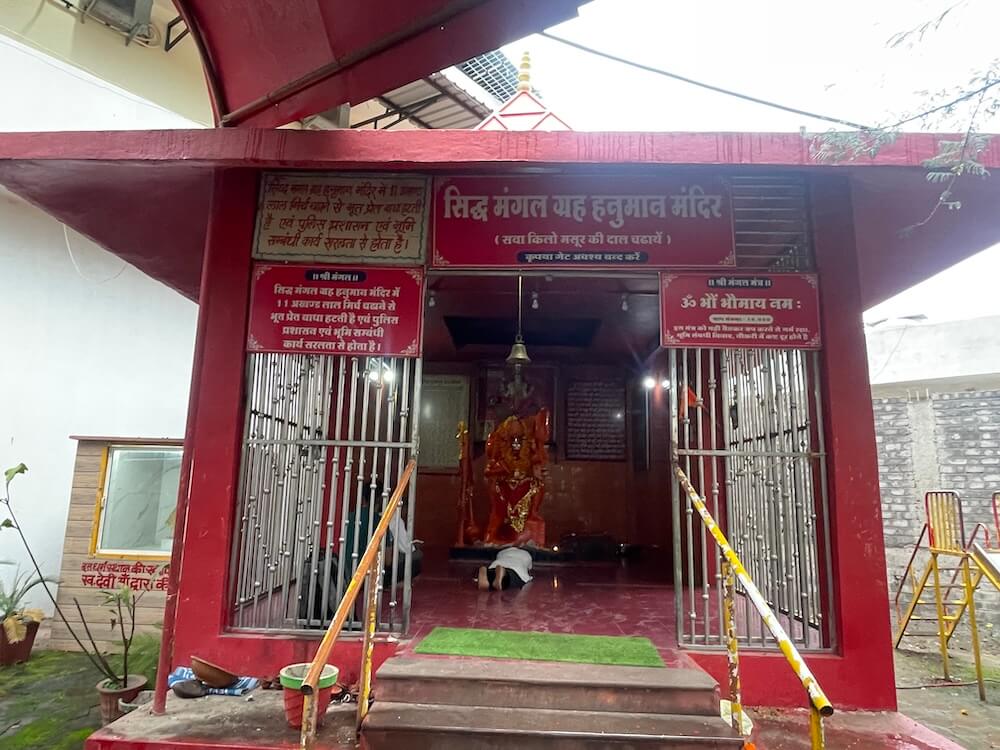 Around the parikrama path of the Sun temple stand shrines dedicated to each of the Navagrahas. They are Chandra Graha Shiva Temple, Shukra Graha Lakshmi Temple, Mangal Graha Hanuman Temple, Rahu Graha Saraswati Temple, Shani Graha Kalbhairav Temple, Budh Graha Kuber Temple, Ketu Graha Ganesha Temple and Guru Graha Dattatreya Temple. Additionally, a Baglamukhi Siddhpeeth Temple is present. In another section of the courtyard, idols of saints such as Guru Nanak, Bablashah, Ravidas, Gajanan Maharaj, as well as Dadaji Dhuniwale (both Bada and Chhote) are installed. At the rear lies the Surya Kund, filled with water brought from sacred reservoirs across India.
It is said that the best time for darshan in the temple is around 11 AM, when the rays of the Sun fall directly upon the idol. Sundays attract the largest gatherings of devotees here. The festival of Makar Sankranti is celebrated at this temple with great enthusiasm, accompanied by rituals, bhajans and kirtans. Other pujas such as Rudrabhishek, Mahamrityunjaya Japa, Baglamukhi Yajna, Grah Shanti Puja and Satyanarayan Katha are also performed. Daily recitations of the Bhagavat take place here from 4 to 5 PM and every Sunday, a community meal (langar) is organized where food is served for just ten rupees.