
Jhulelal Temple
Annapurna Road, Sudama Nagar, Indore, District Indore
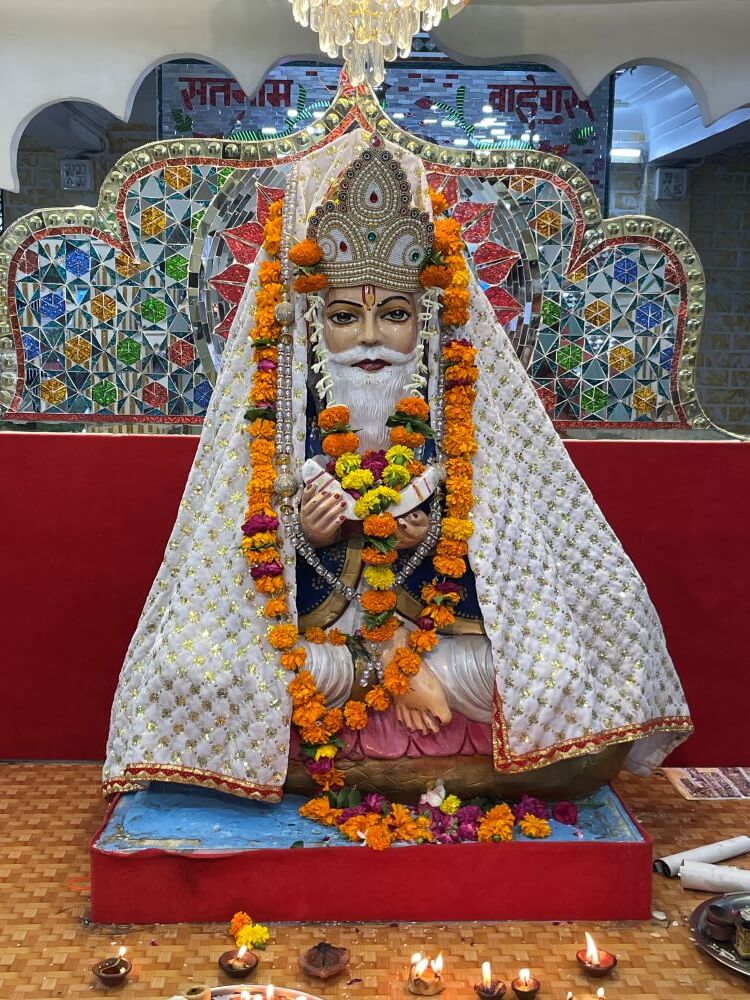 Lord Jhulelal is the revered deity of the Sindhi community across the world. He is considered to be an incarnation of Varuna, the God of waters. Known also as Uderolal or Jinda Pir, this water deity is closely associated with rivers and aquatic life. Jhulelal is also worshipped as the protective deity who safeguarded the Sindhi people during the oppression of Muslim invaders. Temples dedicated to him are found not only across India but also in the Sindh province of present-day Pakistan. For the Sindhi community, these temples are not merely places of worship but centers of cultural and spiritual identity. The Jhulelal Temple in Indore is one such sacred shrine.
According to the text ‘Shri Amarkatha Shri Jhulelalji’, the legend of Lord Jhulelal dates back to the 10th century CE, during the reign of Mirk Shah, also known as Makrab Khan, a Turkish ruler of Sindh. His capital was the city of Thatta, located on the banks of the Sindhu River, which is now in Pakistan. Mirk Shah ascended the throne in 939 CE. He was a tyrannical and fanatical king who wished to forcibly convert all Hindus in his kingdom to Islam. To achieve this, he inflicted unbearable atrocities upon them, imposed heavy taxes, abducted Hindu women and promised rewards to clerics who succeeded in mass conversions.
Many Hindus resisted these forced conversions, which enraged Mirk Shah. He then issued a decree allowing only a few days’ time for Hindus to embrace Islam, failing which they would be executed. Since ancient times, 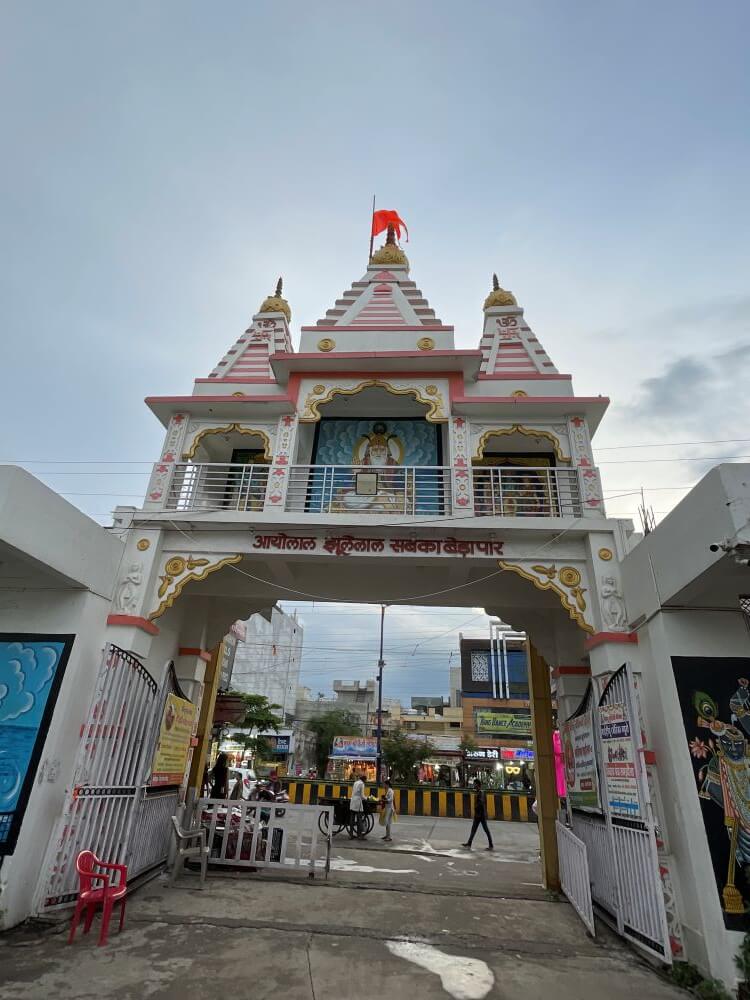 the Hindus of Sindh had been worshippers of Varuna, the Vedic god of rains and war, mentioned in the Rigveda. The community leaders decided to pray to Varuna for deliverance from this calamity. One day, men, women and children gathered on the banks of the Sindhu River and began fervent prayers to Varuna. For fourteen days they fasted and prayed. Finally, on the fifteenth day, Varuna responded. The river surged with mighty waves and from the waters emerged Varuna himself, seated upon a pala (hilsa) fish. He reassured the people not to fear the Sultan and revealed that a divine child would be born to Devaki Mata and Rai Ratan of Nasarpur. This child would be his incarnation. Varuna instructed them to seek seven days’ grace from the Sultan, which he would grant.
As foretold, in Vikram Samvat 1007, on the second day of the bright fortnight of Chaitra, Devaki Mata gave birth to a son, named Udaychand. But since he was recognized as Varuna’s incarnation, people began calling him Uderolal. His cradle would mysteriously swing on its own and thus he came to be known as Jhulelal. When Mirk Shah learned of his birth, he grew fearful and plotted to kill the child, but all his attempts failed. Over time, he realized the divine powers of Jhulelal. Years later, when Jhulelal and the Sultan met, Jhulelal explained that there is but one God for both Hindus and Muslims; the one whom Muslims call Allah and Hindus call Krishna is the same supreme truth. Before God, all are equal and rulers must treat their subjects equally, regardless of their faith.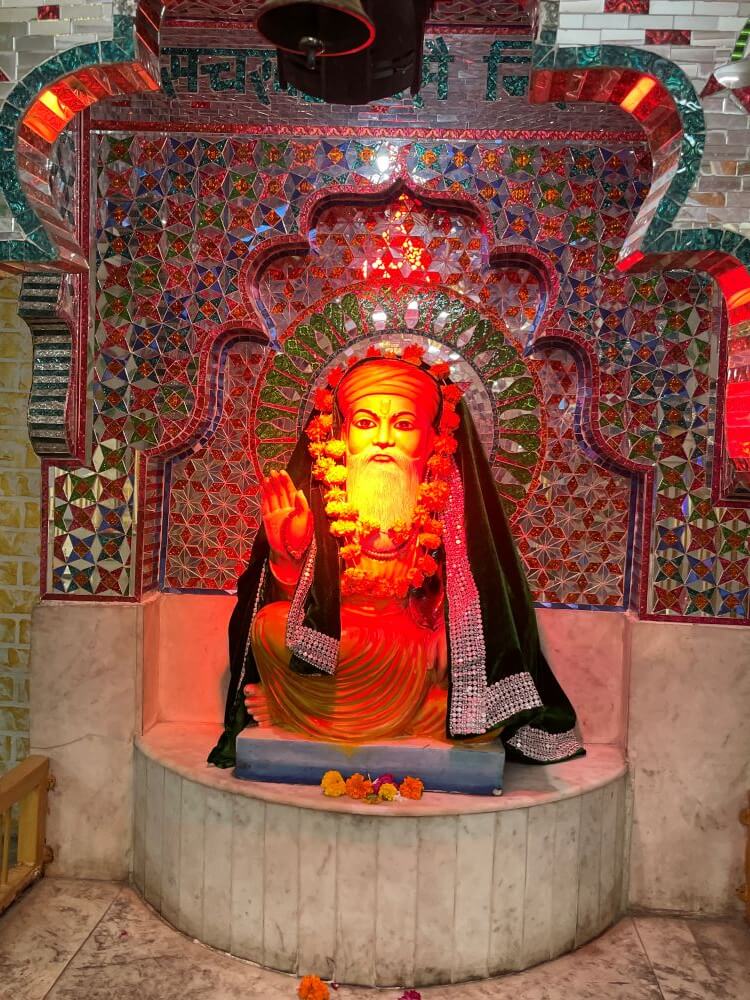 Though impressed, Mirk Shah’s religious advisors misled him again and he resolved to kill Jhulelal. Suddenly, the Sultan’s court flooded with water and fire engulfed its roof. Struck with fear and remorse, Mirk Shah surrendered to Jhulelal, promising equal treatment for both Hindus and Muslims. Following this, Hindus built a grand temple at the site, while Muslims erected a dargah in his honor as Jinda Pir. Another legend narrates that Jhulelal appeared before Mirk Shah riding a blue horse, bearing a sword, flanked by two bodyguards. People welcomed him with chants of “Aayo Lal, Jhulelal” and “Victory to Lal’s army.”
As noted in Harish Gopalji Thakkar’s research work ‘Lord Jhulelal : An Analytical Study’, Jhulelal instructed his devotees to perceive him in the forms of water and light. Therefore, his temples always house an eternal flame and a sacred water source. Jhulelal appointed his cousin Pagad (Pugar Sahib) as the first priest of his sect, which came to be known as the Daryahi or Dariya Panthi sect. Alongside Jhulelal, Thakur Pagad propagated this sect and built temples at many places. In this sect, seven sacred objects hold special importance: deg (vessel for preparing sacred offering), teg (sword), jyot (eternal flame), mudra (holy ring), jal ki jhari (sacred water vessel), kintha (holy cloth) and chhira (sacred turban). When Jhulelal’s divine mission ended, he shed his mortal form. A dispute arose between Hindus and Muslims over whether to build a temple or a shrine. 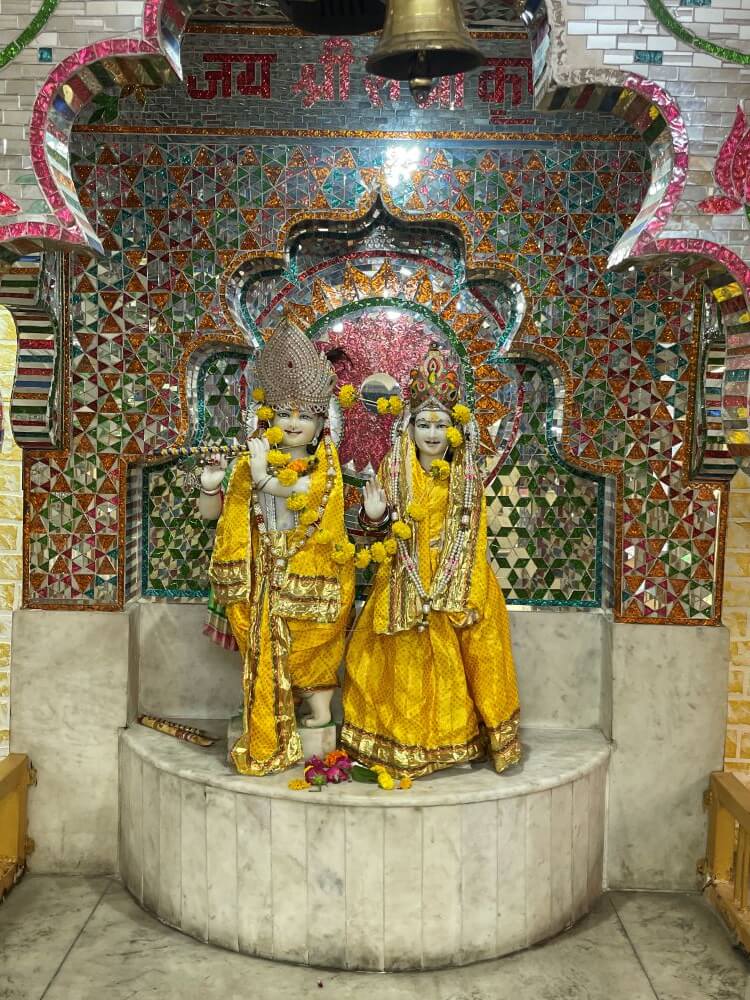 A divine voice resolved the matter, declaring, “Build a place that both Hindus and Muslims can accept. Let one side be a temple and the other a dargah. I belong to you all.”
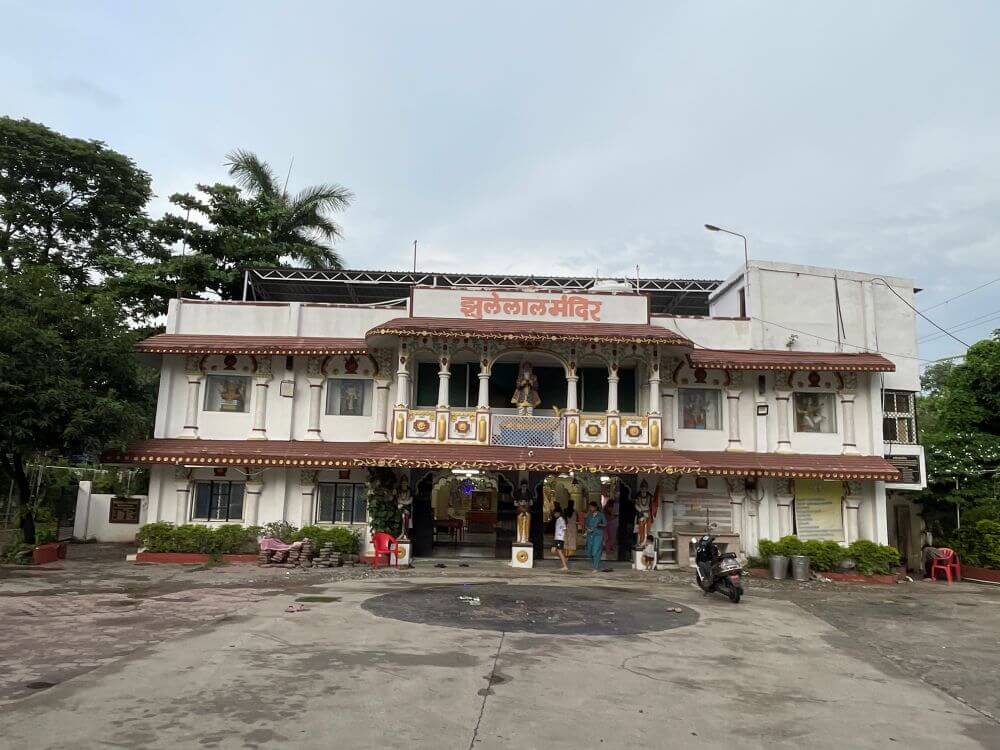
The Jhulelal Temple in Indore is set in a spacious complex. Its grand gateway leads to a temple with three spires housing the idol of Jhulelal. Directly ahead is a horizontal two-storied building, part of the temple structure, above whose entrance stands an idol of Jhulelal. The gateway is adorned with statues of doorkeepers and a female attendant, while its arches are painted with fish motifs, symbolizing the divine emergence of Varuna seated upon a fish, an image of deep spiritual significance to the Sindhi community.
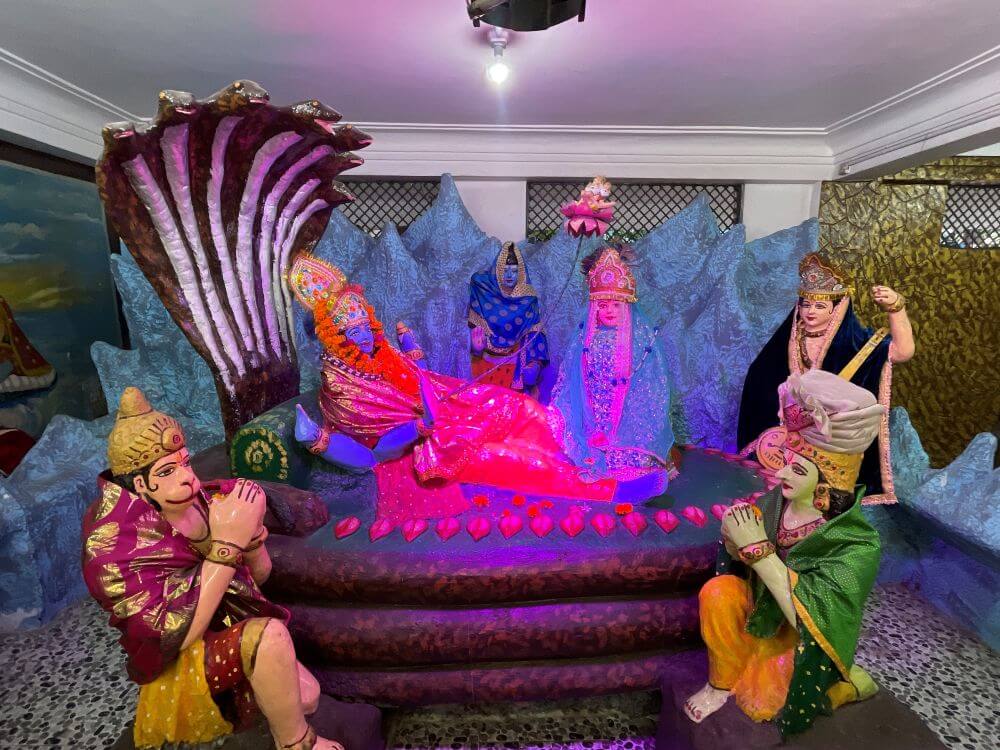
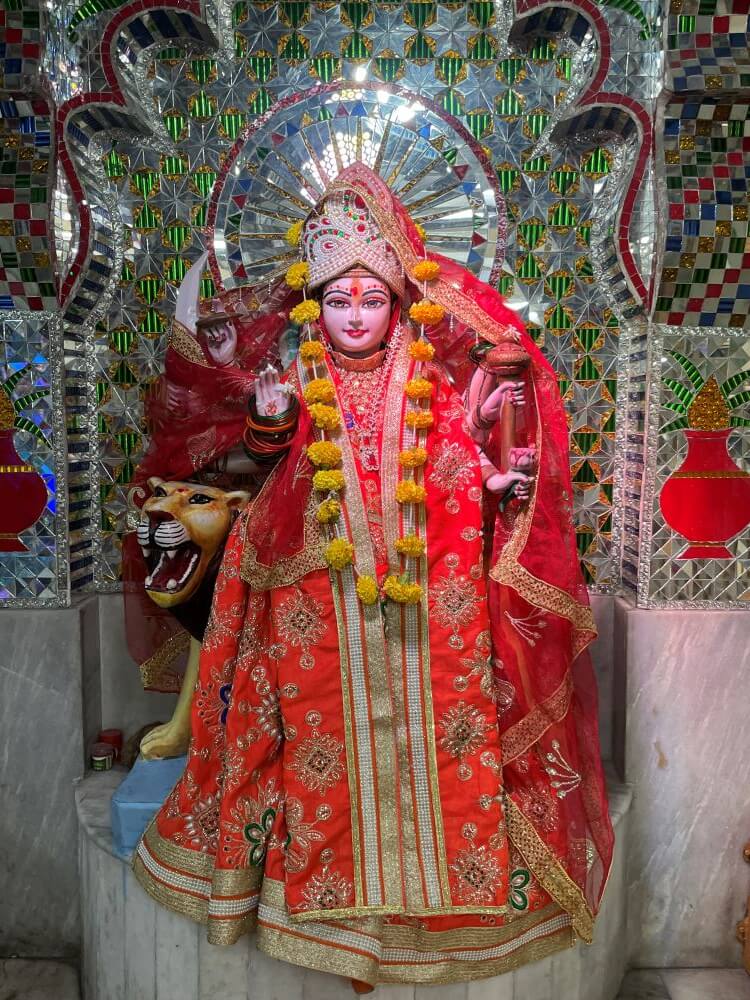
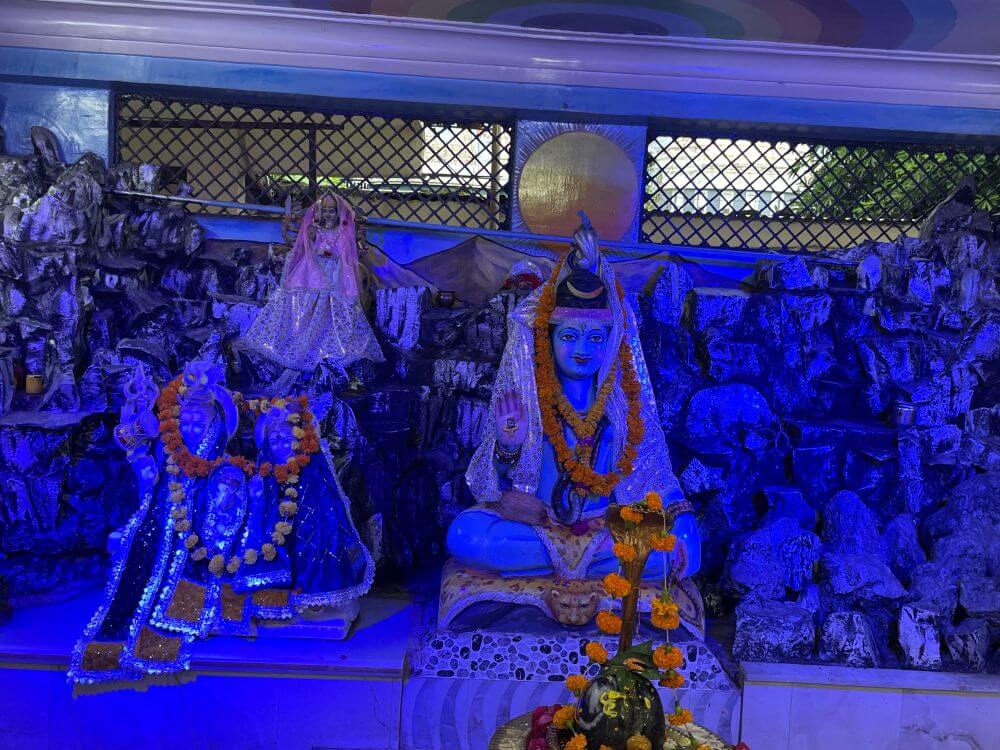
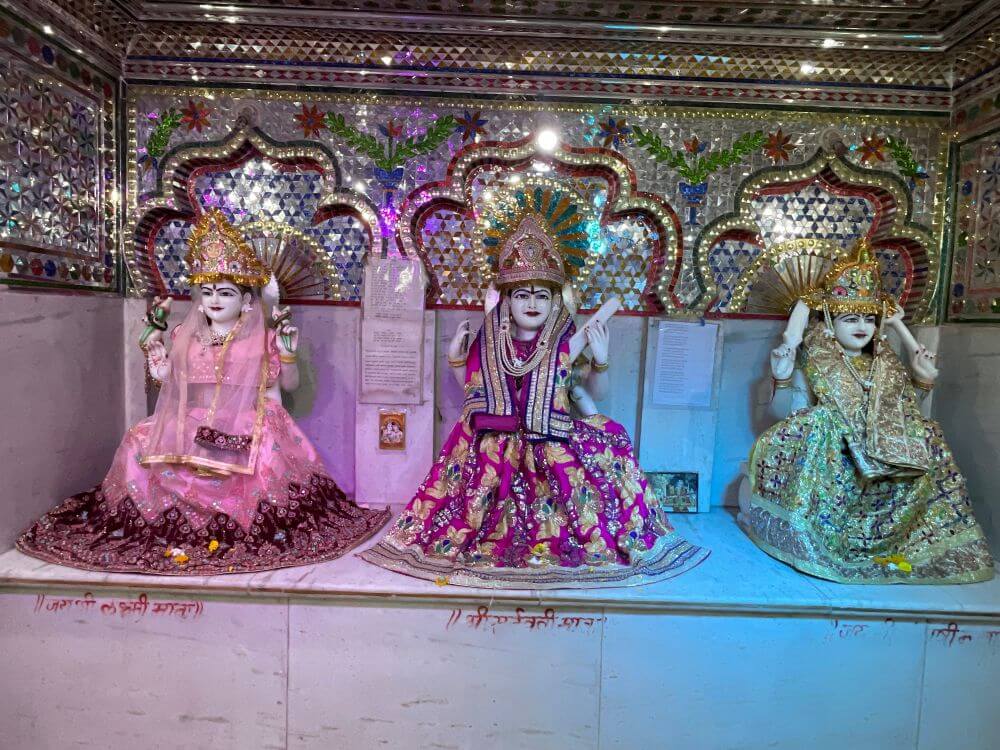
Inside the hall, to the left is a shrine of Shri Ram, beautifully decorated with glass inlay work. On a high marble platform stand marble idols of Ram, Lakshman and Sita, flanked by Bharat and Shatrughna holding chowries, with Hanuman kneeling in devotion before them. On the right side are busts of Ratna Devi and Hiranand Hinduja, in whose memory the temple was built. Within the hall, shrines hold intricately carved and ornamented marble idols of Ganesha, Hanuman, Sheshashayi Vishnu, Kali at Shiva’s feet, Durga, Radha-Krishna, Sai Baba, Lakshmi, Saraswati and Santoshi Mata. All these shrines are adorned with glass work. In front of the sanctum, an eternal flame burns within a glass case. The sanctum itself houses a marble idol of Jhulelal seated upon a semicircular platform, depicted with a white beard, turban, rich garments and a blessing posture.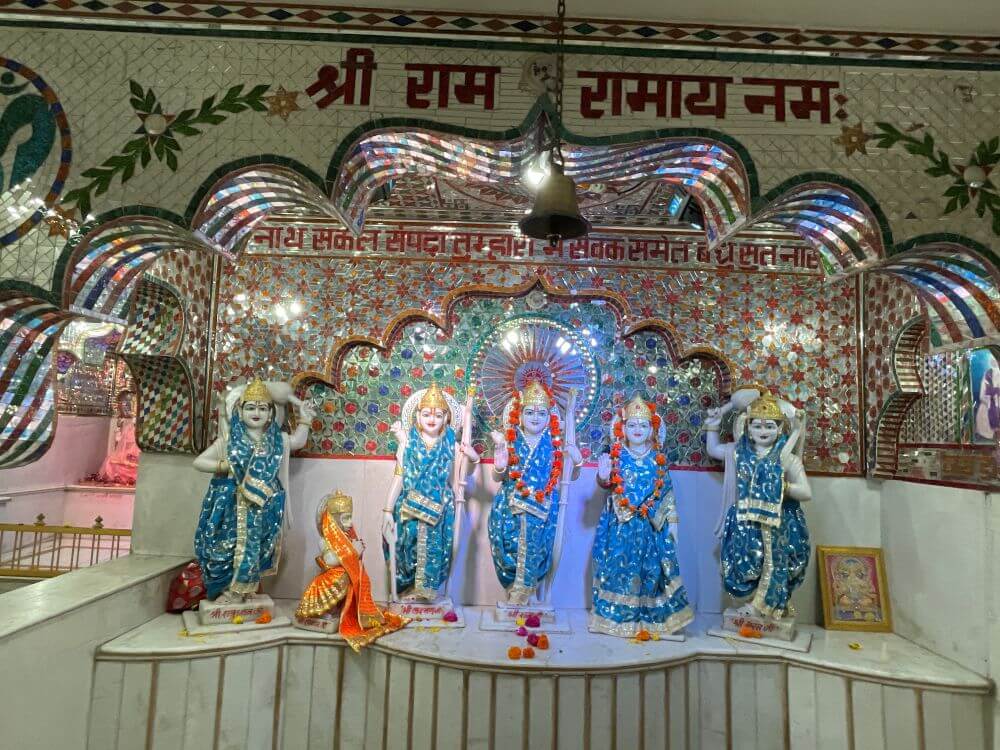 Behind the idol, the shrine is embellished with glass ornamentation. To the rear are a cave shrine of Vaishno Devi and a sanctum for Mahadev.
The festival of Chaitra Pratipada, celebrated as Jhulelal Jayanti or Cheti Chand, is observed here with immense joy and devotion. Thousands of Sindhi devotees gather for this festival, which includes a grand procession of Jhulelal, cultural and religious programs and community feasts. The temple also hosts the Chaliya Mahotsav, a 40-day celebration organized by the Sindhi community in memory of the period when Varuna incarnated as Jhulelal. According to the Sindhi calendar, it begins on Ashadha Ekadashi (Undahi Gyaras) and ends on Bhadrapada Chhath (Chalio). During this festival, special bhajans and rituals are performed daily and devotees offer flowers to Jhulelal while chanting “Aayo Lal Sabhai Chau Jhulelal.” On the concluding day, a magnificent procession is carried out, accompanied by the ritual of a water sacrifice (Jalyajna).
Useful Information
- About 5 km from Indore Bus Stand and Railway Station
- About 10 km from Indore Airport
- City buses, rickshaws and taxis available from various parts of Indore
- Private vehicles can reach up to the temple
- Accommodation and food facilities available in the temple premises
- Contact: Manohar Motwani, Mob. 9826186888
मंदिरे
Temples
मंदिर
-
गुरु दत्त मंदिर कृष्णपुरा, इंदूर शहर, जिल्हा इंदूर
अधिक माहितीGuru Datt Mandir Krishnapura, Indore City, District Indore
View Detailsविवरण देखें -
शनी नवग्रह मंदिर बाई ग्राम, तहसील इंदूर, जिल्हा इंदूर
अधिक माहितीShani Navagraha Mandir Bai Gram, Tehsil Indore, District Indore
View Detailsविवरण देखें -
गुटकेश्वर महादेव नेमावर रोड, देवगुराडिया, इंदूर, जिल्हा इंदूर
अधिक माहितीGutkeshwar Mahadev Nemawar Road, Devguradia, Indore, District Indore
View Detailsविवरण देखें