
क्षेत्रपाल हनुमान मंदिर
संग्रामपुरा विस्तार, सुरत, जिल्हा सुरत
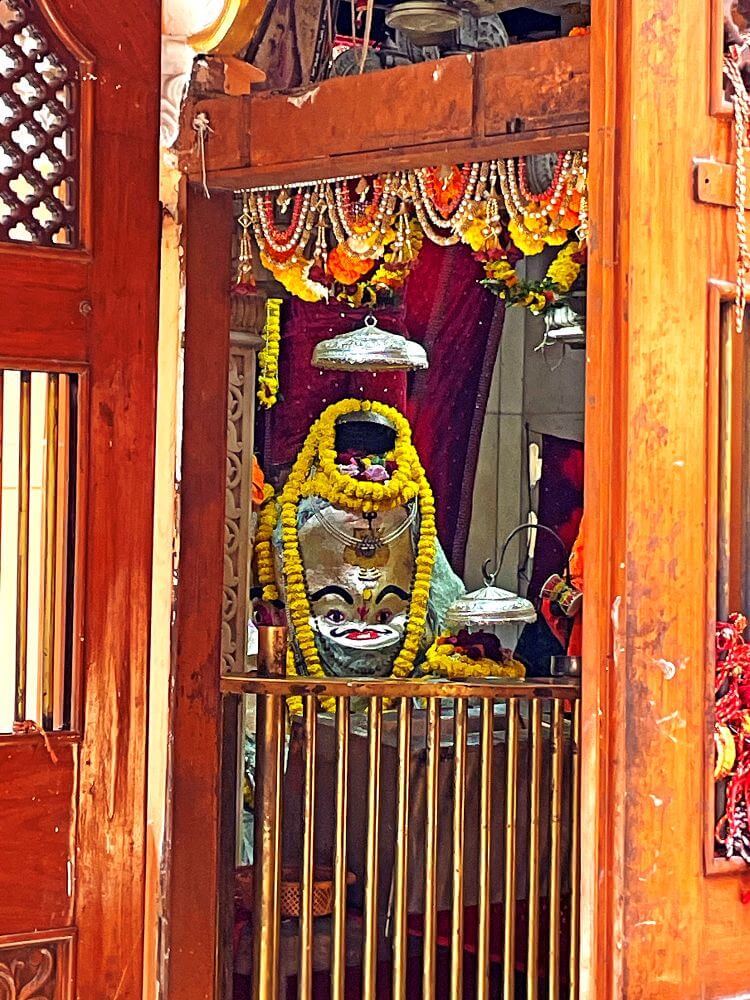 क्षेत्रपाल हनुमान मंदिर हे सुरतमधील प्राचीन मंदिरांपैकी एक असून, त्याचा इतिहास सुमारे ४०० वर्षे जुना आहे. या मंदिरात क्षेत्रपाल हनुमान, काळभैरव आणि बटुकभैरव यांच्या स्वयंभू मूर्ती विराजमान आहेत. भगवान शिवाचे हे तीन अवतार एकत्र असलेले सुरतमधील हे एकमेव मंदिर असल्याने ते अत्यंत वैशिष्ट्यपूर्ण आहे. भक्तांची अशी श्रद्धा आहे की, हनुमान या क्षेत्राचे रक्षण करतात, जुनाट आजार बरे करतात आणि जीवनातील संकटे दूर करतात; काळभैरव काळाच्या शक्तींपासून संरक्षण करतात, तर बटुकभैरव बालकांचे रक्षण करतात. या दृढ श्रद्धेमुळे दूरवरून भक्त येथे दर्शनासाठी येतात आणि मंगळवार व शनिवारी मंदिरात विशेष गर्दी असते.
सुरत गॅझेटियरनुसार, संग्रामपुरा उपनगर हे एका अनावल ब्राह्मणाने वसवले होते. अनावल ब्राह्मण हा असा समाज आहे जो पारंपारिक पुरोहितांऐवजी जमीनदार म्हणून ओळखला जातो. गॅझेटियरमध्ये असाही उल्लेख आहे की, सुरतचे संस्थापक मानले जाणारे व्यापारी गोपी हे देखील अनावल ब्राह्मण होते. पौराणिक कथांनुसार, भगवान श्रीरामांनी रावणाचा वध केल्यानंतर त्यांना ब्रह्महत्येचे पाप लागले होते. या पापाचे प्रायश्चित्त करण्यासाठी भगवान श्रीरामांनी अनादीपूर (सध्याचे अनावल) येथे महायज्ञ केला होता. असे मानले जाते की, हा यज्ञ करण्यासाठी हनुमानाने अयोध्येतून ब्राह्मणांना आणले होते. क्षेत्रपाल हनुमान मंदिर हे याच अनावल ब्राह्मणांनी वसवलेल्या संग्रामपुरा वस्तीत स्थित आहे.
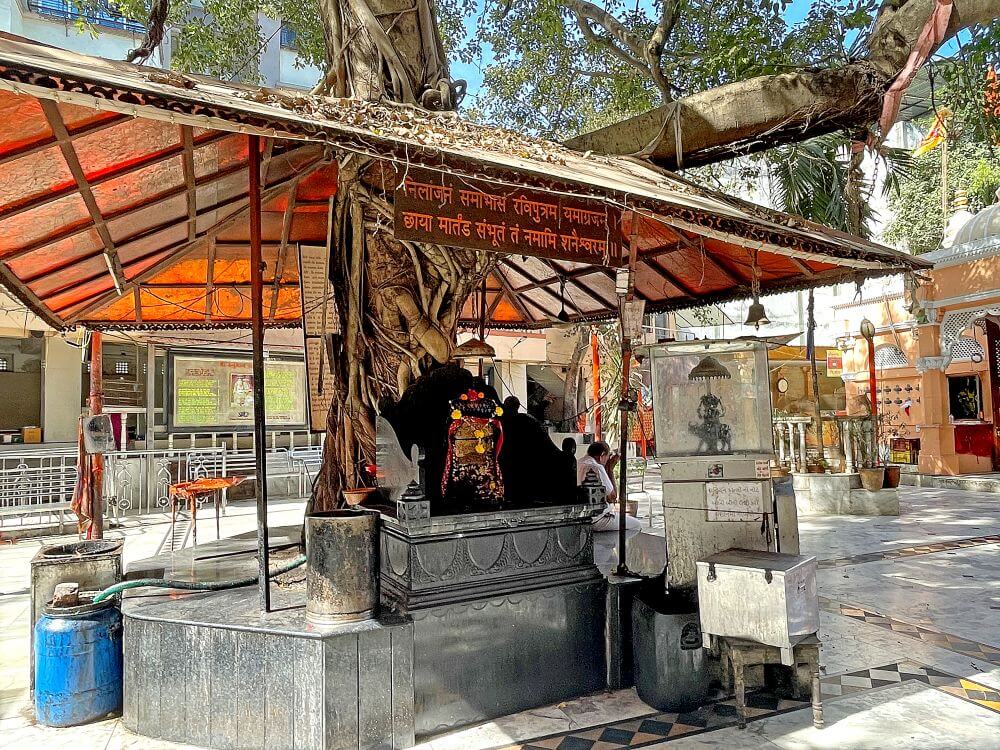
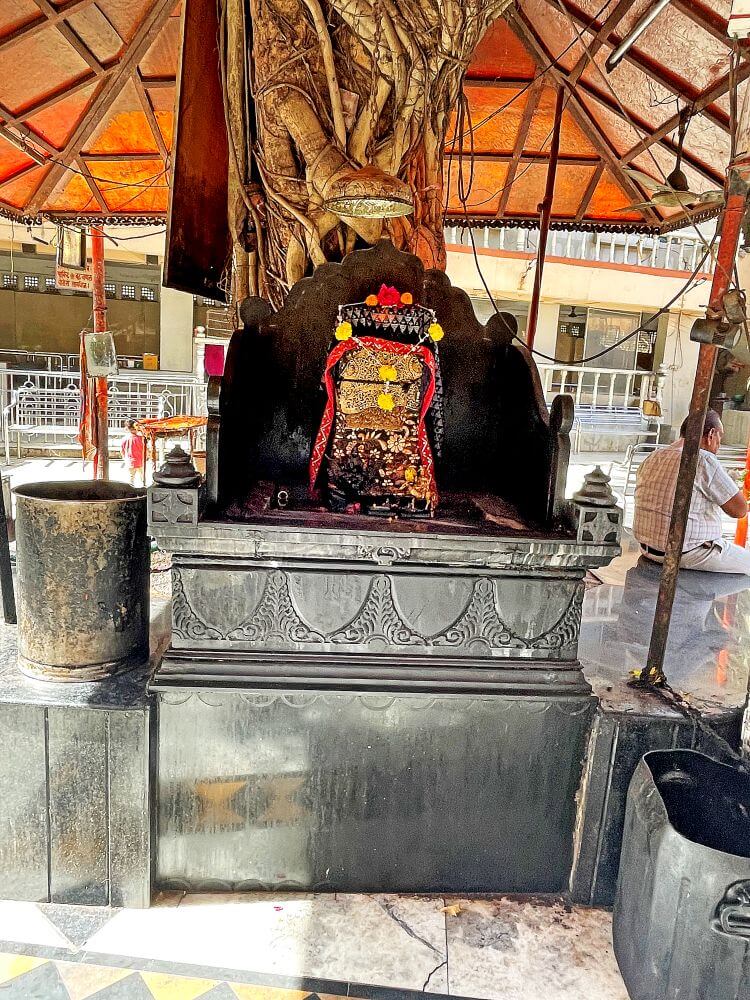 लोककथेनुसार, सुमारे ४५० वर्षांपूर्वी सुरत परिसरात मुस्लिम आक्रमणांमुळे अस्थिरता निर्माण झाली होती. १५७३ मध्ये सम्राट अकबराच्या सैन्याने सुरत जिंकले. याच काळात संग्रामपुरात एक तांत्रिक एका ताडाच्या झाडाजवळ कठोर तपश्चर्या करत होता. त्याच्या तीव्र तपस्येमुळे त्याला अलौकिक शक्ती प्राप्त झाल्या होत्या. या सिद्धीचा वापर करून त्याने ते ताडाचे झाड आकाशातून त्याच्या मूळ ठिकाणी नेण्याचा प्रयत्न केला. हा चमत्कार पाहून गूढ विद्येत पारंगत असलेल्या काही ब्राह्मणांनी देवी त्रिपुरी सुंदरी आणि काळभैरवाचे आवाहन केले. त्यांच्या आवाहनामुळे ते झाड जमिनीवर खाली उतरले. या घटनेनंतर, क्षेत्रपाल हनुमान, काळभैरव आणि बटुकभैरव यांच्या दिव्य मूर्ती तिथे प्रकट झाल्या. भक्तांची अशी श्रद्धा आहे की, क्षेत्रपाल भैरव देवता येथे जमिनीखालील स्वरूपातही अस्तित्वात आहे.
सुरुवातीला हे मंदिर घनदाट जंगलाच्या मध्यभागी होते. सुमारे २५० वर्षांपूर्वी मंदिराचा पहिला जीर्णोद्धार करण्यात आला. कालांतराने, वेळोवेळी मंदिराचे नूतनीकरण केले गेले. पूर्णपणे दगडात बांधलेले सध्याचे मंदिर हे लोखंडाचा वापर न करता केलेल्या वास्तुकलेसाठी प्रसिद्ध आहे, जे त्या काळातील उत्कृष्ट कारागिरीचे दर्शन घडवते.
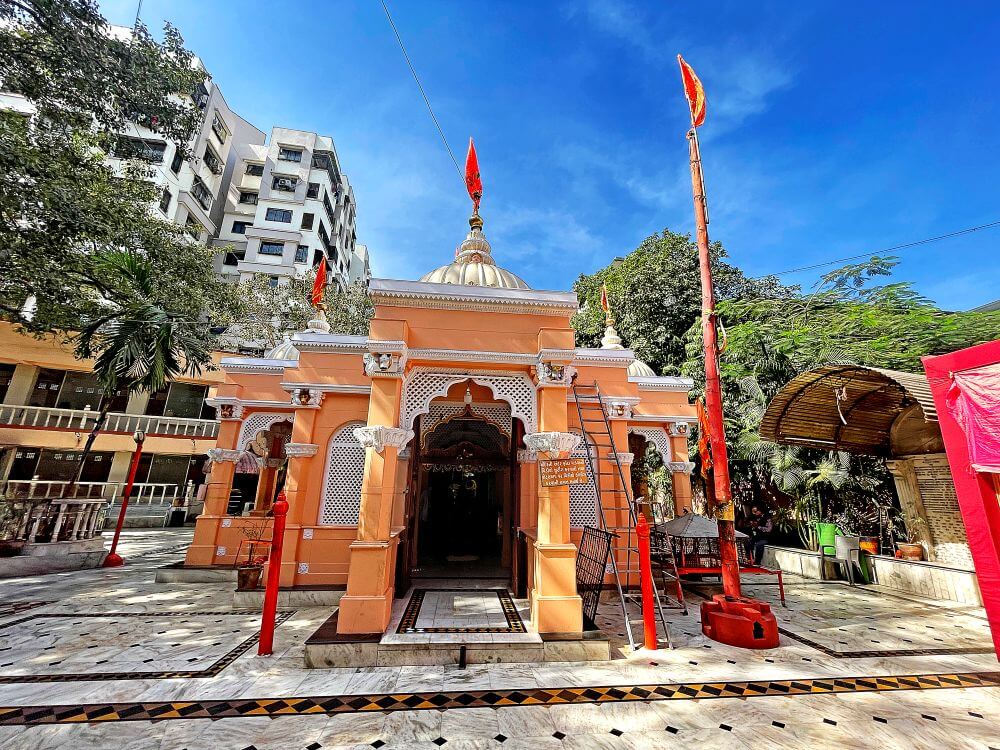
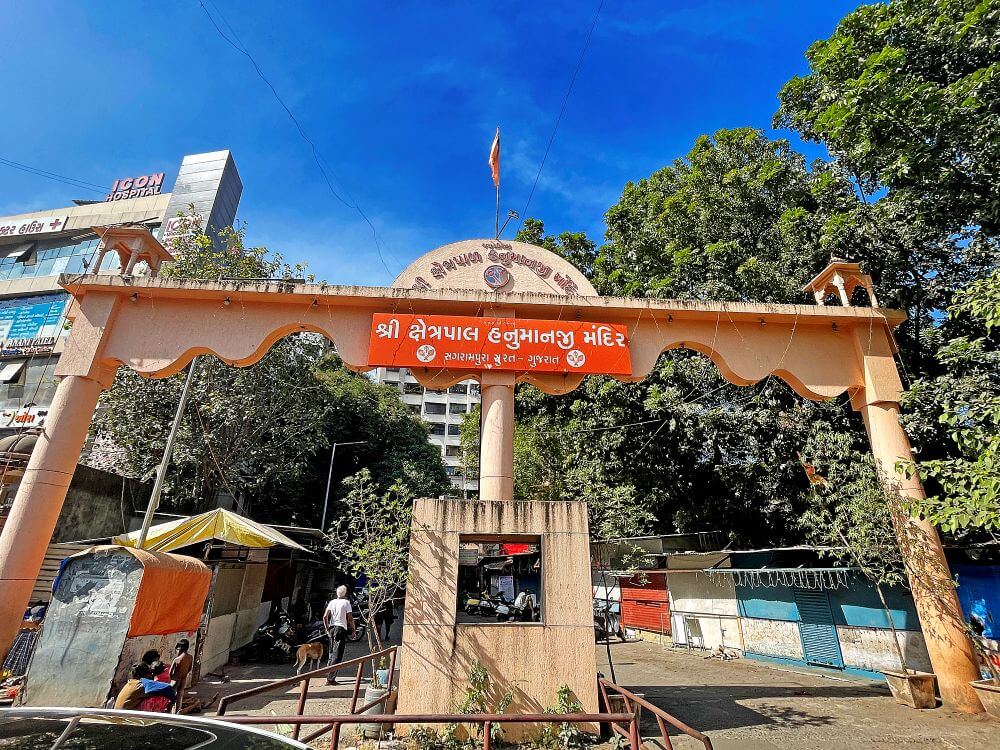
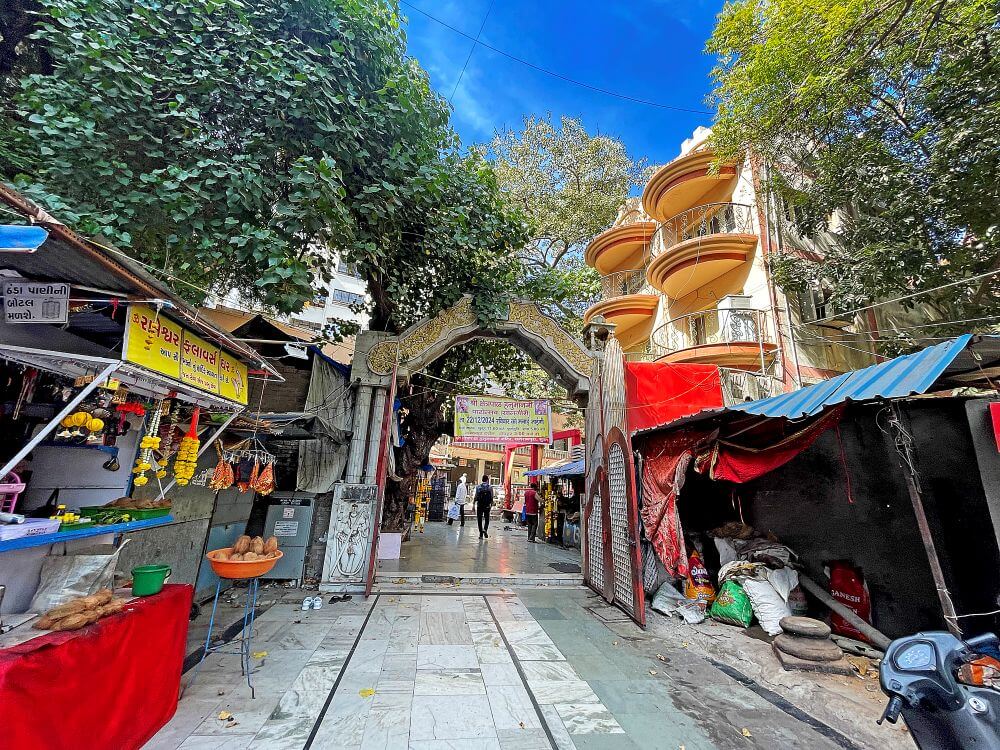
संग्रामपुरातील एका गजबजलेल्या रस्त्यावर स्थित असलेल्या या मंदिराच्या प्रवेशद्वारावर एक भव्य कमान आहे, जी एका प्रशस्त अंगणात घेऊन जाते. अंगणात पूजेचे साहित्य आणि नैवेद्य विकणारी अनेक दुकाने आहेत. 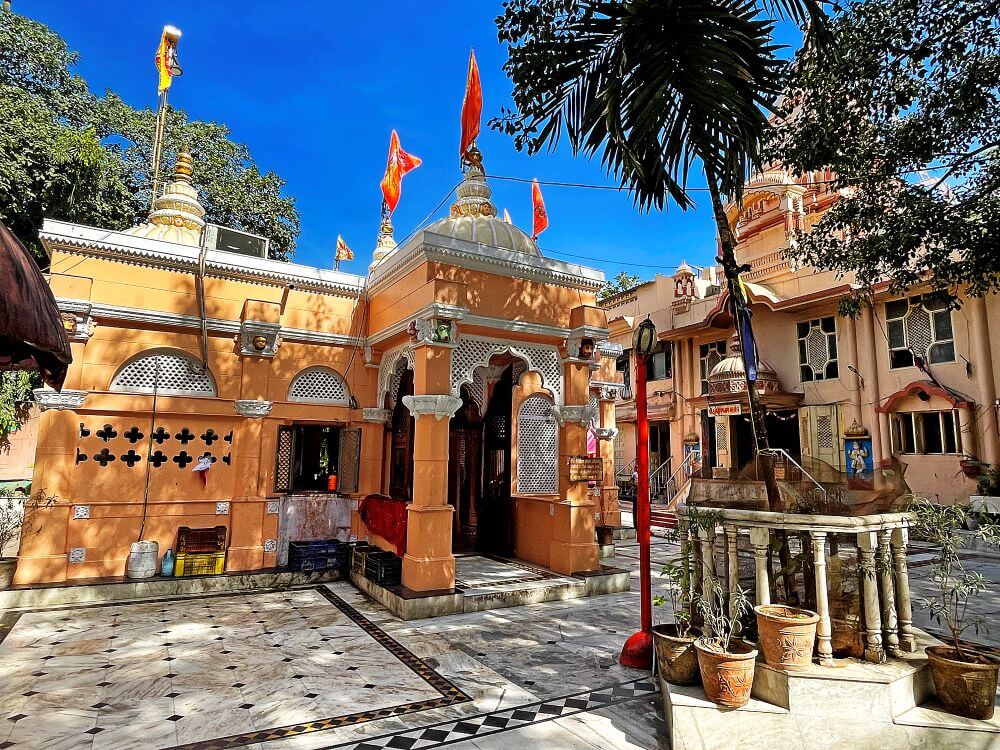 दगडी फरसबंदी असलेल्या या परिसरात काही महत्त्वाच्या गोष्टी आहेत. उजव्या बाजूला दोन मजली इमारत आहे. डाव्या बाजूला बळियादेव आणि महालक्ष्मीची मंदिरे आहेत. मध्यभागी, एका झाडाखाली शनी देवांसाठी एक चबुतरा आहे, ज्यावर शनी शिला आणि आपल्या वाहनावर (कावळा) आरूढ असलेल्या शनी देवाची छोटी मूर्ती आहे.
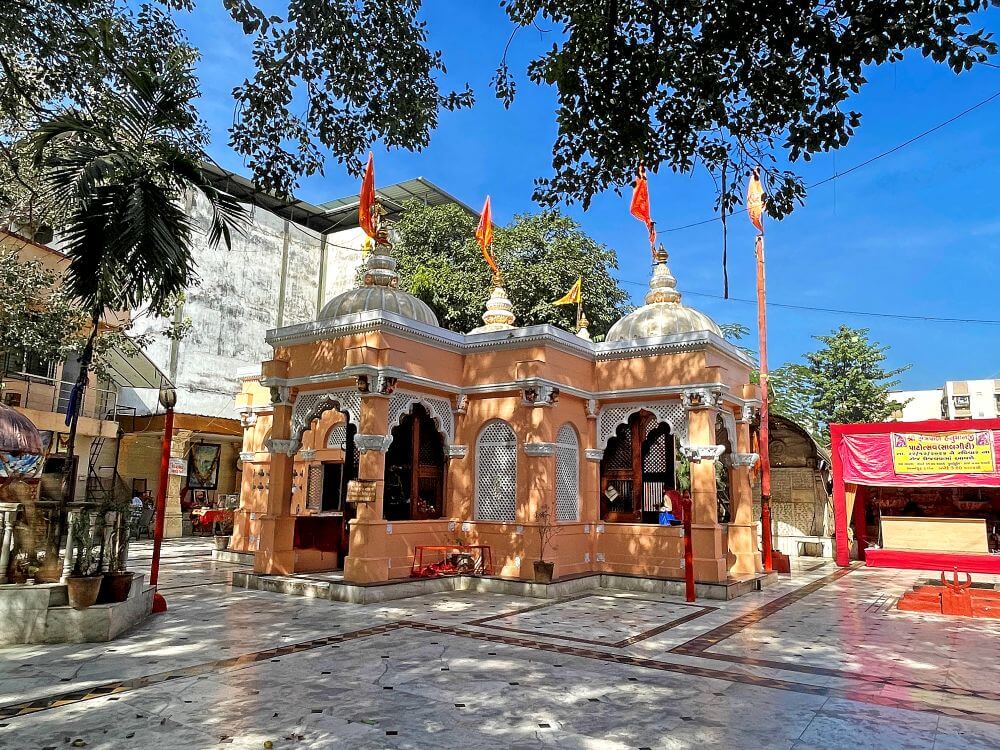
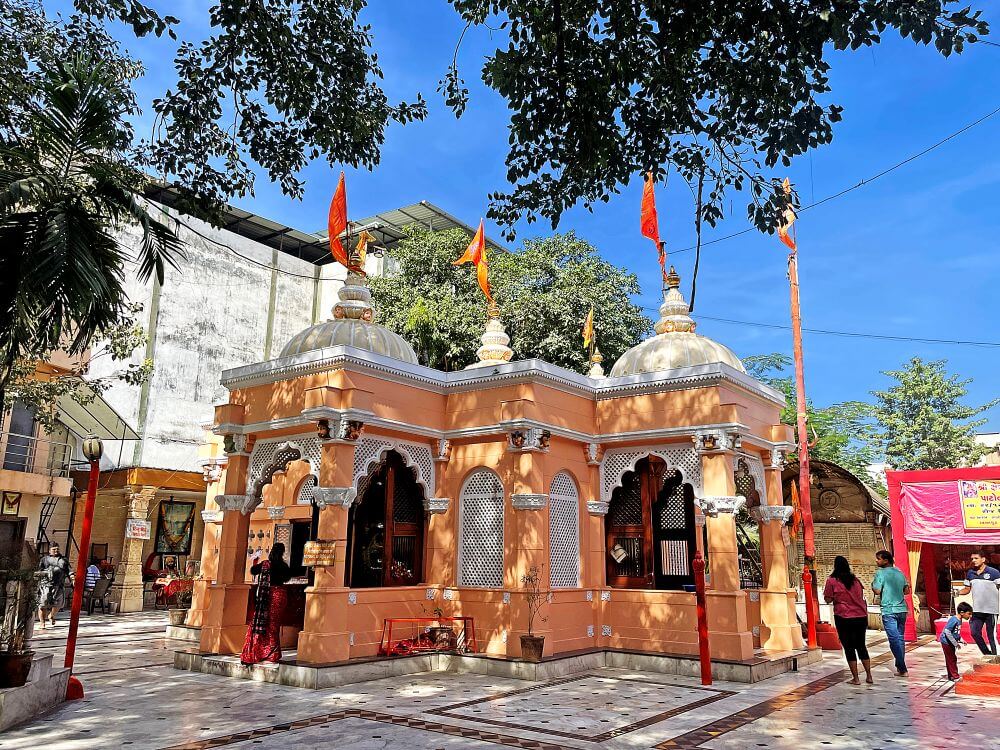
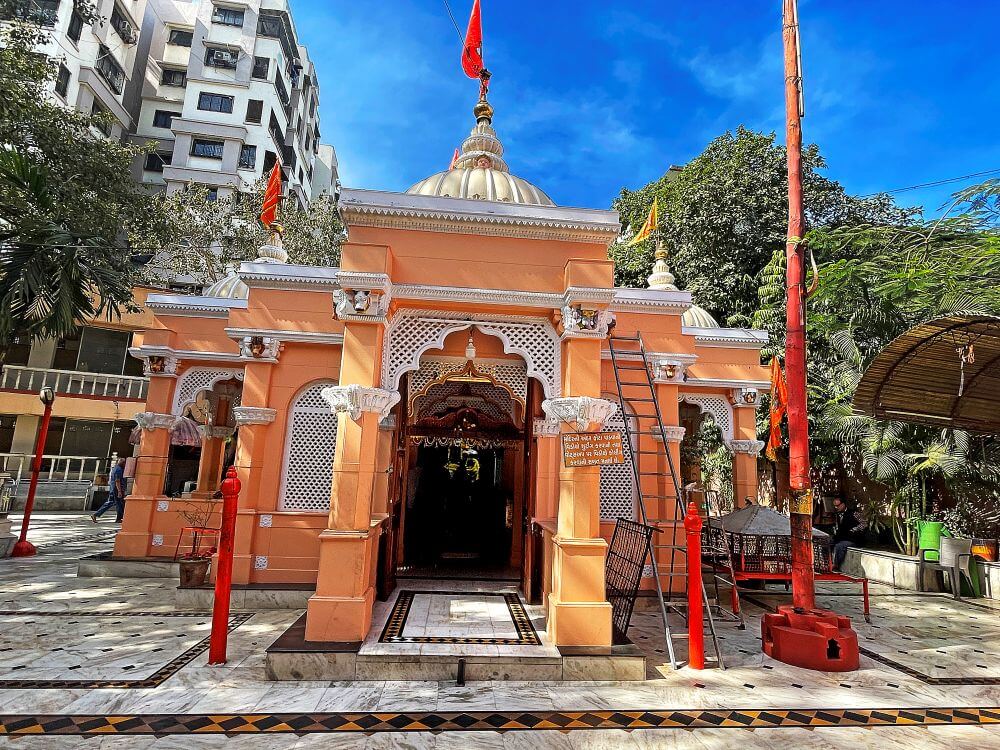
मंदिरात मुखमंडप, सभामंडप, गर्भगृह आणि सभामंडपाच्या दोन्ही बाजूंना अतिरिक्त मंडप आहेत. वास्तुकलेच्या वैशिष्ट्यांमध्ये मुखमंडप, सभामंडप आणि गर्भगृहाच्या शिखरांवर घुमटाकार कळस आहेत. प्रत्येक घुमटावर तीन स्तरांचे कलश आहेत आणि मंदिराच्या पावित्र्याचे प्रतीक असलेला एक उंच ध्वजस्तंभ मुख्य प्रवेशद्वाराजवळ आहे. 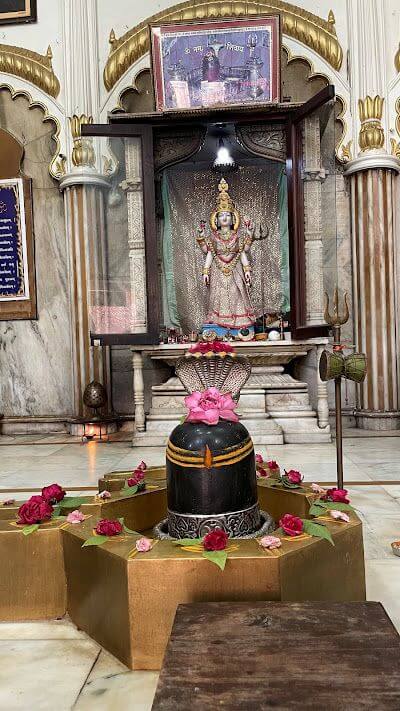
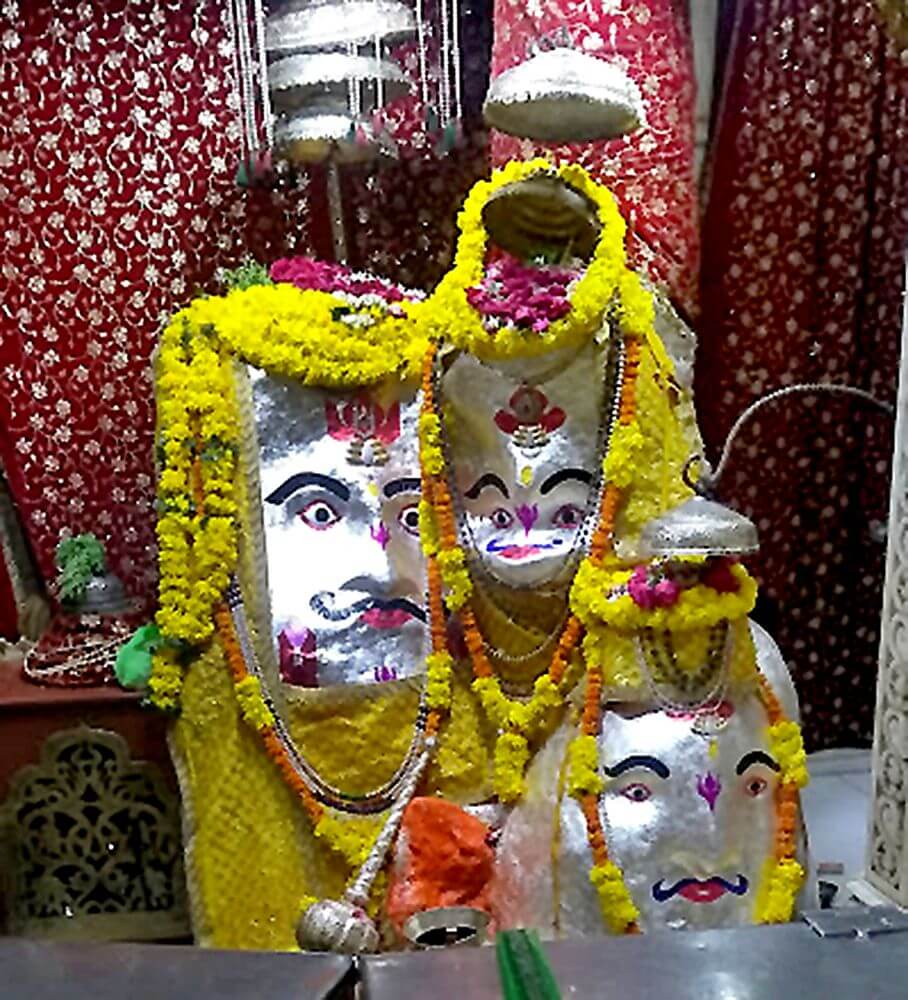
मंदिराच्या गर्भगृहात हनुमान, काळभैरव आणि बटुकभैरव यांच्या स्वयंभू मूर्ती आहेत. या मंदिराचे सर्वात मोठे वैशिष्ट्य म्हणजे या तिन्ही देवता एकाच दगडातून कोरलेल्या आहेत, जे पाहून भक्त थक्क होतात.
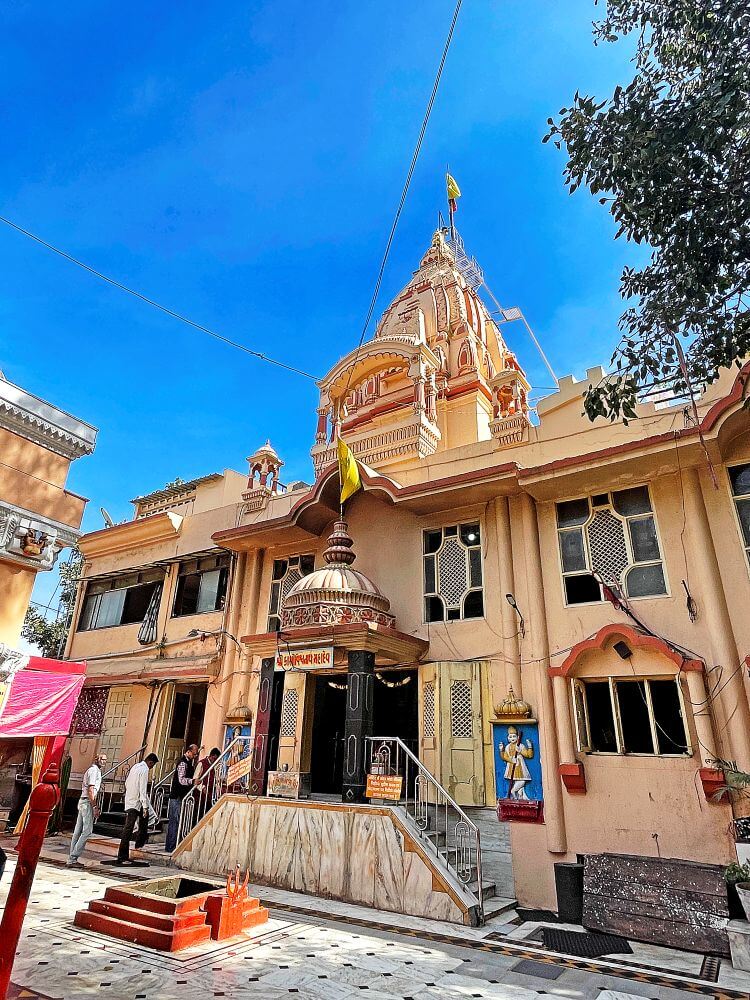
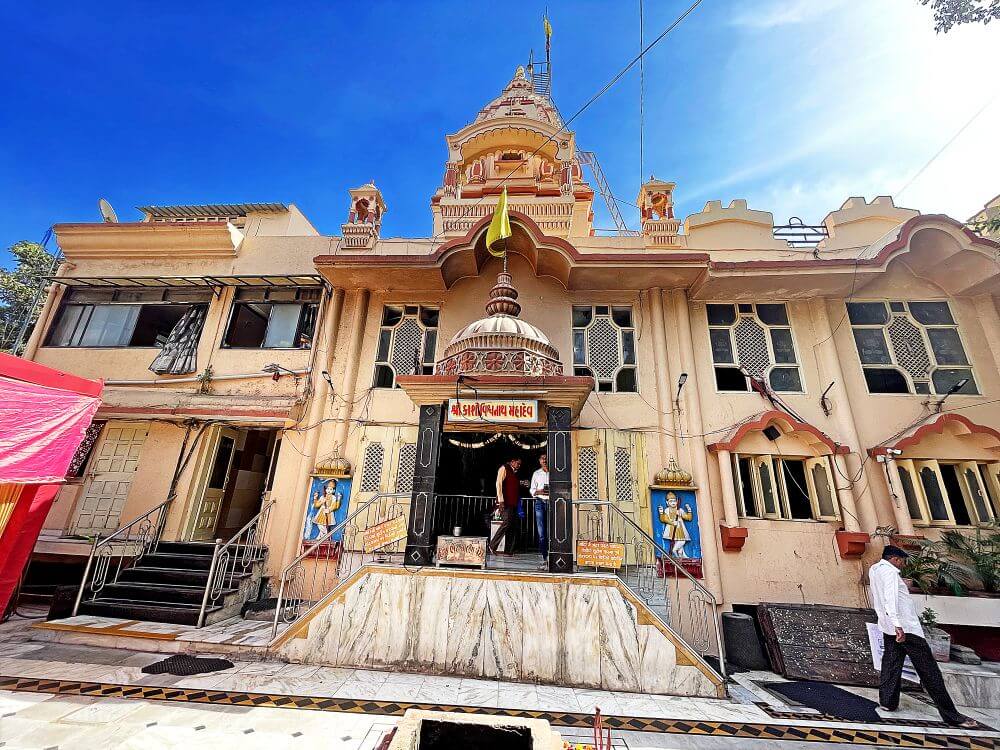
क्षेत्रपाल हनुमान मंदिराच्या अगदी समोर काशी विश्वनाथ महादेव मंदिर आहे, जे दोन मजली इमारतीत भव्यपणे उभे आहे. प्रवेशद्वारातून सात पायऱ्या चढून मंदिरात जाता येते. मंदिराच्या वास्तुकलेत मुखमंडप, सभामंडप, अंतराळ आणि गर्भगृहाचा समावेश आहे. मुखमंडपावर घुमटाकार छोटे शिखर आहे. सभामंडपावर उंच ‘ऊरु-शृंग’ शैलीतील शिखर आहे, ज्याच्या पृष्ठभागावर मुख्य शिखराच्या लहान प्रतिकृती कोरलेल्या आहेत. मंदिराच्या छतावर नक्षीकाम केलेले असून ते मंदिरातील कला आणि सांस्कृतिक वारसा दर्शवते.
सभामंडपात नंदीची पांढऱ्या संगमरवरी मूर्ती आहे. गर्दीचे नियंत्रण करण्यासाठी नंदीच्या मूर्तीभोवती स्टेनलेस स्टीलचे रेलिंग बसवण्यात आले आहे. गर्भगृहातील कोनाड्यांमध्ये हनुमान आणि गणेशाच्या मूर्ती आहेत. गर्भगृहात शिवलिंग असून त्यावर नागाचे संरक्षक छत्र आहे. त्यावरून चांदीच्या गळंतिकेमधून सतत शिवलिंगावर जलाभिषेक होतो. शिवलिंगाच्या मागे पार्वतीची मूर्ती आहे.
हे मंदिर भक्तांसाठी सकाळी ५ ते रात्री ८ वाजेपर्यंत खुले असते. येथे दैनंदिन पूजा, भजन आणि आरती केली जाते. मंगळवार आणि शनिवारी विशेष भजन आणि आरतीचे आयोजन केले जाते. चांद्र पंधरवड्यातील अष्टमीचा दिवस काळभैरवासाठी शुभ मानला जातो, म्हणून दोन्ही अष्टमीला हवन केले जाते. कार्तिक शुद्ध प्रतिपदा आणि मार्गशीर्ष शुद्ध अष्टमीला क्षेत्रपाल भैरवाच्या विशेष पूजेसाठी भक्त गर्दी करतात. या दिवशी येथे अन्नकूट (भव्य मेजवानी) आयोजित केला जातो, त्यानंतर सायंकाळी भजन आणि आरती होते.
हे मंदिर अनेक हिंदू सण उत्साहाने साजरे करते. मार्गशीर्ष कृष्ण अष्टमीला मंदिराचा स्थापना दिवस मोठ्या थाटामाटात साजरा केला जातो. वर्धापन दिनाच्या उत्सवात विद्वान ब्राह्मणांच्या मंत्रघोषात होणारे धार्मिक यज्ञ-हवन, अन्नकूट महोत्सव (भव्य मेजवानी), विशेष आरती, भजन कार्यक्रम आणि हनुमान चालिसाचे सामूहिक पठण यांचा समावेश असतो. मंदिर परिसरात एक ग्रंथालय आहे, जिथे हिंदू धर्म आणि संस्कृतीशी संबंधित पुस्तकांचा संग्रह उपलब्ध आहे, जो अभ्यागतांना ज्ञान आणि प्रेरणा देतो.
मुख्य वैशिष्ट्ये
- सुरत रेल्वे स्टेशनपासून ६ किमी अंतरावर स्थित.
- सुरत महानगरपालिका परिवहन बसेस आणि खाजगी वाहनांद्वारे मंदिरात सहज पोहोचता येते.
- मंदिराच्या आसपासच्या परिसरात राहण्याची आणि खाण्यापिण्याची विविध सोय उपलब्ध आहे.
Kshetrapal Hanuman Temple
Sangrampura Extension, Surat, Dist. Surat
The Kshetrapal Hanuman Temple is among the ancient temples of Surat, boasting a history of approximately 400 years. The temple houses self-manifested idols of Kshetrapal Hanuman, Kalabhairav and Batukbhairav, making it unique in Surat as the only temple where these three avatars of Lord Shiva reside together. Devotees believe that Hanuman safeguards the region, heals chronic ailments and resolves life’s challenges; Kalabhairav offers protection from the forces of time, while Batukbhairav ensures the safety of children. This strong faith attracts devotees from distant places and the temple is particularly bustling on Tuesdays and Saturdays.
According to the Surat Gazetteer, the suburb of Sangrampura was established by an Anavil Brahmin, a sect of Brahmins known for their role as landowners rather than traditional priests. The Gazetteer also mentions that Gopi, the merchant credited with founding Surat, was an Anavil Brahmin. As per mythological accounts, after Lord Rama defeated Ravana, he was afflicted with the sin of Brahmahatya (killing a Brahmin). To atone for this sin, Lord Rama performed a Mahayajna at Anadipur (modern-day Anaval). It is believed that Hanuman brought Brahmins from Ayodhya to conduct the yajna. The Kshetrapal Hanuman Temple is situated in Sangrampura, a settlement established by these Anavil Brahmins.
As per folklore, around 450 years ago, the Surat region faced turmoil due to Muslim invasions. In 1573, Emperor Akbar’s army conquered Surat. During this period, in Sangrampura, a tantric (mystic) was performing intense penance near a palm tree. His severe austerities had granted him supernatural powers. Using this siddhi (spiritual mastery), he attempted to transport the palm tree through the skies back to its original location. Witnessing this miraculous event, a few priests knowledgeable in mystical arts invoked Goddess Tripuri Sundari and Kalabhairav. Their invocation compelled the tree to descend to the ground. Following this event, the divine manifestations of Kshetrapal Hanuman, Kalabhairav and Batukbhairav appeared at the site. Devotees believe that the Kshetrapal Bhairav deity also exists here in a subterranean form.
Initially, the temple stood amidst dense forests. About 250 years ago, the temple underwent its first renovation. Over the years, periodic restorations have been carried out. The present-day temple, constructed entirely in stone, is notable for its iron-free architecture, demonstrating the enduring craftsmanship of the time.
Located along a bustling street in Sangrampura, the temple is marked by a grand archway that leads into a spacious courtyard. Within the courtyard, several shops sell puja items and offerings. The stone-paved precinct houses significant features. On the right side, there is a two-storey building. On the left side, shrines of Baliyadev and Mahalakshmi can be found. In the centre, beneath a tree, lies a platform dedicated to Shani (Saturn), with a Shani shila (stone) and a small statue depicting Shani seated on his vahana (vehicle), the crow.
The temple comprises a mukhmandap (porch), sabhamandap (assembly hall), garbhagriha (sanctum) and additional porches flanking the sabhamandap on both sides. Architectural highlights include – Dome-shaped spires atop the mukhmandap, sabhamandap and garbhagriha. Three-tiered kalasha (crowning spires) adorning each dome and a tall flagstaff near the main entrance, symbolising the temple’s sanctity.
In the temple’s sanctum, the self-manifested (swayambhu) deities of Hanuman, Kalabhairav and Batukbhairav reside. What sets this temple apart is the extraordinary feature of these three deities being carved from a single stone, a sight that leaves devotees awestruck.
Located directly opposite the Kshetrapal Hanuman Temple, the Kashi Vishwanath Mahadev Temple stands prominently in a two-storey structure. The entrance leads to seven steps that ascend into the temple. The architectural layout includes a mukhmandap (porch), sabhamandap (assembly hall), antaral (antechamber) and garbhagriha (sanctum). The mukhmandap features a dome-shaped small spire. The sabhamandap boasts a tall uru-shring spire, characterised by miniature replicas of the main spire adorning its surface.The temple ceiling features intricate carvings, showcasing the artistry and cultural heritage preserved within the temple.
A white marble statue of Nandi is placed within the sabhamandap. To manage the crowd, stainless steel railings are installed around the Nandi statue. Niches within the sanctum house idols of Hanuman and Ganesh. The garbhagriha houses a shivling, covered by a protective naga (snake) canopy. Above it is a silver galantika (water vessel) from which drops of water flow continuously on the shivling. Behind the shivling stands a statue of Parvati.
The temple is open to devotees from 5 AM to 8 PM. Daily rituals, bhajans and aarti are performed. On Tuesdays and Saturdays, special bhajans and aarti are held. The eighth day of the lunar fortnight is considered auspicious for Kalbhairav and hence, havan (fire ritual) is performed on both Ashtami days. On Kartik Shuddha Pratipada and Margashirsha Shuddha Ashtami, devotees flock to witness special rituals dedicated to Kshetrapal Bhairav. On these days Annakut (a grand feast) is also arrranged here, which is followed by evening bhajans and aarti.
The temple celebrates numerous Hindu festivals with enthusiasm. On Margashirsha Krishna Ashtami, the temple marks its foundation day with grandeur. The anniversary celebrations include – Ritualistic yagna-havan performed amidst the chanting of Vedic hymns by learned priests, Annakut Mahotsav (grand feast), special aarti, bhajan programmes and collective chanting of the Hanuman Chalisa. The temple premises house a library, offering a collection of books related to Hindu religion and culture, providing knowledge and inspiration to visitors.
Key Features
- Located 6 km from Surat Railway Station.
- Surat Municipal Transport buses and private vehicles can reach the temple conveniently.
- The area surrounding the temple provides various options for accommodation and refreshments.
क्षेत्रपाल हनुमान मंदिर
संग्रामपुरा विस्तार, सूरत, जिला सूरत
क्षेत्रपाल हनुमान मंदिर सूरत के प्राचीन मंदिरों में से एक है, जिसका इतिहास लगभग 400 वर्ष पुराना है। इस मंदिर में क्षेत्रपाल हनुमान, कालभैरव और बटुकभैरव की स्वयंभू मूर्तियाँ विराजमान हैं, जो इसे सूरत में अद्वितीय बनाती हैं क्योंकि यह एकमात्र ऐसा मंदिर है जहाँ भगवान शिव के ये तीन अवतार एक साथ निवास करते हैं। भक्तों का मानना है कि हनुमान जी इस क्षेत्र की रक्षा करते हैं, असाध्य रोगों को दूर करते हैं और जीवन की चुनौतियों का समाधान करते हैं; कालभैरव समय की शक्तियों से सुरक्षा प्रदान करते हैं, जबकि बटुकभैरव बच्चों की रक्षा सुनिश्चित करते हैं। यह अटूट विश्वास दूर-दूर से भक्तों को आकर्षित करता है और मंगलवार तथा शनिवार को मंदिर में विशेष रूप से भारी भीड़ रहती है।
सूरत गजेटियर के अनुसार, संग्रामपुरा उपनगर की स्थापना एक अनावल ब्राह्मण ने की थी, जो ब्राह्मणों का एक ऐसा संप्रदाय है जो पारंपरिक पुजारियों के बजाय जमींदारों के रूप में अपनी भूमिका के लिए जाना जाता है। गजेटियर में यह भी उल्लेख है कि सूरत की स्थापना का श्रेय जिस व्यापारी गोपी को दिया जाता है, वे भी एक अनावल ब्राह्मण थे। पौराणिक कथाओं के अनुसार, भगवान राम द्वारा रावण का वध करने के बाद, उन्हें ब्रह्महत्या के पाप का सामना करना पड़ा था। इस पाप के प्रायश्चित के लिए, भगवान राम ने अनादिपुर (आधुनिक अनावल) में एक महायज्ञ किया था। माना जाता है कि हनुमान जी ने यज्ञ संपन्न कराने के लिए अयोध्या से ब्राह्मणों को बुलाया था। क्षेत्रपाल हनुमान मंदिर संग्रामपुरा में स्थित है, जो इन्हीं अनावल ब्राह्मणों द्वारा बसाई गई बस्ती है।
लोककथाओं के अनुसार, लगभग 450 साल पहले, सूरत क्षेत्र को मुस्लिम आक्रमणों के कारण उथल-पुथल का सामना करना पड़ा था। 1573 में, सम्राट अकबर की सेना ने सूरत पर विजय प्राप्त की। इस अवधि के दौरान, संग्रामपुरा में एक तांत्रिक एक ताड़ के पेड़ के पास कठोर तपस्या कर रहा था। उसकी घोर तपस्या ने उसे अलौकिक शक्तियाँ प्रदान कर दी थीं। इस सिद्धि का उपयोग करके, उसने ताड़ के पेड़ को आकाश के माध्यम से वापस उसके मूल स्थान पर ले जाने का प्रयास किया। इस चमत्कारी घटना को देखकर, रहस्यमयी कलाओं के जानकार कुछ पुजारियों ने देवी त्रिपुरी सुंदरी और कालभैरव का आह्वान किया। उनके आह्वान ने पेड़ को जमीन पर उतरने के लिए मजबूर कर दिया। इस घटना के बाद, क्षेत्रपाल हनुमान, कालभैरव और बटुकभैरव के दिव्य स्वरूप इस स्थान पर प्रकट हुए। भक्तों का मानना है कि क्षेत्रपाल भैरव देवता यहाँ भूमिगत रूप में भी विद्यमान हैं।
प्रारंभ में, यह मंदिर घने जंगलों के बीच स्थित था। लगभग 250 साल पहले, मंदिर का पहला जीर्णोद्धार किया गया था। वर्षों से, समय-समय पर जीर्णोद्धार कार्य किए जाते रहे हैं। पूर्णतः पत्थर से निर्मित वर्तमान मंदिर अपनी लौह-मुक्त वास्तुकला के लिए उल्लेखनीय है, जो उस समय की स्थायी शिल्प कौशल को प्रदर्शित करता है।
संग्रामपुरा की एक व्यस्त सड़क पर स्थित, यह मंदिर एक भव्य प्रवेश द्वार द्वारा चिह्नित है जो एक विशाल प्रांगण की ओर जाता है। प्रांगण के भीतर, कई दुकानें पूजा सामग्री और प्रसाद बेचती हैं। पत्थर से बने इस परिसर में महत्वपूर्ण विशेषताएं हैं। दाईं ओर दो मंजिला इमारत है। बाईं ओर, बलियादेव और महालक्ष्मी के मंदिर स्थित हैं। केंद्र में, एक पेड़ के नीचे, शनि देव को समर्पित एक चबूतरा है, जिसमें एक शनि शिला और शनि देव की उनके वाहन, कौवे पर बैठे हुए एक छोटी प्रतिमा है।
मंदिर में एक मुखमंडप, सभामंडप, गर्भगृह और सभामंडप के दोनों ओर अतिरिक्त बरामदे शामिल हैं। स्थापत्य की मुख्य विशेषताओं में शामिल हैं – मुखमंडप, सभामंडप और गर्भगृह के ऊपर गुंबद के आकार के शिखर। प्रत्येक गुंबद को सुशोभित करने वाले तीन-स्तरीय कलश और मुख्य प्रवेश द्वार के पास एक लंबा ध्वजदंड, जो मंदिर की पवित्रता का प्रतीक है।
मंदिर के गर्भगृह में हनुमान, कालभैरव और बटुकभैरव के स्वयंभू देवता विराजमान हैं। जो बात इस मंदिर को अलग बनाती है, वह यह असाधारण विशेषता है कि ये तीनों देवता एक ही पत्थर से तराशे गए हैं, जिसे देखकर भक्त मंत्रमुग्ध हो जाते हैं।
क्षेत्रपाल हनुमान मंदिर के ठीक सामने, काशी विश्वनाथ महादेव मंदिर एक दो मंजिला संरचना में प्रमुखता से स्थित है। प्रवेश द्वार सात सीढ़ियों की ओर ले जाता है जो मंदिर में ऊपर की ओर जाती हैं। स्थापत्य लेआउट में एक मुखमंडप, सभामंडप, अंतराल और गर्भगृह शामिल हैं। मुखमंडप में गुंबद के आकार का एक छोटा शिखर है। सभामंडप में एक लंबा उरु-शृंग शिखर है, जिसकी विशेषता इसकी सतह को सुशोभित करने वाली मुख्य शिखर की लघु प्रतिकृतियां हैं। मंदिर की छत में जटिल नक्काशी है, जो मंदिर के भीतर संरक्षित कलात्मकता और सांस्कृतिक विरासत को प्रदर्शित करती है।
सभामंडप के भीतर नंदी की एक सफेद संगमरमर की प्रतिमा स्थापित है। भीड़ को नियंत्रित करने के लिए नंदी प्रतिमा के चारों ओर स्टेनलेस स्टील की रेलिंग लगाई गई है। गर्भगृह के भीतर बने आला में हनुमान और गणेश की मूर्तियाँ हैं। गर्भगृह में एक शिवलिंग है, जो एक सुरक्षात्मक नाग छत्र से ढका हुआ है। इसके ऊपर एक चांदी की गलंतिका (जल पात्र) है जिससे शिवलिंग पर लगातार पानी की बूंदें गिरती रहती हैं। शिवलिंग के पीछे पार्वती की प्रतिमा है।
मंदिर भक्तों के लिए सुबह 5 बजे से रात 8 बजे तक खुला रहता है। दैनिक अनुष्ठान, भजन और आरती की जाती है। मंगलवार और शनिवार को विशेष भजन और आरती आयोजित की जाती है। चंद्र पखवाड़े का आठवां दिन कालभैरव के लिए शुभ माना जाता है और इसलिए, अष्टमी के दोनों दिनों पर हवन किया जाता है। कार्तिक शुद्ध प्रतिपदा और मार्गशीर्ष शुद्ध अष्टमी पर, भक्त क्षेत्रपाल भैरव को समर्पित विशेष अनुष्ठानों को देखने के लिए उमड़ते हैं। इन दिनों यहाँ अन्नकूट (एक भव्य दावत) की भी व्यवस्था की जाती है, जिसके बाद शाम को भजन और आरती होती है।
यह मंदिर अनेक हिंदू त्योहारों को बड़े उत्साह के साथ मनाता है। मार्गशीर्ष कृष्ण अष्टमी के दिन, मंदिर अपना स्थापना दिवस भव्यता के साथ मनाता है। वार्षिकोत्सव के कार्यक्रमों में विद्वान ब्राह्मणों द्वारा वैदिक मंत्रोच्चार के बीच अनुष्ठानिक यज्ञ-हवन, अन्नकूट महोत्सव (भव्य भोज), विशेष आरती, भजन कार्यक्रम और सामूहिक हनुमान चालीसा का पाठ शामिल है। मंदिर परिसर में एक पुस्तकालय है, जिसमें हिंदू धर्म और संस्कृति से संबंधित पुस्तकों का संग्रह है, जो आगंतुकों को ज्ञान और प्रेरणा प्रदान करता है।
मुख्य विशेषताएं
- सूरत रेलवे स्टेशन से 6 किमी की दूरी पर स्थित है।
- सूरत म्युनिसिपल ट्रांसपोर्ट की बसें और निजी वाहन मंदिर तक आसानी से पहुँच सकते हैं।
- मंदिर के आसपास का क्षेत्र ठहरने और खान-पान के लिए विभिन्न विकल्प प्रदान करता है।
ક્ષેત્રપાલ હનુમાન મંદિર
સંગ્રામપુરા એક્સટેન્શન, સુરત, જિલ્લો સુરત
ક્ષેત્રપાલ હનુમાન મંદિર સુરતના પ્રાચીન મંદિરોમાંનું એક છે, જે આશરે ૪૦૦ વર્ષનો ભવ્ય ઇતિહાસ ધરાવે છે. આ મંદિરમાં ક્ષેત્રપાલ હનુમાન, કાલભૈરવ અને બટુકભૈરવની સ્વયંભૂ મૂર્તિઓ બિરાજમાન છે. સુરતમાં આ એકમાત્ર એવું મંદિર છે જ્યાં ભગવાન શિવના આ ત્રણ અવતારો એકસાથે બિરાજમાન છે, જે તેને અત્યંત વિશિષ્ટ બનાવે છે. ભક્તોની એવી શ્રદ્ધા છે કે હનુમાનજી આ ક્ષેત્રનું રક્ષણ કરે છે, જૂની બીમારીઓ દૂર કરે છે અને જીવનના પડકારોનું નિવારણ કરે છે; કાલભૈરવ સમયના પ્રભાવથી રક્ષણ આપે છે, જ્યારે બટુકભૈરવ બાળકોની સુરક્ષા કરે છે. આ અતૂટ શ્રદ્ધાને કારણે દૂર-દૂરથી ભક્તો અહીં દર્શનાર્થે આવે છે અને ખાસ કરીને મંગળવાર અને શનિવારે મંદિરમાં ભક્તોની ભારે ભીડ જોવા મળે છે.
સુરત ગેઝેટિયર અનુસાર, સંગ્રામપુરા વિસ્તારની સ્થાપના એક અનાવિલ બ્રાહ્મણ દ્વારા કરવામાં આવી હતી, જેઓ પરંપરાગત પૂજારીઓને બદલે જમીનદાર તરીકે જાણીતા હતા. ગેઝેટિયરમાં એવો પણ ઉલ્લેખ છે કે સુરતની સ્થાપના કરનાર ગોપી નામના વેપારી પણ અનાવિલ બ્રાહ્મણ હતા. પૌરાણિક કથાઓ મુજબ, ભગવાન રામે રાવણનો વધ કર્યા પછી, તેમને બ્રહ્મહત્યાનું પાપ લાગ્યું હતું. આ પાપના પ્રાયશ્ચિત માટે ભગવાન રામે અનાદીપુર (આજનું અનાવલ) ખાતે મહાયજ્ઞ કર્યો હતો. માનવામાં આવે છે કે હનુમાનજી આ યજ્ઞ કરવા માટે અયોધ્યાથી બ્રાહ્મણોને લાવ્યા હતા. ક્ષેત્રપાલ હનુમાન મંદિર સંગ્રામપુરામાં આવેલું છે, જે આ અનાવિલ બ્રાહ્મણો દ્વારા વસાવવામાં આવેલી વસાહત છે.
લોકવાયકા મુજબ, આશરે ૪૫૦ વર્ષ પહેલાં મુસ્લિમ આક્રમણોને કારણે સુરત વિસ્તાર અશાંતિનો સામનો કરી રહ્યો હતો. ૧૫૭૩માં સમ્રાટ અકબરના સૈન્યએ સુરત જીતી લીધું હતું. તે સમયગાળા દરમિયાન, સંગ્રામપુરામાં એક તાંત્રિક એક તાડના ઝાડ પાસે કઠોર તપસ્યા કરી રહ્યા હતા. તેમની કઠોર સાધનાથી તેમને અલૌકિક શક્તિઓ પ્રાપ્ત થઈ હતી. આ સિદ્ધિનો ઉપયોગ કરીને, તેમણે તાડના ઝાડને આકાશ માર્ગે તેના મૂળ સ્થાને પાછું લઈ જવાનો પ્રયાસ કર્યો. આ ચમત્કારિક ઘટના જોઈને, રહસ્યમય વિદ્યાના જાણકાર કેટલાક પૂજારીઓએ ત્રિપુરી સુંદરી અને કાલભૈરવનું આહ્વાન કર્યું. તેમના આહ્વાનથી તે વૃક્ષ જમીન પર નીચે ઉતરી આવ્યું. આ ઘટના બાદ, ક્ષેત્રપાલ હનુમાન, કાલભૈરવ અને બટુકભૈરવના દિવ્ય સ્વરૂપો પ્રગટ થયા. ભક્તો માને છે કે ક્ષેત્રપાલ ભૈરવ દેવતા અહીં ભૂગર્ભ સ્વરૂપે પણ બિરાજમાન છે.
શરૂઆતમાં આ મંદિર ગીચ જંગલોની વચ્ચે હતું. આશરે ૨૫૦ વર્ષ પહેલાં મંદિરનો પ્રથમ જીર્ણોદ્ધાર કરવામાં આવ્યો હતો. વર્ષો દરમિયાન સમયાંતરે સમારકામ કરવામાં આવ્યું છે. સંપૂર્ણપણે પથ્થરમાંથી બનેલું વર્તમાન મંદિર તેની લોખંડ-મુક્ત સ્થાપત્યકલા માટે નોંધપાત્ર છે, જે તે સમયની અદભૂત કારીગરી દર્શાવે છે.
સંગ્રામપુરાના વ્યસ્ત માર્ગ પર સ્થિત આ મંદિરના પ્રવેશદ્વારે એક ભવ્ય કમાન છે, જે વિશાળ આંગણામાં દોરી જાય છે. આંગણામાં પૂજા-સામગ્રી અને પ્રસાદ વેચતી ઘણી દુકાનો આવેલી છે. પથ્થરથી જડેલા આ પરિસરમાં મહત્વપૂર્ણ સ્થાપત્યો છે. જમણી બાજુએ બે માળની ઇમારત છે. ડાબી બાજુએ બળિયાદેવ અને મહાલક્ષ્મીના મંદિરો છે. મધ્યમાં, એક વૃક્ષની નીચે શનિદેવ માટે એક પ્લેટફોર્મ છે, જ્યાં શનિ શિલા અને તેમના વાહન કાગડા પર બિરાજમાન શનિદેવની નાની મૂર્તિ છે.
મંદિરમાં મુખમંડપ, સભામંડપ, ગર્ભગૃહ અને સભામંડપની બંને બાજુએ વધારાના પોર્ચ આવેલા છે. સ્થાપત્યની વિશેષતાઓમાં મુખમંડપ, સભામંડપ અને ગર્ભગૃહની ઉપર ગુંબજ આકારના શિખરો છે. દરેક ગુંબજ પર ત્રણ સ્તરના કળશ અને મુખ્ય પ્રવેશદ્વાર પાસે એક ઊંચો ધ્વજદંડ છે, જે મંદિરની પવિત્રતાનું પ્રતીક છે.
મંદિરના ગર્ભગૃહમાં હનુમાન, કાલભૈરવ અને બટુકભૈરવની સ્વયંભૂ મૂર્તિઓ બિરાજમાન છે. આ મંદિરની સૌથી મોટી વિશેષતા એ છે કે આ ત્રણેય દેવતાઓ એક જ પથ્થરમાંથી કોતરેલા છે, જે જોઈને ભક્તો મંત્રમુગ્ધ થઈ જાય છે.
ક્ષેત્રપાલ હનુમાન મંદિરની બરાબર સામે કાશી વિશ્વનાથ મહાદેવનું મંદિર બે માળના ભવ્ય માળખામાં આવેલું છે. પ્રવેશદ્વારથી સાત પગથિયાં ચઢીને મંદિરમાં પ્રવેશાય છે. સ્થાપત્યમાં મુખમંડપ, સભામંડપ, અંતરાલ અને ગર્ભગૃહનો સમાવેશ થાય છે. મુખમંડપમાં ગુંબજ આકારનું નાનું શિખર છે. સભામંડપમાં ઊંચું ઉરુ-શૃંગ શિખર છે, જેની સપાટી પર મુખ્ય શિખરની નાની પ્રતિકૃતિઓ કોતરેલી છે. મંદિરની છત પરની જટિલ કોતરણી મંદિરની સંસ્કૃતિ અને કલાત્મક વારસાને ઉજાગર કરે છે.
સભામંડપમાં નંદીની સફેદ આરસની મૂર્તિ સ્થાપિત છે. ભીડને નિયંત્રિત કરવા માટે નંદીની મૂર્તિની આસપાસ સ્ટેનલેસ સ્ટીલની રેલિંગ લગાવવામાં આવી છે. ગર્ભગૃહની અંદરની કોતરેલી જગ્યાઓમાં હનુમાન અને ગણેશજીની મૂર્તિઓ છે. ગર્ભગૃહમાં શિવલિંગ છે, જેની ઉપર નાગની છત્રછાયા છે. તેની ઉપર ચાંદીની ગલંતિકા (જળપાત્ર) છે, જેમાંથી શિવલિંગ પર સતત જળધારા વહે છે. શિવલિંગની પાછળ પાર્વતીજીની મૂર્તિ છે.
મંદિર ભક્તો માટે સવારે ૫ થી રાત્રે ૮ વાગ્યા સુધી ખુલ્લું રહે છે. અહીં દૈનિક પૂજા, ભજન અને આરતી થાય છે. મંગળવાર અને શનિવારે વિશેષ ભજન અને આરતીનું આયોજન કરવામાં આવે છે. ચંદ્ર પખવાડિયાની આઠમ કાલભૈરવ માટે શુભ માનવામાં આવે છે, તેથી બંને અષ્ટમીના દિવસે હવન કરવામાં આવે છે. કાર્તિક સુદ પ્રતિપદા અને માગશર સુદ આઠમના દિવસે ભક્તો ક્ષેત્રપાલ ભૈરવની વિશેષ પૂજાના દર્શન કરવા ઉમટી પડે છે. આ દિવસોમાં અહીં અન્નકૂટનું પણ આયોજન કરવામાં આવે છે, ત્યારબાદ સાંજનું ભજન અને આરતી થાય છે.
આ મંદિર અનેક હિન્દુ તહેવારો ખૂબ જ ઉત્સાહપૂર્વક ઉજવે છે. માગશર વદ આઠમના દિવસે મંદિરનો સ્થાપના દિવસ ખૂબ જ ભવ્યતાથી ઉજવવામાં આવે છે. વાર્ષિક ઉત્સવની ઉજવણીમાં વિદ્વાન બ્રાહ્મણો દ્વારા વૈદિક મંત્રોચ્ચાર સાથે કરવામાં આવતા વિધિવત યજ્ઞ-હવન, અન્નકૂટ મહોત્સવ, વિશેષ આરતી, ભજનના કાર્યક્રમો અને હનુમાન ચાલીસાના સામૂહિક પાઠનો સમાવેશ થાય છે. મંદિરના પરિસરમાં એક પુસ્તકાલય છે, જેમાં હિન્દુ ધર્મ અને સંસ્કૃતિને લગતા પુસ્તકોનો સંગ્રહ છે, જે મુલાકાતીઓને જ્ઞાન અને પ્રેરણા પૂરી પાડે છે.
મુખ્ય વિશેષતાઓ
- સુરત રેલ્વે સ્ટેશનથી ૬ કિમીના અંતરે આવેલું છે.
- સુરત મ્યુનિસિપલ ટ્રાન્સપોર્ટની બસો અને ખાનગી વાહનો દ્વારા મંદિર સુધી સરળતાથી પહોંચી શકાય છે.
- મંદિરની આસપાસનો વિસ્તાર રહેવા અને જમવા માટે વિવિધ વિકલ્પો પૂરા પાડે છે.
க்ஷேத்ரபால் ஹனுமான் கோயில்
சங்கராம்புரா விரிவாக்கம், சூரத், சூரத் மாவட்டம்
க்ஷேத்ரபால் ஹனுமான் கோயில் சூரத்தின் பழமையான கோயில்களில் ஒன்றாகும், இது சுமார் 400 ஆண்டுகால வரலாற்றைக் கொண்டுள்ளது. இக்கோயிலில் க்ஷேத்ரபால் ஹனுமான், காலபைரவர் மற்றும் படுகபைரவர் ஆகியோரின் சுயம்பு மூர்த்திகள் வீற்றிருக்கின்றனர். சிவபெருமானின் இந்த மூன்று அவதாரங்களும் ஒன்றாக அருள்பாலிக்கும் ஒரே கோயில் இது என்பதால், சூரத் நகரில் இது தனிச்சிறப்பு வாய்ந்ததாகத் திகழ்கிறது. ஹனுமான் இப்பகுதியைப் பாதுகாப்பதாகவும், நாட்பட்ட நோய்களைக் குணப்படுத்துவதாகவும், வாழ்க்கையின் சவால்களைத் தீர்ப்பதாகவும் பக்தர்கள் நம்புகின்றனர்; காலபைரவர் காலத்தின் சக்திகளிடமிருந்து பாதுகாப்பை வழங்குகிறார், அதே சமயம் படுகபைரவர் குழந்தைகளின் பாதுகாப்பை உறுதி செய்கிறார். இந்த அசைக்க முடியாத நம்பிக்கை தொலைதூரத்திலிருந்தும் பக்தர்களை ஈர்க்கிறது, மேலும் செவ்வாய் மற்றும் சனிக்கிழமைகளில் கோயில் வளாகம் மிகவும் பரபரப்பாக இருக்கும்.
சூரத் கெசட்டியரின் (Surat Gazetteer) கூற்றுப்படி, சங்கராம்புரா புறநகர்ப் பகுதி அனவில் பிராமணர்களால் நிறுவப்பட்டது. இவர்கள் பாரம்பரிய பூசாரிகளாக இல்லாமல் நில உரிமையாளர்களாக அறியப்பட்ட ஒரு பிரிவினர். சூரத்தை நிறுவியதாகக் கருதப்படும் கோபி என்ற வணிகரும் ஒரு அனவில் பிராமணர் என்று கெசட்டியர் குறிப்பிடுகிறது. புராணக் கதைகளின்படி, ஸ்ரீராமன் ராவணனை வதம் செய்த பிறகு, பிரம்மஹத்தி தோஷத்தால் பாதிக்கப்பட்டார். இந்த பாவத்தைப் போக்க, ஸ்ரீராமன் அனாதிபுரத்தில் (இன்றைய அனாவல்) ஒரு மகா யாகத்தை நடத்தினார். இந்த யாகத்தை நடத்துவதற்காக ஹனுமான் அயோத்தியிலிருந்து பிராமணர்களை அழைத்து வந்ததாக நம்பப்படுகிறது. க்ஷேத்ரபால் ஹனுமான் கோயில், இந்த அனவில் பிராமணர்களால் நிறுவப்பட்ட சங்கராம்புராவில் அமைந்துள்ளது.
நாட்டுப்புறக் கதைகளின்படி, சுமார் 450 ஆண்டுகளுக்கு முன்பு, முஸ்லீம் படையெடுப்புகளால் சூரத் பகுதி கொந்தளிப்பில் இருந்தது. 1573-ல், பேரரசர் அக்பரின் படைகள் சூரத்தைக் கைப்பற்றின. அந்த காலகட்டத்தில், சங்கராம்புராவில் ஒரு தாந்த்ரீகர் பனை மரத்திற்கு அருகில் தீவிர தவத்தில் ஈடுபட்டிருந்தார். அவரது கடுமையான தவங்கள் அவருக்கு அதீத சக்திகளை வழங்கியிருந்தன. இந்த சித்தியைப் பயன்படுத்தி, அவர் பனை மரத்தை வானத்தின் வழியாக அதன் அசல் இடத்திற்கே கொண்டு செல்ல முயன்றார். இந்த அதிசயத்தைக் கண்ட, மந்திரக் கலைகளில் தேர்ச்சி பெற்ற சில பூசாரிகள், திரிபுர சுந்தரி தேவியையும் காலபைரவரையும் அழைத்தனர். அவர்களின் அழைப்பால் அந்த மரம் தரையிறங்கியது. இந்த நிகழ்வைத் தொடர்ந்து, க்ஷேத்ரபால் ஹனுமான், காலபைரவர் மற்றும் படுகபைரவர் ஆகியோரின் தெய்வீகத் திருவுருவங்கள் அந்த இடத்தில் தோன்றின. க்ஷேத்ரபால் பைரவர் இங்கு பூமிக்கடியில் ஒரு வடிவத்திலும் இருப்பதாக பக்தர்கள் நம்புகின்றனர்.
ஆரம்பத்தில், இக்கோயில் அடர்ந்த காடுகளுக்கு நடுவே இருந்தது. சுமார் 250 ஆண்டுகளுக்கு முன்பு, கோயில் முதன்முதலில் புதுப்பிக்கப்பட்டது. பல ஆண்டுகளாக, அவ்வப்போது சீரமைப்புப் பணிகள் மேற்கொள்ளப்பட்டு வருகின்றன. தற்போதுள்ள கோயில் முழுவதும் கல்லால் கட்டப்பட்டுள்ளது, இது இரும்பு பயன்படுத்தப்படாத கட்டிடக்கலைக்கு ஒரு சான்றாகும், மேலும் அக்காலத்தின் நீடித்த கைவினைத்திறனை வெளிப்படுத்துகிறது.
சங்கராம்புராவின் பரபரப்பான வீதியில் அமைந்துள்ள இக்கோயில், விசாலமான முற்றத்திற்கு இட்டுச் செல்லும் ஒரு பிரம்மாண்டமான வளைவு வாயிலைக் கொண்டுள்ளது. முற்றத்தில், பூஜை பொருட்கள் மற்றும் காணிக்கைகளை விற்கும் பல கடைகள் உள்ளன. கற்கள் பதிக்கப்பட்ட வளாகத்தில் குறிப்பிடத்தக்க அம்சங்கள் உள்ளன. வலது பக்கத்தில், இரண்டு அடுக்கு கட்டிடம் உள்ளது. இடது பக்கத்தில், பலியாதேவ் மற்றும் மஹாலக்ஷ்மி சன்னதிகள் உள்ளன. மையத்தில், ஒரு மரத்தின் அடியில், சனி பகவானுக்கான மேடை உள்ளது, அங்கு சனி சிலையும், தனது வாகனமான காகத்தின் மீது அமர்ந்திருக்கும் சனி பகவானின் சிறிய சிலையும் உள்ளன.
இக்கோயில் முகமண்டபம், சபாமண்டபம், கருவறை மற்றும் சபாமண்டபத்தின் இருபுறமும் கூடுதல் மண்டபங்களைக் கொண்டுள்ளது. கட்டிடக்கலை சிறப்பம்சங்கள் – முகமண்டபம், சபாமண்டபம் மற்றும் கருவறையின் மேல் குவிமாடம் போன்ற கோபுரங்கள். ஒவ்வொரு குவிமாடத்தின் மீதும் மூன்று அடுக்கு கலசங்கள் மற்றும் கோயிலின் புனிதத்தை உணர்த்தும் வகையில் பிரதான நுழைவாயிலுக்கு அருகில் ஒரு உயரமான கொடிமரம் ஆகியவை உள்ளன.
கோயிலின் கருவறையில், ஹனுமான், காலபைரவர் மற்றும் படுகபைரவர் ஆகியோரின் சுயம்பு மூர்த்திகள் வீற்றிருக்கின்றனர். இந்த மூன்று தெய்வங்களும் ஒரே கல்லில் செதுக்கப்பட்டிருப்பது இக்கோயிலின் தனிச்சிறப்பாகும், இது பக்தர்களை வியப்பில் ஆழ்த்துகிறது.
க்ஷேத்ரபால் ஹனுமான் கோயிலுக்கு நேர் எதிரே, காசி விஸ்வநாத மகாதேவ் கோயில் இரண்டு அடுக்கு அமைப்பில் கம்பீரமாக நிற்கிறது. நுழைவாயிலிலிருந்து ஏழு படிகள் ஏறி கோயிலுக்குள் செல்ல வேண்டும். கட்டிடக்கலை அமைப்பில் முகமண்டபம், சபாமண்டபம், அந்தராளம் மற்றும் கருவறை ஆகியவை அடங்கும். முகமண்டபம் குவிமாடம் போன்ற சிறிய கோபுரத்தைக் கொண்டுள்ளது. சபாமண்டபம் ஒரு உயரமான உரு-ஷ்ரிங் கோபுரத்தைக் கொண்டுள்ளது, இது பிரதான கோபுரத்தின் சிறிய பிரதிகளைக் கொண்டு அலங்கரிக்கப்பட்டுள்ளது. கோயிலின் கூரையில் நுணுக்கமான வேலைப்பாடுகள் உள்ளன, இவை கோயிலுக்குள் பாதுகாக்கப்பட்டுள்ள கலைத்திறனையும் கலாச்சார பாரம்பரியத்தையும் காட்டுகின்றன.
சபாமண்டபத்திற்குள் நந்தியின் வெள்ளை பளிங்கு சிலை வைக்கப்பட்டுள்ளது. கூட்டத்தை நிர்வகிக்க, நந்தி சிலையைச் சுற்றி துருப்பிடிக்காத எஃகு தடுப்புகள் அமைக்கப்பட்டுள்ளன. கருவறையில் உள்ள அறைகளில் ஹனுமான் மற்றும் கணேசர் சிலைகள் உள்ளன. கருவறையில் ஒரு சிவலிங்கம் உள்ளது, அதன் மேல் நாகத்தின் குடை உள்ளது. அதற்கு மேலே ஒரு வெள்ளி கலந்திகா (நீர் பாத்திரம்) உள்ளது, அதிலிருந்து தண்ணீர் சொட்டு சொட்டாக சிவலிங்கத்தின் மீது தொடர்ந்து விழுகிறது. சிவலிங்கத்திற்குப் பின்னால் பார்வதி தேவியின் சிலை உள்ளது.
கோயில் காலை 5 மணி முதல் இரவு 8 மணி வரை பக்தர்களுக்காகத் திறந்திருக்கும். தினசரி பூஜைகள், பஜனைகள் மற்றும் ஆரத்தி நடைபெறுகின்றன. செவ்வாய் மற்றும் சனிக்கிழமைகளில் சிறப்பு பஜனைகள் மற்றும் ஆரத்தி நடைபெறுகின்றன. சந்திர மாதத்தின் எட்டாம் நாள் காலபைரவருக்கு உகந்ததாகக் கருதப்படுகிறது, எனவே அஷ்டமி நாட்களில் ஹவனம் (தீ வழிபாடு) செய்யப்படுகிறது. கார்த்திகை சுத்த பிரதமை மற்றும் மார்கழி சுத்த அஷ்டமி நாட்களில், க்ஷேத்ரபால் பைரவருக்கு அர்ப்பணிக்கப்பட்ட சிறப்பு வழிபாடுகளைக் காண பக்தர்கள் திரண்டு வருகின்றனர். இந்நாட்களில் அன்னகூடம் (பெரிய விருந்து) ஏற்பாடு செய்யப்படுகிறது, அதைத் தொடர்ந்து மாலை பஜனைகளும் ஆரத்தியும் நடைபெறுகின்றன.
இக்கோயிலில் பல்வேறு இந்து பண்டிகைகள் மிகுந்த உற்சாகத்துடன் கொண்டாடப்படுகின்றன. மார்கசீரிஷ கிருஷ்ண அஷ்டமி அன்று, கோயிலின் ஸ்தாபன தினம் வெகு விமரிசையாகக் கொண்டாடப்படுகிறது. ஆண்டுவிழா கொண்டாட்டங்களில் – வேத விற்பன்னர்களால் வேத மந்திரங்கள் முழங்க செய்யப்படும் யாக-ஹவனங்கள், அன்னகூட் மஹோத்சவம் (சிறப்பு விருந்து), சிறப்பு ஆரத்தி, பஜனை நிகழ்ச்சிகள் மற்றும் ஹனுமான் சாலிசா கூட்டு பாராயணம் ஆகியவை அடங்கும். கோயில் வளாகத்தில் ஒரு நூலகம் உள்ளது, இது இந்து மதம் மற்றும் கலாச்சாரம் தொடர்பான புத்தகங்களின் தொகுப்பை வழங்கி, பக்தர்களுக்கு அறிவையும் ஊக்கத்தையும் அளிக்கிறது.
முக்கிய அம்சங்கள்
- சூரத் ரயில் நிலையத்திலிருந்து 6 கி.மீ தொலைவில் அமைந்துள்ளது.
- சூரத் மாநகராட்சி போக்குவரத்து பேருந்துகள் மற்றும் தனியார் வாகனங்கள் மூலம் கோயிலை எளிதில் சென்றடையலாம்.
- கோயிலைச் சுற்றியுள்ள பகுதியில் தங்குவதற்கும் உணவு அருந்துவதற்கும் பல்வேறு வசதிகள் உள்ளன.
క్షేత్రపాల్ హనుమాన్ ఆలయం
సంగ్రాంపుర ఎక్స్టెన్షన్, సూరత్, జిల్లా సూరత్
క్షేత్రపాల్ హనుమాన్ ఆలయం సూరత్లోని పురాతన ఆలయాలలో ఒకటి, ఇది సుమారు 400 సంవత్సరాల చరిత్రను కలిగి ఉంది. ఈ ఆలయంలో క్షేత్రపాల్ హనుమాన్, కాలభైరవ మరియు బటుకభైరవ స్వయంభూ విగ్రహాలు కొలువై ఉన్నాయి. పరమశివుని ఈ మూడు అవతారాలు కలిసి ఉన్న ఏకైక ఆలయంగా సూరత్లో ఇది ప్రత్యేకతను సంతరించుకుంది. హనుమంతుడు ఈ ప్రాంతాన్ని రక్షిస్తాడని, దీర్ఘకాలిక వ్యాధులను నయం చేస్తాడని మరియు జీవితంలోని సవాళ్లను పరిష్కరిస్తాడని భక్తులు నమ్ముతారు; కాలభైరవుడు కాలగతి నుండి రక్షణ కల్పిస్తాడు, మరియు బటుకభైరవుడు పిల్లల భద్రతను చూసుకుంటాడు. ఈ బలమైన విశ్వాసం సుదూర ప్రాంతాల నుండి భక్తులను ఆకర్షిస్తుంది మరియు మంగళ, శనివారాల్లో ఆలయం భక్తులతో కిటకిటలాడుతుంది.
సూరత్ గెజిటీర్ ప్రకారం, సంగ్రాంపుర శివారు ప్రాంతాన్ని అనవిల్ బ్రాహ్మణులు స్థాపించారు. వీరు సాంప్రదాయ పూజారుల కంటే భూస్వాములుగా ప్రసిద్ధి చెందిన బ్రాహ్మణ తెగకు చెందినవారు. సూరత్ నగర స్థాపనకు కారణమైన గోపి అనే వ్యాపారి కూడా అనవిల్ బ్రాహ్మణుడేనని గెజిటీర్ పేర్కొంది. పురాణాల ప్రకారం, శ్రీరాముడు రావణుడిని సంహరించిన తర్వాత, బ్రహ్మహత్యా పాతకంతో బాధపడ్డాడు. ఈ పాప పరిహారం కోసం, శ్రీరాముడు అనాదిపురంలో (నేటి అనావల్) మహా యజ్ఞం చేశాడు. ఈ యజ్ఞాన్ని నిర్వహించడానికి హనుమంతుడు అయోధ్య నుండి బ్రాహ్మణులను తీసుకువచ్చాడని నమ్ముతారు. క్షేత్రపాల్ హనుమాన్ ఆలయం ఈ అనవిల్ బ్రాహ్మణులు స్థాపించిన సంగ్రాంపురంలో ఉంది.
జానపద కథల ప్రకారం, సుమారు 450 సంవత్సరాల క్రితం, ముస్లిం దండయాత్రల కారణంగా సూరత్ ప్రాంతం అశాంతికి గురైంది. 1573లో, చక్రవర్తి అక్బర్ సైన్యం సూరత్ను జయించింది. ఈ కాలంలో, సంగ్రాంపురంలో ఒక తాంత్రికుడు తాటి చెట్టు దగ్గర తీవ్ర తపస్సు చేస్తున్నాడు. అతని కఠినమైన తపస్సు అతనికి అతీంద్రియ శక్తులను ప్రసాదించింది. ఈ సిద్ధిని ఉపయోగించి, అతను తాటి చెట్టును ఆకాశం ద్వారా దాని అసలు ప్రదేశానికి తరలించడానికి ప్రయత్నించాడు. ఈ అద్భుత సంఘటనను చూసిన, ఆధ్యాత్మిక విద్యలలో ప్రావీణ్యం ఉన్న కొందరు పూజారులు త్రిపుర సుందరీ దేవిని మరియు కాలభైరవుడిని ప్రార్థించారు. వారి ప్రార్థనతో ఆ చెట్టు భూమిపైకి దిగివచ్చింది. ఈ సంఘటన తర్వాత, క్షేత్రపాల్ హనుమాన్, కాలభైరవ మరియు బటుకభైరవ దైవిక రూపాలు అక్కడ ఆవిర్భవించాయి. క్షేత్రపాల్ భైరవ దైవం ఇక్కడ భూగర్భ రూపంలో కూడా ఉందని భక్తులు నమ్ముతారు.
ప్రారంభంలో, ఈ ఆలయం దట్టమైన అడవుల మధ్య ఉండేది. సుమారు 250 సంవత్సరాల క్రితం, ఆలయం మొదటిసారిగా పునరుద్ధరణకు నోచుకుంది. కాలక్రమేణా, క్రమం తప్పకుండా మరమ్మతులు జరుగుతూ వచ్చాయి. పూర్తిగా రాతితో నిర్మించిన ప్రస్తుత ఆలయం, ఇనుము లేని నిర్మాణ శైలికి ప్రసిద్ధి చెందింది, ఇది ఆ కాలపు అద్భుతమైన నైపుణ్యాన్ని చాటుతుంది.
సంగ్రాంపురలోని రద్దీగా ఉండే వీధిలో ఉన్న ఈ ఆలయానికి ఒక గొప్ప తోరణం ఉంది, ఇది విశాలమైన ప్రాంగణంలోకి దారితీస్తుంది. ప్రాంగణంలో, పూజా సామాగ్రి మరియు నైవేద్యాలను విక్రయించే అనేక దుకాణాలు ఉన్నాయి. రాతితో చేసిన ఈ ప్రాంగణంలో ముఖ్యమైన నిర్మాణాలు ఉన్నాయి. కుడి వైపున రెండు అంతస్తుల భవనం ఉంది. ఎడమ వైపున బలియాదేవ్ మరియు మహాలక్ష్మి ఆలయాలు ఉన్నాయి. మధ్యలో, ఒక చెట్టు కింద, శని దేవునికి అంకితం చేయబడిన వేదిక ఉంది, అక్కడ శని శిల మరియు తన వాహనమైన కాకిపై కూర్చున్న శని చిన్న విగ్రహం ఉన్నాయి.
ఈ ఆలయంలో ముఖమండపం, సభామండపం, గర్భాలయం మరియు సభామండపానికి ఇరువైపులా అదనపు మండపాలు ఉన్నాయి. నిర్మాణపరమైన ముఖ్యాంశాలు – ముఖమండపం, సభామండపం మరియు గర్భాలయం పైన గుమ్మటం ఆకారపు శిఖరాలు ఉన్నాయి. ప్రతి గుమ్మటంపై మూడు అంచెల కలశాలు మరియు ప్రధాన ద్వారం దగ్గర ఎత్తైన ధ్వజస్తంభం ఆలయ పవిత్రతను సూచిస్తాయి.
ఆలయ గర్భాలయంలో హనుమంతుడు, కాలభైరవ మరియు బటుకభైరవుల స్వయంభూ విగ్రహాలు కొలువై ఉన్నాయి. ఈ ఆలయం యొక్క ప్రత్యేకత ఏమిటంటే, ఈ మూడు దైవ విగ్రహాలు ఒకే శిల నుండి చెక్కబడటం, ఇది భక్తులను ఆశ్చర్యచకితులను చేస్తుంది.
క్షేత్రపాల్ హనుమాన్ ఆలయానికి సరిగ్గా ఎదురుగా, కాశీ విశ్వనాథ్ మహాదేవ్ ఆలయం రెండు అంతస్తుల నిర్మాణంతో ప్రముఖంగా కనిపిస్తుంది. ప్రవేశ ద్వారం నుండి ఏడు మెట్లు ఎక్కి ఆలయంలోకి వెళ్లవచ్చు. నిర్మాణంలో ముఖమండపం, సభామండపం, అంతరాళం మరియు గర్భాలయం ఉన్నాయి. ముఖమండపం గుమ్మటం ఆకారపు చిన్న శిఖరాన్ని కలిగి ఉంది. సభామండపం ఎత్తైన ఉరు-శృంగ శిఖరాన్ని కలిగి ఉంది, దీని ఉపరితలంపై ప్రధాన శిఖరం యొక్క చిన్న ప్రతిరూపాలు అలంకరించబడి ఉంటాయి. ఆలయ పైకప్పుపై ఉన్న క్లిష్టమైన చెక్కడాలు, ఆలయంలో భద్రపరచబడిన కళాత్మకతను మరియు సాంస్కృతిక వారసత్వాన్ని ప్రదర్శిస్తాయి.
సభామండపంలో నంది యొక్క తెల్లని పాలరాతి విగ్రహం ఉంది. రద్దీని నియంత్రించడానికి, నంది విగ్రహం చుట్టూ స్టెయిన్లెస్ స్టీల్ రైలింగ్లను ఏర్పాటు చేశారు. గర్భాలయంలోని గూళ్లలో హనుమంతుడు మరియు గణేశుని విగ్రహాలు ఉన్నాయి. గర్భాలయంలో శివలింగం ఉంది, దీనికి రక్షణగా నాగ పడగ ఉంది. దాని పైన వెండి గళంతిక ఉంది, దాని నుండి నీటి చుక్కలు నిరంతరం శివలింగంపై పడుతుంటాయి. శివలింగం వెనుక పార్వతీ దేవి విగ్రహం ఉంది.
ఆలయం ఉదయం 5 గంటల నుండి రాత్రి 8 గంటల వరకు భక్తుల కోసం తెరిచి ఉంటుంది. ప్రతిరోజూ పూజలు, భజనలు మరియు హారతి నిర్వహిస్తారు. మంగళ మరియు శనివారాల్లో ప్రత్యేక భజనలు మరియు హారతి జరుగుతాయి. చంద్రమాన పక్షంలో ఎనిమిదవ రోజును కాలభైరవుడికి శుభప్రదంగా భావిస్తారు, కాబట్టి అష్టమి రోజులలో హవనం నిర్వహిస్తారు. కార్తీక శుద్ధ పాడ్యమి మరియు మార్గశిర శుద్ధ అష్టమి రోజులలో, క్షేత్రపాల్ భైరవుడికి అంకితం చేసిన ప్రత్యేక పూజలను చూడటానికి భక్తులు భారీగా తరలివస్తారు. ఈ రోజుల్లో అన్నకూట్ (భారీ విందు) కూడా ఏర్పాటు చేస్తారు, దీని తర్వాత సాయంత్రం భజనలు మరియు హారతి జరుగుతాయి.
ఈ ఆలయంలో అనేక హిందూ పండుగలను ఎంతో ఉత్సాహంగా జరుపుకుంటారు. మార్గశిర కృష్ణ అష్టమి రోజున ఆలయ వార్షికోత్సవాన్ని అత్యంత వైభవంగా నిర్వహిస్తారు. ఈ వార్షికోత్సవ వేడుకల్లో భాగంగా – వేద పండితుల మంత్రోచ్ఛారణల మధ్య నిర్వహించే యజ్ఞ-హవనాలు, అన్నకూట్ మహోత్సవం (అన్నదానం), విశేష హారతి, భజన కార్యక్రమాలు మరియు సామూహిక హనుమాన్ చాలీసా పారాయణం వంటివి ఉంటాయి. ఆలయ ప్రాంగణంలో ఒక గ్రంథాలయం ఉంది, ఇందులో హిందూ ధర్మం మరియు సంస్కృతికి సంబంధించిన పుస్తకాల సేకరణ ఉంది, ఇది సందర్శకులకు జ్ఞానాన్ని మరియు స్ఫూర్తిని అందిస్తుంది.
ముఖ్య విశేషాలు
- సూరత్ రైల్వే స్టేషన్ నుండి 6 కి.మీ దూరంలో ఉంది.
- సూరత్ మున్సిపల్ ట్రాన్స్పోర్ట్ బస్సులు మరియు ప్రైవేట్ వాహనాల ద్వారా ఆలయానికి సులభంగా చేరుకోవచ్చు.
- ఆలయ పరిసర ప్రాంతాల్లో బస చేయడానికి మరియు అల్పాహారం/భోజనానికి వివిధ సౌకర్యాలు అందుబాటులో ఉన్నాయి.
ക്ഷേത്രപാൽ ഹനുമാൻ ക്ഷേത്രം
സംഗ്രാംപുര എക്സ്റ്റൻഷൻ, സൂറത്ത്, സൂറത്ത് ജില്ല
ഏകദേശം 400 വർഷത്തെ ചരിത്രമുള്ള സൂറത്തിലെ പുരാതന ക്ഷേത്രങ്ങളിൽ ഒന്നാണ് ക്ഷേത്രപാൽ ഹനുമാൻ ക്ഷേത്രം. ക്ഷേത്രപാൽ ഹനുമാൻ, കാലഭൈരവൻ, ബടുകഭൈരവൻ എന്നിവരുടെ സ്വയംഭൂ വിഗ്രഹങ്ങൾ ഇവിടെ പ്രതിഷ്ഠിച്ചിരിക്കുന്നു. ഭഗവാൻ ശിവന്റെ ഈ മൂന്ന് അവതാരങ്ങൾ ഒരേയിടത്ത് കുടികൊള്ളുന്ന സൂറത്തിലെ ഏക ക്ഷേത്രം ഇതാണ് എന്നത് ഇതിനെ സവിശേഷമാക്കുന്നു. ഹനുമാൻ ഈ പ്രദേശത്തെ സംരക്ഷിക്കുകയും, മാറാരോഗങ്ങൾ ഭേദമാക്കുകയും, ജീവിതത്തിലെ പ്രതിസന്ധികൾക്ക് പരിഹാരം കാണുകയും ചെയ്യുന്നുവെന്ന് ഭക്തർ വിശ്വസിക്കുന്നു. കാലഭൈരവൻ കാലത്തിന്റെ ദുഷ്പ്രഭാവങ്ങളിൽ നിന്ന് സംരക്ഷണം നൽകുന്നു, ബടുകഭൈരവൻ കുട്ടികളുടെ സുരക്ഷ ഉറപ്പാക്കുന്നു. ഈ അചഞ്ചലമായ വിശ്വാസം ദൂരസ്ഥലങ്ങളിൽ നിന്ന് പോലും ഭക്തരെ ഇവിടേക്ക് ആകർഷിക്കുന്നു. ചൊവ്വ, ശനി ദിവസങ്ങളിൽ ക്ഷേത്രത്തിൽ വൻ ഭക്തജനത്തിരക്കാണ് അനുഭവപ്പെടാറുള്ളത്.
സൂറത്ത് ഗസറ്റിയർ പ്രകാരം, പരമ്പരാഗത പൂജാരിമാരെന്നതിലുപരി ഭൂവുടമകളായി അറിയപ്പെട്ടിരുന്ന അനാവിൽ ബ്രാഹ്മണരാണ് സംഗ്രാംപുര എന്ന ഉപനഗരം സ്ഥാപിച്ചത്. സൂറത്തിന്റെ സ്ഥാപകനായി കരുതപ്പെടുന്ന ഗോപി എന്ന വ്യാപാരിയും ഒരു അനാവിൽ ബ്രാഹ്മണനായിരുന്നുവെന്ന് ഗസറ്റിയറിൽ പരാമർശിക്കുന്നു. പുരാണ കഥകൾ പ്രകാരം, രാവണനെ വധിച്ച ശേഷം ഭഗവാൻ ശ്രീരാമന് ബ്രഹ്മഹത്യാപാപം ബാധിച്ചു. ഈ പാപപരിഹാരത്തിനായി ഭഗവാൻ ശ്രീരാമൻ അനാദിപുരത്ത് (ഇന്നത്തെ അനാവൽ) ഒരു മഹായാഗം നടത്തി. ഈ യാഗം നടത്തുന്നതിനായി ഹനുമാൻ അയോധ്യയിൽ നിന്ന് ബ്രാഹ്മണരെ കൊണ്ടുവന്നുവെന്ന് വിശ്വസിക്കപ്പെടുന്നു. ഈ അനാവിൽ ബ്രാഹ്മണർ സ്ഥാപിച്ച സംഗ്രാംപുരയിലാണ് ക്ഷേത്രപാൽ ഹനുമാൻ ക്ഷേത്രം സ്ഥിതി ചെയ്യുന്നത്.
ഐതിഹ്യമനുസരിച്ച്, ഏകദേശം 450 വർഷങ്ങൾക്ക് മുമ്പ് മുസ്ലീം ആക്രമണങ്ങളെത്തുടർന്ന് സൂറത്ത് പ്രദേശം വലിയ പ്രക്ഷുബ്ധതയിലായിരുന്നു. 1573-ൽ ചക്രവർത്തി അക്ബറിന്റെ സൈന്യം സൂറത്ത് പിടിച്ചെടുത്തു. ഈ കാലയളവിൽ, സംഗ്രാംപുരയിൽ ഒരു താന്ത്രികൻ ഒരു പനമരത്തിന് സമീപം കഠിനമായ തപസ്സനുഷ്ഠിക്കുകയായിരുന്നു. അദ്ദേഹത്തിന്റെ കഠിനമായ തപസ്സ് അദ്ദേഹത്തിന് അമാനുഷിക ശക്തികൾ നൽകി. ഈ സിദ്ധി ഉപയോഗിച്ച്, പനമരത്തെ ആകാശമാർഗ്ഗം അതിന്റെ യഥാർത്ഥ സ്ഥാനത്തേക്ക് മാറ്റാൻ അദ്ദേഹം ശ്രമിച്ചു. ഈ അത്ഭുതകരമായ സംഭവം കണ്ട തന്ത്രശാസ്ത്രത്തിൽ അറിവുള്ള ചില പൂജാരിമാർ ത്രിപുര സുന്ദരി ദേവിയെയും കാലഭൈരവനെയും പ്രാർത്ഥിച്ചു. അവരുടെ പ്രാർത്ഥനയാൽ മരം നിലംപതിച്ചു. ഈ സംഭവത്തിന് ശേഷം, ക്ഷേത്രപാൽ ഹനുമാൻ, കാലഭൈരവൻ, ബടുകഭൈരവൻ എന്നിവരുടെ ദിവ്യരൂപങ്ങൾ അവിടെ പ്രത്യക്ഷപ്പെട്ടു. ക്ഷേത്രപാൽ ഭൈരവന്റെ വിഗ്രഹം ഇവിടെ ഭൂമിക്കടിയിലും ഉണ്ടെന്ന് ഭക്തർ വിശ്വസിക്കുന്നു.
തുടക്കത്തിൽ, ഇടതൂർന്ന കാടുകൾക്കിടയിലായിരുന്നു ക്ഷേത്രം സ്ഥിതി ചെയ്തിരുന്നത്. ഏകദേശം 250 വർഷങ്ങൾക്ക് മുമ്പ് ക്ഷേത്രത്തിന് ആദ്യമായി നവീകരണം നടന്നു. കാലക്രമേണ, ഇടയ്ക്കിടെയുള്ള അറ്റകുറ്റപ്പണികളും നടന്നിട്ടുണ്ട്. പൂർണ്ണമായും കല്ലിൽ നിർമ്മിച്ച ഇന്നത്തെ ക്ഷേത്രം, ഇരുമ്പ് ഉപയോഗിക്കാത്ത വാസ്തുവിദ്യയ്ക്ക് പേരുകേട്ടതാണ്, ഇത് അന്നത്തെ കാലത്തെ മികച്ച കരകൗശലവിദ്യയെ വിളിച്ചോതുന്നു.
സംഗ്രാംപുരയിലെ തിരക്കേറിയ തെരുവിൽ സ്ഥിതി ചെയ്യുന്ന ക്ഷേത്രത്തിന്, വിശാലമായ മുറ്റത്തേക്ക് നയിക്കുന്ന ഒരു വലിയ കവാടമുണ്ട്. മുറ്റത്ത് പൂജാദ്രവ്യങ്ങളും വഴിപാട് സാധനങ്ങളും വിൽക്കുന്ന നിരവധി കടകളുണ്ട്. കല്ലുകൾ പാകിയ ക്ഷേത്രപരിസരത്ത് പ്രധാനപ്പെട്ട പല കാഴ്ചകളുമുണ്ട്. വലതുവശത്ത് ഇരുനില കെട്ടിടമുണ്ട്. ഇടതുവശത്ത് ബലിയദേവന്റെയും മഹാലക്ഷ്മിയുടെയും പ്രതിഷ്ഠകളുണ്ട്. മധ്യഭാഗത്ത്, ഒരു മരത്തിന് താഴെയായി ശനിദേവന് സമർപ്പിച്ച ഒരു പീഠമുണ്ട്. അവിടെ ശനിശിലയും തന്റെ വാഹനമായ കാക്കയിലിരിക്കുന്ന ശനിദേവന്റെ ചെറിയൊരു പ്രതിമയുമുണ്ട്.
മുഖമണ്ഡപം, സഭാമണ്ഡപം, ഗർഭഗൃഹം എന്നിവയും സഭാമണ്ഡപത്തിന്റെ ഇരുവശങ്ങളിലുമായി അധിക മണ്ഡപങ്ങളും ക്ഷേത്രത്തിലുണ്ട്. വാസ്തുവിദ്യാ സവിശേഷതകളിൽ മുഖമണ്ഡപം, സഭാമണ്ഡപം, ഗർഭഗൃഹം എന്നിവയ്ക്ക് മുകളിലുള്ള താഴികക്കുടങ്ങൾ ഉൾപ്പെടുന്നു. ഓരോ താഴികക്കുടത്തിന് മുകളിലും മൂന്ന് തട്ടുകളുള്ള കലശങ്ങളും, ക്ഷേത്രത്തിന്റെ പവിത്രതയെ സൂചിപ്പിക്കുന്ന പ്രധാന കവാടത്തിന് സമീപം ഉയരമുള്ള കൊടിമരവുമുണ്ട്.
ക്ഷേത്രത്തിന്റെ ഗർഭഗൃഹത്തിൽ ഹനുമാൻ, കാലഭൈരവൻ, ബടുകഭൈരവൻ എന്നിവരുടെ സ്വയംഭൂ വിഗ്രഹങ്ങൾ കുടികൊള്ളുന്നു. ഈ മൂന്ന് ദേവതകളും ഒരൊറ്റ കല്ലിൽ കൊത്തിയെടുത്തതാണ് എന്നതാണ് ഈ ക്ഷേത്രത്തെ മറ്റുള്ളവയിൽ നിന്ന് വ്യത്യസ്തമാക്കുന്നത്, ഇത് ഭക്തരെ അത്ഭുതപ്പെടുത്തുന്ന കാഴ്ചയാണ്.
ക്ഷേത്രപാൽ ഹനുമാൻ ക്ഷേത്രത്തിന് നേരെ എതിർവശത്തായി, ഇരുനില കെട്ടിടത്തിൽ കാശി വിശ്വനാഥ മഹാദേവ ക്ഷേത്രം സ്ഥിതി ചെയ്യുന്നു. പ്രവേശന കവാടത്തിൽ നിന്ന് ഏഴ് പടികൾ കയറിയാണ് ക്ഷേത്രത്തിലേക്ക് എത്തുന്നത്. മുഖമണ്ഡപം, സഭാമണ്ഡപം, അന്തരൾ, ഗർഭഗൃഹം എന്നിവ ഉൾപ്പെടുന്നതാണ് ഇതിന്റെ വാസ്തുവിദ്യാ ഘടന. മുഖമണ്ഡപത്തിൽ താഴികക്കുടം പോലുള്ള ചെറിയൊരു ഗോപുരമുണ്ട്. സഭാമണ്ഡപത്തിന് മുകളിൽ ഉയരമുള്ള ഉറു-ശൃംഗ ഗോപുരമുണ്ട്, ഇതിന്റെ ഉപരിതലത്തിൽ പ്രധാന ഗോപുരത്തിന്റെ ചെറിയ മാതൃകകൾ കൊത്തിവെച്ചിരിക്കുന്നു. ക്ഷേത്രത്തിന്റെ മേൽക്കൂരയിലെ സങ്കീർണ്ണമായ കൊത്തുപണികൾ, ക്ഷേത്രത്തിൽ സംരക്ഷിക്കപ്പെട്ടിരിക്കുന്ന കലാവൈഭവത്തെയും സാംസ്കാരിക പൈതൃകത്തെയും എടുത്തുകാണിക്കുന്നു.
സഭാമണ്ഡപത്തിനുള്ളിൽ വെളുത്ത മാർബിളിൽ തീർത്ത നന്ദിയുടെ പ്രതിമയുണ്ട്. തിരക്ക് നിയന്ത്രിക്കുന്നതിനായി നന്ദി പ്രതിമയ്ക്ക് ചുറ്റും സ്റ്റെയിൻലെസ് സ്റ്റീൽ റെയിലിംഗുകൾ സ്ഥാപിച്ചിട്ടുണ്ട്. ഗർഭഗൃഹത്തിലെ മാളികകളിൽ ഹനുമാന്റെയും ഗണപതിയുടെയും വിഗ്രഹങ്ങളുണ്ട്. ഗർഭഗൃഹത്തിൽ നാഗത്തിന്റെ കുടക്കീഴിൽ ശിവലിംഗം പ്രതിഷ്ഠിച്ചിരിക്കുന്നു. ഇതിന് മുകളിൽ ഒരു വെള്ളി ഗളന്തികയുണ്ട്, അതിൽ നിന്ന് ശിവലിംഗത്തിലേക്ക് തുടർച്ചയായി ജലധാര ഒഴുകുന്നു. ശിവലിംഗത്തിന് പിന്നിലായി പാർവ്വതി ദേവിയുടെ പ്രതിമയുണ്ട്.
രാവിലെ 5 മുതൽ രാത്രി 8 വരെ ക്ഷേത്രം ഭക്തർക്കായി തുറന്നിരിക്കും. നിത്യപൂജകളും ഭജനകളും ആരതിയും ഇവിടെ നടക്കുന്നു. ചൊവ്വ, ശനി ദിവസങ്ങളിൽ പ്രത്യേക ഭജനകളും ആരതിയും നടത്താറുണ്ട്. ചാന്ദ്രപക്ഷത്തിലെ എട്ടാം ദിവസം കാലഭൈരവന് ശുഭകരമായി കണക്കാക്കപ്പെടുന്നതിനാൽ, അഷ്ടമി ദിവസങ്ങളിൽ ഹവനം നടത്താറുണ്ട്. കാർത്തിക ശുദ്ധ പ്രതിപദ, മാർഗ്ഗശീർഷ ശുദ്ധ അഷ്ടമി ദിവസങ്ങളിൽ ക്ഷേത്രപാൽ ഭൈരവന് സമർപ്പിച്ച പ്രത്യേക പൂജകൾ കാണാൻ ഭക്തർ വൻതോതിൽ എത്തിച്ചേരുന്നു. ഈ ദിവസങ്ങളിൽ അന്നകൂടം (മഹാപ്രസാദ ഊട്ട്) സംഘടിപ്പിക്കാറുണ്ട്, തുടർന്ന് വൈകുന്നേരം ഭജനയും ആരതിയും നടക്കുന്നു.
ഈ ക്ഷേത്രത്തിൽ നിരവധി ഹൈന്ദവ ഉത്സവങ്ങൾ അതീവ ഭക്തിസാന്ദ്രമായി ആഘോഷിക്കുന്നു. മാർഗശീർഷ കൃഷ്ണ അഷ്ടമി നാളിൽ ക്ഷേത്രത്തിന്റെ പ്രതിഷ്ഠാ ദിനം വിപുലമായി ആഘോഷിക്കുന്നു. വാർഷികാഘോഷങ്ങളുടെ ഭാഗമായി പണ്ഡിതരായ പുരോഹിതന്മാരുടെ മുഖ്യകാർമ്മികത്വത്തിൽ വേദമന്ത്രങ്ങൾ ഉരുവിട്ടുകൊണ്ട് നടത്തുന്ന യാഗ-ഹവനങ്ങൾ, അന്നകൂട മഹോത്സവം (വിഭവസമൃദ്ധമായ സദ്യ), വിശേഷാൽ ആരതി, ഭജന പരിപാടികൾ, കൂട്ടായ ഹനുമാൻ ചാലിസ പാരായണം എന്നിവ നടക്കുന്നു. ഹൈന്ദവ മതത്തെയും സംസ്കാരത്തെയും കുറിച്ചുള്ള പുസ്തകങ്ങളുടെ വിപുലമായ ശേഖരമുള്ള ഒരു ഗ്രന്ഥശാല ക്ഷേത്ര സമുച്ചയത്തിലുണ്ട്. ഇത് സന്ദർശകർക്ക് അറിവും പ്രചോദനവും പകരുന്നു.
പ്രധാന പ്രത്യേകതകൾ
- സൂററ്റ് റെയിൽവേ സ്റ്റേഷനിൽ നിന്ന് 6 കിലോമീറ്റർ അകലെ സ്ഥിതി ചെയ്യുന്നു.
- സൂററ്റ് മുനിസിപ്പൽ ട്രാൻസ്പോർട്ട് ബസുകളിലും സ്വകാര്യ വാഹനങ്ങളിലും ക്ഷേത്രത്തിൽ എളുപ്പത്തിൽ എത്തിച്ചേരാം.
- ക്ഷേത്രത്തിന് ചുറ്റുമുള്ള പ്രദേശങ്ങളിൽ താമസത്തിനും ഭക്ഷണത്തിനുമുള്ള വിവിധ സൗകര്യങ്ങൾ ലഭ്യമാണ്.
ಕ್ಷೇತ್ರಪಾಲ್ ಹನುಮಾನ್ ದೇವಸ್ಥಾನ
ಸಂಗ್ರಾಮಪುರ ಎಕ್ಸ್ಟೆನ್ಶನ್, ಸೂರತ್, ಜಿಲ್ಲೆ ಸೂರತ್
ಕ್ಷೇತ್ರಪಾಲ್ ಹನುಮಾನ್ ದೇವಸ್ಥಾನವು ಸೂರತ್ನ ಅತ್ಯಂತ ಪ್ರಾಚೀನ ದೇವಾಲಯಗಳಲ್ಲಿ ಒಂದಾಗಿದ್ದು, ಸುಮಾರು 400 ವರ್ಷಗಳ ಇತಿಹಾಸವನ್ನು ಹೊಂದಿದೆ. ಈ ದೇವಾಲಯದಲ್ಲಿ ಕ್ಷೇತ್ರಪಾಲ್ ಹನುಮಾನ್, ಕಾಲಭೈರವ ಮತ್ತು ಬಟುಕಭೈರವನ ಸ್ವಯಂಭೂ ವಿಗ್ರಹಗಳಿವೆ. ಭಗವಾನ್ ಶಿವನ ಈ ಮೂರು ಅವತಾರಗಳು ಒಂದೇ ಕಡೆ ನೆಲೆಸಿರುವ ಸೂರತ್ನ ಏಕೈಕ ದೇವಾಲಯ ಇದಾಗಿದ್ದು, ಇದು ಈ ದೇವಾಲಯದ ವಿಶೇಷತೆಯಾಗಿದೆ. ಹನುಮಂತನು ಈ ಪ್ರದೇಶವನ್ನು ರಕ್ಷಿಸುತ್ತಾನೆ, ದೀರ್ಘಕಾಲದ ಕಾಯಿಲೆಗಳನ್ನು ಗುಣಪಡಿಸುತ್ತಾನೆ ಮತ್ತು ಜೀವನದ ಸವಾಲುಗಳನ್ನು ಪರಿಹರಿಸುತ್ತಾನೆ ಎಂದು ಭಕ್ತರು ನಂಬುತ್ತಾರೆ; ಕಾಲಭೈರವನು ಕಾಲದ ಶಕ್ತಿಗಳಿಂದ ರಕ್ಷಣೆ ನೀಡಿದರೆ, ಬಟುಕಭೈರವನು ಮಕ್ಕಳ ಸುರಕ್ಷತೆಯನ್ನು ಖಚಿತಪಡಿಸುತ್ತಾನೆ. ಈ ದೃಢವಾದ ನಂಬಿಕೆಯು ದೂರದ ಸ್ಥಳಗಳಿಂದ ಭಕ್ತರನ್ನು ಆಕರ್ಷಿಸುತ್ತದೆ ಮತ್ತು ಮಂಗಳವಾರ ಹಾಗೂ ಶನಿವಾರದಂದು ದೇವಾಲಯದಲ್ಲಿ ಭಕ್ತರ ದಟ್ಟಣೆ ಹೆಚ್ಚಾಗಿರುತ್ತದೆ.
ಸೂರತ್ ಗೆಜೆಟಿಯರ್ ಪ್ರಕಾರ, ಸಂಗ್ರಾಮಪುರ ಉಪನಗರವನ್ನು ಅನಾವಿಲ್ ಬ್ರಾಹ್ಮಣರು ಸ್ಥಾಪಿಸಿದರು. ಇವರು ಸಾಂಪ್ರದಾಯಿಕ ಪುರೋಹಿತರಿಗಿಂತ ಹೆಚ್ಚಾಗಿ ಭೂಮಾಲೀಕರಾಗಿ ಹೆಸರುವಾಸಿಯಾದ ಬ್ರಾಹ್ಮಣ ಪಂಗಡದವರು. ಸೂರತ್ ಅನ್ನು ಸ್ಥಾಪಿಸಿದ ಕೀರ್ತಿಗೆ ಪಾತ್ರರಾದ ಗೋಪಿ ಎಂಬ ವ್ಯಾಪಾರಿಯೂ ಅನಾವಿಲ್ ಬ್ರಾಹ್ಮಣರಾಗಿದ್ದರು ಎಂದು ಗೆಜೆಟಿಯರ್ ಉಲ್ಲೇಖಿಸುತ್ತದೆ. ಪೌರಾಣಿಕ ಕಥೆಗಳ ಪ್ರಕಾರ, ಭಗವಾನ್ ರಾಮನು ರಾವಣನನ್ನು ಸಂಹರಿಸಿದ ನಂತರ, ಬ್ರಹ್ಮಹತ್ಯಾ ದೋಷಕ್ಕೆ ಒಳಗಾಗಿದ್ದನು. ಈ ಪಾಪದಿಂದ ಮುಕ್ತಿ ಪಡೆಯಲು, ಭಗವಾನ್ ರಾಮನು ಅನಾದಿಪುರದಲ್ಲಿ (ಇಂದಿನ ಅನಾವಲ್) ಮಹಾಯಜ್ಞವನ್ನು ನೆರವೇರಿಸಿದನು. ಈ ಯಜ್ಞವನ್ನು ನಡೆಸಲು ಹನುಮಂತನು ಅಯೋಧ್ಯೆಯಿಂದ ಬ್ರಾಹ್ಮಣರನ್ನು ಕರೆತಂದಿದ್ದನೆಂದು ನಂಬಲಾಗಿದೆ. ಕ್ಷೇತ್ರಪಾಲ್ ಹನುಮಾನ್ ದೇವಸ್ಥಾನವು ಈ ಅನಾವಿಲ್ ಬ್ರಾಹ್ಮಣರು ಸ್ಥಾಪಿಸಿದ ಸಂಗ್ರಾಮಪುರದಲ್ಲಿ ನೆಲೆಸಿದೆ.
ಜಾನಪದ ಕಥೆಗಳ ಪ್ರಕಾರ, ಸುಮಾರು 450 ವರ್ಷಗಳ ಹಿಂದೆ, ಮುಸ್ಲಿಂ ಆಕ್ರಮಣಗಳಿಂದಾಗಿ ಸೂರತ್ ಪ್ರದೇಶವು ತಲ್ಲಣಗೊಂಡಿತ್ತು. 1573 ರಲ್ಲಿ, ಚಕ್ರವರ್ತಿ ಅಕ್ಬರನ ಸೈನ್ಯವು ಸೂರತ್ ಅನ್ನು ವಶಪಡಿಸಿಕೊಂಡಿತು. ಈ ಅವಧಿಯಲ್ಲಿ, ಸಂಗ್ರಾಮಪುರದಲ್ಲಿ ಒಬ್ಬ ತಾಂತ್ರಿಕನು ತಾಳೆ ಮರದ ಬಳಿ ತೀವ್ರ ತಪಸ್ಸು ಮಾಡುತ್ತಿದ್ದನು. ಅವನ ಕಠಿಣ ತಪಸ್ಸಿನಿಂದಾಗಿ ಅವನಿಗೆ ಅತೀಂದ್ರಿಯ ಶಕ್ತಿಗಳು ಲಭಿಸಿದ್ದವು. ಈ ಸಿದ್ಧಿಯನ್ನು ಬಳಸಿಕೊಂಡು, ಅವನು ತಾಳೆ ಮರವನ್ನು ಆಕಾಶದ ಮೂಲಕ ಅದರ ಮೂಲ ಸ್ಥಳಕ್ಕೆ ಸಾಗಿಸಲು ಪ್ರಯತ್ನಿಸಿದನು. ಈ ಪವಾಡವನ್ನು ಕಂಡ ಮಂತ್ರಶಾಸ್ತ್ರ ಬಲ್ಲ ಕೆಲವರು ಪುರೋಹಿತರು ತ್ರಿಪುರ ಸುಂದರಿ ದೇವಿ ಮತ್ತು ಕಾಲಭೈರವನನ್ನು ಪ್ರಾರ್ಥಿಸಿದರು. ಅವರ ಪ್ರಾರ್ಥನೆಯಿಂದಾಗಿ ಮರವು ನೆಲಕ್ಕೆ ಇಳಿಯಿತು. ಈ ಘಟನೆಯ ನಂತರ, ಕ್ಷೇತ್ರಪಾಲ್ ಹನುಮಾನ್, ಕಾಲಭೈರವ ಮತ್ತು ಬಟುಕಭೈರವನ ದೈವಿಕ ರೂಪಗಳು ಅಲ್ಲಿ ಕಾಣಿಸಿಕೊಂಡವು. ಕ್ಷೇತ್ರಪಾಲ್ ಭೈರವನ ದೇವತೆಯು ಇಲ್ಲಿ ಭೂಗತ ರೂಪದಲ್ಲಿಯೂ ನೆಲೆಸಿದೆ ಎಂದು ಭಕ್ತರು ನಂಬುತ್ತಾರೆ.
ಆರಂಭದಲ್ಲಿ, ಈ ದೇವಾಲಯವು ದಟ್ಟವಾದ ಕಾಡಿನ ಮಧ್ಯೆ ಇತ್ತು. ಸುಮಾರು 250 ವರ್ಷಗಳ ಹಿಂದೆ, ದೇವಾಲಯವು ಮೊದಲ ಬಾರಿಗೆ ನವೀಕರಣಗೊಂಡಿತು. ವರ್ಷಗಳ ಕಾಲಾವಧಿಯಲ್ಲಿ, ಕಾಲಕಾಲಕ್ಕೆ ಜೀರ್ಣೋದ್ಧಾರ ಕಾರ್ಯಗಳನ್ನು ಕೈಗೊಳ್ಳಲಾಗಿದೆ. ಸಂಪೂರ್ಣವಾಗಿ ಕಲ್ಲಿನಿಂದ ನಿರ್ಮಿಸಲಾದ ಇಂದಿನ ದೇವಾಲಯವು ಕಬ್ಬಿಣರಹಿತ ವಾಸ್ತುಶಿಲ್ಪಕ್ಕೆ ಹೆಸರುವಾಸಿಯಾಗಿದ್ದು, ಆ ಕಾಲದ ಸುಸ್ಥಿರ ಕರಕುಶಲತೆಯನ್ನು ಪ್ರದರ್ಶಿಸುತ್ತದೆ.
ಸಂಗ್ರಾಮಪುರದ ಜನನಿಬಿಡ ರಸ್ತೆಯಲ್ಲಿರುವ ಈ ದೇವಾಲಯವು ವಿಶಾಲವಾದ ಅಂಗಳಕ್ಕೆ ದಾರಿ ಮಾಡಿಕೊಡುವ ಭವ್ಯವಾದ ಕಮಾನು ದ್ವಾರವನ್ನು ಹೊಂದಿದೆ. ಅಂಗಳದಲ್ಲಿ, ಪೂಜಾ ಸಾಮಗ್ರಿಗಳು ಮತ್ತು ನೈವೇದ್ಯಗಳನ್ನು ಮಾರಾಟ ಮಾಡುವ ಹಲವಾರು ಅಂಗಡಿಗಳಿವೆ. ಕಲ್ಲಿನಿಂದ ಹಾಸಲಾದ ಈ ಆವರಣವು ಮಹತ್ವದ ವೈಶಿಷ್ಟ್ಯಗಳನ್ನು ಹೊಂದಿದೆ. ಬಲಭಾಗದಲ್ಲಿ, ಎರಡು ಅಂತಸ್ತಿನ ಕಟ್ಟಡವಿದೆ. ಎಡಭಾಗದಲ್ಲಿ, ಬಲಿಯಾದೇವ ಮತ್ತು ಮಹಾಲಕ್ಷ್ಮಿಯ ಸನ್ನಿಧಿಗಳಿವೆ. ಮಧ್ಯದಲ್ಲಿ, ಮರದ ಕೆಳಗೆ ಶನಿದೇವನಿಗೆ ಮೀಸಲಾದ ವೇದಿಕೆಯಿದೆ, ಅಲ್ಲಿ ಶನಿ ಶಿಲೆ ಮತ್ತು ತನ್ನ ವಾಹನವಾದ ಕಾಗೆಯ ಮೇಲೆ ಕುಳಿತಿರುವ ಶನಿಯ ಸಣ್ಣ ಪ್ರತಿಮೆಯಿದೆ.
ದೇವಾಲಯವು ಮುಖಮಂಟಪ, ಸಭಾಮಂಟಪ, ಗರ್ಭಗೃಹ ಮತ್ತು ಸಭಾಮಂಟಪದ ಎರಡೂ ಬದಿಗಳಲ್ಲಿ ಹೆಚ್ಚುವರಿ ಮಂಟಪಗಳನ್ನು ಒಳಗೊಂಡಿದೆ. ವಾಸ್ತುಶಿಲ್ಪದ ಮುಖ್ಯಾಂಶಗಳೆಂದರೆ – ಮುಖಮಂಟಪ, ಸಭಾಮಂಟಪ ಮತ್ತು ಗರ್ಭಗೃಹದ ಮೇಲಿರುವ ಗುಮ್ಮಟಾಕಾರದ ಶಿಖರಗಳು. ಪ್ರತಿ ಗುಮ್ಮಟವನ್ನು ಅಲಂಕರಿಸುವ ಮೂರು ಹಂತದ ಕಳಶಗಳು ಮತ್ತು ದೇವಾಲಯದ ಪಾವಿತ್ರ್ಯವನ್ನು ಸಂಕೇತಿಸುವ ಮುಖ್ಯ ದ್ವಾರದ ಬಳಿಯ ಎತ್ತರದ ಧ್ವಜಸ್ತಂಭ.
ದೇವಾಲಯದ ಗರ್ಭಗೃಹದಲ್ಲಿ ಹನುಮಾನ್, ಕಾಲಭೈರವ ಮತ್ತು ಬಟುಕಭೈರವನ ಸ್ವಯಂಭೂ ದೇವತೆಗಳು ನೆಲೆಸಿದ್ದಾರೆ. ಈ ದೇವಾಲಯದ ವಿಶೇಷತೆಯೆಂದರೆ, ಈ ಮೂರು ದೇವತೆಗಳನ್ನು ಒಂದೇ ಕಲ್ಲಿನಲ್ಲಿ ಕೆತ್ತಲಾಗಿದೆ, ಇದು ಭಕ್ತರನ್ನು ವಿಸ್ಮಯಗೊಳಿಸುತ್ತದೆ.
ಕ್ಷೇತ್ರಪಾಲ್ ಹನುಮಾನ್ ದೇವಸ್ಥಾನದ ಎದುರಿಗೆ, ಕಾಶಿ ವಿಶ್ವನಾಥ ಮಹಾದೇವ ದೇವಸ್ಥಾನವು ಎರಡು ಅಂತಸ್ತಿನ ರಚನೆಯಲ್ಲಿ ಎದ್ದು ಕಾಣುತ್ತದೆ. ಪ್ರವೇಶದ್ವಾರದಿಂದ ಏಳು ಮೆಟ್ಟಿಲುಗಳನ್ನು ಹತ್ತಿ ದೇವಾಲಯವನ್ನು ಪ್ರವೇಶಿಸಬಹುದು. ವಾಸ್ತುಶಿಲ್ಪದ ವಿನ್ಯಾಸವು ಮುಖಮಂಟಪ, ಸಭಾಮಂಟಪ, ಅಂತರಾಳ ಮತ್ತು ಗರ್ಭಗೃಹವನ್ನು ಒಳಗೊಂಡಿದೆ. ಮುಖಮಂಟಪವು ಗುಮ್ಮಟಾಕಾರದ ಸಣ್ಣ ಶಿಖರವನ್ನು ಹೊಂದಿದೆ. ಸಭಾಮಂಟಪವು ಎತ್ತರದ ಉರು-ಶೃಂಗ ಶಿಖರವನ್ನು ಹೊಂದಿದ್ದು, ಅದರ ಮೇಲ್ಮೈಯಲ್ಲಿ ಮುಖ್ಯ ಶಿಖರದ ಅಣಕು ಪ್ರತಿರೂಪಗಳನ್ನು ಹೊಂದಿದೆ. ದೇವಾಲಯದ ಮೇಲ್ಛಾವಣಿಯು ಸಂಕೀರ್ಣವಾದ ಕೆತ್ತನೆಗಳನ್ನು ಹೊಂದಿದ್ದು, ದೇವಾಲಯದಲ್ಲಿ ಸಂರಕ್ಷಿಸಲ್ಪಟ್ಟಿರುವ ಕಲಾತ್ಮಕತೆ ಮತ್ತು ಸಾಂಸ್ಕೃತಿಕ ಪರಂಪರೆಯನ್ನು ಪ್ರದರ್ಶಿಸುತ್ತದೆ.
ಸಭಾಮಂಟಪದೊಳಗೆ ನಂದಿಯ ಬಿಳಿ ಅಮೃತಶಿಲೆಯ ಪ್ರತಿಮೆಯನ್ನು ಇರಿಸಲಾಗಿದೆ. ಜನಸಂದಣಿಯನ್ನು ನಿಯಂತ್ರಿಸಲು, ನಂದಿ ಪ್ರತಿಮೆಯ ಸುತ್ತಲೂ ಸ್ಟೇನ್ಲೆಸ್ ಸ್ಟೀಲ್ ರೇಲಿಂಗ್ಗಳನ್ನು ಅಳವಡಿಸಲಾಗಿದೆ. ಗರ್ಭಗೃಹದ ಗೂಡುಗಳಲ್ಲಿ ಹನುಮಾನ್ ಮತ್ತು ಗಣೇಶನ ವಿಗ್ರಹಗಳಿವೆ. ಗರ್ಭಗೃಹದಲ್ಲಿ ಶಿವಲಿಂಗವಿದ್ದು, ಅದರ ಮೇಲೆ ರಕ್ಷಣಾತ್ಮಕ ನಾಗನ ಹೆಡೆಯಿದೆ. ಅದರ ಮೇಲೆ ಬೆಳ್ಳಿಯ ಗಲಂತಿಕಾ (ನೀರಿನ ಪಾತ್ರೆ) ಇದ್ದು, ಅದರಿಂದ ಶಿವಲಿಂಗದ ಮೇಲೆ ನಿರಂತರವಾಗಿ ನೀರಿನ ಹನಿಗಳು ಬೀಳುತ್ತವೆ. ಶಿವಲಿಂಗದ ಹಿಂದೆ ಪಾರ್ವತಿಯ ಪ್ರತಿಮೆಯಿದೆ.
ದೇವಾಲಯವು ಬೆಳಿಗ್ಗೆ 5 ರಿಂದ ರಾತ್ರಿ 8 ರವರೆಗೆ ಭಕ್ತರಿಗಾಗಿ ತೆರೆದಿರುತ್ತದೆ. ದೈನಂದಿನ ಪೂಜೆಗಳು, ಭಜನೆಗಳು ಮತ್ತು ಆರತಿಯನ್ನು ನಡೆಸಲಾಗುತ್ತದೆ. ಮಂಗಳವಾರ ಮತ್ತು ಶನಿವಾರದಂದು ವಿಶೇಷ ಭಜನೆ ಮತ್ತು ಆರತಿ ನಡೆಯುತ್ತದೆ. ಚಂದ್ರಮಾನದ ಎಂಟನೇ ದಿನವನ್ನು ಕಾಲಭೈರವನಿಗೆ ಮಂಗಳಕರವೆಂದು ಪರಿಗಣಿಸಲಾಗುತ್ತದೆ, ಆದ್ದರಿಂದ ಎರಡೂ ಅಷ್ಟಮಿ ದಿನಗಳಂದು ಹವನವನ್ನು ನಡೆಸಲಾಗುತ್ತದೆ. ಕಾರ್ತಿಕ ಶುದ್ಧ ಪಾಡ್ಯಮಿ ಮತ್ತು ಮಾರ್ಗಶೀರ್ಷ ಶುದ್ಧ ಅಷ್ಟಮಿಯಂದು ಕ್ಷೇತ್ರಪಾಲ್ ಭೈರವನಿಗೆ ಮೀಸಲಾದ ವಿಶೇಷ ಪೂಜೆಗಳನ್ನು ನೋಡಲು ಭಕ್ತರು ಜಮಾಯಿಸುತ್ತಾರೆ. ಈ ದಿನಗಳಲ್ಲಿ ಅನ್ನಕೂಟವನ್ನು (ಭವ್ಯ ಔತಣ) ಏರ್ಪಡಿಸಲಾಗುತ್ತದೆ, ನಂತರ ಸಂಜೆ ಭಜನೆ ಮತ್ತು ಆರತಿ ನಡೆಯುತ್ತದೆ.
ಈ ದೇವಾಲಯದಲ್ಲಿ ಅನೇಕ ಹಿಂದೂ ಹಬ್ಬಗಳನ್ನು ಅತ್ಯಂತ ಉತ್ಸಾಹದಿಂದ ಆಚರಿಸಲಾಗುತ್ತದೆ. ಮಾರ್ಗಶೀರ್ಷ ಕೃಷ್ಣ ಅಷ್ಟಮಿಯಂದು ದೇವಾಲಯದ ಸ್ಥಾಪನಾ ದಿನವನ್ನು ಅತ್ಯಂತ ವೈಭವದಿಂದ ಆಚರಿಸಲಾಗುತ್ತದೆ. ವಾರ್ಷಿಕೋತ್ಸವದ ಆಚರಣೆಗಳಲ್ಲಿ ವಿದ್ವಾಂಸರಾದ ಅರ್ಚಕರಿಂದ ವೇದ ಮಂತ್ರಗಳ ಪಠಣದೊಂದಿಗೆ ನೆರವೇರಿಸುವ ಯಜ್ಞ-ಹವನ, ಅನ್ನಕೂಟ ಮಹೋತ್ಸವ (ಭವ್ಯ ಭೋಜನ), ವಿಶೇಷ ಆರತಿ, ಭಜನಾ ಕಾರ್ಯಕ್ರಮಗಳು ಮತ್ತು ಹನುಮಾನ್ ಚಾಲೀಸಾದ ಸಾಮೂಹಿಕ ಪಠಣಗಳು ಸೇರಿವೆ. ದೇವಾಲಯದ ಆವರಣದಲ್ಲಿ ಗ್ರಂಥಾಲಯವಿದ್ದು, ಇದು ಹಿಂದೂ ಧರ್ಮ ಮತ್ತು ಸಂಸ್ಕೃತಿಗೆ ಸಂಬಂಧಿಸಿದ ಪುಸ್ತಕಗಳ ಸಂಗ್ರಹವನ್ನು ಹೊಂದಿದೆ, ಇದು ಭಕ್ತರಿಗೆ ಜ್ಞಾನ ಮತ್ತು ಸ್ಫೂರ್ತಿಯನ್ನು ನೀಡುತ್ತದೆ.
ಪ್ರಮುಖ ಲಕ್ಷಣಗಳು
- ಸೂರತ್ ರೈಲು ನಿಲ್ದಾಣದಿಂದ 6 ಕಿ.ಮೀ ದೂರದಲ್ಲಿದೆ.
- ಸೂರತ್ ಮುನ್ಸಿಪಲ್ ಟ್ರಾನ್ಸ್ಪೋರ್ಟ್ ಬಸ್ಗಳು ಮತ್ತು ಖಾಸಗಿ ವಾಹನಗಳ ಮೂಲಕ ದೇವಾಲಯವನ್ನು ಸುಲಭವಾಗಿ ತಲುಪಬಹುದು.
- ದೇವಾಲಯದ ಸುತ್ತಮುತ್ತಲಿನ ಪ್ರದೇಶದಲ್ಲಿ ವಸತಿ ಮತ್ತು ಉಪಹಾರಕ್ಕಾಗಿ ವಿವಿಧ ಆಯ್ಕೆಗಳು ಲಭ್ಯವಿವೆ.
ক্ষেত্রপাল হনুমান মন্দির
সংগ্রামপুরা এক্সটেনশন, সুরাট, জেলা সুরাট
ক্ষেত্রপাল হনুমান মন্দির সুরাটের প্রাচীনতম মন্দিরগুলির মধ্যে অন্যতম, যার ইতিহাস প্রায় ৪০০ বছরের পুরনো। এই মন্দিরে ক্ষেত্রপাল হনুমান, কালভৈরব এবং বটুকভৈরব-এর স্বয়ম্ভূ বিগ্রহ বিরাজমান। সুরাটে এটিই একমাত্র মন্দির যেখানে দেবাদিদেব মহাদেবের এই তিনটি অবতার একত্রে অধিষ্ঠিত। ভক্তদের বিশ্বাস, হনুমানজি এই অঞ্চলকে রক্ষা করেন, দীর্ঘস্থায়ী রোগ থেকে মুক্তি দেন এবং জীবনের সমস্ত বাধা দূর করেন; কালভৈরব মহাকালের শক্তি থেকে সুরক্ষা প্রদান করেন এবং বটুকভৈরব শিশুদের নিরাপত্তা নিশ্চিত করেন। এই অটল বিশ্বাস দূর-দূরান্ত থেকে ভক্তদের আকর্ষণ করে এবং বিশেষ করে মঙ্গলবার ও শনিবার মন্দির প্রাঙ্গণ ভক্তদের ভিড়ে মুখরিত হয়ে ওঠে।
সুরাট গেজেটিয়ার অনুসারে, সংগ্রামপুরা উপশহরটি অনাবিল ব্রাহ্মণদের দ্বারা প্রতিষ্ঠিত হয়েছিল, যারা প্রথাগত পুরোহিতের পরিবর্তে ভূমির মালিক হিসেবে পরিচিত ছিলেন। গেজেটিয়ার আরও উল্লেখ করে যে, সুরাটের প্রতিষ্ঠাতা হিসেবে পরিচিত বণিক গোপী নিজেও একজন অনাবিল ব্রাহ্মণ ছিলেন। পৌরাণিক কাহিনী অনুসারে, ভগবান রাম রাবণ বধের পর ব্রহ্মহত্যার পাপে কলুষিত হয়েছিলেন। এই পাপ থেকে মুক্তির জন্য ভগবান রাম আনাদিপুরে (বর্তমান আনাভাল) এক মহাযজ্ঞের আয়োজন করেছিলেন। বিশ্বাস করা হয় যে, হনুমানজি এই যজ্ঞ পরিচালনার জন্য অযোধ্যা থেকে ব্রাহ্মণদের নিয়ে এসেছিলেন। ক্ষেত্রপাল হনুমান মন্দিরটি সেই অনাবিল ব্রাহ্মণদের দ্বারা প্রতিষ্ঠিত সংগ্রামপুরা বসতিতেই অবস্থিত।
লোককথা অনুযায়ী, প্রায় ৪৫০ বছর আগে মুসলিম আক্রমণের কারণে সুরাট অঞ্চল অস্থিরতার সম্মুখীন হয়েছিল। ১৫৭৩ সালে সম্রাট আকবরের সেনাবাহিনী সুরাট জয় করে। সেই সময়ে সংগ্রামপুরায় একজন তান্ত্রিক একটি তালগাছের নিচে কঠোর তপস্যা করছিলেন। তাঁর কঠোর সাধনা তাঁকে অলৌকিক শক্তি প্রদান করেছিল। সেই সিদ্ধি ব্যবহার করে তিনি তালগাছটিকে আকাশপথে তার আদি স্থানে ফিরিয়ে নিয়ে যাওয়ার চেষ্টা করেন। এই অলৌকিক ঘটনা দেখে, তান্ত্রিক বিদ্যায় পারদর্শী কয়েকজন পুরোহিত দেবী ত্রিপুরা সুন্দরী এবং কালভৈরবকে আহ্বান করেন। তাঁদের আহ্বানে গাছটি মাটিতে নেমে আসতে বাধ্য হয়। এই ঘটনার পর, ক্ষেত্রপাল হনুমান, কালভৈরব এবং বটুকভৈরব-এর দিব্য আবির্ভাব ঘটে। ভক্তদের বিশ্বাস, ক্ষেত্রপাল ভৈরব এখানে ভূগর্ভস্থ রূপেও বিদ্যমান।
শুরুতে মন্দিরটি ঘন জঙ্গলের মাঝে অবস্থিত ছিল। প্রায় ২৫০ বছর আগে মন্দিরটির প্রথম সংস্কার করা হয়। বছরের পর বছর ধরে পর্যায়ক্রমে এর রক্ষণাবেক্ষণ করা হয়েছে। বর্তমানে সম্পূর্ণ পাথরে নির্মিত এই মন্দিরটি তার লৌহমুক্ত স্থাপত্যের জন্য উল্লেখযোগ্য, যা তৎকালীন সময়ের দীর্ঘস্থায়ী কারুশিল্পের নিদর্শন।
সংগ্রামপুরার ব্যস্ত রাস্তার পাশে অবস্থিত এই মন্দিরের প্রবেশপথে একটি বিশাল তোরণ রয়েছে, যা একটি প্রশস্ত প্রাঙ্গণে নিয়ে যায়। প্রাঙ্গণের ভেতরে বেশ কয়েকটি দোকানে পূজার সামগ্রী ও নৈবেদ্য বিক্রি হয়। পাথর বাঁধানো এই চত্বরে বেশ কিছু গুরুত্বপূর্ণ বৈশিষ্ট্য রয়েছে। ডানদিকে একটি দোতলা ভবন আছে। বামদিকে বলিয়াদেব ও মহালক্ষ্মীর মন্দির রয়েছে। মাঝখানে একটি গাছের নিচে শনিদেবের জন্য একটি বেদি রয়েছে, যেখানে শনি শিলা এবং তাঁর বাহন কাকের ওপর উপবিষ্ট শনিদেবের একটি ছোট মূর্তি রয়েছে।
মন্দিরটিতে একটি মুখমণ্ডপ, সভামণ্ডপ, গর্ভগৃহ এবং সভামণ্ডপের দুই পাশে অতিরিক্ত বারান্দা রয়েছে। স্থাপত্যের বিশেষত্বের মধ্যে রয়েছে— মুখমণ্ডপ, সভামণ্ডপ ও গর্ভগৃহের ওপর গম্বুজাকৃতির শিখর। প্রতিটি গম্বুজের ওপর তিনটি স্তরের কলস এবং প্রধান প্রবেশদ্বারের কাছে একটি উঁচু ধ্বজাদণ্ড রয়েছে, যা মন্দিরের পবিত্রতার প্রতীক।
মন্দিরের গর্ভগৃহে হনুমান, কালভৈরব এবং বটুকভৈরব-এর স্বয়ম্ভূ বিগ্রহ বিরাজমান। এই মন্দিরের সবচেয়ে বিস্ময়কর বৈশিষ্ট্য হলো, এই তিনটি বিগ্রহ একটি মাত্র পাথর খোদাই করে তৈরি করা হয়েছে, যা দেখে ভক্তরা অভিভূত হয়ে যান।
ক্ষেত্রপাল হনুমান মন্দিরের ঠিক বিপরীতেই কাশি বিশ্বনাথ মহাদেব মন্দিরটি একটি দোতলা কাঠামোয় সুউচ্চভাবে দাঁড়িয়ে আছে। প্রবেশপথ দিয়ে সাতটি সিঁড়ি বেয়ে মন্দিরে উঠতে হয়। স্থাপত্য বিন্যাসের মধ্যে রয়েছে মুখমণ্ডপ, সভামণ্ডপ, অন্তরাল এবং গর্ভগৃহ। মুখমণ্ডপে একটি গম্বুজাকৃতির ছোট শিখর রয়েছে। সভামণ্ডপে একটি উঁচু উরু-শৃঙ্গ শিখর রয়েছে, যার গায়ে মূল শিখরের ক্ষুদ্র প্রতিকৃতি খোদাই করা আছে। মন্দিরের ছাদে সূক্ষ্ম কারুকার্য রয়েছে, যা মন্দিরের ভেতরে সংরক্ষিত শিল্পকলা ও সাংস্কৃতিক ঐতিহ্যের পরিচয় দেয়।
সভামণ্ডপের ভেতরে নন্দীর একটি সাদা মার্বেলের মূর্তি রয়েছে। ভিড় নিয়ন্ত্রণের জন্য নন্দী মূর্তির চারপাশে স্টেইনলেস স্টিলের রেলিং বসানো হয়েছে। গর্ভগৃহের কুলুঙ্গিতে হনুমান ও গণেশের মূর্তি রয়েছে। গর্ভগৃহে একটি শিবলিঙ্গ রয়েছে, যা একটি নাগ ফণার নিচে সুরক্ষিত। এর ওপরে একটি রুপোর গলন্তিকা (জলপাত্র) রয়েছে, যেখান থেকে অবিরাম শিবলিঙ্গের ওপর জলধারা প্রবাহিত হয়। শিবলিঙ্গের পেছনে পার্বতীর মূর্তি রয়েছে।
মন্দিরটি ভক্তদের জন্য সকাল ৫টা থেকে রাত ৮টা পর্যন্ত খোলা থাকে। প্রতিদিন নিত্য পূজা, ভজন ও আরতি অনুষ্ঠিত হয়। মঙ্গলবার ও শনিবার বিশেষ ভজন ও আরতির আয়োজন করা হয়। চন্দ্র পাক্ষিকের অষ্টম দিনটি কালভৈরবের জন্য শুভ বলে বিবেচিত হয়, তাই উভয় অষ্টমীতেই এখানে যজ্ঞ অনুষ্ঠিত হয়। কার্তিক শুক্ল প্রতিপদ এবং মার্গশীর্ষ শুক্ল অষ্টমীতে ক্ষেত্রপাল ভৈরবের বিশেষ পূজা দেখার জন্য ভক্তদের ঢল নামে। এই দিনগুলিতে এখানে অন্নকূট (বিশাল ভোজ) আয়োজন করা হয়, যার পরে সান্ধ্যকালীন ভজন ও আরতি অনুষ্ঠিত হয়।
মন্দিরে অত্যন্ত উৎসাহ-উদ্দীপনার সাথে বহু হিন্দু উৎসব উদযাপিত হয়। মার্গশীর্ষ কৃষ্ণ অষ্টমীতে মন্দিরটি তার প্রতিষ্ঠা দিবস অত্যন্ত আড়ম্বরের সাথে পালন করে। বার্ষিক এই উৎসবের মধ্যে রয়েছে – বিদ্বান পুরোহিতদের বৈদিক মন্ত্রোচ্চারণের মাধ্যমে অনুষ্ঠিত শাস্ত্রীয় যজ্ঞ-হবন, অন্নকূট মহোৎসব (বিশাল ভোজ), বিশেষ আরতি, ভজন অনুষ্ঠান এবং সম্মিলিতভাবে হনুমান চালিসা পাঠ। মন্দির চত্বরে একটি গ্রন্থাগার রয়েছে, যেখানে হিন্দু ধর্ম ও সংস্কৃতি সম্পর্কিত বইয়ের সংগ্রহ রয়েছে, যা দর্শনার্থীদের জ্ঞান ও অনুপ্রেরণা প্রদান করে।
প্রধান বৈশিষ্ট্যসমূহ
- সুরাট রেলওয়ে স্টেশন থেকে ৬ কিমি দূরে অবস্থিত।
- সুরাট মিউনিসিপ্যাল ট্রান্সপোর্ট বাস এবং ব্যক্তিগত যানবাহনে করে সহজেই মন্দিরে পৌঁছানো যায়।
- মন্দিরের আশেপাশের এলাকায় থাকা ও খাওয়ার জন্য বিভিন্ন ব্যবস্থা রয়েছে।
ਕਸ਼ੇਤਰਪਾਲ ਹਨੂੰਮਾਨ ਮੰਦਰ
ਸੰਗਰਾਮਪੁਰਾ ਐਕਸਟੈਂਸ਼ਨ, ਸੂਰਤ, ਜ਼ਿਲ੍ਹਾ ਸੂਰਤ
ਕਸ਼ੇਤਰਪਾਲ ਹਨੂੰਮਾਨ ਮੰਦਰ ਸੂਰਤ ਦੇ ਪ੍ਰਾਚੀਨ ਮੰਦਰਾਂ ਵਿੱਚੋਂ ਇੱਕ ਹੈ, ਜਿਸਦਾ ਇਤਿਹਾਸ ਲਗਭਗ 400 ਸਾਲ ਪੁਰਾਣਾ ਹੈ। ਇਸ ਮੰਦਰ ਵਿੱਚ ਕਸ਼ੇਤਰਪਾਲ ਹਨੂੰਮਾਨ, ਕਾਲਭੈਰਵ ਅਤੇ ਬਟੁਕਭੈਰਵ ਦੀਆਂ ਸਵੈ-ਪ੍ਰਗਟ ਮੂਰਤੀਆਂ ਸਥਾਪਿਤ ਹਨ, ਜੋ ਇਸਨੂੰ ਸੂਰਤ ਵਿੱਚ ਵਿਲੱਖਣ ਬਣਾਉਂਦੀਆਂ ਹਨ ਕਿਉਂਕਿ ਇਹ ਇਕਲੌਤਾ ਅਜਿਹਾ ਮੰਦਰ ਹੈ ਜਿੱਥੇ ਭਗਵਾਨ ਸ਼ਿਵ ਦੇ ਇਹ ਤਿੰਨ ਅਵਤਾਰ ਇਕੱਠੇ ਬਿਰਾਜਮਾਨ ਹਨ। ਸ਼ਰਧਾਲੂਆਂ ਦਾ ਮੰਨਣਾ ਹੈ ਕਿ ਹਨੂੰਮਾਨ ਜੀ ਇਸ ਖੇਤਰ ਦੀ ਰੱਖਿਆ ਕਰਦੇ ਹਨ, ਪੁਰਾਣੀਆਂ ਬਿਮਾਰੀਆਂ ਨੂੰ ਦੂਰ ਕਰਦੇ ਹਨ ਅਤੇ ਜੀਵਨ ਦੀਆਂ ਮੁਸ਼ਕਲਾਂ ਦਾ ਹੱਲ ਕਰਦੇ ਹਨ; ਕਾਲਭੈਰਵ ਸਮੇਂ ਦੀਆਂ ਸ਼ਕਤੀਆਂ ਤੋਂ ਸੁਰੱਖਿਆ ਪ੍ਰਦਾਨ ਕਰਦੇ ਹਨ, ਜਦੋਂ ਕਿ ਬਟੁਕਭੈਰਵ ਬੱਚਿਆਂ ਦੀ ਸੁਰੱਖਿਆ ਨੂੰ ਯਕੀਨੀ ਬਣਾਉਂਦੇ ਹਨ। ਇਹ ਅਟੁੱਟ ਸ਼ਰਧਾ ਦੂਰ-ਦੁਰਾਡੇ ਤੋਂ ਭਗਤਾਂ ਨੂੰ ਖਿੱਚ ਕੇ ਲਿਆਉਂਦੀ ਹੈ ਅਤੇ ਮੰਗਲਵਾਰ ਅਤੇ ਸ਼ਨੀਵਾਰ ਨੂੰ ਇੱਥੇ ਭਾਰੀ ਭੀੜ ਹੁੰਦੀ ਹੈ।
ਸੂਰਤ ਗਜ਼ਟੀਅਰ ਦੇ ਅਨੁਸਾਰ, ਸੰਗਰਾਮਪੁਰਾ ਉਪਨਗਰ ਦੀ ਸਥਾਪਨਾ ਇੱਕ ਅਨਾਵਿਲ ਬ੍ਰਾਹਮਣ ਦੁਆਰਾ ਕੀਤੀ ਗਈ ਸੀ, ਜੋ ਬ੍ਰਾਹਮਣਾਂ ਦਾ ਇੱਕ ਅਜਿਹਾ ਵਰਗ ਹੈ ਜੋ ਰਵਾਇਤੀ ਪੁਜਾਰੀਆਂ ਦੀ ਬਜਾਏ ਜ਼ਿਮੀਂਦਾਰਾਂ ਵਜੋਂ ਆਪਣੀ ਭੂਮਿਕਾ ਲਈ ਜਾਣਿਆ ਜਾਂਦਾ ਹੈ। ਗਜ਼ਟੀਅਰ ਵਿੱਚ ਇਹ ਵੀ ਜ਼ਿਕਰ ਹੈ ਕਿ ਗੋਪੀ, ਉਹ ਵਪਾਰੀ ਜਿਸਨੂੰ ਸੂਰਤ ਦੀ ਸਥਾਪਨਾ ਦਾ ਸਿਹਰਾ ਦਿੱਤਾ ਜਾਂਦਾ ਹੈ, ਇੱਕ ਅਨਾਵਿਲ ਬ੍ਰਾਹਮਣ ਸੀ। ਪੌਰਾਣਿਕ ਕਥਾਵਾਂ ਦੇ ਅਨੁਸਾਰ, ਭਗਵਾਨ ਰਾਮ ਦੁਆਰਾ ਰਾਵਣ ਦਾ ਵਧ ਕਰਨ ਤੋਂ ਬਾਅਦ, ਉਹ ਬ੍ਰਹਮਹੱਤਿਆ (ਬ੍ਰਾਹਮਣ ਦੀ ਹੱਤਿਆ) ਦੇ ਪਾਪ ਤੋਂ ਪੀੜਤ ਸਨ। ਇਸ ਪਾਪ ਦੇ ਪ੍ਰਾਸਚਿਤ ਲਈ, ਭਗਵਾਨ ਰਾਮ ਨੇ ਅਨਾਦੀਪੁਰ (ਆਧੁਨਿਕ ਅਨਾਵਲ) ਵਿਖੇ ਇੱਕ ਮਹਾਂਯੱਗ ਕੀਤਾ ਸੀ। ਮੰਨਿਆ ਜਾਂਦਾ ਹੈ ਕਿ ਹਨੂੰਮਾਨ ਜੀ ਯੱਗ ਕਰਵਾਉਣ ਲਈ ਅਯੁੱਧਿਆ ਤੋਂ ਬ੍ਰਾਹਮਣਾਂ ਨੂੰ ਲੈ ਕੇ ਆਏ ਸਨ। ਕਸ਼ੇਤਰਪਾਲ ਹਨੂੰਮਾਨ ਮੰਦਰ ਸੰਗਰਾਮਪੁਰਾ ਵਿੱਚ ਸਥਿਤ ਹੈ, ਜੋ ਇਹਨਾਂ ਅਨਾਵਿਲ ਬ੍ਰਾਹਮਣਾਂ ਦੁਆਰਾ ਵਸਾਇਆ ਗਿਆ ਇੱਕ ਇਲਾਕਾ ਹੈ।
ਲੋਕ ਕਥਾਵਾਂ ਅਨੁਸਾਰ, ਲਗਭਗ 450 ਸਾਲ ਪਹਿਲਾਂ, ਸੂਰਤ ਖੇਤਰ ਨੂੰ ਮੁਸਲਿਮ ਹਮਲਿਆਂ ਕਾਰਨ ਉਥਲ-ਪੁਥਲ ਦਾ ਸਾਹਮਣਾ ਕਰਨਾ ਪਿਆ ਸੀ। 1573 ਵਿੱਚ, ਸਮਰਾਟ ਅਕਬਰ ਦੀ ਫੌਜ ਨੇ ਸੂਰਤ ਨੂੰ ਜਿੱਤ ਲਿਆ। ਇਸ ਦੌਰਾਨ, ਸੰਗਰਾਮਪੁਰਾ ਵਿੱਚ, ਇੱਕ ਤਾਂਤਰਿਕ ਇੱਕ ਤਾੜ ਦੇ ਦਰੱਖਤ ਦੇ ਨੇੜੇ ਸਖ਼ਤ ਤਪੱਸਿਆ ਕਰ ਰਿਹਾ ਸੀ। ਉਸਦੀਆਂ ਕਠੋਰ ਤਪੱਸਿਆਵਾਂ ਨੇ ਉਸਨੂੰ ਅਲੌਕਿਕ ਸ਼ਕਤੀਆਂ ਪ੍ਰਦਾਨ ਕੀਤੀਆਂ ਸਨ। ਇਸ ਸਿੱਧੀ ਦੀ ਵਰਤੋਂ ਕਰਕੇ, ਉਸਨੇ ਤਾੜ ਦੇ ਦਰੱਖਤ ਨੂੰ ਅਸਮਾਨ ਰਾਹੀਂ ਉਸਦੇ ਅਸਲ ਸਥਾਨ ‘ਤੇ ਵਾਪਸ ਲਿਜਾਣ ਦੀ ਕੋਸ਼ਿਸ਼ ਕੀਤੀ। ਇਸ ਚਮਤਕਾਰੀ ਘਟਨਾ ਨੂੰ ਦੇਖ ਕੇ, ਰਹੱਸਮਈ ਕਲਾਵਾਂ ਦੇ ਜਾਣਕਾਰ ਕੁਝ ਪੁਜਾਰੀਆਂ ਨੇ ਦੇਵੀ ਤ੍ਰਿਪੁਰਾ ਸੁੰਦਰੀ ਅਤੇ ਕਾਲਭੈਰਵ ਦਾ ਆਵਾਹਨ ਕੀਤਾ। ਉਨ੍ਹਾਂ ਦੇ ਆਵਾਹਨ ਨੇ ਦਰੱਖਤ ਨੂੰ ਜ਼ਮੀਨ ‘ਤੇ ਉਤਰਨ ਲਈ ਮਜਬੂਰ ਕਰ ਦਿੱਤਾ। ਇਸ ਘਟਨਾ ਤੋਂ ਬਾਅਦ, ਕਸ਼ੇਤਰਪਾਲ ਹਨੂੰਮਾਨ, ਕਾਲਭੈਰਵ ਅਤੇ ਬਟੁਕਭੈਰਵ ਦੇ ਦੈਵੀ ਸਰੂਪ ਇਸ ਸਥਾਨ ‘ਤੇ ਪ੍ਰਗਟ ਹੋਏ। ਸ਼ਰਧਾਲੂਆਂ ਦਾ ਮੰਨਣਾ ਹੈ ਕਿ ਕਸ਼ੇਤਰਪਾਲ ਭੈਰਵ ਦੇਵਤਾ ਇੱਥੇ ਇੱਕ ਭੂਮੀਗਤ ਰੂਪ ਵਿੱਚ ਵੀ ਮੌਜੂਦ ਹਨ।
ਸ਼ੁਰੂ ਵਿੱਚ, ਮੰਦਰ ਸੰਘਣੇ ਜੰਗਲਾਂ ਦੇ ਵਿਚਕਾਰ ਸਥਿਤ ਸੀ। ਲਗਭਗ 250 ਸਾਲ ਪਹਿਲਾਂ, ਮੰਦਰ ਦਾ ਪਹਿਲਾ ਨਵੀਨੀਕਰਨ ਕੀਤਾ ਗਿਆ ਸੀ। ਸਾਲਾਂ ਦੌਰਾਨ, ਸਮੇਂ-ਸਮੇਂ ‘ਤੇ ਮੁਰੰਮਤ ਕੀਤੀ ਜਾਂਦੀ ਰਹੀ ਹੈ। ਅੱਜ ਦਾ ਮੰਦਰ, ਜੋ ਪੂਰੀ ਤਰ੍ਹਾਂ ਪੱਥਰ ਦਾ ਬਣਿਆ ਹੋਇਆ ਹੈ, ਆਪਣੀ ਲੋਹੇ-ਰਹਿਤ ਉਸਾਰੀ ਲਈ ਮਸ਼ਹੂਰ ਹੈ, ਜੋ ਉਸ ਸਮੇਂ ਦੀ ਸ਼ਾਨਦਾਰ ਕਾਰੀਗਰੀ ਨੂੰ ਦਰਸਾਉਂਦਾ ਹੈ।
ਸੰਗਰਾਮਪੁਰਾ ਦੀ ਇੱਕ ਰੌਣਕੀ ਗਲੀ ਵਿੱਚ ਸਥਿਤ, ਮੰਦਰ ਦੇ ਪ੍ਰਵੇਸ਼ ਦੁਆਰ ‘ਤੇ ਇੱਕ ਵਿਸ਼ਾਲ ਤੋਰਨ ਹੈ ਜੋ ਇੱਕ ਵਿਸ਼ਾਲ ਵਿਹੜੇ ਵੱਲ ਜਾਂਦਾ ਹੈ। ਵਿਹੜੇ ਦੇ ਅੰਦਰ, ਕਈ ਦੁਕਾਨਾਂ ਪੂਜਾ ਸਮੱਗਰੀ ਅਤੇ ਭੇਟਾ ਵੇਚਦੀਆਂ ਹਨ। ਪੱਥਰਾਂ ਨਾਲ ਬਣੇ ਇਸ ਅਹਾਤੇ ਵਿੱਚ ਮਹੱਤਵਪੂਰਨ ਸਥਾਨ ਹਨ। ਸੱਜੇ ਪਾਸੇ ਇੱਕ ਦੋ ਮੰਜ਼ਿਲਾ ਇਮਾਰਤ ਹੈ। ਖੱਬੇ ਪਾਸੇ, ਬਲੀਯਾਦੇਵ ਅਤੇ ਮਹਾਲਕਸ਼ਮੀ ਦੇ ਮੰਦਰ ਮਿਲ ਸਕਦੇ ਹਨ। ਕੇਂਦਰ ਵਿੱਚ, ਇੱਕ ਦਰੱਖਤ ਦੇ ਹੇਠਾਂ, ਸ਼ਨੀ ਦੇਵ ਨੂੰ ਸਮਰਪਿਤ ਇੱਕ ਚਬੂਤਰਾ ਹੈ, ਜਿਸ ਵਿੱਚ ਇੱਕ ਸ਼ਨੀ ਸ਼ਿਲਾ ਅਤੇ ਸ਼ਨੀ ਦੇਵ ਦੀ ਆਪਣੇ ਵਾਹਨ, ਕਾਂ ‘ਤੇ ਬੈਠੀ ਇੱਕ ਛੋਟੀ ਮੂਰਤੀ ਹੈ।
ਮੰਦਰ ਵਿੱਚ ਇੱਕ ਮੁੱਖ ਮੰਡਪ, ਸਭਾ ਮੰਡਪ, ਗਰਭਗ੍ਰਹਿ ਅਤੇ ਸਭਾ ਮੰਡਪ ਦੇ ਦੋਵਾਂ ਪਾਸਿਆਂ ‘ਤੇ ਵਾਧੂ ਬਰਾਂਡੇ ਸ਼ਾਮਲ ਹਨ। ਆਰਕੀਟੈਕਚਰਲ ਵਿਸ਼ੇਸ਼ਤਾਵਾਂ ਵਿੱਚ ਸ਼ਾਮਲ ਹਨ – ਮੁੱਖ ਮੰਡਪ, ਸਭਾ ਮੰਡਪ ਅਤੇ ਗਰਭਗ੍ਰਹਿ ਦੇ ਉੱਪਰ ਗੁੰਬਦ ਦੇ ਆਕਾਰ ਦੇ ਸਿਖਰ। ਹਰ ਗੁੰਬਦ ਨੂੰ ਸ਼ਿੰਗਾਰਦੇ ਤਿੰਨ-ਪੱਧਰੀ ਕਲਸ਼ ਅਤੇ ਮੁੱਖ ਪ੍ਰਵੇਸ਼ ਦੁਆਰ ਦੇ ਨੇੜੇ ਇੱਕ ਉੱਚਾ ਝੰਡਾ, ਜੋ ਮੰਦਰ ਦੀ ਪਵਿੱਤਰਤਾ ਦਾ ਪ੍ਰਤੀਕ ਹੈ।
ਮੰਦਰ ਦੇ ਗਰਭਗ੍ਰਹਿ ਵਿੱਚ, ਹਨੂੰਮਾਨ, ਕਾਲਭੈਰਵ ਅਤੇ ਬਟੁਕਭੈਰਵ ਦੇ ਸਵੈ-ਪ੍ਰਗਟ (ਸਵੈਯੰਭੂ) ਦੇਵਤੇ ਬਿਰਾਜਮਾਨ ਹਨ। ਜੋ ਗੱਲ ਇਸ ਮੰਦਰ ਨੂੰ ਵੱਖਰਾ ਬਣਾਉਂਦੀ ਹੈ, ਉਹ ਇਹ ਹੈ ਕਿ ਇਹ ਤਿੰਨੇ ਦੇਵਤੇ ਇੱਕ ਹੀ ਪੱਥਰ ਵਿੱਚੋਂ ਉੱਕਰੇ ਗਏ ਹਨ, ਇੱਕ ਅਜਿਹਾ ਦ੍ਰਿਸ਼ ਜੋ ਸ਼ਰਧਾਲੂਆਂ ਨੂੰ ਹੈਰਾਨ ਕਰ ਦਿੰਦਾ ਹੈ।
ਕਸ਼ੇਤਰਪਾਲ ਹਨੂੰਮਾਨ ਮੰਦਰ ਦੇ ਬਿਲਕੁਲ ਸਾਹਮਣੇ ਸਥਿਤ, ਕਾਸ਼ੀ ਵਿਸ਼ਵਨਾਥ ਮਹਾਦੇਵ ਮੰਦਰ ਇੱਕ ਦੋ ਮੰਜ਼ਿਲਾ ਇਮਾਰਤ ਵਿੱਚ ਪ੍ਰਮੁੱਖਤਾ ਨਾਲ ਖੜ੍ਹਾ ਹੈ। ਪ੍ਰਵੇਸ਼ ਦੁਆਰ ਸੱਤ ਪੌੜੀਆਂ ਵੱਲ ਲੈ ਜਾਂਦਾ ਹੈ ਜੋ ਮੰਦਰ ਵਿੱਚ ਉੱਪਰ ਵੱਲ ਜਾਂਦੀਆਂ ਹਨ। ਆਰਕੀਟੈਕਚਰਲ ਖਾਕੇ ਵਿੱਚ ਇੱਕ ਮੁੱਖ ਮੰਡਪ, ਸਭਾ ਮੰਡਪ, ਅੰਤਰਾਲ ਅਤੇ ਗਰਭਗ੍ਰਹਿ ਸ਼ਾਮਲ ਹਨ। ਮੁੱਖ ਮੰਡਪ ਵਿੱਚ ਇੱਕ ਗੁੰਬਦ ਦੇ ਆਕਾਰ ਦਾ ਛੋਟਾ ਸਿਖਰ ਹੈ। ਸਭਾ ਮੰਡਪ ਵਿੱਚ ਇੱਕ ਉੱਚਾ ਉਰੂ-ਸ਼੍ਰਿੰਗ ਸਿਖਰ ਹੈ, ਜਿਸਦੀ ਵਿਸ਼ੇਸ਼ਤਾ ਇਸਦੀ ਸਤ੍ਹਾ ਨੂੰ ਸ਼ਿੰਗਾਰਦੇ ਮੁੱਖ ਸਿਖਰ ਦੇ ਛੋਟੇ ਪ੍ਰਤੀਰੂਪ ਹਨ। ਮੰਦਰ ਦੀ ਛੱਤ ਵਿੱਚ ਗੁੰਝਲਦਾਰ ਨੱਕਾਸ਼ੀ ਹੈ, ਜੋ ਮੰਦਰ ਵਿੱਚ ਸੁਰੱਖਿਅਤ ਕਲਾ ਅਤੇ ਸੱਭਿਆਚਾਰਕ ਵਿਰਾਸਤ ਨੂੰ ਪ੍ਰਦਰਸ਼ਿਤ ਕਰਦੀ ਹੈ।
ਸਭਾ ਮੰਡਪ ਦੇ ਅੰਦਰ ਨੰਦੀ ਦੀ ਇੱਕ ਚਿੱਟੇ ਸੰਗਮਰਮਰ ਦੀ ਮੂਰਤੀ ਰੱਖੀ ਗਈ ਹੈ। ਭੀੜ ਨੂੰ ਸੰਭਾਲਣ ਲਈ, ਨੰਦੀ ਦੀ ਮੂਰਤੀ ਦੇ ਆਲੇ ਦੁਆਲੇ ਸਟੇਨਲੈਸ ਸਟੀਲ ਦੀਆਂ ਰੇਲਿੰਗਾਂ ਲਗਾਈਆਂ ਗਈਆਂ ਹਨ। ਗਰਭਗ੍ਰਹਿ ਦੇ ਅੰਦਰ ਬਣੇ ਖਾਨਿਆਂ ਵਿੱਚ ਹਨੂੰਮਾਨ ਅਤੇ ਗਣੇਸ਼ ਦੀਆਂ ਮੂਰਤੀਆਂ ਹਨ। ਗਰਭਗ੍ਰਹਿ ਵਿੱਚ ਇੱਕ ਸ਼ਿਵਲਿੰਗ ਹੈ, ਜੋ ਇੱਕ ਸੁਰੱਖਿਆਤਮਕ ਨਾਗ (ਸੱਪ) ਦੀ ਛਤਰੀ ਨਾਲ ਢੱਕਿਆ ਹੋਇਆ ਹੈ। ਇਸਦੇ ਉੱਪਰ ਇੱਕ ਚਾਂਦੀ ਦੀ ਗਲੰਤਿਕਾ (ਪਾਣੀ ਦਾ ਪਾਤਰ) ਹੈ ਜਿਸ ਵਿੱਚੋਂ ਪਾਣੀ ਦੀਆਂ ਬੂੰਦਾਂ ਲਗਾਤਾਰ ਸ਼ਿਵਲਿੰਗ ‘ਤੇ ਡਿੱਗਦੀਆਂ ਰਹਿੰਦੀਆਂ ਹਨ। ਸ਼ਿਵਲਿੰਗ ਦੇ ਪਿੱਛੇ ਪਾਰਵਤੀ ਜੀ ਦੀ ਮੂਰਤੀ ਹੈ।
ਮੰਦਰ ਸ਼ਰਧਾਲੂਆਂ ਲਈ ਸਵੇਰੇ 5 ਵਜੇ ਤੋਂ ਰਾਤ 8 ਵਜੇ ਤੱਕ ਖੁੱਲ੍ਹਾ ਰਹਿੰਦਾ ਹੈ। ਰੋਜ਼ਾਨਾ ਰਸਮਾਂ, ਭਜਨ ਅਤੇ ਆਰਤੀ ਕੀਤੀ ਜਾਂਦੀ ਹੈ। ਮੰਗਲਵਾਰ ਅਤੇ ਸ਼ਨੀਵਾਰ ਨੂੰ ਵਿਸ਼ੇਸ਼ ਭਜਨ ਅਤੇ ਆਰਤੀ ਹੁੰਦੀ ਹੈ। ਚੰਦਰ ਪੰਦਰਵਾੜੇ ਦੀ ਅੱਠਵੀਂ ਤਿਥੀ (ਅਸ਼ਟਮੀ) ਨੂੰ ਕਾਲਭੈਰਵ ਲਈ ਸ਼ੁਭ ਮੰਨਿਆ ਜਾਂਦਾ ਹੈ ਅਤੇ ਇਸ ਲਈ ਦੋਵਾਂ ਅਸ਼ਟਮੀ ਤਿਥੀਆਂ ‘ਤੇ ਹਵਨ ਕੀਤਾ ਜਾਂਦਾ ਹੈ। ਕਾਰਤਿਕ ਸ਼ੁੱਧ ਪ੍ਰਤਿਪਦਾ ਅਤੇ ਮਾਰਗਸ਼ੀਰਸ਼ ਸ਼ੁੱਧ ਅਸ਼ਟਮੀ ‘ਤੇ, ਸ਼ਰਧਾਲੂ ਕਸ਼ੇਤਰਪਾਲ ਭੈਰਵ ਨੂੰ ਸਮਰਪਿਤ ਵਿਸ਼ੇਸ਼ ਰਸਮਾਂ ਦੇਖਣ ਲਈ ਇਕੱਠੇ ਹੁੰਦੇ ਹਨ। ਇਨ੍ਹਾਂ ਦਿਨਾਂ ‘ਤੇ ਇੱਥੇ ਅੰਨਕੂਟ (ਇੱਕ ਵਿਸ਼ਾਲ ਭੋਜ) ਦਾ ਵੀ ਪ੍ਰਬੰਧ ਕੀਤਾ ਜਾਂਦਾ ਹੈ, ਜਿਸ ਤੋਂ ਬਾਅਦ ਸ਼ਾਮ ਨੂੰ ਭਜਨ ਅਤੇ ਆਰਤੀ ਹੁੰਦੀ ਹੈ।
ਇਹ ਮੰਦਰ ਬਹੁਤ ਸਾਰੇ ਹਿੰਦੂ ਤਿਉਹਾਰਾਂ ਨੂੰ ਪੂਰੇ ਉਤਸ਼ਾਹ ਨਾਲ ਮਨਾਉਂਦਾ ਹੈ। ਮਾਰਗਸ਼ੀਰਸ਼ ਕ੍ਰਿਸ਼ਨ ਅਸ਼ਟਮੀ ਵਾਲੇ ਦਿਨ, ਮੰਦਰ ਆਪਣਾ ਸਥਾਪਨਾ ਦਿਵਸ ਬੜੀ ਧੂਮ-ਧਾਮ ਨਾਲ ਮਨਾਉਂਦਾ ਹੈ। ਸਾਲਾਨਾ ਸਮਾਰੋਹਾਂ ਵਿੱਚ ਵਿਦਵਾਨ ਪੰਡਿਤਾਂ ਦੁਆਰਾ ਵੈਦਿਕ ਮੰਤਰਾਂ ਦੇ ਉਚਾਰਨ ਦੇ ਵਿਚਕਾਰ ਕੀਤਾ ਜਾਣ ਵਾਲਾ ਰੀਤੀ-ਰਿਵਾਜ ਅਨੁਸਾਰ ਯੱਗ-ਹਵਨ, ਅੰਨਕੂਟ ਮਹੋਤਸਵ (ਵਿਸ਼ਾਲ ਭੰਡਾਰਾ), ਵਿਸ਼ੇਸ਼ ਆਰਤੀ, ਭਜਨ ਪ੍ਰੋਗਰਾਮ ਅਤੇ ਹਨੂੰਮਾਨ ਚਾਲੀਸਾ ਦਾ ਸਮੂਹਿਕ ਪਾਠ ਸ਼ਾਮਲ ਹੈ। ਮੰਦਰ ਦੇ ਅਹਾਤੇ ਵਿੱਚ ਇੱਕ ਲਾਇਬ੍ਰੇਰੀ ਹੈ, ਜਿਸ ਵਿੱਚ ਹਿੰਦੂ ਧਰਮ ਅਤੇ ਸੰਸਕ੍ਰਿਤੀ ਨਾਲ ਸਬੰਧਤ ਕਿਤਾਬਾਂ ਦਾ ਸੰਗ੍ਰਹਿ ਮੌਜੂਦ ਹੈ, ਜੋ ਸ਼ਰਧਾਲੂਆਂ ਨੂੰ ਗਿਆਨ ਅਤੇ ਪ੍ਰੇਰਨਾ ਪ੍ਰਦਾਨ ਕਰਦਾ ਹੈ।
ਮੁੱਖ ਵਿਸ਼ੇਸ਼ਤਾਵਾਂ
- ਸੂਰਤ ਰੇਲਵੇ ਸਟੇਸ਼ਨ ਤੋਂ 6 ਕਿਲੋਮੀਟਰ ਦੀ ਦੂਰੀ ‘ਤੇ ਸਥਿਤ ਹੈ।
- ਸੂਰਤ ਮਿਉਂਸਪਲ ਟਰਾਂਸਪੋਰਟ ਦੀਆਂ ਬੱਸਾਂ ਅਤੇ ਨਿੱਜੀ ਵਾਹਨਾਂ ਰਾਹੀਂ ਮੰਦਰ ਤੱਕ ਆਸਾਨੀ ਨਾਲ ਪਹੁੰਚਿਆ ਜਾ ਸਕਦਾ ਹੈ।
- ਮੰਦਰ ਦੇ ਆਲੇ-ਦੁਆਲੇ ਦਾ ਖੇਤਰ ਰਿਹਾਇਸ਼ ਅਤੇ ਖਾਣ-ਪੀਣ ਲਈ ਕਈ ਵਿਕਲਪ ਪ੍ਰਦਾਨ ਕਰਦਾ ਹੈ।
मंदिरे
Temples
मंदिर
મંદિરો
கோவில்கள்
దేవాలయాలు
ക്ഷേത്രങ്ങൾ
ದೇವಾಲಯಗಳು
মন্দিরসমূহ
ਮੰਦਿਰ
-
सप्तशृंगी मंदिर सलाबतपुरा, सुरत, जि. सुरत
अधिक माहितीSaptashrungi Temple Salabatpura, Surat, Dist. Surat
View Detailsसप्तश्रृंगी मंदिर, सलाबतपुरा, सूरत, जिला सूरत
विवरण देखेंસપ્તશૃંગી મંદિર, સલાબતપુરા, સુરત, જિલ્લો સુરત
વિગત જુઓசப்தசிருங்கி கோயில், சலாபத்புரா, சூரத், சூரத் மாவட்டம்
விவரங்களைக் காண்கసప్తశృంగి ఆలయం, సలాబత్పుర, సూరత్, జిల్లా సూరత్
వివరాలను చూడండిസപ്തശൃംഗി ക്ഷേത്രം, സലാബത്പുര, സൂറത്ത്, സൂറത്ത് ജില്ല
വിശദാംശങ്ങൾ കാണുകಸಪ್ತಶೃಂಗಿ ದೇವಸ್ಥಾನ, ಸಲಬತ್ಪುರ, ಸೂರತ್, ಜಿಲ್ಲೆ ಸೂರತ್
ವಿವರಗಳನ್ನು ವೀಕ್ಷಿಸಿসপ্তশৃঙ্গী মন্দির, সালাবতপুরা, সুরাট, জেলা সুরাট
বিস্তারিত দেখুনਸਪਤਸ਼੍ਰਿੰਗੀ ਮੰਦਰ, ਸਲਾਬਤਪੁਰਾ, ਸੂਰਤ, ਜ਼ਿਲ੍ਹਾ ਸੂਰਤ
ਵੇਰਵੇ ਦੇਖੋ -
रामेश्वर महादेव मंदिर वरठ पाटिया, मांडवी, जि. सुरत
अधिक माहितीRameshwar Mahadev Temple Vareth Patiya, Mandvi, Dist. Surat
View Detailsरामेश्वर महादेव मंदिर, वारेठ पाटिया, मांडवी, जिला सूरत
विवरण देखेंરામેશ્વર મહાદેવ મંદિર, વારેઠ પાટિયા, માંડવી, જિ. સુરત
વિગત જુઓராமேஸ்வர மகாதேவ் கோவில், வரேத் பாட்டியா, மாண்ட்வி, சூரத் மாவட்டம்.
விவரங்களைக் காண்கరామేశ్వర్ మహాదేవ్ ఆలయం, వారేత్ పాటియా, మాండవి, జిల్లా సూరత్
వివరాలను చూడండిരാമേശ്വർ മഹാദേവ് ക്ഷേത്രം, വരേത് പാടിയ, മാണ്ഡ്വി, സൂറത്ത് ജില്ല.
വിശദാംശങ്ങൾ കാണുകರಾಮೇಶ್ವರ ಮಹಾದೇವ ದೇವಸ್ಥಾನ, ವರೇಠ್ ಪಾಟಿಯ, ಮಾಂಡವಿ, ಸೂರತ್ ಜಿಲ್ಲೆ
ವಿವರಗಳನ್ನು ವೀಕ್ಷಿಸಿরামেশ্বর মহাদেব মন্দির, ভারেঠ পাটিয়া, মাণ্ডবী, জেলা সুরাট
বিস্তারিত দেখুনਰਾਮੇਸ਼ਵਰ ਮਹਾਦੇਵ ਮੰਦਰ, ਵਾਰੇਠ ਪਾਟੀਆ, ਮਾਂਡਵੀ, ਜ਼ਿਲ੍ਹਾ ਸੂਰਤ
ਵੇਰਵੇ ਦੇਖੋ -
जुना हनुमानजी मंदिर भीमपोर, सुरत, जिल्हा सुरत
अधिक माहितीJuna Hanumanji Temple Bhimpor, Surat, District Surat
View Detailsजूना हनुमानजी मंदिर भीमपोर, सूरत, जिला सूरत
विवरण देखेंજૂના હનુમાનજી મંદિર, ભીમપોર, સુરત, જિલ્લો સુરત
વિગત જુઓஜுனா ஹனுமான்ஜி கோயில், பிம்போர், சூரத், சூரத் மாவட்டம்
விவரங்களைக் காண்கజునా హనుమాన్జీ ఆలయం, భింపూర్, సూరత్, జిల్లా సూరత్
వివరాలను చూడండిജുന ഹനുമാൻജി ക്ഷേത്രം, ഭിംപോർ, സൂറത്ത്, സൂറത്ത് ജില്ല
വിശദാംശങ്ങൾ കാണുകಜುನ ಹನುಮಾನ್ಜಿ ದೇವಸ್ಥಾನ, ಭಿಂಪೋರ್, ಸೂರತ್, ಸೂರತ್ ಜಿಲ್ಲೆ
ವಿವರಗಳನ್ನು ವೀಕ್ಷಿಸಿজুনা হনুমানজি মন্দির, ভীমপোর, সুরাট, জেলা সুরাট
বিস্তারিত দেখুনਜੂਨਾ ਹਨੂੰਮਾਨਜੀ ਮੰਦਰ ਭੀਮਪੋਰ, ਸੂਰਤ, ਜ਼ਿਲ੍ਹਾ ਸੂਰਤ
ਵੇਰਵੇ ਦੇਖੋ