यवतेश्वर महादेव मंदिर
सयाजीगंज, जेलरोड, वडोदरा, ता./जि. वडोदरा
 Among the renowned and ancient Shiva temples in Vadodara – fondly called as Shivnagari – the Yavateshwar Mahadev Temple holds a place of reverence. Located in the Sayajigunj area on Jail Road, this temple sits gracefully on the banks of the Vishwamitri River. It dates back to the 18th century and was built by the then Diwan of Baroda State, Raoji Appaji Phanse. Constructed in the traditional Nagar architectural style, the temple is home to a swayambhu (self-manifested) Shiva linga, believed by devotees to be divinely awakened. With deep faith that sincere abhishek rituals performed here fulfill all wishes, hundreds of devotees visit this sacred site regularly.
The temple’s historical roots trace back to Raoji Appaji Phanse, who served as Diwan under Maharaja Govindrao Gaekwad, 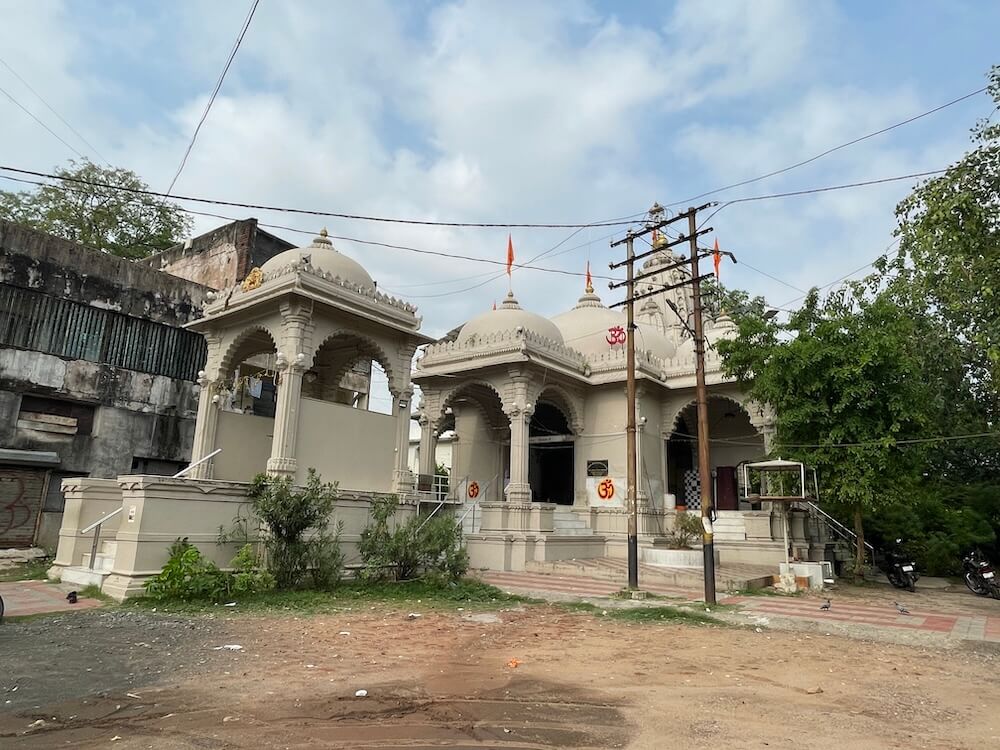 who ascended the throne of Baroda on December 20, 1793. Belonging to the Chandraseniya Kayastha Prabhu community and known for his administrative acumen, Raoji Appaji was also a devout Shaivite. His family deity was Yavateshwar Mahadev, whose original shrine is located near the hills of Satara. Wanting to honor his kuladevata in Baroda, he decided to establish a temple here bearing the same name.There’s an intriguing legend tied to the temple’s origin. One night, Raoji Appaji had a divine vision in which he was guided to a hidden Shiva linga buried under a tree near the village of Mandva, located along the road to Shoolpaneshwar forest and on the banks of the Narmada River, about 50 km from Vadodara. He personally visited the site, unearthed the linga and brought it to Baroda.
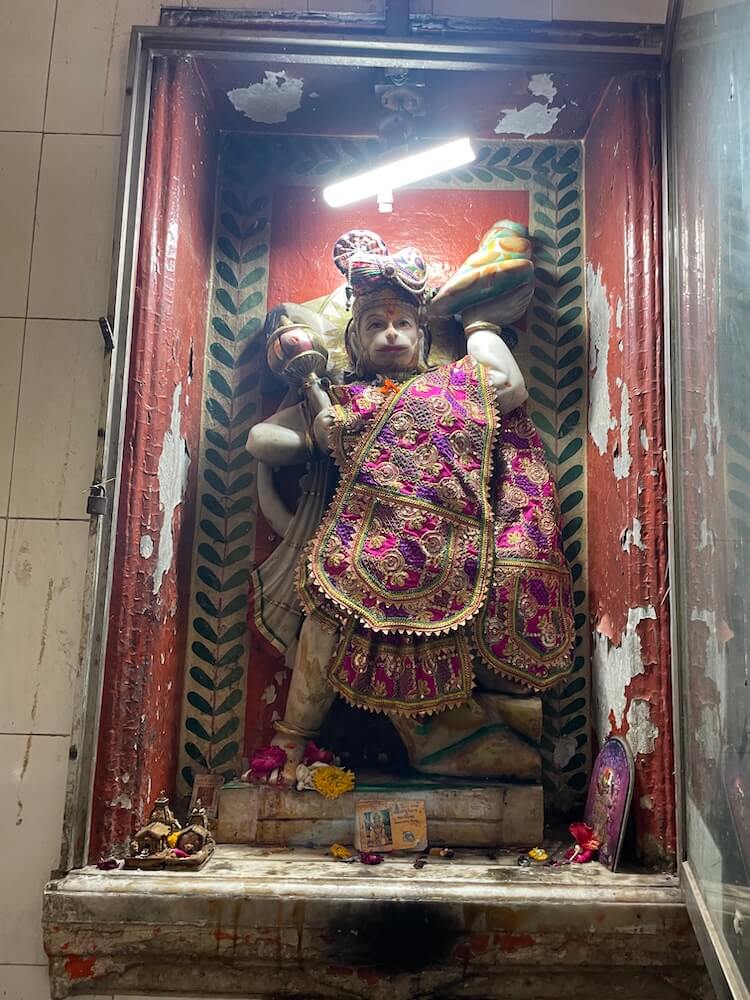
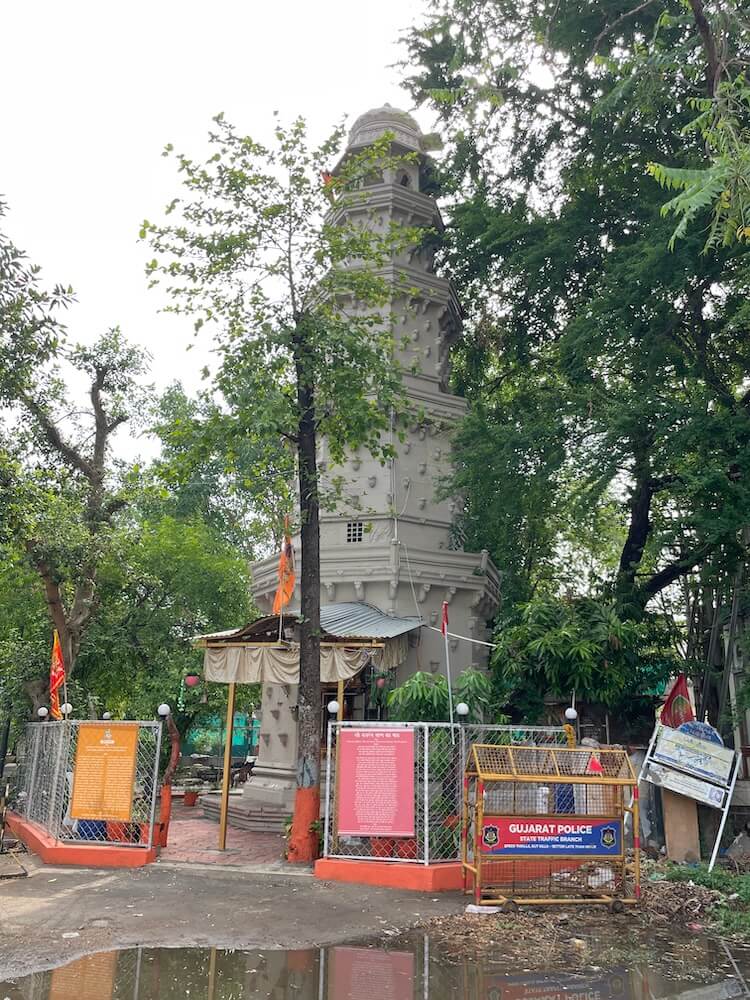 It was decided that the linga would be consecrated on the banks of the Vishwamitri River. Construction of the temple began in 1797, a time marked by internal unrest within the Baroda State. A rebellion led by Kanhhojirao, the illegitimate son of Maharaja Govindrao Gaekwad and aided by Malharrao Gaekwad from the Kadi branch of the royal family, caused considerable turmoil. Yet, undeterred by the political instability, Diwan Raoji Appaji pushed ahead with the temple’s construction. Within three years, the temple was completed and in the month of Phalgun in the year 1800, he personally performed the pran-pratishtha (ritual consecration) of the deity. Maharaja Govindrao Gaekwad himself was present at the ceremony and performed a grand aarti of the deity. It was in honor of Raoji Appaji’s family deity that the linga was named Yavateshwar Mahadev. Alongside the temple, a grand deepmala (lamp tower) was also constructed, at the base of which a statue of Hanuman resides in a large niche.
Over the centuries, the temple has undergone several restorations. In 1975, under the guidance of then District Collector K.P. Yagnik, essential repairs were undertaken. In 1992, an idol of Ganesha was consecrated in the temple in the presence of the sitting collector. A more comprehensive renovation was completed in 1997 under the supervision of then Collector Rajiv Kumar Gupta, 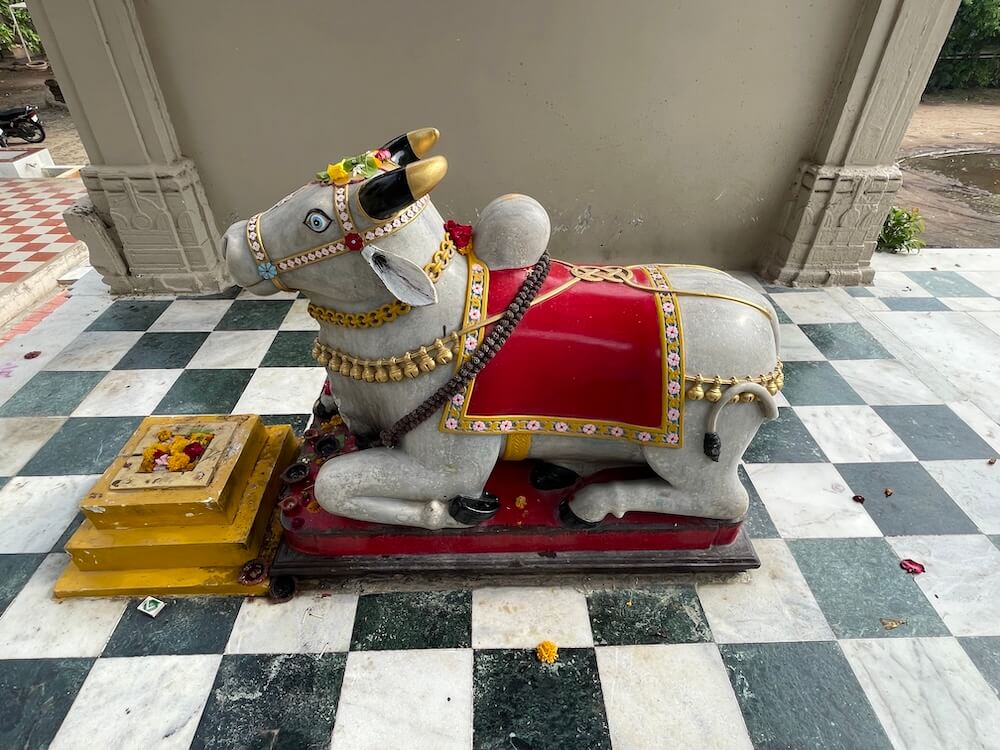 with the support of the temple’s trust board. Presently, the seventh generation of Raoji Appaji’s lineage continues to serve the temple.
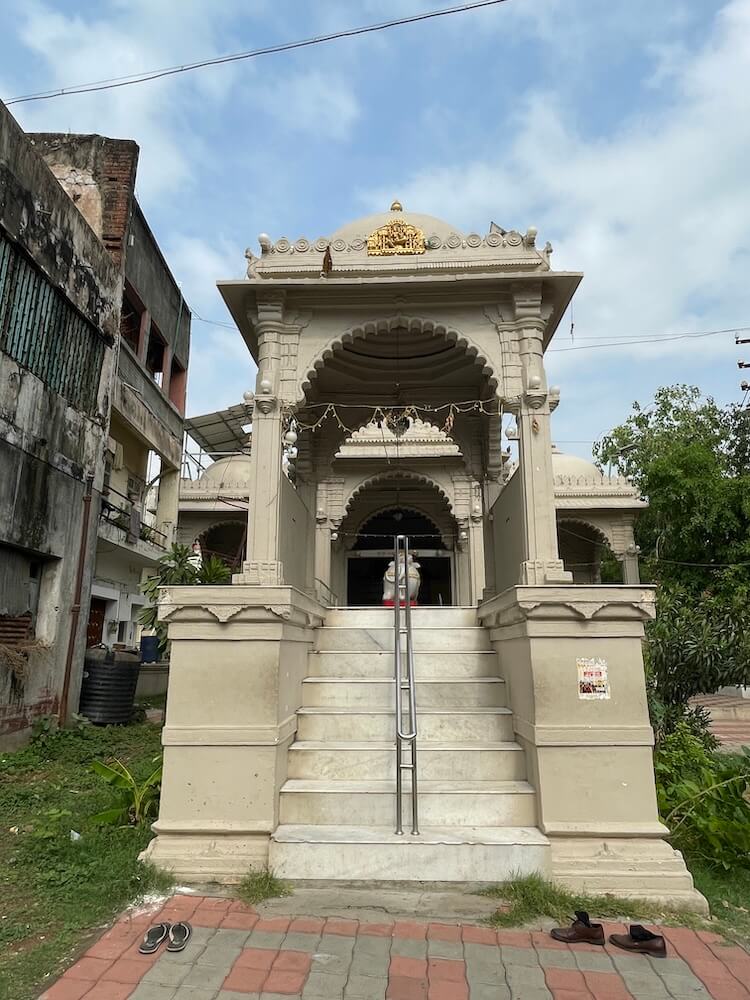
The temple is located in a large open compound along Jail Road. One of its most distinctive features is the grand Nandimandap, a dome-shaped pavilion housing Nandi, Shiva’s divine bull. Built on an elevated platform, this structure stands separate from the main temple and is connected by a small bridge. Inside this mandap is a large, beautifully carved marble idol of Nandi. On the ceiling of the dome is a sculpted image of Lord Shiva.
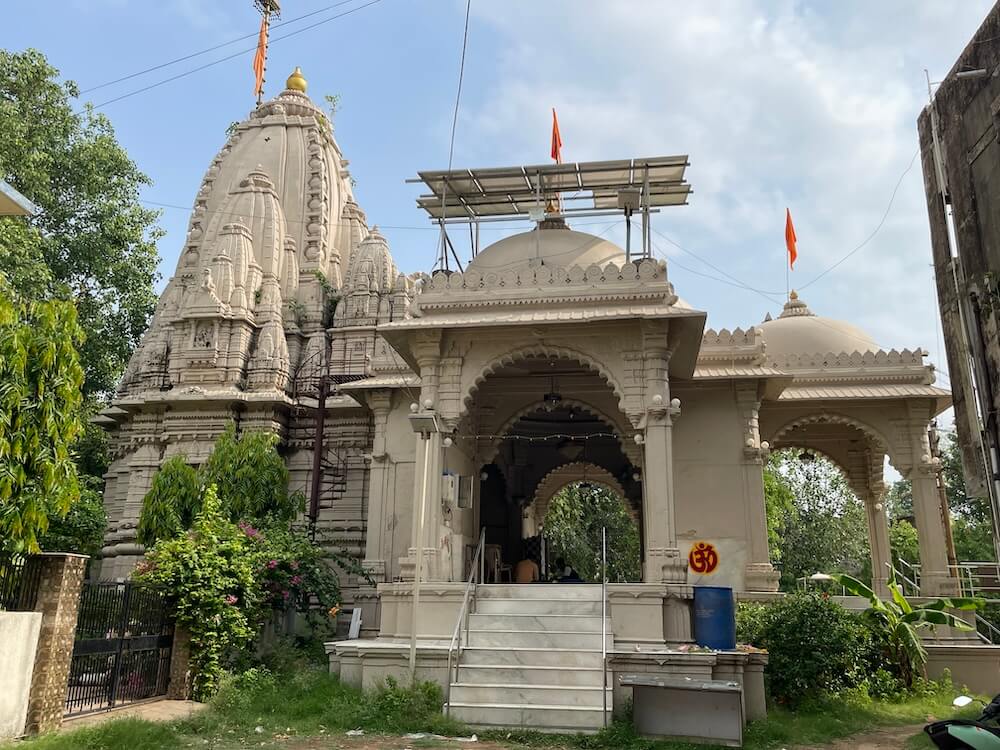
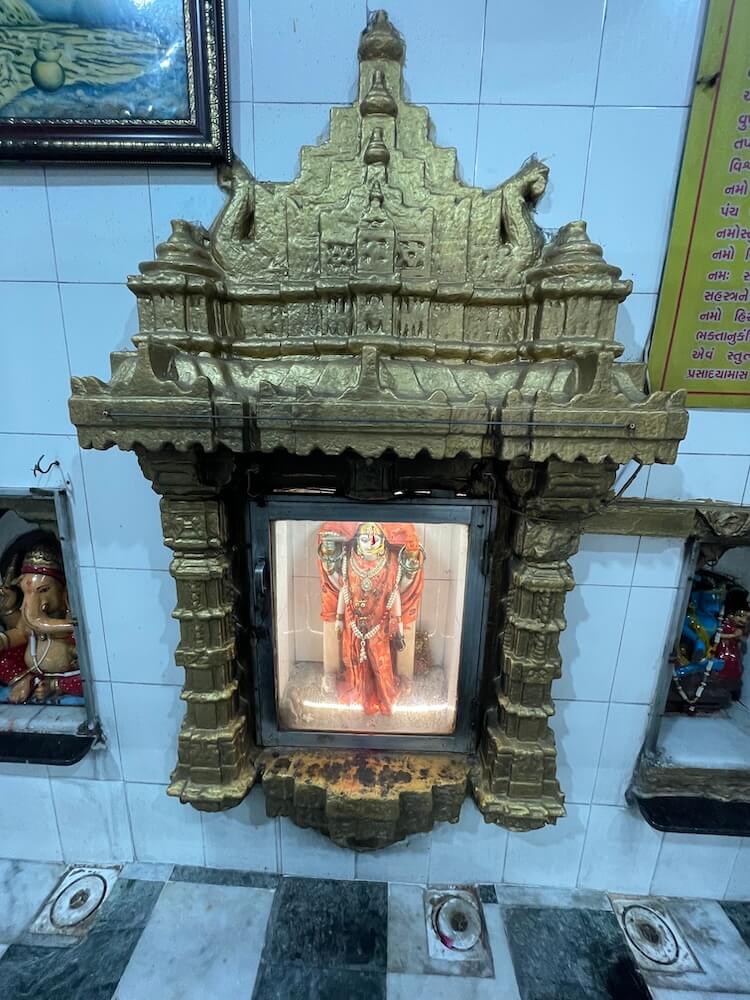
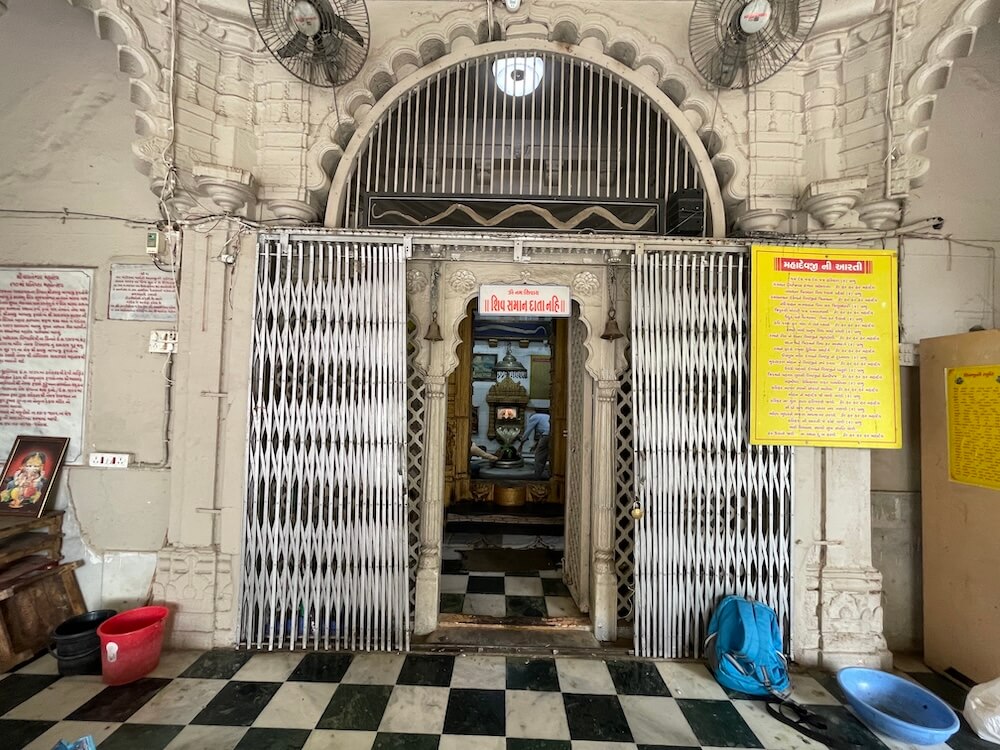
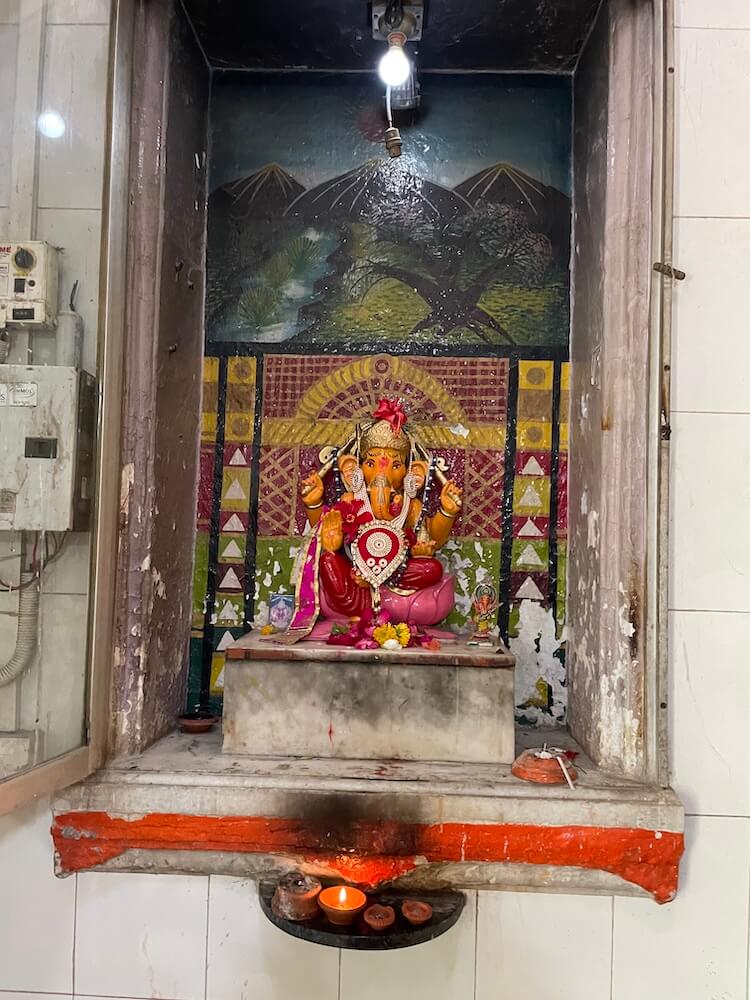
The main temple is constructed in the classic Nagar style of architecture and includes a darshan mandaps (entrance porch), an open sabhamandap (assembly hall), an antaral (intermediate chamber) and a garbhagriha (sanctum). Three side of the temple has darshan mandaps.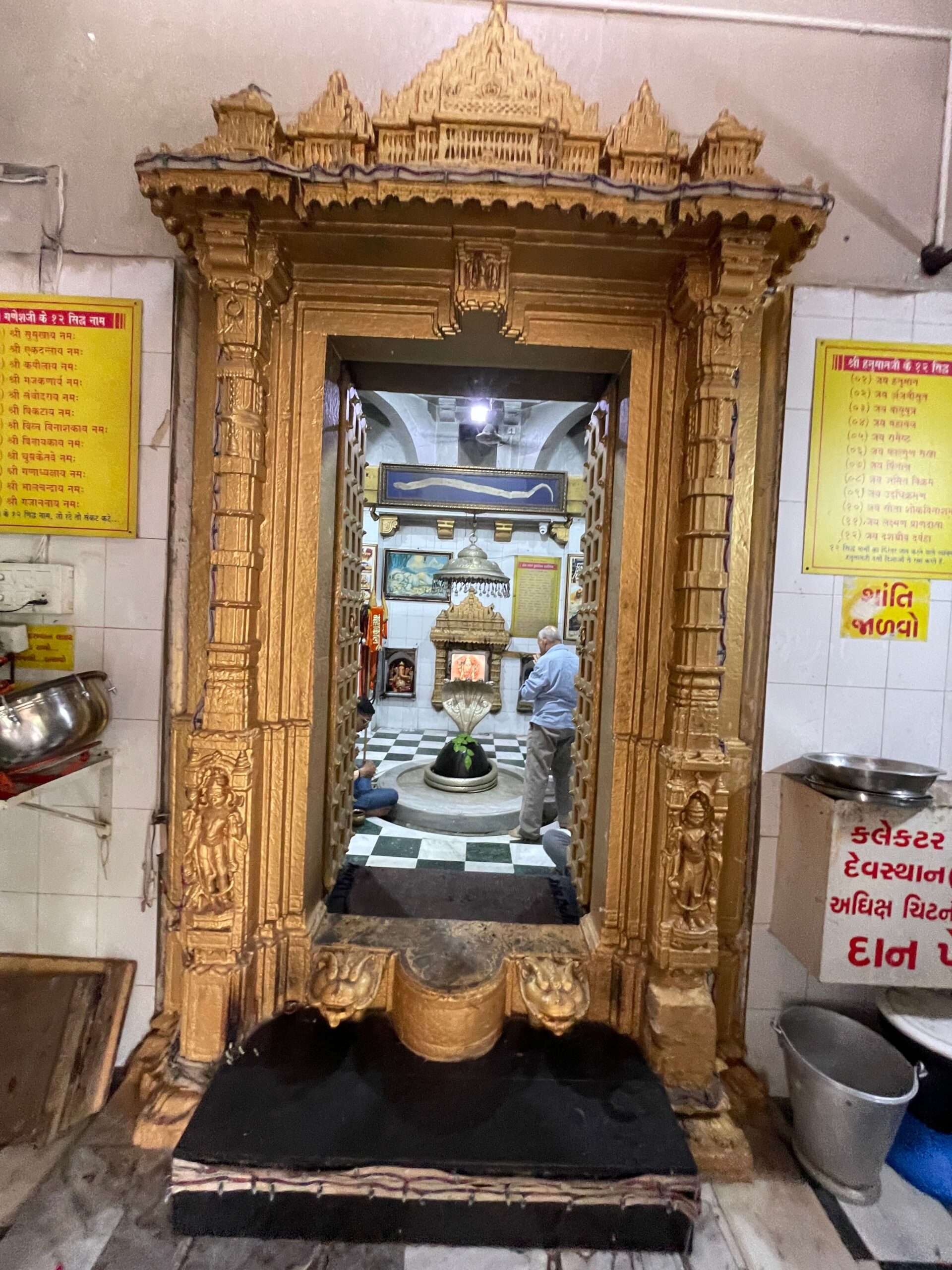 These along with the assembly hall is topped with domed spires. The sanctum is crowned with a tall urushringa-style spire, adorned with an amalaka and kalasha. The spires house smaller shrines of various deities. In the antaral, to the right, is a shrine with a Ganesha idol and to the left, a shrine dedicated to Hanuman. The sanctum’s entrance has a three-pronged archway, flanked by sculpted columns featuring images of divine gatekeepers. On the threshold lie two kirtimukhas, with a half-moon stone in the center and above the lintel, a sculpted figure of Ganesha.
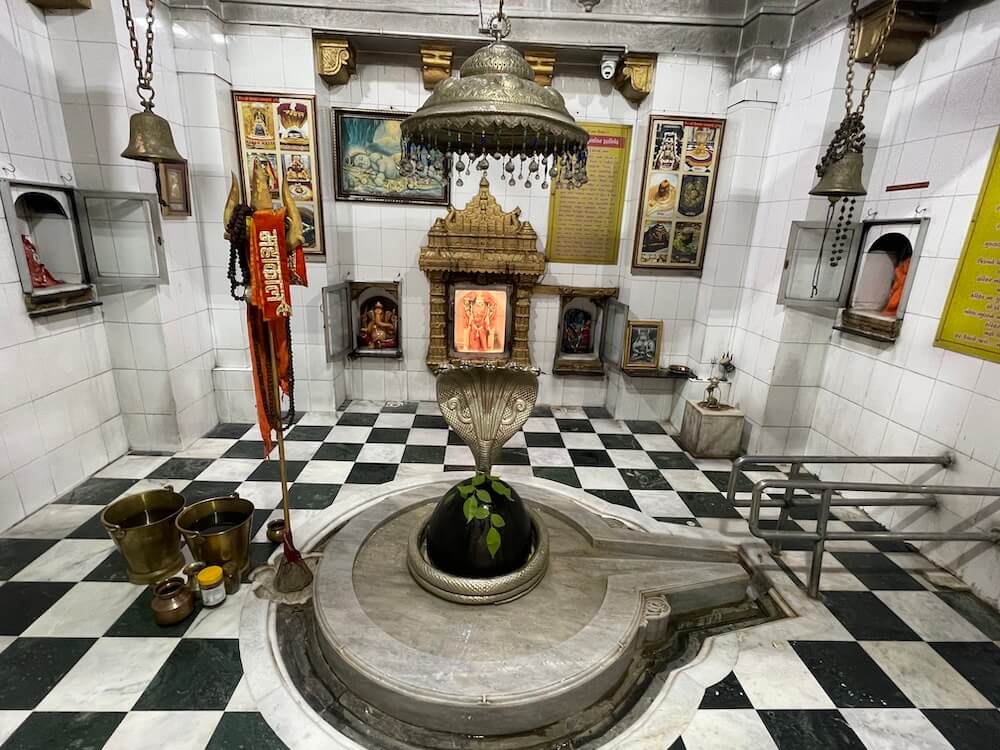
Inside the sanctum lies the Shiva linga of Yavateshwar Mahadev, placed in a large, circular shalunka. It is covered by a five-hooded silver cobra offered as a vow by a Gujarati couple about 25 years ago, after they received the blessing of a child following their prayer. Above the cobra is a silver parasol. Near the linga stands a tall trident. On the rear wall of the sanctum are three niche shrines. The central shrine resembles the sanctum’s main entrance and houses an idol of Parvati. To the left is another Ganesha idol, while the right shrine holds a depiction of Parvati seated on Shiva’s lap with Ganesha.
The sanctum also contains images of Hanuman, child-form Shiva (Bal Shankar) and all twelve jyotirlingas. Daily puja and aartis are performed here. A local legend claims that during evening aarti, the cries of dogs can be heard. It is considered as a mystical sign of the devine presence. Devotees regularly offer Bel leaves (Bilva patra), flowers, water and milk as part of the ritual abhishek. A grand festival is held on Mahashivratri, with devotional songs, kirtans and spiritual programs. Hundreds gather here every Monday during the holy month of Shravan, with special worship arrangements made for the influx of pilgrims.
The temple complex includes several smaller shrines, including a shrine to Guru Dattatreya. Near the Yavateshwar ghat, beneath a sacred peepal tree, is a modest shrine of Pimpdeshwar Mahadev, adding further sanctity to the area.
यवतेश्वर महादेव मंदिर
सयाजीगंज, जेल रोड, वडोदरा, ता./जिला. वडोदरा