
वेलोरवट्टम श्री महादेवाचे मंदिर
वेलोरवट्टोम, चेरथळा, जि. अलप्पुझा.
Velorvattom Sree Mahadeva Temple
Velorvattom, Cherthala, Dist. Alappuzha.
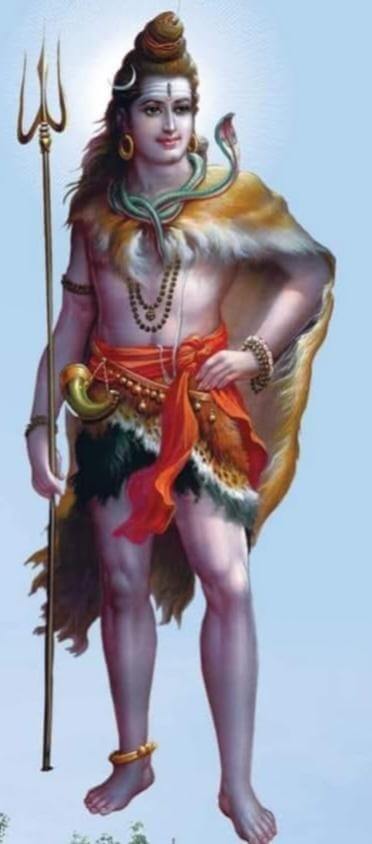
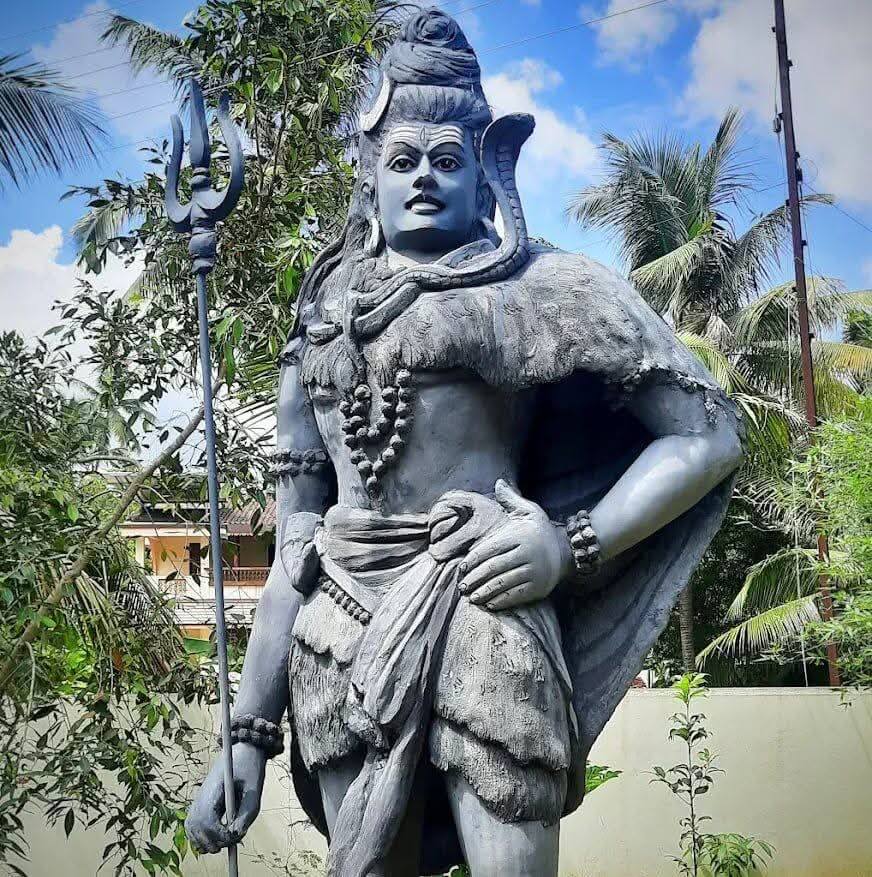 Velorvattom Sree Mahadeva Temple is located at Velorvattom in Cherthala, Alappuzha district, Kerala. Lord Shiva is the main deity worshipped here. The temple is one of the rare temples in Kerala with two nalambalams (inner courtyards) and two flagpoles. It is also believed to be one of the 108 Shiva temples established by Parashurama. The temple is regarded as the ancestral family deity temple of many prominent families. It is well known for its ancient traditions, distinctive Kerala temple architecture and its importance among devotees.
The temple is estimated to be over 700 years old. According to local tradition, it was established by Vilwamangalam Swamiyar. In its early years, the temple was under the control of the Edappally Elangalloor Swaroopam (Edappally royal family). Later, due to political and social changes, the Edappally royal family lost its independent status and the ownership and administration of the temple were transferred to the Azhvanchery Thamprakkal, who were the spiritual leaders of that period. 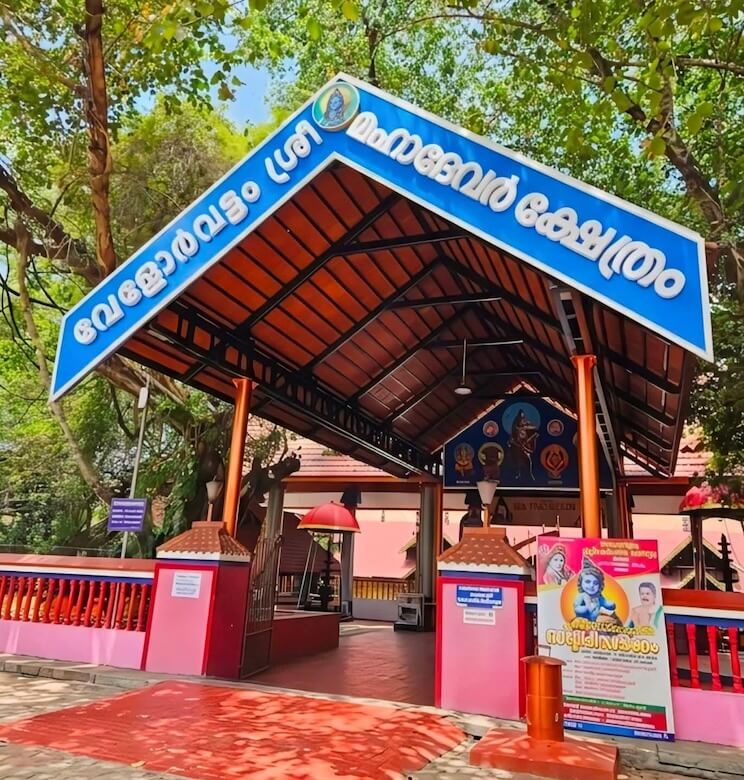 After remaining under their management for many years, the temple came under the administration of the Kerala Oorazhma Devaswom Board (KUDB). Today, the temple continues to be managed by the Kerala Oorazhma Devaswom Board.
Several legends are associated with the temple. It is believed that the deity in the southern sanctum is a self-manifested (Swayambhu) Shiva Linga, while the Shiva Linga in the northern circular sanctum was consecrated by Parashurama. The temple is also regarded as one of the 108 Shiva temples believed to have been established by Parashurama in Kerala. Another legend says that the southern deity was consecrated following a divine dream received by the Azhvanchery Thamprakkal, in which Vaikom Mahadeva revealed his presence. Local tradition also states that Vilwamangalam Swamiyar experienced the divine presence of Lord Shiva at this place and guided the early development of the temple.
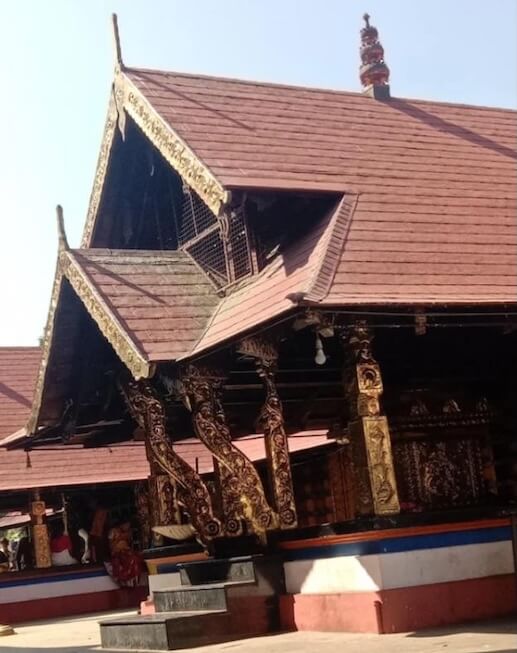
The temple entrance features a large arched gateway and two entrance paths, which are among its distinctive features.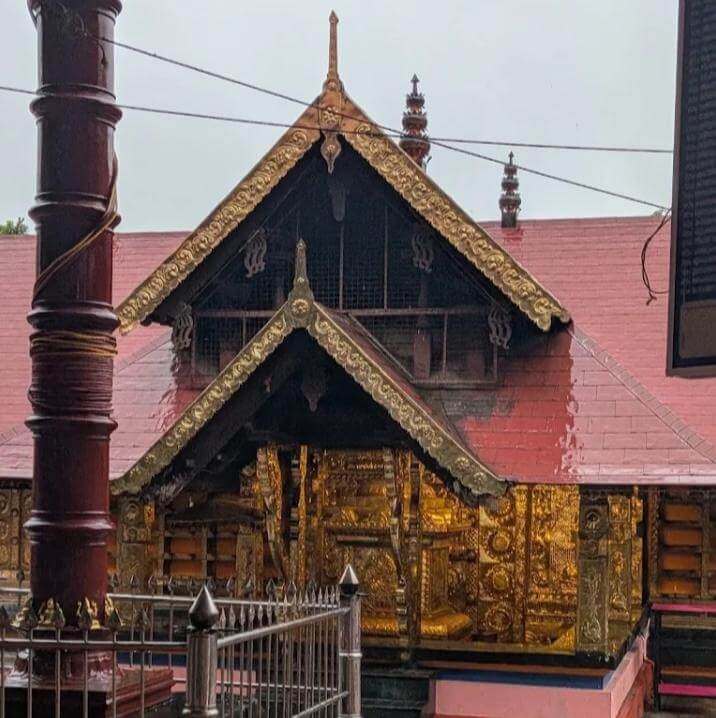 Beyond the main entrance stand two tall golden flagpoles, installed for the two main deities. A large temple pond is located close to the temple. Inside the temple are two separate nalambalams, each with its own sanctum, a rare feature in Kerala temple architecture. The inner and outer balikkals (sacrificial stone altars), the Namaskara Mandapam facing the sanctums and the sacred Nandi idol together add to the beauty of the temple’s traditional Kerala architectural style.
The temple’s most distinctive architectural feature is its two sanctums. The northern sanctum is a traditional circular shrine built in the Kerala style of temple architecture. It has a conical roof covered with copper sheets and a front entrance clad in brass. The deity, known as Vadakkanappan, faces east and is worshipped in the peaceful form of Lord Shiva. A large Shiva Linga is installed in this sanctum. The southern sanctum is square in shape and houses Thekkanappan, who also faces east and is worshipped in the Kiratha Murthy form of Lord Shiva. 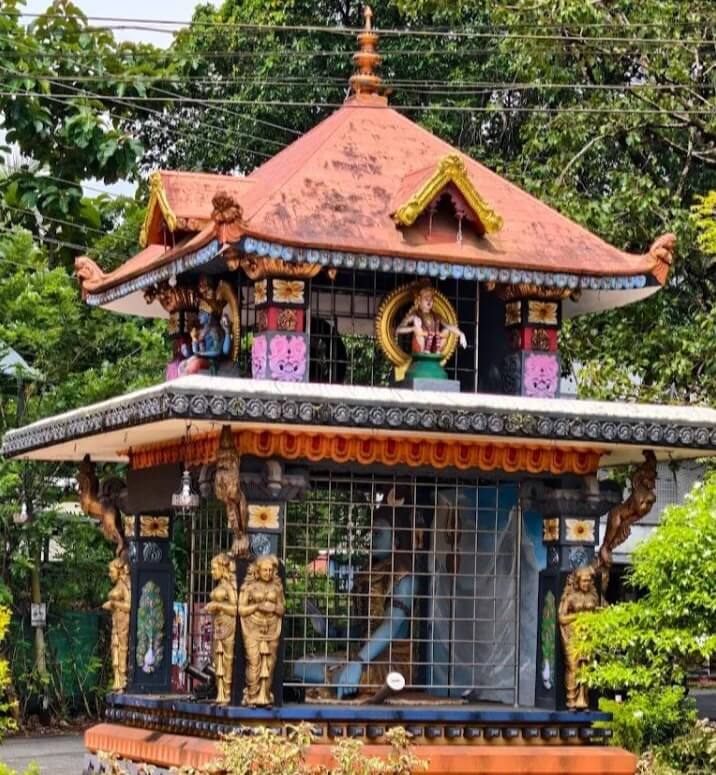 The sanctum enshrines a smaller Shiva Linga that is believed to be self-manifested (Swayambhu). The granite steps leading to the sanctums, the yali carvings on either side, the granite sculptures of the Dwarapalakas (guardian deities) and the traditional mural paintings on the outer walls reflect the temple’s rich artistic heritage. A well made of black stone, located between the two sanctums, is another notable feature of the temple.
In addition to the main deities, the temple has several shrines dedicated to other deities. Inside the southern nalambalam is a shrine for Lord Ganapathy facing east, while a shrine for Dakshinamurthy facing south is located on the southern side of the northern sanctum. Outside the nalambalam, a separate shrine dedicated to Lord Maha Vishnu stands in the north-western part of the temple, facing east. A shrine for Lord Sastha, also facing east, is situated in the south-western area. Nearby is a shrine for Yakshi Amma and the adjoining naga grove contains idols of Nagaraja, Nagayakshi and other naga deities. In the northern part of the temple, Rakshass is also worshipped at a separate pedestal.
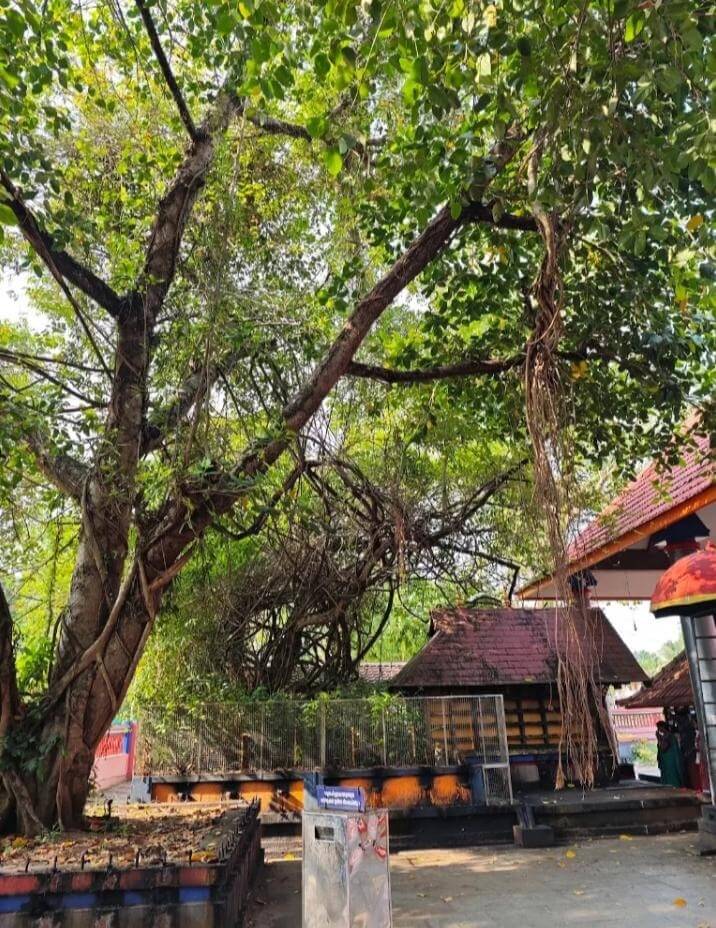 The annual temple festival, which begins with the flag hoisting ceremony, is celebrated for eight days during the Malayalam month of Kumbham (February–March). The main attractions include Panchavadyam, traditional percussion performances, caparisoned elephant processions and various cultural programmes. The festival concludes with the Arattu ceremony on the final day. Maha Shivaratri is also observed with great devotion. Special poojas, Laksharchana, all-night darshan and Bali Tharpanam for ancestors are held on this day. The Painkuni festival in the Malayalam month of Meenam (March–April) is another important observance. Many devotees visit the temple on Karkidaka Vavu to perform ancestral rites. The Illam Nira ceremony in the month of Chingam and the special Dhara and Jalabhishekam performed on every Pradosham day are also among the temple’s important religious observances.
The main offerings at the temple include Dhara, Koovalam Mala, Mrityunjaya Pushpanjali and Shankabhishekam. Dhara is offered for good health and relief from illness. Koovalam Mala, a garland made of bael leaves, is offered for peace of mind and the fulfilment of wishes. Mrityunjaya Pushpanjali is performed for long life and protection from untimely death, while Shankabhishekam is offered for the well-being and prosperity of the family. 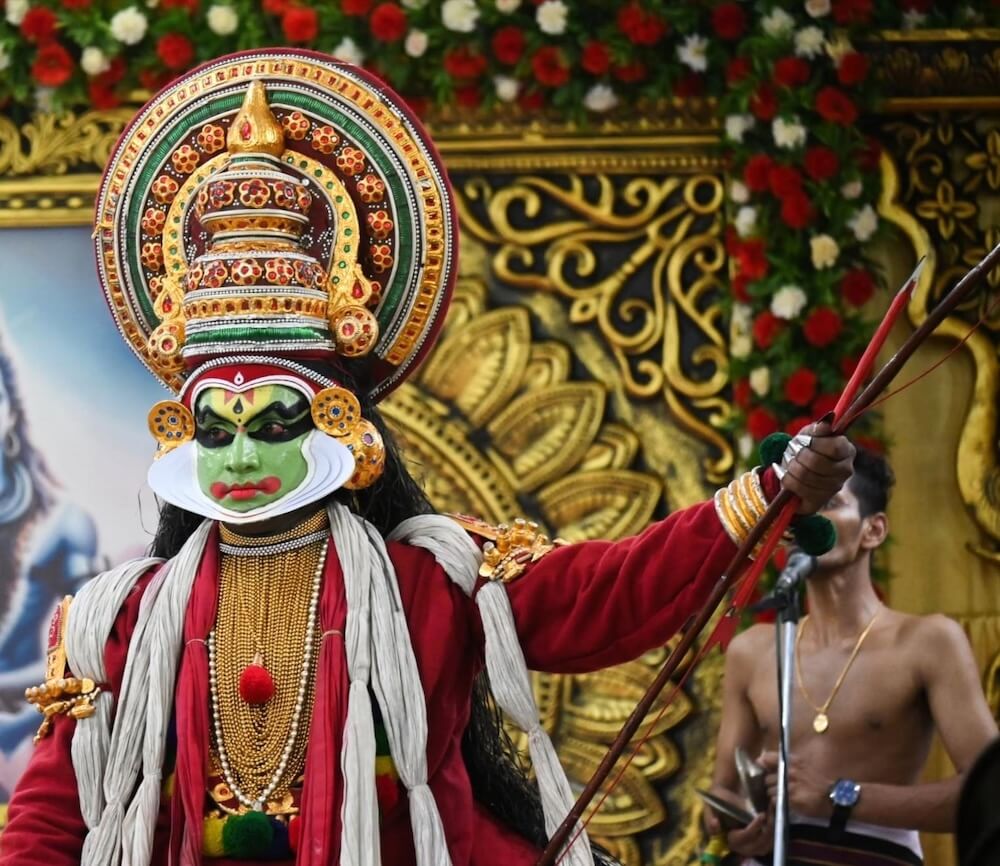 Pithru Namaskaram (Koottu Namaskaram) is performed to seek the blessings of ancestors and to help remove ancestral doshas. Kinarukara Thalichukoda is offered for relief from naga doshas. Other important offerings include Modakam and Appam to Lord Ganapathy for the removal of obstacles, Neeranjanam to Lord Sastha for relief from the effects of Shani dosha and Palpayasam to Lord Maha Vishnu and the other deities for prosperity and family well-being.
The temple opens daily at 05:00 AM with Nirmalya Darshan. This is followed by Abhishekam (Malar Nivedyam) at 05:30 AM, Usha Pooja at 06:00 AM, Ethirettu Pooja at 07:30 AM, Pantheeradi Pooja at 08:30 AM and Ucha Pooja with Dhara and other major abhishekams at 10:00 AM. The temple closes at 11:00 AM. It reopens at 05:00 PM, followed by Sandhya Deeparadhana at 06:30 PM and Athazha Pooja at 07:30 PM, before closing for the day at 08:00 PM. On special occasions such as Maha Shivaratri, the annual festival and the Mandala season, the pooja timings may vary and the temple usually remains open for longer hours at night.
Key highlight :-
- Located 16 km from Vaikom, 22 km from Alappuzha and 33 km from Ernakulam.
- The nearest railway station is Cherthala Railway Station, about 3 km away.
- KSRTC and local buses are available to the temple from Vaikom and Alappuzha.
- Private vehicles can be parked in the temple’s parking area.
- Accommodation and food facilities are available in the nearby towns.
- Contact number +91 4782813466
मंदिरे
Temples
मंदिर
-
कार्त्यायनी देवी मंदिर कोडाठीकावला, चेरथळा, जि. अलप्पुझा.
अधिक माहितीKarthyayani Devi Temple Kodathikavala, Cherthala, Dist. Alappuzha.
View Detailsकार्त्यायनी देवी मंदिर कोडथिकावाला, चेरथला, जिला। अलाप्पुझा.
विवरण देखें -
मन्नार थ्रिक्कुरट्टी महादेवाचे मंदिर मन्नार, जि. अलप्पुझा.
अधिक माहितीMannar Thrikkuratti Mahadeva Temple Mannar, Dist. Alappuzha.
View Detailsमन्नार थ्रिक्कुरत्ती महादेव मंदिर मन्नार, जिला. अलाप्पुझा.
विवरण देखें -
कंदीयूर महादेवाचे मंदिर मावेलीक्कारा, जि. अलप्पुझा
अधिक माहितीKandiyoor Mahadeva Temple Mavelikkara, Dist. Alappuzha
View Detailsकंडियूर महादेव मंदिर मावेलिक्कारा, जिला. अलाप्पुझा
विवरण देखें