
वैजनाथ महादेव मंदिर
महादेवपुरा (गावडा), ता. विजापूर, जि. मेहसाणा
Vaijnath Mahadev Temple
Mahadevpura (Gavada), Tal. Vijapur, Dist. Mehsana
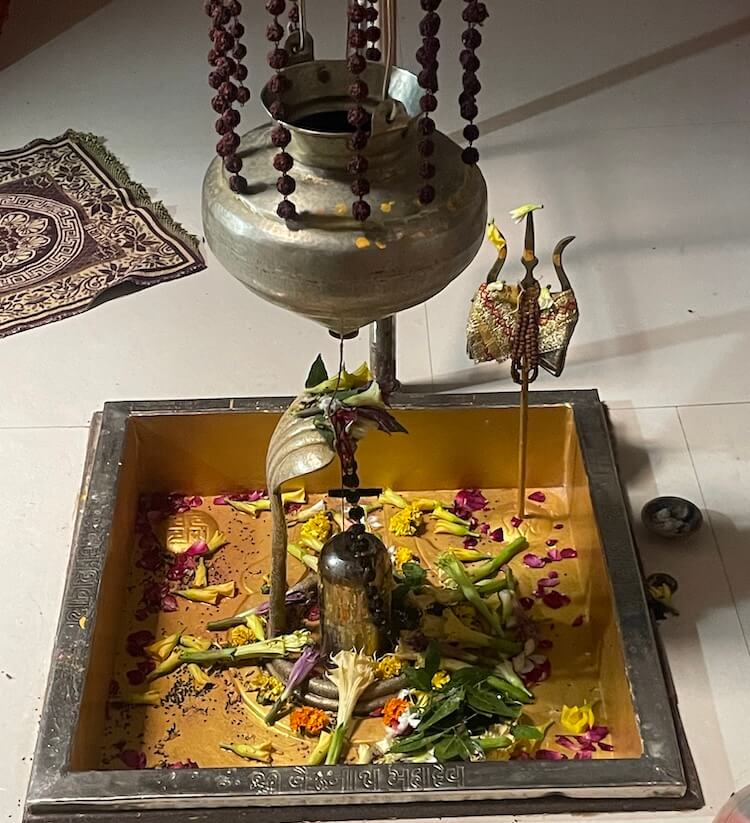 Boasting a legacy of history and spirituality dating back more than 900 years, the Vaijnath Mahadev Temple at Mahadevpura (Gavada) stands as a profound sanctuary of faith for thousands of devotees. Despite weathering numerous foreign invasions through the passage of time, the existence and significance of this temple have remained inviolate. Recent restoration efforts have successfully revived the structure to its former grandeur. The reputation of the ‘Swayambhu’ (self-manifested) Shivling enshrined here has spread far and wide. During the auspicious occasion of Mahashivratra and the holy month of Shravan, the temple precincts resonate with the thunderous chants of ‘Har Har Mahadev’.
One of the twelve Jyotirlingas scattered across the nation bears the name Vaijnath, situated at Parli in Maharashtra. The Vaijnath Jyotirlinga is also referred to as Vaidyanath. In the verses of the ‘Dwadash Jyotirlinga Stuti’, there is a couplet concerning this site which states, ‘I bow to that Vaidyanath,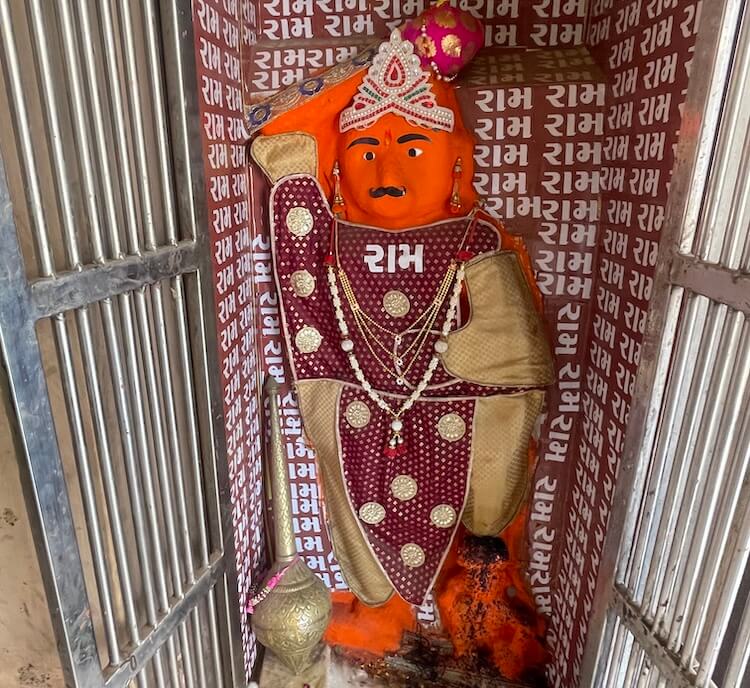 who eternally resides with Parvati in the Chitabhumi (Vaidyanath Dham) in the north-eastern direction and whose lotus feet are worshipped by both gods and demons.’ This clarifies that Vaijnath is indeed synonymous with Vaidyanath. Various mythological legends are recounted regarding this nomenclature. One such legend suggests that the nectar (Amrit) obtained from the churning of the ocean was concealed within this Shivling, leading to the name ‘Vaidyanath’ (the Lord of Physicians). Devotees hold a deep-seated belief that touching this Shivling dispels ailments and bestows excellent health.
The ‘Kotirudra Samhita’ of the ‘Shiva Purana’ (chapter 28) narrates the legend of the Vaidyanath Jyotirlinga. Ravana, King of Lanka, performed penance to please Shiva, but Shiva did not appear. Ravana then dug a pit, built a sacrificial fire and installed Shiva’s image, practising hard austerities.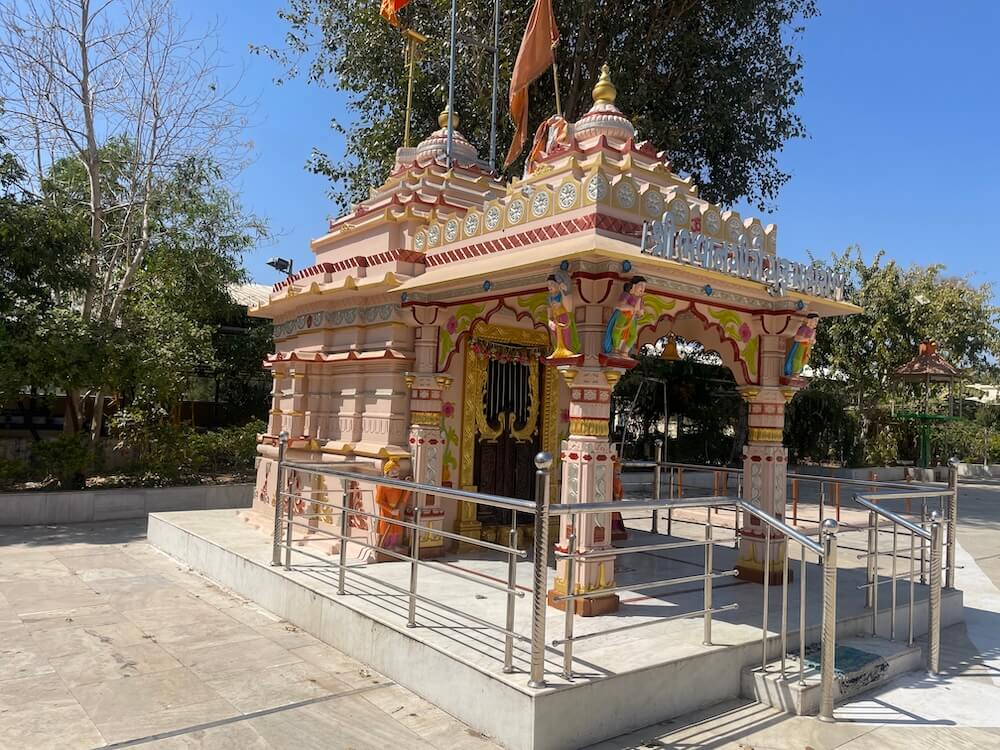 When Shiva still did not manifest, Ravana began to cut off his head as offerings. He sacrificed nine heads. Just as he prepared to cut his tenth, Shiva appeared. When asked for his wish, Ravana requested Shiva to visit Lanka. Shiva granted him strength and gave him his Jyotirlinga, with one condition, that it should never touch the ground. During the journey, Ravana had to relieve himself. He gave the Shivling to a nearby cowherd. The cowherd waited, but eventually placed the idol down. The Shivling became fixed to that spot, now known as Vaidyanath.
The Shivling of Vaijnath Mahadev at Mahadevpura in Vijapur Taluka is worshipped as a replica of the Vaijnath Mahadev of Parli. It is said that the establishment of Vaijnath at this location dates back to the twelfth century. 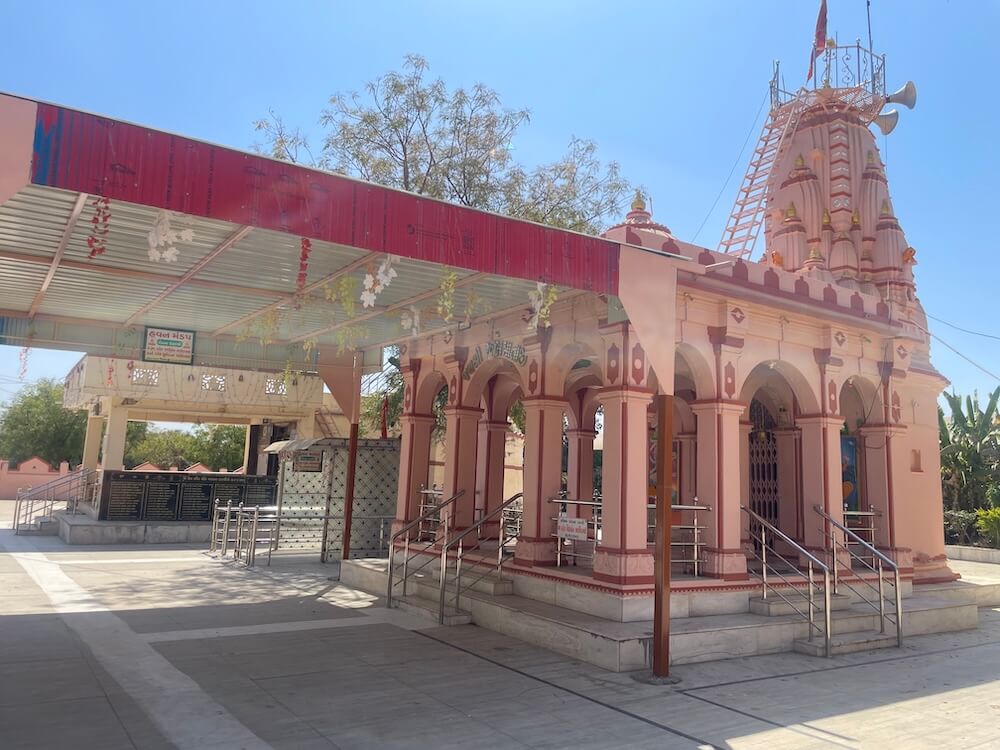 According to the Mehsana District Gazetteer, Vijapur is an ancient settlement founded in the sixth century by Vijaji, a descendant of the Suryavanshi Rajput King Kanaksen Chavda. The Chavda dynasty was a devout worshipper of Lord Shiva. Mulraj, the nephew and general of King Samantsinh of this lineage, established the Solanki (Chalukya) dynasty in Gujarat. A pre-eminent monarch of this dynasty, Siddharaj Jaysinh (reign 1094–1143), was himself a follower of the Shaiva sect. During his reign, numerous Shiva temples were erected. His successor, Kumarpal (reign 1143–1172), was also a devotee of Shiva. Though he eventually embraced Jainism, he continued to commission many Hindu temples. Scholars surmise that this temple was likely established during this era.
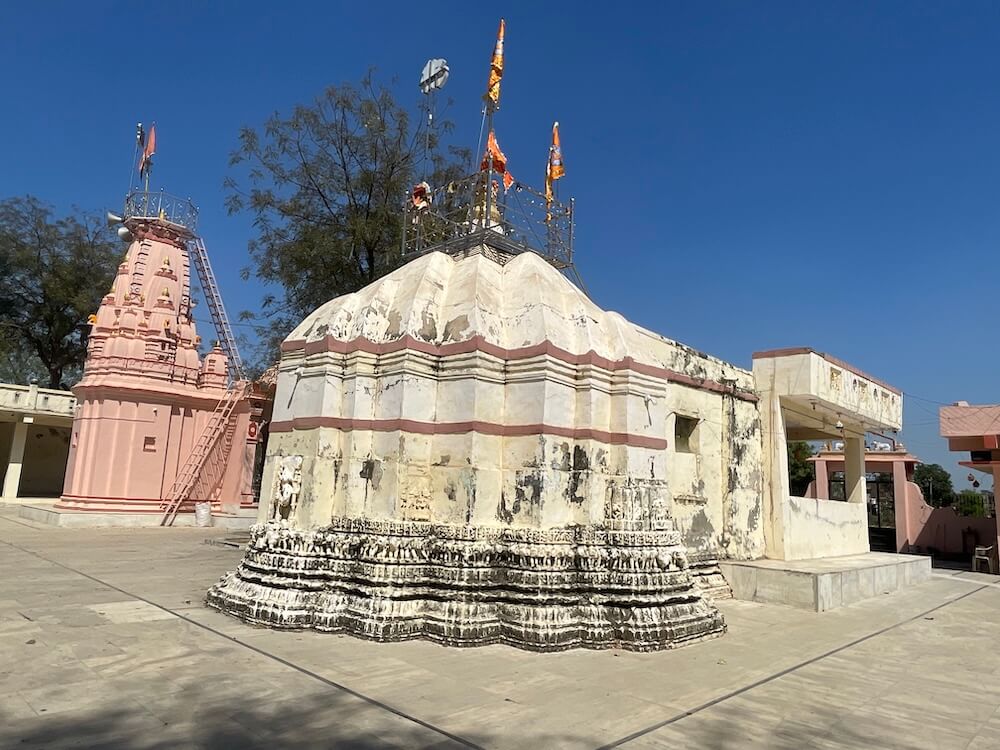
 Local lore suggests that this temple endured several foreign incursions. During the reign of the Chalukya King Bhimdev in the twelfth century, Muhammad Ghori invaded Gujarat in 1178 and 1194. It is recounted that the Vaijnath Mahadev Temple in Mahadevpura suffered damage during these assaults. Subsequently, the temple underwent periodic restorations and following the renovation conducted a few years ago, the temple attained its current form.
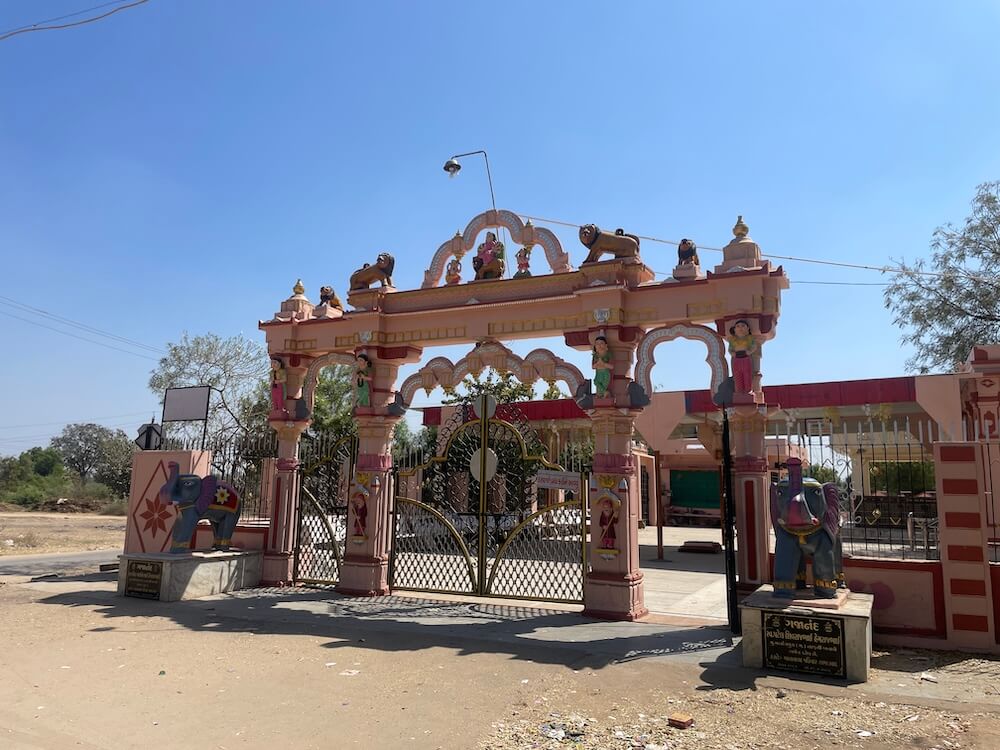
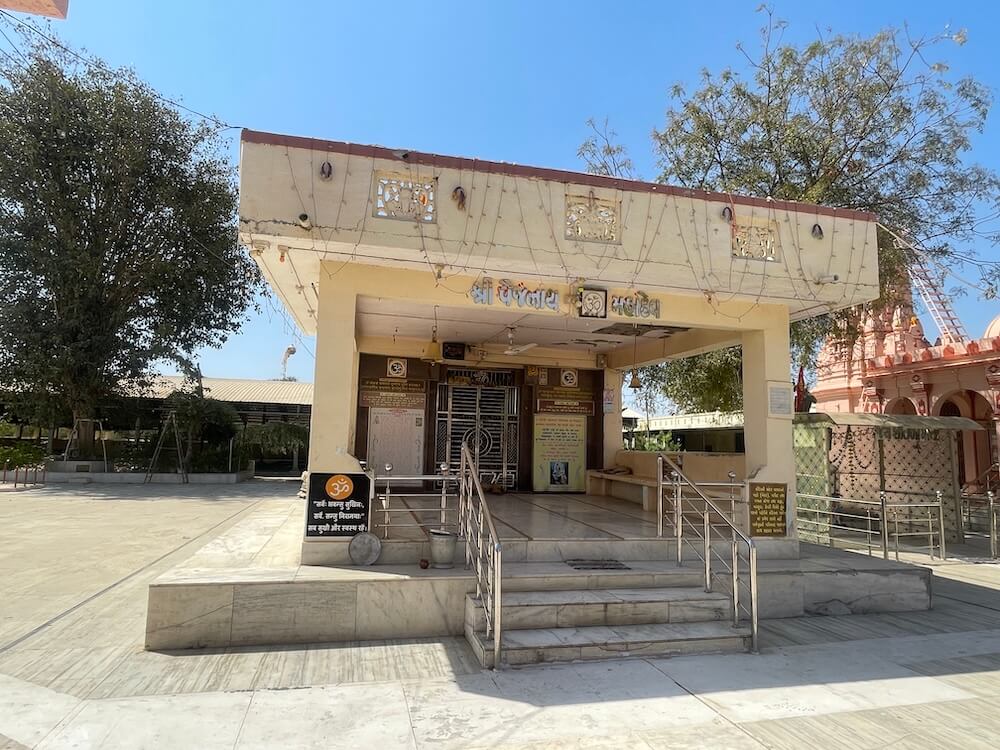
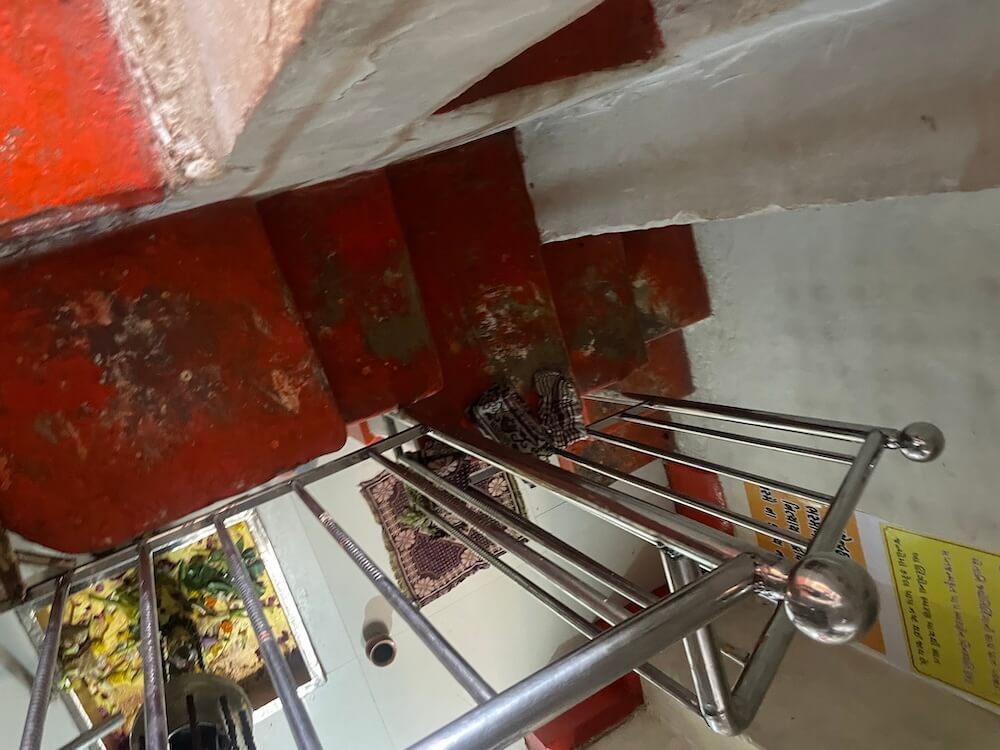
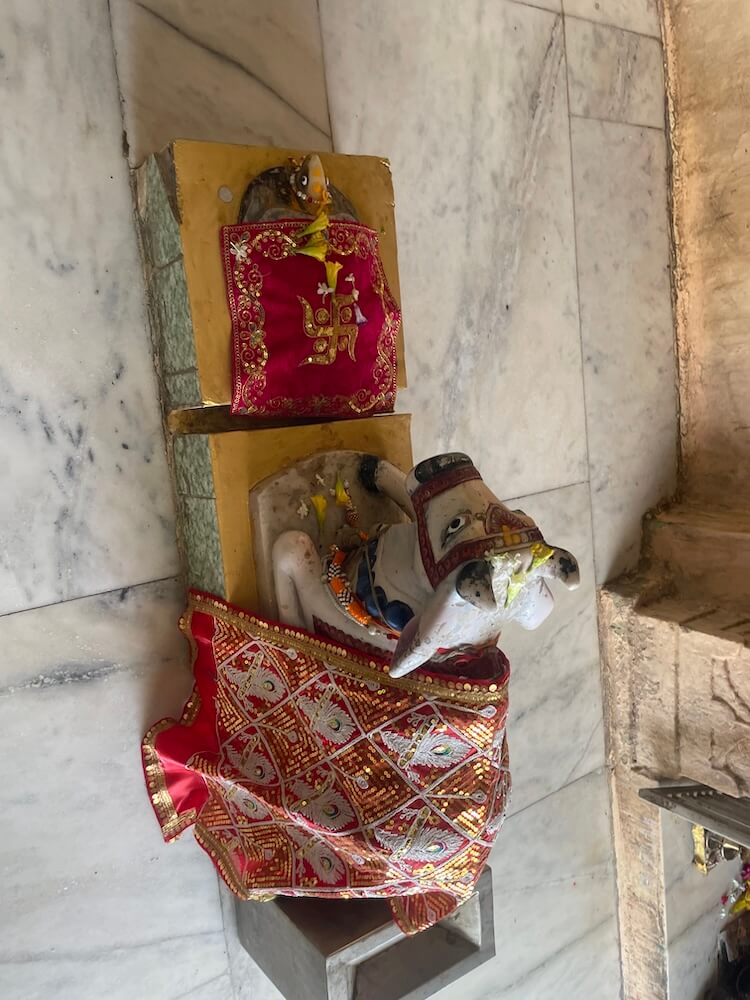
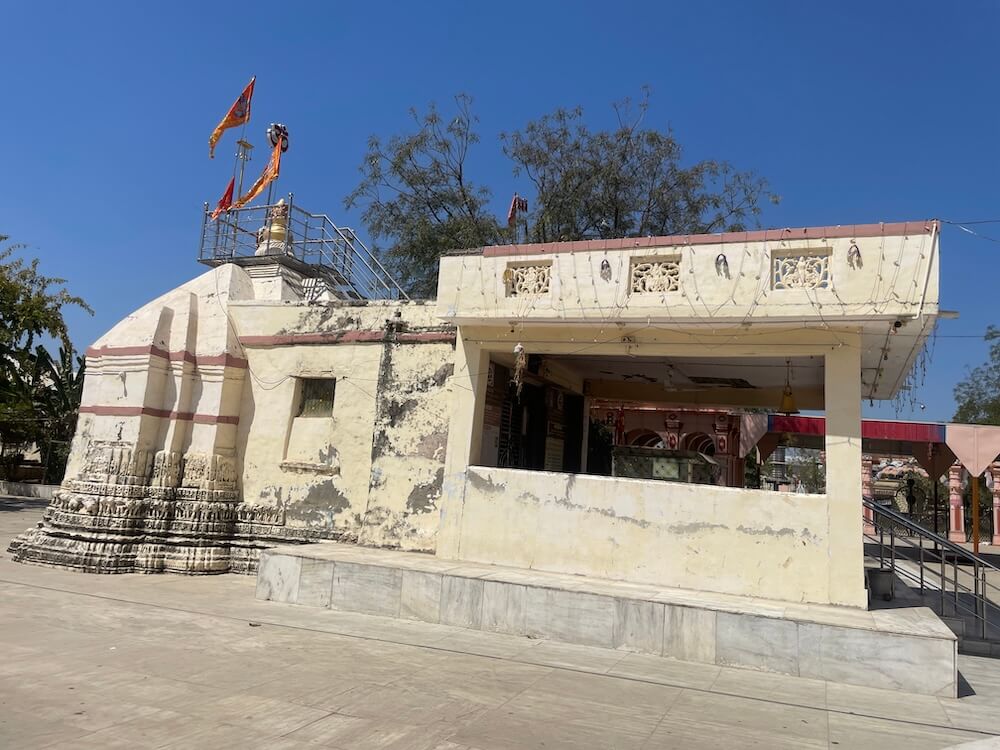
At the temple entrance, sculptures of regal elephants on either side welcome the faithful. Passing through the attractive gateway, one enters a vast courtyard paved with marble. Cement benches have been provided in the courtyard for devotees’ convenience.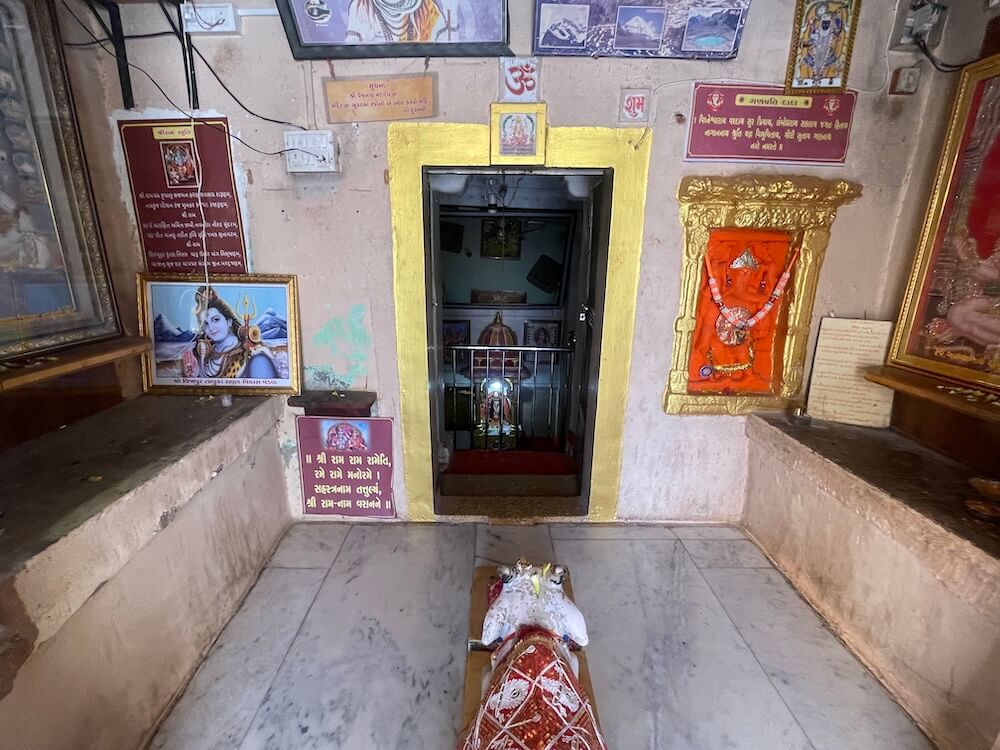 Near the courtyard entrance lies a rest house. The temple architecture comprises a ‘Sabhamandap’ (assembly hall), an ‘Antaral’ (vestibule) and a ‘Garbhagriha’ (sanctum sanctorum). An idol of Nandi is seated within the vestibule. The niches (devkoshtakas) here house idols of Lord Ganesha and Hanuman and an additional idol of Ganesha graces a niche on the front wall. As the sanctum is situated at a lower level, one must descend a few steps to reach it. Within the sanctum, a large serpent canopy shields the Shivling of Vaijnath Mahadev. In a shrine located behind the Shivling, a beautiful idol of Parvati Mata resides.
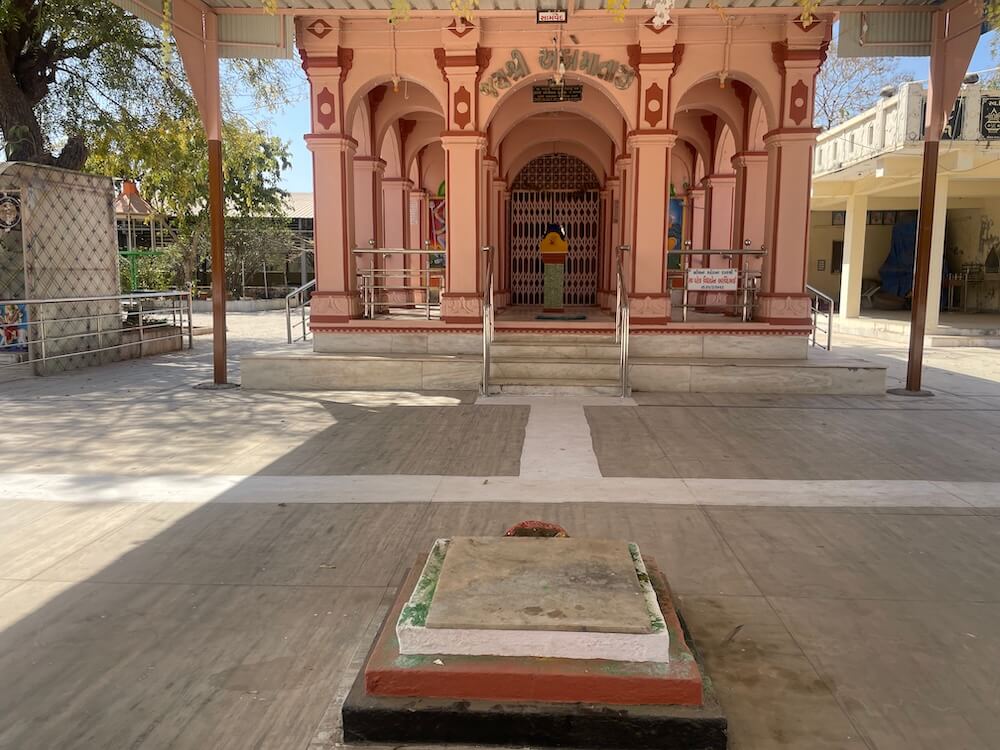
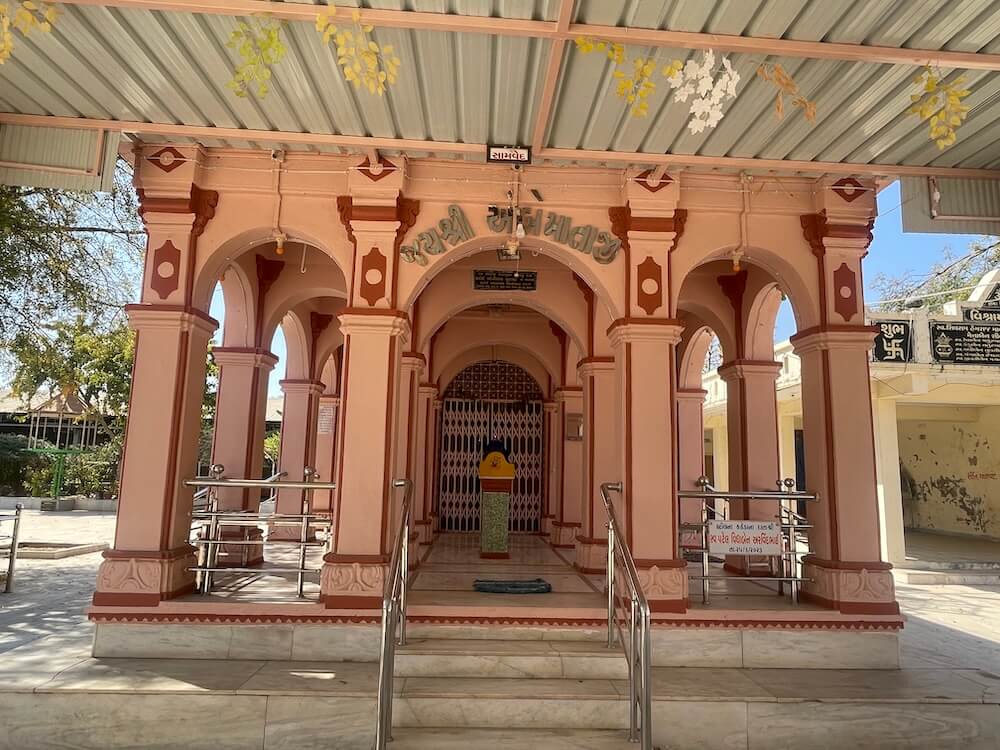
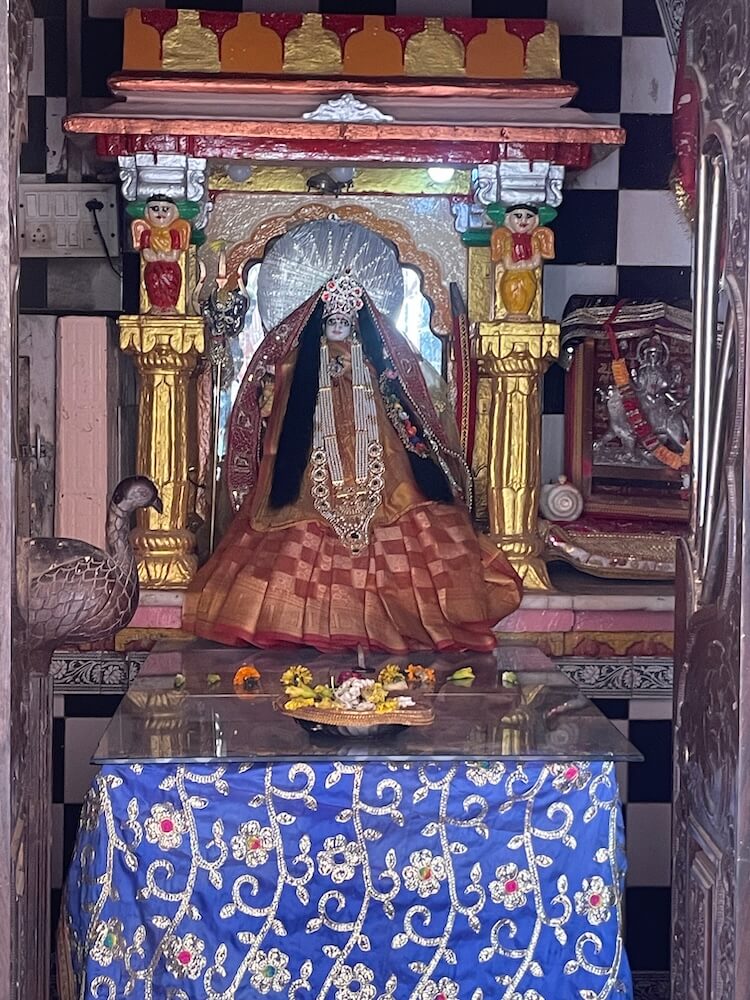
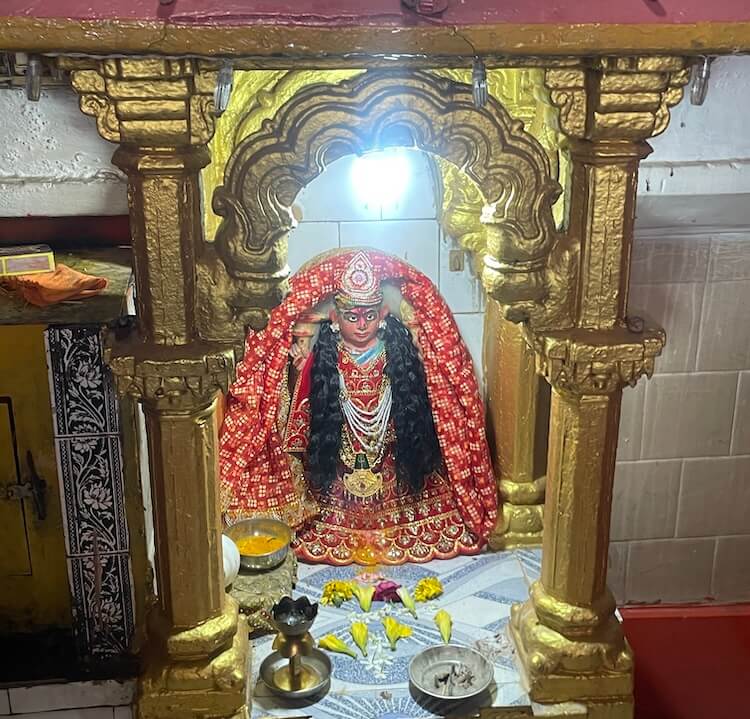
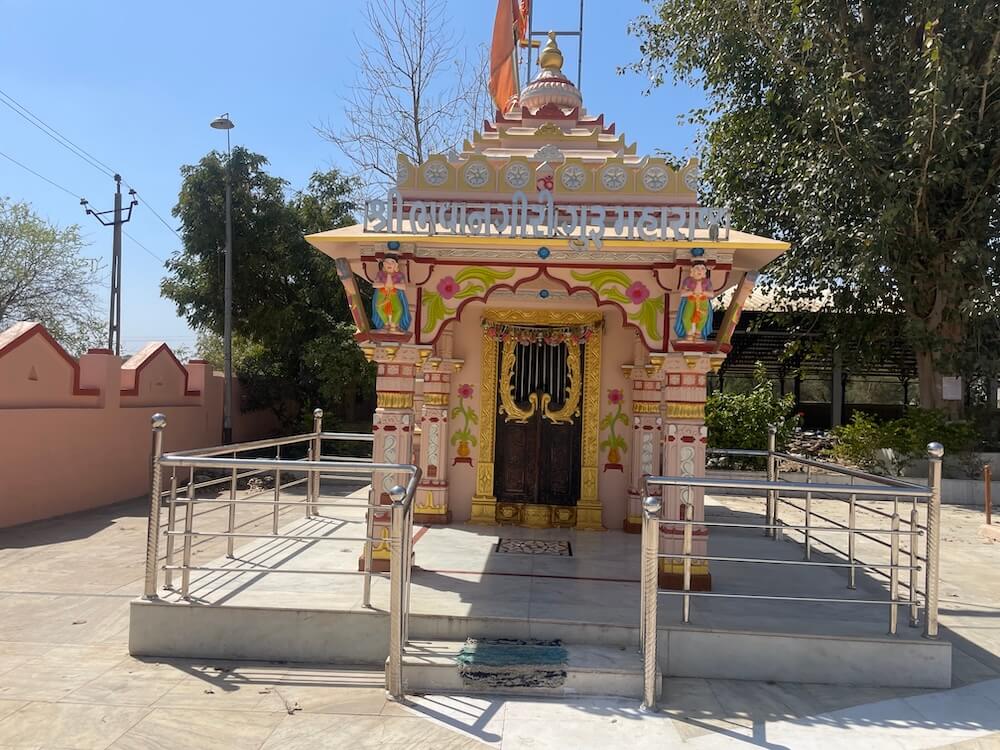
To the right of this temple lies a magnificent shrine dedicated to Amba Mata. A ‘Yagyakunda’ (sacrificial fire pit) stands before the temple. This structure features an open assembly hall with an arched entrance, a vestibule and a sanctum.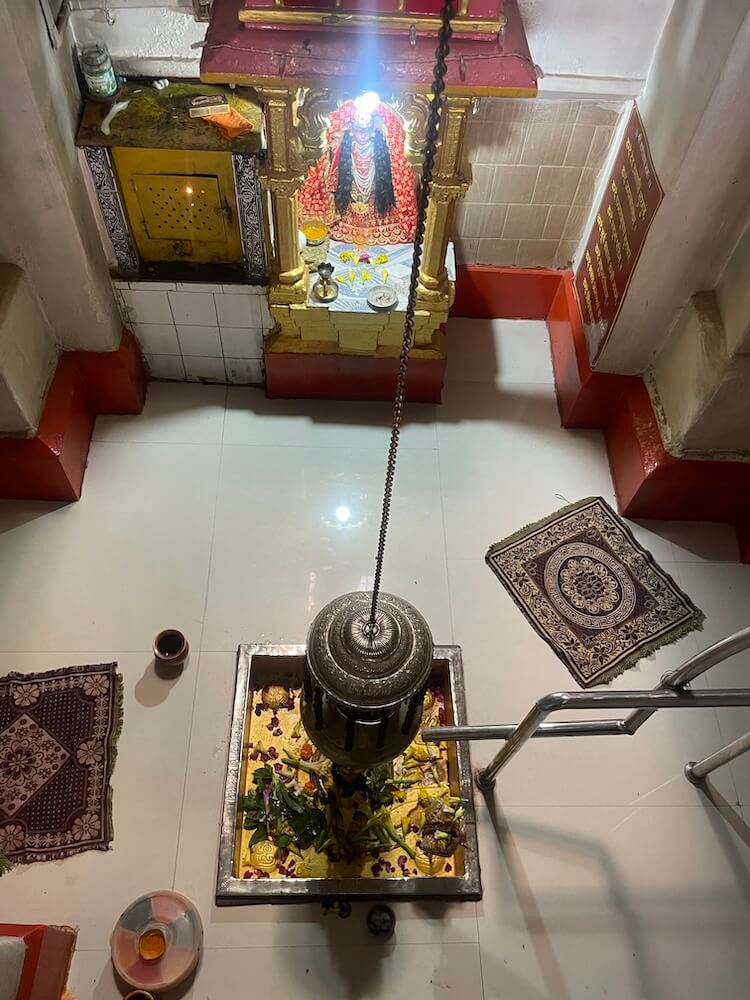 In the assembly hall, a sculpture of a lion—the goddess’s mount—sits upon a high pedestal. The niches in the vestibule house the stations of Ganesha and Bhairava. Upon entering through the gold-plated doors of the sanctum, one beholds the serene idol of the Goddess on a raised dais. Adorned in fine garments and ornaments, the Goddess wears a silver crown. The sanctum is topped by a beautiful spire (Shikhara), intricately carved with smaller sub-spires. The assembly hall is crowned with a domed roof. Within the temple complex lies the ‘Sanjivan Samadhi’ of Bhavangiri Maharaj, who resided here five centuries ago and possesses a vast following of disciples across Gujarat.
Driven by the belief that the self-manifested Shivling of Vaijnath Mahadev is ‘Jagrut’ (spiritually active), many devotees flock here for ‘Darshan’. Various religious programmes are organised throughout the year. Every Monday, the number of visitors increases significantly and a grand festival is celebrated on Mahashivratra. Hundreds of devotees also visit every Monday of the month of Shravan. During festive occasions, the temple premises are beautifully illuminated with lamps. During the ‘Aarti’, many devotees can be seen standing even outside the temple. The Goddess’s temple also hosts various festivities; during the Chaitra and Sharadiya Navratra festivals, the ‘Ghatasthapana’ (ritual installation of the pot) is performed and on Ashtami, the ‘Hom-Havan’ (sacred fire ritual) is conducted. The temple remains open for devotees from 6 am to 8 pm every day.
Useful Information
- Situated at 8 km from Vijapur and 47 km from Mehsana.
- GSRTC buses and private vehicle facilities are available from Vijapur.
- Private vehicles can reach the temple directly.
- Accommodation and breakfast facilities available in the vicinity.
वैजनाथ महादेव मंदिर
महादेवपुरा (गावड़ा), ताल. विजापुर, जिला. मेहसाणा
मंदिरे
Temples
मंदिर
-
वैजनाथ महादेव मंदिर सोखडा, तालुका विजापूर, जिल्हा मेहसाणा
अधिक माहितीVaijanath Mahadev Temple Sokhada, Taluka Vijapur, District Mehsana
View Detailsवैजनाथ महादेव मंदिर सोखाडा, तालुका विजापुर, जिला मेहसाणा
विवरण देखें -
काशी विश्वनाथ महादेव मंदिर मेहसाणा, जि. मेहसाणा
अधिक माहितीKashi Vishwanath Mahadev Temple Mehsana, Dist. Mehsana
View Detailsकाशी विश्वनाथ महादेव मंदिर मेहसाणा, जिला. मेहसाणा
विवरण देखें -
मोटा अंबाजी मंदिर वसई, ता. विजापूर, जि. मेहसाणा
अधिक माहितीMota Ambaji Temple Vasai, Tal. Vijapur, Dist. Mehsana
View Detailsमोटा अम्बाजी मंदिर वसई, ताल. विजापुर, जिला. मेहसाणा
विवरण देखें