
वैजनाथ महादेव मंदिर
सोखडा, तालुका विजापूर, जिल्हा मेहसाणा
Vaijanath Mahadev Temple
Sokhada, Taluka Vijapur, District Mehsana
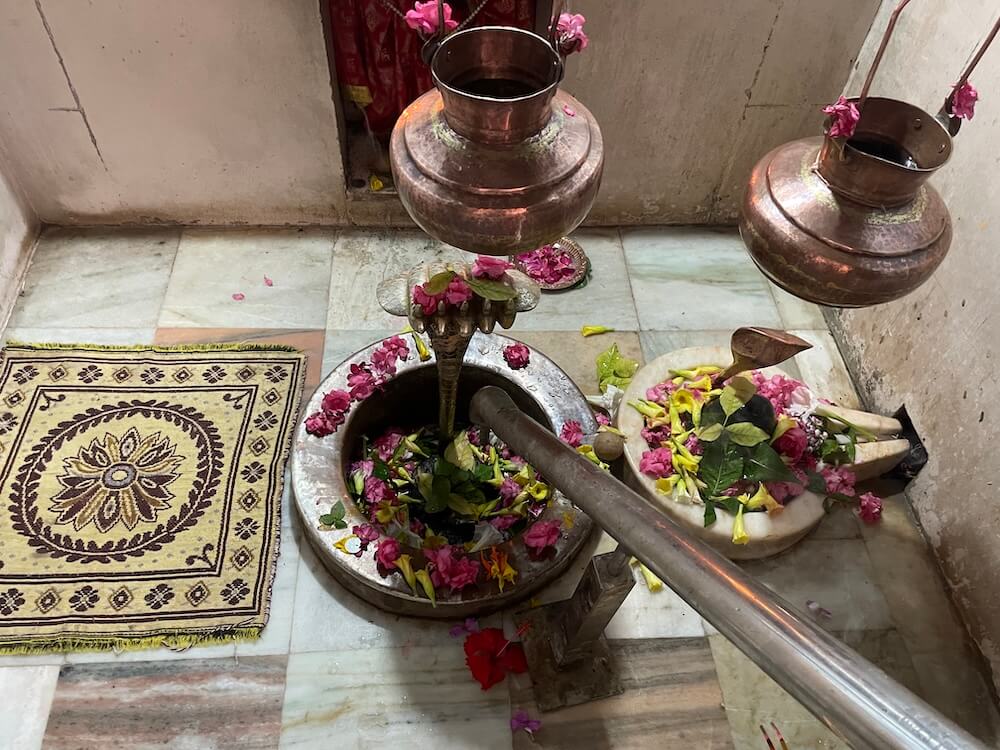 The literal connotation of ‘Jyotirlinga’ is a phallus of light or radiance. According to Hindu religious tradition, sacred sites where Lord Shankar manifested as a luminous light are revered as Jyotirlingas. As per the ‘Kotirudra Samhita’ of the Shiva Purana, the entire cosmos is adorned with countless ‘Lingas’ and ‘Upalingas’ of Shiva, amongst which twelve (‘Dvadasha’) are consecrated as the primary Jyotirlingas. The Vaijanath Jyotirlinga at Parli Vaijanath stands as one of these pre-eminent shrines. Throughout the nation, numerous temples are dedicated to Vaijanath Mahadev, one of which—an ancient and hallowed site—is situated at Sokhada in the Vijapur Taluka.
Vaijanath Mahadev is also addressed as Vaidyanath. 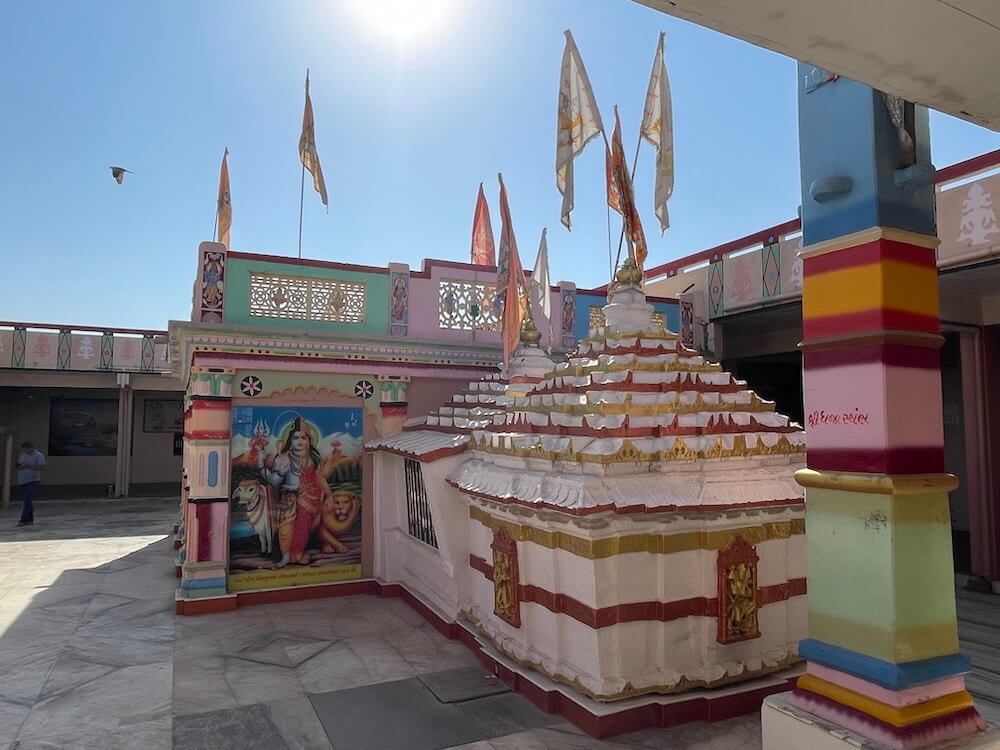 In the verses of the ‘Dvadasha Jyotirlinga Stuti’, this sacred spot is celebrated with the hymn : ‘I bow to that Vaidyanath, who eternally resides with Goddess Parvati in the Chita-bhumi (Vaidyanath-dham) in the North-Eastern direction and whose lotus feet are worshipped by both deities and demons.’ This confirms that the name Vaijanath is synonymous with Vaidyanath. According to a mythological legend, the temple of Vaijanath Mahadev is nestled in the lap of the Nag-Narayan hill, traditionally identified as Mount Meru. In antiquity, these hills were a fertile source of medicinal herbs used extensively by ‘Vaidyas’ (traditional physicians). Consequently, the deity earned the title ‘Vaidyanath’, signifying the ‘Lord of Physicians’.
One such abode of Vaijanath is located in the village of Sokhada, where the deity is also known as ‘Sokhadia Mahadev’. 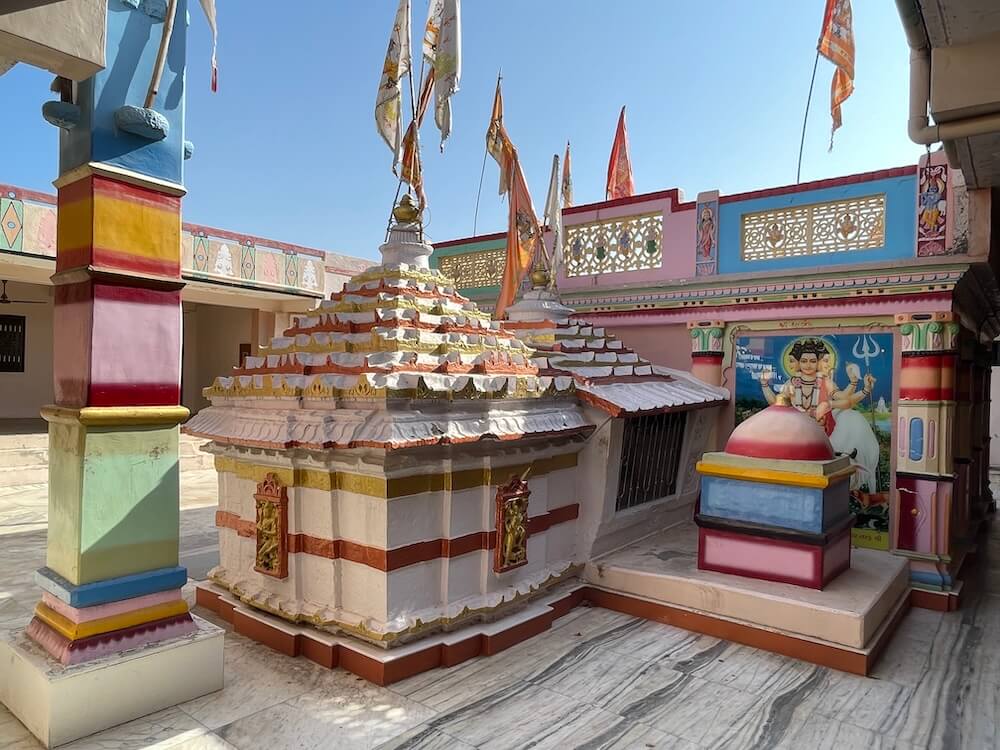 Sokhada is situated approximately twenty kilometres from the historic town of Vijapur. According to the ‘Mehsana District Gazetteer’, Vijapur was founded in the sixth century by Vijaji, a descendant of the Suryavanshi Rajput King Kanaksen Chavda. For many centuries, the region was governed by the Chavda dynasty, which was devoted to Lord Shiva. During their reign in Vijapur Taluka, ‘Mansa’ served as their primary seat of power. A historical legend surrounds the naming of Sokhada, mentioning that Himaloji conquered this village from his maternal uncle, Pethuji. Following Pethuji’s demise, the village was renamed ‘Pethapur’ in accordance with his queen’s wishes, yet the name Sokhada remained prevalent in common parlance. Historically, this region was a constituent of the Kadi province within the Baroda State.
  Around 1758, Sadashiv Ramchandra and Damaji Gaekwad established Maratha supremacy over this territory. Although the precise chronicles of the installation of Vaijanath Mahadev here are unavailable, the site is considered to be of immense antiquity. The Baroda State Gazetteer of 1883 also identifies Sokhada as a significant settlement.
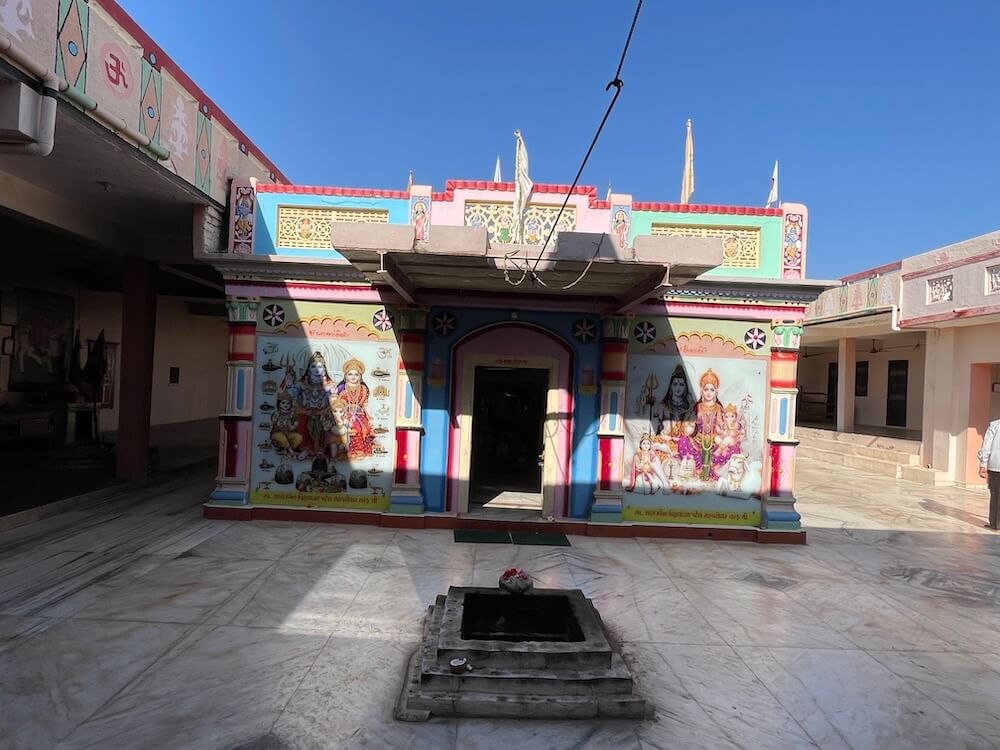
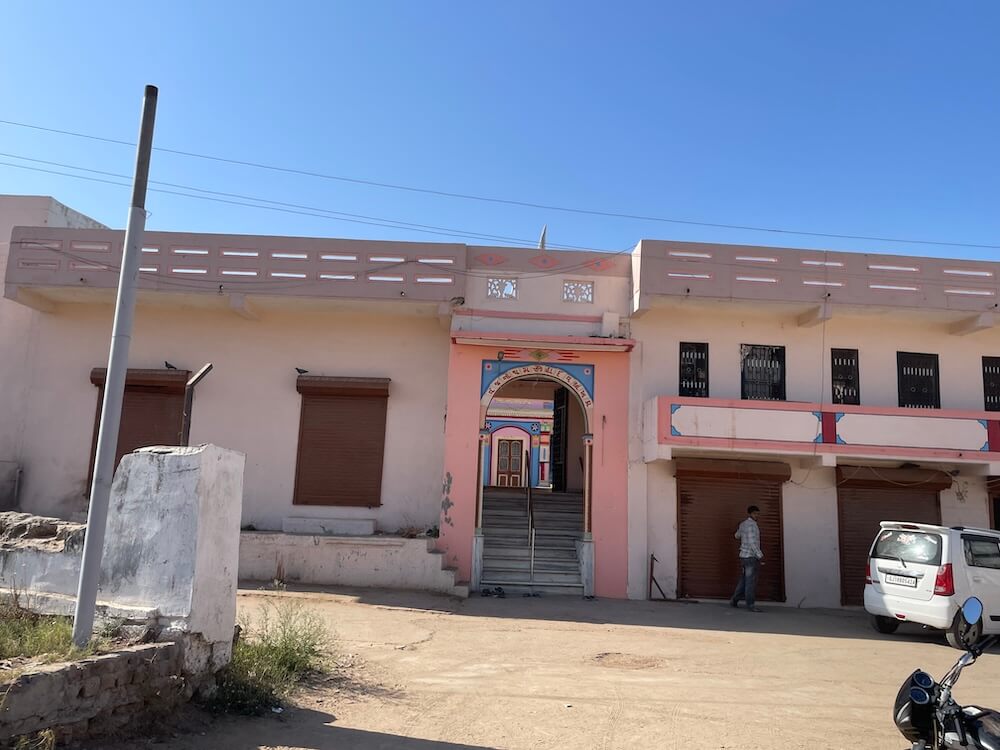
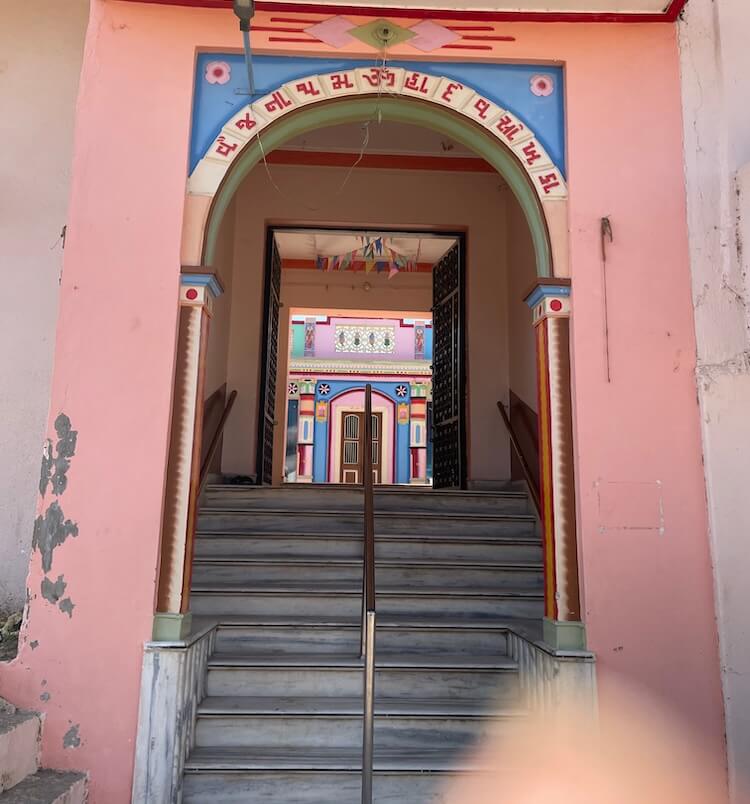
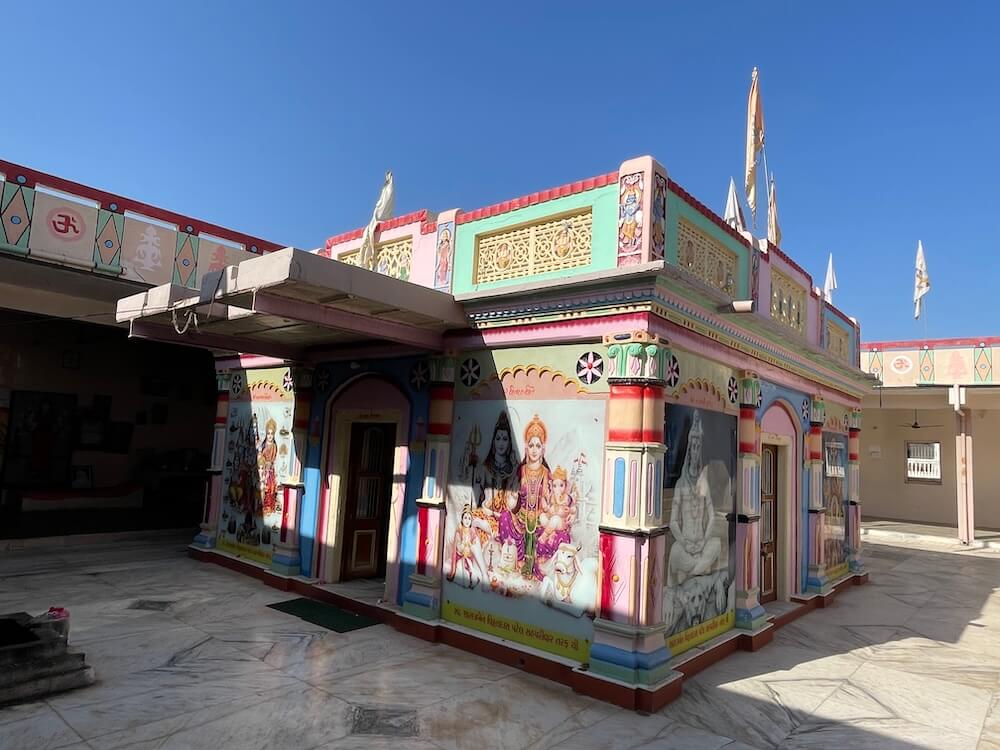
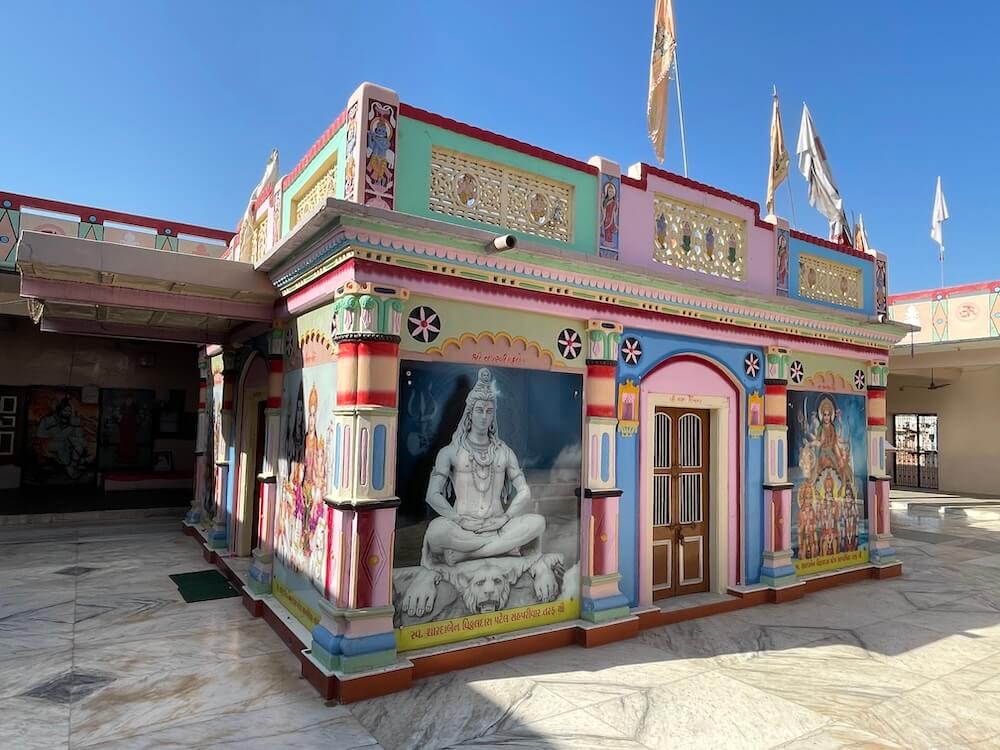
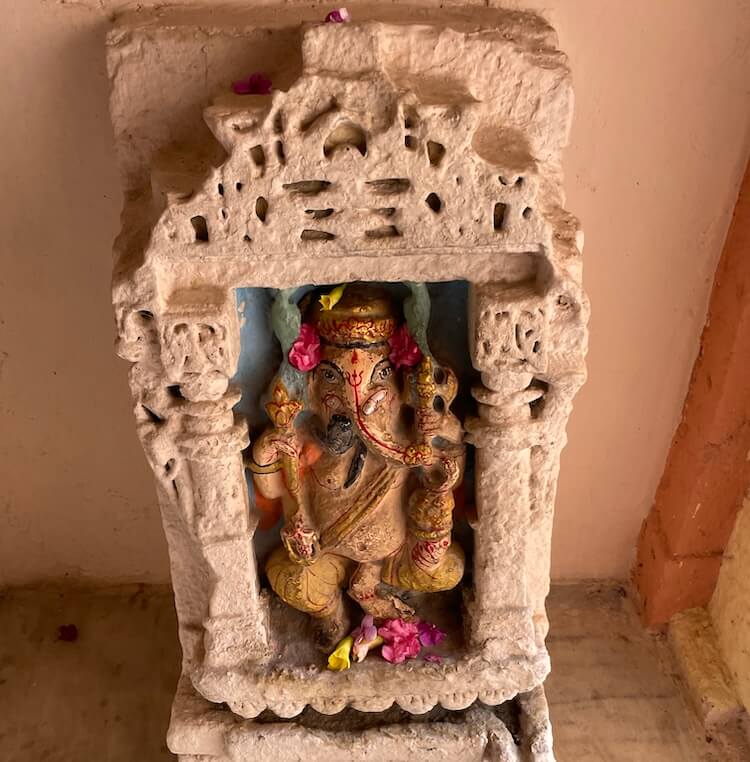
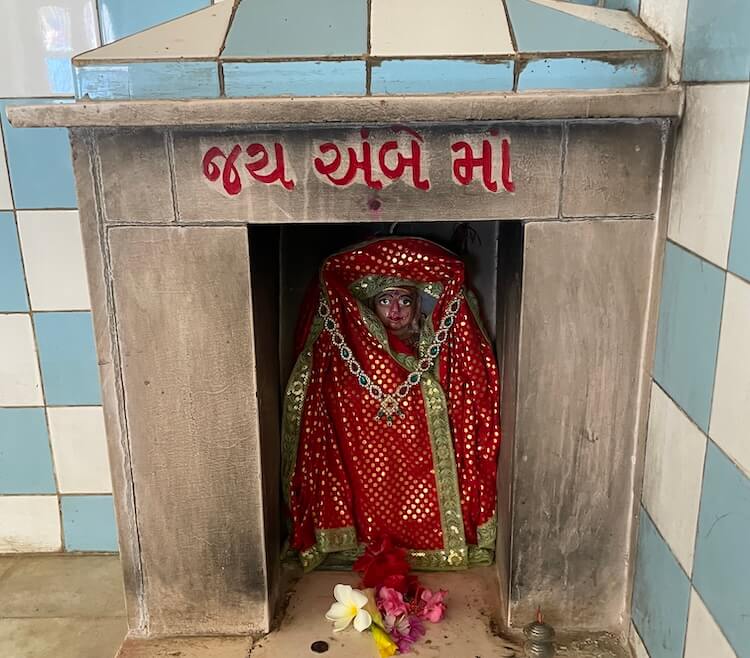
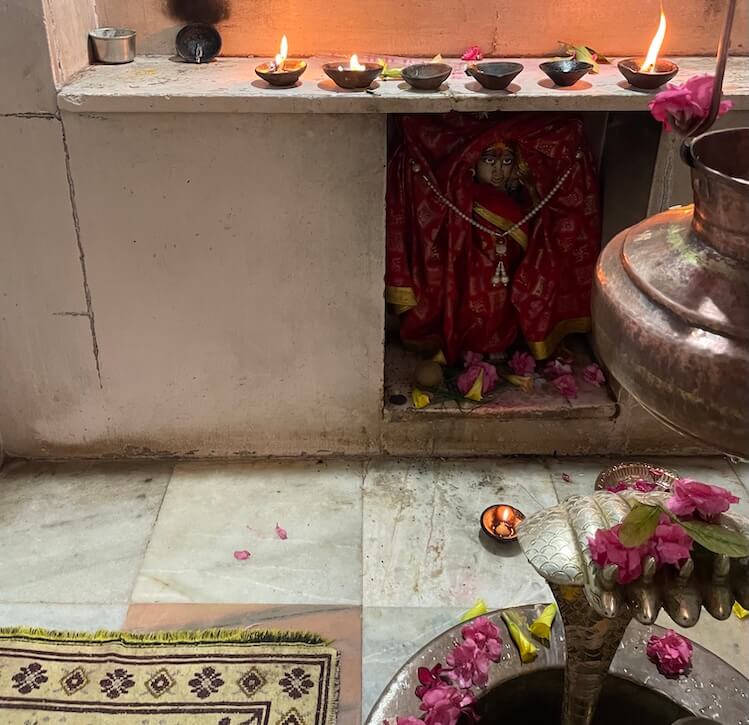
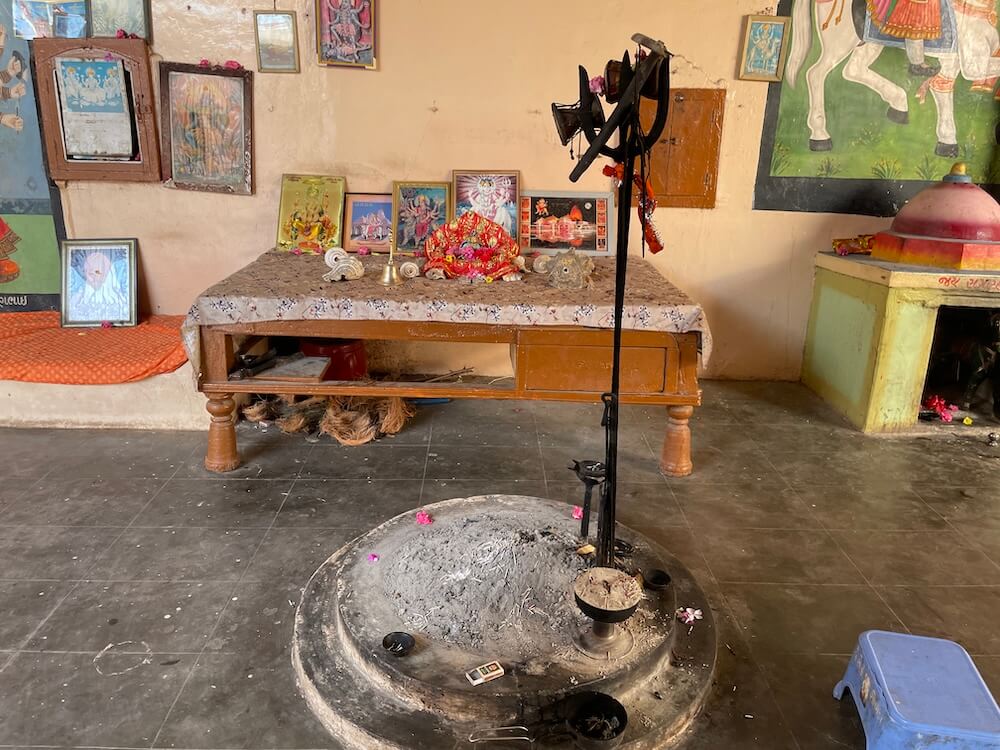
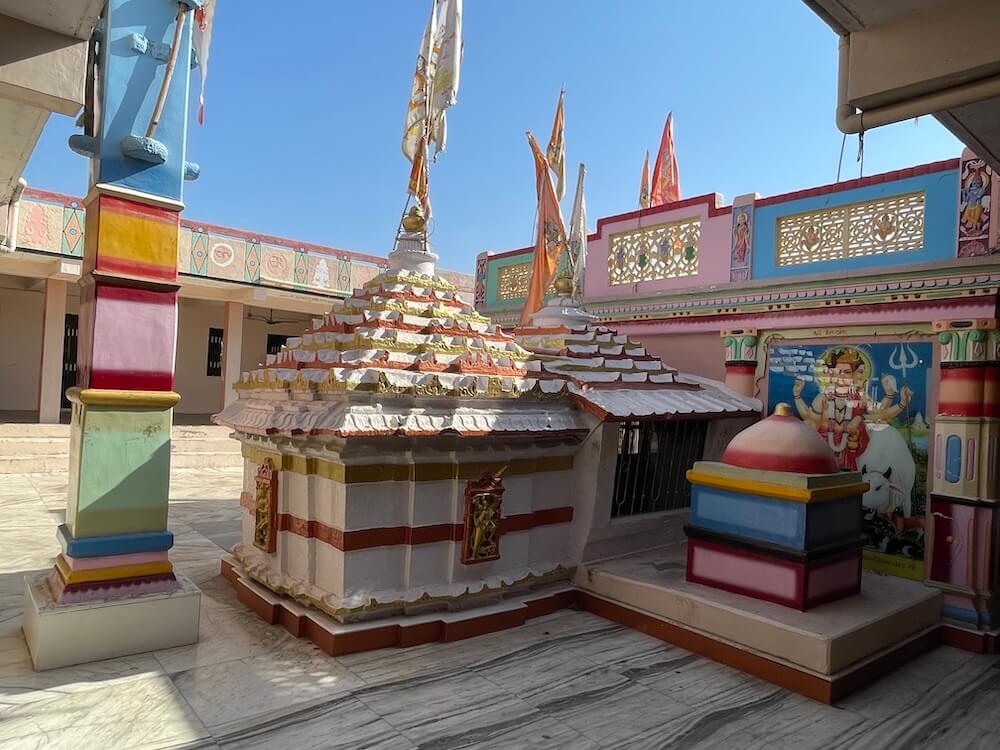
Situated in the heart of Sokhada village, the temple is enclosed by a perimeter wall. Upon passing through the main gateway, one ascends fifteen steps to reach a compact yet elegant courtyard paved with polished marble. This courtyard is flanked by ‘Ovaris’ (cloisters) on all sides, with the shrine of Vaijanath Mahadev positioned at the center. Facing the temple within the precincts is a ‘Yajna-kunda’ for sacrificial fires. 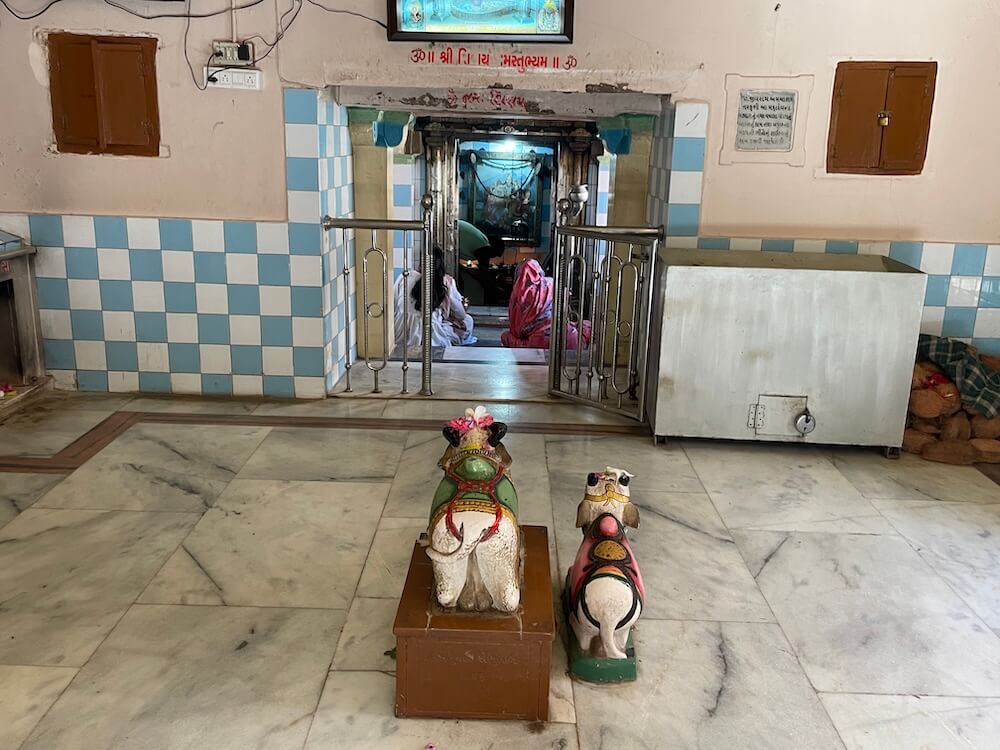 The temple’s facade, on either side of the entrance, is adorned with exquisite depictions of the Shiva family, including the twelve Jyotirlingas and various icons of Shiva and Shakti. The architectural layout comprises a ‘Sabhamandap’ (assembly hall), an ‘Antarala’ (vestibule) and the ‘Garbhagriha’ (sanctum sanctorum). Within the enclosed assembly hall, two idols of Nandi keep watch. The wall niches house the images of Lord Ganesha and Ambaji Mata. The sanctum sanctorum features two Shivalingas resting side by side upon the floor. It is a firm belief that the primary, circular Shivalinga is ‘Swayambhu’ or self-manifested. A niche in the rear wall of the sanctum enshrines an idol of Mother Parvati. The exterior walls of the assembly hall are painted with vibrant depictions of Lord Shankar and various goddesses.
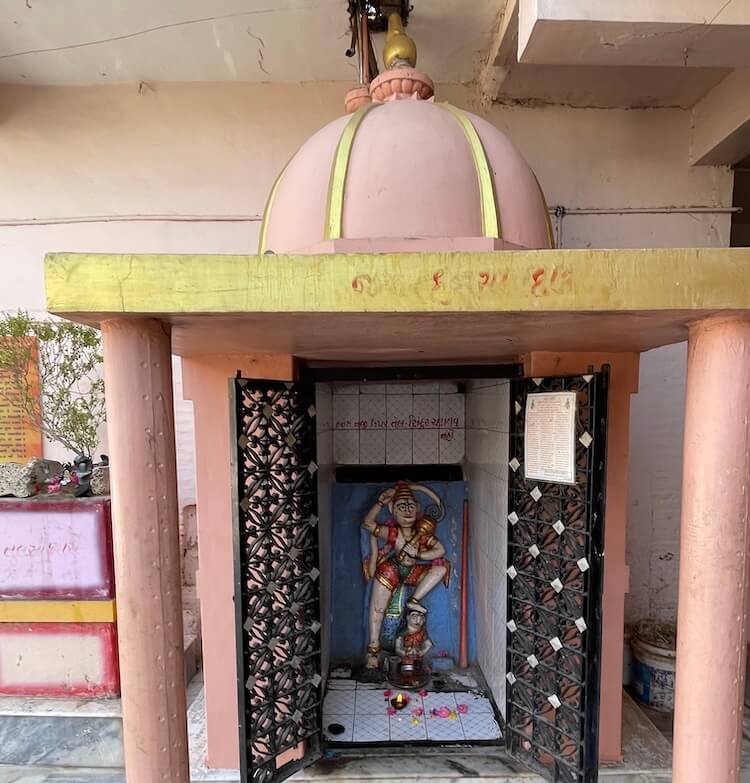
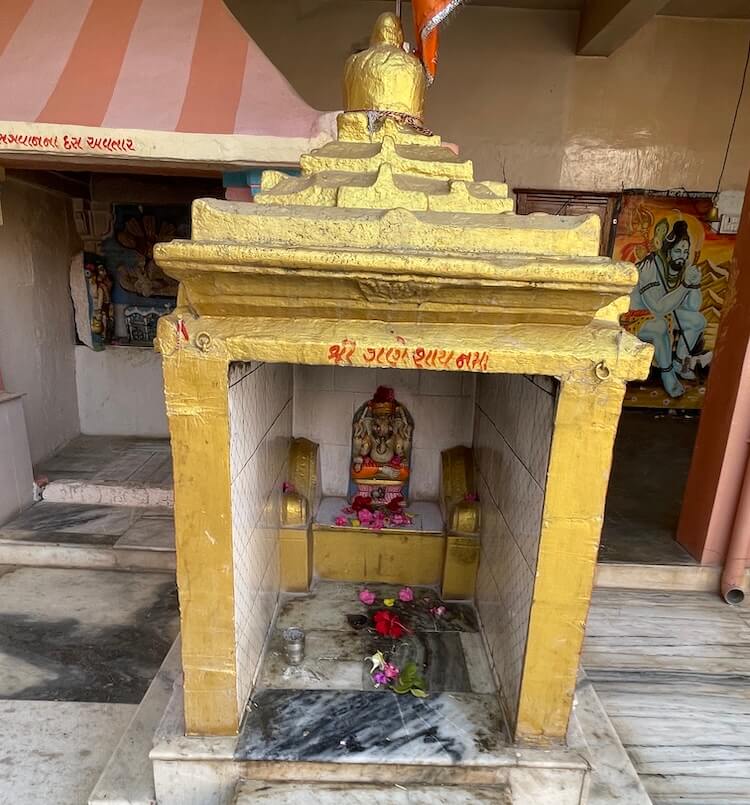
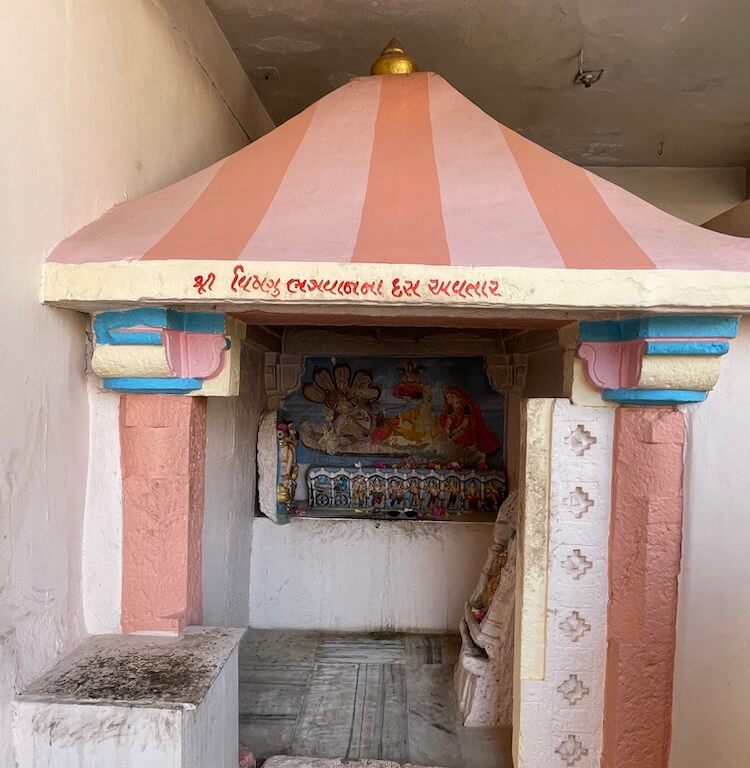
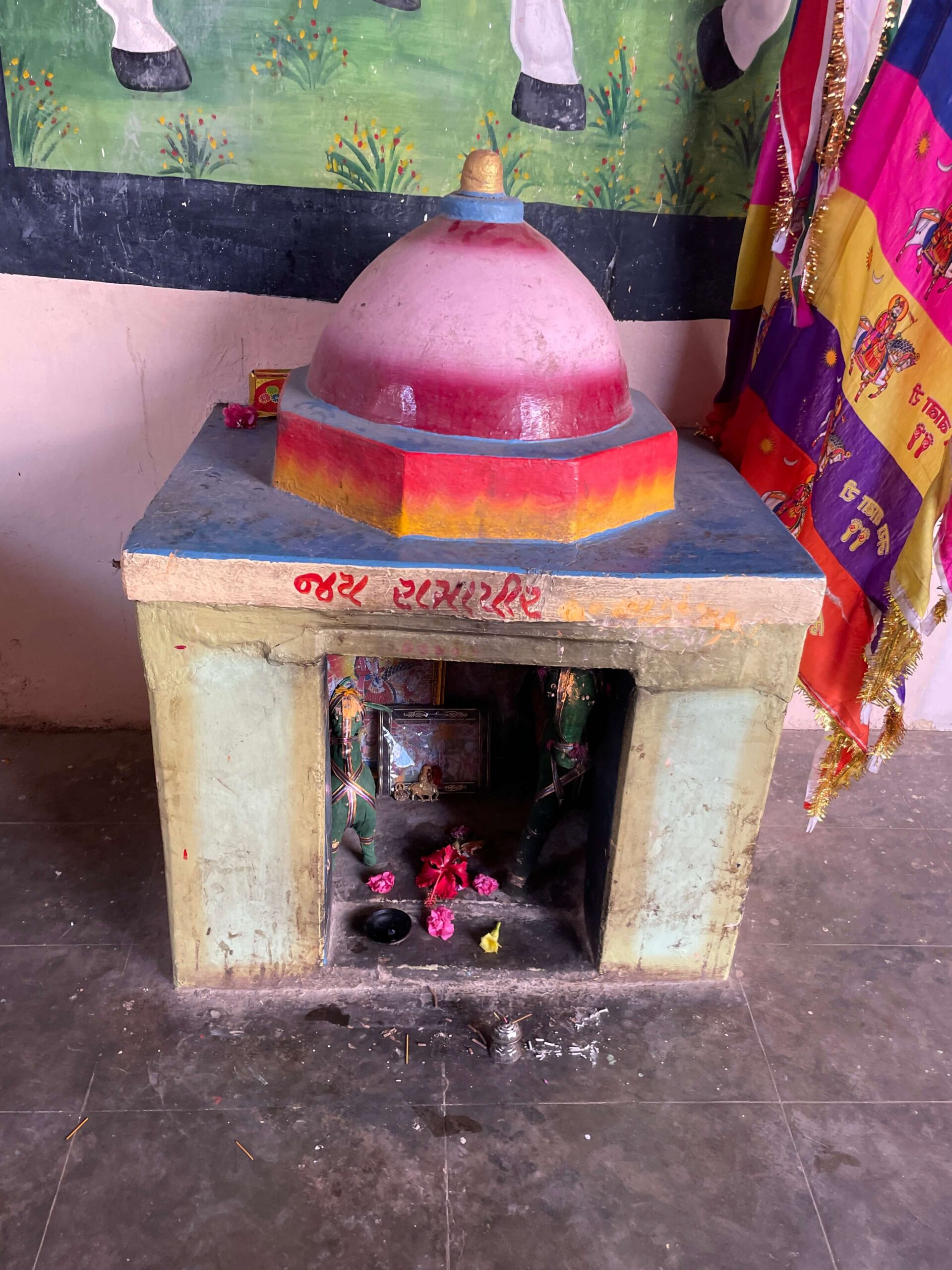
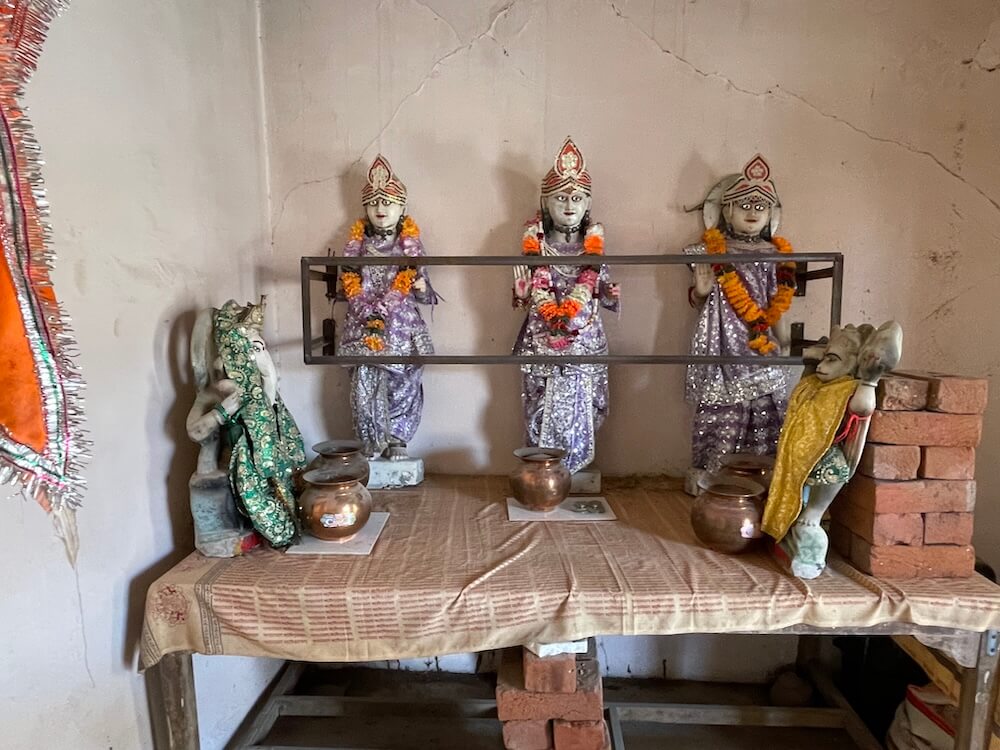
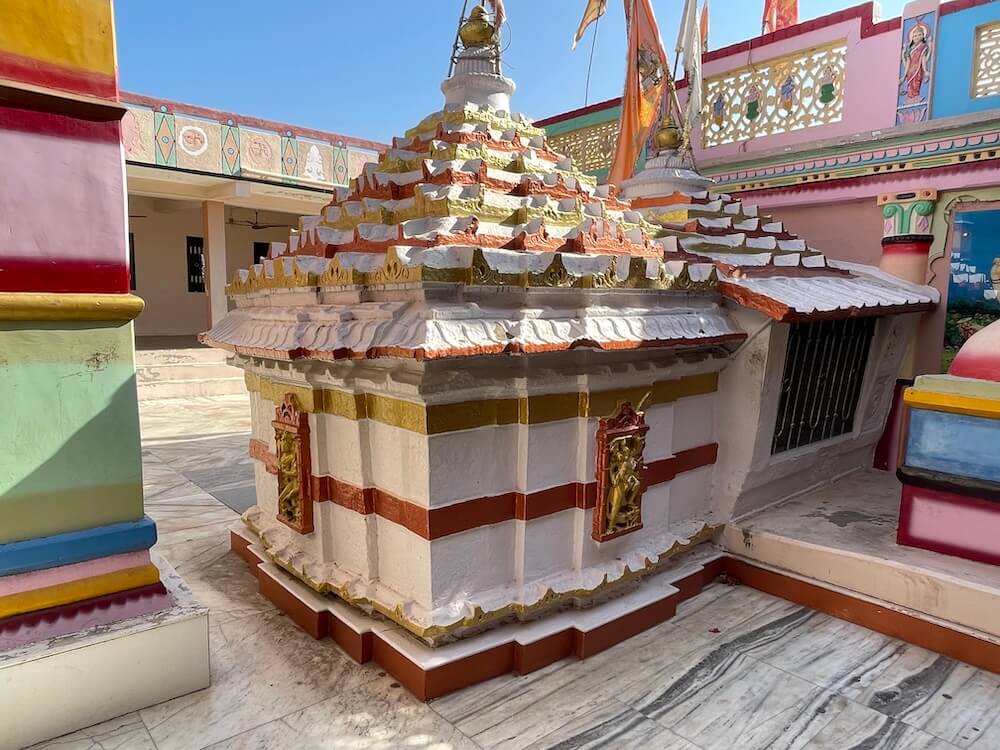
 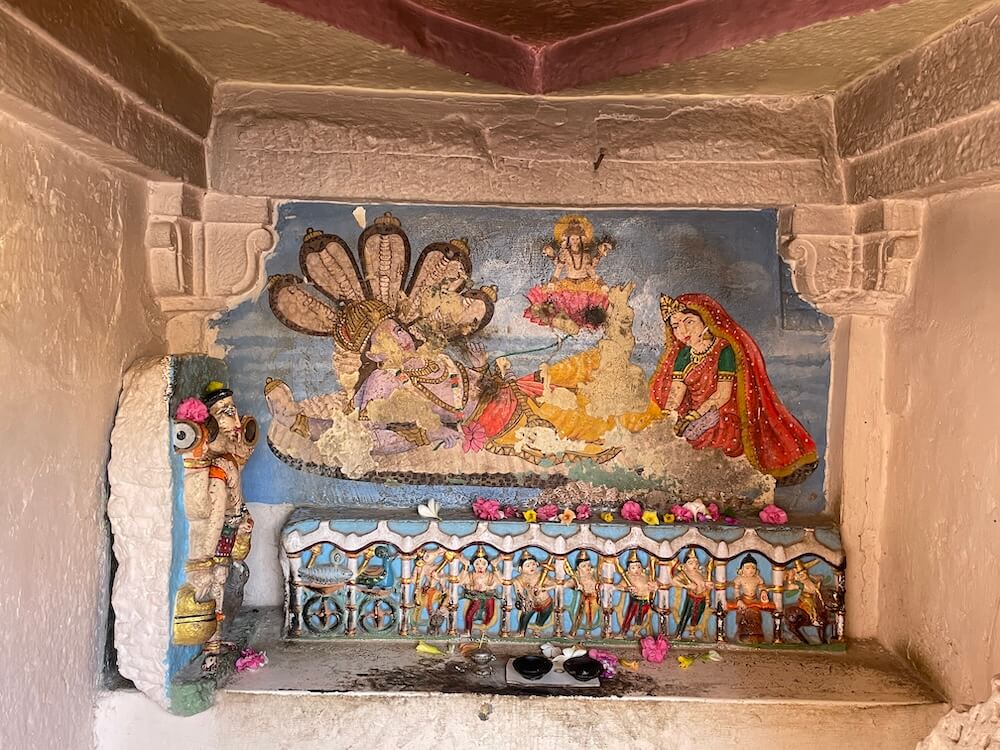 The roofs over the vestibule and the sanctum are crowned with two square, stepped spires. The outer walls of the sanctum are further embellished with various sculptures within niches. Furthermore, the temple complex houses smaller shrines dedicated to Shri Ram-Lakshman-Sita, Vishnu-Lakshmi, Ganesha and Hanuman.
The grandest festival celebrated at this temple is Mahashivratri. On this auspicious day, the entire temple complex is magnificently decorated with floral garlands and illuminated with brilliant lights. From the crack of dawn, a sea of devotees throngs the temple for a glimpse of the deity. Large numbers of pilgrims visit every Monday, particularly during the holy month of Shravan. In addition, various religious festivals are celebrated with great fervour and spiritual solemnity. The villagers hold a profound faith that the Shiva-linga in this temple is self-manifested and spiritually ‘awakened’. It is believed that a heartfelt prayer to Mahadev, the God of Gods, can alleviate all ailments—a conviction that draws many devotees for ‘Darshan’ every Monday. The temple remains open for devotees daily from six o’clock in the morning until nine o’clock at night.
Useful Information
- Located at approximately 20 km from Vijapur and 34 km from Mehsana.
- GSRTC bus services are available from both Vijapur and Mehsana.
- Private vehicles can reach up to the temple entrance.
- Accommodation and breakfast facilities are available in the vicinity.
वैजनाथ महादेव मंदिर
सोखाडा, तालुका विजापुर, जिला मेहसाणा
मंदिरे
Temples
मंदिर
-
वैजनाथ महादेव मंदिर महादेवपुरा (गावडा), ता. विजापूर, जि. मेहसाणा
अधिक माहितीVaijnath Mahadev Temple Mahadevpura (Gavada), Tal. Vijapur, Dist. Mehsana
View Detailsवैजनाथ महादेव मंदिर महादेवपुरा (गावड़ा), ताल. विजापुर, जिला. मेहसाणा
विवरण देखें -
काशी विश्वनाथ महादेव मंदिर मेहसाणा, जि. मेहसाणा
अधिक माहितीKashi Vishwanath Mahadev Temple Mehsana, Dist. Mehsana
View Detailsकाशी विश्वनाथ महादेव मंदिर मेहसाणा, जिला. मेहसाणा
विवरण देखें -
मोटा अंबाजी मंदिर वसई, ता. विजापूर, जि. मेहसाणा
अधिक माहितीMota Ambaji Temple Vasai, Tal. Vijapur, Dist. Mehsana
View Detailsमोटा अम्बाजी मंदिर वसई, ताल. विजापुर, जिला. मेहसाणा
विवरण देखें